

10 Self-Proclaimed Historical Geniuses & 10 That Were Actually Smart
Changing History or Saying You Changed History
Genius is one of those words history uses generously, sometimes with good reason and sometimes because it seems right. A few historical figures built public identities around being exceptional, whether through grand titles, theatrical habits, public boasting, or legend. Others left behind work so original, useful, or enduring that the label just feels like a natural fit. This list starts with the self-stylers and mythmakers, then moves into the thinkers whose intelligence still speaks through what they created, proved, calculated, or changed.
 Van Vechten, Carl, 1880-1964. on Wikimedia
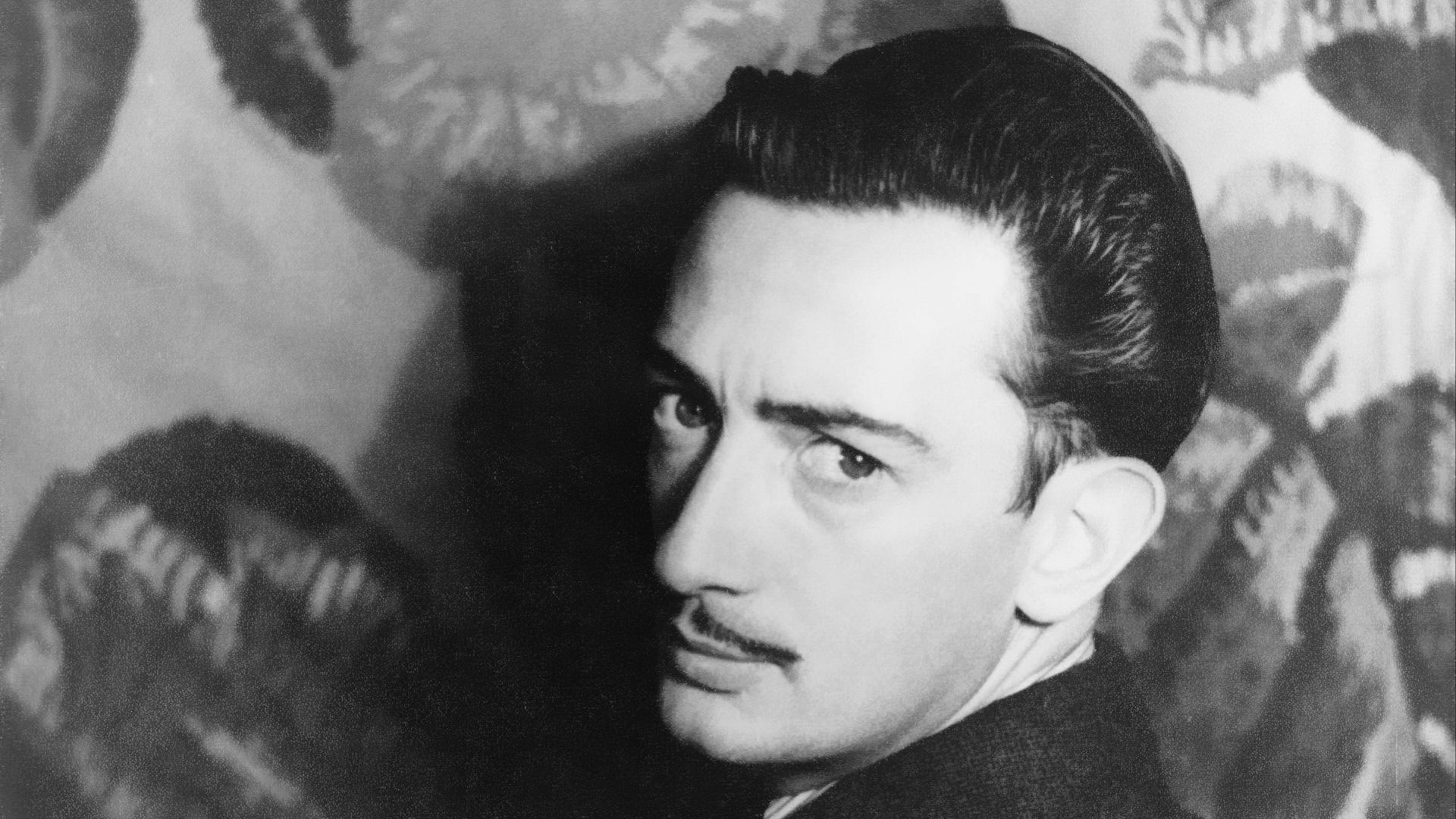
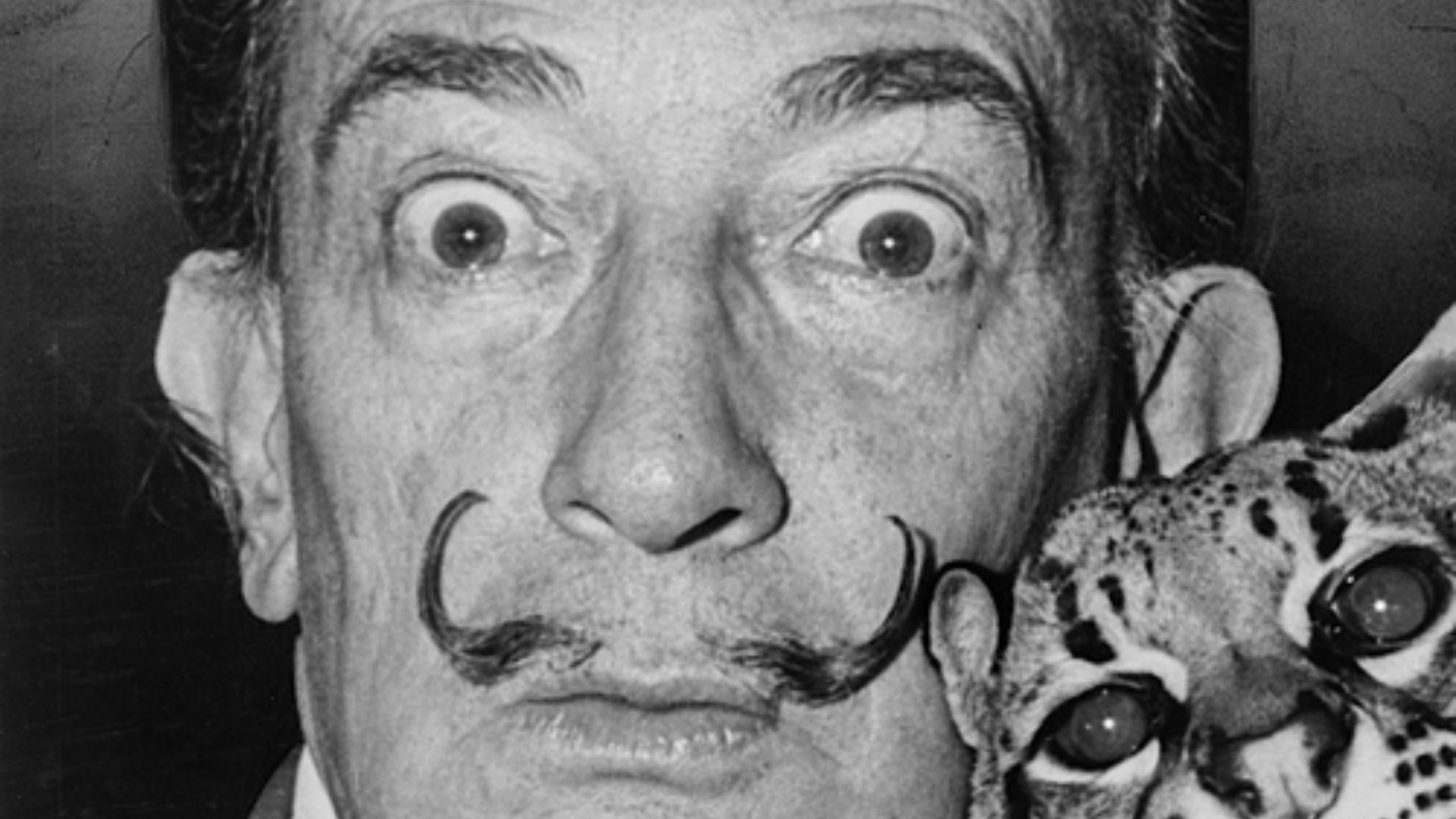
1. Salvador Dalí
Salvador Dalí treated genius like part of his uniform, right alongside the dramatic mustache, intense stare, and carefully staged public appearances. His surreal paintings were technically precise and wildly strange, filled with warped bodies, impossible landscapes, and dream logic that made his work instantly recognizable.
 Roger Higgins, World Telegram staff photographer on Wikimedia
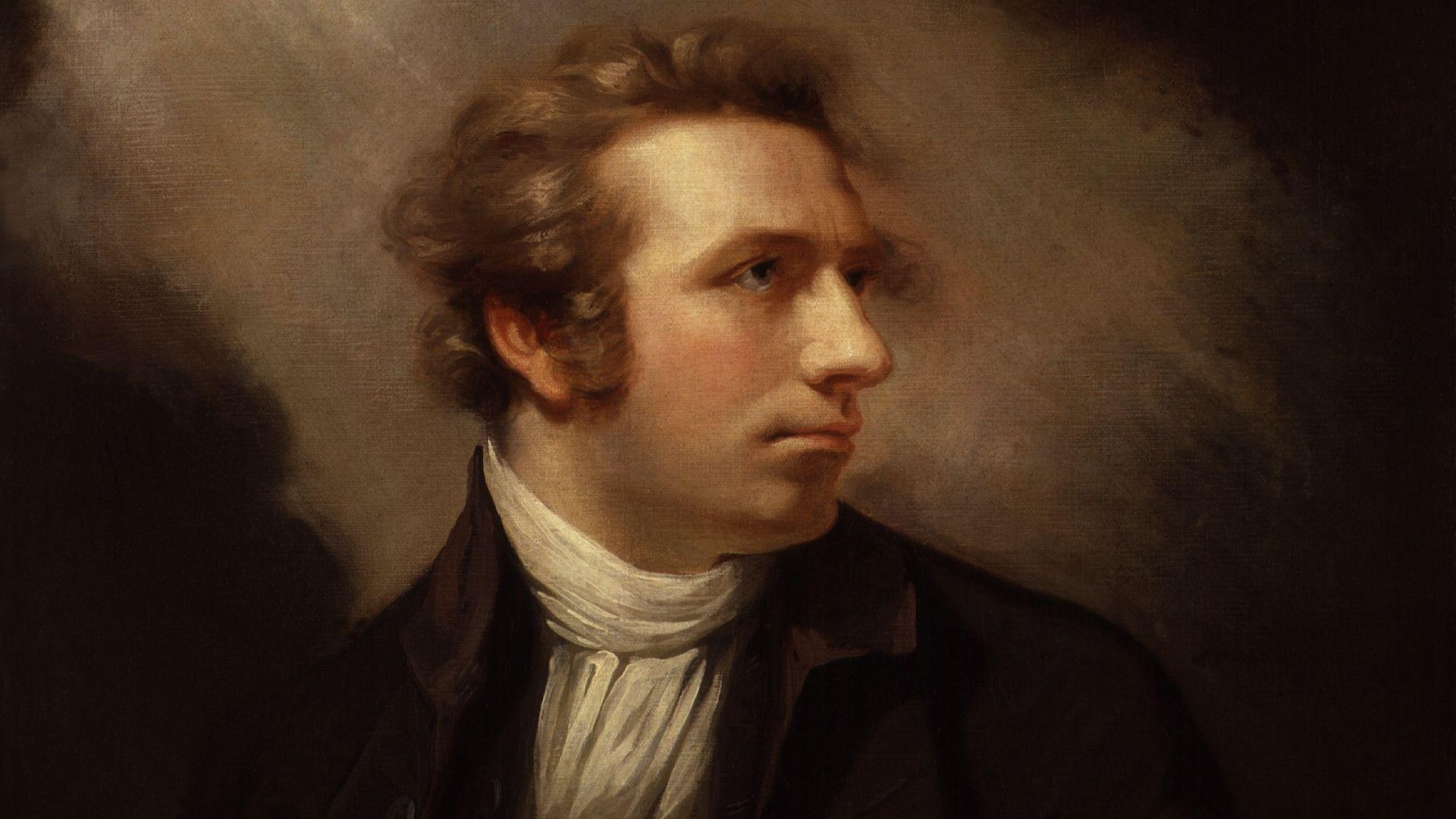
2. Henry Fuseli
Henry Fuseli built his reputation around a taste for the unsettling. His best-known painting, The Nightmare, helped turn him into an artist associated with fear, fantasy, and psychological tension. He also understood that presenting himself as a rare and forceful imagination could make the work feel even more powerful.
 James Northcote (died 1831) on Wikimedia
3. Gertrude Stein
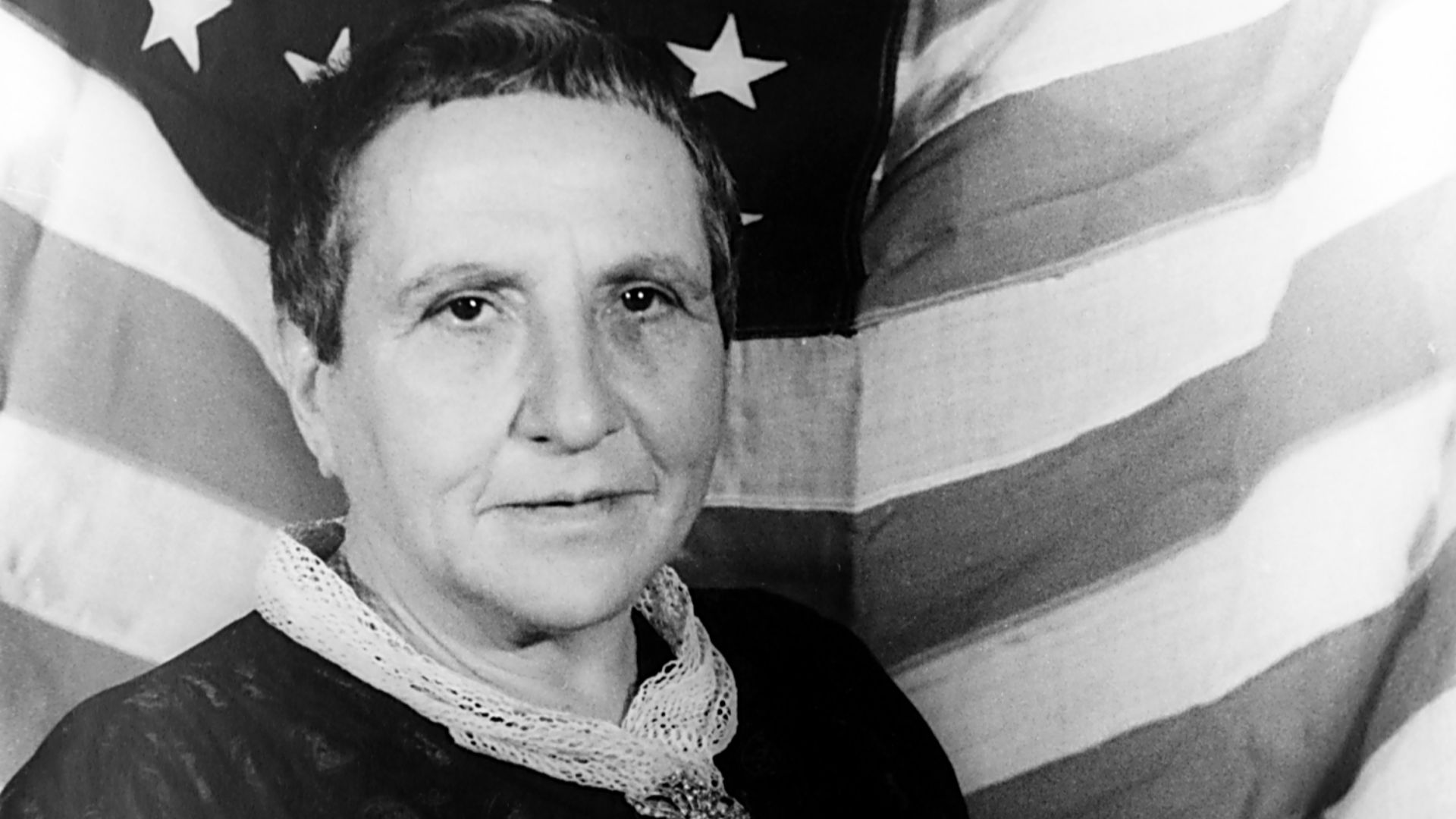
Gertrude Stein didn’t wait around for the literary world to decide she mattered. She hosted a famous Paris salon, gathered major modern artists and writers around her, and wrote in a style that could feel musical, repetitive, playful, and stubbornly odd. Her confidence was part of her cultural power, and she knew it.
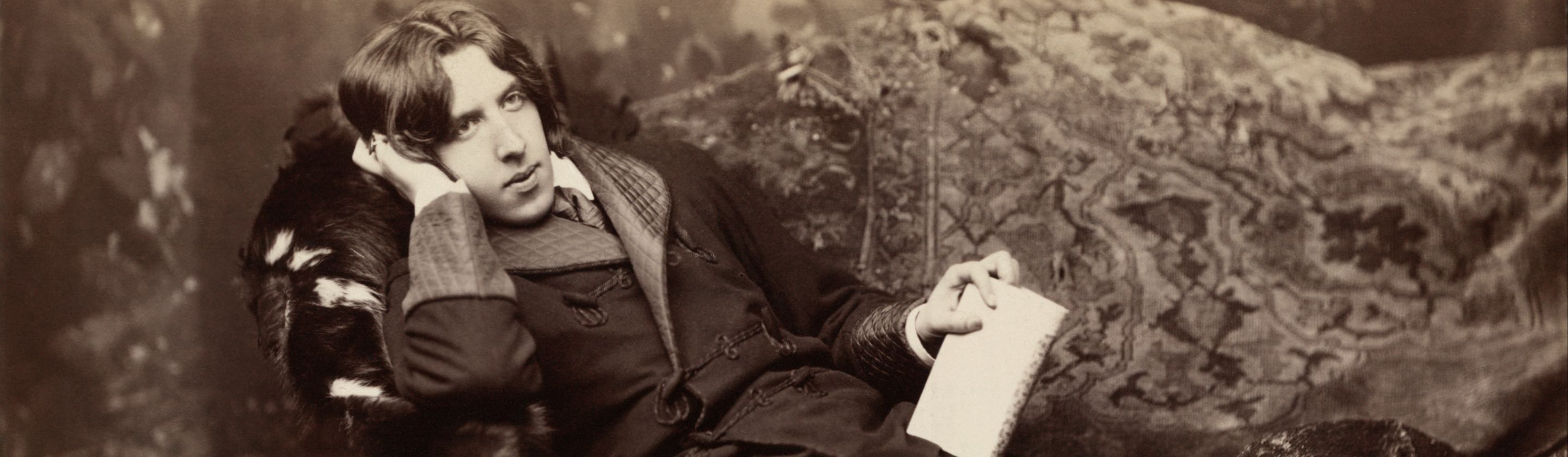
4. Oscar Wilde
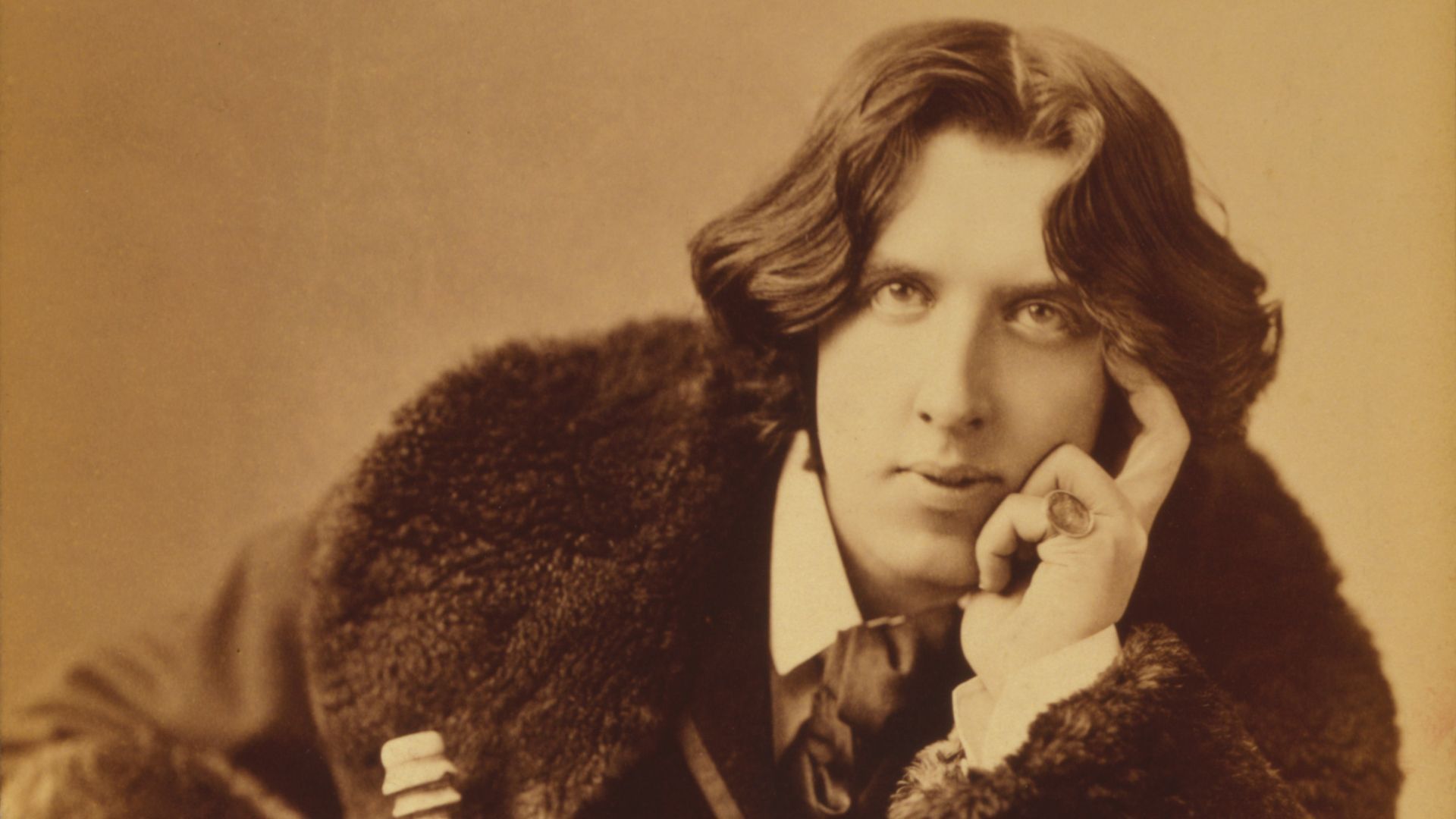
Oscar Wilde’s famous line about having “nothing to declare” except his genius is more legend than fact. Still, it survived because it sounds so perfectly like the public Wilde: witty, stylish, self-aware, and just vain enough to make the joke work. His real genius was turning his personality into performance art.
5. Frank Lloyd Wright
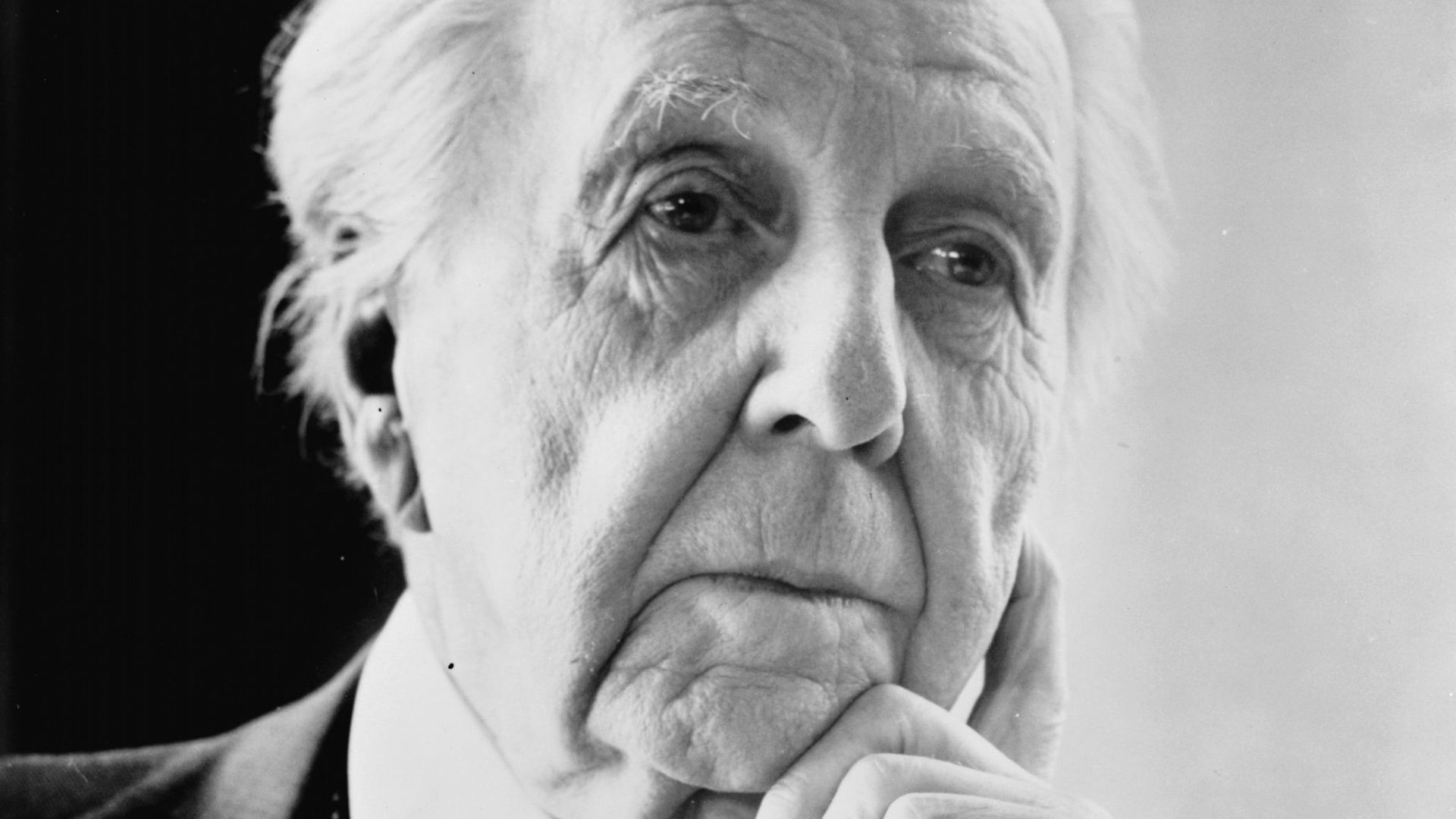
Frank Lloyd Wright’s self-confidence could practically enter a room before he did. His buildings helped reshape modern architecture with open interiors, strong horizontal lines, dramatic forms, and a belief that structures should belong to their landscapes. His ego was enormous, but so was his influence on the way people thought about homes, public buildings, and space.
 New York World-Telegram and the Sun staff photographer on Wikimedia
6. Paul Poiret
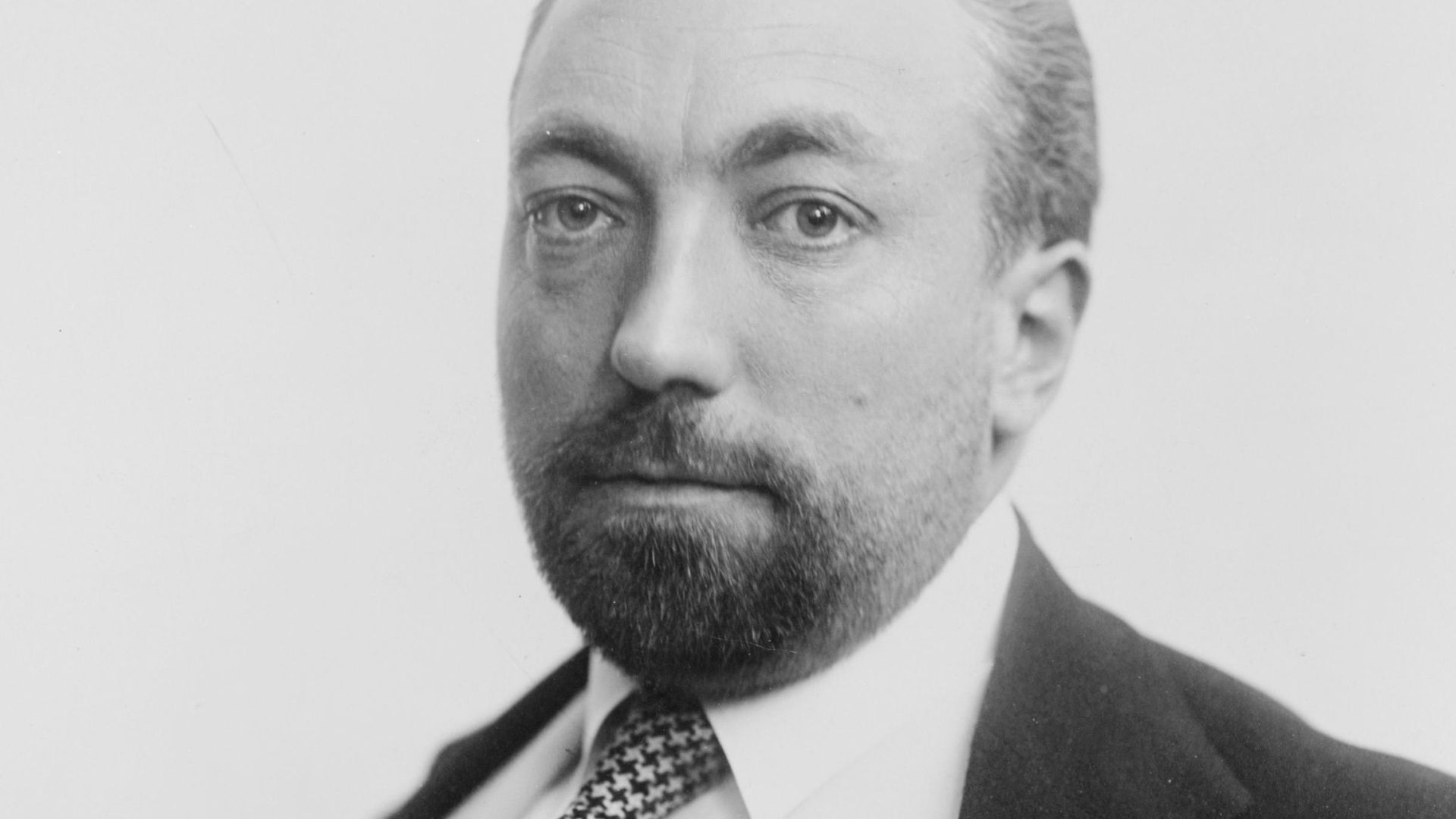
Paul Poiret styled himself as fashion royalty, and he had enough flair to make the title feel believable. He helped move women’s fashion away from rigid corsetry and toward looser shapes, drape, color, and a more theatrical presentation.
 Unknown authorUnknown author on Wikimedia
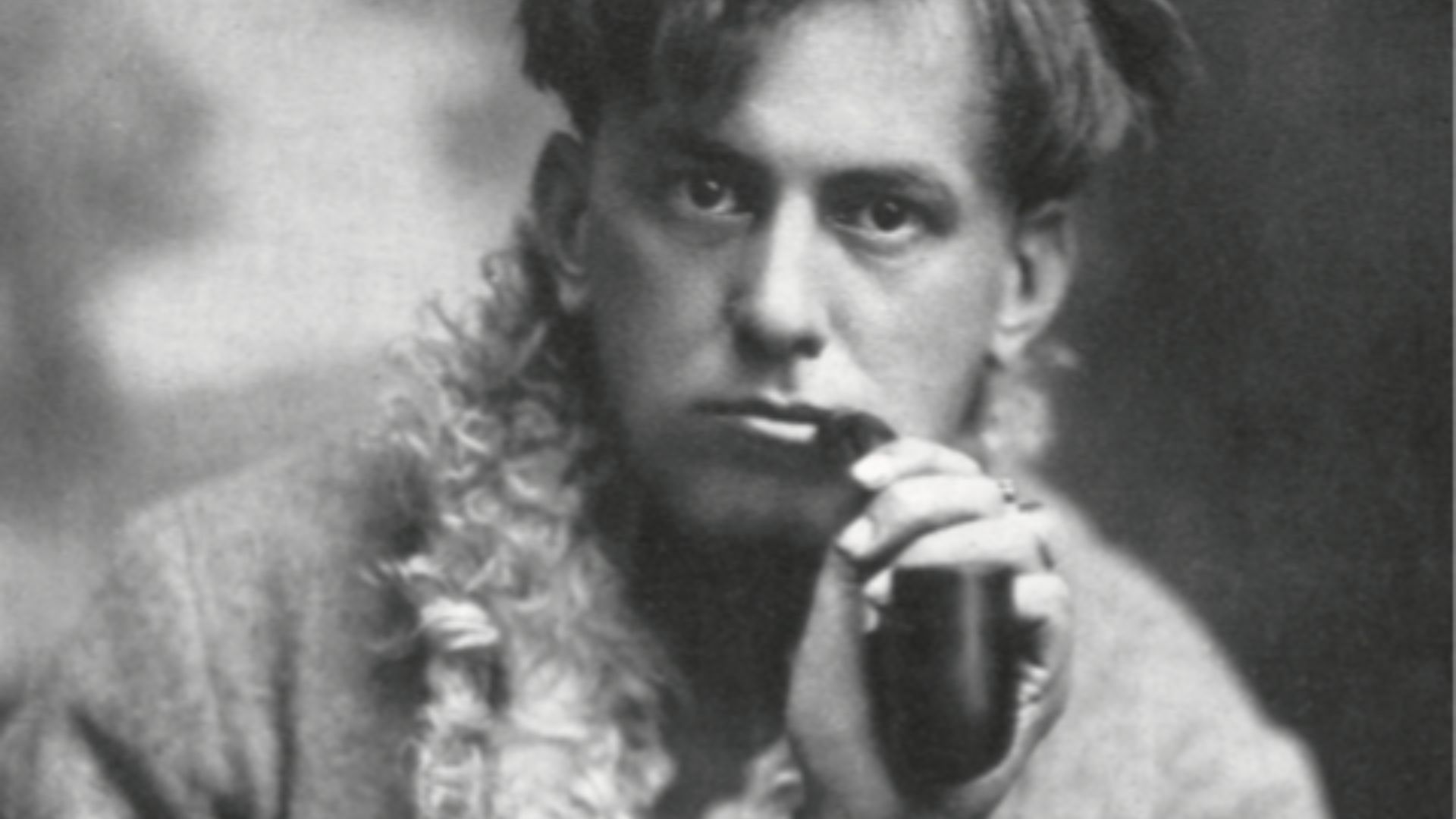
7. Aleister Crowley
Aleister Crowley understood that scandal could be a kind of publicity engine. He gave himself notorious titles, wrote about occult practice, climbed mountains, and turned his own reputation into a haze of mystery, outrage, and performance. Whether people admired him or recoiled from him, he made sure they were still talking.
 Unknown authorUnknown author on Wikimedia
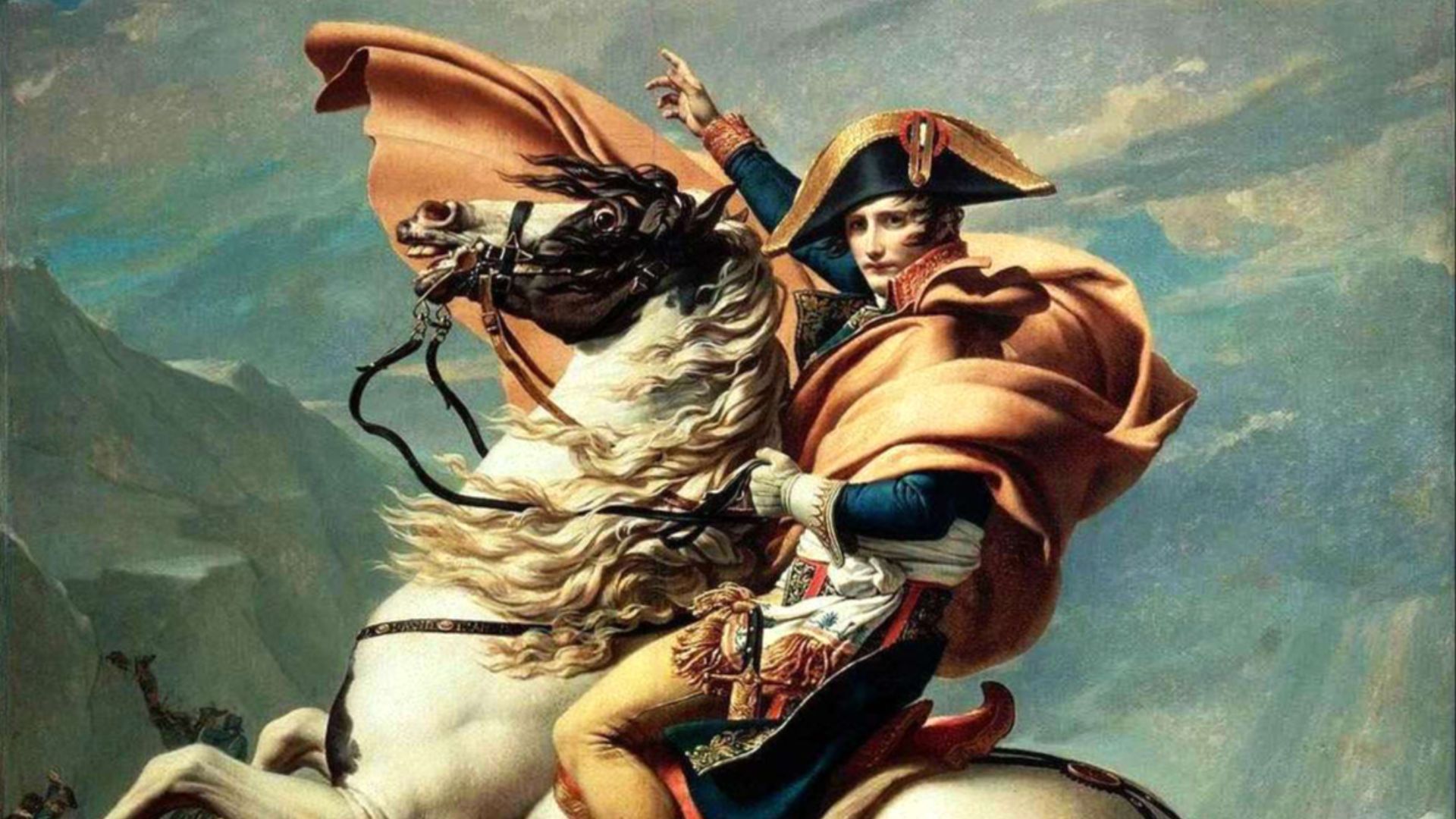
8. Napoleon Bonaparte
Napoleon Bonaparte didn’t only chase power on battlefields; he shaped the story people heard about that power. Through reports, ceremony, imagery, and controlled messaging, he helped build a legend of near-superhuman command. His real military and political talent mattered, but so did his instinct for making victories look larger than life.
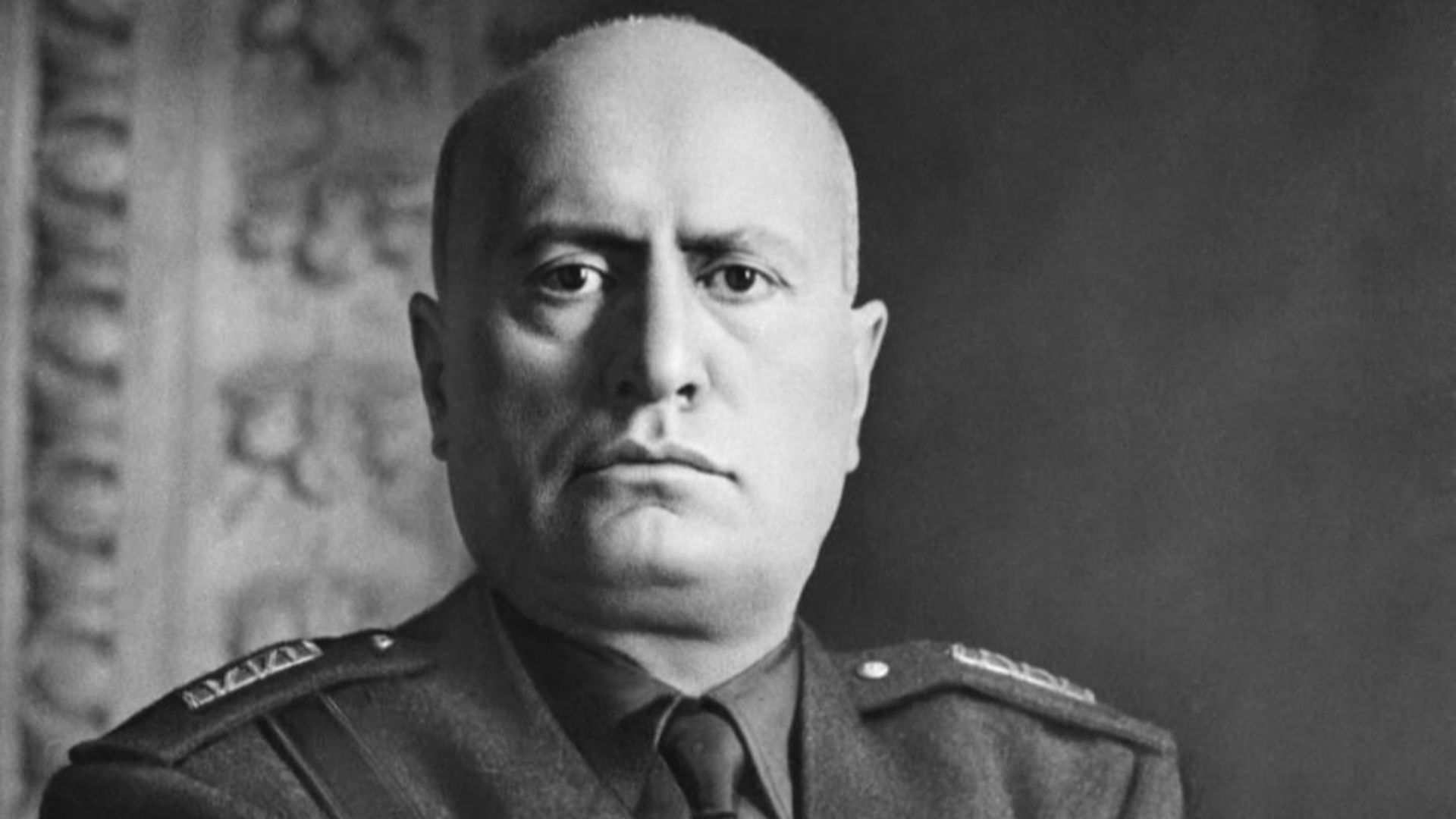
9. Benito Mussolini
Benito Mussolini’s self-mythology was not harmless vanity; it was authoritarian theater with brutal consequences. His image as Il Duce was built through speeches, rituals, public spectacle, and staged devotion, all meant to make one man look like the embodiment of a nation. It’s a sharp reminder that grand personal branding can become dangerous when tied to power and violence.
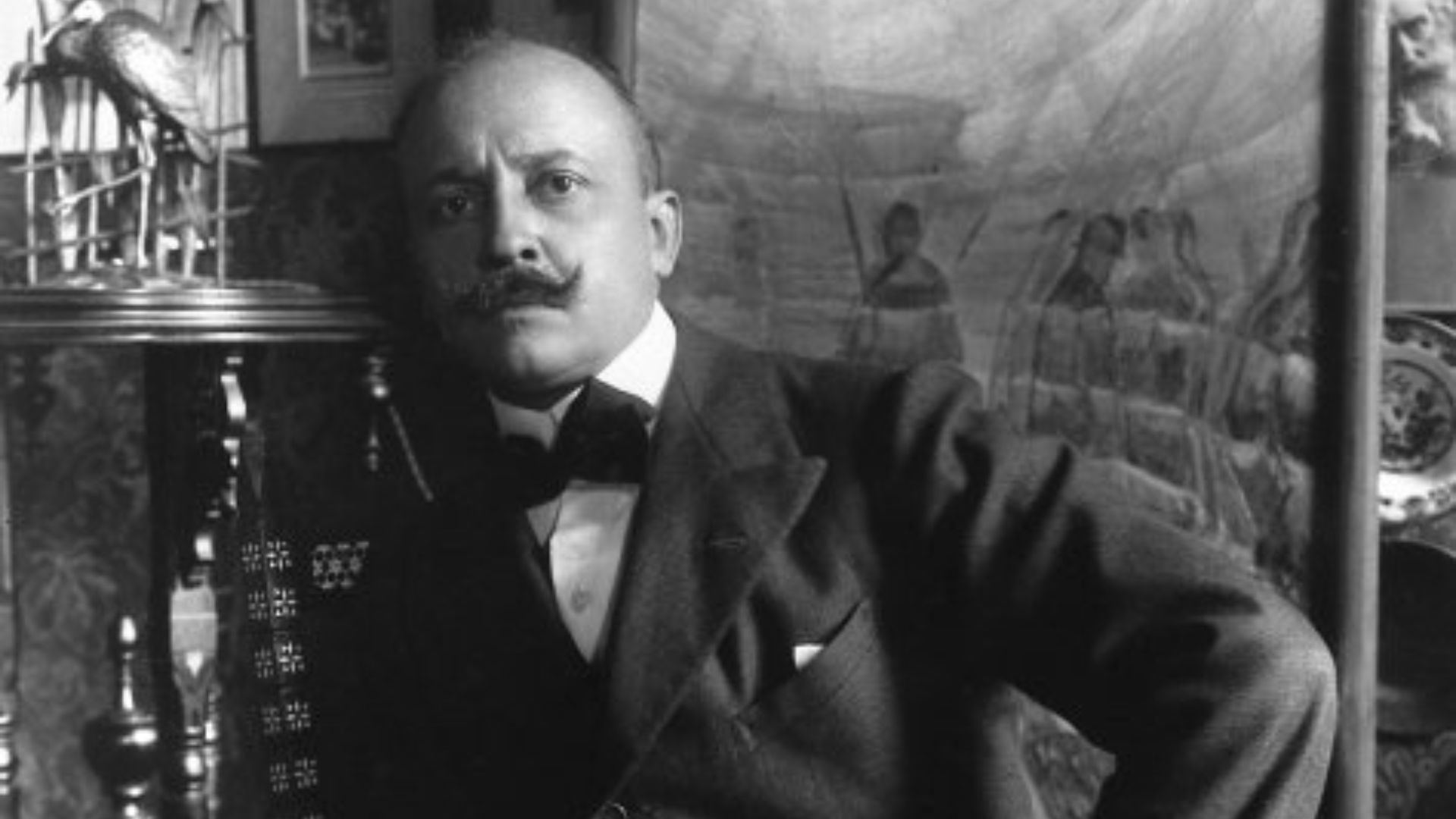
10. Filippo Tommaso Marinetti
Filippo Tommaso Marinetti launched Futurism with the volume turned all the way up. He praised speed, machinery, youth, rupture, and aggression, then used manifestos as if they were cultural weapons. His movement influenced art and design, but its love of violence and shock makes the brilliance fall short.
 Unknown authorUnknown author on Wikimedia
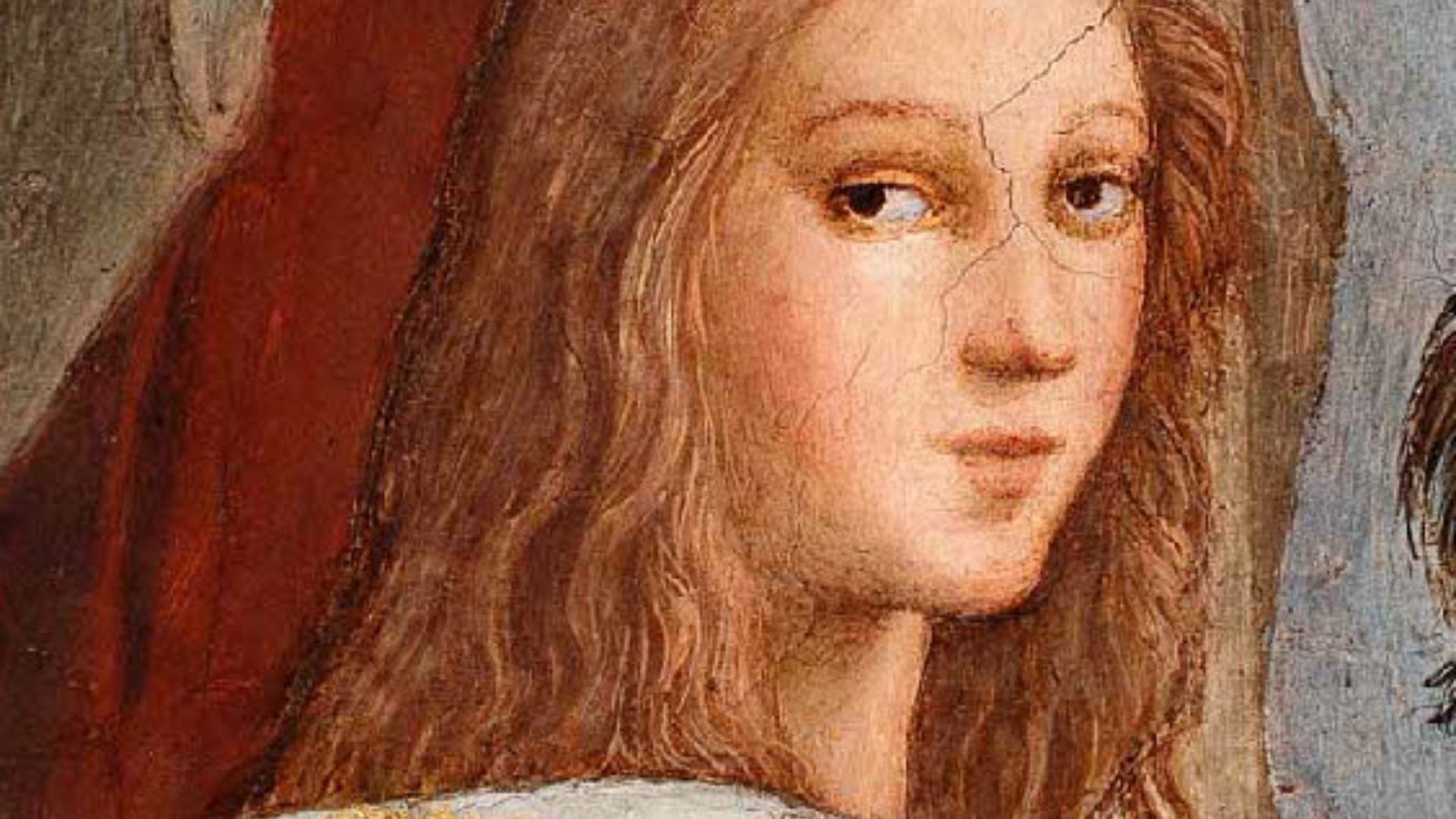
1. Hypatia
Hypatia of Alexandria was a mathematician, astronomer, and philosopher whose life stands out partly because so few women’s intellectual histories were preserved with care. She taught in Alexandria and became a respected public thinker in a city where scholarship, religion, and politics could collide dangerously. Her legacy rests on her teaching capabilities.
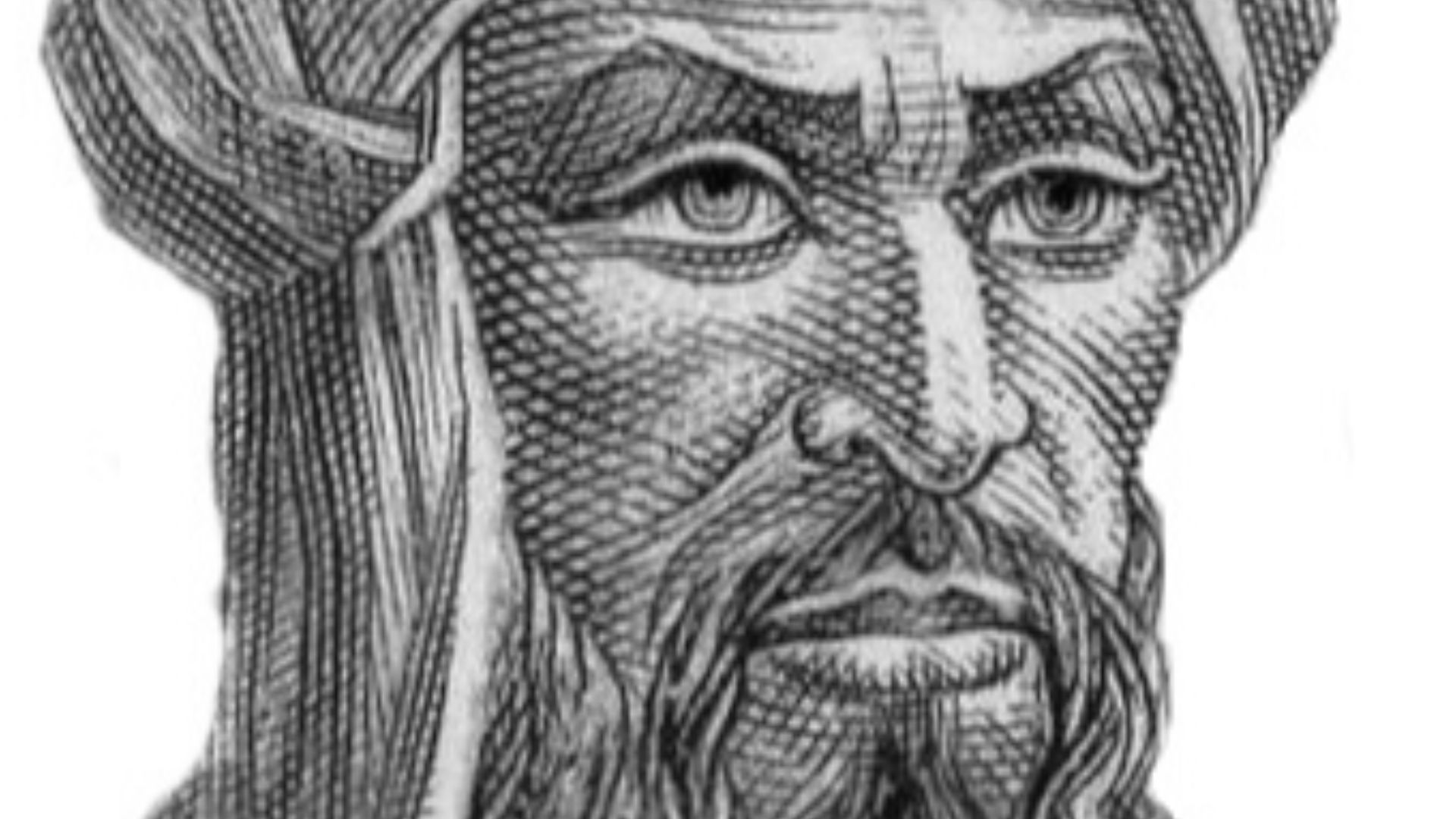
2. Al-Khwarizmi
Al-Khwarizmi’s legacy is hidden in words we still use, including algebra and algorithm. His mathematical writing helped turn problem-solving into clearer, more organized methods that other people could learn and repeat. That kind of intelligence may not sound flashy, but it changes how entire generations think.
3. Ibn Al-Haytham
Ibn al-Haytham helped push the study of light and vision. Rather than simply repeating older explanations, he tested how sight worked and treated observation as essential.
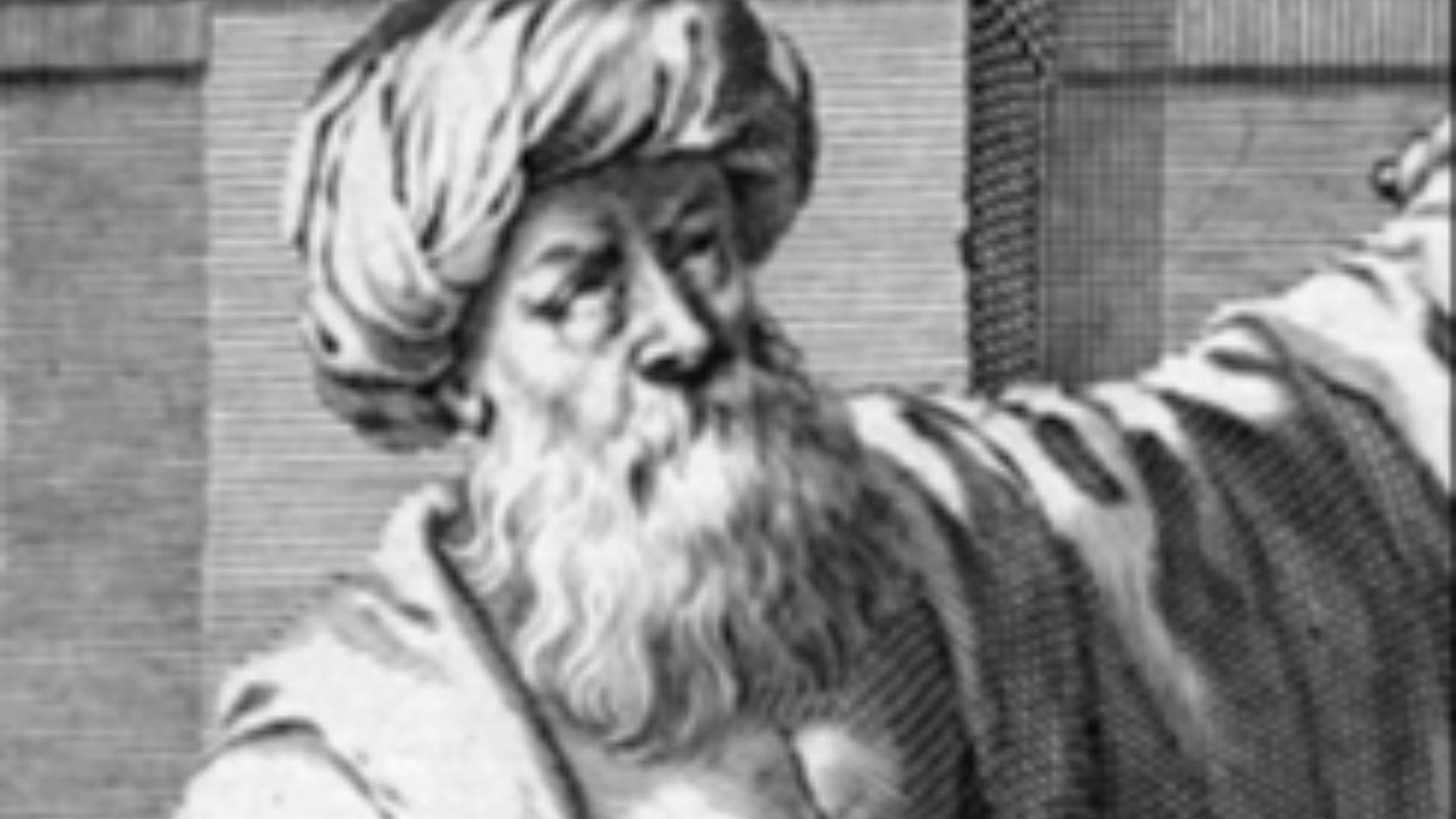 artwork drawn by Adolph Boÿ, engraved by Jeremias Falck on Wikimedia
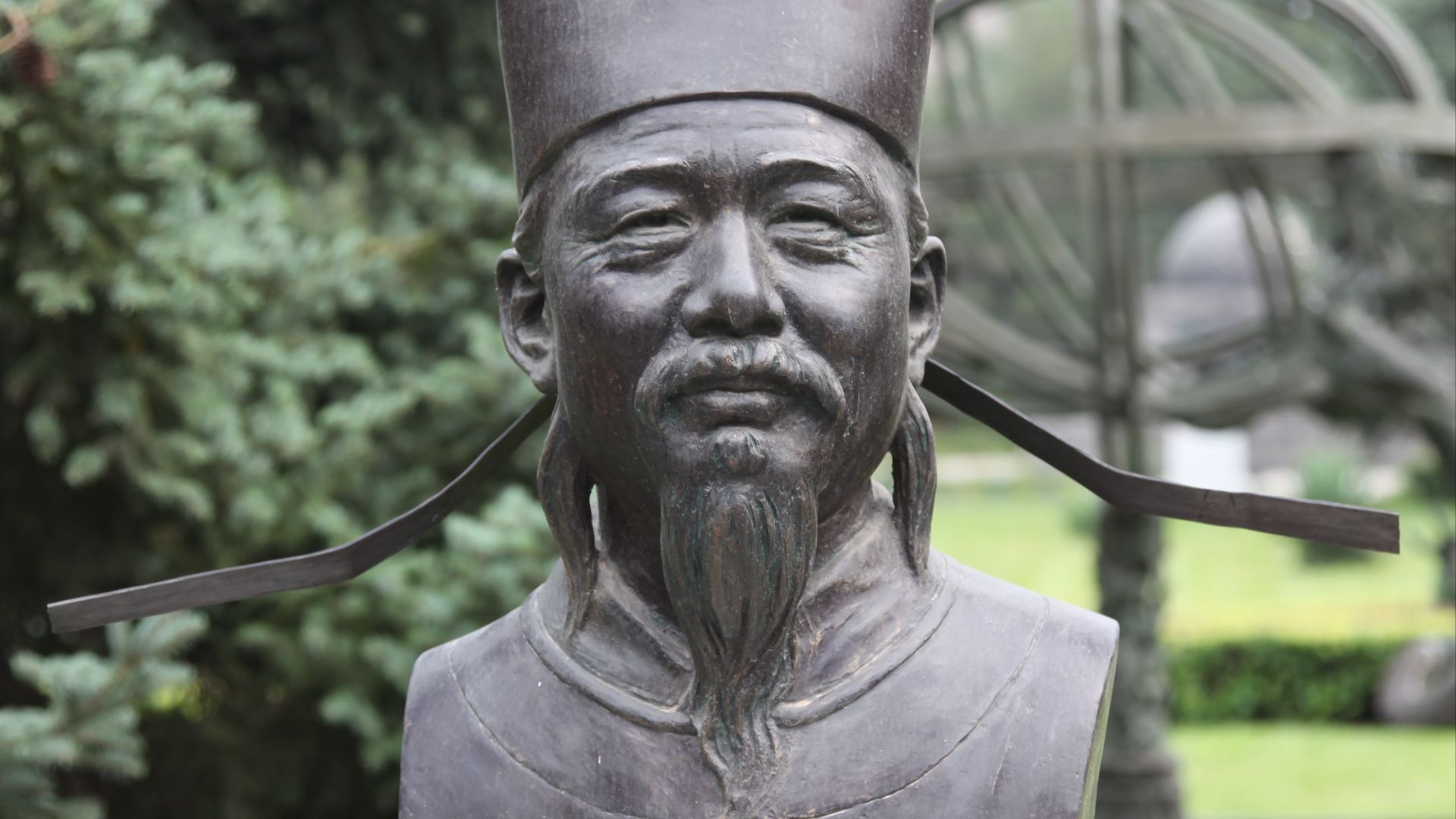
4. Shen Kuo
Shen Kuo had the restless curiosity of someone who refused to study a singular subject. He wrote about astronomy, mathematics, geography, fossils, technology, and natural patterns, often noticing details that others might have ignored completely. His mind worked across categories, which is part of what makes up his genius.
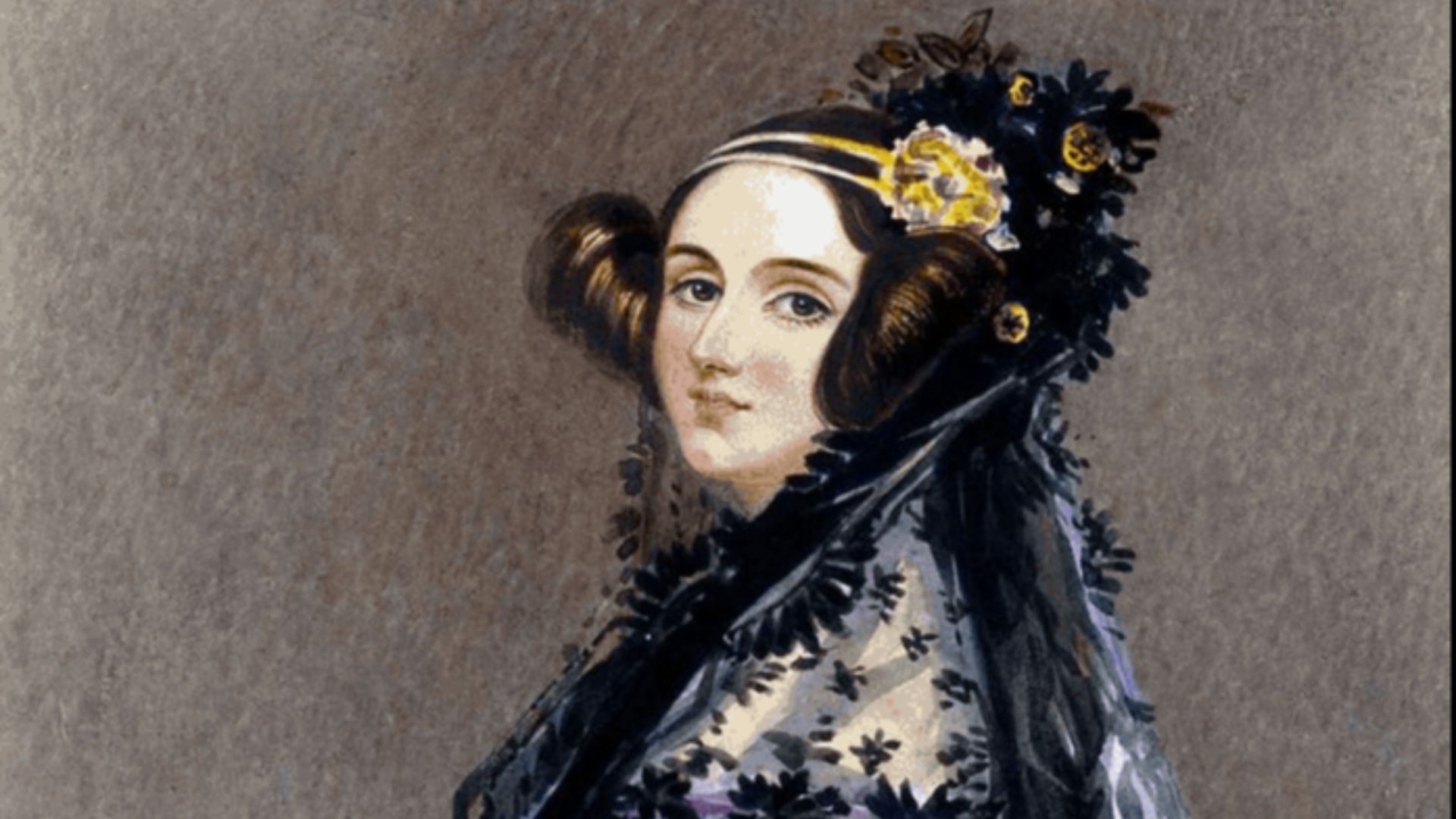
5. Ada Lovelace
Ada Lovelace saw a bigger future inside a machine that barely existed. While others focused on calculation, she imagined that a computing engine might work with symbols and even music, which moved the idea far beyond simple number-crunching. Her insight was mathematical, imaginative, and practical.
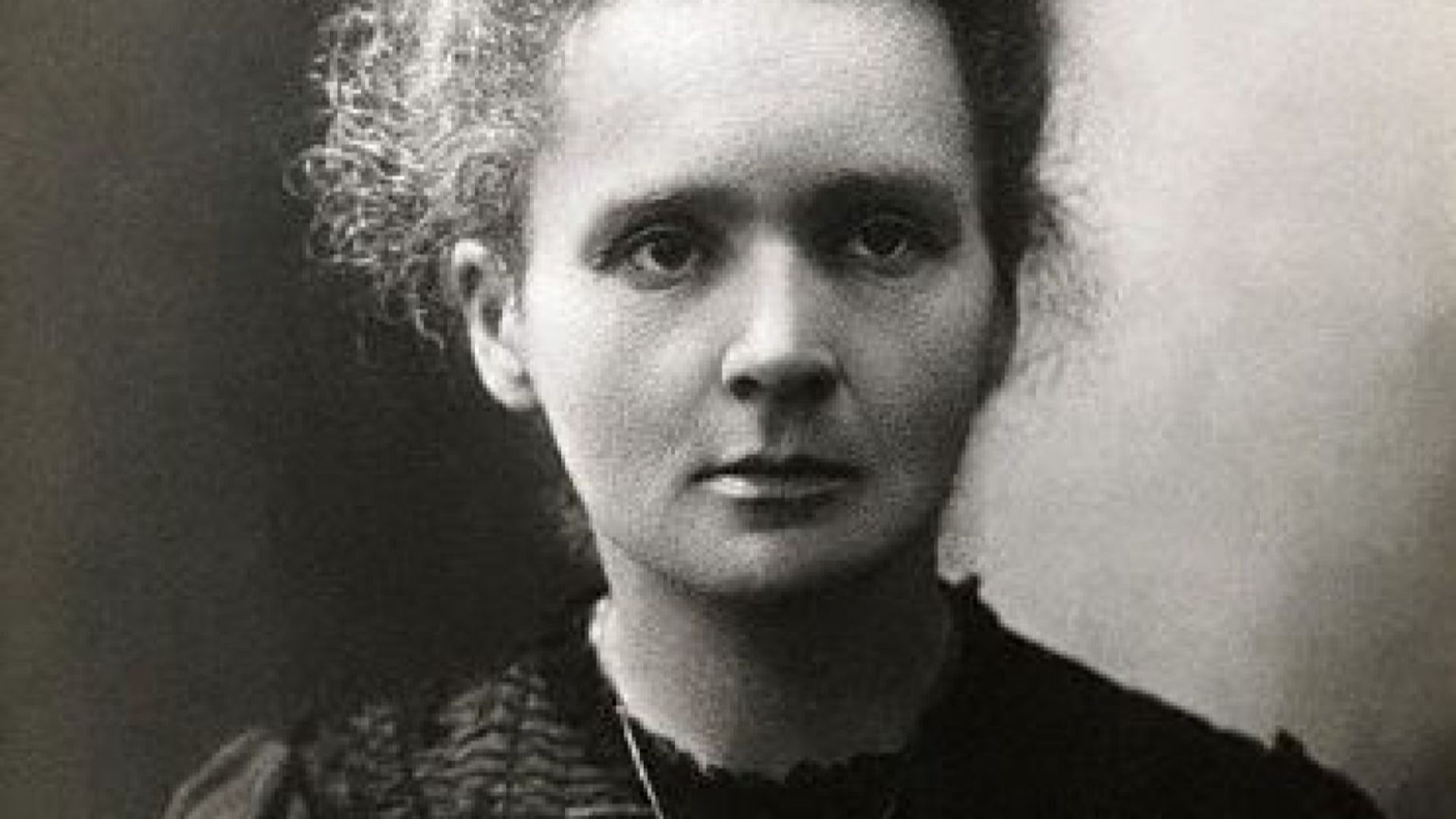
6. Marie Curie
Marie Curie’s brilliance was disciplined, patient, and physically demanding. Her work on radioactivity led to the discovery of polonium and radium, and she became the first person to win Nobel Prizes in two different scientific fields.
 Unknown authorUnknown author on Wikimedia
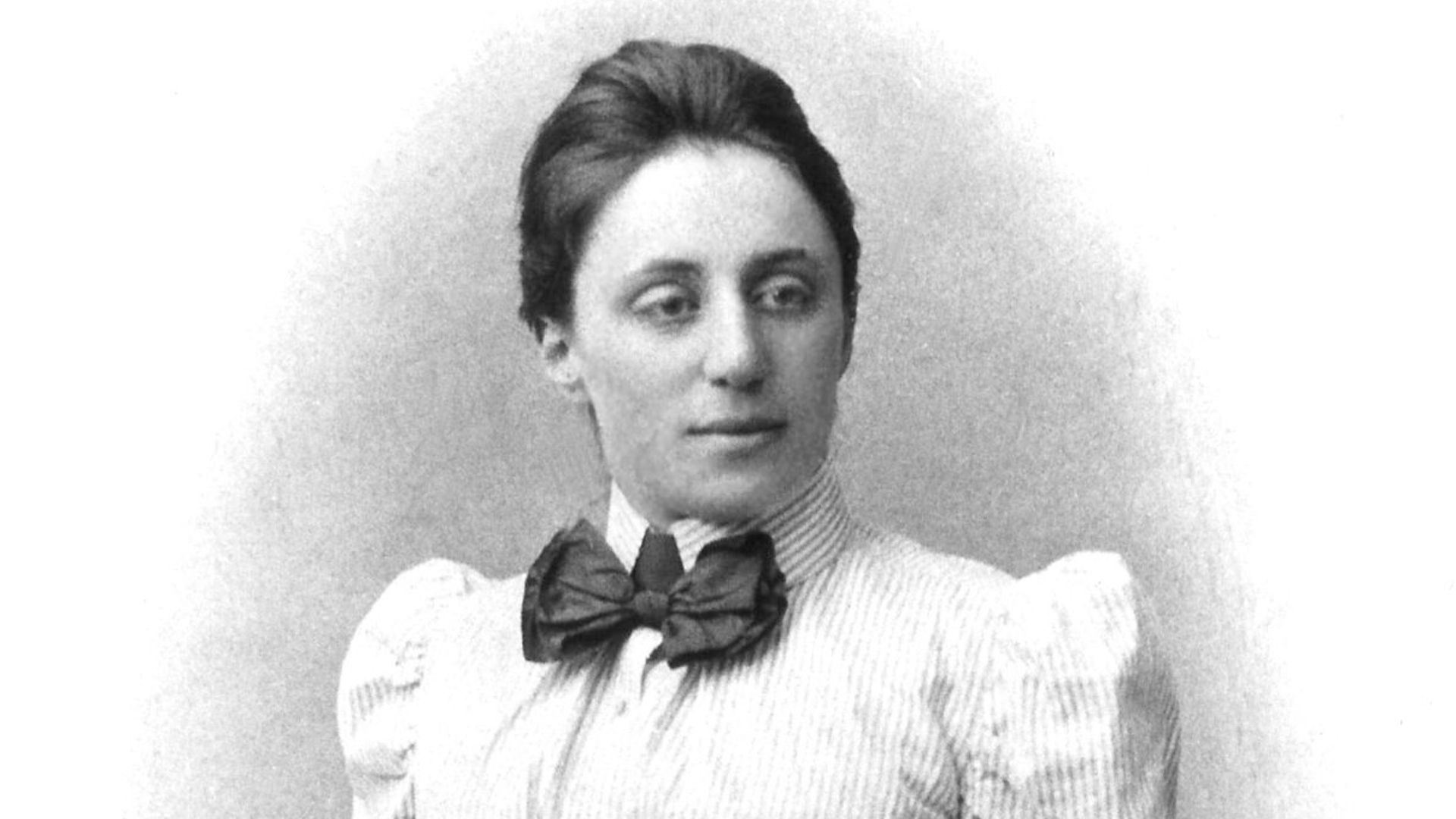
7. Emmy Noether
Emmy Noether changed the language of modern mathematics and physics while working in a world that did not make it easy for women to advance. Her theorem connected symmetry with conservation laws, giving scientists a deeper way to understand quantities such as energy and momentum.
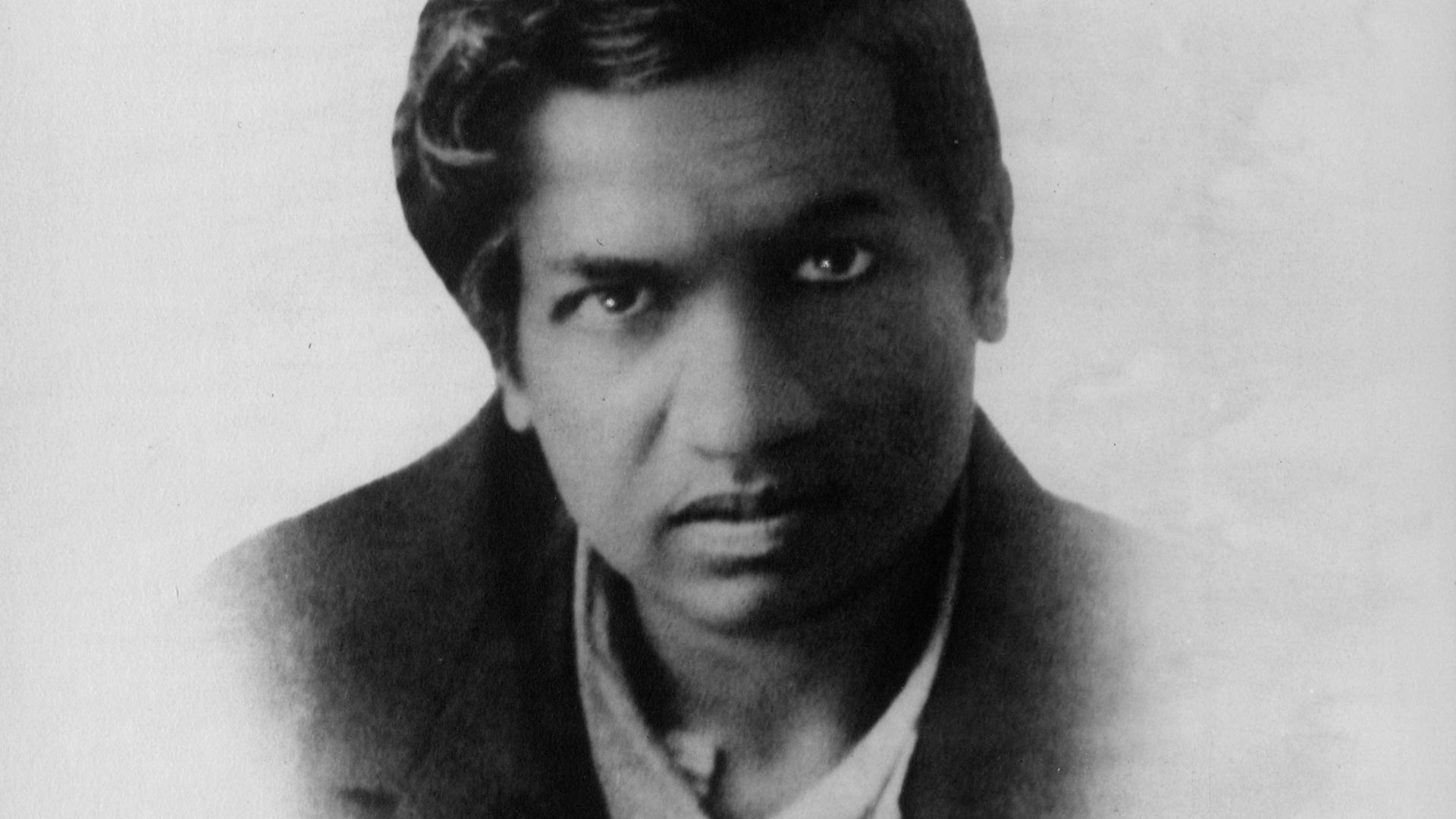
8. Srinivasa Ramanujan
Srinivasa Ramanujan produced mathematical insights with astonishing density, especially for someone who was largely self-taught. His notebooks were packed with formulas, patterns, and results that later mathematicians continued to study, prove, and expand.
 Unknown authorUnknown author on Wikimedia
9. Alan Turing
Alan Turing helped build the foundation of modern computing before the digital world looked anything like it does now. His work in logic, codebreaking, machine intelligence, and the idea of a universal computing machine changed how people understood what machines could do.
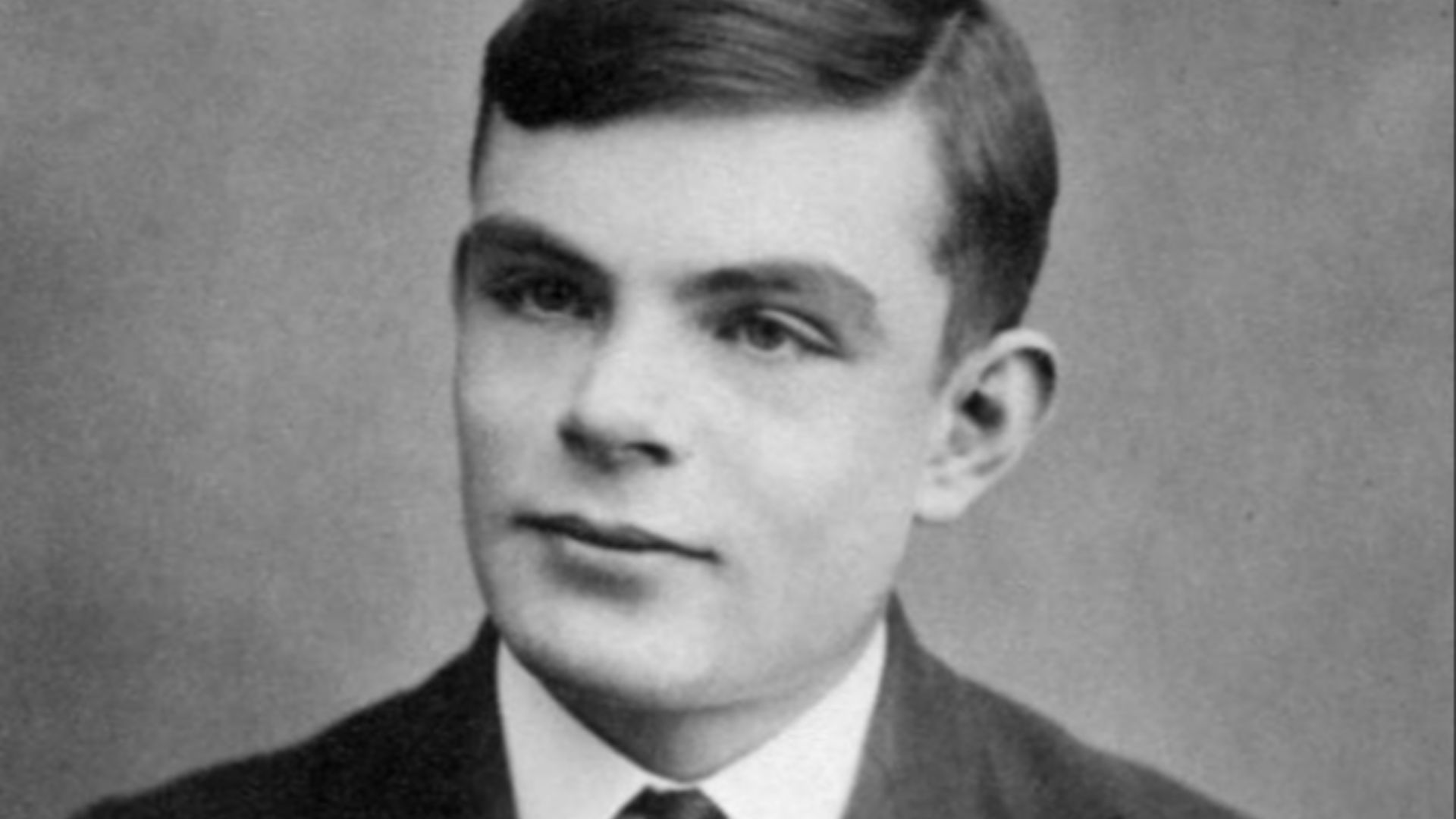 Possibly Arthur Reginald Chaffin (1893-1954) on Wikimedia
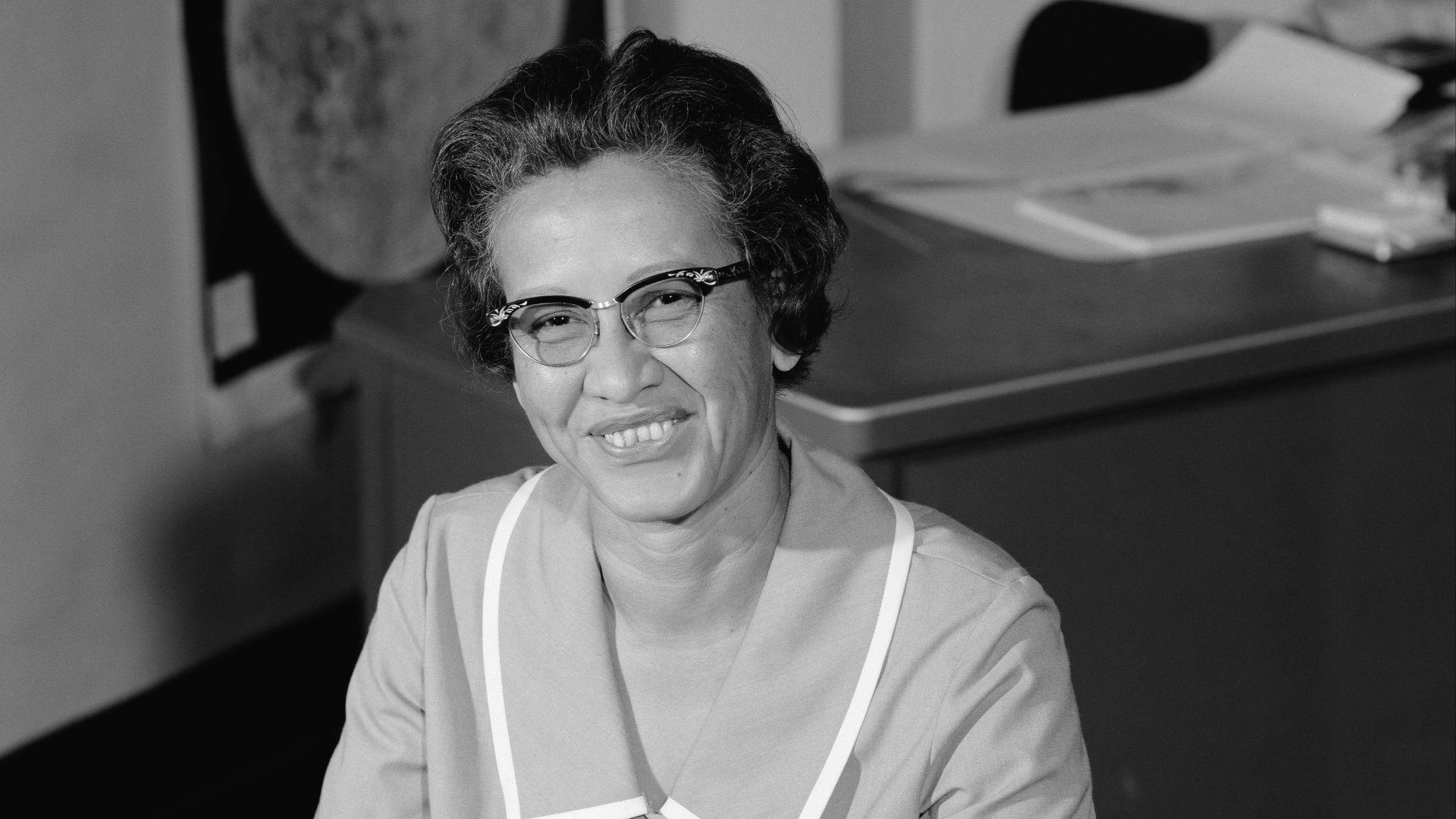
10. Katherine Johnson
Katherine Johnson made high-stakes mathematics look steady, exact, and deeply practical. Her calculations supported major space missions, including orbital and lunar work, where a small mistake could carry enormous consequences. Her brilliance was quiet, precise, and essential.
KEEP ON READING

From Heroes To Zeroes 20 Historical Figures Whose Heroism Was…
History is full of legends, but not every hero lived…
By Noone Feb 25, 2026
The Clueless Crush: How I Accidentally Invited a Hacker Into…
Fluorescent Lights and First Impressions. My name is Tessa, I'm…
By Ali Hassan Nov 4, 2025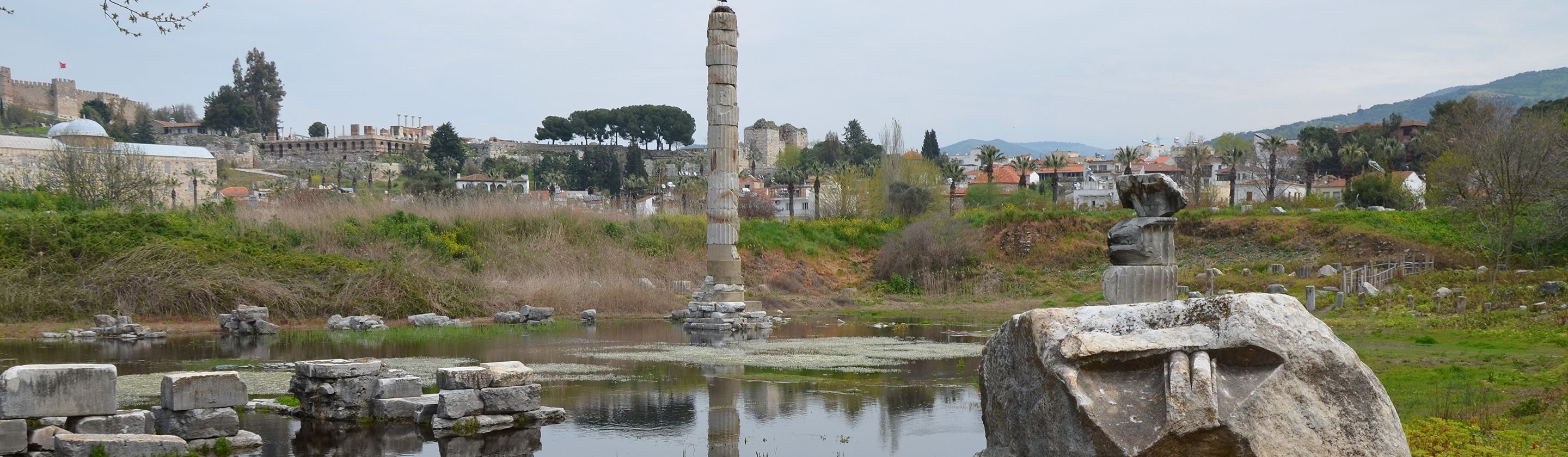
This Infamous Ancient Greek Burned Down An Ancient Wonder Just…
History remembers kings and conquerors, but sometimes, it also remembers…
By David Davidovic Nov 12, 2025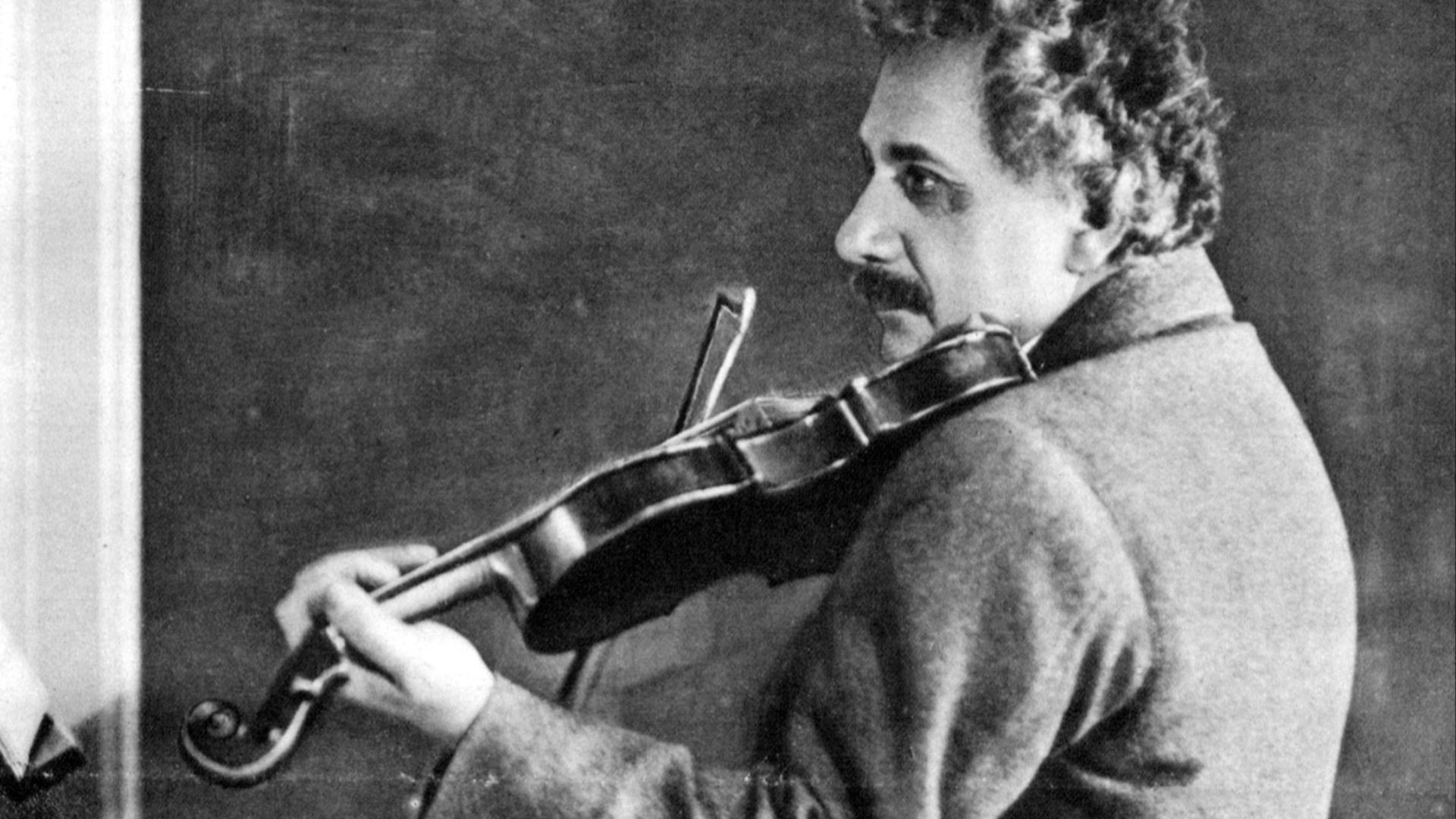
Einstein's Violin Just Sold At An Auction—And It Earned More…
A Visionary's Violin. Wanda von Debschitz-Kunowski on WikimediaWhen you hear…
By Ashley Bast Nov 3, 2025
The Mysterious "Sea People" Who Collapsed Civilization
3,200 years ago, Bronze Age civilization in the Mediterranean suddenly…
By Robbie Woods Mar 18, 2025
20 Forgotten Historical Inventors Who Need More Credit
Stepping Out of the Shadows. We all know the famous…
By Sara Springsteen Jun 1, 2026