10 Explorers Who Found What They Sought & 10 Who Found the Unexpected
The Journey Doesn't Always End Where You Expect
Throughout history, explorers have crossed oceans, deserts, mountains, and unknown territories in pursuit of specific goals. Some achieved exactly what they set out to accomplish, whether that meant finding a new route, reaching a destination, or documenting an unfamiliar region. Others made discoveries that changed history in completely different ways, proving that exploration often produces surprises that can be more significant than the original objective. Here are 10 explorers who found what they sought and 10 who found the unexpected.
 Jamling Tenzing Norgay on Wikimedia
1. Roald Amundsen Reached the South Pole
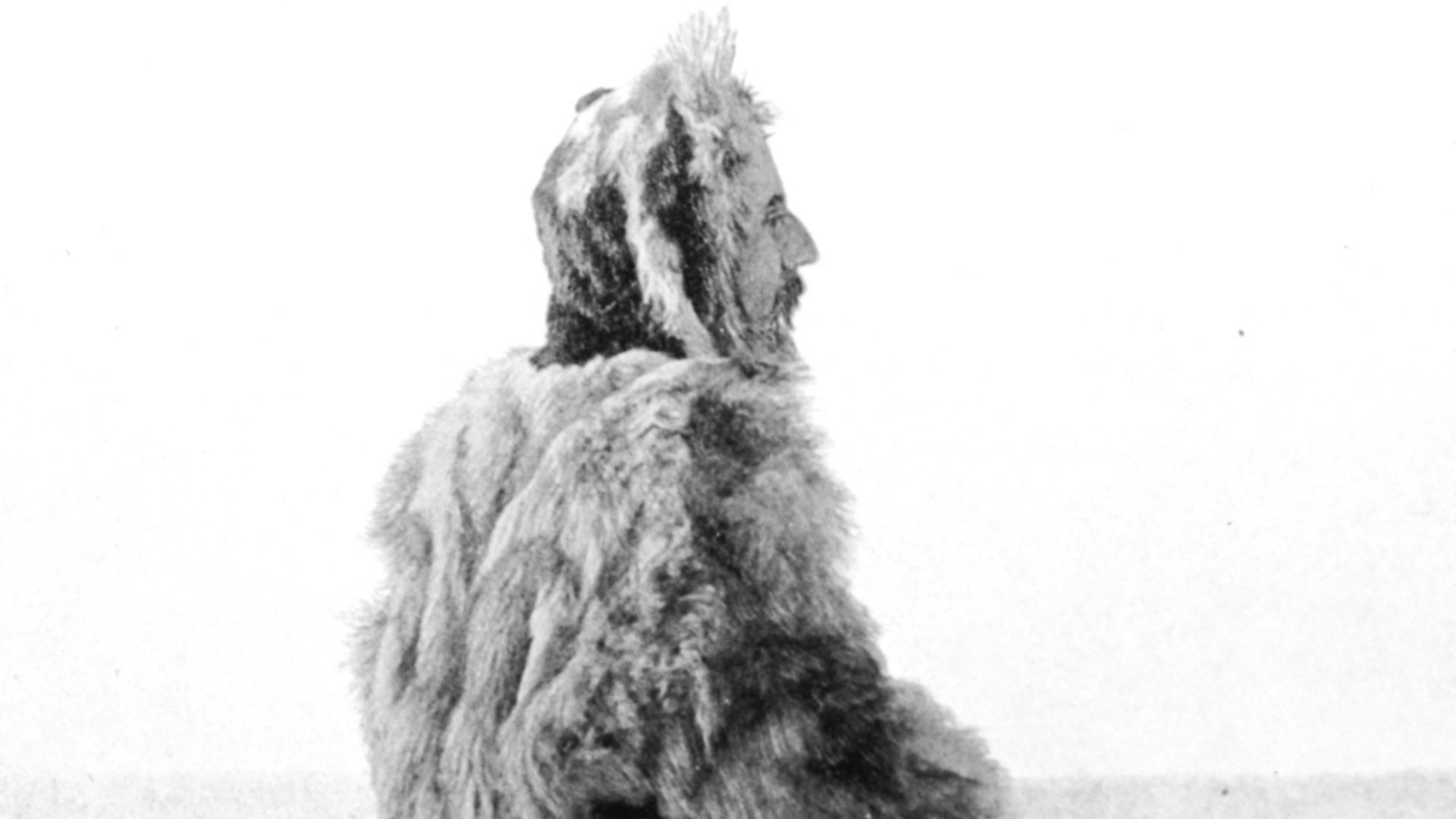
Norwegian explorer Roald Amundsen's primary goal was to become the first person to reach the South Pole. After careful planning and preparation, he and his team arrived there on December 14, 1911. His expedition used efficient travel methods and well-placed supply depots.
 Anders Beer Wilse on Wikimedia
2. Vasco da Gama Found a Sea Route to India
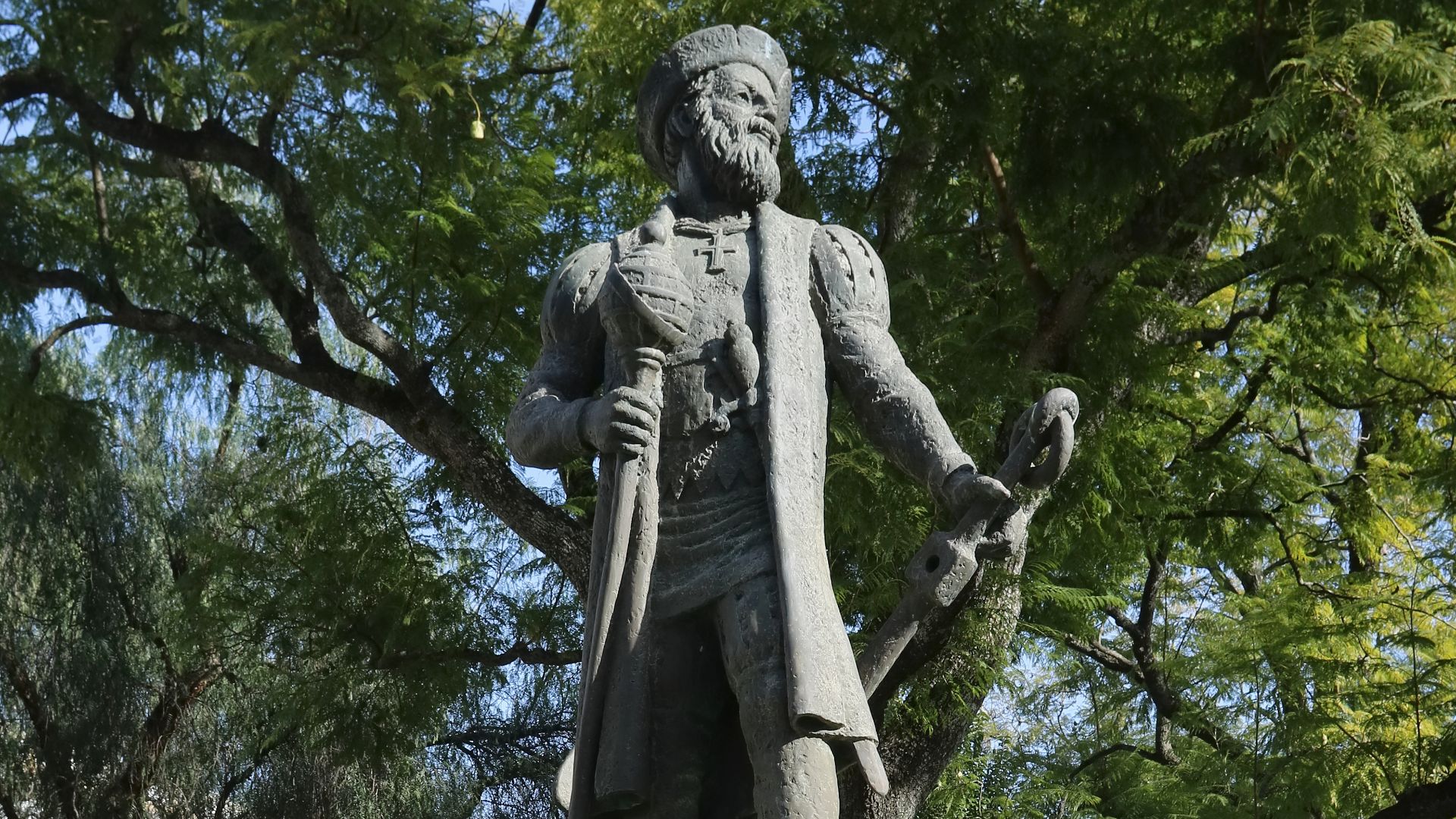
Portugal wanted a direct maritime route to India that bypassed overland trade networks. In 1498, Vasco da Gama successfully sailed around Africa and reached the Indian port of Calicut.
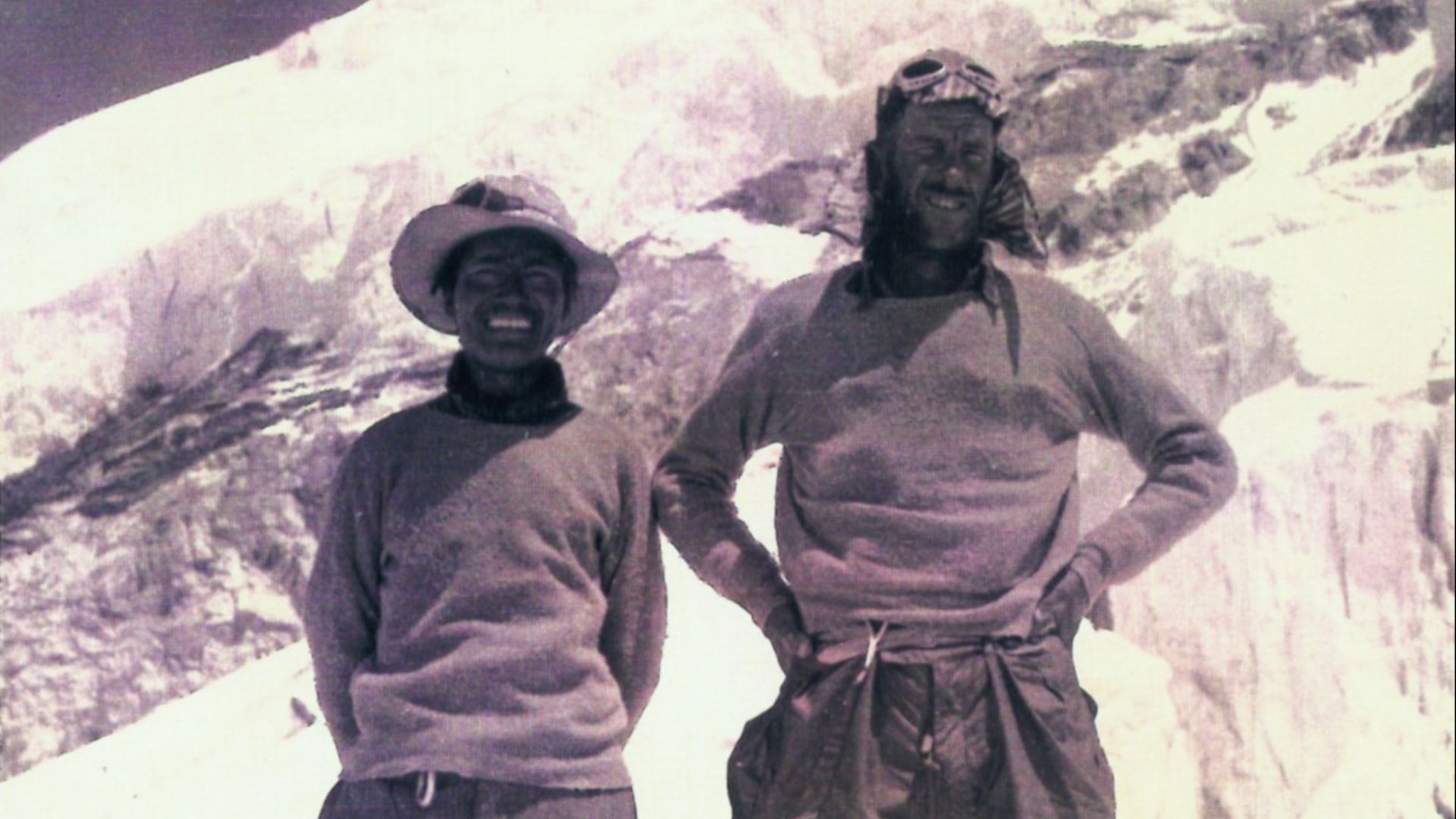
3. Edmund Hillary and Tenzing Norgay Reached Everest's Summit
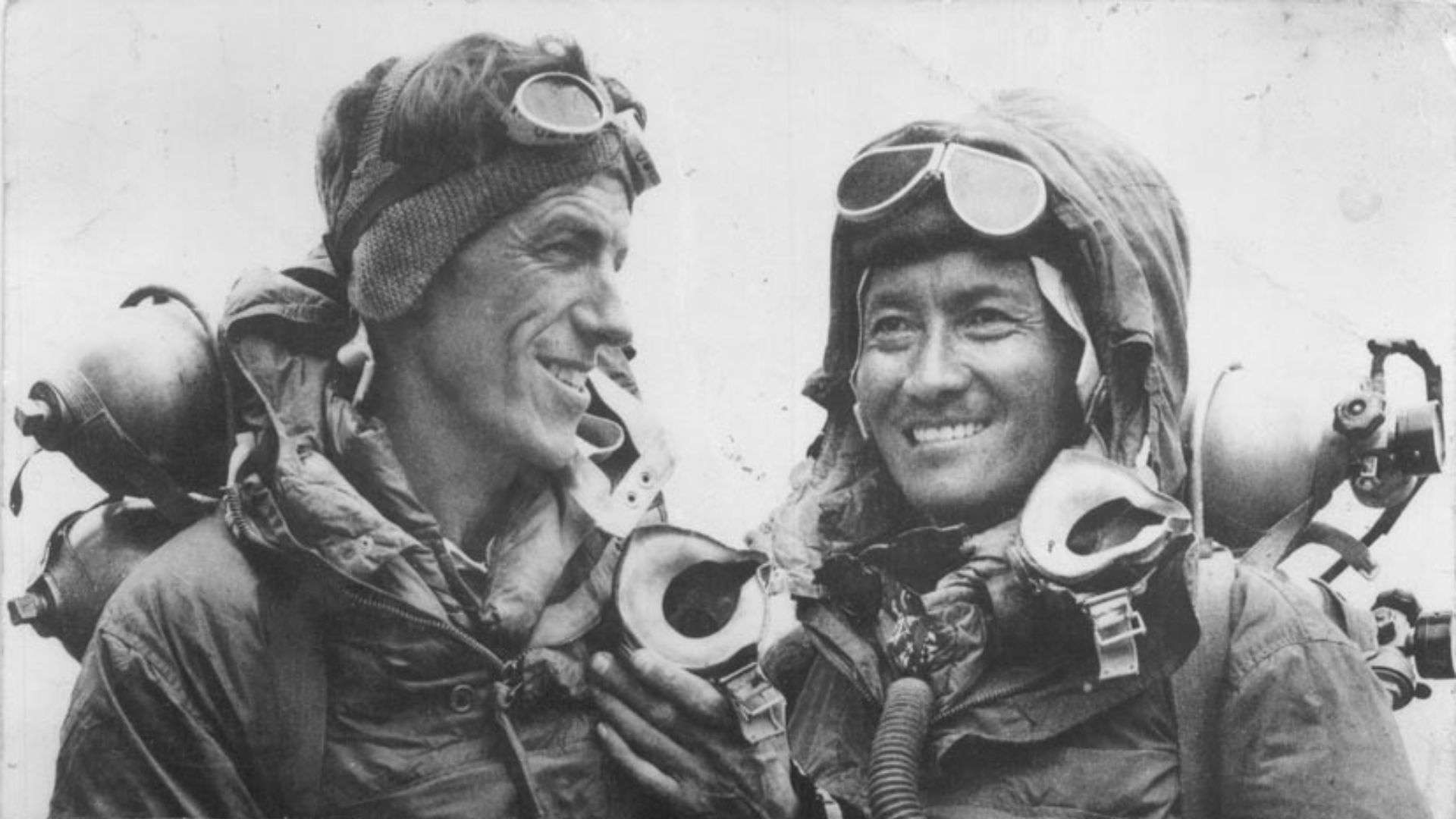
Many climbers had attempted to conquer Mount Everest before 1953. Hillary and Norgay joined a British expedition whose objective was to reach the summit. On May 29, they became the first confirmed people to stand atop the world's highest mountain. Their success represented the achievement of a clearly defined goal.
4. Lewis and Clark Reached the Pacific Coast
President Thomas Jefferson commissioned Meriwether Lewis and William Clark to explore lands acquired through the Louisiana Purchase and seek a route to the Pacific. Although they did not find an easy all-water passage, they successfully crossed North America and reached the Pacific Ocean in 1805.
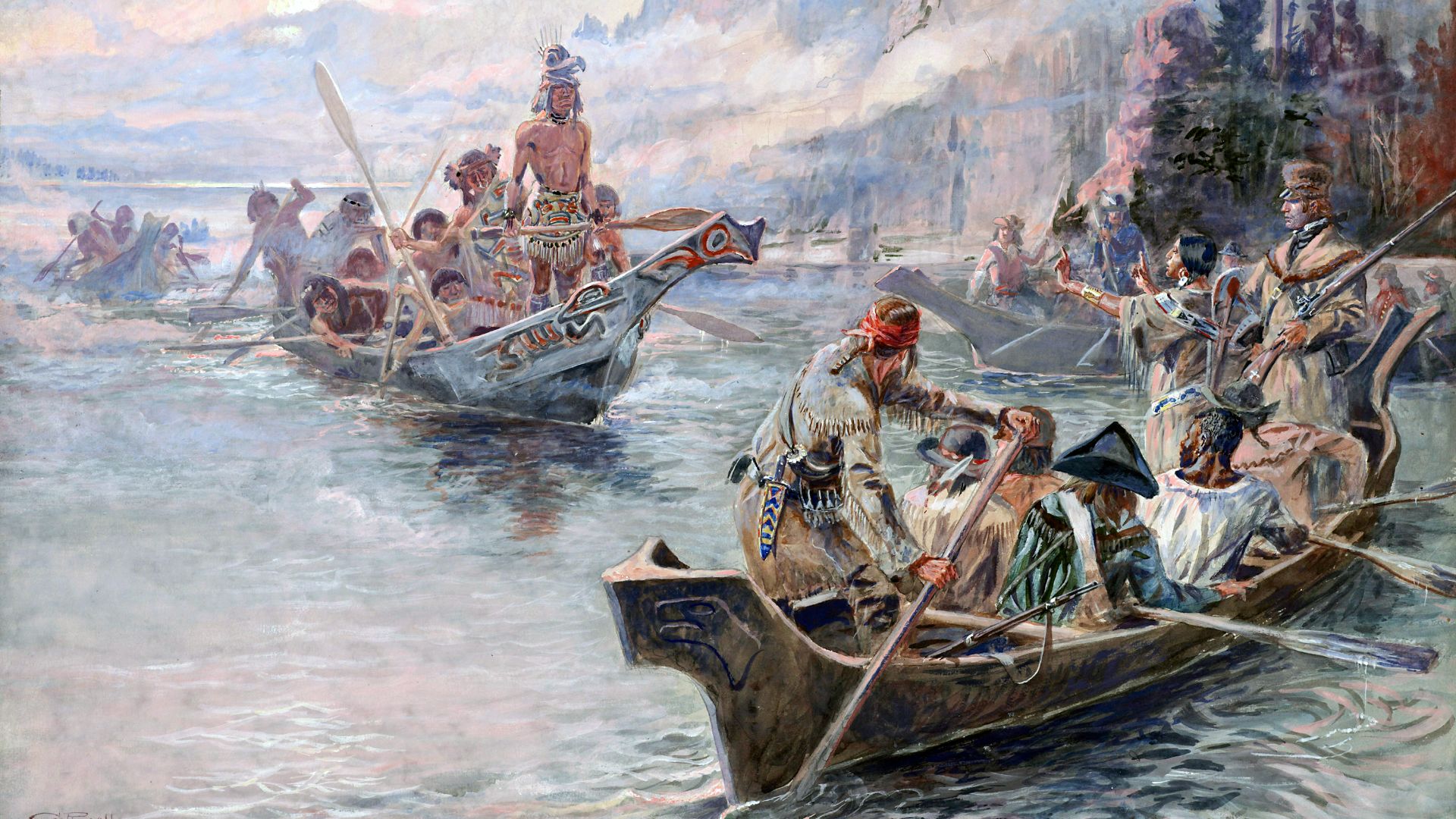 Charles Marion Russell on Wikimedia
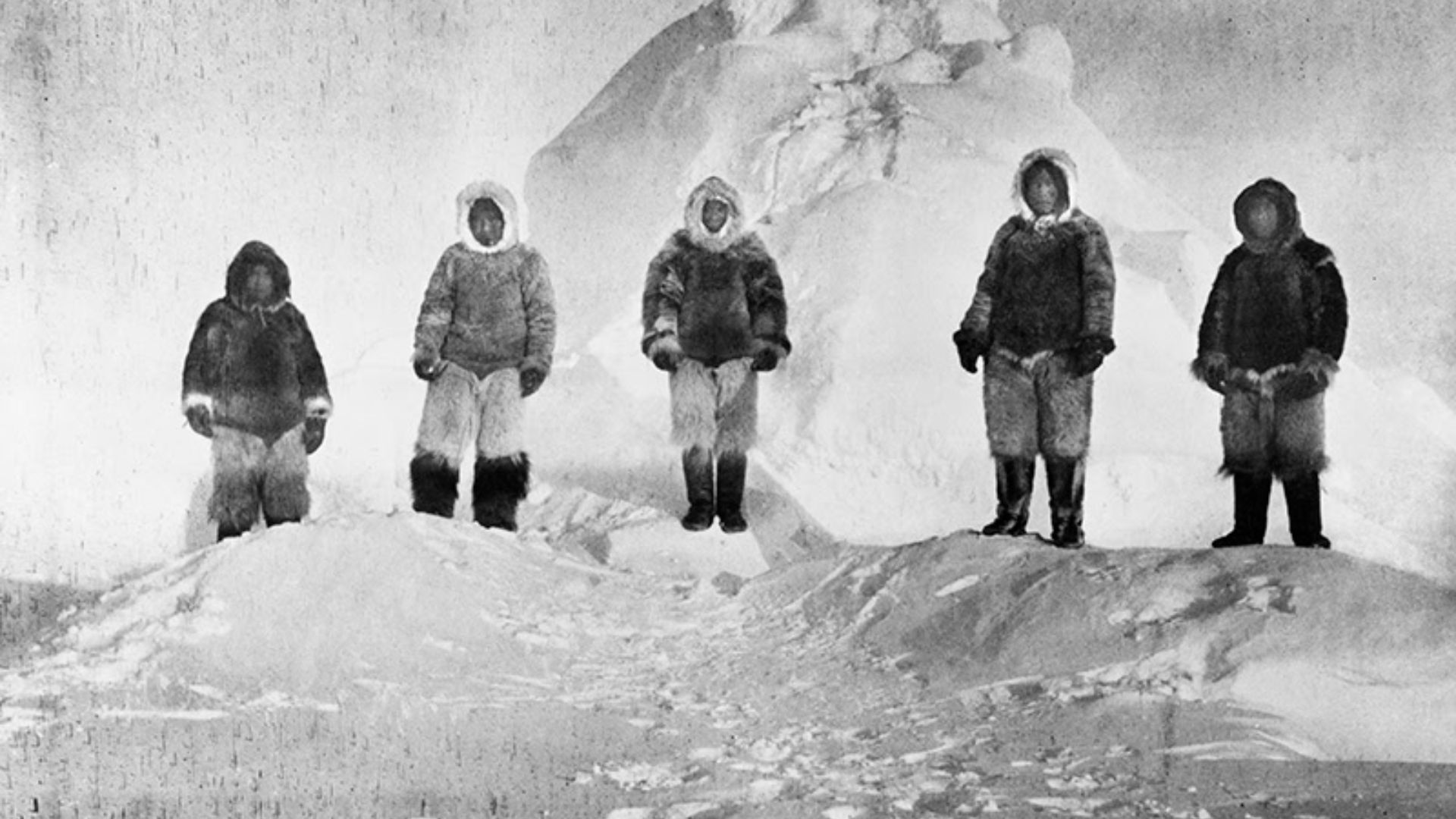
5. Matthew Henson Reached the Geographic North Pole With Robert Peary's Expedition
Matthew Henson played a crucial role in Robert Peary's 1909 expedition to the North Pole. While historians continue to debate aspects of the claim, the expedition's goal was to reach the geographic North Pole. Henson was among the small group that traveled the final distance.
6. Henry Morton Stanley Found David Livingstone
Newspapers and the public became increasingly concerned after losing contact with missionary and explorer David Livingstone in Africa. Journalist Henry Morton Stanley was dispatched to locate him. In 1871, Stanley successfully found Livingstone near Lake Tanganyika.
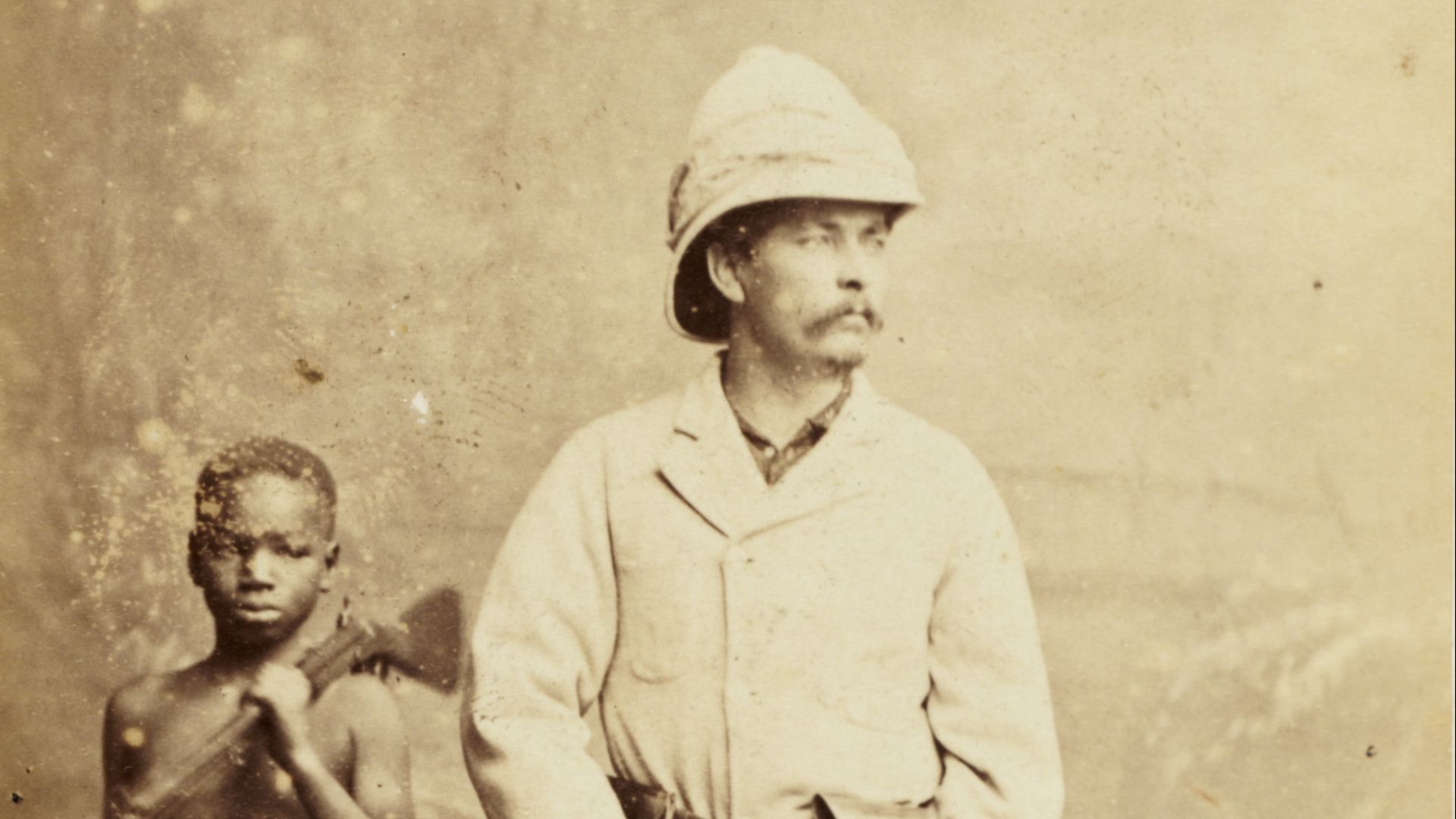 London Stereoscopic & Photographic Company on Wikimedia
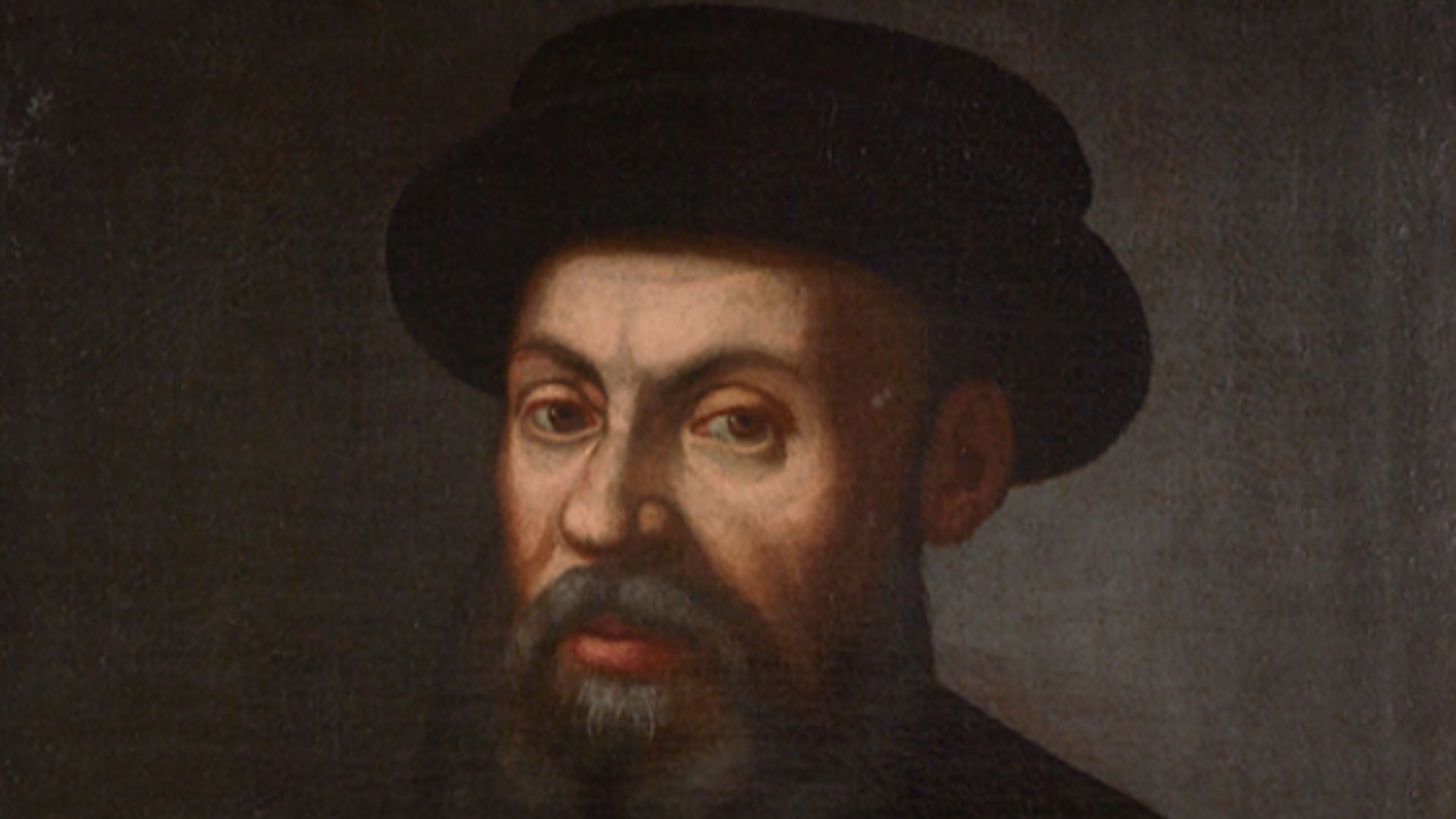
7. Ferdinand Magellan's Expedition Reached Asia by Sailing West
Magellan sought a westward route to the Spice Islands. Although he was killed in the Philippines before the voyage ended, his expedition reached Southeast Asia and continued onward. The journey proved that a western route existed. It fulfilled the mission's original purpose while also achieving more than expected.
 Unknown authorUnknown author on Wikimedia
8. John Hanning Speke Located Lake Victoria
Speke believed that Lake Victoria was the source of the White Nile. During his East African expeditions, he reached and documented the massive lake. While later explorers helped confirm the details, Speke successfully located the feature he had been searching for.
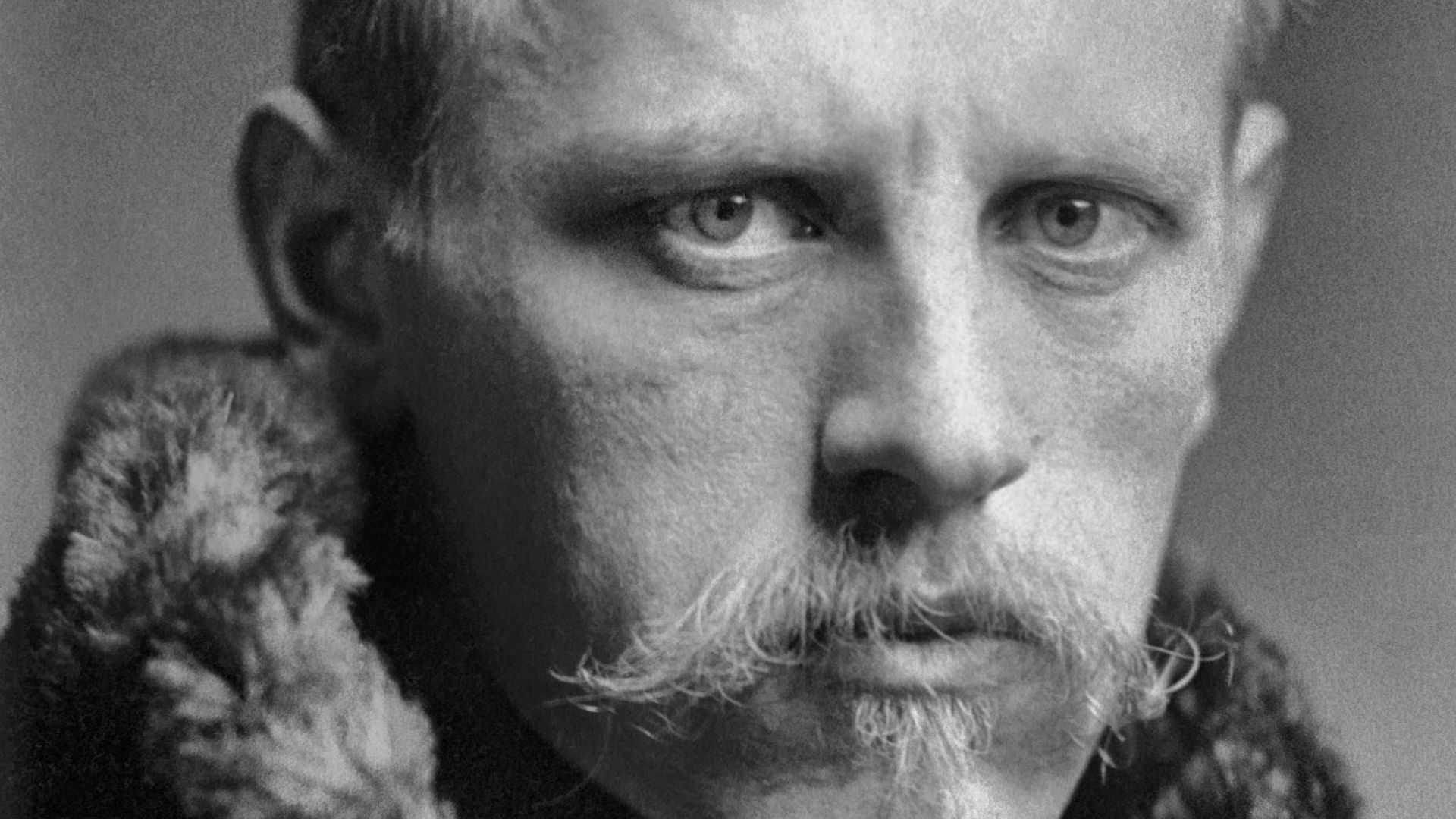
9. Fridtjof Nansen Explored the Arctic Ocean
Nansen designed the Fram expedition specifically to study Arctic ice drift and conditions in the polar region. The expedition collected extensive scientific data while proving aspects of his theories about Arctic currents. Although he did not reach the North Pole itself, he accomplished the scientific goals that motivated the journey.
 Henry Van der Weyde on Wikimedia
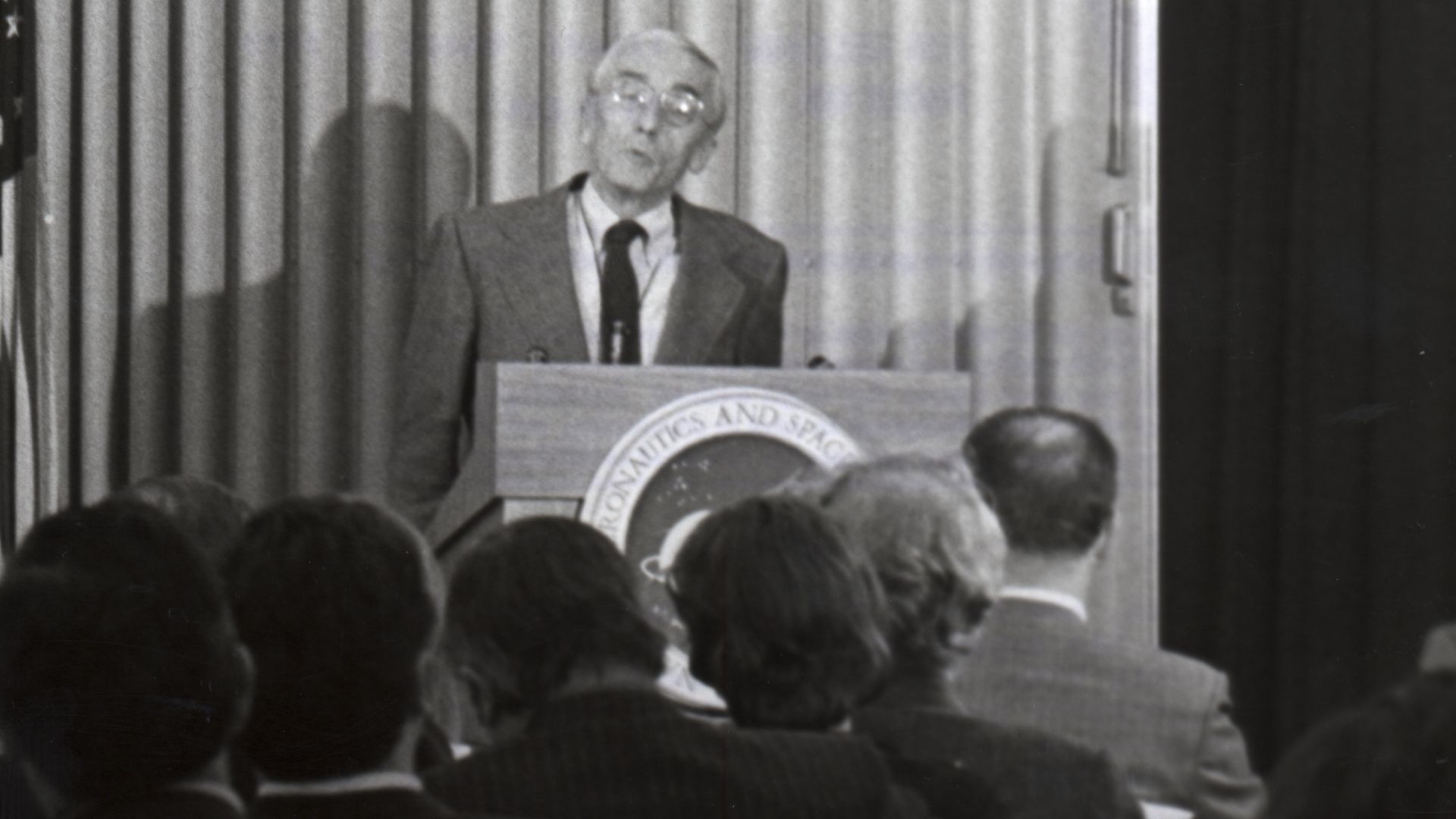
10. Jacques Cousteau Explored the Underwater World
Cousteau dedicated much of his career to exploring and documenting marine environments. Through the development and use of modern diving equipment, he gained unprecedented access to underwater ecosystems.
 NASA on The Commons on Wikimedia
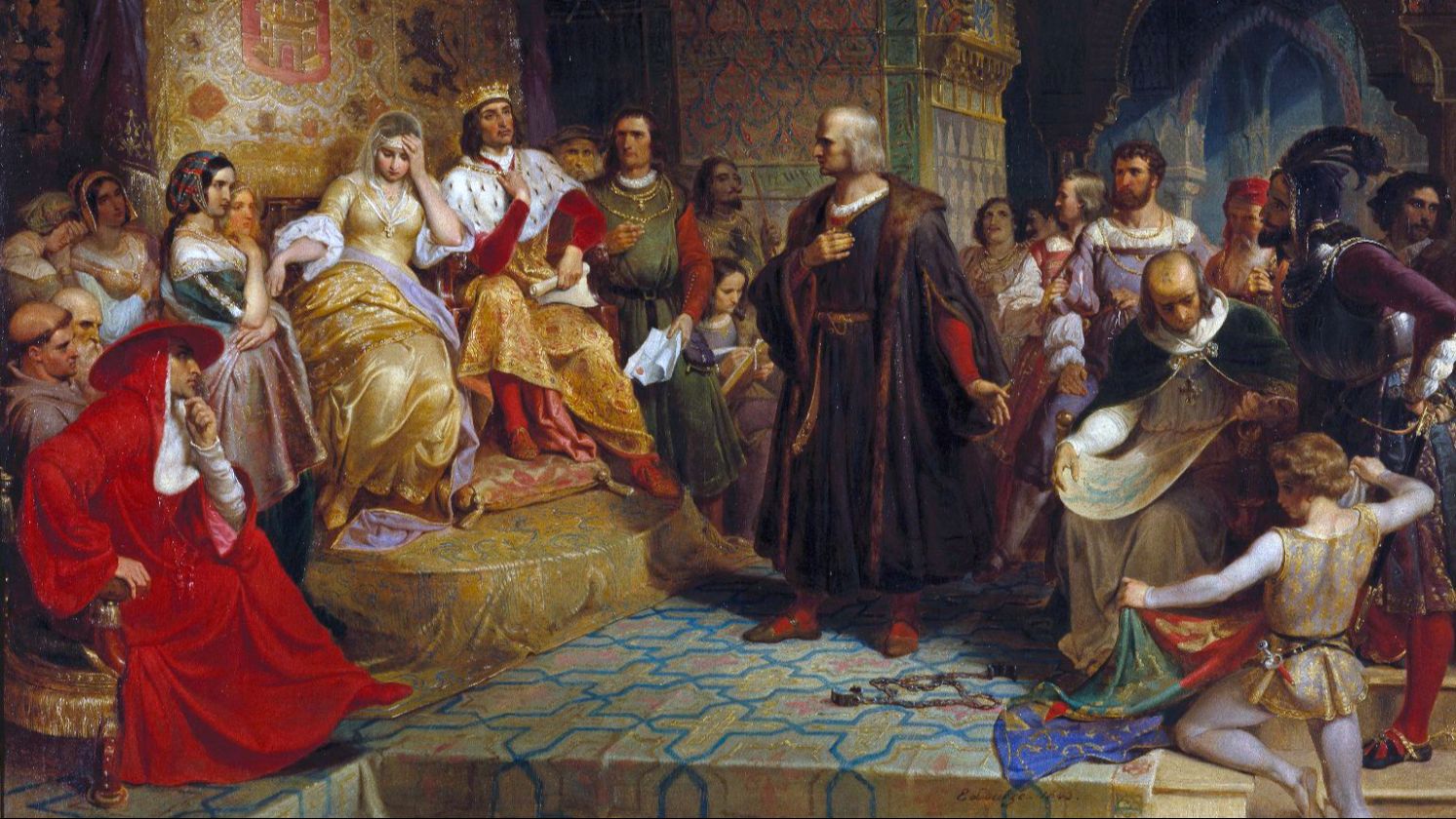
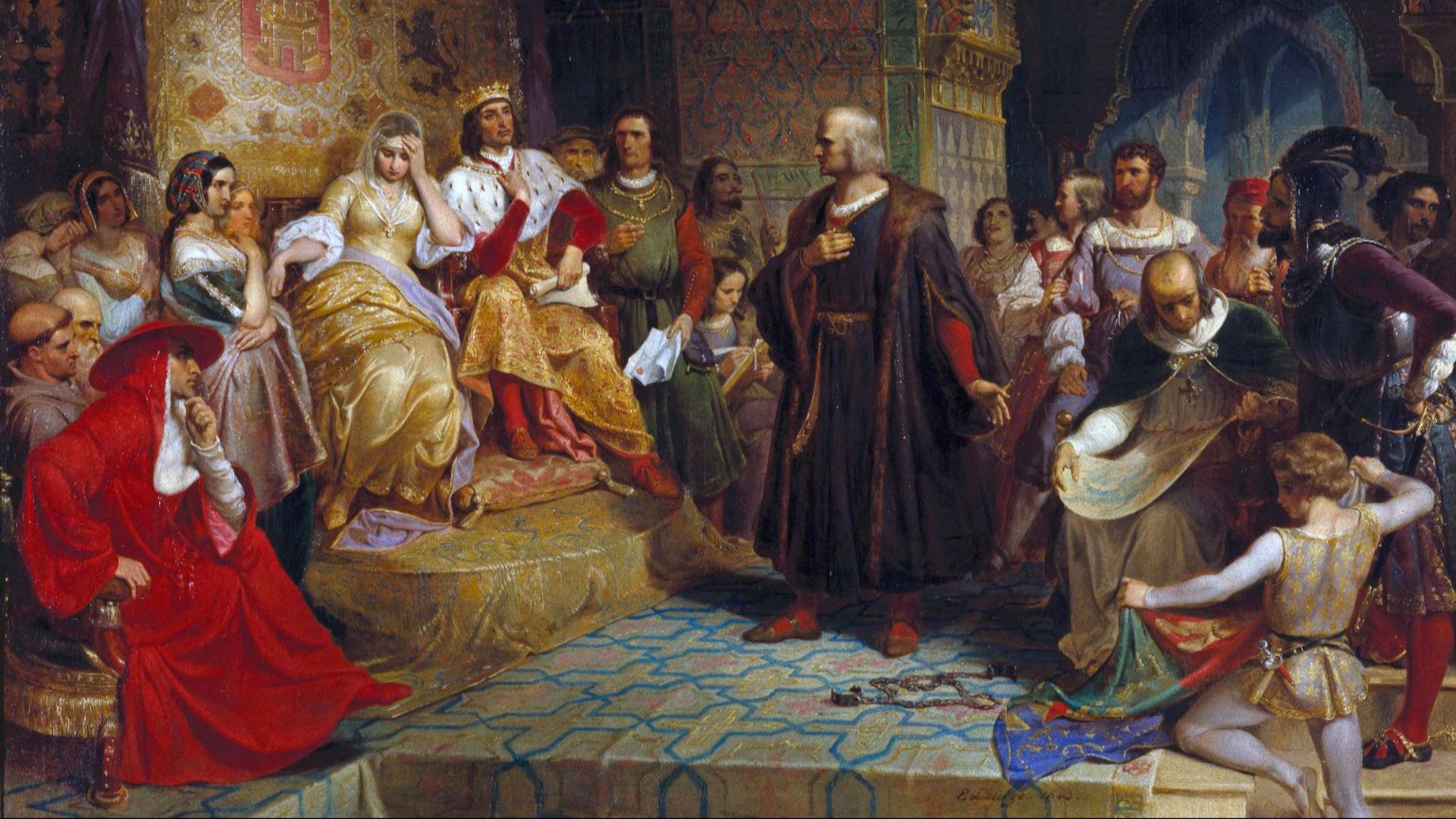
1. Christopher Columbus Reached the Americas Instead of Asia
Columbus believed he could reach Asia by sailing west across the Atlantic. In 1492, he instead encountered islands in the Caribbean. He remained convinced he had reached lands near Asia for much of his life.
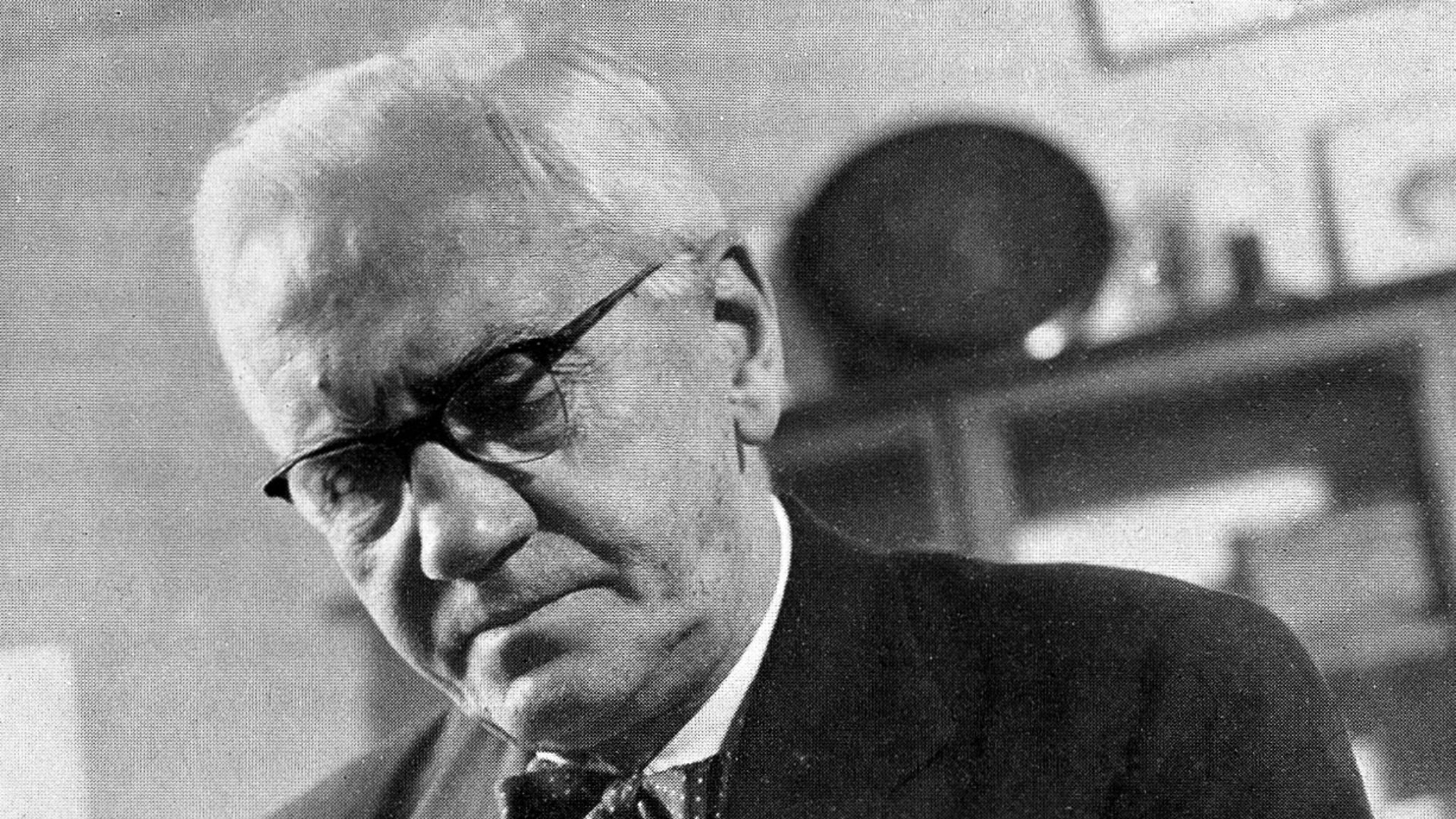
2. Alexander Fleming Discovered Penicillin by Accident
Although primarily known as a scientist rather than a traditional explorer, Fleming was exploring bacterial research when he noticed something unusual in 1928. Mold contamination had killed bacteria in one of his petri dishes. This unexpected observation led to the discovery of penicillin.
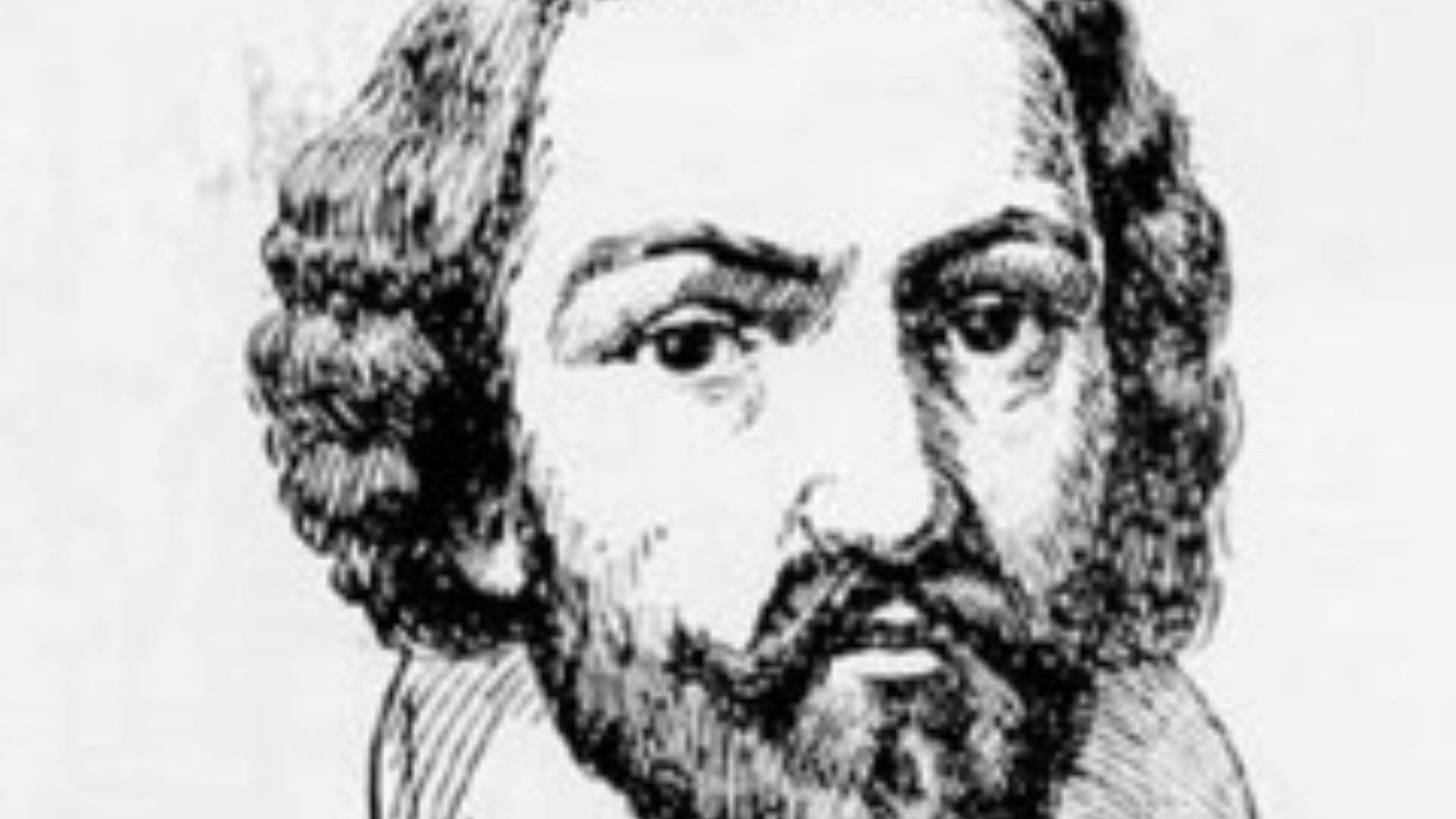
3. Juan Rodríguez Cabrillo Found California's Coastline
Cabrillo was searching for trade routes and strategic opportunities along the Pacific coast of North America. During his voyage, he became the first European known to explore much of present-day California's coastline.
 Unknown authorUnknown author on Wikimedia
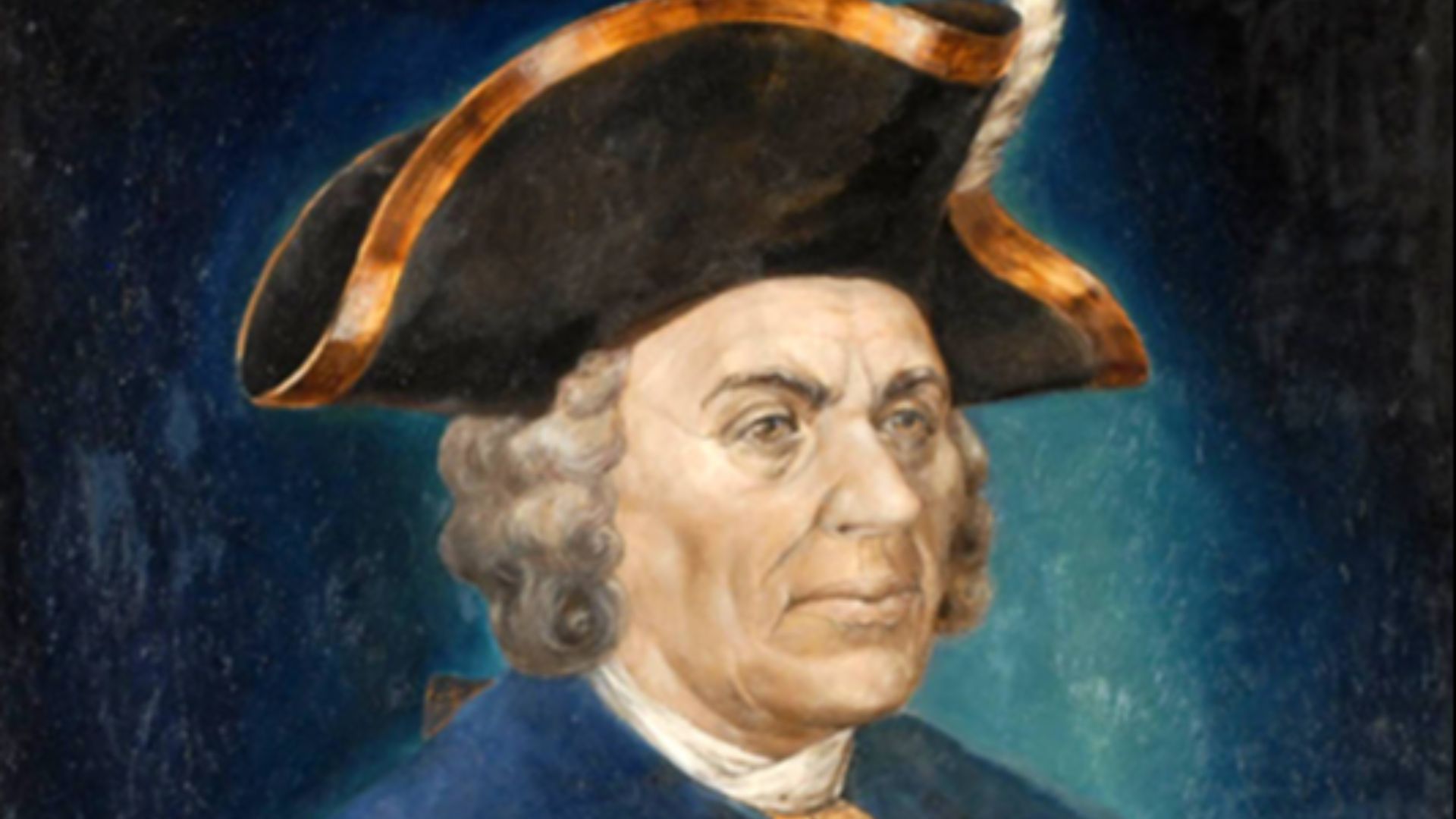
4. Vitus Bering Revealed Alaska to Russia
Bering's expeditions aimed to determine whether Asia and North America were connected. Instead, he helped demonstrate that a strait separated the continents and reached parts of Alaska.
 Институт Археологии РАН (Institute of Archaeology in Russian Academy of Sciences) on Wikimedia
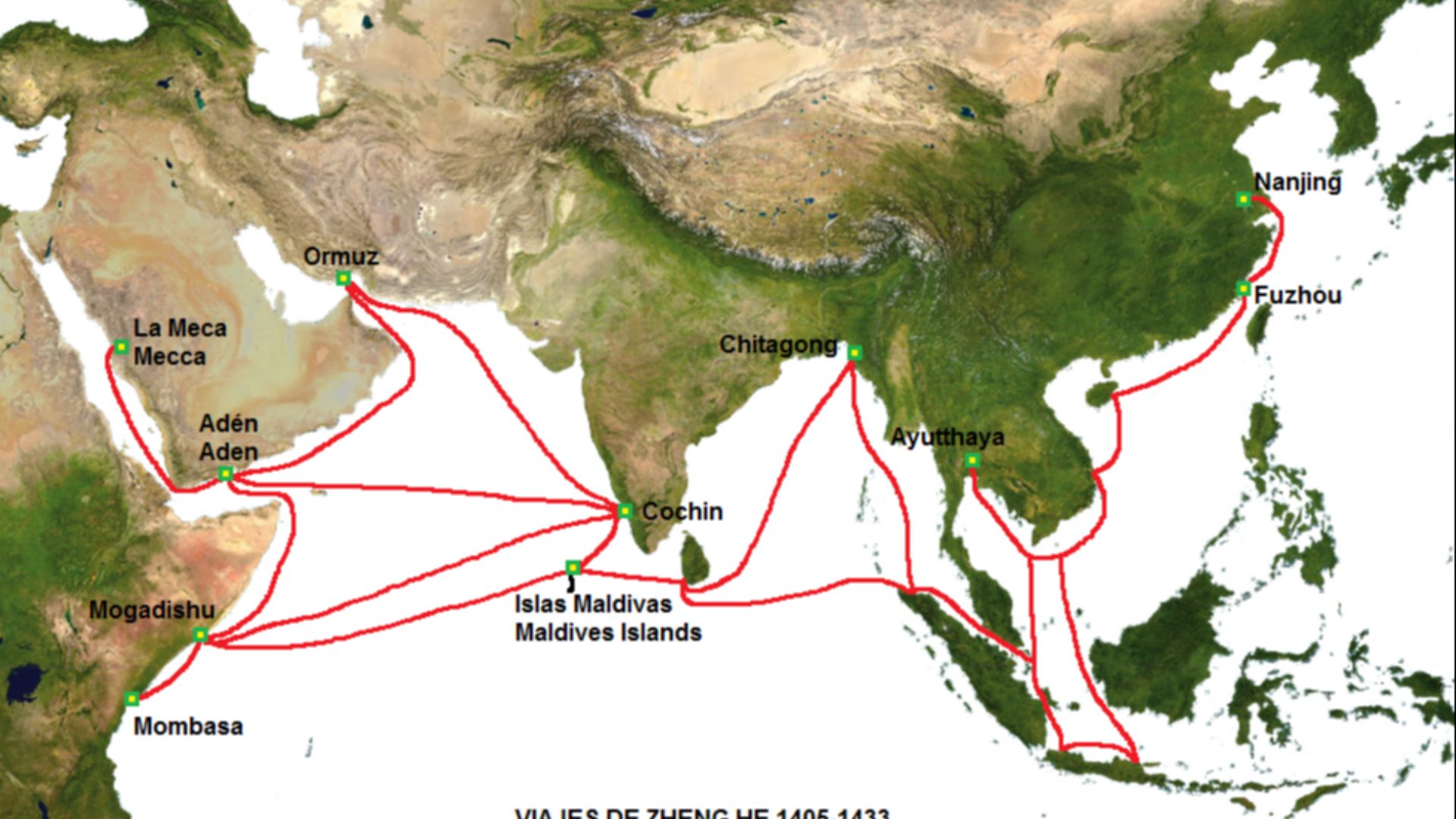
5. Zheng He's Voyages Revealed New Trading Opportunities
The Chinese admiral Zheng He sailed across the Indian Ocean with diplomatic and commercial objectives. Along the way, his fleets encountered diverse cultures, political systems, and trade networks.
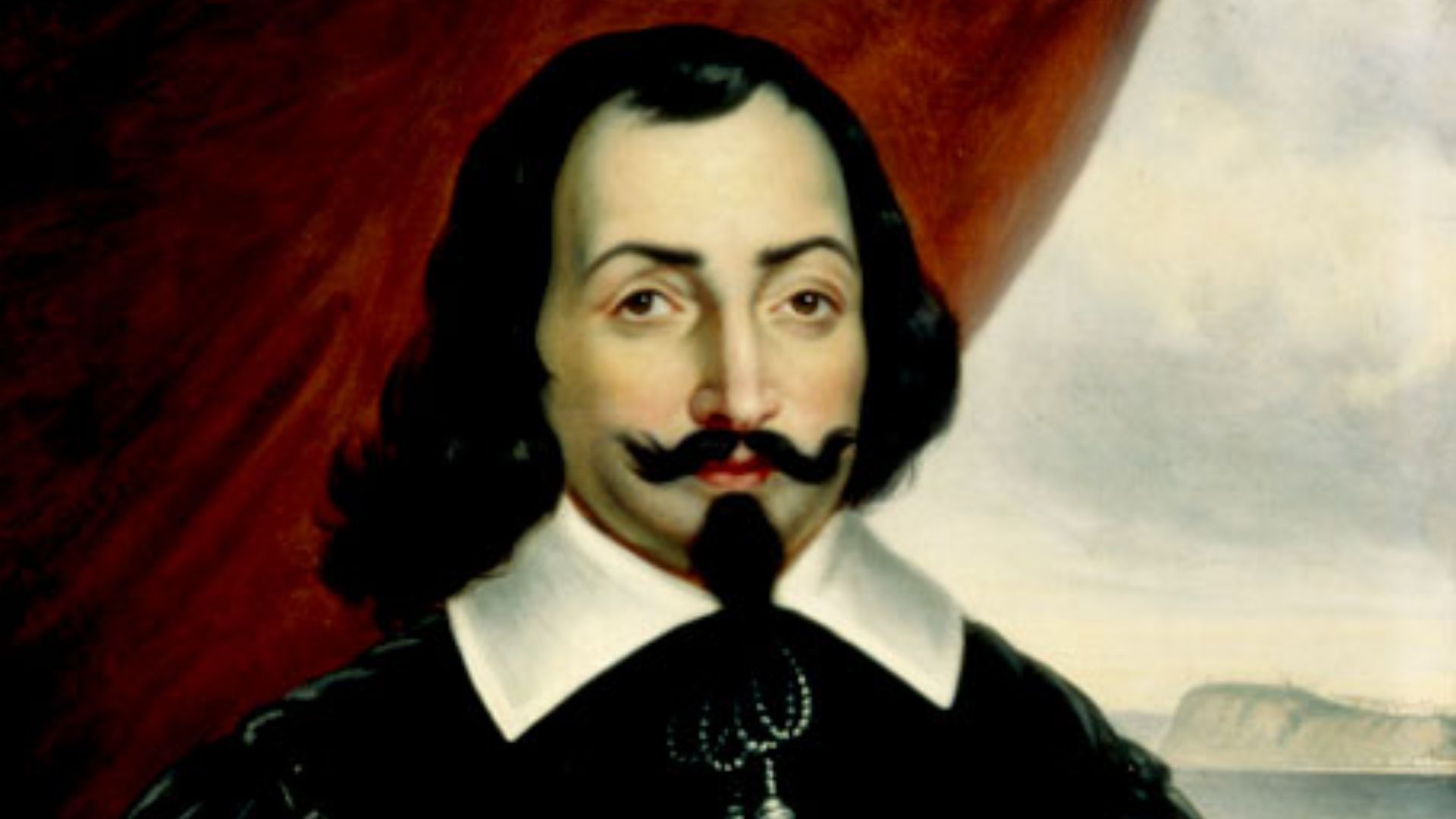
6. Samuel de Champlain Discovered Lake Champlain
Champlain was primarily focused on exploration, diplomacy, and trade in northeastern North America. During his travels, he documented and mapped a large lake that would later bear his name.
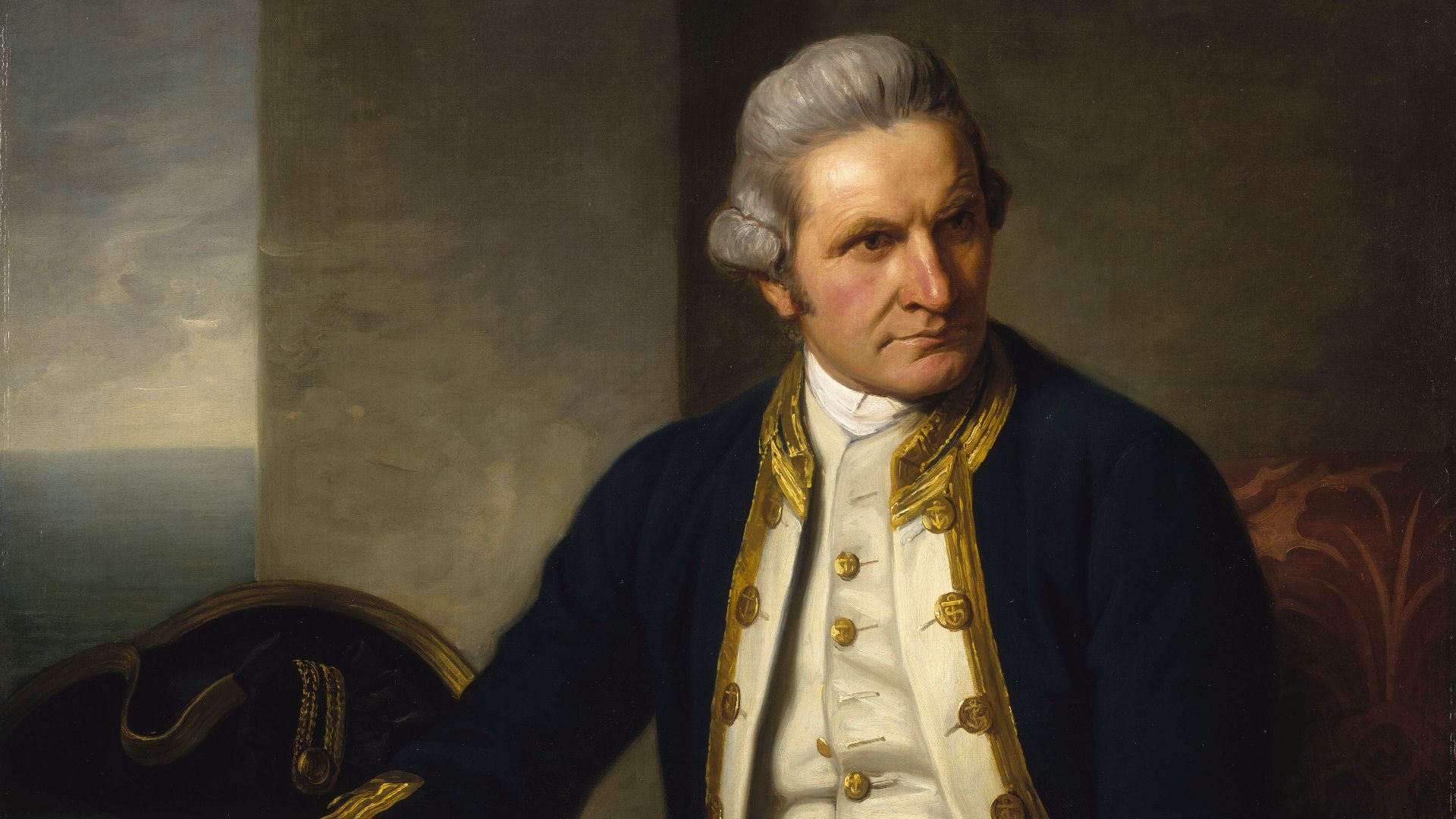
7. James Cook Encountered New Pacific Worlds
Cook's expeditions had specific scientific and navigational goals, including observing the transit of Venus. During his voyages, he extensively mapped New Zealand, Australia's eastern coast, and numerous Pacific islands.
 Nathaniel Dance-Holland on Wikimedia
8. Percy Fawcett Found Evidence of Ancient Settlements
Fawcett entered the Amazon seeking what he believed might be a lost civilization. Although he never found the city he called "Z," his observations suggested that large societies may once have existed in parts of the rainforest.
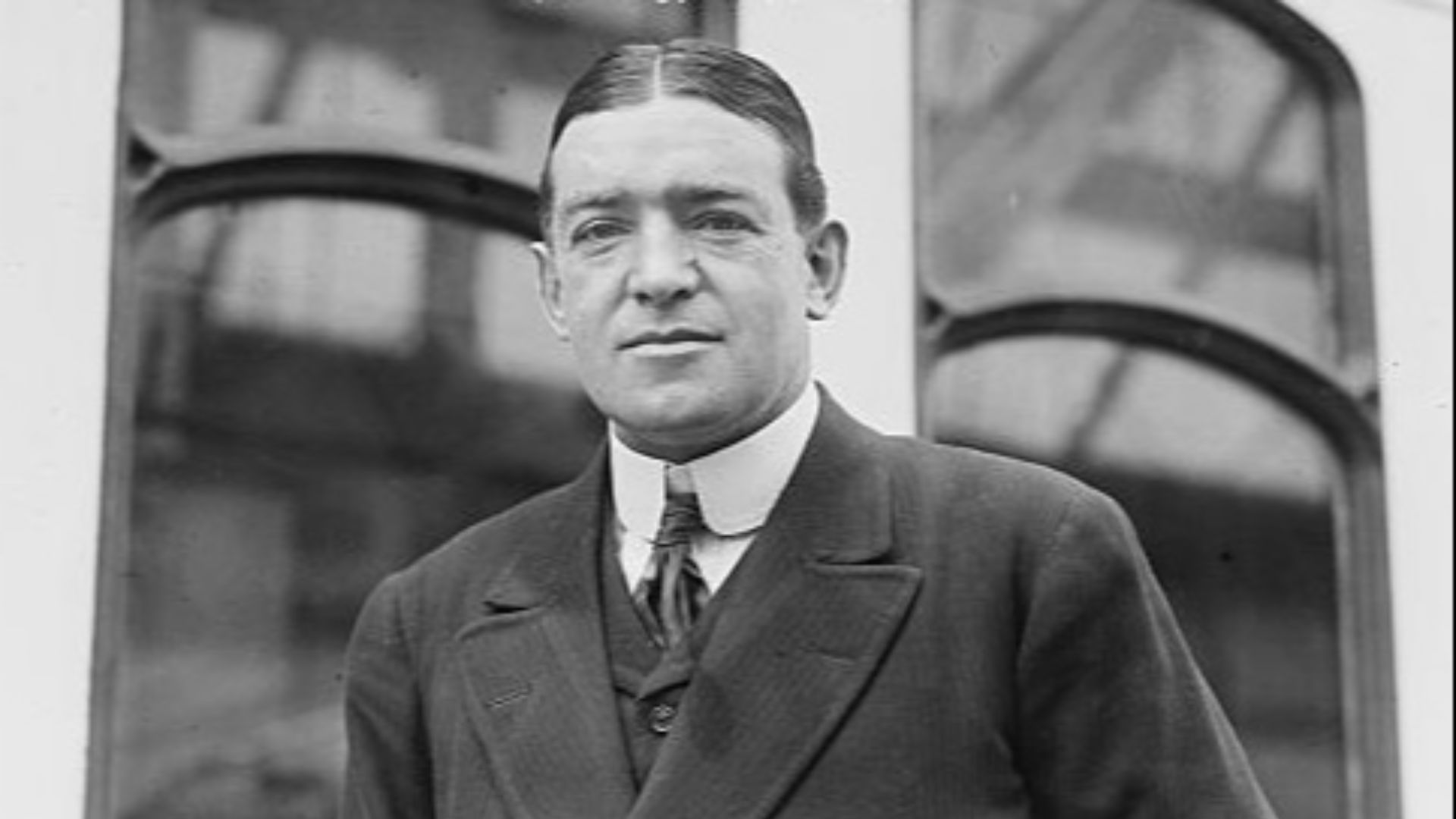
9. Ernest Shackleton Found a Legendary Survival Story
Shackleton's Imperial Trans-Antarctic Expedition aimed to cross Antarctica. Instead, the ship Endurance became trapped and destroyed by ice. The mission failed in terms of its original objective. However, Shackleton's remarkable leadership during the survival and rescue effort became one of history's most celebrated exploration stories.
 Bain News Service, publisher on Wikimedia
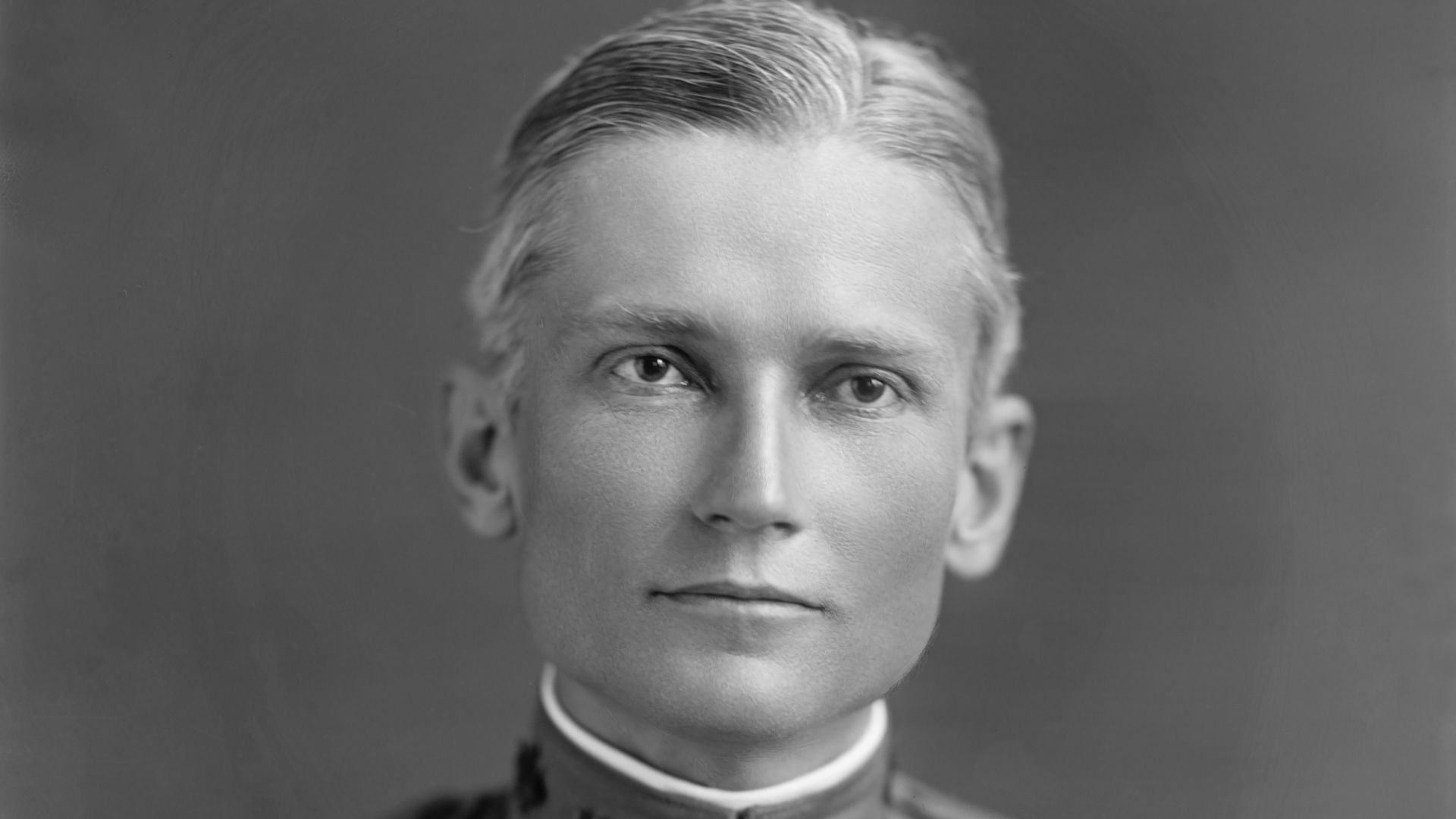
10. Hiram Bingham Brought Machu Picchu to Global Attention
Bingham was searching for the last strongholds of the Inca Empire when he traveled through Peru in 1911. Residents already knew about Machu Picchu, but Bingham's expedition introduced the site to a worldwide audience.
 Harris & Ewing, photographer on Wikimedia
KEEP ON READING