

The Twenty-Five Dollar Decision
I almost didn't do it. That's the thing I keep coming back to. I was sitting at the kitchen table with my laptop, trying to distract myself from the estimate I'd just gotten for the water heater — eight hundred and forty dollars, which was about eight hundred more than I wanted to spend — when a little popup appeared at the bottom of the screen. A survey. Twenty-five dollars in gift cards just for answering a few questions about my shopping habits. I hovered over the close button for a solid thirty seconds. I'd seen enough of these to know most of them were garbage. But something about the layout looked professional. Clean font, no flashing banners, no promises that seemed too big. I clicked through. The questions were exactly what they said they'd be: where did I shop for groceries, what brands did I buy most often, did I own or rent, how many people in my household. Nothing that felt strange. I typed in my name, my address, my email. It took maybe eight minutes total. When I hit submit, I felt a small, quiet satisfaction — the kind you get when you clip a coupon that actually works. I closed the laptop and went to start dinner, and the whole thing settled into the back of my mind like something ordinary and forgettable.
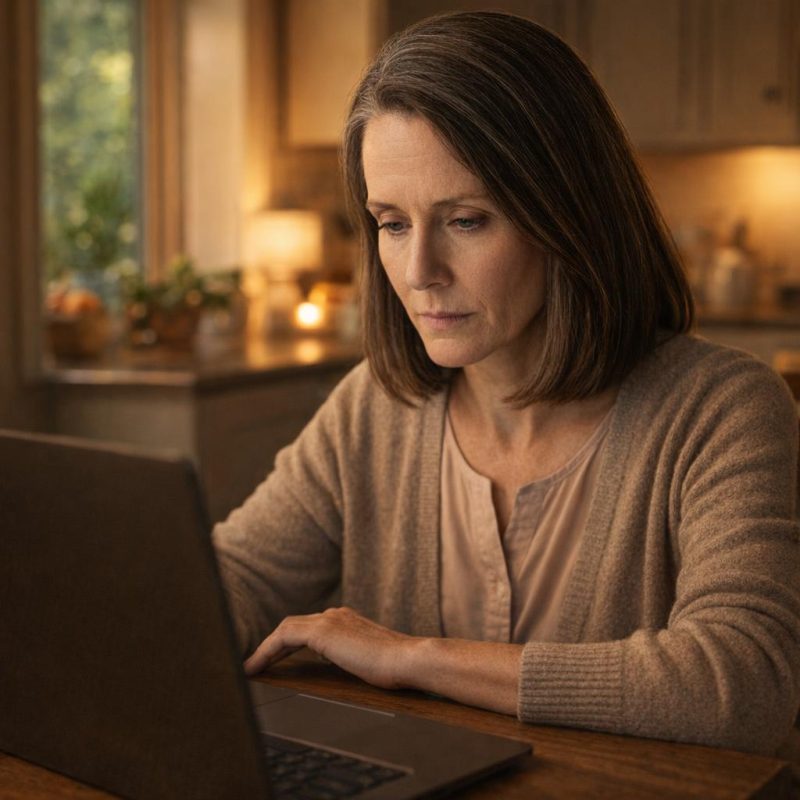 Image by RM AI
Exactly As Promised
The envelope showed up exactly one week later, which honestly surprised me. I'd half-expected nothing, or maybe a coupon booklet stuffed with ads. But it was a real gift card — a major retailer, the kind I actually use — in a plain white envelope with a printed letterhead that looked completely legitimate. I held it up to the light like I was checking a twenty-dollar bill, which I realize sounds paranoid, but I'd been burned before by cards that turned out to be empty. This one had a balance. Twenty-five dollars, right there on the activation sticker. I used part of it that Thursday when I picked up groceries, and it went through without a hitch. I stood at the register feeling quietly pleased with myself. I'd been careful my whole life about things like this — never clicking suspicious links, never giving out my Social Security number, never falling for the ones that asked for a credit card to claim your prize. And here was proof that not every online offer was a trap. Some of them were just what they said they were. I even mentioned it to myself on the drive home, the way you do when you want to remember something: not all of them are scams. I thought about whether there were other surveys out there worth trying. I wondered what else might show up if I kept my eyes open.
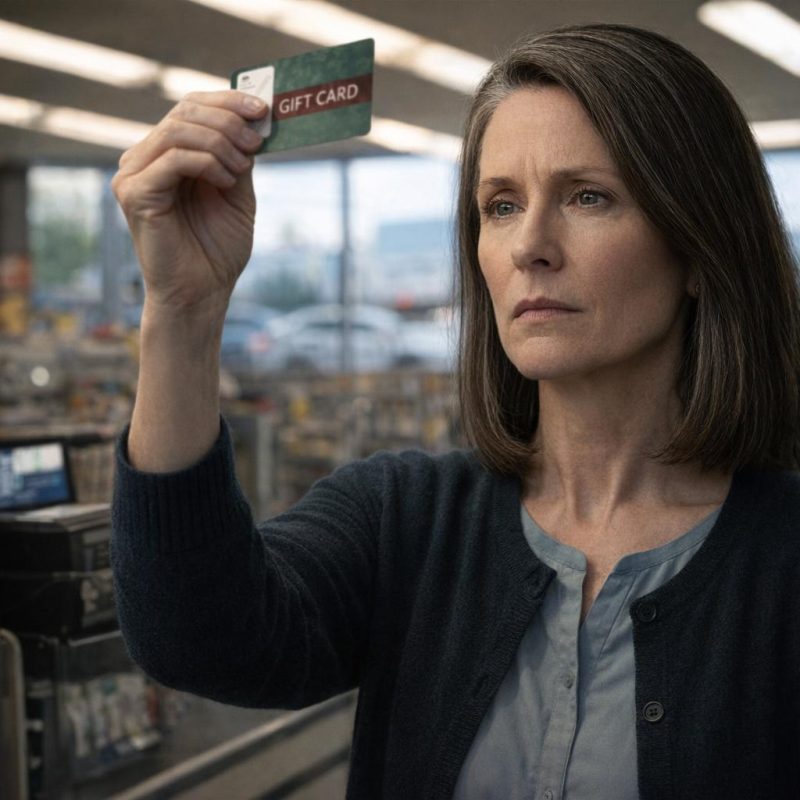 Image by RM AI
The Woman Who Remembered
The call came on a Tuesday afternoon while I was pulling weeds along the back fence. I almost let it go to voicemail — unfamiliar number, no area code I recognized — but I picked up anyway. The woman on the other end had a warm voice, the kind that sounds like it belongs to someone you've known for years. She said my name like she was glad to hear me answer. She mentioned that we'd met at a community event a while back, said she remembered talking to me about my garden and about Tom. She used his name easily, naturally, the way people do when they assume you know exactly who they are. I stood there in the yard with dirt on my gloves, trying to place her. I went through every church potluck, every neighborhood gathering, every PTA meeting from years ago. Nothing. She mentioned my old workplace — the name of it, not just the general field — and said she'd thought about our conversation ever since. I told her I was sorry, that I didn't quite remember where we'd met, and she laughed it off warmly, said it had been a while. We ended the call politely, and I stood there for a moment before going back to the weeds. I told myself it was a wrong number, or maybe someone who'd confused me with another woman. But the silence after I hung up felt heavier than I expected, and I couldn't quite shake it.
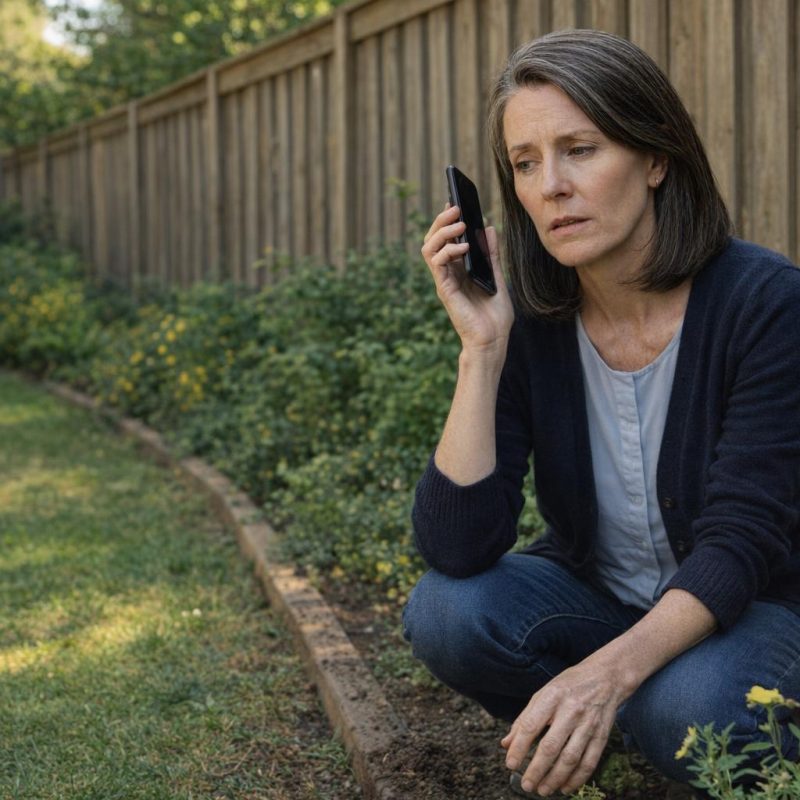 Image by RM AI
The Unexpected Package
The delivery truck pulled up on a Wednesday morning while I was still in my housecoat. I wasn't expecting anything, so I figured it was a mistake — wrong house, wrong street. But the driver carried a large brown box up my front steps and set it down without hesitation, and when I looked at the label, my name was printed right there. My full name, my full address, no errors. Inside was a mixer, a food processor, and a knife set in a fitted case — the kind of kitchen equipment I'd admired in catalogs but never come close to buying. The packing slip listed me as the purchaser. I checked my bank account on my phone right there in the doorway, scrolling through every recent transaction twice. Nothing. No charge, no pending amount, nothing that matched. I told myself it was a warehouse mix-up — some other customer with a similar name, or a return that got rerouted wrong. It happened. I'd read about it. I set the box just inside the door and looked up the company's customer service number, planning to call and arrange a return. It seemed like the right thing to do, the honest thing. But the afternoon got away from me, and by evening the box was still sitting there by the door, and I kept glancing at it — my name on the label, my address, no explanation — its weight somehow heavier than the contents inside.
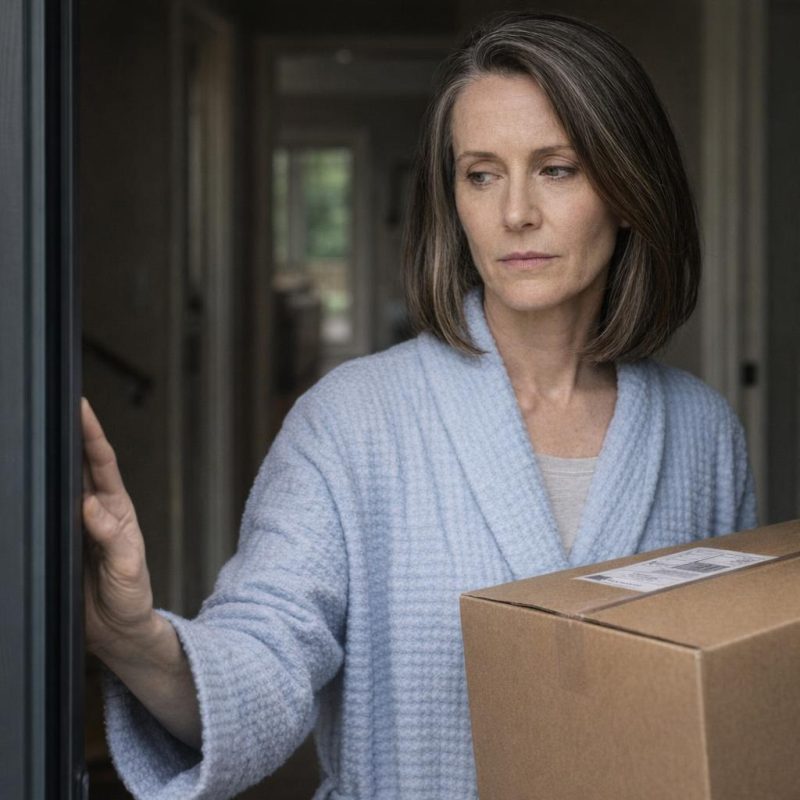 Image by RM AI
The Furniture Store Calls
The call came from a billing department at a furniture store I had never set foot in. The woman on the other end was polite at first, the professional kind of polite that has a time limit on it. She said I owed a balance on a dining set — a substantial one — and that the order had been placed in person at their showroom two weeks ago. I told her there had to be a mistake. She read back my address. Correct. My phone number. Correct. She even mentioned Tom's name, said it had been listed as a household reference on the order form. I felt my stomach drop a little at that. I explained, as calmly as I could, that my husband had passed away, that I had never been to their store, that someone had clearly made an error. She put me on hold. When she came back, her tone had shifted. They had a signature on file, she said. They had my information on the order. She wasn't unkind, but she wasn't flexible either. I asked to speak to a manager. The manager was less patient. He walked me through the collections timeline in a flat, practiced voice, and before I could get another word in, he told me I had forty-eight hours before the account went to collections.
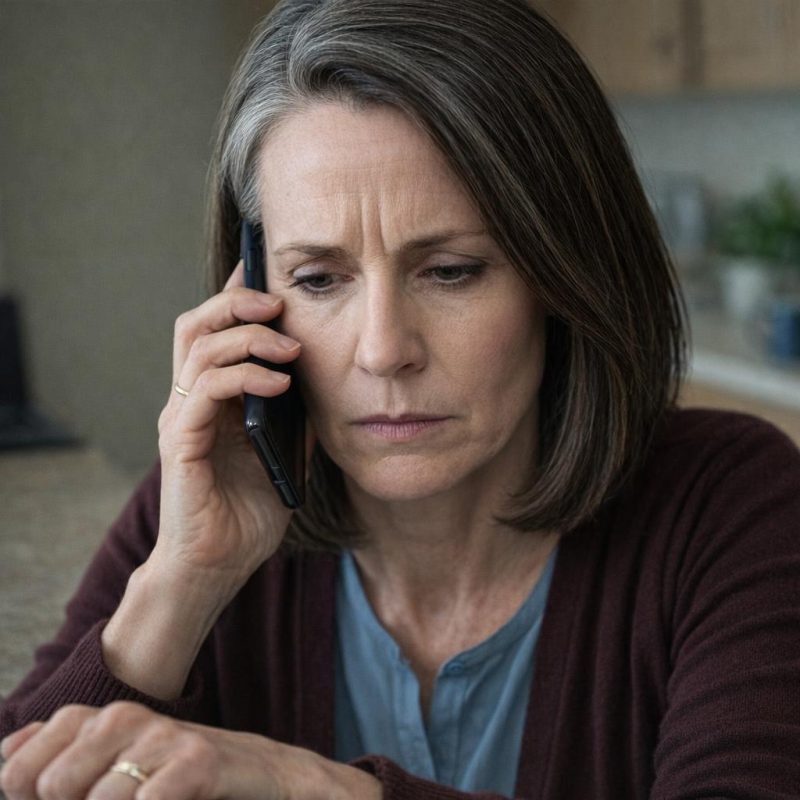 Image by RM AI
The Generous Donor
It started with my neighbor Patrice stopping me at the end of the driveway to say she'd seen my name in the community charity newsletter. She smiled like she was proud of me. I told her there must be a mix-up, that I hadn't donated to anything recently, and she nodded in that polite way people do when they don't quite believe you but don't want to argue. Then a woman from church caught me after the service and mentioned my contribution to the building fund — said it was generous, said the committee was grateful. I smiled and said nothing because I didn't know what to say. At home I checked my bank account again, every line, every date. Nothing unusual. A few days later a thank-you card arrived from the local food bank, handwritten, thanking me for a substantial donation. I called the food bank that afternoon. The woman I spoke to was kind and thorough. She pulled up the record and told me the donation had been made by check, my name printed on it, the amount significant enough that they'd sent a personal note. No check from my account had cleared. I sat at the kitchen table after I hung up, the thank-you card still in my hand, and for the first time the furniture store and the package and the phone call all lined up in my mind at once. Then I picked up the church bulletin I'd brought home from Sunday and found my name printed under the major donors list.
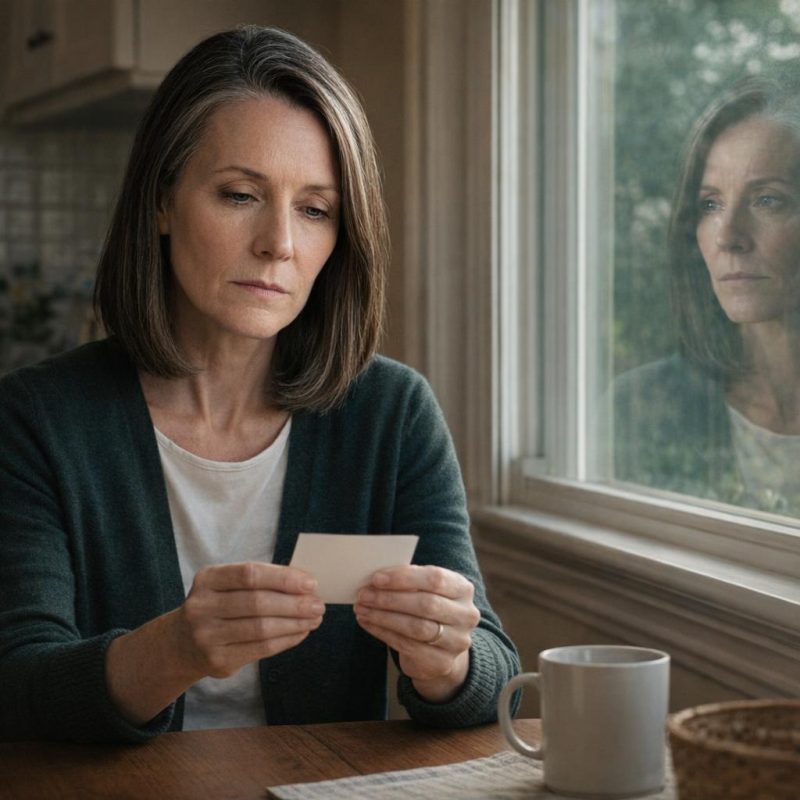 Image by RM AI
The Exclusive Club
I was getting the mail when my neighbor from across the street, Donna, came over with that particular look people get when they're about to say something they think is good news. She congratulated me on joining the Riverside Women's Club. Said she'd seen my name on the membership roster at their last meeting, said it was a selective group and that I must have had strong references to get in. I stood there holding a water bill and a grocery circular, trying to keep my expression neutral. I told her I wasn't sure what she was referring to. She looked confused, then a little embarrassed for me, the way people do when they think you've forgotten something you did yourself. I thanked her and went inside. I set the mail on the counter and stood in the kitchen for a minute, going over the list in my head: the package, the furniture bill, the donations, the phone call from the woman who knew Tom's name. Each one had felt like a separate mistake. Standing there, they didn't feel separate anymore. I went back to the front door to check the mailbox one more time, and there it was — a thick cream-colored envelope I'd missed the first time, with my name printed on the front in clean block letters. Inside was a welcome packet from the Riverside Women's Club, complete with a membership card and a dues notice.
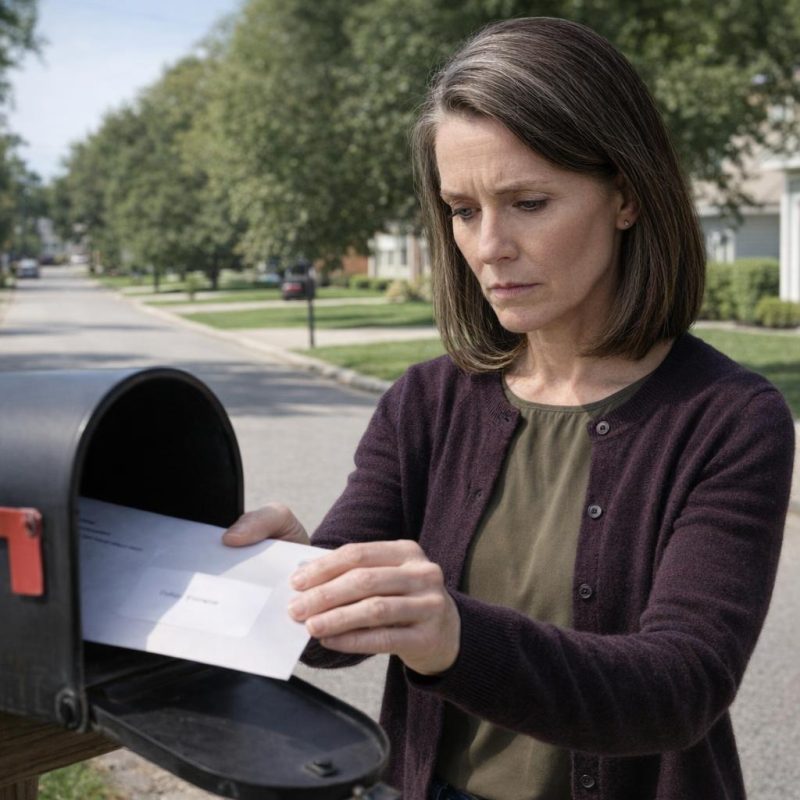 Image by RM AI
Making the Calls
I sat down at the kitchen table with a notepad and worked through the list methodically, the way Tom always said I handled things — one problem at a time, start with what you know. The furniture store was first. I got a different representative than before, explained everything from the beginning, and was told I'd need to submit a written dispute with proof of identity. The woman was not unkind, but she was not convinced either. The food bank had detailed records — the check number, the date, the amount — and when I mentioned the email address they had on file for the online portion of the donation, it was close to mine but not quite right, one extra letter I'd never used. I didn't recognize it. The Riverside Women's Club membership office told me the application had been submitted with three references, and when the woman read the names back to me, I knew every one of them. People from my neighborhood, from church, from years back. People I had never asked to vouch for me. By the fourth call I had stopped expecting to be believed. I kept my voice even and my notes neat, writing down every name and reference number, but each conversation ended the same way — politely, with the weight of their documentation sitting heavier than anything I could say in response. I put the phone down and looked at my notepad, full of names and numbers that all pointed back at me, and felt the particular exhaustion of telling the truth to people who had no reason to think it was true.
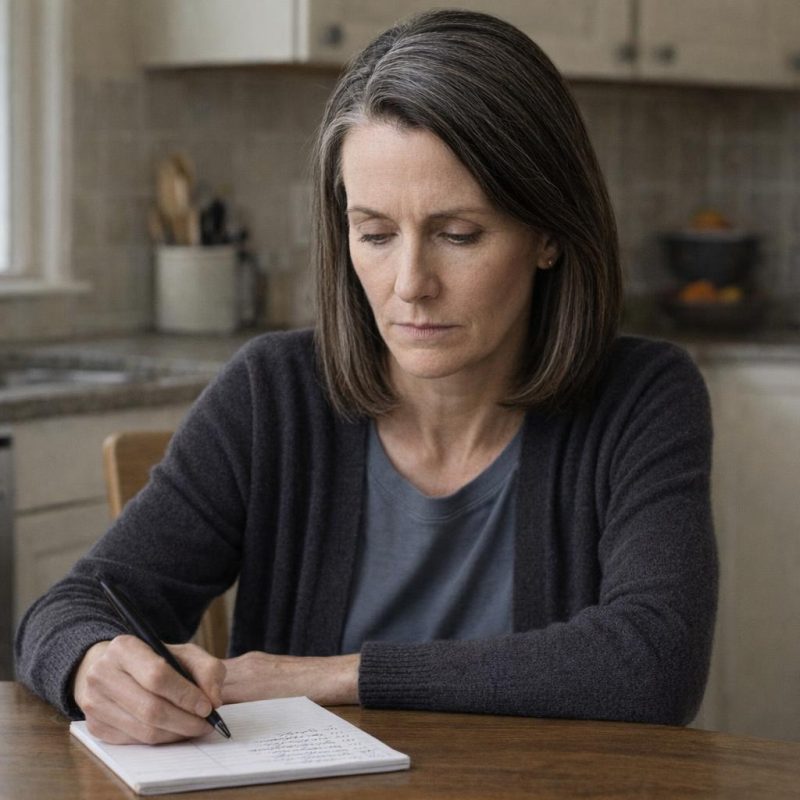 Image by RM AI
The Digital Trail
The furniture store finally sent me the account application by email, and I sat at the kitchen table with my reading glasses on and went through every field. The security question answer was my mother's maiden name — Kowalski — which I had never written down anywhere public in my life. The charity donation site had my childhood street address as the account recovery option, a house I hadn't lived in since 1987. The Women's Club application listed my high school, Jefferson Consolidated, and my graduation year, correct to the digit. And the email address variation — the one with the extra letter I'd never used — was built around Tom's middle name, Gerald, tucked in where you'd only notice it if you were looking. I sat back and tried to think through every form I'd ever filled out, every account I'd ever opened, every time I'd answered a security question honestly instead of making something up the way the tech articles always said you should. None of it pointed to one place. It pointed to everywhere, to decades of small moments I'd never thought twice about. Whoever had done this hadn't grabbed a wallet or skimmed a card. They had reached back through my whole life and gathered it up, piece by piece, and I sat there in the quiet of my kitchen feeling the weight of that.
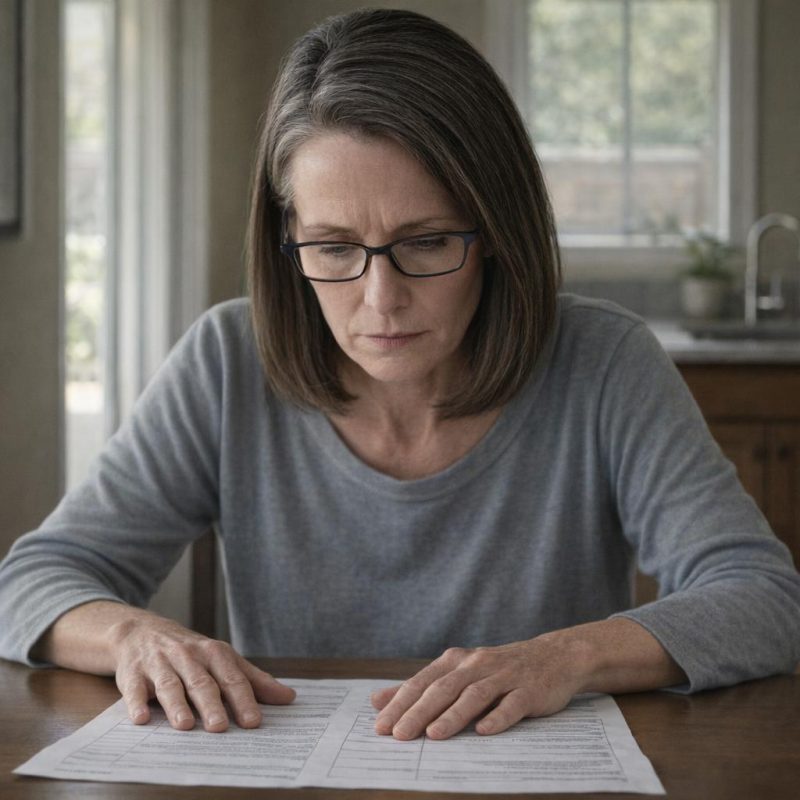 Image by RM AI
The Office Space
I typed my own name into the search bar feeling a little foolish, the way you do when you're not sure what you're looking for but you're out of other ideas. The first few results were the usual nothing — an old church directory listing, a mention in a local 5K results page from 2019. But on the third page there was a business listing I had never seen before. A small office suite, forty minutes away in Claremont, with my name listed as the leaseholder. I stared at it for a full minute before I called the property management number at the bottom of the page. The man who answered was polite and matter-of-fact. The lease had been signed three months ago, he said, paid through the end of the year. He confirmed there was a signature on file and a copy of a driver's license. I told him, as calmly as I could manage, that I had never rented any office space in Claremont or anywhere else. He suggested, in the tone of someone who had heard stranger things, that I might want to come see the property in person to sort it out. I wrote the address down on the same notepad I'd been using all week. Then I looked at it for a long moment and decided I was driving there in the morning. The address sat on the page next to my name above a signature I had never written.
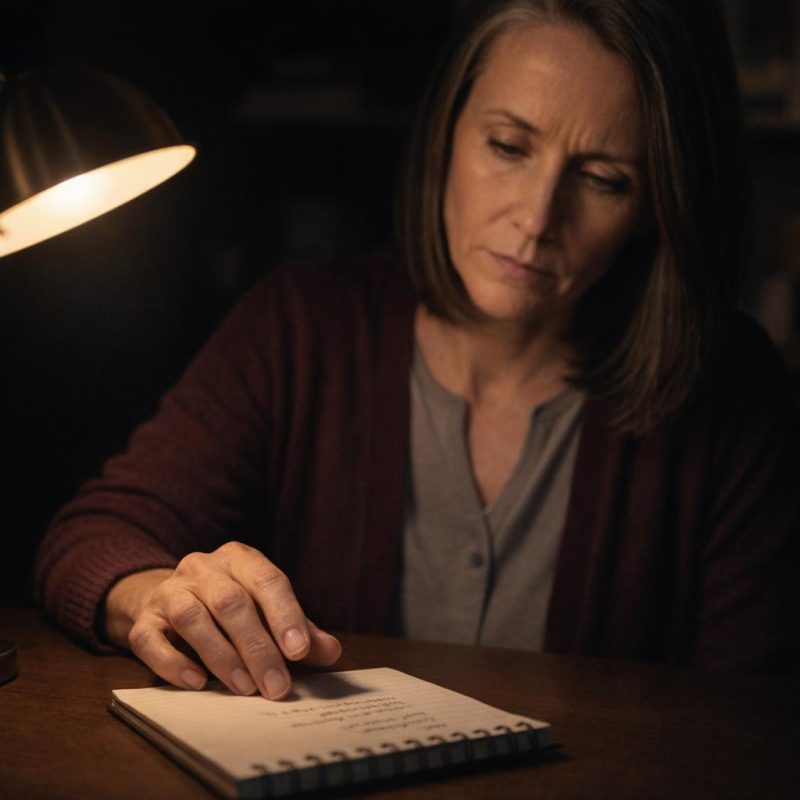 Image by RM AI
The Empty Office
The building was a plain two-story brick thing on a side street, the kind of place that housed insurance adjusters and small accounting firms. I found the unit number from the listing and walked down a narrow hallway that smelled like old carpet and recycled air. The door was unlocked, which gave me a moment's pause, but I pushed it open anyway. The room inside was almost completely bare — no desk, no chair, no computer, nothing on the walls. Just a single metal filing cabinet against the far wall, the kind with a combination lock on the top drawer. I stood there looking at it, trying to decide whether to touch it, when I heard footsteps in the hallway behind me. A woman came through the door carrying a paper coffee cup. She stopped the instant she saw me. The cup slipped from her hand and hit the floor, lid popping off, coffee spreading across the linoleum in a slow dark fan. We stood on opposite sides of that empty room, both of us completely still, and neither of us said a word. I didn't know what she was thinking, but I could see in her face that she hadn't expected to find anyone here either. The silence between us settled like something with weight to it.
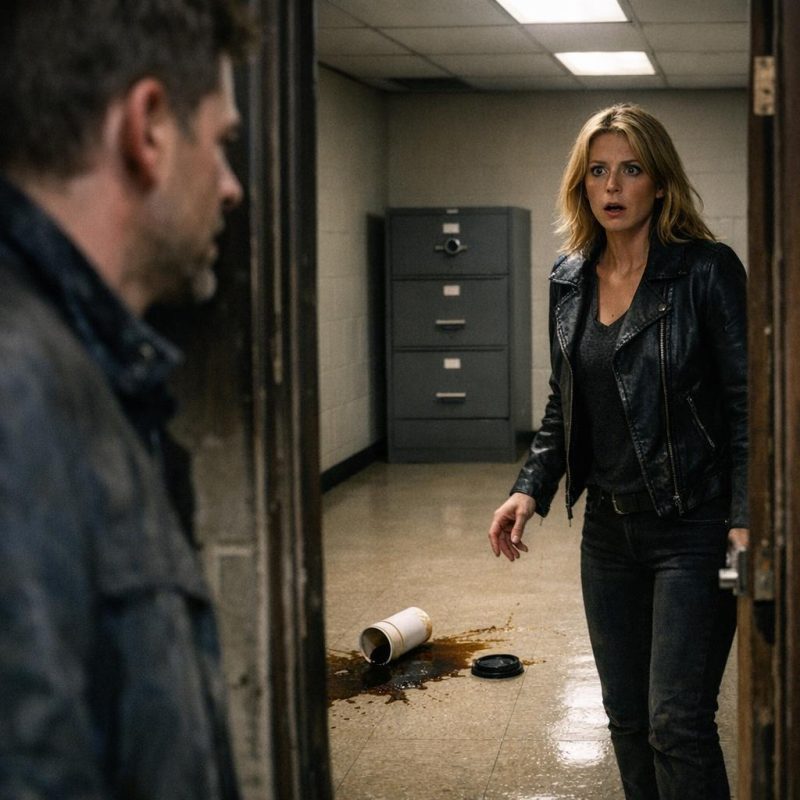 Image by RM AI
Linda's Story
She was the one who spoke first. She said her name was Linda, and she apologized for the coffee, and then she apologized for the shock, and then she sat down on the floor because there was nowhere else to sit and said, 'I think we have a problem in common.' She told me she had answered an online survey about eight months back — twenty-five dollars, she said, and I felt the hair on my arms stand up. She described the questions the way I remembered them: the neighborhood you grew up in, your first pet, your mother's family name, the school you attended. She said the strange transactions had started appearing in her name about six weeks after she submitted it. She'd spent months trying to untangle things, and eventually traced an address connected to one of the accounts back to this office. So she'd rented the space herself, thinking she might find something. The filing cabinet had been here when she arrived, locked, and she hadn't been able to open it. I listened to all of this standing near the door with my arms crossed, not because I was cold but because I wasn't ready to relax. She seemed frightened in a way that was hard to fake, but I had learned in the past two weeks that things could look very convincing. Then she described the exact wording of the survey's final question — the one about your most memorable childhood address — and I recognized it word for word.
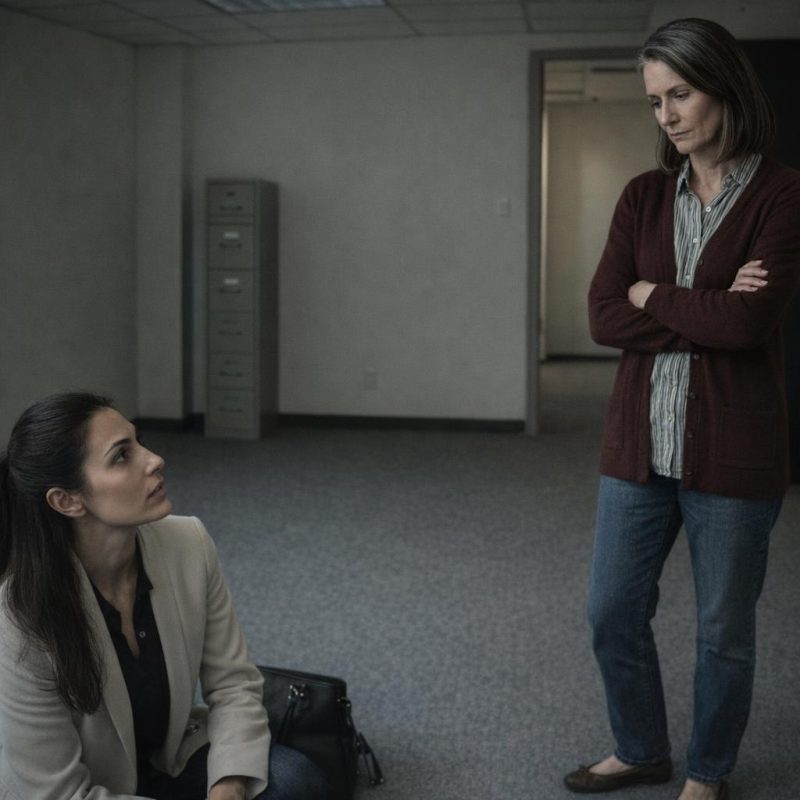 Image by RM AI
The Pattern Emerges
Linda had a folder in her bag, the kind with the elastic band around it, and she spread its contents on the floor between us since there was still no furniture. She had printouts from an online forum — a consumer complaints board, the kind that looks like it was designed in 2004 — where people had been posting about the same pattern for months. I read through several of them while she talked. A woman in Ohio whose name had appeared on a gym membership in Tennessee. A retired teacher in New Mexico whose email address had been used to register for a fishing license in Vermont. A man in Georgia who kept getting mail addressed to him from a city he'd never visited. At least thirty separate accounts, all describing the same starting point: an online survey, twenty-five dollars, questions that felt personal but not alarmingly so. Linda had mapped the connections on a separate sheet of paper, names and arrows and dates, and looking at it made my stomach turn. Nobody seemed to have lost money outright. It wasn't the kind of theft where someone drains your bank account and disappears. It was something stranger than that — like someone had taken all these separate lives and shuffled them together, and now pieces of each person were scattered through the others. I didn't have a word for what I was looking at. I just sat on the floor of that empty office and stared at the list of names, each one attached to someone else's borrowed life.
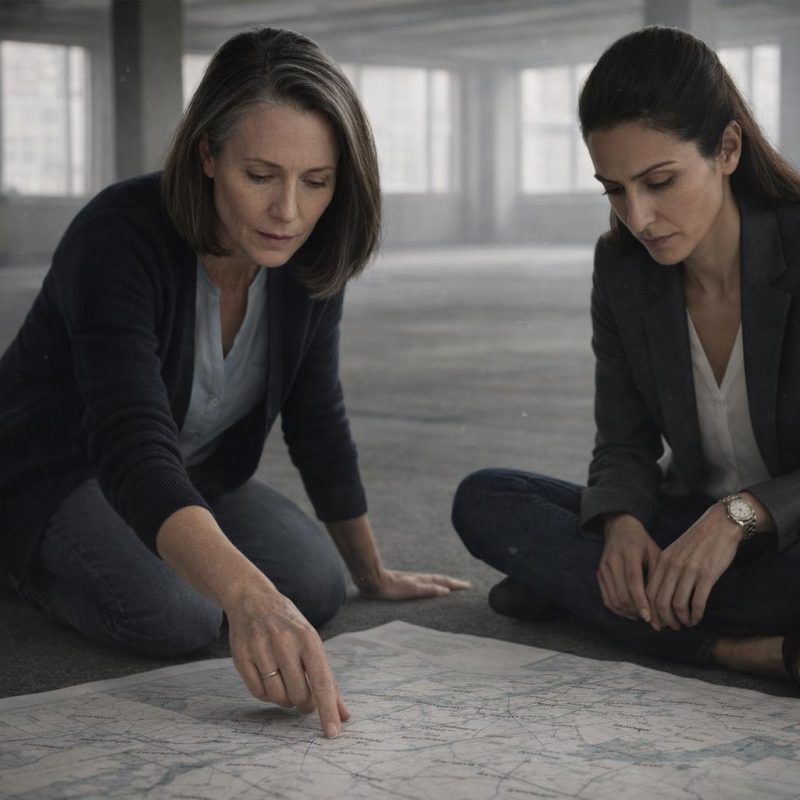 Image by RM AI
The Shuffled Lives
We spent another hour on the floor of that office going through Linda's documentation, and the more we mapped it out the more unsettled I felt. My charity donation had gone to a food bank in Tucson — a city I'd never been to — and the account it came from was registered to a woman named Patricia Odom in Arizona. Patricia's name had been used to ship a furniture order to an address in Kentucky belonging to a man named Dale Ferris. Dale's information had been used to open a library card and a community center membership in the name of a woman in upstate New York. And it kept going like that, all the way around the circle, thirty-some people each holding a piece of someone else's life without knowing it. No bank accounts emptied. No credit cards maxed out. Just information, redistributed. Moved around like furniture in a house where nobody lives. Linda said she thought each person's details had been assigned to someone specific in the network, not scattered randomly, and when I looked at her map I couldn't argue with the shape of it. I just couldn't explain the reason for it. Why go to all that trouble to rearrange people's lives without taking anything? I kept turning that question over and couldn't find a bottom to it. The map sat between us on the floor, thirty names connected by thin pencil lines, and the room felt very quiet around it.
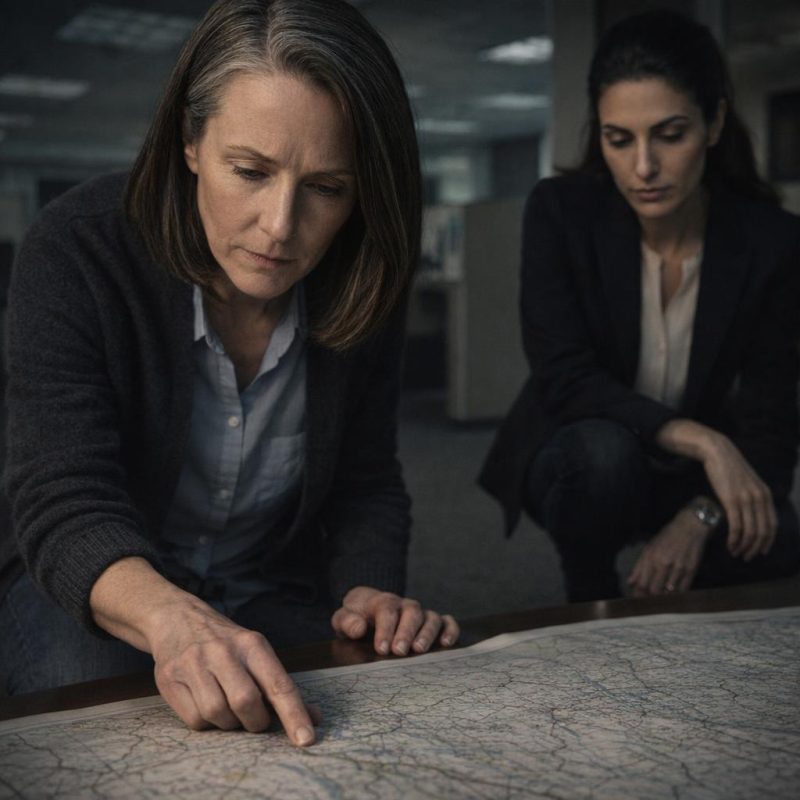 Image by RM AI
The Research Company
Linda had saved the original survey confirmation email, which I had not, and the URL in it traced back to a company called Meridian Consumer Insights. The website looked exactly like what it claimed to be — clean design, stock photos of people in focus groups, a paragraph about evidence-based market research. I called the number listed and got a voicemail that said the mailbox was full. Linda ran the business registration while I was still on hold. The company had been registered only eight months ago, which was about two months before the first survey responses started appearing on that complaints forum. The registered address was a suite number at a UPS Store in suburban Phoenix. No employees listed anywhere publicly. No LinkedIn page, no staff bios, no conference appearances. The parent company listed in the registration documents had a different name — Vantage Behavioral Research LLC — and when Linda searched that one, the trail went quieter still. A registered agent in Delaware, a filing date, and nothing else that a regular person could find without a lawyer or a subpoena. I wrote both names down carefully. Linda leaned over and looked at my notepad and said we should try visiting the Phoenix address, even knowing it was a mail drop. Then she scrolled back through the registration documents one more time and pointed at the screen. The parent company's original filing listed a third name as the registered organizer — one I didn't recognize yet.
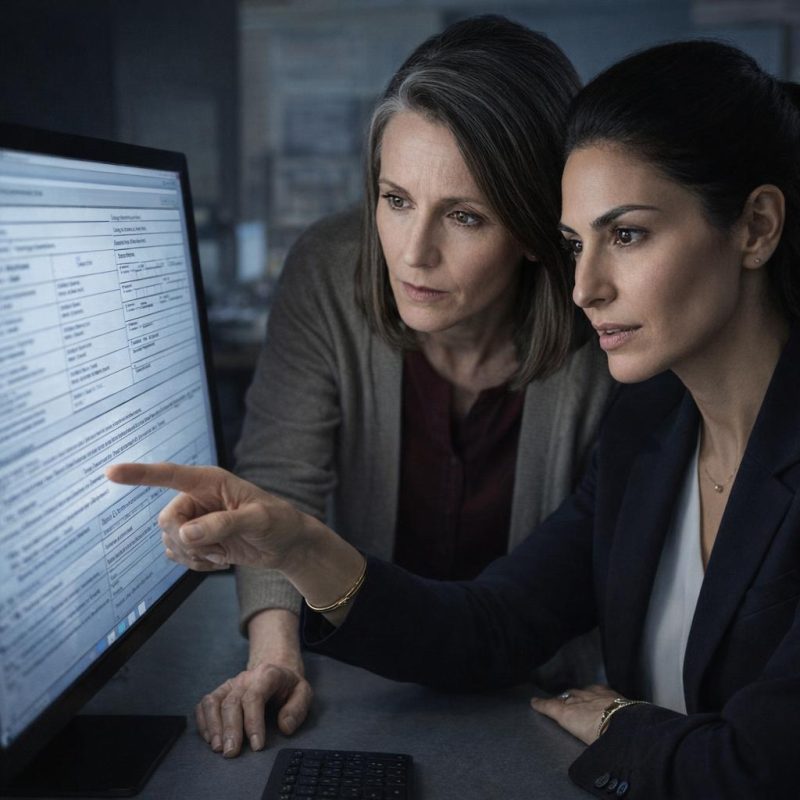 Image by RM AI
The Uneasy Alliance
We met at a coffee shop the next morning to figure out next steps, and I'll admit Linda was easier company than I'd expected. She was funny in a dry, offhand way, and she had a habit of making self-deprecating jokes about her own research methods that made me laugh twice before I'd finished my first cup. For a little while it almost felt normal, sitting across from someone and talking through a problem instead of sitting alone at my kitchen table with a notepad. She mentioned again that she'd answered the survey about six months ago, and I filed that away the way I'd been filing everything. Then a few minutes later she referenced something that had happened to her — a specific incident with her bank — and the timing she described would have put it seven months back, maybe more. She kept talking and I let it go, telling myself I'd misheard or miscounted. But then her phone buzzed on the table between us and the screen lit up before she turned it face-down. I only caught it for a second. It was a calendar notification, and the date visible in the preview didn't line up with the timeline she'd been describing all morning.
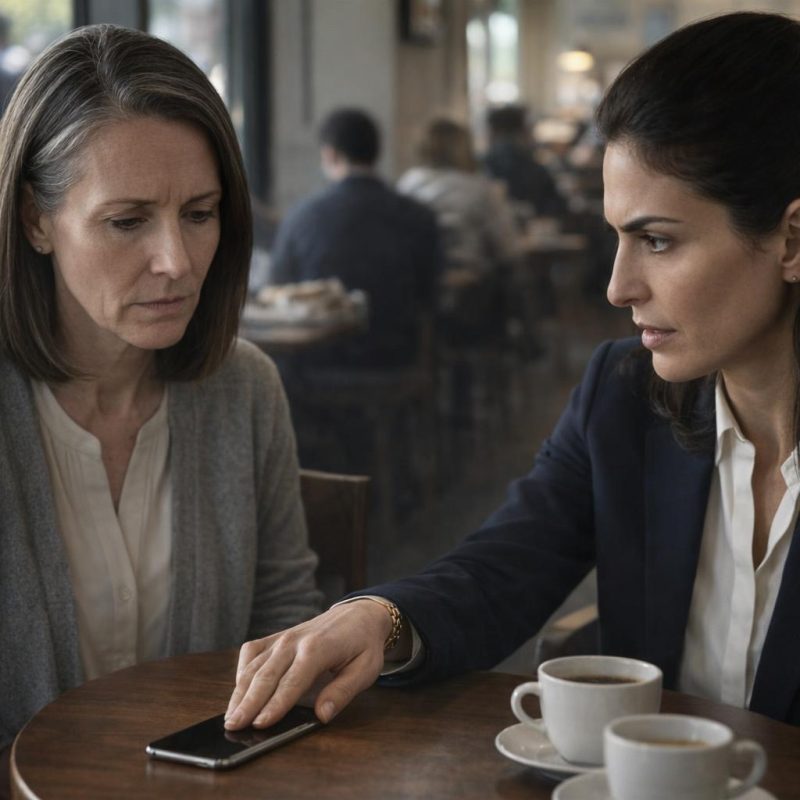 Image by RM AI
The Spreading Rumors
The bank called on a Tuesday morning, and the woman on the line was polite in that careful, measured way that told me the news wasn't good before she'd said a word. Someone had attempted a large transfer from my checking account to an online gaming site — over eight hundred dollars. The bank had flagged it and blocked it, she said, but the transaction had been initiated. I sat at the kitchen table after I hung up and just stared at the wall for a while. I hadn't gambled a day in my life. I didn't even buy lottery tickets. I went to the grocery store that afternoon because I needed to eat regardless of how I felt, and I noticed it the moment I walked through the automatic doors — the way a woman near the produce section glanced at me and then looked away a little too quickly. The cashier who'd been ringing up my groceries for eleven years barely made eye contact. I told myself I was imagining things. I was almost to my car when I stopped walking. Two women near the floral display, voices low but not low enough — one of them said my name, and the other said something about a gambling problem and money disappearing.
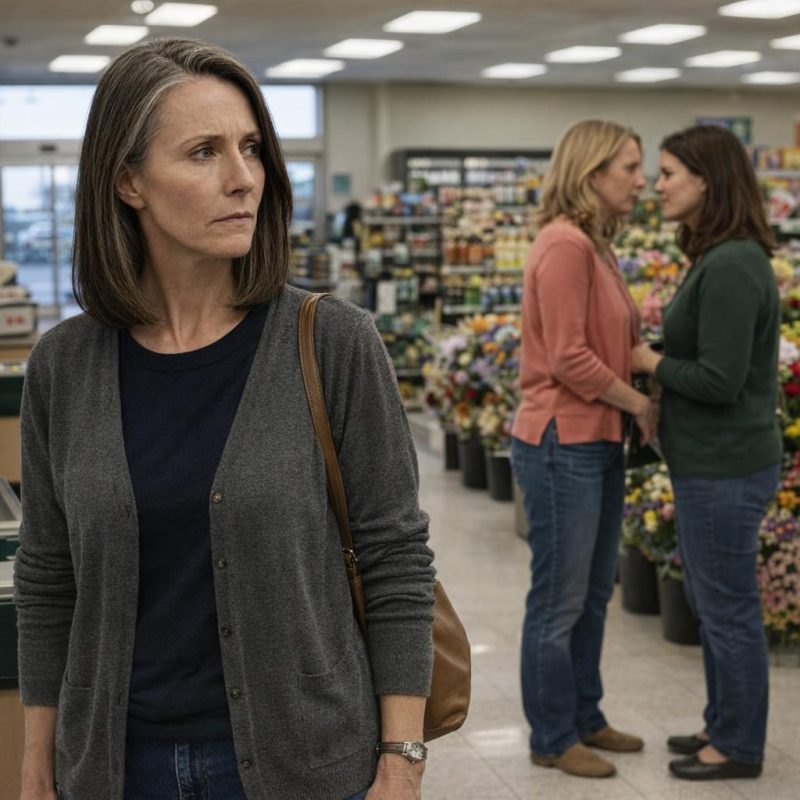 Image by RM AI
Pushing Doubts Aside
I met Linda at her office the next afternoon with the timeline inconsistency still sitting in the back of my mind like a splinter I couldn't quite reach. I didn't plan to bring it up directly, but somewhere between sitting down and accepting the coffee she offered, I found a way to mention it — casually, like I was just trying to keep the details straight. She didn't miss a beat. She laughed a little and said she was terrible with dates, that she'd probably mixed up when the bank incident happened versus when she'd first noticed the account irregularities. She said she'd been so stressed during that whole period that the months had blurred together. It was a reasonable explanation. It was the kind of thing I could have said myself about any difficult stretch of time. I wanted to believe her, and I noticed that wanting, and I told myself that noticing it didn't make me smart — it just made me paranoid. She was the only person who had sat across from me and treated this like a real problem worth solving. Everyone else in my life was either avoiding me or looking at me like I'd lost my mind. We spent the rest of the afternoon planning a visit to the registered business address, and I pushed the splinter down somewhere I couldn't feel it anymore. The choice to trust her felt less like confidence and more like the only door left unlocked.
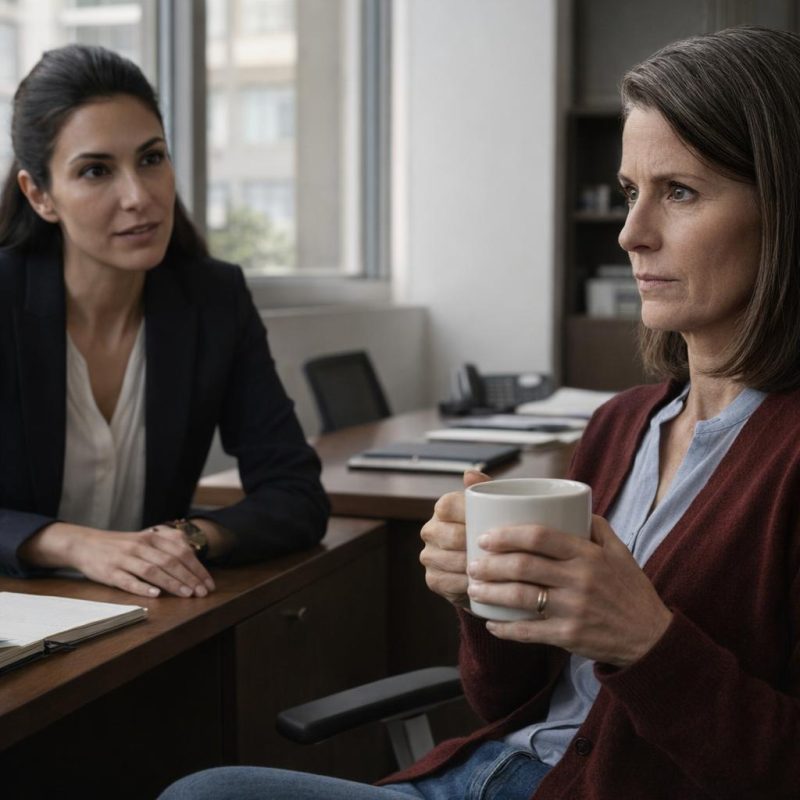 Image by RM AI
The Isolation Deepens
A notice arrived from a traffic court two counties over — three unpaid parking tickets issued to a vehicle registered in my name that I had never owned. I called the number on the notice and tried to explain, and the clerk listened in that flat, unconvinced way that told me she'd heard every kind of excuse before. I asked what I needed to do to dispute them. She told me I'd need to appear in person. I hung up and sat with that for a minute. That same week, I saw Carol Hutchins on the sidewalk outside the hardware store — we'd been in the same Sunday school class for going on fifteen years — and she crossed to the other side of the street before I could raise my hand to wave. I told myself maybe she hadn't seen me. I didn't fully believe it. The church women's group had stopped including me in the email chain for Thursday potlucks, and when I called Janet to ask about it, she said she'd assumed I was too busy. Her voice was kind but careful, the way people sound when they're trying not to say the real thing. I had one person who still answered my calls without that careful pause first, and that was Linda. I sat with that fact in the quiet of my kitchen, turning it over — the only person who believed me was the one I wasn't sure I could trust.
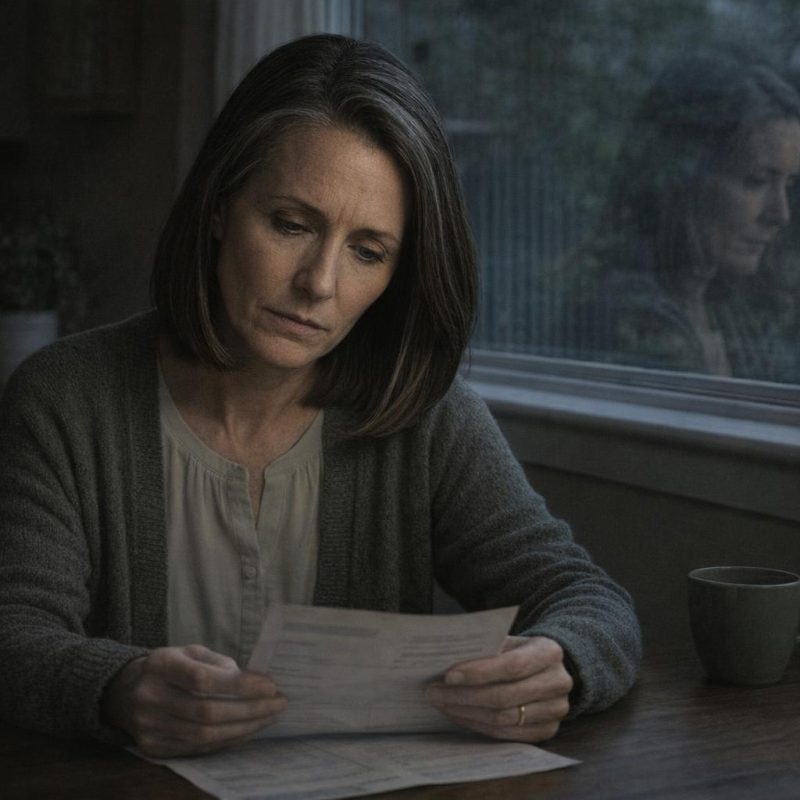 Image by RM AI
The Family Confrontation
Melissa's car was in my driveway when I got home from the post office on a Thursday afternoon, and my stomach dropped before I'd even turned off the engine. She was sitting on the porch steps, and the look on her face told me this wasn't a casual visit. She'd heard things, she said. From more than one person. She asked me straight out if I was in financial trouble, and I sat down next to her and tried to explain — the survey, the data shuffling, the transactions I hadn't made, all of it. She was listening, but her expression kept doing this thing where it would soften for a second and then tighten back up, like she wanted to believe me but couldn't quite get there. She asked why I hadn't come to her. I told her I hadn't wanted to worry her. She said that sounded like something someone would say when they were embarrassed about a problem, not when they were the victim of one. That landed hard. I told her I was telling the truth. She said she knew I believed that. There's a particular kind of hurt that comes from someone saying they know you believe something, like your certainty is just a symptom. She stood up and hugged me before she left, which almost made it worse. I stood on the porch and watched her taillights disappear around the corner.
 Image by RM AI
The Town's Verdict
I ran errands the next morning because life doesn't stop just because your reputation is falling apart. At the post office, the clerk — a man named Dale who'd always had a joke ready — processed my package without looking up once. At the pharmacy, Dr. Hensley's assistant, who'd been filling my prescriptions for eight years, found something very interesting to study on her computer screen while I waited at the counter. I told myself these things were coincidences. I was getting good at telling myself things. The one that broke through was at the library, when Patricia Odom — who'd been in my book club for six years, who'd sat in my living room and eaten my cooking — turned down the biography aisle the moment she saw me coming. She didn't do it quickly enough to be subtle. At the hardware store, Ray Kowalski asked me, in a voice full of careful concern, if everything was all right at home. The way he said it, with that slight pause before home, told me he'd heard something specific. I drove back to my house and sat in the car for a few minutes before going inside. I'd lived in this town for thirty-one years. I'd brought casseroles to sick neighbors and shown up for funerals and volunteered at the school book fair. None of that seemed to count for much now. The weight of being seen as someone I was not settled over me like something I couldn't take off.
 Image by RM AI
Melissa's Accusations
Melissa came back two days later with a manila folder, and I knew before she opened it that this visit was going to be worse than the last one. She'd pulled my credit report. There were three accounts on it I'd never opened — a store card, a line of credit, and something listed under a financial services company I'd never heard of. She laid the bank statements next to them, the attempted transfers highlighted in yellow. She was calm about it, which was somehow harder to take than if she'd been angry. She asked me about each item, one at a time, and I explained each one, and I could see her listening and not quite arriving at belief. She asked if I'd ever placed bets online, even once, just to try it. I said no. She asked if anyone had offered me an investment opportunity that seemed too good to be true. I said that wasn't what this was. She suggested, gently, that sometimes people got into situations they didn't know how to get out of, and that there was no shame in asking for help. I told her I was asking for help — I was asking her to believe me. She said she needed time to think. After she left, I sat at the kitchen table with her documents spread out in front of me, the highlighted lines staring back at me. The last thing she'd asked, just before she walked out the door, was whether I was gambling. The silence that came after that question was the loudest thing in the room.
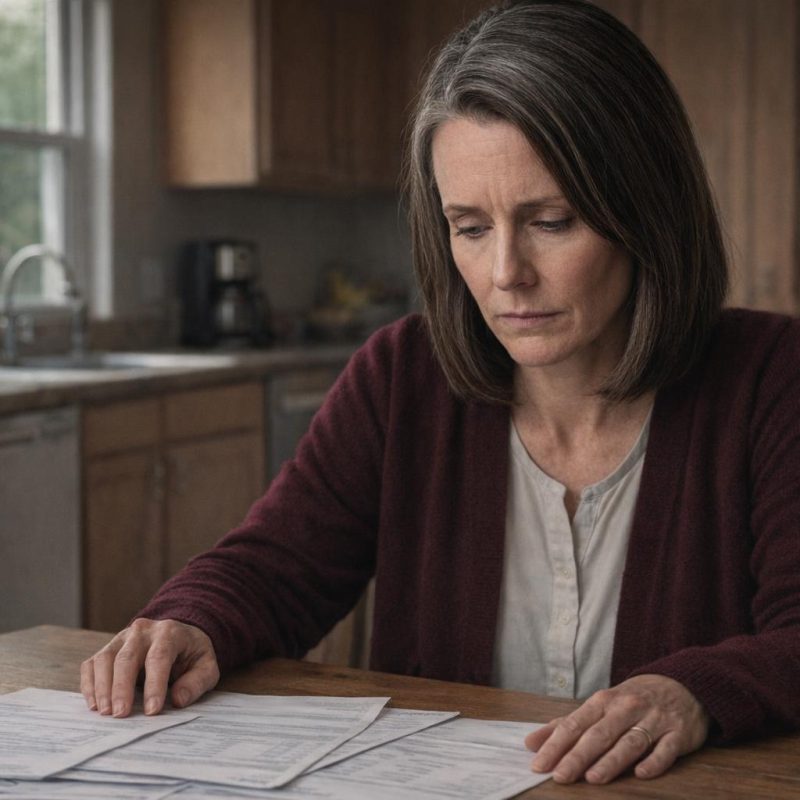 Image by RM AI
The Sister's Intervention
Barbara didn't call first. She never did when she'd made up her mind about something — she just appeared, and you dealt with it. I opened the door and she was standing there with her coat still buttoned, which meant she wasn't planning to stay long, just long enough to say what she'd come to say. She'd been hearing things, she said. Disturbing things. She mentioned an investment club membership in my name, large transfers, purchases at places she couldn't make sense of. I started to explain and she held up one hand — not rudely, but firmly — and said she'd seen this pattern before. A woman at her church had gotten pulled into something similar, she said, and by the time the family found out it was too late to do much. I told her this was different. I told her about the survey, about the data, about Linda, about the transactions I hadn't made. She listened with her arms crossed and her head tilted slightly, the way she'd been listening to me since we were children, like she was waiting for the part that made sense. My voice went up before I could stop it. I told her I wasn't confused, I wasn't in denial, I wasn't a cautionary tale from someone's church. I asked her to leave. She started toward the door, then stopped with her hand on the frame and said she'd already spoken to a lawyer about what options the family might have.
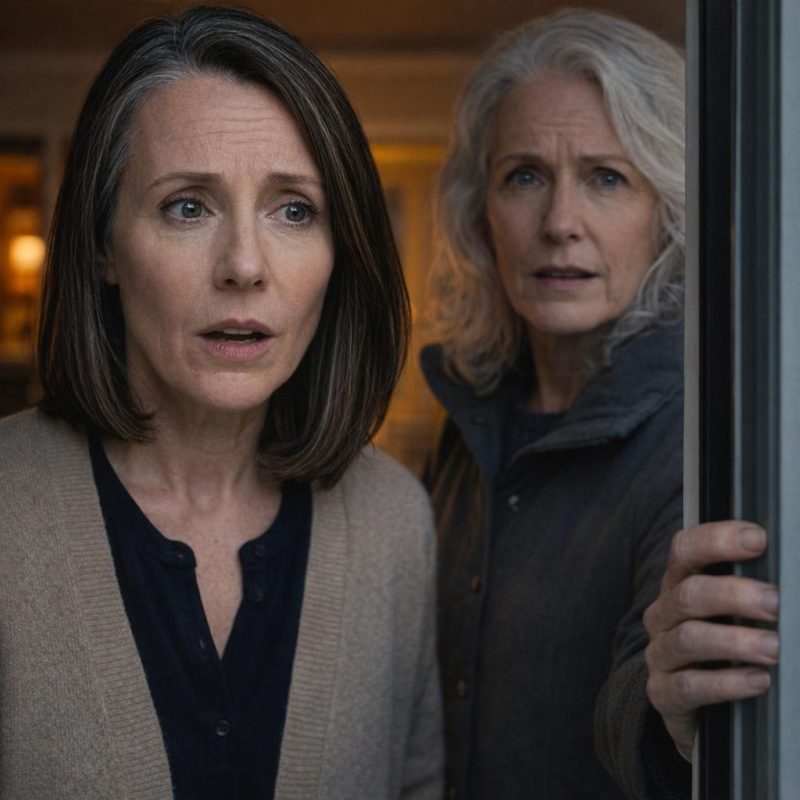 Image by RM AI
The Distant Friends
I started calling people the week after Barbara left, because I needed to hear a friendly voice and I thought surely someone who'd known me for decades would just pick up the phone and talk to me like a normal person. I called Diane from church first and got her voicemail. I left a message asking if she wanted to meet for coffee, kept my voice light, didn't mention any of it. She didn't call back. I tried Ruth two days later. She answered, which felt like a small mercy, but the conversation lasted four minutes and she said twice that she had something on the stove. I called Patrice, who I'd known since our kids were in elementary school together, and she said she was swamped at work and would call me back later in the week. She didn't. I saw my old neighbor Gwen at the grocery store and she turned down the cereal aisle before I could get close enough to say her name. I stood in the middle of the bread aisle for a moment, just standing there. I went home and sat on the couch with my phone in my hand, the call log showing all the names I'd tried. Nobody had said anything unkind to me. Nobody had confronted me or accused me directly. They'd just gone quiet, one by one, and I sat there holding the phone, understanding that the quiet itself was the answer.
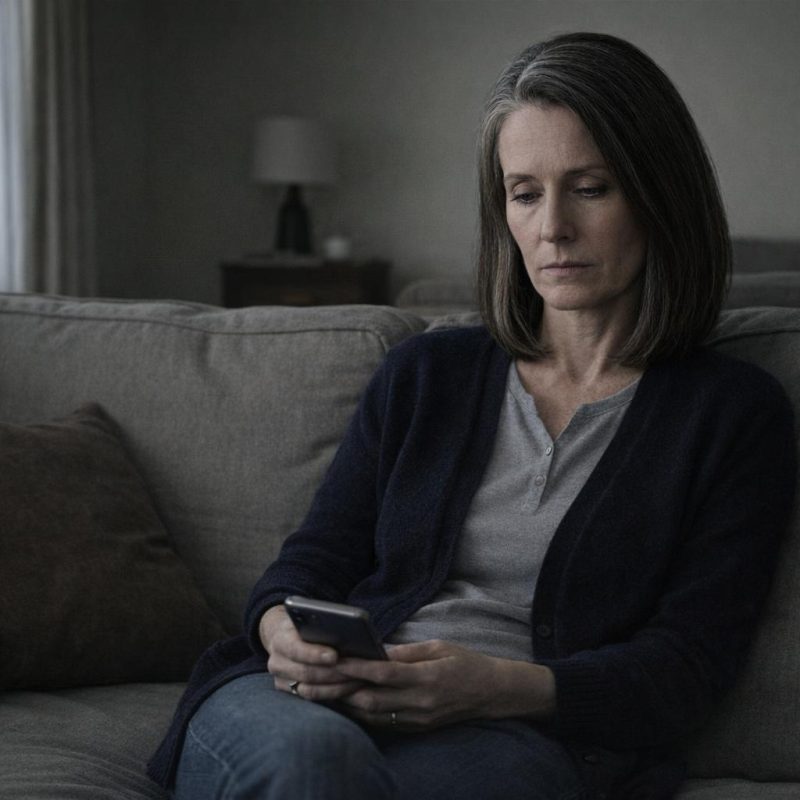 Image by RM AI
Barbara's Investment Theory
Barbara called on a Tuesday morning, and I could tell from the first syllable that she'd been up half the night working herself into a state. She said she had proof this time. Real proof. She'd found my name on a website for a company called NutriVance Health Solutions — listed as a regional distributor, with a profile photo that she said looked exactly like me. She'd printed the screenshots. Multiple pages. She read me the address listed on the profile, which was close to mine but not quite right, and the phone number, which I didn't recognize. I told her I had never heard of NutriVance Health Solutions in my life. She said the photo was right there. I said someone had put it there. She said, Sharon, I'm looking at it. I said I knew she was looking at it, but that didn't mean I'd put it there. We went around like that for ten minutes. After we hung up I sat down at my kitchen table and pulled up the website myself. The profile was there — a whole biography I'd never written, a phone number I'd never used. I scrolled down slowly, and there it was: a membership roster, and at the top of it, listed as regional distributor, was my name.
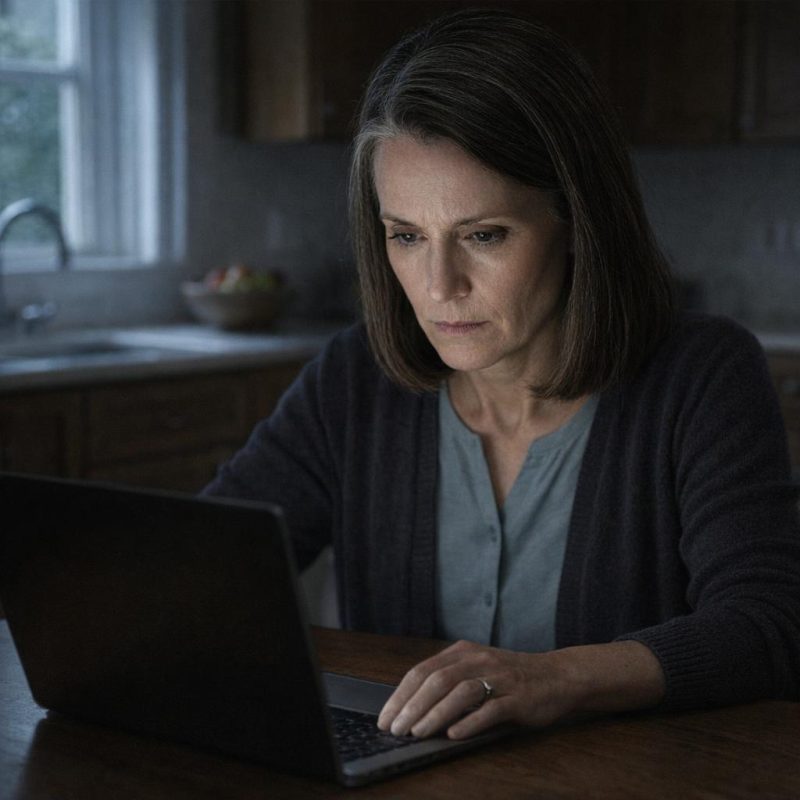 Image by RM AI
Tracing the Source
Linda was already at the coffee shop when I arrived, her laptop open and a legal pad covered in handwriting beside her cup. She'd been at it for a while, she said. She walked me through what she'd found, and it was like watching a door open onto a hallway that opened onto another door. The survey company was registered to a holding company in Delaware. That holding company was registered to a consulting firm in Nevada. The Nevada firm listed a registered agent whose address turned out to be a mailbox service in Reno. Linda had called the number on file and gotten a recording. I opened my own laptop and tried to follow along, but every time I thought I'd found something solid, it dissolved into another layer. We spent two hours like that, passing links back and forth across the table, writing down names and crossing them out. Linda was patient in a way I wasn't — she'd find a dead end and just pivot, try another angle, like she'd done this kind of thing before. I wrote it down. I didn't know what it meant yet. By the time we packed up, my coffee had gone cold and my notes were a mess of arrows pointing at nothing, and the thing we were looking for kept sliding just out of reach.
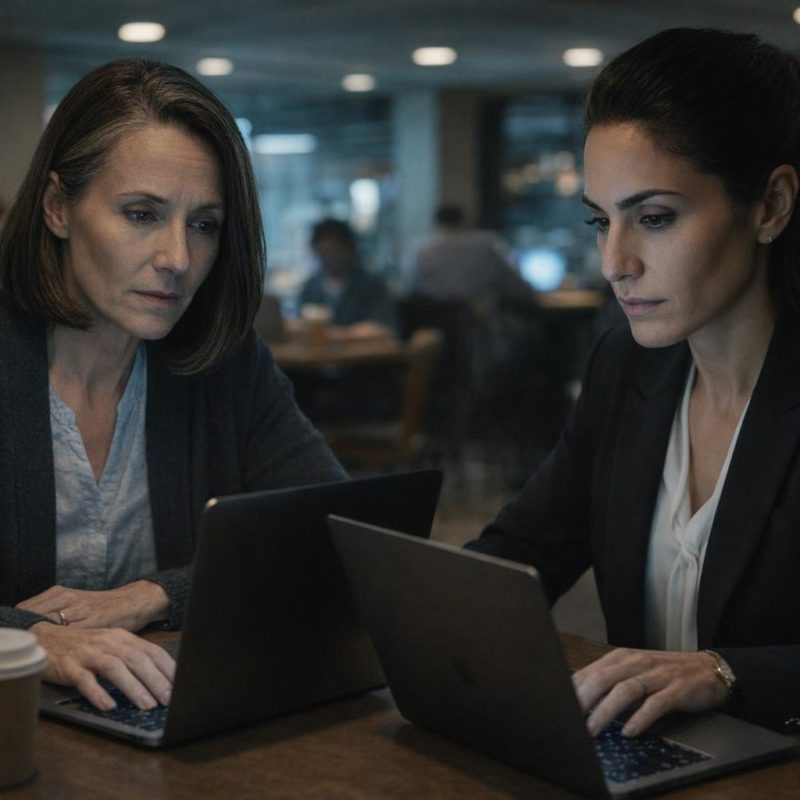 Image by RM AI
The Hidden Connections
Linda had put together a list of other people who'd filled out the same survey, or ones that looked like it, and she spread her notes across the table between us. One woman had grown up in a town where a textile factory closed under disputed circumstances in the early nineties. Another person's father had been a mid-level manager at a company that settled a lawsuit quietly around the same time. A third name was connected to a school district that had gone through some kind of administrative scandal years back — Linda had found a mention of it in a local paper archive. I sat there reading through her notes and something kept nagging at me, something I couldn't quite name. I mentioned that our town had its own version of that kind of story — the missing money from the community fund, the investigation that went nowhere. Linda looked up and asked me to say more. She wrote it down next to the others. Looking at the list, I could see why she thought there was a pattern. Each entry had that same quality — something unresolved, something that had been set aside rather than finished. But the connections were loose enough that I kept second-guessing myself, wondering if we were just finding shapes in static, the way you do when you've been staring at something too long.
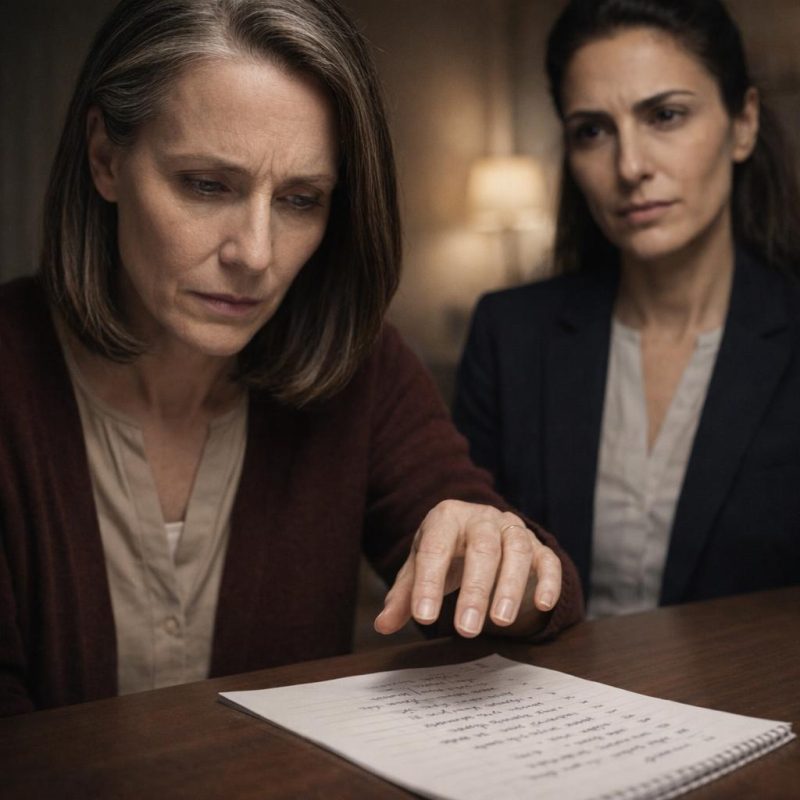 Image by RM AI
The Scandal Resurfaces
I started searching the newspaper archives that night after dinner, sitting at the kitchen table with a cup of tea that went cold beside me. I typed in the name of the community fund and the year and got a handful of results — short articles, the kind that small-town papers run when something uncomfortable happens and nobody wants to say too much. Richard Caldwell. That was the name that kept appearing. A respected businessman, the articles said. A pillar of the community. Fifty thousand dollars had gone missing from a fund meant to help families who'd lost work when the mill cut its hours. The investigation had lasted about six months and then the articles just stopped. No charges. No explanation. I clicked through to a related document that looked like it had been recently updated — some kind of archived case summary that had been added to a local historical records database. My name was in it. I stared at the screen for a moment, certain I'd misread it. I hadn't. My name was listed in connection to the case, no context given, just there among a list of associated parties. I scrolled down slowly, my hands not quite steady on the trackpad, reading through names I didn't recognize. And then I stopped — because there, listed as a witness in the original investigation, was Tom's name.
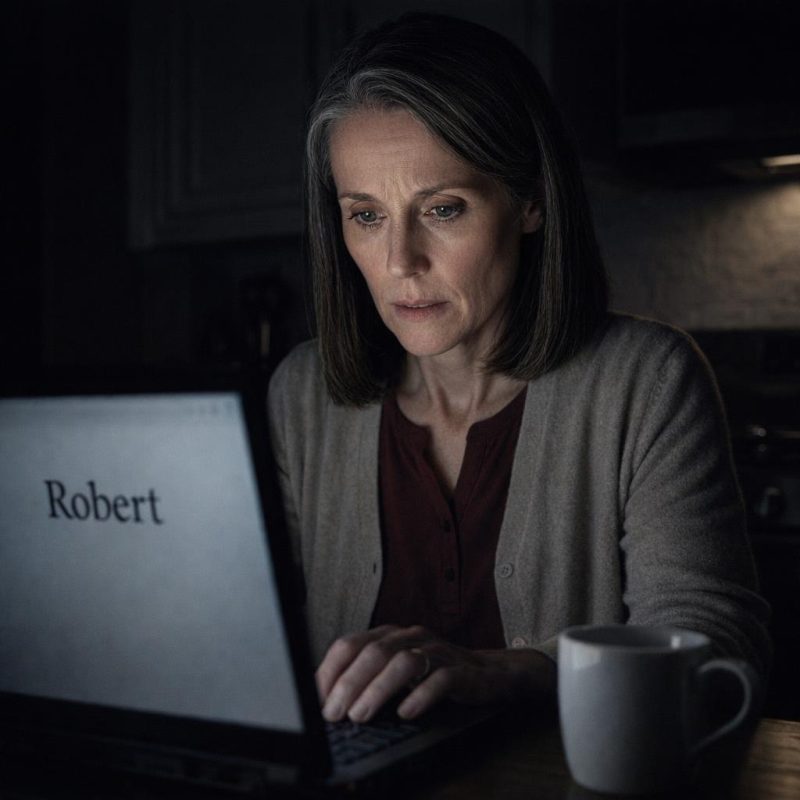 Image by RM AI
The Changed Perception
I went to the grocery store two days later because I needed milk and I was trying to keep my routine, trying to act like a person who had nothing to hide. Before, people had been cool, a little distant, the way you treat someone you've heard something unflattering about. This was different. Patty's hands moved faster than usual and she didn't make small talk. The store manager, a man I'd nodded to a hundred times, watched me from the end of the aisle with his arms crossed. A woman in the parking lot stared at me openly as I loaded my bags into the car, not bothering to pretend she wasn't. I drove to the bank afterward to check on something with my account, and the branch manager asked if I had a moment to speak privately. He was careful with his words, very careful, the way people are when they're nervous about a conversation. He said he'd seen my name come up in connection with an old case and wanted to make sure everything was in order. I told him it was a mistake. He nodded and said of course, and then he held the door open in a way that made it clear the conversation was over. Walking back to my car, I understood the difference — before, people had felt sorry for me. Now they were afraid of what I might have done.
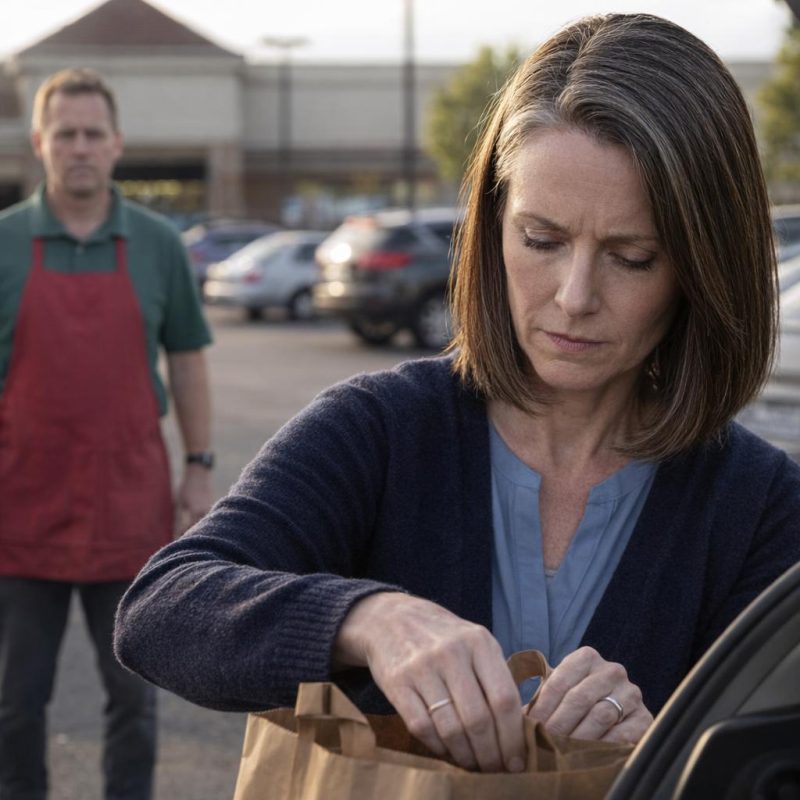 Image by RM AI
Tom's Secrets
I went down to the basement that weekend and found the boxes I'd been avoiding since Tom died — the ones I'd taped shut and stacked in the corner and told myself I'd go through when I was ready. I wasn't ready, but I went through them anyway. Most of it was what I expected: old tax returns, instruction manuals for appliances we'd replaced years ago, birthday cards from people I'd lost touch with. Then I found a manila folder with 1999 written on the tab in Tom's handwriting. Inside were newspaper clippings — the same articles I'd been reading online, but cut out and saved, some of them with notes in the margins. His handwriting, small and careful, the way he wrote when he was thinking something through. One clipping had a question mark next to Richard Caldwell's name. Another had a figure circled — the fifty thousand dollars — with a line drawn to something I couldn't make out. I sat on the basement floor with the folder in my lap, trying to understand what I was looking at. Tom had never mentioned any of this. Not once in all the years we were married. I set the folder aside and reached back into the box, and at the very bottom, beneath everything else, my fingers found an envelope — sealed, never opened, Tom's handwriting on the front, and a date: November 14, 1999.
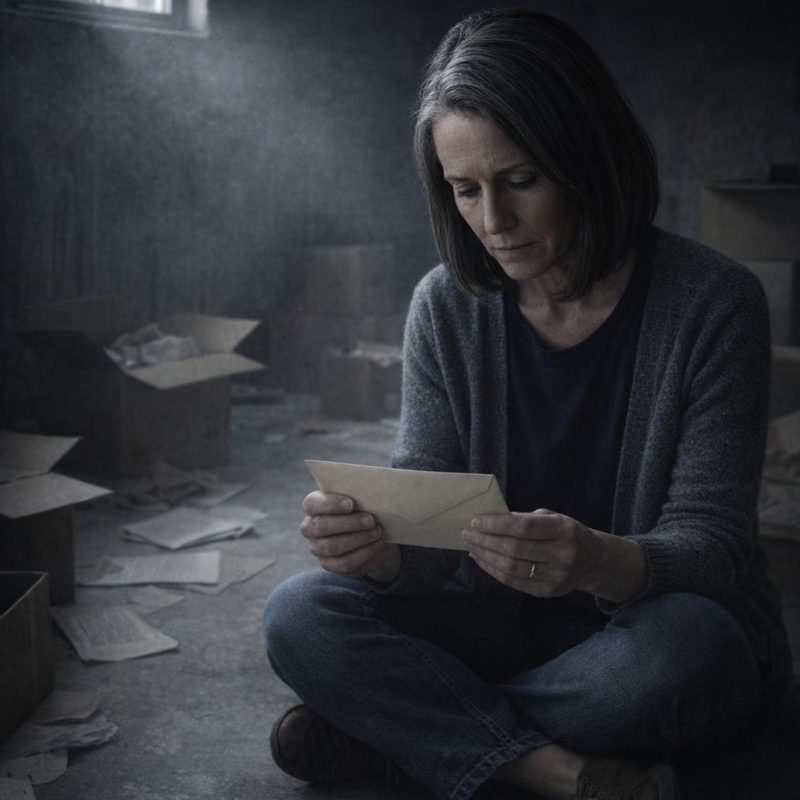 Image by RM AI
The Businessman's Past
I spent the better part of Sunday reading everything I could find about Richard Caldwell. He was seventy-three now, still active, still visible. His real estate business had grown considerably since the nineties. He sat on the boards of two local charities and had his name on a scholarship fund at the community college. There were photos of him at ribbon cuttings, at fundraising dinners, shaking hands with people who looked pleased to be photographed beside him. The 1999 articles told a different story, or the beginning of one that never got finished. The community development fund had been set up to help families affected by the mill slowdown — groceries, utility bills, that kind of thing. Fifty thousand dollars had been collected and then, over the course of about eight months, it was gone. The investigation found irregularities but nothing it could pin down with certainty. Caldwell had cooperated, the articles said. He'd been forthcoming. After six months the case was quietly closed and his name recovered its shine, and by the time a decade had passed it was as if the whole thing had been a misunderstanding that polite people didn't bring up. The weight of it settled over the room and didn't lift.
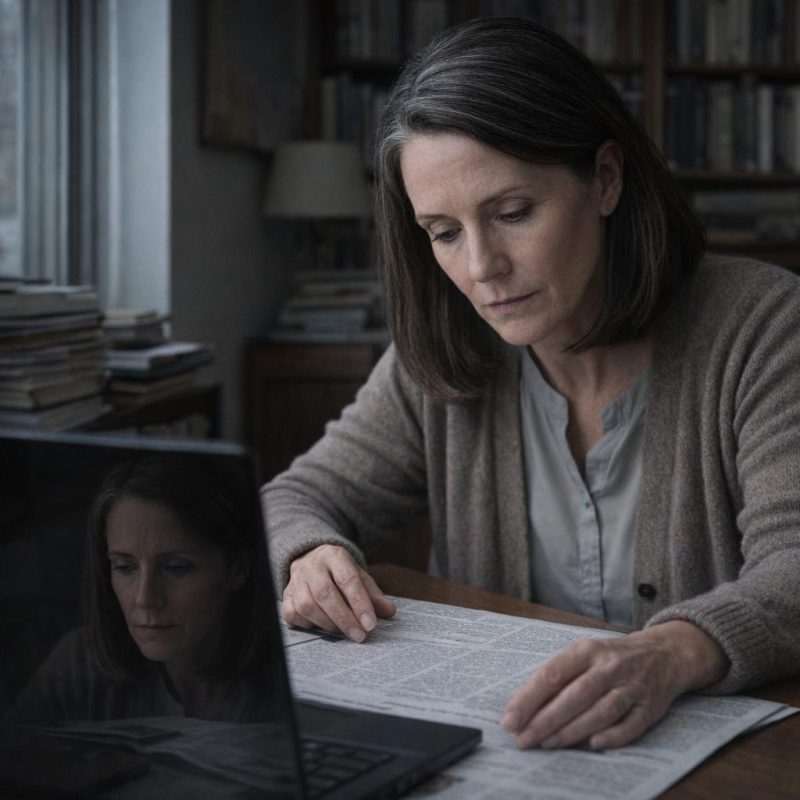 Image by RM AI
Meeting Richard Caldwell
I drove to Caldwell's real estate office on a Wednesday morning, which I figured was as good a time as any to do something I'd probably regret. The receptionist told me Mr. Caldwell was in a meeting and asked if I had an appointment. I said I didn't, but that I was there about something from 1999 and I thought he'd want to know. She disappeared for a moment and came back looking slightly uncertain, and then she showed me to his office. He stood when I came in and shook my hand and said he had a few minutes. He was polished in the way that men get when they've spent decades managing how they're perceived. I asked him about the community fund. His expression tightened, just slightly, and he said the matter had been fully investigated and closed a long time ago. I said I understood that, but that my name had recently appeared in connection with it and I was trying to understand why. He said he couldn't speak to that. Then I told him my husband's name had appeared in the records too — that Tom had been listed as a witness. Caldwell went very still. He asked what Tom had told me. I said Tom had never mentioned it, not once. I drove home with that look sitting behind my eyes, not fading.
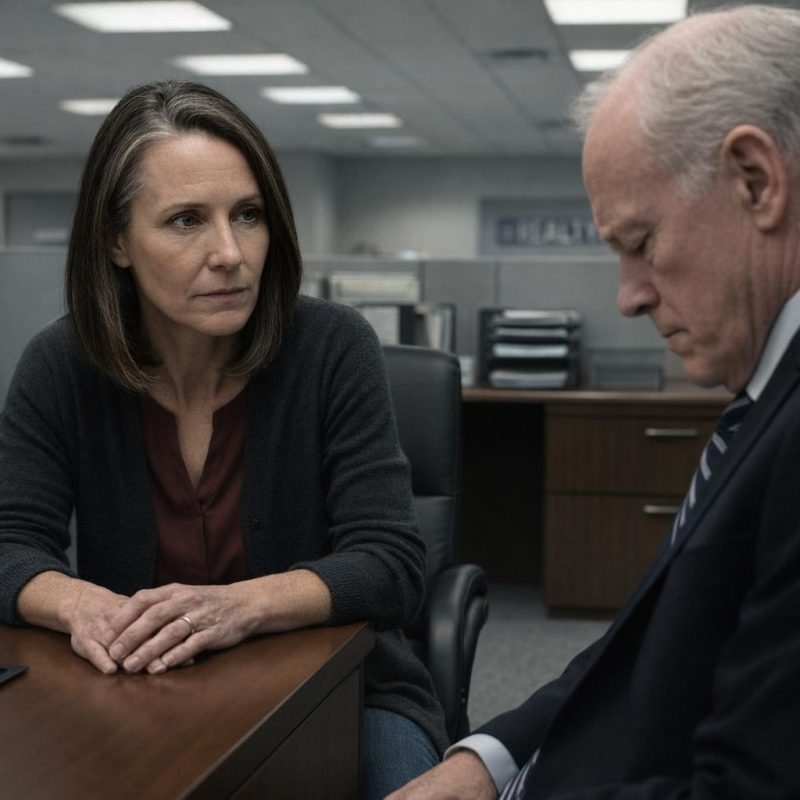 Image by RM AI
The Missing Money
I went to the library on a Thursday afternoon, which felt almost absurdly ordinary for what I was about to do. The reference librarian helped me find the archived local newspapers and county records from 1999, and I sat at a long table under fluorescent lights with a notepad and a cup of coffee that went cold before I touched it. The community fund had been set up through the First Methodist congregation and a handful of local business leaders — fifty thousand dollars collected over several years to help families facing medical emergencies and job loss. It was the kind of thing that made a small town feel like it was looking after its own. I found the board roster first. Tom's name was there, third from the bottom, listed as treasurer for the fiscal year. My stomach dropped, but I told myself that didn't mean anything on its own. Lots of people served on boards. I kept reading. The fund had been reported missing in December of 1999, and the investigation had gone nowhere. I pulled the bank records the library had on microfiche — copies filed as part of the county audit. I had to feed the pages through the reader twice because my hands weren't cooperating. And then I found it: a withdrawal authorization from the first week of November 1999, for the full fifty thousand dollars, signed in Tom's handwriting.
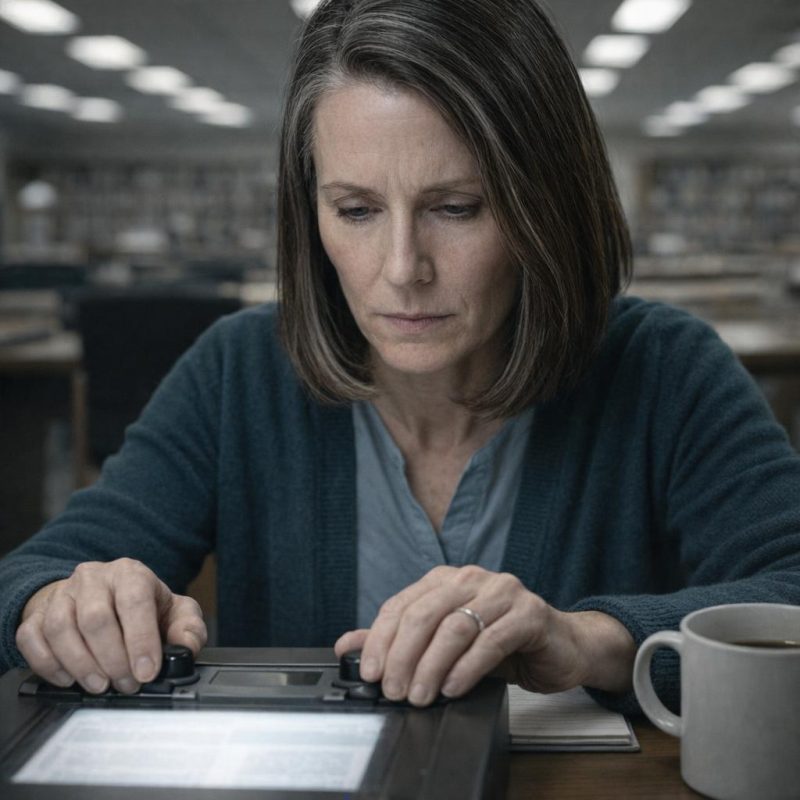 Image by RM AI
Reexamining the Marriage
I sat in the living room that night with three photo albums open across the coffee table and a box of letters Tom had written me over the years. I don't know what I was looking for exactly. Some crack in the surface, maybe. Some sign that the man in those photographs was carrying something heavy that I'd missed. But he looked the same in every picture from 1999 — the same steady eyes, the same slight smile he always had when he thought someone was making too big a deal out of a moment. There was one from that November, the two of us at Melissa's school play, and he had his arm around my shoulder and he looked completely at ease. I read the letters next. They were the kind of letters Tom wrote — practical and warm, not flowery, full of small observations about the yard or a funny thing that happened at work. Nothing in them felt like a man hiding something. But that was the problem, wasn't it. I had always trusted what I saw on the surface. I had never thought to look underneath. I sat there with the albums spread around me and the letters in my lap, and the question that kept surfacing wasn't about the money or the fund or the signature on that bank record. It was simpler and worse than all of that: how well had I actually known him.
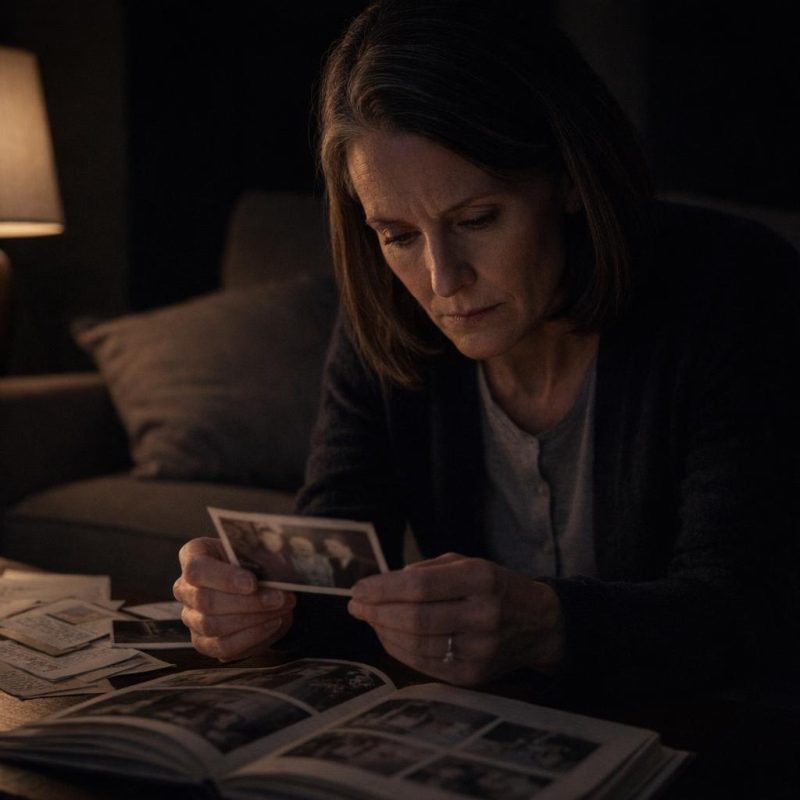 Image by RM AI
The Personal Investigation
The envelope had been sitting in the bottom of Tom's old filing cabinet for years. I'd found it not long after he died, tucked behind a folder of insurance documents, sealed and labeled in his handwriting — just my name, nothing else. I'd put it aside at the time because I couldn't face it. Grief does that. You set things down and tell yourself you'll come back to them when you're stronger. I'd never gone back. I sat at the kitchen table with it in front of me and thought about the man I'd built a life with for thirty-one years. I thought about the way he used to make coffee too strong and never apologize for it. I thought about how he'd held my hand in the hospital when Melissa was born and hadn't said a single word, just held on. And I thought about his name on that bank record, that signature I'd recognize anywhere. My name was being dragged through something I didn't understand, and the only person who might have been able to explain it was gone. I couldn't protect both of us at once. I slid my finger under the flap and broke the seal carefully, the way you do when you know you can't undo it. Inside was a folded letter in Tom's handwriting, and beneath it, a small stack of documents. I picked up the letter first, and my hands were shaking before I'd read a single word.
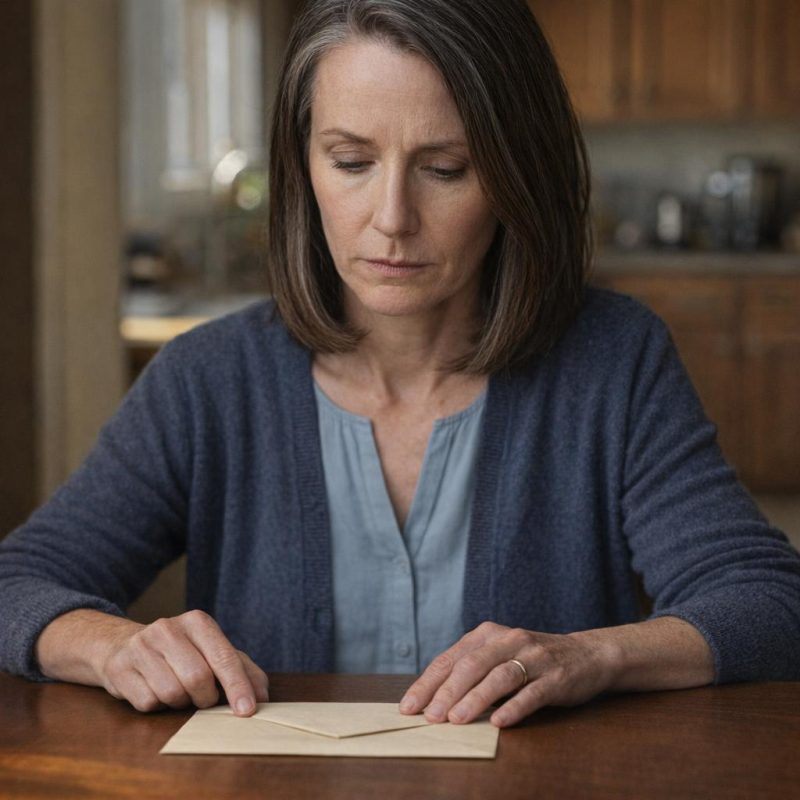 Image by RM AI
Tracking the Corporation
Linda and I met at a coffee shop near the library on a Tuesday morning, and I spread everything I had across the table — the bank records, the board roster, the newspaper clippings about the missing fund. She listened without interrupting, which I appreciated. She took careful notes in a small spiral notebook and said the pattern was starting to take shape. We agreed to set the old scandal aside for the moment and focus on the survey company, because that was the thread that connected everything to right now. Linda had access to a few business database subscriptions through her work, and we spent the better part of two hours searching. We found a consulting firm registered in Delaware called Meridian Data Solutions. It had a clean, professional website — client testimonials, a mission statement about consumer insight and behavioral research, the kind of language that sounds meaningful until you try to pin it down. Linda found the parent company listed in a filing from three years ago, and that company had ties to a university research foundation. Every time we thought we'd found the edge of it, there was another layer underneath. I wrote down names and registration numbers until my notepad was full. By the time we packed up, the coffee shop was filling with the lunch crowd and I was tired in a way that had nothing to do with the hour. Chasing this felt like trying to hold water — every time I thought I had something solid, it shifted into something else.
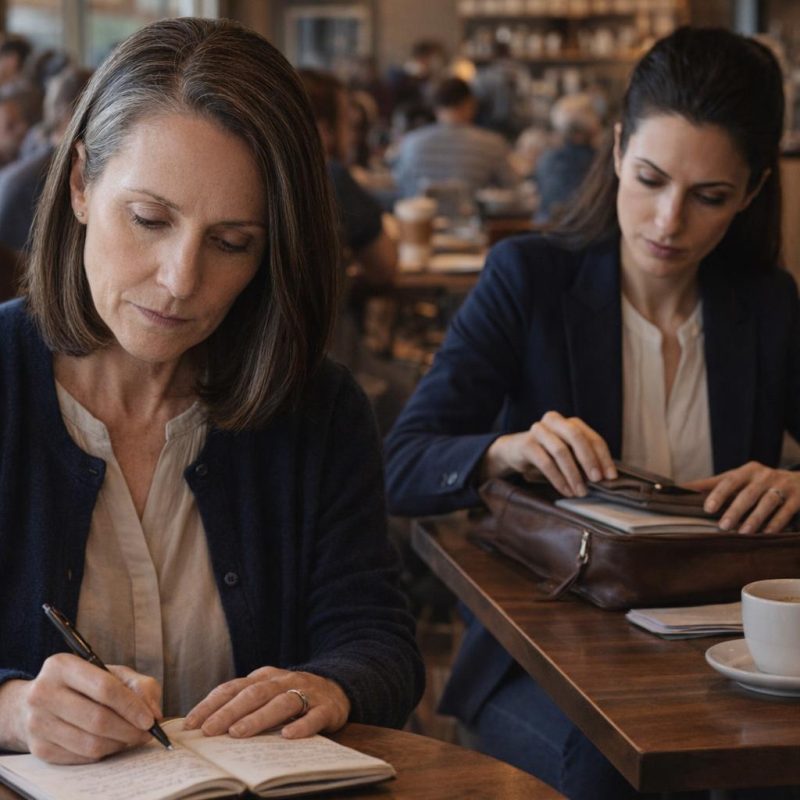 Image by RM AI
The Philanthropist Appears
Linda called me the next morning and said she'd found something. I drove over to her place and she had her laptop open on the kitchen counter with a series of articles pulled up. The founder of Meridian Data Solutions was listed in a profile piece from a regional business journal — Dr. Marcus Brennan, age fifty-four, PhD in social psychology from the University of Chicago. The article described him as a philanthropist and social entrepreneur. He'd donated several million dollars to housing initiatives and legal aid organizations over the past decade. He sat on the boards of three different charities. There were quotes from community leaders calling him visionary and principled. I read the whole thing twice, because it didn't fit. The survey that had upended my life, the identity shuffling, the manufactured chaos — none of that matched the portrait of a man who funded free legal clinics. Linda scrolled down to a longer feature piece and pulled up his photograph. He was mid-fifties, well-dressed in a casual way, with dark eyes and a composed expression that suggested he was used to being the most prepared person in any room. I stared at the image for a long moment. Something about his face snagged at the back of my mind — a faint, frustrating sense of recognition I couldn't attach to anything. I had seen him somewhere before.
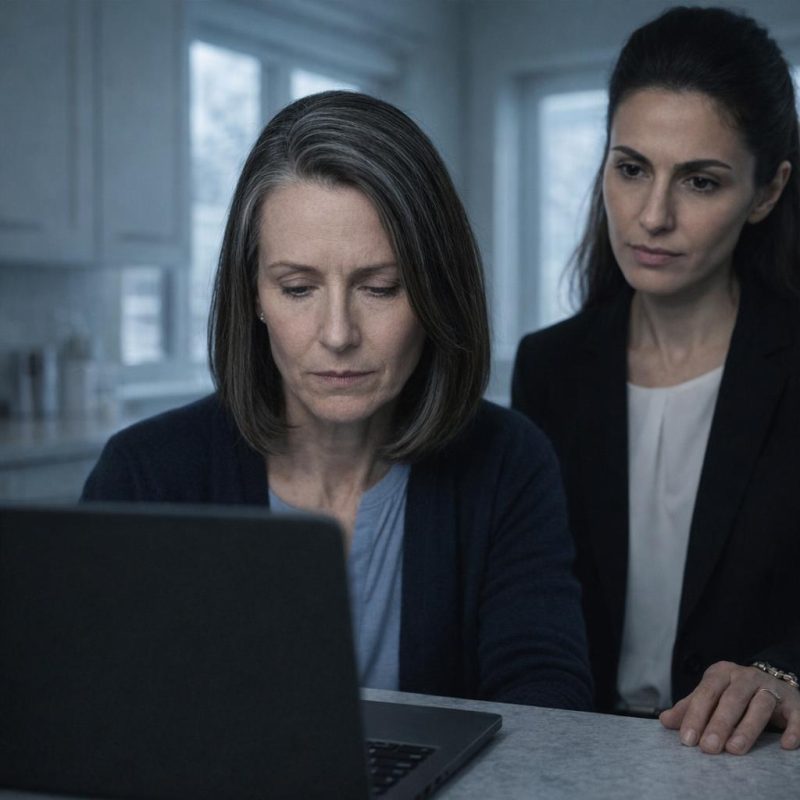 Image by RM AI
The Hidden Obsession
I spent the next two days reading everything I could find that Marcus Brennan had written or said publicly. He had published academic papers in the early part of his career — dense, methodical work about systemic inequality and the ways institutions protect themselves from accountability. Later pieces were more pointed. He gave an interview to a podcast about investigative journalism where he talked about what he called the accountability gap — his term for the space between what powerful people do and what they're ever made to answer for. He said the traditional justice system was designed to protect the people who built it. He said that sometimes moral courage meant acting outside the rules that were written to keep the wrong people safe. I found a blog he'd maintained for a few years, mostly dormant now, where he wrote about specific cases — wrongdoing that had gone unpunished, victims who'd never gotten answers. His writing was careful and intelligent and, in the abstract, not entirely wrong. That was the unsettling part. I could follow his reasoning up to a point. And then the survey project sat there on the other side of that reasoning, and I thought about my credit, my reputation, the months of fear and confusion, and I couldn't make the two things fit together into something coherent. His words on the page read like a man who had decided the harm was worth it. That gap — between the careful arguments and what had actually happened to real people — was what I kept coming back to after I closed the laptop.
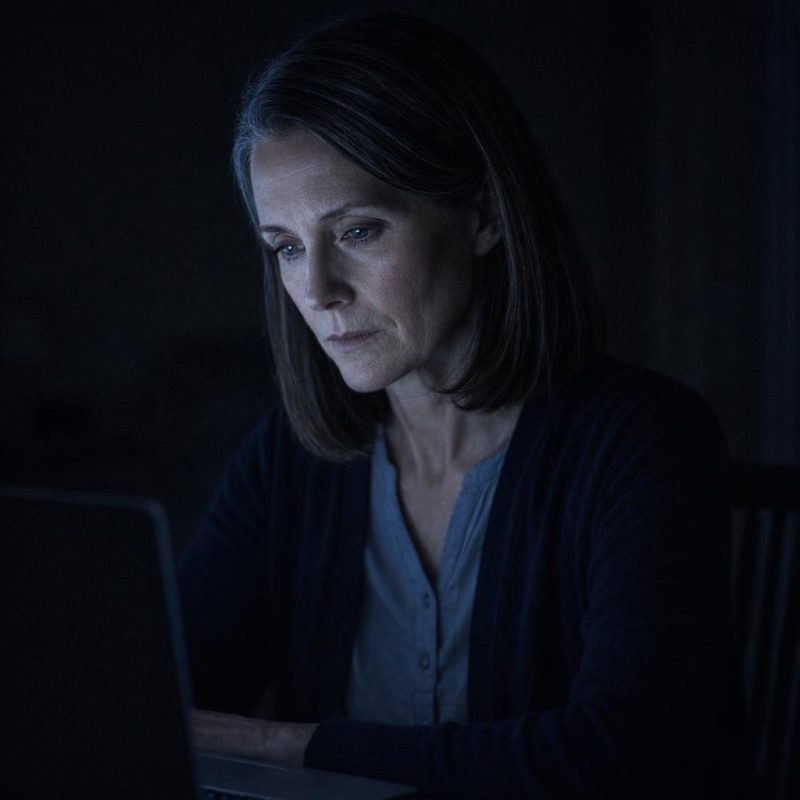 Image by RM AI
Reconnecting the Past
Linda came back with more research two days later, and what she laid out on the table changed the shape of everything I thought I understood. The survey victims weren't random. She'd been cross-referencing names and locations, and every person whose identity had been shuffled or compromised had some traceable connection to an unresolved event — a fraud case that was dropped, a workplace injury that was settled quietly, a community fund that went missing. The cases spanned at least four states and went back nearly thirty years. From what Linda had pieced together, Brennan's company appeared to have used data from multiple sources to map these connections, identifying people whose lives had touched something that never got resolved, and then introduced disruptions into those lives in ways that seemed designed to push them toward asking questions. Linda walked me through the pattern carefully. The survey wasn't about harvesting data for profit. It looked like it was about forcing people to start digging. I sat with that for a long moment. I thought about the months I'd spent frightened and confused, thinking someone had stolen my identity for money. I thought about all the other people sitting in their own kitchens, going through their own records, trying to understand what had happened to them. Linda said her best estimate was somewhere between two and three hundred people affected across the full scope of the project. I looked at the list of names on her notepad and couldn't find a word for what I felt.
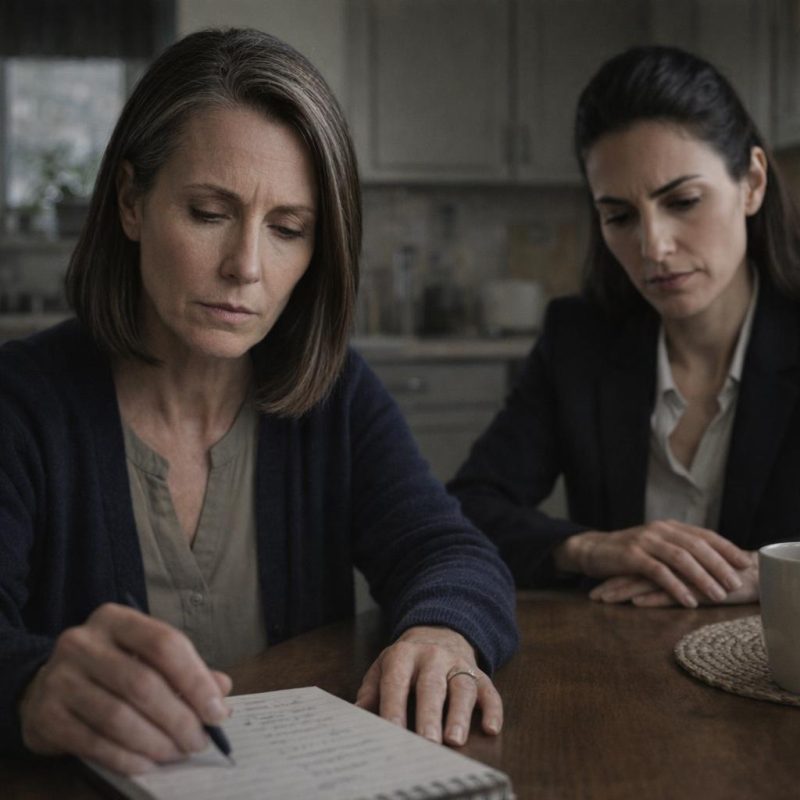 Image by RM AI
The Unethical Methods
We spent the following morning building a document — Linda on her laptop, me going through printed records and reading things aloud. We catalogued what we could find: a woman in Ohio who'd lost her job at a school district after rumors surfaced connecting her name to a financial irregularity she'd had nothing to do with. A family in Tennessee whose adult son had been hospitalized after a months-long harassment campaign that traced back to a manufactured connection in Brennan's data. Reputations, relationships, livelihoods — the list kept growing. Linda was methodical about it, which helped me stay focused when I wanted to put my fist through something. Then I found the memo. It was buried in a cache of documents Linda had pulled from a data transparency lawsuit filed against one of Brennan's parent companies two years earlier — internal communications that had been entered into the public record. The memo was dated fourteen months before the survey went live. It acknowledged, in plain corporate language, that the project carried a significant risk of what it called collateral disruption to uninvolved third parties. It listed categories of potential harm. At the bottom, in a section marked Project Authorization, there was a signature and a handwritten note: *some degree of harm to peripheral individuals is an acceptable and anticipated cost of meaningful systemic exposure.* I looked at the signature block. The name printed beneath it was Brennan's.
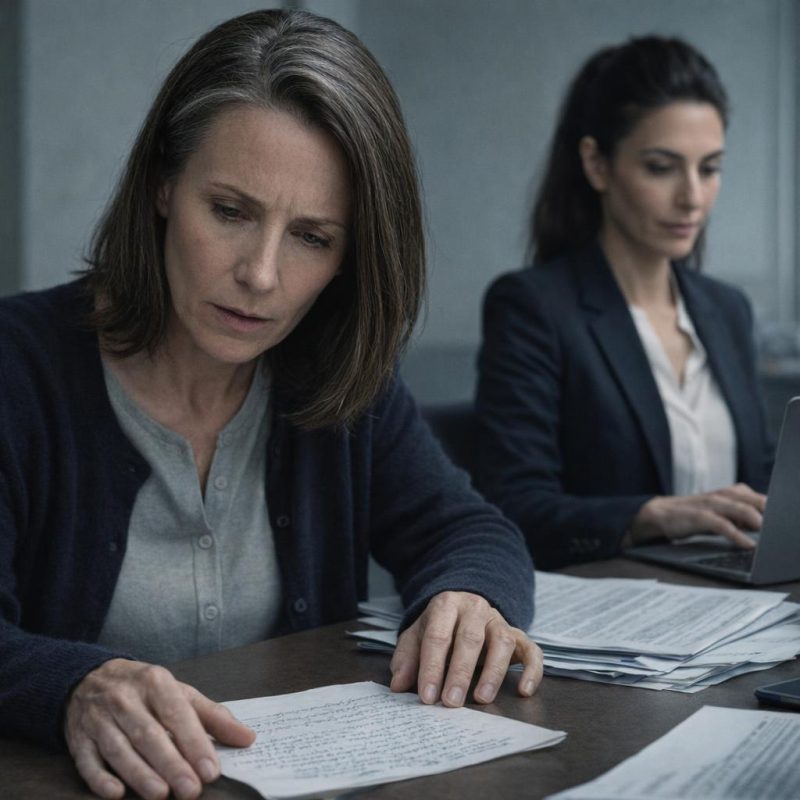 Image by RM AI
The Growing Dependence
I got to the coffee shop before Linda did and sat in the corner booth with my hands wrapped around a mug I wasn't really drinking from. The past few days had worn me down in ways I hadn't expected — not just the exhaustion of digging through documents, but the particular loneliness of carrying something this heavy with almost no one left to carry it with. Barbara had stopped returning my calls. Melissa thought I was spiraling. And Tom was gone, which meant the one person who might have helped me make sense of any of this wasn't here to ask. When Linda walked in and slid into the seat across from me, I felt something in my chest loosen just slightly. I told her about reading Tom's letter again the night before — how it had left me feeling hollowed out in a way I couldn't shake. She didn't try to fix it or redirect me. She just listened, her hands folded on the table, her eyes steady. She said we were going to get through this together. She said Brennan wasn't going to keep getting away with it. I knew I'd had doubts about her — small things that hadn't quite added up. But sitting there, exhausted and grateful, I pushed them back down. It was easier than being alone.
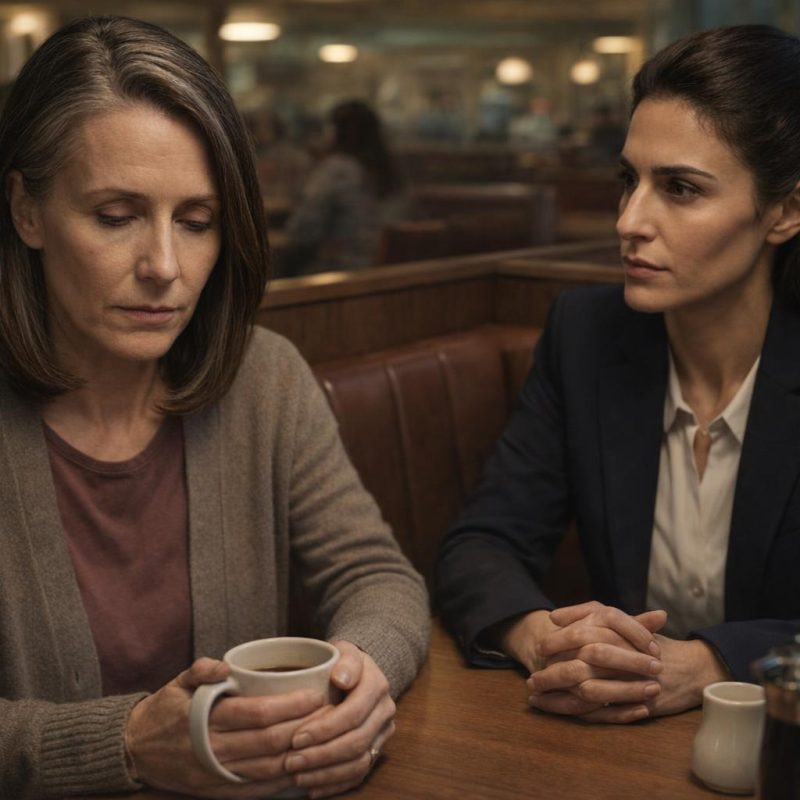 Image by RM AI
The Final Pieces
We spread everything across Linda's kitchen table — printed pages, screenshots, the memo with Brennan's signature, the victim testimonies we'd compiled, the corporate structure diagram Linda had mapped out over three weeks. Looking at it all laid out like that, it felt like something real. Something that could actually do damage in the right hands. Linda had organized it into a presentation file, clean and indexed, the kind of thing you could hand to a journalist or a lawyer and have them understand within ten minutes. She walked me through it section by section, and I followed along, adding notes in the margins where I thought the connections needed more explanation. We drafted the email to Brennan together, kept it short and professional — said we had documentation we wanted to discuss with him directly, that we believed a conversation was in everyone's interest. Linda sent it from her account. I watched the cursor blink after she hit send, half-expecting nothing. But within two hours, a reply came back. He would meet us. He named a date, a hotel conference room, a time. Linda looked at me across the table and said we'd done it. I looked at the stacked pages between us and felt, for the first time in months, like the ground beneath me was solid.
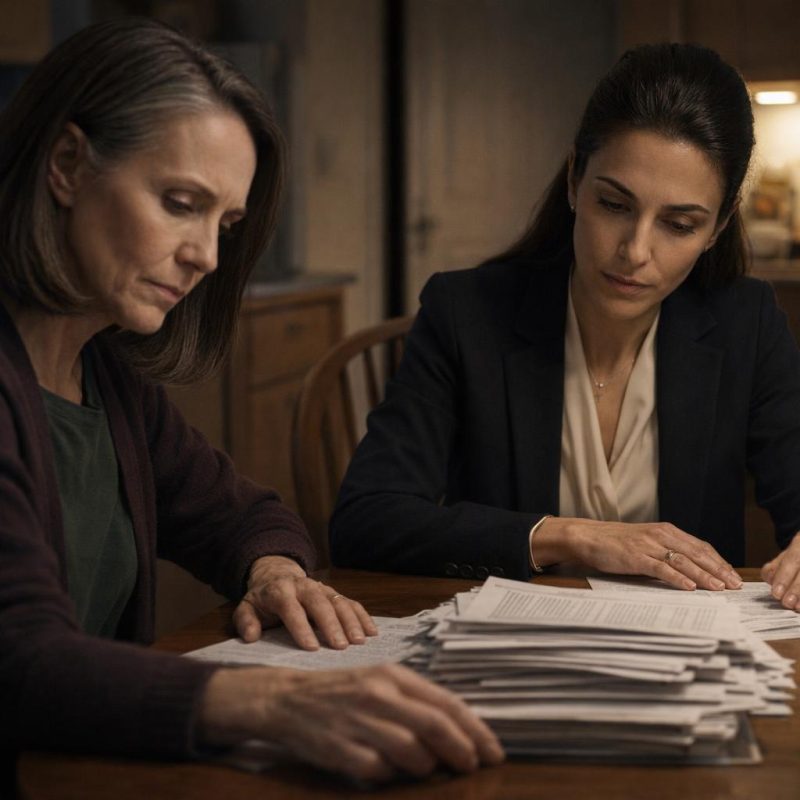 Image by RM AI
The Crack in the Story
We met at Linda's apartment to go over everything one more time before the Brennan meeting. She seemed different that morning — not nervous exactly, but tighter somehow, like she was holding something just below the surface. I asked if she was okay and she said she was just anxious about the confrontation, which made sense. But then she checked her phone twice in the space of five minutes and set it face-down both times. I mentioned something offhand about the day we'd first talked — the detail about how she'd described the survey arriving in her email. She nodded and said yes, that was right. Except that wasn't what she'd told me the first time. The first time, she'd said it came by mail. A physical envelope. I didn't say anything. I just let it sit there between us while she moved on to talking about how we should open the conversation with Brennan, what order to present the evidence in. Her phrasing was oddly precise — almost rehearsed, like she'd thought through the sequence more carefully than someone who was simply nervous would have. I watched her talk and tried to match what I was hearing to what I thought I knew about her. Something in her expression, the way it stayed just a little too composed, didn't line up with the words coming out of her mouth. Then she turned toward the window to check the street below, and I caught her reflection in the glass — her face, unguarded for just a moment.
 Image by RM AI
The Background Check
Linda left around noon, said she had errands to run before tomorrow. I stood at the window and watched her car pull away, and then I sat down at my laptop and didn't move for a long time. The discrepancy about the survey had been nagging at me since she'd said it, and the look on her face in that window reflection had made it worse. I typed her full name into the search bar — Linda Hartwell — and added the name of Brennan's consulting firm. I wasn't sure what I expected to find. For a few minutes, nothing useful came up. Then I found it: an archived employee directory from a professional association database, cached and partially indexed, dated three years back. Her name was listed under senior data analyst. The firm was Brennan's. I sat back and read it again. Eighteen months of employment, the dates right there in plain text. I pulled up her LinkedIn profile next — the current version was scrubbed clean, a gap where those years should have been. But a cached version from two years ago still existed in a search index, and the entry was there, unmistakable. I sat with the screen in front of me, the cursor not moving, my hands not moving. The employment record showed Linda had worked for Brennan's firm three years ago.
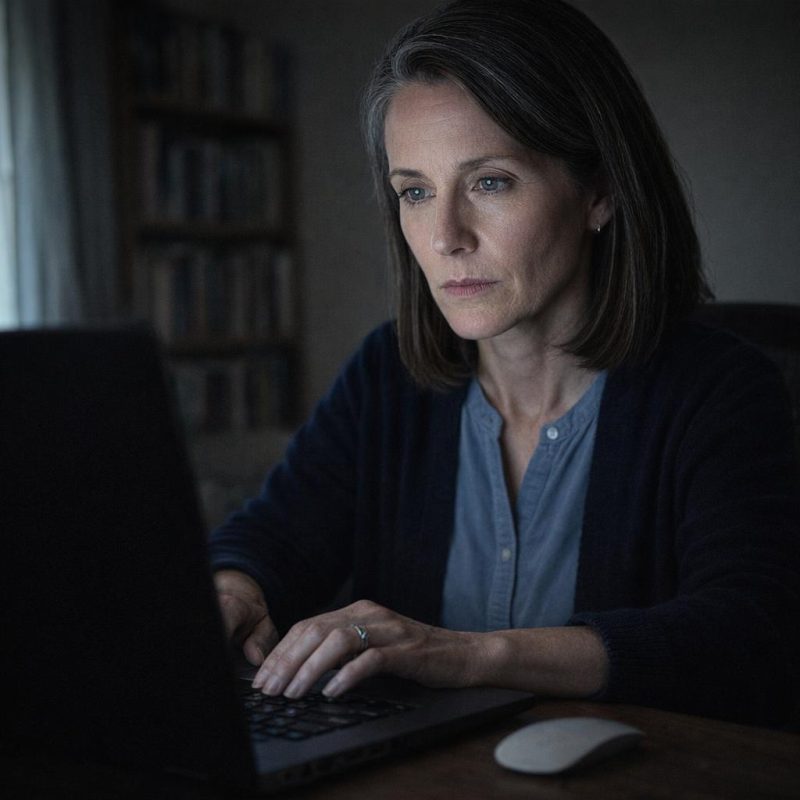 Image by RM AI
The Confession
I called her and said to come over. I didn't explain why. When she arrived and saw my laptop open on the table, the cached directory pulled up with her name highlighted, she went very still. I asked her to sit down. She did. I asked her to tell me the truth. She looked at the screen for a long moment, and then she started talking. She said she had helped design the survey project — not as a victim, not as someone caught in the crossfire, but as a data analyst who had built part of the targeting architecture herself. She said she'd believed in what Brennan told her they were doing: exposing corruption, following money trails, connecting dots that law enforcement had ignored for years. She said she hadn't understood, not at first, what it would actually cost the people whose names ended up in the data. She left the company two years ago. She spent months afterward trying to track down the people the project had touched, trying to understand the selection patterns, trying to find some way to make it mean something other than what it was. She found a thread connecting several of the targets to unresolved cases from the nineties. My name was in that thread. She staged the encounter at the office building. She built the friendship from the ground up. And then she said the thing that made the room go quiet around me — that she hadn't stumbled onto my name by accident, that she had been searching for me specifically.
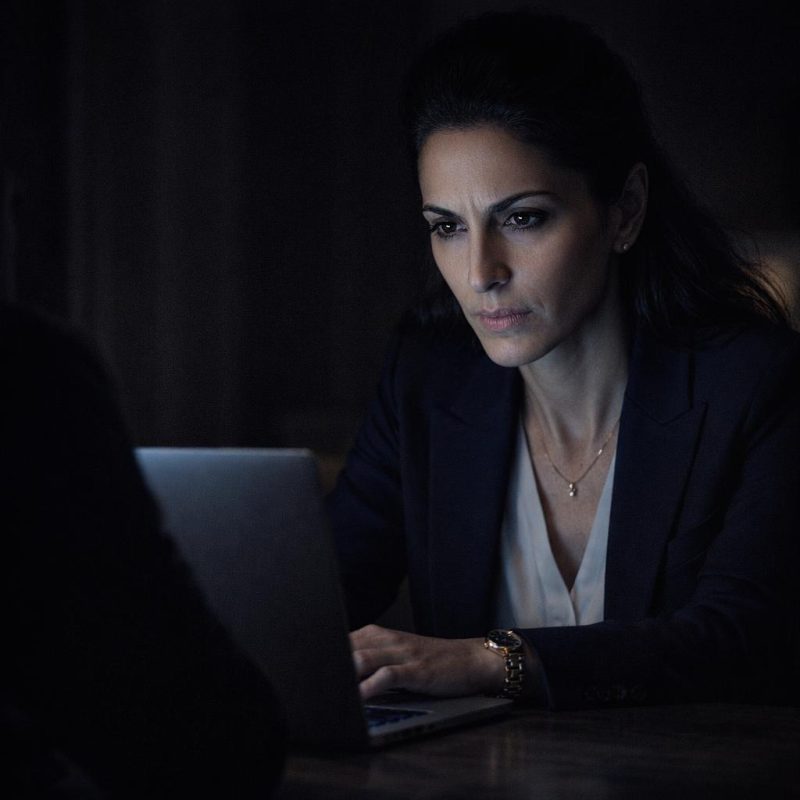 Image by RM AI
The Guilt and Reasons
I didn't say anything for a while. I just sat there and let her keep talking because I didn't trust myself to speak without my voice breaking in a way I didn't want her to hear. She said she had believed in Brennan's mission the way you believe in something when you're good at your job and someone smart tells you the work matters. She helped write the algorithms. She helped identify the target categories. She said it felt like investigative work, like they were doing something the system had failed to do. Then the reports started coming in — not internally, but in local news, in online forums, in the kind of quiet devastation that doesn't make headlines. A school administrator in Ohio. A family in Tennessee. People whose lives had been quietly taken apart by data that connected them to nothing real. She said she went to Brennan and told him what she was seeing. He told her that disruption was the cost of accountability, that she was letting sentiment interfere with the work. She quit three weeks later. She spent the next two years building a list of people the project had touched, reaching out where she could, trying to understand what the original cases had actually been about. She thought if she could get to the truth underneath, it would matter somehow. And then she described the moment she pulled up a damage report and saw the full scope of what had gone out — dozens of names, dozens of lives — and understood for the first time that she had helped build the thing that did it.
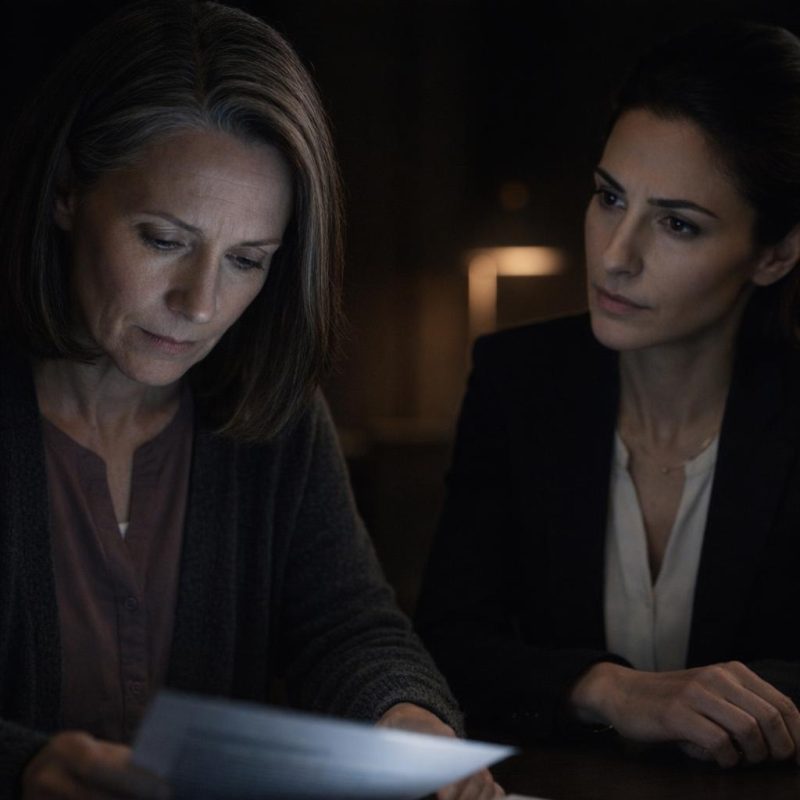 Image by RM AI
The Missing Piece
I asked her why me. Out of everyone in that data, why had she come to my door specifically. She said Brennan's algorithm had flagged Tom's name in connection with three separate incidents from the nineties — not just the local situation I already knew about, but two other cases in different states, financial irregularities that had never been fully resolved. The pattern in the data suggested Tom hadn't just been peripheral to one event. It suggested he had known something that connected them. Linda said she'd spent months trying to understand what that connection was, and the more she dug, the more she believed Tom had been sitting on information — maybe documents, maybe knowledge — that could explain how those cases had stayed buried for so long. She thought I might have something without knowing I had it. She thought getting close to me was the only way to find out. I asked her what she'd actually found after all of it — after the staged meeting, the weeks of coffee and shared research, the hand across the table. She said nothing concrete. But she said she still believed the sealed letter I'd mentioned was significant. That whatever Tom had written in it, he'd written it knowing it might be the last chance to say something true. I sat with that for a long time after she finished talking. Whatever I'd thought Tom's secret was — something small, something local, something that belonged only to our town — it was sitting heavier now, like it had always been larger than the space I'd kept it in.
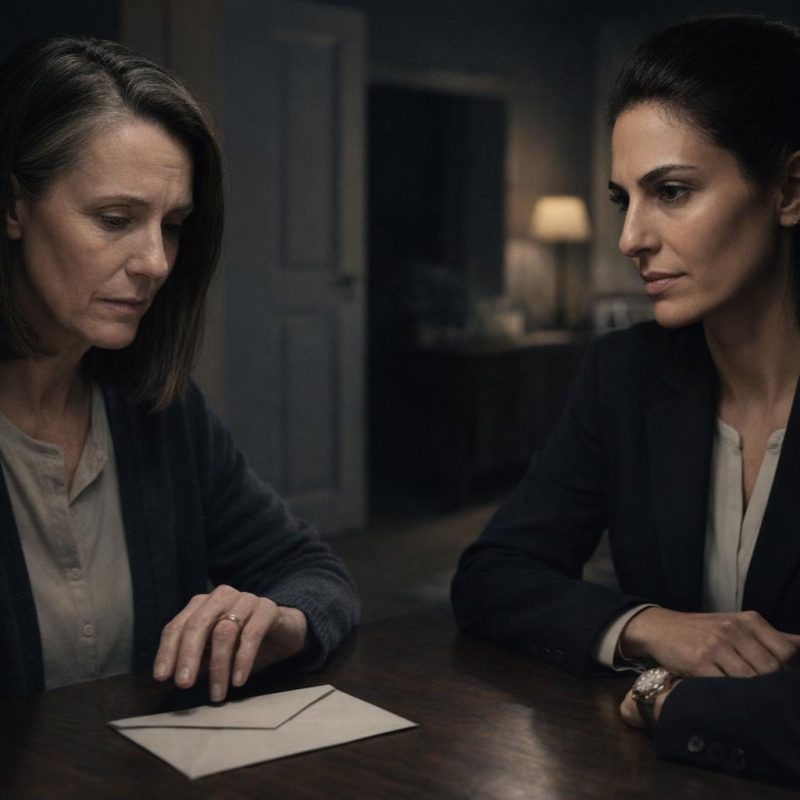 Image by RM AI
The Complicated Truth
I told her to leave. She stood up but didn't move toward the door, which I'd half-expected. She said she understood why I was angry. She said she had something she wanted to give me — everything she'd compiled on the connected cases, all of it, no conditions. I told her I didn't want anything from her. But even as I said it, I knew it wasn't entirely true, and I think she knew it too. She said the fifty thousand dollars had never been the real story. She said the money was tied to something older and more complicated — that it had moved the way it did because someone needed protecting, and that Tom had been one of several people who understood why. She said there were others still living who had been part of covering it up, people who had made choices back then that they were still carrying. I didn't ask her to sit back down. But I didn't walk her to the door either. I stood in the middle of my own living room, angry in a way that had nowhere clean to go, and I told her I was going to read Tom's letter alone first. That I would decide after that whether there was anything left to say to her. She nodded and finally moved toward the door. I stayed where I was, holding the weight of a choice I hadn't asked to be given — whether to stay angry at the only person who might have answers, or to need those answers more than I needed to stay angry.
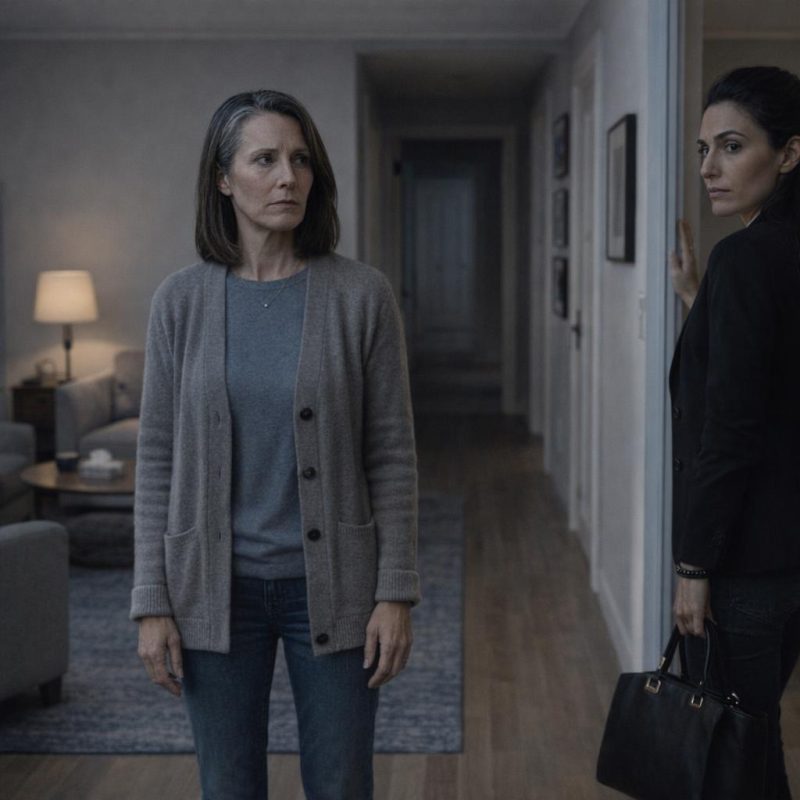 Image by RM AI
Tom's Letter
I sat down at the kitchen table with Tom's letter and didn't move for a long time. My hands were shaking before I even unfolded it. His handwriting was the same as always — careful, slightly cramped on the left margin — and seeing it made my chest tighten in a way I hadn't expected. He started by saying he was sorry. Not for what he'd done, but for not telling me. He wrote that the fifty thousand dollars had never been stolen. That he and three other board members had authorized the withdrawal together, with full knowledge of what it was for. A young woman had needed to disappear. She'd been in a relationship that had turned dangerous, and the people around her had run out of options. The community fund was the only source of money that could move fast enough to matter. Tom wrote that her father had come to them in desperation, that they'd all agreed without hesitation, and that they'd reported it as a theft to protect her from being traced. He wrote that the investigation had been allowed to go cold on purpose. That everyone involved had accepted the suspicion and the rumors because the alternative was unthinkable. He wrote that she was safe now, that she had a family, that she had never known the full cost of what they'd done for her. And then he wrote her name. I read it once, then again. Sarah Caldwell. My hands went completely still.
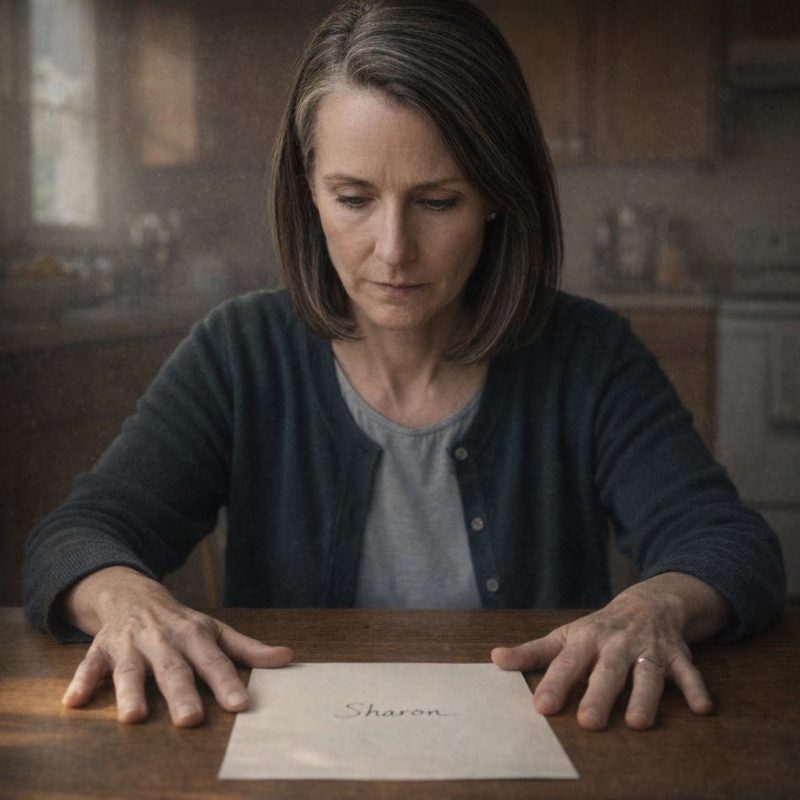 Image by RM AI
The Real Story
I set the letter down and went back to the box of Tom's papers with steadier hands than I'd had in weeks. I knew what I was looking for now. Near the bottom, tucked inside a manila folder with two initials written in pencil on the tab — S.C. — I found it. A newspaper clipping, yellowed and soft at the folds, about a young woman who had gone missing from the county. The article quoted worried friends and a tight-lipped family. I remembered the story vaguely, the way you remember things that happened at the edge of your life. I'd thought it was sad at the time and then forgotten it. Underneath the clipping was a bank receipt, the withdrawal amount printed in faded ink, signed by Tom and two other names I recognized from the old board roster. And beneath that, a letter from Richard Caldwell. His handwriting was formal and careful. He wrote that his daughter was safe because of what Tom and the others had done. That he would carry the debt for the rest of his life. That he was sorry for what it had cost them. I sat on the floor with that letter in my lap and cried in a way I hadn't let myself cry in months. Then I found the photograph — a woman in her mid-twenties, standing in a garden somewhere, laughing at whoever was holding the camera, healthy and whole and completely unaware she was being watched over from a distance.
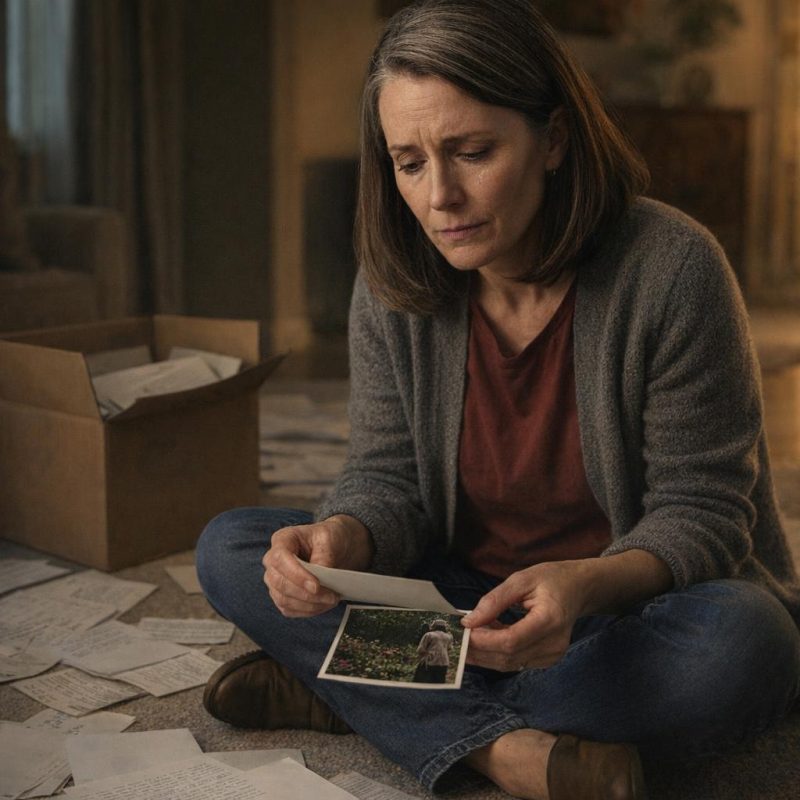 Image by RM AI
The Protective Conspiracy
I made a list. I needed to see it written out, all of them together, the full shape of what they'd done. Tom. Richard Caldwell. The two other board members whose signatures were on that receipt. The bank manager who had processed the withdrawal without filing a report. The church pastor whose name appeared in Richard's letter as the one who had helped coordinate the logistics. Six people. Six people who had kept the same secret for twenty-three years. I sat with that number for a long time. I thought about what it would have taken — not just the initial decision, but the years afterward. Every time someone brought it up at a community meeting. Every sideways look at Richard Caldwell. Every question Tom must have deflected or absorbed without flinching. They hadn't done it for money or power or any of the reasons people usually keep secrets. They'd done it because a young woman's abuser had been looking for her, and they'd understood that the truth would have been a trail leading straight to her door. They had chosen her life over their own reputations, and they had held that choice quietly for more than two decades. I thought about Tom sitting across from me at this same table, carrying all of that, and I understood for the first time what some of his silences had actually been. There is a particular kind of weight that comes from a secret kept for the right reasons, and I felt it settle over me like something I had always been meant to carry.
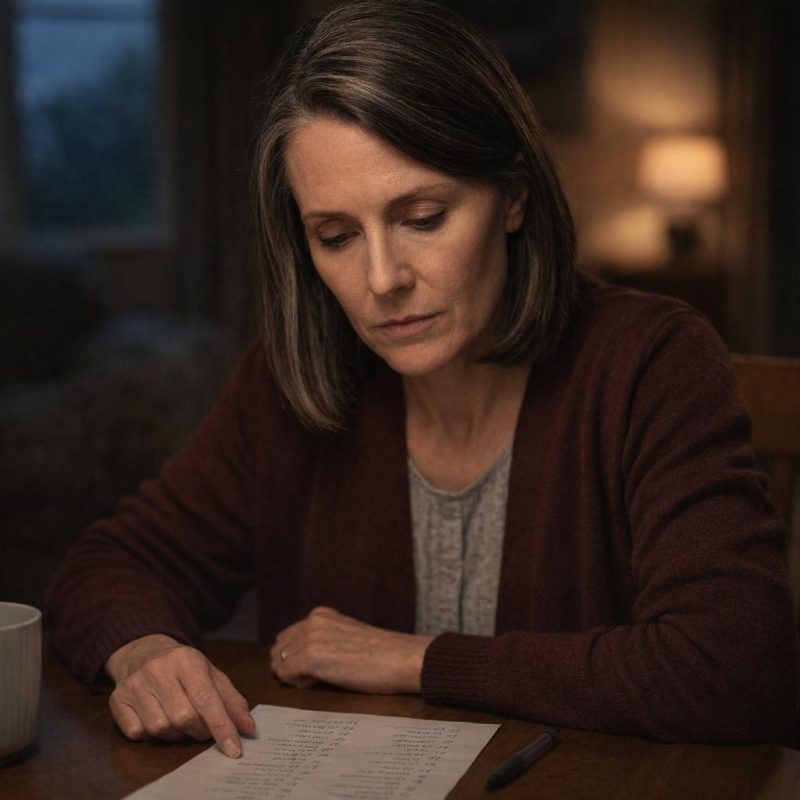 Image by RM AI
Tom's Sacrifice
I read Tom's letter a second time, slower. He wrote that not telling me had been the hardest part. That he had wanted to, more than once — had come close, he said, on a night I actually remembered, a quiet evening in November when he'd seemed like he was working up to something and then just hadn't. He wrote that he'd been afraid. Not of me, but for me. If I knew, I might say something without meaning to. A name, a detail, a reference that landed wrong in front of the wrong person. He wrote that he'd chosen to carry it alone so that neither Sarah nor I would ever have to. I sat with that for a long time. I thought about all the moments I'd read as distance or distraction — the evenings he'd gone quiet, the times he'd seemed to be somewhere else even when he was right beside me. He hadn't been pulling away. He'd been holding something back so it wouldn't spill onto me. I wished I could tell him I understood. I wished I could sit across from him at this table and say that I knew now, that I wasn't angry, that what he'd done had taken more courage than most people ever get the chance to show. I couldn't do any of that. What I could do was forgive him, quietly, in the kitchen where we'd had a thousand ordinary mornings together, and let that be enough.
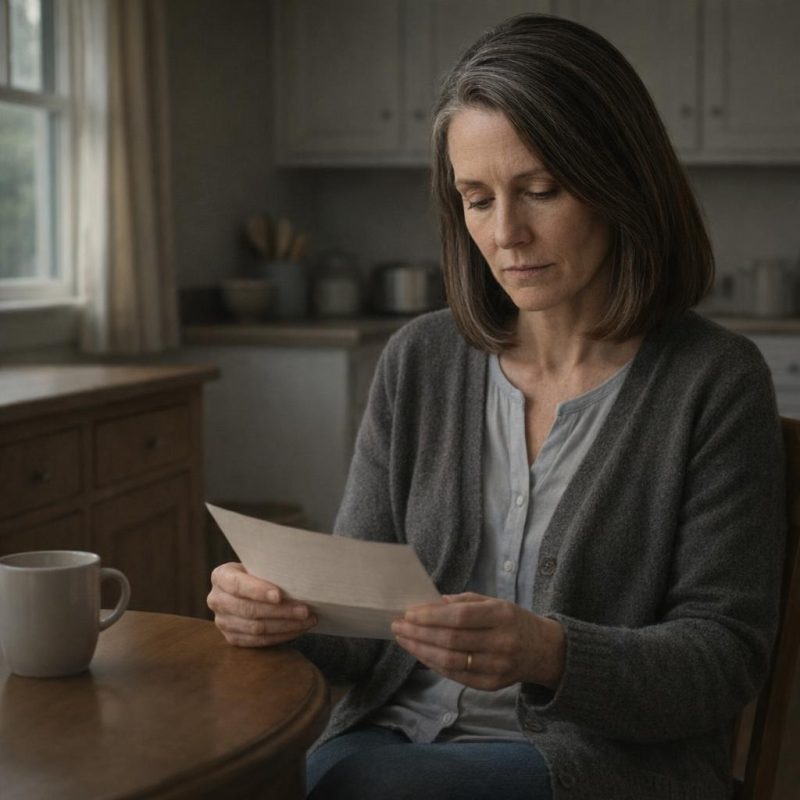 Image by RM AI
The Living Consequences
I poured a second cup of coffee I didn't drink and thought about what came next. Sarah Caldwell was in her forties now. She had a family somewhere, a life built carefully on top of the one she'd had to leave behind. She might have told her children. She might not have. Either way, she had constructed something real and private, and the truth I was holding could reach into that life like a hand through a window. Her abuser — I didn't know if he was still out there. I didn't know if the danger had passed or just gone quiet. I thought about Richard Caldwell, seventy-three years old, who had spent decades living under a cloud of suspicion that had never fully lifted. The truth would clear his name. But it would do it by naming his daughter. I thought about the other people who had filled out that survey, the ones whose information had been pulled into Marcus's project without their knowledge or consent. They deserved to understand why they'd been targeted. But the explanation ran straight through Sarah's story. I turned the photograph over in my hands — her laughing in that garden, completely unaware that someone in a kitchen in the Midwest was deciding how much of her past to hand back to the world. I had never asked to hold this kind of power over someone else's life, and the weight of it sat with me in the quiet of the morning, heavy and unasked-for and entirely mine.
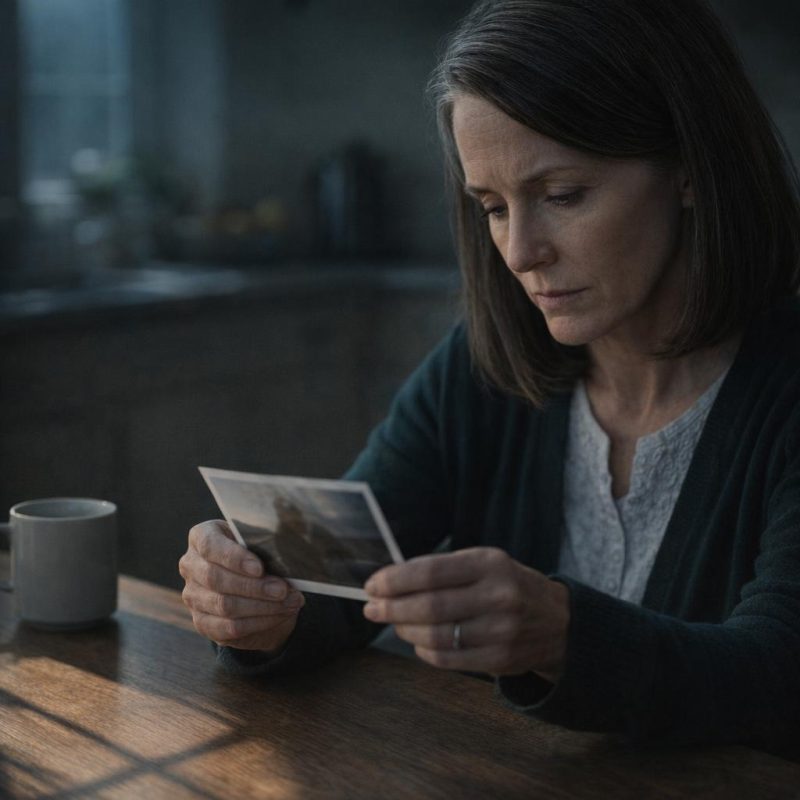 Image by RM AI
The Impossible Choice
I didn't sleep. I lay in the dark and ran through every version of it I could think of. I could stay quiet and let the whole thing stay buried — but that left my own reputation in pieces and Tom's memory under a shadow he hadn't deserved. I could tell the full story — but that meant putting Sarah's name back into circulation, and I had no idea what that would cost her. I thought about a partial version, something that cleared Tom without naming anyone, but every angle I tried had a seam in it, a place where someone persistent could pull the thread and find her anyway. I thought about what Tom would want. I thought he would want Sarah safe first, everything else second. I thought he would also want me to stop carrying this alone. By four in the morning I had accepted that I was not equipped to make this decision by myself. I needed someone who understood the full scope of it — the survey project, the data trail, the legal exposure, all of it together. There was only one person who knew every piece of this story the way I now did. I didn't like it. I sat with not liking it for another hour. Then I picked up my phone and called Linda, and when she answered I told her I needed her to come back so we could talk.
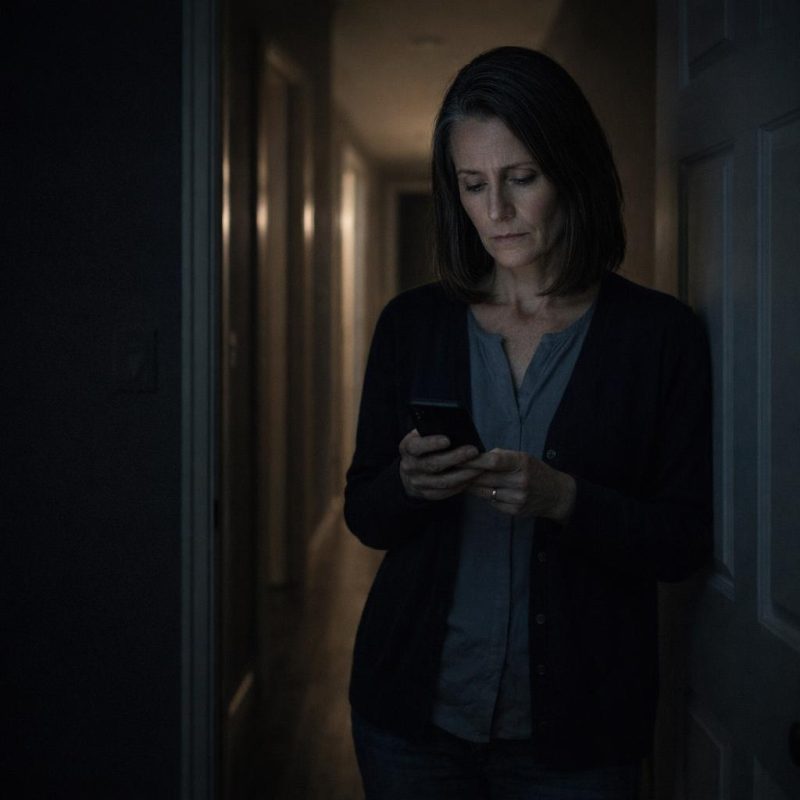 Image by RM AI
The Balanced Solution
Linda arrived within the hour. I told her everything — the letter, the folder, the photograph, Richard Caldwell's handwriting on that thank-you note. She listened without interrupting, which I hadn't expected. When I finished she was quiet for a moment, and then she said she thought there was a way through it. She said we could expose what Marcus had built — the survey project, the targeting methodology, the harm it had caused — without ever naming Sarah or the specific details of what the money had actually been for. We could show the pattern of how the project worked, demonstrate the damage to the people it had pulled in, and make the case for why it was wrong, all without handing anyone a map to Sarah's door. I told her I was worried that left my name still attached to a story nobody fully understood. She said that was why we needed to contact Sarah first. Get her permission. Let her decide how much of her own story she was willing to have told. I sat with that for a long time. It was the right answer. I hadn't wanted it to be, because it meant waiting longer and trusting a process I couldn't control, but it was right. Linda found a current address in Oregon in under twenty minutes — a married name, a school district website, a teacher's profile photo that matched the laughing woman in Tom's garden photograph. I wrote the letter that afternoon, careful and slow, and we sealed it together. It was a plan that might save everyone, or satisfy no one, and we both knew it.
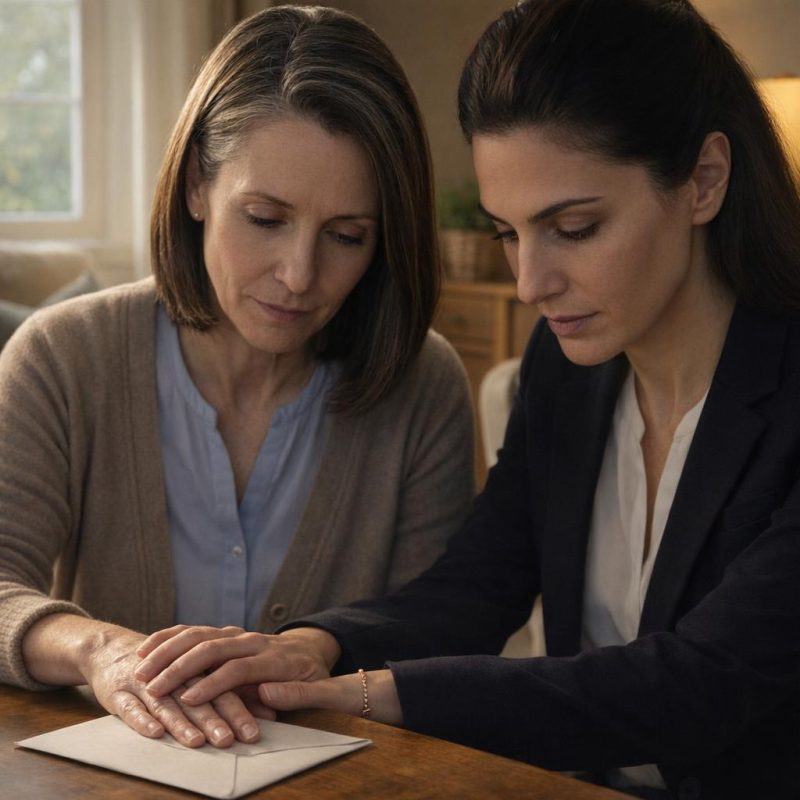 Image by RM AI
Sarah's Response
The email came three days later. I almost didn't open it — the address was unfamiliar, an Oregon domain, and for a second I just stared at it on my phone screen. Then I sat down at the kitchen table and read it. Sarah wrote that she had been waiting for something like this for a long time, though she hadn't known exactly what form it would take. She said her abuser had died five years ago. She said she was no longer hiding, that her children knew her story, that they were proud of her. She said she thought about the people who had helped her more often than they probably knew — especially Tom, who she remembered as the one who had looked her in the eye and told her she was going to be all right. She asked me to thank Richard Caldwell for her, if he was still well enough to hear it. She said she wanted the people who had carried this secret to finally be able to put it down. She gave her permission, clearly and without hesitation, for all of it to come out. And then, near the end, she wrote that she had spent twenty years wondering if she would ever stop looking over her shoulder — and that she finally had.
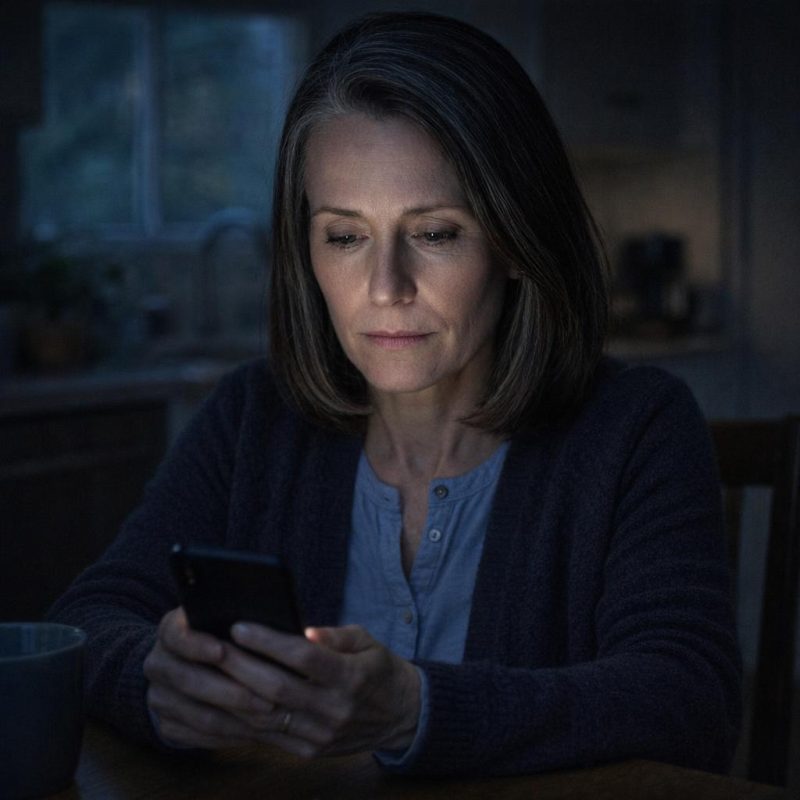 Image by RM AI
The Public Truth
Linda and I spent three days at my kitchen table putting it all together. Every document, every screenshot, every name. We wrote out the full account of Brennan's survey project — how it harvested personal data, how it targeted people with unresolved histories, how it operated without any meaningful consent. We included testimony from four other participants Linda had tracked down, women who had no idea their private information had been fed into a research database. We laid out the 1999 story in plain language: the missing money, what it actually was, who made the decision, and why. We named Tom. We named Richard. We named the others who had quietly helped Sarah get out. We included Sarah's email, with her permission, word for word. I called the Courier on a Tuesday morning and asked for the editor. He was skeptical at first — I could hear it in his voice, that careful flatness reporters use when they're not sure if they're talking to someone credible. I told him I had documentation for every single claim. He asked me to come in that afternoon. The story ran on Friday, front page, above the fold, with Richard Caldwell's name and photograph and a direct quote from him confirming everything. By Friday evening, my phone had stopped going to voicemail fast enough to keep up.
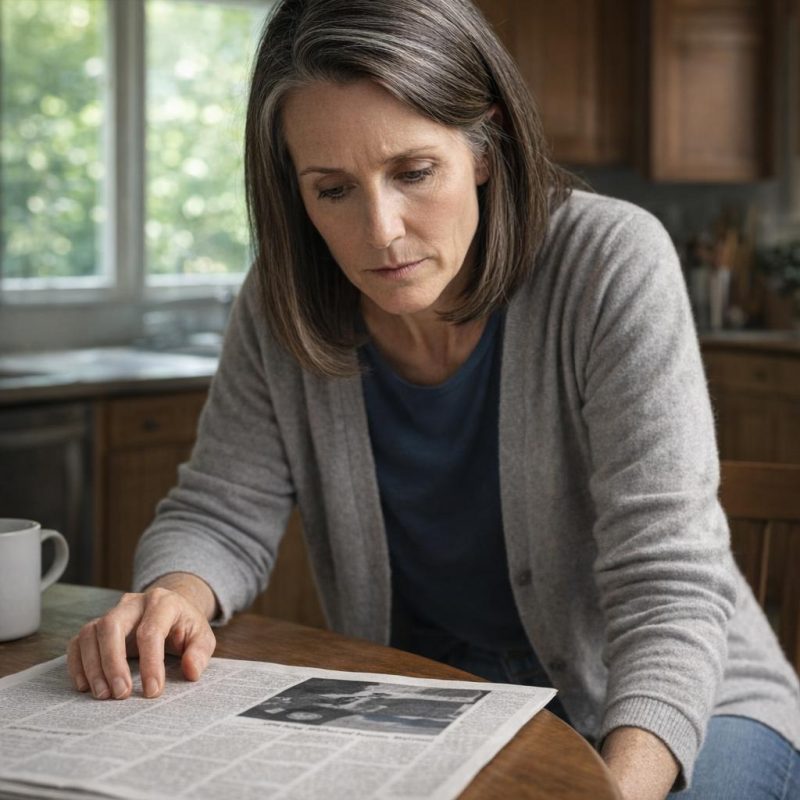 Image by RM AI
The Unexpected Redemption
Melissa called Saturday morning, and I could hear her crying before she even said hello. She kept saying she was sorry, that she should have trusted me, that she didn't know how she had let herself believe the worst. I told her it was all right. I meant it. We talked for almost three hours, and somewhere in the middle of it I stopped feeling the distance that had grown between us and just felt like her mother again. Barbara drove over that afternoon with a casserole and red eyes and didn't say much at first — just stood in my doorway and hugged me for a long time. She said, 'I should have known better.' I told her the same thing I'd told Melissa. Richard came by on Sunday. He was quieter than I expected, more fragile somehow, like the relief had taken something out of him along with the weight. He brought a small envelope of photographs — Sarah as a little girl, maybe seven or eight, gap-toothed and squinting into the sun. He sat at my kitchen table and read her email twice. When he looked up, his eyes were wet. I told him she had said to thank him. He nodded and pressed his lips together and didn't speak for a while. I thought about Tom, about everything he had carried without ever once asking me to carry it with him, and I found I wasn't angry anymore — just grateful that he had been that kind of man.
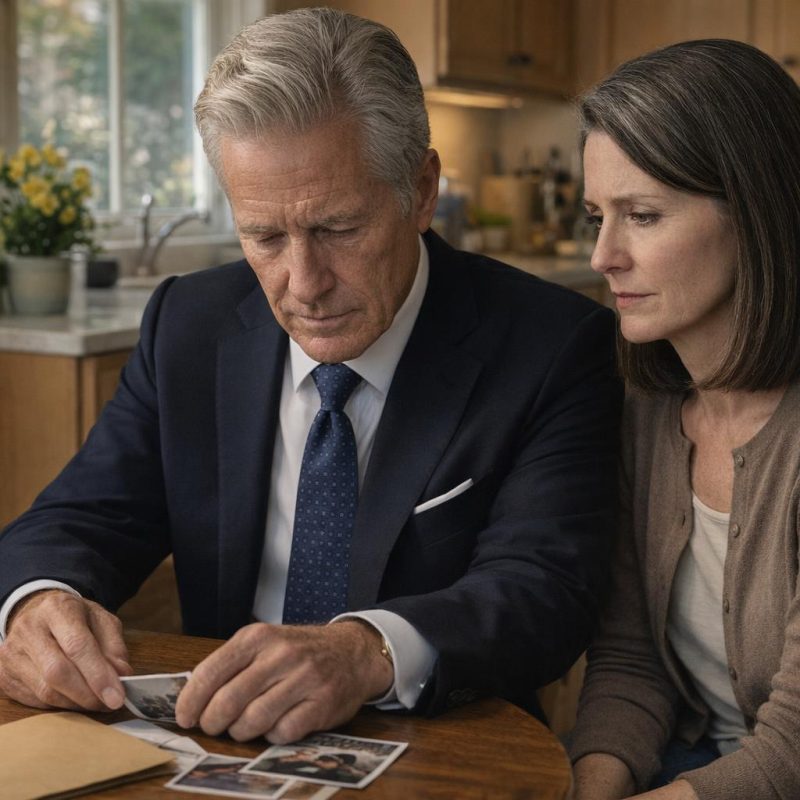 Image by RM AI
The Healing
Linda and I met for coffee about two weeks after the story ran. It was different from every other time we'd sat across from each other — no agenda, no careful wording, no layer underneath the layer. She told me she had reached out to eleven more survey participants and was helping three of them navigate the process of getting their data removed from Brennan's archive. I told her I appreciated it. I meant that too, even if trust was still something I was rebuilding slowly and on my own terms. Melissa started coming by on Sunday afternoons, and those visits became the best part of my week. Barbara called every Thursday like clockwork. The church group sent a card signed by almost everyone, and when I went back the following Sunday, people just folded me back in like I'd never been gone. Richard called in late October to tell me he was establishing a scholarship in Tom's name — for young people trying to get out of dangerous situations, the kind of help Tom had believed in quietly his whole life. He asked if I would serve on the selection board. I said yes before he finished the sentence. I thought Tom would have found the whole thing embarrassing and deeply right at the same time. Some evenings I sat on the back porch and let myself think about things I hadn't thought about in years — maybe a trip somewhere, maybe some kind of volunteer work, maybe just the plain fact that the worst of it was behind me, and the quiet that followed felt like something I had earned.
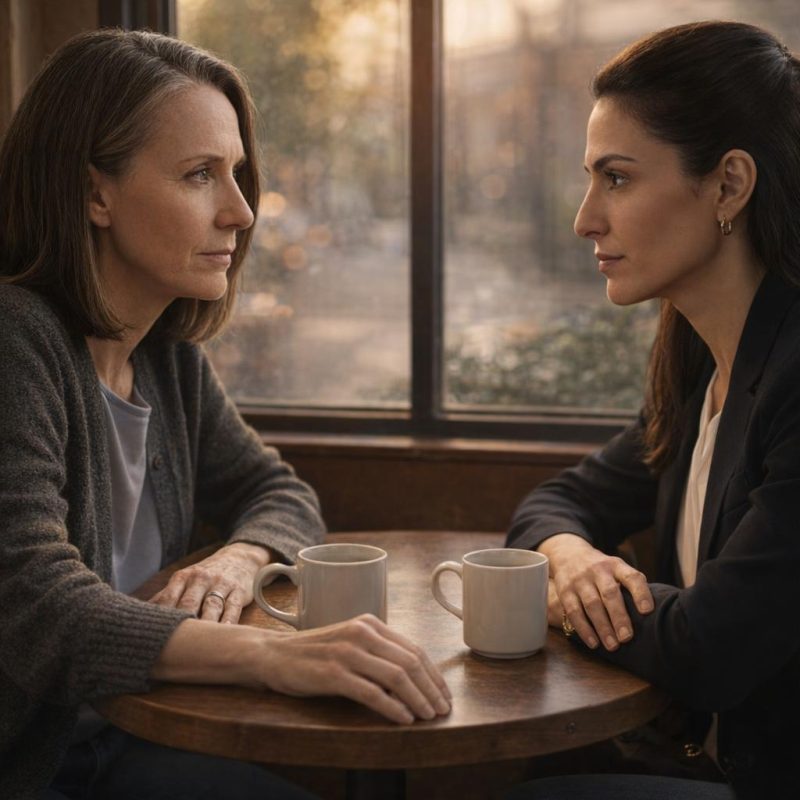 Image by RM AI
The Deeper Mystery
The envelope arrived on a Thursday, plain white, no return address, postmarked from somewhere in Nevada. I almost set it aside with the utility bill. I don't know why I didn't. I opened it at the kitchen counter and a single photograph slid out onto my palm. It took me a moment to understand what I was looking at. It was my living room window, shot from outside, at night — and through the glass, clearly visible, was me, sitting at my desk, the survey open on my screen. The timestamp in the corner read the same date I had filled it out. I had never told anyone that date. I set the photograph down and picked up the note that had come with it, handwritten on plain white paper in small, even letters. It said: *The survey was never about the twenty-five dollars. Brennan thought he was running the experiment. He was wrong about who was watching and why.* There was no signature. I read it twice, then a third time. My hands had started shaking somewhere between the first line and the last, and I hadn't noticed until I set the paper down on the counter and saw it tremble against the laminate. Everything I thought I had finished understanding sat differently now. The photograph lay face-up beside the note, my own silhouette framed in the window, caught in a moment I had no memory of being seen.
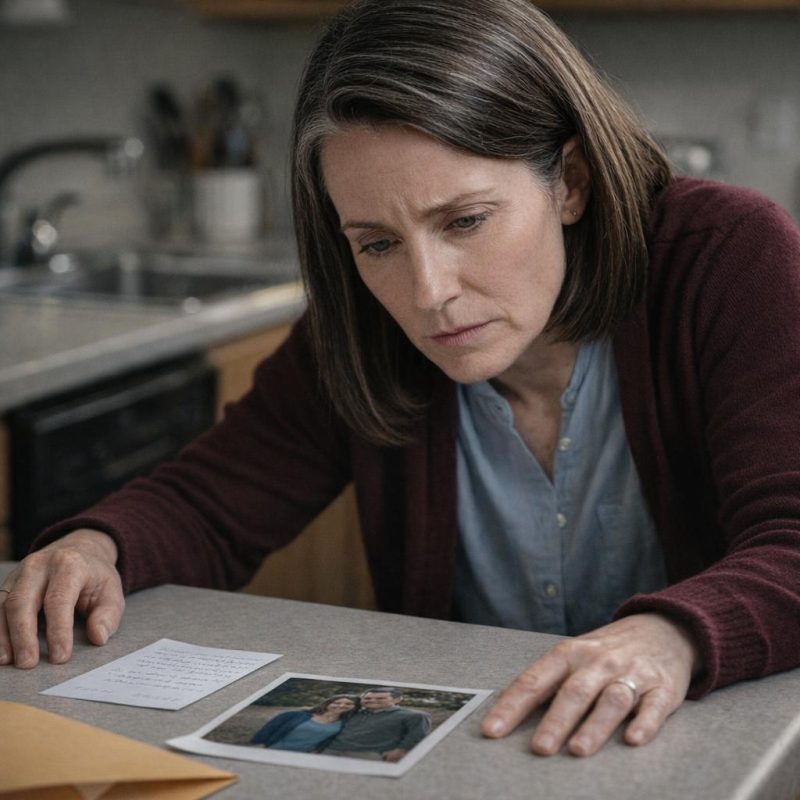 Image by RM AI
KEEP ON READING

From Heroes To Zeroes 20 Historical Figures Whose Heroism Was…
History is full of legends, but not every hero lived…
By Noone Feb 25, 2026
The Clueless Crush: How I Accidentally Invited a Hacker Into…
Fluorescent Lights and First Impressions. My name is Tessa, I'm…
By Ali Hassan Nov 4, 2025
This Infamous Ancient Greek Burned Down An Ancient Wonder Just…
History remembers kings and conquerors, but sometimes, it also remembers…
By David Davidovic Nov 12, 2025
Einstein's Violin Just Sold At An Auction—And It Earned More…
A Visionary's Violin. Wanda von Debschitz-Kunowski on WikimediaWhen you hear…
By Ashley Bast Nov 3, 2025
The Mysterious "Sea People" Who Collapsed Civilization
3,200 years ago, Bronze Age civilization in the Mediterranean suddenly…
By Robbie Woods Mar 18, 2025
The Strange History of the “Poison Apple”
Avin CP on UnsplashTomatoes are so ordinary now that it’s…
By Emilie Richardson-Dupuis Jun 4, 2026