The History That the AI Job Apocalypse Attitude Ignores
Every few years, a new technology arrives and brings along a very dramatic guest: the prediction that jobs as we know them are about to disappear forever. Artificial intelligence is the latest star of that anxious show, and to be fair, it’s an impressive one. It can write, summarize, code, design, analyze, and politely explain things.
Still, the “AI job apocalypse” attitude often forgets that history has seen this mood before. New tools have repeatedly changed work, eliminated some tasks, created new occupations, and forced people to rethink what human skill is worth. That doesn’t mean every transition has been painless, because it absolutely hasn’t been. It does mean panic alone usually misses the stranger, messier, and more interesting story of how work actually evolves.
New Technology Has Always Made People Nervous
When mechanized textile equipment spread during the Industrial Revolution, many workers had good reason to worry. Machines could produce cloth faster than hand labor, and that threatened people whose livelihoods depended on older methods. The Luddites, often mocked today as people who simply hated technology, were really responding to economic disruption and the way employers used machines to cut costs and control labor.
The same pattern appeared when factories reorganized work around machines and assembly lines. Skilled artisans saw parts of their craft broken into smaller, repeatable steps that could be done by less specialized labor. That shift made some goods cheaper and more widely available, but it also changed the dignity, independence, and bargaining power of many workers.
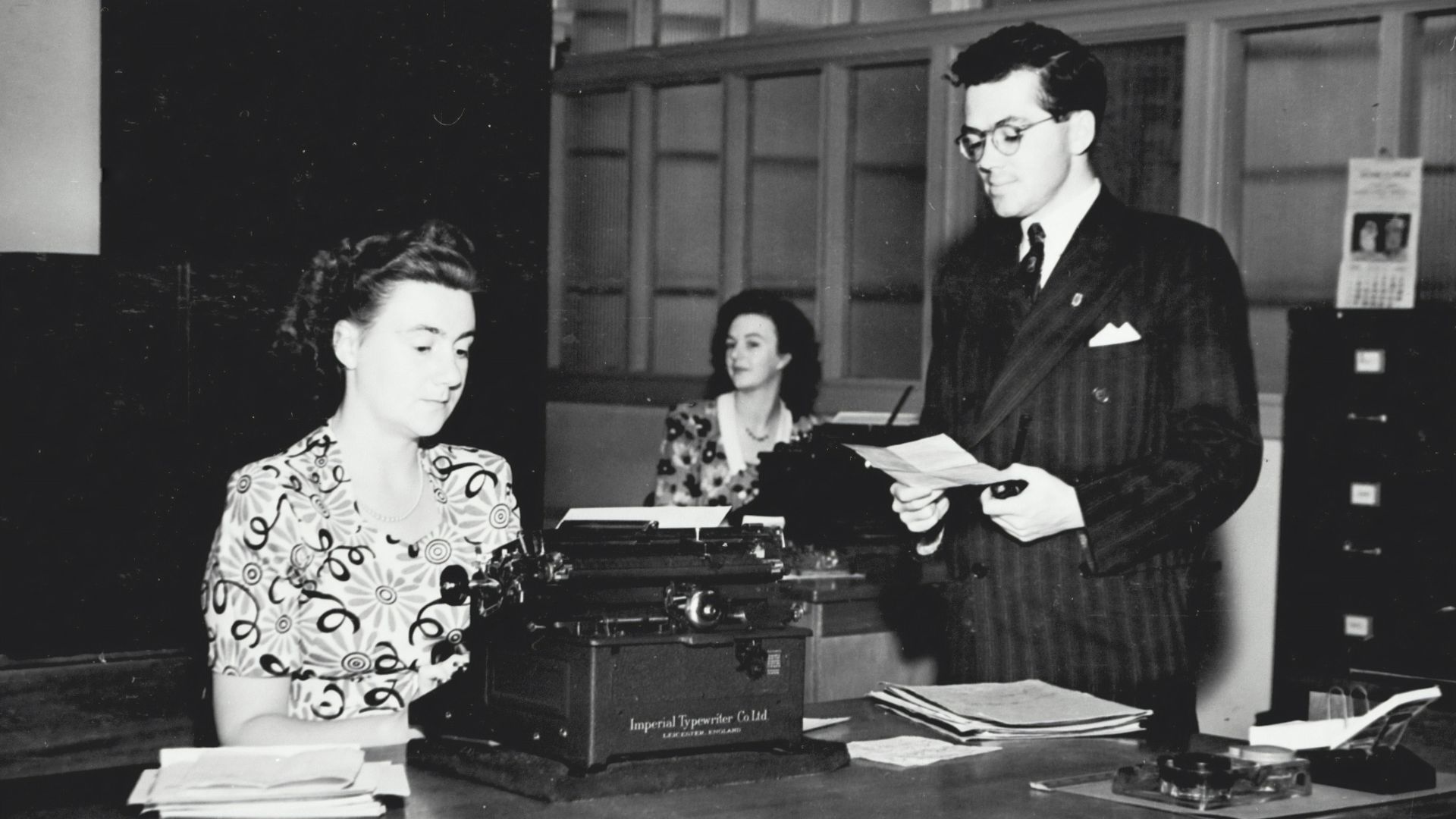
Office technology brought its own wave of dread, even if the machines looked less threatening than factory equipment. Typewriters, calculators, photocopiers, and later computers changed clerical work in enormous ways. Some jobs shrank or disappeared, while others grew around administration, programming, data management, and technical support. The office didn’t vanish, though it certainly stopped looking like rows of people copying figures by hand.
Jobs Don’t Just Disappear, They Often Rearrange
The trouble with apocalypse thinking is that it imagines the labor market as a neat subtraction problem. A machine does a task, so a person must be removed, and everyone goes home carrying a sad cardboard box. Sometimes that really happens, and it can be devastating. More often, though, technology changes which tasks matter, which skills become valuable, and how jobs are bundled together.
Think about agriculture, where technological change radically reduced the share of people needed to grow food. Tractors, harvesters, irrigation systems, fertilizers, and logistics networks transformed farming from a labor-heavy way of life into a smaller but more productive sector. That shift came with hardship, migration, and the loss of many rural livelihoods. Yet it also helped create the conditions for growth in manufacturing, services, science, education, and urban industries.
Computers offer a more recent example that should make us cautious about simple predictions. They automated many repetitive office tasks, but they also created entire categories of work that previous generations couldn’t have really imagined. Software developers, cybersecurity analysts, digital marketers, user experience designers, IT managers, and data specialists all arrived because people needed new ways to build, manage, protect, and interpret digital systems. These livelihoods exist thanks to computers, not in spite of them.
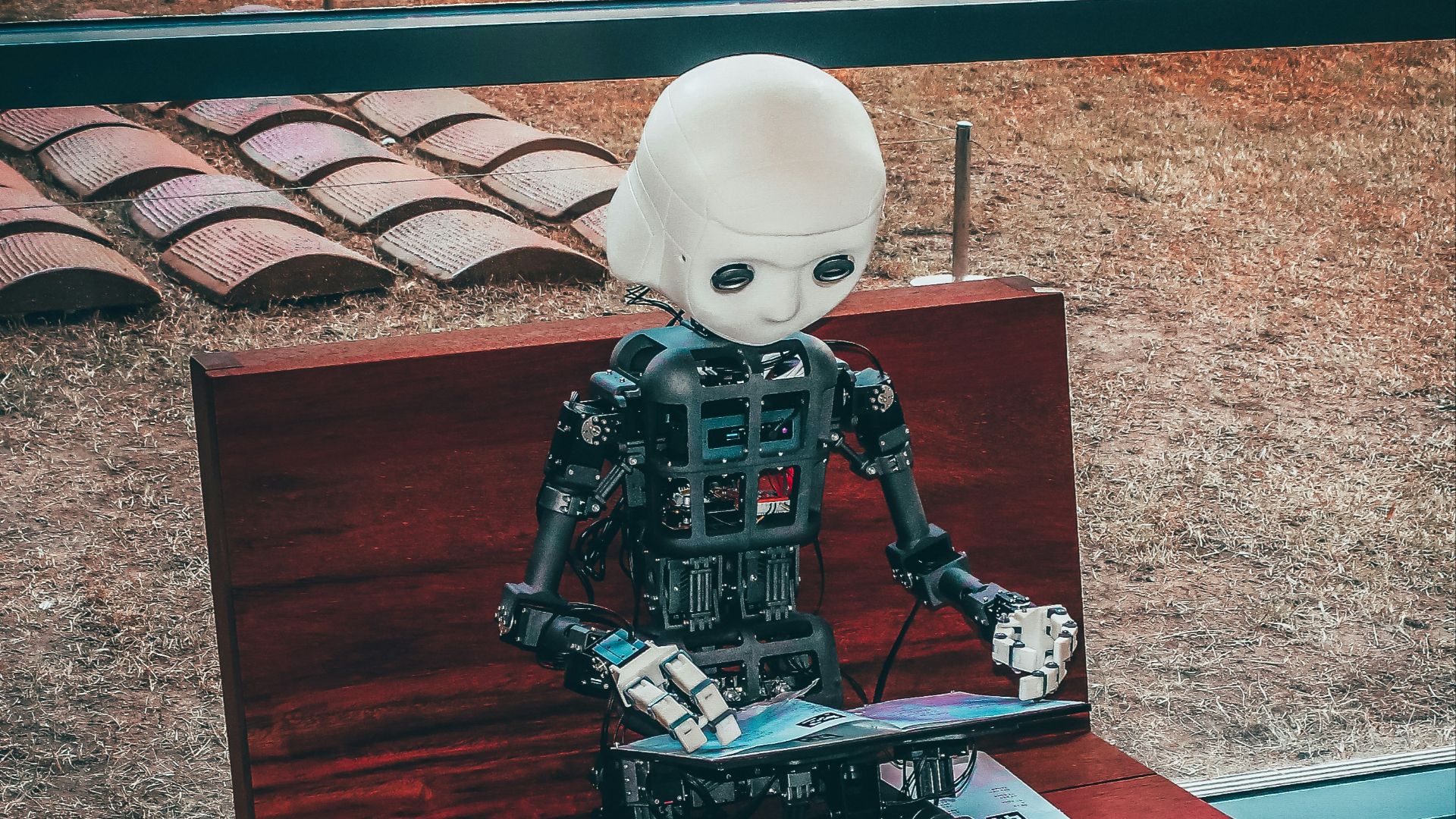
AI may follow a similar pattern, though no one should pretend the outcome is guaranteed to be tidy. It can take over parts of writing, customer service, coding, research, translation, design, and analysis. At the same time, it creates demand for people who can judge outputs, set goals, ask better questions, verify accuracy, protect privacy, manage workflows, and understand context. The future job may not be human versus AI so much as human work reorganized around AI.
The Real Question Is Who Benefits From The Change
History also shows that technology doesn’t distribute its rewards automatically. Machines can increase productivity while workers still lose wages, security, or control. A new tool may make society richer in the long run, but that doesn’t comfort someone whose job disappears next month. The cheerful phrase, “people will adapt,” can sound a little rude when adaptation comes with rent, health insurance, groceries, and real lives attached.
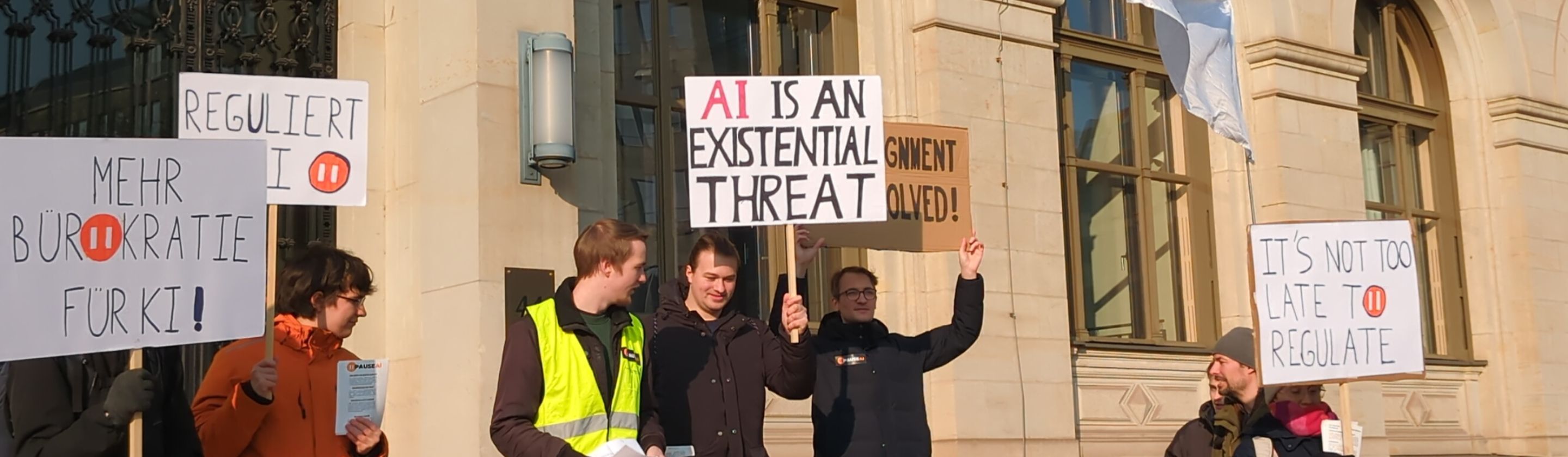
The more useful question is not whether AI will change work, because it obviously will. The better question is who gets the benefits, who absorbs the risk, and who gets help during the transition. If companies use AI only to cut jobs and squeeze remaining workers, the result will feel harsh even if the technology is impressive. If it’s used to remove drudgery, improve services, expand access, and support workers as their roles change, the story can look very different.
Education and training matter, but they can’t be magic words tossed at every problem. People need realistic pathways, not vague advice to “learn AI” and become endlessly flexible little career acrobats. Schools, employers, unions, governments, and communities all have a role in making transitions less brutal. History suggests that workers do best when they have bargaining power, social support, and time to adjust.
The AI job apocalypse attitude is tempting because it’s simple, dramatic, and emotionally satisfying in a gloomy sort of way. It lets us imagine one giant wave washing over everything at once. The past, however, points to something more complicated: disruption, resistance, reinvention, inequality, opportunity, and plenty of awkward adjustment. AI may change work profoundly, but history reminds us that the outcome won’t be written by the machines alone.
KEEP ON READING