

After Years Of Marriage, My Husband Humiliated Me In Front Of Everyone. The Idiot Didn't Remember I Had The Proof.
After Years Of Marriage, My Husband Humiliated Me In Front Of Everyone. The Idiot Didn't Remember I Had The Proof.
The Ordinary Weight of Towels
I was standing in the laundry room with a basket of towels pressed against my hip when Lily called. The dryer was still warm, and I had that satisfied feeling you get when you've timed the laundry perfectly—pulled it out before the wrinkles set in. She'd been in her first apartment for three days. I expected her to ask about the security deposit or where I bought those shelf liners she liked. Instead, her voice came through small and confused, like she was twelve again and trying to understand why her science project didn't work. "Mom," she said, "is everything okay between you and Dad?" I stood there staring at the dryer door, at my reflection in the glass, holding those towels. "Of course," I said. "Why would you ask that?" There was a pause, the kind where you can hear someone choosing their words carefully. "Dad said something when he helped me move. About how you've been holding him back for years. About how he finally gets to figure out who he is now that we're all gone." I set the basket down on the washer. My hand was shaking slightly, and I pressed it flat against the cool metal. "He said that?" "Yeah. I thought—I mean, I didn't know if something was wrong, or if you guys were having problems, or..." She trailed off, waiting for me to fill in the blank, to explain the thing she'd heard. I couldn't, because I was just learning it existed. For twenty-three years, I had believed my marriage was ordinary in the best possible way.
 Image by RM AI
The Architecture of a Life
We raised three kids in a small two-story house with creaky floors and a kitchen that always smelled like coffee or whatever was in the slow cooker. Our marriage was built on bills and routines, grocery lists and school drop-offs, the kind of love that looked like scraped windshields on winter mornings and refilled prescriptions you picked up without being asked. Richard handled the public-facing parts of our life. At neighborhood gatherings, he was the one who worked the room, who remembered everyone's names and asked about their renovations. People loved him. He had this way of making you feel like you were the most interesting person he'd talked to all week. I was the one who packed the cooler, who brought extra chairs in case the hosts didn't have enough, who noticed when someone's kid needed a Band-Aid. I thought that was how marriages worked—you divided the labor according to your strengths. He was charming and I was practical. He told the stories and I remembered the details. At our anniversary parties, he'd toast to "my beautiful wife who keeps this whole operation running," and everyone would laugh and clink their glasses. I'd smile from my spot near the kitchen, making sure there were enough napkins. I believed this division was love, that we were a team, that the fact that I always stood slightly outside the circle while he held court in the middle was just the natural order of who we were. Richard was charming in public, and I was the one who remembered the sunscreen.
 Image by RM AI
Receipts from 1998
I kept folders for everything. Taxes going back seven years, warranties for appliances we'd replaced twice, medical bills sorted by year and family member, home repair invoices, school documents from kindergarten through graduation. Richard used to joke about it at dinner parties. "Ask her for a receipt from 1998," he'd say, grinning. "She'll have it filed under 'Miscellaneous Spring Purchases' or something." Everyone would laugh, and I'd laugh too, because it was true. I could produce that receipt. I had a system—color-coded folders in the hall closet, labeled boxes in the basement, a filing cabinet in the corner of our bedroom that Richard called "the archive." When he needed expense confirmations for work, I'd have them printed and in a folder within ten minutes. When the dishwasher broke and we needed the warranty information, I knew exactly which box to pull. I kept the manuals for every appliance, even the ones we'd donated years ago. I saved invoices from contractors, paint color codes from rooms we'd repainted, records of every oil change on both cars. Richard called it obsessive. Our kids called it "Mom's thing." I called it keeping our life from falling apart. Someone had to know where everything was, had to remember that the furnace filter needed changing every three months, that the property tax bill came in November, that Michael was allergic to amoxicillin. Richard called it obsessive, but I called it keeping our life from falling apart.
 Image by RM AI
The First Two Goodbyes
Michael moved out first, into an apartment across town with two roommates and furniture from Craigslist. I cried for two days. Not just tearing up—actual sobbing in the laundry room, in the car, in the shower where no one could hear me. The house felt wrong without his music coming through the walls, without his shoes by the door. Then Hannah left for college, and I cried again, the same deep ache of watching someone you made walk away from you on purpose. Each departure stripped away another layer of noise. The house got quieter. Dinner got smaller. I'd set four places at the table and then remember, put two plates back. Richard seemed fine. He'd say things like "They're supposed to leave, that's the whole point," and I'd nod because he was right, but it didn't make the empty bedrooms any easier to walk past. I thought I was processing normal empty nest emotions, the thing every parent goes through when their kids grow up. I read articles about it. I talked to other mothers who said the same thing—that first year is hard, you'll adjust, find new hobbies, reconnect with your spouse. I told myself I was grieving a natural transition, that the tightness in my chest when I walked past Hannah's room was just love with nowhere to go. By the time Lily packed her boxes, I thought I was prepared for an empty house.
 Image by RM AI
The Last Box
Lily was my last. She packed slowly, methodically, asking me questions about security deposits and renter's insurance that I answered on autopilot. I helped her wrap dishes in newspaper, fold clothes into boxes, label everything in my neat handwriting. "You okay, Mom?" she asked at one point, and I said yes, because I'd survived this twice already. I knew how it felt to watch a child leave. I knew about the crying and the adjustment period and the strange new silence. But this time was different. When Michael left, Hannah was still home, playing music too loud and leaving her textbooks on the kitchen table. When Hannah left, Lily was still there, asking me to proofread her essays and stealing my good scissors. Now there would be no one. Just me and Richard and the house that suddenly felt too big, like we'd been living in a space designed for five people and now we were rattling around in it, two strangers in separate rooms. I watched Lily carry the last box to her car, and I felt something shift that I couldn't name. Not just sadness. Something else. Like all the noise and activity and constant motion of raising three kids had been covering something, filling up space that was about to go empty and exposed. There was something different about watching the last child leave, like all the noise had been covering something I hadn't wanted to see.
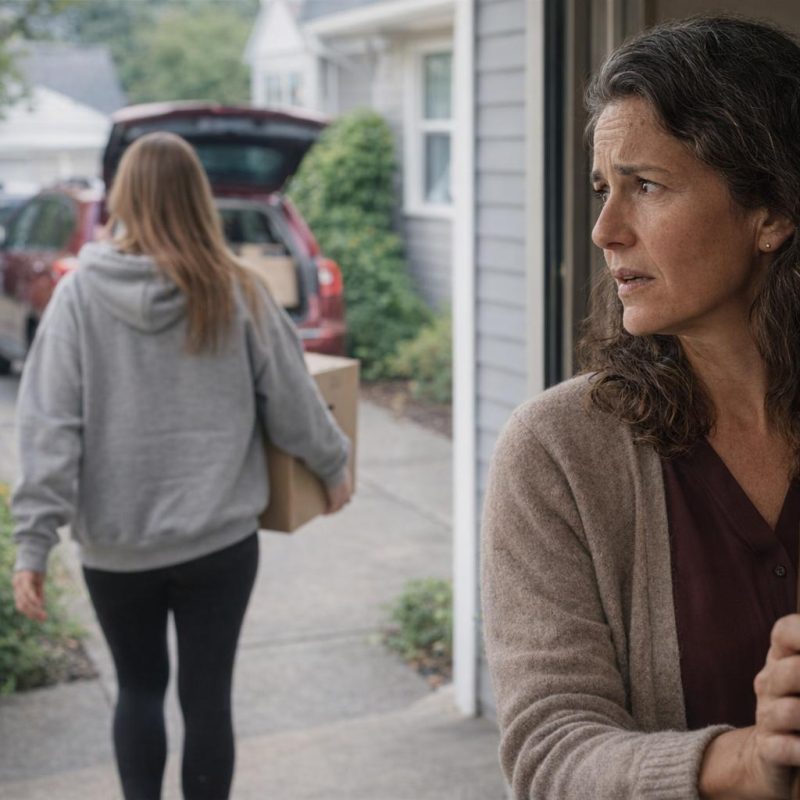 Image by RM AI
New Clothes in the Closet
Richard started going out more after Lily left. Not to specific places I could name—just "out." He joined a gym, which surprised me because he'd always said gyms were for people with too much time and vanity. He bought new clothes, shirts I'd never seen before, jeans that looked expensive and fit differently than his old ones. He started caring about things he'd never cared about—whitening toothpaste, whether his hair looked too gray, if his shoes looked old. One morning I found him in the bathroom examining his face in the mirror, pulling at the skin near his eyes. "Do I look tired?" he asked. "You look fine," I said, because he did. He frowned like that wasn't the answer he wanted. He started asking me if his shirts made him look old, if I thought he should grow a beard, if I noticed he'd lost weight. I did notice. He looked good, actually. Younger. More energetic. He'd come home from the gym with this flush in his cheeks, this brightness I hadn't seen in years. At first, I told myself he was grieving the empty nest in his own way. Maybe this was how men processed it—by trying to look younger, by reclaiming some version of themselves from before kids and mortgages and minivans. Maybe we were both just figuring out who we were now that the house was quiet. At first, I told myself he was grieving the empty nest in his own way.
 Image by RM AI
Fishing with Paul
Richard announced his first weekend fishing trip on a Thursday night. "Paul and I are going up to the lake," he said, not asking, just informing me. "I need to clear my head." Paul was an old friend from college, someone Richard mentioned occasionally but rarely saw. I didn't love the idea of him leaving for a whole weekend, but I tried to be understanding. Maybe he did need space. Maybe we both did. We'd spent twenty-three years focused on the kids, on their schedules and needs and problems, and now we were supposed to figure out how to be just us again. "That sounds nice," I said, and I meant it, or I tried to mean it. "When are you leaving?" "Friday after work. Back Sunday night." He was already packing in his mind, I could tell. Already gone. "Okay," I said. He smiled, but it didn't quite reach his eyes, or maybe it did and just didn't reach me. "Thanks for understanding. I just need some time to think, you know? Process everything." I nodded. I did know. I was processing too, trying to figure out what our marriage looked like without the constant buffer of children between us. Maybe a weekend apart would be good. Maybe we'd miss each other. Maybe we'd come back ready to reconnect. I didn't love it, but I tried to be understanding—maybe he did need space.
 Image by RM AI
The Facedown Phone
Richard's phone became a constant presence after that first fishing trip. He'd always had it, of course, but now it was different. He'd smile at messages, this little private smile that didn't include me. When I walked into the room, he'd turn the screen facedown on the table, casual, like it was nothing. At first I didn't ask. Then one night I did. "Who are you texting?" I said it lightly, just curious, not accusing. He looked up, and his expression was so neutral it felt practiced. "No one important," he said. The way he said it made me feel foolish for asking, like I was being paranoid or clingy or one of those wives who couldn't let their husband have privacy. So I didn't ask again. But I noticed. I noticed he took his phone everywhere now—to the bathroom, to the garage, out to check the mail. I noticed he'd changed his passcode, because one day I picked it up to check the weather and the numbers I'd always used didn't work. I noticed he tilted the screen away from me when we sat on the couch, that he'd started putting it in his pocket instead of leaving it on the counter. I told myself I was reading too much into it, that everyone deserved privacy, that marriage didn't mean you had to share every text message. If I asked who he was texting, he would say 'No one important' in a tone that made me feel foolish.
 Image by RM AI
The Exposed House
Lily moved out on a Saturday morning, and I helped her load boxes into her car the same way I'd done with Michael and Hannah. Same cardboard boxes from the same storage closet, same careful wrapping of dishes in newspaper, same last-minute sweep through her room to make sure she hadn't forgotten anything tucked in the back of a drawer. But by Sunday evening, something felt different. When Michael left, the house had felt quieter. When Hannah left, it had felt emptier. When Lily left, it felt exposed. I walked through rooms that suddenly seemed too large, past walls that had always held family photos but now looked like they were displaying evidence of something I couldn't name. Richard was home but not really present—he sat in the living room with his phone, responding to my comments about Lily's new apartment with distracted nods. I found myself standing in the kitchen on Sunday night, looking at the refrigerator magnets and the grocery list and the calendar with fewer and fewer entries, and I felt like the house was showing me something it had been hiding while the kids were still here. The quiet didn't just settle—it uncovered.
 Image by RM AI
Tan Lines and Perfume
Richard came home from a weekend trip with Paul on Sunday night, and I noticed the tan line on his wrist before he even set his bag down. He'd taken his watch off at some point, and the pale strip of skin stood out against the rest of his arm, which was noticeably darker than when he'd left on Friday. He kissed my cheek in the entryway, and I caught the faint smell of perfume—floral, sweet, nothing like the fishing-and-beer smell I'd expected from a guys' weekend. I didn't say anything right away. I made him a plate of leftovers while he talked about the weather and the drive home, and I watched him eat while that perfume smell lingered in the kitchen. Finally, I said it casually, like I was just curious. "Did Paul start wearing body spray or something?" Richard looked at me for one long second, his fork halfway to his mouth, and I watched something flicker across his face before he laughed. It was too loud, too sudden, like he'd remembered he was supposed to find it funny. "What? No. Why would you—" He laughed again, shaking his head. "You're imagining things." I asked if Paul had started wearing floral body spray, and Richard looked at me for one long second before laughing too loudly.
 Image by RM AI
The Paranoid Label
Richard started calling me paranoid whenever I asked why he was late, why there was a charge from a distant restaurant, or why he had changed his phone password after twenty-three years. The first time he said it, I'd asked why he'd gotten home at eleven on a Wednesday when he'd said he'd be back by eight. "You're being paranoid," he said, not angry, just dismissive, like I was a child asking why the sky was blue. The second time, I'd noticed a charge on our credit card statement from a restaurant two towns over, a place we'd never been together. "Seriously? You're going through the statements now? That's paranoid." The third time, I'd picked up his phone to check the weather app and realized the passcode had changed. When I asked him about it, he sighed like I was exhausting him. "Everyone changes their passwords. It's basic security. Why are you being so paranoid about everything?" Each time he used that word, it stuck a little deeper, made me question whether I was seeing things clearly or whether I was becoming the suspicious, unstable wife who couldn't let her husband breathe. That word stuck—paranoid—and it became his favorite way to make me feel unstable.
 Image by RM AI
A Pattern of Questions
I found myself questioning less and less, not because I stopped noticing, but because every question led to the same accusation that I was suspicious, needy, and losing perspective. Richard would come home late, and I'd rehearse how to ask about it in a way that didn't sound accusatory, but it never mattered how I phrased it. "Why are you checking up on me?" he'd say, or "I can't believe you're making this into something." I noticed his shirts smelled different sometimes, noticed he'd started going to the gym at odd hours, noticed he'd bought new cologne without mentioning it. But I stopped asking because asking made me feel crazy. I'd stand in the kitchen after he'd deflected another question, wondering if I was overreacting, if this was just what happened when kids moved out and couples had to figure out how to be alone together again. I had no one to talk to about it—what would I even say? My husband changed his password and comes home late sometimes? It sounded ridiculous even in my own head. The more I questioned him, the more he acted like I was the problem.
 Image by RM AI
The Relieved Look
Richard came home on a Tuesday evening, set his keys on the counter in their usual spot next to the fruit bowl, and stood in the kitchen with a look on his face I didn't recognize. Not guilty, not sad, not even tired from work. He looked relieved, like someone who'd finally made a decision after weeks of deliberation. I was chopping vegetables for dinner, and I glanced up when he didn't move from where he stood by the counter. "How was your day?" I asked, and he didn't answer right away. He just looked around the kitchen—at the magnets on the fridge, at the stack of mail I hadn't sorted yet, at the family photos on the wall—and his expression didn't change. It was the kind of look you give a place you're about to leave, taking inventory one last time. My hands slowed on the cutting board. "Richard?" He met my eyes then, and I saw it clearly: relief. Not the relief of coming home after a long day, but the relief of someone about to unburden themselves. I actually thought I had misheard him when he said he needed freedom.
 Image by RM AI
Freedom from This
Richard told me he needed freedom, and the words hung in the kitchen like something solid I could touch. I set down the knife I'd been holding and turned to face him fully. "Freedom from what?" I asked, and I meant it as a genuine question, like maybe he wanted to take a trip or pick up a new hobby or something normal that couples navigated together. He looked around the kitchen again, and this time his face twisted with something close to disgust. He gestured vaguely at the magnets holding up Lily's college schedule, at the stack of bills, at the photos of our kids at various ages. "From this," he said. "From all of this. From pretending." I sat down slowly in one of the kitchen chairs, the one I always sat in, and tried to understand what he meant by pretending. Pretending what? That we were happy? That we were a family? That the last twenty-five years had meant something? He was still standing by the counter, and he looked lighter somehow, like he'd been carrying something heavy and had finally set it down. He told me he felt trapped, and every sentence sounded like he had practiced it in a mirror.
 Image by RM AI
The Practiced Speech
Richard delivered a speech about feeling trapped and sacrificing for years, about how I had made him feel guilty for wanting more, and how he finally had a chance to be himself. He said he'd spent decades putting everyone else first—the kids, me, the house, the routine—and now that the kids were grown, he deserved to live for himself. "You made me feel guilty every time I wanted something different," he said, and I tried to remember a single time I'd done that, but my mind was blank. He said he'd been unhappy for years but stayed because that's what you did when you had kids, and now he didn't have to stay anymore. Each sentence came out smooth and certain, like he'd said these exact words before, maybe to himself in the car, maybe to someone else entirely. I sat at the kitchen table and listened to him talk about sacrifice and freedom and being true to himself, and all I could think was that none of it sounded like him. It sounded like something he'd read or heard or been told. Every sentence felt like something he had said to someone else first.
 Image by RM AI
Not About That
I asked if there was another woman, and Richard didn't answer quickly enough. The pause stretched out between us, long enough for me to count three breaths, long enough for me to see him decide how to respond. "This isn't about that," he finally said, and his voice was careful, measured, like he was stepping around broken glass. Not a denial. Not an admission. Just a deflection wrapped in words that were supposed to make me feel like I was asking the wrong question. I sat there at the kitchen table, my hands flat against the wood, and processed what that pause meant. If there wasn't another woman, he would have said no immediately. He would have looked offended or confused or hurt that I'd even asked. But instead he'd paused, calculated, and then tried to redirect the conversation away from the question entirely. I felt something settle in my chest, heavy and cold. That meant yes.
 Image by RM AI
The Bag He Packed
Richard packed a bag that same night. I sat at the kitchen table, still processing the conversation we'd just had, when I heard him upstairs opening drawers. The sound of hangers scraping against the closet rod. The zipper on his gym duffel. He came down twenty minutes later with the bag slung over his shoulder, wearing the expression of someone who'd made a difficult but necessary decision. "I'm going to stay with Paul for a while," he said, standing in the doorway between the kitchen and the hall. "I think we both need some space to figure things out." I didn't say anything. What was there to say? He adjusted the strap on his shoulder and looked past me, not quite at me. "I hope you'll respect my need to choose peace right now," he said, and the phrase landed oddly, formal and careful in a way that felt out of place in our kitchen. Like he'd found it on some website about conscious uncoupling or healthy separation. He walked toward the front door, and I heard his keys jingle as he picked them up from the bowl on the entry table. The door opened. Closed. His car started in the driveway. He walked out the door with a duffel bag, and I sat at the kitchen table wondering when he had decided to leave.
 Image by RM AI
The Text He Sent First
My phone was still on the kitchen table when it started buzzing. Three texts in quick succession. Lily first, then Michael, then Hannah. I picked it up and saw the preview of Lily's message: "Mom, Dad just texted me. Are you okay?" My stomach dropped. I opened the thread and read what Richard had sent her, then checked the other two. He'd sent nearly identical messages to all three kids. He told them that he and I had been struggling for years, that we'd grown apart, that he'd tried to make it work but couldn't anymore. He said he hoped they would understand his need to choose peace and that he loved them very much. The messages were careful, measured, designed to sound reasonable and sad rather than angry or defensive. He positioned himself as someone who'd been quietly suffering, finally making the difficult choice to leave. I sat there staring at my phone, reading his words over and over. He'd texted them before I'd even thought to call. Before I could explain what had actually happened, before I could tell them about the pause when I asked if there was another woman. He had gotten ahead of the truth and painted himself as a man escaping a cold, controlling wife.
 Image by RM AI
Careful Messages
The messages started coming in the next morning. My sister first: "Thinking of you. Call me when you're ready." Then Richard's cousin Beth: "I'm so sorry. I know this must be hard." My friend Karen from book club: "Richard mentioned you two have been having a rough time. I hope you're taking care of yourself." Each message was careful, awkward, tiptoeing around something they thought they understood. I sat at the kitchen table with my coffee going cold, reading each one and feeling my hands start to shake. They all referenced things Richard had told them. That we'd been struggling for a long time. That this had been coming. That he'd tried to make it work but I hadn't been supportive of his new life, his fitness journey, his dreams. Some of them seemed to think we'd mutually agreed to separate. Others implied I'd been holding him back, resenting his happiness. Nobody asked what had actually happened. Nobody questioned his version. They just sent their careful, sympathetic messages that made it clear they'd already heard his side and believed it. I sat at the kitchen table reading those messages with my hands shaking, realizing he had made me the villain of a story I didn't even know he was telling.
 Image by RM AI
The Villain He Created
I wanted to call every single person back. I wanted to text them all and explain that Richard was lying, that he'd left without warning, that he'd paused when I asked if there was another woman. I drafted a message to my sister three different times, each version longer and more desperate than the last. But I kept stopping before I hit send. Because I realized what Richard had done. He hadn't just left. He'd launched a campaign. He'd positioned himself as the reasonable one, the one choosing peace, the one escaping a difficult situation. And if I started calling everyone to defend myself, if I sent long emotional texts explaining my side, I would look exactly like the person he'd described. Desperate. Controlling. Unable to let him go. The trap was perfect. If I stayed quiet, people would assume his version was true. If I defended myself, I would confirm it. I sat there staring at my phone, deleting another drafted message, and understood that he'd gotten ahead of the narrative before I even knew there was a narrative to get ahead of. The problem with being humiliated is that defending yourself can make you look exactly as desperate as the other person claimed you were.
 Image by RM AI
The Strategy of Silence
I sat on the edge of my bed that night, staring at my phone. I'd drafted a message to my sister explaining everything. Then I deleted it and wrote a shorter version. Then I deleted that one too and tried again, this time just asking her to call me. But I couldn't send that either. Because what would I say when she called? That Richard had left and I didn't know why? That I suspected another woman but had no proof? That he'd texted the kids first and now everyone thought I was the problem? It all sounded so pathetic when I tried to put it into words. It sounded like exactly what Richard had told everyone: a bitter wife who couldn't accept that her husband wanted something different. I thought about calling Karen, or Beth, or any of the other people who'd sent those careful messages. I could explain that Richard had blindsided me, that his version wasn't the whole truth. But then what? They'd listen politely and tell me they understood, and then they'd get off the phone and wonder if maybe Richard had been right about me after all. So I stayed quiet, and that made people believe him even more.
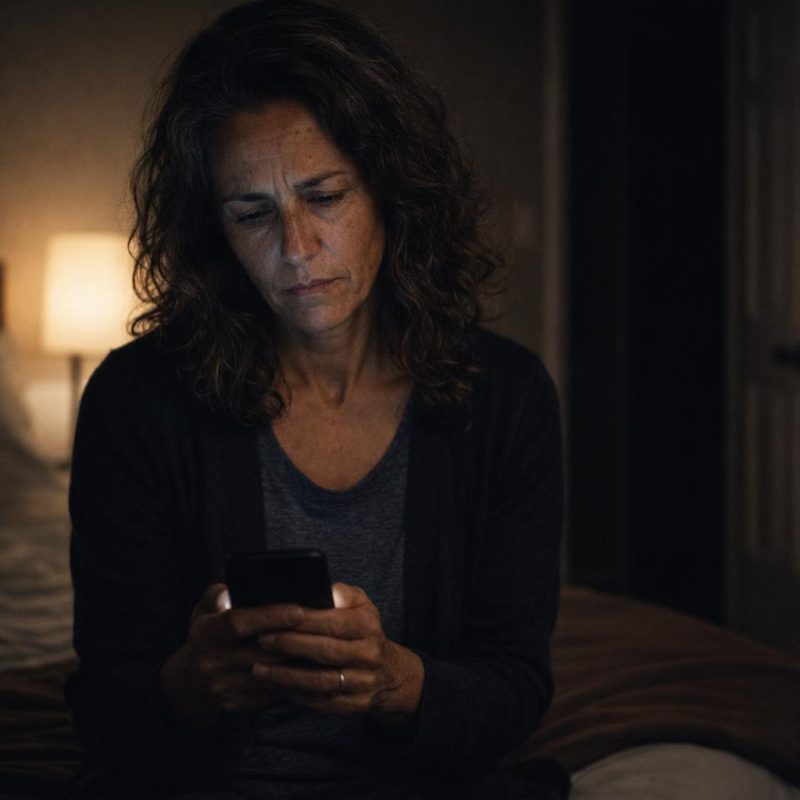 Image by RM AI
The Call from Hannah
Hannah called two days later. I saw her name on my screen and felt something lift in my chest, some small hope that at least one of my children would hear me. "Mom," she said, and her voice was already breaking. "I talked to Dad. He said you're not handling things well and I just wanted to make sure you're okay." I closed my eyes. "I'm okay, honey. I promise." "He said you two have been unhappy for a long time," Hannah continued, and I could hear her trying to be fair, trying to comfort me while also gently probing for the truth. "Were you? I mean, I know you and Dad have been different lately, but I didn't think it was that bad." "Hannah, it's complicated," I said, because what else could I say? That her father had left without warning? That he'd rewritten our entire marriage in a series of text messages? "Dad said you might be resentful of his happiness," she said quietly. "He said you might try to turn us against him. But I don't want to take sides, Mom. I love you both." That broke something in me, not because she believed him completely, but because Richard had put her in that position at all.
 Image by RM AI
The First Folder
I went to the hall closet that night after Hannah's call. I don't know what I was looking for exactly. Proof, maybe. Something concrete to hold onto when everything else felt like it was dissolving. I pulled out the first folder, the one where I kept our bank statements. Then another folder with credit card bills. Then the accordion file with receipts and hotel confirmations from Richard's business trips. I spread them across the dining room table, papers fanning out in overlapping layers. Bank statements showing charges I didn't recognize. Credit card bills with restaurants I'd never been to. Hotel receipts from weekends Richard said he was fishing with Paul or visiting his brother. I didn't know what I was building yet. I just knew I needed to see it all laid out in front of me, needed to prove to myself that I wasn't imagining things. That the life I thought we'd been living wasn't the life we'd actually been living. The papers covered the entire table, a map of something I couldn't yet name. Maybe I was just looking for something solid to hold in a life that suddenly felt like smoke.
 Image by RM AI
The Name on the Receipt
I found it in the third folder, tucked between two credit card statements. A hotel receipt from six months earlier, from a weekend in March when Richard said he was going fishing with Paul up at the lake. The Riverside Inn, two nights, premium room. I stared at the charges. Room service for two. Spa services. Dinner at the hotel restaurant with a wine pairing. Not exactly a fishing trip. But it was the loyalty account notes at the bottom that made my hands go still. The hotel had one of those programs where they track guest preferences, and someone had added a note to the reservation: "Welcome back Mr. Hartley and Ms. Grant. Champagne and strawberries as requested." I read the name three times. Melissa Grant. I didn't know who she was. I'd never heard Richard mention that name. But there it was, printed on hotel letterhead, proof that my husband had spent a romantic weekend with someone who wasn't me while I'd been home thinking he was sitting in a boat with Paul. I stared at the name until it blurred. Once I knew the name, everything unraveled quickly.
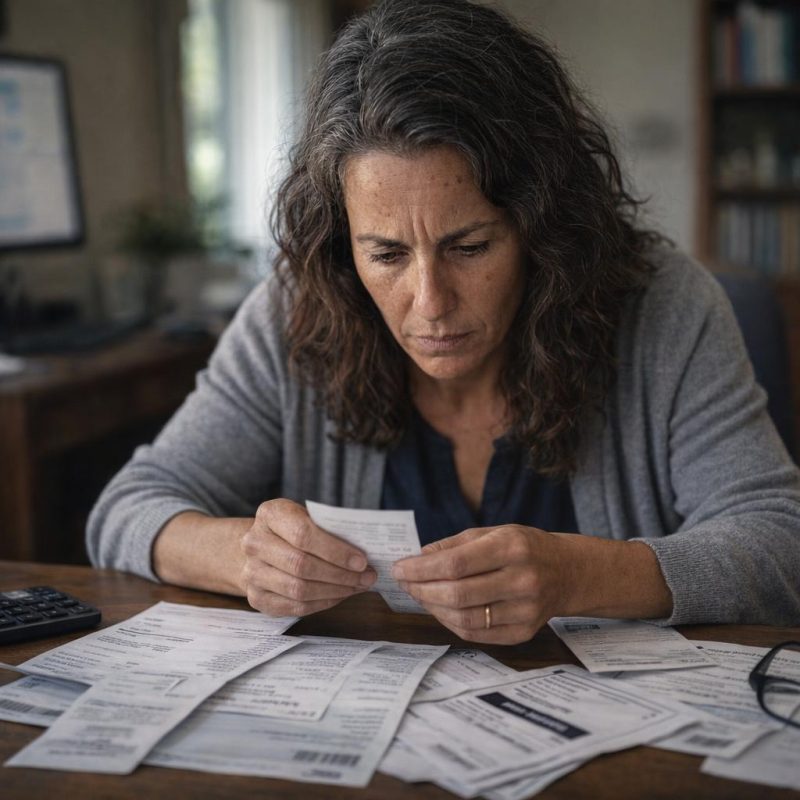 Image by RM AI
The Trail of Weekends
I pulled more receipts from the folders and laid them across the dining table in chronological order. The pattern emerged like a timeline I'd been too close to see. February: boutique inn three hours north, two nights, premium room with fireplace. March: the Riverside Inn with Melissa Grant. April: winery tour package for two, complete with private tasting and lunch. May: concert tickets, orchestra seats, purchased during a weekend Richard said he needed to drive and think. June: another inn, this one near the coast. Each receipt matched a weekend he'd claimed to be somewhere else. With Paul at the lake. Visiting his college friend in Portland. Taking time to clear his head. I'd washed his clothes when he came home from every single trip. I'd asked how the fishing was, how his friend was doing, whether the drive helped. He'd answered every question while I folded shirts that smelled like hotel detergent and fabric softener I didn't use. The receipts sat in neat rows, months of documentation I'd filed away myself, never knowing I was building evidence of my own irrelevance. Weekend after weekend, all while he had been coming home and letting me wash his clothes.
 Image by RM AI
Gifts and Patterns
The jewelry store charge appeared in the July folder. Three hundred forty-seven dollars, charged to our joint account, dated two months earlier. I stared at the merchant name until my vision blurred. Our anniversary had been that same week. Richard had told me we should skip gifts that year, be practical, maybe just go to dinner. We'd ended up ordering takeout because he said he was too tired to go out. I'd told myself it was fine, that after twenty-six years we didn't need the performance of romance. But he'd bought jewelry. Three hundred forty-seven dollars worth. I checked my jewelry box that night, went through every piece. Nothing new. Nothing from July. The necklace I'd hoped he might remember I wanted sat on a wish list he'd never looked at. I laid the receipt next to the hotel charges and the concert tickets. The pattern wasn't just about the affair anymore. It was about money. Our money. Money he'd spent on someone else while telling me we needed to watch our budget. But the worst discovery was not the affair—it was the money.
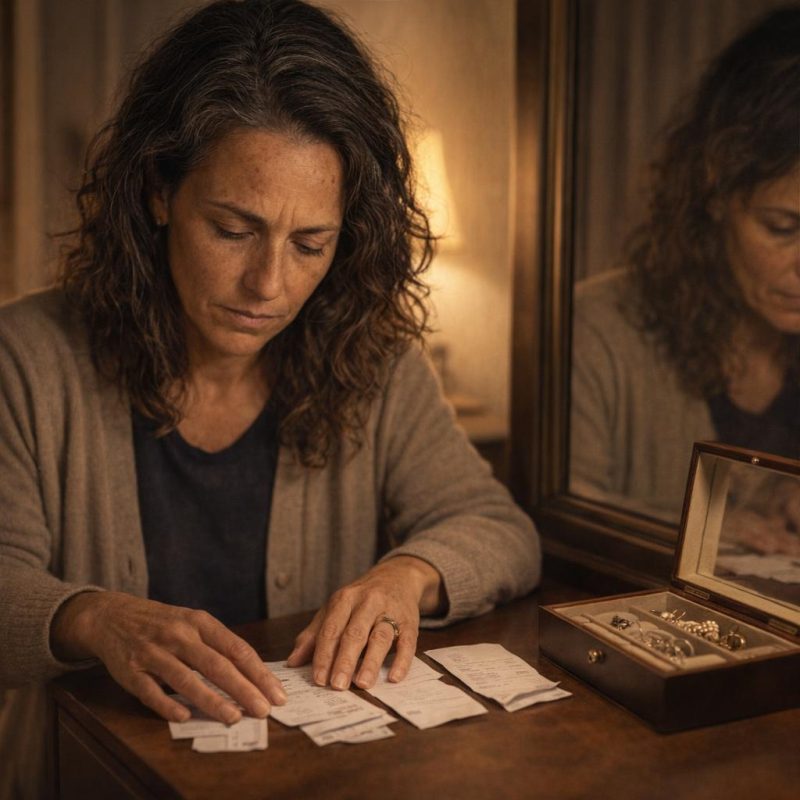 Image by RM AI
The Hidden Card
I found the confirmation email by accident, searching the old household account we'd set up years ago for bills and service appointments. The subject line read: Your new Visa account is ready. I didn't recognize the account number. The email was from eight months earlier, confirming a credit card application I'd never seen. Paperless statements, separate login, all the notifications sent to an email address Richard had set up. But this one confirmation had gone to the old shared account, probably a default he'd forgotten to change. I logged into the credit card site using the temporary password from the email. He'd never changed it. The statements loaded slowly, page after page of charges. Weekend trips. Restaurant bills. Jewelry stores. Flowers sent to an address I didn't recognize. Gift purchases. Wine deliveries. All of it adding up to thousands of dollars I'd never known about. And the whole time, Richard had been telling me we needed to be careful with money because retirement was coming. He had been paying for trips and gifts while telling me we needed to be careful with money because retirement was coming.
 Image by RM AI
The Calmest Voice
I called the lawyer the next morning. My hands were steady as I dialed, steadier than they'd been in days. The receptionist transferred me, and then a woman's voice came on the line, calm and clear. "This is Denise." I told her my name, that I needed help with a divorce I hadn't wanted. That my husband had been having an affair and spending money I was just discovering. That I didn't want revenge but I didn't want to be destroyed either. There was a pause, and then Denise asked what kind of records I had. I looked at the folders spread across my table, the receipts in chronological order, the credit card statements I'd printed. "All of them," I said. "I have all of them." Denise laughed, not unkindly, but with something that sounded like satisfaction. "Then we're going to be just fine," she said. "Tell me everything." I talked for forty minutes while she took notes, her questions precise and specific. When I finished, she said, "You've done the hard part already. Now we just need to be smart about timing." For the first time in days, someone laughed in a way that made me feel powerful instead of pathetic.
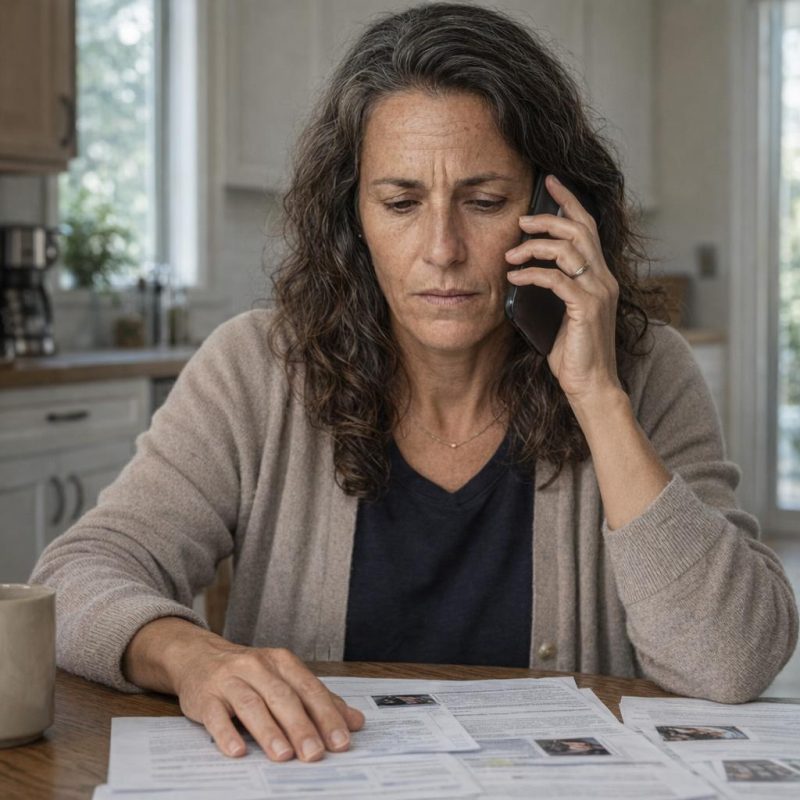 Image by RM AI
The Strategy of Patience
Denise told me to say nothing yet. "Let him keep talking," she said. "Let him tell everyone his version while you quietly organize every receipt, every statement, every documented lie." She wanted copies of everything, organized by date and category. Hotel stays in one section, restaurants in another, the jewelry and gift purchases separated out. The secret credit card statements printed and highlighted. "He's building a narrative," Denise explained. "That you're bitter, that you're difficult, that the marriage fell apart because you couldn't adjust. Let him build it. When we're ready, we'll show exactly what he was doing while he was telling that story." I understood the strategy. I even agreed with it. But following through was harder than I expected. Every time I wanted to call Richard's brother and correct the record, every time I heard another version of his story through a friend, I had to stay quiet. I had to let him keep talking while I organized folders and made copies. Silence felt like losing when I wanted to fight. That was hard, harder than I expected, because silence felt like losing when I wanted to fight.
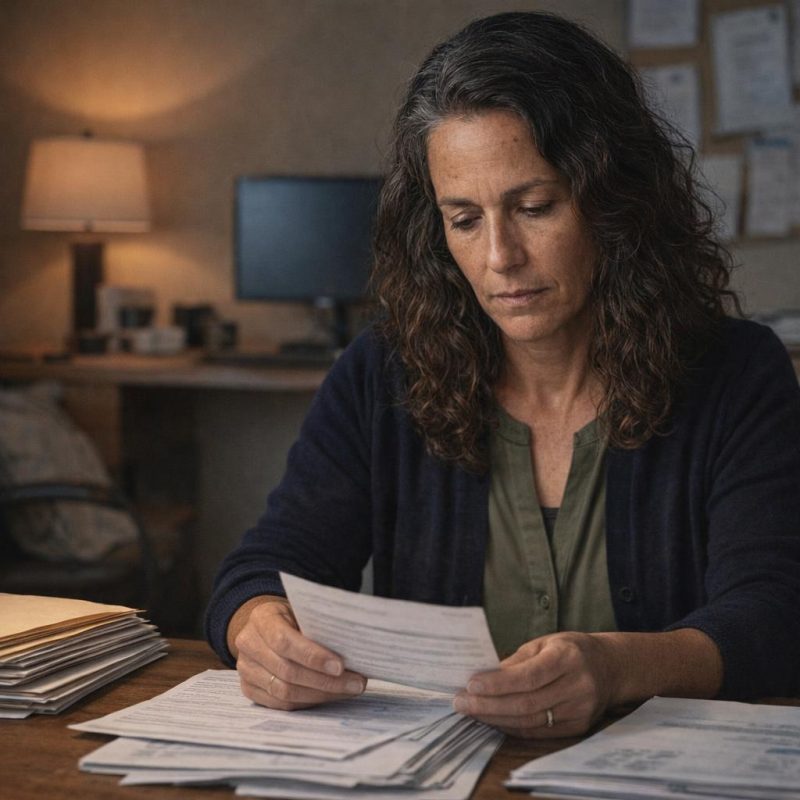 Image by RM AI
Bitter Wife
The neighbor mentioned it while we were both getting mail. She said it casually, like she was sharing neighborhood gossip. Richard had been at a barbecue the weekend before, she said. He'd told everyone I'd become bitter after the kids left, that I couldn't adjust to the empty nest. That I'd pulled away from him, made everything difficult. She looked at me with sympathy that felt like pity. "I just wanted you to know people are asking about you," she said. "Wondering if you're okay." I gripped my coffee cup until my knuckles went white. I wanted to tell her about the receipts. About Melissa Grant and the hotel stays and the secret credit card. About the jewelry he'd bought for someone else while telling me we needed to skip anniversary gifts. I wanted to pull out my phone and show her the evidence right there on the sidewalk. Instead, I thanked her for letting me know. I said I appreciated people's concern. I went inside and added her name to a list I was keeping, people who'd heard Richard's version. I said nothing, and the story spread.
 Image by RM AI
The Brother's Call
Richard's brother called on a Tuesday evening. His voice was careful, sad in a way that made my chest tight. He said he'd talked to Richard, that he was worried about both of us. "He mentioned you've been having a hard time," he said. "That you're refusing to let him enjoy life, that you've made everything about control." I could hear the conflict in his voice, like he wanted to be supportive but wasn't sure which version to believe. He'd known me for twenty-six years. We'd spent holidays together, celebrated birthdays, helped each other move furniture. But Richard was his brother, and blood carried weight. "I just wanted to check on you," he said. "Make sure you're doing okay. This must be really hard." I thanked him for calling. I told him I appreciated his concern. I didn't tell him about the affair or the money or the lies I'd been documenting. I didn't correct Richard's narrative or defend myself. I just said I was managing, that some things were complicated. When he asked if there was anything he could do, I said no. I told him I appreciated the call, and nothing else.
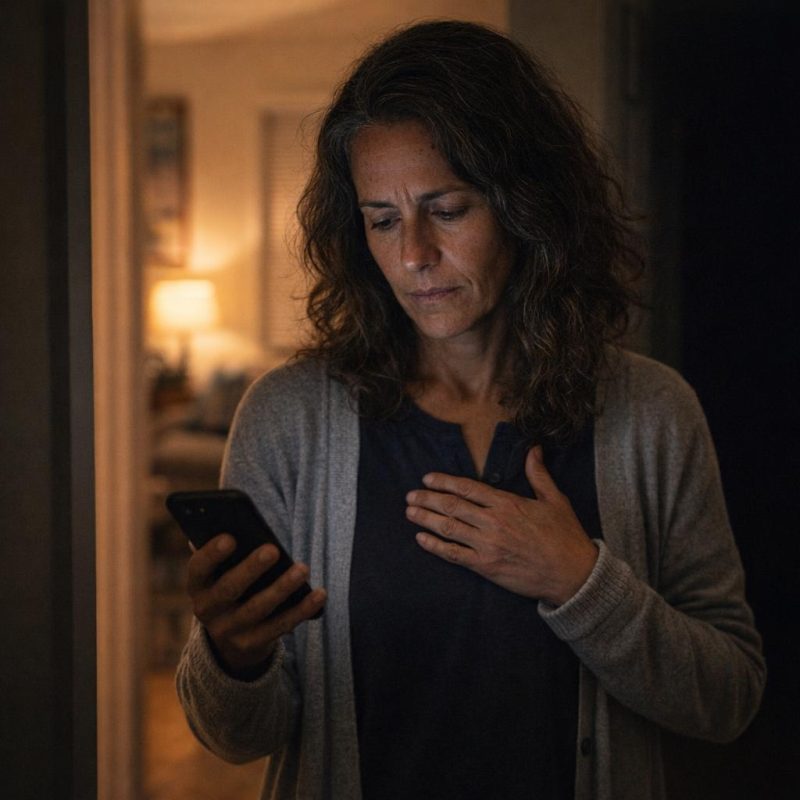 Image by RM AI
Making Money Weird
Lily called three days later, her voice uncertain in a way that made my stomach drop. "Mom, is everything okay?" she asked. "Dad said you're making money weird. That you're being difficult about finances." I closed my eyes. Of course Richard had called her. Of course he was preemptively framing my financial protections as unreasonable behavior. Lily was twenty-three, still figuring out her own life, and now she was caught between parents who were supposed to have answers. "What does that mean, making money weird?" she asked. "He wouldn't really explain. He just said you're being controlling about accounts and he's worried about you." I wanted to tell her everything. About the secret credit card and the affair and the thousands of dollars her father had spent on another woman. About the lawyer and the strategy and the evidence I was building. But Denise had been clear: don't burden the kids with details until we're ready to move. "Don't worry, sweetheart," I said. "Some things are complicated right now. But I'm okay." She didn't sound convinced. I told her not to worry, that some things were complicated, and I hated myself for being vague.
 Image by RM AI
The Rewriting Campaign
I kept a notebook by the kitchen table. Not hidden, not secret—just there, spiral-bound with a blue cover, the kind you buy at the drugstore. Every time Richard made a phone call in the other room, every time he came home and mentioned running into someone, every time he casually dropped a name into conversation, I wrote it down. Date, time, who he talked to, what he said he told them. His sister got the "we're growing apart" story on a Tuesday evening. His college friend heard "she's become controlling about money" on Thursday afternoon. His mother received "I don't know what's gotten into her" on Saturday morning while I was supposedly at the grocery store. I treated his lies like data. Like receipts in a folder, like statements in a file. Each variation got its own entry. Each inconsistency was noted. He told his brother I was making things difficult. He told his coworker I was going through something. He told the neighbor I was stressed about Lily. None of it matched. All of it was documented. I sat at that table most evenings, pen in hand, adding to the timeline while Richard watched television in the next room. He had no idea I was doing this. He thought I was making grocery lists or writing thank-you notes. He was rewriting our history, and I was writing down his lies.
 Image by RM AI
Meetings with Denise
I met with Denise three times in two weeks. Each time I brought more—folders, printouts, timelines I had created on graph paper because I wanted everything visual and clear. The first meeting, I brought the credit card statements and hotel receipts. The second, I brought the notebook documenting Richard's narrative campaign and a list of everyone he had contacted. The third, I brought the timeline of charges mapped against the calendar, showing every weekend, every supposed work trip, every evening he claimed he needed space. Denise spread everything across her conference table and studied it like she was assembling a puzzle. She asked questions I had already answered in my documentation. She cross-referenced dates. She made notes in margins. With each meeting, I felt something shift. I stopped feeling like someone whose husband had humiliated her and started feeling like someone building a case. Someone with evidence. Someone who had been careful and thorough while everyone else had been careless. Denise looked up from the papers during that third meeting, her expression calm and professional. "He has no idea what's coming," she said. And I believed her. Denise looked at the papers and said Richard had no idea what was coming.
 Image by RM AI
The Investment Folder
I pulled the investment account folder from the filing cabinet on a Wednesday afternoon. It was in the back, behind the tax returns and the insurance policies, thick with documents I had not looked at in years. I carried it to the dining room table and opened it, spreading out the paperwork. Account structure agreements. Beneficiary forms. Transfer authorization documents. Pages and pages of financial language that had seemed tedious when we first set everything up. I remembered the meetings with the financial advisor, the explanations about joint accounts versus individual accounts, the discussions about access and protections. Richard had been impatient through most of it. He wanted everything simple, everything quick. I had wanted everything documented. I ran my finger down the pages, reading clauses about signature requirements and waiting periods and review processes. There were references to dual authorization for certain transactions. Notes about cooling-off periods before major transfers could be executed. I did not fully understand why these details felt important now, but they did. They felt like something I should pay attention to. I remembered insisting on certain signatures, certain waiting periods, certain protections Richard had found annoying at the time.
 Image by RM AI
The Precaution I Insisted On
I found the agreement dated two years earlier, tucked into a plastic sleeve near the back of the folder. It was specific and clear: any transfer over a certain threshold from our joint reserve accounts required both signatures and a thirty-day review period. I remembered why we had created it. Richard had wanted to invest in a friend's business venture, something that required a significant amount of capital. He wanted to move the money immediately, but I had insisted we document the process. I wanted approval requirements. I wanted time to review major financial decisions. He had been annoyed—I could still picture his expression, the way he sighed and said I was being overly cautious. "It's our money," he had said. "Why do we need all this paperwork?" But he had signed it anyway. He signed it because he wanted access to the funds for his investment, and this was the condition I set. He laughed at me for being so careful, called me his "little accountant," made a joke about how I probably alphabetized my spice rack. Then he scrawled his signature at the bottom and forgot about it. He had signed it anyway, just to keep me happy.
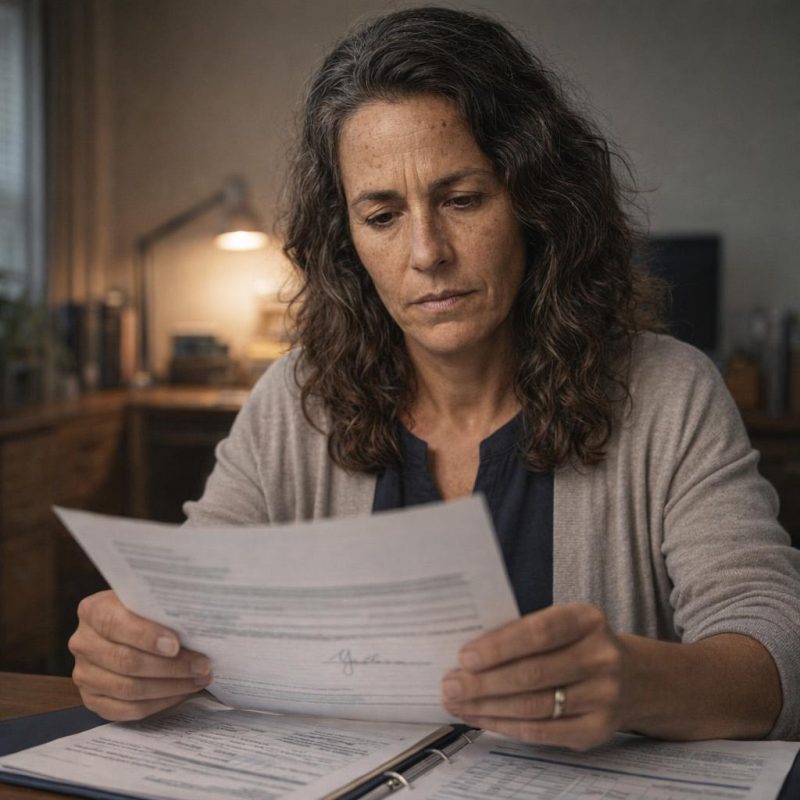 Image by RM AI
Six Months of Lies
I used lined paper from a legal pad and created a timeline. Six months of charges, mapped chronologically, each one connected to a date and a location. January through June. Hotels in the city, restaurants I had never been to, jewelry purchases I had never received. I used different colored pens—blue for hotels, red for restaurants, green for gifts. The pattern emerged like a photograph developing. Every other weekend, sometimes three weekends in a row. Every time Richard said he needed space or had a work obligation or wanted to visit an old friend. I cross-referenced the charges against my own calendar, the one where I tracked Lily's calls and my own appointments and the evenings I spent alone. Every Saturday I had eaten dinner by myself corresponded to a restaurant charge. Every Sunday I had woken up in an empty house matched a hotel checkout. It was not just an affair. It was a second life, running parallel to ours, funded by our accounts while I sat home believing his excuses. I stared at the timeline, at the density of charges, at the systematic pattern of deception. Every weekend I had spent alone, he had spent with her.
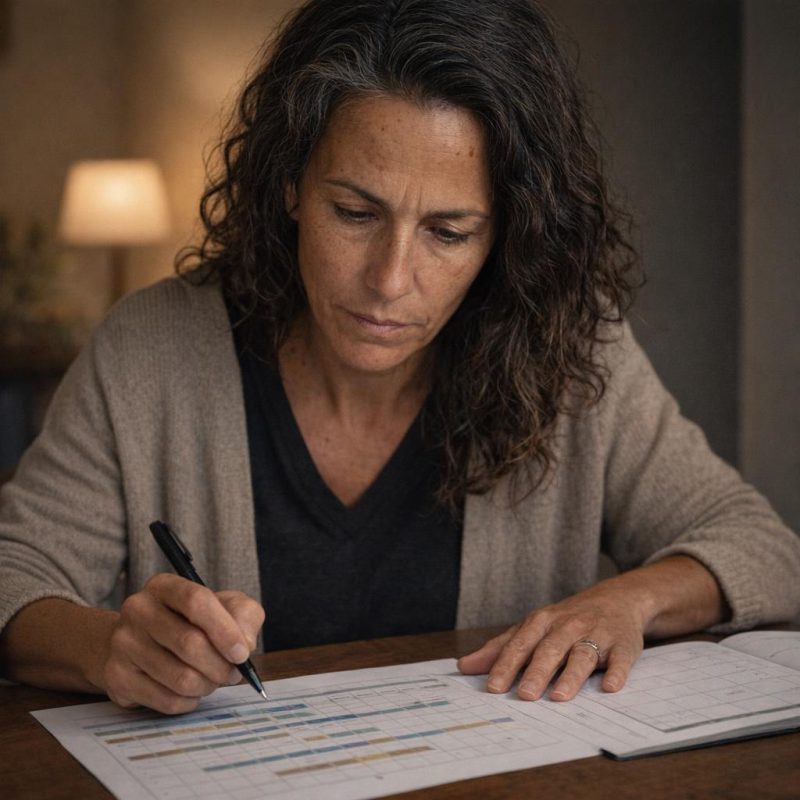 Image by RM AI
The Message from Aaron
I opened my social media inbox on a Thursday evening, expecting the usual—a message from Lily, maybe a notification from a former coworker. Instead, there was a message from someone named Aaron. I did not recognize the name. The profile picture showed a man about Richard's age, but I had never seen him before. The message was short: "I think our spouses have been seeing each other. I am sorry to contact you this way. I found your name in some messages. I am sorry." I read it three times. Our spouses. Plural. I had known Richard was having an affair. I had documentation, receipts, a timeline. But I had not known there was another betrayed spouse. I had not known the woman had a husband. I had not known there was someone else sitting in an empty house, discovering lies, trying to make sense of charges and absences. The message had been sent two hours earlier. Aaron was probably waiting for a response, wondering if I would believe him or block him or think he was crazy. For a full minute, I just stared at it.
 Image by RM AI
The Exhausted Voice
I called Aaron that evening. My hands shook as I dialed the number he had included in his follow-up message. The phone rang twice before he answered. "Hello?" His voice was tired. Not just tired—exhausted in a way that went deeper than lack of sleep. It was the sound of someone whose entire foundation had cracked. I recognized it immediately because I heard it in my own voice lately. "This is... I got your message," I said. "About our spouses." "Yeah." He let out a long breath. "I'm sorry. I didn't know how else to reach you." We talked for ten minutes that felt like an hour. Aaron told me he had found charges on their joint credit card. Hotels, dinners, a weekend trip. His wife Melissa had told him she needed freedom, that he held her back, that she felt suffocated by his expectations. The same story. Almost word for word what Richard had told people about me. Aaron sounded hollowed out, like someone had scooped out everything he thought was solid and left only the shell. We were two people who had believed different versions of the same lie.
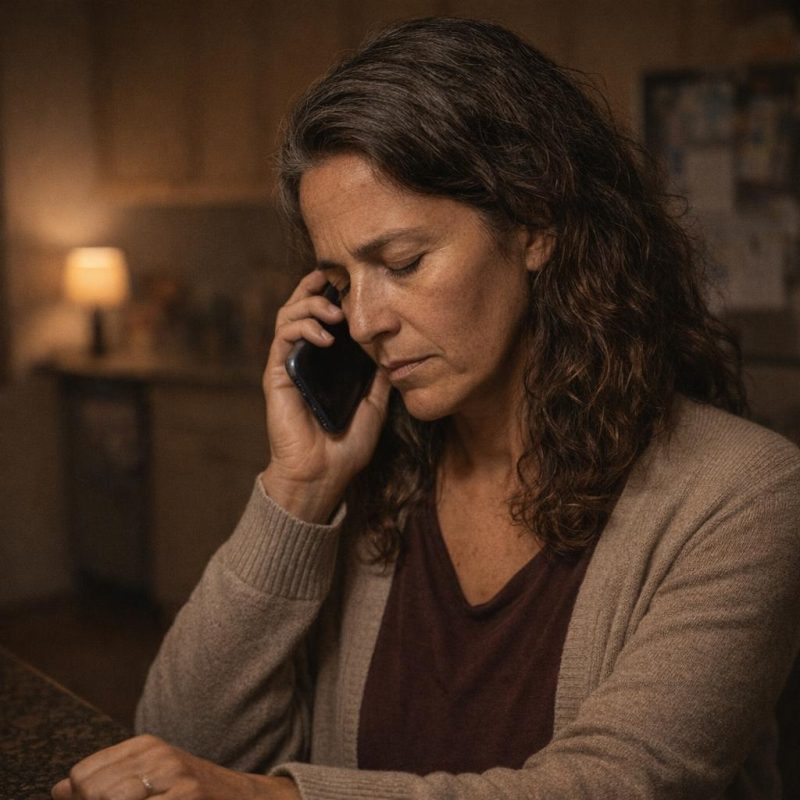 Image by RM AI
Comparing Evidence
Aaron asked if I had proof. I told him yes. He was quiet for a moment, then said, "I have proof too." We spent the next hour on the phone, comparing documentation like two accountants reconciling ledgers. He had credit card statements showing charges that matched my timeline exactly—same hotels, same dates, sometimes same restaurants within hours of each other. He had found photos on a shared cloud account Melissa thought she had made private. He had screenshots of messages. I told him about the receipts, the secret credit card, the jewelry I had never received. We matched the timeline. January through June. Every charge I had documented corresponded to something in his records. He found a travel itinerary with both their names on it, a weekend trip to the coast in April. I found the hotel charge from that same weekend. We compared the stories our spouses had told. The need for freedom. The feeling of being held back. The claim that we were controlling, difficult, the problem. Neither of us wanted drama. Neither of us wanted public revenge or social media explosions. But both of us had been lied about, humiliated, and financially disrespected. Neither of us wanted drama, but both of us had been lied about, humiliated, and financially disrespected.
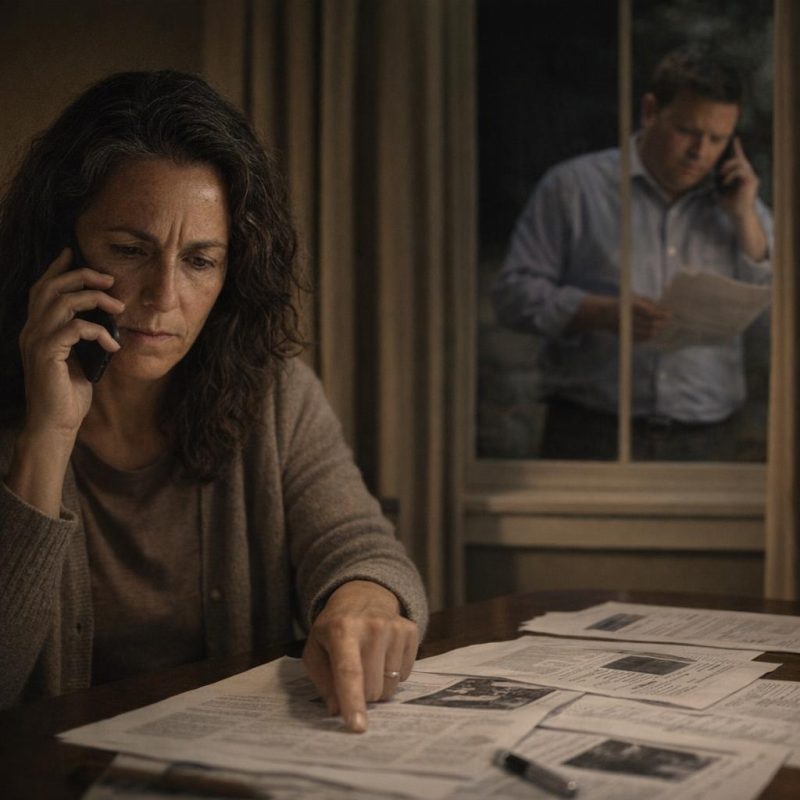 Image by RM AI
The Car in the Driveway
I was pruning hydrangeas in the front yard when Richard's car pulled into the driveway. Three weeks had passed since he walked out with his duffel bag, and I had spent those weeks organizing documents and talking to Aaron Grant on the phone like we were accountants reconciling ledgers. The hydrangeas needed deadheading before the next bloom cycle, and I had been working my way down the row when I heard the engine. I looked up and there was his car, the same sedan he had driven to work every day for years, now pulling into our driveway like he had just come back from the grocery store. He got out slowly, taking his time, and I noticed the sunglasses first. Expensive ones I had never seen before. Then the jacket, some kind of fitted thing in charcoal gray that looked like it came from a store I could not afford. He closed the car door and looked around the yard, taking in the trimmed hedges and the weeded flower beds, then his eyes landed on me. I was holding pruning shears and wearing the same gardening gloves I had owned for five years. He smiled at me, not the smile of a husband returning home, but the smile you give an acquaintance you run into at the coffee shop. Friendly. Casual. Like we were old friends who had not seen each other in a while and had nothing complicated between us.
 Image by RM AI
Can We Talk
Richard walked toward me and asked if we could talk. His voice was light, almost cheerful, like he was asking if I had a minute to discuss weekend plans. I looked at him for a long moment, the pruning shears still in my hand, and said nothing. He shifted his weight from one foot to the other, waiting. I set the shears down on the porch step and pulled off my gardening gloves. I told him we could talk inside. He followed me through the front door into the house he had left three weeks earlier, and I watched him look around as we walked through the living room toward the kitchen. Everything was clean. The floors were vacuumed, the surfaces were clear, the mail was sorted into neat stacks on the side table. I had not fallen apart. I had not let the house collapse into chaos. I had kept everything running exactly as it always had, and I could see the surprise on his face. He looked like he had expected to find me collapsed on the floor, surrounded by tissues and unwashed dishes, maybe some empty wine bottles for dramatic effect. Instead he found the same organized home he had always taken for granted. I asked if he wanted coffee. He said no. He stood by the kitchen island, tapping his fingers on the granite countertop, impatient already.
 Image by RM AI
What He Came For
Richard said he needed a few things from the house. He spoke vaguely at first, mentioning paperwork and access to some accounts, like he was being considerate by not asking for too much. I leaned against the counter and waited. He cleared his throat and got more specific. He needed the safe deposit key, the one we kept in the drawer by the bed. He also needed the password book, the little notebook where I had written down all our login information for utilities and banks and investment accounts. And he needed the folder with the investment account information, the statements and the contact details for the financial planner. He said these things were ours, not just mine, and he had a right to access them. His voice carried the tone of someone who expected compliance, someone who had never been told no by me in twenty-three years of marriage. He said he did not want things to get complicated. He used the word ugly, actually. He did not want things to get ugly. I noted the phrasing, the careful choice of words, given everything he had already done. The hotel rooms, the jewelry, the lies, the humiliation in front of our friends. But he did not want things to get ugly. I watched him reveal his priorities without interrupting, letting him finish his entire list before I said a single word.
 Image by RM AI
Did You Forget Something
Richard repeated his request for the investment folder and the safe deposit key, his tone firmer now, like he thought I had not heard him the first time. I looked at him standing in the kitchen where I had cooked his dinners for over two decades, and I asked him quietly if he had forgotten something. His face twitched. It was a small movement, just a flicker around his mouth, but I saw it. He asked what I meant, and his voice had lost some of its confidence. I repeated the question without elaborating, just letting it hang there between us. Did you forget something. He gave a short dismissive laugh, the kind of sound people make when they are trying to regain control of a conversation that has shifted away from them. He said he did not have time for games. He had things to do, places to be, and he needed those documents today. I did not respond. I just turned and walked toward the dining room, leaving him standing by the island. I heard him exhale sharply behind me, frustrated already. For the first time since he left, he did not have a speech ready. He did not have a charming explanation or a smooth deflection. He just stood there, waiting to see what I would do next.
 Image by RM AI
The Folder She Prepared
I picked up the folder I had prepared and brought it back to the kitchen. I set it on the island in front of him and opened it slowly, turning it so he could see. The first page was the hotel receipt from February, the one with two guests listed and Melissa Grant's name printed clearly at the bottom. Richard stared at it. I turned to the next page. Restaurant charges for two, dates and times listed, places we had never been together. Then the jewelry store purchase from April, the one where he bought a necklace I never received. I kept turning pages. Gas station receipts from towns he claimed he had never visited. Credit card statements showing charges that matched Aaron Grant's timeline exactly, the same hotels on the same nights, the same restaurants within hours of each other. Six months of lies, documented and organized in plastic sleeves. Richard's mouth tightened as he looked at the evidence spread in front of him. He asked if I had gone through his things, and his voice had an edge to it now, like I was the one who had violated something. I corrected him calmly. I went through our things. Our accounts, our statements, our shared credit card. Everything I was legally entitled to see. For the first time since he told me he needed freedom, Richard had nothing to say.
 Image by RM AI
The Signatures He Forgot
Richard tried to recover. He called me vindictive, said I was proving his point about how controlling I was. I did not react. I just explained the investment account structure, the one he had never wanted to handle himself. I reminded him about his mother's inheritance, the retirement account we set up eight years ago, the financial planner who walked us through all the paperwork. Richard had not wanted to deal with the details, so I did. I mentioned the forms he signed, the agreements the planner recommended to protect us both. The account required both signatures for any withdrawal over ten thousand dollars. Two years earlier, when I insisted on documentation before any major transfers, Richard had laughed at how careful I was. He said I was overthinking everything, that we trusted each other, that all the paperwork was overkill. But he signed anyway because it was easier than arguing with me about financial planning. He signed agreements requiring written approval from both of us and a mandatory thirty-day review period for large transactions. He had mocked my carefulness and then put his signature on every page without reading them. Now those same documents stood between him and the money he needed for his new life. When I told him the money he wanted was protected by his own signature, he went pale.
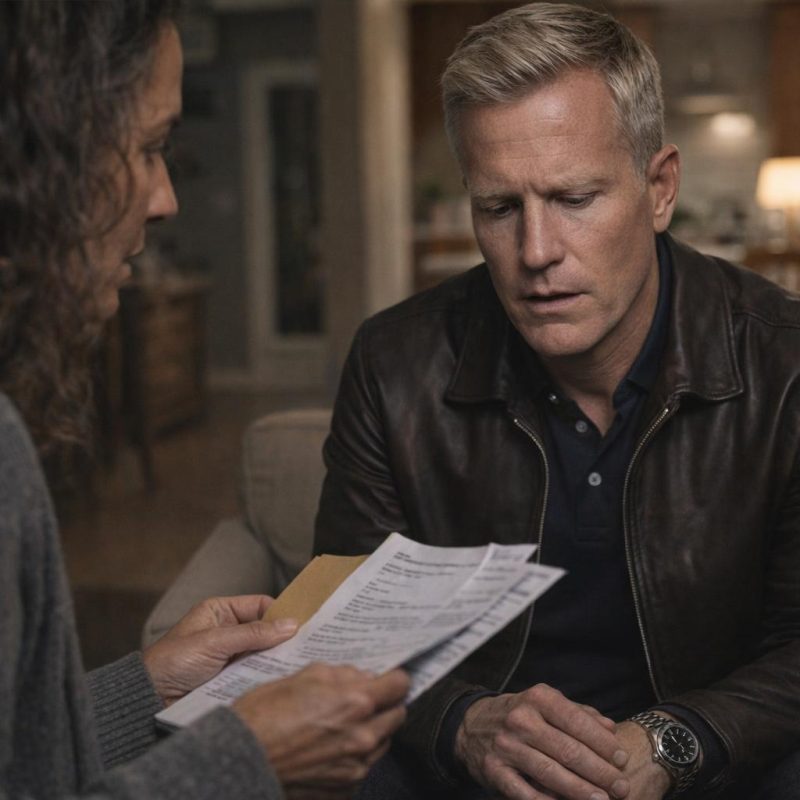 Image by RM AI
The Wall He Built
Richard stared at me like he was seeing me clearly for the first time in twenty-three years. He processed that he could not simply take the money and leave, that the accounts were locked behind agreements he had signed himself. He said I could not do this to him, and his voice had panic underneath the anger now. I responded calmly that I was not doing anything. I was following the documents he signed. The ones he never bothered to read because he trusted that my careful systems were just a personality quirk, something I did to feel useful. He had thought my organization was a service I provided, not protection I built. He realized now that he never actually looked at what he agreed to years ago. He just signed where I pointed and went back to whatever he was doing, confident that I would handle the boring details while he handled the important things like his career and his image and apparently his affair. The charm that worked on everyone else could not work on signed agreements and legal structures. I watched panic rise beneath his anger as he understood the wall between him and the money. He had never imagined my organization could protect me.
 Image by RM AI
Controlling
Richard became angry then, really angry, the kind that comes when someone realizes they have been outmaneuvered. He accused me of proving his point, of showing everyone exactly how controlling I was. He said the word like it was the worst thing he could call me. Controlling. I let it sit in the air between us. I did not defend myself or argue or try to explain that following legal agreements we both signed was not the same as being controlling. I just stood there and let him say it. He waited for me to react, to get emotional, to cry or yell or prove him right about how difficult I was. I recognized what he was doing. He wanted me to argue so I would look exactly as unstable as he had described to Melissa, to our friends, to anyone who would listen. He needed me to be the villain in his story. So I stayed silent and watched his frustration grow. My calm was more powerful than any defense I could offer. He shifted tactics, trying different angles, saying I was being unreasonable, that we could work this out if I would just be rational. But I did not give him anything to work with. I just waited, holding all the proof, while he ran out of speeches.
 Image by RM AI
Who Launched the Campaign
I finally spoke, and my voice came out steady. I told him that controlling would have been lying to everyone first so they would not believe me later. I said it would have been telling our friends and our children that I was difficult, that I was resentful, that our marriage had been dead for years, all before they ever heard my side. I said controlling would have been building a narrative where I was the villain months in advance, so that when the truth came out, everyone would already doubt me. I watched the words land exactly where I aimed them. His face changed. He knew I was describing precisely what he had done with Melissa, with our friends, with anyone who would listen. He tried to recover, saying the marriage had been emotionally over for years anyway, that I had made him feel small, that he had just been looking for someone who understood him. Then he said it, the thing he thought would hurt me most. He told me Melissa understood him in ways I never had. He waited for me to crumble, to show pain, to prove I still cared enough to be wounded. But I just stood there, holding my folder of receipts, and realized something had shifted. For the first time, those words could not touch me.
 Image by RM AI
The Raging Exit
Richard realized he was not getting the keys or the folders or the access he came for. His anger became visible then, the kind that shows when tactics fail and there is nothing left but frustration. He made final accusations about me ruining his life, about me being vindictive, about me turning this into something ugly when it could have been handled quietly. I did not respond to any of it. I just stood in my kitchen, in the house I had refused to surrender, and let him run out of words. He stormed out, his footsteps heavy through the hallway I had walked for twenty-three years. I heard the front door slam, then his car start with an aggressive roar. The tires peeled out of the driveway, leaving rubber and noise and nothing else. I stood alone in the kitchen where he had demanded compliance, where he had expected me to hand over everything that proved what he had done. The house felt different now. The air felt lighter. I had stood firm for the first time in months, maybe years, and the ceiling had not collapsed. He had come expecting compliance and left with nothing but the knowledge that I had kept everything.
 Image by RM AI
The Calls He Made
Richard called all three children that night. I knew because my phone lit up within the hour. Michael texted first, his message short and angry, asking what happened at the house. Then Hannah called, her voice worried and confused, saying Dad had told her I was being unreasonable about financial documents. Lily sent a long text filled with questions, scared about what was happening between her parents, asking if we could please just talk to each other. I recognized the pattern immediately. Richard was spinning a new version of events, getting ahead of the truth again, making sure his story reached them before mine could. He had called Michael first, then Hannah, then Lily, each conversation carefully crafted to position himself as the reasonable one trying to move forward while I clung to anger and control. I sat on the couch with my phone lighting up with their confusion, their worry, their attempts to understand why their parents could not just be civil. This time I did not panic. This time I was prepared with documentation, with facts, with proof that would speak louder than his performance. This time his story would not work, because this time I had facts.
 Image by RM AI
The Calm Message
I composed a short message and sent the same version to Michael, Hannah, and Lily. I told them I loved them unconditionally. I said I would never ask them to choose sides between their parents. I acknowledged that their father had not been honest about the timeline of events, and that I understood they were hearing conflicting stories. I offered to answer any questions they had privately and calmly, whenever they were ready. I said I had documentation if they wanted to see it, but I would not force anything on them. I did not demand they believe me over Richard. I did not attack him or call him names or try to turn them against their father. I just offered truth, quietly, and let them decide if they wanted it. I sent the messages and put my phone down. My calm contrasted sharply with Richard's urgent phone calls, his need to control the narrative immediately, his panic at losing the story he had built. I trusted the evidence to speak for itself. I defended myself with facts instead of emotion, and waited for them to come.
 Image by RM AI
Michael at the Table
Michael came over the next day. He sat at the dining room table where he had once done math homework, where we had celebrated birthdays and argued about curfews and filled out college applications. I placed the folder in front of him without commentary. He opened it and began reading. I watched his jaw clench tighter with every page. The hotel receipts from six months ago. The credit card statements showing purchases I never saw. The jewelry charge that had never come home to me. The spa visits on weekends Richard claimed he needed to clear his head. Michael did not say anything as he read. He just kept turning pages, his controlled anger filling the room in a way that reminded me he had always been the protective one, the one who noticed when things were wrong. I did not editorialize or tell him what to feel. I just let him see the timeline laid out in black and white, the documented proof that his father had been lying for months while living in our house and sitting at this same table. When he finished reading, my oldest son looked at me and asked how long I had known.
 Image by RM AI
Hannah Sees the Timeline
Hannah arrived the following day and sat across from me at the same table. I showed her the same folder, the same receipts, the same timeline. She saw the dates on the hotel charges, the weekends that matched exactly with the times Richard had told us he needed space to think, that he was staying with a friend, that he just needed to clear his head about our marriage. Her hands shook as she turned the pages. When she got to the jewelry receipt dated two months before he moved out, she started crying. Not loud sobs, just tears falling while she kept reading, kept seeing proof that her father had been planning his exit while still kissing us goodnight. She remembered the phone call she had made to me weeks ago, the one where she asked if I had been unhappy for years, if I had been resentful, if maybe Dad had a point about the marriage being over long before he left. She looked up at me with tears on her face and apologized for ever asking if I had been unhappy for years.
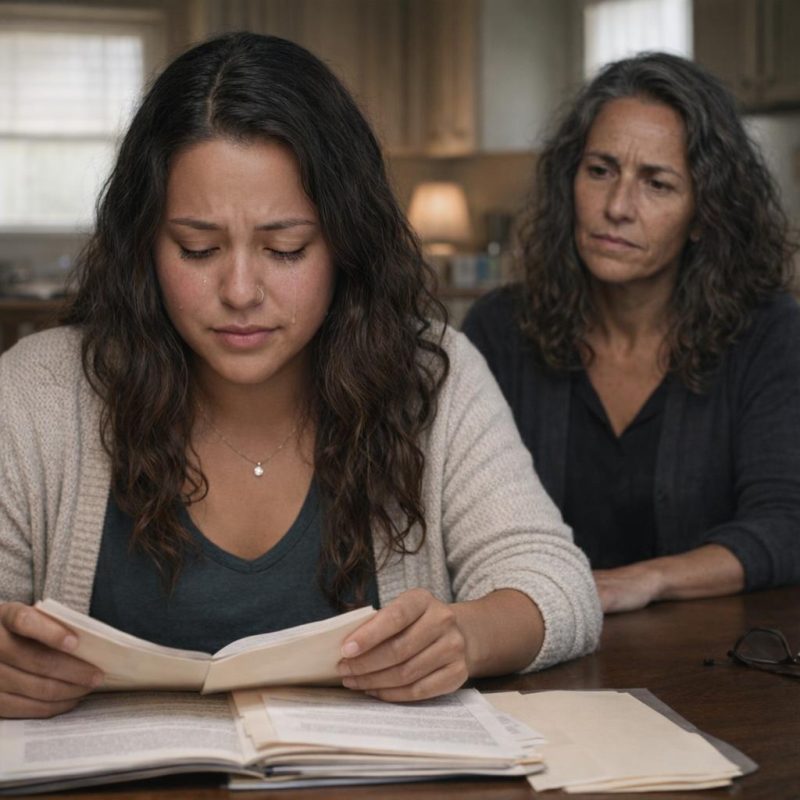 Image by RM AI
Lily Learns the Truth
Lily came last, three days after her siblings had already seen the evidence. She still carried guilt in her posture, in the way she sat down at the table like she was bracing for confirmation of something she feared. She believed her moving out for her first apartment had caused the split, that her leaving had been the trigger that broke our marriage. I had heard it in her voice during our calls, the way she apologized for not being around, for growing up, for needing independence. I showed her the receipts, starting with the earliest ones from six months before she had packed a single box. The affair had begun in spring, long before her August move. Richard's choices had nothing to do with her leaving for college or getting her own place or becoming an adult. I watched her read the dates, watched her realize the timeline, watched her understand that she had been carrying guilt for something that had already been happening. I told her directly, clearly, that she was not the reason for any of this. I watched years of misplaced guilt lift from her shoulders.
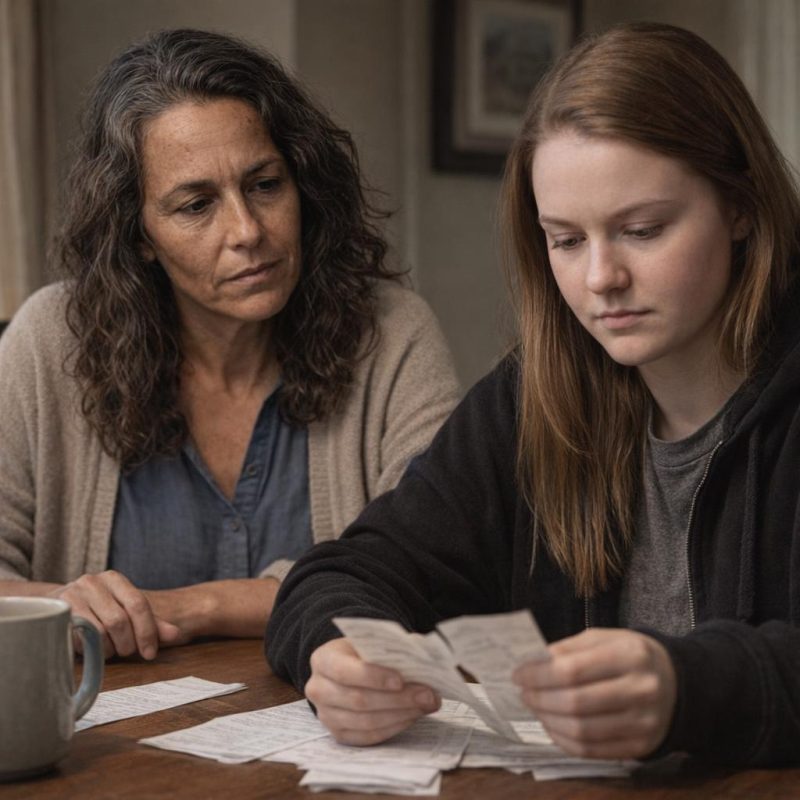 Image by RM AI
Two Filings
Aaron filed for divorce first. His attorney contacted Denise the same week, and they began coordinating on timeline documentation. I filed my papers soon after. Our attorneys worked through official channels, sharing evidence that supported both cases, building parallel records of the affair that had blown up two marriages. The weekend escapes Richard and Melissa had enjoyed were now generating attorney fees and depositions and legal proceedings that required answers under oath. Neither Aaron nor I wanted public revenge or dramatic confrontations. We had both spent months being quiet, being careful, protecting our spouses from the consequences of their choices. But we were done with that now. Done covering for them. Done making their betrayal easier by staying silent. The evidence we had gathered independently, the receipts and statements and documented lies, now supported both divorce filings. Richard and Melissa's fantasy was collapsing under the weight of legal reality, of asset division, of custody considerations, of all the practical consequences they had not bothered to think about while they were busy feeling understood. We stopped protecting them from the consequences of their choices.
 Image by RM AI
The Crumbling Story
The truth spread the way truth does when it stops being protected. Through attorneys and depositions and legal filings that required actual documentation instead of his polished explanations. Through quiet conversations between people who had known us both for years and were now seeing receipts and timelines that did not match the story he had told. I did not campaign or post or make dramatic announcements. I just stopped covering for him, stopped letting his version stand unchallenged when people asked direct questions. The messages started arriving within weeks. Friends who had sent those careful texts after the separation, the ones asking if I was okay without actually asking what happened, now sent awkward apologies. They had believed his version because he told it so well, with just the right amount of regret and vague references to growing apart. Some admitted his story never quite added up but they had not wanted to pry. The neighbor who mentioned the barbecue sent a text saying she felt terrible, that she had seen Melissa at our house multiple times and never thought anything of it. Then his brother called. His brother called and said he had not known, and I told him that was exactly the point.
 Image by RM AI
Respectfully Now
He contacted me three weeks later wanting to meet. Not at the house, somewhere neutral, a coffee shop where we used to go on Saturday mornings back when Saturdays meant something different. He looked tired when he arrived, his charm still present but requiring more effort now. Melissa's divorce had become messy and expensive. Aaron was not staying quiet the way I had initially stayed quiet, and their affair was generating attorney fees and family tension and social consequences he had not anticipated when he was busy feeling understood. He wanted to handle things respectfully now. He suggested we remember the good years, the foundation we had built together, all those decades before things got complicated. What he meant was he wanted me to be reasonable about the settlement now that his new life was costing him more than he had budgeted for. So I was reasonable. I provided documents when his attorney requested them, answered questions clearly, agreed to timelines that were fair and legally sound. My calm cooperation unsettled him more than fighting would have. He kept waiting for anger or tears or some emotional reaction he could work with, some opening for the charm that had always smoothed things over before. But I was not broken or bitter. I was just protected by preparation he had always dismissed. Suddenly he wanted me to be reasonable, and I was, which scared him more than anger would have.
 Image by RM AI
The Last Belongings
The settlement was nearly complete when he came to the house one final time to collect his remaining belongings. Things he had left in the garage, tools he might actually use, boxes of old files from jobs that did not matter anymore. He looked older than I remembered, though only months had passed since he moved out. His charm was still there but thinner now, like paint peeling off something that had never been as solid as it appeared. He walked through the garage pointing at things, trying to decide what actually belonged to him versus what had just accumulated in our shared space over twenty-three years. The camping gear we had not used in a decade. The golf clubs he bought after his promotion. The boxes of Christmas decorations we had collected when the kids were young. He was methodical about it, making piles, loading his car with pieces of a life he had already left. Then he saw the filing cabinet in the corner of the garage. The gray metal cabinet where I had kept everything organized, every receipt and statement and warranty and record he had never bothered to look at. He gave a bitter little laugh and said he always hated that thing. I told him I knew. He saw the filing cabinet in the garage corner and gave a bitter little laugh.
 Image by RM AI
What I Protected
He finished loading his car with the belongings he had decided were his. He stood in the driveway for a moment, the same driveway where our children had learned to ride bikes, where we had hosted neighborhood gatherings, where he had pulled in after secret weekends pretending he had been at conferences. The driveway that had witnessed our entire marriage in small ordinary moments that added up to something real before he decided real was not enough. He looked at me standing in the garage doorway and said I had gotten what I wanted. I smiled for the first time in months. Not a bitter smile or a triumphant one, just honest. I told him no, I had gotten what I protected. He had no response to that distinction, no charm or explanation that could reframe it into something that served him better. He got in his car and drove away for the final time. I went back inside and locked the door. The house felt quiet but no longer empty. It felt like mine because I had stopped letting his lies define my space, stopped organizing my life around his version of events. The filing cabinet and receipts he had mocked had saved me. I had spent years being the foundation, and it held. After he drove away, I went inside, locked the door, and the house finally felt like mine.
 Image by RM AI
KEEP ON READING

The Brutal Realities Of Gladiator Life Beyond the Arena
David Cruz asenjo on PexelsWhen most people think of gladiators,…
By Rob Shapiro Mar 31, 2026
The Volcano Winter That Nearly Toppled Europe
Collin Ross on UnsplashMost people, if asked to name a…
By Cameron Dick Mar 31, 2026
From School Plays To Starting A Cult: 20 Of The…
The Books That Made Us. Many people will tell you…
By Farva Ivkovic Jan 31, 2025
20 Facts About Jane Grey, The Forgotten Queen Of England
A Quick, Messy, and Tragic Reign. Lady Jane Grey never…
By Maria Cruz Jan 31, 2025
20 Priceless Historical Art Pieces Rescued By The Monuments Men
Protecting Human History. While the soldiers on the front lines…
By Sara Springsteen Mar 31, 2026
Almost Every Ancient Statue Has a Missing Nose, And It's…
Gary Todd from Xinzheng, China on WikimediaWalk through the classical…
By Elizabeth Graham Mar 31, 2026