

She Mocked My Tupperware Lunches For Months — Until The Board Discovered I Was The City's Most Exclusive Chef
She Mocked My Tupperware Lunches For Months — Until The Board Discovered I Was The City's Most Exclusive Chef
Twenty Years of Soil and Paper
Twenty years is a long time to learn the smell of a place. The conservatory had its own particular scent — damp peat and old paper, with something green underneath, like the greenhouses were always breathing just around the corner. I started here as a junior clerk when the filing system was still physical folders in color-coded drawers, and I knew where every one of them lived. Grant applications, historical land deeds, donor correspondence going back to the 1980s — I had touched most of it at some point, reorganized it twice, and could locate any document in under three minutes. Over the years, I became the person people called when they couldn't find something, when a deadline had been missed, when institutional memory was needed. I didn't mind that. There was a quiet satisfaction in being the one who knew where things were, who understood the rhythm of the place — which plants were coming into bloom, which grants were expiring, which board members preferred formal correspondence. I preferred that kind of work to the posturing that passed for leadership in other organizations. The morning light came through the east windows at a low angle in September, and the office settled into its familiar hum around me.
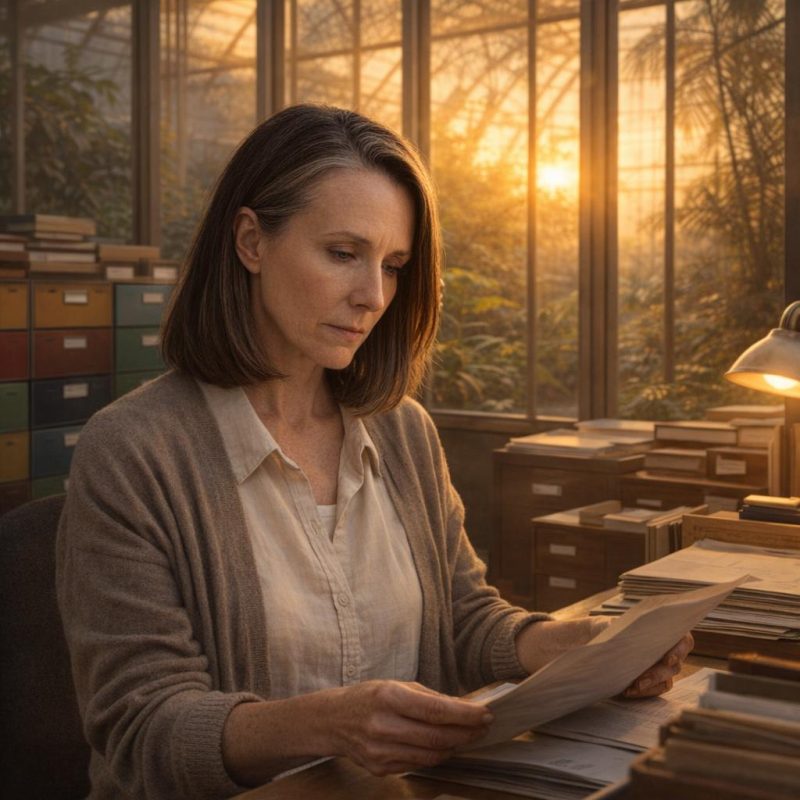 Image by RM AI
The New Director Arrives
Dr. Greenway called us into the main conference room on a Tuesday morning in late July, which was unusual enough that Diane and I exchanged a look in the hallway before we even sat down. Dr. Greenway was measured in her announcements — she didn't call meetings unless something had actually changed. She stood at the head of the table with her reading glasses pushed up on her head and told us the conservatory would be welcoming a new Director of Operations in late August. She used phrases like 'fresh perspective' and 'operational efficiency' with the careful enthusiasm of someone who had rehearsed them. The position, she explained, would oversee administrative workflows and help modernize our public-facing communications. Diane, who had been at the conservatory even longer than I had, kept her expression pleasantly neutral in the way she did when she was reserving judgment. I felt much the same — institutional changes came and went, and I had outlasted several of them. I was already mentally cataloguing what a new director would need to know: the grant calendar, the vendor relationships, the particular way the board chair liked his agenda formatted. What I hadn't accounted for was Diane leaning over after the meeting and saying quietly that she'd looked up the title, and the salary band attached to it was considerably higher than anything else on our org chart.
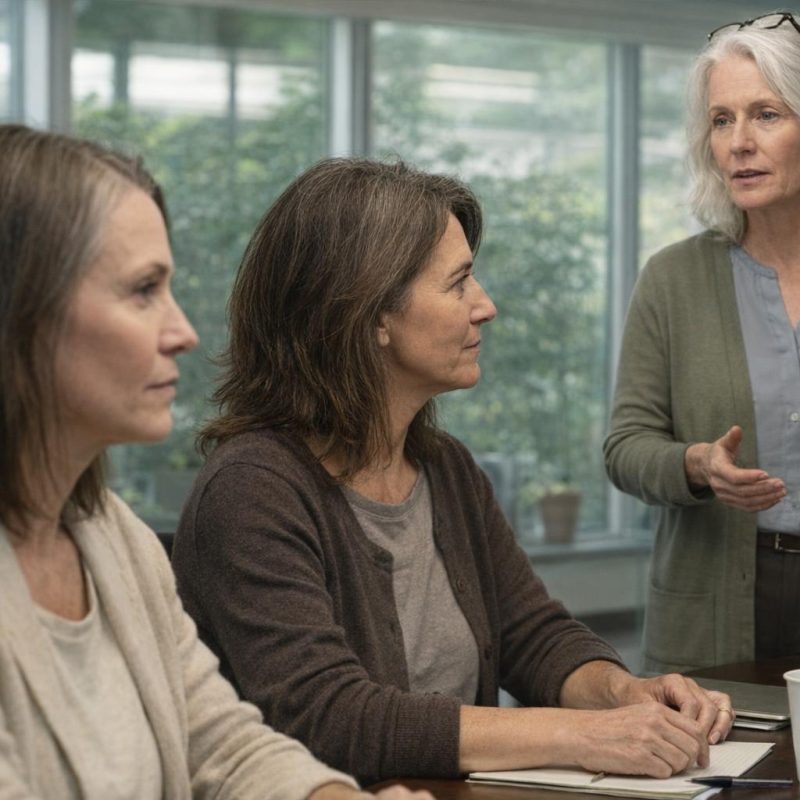 Image by RM AI
Sharp Suits and Optimization
Brianna arrived on a Monday in late August wearing a suit that belonged in a different zip code. It was a deep charcoal with a fine chalk stripe, clearly tailored, and it moved with her in a way that suggested it had cost more than our monthly supply budget. She was thirty-four, sharp-featured, and she moved through introductions at a pace that made the room feel slightly behind. Dr. Greenway introduced her with visible warmth, and Brianna responded with a firm handshake and a smile that was efficient rather than warm. Within the first twenty minutes she had used the words 'optimization,' 'efficiency metrics,' and 'aesthetic branding' in what felt like a single breath. She described our office culture as 'quaint' — delivered with a small tilt of her head, as though she were complimenting a vintage piece of furniture. Diane caught my eye briefly and then looked back at her notepad. I stayed polite and attentive, the way I always did when something new arrived that I hadn't yet figured out. Dr. Greenway seemed genuinely energized by Brianna's presence, nodding along as Brianna outlined her vision for streamlined communications and a stronger digital footprint. Outside the conference room window, the late-summer garden was doing what it always did — growing slowly, indifferent to the conversation inside.
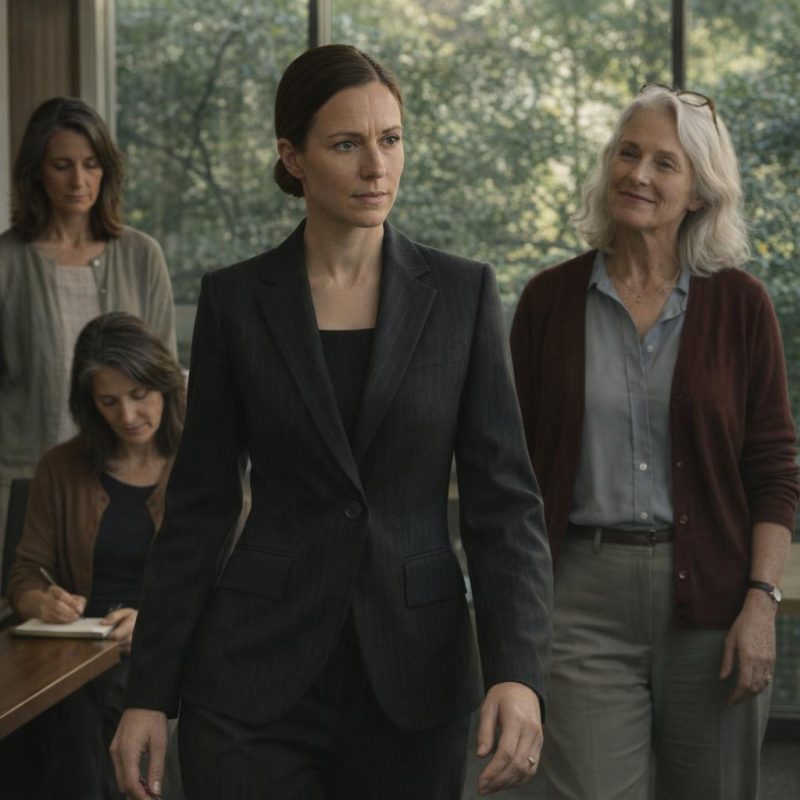 Image by RM AI
The Coffee Machine Incident
The coffee machine was the first thing to go. Brianna replaced our old communal pot — the one that had been brewing the same slightly-too-strong blend since before I could remember — with a sleek pod machine that arrived in a branded box and required a small manual to operate. For three days, people stood in front of it with the expression of someone trying to read a foreign language menu. Diane eventually printed out the instructions and taped them to the cabinet above it, which I suspected was not the aesthetic Brianna had envisioned. Then came the email about LinkedIn headshots. Brianna sent it to the full staff, subject line: 'Elevating Our Professional Presence,' with suggestions for lighting, background color, and what she called 'high-impact framing.' Diane stopped by my desk afterward and asked, with genuine puzzlement, whether grant administrators were expected to have personal brands now. I told her I honestly wasn't sure. I kept my attention on the grant renewal I was drafting and tried to read the changes charitably — she was new, she was enthusiastic, she was doing what new directors do. The pod machine made a sound like a small pressurized complaint each time it dispensed coffee, and somehow that seemed about right.
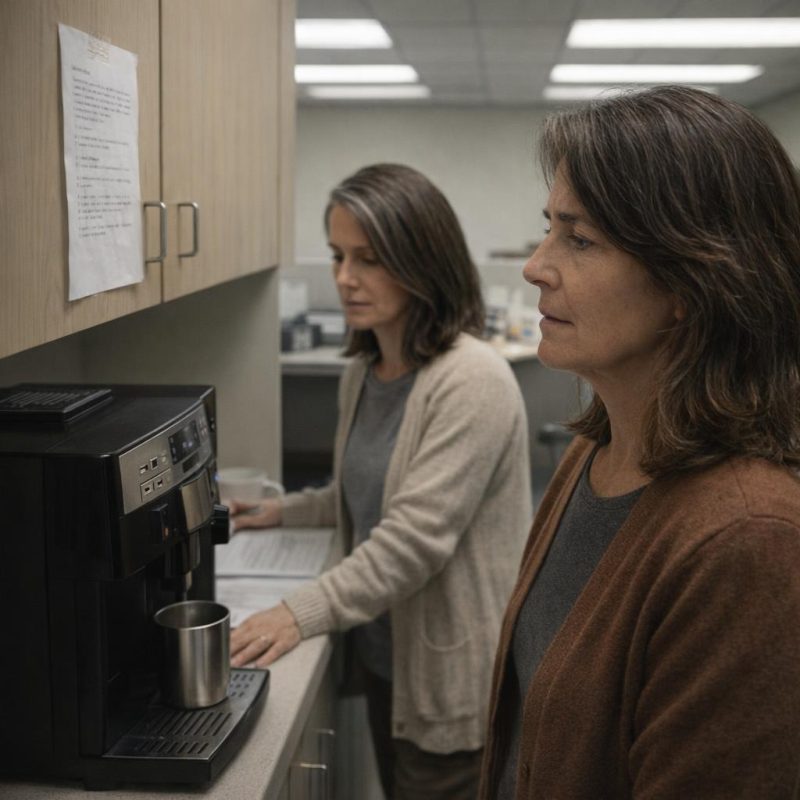 Image by RM AI
Fall Gala Preparations
The fall gala was my territory in a way that most things at the conservatory quietly were. I had coordinated it for eleven consecutive years — the vendor contracts, the donor seating, the catering timeline, the particular preferences of the board members who needed to feel seen without being fussed over. I pulled out the binder I kept for it and started working through the checklist with the same methodical attention I gave everything. Diane stopped by mid-morning to go over the seating arrangements and mentioned, almost in passing, that Brianna had been asking questions about office traditions — which events were annual, who managed them, how decisions got made. I noted it without attaching much to it. People new to an organization asked questions; that was normal. I went back to cross-referencing the vendor list against last year's invoices. At some point in the early afternoon I became aware that Brianna had come into the administrative wing and was moving slowly through it, pausing at desks, observing workflows. I didn't look up immediately. When I did, she was standing near the doorway to my office, her eyes on the gala timeline I had spread across my desk. Diane appeared at the end of the hallway just then and gave me a small, questioning look — the kind that asked if everything was all right without saying a word.
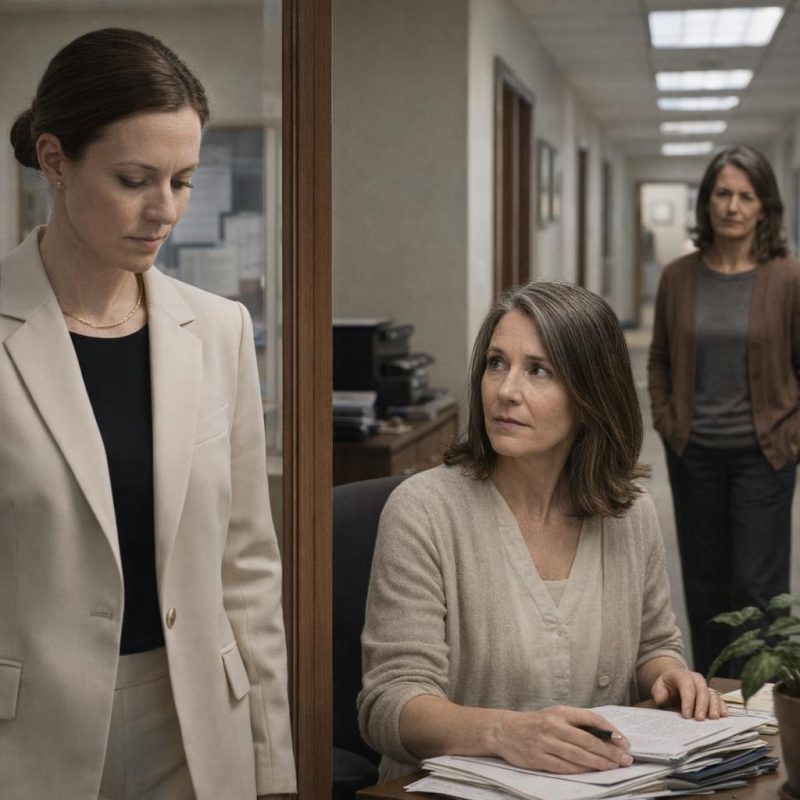 Image by RM AI
Heirloom Vegetables
I had grown the carrots myself — a deep Cosmic Purple variety that held their color even after roasting, which still pleased me every time. The golden beets had come from the same raised bed, and the grain pilaf was farro with toasted pine nuts and a handful of fresh thyme. I pulled the glass container from the microwave and carried it to the small table in the break room, where the afternoon light came in at a decent angle. The colors were genuinely beautiful — the kind of thing that happened when you grew food with attention. I had just lifted the lid when Brianna came in. She was moving at her usual pace, reaching for the water dispenser without really looking around, but as she passed the table her gaze dropped to my container. It was a brief thing — a second, maybe less. Her nose wrinkled slightly, just at the bridge, and her eyes moved away just as quickly. She filled her glass, said nothing, and left. I sat with my fork halfway to the pilaf, trying to work out what I had just seen on her face.
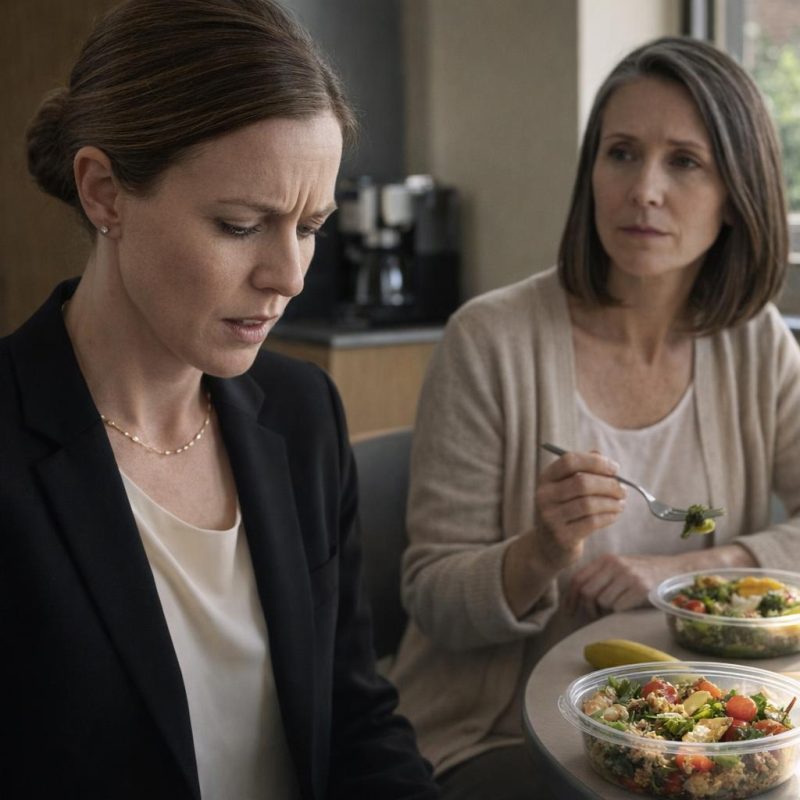 Image by RM AI
The Silent Observation
The next day I ate at my desk, which I didn't usually do. It wasn't a decision exactly — more a habit of convenience, since I was in the middle of reconciling the gala vendor deposits and didn't want to lose the thread. The leftovers were the same roasted vegetables and some quinoa I'd cooked that morning, and I ate them without much ceremony, reading through a contract while I did. Brianna passed my office twice during the lunch hour. The first time I barely registered it. The second time I noticed she slowed slightly as she went by, her gaze moving toward my desk for just a moment before she continued down the hall. I couldn't have said what it meant, if it meant anything. Diane came by around one o'clock to finalize the gala seating chart, and we worked through it together at the small table by the window. She didn't mention Brianna, and neither did I. When I finished eating I gathered my container and walked down to the break room to rinse it out — and Brianna was standing in the doorway, not quite inside the room, one shoulder against the frame, watching.
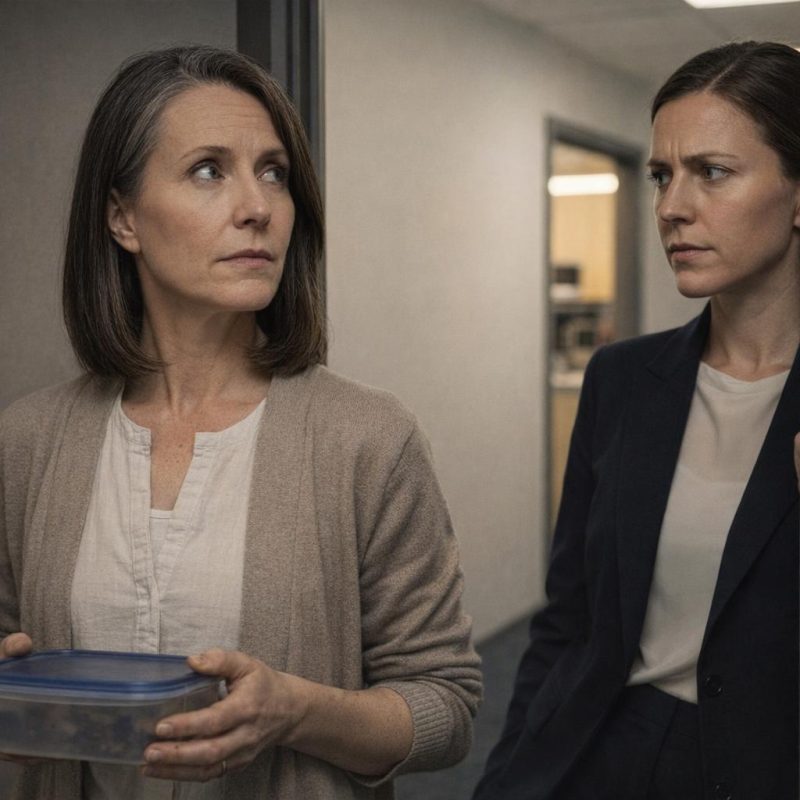 Image by RM AI
Cucumber and Borage
I had made the soup the evening before, which was the only way to do it properly — the cucumber needed time to chill down completely, and the borage flowers had to go in last, just before serving, or they'd bruise. It was pale green and very cold, with four small blue flowers floating on the surface, and it tasted clean and faintly herbal in a way that felt like the right thing for a warm September afternoon. I ate it slowly at the break room table, reading through a grant summary. Brianna came in a few minutes later carrying a plastic container from the bistro on Clement Street — arugula, shaved parmesan, a wedge of lemon on the side. She set it down across the room and leaned against the doorframe in the way she sometimes did, as though she hadn't quite decided to stay. We ate in silence for a moment. Then she said, almost conversationally, that she'd been thinking about something she called 'sensory professionalism' — the idea that aromatic or rustic home cooking was probably better suited to a kitchen table than a shared workspace. I set my spoon down beside the mason jar and looked at her, not entirely sure I had understood her correctly.
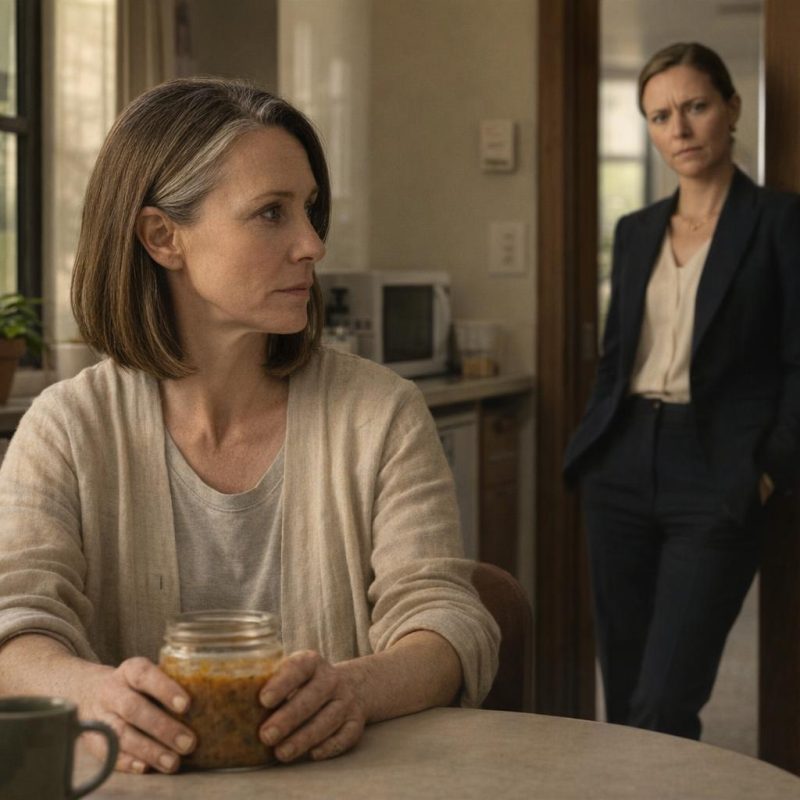 Image by RM AI
Sensory Professionalism
I carried the mason jar back to my desk and set it down next to the grant summary, and for a while I just sat there. Sensory professionalism. I turned the phrase over slowly, the way you'd turn a stone to check what's underneath. My soup had smelled of cucumber and cold water and very faintly of borage — which is to say, it had barely smelled of anything at all. I'd been bringing lunch from home for years without a single comment from anyone. The grain bowls, the cold noodles, the occasional thermos of something warm in winter. Nobody had ever suggested any of it was out of place. But 'rustic' — that word had a particular texture to it. It wasn't neutral. I wasn't sure if I was reading too much into a passing remark from someone I barely knew, or if I'd somehow been doing something wrong for years without noticing. I picked up my pen and tried to find my place in the grant summary. The numbers were there on the page, but I kept drifting back to the break room, to the way she'd leaned in the doorframe, to the word 'rustic' sitting in the air between us like something that hadn't quite finished landing.
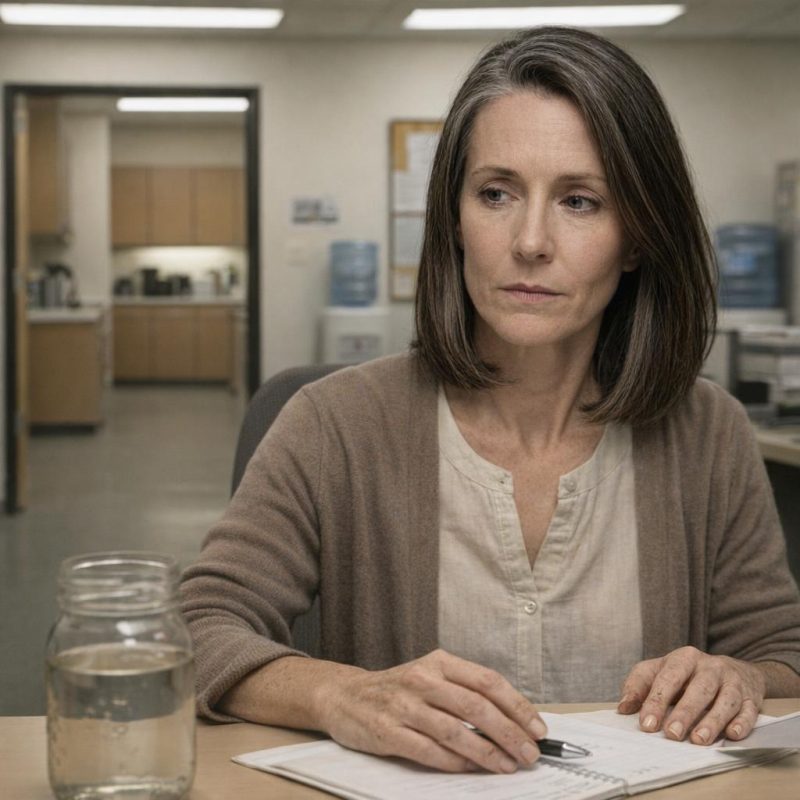 Image by RM AI
Aromatic and Rustic
The next day I brought a grain bowl — farro with roasted carrots and a handful of fresh thyme, nothing elaborate. I opened the container more quietly than I normally would have, which I noticed, and didn't particularly like noticing. Diane came in a few minutes later with her usual thermos and a container of leftover pasta, and she settled into the chair across from me with the ease of someone who'd been eating lunch in the same room for fifteen years. She asked, without preamble, whether Brianna had said something to me yesterday. I repeated the phrase as accurately as I could. Diane's expression shifted — not dramatically, just a small tightening around the eyes that I recognized as her version of concern. She said my food had never been a problem before, not once in all the years she'd been here. I already knew that, but hearing her say it helped. Then I thought about the two words again — 'aromatic' and 'rustic' — and something settled into place that I hadn't wanted to look at directly. They weren't descriptions. They were a particular kind of judgment dressed up as observation, and the fact that I'd spent any part of the previous afternoon wondering if she was right was the part that stung the most.
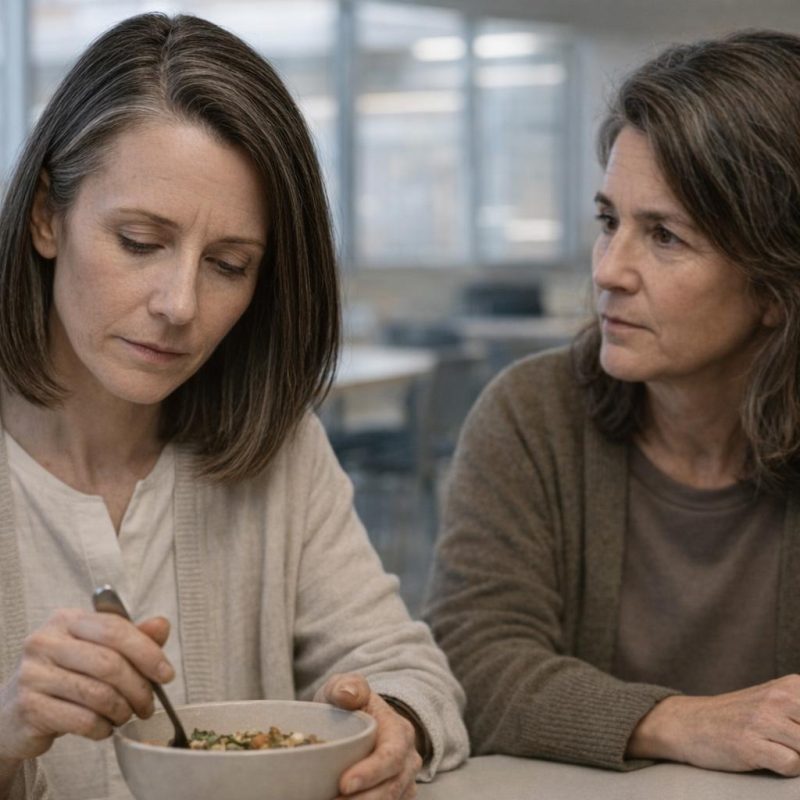 Image by RM AI
Continuing Despite
That evening I made a lentil salad with flat-leaf parsley, a little preserved lemon, and a drizzle of good olive oil, and I packed it into my glass container the way I always did. I wasn't going to stop. I'd been bringing lunch from home since before Brianna had any connection to this building, and I wasn't going to rearrange a habit I valued because of a comment I couldn't even fully parse. The next day I ate at my usual time, at the break room table, reading through a propagation report. Brianna came through around half past twelve. She glanced at my container — just a glance, brief and unreadable — and kept walking. I felt the weight of it, the way you feel a draft from a window you can't quite locate. I didn't look up. I finished the salad slowly, the preserved lemon sharp and clean against the lentils, and I thought about the Meyer lemon tree in my garden that had taken three years to fruit properly. Some things just needed time and the right conditions. I set my fork down when I was done, not before, and went back to my report.
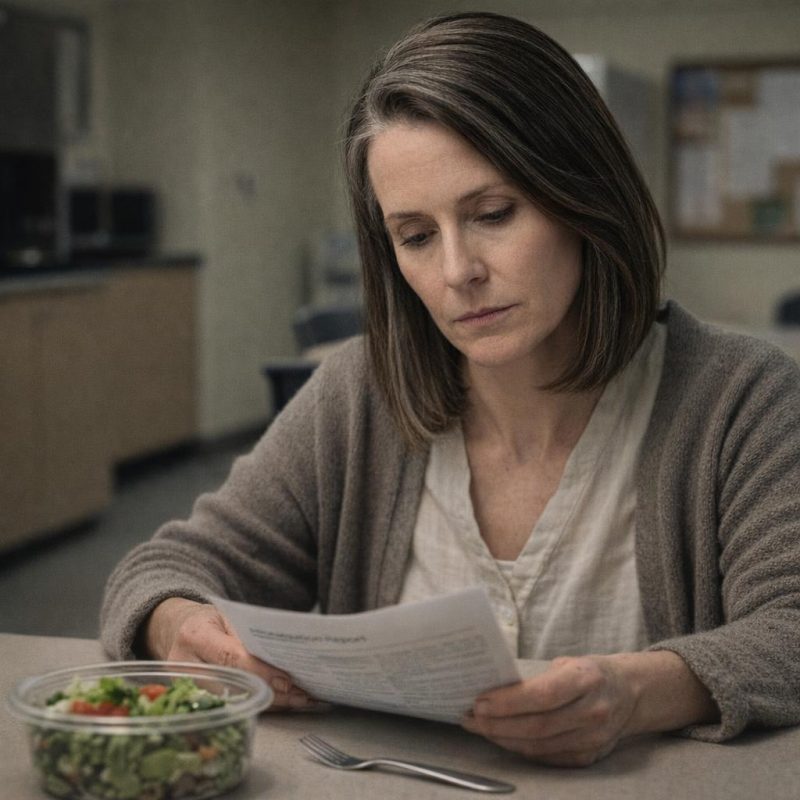 Image by RM AI
Weekend in the Garden
Saturday morning I was in the garden by seven, before the fog had fully lifted off the bay. I worked through the herb beds first — cutting back the lemon verbena, checking the borage for new growth, harvesting a full basket of nasturtiums and violas while the dew was still on them. There's a particular quality to that kind of work, the way it asks nothing of you except attention and patience, and I gave it both. By mid-morning I had a good harvest spread across the potting bench — bundles of herbs, a bowl of edible flowers, a few jars of things I'd been putting up through the summer. I spent some time in the kitchen afterward, working through ingredients I'd been meaning to use, testing combinations and making notes. The garden was quiet except for the bees working the borage flowers, and I felt the week at the conservatory recede to something manageable. Then my phone buzzed on the potting bench. It was a text from Marcus, asking whether I'd finalized the violet cake recipe for next weekend's menu.
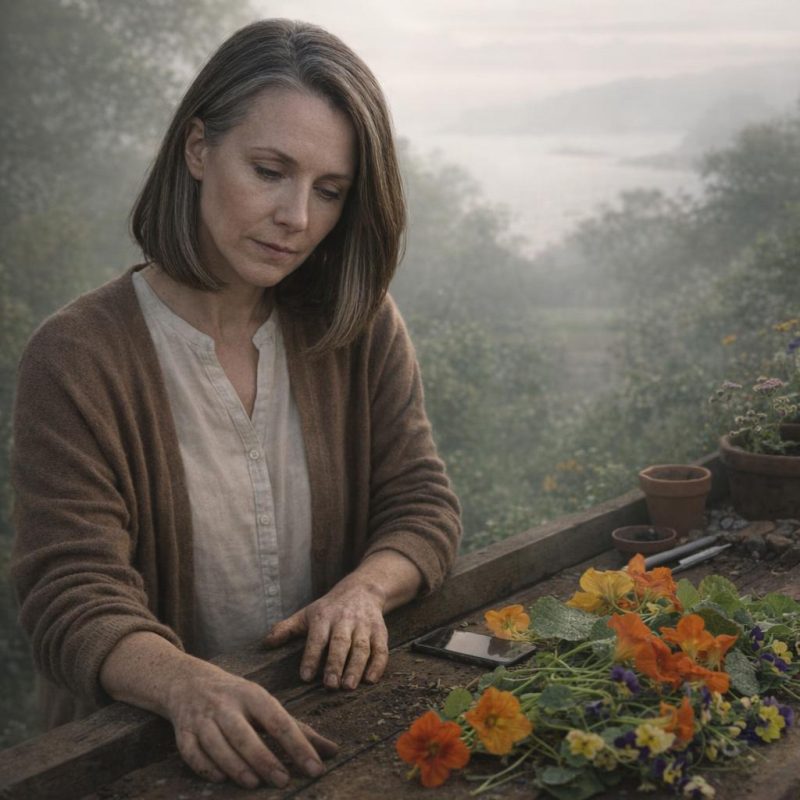 Image by RM AI
Sourdough and Preserves
Monday I brought a slice of sourdough I'd baked over the weekend and a small jar of fig and rosemary preserves I'd put up from the tree in the back corner of my garden. I ate at my desk, which I sometimes did when I had a deadline, and the combination was exactly what I wanted: the slight tang of the bread, the dark sweetness of the figs, the rosemary cutting through both. Brianna stopped by ostensibly to go over the gala timeline. We talked through the catering logistics for a few minutes, and then her eyes moved to my lunch in the way they'd been doing lately. She said something about the importance of supporting local businesses, the new places downtown that were doing interesting things with food. Then she added, almost as an aside, that some people found it easier to cling to domestic hobbies than to engage with professional food culture. Diane was in the doorway — I saw her arrive in my peripheral vision — and I kept my expression exactly where it was. The word 'hobbies' sat in the room after Brianna left, small and precise, and I looked at my sourdough and thought about the hours it had taken to make it.
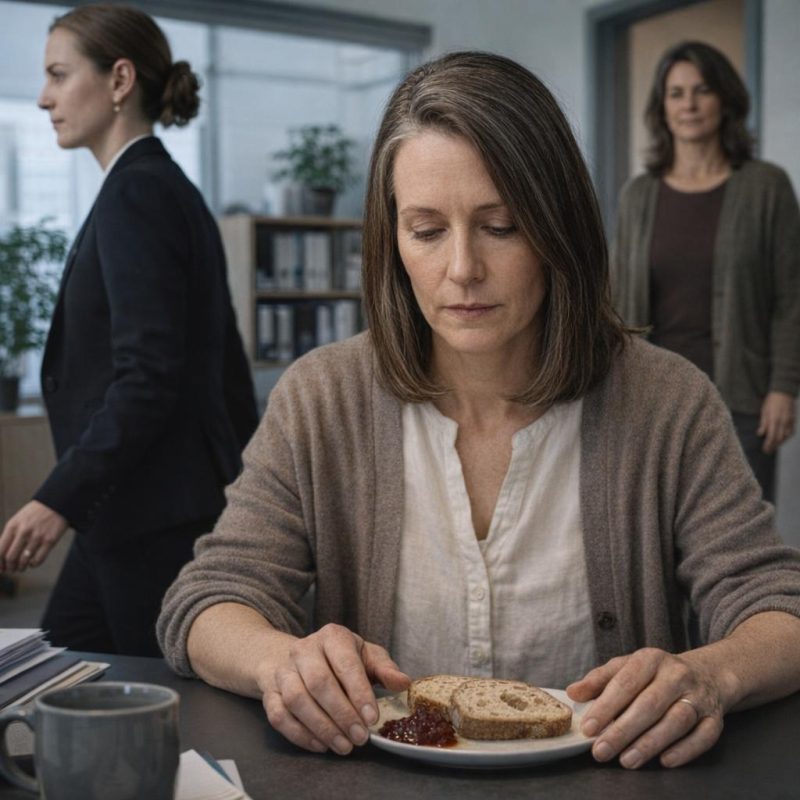 Image by RM AI
High-End Businesses
She came by again the next day, this time with a printout about a new bistro that had opened on Montgomery Street — elevated small plates, a tasting menu at lunch, that sort of thing. She set it on the edge of my desk without being asked and mentioned that places like this were worth knowing about, that patronizing them was a way of signaling engagement with the city's food culture. I thanked her and set the printout aside. I was eating a simple bowl of white beans with sage and a little smoked paprika, which I had made in about twenty minutes the night before and which tasted considerably better than it looked. I listened to her talk about the bistro's sourcing philosophy and their relationship with local farms, and I nodded at the appropriate intervals. What I was actually thinking about was when, exactly, food had become a credential in this office. I'd worked alongside people who ate vending machine sandwiches and people who brought elaborate bento boxes and nobody had ever suggested either choice said anything about their professional worth. I noticed, too, that she hadn't left a bistro printout on anyone else's desk. I wasn't ready to call it anything yet, but the shape of it was becoming harder to look past.
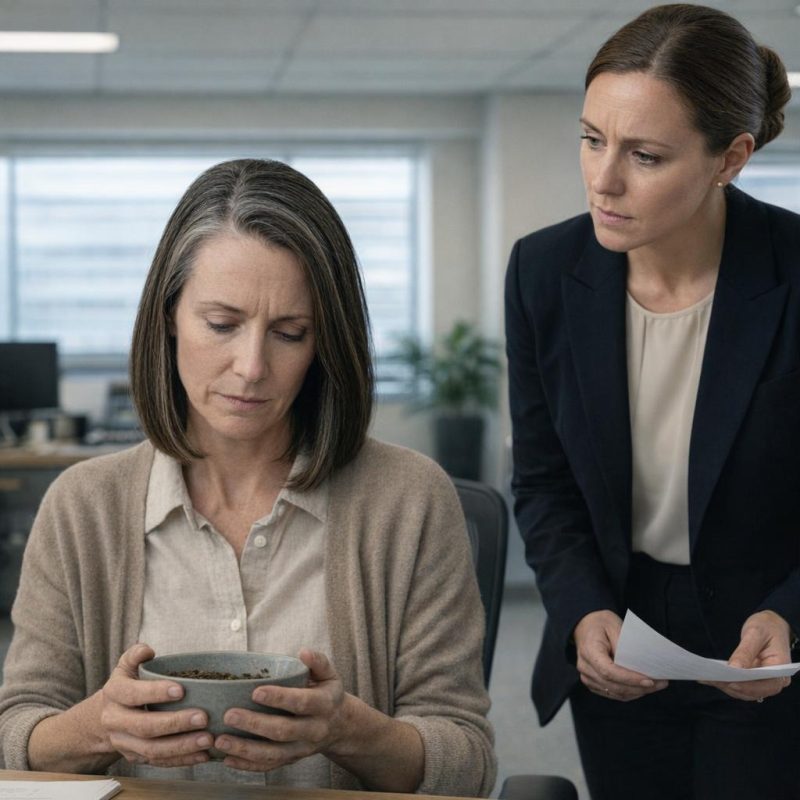 Image by RM AI
The Daily Ritual Begins
Two weeks in, I started keeping an informal count without meaning to. Monday, a comment about the smell of my miso soup. Tuesday, a remark about the virtue of trying new restaurants. Wednesday, nothing said directly but a long pause at my desk while I was eating that felt like a sentence anyway. Thursday, a suggestion that the break room might benefit from a 'more curated atmosphere.' I'd thought about eating in my car. I'd thought about it seriously, standing in the parking lot one morning with my bag over my shoulder, and then I'd gone back inside and sat down at the break room table because I wasn't going to do that. Diane had pulled me aside near the end of the week and said, quietly, that she'd noticed Brianna seemed to have a particular interest in what I was doing at lunch. I didn't have anything useful to say to that, so I just nodded. The following Monday I was at my desk with a bowl of cold soba noodles when Brianna walked past. Then past again, ten minutes later. Then a third time, unhurried, her eyes moving briefly to my desk each time she went by.
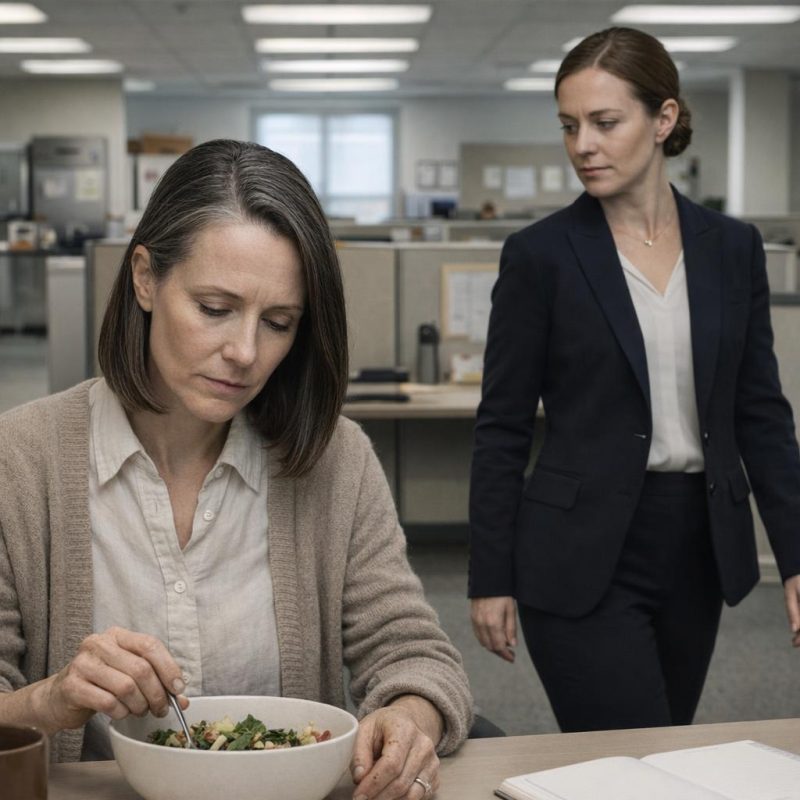 Image by RM AI
Lunch and Learn
The invitation came as a calendar block — mandatory attendance, no exceptions, lunch provided. Brianna had arranged a lunch-and-learn on operational efficiency, and the food was from a boutique shop on Union Street: small minimalist wraps in kraft paper sleeves, each one containing approximately four ingredients and a great deal of negative space. I sat between Diane and an empty chair near the back of the conference room. Dr. Greenway was at the far end of the table, reading glasses on, making notes in the margin of the printed agenda. The presentation moved through team alignment and shared professional values, and Brianna spoke with the fluency of someone who had given this talk before. Then she paused, and said that part of building a cohesive team culture was expanding our horizons — that some of us, she said, needed to broaden our palates beyond the comfort of home cooking, that professional environments called for professional sensibilities. Diane's hand found mine under the table. I kept my eyes on the presentation slide, which showed a photograph of a beautifully plated dish from a restaurant I recognized immediately, though I said nothing. When I looked up, Brianna was looking directly at me as she said it.
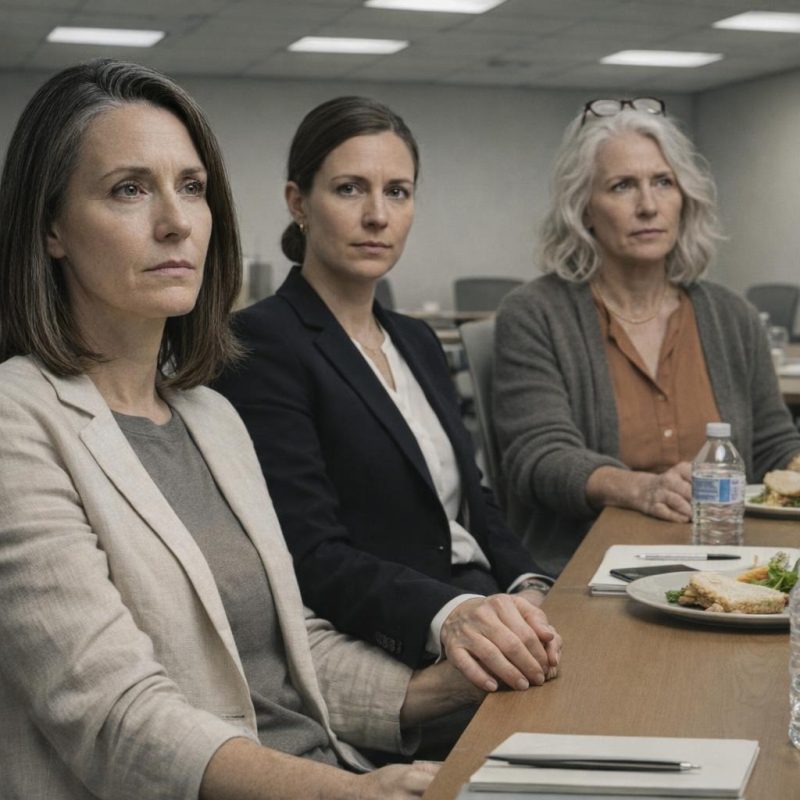 Image by RM AI
Boutique Wraps
I unwrapped the boutique lunch slowly, the way you might unwrap something you'd already decided not to trust. Arugula, shaved turkey, a smear of something pale and herbed — four ingredients arranged with the confidence of a much better meal. I took a bite. It tasted like the kraft paper sleeve it came in, which is to say it tasted like nothing at all, just the faint bitterness of underdressed greens and the ghost of a protein. Expensive nothing. I set it down and watched Brianna move through the room instead, pausing at each cluster of colleagues, accepting compliments on her curation with a small, practiced smile. She mentioned the importance of intentional choices. She mentioned professional sensibilities. Diane caught my eye from across the table and gave the smallest shake of her head — not disagreement, just acknowledgment, the kind that says I see it too without committing to anything further. I kept my expression neutral and my hands folded in my lap. From across the room, I caught Brianna's voice, low and directed at Dr. Greenway: she was working hard, she said, to elevate the office culture here.
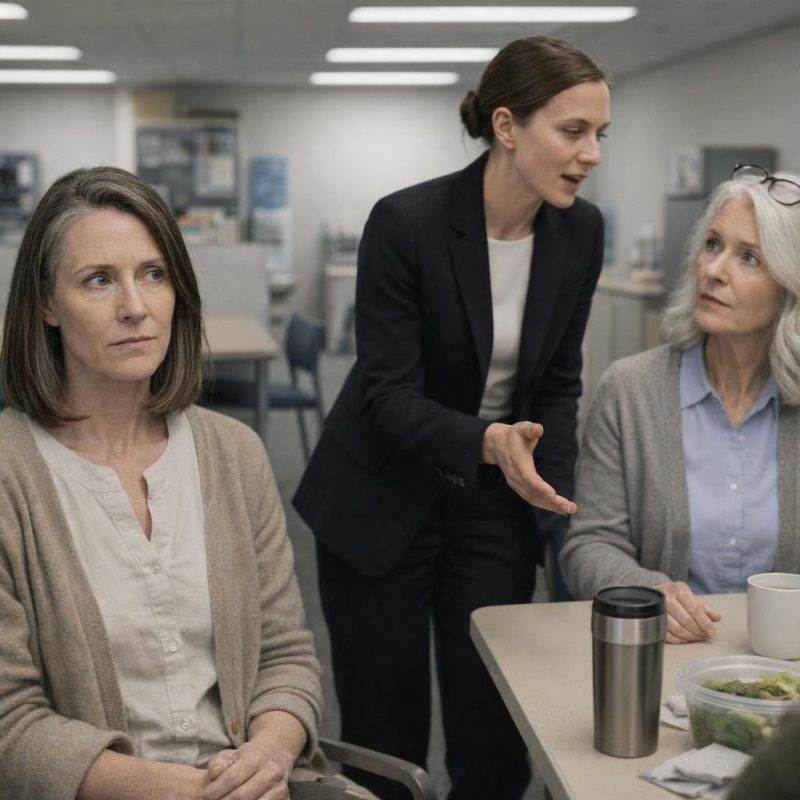 Image by RM AI
Diane's Question
Diane closed my office door behind her, which told me everything about the nature of the visit before she said a word. She sat down across from my desk, set her cardigan sleeves straight, and asked if I was okay. I told her I was fine. She gave me the look that meant she'd already decided that wasn't true and was waiting for me to catch up. I tried again — said it was nothing, said Brianna was just particular about things, said I was probably reading too much into it. Diane said, quietly, that the comments were constant, and that they were always directed at me. I didn't have an answer for that. I sat with it for a moment and then said that the food criticism felt personal, somehow, even though I couldn't explain why. That was the part that frustrated me most — I couldn't explain why. The comments were always framed as general observations, always deniable, always just barely on the right side of something I couldn't name. Diane said my lunches had always been lovely, and she meant it, and I was grateful for that. But gratitude and understanding are different things, and I still couldn't find the words for what was actually happening.
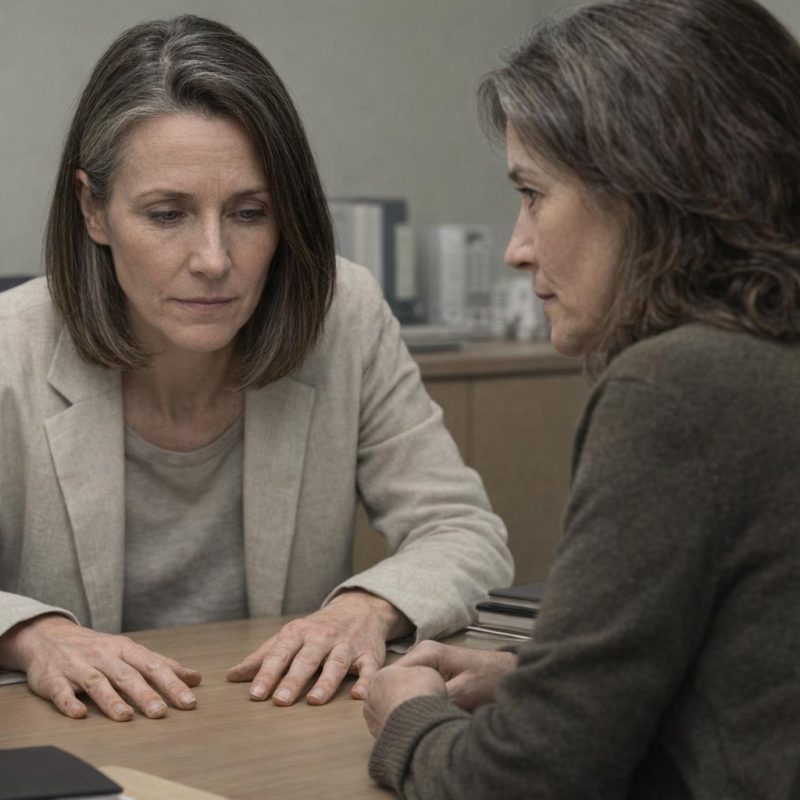 Image by RM AI
Simple Grain Bowl
I made the grain bowl on purpose. Farro, roasted delicata squash, a handful of toasted pepitas, tahini thinned with lemon and a little warm water — nothing complicated, nothing I needed to justify. I brought it in with the same quiet determination I'd bring a seedling through a late frost: just keep going, don't make a fuss. I was heating it in the break room when Brianna appeared in the doorway. She didn't come in immediately. She stood there for a moment, taking in the container, and then she said something about how sophisticated food choices were a form of professional communication, that taste was a skill like any other, something that could be cultivated with effort and intention. She said it pleasantly, the way you'd offer unsolicited advice to someone you'd decided needed it. I said nothing. I took my bowl to the small table by the window and ate it there, looking out at the courtyard garden, where the late-season sedums were still holding their color. The farro was nutty and good. The squash was sweet. I tasted none of it. By the time I finished, I was just tired — not angry, not defiant, just worn down by the constancy of being assessed.
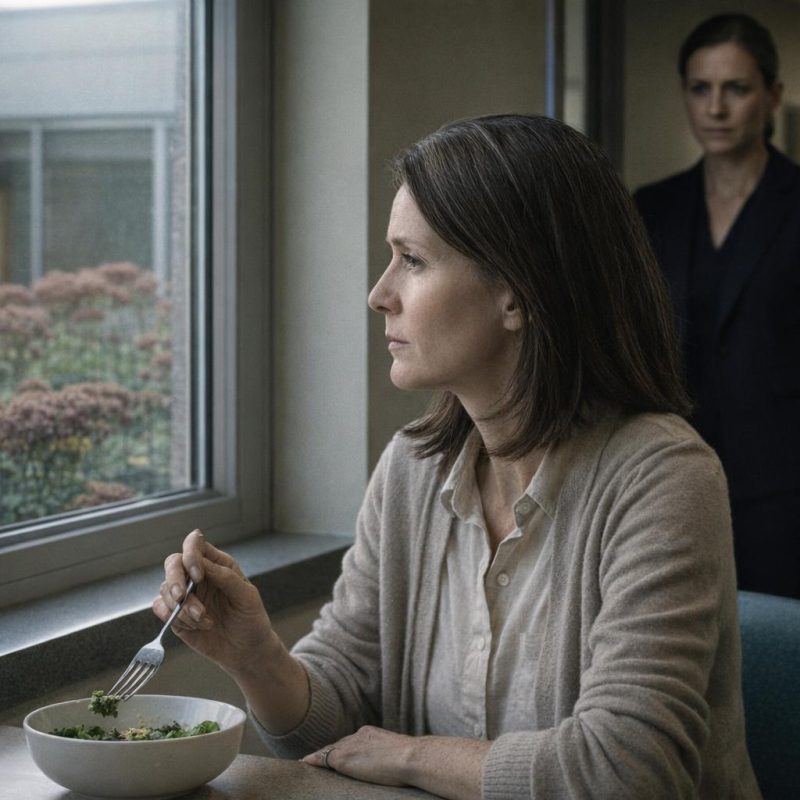 Image by RM AI
The Supper Club Refuge
Saturday evening, the kitchen smelled like brown butter and fresh thyme, and I felt my shoulders drop for the first time all week. Marcus had already broken down the mise en place by the time I arrived — shallots brunoise, herbs sorted and pressed between damp towels, stocks reduced and waiting in their bain-marie. We didn't need to talk much. That's the thing about working with someone you trust: the kitchen finds its own rhythm. We moved through seven courses together, and each one landed the way it was supposed to — the chilled cucumber soup drawing quiet sounds of appreciation, the lamb with preserved lemon getting a table of six to go completely silent for a moment before they started talking all at once. The violet cake came out last, as always, and I watched from the pass as the guests leaned in to look at it before they ate it. Someone at table four said it was the most beautiful thing she'd eaten in years. Marcus caught my eye and smiled. This was the work. This was what it felt like when food was received the way it was meant to be. I was still standing at the pass, still warm from it, when my phone buzzed on the shelf beside the spice rack — an email notification, subject line reading: Board Luncheon — Date Confirmed.
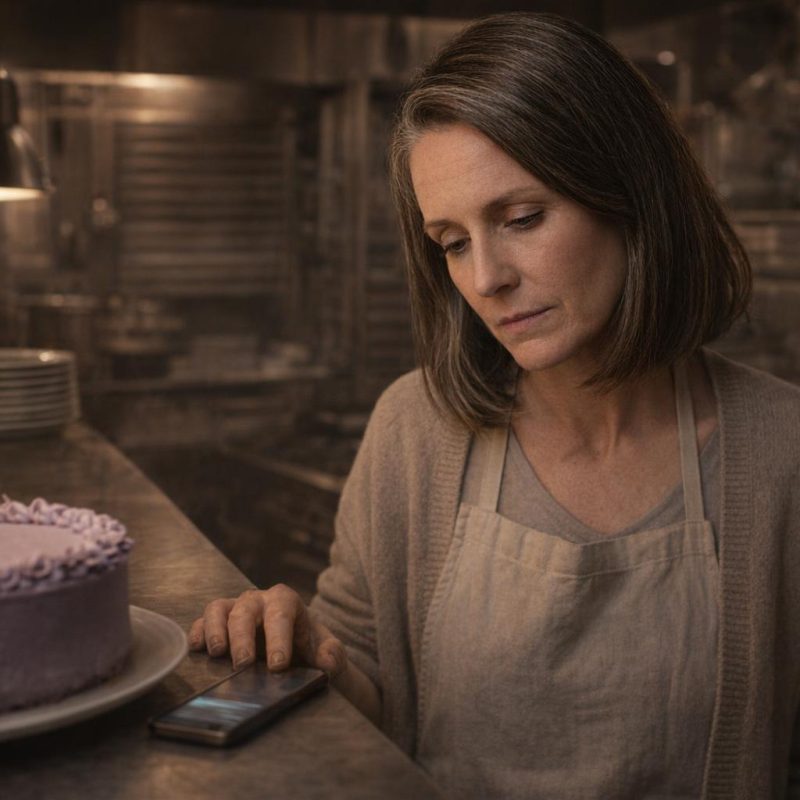 Image by RM AI
The Second Lunch and Learn
The second lunch-and-learn arrived in our inboxes on a Tuesday, mandatory attendance noted in the subject line. The catering this time came from a place downtown with a name that was just two words and a hyphen — the kind of establishment that charges forty dollars for a plate and calls the portion size intentional. The session topic was listed as professional presentation and workplace culture. Brianna stood at the front of the room and spoke about sophistication as a learnable skill, about the way our choices — in appearance, in environment, in the things we consume and display — communicate our professional values before we ever open our mouths. She used food as an example. She used it more than once. She talked about the difference between comfort and quality, between habit and discernment. The examples were general. They were always general. Diane shifted in the chair beside me, just slightly, the way a person shifts when they're trying not to react. Dr. Greenway sat at the far end of the table, pen moving steadily across her notepad, focused on whatever institutional point she was extracting from the presentation. I ate the forty-dollar portion and thought about the difference between knowing what something costs and knowing what it's worth. The two things had very little to do with each other, and the hollow feeling that settled in my chest by the end of the session had nothing to do with hunger.
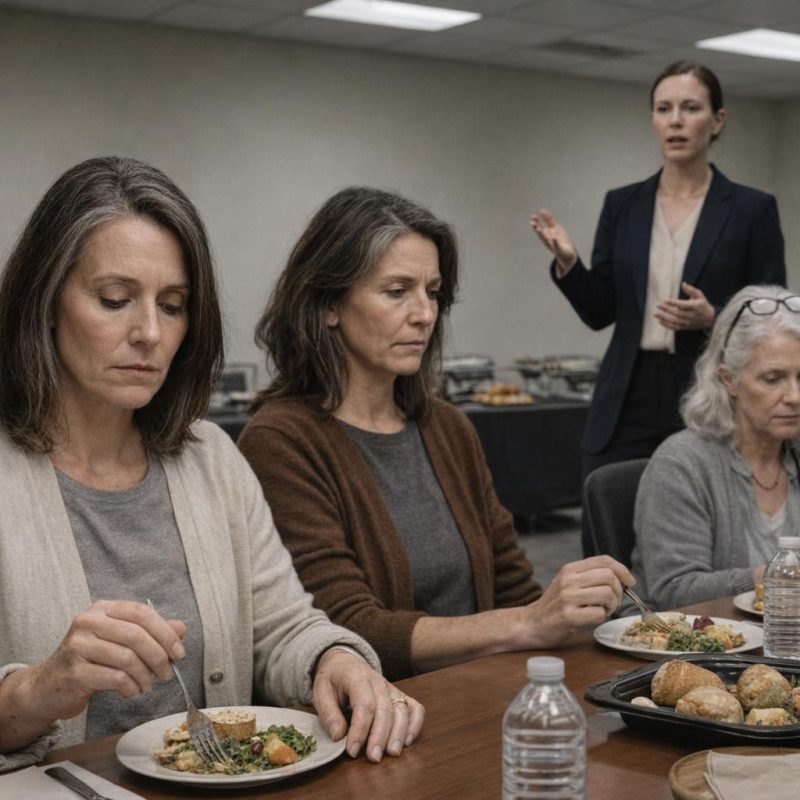 Image by RM AI
Other Staff Notice
It started with glances. A junior staff member — she was new, and I hadn't learned her name yet — paused beside me in the corridor one afternoon and asked, very quietly, if I was doing okay. I told her I was fine. She nodded in a way that suggested she'd expected that answer and wasn't entirely convinced by it. Later that week, Diane mentioned, carefully, that a few people had noticed the pattern at the lunch sessions. She didn't say more than that. She didn't need to. I understood that the noticing was happening in the margins — in the small looks exchanged across conference tables, in the way conversations shifted when Brianna entered the break room while I was there. No one was going to say anything directly. The comments were too deniable for that, too smoothly framed as general professional guidance. What I had instead was sympathy, offered in glances and quiet corridor questions, and I found that sympathy without action has a particular weight to it. I considered eating lunch in my car for about thirty seconds before I decided against it. I wasn't going to rearrange my day around someone else's commentary. But the awareness of being watched — even kindly, even with good intentions — settled over me like something I couldn't quite shake off.
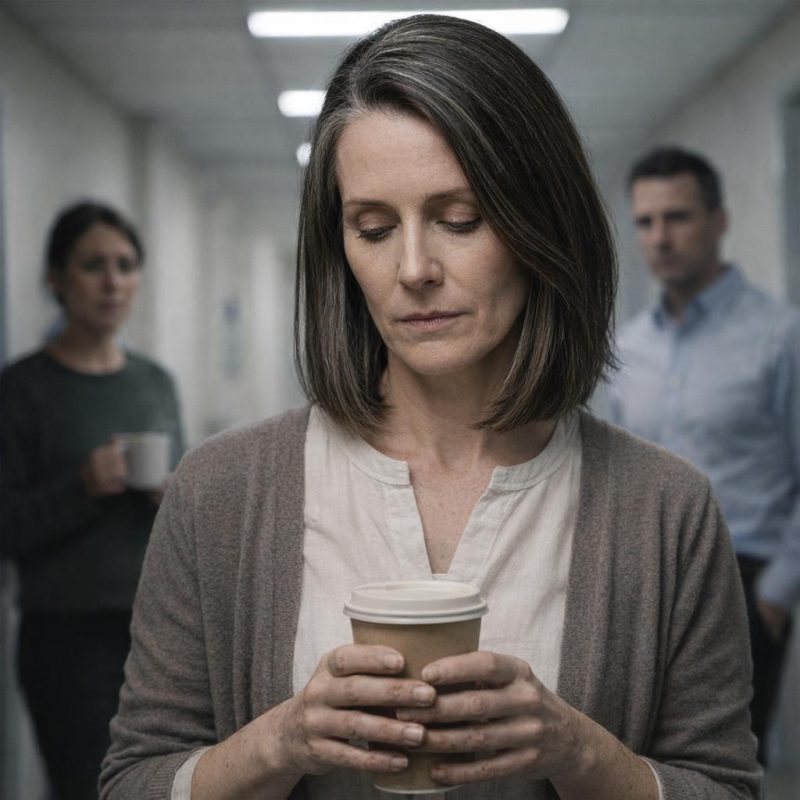 Image by RM AI
Kitchen Table Versus Office
I'd brought a vegetable frittata — eggs, roasted red pepper, a little goat cheese, nothing that required explanation. I was halfway through it when Brianna came into the break room. She poured herself a coffee, glanced at my container, and said, almost conversationally, that some foods really were better suited to kitchen tables than to professional spaces. She said it the way you'd say something obvious, something everyone already knew. I kept my eyes on my frittata. Diane came in about thirty seconds later, and the conversation — if you could call it that — stopped. Brianna smiled at Diane, topped off her coffee, and left. Diane sat down across from me and didn't say anything for a moment. Neither did I. There wasn't much to say that we hadn't already circled around. I finished my lunch and rinsed my container at the sink, and I was walking back toward my office when I heard Brianna's voice from around the corner — clear, unhurried, scheduling something with Dr. Greenway's assistant. The words I caught were office standards and professional environment, and a meeting time set for the following Thursday.
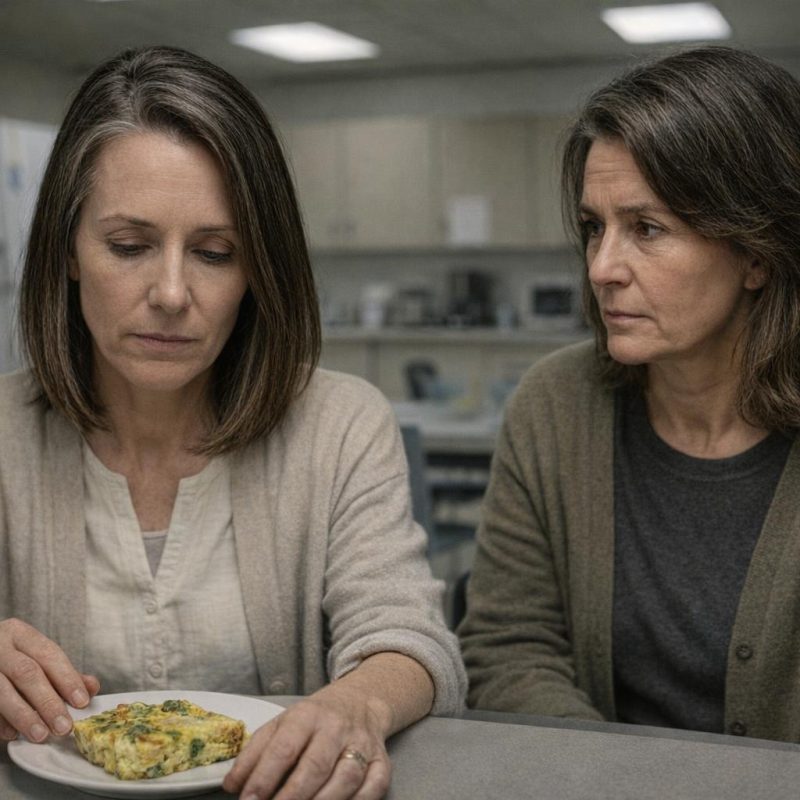 Image by RM AI
Weekend Success
Saturday service ran long, which was the best kind of problem to have. Marcus and I had been prepping since three in the afternoon, and by the time the last course went out, the dining room had settled into that particular quiet that means people are too absorbed to talk. The food critic had been at table two all evening — we'd known from the reservation, though we treated the service exactly as we always did. The violet cake went out at half past nine. I watched through the pass as the critic set down her fork after the first bite and simply looked at the plate for a moment. Marcus was beside me, and I heard him exhale slowly. She asked her server about the chef. Marcus handled it the way he always did — gracious, brief, the mystery intact. The other guests filtered out with the kind of warmth that takes weeks to manufacture in a lesser kitchen. I stayed to clean the pass myself, the way I always do, and somewhere in the rhythm of wiping down the marble I started thinking about Monday. The conservatory. The break room. The frittata comment still sitting somewhere in the back of my throat. The violet cake had just been called transcendent by someone who spent her career knowing the difference, and on Monday I would carry a container of leftovers past Brianna's office door.
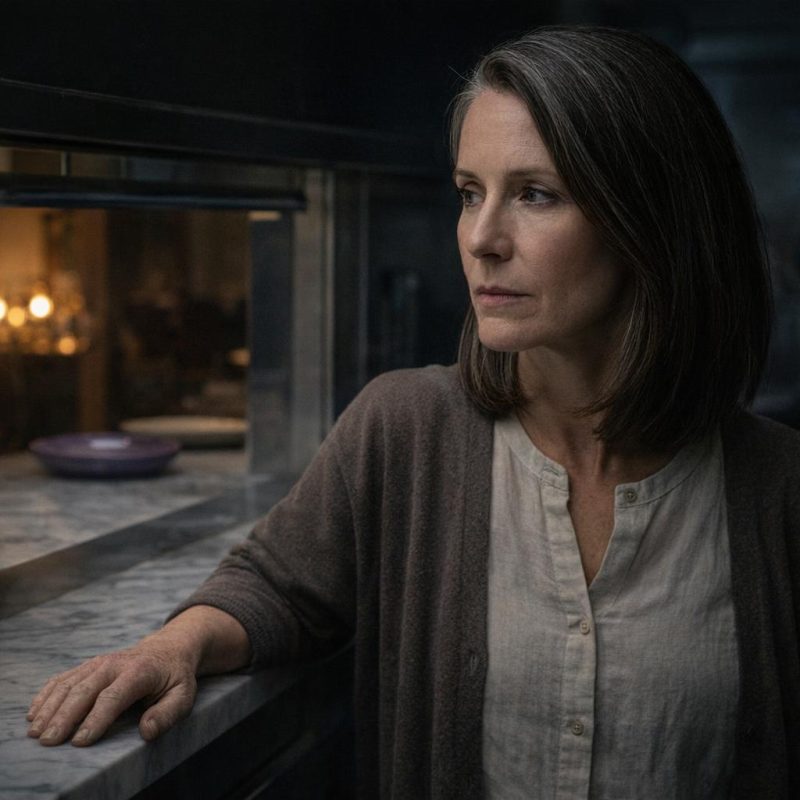 Image by RM AI
The Gauntlet
Monday came the way Mondays do — indifferent to whatever had happened over the weekend. I packed the leftover violet cake into a separate container, tucked it beside my rice bowl, and told myself the walk to the break room was just a walk. It wasn't, of course. By the time I reached the hallway, my shoulders had already climbed toward my ears. I noticed that somewhere around the third week of this, my body had started anticipating the encounter before my mind caught up. The break room door was open. Brianna was already there, leaning against the counter with her phone, and she looked up the moment I stepped in — the way you look up when you've been waiting for something. I heated my rice bowl without making eye contact. The microwave hummed. She said something about how professional environments benefited from intentional food choices, how what we brought to the office reflected our relationship to the workplace. I nodded once, the way you nod when you've stopped actually listening. I ate quickly, standing at the counter rather than sitting, and was back at my desk in under ten minutes. My appetite was mostly gone. I set the container of violet cake in my bag without opening it, and by mid-afternoon my neck had developed a low, persistent ache that hadn't been there on Saturday night.
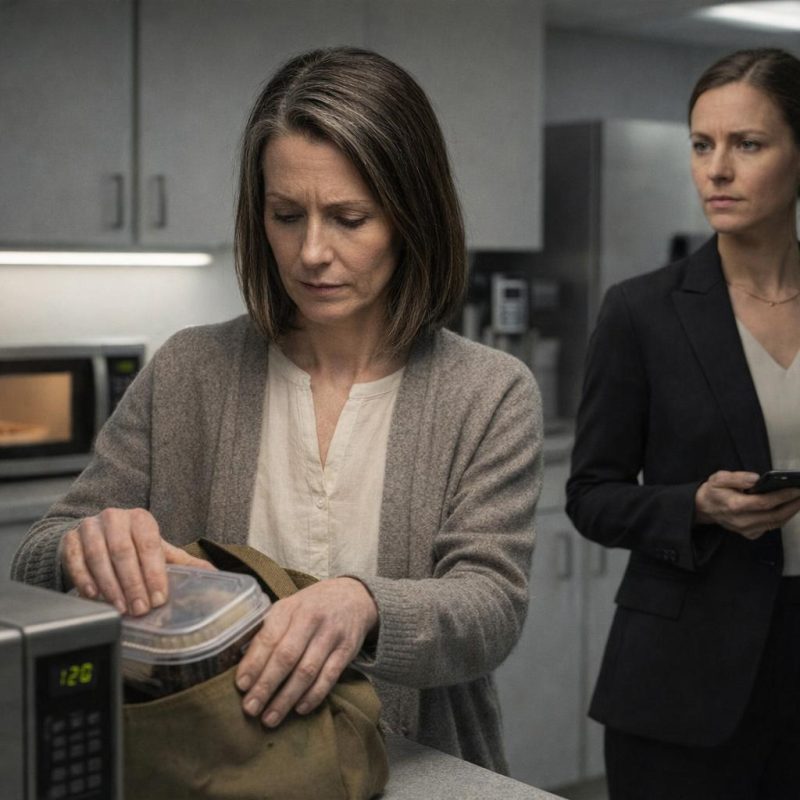 Image by RM AI
Daily and Food-Focused
I had a habit, when something bothered me, of writing it down rather than talking about it. There was a small notebook I kept in my desk drawer — nothing formal, just a place to put things that needed sorting. That Tuesday afternoon, with the office quiet around me, I opened it and started writing dates. Three weeks back. Then further. I wrote down what I could remember: the frittata comment, the grain bowl remark, the observation about fermented foods and their place in a professional setting. I wrote them in a column, one per line, and then I sat back and looked at what I had. Every workday. Not every other day, not occasionally — every single one. And always food. Never my research methods, never my scheduling, never the way I organized the seed library. Just the lunch. I turned the page and wrote that down too: always food. I sat with the notebook open for a while, not writing anything else. I didn't know what it meant. I wasn't sure I was ready to decide what it meant. But the column of dates was there in my own handwriting, and it didn't leave much room for the idea that I'd been imagining things. The pattern was plain and quiet on the page, and I couldn't look away from it.
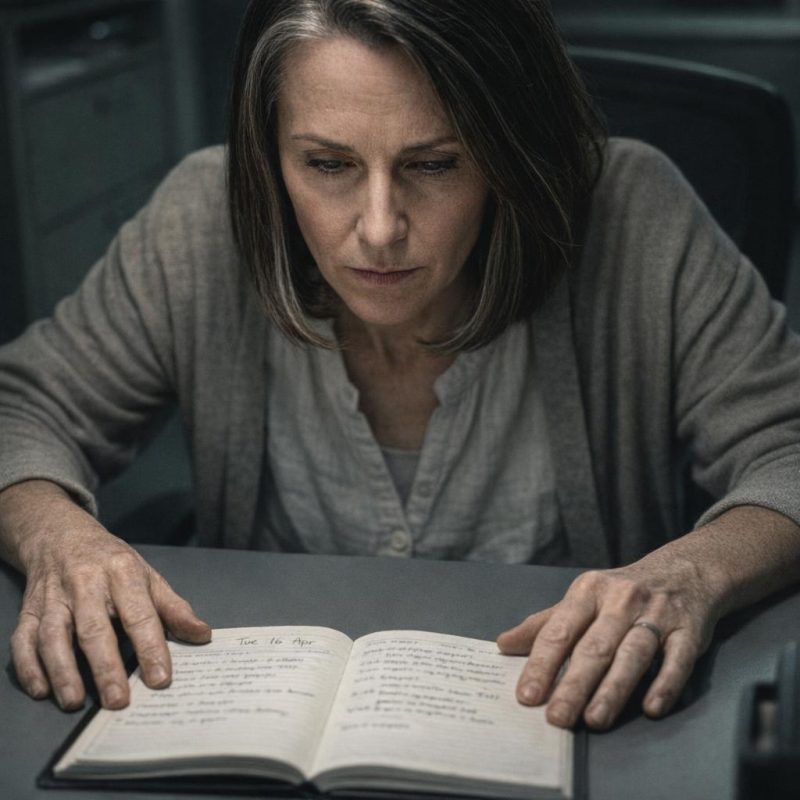 Image by RM AI
No One Else
I started paying attention to the break room in a different way after that. Not obviously — I wasn't taking notes or timing anything. I just watched. On Wednesday, one of the junior researchers ate a fast food burger at his desk, the wrapper spread open, the smell of it drifting into the hallway. Brianna walked past, glanced in, said nothing. On Thursday, someone reheated leftover pizza in the microwave — the kind that fills a room with oregano and grease — and Brianna came in mid-reheat, poured herself a coffee, and left without a word. Then Diane came in with a container of homemade soup, something with lentils and bay leaf that smelled genuinely wonderful, and Brianna paused to compliment the container. Said it was a lovely color. Diane smiled, a little surprised. I watched all of this from the edge of the room, my own lunch in my hands. When I set my container on the counter and opened the microwave, Brianna appeared within two minutes. The comment that day was about elevating one's palate through conscious, intentional choices. She said it pleasantly, the way you'd offer advice to someone you were trying to help. I looked at Diane's soup container, still sitting on the counter, and then I looked at my own bowl, and I genuinely could not explain what made one acceptable and the other a lesson.
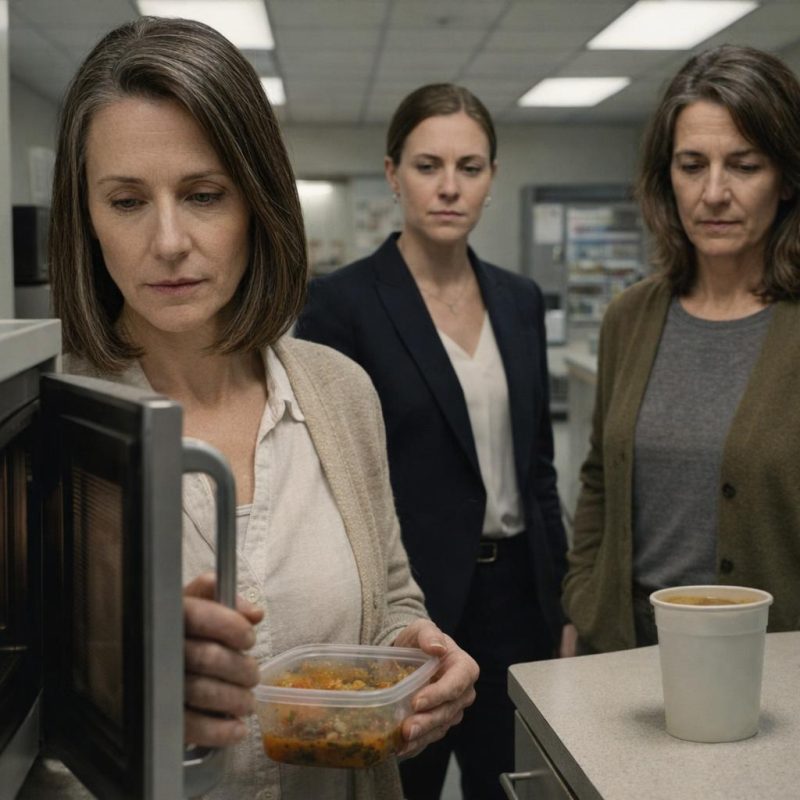 Image by RM AI
Insecurity Showing
I brought a salad on Friday — nothing elaborate, just mixed greens with a handful of herbs I'd clipped that morning, a soft-boiled egg, a drizzle of something acidic. The kind of lunch that takes ten minutes to assemble and tastes like it didn't. Brianna was in the break room when I arrived, and the comment came on schedule: something about how professional food choices communicated self-awareness, how the details we chose said something about our standards. I'd heard variations of this enough times that I could have finished the sentence for her. But that day I found myself watching her face more carefully than usual. The smile was there, polished and prompt, but something about it required visible effort — a fraction too wide, held a beat too long. When she talked about sophistication, her voice climbed slightly, a higher register than her usual tone. She turned once toward the break room window — not to look outside, but to check her own reflection, a quick glance she probably didn't know she was making. I stirred my salad and said nothing. I didn't know what to make of any of it. Maybe it meant nothing. But her jaw was set just slightly when she left, and her smile, on the way out, came a half-second late.
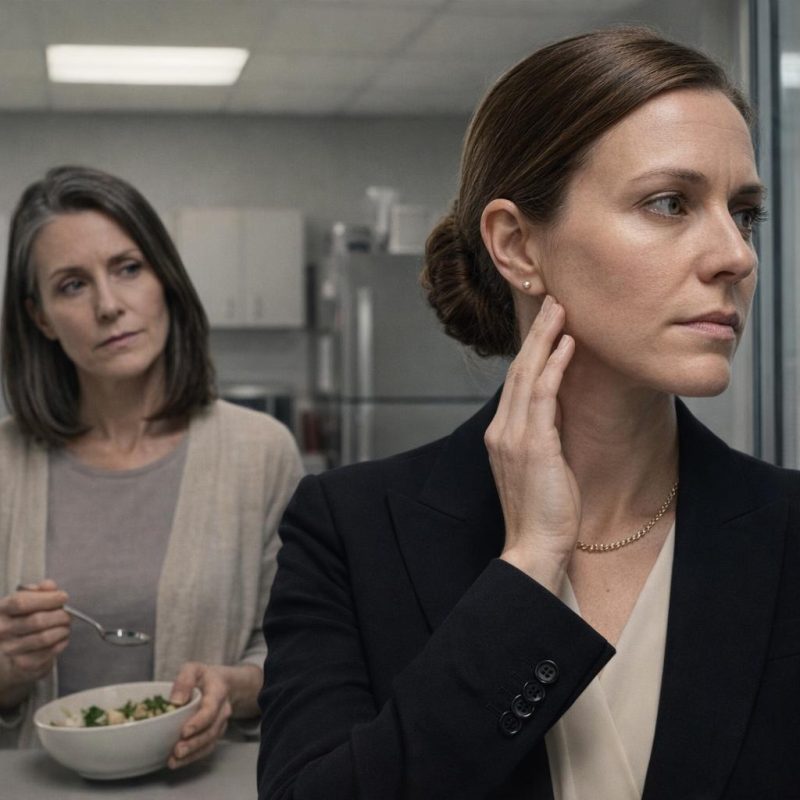 Image by RM AI
The Memo Draft
Diane appeared in my doorway on a Tuesday afternoon with the particular expression she wore when she had something to say and wasn't sure she should say it. She came in, closed the door partway, and sat down in the chair across from my desk. She'd heard, she said, that Brianna had been working on a new office policy document. Something to do with workplace environment and professional standards. Diane didn't have specifics — she'd caught a fragment of a conversation, seen a draft title on a screen she wasn't meant to see. She thought I should know. I thanked her and kept my voice even. After she left, I sat for a moment with my hands flat on my desk. A policy document. That was a different thing from a comment in the break room. Comments were ambient, deniable, easy to second-guess. A written policy had weight, had distribution, had the institutional authority of something that had been reviewed and approved. I didn't know what it would say. I didn't know if it would say anything I'd recognize. But the not-knowing had its own particular quality — a low, formless pressure that settled somewhere behind my sternum and stayed there through the rest of the afternoon and into the evening, quiet and patient as something waiting to germinate.
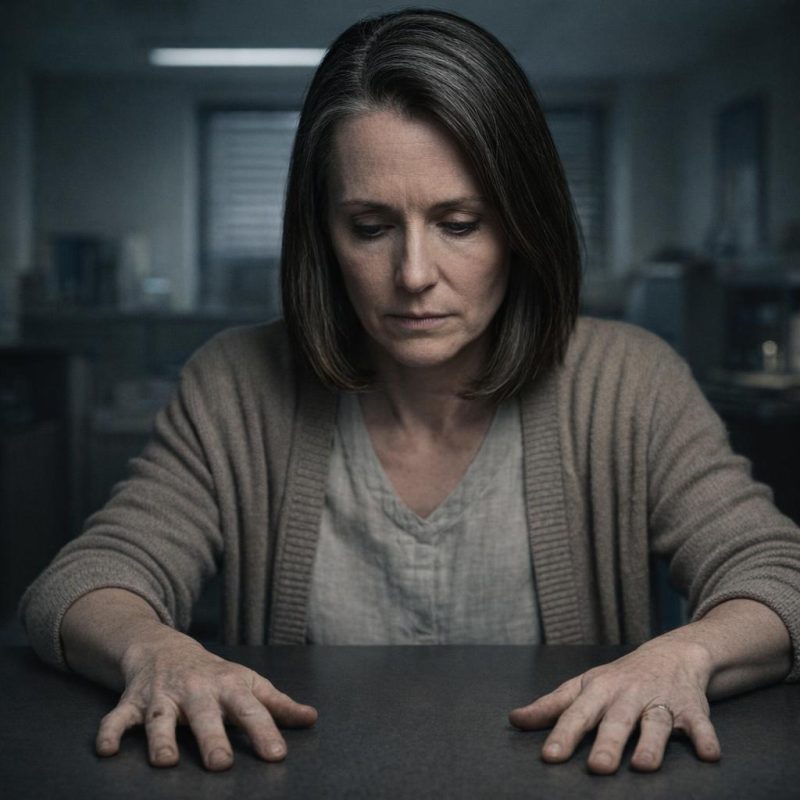 Image by RM AI
Break Room Etiquette
The email arrived at ten forty-seven on a Wednesday morning, addressed to the full department. Subject line: Break Room Etiquette and Professional Standards. I opened it the way you open something you've been half-expecting — slowly, with your breath held just slightly. The memo was three paragraphs. Professionally worded, carefully general. It cited the importance of maintaining a collegial and corporate-appropriate atmosphere in shared spaces. It mentioned that home-prepared meals with unconventional ingredients could create sensory disruptions and project an image inconsistent with the conservatory's professional standards. It suggested that staff consider how their food choices reflected on the department as a whole. I read it twice. Every phrase landed somewhere specific. Unconventional ingredients. Sensory disruptions. Image inconsistent with professional standards. I thought about the herb salad, the grain bowls, the rice with roasted vegetables. I thought about twenty years of lunches eaten quietly at my desk or in that break room, never once thinking they required a policy. My phone buzzed. Diane: *Are you okay?* I set the phone face-down and looked back at the screen. The memo was still there, institutional and tidy, and somewhere in its careful language I had been made into an official problem without my name ever appearing once.
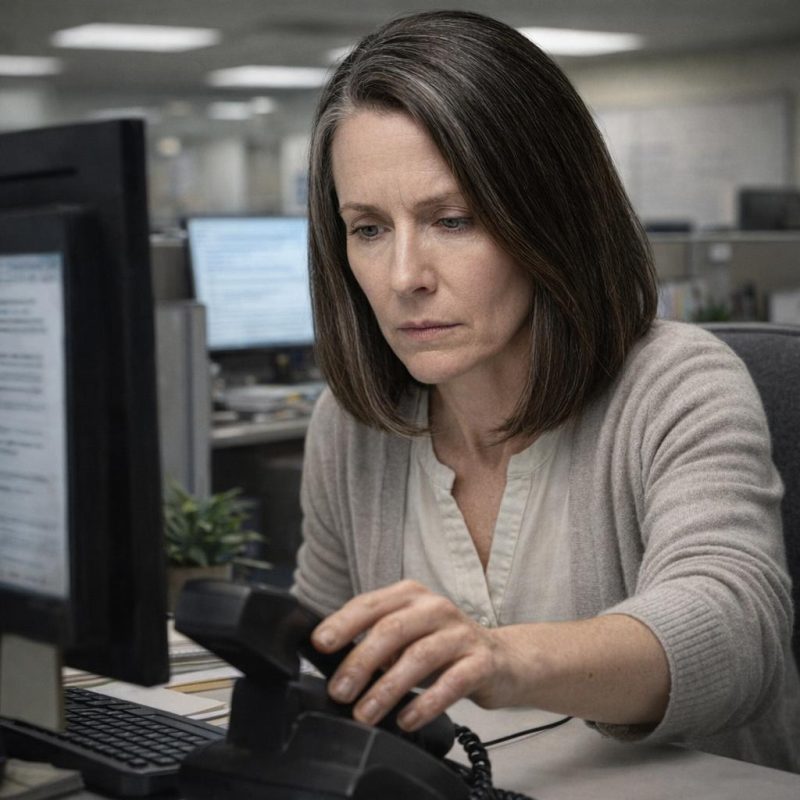 Image by RM AI
Non-Corporate Atmosphere
I kept the email open longer than I should have. There was something almost compulsive about rereading it — as if the next pass might yield a different meaning, some alternate interpretation I'd missed. It didn't. The phrase that kept snagging was non-corporate atmosphere. I worked at a nonprofit botanical conservatory. We catalogued seed varieties and monitored soil pH and wrote grant proposals about native plant corridors. The word corporate had never, in twenty years, felt like it belonged here. And yet there it was, embedded in official policy, suggesting that something about the way I occupied this space was out of step with what the space required. I thought about the seed library I'd helped build, the propagation protocols I'd written, the institutional memory I carried in my head that no onboarding document had ever fully captured. I thought about whether any of that was visible in a memo about lunch. It wasn't, of course. Memos don't carry that kind of weight. But this one had been distributed to the entire department, and everyone who opened it would read the same phrases I had, and some of them would picture the same person I did. I closed the email. The afternoon light came through my office window at a low angle, catching the dust on the glass, and I sat with the particular stillness of someone who has just been told, in the most careful possible language, that they don't quite fit.
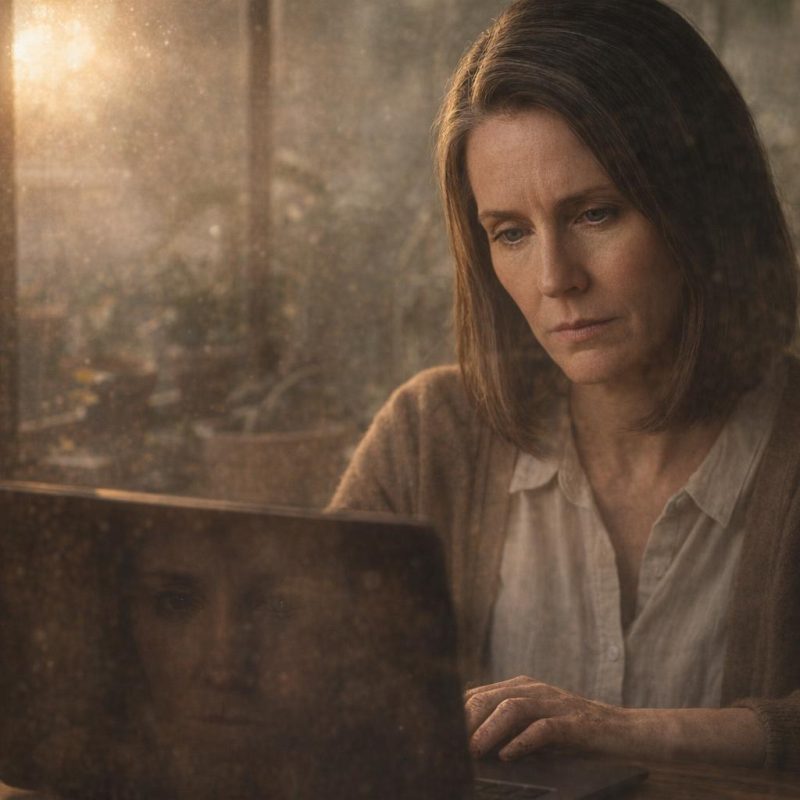 Image by RM AI
Garden Ingredients
I prepared my lunch the night before with more care than usual — not defiance exactly, more like precision. A grain bowl with roasted beets, a handful of fresh dill from the pot on my kitchen windowsill, a spoonful of something tangy to cut through the earthiness. I packed it the way I always packed things: container sealed, napkin folded, nothing sloppy. The memo had been in everyone's inbox for three days. I was aware of it the way you're aware of a bruise — not constantly, but whenever something pressed near it. I heated the bowl in the break room microwave and carried it back to my desk, and the smell of it followed me down the hallway: roasted beet and dill, warm and green and entirely itself. I sat down, set the container on my desk, and lifted the lid. The steam rose in a thin curl. The beets were the color of garnets. The dill was bright against the dark red, fragrant and entirely unbothered by the memo's opinion of it. I reached for my fork. And then I looked up, because something in the quality of the silence had shifted — Brianna was standing in my doorway, not speaking, just watching me with an expression I couldn't read.
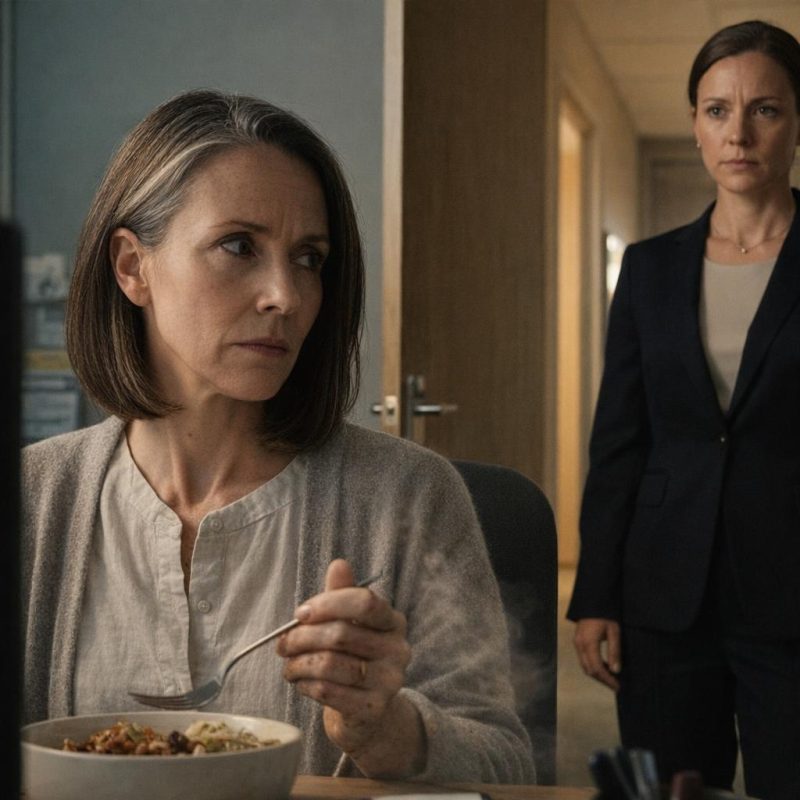 Image by RM AI
Marcus Asks About the Menu
My phone buzzed against the desk just as I was finishing the last of my grain bowl, and I turned it face-up to find a text from Marcus. He wanted to talk through the menu for next weekend's service — specifically, whether I wanted to bring back the violet cake or try something new for the dessert course. I set my fork down and felt something in my shoulders loosen, just slightly. I typed back that the violet cake should stay; it was still pulling requests. Then I mentioned a spring vegetable tart I'd been thinking about — shaved asparagus, a ricotta base with lemon zest, maybe a scattering of pea shoots on top for color and bite. Marcus responded in under a minute: he liked it, thought we could do a fennel oil drizzle to tie it to the amuse-bouche. I sat there in my office, phone in hand, thinking about the way fennel and lemon sit together — that clean, slightly anise brightness against the acid. Nobody in this building knew I was having this conversation. Nobody here knew this version of me existed. The grain bowl was good. The tart would be better. And for a few minutes, the memo felt very far away.
 Image by RM AI
Maintaining Boundaries
Diane stopped by my office around three, leaning against the doorframe with her cardigan sleeves pushed up, the way she did when she had a few minutes to spare. She asked how I managed to stay so even-keeled through everything — the memo, Brianna's comments, all of it. I told her I had things outside of work that helped. She asked what kind of things, and I said gardening, mostly. Which was true. I just left out the rest. She nodded like that made sense, and I watched her accept the partial answer without pressing further, and I felt the gap between what I'd said and what I hadn't said settle quietly between us. I thought about telling her — about the supper club, the Saturday services, Marcus in his whites moving through the kitchen with that focused efficiency. I thought about how her face might change. But the supper club was the one place that existed entirely outside of office politics, outside of Brianna's opinions, outside of anyone's judgment about Tupperware containers and grain bowls. I needed it to stay that way. Diane said she might try gardening herself, and I smiled and said it helped more than people expected. The door stayed open between us, and the distance I'd chosen to keep felt both necessary and heavier than I'd anticipated.
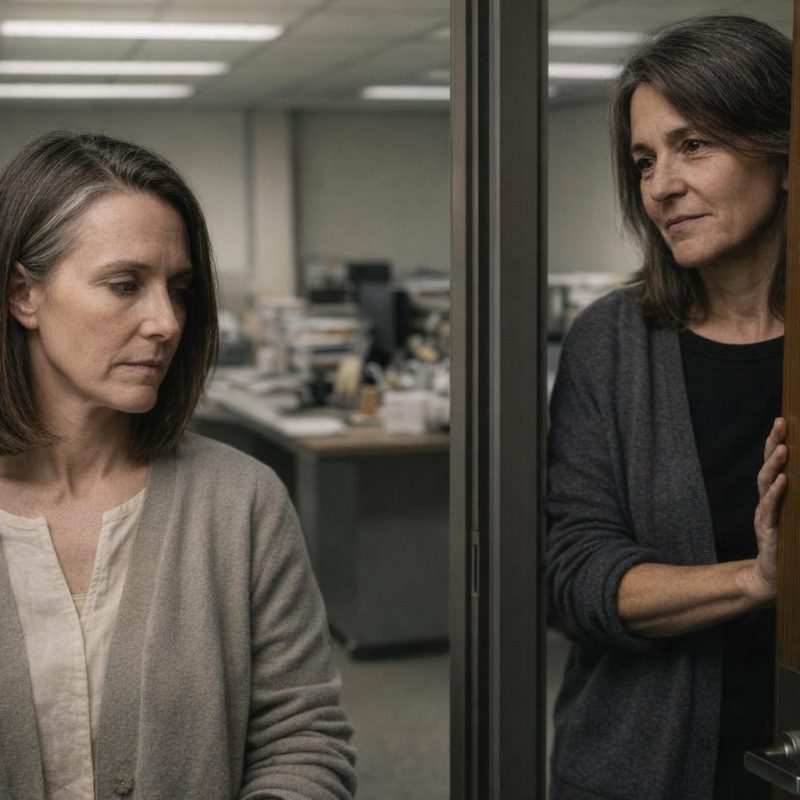 Image by RM AI
Bland Salads
Brianna came into the break room at noon carrying a container from that bistro on Fifth — the one with the white walls and the menu printed on kraft paper. I'd walked past it once. The salads cost more than most people's grocery runs for the week. She set it on the counter and peeled back the lid with the particular care of someone who already knew what they were about to see. Arugula, a few shaved radishes, three or four segments of blood orange arranged at angles, a drizzle of something pale across the top. It was beautiful in the way that architectural drawings are beautiful — precise, considered, and not quite meant to be lived in. I ate my own lunch at the small table by the window: roasted carrots with harissa and a soft-boiled egg, nothing photogenic, everything deliberate. Brianna mentioned the bistro's chef had trained in Lyon. I nodded. She mentioned they'd been written up in two local magazines. I nodded again. The arugula was underdressed — I could see it from where I sat, the leaves dry at the edges, nothing to carry the flavor through. Then Brianna picked up her phone, angled it over the container, and took a photograph of the salad before she'd touched a single bite.
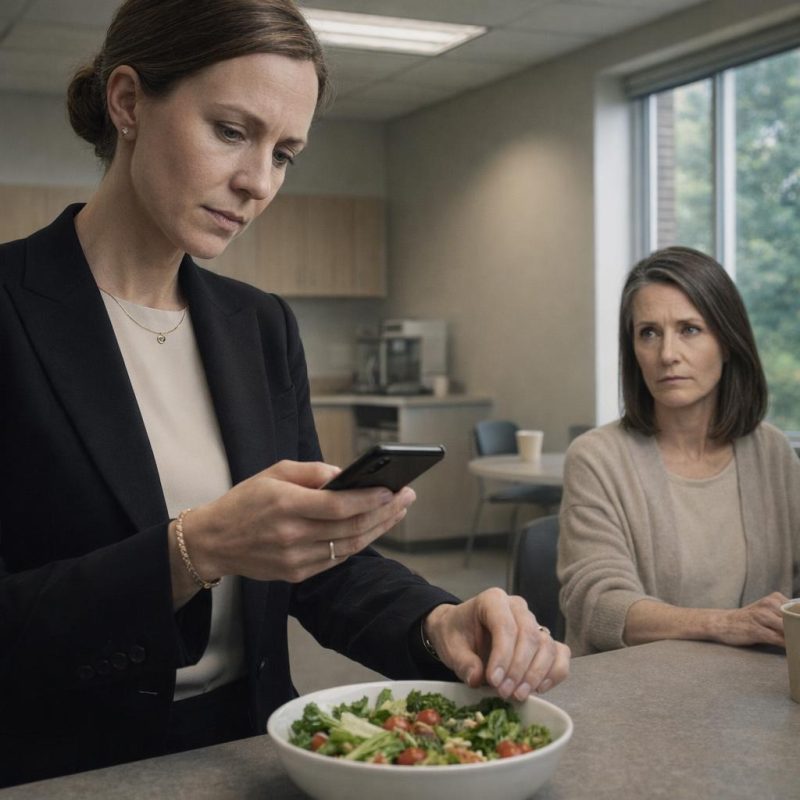 Image by RM AI
Board Luncheon Planning
Dr. Greenway called the meeting for ten o'clock on a Tuesday, and I knew from the agenda line — 'Annual Board Luncheon: Planning Kickoff' — that the next few weeks were going to require patience I hadn't yet budgeted for. I'd coordinated catering for that luncheon for fifteen years. I knew which board members kept kosher, which ones had texture sensitivities, which ones would quietly push a plate aside if the portions were too precious. I knew the timing — how the room needed to be fully set forty minutes before arrival, how the first course had to land within ten minutes of seating or the conversation lost its shape. Dr. Greenway opened by saying she wanted the event to feel fresh this year, elevated. Before I could say anything, Brianna's hand was already up. She said she'd love to take the lead on catering arrangements, that she had some ideas about bringing a more sophisticated direction to the event. Dr. Greenway smiled and said that sounded wonderful. I kept my expression neutral and my hands flat on the table. Fifteen years of institutional knowledge, and it had just been handed off in under four minutes. The luncheon had always been a coordination challenge. Now it felt like something else entirely.
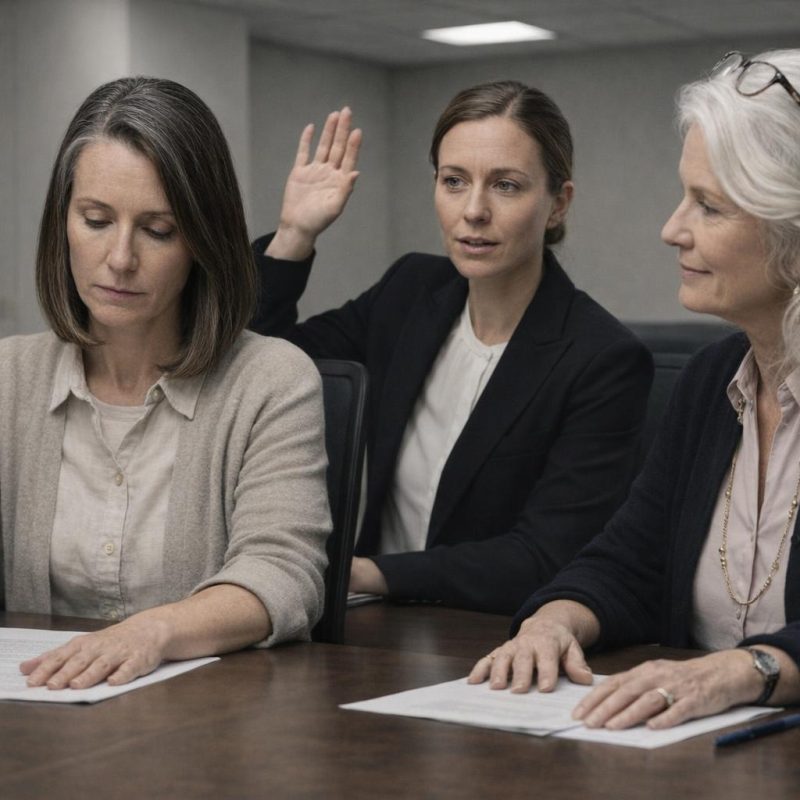 Image by RM AI
Traditional Vendors Dismissed
I waited two days before saying anything, which I thought showed considerable restraint. When I did bring it up, I kept it practical — I mentioned the vendors we'd used for years, a family-run kitchen out of the east side that understood nonprofit timing and never once missed a delivery window. I mentioned the florist who knew to keep arrangements low so board members could see each other across the table. Brianna listened with the expression of someone being politely patient with an outdated map. She said the event needed to reflect where the conservatory was going, not where it had been. She used the word 'elevated' twice and 'impressive' once, and each time she said it I thought about the arugula sitting dry in its container. I pointed out that the board members had preferences — that Mr. Westbrook in particular had strong opinions about food, that several longtime donors had come to expect a certain warmth from the event. Brianna said that clinging to the same vendors year after year wasn't loyalty, it was stagnation. Dr. Greenway, seated at the head of the table, nodded slowly in a way that suggested she found Brianna's framing compelling. I watched Brianna open her laptop and turn the screen toward Dr. Greenway to present her alternative catering plan.
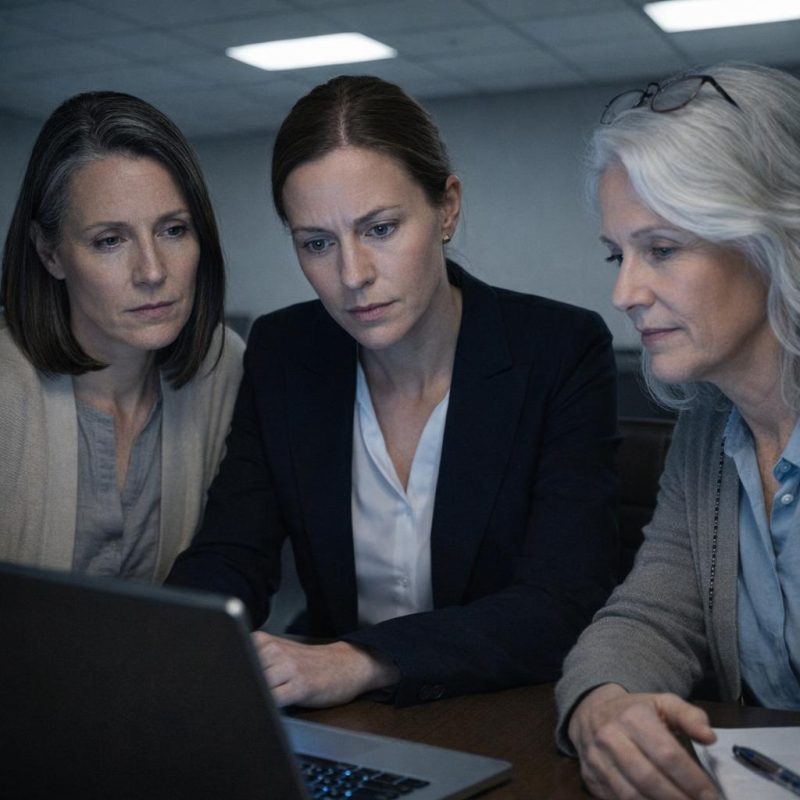 Image by RM AI
The Trendy Caterer
The company was called Avant Table. Brianna pulled up their website on the conference room screen and walked us through it like a gallery tour — image after image of plates that looked more like sculpture than food. Microgreens arranged with tweezers. Sauces applied in single brushstrokes. A dessert that appeared to be a single translucent sphere sitting in a pool of something violet. Their Instagram had forty thousand followers. They'd catered a launch party for a local influencer and a private dinner for a minor television personality whose name I didn't recognize. Brianna mentioned both of these facts with the confidence of someone presenting credentials. I asked, as evenly as I could, whether Avant Table had experience with nonprofit fundraising events — the specific rhythm of them, the donor dynamics, the need for food that was warm and generous rather than architectural. Brianna said they were professionals and that their portfolio spoke for itself. Dr. Greenway said the presentation looked stunning and that she trusted Brianna's judgment. I looked at the image on the screen — a plate with three components, each one immaculate, none of them touching — and thought about the board members who would sit down to it expecting something that felt like hospitality. I didn't say anything else. I sat with the unease quietly, the way you sit with weather you can't predict but can't ignore either.
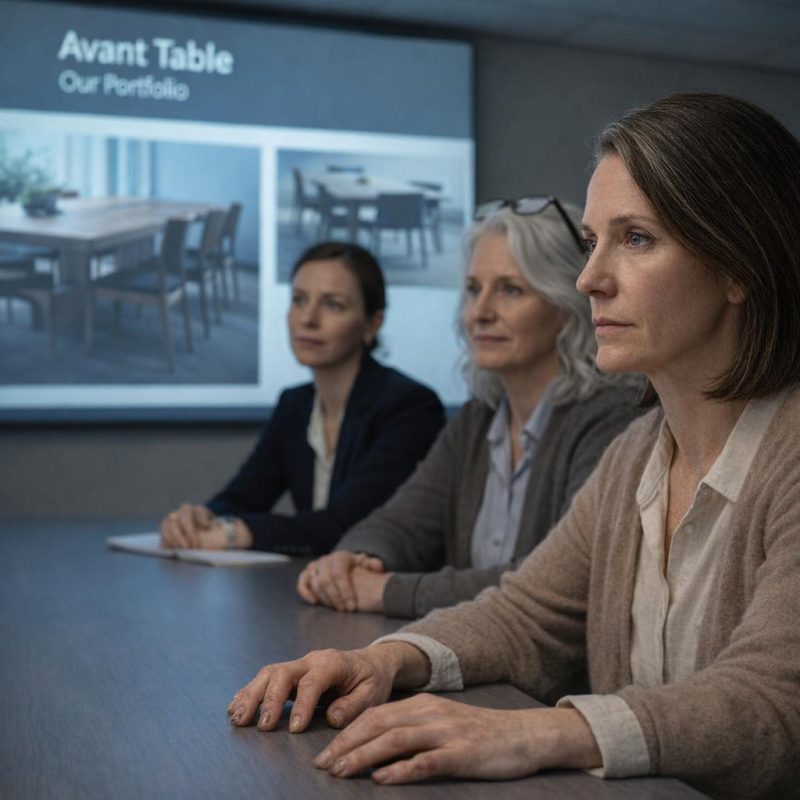 Image by RM AI
Board Members Expected
The guest list came through on a Thursday afternoon, and I read through it the way I always did — checking for dietary notes, confirming the headcount, making sure the room layout still made sense. Mr. Westbrook's name was at the top, as it always was. Board chairman, twelve-year tenure, known in certain circles for his serious interest in food — not the performative kind, but the kind that came from actually paying attention. He'd funded a culinary arts residency at the community college two years running. He wrote occasional pieces for a regional food journal under a pen name that wasn't particularly well-disguised if you knew what to look for. I thought about the Avant Table portfolio — those three-component plates, the translucent sphere, the brushstroke sauces — and I thought about Mr. Westbrook sitting down to it with the quiet, discerning attention he brought to everything. Diane stopped by my desk and asked if I was all right, said I had the look of someone doing math they didn't like the answer to. I told her I had some concerns about the catering but that it was out of my hands now. She gave me the look she reserved for situations she considered unwinnable and went back to her office. The luncheon was three days away, and I couldn't shake the feeling that the room deserved more than what had been arranged for it.
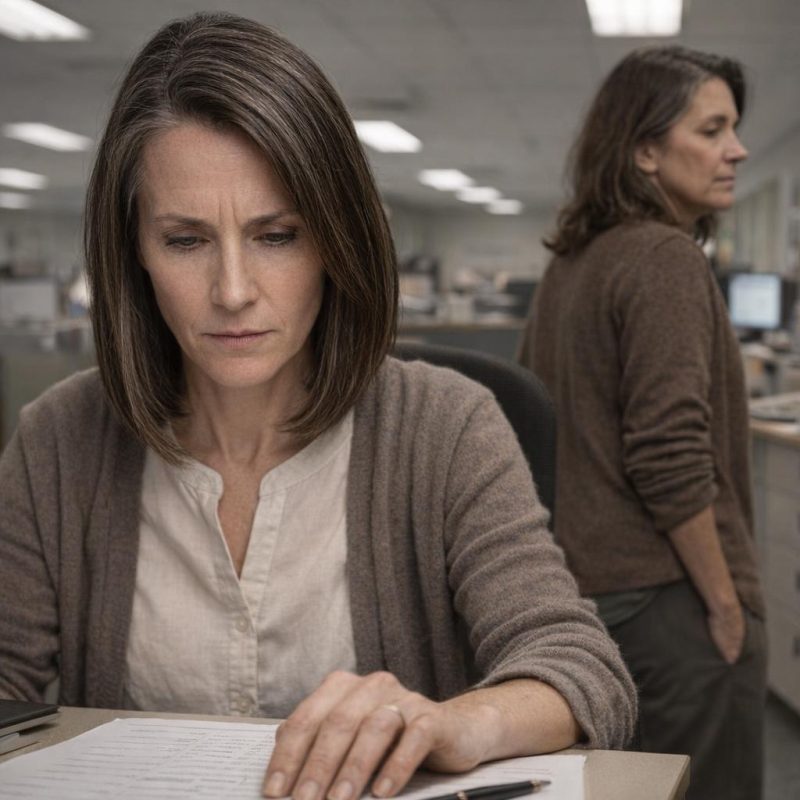 Image by RM AI
Day of the Luncheon
I arrived at seven-thirty to start setting up the event space, two hours before anyone else was expected. I liked that window — the conservatory quiet, the morning light coming through the glass panels at a low angle, the smell of soil and green things doing what they always did regardless of what was happening among the people who worked there. I arranged the tables, checked the microphone, set out the place cards in the order Dr. Greenway had approved. By nine, Brianna was there, phone pressed to her ear, moving through the room with the clipped efficiency she brought to everything she considered important. She'd dressed for the occasion — a structured blazer, heels that clicked against the tile. Dr. Greenway arrived at nine-fifteen and reviewed her welcome remarks at the side table, reading glasses perched on her head. Board members were expected at eleven. The room looked good. Everything was in order. Brianna was mid-sentence on a call about the centerpieces when her phone buzzed with another call and she switched over, and I watched her face as she listened — the small, controlled expression she wore when she was processing something she hadn't prepared for. She lowered the phone and said, very quietly, that the catering truck had broken down two towns away and they couldn't make it.
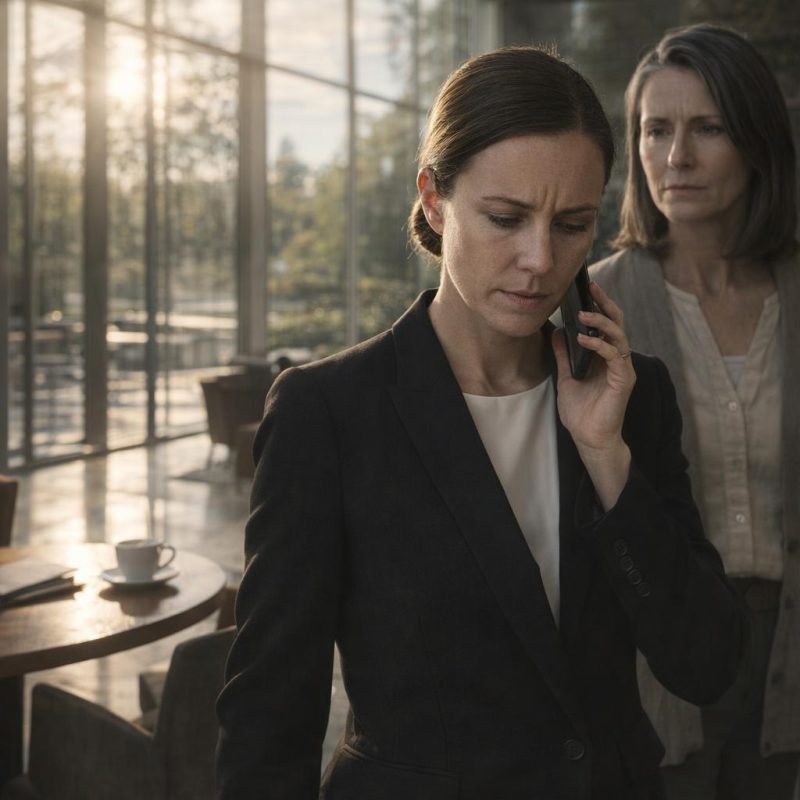 Image by RM AI
One Hour Before
The room looked exactly as it should have — tables dressed, place cards set, the low morning light catching the glass panels in that particular way that made the conservatory feel like something living. I'd been there since seven-thirty, and the space had come together the way I liked things to come together: quietly, without drama. Brianna was on her fourth call in twenty minutes, her heels clicking a tight circuit between the podium and the far window. Each call ended the same way — a pause, a clipped thank-you, a harder press of her jaw. Dr. Greenway stood near the side table with her welcome remarks in hand, watching Brianna with the careful expression of someone recalculating. The board members would arrive in fifty-five minutes. I set another chair into place and listened. No backup caterer in the city could turn around a formal luncheon for fifty guests on forty minutes' notice — I knew that the way I knew which plants wouldn't survive a late frost. Brianna's voice climbed half a register on the next call, then dropped when the answer came back the same as all the others. Dr. Greenway asked, very evenly, what the contingency plan was. Brianna said nothing for a moment. The room held the particular stillness that comes just before a decision has to be made.
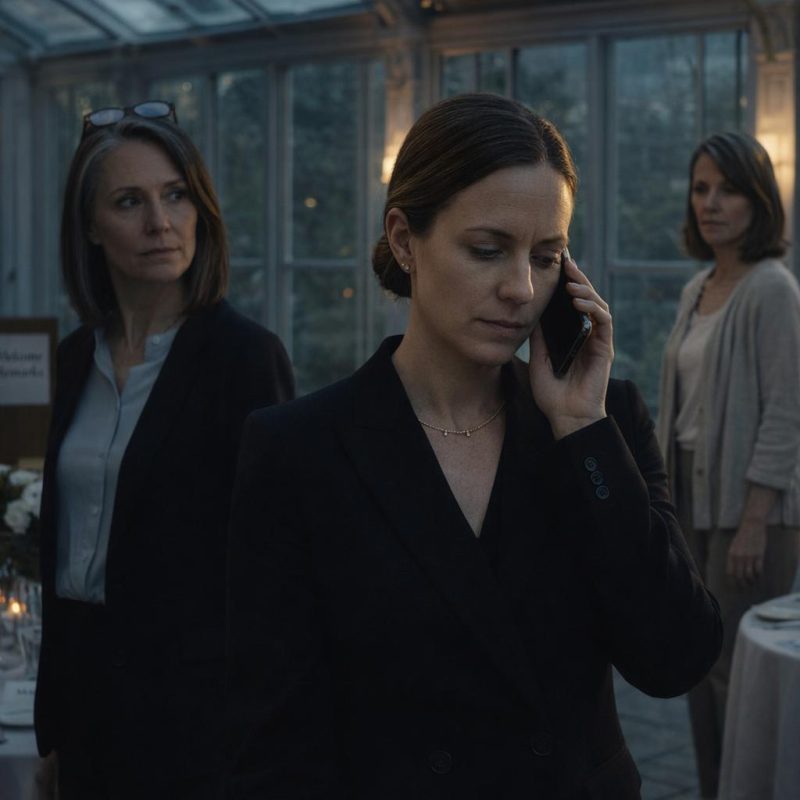 Image by RM AI
The Polished Exterior Cracks
Brianna suggested sandwiches. She said it quickly, like speed might make it sound reasonable — a few places nearby, she said, good ones, she'd seen their menus. Dr. Greenway looked at her over the top of her reading glasses and said the board chairman had been expecting a formal meal, that this was the annual review luncheon, that the room had been arranged accordingly. Brianna's hands moved to her phone again, scrolling fast, and I noticed they weren't quite steady. I kept straightening chairs. There was nothing else useful I could do yet, and I'd learned a long time ago not to move before the moment was ready. She tried two more numbers. Both were dead ends. At some point between the third and fourth call, something shifted in the way the designer blazer sat on her shoulders — it looked, suddenly, like something she'd put on that morning hoping it would be enough. Dr. Greenway turned toward me. She didn't say anything at first, just looked, the way people look when they're hoping someone else has already thought of something. Then Brianna turned too, and the expression on her face was nothing like the one she usually wore in this building. Whatever the performance usually was, it had run out of material. I'd spent months watching her move through these halls like she owned them. Standing there now, I mostly just saw someone who'd run out of road.
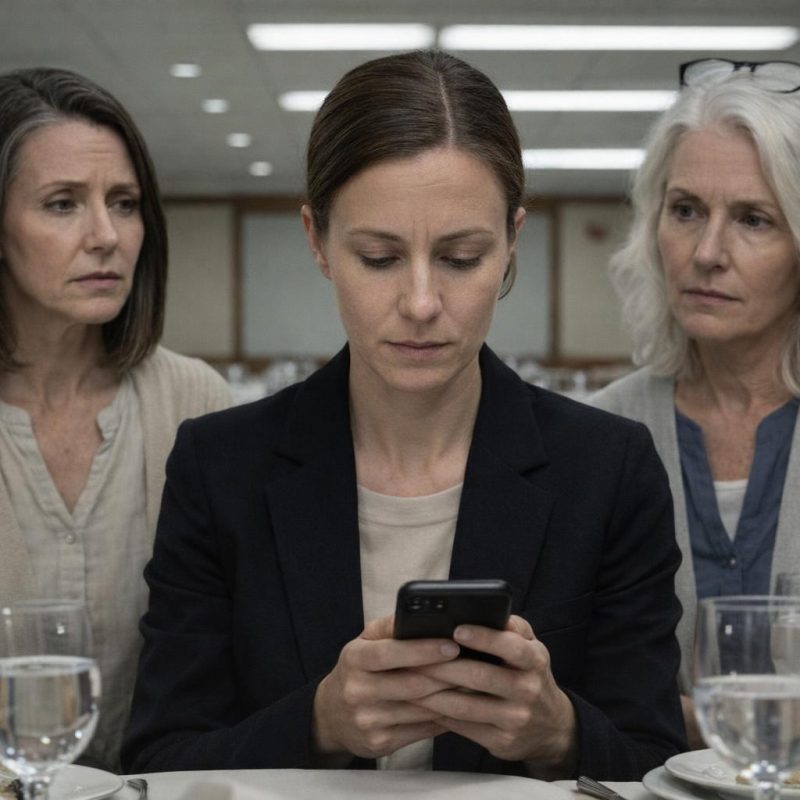 Image by RM AI
Anyone Who Could Help
Brianna crossed the room toward me. She didn't do it the way she usually moved — that clipped, purposeful stride that announced she was going somewhere important. She walked over like someone who had already tried everything else. Dr. Greenway stayed where she was, arms folded, watching. Brianna stopped a few feet away and asked if I knew anyone. Anyone who could help, she said. Anyone at all who could put together something appropriate on short notice. Her voice had shed the particular edge it usually carried when she spoke to me — the slight elevation, the faint implication that she was explaining something I might not follow. It was just a voice now, a little thin at the edges. I thought about the board members who would be walking through that door in under an hour. I thought about Dr. Greenway's welcome remarks sitting on the side table, and the place cards I'd set out that morning, and the conservatory's name on every one of them. I thought, briefly, about what it would look like to simply say I didn't know anyone who could help. Then Brianna said please. It came out quietly, like a word she didn't have much practice with. I heard myself say I might know someone who could.
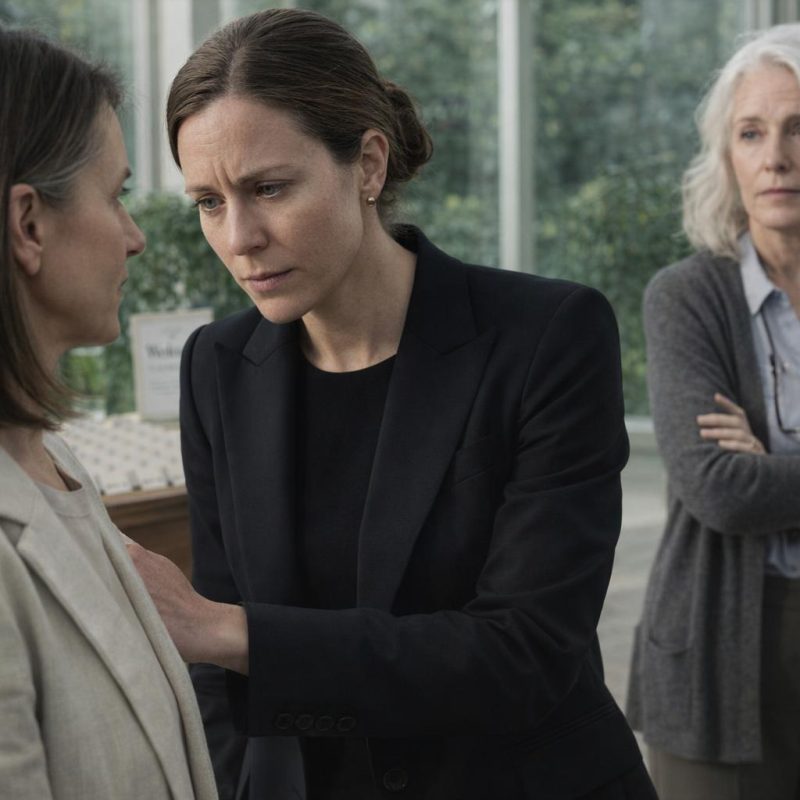 Image by RM AI
One Phone Call
I stepped into the hallway and called Marcus. He picked up on the first ring, the way he always did when he saw my number during prep hours. I told him what I needed: forty minutes, fifty guests, board luncheon, formal presentation. He asked one question — what style. I said elegant, botanical, something that would hold up in that room. He said he could do it and asked for the address. The whole call was under two minutes. I came back into the event space and Brianna looked at me the way people look when they've handed a problem to someone else and aren't sure whether to feel relieved or more afraid. She asked who I'd called. I told her a reliable contact, someone I'd worked with before. Dr. Greenway nodded once, the small nod of someone choosing to trust a thing they can't verify. I went back to the place cards and finished what I'd been doing. There wasn't much else to say. Marcus didn't need managing — he needed an address and a style note, and I'd given him both. Thirty-five minutes later, I was near the entrance when three unmarked vans pulled up to the conservatory's front doors.
 Image by RM AI
The Secret Gardener Revealed
Marcus and his team moved through the service entrance like water finding its level — no wasted motion, no noise that didn't need to be made. The spread came together on the tables in under twenty minutes: herb-crusted tarts with nasturtium garnish, smoked trout over microgreens, small ceramic dishes of whipped cultured butter pressed with edible viola petals. The violet-infused layer cake went to the center of the dessert table, its pale lavender glaze catching the conservatory light. Board members arrived and slowed as they entered, the way people slow when a room surprises them. I stayed near the kitchen pass, apron on, flour still on my hands from the morning's prep. I watched Brianna move through the room with her shoulders back, telling Mr. Westbrook she had curated the menu herself, that she had a particular vision for the afternoon. Mr. Westbrook listened politely. Then he stopped at the dessert table. He looked at the violet cake for a long moment, tilted his head slightly, and said he hadn't seen that glaze technique outside of one kitchen in the city. He said it was the trademark of a chef he'd been trying to reach for over a year. Brianna said she was close personal friends with the chef. I walked over, wiped my hands on my apron, and handed Mr. Westbrook the recipe card he'd once asked me about — the one Brianna had called unsophisticated — and mentioned quietly that my homegrown ingredients seemed to have found their occasion.
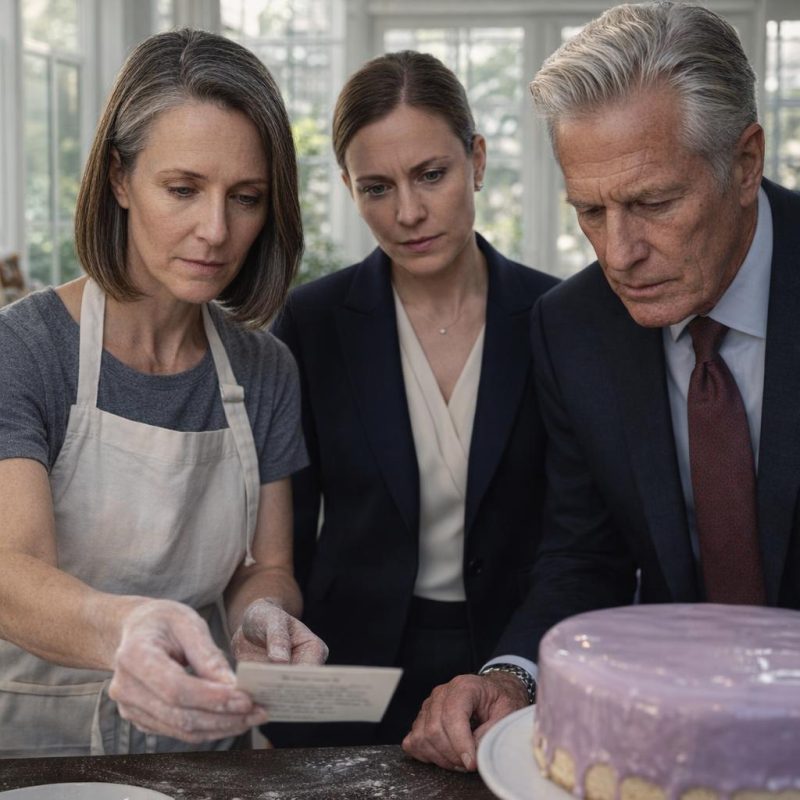 Image by RM AI
The Color Drains
Mr. Westbrook looked at the recipe card, then at me, then back at the card. He asked, very directly, whether I was The Secret Gardener. I told him I ran the supper club, yes. He let out a short breath that was almost a laugh and said he'd been on the waiting list for a year and a half. He turned to the board members nearest him and asked if any of them had known — had known that the conservatory's own staff included the chef whose reservation list had a two-year wait. Dr. Greenway stood very still near the podium, her welcome remarks still in her hand, her expression moving through several things at once. Mr. Westbrook mentioned the feature in the national food magazine, the one that had run last spring, and asked if that had been me as well. I confirmed it had. He shook his head slowly, the way people do when something they've been chasing turns out to have been nearby all along. I was aware of Brianna at the edge of my vision the whole time. She hadn't moved from where she was standing when Mr. Westbrook first asked his question. Her mouth opened once, then closed. The color left her face the way light leaves a room — not all at once, but steadily, until what remained was just the structure underneath.
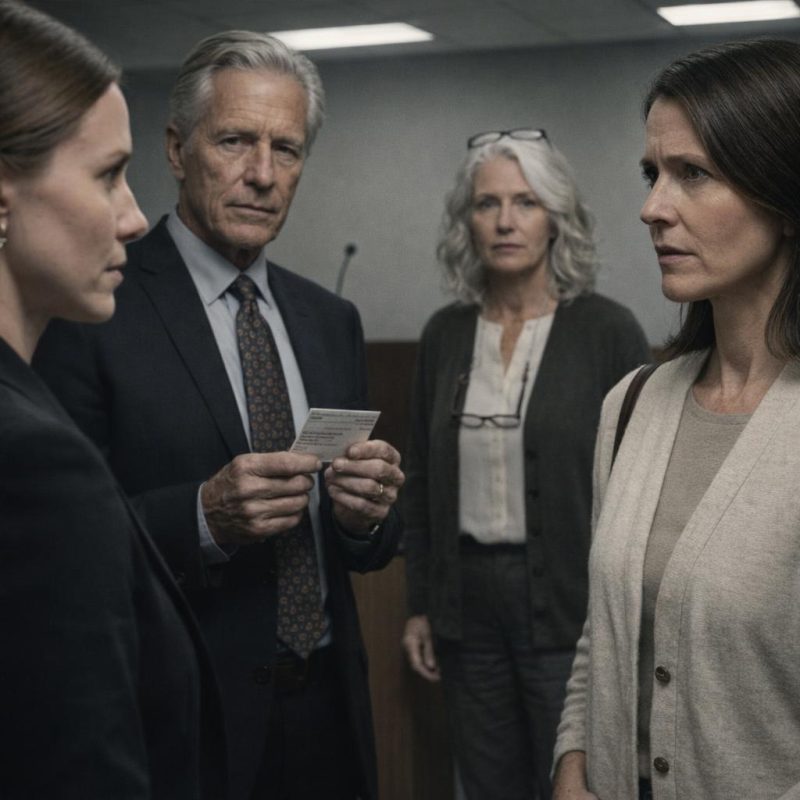 Image by RM AI
Months of Mockery Reframed
The board members had questions, and I answered them the way I answered most things — plainly, without embellishment. Someone asked how long I'd been running the supper club. Twelve years, I said. Another asked about the waiting list, and I explained that I kept the events small and seasonal, never more than fourteen guests, the menu built around whatever the garden was doing that week. Mr. Westbrook asked about the botanical ingredients specifically — the violet, the nasturtium, the herb combinations — and I described the private garden behind my house, the years of cultivating varieties that most commercial kitchens couldn't source. Someone mentioned the magazine piece, and I confirmed I wrote under a different name to keep the two parts of my life from collapsing into each other. Each answer landed in the room and settled there. I didn't look at Brianna while I spoke. I didn't need to. I could feel the geometry of the conversation shifting with every exchange — every question about the supper club's reputation, every mention of the waiting list, every nod from Mr. Westbrook landing somewhere near the months of comments about my Tupperware containers and my unsophisticated lunches and my apparent lack of understanding about how professional environments worked. When I finally glanced toward the side of the room where Brianna was standing, she was looking at the floor.
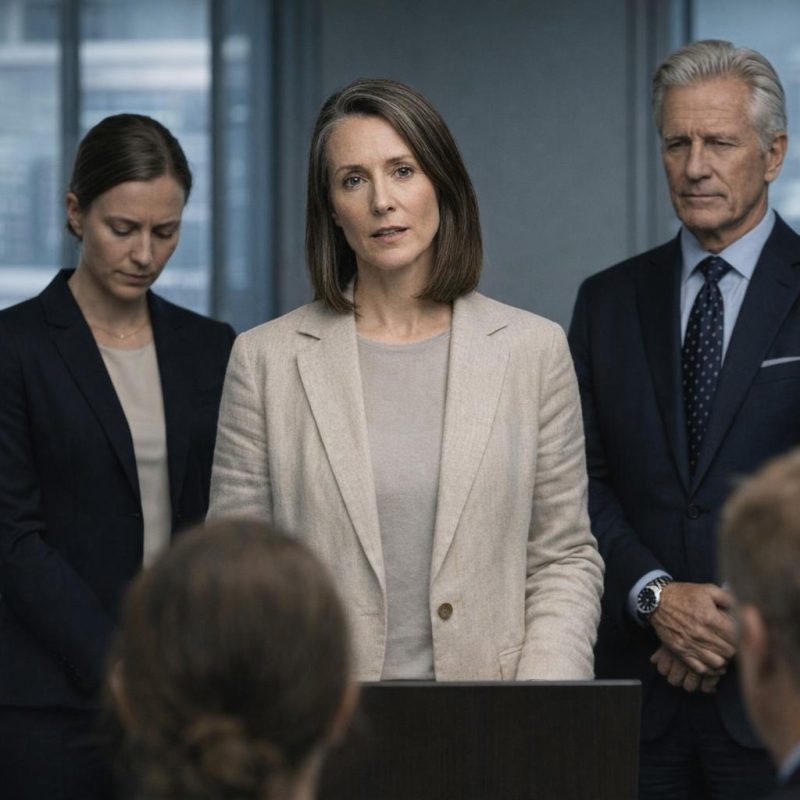 Image by RM AI
The Woman She Wanted to Be
The board members moved toward the dining tables, and the room filled with the particular sound of a luncheon finding its rhythm — chairs, low conversation, the small percussion of a meal beginning. I stayed near the kitchen pass and watched Brianna. She hadn't moved to join the room. She stood at the edge of it, one hand resting on the back of a chair, her eyes somewhere on the middle distance. I thought about the bistro salads she'd brought in, each one in its paper bag with the restaurant's name printed on the side. The expensive blazers. The comments about what counted as sophisticated, what belonged in a professional setting, what kind of food said something worth saying. I'd spent months reading those moments as condescension, and they were that — I wasn't revising the harm out of them. But standing there watching her, I could see something else underneath it. She had been reaching for something she couldn't name and couldn't grow, and she'd spent months standing next to someone who had it without trying to display it. The mockery hadn't really been about my food. It had been about a version of herself she was afraid she'd never become. I didn't feel triumphant. I felt the particular heaviness of understanding someone more clearly than they'd ever intended to be understood.
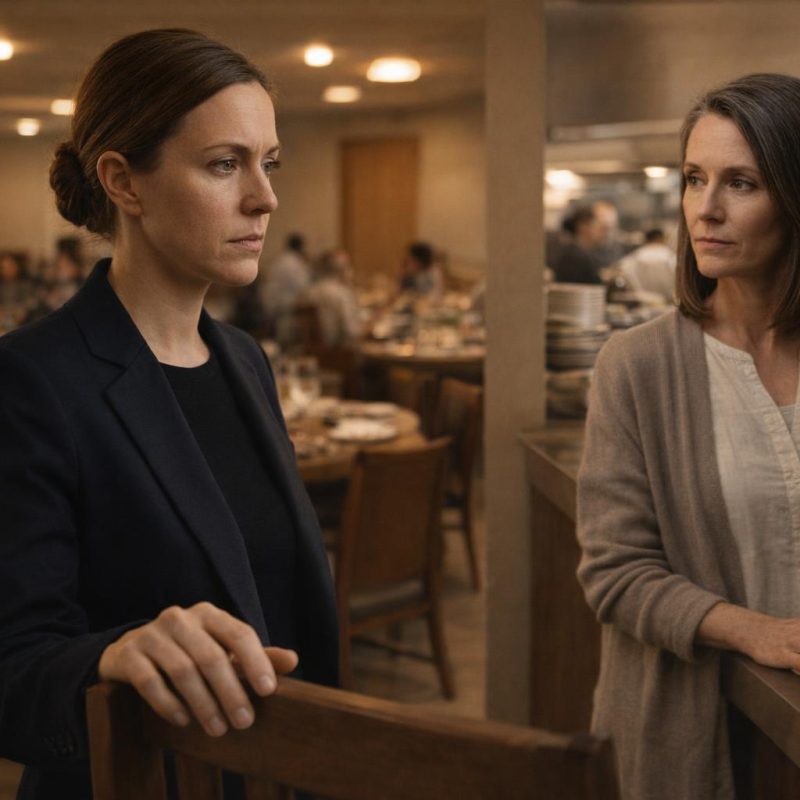 Image by RM AI
Close Personal Friends
Mr. Westbrook made his way back toward me before the room had fully cleared, still holding a small plate with the last of the violet cake. He said it was the finest thing he'd eaten at a board function in years, and he meant it — you could tell by the way he said it slowly, like he was still tasting it. Then he mentioned, almost as an aside, that someone on staff had told him she was a close personal friend of the chef. That she'd been the one to arrange the whole thing as a personal favor. I asked, as evenly as I could, who had said that. He glanced across the room toward Brianna. I looked up. She was already looking at me — and then she wasn't. Her eyes dropped to the floor, and the color that had left her face earlier didn't come back. Mr. Westbrook seemed to sense something had shifted, because he set his plate down, offered a polite smile, and moved away without pressing further. I didn't say anything. I didn't need to. The claim hung in the air between us — close personal friends — and the silence around it was complete.
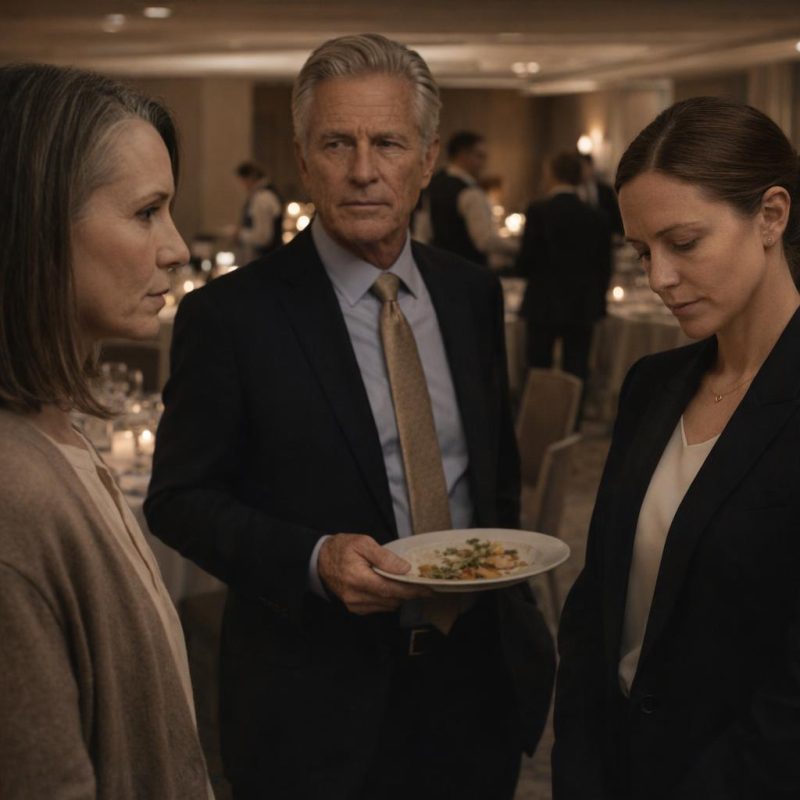 Image by RM AI
Homegrown Ingredients
Mr. Westbrook found me near the kitchen pass a few minutes later, where I was wiping flour from my apron with a clean towel. He thanked me personally, shaking my hand with both of his, and said the meal had exceeded every expectation. I told him I was glad the homegrown ingredients had been acceptable. I kept my voice even, just a simple observation, the kind of thing you say when you mean exactly what you're saying and nothing more. Dr. Greenway, standing two feet away, went very still. I didn't look at Brianna, but I heard the small silence from her direction that told me she'd caught it. Mr. Westbrook didn't know the history behind the phrase, so he took it at face value and nodded appreciatively, saying there was nothing quite like produce grown with intention. Then he asked if I had business cards for the supper club. I told him I didn't advertise — it was invitation only. He raised an eyebrow and asked how one went about getting an invitation. I folded the towel over my arm, smiled, and told him I'd be in touch. Then the board chairman crossed the room and asked if he could have my card.
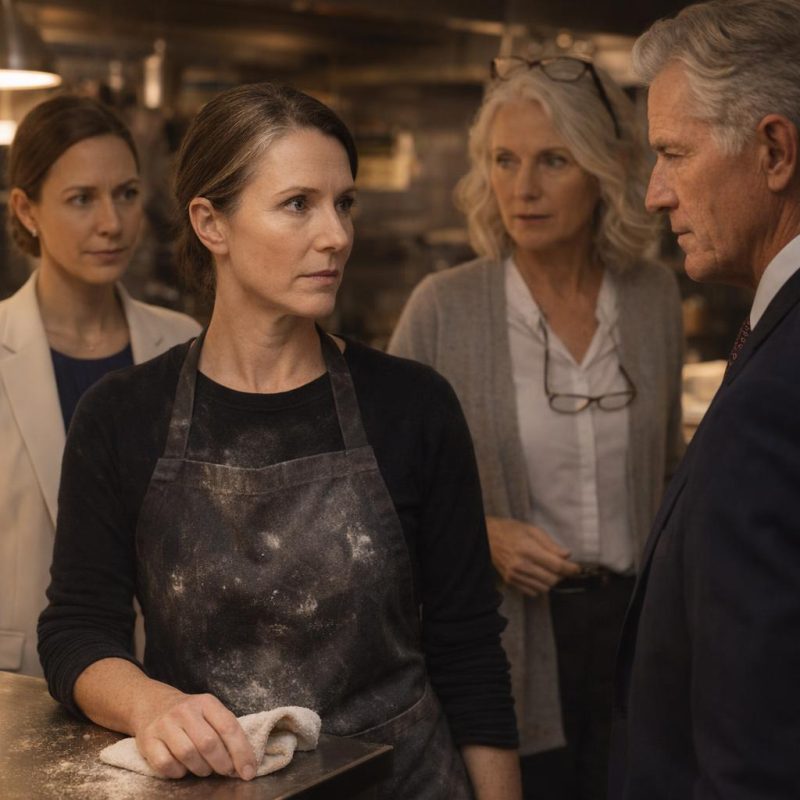 Image by RM AI
Unable to Meet Her Eyes
The rest of the service moved the way a well-tended garden does in late summer — everything already in motion, needing only small adjustments. I checked in with Marcus at the pass, confirmed the dessert plates were going out clean, and made sure the coffee service was running. Board members stopped me twice between the kitchen and the dining room to say things I received graciously and deflected toward the ingredients and the preparation. Dr. Greenway found me near the end of service and thanked me quietly, her hand briefly on my arm, saying I had saved the afternoon. I told her the food had done that on its own. Every time my path crossed Brianna's — and it crossed three or four times in that hour — she found something else to look at. A window. Her phone. The middle distance. She had moved to the far edge of the room and stayed there, not circulating, not speaking to the board members she'd spent weeks preparing to impress. When Mr. Westbrook gave a short toast praising the exceptional meal, the room lifted around it. Brianna stood at the periphery, silent, her glass raised just enough to be polite. I felt the satisfaction of work completed — not performed, not displayed. Just done, and done well.
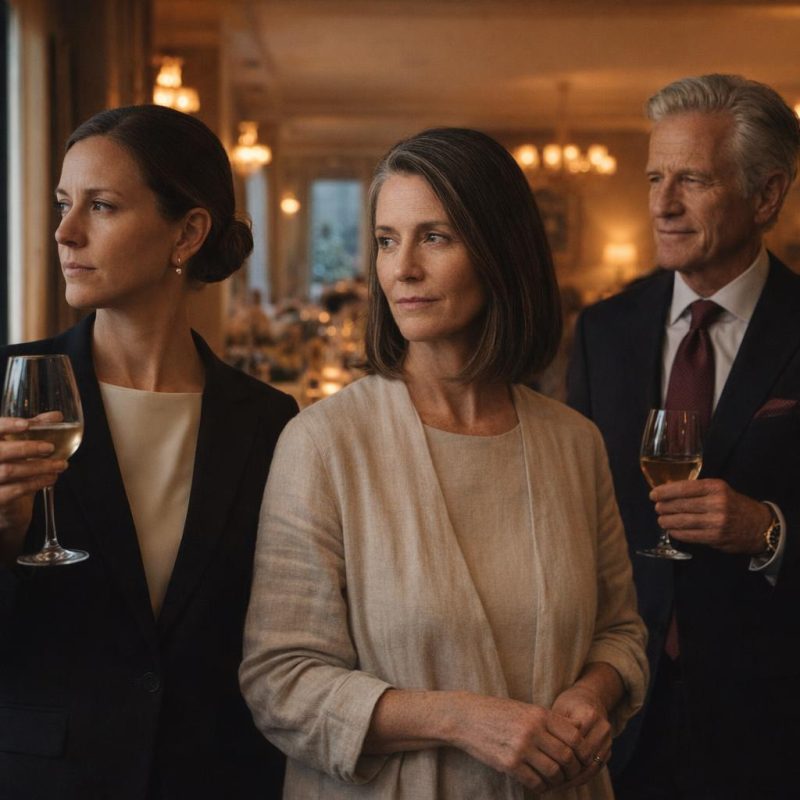 Image by RM AI
Dr. Greenway's Expression Changes
Dr. Greenway pulled me aside as the last board members were collecting their things. She asked how long I'd been running the supper club, and I told her twelve years — kept entirely separate from my work at the conservatory, by design. She nodded slowly, processing that. Then she asked, carefully, whether Brianna had known about my culinary work before today. I said no. I'd kept it private. Something moved across her face then — not surprise exactly, more like pieces settling into a pattern she hadn't seen before. She mentioned the Break Room Etiquette memo. She said it quietly, almost to herself, and I watched her expression change as she connected it to everything else. The months of comments. The memos. The particular texture of Brianna's attention toward me. Dr. Greenway said she was sorry — that she should have recognized what was happening sooner, that she hadn't been paying close enough attention. I told her I appreciated that. Across the room, Brianna was watching us. She didn't move closer. She didn't look away either, not immediately — just stood there with her arms crossed, watching Dr. Greenway's face, and whatever she saw there seemed to cost her something. The weight of being fully seen by the right person, I thought, lands differently than being seen by everyone.
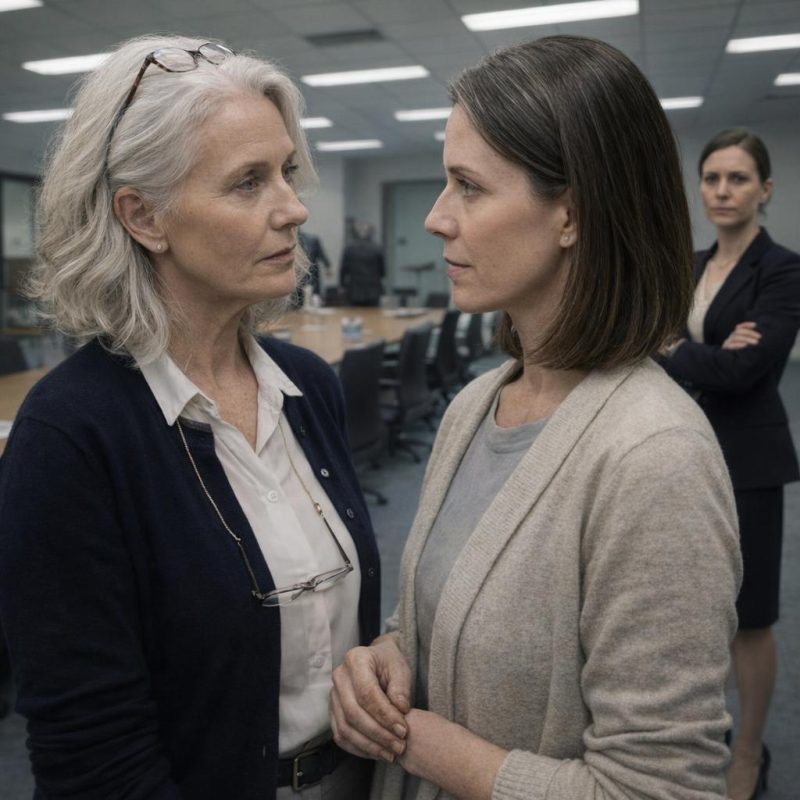 Image by RM AI
The Luncheon Ends
The board members left in a slow, satisfied wave, each one pausing to say something kind on the way out. Mr. Westbrook was last. He shook my hand again and said, with the particular certainty of someone who keeps careful score, that this was the finest board luncheon in his fifteen years with the organization. I thanked him and meant it. Then Marcus and I moved into the quiet work of breaking down the kitchen — wrapping equipment, consolidating containers, wiping surfaces back to neutral. He asked me, low and without ceremony, if I was okay with how the day had gone. I thought about it for a moment. I told him it felt strange, but right. Like a door I'd been holding shut had finally just swung open on its own. He nodded and kept packing, which was exactly the right response. We loaded the vans with the efficiency of people who have done this together for years — no wasted motion, no need to narrate. The conservatory parking lot was quiet by the time we finished, the afternoon light going long and gold across the pavement. I was watching the second van pull away when my phone buzzed. It was a text from Dr. Greenway, asking if I could come in Monday morning to discuss a few matters.
 Image by RM AI
Back to Her Desk
The conservatory hallways were back to their usual quiet by the time I returned to my office — the particular stillness of an institution that has absorbed something significant and resumed its ordinary pace. I sat at my desk still in my work clothes, the day settling into my shoulders. Diane appeared in the doorway about ten minutes later with wide eyes and both hands pressed to her cheeks. She asked if it was true, if I was actually The Secret Gardener, and when I confirmed it she crossed the room and hugged me with the full conviction of someone who had been waiting years to understand something. She said she'd had no idea, not even a suspicion, and she seemed genuinely delighted by that. We talked for a few minutes — her asking questions, me answering them in the same measured way I'd answered everyone else's today. Eventually she left, still shaking her head. I turned to my computer to file the event report and opened the shared staff folder out of habit. The Break Room Etiquette memo was gone — the file Brianna had distributed three months ago, which had sat in that folder ever since, no longer there. I clicked through to the folder history. It had been deleted from the server entirely.
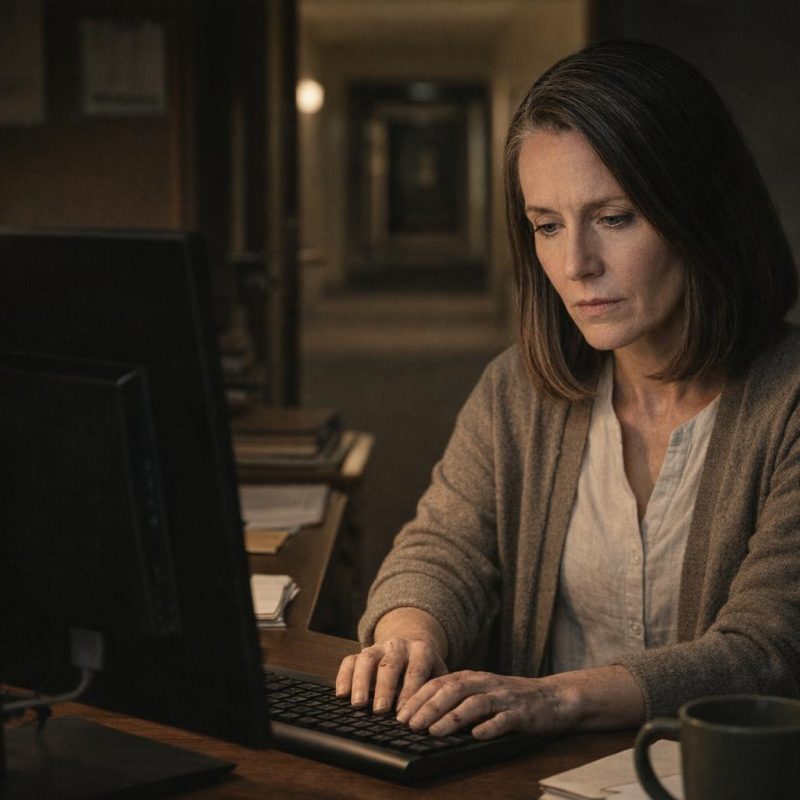 Image by RM AI
Brianna Cannot Meet Her Eyes
Friday afternoon I was walking toward the break room when I saw Brianna coming from the opposite end of the hallway. There was maybe thirty feet between us. She saw me at the same moment I saw her — I could tell by the way her stride broke, just slightly, before she stopped altogether. Then she turned and walked back the way she'd come. I kept going. I got my tea, stood at the counter for a moment, and let the quiet of the empty room settle around me. Diane came in a few minutes later and poured herself a coffee without preamble. She said she'd heard something. Brianna had submitted a request that morning to meet with Dr. Greenway about transferring to a different department. Diane asked how I felt about that. I thought about it honestly. I told her I felt mostly tired — not vindicated, not relieved, just tired in the way you get when something that has taken a long time finally stops requiring your attention. Diane nodded like that made sense to her. I finished my tea and rinsed the mug. I was almost back to my office when my phone buzzed with a message from Diane: she'd just heard that Brianna had requested the transfer be processed before the end of the month.
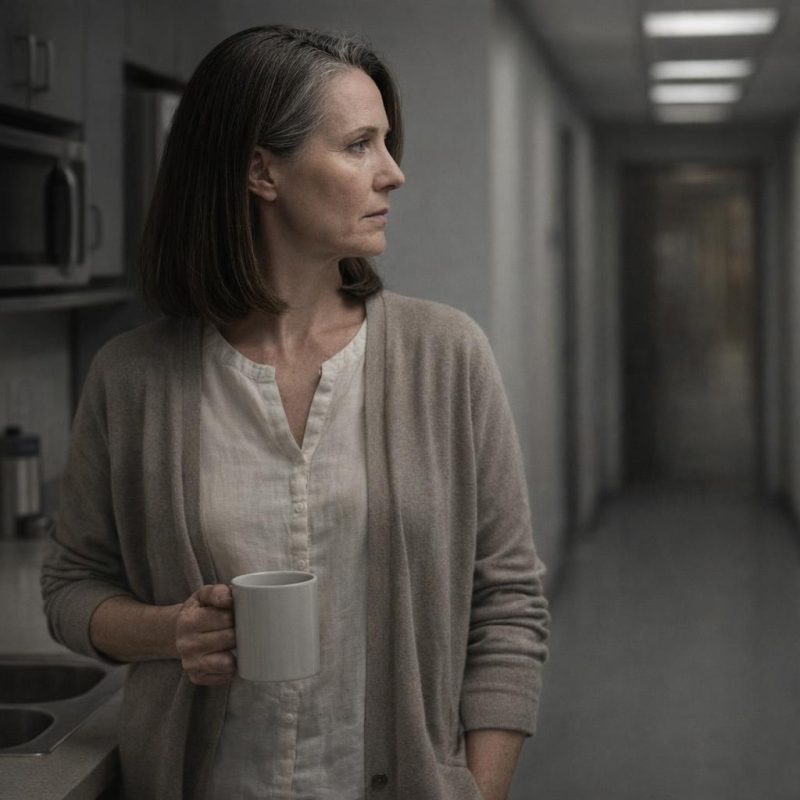 Image by RM AI
The Weekend Between
Saturday morning I was in the garden before seven, hands in the soil before the dew had fully lifted. There's a particular quality to early autumn light in a kitchen garden — low and amber, catching the last of the basil before the cold takes it. I worked through the beds methodically, harvesting what was ready, turning what wasn't, making notes for the next supper club menu in the small notebook I keep on the potting bench. Marcus arrived around nine with coffee and his own notebook. He asked how I was feeling about everything, and I told him the truth: strange, but lighter. Like I'd been carrying two separate versions of myself for so long that I'd stopped noticing the weight, and now I was just one person again. He said that sounded about right. We talked through the next menu — a late harvest tasting, seven courses, the kind of meal that takes a week to prepare properly. We discussed whether the exposure would change things, and I told him I intended to keep the same standards, the same privacy, the same invitation-only structure. Nothing about the work itself needed to change. By afternoon the beds were tended, the menu was drafted, and Monday's meeting with Dr. Greenway sat somewhere in the back of my mind — present but not pressing. The garden smelled of turned earth and rosemary, and for the first time in months, I wasn't keeping any part of myself out of it.
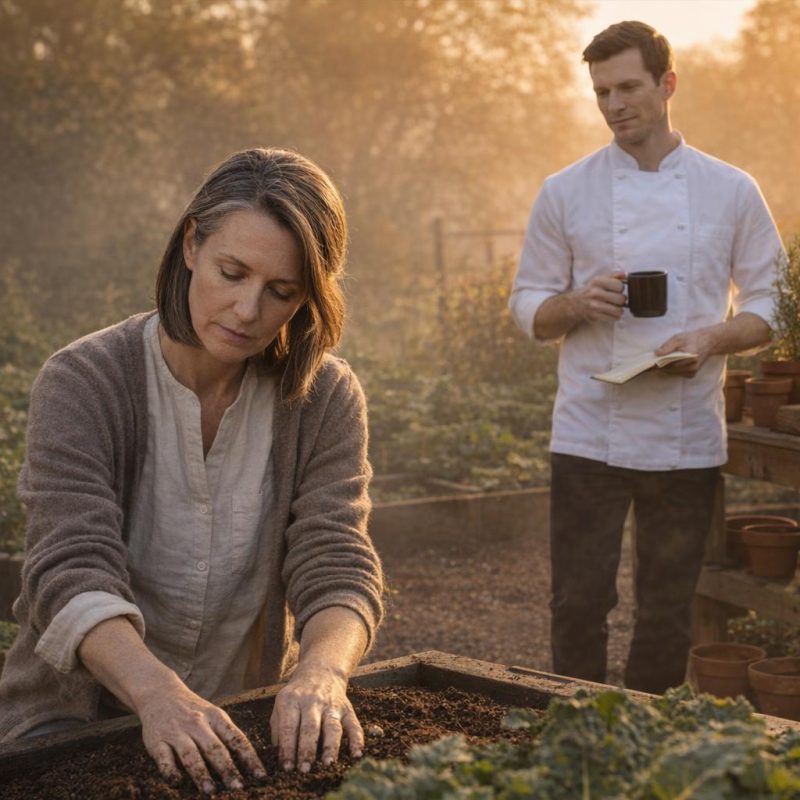 Image by RM AI
Monday Morning Returns
Monday morning I arrived at my usual time, thermos in hand, and noticed it within the first thirty seconds. Not anything dramatic — no applause, no one stopping me in the hallway to make a speech. It was subtler than that. A postdoc I'd exchanged maybe a dozen words with in three years looked up from her desk and gave me a real smile, the kind that takes a moment to form. One of the facilities staff held the door and said, genuinely, that it was good to see me. My inbox had three emails from colleagues I rarely heard from, each one some variation of having heard about the board luncheon and wanting to say something kind. Diane appeared at my office door before nine with two cups of coffee and set one on my desk without a word, then sat down across from me and said, "You look like yourself today." I told her I felt like it, too. We talked for a few minutes — nothing heavy, just the easy kind of conversation that had been harder to come by lately. I reviewed my notes for the meeting, drank my coffee, and let the morning settle around me. At nine o'clock I gathered my folder, walked down the corridor to the executive wing, and stepped through Dr. Greenway's open door.
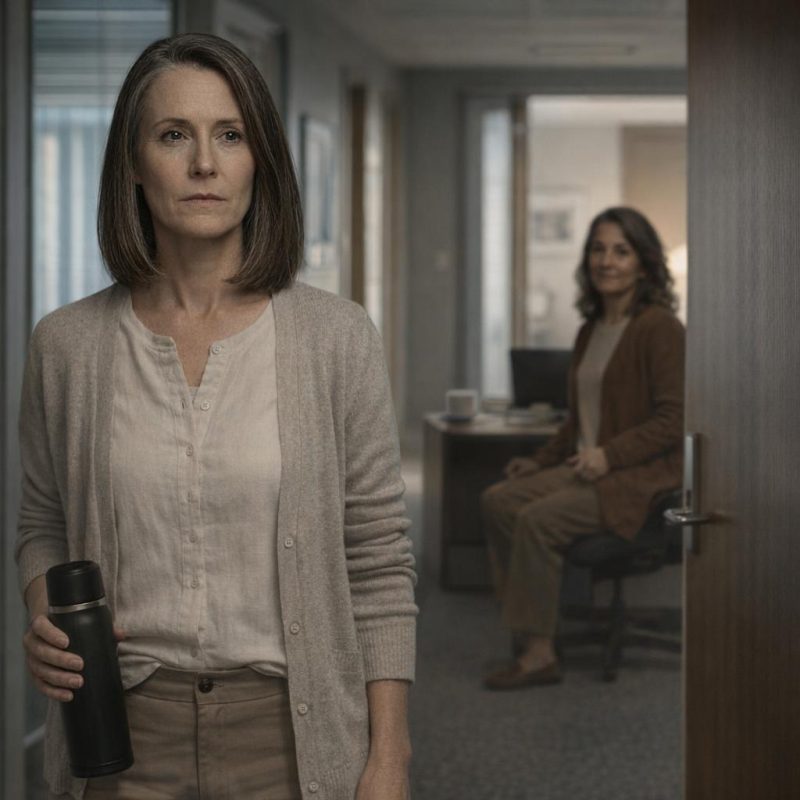 Image by RM AI
The Memo Deleted
Dr. Greenway gestured to the chair across from her desk and got straight to the point, which I'd always appreciated about her. She thanked me first — said the board had been talking about the luncheon since Friday and that Mr. Westbrook in particular had been effusive in a way she described as "uncharacteristic." Then she set her reading glasses on the desk and said she owed me an apology. She told me she'd deleted the Break Room Etiquette memo herself on Friday afternoon, that she should have looked more carefully at what was being circulated and why, and that she was sorry she hadn't. She said the pattern of behavior had been brought to her attention in a way she couldn't ignore, and that she took responsibility for not recognizing it sooner. I told her I appreciated that, and I meant it. She mentioned that Brianna had requested a transfer to the development office, that it would be processed within two weeks, and asked if I was comfortable with that resolution. I said I was. She asked if I'd consider consulting on future institutional events, and I told her I'd think about it seriously. We shook hands at the door. Walking back down the corridor, I noticed the building felt the same as it always had — the familiar smell of soil and climate-controlled air, the low hum of the ventilation — and I realized I'd missed it without knowing I had.
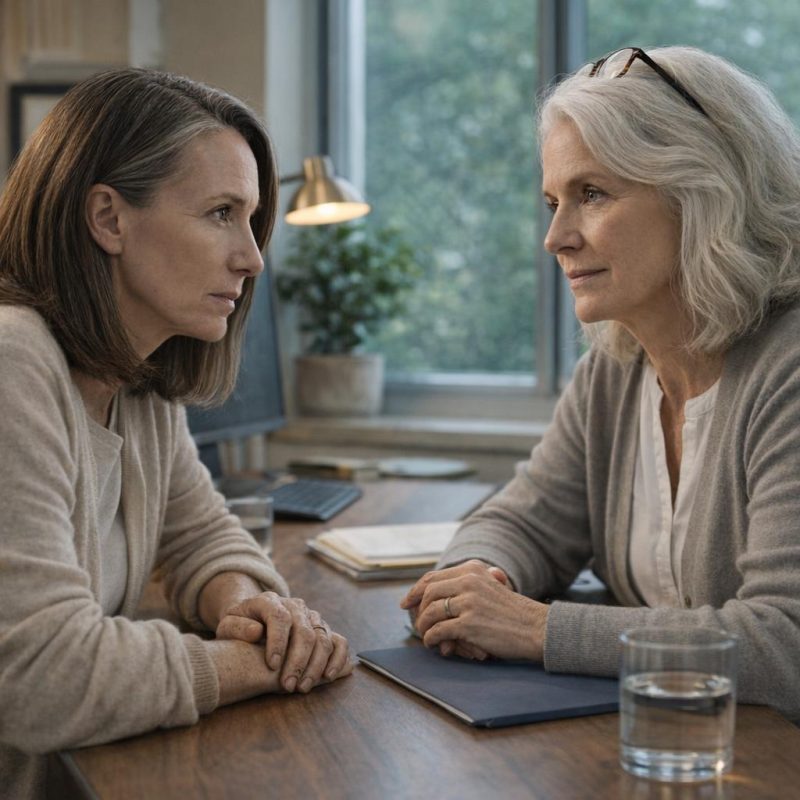 Image by RM AI
Brianna's Transfer
Diane appeared in my doorway again just after two, and I could tell from the way she was holding her coffee mug — both hands, like she was steadying herself for good news — that she had something to tell me. Brianna's transfer had been approved, she said. Effective the following Monday. Different building, different floor, different daily orbit entirely. I sat back in my chair and let that land. Diane asked if I felt vindicated, and I thought about it honestly before I answered. I told her I mostly felt tired — the particular tiredness that comes after a long season of something difficult, when the tension finally releases and you realize how much energy you'd been spending just to hold steady. I said I was ready for things to be ordinary again. Diane nodded like she understood exactly what I meant. We talked for a while about the fall gala preparations, the new bulb order that needed reviewing, the small logistical rhythms that had always been the actual texture of the work here. By the time she left, the afternoon light had shifted to that low amber slant I associate with late October, and the office felt quieter than it had in months — not empty, just settled, the way a garden does after the last of the season's work is done.
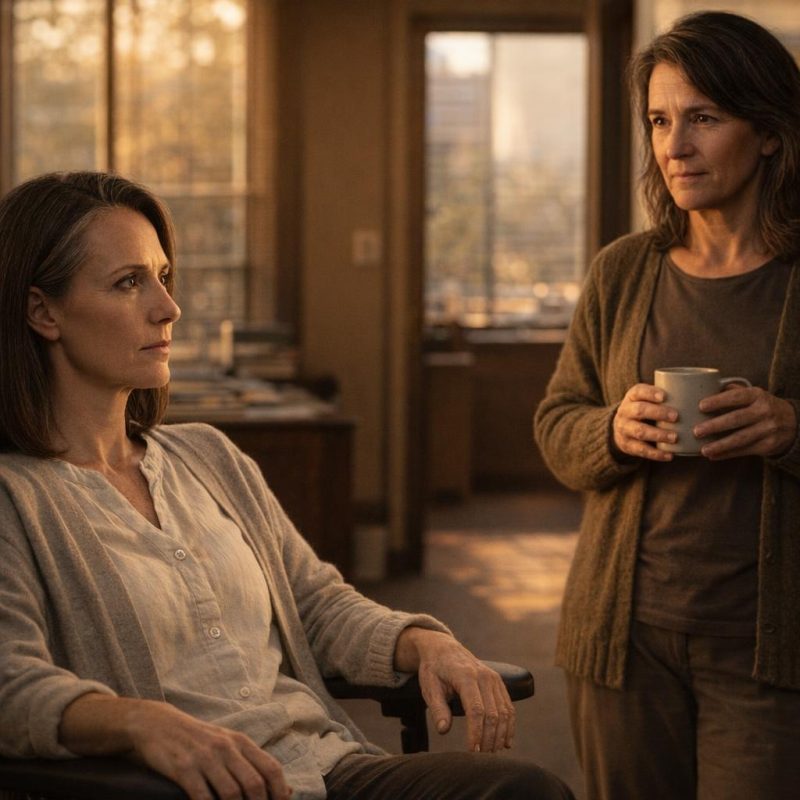 Image by RM AI
Opening the Tupperware
Tuesday morning I packed my lunch with the same care I always had — roasted root vegetables with thyme, a grain pilaf made from the farro I'd been meaning to use since the weekend harvest, a small jar of herb oil on the side. Nothing elaborate. The kind of meal that tastes like the season it came from. I carried it to the break room at noon, heated it without incident, and brought it back to my desk. No one commented. No one paused in the doorway. The office moved around me at its usual pace — keyboards, a distant phone, the particular quiet of people absorbed in their own work. I ate slowly, the way I prefer to, paying attention to the farro's nuttiness against the sweetness of the roasted parsnip. Somewhere in the middle of it, an email arrived from Mr. Westbrook — a short note, gracious and specific, thanking me again for the luncheon and mentioning a dish he was still thinking about. I read it once, set my phone face-down, and took another bite. The glass container sat open on my desk, catching a thin line of afternoon light, and that was enough.
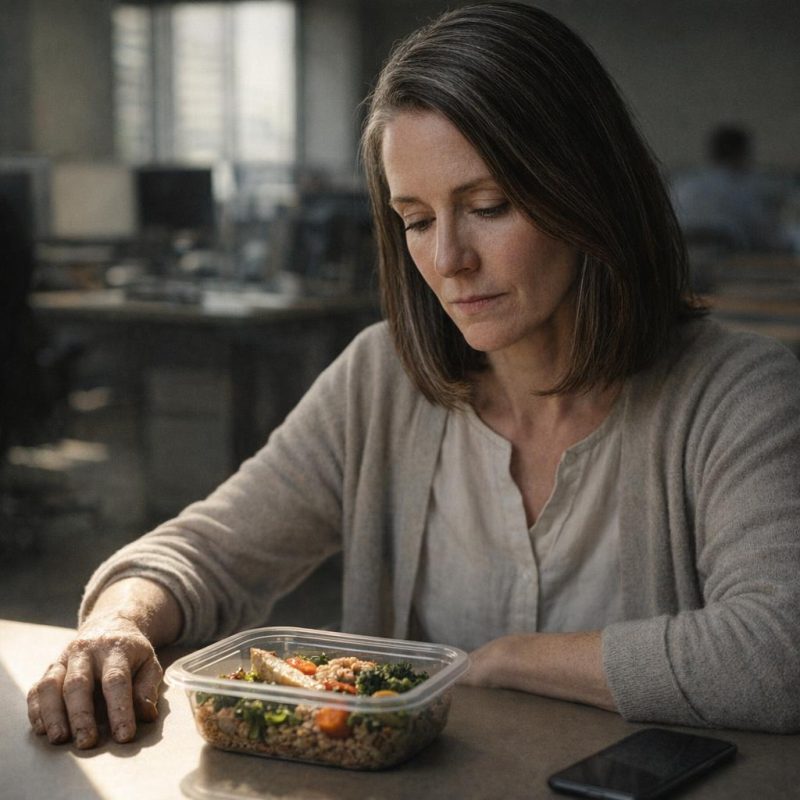 Image by RM AI
KEEP ON READING

The story of Ching Shih, the Woman Who Became the…
Unknown author on WikimediaFew figures in history are as feared…
By Emilie Richardson-Dupuis Dec 29, 2025
Einstein's Violin Just Sold At An Auction—And It Earned More…
A Visionary's Violin. Wanda von Debschitz-Kunowski on WikimediaWhen you hear…
By Ashley Bast Nov 3, 2025
This Infamous Ancient Greek Burned Down An Ancient Wonder Just…
History remembers kings and conquerors, but sometimes, it also remembers…
By David Davidovic Nov 12, 2025
The Mysterious "Sea People" Who Collapsed Civilization
3,200 years ago, Bronze Age civilization in the Mediterranean suddenly…
By Robbie Woods Mar 18, 2025
How Many Pilots Does It Take to Fix a Lightbulb?…
Mykyta Barko on PexelsOn December 29, 1972, Eastern Air Lines…
By Christy Chan Jun 16, 2026
20 Soldiers Who Defied Expectations
Changing the Rules of the Battlefield. You’ve probably heard plenty…
By Annie Byrd Feb 10, 2026