10 Reasons Historians Think Shakespeare Had A Ghostwriter & 10 Signs He Probably Didn't
10 Reasons Historians Think Shakespeare Had A Ghostwriter & 10 Signs He Probably Didn't
One of Literature's Oldest Arguments
The question of whether William Shakespeare actually wrote the plays attributed to him has been circulating for about two hundred years, long enough to attract serious scholars, committed eccentrics, and everyone in between. The authorship debate is not a fringe theory exactly, but it is not mainstream academic consensus either. The case cuts both ways, which is what makes it genuinely interesting rather than just conspiratorial. Here's 10 reasons the doubters have something to work with, and 10 reasons the skeptics of the skeptics probably have more.
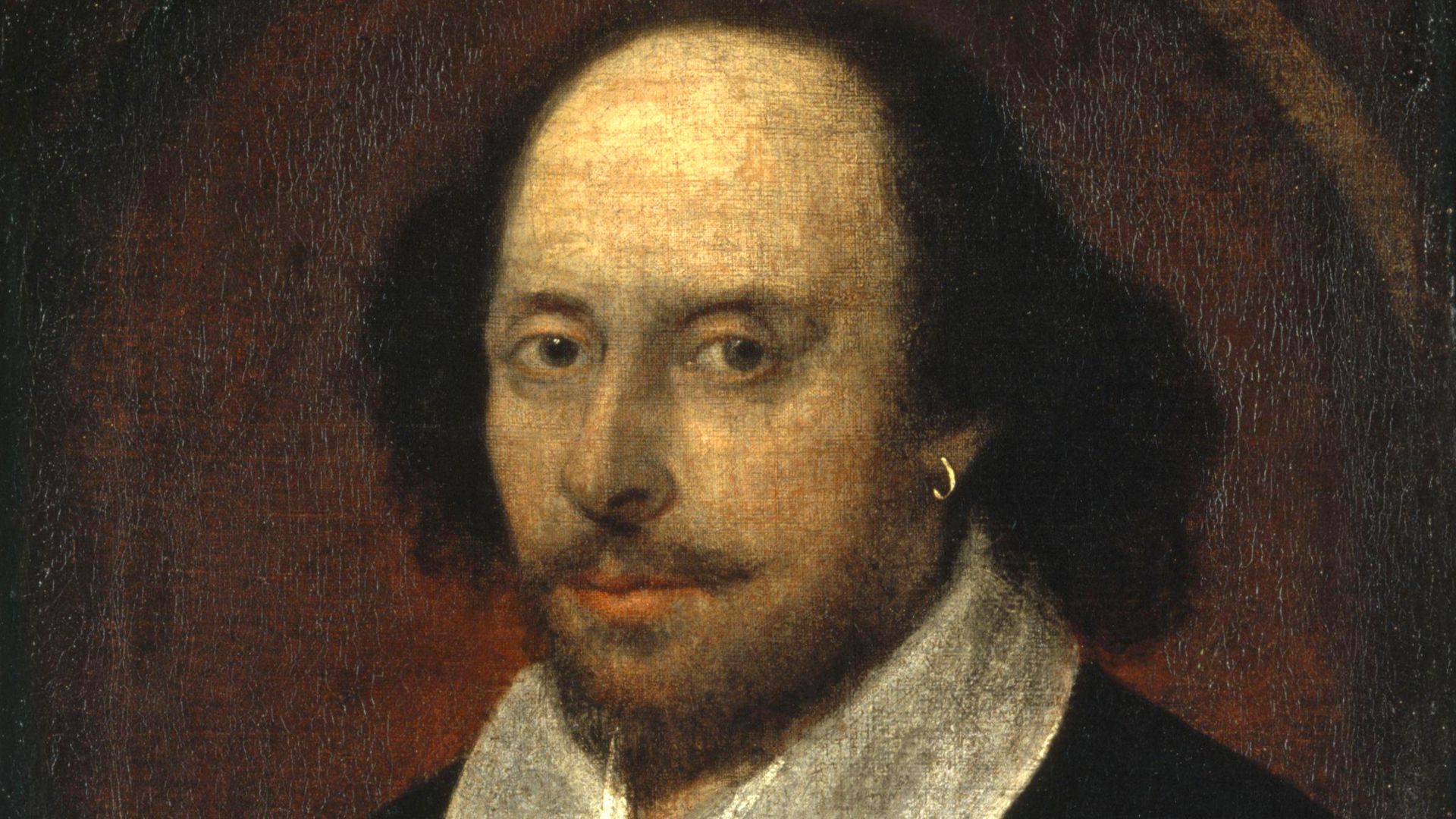 Attributed to John Taylor on Wikimedia
1. He Left No Manuscripts
Not a single page of a Shakespeare play exists in his handwriting, which is unusual for a writer of his output and stature. The complete absence of working drafts, correspondence about the plays, or annotated copies has always been difficult for defenders of the traditional attribution to explain.

2. His Education Was Limited
Shakespeare attended a grammar school in Stratford but had no university education, and the plays draw on sources in French, Italian, and classical Greek that would have required extensive self-teaching or access to someone who had them. The depth of legal, courtly, and diplomatic knowledge has struck some scholars as more than a grammar school boy from a provincial town should reasonably have accumulated.

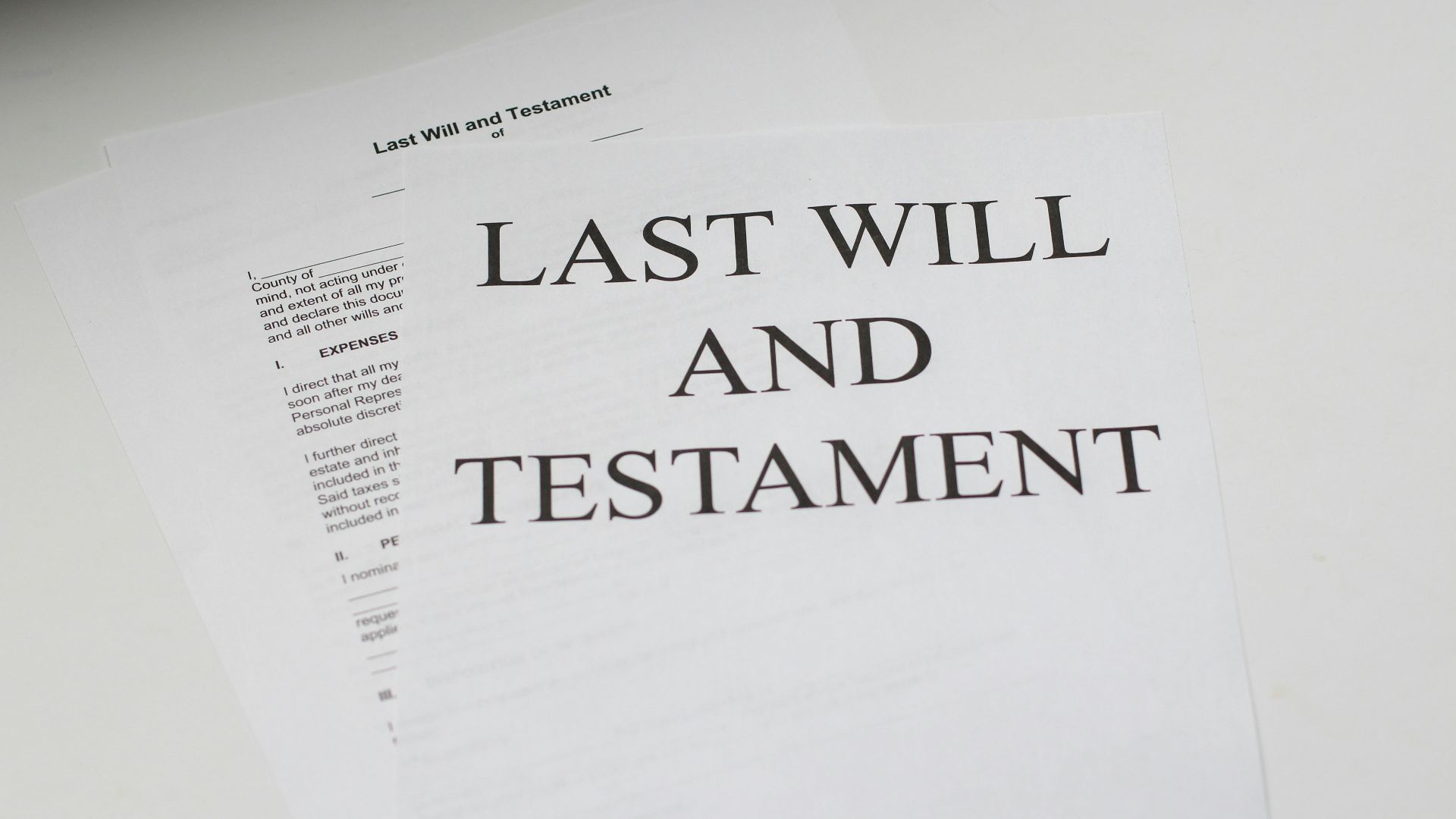
3. His Will Mentioned No Books
When Shakespeare died in 1616, his will was detailed enough to include his second-best bed but made no mention of books, manuscripts, or any literary property. For a man who had supposedly produced thirty-seven plays and over a hundred and fifty sonnets, the absence of any reference to a written legacy has always seemed strange.
4. Contemporary References Are Thin
For someone who was supposedly the most celebrated playwright in London, Shakespeare left remarkably few traces in the personal writings of his contemporaries. The kind of correspondence, admiring letters, or literary gossip that surrounded other writers of the period is largely absent from the record around him.

5. The Stratford Monument Was Altered
The monument erected to Shakespeare in Stratford's Holy Trinity Church appears to have been altered after his death, and early drawings show a figure holding a sack rather than a pen. Some researchers argue the literary image was retrofitted onto what was originally a more modest memorial.
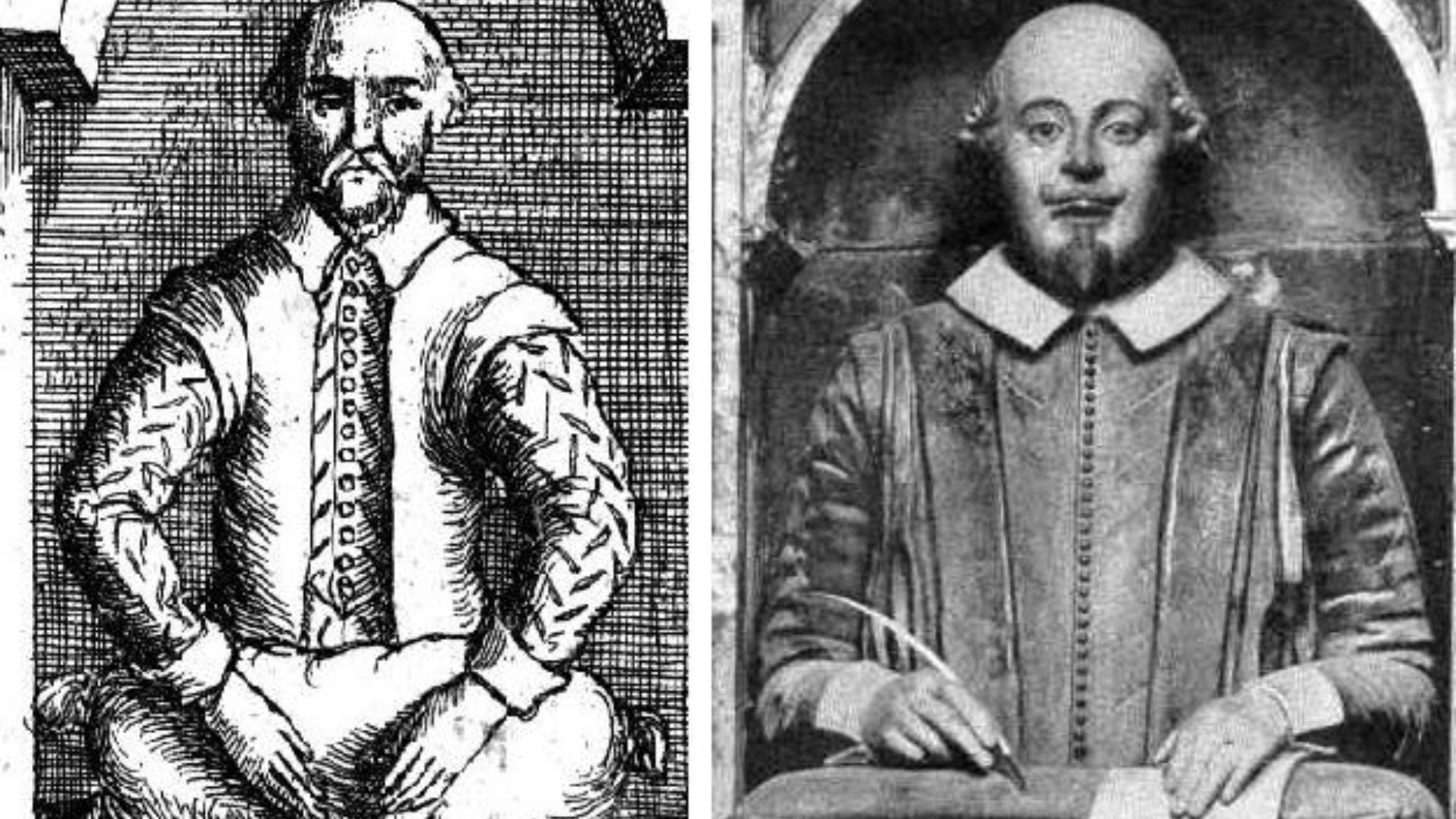 Gerard Johnson (sculptor), Wenceslaus Hollar on Wikimedia
6. Francis Bacon Knew Everything the Plays Knew
Francis Bacon was a lawyer, philosopher, and statesman with exactly the kind of education, courtly access, and breadth of knowledge the plays seem to require. His admirers have been making the case since the nineteenth century that the plays' legal precision and familiarity with aristocratic life point to someone with his exact background rather than Shakespeare's.
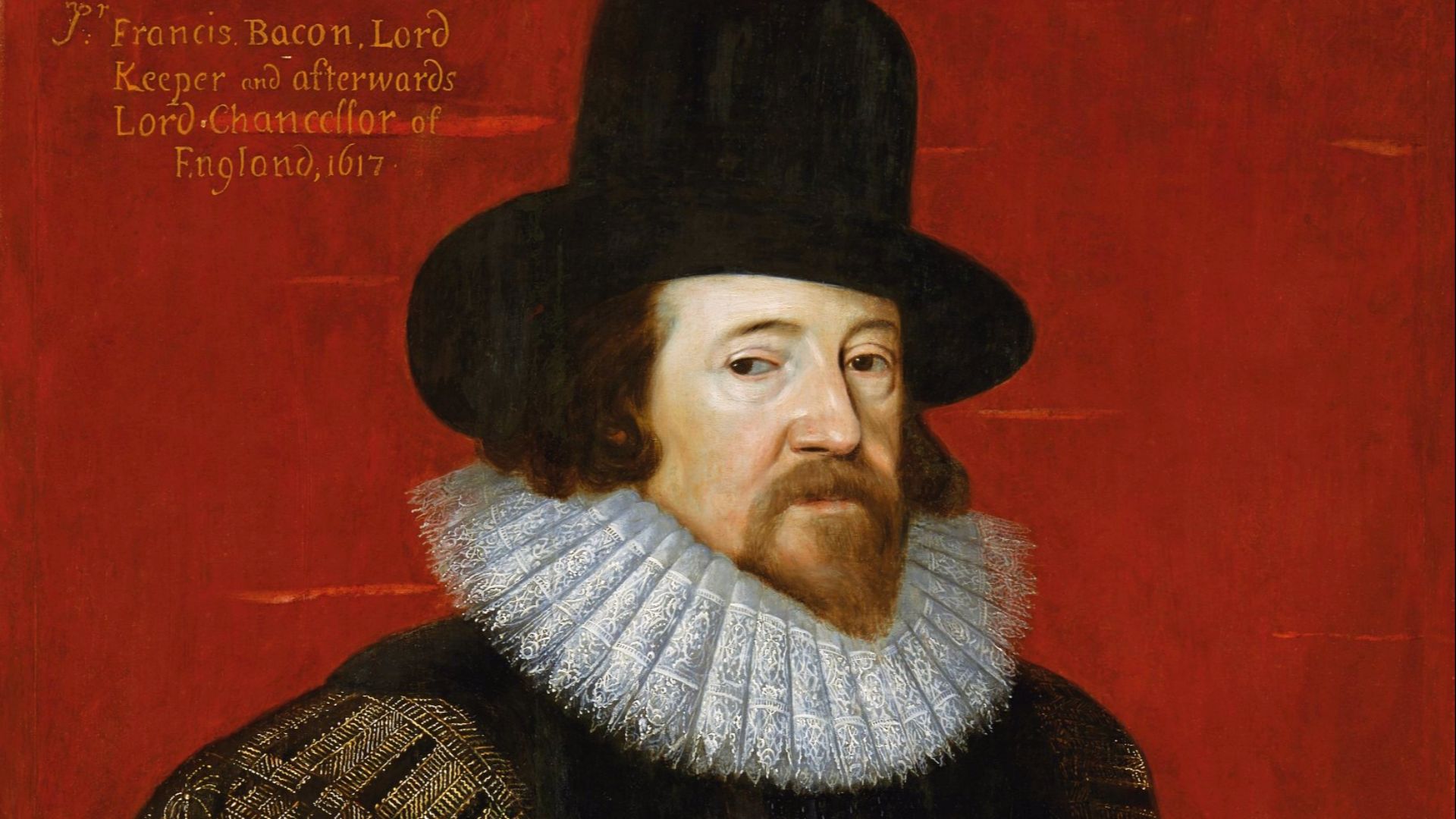 Paul van Somer I / Formerly attributed to Frans Pourbus the Younger on Wikimedia
7. The Earl of Oxford Is a Compelling Alternative
Edward de Vere, the seventeenth Earl of Oxford, traveled extensively in Italy, had legal training, moved in court circles, and had personal experiences that map onto several plays with suspicious specificity. The Oxfordian theory has attracted serious academic support, even if it has never become majority opinion among Shakespeare scholars.
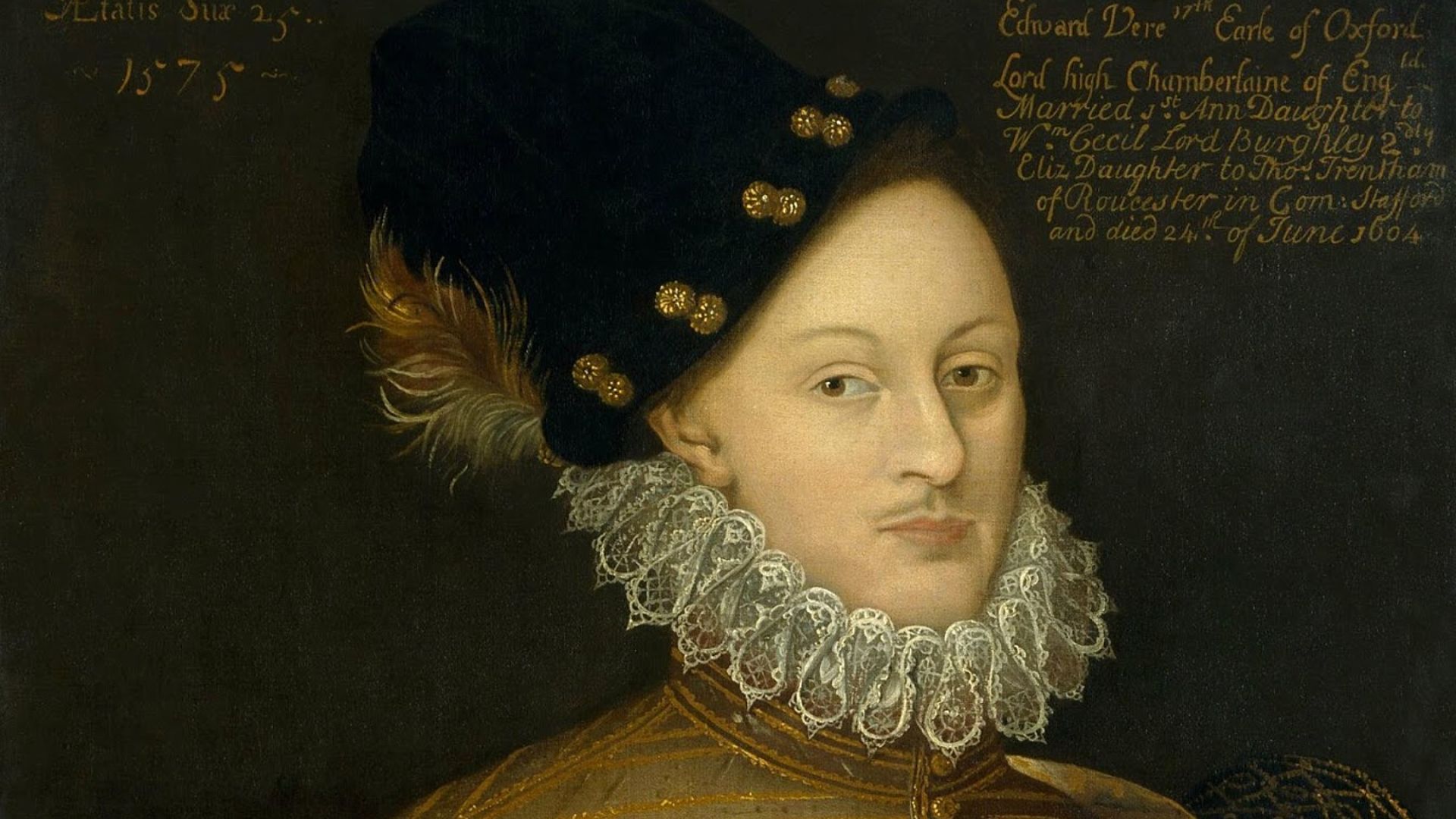 Unidentified painter on Wikimedia
8. The Plays Show Insider Knowledge of Aristocratic Life
The courts, the protocols, the specific textures of upper-class life in the plays are rendered with a familiarity that is hard to account for in someone who never moved in those circles. Skeptics find that level of detail more consistent with someone who had lived it than someone who researched his way into it.
9. Writing for Hire Was Common and Unacknowledged
Collaborative writing and ghostwriting were standard practice in Elizabethan theater, with no particular stigma attached to producing work under someone else's name. An aristocrat who wanted to write plays but could not attach his name to them for reasons of class would have had a well-established mechanism for getting them into the world.
 Digital Content Writers India on Unsplash
10. His Daughters Were Illiterate
Shakespeare's two daughters could not read or write, which is not impossible for a man of literary genius but does give pause. It suggests a household not especially oriented toward books or learning, which sits awkwardly alongside the image of the most literate mind in the English language.
And 10 reasons the man from Stratford probably wrote them after all.
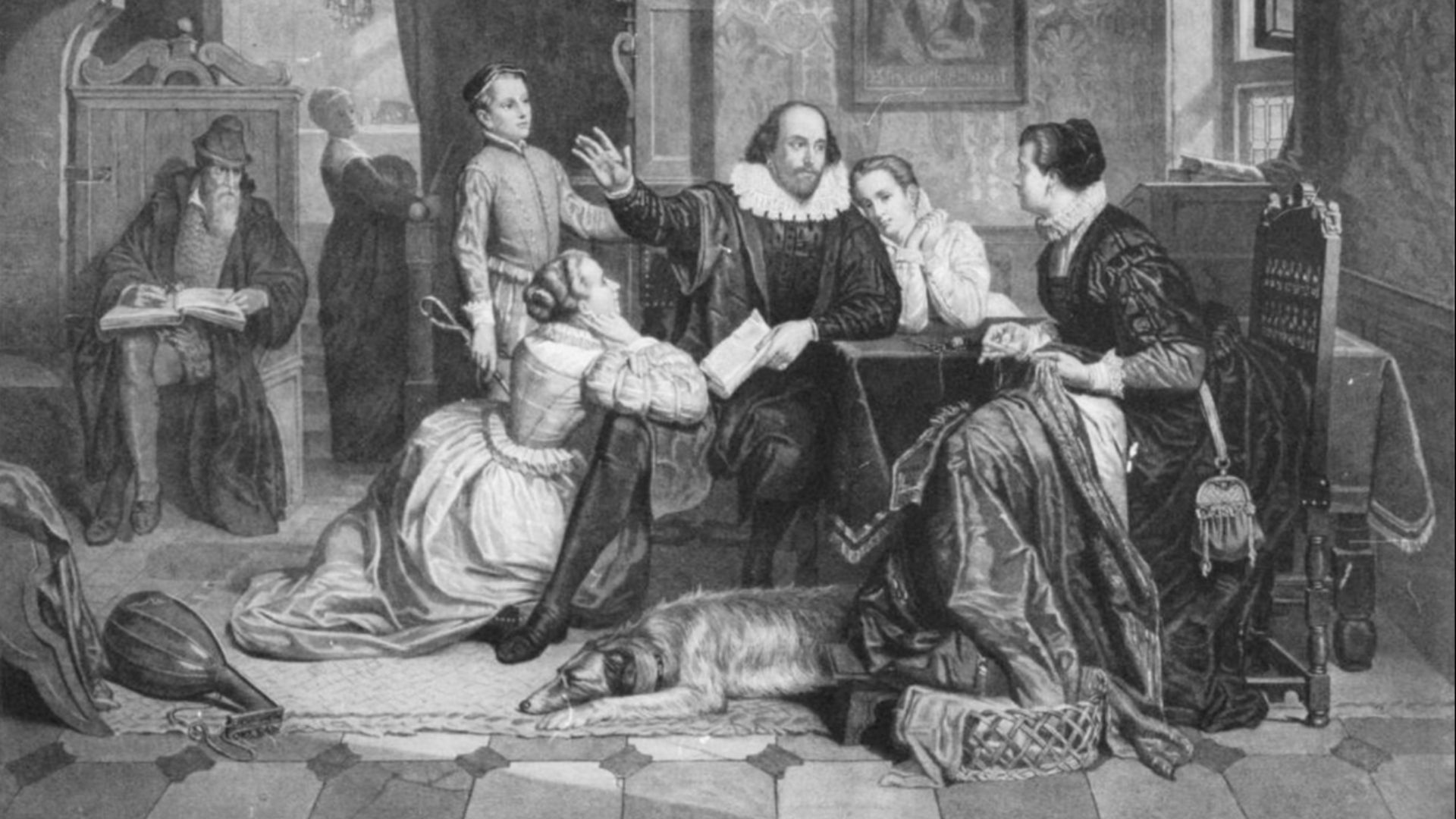 Perine, George Edward, 1837-1885, printmaker. on Wikimedia
1. His Contemporaries Accepted Him
Ben Jonson, who knew Shakespeare personally and had no particular reason to protect a fraud, wrote admiringly about him by name after his death and referred to him as the author of the plays. Jonson was sharp-tongued and competitive enough that a posthumous exposure would have suited him, and he did not do it.
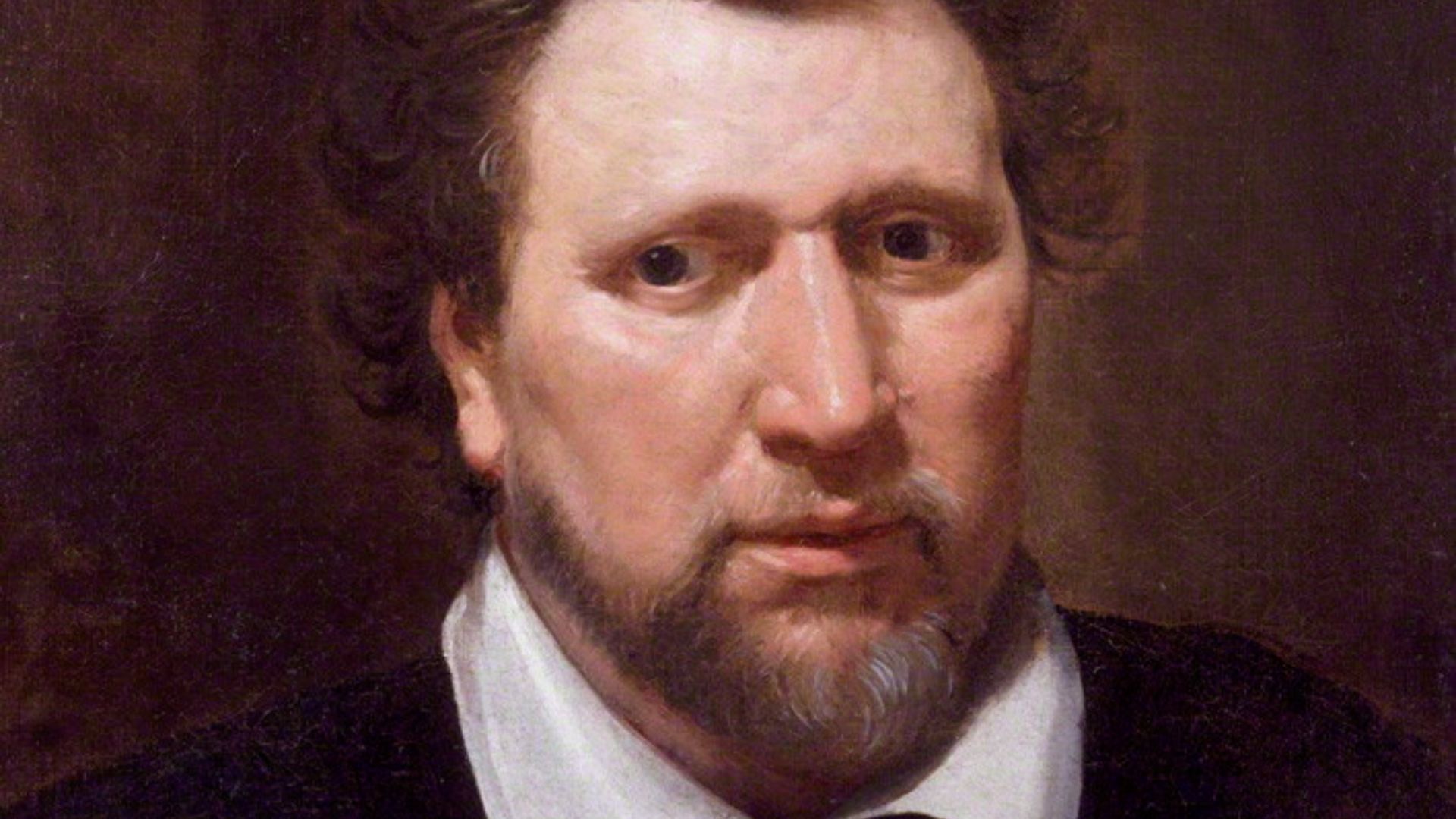 After Abraham van Blijenberch on Wikimedia
2. The Globe Theatre Records Support Him
Shakespeare was a shareholder in the Globe Theatre and a working member of the King's Men acting company, and the business records that survive place him squarely inside the professional world the plays came from. The attribution was not an abstract literary claim but an institutional one made by people who worked alongside him.
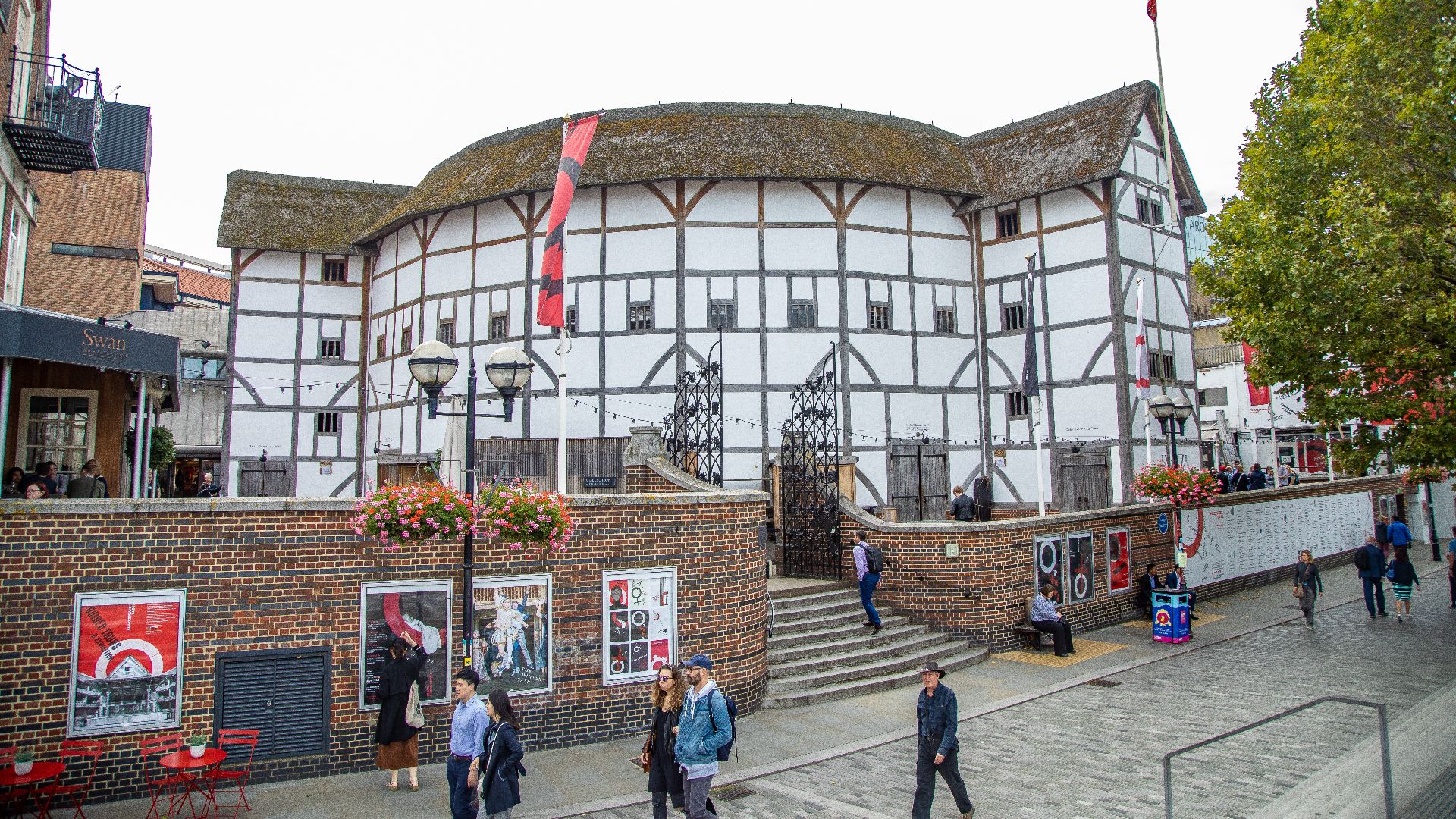
3. Provincial Origins Did Not Preclude Genius
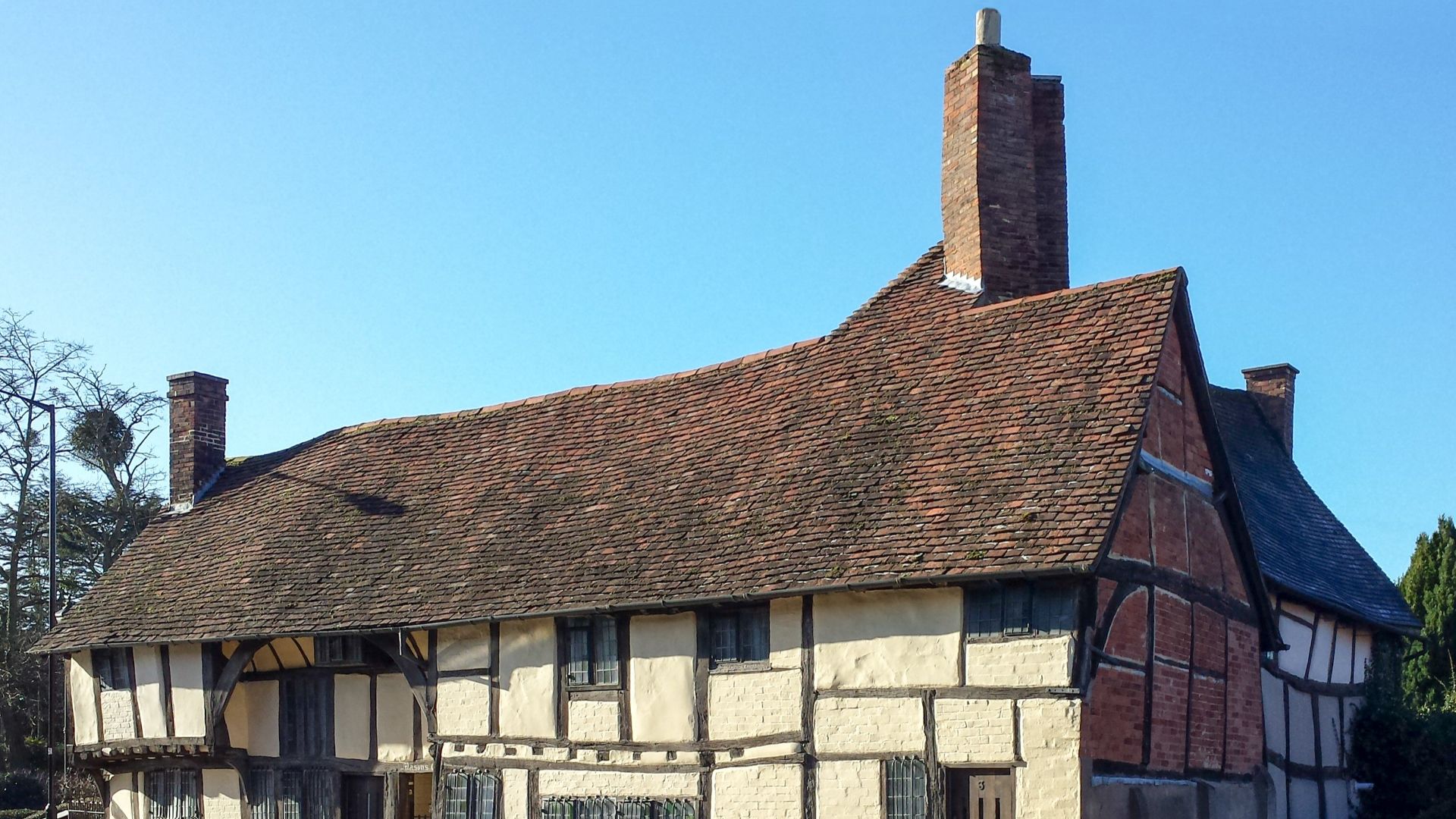
The argument that someone from Stratford could not have written the plays rests partly on a class assumption that genius requires the right education and background, which history has repeatedly failed to support. Marlowe came from a shoemaker's family, and no one seriously questions his authorship.
4. The First Folio Names Him Clearly
The First Folio of 1623, compiled by colleagues who had worked with Shakespeare for years, names him as the author without qualification. If there had been a secret to protect, the people most likely to know it were the ones who put that book together.
5. The Sonnets Read as Personal
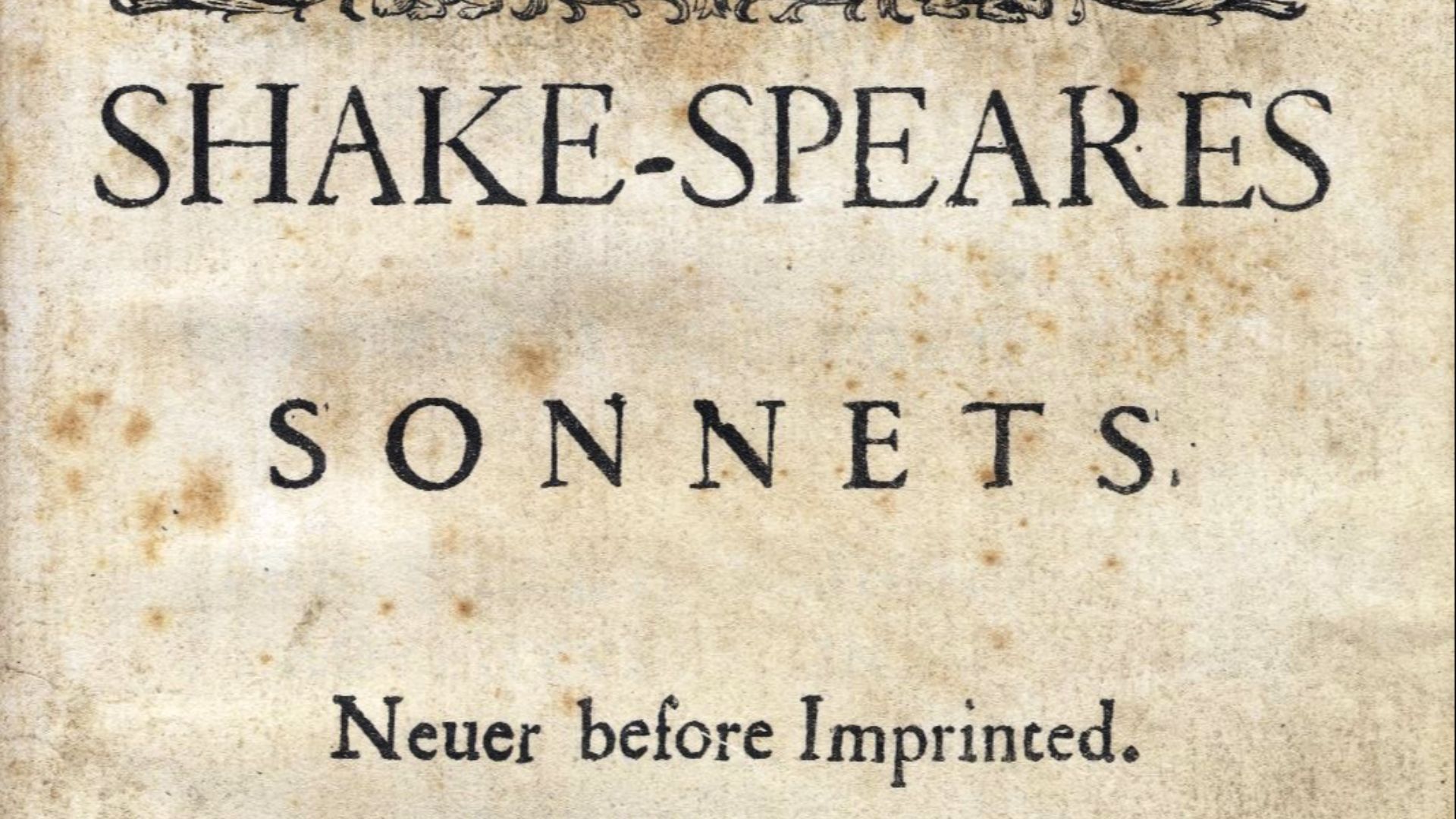
The sonnets are difficult to read as the work of a hired pen producing material for someone else's emotional biography, and several contain details that align with what is known about Shakespeare's actual life. Ghostwriters tend not to embed that kind of specificity.
 William Shakespeare on Wikimedia
6. Alternate Candidates Have Fatal Problems
Every proposed alternative author has a timeline problem, a death that precedes plays written after it, or a biography that fails to fit as neatly as the theory requires. Oxford died in 1604, which means he could not have written The Tempest, generally dated to 1610 or 1611.
7. Collaboration Was Normal, Not Suspicious
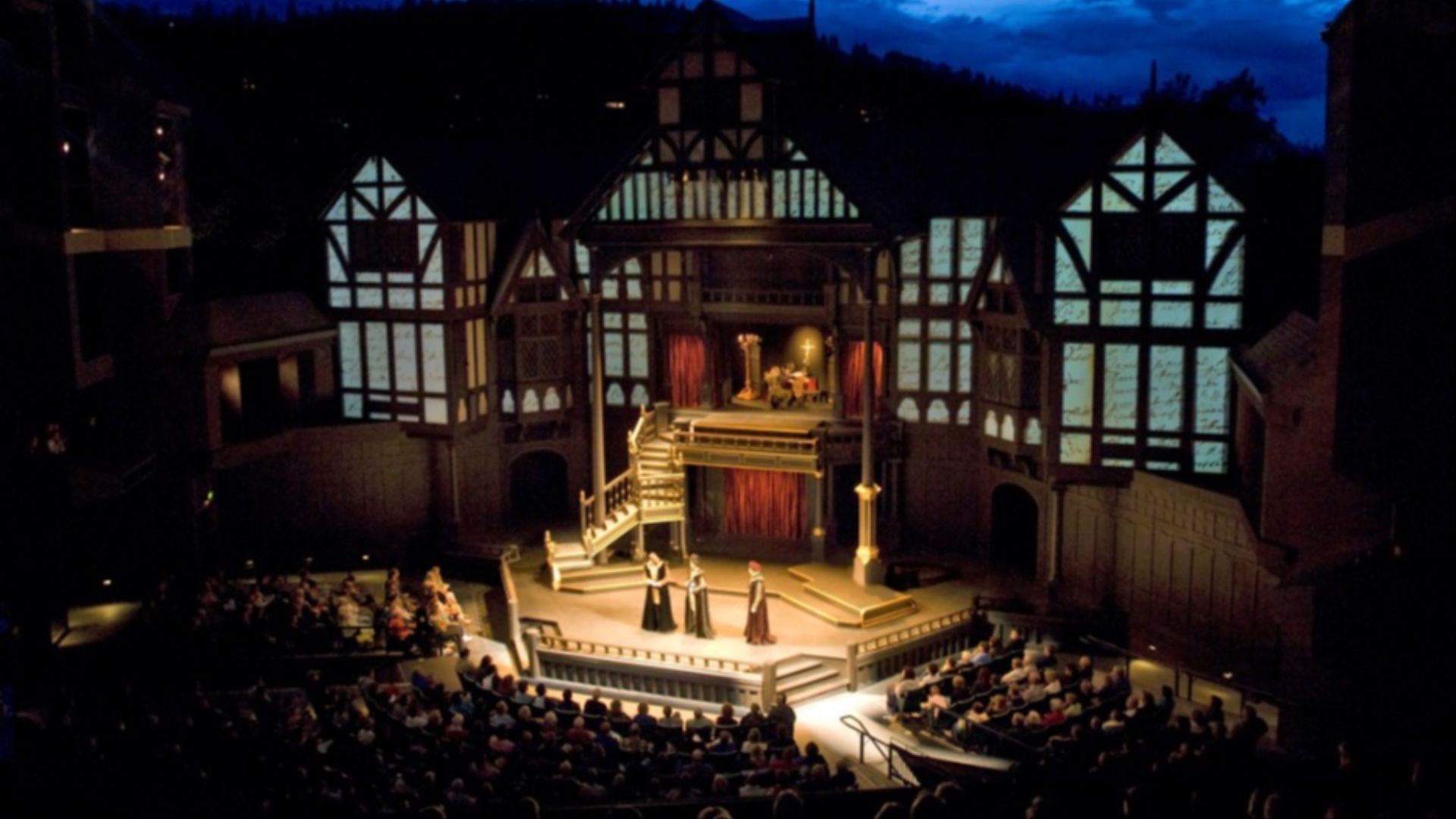
Scholars now believe Shakespeare collaborated on several plays, and the Elizabethan theater was a genuinely collaborative industry where multiple writers worked on the same material. The evidence of collaboration points toward a normal working playwright in a normal working environment, not a hidden single genius.
8. The Local Record in Stratford Is Consistent
The documentary record in Stratford shows a Shakespeare who was prosperous, property-owning, and locally respected, the record of someone who had done well enough in London to retire comfortably. It is not the record of someone whose professional life was a fiction.

9. Anti-Stratfordians Have Never Agreed on an Alternative
In two hundred years of organized skepticism, the doubters have never coalesced around a single alternative candidate. Bacon, Oxford, and Marlowe have all had serious advocates, and none of the theories has closed the argument.

10. Absence of Evidence Is Not Evidence of Absence
The missing manuscripts, the thin correspondence, the bookless will: most of these gaps are better explained by the fragility of the historical record from this period than by conspiracy. Holding Shakespeare to an archival standard that most of his contemporaries could not meet is not quite the argument it appears to be.
KEEP ON READING