20 Historical Figures Who Were Admired Before The Truth Came Out
The Image Was the Whole Point
The twentieth century was the first era in which public image could be professionally manufactured, and a lot of people took full advantage of that. Publicists, studio systems, party apparatuses, and sympathetic journalists all helped build reputations that held up for decades, sometimes until after the person died. The gap between the managed version and the actual record is what this list is about. Here's 20 figures whose carefully constructed images eventually ran into the facts.
 Boy Scouts of America on Wikimedia
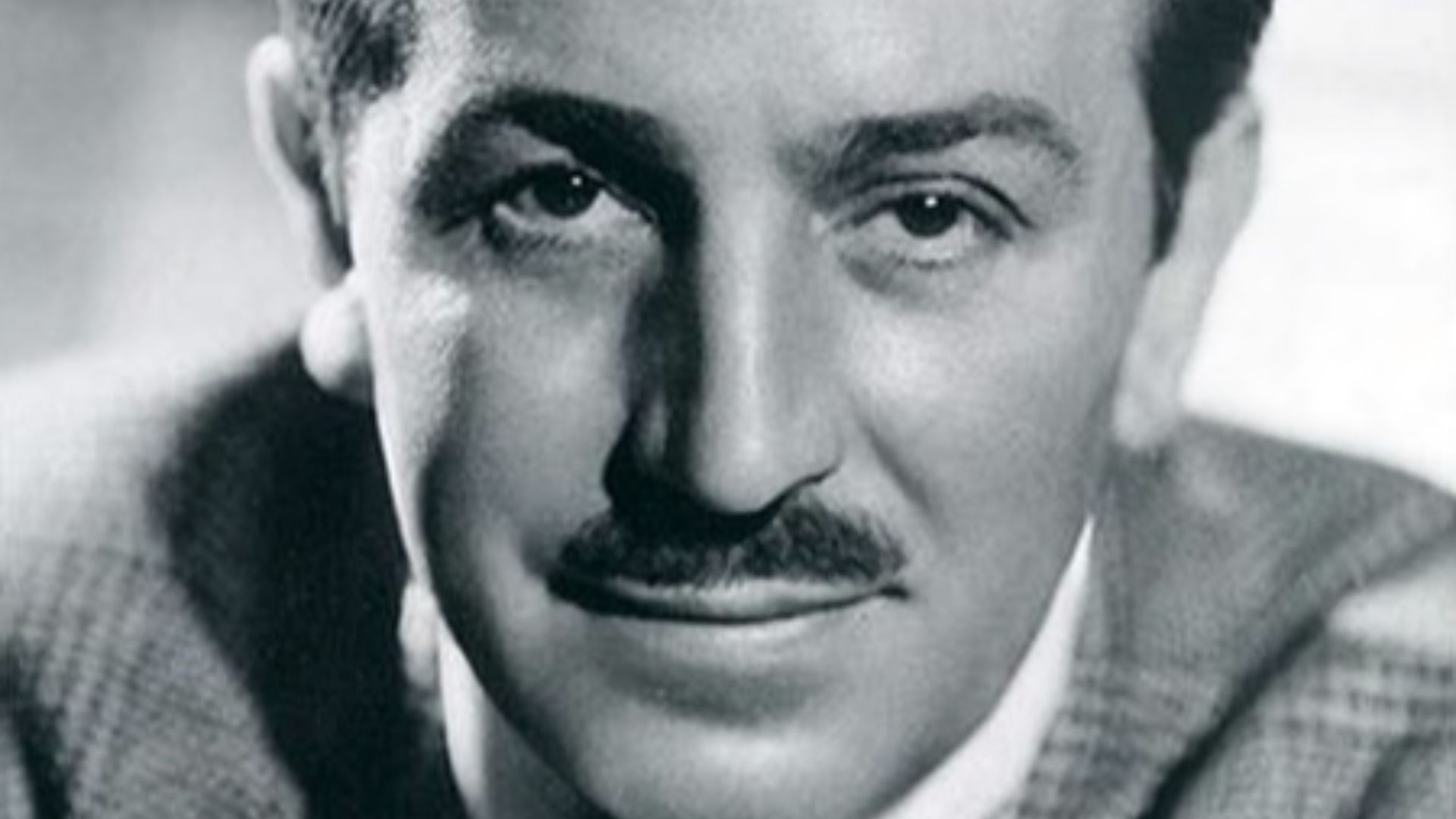
1. Walt Disney
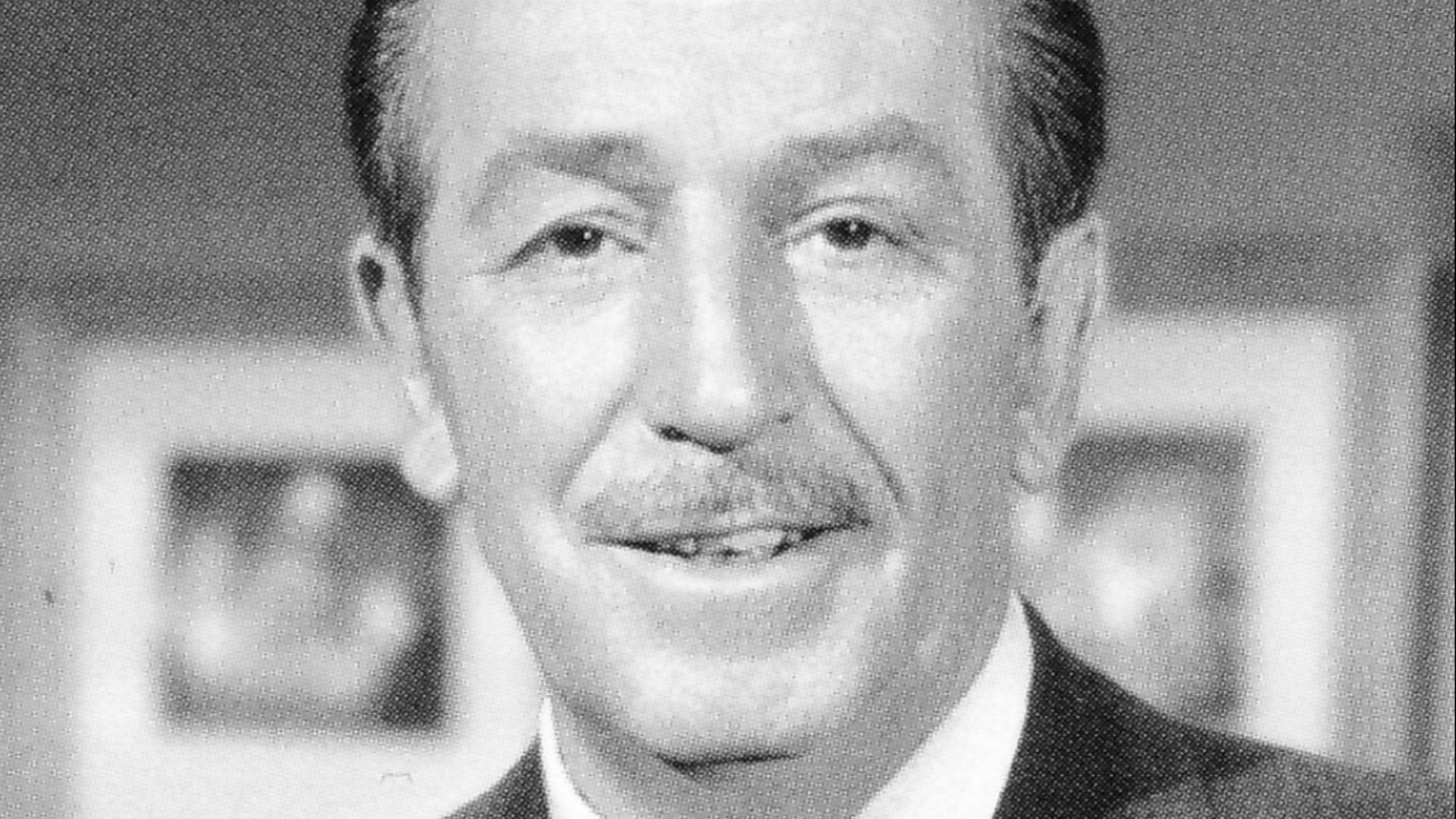
Disney's public image was so thoroughly built around warmth and wholesome American optimism that it became almost impossible to separate the man from the brand. He was also an FBI informant who named colleagues as suspected communists, cooperated enthusiastically with the House Un-American Activities Committee, and used his studio to break a labor strike in 1941.
 Unknown authorUnknown author on Wikimedia
2. Coco Chanel
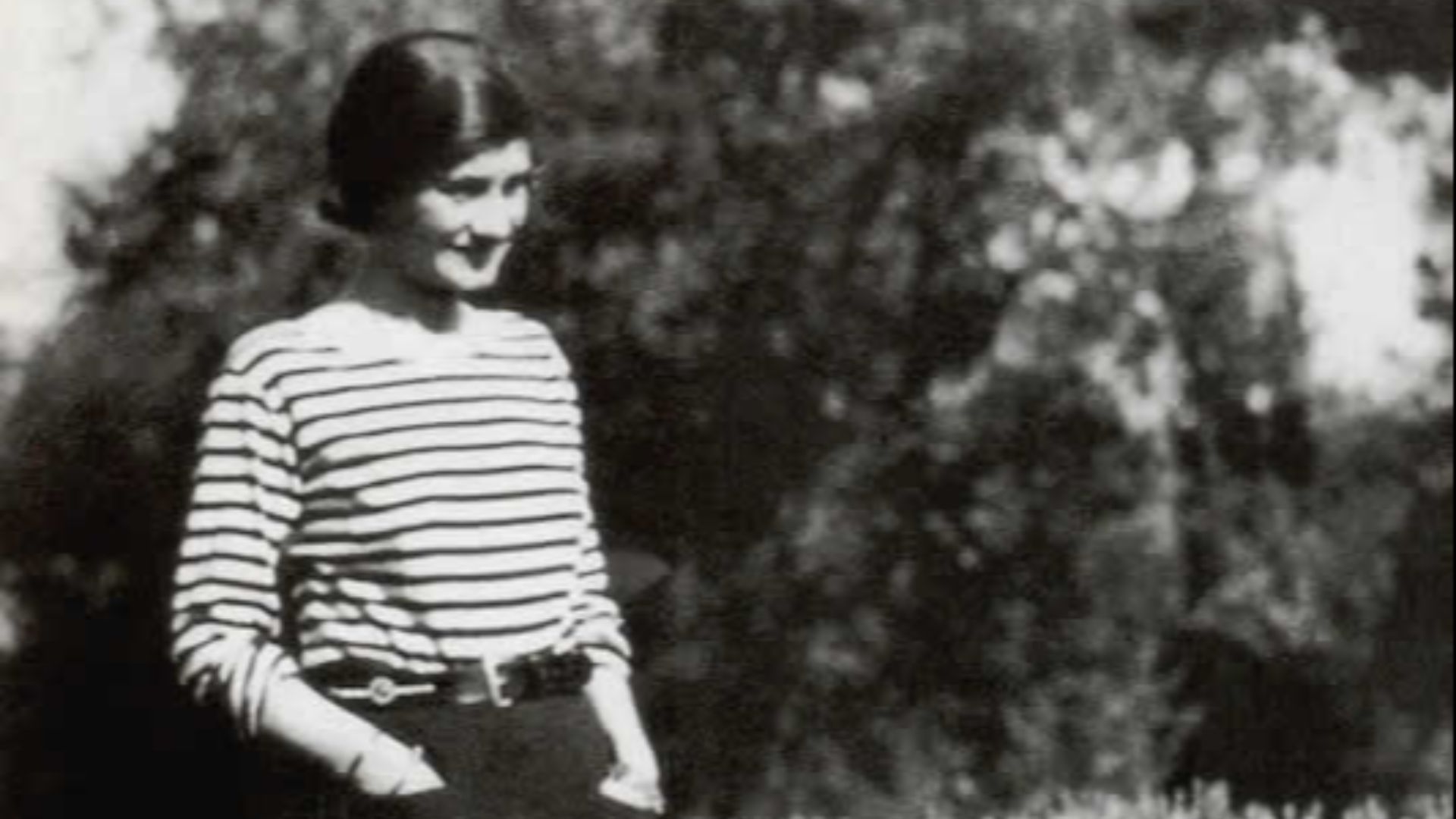
Chanel built one of the most enduring fashion empires in history and became a global symbol of female independence. She was also a Nazi collaborator during the German occupation of Paris who attempted to use an obscure Nazi law to strip her Jewish business partners of their stake in her perfume business.
 Unknown authorUnknown author on Wikimedia
3. Charles Lindbergh
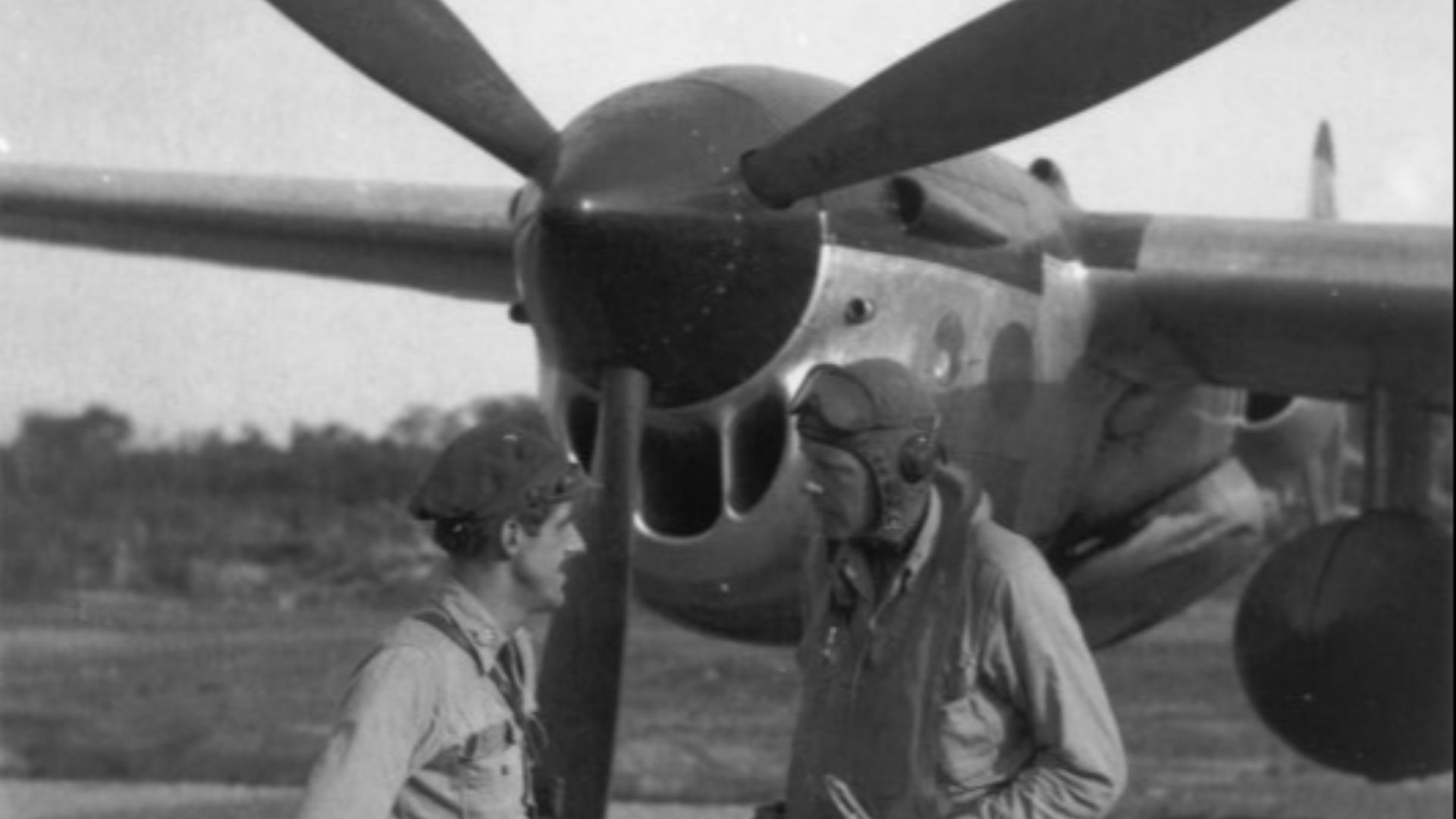
Lindbergh's 1927 transatlantic flight made him the most famous person in the world almost overnight, and he was treated as a symbol of American ingenuity for the rest of his life. He was also a eugenicist who accepted a medal from Hermann Göring.
4. John F. Kennedy
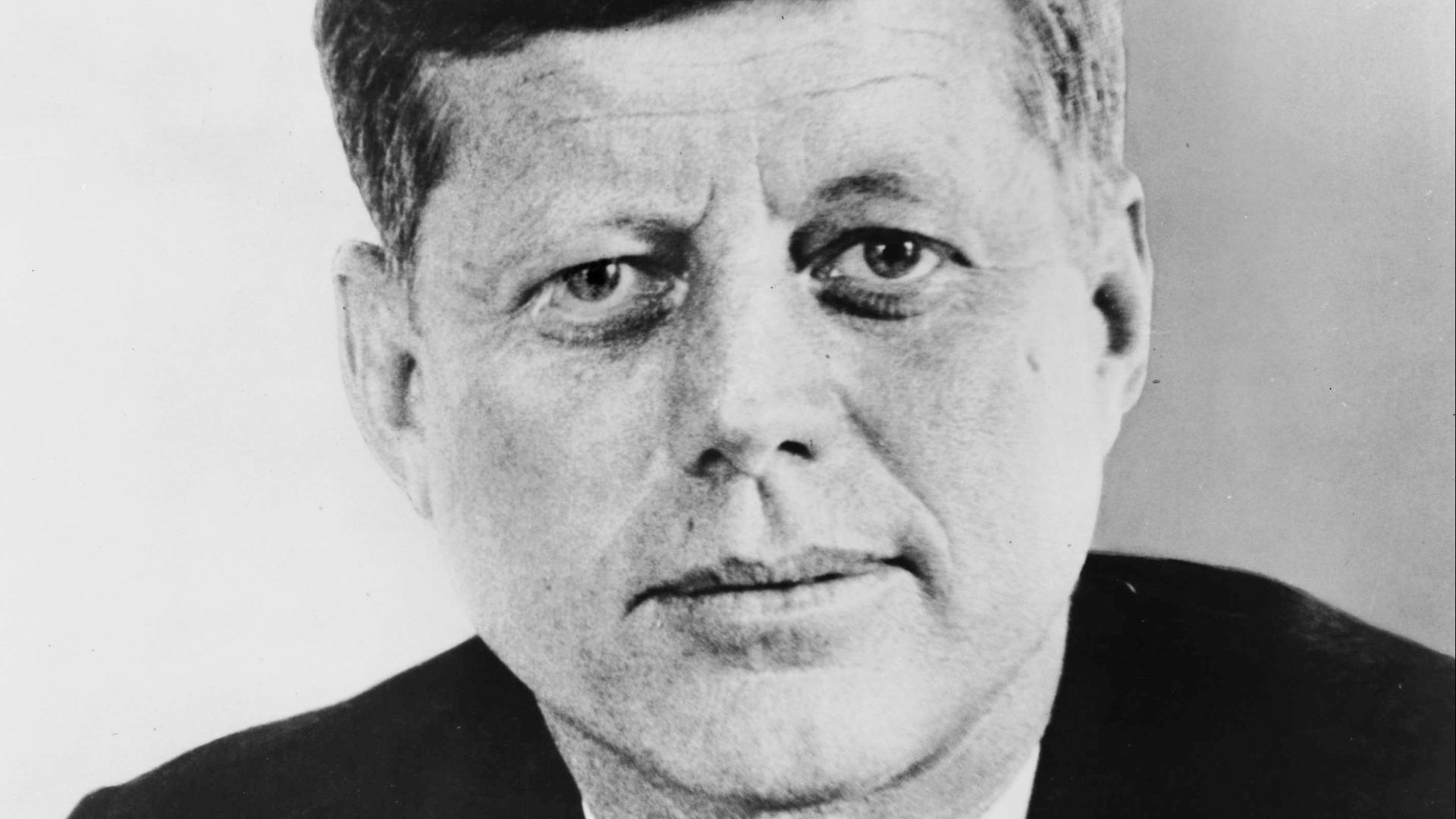
Kennedy's presidency was short enough that the image largely survived it, and the assassination ensured the mythology had no corrective arc. What came out in the decades after included a medical history far more serious than the public was told, a pattern of extramarital relationships the press corps knew about and did not report, and connections to organized crime that complicated the administration's public stance on law enforcement.
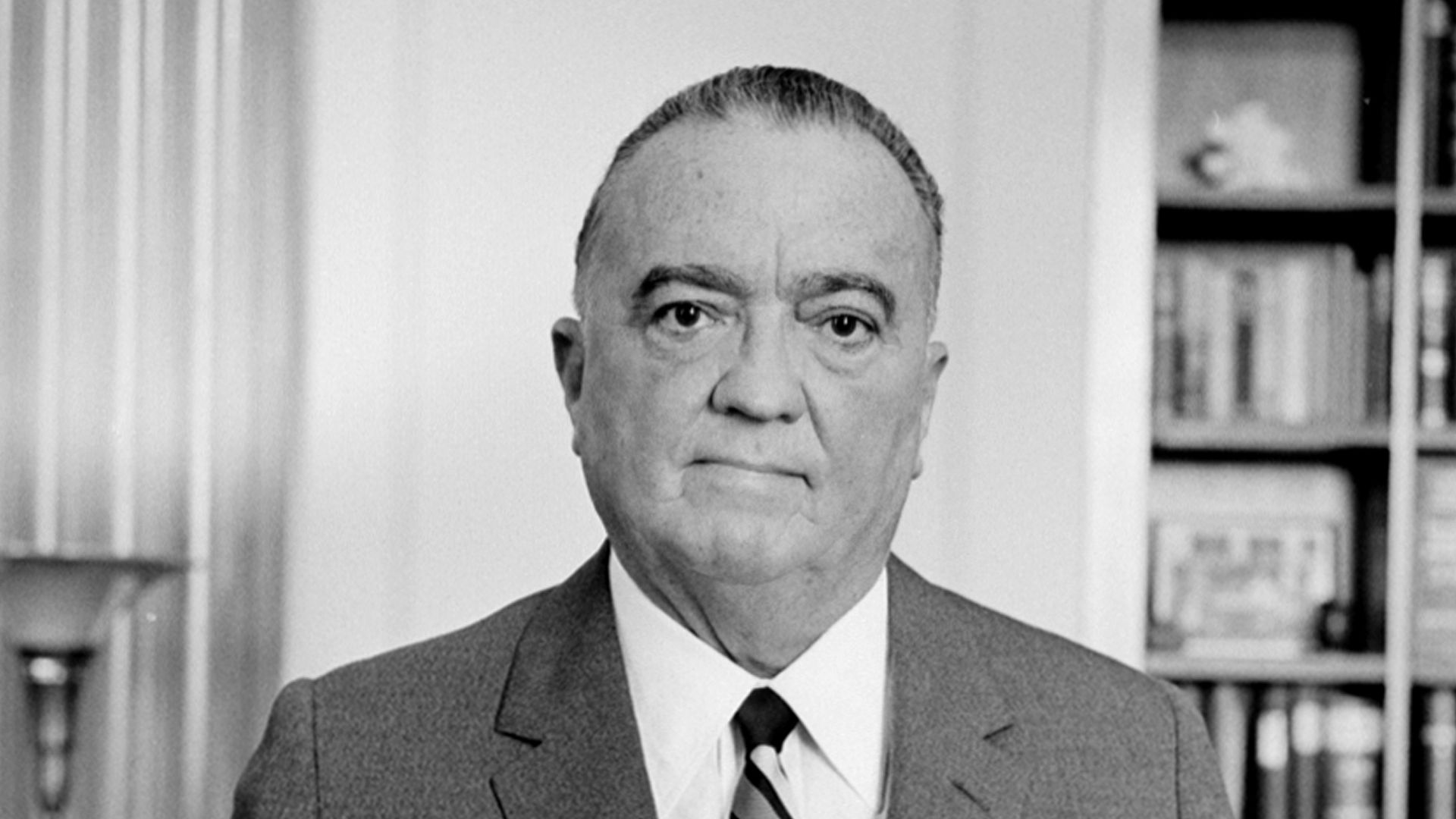
5. J. Edgar Hoover
Hoover ran the FBI for nearly fifty years and presented himself as a relentless professional who kept politics out of law enforcement. Declassified records revealed that he kept secret files on presidents, blackmailed politicians, ran illegal surveillance operations, and devoted significant resources to personally destroying Martin Luther King Jr., all while dying in office in 1972 without facing any accountability.
 Marion S. Trikosko on Wikimedia
6. Josephine Baker
Baker was a genuine trailblazer who built an extraordinary career in France, became a civil rights advocate, and was celebrated as a hero of the French Resistance. What emerged later through her children's accounts was a portrait of severe domestic dysfunction and psychological abuse that bore little resemblance to the large, loving family she had spent years presenting to the public.

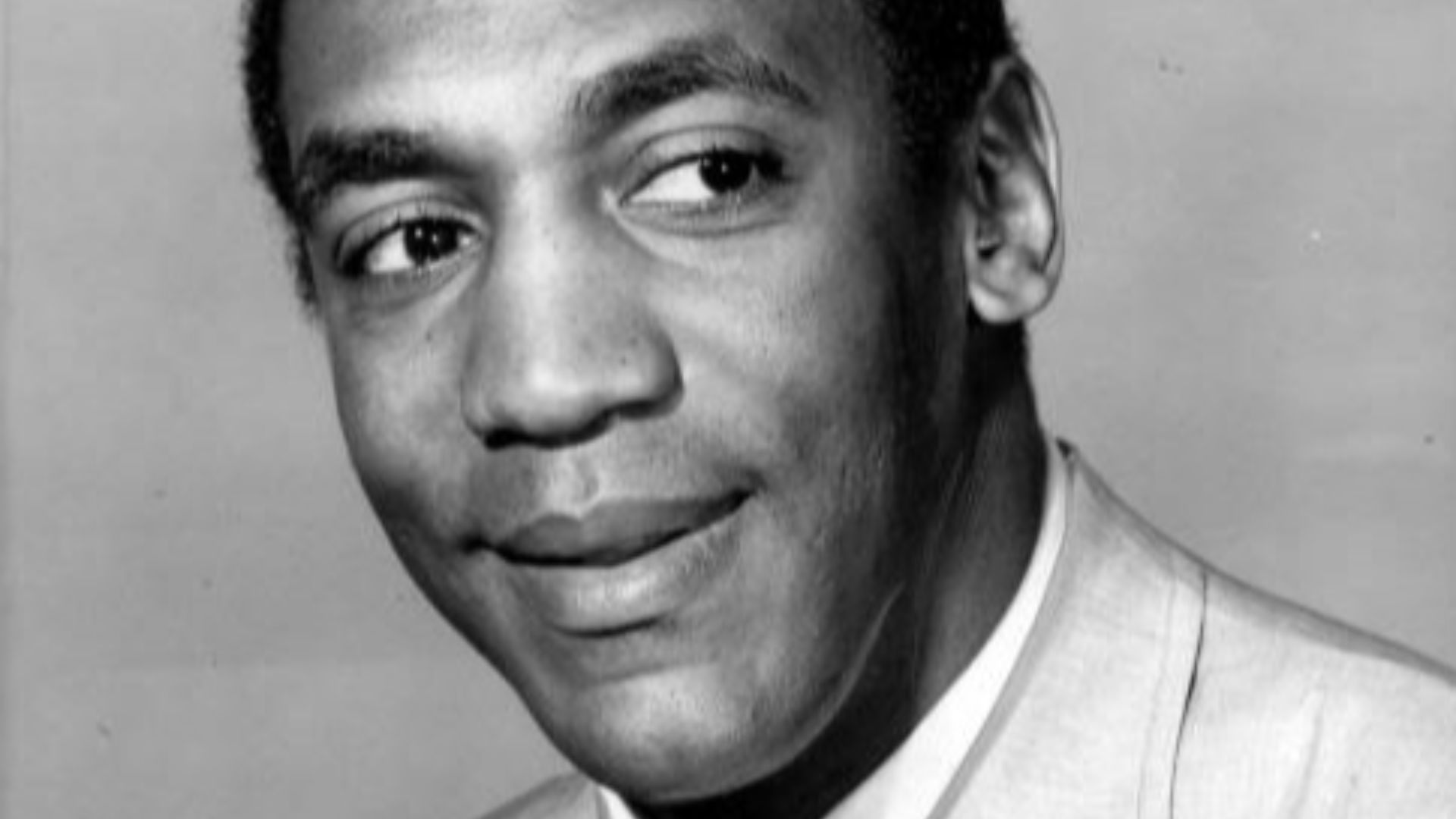
7. Bill Cosby
For decades Cosby occupied a position in American culture that was nearly impossible to criticize, a beloved comedian and a prominent voice on personal responsibility in Black communities. More than sixty women eventually came forward with accounts of sexual assault spanning decades, and in 2018 he was convicted, though the conviction was later overturned on procedural grounds.
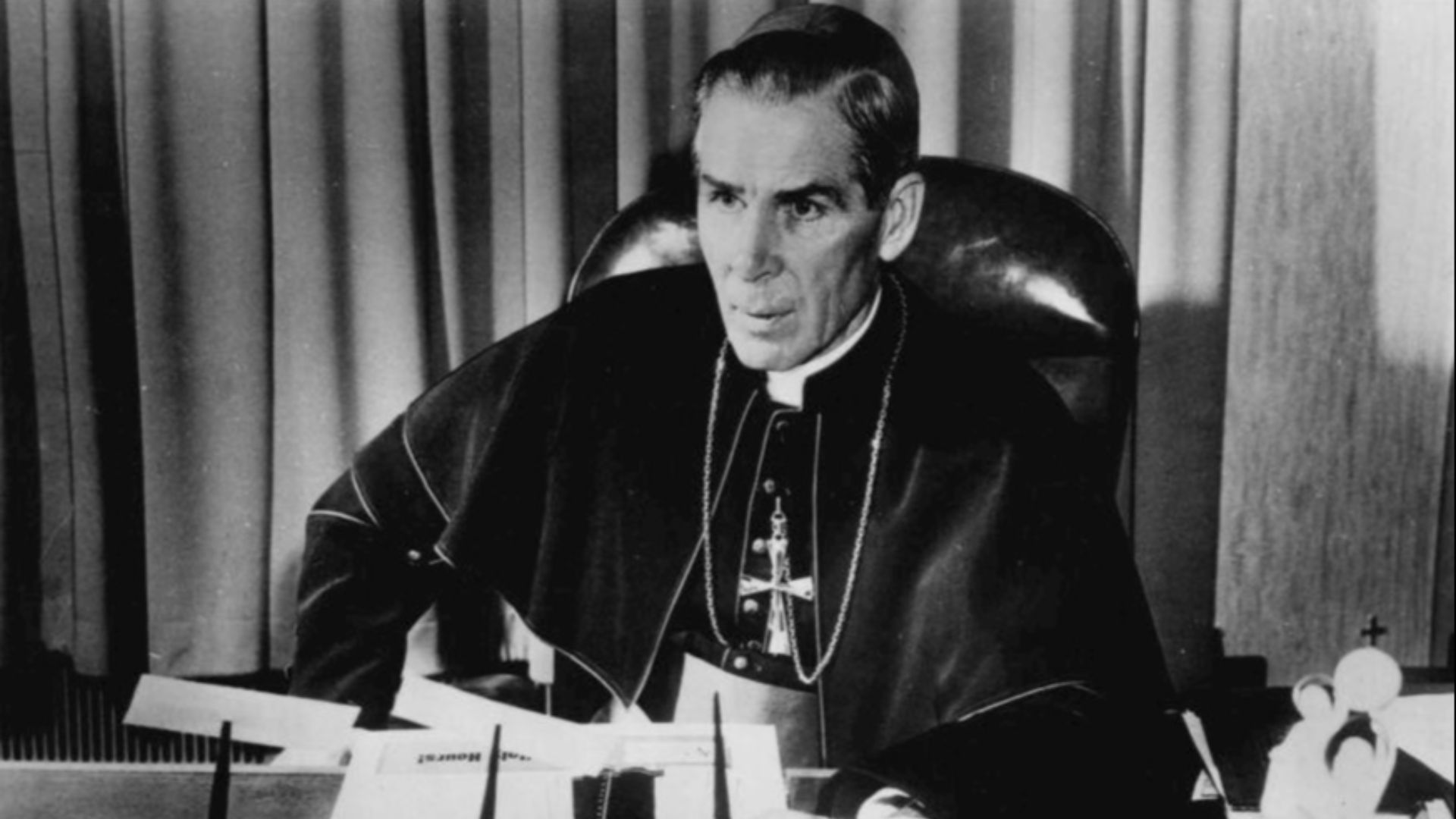
8. Fulton Sheen
Sheen was a Catholic archbishop who hosted a prime-time television program in the 1950s that drew thirty million viewers a week, won an Emmy, and made him one of the most recognizable religious figures in America. The Vatican opened a sainthood cause in his name, but it stalled amid disputes from a former nun who accused him of taking credit for her work and accounts from people who knew him that complicated the warmth he projected on screen.
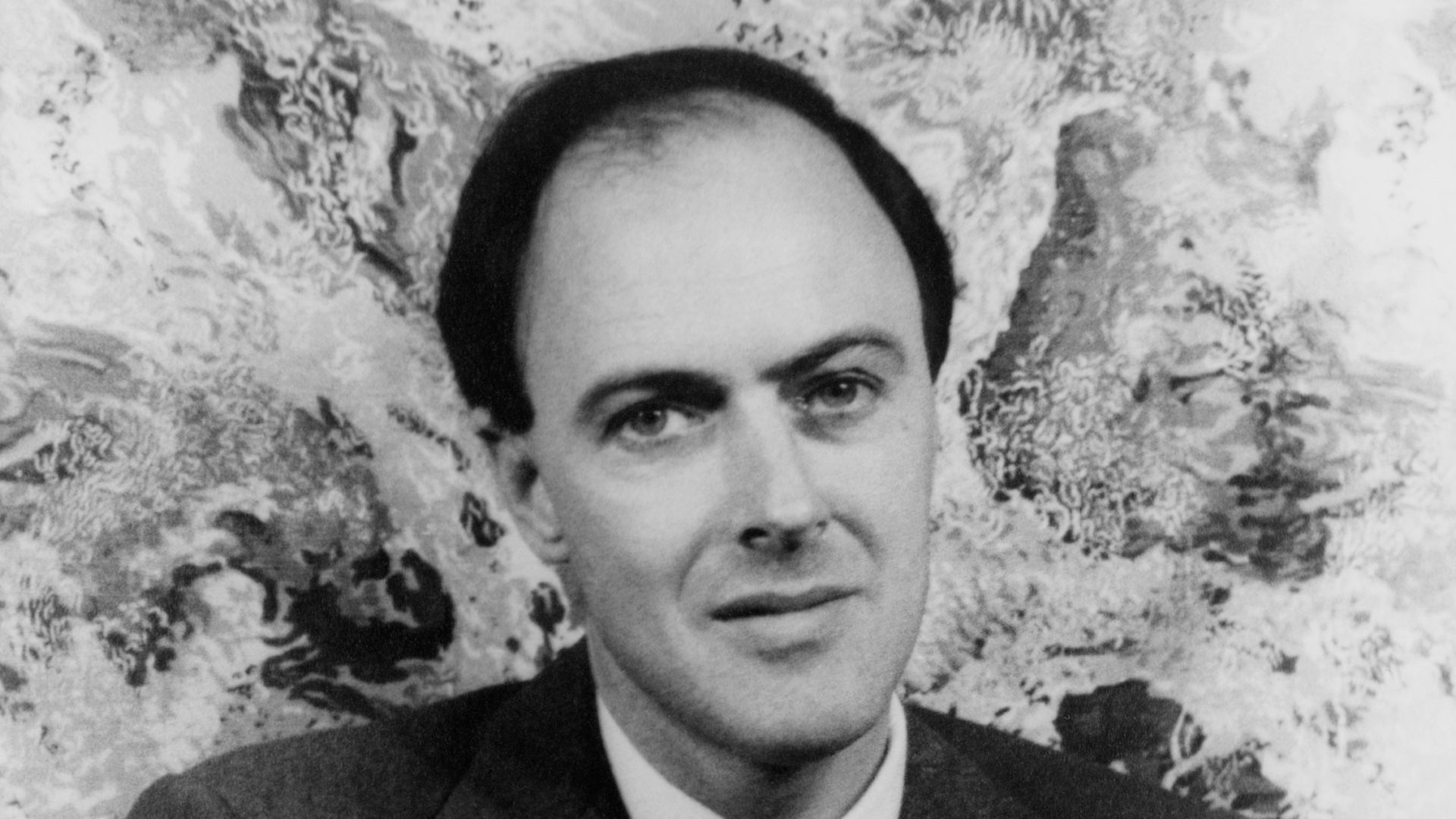
9. Roald Dahl
Dahl's public persona was that of a slightly eccentric creative genius whose dark imagination had delighted children for generations. He was also openly antisemitic in interviews conducted well into the 1980s and 1990s, making statements that were reported at the time and largely absorbed without consequence until the Roald Dahl Story Company issued a formal apology in 2020.
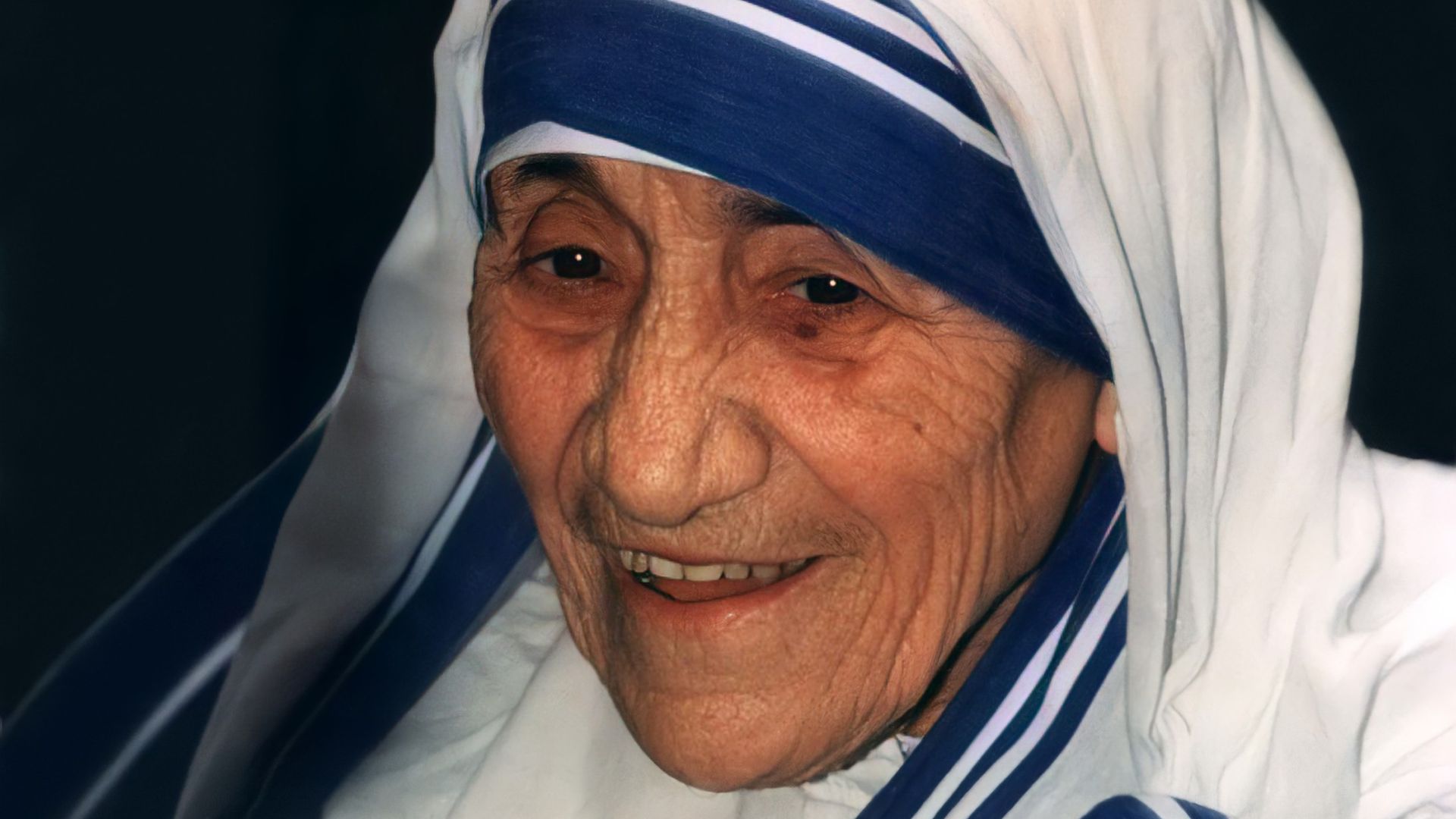
10. Mother Teresa
Her image as a selfless servant of the dying poor in Calcutta was one of the most powerful humanitarian brands of the twentieth century, cultivated carefully through media relationships and a sophisticated public presence. Investigations found that conditions in her care homes were far below what her donations could have supported and that her theology led her to see suffering as spiritually valuable rather than something to be relieved.
 Kingkongphoto & www.celebrity-photos.com from Laurel Maryland, USA on Wikimedia
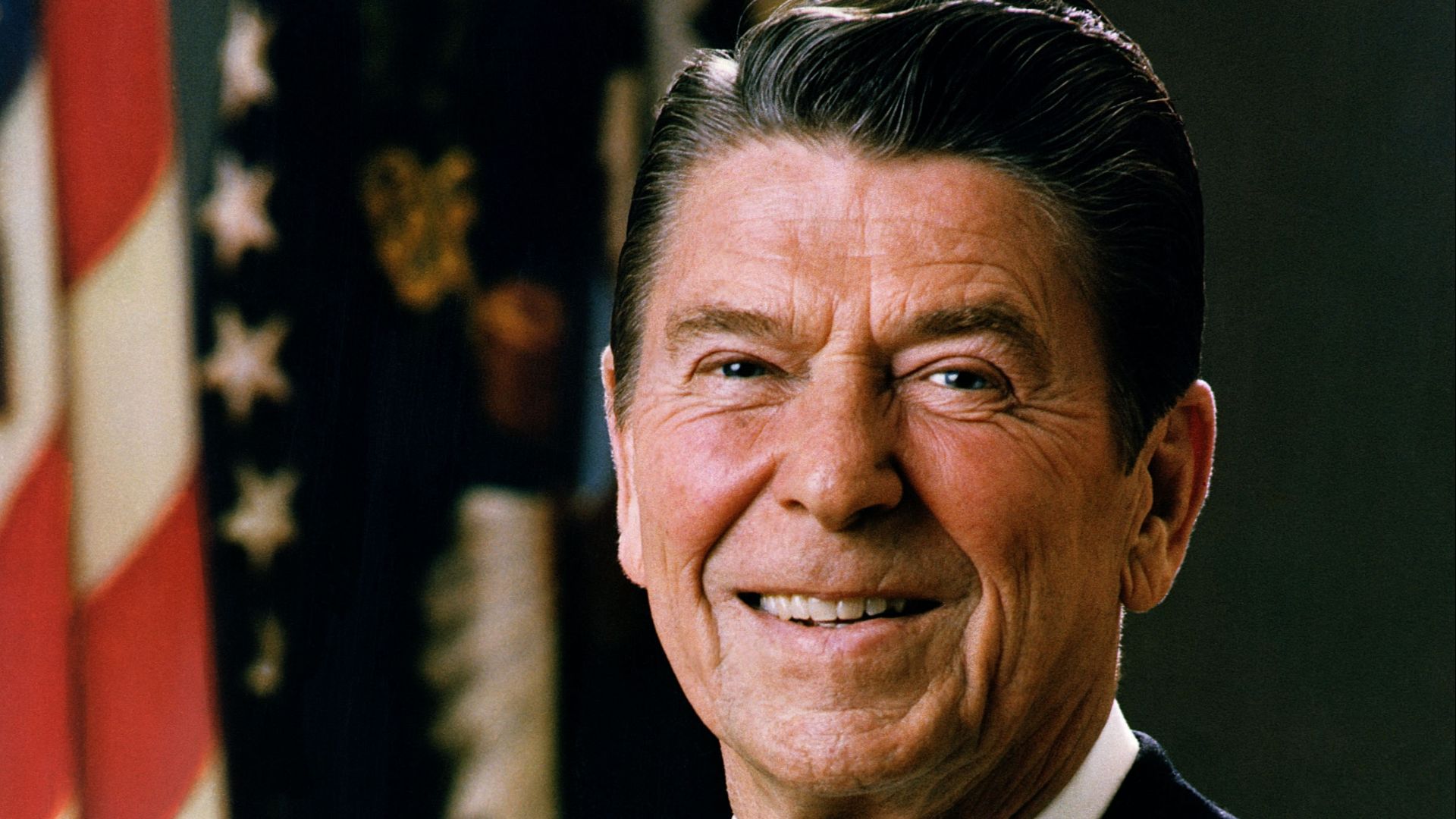
11. Ronald Reagan
Reagan's image as a sunny, principled leader who restored American confidence is central to how a significant portion of the country still understands his presidency. The Iran-Contra affair did less lasting damage than the scale of the operation warranted, and his administration's public silence during the early years of the AIDS crisis, when tens of thousands of Americans died, remains a chapter the official legacy has never fully absorbed.
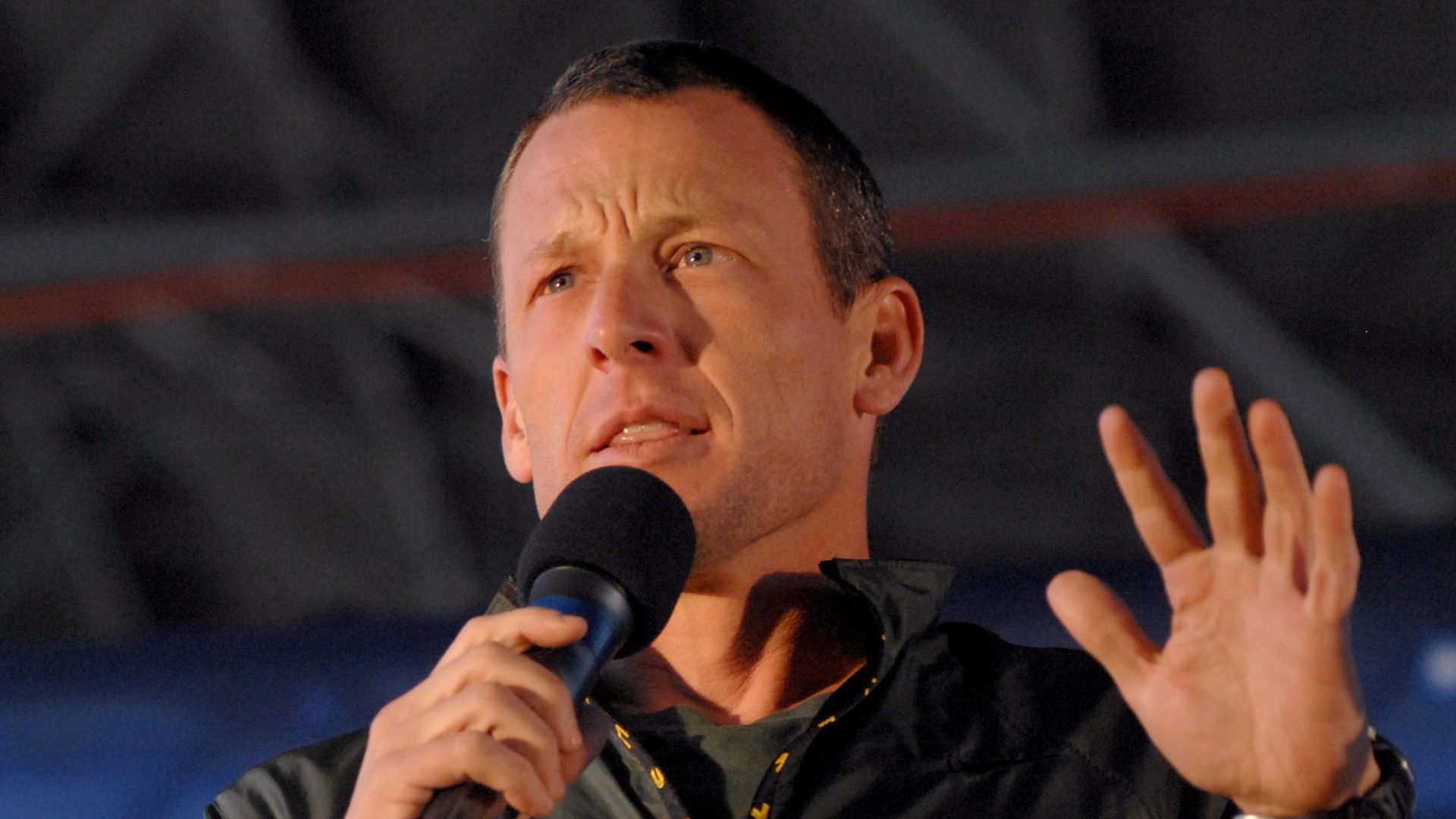
12. Lance Armstrong
Armstrong won seven Tour de France titles while running one of the most sophisticated doping programs in sports history, and for years he sued and publicly destroyed the credibility of anyone who said so. The moral authority he built around his cancer survival and the Livestrong foundation made accusations seem indecent rather than credible, which was part of how the operation held together until he admitted everything to Oprah Winfrey in 2013.
 U.S. Air Force photo/Airman 1st Class Tabitha M. Mans on Wikimedia
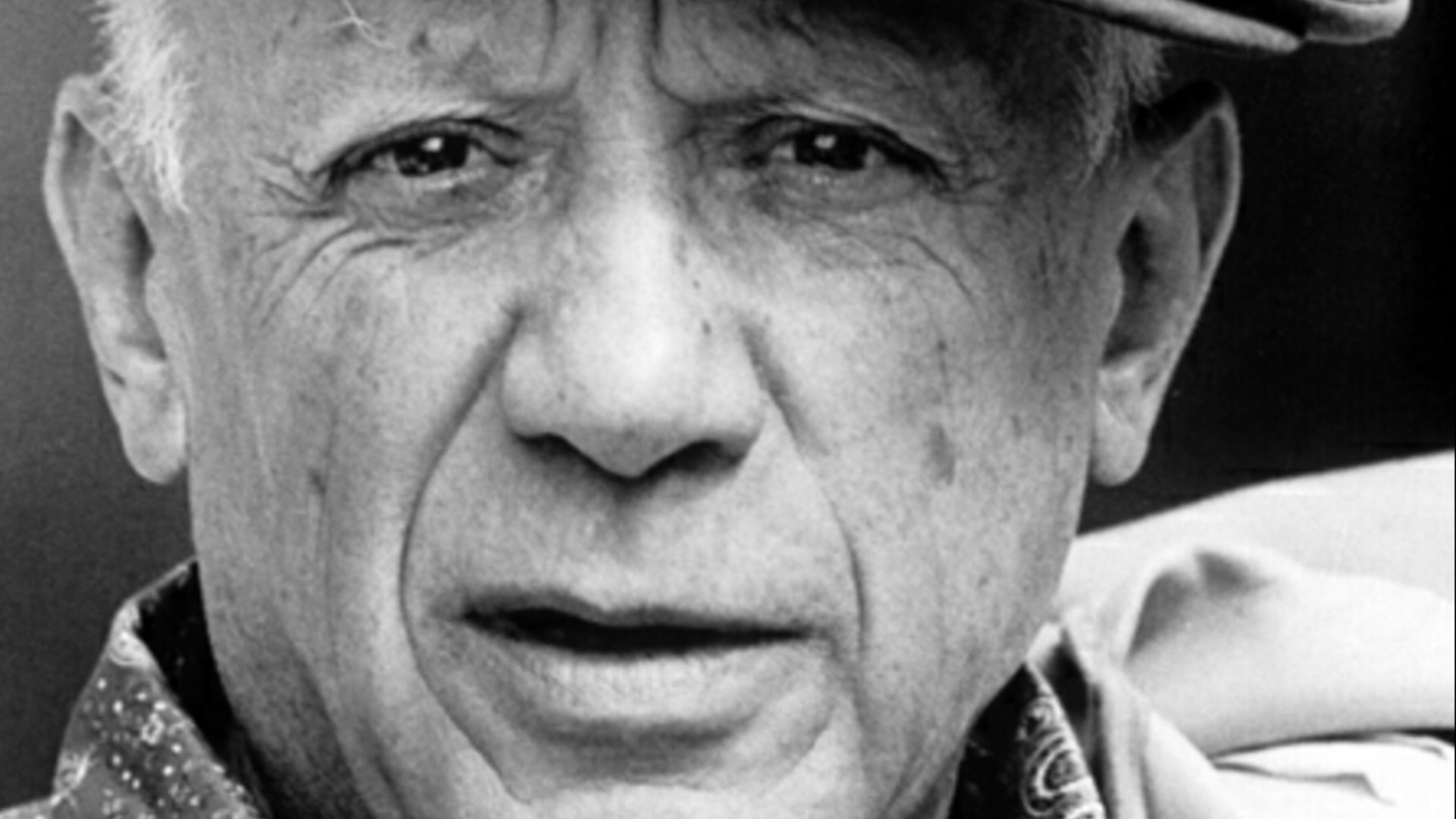
13. Pablo Picasso
Picasso's reputation as the defining genius of twentieth century art has proven remarkably durable across decades of critical reassessment. Accounts from the women in his life describe a man who was psychologically cruel and controlling in ways his biographers largely treated as interesting texture rather than serious failures, and two of the women he was involved with died by suicide.
 Argentina. Revista Vea y Lea on Wikimedia
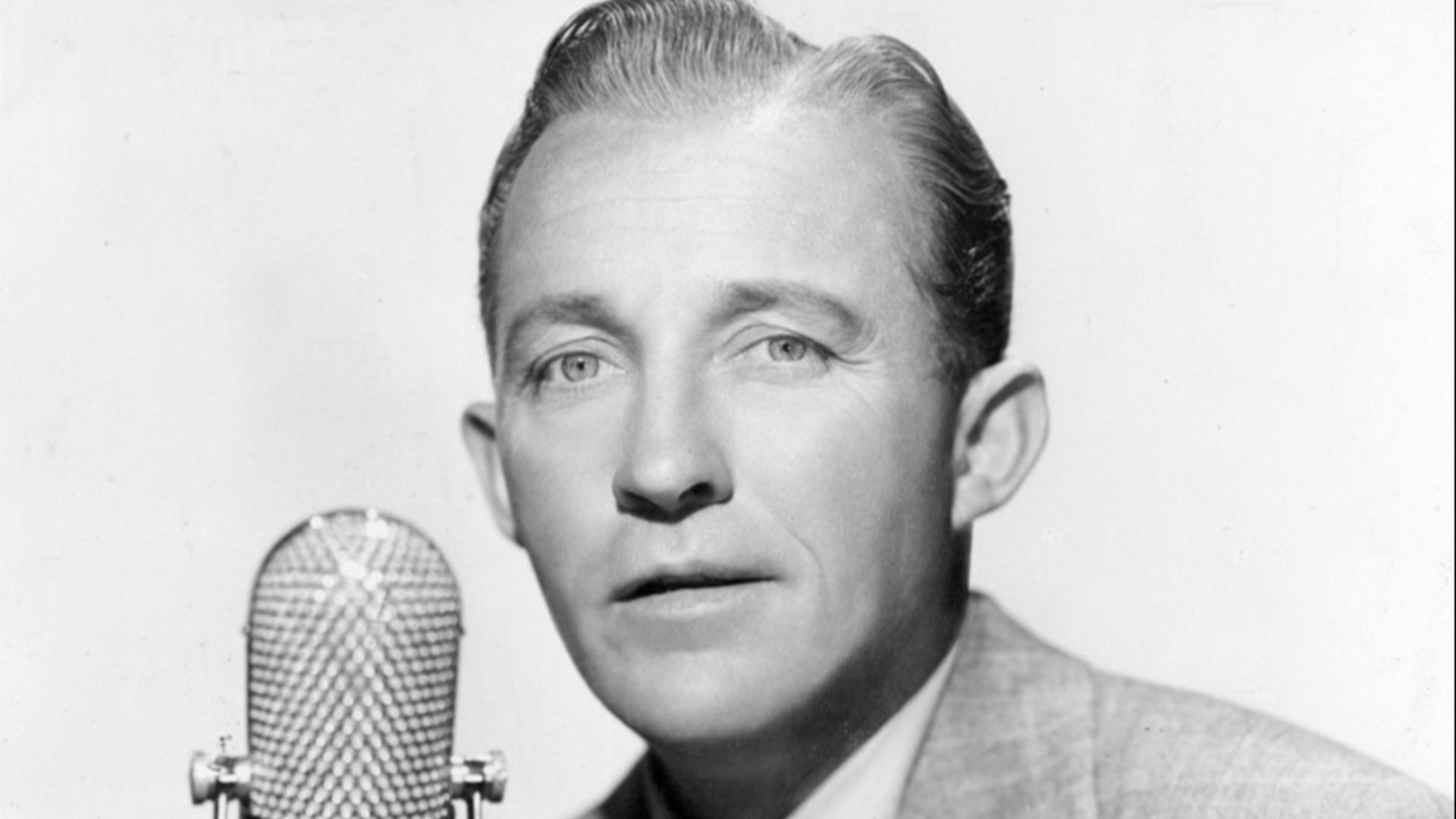
14. Bing Crosby
Crosby was the most commercially successful entertainer of the first half of the twentieth century, so ubiquitous and reassuring that he became almost synonymous with American decency. His son Gary's memoir, published in 1983, described a childhood defined by physical violence and emotional coldness that had nothing to do with the warm, pipe-smoking image Crosby had spent his career projecting.
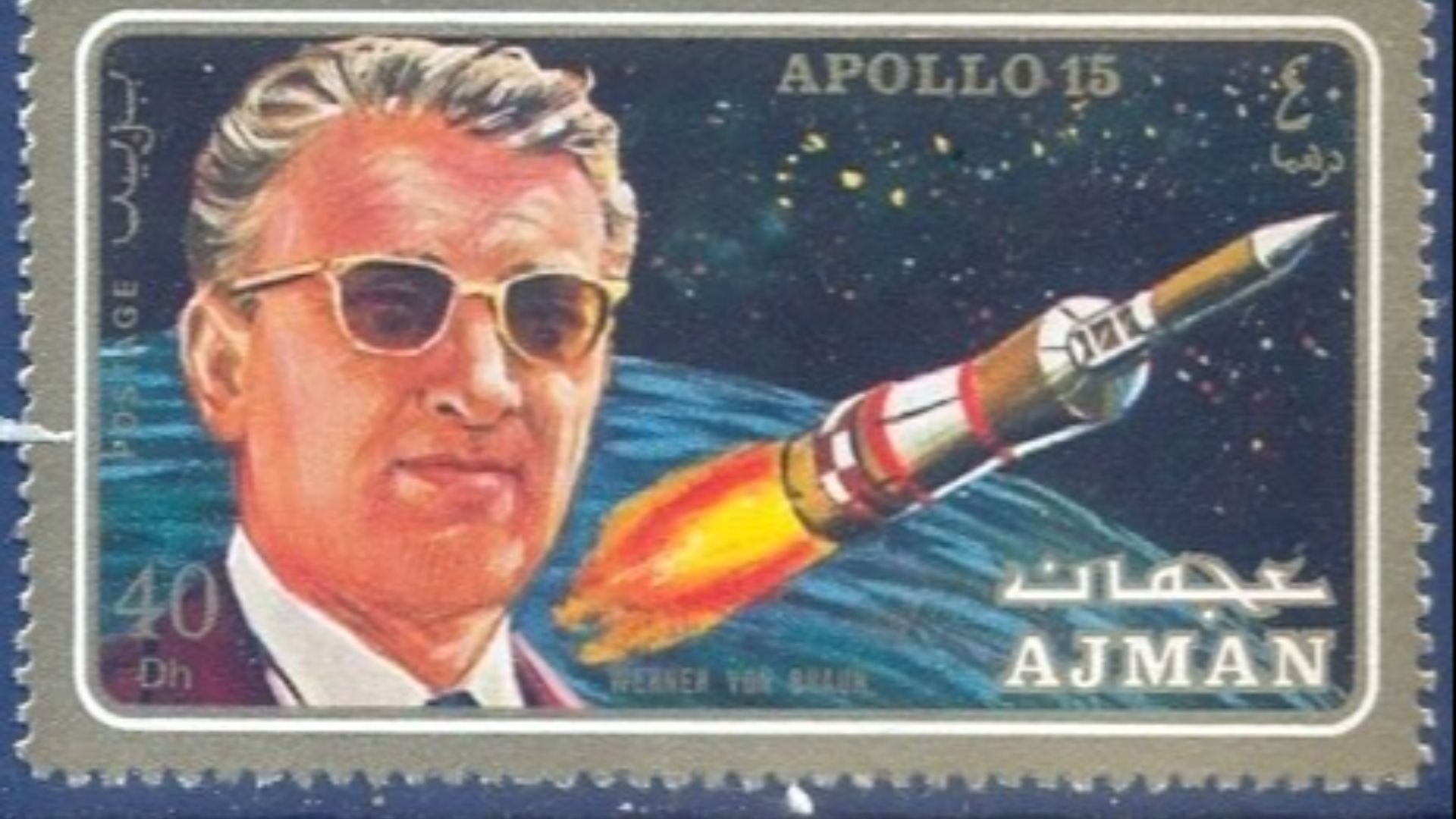
15. Werner von Braun
Von Braun is celebrated as the architect of the American space program, the engineer who built the Saturn V rocket and put humans on the moon. He had previously built the V-2 rocket for Nazi Germany using slave labor from the Mittelwerk facility, where thousands of concentration camp prisoners died, and the American government knew this when they brought him over under Operation Paperclip.
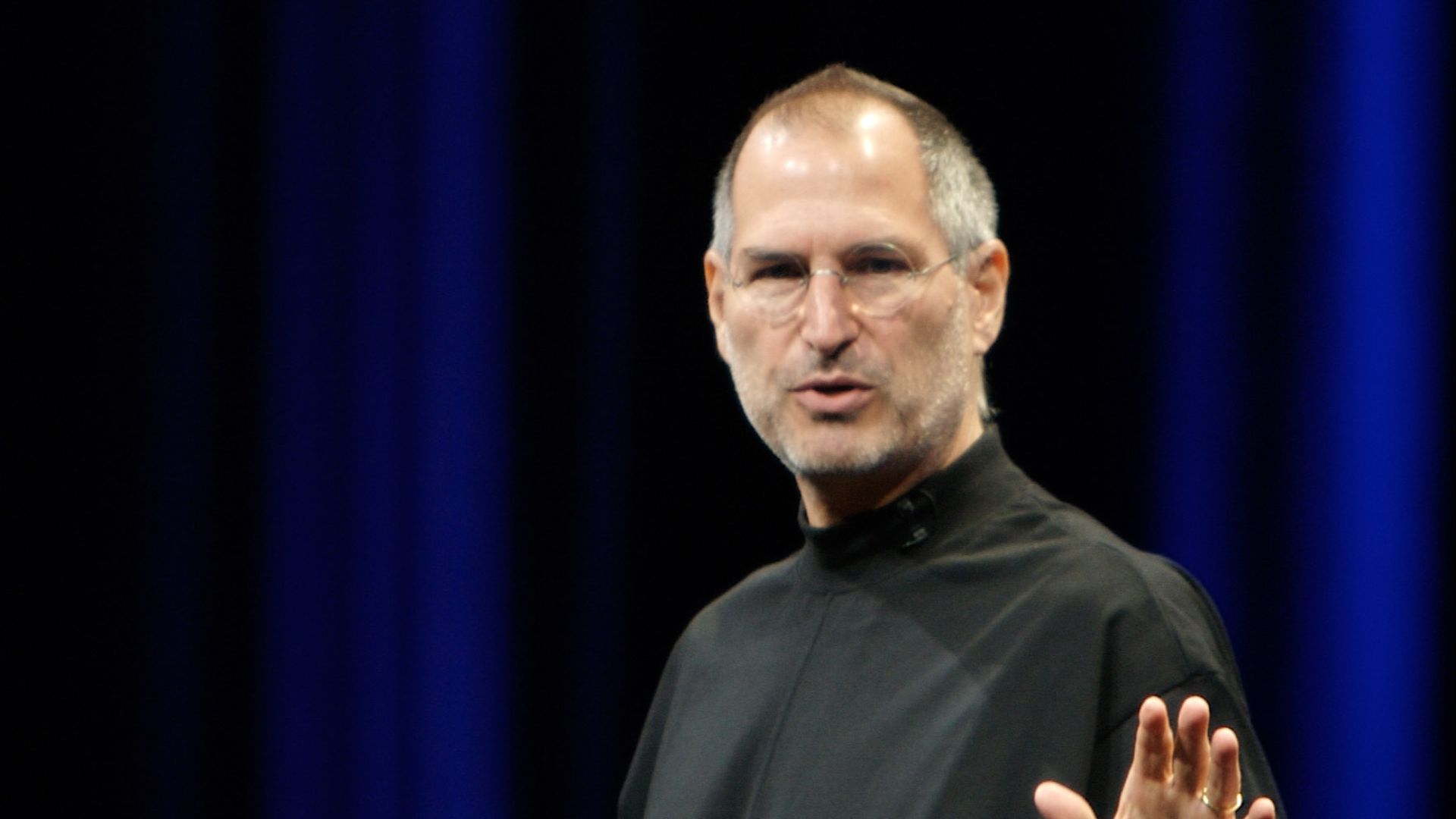
16. Steve Jobs
Jobs was celebrated as a once-in-a-generation creative mind who bent entire industries to his vision, and the mythology around him was strong enough that his health problems were treated as a matter of national concern. Accounts from the people who worked with him described someone who was routinely cruel to employees.
 Acaben, cropped by Kyro on Wikimedia
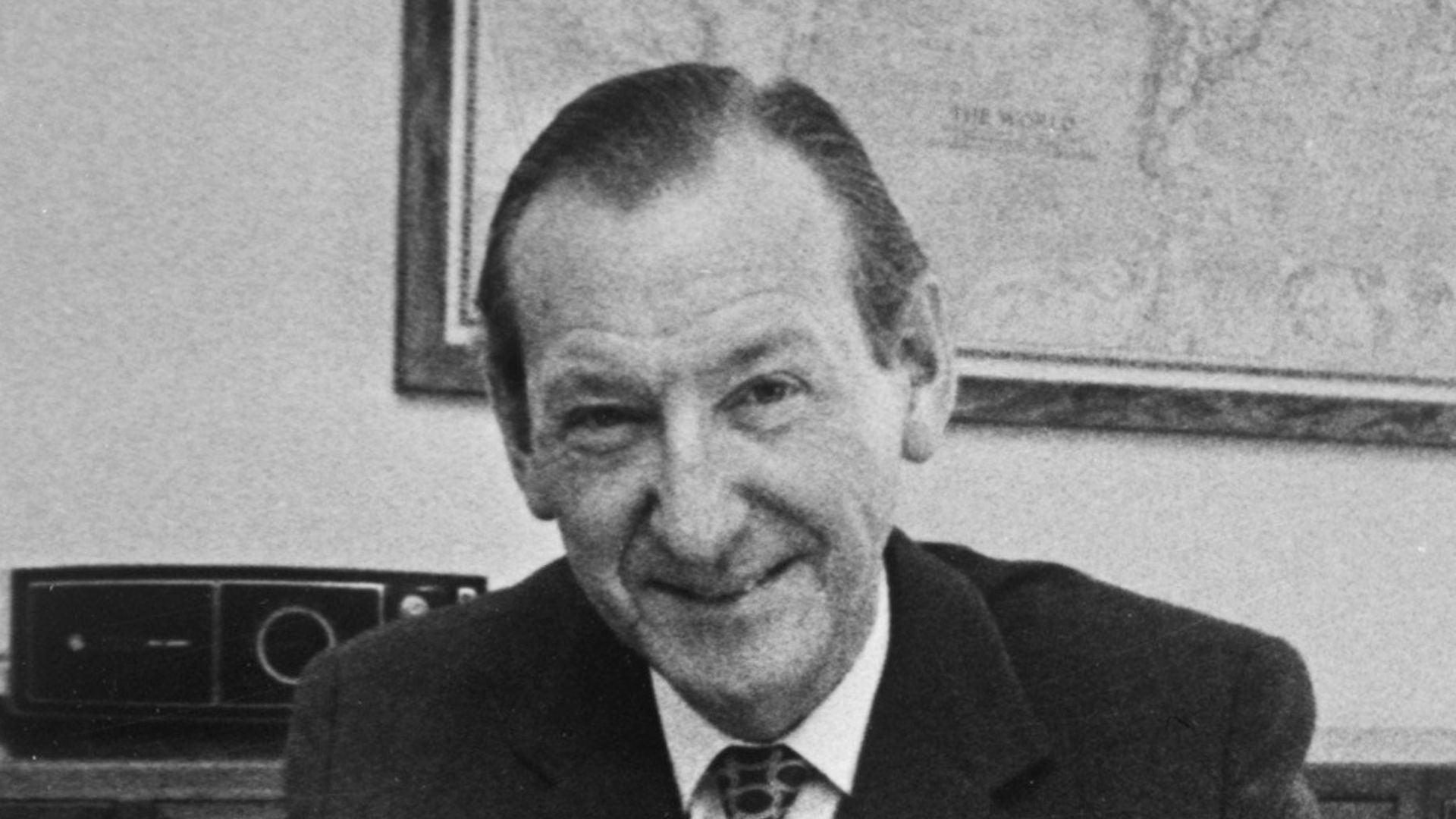
17. Kurt Waldheim
Waldheim served as Secretary-General of the United Nations and later as President of Austria, and for most of that time his wartime record was a carefully maintained blank. Investigations triggered by his 1986 presidential campaign revealed that he had served as a Wehrmacht intelligence officer during periods when war crimes were committed.
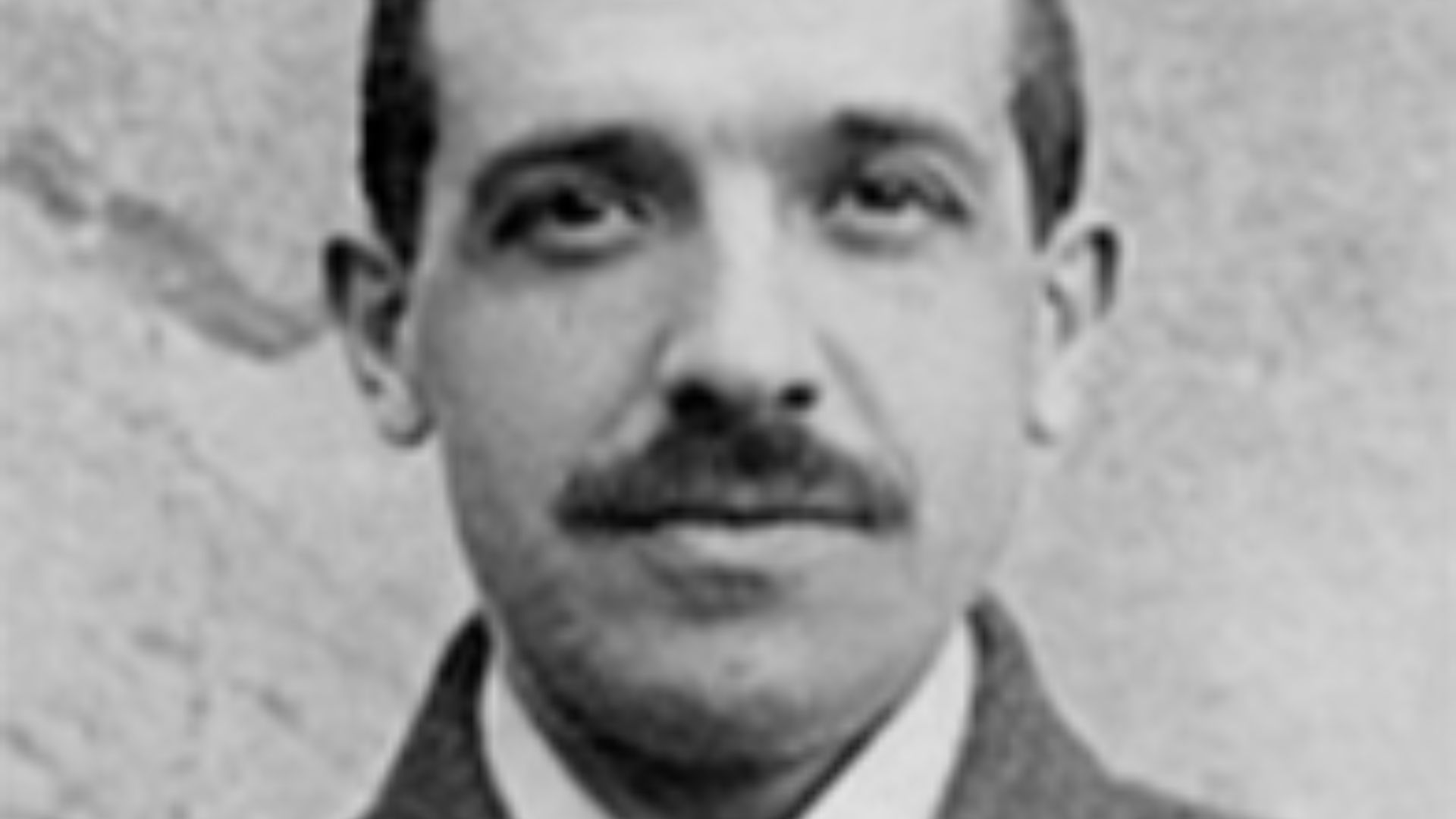
18. Charles Ponzi
Ponzi arrived in Boston with nothing and within a few years had convinced thousands of investors that his postal reply coupon arbitrage scheme was generating returns of fifty percent in ninety days, becoming a celebrity in the city's Italian immigrant community and a symbol of what an outsider could achieve in America. The scheme collapsed in 1920 when a newspaper investigation revealed there were not nearly enough postal coupons in existence to support what he was claiming, and the investors who had treated him as a genius lost nearly everything.
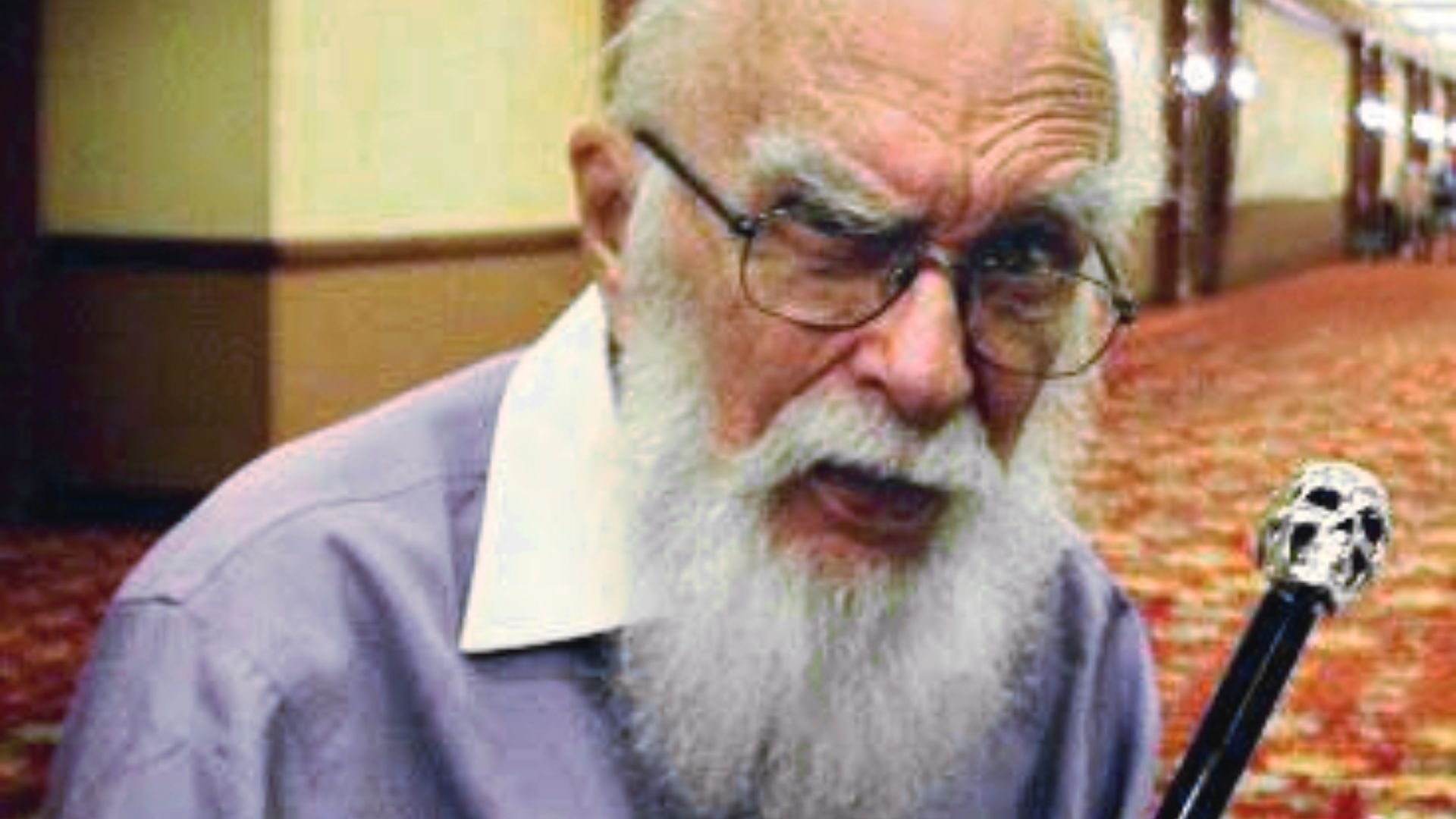
19. James Randi
Randi spent decades as one of the most prominent public skeptics in the world, debunking psychics and presenting himself as a rigorous defender of truth against fraud. After his retirement it emerged that his longtime partner had been living in the United States under a stolen identity for years, a fact Randi had known and not disclosed while actively holding himself to an unusually high standard on the subject of deception.
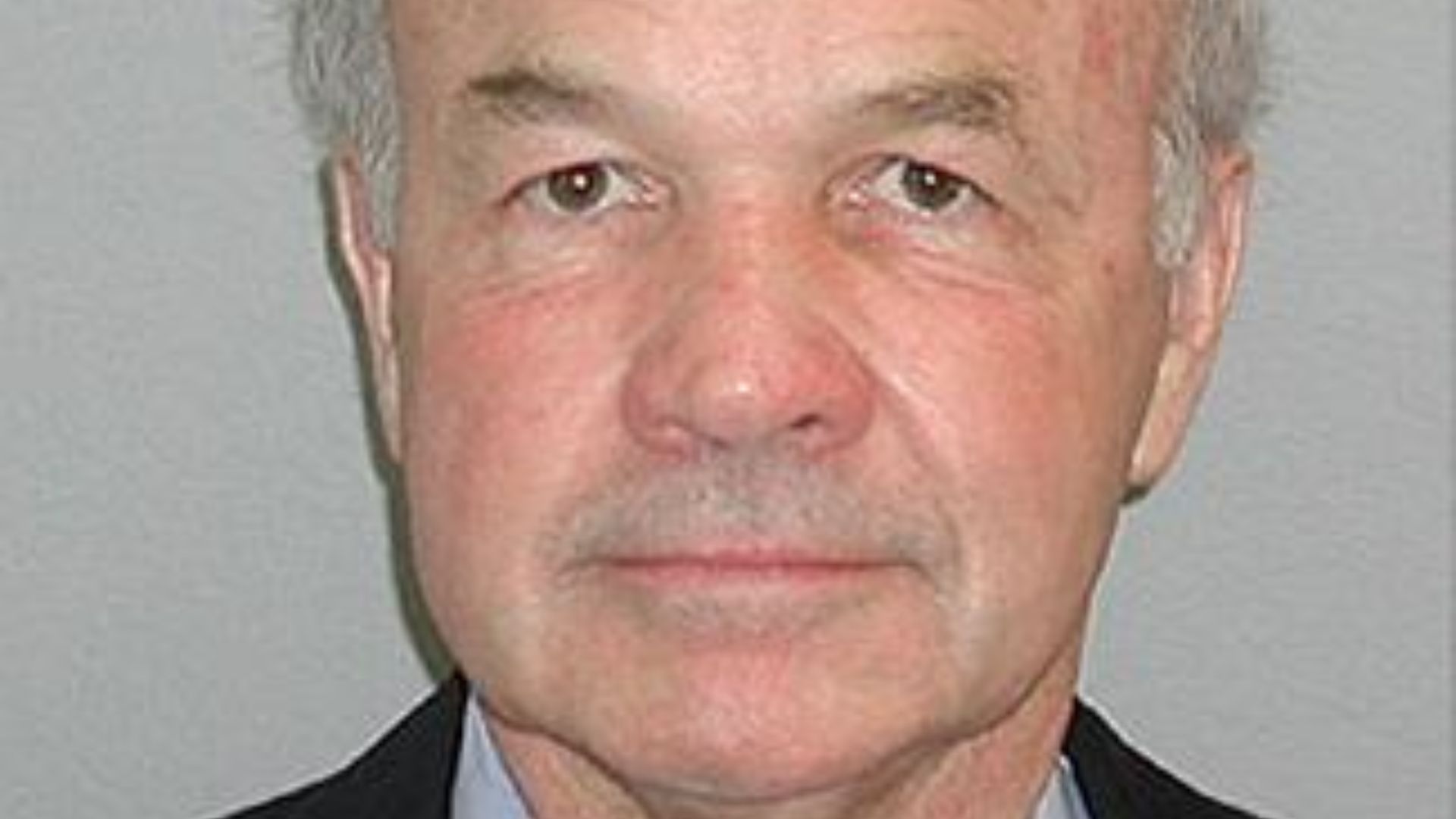
20. Ken Lay
Lay was celebrated throughout the 1990s as a visionary energy executive who had transformed a regional pipeline company into a global powerhouse, and Enron was held up as a model of what enlightened, deregulated capitalism could achieve. The company's collapse in 2001 revealed that the financial statements had been systematically falsified for years.
KEEP ON READING