

My Viral Peach Preserves Brought My Kids Back After Years of Silence — Then I Found Out Why They Really Came
My Viral Peach Preserves Brought My Kids Back After Years of Silence — Then I Found Out Why They Really Came
The Peach Water
I stood at my kitchen sink rinsing peaches, watching the water run clear over their fuzzy skins. The house was quiet except for that sound—water hitting fruit, the drain gurgling, the old clock in the hallway ticking like it had for thirty years. I'd worked in the middle school cafeteria for thirty-one years before I retired, serving sloppy joes and tater tots to kids who barely looked at me. My retirement party was nice enough. They gave me a card everyone signed and a supermarket cake with my name spelled wrong in blue icing. Now I had my garden out back, my peaches, my routines. Other people might call this peaceful. I called it Tuesday. The tomatoes needed staking, the weeds never stopped coming, and the preserves wouldn't make themselves. I set another peach in the colander and reached for the next one, my hands moving through motions my mother had taught me forty years ago. The phone on the counter had not rung in three days.
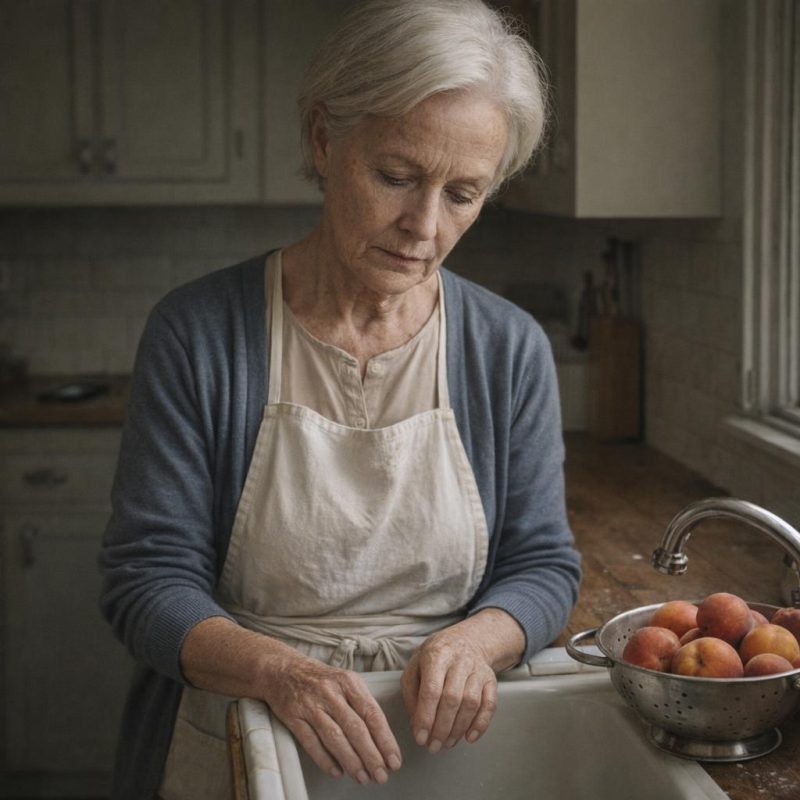 Image by RM AI
Tomatoes and Gossip
Nora showed up at my back door Thursday morning with a basket of tomatoes from her garden and that warm smile that always made my kitchen feel less empty. She'd been doing this for years—bringing soup in winter, fresh vegetables in summer, and gossip year-round. I put the coffee on without asking because that's what we did. "These are beautiful," I said, turning one of the tomatoes in my hand. It was still warm from her garden. We sat at my kitchen table like we had a hundred times before, and the silence that had pressed against me all week finally backed off a little. She asked if I'd heard from any of the kids lately, casual as anything, like she was asking about the weather. I felt something tighten in my chest, but I just smiled and changed the subject to her basil, which really was coming in thick this year. She let me do it too, bless her, and we talked about herbs and recipes and everything except what we both knew I was avoiding.
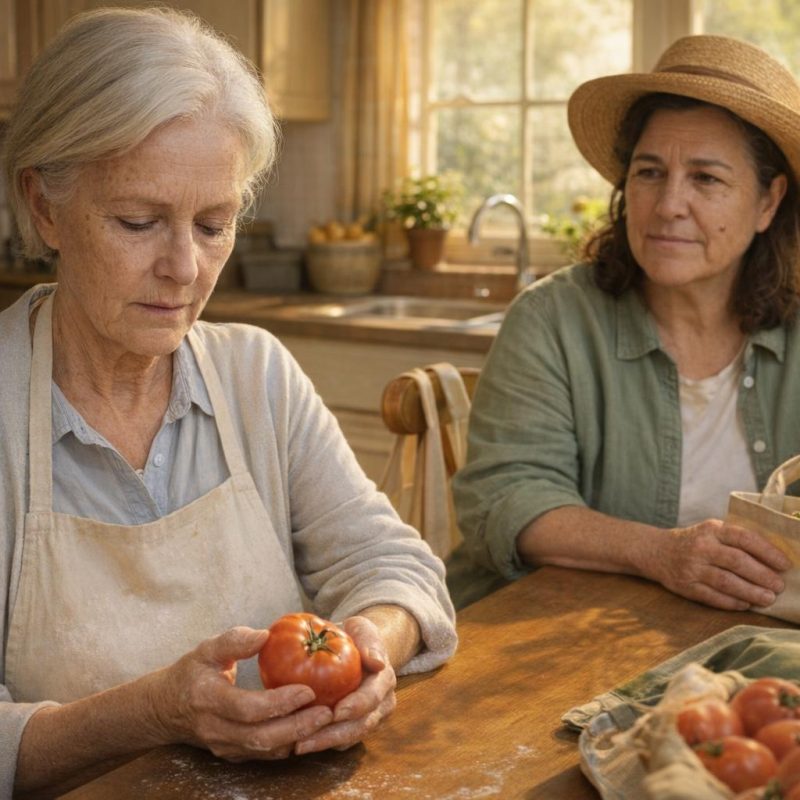 Image by RM AI
Small Hands
Later that afternoon, I found myself remembering Melanie's sticky fingers on my kitchen table, how she'd get into the honey jar and leave prints on everything she touched. Travis had that loud laugh even when his front teeth were missing, the kind that made strangers smile in the grocery store. Dean used to sing in the bathtub, making up words when he didn't know the real ones, his voice echoing off the tiles. Easter mornings meant lemon pie and all three of them fighting over who got the biggest slice, their voices layered over each other like music. I could still see the height marks on the doorframe in the hallway, could still hear phantom footsteps on the stairs. The house remembered them even if they didn't remember it. I told myself this was normal—children grew up, moved away, built their own lives. They got busy. They forgot to call. It happened to everyone, didn't it? Those children with sticky fingers and missing teeth and bathtub songs felt like they belonged to someone else now.
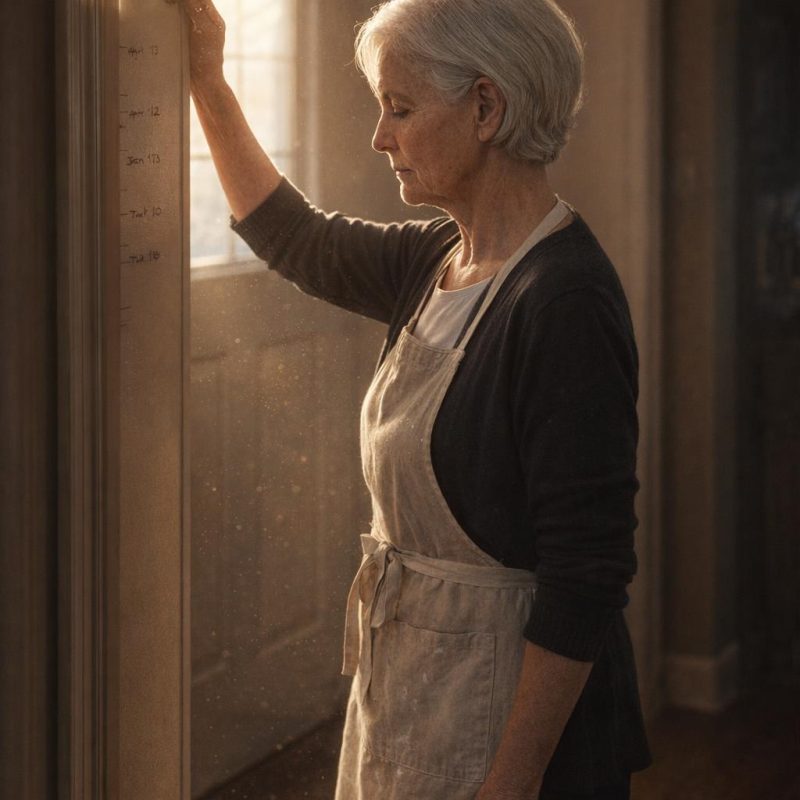 Image by RM AI
The Dark Phone
My sixty-fourth birthday fell on a Tuesday, and I baked myself a small yellow cake because that's what you do. I used my mother's recipe, the one with the extra vanilla, and I didn't put candles on it because that seemed silly for just me. I ate a slice at the kitchen table with my coffee and told myself it was fine. People get busy. Children have their own families, their own problems, their own lives spinning forward without you in them. Melanie was in California doing something with computers I didn't fully understand. Travis had his construction business two states away. Dean was teaching high school English somewhere in Ohio. They were adults now, not the babies who'd needed me for everything. By Wednesday evening, my phone still sat dark on the counter, no missed calls, no messages, nothing. Normal doesn't sting less just because you expect it. I washed my cake plate and put it away, and I told myself again that this was how life worked now. I told myself again that this was normal, and I almost believed it.
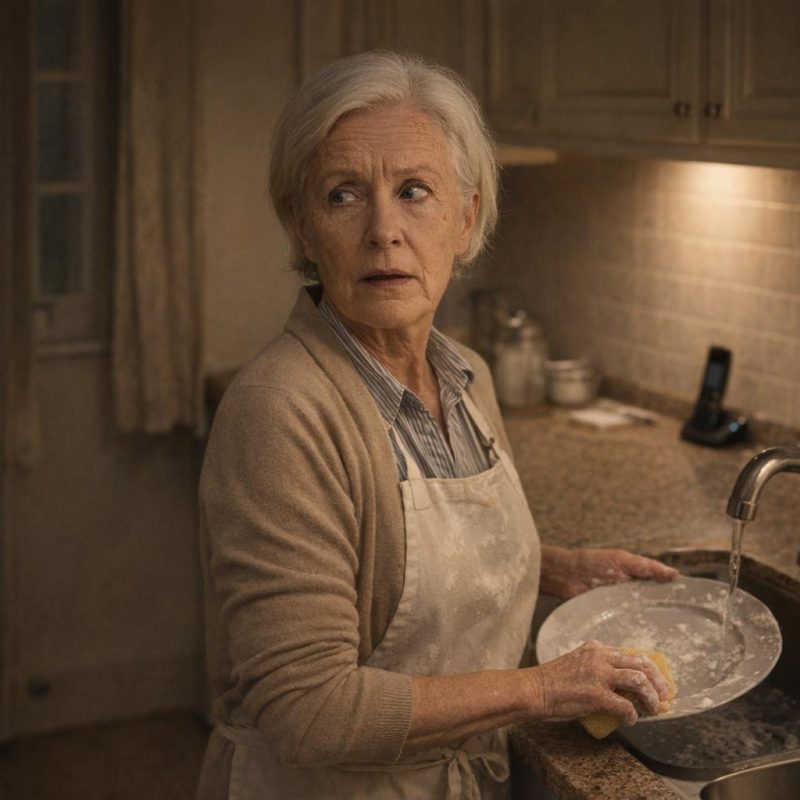 Image by RM AI
The Garden Rhythm
I worked the garden beds behind the house Friday morning, pulling weeds before the heat got too bad. The physical work felt good—my hands in the dirt, the tomato plants needing stakes, the rhythm of it all giving shape to hours that might otherwise drift away. This garden had been my mother's before it was mine, and hers before that. She'd taught me which plants liked shade and which ones needed full sun, how to pinch back the basil so it wouldn't go to seed. While I tied up a tomato plant, her peach preserves recipe drifted through my mind like it sometimes did. I could see her handwriting on that stained index card, could hear her voice telling me not to rush the boiling. The recipe had come from her mother, and her mother before that, passed down like the garden itself. I realized, kneeling there in the dirt with the morning sun on my back, that I hadn't made those preserves in over two years.
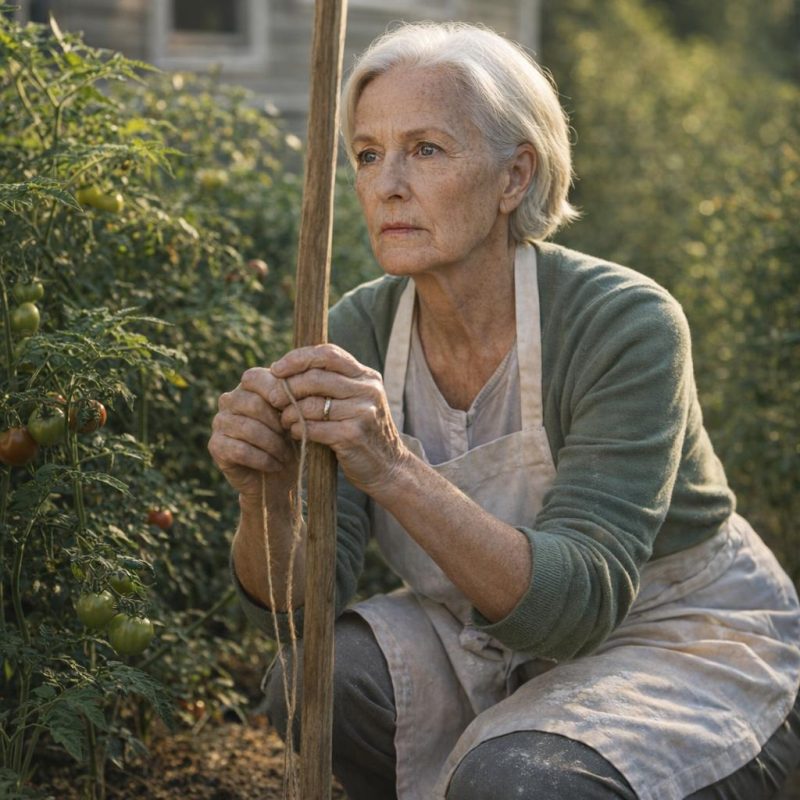 Image by RM AI
The Fair Suggestion
Nora stood in my kitchen the next afternoon with a flyer for the state fair canning competition, insisting I should enter my peach preserves. "It's silly," I told her, waving the paper away. "I don't need that kind of attention." But she wouldn't let it go. She said my preserves were the best she'd ever tasted, that my mother would want me to share them, that I had nothing to lose. I listed every excuse I could think of—I didn't have time, I wasn't interested, the fair was too far, I didn't like crowds. She countered each one with that patient smile of hers, the one that said she could do this all day. The truth was the whole idea made me uncomfortable. Standing there with my jars while strangers judged them, maybe winning, maybe losing, either way having people look at me and my work. "You're hiding in this house," Nora said finally, and those knowing eyes of hers landed on me like a weight. She looked at me with those knowing eyes and said I was hiding in this house.
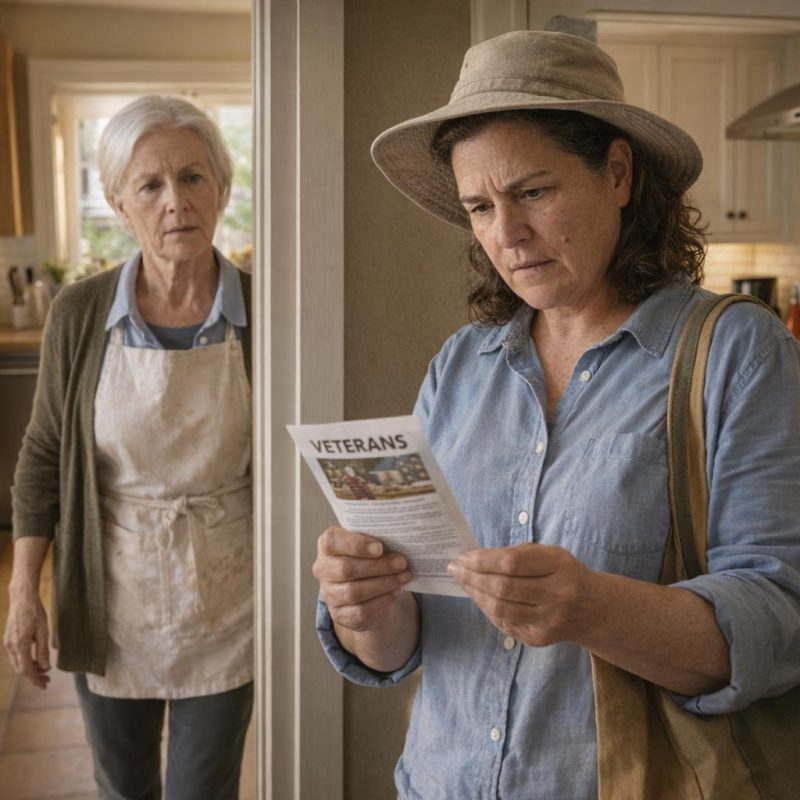 Image by RM AI
Preparing the Jars
I stood at the stove Sunday morning with my mother's recipe card propped against the backsplash, the paper yellowed and stained from decades of use. I'd decided to enter the fair despite every instinct telling me it was foolish. The peaches sat in a bowl on the counter, already blanched and peeled, their flesh soft and golden. I measured sugar with my mother's old measuring cup, the one with the chipped handle, and I could almost hear her voice reminding me not to rush the boiling, to let the pectin do its work. The kitchen filled with that sweet smell I remembered from childhood, from summers when canning meant the whole house was hot and sticky and full. I poured the hot preserves carefully into the prepared jars, my hands steady even though my heart wasn't. Each jar sealed with a satisfying pop as it cooled. They sat on the counter in a neat row, amber and perfect, waiting for the fair. As I poured the hot preserves into jars, I wondered if my mother would have thought this foolish too.
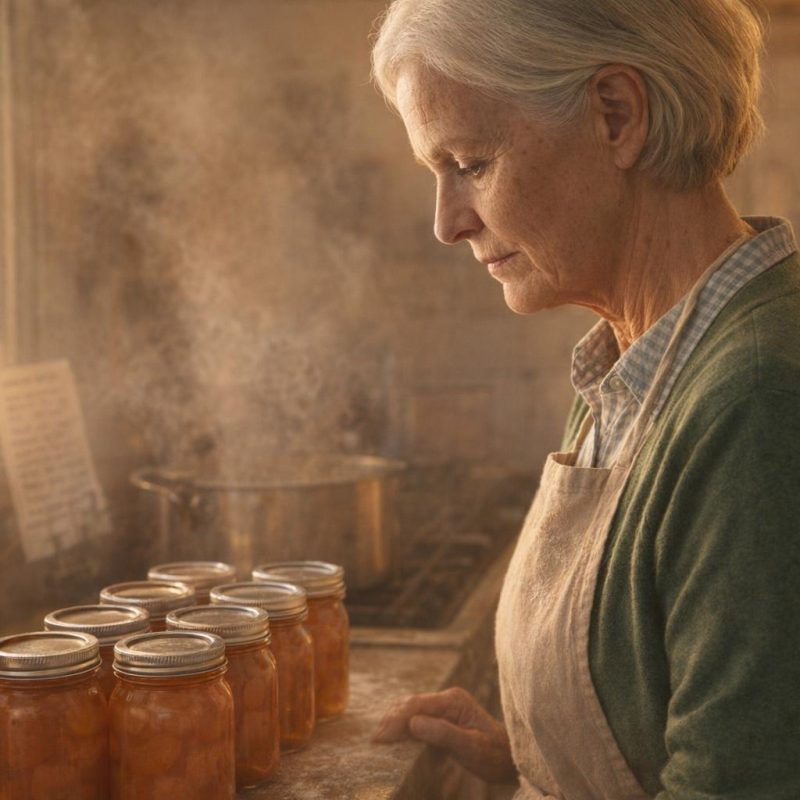 Image by RM AI
Fluorescent Judgment
I arrived at the state fair exhibition hall Tuesday morning with my jars wrapped in dish towels, and the heat hit me the moment I walked through the doors. Fluorescent lights buzzed overhead, harsh and bright, shining down on rows and rows of canning entries. The other women there looked serious, professional even, with their labeled jars and printed cards explaining their techniques. I glanced down at my flour-dusted blouse and felt ridiculous. One woman had brought a three-ring binder full of recipes. Another was wearing an apron that said "Blue Ribbon Winner" across the front. I found my assigned spot and set my jars down, suddenly aware of how plain they looked compared to everything around me. Judge Beverly Chen wore a volunteer badge and moved methodically down the line with her clipboard, examining each entry with the kind of focus I'd only seen in people who took canning very, very seriously. The judges began working their way through the entries, getting closer to my section with each passing minute. The judges moved down the line toward my entry, and my stomach tightened.
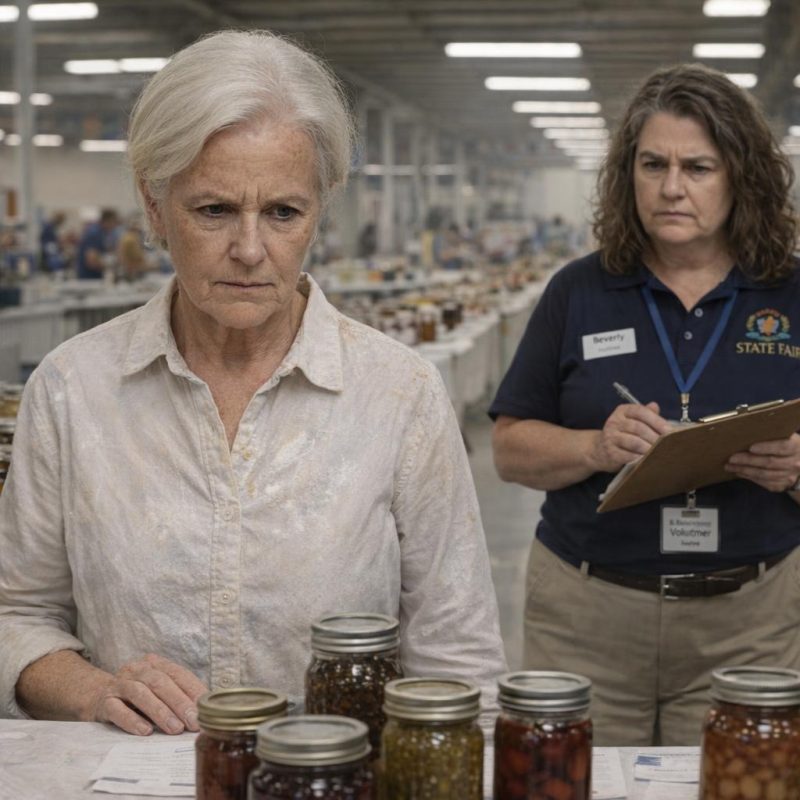 Image by RM AI
Blue Ribbon
They called my name for first place, and I stood there like someone had just spoken to me in a foreign language. The words did not make sense at first. Beverly Chen walked toward me with a blue satin ribbon in her hand, the kind that looks cheap up close but somehow enormous when it is meant for you. She pinned it beside my jar with a smile that suggested she had expected this all along, which made one of us. Applause rippled through the exhibition hall, distant and strange, like I was hearing it from underwater. My nose still burned from yesterday's garden work, and I could see flour on my blouse when I looked down. The ribbon caught the fluorescent light and shimmered in a way that felt both ridiculous and wonderful. I wanted to say something gracious, but my mouth had gone dry. Other winners were being announced, but I could not focus on their names. Then a woman with perfect hair and a camera crew appeared at my elbow, moving fast, and I realized the moment was not over. A woman with a camera approached me before I could even process what had happened.
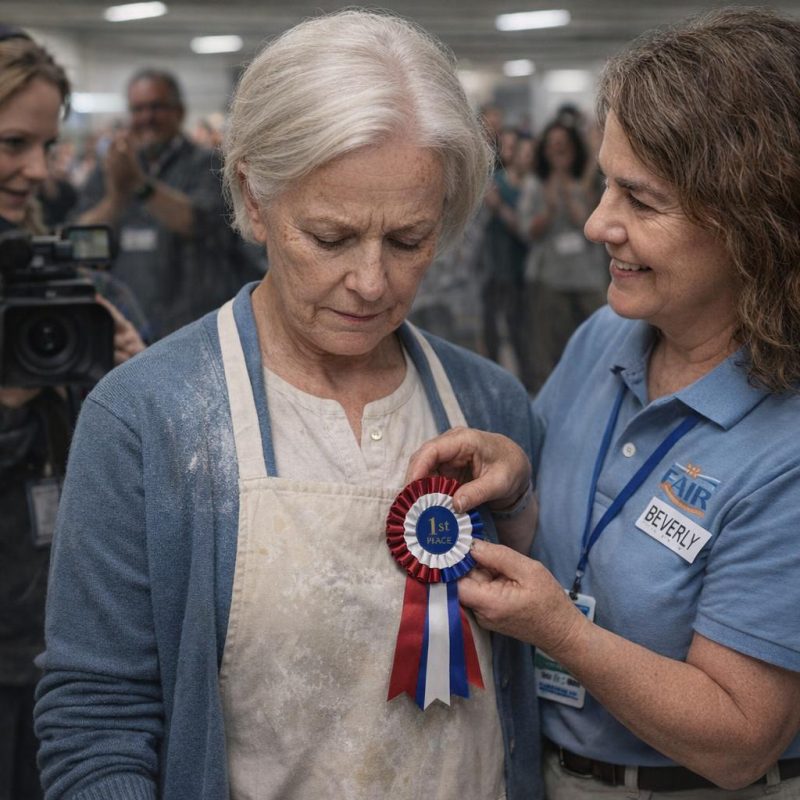 Image by RM AI
The Morning Show Moment
Katie Summers introduced herself like we were old friends, though I had never seen her before in my life. She had the kind of hair that does not move and a smile that looked practiced in mirrors. Someone handed her a biscuit, and she spooned my preserves onto it while the camera watched. The first bite made her close her eyes and carry on like she had found religion in a mason jar. She went on about the flavor, the texture, the way it tasted like summer and heritage and everything good in the world. I stood there with my sunburned nose, wanting to disappear. Then she turned that bright smile on me and asked about the recipe, about my mother, about how long I had been making these preserves. The questions felt friendly but invasive, delivered with the kind of enthusiasm that does not leave room for refusal. I answered awkwardly, aware of the camera lens pointed at my face. She asked if this was a family tradition, and I said yes because it was easier than explaining. The whole thing lasted maybe five minutes, but it felt longer. She asked me to tell the whole story for the camera, and I could not think of a polite way to refuse.
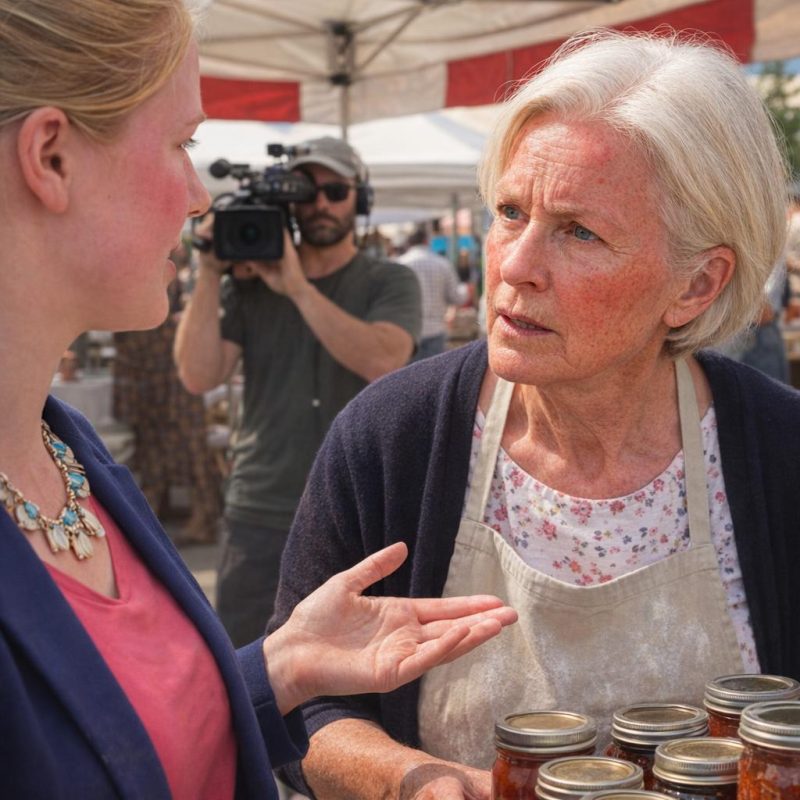 Image by RM AI
Going Home
I drove home from the fair with the blue ribbon on the passenger seat, and it looked smaller than it had under the exhibition hall lights. The roads were familiar, the same ones I had driven for years, and that steadiness felt like a relief after the cameras and questions. All I wanted was to close my door on the day and return to the quiet that made sense. My blouse still had flour on it, and my nose still burned, and I felt tired in a way that had nothing to do with the heat. When I pulled into the driveway, the house looked exactly as I had left it that morning. I unlocked the front door and stepped inside, letting the cool dimness settle around me. The relief came first, the familiar smell of home and the absence of strangers watching. But underneath it was something else, something hollow I could not quite name. The silence felt deeper than usual, like the house was listening. When I unlocked the front door, the house felt even quieter than before.
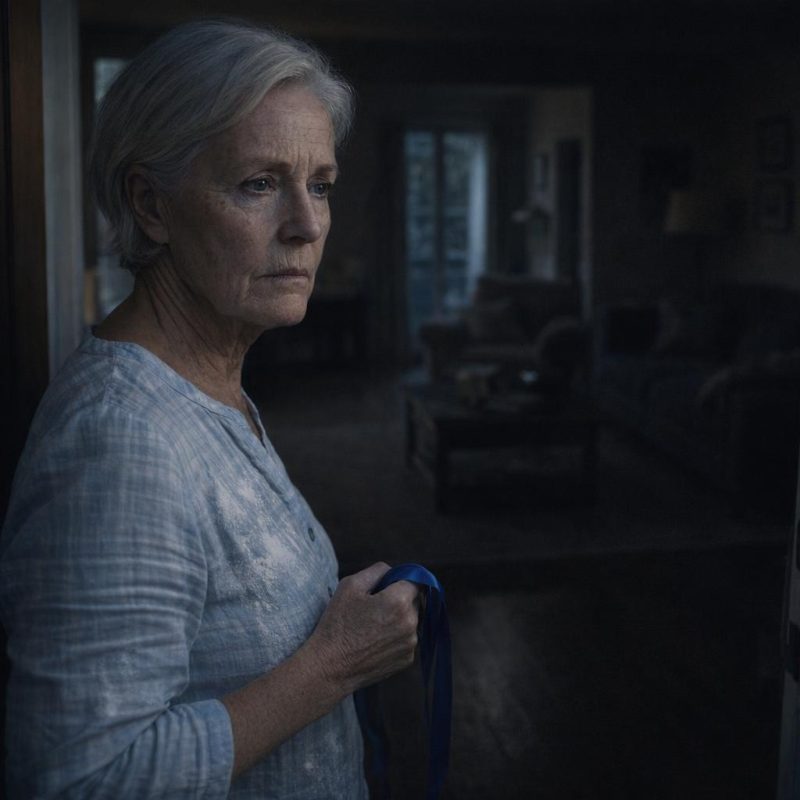 Image by RM AI
The Clip Circulates
I woke the next morning to seven text messages from church friends saying they had seen me on their phones. At first I thought they meant a photograph someone had taken at the fair, but then I read more carefully. The morning show had posted the interview online. People were sharing it. I sat at my kitchen table with my coffee and tried to understand what that meant. The messages were kind, full of exclamation points and congratulations, but they confused me more than anything. I had done an interview yesterday because a woman with a camera had asked, and now people I knew were seeing it on their phones. It felt strange, like something that should not have traveled beyond the fairgrounds. I texted back thank yous and tried to go about my morning. But the messages kept coming. By ten o'clock there were more. By eleven, even more. I counted them at noon and found fourteen total, twice what I had woken to. By noon, the number of messages had doubled, and I did not know what any of it meant.
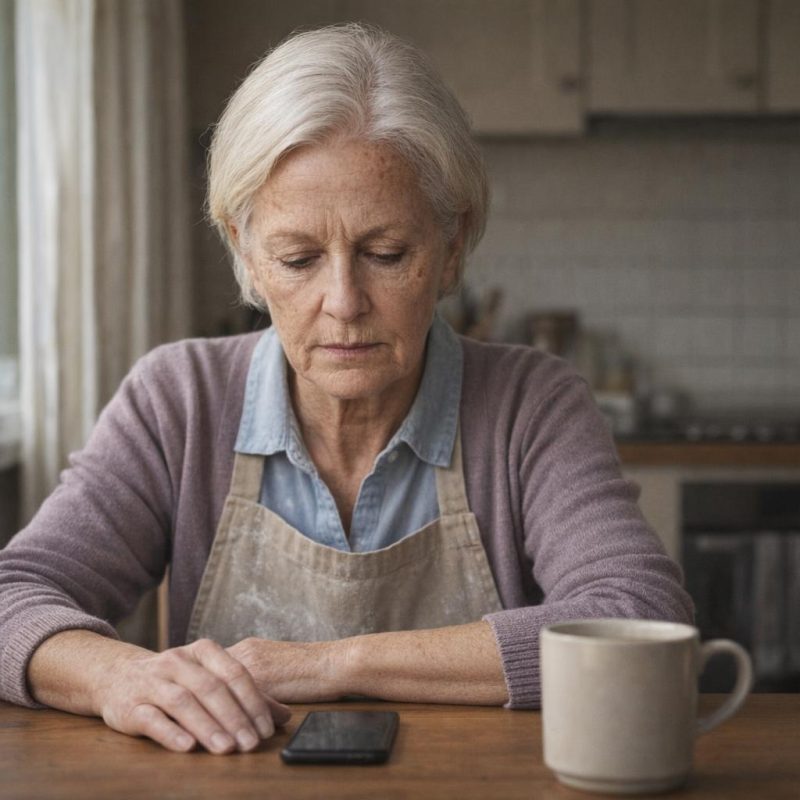 Image by RM AI
Tagging and Views
Patricia Lowry sent me a message that afternoon with three exclamation points and a link to the video. She had worked the cafeteria line with me for years before I retired, and now she was tagging me in posts with other women I used to know. Former coworkers I had not heard from in months were suddenly commenting and sharing. I clicked on the video and watched myself standing there with my sunburned nose, answering Katie's questions with an awkward smile. The view count sat at the bottom of the screen, climbing higher than I thought possible for something so ordinary. I watched the number refresh and grow. It felt surreal, like watching someone else's life play out on a screen that had nothing to do with me. Patricia called that evening, excited, talking about how everyone was sharing it and how wonderful it was. I listened and made the right sounds, but I could not shake the feeling of watching myself from a distance. The whole thing felt surreal, like watching someone else's life play out on a screen.
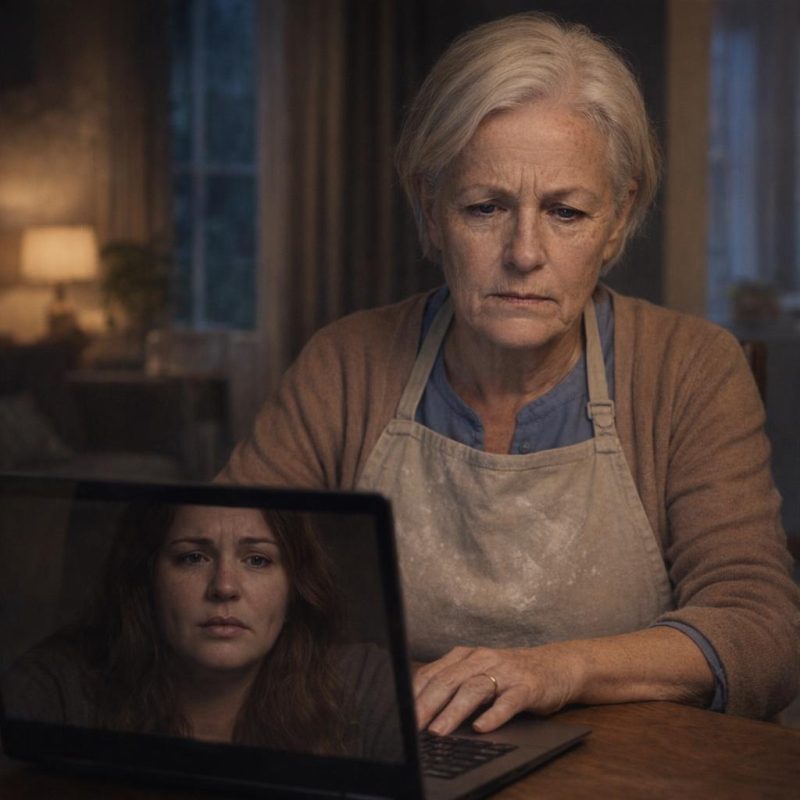 Image by RM AI
Heritage Product Expansion
An email arrived Thursday morning from someone named Mark Harrison at a regional food company. The subject line said Heritage Product Opportunity, which sounded like the kind of spam I usually deleted. But I opened it anyway and found three paragraphs of corporate language asking if I had ever considered heritage product expansion. I read the phrase twice and still did not know what it meant. He mentioned the video, the authentic appeal, the market potential for traditional recipes. It sounded like nonsense wrapped in professional formatting. I read the email a second time, then a third, trying to decide if it was serious. The signature had a phone number and a logo I did not recognize. He wanted to schedule a call to discuss opportunities, whatever that meant. The idea of someone wanting to do something commercial with my mother's recipe felt strange and slightly wrong. I closed the email and stared at my inbox. I read the email three times and still could not decide if it was serious or spam.
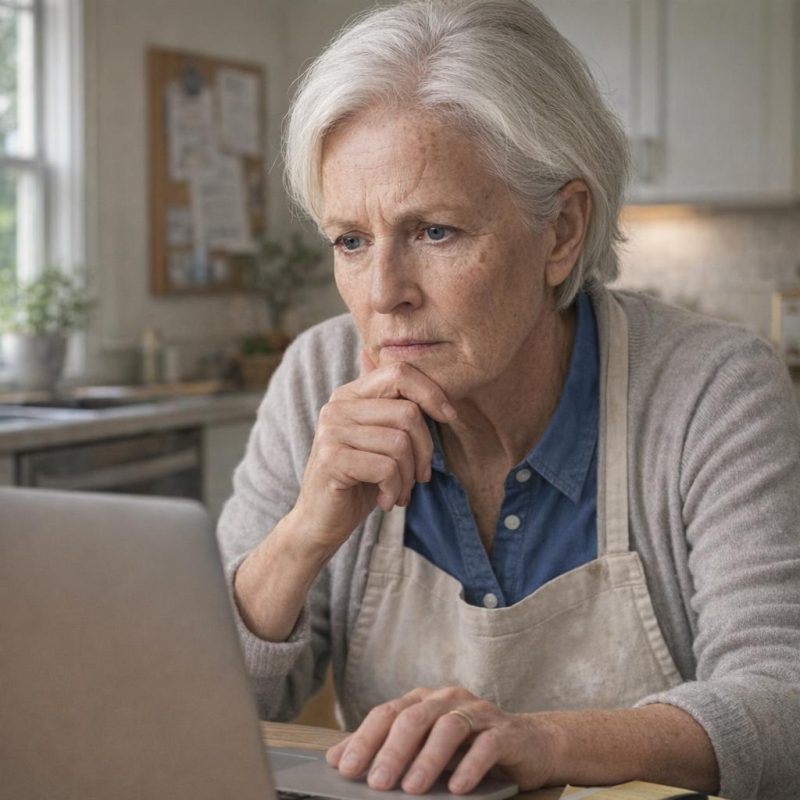 Image by RM AI
Breathless Melanie
Melanie called Friday afternoon, and I almost did not answer because her name on the screen felt so unexpected. We had not spoken in months, not since a brief conversation about her vacation plans that had ended with her needing to go. But I picked up, and her voice came through breathless and sugary in a way I had not heard in years. She said I was famous now, that everyone was talking about the video, that she had seen it shared all over. Then she asked how I was doing, and the question stopped me cold. I stood in my kitchen holding the phone, trying to remember the last time she had asked that. Not at Christmas. Not on my birthday. The silence stretched long enough that she asked again, softer this time, if I was okay and if I needed anything. My throat tightened with something that felt like hope mixed with confusion. She asked how I was doing, and I could not remember the last time she had asked that question.
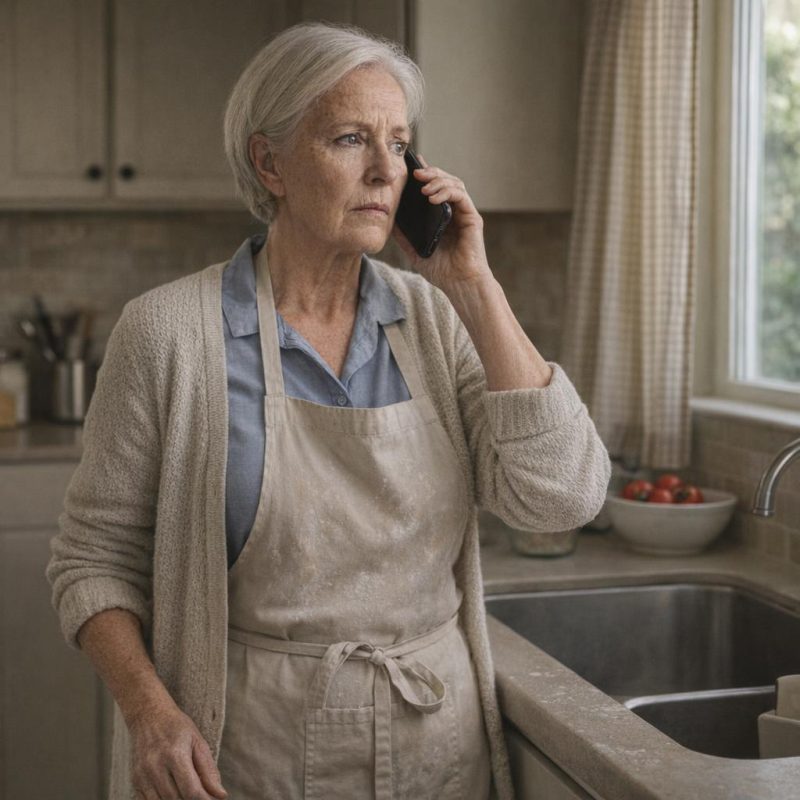 Image by RM AI
Questions Never Asked
Melanie stayed on the phone longer than she had in years, asking whether I had been eating right and if the house was holding up. She wanted to know if the roof still leaked in heavy rain, if I was keeping up with the yard work, if I had enough help with things. These were questions she could have asked any month in the last three years, and I felt that truth settle in my chest even as I answered. She sounded genuinely concerned, her voice warm in a way I had almost forgotten. I told her about the garden and the preserves and the fair, and she listened like she cared. A small voice in the back of my mind whispered about timing, about how this call had come right after the video went viral, but I did not want to hear it. I wanted to believe my daughter was reaching out because she missed me, not because of anything else. So I pushed the doubt away and let myself feel hopeful. I wanted so badly to believe this was real that I ignored the small voice whispering about timing.
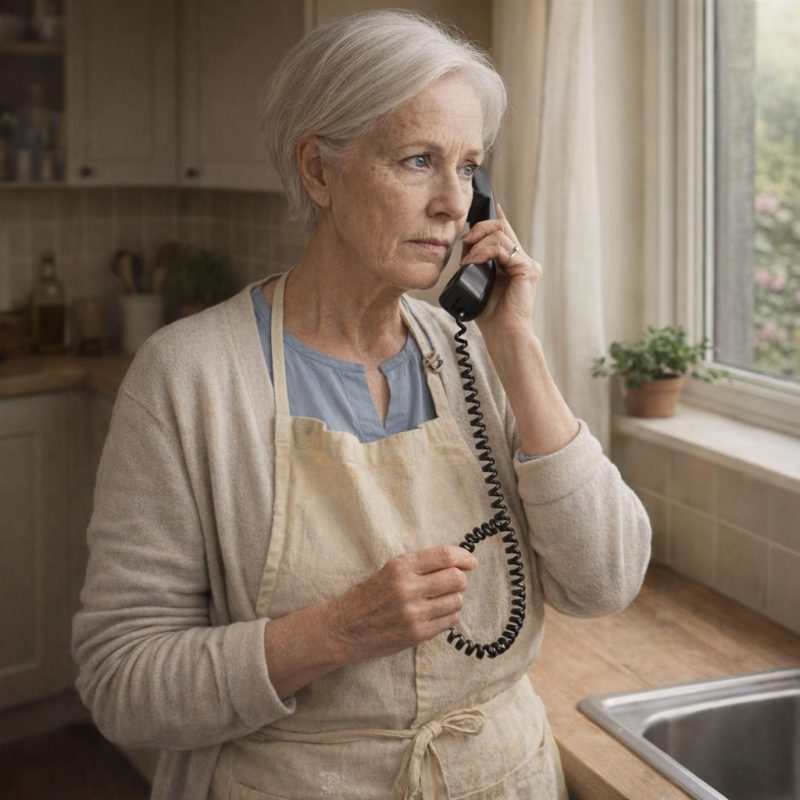 Image by RM AI
Sheepish Travis
Travis called that same night, maybe an hour after I hung up with Melanie. His voice had that sheepish quality I remembered from when he was seventeen and had dented the car backing out of the driveway too fast. He said he had been thinking about family a lot lately, about how much time had passed, about how he missed the way things used to be. I held the phone and listened to him talk about memories I had almost forgotten he still carried. He mentioned the peach preserves video, said it reminded him of summers at home, of standing in the kitchen watching me work. The words sounded genuine enough that I felt my chest tighten with something like relief. Then he laughed, that same nervous laugh from all those years ago, and said the timing was funny, wasn't it? But sometimes things just lined up that way, he said. Sometimes you see something that reminds you what matters, and you realize you have been letting too much time go by. I wanted to ask him why now, why after three years of silence, but I did not. The timing was funny, he admitted, but sometimes things just line up that way.
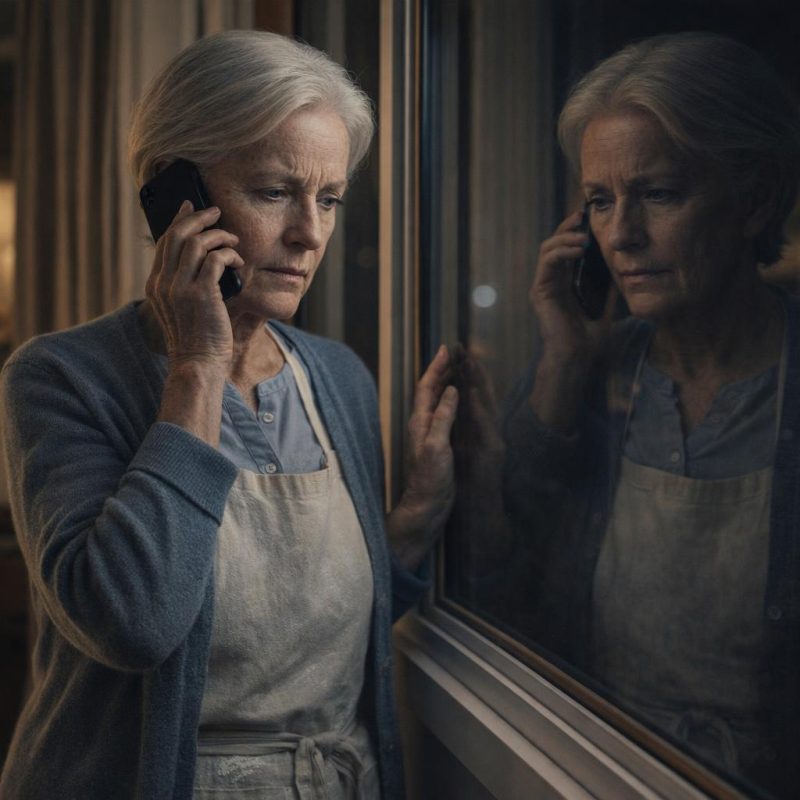 Image by RM AI
Mama
Dean texted around ten that night. My phone lit up on the kitchen counter with a string of hearts and exclamation points that filled the screen. The message said he loved me and missed me and couldn't wait to see me Saturday. And then, at the end, he called me Mama. I stared at that word for a long time. He had not called me Mama since he was nineteen and needed rent money after his roommate bailed on their lease. Back then he had shown up at my door with that same sweetness, that same affection, and I had written the check without hesitation. I knew the pattern. I recognized it the way you recognize your own handwriting on an old envelope. But I also knew that sometimes people changed, that sometimes distance made you realize what you had lost. Maybe the video had reminded him of who I was to him, of what home meant. Maybe this time was different. Maybe I was being given a second chance with all three of my children at once. I stared at that word on my phone screen and felt something dangerous blooming in my chest.
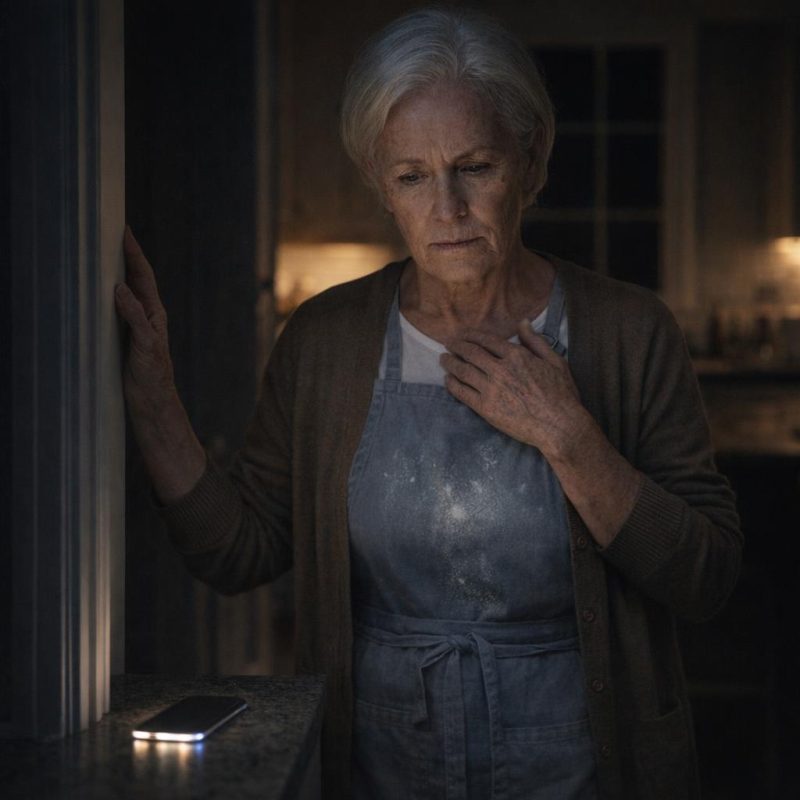 Image by RM AI
Foolish Mothers
I sat at my kitchen table that night with a bowl of Nora's leftover soup, the kind she always brought when she thought I needed looking after. The house was quiet except for the hum of the refrigerator and the occasional creak of the floorboards settling. I thought about how a part of a mother stays foolish long after wisdom arrives. You can know better and still hope anyway. You can see the pattern and still wonder if this time might be different. I had raised three children who had learned to ask for things in voices that sounded like love, and I had learned to hear the difference, but that did not mean I wanted to. Maybe the video had reminded them who I was to them, what I meant in their lives beyond someone who used to write checks or fix problems. Maybe seeing me on their screens had brought back something real. I tried not to be cynical about it. I tried to let myself wonder if viral fame had somehow cracked open a door that had been closed for years. When Melanie called again the next morning, I answered on the first ring.
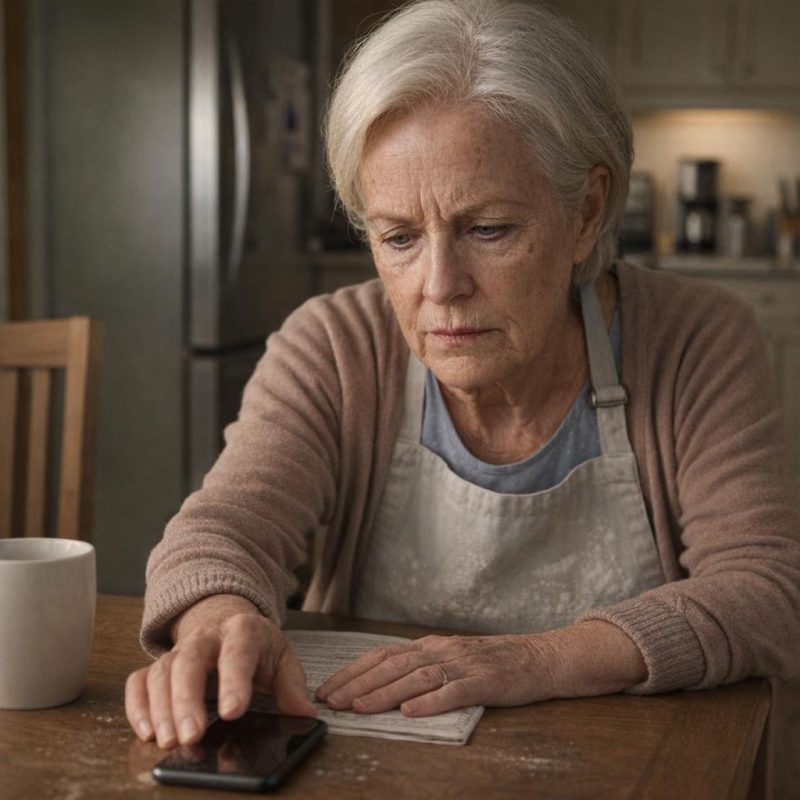 Image by RM AI
Saturday Dinner
Melanie suggested we all have dinner Saturday at my house, and I said yes before she finished the sentence. She laughed at my eagerness, a warm sound that made me feel like I had done something right for once. She said Travis and Dean were both free, that everyone wanted to come, that it had been too long since we were all together. I stood in my kitchen holding the phone and felt years of loneliness crack open like an egg. Saturday was only three days away. Three days until my children would be sitting around my table again, until the house would be full of voices and movement and life. I asked what I should make and she said anything, that it did not matter, that we just wanted to be together. Her voice brightened with something I wanted to believe was happiness, the kind of lightness I remembered from before everything fell apart. We talked about timing and who would bring what and whether the weather would hold. We hung up with plans I had waited years to make.
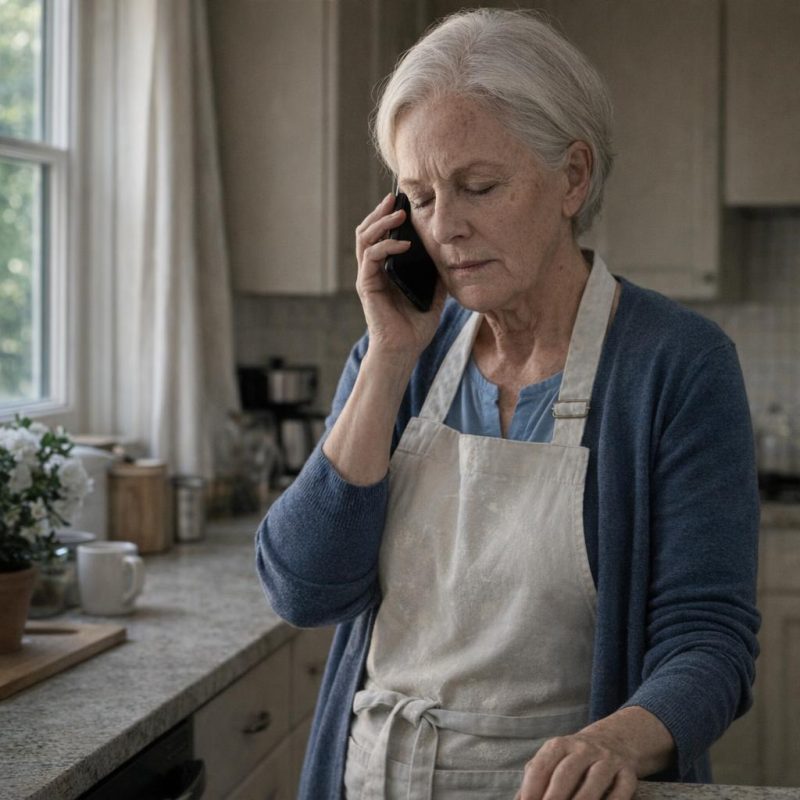 Image by RM AI
The Thursday Call
Melanie called again on Thursday and her voice shifted into that brisk, capable tone she used when managing other people. She had been thinking, she said, and she wanted to bring her friend Colin to dinner on Saturday. Just casually, she added quickly, no pressure at all. Colin was someone she worked with, someone who understood media and branding and how stories moved through the world. I stood at my kitchen counter and felt something tighten in my stomach. I asked why we needed someone like that at a family dinner, and she laughed like I was being charmingly old-fashioned. She said Colin was a friend, that he would love to meet me, that it would be nice to have another person at the table. The explanation sounded reasonable enough but it sat wrong in my chest. I could not figure out why a family reunion after three years of silence needed a branding consultant in attendance. She kept talking, her voice smooth and reassuring, telling me not to worry about it, that Colin was easy and fun and would fit right in. She wanted to bring her friend Colin to dinner, just casually, no pressure.
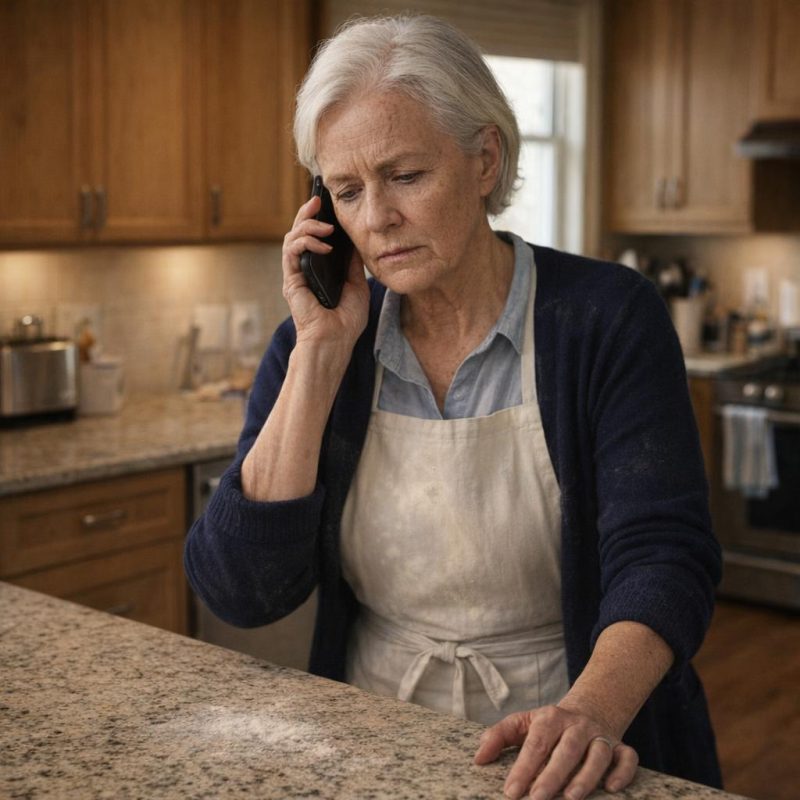 Image by RM AI
Opportunities
Colin worked in branding, Melanie explained, and could help me think through opportunities that a story like mine might create. She said it like she was offering me a gift, like she had thought carefully about what I might need and had found the perfect solution. I did not understand what opportunities she meant. I had made peach preserves and entered them in a county fair. I had won a ribbon. Someone had filmed it and put it online and people had liked it. That was the whole story. But Melanie kept using words like platform and reach and engagement, words that sounded like they belonged in an office building, not in a conversation about jam. She said Colin helped people turn their stories into something bigger, something that could really go somewhere. I stood there holding the phone and staring at the magnets on my refrigerator, the ones my children had made in elementary school, faded now and held up by sheer stubbornness. I did not know what to say. The word opportunities settled into my kitchen like a bad smell.
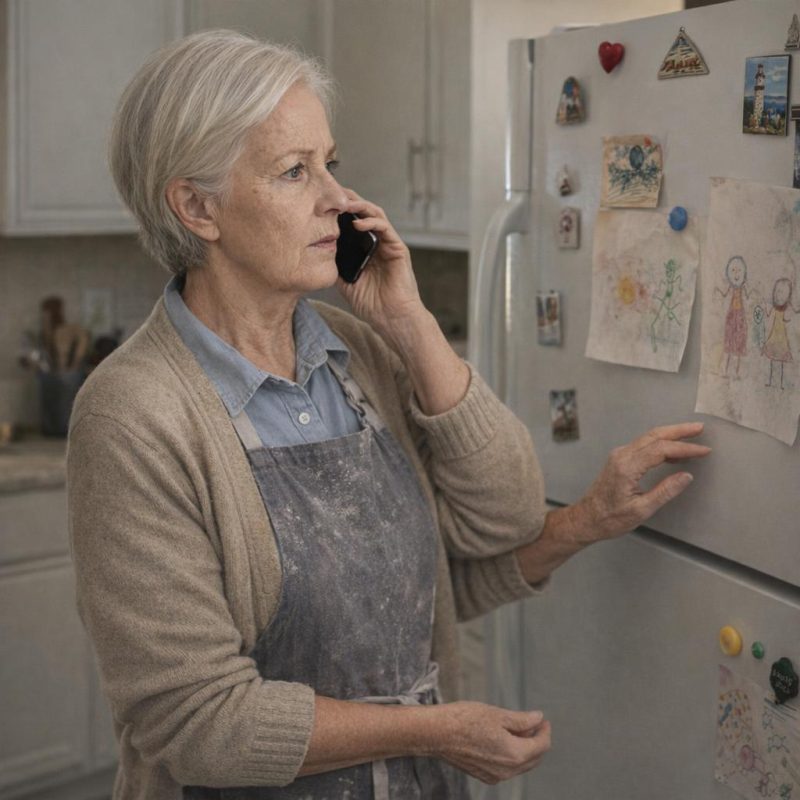 Image by RM AI
Why Would It
I asked why a family dinner would need branding, and Melanie laughed like I had missed an obvious joke. She said I was sweet but that I did not understand how these things worked. This could be huge, she said. The video had millions of views and people were already asking questions, wanting to know more about me, about the recipe, about the story. I needed help thinking it through, she said, making sure I did not miss out on something real. Her voice had that patient quality she used when explaining things to people she thought were not quite keeping up. I wanted to argue but I could not find the right words. I could not explain why the idea of turning my kitchen and my preserves and my county fair ribbon into something managed and packaged made me feel sick. She kept talking about timing and momentum and windows of opportunity, and I just stood there feeling like I was being swept along by something I had not agreed to. She said this could be huge, that I needed help thinking it through, and I had no good answer ready.
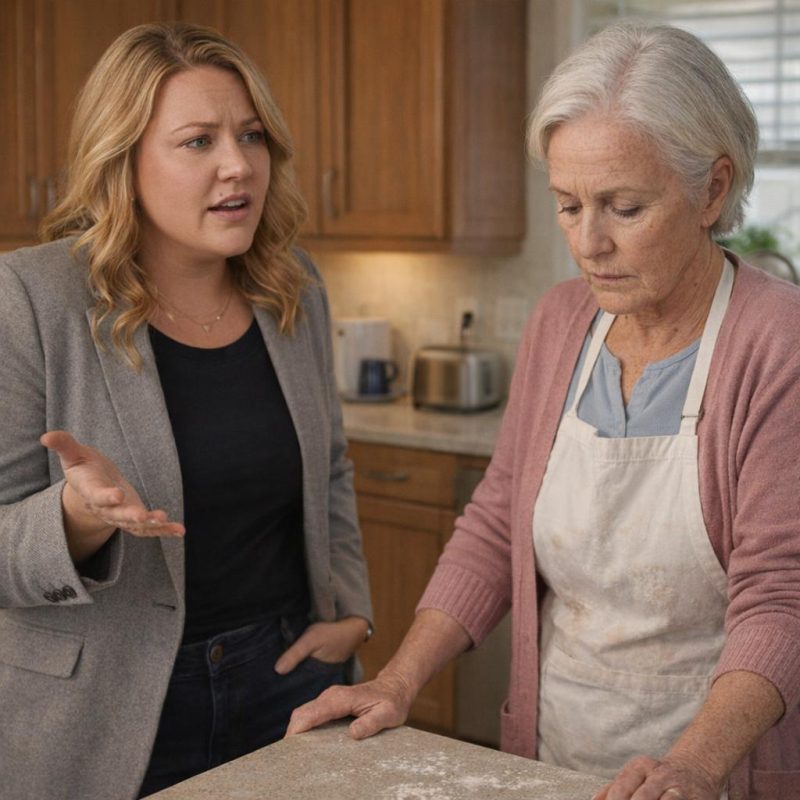 Image by RM AI
One Look
Nora arrived Friday morning with basil from her garden and a loaf of bread still warm from her oven. She came through the back door the way she always did and set everything on the counter, and then she looked at my face. She needed only one look before asking what they had asked for. Not how was I feeling, not was I excited about tomorrow. Just what had they asked for, like it was the only question that mattered. I told her about Colin and the branding and the opportunities Melanie kept mentioning. I told her about the phone calls and the timing and the way all three of them had reached out within hours of each other. I told her about the word Mama on my phone screen and the sheepish tone in Travis's voice and Melanie's bright happiness that felt just slightly wrong. Nora stood there listening with her arms crossed, her face calm and unsurprised. She did not look shocked at all.
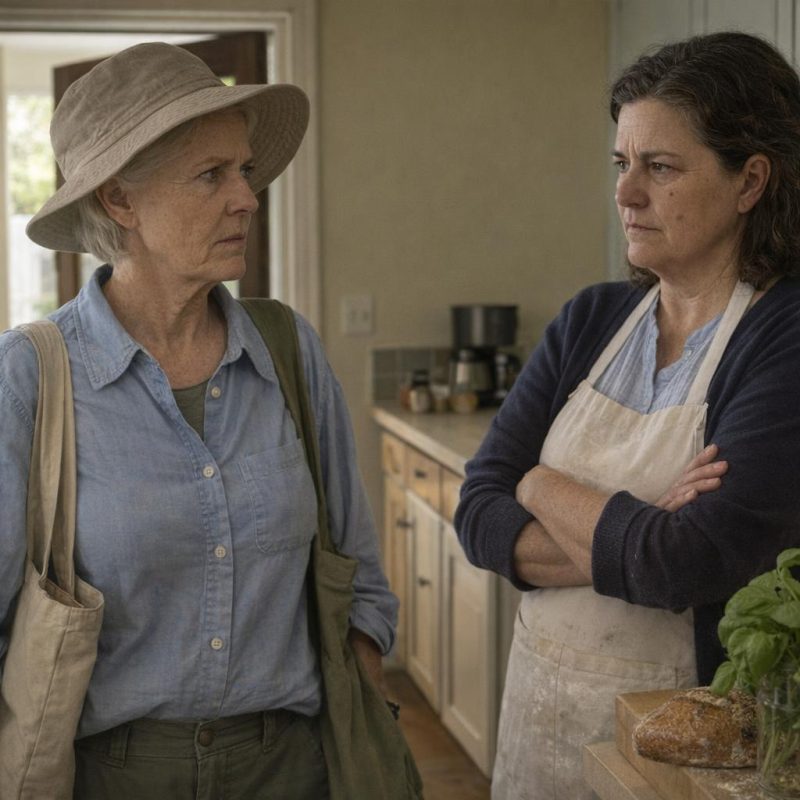 Image by RM AI
The Cousin in Tennessee
Nora told me about her cousin in Tennessee whose pie recipe became a boutique business run by relatives who suddenly discovered family legacy. The cousin had made this pie for forty years at church socials and family reunions, and nobody had cared much about the recipe until a food magazine mentioned it in passing. Then suddenly cousins and nieces started calling, asking about tradition and heritage and wouldn't it be wonderful to share this with the world. Within six months they had a website and packaging and a booth at the farmer's market. Within a year the cousin was answering to a board of her own relatives about ingredient costs and production schedules. They had meetings about her pie. They voted on things. She told Nora she felt like a stranger in her own kitchen. The relatives made money and the cousin got a small percentage and a title that meant nothing. Nora set the bread on my counter and looked at me with those sharp eyes that missed nothing. Real love, she said while brushing flour from her hands, does not arrive with a presentation.
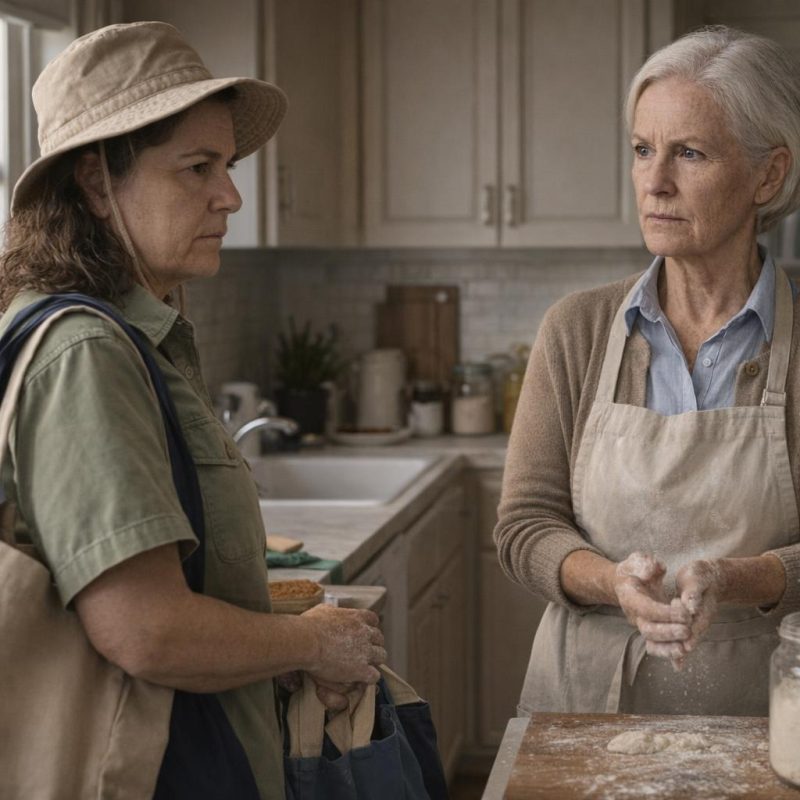 Image by RM AI
Shopping for the Past
I spent Saturday morning buying groceries like I was shopping for memories, filling my cart with ingredients that had nothing to do with what I actually needed. I bought the rosemary for Dean's favorite chicken, the one he used to request every birthday before he stopped coming home for birthdays. I got cream and butter and potatoes for Travis's scalloped potatoes, the dish he would eat until he made himself sick as a teenager. I found myself in the baking aisle picking out lemons for Melanie's pie, the one with the high meringue she used to insist on every Easter when she still called on Easter. The total at checkout was more than I had planned to spend and I did not care at all. I loaded the bags into my car and sat there in the parking lot wondering what I was doing. Maybe I was testing them, seeing if they would notice I had made their favorites. Maybe I was testing myself.
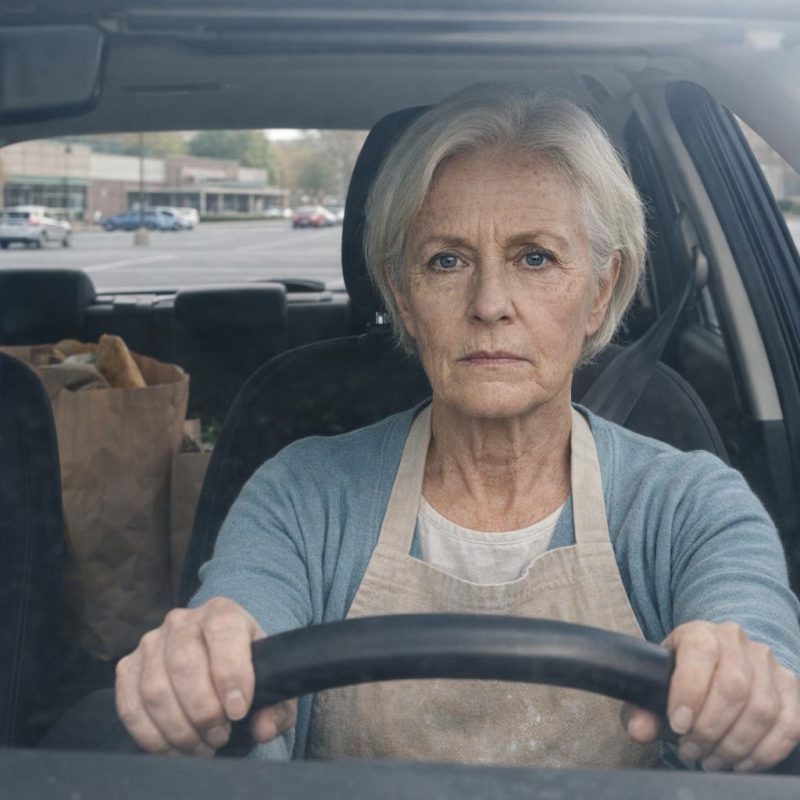 Image by RM AI
Sticky Hands and Empty Thanksgivings
I kept seeing them small with sticky hands and missing front teeth and bath-time songs, but I also kept seeing unanswered messages and empty Thanksgivings. Dean used to sing in the bathtub, these made-up songs about dinosaurs and trucks that made no sense but made me laugh until I cried. Travis had knocked out his front tooth on the porch steps and grinned at me with blood on his chin like it was the best thing that ever happened. Melanie's hands were always sticky from something, jam or honey or the hard candies she snuck from my purse. But then I saw my phone screen lighting up with messages they never answered. I saw the Thanksgiving table set for five with only two plates used, year after year. I saw myself making excuses to Nora about why they were too busy to visit. I saw Melanie saying the word branding like she was offering me a kindness.
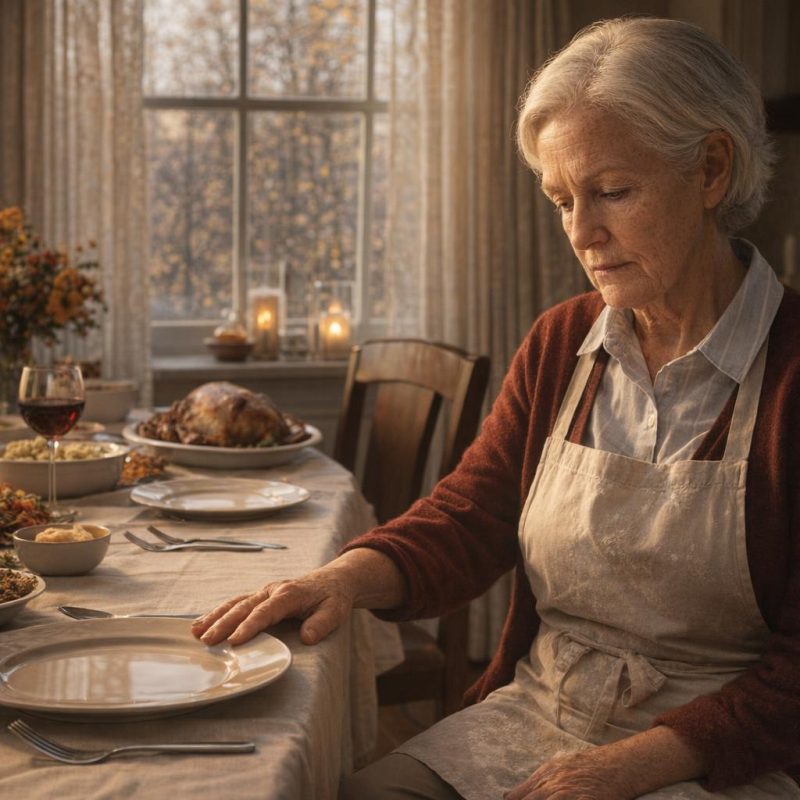 Image by RM AI
Saturday Night Vigil
I barely slept Saturday night, lying awake while the word branding echoed through my dark bedroom like a warning I could not decode. Every time I closed my eyes I saw Nora's face when she told me about her cousin, that careful expression that said more than her words did. I thought about pie recipes and percentages and relatives who suddenly cared about legacy when money appeared. I thought about my children's voices on the phone, all of them calling within hours of each other after months of silence. The word branding kept circling back, the way Melanie had said it so brightly, like it was a gift she was giving me instead of something she wanted to take. I could not articulate what felt wrong but the feeling grew heavier as the night went on. By the time the sky started turning gray outside my window I was exhausted and more unsettled than before. By six o'clock Saturday evening my table was set and I still did not know what I was hoping for.
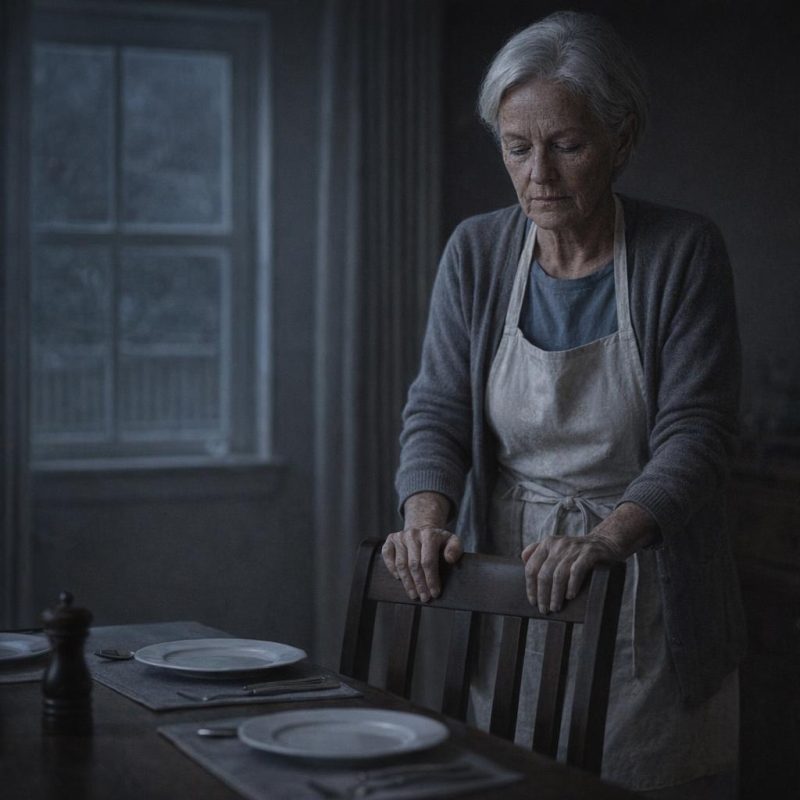 Image by RM AI
The Good Plates
By six o'clock Saturday evening my table was set with the good plates and the house smelled of butter, garlic, and sugar. I had used the china that had been my mother's, the plates with the tiny blue flowers around the rim that I only brought out for special occasions. The rosemary chicken sat golden on the platter, the scalloped potatoes bubbled in their dish, and the lemon pie cooled on the counter with meringue peaks that had browned just right. Everything looked like a magazine photo of what family dinner should be. The napkins were folded, the glasses were polished, and I had even put out the good silverware that required hand washing. Steam rose from the serving dishes and the whole house smelled like comfort and care and all the dinners I used to make when they still came home. I stood there looking at it all and felt nothing like ready. Everything was ready except me.
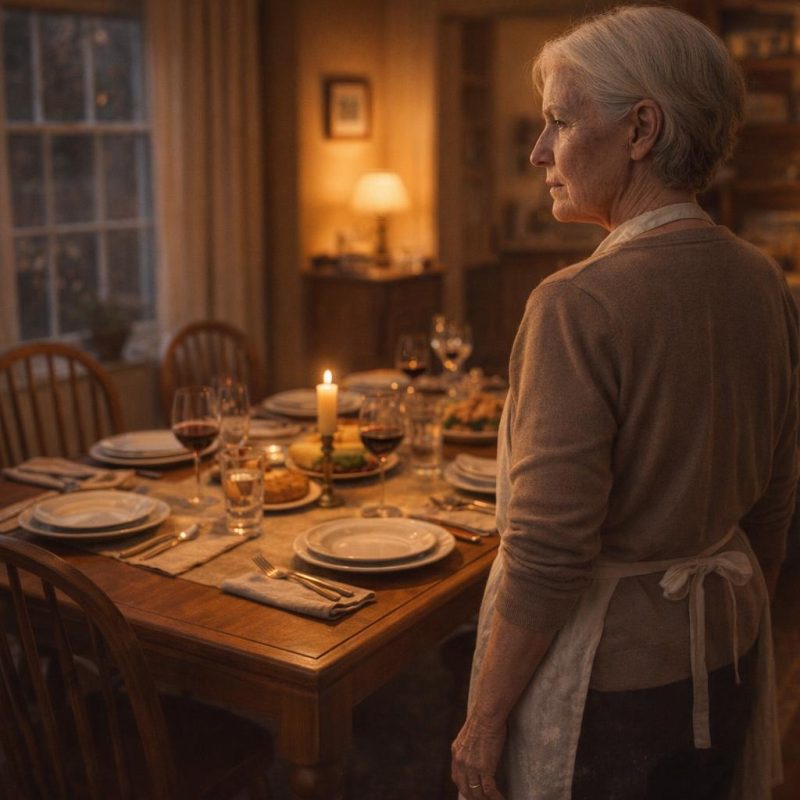 Image by RM AI
Price Stickers
Melanie arrived first, air-kissing my cheek and carrying flowers with the price sticker still attached to the cellophane wrapper. She smelled like expensive perfume and her highlights were fresh from the salon, that perfect blonde that cost more than my grocery bill. She handed me the flowers and said something about how lovely the house looked, but her eyes were already moving past me into the kitchen. She was wearing what she probably thought of as casual, designer jeans and a silk blouse that would have been ruined by one afternoon in my garden. Her hug was the kind where bodies do not actually touch, just shoulders briefly meeting while she made a kissing sound near my ear. She asked about the fair and the ribbon in that bright voice that sounded like she was reading from a script. Colin followed behind her in a blazer too expensive for my neighborhood.
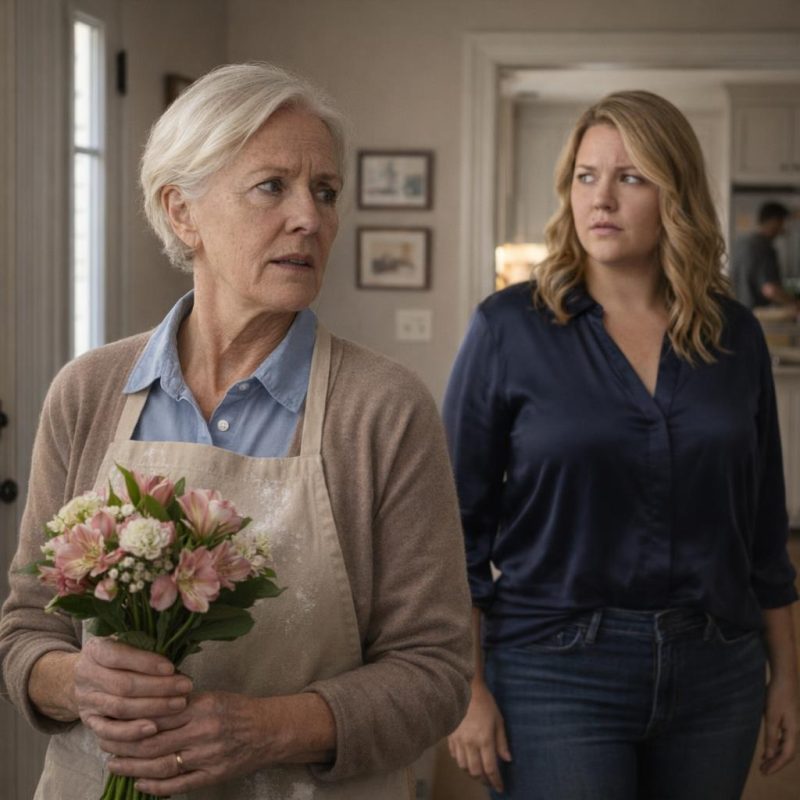 Image by RM AI
Slapping Doorframes
Travis came in loud and cheerful, slapping the doorframe like he owned the place, while Dean brought sparkling cider and looked briefly ashamed. Travis filled the whole entryway with his energy, talking about traffic and the drive and how great everything smelled, his voice too big for the space. He was wearing expensive casual clothes, the kind that look simple but cost a fortune, and he had that grin he always used when he wanted something. Dean came in last, quieter, carrying the bottle of cider like a peace offering. For just one second when our eyes met I saw something that looked like genuine shame cross his face, something real and uncomfortable that made him look like my son again. Then it disappeared and he smiled and said hello and the moment was gone. All three of them moved into the dining room and started performing family, admiring the table and complimenting the food and asking me questions they had never bothered to ask over the phone. For the first fifteen minutes they played family beautifully.
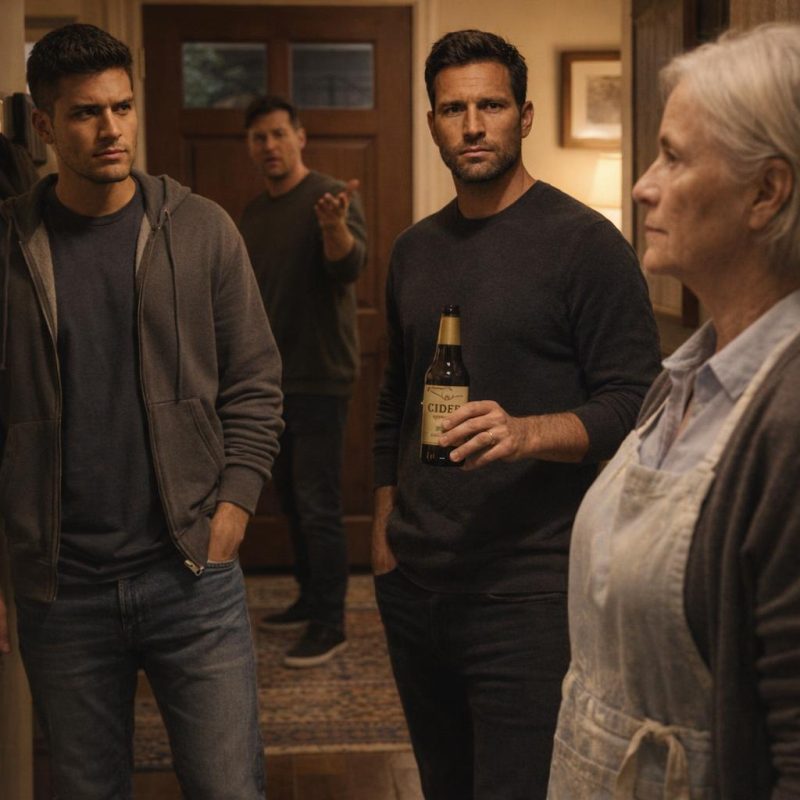 Image by RM AI
Just Excited to Listen
They admired the garden through the window, praised the rosemary chicken, and asked about the fair while Colin smiled and said he was just excited to listen. Melanie noticed the rosemary and said something about how she had forgotten how good my cooking was, like she had not declined every dinner invitation for three years. Travis loaded his plate with scalloped potatoes and made appreciative noises that sounded almost genuine. Dean asked about my tomatoes and whether I was still fighting the rabbits, and for a moment it felt almost like it used to. Colin sat at the end of the table contributing almost nothing, just nodding and smiling with those too-white teeth, his laptop bag resting against his chair leg like he might need it any minute. He said he was just excited to listen to the family, to hear our stories, like we were some kind of anthropology project. The conversation flowed easily enough, questions about neighbors and the garden and whether I had entered anything else in the fair. It almost felt real. Then the plates were half empty and I felt the air in the room change.
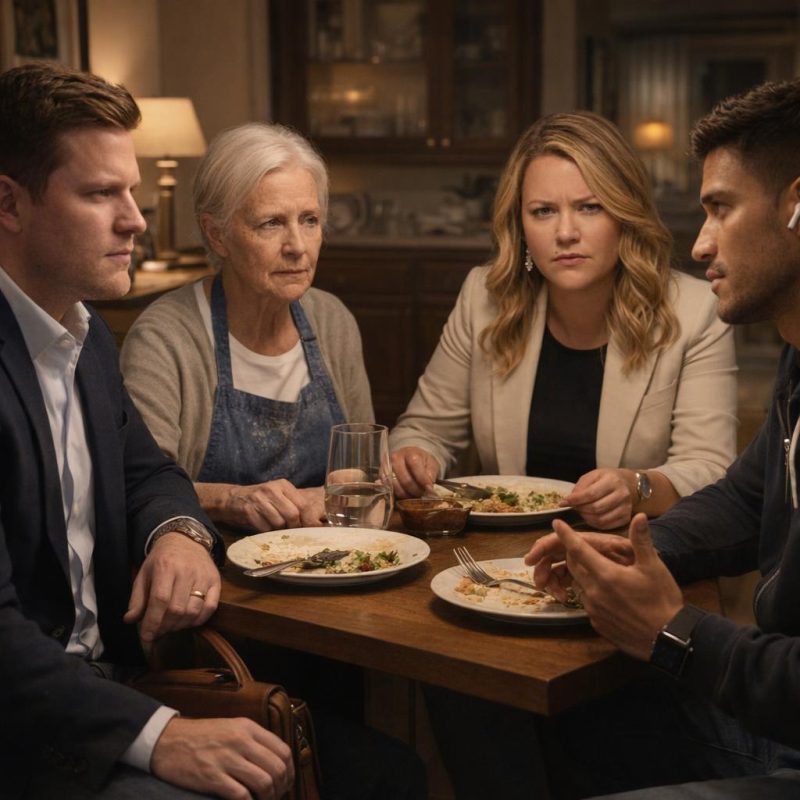 Image by RM AI
Half Empty
The plates were half empty when Melanie set down her fork. Not dropped, not placed casually—set down, with that deliberate little click against the china that meant something was about to happen. I had been waiting for it all evening, that shift in the air, and there it was. Travis stopped mid-bite. Dean's hand paused over the butter dish. Colin's consultant smile got a fraction wider. Melanie folded her hands on the table like she was chairing a board meeting and said she was so glad we could all be together like this, that it meant so much to reconnect. Then she said there was something exciting she wanted to discuss. The real dinner was starting now, I thought. The one they had actually come for. She leaned forward slightly, her voice taking on that bright, persuasive tone I remembered from when she used to sell magazine subscriptions in high school, and said there was a huge appetite right now for authentic food stories.
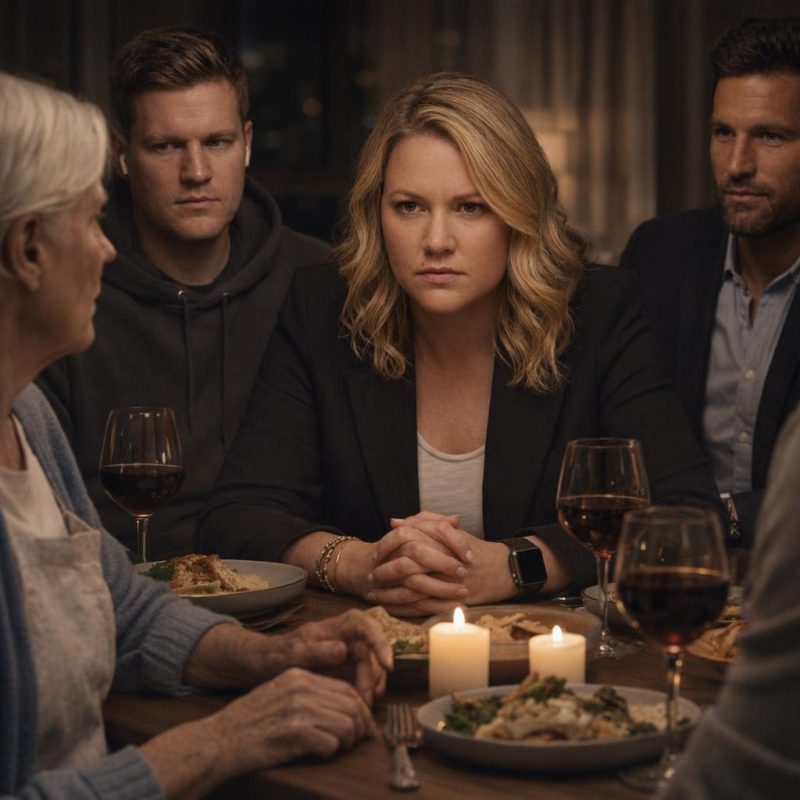 Image by RM AI
Authentic Stories
Melanie talked about consumer demand and heritage brands and the power of storytelling in today's market. She used phrases like authentic narrative and generational recipes and emotional connection, words that sounded like they came from a marketing textbook instead of my kitchen table. Travis nodded along with everything she said, adding things like exactly and that's the key and people are hungry for real. Colin reached into his laptop bag and pulled out a folder, setting it on the table between the serving dishes like it belonged there. Inside were printouts, charts, something that looked like a timeline. They were talking about production minimums and distribution channels and whether to start regional or go straight to online retail. Melanie mentioned Instagram partnerships. Travis said something about influencer seeding. Dean sat quiet but he was listening, not objecting. And then Travis grinned and said the jar design practically created itself.
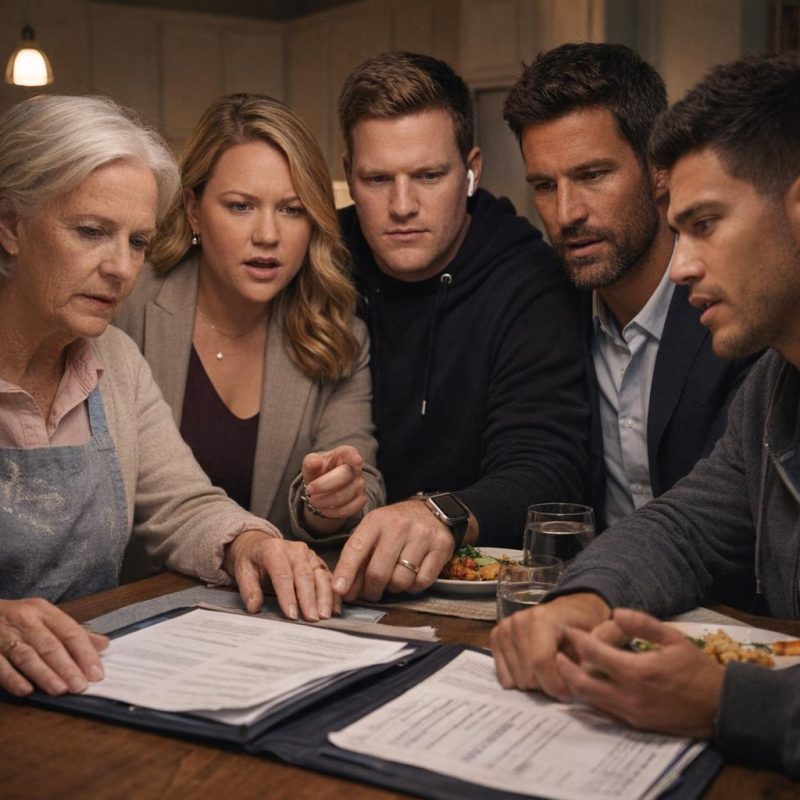 Image by RM AI
Short-Form Videos
Dean, who had forgotten to call when I had pneumonia three years ago, suddenly had ideas about short-form videos from my kitchen. He said people loved watching the process, the hands in the dough, the steam rising from the pot. He said I could film right here at this counter, natural light from that window, maybe get a ring light for evening shoots. Travis jumped in about posting schedules and algorithm optimization. Melanie talked about engagement metrics and building a following before launch. They were all talking at once now, voices overlapping, Dean suggesting I could wear my apron with the strawberries, Travis saying we'd need a content calendar, Melanie mentioning a social media manager she knew who owed her a favor. My mother's recipe sat in the center of all this talk like a thing on an auction block. They discussed it like it was communal property, something that belonged to all of us equally, something they had every right to package and sell. They were all talking at once about my mother's recipe like it belonged to them.
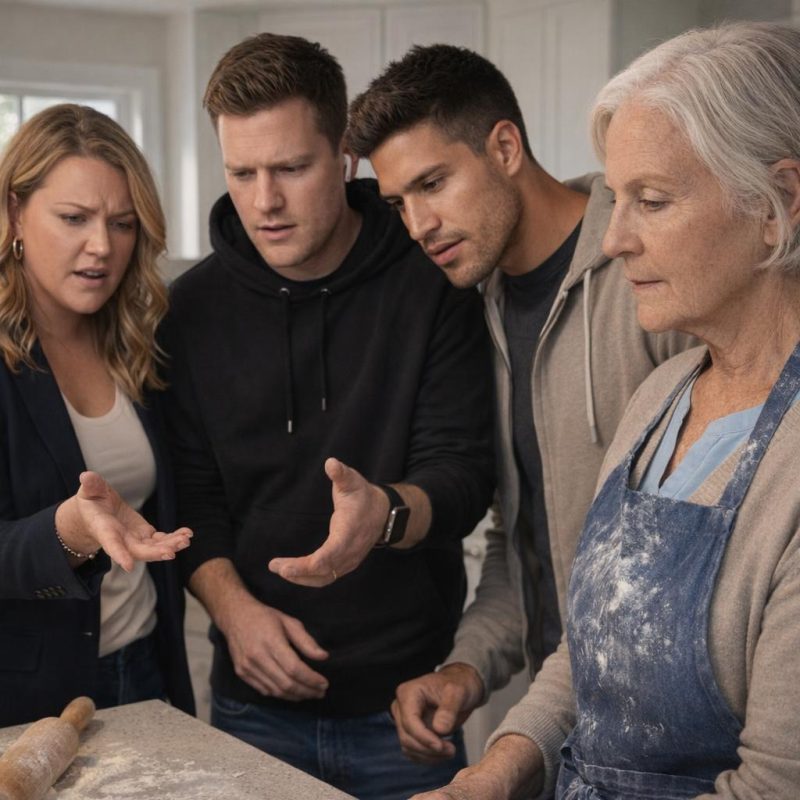 Image by RM AI
Thick Paper
Colin unzipped his laptop bag and slid out mock labels printed on thick, expensive paper. Not sketches. Not concepts. Finished designs, full color, with typography and a logo and everything. He spread them on the table next to the green beans like he was presenting a quarterly report. The labels had a vintage look, cream background with peach-colored script, a little illustration of a mason jar with a ribbon. They looked professional. They looked ready for the printer. Melanie touched one with her fingernail and said the designer had really captured the feeling they wanted. Travis said the color palette tested well with the target demographic. Dean nodded like he had seen these before, like maybe he had been part of the discussion. I stared at those labels sitting there on my grandmother's tablecloth and understood that this had all been decided already, planned and designed and budgeted, before they ever got in their cars to drive here. They had already designed it, already named it, before the lemon pie was even on the table.
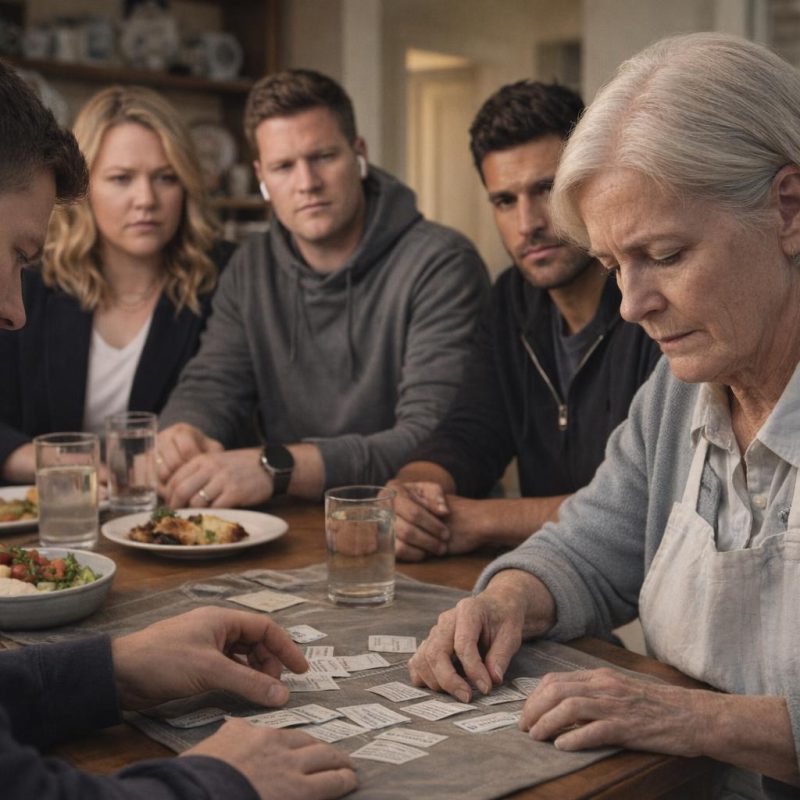 Image by RM AI
Nana June
Travis picked up one of the labels and held it up like he was showing off a trophy. He said the name with a grin, proud as anything. Nana June's Peach Gold. My mother's name hung in the air between us, turned into a brand, a product, a thing to sell. June, who had taught me to make these preserves in her kitchen forty years ago, who had never wanted anything from anyone, who had given her recipes freely to anyone who asked. They had taken her name and made it into marketing copy. The label had a tagline underneath in smaller letters: A Family Tradition Since 1952. That was the year my mother got married, not the year she started making preserves, but I guess 1952 sounded better. More heritage. More authentic. And there at the bottom, in tiny print, it said From Maggie's Kitchen, which meant they were using me too. They had taken a dead woman's recipe and a living woman's face and made them both into a product.
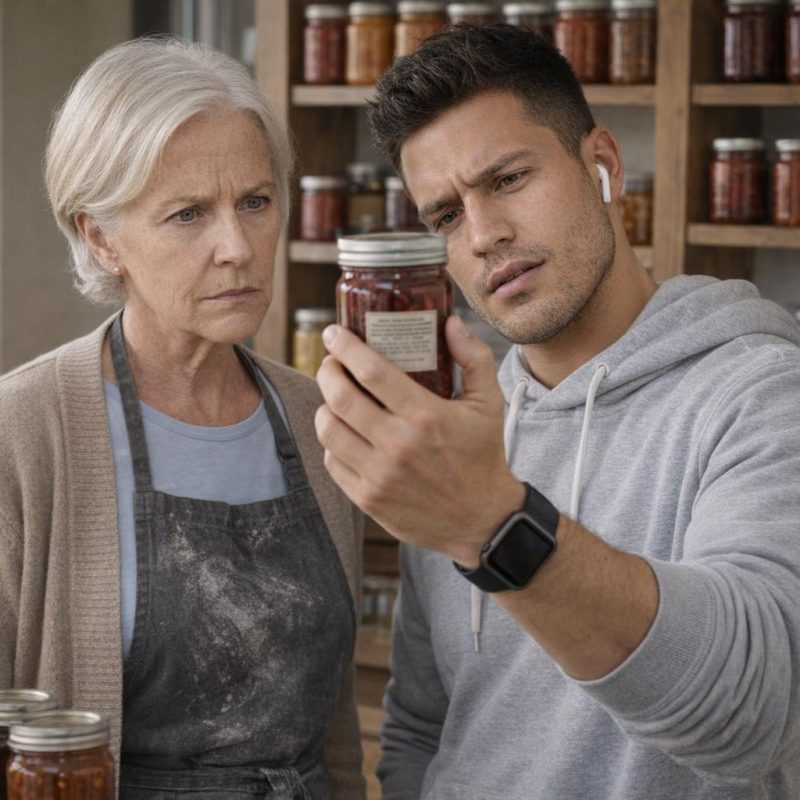 Image by RM AI
When Were You Planning
I asked very quietly when they were planning to ask whether I wanted any of this. My voice came out steady, calmer than I felt, but the question landed in the middle of all their excited planning like a stone in a pond. The talking stopped. Travis set down the label. Colin's smile flickered. Dean looked at his plate. I kept my hands folded in my lap so they would not shake and I asked again, slower. When were you planning to ask me? Not about the design, not about the name, not about the marketing strategy. Just whether I wanted to do this at all. Whether I wanted my mother's recipe turned into a product line. Whether I wanted my kitchen turned into a film studio. Whether I had agreed to any of this. The silence stretched out for three, maybe four seconds. Then Melanie blinked at me like I was being difficult.
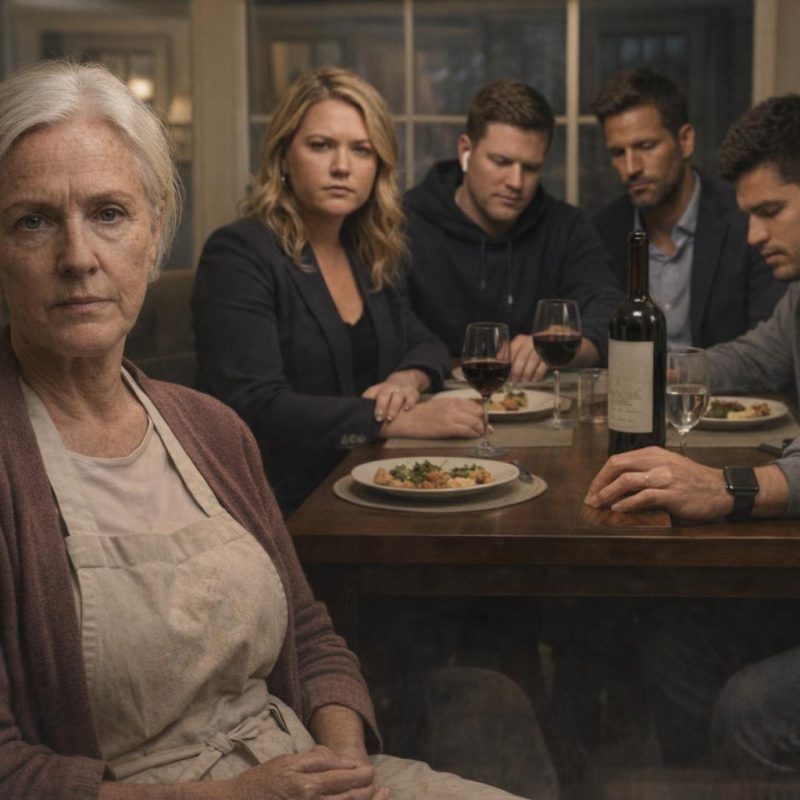 Image by RM AI
For You, For Us
Melanie said this was for me, for us, that they were trying to help. Her voice had that patient tone people use when they think you are not understanding something obvious. She said they had put in so much work already, done all this research and planning, because they wanted to do something meaningful for the family. She said I had been alone out here for so long and this could bring us all together, give us a shared project, maybe even provide some income for my retirement. Travis nodded and said they were thinking of me. Dean looked uncomfortable but said nothing. And then Colin chimed in, his consultant voice smooth and reasonable, talking about growth opportunities and brand story and audience development. He said we had a real chance to build something here, that the story had legs, that my mother's legacy had genuine shelf appeal. Shelf appeal. My mother apparently had shelf appeal now.
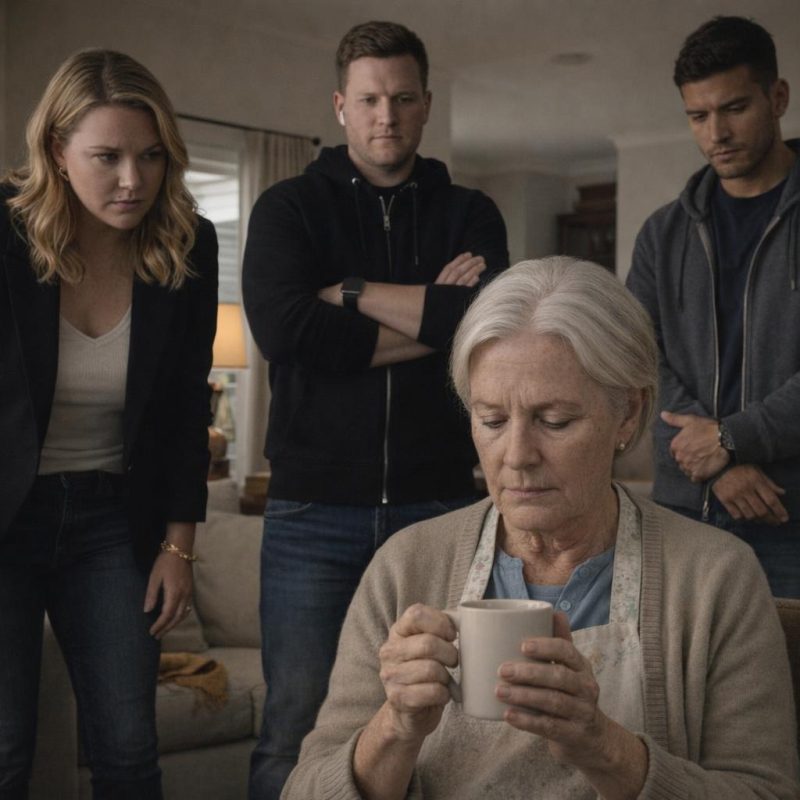 Image by RM AI
I Let Him Finish
Colin talked about growth and story and audience and shelf appeal, and I let him finish. I let him say every word about market positioning and demographic targeting and the power of authentic heritage brands in a cynical marketplace. I let him talk about production scaling and whether we should consider organic certification for premium pricing. I let Travis add his thoughts about unboxing videos and Melanie mention her friend who knew someone at a specialty foods distributor. I sat there with my hands folded and I listened to every single word they said about my mother and my kitchen and my life. When Colin finally stopped talking, when the pitch was complete and they were all looking at me expectantly, waiting for me to say yes or thank you or how wonderful, I stood up from the table. I went to the kitchen and brought back dessert, but not just the pie.
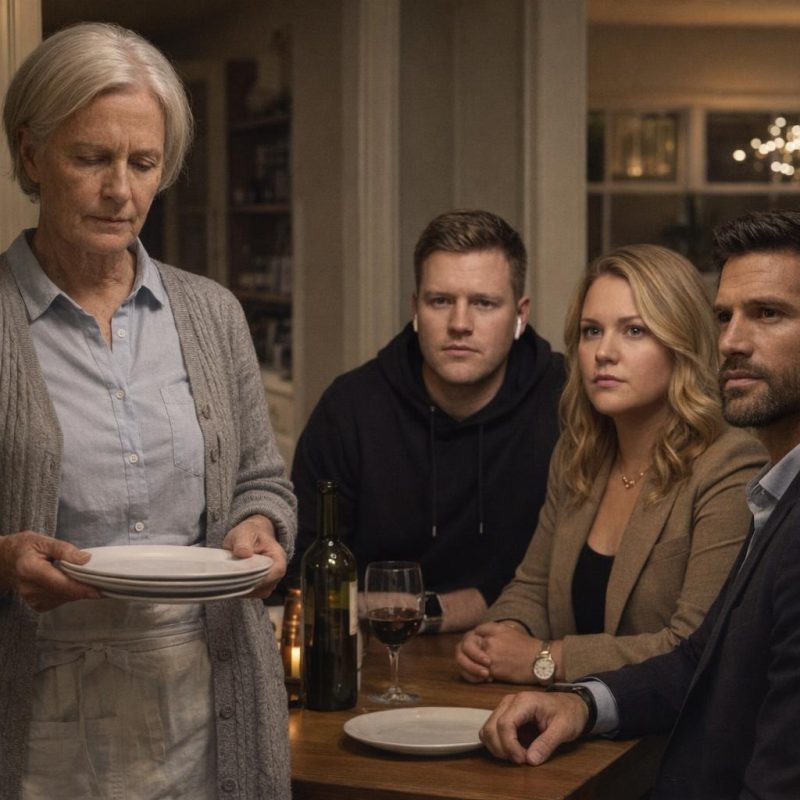 Image by RM AI
Too Prepared
The mock labels were spread across my table like playing cards, and I could not stop staring at them. There were three different design options, each one professionally rendered with vintage-style fonts and little peach illustrations that looked like something you would see in a specialty foods catalog. Colin had color variations too, printed on heavy cardstock that felt expensive between my fingers. The business plan sat beside them in a leather folder, pages and pages of market analysis and production timelines and financial projections. I picked up one of the labels and turned it over in my hands. The detail was remarkable. Someone had even mocked up what the jars would look like on a shelf, complete with lighting and shadow effects. This was not something you threw together over a weekend. This was not something you sketched out after seeing a video go viral a few days ago. I set the label down carefully and looked at the folder again, at the tabs dividing different sections, at the professional binding. My children were still talking, voices overlapping with enthusiasm about distribution channels and social media campaigns, but I was doing math in my head that did not quite add up. How long, I wondered, had they been working on this before the video even aired?
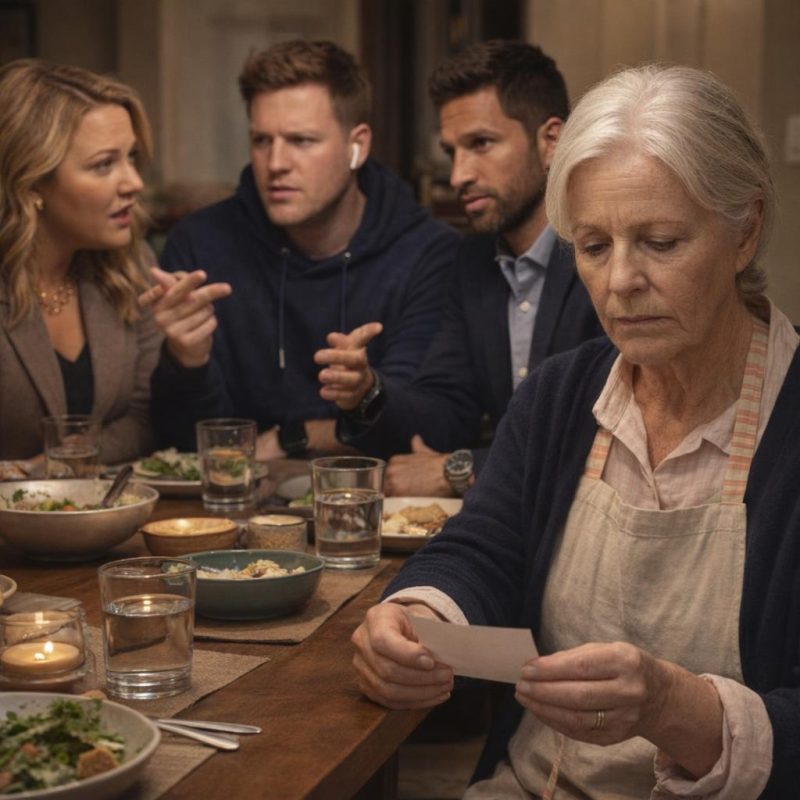 Image by RM AI
The Slip
Travis was explaining his online strategy, gesturing with his hands the way he always did when he got excited about something. He talked about influencer partnerships and affiliate marketing and how he had already reached out to certain contacts weeks ago to gauge interest in artisanal food products. He stopped mid-sentence, his hand frozen in the air. Weeks ago. I caught it the moment he said it, and from the look on his face, so did he. He tried to recover, laughing a little and saying something about how he was always thinking ahead, always keeping his ear to the ground for opportunities. But weeks ago would have been before the fair. Weeks ago would have been before the video. Weeks ago would have been before any of this had supposedly started. Melanie jumped in quickly, steering the conversation toward packaging options and whether we should use traditional mason jars or something more modern. Colin nodded along, adding thoughts about shelf presence and consumer psychology. But I was still stuck on those two words, turning them over in my mind like I had turned over the mock label. Weeks ago would have been before the fair, before the video, before any of this had supposedly started.
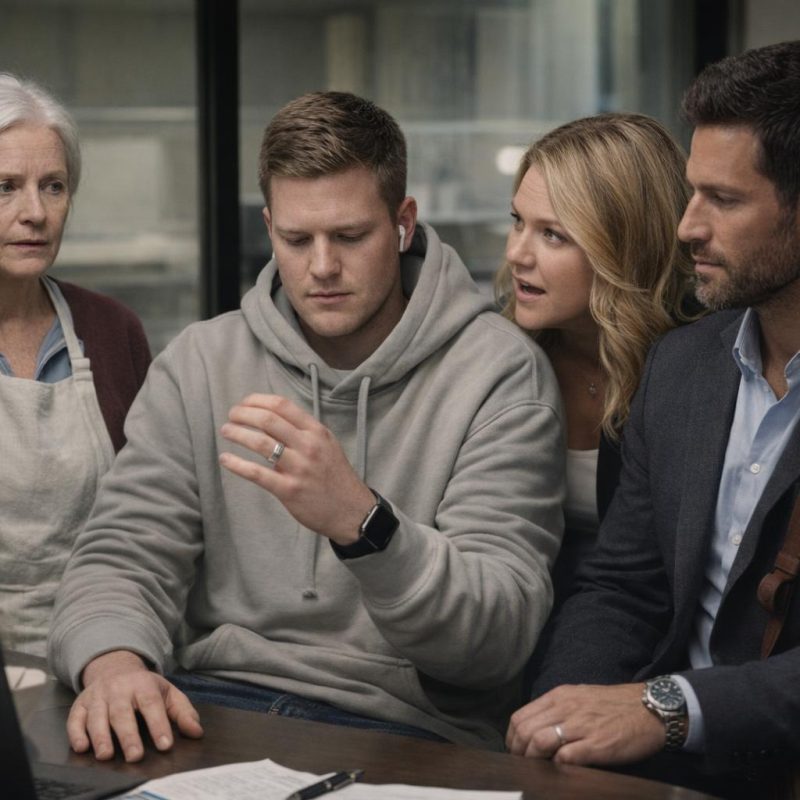 Image by RM AI
When Was Colin Hired
I waited until there was a natural pause in the conversation, until Melanie had finished explaining her vision for the packaging design. Then I asked her directly when she had first contacted Colin about this project. Her eyes shifted to the left before she answered, just for a second, but I saw it. She said they had connected recently, right after seeing the video take off, when she realized this could be something real. Colin stayed perfectly still, his consultant smile fixed in place, neither confirming nor denying. Travis nodded too quickly, too enthusiastically, agreeing that yes, it had all come together so fast once they saw the potential. Dean looked down at his plate, pushing a green bean around with his fork. I let the silence sit for a moment. Recently, she had said. After the video. But Colin's folder had tabs and sections and the kind of thoroughness that took time. The mock labels had multiple revisions, different color palettes, professional rendering. I could not prove anything yet, could not point to a specific contradiction, but the answer felt wrong in my chest the same way milk smells wrong just before it turns. Her answer did not match the timeline I had been given.
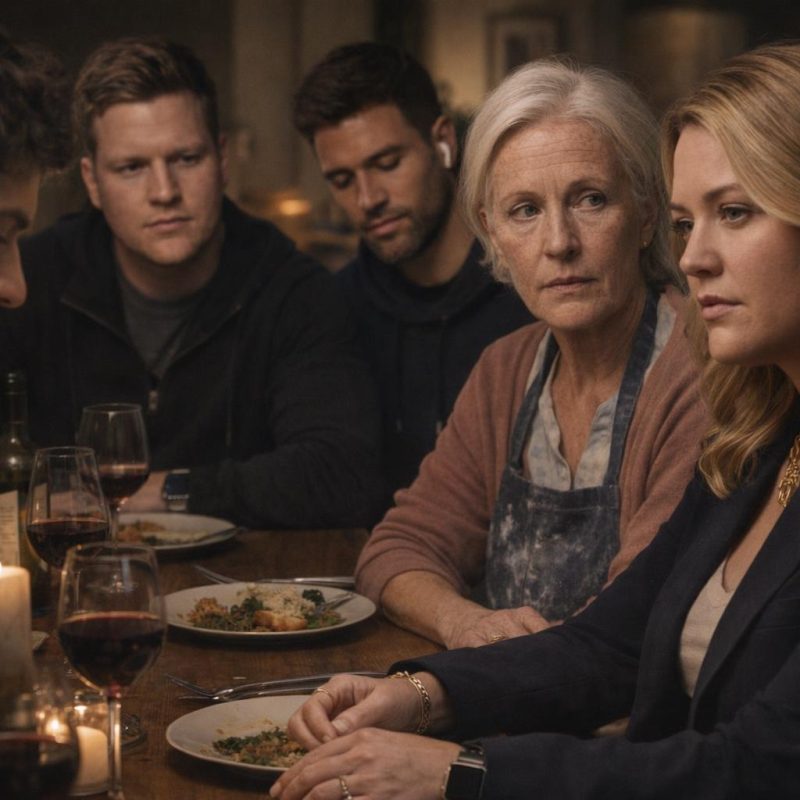 Image by RM AI
Dean's Confusion
Dean was trying to be helpful, trying to contribute something to the conversation that had been dominated by his siblings and Colin. He mentioned how excited he had been when Travis first called him about this project, how he thought it was a great way for all of us to reconnect. Three weeks ago, he said. Travis had called him three weeks ago to get him on board. The table went silent. Not the comfortable silence of people gathering their thoughts, but the sharp silence of something breaking. Travis shot Dean a look I recognized from when they were children, the older brother warning the younger to shut up. Melanie laughed, a bright artificial sound, and said Dean must be confused, that they had all been dreaming about possibilities for a while but nothing concrete until recently. Dean's face showed genuine confusion, his eyebrows drawing together as he tried to reconcile what he remembered with what his sister was now saying. But I was not confused. Three weeks ago was before the fair happened. Three weeks ago was before I won any blue ribbon. Three weeks ago was before there was any video to go viral. I began to suspect that the viral video had not been lucky at all.
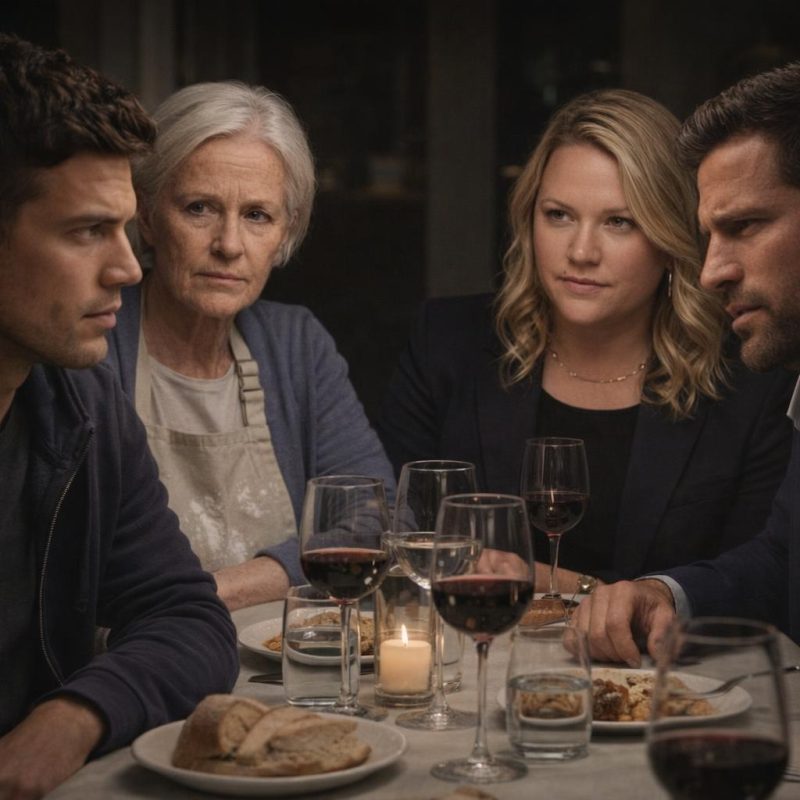 Image by RM AI
The Invoice
Travis's phone lit up on the table, the screen glowing between the water glasses and the serving dishes. He reached for it quickly, but not quickly enough. I saw the notification before he could flip it face down. The message was from a company called ViralBoost Marketing, and the preview text mentioned campaign metrics and a remaining balance due. The words were small but clear: 'Peach preserves video campaign - final payment reminder.' I stared at that screen for what felt like a full minute but was probably only seconds. Travis grabbed the phone and shoved it in his pocket, laughing about spam messages, but his face had gone red. The viral video was manufactured. Not organic. Not lucky. Travis had paid a marketing firm to make my fifteen seconds of fame happen. Which meant Melanie and Travis had planned Nana June's Peach Gold before the fair even occurred. Which meant Colin had been hired in advance as part of the scheme. Which meant every phone call, every text message, every moment of this week had been orchestrated toward this exact dinner, this exact pitch. Dean's face showed genuine confusion about what was happening, his eyes moving between his siblings. My fame had been bought and paid for, and this dinner was just the final transaction.
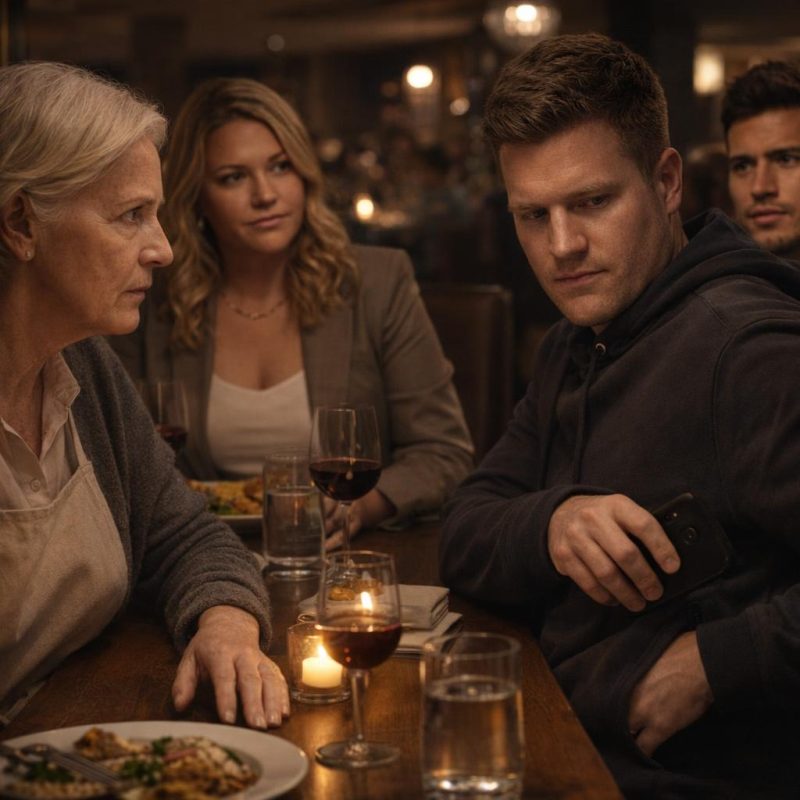 Image by RM AI
The Kitchen Retreat
I stood up from the table, my chair scraping against the floor. I said I would get dessert, that I had made pie, and my voice sounded normal even though nothing felt normal. I walked into my kitchen and let the door swing shut behind me. The room was quiet except for the hum of the refrigerator and the distant murmur of voices from the dining room. I stood there by the counter, my hands gripping the edge, and let myself process what I had just learned. They had paid for the video. Travis had hired a marketing firm to make it go viral. Which meant they had planned all of this before I ever stood at that fair table. Before I ever won a blue ribbon. Before I ever had any reason to hope my children might want to be part of my life again. The calls had been coordinated. The texts had been timed. Colin had been hired weeks in advance, probably the moment they decided to execute whatever plan they had been hatching. My entire week of hope was manufactured for profit. My children had not come home because the video reminded them of me; they had made the video so they could come home with a pitch.
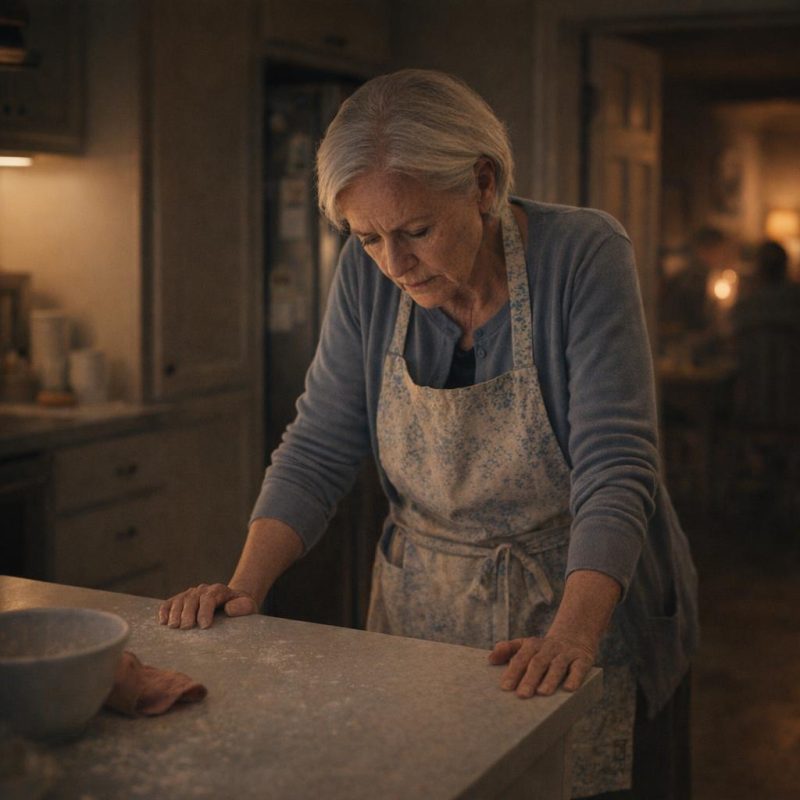 Image by RM AI
Real Love
I stood by my stove, one hand resting on the cool enamel, and remembered what Nora had told me about her cousin in Tennessee. The cousin who made the best chess pie in three counties. The cousin whose own children had turned her recipe into a business and then slowly pushed her out of the story entirely. Real love does not arrive with a presentation, Nora had said. I had nodded at the time, thinking it was sad but not really understanding. Now I understood. Real love does not show up with mock labels already printed. Real love does not bring a consultant to a family dinner. Real love does not hire a marketing firm to manufacture a viral moment so it can swoop in with a business plan. I looked around my kitchen, at the jars on the shelves and the worn countertops and the recipe box that had belonged to my mother. My children had arrived with a fully formed pitch, with color options and financial projections and a timeline that predated any reason they should have had one. Nora's warning had been exactly right. Real love does not arrive with a presentation, and mine had arrived with mock labels and an invoice.
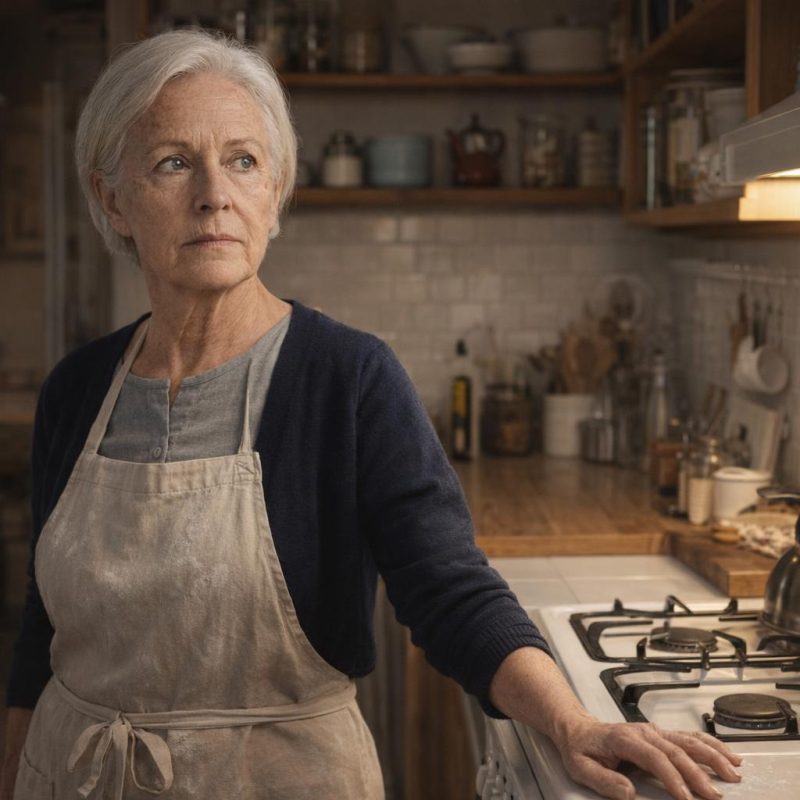 Image by RM AI
The Decision
I took a deep breath and looked at my kitchen counter where the small jars waited in a neat row. I had filled them this afternoon, before anyone arrived, before the dinner that I somehow knew would go exactly like this. Six small jars with handwritten labels, each one containing something more important than preserves. I had made a decision before they ever walked through my door, and now I was going to follow through with it. They thought they were so clever, thought they had orchestrated everything perfectly, thought I would be so grateful for their attention that I would hand over whatever they wanted. They had come for a brand. They had come for Nana June's Peach Gold and market positioning and heritage authenticity. They had come to turn my mother's kitchen and my loneliness into their opportunity. I picked up the pie I had made and arranged the small jars on a tray beside it. My hands were steady. My resolve was clear. I would go back out there and finish this dinner, but it would end on my terms, not theirs. They had come for a brand, and I was about to give them something else entirely.
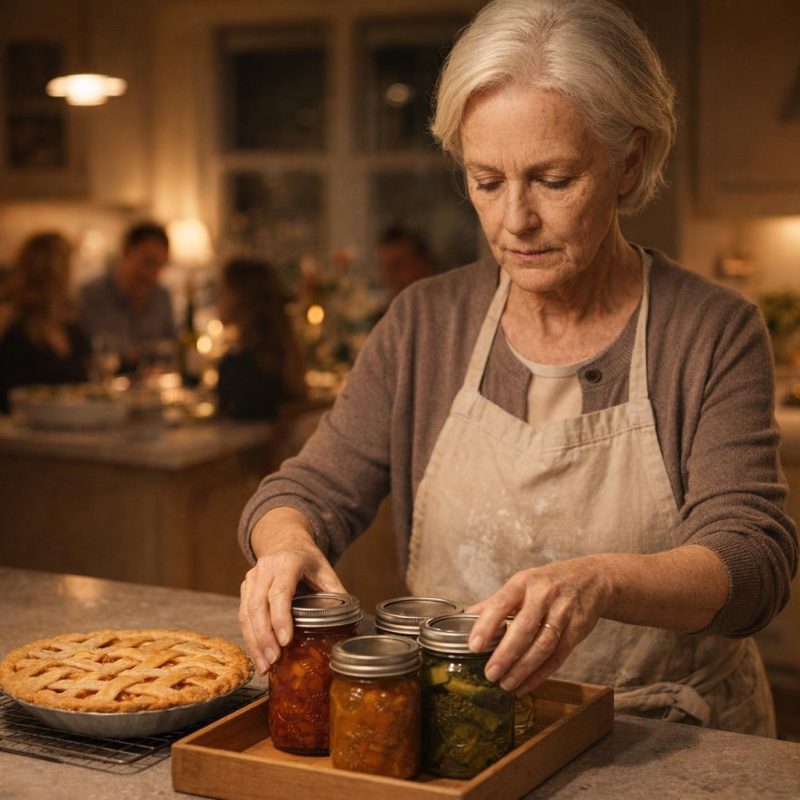 Image by RM AI
For Family Not For Sale
I stood in my kitchen and pulled six small jars from the pantry shelf where I had lined them up that morning. The preserves inside caught the overhead light, glowing amber and gold the way my mother's always had. I found the spool of plain white string in my junk drawer, the same kind I had used for years to tie around Christmas cookies and birthday loaves. My hands moved with purpose as I cut equal lengths and wrapped them around each jar's neck, tying simple bows that would not impress anyone on a store shelf. Then I took the black marker from the drawer by the telephone, the one I used for grocery lists and reminder notes. I unscrewed the first lid and set it flat on the counter. My handwriting was steady as I wrote across the metal surface in block letters. FOR FAMILY, NOT FOR SALE. I wrote the same words on the second lid, then the third. Each jar received the identical message, the same careful lettering, the same truth I needed them to understand. They had come looking for a brand they could package and profit from, but what I was giving them was something else entirely. The message was simple: FOR FAMILY, NOT FOR SALE.
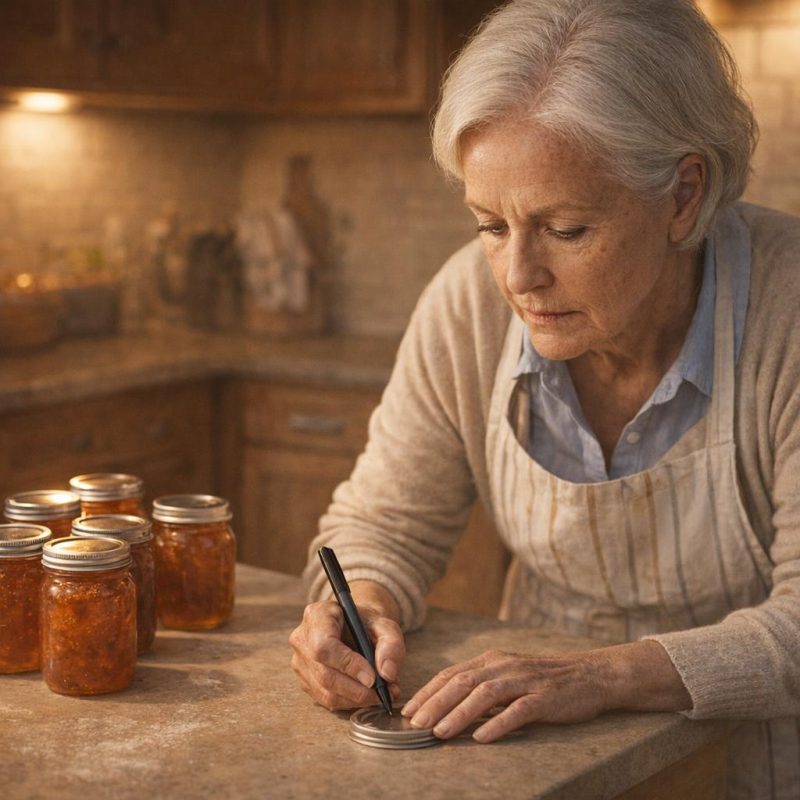 Image by RM AI
Returning to the Table
I picked up the lemon pie with one hand and balanced the small tray holding three jars with the other. My reflection caught in the darkened window over the sink, and I barely recognized the calm that had settled across my face. This was not the lonely woman who had posted a video hoping her children might see it. This was not the mother who had set extra places at her table with desperate hope. I crossed through the doorway into the dining room where the conversation had died to uncomfortable silence during my absence. Four faces turned toward me as I approached, and I watched their expressions shift as they tried to read what I was carrying. The pie they expected. The small jars with their white string bows were something else. Melanie's eyes narrowed slightly. Travis sat up straighter in his chair. Colin's consultant smile flickered at the edges. Dean looked at me with something that might have been concern. A strange peace had settled into my chest, the kind that comes when you finally stop hoping for something that was never going to happen. Every face at my table watched me approach, and not one of them suspected what was coming.
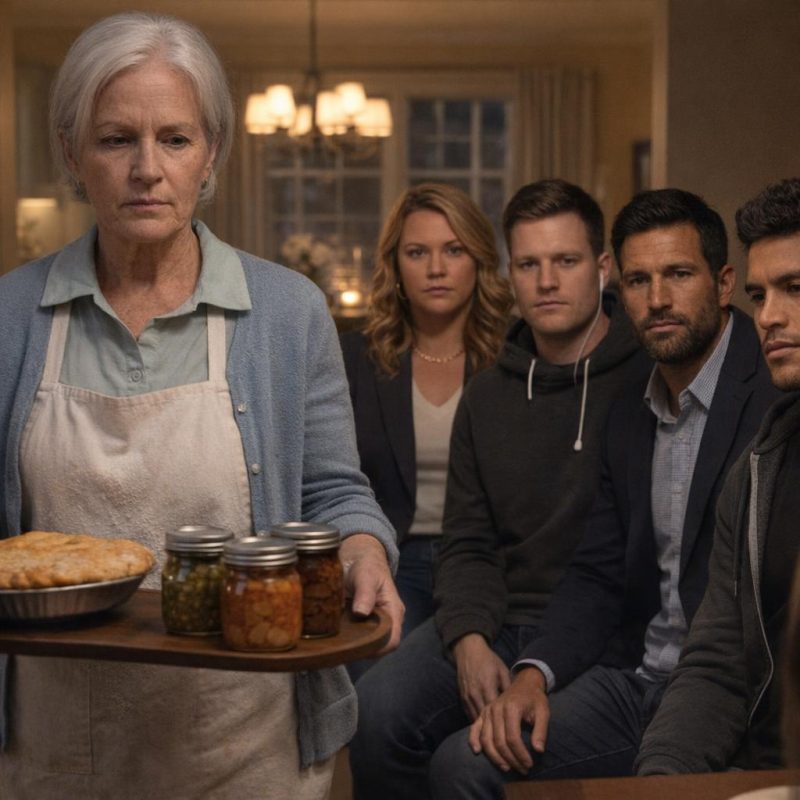 Image by RM AI
The Jars
I set the pie down in the center of the table, then picked up the first jar from my tray. I placed it directly in front of Melanie, the glass touching the edge of her untouched plate. She glanced down at it, then back at me with a question forming on her lips. I did not answer. Instead I picked up the second jar and set it before Travis, who reached for it immediately, turning it to see the handwritten lid. The third jar I placed in front of Dean, and his fingers touched the white string as if it were something fragile. Colin sat at the end of my table with his leather folder and his laptop bag and his consultant smile, and I gave him nothing but a long, steady look. One by one, my children read the words I had written in black marker across each metal lid. FOR FAMILY, NOT FOR SALE. The message was simple enough that even a branding consultant could understand it. Travis's hand froze on his jar. Melanie's mouth opened slightly. Dean looked from the lid to my face and back again. FOR FAMILY, NOT FOR SALE—and suddenly no one at my table knew what to say.
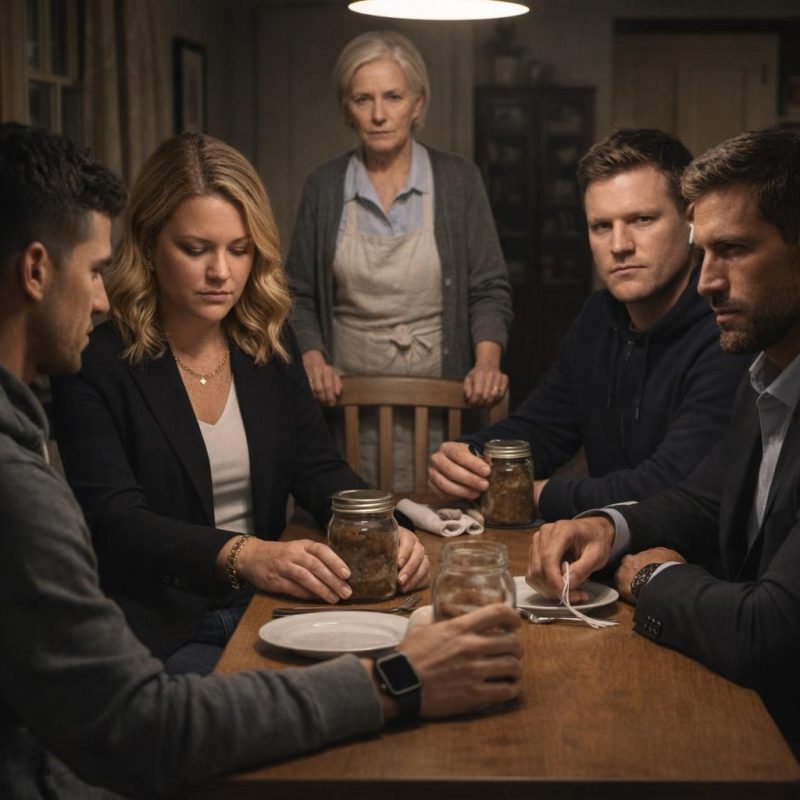 Image by RM AI
The Donation
I picked up the pie server and cut into the lemon meringue, the knife sliding through the toasted peaks the way it always did. I served Melanie first out of habit, then Travis, then Dean. Colin I skipped entirely. The slices were perfect, the kind my mother used to make for church suppers and family gatherings. While I served, I spoke in the same calm voice I had used to ask about their lives and their jobs and their carefully constructed reasons for coming home. I told them that yesterday morning, before any of them had arrived, I had driven to the county community kitchen and donated the prize-winning recipe to their director. I had also sent a copy to the state fair archive with instructions that it be made freely available to anyone who asked. Next month the community kitchen would begin offering free canning classes, and my mother's Peach Gold would be the first recipe they taught. Both donations were made in June Brennan's name, so that anyone who wanted to could learn to make it exactly the way she had. There was no company because there was nothing left to sell.
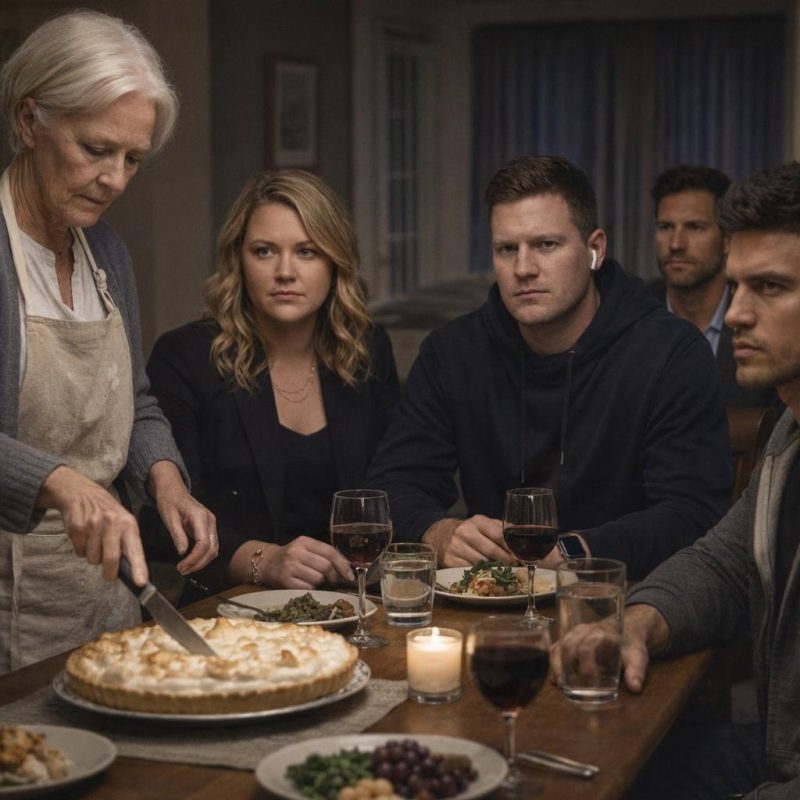 Image by RM AI
The Ticking Clock
No one spoke after my announcement. The silence stretched across my dining room table like something physical, something you could reach out and touch. I could hear the old clock in my hallway, the one that had belonged to my grandmother, marking each second with its steady tick. I stood at the head of the table with the pie server still in my hand and watched each face process what I had just told them. Melanie's color drained slowly, starting at her hairline and spreading down her carefully made-up face until she looked almost gray. Travis sat frozen with his mouth slightly open, his hand still resting on the jar I had given him. Dean stared at his jar as if the words on the lid might rearrange themselves into something that made more sense. Colin looked down at his leather folder, at all those mock-up labels and market projections and heritage branding strategies, like the papers inside had personally betrayed him. The clock ticked. No one moved. No one breathed. Travis laughed first, but the sound came out thin and wrong.
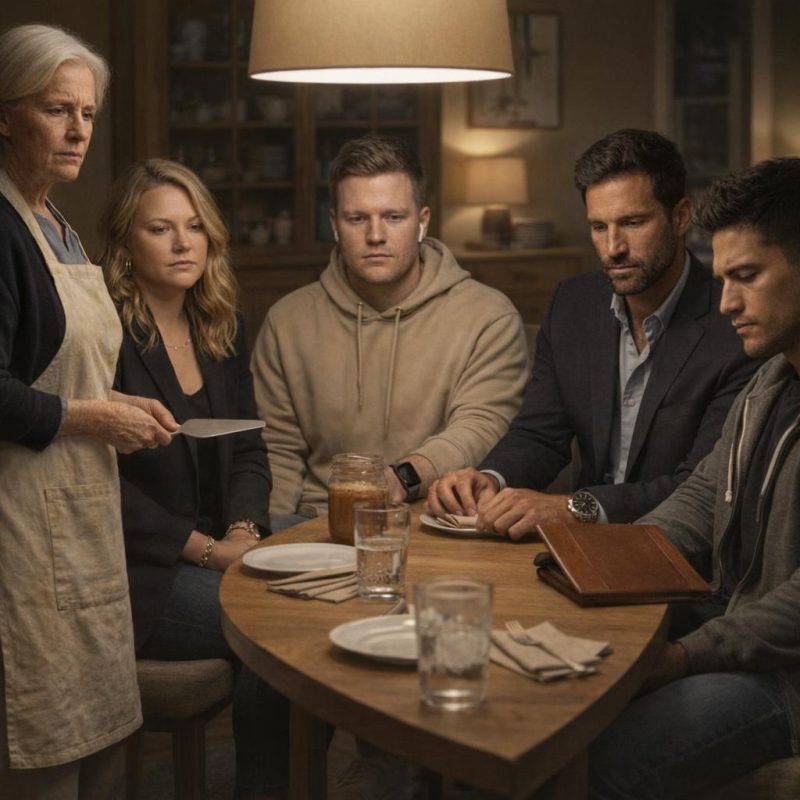 Image by RM AI
Closing the Folder
Colin reached for his leather folder with slow, deliberate movements, the kind you make when you are trying to maintain dignity in a situation that has already stripped it away. He closed the folder carefully, smoothing his hand across the expensive leather before sliding it back into his laptop bag. All those mock labels with their careful fonts and their heritage authenticity messaging were just worthless paper now. Dean continued staring at the jar in front of him, his fingers tracing the white string tied around its neck. His expression was different from his siblings'—confused rather than calculating, hurt rather than angry. I wondered how much he had actually understood about what they were planning, or if Travis and Melanie had simply told him to come along and smile. Travis and Melanie exchanged a look across the table, the kind of silent communication that siblings develop over years of shared schemes. Their business plan had collapsed completely, and they both knew it. I stood at the head of my table with my mother's lemon pie between us and watched my children realize there was nothing left to take.
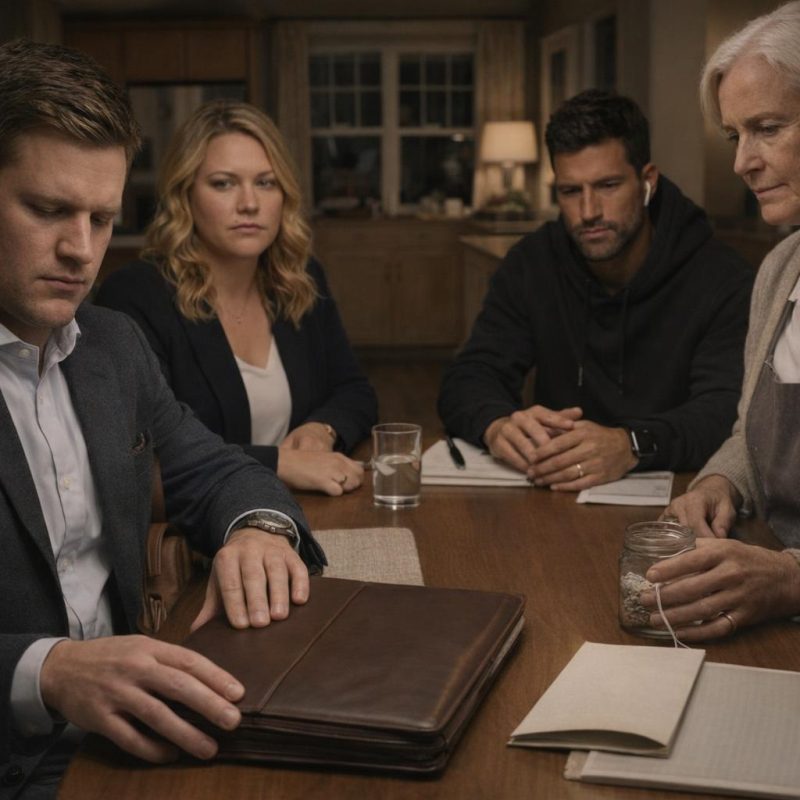 Image by RM AI
The Invitation
I set down the pie server and looked at each of my children in turn. My voice was steady when I spoke, not angry, not hurt, just clear. I told them that if they had come home because they missed me, because they wanted to be part of my life again, they were welcome at my table every Sunday. I would make supper and we would sit together the way families are supposed to. But the conditions were not negotiable. No consultants would be invited through my door. No cameras would be set up in my kitchen to film content for their social media. No business ideas would be discussed over my mother's recipes. No branding strategies would be sketched on napkins between the main course and dessert. Just supper together, just conversation, just the simple act of being a family without turning it into an opportunity. That invitation was genuine, and it would remain open for as long as I was alive. But if they had come only for the brand, only for the chance to turn my loneliness into their profit, then they could take their jar of jam and go. If they came for a brand, I said, they could take their jam and go.
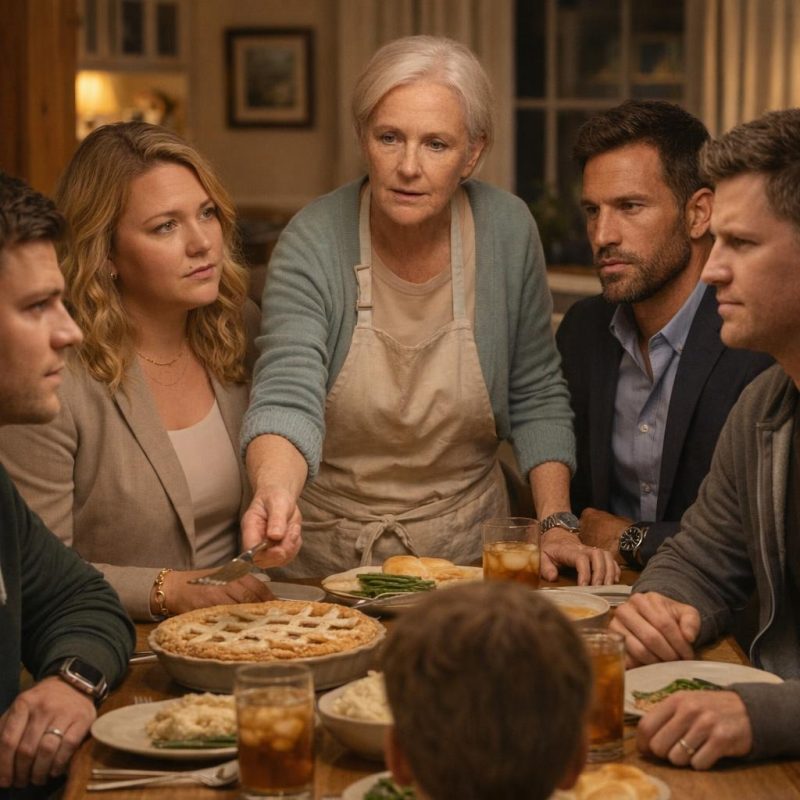 Image by RM AI
The First to Stand
Colin was the first to stand, pushing back from the table with the quiet efficiency of someone who had already moved on to his next client. He picked up his laptop bag without a word, without even a polite excuse about needing to catch a flight or having another meeting. He simply stood and prepared to leave. Travis was next, his chair scraping loud against my floor as he muttered something about me overreacting to what was just a family business idea, just a way to honor Nana June's memory, just an opportunity I was too stubborn to see. Melanie stood and smoothed her designer casual wear, her voice sharp when she called me dramatic. She said this was exactly what people did when they could not handle success, when they were too small-minded to see the bigger picture. Both of my older children began gathering their things—purses and phones and the carefully constructed reasons they had brought with them. But Dean did not move from his chair. He sat staring at his hands folded in his lap while his siblings prepared their exit. They gathered their things while Dean remained seated, staring at his hands.
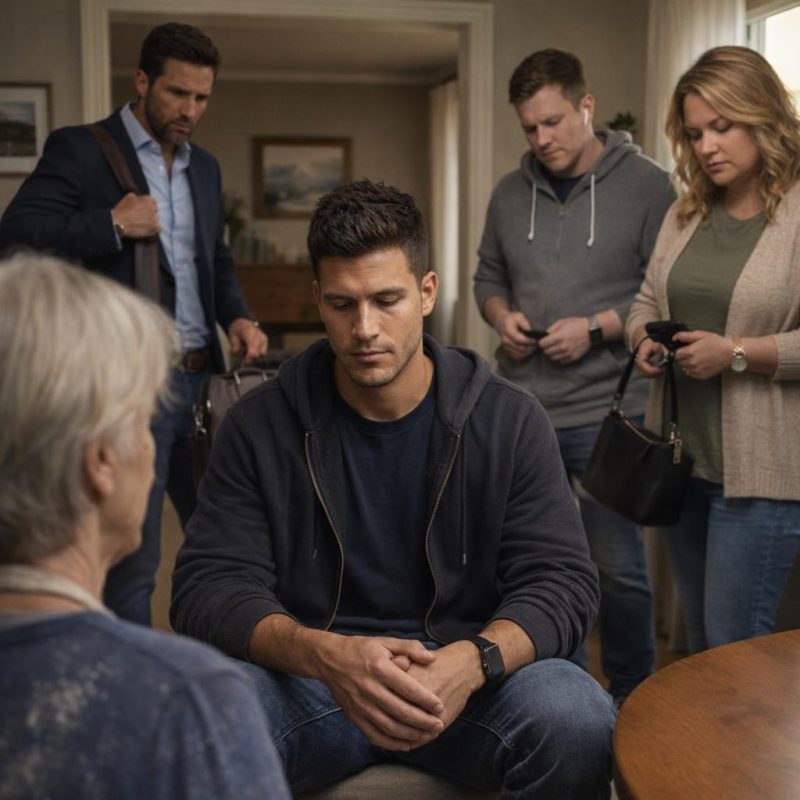 Image by RM AI
Could I Still Come
Colin was already outside by the time Melanie and Travis gathered their things from my dining room table. I heard the front door open, heard Melanie's heels clicking across my hardwood floor while Travis muttered something about me being impossible to work with. They moved toward the exit with the practiced efficiency of people who had already written me off as a lost cause. But Dean did not stand. He sat there at my table with his hands folded in his lap, staring down at his untouched slice of lemon meringue pie like it held answers he could not find anywhere else. The front door closed behind his siblings. The house went quiet except for the hum of my refrigerator and the distant sound of car doors slamming in my driveway. Dean looked up at me then, and his face carried something I had not seen all evening—something vulnerable and unguarded and real. His voice came out barely above a whisper when he asked if he could still come on Sundays. Not for business meetings or brand partnerships or heritage product launches. Just Sundays. Just dinner. It was the only real question anyone had asked me all night.
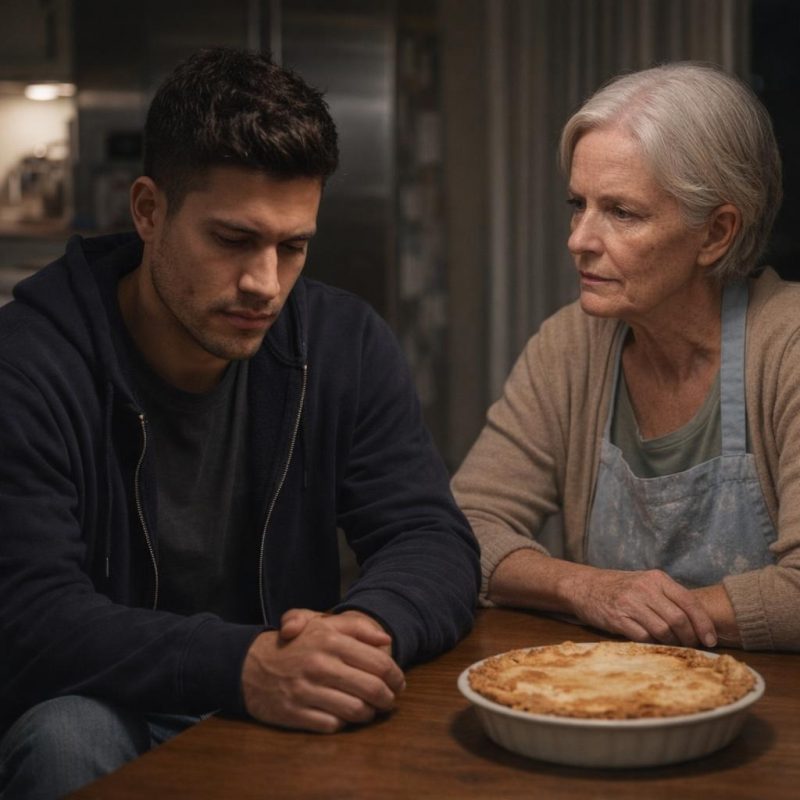 Image by RM AI
Slippers on the Porch
The house felt enormous after they left. I stood alone in my dining room staring at the wreckage of the evening—half-eaten casserole dishes and abandoned plates and wadded napkins scattered across the table like evidence of something that had gone terribly wrong. I had told Dean yes, of course he could come on Sundays, and he had nodded and left through the front door with his shoulders a little straighter than when he arrived. Now the silence pressed against my ears until I heard a soft knock at my back door. I turned to see Nora standing on my porch in her house slippers and cardigan, holding a roll of aluminum foil like she had known exactly what I would need. She did not ask what happened or why my dining room looked like a disaster zone. She just walked in and started wrapping leftovers with the quiet efficiency of someone who had done this a thousand times before. We worked side by side without speaking, covering dishes and stacking plates and restoring order to the chaos. She already knew, somehow, exactly what kind of evening it had been.
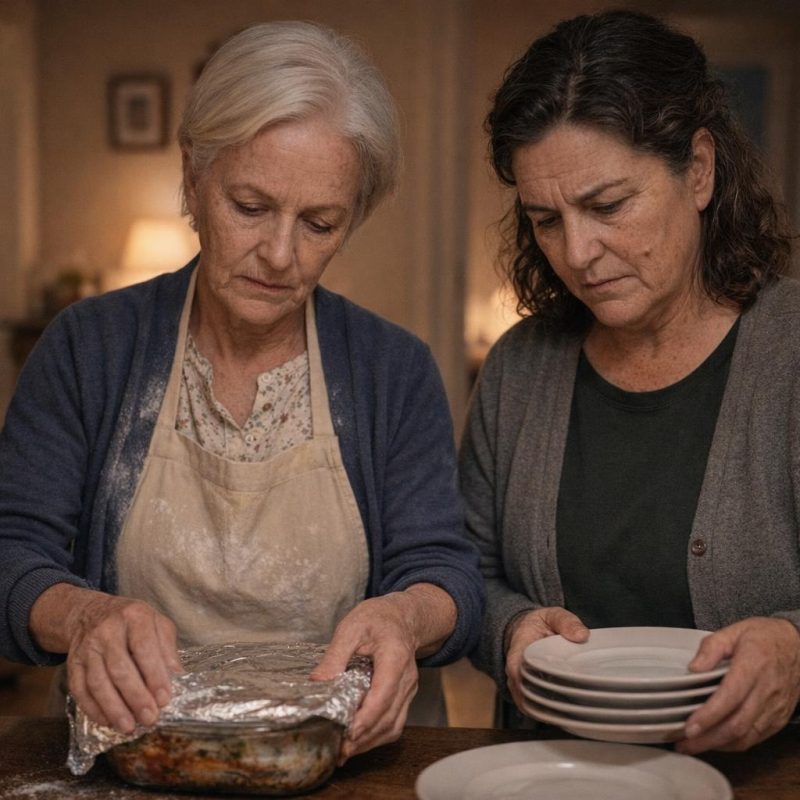 Image by RM AI
Fallen Meringue
We took two slices of lemon meringue pie out to my back porch and sat in the darkness listening to the crickets sing in the garden I tended alone. The meringue had fallen while I was confronting my children about their business proposal, and the slices were lopsided and imperfect and somehow exactly right for the moment. Nora did not ask me to explain what Colin and Travis and Melanie had wanted, did not press me for details about why Dean had stayed behind or what he had asked me. She just sat beside me in the warm night air, eating collapsed pie with a fork that scraped gently against the plate. Behind us my kitchen remained a mess of dirty dishes and leftover food that would need attention eventually. My heart felt bruised from the confrontation, tender in places I had forgotten could still hurt. But underneath the bruising was something unexpected—a lightness I could not quite name, a sense of relief that came from finally knowing the truth and speaking it out loud. The kitchen was a mess, my heart was bruised, and still I felt lighter than I had in years.
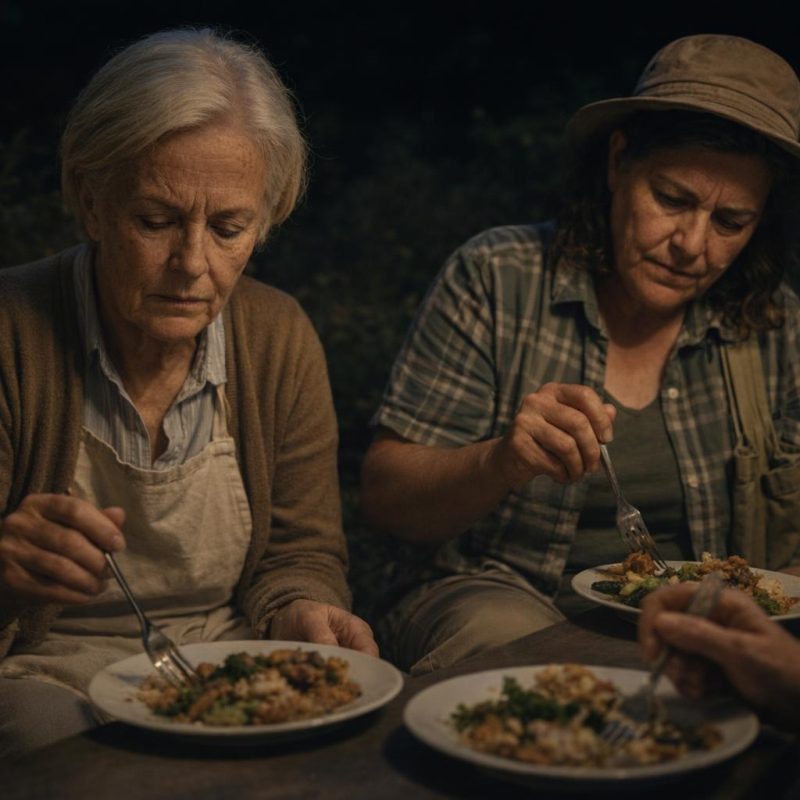 Image by RM AI
The Hunger I Will Not Feed
The night settled deeper around us while we sat on that porch, and I thought about the blue ribbon hanging in my kitchen from the county fair. It had never really mattered, I realized. Not the ribbon itself, not the morning show clip that went viral, not the emails from consultants about heritage product expansion or brand partnerships or any of the things my children had tried to sell me on. What mattered was the answer I had finally received this week when they came to my table. They had come hungry, all of them, but their hunger was not for my cooking or my company or the Sunday dinners I had offered for years. They wanted to consume my story, to package up Nana June's memory and my viral moment and turn it all into profit margins and market share. I had learned something sitting across from them tonight—I did not have to feed that kind of hunger. I could offer Sunday dinners to those who wanted real connection, like Dean with his whispered question and his genuine longing. But I would never again serve myself up for consumption. My children had come to the table hungry, just not for the meal I made, and I was done serving what they actually wanted.
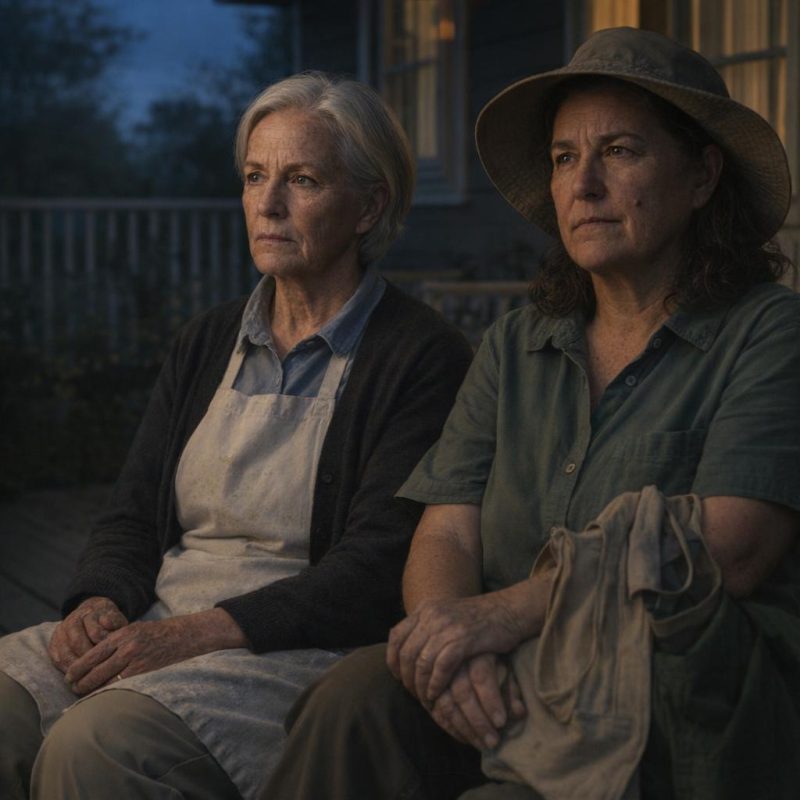 Image by RM AI
KEEP ON READING

The story of Ching Shih, the Woman Who Became the…
Unknown author on WikimediaFew figures in history are as feared…
By Emilie Richardson-Dupuis Dec 29, 2025
Einstein's Violin Just Sold At An Auction—And It Earned More…
A Visionary's Violin. Wanda von Debschitz-Kunowski on WikimediaWhen you hear…
By Ashley Bast Nov 3, 2025
This Infamous Ancient Greek Burned Down An Ancient Wonder Just…
History remembers kings and conquerors, but sometimes, it also remembers…
By David Davidovic Nov 12, 2025
The Mysterious "Sea People" Who Collapsed Civilization
3,200 years ago, Bronze Age civilization in the Mediterranean suddenly…
By Robbie Woods Mar 18, 2025
20 Greatest Ancient Athletes In History
Ancient Olympics. Long before modern stadiums and multimillion-dollar endorsements, athletes…
By Sara Springsteen May 1, 2026
20 Soldiers Who Defied Expectations
Changing the Rules of the Battlefield. You’ve probably heard plenty…
By Annie Byrd Feb 10, 2026