

20 Fossils Scientists Got Completely Wrong, And What It Took to Finally Set the Record Straight
20 Fossils Scientists Got Completely Wrong, And What It Took to Finally Set the Record Straight
One Bone Doesn’t Show The Whole Picture
Paleontology has always involved a lot of careful inference, and sometimes a fair amount of guesswork. A crushed skull from China, a tooth whorl from Idaho, or a few bones from Cretaceous Kansas can send researchers down a dark and dangerous path before better evidence pulls them back. New fossils, CT scans, chemical testing, and plain old reexamination have corrected some famous mistakes, including these 20 cases where scientists had to revise what they thought they knew.
1. Elasmosaurus
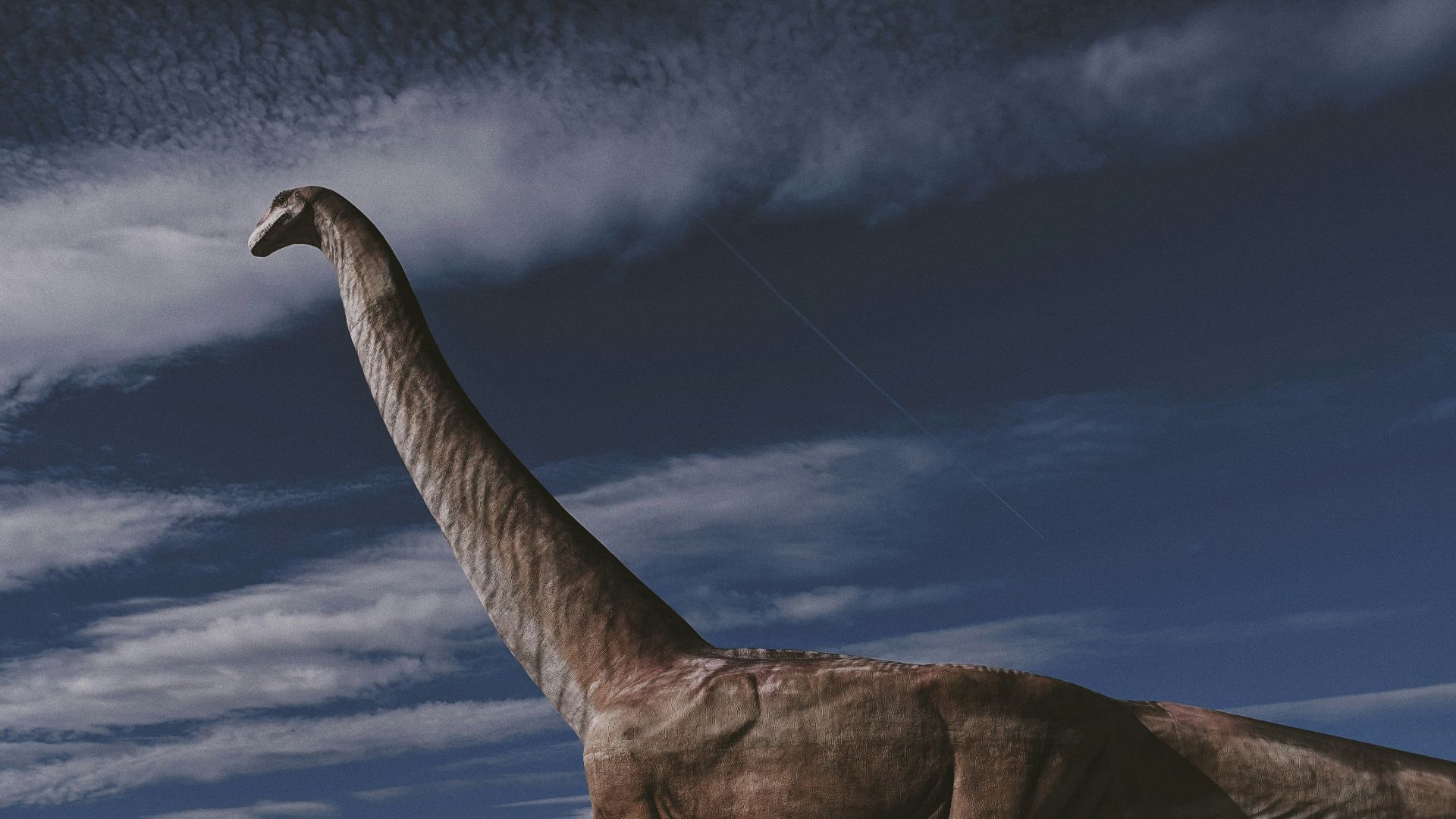
In 1868, Edward Drinker Cope described this Late Cretaceous plesiosaur from fossils found in Kansas. Unfortunately, he presented the dinosaur’s design backwards, putting the skull on the wrong end. then made the very public mistake of putting the skull on the wrong end. The long string of vertebrae belonged to the neck, not the tail.
2. Tetrapodophis
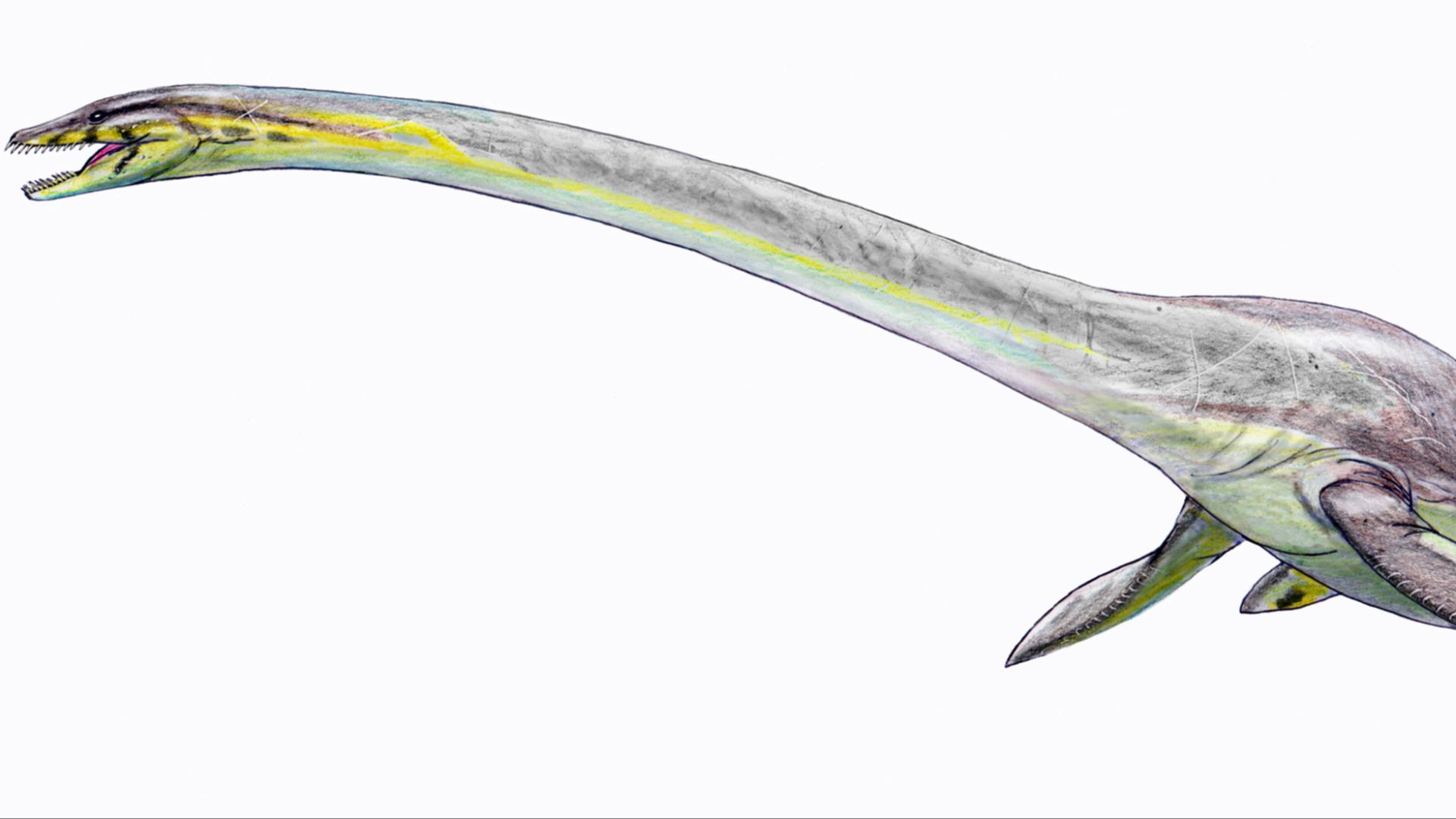
Tetrapodophis made headlines in 2015 as a tiny, four-limbed fossil from Brazil that seemed to show an early stage in snake evolution. That would’ve been a major find, since the origins of snakes are still debated today. Later study of the fossil’s anatomy found that this Early Cretaceous animal was actually a part of the lizard family.
3. Hallucigenia
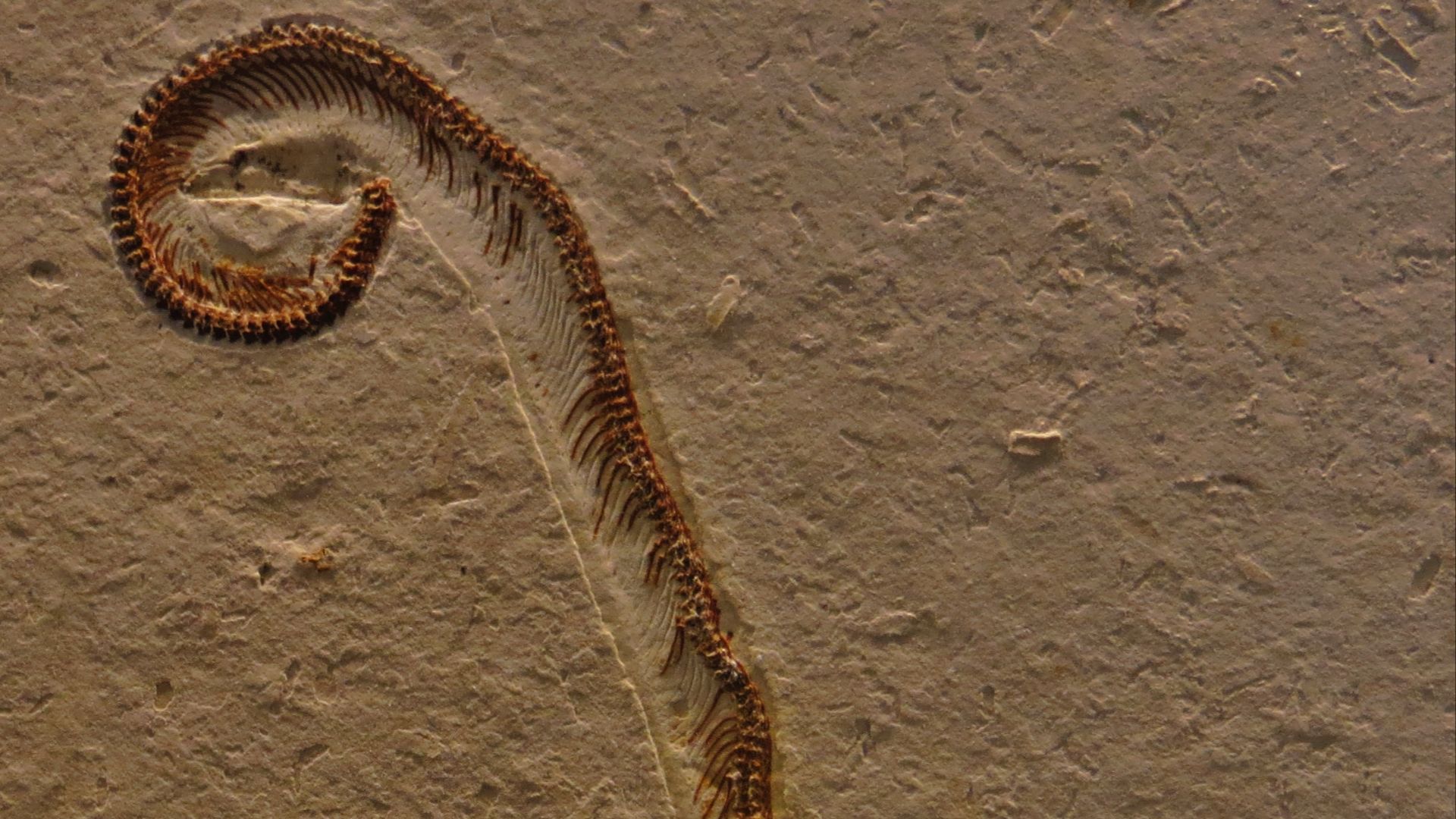
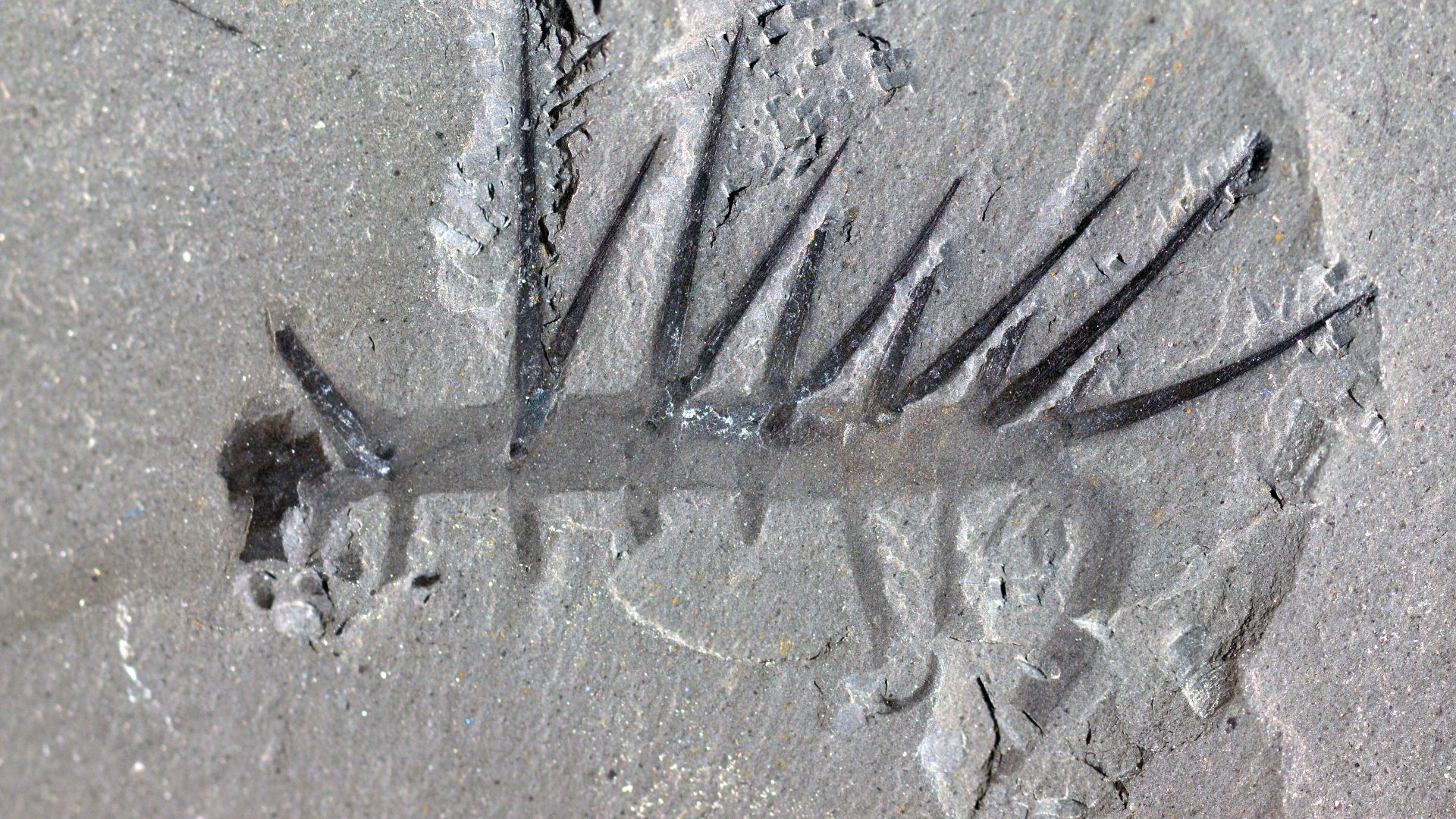
Hallucigenia, a Cambrian-aged lobopodian, was discovered in the Burgess Shale, a roughly 508-million-year-old fossil site in British Columbia. Researchers originally placed it upside down, treating spines as legs and soft limbs as structures along the back.
4. Archaeoraptor
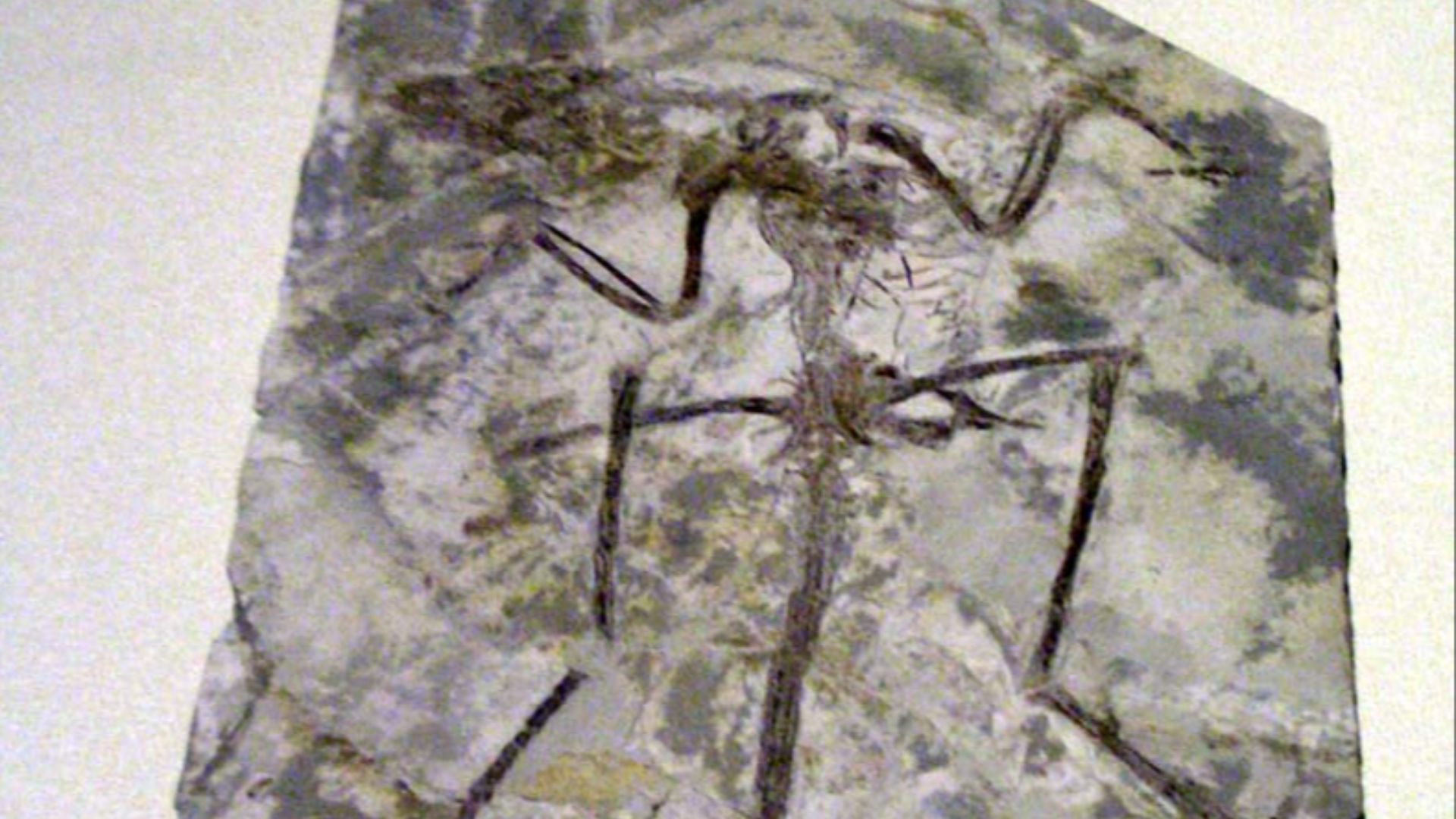
Archaeoraptor was announced in 1999 as the “missing link” between dinosaurs and birds, based on a fossil from China. The claim collapsed when researchers realized the specimen had been assembled from parts of different animals. Instead of a major evolutionary find, it became a widely cited warning about fossil smuggling.
5. Brontosaurus
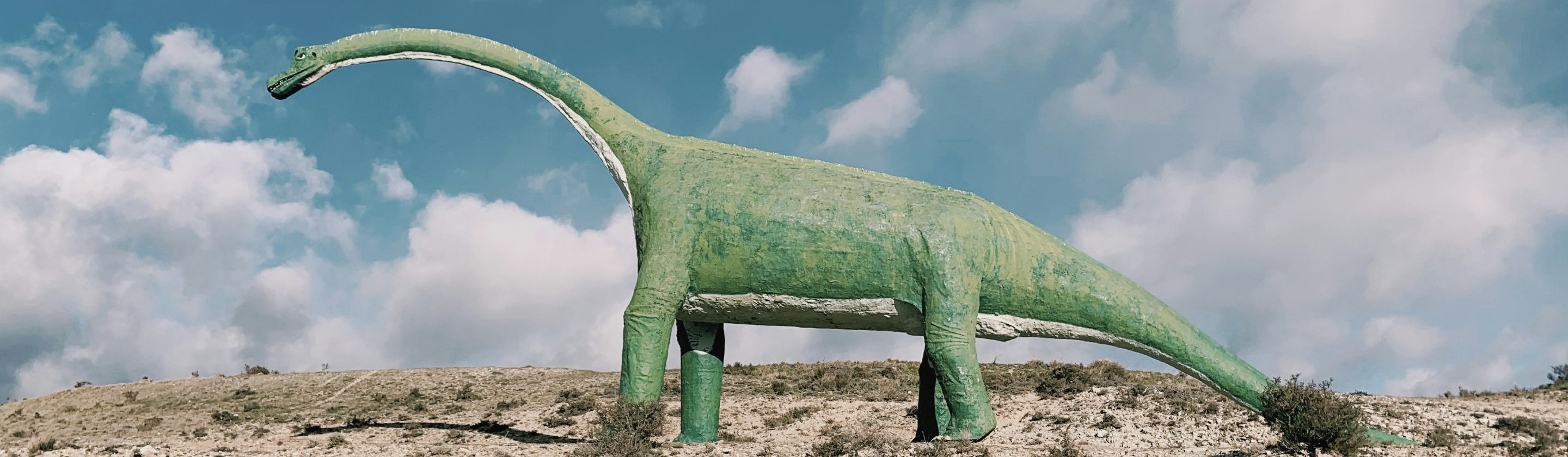
Othniel Charles Marsh named Brontosaurus in 1879. Over 20 years later, Elmer Riggs argued that the long-necked herbivore was too similar to Apatosaurus to deserve its own genus, which was maintained until 2015. Today, the two late Jurassic animals sit nicely in their own genus.
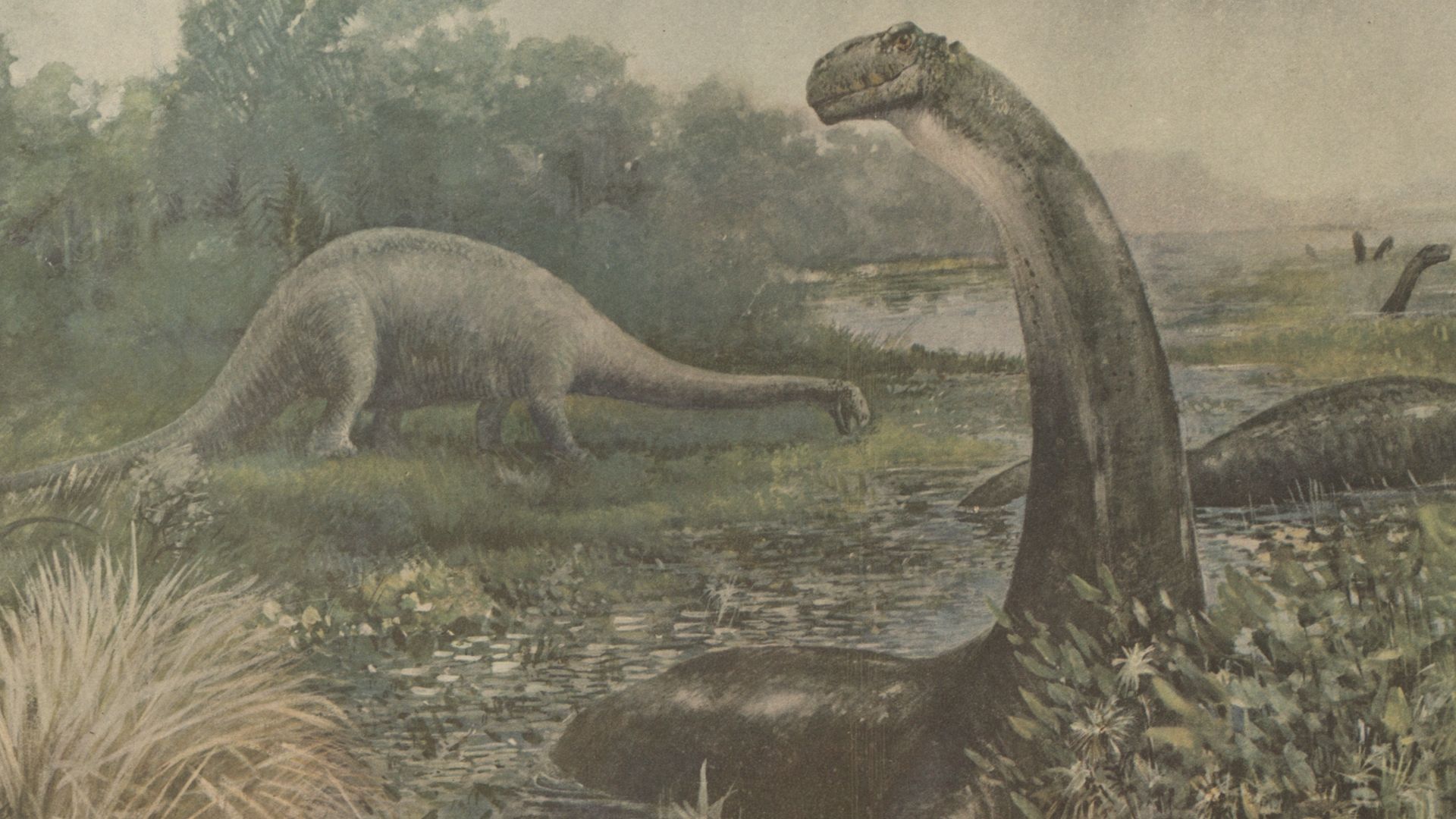 Charles Robert Knight on Wikimedia
6. Helicoprion
Helicoprion was a shark-like fish that lived around 280 million years ago, best known for its spiraled lower jaw. Some early reconstructions placed this odd jaw in the location of its dorsal fin, until a 2013 confirmation put the whorl of teeth in its rightful place.
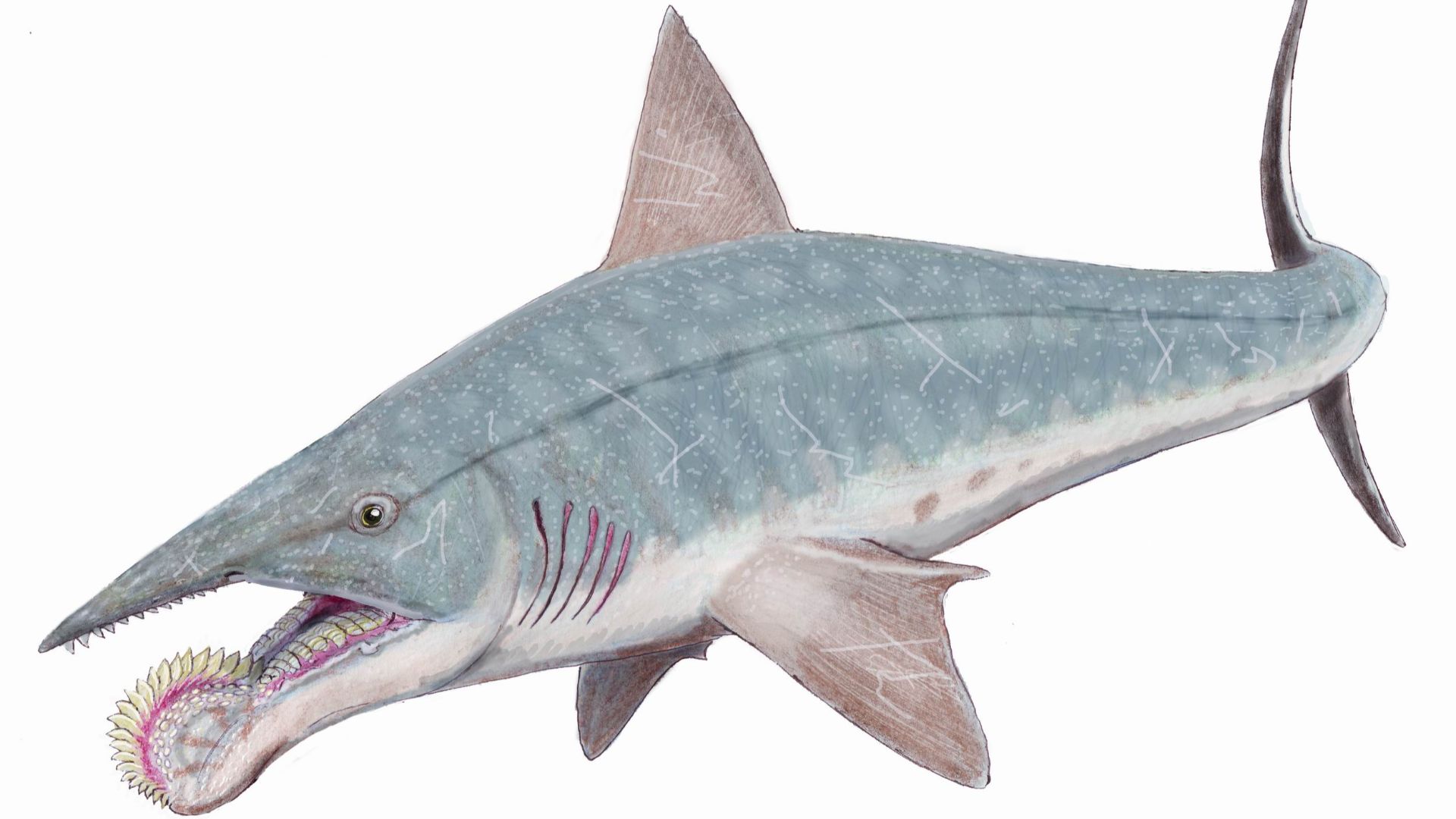 Creator: Dmitry Bogdanov on Wikimedia
7. Therizinosaurus
This late Cretaceous herbivore was first discovered in 1948, in modern-day Mongolia. The only bones found were the arm bones, massive claws, and ribs, leading scientists to believe that the animal they discovered was potentially a sea turtle or a raptor.
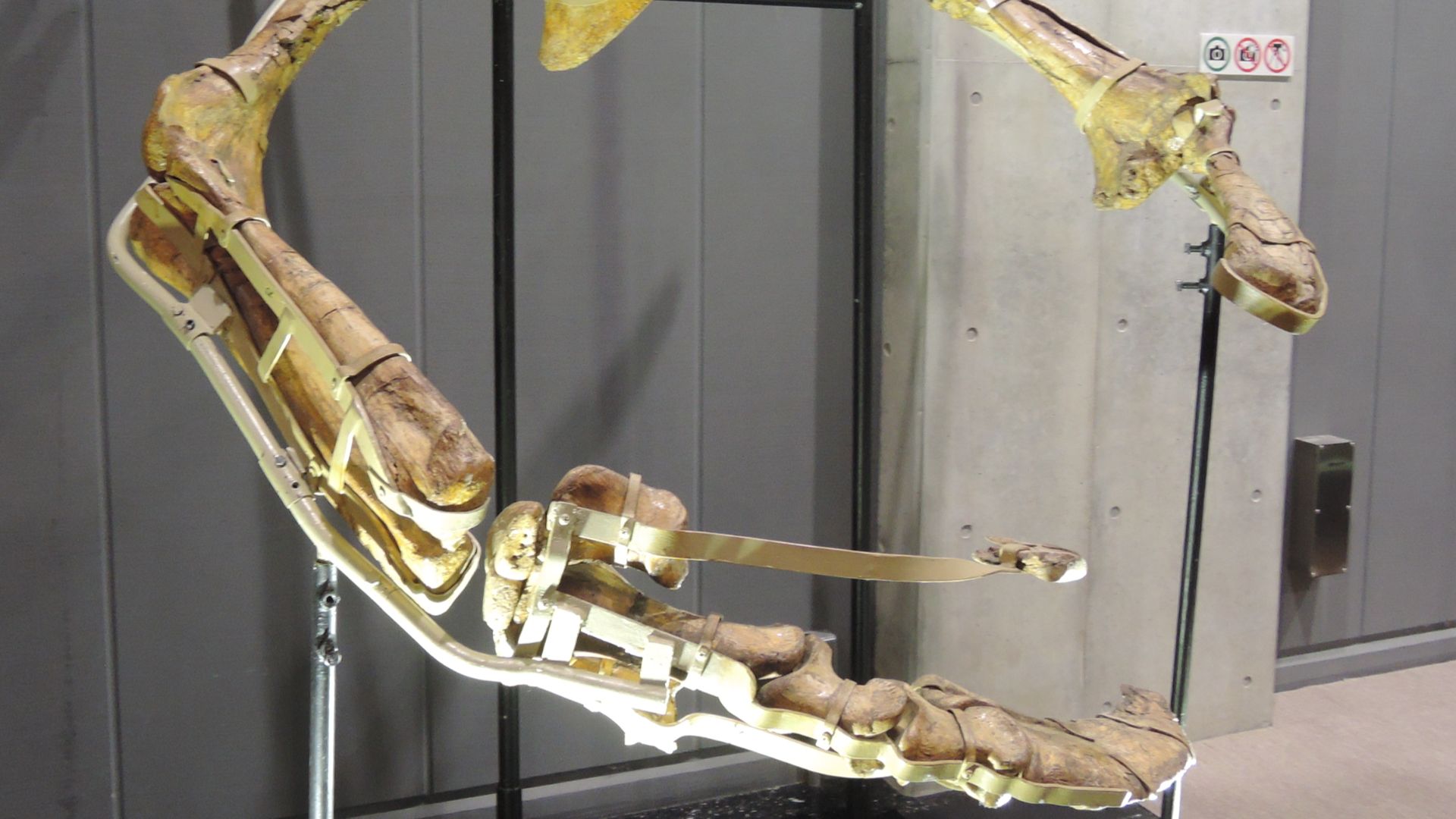 Yuya Tamai from Gifu, Japan on Wikimedia
8. Basilosaurus
The late Eocene Basilosaurus, or “King Lizard,” got its name in 1834. The long vertebrae looked reptilian enough that early researchers thought they were dealing with a giant marine reptile. Later anatomical work showed Basilosaurus was actually an early whale.
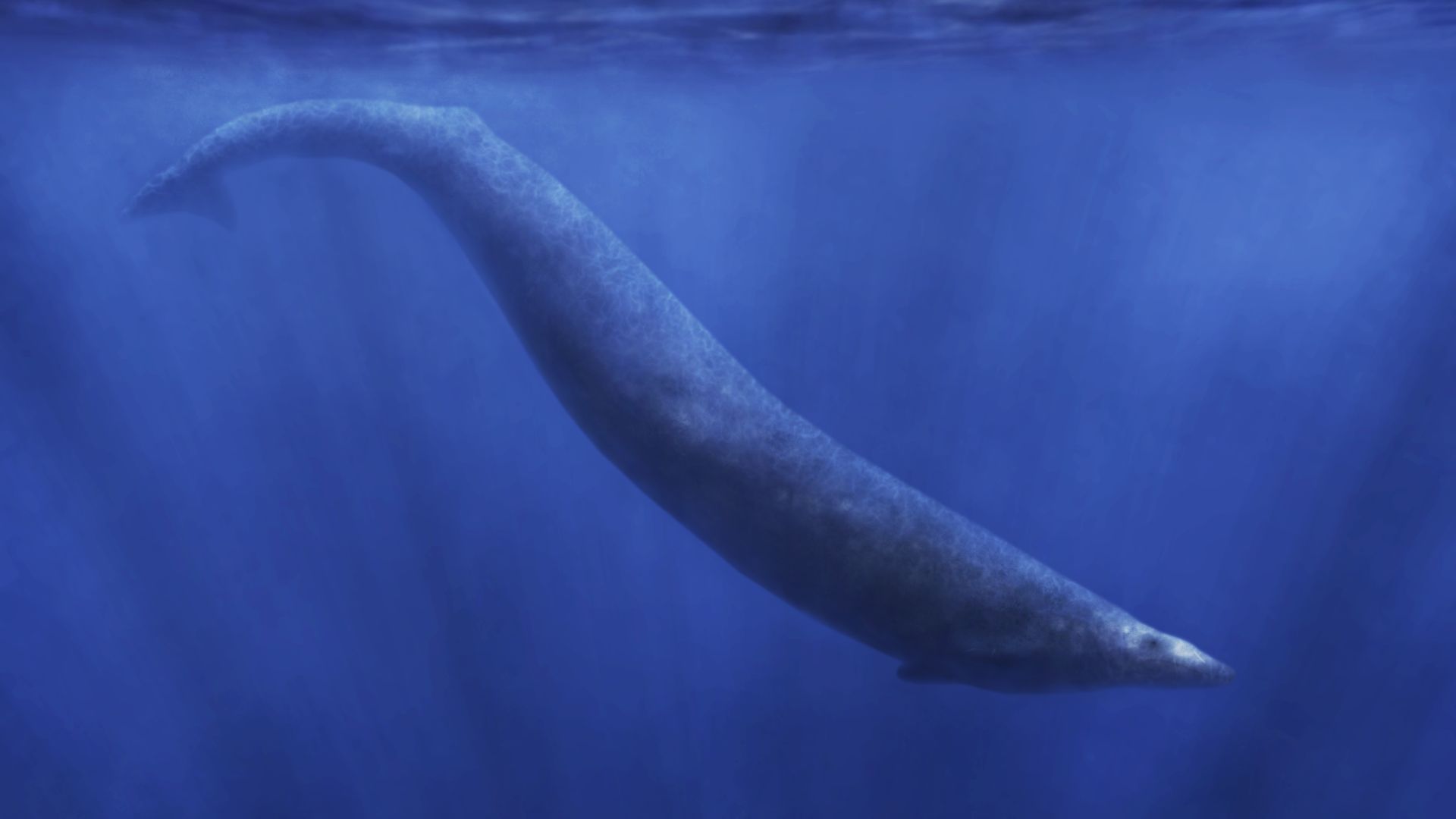 Dominik Hammelsbruch on Wikimedia
9. Coelophysis
Coelophysis, a smaller Triassic dinosaur from the American Southwest, became tied to cannibalism after small bones were found with adult skeletons. For a while, that made it one of the better-known examples of dinosaur behavior. Later analysis showed the supposed young Coelophysis remains were more likely small crocodylomorph reptiles, the ancient ancestors of crocodiles and alligators.
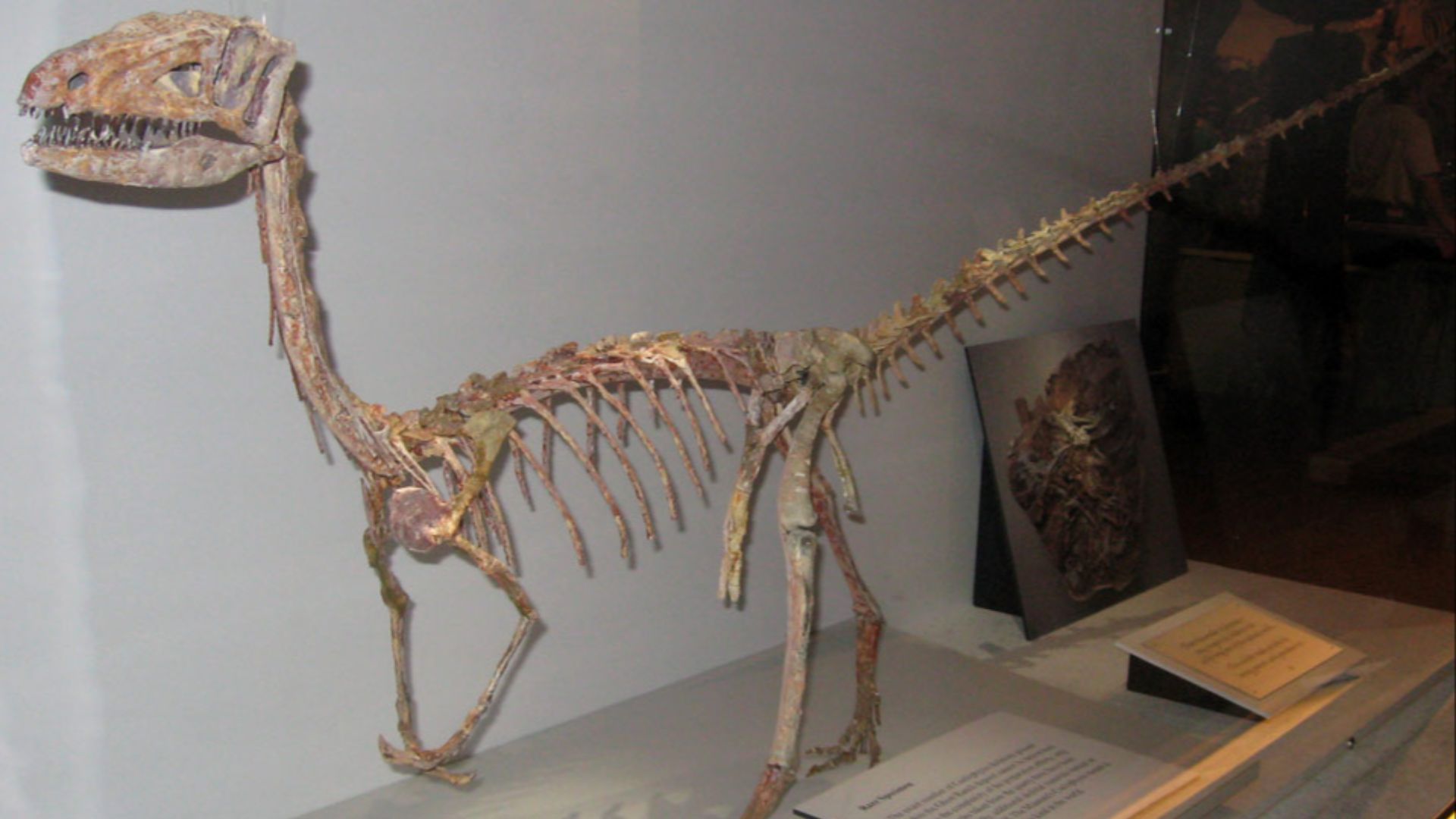 Matt Celeskey from Albuquerque on Wikimedia
10. Tanystropheus
Tanystropheus is best known for its extremely elongated neck. When first described in 1886, scientists mistook it for a pterosaur, a flying reptile from the Mesozoic era. CT scanning later helped reconstruct the skull and supported the idea that the larger species was an aquatic ambush predator, with features suited to catching fish and squid in coastal waters.
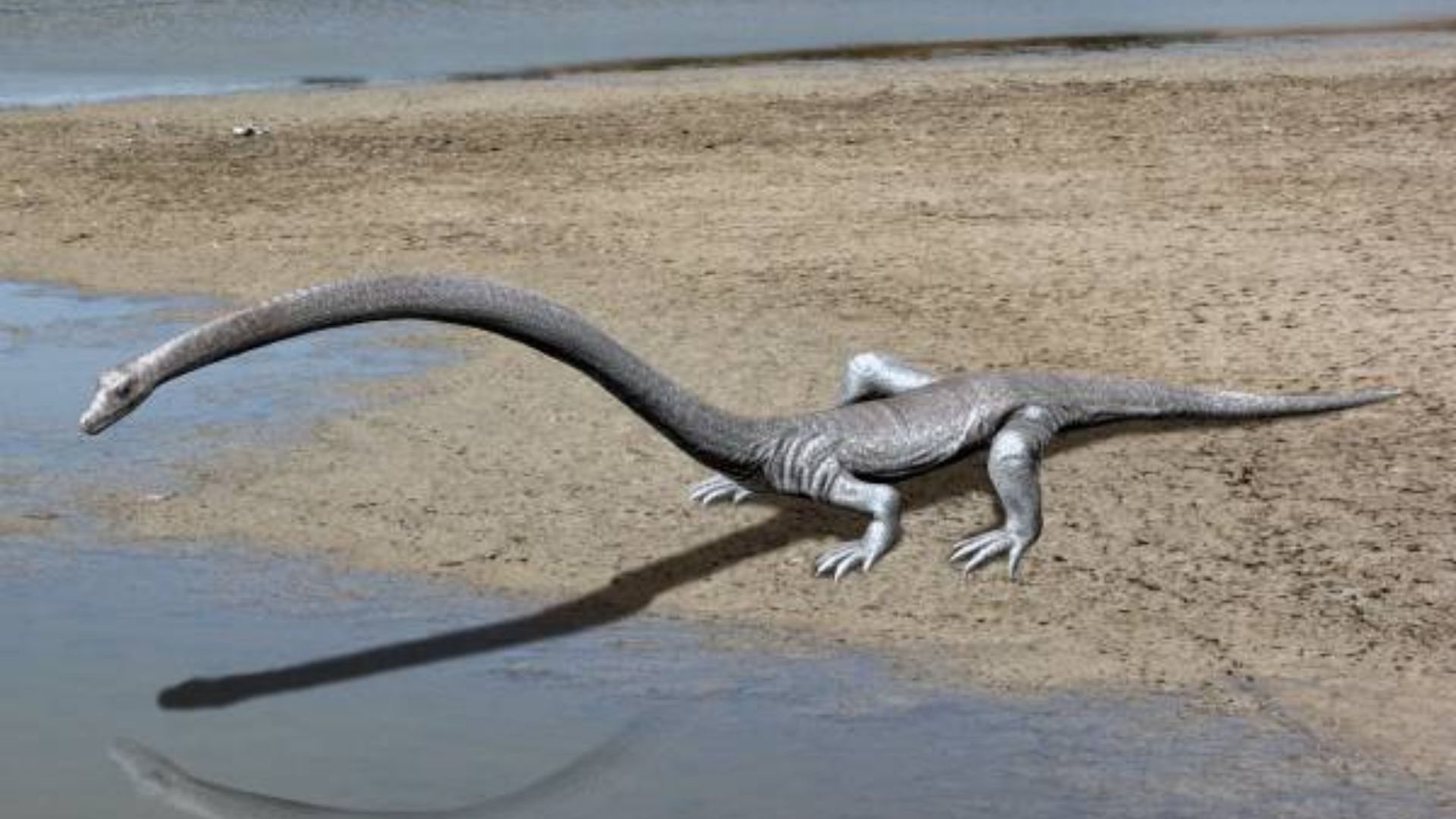 Nobu Tamura email:[email protected] http://spinops.blogspot.com/ on Wikimedia
11. Thylacoleo
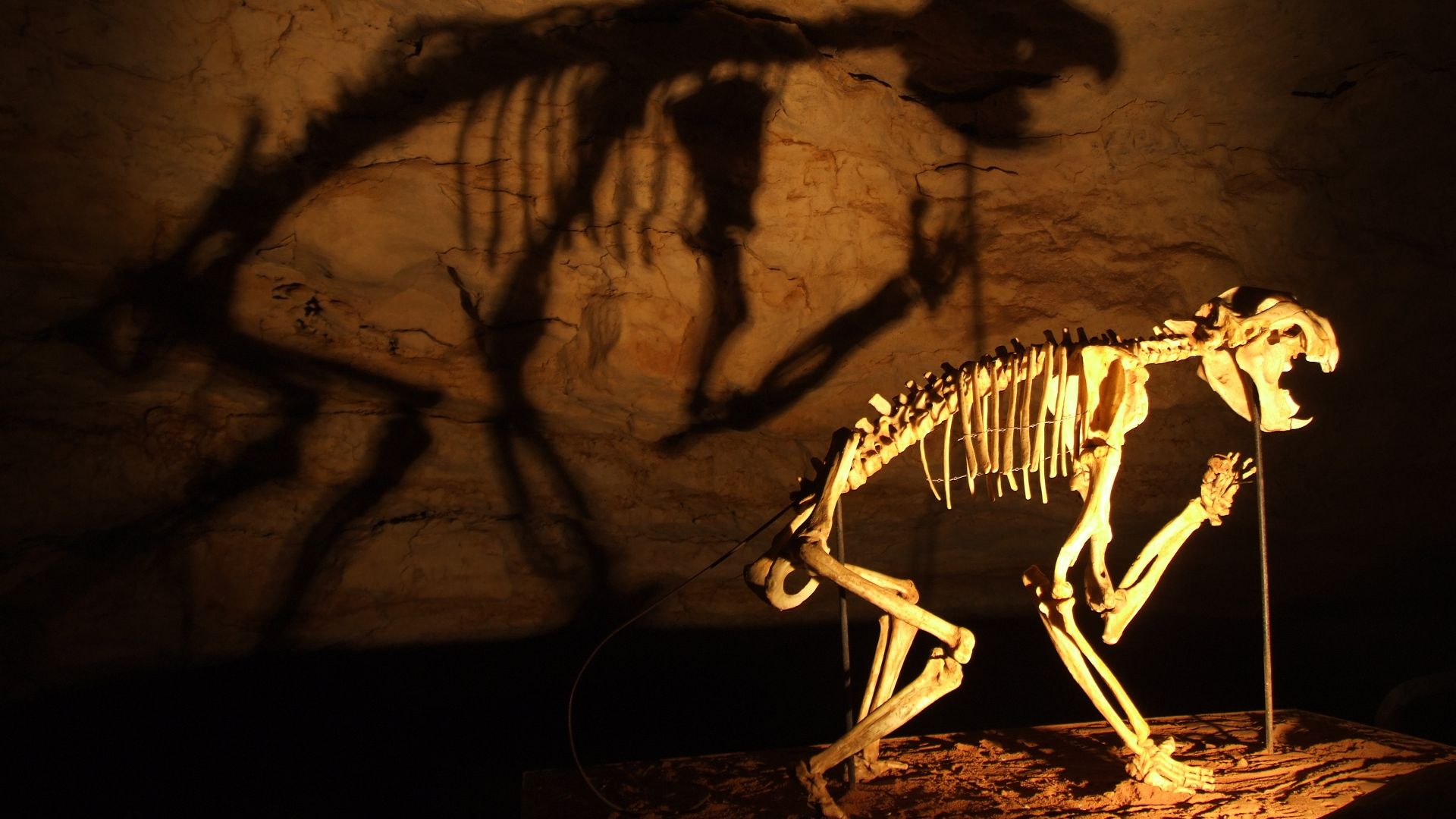
Thylacoleo is often called the marsupial lion, and was an apex predator in prehistoric Australia. The animal had an unusual skull, strong forelimbs, and blade-like premolars. First believed to be a slow-moving ambush predator, later studies proved that it was a powerful carnivore from the Pliocene and Pleistocene eras.
12. Macrauchenia
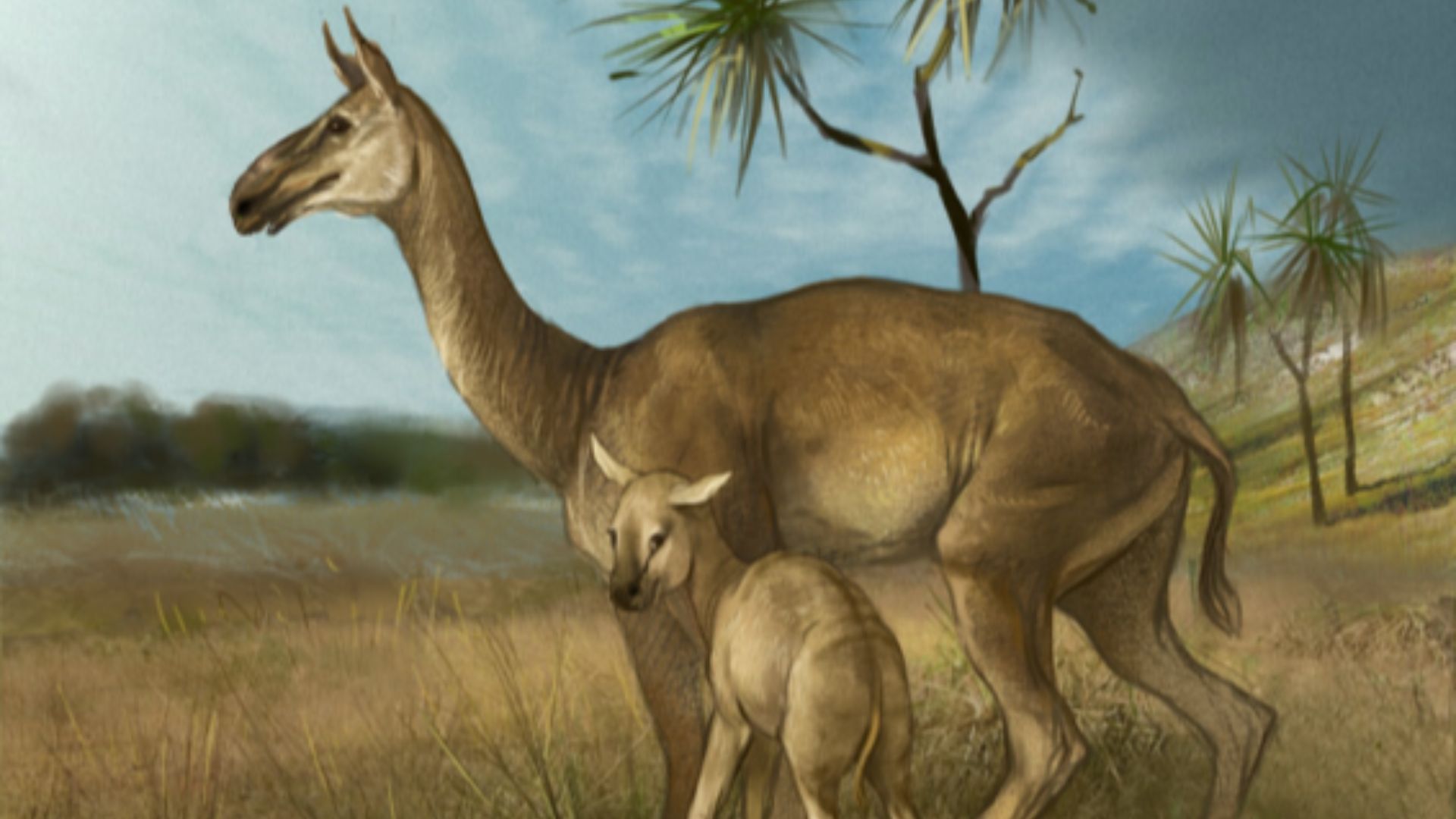
This Pliocene/Pleistocene camel-like animal was first discovered in 1834. At the time, researchers said that the animal was a Mastodon, the ancient ancestor of elephants. DNA and protein evidence later placed it among extinct South American hoofed mammals, putting them in the rhino and horse genus.
13. Gigantopithecus
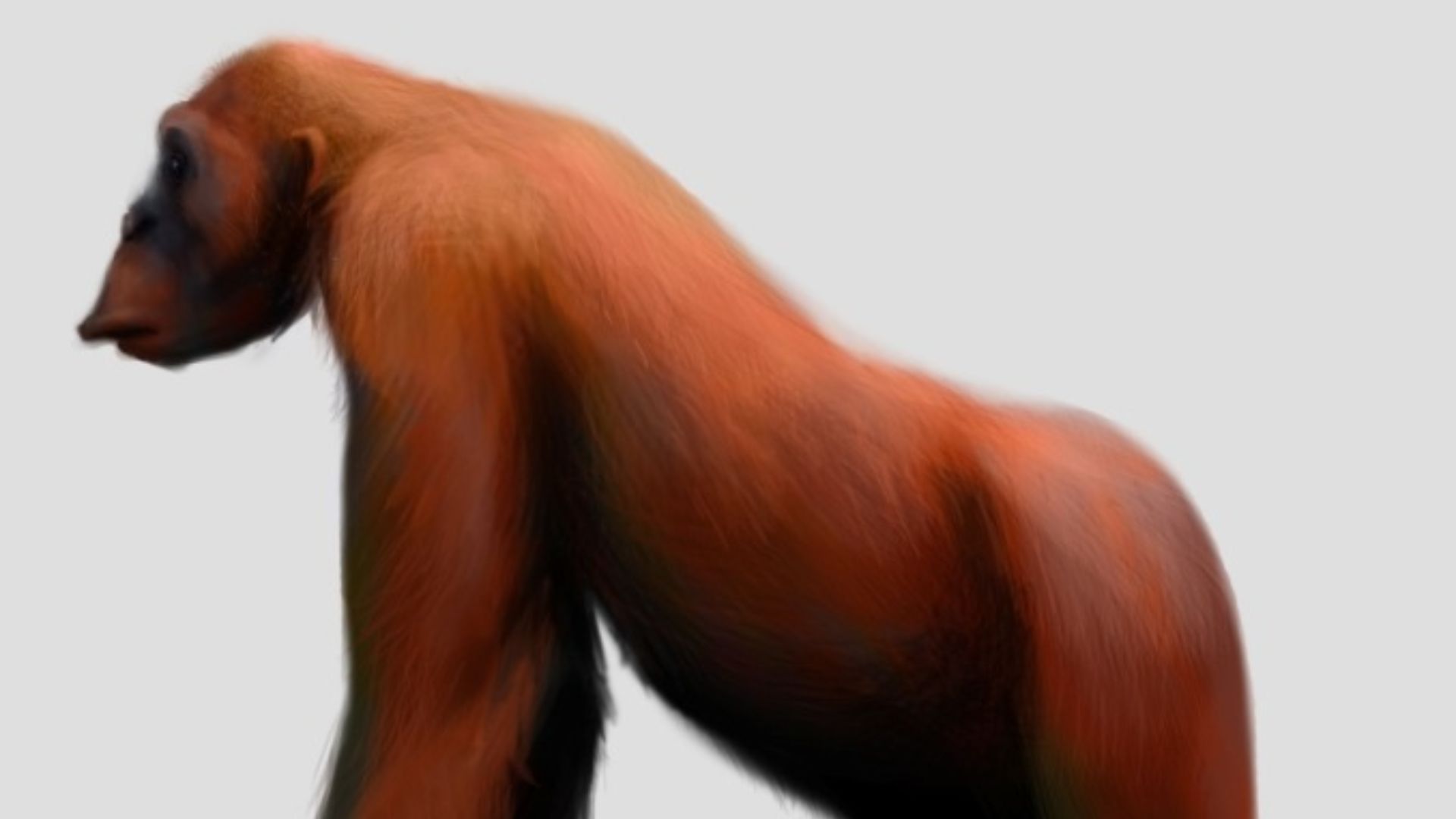
This Pleistocene primate was described in 1935 after its large teeth turned up in Chinese apothecary shops. Originally suggested to be a part of the human line, it’s now believed that these animals are closely associated with orangutans.
 Luis guardiola 816 on Wikimedia
14. Neanderthals
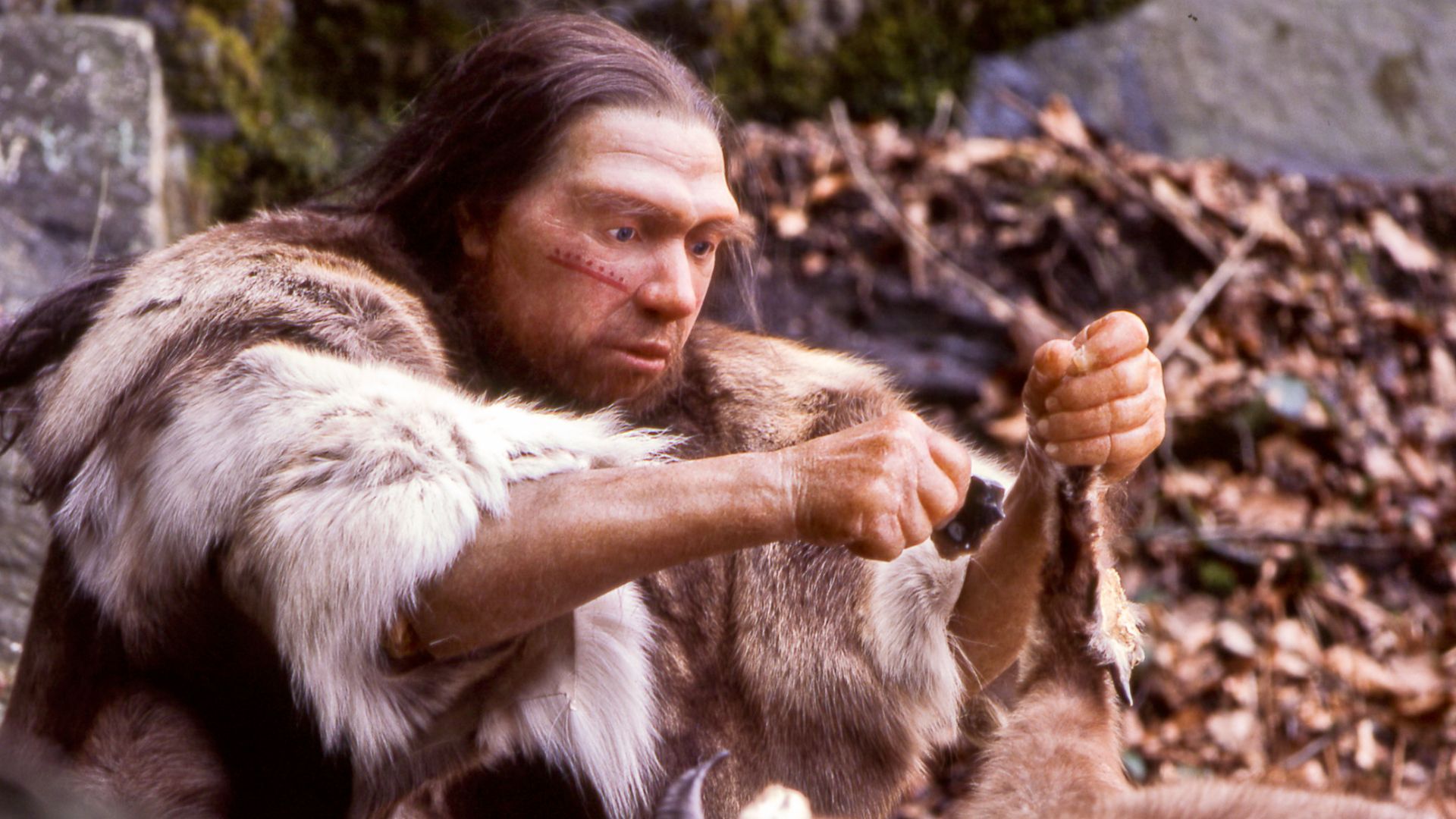
Our ancient human-like ancestors lived throughout the middle to late Pleistocene era, going extinct around 40,000 years ago. Before ancient Cro-Magnon fossils were discovered, it was believed that Neanderthals were a part of human evolution. Of course, we know now that they were simply another human group that didn’t make it.
 Neanderthal-Museum, Mettmann on Wikimedia
15. Dickinsonia
Dickinsonia lived during the Ediacaran Period, long before familiar animals filled the seas. Since it looked like a flat, ribbed oval, researchers spent decades debating whether it was an animal, a fungus, a lichen, or something else entirely. Chemical traces preserved with some fossils later strengthened the case that Dickinsonia was a seafloor-dwelling animal.
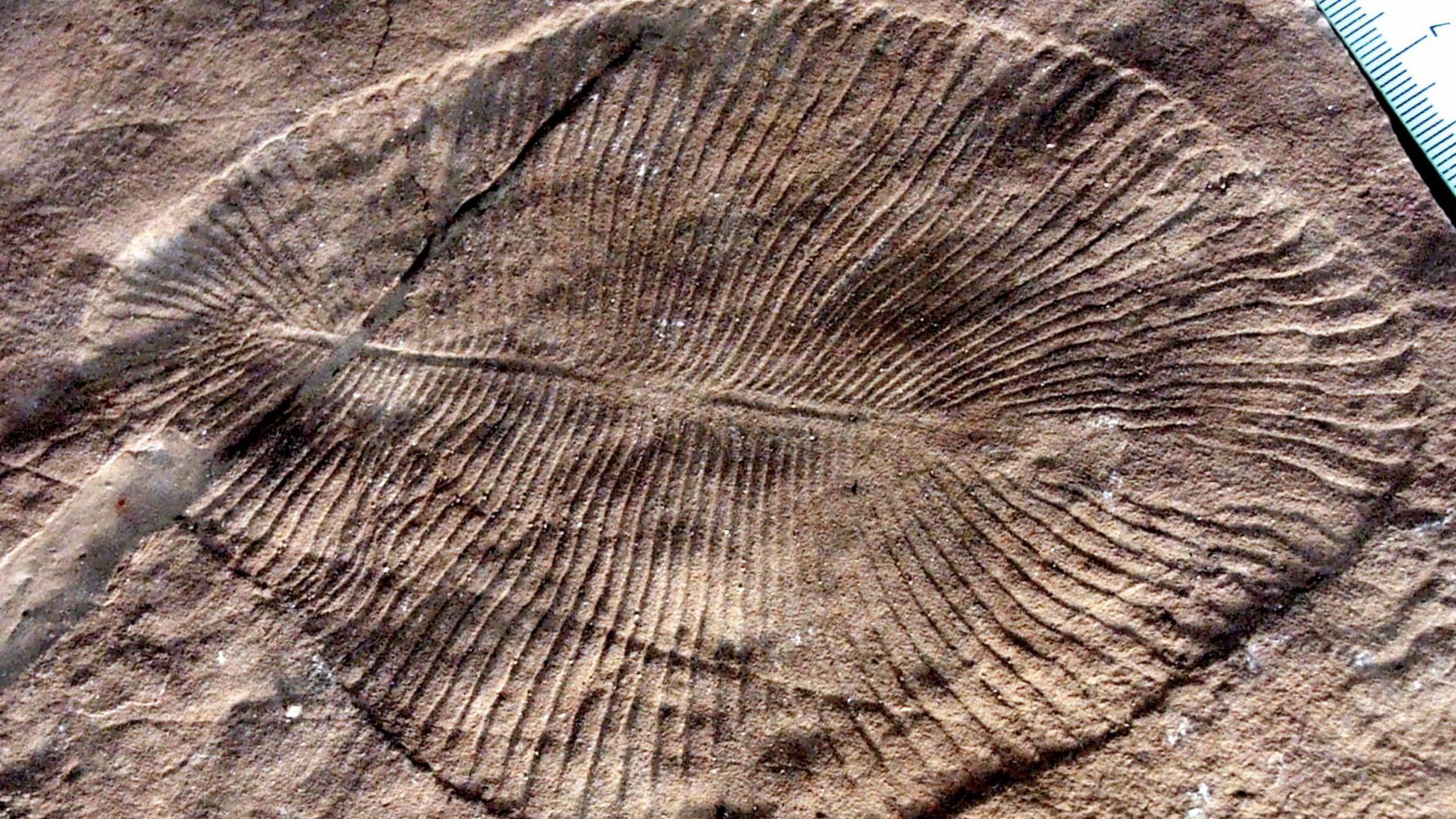 Verisimilus at English Wikipedia on Wikimedia
16. Conodonts
Conodonts were a long-lasting group of marine vertebrates that survived from the Cambrian to the Jurassic period. As their teeth were the first things discovered, the animal was misidentified as a worm, algae, or a mollusk. It was later discovered that the teeth actually came from an eel-like, primitive vertebrate.
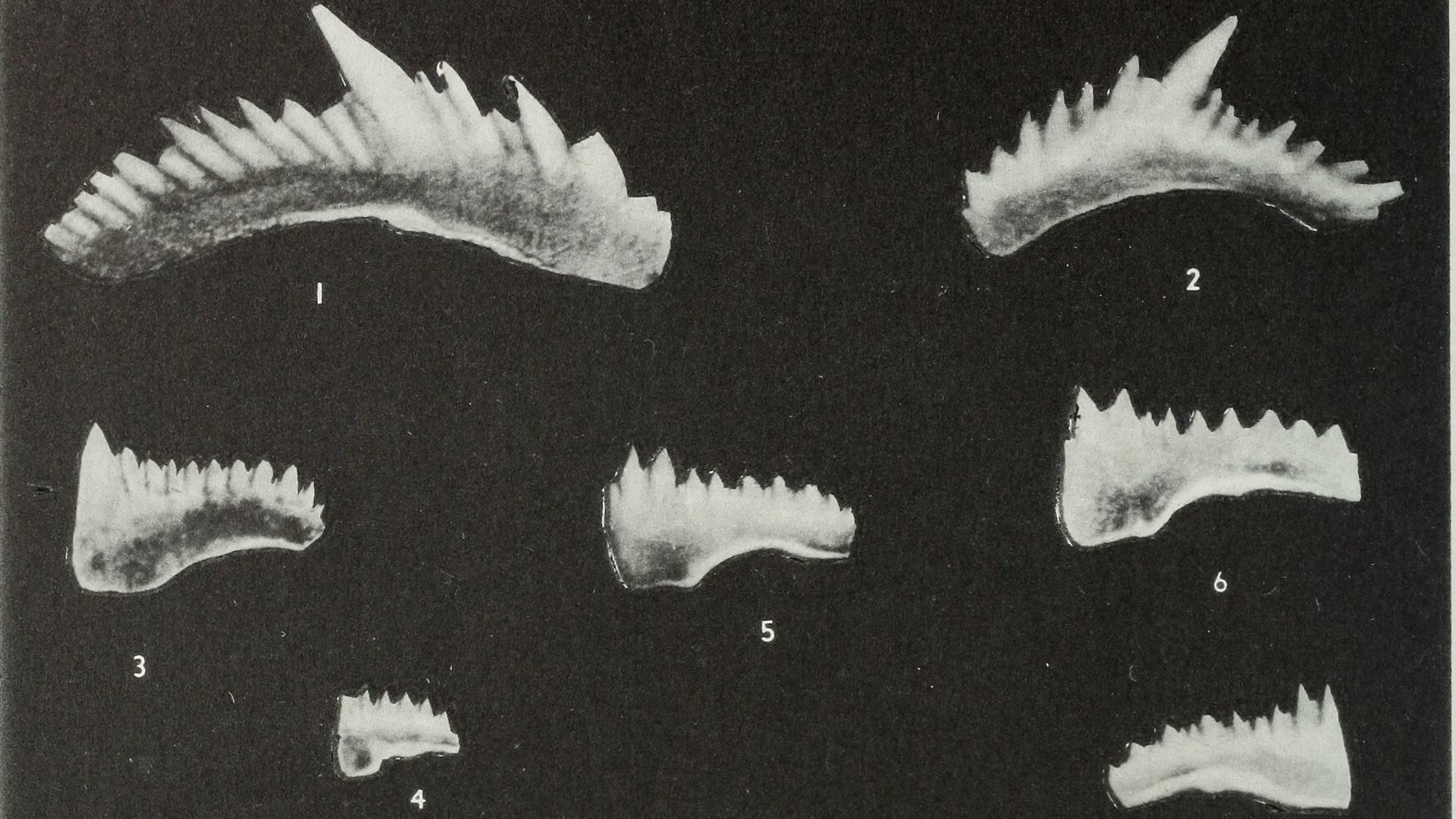 Rexroad, Carl Buckner, 1925- on Wikimedia
17. Pikaia
Pikaia was a Middle Cambrian fossil that was originally believed to be a type of marine worm. Later studies identified features consistent with chordates, including a notochord-like structure running through the body. That made the small animal far more interesting, placing it in the chordate genus, a close relative of vertebrate ancestors.
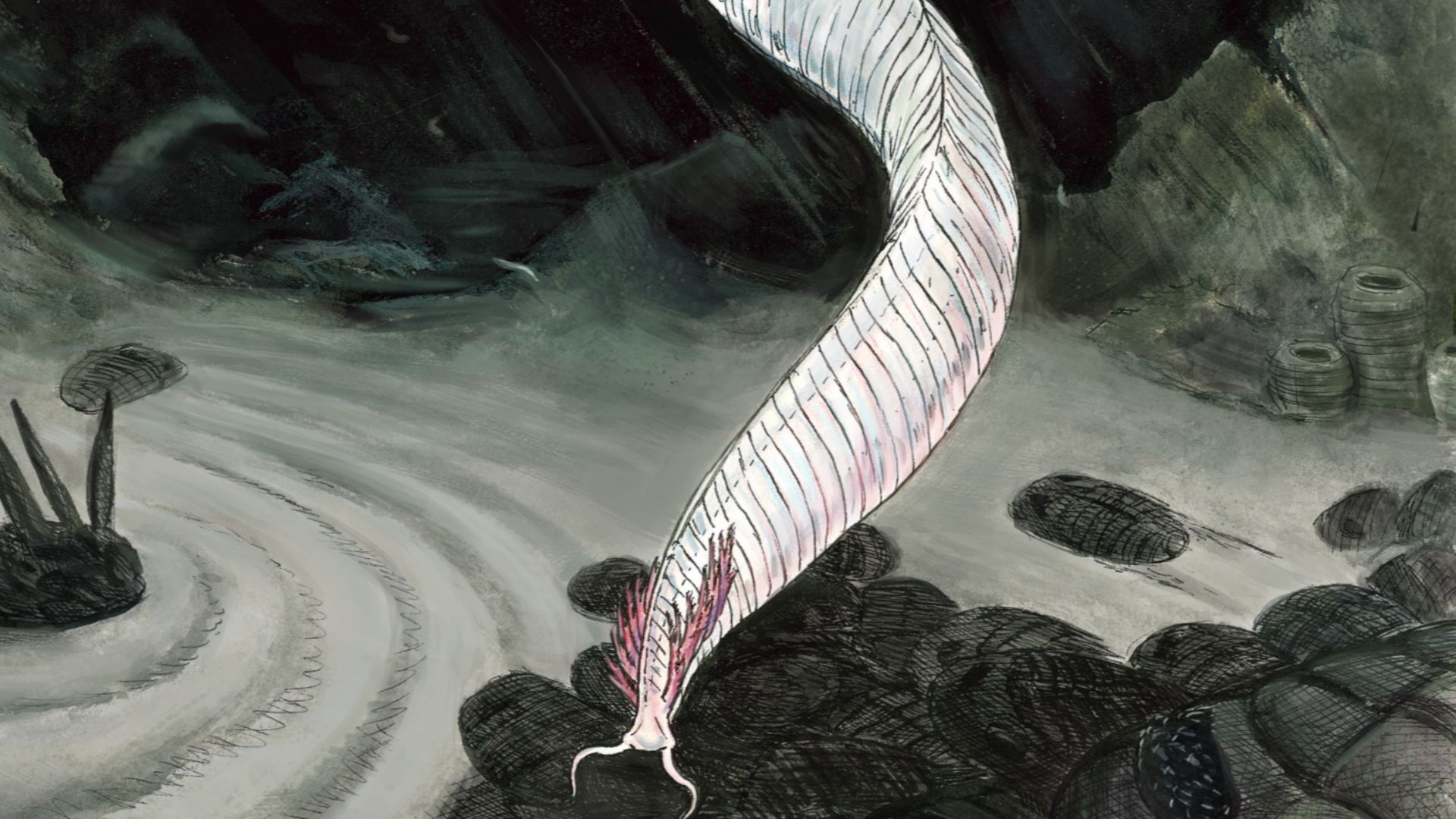
18. Anchisaurus
Anchisaurus fossils were found in Connecticut in the early 1800s, well before dinosaurs were properly understood as a group. Some early material was even mistaken for human remains. Later work placed the early Jurassic animal among early sauropodomorph dinosaurs, relatives of the line that eventually produced giant long-necked herbivores, such as the Brachiosaurus or Apatosaurus.
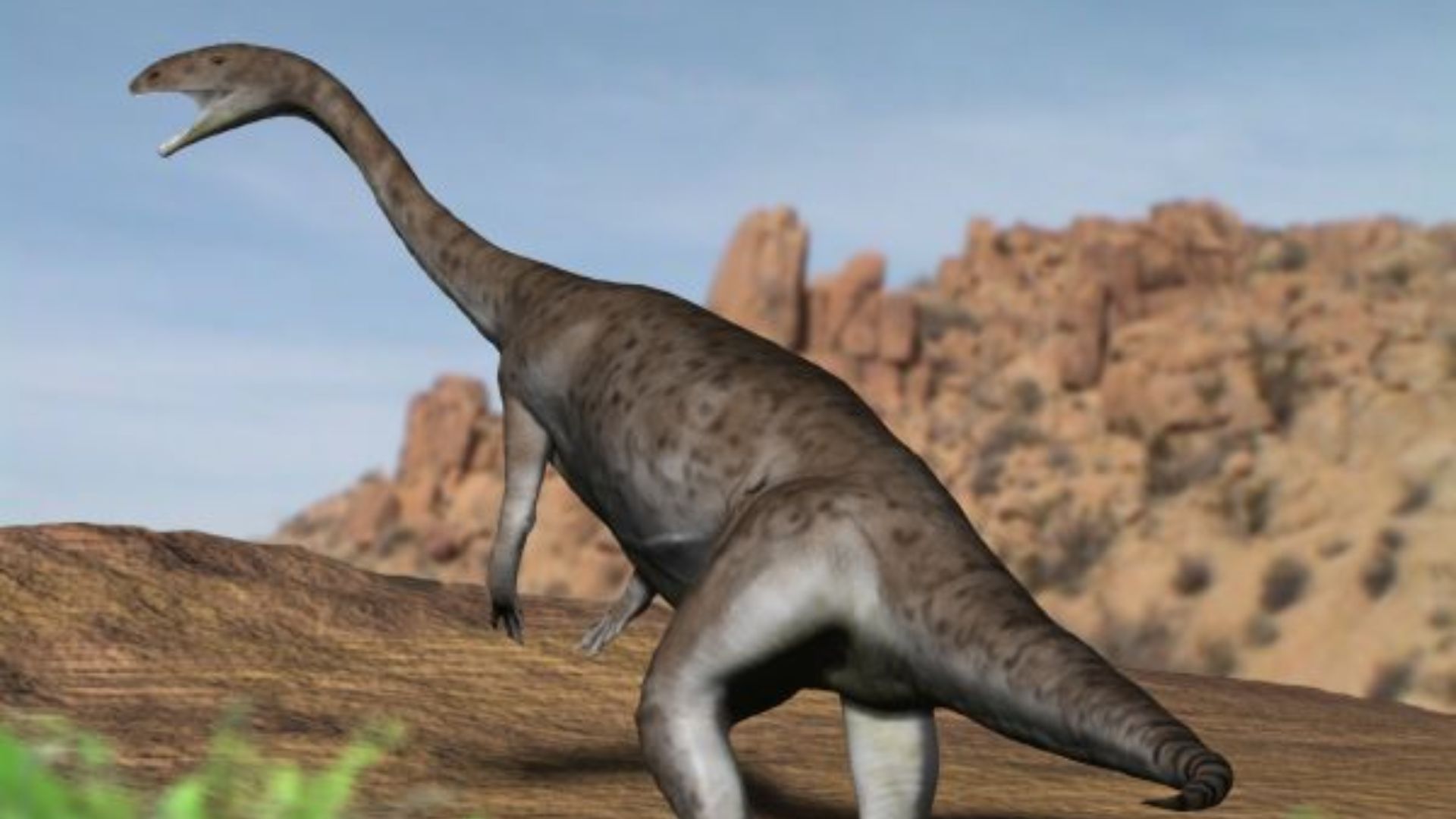 Nobu Tamura (http://spinops.blogspot.com) on Wikimedia
19. Archaeopteryx
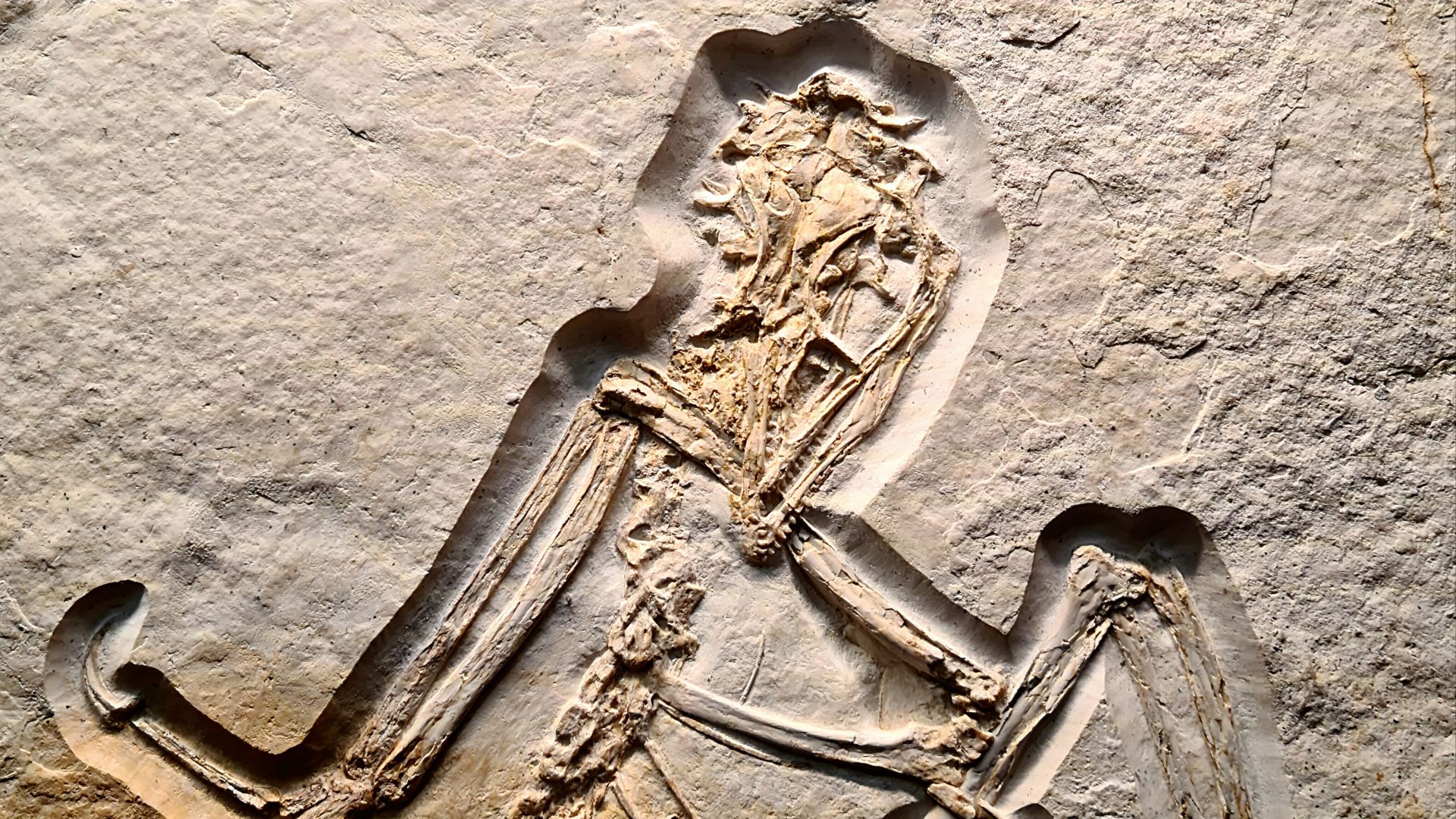
Archaeopteryx was first found in Germany in the 1860s, not long after Darwin published On the Origin of Species. The Late Jurassic animal was originally mistaken for a warm-blooded reptile or even closer to the modern bird. Further research proved it to be the oldest-known bird species, connected to other flight-capable dinosaurs.
20. Megalonyx
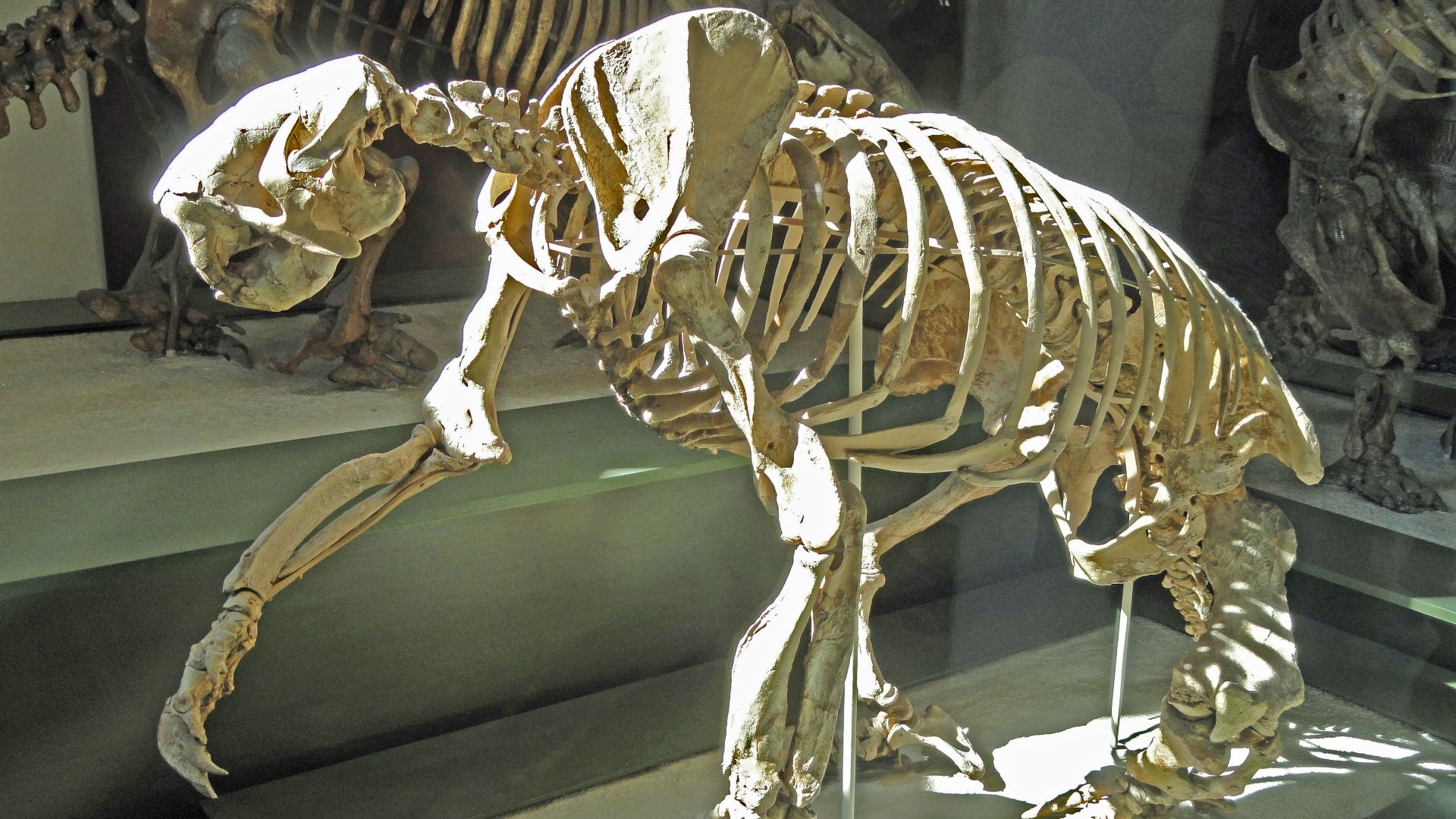
The Megalonyx was a Pliocene animal that lived anywhere from five million to 13,000 years ago. First believed to be a powerful predator, due to its large size and massive claws, it was later discovered that the gentle giant was actually a giant ground sloth.
KEEP ON READING
20 People In History Who Got Revenge In The Pettiest…
Documented Grudges. History tends to celebrate the bold move, the…
By Cameron Dick Jun 26, 2026
20 Ordinary Citizens Who Became Robin Hood-Style Outlaws and Defied…
Viva Revolution. History loves to focus on kings and queens,…
By Sara Springsteen Jun 26, 2026
20 People in History Who Charmed Their Way to the…
Charisma Has Always Opened Doors. History is full of people…
By Emilie Richardson-Dupuis Jun 26, 2026
20 Insane Things People In the 1800s Thought Would Keep…
Part Science, Part Guesswork. Doctors might not have all the…
By Annie Byrd Jun 26, 2026
How a Deformity Made This Man an Urban Legend
Alex Fu on PexelsThere's a stretch of road in western…
By Christy Chan Jun 25, 2026
The Deadly Beer Flood That Sounds Too Strange To Be…
en.wikipedia.org on GoogleOn the afternoon of October 17, 1814, a…
By Cameron Dick Jun 25, 2026