

My Sister Slammed the Door in My Face for Being Poor—Then My Grandfather Made Her Regret Everything
My Sister Slammed the Door in My Face for Being Poor—Then My Grandfather Made Her Regret Everything
The Door Slams Shut
I'd been working on the ornament for three weeks. Hand-painted glass, a little winter scene — bare trees, a frozen pond, two figures skating that were supposed to be me and Chloe when we were kids. I wrapped it in green tissue paper and tied it with a ribbon I'd saved from something else, because that's the kind of thing you do when you can't afford a real gift but you still want it to mean something. I took two buses to get to her neighborhood. Standing on her porch in the cold, I told myself it would be fine. The door opened and Chloe was there in a cream cashmere sweater and tailored slacks, looking like she'd stepped out of a catalog. She didn't say hello. She looked at my coat — the one from Goodwill with the fraying cuffs — and something in her face went flat. I held out the gift and she took it, then pushed it back into my chest hard enough that I stumbled on the top step. She said she only wanted real family this year, not someone who showed up looking like that. The door slammed so hard the porch boards shook under my feet. Then I heard the deadbolt click. I stood there in the cold with the damaged package pressed against my chest, and the weight of what had just happened settled into my bones like the frost in the air.
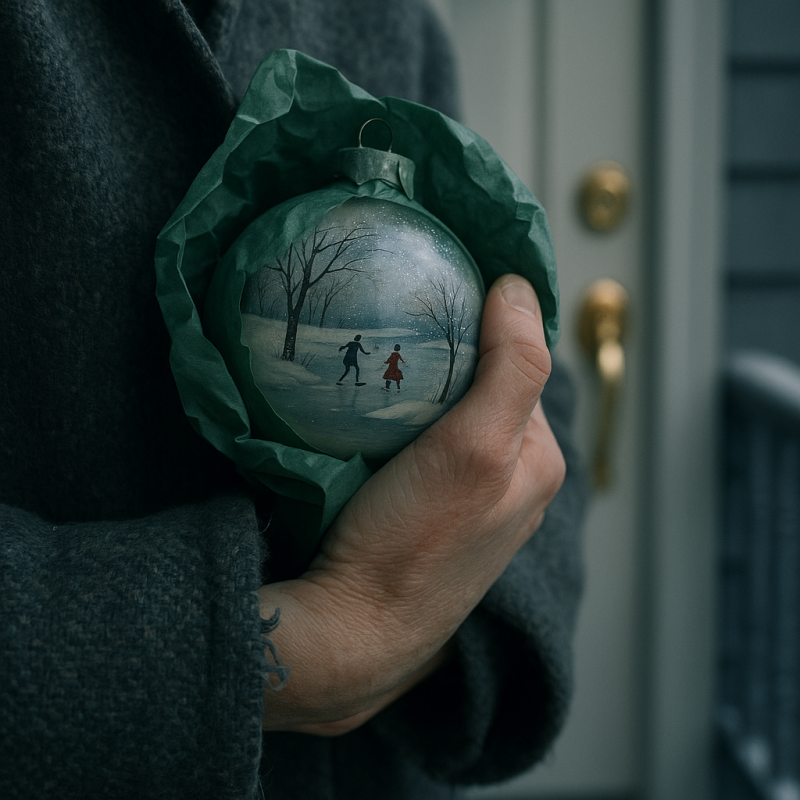 Image by RM AI
The Long Walk Home
I made it to the end of the driveway before my legs started feeling wrong — too heavy, like they belonged to someone else. The wind came off the open street and cut straight through my coat, the one she'd looked at like it was an insult. I kept walking anyway. I didn't know what else to do. The gift box was still in my arms and somewhere around the second block I noticed it — a faint rattling sound every time I shifted my grip, something loose and sliding inside the green paper. I stopped under a streetlight and just stood there for a second, listening to it. Whatever I'd made, whatever I'd spent three weeks on, it was moving around in there in pieces. I started walking again. I didn't open it. I wasn't ready to see it yet. The street was empty and the houses on either side had their lights on, warm yellow rectangles in the dark, and I kept my eyes on the sidewalk in front of me. By the time I reached the corner I was crying, though I hadn't noticed when that started. I shifted the box again and heard it rattle — and that was when I understood the ornament inside was broken.
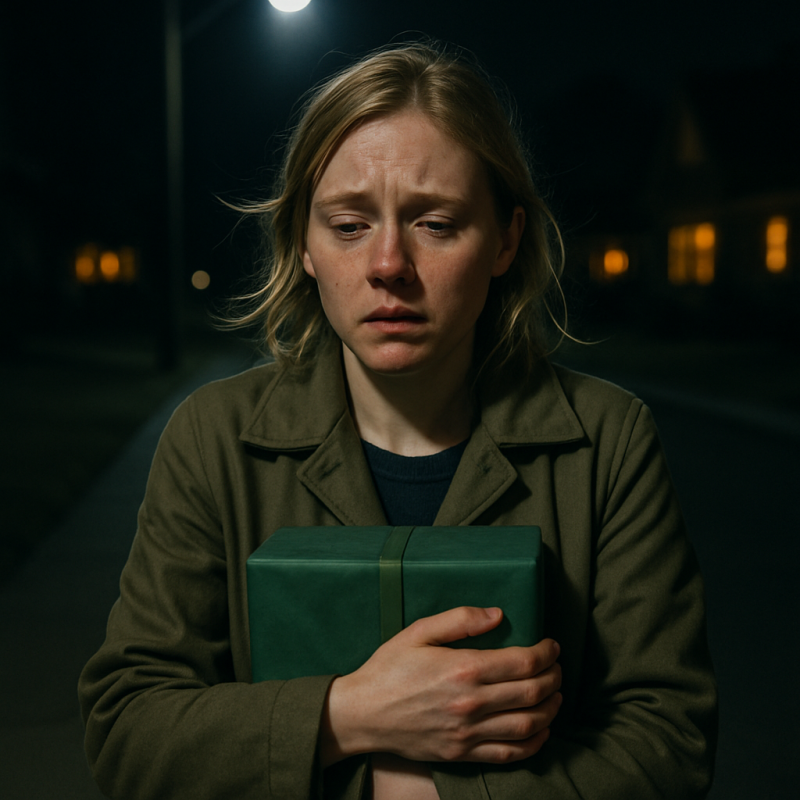 Image by RM AI
Broken Things
Back in my apartment, I set the box on the kitchen table and stood there for a minute before I could make myself open it. Three pieces. The ornament had broken into three clean pieces — the two skating figures had separated from the pond, and the pond itself had cracked down the middle. I laid them out carefully, like maybe the arrangement mattered. The paint was still perfect on each fragment. The bare trees, the frozen water, the two small figures I'd copied from a photograph of me and Chloe at maybe eight and ten years old. I'd used a fine-tipped brush for the details. I remembered sitting at this same table under this same lamp, thinking she'd love it, thinking it might be the thing that finally got through to her. I tried to fit the pieces back together. They lined up but they wouldn't hold. There was no fixing it. I left the fragments on the table and sat down on the couch and looked around the apartment — the secondhand furniture, the single window with the draft I'd stuffed a dish towel into, the string of lights I'd hung to make it feel festive. It was a small space on a good day. That night, with the broken pieces on the table and the silence pressing in from every wall, it felt smaller than it ever had.
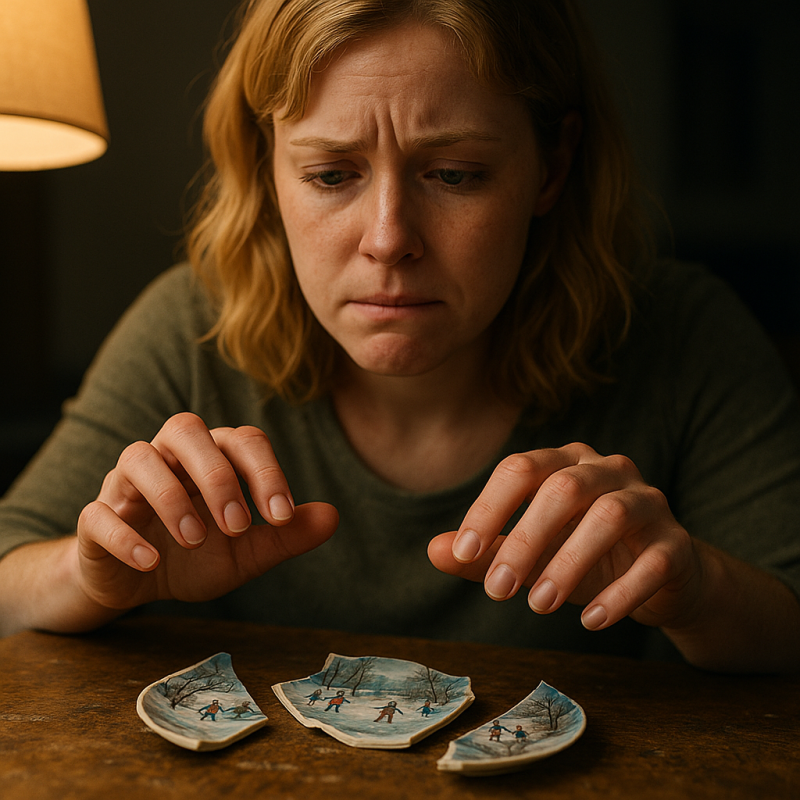 Image by RM AI
A Holiday Alone
I woke up on the holiday morning and lay there for a while before I remembered there was nowhere to be. The apartment was quiet in that specific way it gets when the whole building is empty — no footsteps above me, no doors in the hallway, nothing. I got up and made coffee and sat with the old photo album I kept on the bottom shelf, the one with the sticky plastic pages. There was a picture of me and Chloe at maybe six and eight, both of us in matching pajamas, sitting on our parents' living room floor with wrapping paper everywhere. We were laughing at something. I couldn't remember what. There were more — the four of us at the table, my mother's good dishes out, my father carving something while Chloe and I made faces at each other across the centerpiece. Those holidays had felt endless in the best way, like they'd always be there. I closed the album and made myself a simple meal and ate it standing at the counter because sitting at the table with the broken ornament pieces still laid out felt like too much. The afternoon stretched out and I didn't turn on my phone. I didn't want to see anyone else's family. By the time the light outside went gray and then dark, I hadn't spoken a single word out loud all day, and the ache of that sat in me like something with weight.
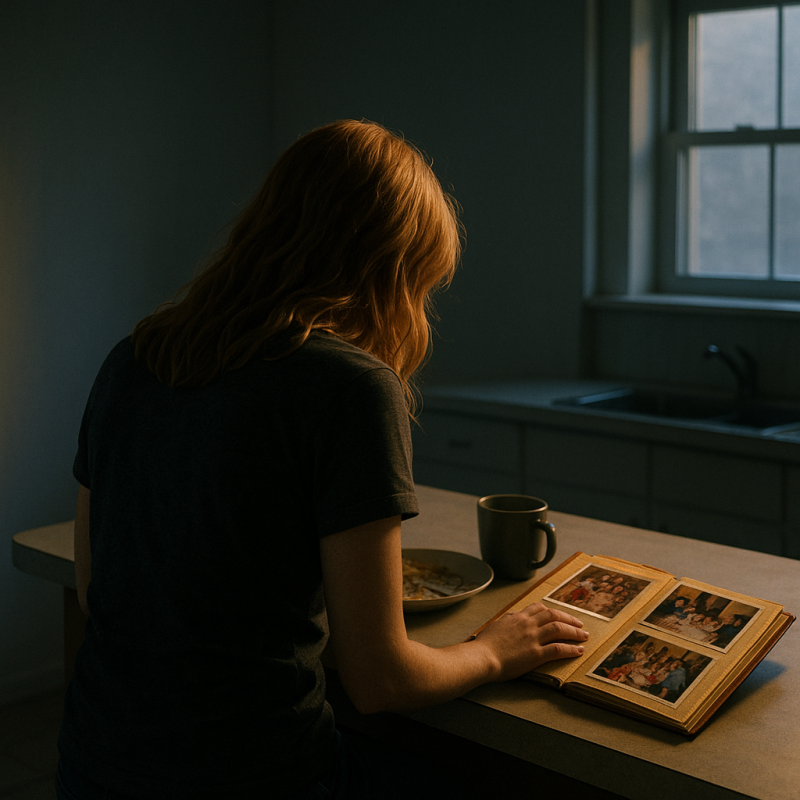 Image by RM AI
Going Through the Motions
Going back to work felt like putting on a costume. I showed up, I clocked in, I answered questions about my holiday with the same two words — 'it was quiet' — and nobody pushed further, which I was grateful for. The tasks in front of me were simple enough that I should have been able to do them without thinking, but I kept losing my place. I'd be halfway through something and Chloe's voice would come back, that flat dismissive tone, and I'd have to start over. I found myself wondering, more than once, whether she was right. Not about the coat or the boots — I knew that was cruelty dressed up as standards. But the deeper thing, the question underneath it: whether I was someone worth including. Whether I'd done something, over years of trying, that had made me genuinely unwelcome. I didn't have an answer. I just had the loop of it, playing on repeat while I tried to get through the afternoon. A coworker asked if I was feeling okay and I said I was tired, which was true enough. By the time the last hour of my shift arrived I was running on nothing. Then my phone buzzed on the desk beside me — a number I didn't recognize, no name attached to it — and the screen lit up with a message.
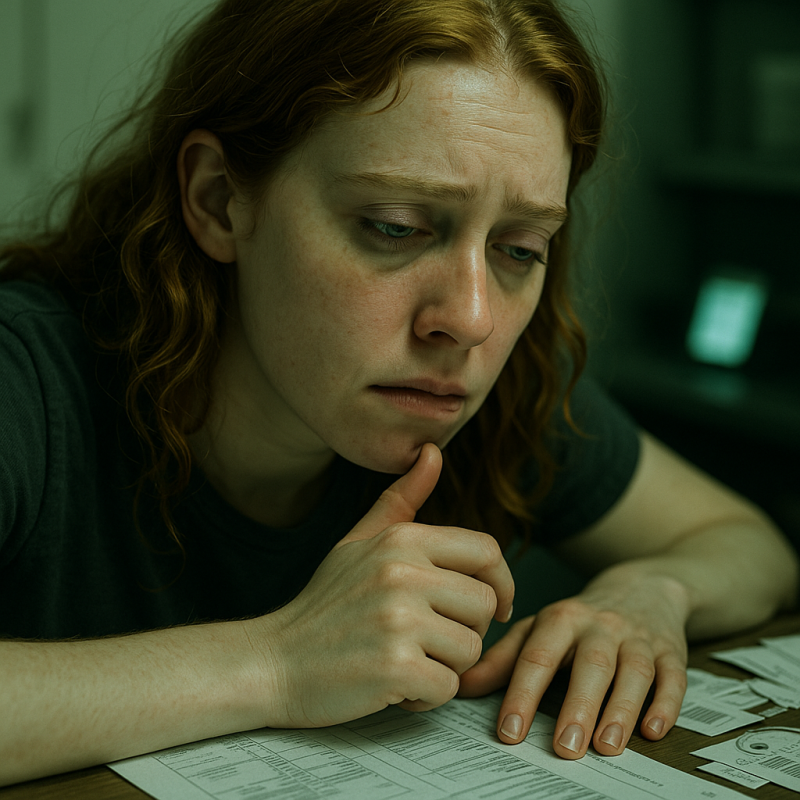 Image by RM AI
An Unexpected Call
I read the text three times before it fully landed. It said: 'Cassidy, it's your grandfather. I'd like to see you. Are you free tomorrow?' That was it. No explanation, no context. I set the phone face-down and then picked it up again almost immediately. My grandfather had a landline. He'd always had a landline. I didn't even know he owned a cell phone. I sat with it for a while, turning over the possibilities. Maybe Chloe had called him. Maybe she'd told him her version of what happened at the door and he was reaching out to smooth things over, to ask me to be the bigger person the way people always seemed to ask me to be. The thought made my stomach tighten. I almost didn't respond. I stared at the message for a long time, thinking about all the ways the conversation could go wrong. But then I thought about Arthur — the way he'd always looked at me like I was worth something, the way he'd shown up at my college graduation even when no one else did. He had never once made me feel small. I typed back: 'I can meet you tomorrow. Corner Diner, noon?' A minute later, one word came back: 'Perfect.' I set the phone down and sat with the small, fragile thing that had opened up in my chest — something that felt almost like hope, though I was afraid to call it that.
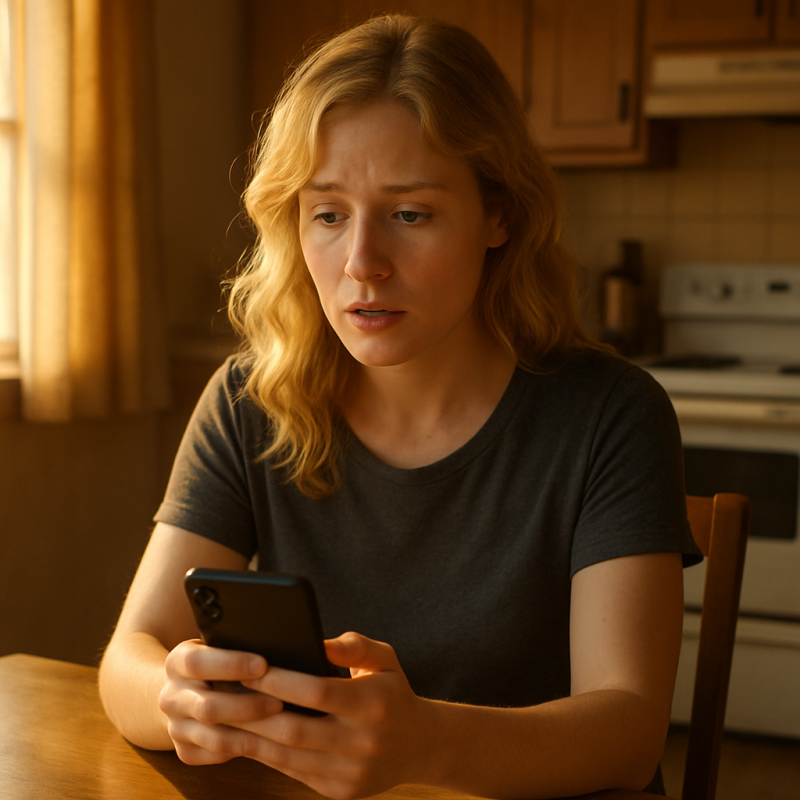 Image by RM AI
The Corner Diner
I got to the Corner Diner twenty minutes early and took a booth by the window. The waitress brought coffee without me asking, which felt like a small mercy. I wrapped both hands around the mug and watched the door. I'd been running through scenarios all morning — Arthur asking me to apologize, Arthur telling me Chloe was under stress, Arthur explaining that family meant compromise. I'd prepared answers for all of them. When he came through the door, though, I forgot every one of them. He looked serious in a way I hadn't seen before. Not angry, exactly — more like a man who had made a decision and was carrying the weight of it. He crossed the diner without looking at the menu board or the other tables, came straight to the booth, and sat down across from me. He took my hand in both of his and held it for a moment without speaking. Then he asked how I'd been since the holiday, and I started to say fine, started to give him the same answer I'd given everyone at work. He shook his head before I finished the word. 'Don't,' he said quietly. 'I need you to know something first.' He looked at me steadily across the table, his silver hair and that expression I couldn't quite read, and then he said he had been at Chloe's house that night.
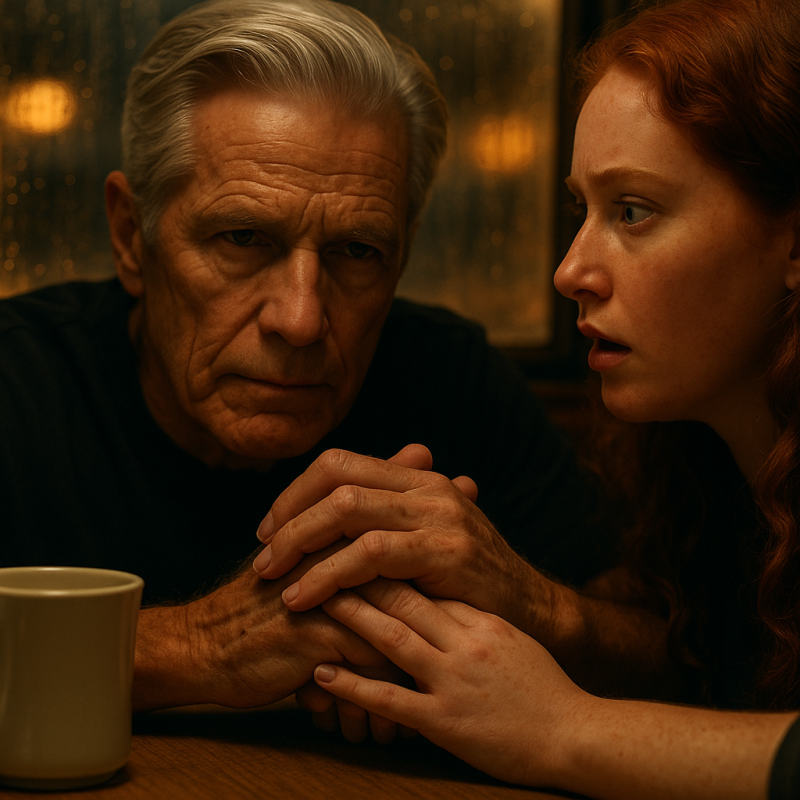 Image by RM AI
A Witness to Cruelty
I just stared at him. He kept his hands over mine and didn't look away. He said he'd arrived early to drop something off for Chloe, and he'd been standing in the front hallway when he heard the door. He heard everything. He described the way she'd pushed the gift back at me — he said 'shoved,' and hearing that word from him made my throat close up. He told me he'd watched from the sidelight window as I walked down the driveway, and that he could see my shoulders shaking. He said he'd stood there with his hand on the door handle and hadn't gone after me, and that he was sorry for that, and the way he said it made clear he'd been carrying that regret since the moment it happened. I asked him why he hadn't come out. He said he needed to think before he acted, that he didn't want to do something in anger that wouldn't hold. I didn't fully understand what he meant by that yet. What I understood was that someone had been there. Someone had seen exactly what happened and hadn't dismissed it or explained it away or asked me what I'd done to provoke it. Arthur looked at me across the table and said, 'You did nothing wrong. Not one thing.' The tears came before I could stop them, and I didn't try. For the first time since that night, the feeling of being seen settled over me like something warm.
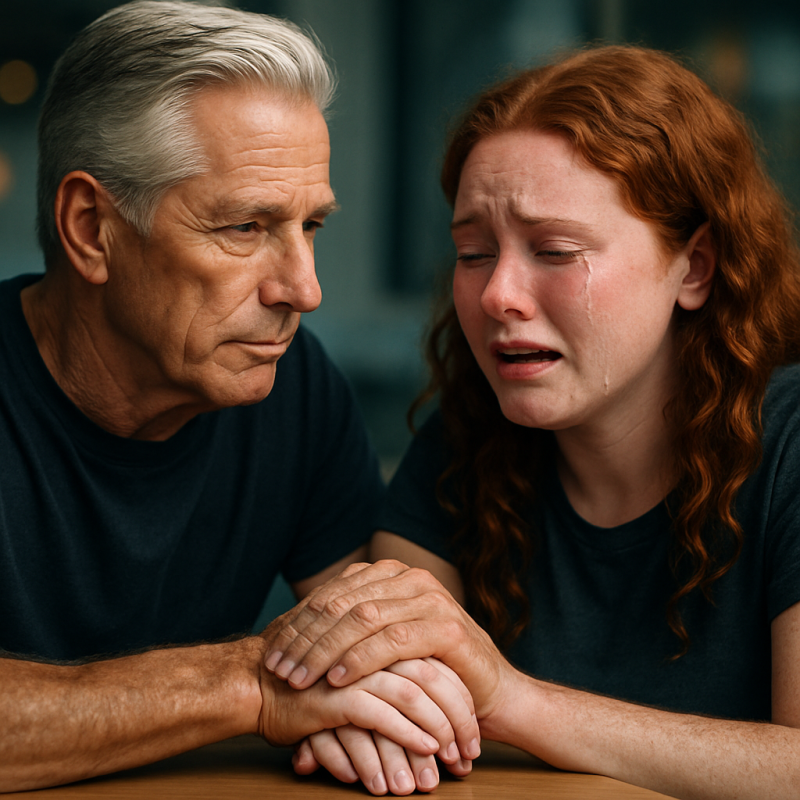 Image by RM AI
The Will
I thought he'd brought me there just to tell me he'd seen what happened — that the conversation was about comfort, about being believed. I wasn't prepared for what came next. Arthur set down his coffee cup, folded his hands on the table, and told me he'd called Margaret the same night he watched me walk down that driveway. He said he hadn't slept. He said he'd sat in his study until two in the morning thinking about what kind of man he wanted to be, and what kind of family he wanted to leave behind. I started to say something — I'm not even sure what — and he held up one hand, gently, the way he always did when he needed me to just listen. He told me the changes were already done. Filed. Legal. Final. I asked him what changes, even though something in my chest had already started to understand the shape of what he was saying. He looked at me steadily, the way he always did when he meant every single word, and said that everything — all of it — was going to me now.
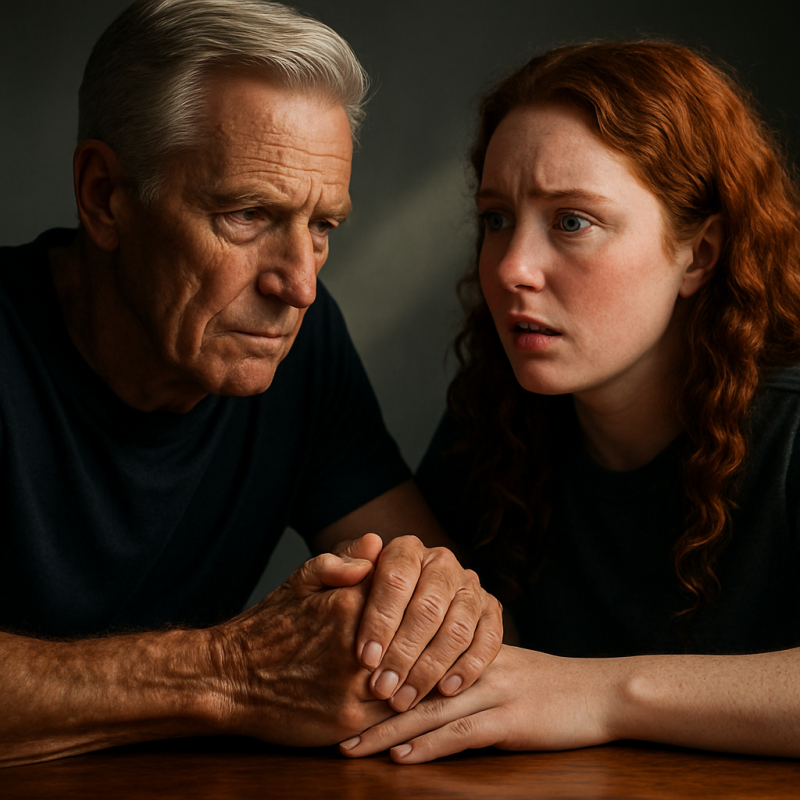 Image by RM AI
I Don't Want a War
I pushed back from the table like the words had physically moved me. I told him no. I told him I hadn't asked for this, hadn't wanted it, hadn't done anything to deserve it over Chloe. He said he knew that. I told him this was going to blow everything up — that Chloe would never forgive me, that the whole family would fracture, that I'd spend the rest of my life being the person who took something from my sister. My voice cracked on that last part and I hated it. Arthur didn't flinch. He said, very quietly, that Chloe had made her own choices, and that those choices had consequences, and that none of that was my doing. I told him I didn't want to be the reason for a war. He said I wasn't the reason — I was just the one who'd been hurt. We sat there for a long time after that, and I couldn't find an argument he hadn't already thought through. He wasn't going to change his mind. I could feel that as clearly as I could feel the chair beneath me. And somewhere underneath my protests, a cold, quiet dread had started to settle — because I knew my sister, and I could already sense what was coming.
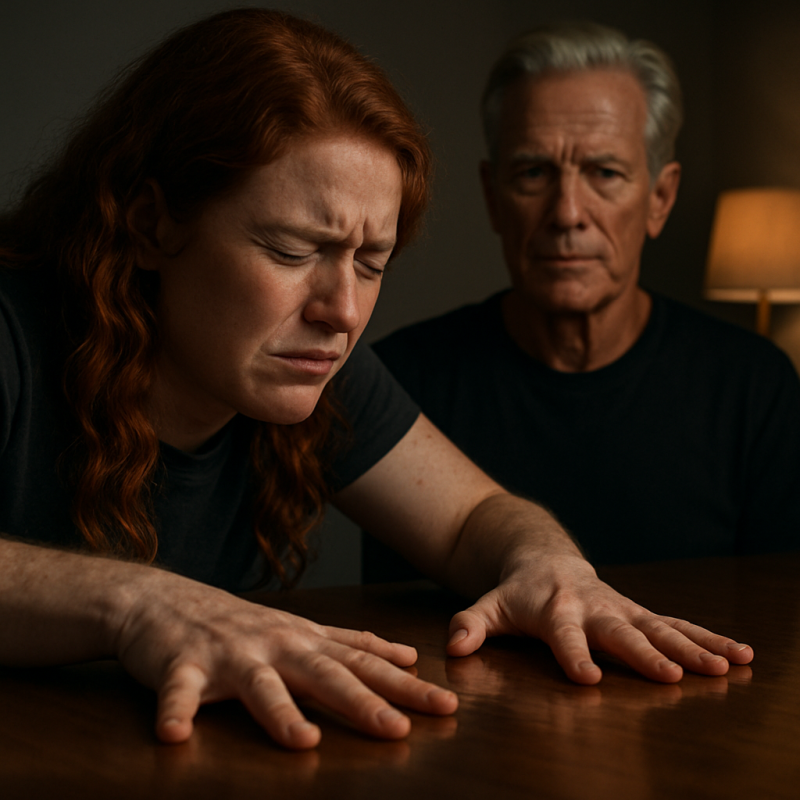 Image by RM AI
Values, Not Revenge
He asked me to come back a few days later. I almost didn't. When I sat down across from him that second time, he didn't wait for me to start arguing again. He told me he wanted me to understand something clearly: this wasn't about punishing Chloe. He said that twice, and I believed him both times. He told me he'd watched both of us grow up — watched us navigate the same family, the same holidays, the same losses — and that what he'd seen wasn't two people who'd turned out differently by accident. He said he'd watched me show up for people who couldn't do anything for me in return. He mentioned the year I'd spent driving our grandmother to her appointments without being asked. He mentioned the way I'd handled losing my job — not with bitterness, but with something he called grace, though I'd never have used that word for it myself. He said real family wasn't about what you accumulated. It was about how you treated people when it cost you something. I stopped trying to argue. I just listened. And when he finished, the room felt very still, and his voice carried the kind of quiet certainty that doesn't leave room for doubt.
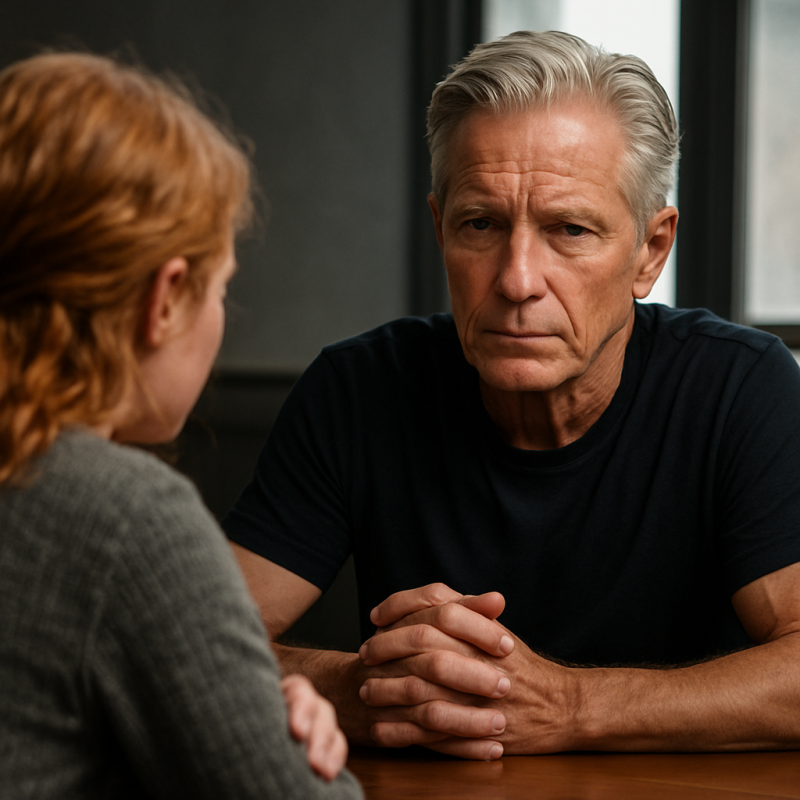 Image by RM AI
The Warning
My phone rang on a Tuesday evening while I was washing dishes. My aunt Rachel's name on the screen made me dry my hands slowly, the way you do when you already sense the call isn't good news. She was speaking in a low, tight voice, the kind people use when they're in a room with other people and don't want to be overheard. She told me Arthur had gathered the family that afternoon — not everyone, just the closer ones — and that he'd told them about the changes to the will. She said she was calling to warn me before Chloe got to me first. I asked how Chloe had taken it. Rachel paused, and in that pause I could already hear something in the background — a voice, high and sharp, cutting through whatever room my aunt was standing in. Rachel said she'd never seen Chloe like this. She said she was sorry, that she wished she had better news, that she was going to try to calm things down. I thanked her and stood very still in my kitchen. Then the background noise shifted, and through the phone I heard my sister's voice — raw and furious and unmistakably aimed at me.
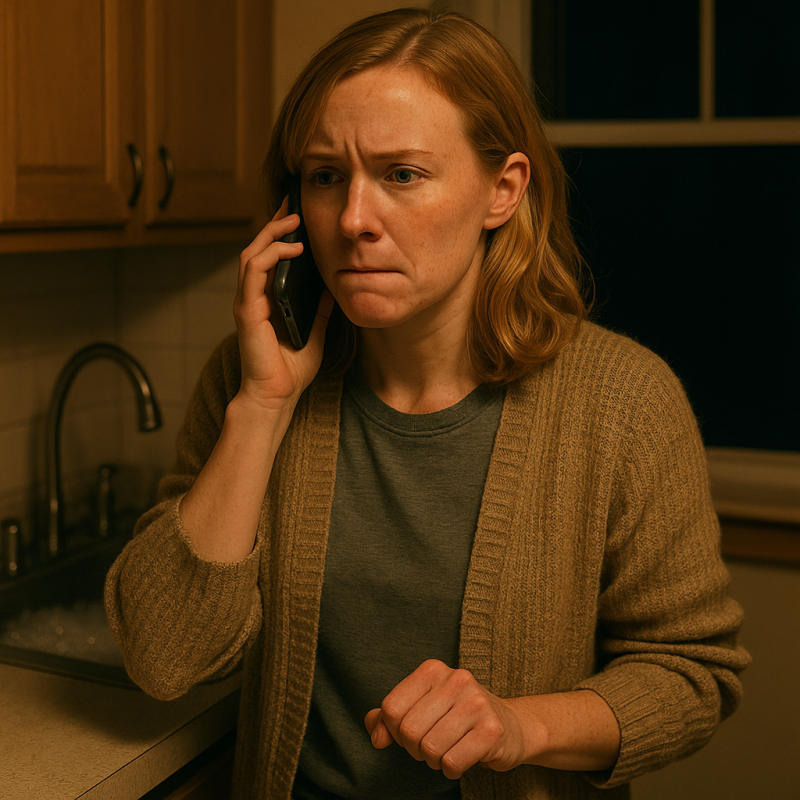 Image by RM AI
Voicemail Venom
I didn't answer any of the calls. I watched them come in — six in two hours — and let every one go to voicemail. Then I sat on my couch and listened to them in order, which was probably a mistake. The first one was loud from the very first second. Chloe's voice was shaking with the kind of anger that sounds almost like crying, and she said I had manipulated a lonely old man into cutting out his own granddaughter. The second message was worse. She called me a liar. She called me calculating. She said I'd spent years playing the poor, sad little sister just to get to this moment. The third one dropped into something colder, and she said she'd spoken to a lawyer and I shouldn't get comfortable. By the fourth and fifth messages, the words started blurring together — the same accusations cycling back, louder each time, like she was trying to find the version that would finally break something. I sat there through all of it without moving. When the last message ended, the voicemail app returned to its menu screen, and the apartment went completely quiet around me.
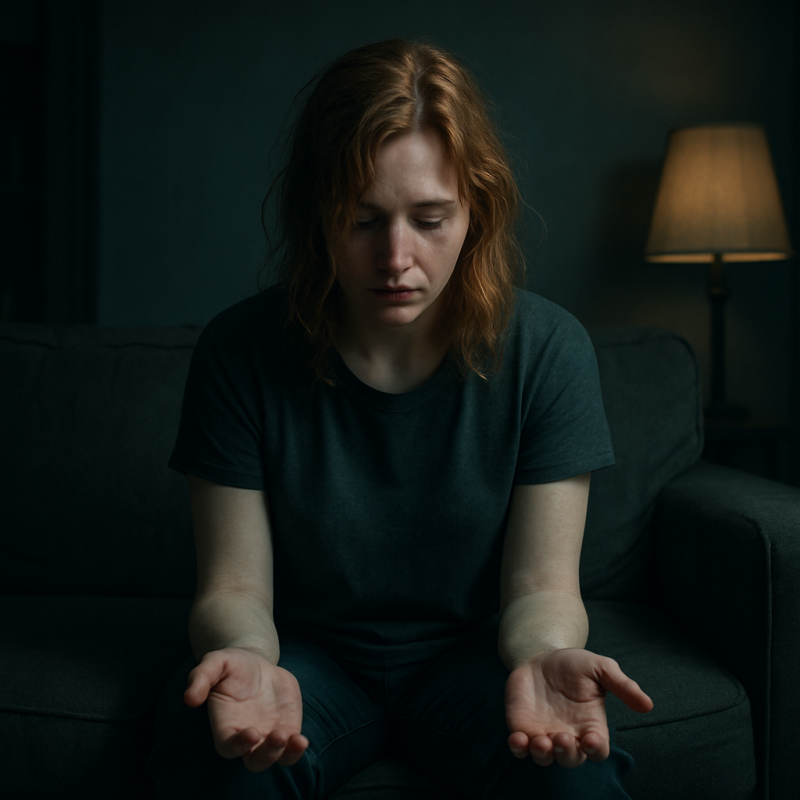 Image by RM AI
Blocking the Noise
I woke up the next morning to seventeen missed calls and a string of texts that started at midnight and ran through to five a.m. I didn't read all of them. I read enough. The words were the kind you can't unhear — specific and aimed, the sort of thing that tells you someone has been lying awake composing them. I sat on the edge of my bed for a long time, phone in my hand, trying to figure out what I was supposed to do with all of it. I thought about calling her back. I thought about what I would even say. I thought about how this had been going on for days now and showed no sign of stopping on its own. Eventually I opened my phone settings. I found her contact. My thumb hovered over the block option for a moment — not because I was unsure, but because I understood what it meant. Blocking your sister isn't a small thing, even when she's screaming at you. I pressed confirm. The contact went quiet. And I sat there in the morning light feeling two things at once — a loosening in my chest that I hadn't realized I'd been holding, and a grief I didn't quite have words for yet.
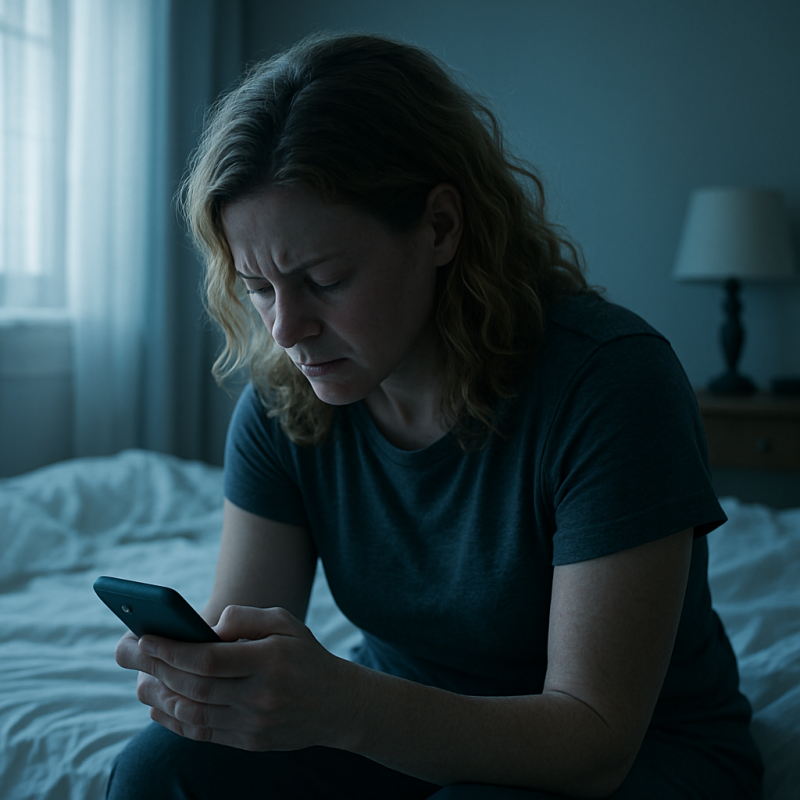 Image by RM AI
Making It Official
I wasn't there, of course. Arthur told me about it afterward, and I've turned the details over enough times that they feel almost like a memory. He arrived at Margaret's office on a Thursday morning, early, the way he always was for anything that mattered to him. Margaret had everything prepared — the updated documents laid out in order, each change flagged with a small tab. Arthur told me she went through every clause carefully, reading the key sections aloud, pausing to make sure he understood each one. He said she asked him, at the end, whether he was certain. He told me he'd almost laughed at the question — not unkindly, but because he said the answer had never felt like a question to him. He said he told her he'd been certain since the night he stood at that sidelight window and watched me walk away. Margaret slid the final page across the desk. Arthur picked up the pen, and without pausing, signed his name at the bottom of the last page of the new will.
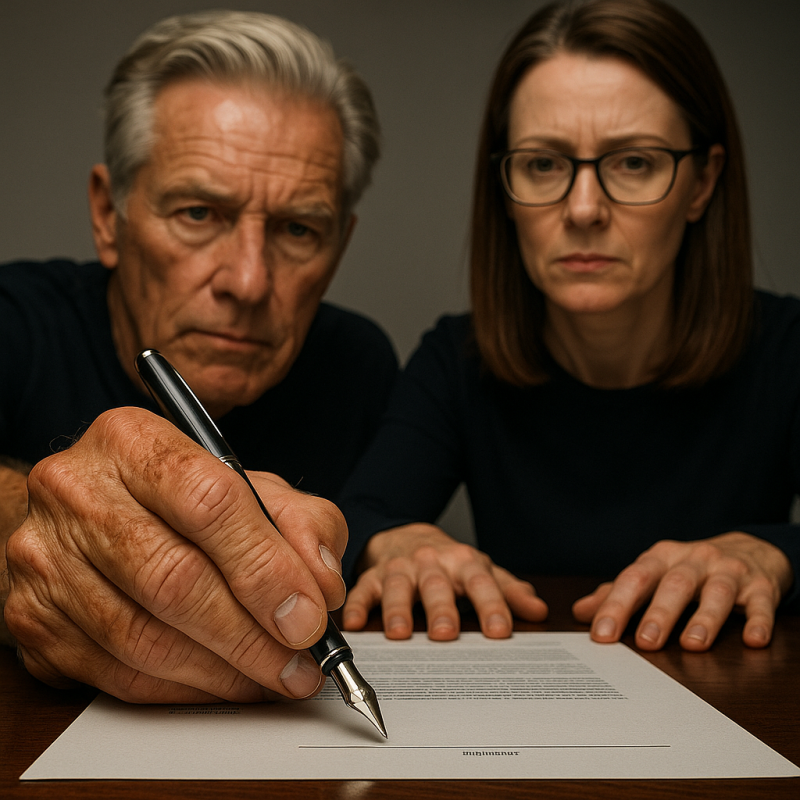 Image by RM AI
Taking Sides
The calls started coming in waves. A cousin on my mother's side left a voicemail saying she was proud of me and that it was about time someone stood up to Chloe. An uncle I hadn't spoken to in three years sent a text calling me a troublemaker and asking how I could do this to the family. Two more cousins weighed in by the end of the day — one supportive, one furious — and I stopped keeping track of which was which. My aunt Rachel called in the afternoon, and I could hear how tired she was. She said she wasn't taking sides, that she loved everyone involved, that she just wanted people to stop hurting each other. I told her I understood, and I meant it, even though I also knew that staying neutral in something like this was its own kind of exhaustion. I sat with my phone on the kitchen table and watched the notifications stack up, feeling the shape of something I hadn't wanted to be true: the family was splitting, and it was splitting along lines that had probably been there for years. Then a name appeared on my screen that I hadn't seen in almost four years — my cousin Stephanie, who'd moved across the country after the last big family falling-out — and her message was only three words long.
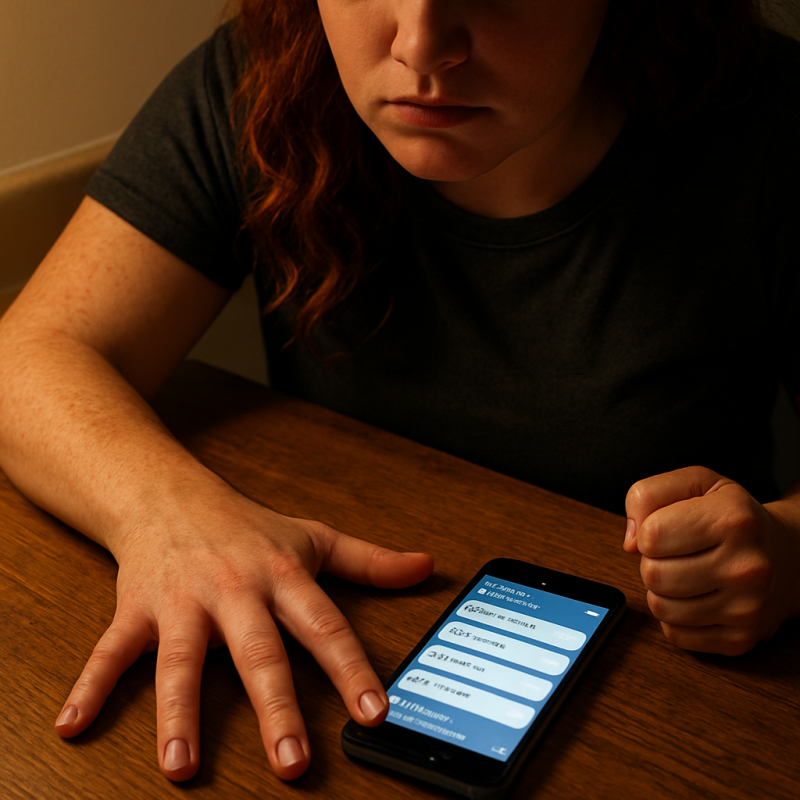 Image by RM AI
Normal Life
I made a deal with myself that morning: one normal day. No checking the family group chat, no replaying voicemails, no running through what I should or shouldn't have said. I got up, made coffee, and went to work like a person whose life wasn't quietly unraveling. My coworker Jen asked if I wanted to grab lunch at the sandwich place down the block, and I said yes without hesitating, because sitting alone with my thoughts felt like the worst possible option. We talked about her cat and a show she'd been watching, and I laughed at something she said, and for about forty minutes I felt almost like myself again. After work I stopped at the grocery store, picked up a few things I actually needed, and told myself that this was what life looked like — ordinary errands, ordinary evenings. I walked the last two blocks to my building as the sky went that particular shade of gray-orange it gets in early evening, and I was already thinking about what I'd make for dinner. Then I turned the corner onto my street and stopped walking. A silver luxury car sat parked directly in front of my building.
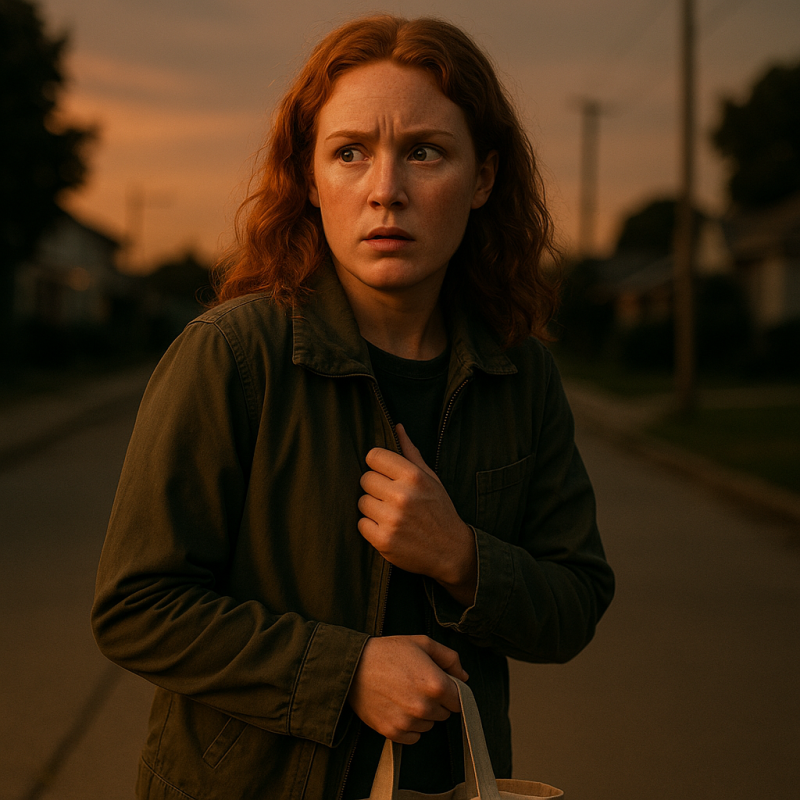 Image by RM AI
The Mediator
My whole body went tight before I even got close enough to see who was inside. Then the door opened and my aunt Rachel stepped out, not Chloe, and I let out a breath I hadn't known I was holding. She gave me a small, tired smile and asked if we could talk. I said yes, because saying no to Rachel has never been something I've been able to do. Up in my apartment she sat on my couch with her hands folded in her lap and told me the family was fracturing, that people were choosing sides, that it was getting worse every day. She asked me to think about reaching out to my sister. Not to apologize, she was careful to say that, but just to open a door. I told her I hadn't closed the door — that the door had been closed in my face, literally, and that I hadn't been the one to start any of this. Rachel nodded like she already knew that. She said she knew it wasn't fair, that she wasn't saying it was, but that sometimes the person who gets hurt is also the only one capable of stopping the bleeding. I didn't have an answer for that. After she left, I sat in the quiet of my apartment, and the weight of what she'd asked me to carry settled over me like something I hadn't agreed to hold.
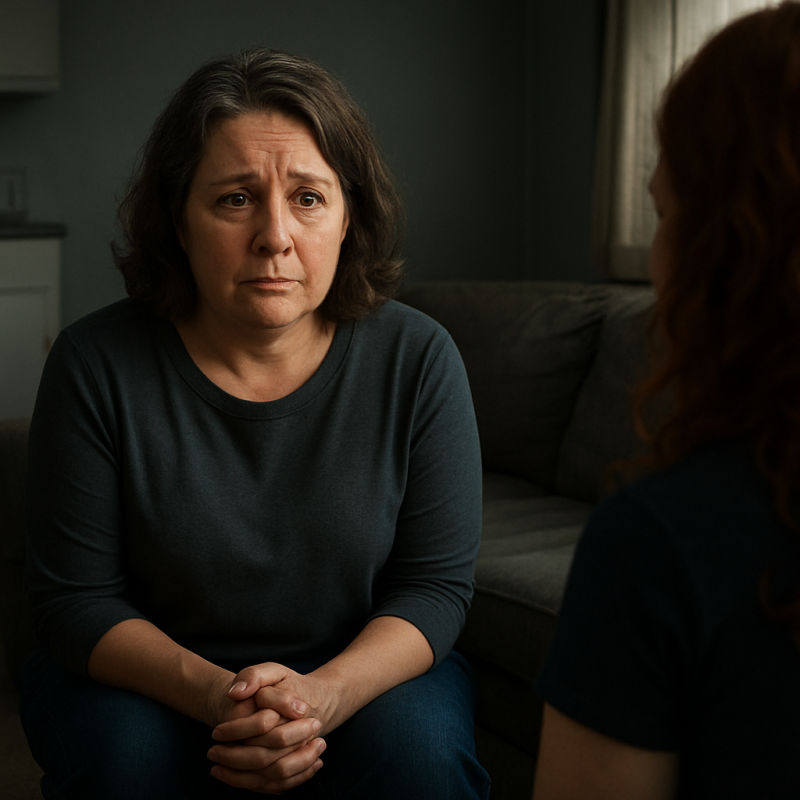 Image by RM AI
Something Doesn't Add Up
I sat there for a long time after Rachel left, not turning on the TV, not picking up my phone. I kept coming back to my sister. I'd grown up watching Chloe care deeply about appearances, about having the right things and being seen in the right places. That wasn't new. But something about the past few weeks felt different from the Chloe I'd always known. The Chloe I grew up with was cold when she wanted to be, dismissive, capable of real cruelty — but she was also controlled. She didn't lose her composure. She didn't leave frantic voicemails. She didn't scream at people in parking lots. The version of my sister I'd been hearing about lately felt almost frantic, like someone running from something rather than just protecting what she had. I thought about the way her voice had sounded in those messages — not just angry, but something underneath the anger that I couldn't quite name. Greed I understood. Entitlement I understood. But this felt like something else, something with more edges to it. I told myself I was probably reading too much into it. But the feeling that I was only seeing part of the picture stayed with me long after the room went dark.
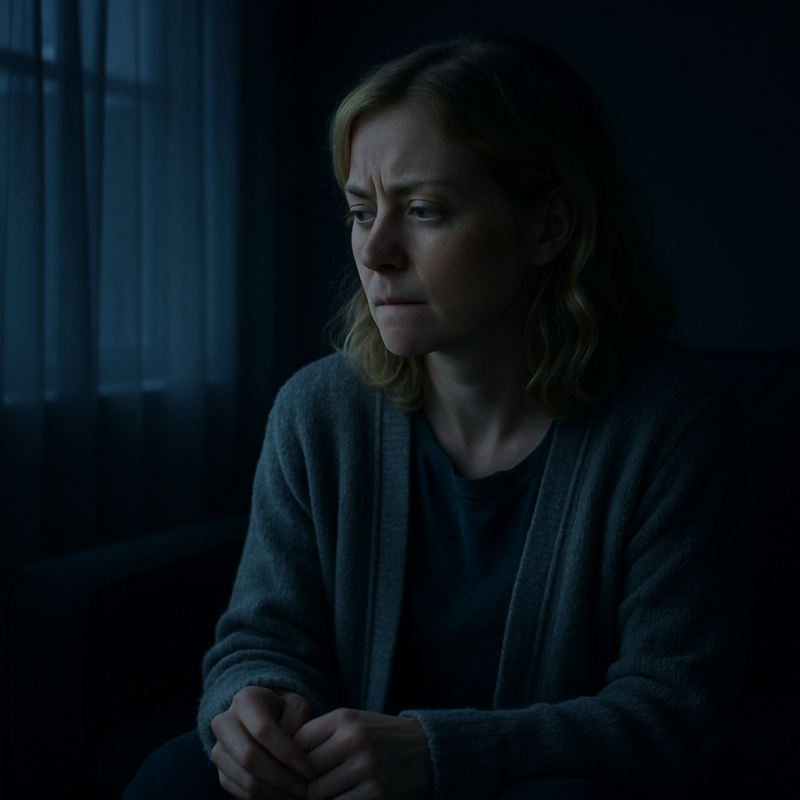 Image by RM AI
The Scene
Rachel called the next morning while I was still drinking my first cup of coffee. She'd been at a family dinner the night before — one of those gatherings at my uncle's house that I hadn't been included in, which didn't surprise me. She said she was calling because something had happened and she thought I should know. My sister had shown up and within twenty minutes had turned the conversation to the will, to Arthur, to what she called the unfairness of all of it. Rachel said people had tried to change the subject, tried to redirect, but Chloe kept bringing it back. Her voice had gotten louder. She'd started repeating herself. My aunt said she'd watched my brother-in-law Blake put his hand on Chloe's arm at one point, and Chloe had shaken him off. I asked Rachel what happened next, and she paused before answering. She said she'd never seen my sister like this in her entire life — not at any family fight, not at any of the hard moments they'd been through together. Then Rachel told me that at some point, in front of everyone, Chloe had just broken down crying.
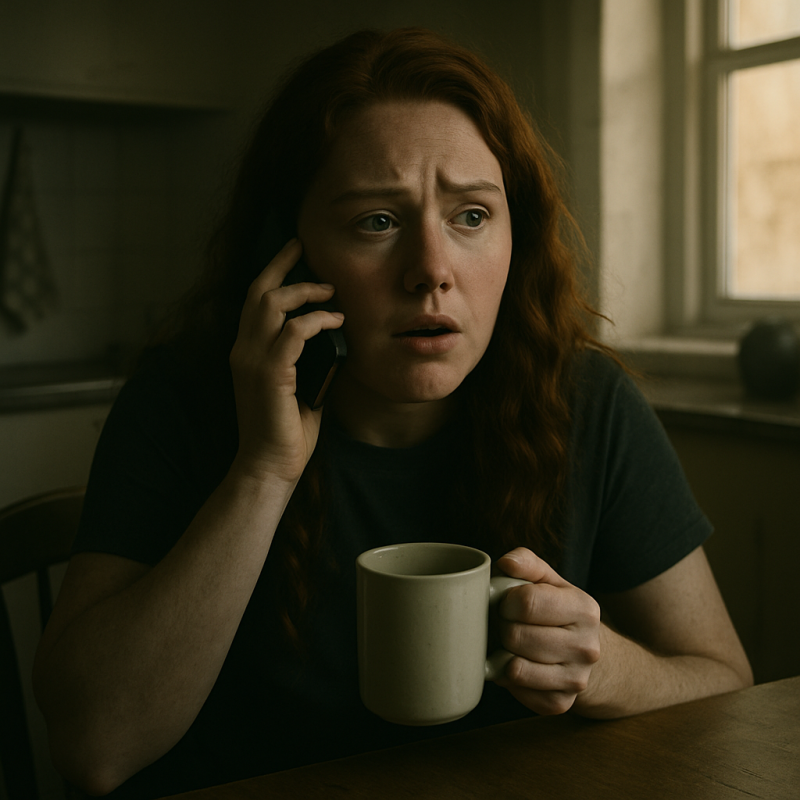 Image by RM AI
A Request for Money
I met my grandfather for coffee two days later at the diner we'd been going to since I was small enough to sit on the spinning stools at the counter. He looked well, steady in the way he always was, and for a little while we just talked about ordinary things — the book he was reading, the weather turning. Then he set down his mug and told me there was something he hadn't mentioned when we'd last spoken. About three weeks before the door incident, my sister had called him. She'd asked him for a loan. I asked how much, and when he told me the number I set my own mug down a little too hard. It was the kind of amount that doesn't come up in a casual phone call between family members. He said he'd asked her what it was for, and she'd been vague — something about an investment opportunity, something about timing. He said the explanation hadn't quite held together, and when he'd pressed her gently she'd gotten short with him, which wasn't like her when she was trying to get something she wanted. He'd told her no. I turned that timeline over in my mind — the loan request, then the will change, then the door. I sat with the shape of it, not sure yet what it meant.
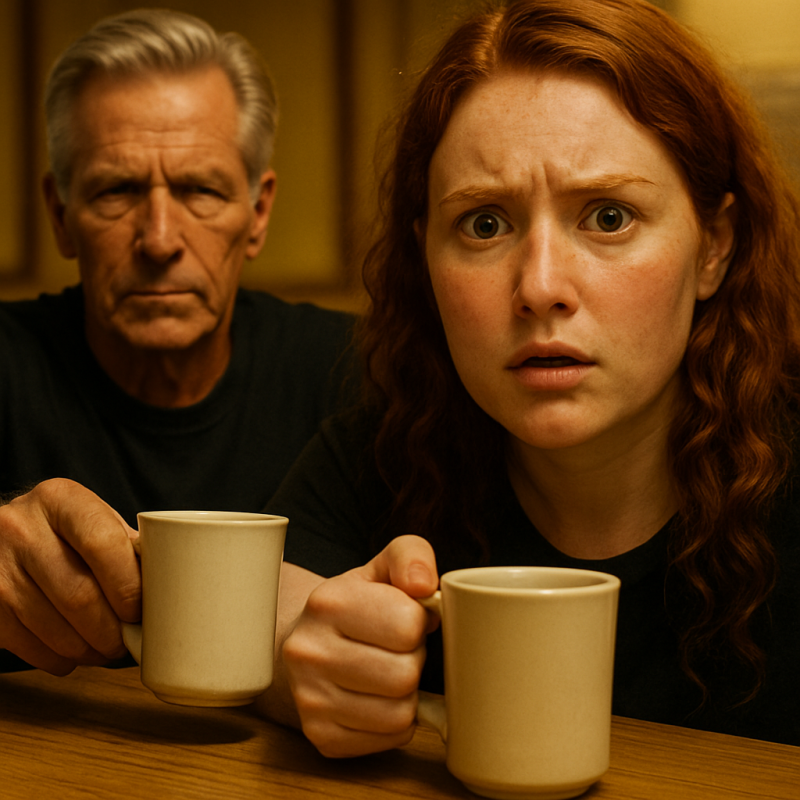 Image by RM AI
Lavish Spending
Back in my apartment that evening I found myself scrolling through my sister's social media without really meaning to. I'd muted her months ago but I hadn't unfollowed her, and the posts were all still there. Last spring there had been the kitchen renovation — the kind with the marble countertops and the custom cabinetry that she'd photographed from every angle. Over the summer it was the wardrobe, designer pieces she'd tagged carefully, the kind of clothing I'd seen in store windows and never gone inside. In the fall there were the Europe photos, two weeks of them, restaurants and coastlines and hotel rooms with high ceilings. Every few months something new, something bigger, something that got its own set of carefully lit photographs. I wondered how they were affording all of it — the renovations, the clothes, the travel — but I didn't have enough information to do anything more than wonder. Then I remembered something my sister had mentioned in passing at a family event earlier in the year, almost as an aside, like it was too obvious to dwell on — the new car, silver, luxury brand, bought just two months ago.
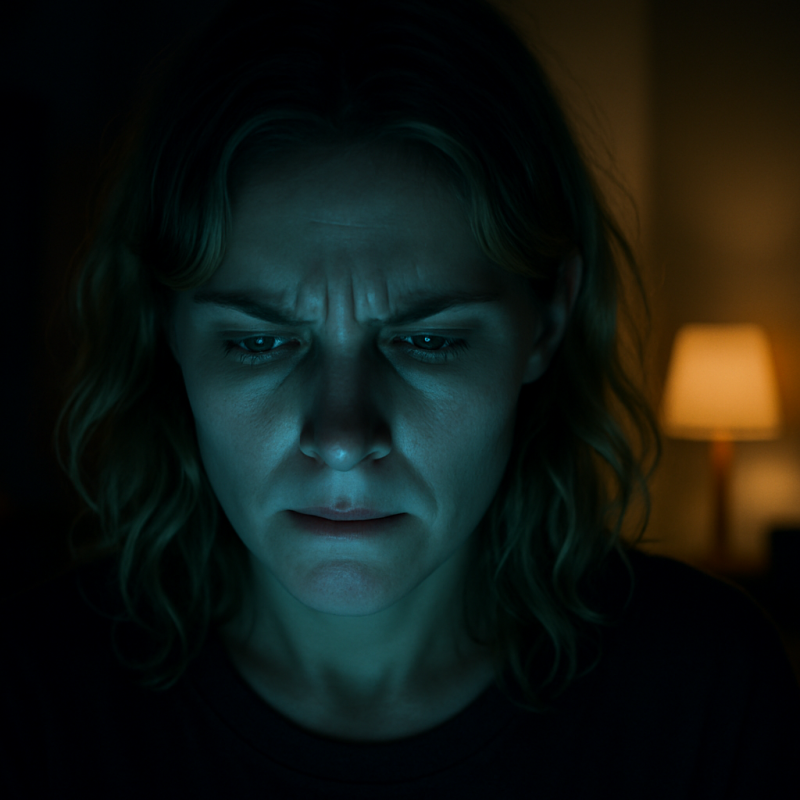 Image by RM AI
Blake's Job
I kept thinking about my brother-in-law Blake. Chloe had always talked about his career the way she talked about everything she was proud of — loudly, with details, making sure everyone in the room understood what it reflected about her life. So I could remember clearly the conversation, maybe six or seven months back, when she'd announced his promotion. She'd said the title, the new responsibilities, something about a corner office. I remembered nodding and saying congratulations and her barely acknowledging it because she was already moving on to the next thing she wanted people to know. But sitting there now, I tried to remember the last time she'd mentioned his work at all. Not just the promotion — anything. A project, a work trip, a complaint about his hours. I scrolled back through the few text exchanges we'd had in recent months and found nothing. No updates, no offhand comments, none of the casual professional bragging that had always been part of how she talked about their life. The quiet around that promotion sat with me in a way I couldn't easily set aside.
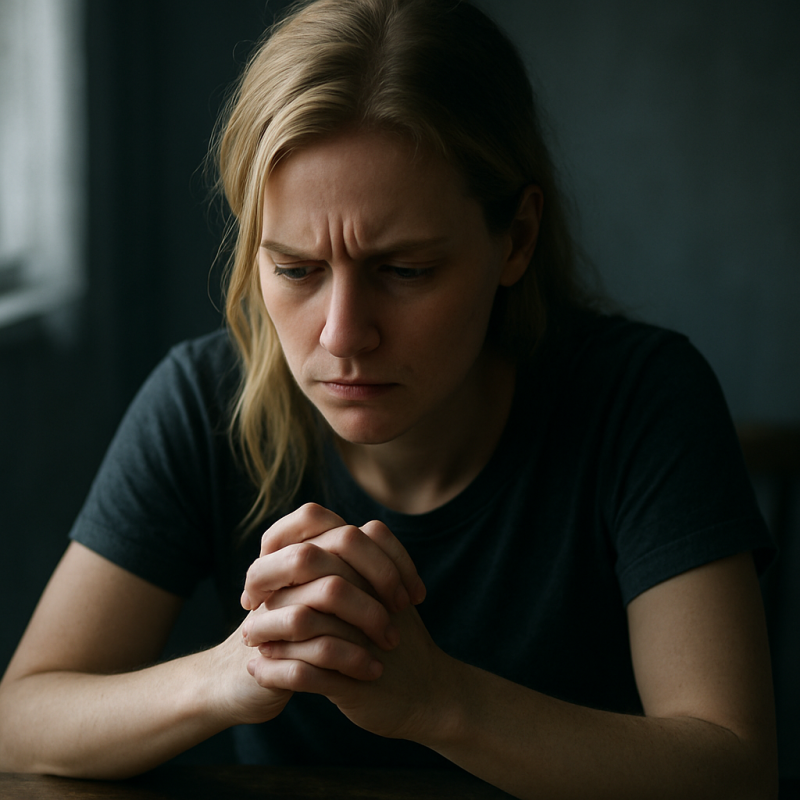 Image by RM AI
The Loan Request
My grandfather called that evening, and I could tell from the way he opened the conversation that he'd been thinking about it too. He said he wanted to tell me more about the phone call with my sister, that he hadn't wanted to get into all of it over coffee. He said what had stayed with him wasn't the amount she'd asked for or even the vagueness of her explanation. It was her voice. He said she'd sounded different — not the Chloe who called him on his birthday and asked careful questions about his health, not the version of her that knew how to be charming when she needed something. He said there had been a speed to it, a pressure, like she was trying to get through the conversation as fast as possible. When he'd asked her to slow down and explain, she'd gotten defensive almost immediately, which he said had surprised him more than anything else. He'd known my sister a long time. He knew how she sounded when she wanted something from him. This hadn't felt like that. He said he couldn't shake the sense that something had been wrong — more wrong than she was letting on. I held the phone after we hung up, thinking about the edge he'd described in her voice, and what it would take to put that kind of pressure into a person.
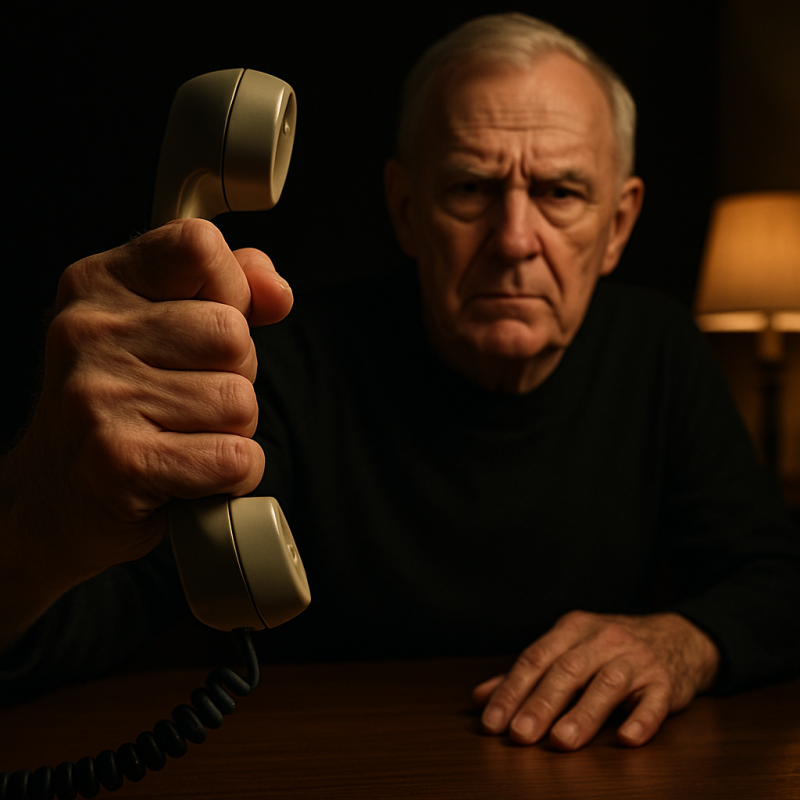 Image by RM AI
Real Trouble
I paced my apartment for a long time after hanging up with my grandfather, turning everything over in my head. The extreme reaction at the door. The desperate phone call asking for money. The way she'd behaved at the last few family gatherings — brittle and distracted, like she was holding something together with both hands and couldn't afford to let go for even a second. I'd spent months telling myself it was just Chloe being Chloe, that the cruelty was the whole story. But standing there in my kitchen, I couldn't quite make that fit anymore. Greed I understood. This felt like something else — something with more weight to it, more urgency. Part of me wanted to leave it alone. She'd slammed a door in my face. She'd made it clear what she thought of me. I didn't owe her anything, and I knew it. But the other part — the part that had grown up with her, that remembered who she was before all of this — kept pulling at me. I grabbed my phone off the counter and went to her contact. She was still blocked. I stared at the screen for a long moment, then I unblocked the number.
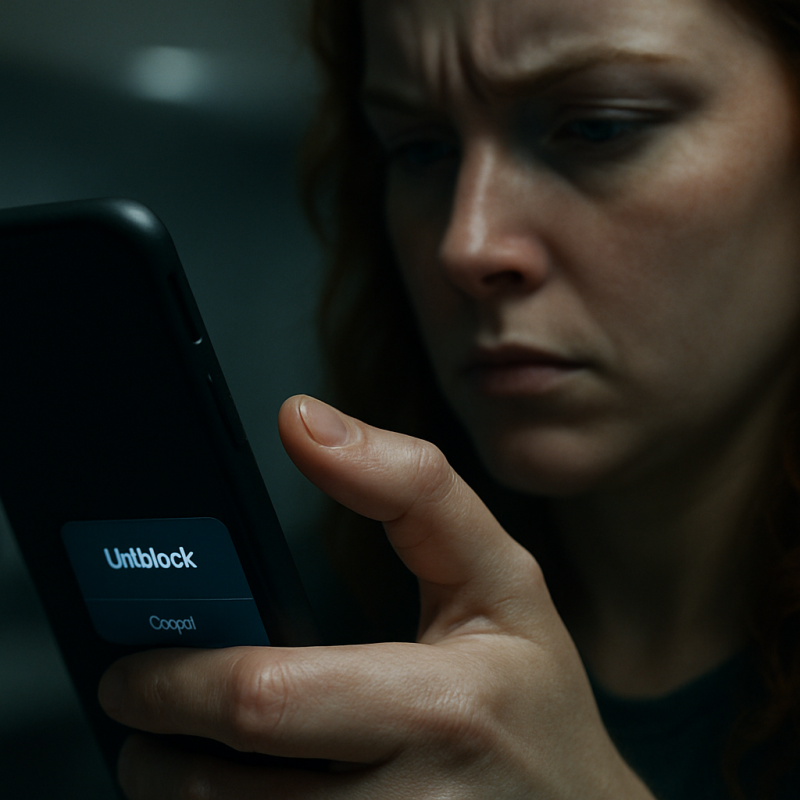 Image by RM AI
The Call
The phone rang less than three minutes later. I almost didn't answer. I stood there watching her name light up the screen, my thumb hovering, and then I picked up. She said my name first — just that, nothing else for a second, like she needed to confirm I was actually there. Her voice was different. I don't know how else to say it. The sharpness was gone, the clipped impatience she usually carried like a second skin. What was left sounded tired in a way that went deeper than a bad night's sleep. She asked if we could talk in person. She said she knew she didn't have any right to ask, and she said it plainly, without the usual performance of graciousness that made everything she said feel like a transaction. I told her I wasn't sure. She said she understood. There was a pause, and in it I could hear her breathing, slow and careful, like she was working to keep herself steady. I didn't say yes. I didn't say no. I just stood there in my apartment holding the phone, trying to reconcile the voice on the other end with the sister I thought I knew, and the quiet between us settled around something I couldn't quite name.
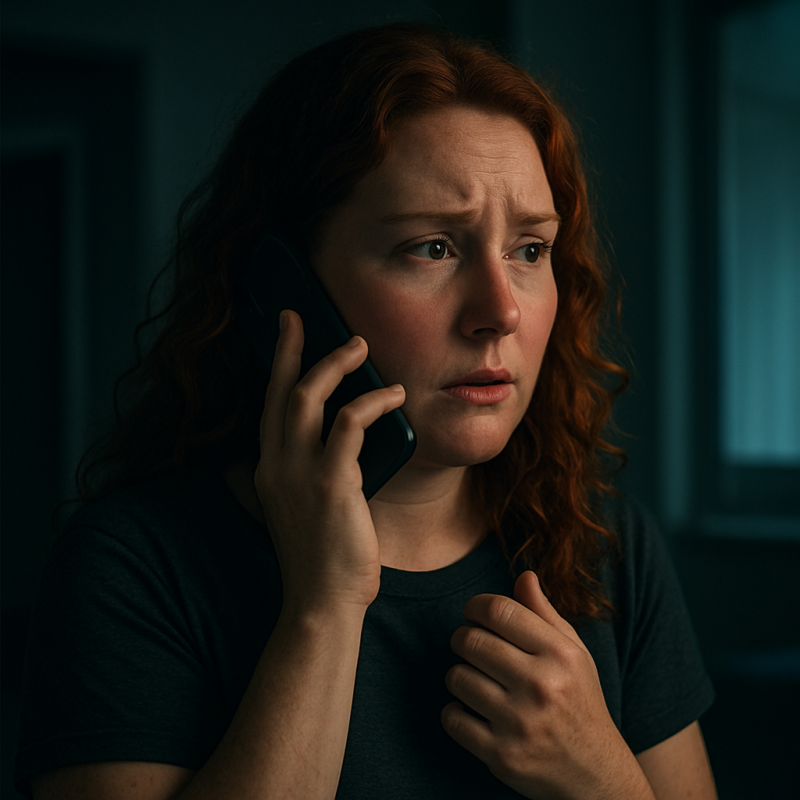 Image by RM AI
Neutral Ground
I called her back the next morning and suggested a coffee shop downtown — a busy place with big windows and plenty of people around. I picked it on purpose. If things went sideways, I could be out the door in thirty seconds without a scene. I told myself that on the drive over, and again when I circled the block looking for parking. I arrived ten minutes late deliberately, thinking it would give me the advantage of walking in rather than sitting and waiting. I ordered at the counter first, paid for my own drink, and took a breath before I turned toward the tables. I'd told myself I was ready. I'd told myself I had my guard up and my exit planned and nothing she could say would knock me off balance. I reminded myself of the door. I reminded myself of her face that day — the contempt in it, the way she'd looked at my clothes like they were something she'd found on the bottom of her shoe. I held all of that in my chest like a shield as I scanned the room. She was already there, sitting at a corner table with her hands wrapped around a cup, and something about the way she was sitting stopped me before I'd taken two steps.
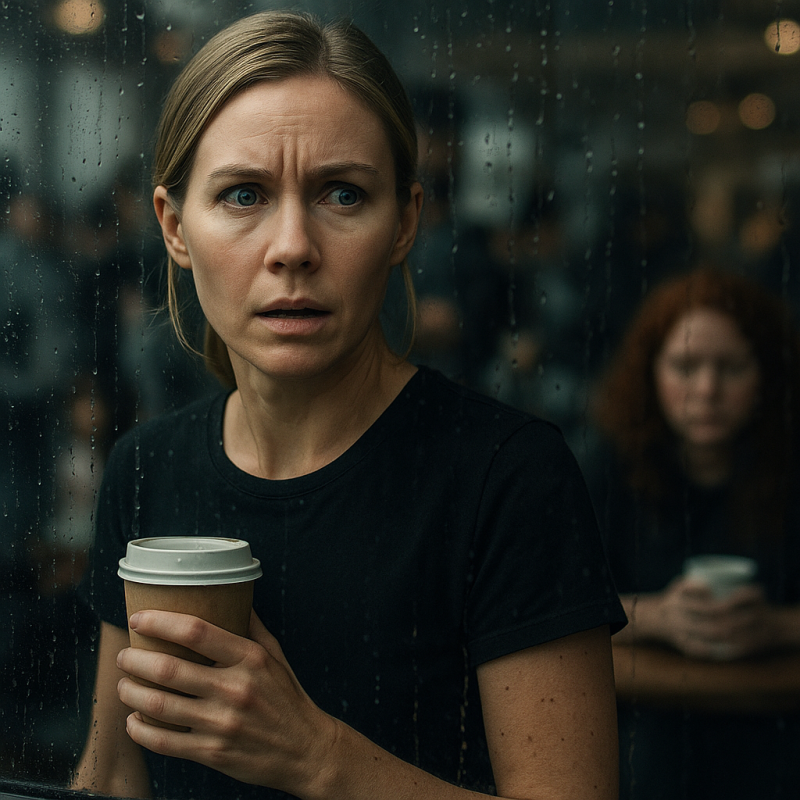 Image by RM AI
Cracks in the Facade
I sat down across from her and made myself look. The clothes were still right — a silk blouse, the kind of bag that cost more than my monthly rent sitting on the chair beside her. But the details underneath were wrong in a way that took me a moment to process. There were shadows under her eyes that her concealer hadn't fully covered, a grayish tint that no amount of product was going to fix. Her hair was perfect, but her hands weren't — her nails were bitten down to almost nothing, ragged at the edges, and I had never once in my life seen my sister bite her nails. She'd had a standing manicure appointment since she was sixteen. She lifted her coffee cup and I watched her hand tremble slightly before she set it back down. She was thinner too, in a way that didn't look intentional. Her collarbones pressed against the neckline of her blouse in a way they hadn't at Christmas. She gave me a careful smile when I sat down, the kind that was meant to signal everything was fine. Her hands, still wrapped around the cup, gave a faint, visible tremor.
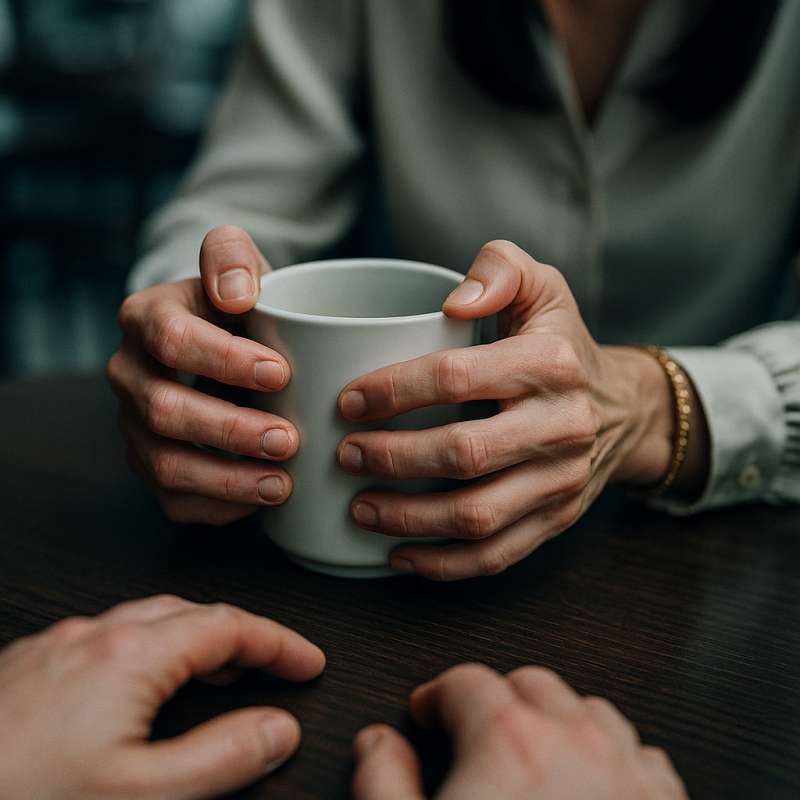 Image by RM AI
The Apology
She started with the apology, and she didn't dress it up. She said she was sorry for what happened at the door. She said she'd been wrong to treat me that way, wrong to say what she'd said, wrong to make me feel like I didn't belong in her life. She looked at the table when she said it, not at me, and something about that made it feel more real than if she'd held eye contact the whole time. I felt something loosen in my chest — just a little, just enough to hurt. I'd wanted to hear those words for a long time. But then she exhaled slowly, and her fingers tightened around her cup, and the air between us shifted in a way I felt before I could explain it. She said things had been really hard lately. She said she knew it wasn't fair to ask. She mentioned my grandfather — quietly, the word landing carefully between us — and said she'd heard he'd been spending more time with me recently. And then, in a voice that was quieter than anything else she'd said, she asked if I might be willing to talk to him about reconsidering what he'd decided to do with the will.
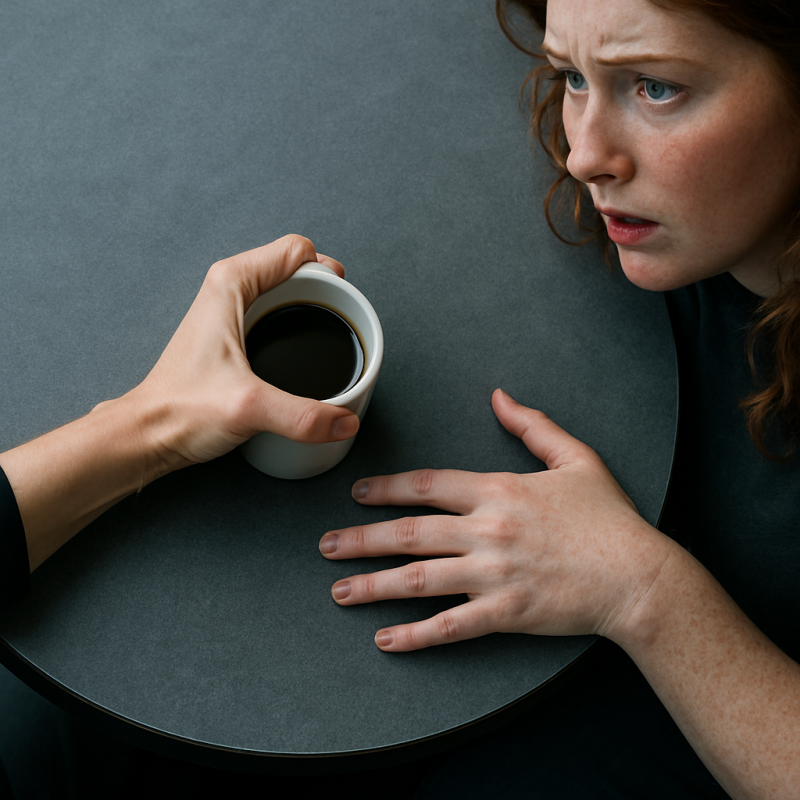 Image by RM AI
Standing Firm
I told her no. I said it quietly, without anger, and I meant it all the way through. I told her that what my grandfather had decided was his choice, not mine, and that it wasn't something I was going to try to influence in either direction. Chloe's face went still. She started to say something about family, about how family was supposed to show up for each other, and I let her finish before I said that I'd needed her to show up for me too, and she hadn't. She hadn't for a long time. Her jaw tightened. She tried again — her voice climbing just slightly, a thread of desperation pulling through it — and I held the line. I wasn't cold about it. I wasn't cruel. But I didn't move. When I finally said I was sorry she was going through something hard, but that this wasn't something I could do, I watched the last of her composure thin out across her face. I drove home with the conversation sitting heavy in my chest, not triumphant, not relieved — just certain, in the way that doing the right thing sometimes feels less like winning and more like surviving it.
 Image by RM AI
Breaking Point
She didn't argue after that. She just stopped. Her eyes filled up and she pressed her lips together hard, the way you do when you're trying to hold something back through sheer force of will. It didn't work. The tears came anyway — not the careful, photogenic kind, not the single-drop-down-the-cheek kind that I'd seen her deploy at family dinners when she needed sympathy. These were the ugly kind, the kind that come from somewhere you can't manage. Her shoulders started shaking and she covered her face with both hands, and the sound she made was small and broken in a way that made the woman at the next table look over and then quickly look away. I sat there and didn't know what to do with my hands. I'd spent so long bracing for her anger, for the version of Chloe who wielded words like something sharp, that I had no script for this. I didn't reach for her. I didn't leave. I just sat with the discomfort of watching my sister come apart in a coffee shop, unable to tell where the grief ended and the desperation began, and the not-knowing sat in me like something I couldn't swallow down.
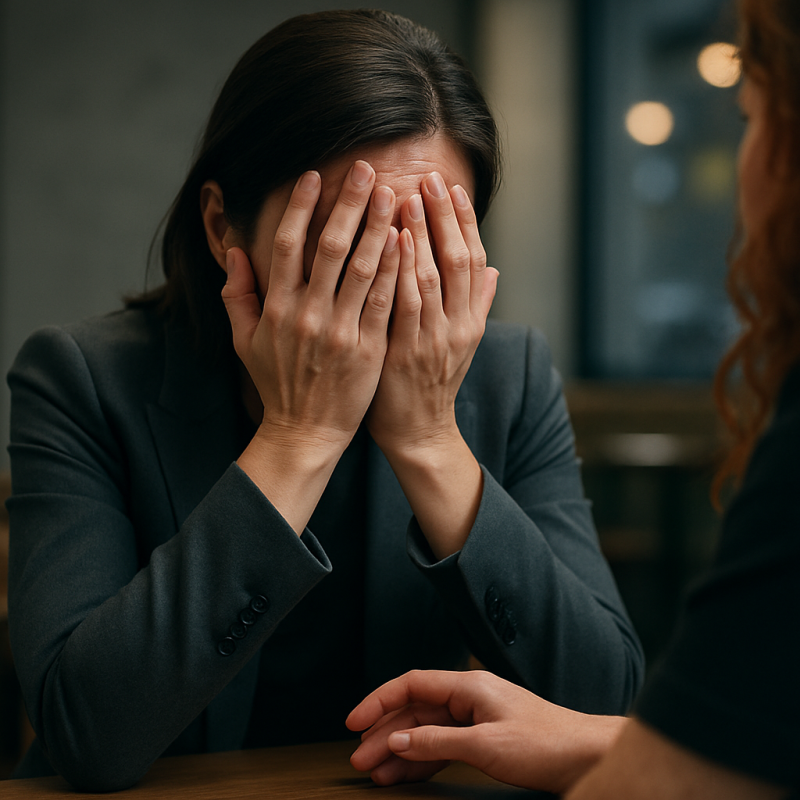 Image by RM AI
The Repossession
A few days later I was driving home from work, taking the longer route without really thinking about it, the kind of autopilot you fall into after a long shift. My route curved past the edge of Chloe's neighborhood — not close enough to see the house, just the outer streets with their wide lawns and identical mailboxes. I wasn't looking for anything. I was thinking about what I needed from the grocery store. Then I saw the truck. It was a flatbed tow truck, parked halfway up the curb on Chloe's street, and a man with a clipboard was standing beside it writing something down. The car on the flatbed was silver, low to the ground, the kind of car that caught light in a specific way. I slowed down without deciding to. I recognized the car — the same one Chloe had posted on Instagram the previous spring, the caption something about finally treating herself, the comments full of fire emojis. The man with the clipboard walked around to the driver's side of the truck and climbed in, and I watched the flatbed pull away from the curb with the silver Mercedes locked onto it.
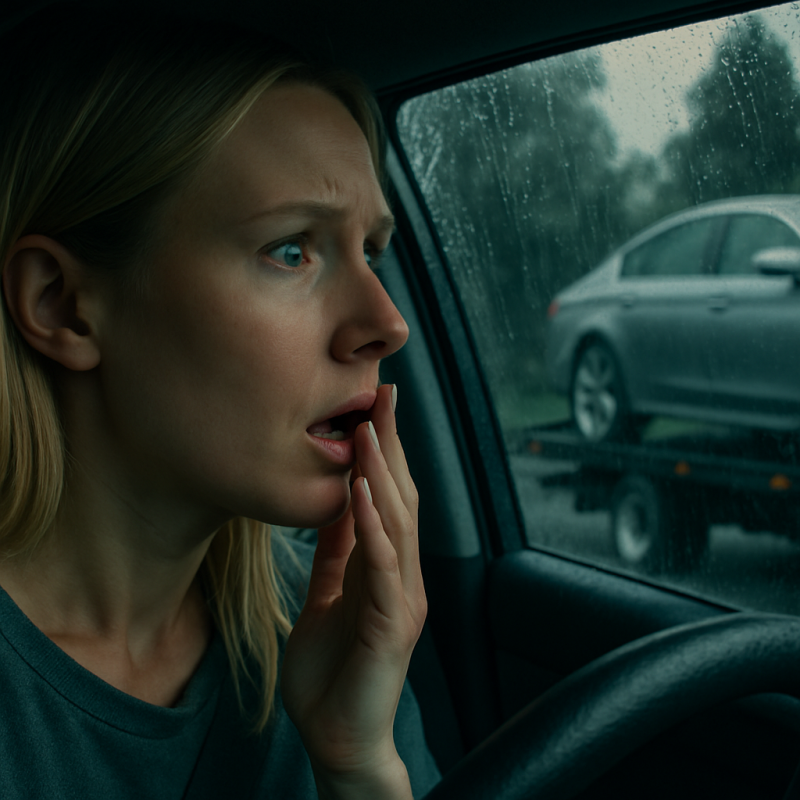 Image by RM AI
Canceled Plans
Rachel called on a Tuesday evening, just to check in, the way she did every few weeks. We talked about small things at first — her garden, my work schedule, whether I'd tried the new Thai place near my apartment. Then she mentioned, almost as an aside, that she'd heard from Chloe. I asked how she was doing, keeping my voice easy. Rachel paused just a beat too long before she answered. She said Chloe had canceled the holiday party this year. I went quiet. That party was Chloe's whole thing — ten years running, the same house, the same catered appetizers, the same carefully curated guest list. She sent paper invitations. She hired a photographer one year. Canceling it wasn't something Chloe would do lightly, or at all. Rachel said Chloe had given some vague excuse about being too busy, that the timing just hadn't worked out. I didn't say what I was thinking. I just said that was too bad and steered us toward something else. But after we hung up, I sat with it — the image of that house dark and quiet in December, no string lights, no cars lining the driveway, no reason given that made any sense.
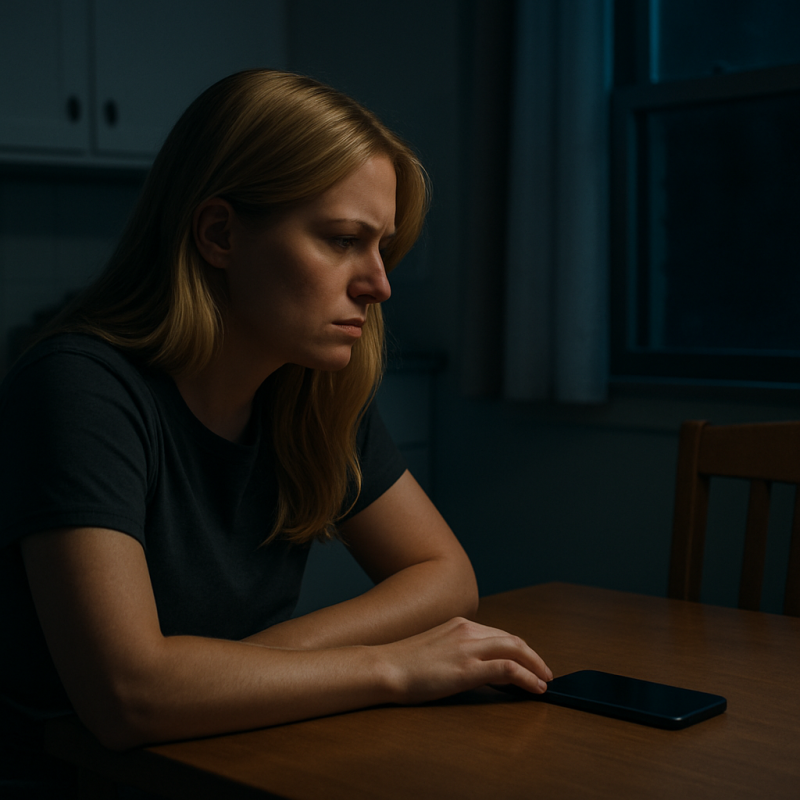 Image by RM AI
Casual Questions
I ran into him by accident, or what felt like accident — a guy named Trevor who I'd met once at a company picnic back when Chloe and Blake were still inviting me to things. He was in line ahead of me at the coffee shop near my office, and I almost didn't say anything. But he turned around and recognized me first, and we ended up at a small table by the window with our drinks, doing the polite catch-up thing. He asked what I was up to. I told him. He mentioned he'd moved to a different firm. I said something about how things must have changed a lot at his old company, and he shrugged and said yeah, there'd been a lot of turnover. I mentioned I was Blake's sister-in-law, watching his face as I said it. He nodded, expression shifting just slightly. I said something about how Blake seemed to be doing well, that I'd heard things were going great for him. I kept my voice light, curious in the way you are when you're just making conversation. Trevor looked down at his cup for a moment before he answered, and I kept my hands wrapped around my coffee and waited.
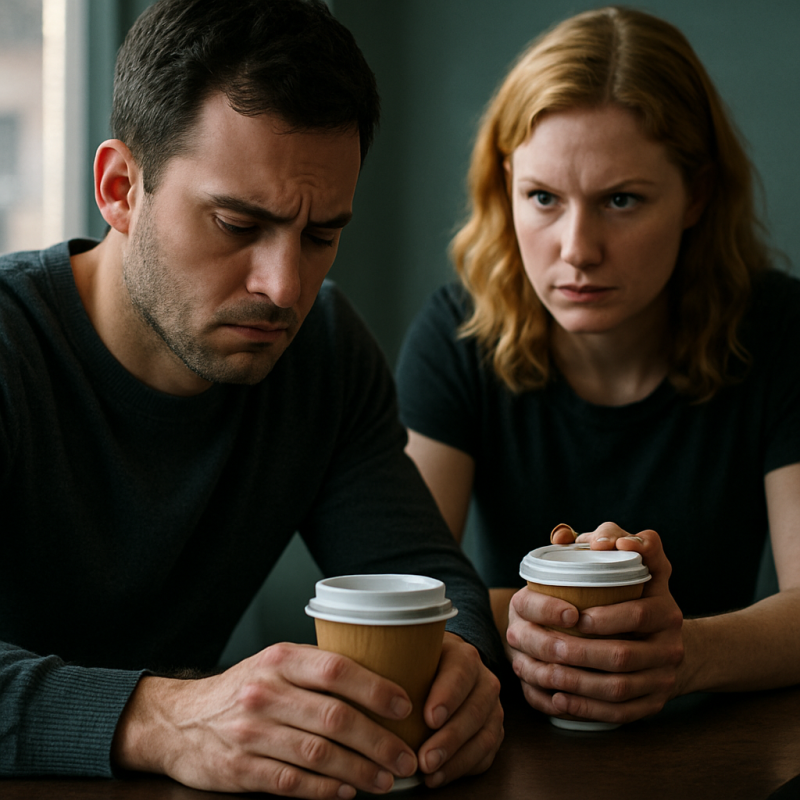 Image by RM AI
The Truth About Blake
Trevor looked up with an expression I couldn't quite read — somewhere between uncomfortable and confused. He said he thought I would have known. I asked what he meant, still keeping my voice easy, like we were talking about nothing important. He said Blake hadn't been promoted. He said Blake had been let go about eight months ago, during a round of restructuring that took out a whole tier of management. He said it like he was apologizing for something, like maybe he'd just stepped into the middle of a conversation he didn't understand. I nodded slowly and said something like, oh right, of course, I think I got the details mixed up — the kind of thing you say when you need a few seconds to keep your face from doing what it wants to do. Trevor said he'd actually been surprised Blake hadn't landed somewhere new by now, that he'd figured it would only take a few months. I said something vague about how these things take time and started gathering my things. We said our goodbyes and I walked out into the cold air, and the only thought I could hold onto was that Chloe had told everyone Blake got promoted — eight months ago, he had already been gone.
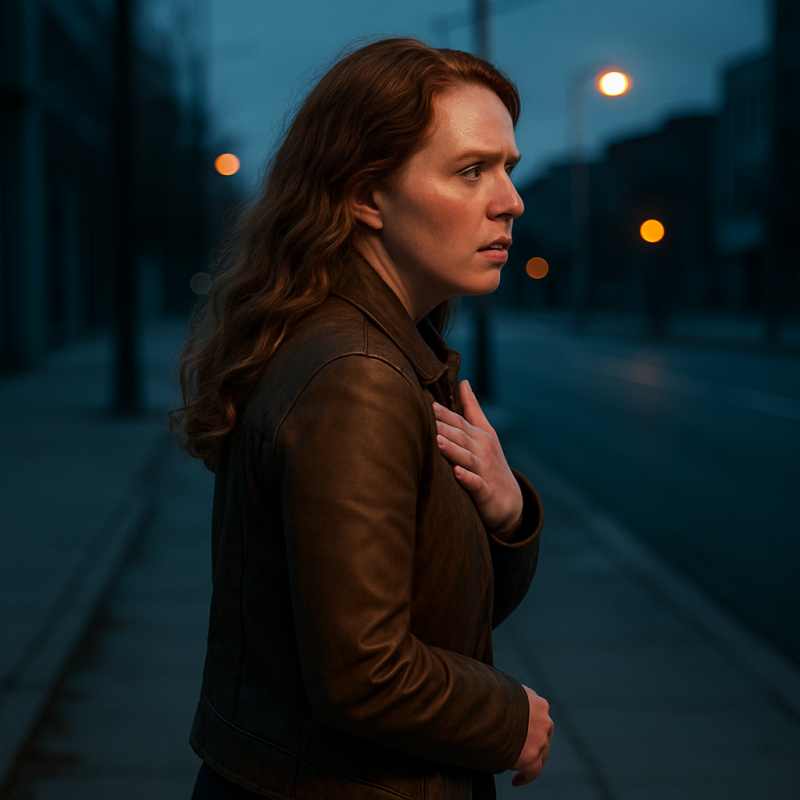 Image by RM AI
Dinner with Arthur
I called my grandfather the same afternoon and asked if he wanted to have dinner. He said yes without asking why, which was one of the things I loved about him. We met at the quiet Italian place he liked, the one with the low lighting and the booths that felt private. I waited until we'd ordered before I told him what Trevor had said. My grandfather listened the way he always did — completely still, hands folded on the table, eyes on me. When I finished, he didn't say anything right away. He picked up his water glass and set it back down. Then he said that explained some things. I asked what he meant. He said the loan request — the one Chloe had made a few months back — had been for a significant amount, and at the time he'd chalked up her vagueness to pride. But eight months of no income, a mortgage on that house, the cars, the lifestyle — he said it out loud slowly, like he was doing the math in real time. I watched his face as the numbers settled. The easy steadiness he usually carried shifted into something heavier, and his jaw tightened just slightly as he set his fork down.
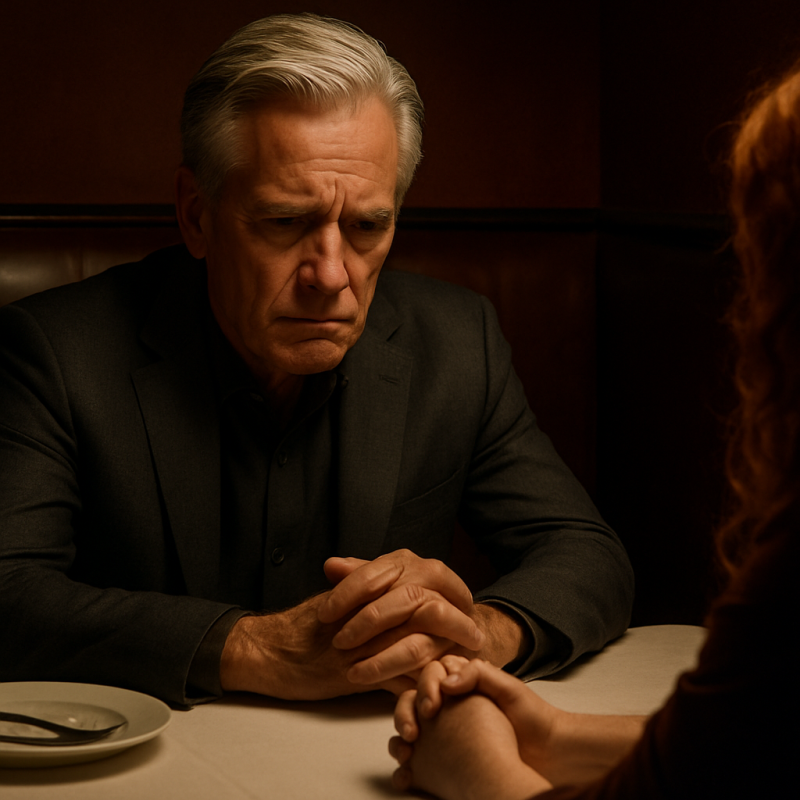 Image by RM AI
The Refusal
He told me more about that conversation with Chloe than he had before. She'd asked for a specific number — a large one — and when he'd asked what it was for, she'd said investments, something about a business opportunity she didn't want to miss. He said the word investments the way you repeat something back when it doesn't quite fit the shape of the sentence. Something in her answer hadn't sat right with him, he said — she'd gotten flustered when he pressed, and that wasn't like her. So he'd said no. He'd told her he wasn't comfortable lending money without understanding where it was going, and she'd ended the call quickly after that. Now, sitting across from me in that booth, he said he wondered if she'd been in real trouble and too proud to say so. He said maybe he should have pushed harder, asked different questions, made it easier for her to tell him the truth. He looked tired when he said it — not angry, just tired. I didn't know what to say to that. I was still turning over the same question myself, trying to figure out how deep this went, when his phone buzzed on the table beside his bread plate.
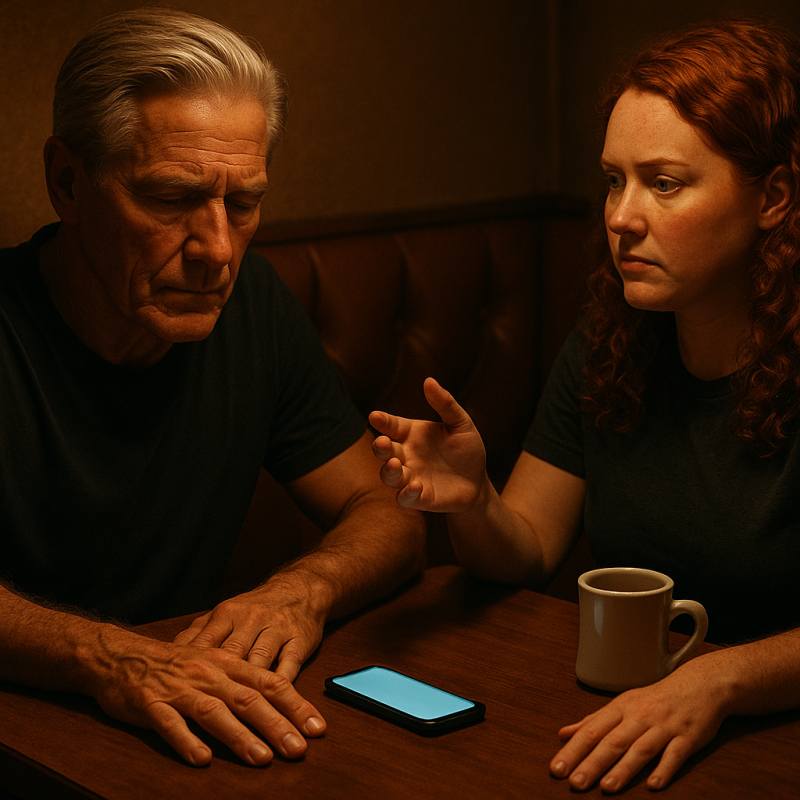 Image by RM AI
The Bank Calls
He glanced at the screen and his brow pulled together. He said it was his bank and held up a finger, then answered. I watched his face while he listened. He said yes a few times, then said he wasn't sure what they were referring to. His voice stayed calm but his posture changed — he sat up straighter, the way he did when something required his full attention. He asked them to repeat the part about the applications. I could hear the faint sound of someone talking on the other end but couldn't make out the words. He said he hadn't applied for any loans. He said his name had been used as a reference on what? He asked how many. Whatever the answer was, he closed his eyes briefly. He told them he had not authorized that, not for any of them, and asked what the next step was. The call lasted maybe four more minutes. When he set the phone down, he didn't speak right away. The restaurant noise carried on around us — silverware, low voices, someone laughing two tables over — and my grandfather sat with his hands flat on the table, looking at nothing in particular, the weight of what he'd just heard settling over him like something he hadn't been ready to carry.
 Image by RM AI
Gathering Evidence
We didn't talk for a while after that. The waiter came and refilled our water and neither of us acknowledged him. My grandfather stared at the table. I stared at my grandfather. Finally he said, quietly, that he needed to know exactly what had been filed and when. I said he should call the bank first thing tomorrow and ask for copies of everything — every application that had his name on it. He nodded like he'd already been thinking the same thing. We talked through it carefully, keeping our voices low. I said we should see the full picture before doing anything else. He agreed. He said he didn't want to go to Chloe with half the story and give her room to explain it away. I said that made sense. He said he'd have Margaret look at whatever the bank sent over, that she'd know what it meant legally. We paid the check without finishing our food. Walking out to the parking lot, he put his hand briefly on my shoulder — not saying anything, just that. I drove home thinking about the word unauthorized, turning it over and over, not yet ready to put a name to what it might mean, but knowing we were going to have to.
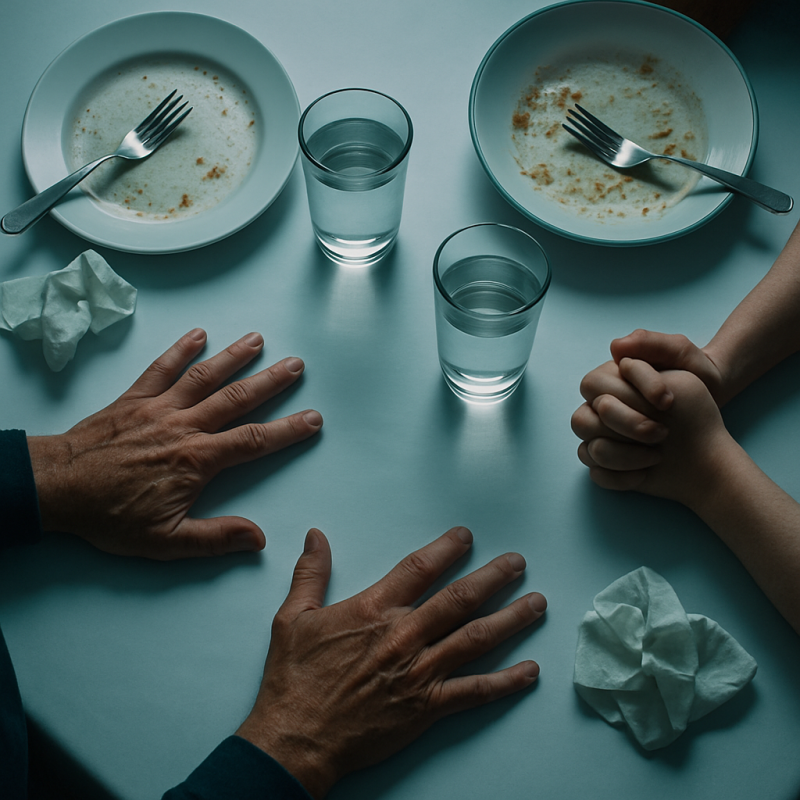 Image by RM AI
The Bank Meeting
My grandfather called the bank that morning and they asked us to come in. We sat across from a loan officer named David Walsh in a small glass-walled office off the main floor. He had a portfolio open on the desk and he spoke carefully, the way people do when the information they're delivering is serious. He said his department had flagged several credit applications over the past year that listed my grandfather as a reference. He slid copies across the desk one at a time. My grandfather picked up the first page and I leaned in beside him. The amounts were not small — each application was for tens of thousands of dollars, and there were five of them. David said my grandfather's personal information appeared on each one, including his address and account details. My grandfather said, evenly, that he had not signed anything, had not spoken to anyone at the bank about these, and had not given anyone permission to use his name or his information. David said he understood, and that if that was the case, what they were looking at could constitute fraud. My grandfather set the page down. I looked at the stack of applications on the desk, each one bearing his name in a signature he had never written.
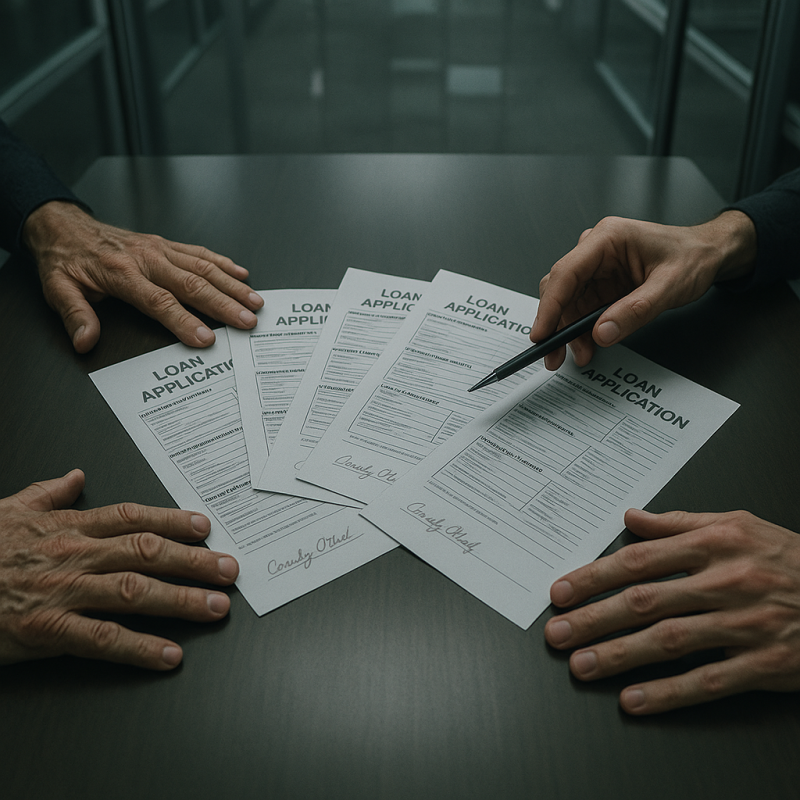 Image by RM AI
Multiple Creditors
David didn't stop at the five applications he'd already shown us. He opened a second folder and started laying out more pages, and I watched my grandfather's face go very still. There were credit card applications — three of them, from different institutions — and personal loan requests from two more banks. Each one listed my grandfather as a reference or guarantor. Each one carried a version of his signature. David said the applications spanned the past fourteen months, and that his department had only caught it because one of the institutions had flagged an inconsistency in the contact information. My grandfather picked up each page slowly, one at a time, and set it back down without speaking. I tried to add the numbers in my head and gave up. David did it for us. He said the total across all the applications was somewhere north of three hundred thousand dollars. The room went quiet in a way that felt different from ordinary quiet. My grandfather sat with his hands flat on the table, looking at the spread of papers in front of him, and I couldn't find a single thing to say that would have been adequate for what we were both looking at.
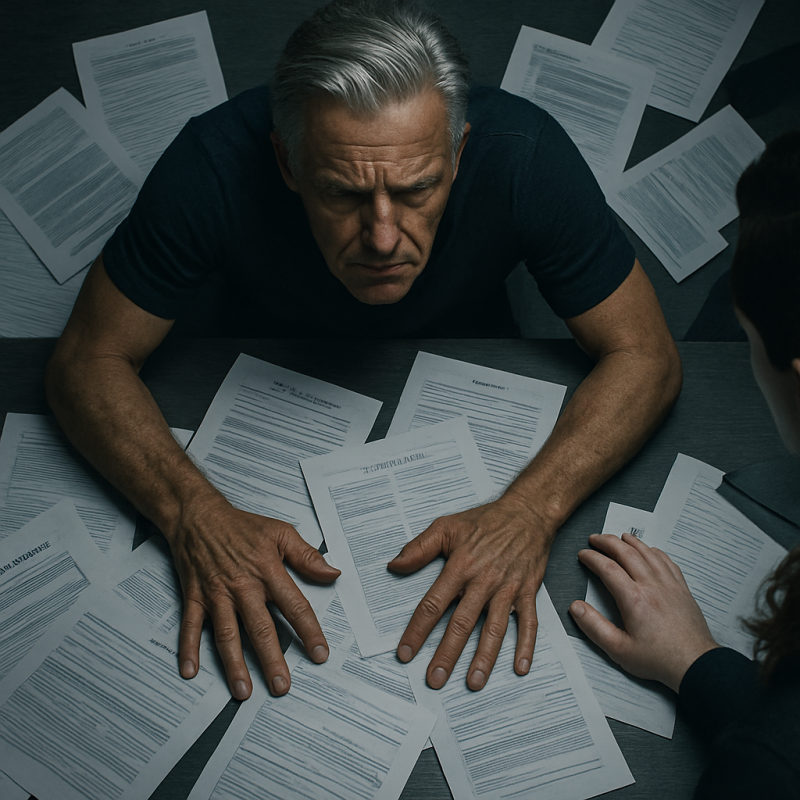 Image by RM AI
The Confrontation
We didn't say much on the way to the parking lot. My grandfather walked ahead of me, and I could see the set of his shoulders — rigid, deliberate, like he was holding something in place by sheer will. He stopped beside his car and pulled out his phone. He didn't hesitate. He found my sister's number and called it, and I stood close enough to hear the faint sound of ringing. When she picked up, his voice was something I hadn't heard from him before — not raised, not angry in any theatrical way, just flat and cold and absolutely certain of itself. He told her to come to his house tonight. He told her to bring Blake. She started to ask something and he cut her off. He said it wasn't a question and it wasn't negotiable, and that she needed to be there by seven. There was a pause on her end. Then she said okay, in a voice so small I almost didn't recognize it as hers. My grandfather ended the call and stood there for a moment looking at nothing in particular. I had known him my whole life, and I had never once heard him speak like that.
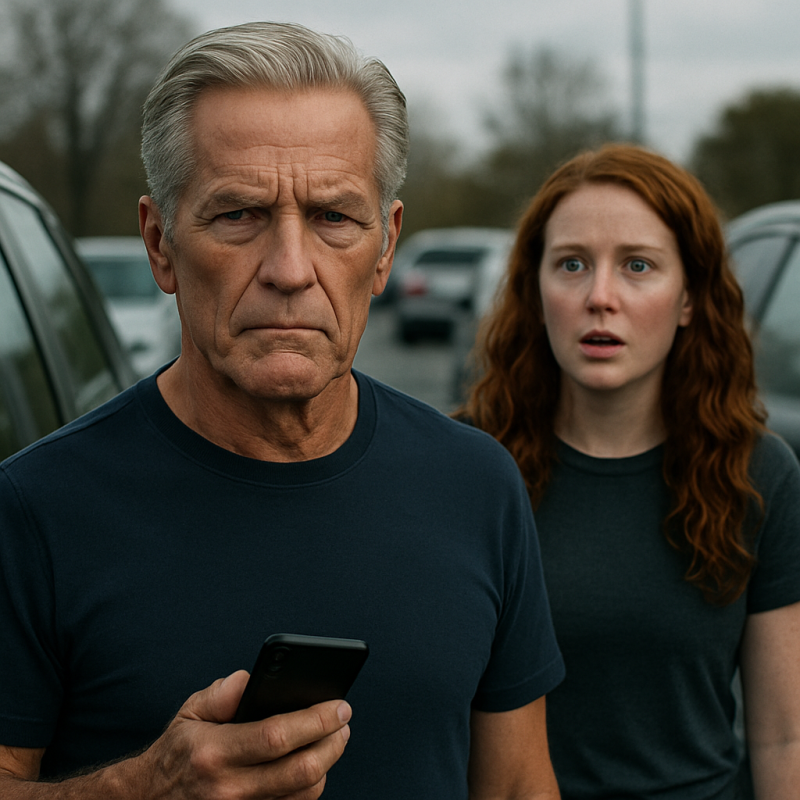 Image by RM AI
Waiting
We got to my grandfather's house well before seven. He spread the bank documents across the coffee table in the living room — organized, deliberate, every page face-up — and then he sat in his armchair and folded his hands and waited. I sat on the couch across from him. Neither of us turned on the television. The clock on the mantle ticked in a way I'd never noticed before, each second landing a little too loud in the silence. My stomach had been churning since the bank, and sitting still wasn't helping. I kept looking at the papers on the table — all those pages, all those signatures that weren't his — and then looking away. My grandfather didn't fidget. He just sat there with his jaw tight and his eyes steady, and I thought about how long he'd trusted her, how many years of that trust were represented in the stack of documents between us. Outside, the evening had gone fully dark. I was trying to think of something to say when I heard the sound of tires on the gravel driveway.
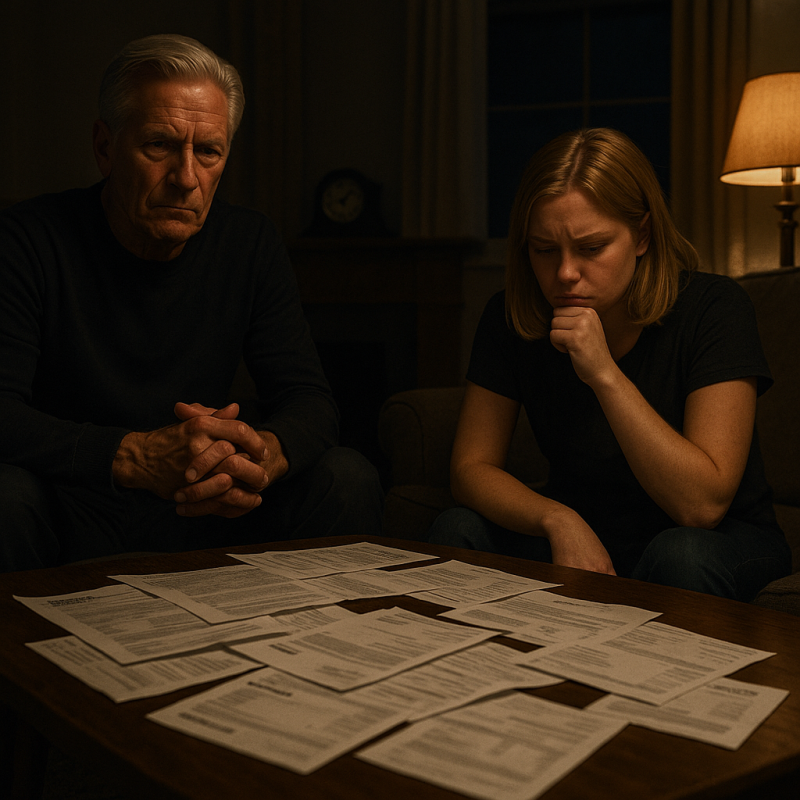 Image by RM AI
Deterioration
They came through the front door together, but barely. Blake held it open and my sister walked in ahead of him, and I had to work to keep my expression neutral because she looked nothing like the woman who had stood in her doorway and looked through me like I wasn't there. The polish was completely gone. Her hair was pulled back in a way that looked like she'd stopped caring, not like she'd chosen it. No makeup, or what was left of it had settled into the shadows under her eyes, which were dark and swollen. She looked like someone who hadn't slept in days. Blake wasn't much better — his suit jacket was wrinkled, his tie was gone, and he kept his eyes on the floor from the moment he stepped inside. My grandfather stood and gestured toward the couch without saying anything. They sat. He picked up the stack of documents from the coffee table and set them down in front of my sister without a word. She looked at the top page and the color left her face completely. Blake put both hands over his face and didn't move.
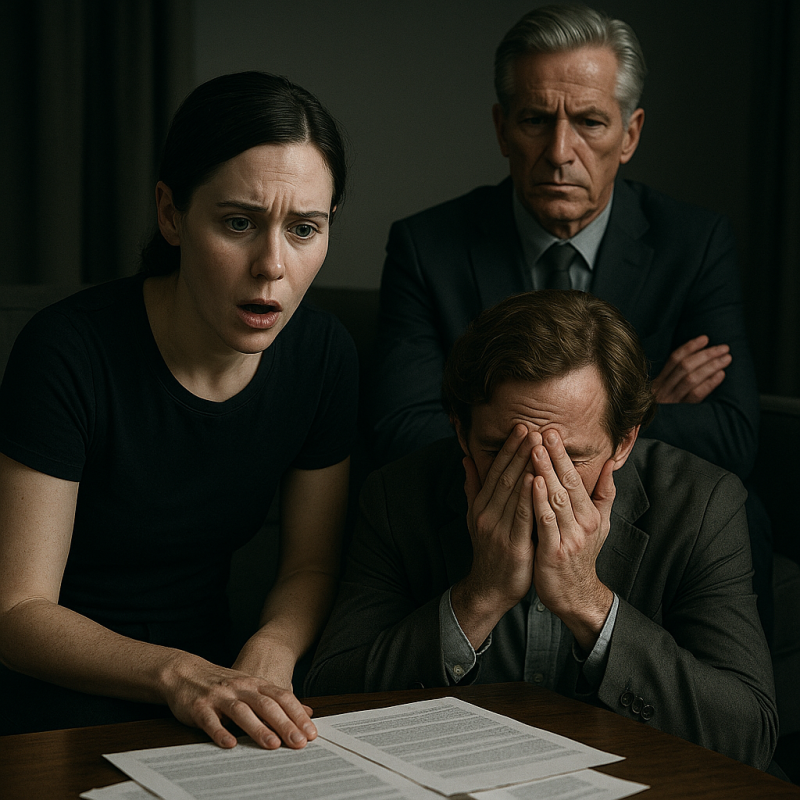 Image by RM AI
The Truth Comes Out
My grandfather asked her, quietly, to explain the applications. My sister opened her mouth and nothing came out. She pressed her hand over her lips and her shoulders started shaking, and for a long moment the only sound in the room was the clock. Then Blake lowered his hands from his face. He looked at my grandfather and said they were bankrupt. He said it plainly, like he'd been holding the word in his mouth for a long time and was finally setting it down. He said they had filed fourteen months ago. My sister made a sound that wasn't quite a word. Blake kept going — he said that after the filing, when the credit dried up, my sister had started using my grandfather's name on applications because she couldn't face telling anyone what had happened. She was terrified, he said. Terrified that if Arthur found out, if the family found out, she would lose everything she had left. My sister finally looked up. Her eyes were red and her voice came out in pieces. She said she thought she could fix it before anyone noticed. She said she'd been bankrupt for fourteen months.
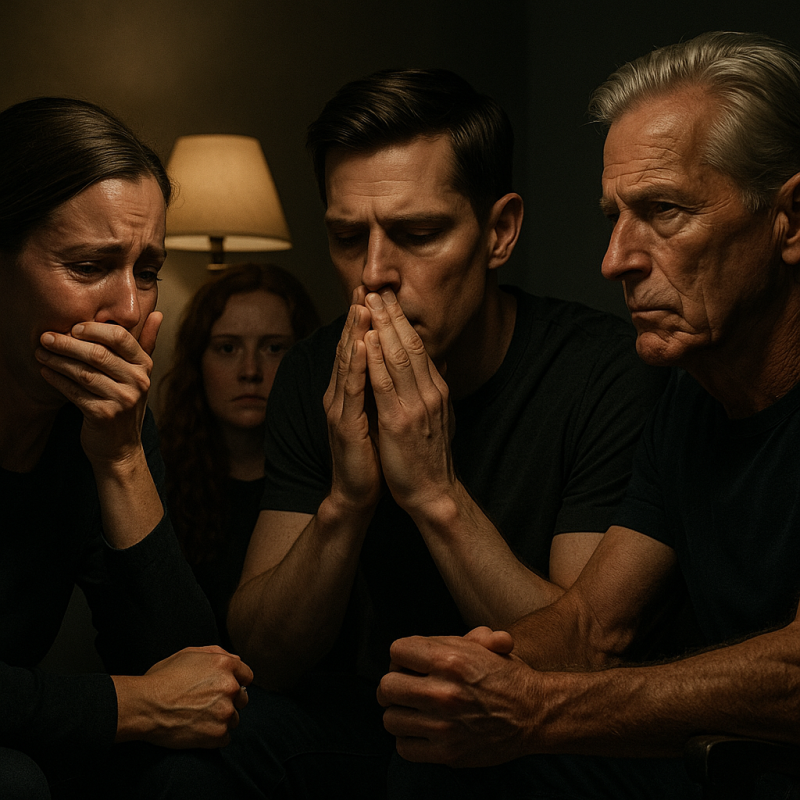 Image by RM AI
The Full Picture
Blake kept talking, and I let him, because I didn't trust myself to speak. He said he'd lost his job eight months ago — a position he'd held for six years, gone in a single afternoon. But he said the trouble had started long before that. They'd been carrying significant credit card debt for years, spending at a level that their income never quite supported. When his salary disappeared, the whole structure collapsed at once. They filed for bankruptcy, but my sister refused to stop. He said that carefully, without looking at her. She kept spending — on credit she was taking out in my grandfather's name, on appearances she couldn't afford, on a version of their life that had already ended. The house was in foreclosure. The cars were leased and the payments were behind. Blake put his hands flat on his knees and said the total debt, across everything, was over three hundred thousand dollars.
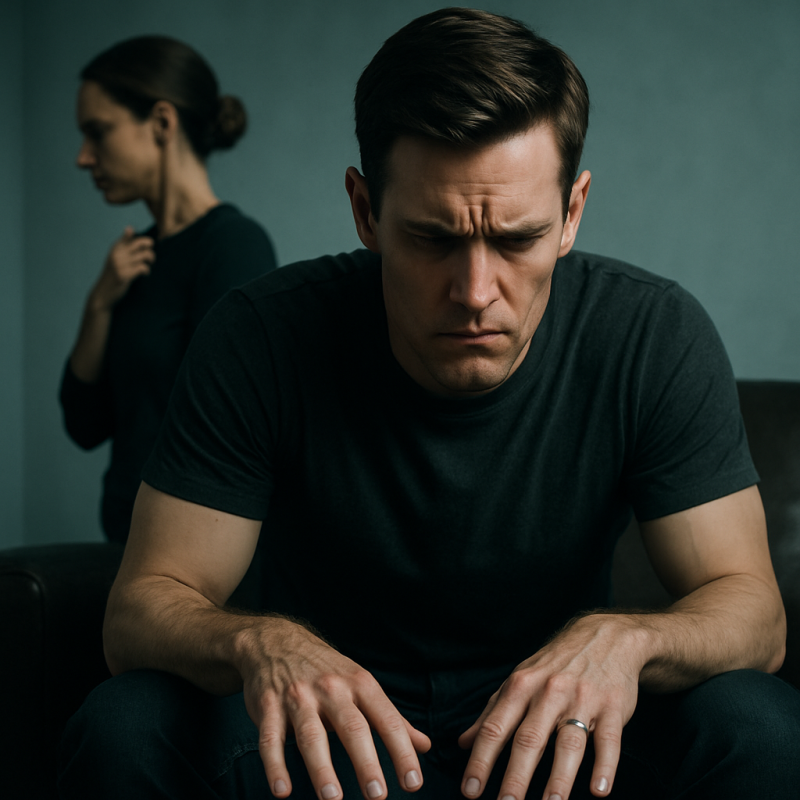 Image by RM AI
The Door
I had been quiet through most of it, but I couldn't stay quiet anymore. I looked at my sister and asked her why. Not about the applications, not about the money — I asked her why she had stood in her doorway and looked at me the way she had. Why she'd been so cruel. She looked at me with eyes that were swollen nearly shut from crying. She said she couldn't let me in. She said it so simply, like it was obvious, like I should have understood. She said there were collection notices on the kitchen counter that she hadn't been able to throw away. She said the furniture in the living room was scheduled to be repossessed the following morning — she'd known it when she answered the door. She said she had been so terrified of someone seeing, of the truth getting out, that she had convinced herself if she could just keep everyone at arm's length long enough, she could find a way to fix it. She thought if she let me in, I would see. She thought if I saw, it would be over. The cruelty at the door hadn't been hatred. It had been pure, cornered panic — and somehow that was almost harder to sit with than hatred would have been.
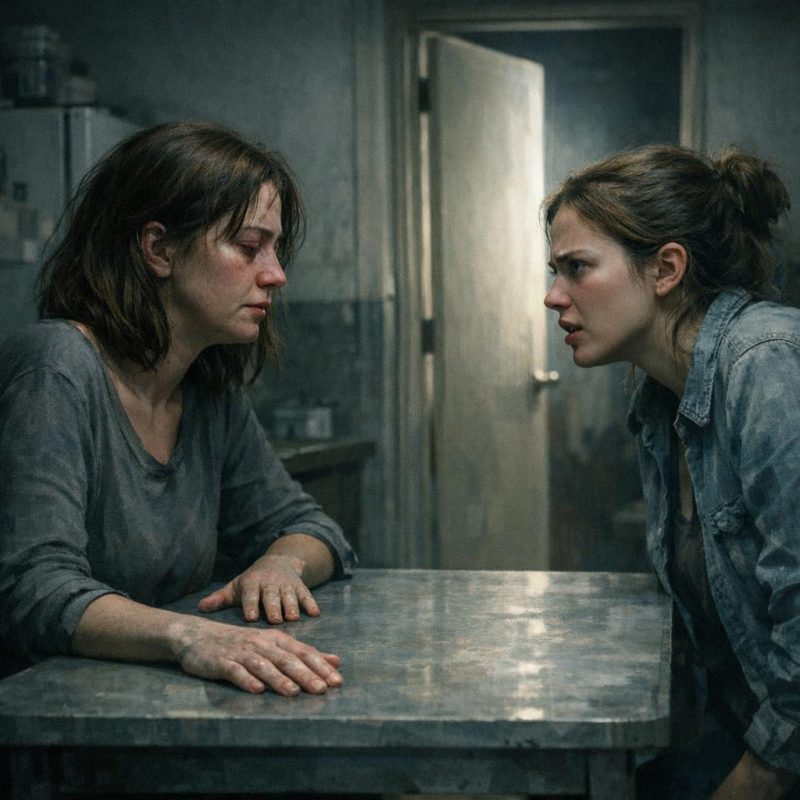 Image by RM AI
Desperation and Greed
I sat with all of it for a long time without speaking. My grandfather stayed quiet too, which I was grateful for. I understood what my sister had been carrying — the shame of it, the terror of being seen, the desperate arithmetic of someone trying to hold a collapsing ceiling up with their bare hands. I understood it. But understanding it didn't reach back and undo the way she'd looked at me in that doorway, or the months of silence, or the choice to use my grandfather's name on documents he never signed. Fear explained some of it. It didn't explain all of it. She had chosen, over and over, to protect the appearance of a life rather than ask for help from the people who might have given it. She had chosen to hurt rather than be seen as struggling. Those were still choices, made by someone who knew better. I looked at my sister sitting across from me, red-eyed and hollowed out, and I felt something that wasn't quite forgiveness and wasn't quite anger — just the heavy, complicated weight of knowing the whole truth at last.
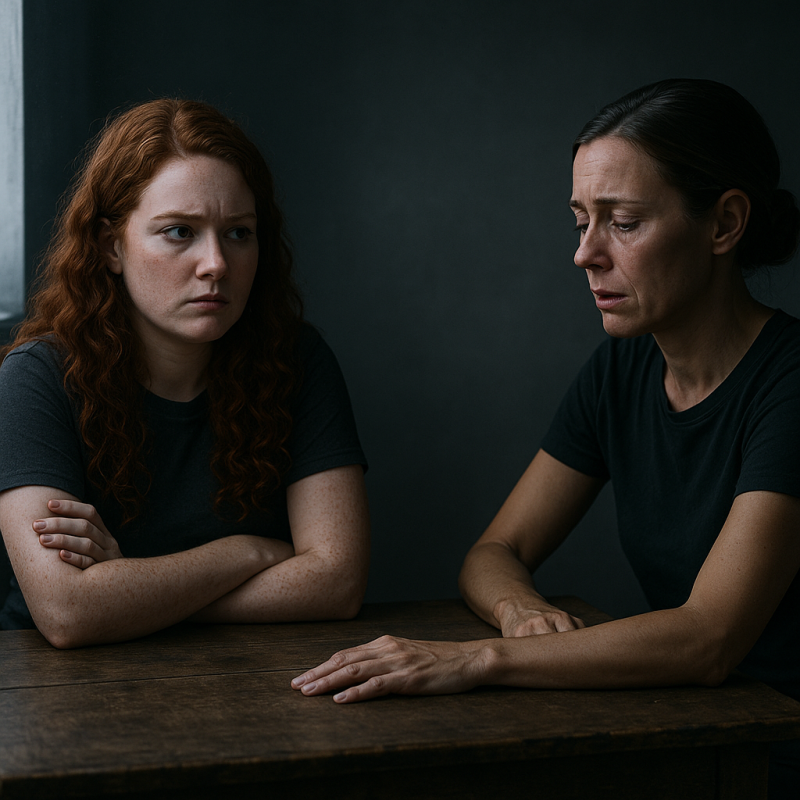 Image by RM AI
No More Enabling
My grandfather had been quiet for a long time. Long enough that the room felt like it was holding its breath. Then he set both hands flat on the table and looked at my sister and her husband with the kind of steadiness that doesn't leave room for argument. He said he loved Chloe. He said that clearly, first, so there was no confusion about what came next. But he told her he would not pay the debts. Not a single one. He said she and Blake had made choices — hundreds of them, over years — and that paying off the consequences would only teach them that choices don't matter. Chloe's face crumpled. She started to say something about the bank, about the timeline, about how bad it would look, and my grandfather just waited until she ran out of words. Then he said there was another path, if they wanted it. A financial counselor he would pay for. Help with a deposit on something modest. A small stipend for six months, nothing more. But every cent came with conditions. Honesty. Accountability. Full transparency. No new debt. Chloe looked at him like she was waiting for the part where he relented — and then he told her the conditions.
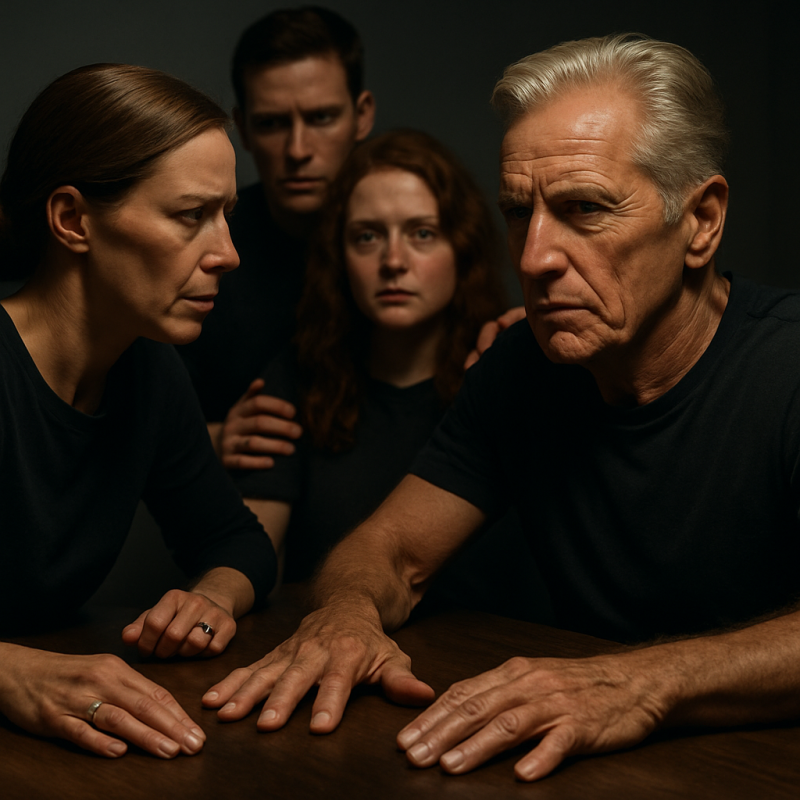 Image by RM AI
The Line
After my grandfather finished, the room went quiet again. I'd been sitting with my hands in my lap, watching, and I knew it was my turn. I looked at my sister — really looked at her, red-eyed and smaller than I'd ever seen her — and I took a breath. I told her I understood she'd been scared. I told her I understood the shame of it, the way fear can make you do things you'd never do otherwise. I meant every word of that. But then I told her that understanding it wasn't the same as excusing it. Fear didn't explain the door slamming in my face. Fear didn't explain the months of silence, the cutting remarks about my clothes, my apartment, my life. Fear definitely didn't explain putting our grandfather's name on documents he never signed. I said those were choices, and choices have weight, and she needed to own them — not just explain them. Chloe was crying by then, quietly, not performing it. I told her that if she wanted a relationship with me, it had to be built on something real this time. Not appearances. Not convenience. Honesty, or nothing. I set my hands on the table, palms down, and I meant it.
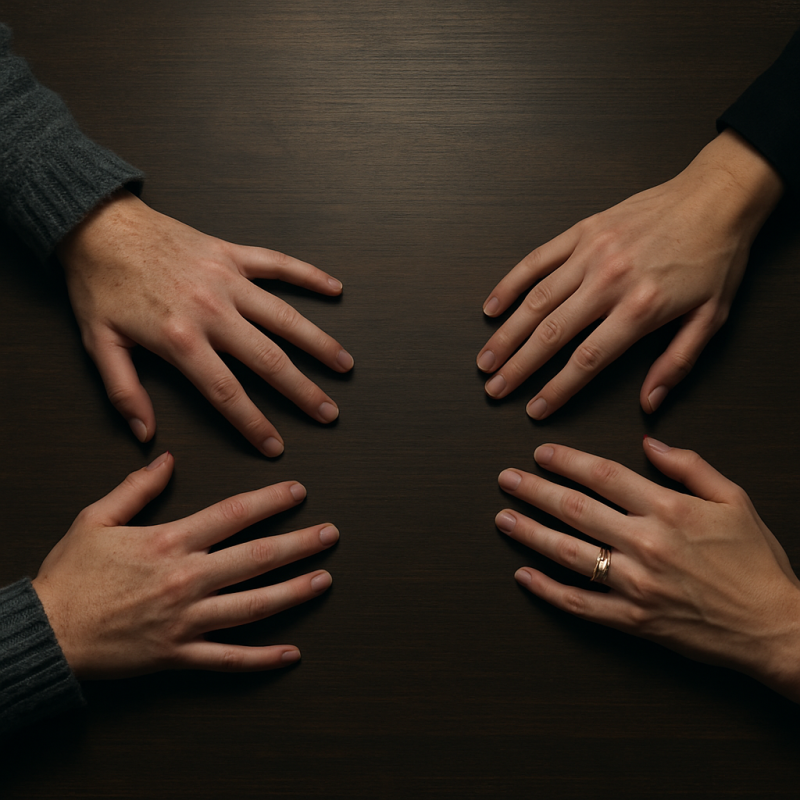 Image by RM AI
Legal Consequences
The legal proceedings started about three weeks later. My grandfather called to tell me before I could read it somewhere else, which I appreciated. Court documents had been filed — creditors moving on unpaid balances, the kind of paperwork that becomes public record the moment it's stamped. I didn't go looking for details, but they found me anyway. A woman I'd gone to school with texted me asking if it was true about Chloe. A neighbor of my aunt Rachel's had apparently seen something online. The social circle my sister had spent years cultivating, the dinner parties and charity galas and carefully curated friendships — they started going quiet in the way that only happens when people are deciding whether to stay or go. My grandfather had already hired an attorney to make sure his name was fully separated from the fraudulent documents. He also connected Chloe with a bankruptcy attorney, which was more than she'd earned and exactly what he would do. I kept my distance through all of it. I didn't call. I didn't check in. I just let it move the way it needed to move. The thing Chloe had spent years trying to prevent — being seen, being known, being ordinary — had finally arrived, and there was nothing left to manage it away.
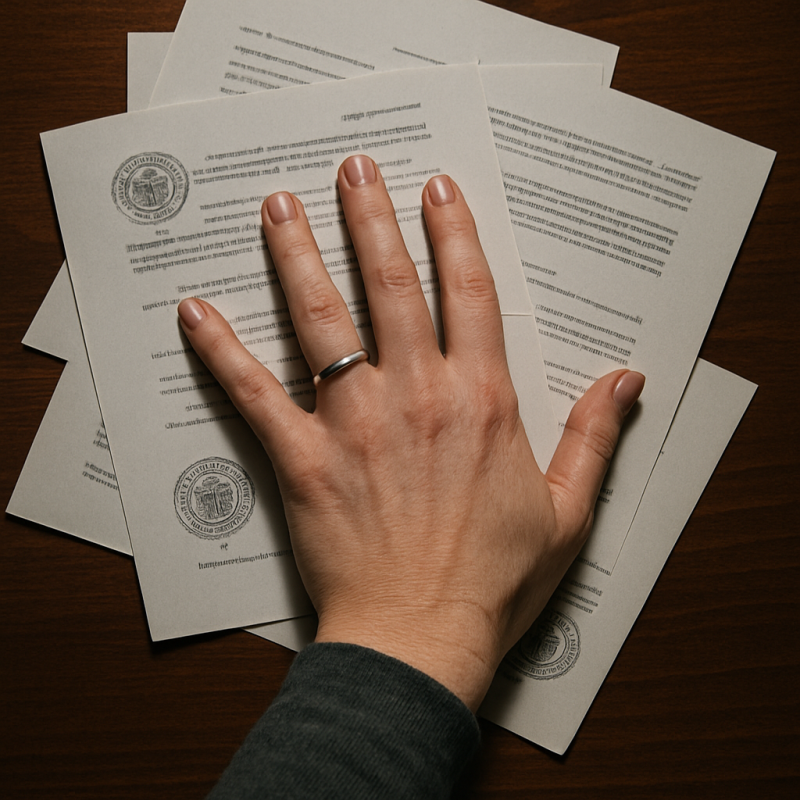 Image by RM AI
The Mansion Sale
My grandfather told me on a Tuesday that the house had been listed. He said it matter-of-factly, the way he delivers hard news — no softening, no editorializing, just the fact and then silence to let it settle. I didn't plan to drive by. I just found myself on that street a few days later, slowing down without quite deciding to. The for-sale sign was there on the lawn, white and ordinary, the kind you see in front of any house. The professional holiday lights were long gone. The hedges hadn't been trimmed in a while. The driveway that used to hold two luxury cars sat empty. I sat there in my car for a minute, engine running, and I thought about standing on that porch in December, cold and hopeful, holding a gift bag, waiting for my sister to open the door. I thought about how much she had given up to keep all of this — the real things, the honest things — just to hold onto the appearance of a life that was never fully hers to begin with. I didn't feel triumphant. I didn't feel relieved. I just felt the weight of all those years, quiet and heavy, settling somewhere behind my ribs.
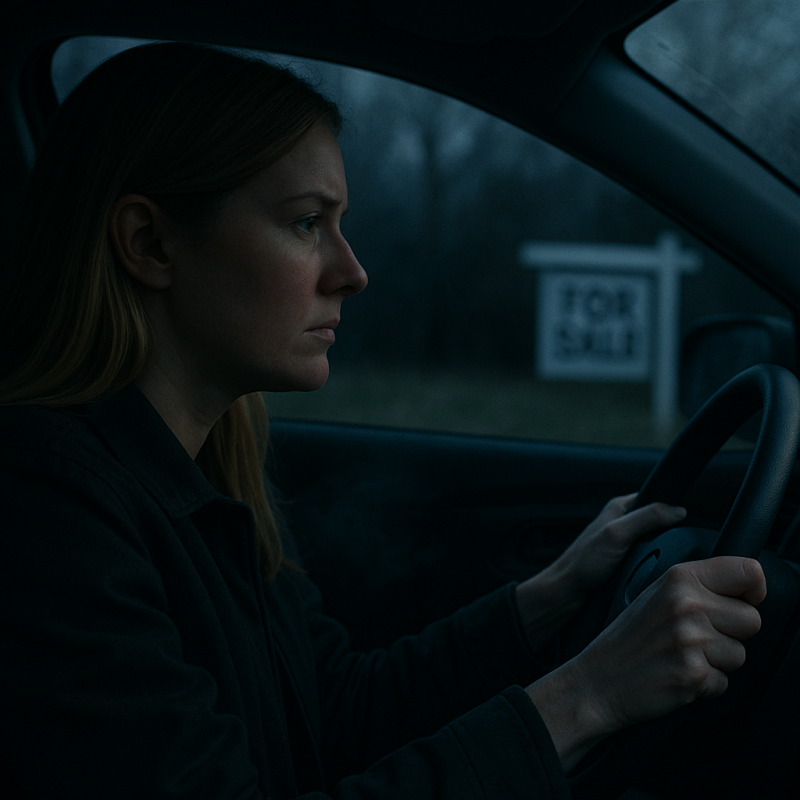 Image by RM AI
Sorting Through
I showed up on a Saturday morning with coffee and empty boxes, which felt like the right amount of gesture — enough to say I was there, not so much that it promised anything. Chloe opened the door and looked genuinely surprised, like she hadn't fully believed I'd come. We worked in near-silence for the first hour, wrapping things in paper, filling boxes, moving through rooms that echoed now that the walls were bare. At some point she picked up a crystal vase and just held it, turning it over in her hands. She said she didn't even know where it came from. Said she couldn't remember buying half of it. She laughed a little, the kind of laugh that's mostly exhaustion, and said it was strange how much space things took up when you actually had to touch them. That opened something. We started talking — slowly at first, carefully, the way you talk when you're not sure the ground will hold. She told me about the early years of her marriage, the pressure she'd felt, the way keeping up had started as something small and then became the whole point. I told her I remembered the sister she used to be, before all of it. She didn't say anything to that. She just kept wrapping, and I kept packing, and the afternoon light moved across the empty floor between us.
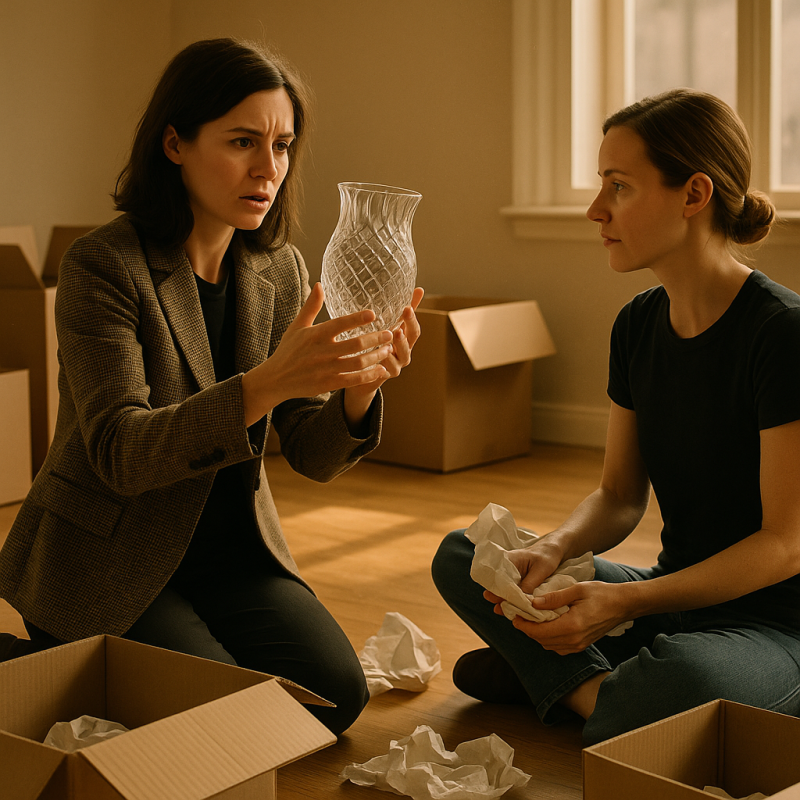 Image by RM AI
Without Excuses
We were almost done with the last bedroom when Chloe stopped. She set down the box she was holding and turned to face me, and something in her expression was different — quieter, more deliberate. She said she needed to say something and she needed me to just let her say it. I nodded. She said she was sorry for slamming the door in my face. She said she was sorry for every cutting thing she'd said about how I lived, what I wore, what I couldn't afford. She said she was sorry for what she'd done with our grandfather's name, and that she knew sorry didn't fix it, and she wasn't asking me to forgive her or pretend it hadn't happened. She wasn't asking for anything. She just needed me to know that she knew. Her voice stayed even through most of it, but her hands were shaking. I believed her. That was the thing that caught me off guard — I actually believed her. Every other apology she'd ever offered had come wrapped in an explanation or a request, something that made it about her comfort rather than my hurt. This one didn't. She just stood there in the empty room and said she was sorry, and meant it, and I felt my eyes fill with tears before I could stop them.
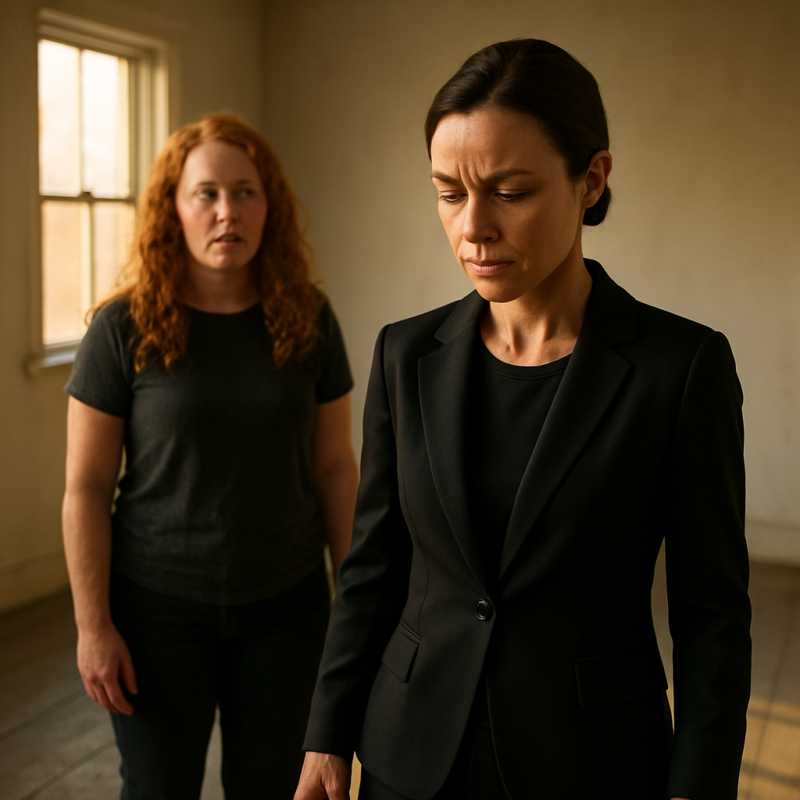 Image by RM AI
Structured Help
My grandfather called the meeting for a Thursday evening, at his house, around the dining room table where he'd always handled serious things. He had a printed document in front of him — two pages, single-spaced — and he slid a copy to Chloe and Blake without preamble. He walked them through it line by line. He would pay for weekly sessions with a financial counselor he had already vetted. He would cover a security deposit on a modest apartment once the house sale closed. He would provide a small monthly stipend for six months, and not a dollar more. In exchange: full financial transparency, every month, no exceptions. Weekly counseling attendance, verified. No new lines of credit, no new debt of any kind. If either condition was broken, the stipend stopped immediately, no discussion. Blake sat very still through the whole reading. Chloe asked one question — whether the counselor could be someone she chose herself — and my grandfather said no, and she nodded and didn't push. When he finished, he set the document flat on the table and looked at them both. He said this was the help he was willing to give, and it was the only offer he would make. The two pages sat between them on the table: counseling, deposit, six months of support — and the conditions that made all of it contingent.
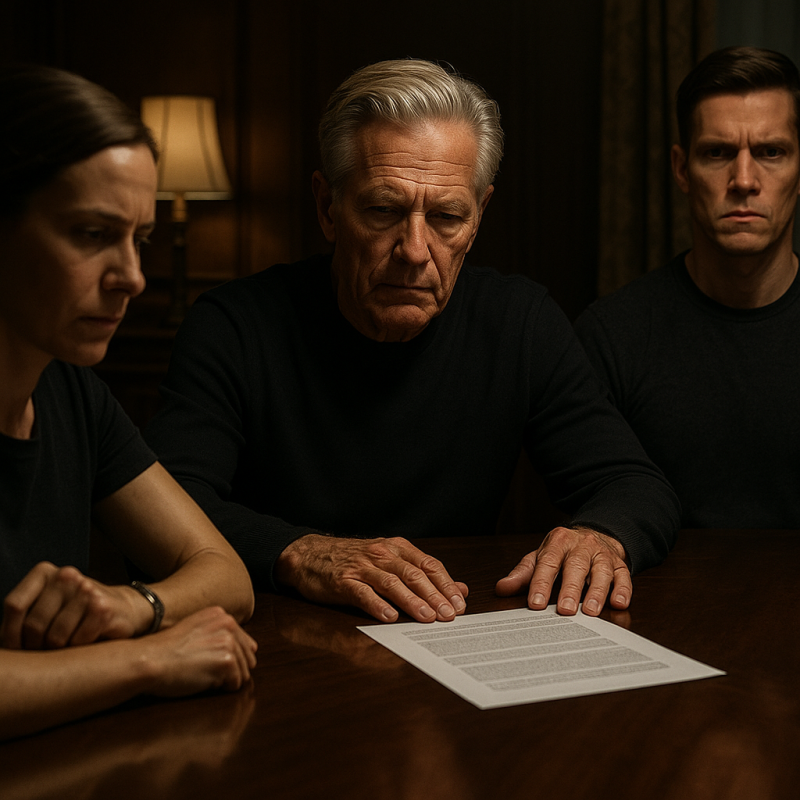 Image by RM AI
Facing Reality
Chloe signed the agreement that night, and things started moving quickly after that. The bankruptcy attorney my grandfather had hired met with them the following week. I went with Chloe to the first appointment — she asked me to, and I said yes before I'd fully thought it through. The attorney's office was small and practical, nothing like the spaces Chloe used to move through. She sat across from him with a folder of documents she and Blake had spent days pulling together — every account, every balance, every debt laid out without omission. No minimizing. No strategic gaps. Blake had already started reaching out about work, honest conversations with people in his field about where things actually stood. Chloe had begun listing items for sale — furniture, jewelry, things she'd once treated like proof of something. I watched her in that office, back straight, voice steady, answering every question the attorney asked without flinching. It was the first time I'd seen her face something without trying to manage how it looked. The attorney slid the bankruptcy filing across the desk, and Chloe picked up the pen and signed her name.
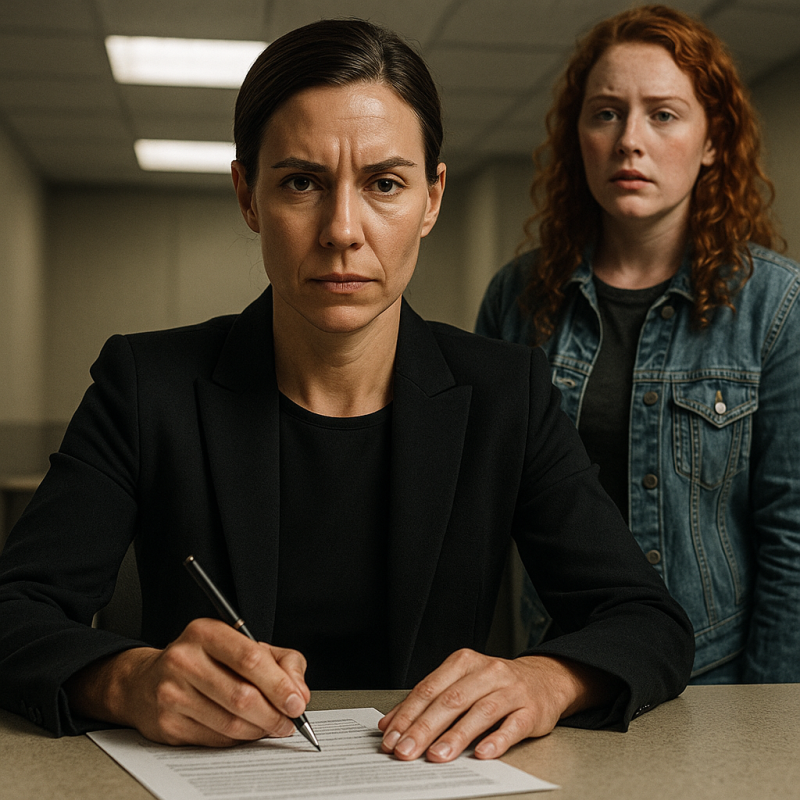 Image by RM AI
Honest Conversation
My grandfather called it a family meeting, but it didn't feel like any family meeting I'd ever been to. We gathered at his house on a Sunday afternoon — me, Chloe, Blake, and my aunt Rachel, who drove three hours without hesitation when Arthur asked. He set out coffee and didn't say much at first, just let us settle into the room together. Rachel sat beside me on the couch and squeezed my hand once, quietly. Arthur started by saying he loved everyone in that room, and that love was exactly why he wasn't going to let us pretend anymore. The silence that followed was heavy. Chloe spoke first. She looked at me — not past me, not through me — and said she was sorry for the way she'd treated me, that she'd been cruel and she knew it, and that she didn't expect forgiveness, only the chance to do better. Blake said he'd told himself he was just following Chloe's lead, but that was its own kind of cowardice, and he owned it. Rachel talked about how she'd watched it happen and stayed quiet too long. I told them what the rejection had actually felt like — the door, the holidays, the slow erasure. Nobody flinched. Nobody deflected. When it was over, Arthur looked around the table and said, "This is where we start."
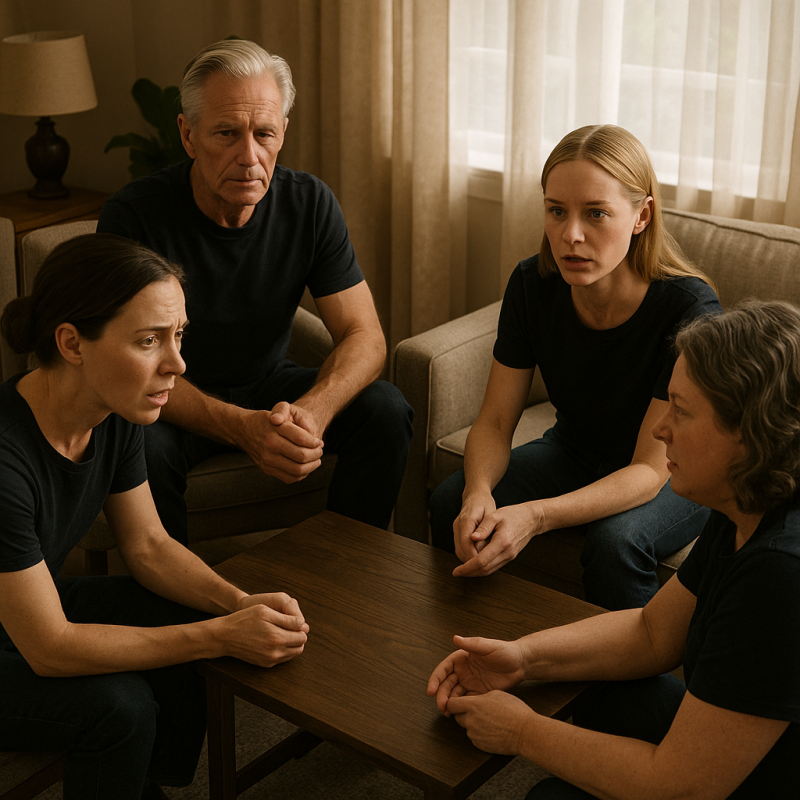 Image by RM AI
Six Months Later
Six months after everything fell apart and started reassembling itself, I drove to Chloe's new apartment on a Saturday morning with a bag of pastries and no real agenda. The building was plain — beige brick, a small parking lot, nothing remarkable. Her unit was on the second floor, and when she opened the door she was in jeans and a worn sweater, hair pulled back, no makeup. The apartment was small. A secondhand couch in a soft gray, a bookshelf Blake had clearly built himself from mismatched boards, a little kitchen with mismatched mugs hanging on hooks. It smelled like coffee and something baking. Blake was at the table with a laptop open, working — he'd found a position at a smaller firm, steadier hours, honest pay. He waved and went back to his screen without any performance in it. Chloe poured coffee into two of those mismatched mugs and we sat at her small table by the window. She talked about her part-time job, about the counseling appointments she'd started keeping, about how strange it was to stop measuring everything. She laughed at something small — I don't even remember what — and it was the most unguarded sound I'd ever heard from her. The afternoon light came through the window and lay across the table between us, unhurried.
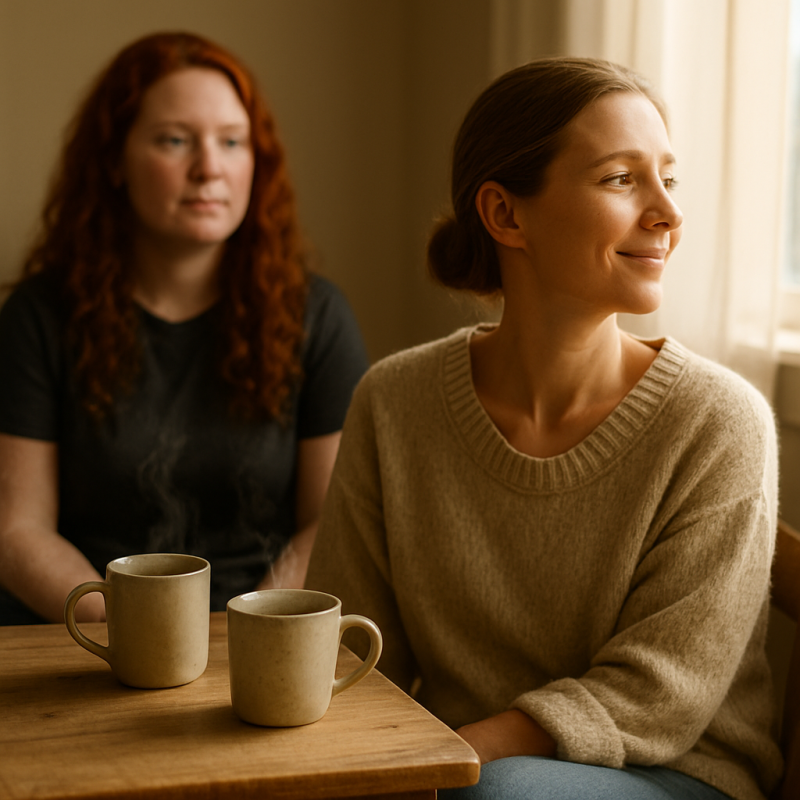 Image by RM AI
Coffee and Connection
We started meeting every Thursday, a coffee shop halfway between her apartment and my place. Neither of us planned it to become a ritual — it just did. The first few weeks were careful, both of us finding our footing, but somewhere around week four or five something loosened. Chloe asked about my work one afternoon and actually waited for the answer. Not the polished version, not the version I used to give when I was bracing for a dismissal — the real one, with the frustrations and the small wins and the parts I was still figuring out. She listened. She asked a follow-up question. It sounds like nothing, but it wasn't nothing. I started sharing things I'd kept to myself for years, and she started doing the same. She talked about her counseling honestly — what she was working through, the patterns she was starting to see in herself. We laughed about things from childhood, the kind of memories that only make sense to the two people who were there. One Thursday she said, "I feel like I'm meeting you for the first time," and I told her I felt the same way. I walked home that afternoon with the quiet, settled feeling of something that had been broken for a long time finally being held carefully in both hands.
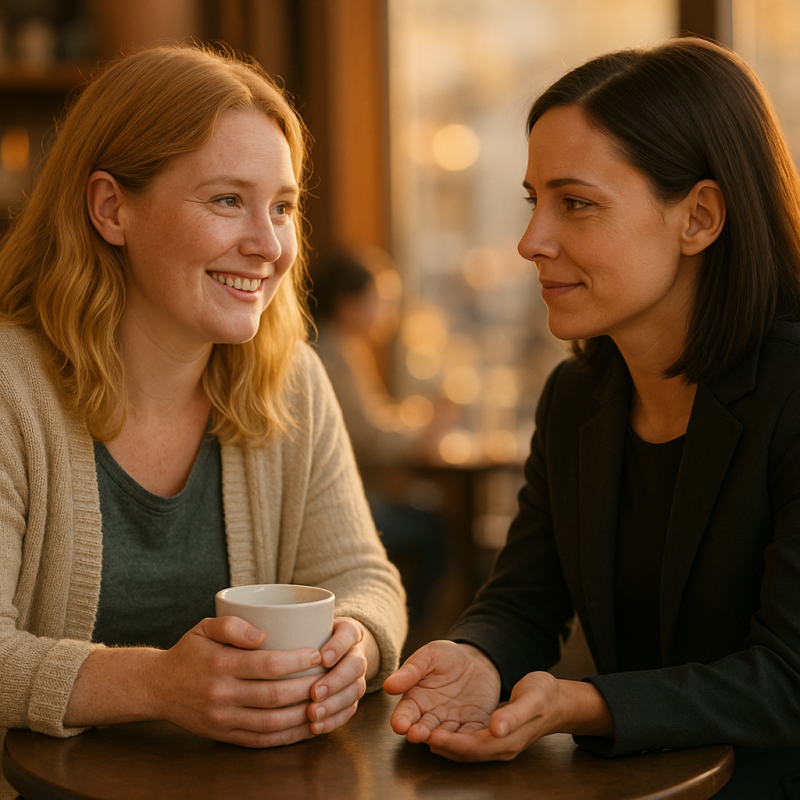 Image by RM AI
Real Family
Arthur's house smelled like pine and something roasting when I arrived, and I stood in the doorway for a moment just taking it in. Rachel was already in the kitchen, laughing at something with my grandfather, her coat still half on. Chloe and Blake pulled up a few minutes after me in their small secondhand car, carrying a casserole dish between them and arguing cheerfully about whether they'd remembered the serving spoon. They had. We spread everything across Arthur's dining table — nothing matched, nothing was catered, nothing was meant to impress anyone. Blake helped Arthur carry chairs in from the other room. Rachel poured wine and handed glasses around without asking who wanted any. Chloe sat next to me and we talked through dinner the way we'd been learning to talk — honestly, easily, without the old performance underneath it. At one point I looked down the table at my grandfather. He wasn't saying much. He was just watching all of us, and there was something in his face I hadn't seen there in years — a stillness that wasn't worry, a quiet that wasn't waiting for something to go wrong. Every person at that table had chosen to be there, not for what they might get, but for each other. The room held all of us, and it was enough.
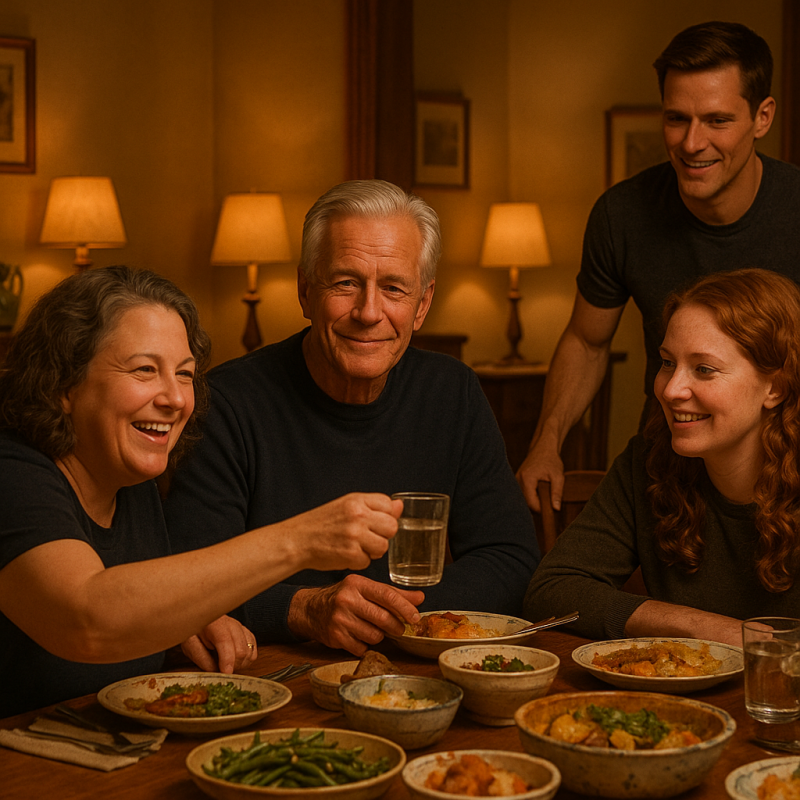 Image by RM AI
KEEP ON READING
20 Forgotten Historical Inventors Who Need More Credit
Stepping Out of the Shadows. We all know the famous…
By Sara Springsteen Jun 1, 2026
20 Historical "Hustlers" Who Went from Rags to Riches
Chasing the Ultimate Dream. History is packed with individuals who…
By Sara Springsteen Jun 1, 2026
20 Famous Deaths That Created Centuries of Rumors
Some Endings Refuse to Stay Quiet. History loves a mystery,…
By Emilie Richardson-Dupuis Jun 1, 2026
10 Self-Proclaimed Historical Geniuses & 10 That Were Actually Smart
Changing History or Saying You Changed History. Genius is one…
By Elizabeth Graham Jun 1, 2026
20 Historical Figures Who Were Punished For Being Right Too…
History Has Always Hated a Know-It-All. There's a particular kind…
By Cameron Dick Jun 1, 2026
20 Times History Was Decided By A Petty Personal Grudge
It Was Never Really About the Politics. History likes to…
By Cameron Dick Jun 1, 2026