

20 Historical Figures Who Were Punished For Being Right Too Early
History Has Always Hated a Know-It-All
There's a particular kind of cruelty reserved for people who see the future clearly. Not the vague, mystic kind of foresight, but the rigorous, evidence-based kind that turns out to be completely correct. History is full of thinkers, doctors, and scientists who paid serious prices for ideas we now teach in schools and name buildings after. The punishment wasn't always death, though sometimes it was. More often it was ridicule, exile, or the slow erosion of a career by people who couldn't tolerate being wrong. Here are 20 of the most striking examples.
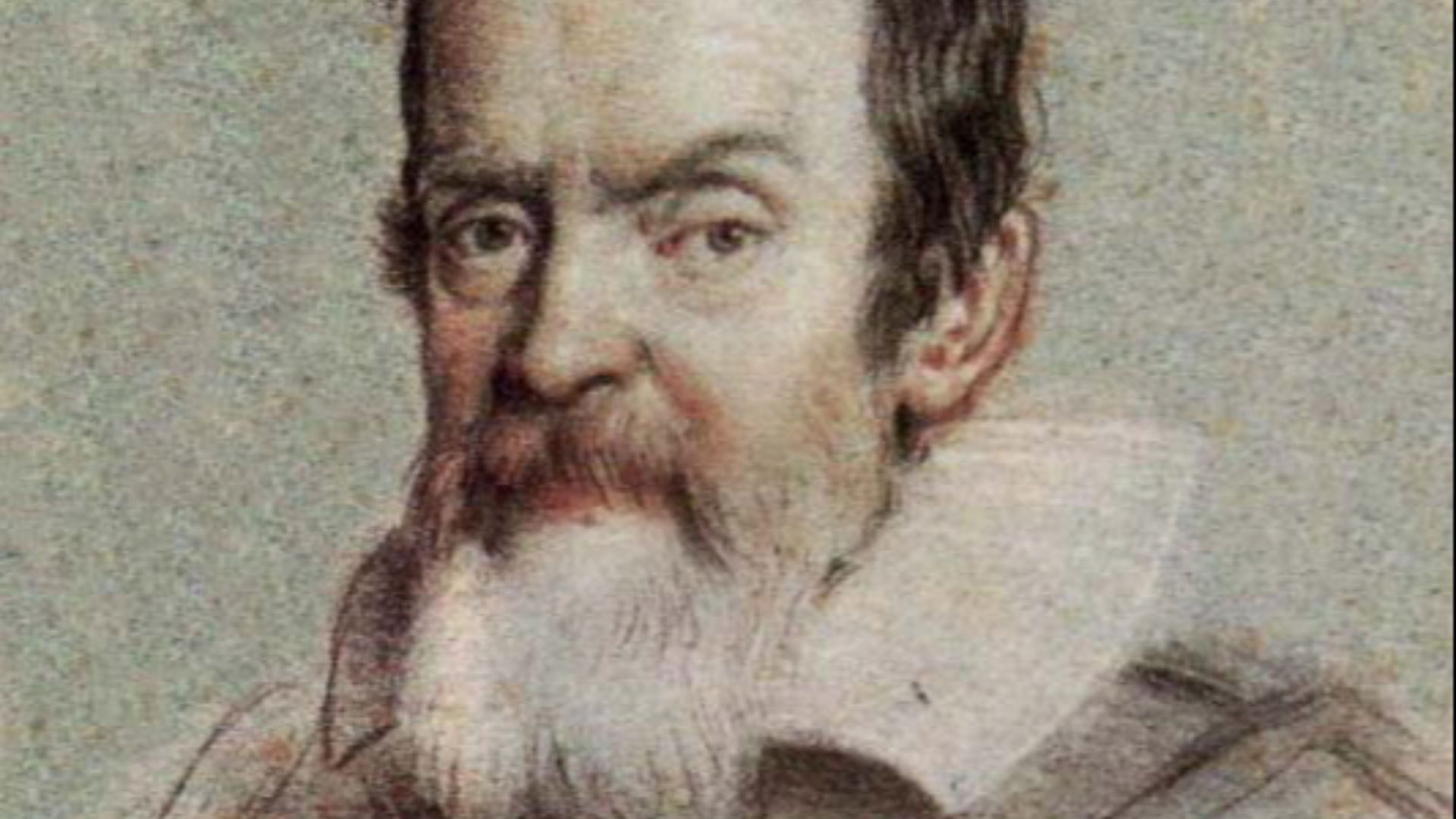
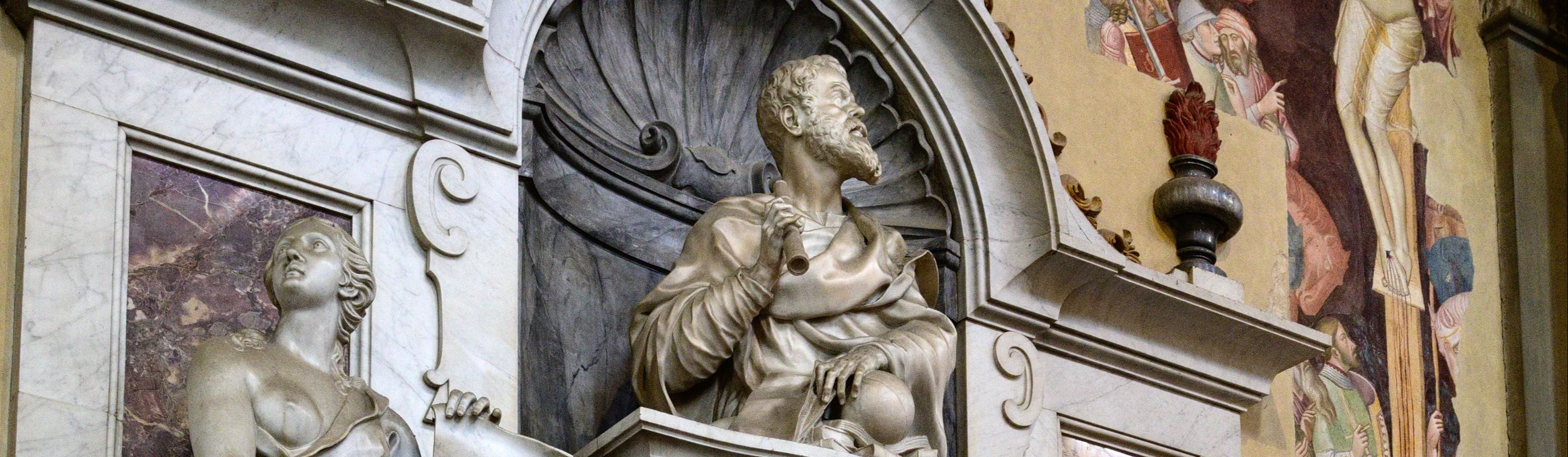
1. Galileo Galilei
Galileo didn't just suggest the Earth revolved around the Sun, he pointed a telescope at the sky and showed people the evidence. The Catholic Church forced him to recant under threat of torture and placed him under house arrest for the rest of his life. He spent his final years confined to his villa outside Florence, forbidden from publishing, his ideas quietly spreading anyway.
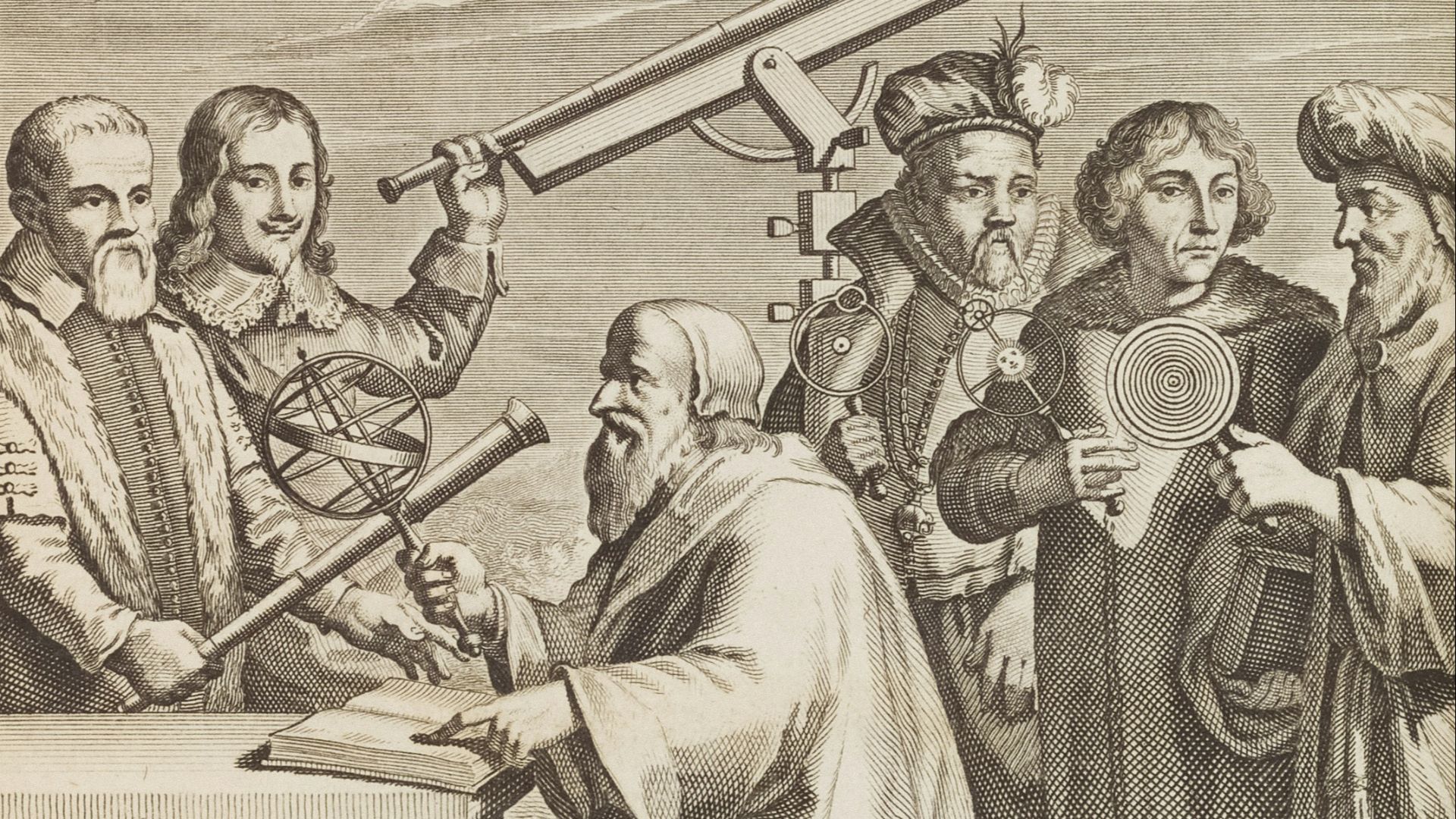 The New York Public Library on Unsplash
2. Ignaz Semmelweis
Semmelweis figured out in the 1840s that doctors were killing patients by not washing their hands between autopsies and deliveries. His colleagues found the implication too offensive to accept. He was dismissed, mocked, and eventually committed to a mental institution, where he died of the very kind of infection he'd spent his career trying to prevent.
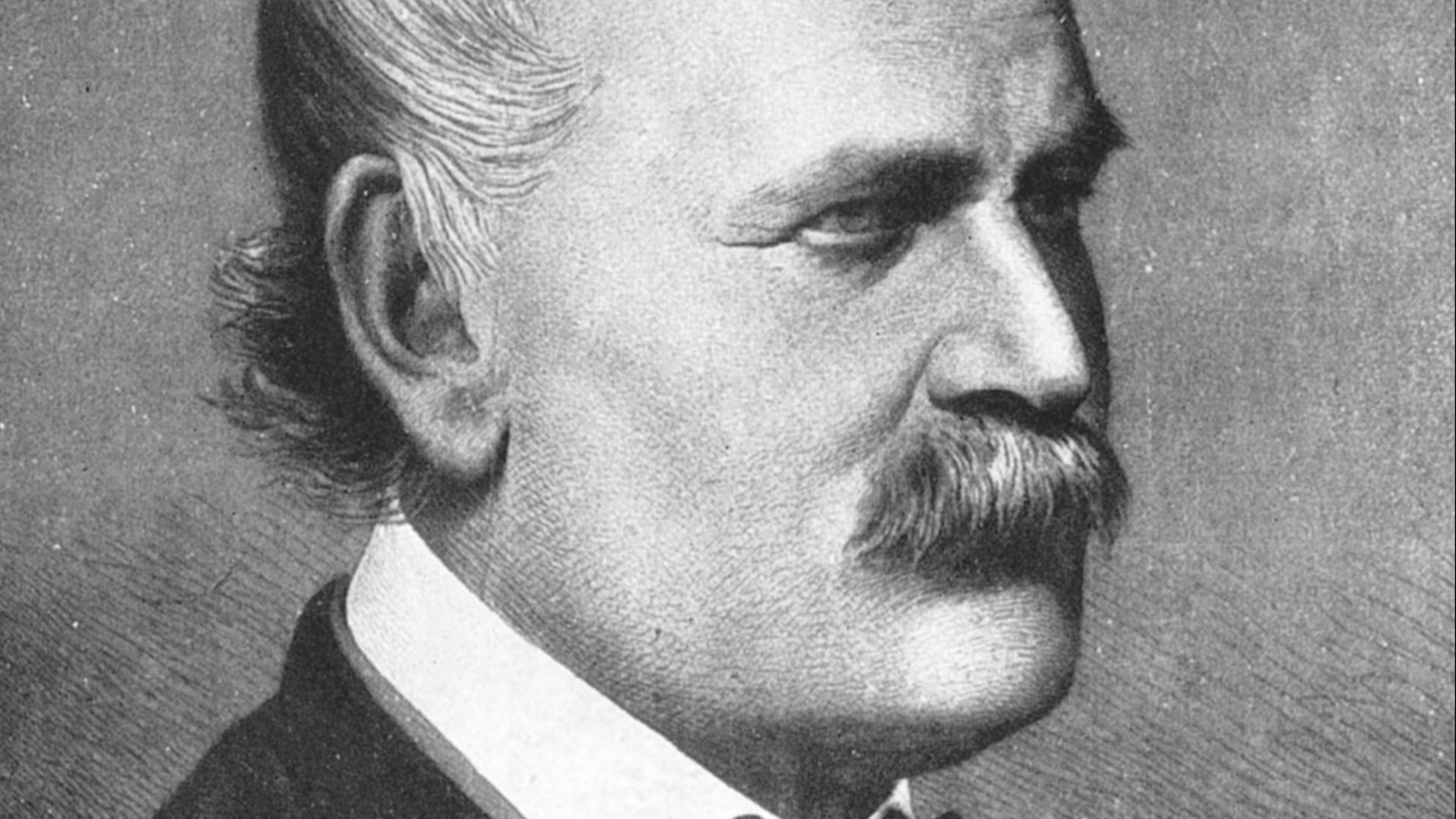 After Jenő Doby's engravig on Wikimedia
3. Giordano Bruno
Bruno went further than Galileo ever dared, arguing for an infinite universe filled with other worlds. The Inquisition gave him eight years in prison to change his mind. He didn't, and in 1600 they burned him alive in a Roman square.
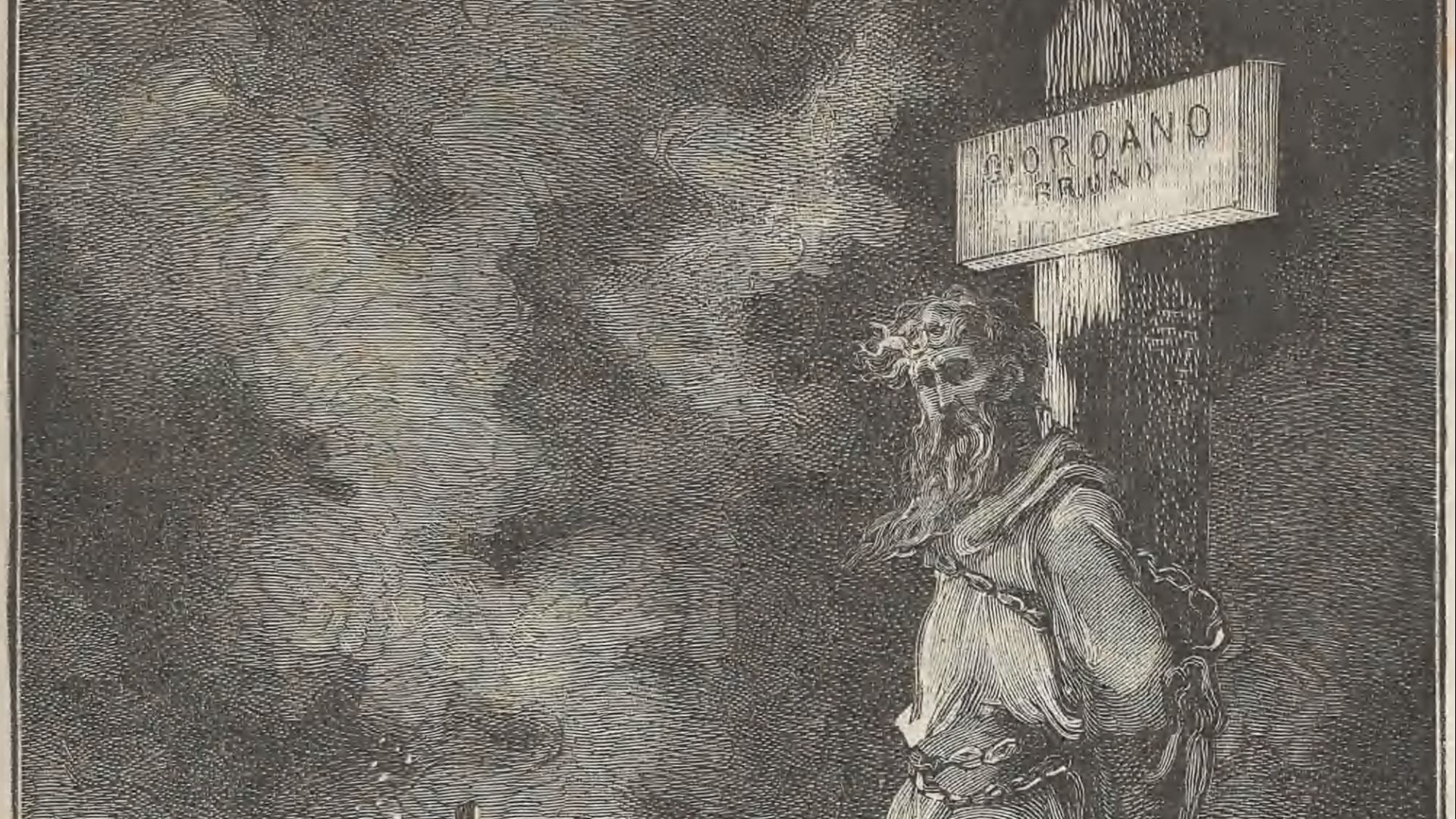 Camille Flammarion on Wikimedia
4. Alan Turing
Turing helped break the Enigma code during World War II, work historians estimate shortened the war by years and saved millions of lives. The British government repaid him by prosecuting him for homosexuality and subjecting him to chemical castration. He died two years later, almost certainly by suicide. A formal apology came in 2009.
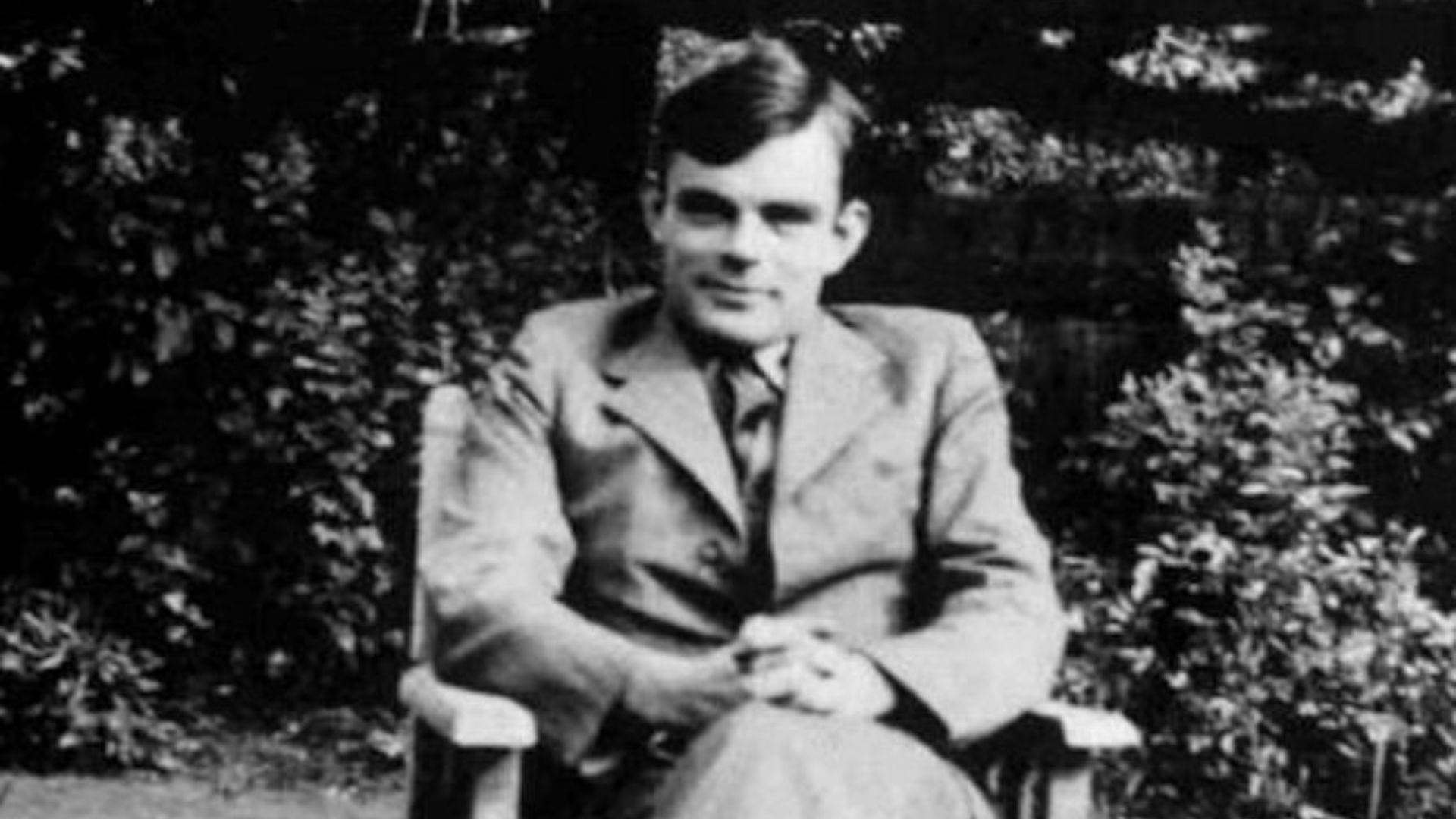 Unknown authorUnknown author on Wikimedia
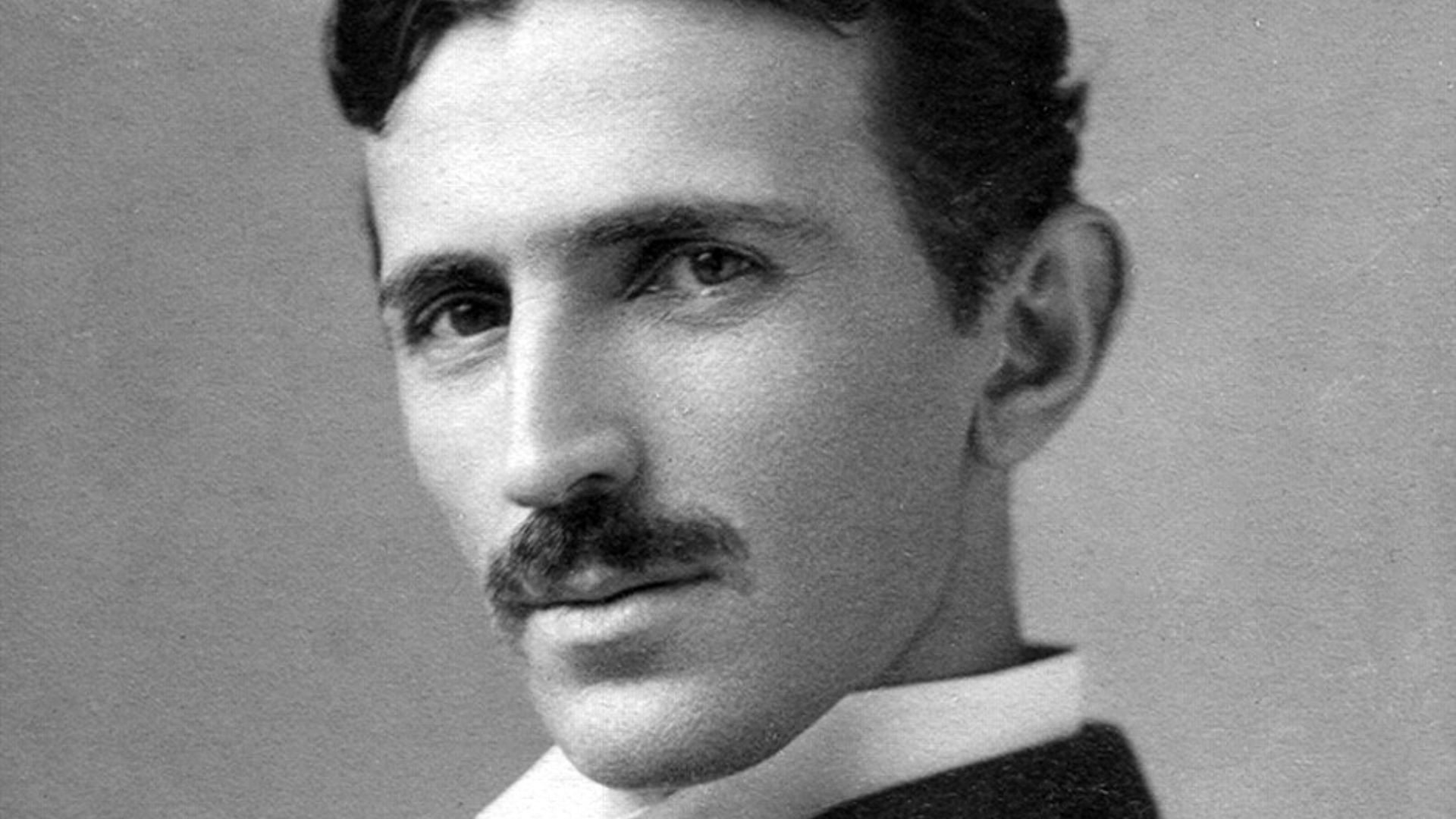
5. Nikola Tesla
Tesla saw the potential of alternating current when the entire electrical establishment was committed to direct current. Edison waged a full public campaign against him, including electrocuting animals to demonstrate how dangerous AC was. Tesla won the technical argument but died alone and nearly broke in a New York hotel room.
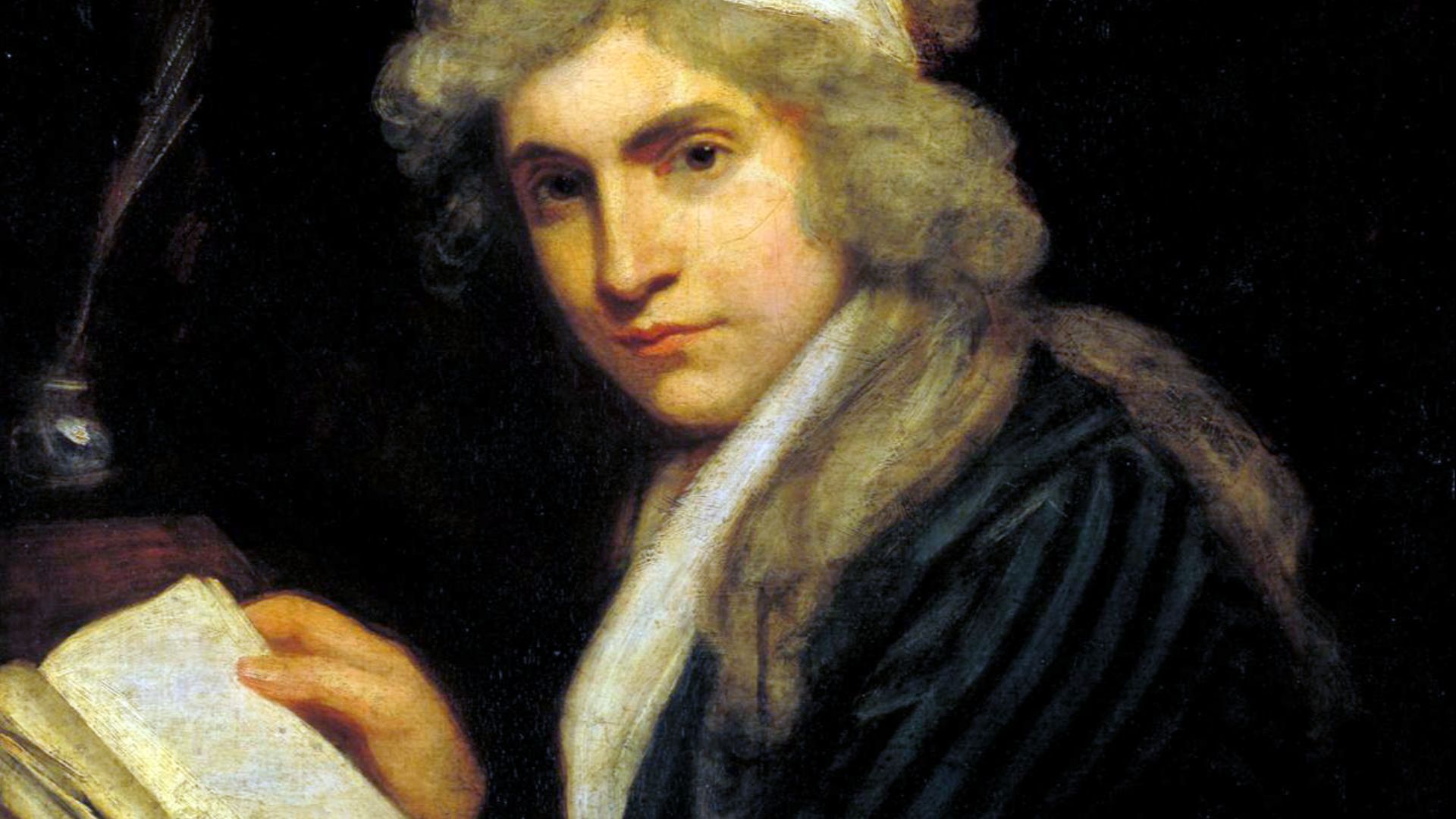
6. Mary Wollstonecraft
Wollstonecraft published A Vindication of the Rights of Woman in 1792 and was written off as a lunatic for arguing that women deserved the same education and rational agency as men. The response from critics was somewhere between contempt and mockery. It took over a century before the things she argued for started becoming law.
7. Gregor Mendel
Mendel spent years carefully breeding peas in a monastery garden, working out the laws of heredity that would become the foundation of genetics. He published his findings in 1866 to almost complete silence. His work wasn't rediscovered until 1900, sixteen years after his death.
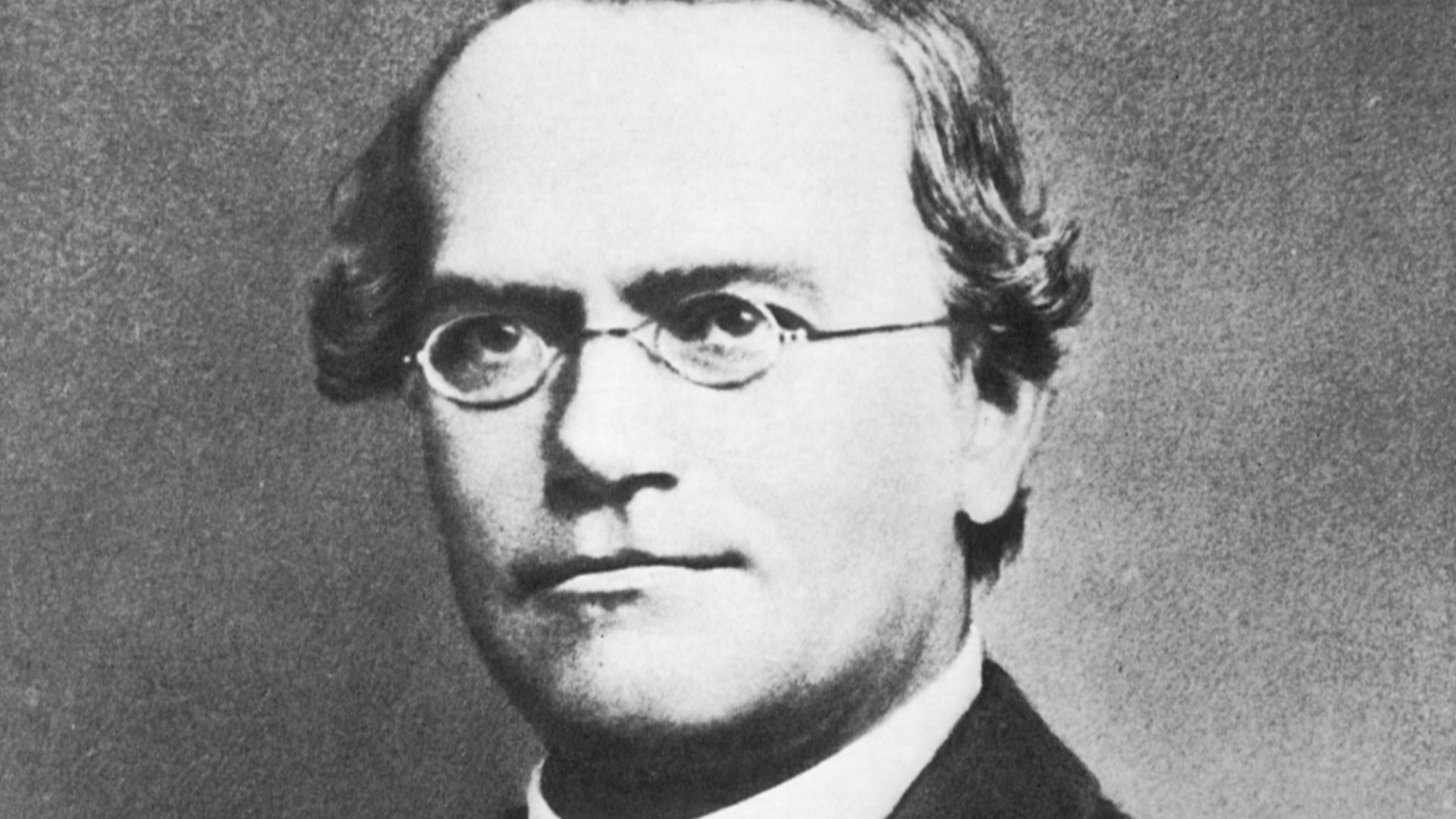 Unknown authorUnknown author on Wikimedia
8. Hypatia of Alexandria
Hypatia was one of the foremost mathematicians of the ancient world, a woman who lectured publicly on science in fourth-century Alexandria. She was murdered by a Christian mob in 415 AD. Her visibility as a learned, independent woman made her a target in a way a male scholar of equal standing likely would not have been.
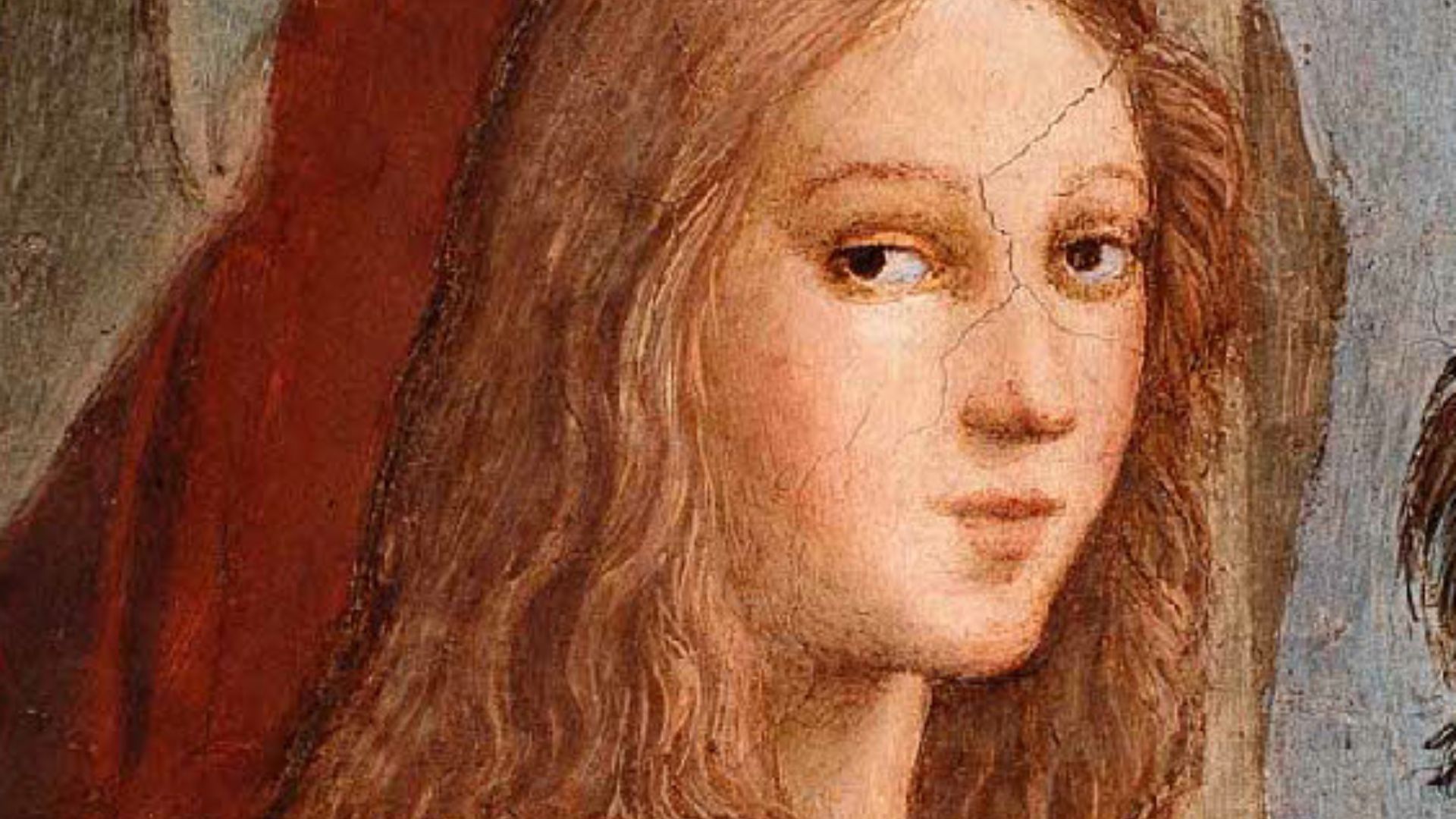
9. Roger Bacon
Bacon, a thirteenth-century friar, was advocating for experimental science centuries before it became standard practice. The Franciscan order found his ideas dangerous enough to imprison him for roughly fourteen years. He had the misfortune of being right about the scientific method about 400 years before it became fashionable.
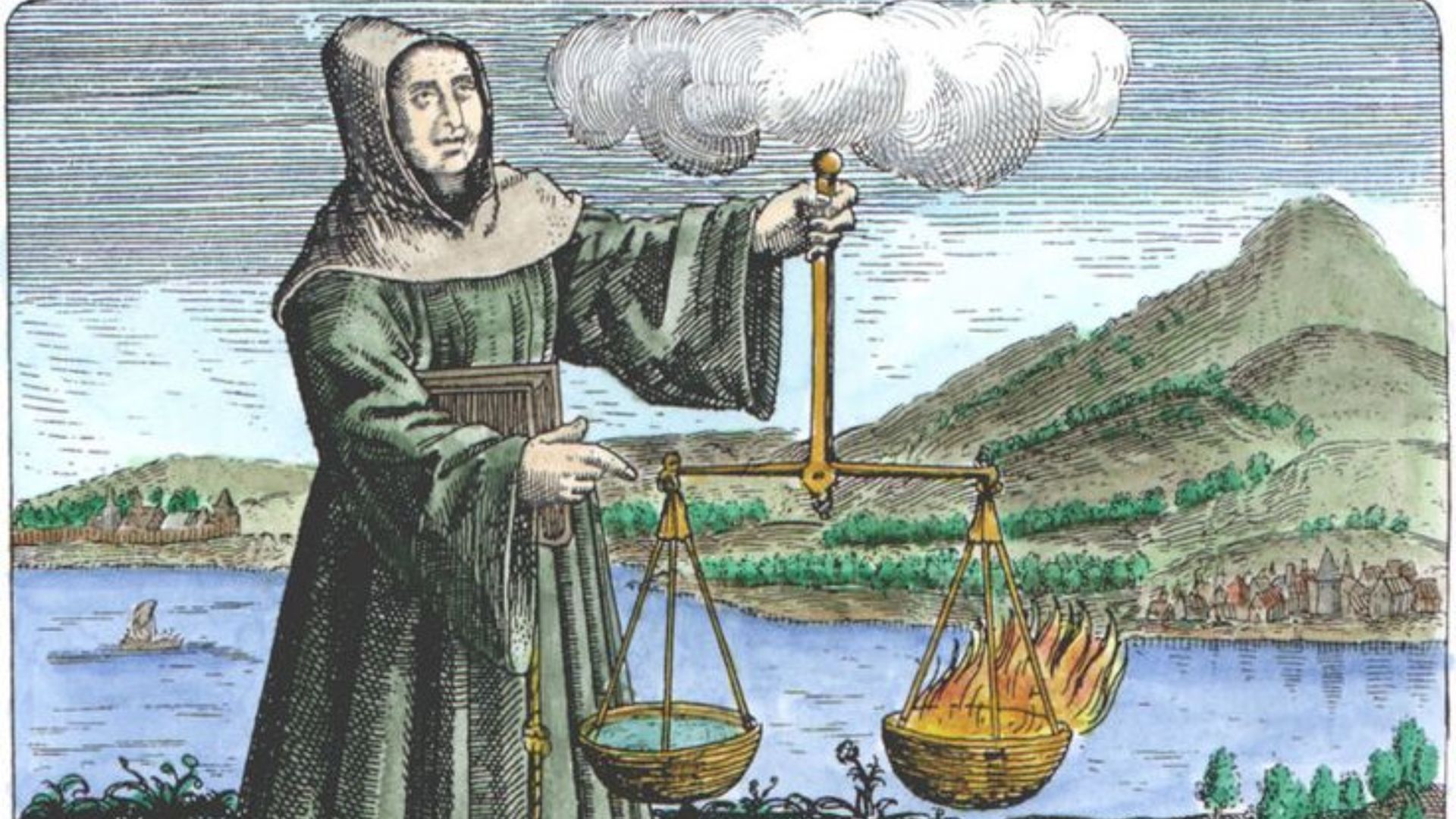
10. Aristarchus of Samos
Aristarchus argued in the third century BC that the Earth orbited the Sun. His contemporary Cleanthes reportedly called for him to be tried for impiety. The heliocentric model stayed buried for nearly 1,800 years, until Copernicus essentially rediscovered the same idea.
 Unknown artist (17th century) on Wikimedia
11. Charles Darwin
Darwin sat on the theory of natural selection for twenty years before publishing it, knowing exactly how badly the reception would go. The backlash was enormous, and critics spent years trying to discredit him personally. What they couldn't do was disprove the evidence.
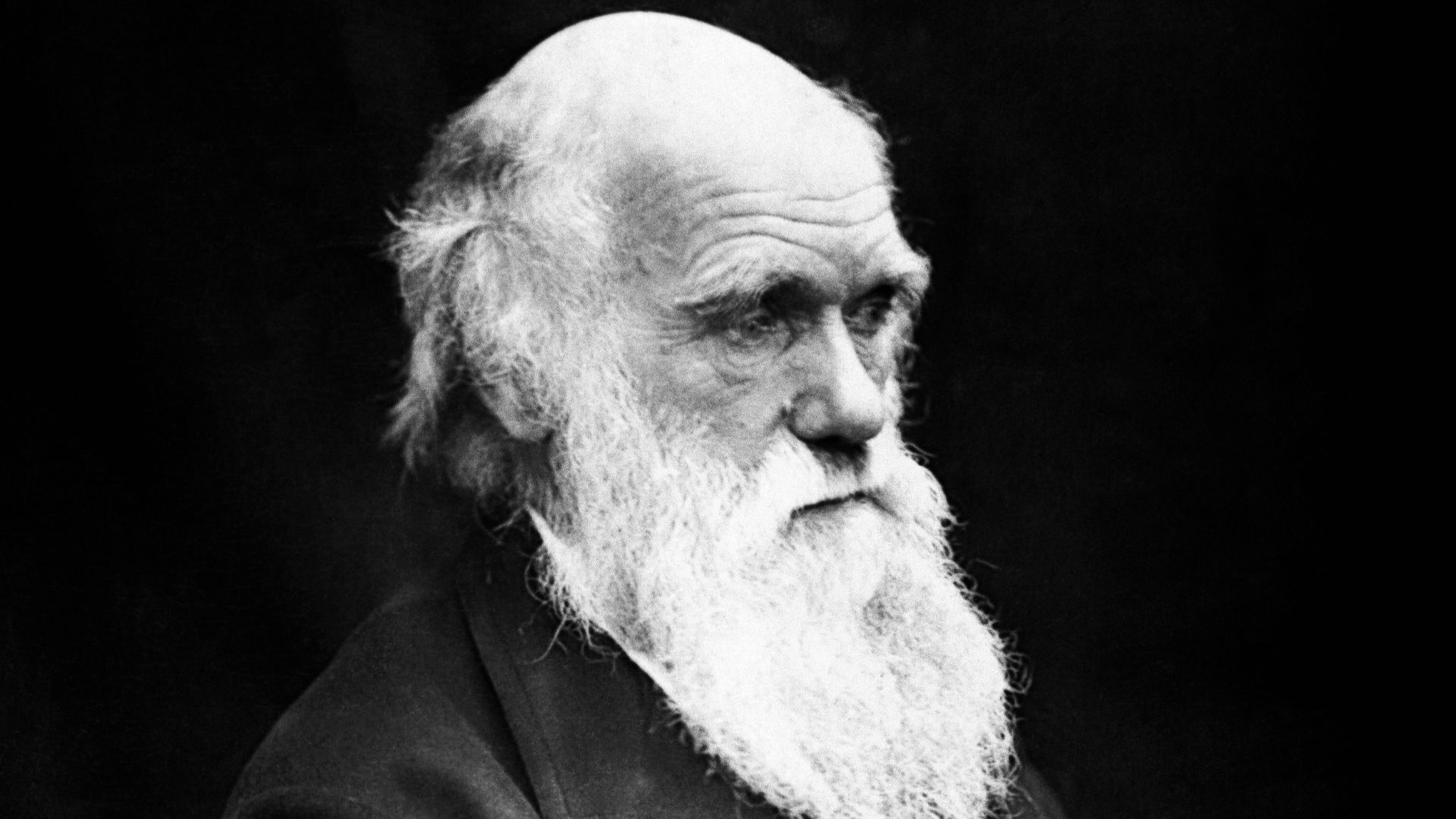 Julia Margaret Cameron on Wikimedia
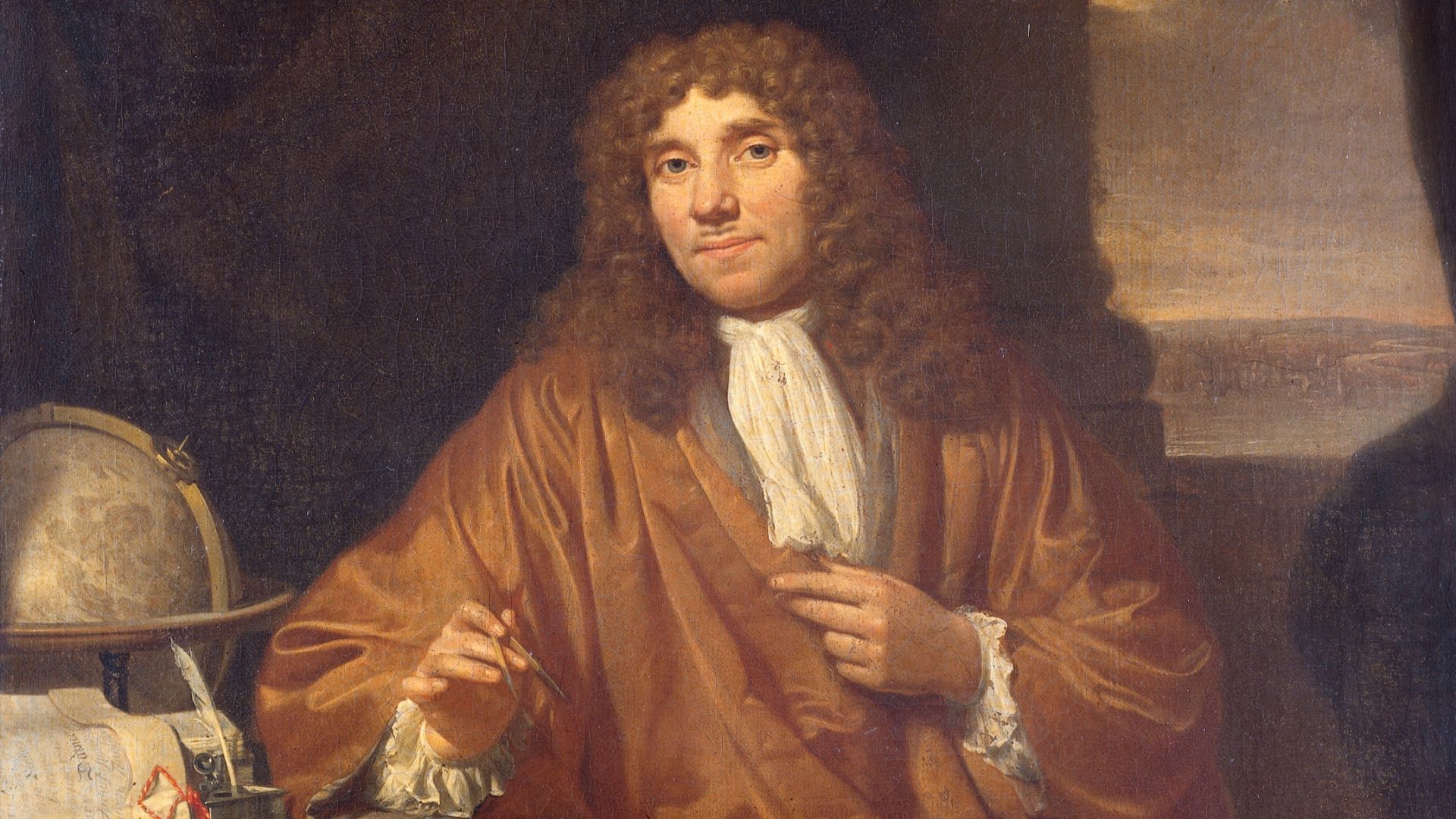
12. Antonie van Leeuwenhoek
Leeuwenhoek built his own microscopes and became the first person to observe bacteria in the seventeenth century. When he reported entire worlds of organisms invisible to the naked eye, the scientific establishment was deeply skeptical. It took years before anyone fully accepted that he wasn't seeing things.
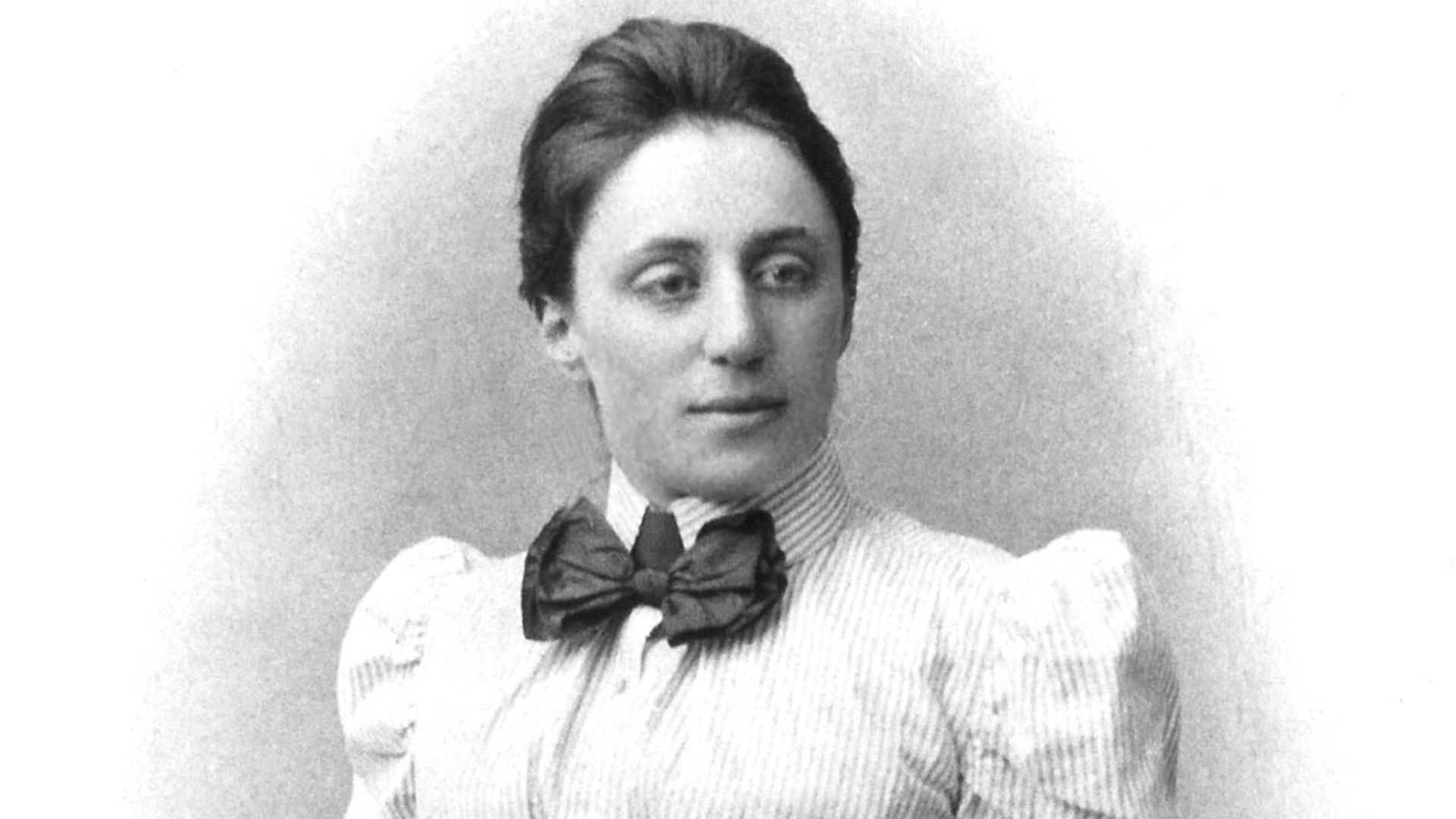
13. Emmy Noether
Noether was one of the greatest algebraists of the twentieth century. Even Einstein called her the most significant creative mathematical genius thus far produced. She was barred from academic positions in Germany because she was a woman, allowed only to lecture under a male colleague's name without pay. When the Nazis came to power, she was dismissed entirely.
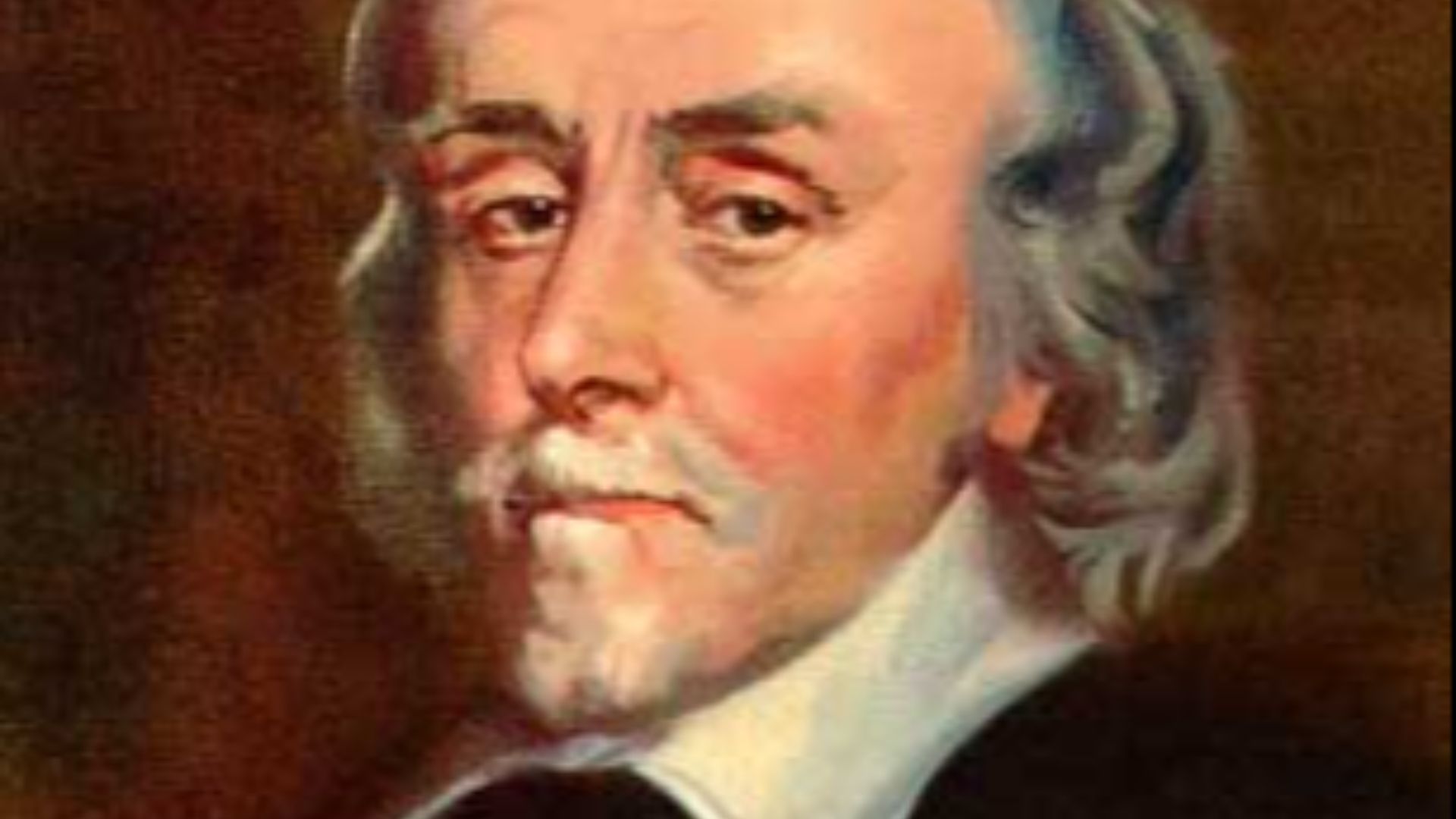
14. William Harvey
Harvey published his discovery that blood circulates through the body in 1628, directly contradicting the dominant medical thinking of his era. He lost a significant portion of his medical practice as patients decided they didn't want to be treated by someone so apparently confused about basic anatomy. He was right. It just took a while for everyone else to catch up.
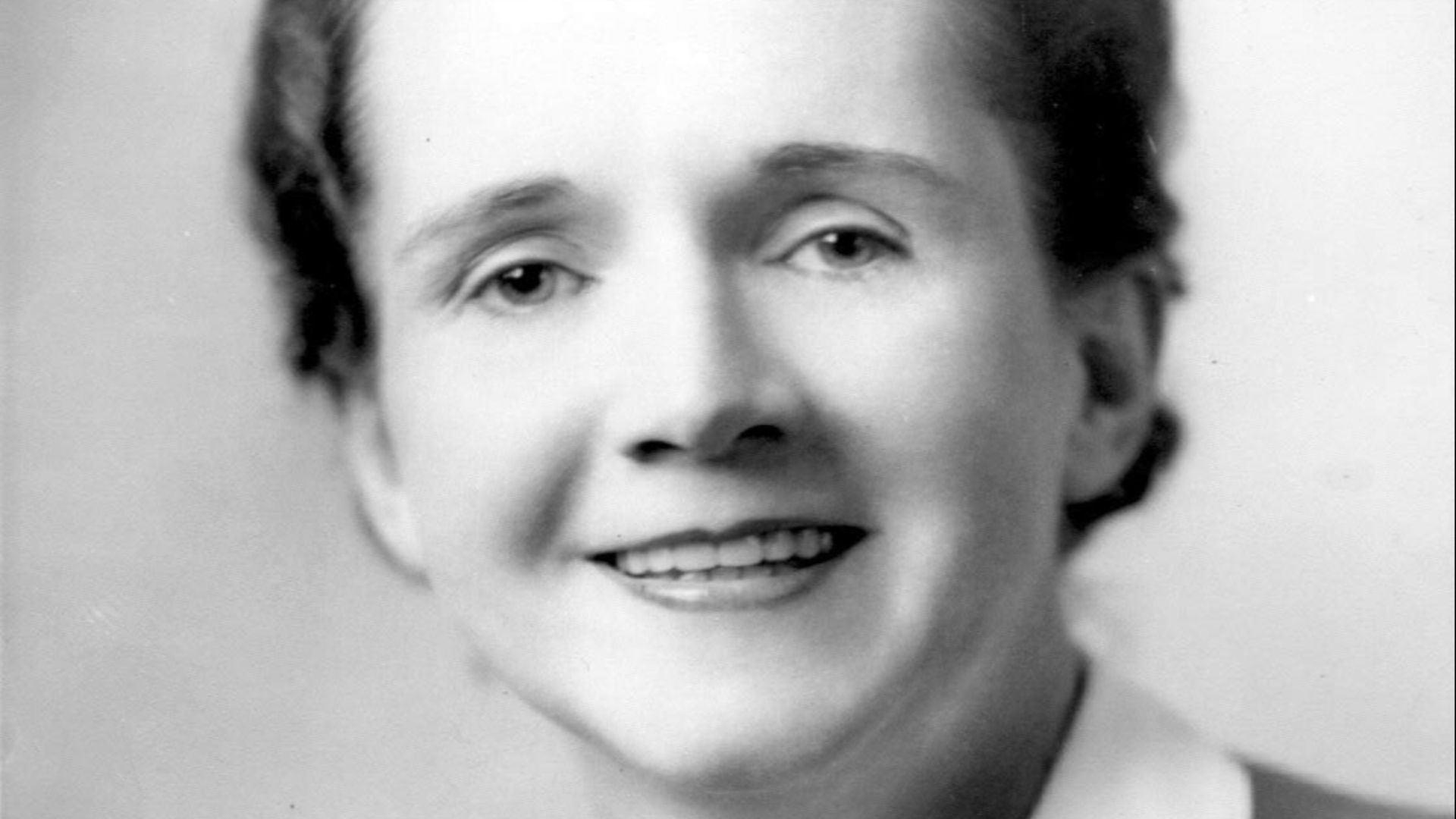
15. Rachel Carson
Carson published Silent Spring in 1962 and the chemical industry launched a coordinated campaign to destroy her reputation, calling her a communist and questioning her credentials. The book sold millions of copies anyway and is widely credited with launching the modern environmental movement.
 U.S. Fish and Wildlife Service on Wikimedia
16. Cecilia Payne-Gaposchkin
Payne-Gaposchkin's 1925 doctoral thesis argued that stars are primarily composed of hydrogen and helium. Henry Norris Russell, a leading astronomer, convinced her to walk back the conclusion in her own thesis, calling it almost certainly wrong. Four years later, Russell published the same finding himself and received the credit.
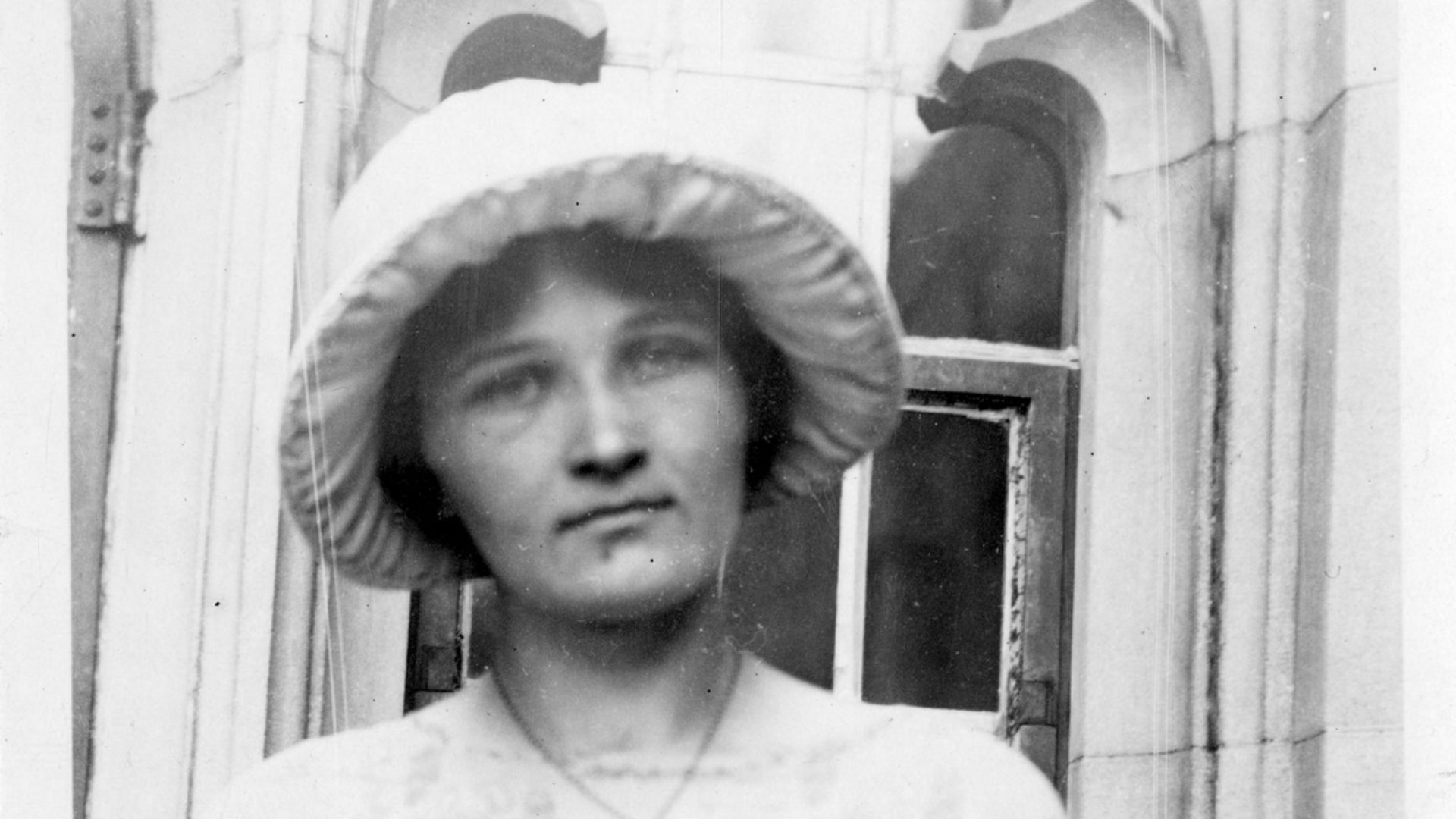 Smithsonian Institution from United States on Wikimedia
17. Subrahmanyan Chandrasekhar
Chandrasekhar calculated in the 1930s that stars above a certain mass would collapse into what we now call black holes. Sir Arthur Eddington publicly humiliated him at a Royal Astronomical Society meeting, dismissing the idea as absurd. Chandrasekhar won the Nobel Prize in Physics fifty years later for that same work.
 Startchild Project NASA on Wikimedia
18. Antonio Gramsci
Gramsci was imprisoned by Mussolini's government because his ideas were considered dangerous to fascist rule. The prosecutor at his trial reportedly said, "We must stop this brain from working for twenty years." The notebooks he wrote in confinement became foundational texts of modern political theory.
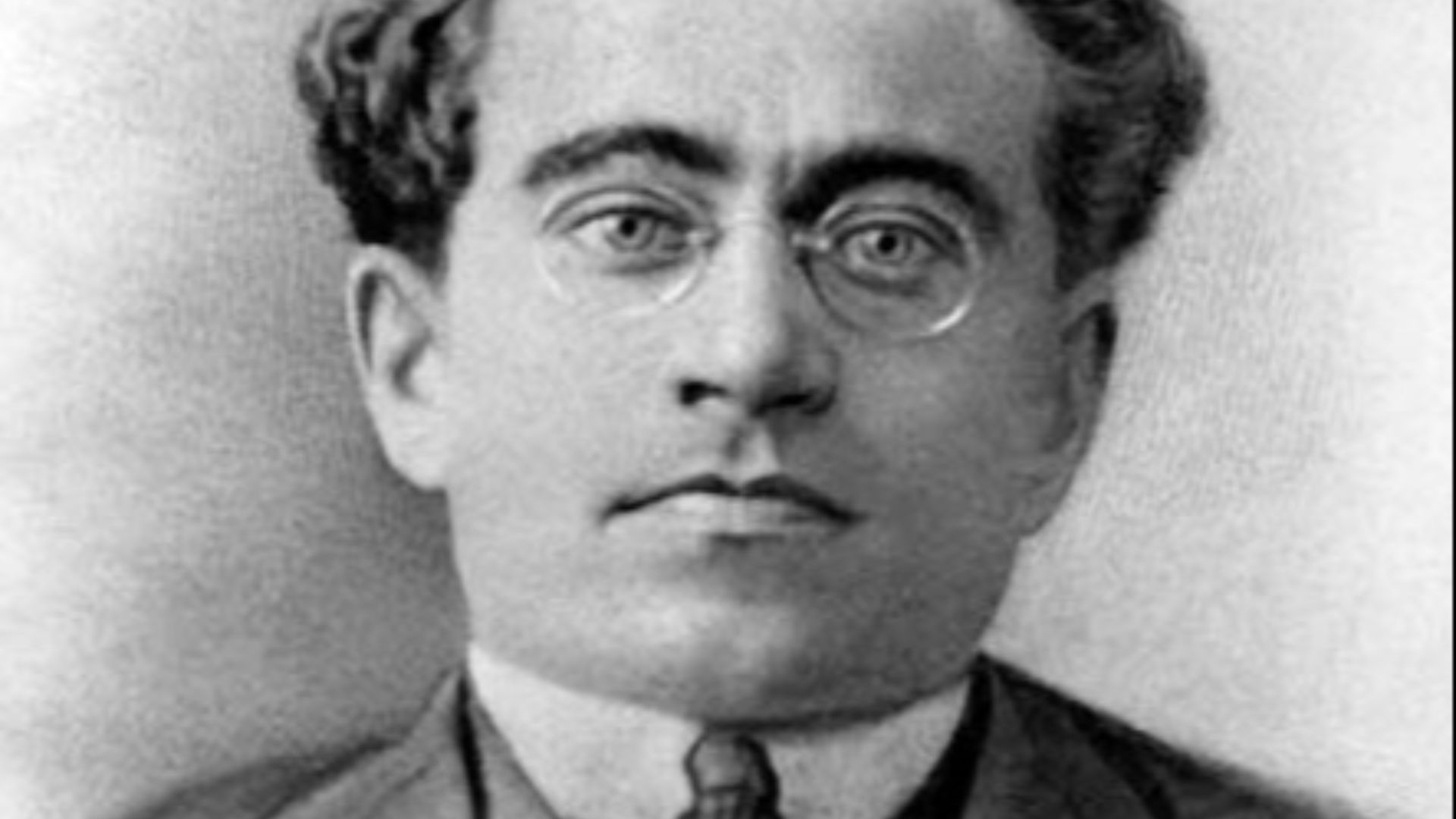 Unknown authorUnknown author on Wikimedia
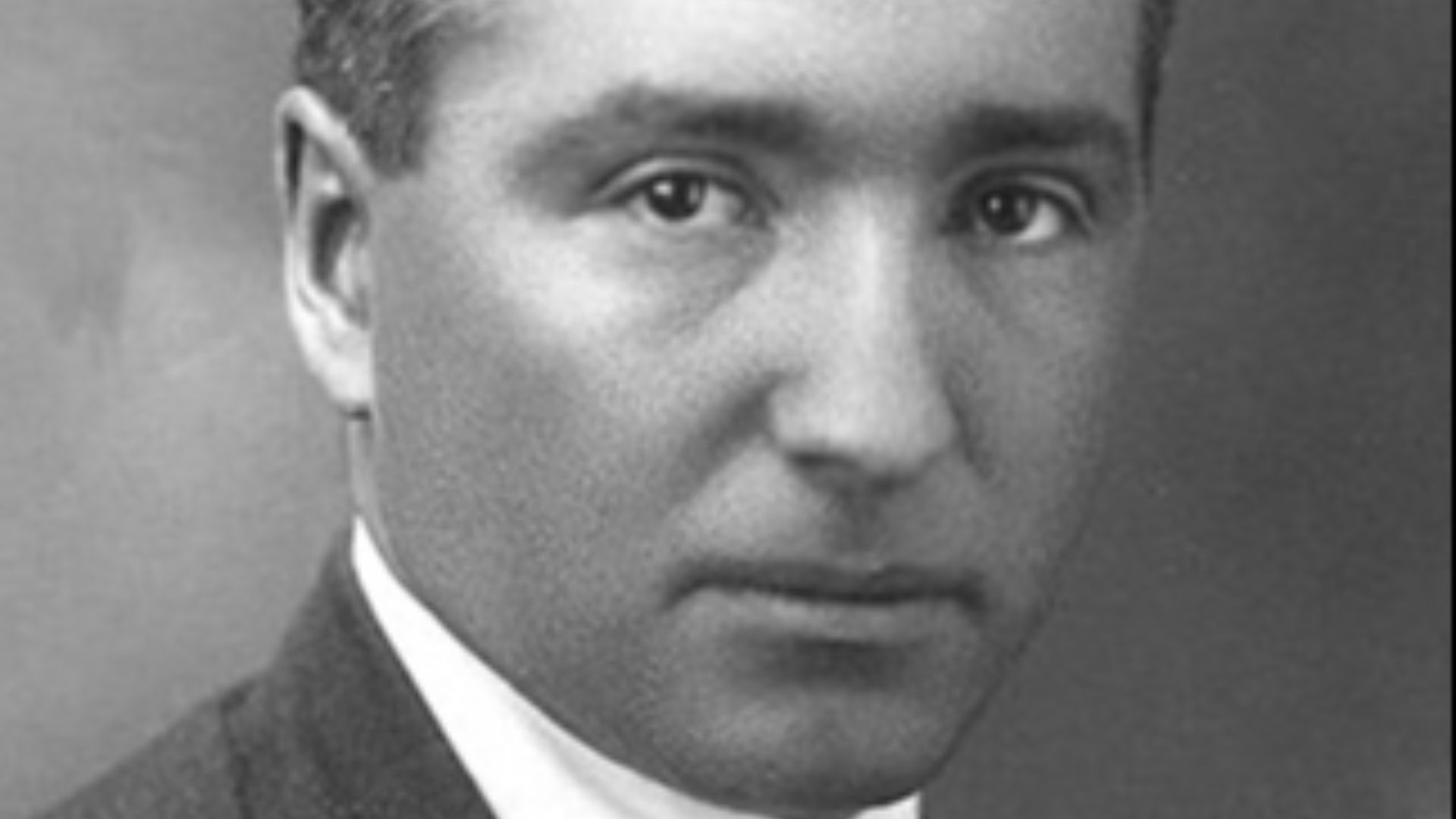
19. Wilhelm Reich
Reich's early work on the connection between psychological and physical health was serious and well ahead of its time. The FDA destroyed his books and equipment, and he died in federal prison in 1957. The credible elements of his thinking have since been absorbed into mainstream psychology with little acknowledgment of where they came from.
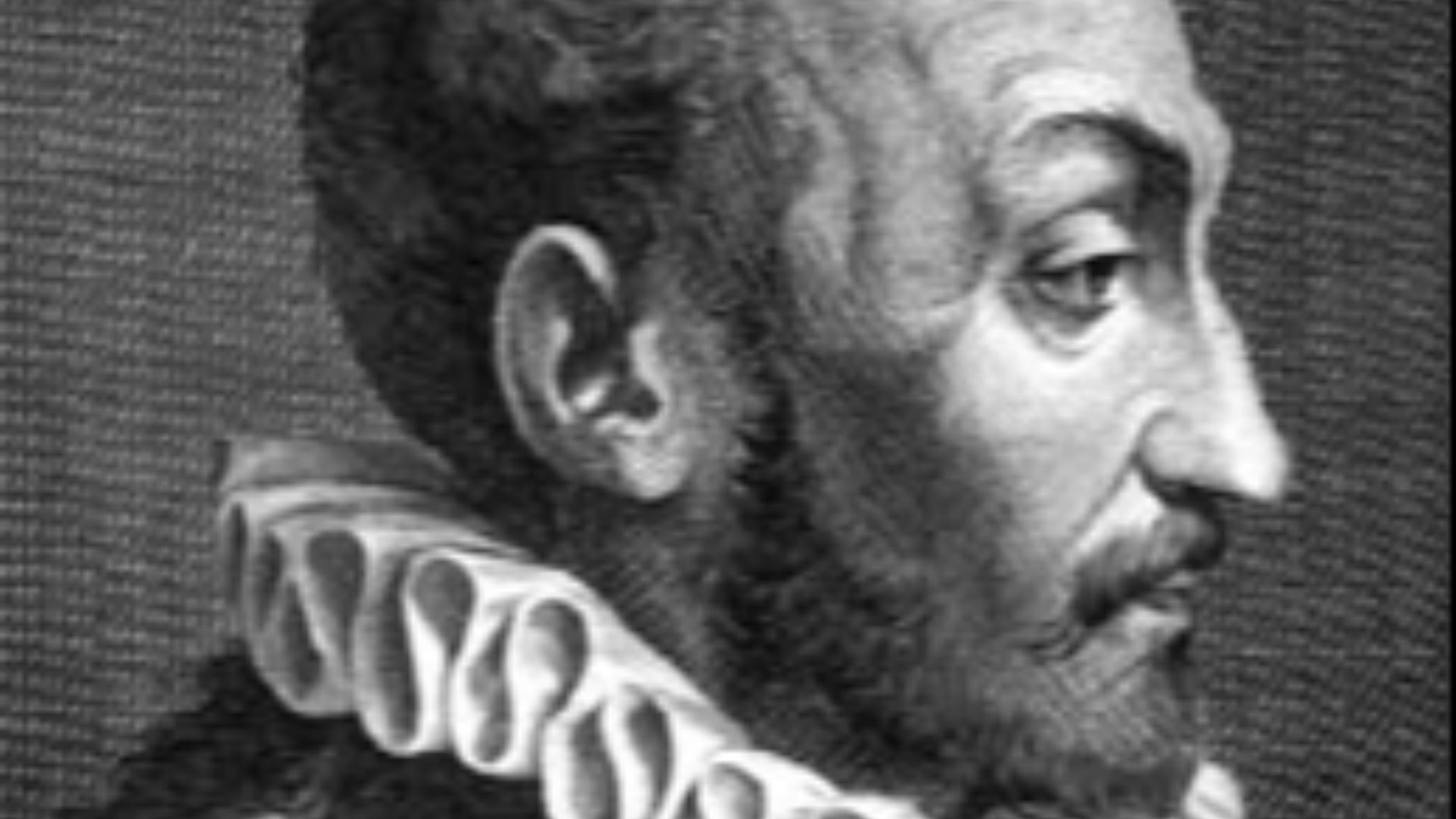
20. Giambattista della Porta
Della Porta made significant contributions to optics and the camera obscura in the sixteenth century, only to have the Inquisition order him to stop publishing his scientific work. His books were placed on the Index of Forbidden Books. Much of what he observed about light and lenses fed directly into the telescope Galileo would later use to upend the known universe.
KEEP ON READING
20 Historical Figures Who Were Punished For Being Right Too…
History Has Always Hated a Know-It-All. There's a particular kind…
By Cameron Dick Jun 1, 2026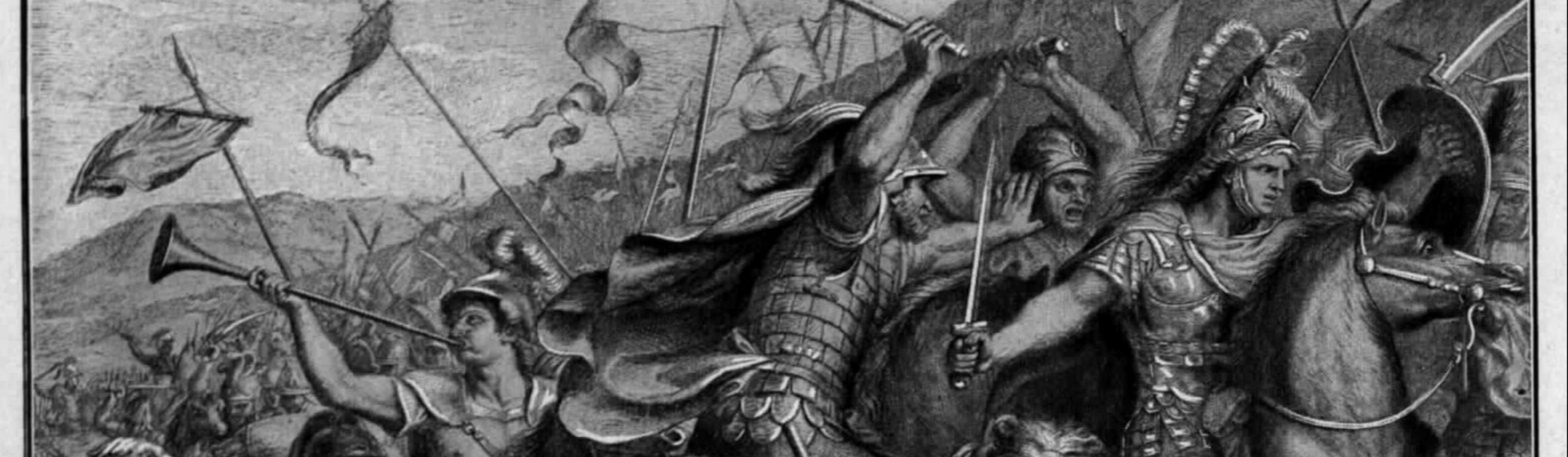
20 Times History Was Decided By A Petty Personal Grudge
It Was Never Really About the Politics. History likes to…
By Cameron Dick Jun 1, 2026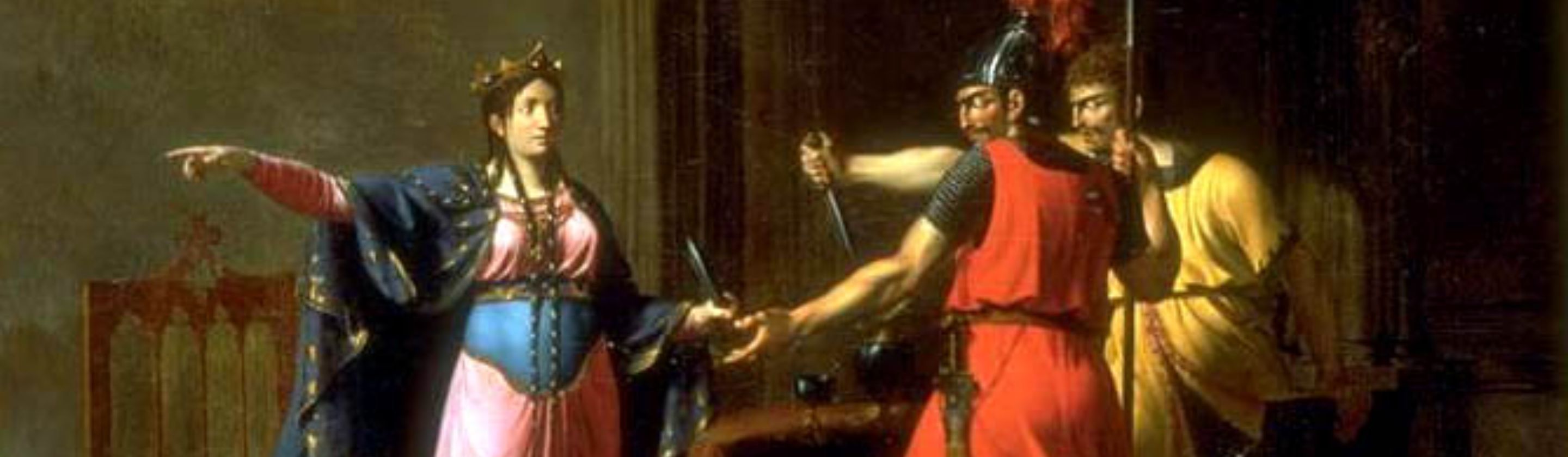
20 Of History's Most Violent Women
Power Wasn’t Polite. History has never had a shortage of…
By Annie Byrd Jun 1, 2026
10 Explorers Who Found What They Sought & 10 Who…
The Journey Doesn't Always End Where You Expect. Throughout history,…
By Rob Shapiro Jun 1, 2026
The 20 Oldest Garments Ever Found
From Desert Caves To Alpine Ice, Ancient Clothing Survived Against…
By Elizabeth Graham May 29, 2026
20 Coolest Nicknames In History
The Best Nicknames EverLet's face it, your given name can…
By Sara Springsteen May 29, 2026