

It Was Never Really About the Politics
History likes to present itself as the product of grand forces: ideology, economics, the inevitable march of civilizations. That version is tidier, but it leaves out a lot. A surprising number of wars started because someone felt snubbed, and empires fractured over bruised egos. Here's 20 times the course of history hinged less on principle than on someone refusing to let something go.
1. Caesar Crosses the Rubicon
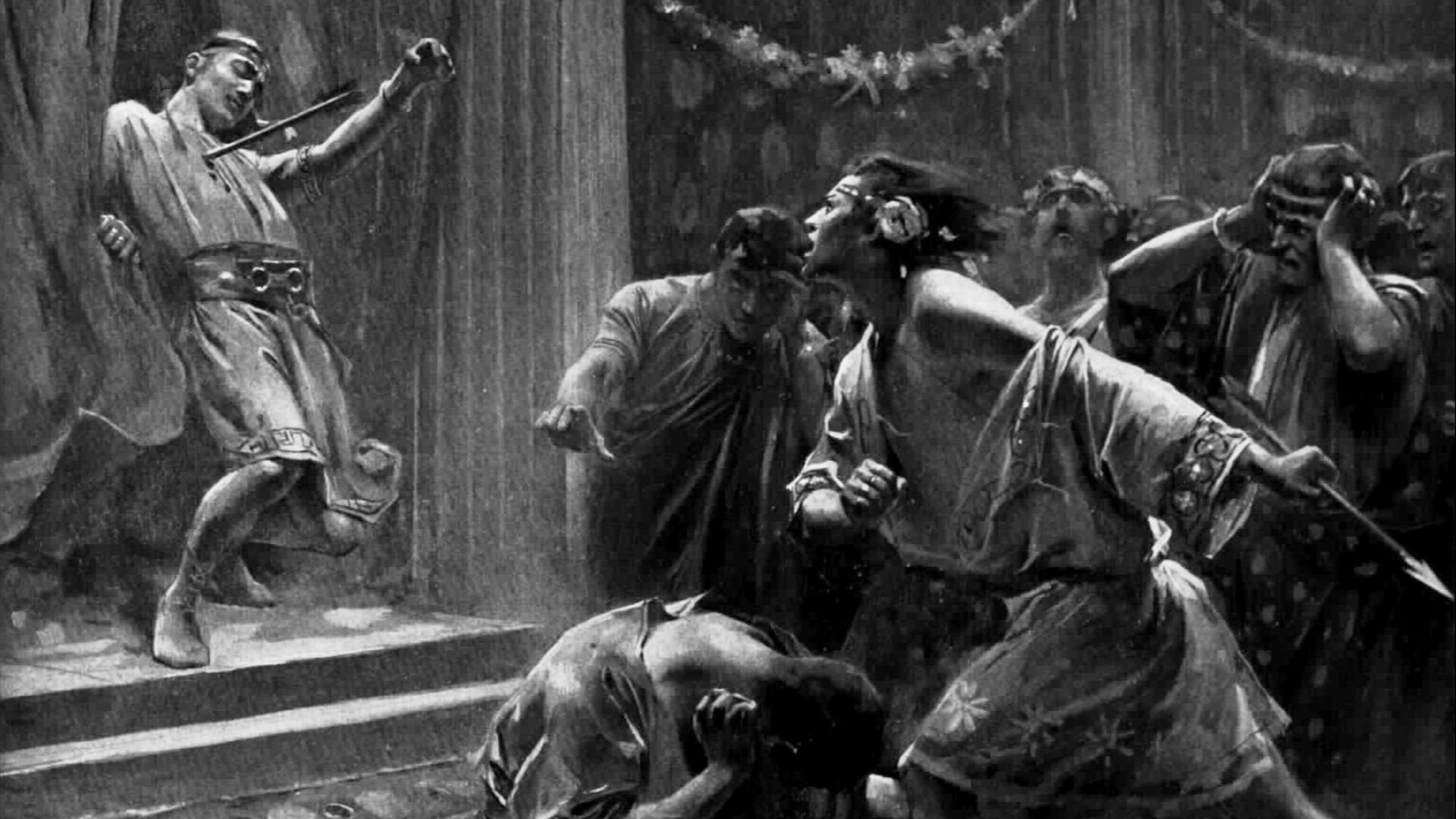
Pompey's jealousy of Caesar's military fame had curdled a close alliance into open enmity, and the Senate (acting largely on Pompey's interests) ordered Caesar to disband his army and return to Rome as a private citizen. Caesar's response to that insult ended the Roman Republic.
 Bartolomeo Pinelli 1819 on Wikimedia
2. Henry VIII Invents a Church
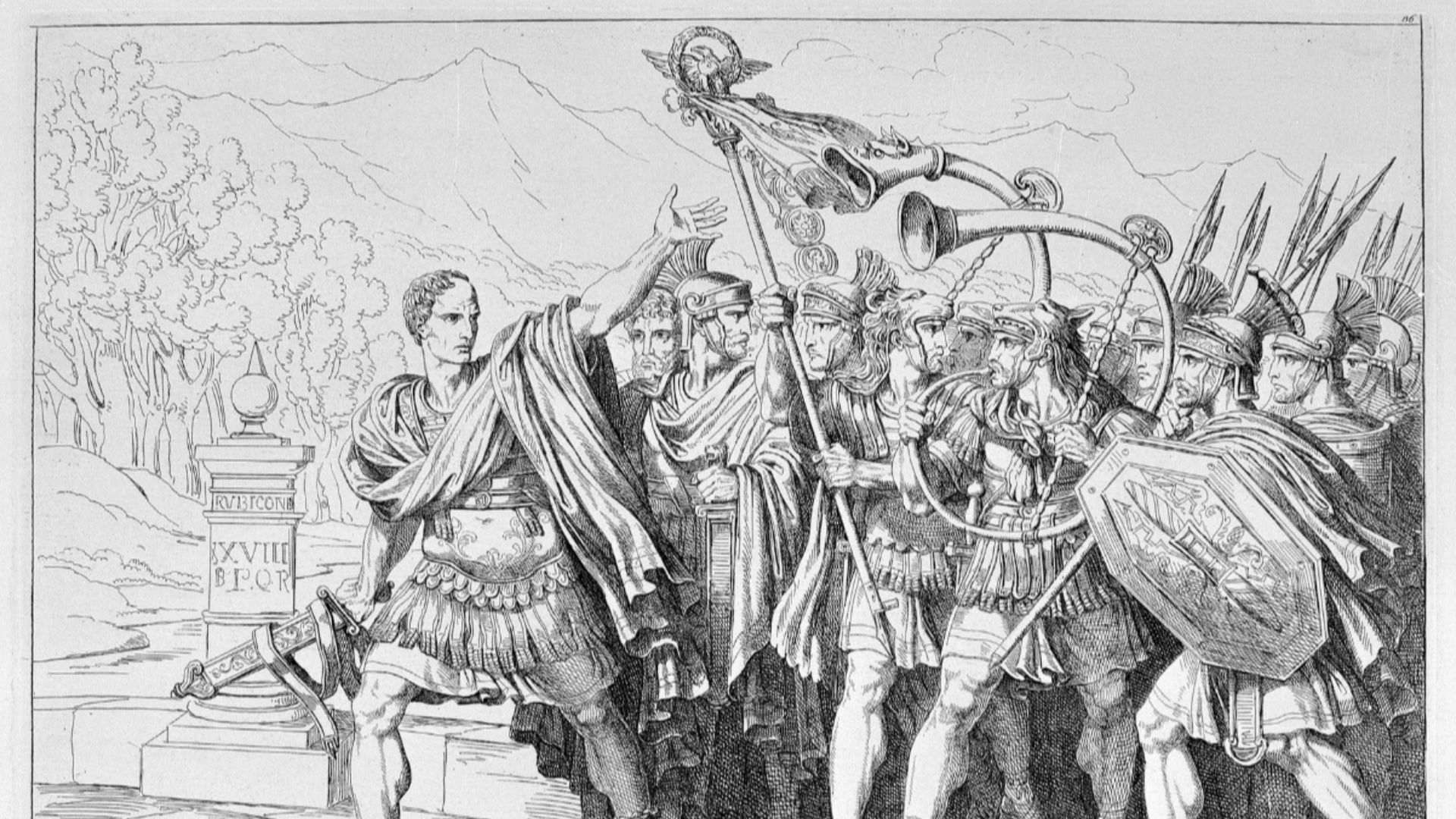
When Pope Clement VII refused to annul Henry's marriage to Catherine of Aragon, Henry dissolved the English Church's ties to Rome and handled the annulment himself. The Reformation had genuine theological currents, but its ignition point was a king who couldn't take no for an answer.
 Unknown authorUnknown author on Wikimedia
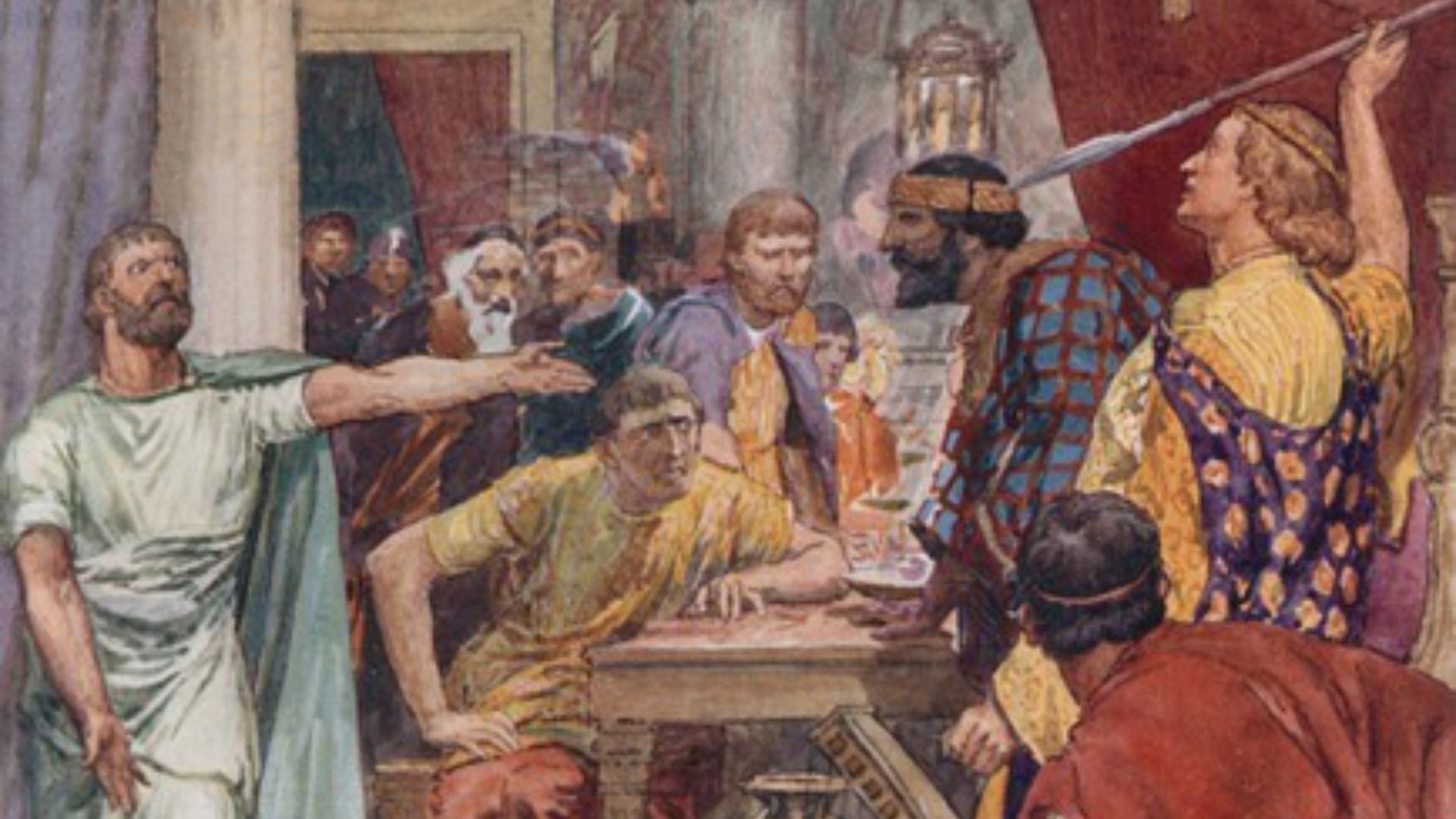
3. Alexander Kills Cleitus
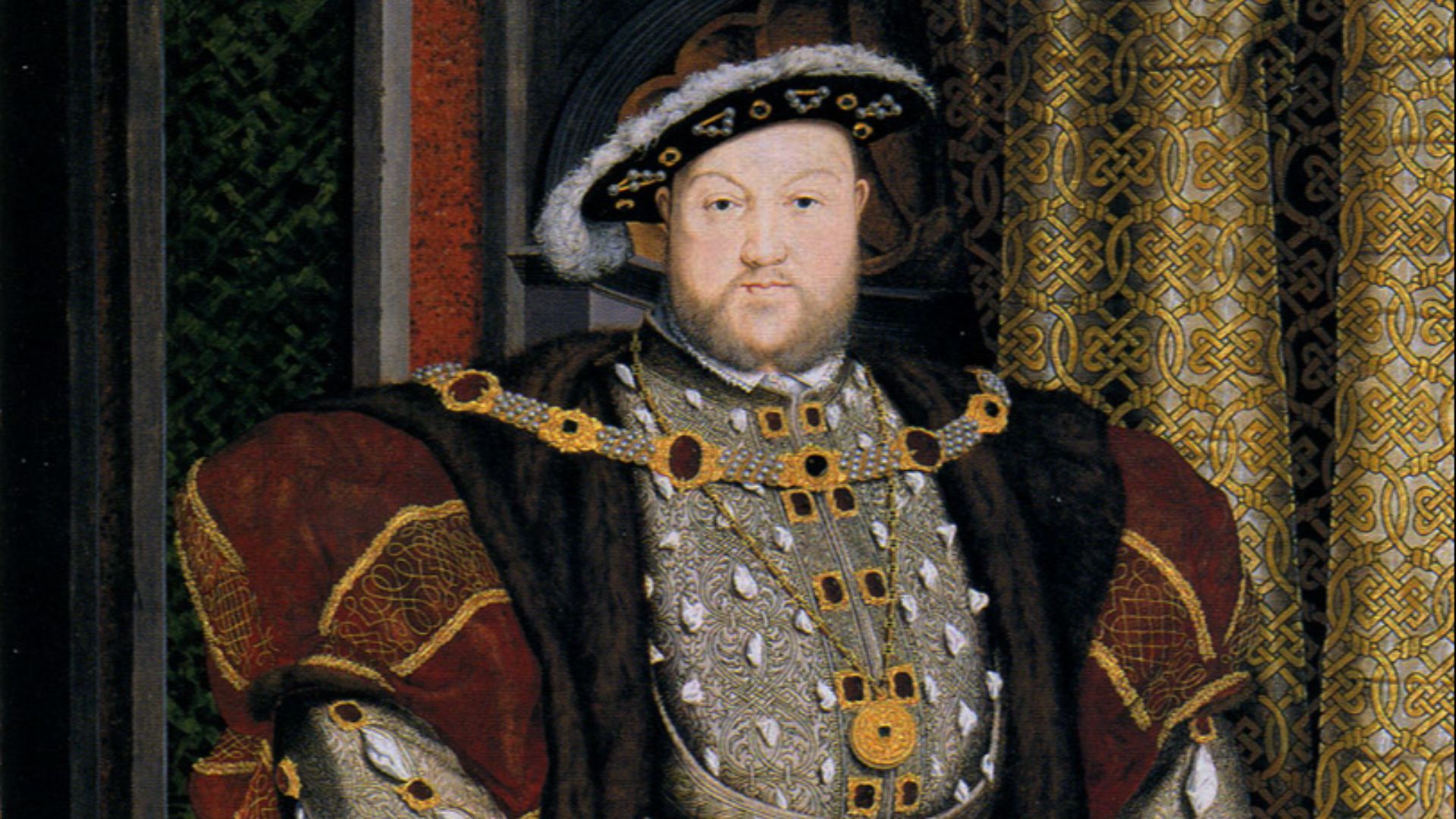
In 328 BC, Alexander the Great murdered his close friend and officer Cleitus the Black at a banquet after Cleitus suggested his victories owed more to his father Philip than to himself. Alexander threw a spear through him on the spot, and the volatility it revealed destabilized his court for the rest of his reign.
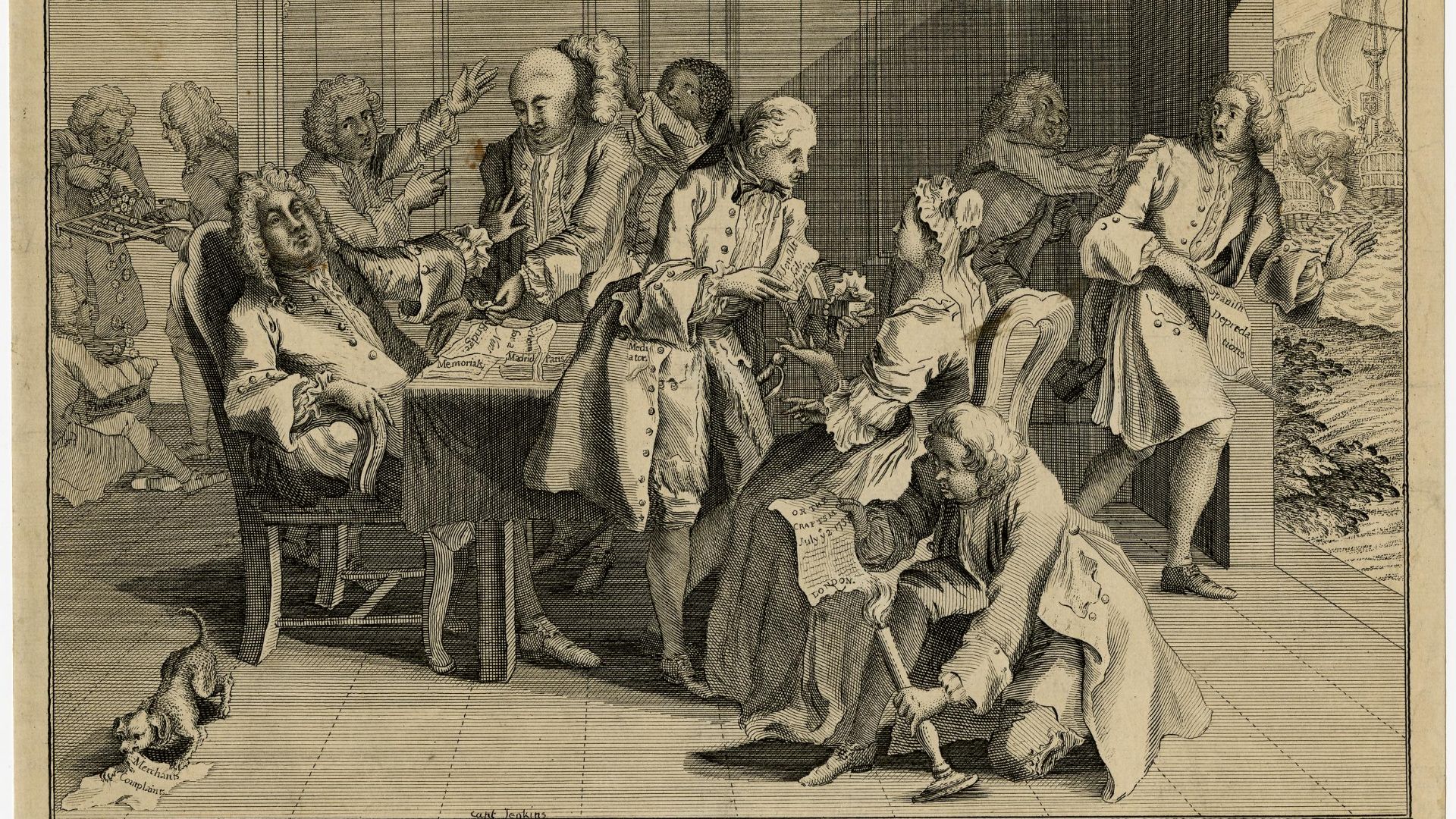
4. The War of Jenkins' Ear
Britain declared war on Spain in 1739 partly over a sea captain named Robert Jenkins, who presented his own severed ear to Parliament and claimed a Spanish officer had cut it off eight years earlier. The ear was old news, but it gave the faction hungry for war exactly the outrage it needed.
 Unknown authorUnknown author on Wikimedia
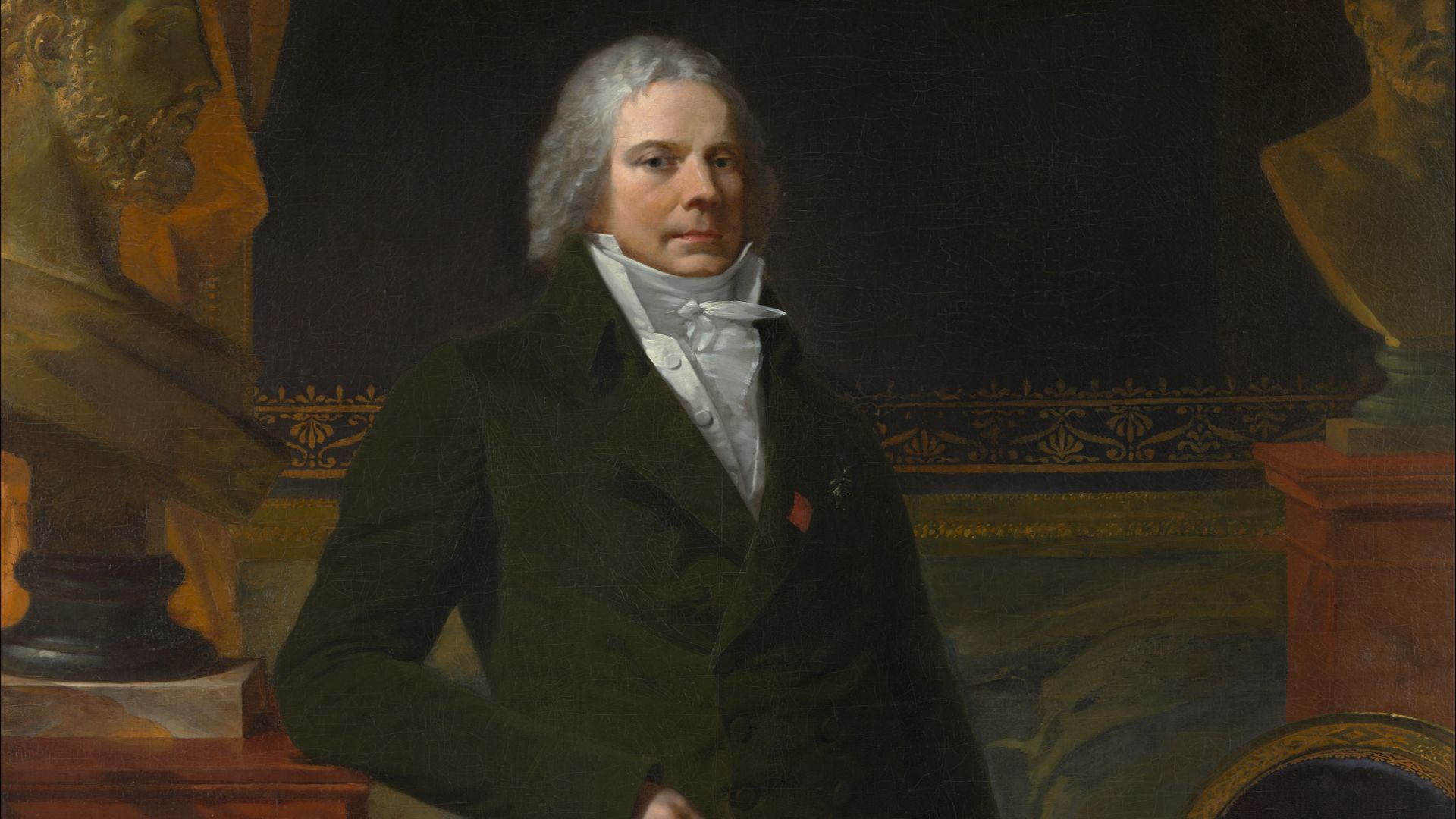
5. Napoleon and Talleyrand
When Napoleon discovered his foreign minister Talleyrand had been secretly feeding intelligence to Austria and Russia, he humiliated him publicly and then didn't fire him. Keeping an enemy close out of pride cost Napoleon the diplomatic intelligence he needed as his empire began to fracture.
 Pierre-Paul Prud'hon on Wikimedia
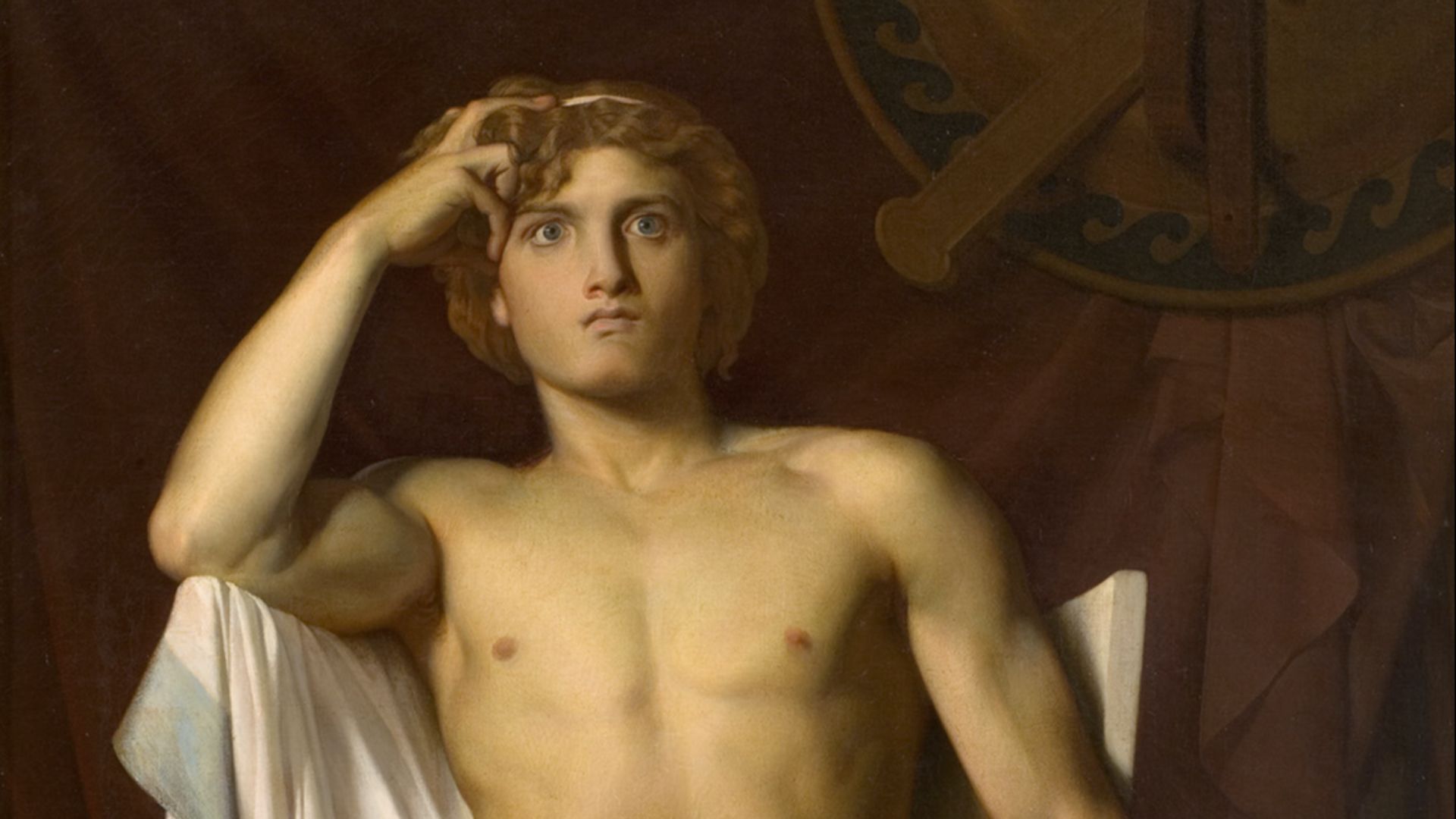
6. Achilles Sulks in His Tent
Achilles withdrew from the Trojan War not over strategy but because Agamemnon took his war prize, the campaign stalled, and men died. The Iliad is, at its core, a very long meditation on what happens when the most powerful person in the room decides to be petty.
 François-Léon Benouville on Wikimedia
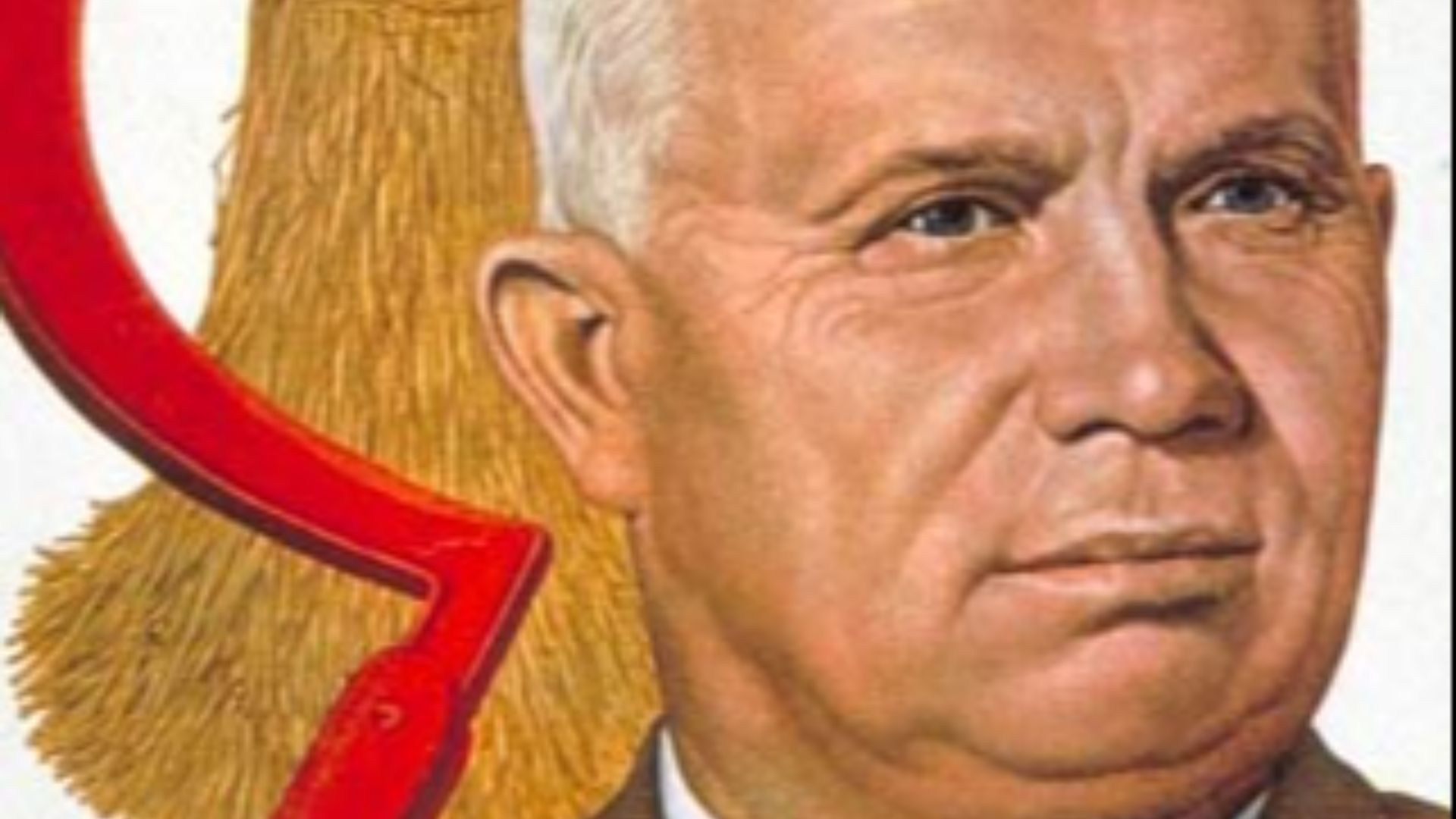
7. Khrushchev and the Shoe
In 1960, Khrushchev reportedly banged a shoe on his desk at the UN General Assembly after a delegate accused the Soviet Union of imperialism. The gesture reinforced Western perceptions of Soviet unpredictability at a moment when those perceptions were directly shaping nuclear policy.
8. Aaron Burr and Alexander Hamilton
Burr challenged Hamilton to a duel in 1804 after Hamilton made disparaging remarks about his character. Burr shot Hamilton dead, was charged with murder in two states, and America lost one of its most consequential founders over a reputation dispute that had been running for years.
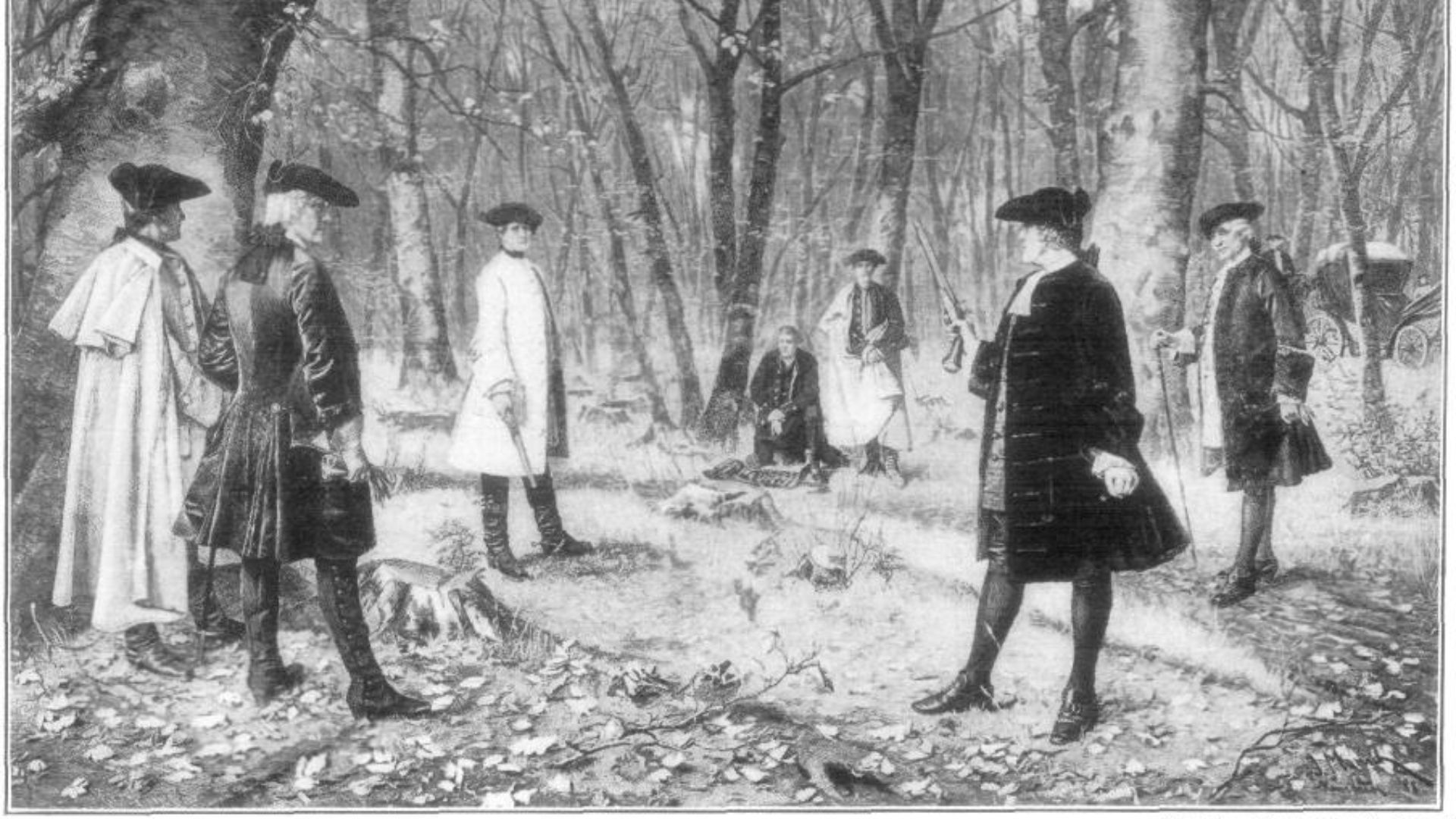 Illustrator not identified. From a painting by J. Mund. on Wikimedia
9. Stalin Exiles Trotsky
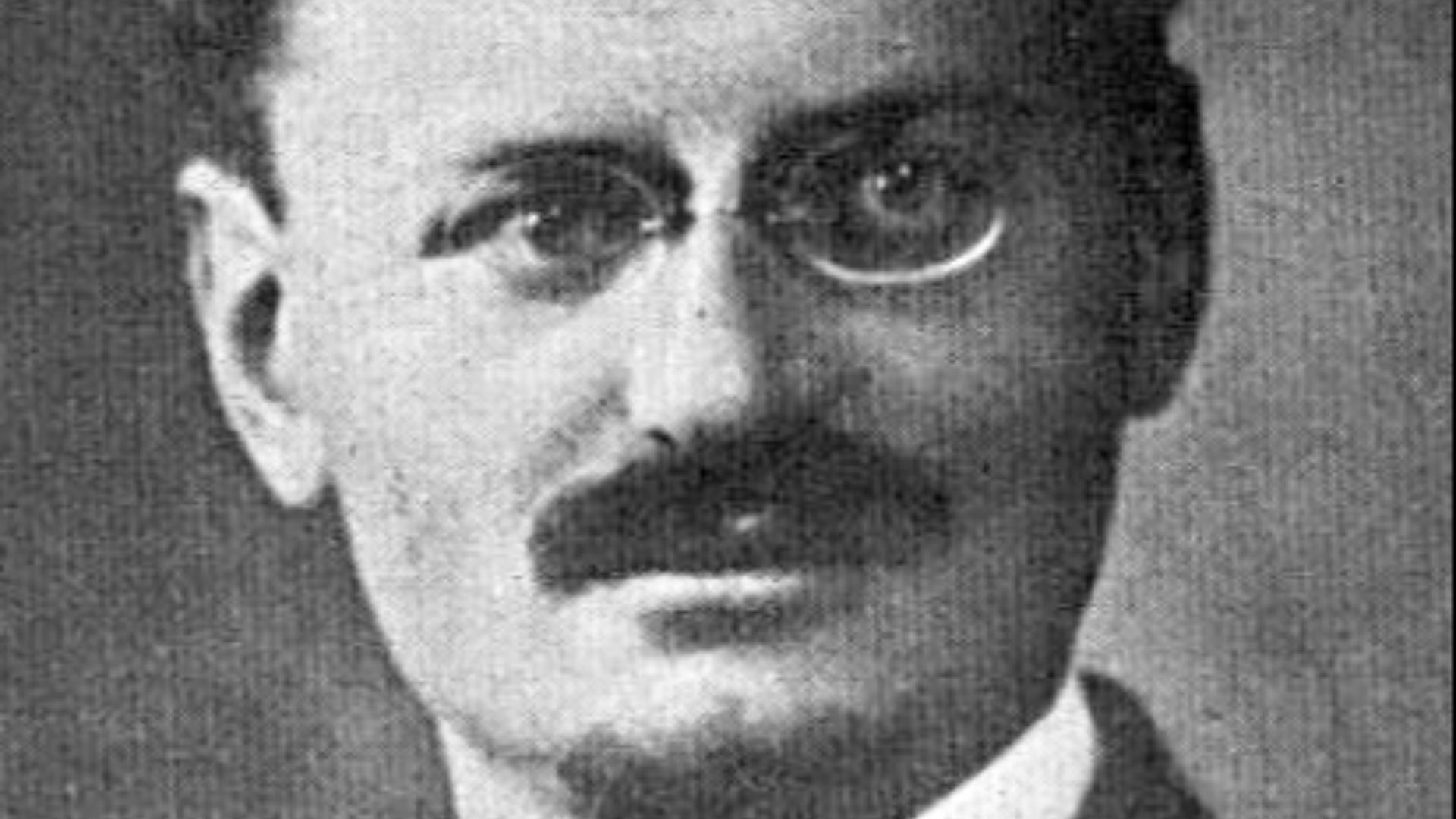
Stalin's campaign against Trotsky was ideological in its framing but viscerally personal in its execution; he resented Trotsky's intellect and the condescension that came with it. Trotsky was expelled, exiled, and eventually assassinated in Mexico in 1940, ending a grudge that had spanned two decades and two continents.
10. The Ultimatum That Started World War I
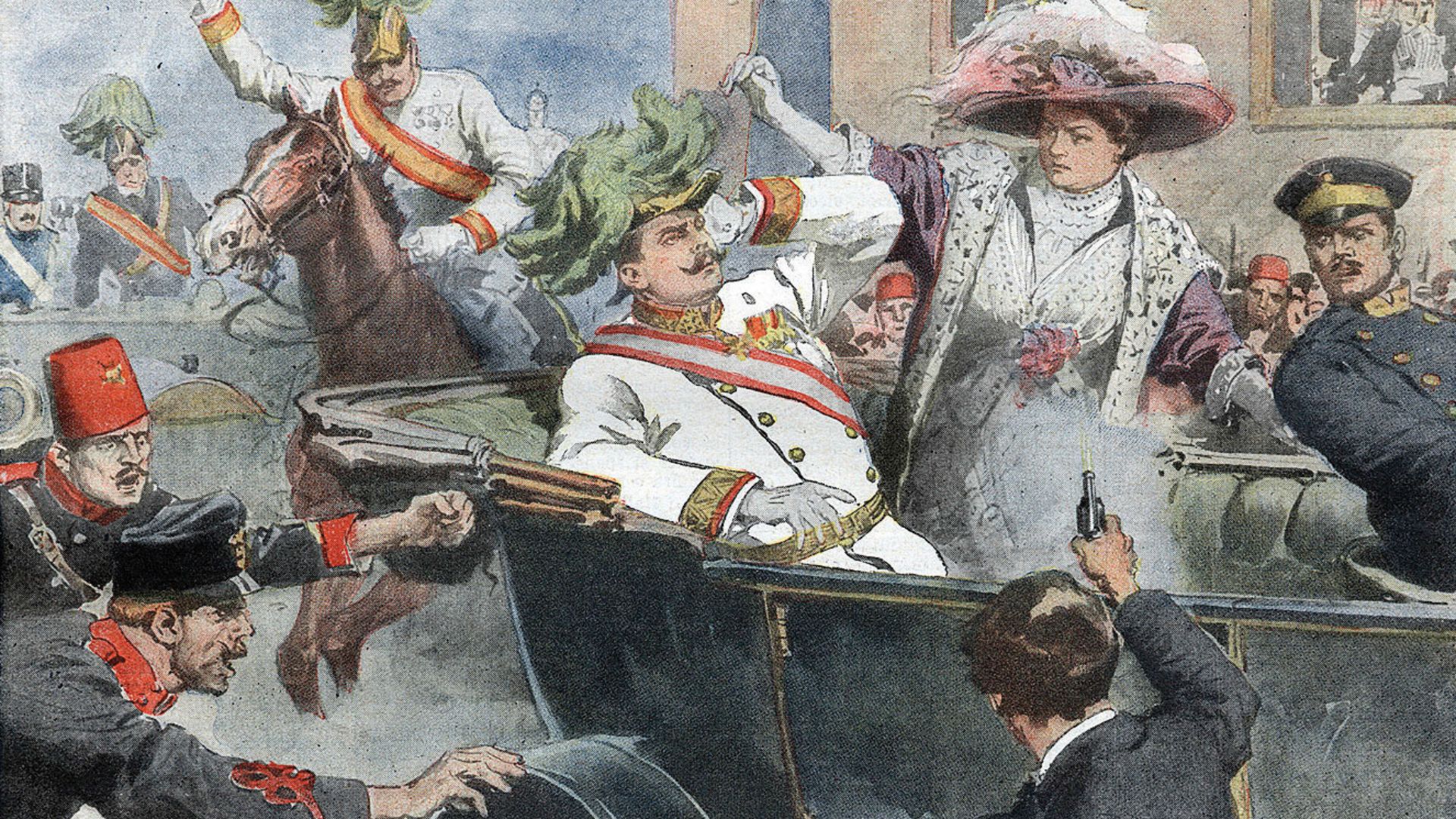
After the assassination of Franz Ferdinand, Austro-Hungarian officials saw the crisis as an opportunity to crush Serbian nationalism they already despised. The ultimatum sent to Serbia was written to be rejected, and pre-existing contempt made compromise impossible.
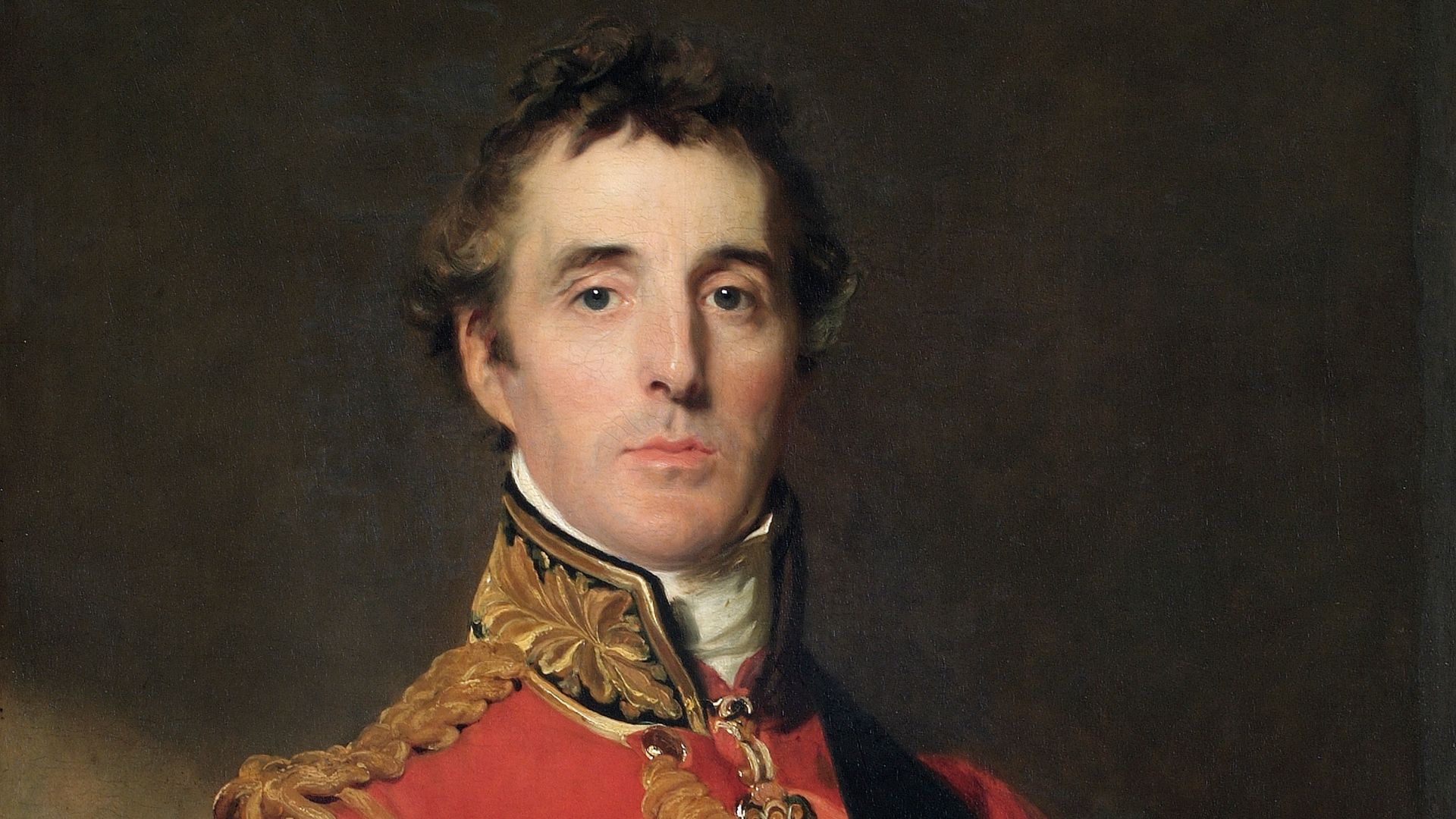
11. Wellington Pursues Napoleon
Arthur Wellesley privately loathed Napoleon beyond military rivalry, and after Waterloo that animosity shaped how aggressively he pushed for Napoleon's permanent removal rather than any negotiated settlement. Napoleon was exiled to St. Helena, a remote island in the South Atlantic with no strategic value beyond being difficult to escape from, and died there six years later.
12. Edison vs. Tesla
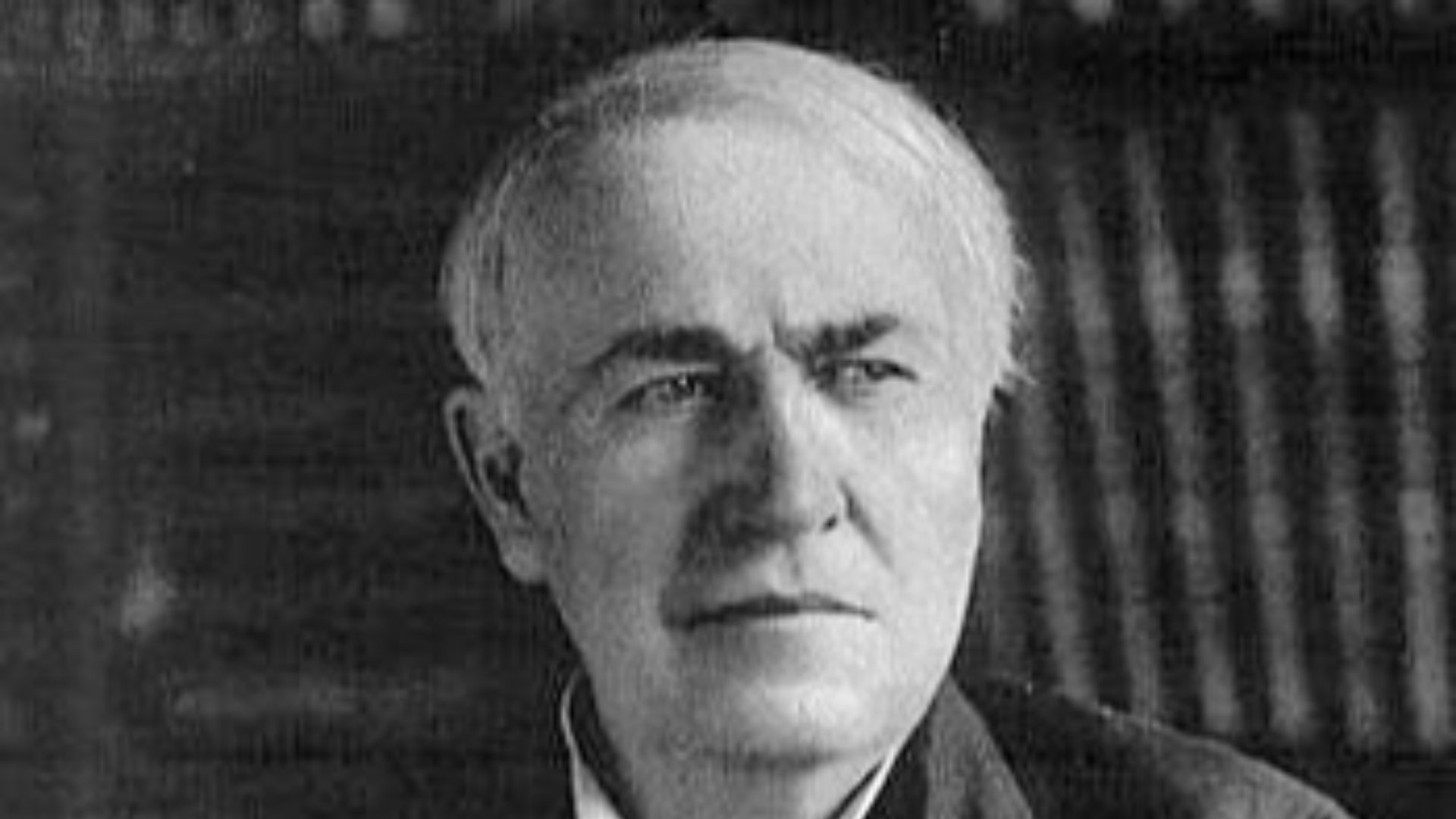
Edison's "War of Currents" was framed as a safety debate, but it was thoroughly personal; he had dismissed AC power publicly, staked his reputation on DC, and when Tesla, a former undervalued employee, proved him wrong, Edison responded by publicly electrocuting animals to make his point. He lost anyway.
 Unknown authorUnknown author on Wikimedia
13. Cato and Carthage
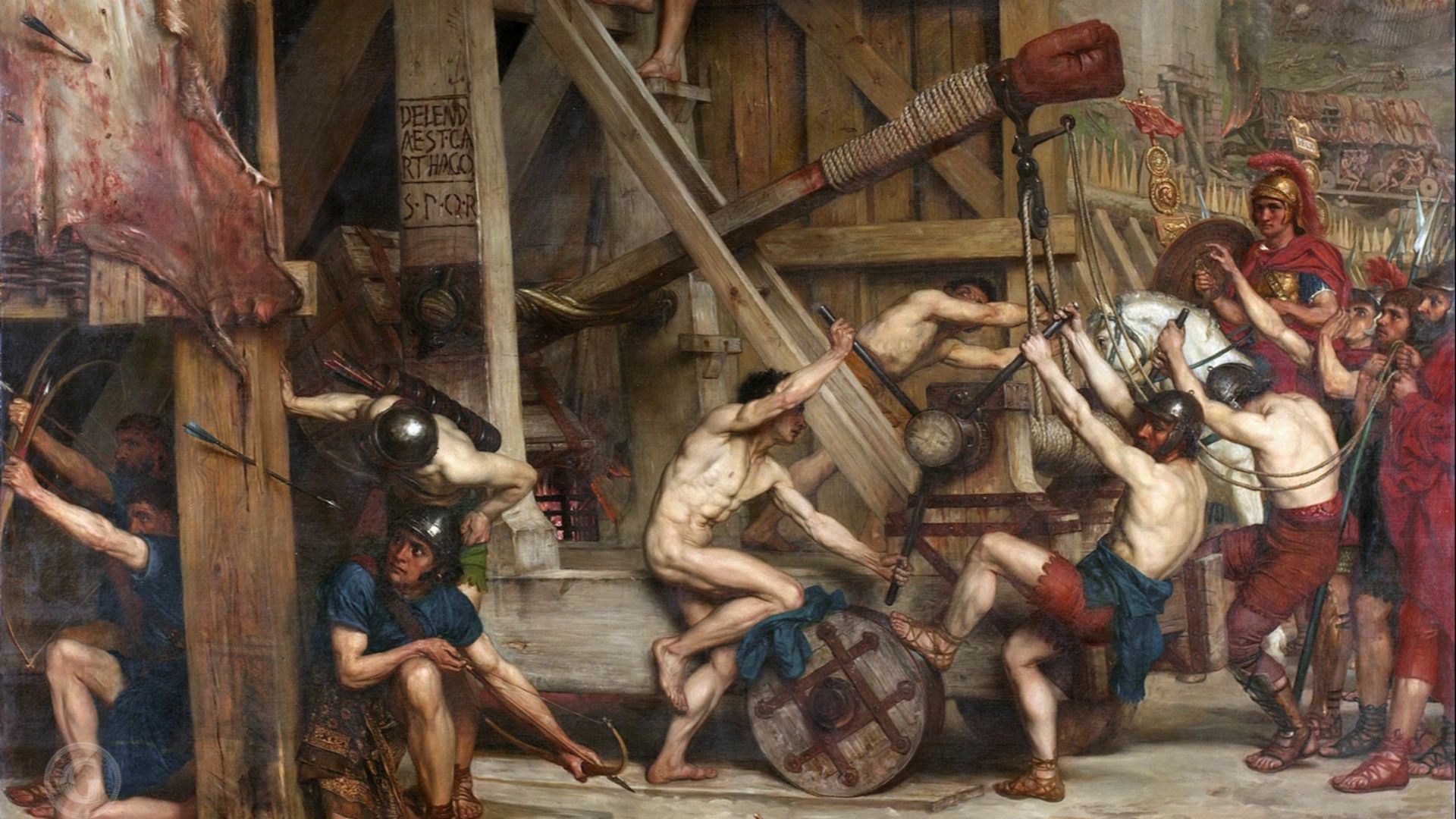
Cato the Elder ended every Senate speech, regardless of topic, with the line "Carthage must be destroyed." Rome had already defeated Carthage twice, but one senator's fixation eventually became policy, and in 146 BC Rome razed the city and sold the survivors into slavery.
14. Stalin and Tito
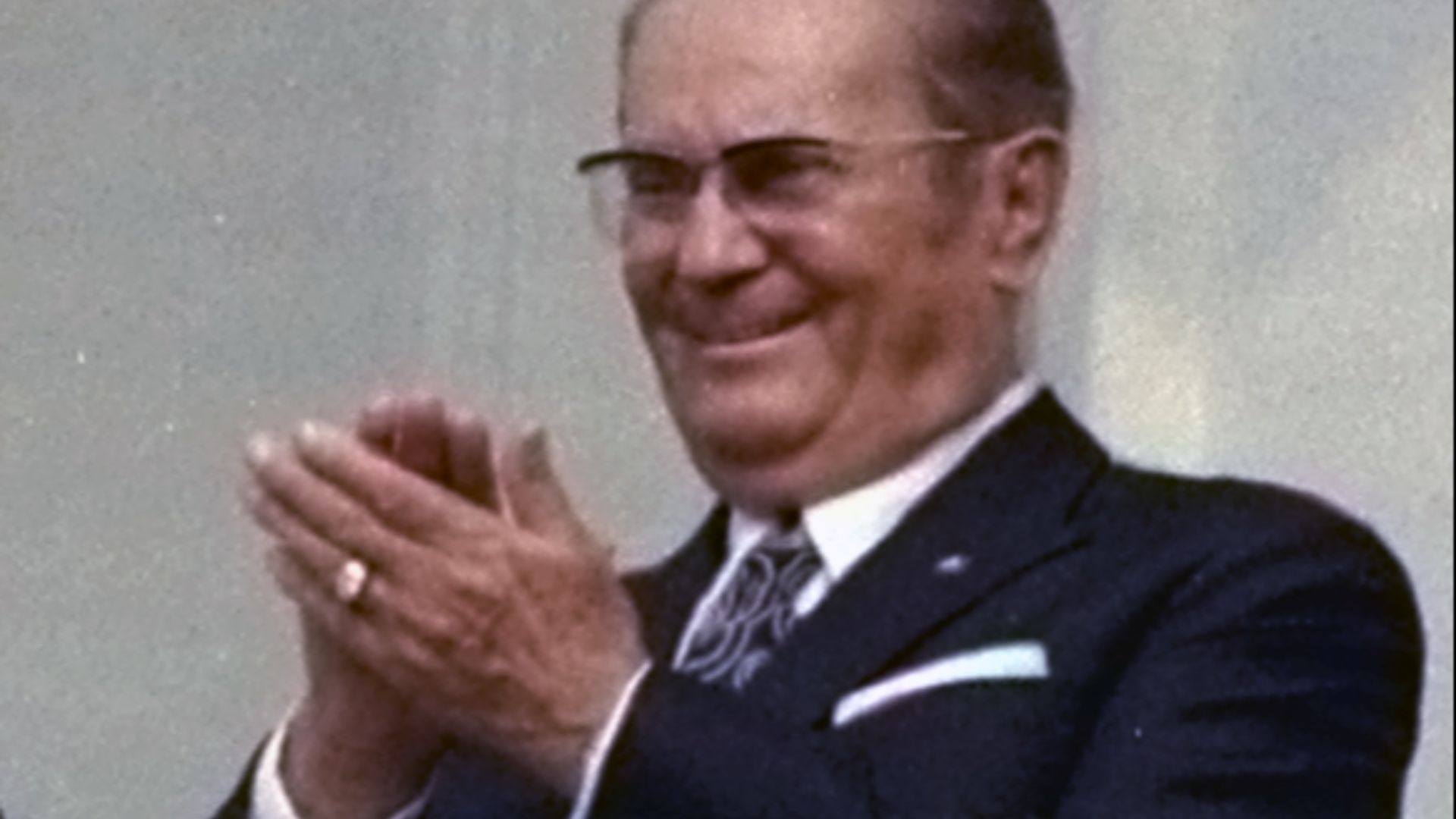
When Tito refused Soviet subordination in 1948, Stalin reportedly said he'd "shake his little finger" and Tito would fall. Tito responded by warning that if Stalin sent one more assassin, he would send only one back, and the rupture that followed split the communist world and handed the West a significant Cold War advantage.
15. LBJ and RFK
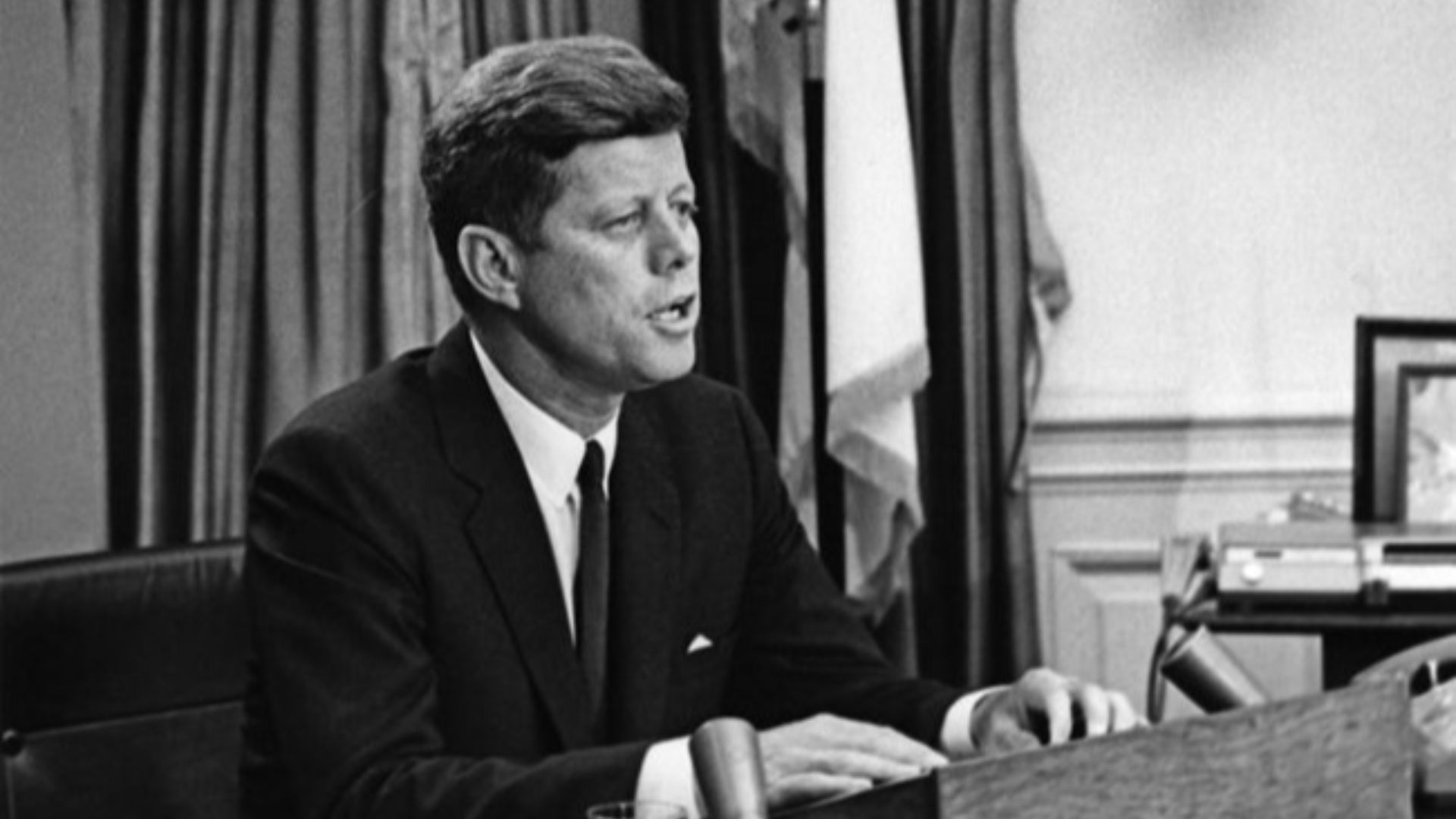
The mutual hatred between Lyndon Johnson and Robert Kennedy was one of Washington's worst-kept secrets. Johnson saw Kennedy as an entitled legacy politician; Kennedy saw Johnson as crude and ruthless. When their camps collided in 1968, the bitterness fractured the Democratic Party at one of its most critical moments.
16. The Defenestration of Prague
In 1618, Protestant Bohemian nobles threw three Catholic officials out of a window of Prague Castle, roughly 70 feet up, to protest Habsburg religious policy. The officials survived by landing in a dung heap, the Catholics claimed divine intervention, the Protestants mocked them, and the argument escalated into the Thirty Years' War.
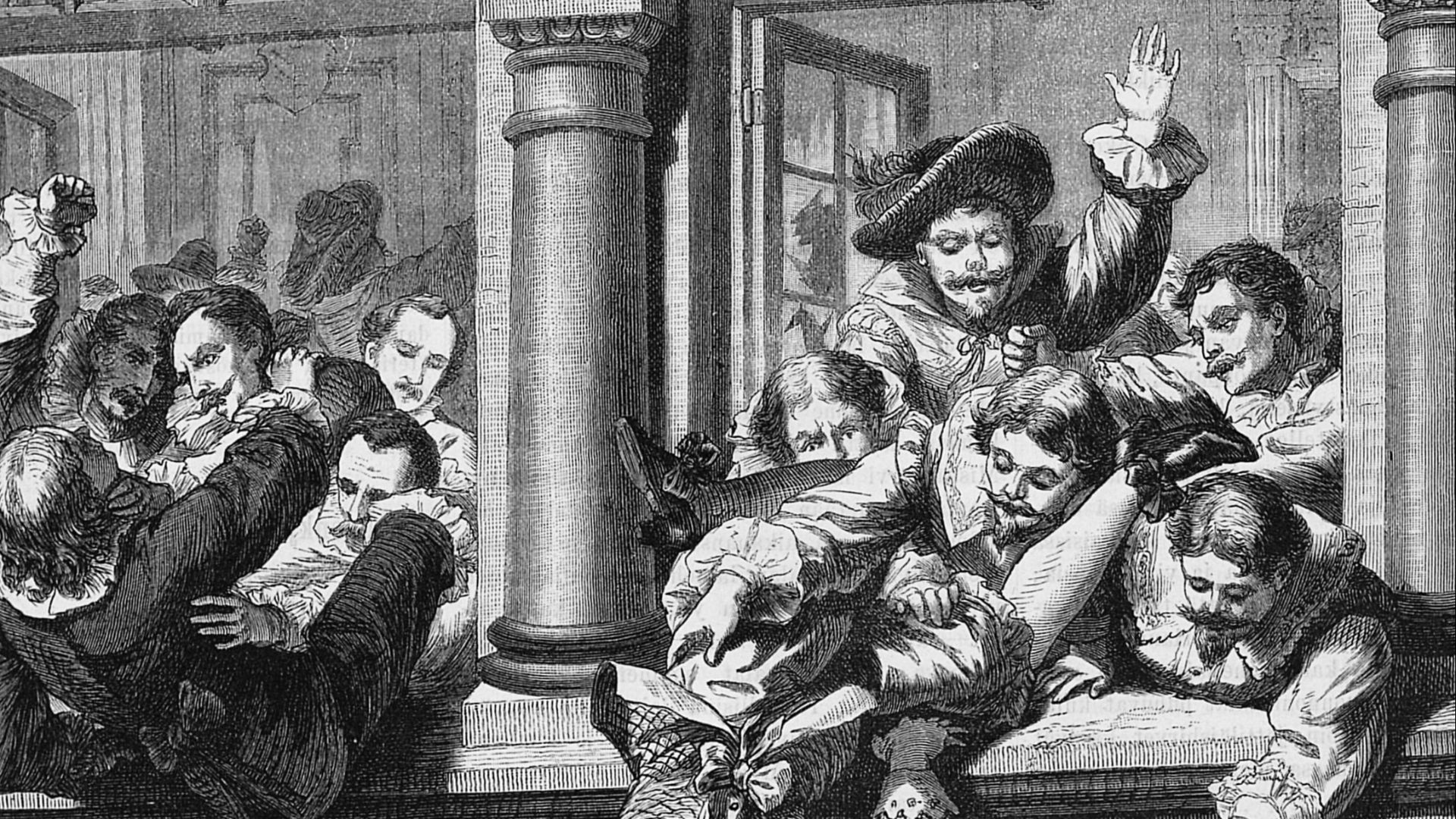 Unknown authorUnknown author on Wikimedia
17. Bismarck Edits a Telegram
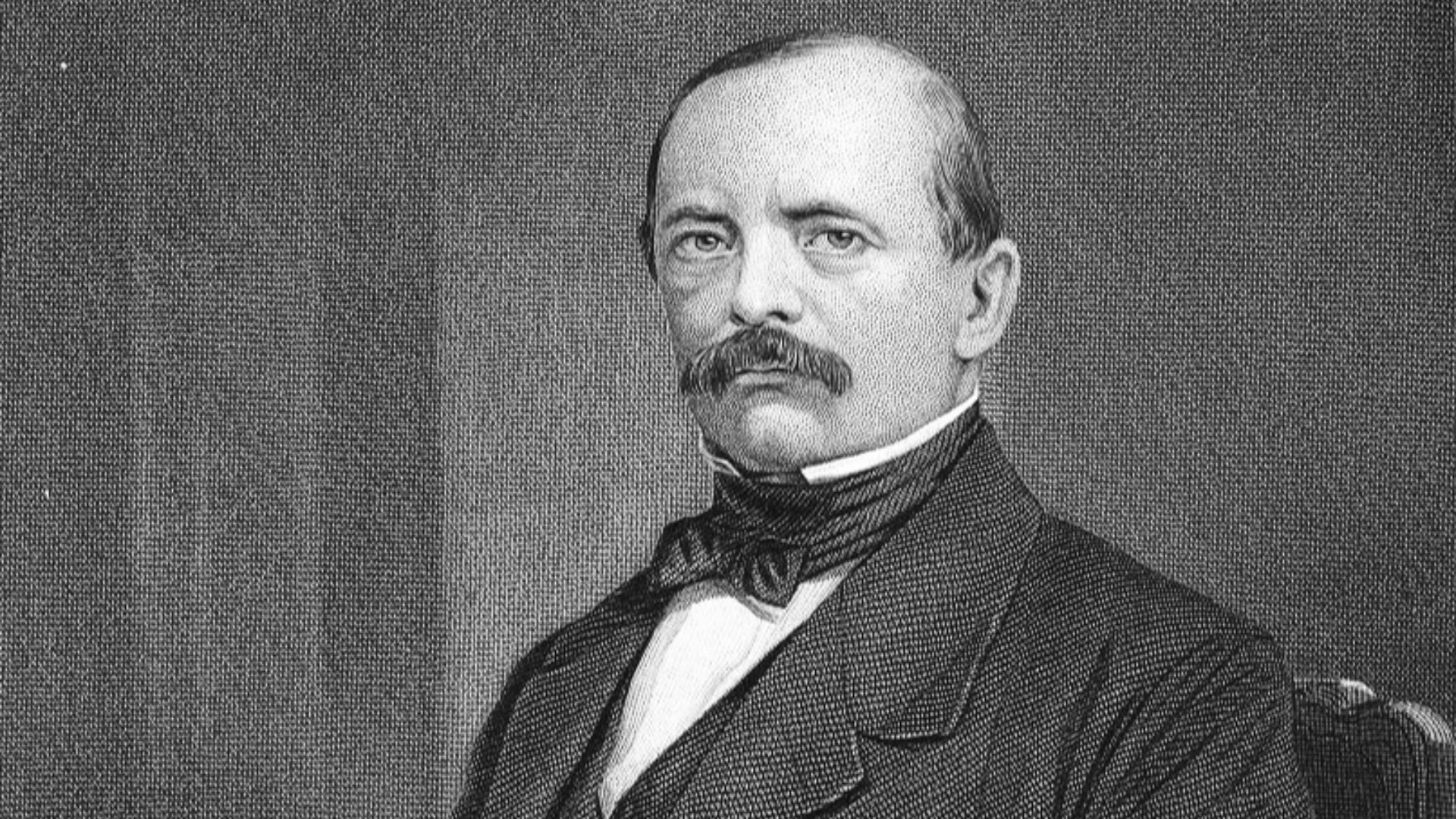
Bismarck provoked France into declaring war in 1870 by editing a diplomatic telegram to make Prussia's refusal of French demands sound more insulting than it was. He calculated correctly that Napoleon III's pride would do the rest, and the German Empire was proclaimed in Versailles while the city was still under siege.
18. Henry II and Thomas Becket
Henry II and Thomas Becket had been close friends before their falling-out, and by the end their constitutional dispute had curdled into something exhausting and personal. Henry's outburst — "Will no one rid me of this turbulent priest?" — led four knights to murder Becket in his own cathedral, forcing Henry into public penance and permanently weakening royal authority over the Church.
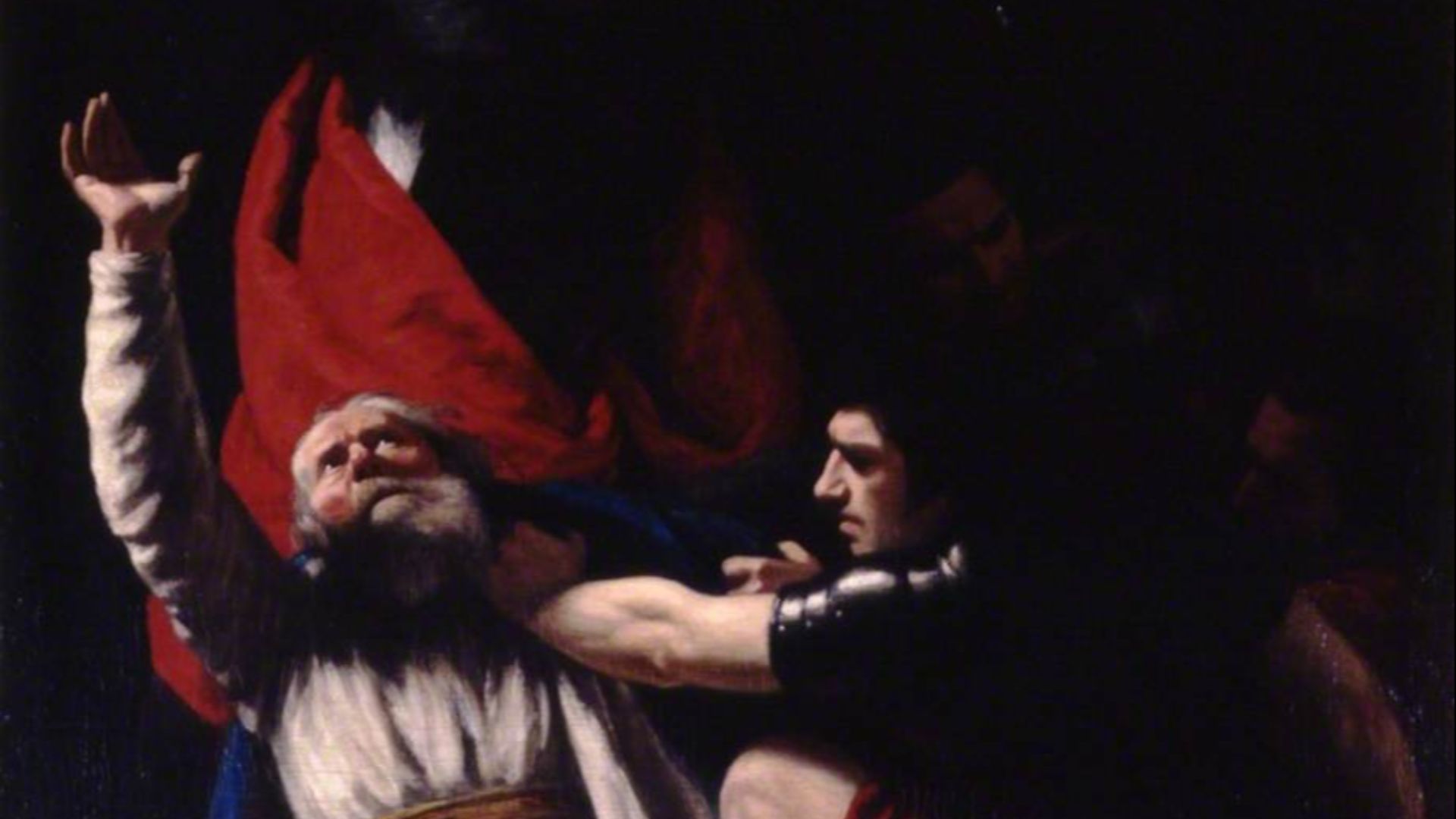 commons.wikimedia.org on Google
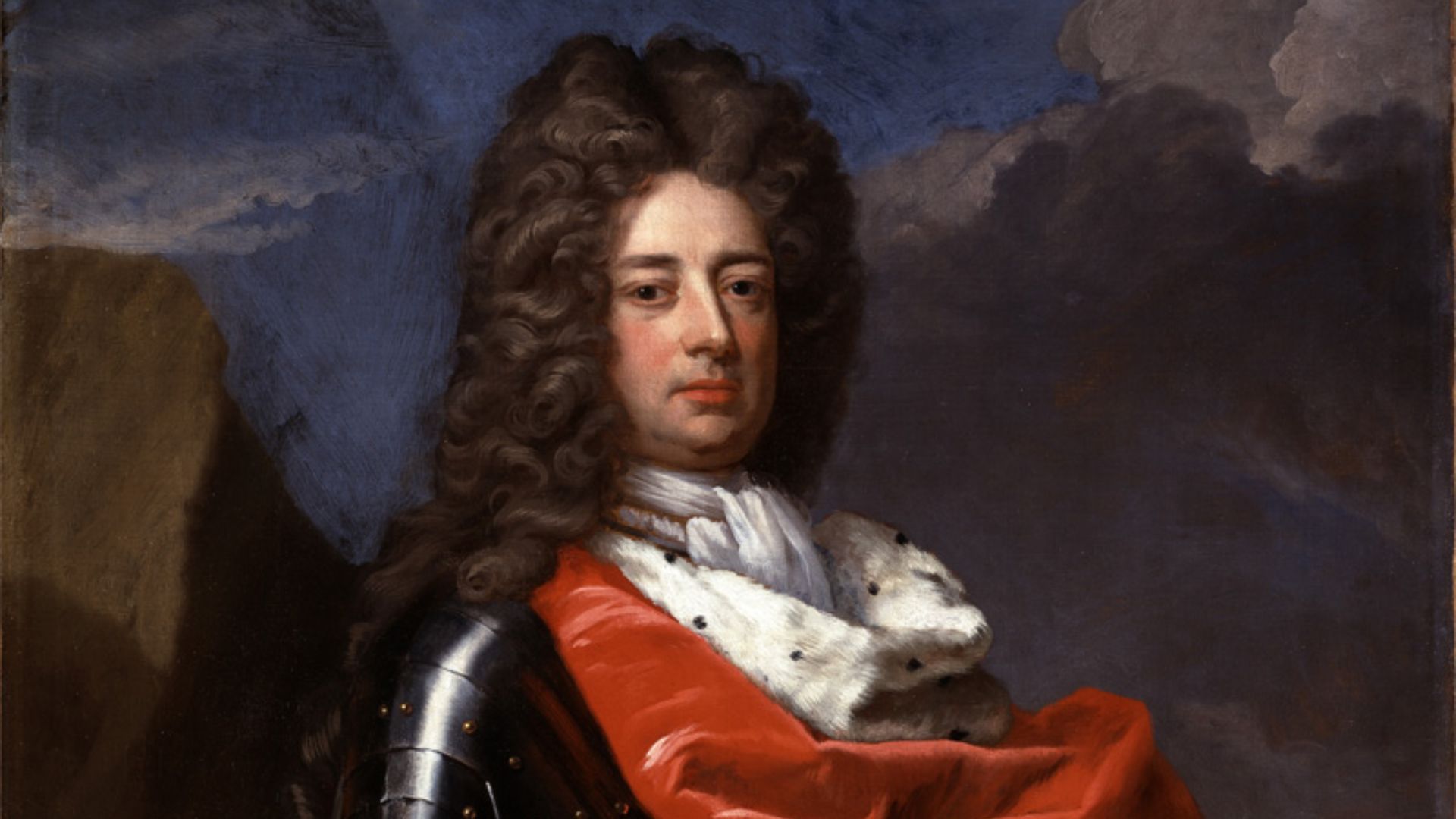
19. Marlborough Falls Over a Friendship
The Duke of Marlborough lost his position not through military failure but because his wife Sarah had a falling-out with Queen Anne over court influence. The political winds shifted, Marlborough was stripped of his commands in 1711, and a friendship gone sour changed Britain's entire approach to an ongoing war.
 commons.wikimedia.org on Google
20. Khrushchev Sizes Up Kennedy
The Bay of Pigs failure in 1961 humiliated Kennedy, but its more dangerous consequence was what it communicated to Khrushchev, who interpreted the mishandling as weakness. That contempt, hardened at their Vienna summit that same year, contributed directly to his decision to place missiles in Cuba in 1962.
_-_Murder_of_Thomas_Becket_in_Canterbury_Cathedral_-_CANCM-10069_-_Canterbury_Museums_and_Galleries.jpg)
,_attributed_to_Michael_Dahl_91996.jpg)
KEEP ON READING

10 Greatest Quarterbacks Of All Time & 10 That Are…
Do You Disagree?. Few topics in sports generate as much…
By Farva Ivkovic Dec 2, 2025
The story of Ching Shih, the Woman Who Became the…
Unknown author on WikimediaFew figures in history are as feared…
By Emilie Richardson-Dupuis Dec 29, 2025
20 Shakespearean Words, Translated For A Modern Audience
What’s In A Word?. Shakespeare was a wordsmith of the…
By Breanna Schnurr Dec 17, 2025
20 Inspiring Stories From Native American History
Incredible Stories Of Resilience And Endurance. Many of us didn't…
By Ashley Bast Dec 17, 2025
You Think You Have Problems? These Royal Families Were Cursed
Boasson and Eggler St. Petersburg Nevsky 24. on WikimediaHeavy is…
By Ashley Bast Dec 5, 2025
MH370: The Plane That Can't Be Found
Anna Zvereva from Tallinn, Estonia on WikimediaEleven years after Malaysia…
By Christy Chan Dec 10, 2025