

My Parents Demanded I Give My House to My Unemployed Brother—What They Didn't Know Changed Everything
My Parents Demanded I Give My House to My Unemployed Brother—What They Didn't Know Changed Everything
An Unusual Invitation
The text came through on a Tuesday afternoon while I was reviewing quarterly reports at my desk. "Sunday dinner, just you" my mother wrote, followed by "Emily working?" I stared at my phone for a moment. Mom usually sent longer messages, the kind with proper punctuation and complete thoughts about what she'd be cooking or who else might stop by. This one felt stripped down, almost businesslike. I texted Emily, who confirmed she had a twelve-hour shift at the hospital that weekend. "Sounds good," I typed back to my mother, adding a thumbs-up emoji that felt awkward the moment I sent it. She responded with a simple heart. I set my phone down and tried to refocus on the spreadsheet in front of me, but my eyes kept drifting back to that message. Just you. Not "come for dinner" or "we'd love to see you both." Just you. I read it three times, searching for some hidden meaning in those two words, before finally forcing myself back to work. Something about the phrasing made me read it three times before responding.
 Image by RM AI
The Familiar Drive
The drive to my parents' house took forty minutes on a good day, and Sunday traffic was light enough that I made it in thirty-five. I passed the elementary school where I'd won the spelling bee in fifth grade—Mom had smiled politely and mentioned Kyle's soccer trophy from that same year. Then came the park where Dad taught me to ride a bike, though he'd spent twice as long teaching Kyle three years later, complete with a video camera and celebratory ice cream. My old high school appeared on the left, its brick facade exactly the same. I'd graduated with honors and a scholarship. Kyle had barely graduated at all, but somehow his name came up more often at family gatherings. The familiar streets rolled past, each one carrying some small memory of being the responsible one, the quiet one, the one who didn't need as much attention. I turned onto their street and felt that old, worn-in resignation settle over my shoulders like a jacket I'd never quite managed to outgrow. Both cars sat in the driveway, perfectly positioned as always.
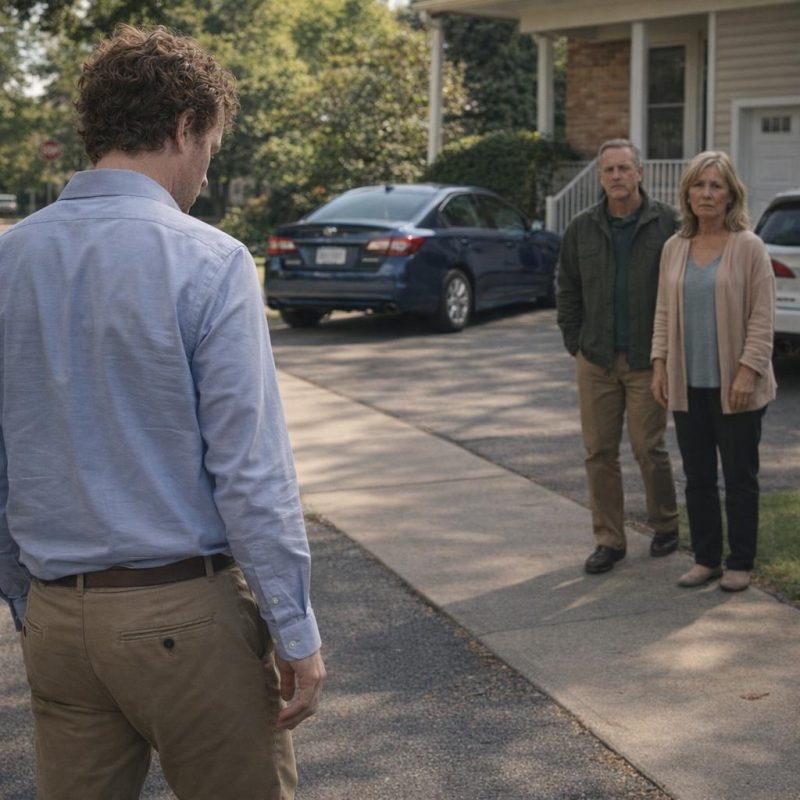 Image by RM AI
Arriving Alone
I still had my key from high school, the same brass one Dad had given me when I turned sixteen. The lock turned smoothly, and I pushed open the front door. "Hey, it's me," I called out, my voice echoing slightly in the entryway. Usually Mom would be in the kitchen by now, and I'd smell something cooking—pot roast or her lemon chicken. Usually the TV would be murmuring from the living room, Dad watching whatever game was on. But the house was quiet in a way that felt deliberate, like someone had pressed pause on the normal Sunday routine. No clattering pans, no running water, no background noise at all. I closed the door behind me and stood there for a moment, listening. The silence had weight to it, the kind that makes you aware of your own breathing. Then I heard it—the subtle creak of dining room chairs, the kind of sound furniture makes when someone shifts their weight. No one answered, but I heard the creak of chairs from the dining room.
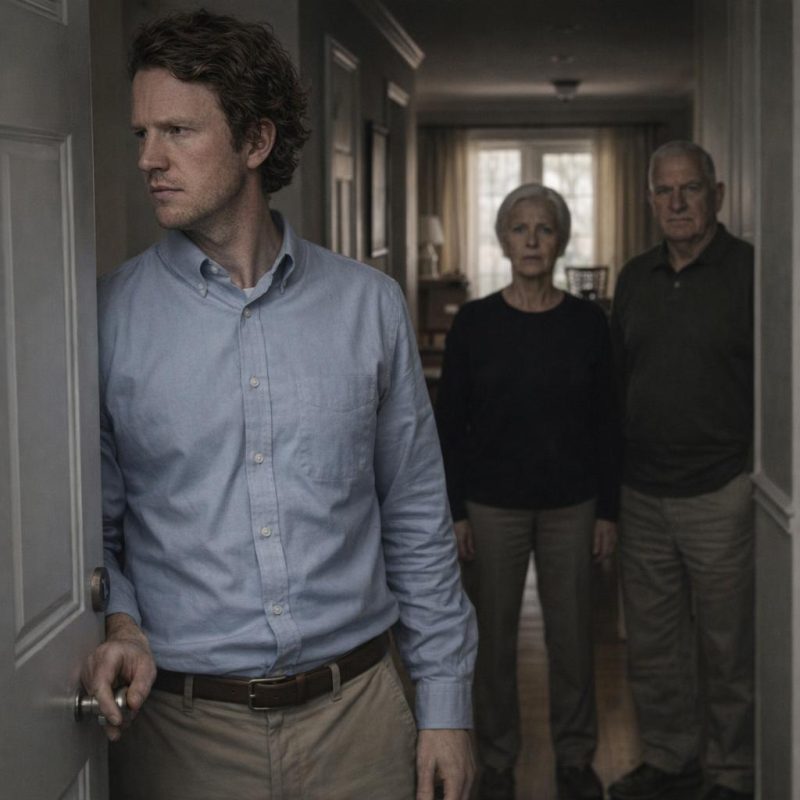 Image by RM AI
Already Seated
I walked through the living room and stopped in the dining room doorway. Mom and Dad sat across from each other at the table, two coffee cups positioned between them like props in a stage play. The cups were full, steam rising in thin wisps, but neither of them was drinking. No plates, no silverware, no serving dishes waiting on the sideboard. The table looked like it had been set for a business meeting, not a family dinner. Dad sat with his back straight, hands resting on the table's edge. Mom's posture mirrored his, but softer somehow, her shoulders angled toward me in that way she had of seeming welcoming even when something felt off. "Hi, sweetheart," she said, her voice warm but measured. Dad nodded at the empty chair across from them. I glanced toward the kitchen, half-expecting to see something warming in the oven, but the kitchen was dark. This wasn't dinner. This was something else entirely. My mother's hands were folded on the table like she was waiting for a meeting to begin.
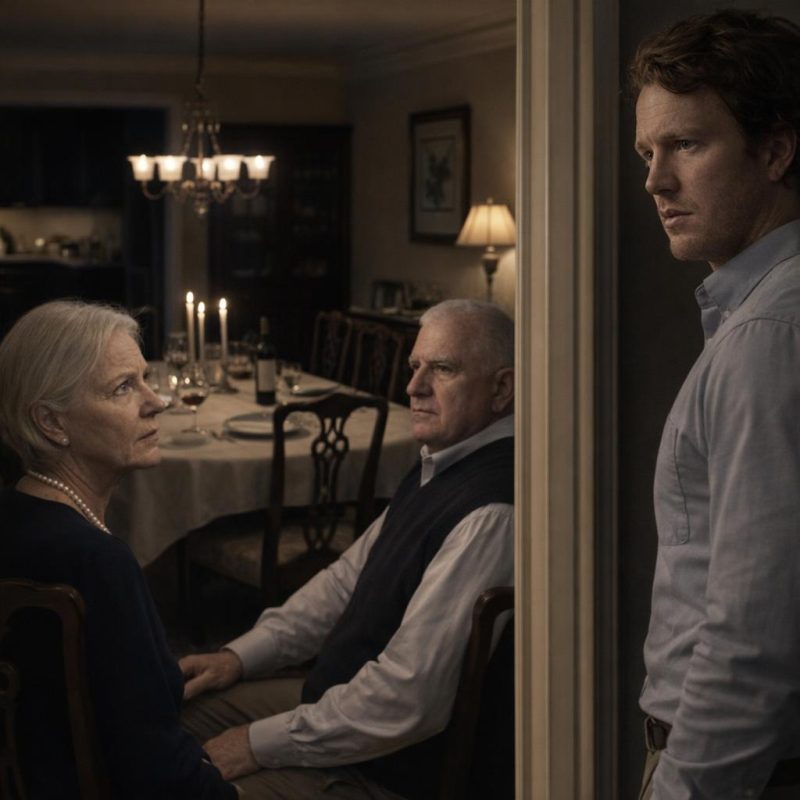 Image by RM AI
The Familiar Signal
I pulled out the chair and sat down, the wood cool beneath my palms. For a moment, nobody spoke. Mom smiled at me, that gentle expression she wore when she wanted something but hadn't asked yet. Dad reached for his coffee cup, lifted it halfway to his lips, then set it back down without drinking. Then he cleared his throat. Not a casual clearing, but that specific sound—a preparatory noise that always preceded something difficult. I'd heard it before my college decision talk, when he'd suggested I choose the state school instead of the private university that had offered me a scholarship. I'd heard it before he told me they couldn't help with my wedding because Kyle needed a car. I'd heard it when they explained why they couldn't cosign my first apartment lease but had cosigned Kyle's lease six months later. My stomach tightened, and I found myself gripping the edge of the table. That sound had preceded every major disappointment in my childhood.
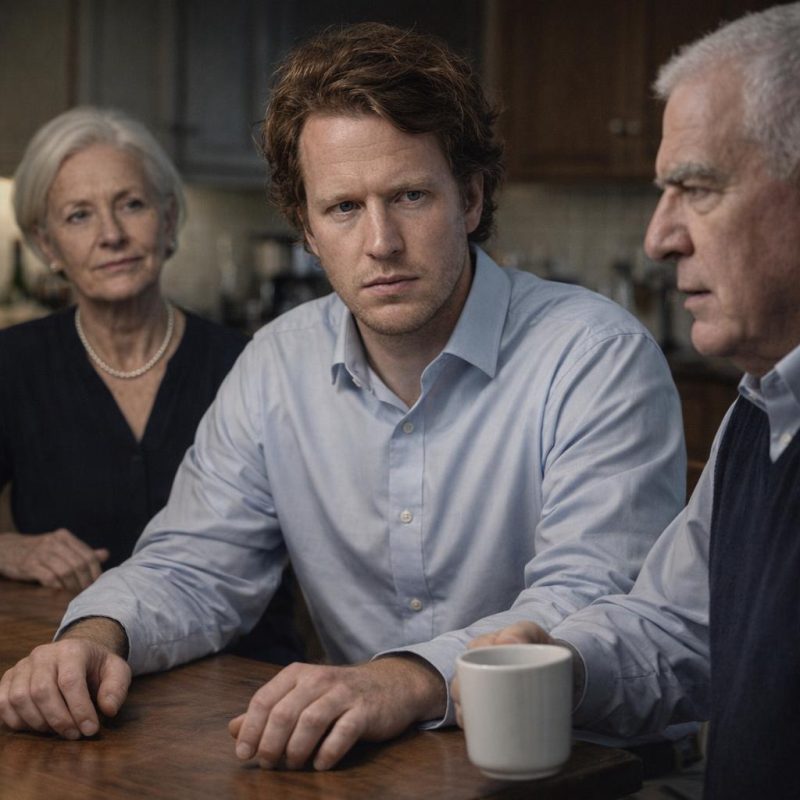 Image by RM AI
Kyle's Latest Failure
"We need to talk about your brother," Dad said, his voice taking on that measured courtroom tone he used for serious conversations. He'd been a paralegal for thirty years, and it showed in moments like this. "Kyle lost his position at the marketing firm." Mom reached over and touched Dad's hand, a signal I recognized. Tag team. "It's his third job this year," she added softly, like she was sharing sad news about someone else's child. "There were some personality conflicts with his supervisor. You know how Kyle is—he's passionate, and sometimes that comes across wrong to people who don't understand him." I nodded slowly. Personality conflicts. That was the phrase they'd used when Kyle got fired from the restaurant for arguing with the manager. And when he'd been let go from the retail job for refusing to follow the dress code. Passionate was their word for argumentative, for unable to take direction, for convinced he knew better than everyone around him. My mother added that Kyle just needed someone to believe in him.
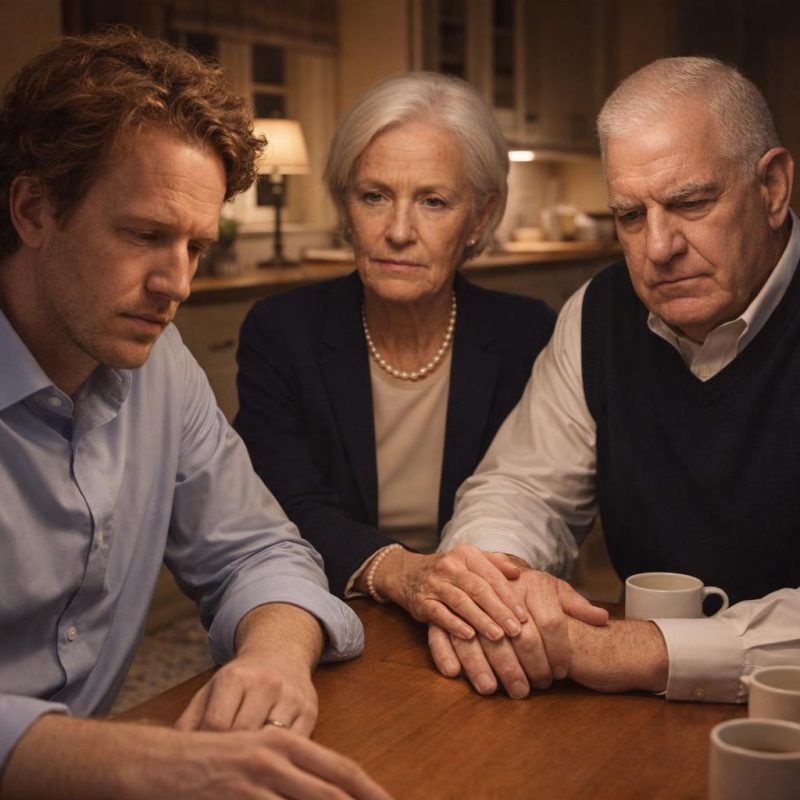 Image by RM AI
The Economy Excuse
Mom leaned forward slightly, her expression shifting into that concerned, maternal look she'd perfected over the years. "The economy is so difficult right now, especially for young people like Kyle," she said. "It's not like when you were starting out, Alex. Things are harder now. More competitive." I almost pointed out that Kyle was only two years younger than me, that we'd entered the job market practically together, but I stayed quiet. "He just needs to find his footing," she continued. "One real chance to show what he can do, without someone undermining him or setting him up to fail. He's so talented, but he keeps ending up in these toxic environments." Dad nodded along, backing her up without words. I'd heard versions of this speech my entire life. Kyle needed more time, more support, more understanding. Kyle needed someone to believe in him, to give him a chance, to see past his rough edges. The subtext was always the same: I was the one who had to provide it. I'd heard versions of this speech my entire life.
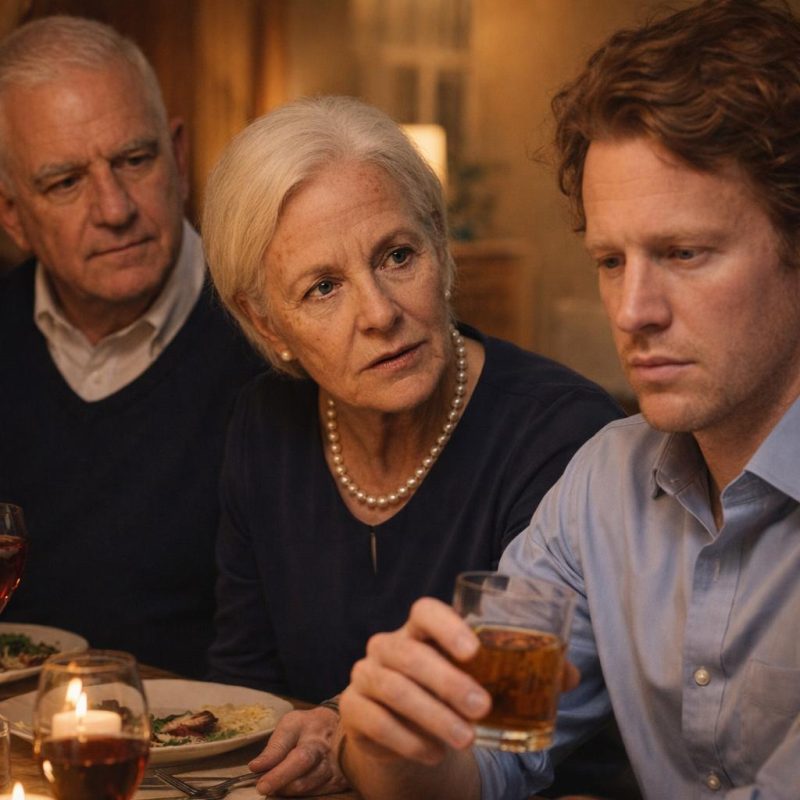 Image by RM AI
Budgeting the Usual
I nodded along, already doing the mental math. Last time they'd asked for three hundred to help Kyle with rent. Before that, it was five hundred for a certification course he never finished. I could probably manage a thousand if I moved some money around, maybe pulled from the emergency fund Emily and I kept for the house. It would sting, but it wouldn't break us. I'd learned to budget for these requests, to keep a separate mental category for Kyle's emergencies. "We want to help him get back on his feet," Dad said. "Give him some stability while he looks for the right opportunity." I was already calculating—a thousand would cover a month's rent for Kyle, maybe two if he was living somewhere cheap. I could frame it to Emily as helping family, which she'd understand even if she didn't love it. Mom's expression softened further, and she reached across the table toward me. "You have a house," she said, and the calculation in my head stopped mid-equation. You have a house.
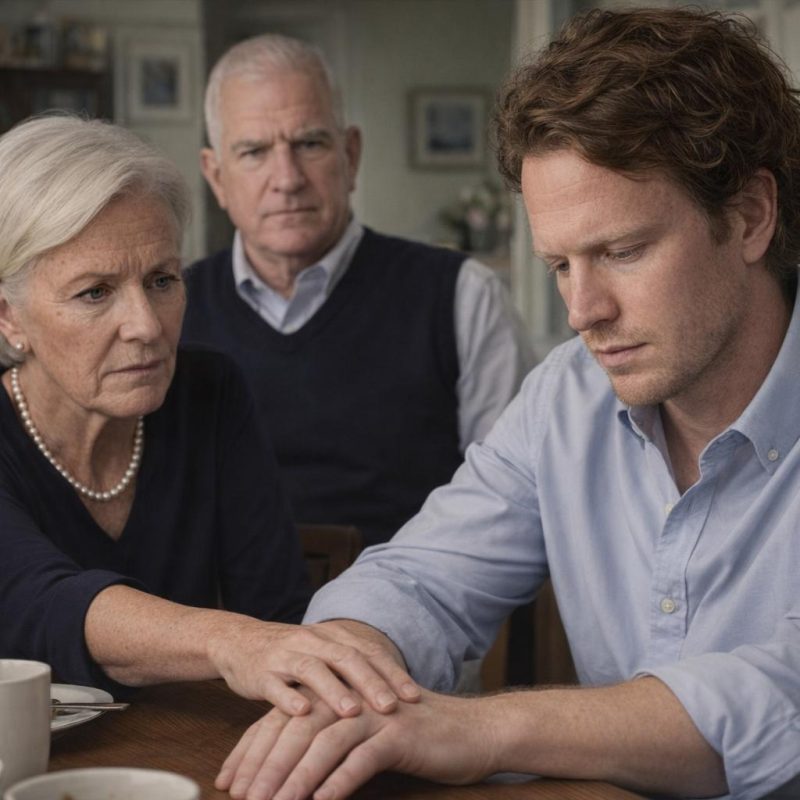 Image by RM AI
The Impossible Request Begins
I actually laughed. Not a big laugh, just a short exhale of amusement, because of course that's what she meant—I had a house, I had stability, I had the resources to help. The laugh came out before I could stop it, that automatic response when someone states the obvious in a way that sounds profound. I was already nodding, already thinking okay, she's building up to the ask, reminding me of what I have so I'll feel generous about sharing it. I'd heard this preamble before, different words but same melody. My mind was still running numbers—a thousand would be tight but manageable, maybe I could pick up that consulting project I'd been putting off, make it back by next month. I looked up, ready to agree, ready to ask how much Kyle needed and when. But when I looked up, neither parent was smiling.
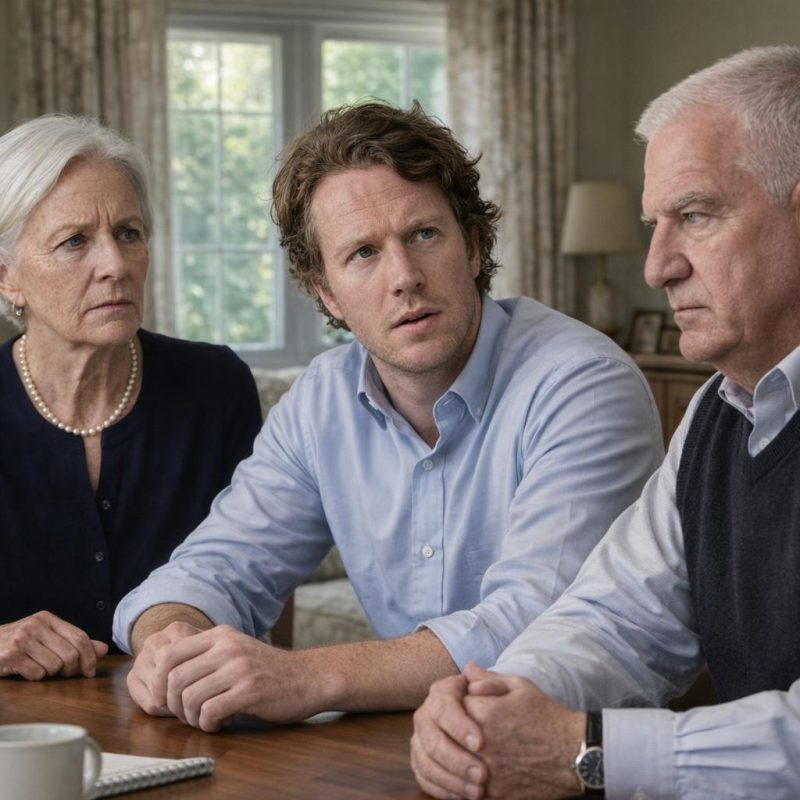 Image by RM AI
The Explicit Demand
Dad leaned forward, his elbows on the table in that way he did when he was making an important point, when he wanted you to understand the gravity of what he was saying. His voice was calm, measured, the same tone he'd used to explain why I needed to share my college fund, why I needed to cosign Kyle's car loan. "Kyle needs a stable living situation," he said, each word clear and distinct. "Somewhere he won't have to worry about rent. Somewhere he can focus on building his career without the stress of housing costs." I nodded slowly, still waiting for the number. "He needs security," Mom added, her hands folded on the table. "A foundation." Dad's eyes held mine. "You should give him the house." The words landed individually, like separate objects dropping onto the table between us. Give. Him. The. House. I heard each one, recognized each one, but they refused to form a coherent sentence in my mind.
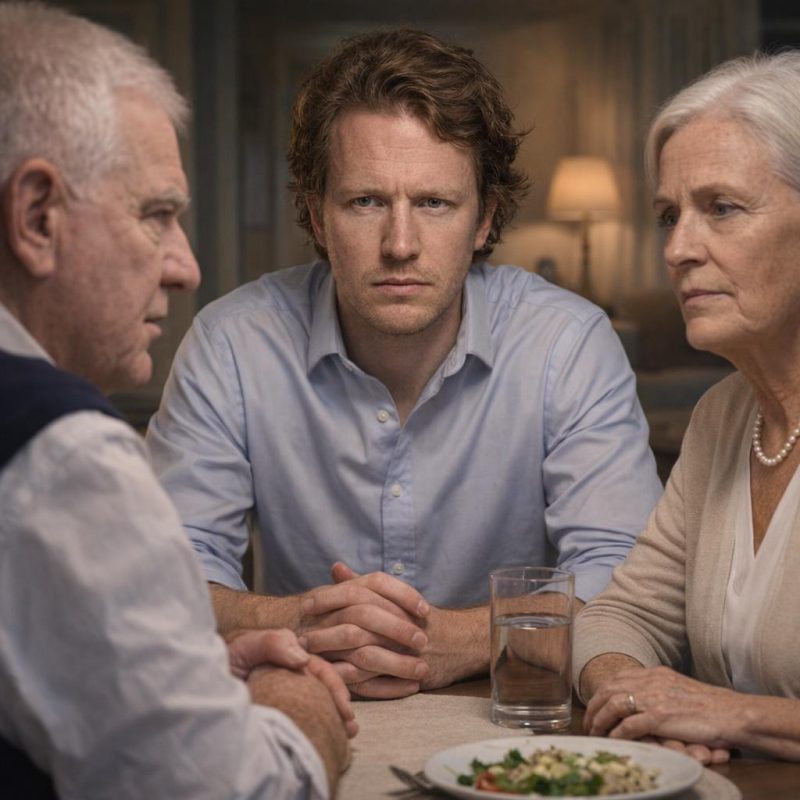 Image by RM AI
Transfer the Deed
I opened my mouth, my brain scrambling to formulate something polite, something that wouldn't sound harsh. I was thinking about how to explain that Kyle couldn't stay with us, that Emily and I valued our privacy, that maybe we could help him find an apartment instead, cover his deposit. The words were forming, gentle refusals that wouldn't hurt anyone's feelings, wouldn't make me sound selfish. But Dad spoke again before I could. "We're talking about transferring the deed," he said, and his voice had that cold precision I remembered from childhood, from moments when he was explaining something he considered self-evident. "Giving Kyle ownership. Full ownership." Mom nodded, her expression soft and encouraging, like she was watching me solve a simple math problem. "It's the only real solution," she said. "Anything else is just temporary." The room tilted. I felt it physically, the floor shifting beneath my chair, the walls leaning in. I gripped the edge of the table to steady myself.
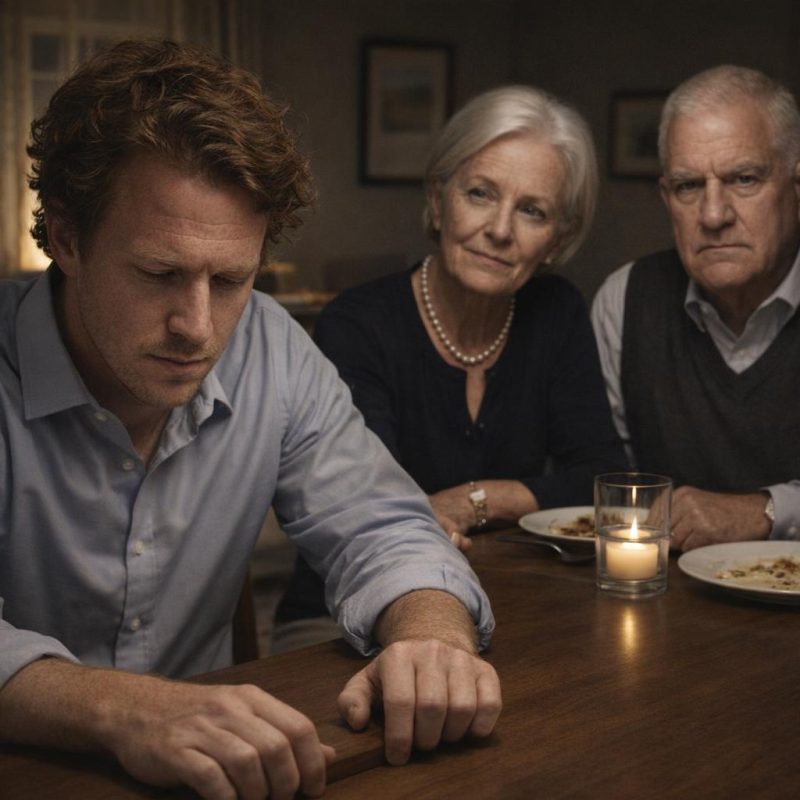 Image by RM AI
Emily Erased
"You want me to give Kyle my house," I said slowly, testing the words, hoping I'd misunderstood something fundamental. My voice sounded strange, distant, like it was coming from someone else's throat. Mom's expression shifted, just slightly, a small correction in her gentle smile. "Our house," she said, her tone still soft but with that firmness underneath, that iron core wrapped in velvet. "You're family. What's yours is ours." She said it like she was reminding me of something I'd forgotten, some basic truth about how the world worked. Dad nodded his agreement, his face showing no doubt, no recognition that what they were asking might be complicated by the fact that I had a wife. Emily's name hung in the air, unspoken but screaming in my head. We'd bought that house together. We'd painted the bedroom at midnight because we couldn't wait. We'd planted tomatoes in the backyard that never grew. But in my mother's gentle correction, in that possessive 'our,' Emily didn't exist. The casual erasure of my wife felt like a slap.
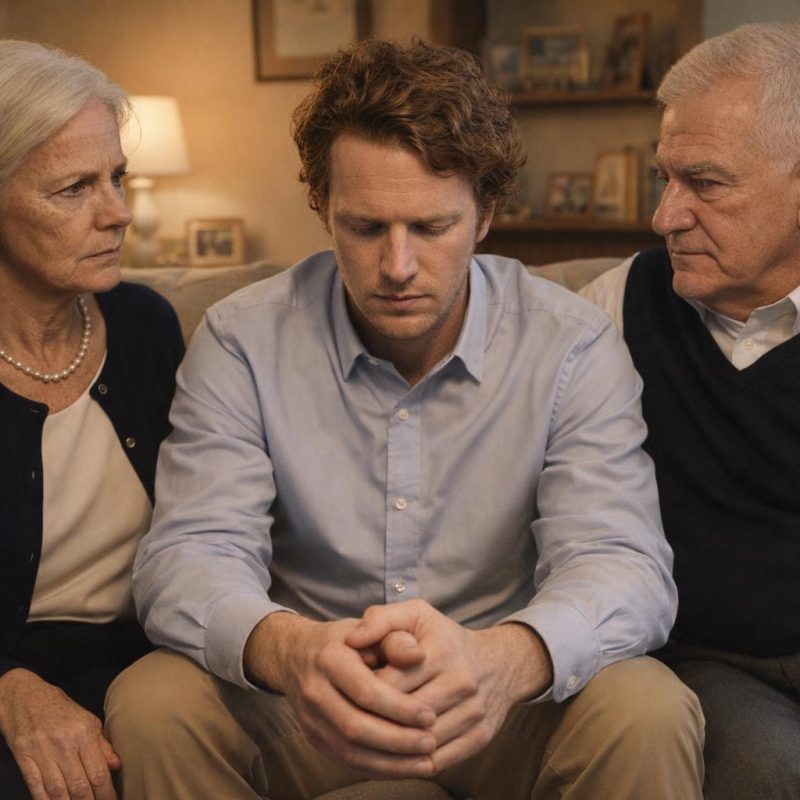 Image by RM AI
You'll Figure It Out
"What about me and Emily?" I heard myself ask, and the question came out smaller than I'd intended, almost childlike. I hated how it sounded, but I needed to know if they'd considered us at all, if we factored into this equation they'd already solved. Mom reached across the table and patted my hand, her touch warm and reassuring, the same gesture she'd used when I was eight and afraid of the dark. "You'll figure something out," she said gently, her eyes kind and certain. "You're resourceful. You always land on your feet." Dad nodded, leaning back in his chair with the satisfied posture of someone who'd made his point. "You can rent somewhere," he added. "Start fresh. It might even be good for you." They both looked at me then, expectant, waiting. Not waiting for me to agree—they'd moved past that. Waiting for me to acknowledge what they'd already decided, to demonstrate that I understood my role. The words hung in the air with the same finality I'd heard my entire life whenever Kyle needed something.
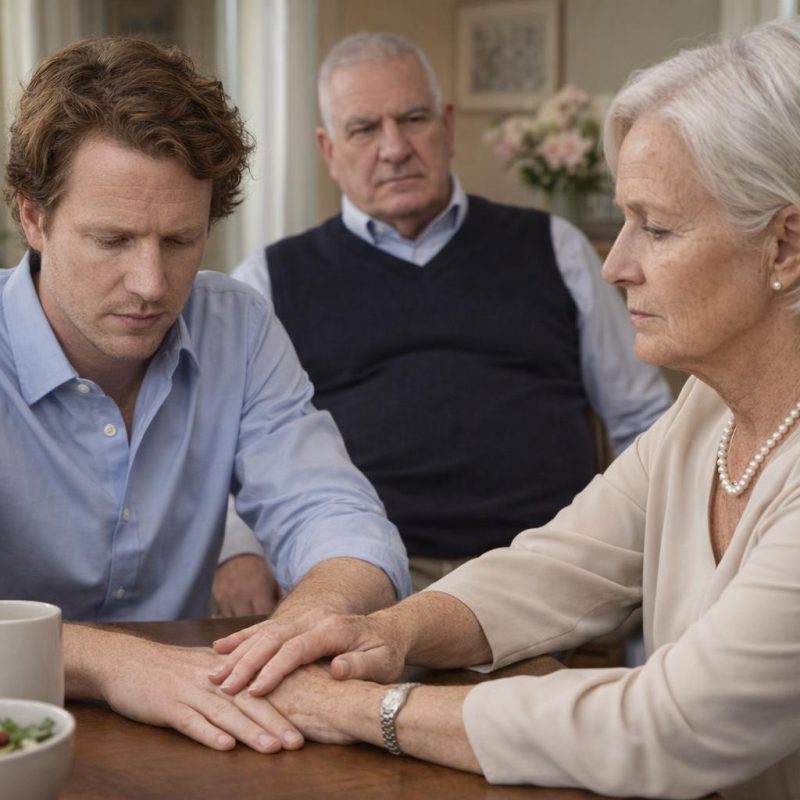 Image by RM AI
A Verdict, Not a Discussion
I looked at their faces, at the certainty there, the complete absence of doubt. This wasn't a discussion. This wasn't even really a request. They'd decided this weeks ago, maybe months ago, sitting in this same dining room, working through the logistics of how to help Kyle. This dinner was just the formality, the moment where I was supposed to demonstrate that I was a good brother, a good son, someone who understood that family came first. Arguing would change nothing. I could list every reason this was impossible, unfair, insane, and they'd nod sympathetically and then repeat themselves, gentler but firmer, until I gave in. That's how it had always worked. The pattern was so clear I could see it stretching back through decades, through every sacrifice I'd made, every time I'd stepped aside so Kyle could step forward. I'd always given in eventually. They knew it. I knew it. A strange calm settled over me as I understood exactly what I needed to do.
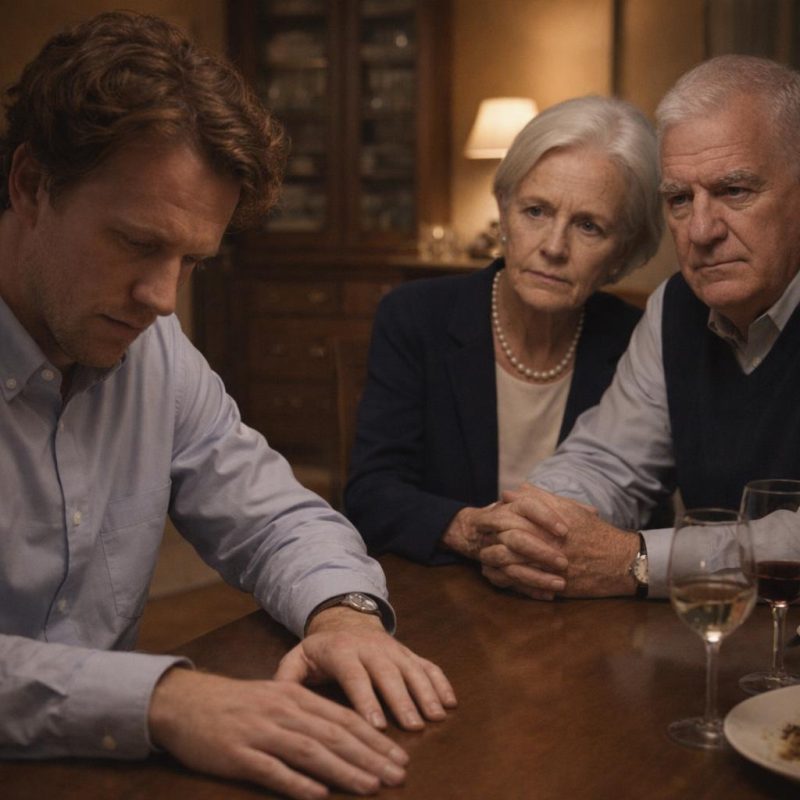 Image by RM AI
The Agreement
I took a breath, let it out slowly, and nodded. "Okay," I said, my voice steady and quiet. "I'll do it. I'll give Kyle the house." The relief that flooded their faces was immediate and profound. Mom's eyes filled with tears, actual tears, and she pressed her hand to her chest like I'd just told her I'd saved someone's life. "Oh, sweetheart," she whispered, her voice breaking. "Thank you. Thank you so much." She stood up and came around the table, pulling me into a hug that smelled like her perfume and hairspray. Dad stayed seated but his whole posture had softened, the tension I hadn't fully noticed until now draining from his shoulders. He reached over and clapped me on the shoulder, his grip firm and approving. "You're doing the right thing," he said, and his voice carried that warmth I so rarely heard, that pride I'd spent my childhood chasing. "Family helps family. That's what matters." His hand stayed on my shoulder, heavy and satisfied, like a benediction.
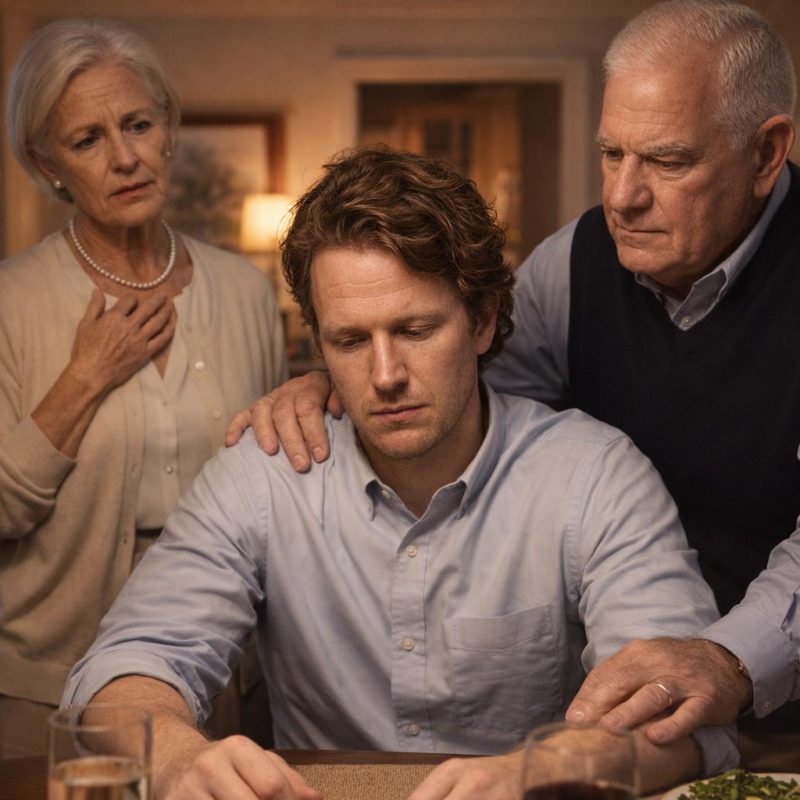 Image by RM AI
The Drive Home
I left twenty minutes later, after they'd walked me through the logistics, the timeline, when Kyle could start moving his things in, how grateful he'd be when they told him. Mom hugged me again at the door, told me how proud she was, how this was what real love looked like. Dad shook my hand, a formal gesture that felt like a contract being sealed. I walked to my car in the cool evening air, got in, started the engine. My hands were steady on the wheel as I pulled out of their driveway, as I turned onto the main road that would take me home. The streetlights passed overhead in regular intervals, orange light washing over the windshield and then fading. I wasn't shaking. I wasn't crying. Something that resembled a smile played at my lips, though I couldn't have explained why. Their gratitude still rang in my ears, sincere and warm and completely unaware. My compliance was the first move in a very different game.
 Image by RM AI
Telling Emily
I came home to find Emily in the kitchen, still in her scrubs from the hospital shift, making tea. The kettle was just starting to whistle. She looked tired in that particular way she gets after a twelve-hour rotation, her hair pulled back in a ponytail that had started to come loose. I stood in the doorway and just started talking. I told her about the dinner, about how I'd thought it was just a casual family meal until I walked in and saw Kyle already there. I explained the whole setup, the way they'd positioned it, the request that wasn't really a request. I told her about the house, about how they needed me to give it to Kyle, about how he was struggling and I was doing well and this was what family did for each other. I told her I'd agreed. The words came out in a steady stream, not rushed exactly, but continuous, like if I stopped I might lose my nerve entirely. Emily stood at the counter with her back partially to me, one hand on the kettle handle, and she didn't turn around. She didn't interrupt. She just listened in complete silence, her face unreadable.
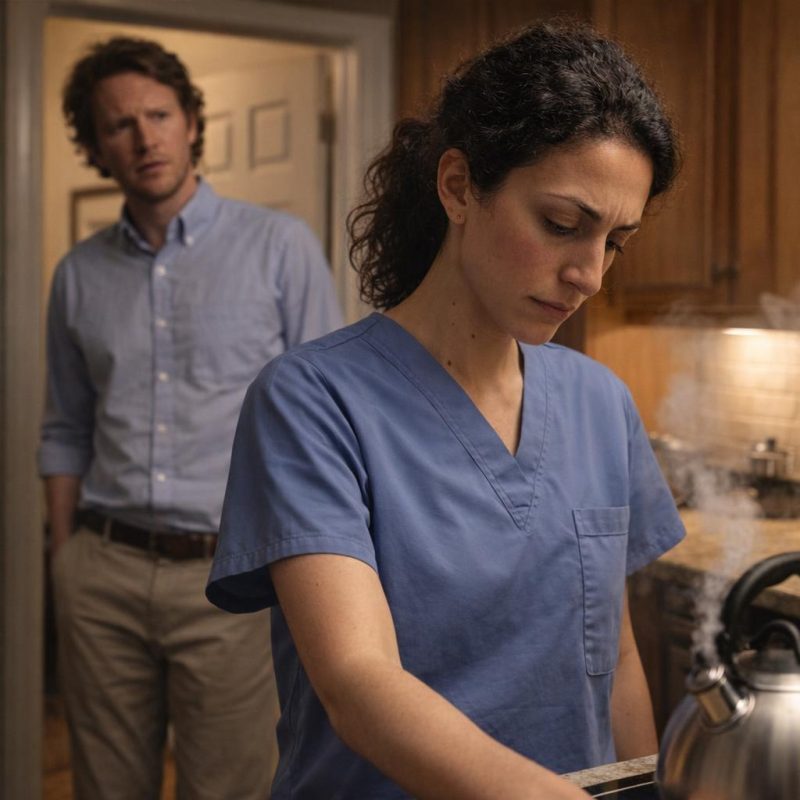 Image by RM AI
Silence
She stayed like that while I kept talking, filling in details I'd left out, circling back to explain the parts that didn't quite make sense even to me. Her posture didn't change. She didn't gasp or swear or drop the tea bag she was holding. She just stood there, completely still, processing everything I was saying without giving me any indication of what she was thinking. I couldn't see her expression from where I was standing, just the line of her shoulders, the way her hand remained steady on the counter. I finished the entire account, every detail I could remember, and then I stopped talking. The silence that followed felt enormous. It filled the kitchen, pressed against my chest, made the air feel thicker. I waited for her to say something, anything. She didn't. The kettle had stopped whistling. The tea was steeping. Emily remained quiet, her face still turned away from me, and I felt something close to panic starting to build in my throat. The silence stretched for what felt like forever, and I started to panic.
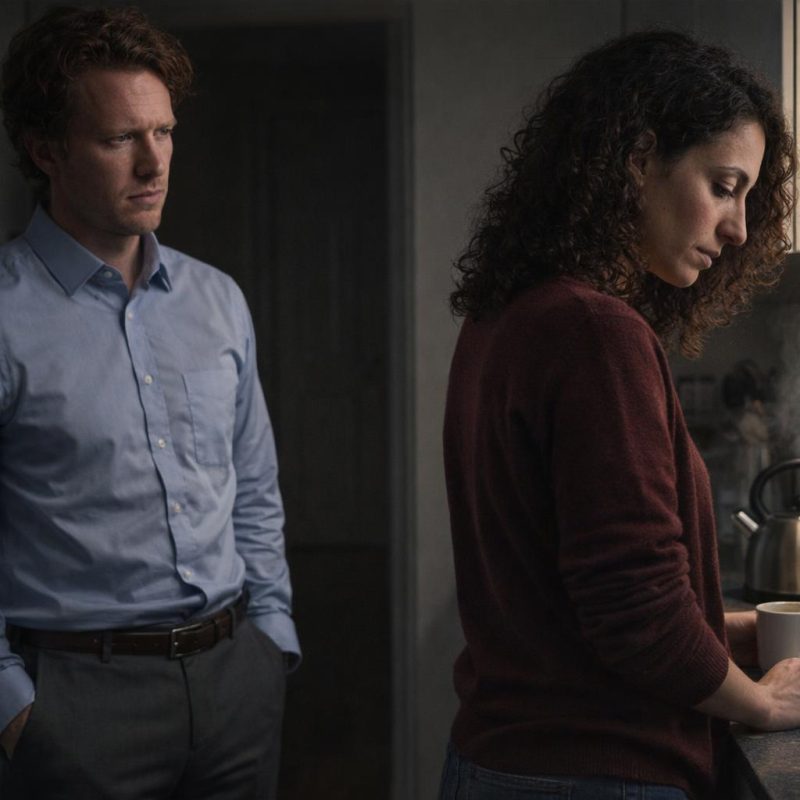 Image by RM AI
Panic
I started apologizing. The words tumbled out faster now, less controlled than my initial explanation. I told her I was sorry for agreeing without consulting her first, that I should have called her from my parents' house, that I should have asked for time to think about it. I explained that I didn't know what else to do in that moment, with all of them looking at me, with Kyle sitting right there and my parents so certain this was the right thing. I apologized for making promises about property that might not be mine to promise, about our shared home, about decisions that affected both of us. I said I understood if she was angry, that she had every right to be, that I'd messed up by not including her in something this big. Emily stayed quiet through all of it, letting me spiral through my apologies without stopping me. Her tea was probably getting cold. She still hadn't looked at me directly. Then she finally turned, setting the mug down with a soft click against the counter, and faced me head-on. I couldn't read her expression at all.
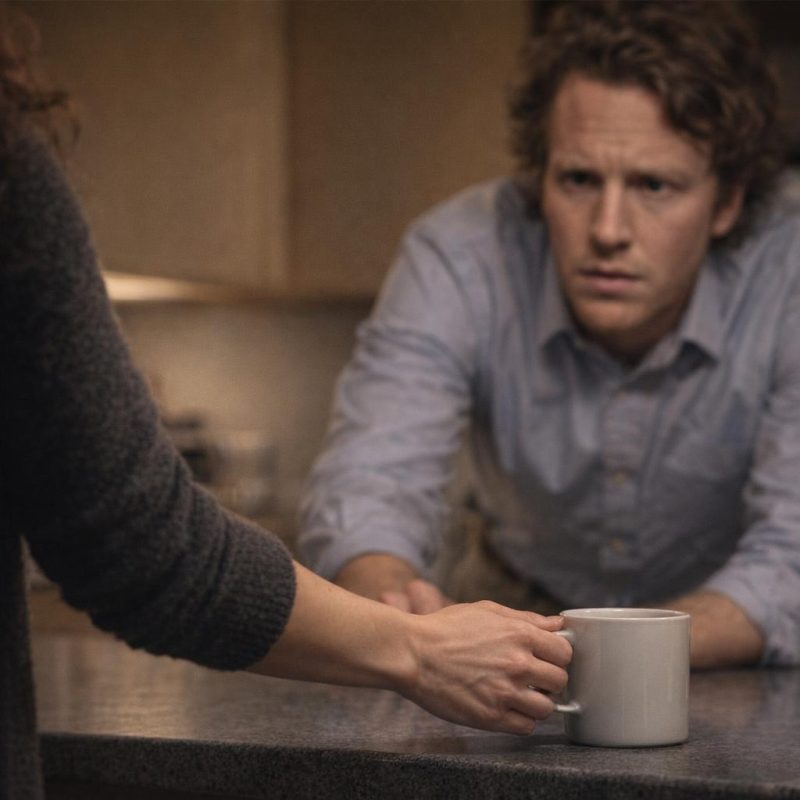 Image by RM AI
Good
She spoke one word. Just one, in a tone that was completely calm and certain, like she'd been thinking about this exact scenario for a while and had already reached a conclusion. "Good." I stared at her. The word didn't make sense in the context of everything I'd just told her, everything I'd just apologized for. Good? How could any part of what I'd just described be good? I'd agreed to give away our house. I'd made a massive decision without her input. I'd let my family manipulate me into promising something that would upend our entire lives. And she was saying good? Her expression hadn't changed. She wasn't smiling, wasn't being sarcastic, wasn't angry or upset or any of the things I'd been bracing myself for. She just looked calm, like she'd heard exactly what she'd expected to hear and it had confirmed something for her. I opened my mouth to ask what she meant, but nothing came out. I couldn't process why my agreement to give away their house could possibly be good.
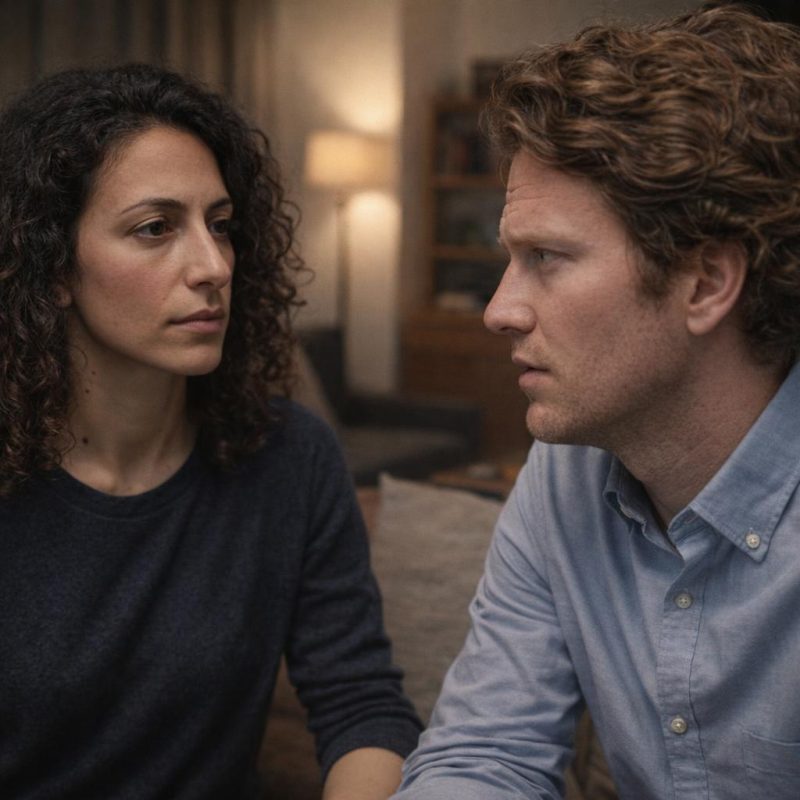 Image by RM AI
The Question
Emily picked up her tea, took a sip, then set it down again and walked over to the kitchen table. She pulled out a chair and sat down, then gestured to the seat across from her. I followed, moving on autopilot, still trying to understand her reaction. She waited until I was seated, her hands folded on the table in front of her, and then she asked me a question. "Do you remember when we bought the house?" Her tone was conversational, almost casual, like we were discussing something mundane instead of the crisis I'd just brought home. I nodded. Of course I remembered. It had been three years ago, right after we'd gotten engaged, when we'd decided to stop renting and invest in something permanent. But the details felt hazy now that she was asking, like trying to recall a dream from several nights ago. I remembered looking at properties, remembered the excitement of finding this place, remembered signing papers. But the specifics, the financial arrangements, the exact timeline, all of it felt distant and unclear. I did remember, sort of, but the details felt hazy now that she was asking.
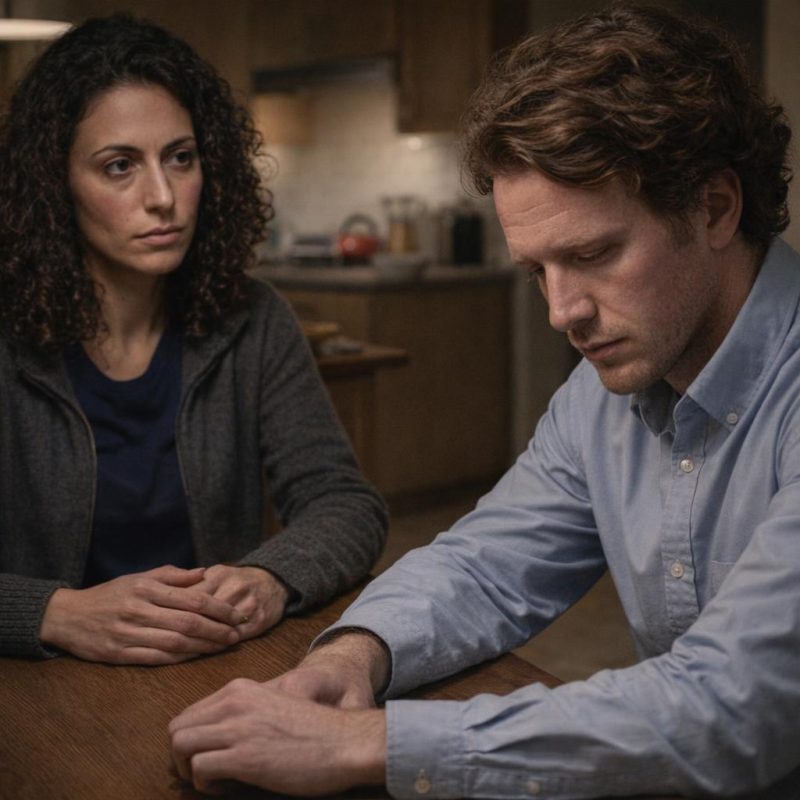 Image by RM AI
The Down Payment
Emily started walking me through it, her voice patient and methodical, like she was explaining a medical procedure to a worried patient. She reminded me that three years ago, she'd just finished her residency and started her first real attending position at the hospital. Her credit was excellent because she'd been careful with money through medical school, and her income was stable and substantial. I'd been between jobs at the time, transitioning from one position to another, and while I had some savings, it wasn't enough for a down payment on a house in our area. She'd put down most of the money, I remembered now. The bulk of it had come from her savings, from years of careful planning and delayed gratification through her training. I'd contributed what I could, but it had been maybe a quarter of what was needed. The memories were coming back clearer now, details I'd half-forgotten in the three years since, details that had seemed less important when we were just living our lives together. I felt something shift in my understanding, though I couldn't yet see where she was leading.
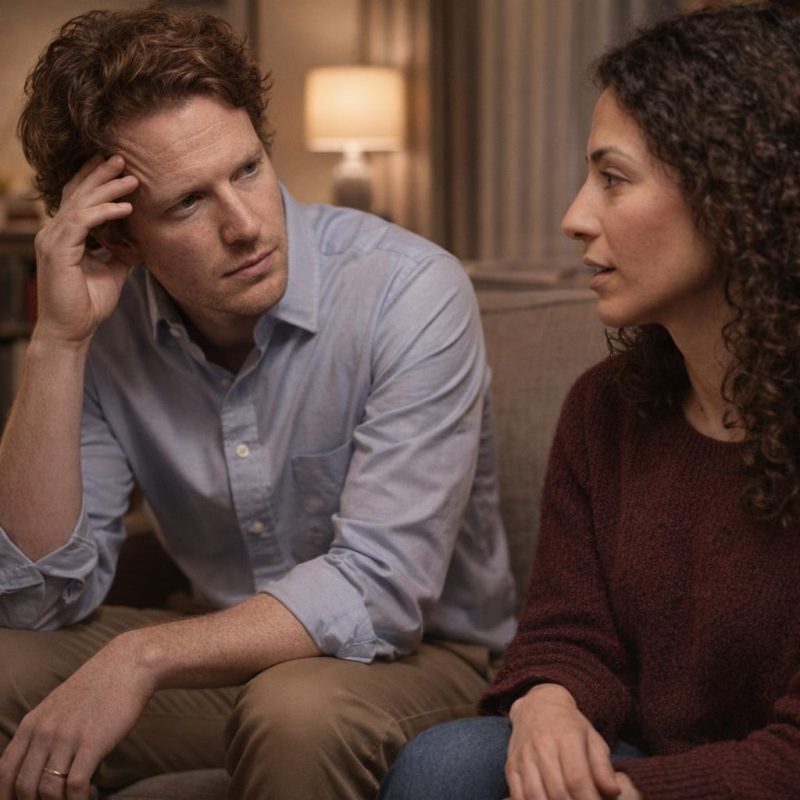 Image by RM AI
Credit Score History
And then I remembered why my contribution had been so limited, why my credit hadn't been good enough to qualify for the mortgage in the first place. Kyle. It was always Kyle. I'd co-signed a car loan for him five years ago that he'd defaulted on. I'd covered his credit card debt twice when he'd promised to pay me back and never did. I'd lent him money that became gifts because he never had the means to return it. Each time, I'd told myself it was helping family, that it was temporary, that he'd get back on his feet. Each time, it had damaged my credit score a little more, added another black mark to my financial history. By the time Emily and I were ready to buy a house, my credit was trashed. Not terrible, but not good enough to be the primary applicant on a mortgage for a property in our price range. Emily had never done that for anyone. She'd never enabled, never co-signed, never covered someone else's poor decisions. Her credit was pristine. The pattern looked different when viewed through this lens, through Emily's careful recounting.
 Image by RM AI
Legal Reality
Emily explained it simply, without drama or emphasis, just stating facts. The mortgage was in her name because my credit hadn't qualified me as the primary borrower. I'd been making payments to her, contributing what I could toward the monthly costs, helping with utilities and maintenance and everything else that came with homeownership. But legally, on paper, in the eyes of the bank and the county records office, the house was her property. She was the sole owner. My name wasn't on the deed. I wasn't on the mortgage. I'd known this, obviously. We'd discussed it at the time, had agreed it made sense given our financial situations, had decided it didn't matter because we were building a life together anyway. But I hadn't really thought about it since then. It had been a technicality, a detail that seemed irrelevant to our daily reality of living in the house together, making it a home together. Now, sitting at the kitchen table with Emily watching me process this information, the implications were starting to crystallize. I had known this, obviously, but I hadn't really thought about the implications until now.
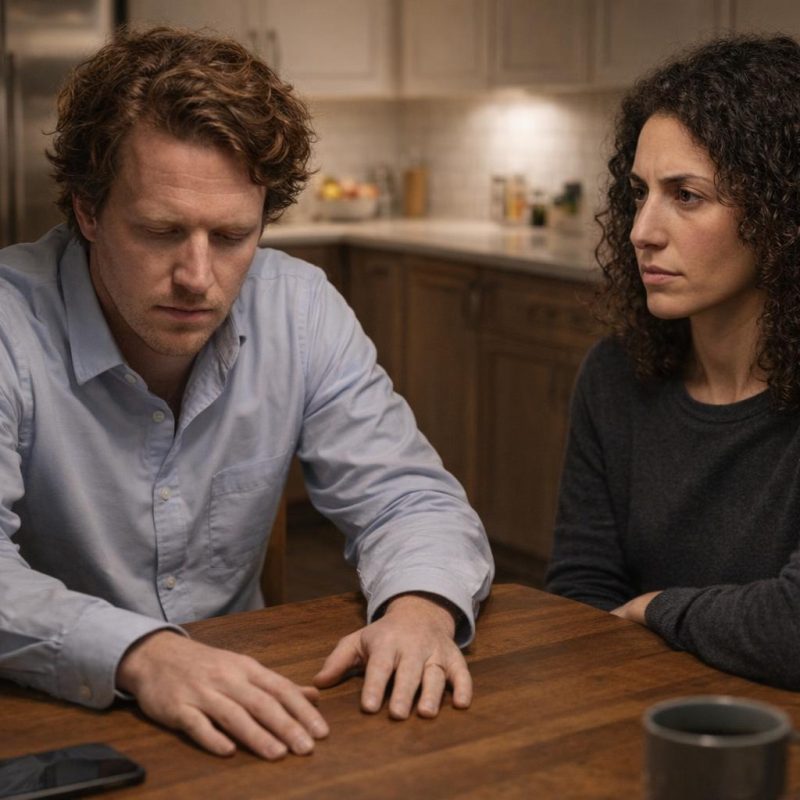 Image by RM AI
The Property Line
I sat there at the kitchen table, Emily's words settling over me like a blanket I hadn't realized I'd been needing. The house wasn't mine. I'd known that, technically, in the abstract way you know facts that don't seem to matter in daily life. But now, with my parents' demand hanging over me like a guillotine blade, the technicality had become the most important detail in my entire world. I couldn't give Kyle the house. Not because I was refusing, not because I was standing up to my parents, not because I'd suddenly found some backbone I'd been missing my entire life. I couldn't give it to him because it literally wasn't mine to give. The mortgage was in Emily's name. The deed was in Emily's name. I'd been making payments to her, contributing what I could, but legally, on paper, in every way that actually mattered to banks and county records and property transfers, this house belonged to my wife. My promise to my parents had been impossible from the moment I'd made it. The realization felt like standing on solid ground after years of sinking.
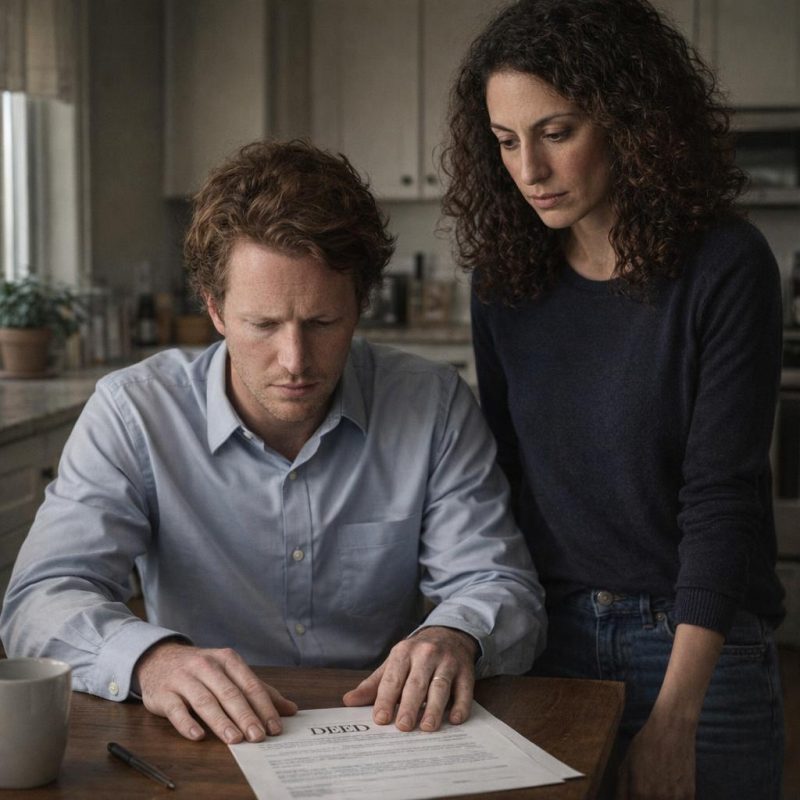 Image by RM AI
The Assumption
Emily picked up her tea cup, took a slow sip, and asked quietly if my parents knew the house was in her name. Her eyes watched me carefully over the rim, steady and unreadable in that way she had when she was thinking three steps ahead of everyone else in the room. I thought back to the dinner, to my mother's demand, to my father's reasonable tone as he'd explained why this was the right thing to do. They'd talked about the house like it was obviously mine. Like there was no question about ownership, no need to verify details, no possibility that the situation might be more complicated than they'd assumed. They'd never asked who was on the deed. They'd never asked about the mortgage. They'd just assumed, based on nothing more than me living here and being married, that the house was mine to give away. I shook my head, and Emily's expression shifted in a way I couldn't quite read.
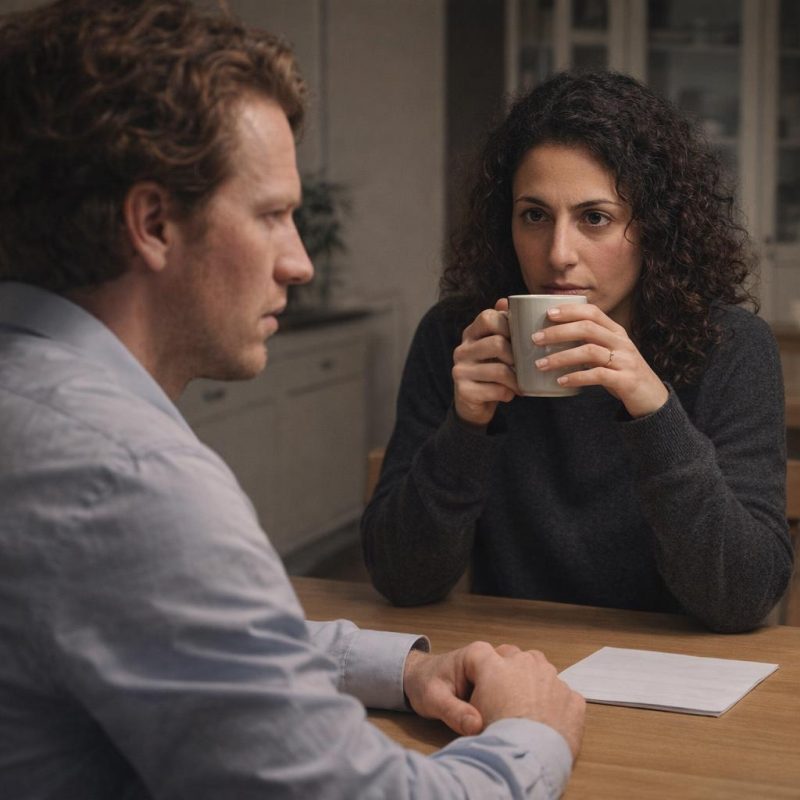 Image by RM AI
Never Asked
My parents had never asked about the house ownership. They'd just assumed, the way they assumed so many things about my life without ever actually checking if their assumptions matched reality. I lived here, so it must be mine. I was married, so it must be joint property at minimum. I'd bought it a few years ago, so obviously my name was on something official somewhere. They'd built an entire plan around transferring property to Kyle without ever verifying that I actually owned property to transfer. The assumption was based on their expectations, not facts. Based on what they thought my life looked like, not what it actually was. I could see it now, sitting at the kitchen table with Emily watching me process this revelation. They'd never asked because it had never occurred to them to ask. The house was just another piece of my life they felt entitled to redistribute according to their own sense of fairness and family obligation. For the first time that evening, something that might have been hope flickered in my chest.
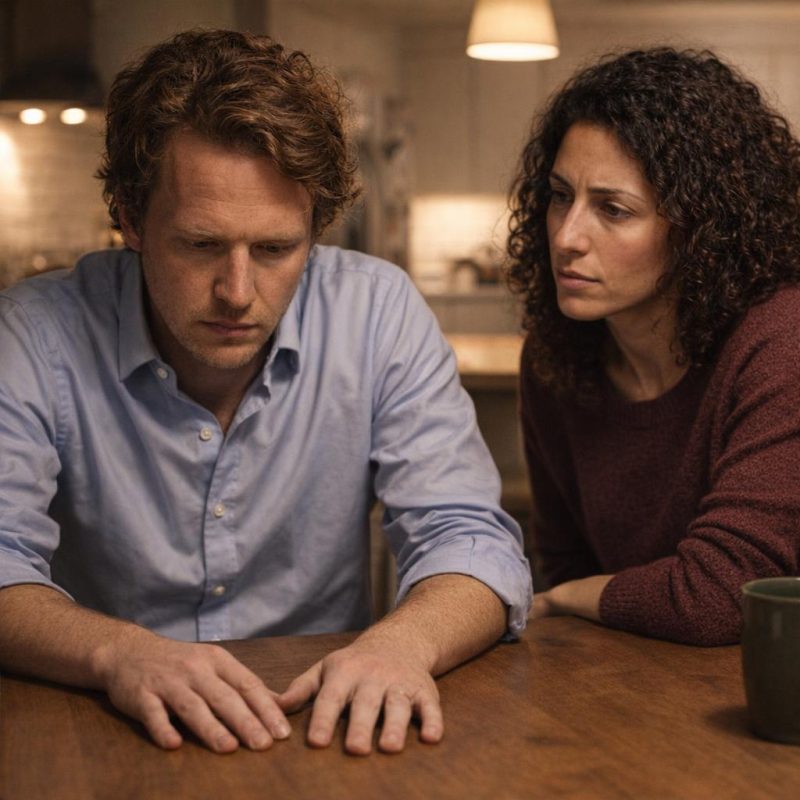 Image by RM AI
The Strategy Begins
Emily smiled for the first time since I'd arrived home that evening. It wasn't a big smile, nothing dramatic or triumphant, just a small curve at the corner of her mouth as she set down her tea cup with a quiet click against the saucer. She explained, in that calm and measured way she had when she was working through a problem at the hospital, that we would let my parents think everything was going exactly as planned. We wouldn't correct their assumption. We wouldn't mention the ownership situation. We'd let them believe they were getting what they wanted, let them think their demand was being met, let them move forward with all their plans for Kyle and his gaming studio and his fresh start in our house. And then, when the moment was right, when they were fully committed to the fantasy they'd constructed, we'd reveal the reality. I listened as she outlined what would happen next, her voice steady and confident, and the hope in my chest grew stronger.
 Image by RM AI
Let Them Celebrate
Emily told me to let my parents feel triumphant. Let Kyle get excited about his new house, about finally having his own space, about turning the second bedroom into the gaming studio he'd always wanted. Let them all plan the transfer together, discuss paint colors and furniture arrangements and which of my belongings I'd need to remove to make room for Kyle's stuff. Let my mother feel satisfied that she'd successfully redistributed family resources according to her sense of fairness. Let my father feel reasonable and measured as he facilitated the whole thing. Let them think everything was proceeding smoothly, that I was complying the way I always complied, that their assumption about ownership was correct because why wouldn't it be. The more invested they became in the fantasy, Emily explained, the more complete their understanding would be when reality finally arrived. I nodded, my throat tight, trying to imagine actually pulling this off. The anticipation of their eventual discovery made my hands shake slightly as I held my tea.
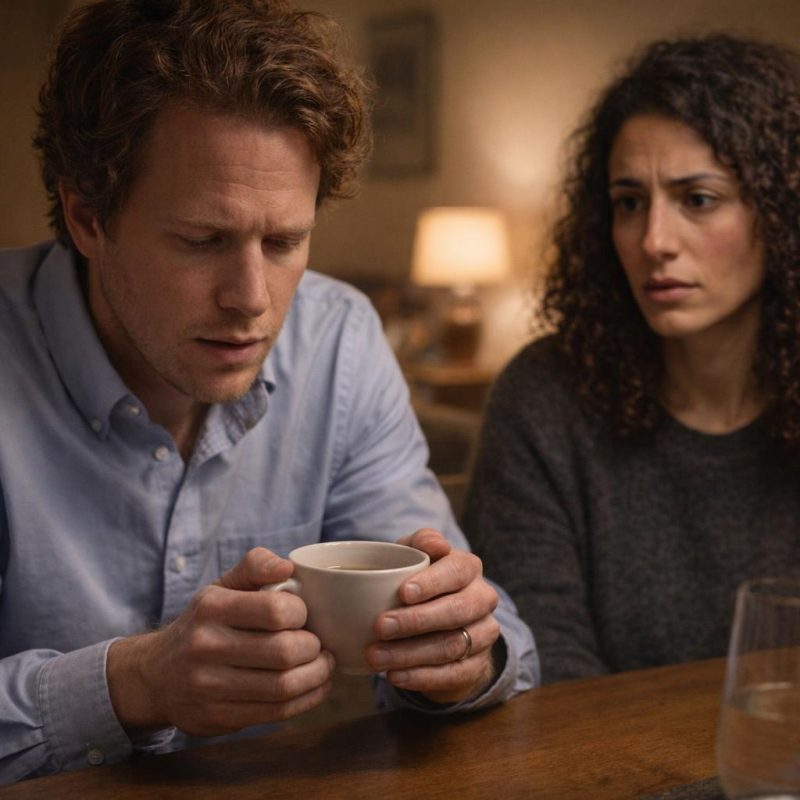 Image by RM AI
Waiting for the Call
We finished our tea at the kitchen table, the cups empty and cooling between us. Emily reached across and squeezed my hand once, a brief pressure that steadied something inside me that had been shaking since I'd left my parents' house. We settled into waiting for the inevitable call, the one where my parents would want to arrange the signing, to set up the transfer, to make everything official. Emily said they'd reach out within a few days, that they'd want to move quickly now that they thought they'd won. I should let them set the timeline, she said. Let them feel in control of the process. I went to work the next day feeling like I was walking through a dream, everything slightly unreal and too bright. I came home and Emily asked if they'd called yet. Not yet, I said. The second day was the same. The third day I jumped every time my phone buzzed. Three days passed before the phone finally rang.
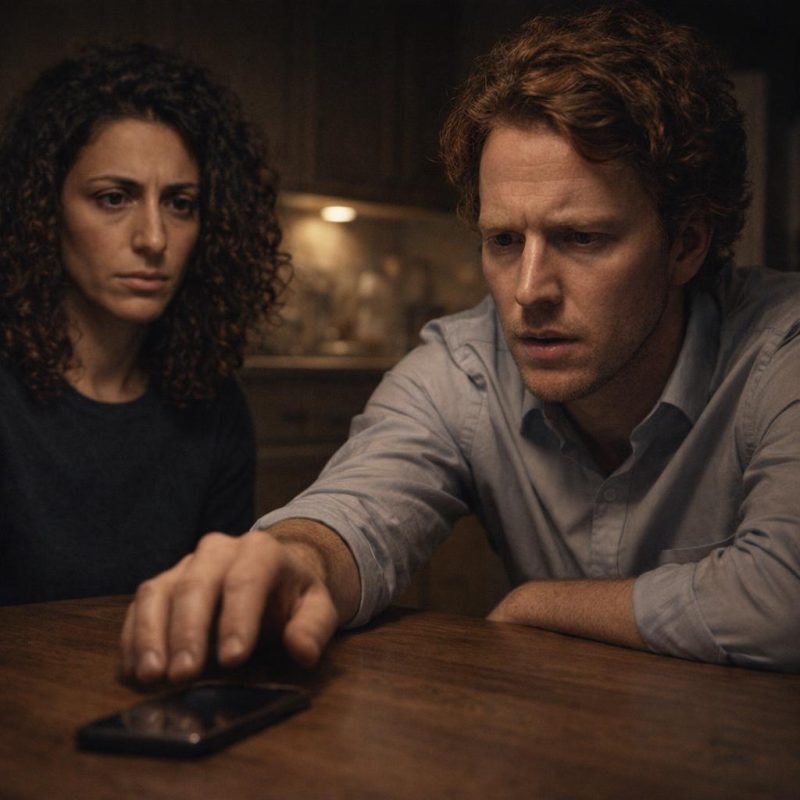 Image by RM AI
Paint Colors and Gaming Studios
My father called on Wednesday afternoon while I was sitting at my desk pretending to review a spreadsheet I'd already checked twice. His voice came through warm and excited in a way I hadn't heard in years, maybe since Kyle had graduated high school before everything started sliding downhill. He talked about Kyle's plans for the house, how grateful Kyle was for this opportunity, how this was exactly the fresh start he needed to really get his life together this time. Kyle had already picked out paint colors for the living room, my father said. He wanted to do the second bedroom in dark blue, turn it into a proper gaming studio with good lighting and space for all his equipment. My mother had suggestions about furniture arrangement. They were all so excited, my father said, his voice full of warmth and satisfaction. I made agreeable sounds, small hums of acknowledgment that didn't commit me to anything specific. Across the room, Emily watched from the doorway, her expression calm.
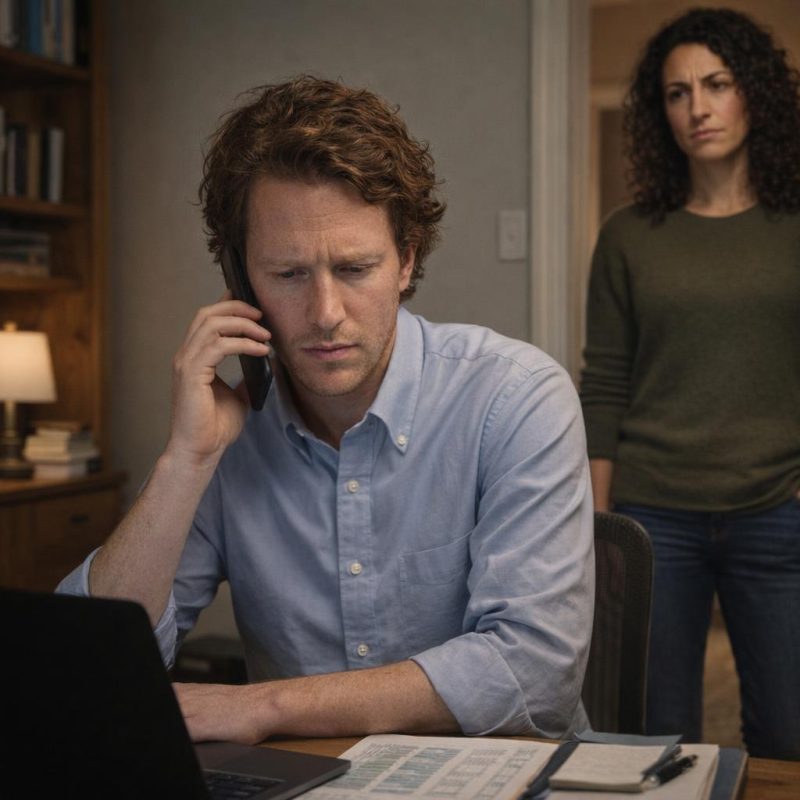 Image by RM AI
The Invitation
I hummed in agreement as my father described Kyle's vision for the gaming studio, the streaming setup he wanted to build, the way this house was going to change everything for him. My father's enthusiasm filled the silence I was carefully maintaining, his voice painting pictures of Kyle's future in what he thought was my house. When he finally paused for breath, I suggested they all come over Saturday morning. We could finalize everything then, I said, keeping my voice steady and agreeable. Sign whatever papers needed signing, discuss the timeline for the actual transfer, make it all official. My father accepted immediately, his gratitude spilling through the phone in a rush of warm words about family and doing the right thing and how proud he was that I was being so mature about this whole situation. They'd all be there Saturday morning, he said. Kyle too, of course. They'd bring coffee and pastries, make it a family occasion. The line went dead with his gratitude still echoing.
 Image by RM AI
Days Until Saturday
The days between that phone call and Saturday morning stretched out in this weird way where time felt both too fast and impossibly slow. I'd catch myself in the middle of work meetings mentally rehearsing what I'd say when my father tried to hand me that pen, running through different versions of the conversation in my head. Sometimes in these imaginary scenarios my mother cried. Sometimes Kyle exploded immediately. Sometimes my father just sat there in stunned silence, and honestly that version scared me the most. Emily moved through those days with her usual calm efficiency, making lists and checking documents and organizing things in that methodical way she approached everything important. She'd catch me staring into space at dinner and reach across the table to squeeze my hand, not saying anything because she didn't need to. Thursday night I barely ate. Friday at work I couldn't focus on anything, just kept watching the clock and feeling my stomach twist tighter with each passing hour. My boss asked if I was feeling okay and I said something about a family thing this weekend, which was technically true. Friday night I lay in bed staring at the ceiling, listening to Emily's steady breathing beside me, and barely slept at all.
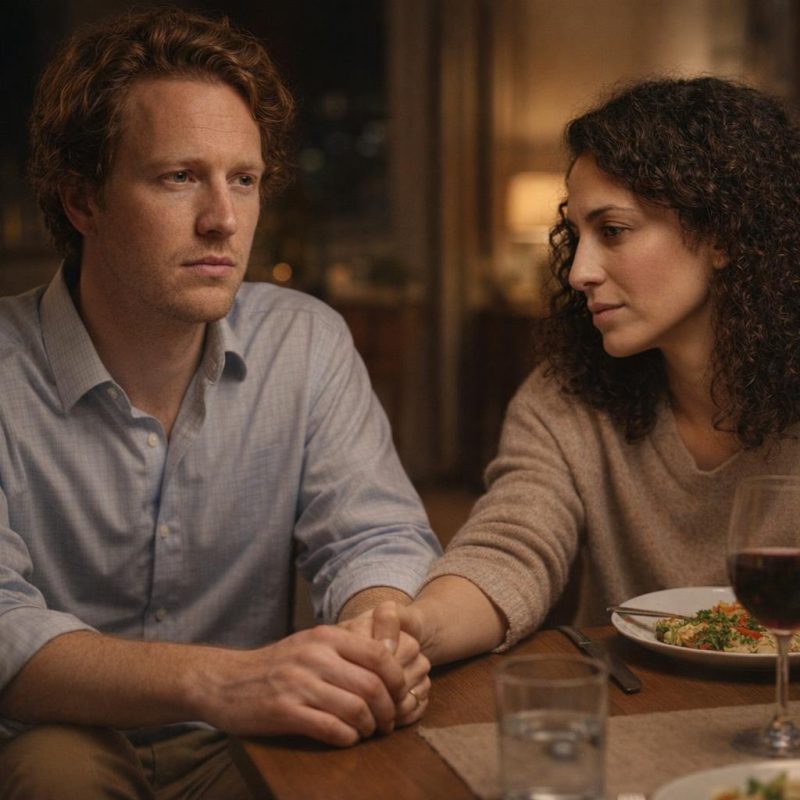 Image by RM AI
The Real Documents
Friday evening after dinner, Emily walked to our filing cabinet in the home office and pulled out the folder we kept our important documents in. I watched from the doorway as she extracted the deed with both our names on it, the mortgage agreement showing the payment history, the title insurance paperwork. She didn't say anything as she organized them into a clean manila folder, just moved with that same steady purpose she'd had all week. When she carried the folder to the kitchen and set it on the counter near the coffee maker, I felt something shift in my chest. There it was. Physical proof of what they didn't know, what they'd never bothered to ask about, what they'd just assumed because it fit their narrative better. I kept walking past that folder all evening, glancing at it like it might disappear if I looked away too long. Emily made tea and we sat at the kitchen table not really talking, just existing in the same space while the weight of tomorrow pressed down on both of us. The folder sat there on the counter, innocent-looking and devastating, holding the truth that was going to change everything.
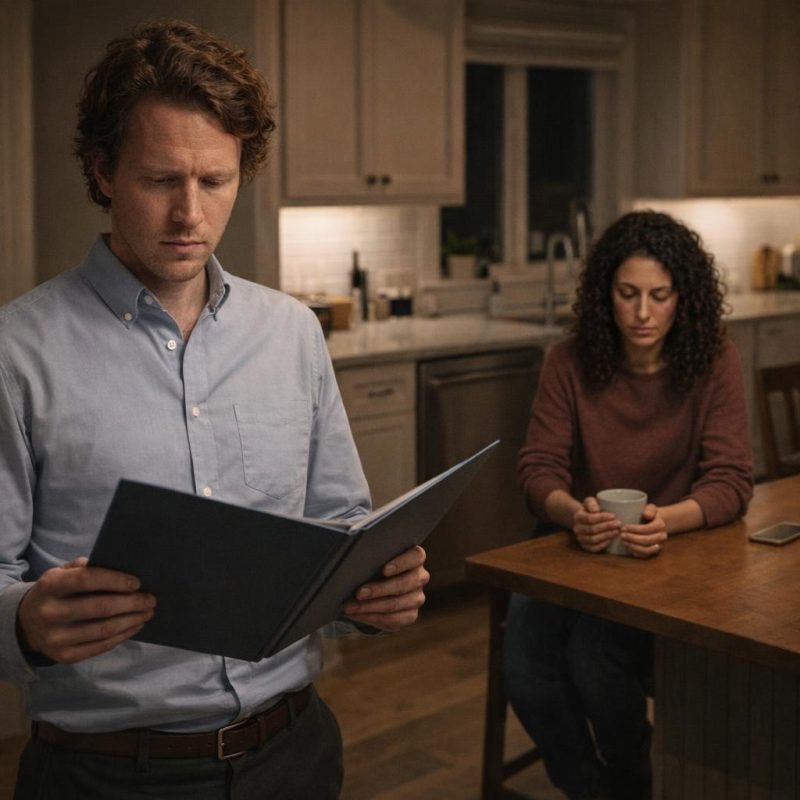 Image by RM AI
Saturday Morning Arrival
Saturday morning the knock came at exactly ten o'clock, because of course my father would be precisely on time for this. I opened the door and there was Kyle, wearing this expression I'd never seen on him before—pure smug satisfaction, like he'd already moved in and was just here to collect the keys. My parents stood behind him on the porch, my mother holding a bottle of what looked like the cheapest sparkling cider from the grocery store, the kind with the plastic cork. My father had his lawyer face on, that calm professional expression he wore when he was about to close a deal. They filed in past me, my mother's perfume too strong in the morning air, Kyle's eyes already scanning the living room like he was measuring it for his gaming setup. Emily appeared from the kitchen, gave them all a polite smile, played the gracious host even though I could see the tension in her shoulders. My mother set the cider on the entry table and turned to me, putting both hands on my shoulders. She kissed my cheek and said how proud she was of me for doing the right thing, for putting family first, for being the son she'd raised me to be.
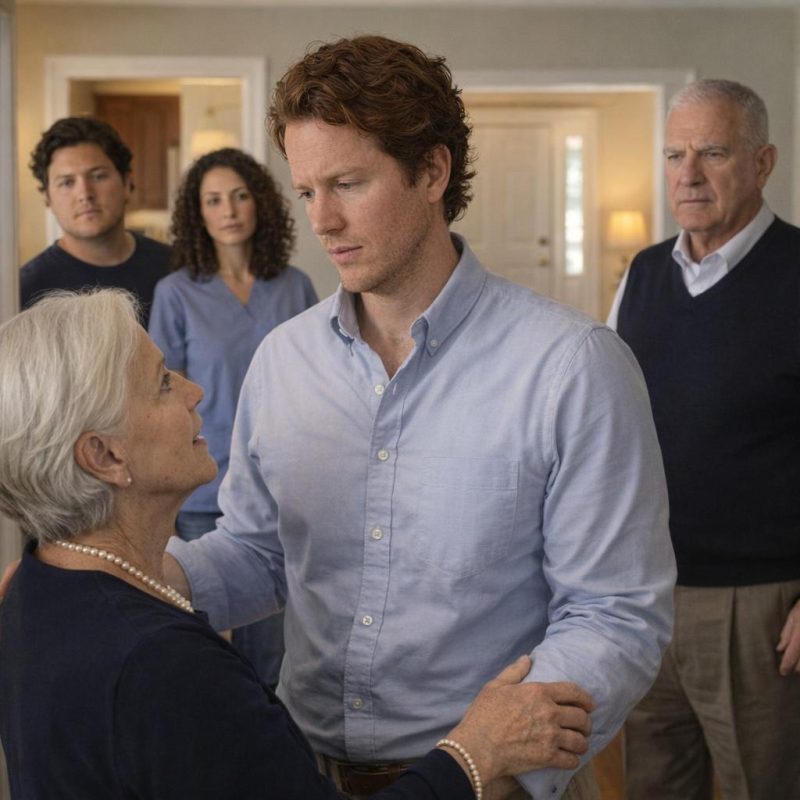 Image by RM AI
Settling In
I led them all into the living room, my legs feeling disconnected from my body, like I was watching myself move through someone else's eyes. My parents settled onto the couch together, my mother smoothing her skirt with that precise gesture she always made, my father sitting with his folder on his lap. Kyle sprawled in the armchair—my favorite chair, the one I sat in every evening—and draped his arm over the back like he was already claiming territory. Emily took the chair in the corner, the one we usually piled with clean laundry, sitting quietly with her hands folded. The morning light came through the windows and made everything look too bright, too normal for what was about to happen. My mother was smiling at me with this warm, grateful expression. My father looked satisfied, like a problem was finally being solved. Kyle kept glancing around the room, and I could practically see him mentally rearranging the furniture, planning where his streaming equipment would go. The celebratory atmosphere filled every corner of the space, this pressure building like the air before a thunderstorm, and I sat down in the remaining chair trying to keep my face completely neutral.
 Image by RM AI
Internet Forms
My father reached into his leather folder, the expensive one he used for client meetings, and pulled out a stack of papers. He spread them across our coffee table with careful precision, arranging them so they faced toward me. I recognized the format immediately—quitclaim deed forms, the kind you could download from any legal website for free. He'd filled them out already, my name typed in the grantor line, Kyle's name in the grantee section, our address listed in the property description field. There were multiple copies, probably so we'd each have one for our records, because my father was nothing if not thorough about documentation. The forms had that slightly pixelated look of home printer output, the text not quite as crisp as professionally prepared documents. But to anyone who didn't know better, to anyone who wasn't looking closely, they looked official enough. Legal enough. Real enough. My mother leaned forward slightly, her hands clasped in her lap, watching me with that gentle expectant expression. Kyle sat up straighter in the armchair, his smugness shifting into something more focused. The forms lay there on the coffee table between us, waiting.
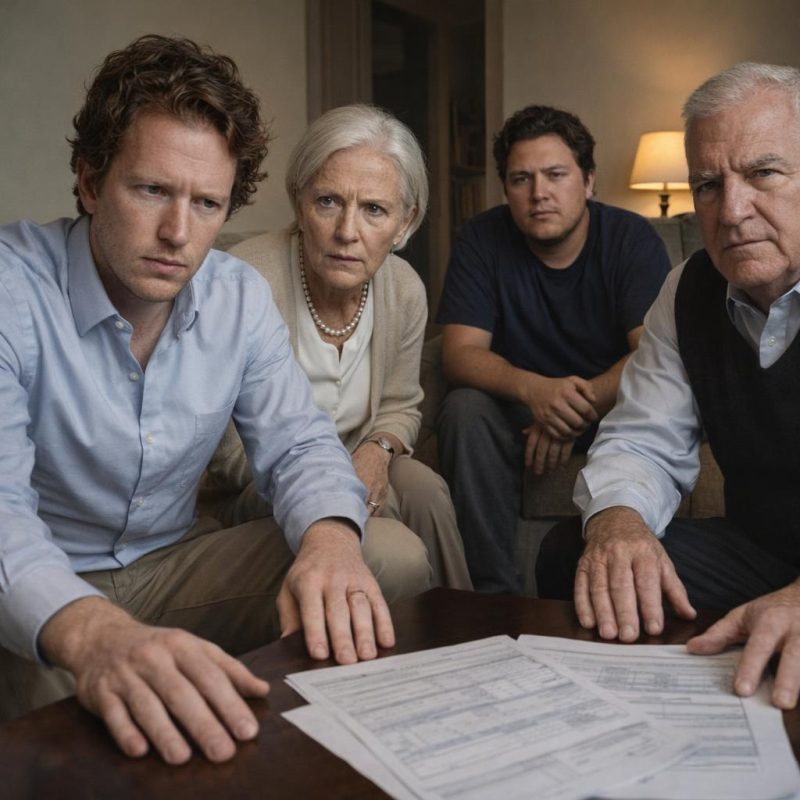 Image by RM AI
Sign Here
My father slid one of the quitclaim deeds across the coffee table toward me, the paper making a soft sound against the wood surface. He produced a pen from his shirt pocket, one of those expensive ones he'd gotten as a retirement gift, and held it out in my direction. His voice had that same measured, reasonable tone he used in court, the one that made everything sound logical and inevitable. He said I just needed to sign here, on this line, and then we could get it notarized next week and file it with the county. Simple as that. My mother nodded encouragingly. Kyle leaned forward in the armchair, his eyes fixed on that blank signature line like he could will my name onto it through sheer force of wanting. Emily sat perfectly still in the corner, her face unreadable. The pen hung in the air between my father and me, catching the morning light. Everyone was looking at me, waiting for me to reach across that small distance and take it, to complete this transaction they'd already decided was happening. My hand stayed at my side.
 Image by RM AI
The Pause
I didn't reach for the pen my father was holding out, didn't move at all actually, just sat there looking at the quitclaim deed on the coffee table. The silence shifted. It had been expectant before, celebratory even, but now it stretched into something confused and uncomfortable. My father's hand stayed extended, the pen still offered, but his expression started to change. My mother glanced between us, her smile faltering slightly. Kyle's smugness cracked just a little around the edges, replaced by irritation at the delay. Seconds ticked past, each one heavier than the last. My father cleared his throat, said my name in that tone that used to make me immediately comply with whatever he wanted. Still I didn't move. The pen stayed in the air between us like a challenge, like a test I was finally refusing to take. My mother started to say something about not being difficult, about how we'd all agreed to this. The atmosphere in the room had completely transformed, the celebration curdling into confusion and the first hints of frustration. Emily stood up from where she'd been sitting quietly in the corner.
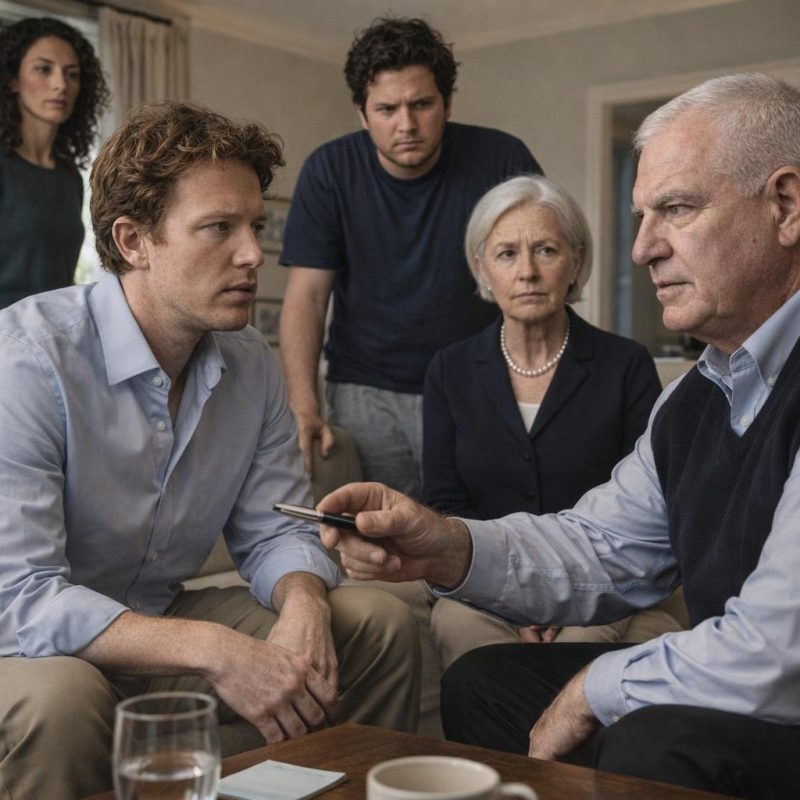 Image by RM AI
Emily's Folder
Emily walked into the center of the living room carrying the manila folder from our kitchen counter, her movements calm and deliberate. She placed her hand on the coffee table right next to my father's internet-printed forms, the gesture somehow both gentle and absolutely final. Then she sat down next to me on the arm of my chair, close enough that I could feel the warmth of her presence, the solidarity of her just being there. My father's pen finally lowered, his confusion deepening as he looked at Emily and then at the folder she'd brought. Kyle's face shifted from irritation to something more uncertain. My mother's expression tightened in that particular way it did when things weren't going according to her script, when someone was disrupting the narrative she'd constructed. She frowned and started to say something about this being a family matter, her voice taking on that edge of dismissal she always used when she wanted to exclude Emily from important conversations, to remind everyone that Emily wasn't really one of us, not in the way that counted.
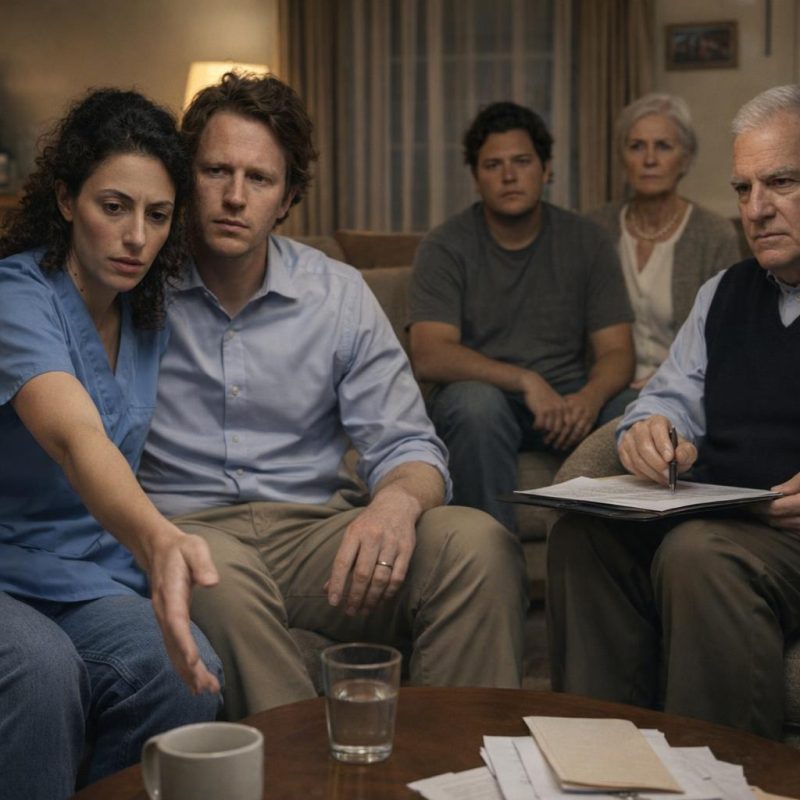 Image by RM AI
Beside Him
Emily settled into the seat beside me on the arm of my chair, her presence solid and grounding in a way I desperately needed. She placed her folder on the coffee table with deliberate care, right next to my father's internet-printed forms, and the contrast between the two documents felt significant somehow. My mother was mid-sentence, her voice taking on that particular edge she always used when she wanted to remind everyone that Emily wasn't really family, not in the way that counted. She was saying something about this being a private family matter, about decisions that had already been made, about how they'd discussed everything with me and didn't need outside interference. Emily didn't flinch. She just sat there beside me, her hand resting on top of her folder, her expression calm and unreadable in that way she had when she was processing something important. I could feel the warmth of her next to me, the solidarity of her just being there, and something in my chest loosened slightly. I didn't know what was in that folder or what she was planning, but I made a choice in that moment to let her lead. Emily didn't open her folder yet, just let her hand rest on top of it.
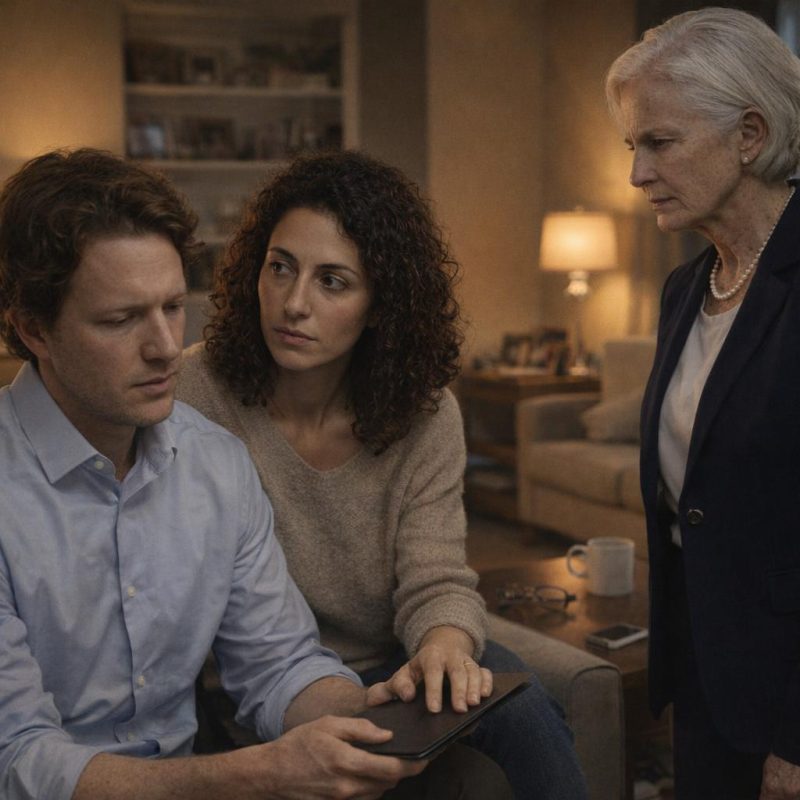 Image by RM AI
A Family Matter
My mother's frown deepened, her perfectly groomed features arranging themselves into an expression of polite dismissal. She told Emily firmly that this was a family matter, her voice carrying that particular tone she reserved for people she considered outsiders trying to insert themselves where they didn't belong. They had already discussed this with their son, she said, emphasizing the word 'their' in a way that drew a clear line between who was family and who wasn't. The decision had been made, she continued, and while she appreciated Emily's concern, this really didn't involve her. Kyle shifted in his seat, his confusion giving way to a kind of smug satisfaction, like he was pleased to see Emily being put in her place. My father watched with that measured expression he wore in courtrooms, waiting to see how this would play out. I sat there beside Emily, my heart pounding, waiting for whatever was about to happen. Emily's expression remained completely unchanged as she slowly opened her folder and pulled out the first document.
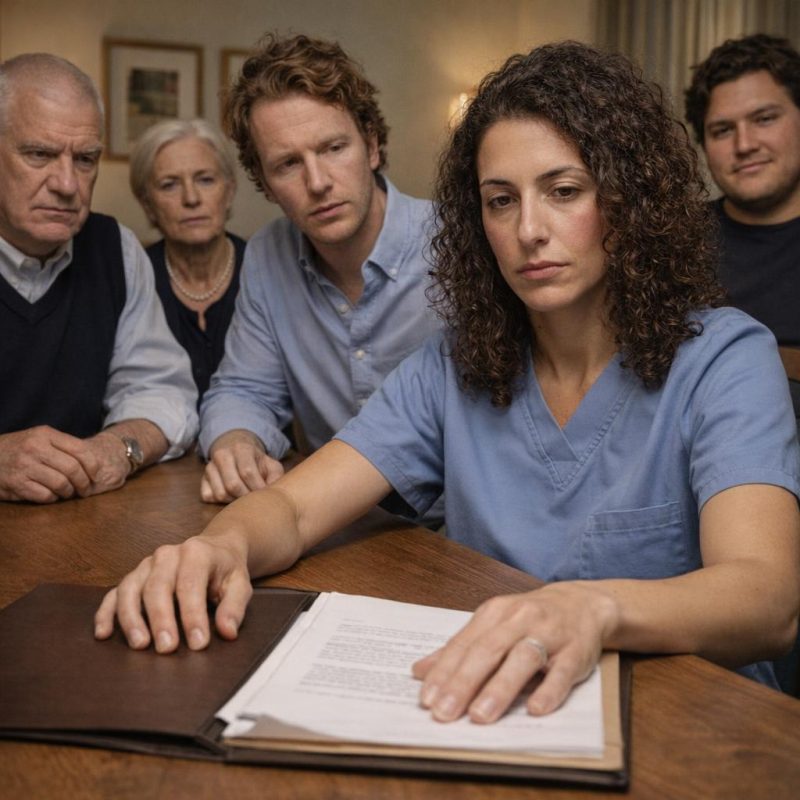 Image by RM AI
The Owner
Emily pulled out the original deed and placed it on the coffee table where everyone could see it. Then came the mortgage agreement, the pages crisp and official. Her voice was calm, almost conversational, as she explained that she—not me—was the sole legal owner of the house. My name wasn't on the deed, she said. It wasn't on the mortgage. I contributed to the household expenses, yes, but the property itself belonged entirely to her. She looked at my parents, then at Kyle, and stated with perfect clarity that she had no intention of giving her property to my brother. Not now, not ever. The house was hers, and I had no legal authority to transfer something I didn't own. My father's pen had stopped moving entirely. Kyle's mouth hung slightly open. My mother's face had gone very still, that careful composure cracking at the edges as the reality of what Emily was saying began to register. The silence that followed was the loudest sound I'd ever heard.
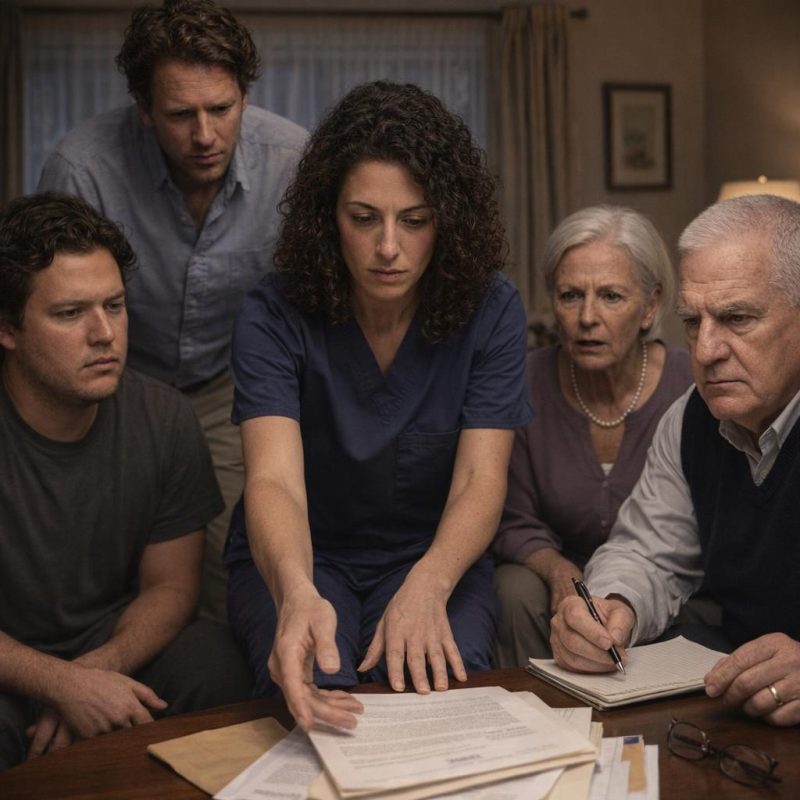 Image by RM AI
Heavy Silence
My father reached for the documents with hands that weren't quite steady, his lawyer instincts kicking in even as his face showed something close to shock. He picked up the deed first, his eyes scanning the legal language line by line, looking for some loophole or error that would make this not true. Then the mortgage agreement, his finger tracing down the page to where the owner's name appeared. Just Emily's name. Not mine. His face progressed through shades of red I'd rarely seen, starting at his collar and working its way up to his carefully groomed hairline. Kyle was staring at the papers like they were written in a foreign language, his earlier smugness completely evaporated. My mother sat frozen, her hands clasped in her lap, her expression caught somewhere between disbelief and calculation. I watched it all unfold from my seat beside Emily, feeling strangely detached, like I was observing a play I'd already seen. My father's mouth opened and closed twice before any words came out.
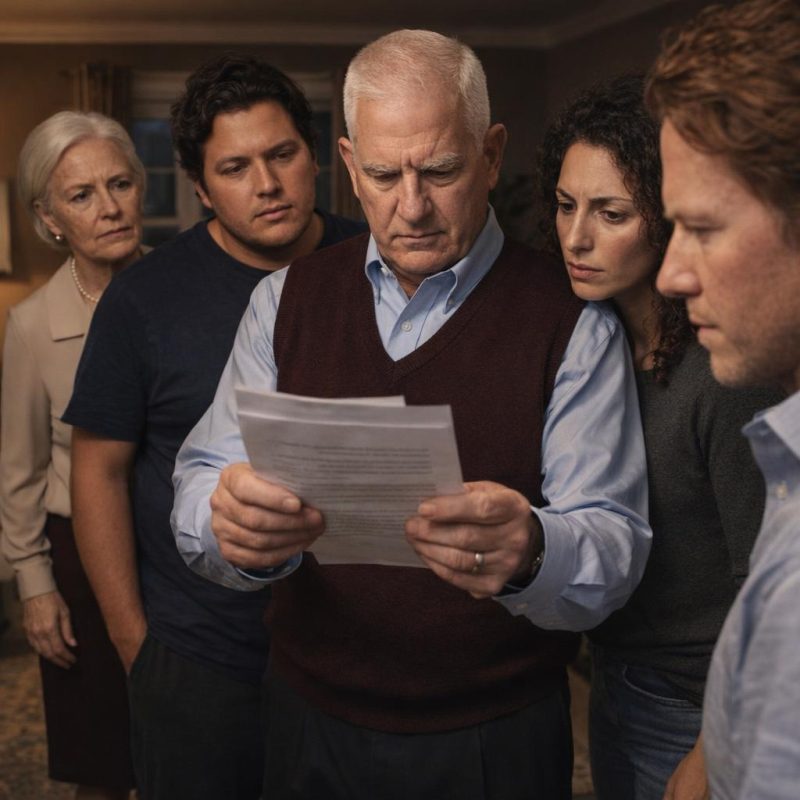 Image by RM AI
Contributions
When my father finally found his voice, it came out as a sputter. He said that I paid for the house, that I'd been making the payments all these years, that surely that meant something legally. Emily corrected him with the same measured calm she'd maintained throughout, her voice never rising or sharpening. I contributed to the household, she said, emphasizing the word. I helped with expenses. But contribution and ownership were two entirely different things under the law, and he of all people should understand that distinction. The deed was in her name. The mortgage was in her name. The legal responsibility and the legal ownership both belonged to her alone. My father looked down at the documents again, his lawyer brain clearly trying to find some argument, some precedent, some way to make this not be true. But the papers were right there in front of him, official and undeniable. I watched Emily dismantle his assumptions with nothing but facts and that steady, unshakeable calm. The distinction between paying and owning had never seemed so sharp.
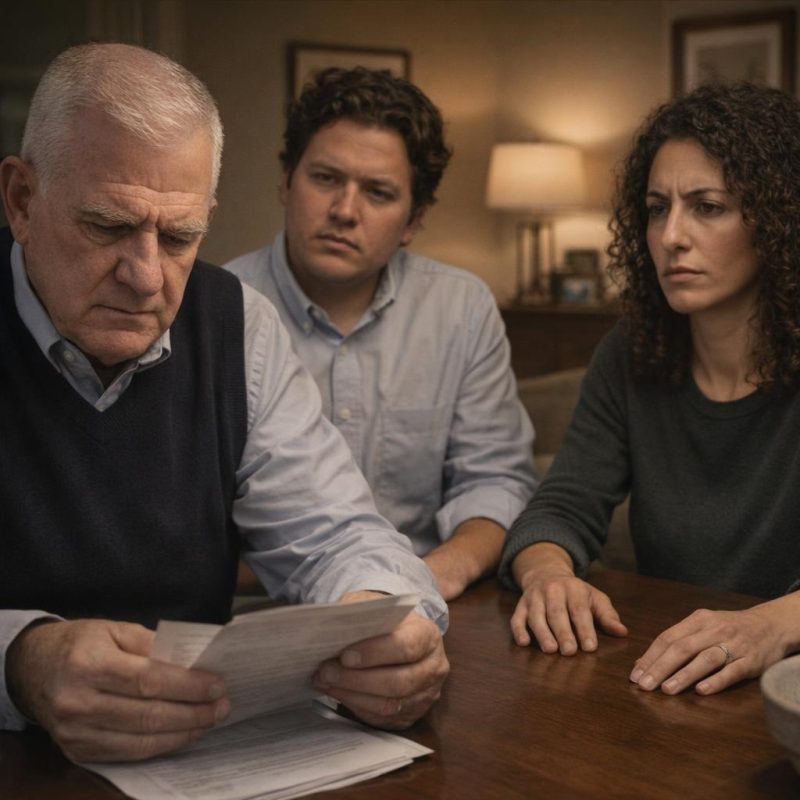 Image by RM AI
No Intention
Emily placed both hands flat on the coffee table, her posture relaxed but her voice carrying absolute finality. She stated clearly that she had no intention of giving her property to Kyle. Not now, she repeated, and not ever. This was her house, her investment, her decision to make as the sole legal owner. She wasn't asking for their understanding or their approval. She was simply informing them of a reality that had existed all along, one they'd never bothered to verify before showing up with their demands and their printed forms. My mother's carefully maintained composure was cracking visibly now, her eyes darting between Emily and my father as if looking for someone to fix this, to make it go back to the way it was supposed to be. My father sat very still, the documents in his hands, his face still that deep shade of red. And Kyle—Kyle's expression was transforming right in front of us, the confusion and disbelief giving way to something much darker. Kyle's face transformed from confusion to pure rage.
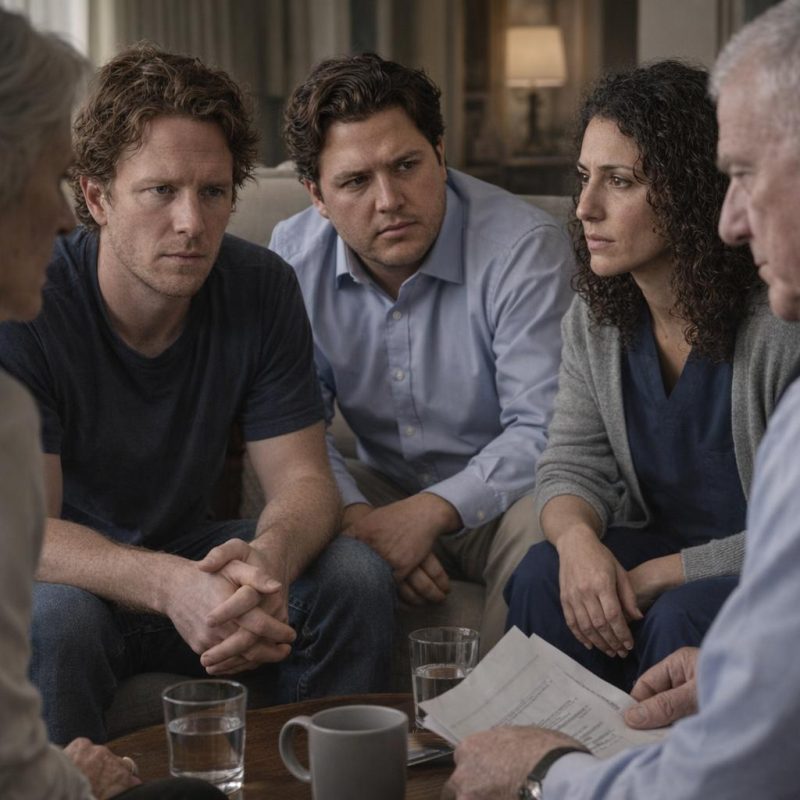 Image by RM AI
The Explosion
Kyle shot up from his chair so fast it rocked backward, his face contorted with an anger I'd seen directed at me countless times over the years. He shouted at me—not at Emily, at me—that I had promised. I had told them I would give up the house. I had agreed to this, he yelled, his voice cracking with fury and something that sounded almost like betrayal. How could I do this to him? How could I lie to the whole family? His hands were clenched at his sides, his whole body vibrating with rage, and I recognized that look from our childhood, from every time he hadn't gotten what he wanted and decided to make it everyone else's problem. My mother reached toward him, trying to calm him down, but he shook her off. My father was still staring at those documents, his jaw tight. And I just sat there beside Emily, feeling her steady presence next to me, and for the first time in years—maybe ever—I looked my brother directly in the eye and didn't look away.
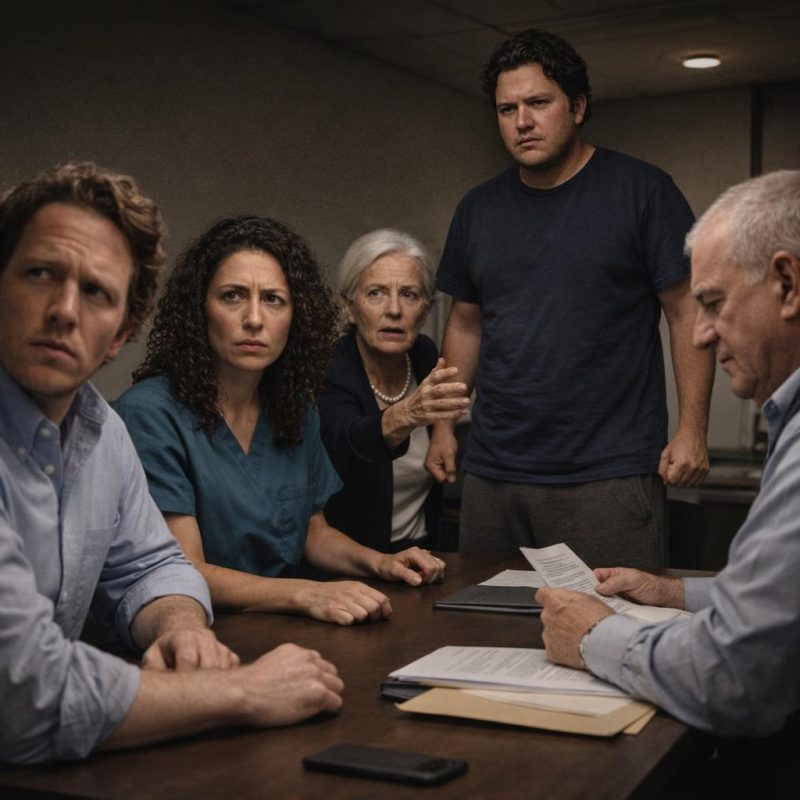 Image by RM AI
Public Records
I told Kyle, my voice calmer than I'd expected it to be, that I couldn't give away something I didn't own. It was that simple. If they had bothered to check the public records before showing up here with their demands and their printed forms, they would have known that. The county recorder's office kept all property deeds on file, available to anyone who cared to look. But they hadn't looked, had they? They'd just assumed. Assumed the house was mine, assumed I had the authority to hand it over, assumed I would do whatever they told me to do because that's how it had always worked in our family. I kept my eyes on Kyle's face as I spoke, watching his expression shift and change. My voice stayed steady, not vindictive or triumphant, just stating facts that had been true all along. Emily sat beside me, silent now, letting me handle this part. My parents were both frozen, absorbing what I'd said. Kyle's mouth hung open, momentarily speechless.
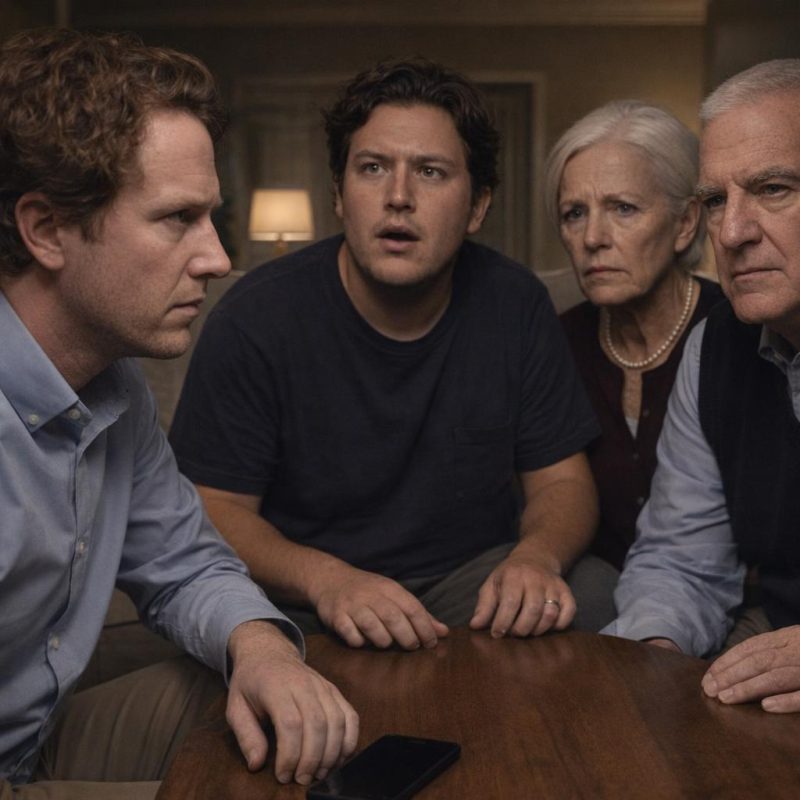 Image by RM AI
Tearing Apart
My mother's voice rose first, sharp and trembling with what she probably thought was righteous anger. I had tricked them, she said. I had deliberately deceived them, manipulated the entire situation, orchestrated this whole thing to humiliate them in front of Kyle. My father joined in, his courtroom voice fully engaged now, listing my crimes like he was presenting evidence to a jury. I was cruel. I was heartless. I was single-handedly destroying this family. Kyle stood behind them, nodding along, his face twisted in vindication—see, his expression said, see what you've done to us. They took turns, building on each other's accusations, their voices overlapping in a chorus of blame. I was ungrateful after everything they'd done for me. I was selfish for not thinking of Kyle's needs. I was vindictive for letting them come all the way here just to embarrass them. Emily's hand found mine under the table, a steady anchor. I sat there and absorbed every word without flinching, without defending myself, without pointing out that none of it was true. I knew the truth, and that was enough.
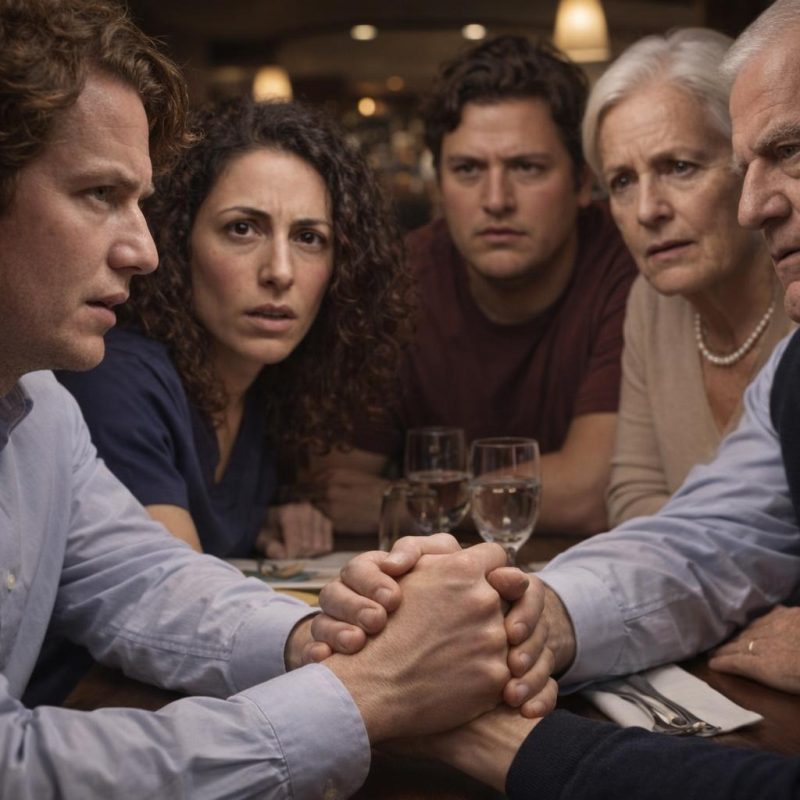 Image by RM AI
The Door Closes
My father moved toward the door first, his movements stiff with fury barely contained. My mother followed, pausing only to deliver her final blow. "You are no longer our son," she said, her voice shaking but clear. "As far as we're concerned, we have one child now. Just one." Kyle was already at the door, yanking it open with enough force that it bounced against the wall. He didn't look back, didn't say anything, just stormed through and down the front steps. My mother swept past me like I was a stranger on the street. My father stopped in the doorway, his back to me, and I thought for a second he might turn around. He didn't. The bottle of cheap cider sat abandoned on the coffee table, its cheerful label mocking the wreckage of the morning. They filed out one by one, my mother's heels clicking on the walkway, Kyle's angry footsteps fading toward their cars. The door swung shut behind them with surprising gentleness. The click of the latch was the quietest sound of the entire morning.
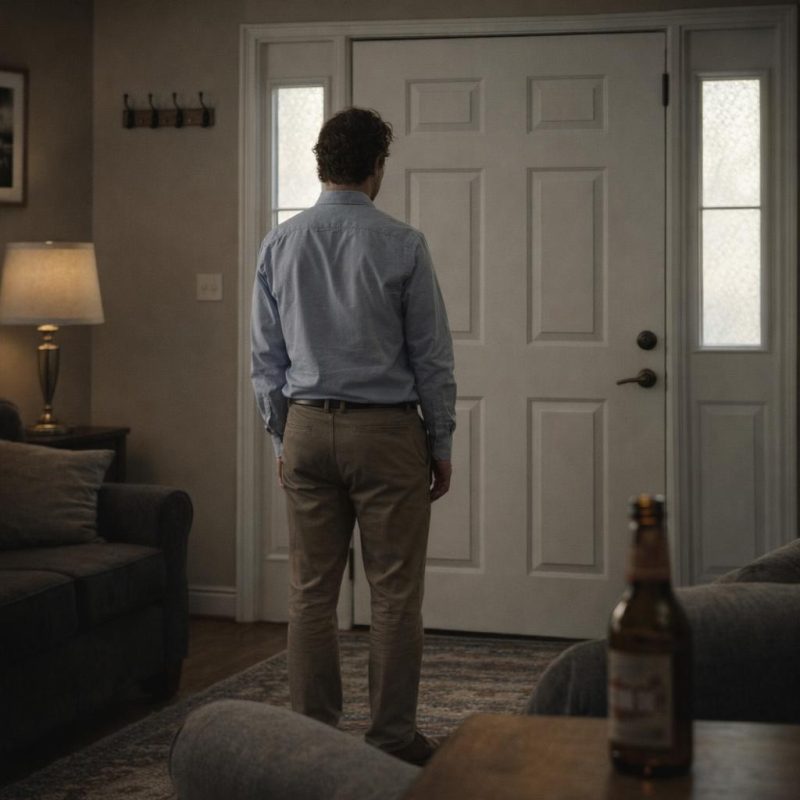 Image by RM AI
The Quiet After
I stood in the living room after they left, not moving, just breathing. The silence settled around me like something physical, something I could feel against my skin. Emily remained on the couch, watching me but not speaking, giving me space to process whatever I needed to process. The house felt different. Lighter, somehow. Like a weight I hadn't fully recognized had been lifted from the walls themselves. I could hear the refrigerator humming in the kitchen, a sound that had been completely drowned out by the shouting just minutes before. The morning light came through the windows at a different angle now, softer. I looked at the abandoned cider bottle, at the legal forms still scattered on the coffee table, at the spot where my parents had stood making their demands. None of it felt real, and all of it felt more real than anything had in years. My shoulders dropped, tension I'd been carrying for so long finally releasing. Emily stood and came to me, not saying anything, just being there. The house felt lighter than it ever had before.
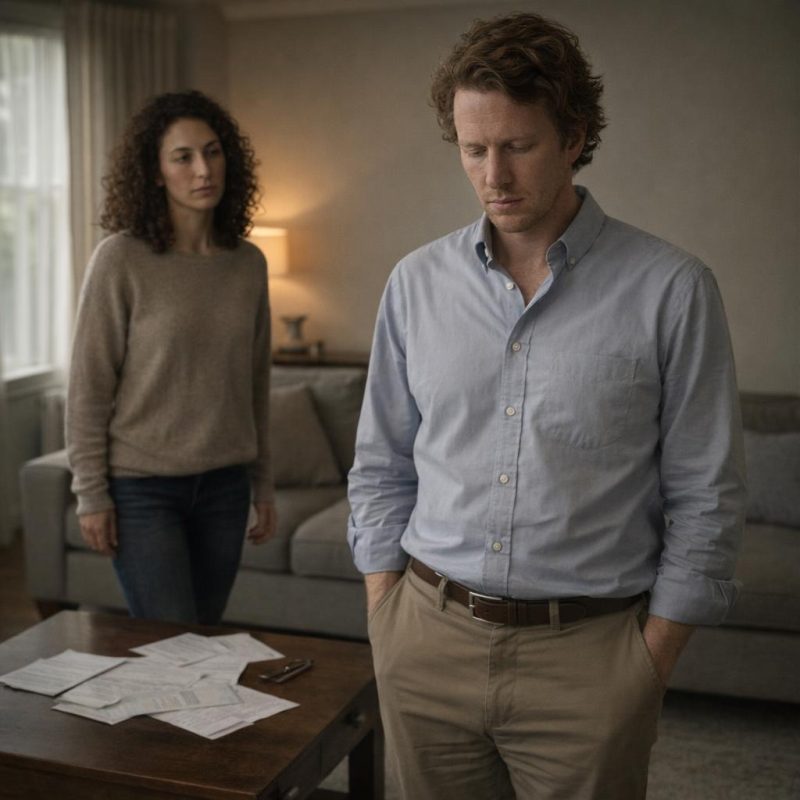 Image by RM AI
Two Families
The days that followed brought a barrage I should have expected but somehow didn't. My phone lit up constantly with calls from my parents—my mother first, then my father, then both of them in rapid succession. When I didn't answer, the texts started. Long paragraphs about betrayal and cruelty, about how I'd turned my back on family, about how I'd chosen a house over my own brother. They came at all hours, morning and night, each one more accusatory than the last. I stopped reading them after the first few. Emily's phone rang too, on the third day. It was her mother, Linda. "How's Alex doing?" she asked, no preamble, just genuine concern in her voice. James called the next evening, asking if we wanted to come over for dinner, nothing fancy, just wanted to check in. Linda sent a text later that week: "Thinking of you both. You're always welcome here." The contrast between the two families had never been clearer.
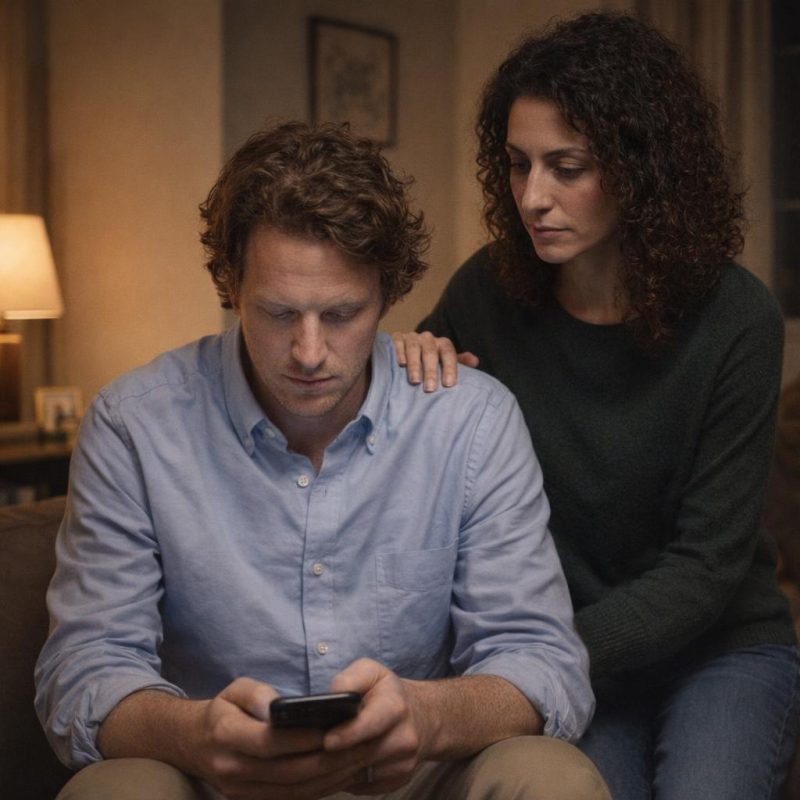 Image by RM AI
The Block
I sat on the edge of the bed one evening, my phone in my hand, staring at the notification count. Seventeen missed calls. Twenty-three unread messages. All from the same two numbers. Emily sat beside me, not saying anything, just present. I opened the settings, found my mother's contact, and pressed block. Then my father's. The confirmation prompts appeared, asking if I was sure. I was sure. I'd been waiting my whole life for an apology that would never come, for acknowledgment that would never arrive, for them to see me as something other than a tool for Kyle's benefit. It wasn't coming. It had never been coming. I pressed confirm on both screens and set the phone down. The notifications stopped. The buzzing ceased. The constant anxiety of waiting for the next accusation, the next demand, the next guilt trip—it all just stopped. Emily's hand found mine. The silence that replaced the constant notifications felt like the first breath after drowning.
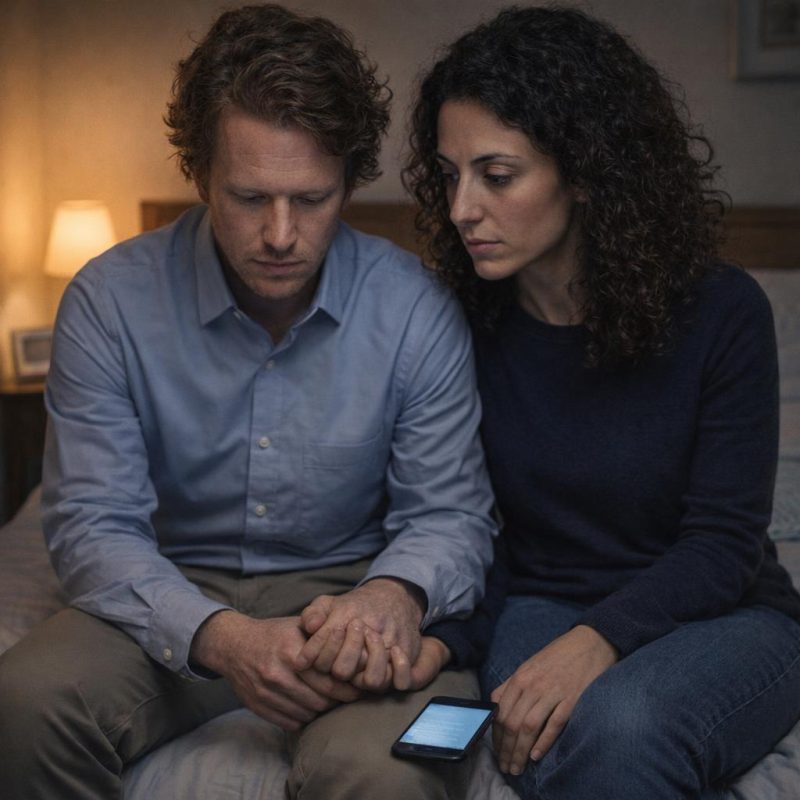 Image by RM AI
Grieving Forward
The grief came in waves over the following weeks, unexpected and heavy. I'd be fine, going about my day, and then something small would trigger it—a commercial showing a family dinner, a colleague mentioning their parents, the sight of a father and son at the grocery store. Emily found me one evening sitting in the dark living room, just staring at nothing. She sat beside me without turning on the lights. "It's okay to miss them," she said quietly. But that was the thing—I wasn't missing them, not really. I was mourning something else entirely. I was grieving the family I'd always wished they could be, the parents who might have been proud of me, the brother who might have been a friend. I was mourning a fantasy, an ideal that had never existed outside my own desperate hope. The real family, the one that had actually shown up in my life, had never been what I needed them to be. Understanding that didn't make it hurt less. Some nights the loss felt heavier than others.
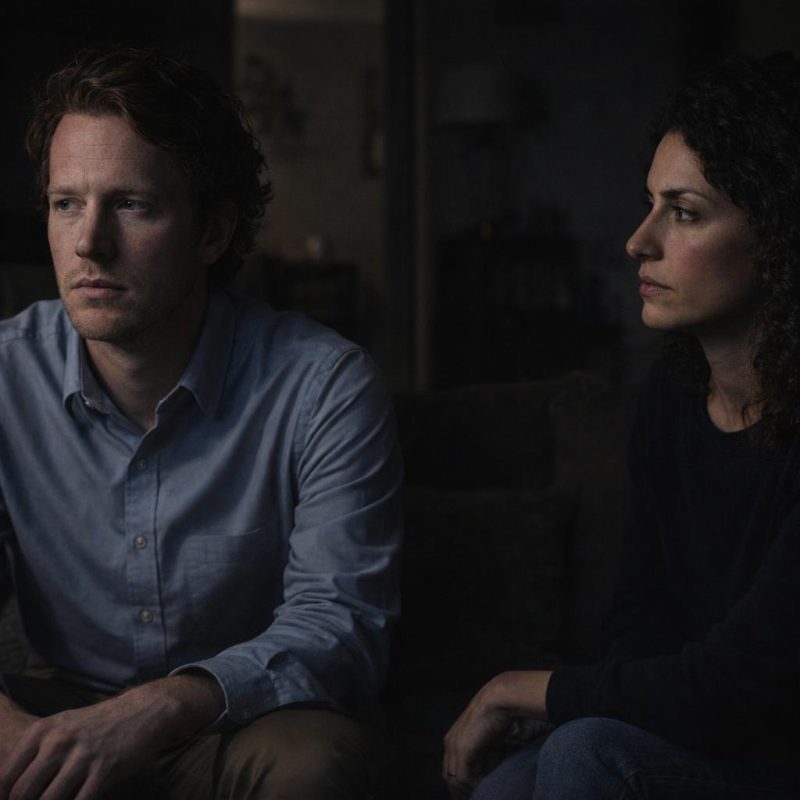 Image by RM AI
Steady Beside Him
Emily stayed steady beside me through all of it, through the good days and the hard ones. When the guilt crept in—and it did, regularly, whispering that I should have tried harder, done more, found some way to make it work—she was there to remind me of the truth. "Choosing yourself isn't the same as giving up on family," she said one morning over coffee. "They gave up on you a long time ago. You just finally noticed." She was right. I knew she was right. But knowing something intellectually and feeling it emotionally were two different things. We established new routines together, small rituals that had nothing to do with my family or their expectations. Sunday mornings became ours, not theirs. Holidays became something we could plan without dread. The phone stayed silent, and instead of feeling guilty about it, I started to feel something else. Relief. Peace. The weight that had pressed down on my chest for years began to lift, not all at once, but gradually, like fog burning off in morning sun. Slowly, the guilt began to loosen its grip.
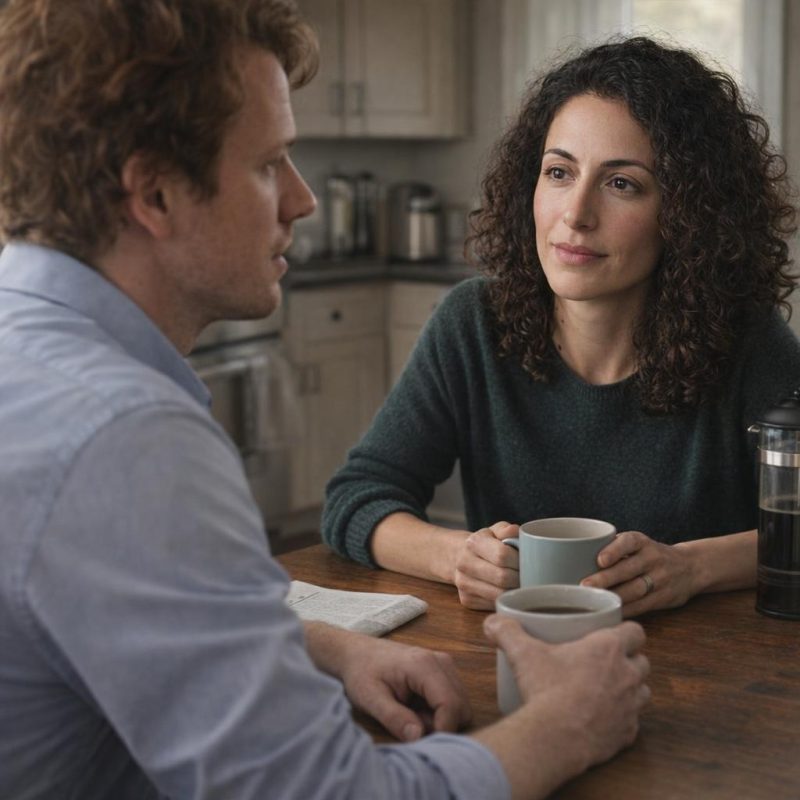 Image by RM AI
The Pattern Broken
I found myself thinking about the pattern one quiet evening, really seeing it clearly for the first time. The years of bailing Kyle out, the loans that became gifts, the opportunities I'd passed up because family needed me. The promotions I'd delayed taking because Kyle needed help with rent. The vacations Emily and I had postponed because my parents needed money for Kyle's latest crisis. The constant, endless cycle of me giving while everyone else took. And the thing was, it had never been about family helping family. That's what they'd called it, what they'd dressed it up as, but that wasn't what it had been. Family helping family goes both ways. This had only ever gone one direction. I had been the designated giver, Kyle the designated receiver, and my parents the enforcers of that dynamic. I'd enabled it by going along, by believing that if I just gave enough, sacrificed enough, proved my love enough, things would change. They never had. The pattern was broken now, and I had been the one to break it.
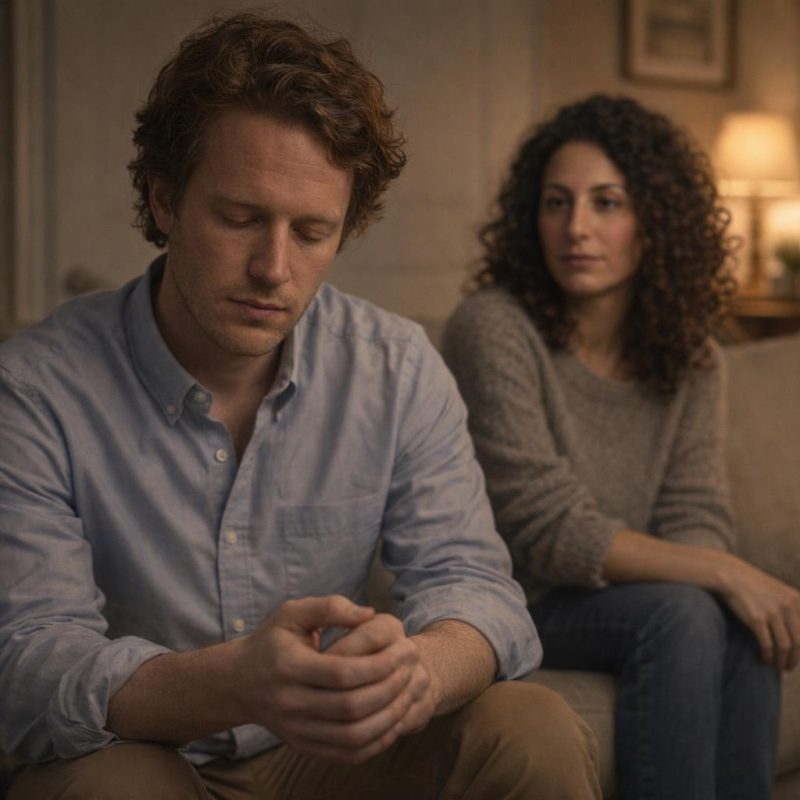 Image by RM AI
Worth the Cost
I sat with the weight of it one evening, really letting myself feel the full cost of what I'd done. I'd lost my parents. Not in the dramatic sense of some final confrontation, but in the quieter, more permanent way of simply no longer being part of each other's lives. They'd made their choice when they demanded my house. I'd made mine when I refused. And Kyle—whatever relationship we'd had, whatever brotherhood might have existed beneath the dysfunction—that was gone too. The family I'd grown up in, the people I'd spent thirty-two years trying to please, trying to prove myself to, trying to earn basic respect from—I'd walked away from all of it. Some days that hurt more than I wanted to admit. But here's what I'd gained: I had a home that was actually mine. I had a wife who saw me as an equal partner, not an ATM or a problem-solver for everyone else's chaos. I had peace. I had the ability to make decisions without guilt, to build a life without constantly dismantling it to rescue people who never learned to rescue themselves. I had my self-respect back. When I weighed it all honestly, when I really looked at what I'd lost versus what I'd gained, the answer was clear. He stopped looking back.
 Image by RM AI
Thanksgiving
Six months later, I stood in my kitchen basting the turkey while Emily mashed potatoes at the counter, and the whole house smelled like the Thanksgiving dinners I'd always imagined but never quite experienced. We'd spent the morning cooking together, moving around each other with the easy rhythm we'd developed, no tension, no underlying resentment about who was doing what. Just two people making a meal. Emily's parents were due any minute, and I felt something I hadn't expected—actual excitement instead of dread. No bracing for criticism. No preparing for someone to find fault with the house or the food or my life choices. Just anticipation of a nice evening. The doorbell rang, and Emily wiped her hands on a towel, grinning at me. "Ready?" she asked. I nodded, following her to the door. Linda and James stood on the porch, Linda holding a pie and James carrying a bottle of wine, both of them smiling like they were genuinely happy to be here. "There's our host," James said warmly, shaking my hand. Linda hugged him at the door like he had always been part of the family.
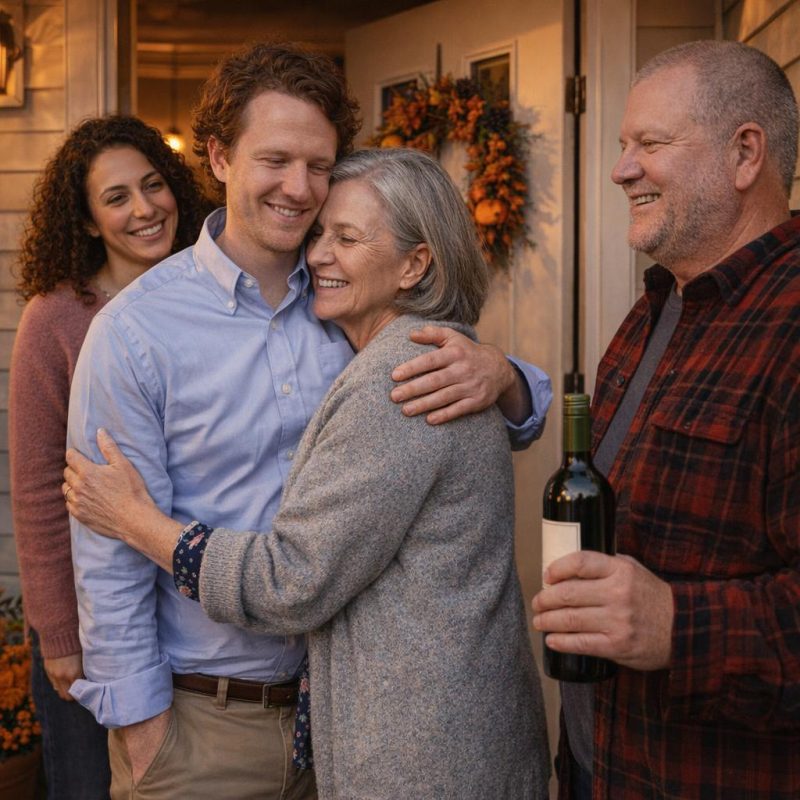 Image by RM AI
Warmth and Laughter
The table was full—not crowded, just comfortably full—and the conversation flowed without anyone needing to perform or prove anything. James told a story about a disastrous camping trip from Emily's childhood, and Linda laughed so hard she had to dab her eyes with her napkin. Emily squeezed my hand under the table, and I squeezed back, both of us just present in the moment. There was no undercurrent of obligation. No one keeping score of who contributed what or who deserved what. No loaded comments about what I should be doing differently with my life or my house or my money. It was just people enjoying each other's company, genuinely glad to be together. I'd never experienced a holiday that felt this uncomplicated. Growing up, every gathering had been a minefield of expectations and disappointments, of Kyle's latest drama overshadowing everything, of my parents' thinly veiled criticisms dressed up as concern. Even the good moments had carried that waiting feeling, that sense that something would go wrong. But sitting there at my own table, in my own house, with people who actually wanted to be there? For the first time, he wasn't waiting for the other shoe to drop.
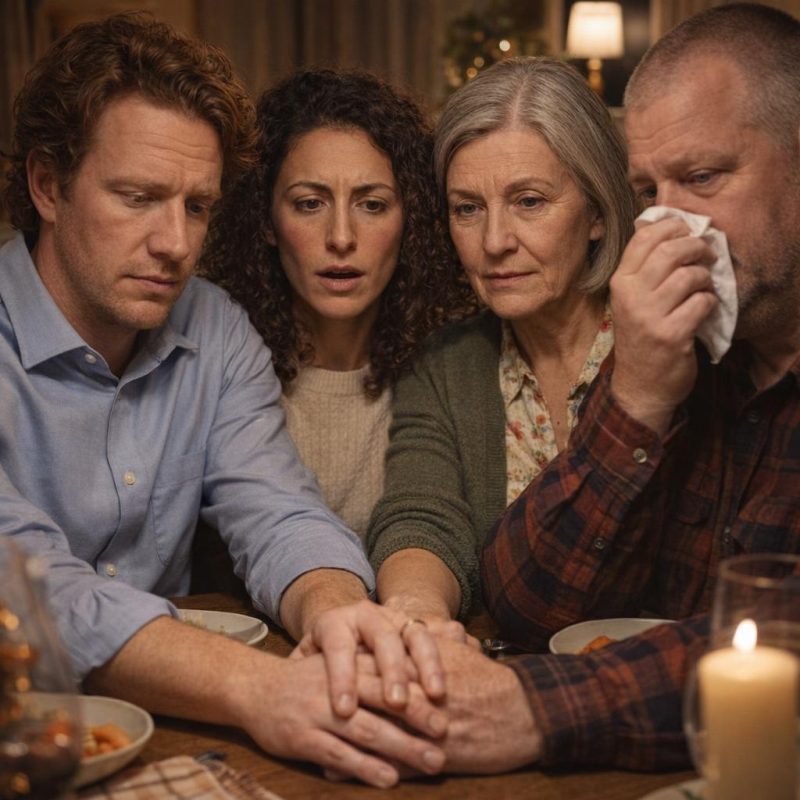 Image by RM AI
Figured It Out
Later that evening, after Emily's parents had left and the dishes were done, I stood at the kitchen window watching the sun set over the backyard. The garden beds Emily and I had planted in the spring were dormant now, ready for winter, but I could still see where we'd worked the soil together, planned what would grow there. The fence we'd repaired. The patio stones we'd laid. Every corner of this place held something we'd built together, decisions we'd made as partners. My mother had told me I'd figure it out, dismissive and certain I'd fail. She'd been wrong about what I'd figure out, though. I hadn't figured out how to keep sacrificing myself to keep everyone else comfortable. I'd figured out that I deserved better. That love shouldn't cost everything. That family could be something you chose, not just something you were born into. I'd figured out that peace was worth fighting for, even when the fight meant walking away. Emily came up behind me, wrapping her arms around my waist, and I covered her hands with mine. No more waiting for validation that would never come. No more second-guessing whether I deserved what I'd built. He was home.
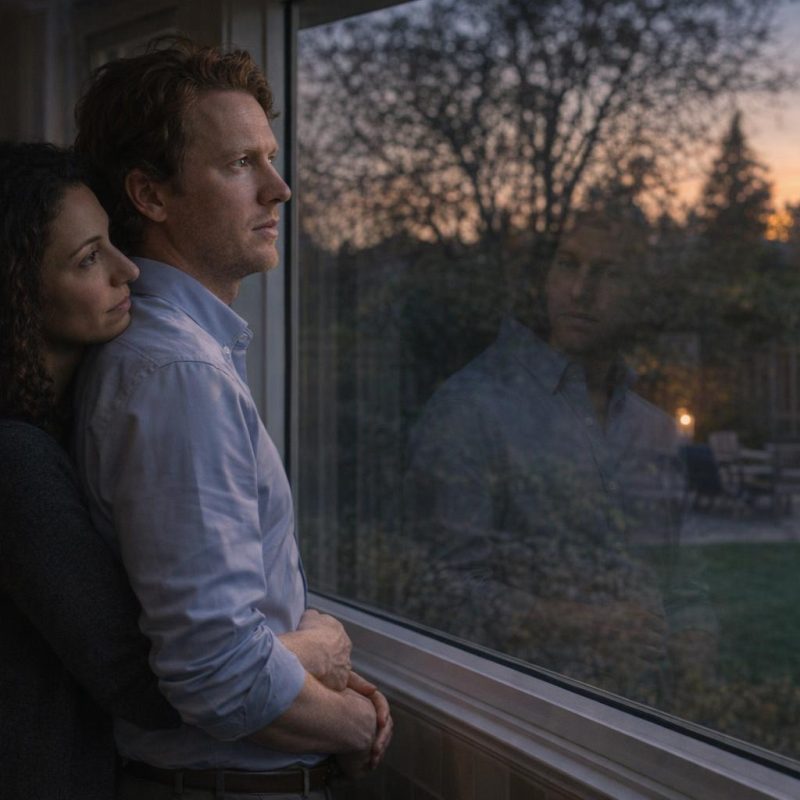 Image by RM AI
KEEP ON READING

The Origins Of 3 Common Sayings You Still Use Today
Etienne Boulanger on UnsplashMany of the phrases you use every…
By Rob Shapiro Apr 28, 2026
Was Caligula The Most Ruthless Roman Emperor?
Artur Matosyan on UnsplashRoman Emperor Caligula is one of ancient…
By Rob Shapiro Dec 18, 2025
1 Weird Fact About Every President
Washington, Lincoln, FDR. Most people know something about the lives…
By Robbie Woods Dec 3, 2024
10 Accidental Discoveries That Changed Maps & 10 That Changed…
Mistakes That Mattered. A lot of major discoveries did not…
By Cameron Dick Apr 15, 2026
10 Actors Who Perfectly Played a Historical Figure & 10…
Which Performance is Your Favorite?. Playing the role of a…
By Rob Shapiro Sep 15, 2025
10 Actors Who Perfectly Played a Historical Figure & 10…
Portraying a real person from history is one of the…
By Noone Dec 17, 2025