

My Mother Missed My Senior Dance Performance for a Stranger—Until I Learned the Stranger Was Actually My Sister
My Mother Missed My Senior Dance Performance for a Stranger—Until I Learned the Stranger Was Actually My Sister
The Front Row Seat
I adjusted the straps of my costume for the third time, checking my reflection in the backstage mirror. The sequins caught the overhead lights just right—Mom would love that detail. She always noticed things like that. Through the gap in the curtain, I could see the auditorium filling up, families claiming seats, programs rustling. The front row seat with the little reserved card that read "Rebecca Chen" sat empty, but that was fine. She'd arrive any minute. She always did. I'd been dancing since I was six, and Mom had never missed a single performance. Not one. She was the parent who learned to sew pointe shoe ribbons on YouTube, who could do a proper ballet bun in under two minutes, who knew the difference between a chassé and a jeté. Ten minutes to curtain. I pulled out my phone to text her a quick "where are you?" but there was already a message waiting. My hands went cold as I read it.
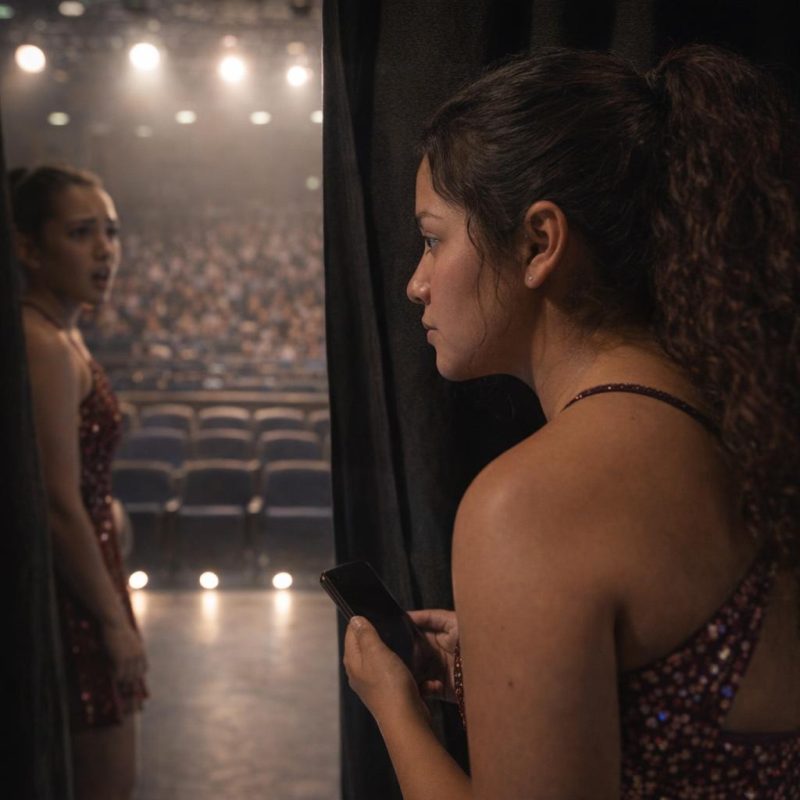 Image by RM AI
How We Became Two
I was eight when Dad left. I remember standing in the kitchen doorway watching him pack a duffel bag, his movements quick and efficient, like he'd been planning this. Mom didn't cry until after his car pulled away. Then she knelt down, took both my hands, and said, "It's just us now, baby. But we're going to be enough for each other." And we were. God, we really were. She started this thing where we'd get pancakes at the diner every Sunday morning, just the two of us in our booth by the window. Before every audition, she'd squeeze my hand three times—our secret code for "I love you." She kept a bag of gummy bears in the car for post-rehearsal drives home. Other moms at the studio would comment on how close we were, how in sync. "You two are like a unit," Jules's mom said once, and it was true. Mom learned the entire vocabulary of dance just to understand my world. She could spot a sloppy arabesque from the back row. We built our own little universe, population two, and it felt unshakeable. That promise had held for ten years, until three months ago when everything started changing.
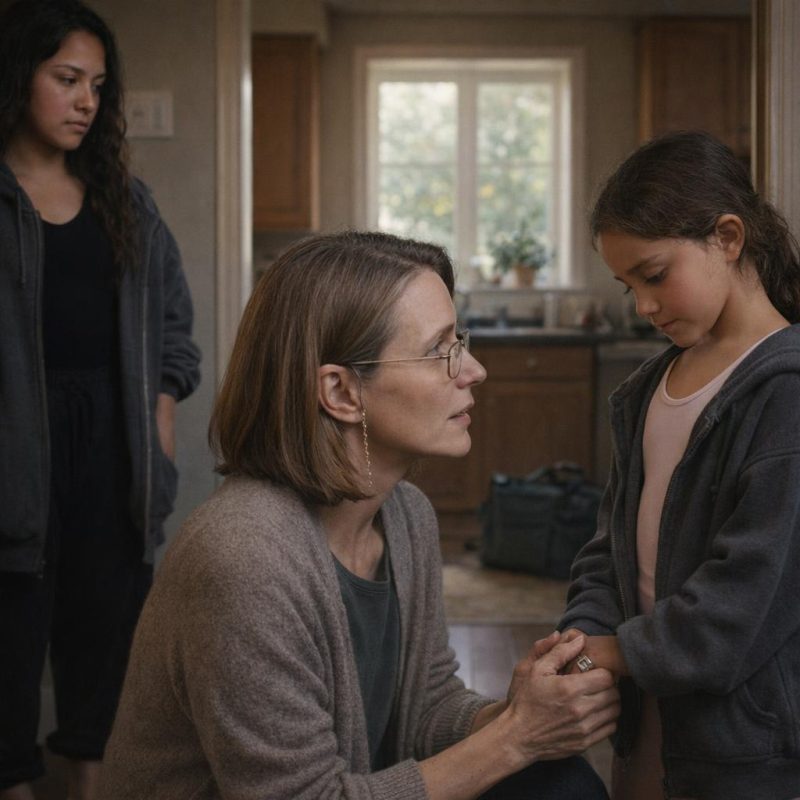 Image by RM AI
Chassé and Change
"Again from the top?" Jules asked, already resetting to first position before I could answer. We'd been running our showcase pieces back-to-back for two hours, the studio mirror reflecting our matching exhaustion. Between combinations, we traded complaints about college application essays. "How am I supposed to write about overcoming adversity when my biggest struggle is choosing between Northwestern and Juilliard?" she groaned, and I laughed because same. Jules had been my dance partner since we were ten, the kind of friend who showed up with coffee before Saturday morning rehearsals without being asked. "Your mom coming Thursday?" she asked, toweling off her neck. "Obviously," I said. "She's probably more excited than I am." Jules hesitated, adjusting her bun in that way she did when she was choosing her words carefully. "My mom asked if your mom was doing okay lately. Like, she seemed worried or something." I frowned. "What do you mean?" "I don't know, just that she's seemed distracted at pickup? It's probably nothing." I shrugged it off, but the comment stuck with me in a way I couldn't quite name.
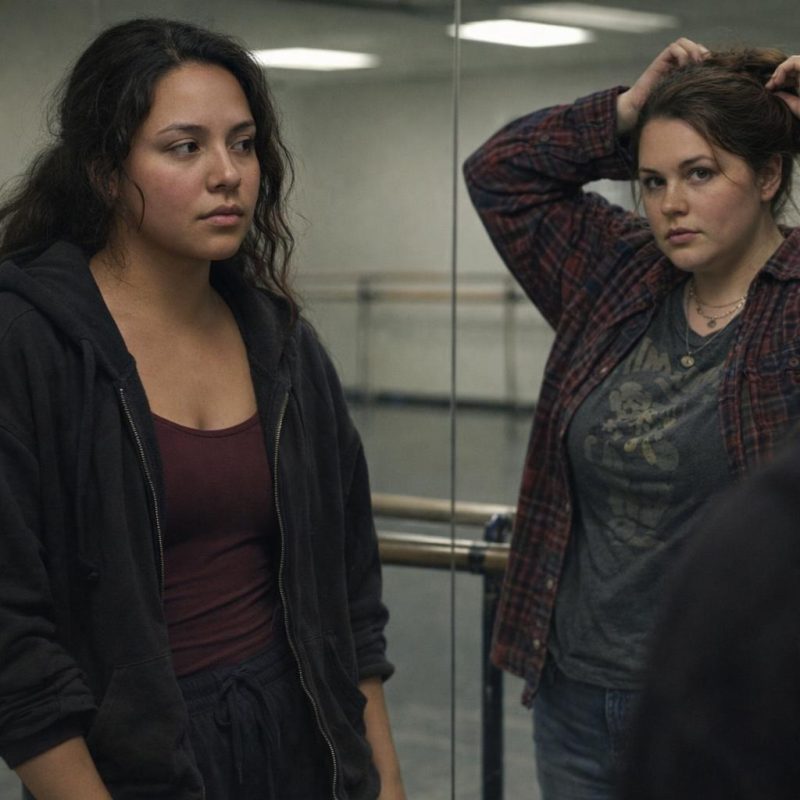 Image by RM AI
The Last Box
Grandma Margaret's bedroom smelled like lavender sachets and old paper. Mom and I had been sorting through her belongings for weeks, and every box felt like opening a time capsule. We cried over her recipe cards written in shaky cursive, over church programs from the 1970s with her name listed in the choir. "She kept everything," Mom said, her voice thick. I found a photo of Grandma as a young woman, stunning in a way I'd never seen in the elderly version I knew. We worked mostly in silence, the kind of comfortable quiet we'd always shared, deciding what to keep and what to donate. Then Mom opened a banker's box from the closet and went very still. I looked over and saw her holding a manila envelope, the kind with a metal clasp. It had dates written on it in faded ink—dates from before I was born. She stared at it for a long moment, her expression unreadable, then quickly tucked it into her purse instead of either pile. "Mom?" I said. She wiped her eyes. "Just some old documents. I'll look through them later." I didn't push. Grief made people do strange things.
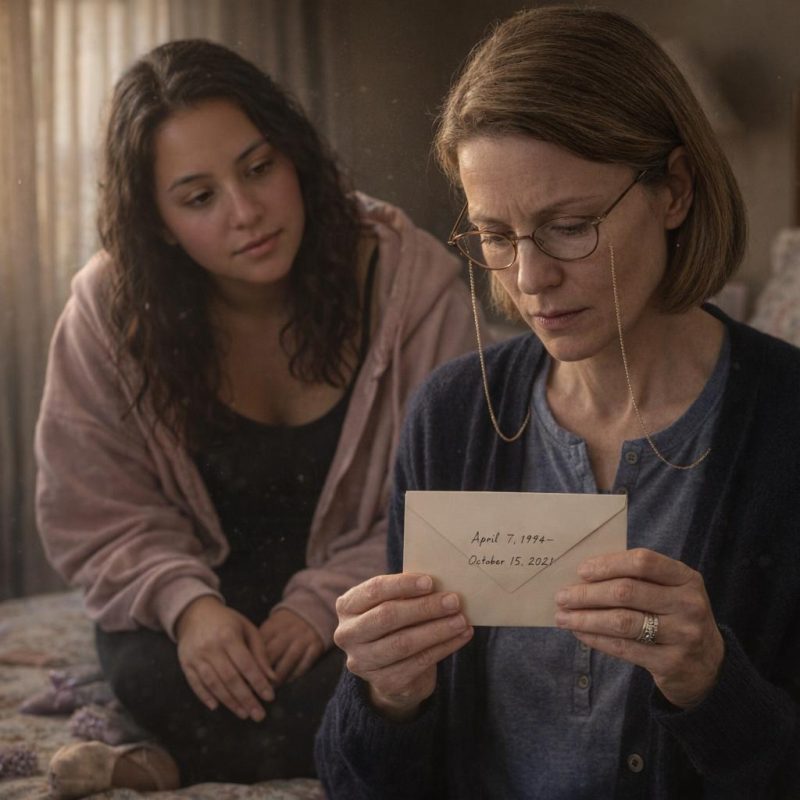 Image by RM AI
Attic Archaeology
The attic ladder creaked under our weight as we hauled down boxes covered in dust and cobwebs. Aunt Carla had driven in from Portland to help with the sorting, and I'd only met her a handful of times before. She had Mom's eyes but a more direct way of speaking. "Three generations of pack rats," she said, surveying the towers of boxes. "This is going to take months." We found photo albums with pictures of relatives I'd never heard of, newspaper clippings yellowed with age, report cards from the 1950s. "We should digitize all of this," Mom said. "So much history could just disappear." I was flipping through a yearbook from 1985 when I noticed Carla had gone quiet. She'd opened a box near the back corner, and her whole body language shifted. She looked up and caught Mom's eye, and something passed between them—some silent communication I wasn't part of. "What is it?" I asked. "Just more photos," Carla said quickly, closing the box. But her voice had changed, and Mom's face had gone carefully blank in that way that meant she was hiding something.
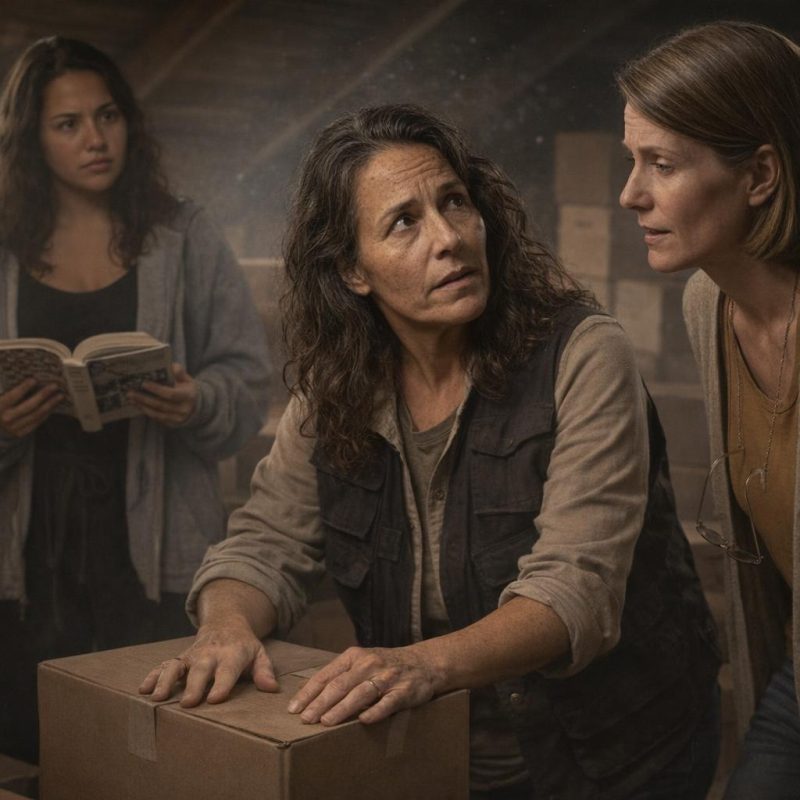 Image by RM AI
The Archive Project
"I'm going to volunteer at the historical archive downtown," Mom said over dinner one Tuesday. I was barely listening, my mind still running through the fouetté sequence I'd been struggling with all afternoon. "Mm-hmm," I said, scrolling through my college application checklist. "It's connected to what we've been doing with Grandma's things," she continued. "They preserve old family documents, scan them, catalogue them. I think it would be good for me." I looked up then, registering the conversation properly. "That sounds nice, Mom. Like a healthy way to process everything." She nodded, but her fingers were twisting her napkin in that anxious way she had. "They really need help. So many families have records that are just deteriorating in basements and attics." "You should definitely do it," I said, returning to my phone. I had a college essay due Friday and my showcase piece still wasn't clean. The archive seemed like a perfectly reasonable hobby for a grieving daughter. But when she said, "They need help scanning old family documents," her voice carried a weight I didn't recognize.
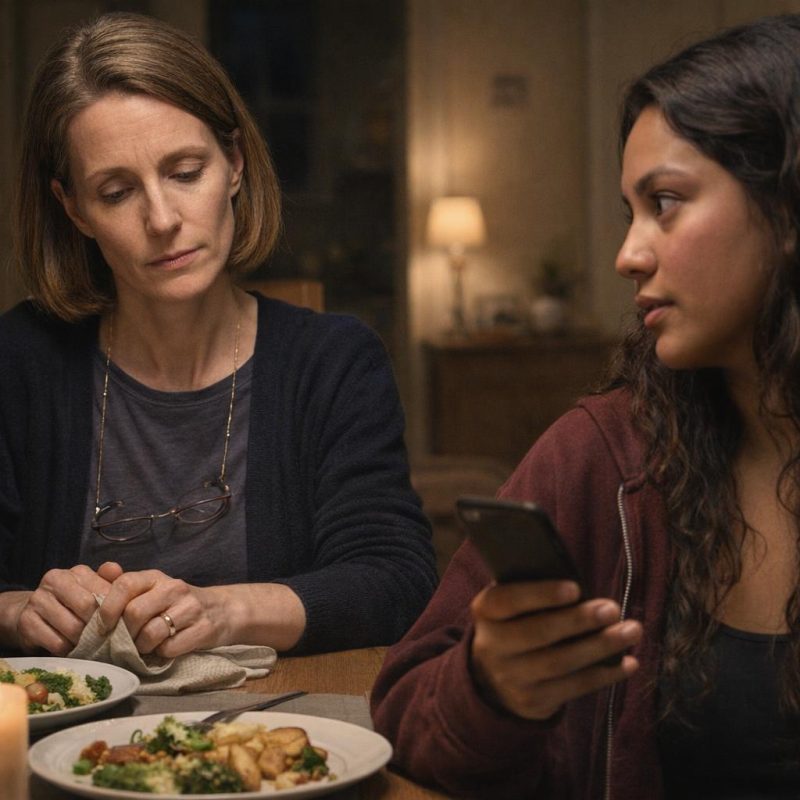 Image by RM AI
The Routine
Senior year had a rhythm to it that felt almost meditative. Morning classes, afternoon rehearsals, evening college essay revisions. I'd wake up at six, be at the studio by three-thirty, home by eight. Mom would have dinner waiting, and we'd eat while I complained about my physics teacher or she'd tell me about whatever archive project she was working on. It was busy, but it was our busy. I trusted the pattern of it. I trusted that no matter how chaotic college applications got or how many times I had to rewrite my personal statement, Mom would be there at the kitchen table with tea and encouragement. She'd been the one constant in my life since Dad left, the person who showed up without fail. So when I came home from rehearsal one Thursday and found her in the backyard on her phone, I didn't think much of it at first. But then I noticed her posture—turned away from the house, voice low, one hand pressed to her forehead like she was concentrating hard. I stood at the kitchen window watching her, and she never once looked back toward the house.
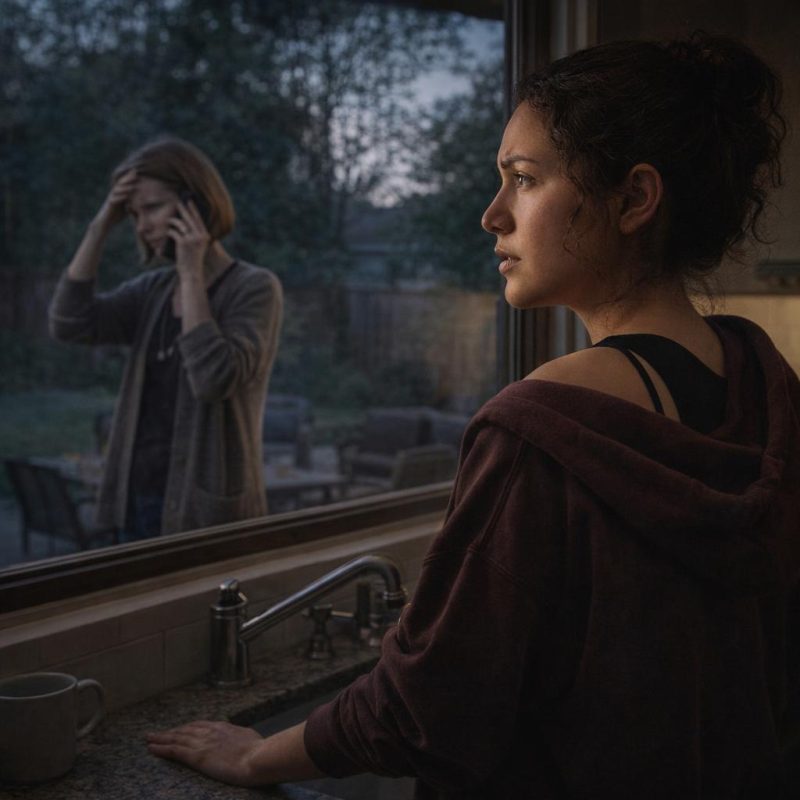 Image by RM AI
Tuesdays and Thursdays
It took me three weeks to notice the pattern. Every Tuesday and Thursday evening, Mom was at the archive. Which meant our traditional post-rehearsal dinners—the ones where we'd debrief my day over Thai takeout or homemade pasta—had quietly disappeared. I'd come home to notes on the counter: "Leftovers in fridge, love you!" At first I told myself it was fine. She deserved to have her own interests, her own life beyond being my mom. I was eighteen, not eight. I could heat up my own dinner. But I missed those evenings more than I wanted to admit. Missed the way she'd ask about every combination, every correction from my instructor. So one Tuesday I caught her before she left. "Maybe we could do dinner together this week? Like we used to?" She paused, her keys already in her hand, and I watched something flicker across her face. She seemed to be checking some invisible calendar in her head, weighing commitments I knew nothing about. "Sure, honey," she finally said. "Thursday work?" But the hesitation had been there, unmistakable, and it hurt in a way I didn't want to examine too closely.
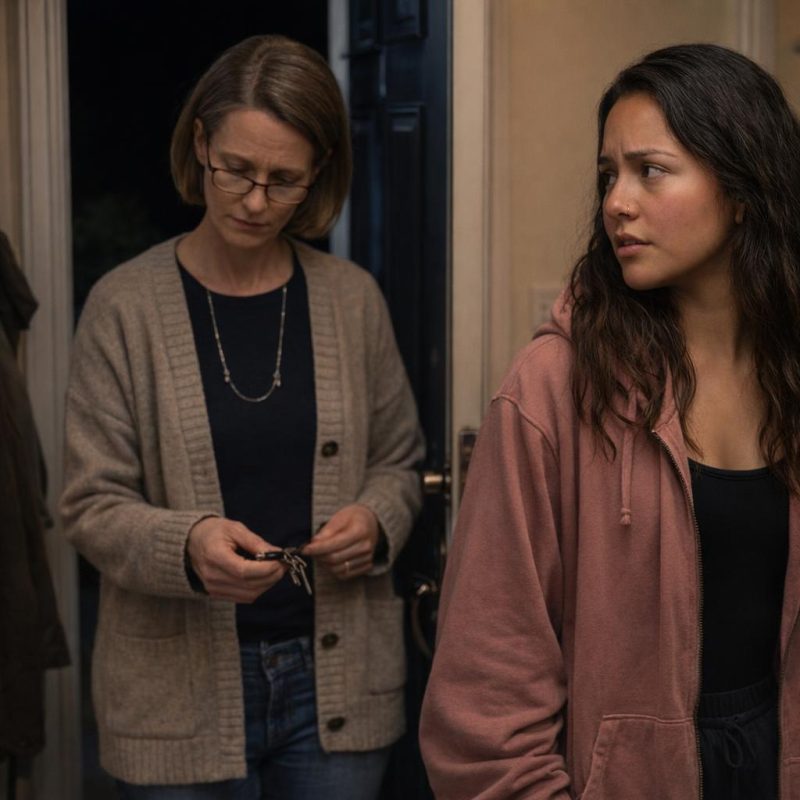 Image by RM AI
Pancakes and Absence
I sat in our usual booth at the diner, the one by the window where we'd been having Saturday morning pancakes since I was twelve. The vinyl seat still had that same crack on my side, the one I used to pick at while Mom told me stories about her week. I checked my phone. Ten minutes late wasn't unusual—she sometimes lost track of time. But twenty minutes in, staring at the laminated menu I'd memorized years ago, my stomach started to knot. The text came through just as I was about to order: "Something came up at the archive. So sorry honey. Rain check?" Something came up at the archive. On a Saturday morning. During our standing breakfast date that we'd kept through my entire high school career, through her bad weeks at work, through my injuries and tech rehearsals and college application stress. I sat there for another minute, phone in my hand, trying to decide if I was overreacting. Then I looked up and caught our waitress—Diane, who'd been serving us for four years—watching me with this expression of pure pity. She knew. She'd seen me waiting alone, seen me check my phone, seen the exact moment I got the text. I grabbed my bag and left without ordering, my face burning with a humiliation I didn't want to name.
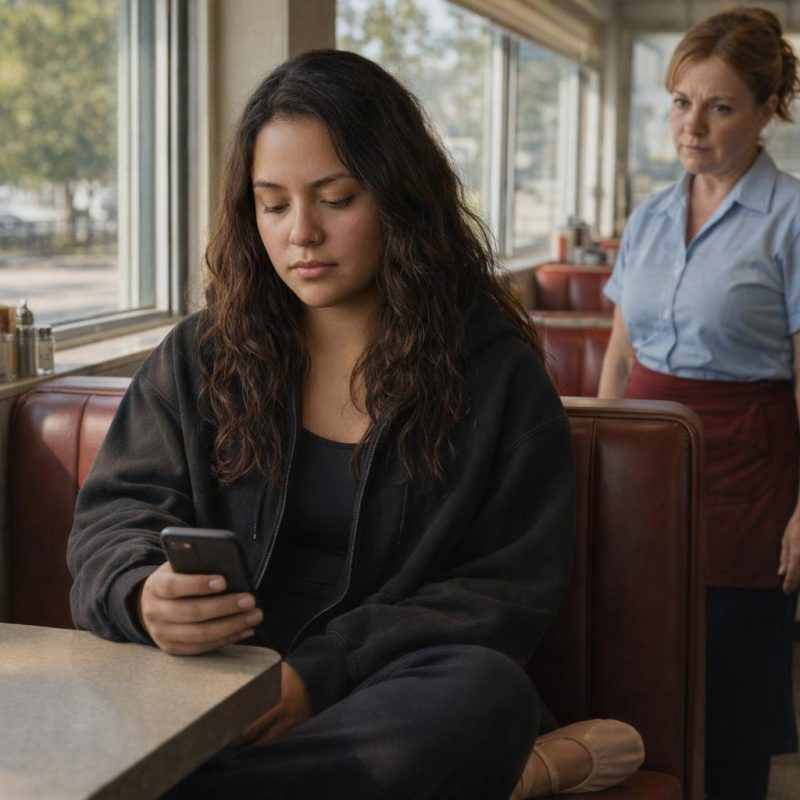 Image by RM AI
Friend Perspective
"She's just obsessed with this archive thing," I told Jules over coffee on Monday, trying to keep my voice light. "Like, I get that old family photos are interesting, but she missed our pancake tradition. We've had Saturday pancakes for six years." Jules listened the way she always did, without jumping in, letting me work through it. Then she said something I hadn't expected: "Maybe she needs this? Like, adult friendships that aren't just dance moms and coworkers?" I wanted to argue, but Jules kept going. "You're leaving for college in a few months. She's probably trying to figure out who she is when she's not primarily your mom." It made sense. It was rational and kind and exactly the sort of perspective I needed. I tried to let it settle the anxious feeling in my chest, tried to tell myself I was being possessive and unfair. But then I remembered the way Mom had been smiling at her phone lately. Not the quick glance at a text, but this soft, private smile while she typed back, her whole face changing. It wasn't the expression of someone excited about scanning old documents. I wanted to believe Jules's explanation, I really did. But the way Mom looked at those messages made my stomach twist with something I couldn't quite identify.
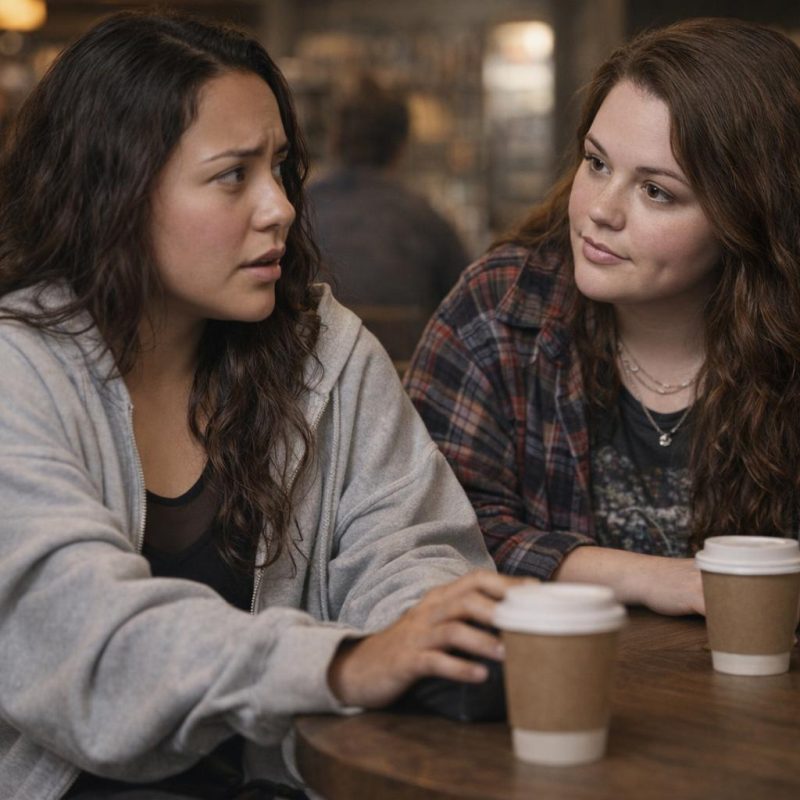 Image by RM AI
Someone Helping
I asked her about it a few days later, trying to sound casual while we cleaned up after dinner. "So what exactly do you do at the archive? Like, what's the actual process?" Mom's face lit up in a way I hadn't seen in months. She described scanning old photographs, organizing them by date and family connection, cross-referencing names with historical records. Then she mentioned that a woman there had been particularly helpful with the technical side, showing her how to adjust the scanner settings for fragile documents. The way she said "woman"—careful and deliberate, like she was placing something breakable on a high shelf—made me look up from the dish I was drying. "That's nice," I said, watching her face. "It's good you have someone helping." Mom nodded, but her expression had shifted into something I couldn't read. Not quite guarded, but measured. Like she was aware of every word leaving her mouth and testing how each one landed. I'd never heard her use that particular tone before, not about a coworker or a friend or even about Dad back when they were still trying to make it work. It was the carefulness that caught my attention more than anything she actually said. I filed the moment away without fully understanding why it felt significant.
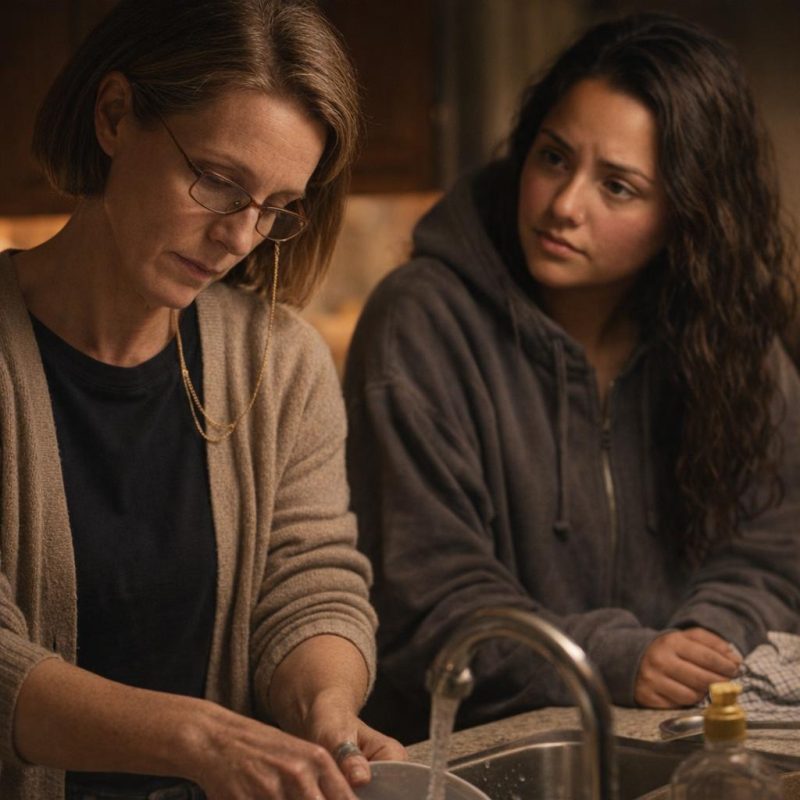 Image by RM AI
A Name
"Elena mentioned something interesting about the 1940s census records," Mom said while setting the table for dinner, and the name just hung there in the air between us. She'd said it like she was testing how it sounded in our house, in our everyday conversation, seeing if it would fit into the space we'd built for just the two of us. I looked up from my homework. "Who's Elena?" The smile that crossed Mom's face looked like something that might shatter if I touched it. Fragile and hopeful and terrified all at once. "The woman from the archive I mentioned. She's been helping me with the family records." Her voice was steady but her hands weren't—I watched her adjust a fork that was already perfectly aligned with the plate. "She's been really generous with her time." That was it. No details about what Elena looked like or how old she was or how they'd met. Just this careful explanation delivered with a smile that seemed to be holding back something enormous. I wanted to ask more, but something about Mom's body language—the way she'd turned back to the kitchen, the set of her shoulders—told me to let it go for now. The name Elena had entered our household vocabulary, and I had no idea why it felt like such a big deal.
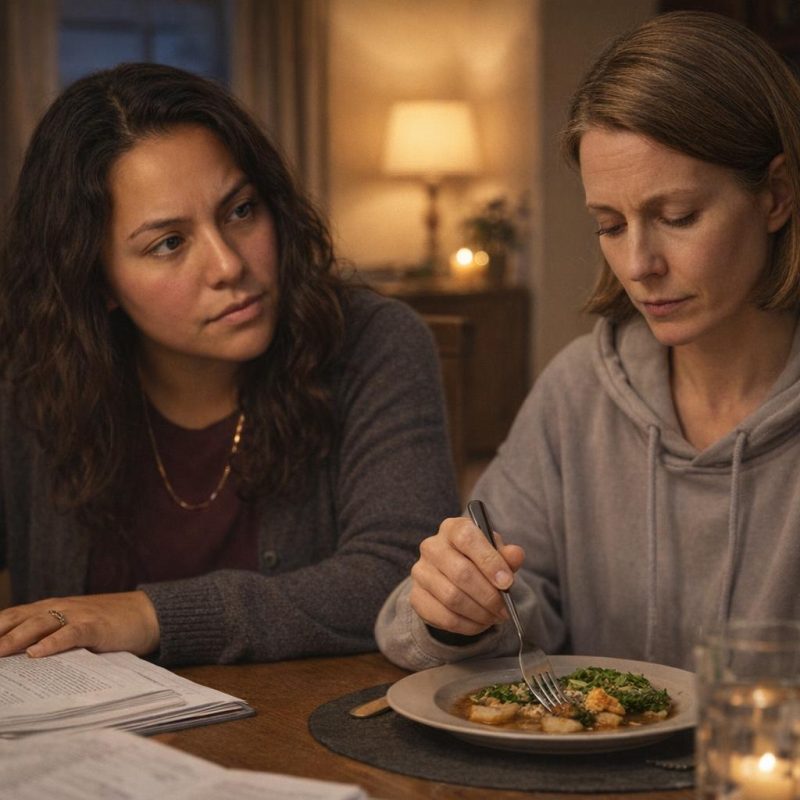 Image by RM AI
Frequent Mentions
I started counting. Monday: "Elena showed me how to organize the photo files by decade." Wednesday: "Elena knows so much about local history, she recognized the old church in one of the pictures." Friday: "Elena has this incredibly careful technique for scanning the really fragile documents." Three times in one week, unprompted, my mother brought up this helpful stranger from the archive. Every story somehow centered on Elena—her knowledge, her skills, her observations. I wasn't trying to keep track, but the pattern was impossible to miss. On Saturday, I finally said it: "You talk about her a lot. Maybe you should just invite her over sometime? I'd like to thank her for helping you with all this." The expression that crossed Mom's face went through about five distinct emotions in two seconds. First surprise, then something that looked like hope, then fear, then this complicated mix of longing and anxiety that I'd never seen before. She opened her mouth, closed it, opened it again. "That's... that's a nice idea," she finally managed, but she didn't commit to actually arranging it. She just stood there in the kitchen, looking at me like I'd suggested something far more significant than a simple thank-you lunch. My curiosity about this Elena person, whoever she was, intensified into something closer to genuine confusion.
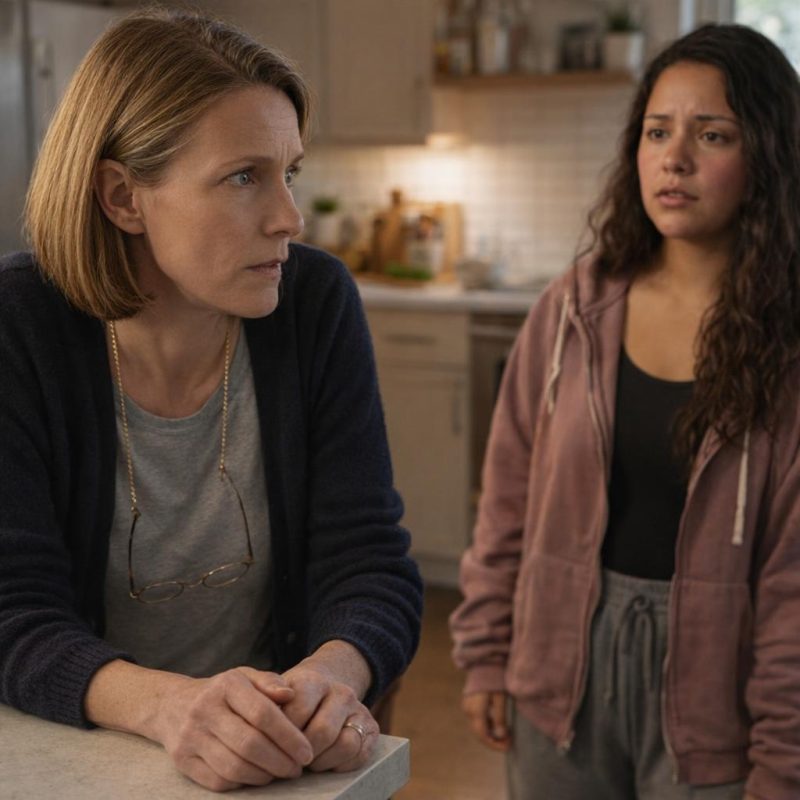 Image by RM AI
The Invitation
"Elena's coming for lunch on Sunday," Mom announced on Thursday evening, and the nervous energy radiating off her was unlike anything I'd seen before. She said it the way someone might announce they were introducing a person who mattered deeply, who carried weight and significance beyond a casual archive acquaintance. I said sure, that sounded nice, I was curious to meet her. Then I watched my mother spend the next three days cleaning our house like the President was visiting. She scrubbed baseboards I didn't even know we had. She washed windows that were already clean. She reorganized the bookshelf by color, then by size, then back to color again. On Saturday morning I found her on her hands and knees with a toothbrush, working on the grout between kitchen tiles. "Mom," I said carefully, "it's just someone from the archive, right? Why are we deep-cleaning like this?" She looked up at me with this wild, anxious expression. "I just want everything to be nice." But this wasn't nice-for-company cleaning. This was something else entirely. I had three days to wonder what made this Elena person so important that my mother was losing sleep over the state of our baseboards, and I still had no good answer.
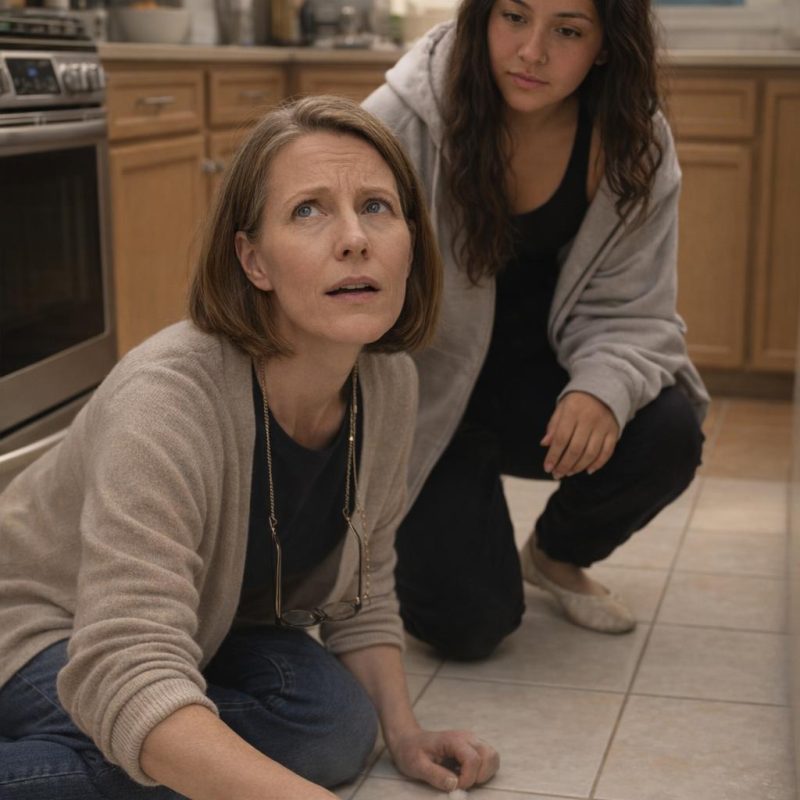 Image by RM AI
Showcase Scheduled
The email came through on Tuesday: official confirmation that my senior showcase would be Friday the twenty-third. I'd been waiting for this date for months—the culmination of four years of training, the performance that college scouts might actually attend, my last chance to dance on that stage as a high school student. I practically ran to tell Mom, finding her in the living room with her laptop. "Friday the twenty-third," I said, unable to keep the excitement out of my voice. "That's the showcase date. It's official." She closed her laptop immediately and pulled out the kitchen calendar, the one we'd been using to track important dates since I was in middle school. She wrote it in red ink, underlining it twice, then looked at me with an intensity that felt almost fierce. "Nothing will keep me from that seat," she said. "I promise you. Nothing." The emphasis in her voice made it feel like more than a simple promise. Like she was making a vow, committing to something that mattered beyond just showing up to watch me dance. I felt reassured in that moment, anchored by her certainty. The Elena lunch was scheduled for the Sunday before showcase week, and I figured I'd finally meet this mysterious archive helper, thank her properly, and then focus entirely on my performance. Everything felt manageable, planned, under control.
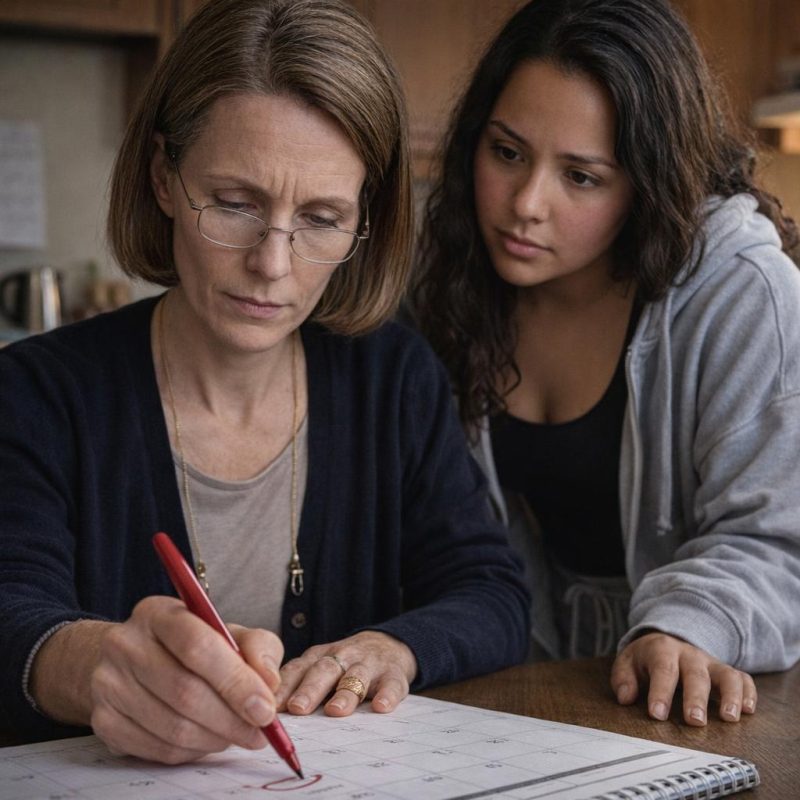 Image by RM AI
Bakery Bread and Tulips
Elena arrived at one o'clock on Sunday carrying bakery bread and white tulips, and the first thing I noticed was how carefully she'd chosen both. Not grocery store flowers, but the good kind from the florist downtown. Not sandwich bread, but the artisan loaf from the expensive bakery on Main Street. I was in my rehearsal sweatshirt and a messy ponytail, suddenly feeling underdressed in my own house. She was elegant without trying too hard—put together in a way that suggested careful self-construction rather than natural ease. "You must be Maya," she said, and her voice was warm but somehow measured. "Your mother talks about you constantly." We made small talk while Mom fussed with the flowers. Elena asked about my dance, my college applications, what it was like growing up in a small town. She was polite and engaged, asking follow-up questions that showed she was actually listening. But I couldn't get a solid read on her. There was something in the way she looked at me—studying me almost, like she was trying to memorize details. Mom watched both of us with this visible tension, like she was waiting for something to happen or not happen. Elena smiled at me with warmth that didn't quite reach her eyes, and I realized I had absolutely no idea how to read this person or why she mattered so much to my mother.
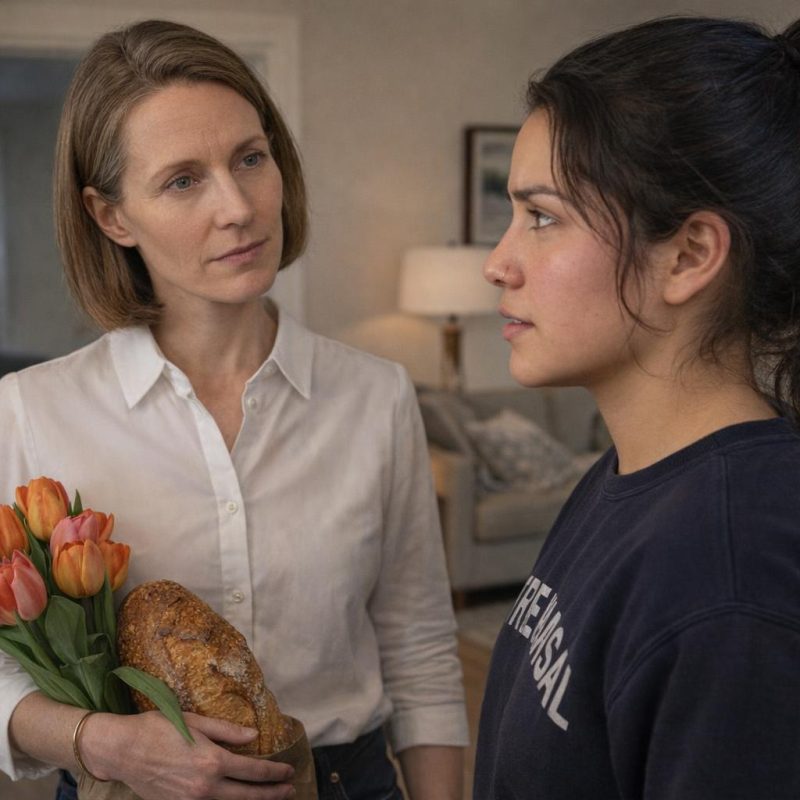 Image by RM AI
Vague Answers
I tried to get to know her over lunch. Basic questions, the kind you ask anyone new—where are you from, what do you do for work? Elena smiled and said she'd lived in a few different places, which told me absolutely nothing. When I asked about her job, she said mostly research, then pivoted to asking about my college applications. Every answer sounded complete in the moment, but when I thought about it later, I realized she'd given me zero actual information. It was like talking to someone who'd practiced being pleasant without ever being present. I kept trying different angles—how did you meet Mom, how long have you been in town—and she'd respond with these polished non-answers that felt like conversation placeholders. Mom barely ate, just moved food around her plate while watching both of us. I was getting frustrated, feeling like I was failing some test I didn't know I was taking. Then Elena excused herself to use the bathroom, and I watched my mother grip her water glass so hard her knuckles went white.
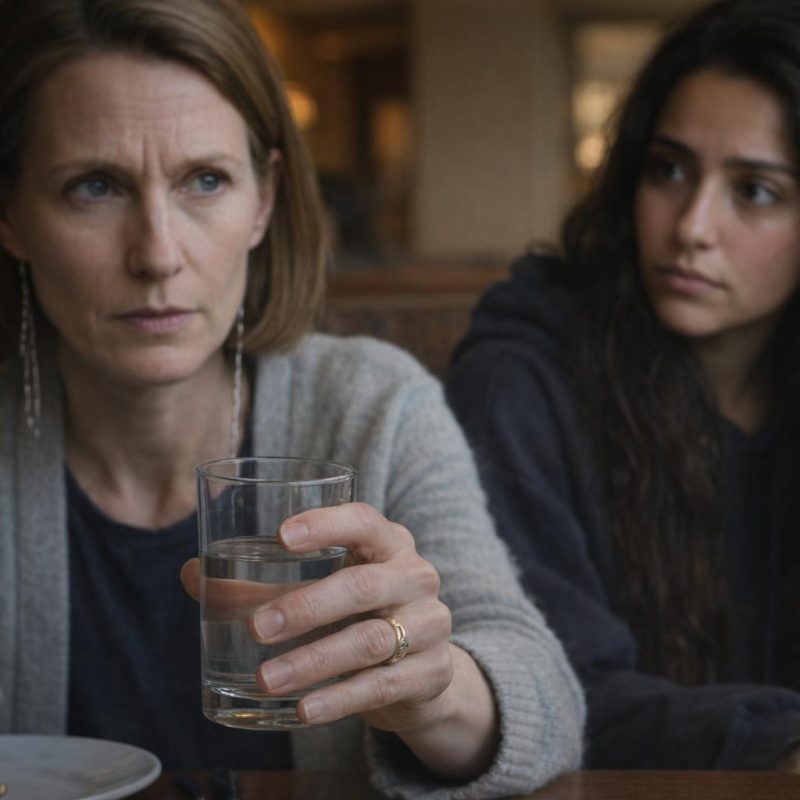 Image by RM AI
Studying Photographs
When Elena came back, I noticed her eyes kept drifting to the framed photographs on our walls. She'd glance at the pictures while Mom was talking, like she couldn't help herself. There were photos of me at various ages—gap-toothed at seven, awkward at thirteen, in my first recital costume. She looked at those, but not the way adults usually do, with that nostalgic oh-how-time-flies expression. Her focus was more intense than that. Then she moved to the hallway where Mom's high school portrait hung, the one from when she was seventeen. Mom in that photo looked so young, wearing this striped blouse and smiling like she didn't have a care in the world. Elena stopped in front of it three separate times during the visit. Each time, her expression shifted into something I couldn't read—searching, maybe, or trying to memorize something. Mom noticed where Elena's attention went. I could tell by the way her shoulders tensed every time Elena approached that photograph. When Elena touched the frame, it was so gentle it looked like she was afraid it might disappear.
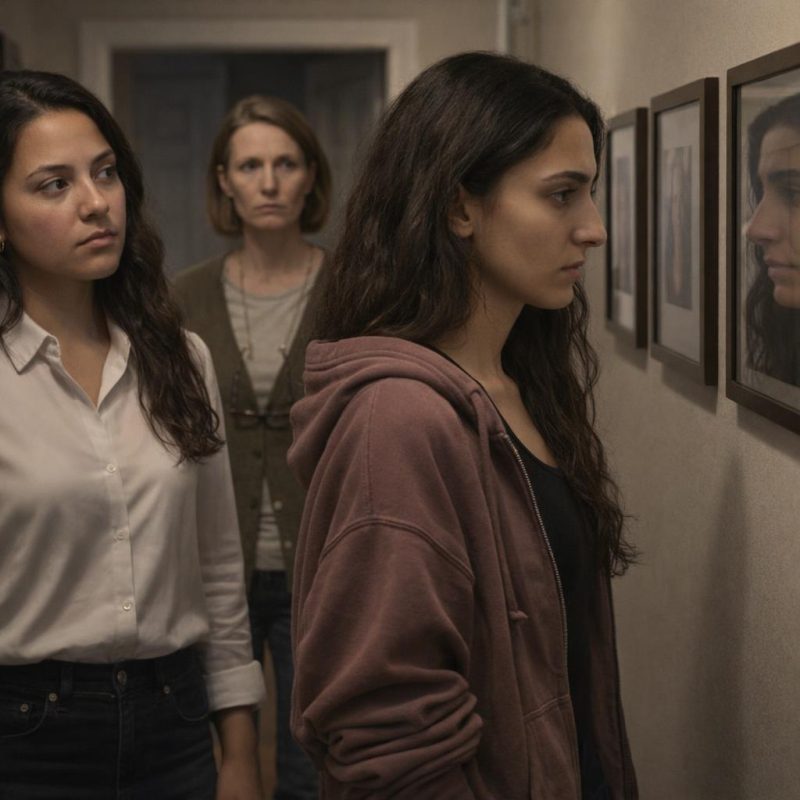 Image by RM AI
Watching the Watcher
We ended up in the living room with coffee that nobody actually drank. The cups just sat there on the table, getting cold while we made small talk about nothing. I started noticing a pattern—every single time I looked at Elena, my mother was already watching her. Not in a casual way, but with this constant vigilance, like she was monitoring something volatile that might explode at any second. Elena seemed aware of being watched but never acknowledged it directly. She'd shift in her seat or smooth her hair, these tiny tells that she felt the scrutiny. The conversation kept going, polite and surface-level, but it felt performative. Like we were all reading lines in a play where only two of us had the script. There was this thick layer of unspoken meaning in the room, communication happening between Mom and Elena that I wasn't part of. I'd lived in this house my entire life, knew every corner of it, but sitting there on our couch I felt like an outsider. Whatever existed between these two women didn't include me, and I'd never felt more like a stranger in my own home.
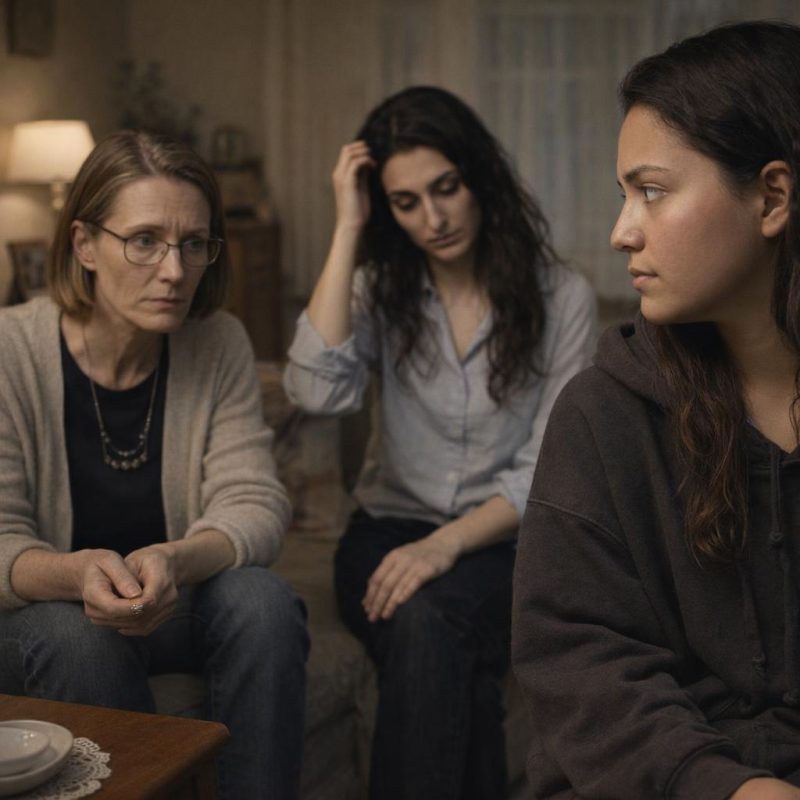 Image by RM AI
Jules as Sounding Board
I met Jules at the studio the next day and told her everything—the vague answers, the photo-staring, Mom's white-knuckled tension through the whole lunch. Jules stretched at the barre while I talked, listening in that focused way she has. When I finished, she was quiet for a minute, then asked the question I'd been avoiding: what if your mom is involved with her? I sat with that possibility, turning it over. The intensity between them could fit that explanation—the nervousness, the careful watching. But it didn't feel right. There was no warmth between them, no chemistry. They both seemed afraid rather than attracted. Jules suggested maybe I was being possessive, that I'd be leaving for college soon and needed to let Mom have her own life. That landed harder than I wanted to admit. Was I being unfair to Elena, who'd been nothing but kind? Was I reading malice into a normal adult friendship because I didn't want to share my mother? I couldn't shake the feeling that something important was hidden, but maybe Jules was right. Maybe the problem was me.
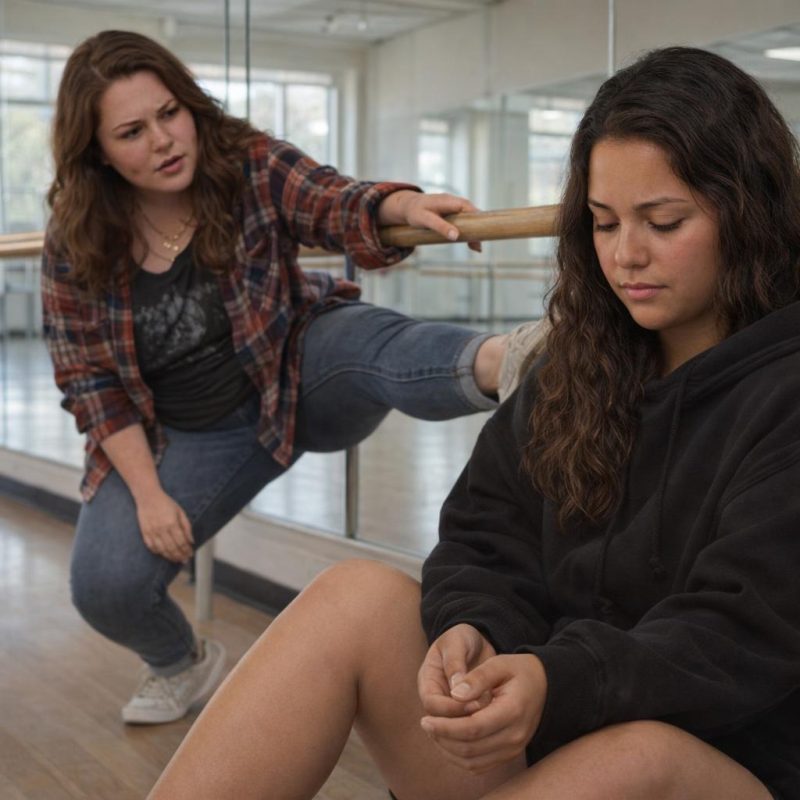 Image by RM AI
Second-Guessing
I sat in my room that night, replaying the lunch and my conversation with Jules. The possessive daughter angle made sense in a way I didn't want to examine too closely. I was leaving for college in a few months, and Mom would be alone in this house for the first time in eighteen years. She deserved friends, deserved a life that didn't revolve around my schedule. Elena had been polite, brought flowers and good bread, asked thoughtful questions about my future. What had she actually done wrong? Nothing I could point to. The vague answers could just be privacy. The photo-looking could be normal curiosity. Maybe I was the one making everything weird, projecting my own anxiety about leaving onto this harmless situation. I felt guilty for being so suspicious of someone who seemed to genuinely care about my mother. I decided to make a real effort, to be welcoming instead of territorial. I'd give Elena another chance, try to see whatever Mom saw in her. It felt like the mature thing to do, the fair thing. I didn't know it would make everything so much harder.
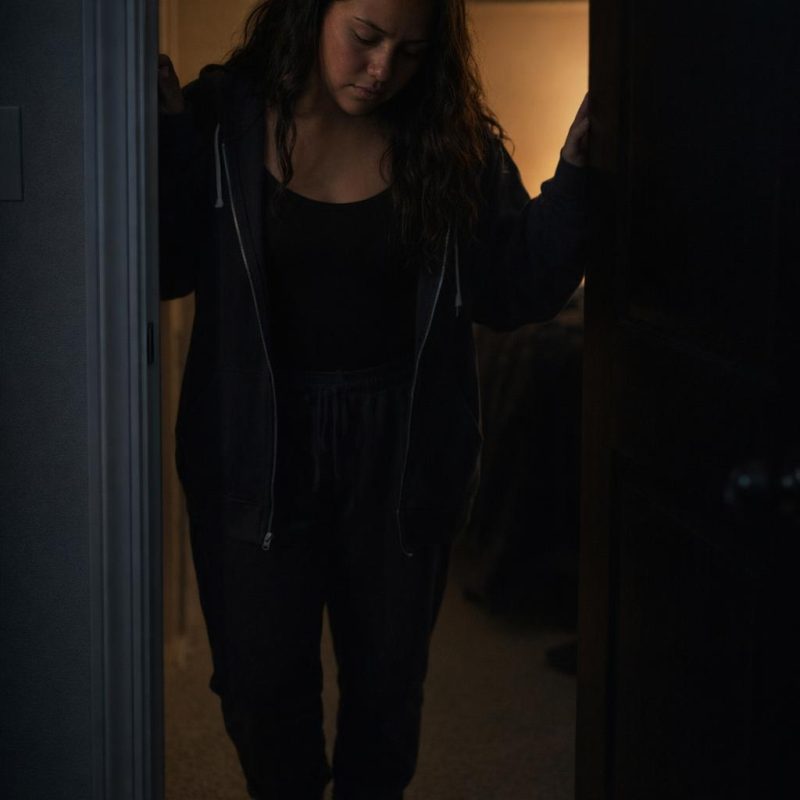 Image by RM AI
Extending Olive Branches
I texted Mom the next morning before I could second-guess myself. "Hey, would Elena want to come to one of my rehearsals? Might be fun for her to see what I do." I tried to sound enthusiastic, like I genuinely wanted this. The response came back so fast I knew she'd been holding her phone. "That would be wonderful!!! She would love that!!!" Three exclamation points. My mother, who texts in complete sentences with proper punctuation, sent me three exclamation points. The gratitude felt disproportionate to what I'd offered—it was just a rehearsal invitation, not a kidney. I stared at those exclamation points, trying to decode the relief I could feel through the screen. Why was she so grateful? What had she been afraid I would do? The intensity of her reaction made me wonder what I'd just agreed to, but I was committed now. I'd extended the olive branch. I'd be welcoming and open-minded, even though something in my gut was still saying this didn't add up.
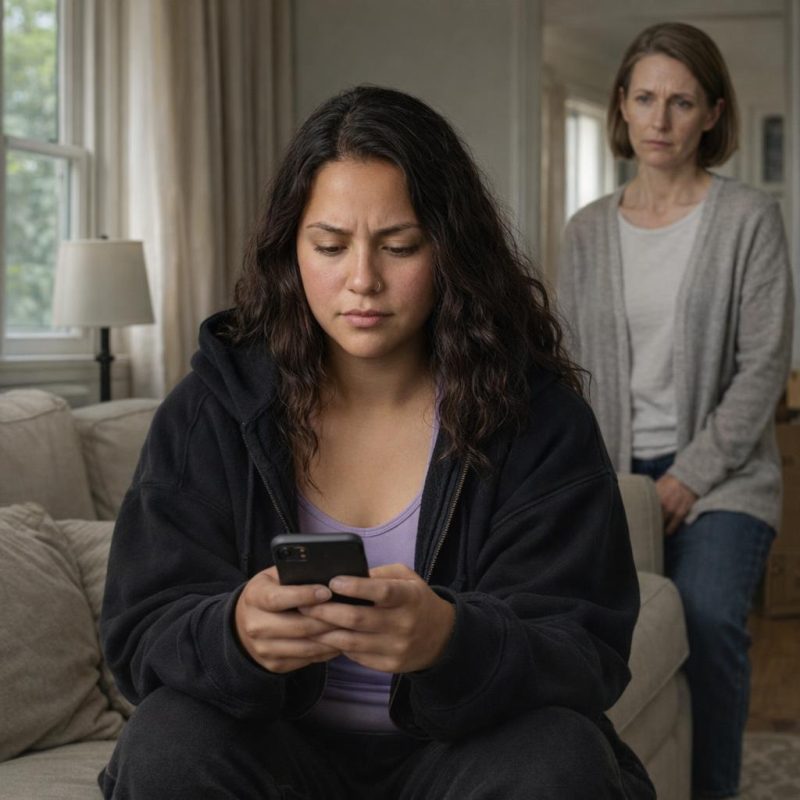 Image by RM AI
Outside Conversations
I came home from rehearsal two days later and saw Mom through the kitchen window, pacing in the backyard with her phone pressed to her ear. Her body language was all wrong—shoulders tight, free hand gesturing in sharp movements. I couldn't hear what she was saying, but her voice had that low urgent quality that meant the conversation mattered. Then she looked up and saw me watching. She stopped mid-sentence, mid-pace, just froze. Our eyes met through the glass and she ended the call immediately, said something quick and hung up. I went outside and asked who she'd been talking to, trying to sound casual. "Just archive business," she said, but she wouldn't look at me. Her eyes went to the fence, the grass, anywhere but my face. "Nothing important." She went inside before I could ask anything else, moving fast like she was escaping. Archive business at six-thirty on a Thursday evening, important enough to pace the backyard but not important enough to mention. When she said it was just archive business and went inside without meeting my eyes, I knew she was lying.
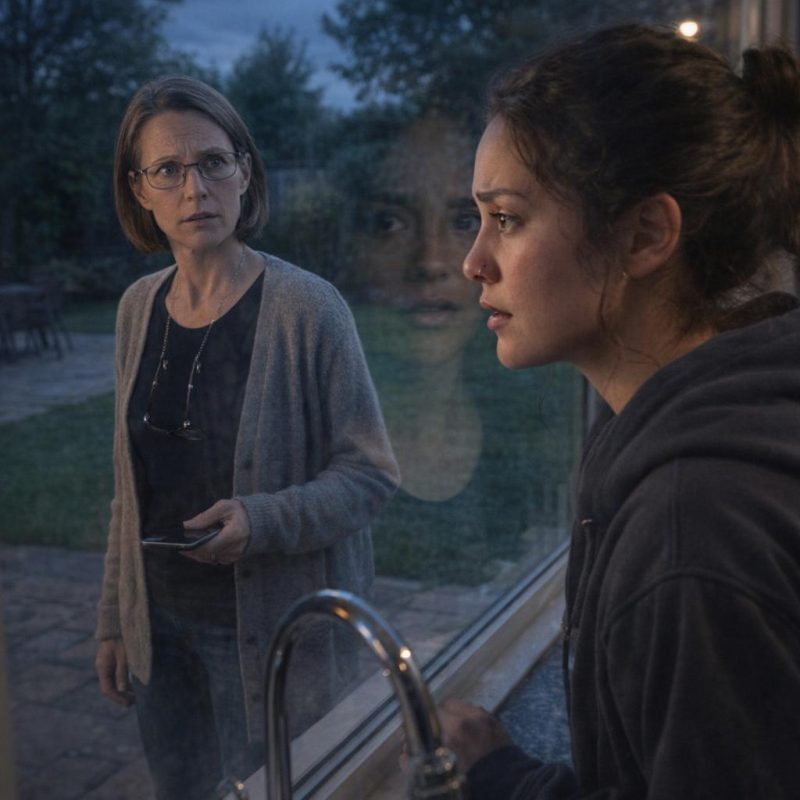 Image by RM AI
Missing Dress Rehearsal
Dress rehearsal was Thursday night, a week before the actual showcase. Parents usually came to these—it was tradition, a chance to see the full run-through in costume and lights. I'd told Mom about it three weeks ago, written it on the kitchen calendar in red marker. I got into my costume, did my makeup, went through warm-ups while scanning the small audience gathering in the folding chairs. Other dancers' families were there, settling in with programs. I kept checking the door, expecting to see Mom slip in late like she sometimes did. The stage manager called places. Still no Mom. We started the run-through and I kept glancing at the audience between numbers, looking for her face. Just empty chairs where she should have been. Halfway through my solo, my phone buzzed in my bag backstage. I checked it during the transition: "Something urgent came up at the archive, I'm so sorry." Jules saw my face and squeezed my hand, but I barely felt it. First dance event my mother had ever missed, and the excuse was the archive again.
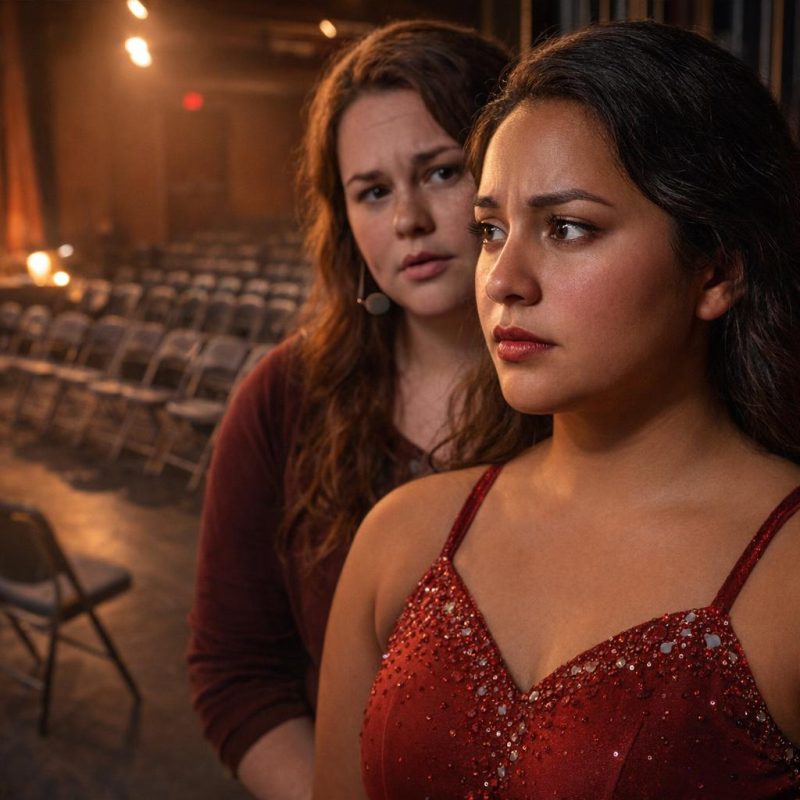 Image by RM AI
Walking on Glass
I tried to ask my mother basic questions about her day. Just normal stuff, you know? How was the archive today? Did you finish cataloging that collection you mentioned? She flinched like I'd slapped her. Her shoulders went up, her hands stilled on the dish towel she was folding. I asked how Elena was doing, keeping my voice light and casual. Mom's whole body tensed. She turned away from me, started wiping down the already-clean counter. I asked about a specific project at work, something she'd been excited about two weeks ago. Her responses were clipped, defensive. "It's fine." "I don't remember." "Why are you asking?" I wasn't interrogating her. I was just trying to have a conversation, the kind we used to have every single day. But every question landed wrong, made her more jumpy, more closed off. Finally I asked why she seemed so on edge lately. She stopped moving entirely, gripped the edge of the counter. "We need to stop having the same conversation," she said, her voice tight with something that looked like panic.
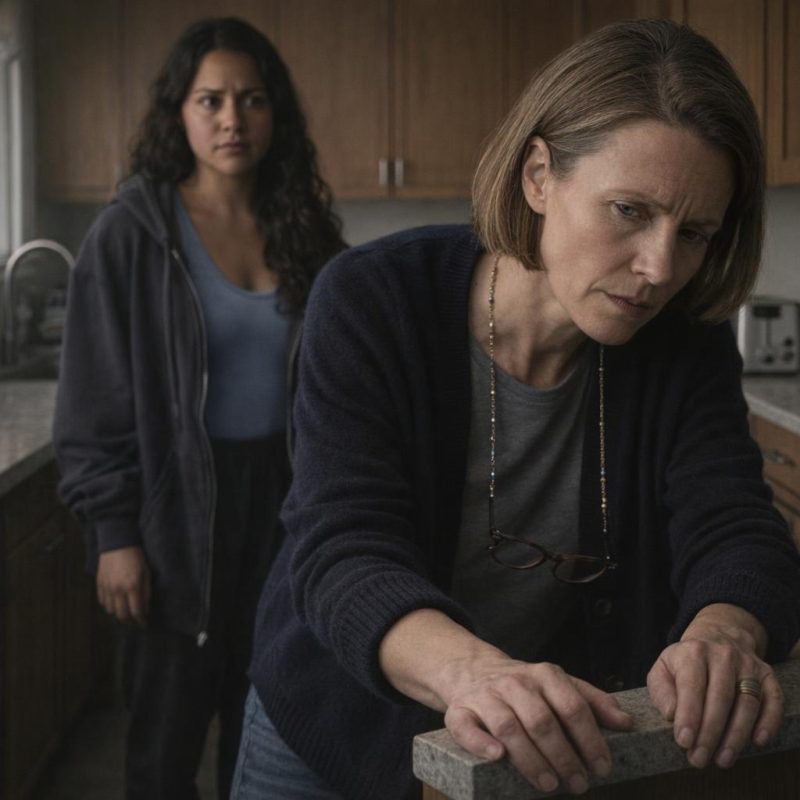 Image by RM AI
The Snap
The next morning, I tried again. I found her in the kitchen and approached carefully, keeping my tone gentle. "Mom, I just want to understand what's happening with Elena. That's all." I wasn't accusing her of anything. I genuinely just wanted to know what was going on, why this person had suddenly become so central to our lives. She turned on me with a sharpness I had never heard before. "Why do you think you deserve to know everything about everyone?" The words hit like a physical blow. My mother had never spoken to me like that. We'd always been close, always shared things. She was the one who used to say we were a team, just the two of us. Now she was acting like I was some nosy stranger demanding access to her private life. I stood there, shocked into silence. My throat felt tight. I couldn't even form a response. I just turned and walked to my room, closed the door quietly behind me. Then I lay face-down on my bed and cried into my pillow, more shocked than angry.
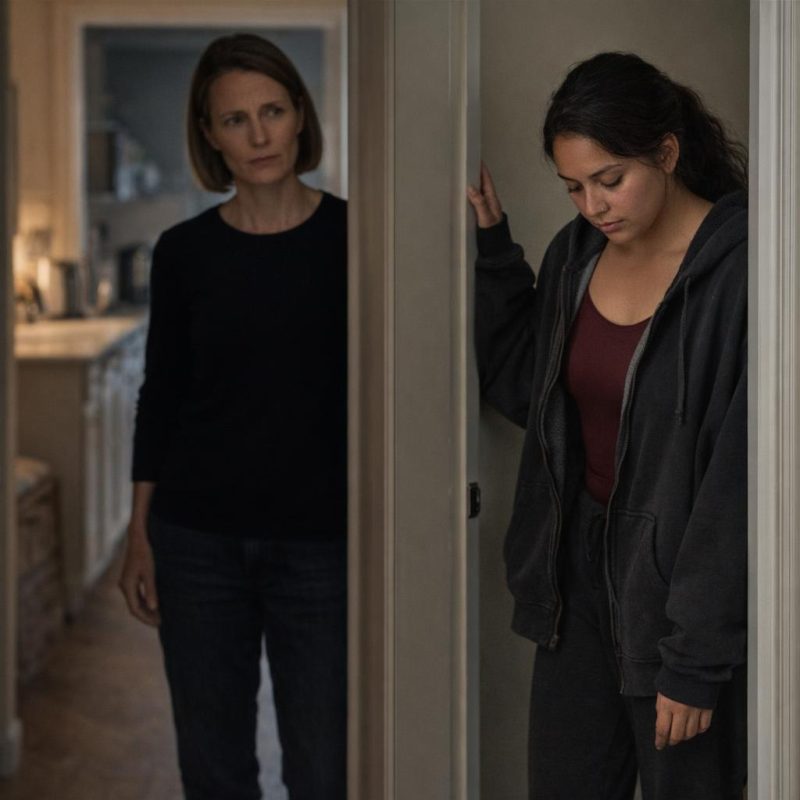 Image by RM AI
Fracture Lines
Lying there, I started cataloging everything we'd lost without discussing it. The Saturday morning pancakes at the diner—we hadn't gone in over a month. The post-rehearsal dinners where she'd ask about every combination, every correction from my teacher. Gone. She used to squeeze my hand three times before auditions, our little ritual. Hadn't happened before my last one. The gas station stops on drives where we'd debate gummy bear flavors like it mattered. When was the last time we'd done that? We used to talk every single day, real conversations about real things. Now we went days with nothing but logistics. "I'll be late." "Leftovers are in the fridge." People used to comment on how close we were, how we seemed more like friends than mother and daughter. I didn't know when that had ended. The fracture had happened gradually, one missed ritual at a time, and I hadn't noticed until they were all gone. I picked up my phone and tried to text her. Wrote three different versions asking if we were okay. Deleted each one because I didn't even know what I was asking. Finally I just put my phone away.
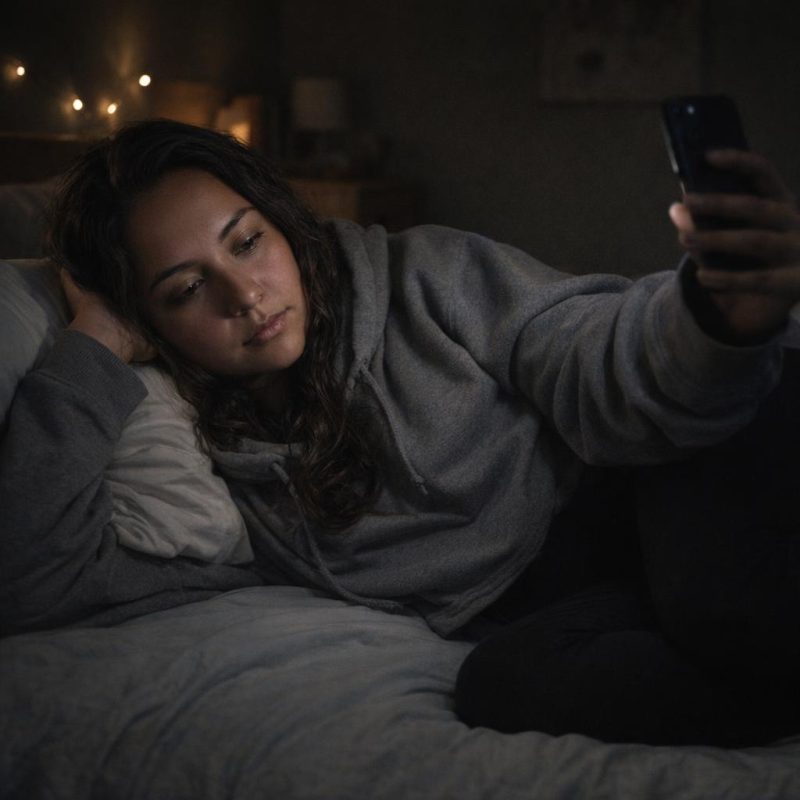 Image by RM AI
The Cookout Announcement
Aunt Carla called on Wednesday to invite us to a family cookout. She did these periodically, big backyard gatherings with the extended family. Mom was on speaker in the kitchen and I was half-listening while doing homework at the table. "This Sunday work for you two?" Carla asked. "Yeah, we'll be there," Mom said. Then she hesitated. "Actually, is it okay if I bring someone?" I looked up from my textbook. Carla's voice changed on the other end of the line. There was this beat of silence that felt loaded with something I couldn't identify. "Of course," she finally said. "The more the merrier." But her tone suggested she knew exactly who Mom was talking about. The pause implied Carla already knew about Elena, which made no sense because Mom had never mentioned telling her sister. I watched Mom's face as she thanked Carla and ended the call. She looked relieved and anxious at the same time. The cookout was scheduled for Sunday, four days away. I already dreaded it, sensing it would reveal something.
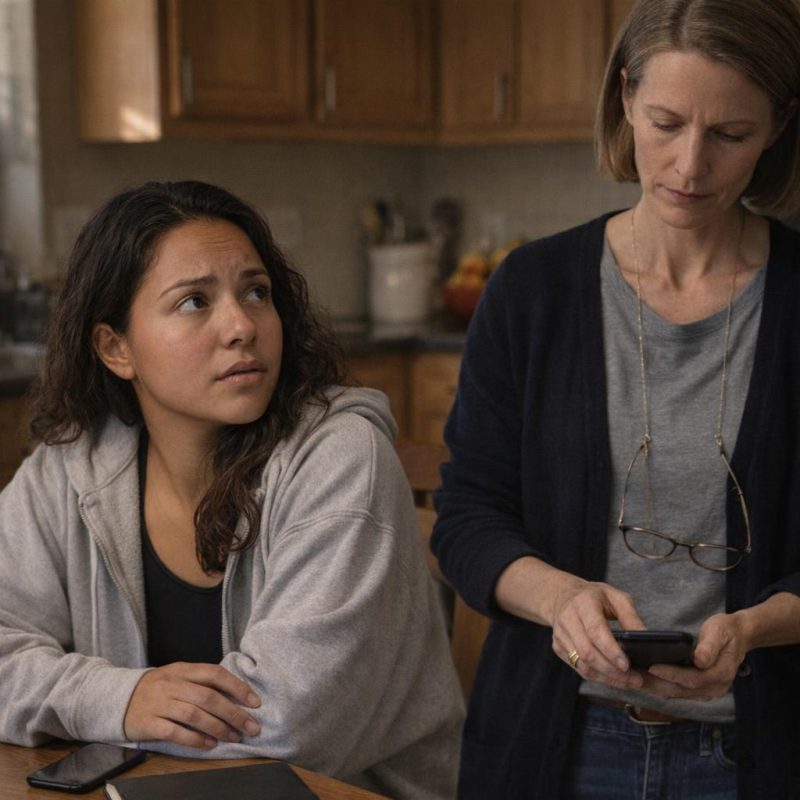 Image by RM AI
Dreading Sunday
I counted down the days with growing anxiety. Sunday felt like it was approaching too fast and too slow at the same time. Part of me wanted to get it over with, to watch Elena interact with the extended family and either prove or dissolve all my suspicions. Maybe I'd see her with my aunts and uncles and cousins and realize I'd been overthinking everything. Maybe she'd just be a normal person Mom had befriended, and I'd feel stupid for all the weird thoughts I'd been having. Or maybe I'd finally understand what was actually happening. Saturday night I couldn't sleep. I lay in bed scrolling through my phone, trying to distract myself. Around eleven, I heard Mom's voice in the hallway. She was on the phone with someone, her tone low and stressed. I got up quietly and stood near my door. "I don't know if this is a good idea," she was saying. I couldn't hear the other person's response. "I know, I know. It's just... what if..." Her voice trailed off. I pressed my ear closer to the door but she'd moved away. The night before the cookout, she was already regretting inviting Elena.
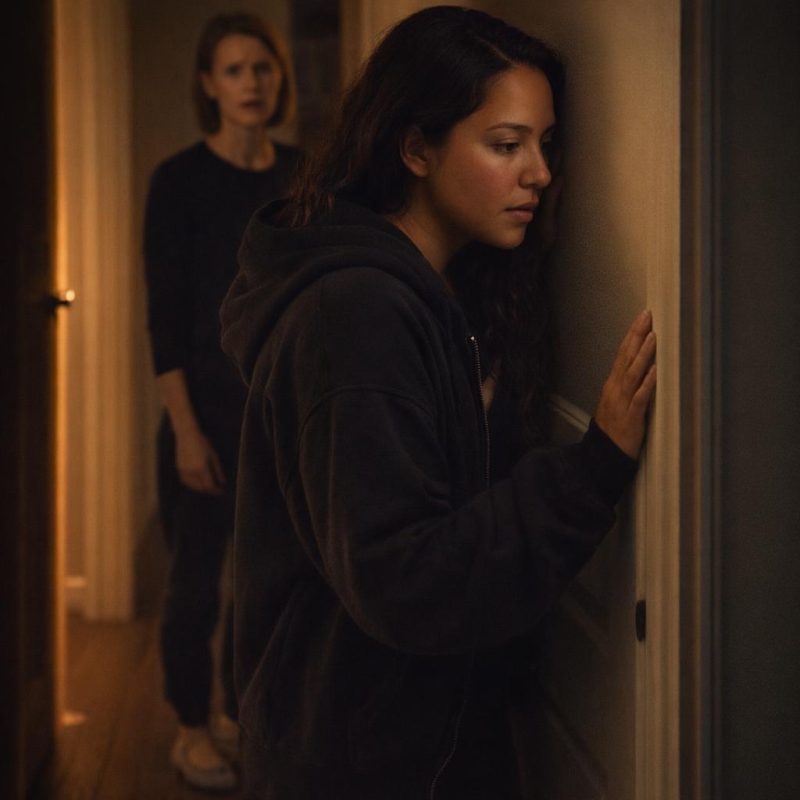 Image by RM AI
Fitting In Too Well
Elena arrived at Aunt Carla's house right on time, carrying a glass bowl of fruit salad. She wore a casual sundress and sandals, perfectly appropriate for a family cookout. She greeted everyone with a warm smile, asked my cousins about school, complimented Carla on her garden. She was helpful without being intrusive, offering to carry things from the kitchen, asking where she could set down her contribution. I watched her move through the gathering with this easy grace that made all my suspicions feel petty and small. What was I even worried about? She was just being nice. She laughed at my uncle's terrible jokes, asked my aunt about her new job, listened to my cousin's story about soccer practice. But there was something about the way she listened. Too focused, too intent. She absorbed every detail like someone taking notes. When Carla mentioned a family trip from years ago, Elena asked follow-up questions that felt slightly too interested. When my uncle told a story about growing up, she leaned in like she was memorizing it. Mom was tense the whole time, I noticed. Her smile was tight. Her shoulders never relaxed. Something about Elena's focus made my skin prickle.
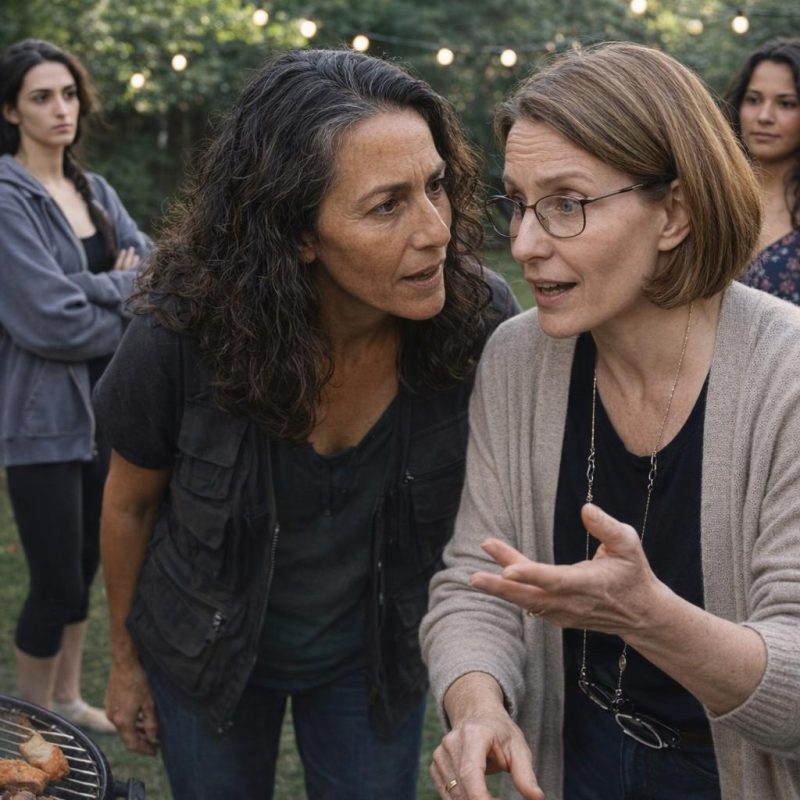 Image by RM AI
The Photo Box
We were all sitting around the picnic table in Carla's backyard, the conversation casual and wandering the way it does at family gatherings. Then Aunt Carla suddenly stood up and said, "Oh, I should show you those old photos I found." It seemed random, but I noticed it wasn't. She went inside and came back with a cardboard box, the kind that's been in a closet for decades. She set it on the table and started spreading photographs across the surface. Baby pictures, school photos, wedding images from different generations. Mom and Carla as kids. My grandparents when they were young. Me as a toddler. Elena's whole demeanor changed the moment she saw them. She went very still, her casual ease disappearing completely. She stared at the spread of photos like they were something precious and dangerous at the same time. Mom watched Elena's reaction with visible anxiety, her hands gripping her paper plate. Carla watched both of them, her expression careful and knowing. Then the two sisters looked at each other across the table, and I saw them have an entire conversation without saying a word.
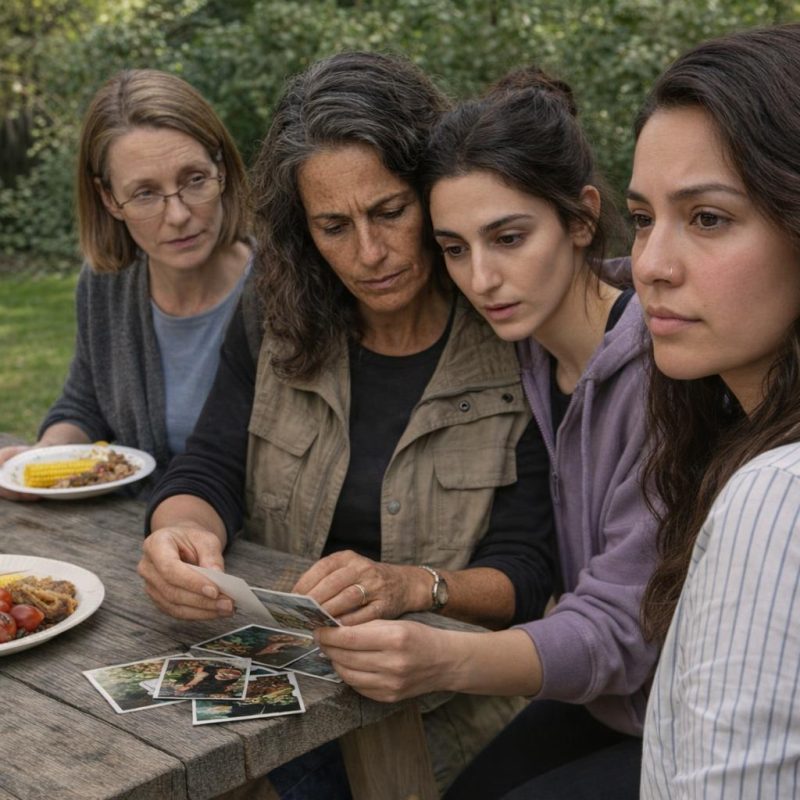 Image by RM AI
The Striped Blouse
Elena reached out and picked up one of the photographs. It was Mom at seventeen, wearing a striped blouse, her hair longer than she wore it now. Elena held the photo and just stared at it. Five seconds passed. Ten. Everyone at the table started to notice. The conversation died away. My cousins glanced at each other. My uncle stopped mid-sentence. Elena didn't seem to register that we were all watching her. She was completely absorbed in the image of my teenage mother, her focus so complete it excluded everything else around her. Her thumb traced the edge of the photograph. I could see Mom's face going pale, her breathing shallow. Carla's expression suggested she understood something the rest of us didn't. The silence stretched until it became uncomfortable, then alarming. Finally, Elena set the photo back down on the table. When she did, I saw her hand was shaking.
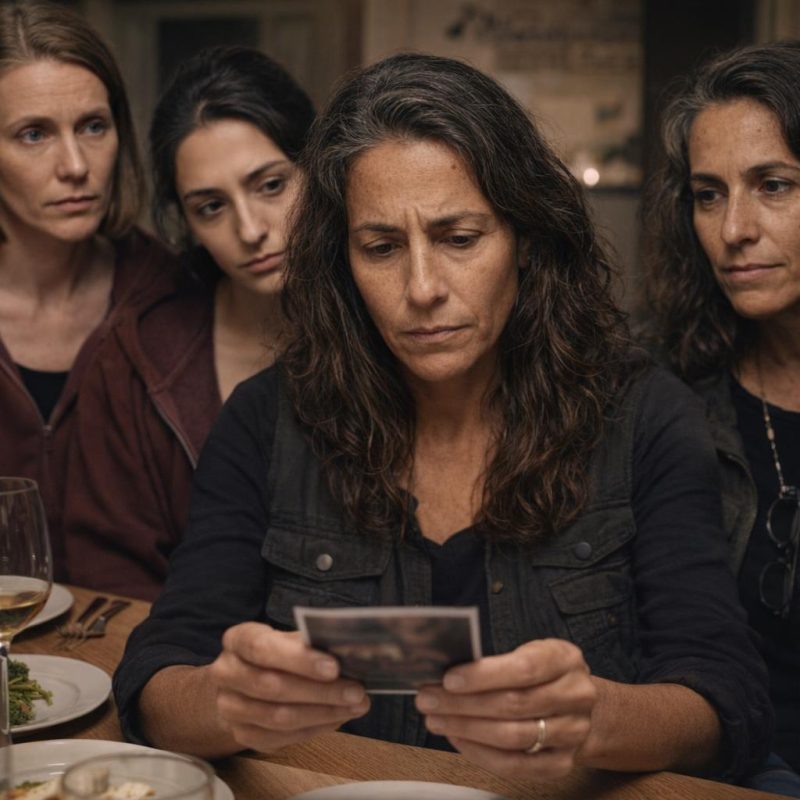 Image by RM AI
Silent Language
The silence after Elena set down the photograph felt like it had weight. Everyone at the table was trying to pretend they hadn't just witnessed something strange, but the conversation that started up again was too loud, too forced. My uncle asked someone to pass the potato salad. My cousin laughed at something that wasn't funny. I watched Aunt Carla's eyes move across the picnic table to my mother's face, and the look she gave Mom wasn't casual. It was specific. Pointed. Her expression asked a question I couldn't hear but could feel in the air between them. Mom's response was barely visible—just the tiniest shake of her head, a movement so small I almost missed it. But Carla saw it. Whatever she'd asked, Mom's answer was no. They were having an entire conversation in a language the rest of us couldn't speak, and I sat there trying to translate gestures into meaning. Elena remained quiet beside me, her hands folded in her lap, visibly shaken. Then she stood up abruptly, her chair scraping against the concrete. "I'm sorry," she said, her voice tight. "I need to use the bathroom." It didn't sound like she needed the bathroom. It sounded like she needed to escape. Mom half-rose from her seat as Elena walked away, her body leaning forward like she might follow, then she caught herself and sat back down, her face a war between staying and going.
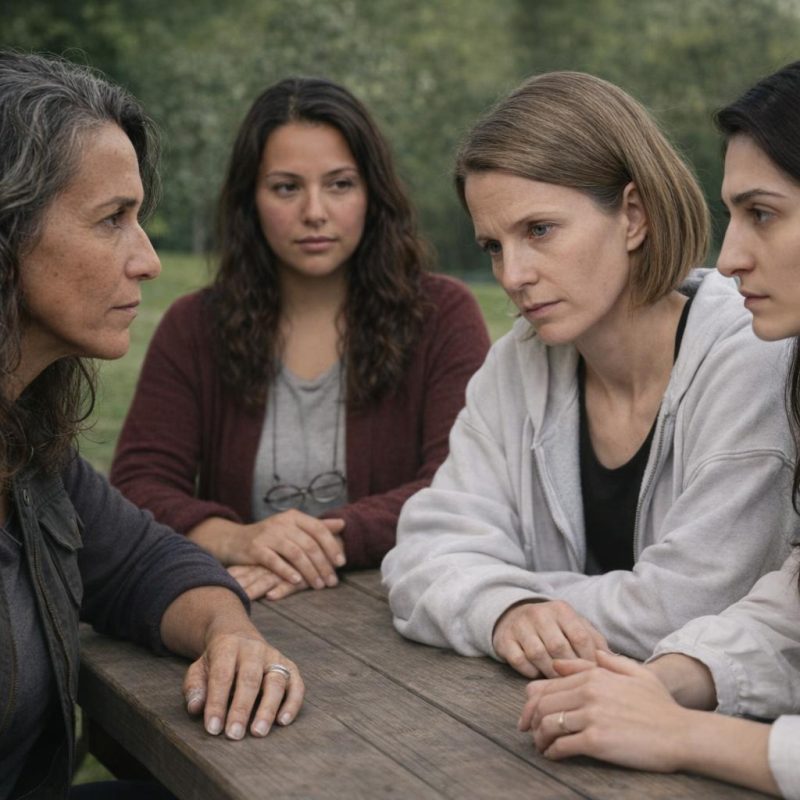 Image by RM AI
The Phone Call
I waited until I was alone in my room that evening before I called her. The cookout had ended awkwardly, everyone packing up their dishes too quickly, hugging goodbye with false brightness. I'd driven home with my mind spinning, replaying every strange moment, every loaded glance. Now I sat on my bed with my phone in my hand, trying to figure out how to ask what the hell was going on without sounding accusatory. When Mom answered, I kept my voice as gentle as I could. "Hey. I just wanted to check on you. You seemed really stressed today." She didn't respond right away. "I'm worried about you," I continued. "Something happened at the cookout. With Elena and the photos. And that look between you and Aunt Carla—Mom, what's going on?" Still nothing. The silence stretched so long I pulled the phone away from my ear to check if the call had dropped. The screen still showed the timer counting. Then I heard it. A small, broken sound that made my chest tighten. She was crying. Not just tearing up—actually crying, the kind of crying where you can't catch your breath. I'd never heard my mother cry like that.
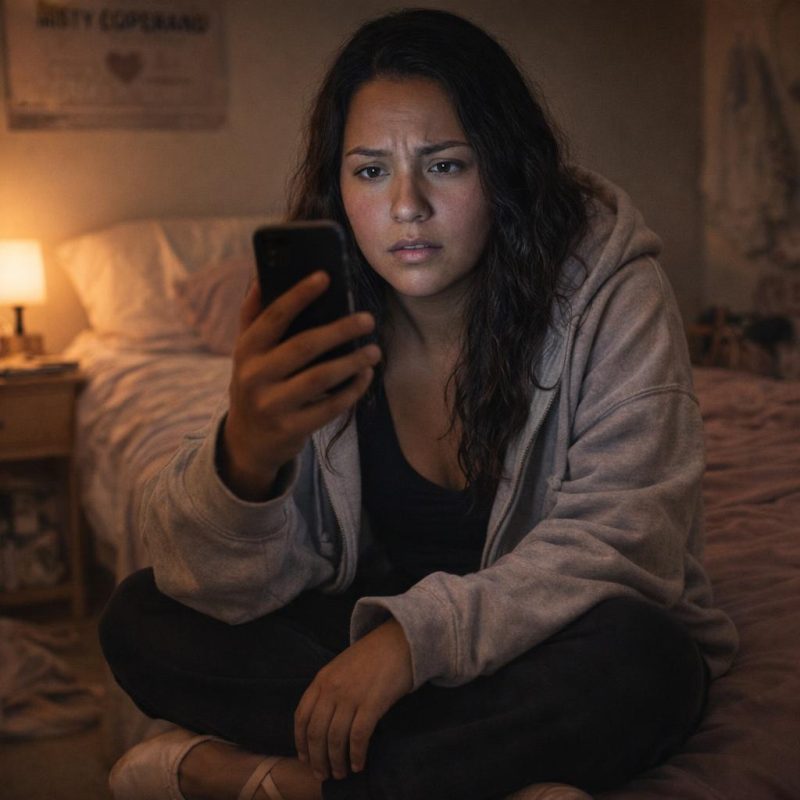 Image by RM AI
Making It About Herself
"Mom," I said, my own voice shaking now. "Please. Just tell me what's happening. You're scaring me." She was still crying, these awful gasping sobs that made me feel helpless. "I don't understand why you won't talk to me," I said. "I deserve to know what's going on. I'm not a kid anymore. Why won't you just tell me the truth?" Her response came sharp through the tears, cutting through the sound of her crying with an edge I wasn't expecting. "Why are you making this about yourself?" The words hit me like a slap. I sat there in stunned silence, my mouth open, not knowing what to say. Making this about myself? I was worried about her. I was trying to help. How was that selfish? But her tone made me question everything. Was I being self-centered? Was I missing something bigger? She kept crying on the other end of the line, and I just sat there, hurt and confused, holding the phone against my ear. Neither of us hung up. The silence between us felt like a chasm I didn't know how to cross, filled with her tears and my wounded confusion.
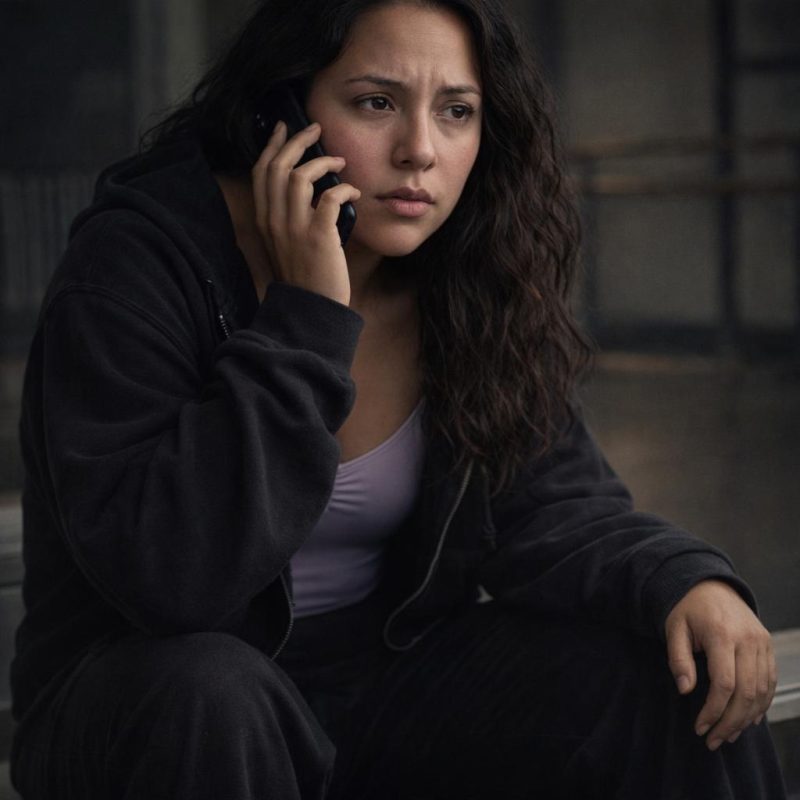 Image by RM AI
Nine Days
I took a breath, trying to steady myself. My voice cracked when I finally spoke again. "Mom, my senior showcase is in nine days." The words came out smaller than I intended. "I need you to be there for this one thing. I don't understand what's happening with Elena or why you're so upset, but I need you present for this performance. Please." It felt like bargaining, like I was negotiating for scraps of her attention, and I hated how desperate I sounded. But it was true. Nine days until everything I'd worked for would be on that stage. Nine days until the performance that was supposed to represent four years of training, of early mornings and bleeding feet and Mom sitting in the front row of every single recital since I was six years old. "I've never asked you for much," I said quietly. "But I'm asking for this." Her crying had quieted to something softer, more controlled. When she finally spoke, her voice was barely a whisper. "I know," she said. "I know, baby. I know." There was something in her tone I couldn't name—like she was making a promise and apologizing for breaking it at the same time.
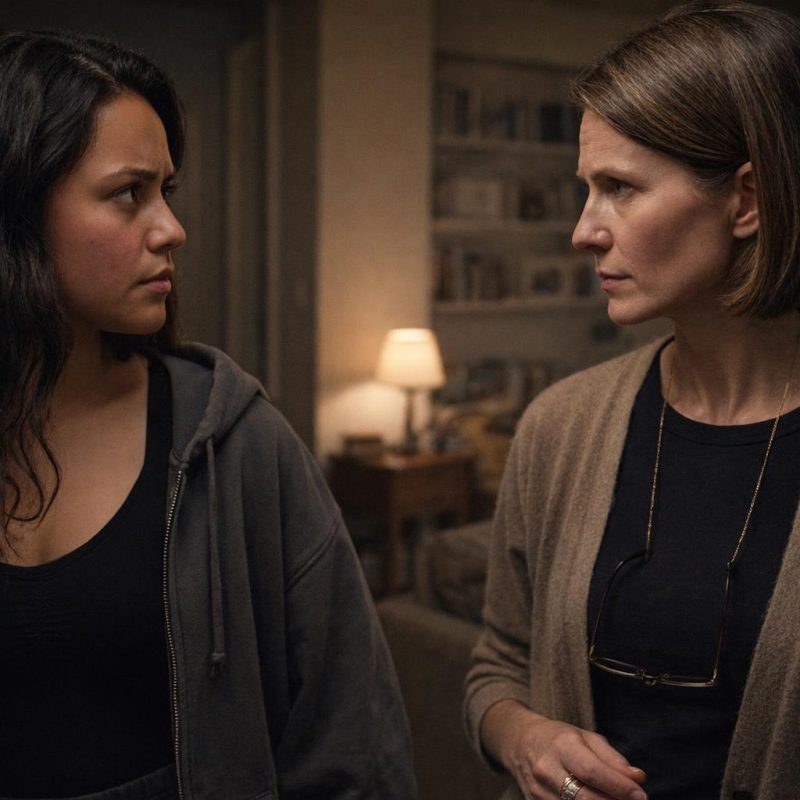 Image by RM AI
The Promise
"Nothing will keep me from your showcase." Mom's voice had shifted, gone fierce and final in a way that made me sit up straighter. "Do you hear me? Nothing. I will be there." The intensity of it should have been reassuring. I wanted it to be reassuring. So I let myself believe her. Let myself think that whatever was happening with Elena, whatever had made her cry like that, it wouldn't touch this one thing that belonged to us. "Okay," I said softly. "I love you, Mom." "I love you too, sweetheart. So much." We said goodbye and hung up, and I sat there holding my phone in both hands, staring at the dark screen. The promise had been so emphatic. So absolute. Nothing will keep me from your showcase. But something about the way she'd said it felt wrong. Too desperate. Too much like she was trying to convince herself as much as me. I pushed the thought away and focused on the words themselves, on the promise, on the fierce certainty in her voice. I decided to trust her one more time. I had to. But I couldn't shake the feeling that her promise had sounded less like reassurance and more like goodbye.
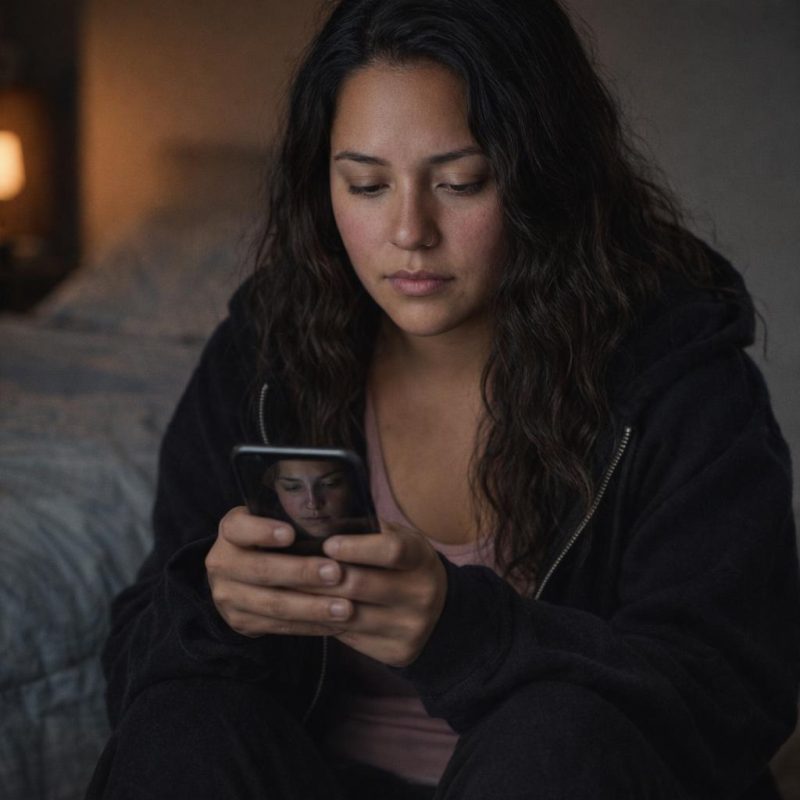 Image by RM AI
Trying to Trust
I threw myself into showcase preparation for the next week, rehearsing until my feet bled through my pointe shoes. If I kept moving, kept perfecting each turn and extension, I didn't have to think about Mom's crying or that strange promise or the way Elena had stared at those photographs. I practiced my solo until I could do it in my sleep, until every muscle knew exactly where to be. I told myself that everything would be normal when I looked into the audience on Friday. Mom would be in the front row where she always sat, and this weird tension would be over. Jules found me after rehearsal on Tuesday, stretching in the corner while everyone else packed up. "Hey," she said, sitting down beside me. "You're pushing yourself pretty hard. You okay?" I nodded, not looking at her. "Just want it to be perfect." "Have you heard from your mom?" The question made me pause. I pulled out my phone and scrolled through my messages. Nothing from Mom. I checked our text thread and felt something cold settle in my stomach. Three days. She hadn't called or texted in three days, not since that awful phone call.
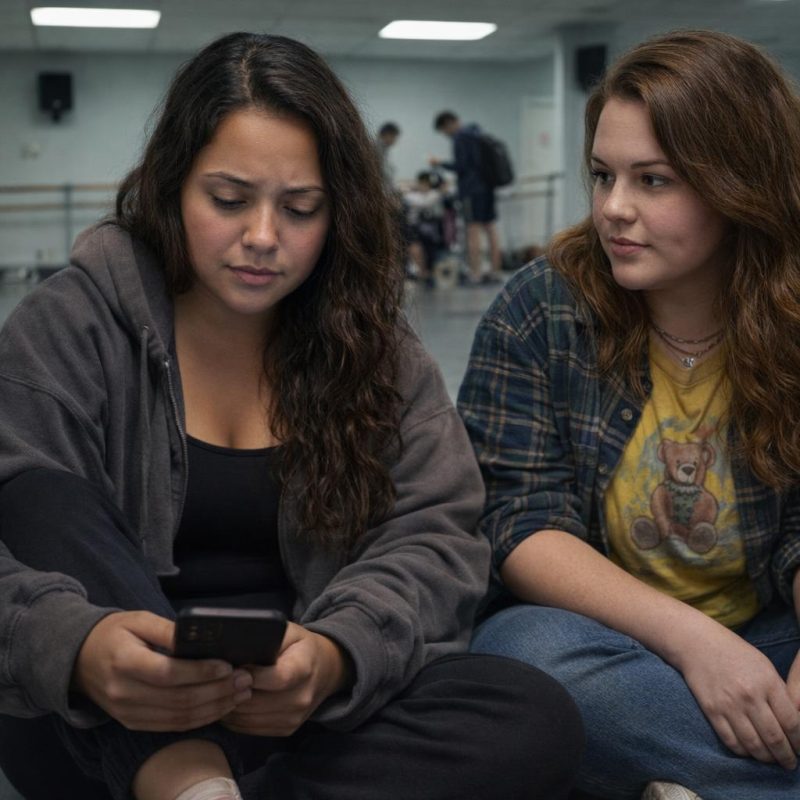 Image by RM AI
The Morning Of
I woke on showcase morning to find Mom already in my room. For a second I thought I was dreaming, but then I saw she was holding the rhinestone hair clip I'd wear for the performance, turning it over in her hands. When she noticed I was awake, she smiled at me in this way that felt like she was trying to memorize my face. "Morning, baby," she said softly. "Big day." The relief that flooded through me was overwhelming. She was here. She was present and engaged and everything was going to be okay. She helped me into my costume with the practiced ease of a thousand performances before this one, her fingers working the zipper and hooks like they'd done since I was six. She pinned the rhinestone clip into my hair perfectly, angling it just right to catch the stage lights. This was us. This was our ritual. Everything felt normal again, like the past week had been some strange dream. She kissed my forehead, and I felt her lips linger there for an extra moment. "I need to go grab flowers and coffee," she said. "I'll meet you at the venue, okay?" I watched her leave through the front door with her purse and car keys, not knowing that the next time I would see her, everything would be different.
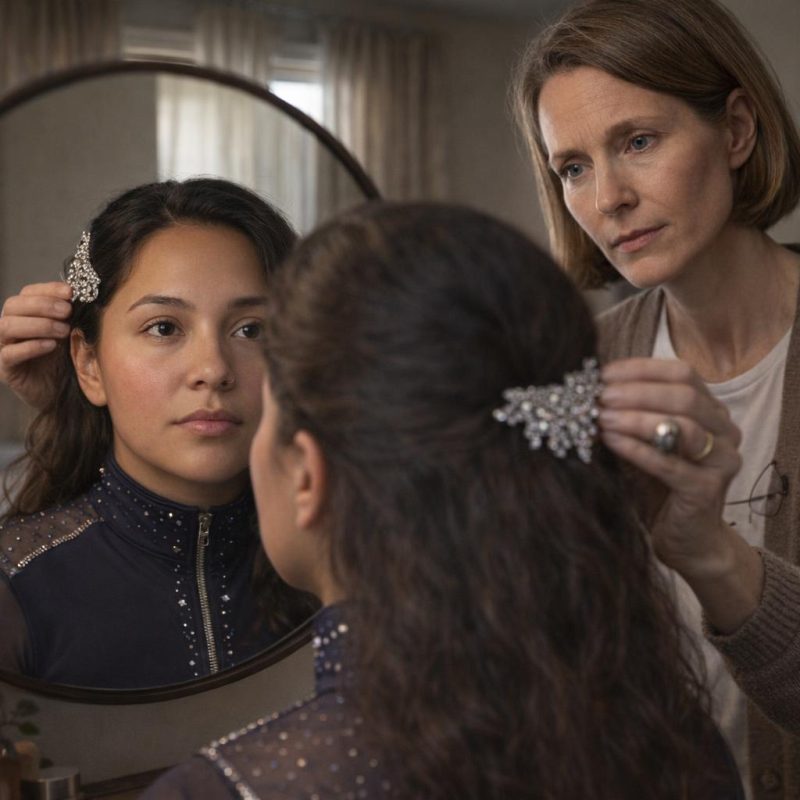 Image by RM AI
Flowers and Coffee
I finished getting ready at home, then drove to the venue with my costume bag and that fragile hope Mom had given me that morning. The dressing room backstage was chaos—dancers doing their makeup, mothers pinning hair, the smell of hairspray and nervous sweat. I kept checking my phone for a text from Mom saying she was in the audience. Nothing yet, but she'd be here. She'd promised. Ninety minutes passed. I was in full costume now, the rhinestone clip catching the fluorescent lights as I paced backstage. Other families had arrived, filling the seats in the auditorium. I peeked through the curtain at the front row seat with Mom's name on the reservation card. Empty. Ten minutes until curtain. The stage manager was giving us final calls. I checked my phone one more time and saw a new text from Mom. My hands were shaking as I opened it. The words on the screen made the floor tilt beneath my feet, made the noise of the dressing room fade to white static. She wasn't coming. After everything—the promise, the fierce certainty, the morning ritual—she wasn't coming to my showcase.
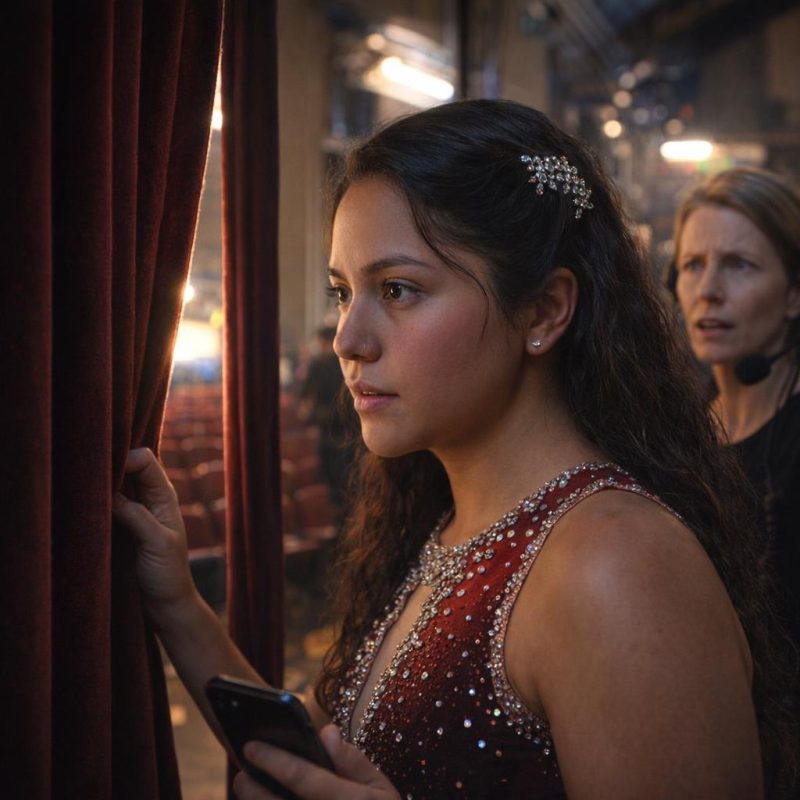 Image by RM AI
The Empty Chair
I stood in the wings with my hand gripping the velvet curtain, peering through the gap at that front-row seat one more time. The little white card with Mom's name on it sat propped against the armrest, and the seat itself remained empty while the auditorium filled around it like water flowing past a stone. Other parents settled into their spots, programs rustling, phones being silenced. I'd been checking for twenty minutes now, watching that space, willing her to appear. Jules touched my shoulder and asked if my mom had made it yet, and I heard myself making excuses—traffic was probably terrible, parking always took forever at this venue, maybe she'd stopped to get flowers. The words came out automatic, like I was reading from a script I'd memorized without realizing it. I remembered every performance Mom had attended since I was six years old, the way she'd always arrive early to claim the best seat, how she'd mouth 'you've got this' right before the curtain rose. The stage manager's voice cut through the backstage chaos: five minutes to curtain. My palm felt empty without Mom's hand to squeeze, that pre-performance ritual we'd done since my first recital. The phantom ache of her absence settled into my bones like cold.
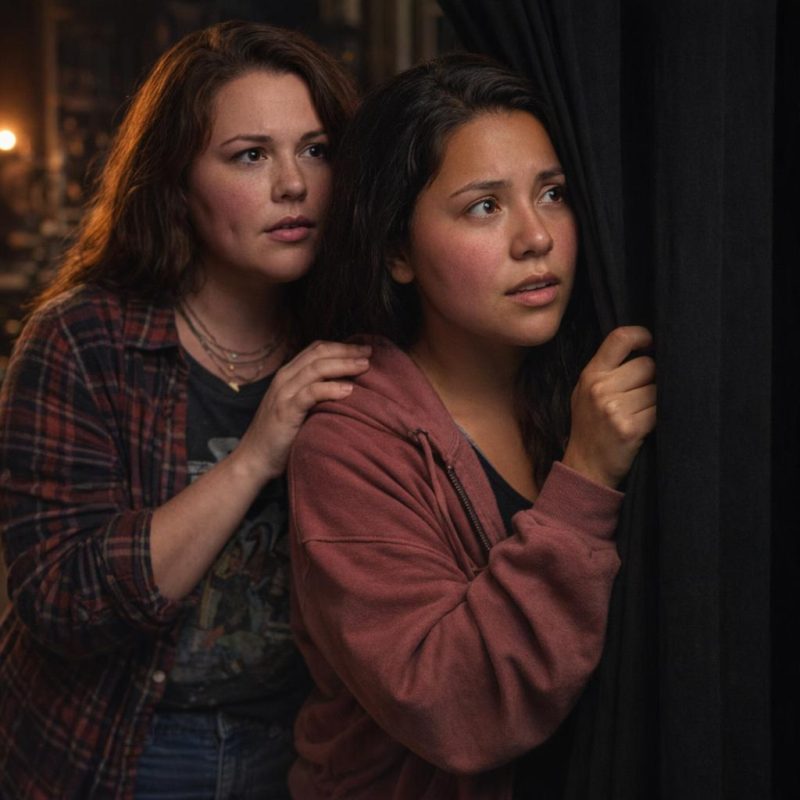 Image by RM AI
The Text
My phone buzzed against the makeup counter and I grabbed it so fast I nearly knocked over someone's water bottle. Mom's name lit up the screen. The text was short: I'm so sorry. I have to be with Elena right now. I can explain later. Good luck. I read it once and the words didn't make sense, like they were in the wrong order or autocorrect had mangled them into gibberish. I read it again, slower this time, hoping I'd misunderstood. Third time through, the meaning crystallized with brutal clarity—she wasn't coming. The promise she'd made that morning, the fierce certainty in her voice when she'd said nothing would keep her away, all of it shattered against these thirty-one characters on a screen. She'd chosen Elena. Some woman from the archive project mattered more than the biggest performance of my life, more than four years of work, more than me. My chest caved inward and I couldn't breathe right, couldn't process why a stranger would take precedence over this moment. I turned the phone facedown on the counter because if I looked at it any longer, I would cry off my eyeliner and ruin everything.
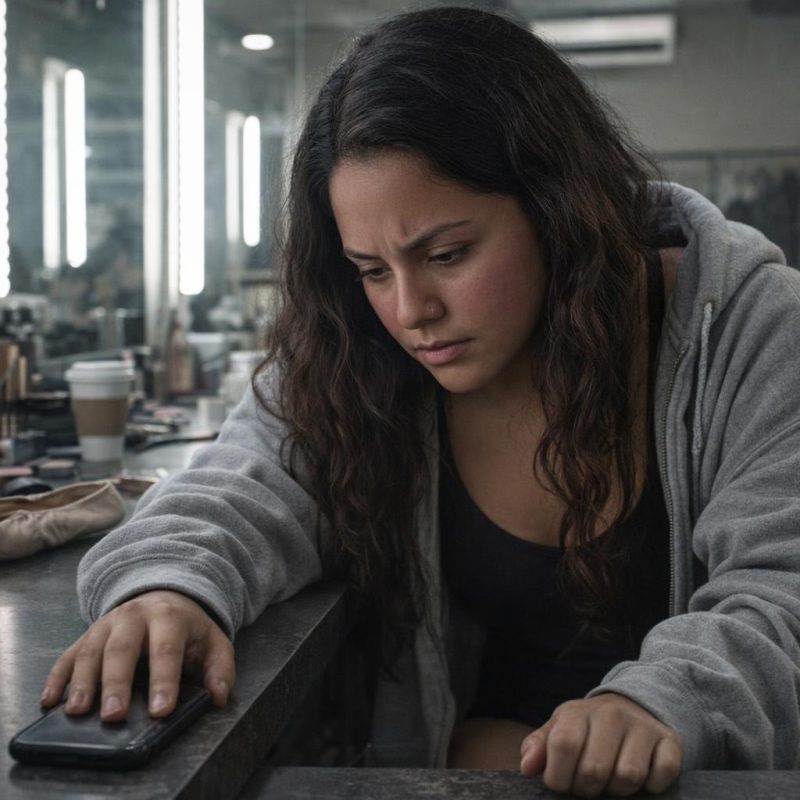 Image by RM AI
Dancing Through Glass
The music started and my body took over, muscle memory carrying me through the opening sequence while my mind split in two. One part executed every turn, every extension, every leap with the precision of four years' training. The other part kept circling back to that text message, to the empty seat that burned in my peripheral vision every time I faced front. I hit my marks perfectly—arabesque, pirouette, grand jeté—while inside I was screaming questions about why Elena mattered more than this. The spotlights were hot on my face but that front-row seat felt hotter, a black hole pulling my focus even as I nailed the difficult combination in the second verse. Other dancers performed their pieces around mine in the group sections, and the audience applauded at all the right moments, but the one person I'd wanted to see this wasn't there. I completed my final solo, held my ending position as the music faded, and heard the applause fill the auditorium from everyone except the person who was supposed to be there. I bowed with the smile I'd practiced in the mirror, the one that looked genuine from the audience. Jules found me in the wings immediately after and pulled me into a hug without needing any explanation.
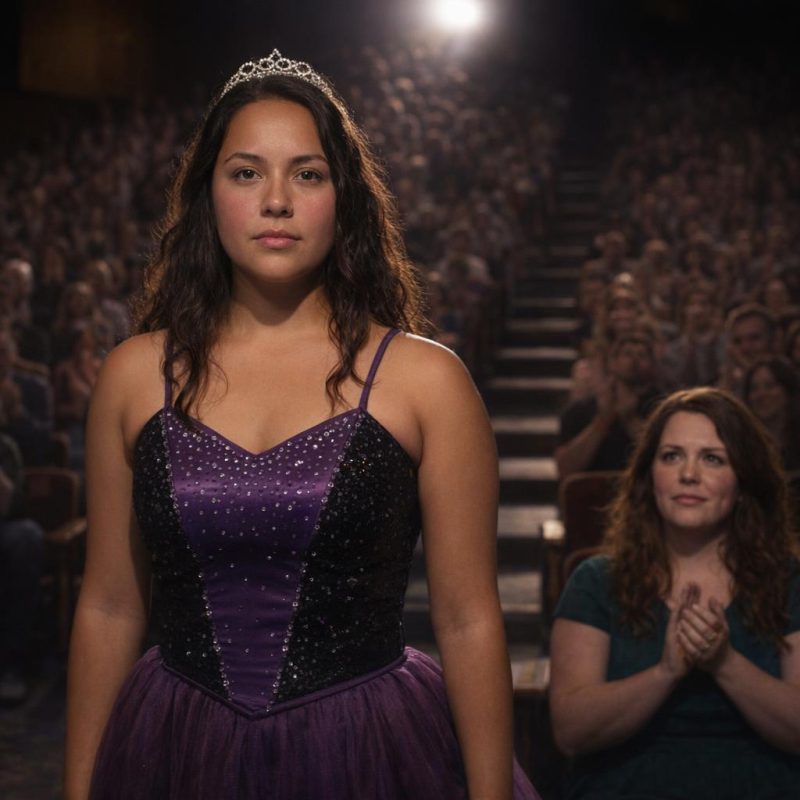 Image by RM AI
Blood and Secrets
I found Aunt Carla in the lobby holding a bouquet of roses and wearing the expression of someone who knew the whole story and had been dreading this conversation. I unleashed everything—how Mom had abandoned me for a complete stranger, how she'd replaced me with Elena, how I was done pretending any of this was normal. Carla kept saying 'lower your voice' until she finally took my arm and steered me outside to the parking lot. We sat in her car and she gripped the steering wheel like it was the only thing keeping her anchored. She said Mom should have told me sooner, that this had gone on too long. Then she turned to face me and said the words that split my understanding in half: Elena isn't some archive friend, she's your sister. Your half-sister. I actually laughed because the statement was so absurd it had to be a joke. But Carla started crying, and through her tears she explained that when Mom was seventeen, she got pregnant. Grandmother Margaret panicked, the whole family panicked, and a baby girl was born and quietly placed with relatives in another state. No one was supposed to talk about it ever again. Elena found us through DNA testing connected to the archive project. Twenty-three years of silence shattered in a parking lot, and I finally understood why Elena had studied those photographs like she was searching for her own face.
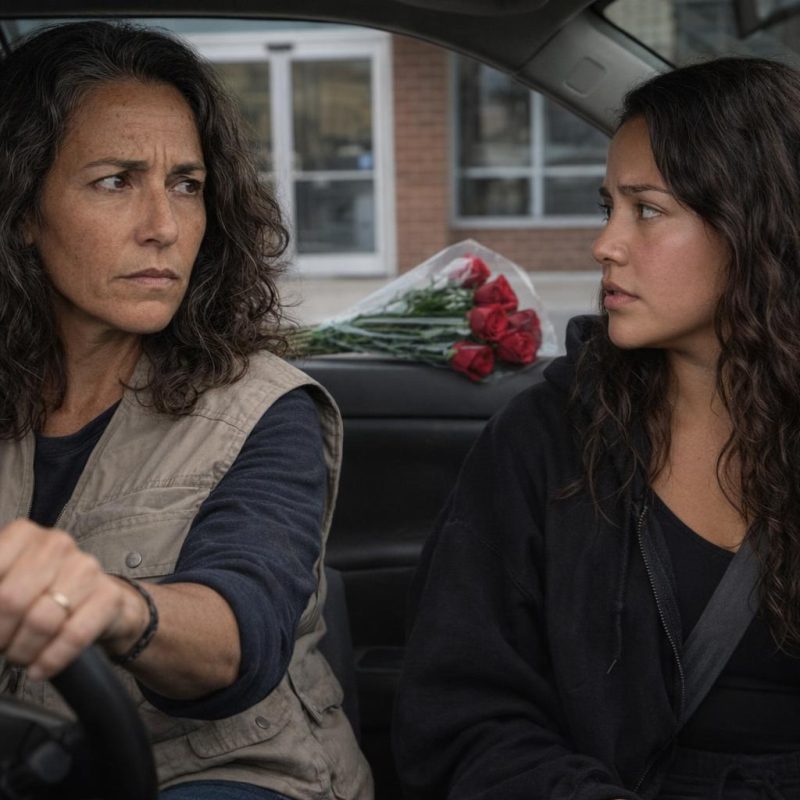 Image by RM AI
The Girl They Gave Away
Carla told me the fuller story while we sat in her car with the engine off and the parking lot lights casting shadows across her face. Mom was seventeen, still in high school, when she got pregnant. Grandmother Margaret took control of the entire situation—decided that Mom couldn't keep the baby, that it would ruin her future, that the family couldn't handle the shame. A baby girl was born and placed with relatives in another state, and Mom was told to move on and never speak of it again. The family maintained complete silence, like that child had never existed. I asked if anyone else knew, and Carla admitted she knew, some other relatives knew, but they all kept the secret because Margaret insisted. Mom spent years pretending that part of her life had been erased, and Elena grew up not knowing her birth family until she found us through DNA testing connected to the archive project. I sat there processing that my mother—the woman who had sewn every costume, attended every performance, never missed a single moment—had once been a powerless teenager who'd had her baby taken away. The devoted mother who never missed performances was also a grieving birth mother. I realized that the mother who had never missed a single performance had once been a scared teenager whose own mother made choices for her.
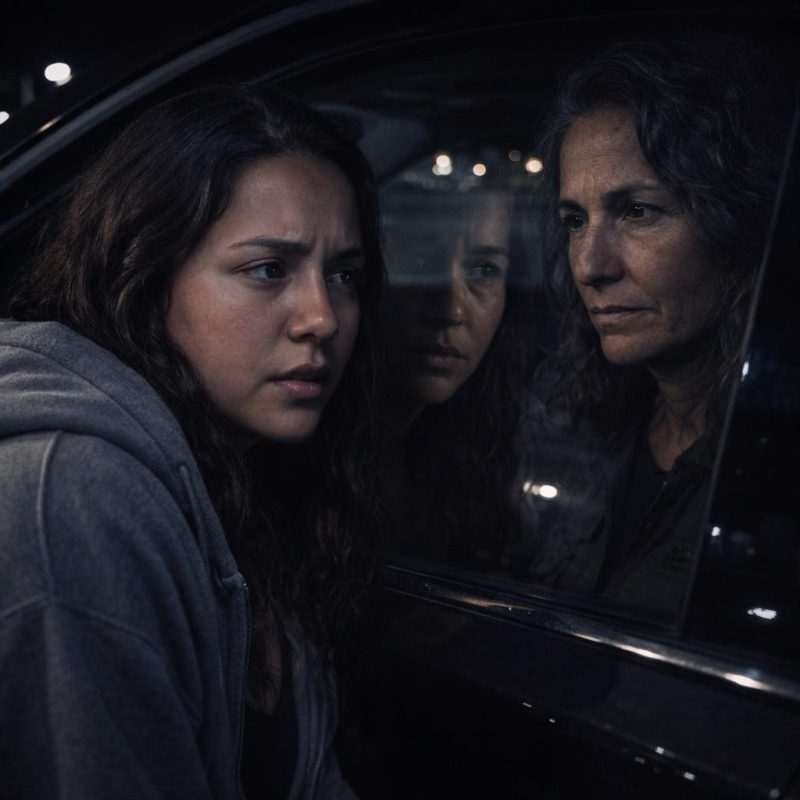 Image by RM AI
Every Photograph
I replayed the Sunday lunch in my mind with this new lens, and suddenly everything Elena had done made perfect sense. She'd brought bread and tulips because she was trying to make a good impression on the birth family who'd given her up. Her vague answers about where she was from—a few different places—probably meant she'd moved around, maybe in foster care or with different relatives who didn't want her long-term. Mostly research meant she'd been searching for her own origins, not studying local history. The way she'd studied our family photographs for so long wasn't intrusive, it was desperate—she was looking for herself in her biological family's faces, trying to find where she fit. That photo of Mom at seventeen held extra meaning because that was the mother who gave her away, frozen at the exact age when she'd made that impossible choice. Mom watching Elena watching the photos wasn't possessiveness, it was fear of being seen, of having that old wound reopened. Elena's calm composure at the cookout, the way she'd absorbed every family story, wasn't coldness—it was armor worn by someone learning about the life she might have had. The elegant composure that had seemed so practiced now looked like armor worn by someone who had spent her whole life wondering why she wasn't kept.
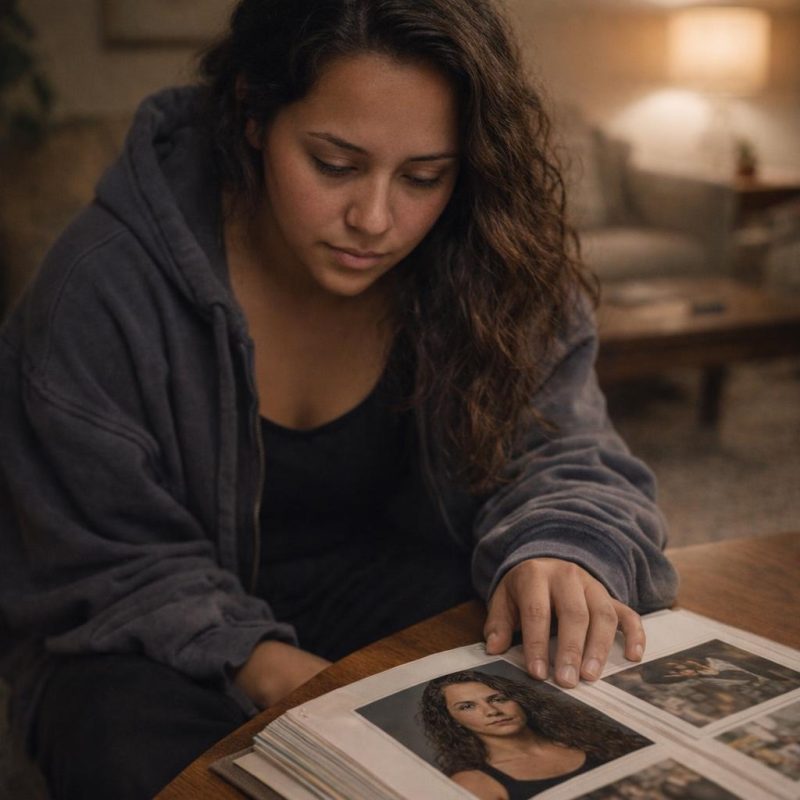 Image by RM AI
Waiting
I sat in Aunt Carla's living room past eleven o'clock, still wearing my showcase costume with the rhinestone clip catching the lamplight every time I moved my head. My stage makeup was smearing but I hadn't thought to remove it—I'd come straight here from the venue, too wired to go home alone. The clock on Carla's mantel showed 11:17 PM and Mom still hadn't returned from wherever she'd gone with Elena. I asked Carla where exactly Mom had gone, and she explained that Mom had gone after Elena when she'd tried to leave. I processed that information alongside everything else—the revelation about my sister, the broken promise, the empty seat at my showcase. Knowing why Mom had left didn't erase the hurt of being abandoned. The reason made sense now but the pain was still real, still sitting in my chest like a stone. My body ached from performing, my heart ached from betrayal, and I couldn't separate the two. Carla offered food, tea, anything to help pass the time, but I couldn't eat. I could only wait and process while the secret that had been kept for twenty-three years sat heavy in the room. Every time headlights swept across the window, my heart lurched between wanting my mother to arrive and dreading what she would say when she did.
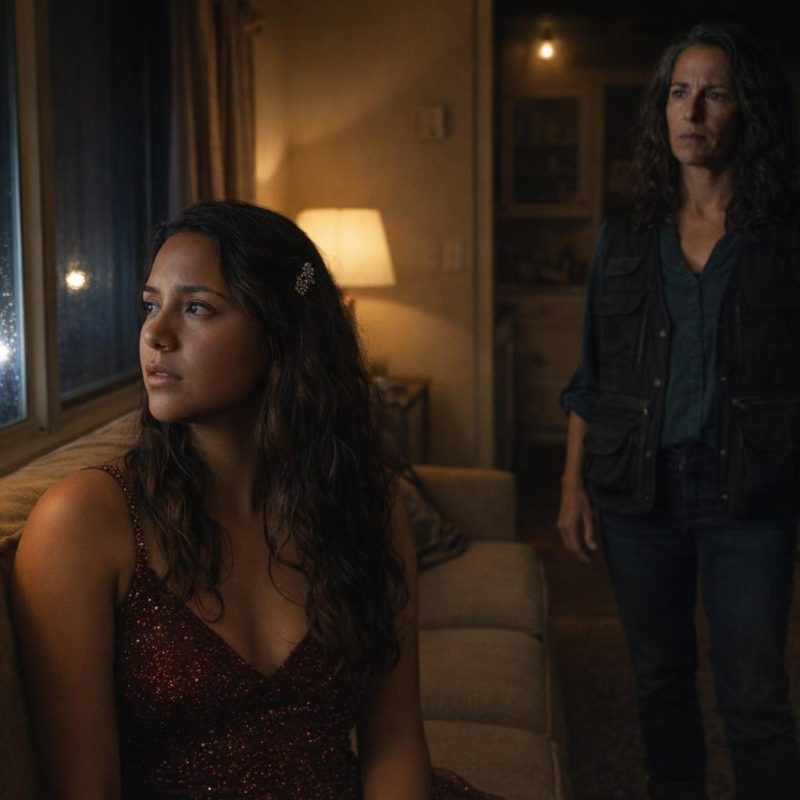 Image by RM AI
The Hospital Document
I asked Carla what specifically had happened that made Mom leave my showcase, and she explained the sequence of events from that afternoon. Elena had been scanning documents at the archive as usual when she found an old hospital record—her own birth certificate or admission papers, something that made the adoption suddenly, viscerally real instead of abstract. She'd broken down completely upon seeing it, called Mom in crisis, and said she couldn't handle this anymore. Said she was leaving town that night, going back to wherever she'd come from, that she was done trying to force herself into a family that had given her away. Mom received that call while she was getting flowers and coffee for me, had to make an impossible choice between my showcase and Elena. She went after Elena because she was terrified of losing her twice—the first time wasn't Mom's choice, Grandmother Margaret had made that decision, but this time Mom could actually stop her from disappearing. The broken promise wasn't about valuing Elena more than me. I understood then that my mother hadn't chosen Elena over me—she had run after someone who was about to disappear from her life a second time.
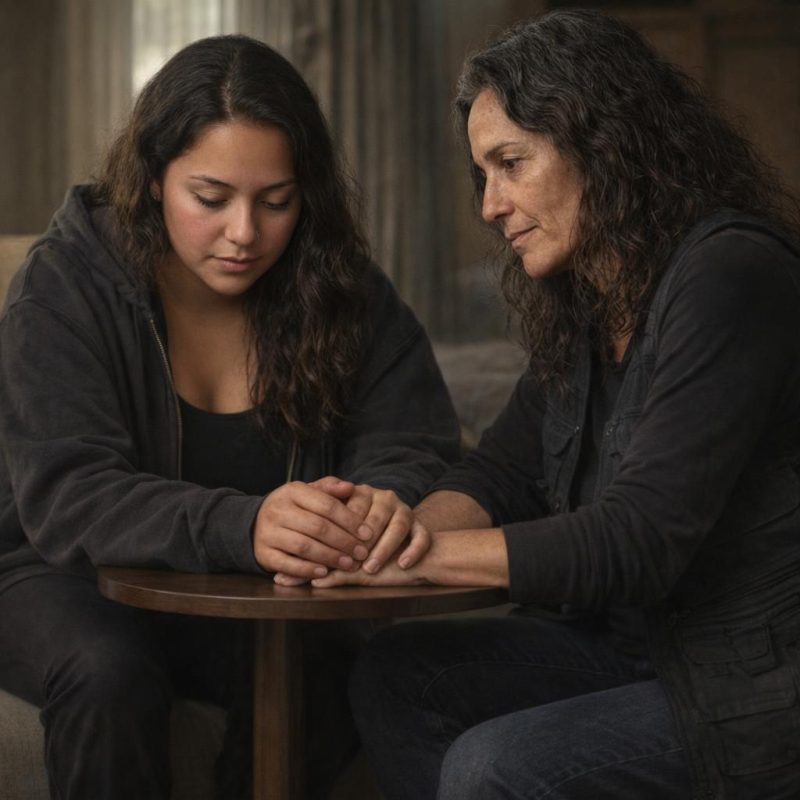 Image by RM AI
Fear of the Second Loss
I sat there in Carla's living room, letting her words settle over me like sediment in water. The anger was still there—I could feel it burning in my chest every time I thought about that empty seat, about reading her text alone in the dressing room. But something else was making room beside it now, something more complicated. Mom hadn't chosen Elena over me. She'd run after someone who was about to disappear from her life a second time. The first time, she'd been seventeen and powerless, forced to give up a baby by Grandmother Margaret. This time, she could actually do something. Elena was about to vanish forever, and I would still be here tomorrow. That logic didn't erase my pain—I still hurt, still felt the sting of that broken promise—but it contextualized it in a way that made my anger feel less solid. If Elena had left that night, Mom might never have found her again. I couldn't have been chased because I wasn't going anywhere. Carla watched me process all of this, her expression knowing and sad. I still wanted to confront my mother, still had questions that needed answers, but they were different questions now. The anger in my chest started to make room for something more complicated, something that felt like the beginning of forgiveness.
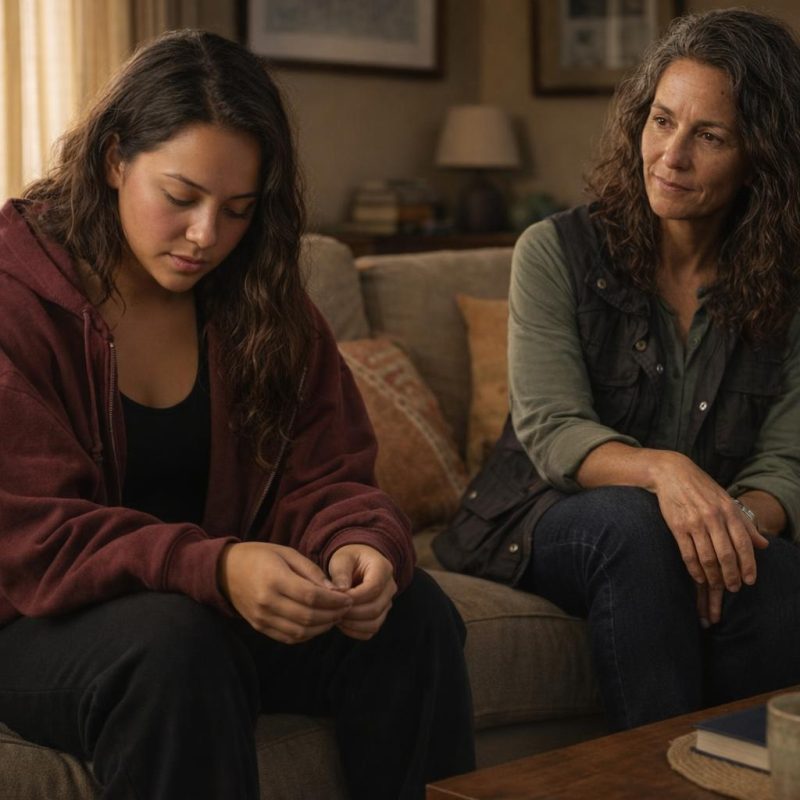 Image by RM AI
After Midnight
The clock passed midnight while I sat waiting in Carla's living room, and she stayed quietly present beside me, not pushing conversation. I'd had hours now to sit with all the revelations—to think about Grandmother Margaret who had orchestrated this secrecy, about the baby who became Elena and was raised elsewhere, about my mother carrying this secret for my entire life. Why had she never told me I had a sister? How many other secrets might exist in my family, hidden in the spaces between what we said and what we meant? The house was quiet except for the clock ticking, marking time I should have spent sleeping. I'd removed my stage makeup in Carla's bathroom, borrowed an old t-shirt and sweatpants from her. My showcase costume hung over a chair in the corner, a reminder of the night that had split my life into before and after. Exhaustion was both physical and emotional, but sleep felt impossible. Then I heard it—a car pulling into the driveway, headlights sweeping through the window one more time. The engine stopped and a car door opened. Carla moved toward the front door to let her in. When I heard a car finally pull into the driveway, my heart pounded with the weight of everything I now knew and everything I still needed to say.
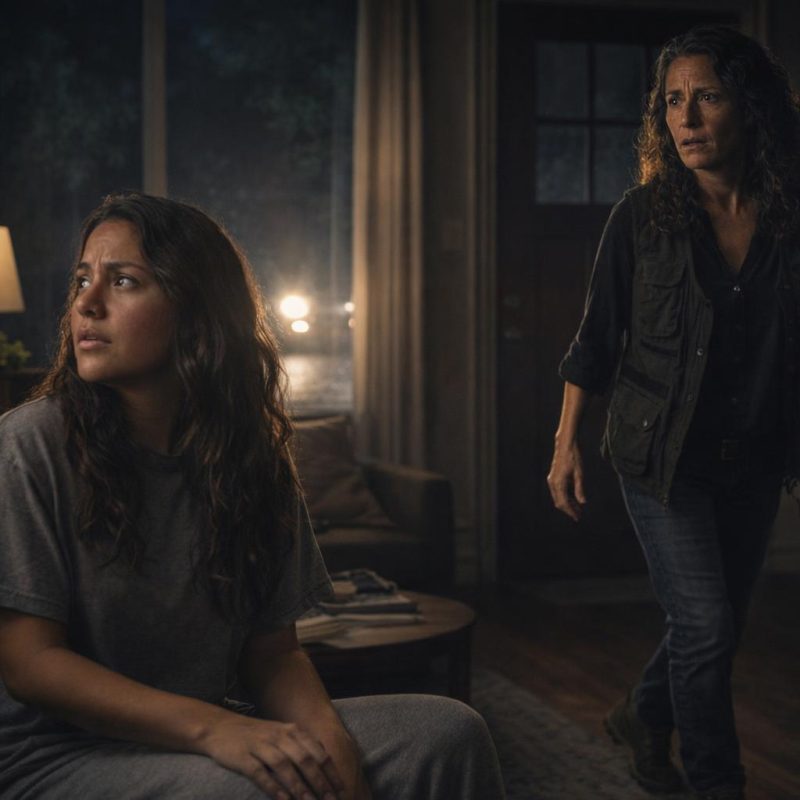 Image by RM AI
Wrecked
Carla opened the front door and Mom walked through looking like she'd aged ten years since that morning when she'd helped me dress. Her face was red and swollen from crying, her eyes puffy and exhausted. Years of suppressed grief were visible on her face in a way I'd never seen before. She saw me sitting in the living room and took in my borrowed clothes, my removed makeup, my waiting posture. She started to apologize before she even sat down, her mouth opening to form words, but they caught and broke in her throat. She could only say my name—"Maya"—before breaking into sobs that shook her whole body. The controlled, consistent mother I'd always known was completely shattered in front of me. I saw what had been underneath the defensiveness all along. Not indifference, not replacement, but decades of hidden pain finally released. Carla quietly stepped back to give us space, retreating toward the kitchen. Mom and I faced each other across the room, both of us crying, neither sure how to begin. The conversation we needed to have weighed between us like something physical. Mom saw me and started to speak, but her apology came out as just my name, broken in half by a sob.
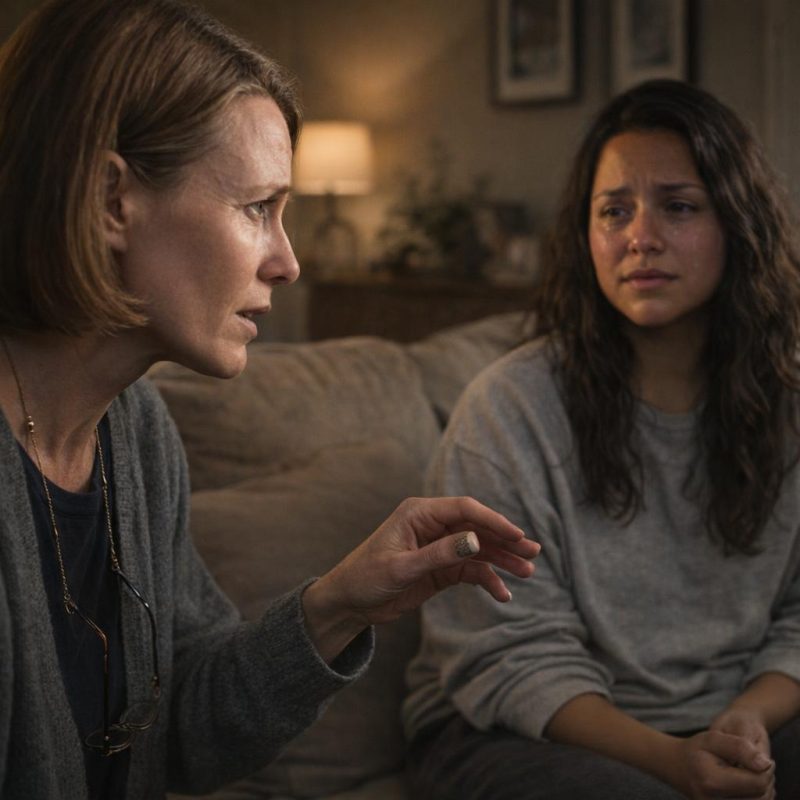 Image by RM AI
The Apology
Mom sat down across from me, still crying, and apologized for missing the showcase over and over. She said she knew it was unforgivable, she knew she'd promised, she knew what it meant to me. Her apologies were genuine—I could hear that—but they felt insufficient somehow. I kept my arms crossed, maintaining some distance even as tears ran down my own face. The hurt hadn't disappeared just because I understood the context now. I'd still waited in that dressing room reading her text alone. I'd still performed with my chest caving in and my mother absent from the seat she'd promised to fill. Finally I interrupted her apologies to say I knew. "Aunt Carla told me about Elena," I said. "About everything." Mom's face showed a cascade of emotions in rapid succession—relief that she didn't have to explain from scratch, terror that her secret was finally exposed, and something that looked like shame. She looked at Carla, who gave a small nod of confirmation from the kitchen doorway. Mom realized her daughter now knew her oldest, most carefully guarded secret. I said I knew about Elena now, and watched her face cycle through relief and terror and something that looked like shame.
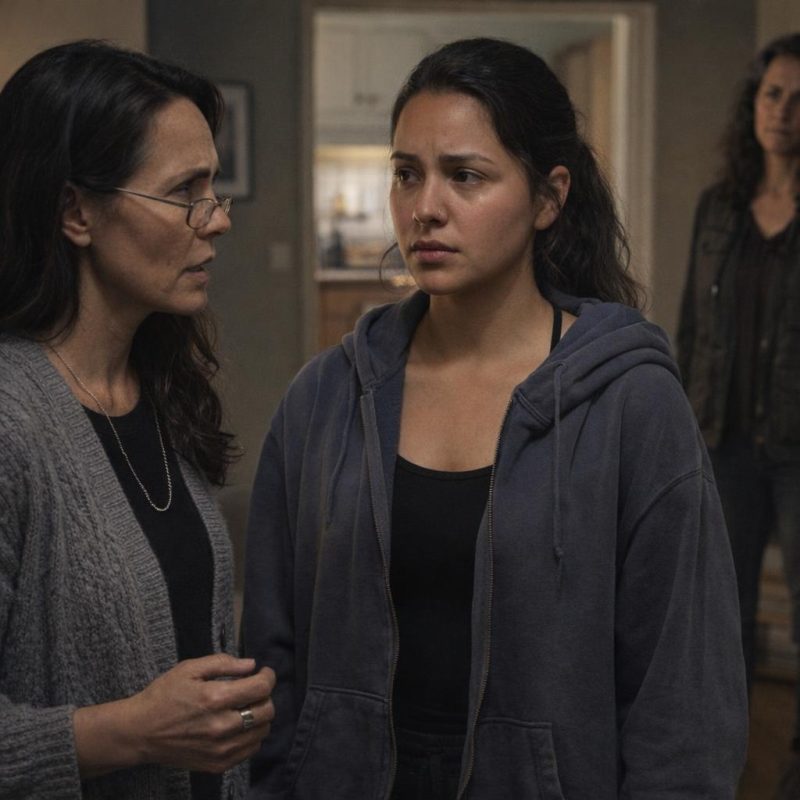 Image by RM AI
Twenty-Three Years
I asked the question that had been forming since the parking lot, the one that cut through all the apologies. "Why did you never tell me I had a sister?" My voice came out harder than I intended. "I spent my whole life thinking I was an only child. Every conversation about family, every family tree assignment at school—you had countless opportunities to tell me the truth. Why keep this secret for eighteen years?" Mom took a shaky breath before answering. She explained she was seventeen and scared when she got pregnant. Her mother—my grandmother—had taken control of everything, told her to forget it happened and never speak of it. At first she kept quiet because she was told to. Then she kept quiet because she was ashamed. Then she kept quiet because she was afraid. "Afraid of what?" I asked. She looked at me with fresh tears streaming down her face. "Afraid that you would look at me differently," she said. "That you would see me as someone who had given away a child. The image you had of me would be destroyed." Her voice broke. Mom's answer was simple and devastating: because I was afraid you would look at me differently, and I couldn't survive that.
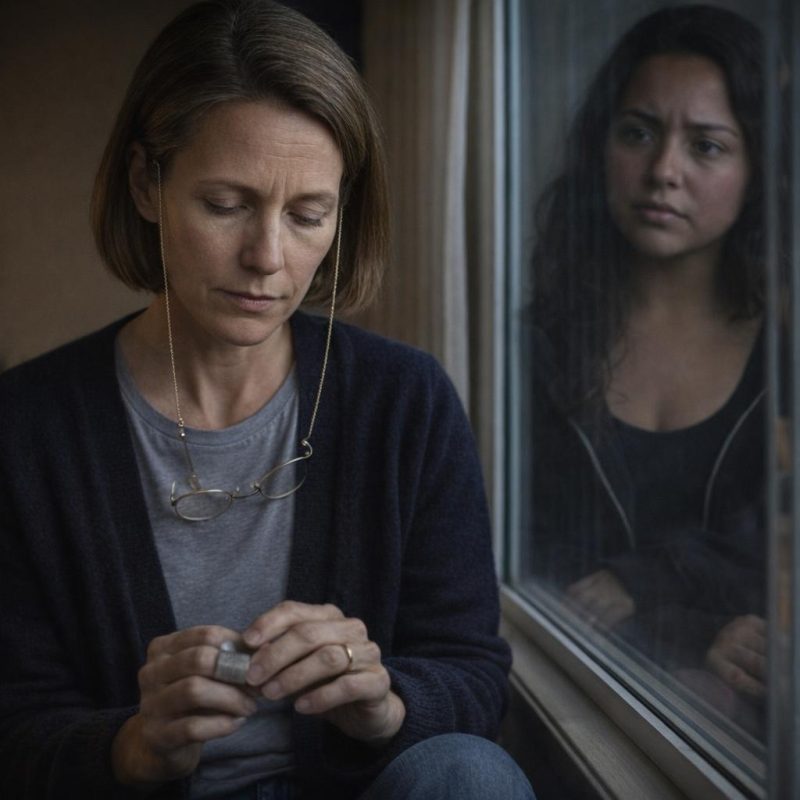 Image by RM AI
The Terror Beneath
Mom continued explaining, her composure crumbling completely as she spoke. She said she never wanted to be an absent mother because she'd already been forced to be absent from one child. Every performance she'd attended was proving she could be present. Every ritual we'd built together was her trying to make up for the baby she'd lost. She'd learned to sew ribbons and do competition buns because she had to be perfect. Being the mother who always showed up was her way of atoning. She couldn't keep Elena, but she could be there for me every single time. The consistency I'd relied on my entire life was born from guilt and grief. She sobbed through this confession, saying she was terrified of my judgment, terrified of losing my love, terrified that if I knew the truth, I would leave too. I watched the composure I'd always known completely crumble. I saw the fear that had always been underneath the devotion. My mother wasn't the unshakeable foundation of my life—she was desperately trying to appear that way while carrying wounds from when she was seventeen. I saw my mother clearly for the first time: not as the unshakeable foundation of my life, but as a woman still carrying the weight of a terrified seventeen-year-old's worst day.
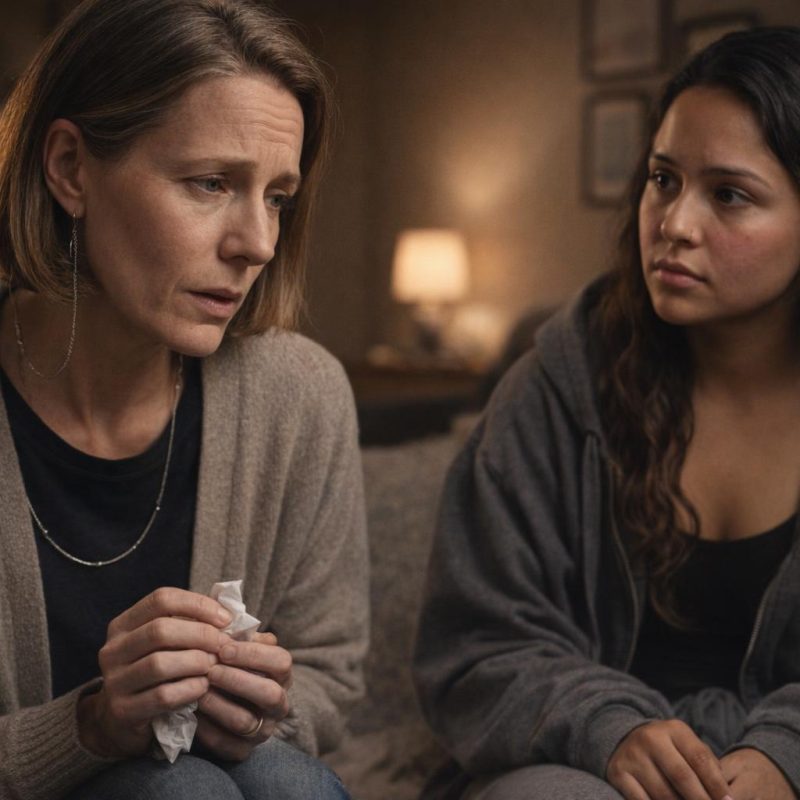 Image by RM AI
The Thing She Feared
I realized I needed to confess my own fear too. "When I saw the empty seat," I said quietly, "I thought you were replacing me with Elena. I thought you were choosing a stranger over your daughter. I thought she mattered more than I did." The words came out broken. "I thought after eighteen years, after everything we built together, it didn't mean enough. I felt worthless in that moment. Less than nothing." Mom listened with fresh tears streaming down her face, and I could see her realizing that her worst fear—me judging her—was matched by my fear of abandonment. We'd both been afraid of losing each other. We'd both read the worst possible meaning into the other's actions. She reached across the space between us and took my hand. The physical contact after weeks of emotional distance made us both cry harder. The shared wound became visible—fear and silence had hurt us both in ways we hadn't understood until now. Mom reached across the space between us and took my hand, and we both cried harder at the shared wound we had inflicted on each other through fear and silence.
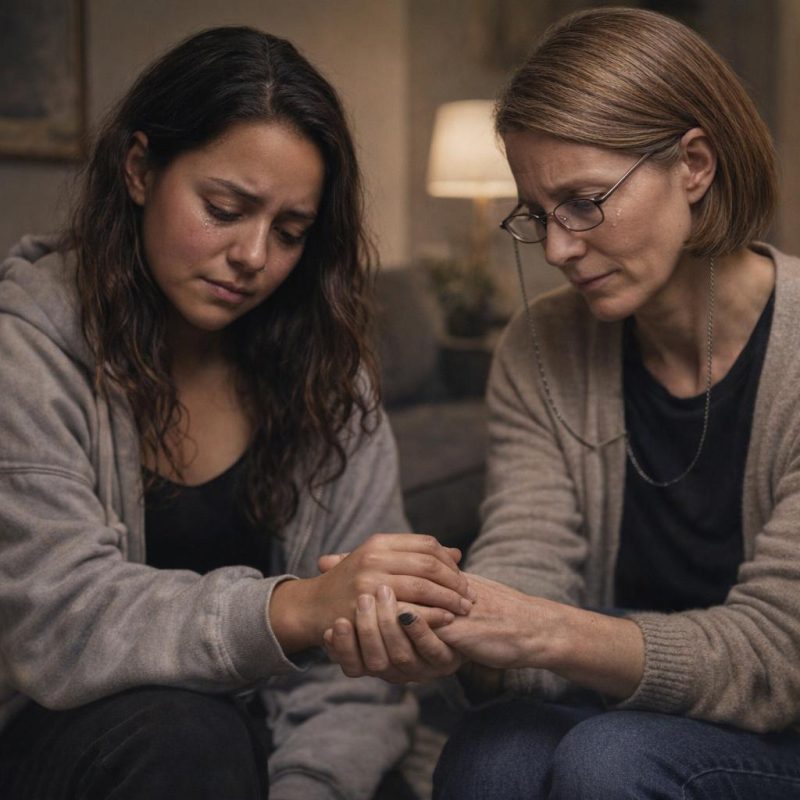 Image by RM AI
No Perfect Ending
We sat there holding hands across Carla's coffee table, crying together. Carla had quietly retreated to give us privacy. The tears weren't resolution—they were release of tension that had been building for weeks, maybe years. Unspoken fears coming out in sobs. Mom admitted she should have told me sooner. I admitted I'd thought the worst about her choices. Neither of us pretended this conversation fixed everything. The hurt was acknowledged but not erased. Too much had happened to wrap up neatly tonight. But we were talking, finally truly talking, in a way we maybe never had before. When the crying slowed, I asked about Elena. The word sister felt strange on my tongue, but I used it. "Is she okay?" Mom's face showed exhausted hope at my concern. She said Elena had agreed to stay, at least for now. They'd talked for hours before Mom could leave. She'd convinced her not to run away from the family again. When the tears finally slowed, I asked if Elena was okay, and Mom's exhausted smile held more hope than it had all night.
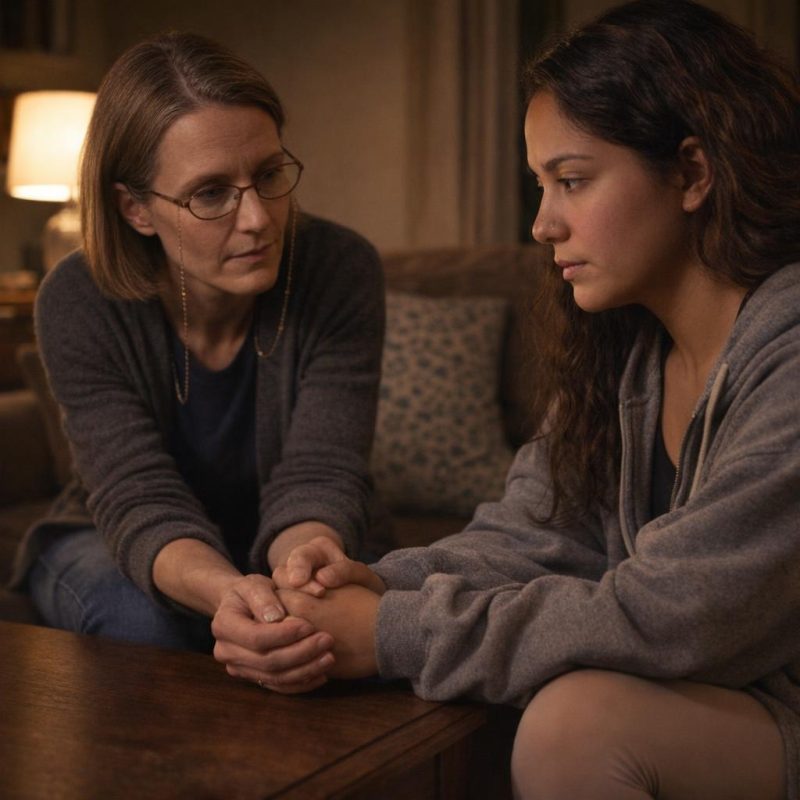 Image by RM AI
The Reason for the Empty Seat
The thing about understanding is that it doesn't erase the hurt—it just gives it context. Sitting there in Carla's living room as the sky started turning that pale gray color that comes before sunrise, I finally got it. Mom hadn't chosen Elena over me. She'd chosen to chase the daughter who was about to disappear forever instead of the one who'd still be there in the morning. I would have been hurt either way, honestly. But Elena? Elena was on the verge of vanishing, maybe for another twenty-three years, maybe forever. Mom had already lost her once. The empty seat at my showcase wasn't rejection—it was fear. The kind of fear that makes you choose the crisis over the certainty, the emergency over the everyday. I couldn't have been chased because I was never leaving. I was angry and hurt, but I wasn't going anywhere. Elena was. And Mom, who'd spent two decades wondering about the daughter she'd given up, couldn't bear to lose her again without trying. I sat there holding Mom's hand, watching dawn creep through Carla's windows, and let myself sit with the reality that somewhere in this town, I had a sister. The idea terrified and thrilled me in equal measure.
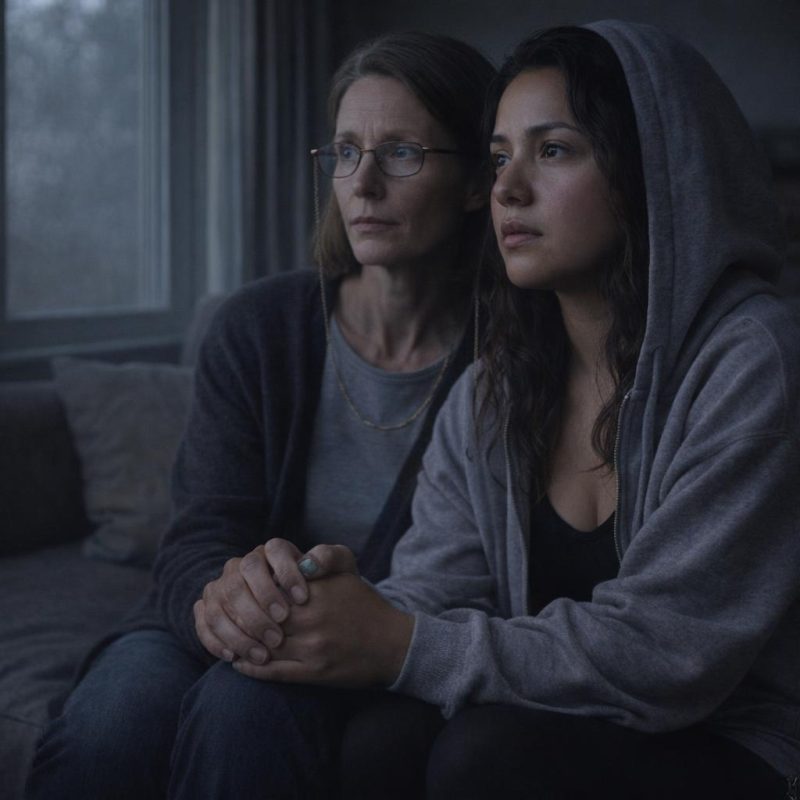 Image by RM AI
New Arithmetic
Three days after the showcase, I sat cross-legged on my bed doing the math of a family that had suddenly grown by one. The equation used to be simple: me and Mom, a unit of two. Now there was Elena somewhere in the calculation, and I didn't know where she fit yet. A sister. Someone who shared half my DNA but none of my memories. A stranger who was also family in the most fundamental way. Mom had been giving me space to process, which I appreciated. We'd had small conversations—passing each other coffee in the morning, asking about work and rehearsal—but nothing as intense as that night at Carla's. I hadn't seen Elena since the cookout. Didn't know where she was staying or what she was doing. Then Mom knocked on my door with something in her hands. Photos, she said. Of Elena as a baby. Pictures that Grandma Margaret had kept hidden for twenty-three years, tucked away in those boxes we'd been sorting through. She asked if I wanted to see them, her voice careful and hopeful. I said yes before I could overthink it.
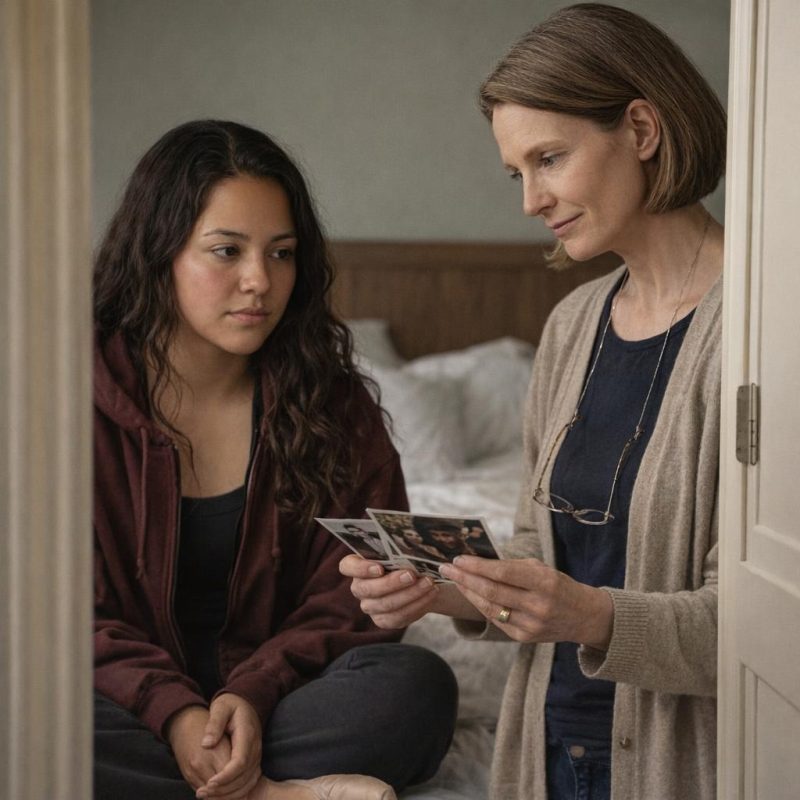 Image by RM AI
The Face in the Photos
The photos spread across my comforter like pieces of a life I'd never known was happening. Elena as a newborn, tiny and red-faced in a hospital blanket. Toddler pictures with birthday cakes. School photos with that awkward forced smile every kid has. I searched each image for resemblances, and they were there. Mom's eyes looking out from Elena's baby face. The shape of our mouths, similar enough that I wondered if our smiles matched. These were moments from a childhood that had run parallel to mine, completely separate but connected by blood. Elena had grown up elsewhere, with other people, different experiences, different everything. But she was still my sister. Mom watched me study the photos, her expression anxious and tender. Then she asked the question I'd been half-expecting: would I be willing to meet Elena again? This time as sisters instead of strangers, knowing the truth instead of guessing at it. I hesitated, my finger tracing the edge of a photo of Elena at maybe five years old. I couldn't promise it would be easy or that we'd become close. But I heard myself say I'd try.
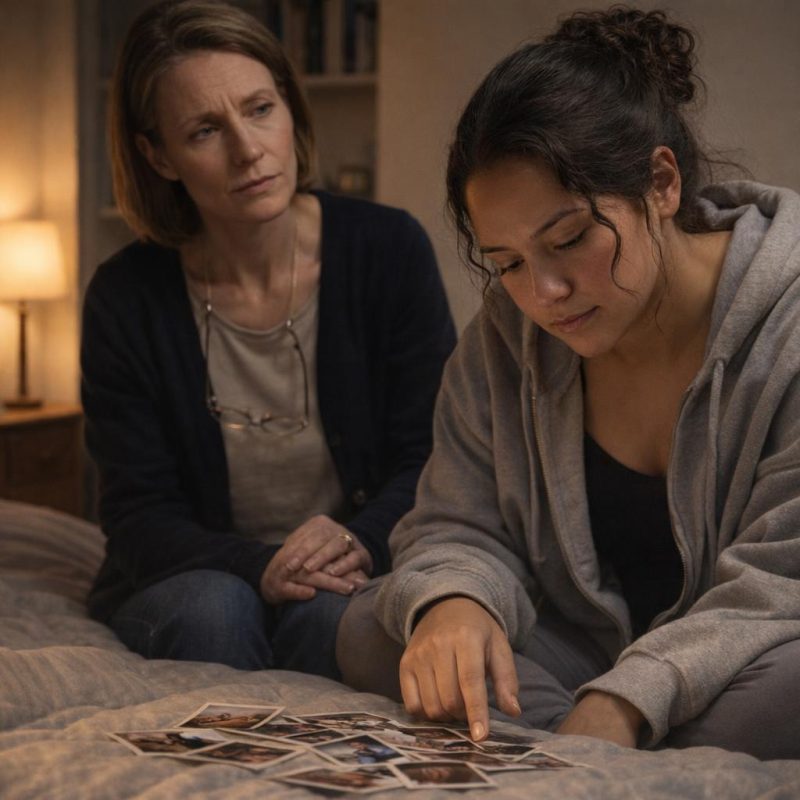 Image by RM AI
Imperfect and Honest
One week after the showcase, I stood on Carla's porch watching Elena walk up the driveway. Her posture was nervous, shoulders slightly hunched, the same way she'd carried herself at that first Sunday lunch. But everything was different now. We both knew the truth. She wasn't a stranger studying our family from the outside—she was someone who'd been looking for where she came from. And I wasn't the daughter protecting her territory. I was a sister, meeting another sister, both of us starting from absolute zero. No shared childhood. No memories of playing together or fighting over toys. Just biology and the possibility of something more. Elena reached the porch and we faced each other, both uncertain how this would go. Mom and Carla were inside, giving us space to figure this out ourselves. Elena's hands twisted together, then stilled. She looked at me with an expression I recognized because I was probably wearing the same one—nervous, hopeful, scared. Then she smiled, tentative and real. I smiled back, not because everything was fixed or perfect, but because some things were finally beginning.
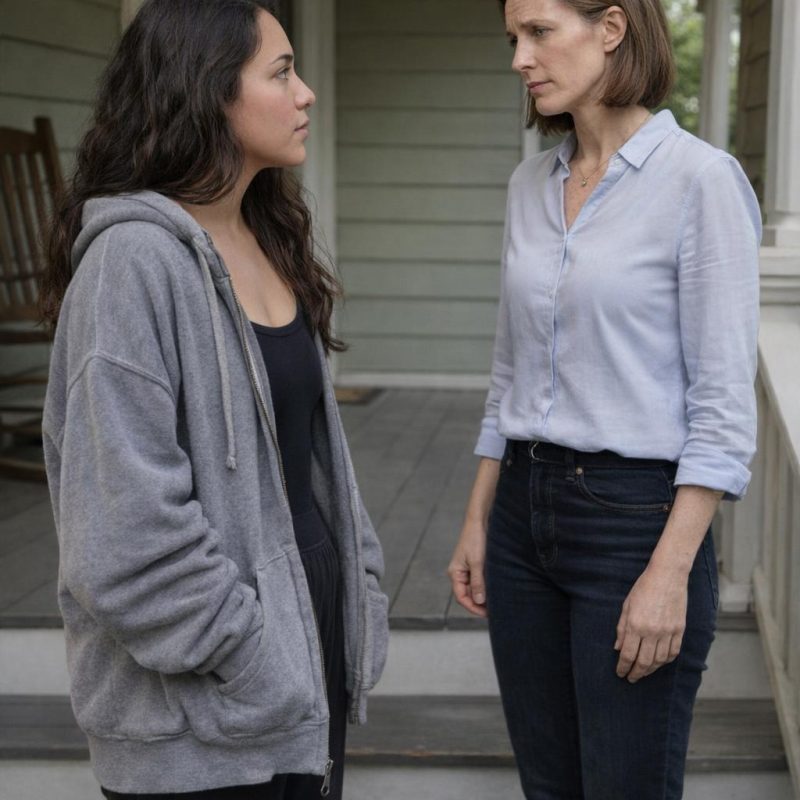 Image by RM AI
KEEP ON READING
10 Greatest Quarterbacks Of All Time & 10 That Are…
Do You Disagree?. Few topics in sports generate as much…
By Farva Ivkovic Dec 2, 2025
The story of Ching Shih, the Woman Who Became the…
Unknown author on WikimediaFew figures in history are as feared…
By Emilie Richardson-Dupuis Dec 29, 2025
20 Shakespearean Words, Translated For A Modern Audience
What’s In A Word?. Shakespeare was a wordsmith of the…
By Breanna Schnurr Dec 17, 2025
20 Inspiring Stories From Native American History
Incredible Stories Of Resilience And Endurance. Many of us didn't…
By Ashley Bast Dec 17, 2025
You Think You Have Problems? These Royal Families Were Cursed
Boasson and Eggler St. Petersburg Nevsky 24. on WikimediaHeavy is…
By Ashley Bast Dec 5, 2025
MH370: The Plane That Can't Be Found
Anna Zvereva from Tallinn, Estonia on WikimediaEleven years after Malaysia…
By Christy Chan Dec 10, 2025