

My Mother Laughed When the Lawyer Read My Father's Will. Then He Got to the Part About My Daughter.
My Mother Laughed When the Lawyer Read My Father's Will. Then He Got to the Part About My Daughter.
The Weight of Mahogany and Judgment
I got to the law office twenty minutes early because, honestly, I didn't want to walk in with them. You know that feeling when you're already bracing for impact before anyone even speaks? That was me, smoothing my Target blazer for the third time in the elevator. The receptionist pointed me to the conference room, and I took the chair farthest to the right, the one that felt least presumptuous. The mahogany table was so polished I could see my reflection looking back at me, dark circles and all. I'd barely settled when I heard them—Brenda's laugh echoing down the marble hallway, Sarah's heels clicking in perfect rhythm beside her. They swept in like they owned the place, which I guess they assumed they would soon enough. Sarah glanced at me, her perfectly manicured hand already reaching for her phone. "Why are you even here?" she asked, not waiting for an answer because she never did. Mr. Davis entered quietly, his wire-rimmed glasses catching the light as he surveyed the scattered pens. Brenda slammed her designer handbag onto the desk, scattering pens across the polished wood, and turned to me with a sneer that promised humiliation.
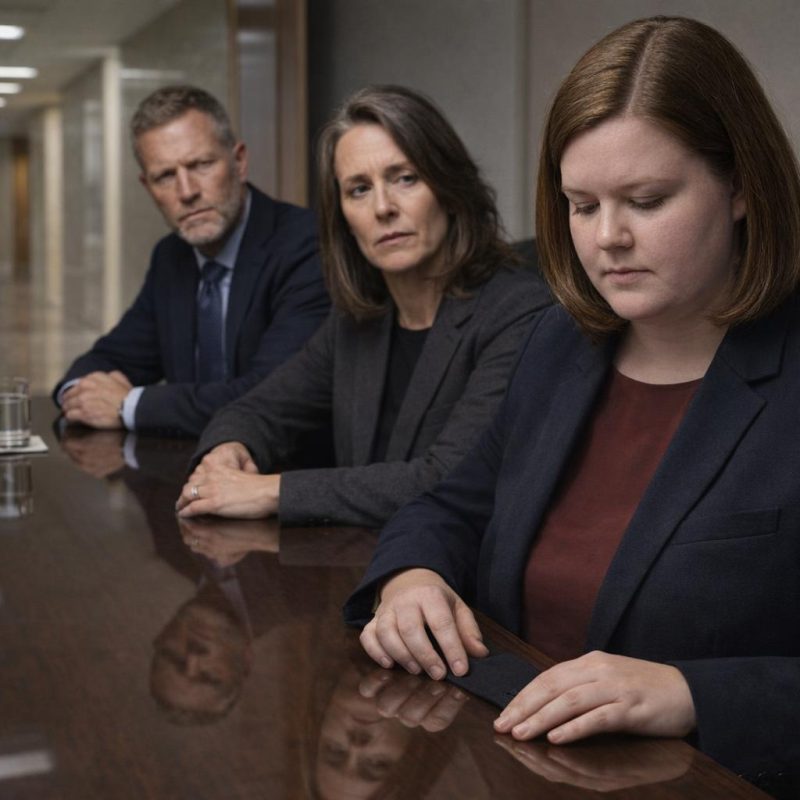 Image by RM AI
The Sound of Expensive Impatience
Mr. Davis began with my father's full name—Thomas Edward Reynolds—and the date the will was signed, his voice measured and professional. Brenda's shoe started tapping immediately, that impatient rhythm I'd heard my whole life. "Can we skip the boring legal jargon?" she interrupted, waving her hand dismissively. "Just get to the important parts." Sarah didn't even look up from her phone, scrolling through what looked like real estate listings, her lips curved in a small smile. Already spending money that wasn't hers yet. I sat perfectly still, listening to every single word Mr. Davis read, searching each clause for any sign that I'd mattered to my father at all. The tapping grew louder. My hands gripped the armrests of my chair, knuckles probably white, but I kept my face neutral. I'd learned that skill early—how to disappear while still being in the room. Then Mr. Davis's tone shifted when he reached the section titled 'Special Provisions,' and for the first time that morning, the tapping stopped.
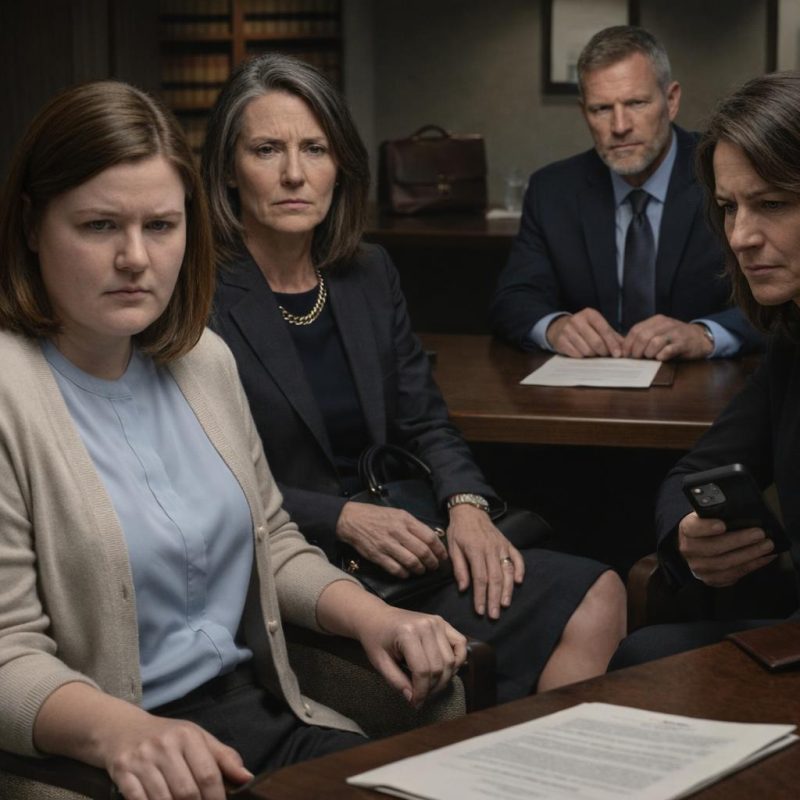 Image by RM AI
A Name I Didn't Expect to Hear
"Emma Reynolds," Mr. Davis said, and my heart stopped. My daughter's name. In my father's will. The room went completely silent—no tapping, no scrolling, nothing. I tried to process what I was hearing, my brain scrambling to understand why my father would leave anything to Emma when he'd barely acknowledged her existence at family gatherings. He'd met her maybe five times in nine years. Brenda and Sarah exchanged a look I couldn't quite read, something between confusion and calculation. My hands gripped the armrests tighter, and I could feel my pulse in my fingertips. "As primary beneficiary," Mr. Davis continued, his voice steady and unhurried. Primary beneficiary. Those words didn't make sense. I'd expected nothing, had made peace with nothing, had come here today just to get through it without crying. But Emma? My nine-year-old daughter who still slept with a nightlight? Mr. Davis adjusted his glasses and continued reading, his voice steady as he detailed that Emma would inherit the entire estate, and I felt Brenda's stare burning into the side of my face.
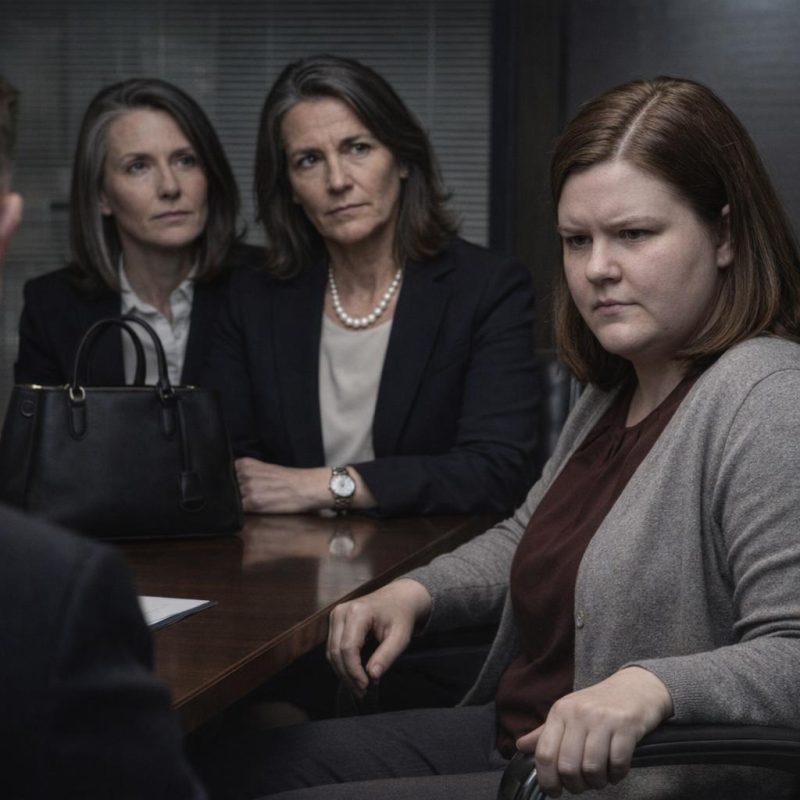 Image by RM AI
The Twenty-Five Year Line
The terms were specific, laid out in careful detail. Emma would inherit the family home—the three-story Victorian where I'd grown up—along with all accounts and investments when she turned twenty-five. Until then, I was named as sole trustee with full authority over every decision. Me. The daughter who'd been uninvited from Thanksgiving three years running. Mr. Davis explained the trust structure, the fiduciary duties, the quarterly reporting requirements. I felt the weight of it settling on my shoulders, this massive responsibility my father had placed in my hands. Protecting something this valuable for Emma, keeping it safe from—I glanced at Brenda's white knuckles gripping her purse. The numbers Mr. Davis mentioned were larger than I'd imagined. Much larger. My father had been comfortable, sure, but this was different. Sarah's face flushed red, her jaw clenched so tight I could see the muscle jumping. The air in the room felt thick, hard to breathe. Sarah's chair scraped against the floor as she stood abruptly, her face flushed, and I realized this wasn't going to end with the reading.
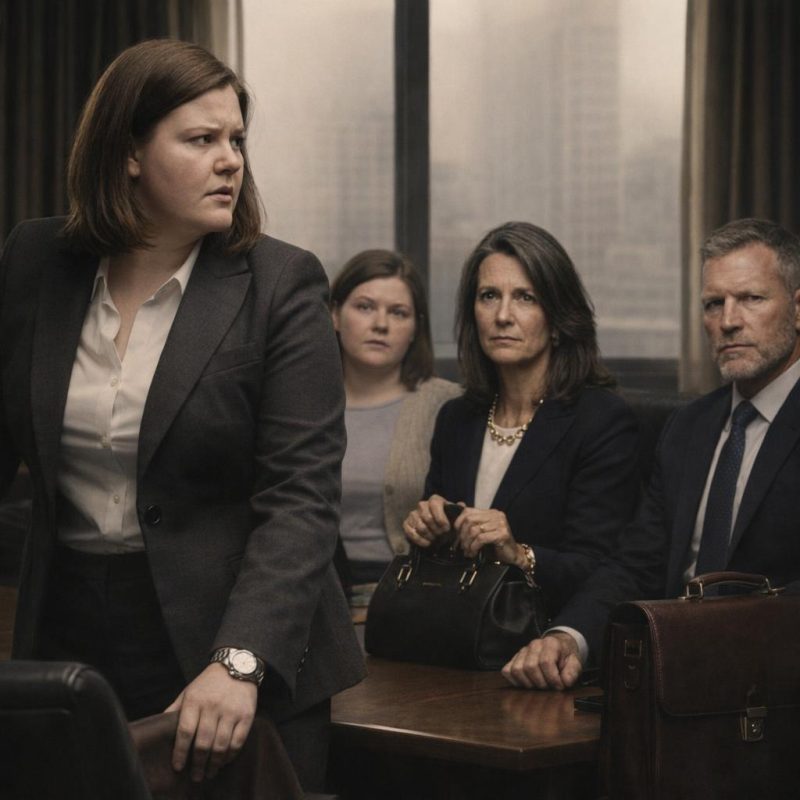 Image by RM AI
The Sound of Entitlement Shattering
"This is an outrage!" Brenda's voice hit a pitch that made me flinch. "How could he do this to his real family?" Real family. There it was. Sarah leaned forward, her lawyer instincts kicking in even through her anger. "She's unstable. Everyone knows it. She can't manage her own life, let alone an estate this size." Her words landed like they were supposed to, right in that soft place I tried to keep protected. They demanded to know when the will was changed, their voices overlapping, feeding off each other's fury in a way that felt practiced. Mr. Davis waited for them to finish, patient as stone. "The will was signed three months before Mr. Reynolds's death," he said quietly. "It was properly witnessed, notarized, and filed with the court." I sat there watching them perform, because that's what it was—a performance of grief and betrayal for an audience of one lawyer who clearly wasn't buying it. Mr. Davis closed the folder with a quiet finality and told them the will was ironclad, witnessed, and filed three months before my father's death.
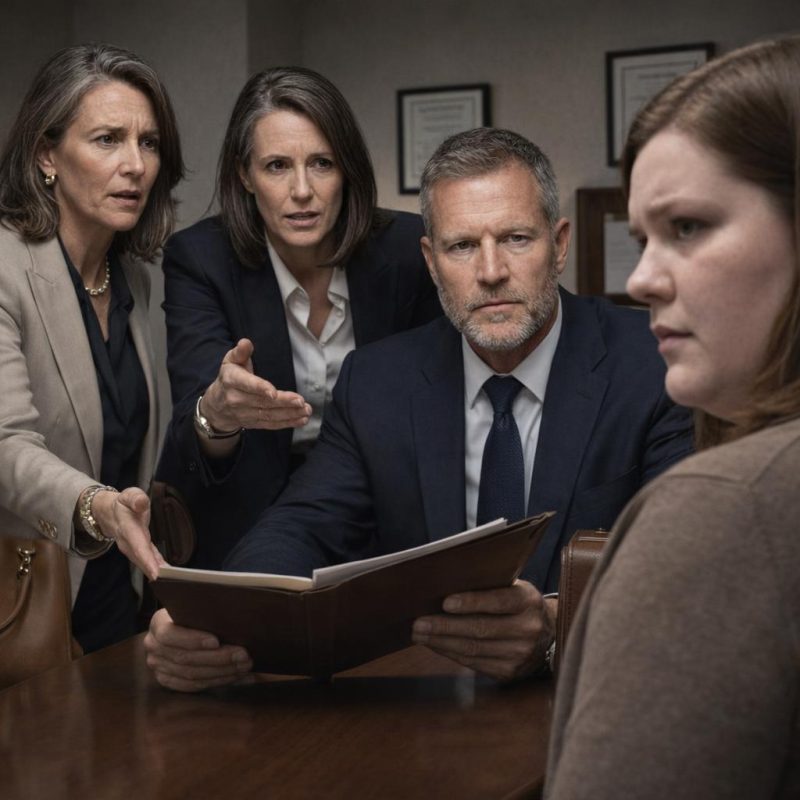 Image by RM AI
The Trustee Burden
They left without looking at me, Brenda's heels striking the marble like gunshots, Sarah's phone already pressed to her ear. The door closed, and the silence felt different—less hostile, more heavy. Mr. Davis opened a drawer and pulled out a second folder, thicker than the first. "You'll need these," he said, sliding it across the desk. Account statements, property deeds, investment portfolios. My hands shook as I flipped through pages of numbers that didn't feel real. The house was paid off. There were bonds, stocks, a savings account that made my throat tight. "Your father was very thorough," Mr. Davis said, watching me carefully. He explained each document, patient with my questions, never making me feel stupid for not understanding the financial terminology. When we finished, he leaned back in his chair, his expression serious. "Prepare for a challenge," he said, his eyes holding a warning I didn't fully understand yet. I left the office carrying the weight of my father's trust in a leather briefcase.
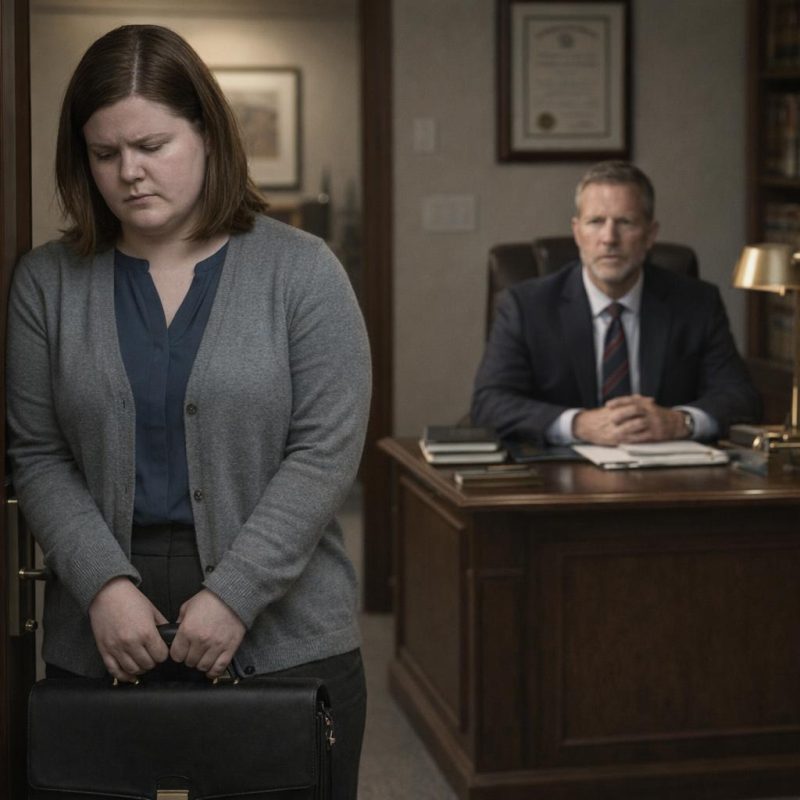 Image by RM AI
Coffee with Clarity
The diner smelled like coffee and bacon grease, familiar and grounding. Jackie was already in our usual booth, her gray hair catching the fluorescent light. I spread the will documents across the worn Formica table, and she read through them without speaking, her reading glasses perched on her nose. "You've been managing your own life just fine for three years," she finally said, looking up at me. "Raising Emma, working full-time, keeping your head above water without any help from them." I stirred my coffee, watching the cream swirl. "This is different. This is Emma's future. What if I mess it up?" Jackie's expression softened, but her voice stayed firm. "What if you don't?" We sat there for a moment, the sounds of the diner filling the space between us—dishes clattering, someone laughing at the counter. She'd been through her own family nightmare, come out the other side. If anyone understood, it was her. Jackie stirred her coffee slowly and asked me the question I'd been avoiding: did I think my father knew exactly what he was doing when he chose me.
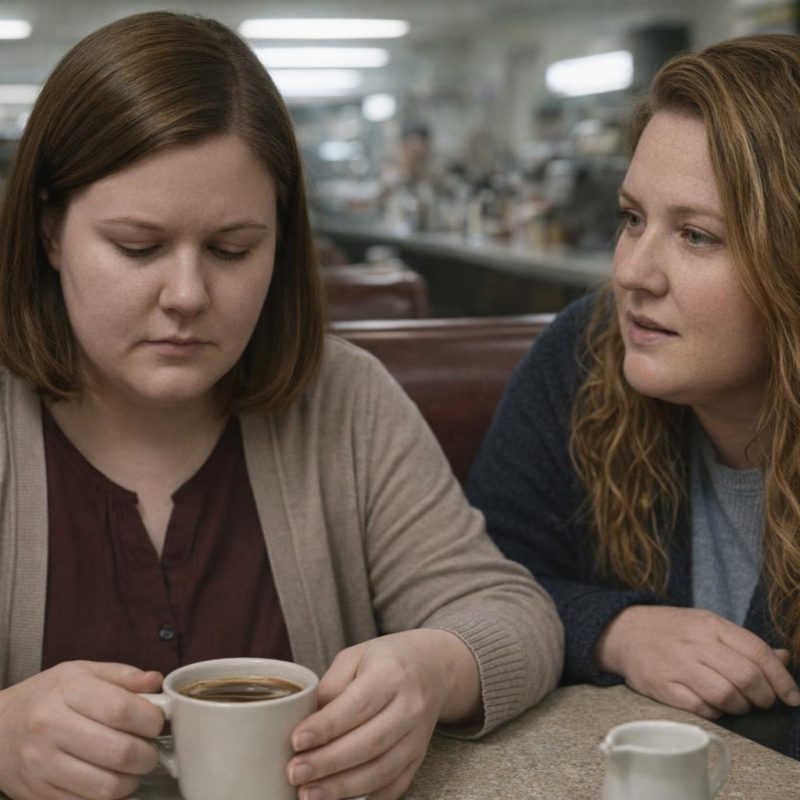 Image by RM AI
Explaining Inheritance to a Nine-Year-Old
Emma's room still had the glow-in-the-dark stars we'd stuck on the ceiling last year, little constellations we'd made up ourselves. I sat on the edge of her bed, trying to find the right words. "Grandpa left you something," I started, watching her face. Her dark ponytail was coming loose, and those serious eyes studied me the way they always did when she knew something big was coming. "He left you the house, and some money. But you won't get it until you're twenty-five." She was quiet, processing. "What's a trust?" she asked. I explained it as simply as I could—that I would take care of everything until she was old enough, that it was safe, that she didn't need to worry. She pulled her knees up to her chest, thinking. The nightlight cast soft shadows across her face. "So you're in charge of it?" she asked. I nodded. Another long pause. Then: "Is this why Grandma Brenda never liked us?" And I had no idea how to answer that with anything but the truth.
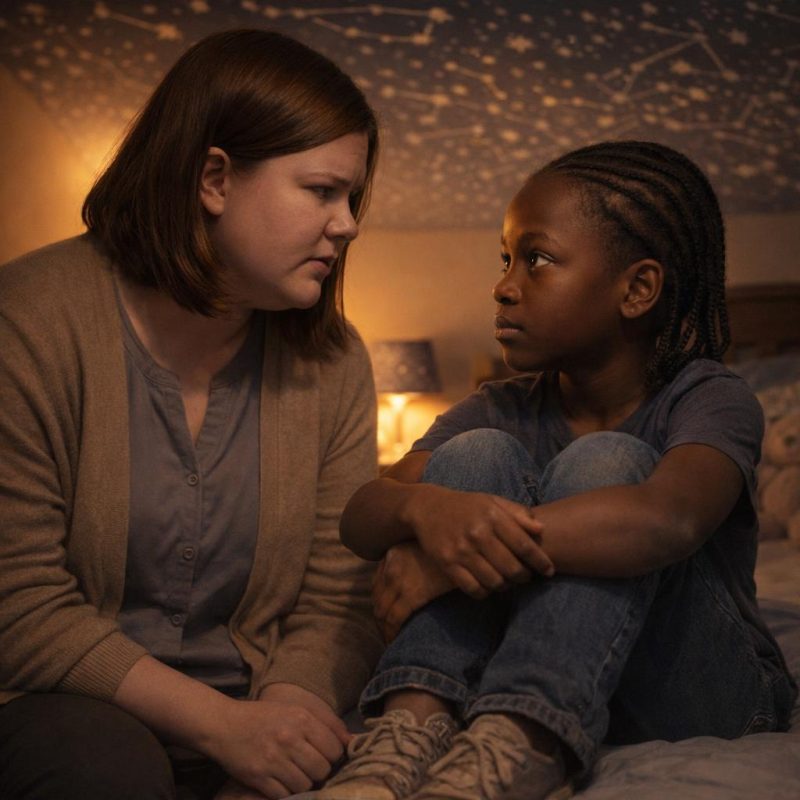 Image by RM AI
The First Volley
The phone rang at eleven PM, right when I'd finally gotten Emma settled. I almost didn't answer—unknown numbers at that hour never meant anything good. But something made me pick up. Brenda's voice came through cold and measured, not the screaming I'd expected. "Christine," she said, like she was addressing a subordinate at one of her charity boards. "I'm calling to give you an opportunity to do the right thing." I didn't say anything, just pressed the phone harder against my ear. "You have forty-eight hours to decline the trusteeship. Sign the paperwork, step aside, and we can all move forward without this becoming ugly." Still, I stayed quiet. "There will be consequences if you don't," she continued, her tone never shifting from that controlled politeness. "I want you to understand that." She didn't specify what those consequences were, didn't need to. The threat hung there between us, vague enough to be deniable, clear enough to make my hands shake. I hung up without responding and immediately saved the voicemail, something Jackie had taught me to do years ago when my ex started calling drunk. Then I sat in the dark kitchen, staring at my phone, wondering what those consequences would look like and whether I was strong enough to face them.
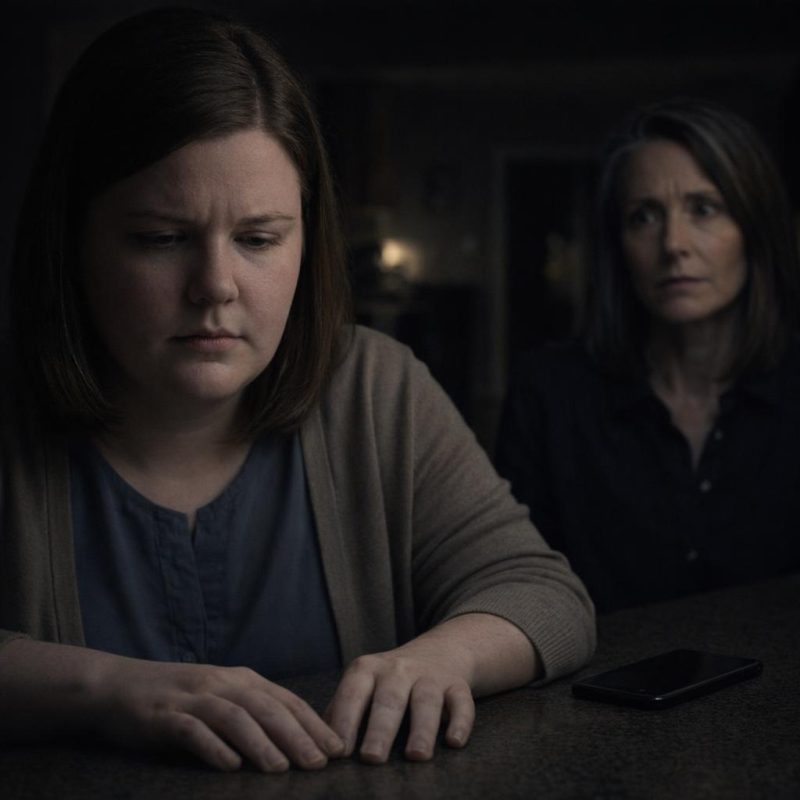 Image by RM AI
Midnight Reading
I couldn't sleep after that call, so I sat at the kitchen table past midnight with the will spread out in front of me. The legal language was dense, full of whereas and hereinafter, but I read every page again, searching for some clue about why my father had chosen me. We hadn't been close, not really. He'd kept his distance during the illness, and I'd told myself it was because seeing me reminded him of his failures. Maybe I reminded him of mine too. I turned another page, the paper crisp and official under my fingers. Why trust me with Emma's future when he'd barely trusted me with a conversation these past few years? The question kept circling, unanswerable. I was about to give up and try to sleep when something slipped from between the pages and fluttered to the table. A small piece of notepaper, the edges slightly yellowed. My father's handwriting, shakier than I remembered but unmistakably his. Four words in blue ink, written with what must have been considerable effort: Protect her from them. I stared at those words, my chest tight. Protect her from who? Brenda and Sarah, obviously—but why not just say so? And why hadn't he said more, explained more, given me something concrete to hold onto? The note sat there on the table, raising more questions than it answered.
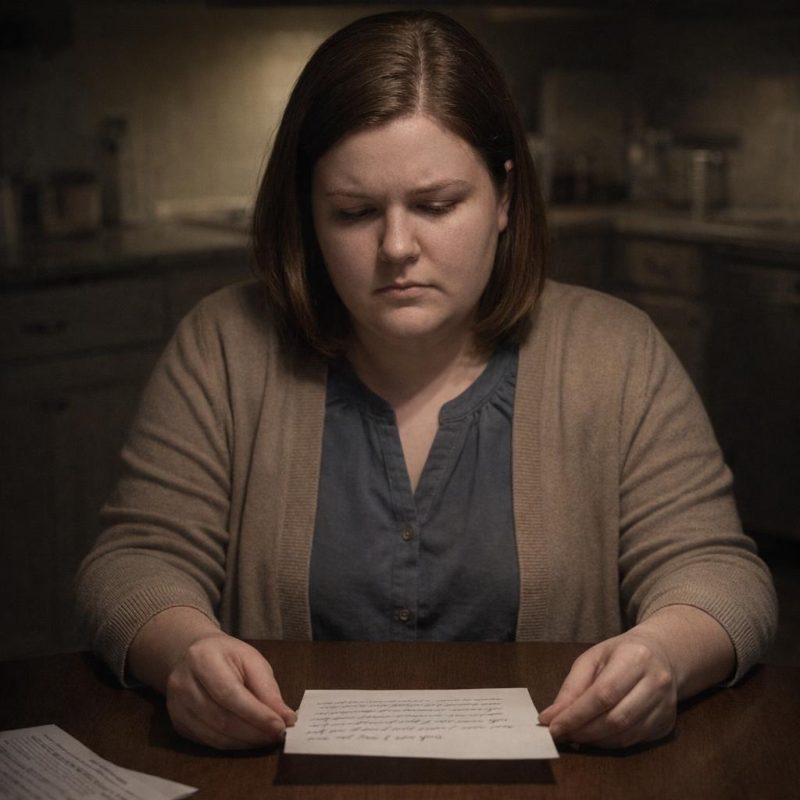 Image by RM AI
Seeking Legal Armor
Daniel Park's office was in a strip mall between a nail salon and a tax preparation place, nothing like Mr. Davis's mahogany-paneled setup. But something about the modest space felt safer, more real. Daniel was younger than I'd expected, a lean Asian man with careful movements and a way of listening that made you feel heard. I laid it all out—the will, my father's note, Brenda's voicemail playing from my phone speaker. He took notes the entire time, his pen moving steadily across a yellow legal pad, never interrupting. When I finished, he asked questions. Detailed ones. How long had the family dynamics been this way? When was the last time I'd spoken to my father? Had there been any previous conflicts over money? I answered as honestly as I could, watching him write everything down. Finally, he set his pen aside and explained what a will contest would look like—the timeline, the burden of proof, the ways they could challenge my father's decision. His voice stayed calm and factual, which somehow made it worse. Then he looked up from his notes, his expression serious. "Based on what you've told me," he said, "you should expect them to file a contest within the week."
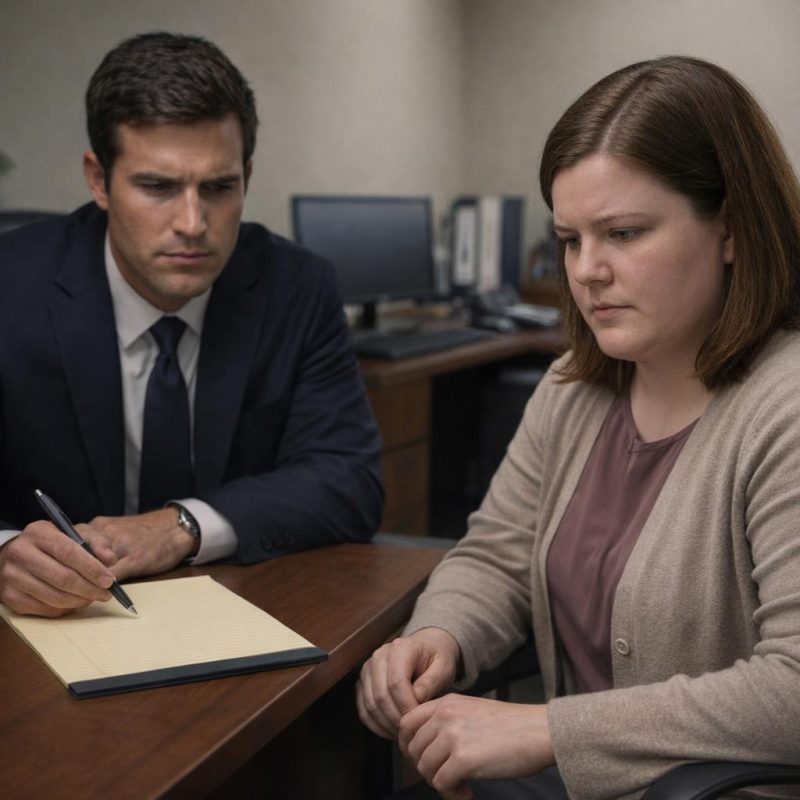 Image by RM AI
The Probate Landscape
Daniel spread a timeline across his desk the next day, a flowchart of the probate process with little boxes marking where things could go wrong. "Here," he said, pointing to various spots. "And here. These are the points where they can attack." He walked me through each one methodically. They could claim my father wasn't competent when he made the will. They could argue I'd exercised undue influence over him, manipulated him somehow. They could go after me directly, argue I was unfit to manage anything, much less a child's inheritance. That last one made my hand drift to my pocket, where I kept my sobriety chips. Three years clean, but I knew how it would sound in a courtroom. Daniel kept talking, explaining standards of proof and evidentiary requirements, but I was only half listening. The chips felt heavy, like they were burning through the fabric. He must have noticed something in my face because he stopped mid-sentence. "Christine," he said, his tone shifting slightly. "I need to ask you something, and I need you to be completely honest with me." He leaned forward. "Is there anything in your past—anything at all—that they could use against you that you haven't told me?" I opened my mouth, then closed it. How much truth could I bear to say out loud?
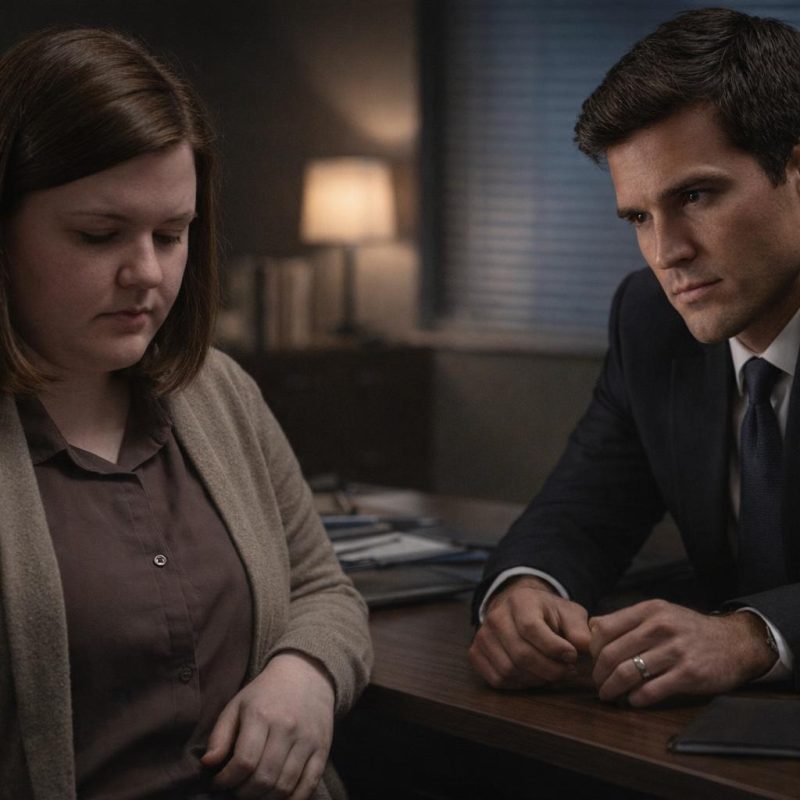 Image by RM AI
The Motion
Daniel called six days after our meeting. Not seven, like he'd predicted. Six. "They filed," he said, and I could hear papers rustling on his end. "I'm looking at it now." He offered to bring it by, but I told him to fax it to the library where I worked part-time. The machine churned out page after page, and even through the grainy transmission, Sarah's law firm letterhead looked expensive—embossed, probably, on the original. Heavy stock paper that announced money and power. I took the pages to the break room and read them standing up, my coffee going cold on the counter. The petition claimed I had manipulated my dying father, used my position as his daughter to exert undue influence over his final wishes. It alleged I was unfit to manage anything, much less a child's inheritance, citing a history of poor judgment and instability. The language was formal, clinical, each accusation laid out with careful precision. I read it three times before the words stopped blurring. What struck me wasn't just what they were claiming—it was the timing. Exactly six days, not the seven Daniel had predicted. And the document itself felt too polished, too ready, like they'd had it prepared before the will was even read.
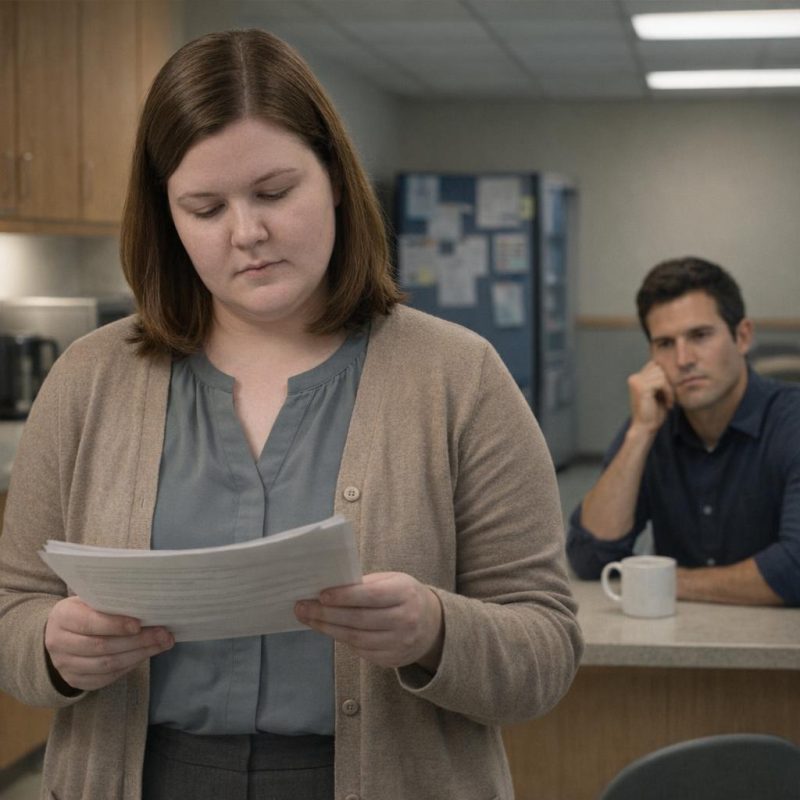 Image by RM AI
Reading Between Legal Lines
I went back to Daniel's office that afternoon with the petition, and we went through it line by line. They'd done their homework, I had to give them that. My rehab stay was cited with dates and facility names. Employment gaps were listed chronologically, each one characterized as evidence of instability and poor judgment. Every mistake I'd made in my twenties was there, presented as proof of permanent incompetence. The DUI from when I was twenty-three. The eviction when I was twenty-five. The credit card debt I'd finally paid off last year. It was all there, my worst moments catalogued and weaponized. Daniel's pen moved across his notepad as we reviewed each allegation. "They're building a narrative," he said. "This is standard in these cases." But something was bothering me, and it took me a while to figure out what. It wasn't what they'd included—it was what they'd left out. Not one mention of the three years I'd been clean. Not one reference to my steady employment at the library, my apartment, the life I'd built. My recovery didn't exist at all in their version of events, as if the past three years had simply vanished. I pointed this out to Daniel, and he nodded slowly. "Selective storytelling," he said. But I couldn't prove it was intentional, couldn't prove anything except that they wanted me gone.
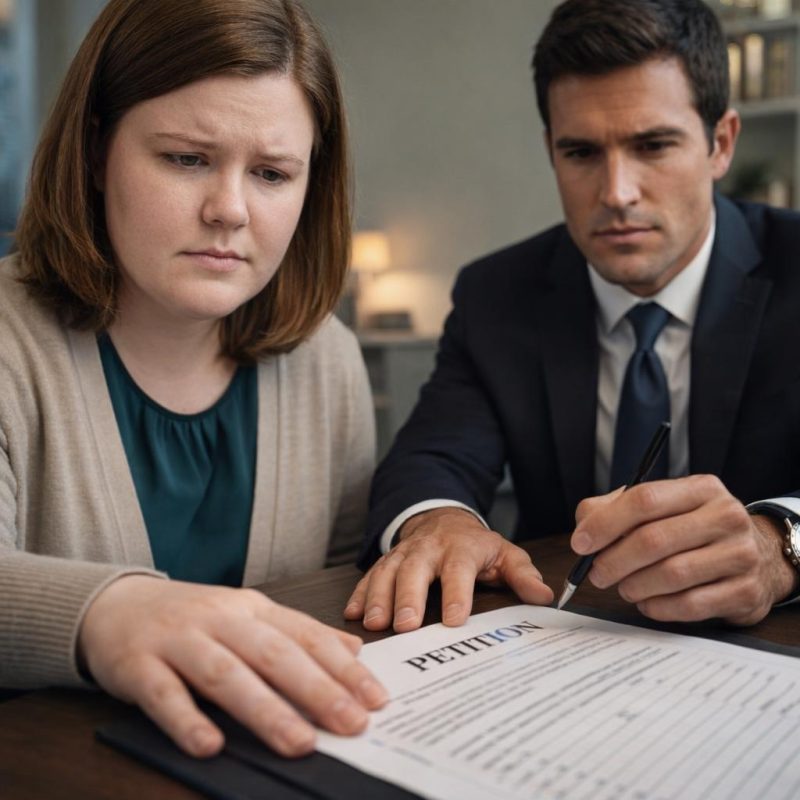 Image by RM AI
Evaluating Emma
The court-appointed evaluator showed up on a Tuesday afternoon, a woman in her fifties with a clipboard and a kind but professional smile. She looked around our small apartment—the secondhand furniture, the clean but worn carpet, Emma's artwork taped to the refrigerator. I offered coffee, which she declined. Emma sat on the couch, her dark ponytail neat, her hands folded in her lap. She looked so small sitting there, so serious. The evaluator asked about our daily routine. Emma described our mornings, how I made her breakfast before school, how we did homework together at the kitchen table. She talked about the library, how she came there after school sometimes and did her reading in the children's section. Her voice was steady, careful, like she understood that every word mattered. The evaluator took notes, nodding occasionally. Then she asked about weekends, about friends, about whether Emma felt happy. Emma answered each question with that old-soul honesty that sometimes broke my heart. Finally, the evaluator looked directly at my daughter. "Do you feel safe with your mom?" she asked. The pause before Emma answered felt like an eternity. I watched her face, saw her thinking, and in that moment I understood that everything—the trust, the money, our entire future—could fall apart right here. "Yes," Emma said finally. But that pause would haunt me for weeks.
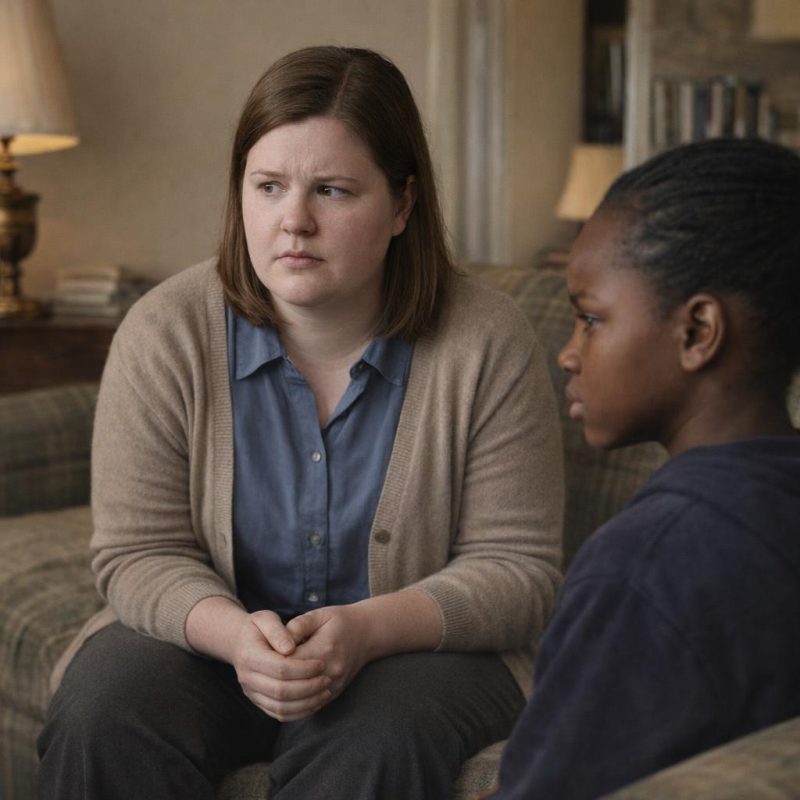 Image by RM AI
Subpoenaed History
Daniel called three days later. "They've subpoenaed your complete rehab records," he said, his voice careful. I was at work, shelving books in the quiet section, and I had to sit down on the floor between the stacks. My most private failures, the things I'd shared in group therapy, the journal entries they'd made us write—all of it would become public record. They'd read it aloud in a courtroom, use my own words against me. "Christine?" Daniel said. "You still there?" I was, barely. My hands were shaking so badly I almost dropped the phone. "Can they—" I started, then had to stop and breathe. "Can they use this to take Emma away?" The question I'd been too afraid to ask until now. Daniel's hesitation told me everything before his words did. That pause, just like Emma's, stretching out into terrible possibility. "The court's primary concern is the child's best interest," he finally said. "They'll look at your current stability, your relationship with Emma, your support system." He kept talking, explaining standards and precedents, but I'd stopped listening. His hesitation had answered the real question. Yes, they could try. Yes, it was possible. And suddenly every choice I'd made, every hard-won day of sobriety, every sacrifice to build a better life—none of it might be enough.
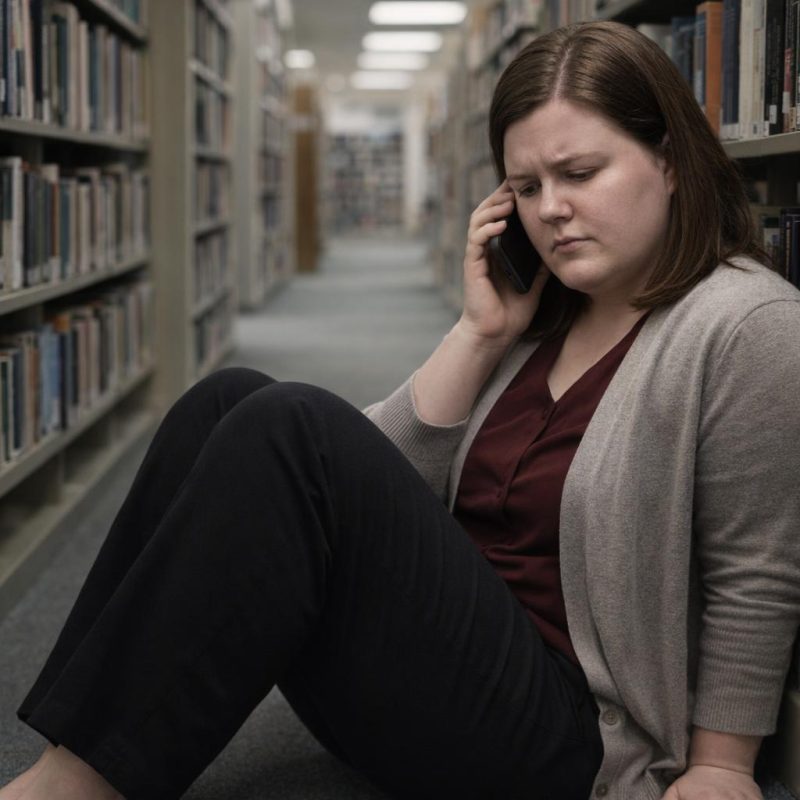 Image by RM AI
Deposition Room
The deposition room had no windows, just fluorescent lights that made everyone look slightly sick. I sat across from Sarah's attorney—a man in an expensive suit who smiled like he was doing me a favor—while Daniel sat beside me, his notepad already filling with careful observations. The stenographer's fingers moved across her machine, recording every word, every pause, every humiliation. "Walk me through your first relapse," the attorney said, his voice pleasant. "Take your time." So I did. I described the bathroom floor, the shame, the lies I'd told myself. Then the second relapse. The third. Each one documented, timestamped, made permanent. He asked about consequences—the jobs I'd lost, the relationships I'd destroyed, the times I'd chosen substances over everything else. My voice stayed steady even as my hands shook under the table. Daniel passed me water twice. The attorney leaned forward after an hour of this, his expression almost sympathetic. "Do you really believe someone with your history should be trusted with a child's future?" he said. I looked at Daniel, then back at him. "My father believed it," I said, and heard how weak that sounded, how much I was hiding behind a dead man's judgment instead of claiming my own worth.
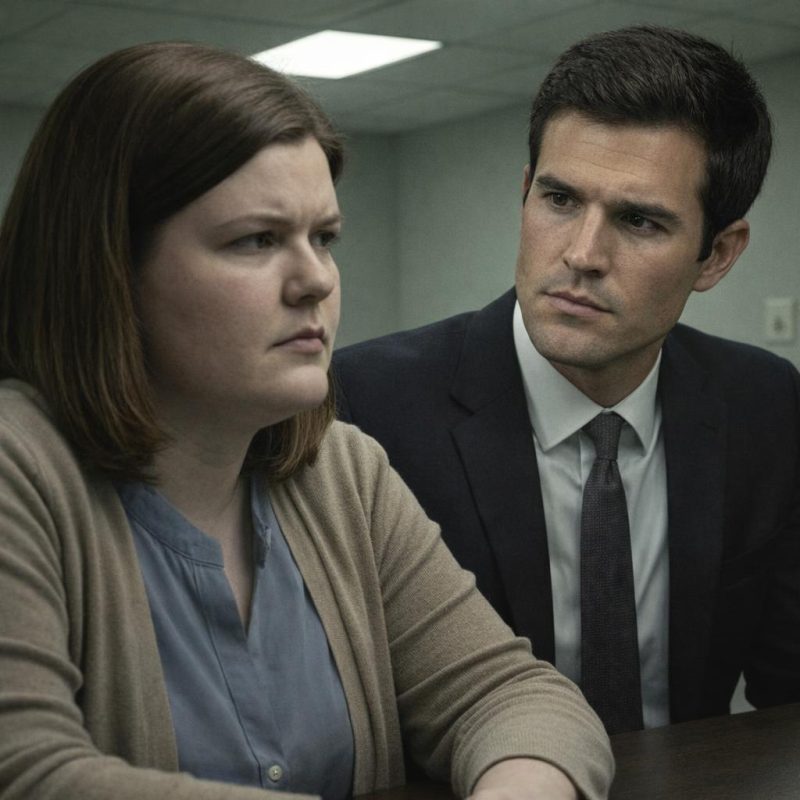 Image by RM AI
Sponsor's Reminder
Jackie was waiting on a bench outside the building, her gray hair catching the afternoon light. I made it three steps before my legs gave out and I sat down hard beside her, the tears coming before I could stop them. She didn't say anything, just put her hand on my shoulder and let me cry. People walked past us—lawyers, clients, people with normal problems—and I didn't care. "Three years," I finally said. "Three years of meetings and work and showing up, and they made it sound like nothing." Jackie's hand stayed steady. "That's because they're scared," she said. "People who feel secure don't need to tear others down like that." I wiped my face with my sleeve, not caring how it looked. "They have money, lawyers, respectability. What do they have to be scared of?" Jackie turned to look at me, her expression serious. "You," she said simply. "Your recovery. Your relationship with Emma. The fact that you're still standing." She squeezed my shoulder. "People who feel threatened don't fight fair, Christine. You need to remember that their desperation might mean you're stronger than they want to admit."
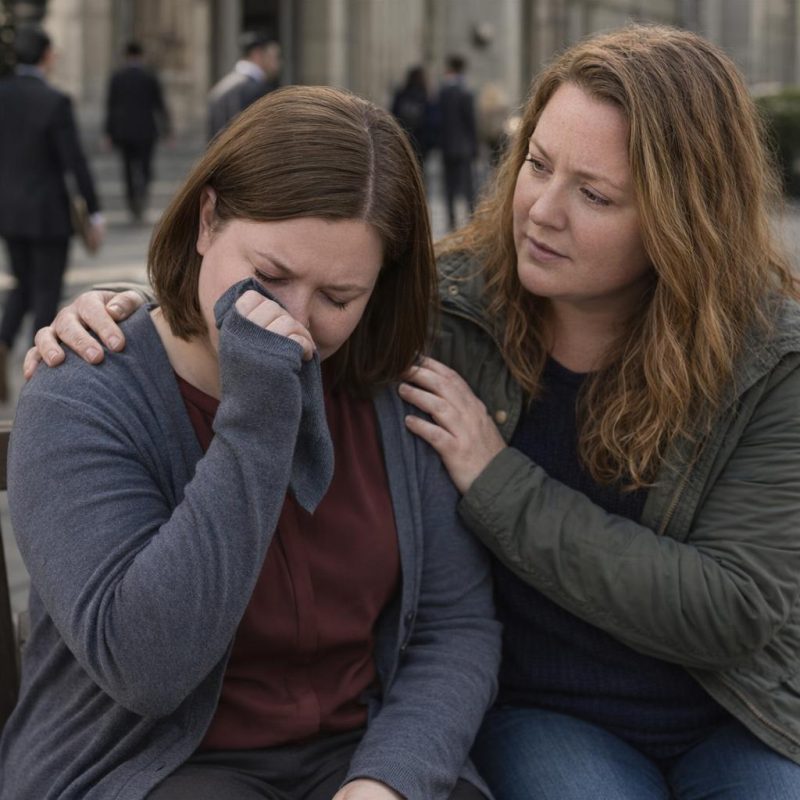 Image by RM AI
Mother's Testimony
Brenda took the witness stand three days later wearing a cream-colored suit that probably cost more than my monthly rent. Her voice was steady, sad in all the right places, as she described my childhood struggles, my teenage rebellion, my adult failures. "We tried everything," she said, looking at the judge with tired eyes. "Therapy, interventions, financial support. But Christine always found a way to disappoint us." I sat beside Daniel, my hands folded on the table, watching her perform. Because that's what it was—a performance. The slight tremor in her voice when she mentioned my father. The way she paused before answering difficult questions, as if the memories pained her. Sarah's attorney asked about Dad's final months, and Brenda's face crumpled just enough. "He was so weak," she said, reaching for a tissue from her purse. "Physically, mentally. He wasn't himself." She dabbed at her eyes. "I think Christine took advantage of that. He was too ill to resist her manipulation." My fingers gripped the table edge so hard I felt the wood dig into my palms. Daniel's hand moved slightly toward me—a warning. I stayed seated, stayed silent, and watched my mother cry crocodile tears for a man she'd barely visited in his final weeks.
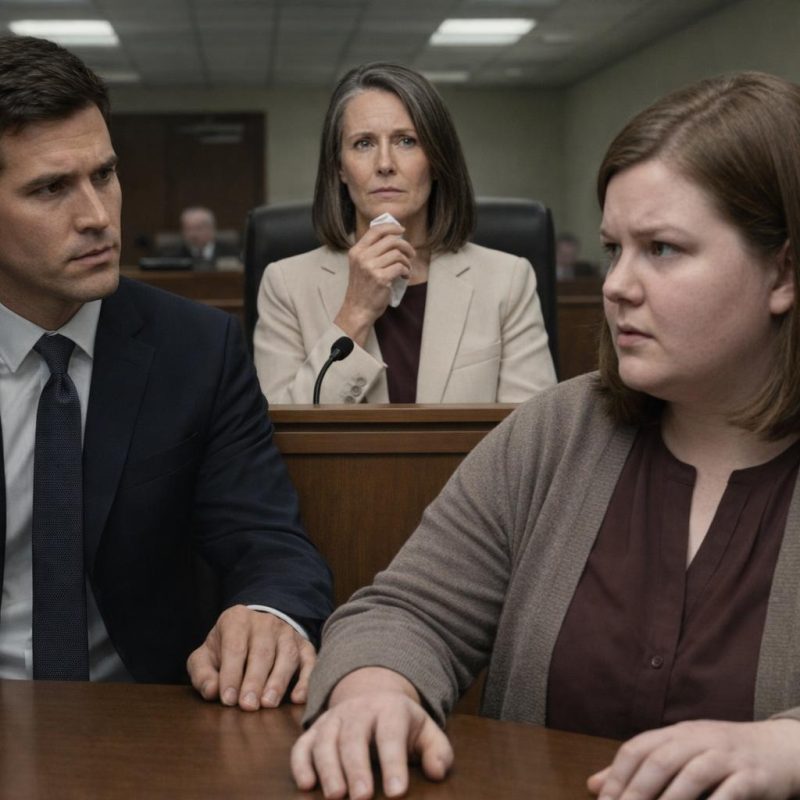 Image by RM AI
Sister's Character Assassination
Sarah approached the witness stand like she was heading into a boardroom presentation, her power suit immaculate, her briefcase placed precisely beside the chair. She didn't need notes. She'd memorized every date, every incident, every failure of mine going back fifteen years. "March 2015, terminated from her position at the library for attendance issues," she said, her voice clinical. "June 2016, evicted from her apartment. September 2017, arrested for possession." On and on, a timeline of my worst moments delivered with the precision of someone who'd spent hours preparing. The judge took notes. The stenographer's fingers never stopped moving. I felt each word like a physical blow, but I kept my face neutral, kept my breathing steady. Sarah's attorney asked about my recovery, and Sarah smiled—not cruel, just knowing. "Addicts are excellent at presenting temporary change," she said. "They're convincing because they convince themselves first. Three years sounds impressive until you remember she's had three-year stretches before." That was a lie, but delivered so smoothly it sounded like fact. I started to stand, to object, to say something, but Daniel's hand landed on my arm with gentle pressure, holding me in place while my sister dismantled my credibility with professional efficiency.
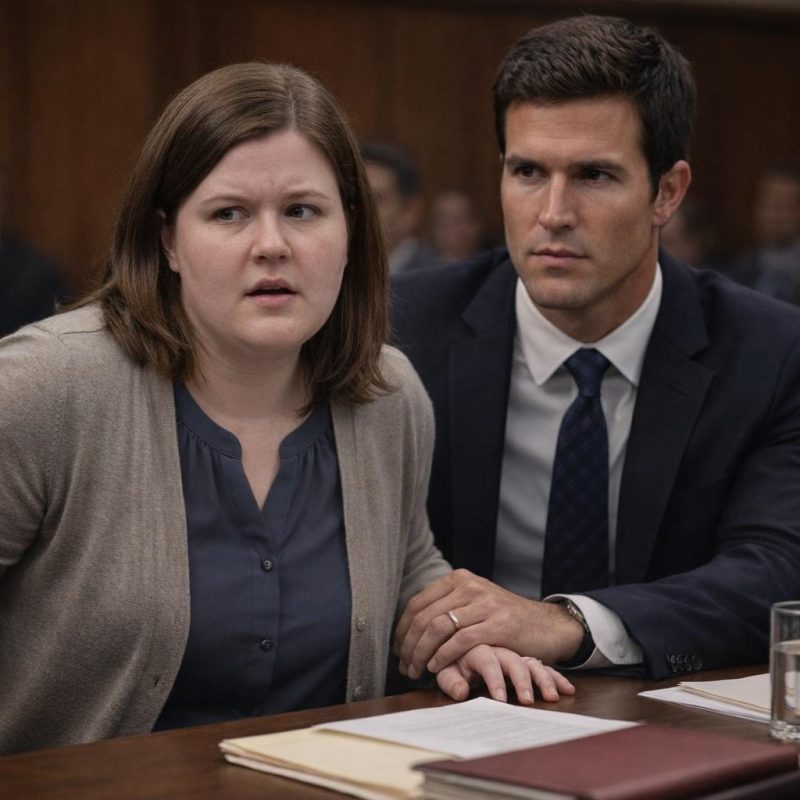 Image by RM AI
My Turn to Speak
My turn came on a Thursday morning. I took the witness stand with Daniel's preparation echoing in my head—stick to facts, don't get defensive, remember you're talking to the judge, not to them. I described my recovery in detail: the daily meetings, the sponsor check-ins, the therapy sessions, the routine I'd built to stay accountable. I explained how I'd rebuilt my relationship with Emma, how we'd established trust through consistency. The opposing attorney listened with a patient expression, then started asking about specific incidents from my past. I answered honestly, didn't make excuses, acknowledged what I'd done wrong. He nodded along like we were having a reasonable conversation. Then he leaned against the witness box, his voice almost gentle. "Can you name one reason your father should have trusted you with anything important?" The courtroom went quiet. I could feel Brenda and Sarah watching, waiting for me to stumble. But I looked past the attorney, found Emma sitting in the gallery beside Jackie, her serious eyes fixed on mine. "Because I'm her mother," I said, my voice steady. "And he knew that no matter how many times I'd failed before, I would never fail her again."
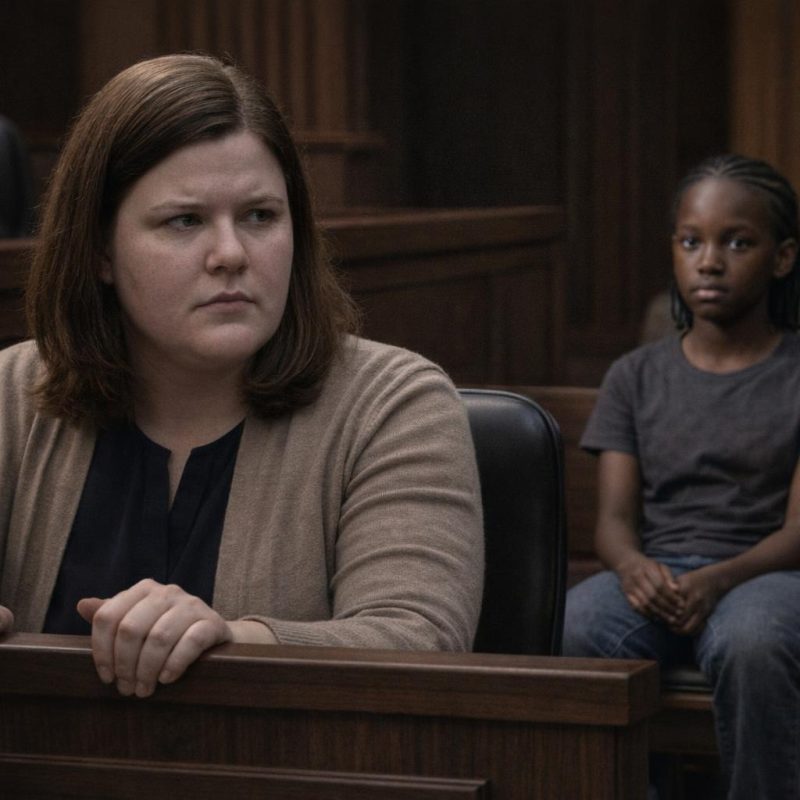 Image by RM AI
The Attorney's Memory
Mr. Davis took the stand with the same quiet authority he'd had in his office, his wire-rimmed glasses catching the light as he settled into the chair. Sarah's attorney tried to rattle him with questions about proper procedure, about whether he'd verified my father's mental state, about the unusual nature of the trust structure. Mr. Davis answered each question with patient precision, referencing dates and documentation. "Your father was weak in body," he said, looking directly at me for the first time, "but absolutely clear in mind and purpose." He described the will signing in detail—how long it took, what questions Dad had asked, how carefully he'd considered each provision. Then he paused, flipping through his leather notebook to a page marked with a yellow tab. "I take extensive notes during client meetings," he said. "It's my practice to record not just the legal instructions but the reasoning behind them." He adjusted his glasses and read: "Thomas specifically stated, 'I trust Christine because she understands what it means to rebuild something from nothing. She knows the value of what she's fought for.'" My throat closed. I'd never heard those words before, never known Dad had said them. Mr. Davis closed his notebook and looked at the judge. "That's not the statement of a man being manipulated. That's the statement of a father who saw his daughter clearly."
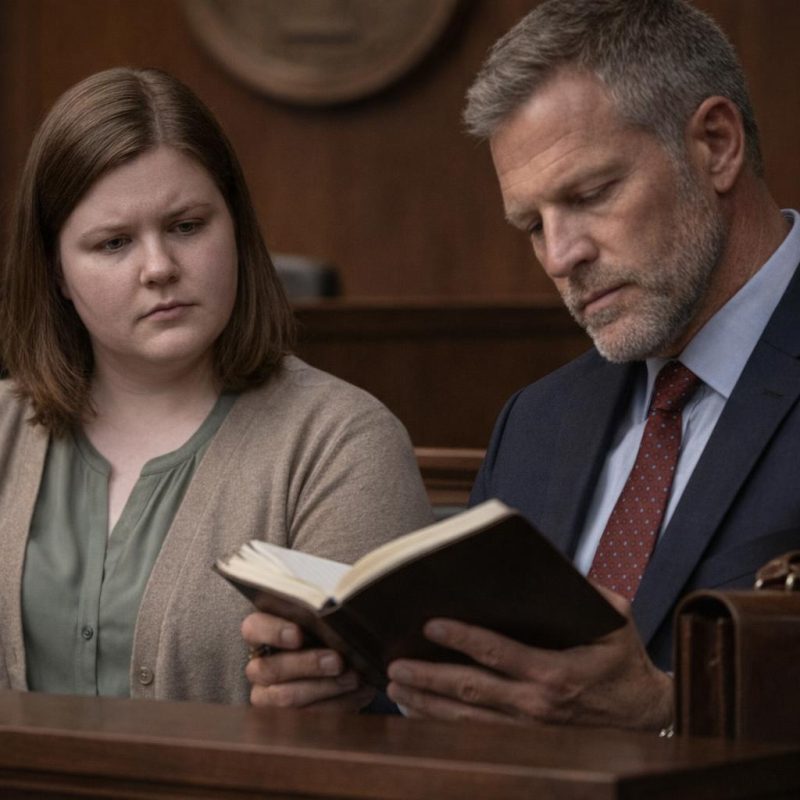 Image by RM AI
The Judge's Request
The judge set down her pen and looked at both legal teams with an expression I couldn't read. "I'm going to request something," she said, and the courtroom shifted into an uncertain silence. "I want to review the complete medical records from Mr. Thomas's final six months. Not just the psychiatric evaluation that's been submitted, but the full documentation—physician notes, nursing observations, medication records, everything." Sarah's attorney stood. "Your Honor, we've already provided—" "I'm aware of what you've provided," the judge interrupted. "I want the complete picture." She looked at Mr. Davis. "I assume you have no objection?" He shook his head. Brenda whispered something to her attorney, her face tight. The judge set a date for the next hearing, after she'd had time to review the records, and dismissed us. In the hallway, Daniel pulled me aside, his voice low. "This could work in our favor," he said, but his expression was cautious. "Or it could destroy us, depending on what those records actually show." I stared at him. "What do you mean? Dad was clear-minded, Mr. Davis just testified—" "I know," Daniel said. "But we don't know what else is in there. Medical records are comprehensive. We need to be prepared for anything."
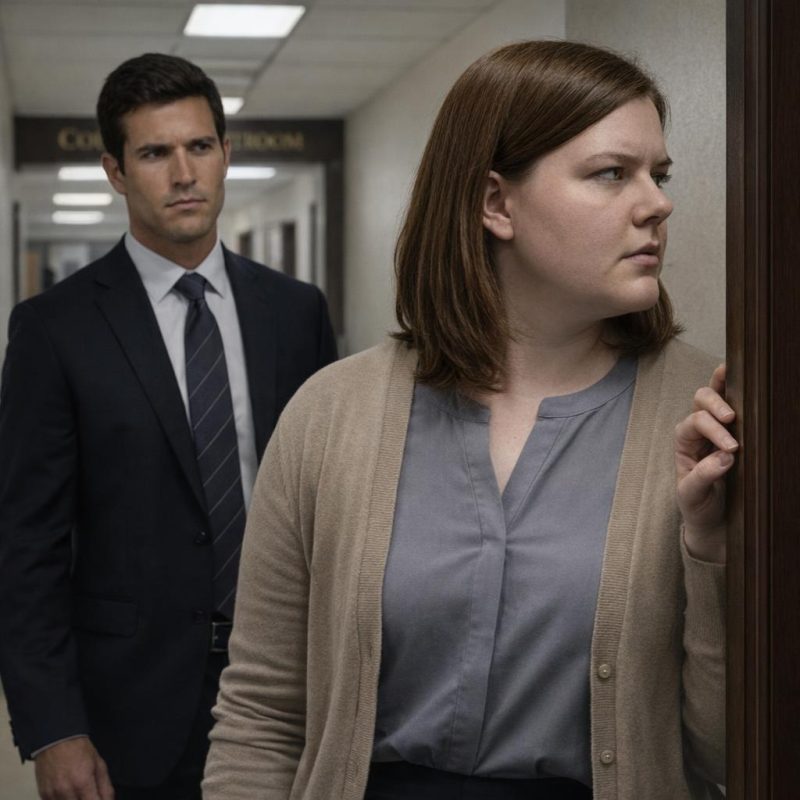 Image by RM AI
Timeline Troubles
Daniel called me to his office two days later. Hospital visitation logs were spread across his desk, printed pages covered in timestamps and signatures. "Look at this," he said, pointing to a series of dates in October. "Your mother testified that she was with your father almost daily during his final months, correct?" I nodded, remembering Brenda's tearful testimony about her constant vigil. Daniel tapped the pages. "October 15th, she claimed she spent the afternoon with him. The log shows no visitors that day. October 22nd, same thing—she said she was there, but the sign-in sheet is blank." He flipped through more pages. "It happens six times in October alone. Days she specifically mentioned in her testimony, but the hospital has no record of her being there." I leaned over the desk, scanning the logs. "Maybe she forgot to sign in?" "Maybe," Daniel said, but his tone suggested he didn't believe it. "Or maybe she's misremembering. Grief does that to people." He gathered the papers into a neat stack. "What does this mean?" I asked. Daniel met my eyes. "It could mean nothing," he said carefully. "Or it could mean everything. But we need to be very careful about making accusations we can't prove."
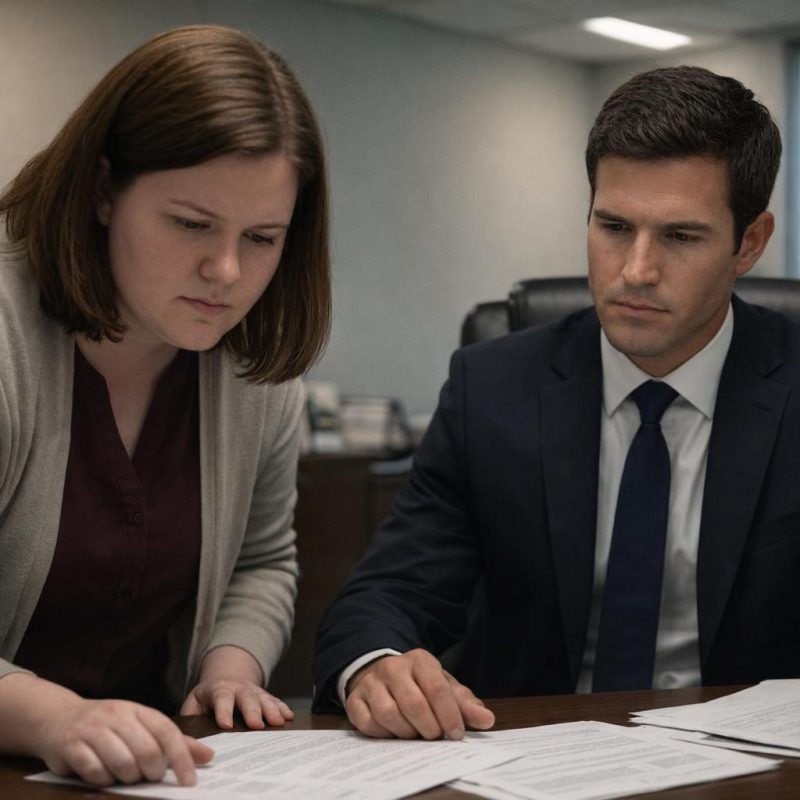 Image by RM AI
Following the Money
Daniel called me late on a Friday to say his forensic accountant had found irregularities in my father's estate finances, and his tone told me this was bigger than a simple bookkeeping error. I was already in my pajamas, Emma asleep down the hall, when my phone lit up with his name. "I need you to come in Monday morning," he said, skipping any greeting. "First thing." I sat down on the edge of my bed, that familiar knot forming in my stomach. "What kind of irregularities?" There was a pause, the sound of papers shuffling. "Withdrawals. A pattern of them. Significant amounts over an extended period." My mind went to Brenda immediately, to her tears in the courtroom, her claims about caring for my father. "How much are we talking about?" "We'll go through everything Monday," Daniel said. "But Christine, there's something you need to know now." I gripped the phone tighter. He said we needed to meet first thing Monday morning because the pattern of withdrawals started six months before my father got sick, not after.
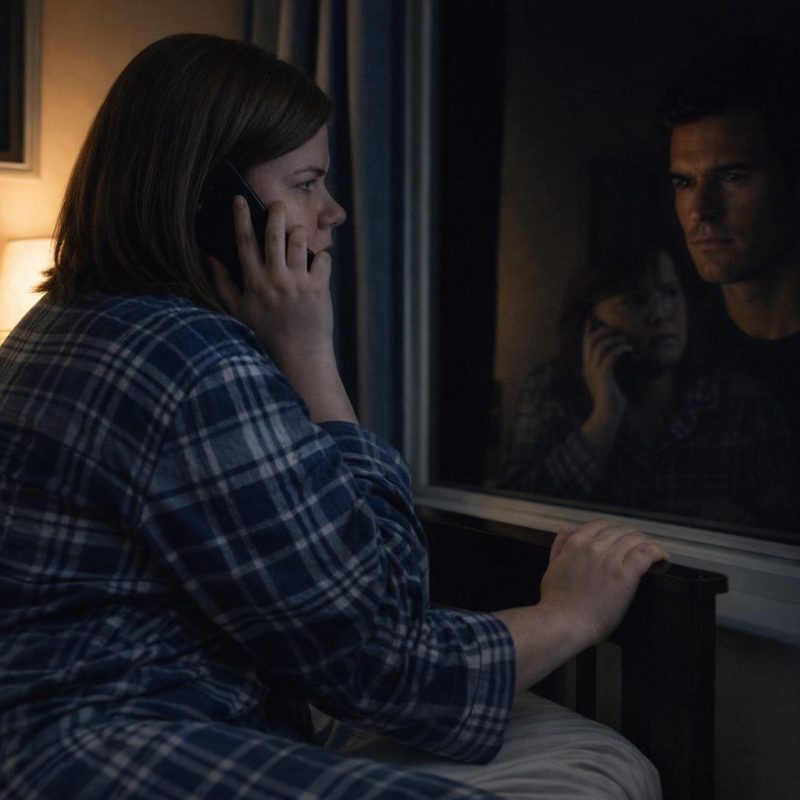 Image by RM AI
Withdrawal Patterns
The bank records showed withdrawals of fifteen to twenty thousand dollars every few weeks for over two years, amounts large enough to notice but small enough to avoid triggering automatic reviews. Daniel had them spread across his conference table Monday morning, each suspicious transaction highlighted in yellow. I leaned over the pages, my coffee going cold in my hand. "Fifteen thousand here, eighteen thousand there," I said, following the pattern with my finger. "Always just under twenty." Daniel nodded. "Banks have reporting thresholds. These amounts stay just below the radar." I started doing the math in my head, adding up the highlighted figures. Two years of withdrawals, sometimes three in a single month. The total had to be close to half a million dollars. "Would my father have noticed this?" I asked, looking up at Daniel. He met my eyes with that careful lawyer expression. "Your father was a meticulous man. He would have seen his account balances." I stared at the highlighted transactions and realized my father would have noticed money disappearing like this, which meant either he approved it or something else was happening.
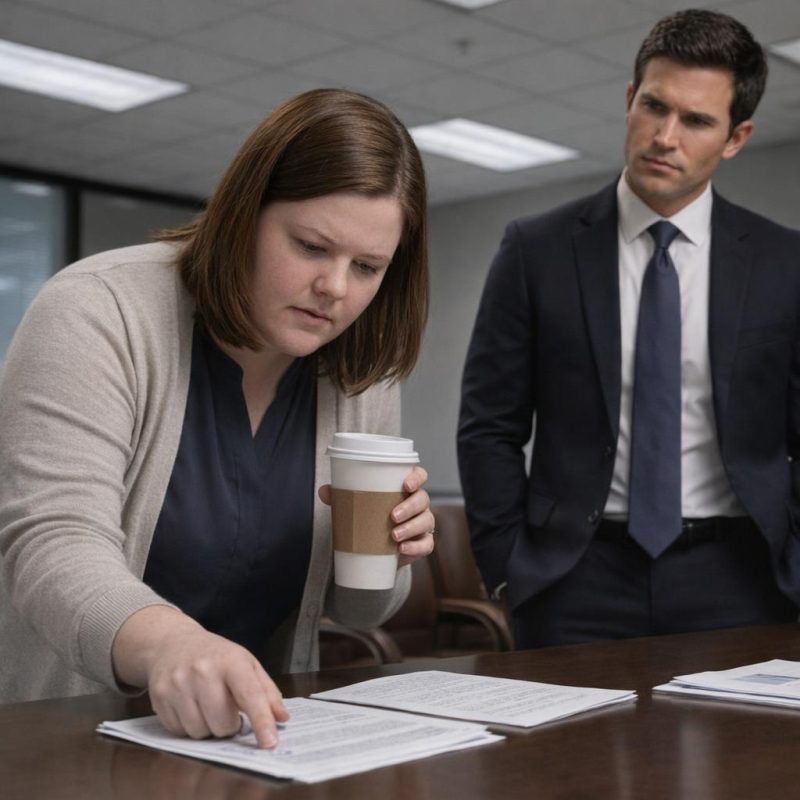 Image by RM AI
Signature Questions
Every withdrawal slip bore my father's signature, the handwriting shaky near the end but apparently verified by the bank each time. Daniel had copies of them clipped to the bank statements, and I studied each one like I was looking for proof of forgery. The early signatures looked like my father's usual careful script. The later ones grew progressively worse, the letters wobbling and uneven. "The bank verified these?" I asked. "At the time of each withdrawal, yes," Daniel said. "They had no reason to question them." I traced one of the shakier signatures with my finger, trying to remember the last time I'd seen my father write anything. But I couldn't, because I'd been kept at a distance during his illness. Daniel was watching me. "Did you ever see your father sign anything during his final year? Any documents, checks, anything?" I shook my head slowly, the realization settling over me like cold water. Daniel asked if I'd ever seen my father's signature during his illness, and I realized I'd been kept away during exactly the period when these withdrawals accelerated.
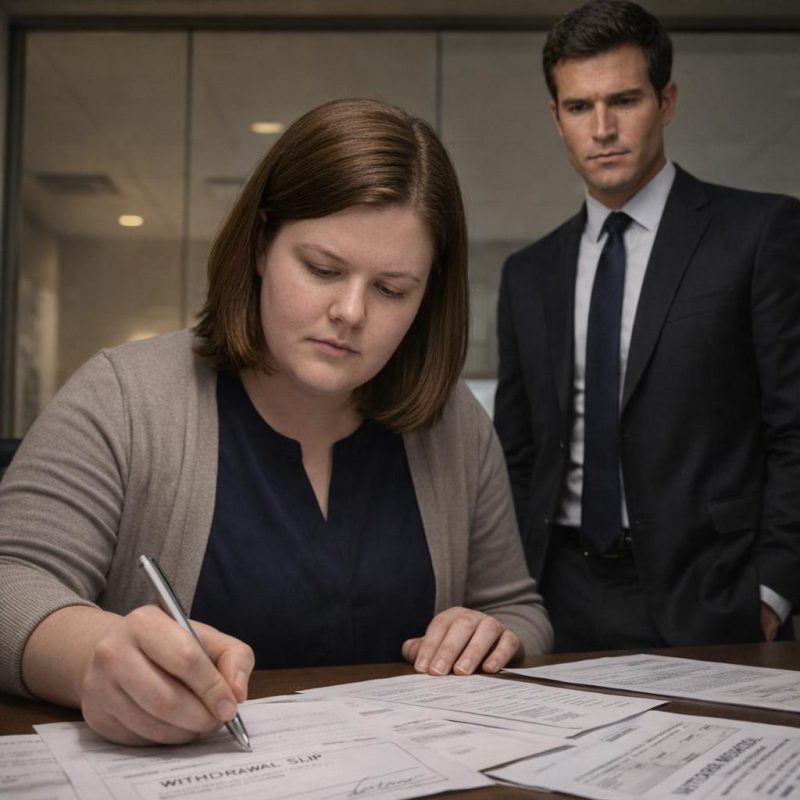 Image by RM AI
Hiring an Investigator
I sat across from Nina Castillo in her cramped office above a bail bondsman, watching her take notes in a battered notebook while I explained what didn't add up. The office smelled like coffee and old paper, and through the thin walls I could hear phones ringing in the bail bonds office below. Nina didn't interrupt, just kept writing in that notebook, her sharp eyes flicking up to my face occasionally. "So you've got hospital logs that don't match testimony, financial irregularities that might be legitimate, and a family that's already lawyered up," she said when I finished. "That about cover it?" I nodded. "I need to know what really happened. With my father, with the money, with all of it." Nina set down her pen and looked at me directly. "Private investigations aren't cheap. And they don't always find what you want them to find." "I know," I said. "Sometimes they find worse." She leaned back in her chair, studying me. Nina looked up from her notes and asked me directly if I was ready to know the truth, even if it was worse than I imagined, and I realized I'd already crossed that line.
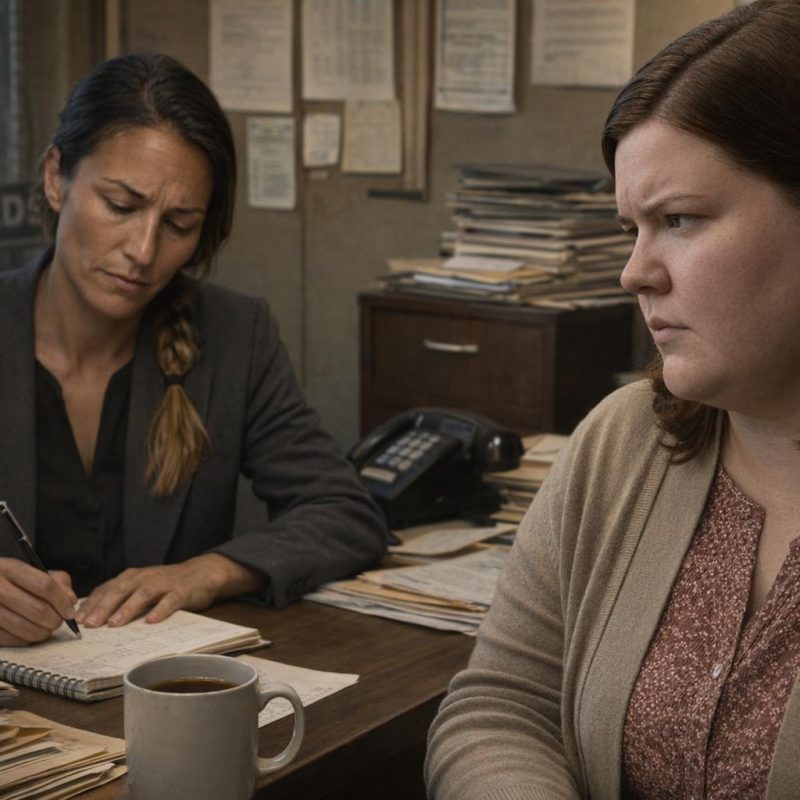 Image by RM AI
The Nurse's Perspective
Nina called three days later to say she'd found the hospice nurse who cared for my father, and the woman was willing to talk off the record. I was at work when my phone buzzed, and I stepped into the hallway to take the call. "Her name's Patricia," Nina said. "She was with your father during his last two months. She remembers him clearly." My heart was pounding. "What did she say?" Nina's voice was careful, measured. "She said your father was more alert than people realized. Lucid for longer than anyone admitted." I pressed my back against the wall, feeling dizzy. "Did he... did he say anything about me?" "Patricia says he asked about you several times," Nina said quietly. "Always when certain family members weren't around. He wanted to know if you'd been by, if you'd called." I closed my eyes, fighting back tears. The nurse said my father had been alert and aware much longer than anyone admitted, and that he'd asked about me several times when certain family members weren't around.
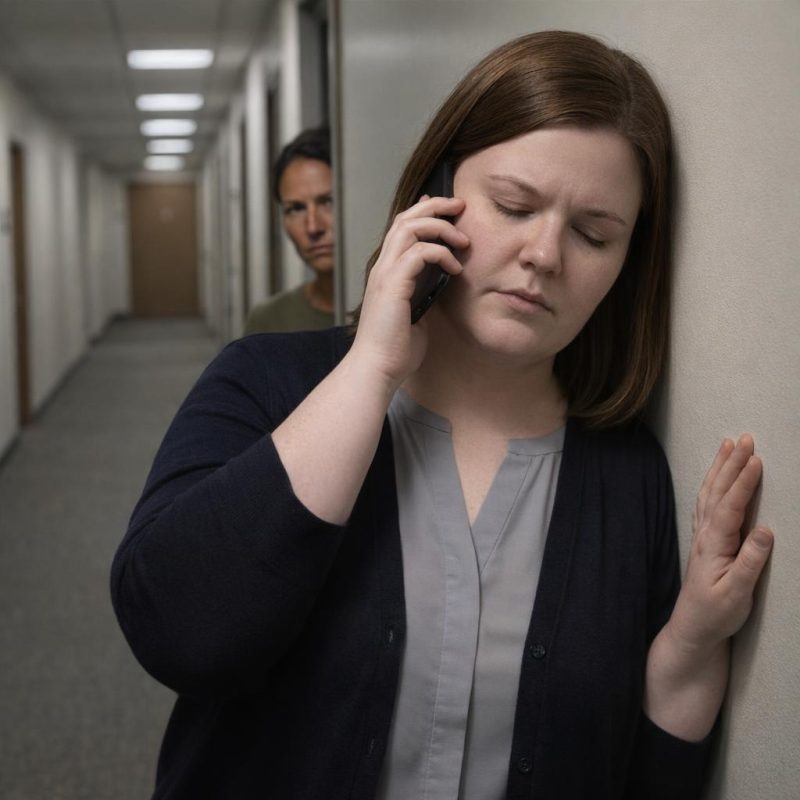 Image by RM AI
Controlled Visitation
Nina met with the nurse in person and called me from her car afterward, her voice tight as she described how Brenda had controlled every aspect of my father's final weeks. I was making dinner when she called, and I turned off the stove to focus on what she was saying. "Patricia said Brenda was there constantly," Nina explained. "Every visit, every doctor's appointment, every medication discussion. She insisted on being present for everything." I stirred the pasta sauce absently. "That sounds like someone being devoted, doesn't it?" "That's what Patricia thought at the time," Nina said. "She said Brenda seemed like the perfect caregiver. Attentive, involved, always asking questions." There was something in Nina's tone that made me uneasy. "But now?" "Now Patricia's not so sure. Looking back, she wonders if it was less about devotion and more about control." I set down the spoon, my appetite gone. The nurse had said Brenda insisted on being present for all visits and all medical discussions, which seemed like devotion at the time but now felt different in retrospect.
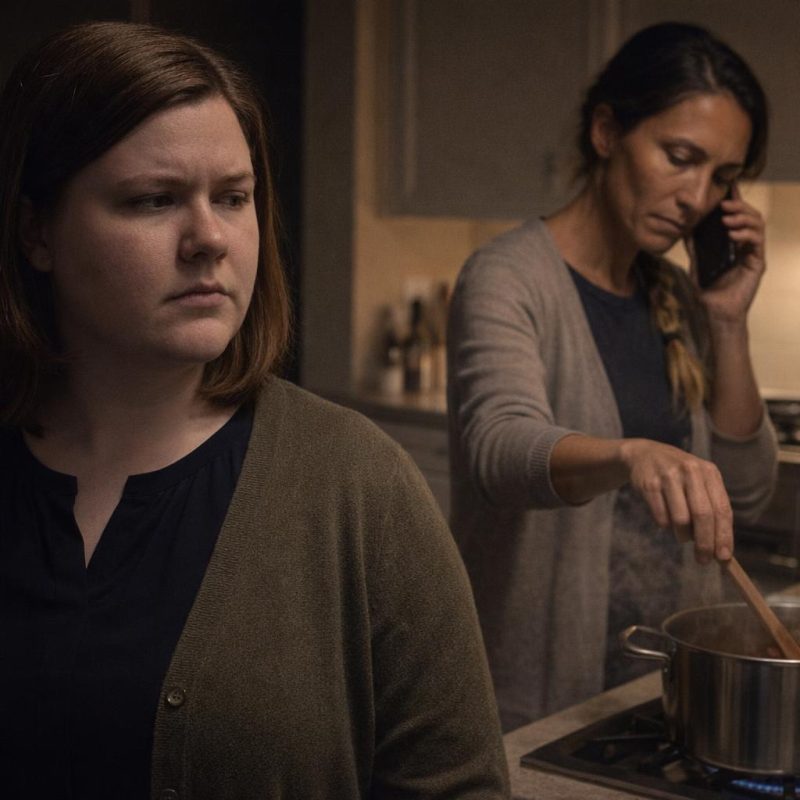 Image by RM AI
Isolated Patient
Nina's follow-up report detailed how my father was rarely left alone with anyone Brenda didn't approve, and how she'd dismissed several nurses who tried to advocate for more open visiting hours. I read through the typed pages at my kitchen table after Emma went to bed, highlighting passages that made my stomach turn. Patricia had documented everything in her personal notes, worried at the time but unsure what to do. Brenda had requested three different nurses be reassigned, always with reasonable-sounding explanations. One was "too chatty" with patients. Another "didn't follow protocols properly." A third "made your father anxious." The visiting schedule had been tightly controlled, with Brenda approving or denying requests from extended family and old friends. "Is this normal?" I asked Nina when I called her back. "Family members protecting sick relatives from too much stimulation?" Nina was quiet for a moment. "Sometimes. But sometimes it's something else." I asked Nina if this was normal family caregiving or something more controlling, and she said the line between the two was where we needed to focus our investigation.
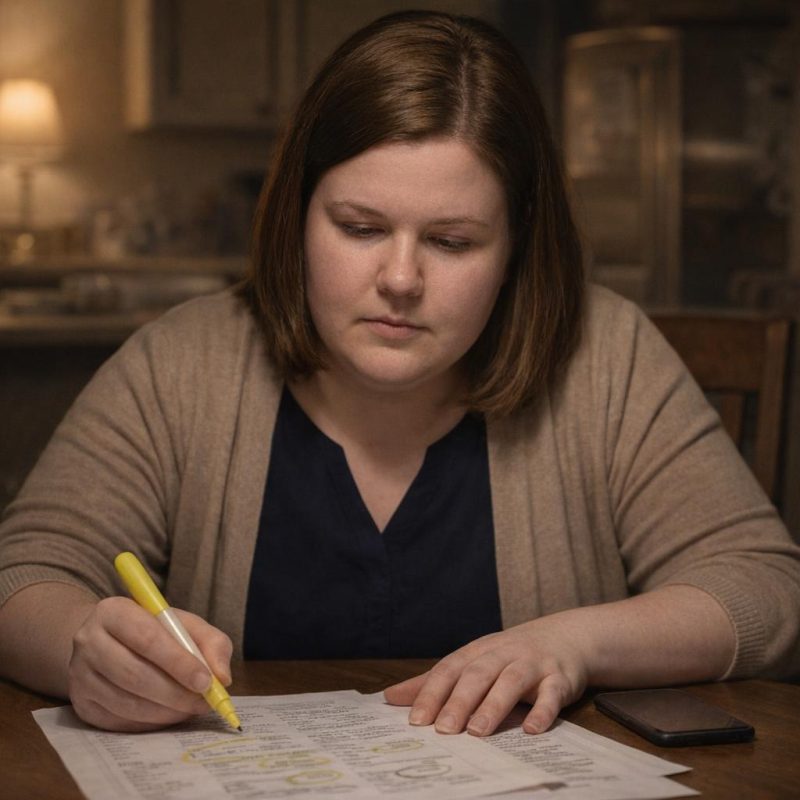 Image by RM AI
Letters from Grandpa
Emma came into my room holding three envelopes she'd been keeping in her treasure box, saying Grandpa had given them to her before he died and she'd forgotten about them. It was late, past her bedtime, and she was clutching that old shoebox decorated with stickers and glitter. "Mommy, I found something," she said, her voice small. I set aside the financial documents I'd been reviewing. "What is it, sweetheart?" She climbed onto my bed and opened the box, pulling out three cream-colored envelopes. "Grandpa gave these to me. At the hospital, remember? When you went to get coffee." My hands started shaking as I took them from her. I didn't remember this at all. The envelopes had Emma's name written on them in my father's handwriting, numbered one, two, and three. "Why didn't you show me these before?" "I forgot," Emma said simply. "They were in my treasure box with my other special things." I opened the first letter and saw my father's shaky handwriting telling Emma about a special gift he'd left for her, one that would explain everything when the time was right.
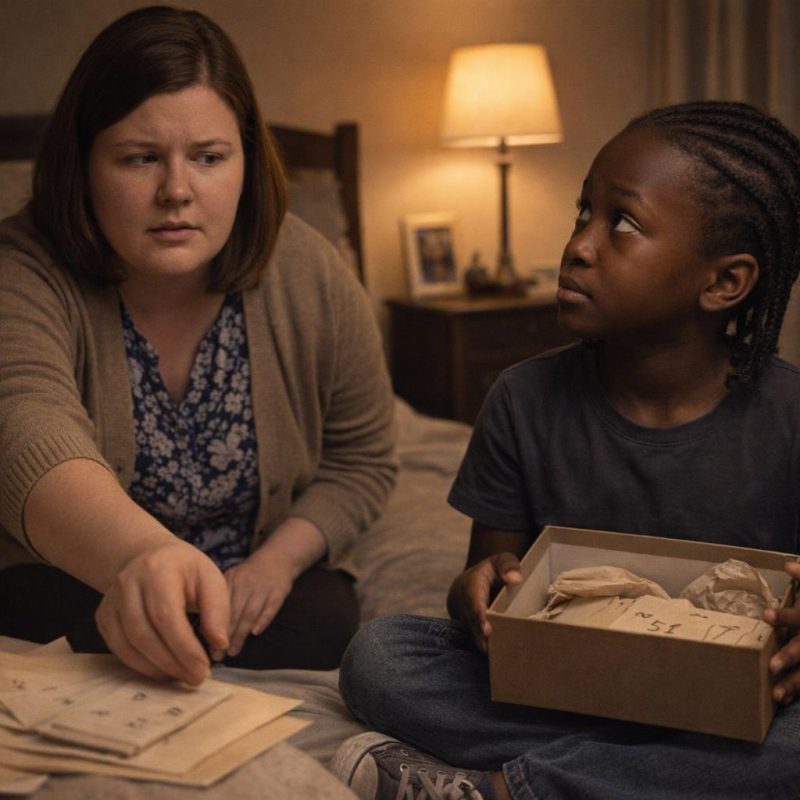 Image by RM AI
Cryptic Clues
I read all three letters twice, then a third time, sitting on my bed while Emma slept beside me. My father's handwriting got shakier as the letters progressed, like he'd written them over several days. The first one told Emma she was special, that she had a gift for seeing truth that most people didn't have. The second talked about protection, about how sometimes the people who love you most have to hide things to keep you safe. The third was different. It talked about a box, about how Emma would need to open it someday when she was ready to understand. "The truth is waiting for you," he'd written. "Your mother will help you find it." I turned the envelope over and felt something taped to the bottom. A small key, brass and old-fashioned, the kind banks use for safe deposit boxes. Below it, written in my father's careful script, was an address I recognized immediately as his bank's main branch downtown. At the very bottom, underlined twice: "Emma must be present. Both keys required." I stared at those words, my heart pounding, wondering what truth my father had locked away and why my seven-year-old daughter was the only one who could access it.
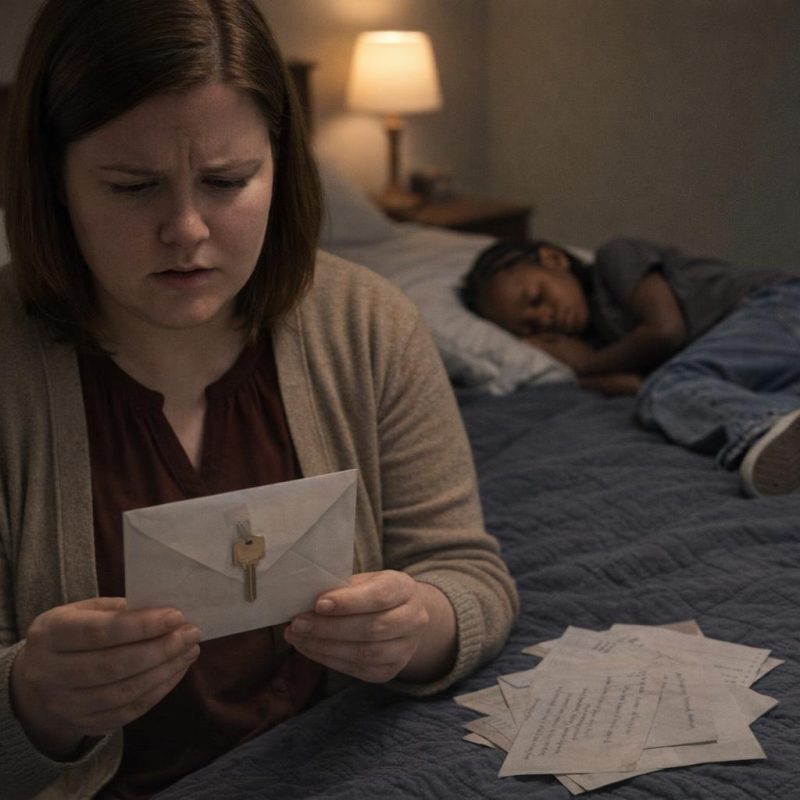 Image by RM AI
Confirming the Box
Mr. Davis didn't look surprised when I called and asked about a safe deposit box. "Your father opened it approximately two years before his passing," he said, adjusting his wire-rimmed glasses as we sat in his office the next morning. "I have the bank's documentation here." He slid a folder across his desk. I opened it with shaking hands. The paperwork showed box number 247, opened twenty-three months ago. Emma's name was listed as the authorized accessor. Mine wasn't on the form at all. "You'll need to provide authorization as her trustee," Mr. Davis explained. "The box requires both Emma's presence and your consent to open." I scanned the access log at the bottom of the page. My father had visited the box six times total. Four of those visits were in his final six months, when he was already sick, already knowing he was dying. The last entry was dated three weeks before his death. "Do you know what's inside?" I asked. Mr. Davis shook his head slowly. "Your father never discussed the contents with me. But he was very specific about the access requirements." I looked at Emma's name on that form and felt something shift in my chest, like a door opening onto a room I'd never known existed.
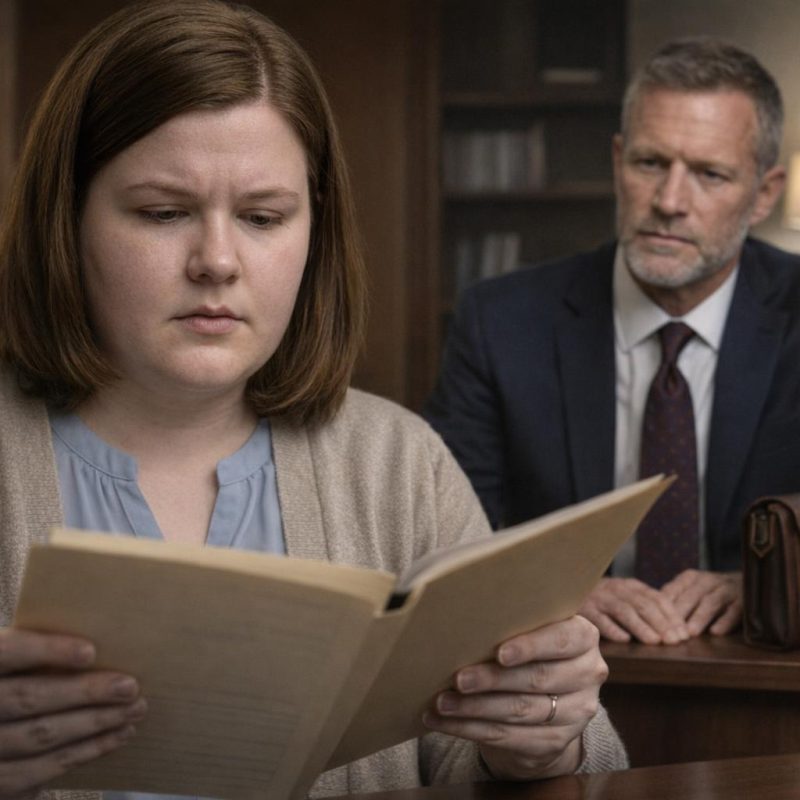 Image by RM AI
Access Denied, Then Granted
The bank manager was polite but firm when Emma and I arrived with the key the next day. "We need the minor accessor present, which you have," she said, glancing at Emma. "We need the key, which you also have. But we also need trustee documentation and proof of authorization." I handed her the papers Mr. Davis had prepared. She reviewed them carefully, then frowned. "I see there's an ongoing estate dispute. That complicates immediate access." My stomach dropped. "The box was opened before the will was even written," I said. "It can't be part of the estate contest." She gave me a sympathetic look. "I understand, but with active litigation, I need legal clearance." I called Daniel from the parking lot, my hands shaking with frustration. He listened quietly, then said, "I'll file an emergency motion this afternoon. The box predates the will by eighteen months. Technically, it's separate from the estate dispute." "How long until we can access it?" "The judge will rule within forty-eight hours." I counted those hours in my head, each one feeling like a week. Emma sat in the backseat holding the key, and I wondered what my father had hidden that required this much protection.
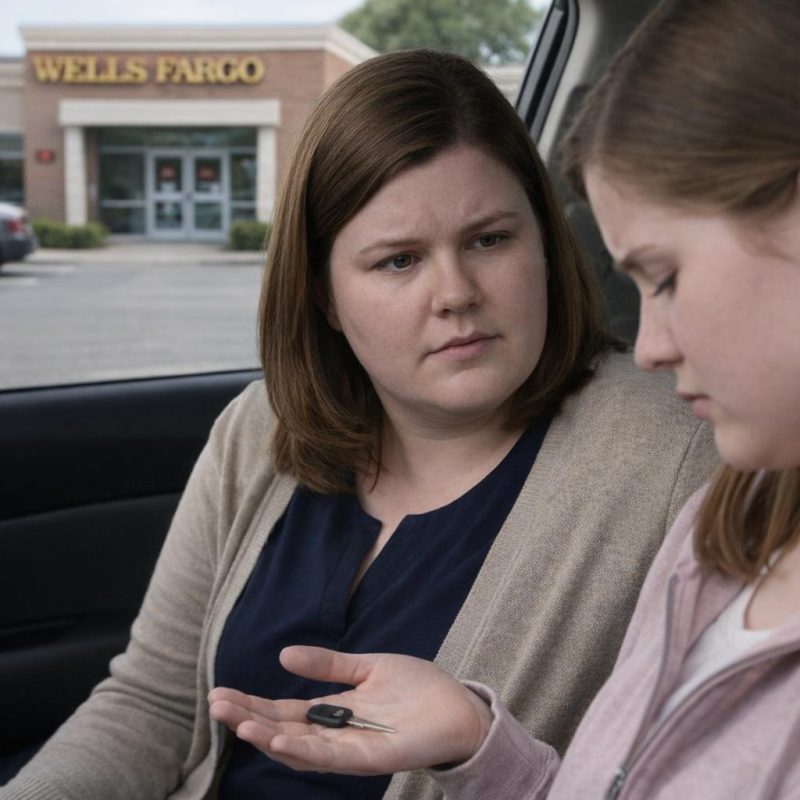 Image by RM AI
Preparing My Daughter
I sat Emma down at the kitchen table that evening with hot chocolate and tried to find the right words. "Grandpa left you something important in a box at the bank," I started. "We're going to open it together soon." Emma stirred her cocoa, watching me with those serious eyes. "What's in it?" "I don't know, sweetheart. But I think it might tell us things about our family. Things that might be hard to hear." She was quiet for a moment. "Like what?" I took a breath. "Maybe things about why Grandpa made certain choices. Why he wanted to make sure you were taken care of." "Is it about Grandma Brenda?" Emma asked, and my heart stopped. She looked at me directly, her small face so solemn. "Is Grandma Brenda a bad person?" I felt like I was standing at a crossroads. I could lie, could soften it, could protect her from ugly truths. But my father had trusted Emma with this key for a reason. "I think," I said carefully, "that Grandma Brenda makes choices that hurt people sometimes. That doesn't make her all bad, but it doesn't make those choices okay either." Emma nodded slowly, like she'd suspected as much. "Okay, Mommy. I'm ready to see what Grandpa left me."
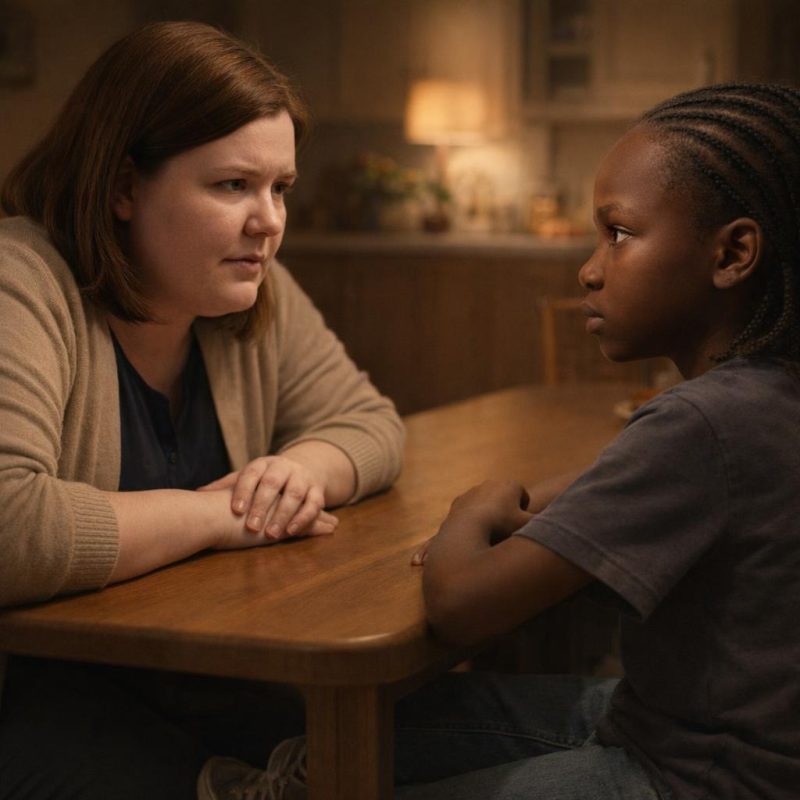 Image by RM AI
The Blocking Motion
Sarah filed her objection within hours of Daniel's emergency motion. I was making dinner when Daniel called to tell me. "She's claiming the box contents are estate property subject to the ongoing dispute," he said. "Even though the box predates the will?" "She's arguing that anything your father placed in the box, regardless of when he opened it, became part of his estate upon his death." I gripped the phone tighter. "Can she do that?" "It's a stretch, but it's not completely without legal precedent." Daniel paused. "Christine, I need you to look at something." He emailed me Sarah's motion. I read it twice, my pulse quickening. Her argument was technically sound, carefully worded, professionally presented. But there was something off about how hard she was fighting. "She's claiming the box contains nothing relevant to the trust dispute," I said slowly. "Right. Nothing relevant." "Then why is she fighting so hard to keep us from opening it?" Daniel was quiet for a moment. "Exactly. If it's irrelevant, why object at all? Why not let you open it and prove there's nothing there?" I felt my suspicion shift into something more solid, more certain. Whatever was in that box, Sarah desperately didn't want me to see it.
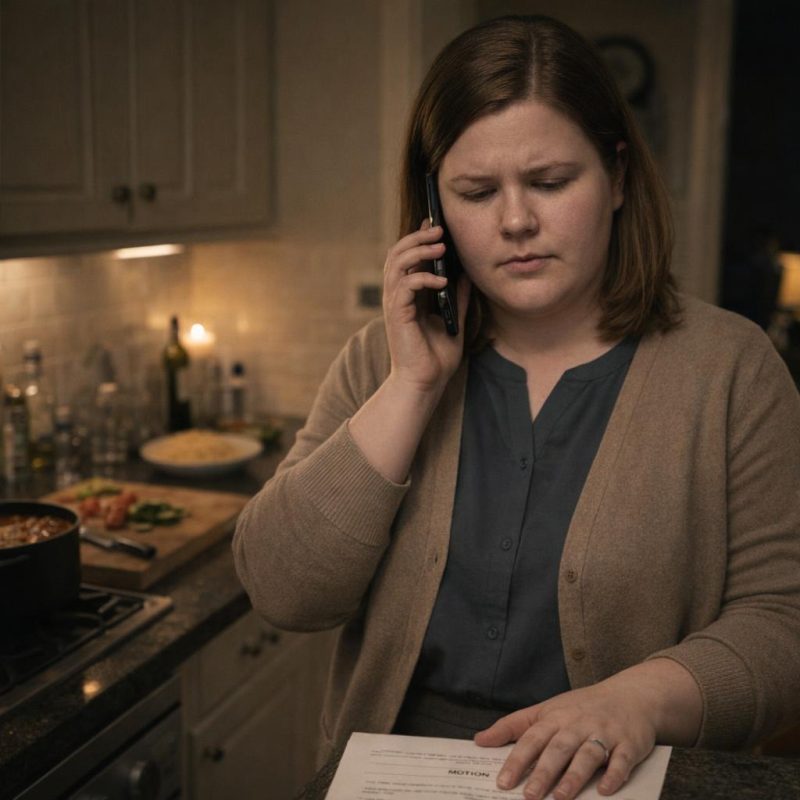 Image by RM AI
Judicial Override
The judge heard arguments the next morning in a courtroom that smelled like old wood and floor polish. Daniel presented our case calmly, methodically. Sarah stood to argue her position, her voice sharp and confident. The judge listened to both sides, her expression unreadable. Then she removed her glasses and looked directly at Sarah. "Counselor, the safe deposit box was opened eighteen months before the decedent executed his will. The access requirements were established at that time, naming the minor child as accessor. This predates any estate planning documents currently under dispute." She put her glasses back on. "I'm granting the petitioner access within forty-eight hours. The bank is ordered to comply." Sarah stood up immediately. "Your Honor, I must object—" The judge cut her off with a look I'd never seen a lawyer receive before. It was cold, sharp, and absolutely final. "Sit down, Counselor. You've made your objection. It's overruled. And I'm warning you now, stop obstructing access to a safe deposit box that has nothing to do with the current estate contest." Sarah's face went pale. She sat down without another word. I felt Daniel's hand briefly touch my shoulder as we stood to leave, and I realized I was shaking with something that felt like victory.
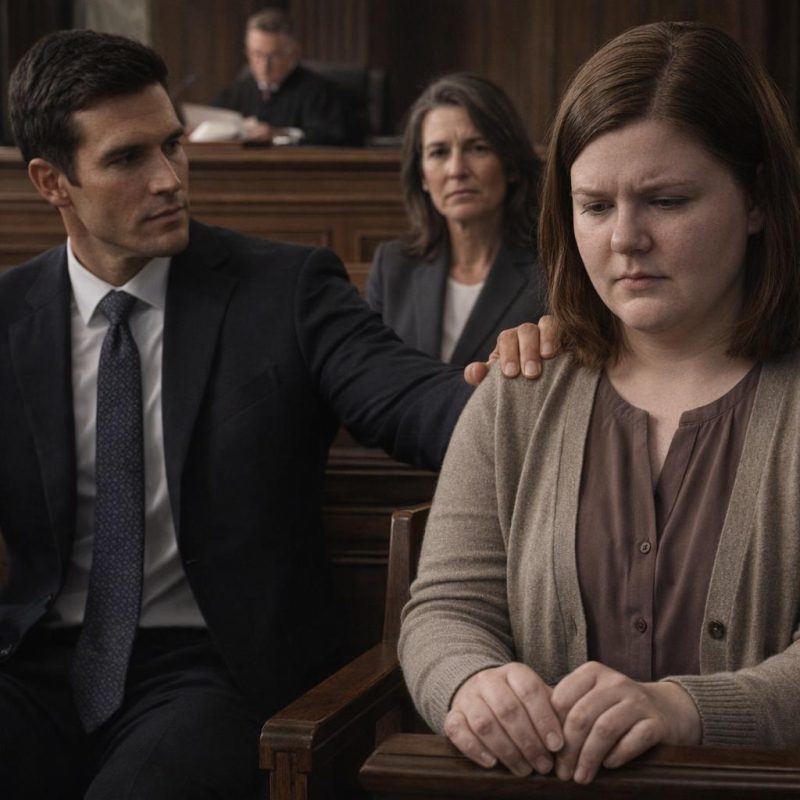 Image by RM AI
The Vault Door
Emma held my hand as we walked through the bank vault's massive steel door two days later. The bank officer led us down a narrow corridor lined with metal boxes, our footsteps echoing off concrete walls. Emma clutched the small brass key in her other hand, her fingers tight around it. I felt like we were crossing into a truth I couldn't take back, like opening this box would change everything and there'd be no way to unknow whatever we found inside. "Here we are," the officer said, stopping at box 247. She pulled out her master key and waited. Emma looked up at me. I nodded. She stepped forward and slid the key into the lock with both hands, her tongue between her teeth in concentration. The officer turned her key at the same time. Two clicks, perfectly synchronized. The officer pulled out the long metal box and carried it to a small private room. "Take your time," she said, closing the door behind her. I stared at the box on the table. Then I saw the access card attached to the front, the log of every visit. My father's signature was there, shaky but unmistakable, dated three weeks before he died.
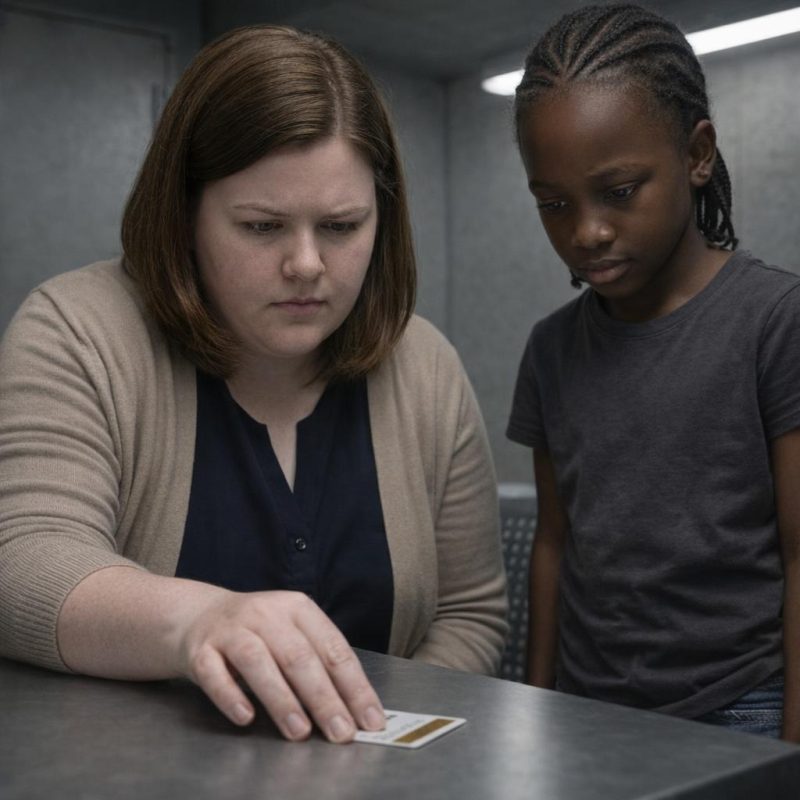 Image by RM AI
Opening the Box
The safe deposit box opened with a soft click when I lifted the lid. Inside was a thick manila envelope, the kind lawyers use for important documents. Beside it, a small flash drive in a plastic case. And on top of everything, another letter addressed to Emma in my father's handwriting. My hands shook as I carefully removed each item. Emma watched silently, her eyes wide. I set the letter aside and opened the manila envelope. Papers, lots of them, neatly organized with colored tabs. Financial records, what looked like bank statements, legal documents I didn't immediately understand. I pulled out the first page. The title was typed in bold letters across the top: "Evidence of Fraud and Forgery." Below it, a date from eight months before my father died. My vision blurred for a second. I blinked and read it again. Evidence. Fraud. Forgery. The words didn't make sense together, not in connection with my father, not in a box he'd hidden and protected and made sure only Emma could access. I looked at Emma, then back at the papers in my hands. Whatever my father had discovered, whatever he'd documented in his final months, he'd made absolutely certain it would survive him.
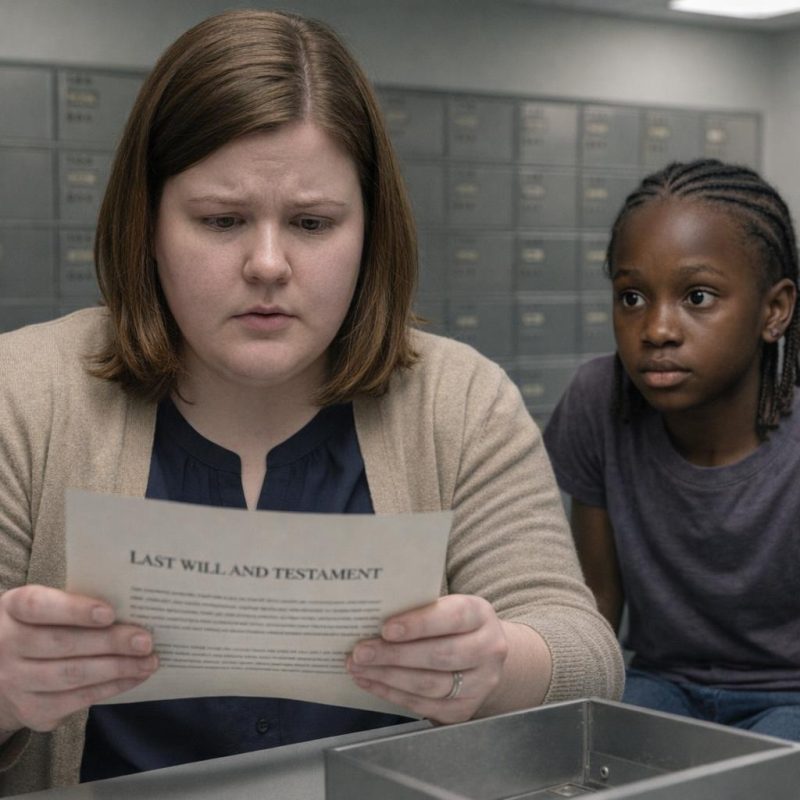 Image by RM AI
A Grandfather's Last Words
I sat with Emma in the bank's private room and read aloud the letter my father had written to her, each word carrying a weight I hadn't expected from a dying man's handwriting. The paper trembled in my hands. "My dearest Emma," I began, my voice cracking on the second word. Emma sat perfectly still beside me, her serious eyes fixed on the letter. My father's handwriting was shaky but deliberate, the letters formed with obvious effort. He told Emma how much he loved her, how proud he was of the person she was becoming. He wrote about legacy and trust, about leaving his most precious things to those who would truly protect them. Then the tone shifted. "Not everyone in our family understands what matters," I read. "Some people see only what they can take." My throat tightened. He told Emma to trust her mother, to listen to me, to know that everything he'd done was to keep us safe. The letter ended with instructions to read the attached documents carefully before sharing anything with anyone, and I felt my father reaching across death to warn me about something he couldn't say directly.
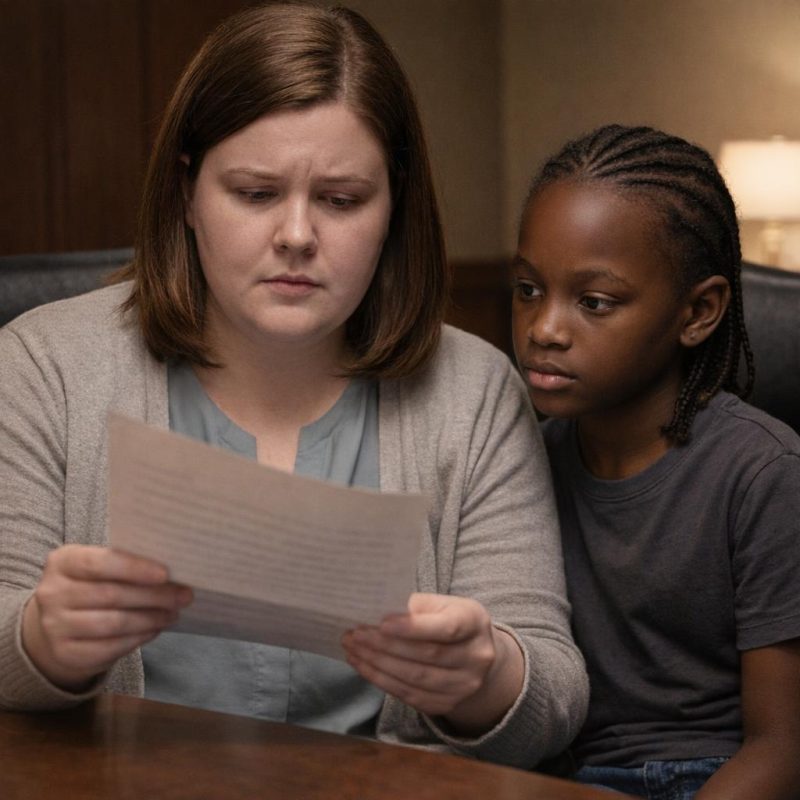 Image by RM AI
What He Couldn't Say Out Loud
My father's handwritten notes in the manila envelope revealed that he had been watching and documenting what happened around him during his illness, aware of things he couldn't speak aloud. Emma leaned against my shoulder as I read through page after page of careful observations. Dates, times, specific incidents recorded in his shaky handwriting. He'd noted when people visited, what they said, what they did when they thought he wasn't paying attention. Some entries were just a few words: "B. in office again. Heard drawer." Others were longer, describing conversations he'd overheard, phone calls made from his room. He wrote about keeping me away, about why he couldn't reach out even when he wanted to. "Can't risk them knowing Christine matters," one note said. "They watch everything." Another entry: "If I warn her, they'll know I'm aware. Need them confident." The notes explained why he left everything to Emma, why the trust was structured the way it was. His notes ended with a request that I understand why he couldn't tell me in person, and I wondered what had made it impossible for him to reach out when there was still time.
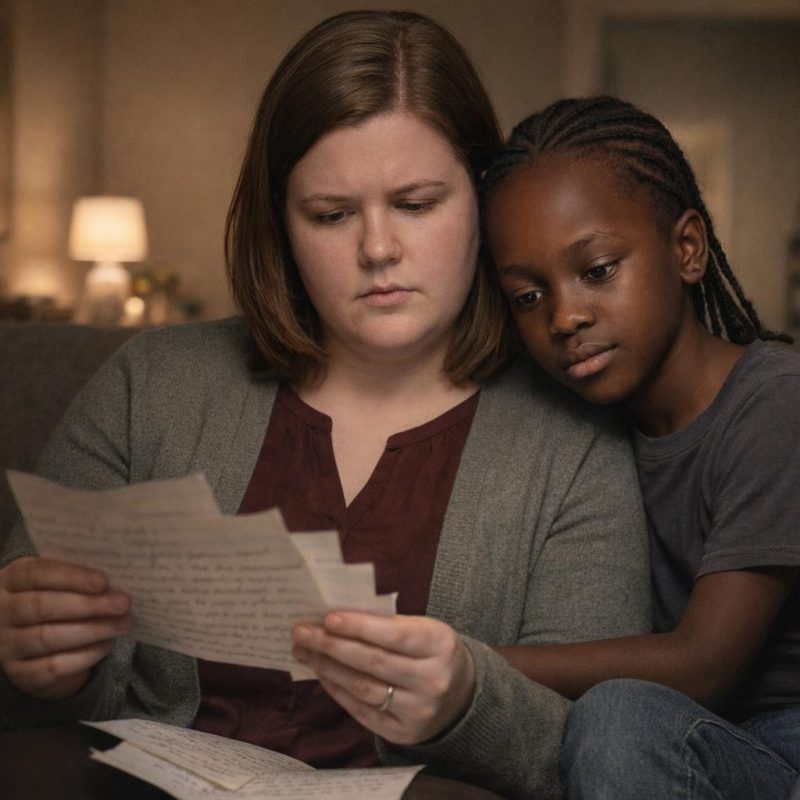 Image by RM AI
Digital Evidence
I inserted the flash drive into Daniel's laptop and watched folders full of bank statements, withdrawal records, and financial documents fill the screen in organized rows. Daniel had cleared his schedule when I called that morning. Now he sat beside me, his careful fingers navigating through the files my father had compiled. Each folder was labeled by year and month, going back three years. I clicked on the first one. Bank statements from my father's accounts, highlighted in yellow wherever large withdrawals appeared. The amounts made my stomach drop. Five thousand here, eight thousand there, sometimes fifteen thousand in a single transaction. Daniel opened a spreadsheet that cross-referenced the withdrawals with dates and notes. His expression remained neutral, professional, but I saw his jaw tighten. "He documented everything," Daniel said quietly. "Transaction numbers, account details, even the branch locations." The folders went on and on, two full years of meticulous record-keeping. The total amount documented across two years was larger than I could have imagined, and I couldn't process how this much money had disappeared without anyone asking questions.
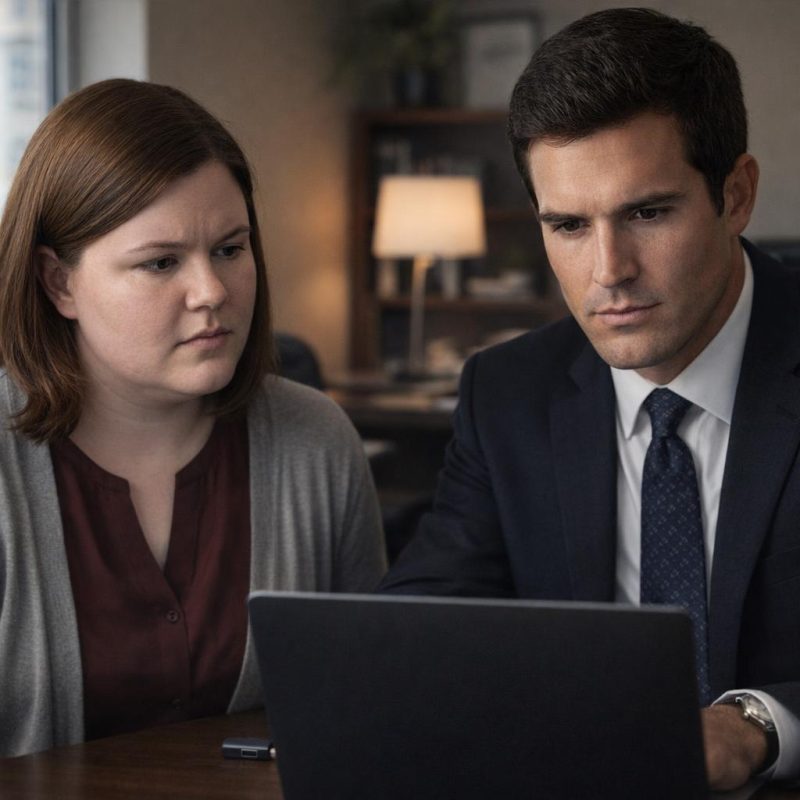 Image by RM AI
Side by Side
Daniel spread the signature comparisons across his desk, showing me how my father's authentic signatures differed from the ones appearing on withdrawal slips from his final months. He'd printed examples from before the illness, signatures from old tax returns and legal documents. Then he laid out scanned copies of withdrawal slips from the flash drive. "Look at the capital T," Daniel said, pointing with his pen. My father's real signature had a distinctive loop. The later signatures were close, but the loop was wrong, too rounded. "And here, the way the 'h' connects." I leaned closer. Once Daniel pointed it out, I couldn't unsee it. The differences were subtle but consistent. He pulled up another document on his laptop, a care log the nurse had kept. "These withdrawals," he said, highlighting dates on the screen, "happened on days when your father was documented as barely responsive." One withdrawal was dated the same day the nurse had written "patient unresponsive, unable to communicate." The flash drive also contained scans of documents signed on dates when the nurse had recorded my father as barely conscious, and the implications pressed against my chest like a physical weight.
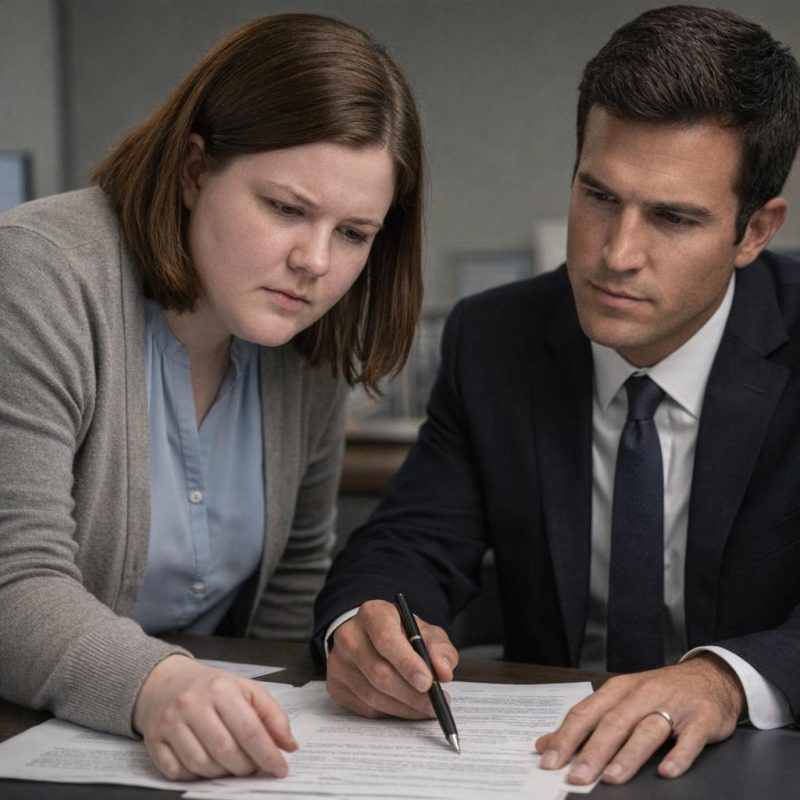 Image by RM AI
The Full Picture
I sat in Daniel's office and finally understood the complete scope of what my mother and sister had done: years of systematic theft, forged signatures, and a plan to contest any will that didn't hand them everything. Daniel's forensic accountant had spent the week analyzing every document on the flash drive. Now the full picture was laid out in front of me in color-coded charts and timeline graphs. Brenda and Sarah had been stealing from my father for at least three years, probably longer. They'd forged his signature on withdrawal slips, transfer authorizations, even legal documents. The accountant estimated the total theft at over half a million dollars. "The will contest makes sense now," Daniel said. "If they controlled the estate, they could bury the evidence of what they'd taken." My father had known. That's what his notes meant, why he'd been so careful. He'd watched them steal from him while he was dying, and he'd documented every single transaction. My father had known what they were doing all along and had spent his final months building an airtight case against them from his sickbed, and now that case was in my hands.
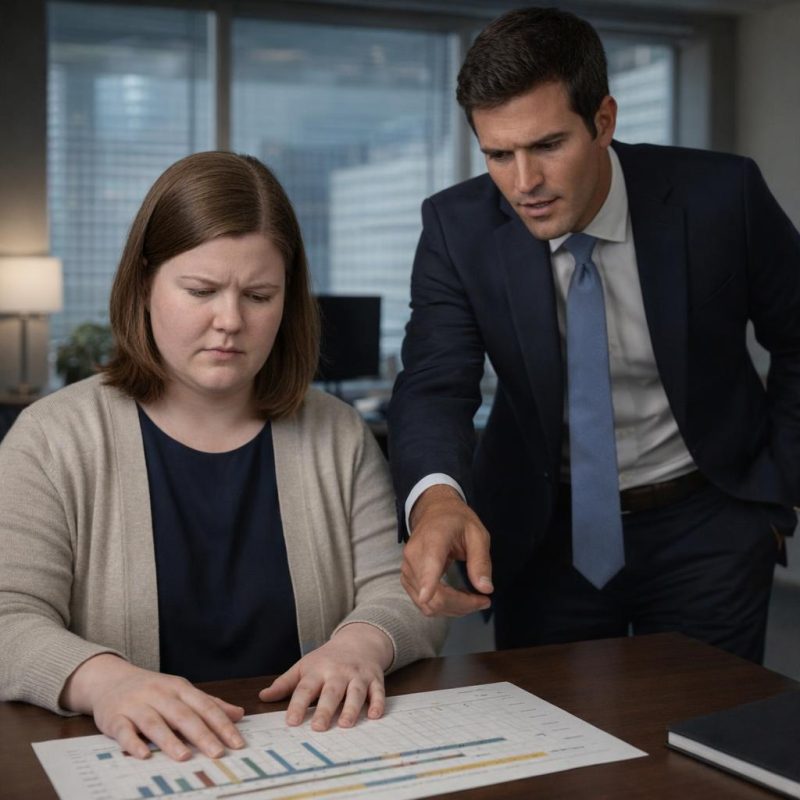 Image by RM AI
His Final Case
I understood now that my father had transformed his deathbed into a courtroom, methodically building a case against his own wife and daughter while they believed he was too weak to notice. The evidence package was organized exactly like a legal brief. Daniel had spread it all across his conference table, and the structure was unmistakable. Exhibit labels, chronological ordering, cross-referenced documentation, even a summary memo outlining the key points. "Your father was thorough," Daniel said, studying a particularly detailed transaction log. "This is prosecutor-level work." I looked up. "What?" Daniel met my eyes. "Your father was a prosecutor before he retired. Twenty-three years in the district attorney's office." The room tilted slightly. I'd known he was a lawyer, but not that. "He specialized in financial fraud cases," Daniel continued. "White collar crime, embezzlement, forgery." Everything clicked into place. The way he'd documented the signatures, the financial trails, the timeline correlations with the nurse's logs. He'd even anticipated the will contest, structuring the safe deposit box to stay outside the estate. Daniel looked up from the documents and told me my father had been a prosecutor before he retired, and this evidence package was built exactly the way he would have prepared a case for trial.
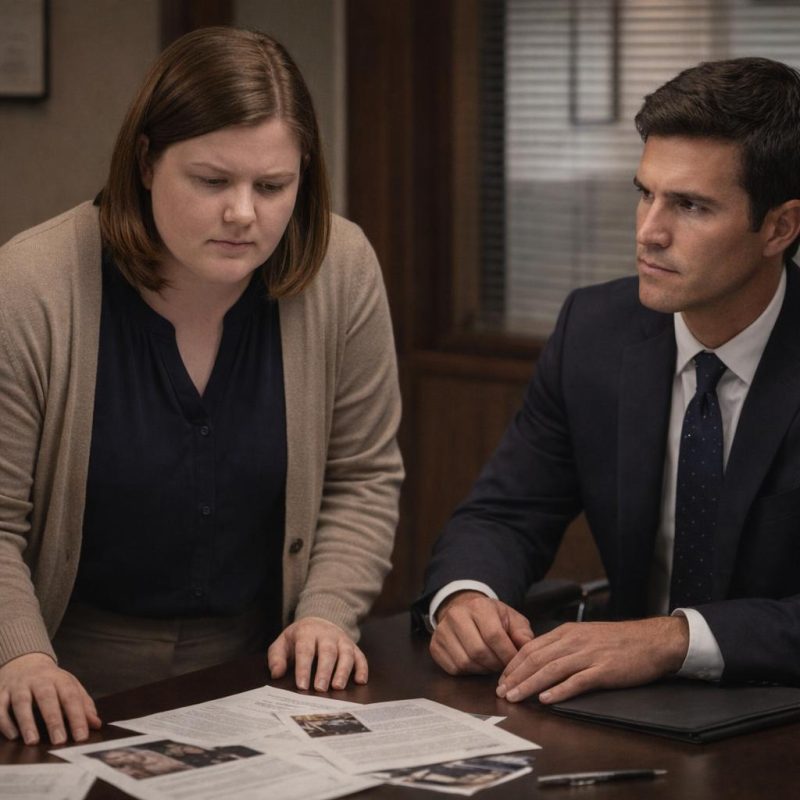 Image by RM AI
Why He Stayed Silent
I finally understood why my father had kept me at a distance during his illness: he needed Brenda and Sarah to believe they were succeeding so he could document their crimes without interference. I sat alone in my apartment that night, reading through his notes again. Every missed call, every holiday I'd spent alone, every time I'd wondered if he even cared anymore. The pattern was unmistakable now. If he'd let me visit, if he'd shown any sign that I mattered to him, Brenda and Sarah would have known something was wrong. They would have stopped, covered their tracks, maybe even shifted their plans. He couldn't warn me without alerting them. He couldn't protect me without sacrificing our relationship. So he'd chosen to let me think he'd abandoned me, let me grieve him while he was still alive, because it was the only way to build a case strong enough to protect Emma and me after he was gone. The last page of his notes was a letter he'd never sent. His final note said he was sorry for every missed call and every holiday apart, but he couldn't risk them knowing I was worth protecting until he was gone.
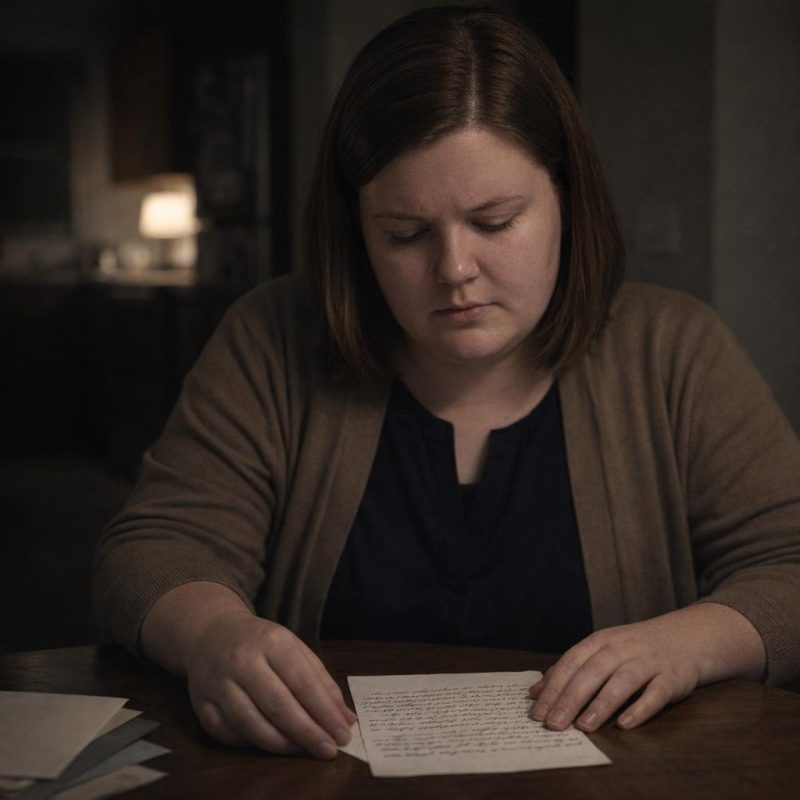 Image by RM AI
Building the Counter-Attack
Daniel's forensic accountant confirmed that my father's evidence was not only legitimate but devastating, documenting over six hundred thousand dollars stolen across three years. We sat in Daniel's office on a gray Tuesday morning, the accountant's report bound and tabbed like the legal document it was. Every transaction verified, every forgery documented, every timeline correlation confirmed. The accountant had even found additional evidence my father hadn't caught, smaller transactions that followed the same pattern. "This is admissible in court," the accountant said. "Both civil and criminal." Daniel leaned forward. "We have enough to win the estate contest easily. But we also have enough to refer this to the district attorney's office. Forgery, elder financial abuse, theft. These are serious charges." He paused, watching my face. "The question is how far you want to take this." I thought about my father spending his final months building this case. I thought about Emma's trust fund, about the life he'd tried to secure for her. I thought about every lie Brenda had told, every time Sarah had looked at me like I was nothing. Daniel told me we had enough to not only win the estate contest but to pursue criminal charges, and he asked if I was ready to see this through to the end.
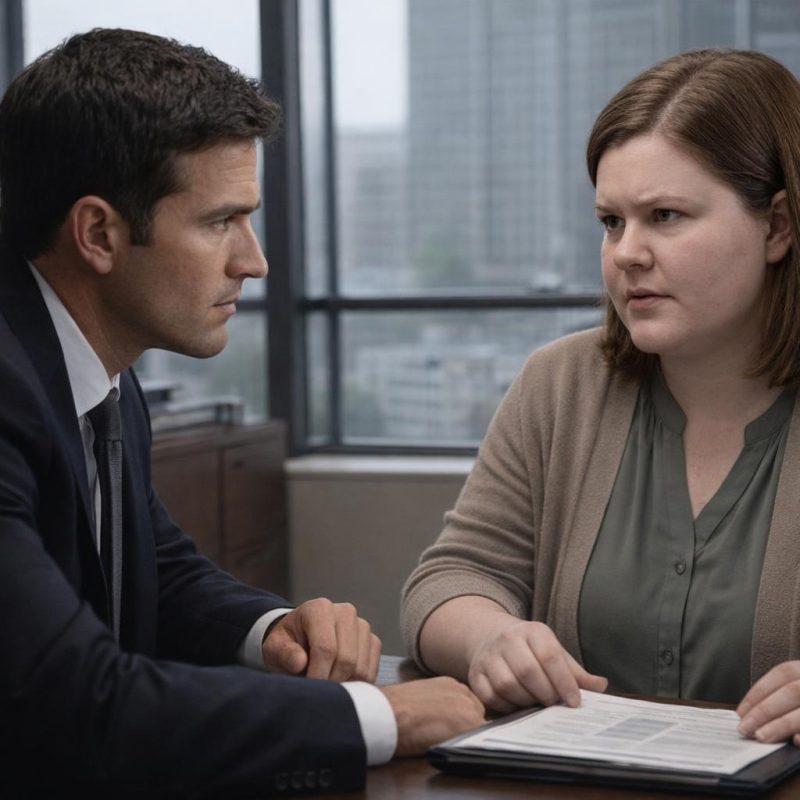 Image by RM AI
Filing Day
The courthouse felt different that Tuesday morning. Not intimidating anymore, just necessary. Daniel carried the evidence package in a leather portfolio, and I walked beside him with my shoulders back, thinking about my father building this case one document at a time. The courtroom was smaller than I expected, wood-paneled and formal, with that particular smell of old paper and furniture polish. Brenda sat on the opposite side with Sarah, both of them in their power suits, still wearing that expression of entitled certainty. You know that look people get when they've never actually lost anything that mattered? When Daniel approached the bench and handed the portfolio to the judge, I watched Sarah's face. She was trying to maintain her lawyer composure, but her eyes tracked every movement as the judge opened the folder. The judge spent twenty minutes reviewing the summary, her expression growing more serious with each page. She asked Daniel three specific questions about the forensic analysis, about the timeline documentation, about the medical records correlation. Then she looked at both parties and announced an emergency hearing for forty-eight hours later, her tone making it clear this was significant new evidence. I watched Sarah's face drain of color for the first time since this began.
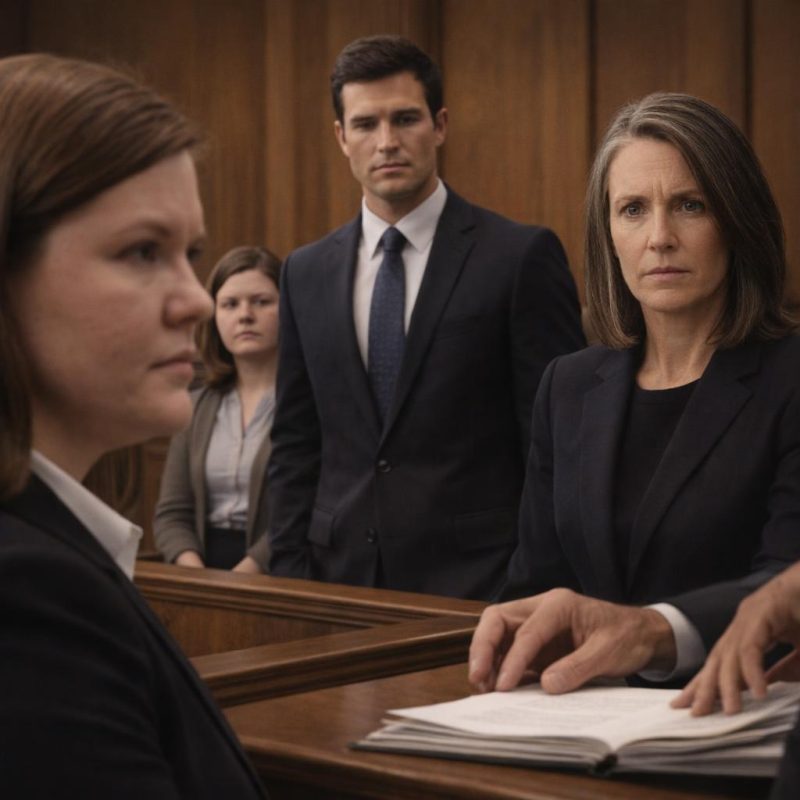 Image by RM AI
Forty-Eight Hours
Those two days felt like watching a building collapse in slow motion. Daniel kept me updated on every development, every frantic phone call from Sarah's office, every new attorney consultation Brenda scheduled. They brought in two additional lawyers, specialists in estate fraud defense, which told me everything I needed to know about how seriously they were taking this. Through Daniel's office window, I could see them across the street at a café, Brenda gesturing wildly while Sarah took notes, their usual composed facade completely abandoned. The settlement offers started coming through Daniel on Wednesday afternoon. First, they offered to split the estate fifty-fifty. Then sixty-forty in my favor. By Thursday morning, they were offering seventy-thirty and suggesting we could all just move forward as a family. Daniel read each offer with the same neutral expression, then looked at me for my response. I thought about my father's months of careful documentation, about Emma's trust fund, about every lie they'd told. I thought about that smirk on Brenda's face at the first will reading. "Tell them we're not interested in anything less than complete vindication," I said, and Daniel smiled as he picked up the phone.
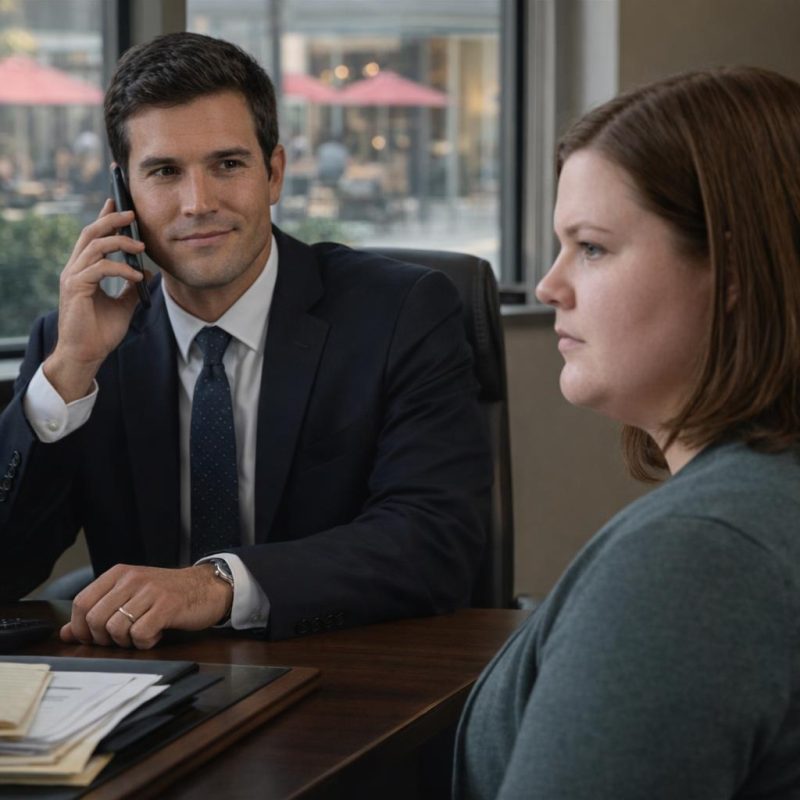 Image by RM AI
Explanations
The emergency hearing started at nine AM sharp. Sarah took the stand first, and I'd never seen her look uncertain before. Her usual courtroom confidence, that sharp-edged certainty she wore like armor, was visibly absent. She tried to explain the signature discrepancies as natural deterioration from my father's illness, her voice steady but not quite as strong as usual. "Parkinson's affects fine motor control," she said, looking at the judge instead of at the evidence photos. "Handwriting changes over time, especially under stress and medication." It sounded rehearsed, like she'd practiced this explanation in front of a mirror. Daniel let her talk, taking notes with that patient expression he got when he was about to dismantle something. When it was his turn to cross-examine, he pulled out a specific set of documents, medical records with timestamps. "Ms. Reynolds," he said, his voice calm and precise, "can you explain how your mother obtained your father's signature on these three financial documents dated March fifteenth, when hospital records show he was unconscious and unresponsive for seventy-two hours starting March thirteenth?" The silence in the courtroom stretched like a held breath.
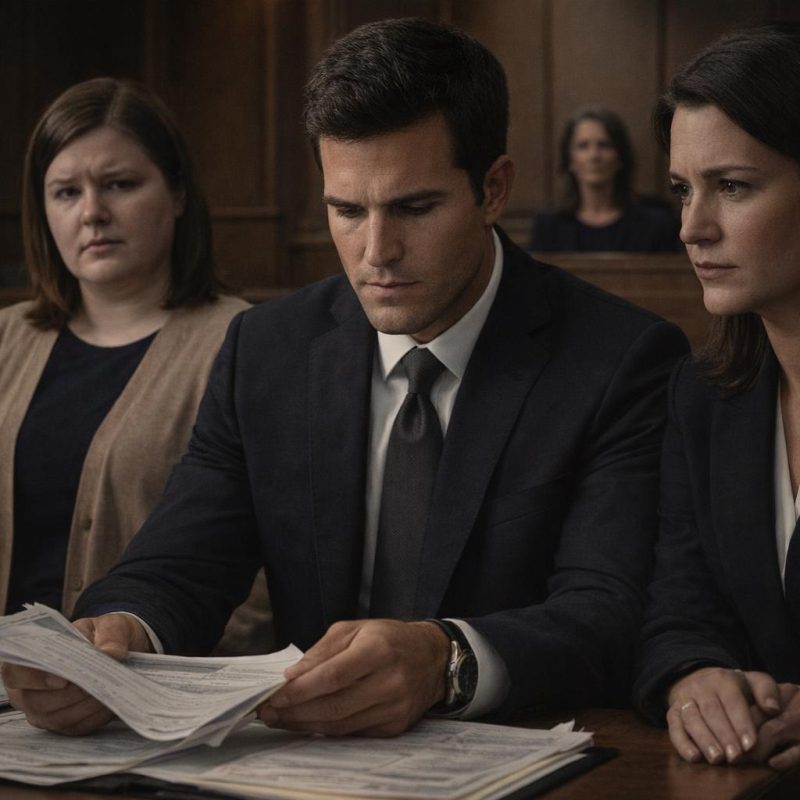 Image by RM AI
A Mother's Performance
Brenda took the stand next, and I had to hand it to her, she knew how to perform. Her voice trembled with practiced emotion as she described the impossible burden of caring for a dying husband, managing his affairs while he slipped away. "Thomas trusted me completely," she said, dabbing at her eyes with a tissue. "He verbally authorized me to handle everything. He knew I would protect his interests, protect our family." She portrayed herself as a devoted wife navigating an impossible situation, making difficult decisions out of love and necessity. The judge listened with a neutral expression, but I could see her taking notes. Daniel waited until Brenda had finished her entire performance, let the emotional moment settle, before he stood for cross-examination. "Mrs. Reynolds," he said, his tone respectful but firm, "you've testified that your husband verbally authorized you to manage his finances and make these transactions on his behalf." Brenda nodded, composure intact. "Can you please produce the power of attorney document that gave you legal authority to sign his name to financial instruments?" The pause before she answered told everyone in that courtroom that it didn't exist.
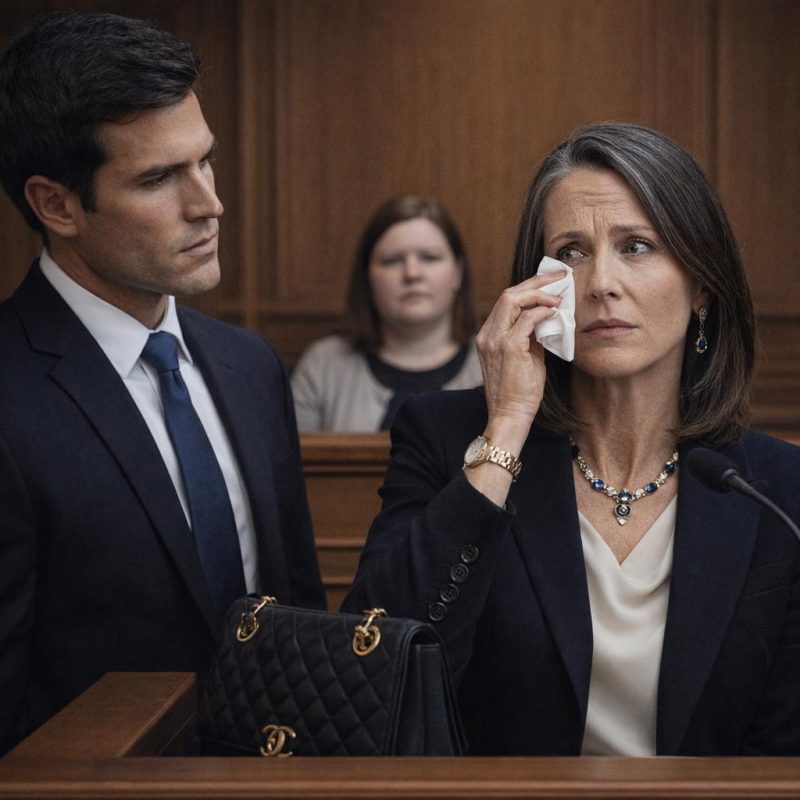 Image by RM AI
Expert Opinion
The forensic document examiner was methodical and devastating. She displayed enlarged signatures on the courtroom screen, side by side comparisons that made the differences impossible to ignore. "Here," she said, pointing with a laser pointer at a signature from 2019, "you can see the natural flow and pressure variation of Mr. Reynolds' authentic signature. Now compare that to this one from March of last year." The second signature looked similar at first glance, but enlarged, you could see the hesitation marks, the places where the pen had paused and restarted. "These indicators suggest tracing," the examiner explained. "Someone carefully copying the signature rather than writing it naturally. The pressure is inconsistent, starting and stopping in ways that don't match authentic signing behavior." She went through signature after signature, document after document, pointing out the same patterns. Brenda sat rigid in her seat, Sarah beside her taking notes with shaking hands. The expert's conclusion was delivered in the same calm, professional tone she'd used throughout. "Based on my analysis, at least forty-three signatures on financial documents were definitively not written by Thomas Reynolds' hand." I watched my mother's composure finally shatter.
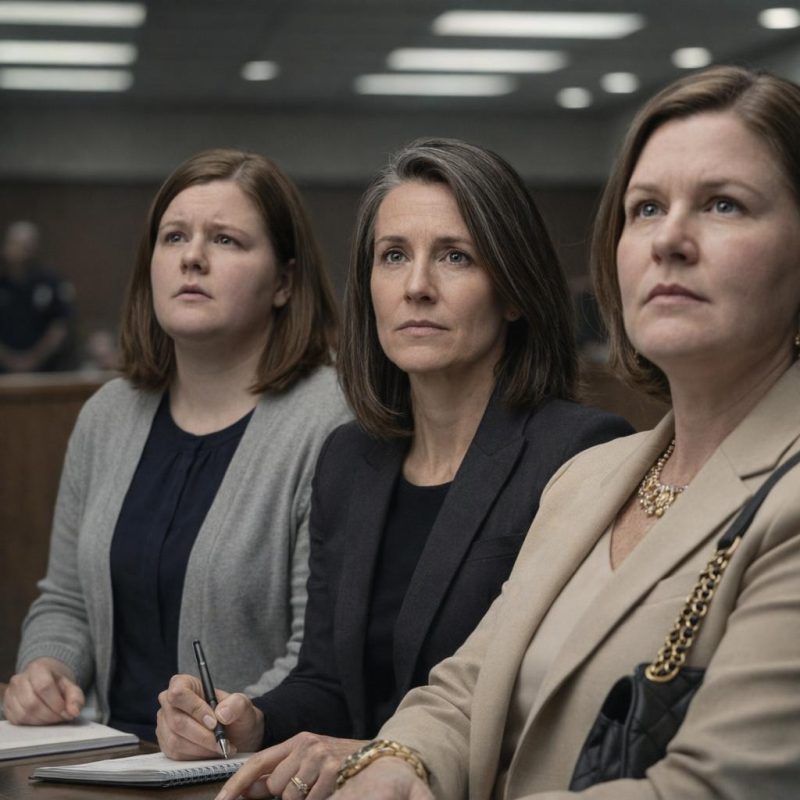 Image by RM AI
Paper Trail
Daniel presented the bank records next, and they were even more damning than the signature analysis. The timestamps were precise, documented to the minute. "On April third of last year," Daniel said, walking the judge through the evidence, "Mrs. Reynolds testified she was at her husband's bedside at the hospice facility. However, bank security footage and transaction records show her making an in-person withdrawal of fifteen thousand dollars at the downtown branch at two-seventeen PM." He pulled up the next record. "On April ninth, she testified to being with Mr. Reynolds during what she called a lucid period. Bank records show her at a different branch, forty minutes away, at one-thirty-two PM." Document after document, the pattern was undeniable. Brenda couldn't have been in two places at once, and the timestamps destroyed every story she had told. Sarah's attorney stood abruptly, his face flushed. "Your Honor, we request a brief recess to consult with our clients regarding these new developments." The judge looked at him over her reading glasses, and her tone suggested she had already seen enough. "Request denied, counselor. Please be seated."
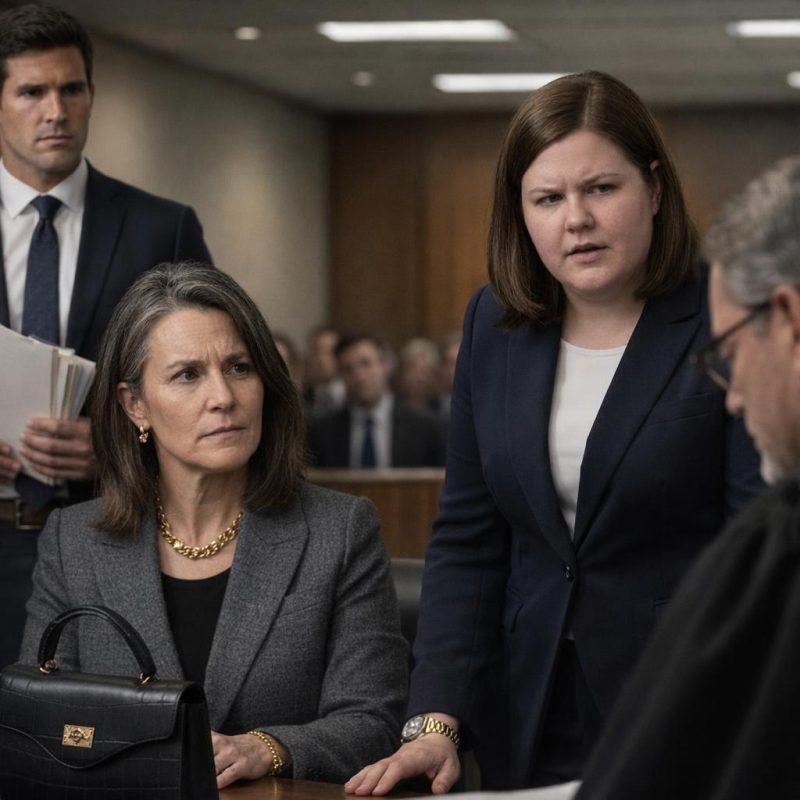 Image by RM AI
A Witness to Silence
The hospice nurse was in her fifties, with kind eyes and the calm demeanor of someone who'd witnessed countless family dramas. She took the stand and stated her name for the record, then described her role in my father's care during his final weeks. Daniel asked her about specific dates, the same ones from the forged documents. "On those days," she said, looking at her detailed care notes, "Mr. Reynolds was heavily sedated and largely unresponsive. He couldn't hold a conversation, couldn't feed himself." She paused, glancing at the documents Daniel showed her. "He certainly couldn't hold a pen steady enough to sign his name." Her testimony was precise, professional, backed by medical charts and hourly care logs. Then Daniel asked about Brenda's visits, and the nurse's expression shifted slightly. "Mrs. Reynolds came and went," she said carefully. "Sometimes she'd stay for hours, sometimes just minutes. I documented each visit in my notes." She looked directly at Brenda then, and her voice was steady. "Mr. Reynolds asked me to remember the dates when his wife came and went, as if he knew someone would need a witness someday."
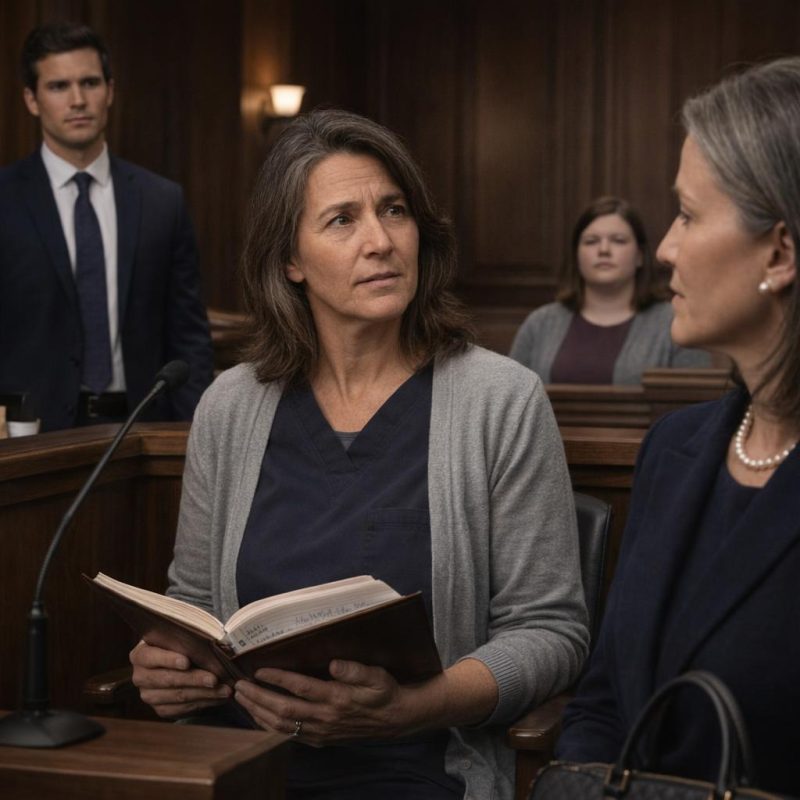 Image by RM AI
The Verdict
The judge didn't even leave the bench to deliberate. She reviewed her notes for maybe five minutes while the courtroom sat in absolute silence, then she looked up and began speaking. "Based on the evidence presented, this court finds the will of Thomas Reynolds to be valid and executed in accordance with all legal requirements." My heart was pounding so hard I could hear it. "The contest is dismissed with prejudice. The trust established for Emma Chen is hereby confirmed and protected." She looked at the evidence portfolio still open in front of her. "Furthermore, the documentation presented today raises serious questions of forgery, elder financial abuse, and fraud that warrant immediate criminal investigation." The judge's eyes moved to Brenda and Sarah, and her tone was ice. "I am referring this matter to the district attorney's office for review and potential prosecution." She gathered her papers with a finality that said this case was closed. Brenda stood frozen, Sarah beside her looking smaller than I'd ever seen her, and for the first time in my life, I watched them be the ones who had to leave with nothing.
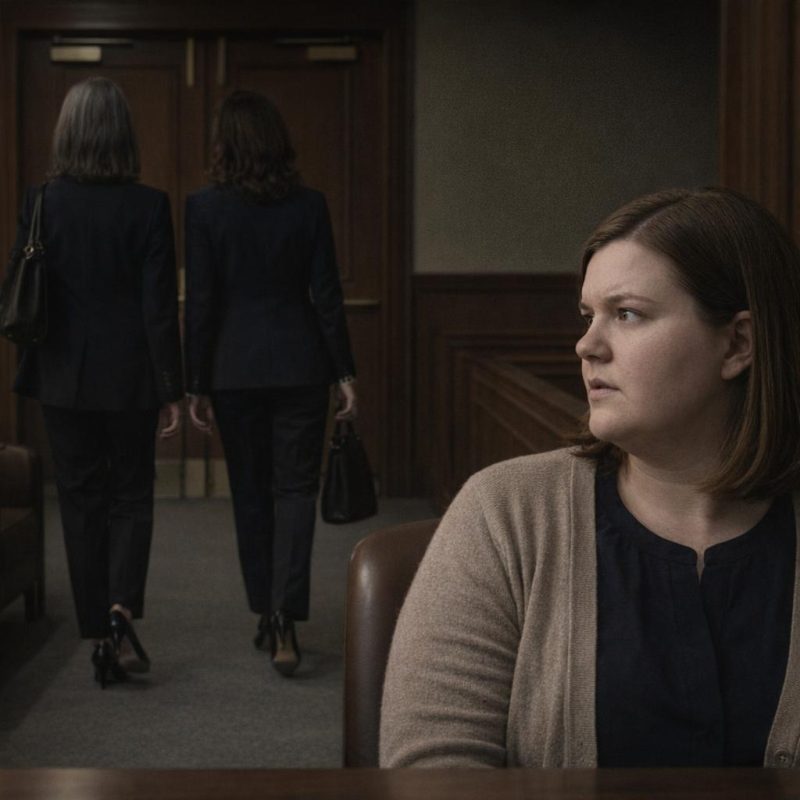 Image by RM AI
After the Gavel
The courtroom emptied slowly, security escorting Brenda and Sarah out through a side door while they whispered frantically to each other. I stayed in my seat, hands folded in my lap, watching the space where the judge had sat just minutes before. The silence felt different than any quiet I'd experienced in three years. It wasn't the anxious silence of waiting for the next attack or the heavy silence of grief. This was the kind of silence that comes after a storm passes, when you finally stop bracing and let your shoulders drop. Daniel sat beside me, organizing papers into neat stacks, giving me space without leaving me alone. You know that feeling when you've been holding your breath for so long you forgot you were doing it? That's what those first few minutes felt like. Just breathing. Just existing without the constant weight of fear pressing down on my chest. Daniel slid a folder across the table toward me. "Certified copies of the judge's ruling," he said quietly. "Emma's trust is protected. The criminal investigation is proceeding." I looked down at the official documents, at the judge's signature making it all real and permanent and finally over. And then I did something I hadn't allowed myself to do since my father's funeral. I let myself cry, right there in that empty courtroom, and Daniel just handed me tissues and waited.
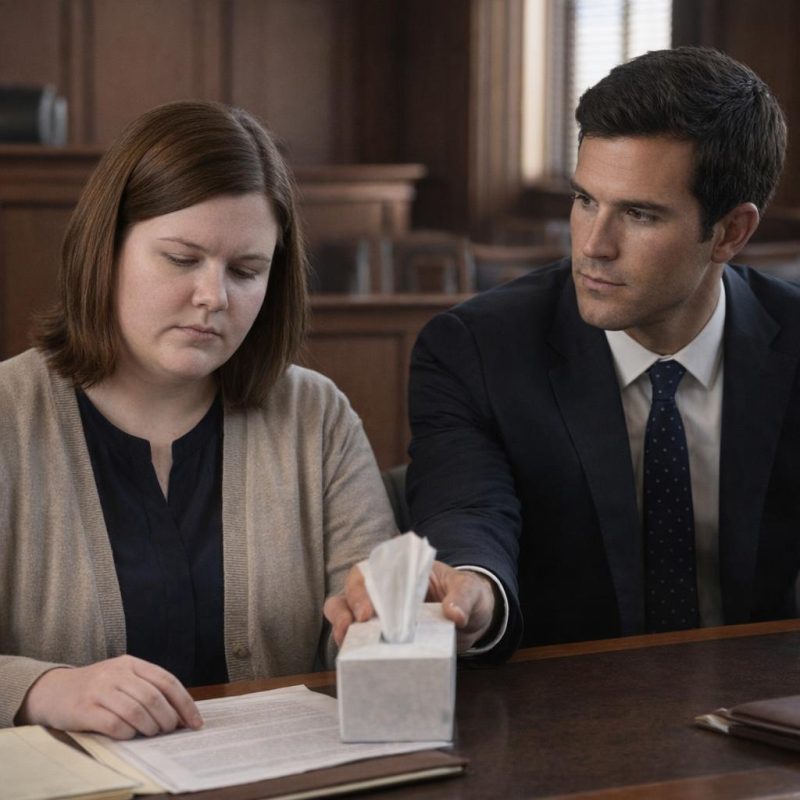 Image by RM AI
Paper and Promises
Daniel's office felt different this time. No tension, no emergency meetings, just the quiet work of making things official. Emma sat beside me at the conference table, her legs swinging because her feet didn't quite reach the floor, drawing pictures on the blank side of scrap paper Daniel had given her. I signed document after document, each one securing a piece of Emma's future that my father had fought to protect. Trust accounts transferred into protected status. Education funds locked behind legal walls that Brenda and Sarah could never breach. Investment portfolios that would grow safely until Emma turned twenty-five. Daniel explained each signature, each clause, each protection my father had built into the structure. Emma held up her latest drawing. Three stick figures holding hands under a bright yellow sun. "That's you, me, and Grandpa," she said, pointing to each figure. "Is he proud of us?" The question hit me harder than any of Brenda's accusations ever had. I set down my pen and pulled Emma close. "Everything we have right now is proof that he was always proud of us," I told her. "He believed we were worth protecting, sweetheart. He trusted us with his whole heart." She nodded solemnly and went back to her drawing, adding flowers around our feet.
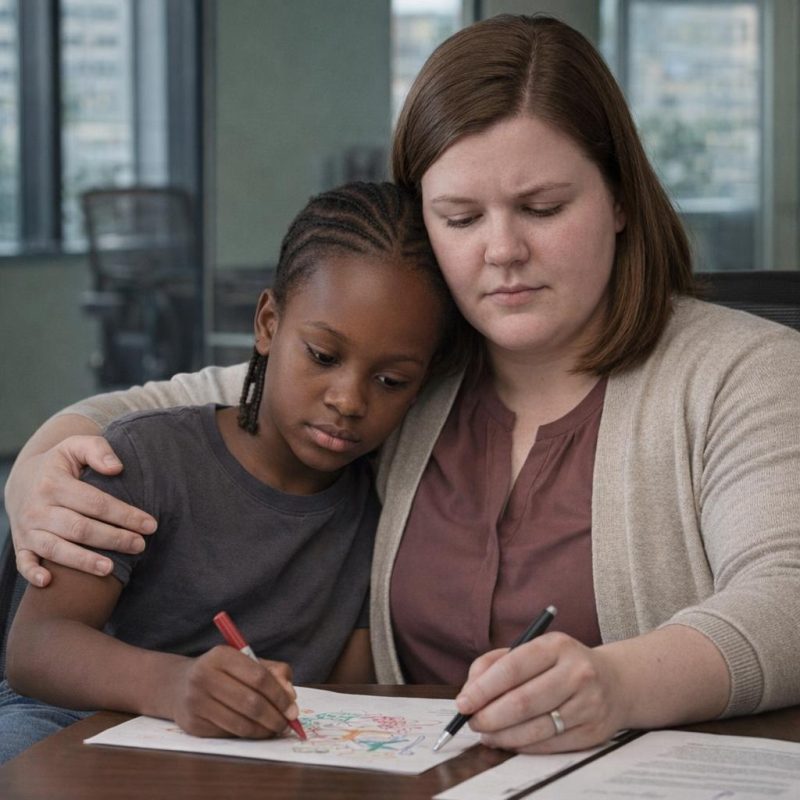 Image by RM AI
A Conversation Long Overdue
The spring wind carried the scent of fresh-cut grass across the cemetery as Emma and I stood at my father's grave. She held a rolled-up piece of paper in both hands, the drawing she'd made in Daniel's office, treating it like something precious. I knelt down and traced my fingers over his name carved into the granite. "We won, Dad," I said quietly. "The judge dismissed their case. Emma's inheritance is protected. Everything you planned worked exactly the way you hoped it would." Emma crouched beside me, carefully unrolling her drawing and placing it against the headstone, using small stones to hold down the corners. The three of us holding hands under that bright sun. "I wish I could tell you everything that happened. How Brenda tried to take it all. How Sarah forged your signature. How they almost convinced everyone that you didn't mean what you wrote." My voice cracked. "But you knew, didn't you? You knew exactly what they'd do, and you protected us anyway." Emma looked up at me with those serious, watchful eyes. "Can Grandpa hear us?" she asked. I smoothed her ponytail and smiled through tears. "Fathers never stop listening to their daughters," I told her. "Especially the ones they trusted most."
What Remains
I stood in the doorway of my father's house, Emma's small hand warm in mine, holding the keys that represented everything he'd fought to give us. The movers had finished an hour ago, and now it was just us and the quiet rooms filled with possibility. No frantic phone calls from Brenda. No threatening letters from Sarah's law firm. Just silence and space and the future my father had protected. Emma tugged my hand and led me through the living room to the back door, pressing her nose against the glass to look at the overgrown yard. "Grandpa always talked about planting a garden," she said. "He told me about tomatoes and sunflowers and how things grow when you take care of them." I remembered those conversations, my father's voice gentle as he described the garden he'd never had time to plant. All those years he'd spent working, planning, protecting us instead of doing the things he loved. Emma turned to look at me, her expression hopeful in that way only children can manage. "Can we plant one? Like he wanted?" I squeezed her hand and looked out at the yard, at the blank canvas of earth waiting for us to make it beautiful. "That's exactly what he would have wanted us to do," I told her, and for the first time in three years, I felt something that wasn't grief or anger or fear. I felt hope.
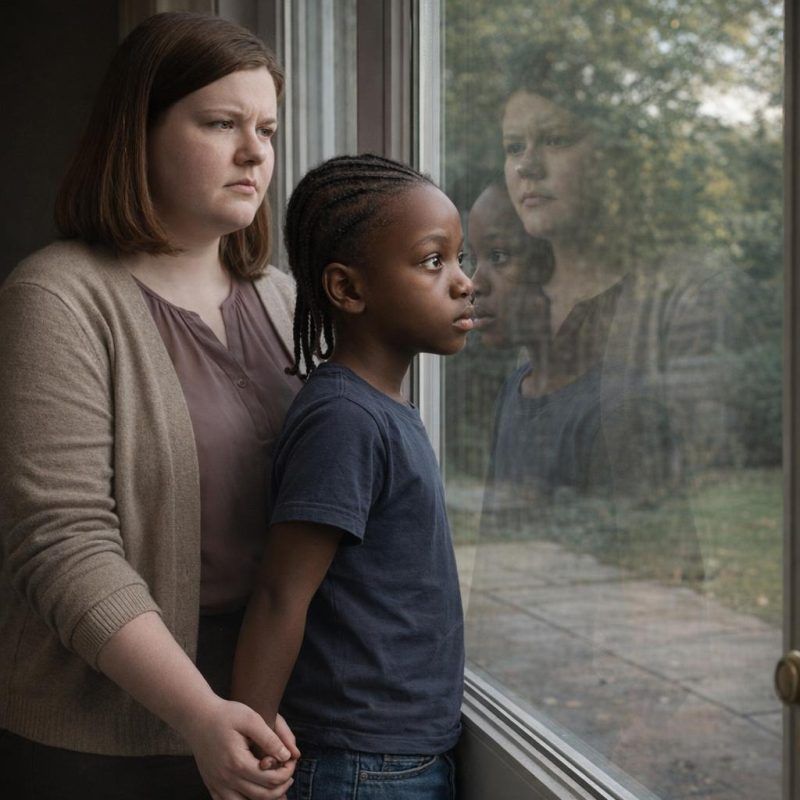 Image by RM AI
KEEP ON READING

20 Historical Figures Who Died Too Young
Lives Tragically Cut Short. History often remembers long reigns, mature…
By Christy Chan May 15, 2026
20 Historical Figures Who Died Right Before Everything Changed
Those Who Left Just Before the Final Act. Some people…
By Emilie Richardson-Dupuis May 15, 2026
20 Historical Figures Who Were Hot In Their Time But…
What Do You Think?. Beauty is famously in the eye…
By Sara Springsteen May 15, 2026
20 Greatest Underdogs In History
The World Did Not See That Coming. Everyone loves a story…
By Sara Springsteen May 15, 2026
20 Historical Figures Who Went From Villain To Antihero
History Gets Messy. History loves a clean villain. It gives…
By Cameron Dick May 15, 2026
10 Animals Humans Ate Into Extinction & 10 We Nearly…
The Menu Has Teeth. Extinction can sound distant, like something…
By Cameron Dick May 15, 2026