

My Husband's Retirement Hobby Led Me to Discover the Woman He Never Mentioned in 38 Years of Marriage
My Husband's Retirement Hobby Led Me to Discover the Woman He Never Mentioned in 38 Years of Marriage
The Sheet Cake and the Card
Frank came through the back door at half past four on a Friday, holding a sheet cake in both hands like an offering. The frosting read 'Happy Retirement, Frank!' in blue gel lettering, and the card tucked under his arm was thick with signatures — names I recognized from Christmas cards and names I'd never seen before. Forty-two years at the same company. I'd had the pot roast in the oven since two o'clock and a bottle of Merlot we'd been saving since our thirty-fifth anniversary sitting on the counter. He set the cake down and stood there for a moment, looking at it, and I could see something moving behind his eyes that he wasn't quite ready to put into words. We ate at the kitchen table the way we always did, and he talked about sleeping in and maybe finally building that workbench he'd been sketching on napkins for years. I told him it sounded perfect, and I meant it. After dinner I washed the dishes and he sat with his coffee, and the house was quiet in a way it hadn't been on a weeknight in longer than I could remember. Thirty-eight years of marriage has a particular weight to it, and that evening I felt every one of them settle gently into the room around us.
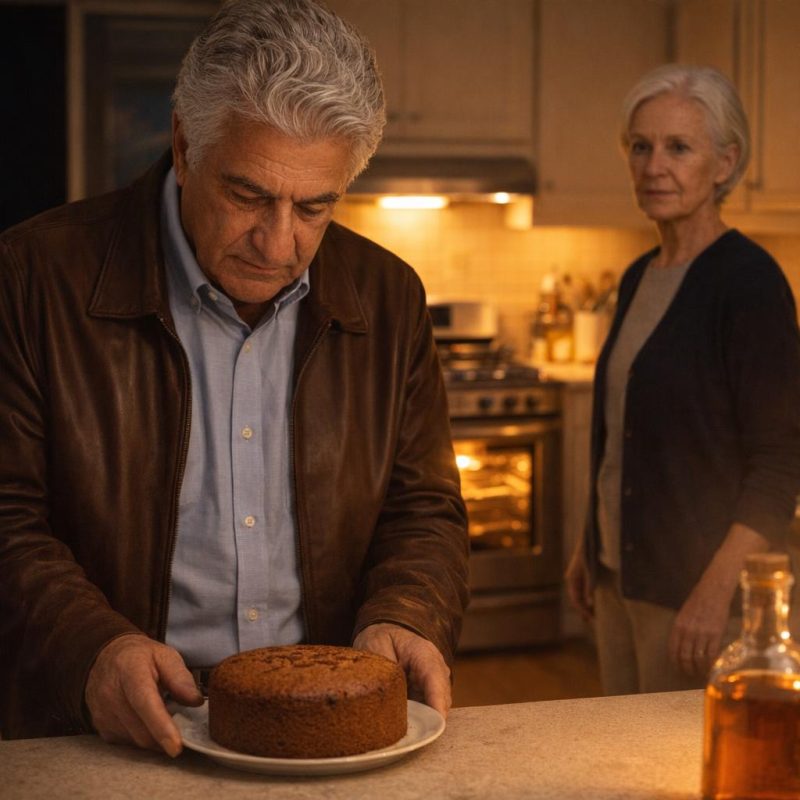 Image by RM AI
Nowhere to Be
The first morning Frank didn't have to set an alarm, I woke up at six out of habit and lay there listening to him breathe beside me, still asleep. I thought that was a good sign. By the end of the first week, though, I started to notice things. He'd pick up the television remote and set it back down without turning anything on. He'd walk into the kitchen, open the refrigerator, close it again, and drift toward the living room. I'd find him standing at the window looking out at the backyard with his coffee going cold in his hand. I tried to establish a little structure — breakfast at a reasonable hour, a walk after lunch if the weather held. He'd go along with it pleasantly enough, but the moment the activity ended, that same restlessness would settle back over him. I understood it, or thought I did. Forty-two years of somewhere to be every morning, and then suddenly nothing. I made his coffee the way he liked it and didn't push. One evening I came down the hallway to tell him dinner was ready, and he was just standing there in the middle of it, not looking at anything in particular, perfectly still.
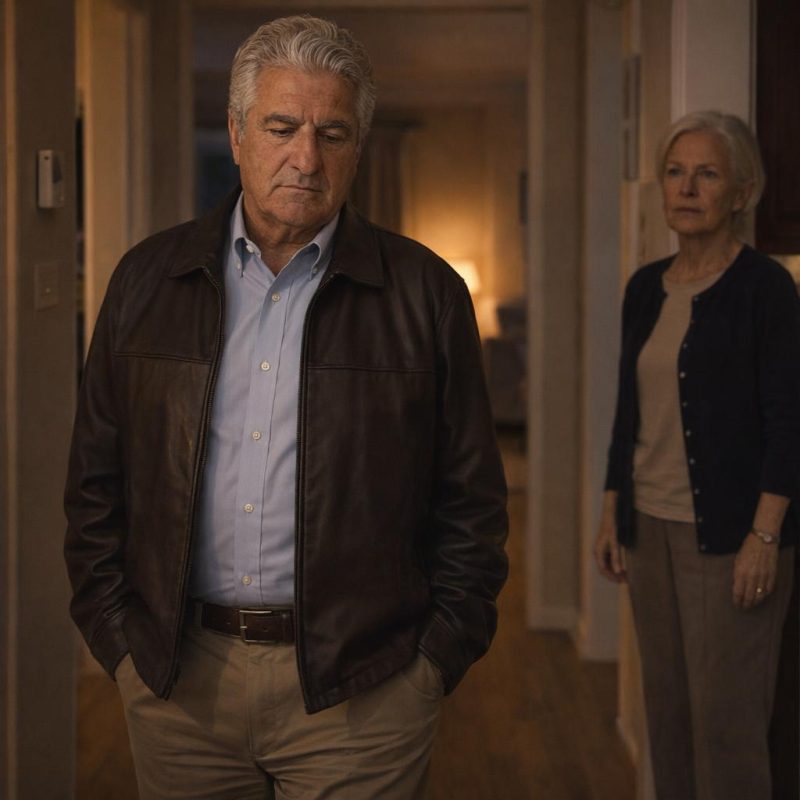 Image by RM AI
The Reorganized Garage
The Monday of his third week home, Frank announced he was going to reorganize the garage. I thought that was a fine idea — it had needed it for years. He spent the entire day out there, and when I brought him a sandwich at noon he had every tool laid out on the driveway, sorted by size. By Thursday he was out there again, rearranging the same space, this time organizing by function instead. I didn't say anything about it. The television was the other thing. It had always been background noise in our house, something we turned on for the evening news and turned off before bed. Now it ran from the time he came downstairs in the morning until we went up at night. Game shows bled into news programs, news programs into old westerns, old westerns into whatever came next. I'd be reading in the bedroom and hear the laugh track from two rooms away. I thought about saying something — gently, the way you do after nearly four decades with someone — but I held back. He wasn't unhappy exactly. He just hadn't found his footing yet, and I told myself that was normal. The sound of the television followed me from room to room like a second presence in the house.
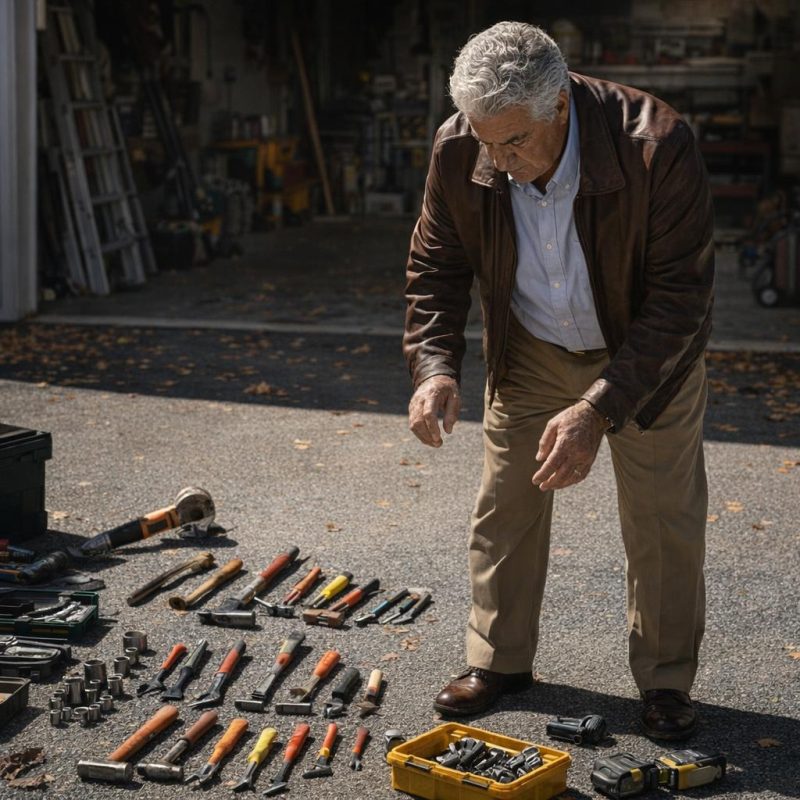 Image by RM AI
The Brass Mantel Clock
It was a Saturday morning in early October when things shifted. Frank was at the kitchen table with his coffee and the local paper, the way he'd been every morning, and I was rinsing the breakfast dishes when he said, almost to himself, 'There's an auction barn over in Millhaven. Estate sale, starts at ten.' I told him that sounded interesting. He folded the paper, finished his coffee, and was out the door by nine-thirty without a great deal of ceremony. I spent the afternoon doing laundry and working through a novel I'd been meaning to finish, and I didn't think much about it. He came back a little after three, and I heard something different in the way he came through the door — a kind of energy I hadn't heard in weeks. He set something on the kitchen counter wrapped in a dish towel and carefully folded back the edges to reveal a small brass mantel clock, tarnished but intact, with a scrolled face and a winding key still in the back. He explained the bidding, the other people there, the way the auctioneer moved through the lots. He talked for twenty minutes without stopping. I stood at the counter listening, and what I noticed most wasn't the clock at all — it was the brightness that had come back into his eyes.
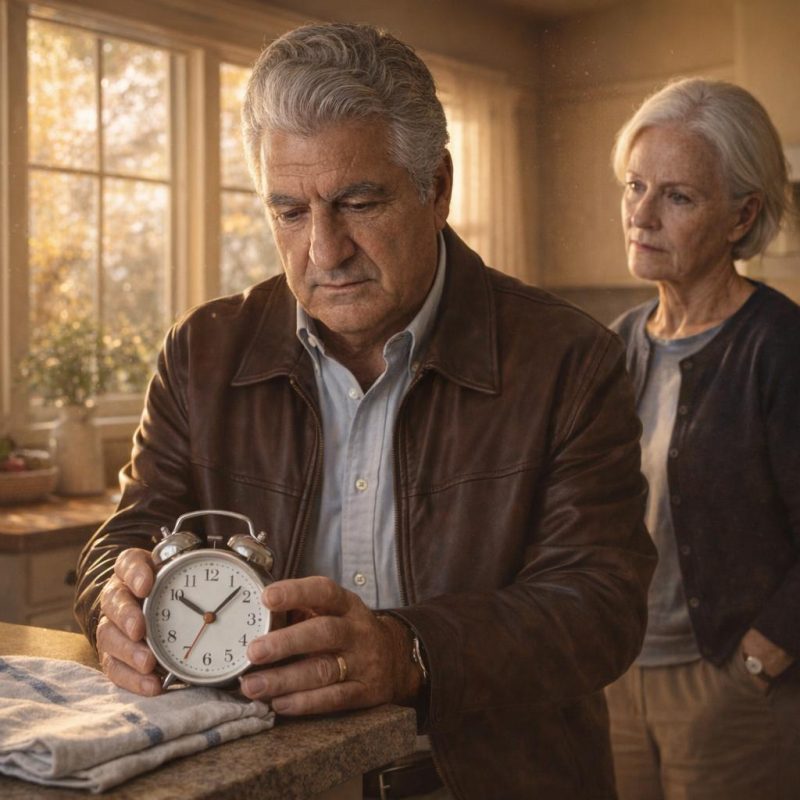 Image by RM AI
The Following Saturday
The following Saturday, Frank was up before I was. I heard him in the kitchen at seven, and by eight-thirty he was backing the truck out of the driveway. He came home that afternoon with a small wooden crate and a pressed-glass candy dish he said he'd gotten for almost nothing. The Saturday after that, same thing. It became the rhythm of our weeks almost without discussion — Thursday evenings he'd spread the local paper on the kitchen table and circle the auction listings with a ballpoint pen, and by Saturday morning he had a plan. He'd come home and tell me about the lots he'd passed on and the ones he'd won, and I'd ask questions and he'd answer them with the kind of detail that told me he'd been thinking about it all the way home. I was glad for it. Genuinely glad. It was the first time since retirement that he seemed to know exactly where he was supposed to be. I'd started using Saturday afternoons for my own things — a long walk, a phone call with my sister, whatever needed doing around the house. I was in the middle of pulling weeds along the back fence one Saturday when I heard his truck turn into the driveway a good two hours earlier than I expected.
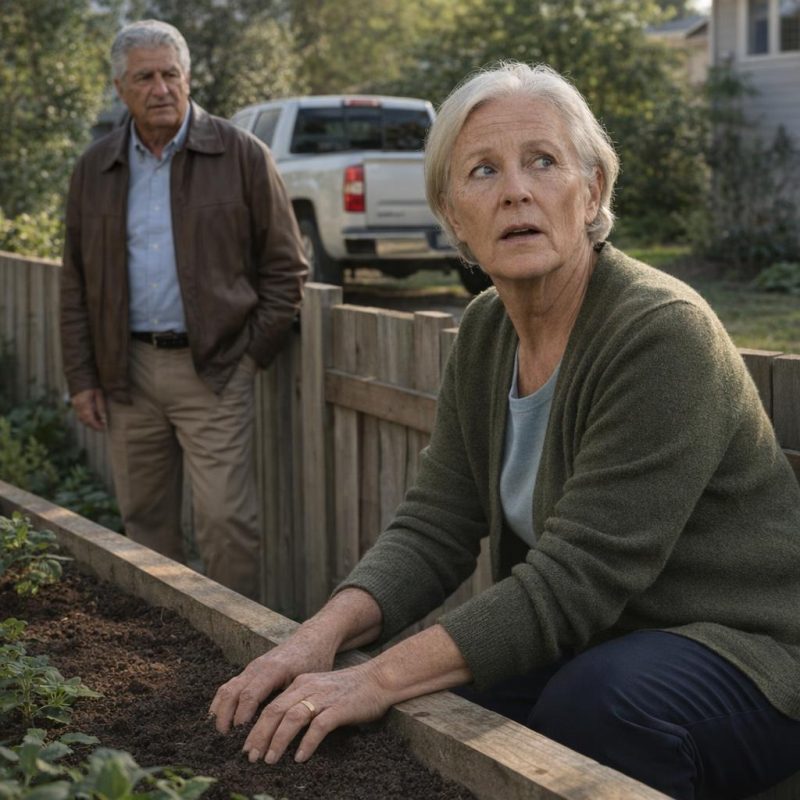 Image by RM AI
The Cluttered Garage
By the end of the first month, the garage had taken on a different character entirely. The tools were still there, pushed to one wall, but the rest of the space had filled up with Frank's finds. Framed photographs lined a shelf along the back — formal portraits of families I didn't know, serious-faced men and women in Sunday clothes, the kind of pictures that end up at estate sales when there's no one left to want them. A small writing desk with a broken hinge occupied the far corner, its surface already stacked with a few other pieces waiting for attention. Frank had a system, or the beginning of one. He'd walk me through each item when he brought it home, explaining what he thought it was worth and what he'd paid, and I'd listen and nod and help him find a place for it. One Saturday afternoon we spent an hour rearranging everything to see if we could fit both cars inside again. We got mine in, barely, with about four inches to spare on the passenger side. Frank promised he'd fix the desk hinge that week and start moving the better pieces inside. I stood in the garage doorway looking at it all and thought that my car was no longer going to fit by the following month.
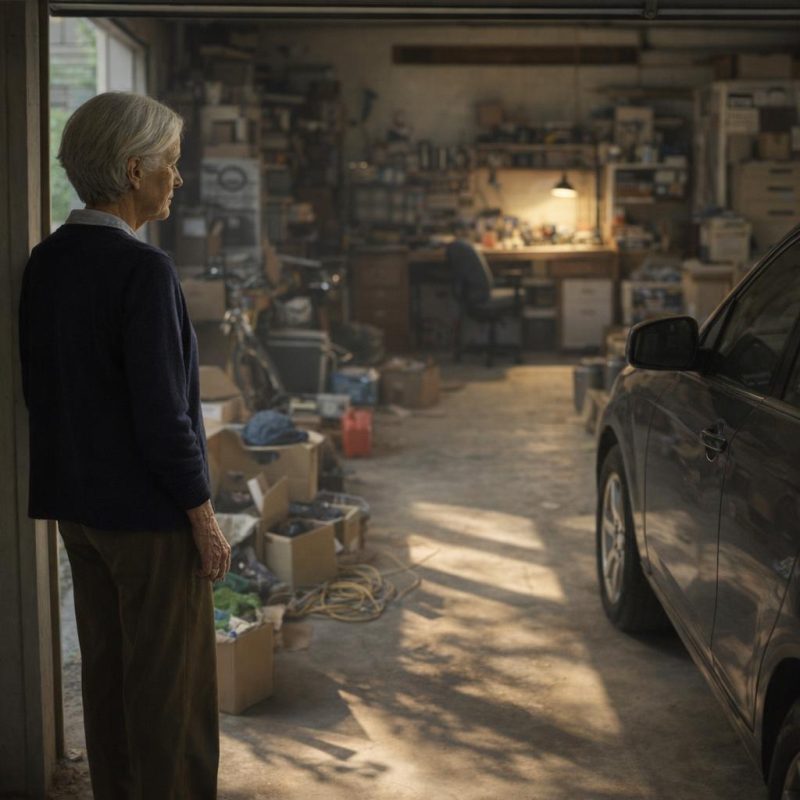 Image by RM AI
Makers' Marks and Dovetails
After dinner most evenings now, Frank would open his laptop at the kitchen table and disappear into research. He'd found forums and reference sites and at least two books he'd ordered from a used bookseller, and he worked through them with the same methodical focus he'd once brought to quarterly reports. He told me about makers' marks — small stamps pressed into wood or metal that identified the manufacturer — and about the difference between hand-cut and machine-cut dovetails, which apparently mattered a great deal to people who knew what they were looking at. I retained almost none of the technical details, but I loved listening to him explain them. There was a particular quality to his voice when he was absorbed in something he cared about — a kind of steadiness, unhurried and precise. He'd bring a piece in from the garage and set it on the table under the kitchen light, turning it over in his hands, pointing out details I wouldn't have noticed on my own. One evening he was examining the underside of a small drawer he'd pulled from the writing desk, and I watched him run his finger slowly along a joint in the wood, his whole attention gathered into that one point of contact, completely absorbed in whatever he was reading there.
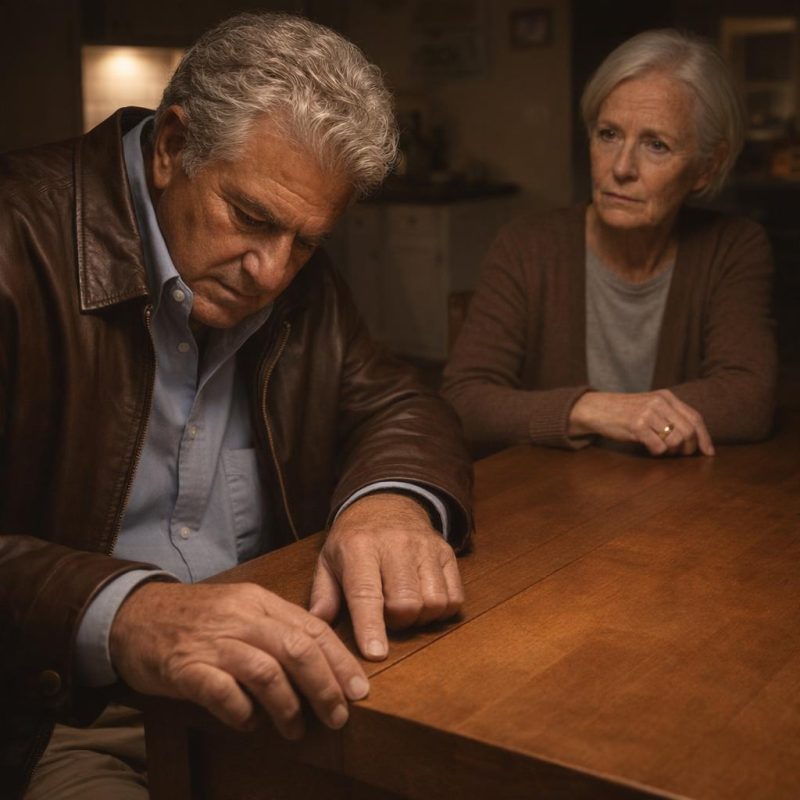 Image by RM AI
The Young Man at the Table
He brought home an oak side table the last Saturday of November, and that evening he set it in the middle of the kitchen floor and crouched down beside it like a man examining something sacred. He ran his palm across the top and told me to come look at the grain — the way it fanned out from the center in long, even arcs, which apparently meant something specific about how the tree had been cut. Then he flipped the small frame he'd brought in alongside it and showed me a faint rectangular stamp on the back, barely legible, that he'd already traced to a furniture maker in Ohio who'd been in business for eleven years in the early part of the last century. He was animated in a way that made the years fall away from his face. I sat on the kitchen floor beside him, which is not something I do often at my age, and we looked at the grain together under the overhead light. I thought about the young man I'd married in a church in September of 1986, who had that same quality of complete attention when something caught his interest. Sitting there on the linoleum with Frank's voice filling the kitchen, I had the strange and gentle feeling of time folding back on itself.
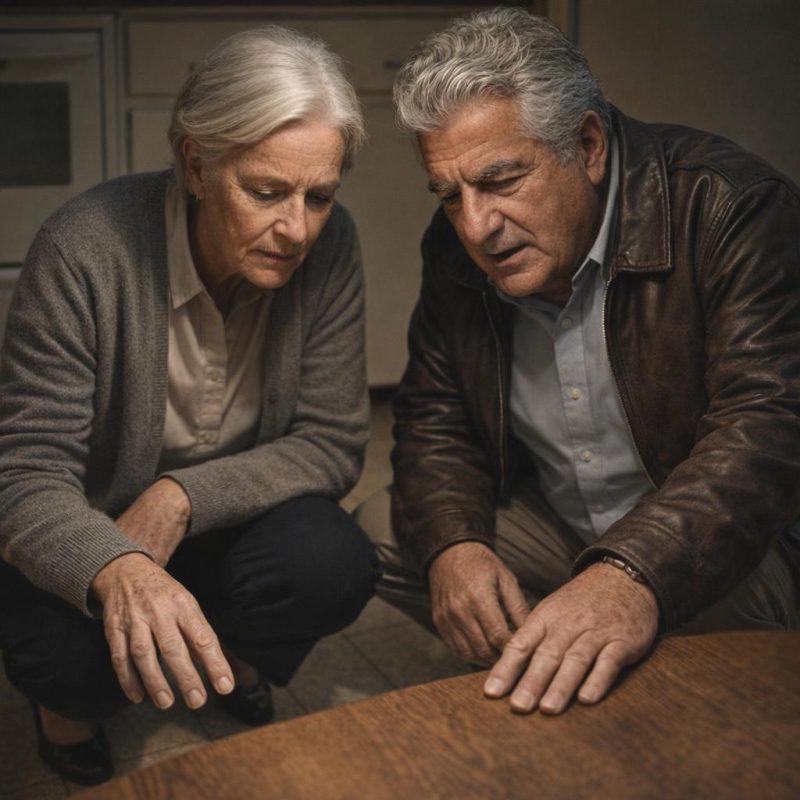 Image by RM AI
The Thursday Ritual
By the time October arrived, Thursday evenings had taken on a shape of their own. After dinner Frank would settle into his chair with his laptop and pull up the auction listings the way he used to pull up the weather — methodically, without fanfare, like a man checking on something he was responsible for. I'd gotten used to the sound of it: the quiet clicking, the occasional low hum of interest when something caught his eye. I started planning our weekends around whatever he found, the same way I used to plan around his work travel. It felt natural, even pleasant — a new kind of structure for days that had been a little shapeless since his retirement. One Thursday in early October he looked up from the screen and mentioned an estate sale two counties over the following Saturday. His voice was easy, matter-of-fact. Then he said we might want to skip Linda's birthday gathering that weekend, since the sale started early and the drive was long. I thought about it for maybe ten seconds. Linda's parties were loud and the cake was always dry. I told him that sounded fine.
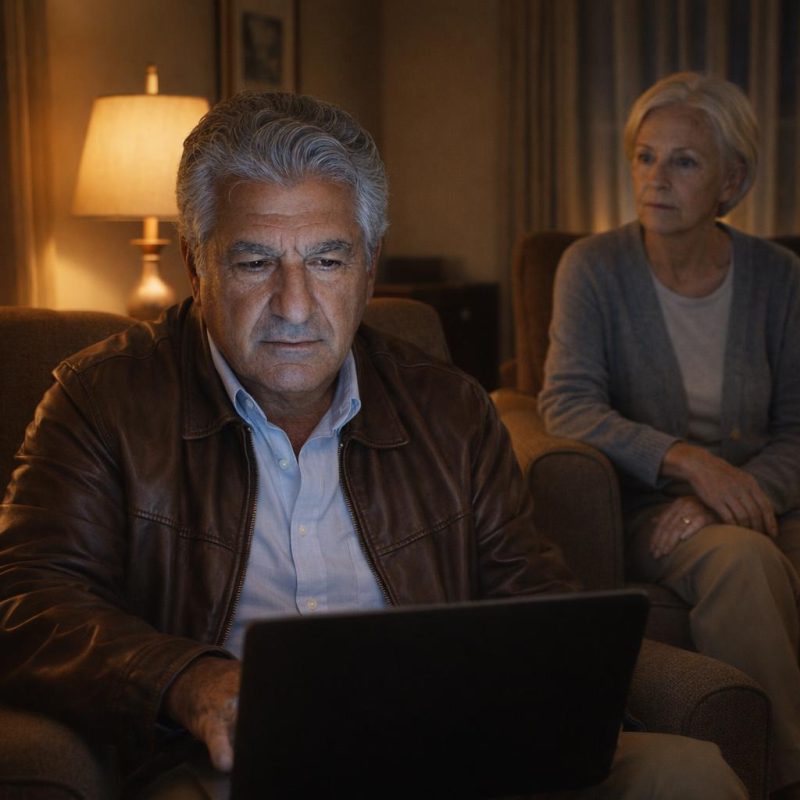 Image by RM AI
Deciding to Join Him
It occurred to me one evening in late October that I had never actually seen Frank at an auction. I'd heard about them for months — the grain patterns, the dovetail joints, the particular satisfaction of outbidding a dealer on something good — but I'd only ever received the stories secondhand, over dinner or in the car on the way home from somewhere else. I asked him that night if I could come along the following Saturday. He looked up from his laptop with something that read like genuine pleasure, and said of course, why hadn't I asked sooner. So I started asking questions. What time did they start? Was there parking? Did people dress a certain way? He answered each one patiently, describing the barn setup, the numbered paddles, the way the auctioneer moved through items faster than you'd expect. He told me to bring cash and comfortable shoes and not to expect much from the coffee. I went to bed that Friday night with a small, quiet anticipation I hadn't felt in a while — the particular feeling of being about to step into a world that had existed without me in it.
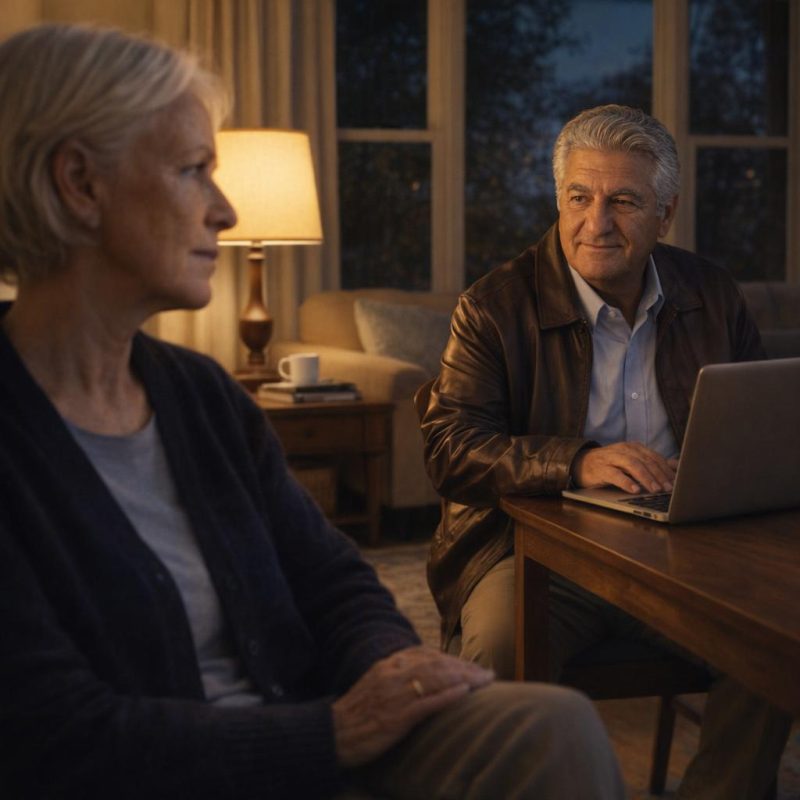 Image by RM AI
The Auction Barn
The coffee was exactly as bad as he'd promised — thin and faintly burnt, served in a styrofoam cup that went soft within minutes. I drank it anyway, standing just inside the barn door while my eyes adjusted to the light. The space was bigger than I'd imagined, with folding chairs arranged in uneven rows and tables along the walls stacked with everything from Depression glass to old hand tools to a lamp shaped like a heron that I couldn't imagine anyone wanting. Ray, the auctioneer, had a voice that filled the room without effort — a rolling, rhythmic cadence that was almost musical once you stopped trying to follow every word and just let it wash over you. Frank drifted toward the front almost immediately, the way he always moved toward whatever had his attention, and I found a spot near the back where I could watch the whole room at once. I liked it back there. I liked the way the crowd leaned forward when something good came up, and the way Ray's voice lifted just slightly at the end of each lot. By the second hour I had stopped thinking about the coffee entirely, and that felt like its own small discovery.
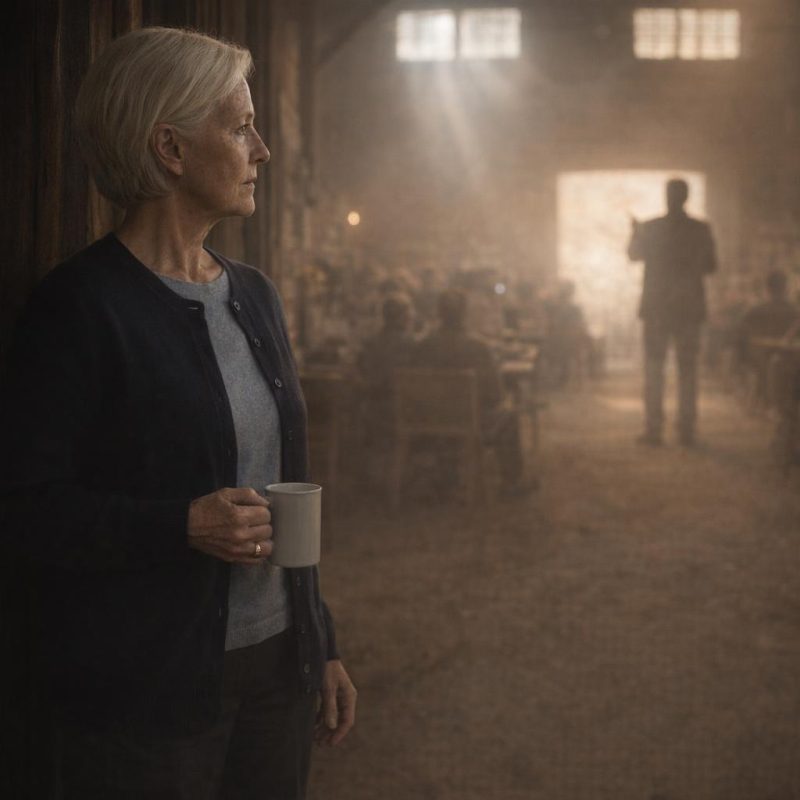 Image by RM AI
The Lost Bid
The dark wood cabinet came up about halfway through the morning, and I knew from the way Frank went still that he wanted it. He'd pointed it out to me during the preview, running his hand along the side panel and saying something about the secondary wood on the drawer bottoms that I didn't fully follow but understood was significant. When the bidding opened he raised his paddle without hesitation. A dealer near the front — mid-fifties, sharp-eyed, the kind of man who moved through auctions like he was doing inventory — matched him every time. Back and forth they went, the numbers climbing in steady increments. Frank's jaw tightened. The dealer didn't flinch. It ended fifty dollars above what Frank had decided was his limit, and he lowered his paddle and stood very still for a moment before making his way back to where I was standing. I handed him what was left of my coffee without saying anything. He took it, which told me how he felt. I said there would be another one, and he nodded in the way that meant he knew I was right but wasn't ready to agree yet. We stood together and watched the dealer load the cabinet into the bed of a pickup truck in the parking lot.
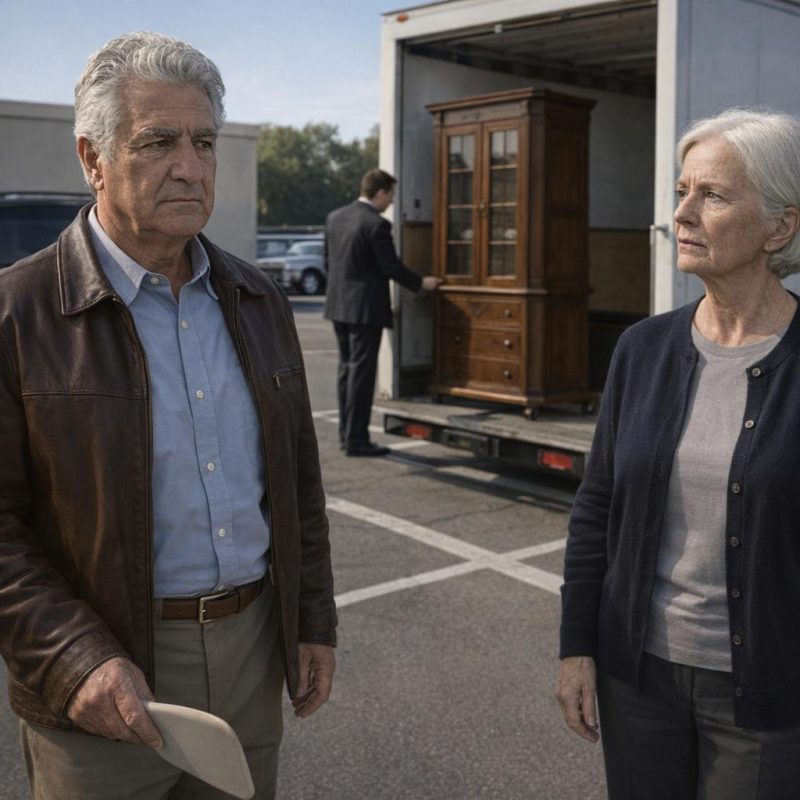 Image by RM AI
The Easy Saturday
He was quieter than usual on the drive home, but it wasn't an unhappy quiet — more like the kind that settles in after something has run its course and you're still carrying the shape of it. We talked about a few of the other pieces that had come through: a set of pressed-back chairs he thought were reproduction, a butter mold I'd almost bid on myself before losing my nerve. By the time we crossed back into our county his mood had lifted, and he was explaining something about how the cabinet's hardware had been replaced at some point, which actually would have made it less interesting to restore. I wasn't sure if he believed that entirely, but I appreciated the effort. We pulled into the driveway a little after two in the afternoon, the October light already going low and golden across the yard. He carried in the one small lot he'd won — a box of old hand planes — and set it on the workbench in the garage. I stood in the kitchen and put the kettle on, and the house felt easy around me, the way it does on days that haven't asked too much of you.
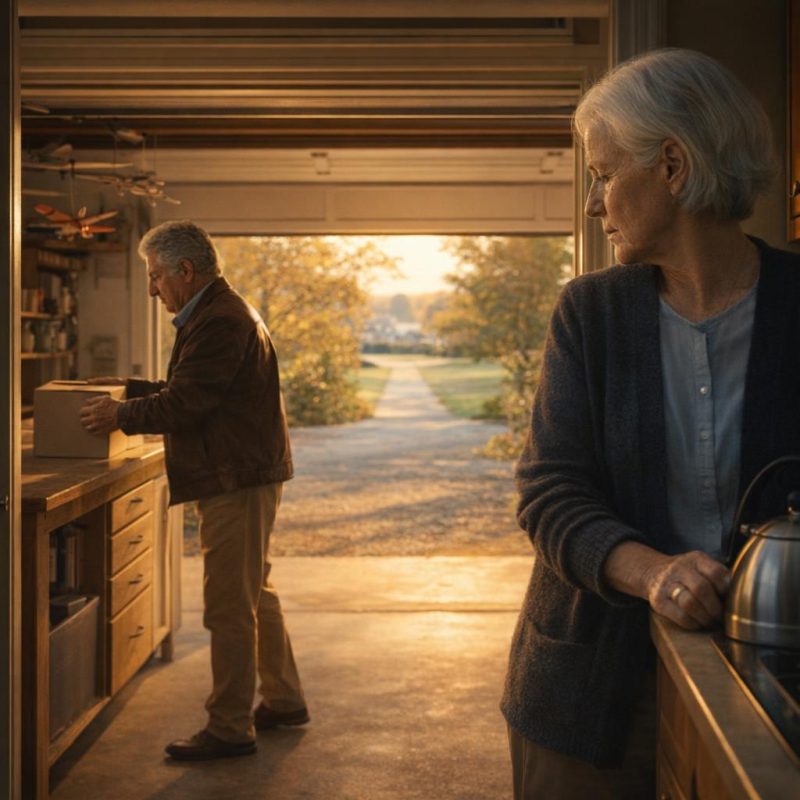 Image by RM AI
The Saturday Ritual
After that first Saturday it became simply what we did. We went most weekends through November and into December, and the rhythm of it settled into our week the way good routines do — quietly, without announcement, until you can't quite remember what you did before. We'd talk about the upcoming sale over breakfast on Saturday mornings, Frank with his coffee and the printed listing he'd pulled up the night before, me with my tea and whatever questions I'd thought of during the week. He got better at explaining what he was looking for, and I got better at spotting it. I started recognizing a few of the regulars — Ray behind the podium, the woman who always arrived early and claimed the same aisle seat, the dealer who'd beaten Frank on the cabinet. It felt like belonging to something, in a modest way. One Thursday evening I noticed Frank had marked several sales in the listings, spread across two counties, with notes beside each one about specific lots. I assumed we'd talk it over in the morning and pick one, the way we always did, and I left him to his reading and went to bed.
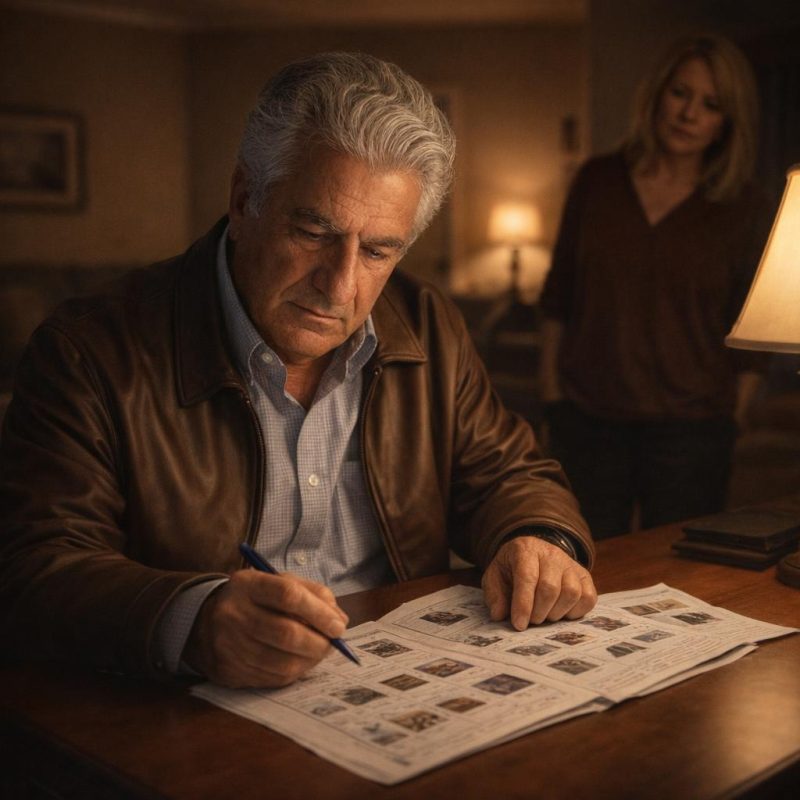 Image by RM AI
The Enthusiastic Explanations
He came home one Tuesday with a wooden box of old woodworking tools — a set of chisels, a marking gauge, a brace and bit that he said was probably from the 1920s — and over dinner he talked about them the way he used to talk about cases he'd worked on, with that particular focused energy that meant he'd been thinking about it all day. He explained how you could tell the age of a tool by the way the handle was fitted, the type of steel, whether the manufacturer's mark had been stamped or cast. I asked questions mostly to keep him going, because I liked watching his face when he talked about things he cared about. It reminded me of something I hadn't thought about in years — the version of him that existed before the long middle stretch of work and obligation, when everything he loved still had that quality of being newly discovered. At some point he mentioned finding a similar brace at a previous sale, describing the lot in enough detail that I found myself trying to place it. I assumed I'd mixed up the dates somehow, or let one Saturday blur into another, and I let it go and focused on the way his hands moved when he talked about the tools.
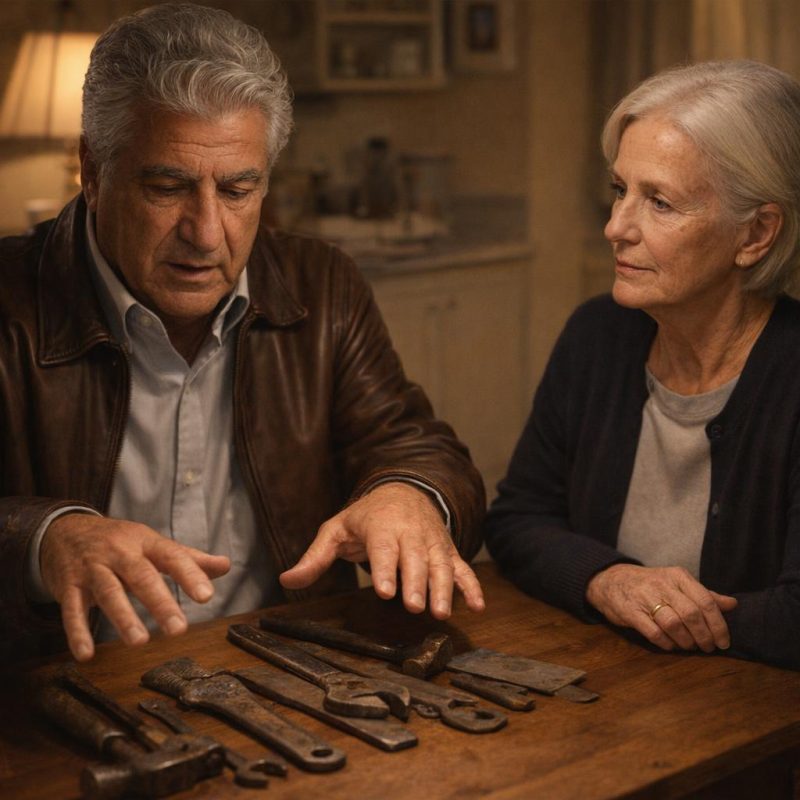 Image by RM AI
The Skipped Birthday
Linda's birthday fell on a Saturday in the middle of October, and Frank had been tracking an estate sale two counties over for the better part of three weeks. He mentioned it on a Tuesday, almost in passing — the sale, the timing, the drive. I said it was fine, we could send Linda a card. He nodded and went back to his listing. I don't think either of us gave it more than two minutes of thought. The sale turned out to be a good one: a farmhouse clearance with several pieces of early American furniture and a set of stoneware crocks that Frank photographed for reference even though he didn't bid. We drove home in the late afternoon with the windows cracked and the radio on low, and I felt easy about the day, easy about all of it. It was only later, washing up before dinner, that something small and formless moved through me — not quite a thought, more like the ghost of one. We had chosen the sale without any real discussion. Frank had named it, I had agreed, and that had been the whole of it.
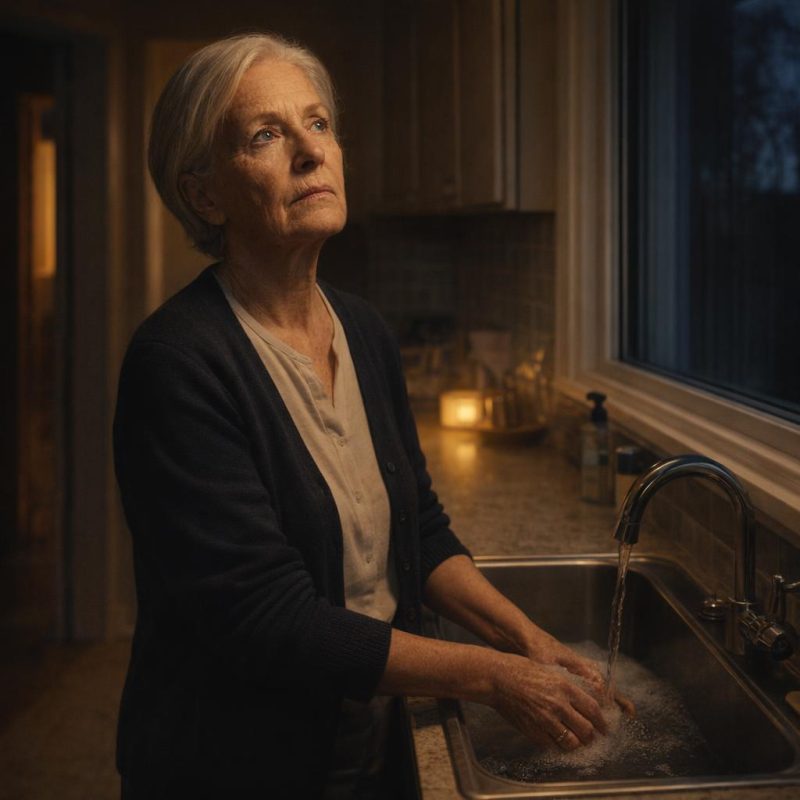 Image by RM AI
The Crowded Warehouse
The warehouse sale was the kind that draws a real crowd — two dozen folding tables pushed against the walls, furniture stacked three pieces deep, and a draft coming through the loading dock doors that no amount of space heaters could quite fix. Frank and I had driven forty minutes to get there, and the parking lot was already half full when we pulled in. He had his eye on a set of oak side chairs listed in the preview photos, so he peeled off toward the furniture section almost as soon as we got inside, leaving me to find my footing in the crowd. I drifted toward the refreshment table the way I usually did at the bigger sales — it gave me a good sightline and something to do with my hands. I poured myself a cup of coffee that tasted like it had been sitting since morning and watched the room fill up. I recognized a few faces from other sales: the man in the canvas vest who always bid on tools, the older couple who specialized in Depression glass. It was comfortable, that kind of recognition. Like knowing the regulars at a diner without knowing their names. I was just setting down my cup when I noticed a woman making her way through the crowd toward me, smiling like she already knew who I was.
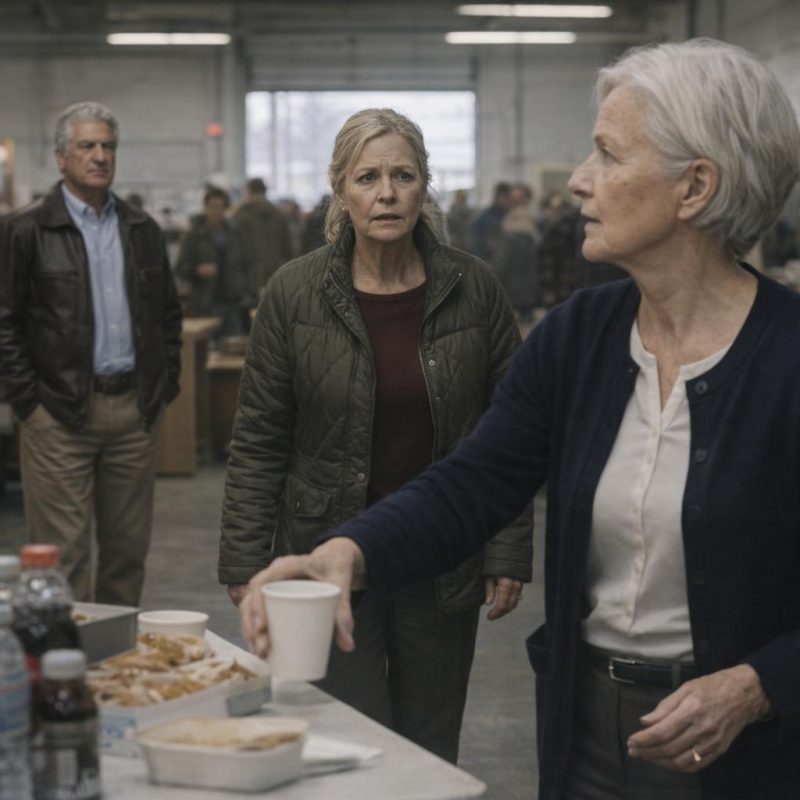 Image by RM AI
The Comfortable Routine
Somewhere between the third and fourth auction we attended that fall, I stopped feeling like a visitor. I'm not sure exactly when it happened — it wasn't a single moment so much as a slow accumulation of small things. I learned which auctioneers moved fast and which ones milked the room. I learned that the serious dealers arrived early and stood near the front, and that the browsers like me were better off hanging back where you could see the whole floor. I learned that the refreshment table was always near the exit, which made it the best place to watch without committing to anything. Frank had his routines and I had mine, and we moved through those rooms in a kind of easy parallel — checking in with a look or a nod, meeting back at the truck when it was over. I started recognizing faces the way you recognize neighbors: not friends exactly, but people who belonged to the same small world. A woman who collected vintage linens. A retired contractor who came for the hand tools. The auctioneer with the booming voice who always cracked the same joke about reserve prices. I hadn't expected to feel at home in these drafty buildings full of other people's things, but somewhere along the way, I did.
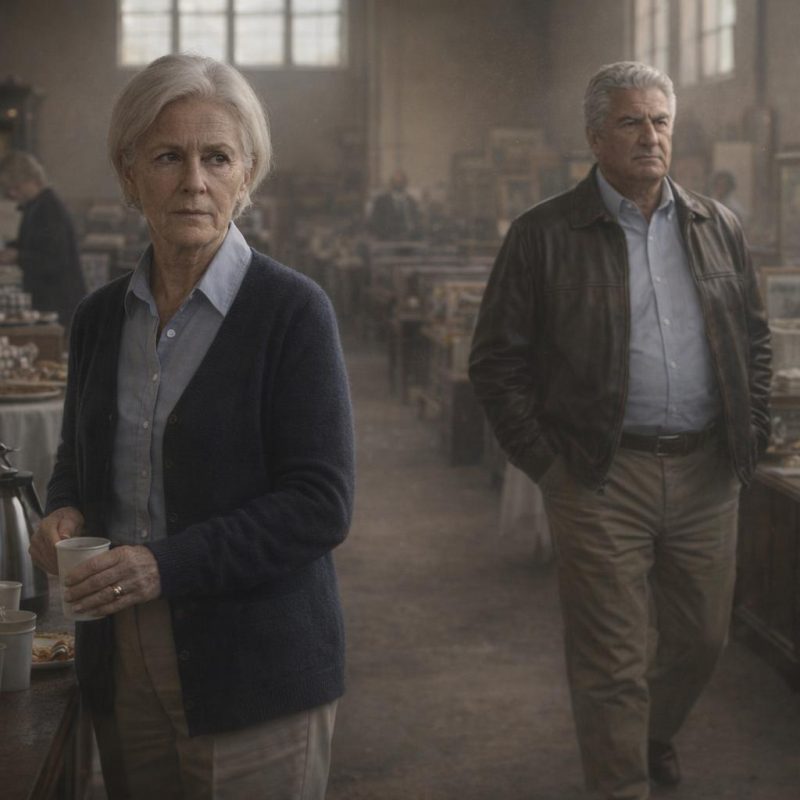 Image by RM AI
The Name Clara
The woman's name was Marilyn, and I had seen her at enough sales to recognize her without knowing much else about her. She had that confident, easy manner of someone who knew exactly what she was looking for and how much she was willing to pay for it. She came up to the refreshment table with a smile and said something about the coffee being terrible, and I laughed and agreed, and for a few minutes we talked about a farmhouse sale the previous month and whether the stoneware had been fairly priced. It was pleasant, the kind of conversation that fills a room without demanding anything. Then something shifted. Marilyn glanced toward the furniture section where Frank was crouched beside a cabinet, and then back at me, and her expression changed — not dramatically, just a small recalibration, like she was doing arithmetic that wasn't coming out right. She said she must have gotten confused. She said Frank talked about someone he came to these sales with, and she had just assumed — she trailed off and looked at me again. She mentioned a name. Clara. She said it the way you say a name you expect the other person to recognize, and when I didn't, she apologized quickly and took a small step back. I watched her face settle into something careful and uncomfortable, and neither of us said anything for a moment.
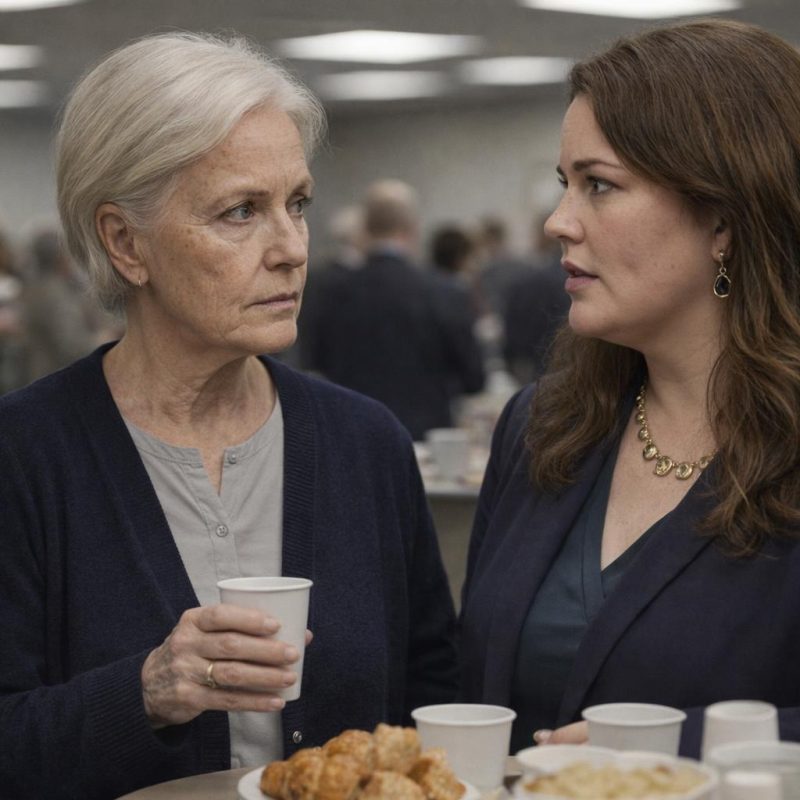 Image by RM AI
The Jagged Stone
Frank came back from the bidding area looking pleased with himself, the way he always did when he'd gotten something for less than he thought he would. He said he'd picked up a small cabinet — solid walnut, good bones, needed some work on the hinges but nothing serious. He talked about the refinishing while we walked to the truck, and I nodded in the right places and said the right things, but I was only half there. The name was still sitting in my chest like a stone with an uneven edge. Clara. I turned it over quietly while Frank loaded the cabinet into the truck bed and secured it with the tie-downs he kept coiled behind the seat. I couldn't place it. It wasn't a name he'd ever mentioned — not a cousin, not a neighbor, not someone from before we met. Marilyn had said it like it was a name Frank used himself, like it was a name that belonged in a sentence with his. I watched him check the knot on the tie-down, his hands moving with the same easy competence they always did. He seemed entirely himself. Happy, even. We got in the truck and pulled out of the lot, and I kept my eyes on the road ahead while the name turned over and over in the back of my mind, and I found myself watching Frank's profile from the corner of my eye.
 Image by RM AI
The Casual Question
We got home just before dark. Frank backed the truck up to the garage and we unloaded the cabinet together, carrying it in two stages — first to the driveway, then through the side door. It was heavier than it looked, and we had to angle it through the frame. Frank was already talking about where he'd set it while he worked on the hinges, whether the garage had enough light this time of year. I let him talk. I waited until the cabinet was down and we were both standing in the garage catching our breath before I said anything. I kept my voice easy. I told him a woman at the sale had come up to me at the refreshment table — friendly, one of the regulars — and that she'd seemed confused about something. I said she'd looked at me like she was expecting someone else. I watched his face while I said it. I told him she'd mentioned a name, like she thought it was someone he knew. I said the name: Clara. I said it the same way Marilyn had, just dropping it into the air between us, and then I waited. The garage was quiet except for the tick of the engine cooling in the driveway. Frank had his hand resting on the top of the cabinet, and I stood there in the half-dark with the weight of that small word still hanging between us.
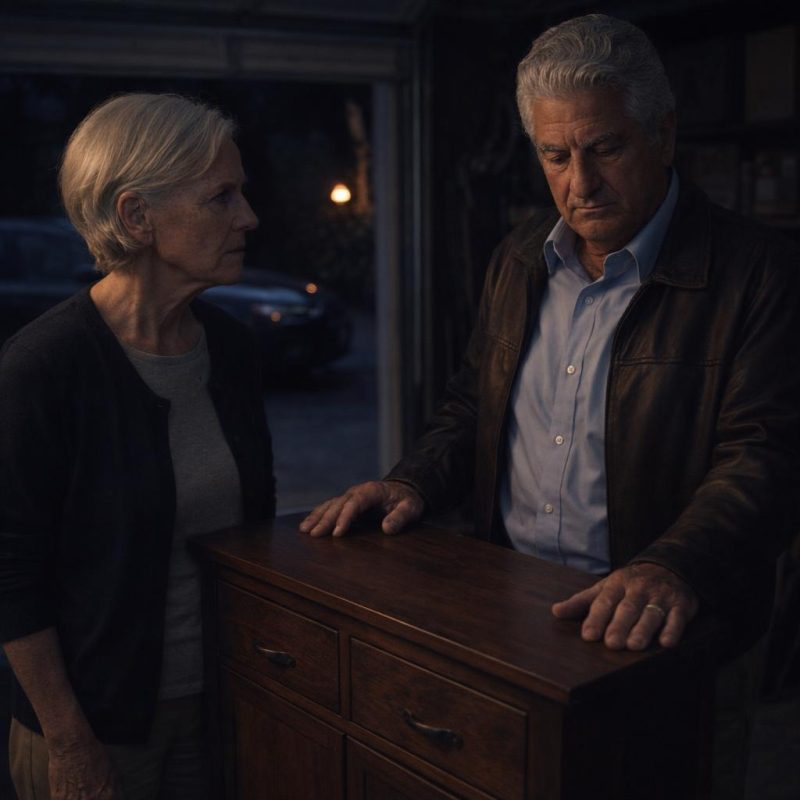 Image by RM AI
The Short Laugh
Frank looked at me for a moment, and then he laughed. It was a short sound, not unkind, the kind of laugh that's meant to signal that something is simpler than you've made it. He shook his head a little and said the auction circuit was full of people who half-listened and filled in the gaps with whatever made sense to them. He said he'd probably mentioned something in passing — a piece he was looking for, a sale he'd heard about — and whoever this woman was, she'd stitched it into a story that fit her own assumptions. He said he didn't know anyone named Clara. He said it plainly, without any particular emphasis, the way you'd say you didn't know the capital of a country you'd never thought about. Then he turned back to the cabinet and ran his thumb along the hinge plate, checking the damage. I stood there and let the explanation settle over me. It was reasonable. It was the kind of thing that happened in crowded rooms where people talked over each other and remembered things wrong. I knew that. I had seen it happen. I wanted to pick up the explanation and carry it with me like something solid, and part of me almost could — but something in my chest stayed quiet and unconvinced, and I couldn't quite make it move.
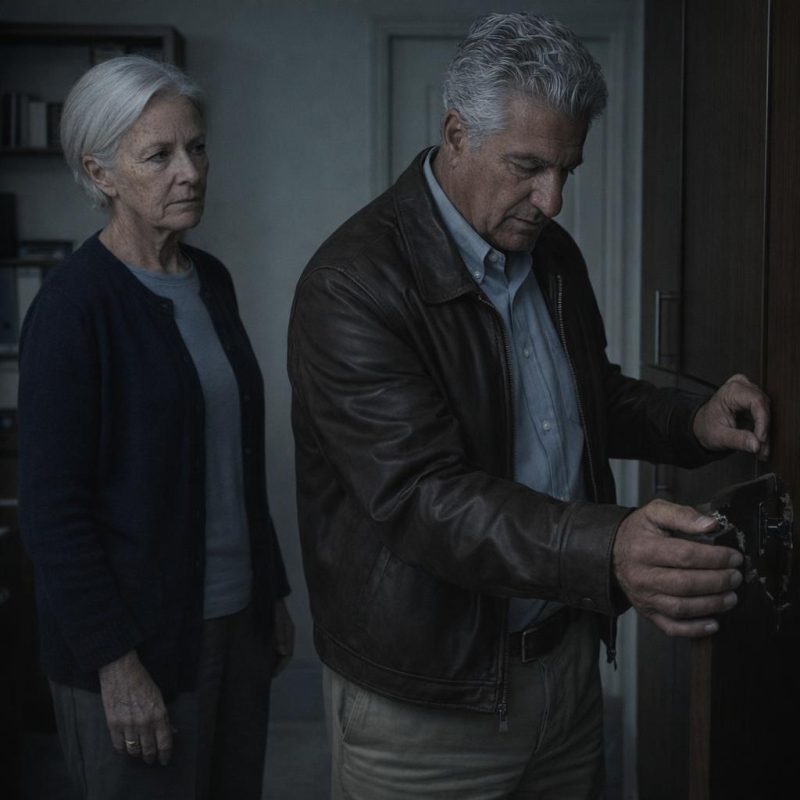 Image by RM AI
The Morning After
I didn't sleep well. I lay there in the dark listening to Frank breathe and turning the whole thing over again — Marilyn's face, the way she'd said the name, the small step back she'd taken when she realized I didn't recognize it. By morning I hadn't resolved anything, just worn the edges down a little. Frank was up before me, and when I came into the kitchen he was standing at the counter with the coffee maker going, his back to the door. I poured myself a glass of water and said, almost without planning to, that I'd been thinking about what happened at the sale. I said it still felt strange to me — that the woman had been so certain, not confused exactly, more like she'd been caught saying something she hadn't meant to say out loud. Frank didn't turn around right away. He said the same thing he'd said the night before, nearly word for word: people at those sales talked to a dozen strangers a week, they mixed things up, it didn't mean anything. His voice was level. Careful, maybe, though I told myself I was reading into it. He said he needed to check the truck for a socket wrench he thought he'd left in the bed. I said okay. He set down his mug and walked out through the back door, and I stood at the counter watching the space where he'd been standing.
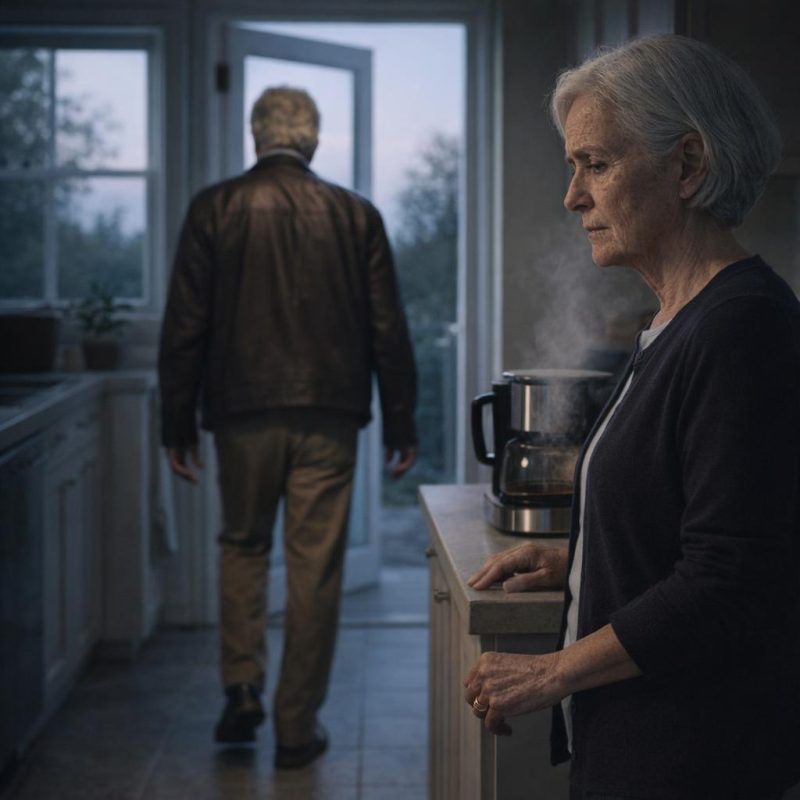 Image by RM AI
The Trembling Hand
He hadn't drunk any of his coffee. I noticed that after he left — the mug sitting on the counter with the steam still rising off it, barely touched. I stood there for a moment and then I went back to the beginning of the morning in my mind, replaying it the way you replay a conversation when something in it didn't land right. Frank had been at the counter when I came in. He'd been pouring. I had watched him lift the coffee pot to refill his mug before I said anything, and that was when I saw it — his hand, just for a second, not quite steady. It was small. The kind of thing you'd dismiss if you weren't already paying attention. The pot had shifted in his grip, a faint tremor that he corrected almost immediately, setting it down a beat faster than he needed to. Frank's hands had always been steady. Thirty-eight years and I had never once seen them shake over something as ordinary as a coffee pot. I stood in the kitchen after he'd gone and I turned that over carefully, the way you turn over a stone you're not sure you want to look under. The mug sat on the counter, still full, going cold.
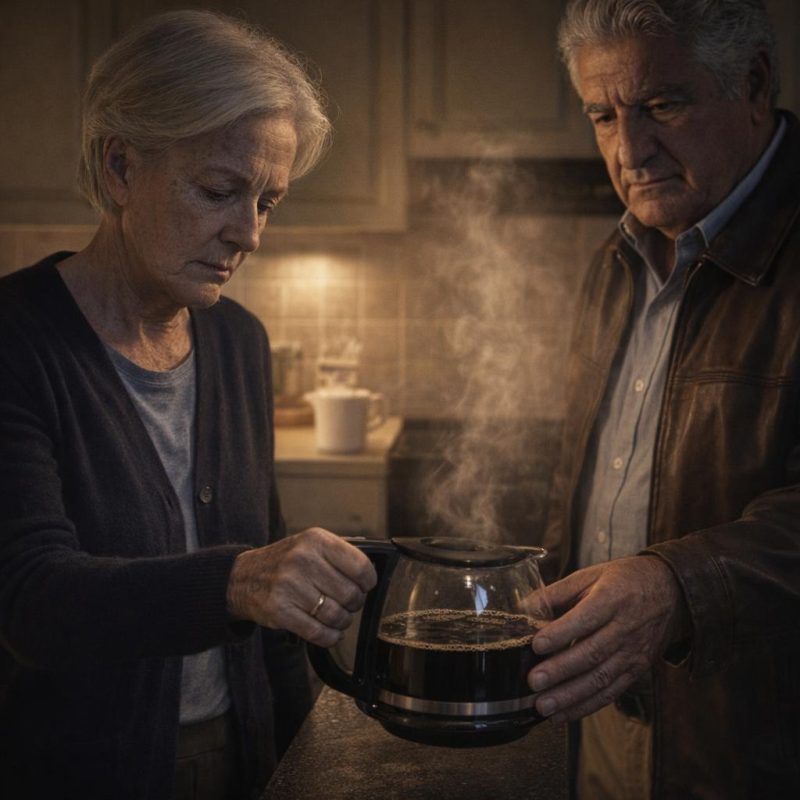 Image by RM AI
The Decision to Watch
After that morning with the coffee mug, I stopped asking. Not because I'd given up — but because I'd finally admitted to myself that asking wasn't working. Every time I'd brought something up, Frank had an answer ready. Not a defensive answer, not a flustered one. Just a calm, even response that landed just right and explained just enough. And I'd noticed, somewhere in the back of my mind, that the answers always felt the same. Same tone, same measured pace, same small reassuring details. I'd been treating it like a conversation I could win if I just found the right question. But standing in that kitchen with his untouched coffee going cold on the counter, something shifted in me. I wasn't going to find the truth by asking for it. Whatever was happening, Frank wasn't going to hand it to me. So I made a decision, quiet and deliberate, the way you make decisions that you know are going to change something. I was done asking. From here on out, I was going to watch.
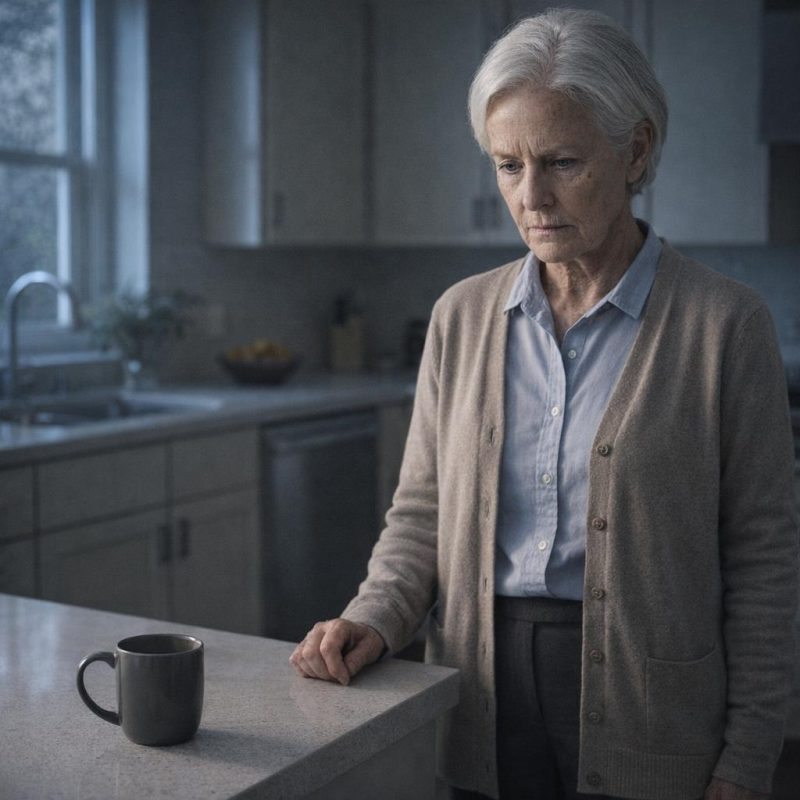 Image by RM AI
The Next Auction
When Frank mentioned the Hendersons' estate sale the following Thursday, I didn't hesitate. I told him I'd come along. He looked up from the kitchen table with something that seemed like genuine pleasure — a small smile, easy and unguarded. He said it would be nice to have the company. I smiled back and said I'd been curious about the whole thing for a while now, which was true enough. We drove out together on a gray morning, the kind where the light stays flat all day. Frank talked about what he was hoping to find — some old hand tools, maybe a decent piece of furniture if the price was right. I listened and nodded and asked the occasional question, and I kept my voice exactly the way it always was. Inside, I was paying attention to everything. The way he held the steering wheel. Whether he checked his phone before we got out of the car. How his posture changed when we walked through the door. He didn't notice anything different about me. And I didn't find anything different about him. But I was watching now in a way I hadn't been before, and the world looked different through that kind of attention.
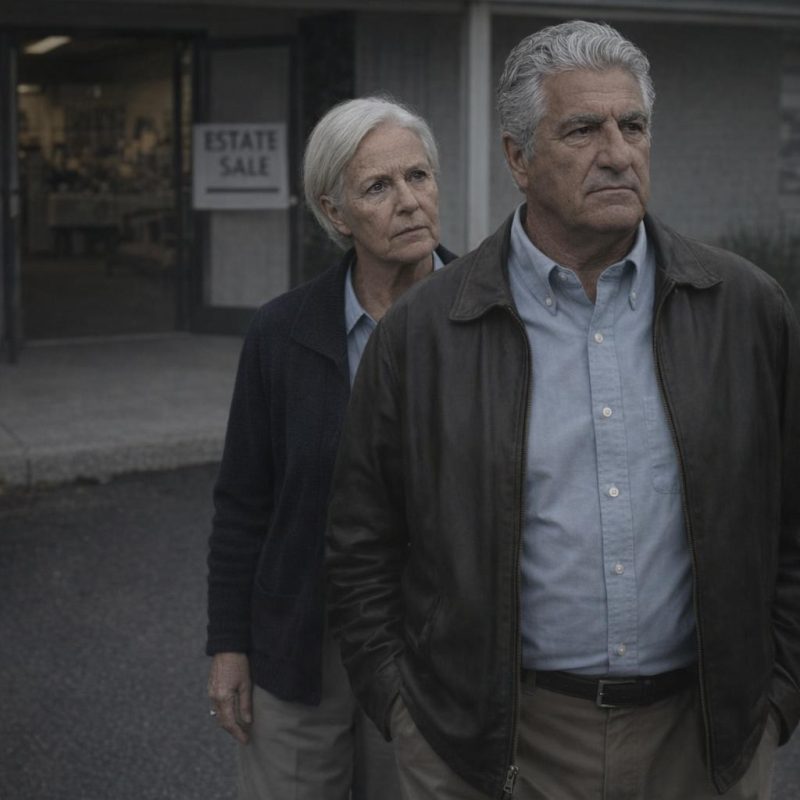 Image by RM AI
Watching the Crowd
I positioned myself near a long folding table covered in linens and old kitchenware — the kind of spot where a woman could stand for twenty minutes without anyone thinking twice about it. I picked up a pressed tablecloth and turned it over in my hands and watched Frank across the room. He moved the way he always did at these things, unhurried, stopping to examine a piece of furniture, exchanging a few words with someone he recognized. I watched who came up to him. A man in a canvas jacket who seemed to know him from before. An older woman who pointed at something on a shelf. A younger couple who asked him something and moved on. I studied each one. I was looking for something, though I couldn't have said exactly what. A woman, maybe. Someone whose greeting lasted a beat too long, or whose body language said more than a casual acquaintance's should. But I didn't know what I was actually looking for — I had no face to match to the name I'd heard, no description, nothing. I was searching a crowd for someone I wouldn't recognize if she was standing right in front of me.
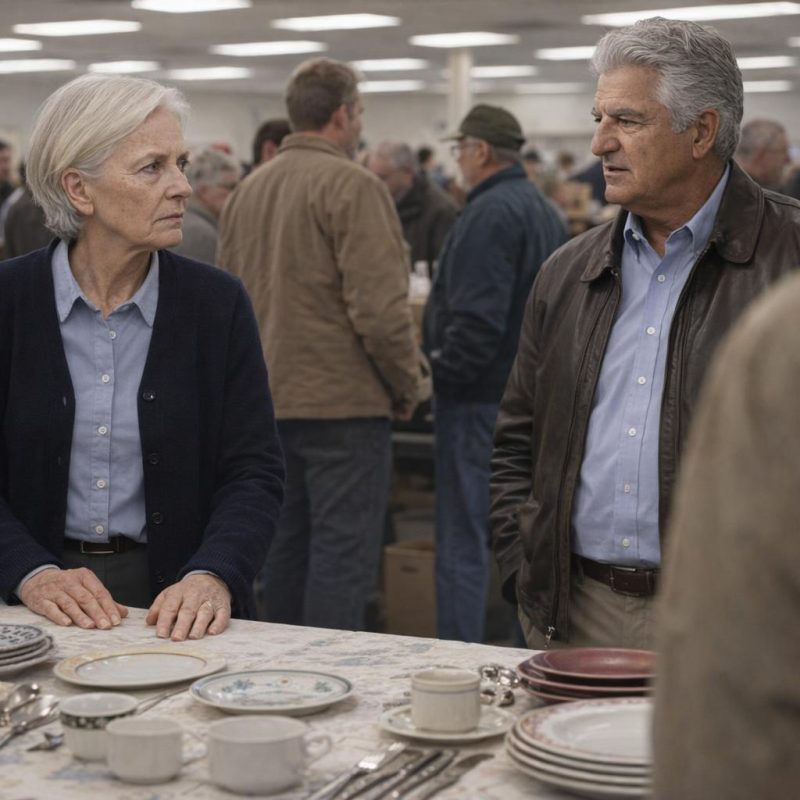 Image by RM AI
The Unhurried Confidence
Frank spent the better part of an hour working his way around the room the way he always did — methodical, patient, stopping to crouch down and look at the underside of a chair, running a thumb along a dovetail joint. He chatted with a man near the back who seemed to be a regular, and I could hear the easy rhythm of their conversation from where I stood, the kind of back-and-forth that comes from running into someone at enough of these things over enough years. He bid on a small wooden toolbox and got it. He passed on a lamp he'd been considering. He found me near the end and held up the toolbox with a satisfied look, and I told him it was a good find, and I meant it. There was nothing off about any of it. Nothing I could point to. He was just Frank — steady, unhurried, exactly the man I'd been married to for thirty-eight years. And that was the part that started to get to me, standing there in that crowded room. Maybe Marilyn had simply gotten something wrong. Maybe I had taken one overheard name and built something out of it that wasn't there. The doubt sat with me quietly on the drive home.
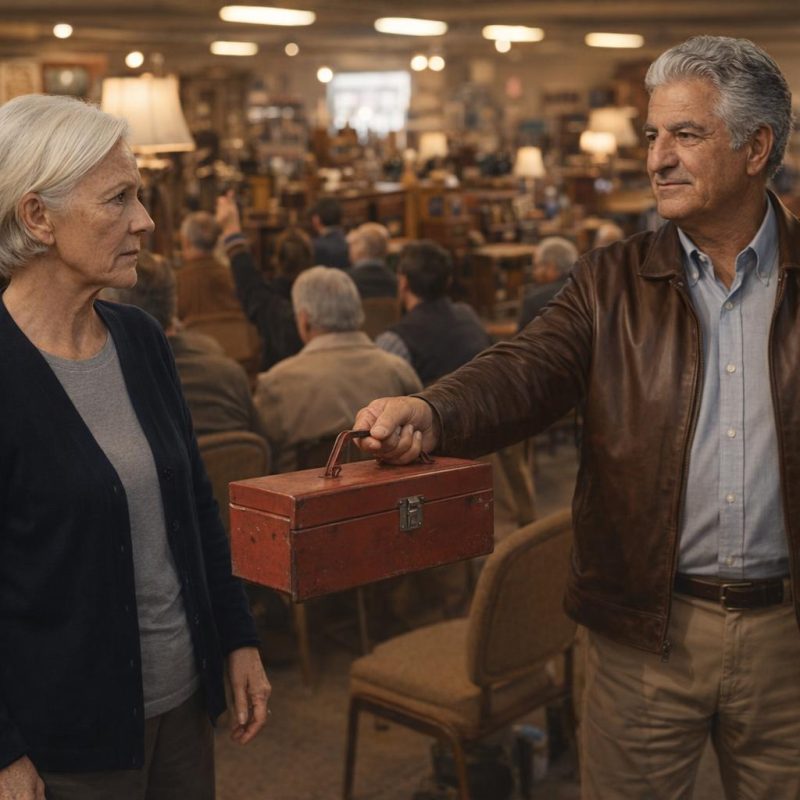 Image by RM AI
The Phone
The week after the sale, I started noticing the phone. It wasn't dramatic — nothing Frank did was ever dramatic. It was just a pattern that hadn't been there before, or that I hadn't been paying close enough attention to see. He'd be reading the paper at breakfast and his hand would drift to the phone on the table beside him, turn the screen up, glance at it, set it back down. He'd be watching the evening news and do the same thing during a commercial. Out in the garage, I'd come to the door to tell him dinner was ready and catch him standing still with the phone in his hand, looking at it. He never seemed startled when I appeared. He'd just pocket it and follow me in. I didn't see what was on the screen. I didn't ask. I just added it to the list I was keeping in my head — the list that didn't have a name yet, that I wasn't sure amounted to anything. But it was there. The phone, the checking, the small and quiet frequency of it. Small things have a way of accumulating before you know what they're building toward.
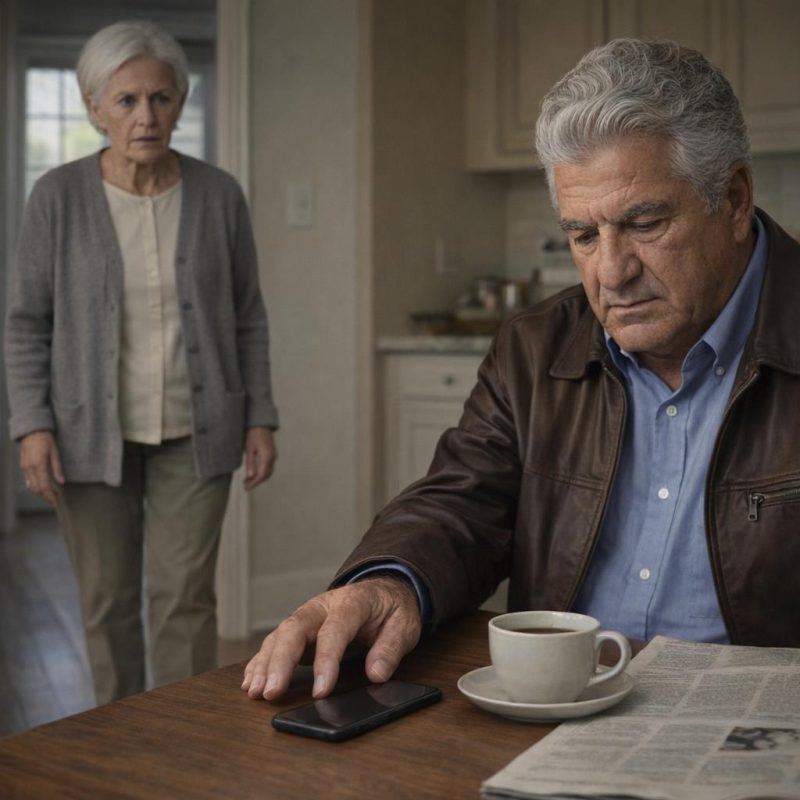 Image by RM AI
The Auction I Didn't Know About
It came up over dinner on a Wednesday. Frank was talking about a blanket chest he'd seen somewhere, describing the hardware on it, the condition of the hinges, and then he said something about the Calloway sale — mentioned it the way you mention something both people already know about, a casual reference dropped into the middle of a sentence. I kept my face still. I had been home all day Tuesday. I had made lunch, done laundry, watched the rain come in from the west. Frank had been gone in the morning and back by early afternoon, and when I'd asked where he'd been he'd said he had some errands to run. That was all. Errands. I hadn't pushed it. Now he was describing a blanket chest from a sale I hadn't known existed, in a town forty minutes away, as if it were something we'd already discussed. He kept talking. I picked up my fork and took a bite and nodded at the right moment, and I didn't say a word. But my mind had gone back to Tuesday — the hours, the timeline, the word errands sitting there now with a different weight to it.
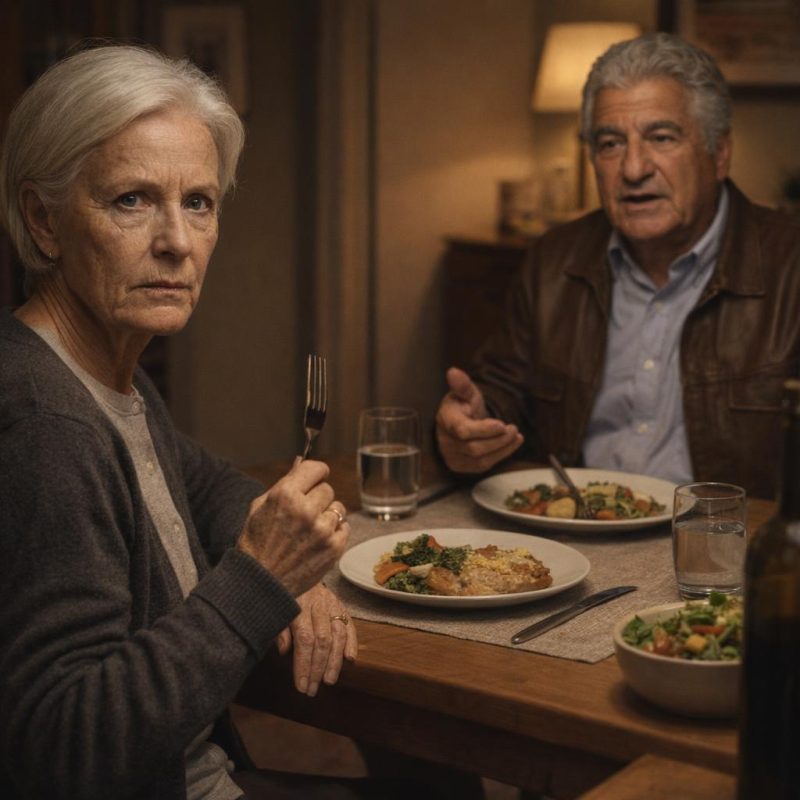 Image by RM AI
The Listings
That evening I waited until Frank went out to the garage, and then I opened my laptop at the kitchen table. I'd bookmarked a couple of the regional auction listing sites after the Henderson sale — I told myself at the time it was just curiosity. Now I pulled them up and started going back through the calendar. I checked dates carefully, cross-referencing what I could remember of Frank's comings and goings over the past several weeks. The Calloway sale was right there — Tuesday, listed plain as anything, forty minutes out. There were two others I didn't recognize, on days when Frank had mentioned errands or a drive, or nothing at all. I sat with that for a while, going back and forth between the listings and the dates in my head. I wasn't misremembering. The sales were real, the dates were real, and Frank had been at them without saying so. I closed the laptop when I heard the garage door, and I set my hands flat on the table, and I sat in the quiet of the kitchen with the particular weight of something you can no longer talk yourself out of.
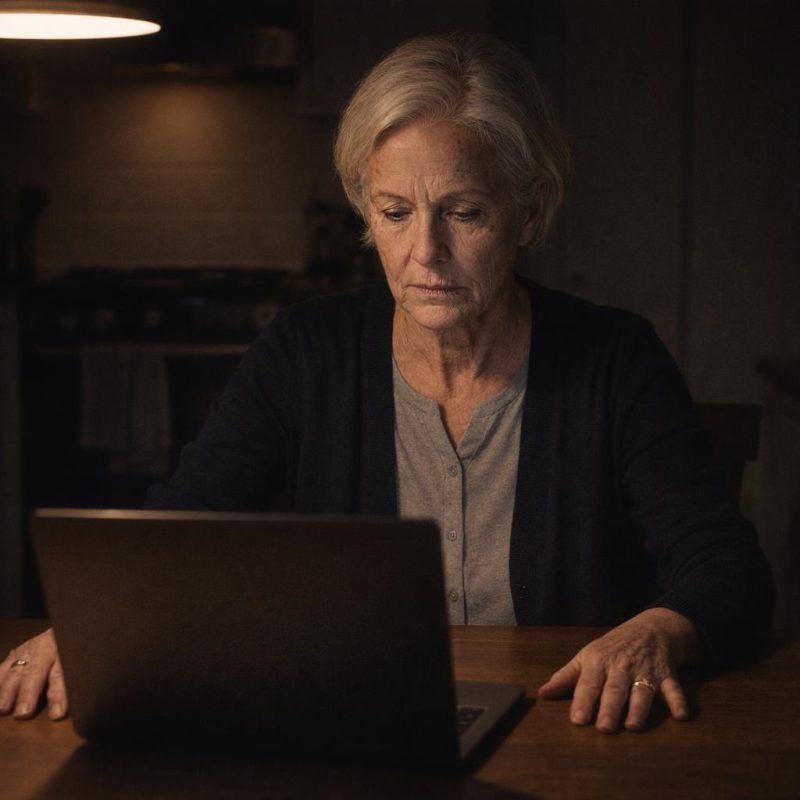 Image by RM AI
The Hesitation
A few days later I mentioned a listing I'd seen for a Saturday sale over in Millbrook — a farmstead estate, the kind Frank usually liked. I said it casually, the way I'd been practicing casual. I suggested we go together. Frank was standing at the counter with his back half-turned to me, and I watched him. There was a pause. Not long — maybe two seconds, maybe three. But it was there, a stillness that didn't belong in a simple yes-or-no moment. Then he turned and said it sounded like a good one, that he'd been thinking about going himself. His smile came a beat after his words. I held his gaze and nodded and said something about leaving early to beat the crowd. He agreed and turned back to the counter. I kept my expression easy. But I had seen what crossed his face in that pause — just for a second, before the smile arrived.
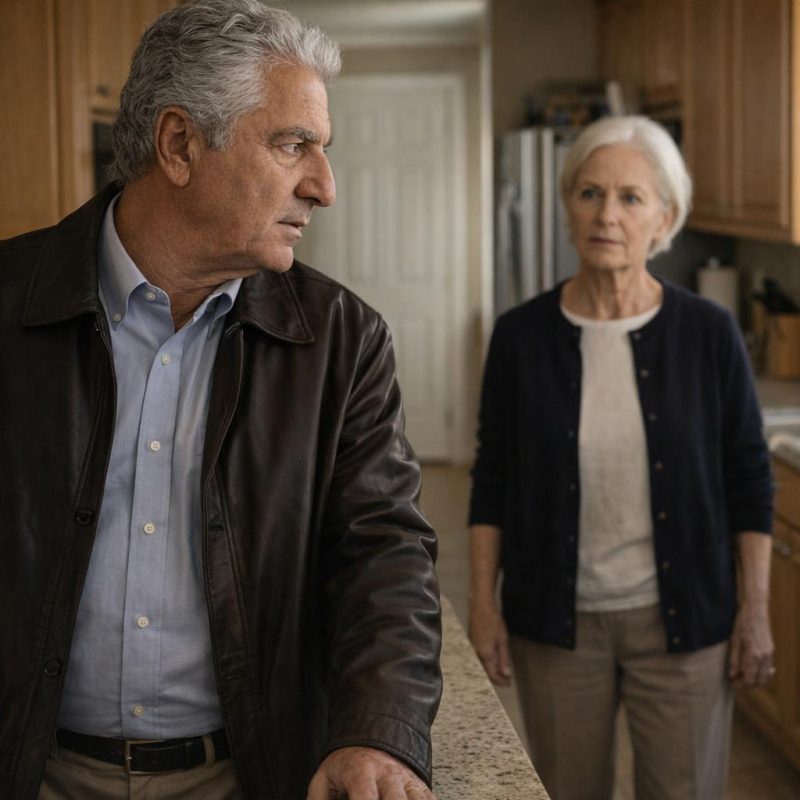 Image by RM AI
Finding Marilyn
I spotted Marilyn near the refreshment table about forty minutes into the Millbrook sale — she was pouring coffee and talking to someone I didn't recognize, and I waited until she was alone before I crossed the room. I'd been thinking about how to approach this since the night Frank had smiled a beat too late. I kept it light at first, asked how the season had been treating her, whether she'd found anything good in the early lots. She relaxed into the small talk the way people do when they think a conversation is going nowhere in particular. Then I asked her about the chat we'd had a few weeks back — the one where she'd mentioned a name. Her expression shifted. Not dramatically, just a small tightening around the eyes, the kind that happens when someone realizes they may have said more than they meant to. She said she hoped she hadn't caused any trouble. I told her she hadn't, that I was just trying to get the details straight. She looked down at her cup for a moment. Then she said yes, Frank had mentioned Clara. More than once, she thought. I nodded and kept my face still, and the weight of having asked the question settled somewhere behind my sternum and stayed there.
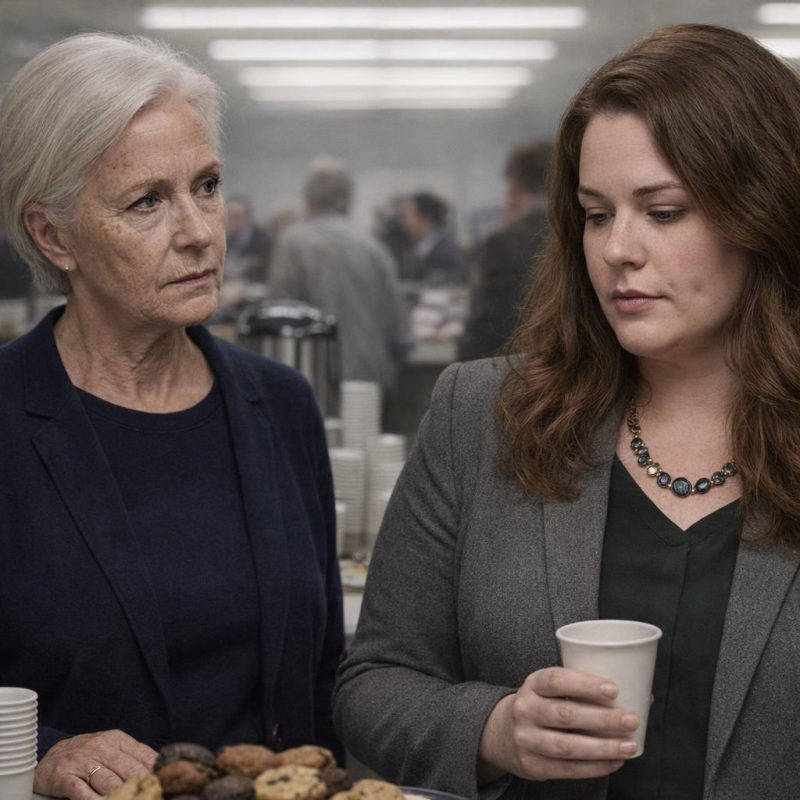 Image by RM AI
Multiple Times
Marilyn wrapped both hands around her coffee cup like she needed something to hold onto. She said the first time Frank had mentioned Clara was sometime in the summer — she couldn't pin down the exact sale, but it was warm out, she remembered that much. He'd brought her up again in early fall, maybe September, maybe October. Both times it was casual, she said, the way you talk about someone you see regularly. She'd assumed Clara was his wife. The way he spoke about her — comfortable, familiar, like the name belonged in his sentences — she'd had no reason to think otherwise. When she'd met me at a later sale, she'd figured I was a sister or a friend. She never asked Frank directly. It wasn't her business, she said, and she looked genuinely sorry about that. I thanked her and told her again she hadn't done anything wrong. She hadn't. I was the one standing there doing the arithmetic, counting backward through a summer and a fall I thought I'd known, measuring the distance between what I'd believed was happening in our life and whatever had actually been happening in his. The months stretched out behind me in a way I hadn't expected them to.
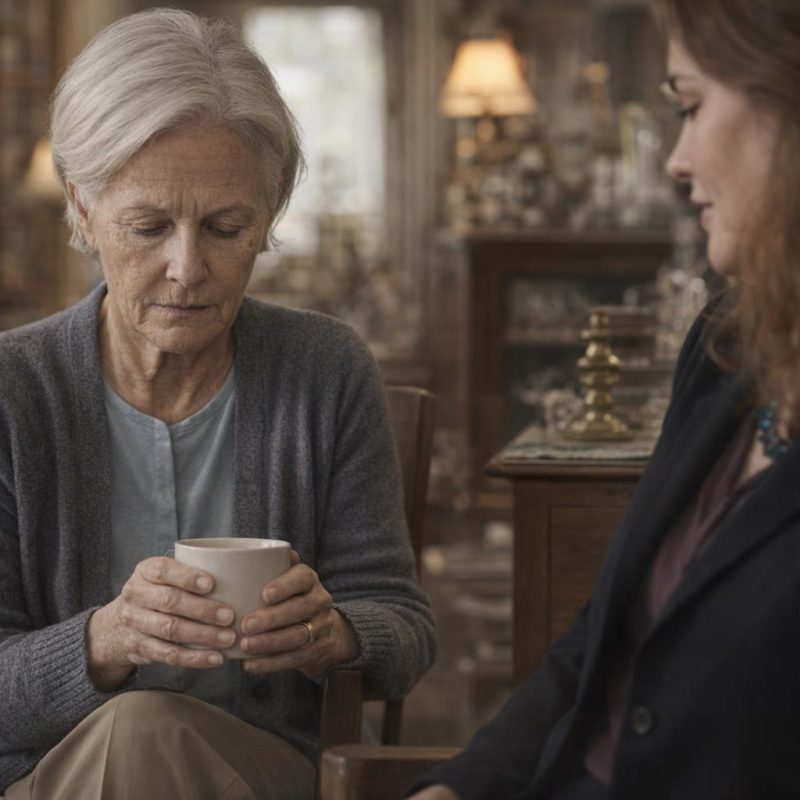 Image by RM AI
The Extra Sales
I started going through the auction listings that weekend — not casually, the way I used to scan them over coffee, but carefully, with a notepad beside me. I pulled up the county sale calendars going back to June and started cross-referencing them against the days Frank had been gone. The pattern came together faster than I wanted it to. There were Tuesdays and Thursdays unaccounted for, sales in towns forty and fifty miles out that he'd never once mentioned over dinner. I knew his usual circuit — we'd talked about those sales for years. But there was a whole other layer underneath it, weekday trips to places like Harlan and Crestwood and a barn outside Dellwood I'd never heard him name. He'd told me he was running errands on some of those days. Hardware store. The co-op. Once, I was almost certain, he'd said he was getting the truck looked at. I sat with the notepad in my lap and looked at what I'd written. I didn't feel guilty about what I was doing. I didn't feel much of anything except a cold, flat certainty that I needed to see it for myself, and I was going to follow him to the next one.
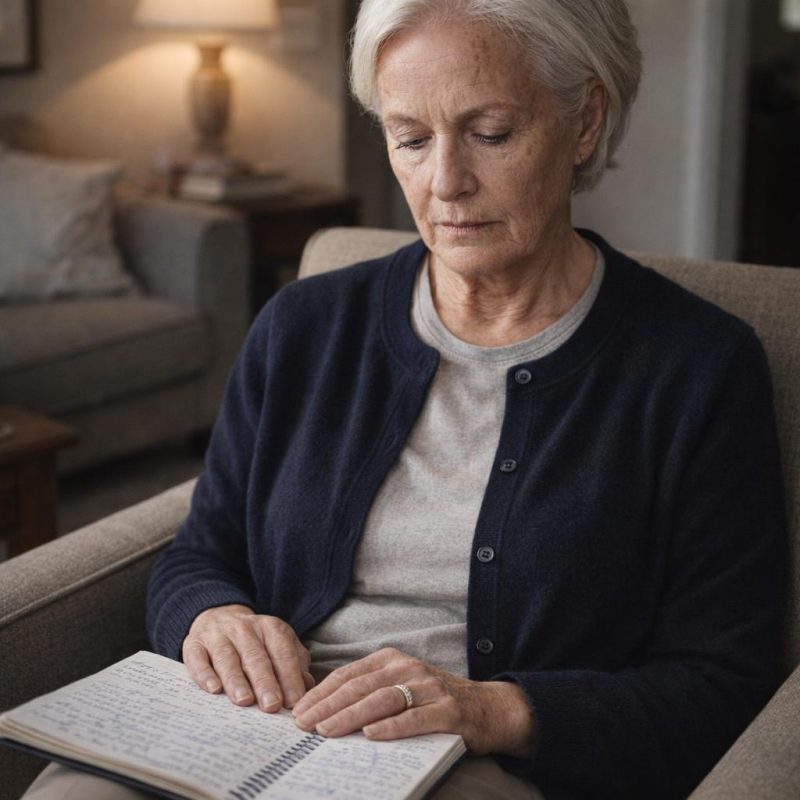 Image by RM AI
The Plan
Thursday came up naturally enough. Frank mentioned over breakfast that he had some things to take care of — vague the way he'd gotten vague, the kind of answer that used to mean nothing and now meant everything. He didn't say auction. He said errands, maybe the feed store, he'd be back by mid-afternoon. I said that was fine, that I had things to do around the house. I watched him back the truck out of the drive and waited until he'd cleared the end of the road before I went to get my keys. I'd already looked up the Dellwood sale the night before — it started at ten, which gave me a fifteen-minute window to leave without crowding him on the highway. I'd thought through what I'd say if he spotted me: that I'd seen the listing and decided to come on a whim, that I hadn't known he'd be there. It wasn't a good excuse, but it was the only one I had. I sat in the car for a moment with my hands on the wheel, feeling the strangeness of it — the deliberate, necessary strangeness of following my husband somewhere he hadn't told me he was going. Then I backed out of the drive and turned toward Dellwood.
 Image by RM AI
Following Him
I picked up his truck on the highway about two miles out, that familiar dark green against the flat gray of the road, and I let a car get between us before I settled in behind him. My hands were steadier than I expected for the first twenty minutes. Then the road opened up and there was less traffic and I had to drop back farther than I wanted, and that's when the shaking started — not bad, just a fine tremor in my fingers that I couldn't quite talk myself out of. He drove straight, no stops, no detours, and after nearly an hour he turned off onto a county road I'd never taken. The auction barn sat back from the road behind a gravel lot, a big metal building with hand-painted signs and a row of trucks already lined up along the fence. I pulled in at the far end of the lot and parked behind a livestock trailer where he wouldn't see my car. I watched him get out, pull his jacket straight, and walk toward the entrance without looking back.
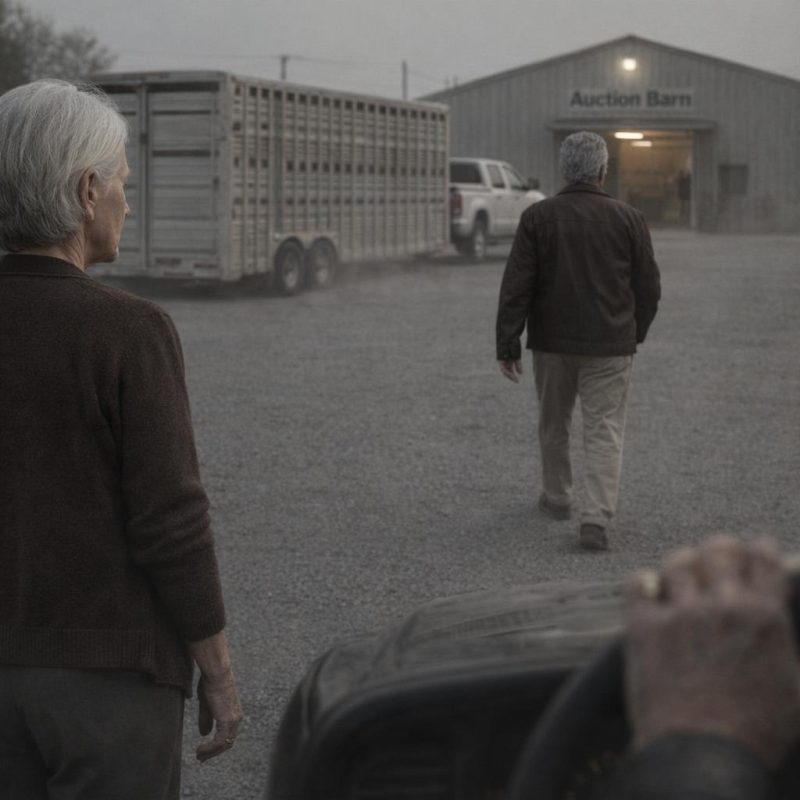 Image by RM AI
The Woman
I gave him five minutes before I went in. I kept to the back of the room, staying close to the wall where the light was thin and the crowd was thickest, and I found a spot near a stack of boxed lots where I could see most of the floor. The barn smelled like old wood and dust and the particular cold that settles into metal buildings in November. I scanned the rows until I found him — near the front, standing off to one side of the main display tables. He was talking to a woman. I'd never seen her before. She was maybe early forties, dark hair pulled back, dressed practically the way most people dressed at these things. They were standing close, not touching, but close in the way that people stand when the distance between them is comfortable and familiar. Frank had his hands in his jacket pockets, which was how he stood when he was relaxed. She was saying something and he was listening with his full attention, the way he used to listen to me when we were first married. I stayed where I was and I did not move, and the cold in that barn seemed to settle deeper than the walls.
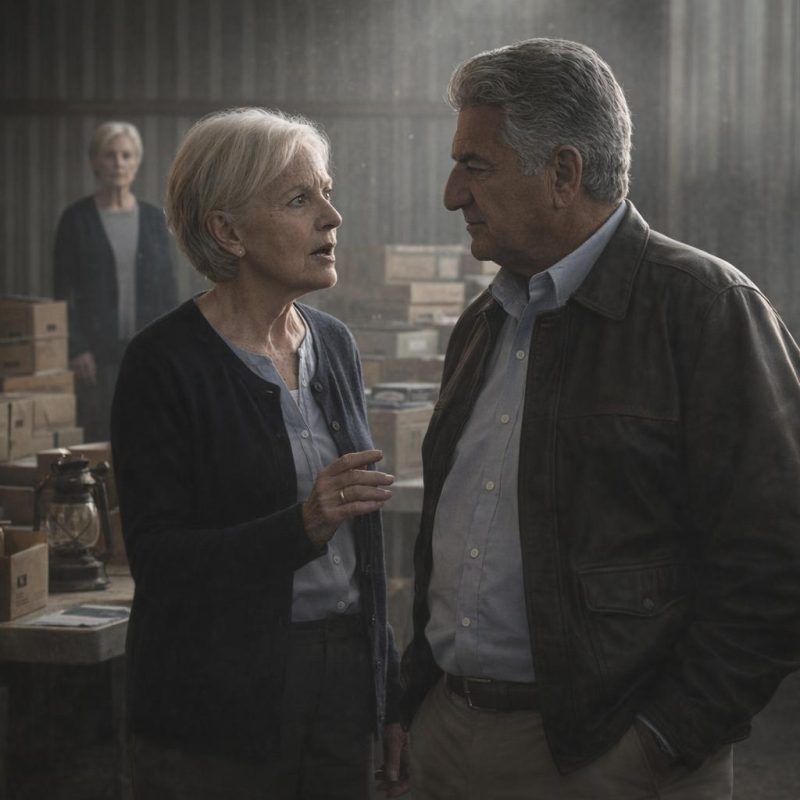 Image by RM AI
The Distinctive Eyes
I watched her more carefully after that. She'd moved to one of the display tables and was picking through a box of small items — old hardware, by the look of it — and the way she did it stopped me cold. She lifted each piece and turned it slowly, holding it up to check the underside, tilting her head slightly to the left. Frank did that. He'd done it for as long as I'd known him, that particular tilt, that patient rotation of the object in his hands. I'd teased him about it once, years ago, called it his inspection face. She had his inspection face. And then she looked up toward the front of the room, and even from where I was standing I could see her eyes — that gray-green that's not quite either color, the shade I'd looked at across the breakfast table for thirty-eight years. It was too specific to be a coincidence. It was too specific to be anything I had a name for yet. I stood at the back of that barn with the noise of the crowd around me and the smell of dust and cold metal in the air, and I could not make my mind move forward into whatever came next.
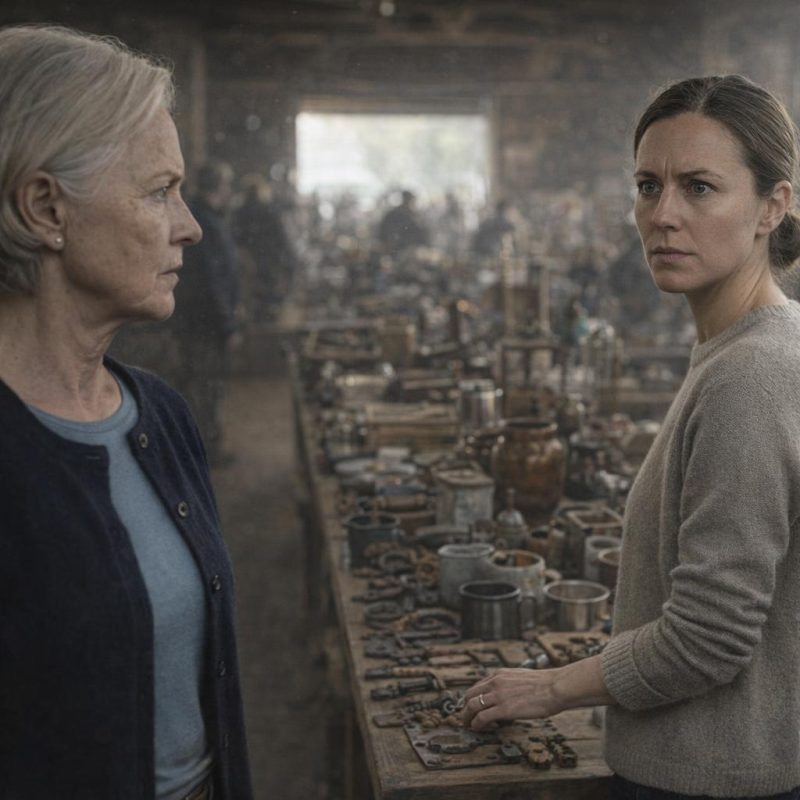 Image by RM AI
Sitting Together
They found seats together near the front, two folding chairs set at a slight angle toward each other, close enough to talk under the noise of the auction. Ray's voice had started up from the podium — that big carrying boom I recognized from years of Saturday sales — and the room had shifted into the particular rhythm of bidding and calling. Frank and the woman didn't seem to be bidding much. They were talking. I could see it from across the room, the way their heads stayed angled toward each other even as the lots moved through, the easy back-and-forth of people who don't have to work at conversation. At one point she touched his arm, just briefly, and he smiled at something she said — a real smile, unguarded, the kind I hadn't seen on him in months. I needed to know who she was. I needed a name, a context, anything that would give me a foothold on what I was looking at. I pressed back against the wall and watched them lean toward each other as the auctioneer's voice filled the room.
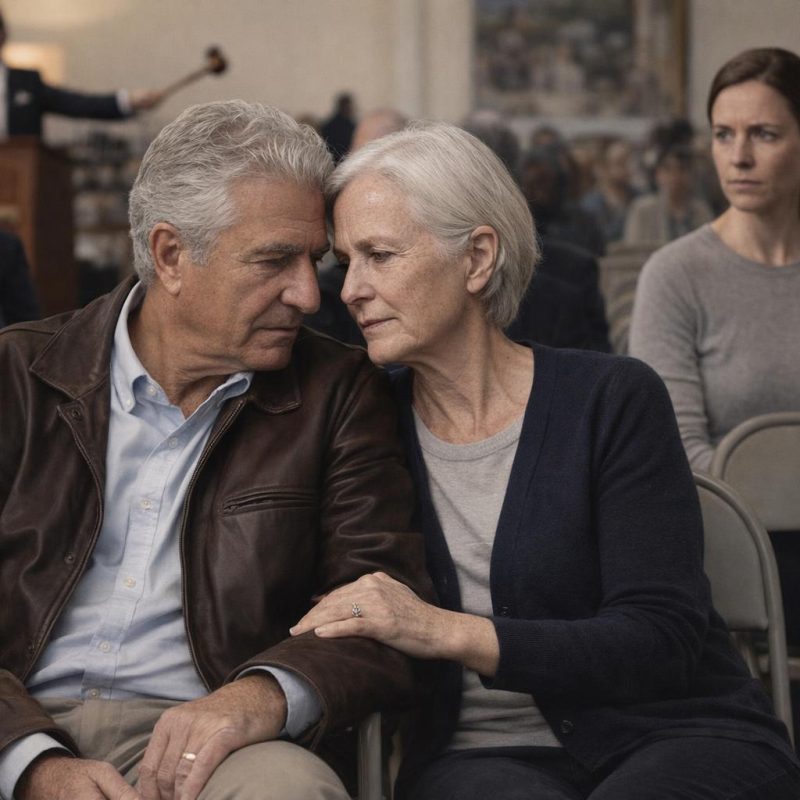 Image by RM AI
Asking the Auctioneer
The break came about forty minutes in, Ray stepping back from the podium to let a helper sort the next lot. I moved before I could talk myself out of it. I crossed the room at an angle, keeping Frank and the woman in my peripheral vision, and came up alongside Ray near the edge of the display tables. He was flipping through his lot sheets, reading glasses pushed up on his forehead. I said something about a piece I'd seen earlier, just to open the conversation, and he answered the way he always did — easy, unhurried, happy to talk. Then I asked, as casually as I could manage, about the woman sitting up front with the silver-haired man. I said I thought I recognized her from somewhere. Ray glanced over without any particular interest. He said he knew most of the regulars by now. I kept my voice even and my hands still at my sides. He started to answer, and I stood there listening, aware of how strange it was to be asking a near-stranger about my own husband's life, and how much stranger it was that I had to.
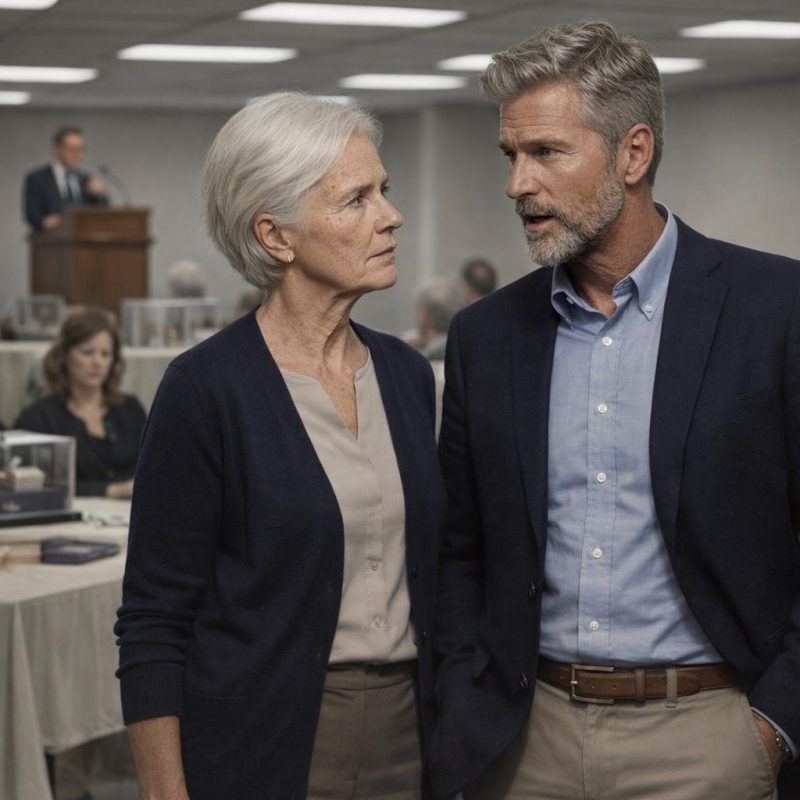 Image by RM AI
Clara Bennett
Ray said her name without hesitating — Clara Bennett. He said she'd been coming to the sales for about six months, give or take, always friendly, knew her antiques well enough to hold her own against the dealers. He mentioned, almost as an aside, that she and the silver-haired fellow seemed to know each other pretty well. Said he'd noticed them talking at a few different sales, that they always seemed to find each other in the crowd. He didn't say it like it meant anything. To him it was just an observation, the kind of thing you pick up when you've been running sales long enough to know who belongs together and who's new. I thanked him and stepped away before he could ask me anything in return. Clara Bennett. Six months. I turned the name over in my mind as I moved back toward the far wall, away from the noise and the bidding and Frank's easy smile. Six months of Saturdays I hadn't known about. Six months of a name I'd never heard. I stood with my back to the room and let that settle.
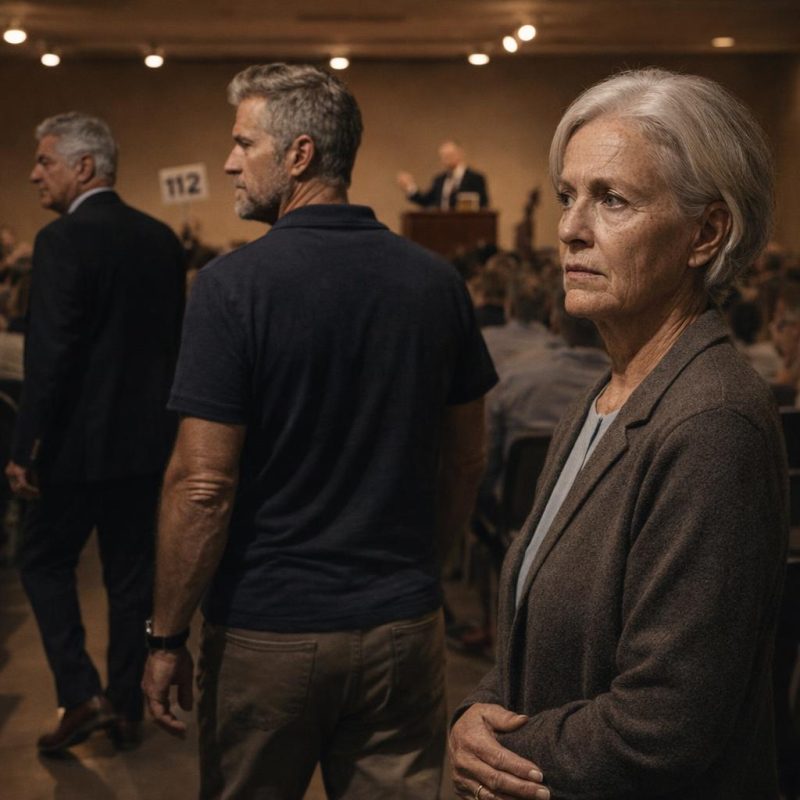 Image by RM AI
The Online Search
Frank was asleep by ten, his breathing slow and even the way it always got within minutes of his head hitting the pillow. I lay still beside him until I was sure, then I slipped out of bed and took my laptop to the small chair in the corner of the room. I didn't turn on the lamp. The screen was bright enough. I typed Clara Bennett into the search bar and waited. There were a few profiles — a woman in Ohio, a real estate agent in Tennessee, a LinkedIn page that didn't match. Then I found one that did. The profile photo was small but clear enough: dark hair, those gray-green eyes, a face that stopped me cold. The account was mostly private, but a few details were visible. Her location was listed as a town about forty miles from ours. She had a job listed, something in antiques and estate sales, which explained the circuit. And there, in the basic information, her age. I stared at the number on the screen. Forty-two years old.
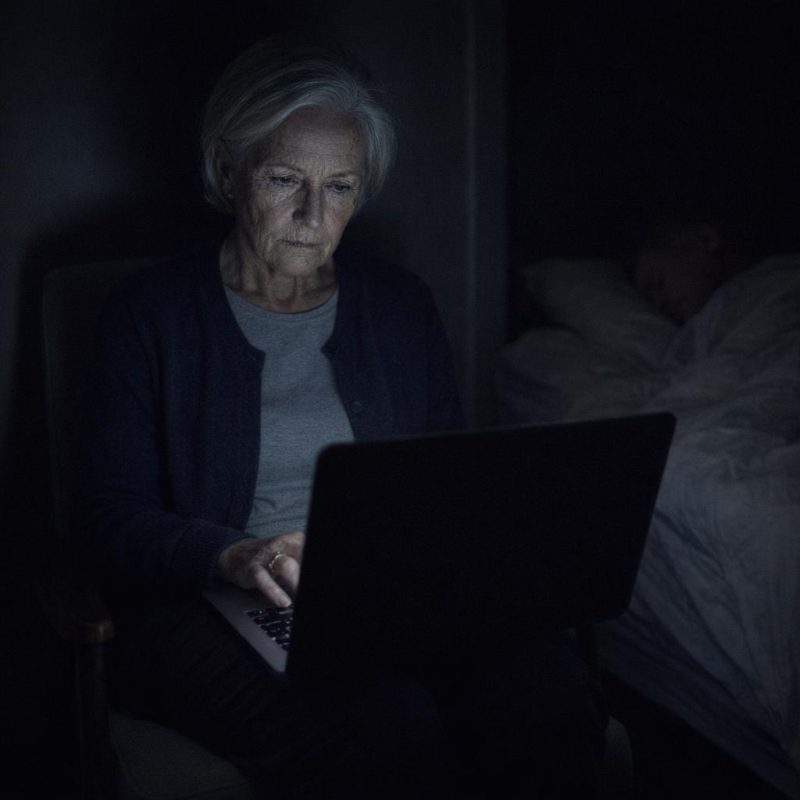 Image by RM AI
The Timeline
Forty-two. I sat with that number in the dark and let my mind do the arithmetic I didn't want it to do. Frank and I had been married thirty-eight years. That meant Clara Bennett had been born four years before our wedding. Four years before I ever met him, before the life we built together had any shape at all. I thought about the early years of our marriage, the things Frank had told me about his twenties — vague things, general things, the kind of stories that sketch an outline without filling it in. He'd never talked much about that period. I'd always taken it as personality, the way some people just don't dwell on the past. But forty-two years old meant someone had been living in that gap the whole time. The resemblance I'd noticed at the auction — those eyes, the set of the jaw — sat differently now. I didn't have a word for what I was looking at yet. But something was taking shape in the space between what I knew and what I didn't, and I could feel it pressing closer.
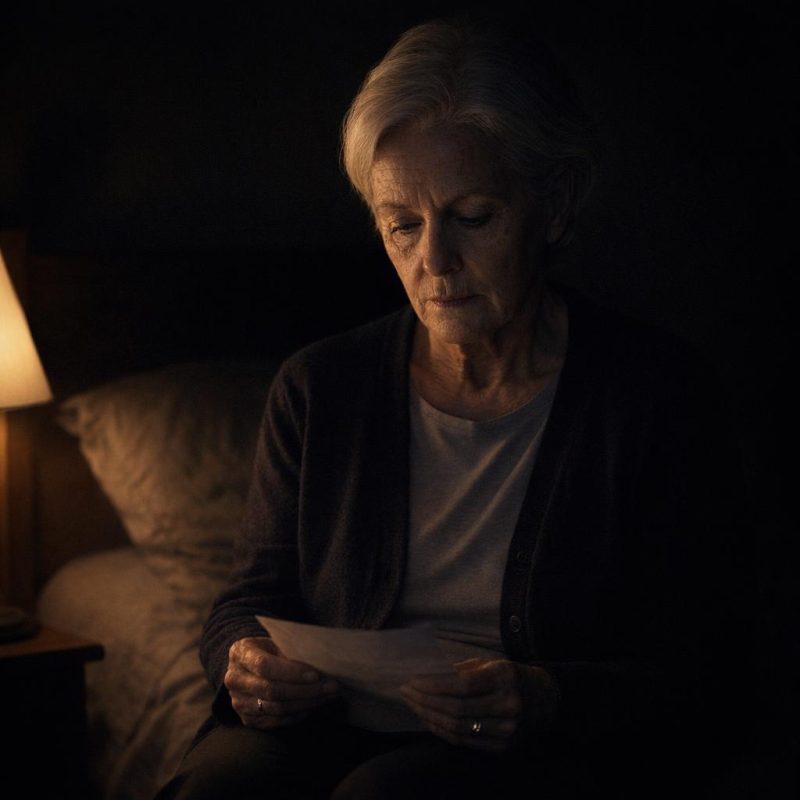 Image by RM AI
His Daughter
Two days later I went out to the garage to ask Frank about dinner. The side door was pulled almost shut but not latched, and I could hear his voice before I reached it — low and careful, the way he talked on the phone when he didn't want to be overheard. I slowed down without thinking about it. He was saying something about the weekend, about whether she'd had a chance to look at the piece he'd set aside. Then he said her name. Clara. And then, in the same quiet, unhurried voice, he said something about wanting to make sure she had enough time before the next sale, that he didn't want to rush her, that she deserved better than rushed. There was a pause. I stood completely still on the concrete step, the evening air cool against my arms. Then his voice came again, softer — and he called her his daughter.
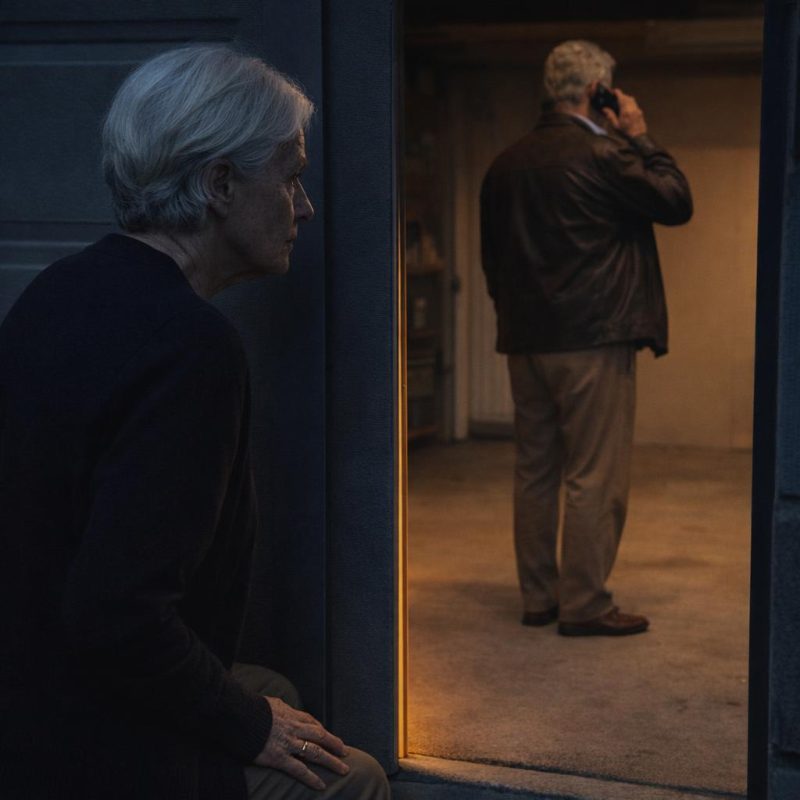 Image by RM AI
The Abandoned Mother
I didn't move. I don't think I breathed. Frank kept talking, his voice carrying through the gap in the door with a kind of quiet steadiness that made it worse somehow — like this was a conversation he'd had before, or at least had been preparing for. He said something about Clara's mother, about how young he'd been, about how afraid. He said he'd left before Clara was born. He said it plainly, without dressing it up, the way you say something you've already made your peace with even if the other person hasn't. He said he knew that didn't make it right. He said he was sorry — not in a rushed way, but slowly, like the word had weight he was willing to carry. I stood on that step and listened to my husband apologize to a woman I'd never heard of for leaving her mother pregnant and alone, decades before I ever knew his name. The garage light was on and I could see the thin line of it under the door. I heard him say he was sorry he hadn't been there before she was born.
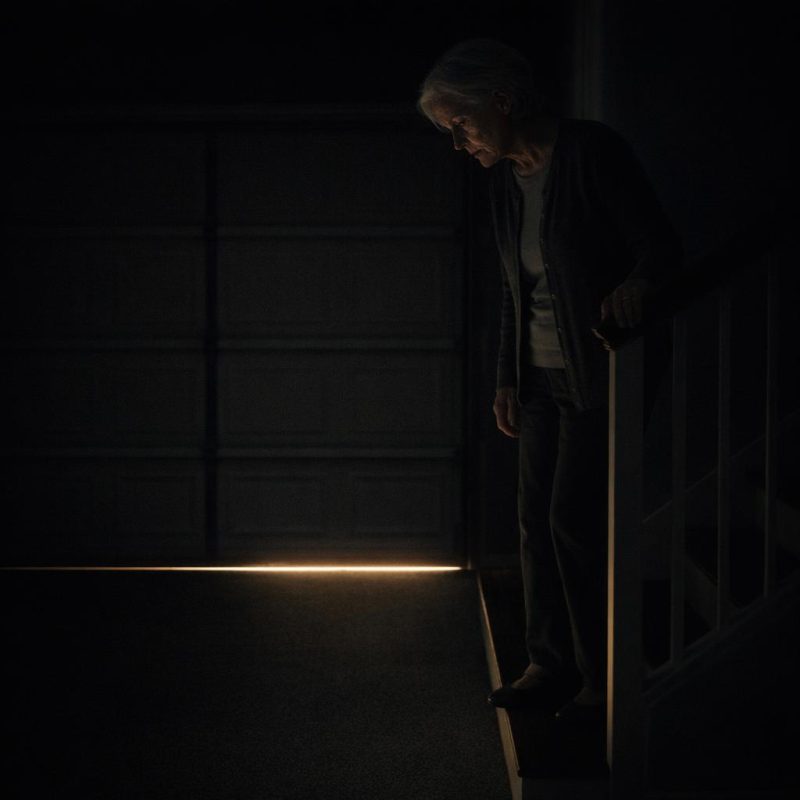 Image by RM AI
The Foundation of Lies
I walked back into the house without making a sound. I sat down at the kitchen table and didn't turn on the light. Thirty-eight years. I kept coming back to that number the way your tongue finds a sore tooth — not because you want to, but because you can't help it. Thirty-eight years of marriage, and somewhere inside all of it there had been this: a woman with his eyes, a pregnancy he'd walked away from, a name he had never once said out loud in my presence. I thought about every conversation we'd ever had about honesty, about the kind of people we were, about what we owed each other. I thought about the early years, the hard ones, when we'd talked about everything because we'd had nothing else. I thought about how much space a secret that size takes up, and how you can live inside a house for decades without knowing there's a room you've never been shown. The kitchen was dark and quiet around me, and the weight of it pressed down without moving.
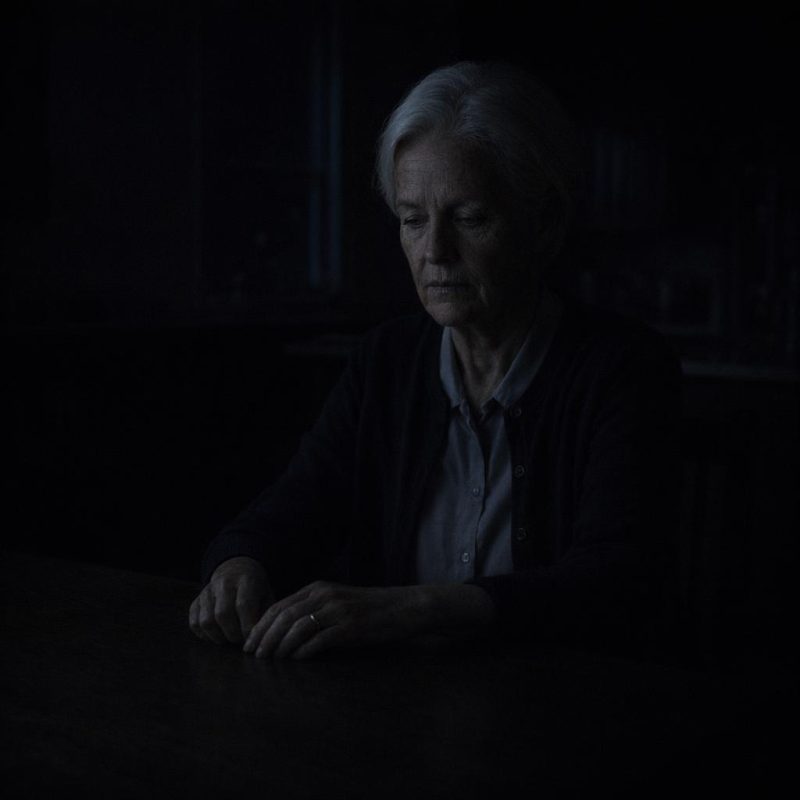 Image by RM AI
The Confrontation
Frank came in from the garage about twenty minutes later. I heard the door, heard him set his keys on the hook the way he always did, heard his footsteps cross the utility room. He came into the kitchen and reached for the light switch. I said her name before he found it. Clara. Just that. He went still in the doorway, hand still raised toward the wall. I watched the shape of him in the dim light from the utility room — the way his shoulders dropped, the way his chin came down. He didn't ask me what I meant. He didn't say he didn't know what I was talking about. He just stood there, and the silence between us had a different quality than any silence we'd shared in thirty-eight years. I asked him how long he'd known about her. He didn't answer right away. He lowered his hand from the wall and stood in the kitchen doorway, and I sat at the table and waited, and the space between us held everything we hadn't said.
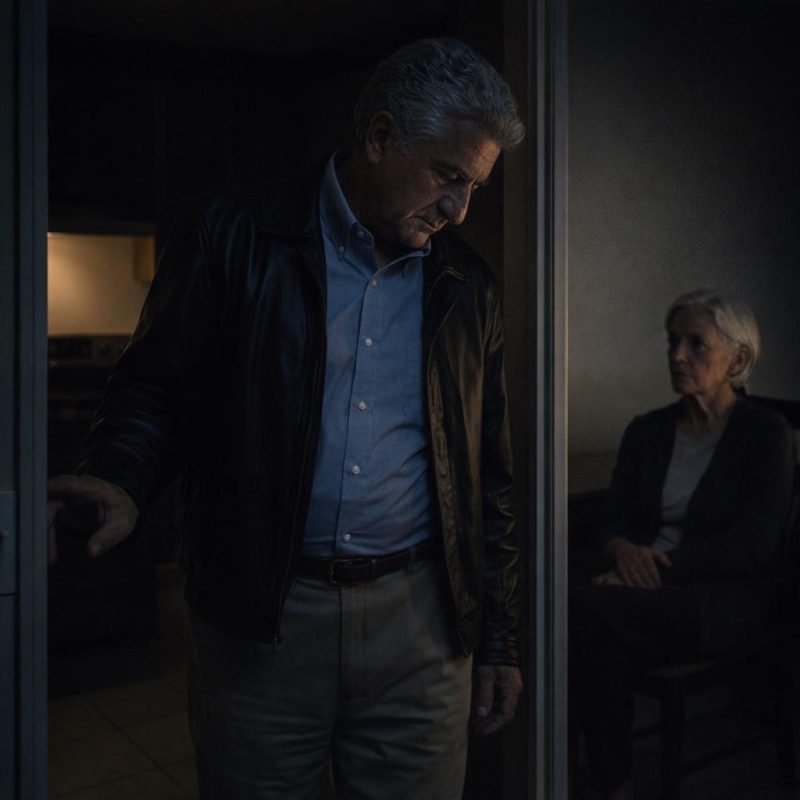 Image by RM AI
The Full Confession
He sat down at the table across from me. Not because I asked him to — he just folded into the chair like something had gone out of him. He said her name himself then. Clara. He said she was his daughter. He said he'd been twenty-four years old and terrified, that her mother's name was Ruth, that they'd dated for almost a year before Ruth told him she was pregnant. He said he panicked. That was the word he used — panicked — like it explained something. He left, he said. He just left. He didn't break up with Ruth properly, didn't sit her down, didn't have a conversation. He said he told himself he'd figure out what to do and then he just never went back. He never called. He never wrote. He said he didn't know if the baby had been born, didn't know if it was a boy or a girl, didn't know if Ruth had kept it or not. He told himself not knowing was easier. I sat across from him and listened to all of it, and the man I thought I knew kept getting smaller and smaller in front of me. Then he said he'd never told Ruth he was leaving.
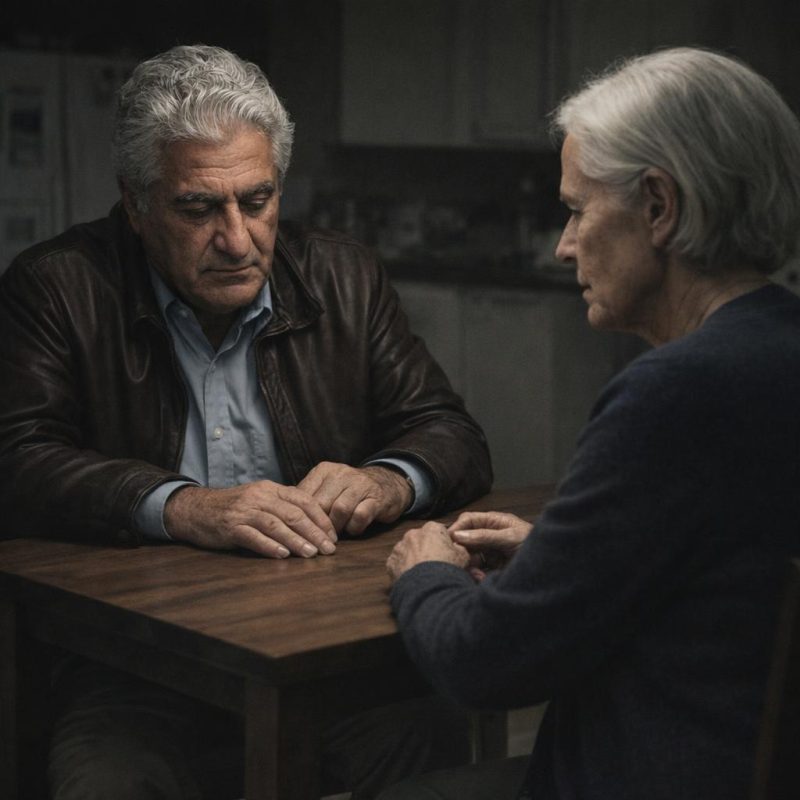 Image by RM AI
The Secret Meetings
He kept talking. I didn't stop him. Clara had found him through one of those genealogy websites — she'd submitted her DNA, and a distant cousin on Frank's side had matched, and she'd worked backward from there until she had his name. She'd reached out through the auction community, he said, because she'd found his name on a few sale listings online. That was six months ago. Six months. He said they met for the first time at a sale two counties over, one I hadn't gone to because my knee was bothering me. He said he'd stood there looking at her and seen his own eyes looking back at him. After that, he started finding reasons to attend sales I didn't know about. Thursday mornings when he said he was just browsing. Afternoons he came home quiet and I thought he was tired. He'd been building something with her — conversations, history, a relationship — while I sat home and thought his new hobby was just about old furniture. He said he kept meaning to tell me. He said every week he told himself next time. I looked at the kitchen table between us, the same table we'd eaten thirty-eight years of meals across, and I saw that he had attended seventeen separate sales without telling me.
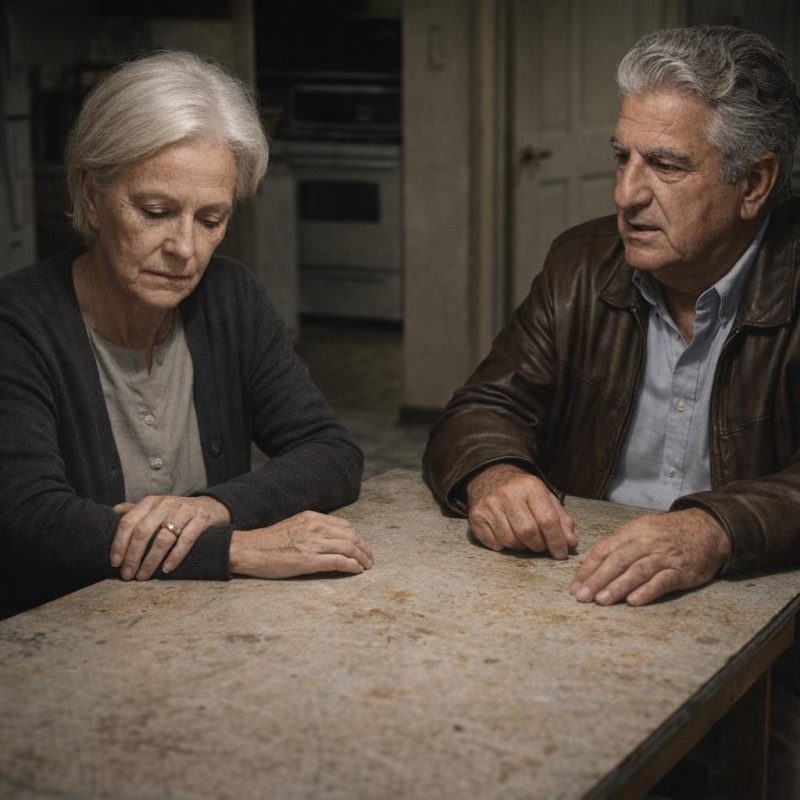 Image by RM AI
The Question of Why
I asked him why. Not why he'd left Ruth — I understood fear, even cowardice, in a twenty-four-year-old. I meant why he'd never told me. In thirty-eight years. Before we married, after we married, any of the thousands of ordinary evenings we'd spent in this house. He looked at his hands on the table. He said when he met me he wanted to start clean. He said the shame of what he'd done to Ruth and to Clara — a child he'd never even seen — was something he'd buried so deep that digging it up felt like it would destroy everything he'd built. He said the longer he waited, the more impossible it became. He said by the time Clara was ten years old in his imagination, by the time she was twenty, the silence had its own weight and he didn't know how to lift it anymore. He said he was afraid of losing me. I listened to all of it. I understood the mechanics of it — how shame compounds, how silence becomes its own kind of architecture. I even believed that he believed what he was saying. But understanding how something happens is not the same as accepting that it did. His explanation sat between us on the table, and it wasn't enough.
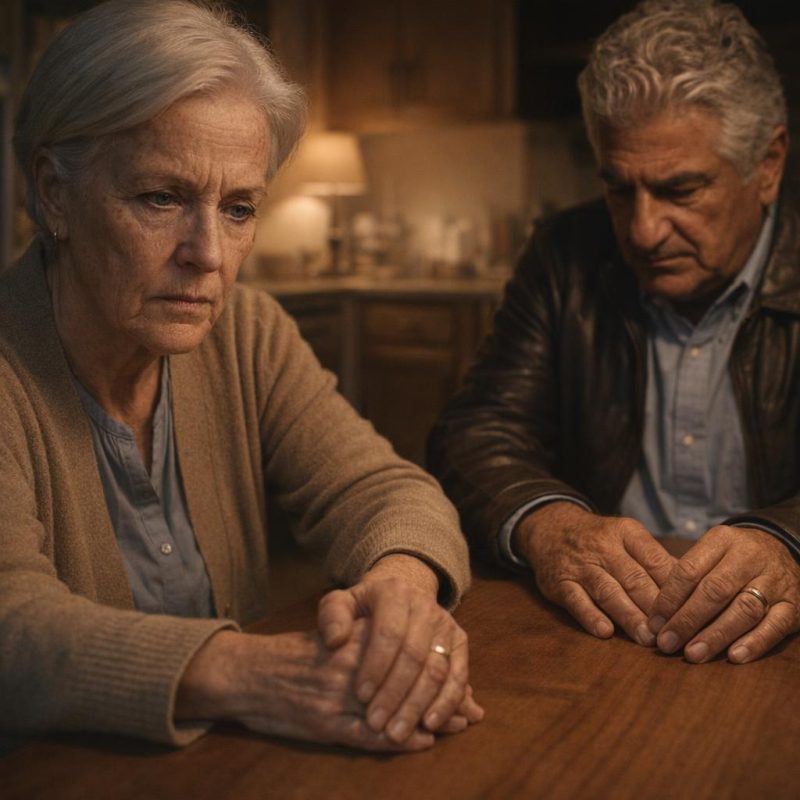 Image by RM AI
The Marriage Question
I asked him if he'd ever planned to tell me. He didn't answer right away. He looked at the table, then at the window, then somewhere past my shoulder. He said he'd wanted to. I asked him when. He opened his mouth and closed it again. I asked him if there had been a specific moment — a year, a milestone, some point in our marriage when he'd thought, this is when I'll tell her. He couldn't give me one. He said things had been complicated. He said he'd been waiting for the right time. I asked him what the right time looked like, and he went quiet again, and in that quiet I understood something I hadn't let myself understand until that moment. He hadn't been waiting for the right time. There was no plan. There had never been a plan. If I hadn't found that photograph, if Marilyn hadn't said Clara's name at that sale, if none of it had unraveled the way it did — he would have kept going. Thursday mornings, secret sales, a daughter I didn't know existed, a whole piece of his life folded away where I couldn't see it. He would have carried it to the end. The silence in the kitchen settled around that fact and didn't move.
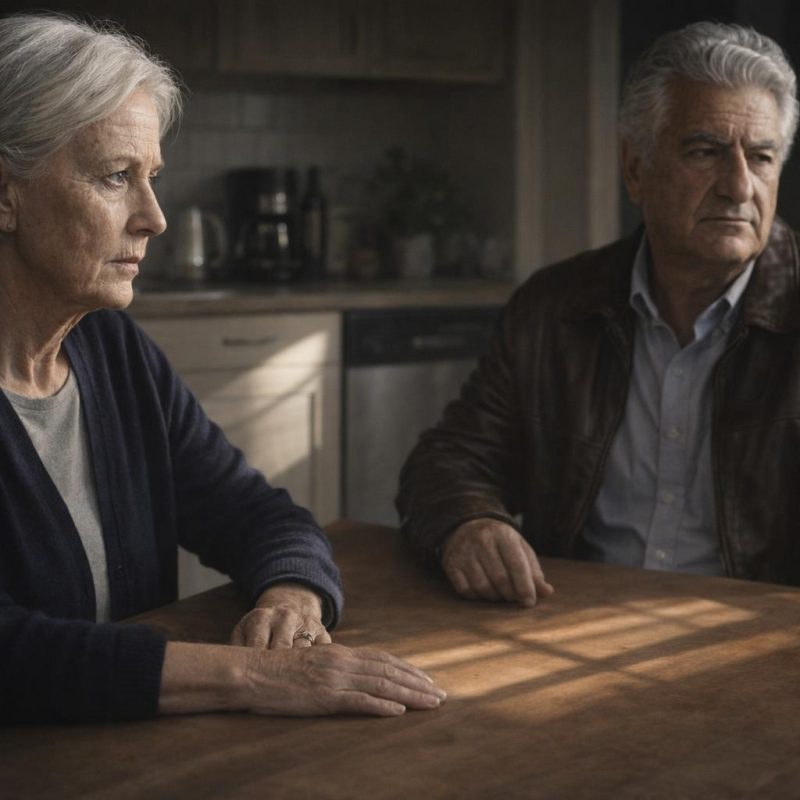 Image by RM AI
The Deepest Hurt
He said the guilt had never left him. He said there wasn't a year that went by that he didn't think about what he'd done to Ruth, to a child who grew up without a father because he'd been too afraid to face what he'd caused. He said when Clara found him he felt like he'd been given something he didn't deserve. I believed him. I could see it in his face — the real weight of it, the decades of it. And I told him I understood wanting to know her. I told him I understood that Clara deserved a father, that his regret was real, that none of that was the thing I couldn't get past. The thing I couldn't get past was every morning I'd made coffee and handed him a cup and he'd looked me in the eye. Every trip we'd taken. Every conversation about getting older, about what we'd built, about the life we had. He'd sat across from me through all of it with this locked away inside him. He said he'd been protecting our marriage. I told him he'd been protecting himself. He didn't argue. He just sat there, and I sat there, and the distance between us felt like something that couldn't be measured in feet.
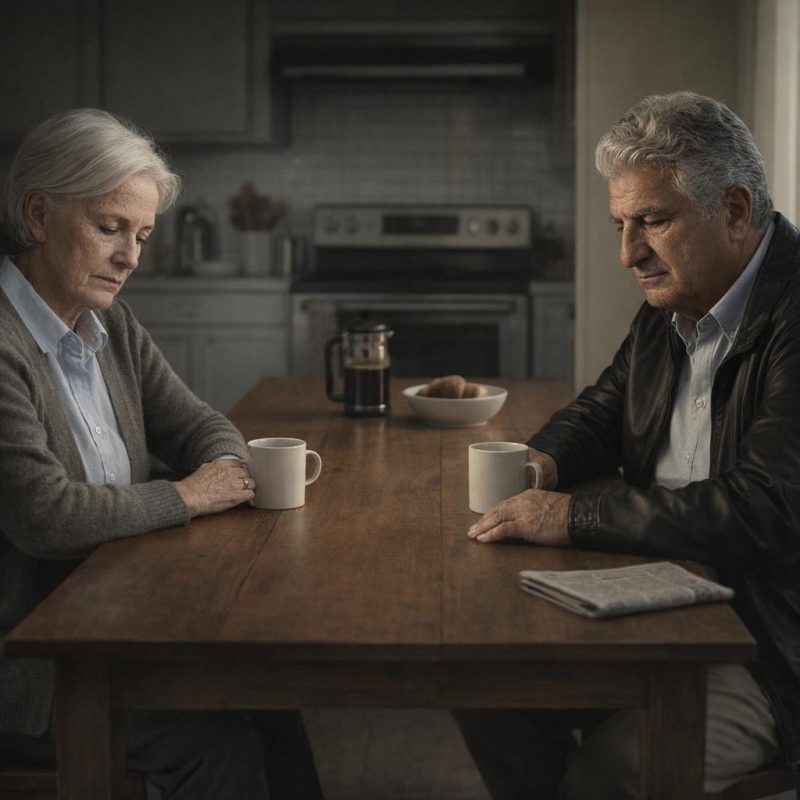 Image by RM AI
The Stranger Across the Table
I looked at him across the table and tried to find the man I'd married. He was right there — same silver hair, same hands, same way of holding his shoulders when he was ashamed of something. I'd spent thirty-eight years learning to read him. I knew when he was tired and when he was worried and when he was trying to seem fine. I thought I knew the shape of him completely. Now I sat across from him and felt like I was looking at a photograph of someone I'd been told was a stranger. I thought about all the things he'd never said about his life before me — the vagueness about his twenties, the way he'd always changed the subject when old friends came up. I'd taken it for privacy. I'd thought it was just how he was. I'd never pushed because I thought I knew the important things. I thought I knew him. He said there was nothing else. He said Clara was the only thing he'd kept from me. I looked at his face when he said it, at the way his eyes held mine just a half-second too long, and I asked him who else he'd lied to.
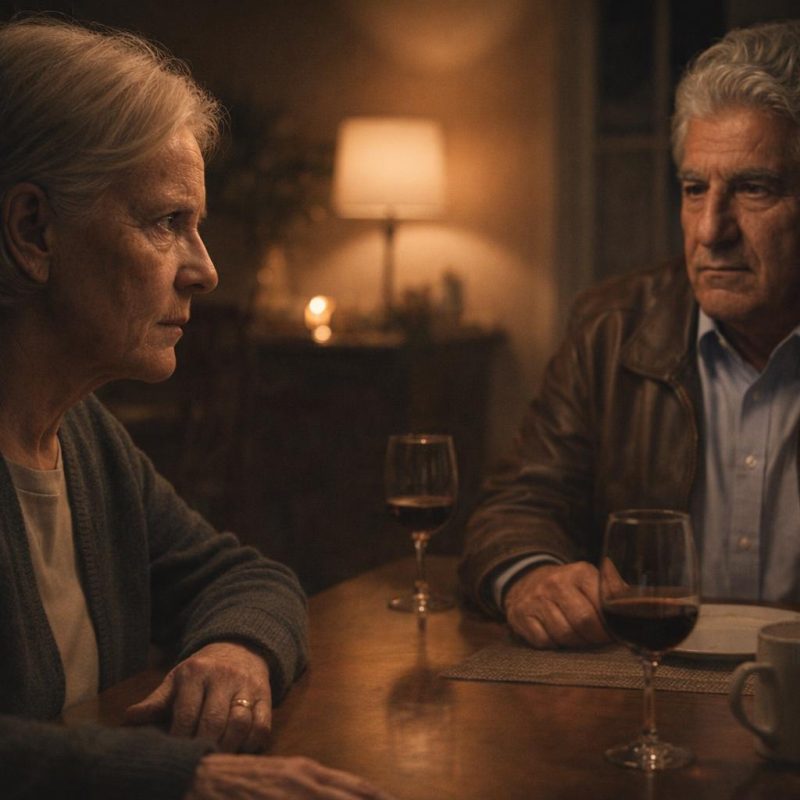 Image by RM AI
The Plea
He said he was sorry. He said it more than once, in different ways, like repetition might find the version that landed. He said he'd wanted to make things right — with Clara, with me, with all of it. He said he'd imagined telling me eventually, imagined Clara becoming part of our lives, imagined some version of things where everyone was whole. He used that word — whole. I let him finish. Then I told him that every decision in that imagined future had been his to make. He'd decided when to meet her. He'd decided which sales to attend. He'd decided what to tell me and what to leave out. He'd held all of it in his hands and arranged it the way he wanted, and I hadn't been a participant in any of it — I'd just been a variable he was managing. He said that wasn't what he meant. I said I knew what he meant. I said the problem was that meaning well and doing right are not the same thing, and he'd spent six months proving he understood the difference. He looked at me for a long moment. Then he reached across the table and put his hand over mine.
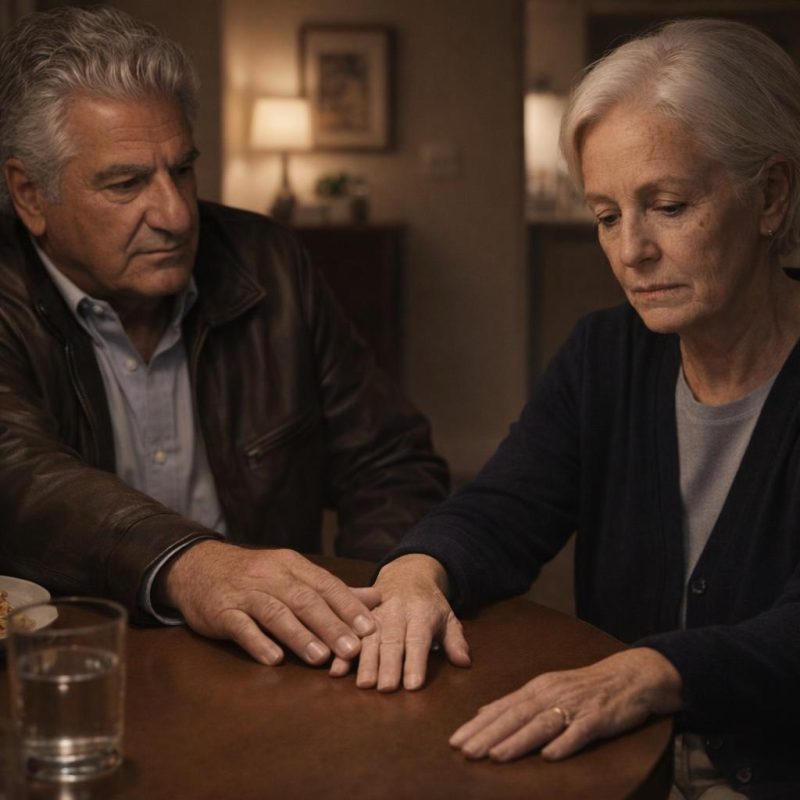 Image by RM AI
Leave
I pulled my hand back. Not fast — just back, into my lap, away from his. I told him I needed him to leave. He looked at me like I'd said something in a language he almost spoke. He asked where he should go. I told him I didn't know and I didn't care, that he could figure that out the same way he'd figured out everything else — on his own, without telling me. He sat there another moment, and I watched him understand that I meant it. He stood up slowly, the way a person does when their legs aren't sure they'll hold. He picked up his keys from the hook by the utility room door. He asked if I wanted him to come back. I told him I didn't know. He stood in the doorway for a moment, the same doorway where he'd gone still when I said her name, and then he walked through it and I heard the door close behind him.
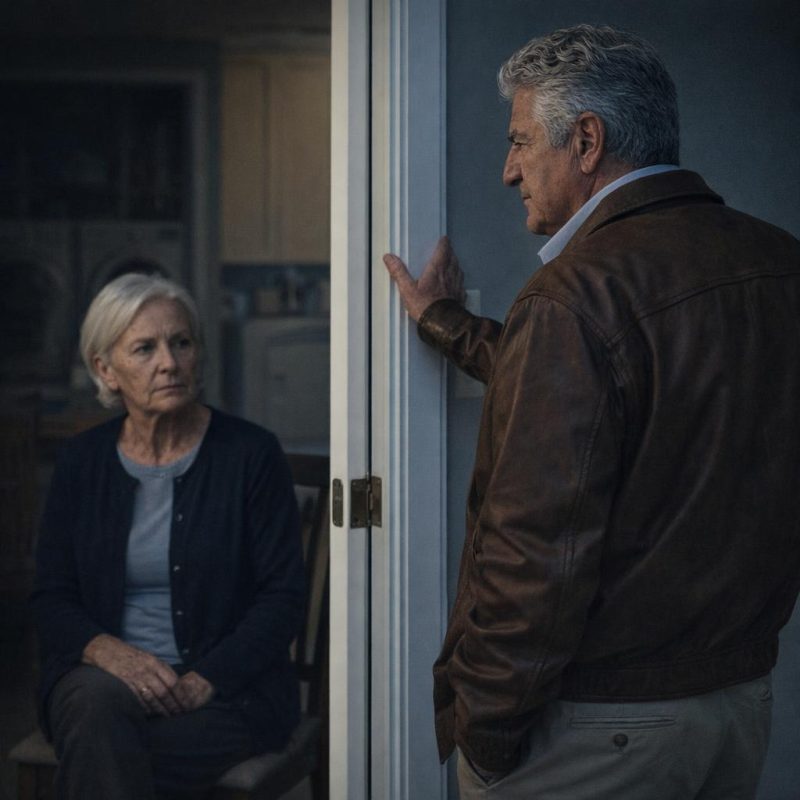 Image by RM AI
Alone with the Truth
The house was quiet in a way it hadn't been in years. Not peaceful quiet — the other kind, the kind that has weight. I sat at the kitchen table for a long time after I heard his truck pull out of the driveway, and I didn't move. Thirty-eight years. I kept turning that number over like a stone, looking at what was underneath it. Every trip to the auction circuit. Every evening he came home smelling like dust and old wood and something I'd never thought to question. Every time he'd gone still when his phone buzzed and then said it was nothing. I thought about Clara — a woman in her early forties who had grown up without a father, who had her father's eyes, who had spent years looking for a man who was sitting at my kitchen table every single night. I thought about the woman Frank had left behind before I ever knew him, carrying a child alone. I thought about my own place in all of it — not guilty, but not untouched either. I had been the life he chose instead. I didn't know yet whether that made me lucky or something else entirely. What I did know, sitting there in that quiet house, was that I couldn't make a single decision until I heard it from her directly.
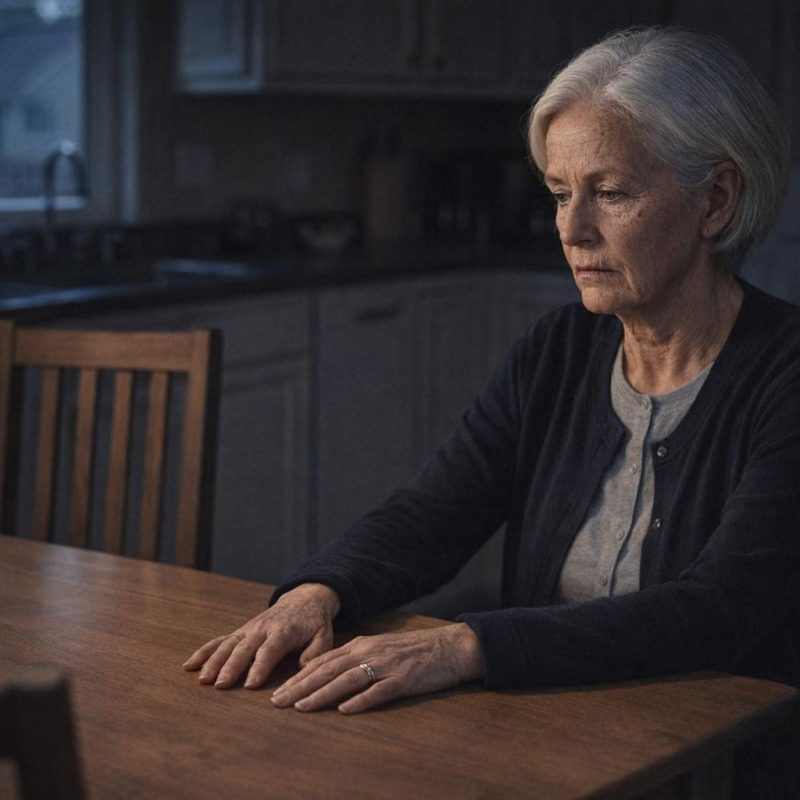 Image by RM AI
Meeting Clara
I got Clara's contact information through Ray, who gave it to me without asking a single question, which told me he'd been watching this unfold for longer than I'd realized. I texted her. I told her who I was. I told her I wasn't angry at her and that I just needed to understand. She wrote back within the hour and said she'd been hoping I would reach out. We met three days later at a small café on the edge of town, the kind of place with mismatched chairs and a chalkboard menu. I got there early and sat facing the door. When she walked in, I felt the air go out of me. She had Frank's eyes — that particular gray-green, the color of lake water in November. She had his way of holding herself too, that careful stillness, like she was always measuring the room before she committed to being in it. She sat down across from me and said, quietly, that she hadn't meant to cause any damage. I told her I believed her. She told me she'd grown up knowing her father existed somewhere, that her mother had never spoken badly of him, only said he'd been young and frightened and had made a choice he couldn't take back. Clara said she'd just wanted to know where she came from. Sitting across from her, I found I had no argument with that at all.
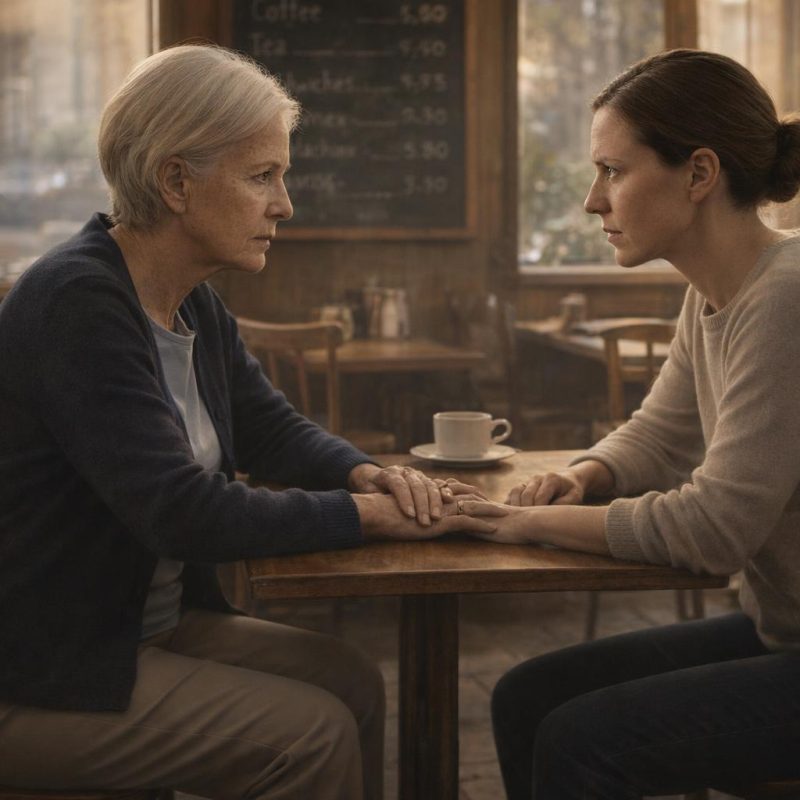 Image by RM AI
The Other Side
We stayed at that café for nearly two hours. Clara ordered a second coffee and I let mine go cold, and somewhere in the middle of it all she pulled out her phone and showed me a photograph. Her mother had been young in it — maybe twenty-two, twenty-three — with dark hair and a steady, direct gaze. She looked like a woman who had already decided she wasn't going to fall apart. Clara told me her mother had raised her alone, worked two jobs most of Clara's childhood, never remarried, never had other children. She said her mother had died five years ago, and that was when Clara had started looking for Frank in earnest. She'd wanted to know where she came from before there was no one left to ask. I held the phone and looked at that photograph for a long time. This woman had carried something Frank set down and walked away from, and she had carried it without bitterness, at least not the kind she passed on to her daughter. I thought about what that kind of quiet endurance costs a person. Clara and I didn't say much after that. We didn't need to. We were two women sitting with the same man's absence between us, each of us shaped by it in ways neither of us had chosen, and the understanding that passed between us in that silence needed no words to hold it.
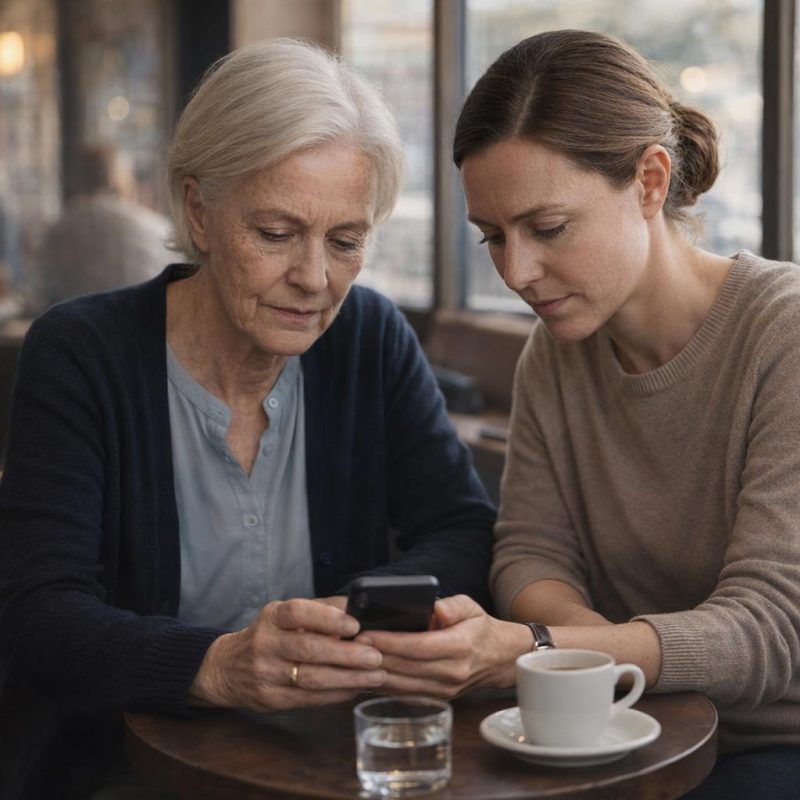 Image by RM AI
The Path Forward
I called Frank that evening and told him to come home. He was there in twenty minutes, which told me he hadn't gone far. He sat down at the kitchen table and I told him I had met Clara. His face went through several things at once — surprise, relief, something that looked like shame finally finding a place to land. I told him I had made a decision. I said the marriage could continue, but not the way it had been. Clara was part of his life now, which meant she was part of our life, openly and without apology. No more managing the distance. No more keeping her in a separate compartment like something he was embarrassed to own. He would call her. He would show up. He would do the work of being her father, late as it was, and he would do it where I could see it. He nodded. He said he understood. He said he was sorry in a way that sounded like he meant it, though I knew sorry was only the beginning of a much longer road. Three days later, the three of us sat down to dinner at this table — Frank, Clara, and me. It was awkward and careful and nobody quite knew where to put their hands. But it was honest, and that was more than we'd had before. I told myself that honest was enough to start with.
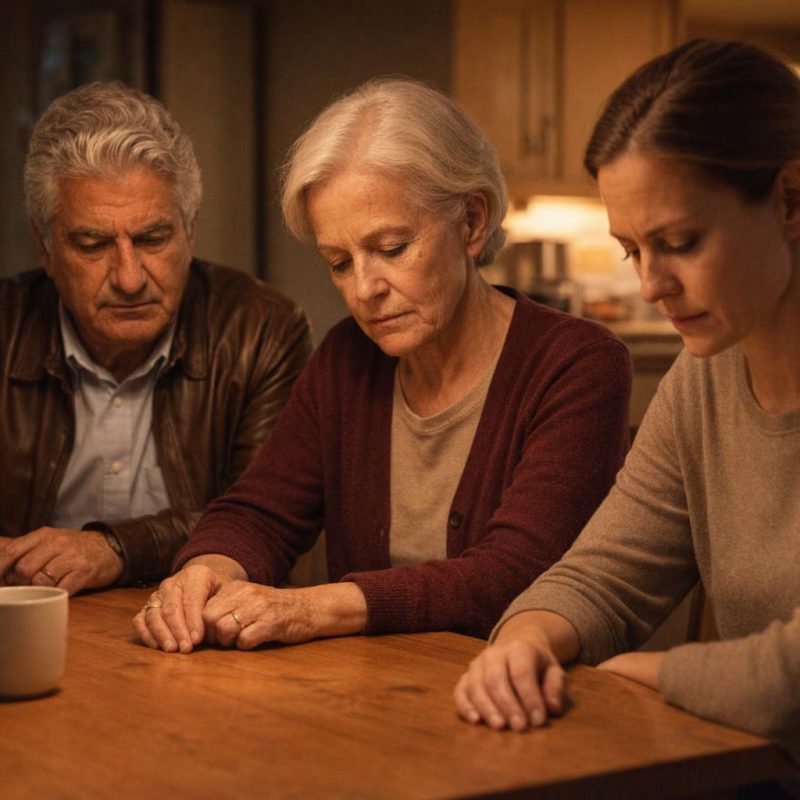 Image by RM AI
KEEP ON READING

The story of Ching Shih, the Woman Who Became the…
Unknown author on WikimediaFew figures in history are as feared…
By Emilie Richardson-Dupuis Dec 29, 2025
Einstein's Violin Just Sold At An Auction—And It Earned More…
A Visionary's Violin. Wanda von Debschitz-Kunowski on WikimediaWhen you hear…
By Ashley Bast Nov 3, 2025
This Infamous Ancient Greek Burned Down An Ancient Wonder Just…
History remembers kings and conquerors, but sometimes, it also remembers…
By David Davidovic Nov 12, 2025
The Mysterious "Sea People" Who Collapsed Civilization
3,200 years ago, Bronze Age civilization in the Mediterranean suddenly…
By Robbie Woods Mar 18, 2025
How a Deformity Made This Man an Urban Legend
Alex Fu on PexelsThere's a stretch of road in western…
By Christy Chan Jun 25, 2026
20 Soldiers Who Defied Expectations
Changing the Rules of the Battlefield. You’ve probably heard plenty…
By Annie Byrd Feb 10, 2026