

My Husband Vanished After My $3.4M Inheritance—His Face When the Judge Spoke Was Priceless
My Husband Vanished After My $3.4M Inheritance—His Face When the Judge Spoke Was Priceless
The Empty House
I pushed through the front door at 9:47 PM, my scrubs still smelling like antiseptic and that particular blend of cafeteria coffee and human exhaustion that clings to you after twelve hours in the ICU. The house felt wrong the second I stepped inside. Not messy-wrong or forgot-to-turn-off-the-stove wrong, but hollow. Like the air had been scooped out and replaced with something thinner. Derek's golf trophy wasn't on the mantle. I stood there staring at the empty spot, my nursing bag still hanging off my shoulder, trying to make my brain process what my eyes were seeing. The bathroom counter where his aftershave always sat—bare. Our bedroom closet gaped open like a ribcage with half the organs ripped out, his side completely stripped. I walked through each room in a daze, my heart doing that thing where it beats too hard in all the wrong places. The manila envelope was waiting on the kitchen counter, propped against the coffee maker we got as a wedding gift fourteen years ago. My hands shook as I pulled out the papers. Petition for Dissolution of Marriage. His signature was already there, bold and arrogant, with yellow sticky arrows marking where I was supposed to sign away my life.
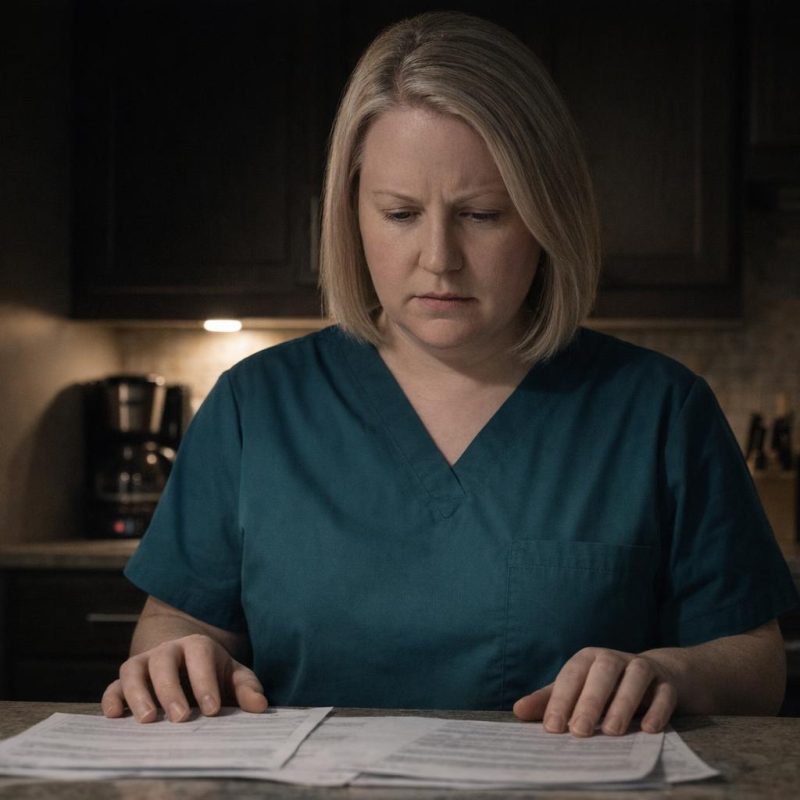 Image by RM AI
Inventory of Absence
I couldn't stop moving through the rooms, cataloging what he'd taken and what he'd deemed worthless enough to leave behind. His expensive suits—gone. The framed photos of our family vacations—still on the wall, which felt crueler somehow, like he wanted me to remember what we'd been. His wedding ring sat on the dresser, and I picked it up, turning it over in my palm, trying to figure out if he'd placed it there deliberately or just forgotten it in his rush to erase us. The divorce papers used words like 'irreconcilable differences' and 'equitable distribution,' cold legal language that had nothing to do with the man who'd had his arm around my shoulder at Emma's thirteenth birthday party seven days ago. Seven days. His thumb had traced circles on my skin while we watched her blow out the candles. He'd whispered in my ear about how well we were raising them, how lucky he was. I'd believed every word. There'd been no hesitation in his voice, no distance in his touch, no sign that he was already planning his exit while I smiled at our daughter and cut the cake. I found myself back in the kitchen, staring at his signature, wondering how a man goes from whispering sweet reassurances to serving legal papers in seven days.
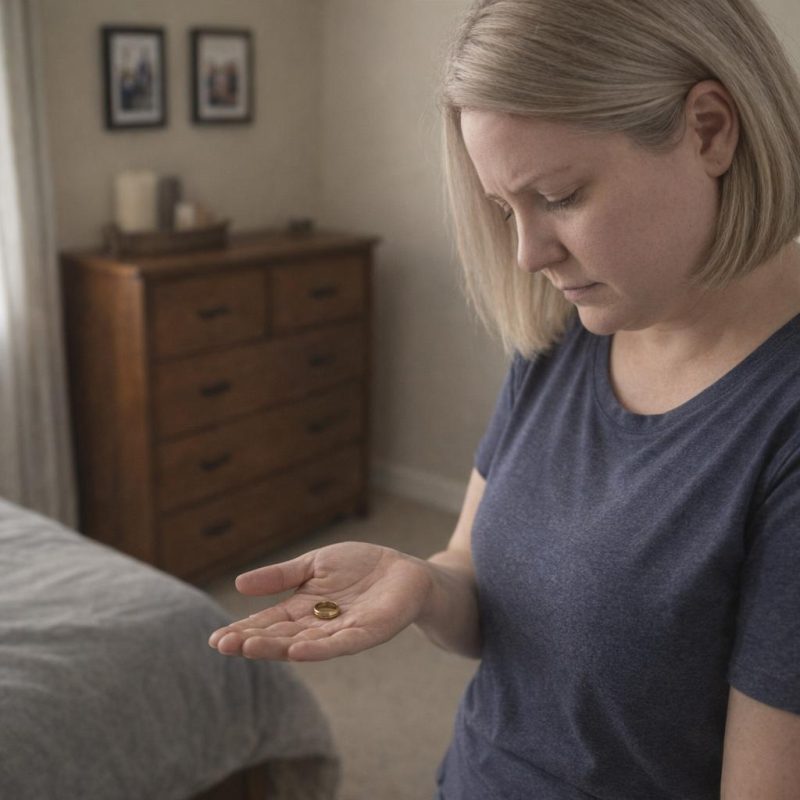 Image by RM AI
Twenty-One Calls
I called his cell phone twenty-one times. I counted. Each call went straight to voicemail, his recorded voice telling me to leave a message in that casual tone he used for everyone except me. The receptionist at his office stuttered when I asked for him, said something about a sudden leave of absence, and I could hear her discomfort crackling through the phone line. I started working through his golf buddies, men I'd hosted for dinner dozens of times, men who'd eaten my lasagna and complimented my cooking. Heavy silences. Vague excuses that sounded rehearsed. 'Haven't heard from him, Sarah.' 'Wish I could help.' 'You know how Derek is.' Except I clearly didn't know how Derek was. I called his brother Mike last, my hands shaking so badly I almost couldn't dial. He picked up on the second ring. 'Mike, I need to know where Derek is. He left. He just—' 'I can't get involved in this, Sarah.' Ten seconds. That's how long the conversation lasted before he hung up. I sat there with the phone pressed to my ear, listening to dead air, wondering what they all knew that I didn't.
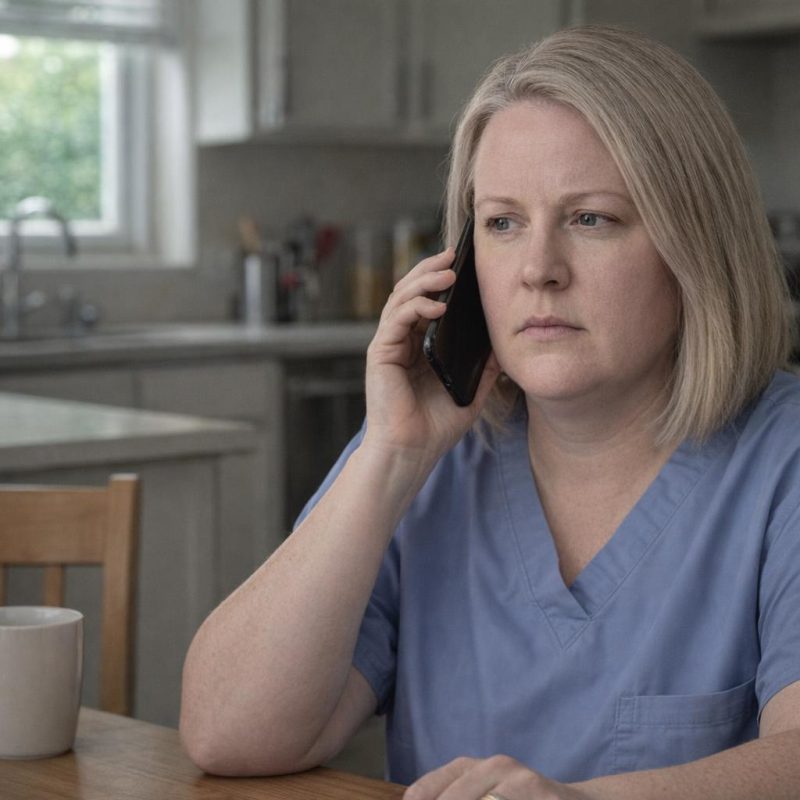 Image by RM AI
The Circle of Silence
I kept calling. Derek's college roommate suddenly couldn't come to the phone. His golf partner claimed ignorance with an edge in his voice that told me he was lying. A coworker from his office wouldn't return my messages at all. Each refusal added another layer to the realization settling in my chest like concrete: they all knew. Derek had briefed his inner circle, prepared them for my calls, told them what to say or not say while I was working double shifts trying to keep our family afloat. He'd plotted his exit with the precision of a military operation, and I'd been the only one left in the dark. The golf buddy who'd cried at our wedding wouldn't take my call. The friend who'd been Derek's best man sent my voicemail straight to a full inbox. They'd all chosen him, chosen his version of whatever story he'd told them, and left me here with nothing but questions and legal papers. The betrayal felt like thick black sludge filling my lungs, making it hard to breathe, and then I heard it—the front door opening, backpacks hitting the floor, Emma's voice calling out 'Mom?' The terror of 'why' was instantly replaced by the agony of 'how.' How was I supposed to tell them their world had been dismantled while they were at school?
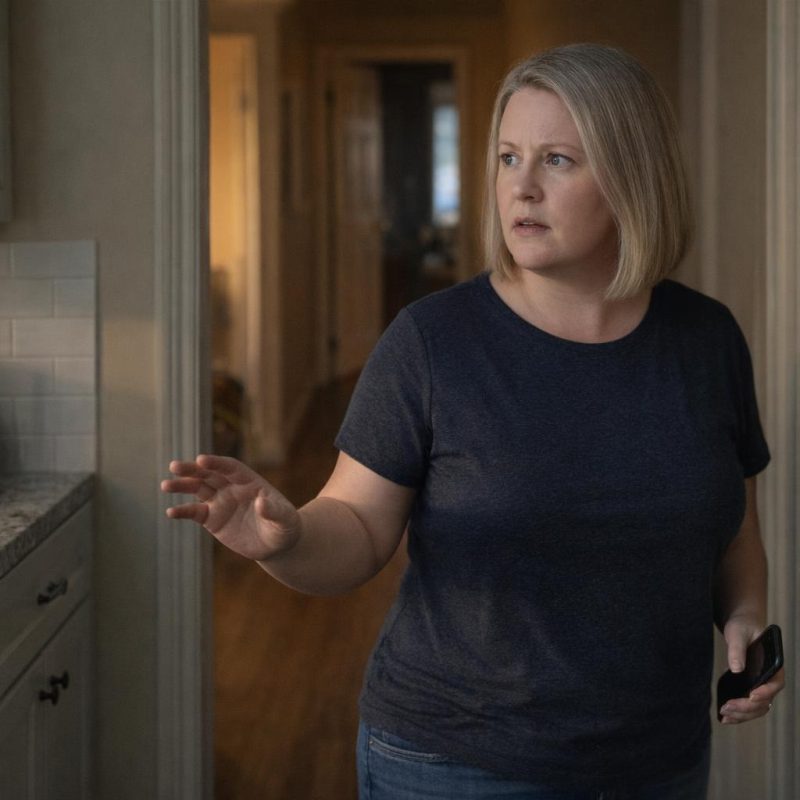 Image by RM AI
The Moment Everything Changed
They came into the kitchen with bright faces, Emma talking about her science project, Noah trailing behind with his backpack still on. Emma's voice died mid-sentence when she saw me sitting on the floor, and her eyes darted to the empty spaces on the mantle, the missing pieces she was just now noticing. 'Sit down,' I said, and my voice sounded like it belonged to a ghost. They sat. I looked at their faces—thirteen years old, both of them, twins who'd never spent a night without both parents under the same roof—and I said the words that would fracture everything. 'Dad left us.' The air in the room seemed to freeze. Emma's grief was loud and immediate, sobs that shook her whole body until she was gasping for air. Noah went eerily still, staring at the floor, his hands folded in his lap like he was trying to disappear into himself. 'But—' Emma choked out between sobs. 'Why? What did we do?' 'Nothing. You did nothing.' But I had no other answers to offer them. No logic that could explain why their father had become a stranger overnight. Noah's voice came out tiny, barely a whisper: 'Dad just made us pancakes yesterday morning.' And that reminder—that their father had stood in this kitchen twenty-four hours ago, flipping pancakes and asking about their homework—made everything so much worse.
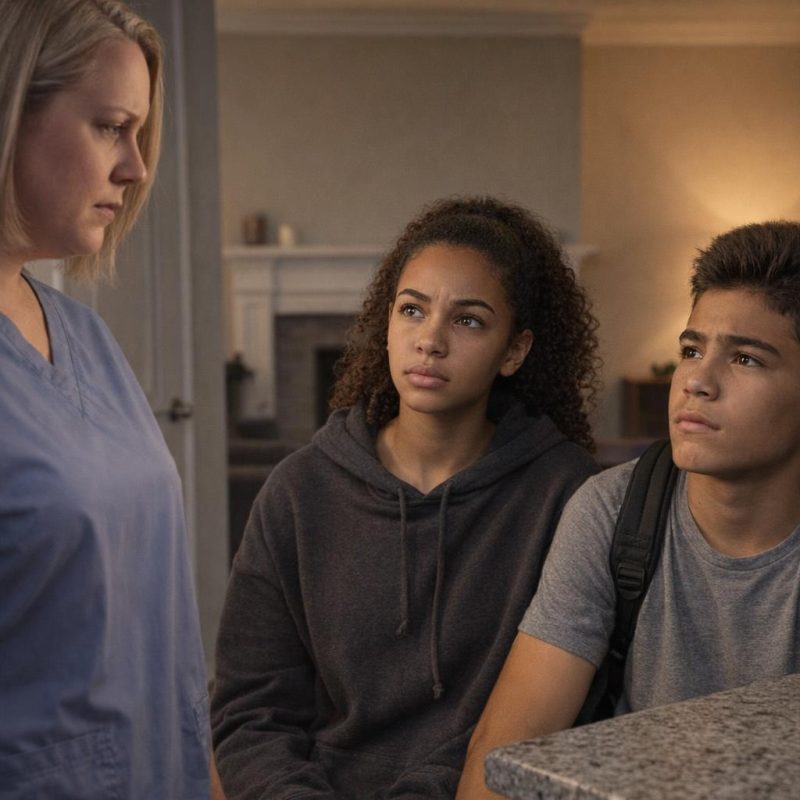 Image by RM AI
The First Night
The first night stretched out like a wound that wouldn't stop bleeding. Emma cried in waves, each one crashing over her just when I thought she might be calming down. Noah stayed silent, wouldn't look at me, wouldn't look at anything except the floor. I moved between their rooms, sitting on the edge of Emma's bed while she sobbed into her pillow, then crossing the hall to Noah's room where he lay facing the wall, his body rigid and small. Every attempt at comfort felt inadequate, like trying to stop a hemorrhage with a band-aid. The house felt massive around us, predatory somehow, Derek's absence creating a physical void that made the walls seem farther apart. I kept hearing phantom sounds—his footsteps, his keys, his voice—and then remembering they weren't coming. Around midnight, both kids finally fell into fitful, tear-stained sleep. I sat alone on the couch with a glass of wine I wasn't drinking, my mind circling back to something I couldn't quite name. The timing. Something about the timing of Derek's departure kept nagging at me, like a splinter I couldn't see but could definitely feel. When exactly had he decided to do this? Why now, specifically now? Exhaustion mixed with adrenaline kept me frozen there, staring at nothing, my mind circling back to a timing I couldn't quite name yet.
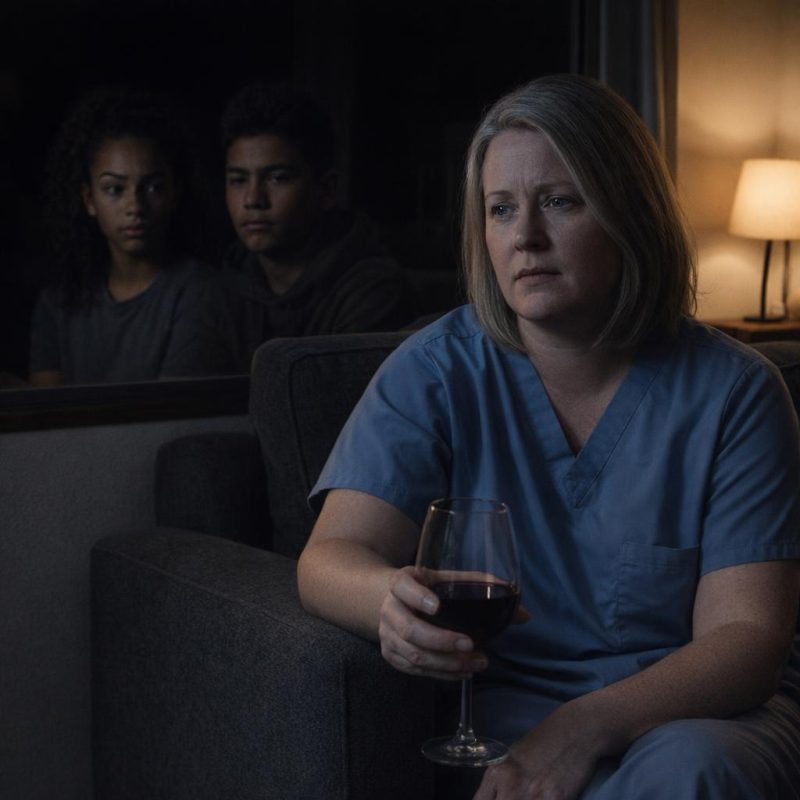 Image by RM AI
The Hospital Shift
I showed up for my shift at the hospital forty-eight hours after finding the divorce papers, and the sympathetic glances started the moment I walked through the ICU doors. Someone had told everyone—probably Karen from scheduling, who knew everything about everybody—and now my coworkers looked at me like I was made of glass. I focused on the work. Vitals, medications, chart updates. My hands knew what to do even when my brain was somewhere else, wondering where Derek was sleeping, what he was thinking, whether he felt anything at all. The professional competence stayed intact despite the chaos screaming in my head. I checked Mrs. Patterson's blood pressure, adjusted Mr. Chen's IV drip, updated charts with mechanical precision. But during the quiet moments between patient rounds, my mind drifted. Why now? That question kept surfacing, insistent and unanswered. Between checking on a post-op patient and administering pain meds, I locked myself in the supply closet and let myself cry for exactly three minutes. I timed it on my watch. Three minutes to fall apart, then I washed my face in the tiny sink, checked my reflection to make sure the crying wasn't obvious, and went back to the ICU floor. Separate the personal crisis from the professional responsibility. That's what you do when you're a nurse. That's what you do when you don't have any other choice.
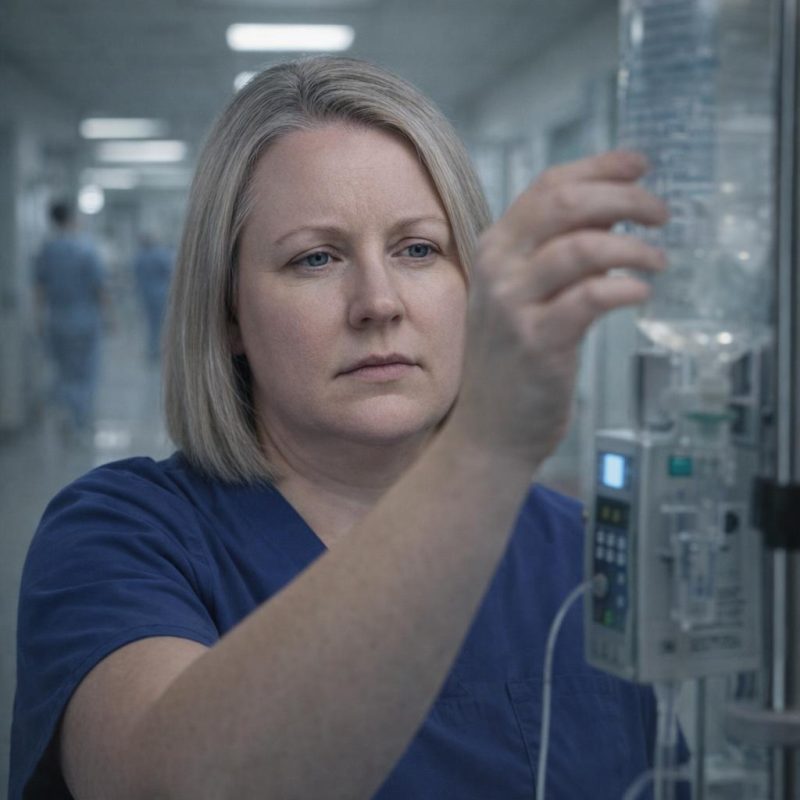 Image by RM AI
Blanket Fort
I came home to find Noah in the living room, surrounded by an elaborate architecture of blankets and sheets draped over furniture. He'd built a fort, the kind he used to make when he was little, pillows forming walls and the coffee table serving as the main support beam. He was inside it, and I could see his shadow through the fabric, completely still. Emma sat on the couch with her phone in her hand, the screen lighting up her face every thirty seconds as she checked for notifications. No messages. I could see the hope dying a little more each time the screen showed nothing. This was how they were processing it—Noah retreating into physical construction and isolation, building walls he could control, and Emma clinging to the possibility that Dad might still reach out, might still explain, might still come back. I stood in the doorway watching them, feeling completely helpless. I couldn't fix this. Couldn't explain their father's silence or make the pain stop or give them any reason that would make sense of why he'd just vanished. Emma looked up from her phone, and the dying hope in her eyes was worse than her tears had been. 'Has Dad called yet?' she asked, her voice small and breaking, and I had absolutely nothing to give her except the truth that would hurt all over again.
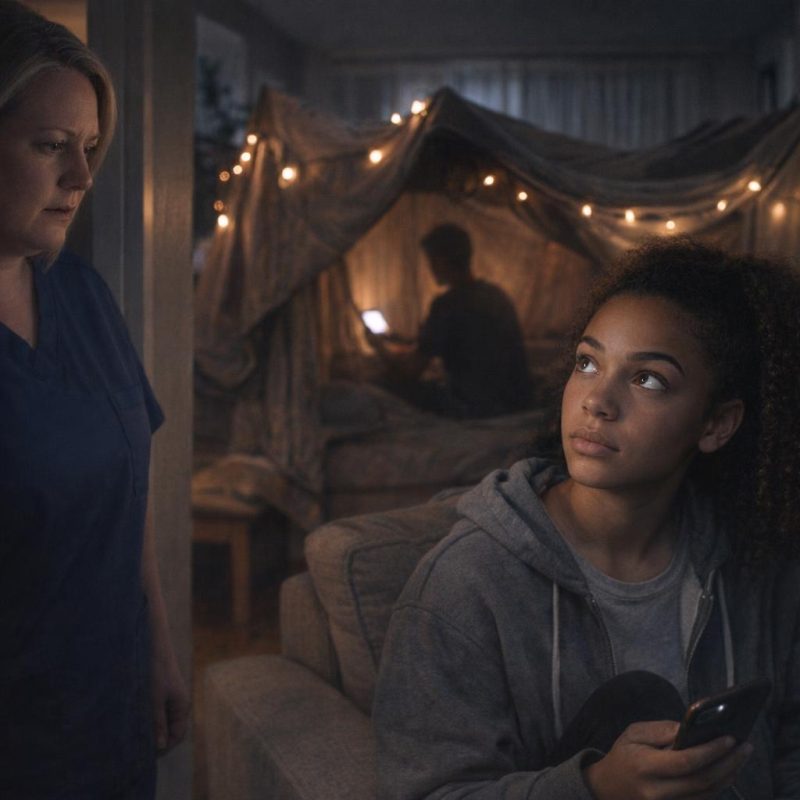 Image by RM AI
Legal Maze
I waited until both kids were asleep before opening my laptop, the screen's glow harsh in the dark living room. I typed 'family law attorney near me' and watched seventeen thousand results populate in half a second. Where do you even start with something like this? I clicked through website after website, each one blurring into the next. Credentials I didn't understand. Practice areas that might or might not apply to me. The words felt foreign—'equitable distribution,' 'marital property,' 'custody arrangements.' I'd been married for fifteen years and suddenly needed a translator for my own life. Then I started seeing the numbers. Consultation fees. Retainer amounts that made my chest tight. Hourly rates that would drain my savings in weeks. I made decent money as a nurse, but this? Some attorneys specialized in high-net-worth divorces, whatever that meant. Others focused on custody battles. I had no idea which kind I needed or what I was even fighting for beyond the basic fact that my husband had left. By two in the morning, I had seventeen law firm websites bookmarked and absolutely no criteria for choosing between them. I didn't understand what battle I was preparing for, just that I needed someone who did.
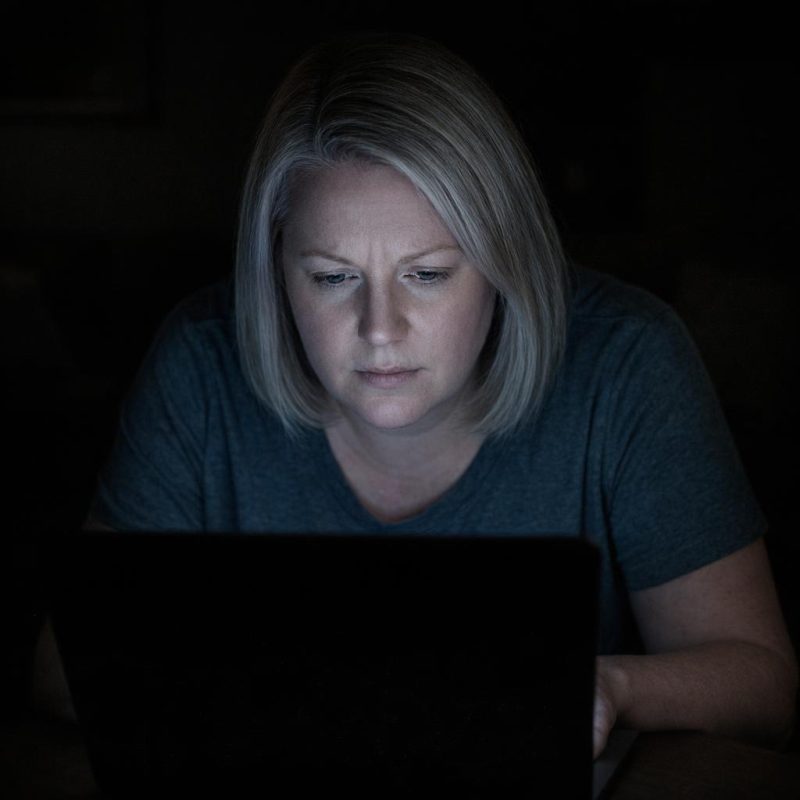 Image by RM AI
First Consultation
Jennifer Chen's office had family law certificates covering one wall and an organized efficiency that made me feel slightly less unmoored. She was maybe thirty-eight, with sharp eyes that tracked every detail, her suit tailored and professional. I explained Derek's departure, the divorce papers, the complete absence of warning or explanation. She asked methodical questions—when we married, where we lived, what assets we had. 'Any idea why he wants the divorce?' she asked, pen poised over her notepad. I shook my head. 'He gave no reason. Just left.' Jennifer leaned forward slightly. 'Any major life changes recently? Job loss, inheritance, health issues?' The word inheritance made something click. 'My aunt died last month. Left me three point four million dollars.' Jennifer's attention sharpened visibly. 'And how did Derek respond to that?' I thought back to those conversations. 'He asked a lot of questions about the estate transfer. Whether the funds were joint or separate accounts. I thought he was just curious.' Jennifer paused, wrote something in her notepad that took longer than seemed necessary. She didn't share what she was thinking. 'I'll need complete financial documentation,' she said. 'Everything.'
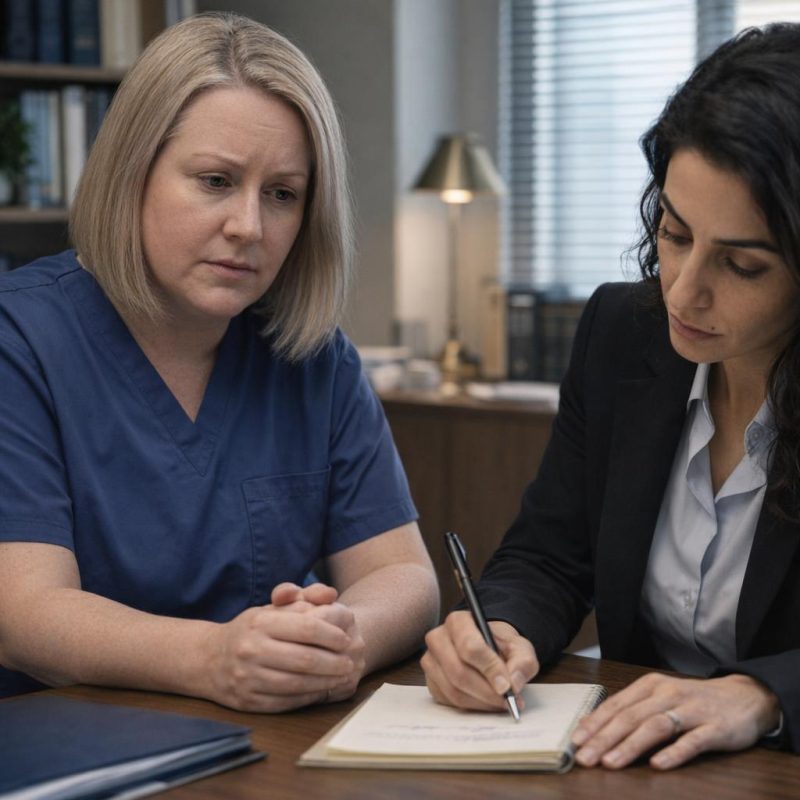 Image by RM AI
Hollow Weekend
Saturday morning felt wrong from the moment I woke up. I made pancakes because that's what we did on weekends, but they tasted like cardboard in the silent kitchen. Four days ago Derek had stood at this same stove, flipping pancakes while humming off-key. Emma picked at her food without eating, pushing pieces around her plate. Noah asked if he could skip breakfast entirely. I said yes because what was the point of forcing it? I suggested a movie that afternoon, desperate for something normal, but no one could focus. The television played to an audience of three distracted people. Emma scrolled through her phone during the entire film, checking for messages that never came. Noah rearranged his blanket fort instead of watching, adjusting corners and reinforcing walls. When evening came, I started setting the table for dinner and my hands moved on autopilot. Four plates. Four sets of silverware. Four napkins. I was halfway through before I realized what I'd done—laid out a place for someone who wasn't coming back. The muscle memory of fifteen years betraying me to this new reality of three. I had to remove Derek's setting, and the physical act of taking away his plate felt like admitting something I wasn't ready to accept. The kids noticed but said nothing.
 Image by RM AI
The School Calls
The first call came from Emma's middle school on Tuesday afternoon. Her science teacher reported that Emma had broken down crying during class, unable to focus on the assignment, tears coming without warning throughout the day. An hour later, Noah's guidance counselor called. He'd stopped participating entirely—wouldn't join group activities, wouldn't speak during class discussions, sat alone during lunch and recess. Both schools asked carefully if there were family circumstances they should know about. I explained that their father had left suddenly, and both offered counseling resources with the gentle professionalism of people who'd had this conversation before. The guidance counselor suggested family therapy, her voice kind and measured. I wanted to scream. The family member who needed therapy had already left. I couldn't drag an absent father to counseling sessions. Derek had created this crisis and then vanished, leaving the kids to suffer the consequences of his choice while he did whatever he was doing wherever he was. I scheduled individual counseling for both children because what else could I do? But the rage sat in my chest like a stone—he'd broken them and disappeared, and I was left trying to pick up pieces I didn't know how to fix.
 Image by RM AI
Neighborhood Whispers
I ran into our neighbor while checking the mail, and the conversation died the moment she saw me. 'I heard what happened,' she said, her voice dripping with that particular mix of sympathy and curiosity. 'How are you holding up?' At the grocery store, a woman from my old book club saw me in the produce section and immediately crossed to a different aisle. The social isolation was growing, spreading like a stain. Some people didn't know what to say. Others seemed to blame me somehow, as if I must have done something to make my husband leave. I stopped for coffee and ran into a couple we'd known for years—couple friends, the kind you have dinner with. The conversation died when I approached their table. I realized later they were still friends with Derek. They'd chosen sides without telling me. Then Margaret from three houses down cornered me outside the pharmacy. 'Was Derek having an affair?' she asked directly, no preamble. I opened my mouth to deny it, to defend him, to explain—and stopped. The truth settled cold in my stomach. I had no idea. I couldn't answer the most basic question about my own marriage. I didn't know why Derek left or what his life involved now or whether there was someone else. I knew nothing.
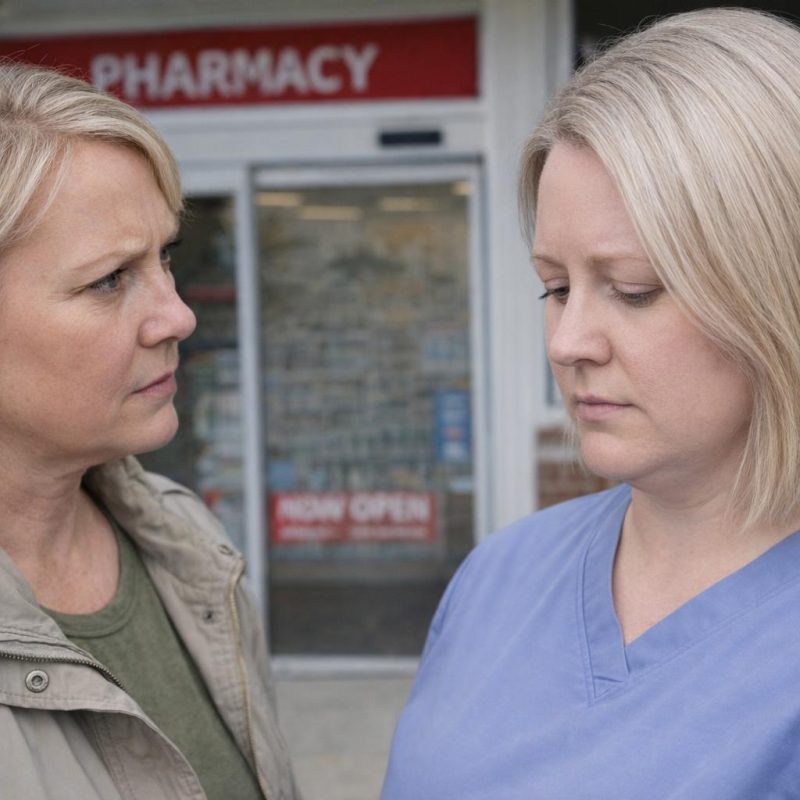 Image by RM AI
The Week Before
I forced myself to replay that final week, examining every moment for signs I'd missed. Emma's thirteenth birthday was six days before Derek left. He'd grilled burgers, his arm around my shoulder during the birthday song, his thumb tracing circles on my skin. He'd whispered that we'd done a good job raising the kids. No tension. No distance. The morning he made pancakes—the day before he left—we'd had normal conversation about work schedules and the kids' school activities. He'd seemed engaged, present, completely ordinary. I kept trying to identify the moment things changed, the turning point I must have missed, but I couldn't find it. Derek's behavior had seemed consistent right up until suddenly it wasn't, and he was gone. Then one particular conversation surfaced in my memory, floating up like something dredged from deep water. Derek asking about Aunt Miriam's estate transfer. Wanting to know if the inheritance was officially in the accounts yet. Asking whether the funds were joint or separate property. At the time it had seemed like natural curiosity—of course he'd want to know about a major financial change. But now the questions felt different somehow. I couldn't articulate why they bothered me or what they meant. Just that something cold had settled in my stomach, unnamed and uncomfortable.
 Image by RM AI
Financial Autopsy
I opened my laptop and logged into our bank accounts, searching for clues about Derek's plans or evidence of a secret life I'd never suspected. I scanned transaction history looking for hotel charges, suspicious restaurant expenses, purchases that would reveal an affair or double life. Nothing. Just regular bills and routine expenses. His credit card showed gas, coffee shops, golf course fees—all normal. The mortgage was current. Car loans and utilities showed no irregularities. For a moment I felt almost relieved, like maybe I'd been paranoid. Then I noticed the ATM withdrawals. Multiple large cash withdrawals in the week before he left, maximum daily amounts several days running. I added them up—several thousand dollars taken out in cash. Cash transactions leave no trail. You can't track where money goes once it's withdrawn from an ATM. I stared at the screen, trying to understand what he'd needed that much cash for. It could be innocent. It could be planning. The pattern felt off but wasn't proof of anything specific. Just another question I couldn't answer, another piece of my husband's life that had apparently been hidden from me the entire time. The withdrawals sat there in black and white, evidence of something I couldn't name.
 Image by RM AI
What He Left Behind
I went through Derek's nightstand drawer searching for answers, finding charging cables, old watches, loose change—nothing personal or revealing. His bathroom still had the cheap toiletries he hadn't wanted: backup razor, travel toothbrush, generic deodorant. Everything expensive or meaningful was gone. The closet contained only clothes too worn to pack—stained work shirts, outdated ties, old t-shirts with holes. I checked his study desk, finding file folders that felt picked over. Personal papers taken, household bills left behind. The junk drawer was full of pens, rubber bands, random keys that probably didn't open anything anymore. No journals. No letters. No hidden communications. Nothing that would explain why he'd left or where he'd gone or what he was thinking. Just carefully curated emptiness, like he'd edited his own life out of our house. Then, in the very back of his nightstand drawer, my fingers touched paper. A receipt for a storage unit rental. I pulled it out, staring at the date—three weeks before Derek left. Three weeks. The unit was rented under his name alone, at an address across town I'd never been to. He'd been planning this for weeks while still living our normal life, still making pancakes and attending birthday parties. I wondered what he'd put in that storage unit, what was valuable enough to hide rather than take immediately.
 Image by RM AI
Digital Footprints
I opened Derek's Facebook profile on my laptop, needing to see if he'd left any digital breadcrumbs that might explain where he'd gone or what he was thinking. His account was still active—not deleted, just frozen. The last post stared back at me from three weeks ago: a family photo from Emma's birthday celebration at that Italian restaurant downtown. Derek's arm around my shoulders, both kids grinning with cake-smeared faces, his smile looking so genuine I wanted to reach through the screen and shake him. After that post, nothing. His timeline just stopped like someone had hit pause on his entire online existence. I checked Instagram next, finding the same eerie pattern. His last photo was from three weeks prior—a golf course at sunset, caption about perfect weather. Then silence. Twitter showed the same thing. Derek had stopped engaging across every platform simultaneously, all on the same date. I pulled out the storage unit receipt from my pocket, comparing dates. Three weeks ago. The same day he rented that unit was the day he stopped existing online. Not deleting his accounts, just ceasing to use them entirely. He'd been preparing to vanish while still physically present in our house, still making breakfast and kissing me goodbye. I searched for new accounts under variations of his name, different email addresses, anything that might show he'd created alternate profiles. Nothing. Derek's online life had simply paused, then stopped, and the timing made my hands shake as I closed the laptop.
 Image by RM AI
The Neighbors Knew
I was watering the front lawn two days later when Mrs. Chen from across the street walked over, her face concerned. 'How's the move going?' she asked, and I just stared at her, confused. 'What move?' She blinked, clearly surprised by my response. 'I saw Derek loading boxes into his car all last week. Multiple days—Tuesday, Wednesday, Thursday morning. I assumed you were relocating and you were at work while he handled the packing.' My chest went tight. 'What time did you see him?' 'Morning and early afternoon,' she said. 'He'd carry boxes from the house, load them in the trunk, drive off. I waved once but he seemed focused. I thought...' She trailed off, understanding dawning on her face. 'Oh god, Sarah, I didn't realize he was leaving. I'm so sorry—I should have mentioned it sooner.' I thanked her and walked back inside on legs that didn't feel steady. Derek had spent days systematically packing and removing items from our house. He'd waited until I left for my nursing shifts, then carried out boxes of our belongings in increments I never witnessed. He'd timed his movements around my work schedule, dismantling our life while I was saving other people's. By the time he served me those divorce papers, everything valuable to him was already secured elsewhere. This wasn't a sudden decision or emotional break. This was patience and planning, and the betrayal felt layered in ways I couldn't fully process.
Questions Without Answers
That evening, Emma and Noah sat with me in the living room, and I could see the question building in Emma's red-rimmed eyes before she even spoke. 'Mom, why did Dad leave?' Her voice cracked on the words, desperate for some logic that would make sense of the abandonment. Noah added his own quiet question, going very still the way he does when he's upset: 'Did we do something wrong?' My throat closed up. I tried to formulate an answer that didn't exist, some explanation that would comfort them, but I had nothing. 'This isn't your fault,' I managed. 'You didn't do anything wrong. Neither of you.' Emma pressed harder. 'But did you guys have a fight? Some big argument?' I shook my head truthfully. 'No fight. Dad didn't give any warning or explanation. He just served the papers and left.' Noah's voice was barely a whisper. 'Is he coming back?' The hope in his question broke something in my chest. I didn't know how to answer without lying or crushing him completely. I couldn't promise a return that wouldn't happen, couldn't explain the finality of divorce papers to a thirteen-year-old who still built blanket forts when the world felt too big. 'I don't know why he left,' I heard myself say, and the admission felt like failing them all over again. I was supposed to have answers as their mother, as Derek's wife of twelve years, but I had nothing to give them except shared confusion and the hollow ache of not understanding.
 Image by RM AI
Setting the Date
Jennifer Chen called three days later with an update that made my stomach drop. 'Derek's attorney has agreed to mediation. We have a date set for six weeks out.' She explained the process—both parties meeting with attorneys present, attempting to reach settlement with a judge mediator before going to trial. It gave us time to prepare, she said, which meant gathering documentation. 'I need you to compile complete records of all marital assets,' Jennifer continued, her voice crisp and professional. 'House value and mortgage documents, car titles, loan information, retirement account statements, bank records—everything.' My hands shook as I wrote down the list, overwhelmed by the scope of what she was asking. 'Do you know if Derek's still working?' she asked. I didn't. I hadn't spoken to him since he'd walked out. Jennifer made a note, then added carefully, 'His attorney is Richard Stanton. He's known for being aggressive about asset division, pursuing maximum claims for his clients.' I asked what Derek might try to claim, what he wanted from our twelve years together. Jennifer's pause felt deliberate. 'We'll see his demands at mediation.' But I could hear something in her tone, some concern she wasn't voicing yet. I hung up wondering what Derek was planning to take, what legal battle I was walking into, and why his attorney had a reputation for being aggressive. The foreboding that settled over me felt heavy and specific, like standing in a hospital room waiting for test results you know will be bad.
 Image by RM AI
Paper Trail
I pulled the filing cabinet into the dining room and spread twelve years of our marriage across the table in paper form. Tax returns from every year we'd been together, W-2 forms showing both our incomes, mortgage documents from when we'd bought the house in year three. Car loan paperwork, vehicle titles, joint account statements dating back to our wedding. I created a chronological timeline, noting major purchases and life changes in the margins—Emma's birth expenses in year four, Noah's arrival the following year, the kitchen renovation, the used minivan we'd bought when one car wasn't enough anymore. Our entire financial life was reducible to folders and receipts and official documents with both our signatures. Then I reached last year's tax return and stopped. Derek's handwriting was in the margin, circling a section about inheritance and asset classification. A question mark next to inheritance reporting requirements. I stared at his handwriting, trying to remember when he'd been reviewing these forms, why he'd been focused on that particular detail. We'd filed jointly like always—I'd handled most of it while he'd just signed where I'd indicated. But he'd gone back through the paperwork later, circling and questioning sections about inheritance. I set that return aside, creating a separate folder for Jennifer with copies of everything essential. The notation bothered me in ways I couldn't articulate, like finding a puzzle piece that didn't quite fit the picture I thought we'd been building together.
 Image by RM AI
Aunt Miriam's Legacy
I pulled out Aunt Miriam's estate paperwork that night, reading through the trust documents for the first time since the initial transfer. The folder was thick with legal language and financial details—three point four million dollars transferred into an account in my name alone. I remembered Aunt Miriam teaching me to knit when I was Emma's age, her patient hands guiding mine through complicated stitches. She'd told me stories about our family history, about bloodlines and legacy and the importance of taking care of your own. This inheritance was meant to honor that connection, to provide security for me and my children. I read through the transfer documentation, bank statements showing when the funds had been deposited, trust structure establishing me as sole beneficiary. The official transfer date was highlighted on the cover page in bold print. I pulled out my calendar to check the timing, my chest tightening as I counted backward. The inheritance had officially transferred on a Tuesday last month. Derek had filed for divorce the following Tuesday—exactly one week later. I stared at the dates, unable to shake the feeling that the timing meant something. But what would my inheritance have to do with Derek leaving? He'd never seemed particularly motivated by money before. We'd lived comfortably on our combined incomes, never fought about finances or spending. I set the documents aside with an uneasy feeling I couldn't name, just the sense that something about those dates lined up in ways that felt wrong.
 Image by RM AI
The Timeline
I pulled out a large poster board and created a visual timeline, needing to see everything mapped out in front of me. I marked major events in different colors—inheritance transfer in blue, Derek's departure in red, other significant moments in green. Then I started adding Derek's behaviors to the timeline, all the things I'd discovered over the past weeks. Storage unit rental three weeks before he left. Social media activity stopping on the same date. Multiple ATM withdrawals the week before his departure. The systematic packing Mrs. Chen had witnessed during my work shifts. I added the date Derek had asked me about the inheritance transfer details, then checked my phone records for when the estate lawyer had called. My stomach dropped. The lawyer had called to confirm the funds had cleared, and Derek's questions had come just hours after that conversation. I stared at the timeline, seeing patterns I couldn't explain. Events clustered around inheritance milestones—not randomly scattered but grouped in ways that felt significant. But correlation wasn't causation, right? This could all be coincidence, or something else I wasn't seeing clearly. The timeline showed Derek's actions spread over weeks, not days. Not an impulsive decision but gradual preparation, methodical removal of himself from our life together. I circled the date Derek had asked about the transfer details, my hand shaking slightly, and realized it was the same day the estate lawyer had called to confirm the funds cleared.
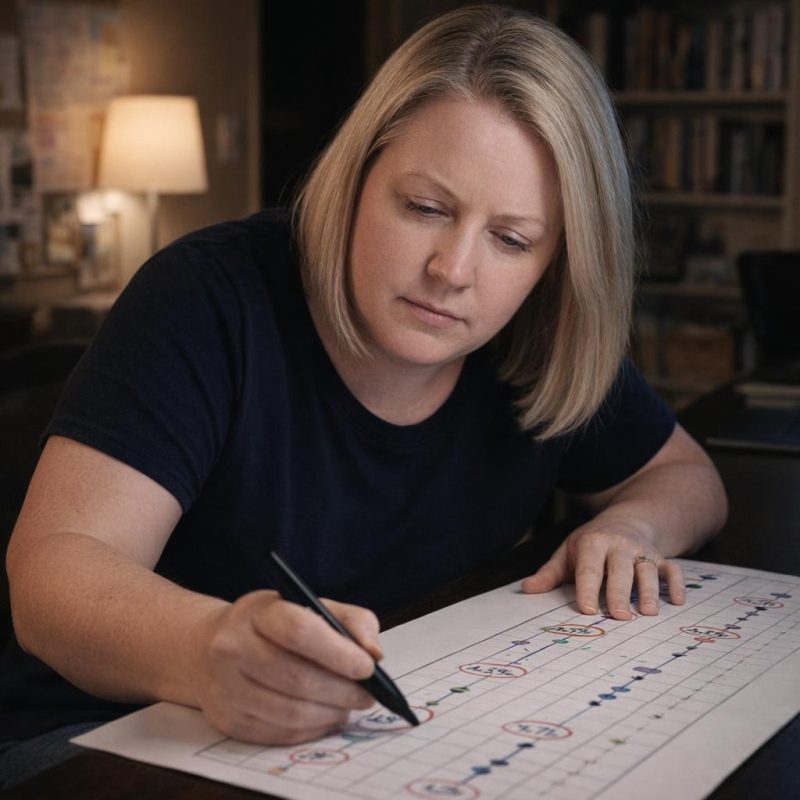 Image by RM AI
His Questions
I forced myself to sit with coffee and replay every conversation Derek and I had about Aunt Miriam's estate. He'd asked questions shortly after the inheritance was announced—wanted to know about the legal structure, whether the money would go into our joint account. I'd explained it was separate property in my name alone, that the trust was set up specifically that way. Derek had asked about community property laws then, whether inheritance received during marriage becomes a shared asset. I'd told him what the lawyer confirmed: it remained separate, legally mine. And his face had done something in that moment—shifted in a way I couldn't quite describe. His expression had changed for just a second before he smiled and said that was wonderful for me, that Aunt Miriam would be happy knowing I was taken care of. At the time it had seemed like a supportive husband asking reasonable questions. Now those questions felt different somehow. Why would he care about the legal technicalities? Why ask specifically about joint versus separate accounts, about community property classification? Derek had never shown interest in financial details before—I'd always handled the bills and banking, managed our accounts and tax filings. His sudden focus on inheritance structure had felt odd even then, but I'd attributed it to the scale of money involved. Three million dollars would make anyone curious about the details. But now, staring at my timeline with all those dates circled, I remembered assuring him the money was legally mine alone, and the way his expression had shifted for just a moment before he smiled and said that was wonderful.
 Image by RM AI
Mike's Protection
I blocked my number before calling Mike again because I knew he wouldn't pick up otherwise. When he answered, his voice was casual until he recognized mine—then it went careful, guarded. I asked him straight out why everyone in Derek's life had suddenly closed ranks against me. Why his parents wouldn't return my calls. Why his friends acted like I didn't exist. Mike said he couldn't get in the middle of this, that it wasn't his place. I pushed harder. Asked if he knew Derek was planning to leave. The silence on the line stretched so long I thought he'd hung up. Finally he admitted Derek had talked to him beforehand. I asked what Derek said. Mike refused to share specifics, said it was between him and his brother. The betrayal cut deeper than I expected. Mike had been to our house dozens of times. I'd cooked dinners for him and his family, hosted birthday parties, treated him like the brother I never had. Now he was choosing sides, and it wasn't mine. Before I could say anything else, Mike said Derek had his reasons, that I would understand eventually. Then he hung up. I stared at my phone, his words echoing in my head—'had his reasons.' What reasons could possibly justify abandoning your family?
 Image by RM AI
One Week
I pulled up my bank statements and found the inheritance deposit. The exact date and time were right there: Tuesday at 2:47 PM, three point four million dollars suddenly appearing in my account. I cross-referenced it with the divorce papers Derek had filed. The date stamp showed the following Tuesday. I counted on my fingers to be sure. Seven days. Exactly one week between the money clearing and the papers being served. I reviewed my calendar for that week, trying to remember anything unusual. Tuesday when the inheritance arrived, I'd been at work. I came home and told Derek the funds had transferred. He'd smiled and hugged me, said he was happy for me. The rest of the week seemed completely normal. Derek made pancakes on Thursday morning. He helped Emma with her math homework. He attended her birthday celebration on Saturday. Then the following Tuesday, he served me divorce papers and vanished. I stared at the bank statement, at that timestamp—2:47 PM. Had Derek been watching the accounts, waiting for that exact moment? But why would the inheritance timing matter to a divorce? My mind circled the question without landing on an answer. I knew the timing meant something. I just couldn't figure out what.
 Image by RM AI
Joint or Separate
I searched through old text messages on my phone, looking for conversations about Aunt Miriam's estate. The first mention was two months ago—Derek had texted asking if the inheritance would go into our joint account. I'd replied that it was separate property legally. His response was just a thumbs up emoji. A week later during dinner, he'd asked again. Wanted to confirm the money wouldn't be community property. I repeated what the lawyer had said—inheritance received during marriage can remain separate. Derek nodded and dropped the subject. The third time he asked was right after I hung up with the estate lawyer. Derek appeared in the doorway and asked for confirmation one more time. Joint or separate? I said definitely separate, in my name only. He'd smiled and said good for me. Now I stared at the text thread, counting. Three times. Why ask the same question three times? Each time his tone had gotten more casual, like he was making sure the answer wouldn't change. What did it matter to him legally whether my inheritance was shared or separate? We were married—what's mine is yours, right? Or so I'd thought. His repeated questions felt like something else now. Like he was checking facts he needed to confirm. I found the text where I'd reassured him it was completely separate, and his thumbs up emoji stared back at me, loaded with meaning I couldn't decipher.
 Image by RM AI
The Possibility
I sat in the hospital parking lot before my shift, unable to make myself go inside. My mind kept circling a thought I'd been avoiding for days. What if Derek's timing wasn't about grief or confusion or falling out of love? What if it was about the inheritance? Not about finding himself or a mid-life crisis. What if he'd waited for the money to clear, then filed papers to claim half? The timing would make sense that way. Seven days after the funds transferred. After confirming the inheritance had legally cleared. After years of marriage that might establish community property claims. My chest tightened as the possibility took shape. I couldn't prove this theory. I had only timing and questions. Derek's interest in separate versus joint accounts. His questions about transfer dates. His departure exactly one week after the funds cleared. But connecting dots doesn't equal evidence. It could still be coincidence. I could be reading patterns where none existed. My hands gripped the steering wheel until my knuckles went white. If the theory was true, Derek hadn't left on impulse. He'd left after securing a financial opportunity. Waited until the money was real and accessible, then filed papers to take half. I felt sick at the possibility. I wanted to be wrong. But the dates aligned too perfectly to ignore.
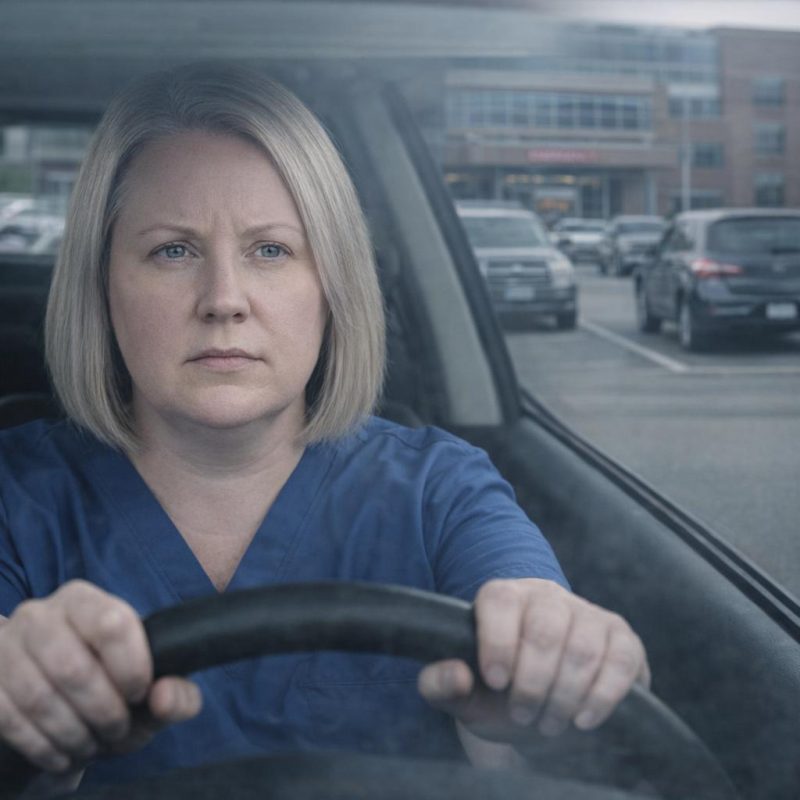 Image by RM AI
Estate Details
I remembered Derek hovering in the doorway during my phone calls with the estate lawyer. After I'd hang up, he'd ask follow-up questions. What did the lawyer say about the transfer process? How long until the funds cleared? What paperwork needed signing? At the time, I'd appreciated his interest. Thought he was being a supportive spouse, helping me navigate complicated estate details. Now I remembered his focus was very specific. He'd asked about the trust structure multiple times, wanted to understand the legal framework. One question stuck in my memory now. He'd asked when the money would be fully accessible. I'd explained the timeline—funds transfer after probate closes, become available once they're in the account. Derek had nodded, asked if that meant I could use them immediately. I said yes, once transferred they're available. He'd seemed satisfied with that answer. I recalled his expression during these conversations. The intent focus on details. Like he was taking mental notes of the timeline. I'd thought he was helping me understand the process. Now I wondered if he was understanding something else entirely. Mapping out timing for his own purposes. When exactly the money would be transferred and available. He'd asked when the funds would be 'fully accessible' and I'd thought he meant for me—now I wondered if he meant accessible to him.
 Image by RM AI
Pattern Recognition
I spread everything across the dining room table. The timeline showing the inheritance transfer and divorce dates. Derek's questions about separate versus joint property. The storage unit receipt dated three weeks before he left. His social media going dark on the same date. Bank withdrawals in the final week. Evidence of packing trips during my work hours. That seven-day gap between the money clearing and the papers being filed. I arranged the items chronologically and watched them form a sequence. Not a random emotional breakdown. Not a mid-life crisis or an affair. What looked like steps taken over months. Storage unit to secure his belongings. Questions to confirm the inheritance structure. Monitoring accounts for the transfer completion. Packing during hours I was at work. Filing papers seven days after the funds were secured. Each piece alone meant little. Together they suggested planning. I couldn't prove intent. But the pattern was too precise to be coincidence. I picked up my phone and called Jennifer Chen. My voice came out steadier than I expected. I told her I might know what Derek was really after. Not seeking custody or furniture or the house. After the inheritance money. Three point four million reasons to file for divorce.
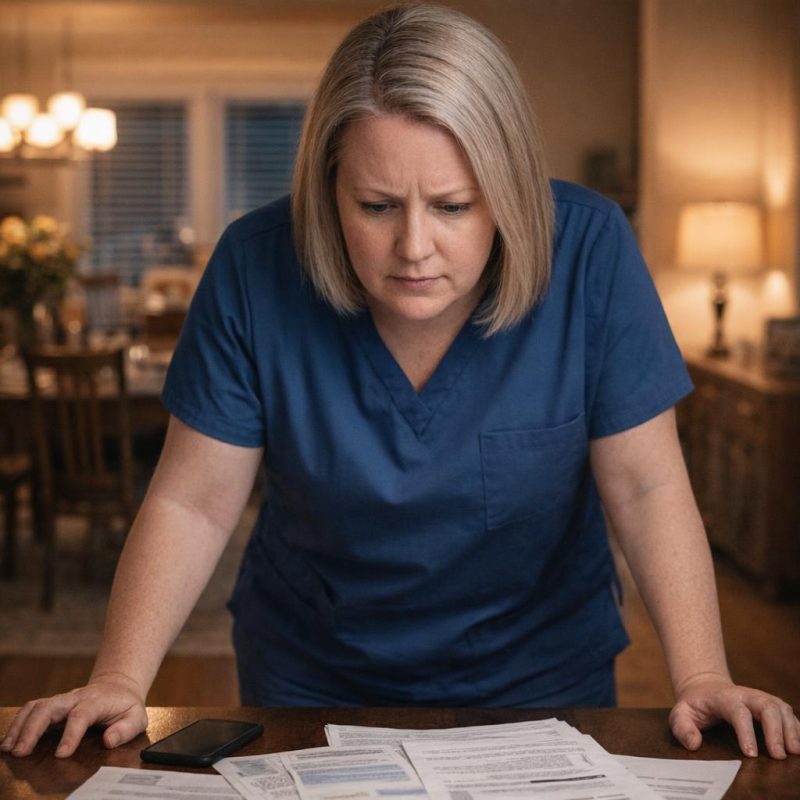 Image by RM AI
Physical Symptoms
My shift at the hospital became a test of endurance. Exhaustion dragged at my limbs like I was moving through water. A tremor in my hands made simple tasks feel monumental. I had to grip my pen tighter to write legibly on patient charts. During medication rounds, my hands shook holding the pill cups. I managed to maintain a professional appearance, but the effort required felt excessive. A coworker asked if I'd slept okay. I blamed stress from the divorce, said I was just tired. The exhaustion worsened as the shift continued. Usually I could power through twelve-hour shifts without issue. Today felt like wading through mud. Every task required double the effort. In the supply room, I was organizing medication trays when my hands shook badly enough that one slipped from my grip. Pills scattered across the floor. I stood there trembling, staring at the mess. I told myself it was just stress. Divorce and single parenting would exhaust anyone. But doubt crept in. The physical symptoms felt different than stress. Deeper than emotional exhaustion. Something in my body wasn't functioning right. I cleaned up the spilled medications and returned to work, pushing the symptoms to the back of my mind. I dropped a medication tray in the supply room and stood there shaking, wondering if this was just stress or something the divorce couldn't explain.
 Image by RM AI
The Appointment
I woke up with the exhaustion heavier than before. The tremor in my hands hadn't improved. I couldn't ignore the symptoms anymore. During my lunch break, I called Dr. Patel's office. The receptionist asked about the reason for my appointment. I explained the persistent fatigue and tremors. She offered an appointment with Dr. Patel for next week. Dr. Patel had been my physician for years, knew my medical history. I took the appointment. The receptionist mentioned the doctor would want blood work—a full panel to check various levels and markers. I agreed to the fasting blood draw and hung up. Fear settled in my chest like a weight. I wondered what the tests might show. Could be nothing—stress manifesting physically. Could be a thyroid issue or vitamin deficiency. Or it could be something worse. I wrote the appointment in my planner, my hands still shaking as I held the pen. The tremor was constant now. Not just when I was tired or stressed. Present even in quiet moments. I tried to push the worry aside. I was already dealing with divorce and my children's trauma. I couldn't handle another crisis right now. But my body didn't care about convenient timing. Something was wrong. The receptionist mentioned they'd want to run a full panel of blood work, and I felt a spike of fear I couldn't attribute to divorce stress alone.
 Image by RM AI
Noticed
Emma came into the kitchen while I was trying to chop vegetables for dinner. My hands were shaking so badly I had to set down the knife. She looked at me with this expression I couldn't quite read—concern mixed with something else. "Mom, why do you look so tired lately?" Her voice was soft, careful, like she was afraid of the answer. I forced a smile that felt like it might crack my face. "Just work, honey. The hospital's been really demanding." She didn't look convinced. "You look different kind of tired. Not just from long shifts." I turned back to the cutting board, trying to hide the tremor in my hands. During dinner, I struggled to cut my chicken. The fork kept slipping in my grip. I tried to hide it, moving my hands under the table between bites. But Noah noticed. He reached out and touched my shaking hand, his fingers gentle and worried. His eyes filled with the kind of fear I recognized immediately—the fear of a child who'd already lost one parent suddenly and was now watching the other one fade right in front of him.
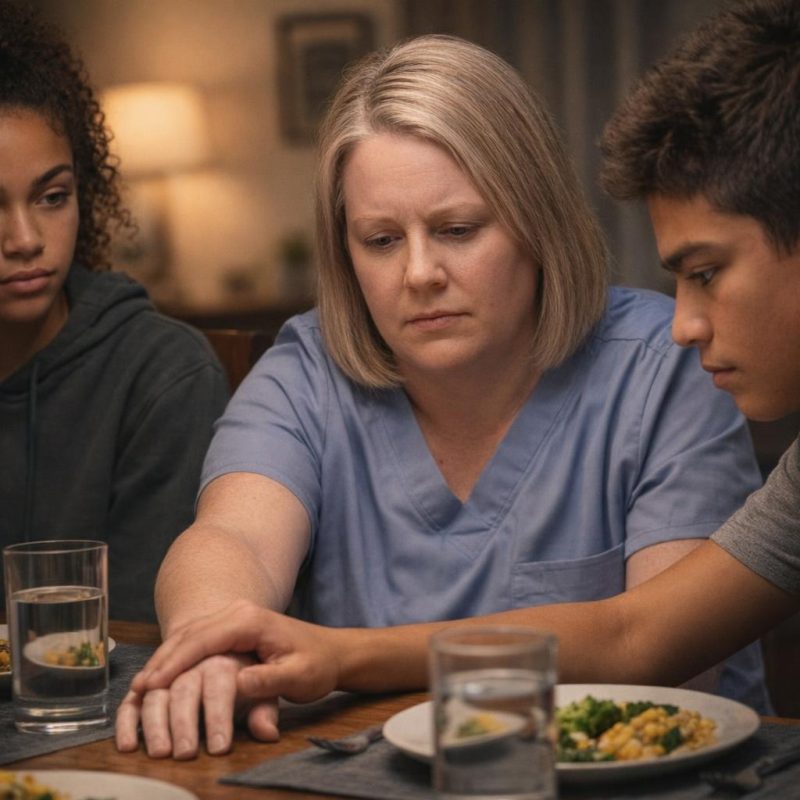 Image by RM AI
Hidden Pills
I gathered the pill bottles from the medicine cabinet at home the next morning. Supplements Dr. Patel had prescribed months ago—iron for the fatigue, B-complex for energy. I'd thought the symptoms were just stress at the time, exhaustion from work and life demands. Assumed the pills would help me power through. I put them in a plastic bag and took them to work, storing them in my locker instead of keeping them at home. Emma and Noah were already worried about my health. Seeing a collection of pill bottles would only amplify their concern. I opened my locker at the hospital and placed the bottles on the top shelf behind my spare uniform. Added them to the collection already there. That's when it hit me—I'd been hiding these for months. Started taking supplements before Derek even left. The symptoms predated his abandonment. I was dealing with fatigue and tremors while he was planning his departure. Both of us keeping secrets. Me from fear about my health. Him about his intentions. I closed the locker door and turned the key, realizing I'd been hiding symptoms from my body long before Derek left, keeping secrets about what was happening to me while he kept secrets about his plans.
 Image by RM AI
The Demands
My phone rang showing Jennifer Chen's number. She said Derek's attorney Richard Stanton had sent a formal demand letter outlining his settlement expectations. She started reading it aloud—standard divorce language about asset division. Derek sought half of the marital home equity, half of retirement accounts and savings. Then Jennifer's voice changed reading the next section. Richard Stanton addressed the inheritance directly. He argued the three point four million I'd received during the marriage should be classified as marital property, subject to equitable distribution between both parties. My breath caught hearing the words stated in cold legal language. Jennifer continued reading. Stanton claimed the inheritance had benefited the marriage and shouldn't be excluded from division. Derek was entitled to half under equitable distribution principles. My anger crystallized into pure rage. This was what Derek had wanted all along. He'd waited for the money to transfer, then filed papers to claim half of it. Used twelve years of marriage as his ticket to a massive payout. Jennifer finished reading and asked if I was still there. I confirmed I was listening, my voice tight with fury, and my anger finally had a target that matched my suspicions about why he'd really left.
 Image by RM AI
Comprehensive Testing
I arrived at Dr. Patel's office trying to focus on the medical questions instead of Derek's legal demands. Dr. Patel was a fifty-year-old physician with a calm bedside manner who'd known me for years. She asked about my symptoms and I described the persistent fatigue, the tremor in my hands that wouldn't stop, the weakness making my nursing shifts almost impossible. She asked when the symptoms started. I realized they'd begun months ago—I'd initially attributed everything to work stress. They'd gotten worse since Derek left. Dr. Patel ordered a comprehensive blood panel checking thyroid function, vitamin levels, inflammatory markers, complete blood count. I kept getting distracted during the examination. My mind circled back to Richard Stanton's letter claiming my inheritance as marital property. Dr. Patel noticed my distraction and asked if everything was okay at home. I briefly explained the divorce. She was sympathetic but refocused on my health, reviewing the symptom timeline in detail. Her expression grew serious as she looked at her notes. She said she wanted to run additional tests, specifically checking autoimmune markers, and my chest tightened with a new kind of fear I couldn't push away.
 Image by RM AI
The Golf Buddy
I was shopping for groceries after my shift, exhausted from work and the medical testing, pushing my cart through the cereal aisle when I recognized Tom, one of Derek's golf buddies. He'd been to our house for dinners, usually friendly and talkative. I watched recognition and discomfort cross his face as he tried to decide whether to acknowledge me. He finally nodded and said hello awkwardly. I asked if he'd heard from Derek. Tom shifted his weight, said he'd talked to Derek a few times. I asked if Derek had mentioned why he left. Tom hesitated, choosing his words carefully. He said Derek had been "thinking about this for a while." I caught that phrase immediately—for a while. I pressed him on what he meant. Tom realized he'd said too much. He backpedaled, mumbling that he didn't know the details and shouldn't have said anything. He apologized and hurried away down the aisle. I stood there in the cereal aisle with my cart, processing what had just happened. Tom had confirmed Derek planned his departure in advance—"for a while" meant weeks or months, and everyone in Derek's circle had known he was planning to leave while I had no idea at all.
 Image by RM AI
Trust Structure
Jennifer Chen called with an update about legal strategy. She'd been researching the inheritance trust structure in detail. I listened while organizing dinner for the kids. Jennifer explained that Aunt Miriam had created a specific trust, not a simple inheritance but a structured legal entity with particular stipulations and conditions. I asked what that meant for Derek's claims. Jennifer said the trust structure mattered for classification—some trusts could be protected from marital property division depending on the specific language in the documents. She'd been reviewing the trust language carefully. Aunt Miriam had included several protective clauses. The money was designated for specific purposes, not a general marital asset to be divided freely. I felt the first real spark of hope since this nightmare began. Maybe the inheritance wasn't as vulnerable as Derek assumed. Jennifer continued explaining technical details—the trust was established for bloodline preservation, specifically naming me as beneficiary, including conditions on how the funds could be used. Then Jennifer paused mid-explanation. She said there was a particular clause about medical emergencies that might be relevant to my situation, and my pulse quickened even though I didn't understand why yet.
 Image by RM AI
Bloodline Clause
Jennifer Chen called for the follow-up discussion about the medical emergency clause. I sat down with a notepad to take notes. She read the exact language from the trust document—the inheritance was restricted to medical emergency purposes, specifically stating "life preservation of the bloodline." The funds were designated for health-related needs of the beneficiary and couldn't be claimed by non-blood relatives. Jennifer explained the legal implications. The clause created protection from marital property claims. Derek wasn't bloodline, wasn't an eligible beneficiary. If the funds were designated for medical use, the court couldn't classify them as divisible marital assets. I understood Aunt Miriam's wisdom then. My elderly aunt had seen other family disputes, created the trust to protect me and the children, made sure the money served its original purpose. Jennifer's voice became more serious. She asked if I had any medical issues to disclose. The medical emergency clause required actual medical need, not just general health concerns. I thought of my appointment with Dr. Patel, the comprehensive blood work still pending results, the fatigue and tremors that wouldn't go away, Dr. Patel's concern about autoimmune markers. I felt a chill of premonition and thought of the test results I was still waiting for, wondering if they would change everything.
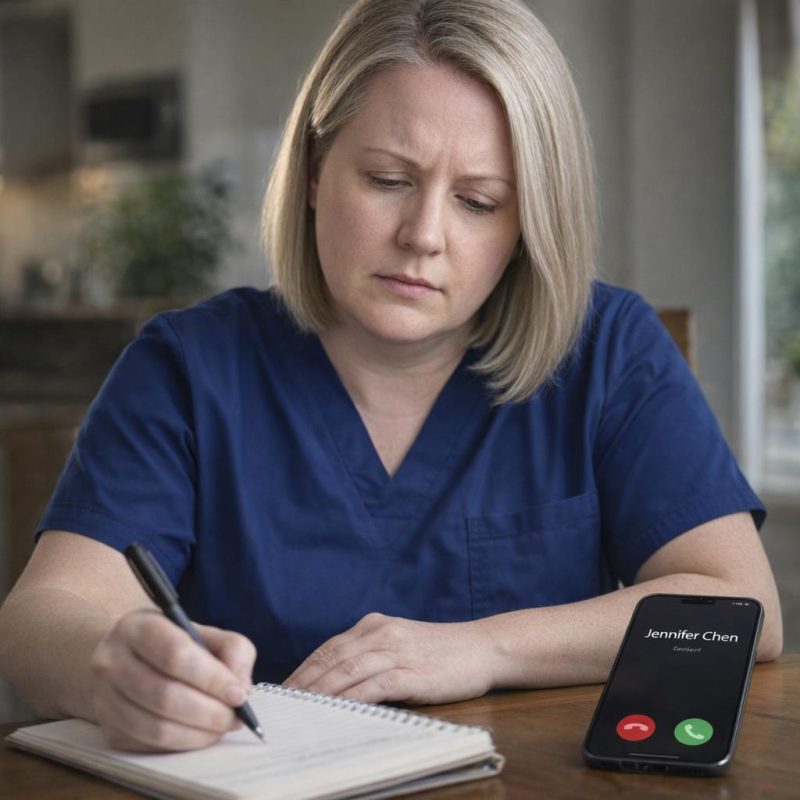 Image by RM AI
Financial Fortress
I met with a financial advisor Jennifer had recommended. His office was downtown with a view of the city. He specialized in trust and estate matters and reviewed Aunt Miriam's trust documents in detail. He explained how the medical emergency clause created legal barriers—the trust structure designated funds for a specific purpose, health-related expenses and life preservation, not a general marital asset subject to division. I asked what constituted legitimate medical need. He explained it required documented medical condition, diagnosis from a physician, treatment costs that justified fund access. It couldn't be vague health concerns. It had to be a specific medical emergency. I thought of my pending test results. If Dr. Patel found something serious, it would qualify as legitimate medical need. The inheritance would be protected from Derek. The advisor continued explaining the legal positioning. Derek's attorney would argue the inheritance was marital property. My attorney could counter with the medical designation clause. If I had documented medical need, the court would likely protect the trust for its intended purpose. I felt a strange mix of relief and unease. The advisor's careful explanation felt both protective and ominous, as if my inheritance could only be truly safe if I was truly sick.
 Image by RM AI
The Waiting
Three days. That's how long I waited for Dr. Patel to call back with my test results. Three days of checking my phone every fifteen minutes like some kind of addict. I kept working my shifts at the hospital because what else was I supposed to do? Sit at home and spiral? But my hands shook when I tried to insert IVs, and I could feel my coworkers watching me with those careful sideways glances that meant they'd noticed but didn't want to say anything. Emma and Noah had gotten so quiet. They moved through the house like little ghosts, watching me with these big worried eyes that made my chest hurt. We ate dinner in silence most nights, the sound of forks scraping plates filling the space where conversation used to be. I tried to focus on the legal documents Jennifer had given me, reading through the trust language and medical emergency clauses until the words blurred together. But my mind kept wandering back to what the financial advisor had said—that the inheritance would only be protected if I was actually sick. The irony was suffocating. On the third evening, my hands were trembling so badly I almost dropped the pot of spaghetti when my phone buzzed on the counter. Dr. Patel's office number lit up the screen, and my whole body went cold.
 Image by RM AI
Full Picture
I let it go to voicemail. I know that sounds crazy, but I couldn't handle one more crisis in that moment. The kids needed dinner. I needed to breathe. I'd call back in the morning when I could actually process whatever she had to tell me. After Emma and Noah went to bed, I returned to the dining room table where I'd spread out everything I'd gathered over the past weeks. Every piece of evidence laid out like puzzle pieces waiting to connect. The timeline was right there in front of me—Derek had rented the storage unit three weeks before he left. Same day he stopped posting on social media. Same day he started asking those careful questions about the inheritance structure. Then Aunt Miriam's money transferred into my account, and exactly seven days later, Derek served me with divorce papers. His attorney immediately demanded half of everything. Mike had admitted Derek briefed his golf buddies in advance. The neighbor saw him packing systematically over weeks. Every single action led to the next one in a clear sequence. This wasn't a man having an emotional breakdown or a midlife crisis. This looked like someone following a plan. I couldn't prove his intent definitively—I'm not a mind reader—but the timeline told its own story. I stared at the papers spread across my table and felt something click into place, forming a picture of my marriage that made me want to burn the whole house down.
 Image by RM AI
The Truth
I sat in the dark living room after midnight, unable to sleep with the weight of it all pressing down on my chest. And I finally let myself name what I'd been circling around for weeks, too afraid or too stupid to say out loud. Derek had timed the divorce to steal half of Aunt Miriam's inheritance. He'd waited until the funds officially transferred into my account, then filed papers exactly one week later. All those questions he'd asked weren't curiosity—they were reconnaissance. He was checking whether the inheritance was joint or separate property, learning when the money would be accessible, gathering intelligence while I thought we were just having conversations. His friends and family knew the plan. They were all briefed while I was kept completely in the dark. Mike's cryptic comment about Derek having his reasons made perfect sense now. The reason was three point four million dollars. Derek had calculated that I was worth exactly half that amount. Twelve years of marriage as an investment toward a massive payout. Every sweet moment, every pancake breakfast, every whispered reassurance—all of it happening while he was planning his financial exit strategy. This wasn't heartbreak. This was deliberate financial predation. He'd waited twelve years for a payday, and I'd been too busy loving him to see the calculation behind his smile.
 Image by RM AI
The Shield
I called Jennifer Chen the second her office opened the next morning. My hands were shaking as I explained what I'd finally understood about Derek's timing—how he'd calculated the divorce to coincide with the inheritance transfer, how every question and every action had been leading toward this moment. Jennifer was quiet for a beat, then said she'd suspected the same thing for weeks but had been waiting for me to see it myself. Now we could build a real defense strategy. She walked me through the legal approach with that sharp, focused tone that made me feel like maybe I wasn't completely powerless. The trust contained a bloodline medical emergency clause—funds designated specifically for life preservation of the beneficiary. Derek wasn't a blood relative, so he couldn't claim funds under that clause. If I had legitimate medical need for the money, the court would recognize the trust's intended purpose. His claim for equitable distribution would be significantly weakened. The judge would see the timing and the greed, and Derek's aggressive demands might actually backfire on him. I felt the first real spark of hope I'd had in weeks. Jennifer emphasized that medical documentation was crucial—we needed to establish legitimate medical necessity. I thought of Dr. Patel's voicemail still sitting on my phone. The medical emergency clause required an actual medical emergency. My body might provide the exact evidence I needed. Jennifer said the medical emergency designation was their strongest defense, and I thought of the voicemail from Dr. Patel still waiting on my phone.
 Image by RM AI
The Diagnosis
I called Dr. Patel back and she asked me to come in rather than discuss results over the phone, which told me everything I needed to know before I even walked through her office door. I sat in the familiar examination room, the paper crinkling under me, and watched her face as she opened the folder with my test results. Her expression was compassionate but serious, and I felt my stomach drop. The blood work had revealed concerning markers. Additional tests confirmed her suspicions. I had an aggressive autoimmune condition—my body's immune system was attacking healthy tissue. Multiple organ systems were showing deterioration. That explained the fatigue, the tremors, why I'd been falling apart. The condition was progressing more rapidly than typical cases. I asked what this meant for my future, and Dr. Patel paused in that way doctors do when they're about to deliver news that will change your life. Without intervention, the prognosis was limited. Eighteen to twenty-four months. I heard the words but they didn't compute at first. Less than two years. My children were thirteen. I'd leave them orphaned by fifteen, right after their father had already abandoned them. My mind fractured between two timelines—the legal battle with Derek for the inheritance, and the medical battle with my own body. Both happening simultaneously. Dr. Patel said something about treatment options and scheduling a follow-up, but the words blurred together. I left her office in a daze, feeling time itself compress into something small and precious and terrifying.
 Image by RM AI
The Treatment
The follow-up appointment came quickly. I sat across from Dr. Patel again, still processing the diagnosis from days earlier, and she explained that she wanted to discuss treatment options. Standard treatments offered limited benefit—my condition was too aggressive for conventional approaches. But there was an experimental treatment showing real promise. Clinical trials had demonstrated significant life extension. It could potentially add years to my prognosis, maybe even decades if I responded well. Hope ignited in my chest like a match striking. I asked how to access the treatment, and Dr. Patel's expression shifted in a way that made my stomach clench. The treatment wasn't covered by standard insurance. The experimental designation meant all costs would be out-of-pocket. I asked for specific numbers, and she gave them to me. The initial treatment course ran hundreds of thousands of dollars. Ongoing maintenance was equally expensive. Total cost over the full treatment period would exceed a million dollars. My breath caught. I only had access to that kind of money through Aunt Miriam's inheritance—the exact three point four million that Derek was trying to claim half of in the divorce. If he got what he wanted, the treatment might not be affordable. His greed could literally cost me my life. Dr. Patel noticed my reaction and asked if cost was prohibitive. I explained the complicated situation, and her expression hardened. She said I should fight for those funds. The treatment could give me years with my children. The money was the difference between life and death.
 Image by RM AI
The Calculation
I came home after that appointment and sat at my kitchen table with a legal pad, the house empty with the kids at school. I wrote down all the treatment cost estimates Dr. Patel had given me. Initial course, ongoing maintenance, potential complication treatments, years of follow-up care. The numbers added up to a staggering sum—over a million dollars for the full treatment protocol. I pulled out the inheritance documentation and stared at the figure. Three point four million from Aunt Miriam. If Derek claimed half, I'd lose one point seven million. The remaining funds might barely cover the treatment, but it would leave nothing for Emma and Noah's future. No college funds, no emergency savings, no security. I ran different scenarios on the pad. Full inheritance meant treatment plus my children's security. Half inheritance meant treatment alone with nothing left over. No inheritance meant death within two years. Derek's greed equation became crystal clear. He wanted the money for a comfortable life—new car, nice vacations, whatever midlife crisis purchases he had planned. I needed the money for any life at all. He was divorcing me for the exact funds that would save me. The irony was crushing. If he knew about the diagnosis, would he even care? I suspected the answer was no. A man who'd calculated twelve years of marriage as an investment wouldn't pause for inconvenient mortality. If Derek got what he wanted, I would die while he spent my survival on golf clubs and expensive dinners.
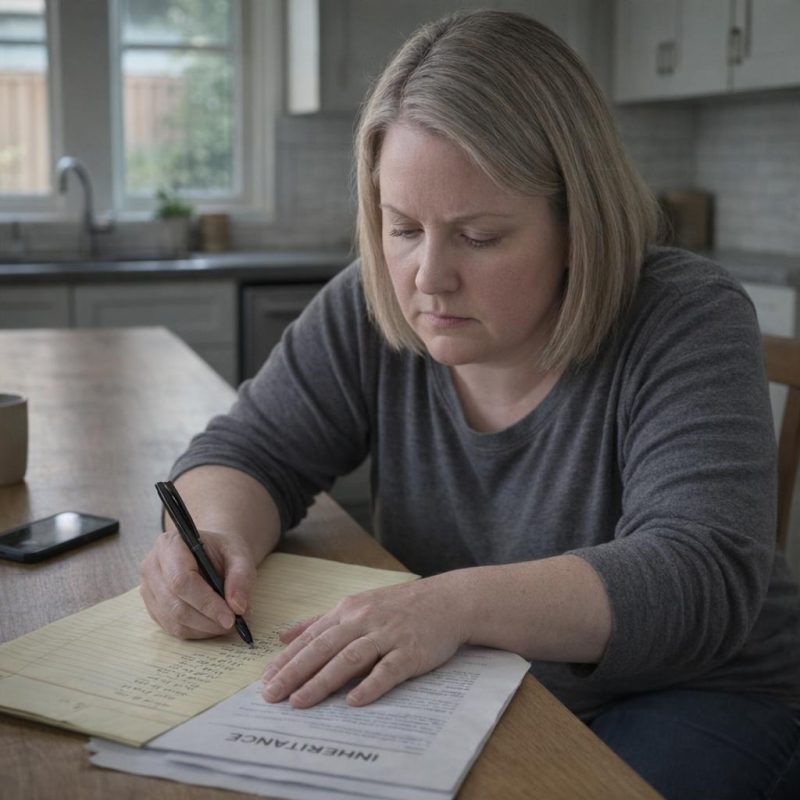 Image by RM AI
The Strategy
Jennifer Chen showed up at my house that evening with a legal folder tucked under her arm and a fierce expression that made me feel like I'd just recruited a warrior to my side. I shared the full medical diagnosis—the aggressive autoimmune condition, the eighteen to twenty-four month prognosis without treatment, the experimental protocol that could extend my life significantly but cost over a million dollars. Jennifer processed the information with sharp focus, already building strategy in her head. This changed everything legally. The trust's medical emergency clause was now fully applicable. I had documented life-threatening condition requiring expensive treatment. Derek couldn't claim funds designated for life preservation. She outlined our approach—present medical documentation to the court, show treatment costs and prognosis, invoke the bloodline medical clause, and demonstrate Derek's calculated timing. His questions about the inheritance structure, the seven-day gap between transfer and filing, the pattern of advance planning. The court would see greed versus survival. Derek claiming money his wife needed to live. The judge would not look kindly on that. Jennifer said we were going to make Derek regret ever thinking I was an easy target. His greed would become his weakness. He'd assumed I'd be a victim, but he hadn't known about the medical clause or the terminal diagnosis. His calculation had failed to account for variables. For the first time since the diagnosis, I felt something like power.
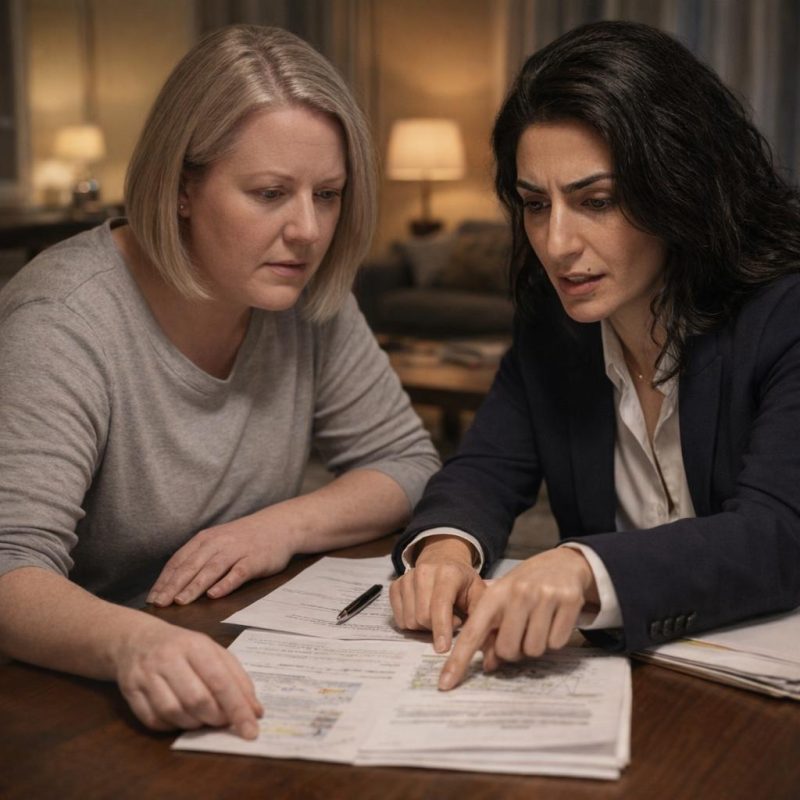 Image by RM AI
The Evidence
I spent the entire weekend organizing evidence like I was preparing for the most important exam of my life—except this time, failing meant dying. Saturday morning, I spread everything across the dining room table. Medical records from Dr. Patel, diagnosis documentation with those terrifying numbers, prognosis statements that said eighteen to twenty-four months without treatment. Test results showing my immune system attacking itself. Letters from specialists confirming the experimental protocol was my best shot at survival, with cost estimates that made my hands shake. Then the trust documents from Aunt Miriam's estate, the original language with that bloodline clause highlighted in yellow. The medical emergency designation that I'd barely noticed when the lawyer first explained it. Financial timeline came next—inheritance transfer date with the bank statement, divorce filing date with the court stamp, that seven-day gap so obvious it felt like Derek had left a confession. I found text messages where he'd asked about joint versus separate property, his questions suddenly sinister in retrospect. Storage unit receipt, the date his social media went dark. I created organized folders for Jennifer, each piece labeled and indexed, copies made of everything important. Sunday evening, I packed my briefcase and felt the weight of what I was carrying—proof that my husband's greed had nearly killed me, even if he hadn't known I was dying.
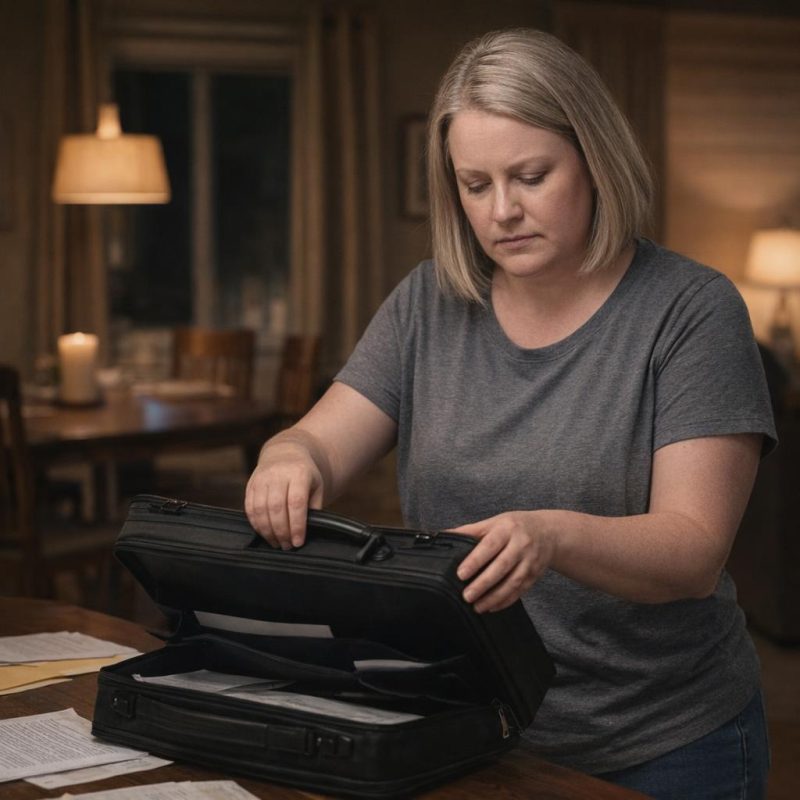 Image by RM AI
The Night Before
The night before mediation, I was laying out my clothes for court when Emma appeared in my doorway, phone in hand but her eyes on me. "What's happening tomorrow?" she asked, and I could hear the worry she was trying to hide. I explained it was a legal meeting about the divorce, that Derek's lawyers and my lawyer would discuss terms. She asked if her dad would be there, and I confirmed he would. Noah materialized beside his sister, silent as always when he was anxious. "Will everything be okay?" he whispered. I chose my words carefully, saying I was fighting for what was right, for our family's future. I didn't mention the inheritance specifically, didn't breathe a word about the diagnosis. They didn't need that burden on their shoulders. Emma offered to stay home from school to support me somehow, and my heart cracked at her loyalty. I declined but told her Jennifer Chen would be there, that I had good help. They seemed to accept my explanation, but I could feel them watching me, sensing something bigger than I was saying. At bedtime, Emma hugged me longer than usual. Noah's embrace was fierce, desperate. He whispered that he hoped I would win, and I realized my children understood more than I had told them.
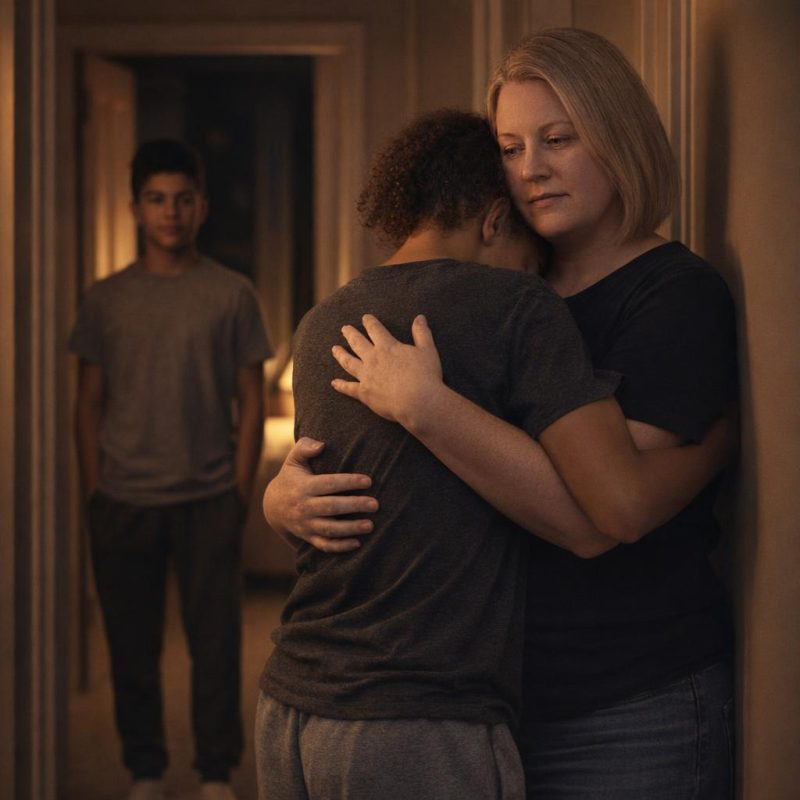 Image by RM AI
The Courthouse
Mediation day arrived after weeks of preparation that felt both endless and too short. I woke before dawn, dressed in professional clothes that felt like armor over my exhausted body. The briefcase packed with medical and financial documentation sat by the door, heavy with the weight of my survival. Jennifer Chen met me at the courthouse entrance, sharp and focused in her tailored suit. She reviewed key points one final time—medical emergency clause as our cornerstone, Derek's timing showing calculated motive, trust designation protecting funds for bloodline medical needs. We passed through security screening together, the routine process feeling charged with significance. The elevator ride to the mediation floor was silent except for my heart pounding against my ribs. Twelve years of marriage ending in this building. Everything I needed to survive at stake in one conference room. Jennifer walked with confident stride, and I drew strength from her composure. The hallway stretched ahead, and I could see the mediation room door at the end. Closed but not locked. Derek was already inside according to the schedule, waiting with his expensive attorney Richard Stanton, waiting to claim half of my inheritance. He didn't know what I was about to reveal. I took a deep breath and kept walking toward that door, ready to fight for my life.
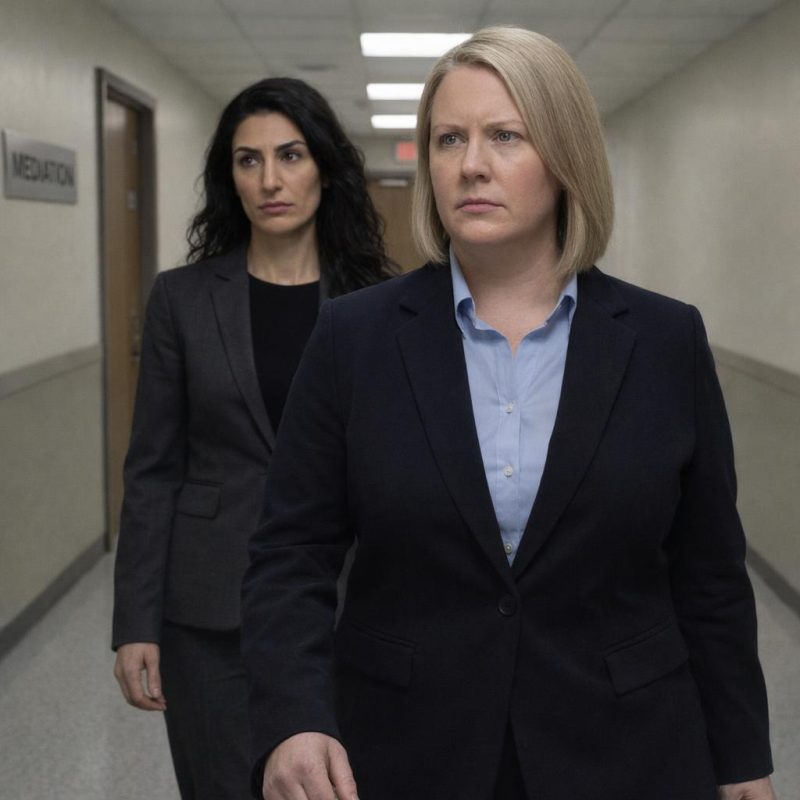 Image by RM AI
The Smirk
I entered the mediation room and saw Derek for the first time since he'd vanished from our lives. He sat on the opposite side of the conference table, and everything about him looked the same but felt completely different. The charm I'd once loved now appeared calculated, rehearsed. He wore an expensive suit I didn't recognize—new clothes for his new life. His attorney Richard Stanton sat beside him, fifty-something with a predatory smile and aggressive posture. Derek's face was arranged in an expression of practiced sympathy, like he'd rehearsed it in the mirror. I recognized the performance immediately. This was who he'd always been, just hidden beneath better acting. Judge Morrison hadn't arrived yet, so we sat in weighted silence. Then Derek spoke, breaking it. "How are the kids doing?" His voice dripped with false concern, and my hands started shaking with rage I had to swallow whole. He'd abandoned his children without a goodbye, disappeared like they meant nothing, and now he was asking about them like a caring father. Jennifer placed a calming hand on my arm—a signal to stay controlled. I managed a brief response. The children were surviving his absence. Derek nodded like this was satisfactory, his smugness almost unbearable. He actually had the audacity to ask how the kids were doing, and I had to grip the edge of the table to keep from screaming.
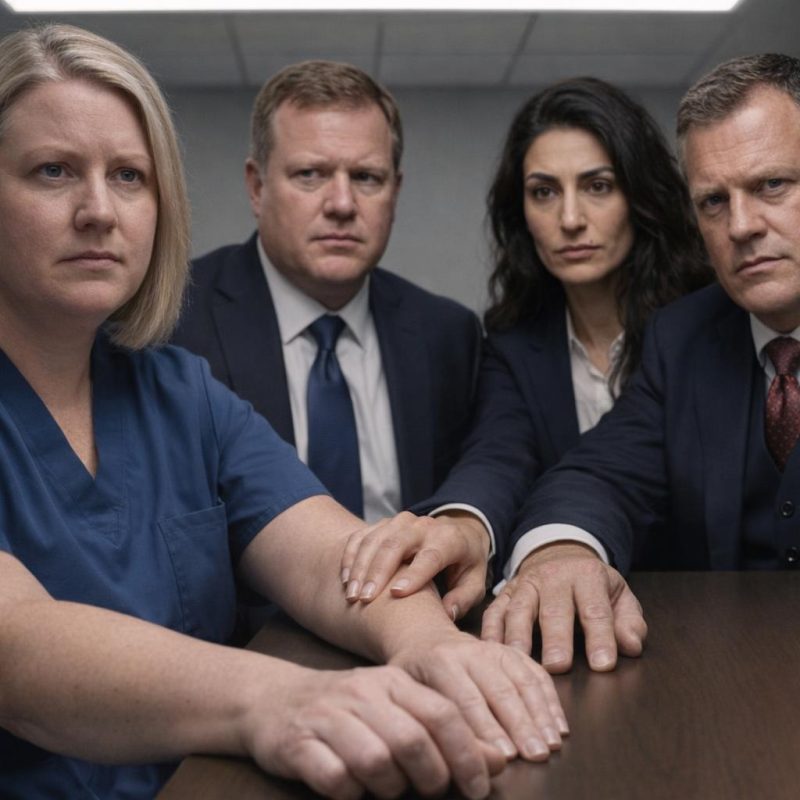 Image by RM AI
The Demand
Judge Morrison entered and took her seat at the head of the table, her sharp eyes commanding immediate respect. After brief introductions and procedural explanation, Richard Stanton spoke first. He outlined Derek's settlement expectations with smooth confidence—standard division of home equity, splitting of retirement accounts and savings. Then he arrived at the real purpose. The three point four million dollar inheritance. He argued the funds were received during marriage, should be classified as marital property subject to equitable distribution. His voice was practiced, citing legal precedents, claiming Derek had contributed to the marriage that enabled the inheritance, had supported the household while I maintained family connections. Derek deserved his fair share of this windfall, Stanton said. I watched Derek's face during the presentation. He actually smirked when his lawyer mentioned equitable distribution, his eyes gleaming at the inheritance numbers. He couldn't hide his greed in that moment, couldn't maintain the mask. I was watching the man I'd married for twelve years, and all I could see was hunger for money. The last shred of love I'd preserved for him—that tiny piece that had hoped maybe I was wrong about his motivations—died right there in my chest as I watched him smile at the thought of taking my survival money.
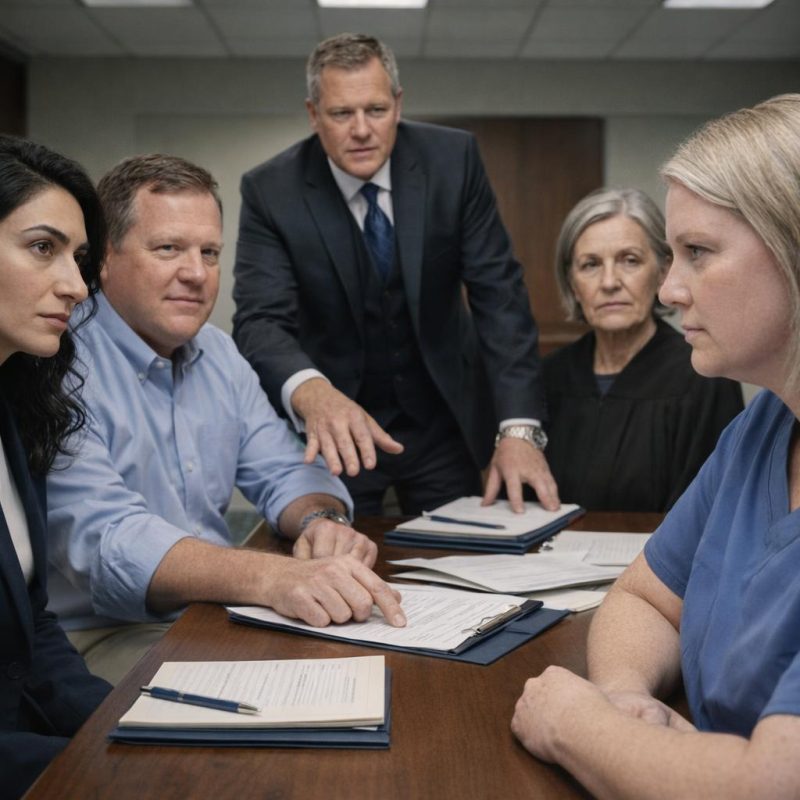 Image by RM AI
The Timeline
Jennifer Chen began our response with calm precision, thanking the judge before explaining that the timing of this divorce told an important story. She opened her evidence folder and started presenting documentation. Derek's questions about inheritance structure, captured in text messages. His multiple inquiries about joint versus separate property, his interest in when funds would be accessible. Then Jennifer displayed the timeline visually. Storage unit rented three weeks before his departure. Social media activity ceased the same date. Systematic packing during my work hours. Inheritance officially transferred on a Tuesday. Divorce papers filed exactly seven days later. Jennifer paused for effect. "Your Honor, Mr. Thompson didn't file for divorce because the marriage failed. He filed because the inheritance succeeded. He waited until the money was secured before claiming his share." Judge Morrison's expression shifted, her sharp eyes narrowing as she studied the timeline. Understanding dawned visibly on her face. Derek's smirk faltered for the first time since I'd entered the room. He hadn't expected me to have this evidence, hadn't thought I'd be smart enough to document his pattern. Richard Stanton's confident posture stiffened. I felt grim satisfaction watching Derek's calculations exposed for the court to see, his careful planning laid bare.
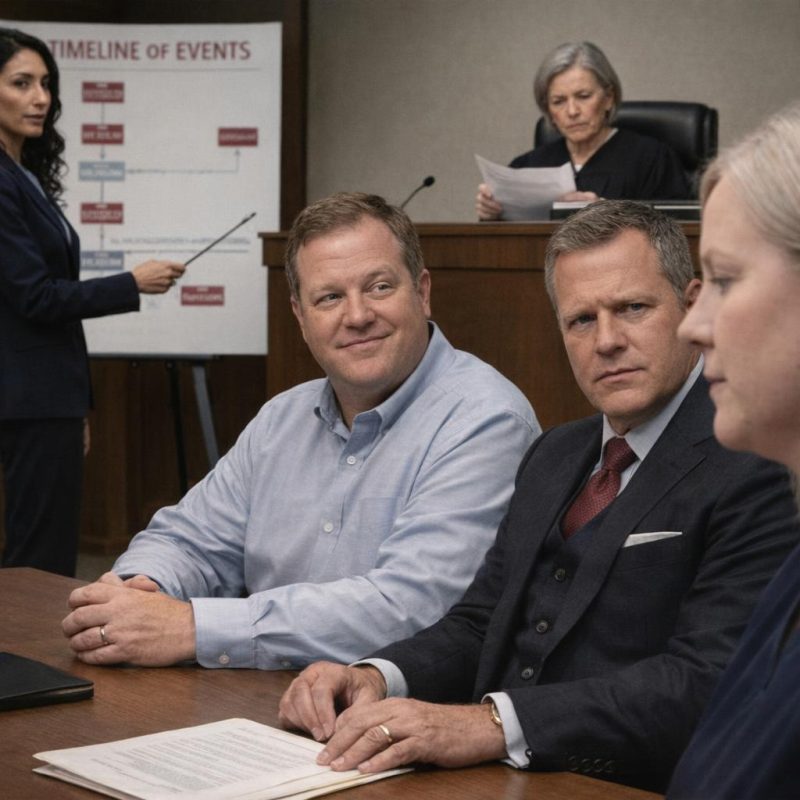 Image by RM AI
The Diagnosis Revealed
Jennifer transitioned to the medical documentation, saying there was additional context the court needed to understand. She opened the folder containing my records, and I prepared to share the most private information of my life. Jennifer explained I had a serious health condition—an aggressive autoimmune disorder diagnosed recently. The prognosis without treatment was eighteen to twenty-four months. I watched Derek as the diagnosis was revealed. Color drained from his face. He didn't know. He'd never noticed I was sick, too focused on money to see my deterioration. Jennifer presented the treatment documentation next. Experimental treatment could extend my life significantly, but it cost over one million dollars. Not covered by insurance. Only affordable through the inheritance funds—the same funds Derek was claiming as marital property. Jennifer's voice remained steady. "Mr. Thompson filed for divorce to claim half of the funds his wife needs to pay for life-saving treatment. He is divorcing a dying woman for her survival money." The room fell completely silent. Judge Morrison's expression shifted to something harder. Even Richard Stanton looked uncomfortable. Derek opened his mouth but no words came. What could he possibly say? Jennifer asked the court to note that Derek was divorcing a dying woman for the inheritance that would pay for her treatment, and the room fell completely silent.
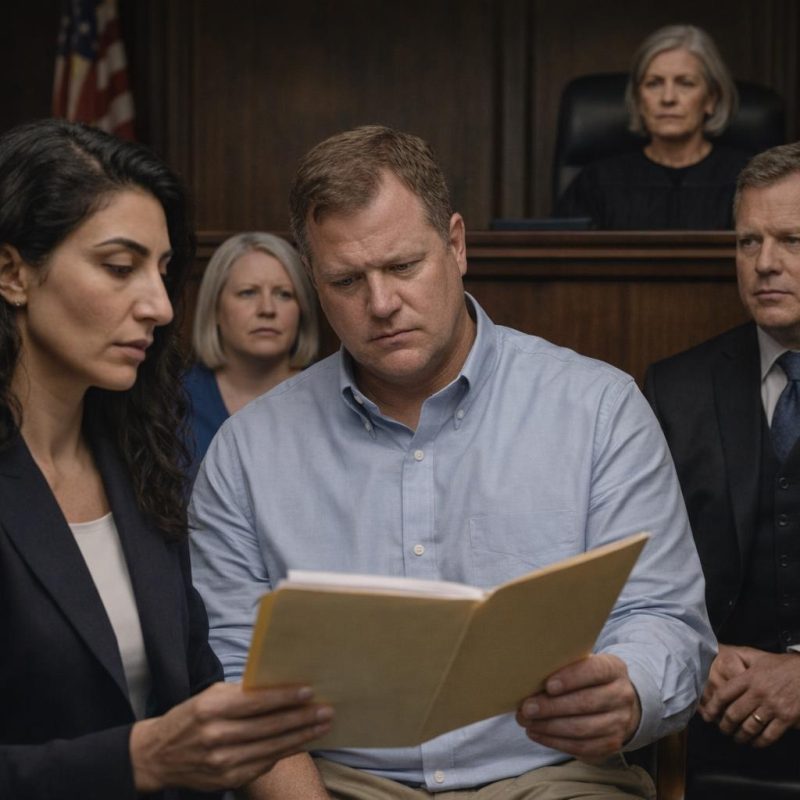 Image by RM AI
The Clause
Jennifer continued with the trust documents, explaining the structure of Aunt Miriam's estate. The trust contained a specific protective clause, and she read the exact language aloud for the record. Funds designated for medical emergency purposes, specifically stating life preservation of bloodline, could only be claimed by blood relatives for health needs. Derek was not a blood relative of the trust creator. He could not claim funds under this designation. Jennifer presented the legal interpretation—trust language created protection from marital property claims, funds not subject to equitable distribution when designated for specific purpose that excluded ex-spouses. My medical condition activated the clause. Legitimate life-threatening emergency existed. Treatment costs justified access to the full inheritance. Aunt Miriam's wisdom had protected me even from threats she couldn't have anticipated. Richard Stanton attempted an objection, arguing the trust clause was too narrow, but Judge Morrison cut him off sharply. She'd heard enough to understand the situation. She looked at Derek with unconcealed disgust—a man who'd abandoned his dying wife for money, now trying to take funds meant for her survival. She said she would rule on the inheritance protection immediately. No need for extended deliberation. The case was clear from the evidence presented. I watched Derek's entire case crumble, and the judge looked at him with unconcealed disgust and said she would rule on the inheritance protection immediately.
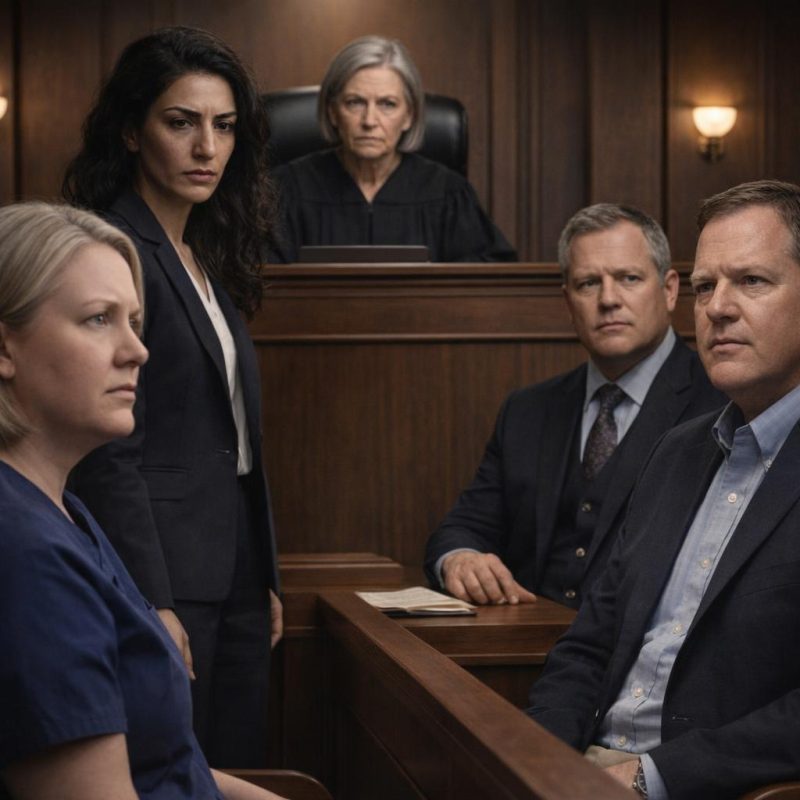 Image by RM AI
The Ruling
Judge Morrison leaned forward, and the entire room went silent. She reviewed the evidence methodically—the timeline showing Derek filed for divorce exactly one week after my inheritance transferred, my medical diagnosis requiring expensive treatment, the trust clause designating funds specifically for bloodline medical emergencies. Her voice was measured and clinical as she laid out the facts, but I could hear the contempt underneath. The trust language was clear, she said. Funds designated for medical emergency purposes could only be claimed by blood relatives for health needs. I qualified. Derek did not. The inheritance was protected property, fully applicable under the medical emergency clause. My diagnosis was life-threatening. The funds were designated for my survival treatment. Then her tone shifted, became sharper. She noted the timing of Derek's divorce filing with obvious disgust. Mr. Thompson apparently valued the inheritance over his marriage, she said, her words cutting through the courtroom like a scalpel. He'd calculated his exit around financial opportunity but hadn't anticipated the medical clause or his wife's diagnosis. The ruling was final—the inheritance was protected in full. I watched Derek sit frozen at the table, his face drained of color. Richard Stanton packed his papers without meeting anyone's eyes. Derek walked out of that room with exactly what he'd brought into the marriage—nothing—and I let myself breathe for the first time in months.
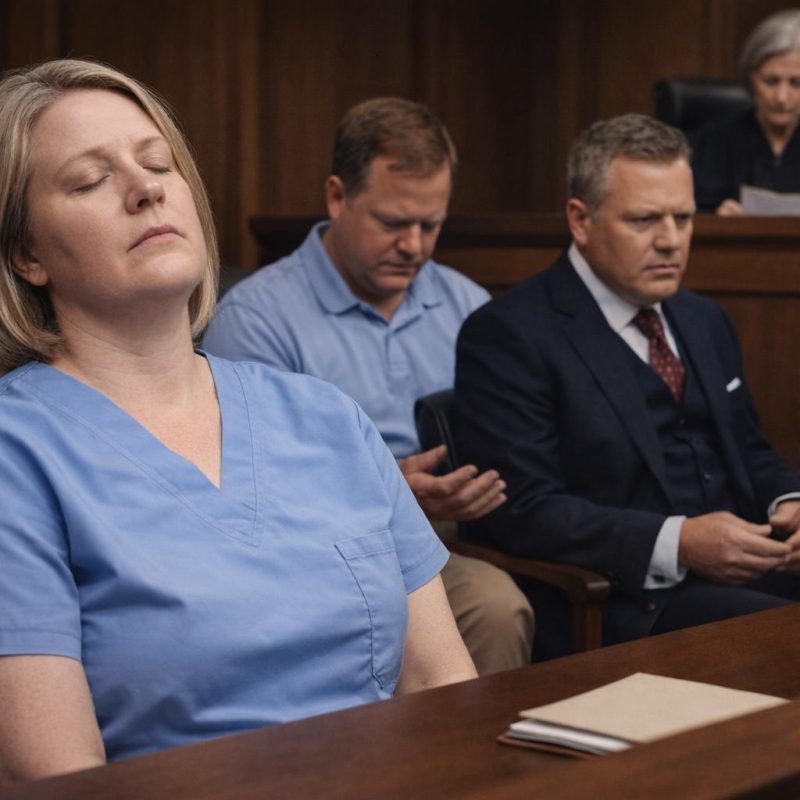 Image by RM AI
Walking Out
Jennifer and I walked down the courthouse hallway in silence, both of us processing what had just happened. She spoke first, said I'd handled myself with remarkable composure and the outcome was the best possible under the circumstances. I thanked her for the brilliant legal strategy—without her knowledge of trust law, everything could have been different. We stepped outside into sunlight that felt different than it had that morning. The world hadn't changed, but I had. I pulled out my phone with shaking hands and called home. Emma answered immediately, her voice tight with anxiety. It's over, I told her. We won. Her relief came out as tears, asking if that meant Dad didn't get the money. I confirmed the inheritance was protected, that I could pay for treatment and secure their future. Noah got on the phone too, his voice small but hopeful. When are you coming home, he asked. The question hit me hard because I realized I'd been running from disaster for months, always bracing for the next blow. Emma cried with relief and Noah asked when I was coming home, and I realized I was finally walking toward something instead of running from it.
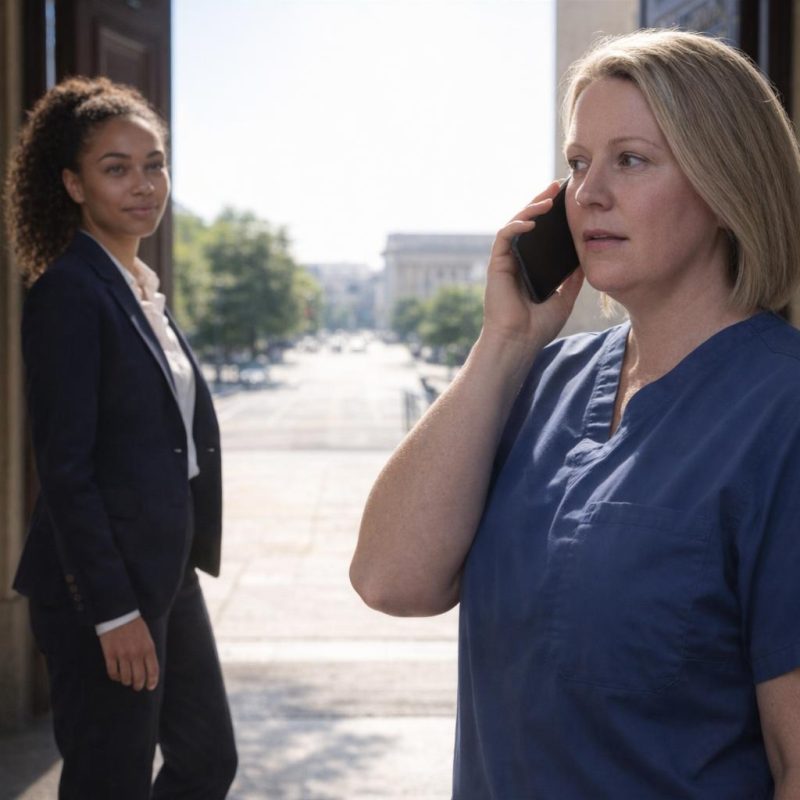 Image by RM AI
First Treatment
Three weeks after the courthouse victory, I sat in the oncology treatment center with an IV line in my arm. The facility was clean and clinical but not cold, the staff compassionate in that professional way I recognized from my own nursing years. Strange to be on the receiving end of care, watching the nurse hang the medication bag on the pole with practiced efficiency. My veins were good—years of nursing had taught me that much. The experimental treatment began dripping slowly into my bloodstream, liquid hope in chemical form. I watched it move through the tubing, carrying possibility with each drop. My mind drifted to Emma and Noah waiting at home. Emma would turn fourteen next year, Noah close behind. If this treatment worked, I could see them grow up. Graduate high school. Start careers. Maybe even meet grandchildren someday. All of it possible because of this medication and the inheritance that funded it—the money Derek had tried to take from me. The nurse checked on me periodically, her voice gentle. How are you feeling, she asked. I considered the question seriously, surprised by my own answer. The nurse asked how I was feeling and I said hopeful, and the word felt like a promise I was finally allowed to make.
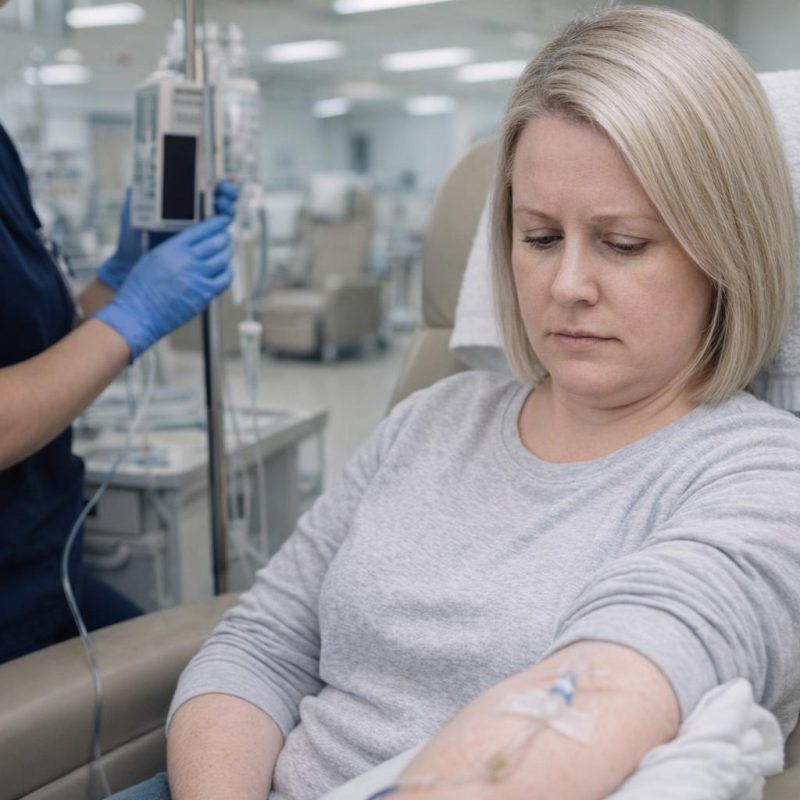 Image by RM AI
Rebuilding
That evening after several treatment sessions, I called Emma and Noah to the living room. They both sensed the serious conversation coming, settling on either side of me on the couch. I took a deep breath and began. I'd been sick, I explained. An autoimmune condition attacking my body, making me tired and weak for months. They exchanged knowing glances—they'd already noticed my deterioration. I continued with the harder truth. The condition was serious without treatment, but I was getting treatment now. Experimental medication that could help, paid for by Aunt Miriam's inheritance. What Derek had tried to take from us. Emma asked if I was going to be okay, her voice small. I was honest—I didn't know for certain. The treatment gave me the best chance, could mean years ahead instead of months. Noah's eyes filled with tears. We're not going to lose you too, he said, his young voice fierce with determination. We already lost Dad to his choices. We won't lose you to illness. Emma nodded agreement, said they'd help however they could. Noah said they weren't going to lose me too, and I pulled both children close and let myself believe him.
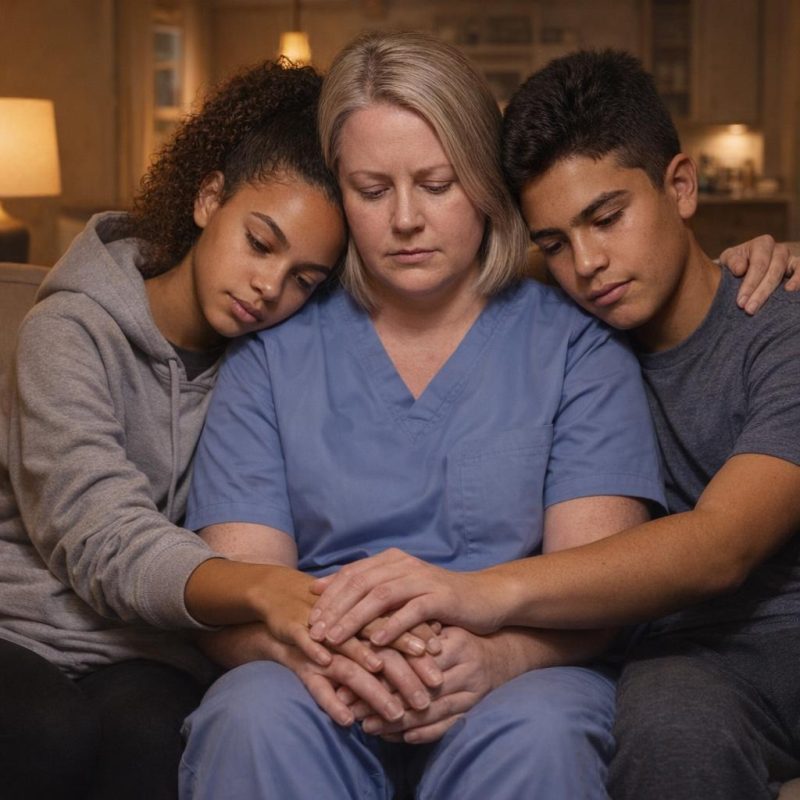 Image by RM AI
KEEP ON READING

From Heroes To Zeroes 20 Historical Figures Whose Heroism Was…
History is full of legends, but not every hero lived…
By Noone Feb 25, 2026
The Clueless Crush: How I Accidentally Invited a Hacker Into…
Fluorescent Lights and First Impressions. My name is Tessa, I'm…
By Ali Hassan Nov 4, 2025
This Infamous Ancient Greek Burned Down An Ancient Wonder Just…
History remembers kings and conquerors, but sometimes, it also remembers…
By David Davidovic Nov 12, 2025
Einstein's Violin Just Sold At An Auction—And It Earned More…
A Visionary's Violin. Wanda von Debschitz-Kunowski on WikimediaWhen you hear…
By Ashley Bast Nov 3, 2025
The Mysterious "Sea People" Who Collapsed Civilization
3,200 years ago, Bronze Age civilization in the Mediterranean suddenly…
By Robbie Woods Mar 18, 2025
20 Historical Figures Who Died Too Young
Lives Tragically Cut Short. History often remembers long reigns, mature…
By Christy Chan May 15, 2026