

My Husband Demanded I Sign Our Divorce Papers and Leave Our House by the Weekend—Then the Notary Found Something That Made Him Go Pale
My Husband Demanded I Sign Our Divorce Papers and Leave Our House by the Weekend—Then the Notary Found Something That Made Him Go Pale
The Papers on the Table
I was twenty minutes late when I finally pushed through the glass doors of the law firm, my heels clicking too loudly on the marble floor. Traffic had been a nightmare, and I'd spent the entire drive rehearsing what I'd say to Mark, how I'd keep my voice steady when he inevitably made some comment about my inability to be on time. The lobby smelled like expensive furniture polish and something floral I couldn't identify. I paused by a decorative plant near the elevator, trying to catch my breath and smooth my blazer, when I spotted him at the reception desk. Mark was leaning against the counter, all easy charm as he chatted with the young receptionist, who laughed at something he'd said. He looked completely at ease in his tailored suit, like this was just another Tuesday meeting instead of the end of our marriage. The receptionist led us to a stuffy conference room with a mahogany table that dominated the space. Mark slammed the divorce papers down before I'd even fully sat. "Sign these," he said, his voice clipped and businesslike. "And I need you out of the house by this weekend. It's mine, Emma. Always has been." Thomas, the notary, a graying Asian American man with reading glasses, began reviewing the documents with careful, precise movements. His frown deepened as he squinted at the original deed, and Mark's confident voice faltered mid-sentence.
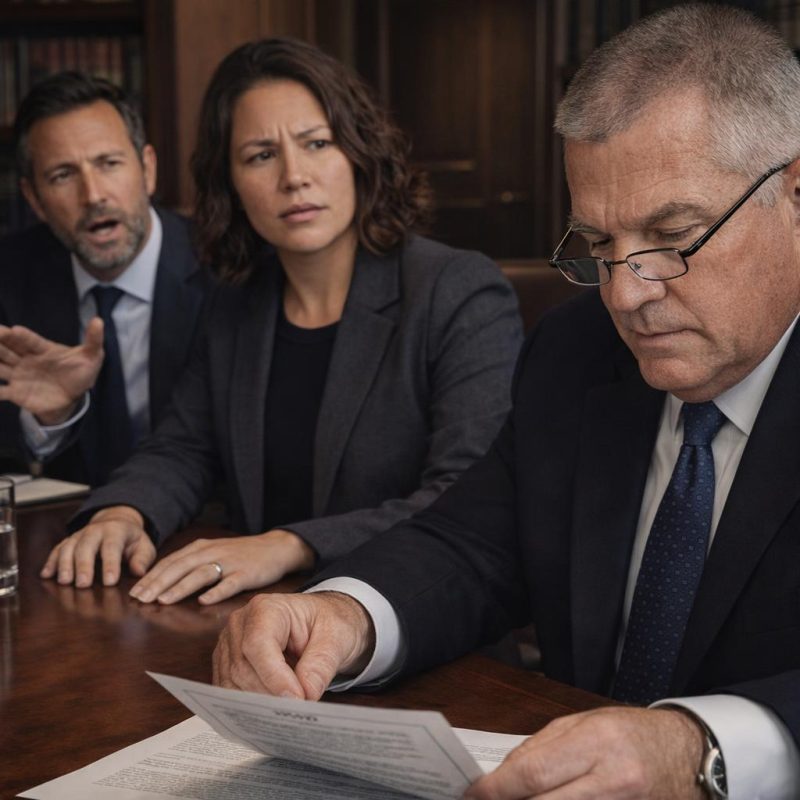 Image by RM AI
The Name on the Deed
Thomas stopped mid-process, his finger hovering over a line of text I couldn't see from where I sat. "I need to verify something," he said quietly, reaching for the original property documents Mark had brought. The room went silent except for the rustle of paper. Thomas adjusted his reading glasses and read aloud, his voice measured and professional: "The property located at 428 Maple Drive is hereby conveyed to Emma Catherine Morrison, sole owner, purchased with funds originating from account ending in 7743." I felt the words hit me like cold water. Sole owner. My name. Not both of our names. Thomas continued, "The source of funds is documented here as a transfer from your personal account, Mrs. Morrison. This predates your marriage by approximately four months." I couldn't process what I was hearing. I'd always assumed we owned the house together, that both our names were on everything. Mark sat frozen across from me, his mouth slightly open but no words coming out. The silence stretched and stretched, thick and suffocating. I looked at him, waiting for an explanation, for him to tell Thomas there'd been some mistake. But Mark just stared at the deed like it had betrayed him. The unsigned divorce papers sat abandoned on the table between us.
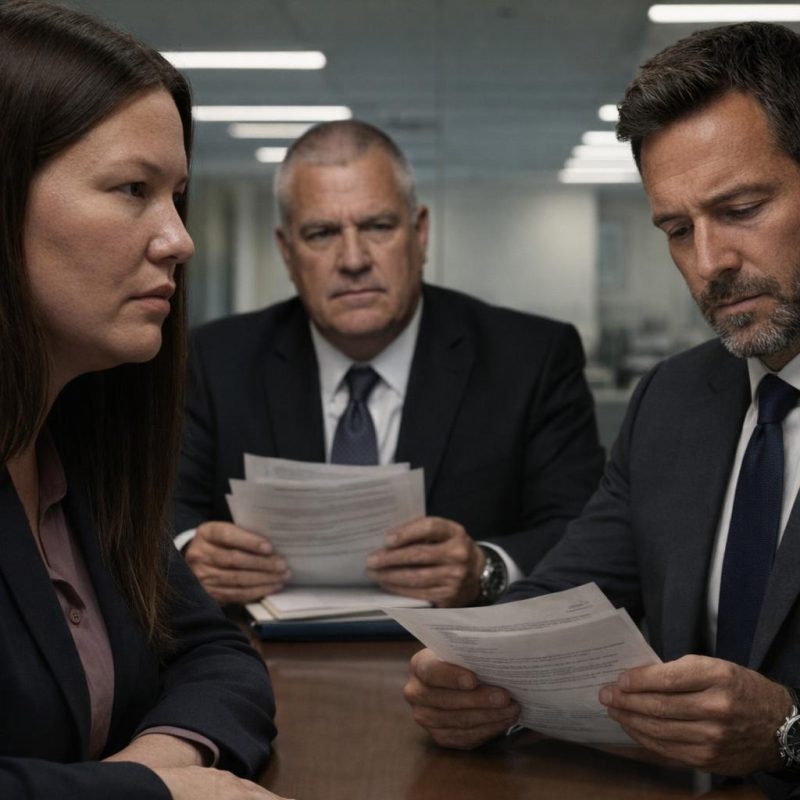 Image by RM AI
The Collapse of Certainty
"That has to be an administrative error," Mark finally said, his voice higher than normal. "Or it's an outdated filing. We refinanced two years ago." Thomas flipped through the documents with those same careful movements. "The date stamps show this deed was recorded six months ago during a title review. County records confirm it as current and accurate." Mark's jaw tightened. "I paid for renovations. The kitchen, the master bathroom. I put at least forty thousand into that house." "Improvements to a property don't alter ownership without a formal transfer or quit claim deed," Thomas replied, his tone still maddeningly neutral. "Do you have documentation of such a transfer?" Mark's voice rose. "This is ridiculous. Emma, you know we bought that house together. Tell him." But I didn't know that anymore. I watched Mark's face cycle through emotions I'd never seen before—panic, anger, something that looked almost like fear. He turned back to the divorce papers, jabbing his finger at the signature line. "You still need to sign these. We still need to finalize this." I stood up, my chair scraping against the floor. My hands were shaking, but my voice came out steady. "I'm not signing anything until I talk to my own attorney." Mark's mouth opened and closed, his carefully constructed arguments crumbling. I gathered the unsigned papers and walked out of the conference room, leaving Mark stammering excuses to an empty chair.
 Image by RM AI
The Attorney's Office
Patricia Walsh's office was on the fourteenth floor of a downtown building, with windows that overlooked the city but somehow didn't feel pretentious. The space smelled like leather and old books, grounding and solid. I'd found her name through a friend of a friend, someone who'd said Patricia didn't mess around. It had been two days since I'd walked out of that conference room, two days of barely sleeping. Patricia reviewed the deed documents I'd brought, her short silver-gray hair catching the afternoon light as she read. "Walk me through what happened," she said, her voice direct but not unkind. I explained the whole scene—Mark's demand, Thomas's discovery, the way Mark had just frozen when his claims fell apart. Patricia asked detailed questions about our financial arrangements, and I felt my face flush as I admitted Mark had handled most of the paperwork, most of the decisions. "He said he was better with numbers," I said quietly. Patricia's sharp eyes assessed me over the folder. "Sole ownership means exactly what it sounds like. That house is yours. Legally, completely yours." She leaned back in her chair. "Your husband demanded you vacate your own property by the weekend. That tells me something about his understanding of your marriage dynamics." I nodded, my throat tight. Patricia closed the folder containing the deed copy and said the words I'd been afraid to hope for: "You have more power here than you think."
 Image by RM AI
Papers Scattered on the Floor
I spread ten years of financial documents across my living room floor that evening, pulling folders from filing cabinets I hadn't opened in years. Bank statements, tax returns, investment account summaries—Mark had always filed everything meticulously, I'd give him that. I started creating a rough timeline, trying to match major transactions to memories. There were several large transfers between accounts, amounts that should have stuck in my mind but somehow hadn't. A $15,000 transfer in 2019. Another for $22,000 in 2021. I stared at the statements, trying to remember conversations about these moves, but everything felt fuzzy. Some statements had gaps—missing months where I should have received paperwork but apparently hadn't. Or had I just not noticed? I found investment accounts with my name listed as owner, but I had no login credentials, no memory of setting them up. Had Mark done that for me? Had I signed something and forgotten? The documents blurred together as evening turned to night. I photographed pages with my phone, creating backup records the way Patricia had suggested. My hand cramped from taking notes, questions piling up faster than answers. Then I found it—a transfer authorization form, dated three years ago, with my signature at the bottom. But I couldn't remember ever signing that particular document.
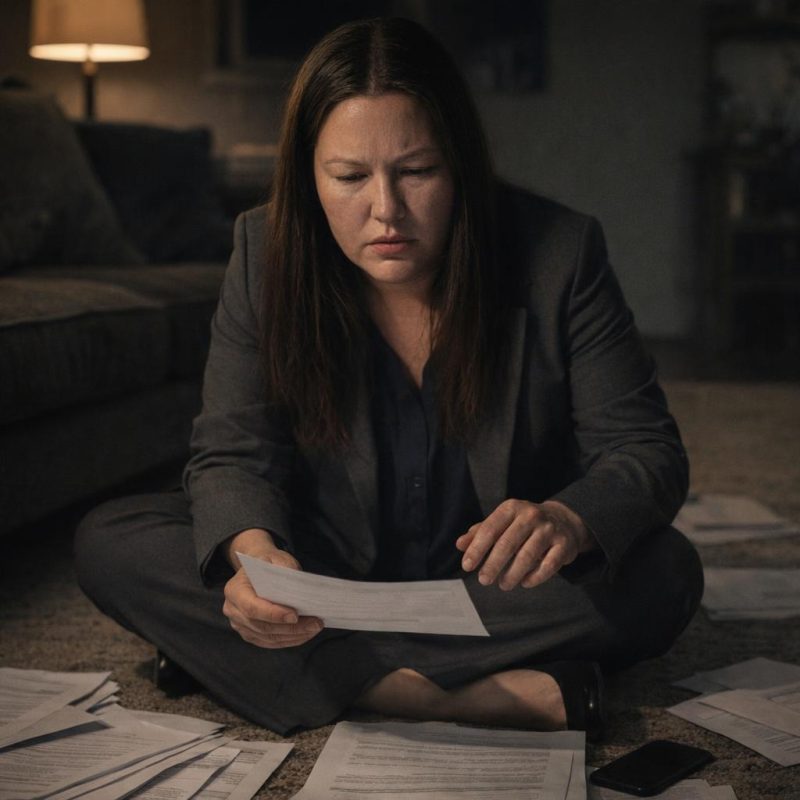 Image by RM AI
The Text Messages
My phone started buzzing before I'd even finished my coffee the next morning. Mark's name lit up the screen with a text: "I'm sorry about yesterday. There's been a misunderstanding about the house deed. Can we talk?" I screenshot it and kept scrolling through the financial documents. Another text arrived twenty minutes later: "We can resolve this amicably without getting lawyers involved. They just make everything more expensive and complicated." I forwarded it to Patricia without responding. By noon, his tone had shifted. "You're not answering. I don't know what that attorney is telling you, but you're being influenced by someone who doesn't understand our situation." Then: "Remember when we bought that house? How happy we were? Don't let aggressive lawyers ruin what we built together." The messages kept coming throughout the day, alternating between nostalgia and frustration. "You don't understand the financial complexity here, Emma. There are tax implications you're not considering." I watched my phone light up again and again, each message making my stomach tighten a little more. I screenshot every single one. Patricia had told me to document everything, and I was learning why. The final message arrived near midnight, just as I was about to turn off my bedside lamp: "We need to talk about this before lawyers make everything worse. You don't understand what you're doing."
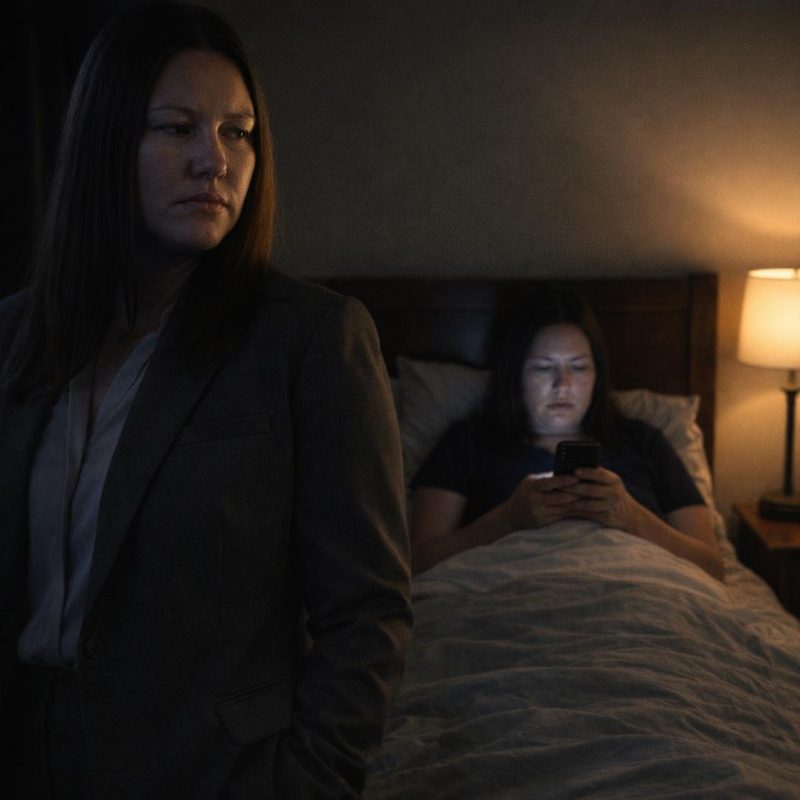 Image by RM AI
The Coffee Shop Ambush
I pushed open the door to my neighborhood coffee shop Saturday morning, already thinking about the financial documents waiting at home, and froze. Mark was sitting at a corner table, coffee cup in hand, looking up at me like he'd been waiting. "Hey," he said, standing. "I was just in the area. Thought I'd grab a coffee." This was my regular spot. He knew that. "We should sit and talk," he continued, gesturing to the empty chair across from him. "Like adults. Without lawyers twisting everything we say." I stayed standing, very aware of the barista behind the counter and the other customers scattered around the shop. "The deed situation is just a paperwork mix-up," Mark said, his voice reasonable, almost soothing. "We can work something out if you'll just be rational about this." "I'm not discussing anything without Patricia present," I said. His pleasant expression cracked, just slightly. "A quick settlement would benefit both of us, Emma. Legal fees will eat up everything we've saved." I turned toward the door. "You're making this so much harder than it needs to be," he called after me, but I was already moving. As I pushed outside, Mark's voice followed me onto the sidewalk: "You're making a huge mistake, Emma." Something in his tone made me walk faster.
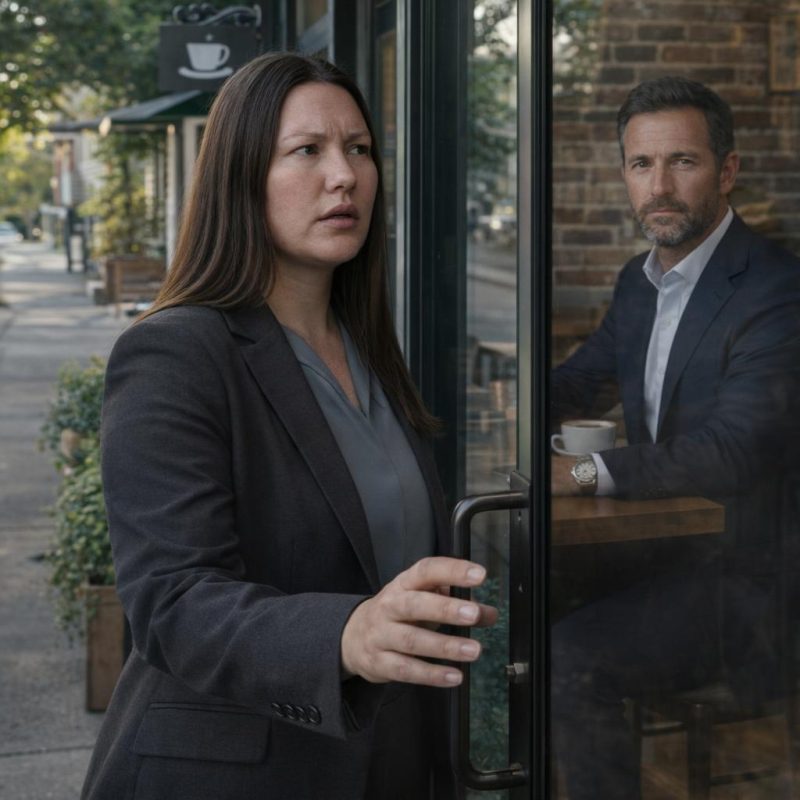 Image by RM AI
Mother's Kitchen
I drove to my mother's house Sunday afternoon, needing the comfort of her suburban kitchen and the tea she always made too strong. Linda took one look at my face and knew this wasn't just normal divorce stress. I explained the deed revelation while she listened, her hands wrapped around her teacup, her neat blonde-gray bob catching the light from the window. "I always had reservations about Mark," she said quietly. "I never said much because you seemed happy, but something about the way he'd answer for you, make decisions before you'd even finished thinking." I realized with a jolt how long it had been since I'd really talked to my mother about my marriage. Years, maybe. When had I stopped sharing? "How involved were you in financial decisions?" Linda asked. I felt my face flush. "Mark said he was better with money matters. It made sense at the time." "Did it make sense, or did he convince you it made sense?" The question hung in the air between us. We talked about patterns I hadn't wanted to see—how Mark had slowly taken over more and more, how I'd gradually stopped questioning his decisions. Linda's concern was written across her features, the same features I saw in my own mirror. She offered to let me stay with her anytime I needed. My mother set down her teacup and asked the question I'd been avoiding: "Did you ever feel safe with him?"
 Image by RM AI
The Discovery Request
Patricia's office felt different this time—less intimidating, more like a war room where I was finally joining the strategy session instead of just receiving orders. She spread documents across her mahogany conference table, explaining discovery rights in divorce proceedings with the kind of clarity that made me realize how much I'd been operating in the dark. "You're entitled to complete financial disclosure," she said, tapping a legal pad with her pen. "Bank statements, investment records, credit cards, tax returns—everything from the past three years." I signed authorization forms while she outlined what we'd request: every account Mark had touched, every asset he'd claimed, every debt he'd listed. The comprehensive nature of it felt overwhelming and empowering at once. Patricia filed the motions that afternoon, her efficiency suggesting she'd done this a thousand times before. "His attorney will have thirty days to respond," she explained, "but expect resistance. The timeline matters less than how they fight back." I nodded, understanding that we were setting something in motion that couldn't be stopped. Patricia warned me that Mark's attorney would likely fight the request, and the speed of his resistance would tell us something important.
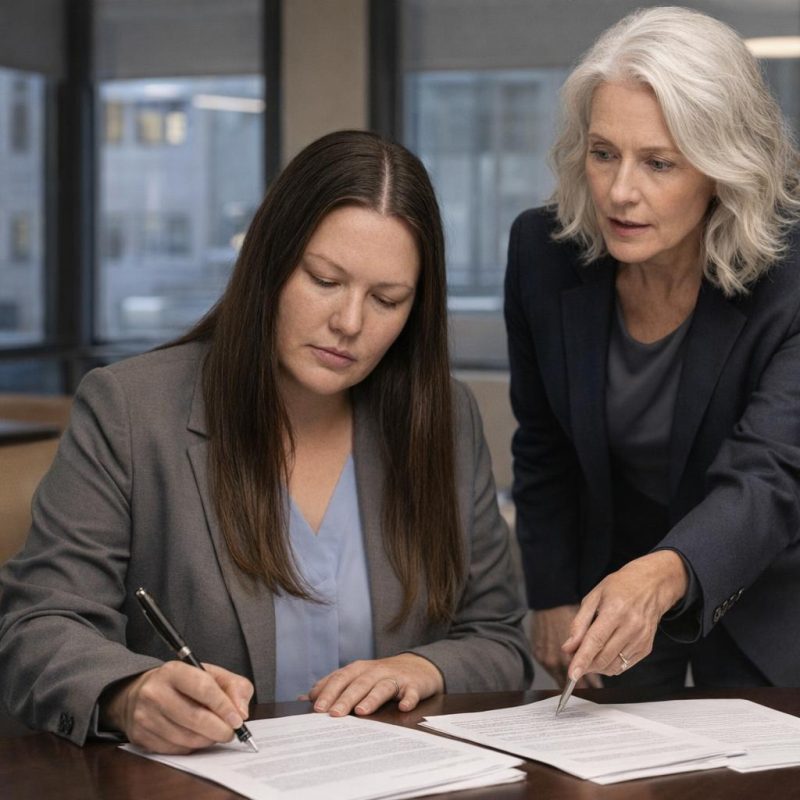 Image by RM AI
The Stalling Game
David Sterling's response arrived within a week, which Patricia said was suspiciously fast. She read portions aloud in her office, her tone dry with professional disdain: "'Overly broad,' 'not readily available,' 'not relevant to equitable distribution.'" He was objecting to nearly every category we'd requested, asking for a thirty-day extension to compile what he claimed were scattered records. "This is classic obstruction," Patricia explained, sliding the letter across her desk so I could read it myself. The language felt slippery—technically professional but clearly evasive. David argued that some financial information had no bearing on the divorce, which Patricia said was nonsense given that we were dividing marital assets. She filed counter-objections immediately, and we scheduled a status conference before the judge. I read David's letters again that night, recognizing the same smooth deflection I'd heard in Mark's voice when I asked uncomfortable questions. The coordination between them felt obvious, the timing too quick to be coincidental. Patricia tossed David's latest response letter across her desk and said, 'He's protecting something, Emma. People don't fight this hard over nothing.'
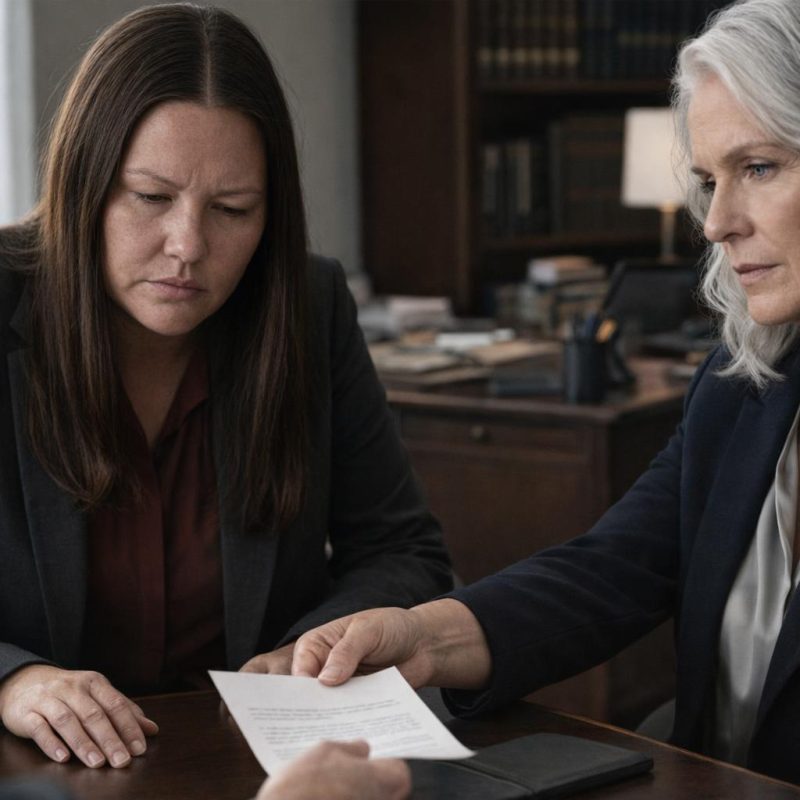 Image by RM AI
The Boxes in the Garage
I spent Saturday morning in the garage, pulling down boxes I hadn't touched in years. Dust coated everything, and the cardboard had that musty smell of forgotten storage. I worked methodically, opening each box and sorting contents into piles on the concrete floor. Old tax returns appeared first—documents Mark had filed without ever showing me the details, just asking for my signature on the final forms. Then credit card statements from accounts I didn't remember opening, showing purchases I'd never made. I photographed everything with my phone, building a digital archive of our financial history. The deeper I dug, the more unfamiliar it all felt. Investment records bore my name on transactions I'd never discussed. Refinancing paperwork from a process I barely remembered, though my signature appeared on every page. I created a spreadsheet tracking dates and dollar amounts, trying to construct a timeline that made sense. My hands were filthy by the time I reached the bottom shelf, and my back ached from crouching. At the bottom of the last box, I found a folder labeled 'Property Documents' that contained papers I'd never seen before.
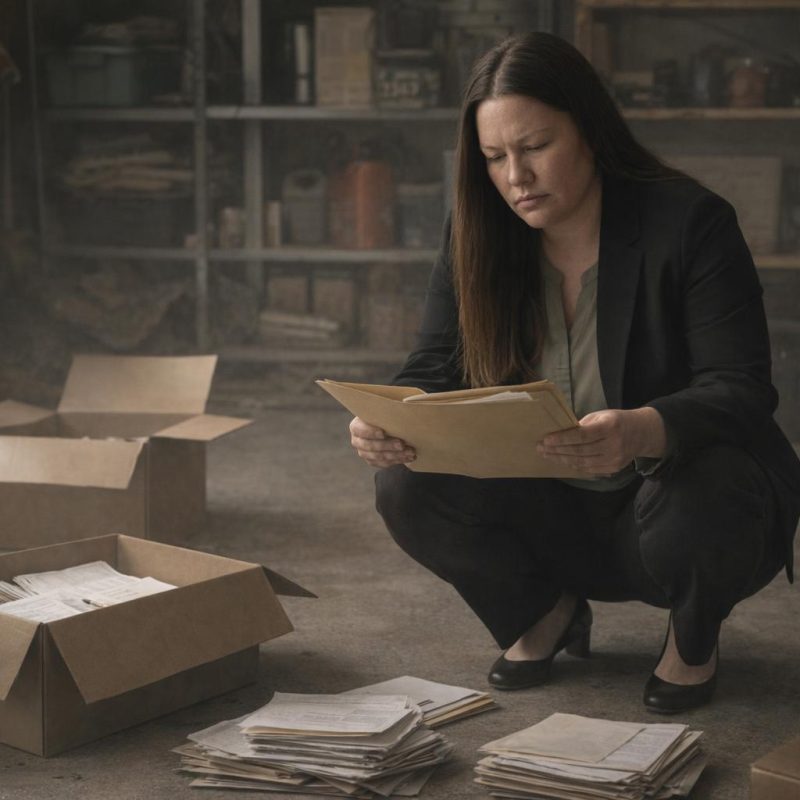 Image by RM AI
The Memory Lane
I couldn't sleep that night, lying in bed replaying moments I'd dismissed as normal at the time. Mark bringing papers to the kitchen table while I was on a work call, pointing to signature lines while I nodded distractedly. His irritation when I asked questions about specific transactions, the way he'd frame my curiosity as distrust rather than reasonable interest. I remembered him saying I needn't worry about 'boring financial stuff,' that he was better with numbers and I should focus on my own work. It had seemed practical then, a division of labor that made sense for a busy couple. Now those same memories felt different, like watching a movie where you already know the ending. Had I been willfully blind, or had he been deliberately deceptive? The question kept me awake, staring at the ceiling. I thought about how he'd schedule financial discussions when I was exhausted, how he'd bring up complex decisions right before bed or early in the morning. Maybe I was reading too much into ordinary moments, seeing conspiracy where there'd only been convenience. I remembered Mark's insistence that I sign papers quickly 'before the tax deadline' and how I'd trusted him without reading the fine print.
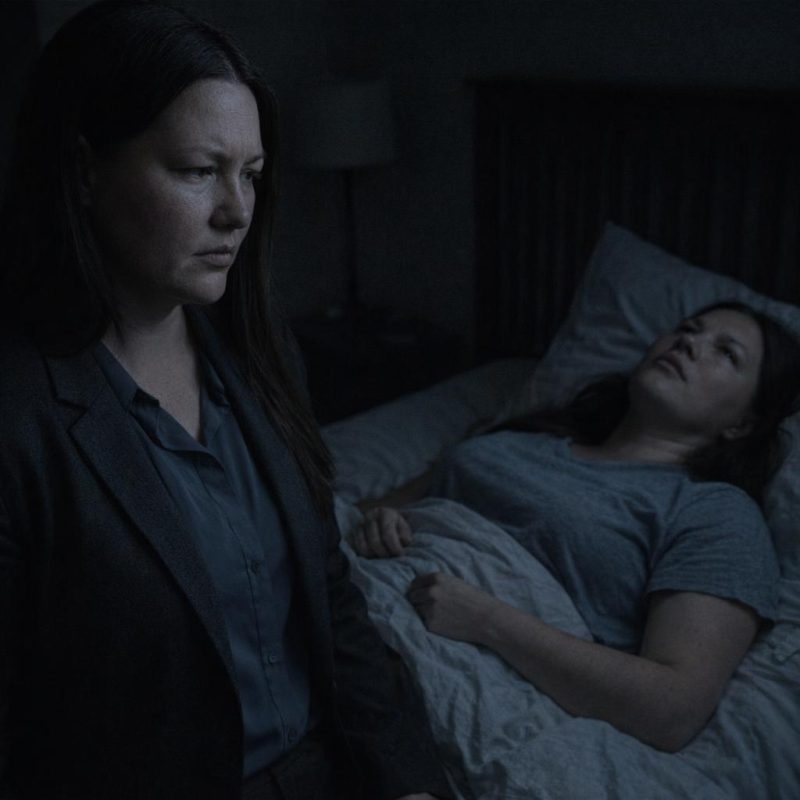 Image by RM AI
The Statement Gaps
The dining table disappeared under layers of bank statements—downloaded versions on the left, mailed paper copies on the right. I'd been comparing them for hours, and the discrepancies were impossible to ignore. A deposit for $8,500 appeared in the downloaded March statement but was completely absent from the paper version. Transfer records didn't match between accounts that should have mirrored each other. I created a comparison chart, highlighting matching entries in green and discrepancies in red. The red overwhelmed the green. Small withdrawals appeared in patterns—$200 here, $350 there, amounts that seemed insignificant individually but added up to thousands. I tried logging into our online banking to check current records, but my credentials didn't work. The password reset link said my email wasn't associated with the account. When I called the bank, a representative informed me that my access had been removed four months ago, account permissions changed to Mark's name only. I asked when that had happened and why I hadn't been notified. The representative couldn't say. The missing deposits totaled almost thirty thousand dollars, and I had no idea where that money had gone.
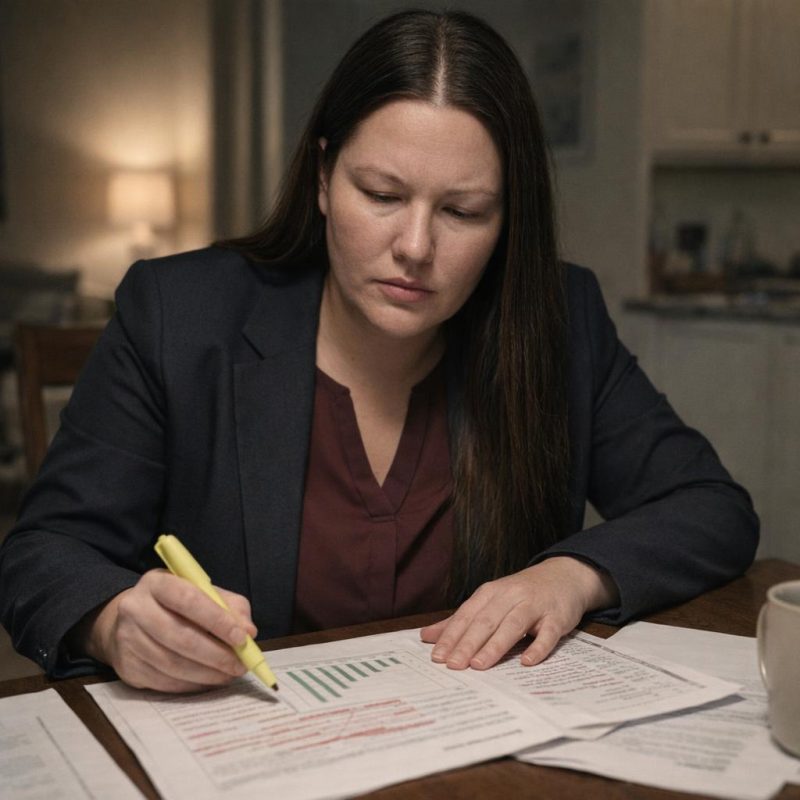 Image by RM AI
The Settlement Push
Patricia called me on a Tuesday afternoon, her voice tight with controlled anger. "Mark's attorney sent a settlement offer. It's insulting." She explained the terms: I'd keep the house but Mark would take most liquid assets, plus I'd assume responsibility for debts I didn't know existed. The offer severely undervalued what should have been equal division of marital property. "The timing is deliberate," Patricia said. "He's trying to pressure you into settling before discovery reveals anything problematic." That same week, mutual friends started calling. Sarah mentioned that Mark had reached out, saying I was being unreasonable. Tom texted asking if I really needed to 'drag this out' with lawyers. Michelle forwarded a message from Mark asking her to intervene, to help me see that fighting would only hurt us both. The coordination felt obvious—too many people contacting me in too short a time, all with variations of the same message. Patricia advised ignoring the pressure, continuing the discovery process regardless of what Mark's friends said. I felt walls closing in from multiple directions, everyone suggesting I should just be reasonable and settle. Michelle forwarded me a text from Mark asking her to intervene, and I wondered if he was trying to cut me off from everyone who might support my position.
 Image by RM AI
The Forensic Accountant
Patricia's conference room felt more crowded with three of us, though Robert Hayes took up surprisingly little space for someone whose expertise might change everything. He had an unassuming presence—wire-rimmed glasses, a laptop bag worn soft with use, the kind of quiet competence that didn't need to announce itself. Patricia made introductions, explaining that Robert specialized in forensic accounting for high-conflict divorce cases. "I find money people try to hide," Robert said simply, setting his laptop on the table. He asked detailed questions about my financial awareness during the marriage, taking notes in a leather notebook. I provided him with every document I'd gathered from the garage, every statement I'd downloaded, every photograph I'd taken. Robert explained his process methodically—he'd analyze patterns, cross-reference accounts, subpoena additional records if needed. His fee structure was clear, his timeline realistic. "This will take weeks, not days," he warned. "But if there's something to find, I'll find it." He made initial observations about the inconsistencies I'd discovered, nodding as if recognizing familiar patterns. Robert spread my documents across the conference table and said, 'These patterns are familiar, and not in a good way.'
 Image by RM AI
The Preliminary Review
Robert scheduled our follow-up meeting for the following Wednesday, and I arrived at Patricia's office with my stomach in knots. He'd spent a week with my documents, and whatever he'd found felt significant enough to warrant both of them being present. Robert opened his laptop and displayed a timeline of major financial transactions spanning our marriage. Clusters of activity appeared in specific months, patterns that warranted deeper investigation. "I need to ask about your awareness of certain account openings," Robert said, his tone carefully neutral. He pointed to records showing accounts opened in my name during years when I'd been focused on a major work project. I struggled to remember details, my memory frustratingly vague about transactions Robert could pinpoint to specific dates. He highlighted signature patterns that raised questions—some looked like mine, others seemed slightly off in ways I couldn't quite articulate. Robert requested authorization to subpoena additional documentation from banks and financial institutions. Patricia explained the formal process, the legal steps required. "Full analysis will take several more weeks," Robert warned. Robert pointed to a series of transfers and asked, 'Did you ever authorize Mark to open accounts in your name without your knowledge?'
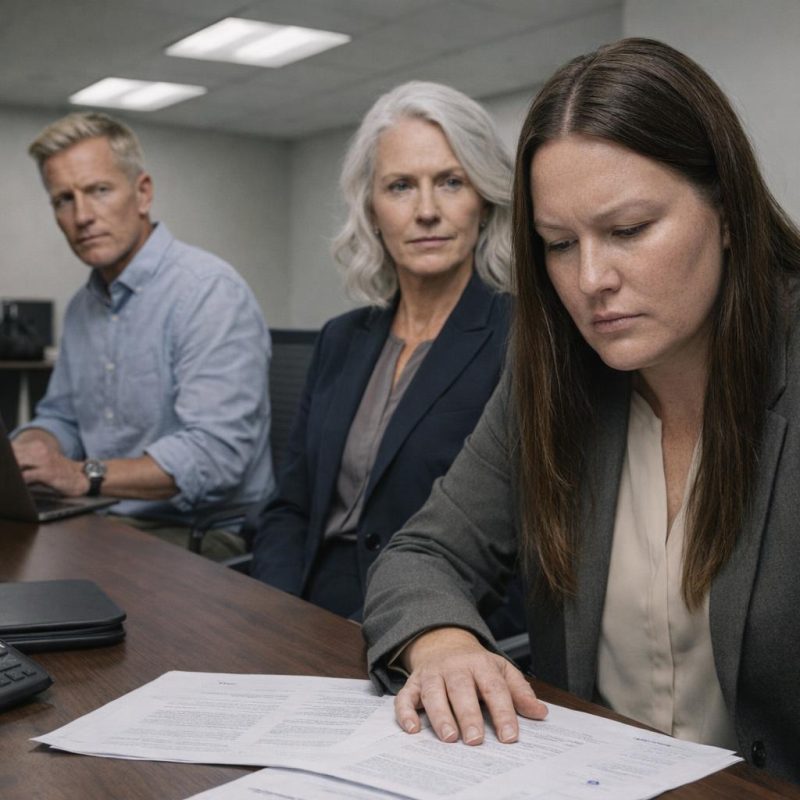 Image by RM AI
The Financial Architect
I sat alone in the house that evening, surrounded by the silence Mark had left behind, and started thinking about how we'd gotten here. In the beginning, we'd made financial decisions together—choosing the mortgage, discussing retirement contributions, planning vacations within our budget. But somewhere along the way, that partnership had shifted. Mark had started handling the "complicated" stuff, as he called it. Tax returns became his domain because they were "too tedious" for me to worry about. Investment accounts needed his attention because he "understood the market better." I'd felt grateful at first, relieved to be freed from paperwork and financial stress. When I'd asked questions about specific accounts or transactions, he'd smile that charming smile and say something like, "Why should you worry about this stuff? That's what you have me for." He'd compliment me for not being materialistic, for trusting him, for focusing on my career instead of getting bogged down in financial details. I'd believed I was being a good partner by letting him take the lead. Now I wondered if I'd allowed this dynamic to develop, or if I'd been guided into it so gradually I hadn't noticed the walls closing in. I recalled the exact moment Mark had smiled and said, "Why should you worry about this stuff? That's what you have me for," and I wondered if that was when I'd given away something I couldn't get back.
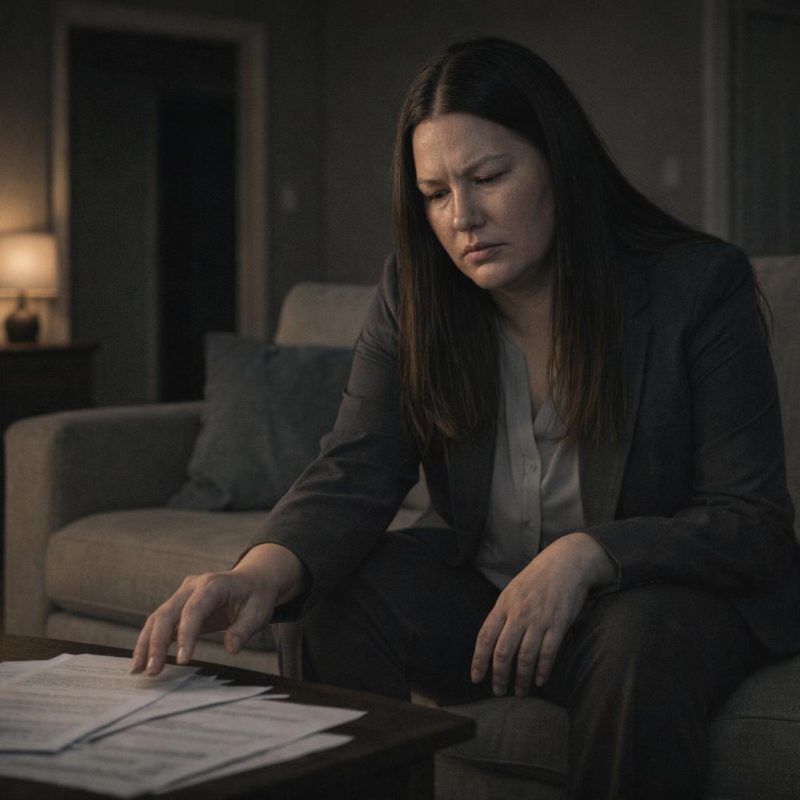 Image by RM AI
The Restaurant Window
I was walking through downtown on a Wednesday afternoon, running errands I'd been putting off for weeks. The day felt ordinary—gray sky, light traffic, people hurrying past with coffee cups and shopping bags. I passed an upscale restaurant with floor-to-ceiling windows and glanced inside without thinking much about it. Then I stopped. Mark sat at a corner table with an attractive blonde woman, maybe late twenties, laughing at something he'd said. She reached across the table and touched his arm with the kind of easy familiarity that made my stomach drop. I stood frozen on the sidewalk, unable to look away. They looked comfortable together, like an established couple who'd shared dozens of meals in places like this. The woman leaned in conspiratorially as Mark said something else, and she laughed again, her hand still resting on his forearm. Our separation had been three weeks ago. Three weeks. This woman touched him like she'd been doing it for months. Mark glanced toward the window, probably checking his reflection or looking at something outside, and his eyes met mine. As I stood frozen on the sidewalk, Mark looked up and saw me watching, and the expression that crossed his face made me wonder how long this had really been going on.
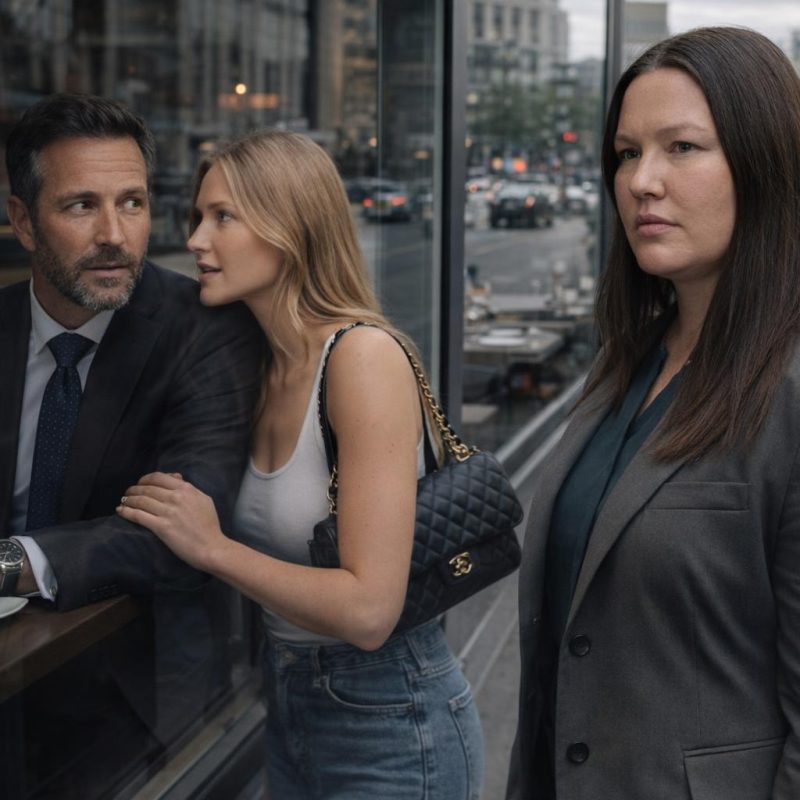 Image by RM AI
The Timeline Construction
Michelle showed up at my door that evening with two bottles of wine and a determined expression. "Tell me everything," she said, setting the bottles on my kitchen counter. I described the restaurant scene, the blonde woman, the way they'd looked together. Michelle listened without interrupting, then pulled out a notebook from her bag. "We're documenting this," she announced. "Everything you can remember about the past year." We spread out on my living room floor with poster board and markers, creating a timeline like we were investigating a crime. I recalled when Mark had started acting different—more distant, more secretive about his phone. Michelle noted the dates when he'd claimed to work late or travel for business conferences. We marked when he'd suggested marriage counseling might not help, when he'd stopped touching me casually, when he'd moved into the guest room. The pattern emerged like a photograph developing in chemicals. Mark's withdrawal hadn't been sudden—it had been methodical, stretching back months before he'd filed for divorce. Michelle photographed our completed timeline with her phone, then circled a date six months before Mark had asked for the divorce. Michelle circled a date on the timeline—six months before Mark filed for divorce—and said, "This is when he started acting different. This is when it started."
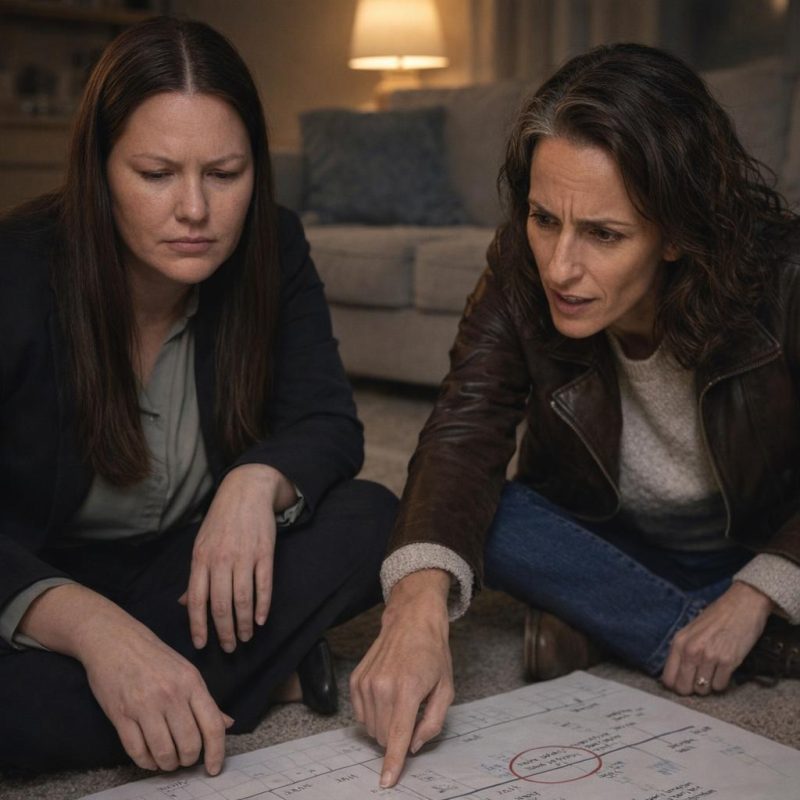 Image by RM AI
The Isolation Architecture
I spent the next two days reviewing everything I'd gathered—bank statements, legal documents, the timeline Michelle and I had created. The evidence spread across my dining room table told a story I'd been too close to see while living it. Mark had gradually removed me from every financial decision. I hadn't had independent access to our accounts in years. He'd discouraged me from pursuing promotions at work, saying we didn't need the extra stress. He'd controlled all information flow about our finances, presenting only what he wanted me to know. I'd been kept completely ignorant of our true financial situation, fed carefully curated updates that painted whatever picture Mark wanted. The architecture of my isolation had been built so carefully I hadn't noticed the walls going up. I decided to pull my own credit report—something I hadn't done in years because Mark had always handled that too. I requested reports from all three major credit bureaus and waited anxiously for them to arrive. When the thick envelopes finally came, I sat at my kitchen table with shaking hands and opened them one by one. I pulled out my own credit report for the first time in years and found accounts I'd never opened, debts I'd never authorized, and realized Mark hadn't just controlled the money—he'd controlled my entire financial identity.
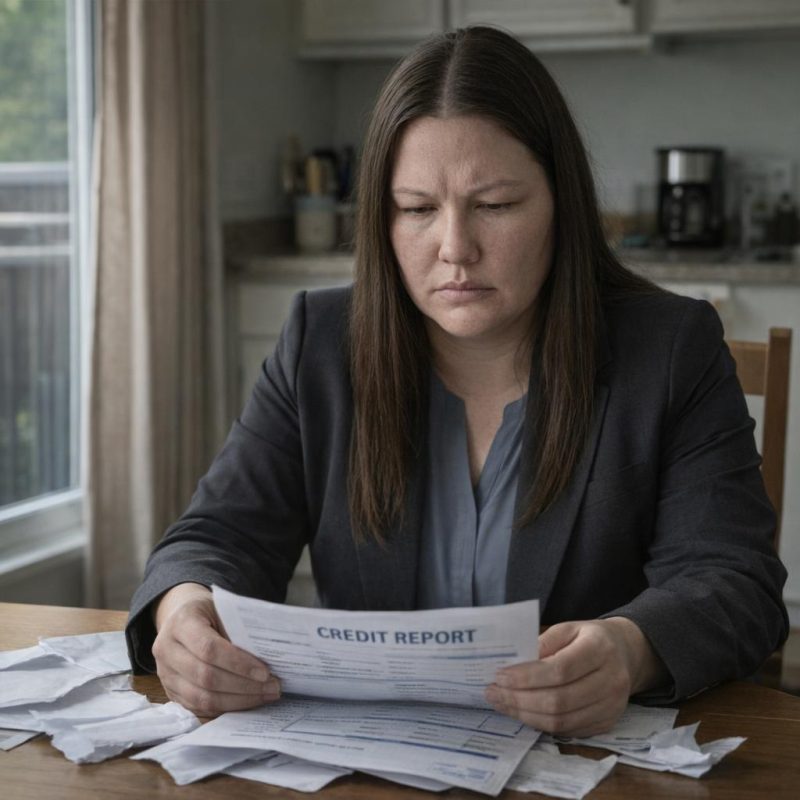 Image by RM AI
The Subpoena Request
Robert arrived at Patricia's office with a leather portfolio thick with documentation. He'd compiled a comprehensive list of accounts requiring legal subpoenas—Mark's business accounts that hadn't been disclosed in initial discovery, the unauthorized accounts appearing on my credit report, transactions that needed formal investigation. Patricia reviewed each request carefully, checking for legal sufficiency. "We'll be requesting records from multiple banks and financial institutions," she explained. "Business partnership records, corporate account statements, transaction histories going back three years." Robert pointed to specific entries that required tracing through multiple institutions, following money trails that had been deliberately obscured. I signed authorization form after authorization form, my hand cramping from the repetitive signatures. Each form felt like taking back a piece of control Mark had stolen. Patricia explained the timeline—serving the subpoenas, waiting for bank responses, compiling the information Robert would need for his analysis. "This is going to take weeks," she warned. "And Mark's team will fight every step." Robert nodded grimly, closing his laptop. Patricia warned that serving these subpoenas would trigger an aggressive response, and we'd need to be prepared for Mark to fight back hard.
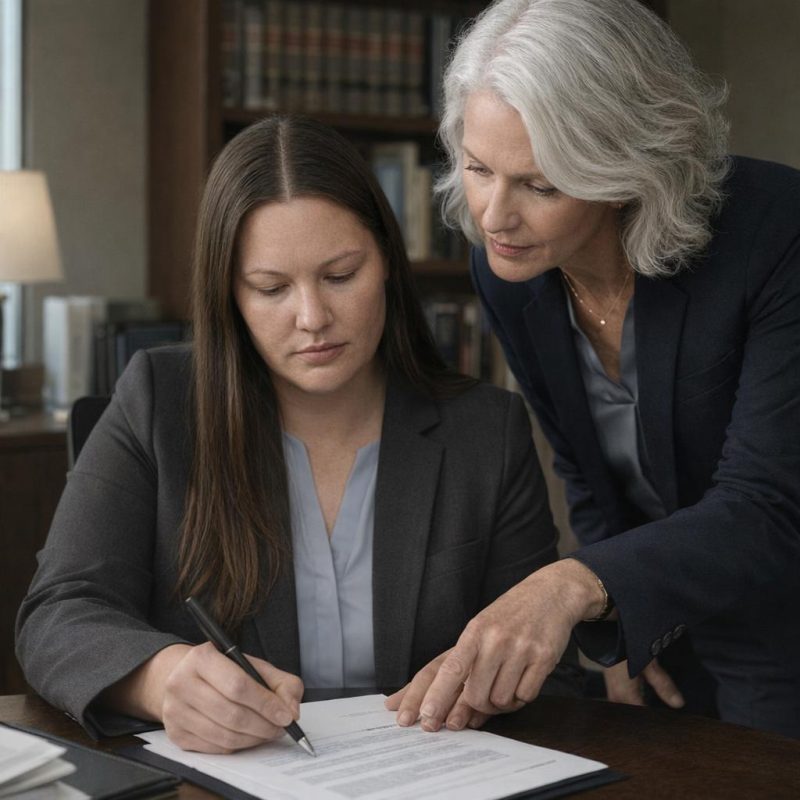 Image by RM AI
The Counter-Attack
Patricia called me two days later, her voice tight with controlled frustration. "David Sterling just filed an emergency motion," she said. "You need to come in." I arrived at her office within the hour. Patricia had printed David's filing, and she read portions aloud while I tried to follow the dense legal language. David objected to every single subpoena request, calling them overly invasive, irrelevant, and an abuse of legal process. He accused my legal team of conducting a fishing expedition with no legitimate basis. He'd requested court sanctions against Patricia for what he termed harassment through discovery. "This is designed to intimidate us," Patricia said, setting down the papers. "These are standard discovery requests in any divorce involving business assets." But David's filing painted a different picture—Mark as the reasonable party trying to move forward, me as vindictive and unreasonable, my attorneys as aggressive and unprofessional. David argued Mark's business accounts were separate property not subject to discovery, that our requests violated his privacy rights, that we had no evidence justifying such invasive investigation. Patricia explained we'd file an emergency response, but the aggressive language in David's motion made one thing clear. Patricia read David's filing aloud, and the aggressive language made it clear Mark wasn't just resisting discovery—he was trying to shut it down entirely.
 Image by RM AI
The Courtroom
The courthouse felt intimidating in ways I hadn't anticipated—high ceilings, echoing hallways, people in suits moving with practiced efficiency. I sat beside Patricia in the courtroom, my hands folded in my lap to keep them from shaking. Mark sat across the aisle with David, close enough that I could see him but far enough that we didn't have to acknowledge each other. The judge called our case, and Patricia stood to present arguments for the asset freeze and subpoena enforcement. She spoke clearly and professionally, outlining why standard financial disclosure was necessary. David countered that Mark had been fully cooperative, that my requests were overreaching, that his business interests were completely separate from marital assets. The judge reviewed the discovery timeline, flipping through documents with a frown. She noted the unusual delays, the resistance to basic disclosure requirements. David claimed Mark's privacy rights were being violated. Patricia pointed out that resisting standard divorce discovery raised more questions than it answered. The judge removed her glasses and looked directly at David. The judge removed her glasses and looked directly at David, asking why Mark was fighting so hard against standard financial disclosure in a divorce case.
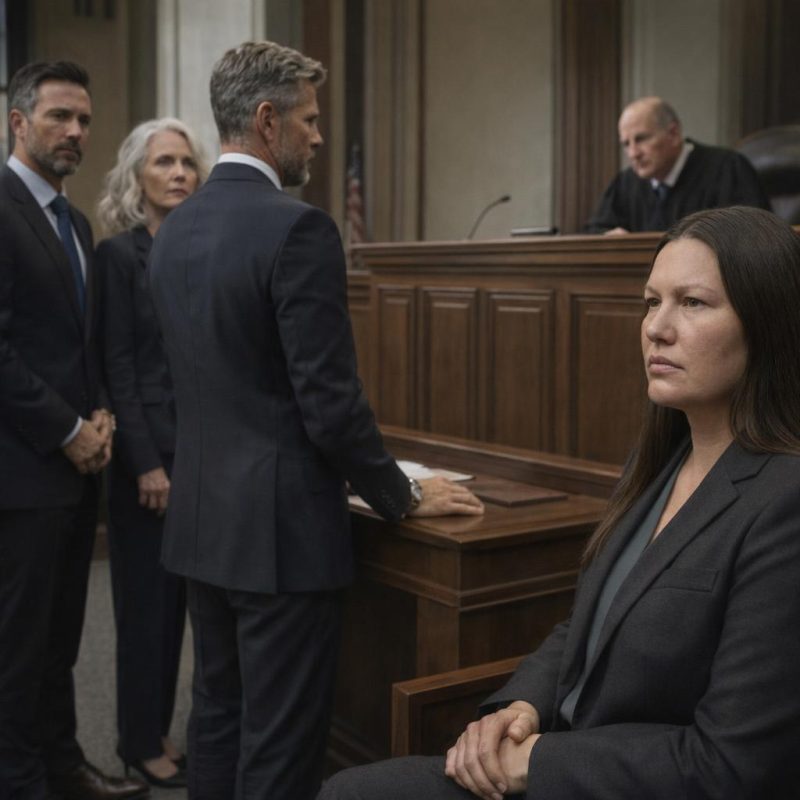 Image by RM AI
The Partial Victory
The judge announced her decision from the bench, her voice carrying the weight of legal authority. Certain joint accounts would be frozen pending full financial disclosure. Mark had thirty days to produce business records. Some of Patricia's requests were denied as premature, but the core of what we'd asked for was granted. David formally objected and preserved Mark's right to appeal. Across the courtroom, Mark stared at me as the judge spoke, his expression unreadable. David leaned over to confer with him urgently, whispering something that made Mark's jaw tighten. Patricia gathered our materials, explaining quietly that this was a significant step forward. "It's not everything, but it's progress," she said. "Now we wait for compliance." We stood to leave, and I felt lighter than I had in weeks—not victorious exactly, but like I'd finally gained some ground. As we walked toward the courtroom doors, I noticed Mark and David had left ahead of us. Then we stepped into the hallway and found Mark standing there, positioned directly in our path. As we left the courtroom, Mark stood in the hallway blocking our path, and his expression carried something I couldn't quite read—was it anger or fear?
 Image by RM AI
The Phone Calls
The calls started the morning after court. My phone lit up with a number I didn't recognize, and when I let it go to voicemail, Mark's voice filled my inbox. He sounded reasonable at first—asking if we could talk like adults, suggesting we didn't need to make this harder than it had to be. I forwarded the recording to Patricia and silenced my phone. Then another number called. And another. He left messages throughout the day, his tone shifting between reminiscing about our early years together and subtle digs about legal fees draining what should be our shared assets. Michelle came over that evening with takeout and her overnight bag. "You're not dealing with this alone," she said, setting up camp on my couch. The calls continued after midnight. I lay awake listening to my phone buzz on the nightstand, each vibration making my stomach clench. I documented every call, every message, forwarding them all to Patricia even though I couldn't point to anything explicitly threatening. Just the relentlessness of it. The final voicemail arrived at two in the morning, and Mark's voice sounded different—strained and almost desperate as he said we needed to talk before things went too far.
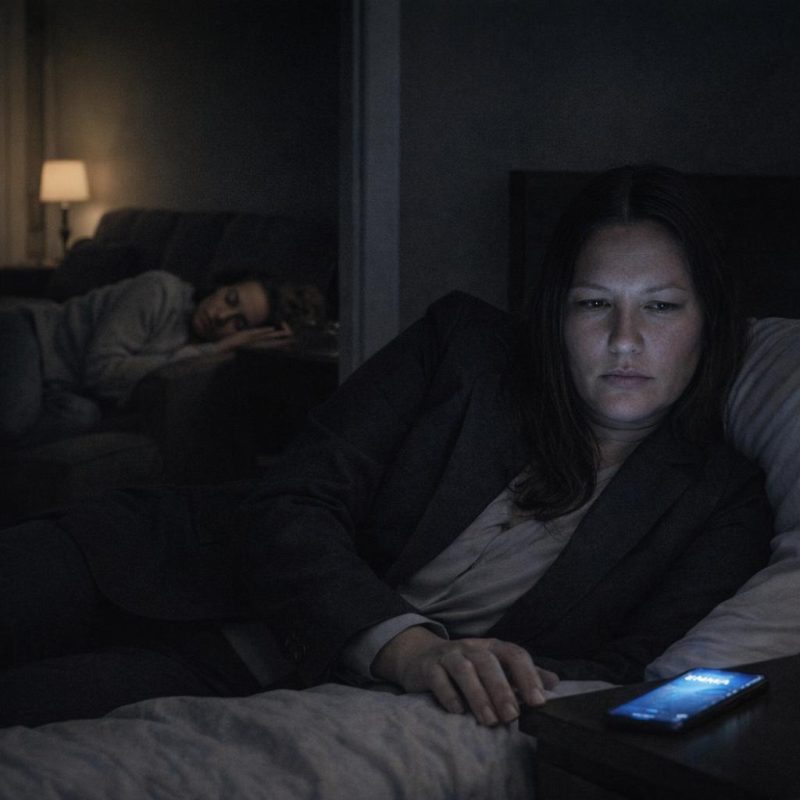 Image by RM AI
The Transfer Dates
Robert called three days later asking if I could meet that afternoon. His voice carried a careful neutrality that made my pulse quicken. I sat across from him in Patricia's conference room while he spread printouts across the mahogany table, bank statements marked with yellow highlighter. "These are the records from the subpoena," he said, adjusting his wire-rimmed glasses. "I've been comparing transaction dates to the timeline you provided and to Mark's sworn financial disclosures." He pointed to a series of transfers between accounts. The dates didn't match what Mark had claimed in his paperwork. Large withdrawals had occurred months before our separation, moved between accounts I'd never known existed. Robert traced the numbers with his pen, showing me how certain transfers happened just days before I'd signed other documents—refinancing papers, tax forms I'd barely glanced at. Patricia leaned forward, studying the pattern. "Could this be normal financial management?" she asked. "Moving money between accounts for legitimate reasons?" Robert paused before answering, his expression thoughtful. "The pattern of transfers suggests timing that might be more than coincidental, but I need additional records to be certain."
 Image by RM AI
The Debt Letter
The collection agency letter arrived on a Tuesday, buried between credit card offers and grocery store flyers. I almost threw it away with the junk mail. Then I saw the amount: fifty thousand dollars. My hands went cold as I read the demand for immediate payment on a personal loan I had absolutely no memory of taking out. The account opening date was from two years earlier, during a period when Mark had been handling most of our financial paperwork while I dealt with a major project at work. I checked the credit reports I'd pulled months ago when this all started—this debt hadn't appeared on any of them. My fingers shook as I dialed the number printed at the bottom of the letter. The collection agent answered with practiced efficiency, asking for my account number. I read it from the letter, my voice barely steady. She pulled up my file and confirmed the details. A personal loan, opened twenty-six months ago. Documentation on file. "What kind of documentation?" I asked. "A signed loan application," she said. "Standard verification process. The signature matched our authentication requirements." I requested copies of everything they had. The agent confirmed the debt was in my name alone with documentation bearing my signature on the loan application.
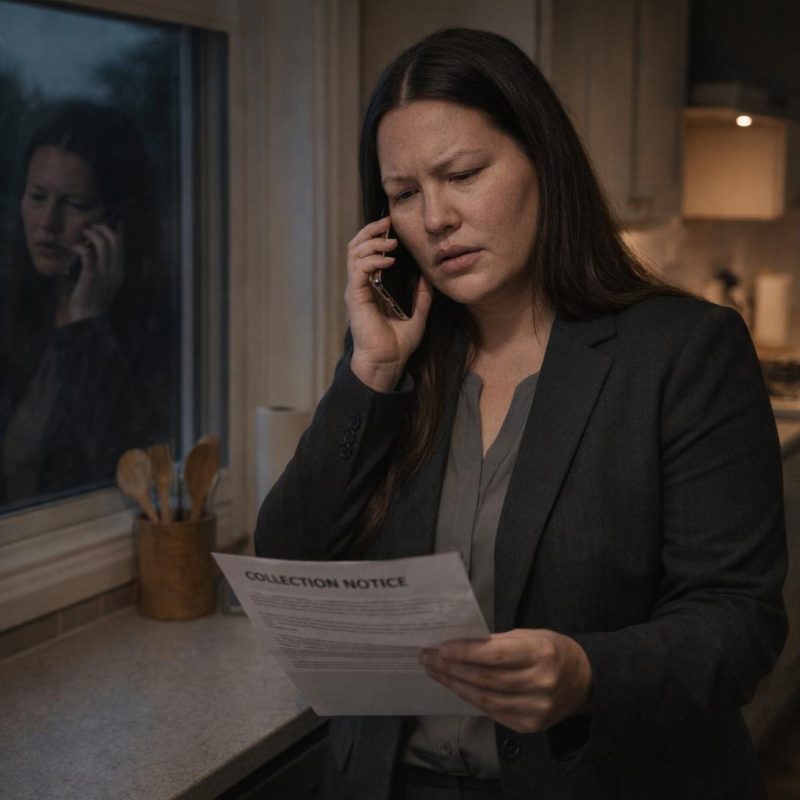 Image by RM AI
The Signature Analysis
Patricia spread the loan documents across her desk two days later, pulling a magnifying glass from her drawer. I watched her examine the signature line, then compare it to samples of my real handwriting from other documents in my file. Her expression shifted from professional interest to something more serious. She studied the loops and angles, the pressure points where pen met paper. "Tell me about your signature habits," she said, not looking up. "Do you sign your full name? Do you use a middle initial?" I explained my usual signature, the way I'd shortened it over the years to a quick scrawl. Patricia nodded, making notes. "And during your marriage, did Mark have access to your identification documents? Your passport, driver's license, important papers?" The question landed like a stone in my stomach. Of course he had. We'd kept everything in the home office filing cabinet. He'd handled most of our paperwork, often bringing me things to sign while I was cooking dinner or getting ready for work. I'd trusted him completely. Patricia set down her magnifying glass, her keen eyes meeting mine. "The signature looks similar, but there are subtle differences I'm noticing," she said carefully. "We should hire a forensic document examiner for formal analysis. But Emma—did Mark have access to your identification documents and signature stamps during the marriage?"
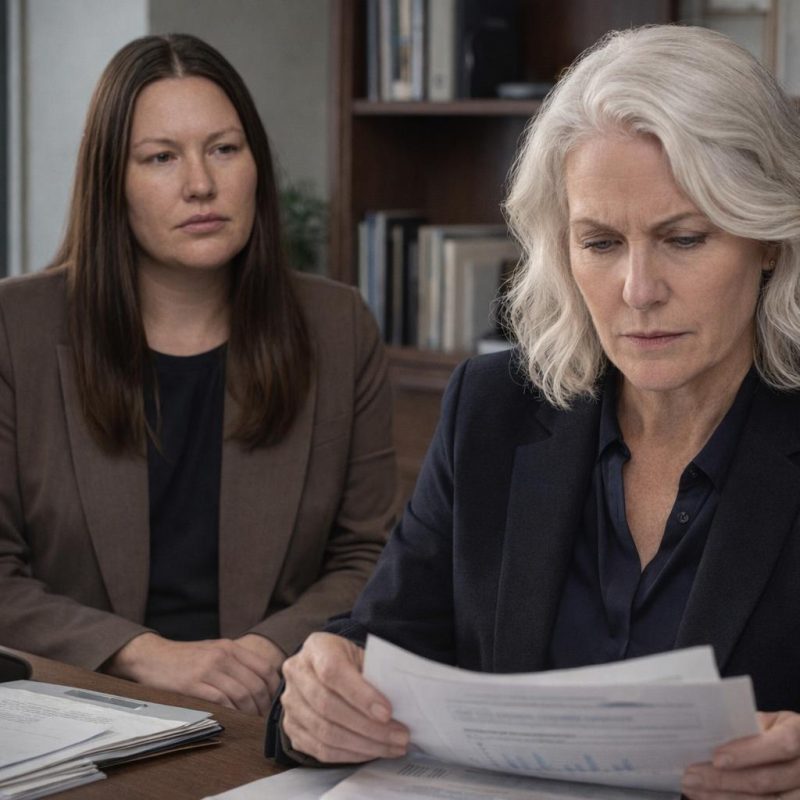 Image by RM AI
The Credit Deep Dive
I requested comprehensive credit reports from all three bureaus, checking the box for complete transaction histories going back seven years. The reports arrived as thick PDF files that took minutes to download. I called Robert and asked if he could help me make sense of them. We met at a coffee shop halfway between our offices, spreading printouts across a corner table while other customers typed on laptops around us. Robert worked through the reports methodically, his pen marking accounts and dates. "Here," he said, pointing to an entry I'd never seen before. A credit card opened eighteen months ago. Then another—a personal line of credit from fourteen months back. Each account listed my name and social security number. Each showed regular activity, purchases and payments I had no memory of making. Robert documented the account numbers, the opening dates, the usage patterns. I stared at the pages, trying to remember any of it. Had I been so distracted during that period? So overwhelmed with work that I'd forgotten entire financial accounts? Robert's expression remained neutral as he continued through the reports, but I could see him noting details, making connections I couldn't yet understand. Three more accounts appeared that I had no memory of opening, each with activity patterns that started months before Mark filed for divorce.
 Image by RM AI
The Movement Pattern
Robert had requested Patricia's conference room for our next meeting, and when I arrived, he'd already covered the table with printouts arranged in careful rows. Patricia stood beside him, studying the layout. "I wanted to show you this visually," Robert said, gesturing to the papers. He'd created a map of fund movements between accounts, arrows drawn in red ink showing money flowing from one place to another. I could see our joint checking account at the top, then lines leading to accounts in my name only—accounts I was just learning existed. From those accounts, more arrows pointed to destinations marked with question marks. "This is approximately twelve months of activity," Robert explained, tracing the progression with his finger. "Money moves from joint holdings here, transfers to these accounts in your name, then moves again to places I can't yet identify." The amounts were staggering when I added them mentally. Far more than I'd initially thought. Patricia leaned over the table, her sharp eyes following the pattern. "Could this be explained as poor financial management rather than something intentional?" she asked. Robert's expression was measured, professional. "I've seen similar patterns in other cases," he said carefully. "The transfers follow a progression that's hard to explain as normal financial management, but I'd need to trace where the money ultimately went to be certain."
 Image by RM AI
The Signature Review
I spent that evening alone at my dining room table, surrounded by every document I'd signed during my marriage. Tax returns, refinancing papers, insurance forms, investment account authorizations. I tried to remember the circumstances of each signature—where I'd been standing, what Mark had said, whether I'd actually read what I was agreeing to. Some I remembered clearly. Others existed in my memory as vague impressions of Mark handing me a pen, telling me not to worry about the details, assuring me it was just routine paperwork. I'd been so trusting. So willing to let him handle the financial complexity of our life together. The pile of documents I couldn't clearly recall authorizing grew disturbingly large. Then I found it, buried in a stack of investment papers—a power of attorney form dated from three years ago. I stared at my signature at the bottom, trying to pull up any memory of signing it. That had been during the Henderson project at work, when I'd been putting in seventy-hour weeks and barely sleeping. I remembered Mark bringing me papers to sign, remembered being grateful he was handling things. But I couldn't recall him explaining what this actually was. One document transferred power of attorney over certain accounts to Mark during a period I now remembered being particularly stressful at work, and I couldn't recall him explaining what I was actually signing.
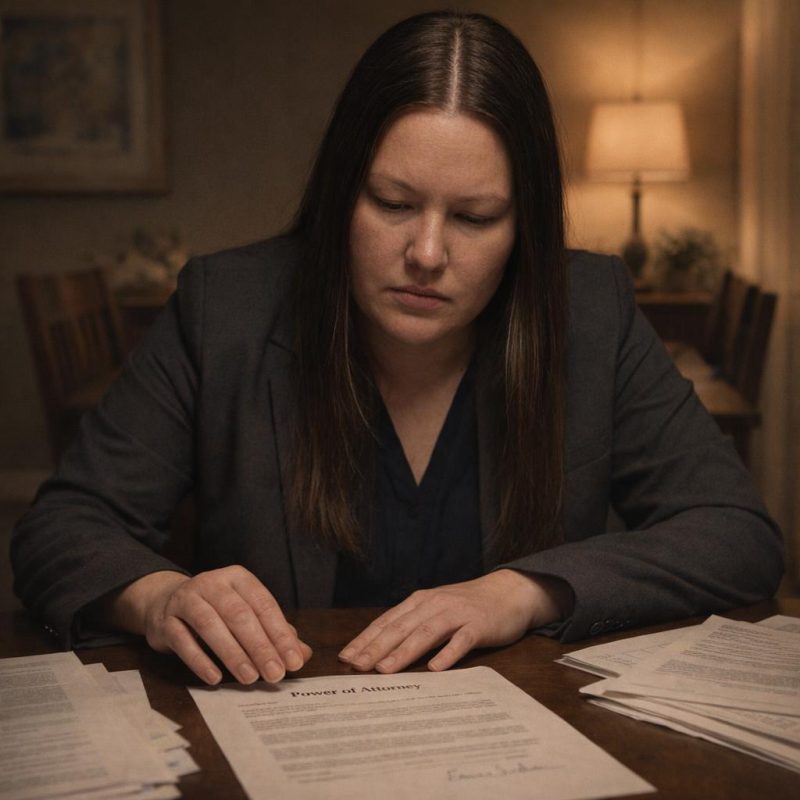 Image by RM AI
The Motion to Compel
Patricia called me into her office to review the motion before filing. The document was comprehensive, nearly forty pages with exhibits attached. She'd cited every instance of Mark's incomplete financial disclosures, every delayed response, every objection David had raised to reasonable discovery requests. Robert's preliminary findings were attached as exhibits—the timeline of suspicious transfers, the pattern of account activity, the documentation of irregularities we'd uncovered. "This is aggressive," Patricia said, "but it's legally proper. We're not accusing him of anything specific yet. We're simply demanding he comply with basic divorce disclosure requirements." I read through the motion, feeling something shift in my chest. We were taking action. Applying pressure. Demanding answers instead of accepting excuses. Patricia filed it electronically that afternoon, and I watched the confirmation email arrive in my inbox. Then we waited. David Sterling's response arrived within hours rather than the customary days. I was still at Patricia's office when her assistant brought in the printed filing, and Patricia's eyebrows rose as she checked the timestamp. The response was lengthy, full of objections and counter-arguments, each paragraph more defensive than the last. Patricia read through it carefully, then looked up at me with an expression I couldn't quite read. "The speed of his reaction suggests we touched a nerve," she said quietly.
 Image by RM AI
The Secret Accounts
The bank records arrived on a Tuesday afternoon, and Patricia called me into her office the moment Robert finished his initial review. He had his laptop open, three separate windows displaying spreadsheets that made my stomach drop before I even understood what I was looking at. "Mark opened three accounts in his name alone," Patricia said, her voice carefully neutral. "All during the marriage. None of them disclosed in his initial financial statements." Robert walked me through each account methodically. The first showed regular deposits—small amounts, a few hundred here and there, but consistent. When he overlaid the dates with our joint account activity, I felt something cold settle in my chest. The deposits matched withdrawals I'd assumed were for household expenses or Mark's business costs. The second account held larger sums, money that seemed to accumulate before being transferred elsewhere. The third account's history was shorter but more disturbing. Robert pointed to the final entry: a complete withdrawal of nearly forty thousand dollars, dated five days before Mark had asked me to sign the divorce papers. I stared at the screen, trying to make sense of what I was seeing. Mark had been moving our money into secret accounts, building something I hadn't known existed, and then he'd emptied one of them right before blindsiding me with divorce. I couldn't prove what it meant yet, but the timing felt like a countdown I'd never heard ticking.
 Image by RM AI
The Offshore Trail
Robert found the wire transfers two days later. He called an emergency meeting, and when I arrived at Patricia's office, his expression told me this was bigger than the secret accounts. "International transfers," he said, pulling up a series of transaction records. "Cayman Islands. Multiple wires over the past eight months, and the amounts correspond almost exactly to money that disappeared from the accounts we've been tracking." Patricia leaned forward, studying the screen. The wire amounts ranged from fifteen thousand to thirty-five thousand dollars, each one carefully structured. Robert explained that offshore accounts weren't illegal by themselves—people used them for legitimate asset protection, international business, tax planning. But the secrecy, combined with the timing and the pattern of transfers, raised serious questions. "Tracing offshore funds is significantly more difficult," Robert said, looking up from his laptop. "It requires international legal cooperation, specialized forensic accountants who understand Caribbean banking systems, and it's expensive. We're talking tens of thousands in additional costs just to get access to basic account information." Patricia nodded slowly. "But the fact they exist changes the scope of this case entirely." I sat there processing what this meant. Mark hadn't just hidden money—he'd moved it somewhere I couldn't easily follow, somewhere that would require resources and time and expertise to uncover. The question was whether I had the strength and the funds to chase it that far.
 Image by RM AI
The Relationship Timeline
Michelle came over that weekend with her laptop and a determined expression. "We're building a timeline," she said, settling onto my couch. "Every time Mark mentioned Amber, every late night, every weird excuse. All of it." We started with my phone, scrolling back through old texts. I found the first mention of Amber nine months ago—Mark casually dropping her name as a new team member who was helping with a project. Michelle noted the date. Then we searched my email, looking for any references. The frequency increased over time. By six months ago, Mark was mentioning Amber regularly—her ideas in meetings, her help with presentations, how late they'd stayed working on proposals. Michelle pulled up social media next, searching through Mark's tagged photos and company event albums. We found pictures from a conference eight months back, and my breath caught when I saw them together. Mark and Amber standing close, his hand resting casually on her shoulder, both of them smiling with a comfort that suggested familiarity. The body language wasn't that of new colleagues. It was easy, intimate, practiced. "This was before he claimed anything started," Michelle said quietly, documenting the photo date. We kept searching, building our timeline with screenshots and notes, and with each piece of evidence, the story Mark had told me about when their relationship began felt less and less believable. The comfortable way they stood together in that conference photo suggested a connection that had been growing long before Mark admitted anything was wrong.
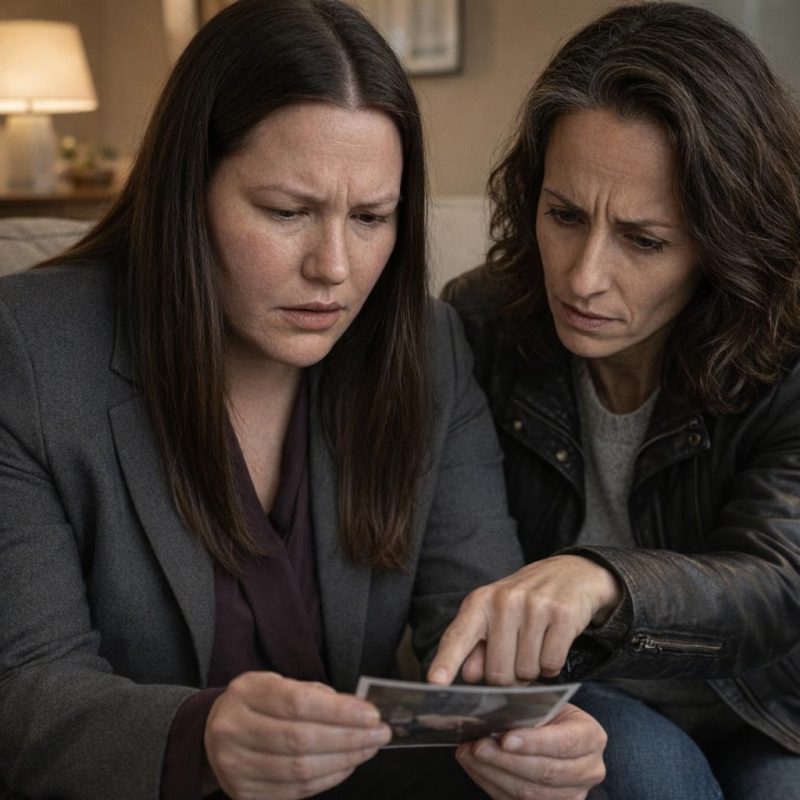 Image by RM AI
The Friend Statements
I started reaching out to mutual friends, carefully phrasing my questions to sound casual rather than investigative. Michelle helped me draft the messages—just checking in, wondering what they'd observed during the past year, whether they'd noticed anything that seemed off. The responses came slowly, most people clearly uncomfortable. A few offered vague diplomatic answers about how they'd sensed tension but hadn't wanted to pry. But others, after some gentle encouragement, shared observations that made me feel like I'd been living in a different reality than everyone around me. Mark's colleague Jason mentioned seeing Mark distracted during meetings, constantly checking his phone with a smile that seemed out of place during budget discussions. Our friend Lauren admitted she'd noticed Mark being secretive about his phone at a dinner party, angling the screen away when notifications appeared. Then Sarah, who worked in Mark's building, finally told me what she'd been holding back. She'd seen Mark and Amber having dinner together at an upscale restaurant downtown—six months before our separation, during a week when Mark had told me he was working late every night on a major proposal. Sarah's message was apologetic, explaining she hadn't known whether to say anything, hadn't wanted to cause problems if it was innocent. I stared at her words, feeling the isolation settle deeper. Multiple people had seen pieces of what was happening, had noticed things that didn't add up, but no one had said anything until I asked directly. I wondered what else people had seen but kept quiet, what other moments of my unraveling marriage had been visible to everyone except me.
 Image by RM AI
The Credit Card Secrets
Robert obtained the credit card statements from Mark's secret accounts, and Patricia asked if I wanted to review them with her present. I said yes, though part of me wanted to run from whatever I was about to see. The charges told a story I'd been trying not to imagine in full detail. Expensive restaurants I'd never been to, appearing on nights Mark claimed he was working late. Hotel charges in our own city, dated on weekends when Mark said he had client meetings or site visits. Robert had highlighted charges at jewelry stores—a boutique I recognized from downtown, amounts that made my hands shake. Fifteen hundred dollars in March. Twenty-two hundred in May. I compared the dates to my own calendar, my own memories. Many of the restaurant charges fell on evenings I'd eaten dinner alone, texting Mark to ask when he'd be home. The hotel charges appeared with disturbing frequency, sometimes twice in the same week. Then Robert pointed to one entry that made everything else fade into background noise. A hotel charge for three hundred seventy-five dollars, dated on our wedding anniversary last year. I remembered that day with painful clarity—I'd made reservations at the restaurant where Mark had proposed, bought a new dress, been excited to celebrate. Mark had called that afternoon saying a client emergency had come up, that he was so sorry but he couldn't get away, that we'd celebrate the following weekend. We never did. The total spending on these cards exceeded sixty thousand dollars over eighteen months. Sixty thousand dollars of our money, spent on hotels and dinners and jewelry for someone else, while Mark had told me we needed to be careful about our budget. I'd been cutting back on groceries while he was buying another woman expensive gifts on our anniversary.
 Image by RM AI
The Comprehensive Analysis
Robert scheduled a formal presentation of his complete forensic analysis, and I arrived at Patricia's office with Michelle for moral support. Robert had prepared a comprehensive report, charts and graphs and timelines that visualized everything he'd uncovered. He walked us through it methodically, showing how funds had moved through multiple accounts over twelve months in a pattern that was difficult to dismiss as coincidence. Small amounts left our joint accounts regularly—withdrawals that individually seemed unremarkable but collectively added up to significant sums. The money accumulated in accounts I hadn't known about, then transferred to Mark's secret accounts, then moved offshore in larger chunks. Robert showed us the progression on a timeline. The activity had begun fourteen months before Mark filed for divorce, starting with small transfers that gradually increased in frequency and amount. By the final months, money was moving almost weekly. "The pattern is consistent with asset concealment cases I've worked on," Robert said carefully. "Funds are systematically moved from marital accounts to locations where they're harder to trace or access. The timing suggests advance planning rather than spontaneous decisions." Patricia studied the charts, her expression thoughtful. Robert's report concluded with a section labeled 'Suspicious Activity Timeline' that documented every questionable transaction in chronological order. I stared at the dates, realizing the planning might have started long before I'd noticed anything wrong in our marriage. While I'd been trying to understand why Mark seemed distant, why he was working late so often, why he seemed distracted and irritable, he'd apparently been building an exit strategy that involved hiding our assets. The progression suggested a level of financial planning that was difficult to dismiss as coincidence, and I realized Mark had been preparing to leave me for over a year before he'd finally asked for a divorce.
 Image by RM AI
The Denial
Mark's response arrived as a formal affidavit, and Patricia called me to discuss it before I read the full document. "He's denying everything," she said. "Every transaction has an explanation. Every account has a legitimate purpose. And David has submitted three hundred pages of supporting documentation." I went to her office to review it together. Mark's affidavit was detailed and carefully worded, claiming all transactions were legitimate business expenses, investment strategies, or personal purchases he had every right to make. The offshore accounts were described as part of a diversified investment approach recommended by a financial advisor. The secret accounts were characterized as personal accounts he'd maintained for business purposes. Each suspicious transfer had an explanation that was technically plausible—consulting fees, investment opportunities, business development costs. David had attached bank statements, receipts, contracts, and correspondence that seemed designed to support Mark's version of events. Patricia reviewed the documentation with me, pointing out inconsistencies. Some of Mark's explanations contradicted statements he'd made in earlier filings. The sheer volume of paperwork felt overwhelming, and Patricia's expression suggested that was exactly the point. "This is a common tactic," she said. "Bury the opposition in documentation, make it too expensive and time-consuming to verify every detail. But several of these explanations raise more questions than they answer." I read through Mark's affidavit again, seeing how carefully he'd crafted his denials. He was fighting hard to control the narrative, and the three hundred pages of supporting documents suggested he and David had spent considerable time preparing this defense. The question was whether we had the resources and the evidence to prove he was lying.
 Image by RM AI
The Deposition Notice
Patricia scheduled Mark's deposition for two weeks away, and the date appeared on my calendar like a countdown to something I both needed and dreaded. "This is when we get him under oath," Patricia explained during our preparation meeting. "He'll answer questions in the conference room, with a court reporter recording every word. You'll be present to hear his testimony." She walked me through what to expect—the formal setting, the process, how David would likely object to certain questions but Mark would still have to answer most of them. Patricia reviewed the key questions she planned to ask, each one designed to lock Mark into specific statements about the accounts, the transfers, the timeline of his relationship with Amber, his knowledge of marital assets. "David will prepare him extensively," Patricia warned. "They'll rehearse answers, discuss strategy, anticipate our questions. Mark will likely be coached on how to respond without providing more information than necessary. But here's what matters—sworn testimony becomes part of the permanent record. Once he answers under oath, he can't easily change his story later without serious consequences." I felt my anxiety rising at the thought of sitting across a table from Mark, watching him answer questions about our money, about Amber, about decisions he'd made that had destroyed our marriage. Patricia must have seen my expression because she reached across her desk. "You don't have to say anything during the deposition," she said. "You're there to listen, to hear what he claims under oath. But I know it won't be easy being in the same room with him." I nodded, already mentally preparing for the confrontation, knowing that in two weeks I'd finally hear Mark's explanations while he was legally required to tell the truth—though whether he actually would remained to be seen.
 Image by RM AI
The Night Before
I spent the night before Mark's deposition staring at the ceiling, rehearsing every possible version of facing him across a conference table while he answered questions about the life we'd built and dismantled. Sleep felt impossible. Every time I closed my eyes, I saw his face—that practiced smile he used when explaining things to me like I was a child who couldn't understand adult matters. Michelle came over around nine with Thai food and a bottle of wine, settling onto my couch like she planned to stay until I stopped spiraling. "You're going to be fine," she said, watching me push pad thai around my plate. "Patricia knows what she's doing. You just have to sit there and listen." But listening meant watching Mark lie under oath, or worse, tell truths I wasn't ready to hear. I pulled out my most professional blazer, the navy one that made me look competent and unshakeable, even when I felt like I was falling apart. Michelle stayed until midnight, and after she left, I read through Robert's preliminary findings one more time, tracing the suspicious transactions with my finger like they might reveal something new. The numbers blurred together. The sun came up too soon, pale light filtering through my bedroom curtains while my stomach twisted itself into knots. When morning came, I dressed in my most professional suit and told myself I was ready, even though something in my stomach kept insisting that whatever happened in that room would change everything.
 Image by RM AI
The Sworn Testimony
Mark sat across the conference table in Patricia's office, his attorney beside him, and answered questions about our finances with the same smooth confidence he used to explain why he'd be home late from work. He looked good—expensive suit, fresh haircut, that practiced smile that had once made me feel safe. David Sterling sat beside him like a guard dog, objecting every few minutes to Patricia's questions with rehearsed precision. The court reporter's fingers flew across her machine, recording every word for the permanent record. "Mr. Thompson, can you explain the transfer of forty-seven thousand dollars from your joint savings account on March fifteenth?" Patricia asked, her voice neutral and professional. Mark didn't hesitate. "That was for the renovation project we discussed. Emma wanted to update the kitchen." I hadn't wanted to update the kitchen. We'd talked about it once, maybe twice, and I'd said we should wait. But Mark delivered the lie with such certainty that I wondered if he'd convinced himself it was true. David leaned over to whisper something, and Mark nodded, adjusting his watch—a tell I recognized from twelve years of marriage. Patricia moved through her questions methodically, and Mark's answers flowed like water, reasonable and polished and just vague enough to avoid specifics. Patricia asked about the offshore accounts, and for just a moment, I saw something flicker behind Mark's eyes that looked almost like fear before his practiced composure returned.
 Image by RM AI
The Cracks in the Story
As the deposition continued into its second hour, Mark's answers began contradicting his earlier sworn statements, and Patricia documented each inconsistency with barely concealed satisfaction. She read from his affidavit filed three weeks earlier, then asked him to explain a transfer he'd previously claimed was for business expenses. "I believe that was actually for the home equity line," Mark said, his confidence wavering slightly. "So your sworn statement from April tenth was incorrect?" Patricia asked. David objected, but Mark had already started answering, trying to clarify, and his correction created another problem—the home equity line hadn't been opened until two months after the transfer. I watched him adjust his watch again, that nervous habit surfacing as Patricia pressed him on dates and amounts. He claimed he couldn't remember signing certain documents, documents I had watched him review at our kitchen table while I made dinner. "I handle a lot of paperwork," he said, his smile tight. "I can't recall every specific transaction." But his forgetfulness felt selective, convenient, appearing only when Patricia asked about the most suspicious transfers. David called for a break, and I watched them confer urgently in the hallway through the glass wall, David's gestures sharp and frustrated. When they returned, Mark was more careful, his answers shorter, but the damage was done. Mark claimed he couldn't remember authorizing a specific transfer, but I had watched him sign that exact document at our kitchen table, and I wondered how many other memories he was conveniently forgetting.
 Image by RM AI
The Final Pieces
Robert called to say he had completed his comprehensive analysis and needed to meet urgently, and something in his voice suggested he had found what we'd been looking for. Patricia scheduled the meeting for the following afternoon, and I spent the intervening hours trying not to imagine what Robert's report would contain. When I arrived at Patricia's office, Robert was already there, his laptop open and a thick bound document sitting on the conference table. "I've traced every transaction through the entire financial maze," he said, his usual measured tone carrying an edge of something I couldn't quite identify. "The timeline is complete." Patricia reviewed his methodology first, asking technical questions about how he'd verified each piece of information, ensuring everything would hold up under legal scrutiny. Robert explained his process with the patience of someone who'd done this hundreds of times, but his eyes kept returning to that bound report. "Mark's deposition testimony created additional concerns," Robert said carefully. "Several of his sworn statements don't align with the documented transactions. The discrepancies are significant." He opened the report to a page marked with a yellow tab, and I saw columns of numbers, dates, account names. The document was easily a hundred pages, maybe more, and the weight of it suggested this was more extensive than anyone had expected. Robert spread his final report across Patricia's conference table, and the first page bore a summary that made my hands tremble as I began to read.
 Image by RM AI
The Architecture of Betrayal
Robert's forensic report revealed that Mark had spent fourteen months systematically draining our accounts, creating false debt in my name, and transferring hundreds of thousands of dollars to hidden accounts in preparation for a divorce he had planned while still sleeping beside me every night. The timeline Robert had constructed was devastating in its precision—the first suspicious transfer occurred exactly fourteen months before Mark had handed me those divorce papers. "These signatures aren't yours," Robert said, pointing to loan documents that bore my name. "The analysis confirms forgery on at least seven separate documents." Patricia explained what I was seeing: Mark had opened credit lines using my information, created debt that appeared to be mine, systematically moved money from our joint accounts to ones only he controlled, then to offshore holdings I'd never known existed. The total exceeded three hundred thousand dollars. Every memory I had of Mark handling paperwork late at night, of him asking me to sign things without reading them carefully, of him reassuring me he was managing our finances—all of it had been part of this scheme. He'd forged my signature when I wouldn't sign. He'd manufactured a paper trail designed to make me look financially irresponsible while he positioned himself as the responsible spouse. "This constitutes fraud, forgery, and potentially criminal conduct," Patricia said, her voice hard. I looked at the timeline Robert had constructed—the forged signatures, the manufactured debt, the offshore transfers—and understood that the man I had trusted with my life had been methodically stealing it from me for over a year.
 Image by RM AI
The War Room
Patricia and I spent hours reviewing every piece of evidence Robert had compiled, building the legal case that would expose Mark's premeditated fraud and force him to answer for every forged signature and hidden dollar. My rage felt like something physical, burning in my chest, but Patricia channeled it into strategy. "These forged signatures are felonies," she said, marking pages with sticky tabs. "Identity theft, fraud, forgery—each one carries criminal penalties." We documented every instance where Mark had used my information without authorization, every account he'd opened in my name, every signature he'd faked. I provided context Patricia needed—dates when Mark had been home alone with access to my documents, times he'd asked me to sign things and I'd refused, conversations where he'd dismissed my concerns about our finances. "We can pursue criminal charges alongside the divorce," Patricia explained. "Or use the threat of prosecution as leverage. But either way, he needs to face consequences." She drafted an amended divorce petition that detailed every fraudulent act, every hidden account, every lie Mark had told under oath. The document was brutal in its precision, laying out Mark's systematic betrayal in legal language that somehow made it feel even more real. I signed my name to allegations I never imagined I would make against the man I had married, but my hand didn't shake. Patricia looked up from the final document and said with cold certainty that Mark hadn't just betrayed me—he had committed felonies, and she intended to make sure he faced every consequence.
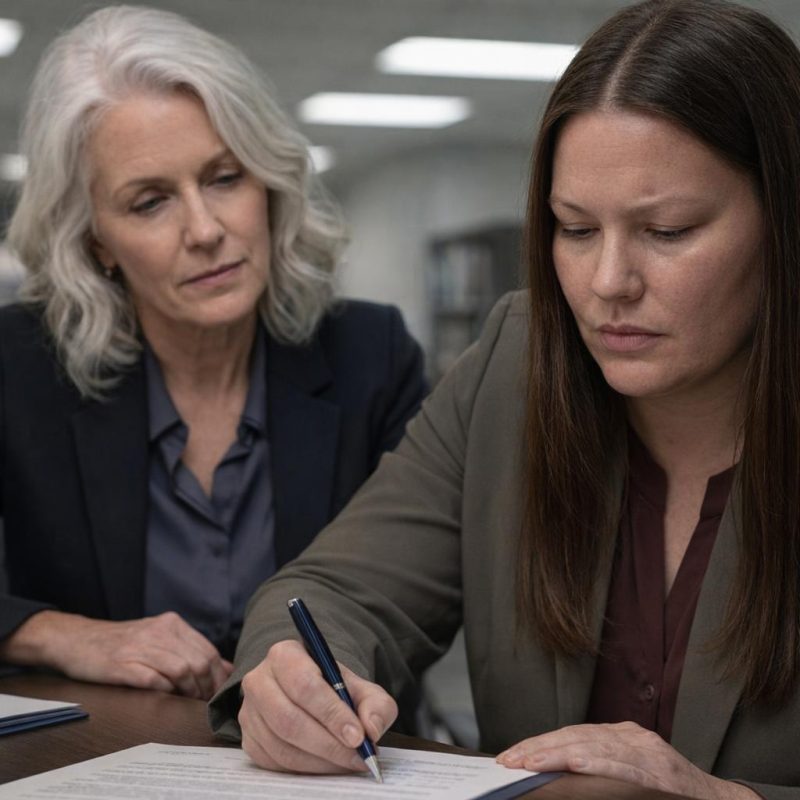 Image by RM AI
The Amended Petition
Patricia filed the amended divorce petition detailing Mark's systematic fraud, and I signed my name to allegations I never imagined I would make against the man I had married. She'd worked through the night to complete it, and the filing was comprehensive—twenty-three pages of detailed allegations supported by Robert's forensic report, copies of forged signatures compared to my authentic ones, documentation of every hidden account and suspicious transfer. I reviewed each allegation carefully before signing, making sure every word was accurate, every claim supported by evidence. The petition requested full asset recovery, punitive sanctions, and attorney's fees. Patricia attached Robert's report as an exhibit, making the forensic evidence part of the official court record. "Once this is filed, there's no going back," Patricia said. "Mark will know we have everything." I signed the verification affirming the truth of the allegations, my signature looking nothing like the forged ones Mark had created. We walked to the courthouse together, and I watched Patricia hand the documents to the clerk, who stamped them with the official filing date. The weight of formally accusing Mark of criminal conduct settled over me, but it felt right—like I was finally telling the truth after months of his lies. Patricia prepared me for David Sterling's inevitable aggressive response, but I felt ready. The court clerk stamped the filing, and I knew that within hours, Mark would receive documents that revealed we had uncovered everything he had tried so hard to hide.
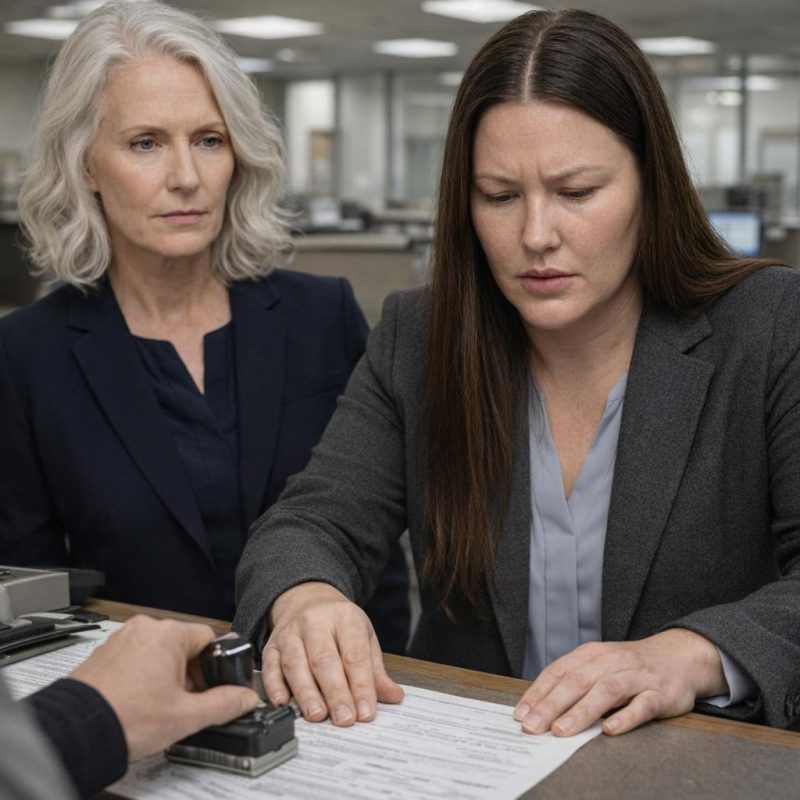 Image by RM AI
The Delivery
David Sterling received the amended petition and Robert's forensic report, and within the hour, my phone began ringing with calls from Mark that I finally had the power to ignore completely. The first call came from his cell. Then his office number. Then numbers I didn't recognize—he was trying different phones, thinking maybe I'd answer if I didn't see his name. I watched each call go to voicemail, feeling nothing but satisfaction. The voicemails alternated between anger and pleading. "Emma, we need to talk about these ridiculous allegations." Then, an hour later: "Please, just call me back. We can work this out." I deleted each one without listening all the way through. Patricia forwarded me David Sterling's initial response, and the tone was completely different from his previous aggressive letters. Cautious. Careful. No threats about my supposed financial mismanagement, no accusations about my behavior. Just a brief acknowledgment of receipt and a suggestion that perhaps an informal meeting might be productive. "He knows Mark's position is weak," Patricia said when I called her. "The settlement overture means they're scared." David requested a meeting to discuss resolution options, but Patricia advised waiting, letting Mark fully absorb the implications of what we'd uncovered. Patricia forwarded me David's response email, which for the first time contained no threats or objections—only a request to discuss settlement, and I smiled knowing Mark was finally scared.
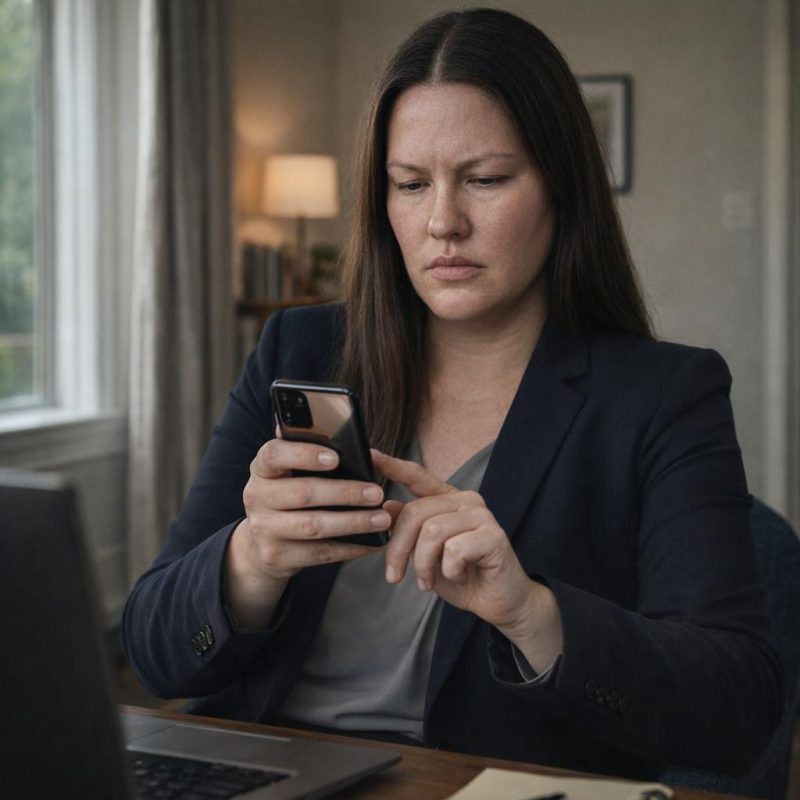 Image by RM AI
The Emergency Motion
Patricia called me on Friday afternoon with news that made my heart race. "I filed an emergency motion this morning," she said, her voice carrying that sharp edge of controlled excitement I'd learned meant she was onto something good. "Cited the ongoing asset concealment, the risk of further dissipation, argued that Mark might continue hiding money if we wait for the regular hearing schedule." I sat down at my kitchen table, gripping the phone. "And?" "Judge reviewed it within three hours. Emma, we got the expedited hearing. Monday morning, nine a.m." The weekend stretched ahead of me like a vast, empty space I needed to fill with preparation. Patricia walked me through what to expect—the witness stand, the questions, the way David would try to rattle me during cross-examination. We reviewed Robert's testimony, went over the documentary evidence until I could recite transaction dates in my sleep. Michelle brought dinner Saturday night. Linda called Sunday morning. They both told me I was ready, that I was strong, that Mark would finally face what he'd done. I spent Sunday evening alone, reading through the evidence one more time, and I realized something had shifted inside me—I wasn't just ready to face Mark in court, I was ready to watch him answer for every lie he'd ever told me.
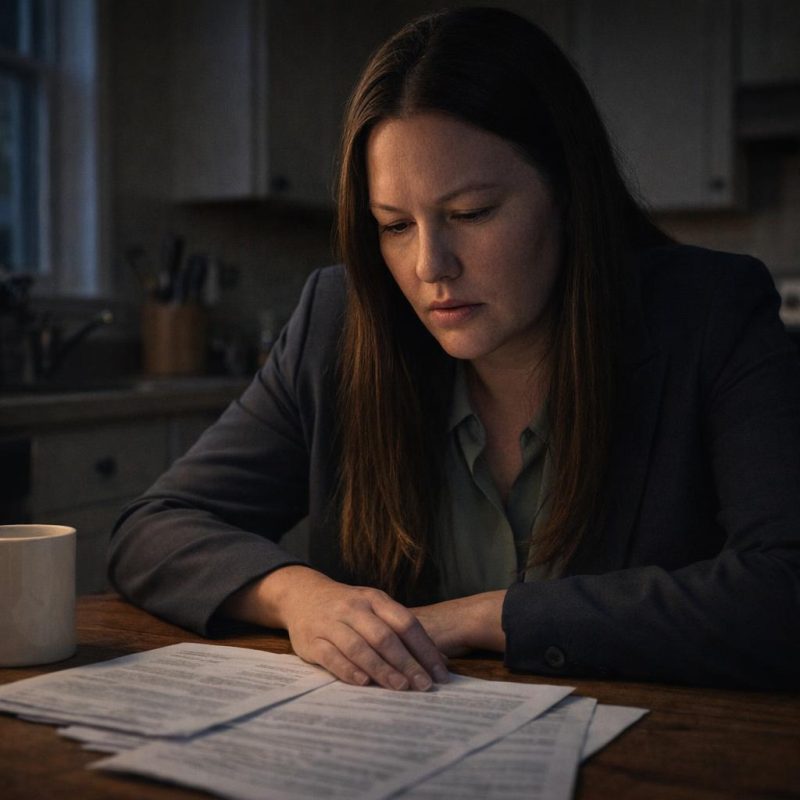 Image by RM AI
The Settlement Offer
Monday morning arrived with Patricia's call at seven a.m. "David Sterling just contacted me with a settlement offer," she said, and I could hear the careful neutrality in her voice. "He's offering everything you originally asked for in the divorce. Full return of all identified assets, plus an additional hundred thousand in damages." I stopped mid-sip of my coffee. "What's the catch?" "You drop the fraud allegations. All of Robert's findings get sealed. Confidentiality agreement that you never discuss what Mark did." The offer was generous—more money than I'd expected to see, financial security I desperately needed. I could take it, walk away, rebuild my life without the stress of litigation. But as I stood there in my kitchen, looking at the evidence files stacked on my counter, I thought about every woman who might come after me. Every person Mark might deceive if his actions stayed hidden. "Patricia," I said slowly, "what are the risks if we proceed to the hearing?" She laid them out honestly—the uncertainty of litigation, the possibility of appeals, the emotional toll of a public trial. I listened to every word, weighed every consideration. Then I thought about Mark sitting in that conference room, so confident he could buy his way out of consequences. "Reject the offer," I told her. "Some things matter more than money, and Mark needs to answer for what he did in open court."
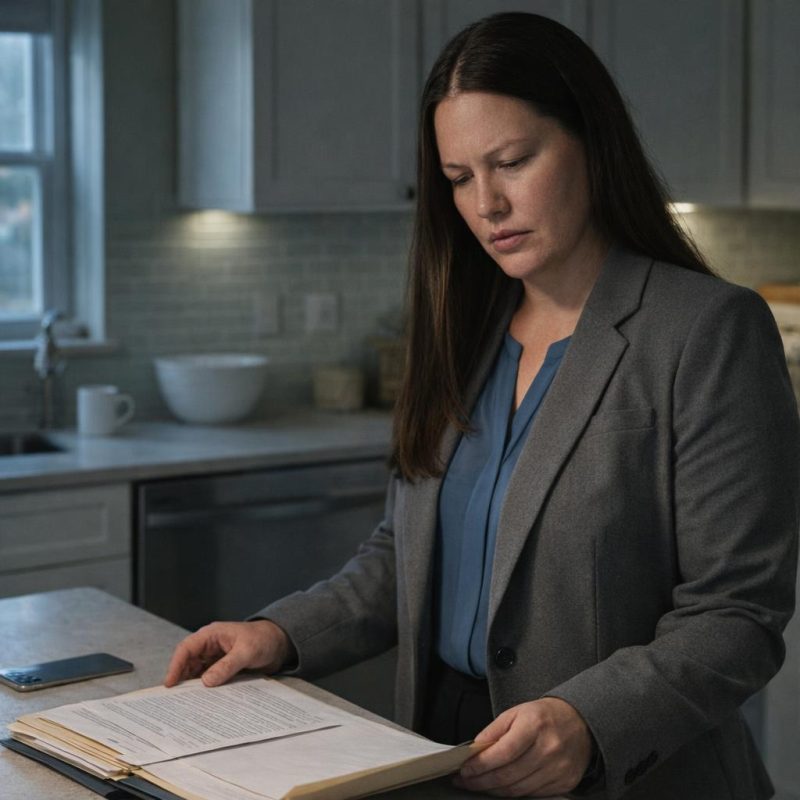 Image by RM AI
The Refusal
David Sterling insisted on an in-person meeting to discuss the settlement, and I insisted on being there. We met in Patricia's conference room Monday afternoon, the hearing postponed by two hours while David made his pitch. He sat across from me in his expensive suit, that practiced smile firmly in place as he laid out the terms again. "This is an exceptionally generous offer," he said, sliding papers across the table. "More than you'd likely receive even with a favorable judgment." I looked at the numbers, then at him. "Why is Mark so desperate to keep the findings private?" David's smile tightened. "It's not desperation, it's pragmatism. Why drag this through the courts when we can resolve it quietly?" "Because what Mark did wasn't quiet," I said. "It was systematic. Calculated. And it deserves public accountability." David increased the offer by another fifty thousand. I watched him write the new number, saw the slight tremor in his hand that betrayed Mark's panic. "My answer is no," I said clearly. "It will always be no. No amount of money buys my silence about fraud." David's face hardened as he gathered his papers. "Mark will fight these allegations with everything he has," he warned. "You're making a mistake." I stood up, feeling steadier than I had in months. "I've already survived his worst, Mr. Sterling—and I'm not afraid anymore."
 Image by RM AI
The Witness Stand
The courtroom felt smaller than I'd imagined, more intimate. I took the witness stand at ten-fifteen Monday morning, raised my right hand, swore to tell the truth. Patricia guided me through the story I'd lived but never fully understood until now—ten years of marriage, of being systematically excluded from financial decisions, of trusting a man who was methodically robbing me. I described discovering the forged signatures, the unauthorized accounts, the moment I realized the divorce wasn't an ending but the final stage of a plan. My voice stayed steady even when I explained how it felt to learn that the man sleeping beside me had been stealing from me for over a year. David's cross-examination was aggressive, designed to rattle me. He suggested I was financially careless, that I'd simply forgotten authorizing transactions, that my accusations were the bitter revenge of a scorned wife. I met each question with calm facts, with dates and documents, with the truth I'd spent months uncovering. When he tried to twist my words, I corrected him. When he raised his voice, I lowered mine. And when I finished my testimony, I looked across the courtroom at Mark—really looked at him, maybe for the first time in years. I saw him clearly then: not the charming man I'd married, but a stranger who had never loved anything but himself.
 Image by RM AI
The Expert Testimony
Robert took the stand after lunch, and I watched him transform the courtroom into a classroom. He set up his laptop, projected spreadsheets onto the screen, and walked the judge through Mark's scheme transaction by transaction. Each forged signature appeared on screen with Robert's analysis showing the differences from my actual handwriting. Each unauthorized account came with documentation of when it opened, how much moved through it, where the money went next. Robert traced the money trail from our joint accounts through shell companies to offshore holdings, his voice never wavering under David's aggressive cross-examination. "Your methodology is speculative," David argued. "It's forensic accounting," Robert replied calmly, "supported by fourteen months of bank records, corporate filings, and handwriting analysis." The judge asked clarifying questions, leaning forward to study the projections. How much total had Mark concealed? Robert had the number ready: four hundred seventy-three thousand dollars. When had the scheme begun? Fourteen months before Mark filed for divorce. Could these transactions have been legitimate business dealings? Robert's answer was unequivocal: "No, Your Honor. The pattern is consistent with deliberate asset concealment, not business operations." When Robert finished, the courtroom fell silent. The judge asked David if his client had any explanation for the money trail Robert had documented, and the silence stretched like a held breath.
 Image by RM AI
The Admission
The judge called Mark to the stand, and I watched him walk forward with that confident stride I'd once found attractive. David objected, argued his client shouldn't be compelled to testify, but the judge overruled him. Mark took the oath, settled into the witness chair, and began with his rehearsed denials. The judge wasn't having it. She questioned him directly about specific transactions Robert had documented, and Mark's explanations contradicted the bank records projected on the screen. "Mr. Harrison, did you sign your wife's name to these account applications?" the judge asked, her voice sharp. Mark hesitated. "I may have signed some documents on her behalf, but it was for convenience—" "Without her explicit permission?" "She knew I handled our finances." "That's not what I asked." The judge pressed him on each forged signature, each unauthorized transfer, and I watched Mark's composure crack. He admitted signing my name without permission. Acknowledged moving assets without my knowledge. Finally, under continued pressure, he admitted the timing—that yes, he'd filed for divorce after completing the financial transfers. David objected that his client was incriminating himself, tried to stop the testimony, but the words were already in the record. I watched the man who had controlled me for a decade finally lose control of everything.
 Image by RM AI
The Ruling
The judge announced she was prepared to rule from the bench, and the courtroom went absolutely still. She reviewed the evidence methodically—Robert's forensic analysis, the forged signatures, Mark's own admissions under oath. "I find that Mr. Harrison engaged in a systematic scheme of asset concealment," she said, her voice carrying the weight of judicial authority. "The forged signatures constitute fraud. The unauthorized accounts demonstrate deliberate deception. The timing of the divorce filing, coordinated with the completion of financial transfers, shows premeditation." She continued, making specific findings of fact: that Mark had deliberately concealed marital assets, that his deposition testimony had been false and misleading, that he had committed fraud upon both his spouse and this court. "Mrs. Harrison is entitled to full recovery of all concealed assets," the judge declared. "Additionally, I am imposing sanctions for fraud upon the court, including payment of all attorney fees and forensic accounting costs incurred by Mrs. Harrison." Mark sat motionless, his face ashen. I felt Patricia's hand on my shoulder, steady and warm. The judge's words washed over me—not with the triumph I'd expected, but with something quieter and deeper. Relief. The simple, profound relief of finally being believed. As the judge read the list of sanctions and penalties, I looked at Mark's pale face and felt something I hadn't expected—not joy or vindication, but the quiet relief of someone finally believed.
 Image by RM AI
The Consequences
The judge wasn't finished. "Mr. Harrison will return all concealed assets within thirty days," she ordered, her tone leaving no room for argument. "He will pay all of Mrs. Harrison's attorney fees and forensic accountant costs in full. Furthermore, I am referring this matter to the district attorney's office for criminal investigation." Mark's head snapped up at that. "The evidence presented suggests multiple felonies, including forgery, fraud, and perjury," the judge continued. "The district attorney will determine whether criminal charges are warranted." David stood, tried to argue for leniency, but the judge cut him off. "Your client engaged in a calculated scheme to defraud his wife and mislead this court. The consequences are appropriate." A sheriff's deputy approached the defense table. The judge explained that Mark needed to be processed for the criminal referral, that he'd be released on his own recognizance but would need to surrender his passport. I watched Mark stand, watched the deputy gesture toward the courtroom exit. His expensive suit looked rumpled now, his confident posture gone. As he was escorted past me, he didn't look my way. Patricia squeezed my shoulder as the courtroom began to empty, and I sat there feeling the weight of finality settle over me. The man who had planned my destruction with such precision had never planned for the possibility of being caught.
 Image by RM AI
The Final Terms
Patricia spread the settlement documents across her mahogany conference table, and I watched the pages fan out like a deck of cards that had finally been dealt in my favor. The house was mine—not just legally, as it had been all along, but officially recognized in black and white. Every asset Mark had hidden would be returned, every dollar he'd stolen recovered. The damages for fraud added another layer, compensation for years of financial abuse I hadn't even known I was enduring. Patricia walked me through each provision, her voice steady and professional, but I could hear the satisfaction underneath. There were enforcement mechanisms, she explained, ways to ensure Mark couldn't hide anything else. Provisions for ongoing recovery as more funds surfaced. I listened, nodding, but part of me was somewhere else, remembering the first time I'd sat in this office, terrified and confused, holding divorce papers I didn't understand. Patricia slid the final page toward me, and I picked up the pen she offered. My hand was steady as I signed my name to the settlement agreement. The pen felt different this time—not like a weapon being used against me, but like a tool I was using to write my own future.
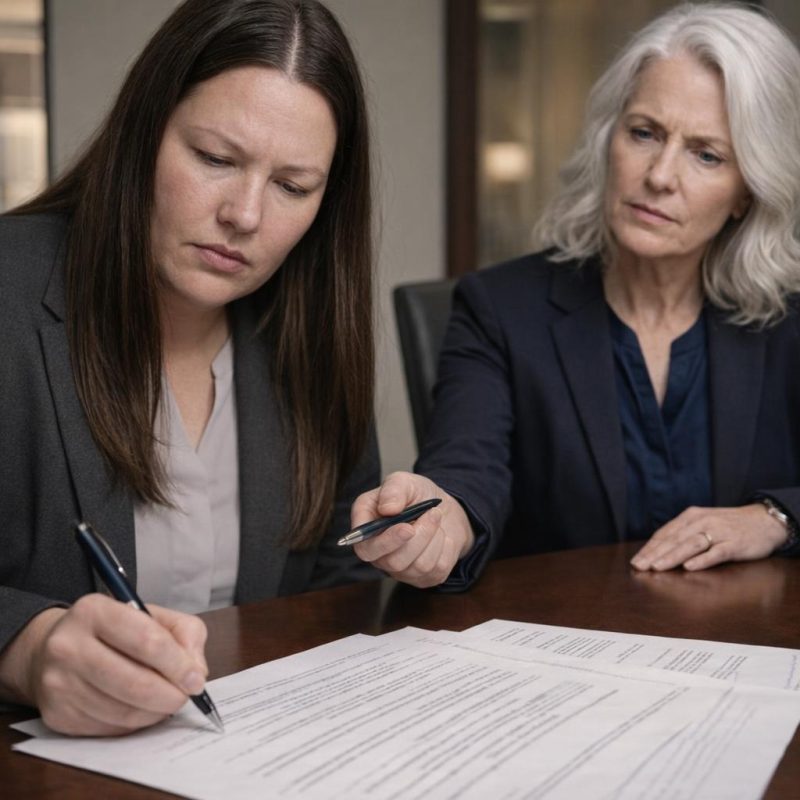 Image by RM AI
The Last Signature
I arrived at Patricia's office on a Tuesday morning when the spring light made everything look softer than it was. The divorce decree sat on her desk, all the terms we'd fought for incorporated into the final document. I read through it one last time, though I'd already memorized every provision. Patricia watched me with those assessing eyes that had seen me transform from a frightened woman clutching fraudulent papers to someone who'd fought back and won. I signed my name where she indicated, and she witnessed the signature with her own. Just like that, the marriage was officially dissolved. "You were extraordinary through all of this," Patricia said, and I heard genuine admiration in her voice. I thanked her for believing me when I'd barely believed myself, for fighting when I'd wanted to surrender. We talked briefly about the criminal case, about Mark's upcoming arraignment, but it felt distant now, like something happening to someone else. Patricia handed me my copy of the decree, and I held the document that declared me legally free from a man who had never deserved my trust, feeling not sadness but a strange and welcome lightness.
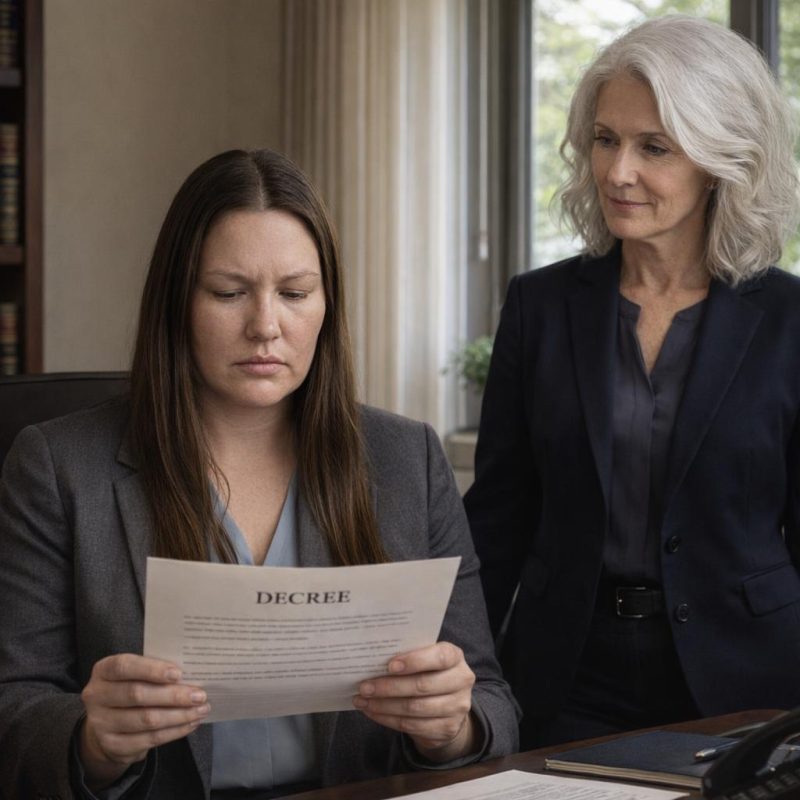 Image by RM AI
The Empty Rooms
I started in the bedroom, pulling Mark's clothes from the closet and folding them into boxes with mechanical precision. Each room held memories I had to sort through—good ones that hurt because they'd been built on lies, painful ones that hurt because they'd been real. I took down the wedding photos from the hallway, the vacation pictures from Italy that now felt like evidence of a performance I hadn't known I was giving. The living room had been Mark's domain, his chair positioned to face the television at the perfect angle, his magazines stacked just so on the side table. I moved the furniture, opened the curtains wider, let light flood spaces that had felt dim for years. Michelle arrived around three with boxes and wine, taking one look at my face and pulling me into a hug that made my eyes sting. We worked together, packing away remnants while she made me laugh with stories about her latest dating disasters. I found Mark's college yearbook tucked in a drawer and felt a pang for the boy he'd been before he became the man who'd tried to destroy me. Michelle helped me see the empty spaces as possibilities rather than losses, and together we packed away the last remnants of my old life while making plans for the new one waiting to begin.
 Image by RM AI
The First Day
I woke to sunlight streaming through curtains I'd opened the night before, no longer worried about Mark's preference for darkness. The house was quiet in a way that felt peaceful rather than lonely, and I moved through my morning routine savoring each small freedom—coffee made exactly how I liked it, music playing without checking if it was too loud, breakfast eaten standing at the counter because I felt like it. I thought about the journey from that first terrified meeting with Patricia to this moment, about everything I'd learned about myself and about the difference between trust and willful blindness. Linda arrived at nine with fresh pastries from the bakery near her house, and we sat at my kitchen table talking about the future I was building. She asked about my plans, and I realized I had them now—real ones, mine, not shaped around someone else's needs. "I'm proud of you," she said, and I saw my own features in her face, aged with concern and dignity and love. I acknowledged the pain, the grief for what I'd thought I had, but I focused on the possibilities stretching ahead. I stood in my kitchen drinking coffee as sunlight streamed through the windows, and I realized that the story Mark had tried to end for me was actually just beginning.
 Image by RM AI
KEEP ON READING

From Heroes To Zeroes 20 Historical Figures Whose Heroism Was…
History is full of legends, but not every hero lived…
By Noone Feb 25, 2026
The Clueless Crush: How I Accidentally Invited a Hacker Into…
Fluorescent Lights and First Impressions. My name is Tessa, I'm…
By Ali Hassan Nov 4, 2025
This Infamous Ancient Greek Burned Down An Ancient Wonder Just…
History remembers kings and conquerors, but sometimes, it also remembers…
By David Davidovic Nov 12, 2025
Einstein's Violin Just Sold At An Auction—And It Earned More…
A Visionary's Violin. Wanda von Debschitz-Kunowski on WikimediaWhen you hear…
By Ashley Bast Nov 3, 2025
The Mysterious "Sea People" Who Collapsed Civilization
3,200 years ago, Bronze Age civilization in the Mediterranean suddenly…
By Robbie Woods Mar 18, 2025
The History That the AI Job Apocalypse Attitude Ignores
Museums Victoria on UnsplashEvery few years, a new technology arrives…
By Emilie Richardson-Dupuis May 14, 2026