


The story of Orpheus and Eurydice is perhaps the most hauntingly beautiful tale in all of Greek mythology, and its influence hasn't faded one bit over the millennia. You’ve likely encountered some version of this narrative without even realizing it, as its themes of tragic love and the power of art resonate deeply in our modern world. It’s a story that reminds us how far we’re willing to go for the people we love, even if that means walking directly into the jaws of death itself.
While the ancient Greeks used this myth to explain the finality of mortality and the divine nature of music, today's creators use it to explore the complexities of human memory and regret. You'll find echoes of the bard’s lyre in everything from blockbuster films to indie video games and Broadway stages. It’s a testament to the myth's power that we’re still captivated by a man who almost saved his soulmate, only to lose her because he couldn't resist one final look.
The Broadway Revolution and Modern Folk
The most prominent recent example of this myth's enduring legacy is the Tony Award-winning musical Hadestown, which reimagines the story in a Depression-era setting. You’ll hear the clanging of industry and the soulful melodies of folk music as Orpheus tries to bring his bride back from a literal underground factory. It’s a brilliant modernization that turns a classic tragedy into a commentary on climate change, labor rights, and the unwavering hope of the young.
By giving Eurydice more agency in her decision to descend to the underworld, the musical adds a layer of depth that the original poems often lacked. You aren't just watching a passive victim; you’re seeing a woman driven by hunger and fear, making the eventual heartbreak feel much more grounded and personal. The show’s cyclical nature also suggests that even though we know how the story ends, there’s still something noble about singing it again anyway.
This version of the tale has sparked a massive resurgence of interest in Greek mythology among younger audiences, particularly within the "BookTok" and theater communities. You can see how the characters’ struggles with poverty and corporate greed mirror the anxieties of the 21st century, making the ancient gods feel remarkably relevant. It’s a perfect illustration of how a story can stay fundamentally the same while adapting its skin to fit the current cultural climate.
Interactive Underworlds and Digital Journeys
The world of video games has also embraced the myth, most notably in the critically acclaimed title Hades, where Orpheus and Eurydice appear as supporting characters. In this version, you can actually help the estranged lovers find a way to spend time together again within the confines of the afterlife. It’s a clever twist that allows the player to provide the "happy ending" that the traditional myth always denied us.
Beyond direct adaptations, many games use the "Orphean descent" as a core narrative structure for their emotional journeys. You’ll find protagonists traveling into dark, surreal dimensions to retrieve lost loved ones in titles ranging from Silent Hill to The Last of Us. These stories lean heavily on the idea that the journey back is often more dangerous and psychologically taxing than the descent itself.
The interactive nature of gaming lets you feel the weight of Orpheus’s choice in a way that a book or movie simply can't replicate. You aren't just an observer; you're the one navigating the shadows and resisting the urge to turn around when things get difficult. This immersion helps us understand that the myth isn't just about a guy who failed a test, but about the universal human struggle to trust in what we cannot see.
Cinematic Regret and the Power of the Gaze
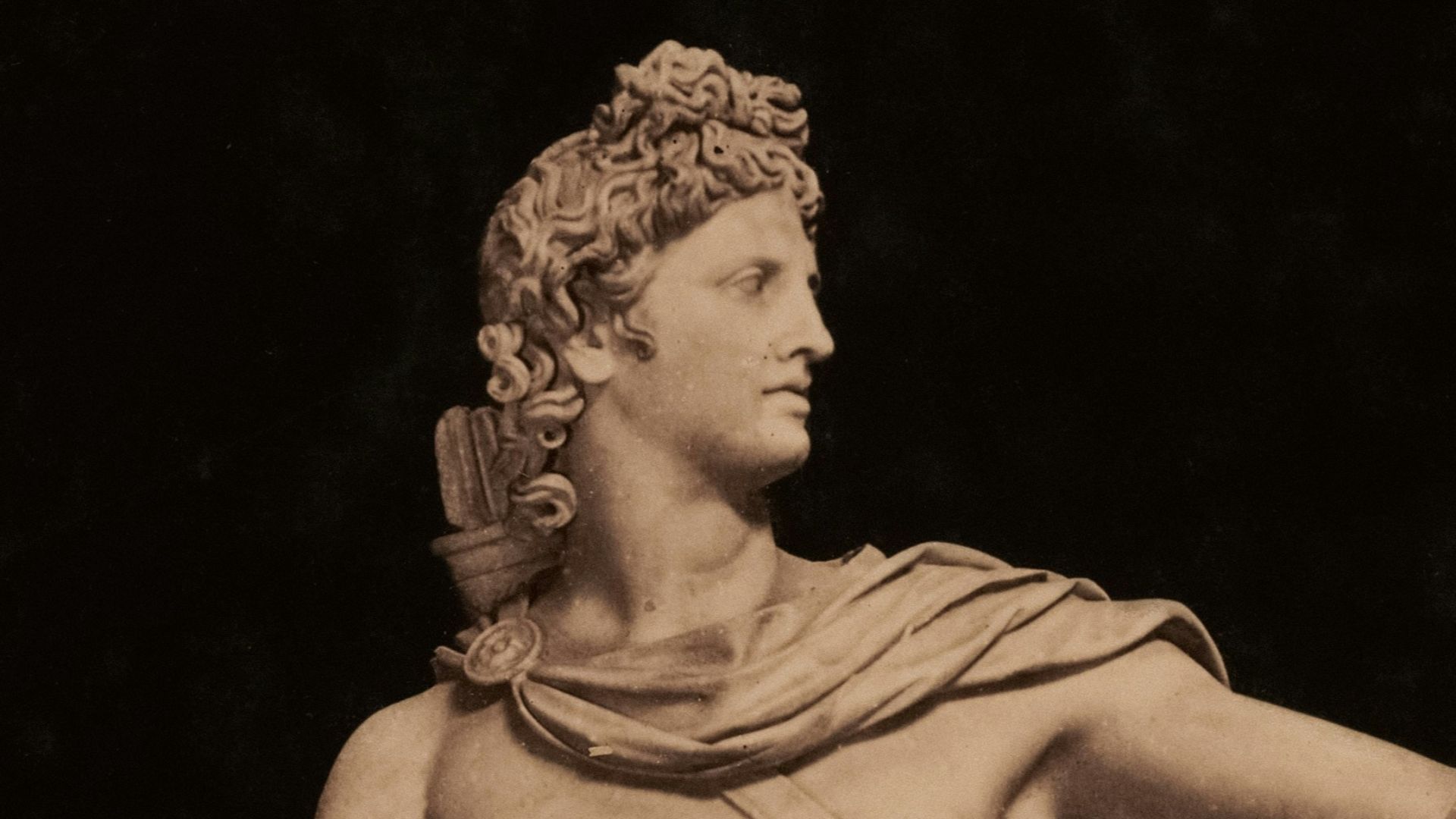 Boston Public Library on Unsplash
In the realm of film, the "Orpheus motif" frequently appears in stories that deal with the obsessive nature of grief and the inability to let go of the past. You might recognize these themes in movies like Portrait of a Lady on Fire, where the myth is explicitly discussed to explain the characters' romantic choices. It suggests that Orpheus might have turned around on purpose, choosing the memory of his lover over the reality of her.
Many directors use the camera to mimic the "gaze" that eventually dooms Eurydice, turning the act of looking into something both intimate and destructive. You’ll see this in sci-fi dramas like Inception or Interstellar, where the heroes must descend into deep layers of reality to find what they’ve lost. These films maintain the myth's central question of whether it’s better to have a fleeting moment of truth or a lifetime of comfortable illusions.
Even in contemporary romances that have nothing to do with gods or monsters, the idea of the "one that got away" owes a massive debt to this ancient story. You can find the shadow of Orpheus in every protagonist who tries to recreate a lost love through art, film, or memory. It turns out that the bard’s failed rescue mission was actually the first great exploration of why humans are so addicted to nostalgia and the "what ifs" of our lives.
KEEP ON READING

The story of Ching Shih, the Woman Who Became the…
Unknown author on WikimediaFew figures in history are as feared…
By Emilie Richardson-Dupuis Dec 29, 2025
Einstein's Violin Just Sold At An Auction—And It Earned More…
A Visionary's Violin. Wanda von Debschitz-Kunowski on WikimediaWhen you hear…
By Ashley Bast Nov 3, 2025
This Infamous Ancient Greek Burned Down An Ancient Wonder Just…
History remembers kings and conquerors, but sometimes, it also remembers…
By David Davidovic Nov 12, 2025
The Mysterious "Sea People" Who Collapsed Civilization
3,200 years ago, Bronze Age civilization in the Mediterranean suddenly…
By Robbie Woods Mar 18, 2025
20 Greatest Ancient Athletes In History
Ancient Olympics. Long before modern stadiums and multimillion-dollar endorsements, athletes…
By Sara Springsteen May 1, 2026
20 Soldiers Who Defied Expectations
Changing the Rules of the Battlefield. You’ve probably heard plenty…
By Annie Byrd Feb 10, 2026