

My Husband Brought Me Coffee Every Morning for 22 Years—The ER Doctor's Face Told Me Why I Should Have Been Afraid
My Husband Brought Me Coffee Every Morning for 22 Years—The ER Doctor's Face Told Me Why I Should Have Been Afraid
The Pain That Woke Me
I woke up at 2:47 in the morning and the pain hit me so fast I actually cried out before I was fully conscious. Not a headache — I've had headaches. This was something else entirely, something that felt like the back of my skull was being compressed from the inside, like pressure building behind my eyes with nowhere to go. I sat up and immediately regretted it. The room tilted. I grabbed the nightstand and knocked my water glass to the floor, and that's when Greg stirred beside me. I tried to tell him I was fine, that it was nothing, but the words came out wrong and I think he could hear it in my voice. He was up and around to my side of the bed before I could say anything else, his hand on my shoulder, asking me to describe what I was feeling. I told him it was a headache but even as I said it I knew that wasn't the right word for it. In fifty-four years I had never felt pain like that — not after my car accident in my thirties, not during labor, not ever. Greg said we were going to the hospital and I didn't argue. I just sat there on the edge of the bed while he found my shoes, the weight of it pressing down into the base of my skull like something that had decided to stay.
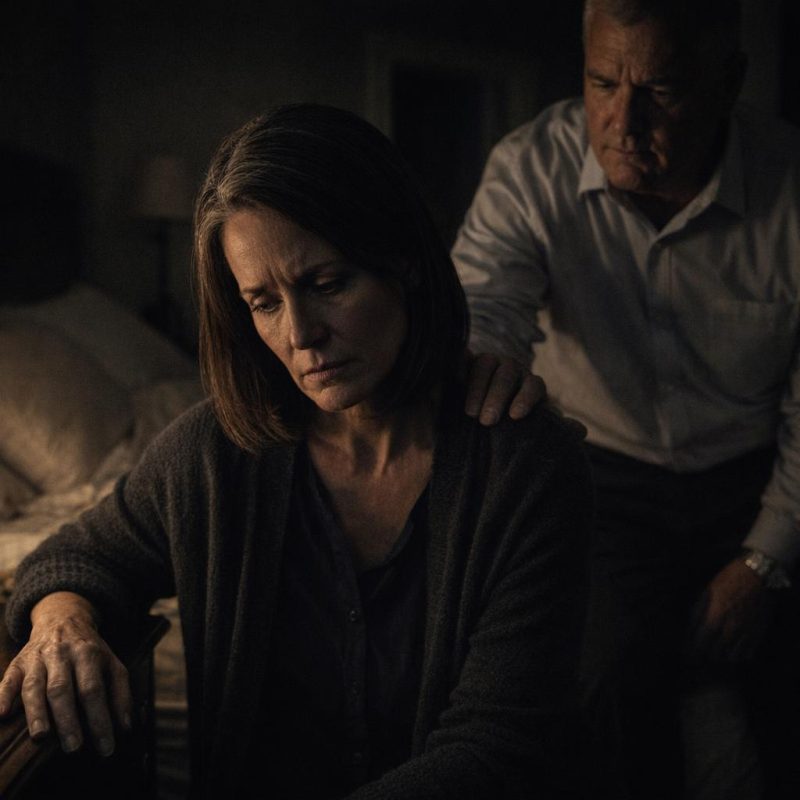 Image by RM AI
His Steady Hands
Greg got me dressed in about four minutes flat, which is impressive considering I could barely hold my head up. He found my cardigan on the chair by the window, guided my arms through the sleeves like I was a child, and didn't say a single impatient word the whole time. I remember thinking, even through the pain, how lucky I was. Twenty-two years and the man still moved like my comfort was the only thing that mattered. He kept one arm around my waist all the way down the stairs, telling me to take it slow, that he had me. Outside, the air was cold and sharp and it actually helped a little — that first breath of it. He opened the passenger door and eased me in, then went around and started the car without rushing. At every red light on the way to the hospital he reached over and squeezed my hand. He didn't talk much, just drove, and every few minutes he'd say something quiet like "we're almost there" or "you're going to be okay." The ER entrance came into view with its harsh white lights spilling out onto the parking lot, and I felt a small wave of relief just seeing it. I leaned my head against the cold window glass and closed my eyes, and the last thing I heard before we pulled in was Greg's voice, low and steady, telling me everything was going to be fine.
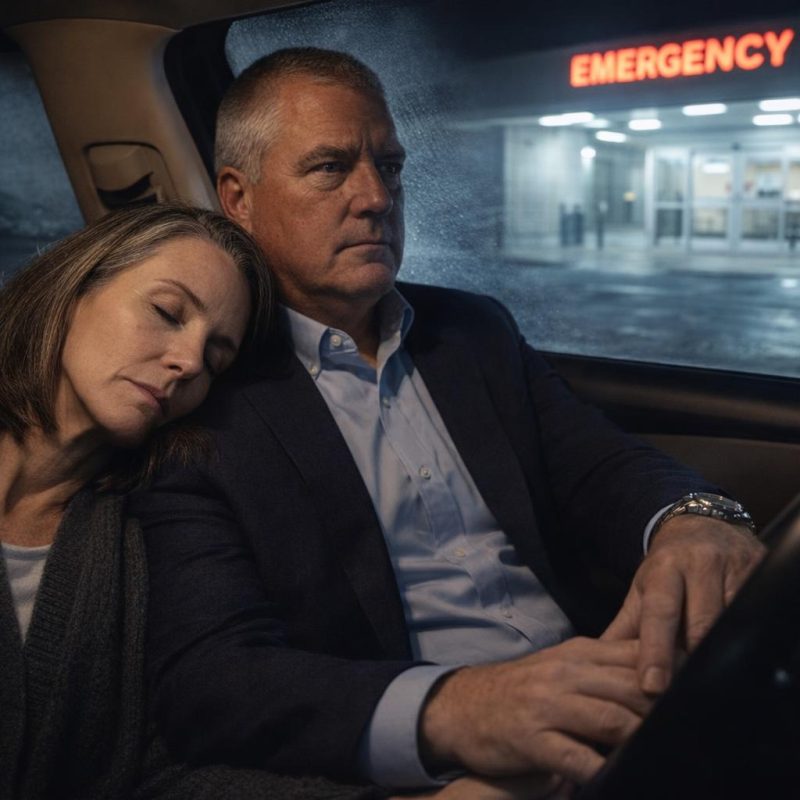 Image by RM AI
Waiting Room
The waiting room was the kind of loud that gets inside a headache and makes it worse. A television mounted in the corner was playing a cable news channel nobody was watching, a toddler two rows over was crying in that exhausted, inconsolable way, and the fluorescent lights overhead buzzed at a frequency I felt more than heard. I found a seat near the wall and tried to make myself small inside it. Greg went straight to the intake desk and I watched him lean in and speak to the woman behind the glass, gesturing back toward me. He came back, sat down, then got up again ten minutes later and went back to ask about wait times. He did this three times. I told him to stop, that it wasn't going to make them call my name faster, and he said he knew that but he couldn't just sit there. He brought me a small paper cup of water from the dispenser near the restrooms and held it while I drank because my hands weren't steady enough to hold it myself. Other names got called — a man with a wrapped hand, an older woman who'd been there when we arrived — and each time I heard a name that wasn't mine I felt the pain pulse a little harder. Greg pulled his chair closer and didn't say anything for a while. He just rested his hand on my back, warm and steady, and I focused on that instead of the lights.
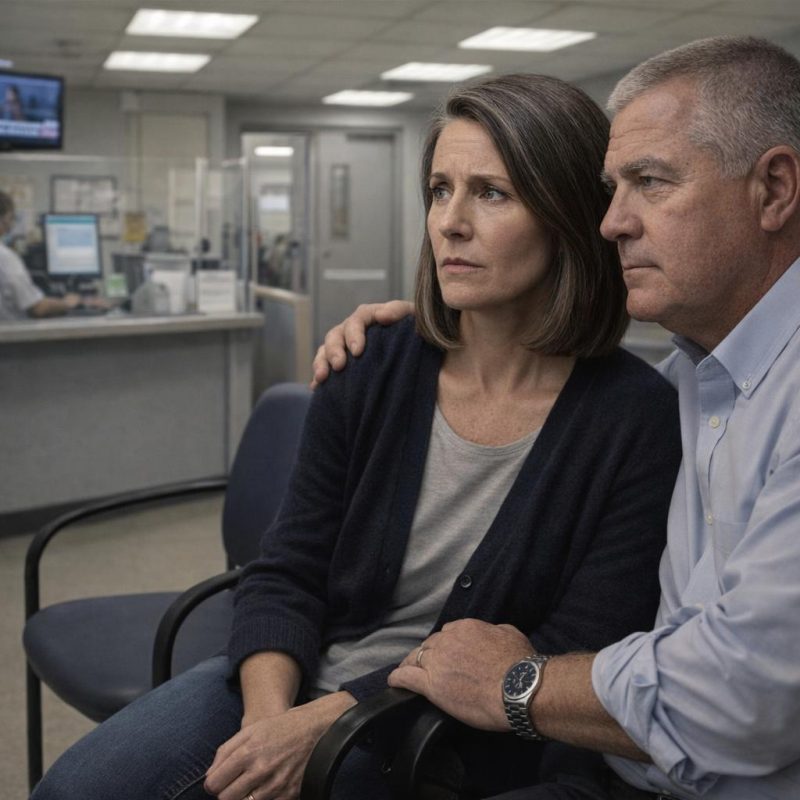 Image by RM AI
Two Hours
Two hours is a long time when your head feels like it's being slowly crushed. I watched the clock on the wall above the intake desk move in what felt like slow motion, each minute dragging out longer than the last. Greg got up at some point and came back with a cold compress — I still don't know exactly where he found it, but he'd talked someone at the nurse's station into giving him one — and he pressed it gently to the back of my neck and held it there. It helped, a little. He kept shifting in his chair, checking his watch, exhaling through his nose in that way he does when he's frustrated but trying not to show it. At one point he said, quietly, that this wait was unacceptable, and I almost laughed because even in the middle of all of it, that was so completely him. I tried to find a position that didn't make the pain worse — leaning forward, leaning back, tilting my head — and each time I moved he adjusted without being asked, making room, steadying me. People came and went around us. A young couple left looking relieved. An elderly man arrived and was taken back almost immediately. I stopped tracking them after a while and just let myself lean into Greg's shoulder, too tired to hold myself upright anymore. Whatever else was happening, he was there, solid and warm beside me, and that was the only thing I could hold onto.
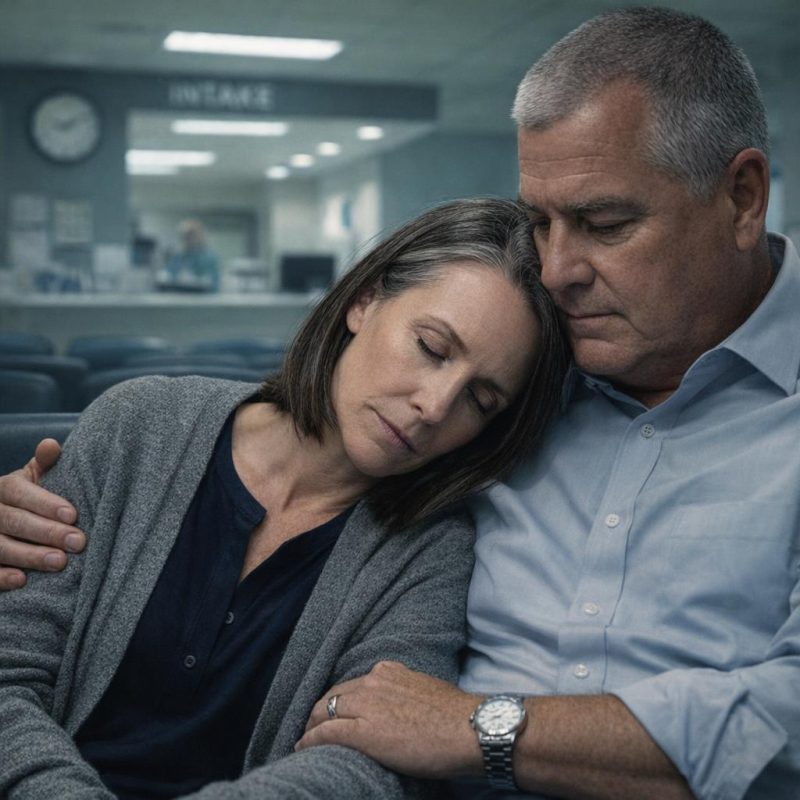 Image by RM AI
The Inheritance
Somewhere around the second hour my mind started to drift, the way it does when pain gets monotonous. I found myself thinking about Aunt Margaret. She'd passed in late winter — a stroke, quick and merciless — and the funeral had been small and quiet, the way she would have wanted it. I'd been her only close family left, and I think I'd known somewhere in the back of my mind that she'd leave me something, but the number the lawyer read out loud had still made me grip the armrest of my chair. Two million dollars. To me alone, not to both of us — the lawyer had been very specific about that. I remembered the drive home from the lawyer's office, Greg quiet in the passenger seat, and then the questions that came over the following days. Practical questions, he'd said. Estate planning. He wanted to know how the inheritance was structured, whether it transferred automatically to a spouse, what would happen to it if something happened to me before I updated my will. I'd thought it was responsible of him, honestly. Thoughtful, even. I'd told him we'd get everything sorted, that I'd call our attorney and make sure the paperwork reflected what we both wanted. I hadn't gotten around to it yet. Sitting there under those awful fluorescent lights with my head pounding, I made a mental note to finally schedule that appointment. Then Greg shifted beside me, and I remembered — clearly, suddenly — the exact words he'd used: "But what happens to it if you die first?"
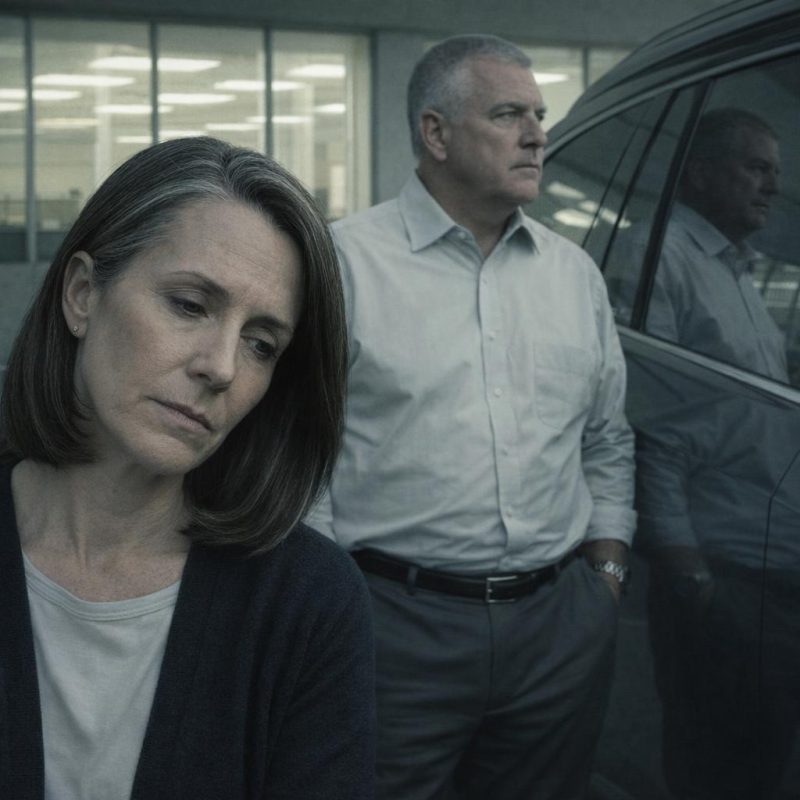 Image by RM AI
Four Months of Symptoms
That question floated through my head for a moment and then the pain crowded it back out, the way it had been crowding everything out for months. And that's when it hit me — not the question, but the months. I started running through them in my head, almost involuntarily. The fatigue had started in late spring, right around the time the estate paperwork was being finalized. I'd written it off as grief, as the exhaustion of settling everything, of going through Margaret's house and making all those decisions. Then the nausea started — mornings, mostly, sometimes lasting until noon. I'd assumed it was stress. My doctor had mentioned perimenopause at my last checkup and I'd latched onto that explanation gratefully, the way you do when something gives you a reason not to worry. The headaches came next, building slowly over weeks, each one a little worse than the last. Greg had been so attentive through all of it — making sure I ate, bringing me coffee every morning, checking in on me throughout the day. I'd felt cared for. I'd felt lucky. Sitting there in the waiting room, I tried to remember exactly when the symptoms had started in earnest, and the answer that came back was uncomfortably precise: the fatigue, the nausea, the headaches — they had all begun in the same narrow window of weeks, right after the will was finalized and signed.
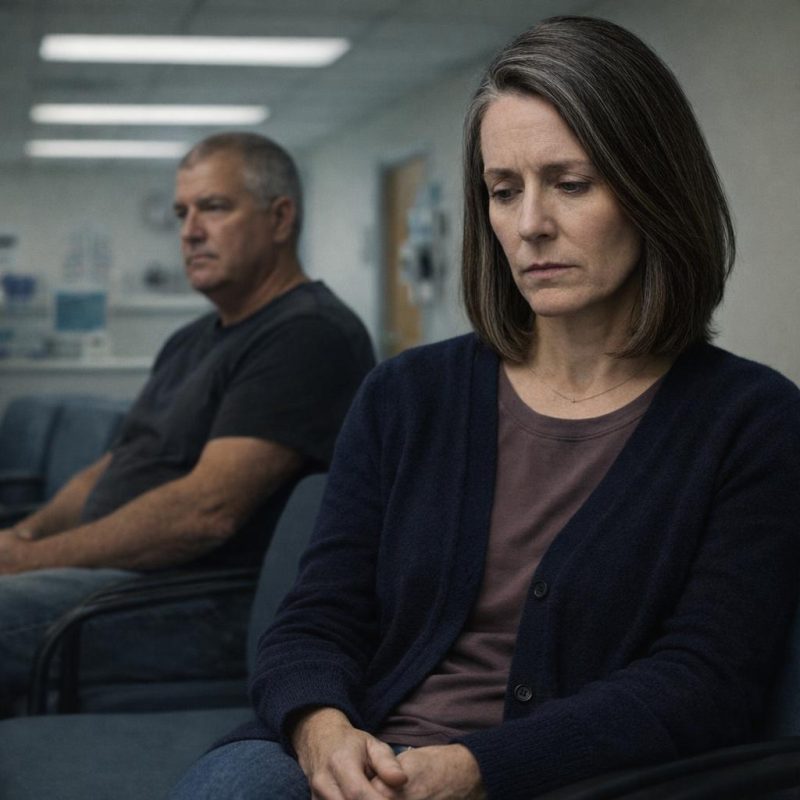 Image by RM AI
Called Back
I heard my name and it took me a second to register it because I'd half-given up on ever hearing it. Nurse Julie was standing at the door to the back hallway, clipboard in hand, scanning the waiting room. I tried to stand and my legs didn't cooperate the way I expected them to. Greg was up before I'd fully processed what was happening, his arm around my waist, taking most of my weight without making a production of it. Nurse Julie held the door and watched us with calm, practiced eyes as we made our way over. She took us to a small bay with a curtain and got me onto the exam table, then started in on vitals with efficient, unhurried movements. My blood pressure was high — she said the number out loud and wrote it down without reacting, which I appreciated. Greg answered some of her questions when I lost the thread of what she was asking, filling in dates and details while I focused on keeping the room from spinning. She asked about the headache's onset, about any recent illnesses, about medications. Greg stood close the whole time, one hand resting on the rail of the exam table. When Nurse Julie stepped out to get the IV setup, he leaned down and said something quiet to me, but the words didn't quite reach me through the pain. I was aware of almost nothing except the thin mattress beneath me and the full weight of my body pressing down into it, and Greg's arms still holding me like he hadn't quite let go.
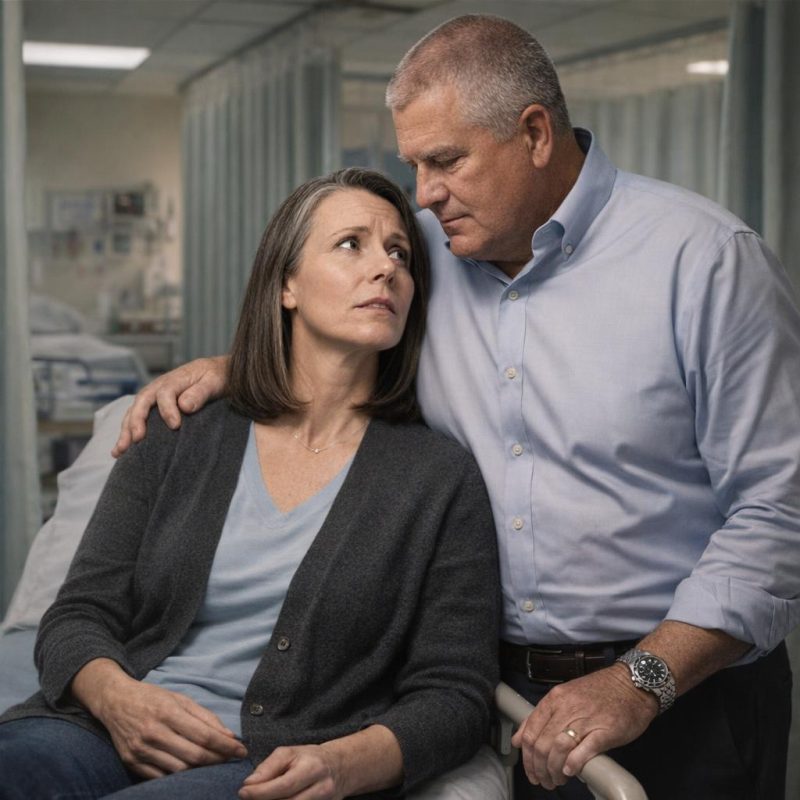 Image by RM AI
Just Stress
Dr. Chen came in about fifteen minutes later, introduced herself, and got straight to it. She had that particular kind of calm that good ER doctors seem to carry — not rushed, not dismissive, just focused. She asked me to walk her through the symptoms from the beginning, and I did my best, though my account was patchy and Greg filled in the gaps. He mentioned the estate, Aunt Margaret's passing, the months of managing paperwork and decisions. He said he thought it might be stress-related, that I'd been pushing myself too hard and not sleeping well, and that the headaches had been building for a while. Dr. Chen nodded and kept writing. She ordered blood work and an IV for fluids, explaining that dehydration alone could cause severe headaches and that she wanted to rule things out systematically. A nurse came in and got the IV started while Dr. Chen finished her notes. Greg stood at the foot of the bed, arms crossed, watching everything with the expression he gets when he's worried but trying to project calm — that particular set to his jaw, the slight furrow between his brows. When Dr. Chen stepped out to put in the lab orders, he came around to my side, smoothed the hair back from my forehead, and pressed his lips there for a long moment. I closed my eyes. Whatever was wrong with me, I wasn't facing it alone, and in that moment that was enough.
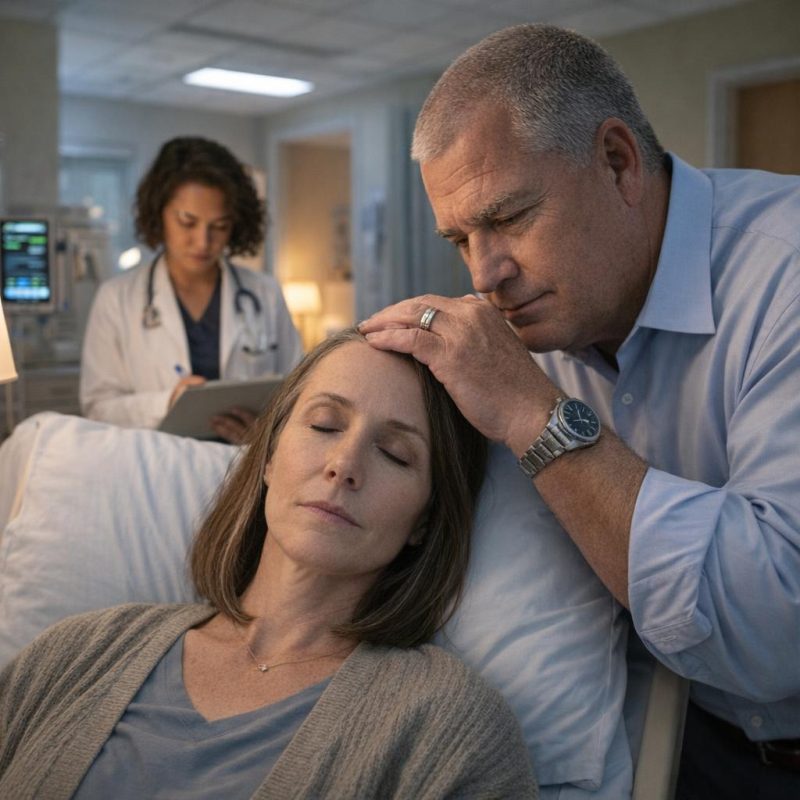 Image by RM AI
Temporary Relief
The medication hit somewhere around the twenty-minute mark, and I felt the headache loosen its grip — not gone, but pulled back from that sharp, nauseating edge to something duller and more manageable. Nurse Julie came in to check my vitals and adjust the drip, moving quietly and efficiently, the kind of presence that doesn't demand anything from you. Greg had asked before he left if I wanted anything from the cafeteria. I'd said water, just water, and he'd nodded and headed out with his hands in his pockets. The room felt different without him in it. Not worse, exactly — just quieter. The monitors beeped softly. Nurse Julie made a note on her tablet, gave me a small smile, and slipped back out. I lay there with the IV in my arm and the thin hospital blanket pulled up to my chest, staring at the ceiling tiles. The fluorescent light hummed. Outside the curtain, the ER moved at its own pace — voices, wheels, the occasional announcement over the intercom. But in my little room, there was just the hum and the beeping and the slow, grateful loosening of pain. I hadn't realized how exhausted I was until the worst of it eased. The quiet settled around me like something I hadn't known I needed.
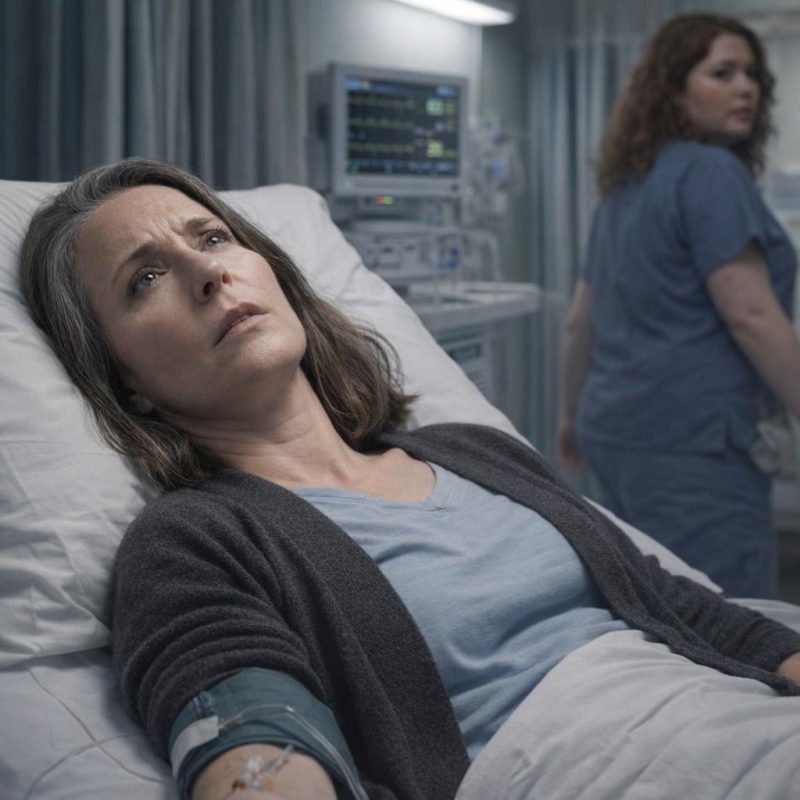 Image by RM AI
The Pattern
With the pain pulled back to a manageable level, my mind started doing what minds do when they finally have a little room — it wandered. I thought about the last few months. The headaches had started in the spring, maybe late March, a few weeks after Aunt Margaret's estate had been formally settled and the inheritance transferred into my account. I'd chalked it up to stress at the time. The paperwork alone had been overwhelming, and grief does strange things to your body. But lying there, I tried to trace the timeline more carefully. The headaches had come in waves. Some mornings I'd wake up feeling almost normal, and then by mid-morning I'd be reaching for ibuprofen again. I thought about what was consistent across those mornings. Work. The same desk, the same laptop, the same freelance manuscripts piling up in my inbox. And Greg. Greg, who had made my coffee every single morning for as long as I could remember. He'd started doing it early in our marriage — said he liked having a reason to get up first, liked the ritual of it. He always brought it to me in bed. I hadn't made my own coffee in years. I lay there staring at the ceiling, and something small and shapeless moved through me — a flutter I couldn't name. I pushed it away. I was sick and tired and probably just looking for patterns where there weren't any. But the thought stayed: Greg made the coffee every single morning.
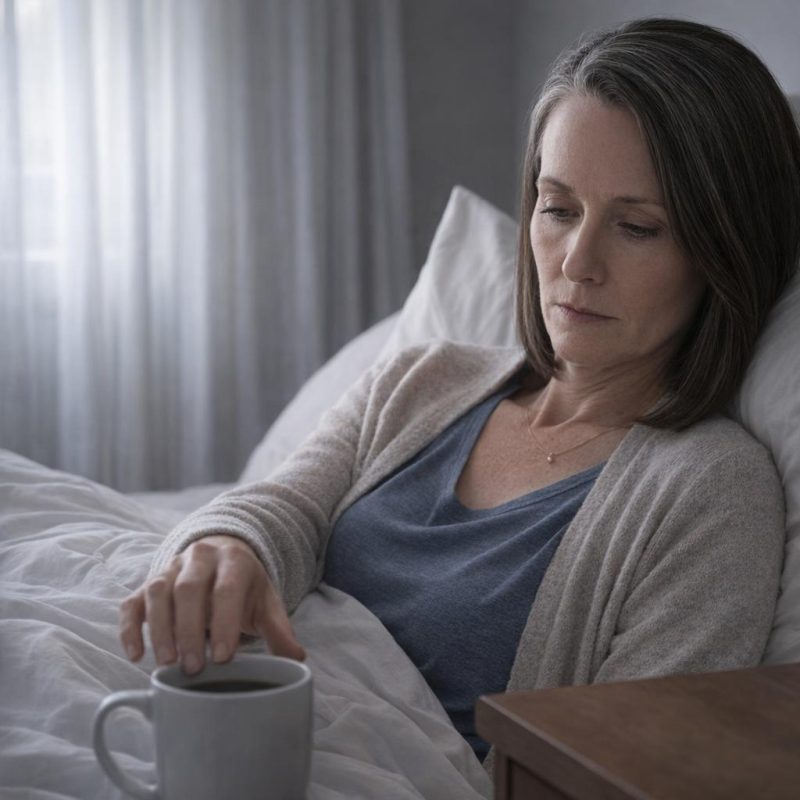 Image by RM AI
Unusual Results
Dr. Chen came back sooner than I expected. I'd been half-dozing, that shallow hospital kind of rest where you're aware of every sound, and when the curtain moved I assumed it was Nurse Julie. But it was Dr. Chen, and her expression had shifted. Not alarmed — she was too composed for that — but more careful, the way someone looks when they're choosing their words before they speak them. She pulled the stool close and sat down, which I noticed because she hadn't sat down before. She said some of my blood values had come back abnormal. She used terms I didn't fully follow — something about certain markers being elevated in ways that didn't fit a straightforward picture of dehydration or stress. I asked her what that meant. She said it meant she wanted to run additional tests, more specific ones, and that she'd already put in the orders. I asked if something was seriously wrong. She paused — just a beat, just long enough for me to feel it — and said they needed more information before drawing any conclusions. She was kind about it. Professional. She didn't give me anything to hold onto, but she didn't dismiss me either. She just said they'd know more soon and that I was in the right place. After she left, I lay there turning her careful words over in my mind, feeling the weight of what she hadn't said settle quietly around me.
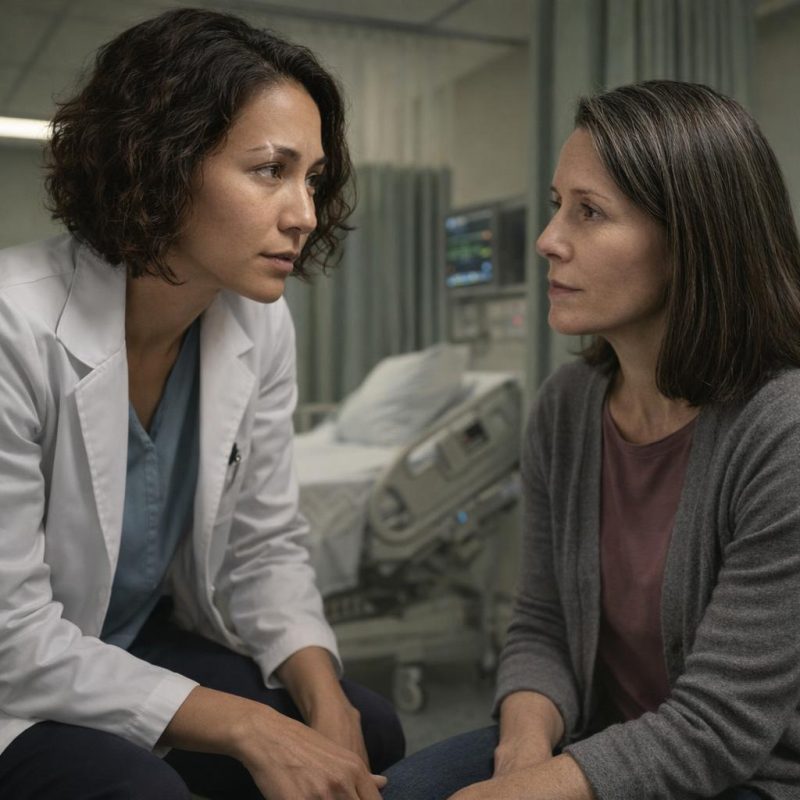 Image by RM AI
Toxicology
Dr. Chen came back with Nurse Julie, who was carrying a tray with additional collection tubes. Dr. Chen explained that the next round of tests would look for environmental toxins — heavy metals, she said, and other substances that could accumulate in the body over time. She asked about my work environment first. I told her I worked from home, freelance editing, mostly just me and a laptop and a lot of manuscripts. She asked about recent renovations to the house. I thought about it — we'd had the kitchen repainted two summers ago, but nothing major, nothing involving industrial materials. She asked about chemical exposure, cleaning products, anything unusual. I went through everything I could think of and kept coming up empty. Nurse Julie drew the additional blood samples while Dr. Chen made notes, and I watched the dark red fill the tubes and tried to follow the logic of what they were looking for. It felt abstract, like they were describing something that happened to other people. Then Dr. Chen said they needed to rule out poisoning — accidental exposure, she clarified quickly, environmental sources, things people encounter without realizing it. She said it matter-of-factly, the way doctors do, and I heard the word without quite knowing what to do with it.
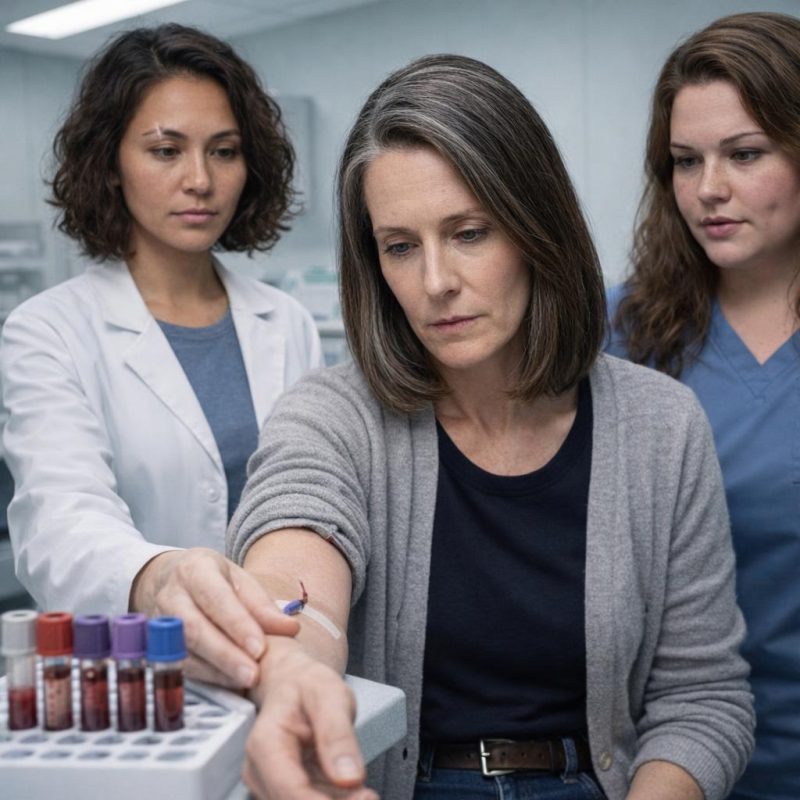 Image by RM AI
Greg Returns
Greg came back while Dr. Chen was still in the room. I heard him before I saw him — the familiar sound of his footsteps in the corridor — and then he was in the doorway, a paper cup in each hand, steam curling from the lids. He stopped when he saw Dr. Chen. It was only a second, maybe less, but something moved across his face before he smoothed it over. I couldn't have told you what it was. He stepped inside and set both cups on the small table near the window without offering either one to me, which I noticed only because he usually would have. Dr. Chen acknowledged him with a nod and kept speaking, explaining that the additional tests were underway and that we'd have more information within the hour. Greg asked what was happening. His voice was even, measured. Dr. Chen gave him the same careful summary she'd given me — abnormal blood values, additional screening, nothing conclusive yet. I watched Greg's face as she spoke. The color drained from it slowly, the way it does when something lands harder than expected. He nodded at the right moments. He asked a reasonable question about timing. And then he moved to the chair in the corner and sat down, and I looked at him sitting there — very still, hands resting on his knees — and I couldn't read him at all.
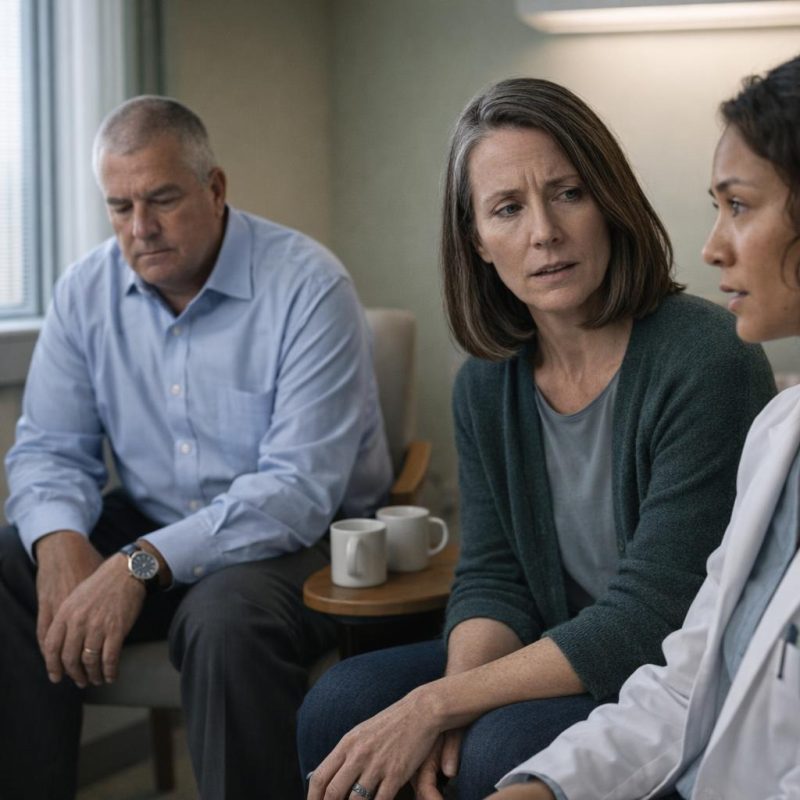 Image by RM AI
Heavy Metals
Dr. Chen pulled up a chair and walked us through the results in plain language, which I appreciated even as the words stopped making full sense to me. She said my blood showed elevated levels of certain heavy metals — she named them, and I caught one or two but lost the rest. She said the levels weren't consistent with a single exposure event. The pattern, she explained, suggested repeated contact over an extended period. She said that accidental environmental exposure — old pipes, contaminated soil, industrial runoff — usually presented differently, with different markers and different distribution. I asked what else could cause it. She said they needed to investigate all possibilities, that it was too early to draw conclusions, but that the picture warranted a thorough look at everything in my environment. I turned to Greg. I don't know what I was looking for — reassurance, maybe, or just the familiar comfort of his face when things felt frightening. He was staring at the floor. His hands were still on his knees, exactly as they'd been. He didn't look up. Dr. Chen finished speaking, and the room went quiet. The monitors kept their steady rhythm. I lay there in the middle of all of it, trying to find the shape of what I'd just been told, and the silence after her last word felt like it had weight to it.
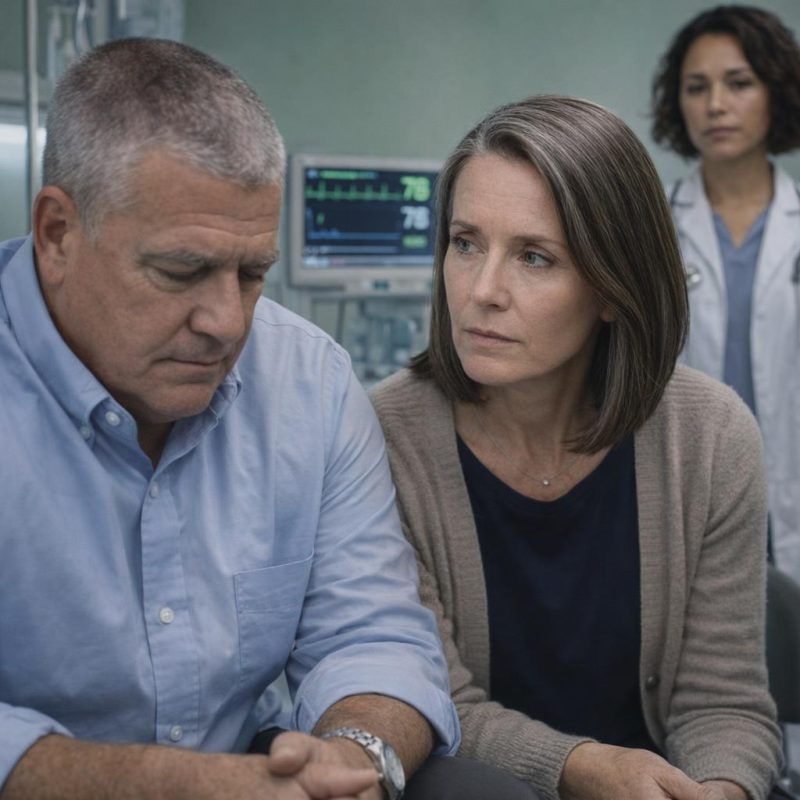 Image by RM AI
Environmental History
Dr. Chen shifted into what felt like an interview. She wanted to map out my daily life — what I ate, where I spent my time, what I touched and breathed and drank. I answered everything as carefully as I could. I worked from home, I told her, so I was in the house most of the day. I ate breakfast every morning, usually something simple — toast, fruit, eggs when Greg made them. I described the house: a 1970s colonial we'd owned for fourteen years, updated plumbing, no recent renovations beyond cosmetic work. Dr. Chen asked about water sources. We were on city water, I said, and we had a filter on the kitchen tap. She asked about cookware. Stainless steel, mostly, a few ceramic pieces. She asked about supplements. I listed them — a multivitamin, vitamin D, magnesium. She wrote everything down. Nurse Julie stood near the door, quiet, taking her own notes. Greg sat in the corner chair and said nothing, though I noticed him shift his weight once when Dr. Chen asked about household cleaning products. I went through those too and came up empty. Dr. Chen paused, tapping her pen against her notepad, and asked if there was anything else consistent in my daily routine — anything I consumed or was exposed to every single day without exception. I thought for a moment, and then I said that Greg made me coffee every morning, had done it for years, brought it to me before I even got out of bed.
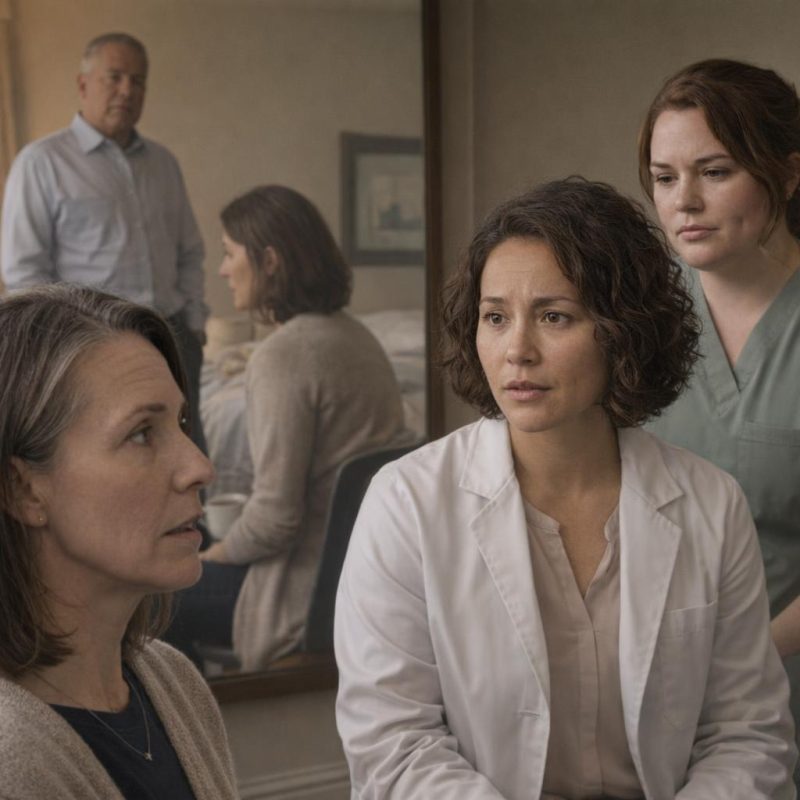 Image by RM AI
No Explanation
Dr. Chen didn't react visibly to the coffee detail — she just wrote it down and kept going. She asked about the beans, the grinder, the machine, whether we'd changed brands recently. I answered everything I could. We used the same coffee maker we'd had for six years, I said, a drip machine, nothing unusual. The beans came from the grocery store, whatever was on sale. I hadn't noticed anything different about the taste or the smell, not ever. Dr. Chen moved on to other questions — had I traveled anywhere unusual, had I been near any construction sites, did I have any hobbies involving paints or solvents. No, no, and no. I worked with words, not materials. I barely left the house most days. She asked about medications again, more specifically this time, and I went through everything twice. Standard prescriptions, nothing new, nothing that had changed in years. I watched Dr. Chen's pen slow on the notepad. She asked the team something quietly — I didn't catch all of it — and one of the other staff members near the door gave a small nod. Greg was staring at the floor again, jaw tight, and hadn't spoken in several minutes. I kept trying to find the answer, kept turning over every corner of my ordinary life looking for the thing that explained it. But every door I opened led to nothing. There was no source. Nothing fit.
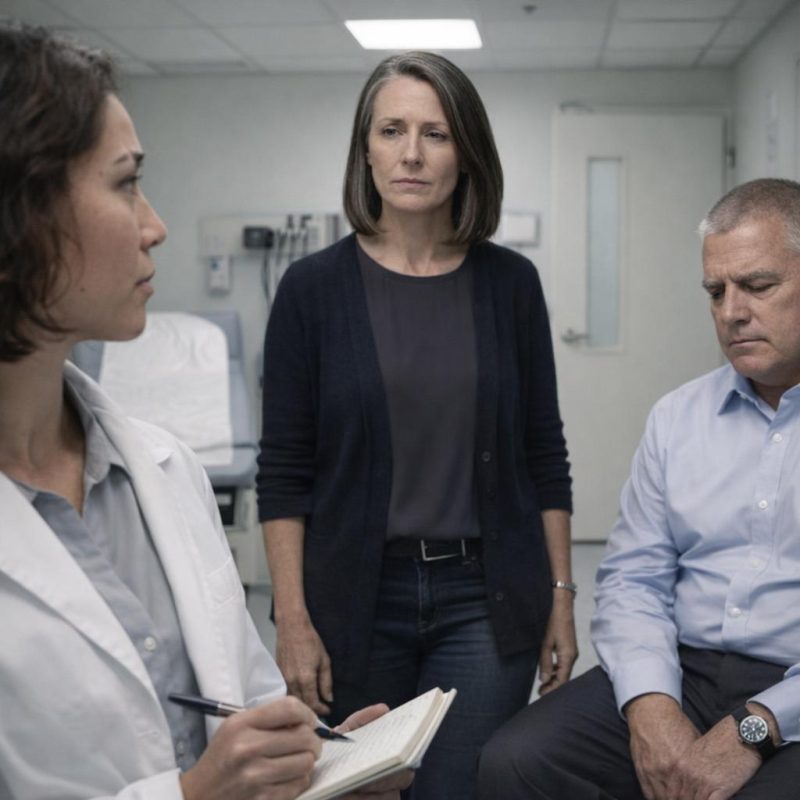 Image by RM AI
Protocol
I was still trying to piece together an answer when the door opened again. A man in plain clothes stepped in — no uniform, no badge visible at first, just a quiet kind of presence that made the room feel smaller. Dr. Chen looked up from her notepad and gave a small nod, like she'd been expecting him. She introduced him as Detective Harrison, and said he was there as part of standard protocol. Suspected poisoning cases, she explained, required police notification. I heard the word 'police' and felt something cold move through me. I wasn't in trouble. I hadn't done anything. But the word still landed wrong, like a door slamming in a house you thought was empty. Greg stood up from his chair so fast it scraped the floor. He asked, voice tight, whether we needed a lawyer. Detective Harrison said that was everyone's right, and he meant that sincerely, but that these were just preliminary questions — nothing formal, nothing on record yet. He looked at me then, steady and unhurried, and asked if I'd be willing to answer a few things. I said yes before I'd even thought it through. Detective Harrison extended his hand and told me his name.
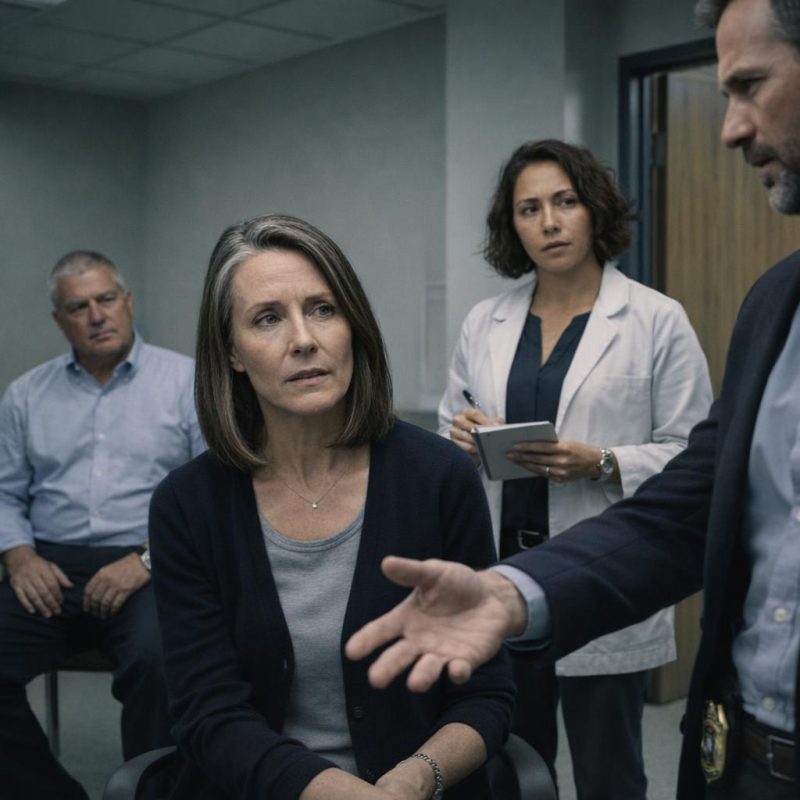 Image by RM AI
Initial Questions
Detective Harrison pulled a chair close and set a small notepad on his knee. He had a way of asking questions that felt almost gentle — not soft exactly, but careful, like he was handling something he didn't want to break. He asked about my relationships first. Work, neighbors, anyone I'd had a falling out with recently. I told him I worked from home as a copy editor, that I barely saw my neighbors, that I couldn't think of a single person who'd want to hurt me. He wrote something down and asked about my marriage. Twenty-two years, I said. Greg and I had been together since our early thirties. Detective Harrison nodded and asked about our finances. I mentioned Aunt Margaret's inheritance — two million dollars, left to me when she passed eight months ago. He asked if anyone had been unhappy about the will. I said no. I was her only living relative. There was no one else to contest it. Greg sat in the corner the whole time, arms crossed, eyes somewhere near the floor. He didn't add anything, didn't correct me, didn't fill in any of the gaps the way he usually would. Detective Harrison kept writing. I kept answering. And somewhere in the middle of it all, I had the strange, hollow feeling of defending my own life to a stranger.
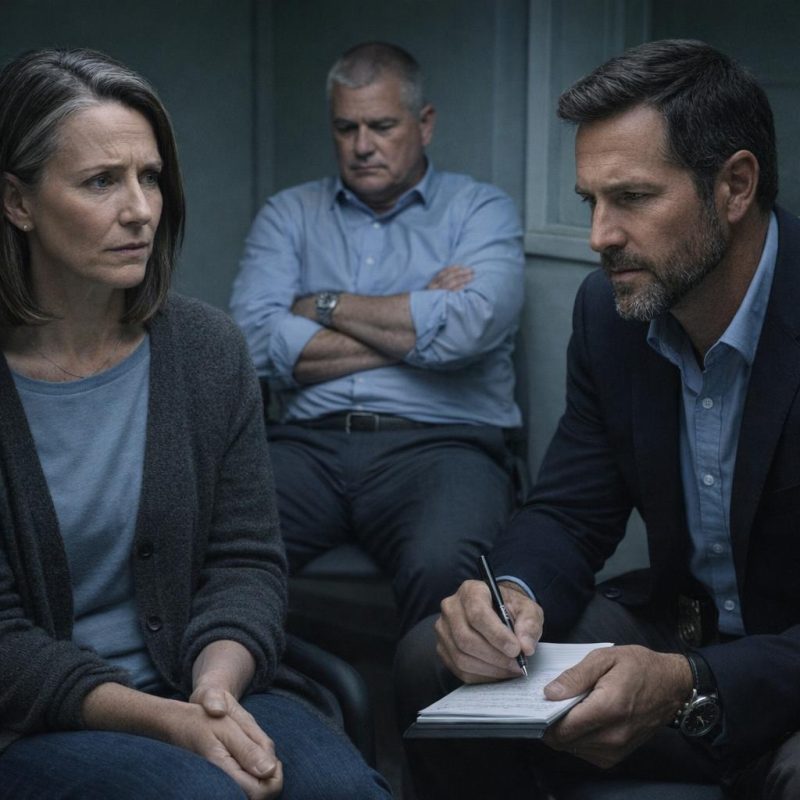 Image by RM AI
Greg's Silence
Detective Harrison shifted his attention to Greg after a while. He asked about Greg's daily routine — what time he left the house, what his schedule looked like, whether anything had changed recently. Greg answered in short, flat sentences. He worked as an insurance adjuster. He was in the office three days a week and worked from home the other two. Nothing had changed. Detective Harrison asked if Greg could think of any possible source of contamination in the house — something I might have come into contact with, something he might have noticed. Greg said no and looked at the wall. That was it. Just no, and then silence. I'd been watching him without meaning to. Greg was usually the one who filled the quiet — a joke, a clarifying detail, some small thing to smooth over the awkward edges of a conversation. He was good at that. But since the moment Dr. Chen had said the word poisoning, he'd gone somewhere I couldn't follow. His hands were clenched in his lap. His jaw was set. He hadn't looked at me directly in over an hour. I told myself he was probably in shock. I told myself I would have been the same way. But the room felt different without the sound of his voice in it.
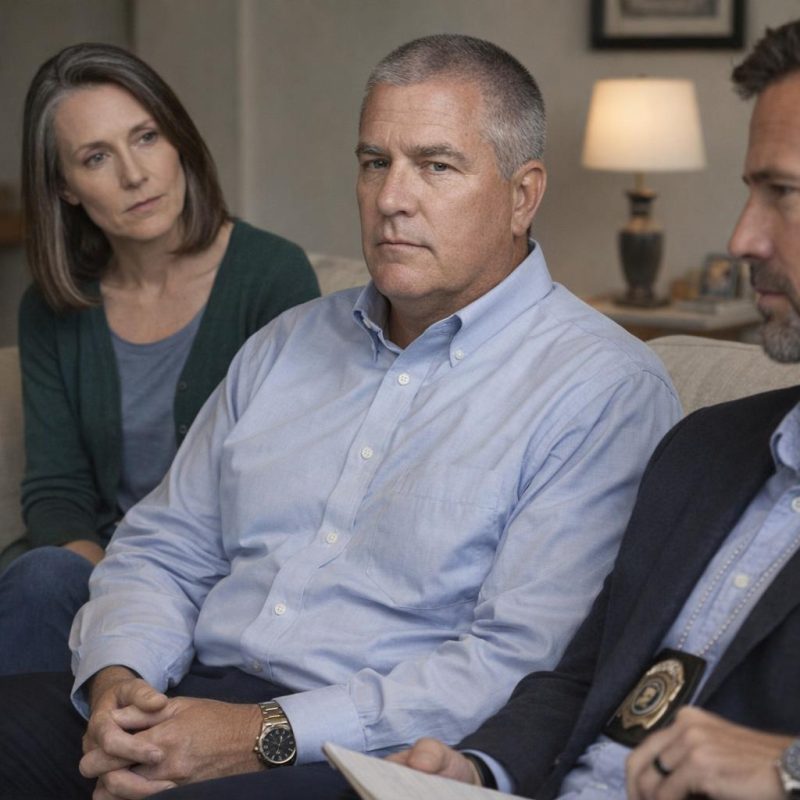 Image by RM AI
Admission
Dr. Chen came back in while Detective Harrison was still wrapping up his notes. She said she wanted to talk about next steps. The chelation therapy was already underway through the IV, she explained, but she needed to keep me admitted for at least twenty-four hours to monitor how my body responded to treatment. The heavy metals had to be cleared carefully, she said, and she wanted to watch my kidney function while that happened. I nodded like I understood, but what I was actually hearing was that I wasn't going home. Detective Harrison added that the house shouldn't be entered until it had been cleared — his team would need to take a look at the environment first. I asked if I could at least go back for clothes, for my phone charger, for something that felt like mine. He said he'd arrange for someone to retrieve what I needed. Greg stood and said he could go, that he knew where everything was. Detective Harrison said he appreciated that, but that an officer would accompany anyone going into the house for now. Greg sat back down without a word. I looked at the IV in my arm, at the unfamiliar ceiling, at the chair Greg had pulled close but wasn't quite touching me from. I wasn't going home.
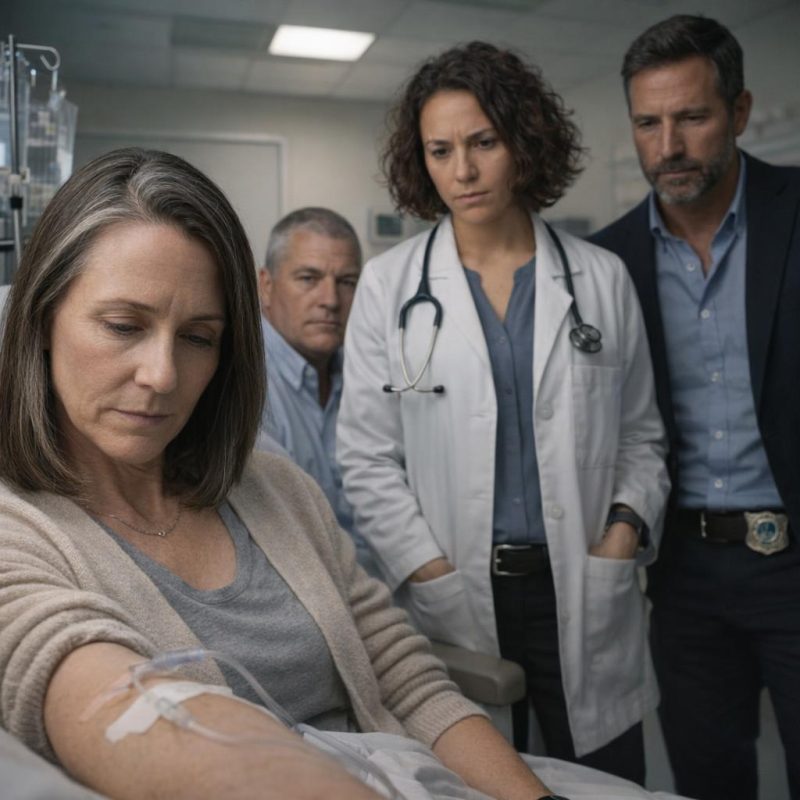 Image by RM AI
Night Watch
The hospital settled into its nighttime sounds around two in the morning — the low hum of equipment, the occasional soft footstep in the hallway, the IV drip keeping its own quiet time. Greg had fallen asleep in the chair beside my bed sometime after midnight, his head tipped back, his breathing slow and even. I watched the ceiling instead. I'd been trying to sleep for hours and couldn't get there. My mind kept circling back to small things. The way Greg had gone still when Dr. Chen said poisoning. The coffee cups he'd brought back from the cafeteria, sitting untouched on the table because neither of us had wanted them after that. The way he'd answered Detective Harrison's questions — brief, clipped, like a man conserving something. I told myself I was doing what people do when they're scared and exhausted and stuck in a hospital bed at two in the morning. I told myself I was looking for patterns in things that didn't have any. Greg was my spouse. Twenty-two years. He'd brought me coffee every single morning for as long as I could remember. I pressed my eyes shut and tried to hold onto that. But the room stayed quiet, and his breathing stayed steady, and I lay there in the dark unable to find the comfort I was reaching for.
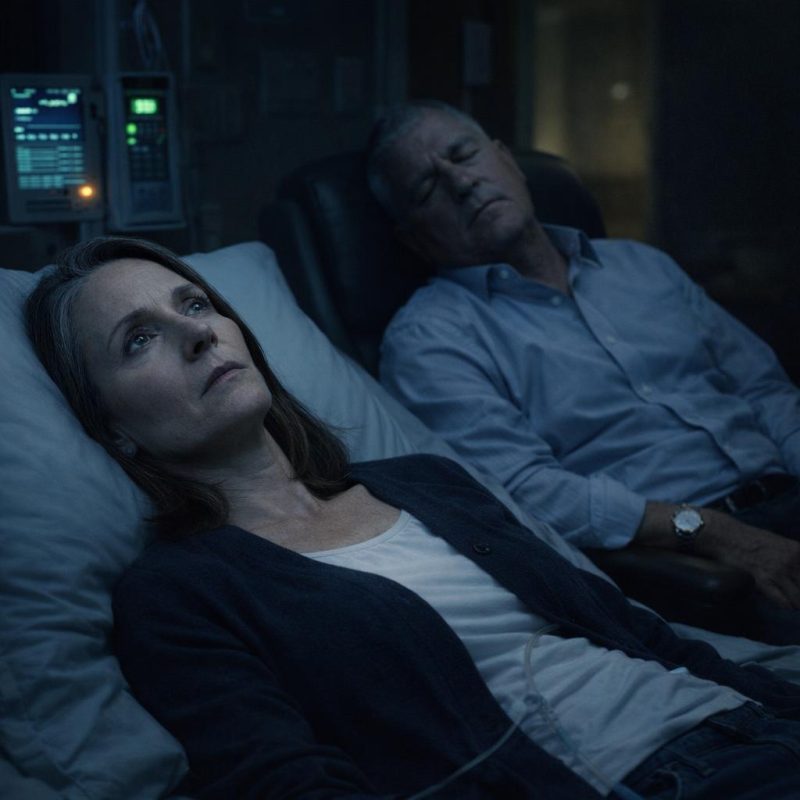 Image by RM AI
Rachel's Visit
Rachel showed up just after seven, before I'd even had breakfast. She came through the door with a bunch of yellow tulips tucked under one arm and her face doing that thing it does when she's trying not to cry — chin up, eyes a little too bright. She hugged me carefully, one arm around my shoulders, mindful of the IV line, and held on for a few extra seconds. I felt something loosen in my chest that I hadn't realized was clenched. I gave her the short version of what had happened — the ER, the blood work, the word poisoning, the detective. She listened without interrupting, which wasn't like her, and when I finished she just squeezed my hand. Greg stood and offered to go get coffee for everyone. Rachel said she'd brought tea from the place down the street and held up a paper bag. There was a small pause. Greg sat back down. Rachel asked if there was anything she could do practically, and I mentioned that I needed clothes and a few things from the house. Greg said he could handle it. Rachel said she'd go — she knew where I kept everything, she said, which was true, and she said it lightly, but she didn't move her eyes from my face when she said it. I told her that would be good. Having her there, just in the room, felt like being able to breathe again.
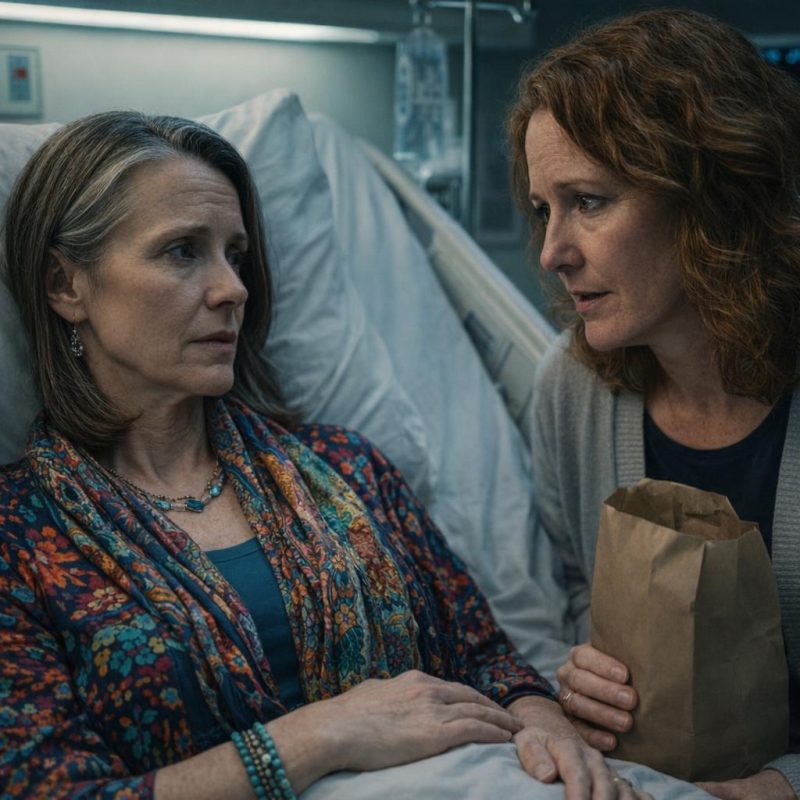 Image by RM AI
Declining Levels
Dr. Chen came in mid-morning with a folder of updated results and the kind of expression that meant the news was mixed. The good part, she said, was that the chelation therapy was working — my toxin levels had dropped measurably overnight, and my kidney function was holding steady. I felt Rachel's hand find mine on the blanket. Then Dr. Chen kept talking. She said the pattern of the exposure was what concerned her team. The levels in my bloodwork weren't consistent with a single incident — they pointed to something ongoing, repeated over a period of months. She said the exposure pattern ruled out a one-time accidental contamination. Someone with regular access to my food or drink, she said, carefully, like she was choosing each word. I asked her what that meant exactly. She looked at me and said it meant this hadn't been an accident. She paused, then added the word I hadn't been ready to hear: deliberate.
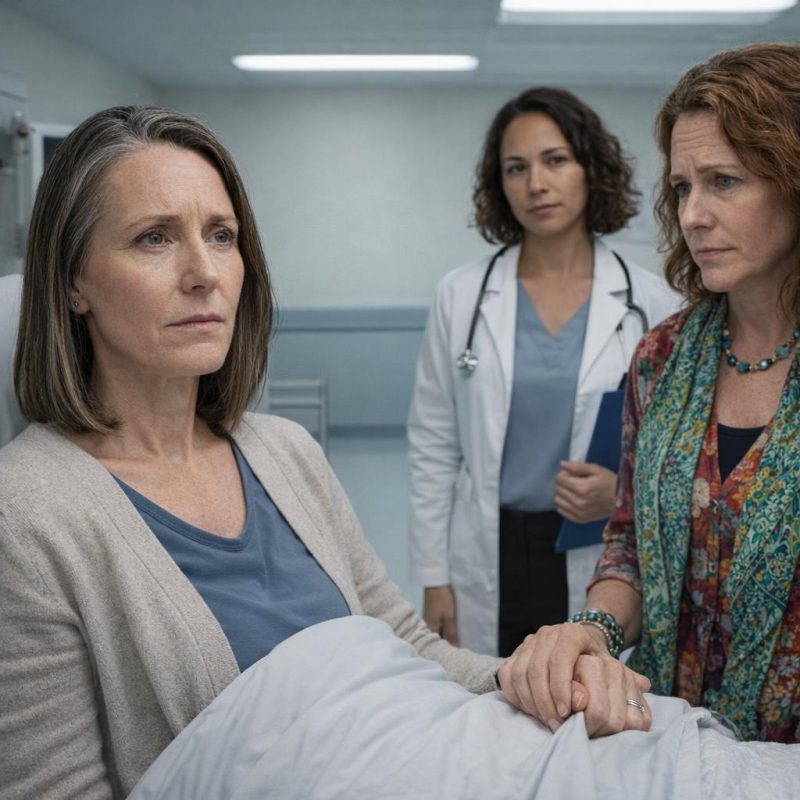 Image by RM AI
The Coffee Run
The quiet after Dr. Chen left felt thick. Rachel was still sitting close, her tea going cold in her hands. Greg stood up after a few minutes and said he needed coffee — the hospital stuff, he said, was better than nothing. He looked at me and asked if I wanted my usual. I said no, I had water, I was fine. He nodded slowly and then asked again, a minute later, saying that coffee might help me feel more like myself. Rachel said, gently but clearly, that caffeine probably wasn't a great idea given everything going on with my system right now. Greg looked at her. I couldn't read what was in his face — it wasn't anger exactly, but it wasn't nothing either. Then he turned back to me and asked a third time if I was sure. I said I was sure. He held my gaze for a moment longer than felt comfortable, then picked up his jacket and walked out without another word. Rachel watched the door close behind him. When she turned back to me, her mouth was pressed into a thin, careful line.
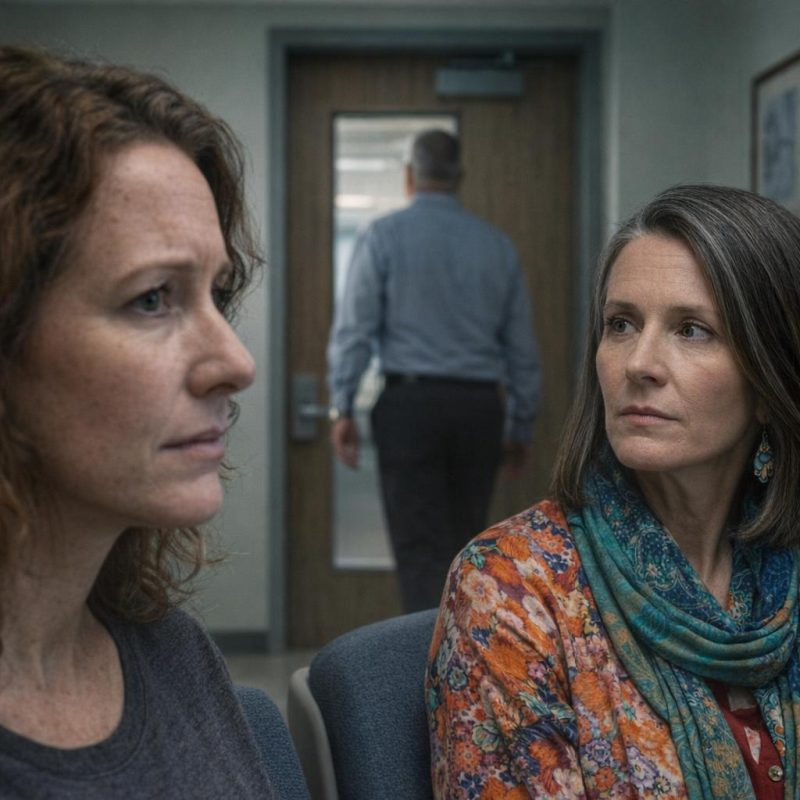 Image by RM AI
Daily Habits
Detective Harrison came back around mid-morning, this time with a legal pad and a pen he kept clicking open and shut. Rachel stayed in the chair by the window. He pulled up a seat close to the bed and said he wanted to walk through a typical morning at home — nothing dramatic, just the routine. I told him there wasn't much to tell. He said that was fine, start from the beginning. So I did. I described waking up, usually around six-thirty, still half-asleep. Greg was always up before me. He'd come in around seven with coffee on a tray — cream, two sugars, the way I'd always taken it. Detective Harrison asked if I ever made my own coffee. I said no, not really. Greg had always insisted on handling it. He liked things done a certain way in the kitchen. Detective Harrison asked if anyone else ever prepared my coffee. I said no. Just Greg. He wrote that down without looking up. Then he asked me to describe exactly how Greg made it — the canister he used, where he kept it, whether he drank from the same pot. I opened my mouth to answer, and the words came slower than I expected.
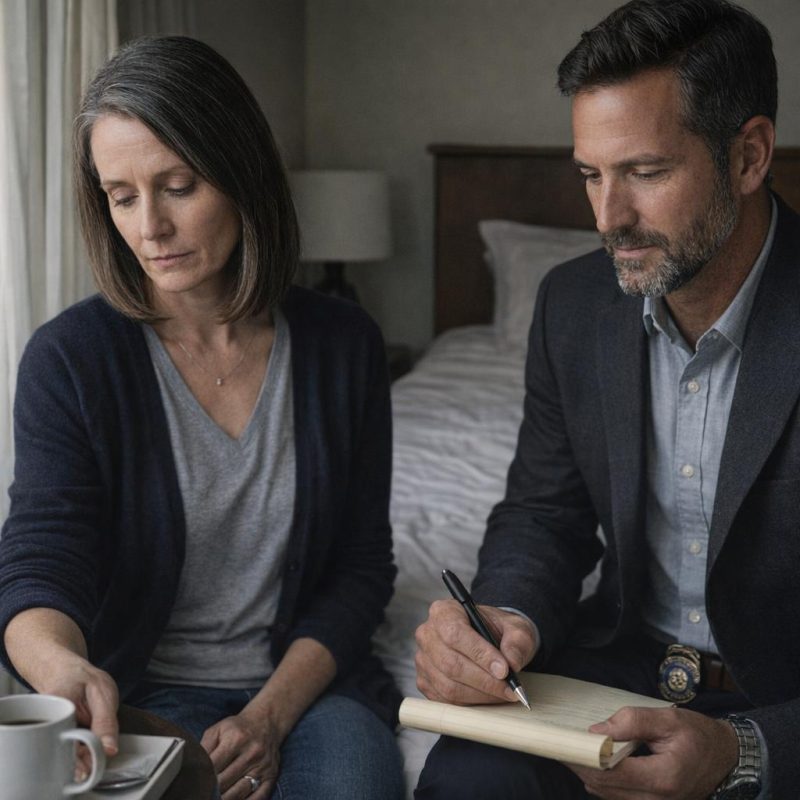 Image by RM AI
The Morning Ritual
I told Detective Harrison about the canister — dark blue, ceramic, kept on the second shelf of the pantry. Greg had bought it specifically for the coffee he liked, a brand I couldn't have named if I tried. He was particular about it. He'd grind the beans himself sometimes, though lately he'd been buying it pre-ground. Every morning he'd go downstairs while I was still in bed, and by the time I heard the stairs creak, the coffee was already made. He'd bring it up on a wooden tray — the one we got in Vermont years ago — with a small pitcher of cream and the sugar bowl. I never went down first. I never watched him make it. Detective Harrison asked, very carefully, whether Greg drank from the same pot. I paused. I thought about it. I said I didn't think so. Greg usually said he'd grab something at the office, or that he'd already had his. I'd never thought anything of it. It was just how mornings worked. Rachel's hand found mine on top of the blanket, and she didn't say anything, and I was glad she didn't, because I was still hearing my own words settle into the room like something I couldn't take back.
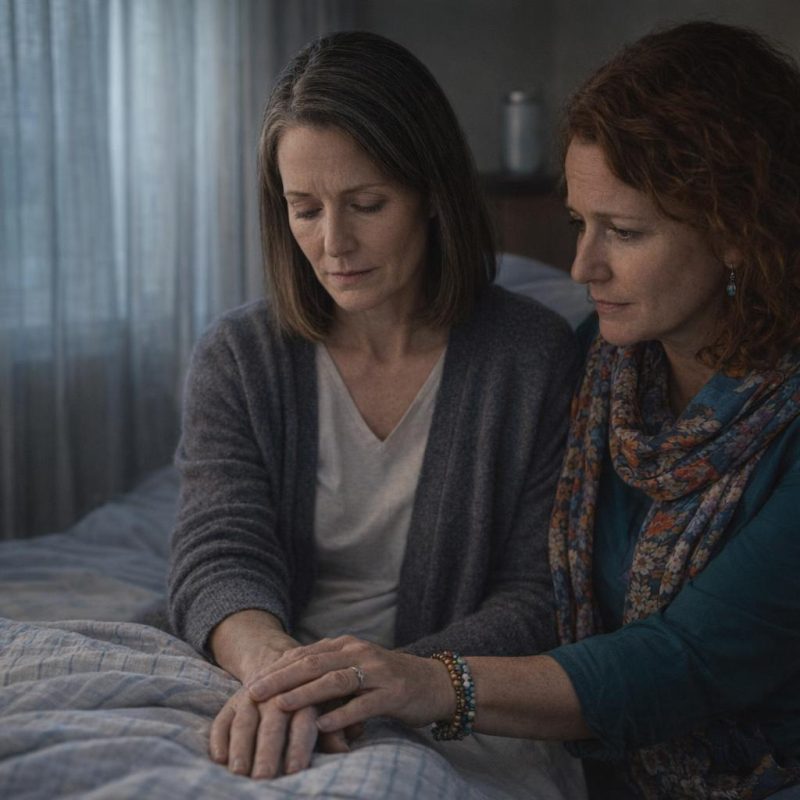 Image by RM AI
The Will Questions
Detective Harrison set his pen down for a moment and asked about my aunt. He wanted to know about the inheritance — when it happened, how much, and how Greg had taken the news. I told him my aunt had passed four months ago. The will left everything to me. Two million dollars, the house in Connecticut, some jewelry. I said Greg had been happy for me. Supportive. He'd hugged me when I told him. Detective Harrison asked what came after that. I said Greg had questions, but that seemed normal — it was a lot of money, there were practical things to figure out. Detective Harrison asked what kind of questions. I started listing them and heard myself slow down partway through. Greg had asked about beneficiaries. He'd asked what would happen to the money if something happened to me before I updated my will. He'd asked about the total amount more than once, even after I'd already told him. I'd thought he was being thorough. Practical. The kind of thing a responsible spouse thinks about. Rachel squeezed my hand. I didn't squeeze back right away. I was still sitting with the memory of how confidently I'd defended those questions at the time, certain there was nothing strange about them at all.
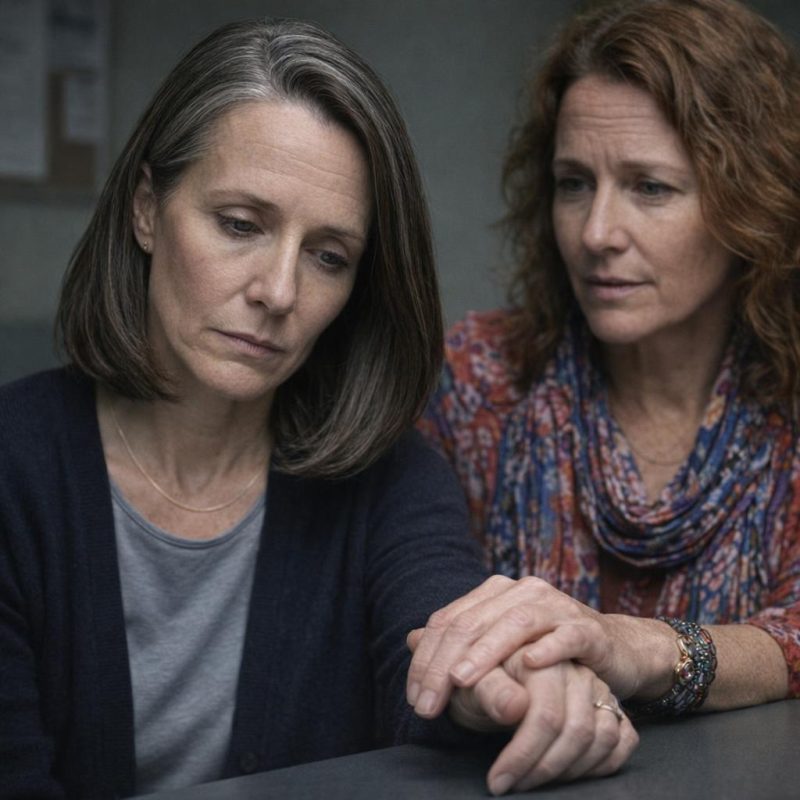 Image by RM AI
What Greg Asked
Detective Harrison asked me to go back to a specific conversation. He wanted details — where we were, what was said, as close to word for word as I could get. I told him it was a Saturday morning, about two weeks after the estate was finalized. We were at the kitchen table. Greg had made eggs. He'd asked, in the same tone he'd use to ask about the weather, what would happen to the money if something happened to me. I told him it would go to him, as my spouse. He asked if I'd updated my will to reflect that. I said I hadn't gotten around to it yet. He said we should probably do it soon. He said two million dollars was a lot to leave uncertain. I'd agreed. I told him I'd call a lawyer that week. Detective Harrison asked if Greg brought it up again after that. I said yes. A few times. I'd thought he was just being responsible — the kind of thing you're supposed to think about when real money is involved. I'd even felt a little grateful that he was paying attention to the practical side of things. Detective Harrison nodded and wrote something down. I looked at the ceiling. And then those words came back to me, floating up from somewhere: *two million dollars is a lot to leave uncertain.*
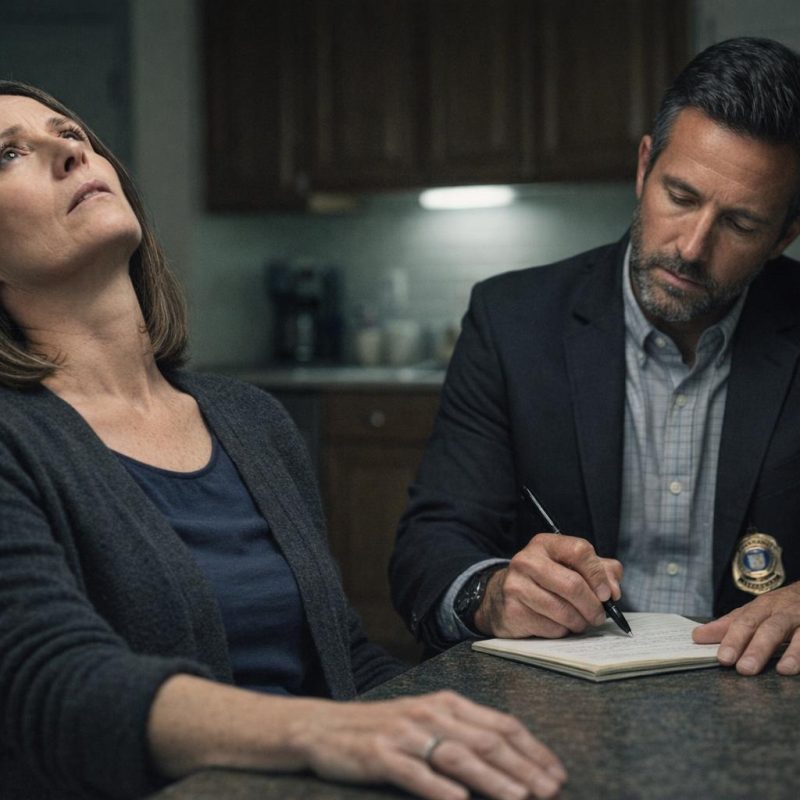 Image by RM AI
Released
Dr. Chen came in around two in the afternoon with discharge papers and a look on her face that was careful and kind at the same time. She said my levels had dropped enough that I could leave, but she was very clear about what that meant and what it didn't mean. I needed to come back in three days for follow-up bloodwork. I needed to keep taking the medications she was prescribing. And I could not go home. She said it plainly — the house needed to be fully investigated and cleared before that was an option. Rachel was already nodding before Dr. Chen finished the sentence. She said I was coming to her place, no discussion. I said okay. I meant it. Greg was standing near the window. He said he'd stay at a hotel, that it was no problem, that I shouldn't worry about him. Detective Harrison, who had come back in at some point, said that was probably for the best right now. Nobody elaborated on that. Greg said of course, whatever helped. I watched his face when he said it — the easy agreement, the slight nod — and I couldn't find anything in it I could name. Rachel helped me into the wheelchair the nurse brought. The hospital doors opened into gray afternoon air, and somewhere behind me was the house I'd lived in for eighteen years, and I had no idea when I'd be allowed back inside it.
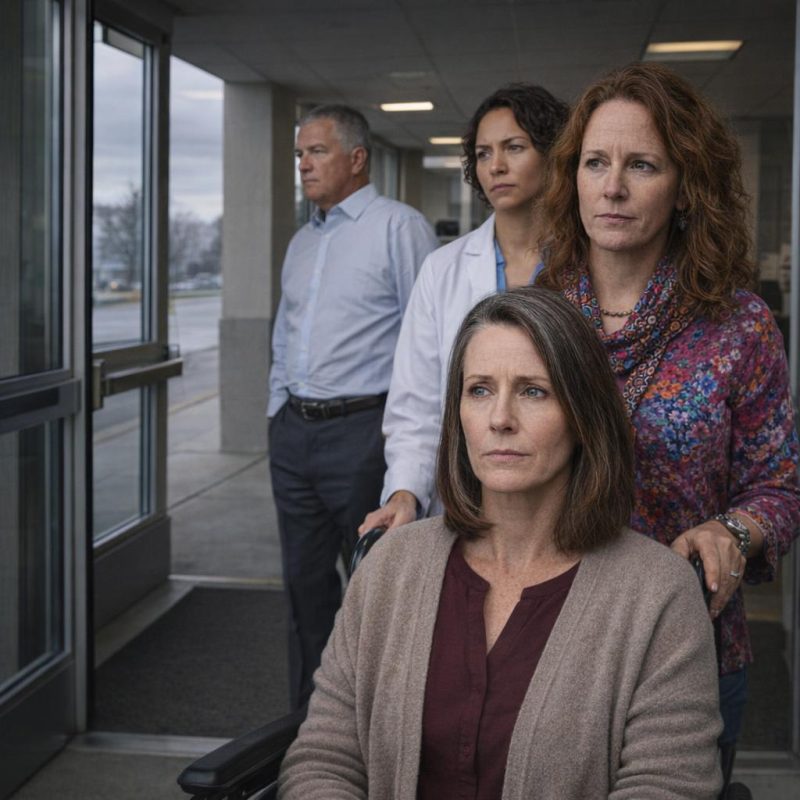 Image by RM AI
Rachel's Guest Room
Rachel's guest room had a blue quilt and a window that faced the backyard. She'd already been to the house — I didn't ask how she'd gotten in — and there was a bag on the chair with my clothes, my face wash, my toothbrush. She'd thought of everything before I'd thought to ask. She brought me tea and sat on the edge of the bed for a few minutes, asking if I needed anything else, if I was hungry, if I wanted to talk. I said I just needed to rest. She hugged me for a long moment before she left, and I heard her close the door softly behind her. I lay back on the pillow and stared at the ceiling. The room was quiet in a way the hospital hadn't been — no monitors, no footsteps in the hall, no intercom. Just the sound of the house settling and, somewhere outside, a dog barking twice and then stopping. I thought about Greg in a hotel room somewhere across town. I tried to remember the last time I'd slept without him in the next few feet of space. I couldn't. Not once in twenty-two years. The blue quilt was soft and the pillow smelled like someone else's fabric softener, and I lay there in the unfamiliar dark, not quite able to close my eyes.
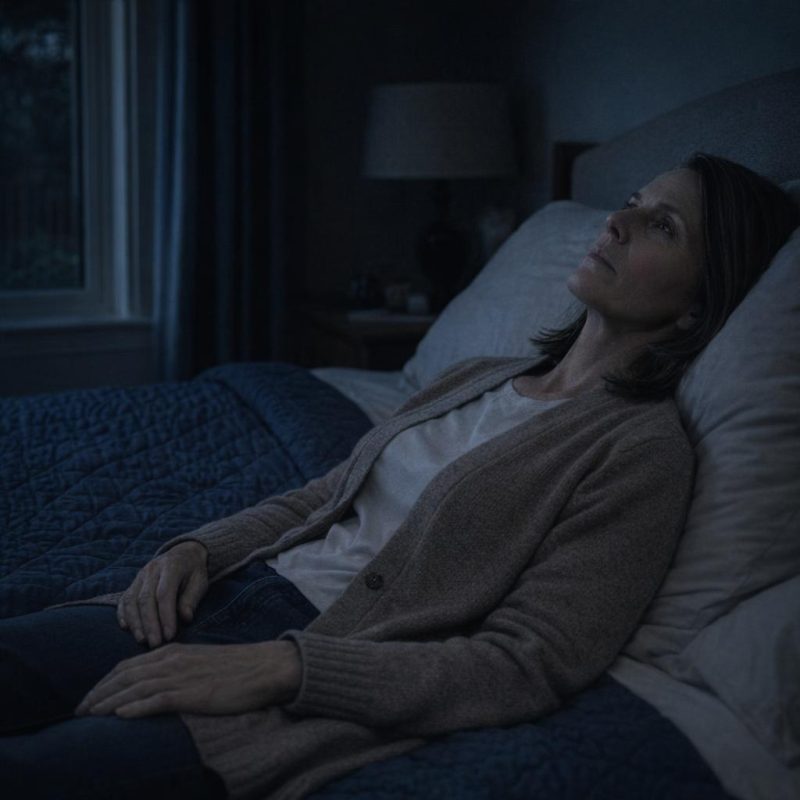 Image by RM AI
The Timeline
I gave up on sleep around two in the morning and found a notepad in the nightstand drawer. I sat up against the headboard and started writing things down — not because I had a plan, just because my brain wouldn't stop circling. I wrote the date my aunt died. The date the will was read. The date the estate was finalized. Then I wrote the date I first felt sick — the nausea that came out of nowhere, the headache I'd blamed on stress, the morning I couldn't finish breakfast and thought I was coming down with something. I stared at what I'd written. The first symptom fell the morning after the estate papers were signed. I didn't know what to make of that. I just kept looking at it. Rachel appeared in the doorway — she must have heard me moving around — and she came in without turning on the overhead light. She sat on the edge of the bed and looked at the notepad. I turned it so she could see the dates lined up in a column. She read it slowly. When she looked up at me, her face had gone the color of old paper.
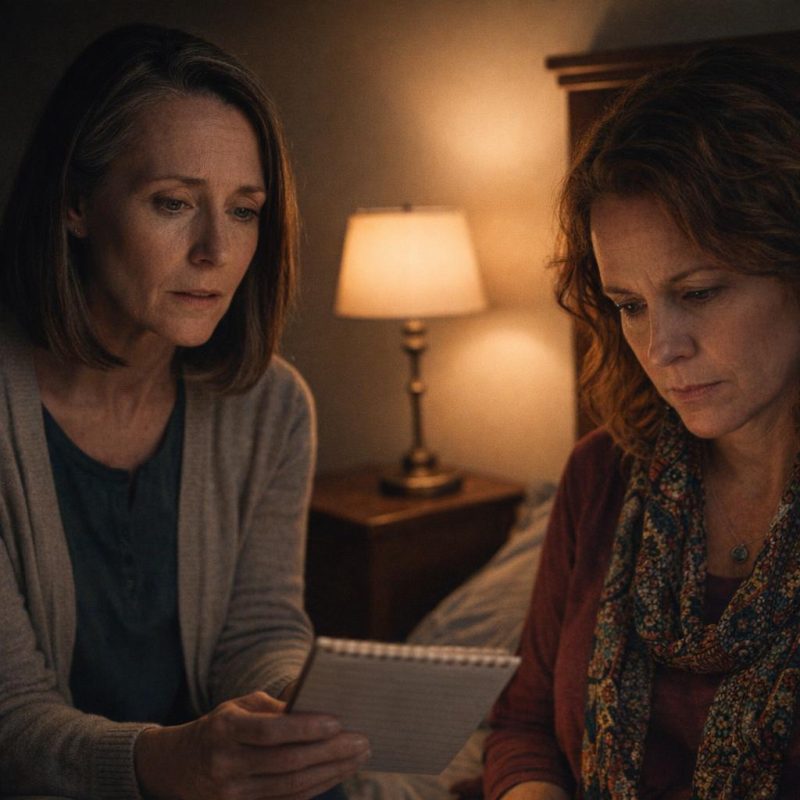 Image by RM AI
Greg's Calls
Greg called at eight-thirty in the morning. He asked how I'd slept, whether I needed anything, whether Rachel's place was comfortable. I said I was fine. He called again just after noon. That time he wanted to know about my medication schedule — what I was taking, how often, whether I'd eaten enough to take it safely. I told him what Dr. Chen had prescribed and then sat there after I hung up, not sure why the questions had felt strange. Rachel was watching me from the kitchen doorway. Greg called a third time that evening. He asked if Detective Harrison had been in touch, whether the police had said anything new about the investigation. I said no, nothing new. He said he just wanted to stay informed, that it was hard being on the outside of everything. I said I understood. After I set the phone down, Rachel came and sat across from me at the table. She asked, quietly, if Greg usually checked in this much when we were apart. I thought about work trips, about the times I'd visited my sister, about weekends when we'd just been in different rooms. I said no. Not like this. She nodded slowly and didn't say anything else, and I looked back down at my phone: three calls, each one asking a different question about where I was in the process.
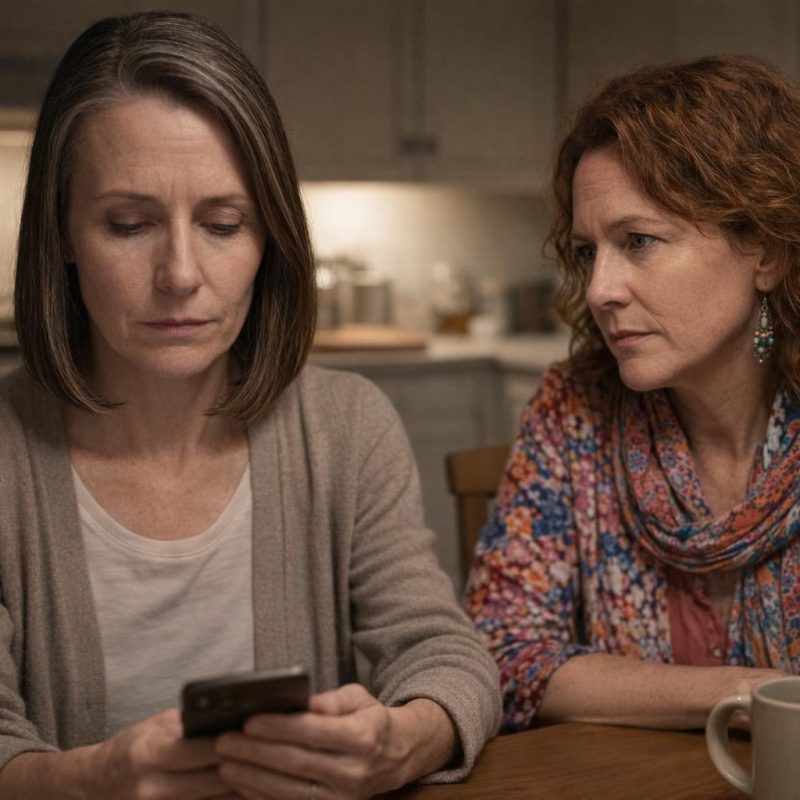 Image by RM AI
The Search
Detective Harrison called just after two in the afternoon. Rachel was sitting across from me at the kitchen table, pretending to read a magazine, and I could tell she'd been watching the door all morning the same way I had. He said the forensic team had finished the walk-through of the house. They'd collected several items for analysis — surfaces, containers, things from the kitchen. I asked if they'd found anything obvious and he said he couldn't discuss specifics yet, that results would take a few days. Then he asked if I'd remembered anything else about my daily routine, anything that might help them narrow things down. I said no, nothing new. After I hung up, Rachel asked what he'd told me, and I gave her the short version. She asked if I wanted to call a lawyer. I said I didn't know what I wanted. Then the last thing he'd said before we hung up came back to me — that the coffee canister from the pantry was among the items being sent for testing.
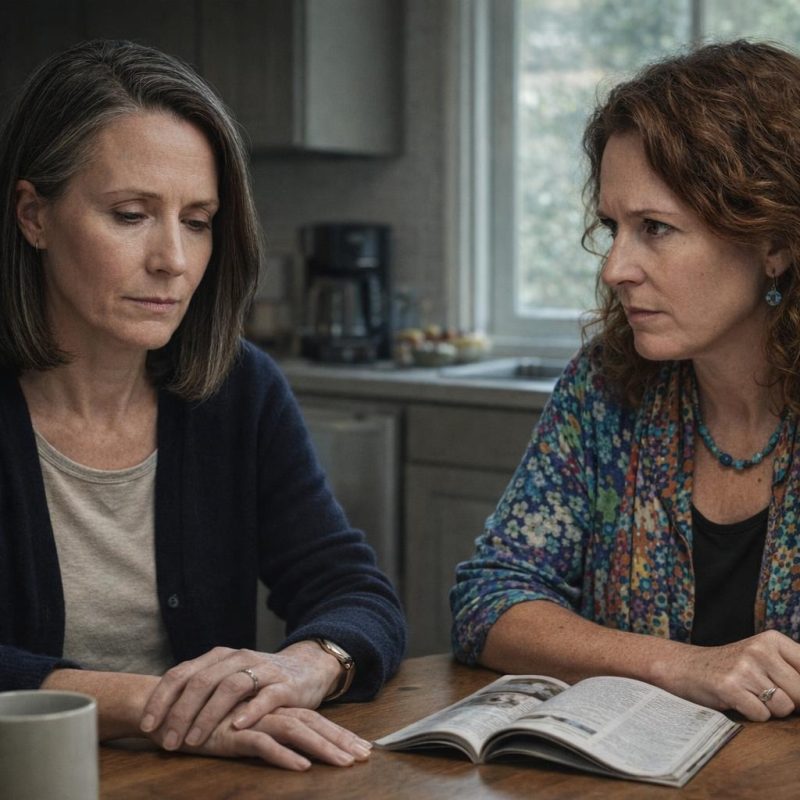 Image by RM AI
Greg Wants to Meet
Greg called that evening while Rachel was in the shower. His voice sounded different — tighter, like he was working to keep it even. He said we needed to talk face to face, that there were things we couldn't sort out over the phone. I asked what things. He said everything — us, what happens next, all of it. Then he suggested we meet for coffee, and my stomach turned so hard I had to press my hand flat against the counter. I told him I needed to think about it. He asked why I was avoiding him. I said I wasn't, I just needed time. His voice shifted then, something underneath it going quieter and colder, and he said time for what, exactly. I said I had to go and ended the call before he could answer. Rachel came out a few minutes later, hair still damp, and found me standing in the kitchen not moving. She asked what happened. I told her Greg wanted to meet. She said to wait, to not agree to anything yet, to let Detective Harrison know first. I said I knew. But the truth was I didn't know if I could sit across from him — not yet, maybe not ever — and keep my face from showing everything I was starting to think.
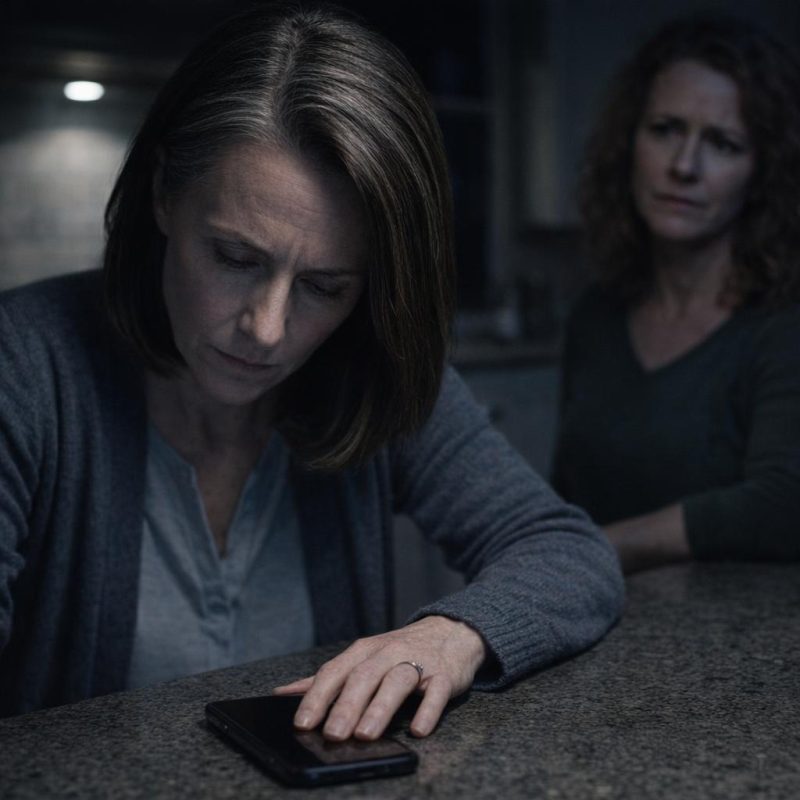 Image by RM AI
Rachel's Research
The next morning Rachel sat down across from me with her laptop and a look on her face I hadn't seen before — careful, like she was carrying something fragile. She said she'd looked some things up. Arsenic and thallium poisoning. She said she'd needed to understand what we were actually dealing with. I told her to go ahead and tell me. She read slowly: fatigue, nausea, persistent headaches, neurological symptoms, hair loss. I reached up without thinking and touched the side of my head. My hair had been thinning for months. I'd blamed stress, then hormones, then the wrong shampoo. Rachel kept reading. She said that with both substances, symptoms worsen with continued exposure — that poisoning stretched over months was almost never accidental. I asked what the research said about how it got into someone's system. She looked at me over the top of the screen and said it was usually added to food or drink, by someone with regular, consistent access. The room went very quiet after that. Neither of us said his name. Rachel closed the laptop and said she was sorry for looking it up. I told her I needed to know. I meant it. But sitting there with all of it laid out in front of me, I felt the weight of it settle into my chest and stay.
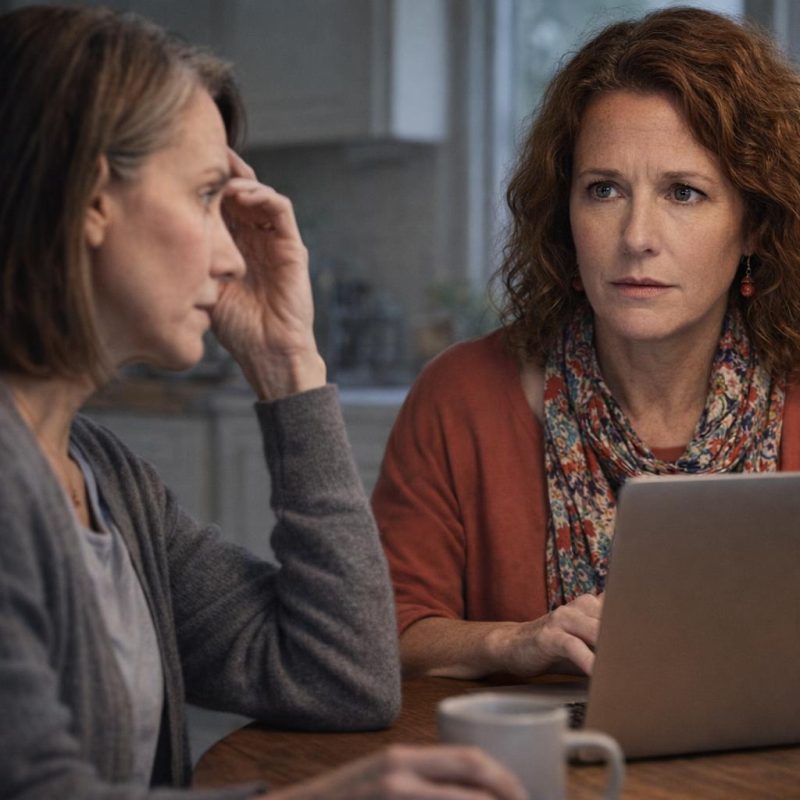 Image by RM AI
Coffee Intake
I don't know what started it — maybe the quiet, maybe the way Rachel was looking at me — but I started talking about the coffee. Not about the testing, not about what Detective Harrison had said. Just the routine itself. How Greg had always watched to see if I finished it. If I left even half a cup, he'd notice. He'd ask if something was wrong, if it had gone cold, if I wanted him to make a fresh pot. He always said drink it while it's hot. On mornings when I said I wasn't in the mood, he'd seem genuinely put out — not angry, just off, like I'd disrupted something. He'd offer to make a different blend, something lighter. I remembered one morning specifically. The coffee had tasted strange — sharper than usual, almost metallic — and I'd quietly poured most of it down the sink while he was in the other room. When he came back and saw the empty cup, he seemed pleased. I drank the second cup he made because I didn't want to make it into something. Rachel was watching me with her hands very still in her lap. I told her I'd thought he was just being attentive — and then I heard myself say out loud that he always asked if I wanted more.
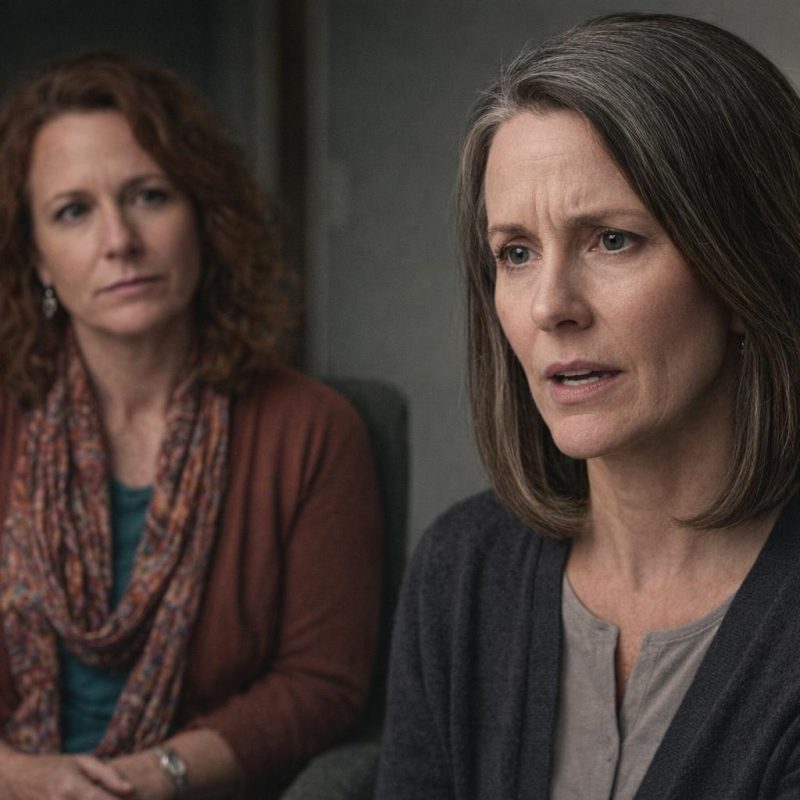 Image by RM AI
Forensic Results
Detective Harrison called two days later and asked, before he said anything else, if I was sitting down. I was. Rachel was beside me on the couch, close enough that our shoulders were almost touching. He said the preliminary forensic results had come back. He said the team had found elevated levels of arsenic and thallium. He said the contamination was concentrated — that the other food items they'd tested had come back clean. Only one source had shown the elevated levels. I asked him to say it plainly. He said it was the coffee canister. He said the levels were high enough that continued exposure over time would have been lethal. Then he asked if anyone besides Greg had regular access to that canister. I said no. Greg was the one who bought the coffee, refilled the canister, made the pot every morning. Detective Harrison said he would need to speak with Greg directly, and that Greg didn't know about the results yet. I said okay. I said it the same way I'd said okay when he first mentioned the canister — like a reflex, like my mouth was still working even though the rest of me had stopped. After I hung up, Rachel put her hand over mine. I didn't move. I just sat there while the room held still around me and the silence after his words pressed in from every direction.
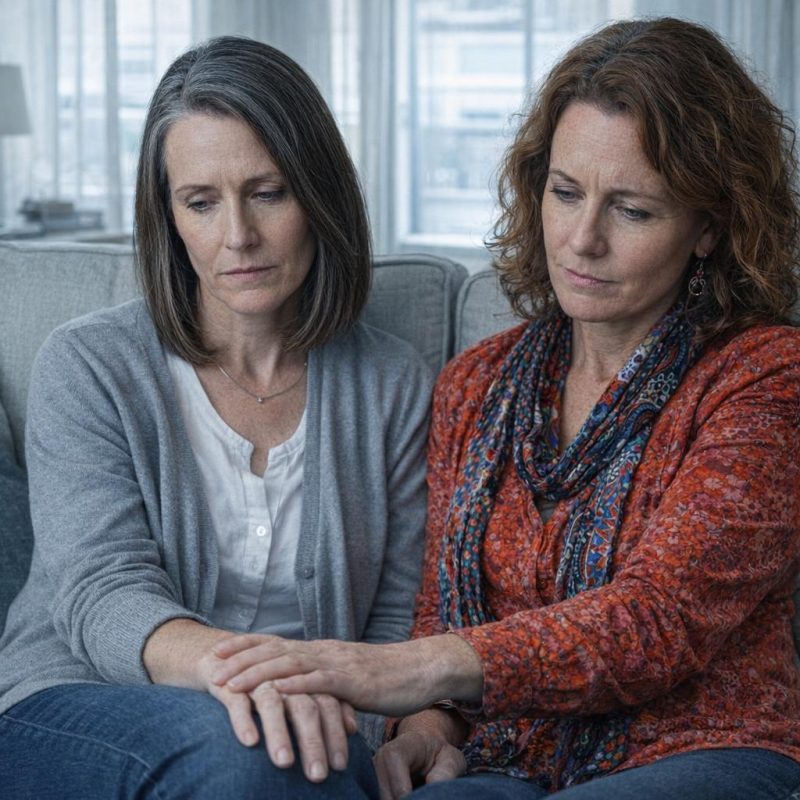 Image by RM AI
The Computer
He called back less than an hour later. I almost didn't pick up. Rachel answered for me and handed me the phone, and Detective Harrison's voice was measured, careful, the way it got when he was about to say something he knew would land hard. He said the computer forensics team had gone through the search history on the shared home computer. He said there were searches — specific ones — about arsenic and thallium poisoning. Symptoms. Lethal doses. How long it takes. Whether it shows up in standard blood panels. I asked whose account. He said Greg's. He said the searches started approximately two weeks after Aunt Margaret's will was finalized and continued at intervals over the following months. I asked when the last one was. He said three days before I went to the ER. I couldn't speak after that. I heard Rachel say thank you to Detective Harrison and heard the call end, and I sat there with the phone in my lap staring at nothing. Rachel didn't say anything either. She just moved closer. I kept thinking about the dates — two weeks after the will, three days before the hospital — and the shape of those months sitting between them, all those mornings, all that coffee, all that careful attention to whether I'd finished my cup.
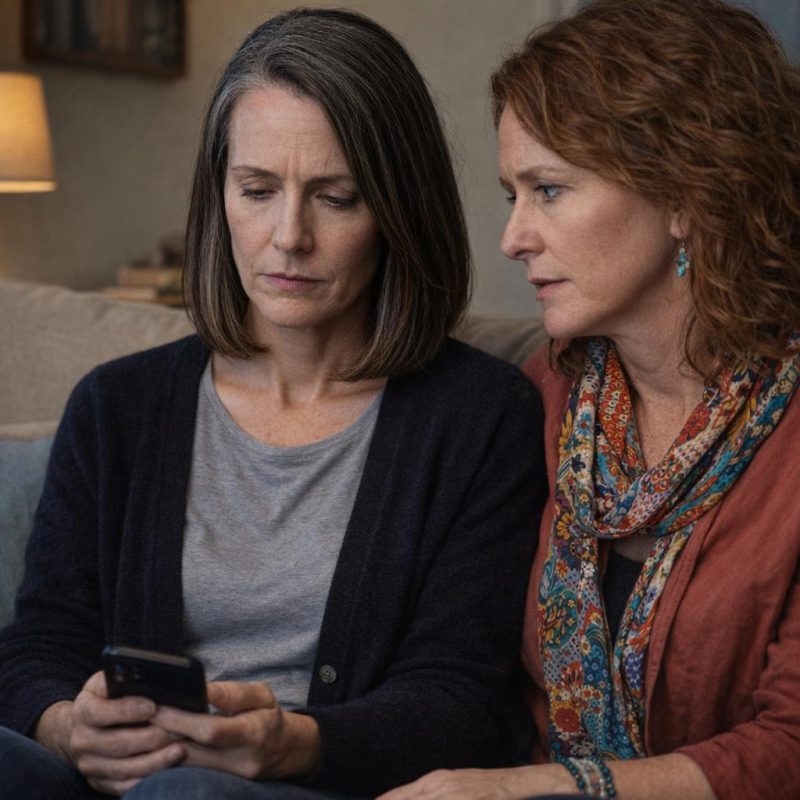 Image by RM AI
The Wire
Detective Harrison came to Rachel's house in person the following afternoon. He sat across from us at the kitchen table and laid it out plainly: they had the forensic evidence from the canister, they had the search history, but for prosecution they needed more. He asked if I would be willing to meet Greg while wearing a recording device. He said the goal was to get Greg talking — about us, about the house, about anything that might connect. He said I would be in a public place, that officers would be inside the restaurant and outside, that I would never be out of their sight. Rachel said it sounded dangerous. Detective Harrison said it was my choice, that no one would pressure me either way. I sat with it for a long moment. I thought about twenty-two years. I thought about the coffee arriving at my bedside every single morning, the mug warm in his hands, the smile that went with it. I thought about lying in that ER bed not understanding why my body was failing. I thought about the dates Detective Harrison had given me — two weeks after the will, three days before the hospital. Rachel reached over and took my hand. I looked at Detective Harrison and told him I would do it.
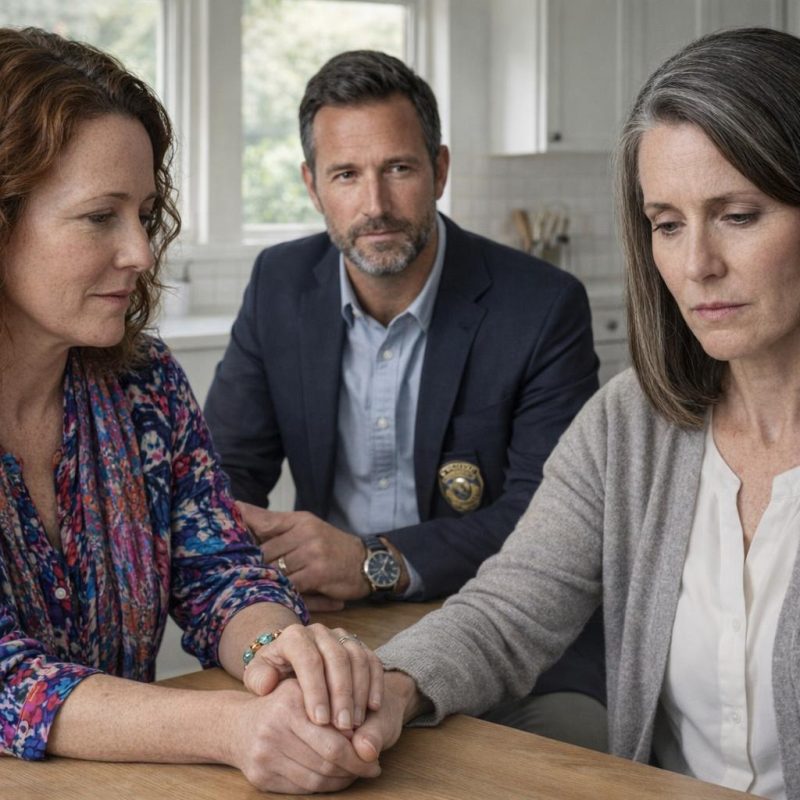 Image by RM AI
The Restaurant
They fitted the recording device in the back of an unmarked car parked two blocks from Rachel's house. Detective Harrison went over it one more time — keep him talking, don't push too hard, let him fill the silence. He said there would be two officers at a table near the window and one at the bar. He said if anything felt wrong I should say I needed the restroom and walk toward the back, and someone would be there. I texted Greg that I was on my way. He replied immediately: I'm already here. The drive took eleven minutes. I counted traffic lights because it was the only thing I could do with my hands. I pulled into the lot and saw his car in the second row, the silver sedan I'd ridden in a thousand times. I sat in my own car for thirty seconds, breathing. Then I got out and walked through the front door. The restaurant was warm and smelled like bread and garlic and something ordinary that felt wrong against everything I was carrying. I scanned the room and found him at a corner table. He stood when he saw me come in, and his face opened into something that looked like relief — and then something else shifted across his features, there and gone before I could name it.
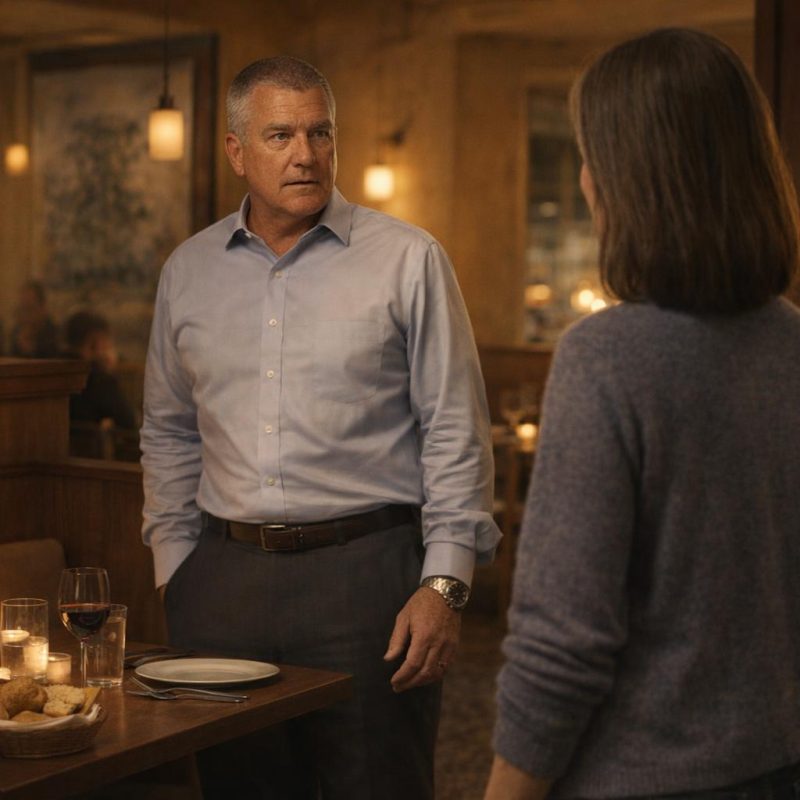 Image by RM AI
Across the Table
He looked good. That was the first thing I noticed, and it made my stomach turn — he looked rested, put-together, like a man who had been sleeping fine. I slid into the seat across from him and kept my hands in my lap. The restaurant hummed around us, warm and ordinary, and somewhere under my shirt the wire pressed against my skin like a second heartbeat. Greg smiled and asked how I was feeling, whether the treatment had helped. I said I was better. I watched his face when I said it — a small flicker, something I couldn't name, and then the smile came back. He said he'd been worried sick. He asked if I was comfortable at Rachel's house, and I said yes and waited. He ordered coffee for himself without asking if I wanted any, and I noticed that too. He asked when I could come home. I said I didn't know yet. His smile faltered — just slightly, just for a second — and then he reached across the table toward my hand. I didn't move. He pulled his hand back slowly and said the house felt empty without me, that he missed me.
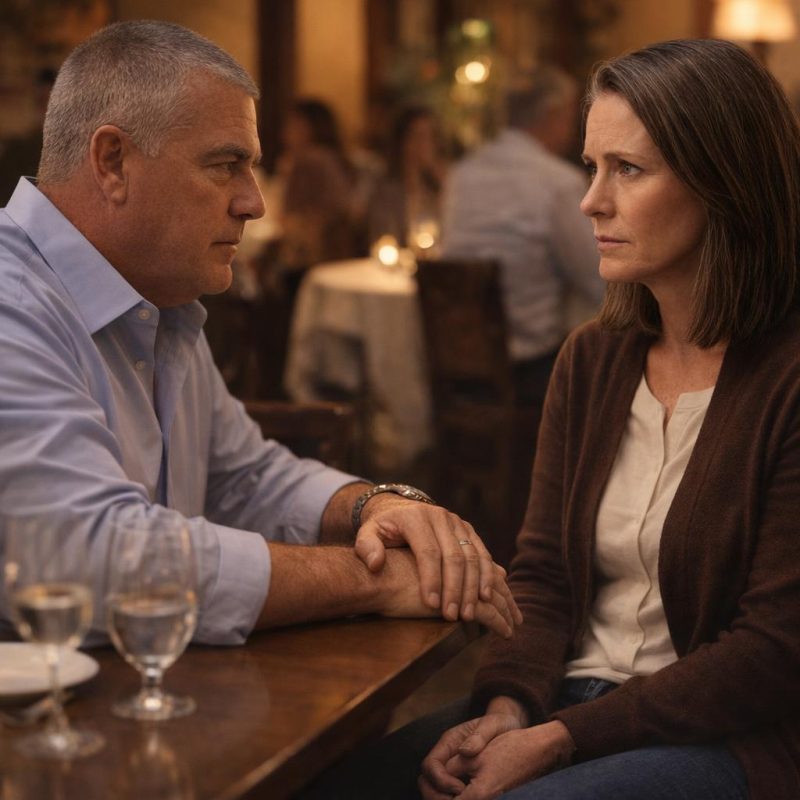 Image by RM AI
The Questions She Asks
I let a beat of silence sit between us before I asked him if he remembered our morning coffee routine. He said of course — he made it every day, said it like it was something to be proud of. I asked why he always insisted on making it himself, never letting me near the kitchen until the cup was already in his hand. He said he wanted to do something nice for me, that it was his way of taking care of me. I asked if he ever drank from the same pot. He paused. It was a short pause, maybe two seconds, but I felt it stretch. He said he usually had coffee at work. I asked about the specific canister he used — the one on the left side of the counter, the one he always reached for. He shifted in his seat and asked why I was asking. I said the police had asked me about it. Something moved across his face then, a tightening around the eyes. He said he didn't understand what coffee had to do with anything. I didn't answer. I just watched him sit with the question, and listened to the careful way he chose every word that followed.
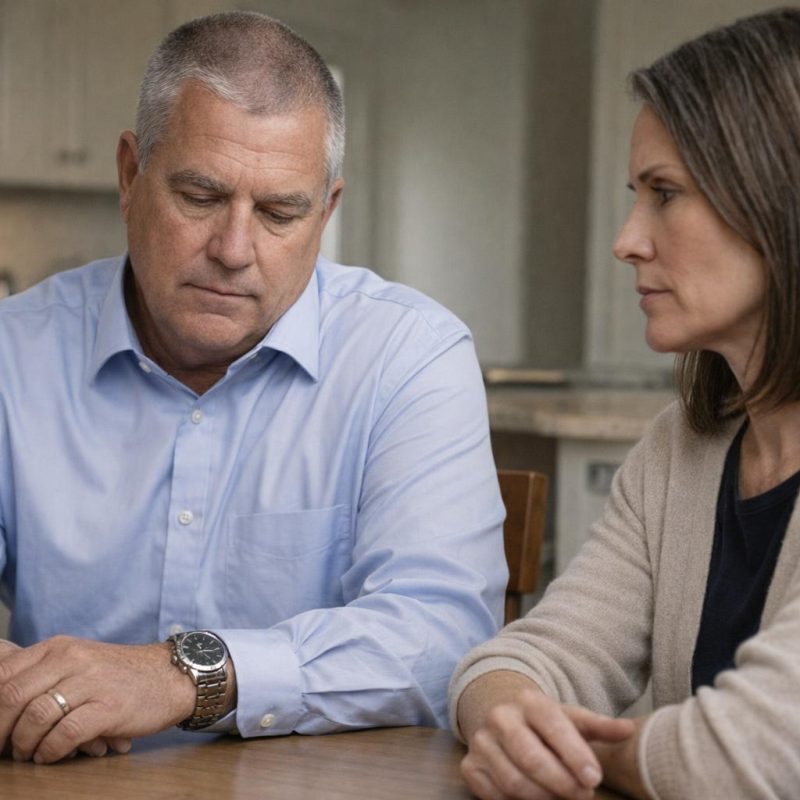 Image by RM AI
What He Avoids
He said we should focus on moving forward. He said it the way people say things they've rehearsed — smooth, reasonable, like the words had been waiting. He suggested I come home so we could work through everything together. I asked what exactly we were working through. He said the stress, the investigation, all of it. I asked if he knew why I'd been poisoned. He said no and looked away, toward the window, toward the couple at the next table, anywhere but at me. I mentioned that the forensic team had been through the house. His jaw tightened. He asked what they found. I said they took the coffee canister. He went quiet then — a different kind of quiet than before, heavier, like something had shifted underneath the surface of the conversation. He said he wanted to help but didn't know how. I nodded and said nothing. Outside, a car pulled out of the lot and its headlights swept briefly across the window. I sat with the weight of everything he hadn't said, and it pressed down harder than anything he had.
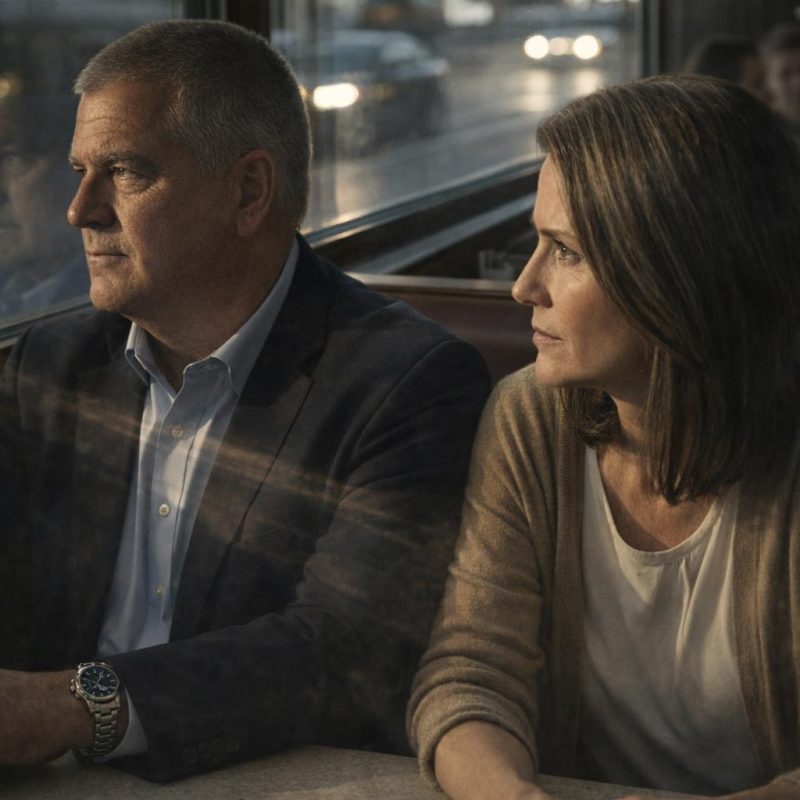 Image by RM AI
The Will
I told him I'd been thinking about the inheritance. His posture changed before I even finished the sentence — shoulders pulling back, hands going still on the table. I mentioned the two million dollars Aunt Margaret had left me. He asked why I was bringing that up now, and his voice came out a little too even, a little too controlled. I said the police had asked about it. I said I'd been thinking about the timing — how my symptoms started not long after the will was finalized. He said that was just a coincidence. I asked if he remembered asking me what would happen to the money if I died. The color left his face. Not gradually — all at once, like something had been pulled out from under him. He said that wasn't — and then stopped. He pushed back from the table and the chair scraped loud against the floor, loud enough that the couple nearby looked over. He said he needed to use the restroom. He stood up, and for just a moment before he turned away, I saw something move across his face — raw and unguarded, there and gone — that looked exactly like fear.
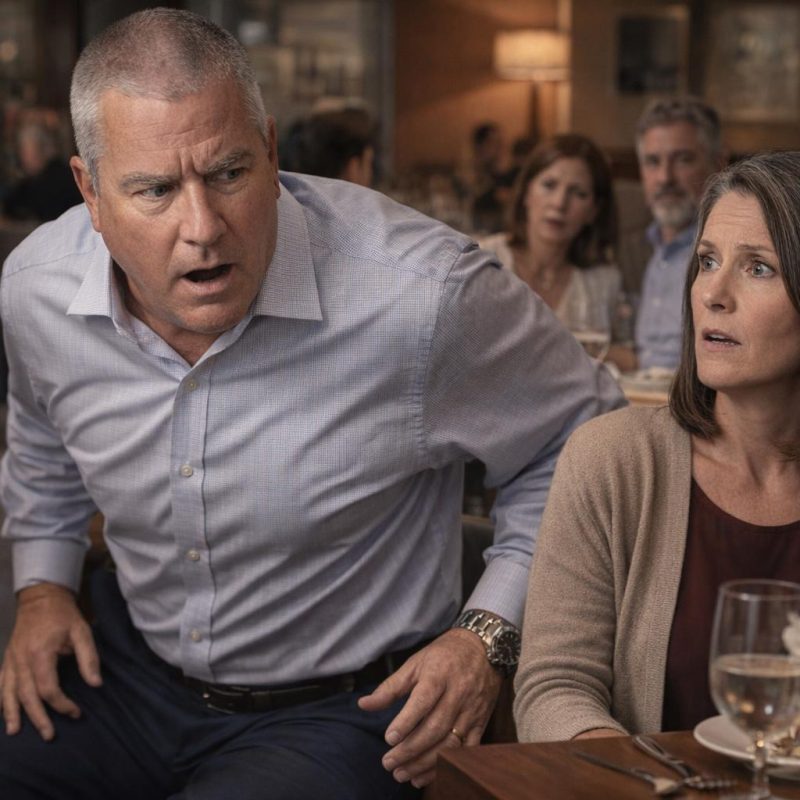 Image by RM AI
The Lab Results
Detective Harrison walked in before Greg came back. He moved through the restaurant without hurrying, sat down across from me, and said the lab results had come back on the coffee canister. Arsenic and thallium, mixed into the grounds. The levels, he said, were consistent with prolonged, intentional exposure. I heard the words. I understood them. I just sat there with my hands flat on the table while the restaurant kept going around me — silverware clinking, someone laughing near the bar. Greg came back from the hallway and stopped when he saw Detective Harrison sitting at our table. Detective Harrison stood and identified himself. He said he had some questions about the contaminated coffee. Greg's face drained. He looked at me — really looked at me — and in that moment I saw it, all of it, the twenty-two years and the morning cups and the careful routine, and I understood what I had been drinking. Greg said he wanted a lawyer. Detective Harrison said that was his right. I watched Greg's eyes move from the detective's face to mine, and I watched him understand that I had known he was coming.
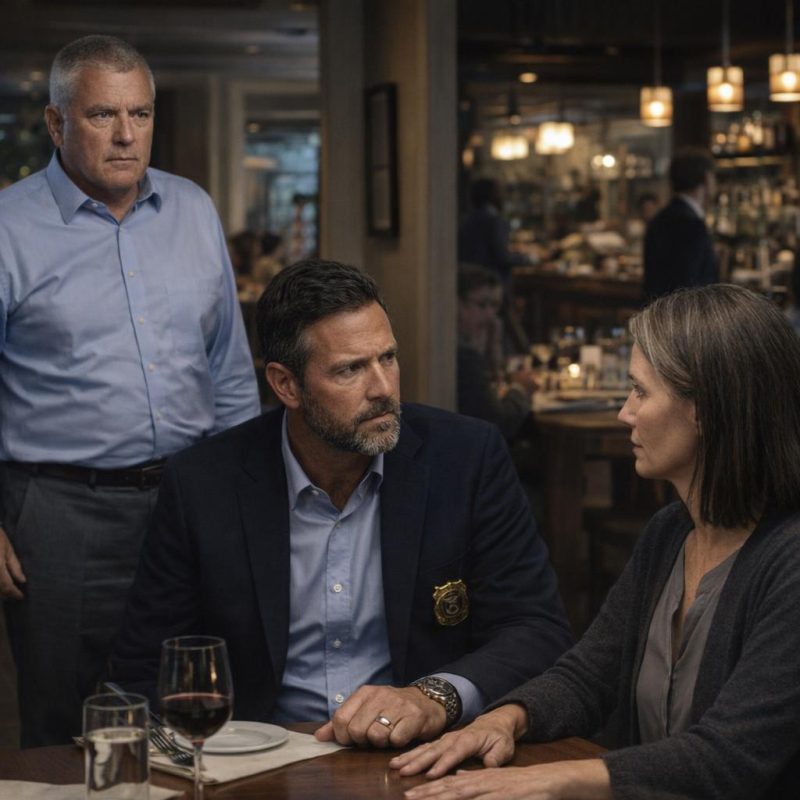 Image by RM AI
The Arrest
Two uniformed officers came through the front door within minutes. The restaurant had gone quieter — not silent, but that particular kind of hushed where people are pretending not to watch while watching everything. Detective Harrison read Greg his rights in a steady, unhurried voice. Greg didn't resist. He stood very still, hands at his sides, and he kept looking at me. Not at the officers, not at the door — at me. He said my name once. Just once, quietly, like a question he already knew the answer to. I couldn't speak. I couldn't move. One of the officers guided his hands behind his back, and I heard the handcuffs click into place. The sound was small and final, smaller than I expected for something that large. Greg was walked toward the door, and the other diners watched, and someone near the window whispered something to their companion. Detective Harrison crouched down beside my chair and asked if I was okay. I said I didn't know. He offered to drive me back to Rachel's house. I reached under my shirt with shaking hands and pulled the wire free, and I sat there holding it, and the restaurant settled back into its ordinary noise around me.
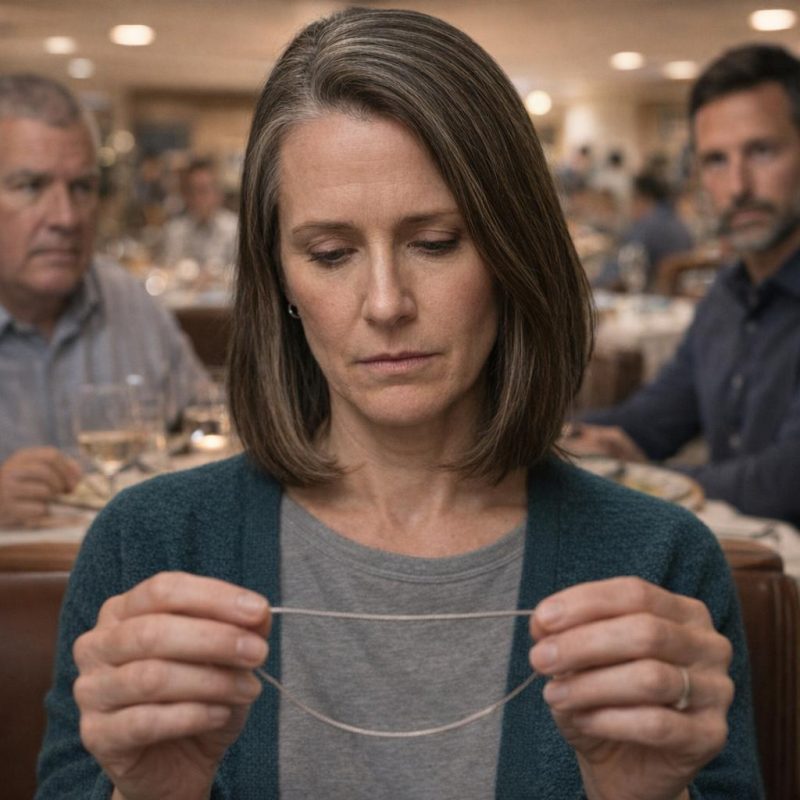 Image by RM AI
The Interview
The interview room was small and fluorescent-lit and smelled like old coffee and carpet cleaner. Detective Harrison set a box of tissues and a bottle of water on the table without making a thing of it, and I was grateful for that. We started at the beginning — four months back, the first morning Greg brought me coffee in bed after Aunt Margaret's will was finalized. I walked through every detail I could remember: the canister on the left side of the counter, the way he always had the cup ready before I was fully awake, the mornings I felt too sick to get up and he said it was probably stress. I described the symptoms getting worse — the fatigue, the hair, the way my hands shook. I talked about the questions he'd asked about the inheritance, what would happen to the money if something happened to me. My voice broke more than once. Detective Harrison slid the tissue box closer each time without comment and waited for me to continue. By the end I was hollowed out, wrung through, but I picked up the pen when he set the formal statement in front of me, and I signed my name on the document that would be used to prosecute my husband.
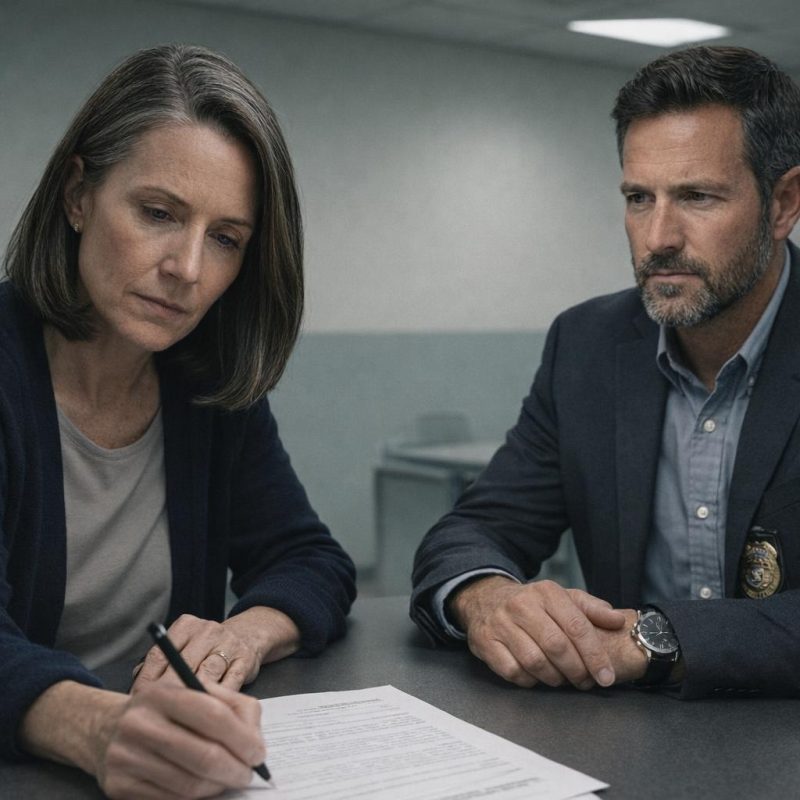 Image by RM AI
Permanent Damage
Dr. Chen's office felt different from the ER — quieter, more deliberate, the kind of room where news arrives slowly and stays. Rachel sat beside me and held my hand the whole time. Dr. Chen went through the results carefully, the way she did everything, without softening it more than was kind. Some of the organ damage, she said, was permanent. My kidneys showed scarring. My liver function was compromised and would need monitoring for years. The neurological effects — the tremors, the cognitive fog — might improve, or they might not. She mentioned fatigue and chronic pain as likely long-term companions. She said there was an elevated risk of certain cancers down the line, and that I would need regular bloodwork and check-ins for the foreseeable future. She said I was lucky to be alive. I nodded when she said it because it seemed like the right response. Rachel squeezed my hand harder. I looked at the list Dr. Chen had printed out — the medications, the follow-up schedule, the specialists I'd need to see — and I thought about twenty-two years of mornings, and coffee brought to me in bed, and all the things on that page that no amount of time would give back.
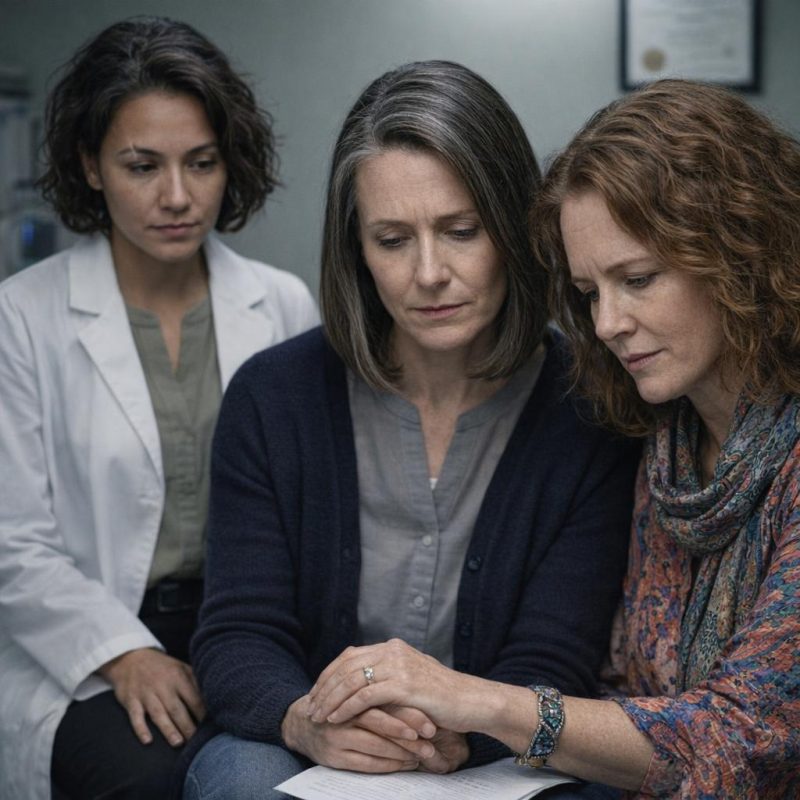 Image by RM AI
The House
Detective Harrison drove us there himself. I sat in the back seat and watched my neighborhood go by like I was seeing it for the first time, or maybe the last time — I couldn't decide which. Rachel held my hand the whole way. The forensic team had cleared the house days ago, Detective Harrison said, but he wanted to walk through with us anyway. I appreciated that more than I could say. When he unlocked the front door and pushed it open, I stood on the threshold for a long moment before I could make myself step inside. The living room looked exactly the same. That was the worst part. The couch where we'd watched movies. The bookshelf he'd built one weekend in October. The framed photos on the wall — our faces smiling back at me from places I'd thought were happy. I made it to the kitchen doorway and stopped. The coffee maker sat on the counter where it always had, clean and ordinary and monstrous. Rachel asked what I wanted to take. I said I didn't know what was mine anymore. I packed a bag of clothes and grabbed my documents from the filing cabinet and didn't look at anything else. Walking back out to the car, I felt it on my skin — every surface, every room, every ordinary thing we had touched together.
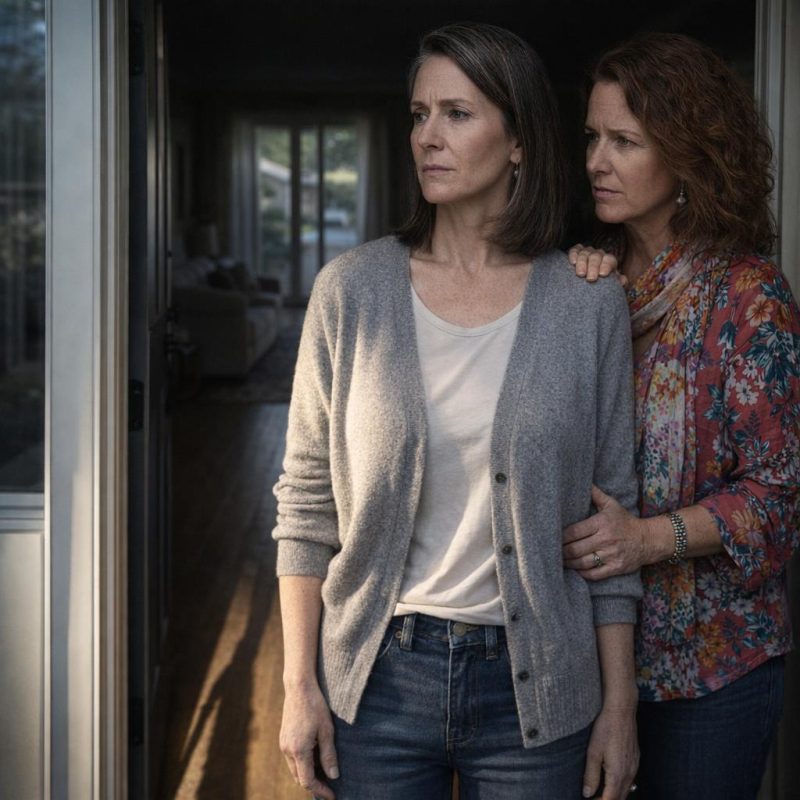 Image by RM AI
Twenty-Two Years
Rachel had kept a box of my things from before — old albums, cards, a few keepsakes she'd grabbed when she helped me pack. We sat on her living room floor that night and I opened one of the photo albums without really meaning to. There we were on our wedding day, Greg in his dark suit, grinning at the camera like a man who had everything he wanted. I turned the pages slowly. Vacations. Holidays. Birthdays. His smile was the same in every single one. I kept looking at his face, trying to find the moment — trying to see where the man I married ended and whatever he actually was began. I couldn't find it. That was the thing that kept breaking me open. Rachel said she was sorry, quietly, the way you say something when there are no better words. I told her I didn't even know what I was mourning. The marriage had been real to me. Every morning, every cup of coffee, every ordinary Tuesday — it had all been real to me. I turned to the last page I could stand to look at, the one from our tenth anniversary trip, and Greg was laughing at something off-camera. I closed the album. Then I opened it again to the wedding photo — and his smile looked back at me like a door I had never thought to open.
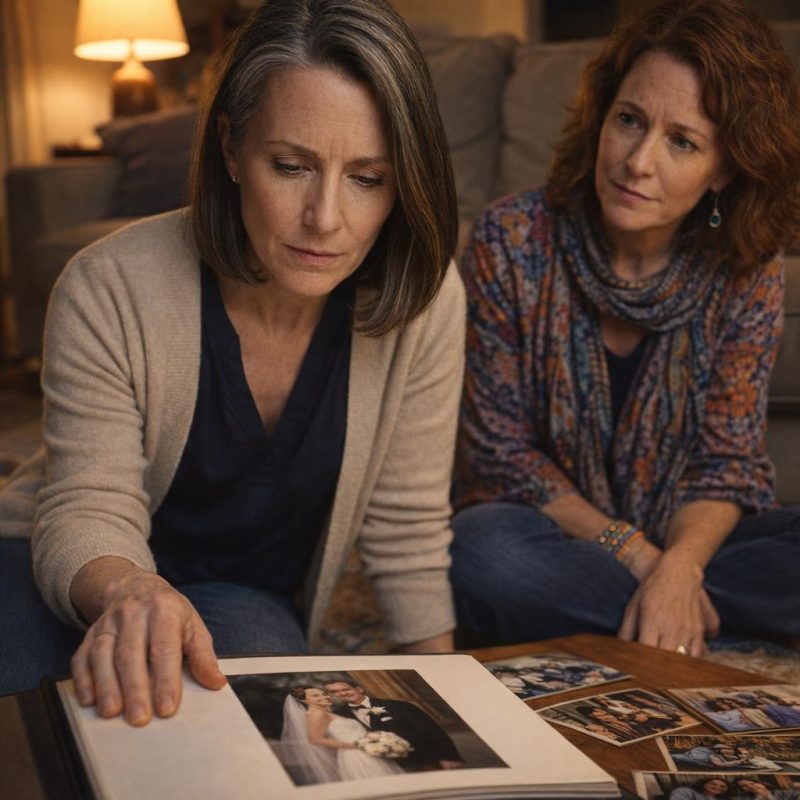 Image by RM AI
Bail
Detective Harrison called on a Tuesday afternoon. I knew from the first second of silence before he spoke that it wasn't good news. Greg had made bail. His parents had posted bond that morning. I sat down on Rachel's couch and felt the floor tilt under me even though I was already sitting. Detective Harrison said a restraining order was in place — Greg couldn't contact me, couldn't come within five hundred feet. I asked what happened if he violated it. Detective Harrison said he'd be arrested immediately, no discretion, no delay. He offered to have patrol cars drive by Rachel's house on a regular rotation. I said yes before he finished the sentence. Rachel, standing in the doorway, heard enough to understand. She said I could stay as long as I needed, and she meant it the way she meant everything — completely. That night I checked the locks on her front door three times before I went to bed. I checked the back door twice. I lay in the dark in her guest room and listened to the street outside, every car that passed, every sound the house made settling. The restraining order was a piece of paper. I knew that. And somewhere out there, Greg knew where Rachel lived.
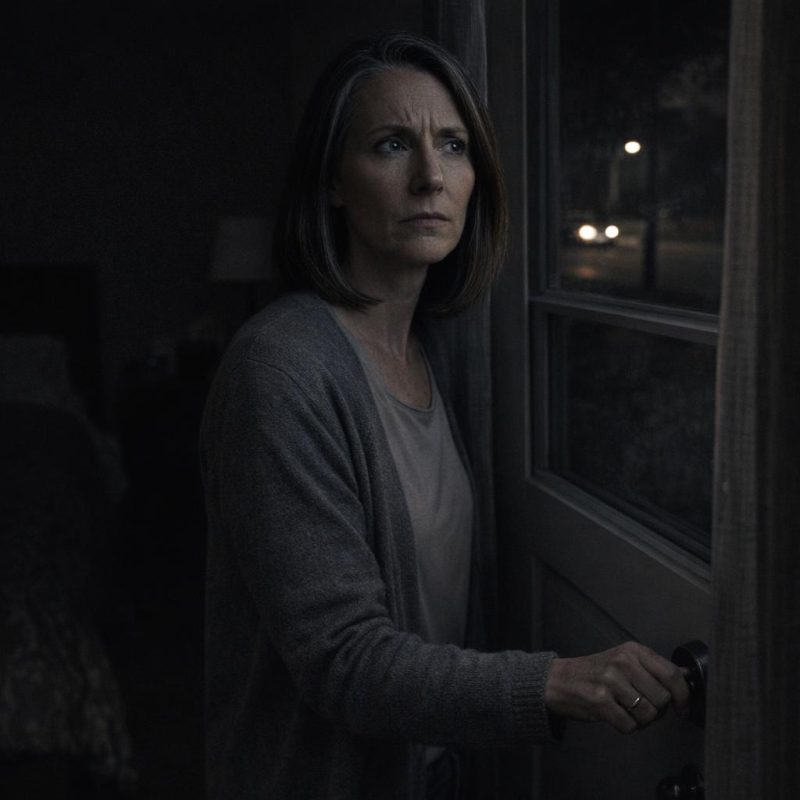 Image by RM AI
The Debts
Detective Harrison came to Rachel's house two days later with a folder and a look on his face that told me there was more. He sat across from me at Rachel's kitchen table and laid it out carefully. The financial investigation had turned up accounts I'd never heard of. Greg had been gambling online for at least three years — sports betting, poker sites, a few others. The total debt was over three hundred thousand dollars. Some of it was to legitimate creditors. Some of it, Detective Harrison said carefully, was not. He'd taken out loans I never signed, never saw, never knew existed. I asked how he'd hidden it. Detective Harrison said Greg had been careful — separate email addresses, a P.O. box, payments routed through accounts in his name only. Rachel reached over and put her hand on my arm. I stared at the folder on the table. Three hundred thousand dollars. Three years of hiding it. I thought about the way he'd reacted when Aunt Margaret's will was read — the quiet, steady calm of him, how I'd thought he was being supportive. I asked Detective Harrison how long Greg had been in serious trouble before Aunt Margaret died. He checked his notes, then looked up at me and said the first large debt appeared fourteen months before her passing.
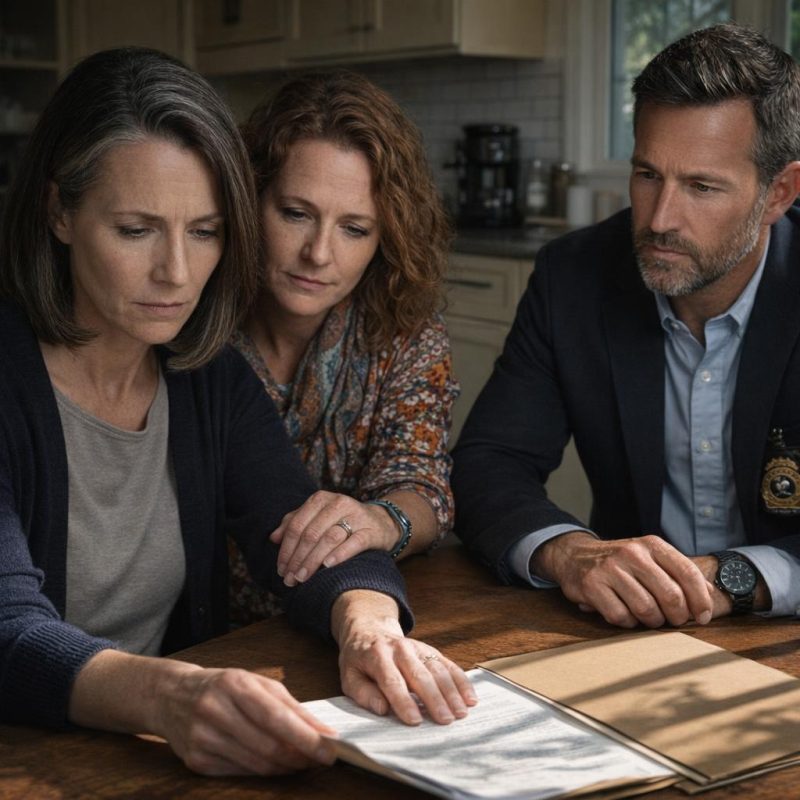 Image by RM AI
Violation
It was a Wednesday evening, just after eight. Rachel was in the kitchen making tea and I was on the couch with a book I hadn't been able to read for twenty minutes. I heard a car slow down outside and something in my chest went cold before I even moved. I got up and looked through the edge of the curtain. Greg's car was at the curb. I watched him get out. He was wearing the gray jacket I'd bought him two Christmases ago. I yelled for Rachel. My voice came out louder than I expected. Greg walked up the front path and knocked — two sharp raps, like this was a normal visit, like he had any right. I already had my phone in my hand. I called 911 and told them my name and Rachel's address and that the man who had tried to kill me was standing at the front door in violation of a restraining order. The operator told me to stay inside and stay away from the door. Rachel came out of the kitchen holding a dish towel, took one look at my face, and went to the window herself. Greg knocked again. Then he stopped knocking. And then his fist hit the door hard enough to shake the frame.
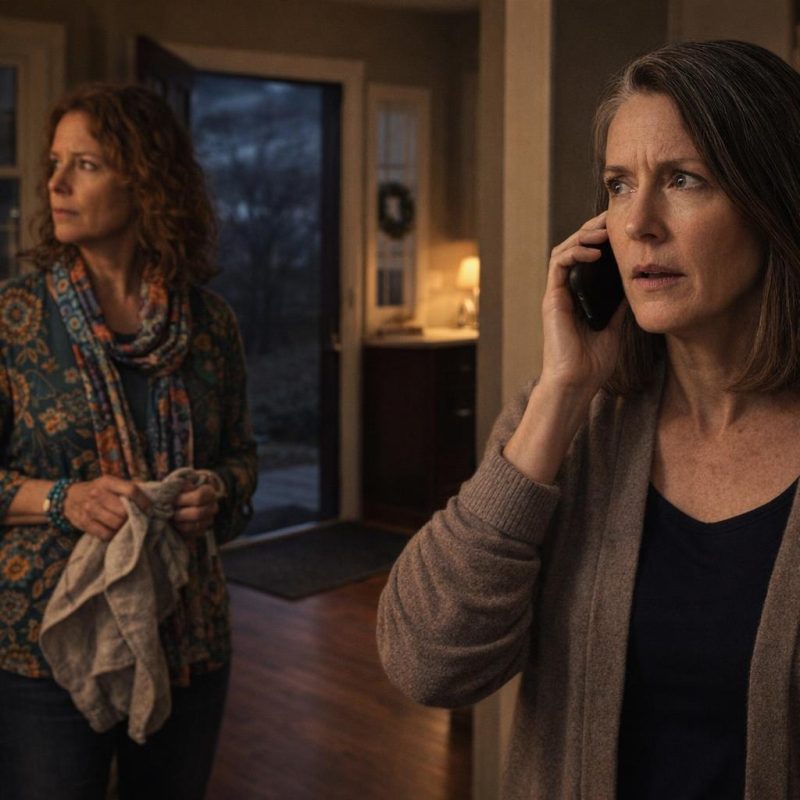 Image by RM AI
Confrontation
The pounding stopped. For a second the silence was almost worse. Rachel grabbed the baseball bat she kept by the back door — I hadn't even known it was there — and planted herself at the bottom of the stairs. She pointed up and I went, no argument, legs moving before my brain caught up. I locked myself in the upstairs bathroom and sat on the edge of the tub with my phone pressed to my ear, the 911 operator's voice steady and low, telling me units were close. I could hear Greg moving around the side of the house. His footsteps on the gravel. Rachel shouted from downstairs that the police were on their way, her voice carrying the kind of calm that costs something. Greg shouted back that he just needed five minutes, that this was all a misunderstanding, that I needed to hear him out. I pressed my back against the wall. I could hear sirens starting up somewhere in the distance, faint but getting sharper. Greg's voice dropped. I heard Rachel say stop, firm and flat. Then the sirens got louder, and Greg cursed — one word, short and ugly — and I heard him running. And then, from somewhere below me, came the sound of glass shattering.
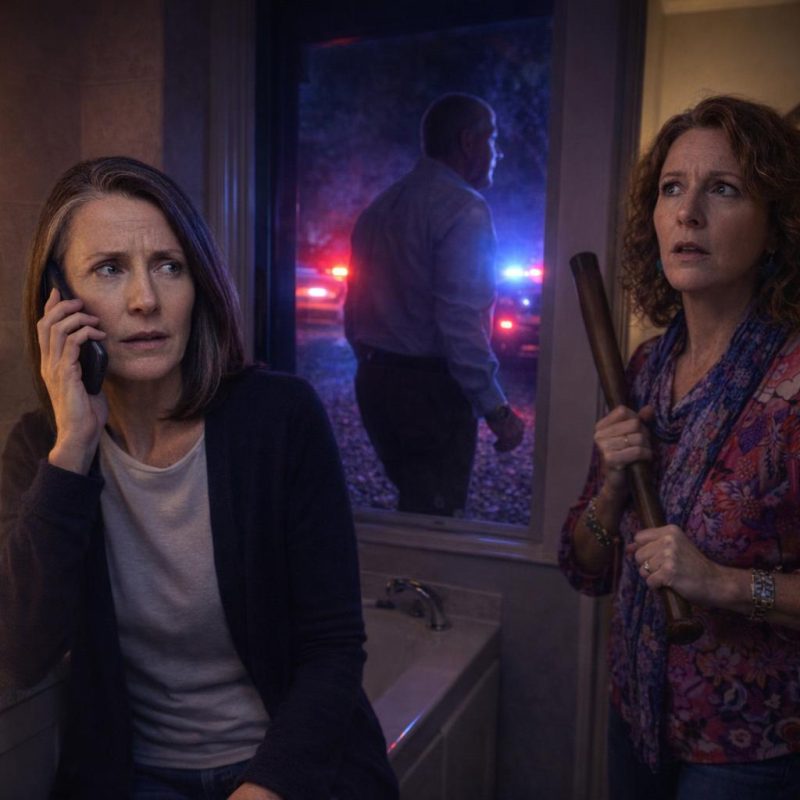 Image by RM AI
Manhunt
By the time the police came through the front door, Greg was gone. They found the broken window on the side of the house — a small one off the laundry room — and Rachel's account of what happened, and my 911 recording, and that was enough. Detective Harrison arrived twenty minutes after the first units. He walked through the house with two officers, came back out, and told me Greg had fled on foot and they were searching the area. He said it quietly, the way he delivered all bad news, like he was trying to give me time to absorb it. He recommended protective custody. I didn't argue. They took Rachel and me to a hotel across town — a plain room with two beds and a uniformed officer outside the door. Rachel sat beside me on the bed and didn't try to fill the silence. Detective Harrison called twice with updates. Each time, Greg was still at large. I didn't sleep. I lay in the dark and listened to Rachel's breathing even out beside me, and I thought about the broken window, and the sound of his footsteps on the gravel, and the way his voice had sounded when he said it was all a misunderstanding. The hours moved slowly, and the phone on the nightstand sat quiet between calls.
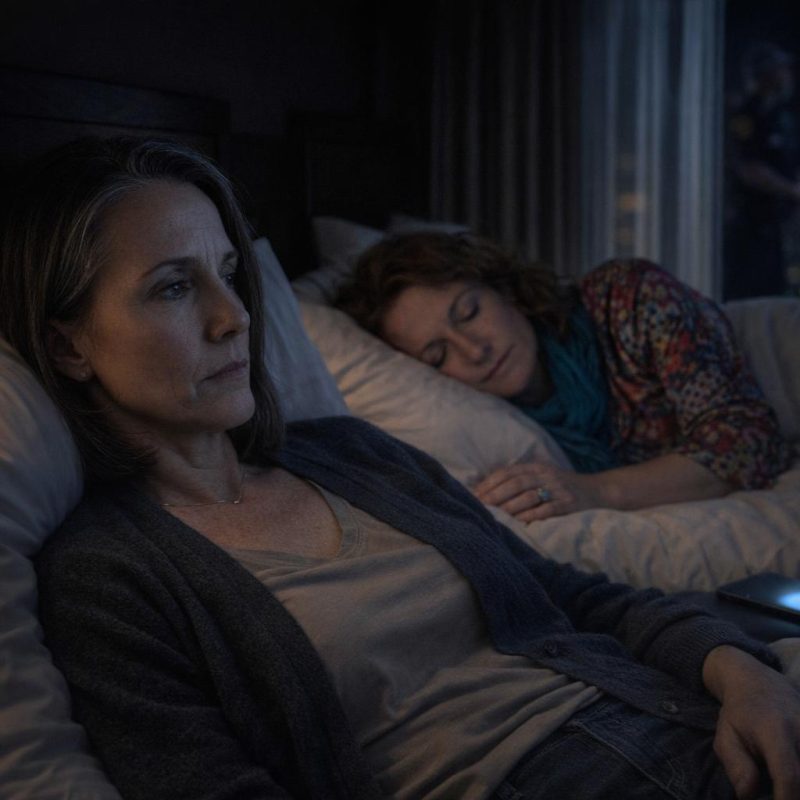 Image by RM AI
Captured
The call came at 5:47 in the morning. I know because I was already awake, sitting up in the hotel room dark, watching the gap under the curtains go from black to gray. Detective Harrison's voice was different this time — not careful, not measured. He said they had him. Greg had been stopped at a border crossing trying to get into Canada. He had cash — a significant amount — and a passport that wasn't his. Police had taken him into custody without incident. He was being transported back and would be held without bail; the restraining order violation and the attempted flight made him too great a risk. Detective Harrison said Greg would not be getting out again. I sat there with the phone against my ear and didn't say anything for a moment. Then I started crying — not the sharp, panicked kind, but something slower and deeper, like something that had been held at pressure for a very long time finally letting go. Rachel woke up and crossed the room and put her arms around me without asking why. Detective Harrison said I was safe now. I wasn't sure I believed it yet, not all the way down. But something in my chest that had been clenched for weeks — through the hospital, the house, the broken window, all of it — had gone quiet.
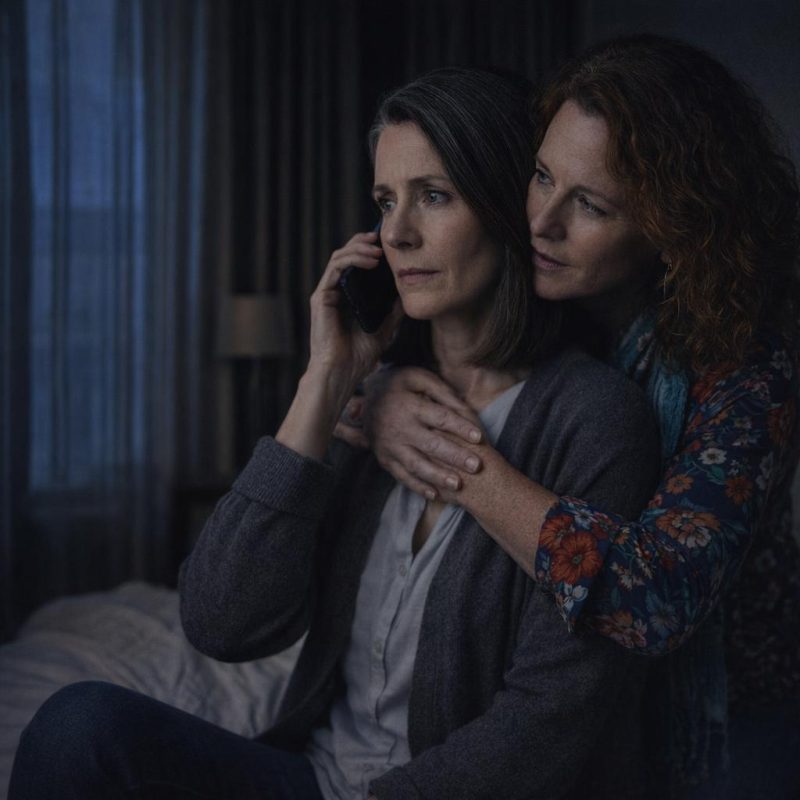 Image by RM AI
Victim Impact
Detective Harrison told me I didn't have to give a victim impact statement. He said the evidence was enough — the canister, the search history, the medical records, the failed run to Canada. He said Greg was going away regardless. But Rachel looked at me across the hotel room table and said, 'You've been silent through all of it. You don't have to be silent anymore.' I started writing that night. I threw away the first three drafts. The fourth one I kept. I wrote about the coffee. Twenty-two years of mornings, a cup waiting on the counter before I was even fully awake, and how I had called that love. I wrote about the months I spent thinking my body was failing me on its own. I wrote about the permanent damage — the way my hands still shake some mornings, the medications I'll take for the rest of my life. I wrote about the fear I still carry into every ordinary moment. I practiced reading it aloud in the bathroom with the door closed, voice cracking the first time, steadier the second, steadier still the third. Rachel sat outside the door and didn't say a word. By the last read-through, I knew: I was going to look directly at Greg when I spoke.
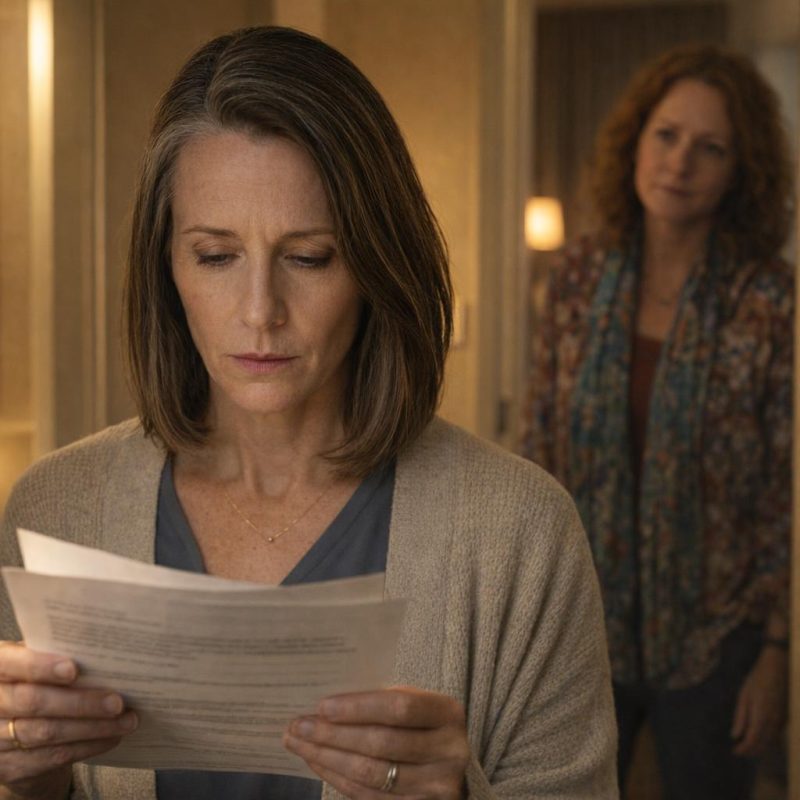 Image by RM AI
The Verdict
The trial lasted two weeks. I sat beside Rachel every day, and every day the evidence came in — the poisoned coffee canister, the browser searches Greg had run on his work laptop, the gambling debts that had swallowed everything, my own medical records read aloud in a courtroom while I stared at the back of his head. He sat very still through most of it. The jury was out for four hours. When they came back in, I couldn't feel my hands. Rachel held one of them anyway. The foreperson stood and read the verdict, and the word 'guilty' landed in the room like something physical. Greg didn't flinch. He didn't turn around. The judge thanked the jury and scheduled sentencing for the following month. I felt tears sliding down my face and didn't wipe them away. Across the room, Detective Harrison caught my eye and gave a single slow nod. I looked at Greg one last time — at the back of his salt-and-pepper hair, the set of his shoulders, the man I had handed twenty-two years of my life to — and then I looked away. Rachel's hand tightened around mine, and I let the quiet of that moment hold me where I sat.
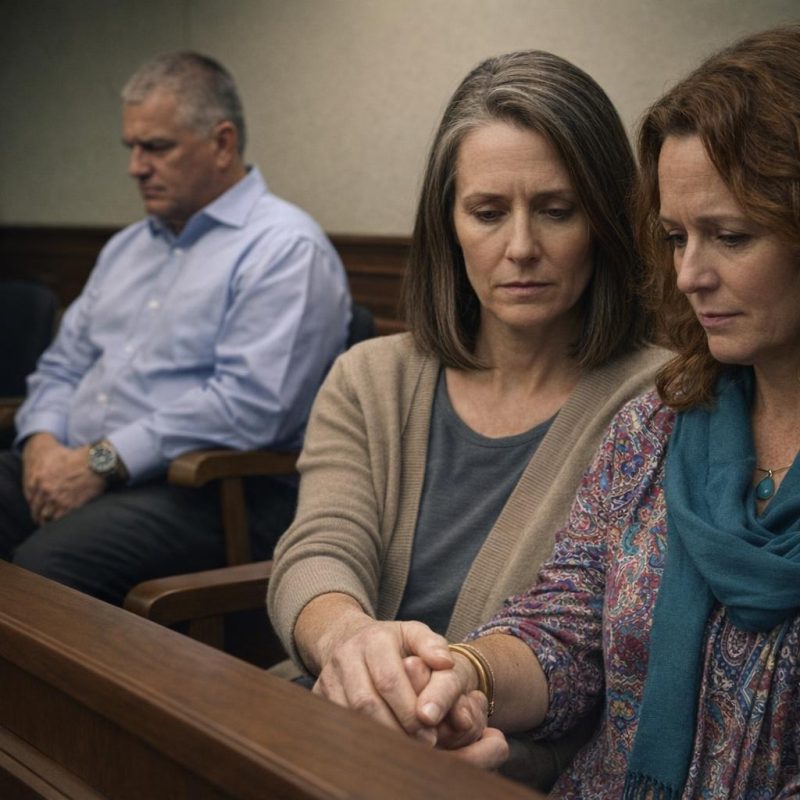 Image by RM AI
Six Months Later
Six months after the verdict, I sat in Dr. Chen's office in the same chair I'd been sitting in for monitoring appointments since I left the hospital. The room felt less frightening than it used to. Dr. Chen pulled up my latest results and walked me through them the way she always did — carefully, without rushing. My toxin levels were undetectable now. Some of the organ function numbers had improved slightly, not all the way back, but movement in the right direction. She said the permanent damage was real and it wasn't going away, but that my body was doing what it could, and that I was stable. She asked about sleep, about therapy, about how I was managing day to day. I told her the nightmares came less often now. I told her I'd gone back to work part-time, that I had my own apartment, that Rachel still checked in every few days. Dr. Chen nodded and made a note and said I didn't need to come in weekly anymore — monthly would be enough. Then she looked up from her clipboard and said I was remarkably resilient. I didn't know what to do with that word yet. But as I walked out into the hallway, I thought: my numbers are moving in the right direction.
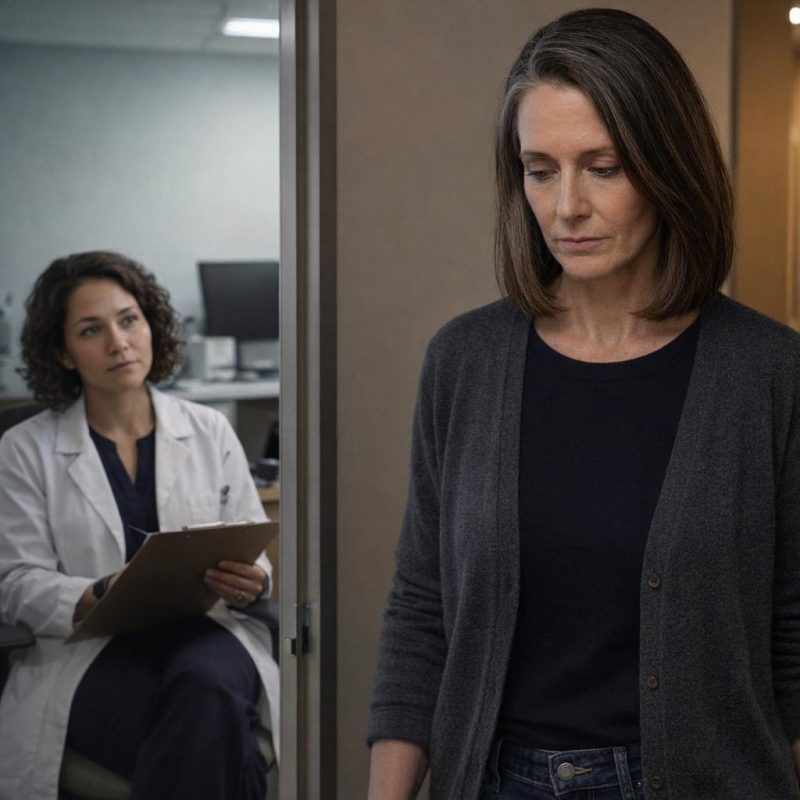 Image by RM AI
My Own Coffee
I woke up in my apartment on a Tuesday with no alarm and no dread. Sunlight came through the window above the kitchen sink — unfamiliar light, the kind that belongs to a place that is only yours. I got out of bed and walked to the kitchen in my socks. The coffee maker on the counter was one I had picked out myself, small and plain, nothing special. I measured the grounds. I filled the water reservoir. I pressed the button and stood there watching it brew. For a long time after everything happened, the smell of coffee made my stomach turn — a reflex I couldn't reason my way out of. But standing there that morning, it was just coffee. It smelled like a morning. I poured a cup and held it with both hands. No one had brought it to me. No one had watched me drink it. Greg was in a prison cell, and the house was sold, and Aunt Margaret's money was sitting in an account with only my name on it, and none of that felt like victory exactly — more like ground I had fought my way back to. I sat down by the window. The street below was quiet. I lifted the cup and took the first sip, and it tasted like nothing more and nothing less than something I had made for myself.
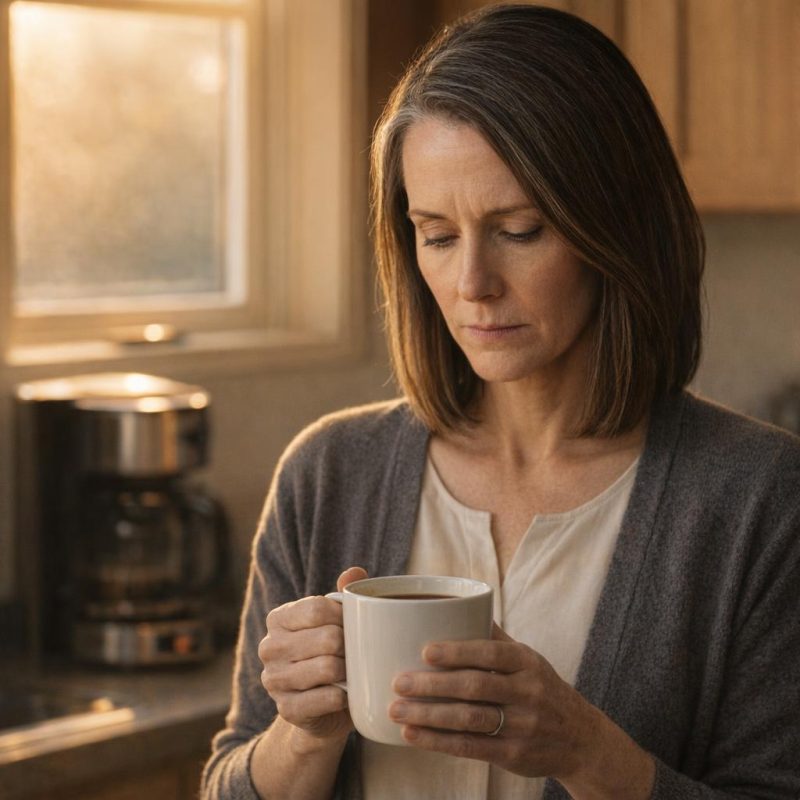 Image by RM AI
KEEP ON READING
20 Historical Figures Who Lived Much Longer Than You Think
Some Famous Lives Stretched Far. History has a way of…
By Christy Chan May 22, 2026
20 LGBTQ+ People from History Who Changed the World
History Is Full Of Queer Icons . LGBTQ+ people have always…
By Emilie Richardson-Dupuis May 22, 2026
20 Historical Poisons That Changed Politics, War, And Royal Families
Power In A Cup. Poison has always had a strange…
By Cameron Dick May 22, 2026
20 Man-Eaters That Terrified Entire Regions
When Fear Had Teeth. History has a way of turning…
By Cameron Dick May 22, 2026
20 Mistresses Who Had More Power Than the Queens Beside…
Power Wasn’t Always on the Throne. Royal history loves a…
By Annie Byrd May 22, 2026
20 Rare Artifacts That Changed Scholars’ Understanding of the Past
Discoveries That Forced Historians to Rethink What They Knew. Archaeology…
By Rob Shapiro May 22, 2026