


The Request
I was folding laundry in my living room when Lily asked the question that changed everything. She stood in my doorway looking pale and exhausted, her backpack still hanging from one shoulder like she'd been working up courage the whole bus ride over. 'Grandma Ruth,' she said, her voice tight and careful, 'I need to ask you something important.' I smiled, expecting teenager stuff—boy drama, friend feuds, maybe another plea to convince her father to let her dye her hair. But then she said it: 'Can I take your last name instead of Dad's?' I laughed it off at first, you know how kids can be dramatic at fourteen. I assumed she was upset about something small, maybe embarrassed by her surname at school or going through one of those identity phases. But when I looked up at her face, really looked, I saw something that stopped my hands mid-fold. Her jaw was set, her eyes red-rimmed but determined, and her hands were clenched so tight her knuckles had gone white. She said she needed me to hear her out before I said no, and I felt my stomach tighten with a dread I could not yet name.
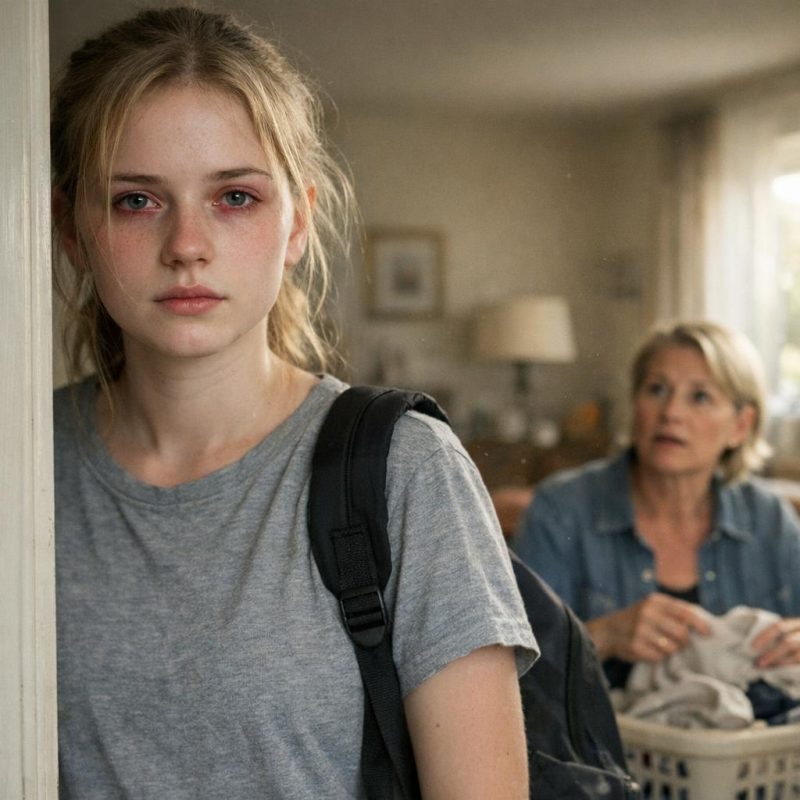 Image by RM AI
The Phone
Lily sat down on my couch without being invited, which wasn't like her at all. She'd always been so polite, so careful about asking permission for everything. Now she dropped her backpack on the floor and pulled out her phone with hands that wouldn't stop shaking. 'Kids at school have been talking,' she said, her voice barely above a whisper. 'They've been sharing things, Grandma. Links and screenshots and articles.' I still didn't understand what any of this had to do with changing her last name. I thought maybe someone had posted something mean about her, some social media bullying situation. But then she unlocked her phone, typed something into the search bar with fumbling fingers, and turned the screen toward me. 'Just look,' she said. 'Type in Dad's full name and see what comes up.' I took the phone from her, squinting at the small text without my reading glasses. The first result was a news headline from some regional newspaper, and the words made my chest constrict. She showed me the first search result tied to her father's name, and my breath caught as I saw the headline about fraud and a ruined pension fund.
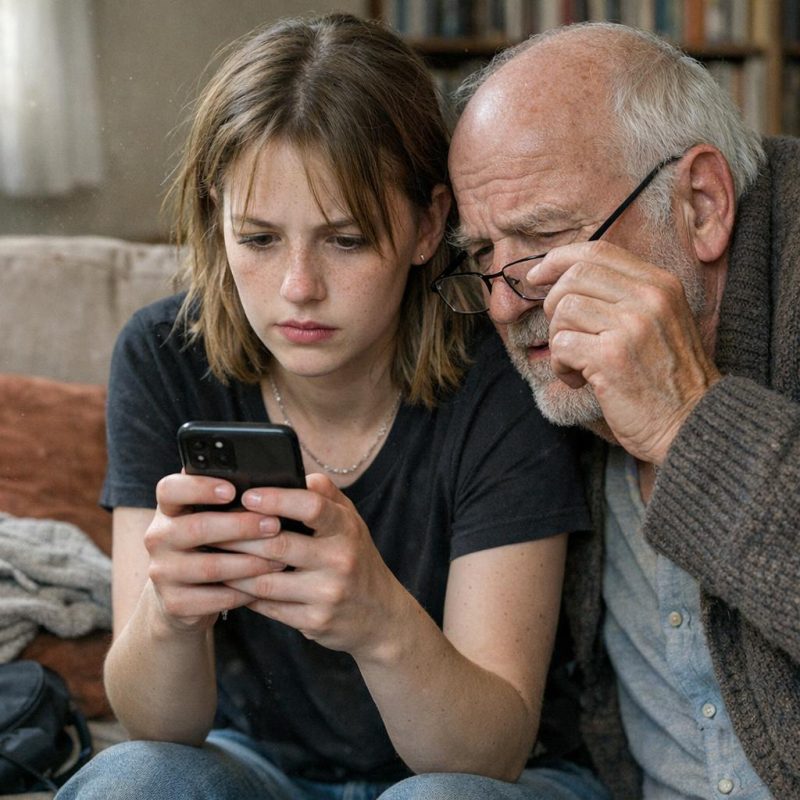 Image by RM AI
The Search Results
I scrolled through the results with growing horror, article after article appearing on that tiny screen. There were news stories from years ago, comment threads where strangers called my son terrible names, screenshots of what looked like official documents with his name attached. The story they told was devastating: a manufacturing company scandal where someone had falsified safety records, covered up violations, and ultimately destroyed the pension fund of dozens of workers. Retirees had lost everything, families had been ruined, and according to these sources, Daniel Brennan had been at the center of it all. I kept reading, my hands now shaking as badly as Lily's had been. One article called him a 'corporate criminal who escaped real consequences.' Another listed him among 'white-collar offenders who hide in plain sight.' There were dates, locations, company names, all the specific details that make a story feel real. The details matched my son exactly: his name, his hometown, his age, but the crimes described felt like reading about a stranger.
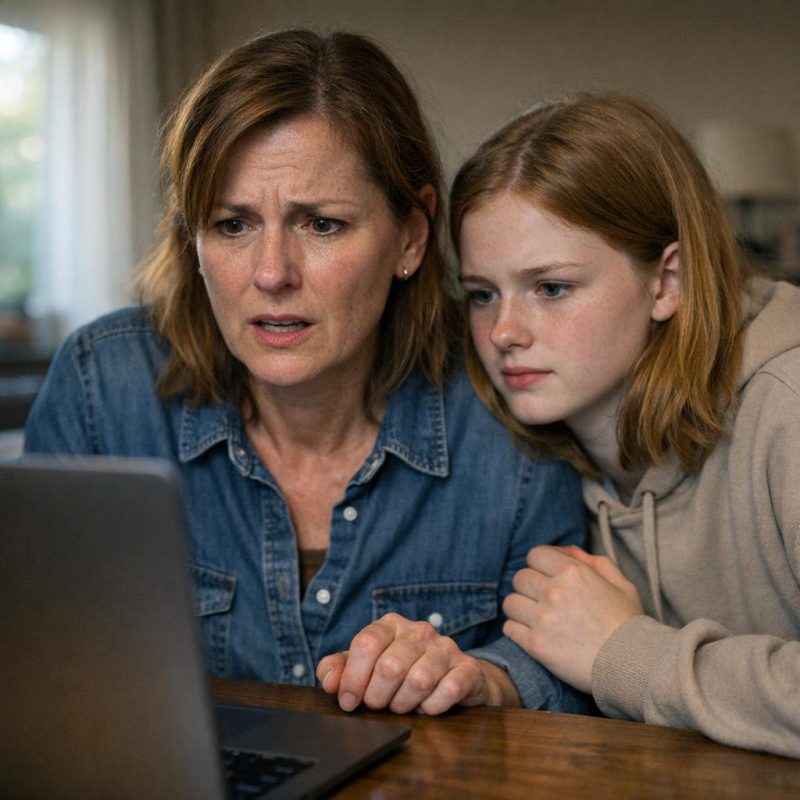 Image by RM AI
The Mother I Knew
I handed the phone back to Lily and told her there had to be a mistake. 'This isn't your father,' I said firmly, hearing the defensive edge in my own voice. 'I raised that man. I know him.' I reminded her about Daniel's quiet nature, how he'd always been the kid who followed rules to a fault, who double-checked his homework and arrived everywhere early. I talked about his steady work history, never a complaint from any employer, always reliable and careful. And I reminded her how devoted he'd been after Vanessa passed away three years ago, how he'd stepped up as a single parent when his world fell apart. 'Your father is a good man,' I insisted, maybe saying it as much for myself as for her. Lily just nodded silently, staring at her hands. I wanted her to argue back, to tell me I was right, but she just sat there looking small and defeated. But even as I said it, defending my son with every fiber of maternal certainty I possessed, I wondered why none of that history appeared anywhere online to defend him.
 Image by RM AI
The Torment
That's when Lily started telling me what she'd been going through at school, and it broke something in my chest. Kids were calling her 'criminal's daughter' in the hallways, whispering just loud enough for her to hear. Someone had taped a printout of one of those articles to her locker. Her closest friends had started avoiding her, not out of cruelty but out of confusion, not knowing what to believe. Teachers were acting strange around her too, overly gentle in a way that felt like pity or suspicion. The worst part came when she told me about the parent-teacher conference last week. One mother had pulled the principal aside and asked, loud enough for others to hear, if Lily was 'safe at home' given her father's 'history.' Lily's voice cracked when she repeated that question, and I saw tears finally spill down her cheeks. This wasn't about teenage embarrassment anymore, not about reputation or social standing. The fear in her voice when she repeated that question made this about more than just embarrassment, it was about her sense of safety collapsing.
The Promise
I pulled Lily into a hug and made her a promise right there on my worn-out couch. 'I will get to the bottom of this,' I told her, meaning every word. 'I'll find out what's true and what's lies, and we'll fix it together.' I spoke with all the confidence a grandmother can muster, the same voice I'd used when she was little and afraid of thunderstorms. I told her we'd clear Daniel's name, that there had to be an explanation, that the internet got things wrong all the time. I promised we'd go to her school if we had to, show them proof, make them understand they'd targeted an innocent man and his daughter. Lily pulled back from the hug and looked at me with an expression I couldn't quite read. She nodded, wiped her eyes, and said, 'Okay, Grandma.' But something in her face wasn't right, something sad and resigned that seemed far too old for fourteen. But as I said the words, I caught a flicker of something in her expression that looked like pity, as if she doubted I could fix anything.
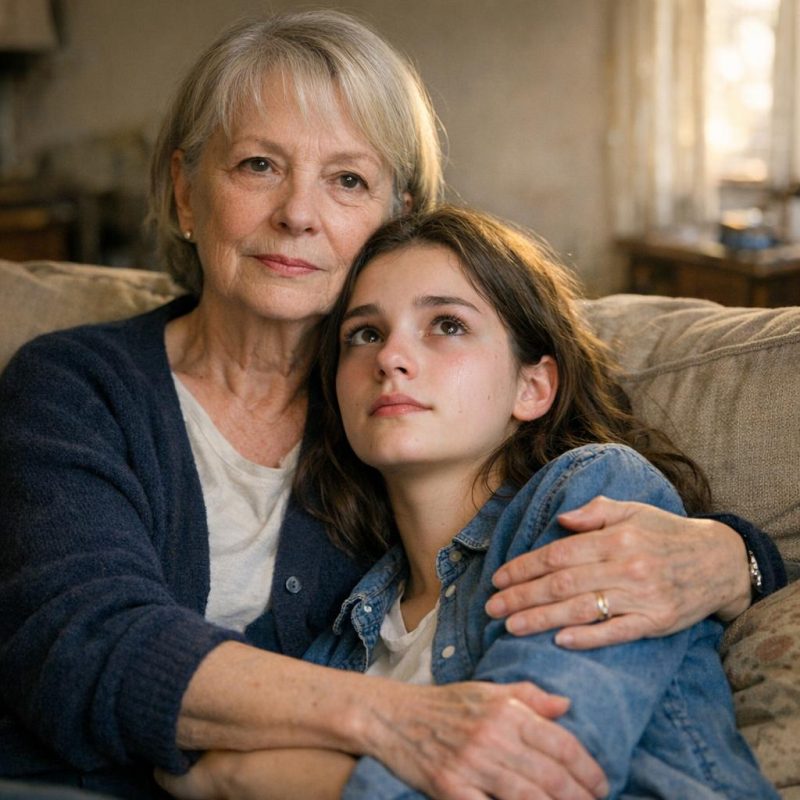 Image by RM AI
Late Night Archives
After Lily went home, I made myself a cup of tea and opened my laptop. I'm not the most tech-savvy person, but I know how to search the internet and follow links. I stayed up until past midnight, clicking through old news archives and company websites, trying to piece together this story that had apparently destroyed my granddaughter's life. The details lined up in ways that felt convincing—the company name matched where Daniel had worked, the timeframe was roughly right, the position described sounded similar to what he'd done. But there were also gaps that made no sense. Some articles mentioned meetings Daniel supposedly attended, but I remembered him being home sick with flu during that week. Another piece referenced a speech he'd given at a corporate event, but public speaking had always terrified my son. I kept digging, making notes on a pad of paper beside my keyboard, and that's when I found something that made my chest tighten. One article mentioned a Daniel Brennan who signed off on fraudulent safety reports, but the date was from a year when my son was on paternity leave.
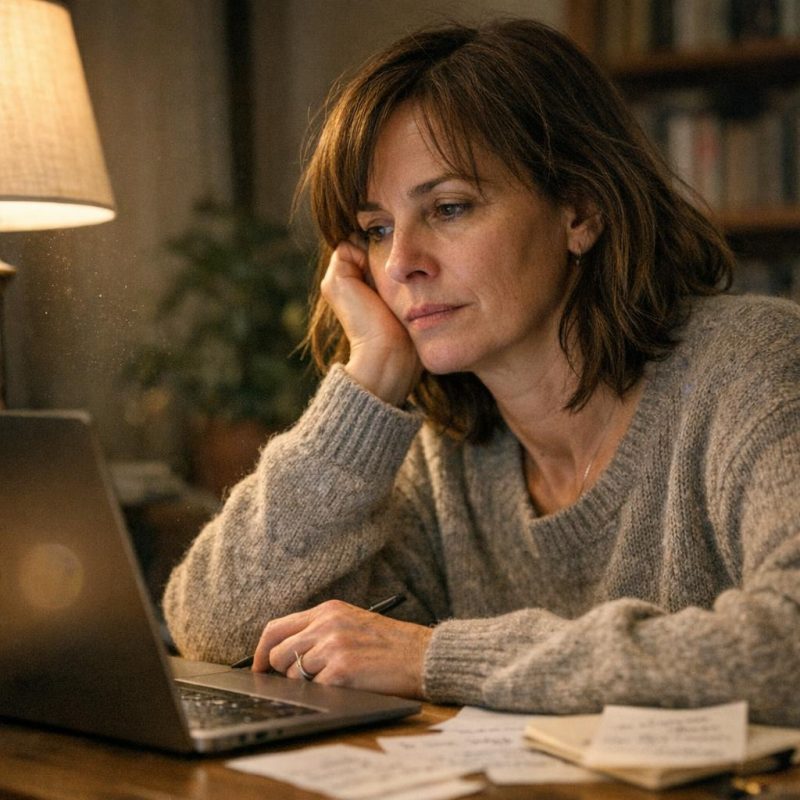 Image by RM AI
The Classmate
The next afternoon, Lily came over after school and mentioned something I hadn't heard before. There was a boy in her class named Kyle whose older brother had apparently found an old blog post about the scandal and shared it on social media. That's what had caused the story to explode again at school, she explained. The blog post had a dramatic headline and emotional language that made it go viral in their small community. Kids had shared it, parents had read it, and suddenly everyone was talking about Daniel Brennan again like the scandal had happened yesterday. 'Can you show me that blog post?' I asked, trying to keep my voice casual. Lily pulled out her phone and found it within seconds. I read through the sensationalized language, the accusations presented as absolute fact, the righteous anger directed at my son. But something about the writing style caught my attention—the particular phrasing, the way certain words were capitalized for emphasis, the overly dramatic tone. I asked Lily to show me the blog post, and when I saw the sensationalized headline, I recognized the writing style from somewhere decades ago.
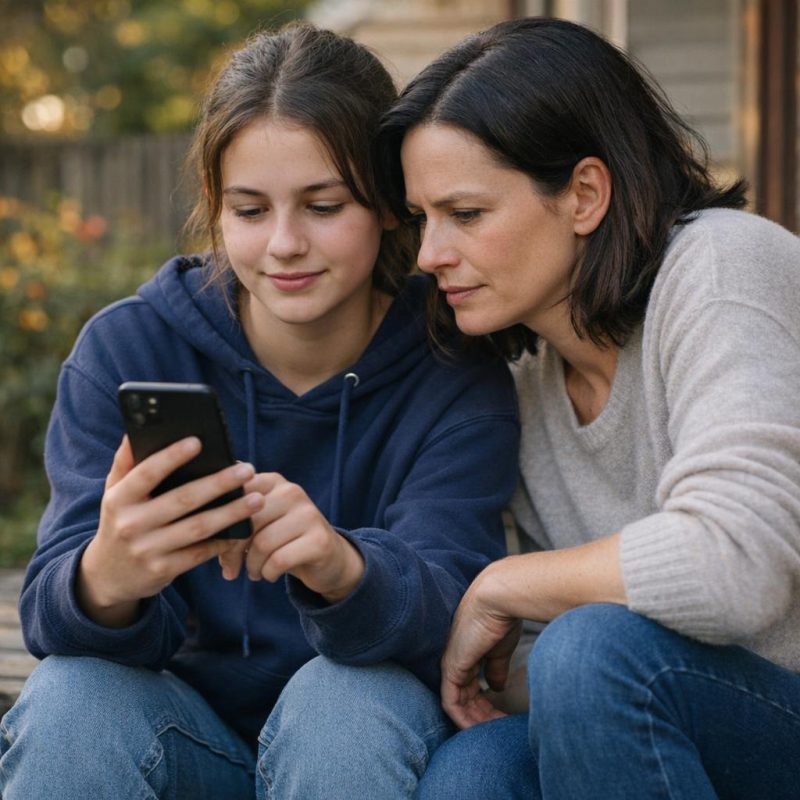 Image by RM AI
The Confrontation Plan
That night I sat at my kitchen table with a notebook, writing down questions like I was preparing for a job interview instead of a conversation with my own son. I wanted to know what he knew, when he knew it, and why he hadn't mentioned any of this to me or to Lily. I didn't want to accuse him of anything. God knows I still believed Daniel was the victim here, caught up in something that wasn't his fault. But the fact that he hadn't said a word to me about Lily's situation at school bothered me more than I wanted to admit. I kept crossing out questions that sounded too confrontational and rewriting them to sound gentler, more concerned. How are you holding up? Have you talked to Lily about what's happening? Do you know where this all started? I must have rehearsed the conversation a dozen times in my head, imagining his responses, planning my follow-ups. But no matter how carefully I planned my approach, I couldn't shake this nagging feeling that maybe Daniel already knew everything that was happening, and for some reason had chosen not to tell me.
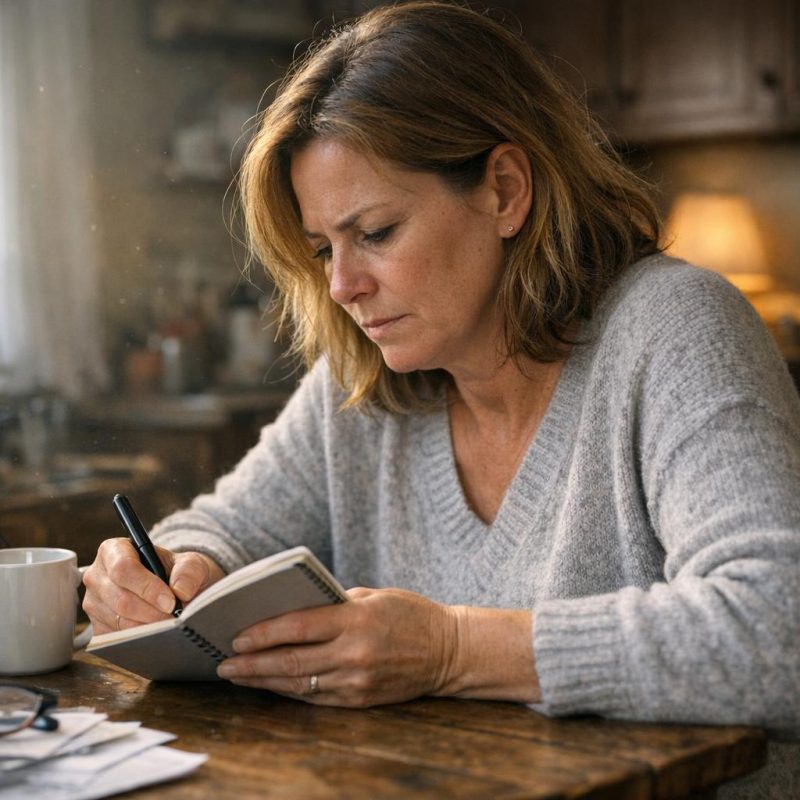 Image by RM AI
The Teacher's Awkwardness
The next morning I went to the grocery store, still mentally rehearsing my conversation with Daniel, when I spotted Mrs. Chen in the produce section. She was Lily's history teacher, someone I'd always liked at parent-teacher conferences. I waved and walked over, intending to ask casually how Lily was doing in class. But the moment I mentioned Lily's name, Mrs. Chen's expression changed. She suddenly became very interested in the apples she was examining, turning them over in her hands like she was searching for the meaning of life in their skin. 'Oh, Lily's fine academically,' she said, not meeting my eyes. 'Very bright girl.' The way she said it, with that careful emphasis on 'academically,' made my stomach drop. There was a long, awkward pause where we both pretended to shop. Then she glanced around like she was checking if anyone could hear us, leaned in slightly, and asked in a voice barely above a whisper, 'Is everything all right at home?' That's when I felt it, that hot flush of shame crawling up my neck, the realization that people weren't just judging Daniel anymore—they were judging me too, wondering what kind of family we were.
 Image by RM AI
The Drive Over
I drove to Daniel's house that afternoon with my hands gripping the steering wheel so tight my knuckles turned white. The whole way there, I kept having this internal argument with myself. Part of me wanted to believe that Daniel was completely innocent, that this was all just internet nonsense that would blow over. But another part of me, the part that had lived long enough to know that smoke usually means fire, was preparing for something worse. I thought about the boy I'd raised, the man he'd become, the father he was to Lily. Could I have missed something? Could there be truth to any of this that I'd been too blind or too trusting to see? The ten-minute drive felt like an hour. When I finally pulled into his driveway, I sat in the car for a moment, gathering my courage. Then I looked up at the kitchen window. Daniel was sitting at the table with his head buried in his hands, his shoulders hunched like he was carrying something impossibly heavy. He looked like a man who was drowning, and I suddenly realized that whatever conversation I'd rehearsed probably wasn't going to go the way I'd planned.
 Image by RM AI
The Question
I let myself in through the front door, calling out so I wouldn't startle him. Daniel looked up when I entered the kitchen, and I could see he'd been crying or close to it. His eyes were red-rimmed, exhausted. I sat down across from him and just came out with it. 'Daniel, do you know what's being said about you online? What the kids at Lily's school are saying?' I kept my voice as gentle as I could, expecting him to get angry or defensive, to tell me it was all lies and he couldn't believe people would spread such garbage. Instead, his face went completely pale. He stared at me for a long moment, then asked in this quiet, strained voice, 'How much has Lily seen?' Not 'Is it true?' Not 'Who told you this?' But 'How much has Lily seen?' Like his first concern was damage control, not clearing his name. That question hit me like a slap. If he'd been falsely accused, wouldn't his first instinct be to deny it? To be outraged? The fact that he immediately wanted to know what his daughter had been exposed to, that was the first crack in the story I'd been telling myself, the first moment I realized this might not be the simple misunderstanding I'd hoped it was.
 Image by RM AI
The Silence
Daniel didn't say anything for what felt like forever. He just sat there with his hands folded on the table, his jaw working like he was physically struggling with words that wouldn't come out. I waited, giving him space, but my heart was pounding so hard I could hear it in my ears. The kitchen clock ticked. A car drove past outside. Finally, he took a deep breath and looked at me with eyes that were equal parts exhausted and afraid. 'There's truth buried under the rumors,' he said slowly, 'but it's not the truth the internet thinks it knows.' I felt the room tilt slightly, like the floor had shifted beneath my chair. Not a denial. Not even close. An admission that something real was hiding under all the noise and accusations. 'What does that mean, Daniel?' I asked, trying to keep my voice steady even though I felt like I might be sick. He shook his head, still not quite meeting my eyes. 'It's complicated, Mom. It's all so much more complicated than it looks.' That's when I knew, really knew, that my son had been keeping something from me, something significant, and whatever it was had finally caught up with him.
 Image by RM AI
The Early Career
Daniel started talking, his words coming out slow and careful like he was picking his way through a minefield. He told me that years ago, early in his career at the manufacturing company, he'd been pressured by supervisors to sign off on paperwork that wasn't accurate. They wanted him to approve safety inspection reports that hadn't actually been completed, to backdate documents, to make things look better on paper than they were in reality. I listened, feeling a small flicker of relief. This sounded like whistleblower territory, like maybe Daniel was actually the good guy in this story. 'I refused,' he said, and I felt myself breathe a little easier. 'I refused to sign off on anything I hadn't personally verified. I reported it internally, went to HR, told them what was happening.' He was looking at the table while he talked, his fingers tracing invisible patterns on the wood surface. But something about the way he said it, the way he couldn't look at me, the way his voice got quieter at the end, made me wonder if refusing was really all he had done, or if there was more to this story that he still wasn't ready to tell me.
 Image by RM AI
The Pushout
Daniel kept going with his story, explaining how the company didn't exactly fire him after he reported the violations, but they made it clear he wasn't welcome anymore. They transferred him to a different plant first, some facility two hours away that would have destroyed his life with Vanessa and baby Lily. When he declined the transfer, they put him on projects that went nowhere, excluded him from meetings, basically froze him out. Then six months later, during what they called a 'restructuring,' he was laid off along with a dozen other people. 'It was calculated,' he said, 'but done quietly enough that I couldn't prove retaliation.' I sat there trying to process this, feeling angry on his behalf but also confused. 'Why didn't you fight back?' I asked. 'Why didn't you sue them or go public or something?' Daniel looked at me then, really looked at me, and there was something in his expression that was almost like shame. 'I thought it was over, Mom,' he said quietly. 'I thought if I just walked away and moved on with my life, that would be the end of it. I had a family to think about. I just wanted it to be over.'
 Image by RM AI
The Scapegoat
Then Daniel explained what happened years later, after he'd moved on and rebuilt his life. The company collapsed in a pension fund scandal, and suddenly his name started appearing in online articles and blog posts as one of the people responsible. 'I wasn't even there anymore,' he said, his voice getting tighter. 'I'd been gone for years. But they needed someone to blame, and I was convenient. I was the guy who left under questionable circumstances, the one who wasn't around to defend myself.' He explained how his former supervisors, the ones who'd pressured him to falsify documents in the first place, had apparently pointed fingers at him when investigators came asking questions. They painted him as someone who'd been let go for ethical violations, twisting the whole narrative. I felt anger rising in my chest. 'So why didn't you speak up then?' I demanded. 'Why didn't you tell everyone the truth about what really happened?' Daniel's face crumpled slightly, and when he answered, his voice was barely above a whisper. 'Vanessa was already sick by then, Mom. She'd just been diagnosed. I couldn't risk a legal battle, couldn't risk our savings or my energy or anything. I had to focus on her.' And just like that, my anger deflated into something much more painful—understanding.
 Image by RM AI
The Sacrifice
Daniel's voice went even quieter when he explained the real reason he never corrected the record publicly. 'Mom, if I had fought back—if I'd sued for defamation or gone to the media with my version—they would have subpoenaed everyone. Vanessa would have been dragged into depositions. She would have spent her last months sitting in conference rooms answering lawyers' questions about dates and documents she'd never even heard of.' He looked down at his hands, and I could see them trembling slightly. 'She was already so tired, you know? The chemo exhausted her. I couldn't ask her to spend whatever energy she had left fighting my battle.' I felt something shift inside me—my anger softening into grief, the sharp edges worn down by understanding. Of course he'd chosen her peace over his reputation. What else could a decent man do? But even as I accepted his choice during Vanessa's illness, another question rose up in its place. 'Daniel,' I said carefully, 'but that was five years ago. Why are you still staying silent now?' He didn't answer right away, and I realized I still did not understand why he had to keep living with this burden after her death.
 Image by RM AI
Lily's Perspective
When I got back to my house that evening, Lily was sitting on my front porch waiting for me. She stood up as I approached, and I could see the tension in her shoulders. 'Did you talk to Dad?' she asked immediately. I nodded and invited her inside, but she followed me in with an impatience that reminded me so much of myself at her age. 'Did he tell you what happened?' she pressed. I tried to explain what Daniel had shared—about the pressure, the false documents, Vanessa's illness—but Lily just shook her head. 'Grandma, I know all that. But the online world doesn't care about nuance. They don't care about context or complicated stories or sacrifices he made for Mom. They only see headlines.' She pulled out her phone and showed me more posts, more comments, all of them reducing Daniel's entire life to a single label: fraud. 'His silence looks like guilt,' she said flatly. 'That's how everyone reads it.' I wanted to argue with her, to defend Daniel's reasons, but then she asked me directly: 'Do you believe him?' And I realized I did not know how to answer, because belief required understanding something I still could not see—some missing piece that would make all of this make sense.
 Image by RM AI
The Blog Post Revisited
That night, I couldn't sleep. I kept thinking about what Lily had said about silence looking like guilt, and I pulled out my laptop again. This time I went back to the blog post Kyle's brother had shared—the one that had revived the whole scandal and brought it to the attention of parents at Lily's school. I'd skimmed it before, focusing only on the accusations against Daniel, but now I forced myself to read it more carefully. The author's name was listed as 'J. Moretti,' which sounded like a pseudonym to me. Nobody writes under that kind of dramatic pen name unless they're hiding something. But what caught my attention this time wasn't the name—it was the writing itself. The phrasing had a certain theatrical quality, with dramatic flourishes and perfectly timed reveals. 'Sources say the real culprit walked away scot-free,' one line read. 'Meanwhile, honest employees paid the price.' It was effective writing, the kind that made you angry on behalf of imaginary victims. And then I felt a strange tingle of recognition. The style, the rhythm, the way the sentences built to these punchy conclusions—it reminded me of someone I once worked with decades ago, someone who always had a talent for bending stories to serve whatever narrative suited him best.
 Image by RM AI
The Archives Deepened
I spent the next night going deeper, changing my search strategy entirely. Instead of looking for news articles and blog posts, I started searching for official records—court documents, regulatory filings, anything with legal weight behind it. It took hours of clicking through dense PDFs and scanning lists of names, but eventually I found what I was looking for: a formal list of employees cited in the pension fraud investigation. My heart was pounding as I scrolled through the names, looking for Daniel's. And there it was, about halfway down the page: 'Daniel Brennan, Senior Analyst.' But then I kept reading, more carefully this time, checking every single entry. Three names further down, I saw it again: 'Daniel P. Brennan, Director of Compliance.' I blinked and read it twice more to make sure I wasn't imagining things. Two Daniel Brennans. My son was Daniel James Brennan, without a middle initial in any of the news coverage I'd seen. But here, in the official investigation documents, there were clearly two different people with nearly identical names. One was listed as a senior analyst—that could have been my son in his early days there. The other had a middle initial P, and held a much higher position. Daniel's name appeared on that list, but so did another name that was almost exactly the same but wasn't him at all.
 Image by RM AI
The Middle Initial
I called Daniel the next morning before I could second-guess myself. When he answered, I didn't bother with pleasantries. 'Daniel, what's your middle name?' I asked. There was a pause, probably because it was a strange question to lead with. 'James,' he said. 'You know that, Mom. Daniel James Brennan. Why?' I felt a flicker of hope, the first real hope I'd felt in days. 'Because I found the official investigation documents, and there's another Daniel Brennan listed—Daniel P. Brennan. He was the Director of Compliance. Daniel, I think the internet has conflated you with someone else.' I expected him to sound relieved, maybe even excited that I'd found evidence to clear his name. But instead, his voice was flat when he responded. 'I know about him, Mom.' That stopped me cold. 'You know? You've known this whole time that there was another Daniel Brennan, and you didn't say anything?' He sighed heavily. 'It doesn't matter. The damage is done. Do you think anyone online is going to stop and check middle initials? They see Daniel Brennan worked at that company, and that's enough.' I felt my hope deflate into something uglier—frustration at his resignation, his refusal to fight back even when there was clear evidence of mistaken identity.
 Image by RM AI
The Familiar Name
I went back to those original articles that night, reading them with fresh eyes now that I knew about the second Daniel Brennan. I made a list of every name mentioned—executives, board members, anyone connected to the scandal. Most of them meant nothing to me, just unfamiliar surnames attached to corporate titles. But then one name made me stop: Howard Patterson, listed as Executive Vice President. I knew that name. I sat there staring at it, trying to place where I'd heard it before, and then it came back to me in a rush. Howard Patterson. I'd worked with him briefly at a different firm back in the nineties, long before Daniel even started his career. Howard had been in investor relations then, the kind of person who was always networking, always spinning stories to make the company look better than it actually was. I remembered him as charming in that smooth, practiced way—good-looking, confident, the type who could walk into a room and immediately command attention. But there was something underneath that charm that had always made me uneasy. Howard had a talent for rewriting history in real time, for telling a version of events that benefited him and making you believe it was the truth, even when you'd been there and seen something different with your own eyes.
 Image by RM AI
The Reunion Memory
Once I remembered Howard, other memories started flooding back. There had been a reunion about eight or nine years ago—one of those alumni networking events for people who'd worked at our old firm. I'd gone mostly out of obligation, not expecting much, but Howard had been there, holding court at the bar like he always did. He was telling stories about corporate scandals he'd witnessed, making himself sound like the ethical hero in every tale. People were laughing, buying him drinks, eating it up. And I remembered—oh God, I remembered—that I'd been standing there in that circle, and someone had asked if I'd heard about any scandals at companies my family worked for. I'd mentioned something vague about Daniel, about how he'd left a job under 'odd circumstances' years earlier. I hadn't thought anything of it at the time. It was just conversation, just a throwaway comment to contribute to the discussion. But now, sitting in my living room with my laptop, I realized with sickening clarity what I might have done. Howard had that way of collecting information, of filing away little details that he could use later. I had mentioned something vague about Daniel leaving a job under 'odd circumstances,' and now I wondered if that careless comment—my careless comment—had fed into the false narrative that was destroying my son's life.
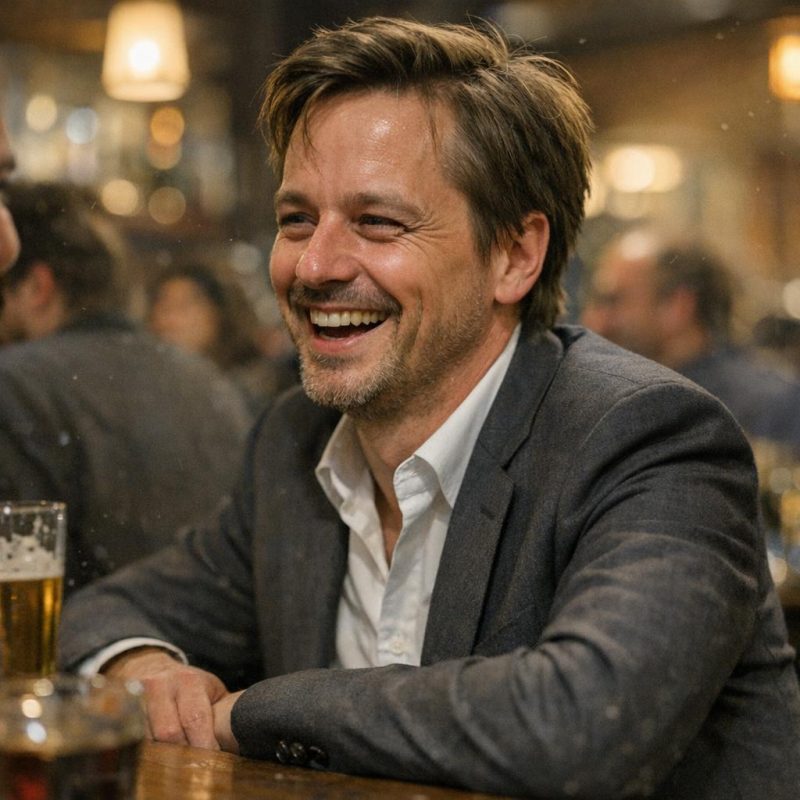 Image by RM AI
The Weight of Silence
I sat there for a long time that night, just sitting with the knowledge of what I might have done. The possibility that I had played even a small role in destroying Daniel's reputation felt almost unbearable. I'd been so focused on being angry at him for not defending himself, for staying silent, for letting this happen. But what if I'd helped create the very thing I was angry about? What if my casual gossip at a networking event had given someone like Howard Patterson ammunition to use against my own son? The shame was thick and choking, worse than anything I'd felt in years. I thought about calling Daniel, confessing what I'd remembered, but what would I even say? 'Sorry, I might have accidentally ruined your life at a cocktail party'? But then I caught myself spiraling and forced myself to stop. Shame was useless unless I turned it into action. Sitting here drowning in guilt wasn't going to help Daniel or Lily or anyone. If I'd contributed to this mess—even unknowingly—then I had a responsibility to help fix it. I needed to find Howard Patterson and confront what I had helped create, whether by accident or ignorance or carelessness, and figure out exactly how my words had been twisted into weapons.
 Image by RM AI
Finding Howard
Finding Howard Patterson turned out to be easier than I expected. I reached out to a few old professional contacts, people I'd worked with back when I was still consulting, and within two days I had his current phone number and knew where he spent his time. He was still active in local business circles, apparently, still sitting on nonprofit boards and showing up at charity fundraisers. Still telling stories, I imagined, still working rooms with that practiced charm I remembered from years ago. When I finally called him, my hand was shaking slightly as I held the phone. I told him I was an old acquaintance who wanted to catch up, maybe meet for coffee. There was a brief pause, and then his voice came through, smooth as butter, saying he would be 'delighted' to see me again. Delighted. The word made my skin crawl because there was something in the way he said it, something knowing and unbothered. He suggested a coffee shop downtown, casual and public, and we set a date for the following afternoon. After I hung up, I sat there feeling that wariness settle over me like a cold fog. A man who had nothing to hide might have been curious about why I was calling after all these years, but Howard Patterson sounded like he had been expecting someone to come asking questions eventually, and he wasn't worried at all.
 Image by RM AI
The Coffee Shop
The coffee shop was one of those trendy places with exposed brick and overpriced lattes, the kind where business people went to seem approachable. Howard was already there when I arrived, sitting at a corner table with a cup in front of him, and he stood up to greet me with a warm handshake and a smile that looked genuine until you paid attention to his eyes. They were cold, calculating, taking my measure even as he asked how I'd been and complimented me on looking well. We made small talk for a few minutes, the kind of meaningless pleasantries that felt like a dance neither of us wanted to be doing, and then I decided to stop wasting time. I mentioned Daniel's name, just said it plainly, that I was concerned about what had happened to my son's reputation. Howard's expression did not change at all. Not a flicker of surprise, not a hint of confusion, nothing. He just nodded slowly and took a sip of his coffee, and that absolute lack of reaction told me everything I needed to know. He had been expecting this conversation, maybe not with me specifically, but with someone. He knew exactly why I was there, and he had already decided what he was going to say.
 Image by RM AI
The Smooth Denial
Howard listened as I explained my concerns, leaning forward slightly like he was genuinely sympathetic, and when I finished, he sighed in that way people do when they're about to deliver disappointing news. He said Daniel's situation was unfortunate, truly, and that it was hard to watch a good person suffer. But then he said something that made my blood go cold. He said that reputations are built on perception, not fact, and that once people believe something about you, it becomes your reality whether it's true or not. He said it matter-of-factly, like he was explaining basic economics or weather patterns, just a simple truth of how the world worked. There was no acknowledgment that this might be wrong, no suggestion that anyone bore responsibility for separating truth from lies. He talked about perception as if it were a natural force, something that just happened, rather than something people like him created and manipulated. I sat there looking at him, at this man who seemed perfectly comfortable with the idea that truth could be sacrificed for convenience, and I felt anger rising in my chest. He said it almost kindly, as if he were offering me wisdom from his years of experience, and I realized he saw nothing wrong with the way truth had been sacrificed for convenience.
 Image by RM AI
The Anecdote Weaponized
I decided to push harder. I asked Howard directly if he remembered that reunion years ago, the one where I had mentioned Daniel's job situation, the layoffs and the company collapse. His eyes sharpened just slightly, and then he smiled, that same pleasant smile that never quite warmed his face. He said he remembered many such conversations over the years, that people shared all sorts of interesting information at social events. The way he said it made my stomach turn because it was so casual, so dismissive of what those 'interesting' pieces of information might do when repeated in the wrong context. I pressed him, asked if he had shared what I'd told him with others, and he tilted his head as if considering how to answer. Then he said something that felt like a slap. He said that people often share things without realizing how they might be interpreted, that context gets lost in translation, and that he couldn't be responsible for how others chose to understand the stories they heard. But the way he said it, the slight emphasis on certain words, made it clear he knew exactly how those stories would be interpreted. I understood then, sitting across from him in that overpriced coffee shop, that he had weaponized my casual words deliberately and saw nothing wrong with it.
 Image by RM AI
The Walk Home
I left the coffee shop without saying goodbye, just stood up and walked out while Howard was still talking about the complexity of business relationships. My hands were shaking, and I felt heat in my face that had nothing to do with the temperature outside. I started walking, not toward the parking garage where I'd left my car, but just away, needing to move and burn off the anger that was coursing through me. How could someone be like that? How could a person destroy lives without remorse, treat reputation and truth like commodities to be traded for social advantage? I walked for blocks, past shops and restaurants and people going about their normal days, and I kept thinking about Howard's smooth voice, his practiced charm, the way he had deflected responsibility while essentially admitting everything. He had taken my words and twisted them, used them as weapons against my own son, and he felt no guilt about it whatsoever. But anger was not a plan, and I needed more than outrage if I was going to help Daniel reclaim his name.
 Image by RM AI
Marcia's Insight
When I got home, I called my friend Marcia, who had worked in corporate HR for decades before retiring. She had dealt with every kind of workplace disaster imaginable, and I figured if anyone would know how to find proof of what really happened years ago, it would be her. I explained the situation, keeping my voice as steady as I could, and asked what kind of records might still exist from a company collapse that happened so long ago. Marcia was quiet for a moment, thinking, and then she said something that made my heart beat faster. She told me that whistleblower reports and internal complaints often survived in archived files, especially if there had been legal proceedings or bankruptcy filings. Companies were required to preserve certain documentation, and if Daniel had truly reported violations before the collapse, there might be proof somewhere in those archives. She said it wouldn't be easy to access, that there would be bureaucracy and procedures, but the records might exist. I thanked her, feeling something like hope starting to push through the anger. She told me that if Daniel had truly reported violations, there might be proof somewhere, and I finally had a direction to move in.
 Image by RM AI
The Request for Help
I went back to Daniel that evening, showing up at his apartment without calling first because I was afraid I'd lose my nerve if I gave myself too much time to think. He looked surprised to see me, worried even, and I realized I'd been coming around a lot lately with questions and demands. But I needed to know something, needed to ask before I went any further down this path. I asked him directly if he had kept any records from his time at the manufacturing company, any emails or documents that might prove he had reported the safety violations. His face changed, became guarded, and he shook his head. He said he had kept nothing, that when he left that job he had wanted to put it all behind him, to forget that entire chapter of his life. I stood there in his doorway feeling frustration rise up like a wave. Of course he hadn't kept anything. Of course he had tried to move on and forget, because that was what Daniel did, he tried to make himself smaller and hope problems would resolve themselves. I wanted to scream at him for making this so much harder, but I also understood. He had been trying to survive, not thinking about how he might need to defend himself years later.
 Image by RM AI
The Company Archives
Marcia helped me figure out the next steps, walking me through the process of requesting archived corporate records. She knew someone who knew someone, and within a few days I had contact information for the state archive where corporate bankruptcy records were stored. I called them, explained that I was trying to access files from a manufacturing company that had collapsed years ago, and the clerk on the phone was professional but not particularly encouraging. She said the files had been preserved for legal purposes, that they were public record in theory, but that accessing them required submitting formal requests and waiting for the documents to be retrieved from storage. I filled out the forms she emailed me, providing every detail I could remember about the company and the approximate timeframe. When I submitted everything, the clerk called me back to confirm they'd received my request, and then she told me it might take weeks to retrieve the files from the warehouse where they were stored. Weeks. It felt like an eternity, like Daniel would have to keep living under this cloud while bureaucrats shuffled papers and pulled boxes from shelves, but I thanked her and hung up, trying to hold onto patience I didn't really feel.
 Image by RM AI
Lily's Question
While I waited for the archive to call back, Lily came over one afternoon and sat with me in the kitchen. She'd been quieter lately, more withdrawn at school according to Sarah, and I could see the weight of everything in the way she hunched over her tea. She asked me suddenly why no one had fought back when the story first spread, why her dad had just let people say those things without defending himself. I didn't have a good answer for her. I said something vague about how sometimes adults make choices we don't understand, how maybe he thought it would blow over if he ignored it, but even as I spoke I could hear how weak it sounded. Lily listened and nodded slowly, her fingers wrapped around her mug. Then she said, so quietly I almost missed it, that maybe it was easier to let people believe the worst than to risk looking like you were making excuses, like if you defended yourself too hard it proved you were guilty. I stared at her across the table, this fourteen-year-old girl who had somehow understood her father better than I had in all these years. She was describing Daniel perfectly, his passivity, his silence, the way he'd let the narrative bury him rather than fight back. And I realized with a sick feeling that she was also describing herself, the way she'd absorbed his pattern of just enduring.
The Waiting
Days passed with no word from the archive, and I filled the time by re-reading every article I could find about the company collapse. I'd already been through most of them, but I kept thinking I must have missed something, some detail buried in the text that would give me a direction to move in. I opened old news sites, scrolled through cached versions of articles that had been taken down, read editorial pieces and op-eds about corporate greed and regulatory failure. Most of it was repetitive, the same basic facts rearranged in slightly different language, but I kept looking anyway because sitting still felt impossible. Then one night I found myself in a comment thread from seven or eight years ago, attached to an article about the pension scandal. Most of the comments were the usual internet noise, people calling for jail time or defending corporations or making jokes, but one comment near the bottom caught my eye. Someone with a username I didn't recognize had written that there were two Daniel Brennans at the plant, that people were confusing them, that the wrong one was being blamed. The comment had three replies, all dismissing it as conspiracy thinking or deflection, and no one had followed up. I stared at that comment for a long time, my heart beating faster, wondering if this anonymous stranger had seen something everyone else had missed.
 Image by RM AI
The Callback
The archive finally called on a Tuesday morning, and the clerk told me the files were ready for review. I didn't even finish my coffee. I grabbed my purse and my notebook and drove straight there, my hands tight on the steering wheel, my heart pounding so hard I could feel it in my throat. The archive was in a gray municipal building downtown, the kind of place that smelled like old paper and industrial cleaning solution, and the clerk at the desk was a woman in her fifties who barely looked up when I signed in. She led me to a small room with a table and two chairs, fluorescent lights humming overhead, and then she returned a few minutes later carrying a banker's box. She set it down in front of me with a soft thud and said I had two hours to review the contents before closing time, that I couldn't remove anything or take photos but I could take notes. Two hours. I thanked her and she left, closing the door behind her, and I sat there staring at the box, feeling the weight of those two hours like a countdown, like I was racing against time itself to find the truth before it slipped away again.
 Image by RM AI
The Employee List
I pulled the lid off the box and started going through the files, my hands moving faster than my brain could process. There were payroll records, internal memos, compliance reports, all organized in folders with labels that had faded over the years. I found an employee directory from the year of the violations, a thick printout with names listed alphabetically by department, and I flipped to the Bs with my heart hammering. And there they were. Two Daniel Brennans. Daniel J. Brennan, listed under Safety Compliance. Daniel P. Brennan, listed under Quality Assurance. I stared at the page, reading the entries over and over, making sure I wasn't imagining it. My son had worked in safety compliance, I knew that, he'd told me about his job responsibilities, about the inspections and the reports he filed. But the Daniel Brennan blamed in the articles, the one whose name appeared in connection with the fraud investigation, had been in quality assurance. Different departments. Different people. My hands started to shake as I set the directory down, and I had to take a breath before I could keep looking, because this was it, this was the proof that everyone had gotten it wrong.
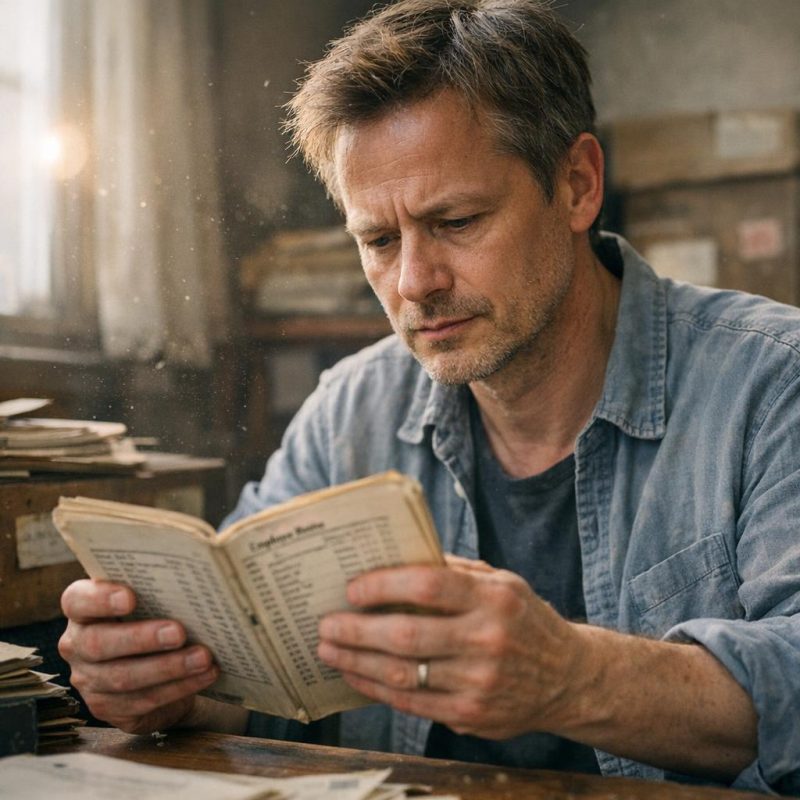 Image by RM AI
The Whistleblower Report
I kept digging through the files, pulling out folder after folder, scanning documents for anything with my son's name on it. And then I found it: an internal complaint form, filed by Daniel J. Brennan, Safety Compliance Officer. The form was dated eighteen months before the company collapsed, and the subject line read 'Quality Assurance Approval of Substandard Materials.' I read through it slowly, my hands still trembling. Daniel had documented everything. He'd reported that quality assurance was approving materials that didn't meet safety specifications, that he'd flagged multiple shipments for review and been overruled, that he was concerned about long-term structural integrity in the products being manufactured. It was formal and detailed and exactly the kind of thing a responsible safety officer would file when he saw something wrong. This wasn't the report of someone committing fraud. This was the report of someone trying to stop it. I checked the date again, making sure I had it right. Six months after Daniel filed this complaint, the company had begun the pension fund transfers that would later be investigated as fraud. My son had tried to warn them, and they'd ignored him.
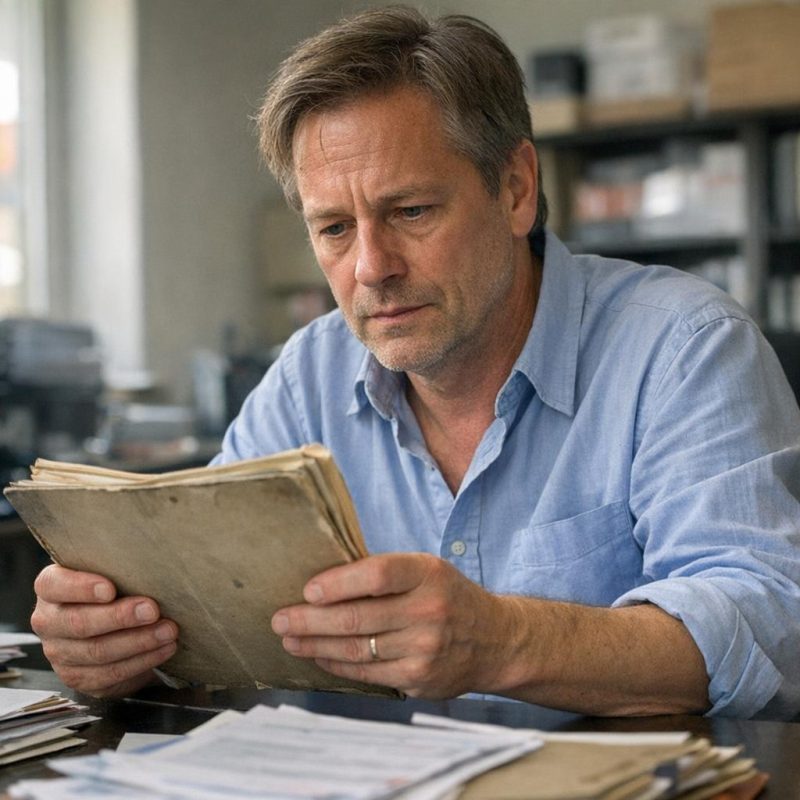 Image by RM AI
The Response Memo
Attached to Daniel's complaint with a paperclip was a response memo, printed on company letterhead. I unfolded it carefully, the paper brittle with age, and started reading. The memo was brief and dismissive, acknowledging receipt of the complaint but stating that quality assurance decisions were outside the purview of safety compliance, that Daniel's concerns had been reviewed by management and found to be overstated, and that to avoid further interdepartmental conflict, he was being reassigned to a different facility effective immediately. Reassigned. They'd silenced him by moving him away. I looked at the signature line at the bottom of the memo, and my vision went blurry for a second. Howard Patterson. The same man who had dismissed my son's warning, who had pushed him out rather than listen to him, had later helped spread the story that blamed Daniel for everything that went wrong. I felt a surge of rage so intense I had to set the paper down and close my eyes, because if Howard had been in that room with me I don't know what I would have done.
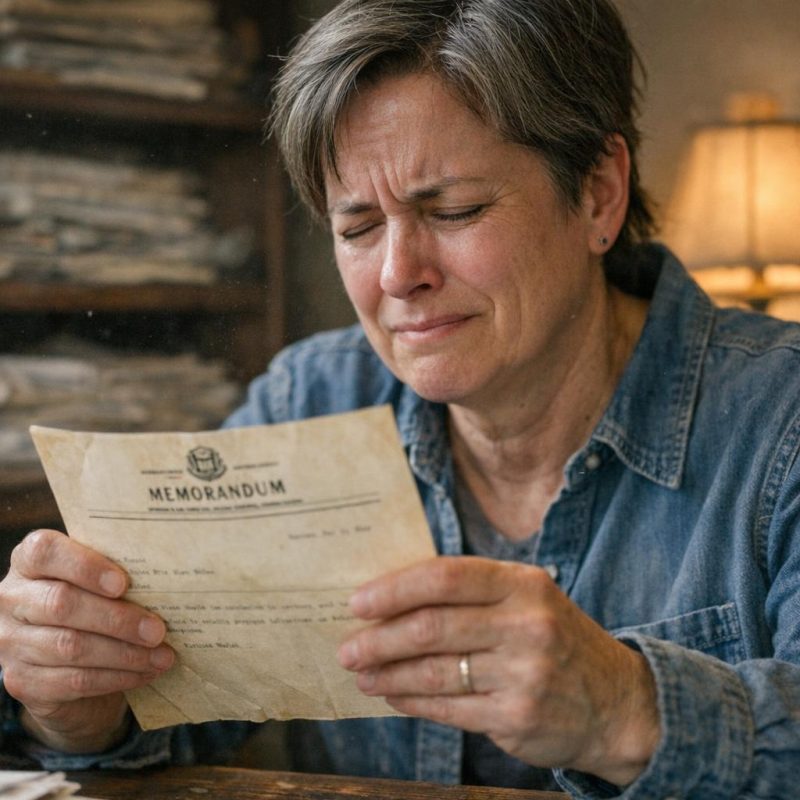 Image by RM AI
The Other Daniel
I forced myself to keep going through the box, and near the bottom I found a personnel file labeled 'Brennan, Daniel P.' I pulled it out and opened it, my hands steadier now because I knew what I was looking for. Daniel P. Brennan, Quality Assurance Manager. Hired three years before my son, promoted twice, salary significantly higher. The file listed him as a key signatory on multiple documents related to procurement decisions and financial allocations, and several memos inside referenced his role in approving budget transfers that I now recognized as the pension fund misappropriation. This was the guilty party, the person who had actually been involved in the fraud, and yet his name had somehow become conflated with my son's in every online narrative. There was a photo attached to the inside cover of the file, a standard employee ID photo from the company database. I pulled it closer, staring at the man's face. He looked nothing like my son. Different build, different features, maybe ten years older, wearing a tie and a smug expression that made my skin crawl. Yet his name, Daniel Brennan, had been used interchangeably with my Daniel's for years, and no one had bothered to check if they were the same person.
 Image by RM AI
The Email Chain
In the last folder at the bottom of the box, I found an email chain printed out and stapled together, dated from the months after Daniel had left the company. The subject line was 'Investigation Coordination,' and the emails were between Howard Patterson and two other executives whose names I didn't recognize. I read through them slowly, my jaw clenched tighter with each line. They were discussing how to frame the investigation to avoid implicating senior management, how to direct attention toward lower-level employees who had signed off on the problematic transfers. And then, halfway down the second page, I found it. An email from Howard, sent late at night, suggesting they use 'the Brennan who is no longer here' as the primary focus of any external inquiries, noting that since he'd left the company and wasn't available to defend himself, it would be easier to let assumptions form around his involvement. Another executive had replied in agreement, saying it was a clean solution that protected the people who mattered. I sat there staring at those words, my hands gripping the paper so hard it crumpled at the edges. They had deliberately chosen my son as a scapegoat because he was absent and vulnerable, because he couldn't fight back, because they knew no one would bother to check if they had the right Daniel Brennan.
 Image by RM AI
The Closing Bell
I was still staring at Howard Patterson's damning email when I heard footsteps in the hallway outside. A woman's voice called out that the archive would be closing in fifteen minutes, and something cold gripped my chest. I looked at the stacks of documents spread across the table, dozens of pages that proved Daniel's innocence and the company's deliberate deception. There was no way I could make copies here, no way I could walk out with the originals. So I pulled out my phone with shaking hands and started photographing every single page. I worked fast, trying to keep the camera steady while my heart hammered. Each page was proof that my son had tried to do the right thing, that he'd warned them, that they'd punished him for it and then used his absence to paint him as the villain. The lighting wasn't great and my hands kept trembling, but I made sure every word was legible in the frame. Ten minutes later, I had over a hundred photos on my phone. As I carefully returned the documents to their folders and the clerk appeared in the doorway to remind me it was time to leave, I felt the weight of what I'd found settle over me like a heavy coat. I walked out of that building with documentation that could clear Daniel's name, but I had absolutely no idea how to make anyone care enough to listen.
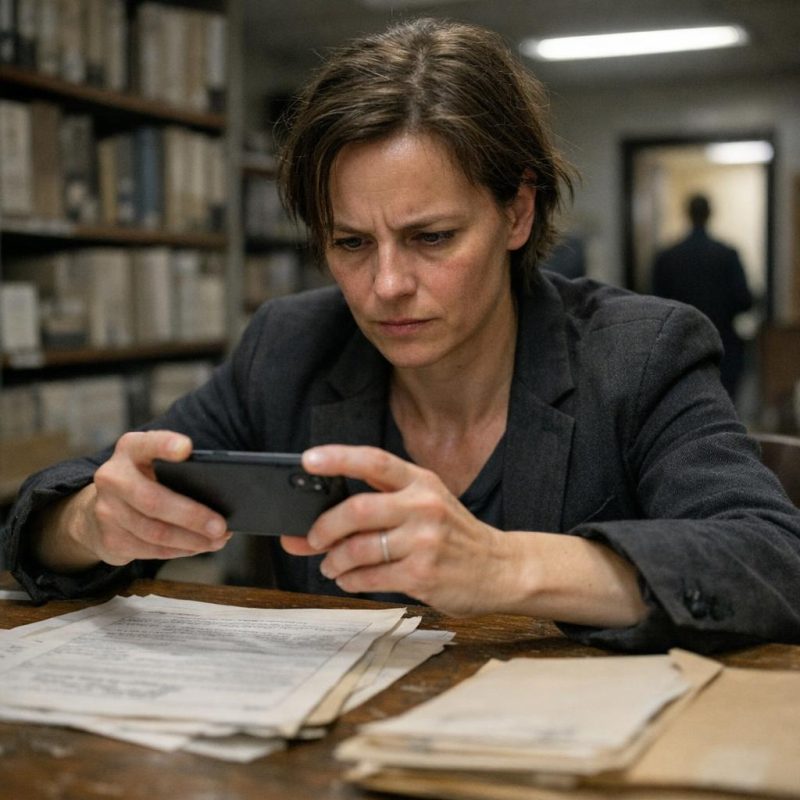 Image by RM AI
Sharing the Evidence
I didn't go home. I drove straight to Daniel's house, my phone sitting heavy in the passenger seat with all those photos. When he opened the door, I could see the surprise on his face, maybe even a flicker of concern. 'Mom, what's wrong?' he asked, and I just walked past him into the kitchen and told him to sit down. I connected my phone to his printer and started printing out the most damning documents while he watched in silence. Then I spread them across his kitchen table, page after page, showing him the internal memos where he'd raised concerns, the emails where they'd dismissed his warnings, and finally Howard Patterson's calculated plan to use 'the Brennan who is no longer here' as their scapegoat. I watched his face as he read, saw his jaw tighten and his eyes move faster as he absorbed what I'd found. 'You tried to stop them,' I said quietly. 'You did everything right, and they punished you for it.' He picked up the email from Howard, the one that spelled out their strategy to let assumptions form around Daniel's involvement, and his hands started to shake. He stared at those documents for a long time, his finger tracing the lines where his own name appeared in their cynical calculations. Then he looked up at me with tears in his eyes and asked, 'Is it too late for this to matter?'
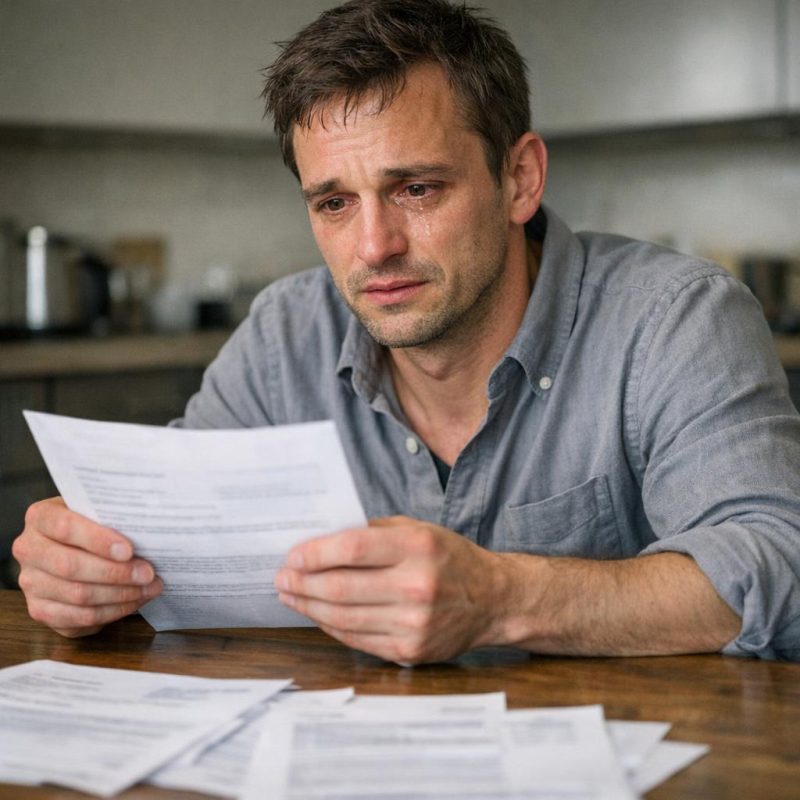 Image by RM AI
Lily's Reaction
We heard Lily's key in the door about twenty minutes later. She called out a greeting as she came in, then stopped short when she saw us sitting at the kitchen table surrounded by printed documents. 'What's all this?' she asked, dropping her backpack. Daniel gestured to the chair beside him, and she sat down slowly, her eyes already scanning the pages. I watched her face as she read through the timeline, the memos, the emails. Her expression shifted from confusion to concentration, then to something like anger, and finally to a kind of understanding that made her sit up straighter. She read Howard Patterson's email twice, her lips moving silently over the words. Then she looked at her father with an intensity I hadn't seen from her before. 'You tried to stop them,' she said, echoing my own words from earlier. 'You were the good guy.' Daniel reached over and squeezed her hand, his voice thick when he spoke. 'I should have told you all this sooner,' he said. 'I wanted to protect you from how ugly it all was.' Lily shook her head firmly. 'Dad, why didn't you ever tell me any of this?' Her voice wasn't accusatory, just genuinely bewildered. He looked down at the documents scattered between them. 'I wanted to protect you from the ugliness,' he said again. 'But now I can see that my silence only made everything worse.'
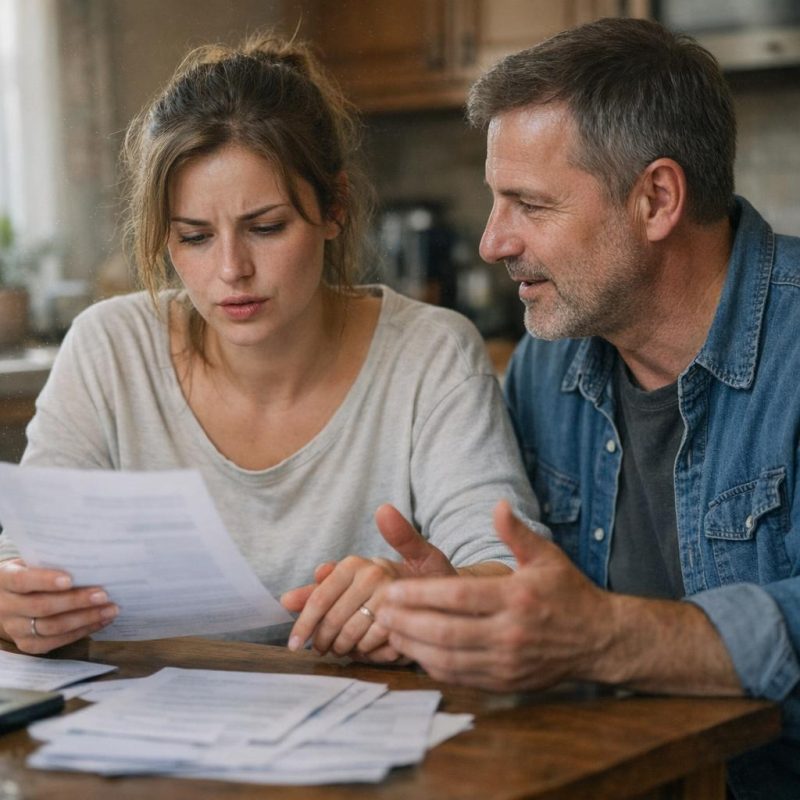 Image by RM AI
The Full Picture
Lily kept staring at her father, waiting for more, and I could see Daniel gathering himself to finally say what he'd been holding back for years. He took a deep breath and started explaining the full truth. The financial scandal, he told us, had centered on someone else entirely, a man named Daniel P. Brennan who worked in quality assurance and had signed off on improper fund transfers. Daniel P. Brennan, not Daniel J. Brennan. 'We had different middle initials, worked in different departments,' Daniel said, his voice hollow. 'At first, I thought people would figure it out on their own. The internal investigation named Daniel P. Brennan specifically.' But then he'd left the company right as the scandal was breaking, moved away, stopped responding to old colleagues. And in his absence, the two identities had just merged in people's minds and in careless news reports that didn't bother with middle initials. 'I told myself it didn't matter,' Daniel continued, looking at both of us. 'I knew the truth. The people who actually mattered knew the truth. But I was wrong.' He rubbed his face with both hands. 'The truth only matters if other people know it too. My silence, my absence, it let them paint me with someone else's crimes, and I just let it happen because I was too tired and too angry to fight.'
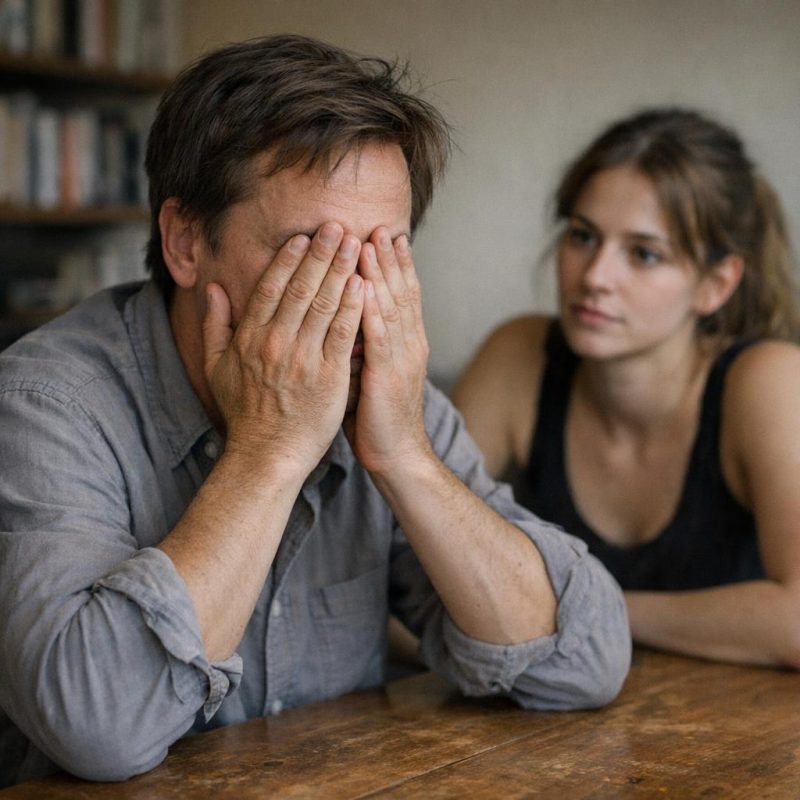 Image by RM AI
The Strategy Session
We sat there for a long moment, processing what Daniel had finally admitted. Then Lily pushed some of the documents toward the center of the table and looked at both of us with determination. 'So what do we do now?' she asked. Daniel looked uncertain, his earlier vulnerability still visible, but I could see him trying to think strategically. 'We need to tell this story publicly,' I said carefully. 'Show people what actually happened, clear your name properly.' Daniel winced. 'Going public means inviting more attention,' he said. 'More questions, more scrutiny. What if it makes things worse?' Lily shook her head firmly. 'Dad, it can't get worse. Everyone already thinks you're guilty. At least if we tell the truth, we're fighting back.' I watched her face as she spoke, seeing the same stubbornness I'd recognized in myself years ago. 'We have the evidence now,' I added. 'We can show them exactly what you did, what they did, how they used you.' Daniel looked between us, still hesitant. 'What if nobody cares? What if we go through all this and nothing changes?' Lily reached across the table and grabbed his hand. 'Then at least we tried,' she said. 'Doing nothing isn't an option anymore. The lies already did their damage. Now we have to fight back with the truth.'
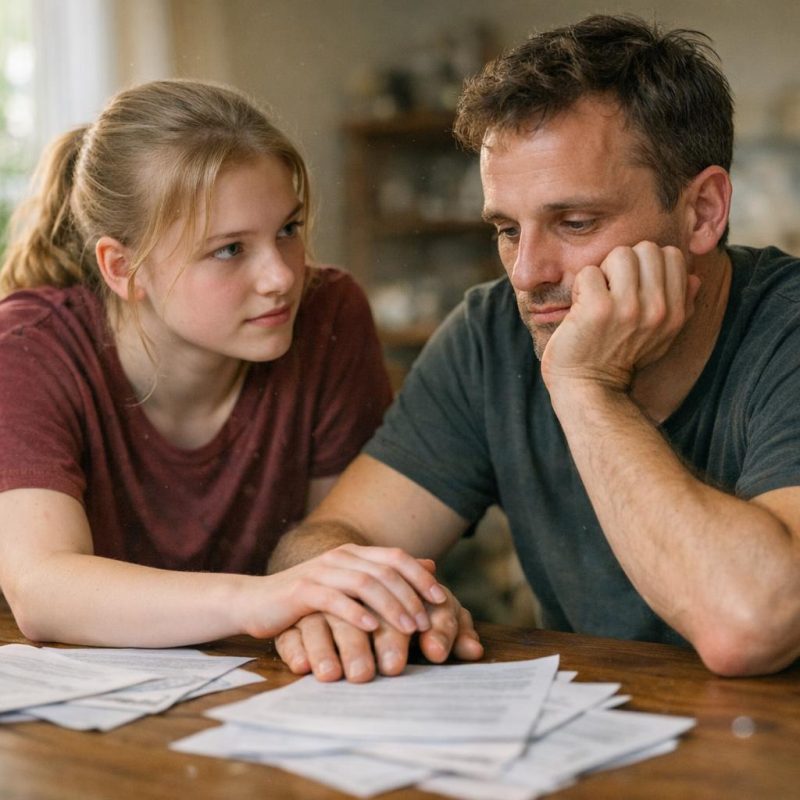 Image by RM AI
Reaching Out
The next morning, I called Marcia. She answered on the second ring, and I could hear the curiosity in her voice when I asked if we could talk. I explained what I'd found at the company archives, how I'd documented everything, how Daniel had finally told us the full story about the mistaken identity and the corporate scapegoating. There was a long pause on the other end of the line. 'Ruth,' she said slowly, 'this is bigger than I thought. This isn't just about clearing Daniel's name. This is about how companies protect themselves at the expense of individuals.' I asked her if she knew anyone who might help us tell this story properly, someone who wouldn't just sensationalize it but would actually investigate and present the facts. Another pause, then I could hear her tapping something, maybe making notes. 'I know someone,' she said finally. 'A reporter at the local paper who does investigative pieces about business corruption. Her name is Sarah Chen, and she's excellent at this kind of work.' My heart started beating faster. 'Would she be interested?' Marcia laughed softly. 'Ruth, she's going to be very interested. Let me reach out to her first, give her the background, and then I'll make an introduction. This is exactly the kind of story she lives for.'
 Image by RM AI
The Reporter
Three days later, Sarah Chen sat in Daniel's living room with a notebook in her lap and a recording device on the coffee table between us. She was younger than I'd expected, maybe forty, with sharp eyes and an intensity that reminded me of Lily. We'd spread out all the documents I'd photographed, arranged chronologically so she could follow the timeline. Daniel walked her through everything: his warnings about the fund transfers, the company's dismissive responses, his decision to leave, and then the scandal breaking around Daniel P. Brennan while he was already gone and unavailable to defend himself. Sarah asked detailed questions, took careful notes, occasionally stopped to photograph specific documents. She was thorough and professional, and I could see her mind working as she connected the pieces. 'This is a strong story,' she said after nearly two hours. 'Corporate malfeasance, scapegoating, mistaken identity, a whistleblower punished for doing the right thing. It has everything.' But then her expression grew more serious. 'I need to be honest with you about what happens next,' she continued. 'Going public with this means opening yourselves to scrutiny. There will be people who question your motives, who prefer the old narrative, who might even retaliate. Are you prepared for that?' I looked at Daniel and Lily, saw them exchange a glance, and then Daniel nodded slowly. 'We're prepared,' he said, though I could hear the uncertainty beneath his words.
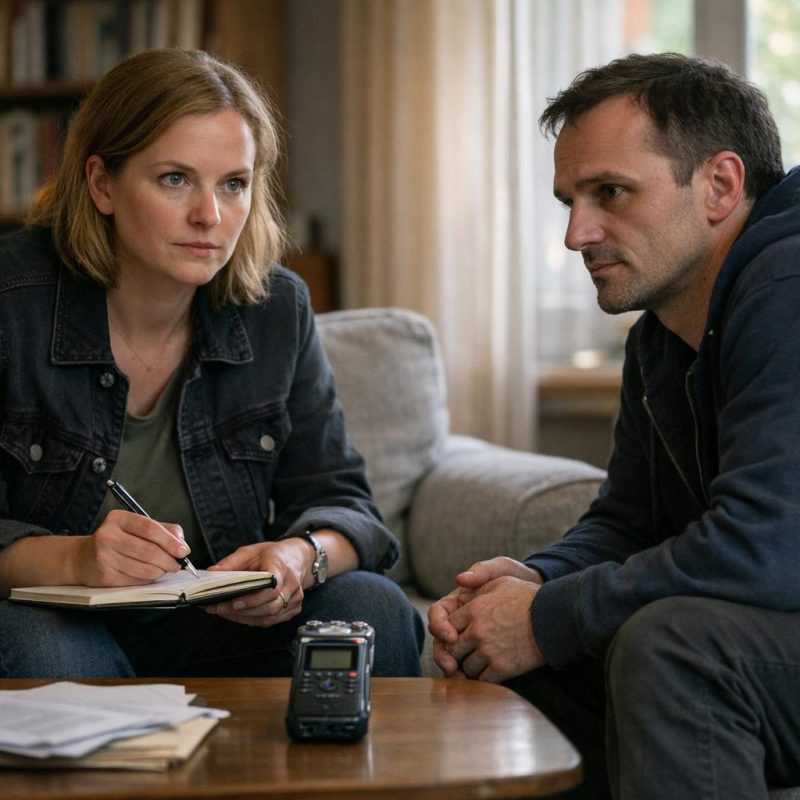 Image by RM AI
Daniel's Hesitation
After Sarah left with copies of all our documentation, the house felt strangely quiet. Lily went upstairs to do homework, and Daniel and I sat in the living room not saying much. I could see him staring at the empty coffee table where all those documents had been spread out just an hour before. 'Mom,' he said finally, his voice barely above a whisper. 'I'm terrified.' I turned to look at him fully. 'Of what?' He gestured vaguely toward the door Sarah had just walked through. 'Of what happens when that story comes out. Of people digging into my life, asking questions, making judgments. Of it actually helping versus just bringing more attention to the worst time of my life.' His hands were clasped tightly in his lap. 'What if this makes everything worse? What if nobody believes us anyway?' I reached over and put my hand on his arm. 'Daniel, that fear is completely understandable,' I said. 'But you've been living in shame and silence for seven years. That's not sustainable.' He looked at me with exhausted eyes. 'I know, but—' 'No,' I interrupted gently but firmly. 'Lily deserves a father who stands up for himself. She deserves to see you fight for the truth. And you deserve to stop carrying guilt that was never yours to begin with.'
 Image by RM AI
The Article Draft
Sarah sent us the draft on a Tuesday afternoon, and I printed it out immediately because I wanted to read it on paper, the way it would feel real. Daniel and I sat at his kitchen table while Lily did homework upstairs, and we passed pages back and forth in silence. The article was meticulously detailed—Sarah had included direct quotes from the whistleblower report, excerpts from the scapegoating emails, and a timeline that made it crystal clear how the company had deliberately confused Daniel's identity with the guilty executive's. She had interviewed former employees who corroborated the story, and she had reached out to Howard Patterson for comment, though he had declined to respond. Reading it felt surreal, like watching someone hold up a mirror to seven years of nightmare and finally naming it for what it was. Daniel's hands shook as he turned the pages. 'This is it,' he said quietly. 'Once this goes out, everyone will know.' I looked at the scanned documents embedded in the article—the damning proof we'd gathered—and felt my stomach tighten. There would be no going back after this went live.
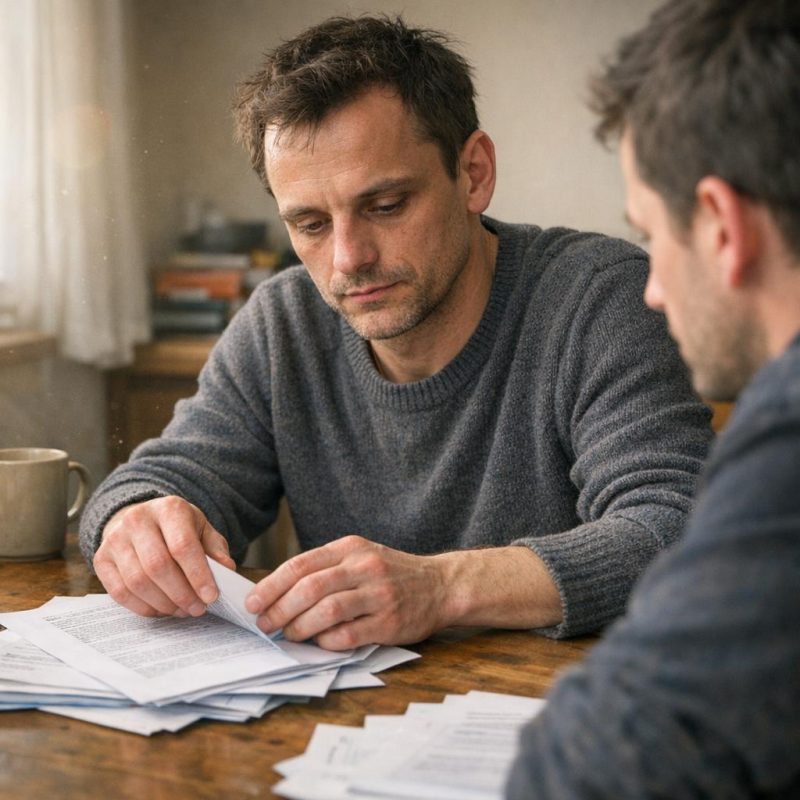 Image by RM AI
The Night Before
The night before publication, none of us even pretended we were going to sleep. I went over to Daniel's house around ten, and Lily was already in her pajamas, curled up on the couch with a blanket. Daniel made tea that nobody drank, and we just sat there together in the dim glow of the living room lamp. The article was scheduled to go live at six in the morning, and every time one of us checked the clock, barely ten minutes had passed. 'Are you scared?' Lily asked her father at some point past midnight. Daniel nodded slowly. 'Terrified,' he admitted. 'But also relieved, I think. Does that make sense?' She nodded back at him. We talked in circles for a while, rehashing everything we'd already said a dozen times, and then around three in the morning, Lily sat up straighter and looked at Daniel directly. 'Dad,' she said, 'no matter what happens after this, I'm proud of you for finally speaking up.' He just stared at her for a moment, and then he pulled her into a hug and started crying, and honestly, so did I.
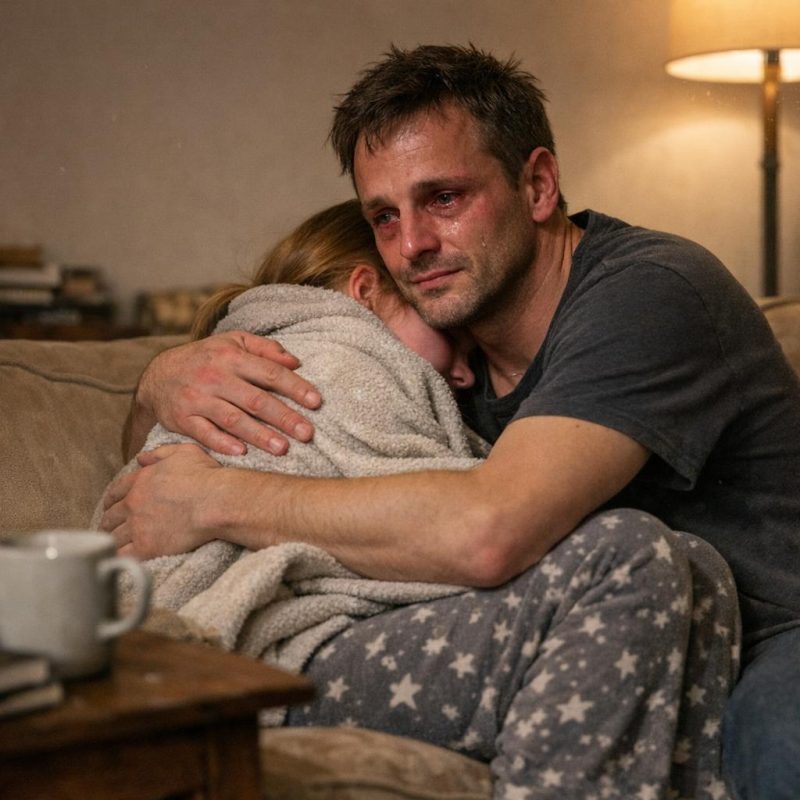 Image by RM AI
Publication Day
The article went live at six a.m., and by the time I checked my phone at seven, it was already being shared across Facebook and Twitter. Sarah had posted it on the newspaper's website, and within an hour it had been picked up by a few regional news aggregators. I sat at my kitchen table refreshing the page obsessively, watching the view count climb and the comments start rolling in. Some people were supportive, thanking Daniel for his bravery and condemning the company's actions. Others were skeptical, questioning why he had waited so long to tell his side or suggesting that he was exaggerating to save face. A few comments were outright hostile, accusing him of playing the victim or trying to profit from a tragedy. My phone buzzed constantly with messages from friends who had seen the article, and Daniel texted me around nine to say that his inbox was flooded. It felt chaotic and overwhelming and strangely liberating all at once. The truth was out there now, laid bare for anyone to read, and I realized with a sinking feeling that we had absolutely no control over how people would respond to it.
 Image by RM AI
The Backlash
By the afternoon, the backlash started intensifying. A few vocal commenters on social media accused Daniel of rewriting history now that the real culprits were conveniently dead or retired. One person wrote a long thread claiming that whistle-blowers always come forward immediately, and the fact that Daniel had stayed silent for years proved he was lying. Another suggested he was just trying to cash in on a tragedy. I felt my blood pressure rising as I read through the comments, my hands clenched around my phone. I wanted to reply to every single one of them, to defend my son, to scream the truth at these strangers who thought they knew better. I was halfway through typing an angry response when Lily called me. 'Grandma, are you reading the comments?' she asked. 'Yes, and I'm furious,' I said. 'I know,' she said calmly. 'But we knew this would happen, remember? We're not trying to convince everyone. We're just telling the truth. Some people will believe it, and some won't, and that's okay.' I took a breath and deleted my half-written comment.
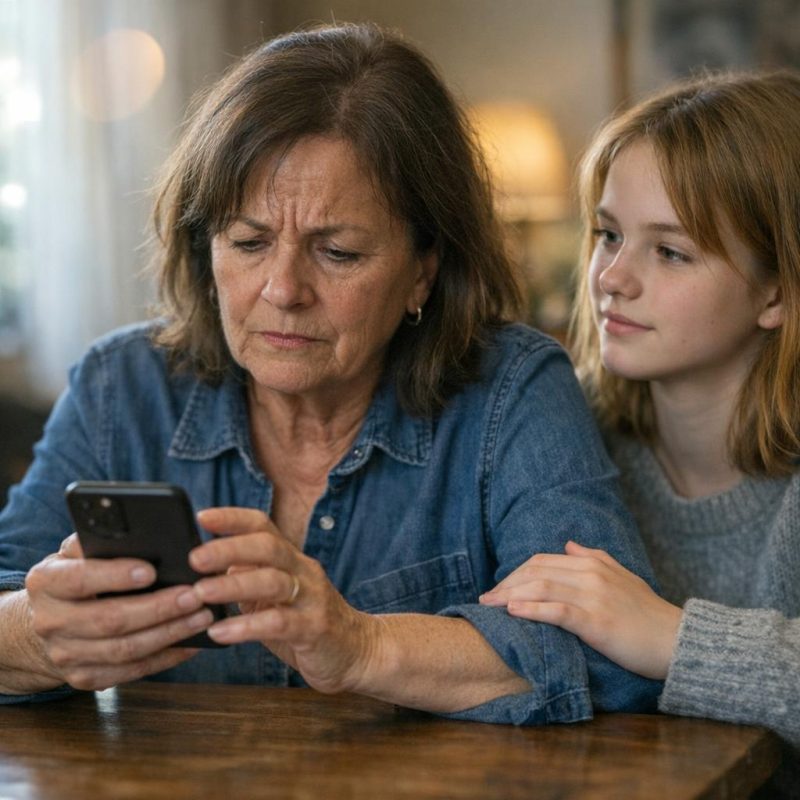 Image by RM AI
The Supporters
But there were also people who reached out with genuine support. Daniel started receiving emails and messages from former coworkers, some of whom I vaguely remembered from company events years ago. They thanked him for speaking up and said they had always suspected the official story was wrong but had been too afraid to say anything publicly at the time. One woman wrote that she had been in the meeting where Howard Patterson first floated the idea of blaming 'a Brennan,' and she remembered the uncomfortable silence that followed. Another man described how the company had quietly discouraged anyone from asking questions about what had really happened. Daniel forwarded me some of the messages, and I could hear the relief in his voice when he called. 'People believe me, Mom,' he said, sounding almost disbelieving. 'Not everyone, but some people do.' Then, late that night, an email came through from a man named Rick Alvarez who had worked in the compliance department. He wrote a detailed account explaining that he had worked with both Daniel Brennans and had personally watched the company deliberately conflate their identities to protect the executives.
 Image by RM AI
Lily at School
Lily went back to school the day after the article published, and I texted her during lunch to check in. She replied that some kids were still whispering when she walked by, but others had come up to her directly to say they had read the article and were sorry for what her dad had been through. One girl apologized for avoiding her the past few weeks. A boy in her history class told her that his own father had been wrongly blamed for something at work once, and he understood how hard it must have been. When Lily got home that afternoon, she seemed lighter somehow, like a weight had been lifted. 'It's not perfect,' she said when I asked how the day went. 'But it's better. People are actually talking to me now instead of just talking about me.' Then she told me the part that made me tear up: one of her teachers had mentioned the story in class as an example of how important it is to question narratives and seek primary sources before forming judgments.
 Image by RM AI
Howard's Response
Three days after the article published, Howard Patterson issued a statement through his lawyer. I saw it posted on the newspaper's website in the comments section under Sarah's original article. The statement was brief and carefully worded: Mr. Patterson had no specific recollection of the events described and maintained that any personnel decisions made during his tenure had been in accordance with company policy and legal counsel's advice. It was the kind of non-denial denial that lawyers specialize in—technically responsive but admitting nothing, apologizing for nothing, accepting no responsibility whatsoever. He didn't deny that the scapegoating had happened, didn't deny that Daniel had been wrongly blamed, didn't even deny the existence of the documents we'd provided. He just claimed not to remember and hid behind 'company policy.' I read it three times, feeling my anger build with each pass. This man had destroyed my son's life, had let him carry the blame for seven years, and now he couldn't even be bothered to acknowledge it. The statement was designed to protect him legally while giving him plausible deniability publicly, and it made me absolutely furious.
 Image by RM AI
The Follow-Up
Sarah wasn't about to let that statement stand unchallenged. Four days later, she published a follow-up piece that I saw pop up in my news feed before Daniel even texted me about it. This article was shorter but more pointed, highlighting the corroborating statements from Rick Alvarez and the other former employees who had reached out after the first piece. She included side-by-side comparisons of Howard's claim of 'no recollection' with the documented evidence—the emails with his name on them, the meeting notes, the timeline that showed his direct involvement. She quoted a legal expert who explained how executives often use selective memory to avoid accountability. The article was professional but devastating, and it was being shared even more widely than the first one. Within a week, Marcia called me with interesting news: she had heard through her network that Howard had quietly stepped down from several nonprofit board positions and had resigned from a business advisory council. No official explanation was given, but the timing was impossible to ignore. He was facing consequences, even if they weren't the legal ones I had hoped for.
 Image by RM AI
Lily's Decision
Lily sat with me one evening about two weeks after Sarah's follow-up article, curled into the corner of my couch with her legs tucked underneath her like she used to do when she was younger. She had been quiet for a while, just scrolling through something on her phone, when she suddenly put it down and looked at me with that serious expression she gets when she's been thinking hard about something. 'Grandma,' she said, 'I've been thinking about the whole name thing.' My heart did a little flip because I honestly didn't know what she was going to say. 'I don't want to just drop Dad's name,' she continued. 'That felt right when everything was terrible, but now it feels wrong, like I'm ashamed of him or something.' I nodded, not wanting to interrupt. 'So I was thinking—what if I kept both? Like Lily Brennan-Calloway? That way I'm not erasing anything, but I'm still carrying your name too.' She watched my face carefully, and I had to blink back tears because what she was saying was so much more mature than what I'd expected. She wasn't running from the story anymore. She was choosing resilience over escape, claiming her whole identity instead of hiding from half of it.
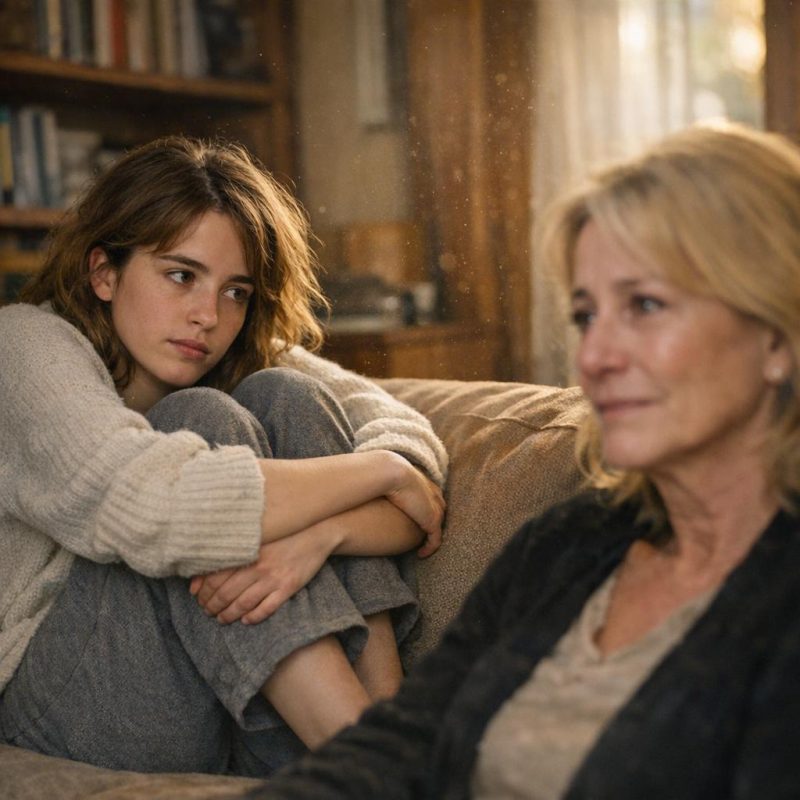 Image by RM AI
The Paperwork
We filed the legal paperwork three days later at the courthouse downtown, and I won't lie, it felt like a bigger moment than I'd anticipated. Daniel came with us, which surprised me a little, but he said he wanted to be there to support Lily's decision. The clerk handed her the forms, and I watched my granddaughter carefully write out her new name in neat letters: Lily Brennan-Calloway. Her hand didn't shake. She didn't hesitate. When she signed at the bottom, Daniel put his hand on her shoulder and said, 'I'm proud of you, kid,' and his voice cracked just enough that I had to look away for a second. The whole process took maybe twenty minutes, but it felt monumental—like we were taking something that had been weaponized against us and turning it into something we controlled. Lily handed the forms back to the clerk with a small smile, and I realized this was what closure actually looked like. Not erasing the past, not pretending the hard parts didn't happen, but claiming the whole story on our own terms and deciding what we carried forward. We were rewriting the narrative, and this time we were the ones holding the pen.
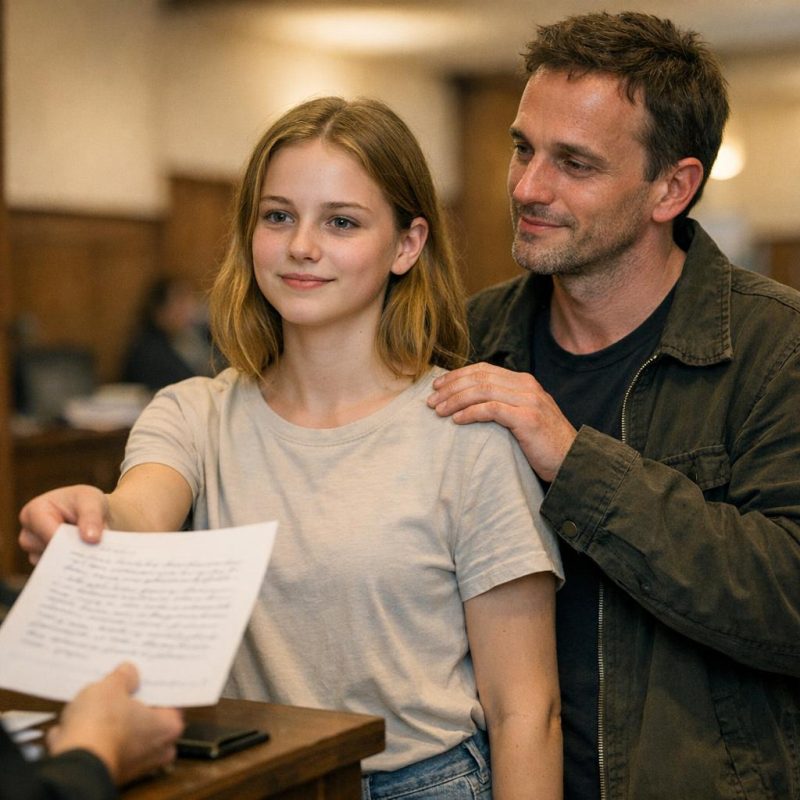 Image by RM AI
Moving Forward
About a month after the articles came out, Daniel called me with news I hadn't expected: he was getting job inquiries. Real ones, from companies that had read Sarah's piece and were impressed by his integrity and his willingness to speak up, even years after the fact. One recruiter told him that whistleblowers who stayed silent out of necessity but eventually told the truth were exactly the kind of people organizations needed—people with principles who understood real-world pressures. Daniel sounded cautiously optimistic on the phone, which was a huge change from the defeated tone I'd heard from him for so long. When we met for coffee the following week, he told me something that stuck with me: 'Mom, the hardest part wasn't even losing my job or dealing with the rumors. It was living in silence, carrying that weight and knowing people believed a lie about me.' He stirred his coffee slowly, staring into it. 'Speaking up, even this late, lifted something I didn't even realize was crushing me anymore.' His voice was steady, almost peaceful. He was beginning to believe that his story might not define him after all, that there could be chapters ahead that weren't written by Howard Chen's lies.
 Image by RM AI
Names and Stories
I've been thinking a lot lately about how names carry stories whether we want them to or not. We spend so much energy trying to control what people think, what they say, what version of us exists in their heads. But the truth is, the real scandal was never what people thought Daniel did—it was how many years we all spent letting the wrong story define him, shape his life, limit Lily's world. We had let Howard's lie become the loudest voice in the room, and it took a fourteen-year-old girl's courage to make us realize we could tell a different story. The truth didn't fix everything overnight. Daniel still had hard days. Lily still got weird looks sometimes. I still felt angry when I thought about how much time we'd lost. But we had reclaimed something precious: the ability to tell our own story, to define ourselves instead of being defined by someone else's convenient fiction. And I knew that Lily would carry both names forward with pride, not shame, understanding that identity isn't something handed to you—it's something we build together, one honest word at a time.
 Image by RM AI
KEEP ON READING
10 Greatest Quarterbacks Of All Time & 10 That Are…
Do You Disagree?. Few topics in sports generate as much…
By Farva Ivkovic Dec 2, 2025
The story of Ching Shih, the Woman Who Became the…
Unknown author on WikimediaFew figures in history are as feared…
By Emilie Richardson-Dupuis Dec 29, 2025
20 Shakespearean Words, Translated For A Modern Audience
What’s In A Word?. Shakespeare was a wordsmith of the…
By Breanna Schnurr Dec 17, 2025
20 Inspiring Stories From Native American History
Incredible Stories Of Resilience And Endurance. Many of us didn't…
By Ashley Bast Dec 17, 2025
You Think You Have Problems? These Royal Families Were Cursed
Boasson and Eggler St. Petersburg Nevsky 24. on WikimediaHeavy is…
By Ashley Bast Dec 5, 2025
MH370: The Plane That Can't Be Found
Anna Zvereva from Tallinn, Estonia on WikimediaEleven years after Malaysia…
By Christy Chan Dec 10, 2025