

My Eccentric Aunt Left Me $3.4 Million, But When My Family Demanded Their Share, Her Lawyer Revealed A Devastating Secret That Changed Everything
My Eccentric Aunt Left Me $3.4 Million, But When My Family Demanded Their Share, Her Lawyer Revealed A Devastating Secret That Changed Everything
The Call That Changed Everything
I was grading papers at my kitchen table on a Tuesday afternoon when my phone rang with a number I didn't recognize. I almost let it go to voicemail. The man on the other end introduced himself as Arthur, an estate attorney, and asked if I was the niece of a woman named Clara — my Aunt Clara. The past tense hit me before the rest of his sentence did. He told me she had passed away three days earlier, quietly, at home, the way she had always said she wanted to go. I sat there holding my red pen and trying to remember how to breathe. Then Arthur said there was a matter of her estate he needed to discuss with me, and he read out a number — three point four million dollars — in the same measured tone you'd use to read a weather forecast. I asked him to repeat it. He did. I wrote it down on the corner of a student's essay because it was the only paper in front of me. We stayed on the phone another ten minutes while he explained next steps, but I honestly couldn't tell you what he said after that number. After we hung up, I sat in my apartment in the quiet, the pen still in my hand, staring at those seven digits I'd scrawled in the margin — next to a drawing of a cartoon dog some eight-year-old had doodled in the corner.
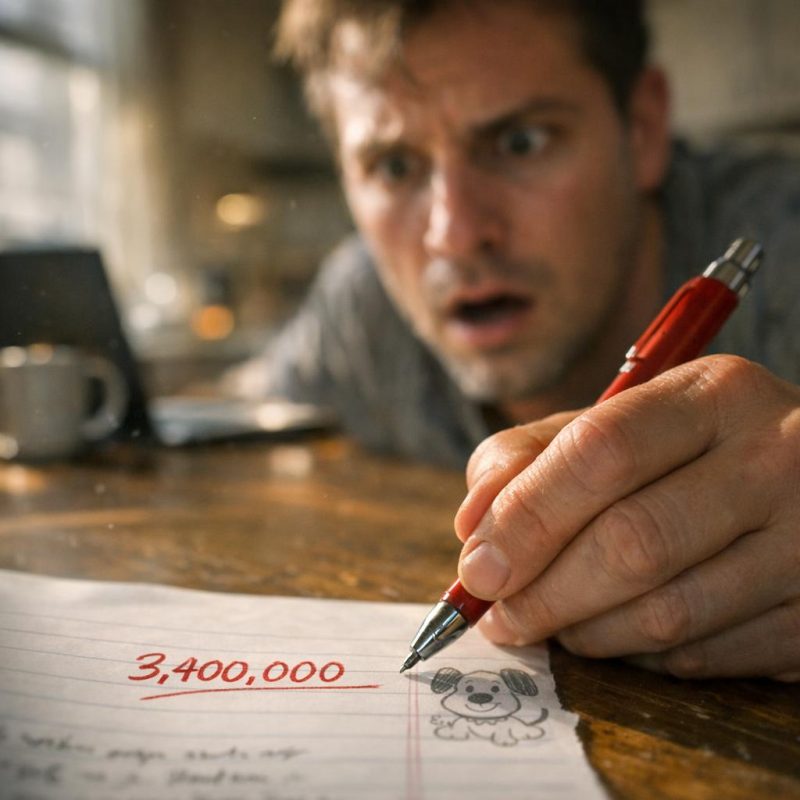 Image by RM AI
Champagne and Expectations
I hadn't even told anyone yet. I was still sitting at that kitchen table, still a little numb, when my doorbell rang. It was my parents — Robert and Patricia — standing in the hallway with a bottle of champagne and wide, expectant smiles. I hadn't called them. I hadn't called anyone. I still don't know how they found out so fast. Derek showed up twenty minutes later with Vanessa right behind him, another bottle in his hand, already laughing about something. Within an hour my small apartment was full of noise and clinking glasses and my family talking over each other about what they were going to do with the money. Not what I was going to do. What they were going to do. Nobody asked me how I was feeling about losing Aunt Clara. Nobody mentioned her at all, actually, except in passing — something like 'she always did have a soft spot for you.' Patricia kept steering the conversation toward a family vacation, somewhere warm, somewhere expensive, somewhere she'd clearly already been thinking about. I tried to keep up, tried to smile when it seemed like I was supposed to, but something about the whole evening felt off in a way I couldn't quite name. I was still processing the fact that my aunt was gone, and my family was already three glasses in when Robert grabbed the second bottle, worked the cork loose with a loud pop, and Patricia started listing resorts she'd been looking at online.
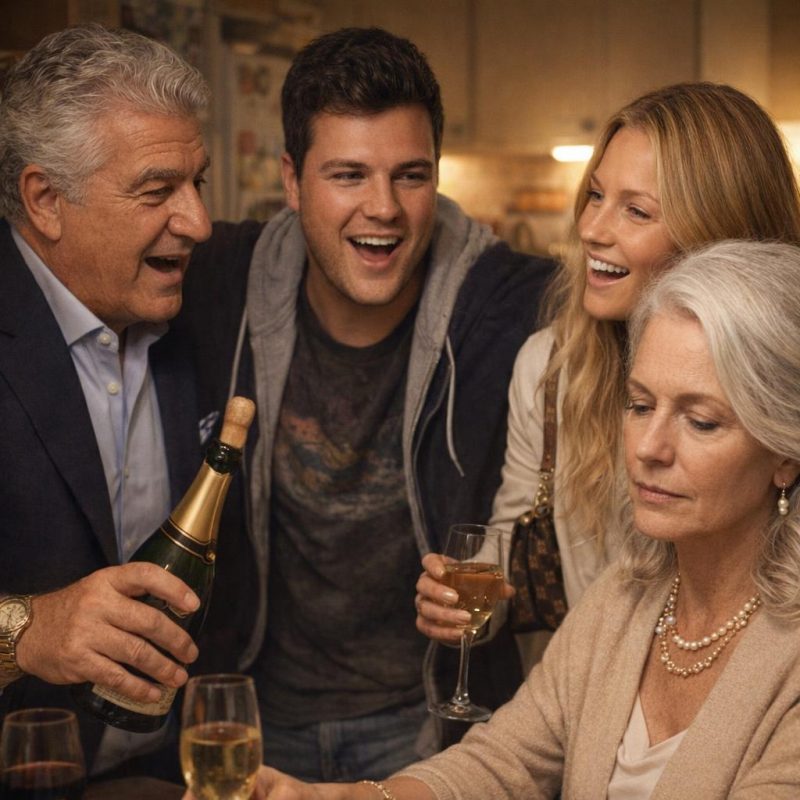 Image by RM AI
Derek's Dream Car
I slipped into the kitchen to get some air — or at least a few feet of distance — but Derek followed me in before I could even set my glass down. He had a folded printout in his hand, the kind you get when you screenshot a webpage and send it to the printer without adjusting the margins. He smoothed it out on my counter like he was presenting a business proposal. It was a sports car. A very expensive, very red sports car, with the dealership address printed at the bottom. He told me he'd already gone in for a test drive, that the guy there had been great, that it drove like nothing he'd ever felt. Then he said he needed fifty thousand dollars for the down payment. Just like that. Fifty thousand dollars, like he was asking me to spot him for pizza. I told him I hadn't even touched the money yet, that I needed time to figure out what I was doing, that there were probably legal steps involved. His expression shifted — not angry exactly, but something tightened around his eyes. Then Robert appeared in the kitchen doorway, leaning against the frame with his glass, and said something about how fifty thousand was basically nothing given what I'd inherited, that family takes care of family. I stood there between the two of them, nodding slowly, not agreeing to anything but not finding the words to say no either, while Derek pressed the printout into my hands.
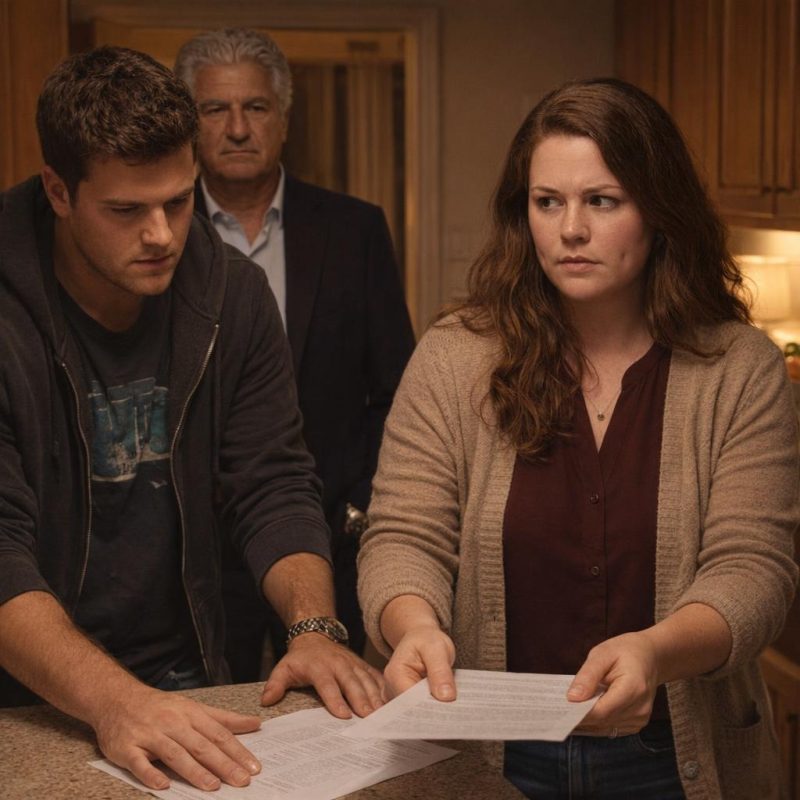 Image by RM AI
Vanessa's Travel Plans
I barely made it back to the living room before Vanessa pulled me aside, her face bright with the kind of excitement that meant she wanted something. She said she had news. She was quitting her job — at the end of the week, she'd already decided — and she was going to travel. She pulled up an itinerary on her phone and handed it to me like I was supposed to be as thrilled as she was. Twelve countries. A year, maybe more. She'd priced it out, she said, and it would run about a hundred thousand dollars, give or take, depending on accommodations. She said it like the number was a minor logistical detail. I asked, carefully, whether she'd thought about keeping her job and saving up for it, maybe doing a shorter trip first. Her face fell in that particular way Vanessa's face falls when she feels she's being denied something she deserves. She asked me if I was seriously going to be selfish about this. Patricia, who had apparently been listening from the couch, called over that it was such a wonderful opportunity and that she knew I'd want to support my younger sister. I stood there holding Vanessa's phone, scrolling through boutique hotels and business-class flights and private cooking classes in Tuscany, while she talked about all the places she'd always dreamed of going — every single one of them on my tab.
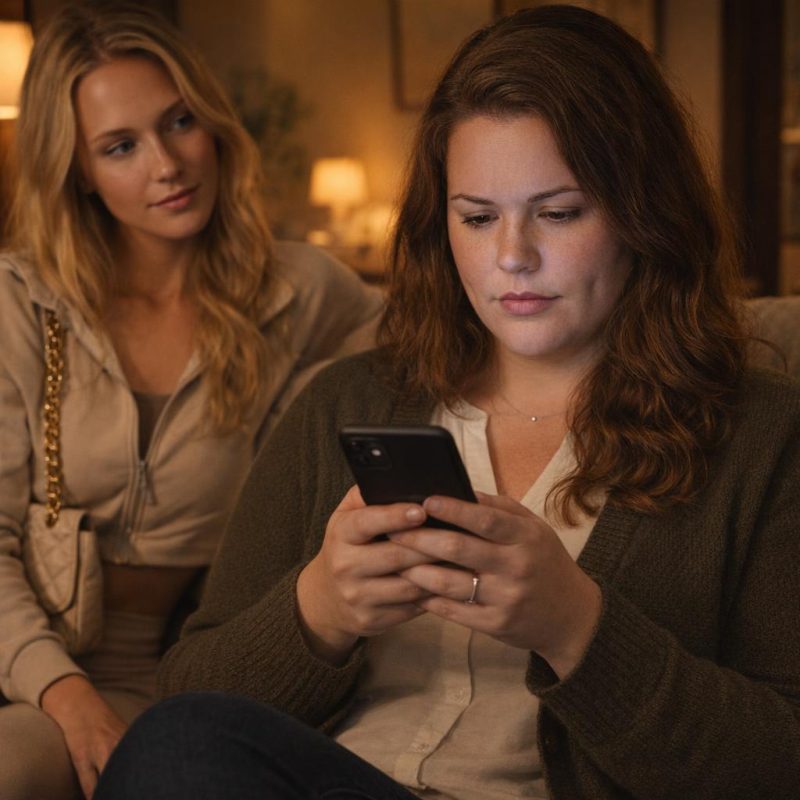 Image by RM AI
The Emergency Appointment
Somewhere around nine o'clock I told everyone I needed to use the bathroom and instead went to my bedroom and closed the door. I sat on the edge of my bed in the dark and just breathed for a minute. Through the wall I could hear Derek saying something that made Robert laugh, and the sound of it made my stomach tighten. I found Arthur's card in my purse — he'd emailed it to me after the call — and I dialed the number listed for after-hours emergencies. I wasn't sure it would work. It did. Arthur answered on the third ring, calm and unhurried, like it wasn't nine at night. I explained what was happening — the family showing up, the requests, the way the evening had gone — and I could hear his tone shift as I talked, something in it going quieter and more careful. He told me not to sign anything. He said it twice. He told me not to make any verbal commitments either, not tonight, not to anyone. Then he said to come to his office first thing in the morning and he'd walk me through everything I needed to know. I said I would. I straightened up, put my phone in my pocket, and went back out to the living room, where Robert looked up from his glass and asked me what I'd been doing in there for so long.
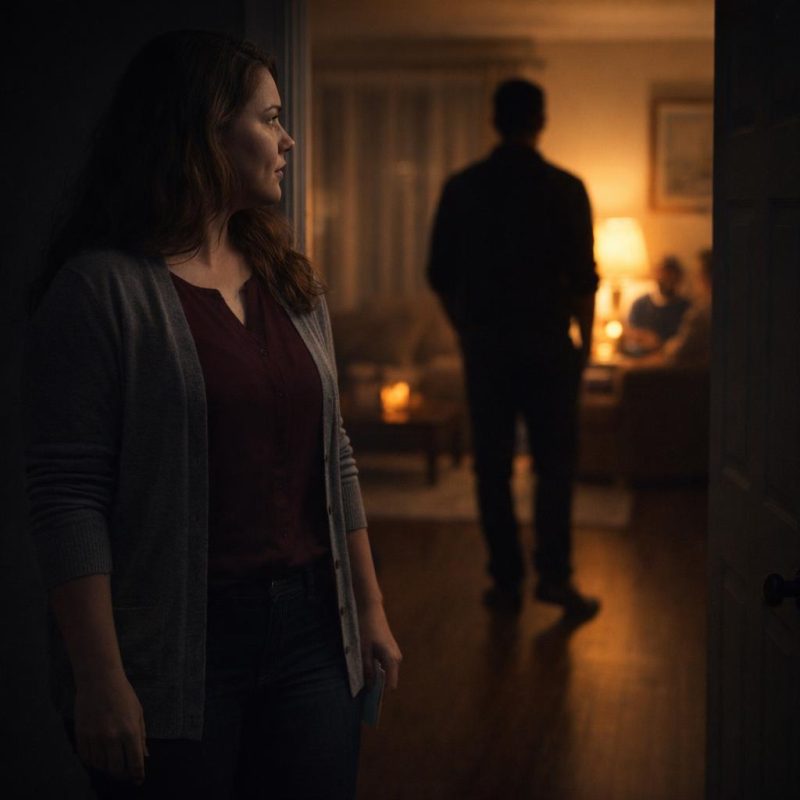 Image by RM AI
The Law Office
Arthur's office was on the fourteenth floor of a downtown high-rise, the kind of building with a lobby that echoes and a receptionist who speaks in a low, practiced voice. I got there at eight-fifty, ten minutes early, and sat in the waiting area with my hands wrapped around a paper coffee cup I'd bought on the walk over. When Arthur came out to greet me, he was exactly what his voice had suggested — a tall, older man with sharp eyes and a measured way of moving, like someone who had learned a long time ago that there was no point in rushing. He shook my hand and asked how I was holding up. I told him honestly that I wasn't sure. He nodded like that was the right answer. In his office he poured me coffee from a real pot and asked me to walk him through the previous evening, and I did — the champagne, Derek's printout, Vanessa's itinerary, all of it. He listened without interrupting, writing occasional notes in a small leather notebook. He told me he had managed my aunt's estate for over thirty years, that she had been one of the most deliberate clients he'd ever had, and that her wishes regarding this inheritance were unusually specific. He said that last part carefully, like he was choosing the word 'specific' on purpose. Then he turned to a locked cabinet behind his desk, produced a key from his jacket pocket, and began pulling out files.
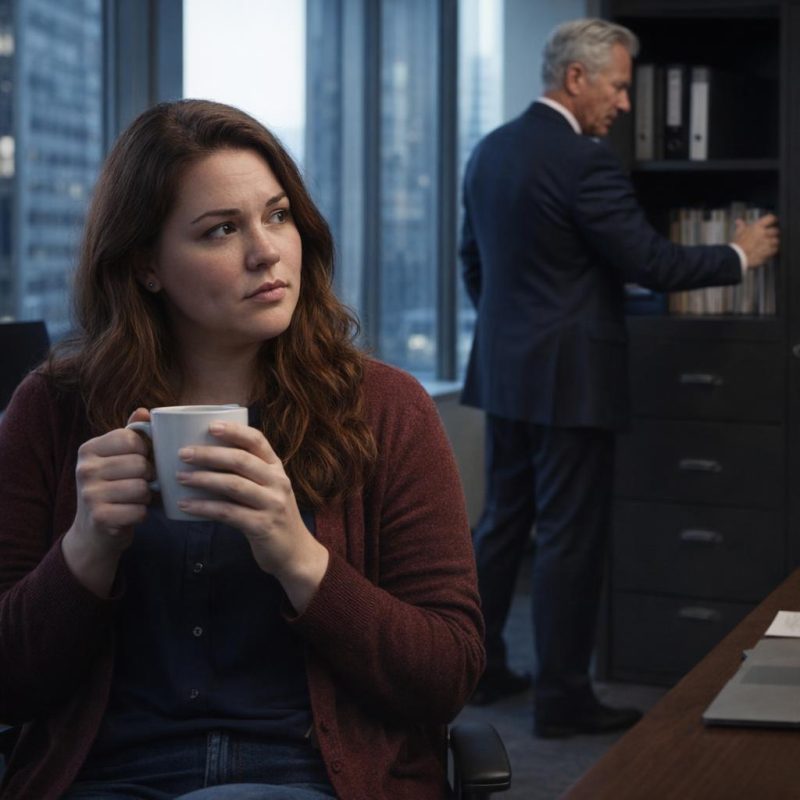 Image by RM AI
The Will Reading
Arthur set the files on the desk between us and opened the top one with the careful, unhurried hands of someone who had done this thousands of times. The will itself was longer than I expected — not a few pages but a full document, dense with language I had to read twice to follow. He walked me through the structure first: the inheritance was held in a protected trust, not a simple lump-sum transfer, which meant there were conditions and timelines governing how and when I could access the funds. I asked what kind of conditions. He said some were straightforward — standard trust administration timelines, tax considerations — but that others were more particular to my aunt's specific intentions. I asked what that meant. He said my aunt had been very thorough, that she had anticipated certain situations and built provisions to address them. I wasn't sure what situations he meant, and something about the way he said it made me sit up a little straighter. He began reading specific clauses aloud, his voice steady and even, pausing occasionally to make sure I was following. Then he turned to a page deeper in the document, read a line to himself first, and his finger came to rest on a paragraph near the bottom of the page.
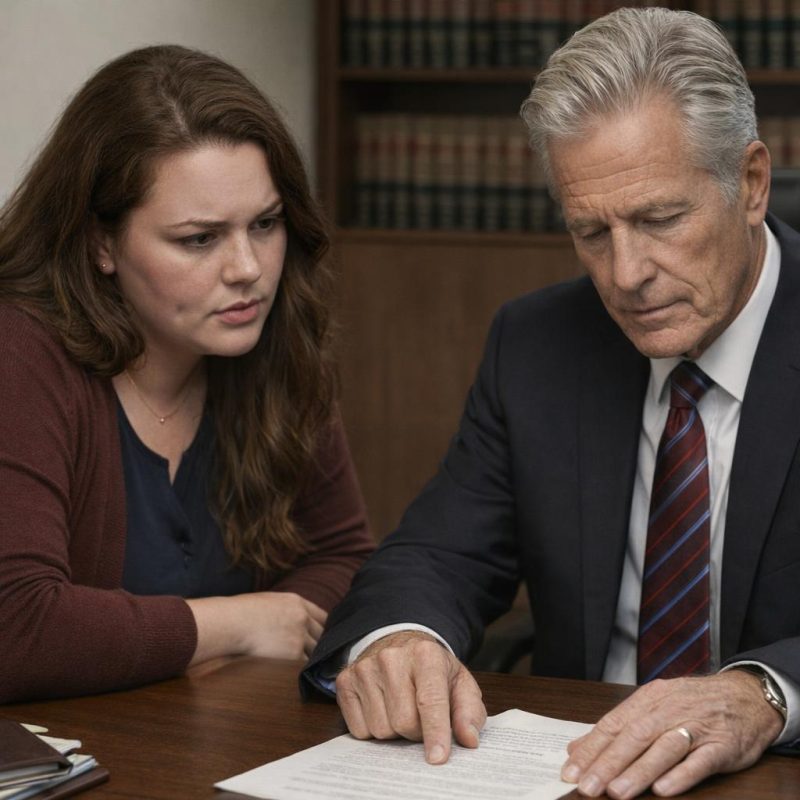 Image by RM AI
The Protective Clauses
Arthur didn't say anything for a moment. He just looked at the paragraph, then at me, then back at the page. He turned the document around so it faced me and pointed to a dense block of legal text near the bottom. He explained, in plain language, that my aunt had included a set of protective exclusion clauses — specific provisions barring certain individuals from making any claim on the estate, from contesting the will, and from receiving any disbursement under any circumstances. I leaned forward and read the names listed in the clause. Patricia. Robert. Then below them, Derek. Then Vanessa. All four of them, named explicitly, in my aunt's own estate documents. I looked up at Arthur. He said my aunt had been very specific about her reasons, and that he would explain more, but that he wanted me to understand the full scope of the document first. His expression was careful in a way that went beyond professional — there was something behind it, a kind of concern that felt personal rather than procedural. I looked back down at the page. The four names sat there in clean, unambiguous legal type, each one a person who had been in my apartment the night before raising a glass of champagne.
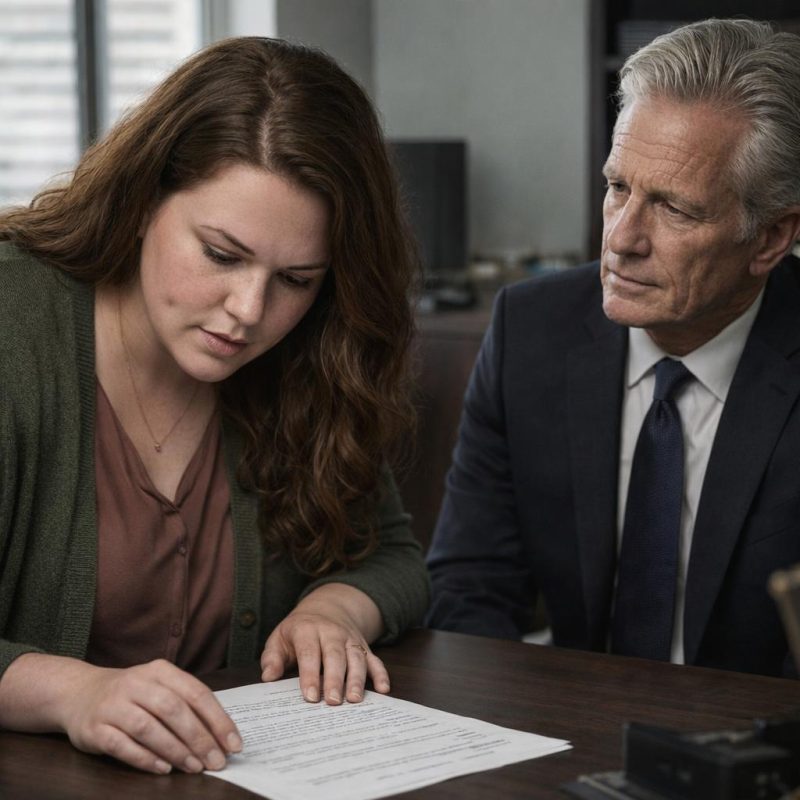 Image by RM AI
Change Your Locks
Arthur closed the will documents slowly, like he was giving me a moment to prepare. Then he looked at me directly at not the way lawyers look at you when they're delivering news, but the way someone looks at you when they're genuinely worried. He said I needed to change my apartment locks today. Not this week. Today. I almost laughed, because it seemed so out of place after everything we'd just been discussing, but his expression stopped me. He said I should also look into security cameras for my door and hallway. He recommended I call my bank before I left his office and ask about temporarily freezing my accounts just as a precaution, he said, though the word precaution didn't quite match the look on his face. I asked him why. I asked him what any of this had to do with a will reading. He said my aunt had discovered some troubling information about the family in the time before she passed, and that people sometimes behaved in ways that surprised you when significant money was involved. He said it carefully, like he was measuring each word. I asked him to just say it plainly. He folded his hands on the desk, looked at me, and said that my family had the potential to be dangerous.
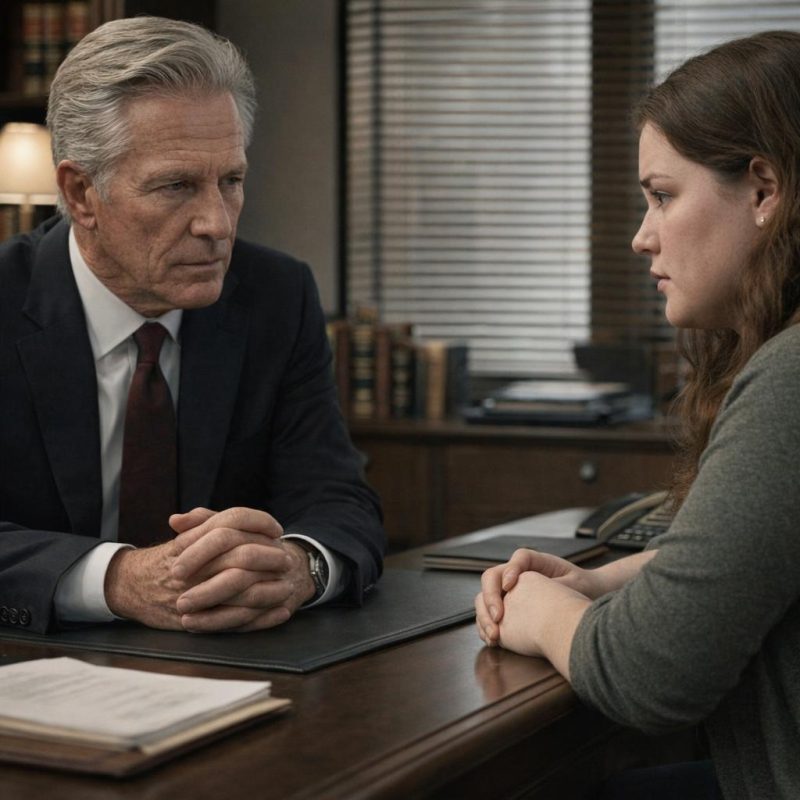 Image by RM AI
The Forensic Files
I sat with that word for a second dangerous and then Arthur stood and walked back to the locked cabinet. He pulled out a second set of files, thicker than the first, and set them on the desk between us. These weren't estate documents. The tabs were labeled differently, the paper stock was different, and the top sheet had the letterhead of a forensic accounting firm I didn't recognize. He explained that my aunt had hired forensic accountants professionals who specialize in tracing financial activity and that they had been working quietly for the better part of five years. Five years. I asked him why my aunt would do something like that. He said she had suspicions she needed to confirm before she could act on them. He said it the way you say something when you already know the answer is going to be hard to hear. Arthur said that what my aunt found in those files had justified every single protective measure she'd built into the estate. Then he fanned the files out across the desk so I could see each tab clearly one for Robert, one for Patricia, one for Derek, one for Vanessa, and near the bottom of the stack, one with my name on it. I stared at those folders spread across his desk, each labeled with the name of someone I'd grown up calling family.
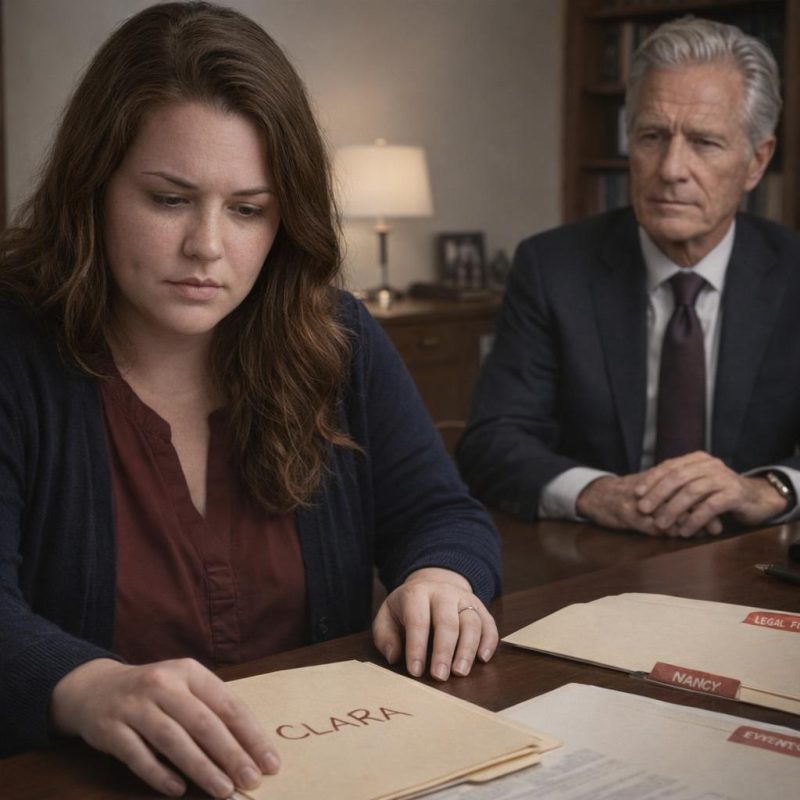 Image by RM AI
Years of Monitoring
I asked Arthur how long my aunt had actually been watching all of this. He said it started informally, about six years ago just her own observations, things she noticed that didn't sit right with her. Then, three years ago, she formalized it. She hired the accountants, set up a proper investigation, and started building a documented record. I asked what she was looking for, and he said she wanted to understand the family's true financial situation. He said she was particularly concerned about me. That part landed strangely. I thought about all the Sunday afternoon visits, the phone calls, the birthday cards with her looping handwriting. She'd never once mentioned any of this. She'd sat across from me at her kitchen table and poured tea and asked about my students and never said a word about forensic accountants or investigations or any of it. I told Arthur that, and he nodded like he'd expected me to say it. He said she wanted to be certain before she took any action. He said she didn't want to alarm me with suspicions she couldn't yet prove. I sat with that for a moment the image of my aunt quietly building a case in the background of all those ordinary visits, watching over something I hadn't even known needed watching. She had been protecting me long before any of this inheritance existed.
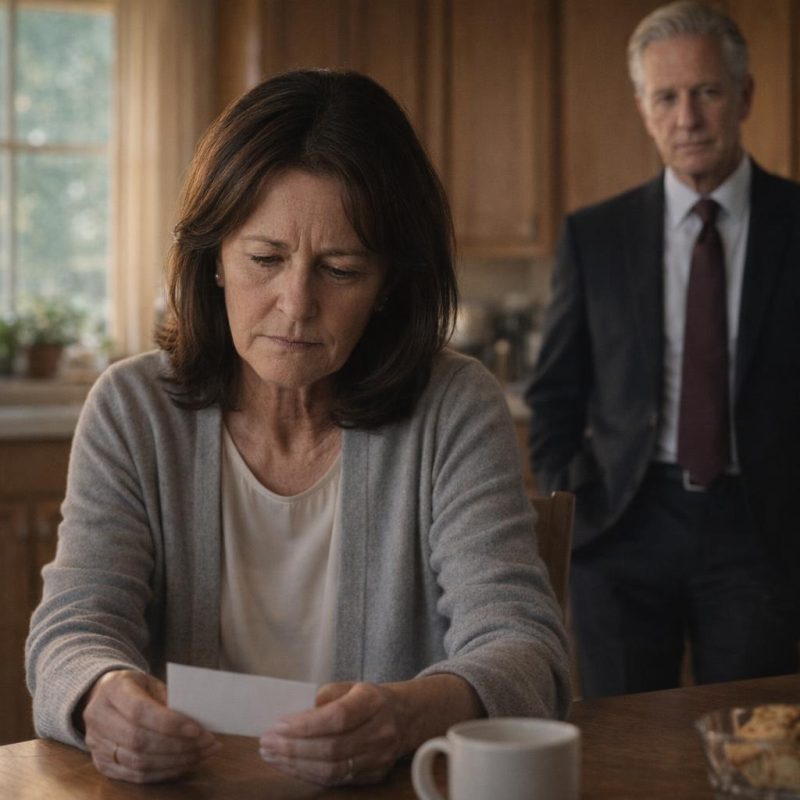 Image by RM AI
Financial Irregularities
Arthur's tone shifted when he reached for the next file. It was subtle a slight slowing down, a more deliberate way of setting the folder on the desk but I noticed it. He said the investigation had uncovered irregularities across multiple accounts connected to the family. He said the word irregularities the way people say it when they mean something much worse but aren't ready to say it yet. I asked what kind of irregularities. He said some of them were connected to family members' own finances, patterns that raised questions. Then he paused. He said some of the irregularities involved me directly that my name came up in the findings in ways he needed to walk me through carefully. I felt something drop in my chest. I asked him what he meant by directly. He said he needed to show me the documentation rather than try to summarize it, because the summary wouldn't do it justice. He said what I was about to see would be upsetting, and he wanted me to be prepared for that. I nodded, even though I wasn't prepared at all. Then he said it again, more quietly: some of what the investigation found had happened to Clara specifically and he said my name like it cost him something to say it.
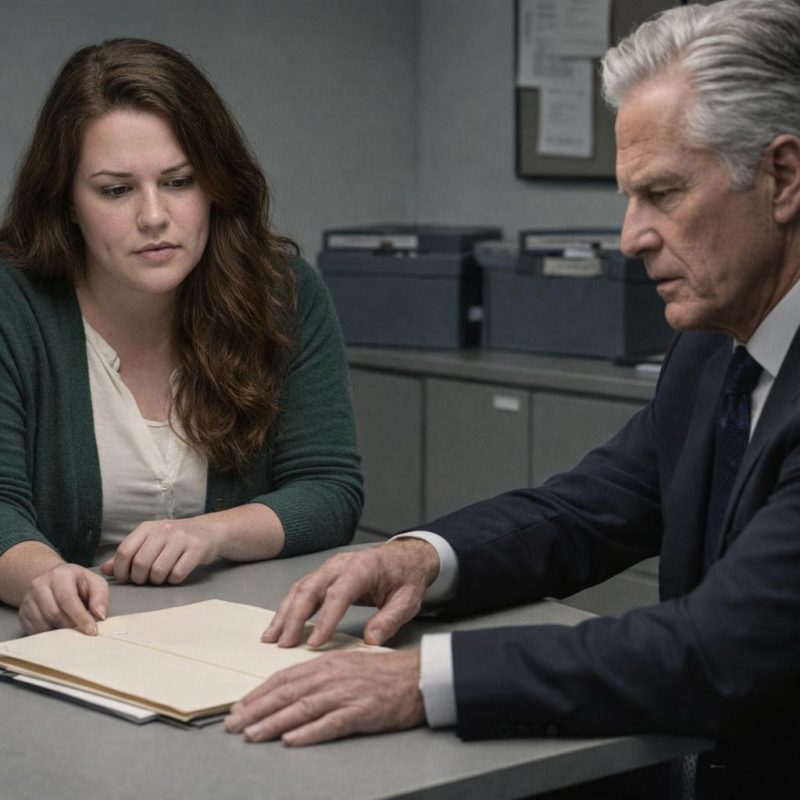 Image by RM AI
The Forensic Accounting Files
The documents he spread across the desk looked familiar and completely foreign at the same time. They were my bank statements my actual statements, from my actual account but they were covered in yellow highlighter and handwritten annotations I didn't recognize. Arthur pointed to a column of withdrawals on the first page. He said the forensic team had flagged a pattern of unusual transactions going back several years. I leaned in and looked at the dates, the amounts. Some of them were small forty dollars here, sixty there. Others were larger. A few hundred at a time. Arthur showed me a timeline the accountants had assembled, a visual chart that mapped the activity across more than five years. I stared at it. I could see the pattern clearly once it was laid out that way regular, spaced, almost rhythmic. I told Arthur I didn't remember authorizing any of these. He said that was consistent with what the investigation found. He said the transactions had been authorized, but not by me. I looked back down at the statements, at the highlighted rows, at five years of my own financial history laid out on a stranger's desk. I sat there with the pages in front of me, trying to find a way to make the numbers mean something other than what they appeared to mean.
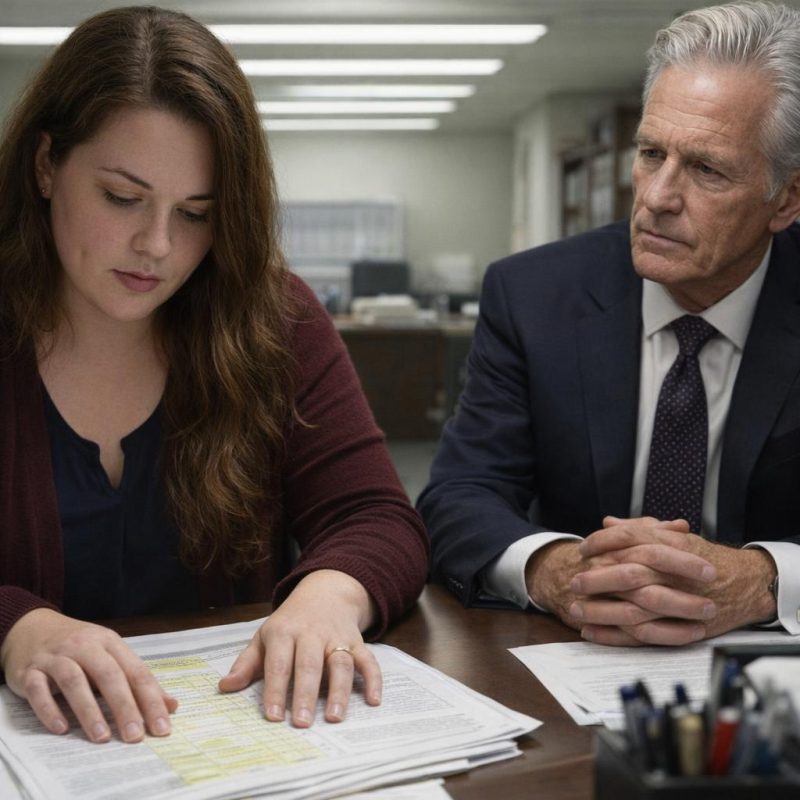 Image by RM AI
Five Years of Theft
Arthur reached into the file and pulled out a single document that looked older than everything else the paper was slightly yellowed at the edges, the font an older style. He set it in front of me and I recognized my own handwriting immediately, even though it was smaller and rounder than it is now. It was a signature card from a joint bank account. I must have been sixteen when I signed it. Arthur explained that my parents had maintained access to my account through that old authorization it had never been formally closed or updated, and the bank had no reason to flag it. He walked me through the withdrawal pattern the forensic team had documented. The total, when he said it out loud, made me go very still. More than forty thousand dollars over five years. I thought about the months I'd eaten rice and beans for a week straight because I was short on groceries. I thought about the year I couldn't afford a car repair and walked to school in February. Arthur confirmed that Robert and Patricia had made the withdrawals jointly, using the authorization I'd signed as a teenager without understanding what I was agreeing to. I felt physically ill. I sat there holding that old signature card, staring at the looping, careful handwriting of my sixteen-year-old self.
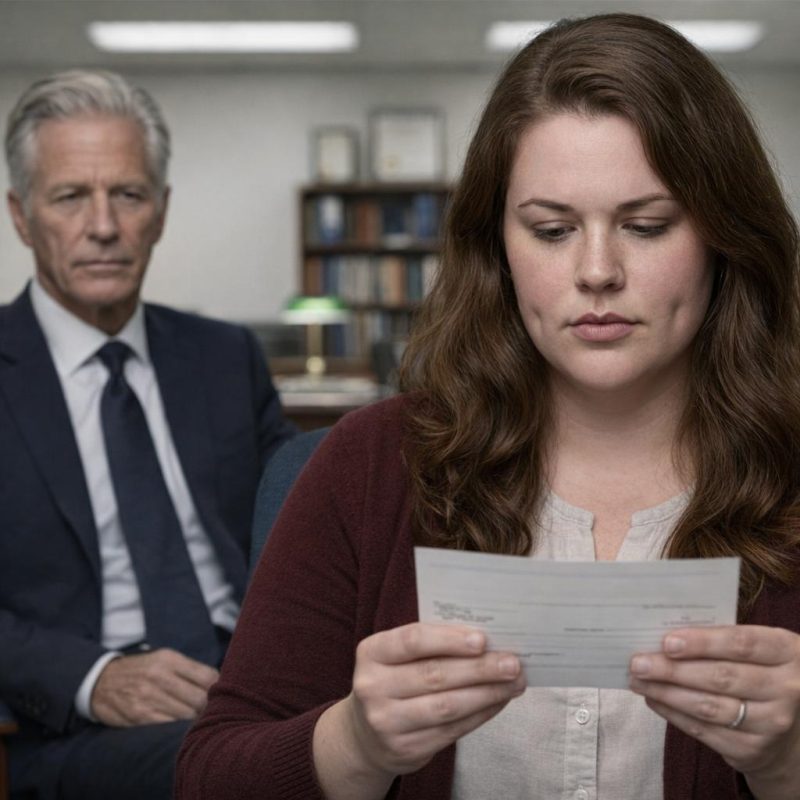 Image by RM AI
Derek's Forgery
I thought that was the worst of it. I genuinely thought we had reached the bottom. Arthur let me sit with the signature card for a moment, then he quietly pulled out another file this one labeled with Derek's name and set it on top of everything else. He said there was one more thing I needed to see. He opened the file and slid a set of loan documents across the desk toward me. The lender was a private company I'd never heard of. The loan amount was seventy-five thousand dollars. I scanned down the page looking for Derek's name, and I found it but not where I expected. He was listed as a secondary party. I was listed as the primary borrower. My name was on the borrower line, clear as anything. I looked up at Arthur and said that wasn't possible, that I had never taken out any loan like this. He said he knew. He said the forensic analysis confirmed the signature wasn't mine the pressure patterns, the letter formation, all of it pointed to forgery. But he said the document was legally binding regardless, and that the lender had already begun collection proceedings in my name. He said the loan was connected to gambling debts. I looked back down at the page, at the signature on the borrower line my name, in handwriting that almost looked like mine.
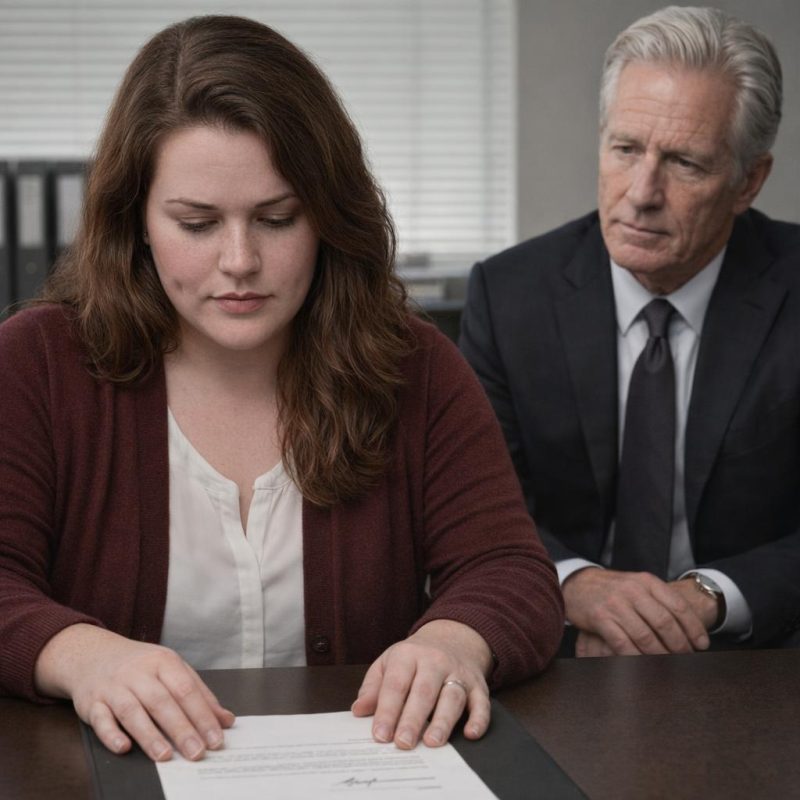 Image by RM AI
The Full Picture
I sat back in the chair and just looked at everything spread across Arthur's desk. The highlighted bank statements. The old signature card with my teenage handwriting. The loan documents with the forged signature. The forensic timeline spanning five years. I tried to add it up forty thousand from the savings account, seventy-five thousand in fraudulent debt now attached to my name. More than a hundred thousand dollars. Arthur gave me a moment, then said quietly that this was why my aunt had excluded them from the inheritance. Not out of spite. Not arbitrarily. She had seen all of it every withdrawal, every forged document, every pattern the accountants had flagged and she had built the legal protections around me specifically because of what she found. I asked him why she hadn't just told me. He said she wanted me protected by law, not just warned. A warning, he said, could be argued around. Legal exclusion clauses could not. I looked at the files again. My aunt had watched all of this happening to me, had spent years quietly documenting it, and had spent the last chapter of her life making sure I couldn't be touched. Arthur set his hand briefly on the edge of the desk and said she had known about every single piece of this before she died.
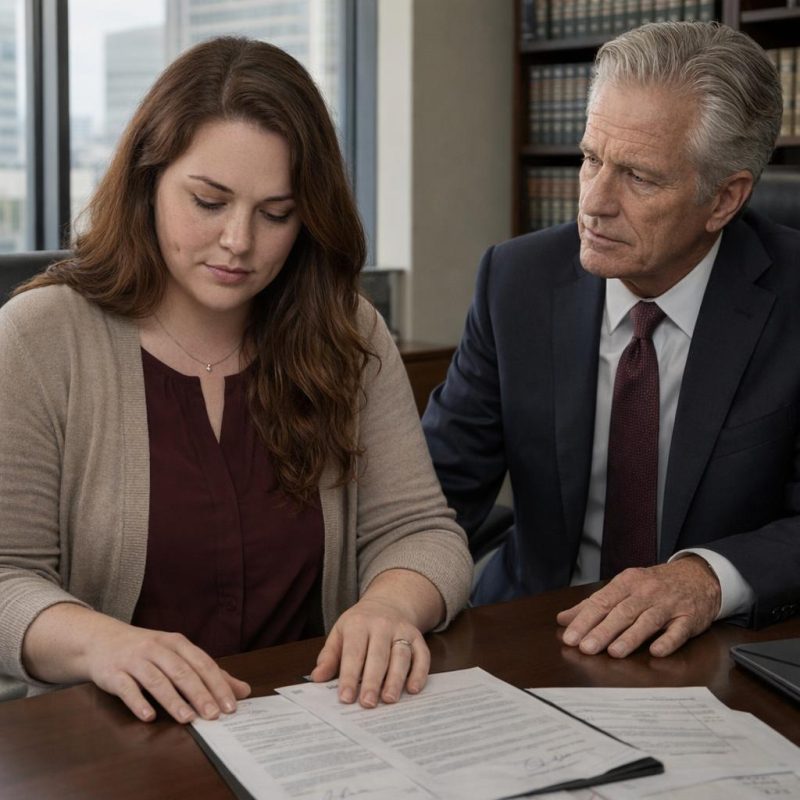 Image by RM AI
Changing the Locks
I sat in my car outside Arthur's office for a few minutes before I could make myself drive. His list was on the passenger seat — a half-page of handwritten recommendations, and changing the locks was first. I called a locksmith from the parking lot, gave them my address, and asked how soon they could come. They said two hours. I drove home feeling like I was moving through something thick and slow. When I got to my apartment door, I stood there longer than I needed to. I'd had the same locks since I moved in six years ago. My parents had a key. Derek had a key. I'd given them out without thinking, the way you do when you trust people. The locksmith arrived right on time — a quiet guy with a toolbox who didn't ask questions, just got to work. I watched him pull the old deadbolt out of the door and set it on the floor, and something about seeing it disconnected like that made my chest tighten. He installed the new hardware in under an hour, tested the mechanism twice, then held out two keys — just two, both of them sitting in his palm. He said those were the only copies made. I took them and closed my hand around them, and I didn't know whether to feel relieved or terrified.
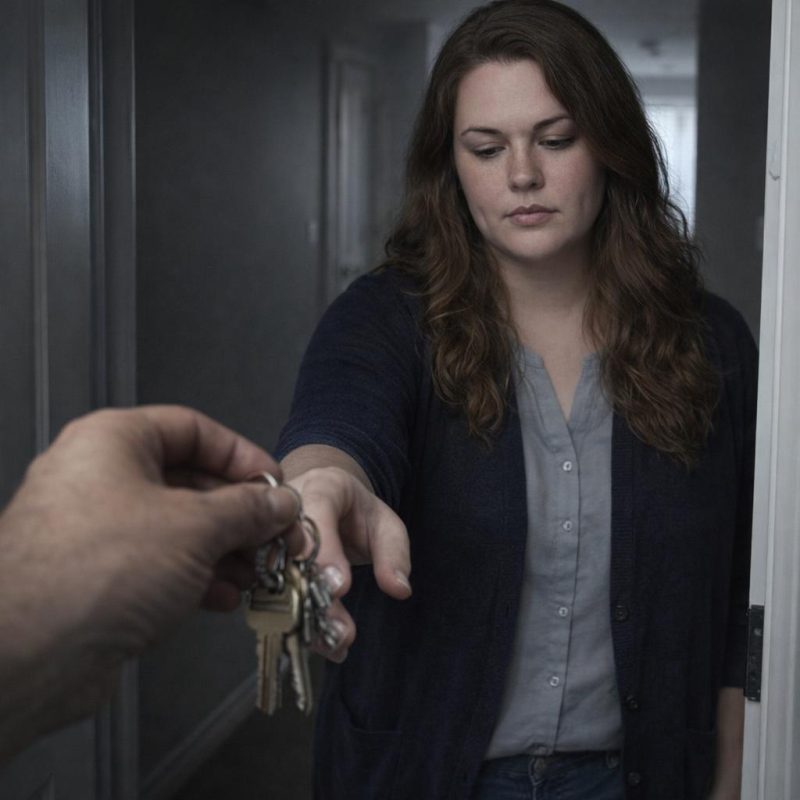 Image by RM AI
Security Cameras
The next morning I drove to an electronics store and bought two security cameras — the kind that connect to your phone and send motion alerts. I'd watched maybe four tutorial videos the night before, so I felt cautiously prepared, which mostly meant I only had to restart the installation once. I mounted the first camera above my apartment door, angled to catch anyone standing in the hallway. The second one I positioned near the building entrance, tucked against the wall where it wasn't obvious. Getting that one up required borrowing a step stool from my neighbor, who didn't ask why I needed it, which I appreciated. I downloaded the monitoring app, paired both cameras, and spent twenty minutes testing the motion detection by walking back and forth in front of each one. The alerts came through clean. I set the sensitivity high and turned on notifications for any movement near my door. When I finally sat down on my couch and opened the app, both feeds were live — the hallway outside my door, empty and fluorescent-lit, and the building entrance below. I kept thinking about the fact that I was setting up cameras to watch for my own family. That thought sat in me in a way I couldn't quite shake. The hallway on my screen was still and quiet, and for the moment, that was enough.
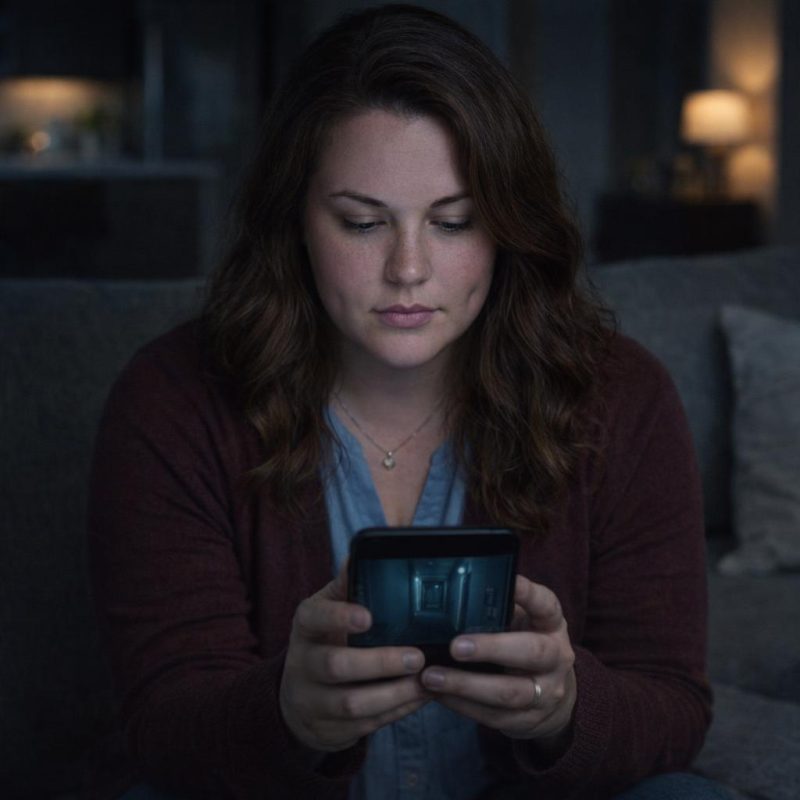 Image by RM AI
Freezing the Accounts
I called the bank's fraud prevention line that afternoon, sitting at my kitchen table with Arthur's files spread out in front of me. I'd been putting it off all morning, telling myself I needed to think it through first, but I knew I was just stalling. When the representative answered, she asked how she could help, and I told her I needed to freeze all of my accounts immediately. There was a brief pause, and then she asked if I suspected fraudulent activity. I said yes, and that I had documentation. She walked me through the process carefully — identity verification, security questions, account numbers. I confirmed each one. She froze my checking account first, then my savings. I asked for new account numbers and new access credentials, and she said she could initiate that process. She told me that once the freeze was in place, no existing access credentials would work, and no one else would be able to make withdrawals or transfers. I said that was exactly what I needed. She confirmed everything twice before we ended the call, reading back the account statuses in a steady, professional voice. I stayed on the line until she finished. When she said the words — all accounts are now locked — I let out a breath I hadn't realized I'd been holding, and the kitchen felt very quiet around me.
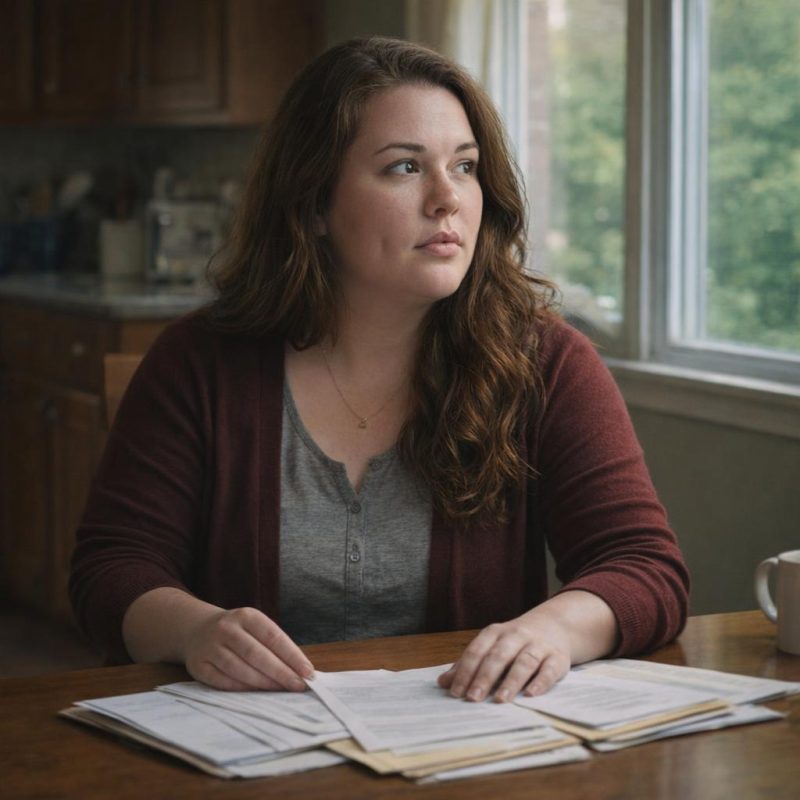 Image by RM AI
The First Message
I'd had three days of quiet, which I think was what made the messages feel so sudden when they started. Patricia texted first — something light, asking if I'd gotten her voicemail, saying she hoped I was okay. Then Vanessa, asking when we could sit down and talk about her travel plans, like that was still a conversation we were going to have. Derek checked in too, casual at first, then a second message an hour later asking specifically about the car down payment, whether I'd had a chance to think about it. I read each one and set my phone face-down on the counter. By mid-afternoon the frequency had picked up. Patricia sent two more messages saying the family was worried, that it wasn't like me to go quiet. Derek's tone shifted — less casual, more insistent, asking what was going on. Vanessa left a voicemail that started friendly and ended clipped. I didn't respond to any of them. I made dinner, graded a stack of papers from my students, and tried to stay in the rhythm of my regular evening. But my phone kept buzzing on the counter, and I kept not picking it up. Then, just after nine, a message came through from Robert. It was short. He wanted to know why I was shutting my family out of my life.
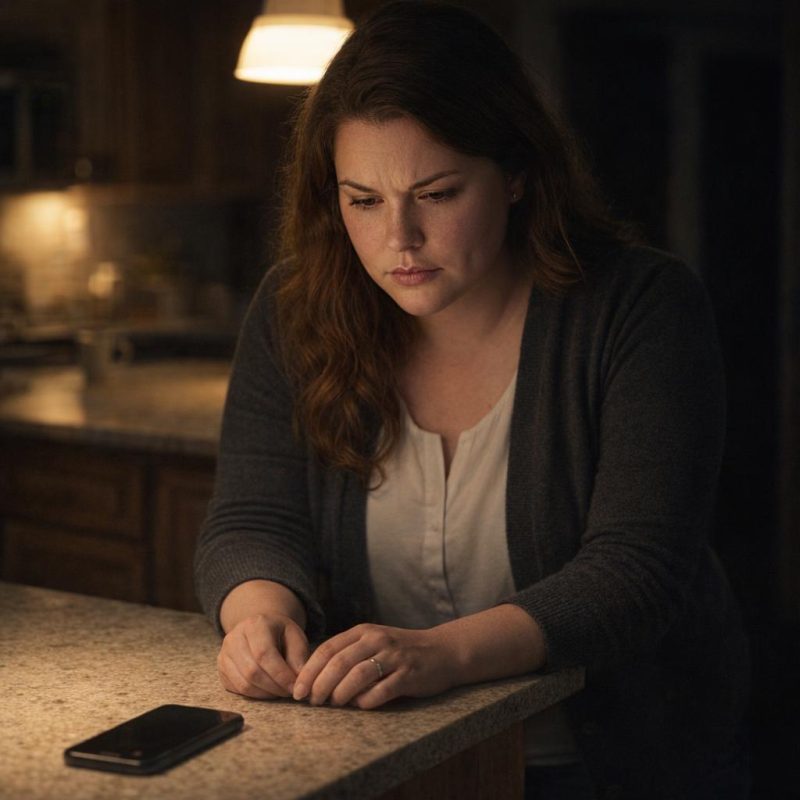 Image by RM AI
The Demand for Control
Two days after the messages started, I found a certified letter in my mailbox. Robert's return address was in the top left corner. I stood in the lobby of my building and opened it right there, which I probably shouldn't have done — my hands were already unsteady before I got through the first paragraph. The letter was formal in a way that felt unfamiliar coming from him. It referenced family obligations and financial stewardship. It said that given the size of the inheritance and my limited experience managing assets of this scale, the family had determined it was in my best interest to establish a shared oversight structure. There was a document attached — a power of attorney form, already partially filled out, with Robert's name listed as the authorized party. The letter said signing it would protect me from making decisions I might later regret. It mentioned financial advisors and the appropriate structure, as though the language had come from somewhere more official than Robert himself. I read it twice, standing there in the lobby. The language didn't sound like Robert — not the Robert who left clipped voicemails and sent one-line texts. It was careful in a way his communication usually wasn't, full of phrases that sounded borrowed from somewhere else. I folded the letter back into the envelope and took it upstairs. I set it on the table next to Arthur's files and just looked at the two of them side by side.
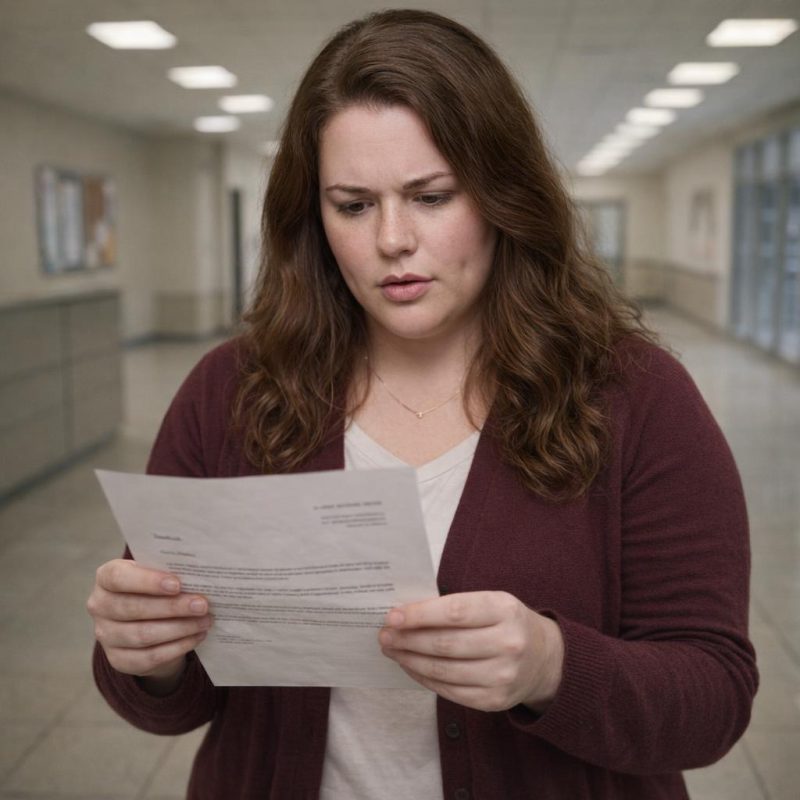 Image by RM AI
Ignoring the Calls
I made a decision that evening that felt both obvious and impossible: I was going to stop answering. Not slow down, not screen calls — just stop. I silenced notifications from all four of them and turned my phone face-down on the coffee table. Patricia called three times before noon the next day. Derek sent a string of texts that started with concern and ended with frustration. Vanessa left voicemails — the first one breezy, the second one pointed, the third one somewhere between hurt and annoyed. Robert sent two emails with subject lines about family duty and responsibility, which I opened and then closed without reading past the first sentence. I kept reminding myself of what was in Arthur's files. The bank statements. The forged signature. The five-year timeline. Every time the guilt crept in — and it did, more than I expected — I went back to those numbers. By evening the contact attempts had picked up again, clustering in the hour after dinner the way they had the night before. I sat on my couch with a book I wasn't really reading, the phone face-down beside me. I knew the screen was lighting up. I could see the faint glow of it against the cushion. Patricia's name appeared for the seventh time that evening, and I left it there, face-down, and didn't move.
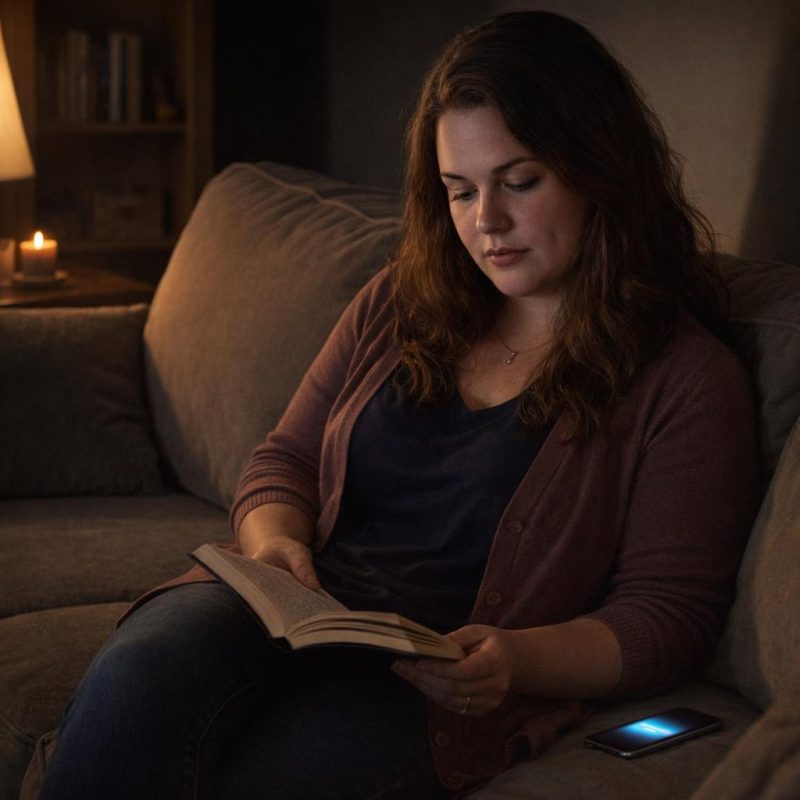 Image by RM AI
They Came to My Building
I was in the middle of making tea when my phone buzzed with a motion alert. I almost ignored it — I'd gotten a few false triggers from neighbors passing in the hallway — but something made me pick it up. I opened the camera app and switched to the building entrance feed. They were all there. Robert stood at the intercom panel, his posture rigid, one hand already reaching for the call button. Patricia was beside him, her face tilted up toward the upper floors. Derek and Vanessa were a few steps behind, near the entrance doors. I set my mug down on the counter without looking at it. Robert pressed the intercom button. I watched the screen. He pressed it again. I didn't move toward the intercom panel on my wall. I just stood in my kitchen, holding my phone with both hands, watching the four of them on that small screen. Patricia said something to Robert. Derek shifted his weight and looked toward the elevator. Vanessa had her arms crossed. They stayed in the lobby for several minutes — long enough that I started to wonder if they'd been told I wasn't home, or if they were waiting to see if I'd crack. I didn't answer. I didn't move. I just watched the live feed showing all four of them standing at my building entrance.
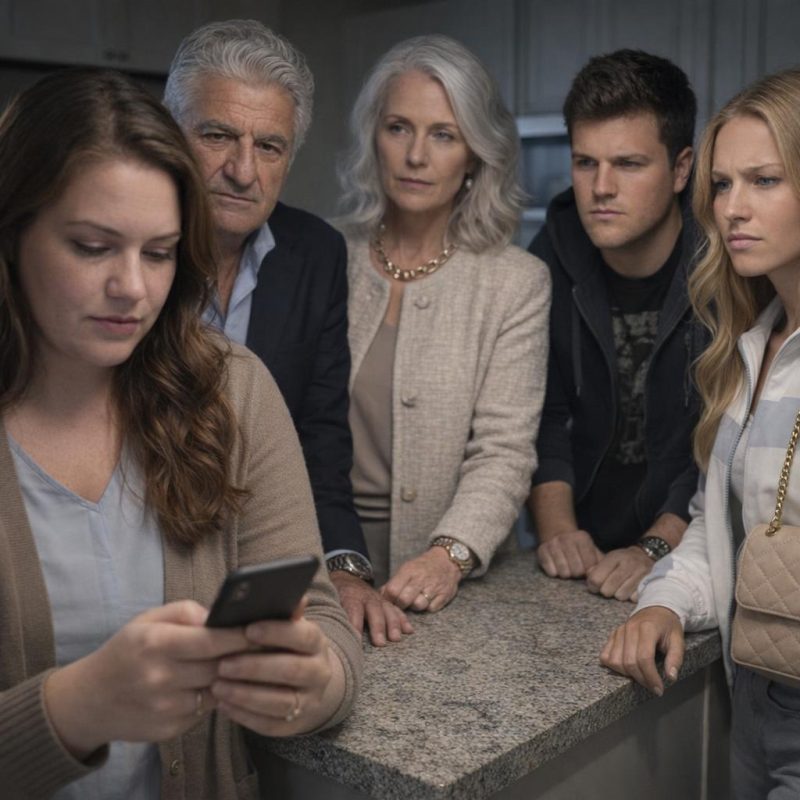 Image by RM AI
Picking the Lock
They didn't leave. After about ten minutes in the lobby, the feed showed Robert and Derek moving toward the elevator. I switched to the hallway camera and watched them step out on my floor. Robert walked to my door first. He pulled something from his coat pocket — a key, I could tell by the way he held it — and pushed it into the lock. It didn't turn. He tried it again, then tried a second key, then a third. I was sitting on my couch by then, both feet on the floor, phone gripped in both hands. Derek said something close to Robert's ear. Robert stepped back. Patricia and Vanessa had come up too and were standing at the far end of the hallway, not approaching. I watched Robert try one more key. Nothing. He stepped aside and Derek moved in front of the door. Derek reached into his jacket pocket and pulled out something small and metal, and I watched him insert it into the lock.
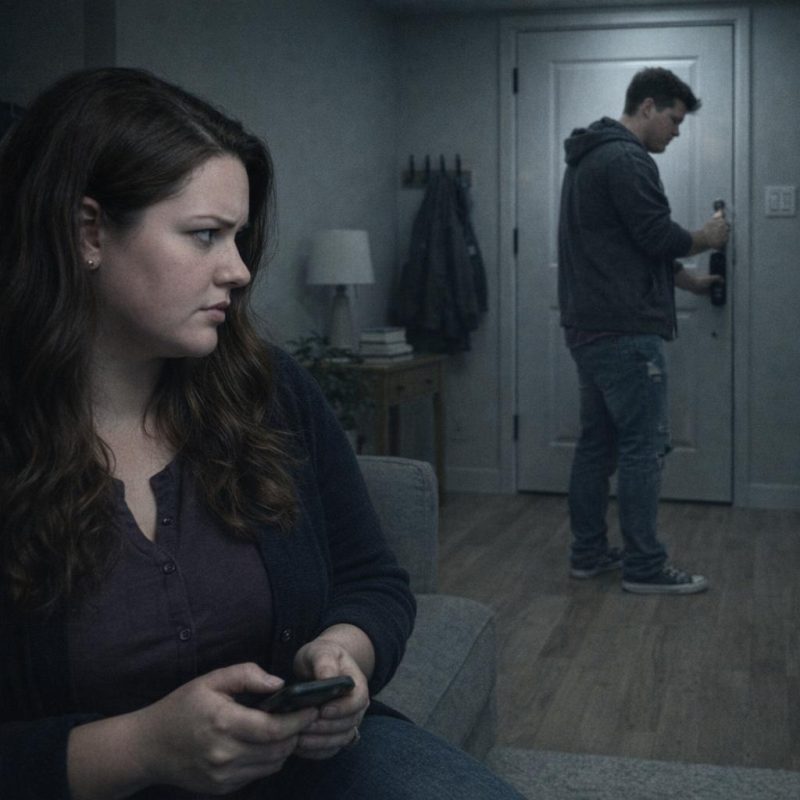 Image by RM AI
Screaming Through the Door
Derek's lock-pick didn't work either. I heard him try it twice, maybe three times, and then there was a pause — and then Robert's fist hit the door so hard the frame shuddered. I pulled my knees up on the couch and didn't move. Patricia's voice came through first, that careful, measured tone she used when she wanted to sound reasonable. She said they just wanted to talk. She said this was a misunderstanding. Then Vanessa: I was being selfish, I was being cruel, I was hurting the whole family over money. Derek started pounding again, not knocking — pounding, the flat of his hand against the door in a steady rhythm that made my chest tighten with every hit. He shouted that I owed them. That after everything they had done for me, the least I could do was open the door. I sat there with my phone in my lap, Arthur's number already pulled up, thumb hovering over the call button. The shouting went on for what felt like forever — Patricia cycling back to reasonable, Vanessa cycling back to wounded, Derek cycling back to furious. Then Robert's voice cut through all of it, low and hard, and he said I had no right to shut them out.
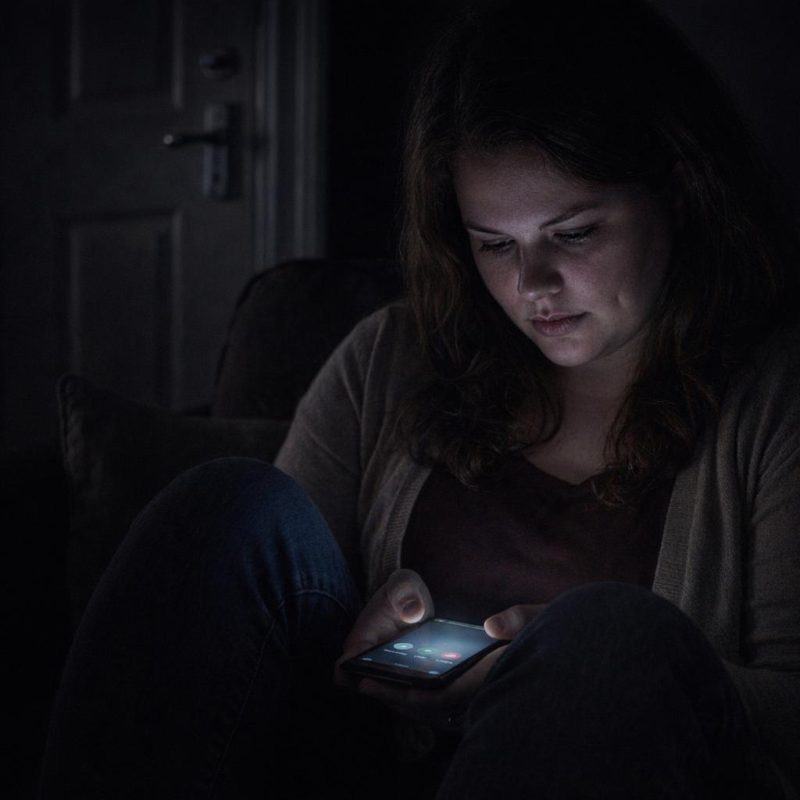 Image by RM AI
Evidence for Arthur
I didn't sleep that night. By two in the morning I had forwarded every text, every voicemail transcript, and the full security footage file to Arthur's email. I wrote out a detailed account of the evening — times, names, what each person said, what Derek had in his hand when he crouched at my lock. I kept it factual. I kept it in order. It felt like the only thing I could control. Arthur responded just before seven the next morning, which surprised me — I hadn't expected to hear back until business hours. He confirmed he had received everything. He said the footage was clear documentation of an attempted illegal entry and that the text messages, taken together, showed a pattern of harassment that would be relevant to the investigation. He asked me to save and forward any future contact attempts without responding to them. He said he was scheduling a follow-up meeting for later in the week to go over next steps. I read his email three times. There was something steadying about the way he wrote — no alarm, no drama, just quiet certainty that this was all going somewhere. For the first time since the night before, the tightness in my chest eased a little. His words sat with me long after I set the phone down.
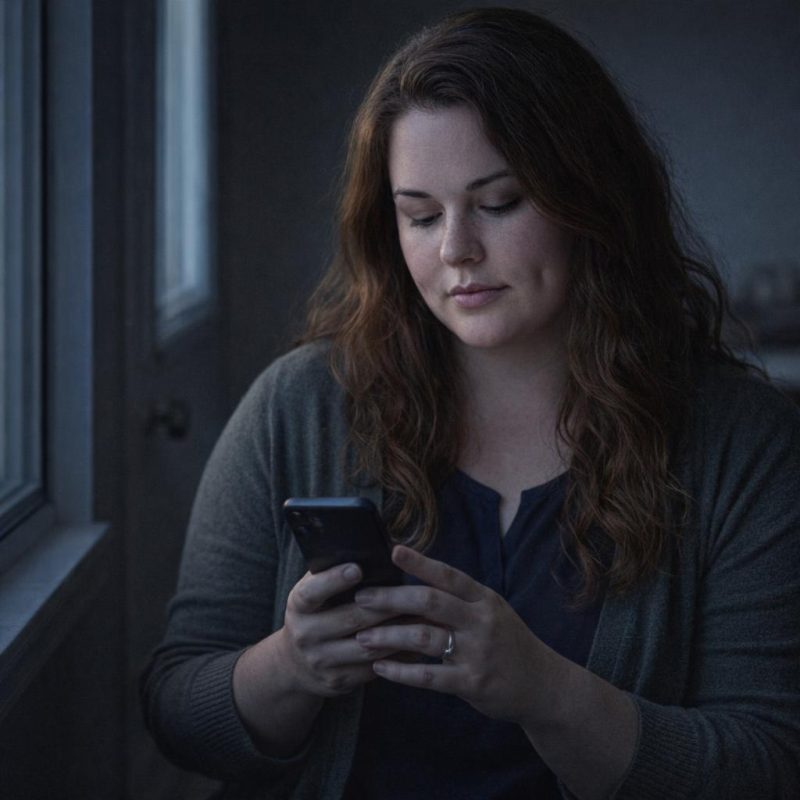 Image by RM AI
The Formal Investigation
Arthur's office felt quieter than usual when I arrived. He had a folder open on the desk before I even sat down. He walked me through it methodically — he had filed a formal complaint with the police, submitted the forensic accounting documentation to the relevant authorities, and included the security footage of the lock-picking attempt as part of the evidentiary package. He showed me the paperwork on the forged loan, the signature comparison the forensic accountant had prepared, and the records of the unauthorized withdrawals from my savings account going back years. Each page was organized, labeled, cross-referenced. He explained that the investigation would look at all family members' activities separately, that the evidence would be examined by people whose job it was to follow exactly this kind of paper trail. He told me to expect the family to escalate once they became aware that a formal investigation had been opened — that in his experience, that was when pressure on the central party tended to increase. I told him to proceed with everything. He nodded and said the evidence was strong. He paused, then said the investigation had already expanded beyond civil fraud. The charges being considered, he said, were criminal.
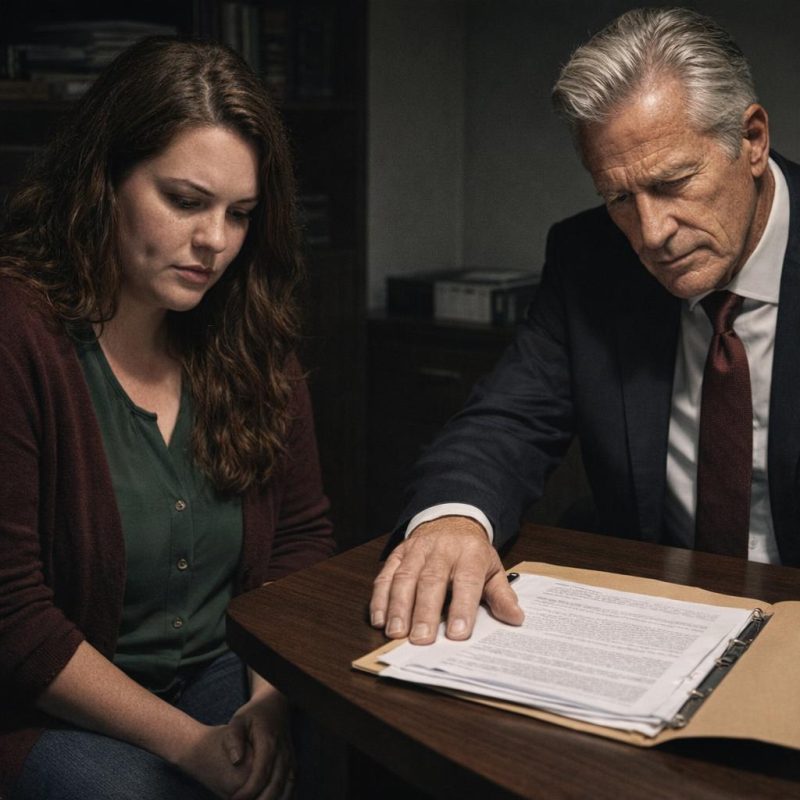 Image by RM AI
Vanessa's Bank Attempt
Arthur called me two days later, mid-afternoon, and I could tell from the first sentence that something new had happened. A bank manager had contacted his office that morning. A woman had walked into a branch and presented identification claiming to be me — same name, same address, same account information. The photo on the ID was not mine. The bank employee had noticed the discrepancy, asked a series of verification questions the woman couldn't answer correctly, and denied the transaction. They had retained the fake ID and filed a fraud report with local police, which had been flagged and forwarded to Arthur's office because of the existing investigation. Arthur explained that identity theft carried serious criminal penalties separate from the fraud charges already being examined, and that this incident had been added to the evidence file. I sat at my kitchen table after we hung up and just stared at the wall for a while. I had grown up with her. I had shared a bathroom with her, argued over the remote with her, sat next to her at every holiday table I could remember. Arthur had emailed me a photocopy of the fake ID — my name printed cleanly across the top, Vanessa's face looking back at me from the photo.
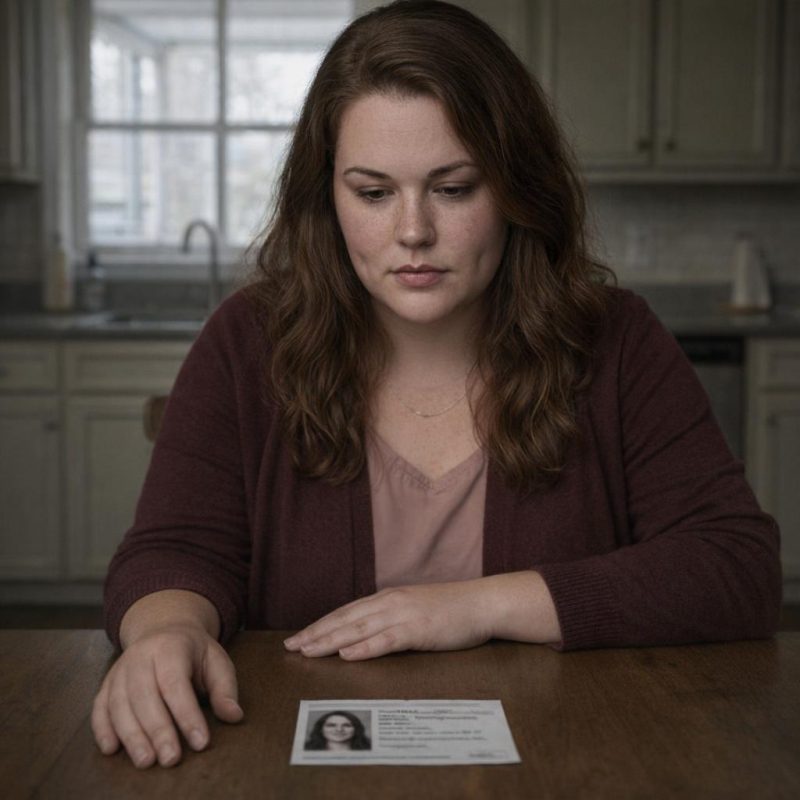 Image by RM AI
Replaying the Years
That evening I pulled the old photo albums out of the closet — the ones I hadn't opened in years. I sat on the floor with them spread around me and went through them slowly. There were birthday parties, holiday dinners, a vacation at the lake when I was maybe twelve. Everyone smiling. I looked at my own face in those pictures and tried to remember what I had been thinking. I remembered the times my parents had asked to borrow money after I started working — small amounts at first, always with a reason that made sense. Car repairs. A utility bill. A medical copay. I remembered how normal it had felt to say yes. I thought about Vanessa's complaints about her job, how often those conversations ended with a comment about how lucky I was to have a steady income. I thought about Patricia's remarks over the years — that I was being selfish, that I didn't understand what the family needed, that I had always been difficult. I had filed those comments away as her way of communicating. I had told myself that was just how families worked. I sat there on the floor with the albums open around me, and I thought about the time Derek had called me in a panic asking to borrow my credit card for what he said was an emergency.
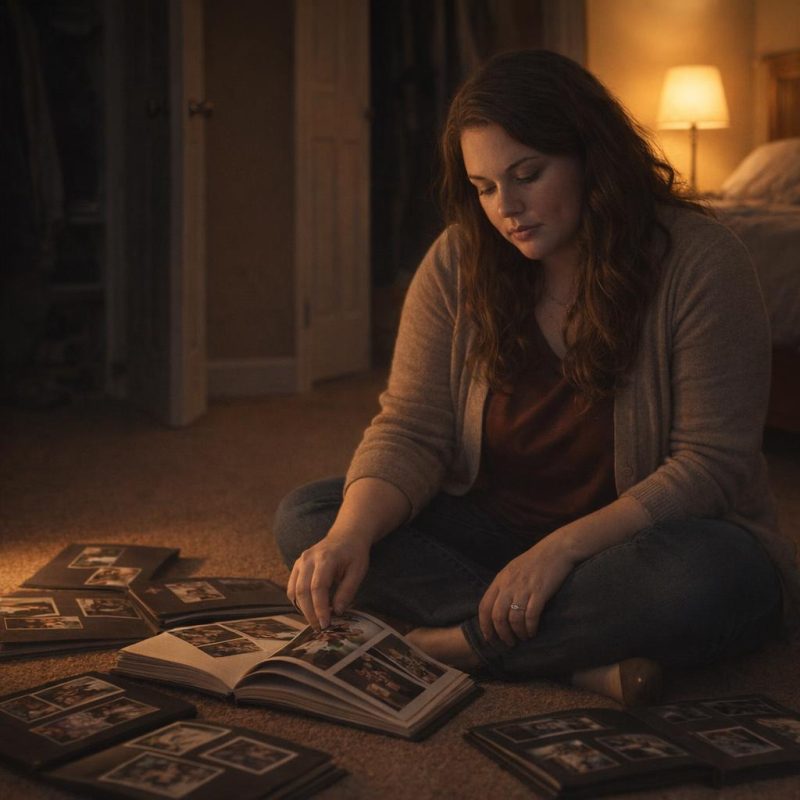 Image by RM AI
More Evidence Surfaces
Arthur called again three days later. His voice had that same measured quality it always did, but he got to the point faster than usual. The investigators had pulled my credit history as part of the financial review, and what they found had expanded the scope of the case. There were accounts in my name I had never seen before — credit cards, opened over a three-year period, all with billing addresses routed to a PO box I had never heard of. Arthur said the signatures on the original applications didn't match my handwriting, and that the documentation his team had gathered was clear enough to establish the accounts as fraudulent. He said I would not be held liable for any of the balances. I asked him how much we were talking about. He told me the total debt across all three accounts was just over thirty thousand dollars. I sat with that number for a moment. Thirty thousand dollars charged to my name while I had been clipping grocery coupons and packing my lunch every day to save money. I asked him how many cards. He said there were three credit cards I had never applied for, and that all three were maxed out.
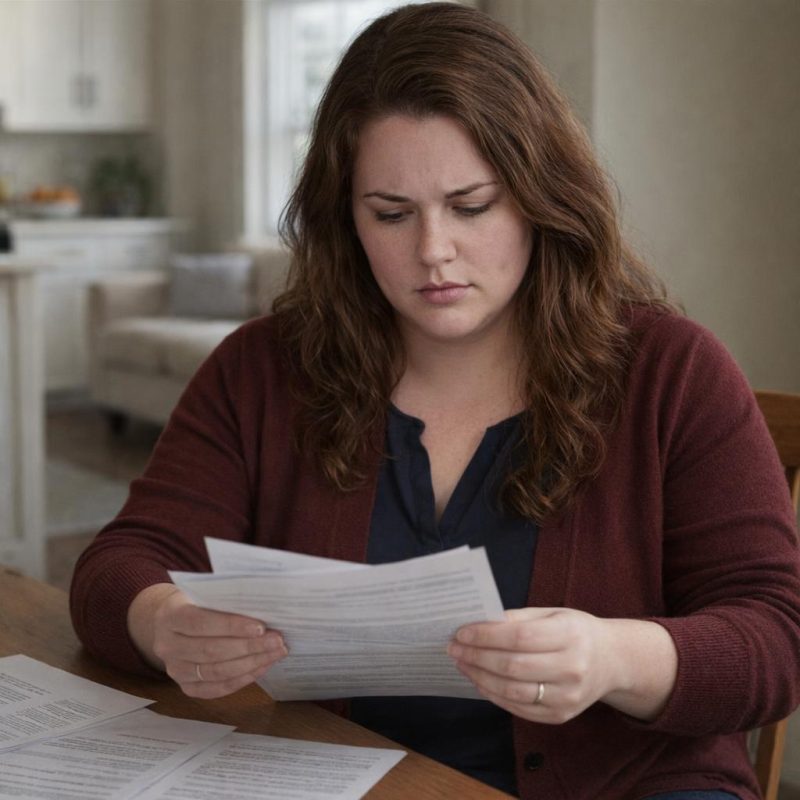 Image by RM AI
The Family's Panic
The messages started coming in waves. Derek first — short, clipped texts asking if I had spoken to any lawyers lately, if I understood what I was doing. Then Patricia, a string of them across two days, each one a little softer than the last, each one insisting there had been a misunderstanding, that things had been taken out of context, that she was sure we could sort this out if we just talked. Robert left voicemails. I didn't listen to most of them, but I saved every one. Vanessa sent a long message explaining that she had only been trying to help, that I didn't understand the full picture, that she had always looked out for me. I read that one twice and then set my phone face-down on the counter. I didn't reply to any of them. Arthur had been clear about that, and honestly I didn't have anything to say. I just documented each one — screenshot, timestamp, saved to the folder I had set up for exactly this purpose. The tone had shifted. A week ago it had been demands. Now it was something closer to pleading, which in some ways felt worse. The last message I read before I put my phone away for the night was from Patricia: she said we needed to talk before this went too far.
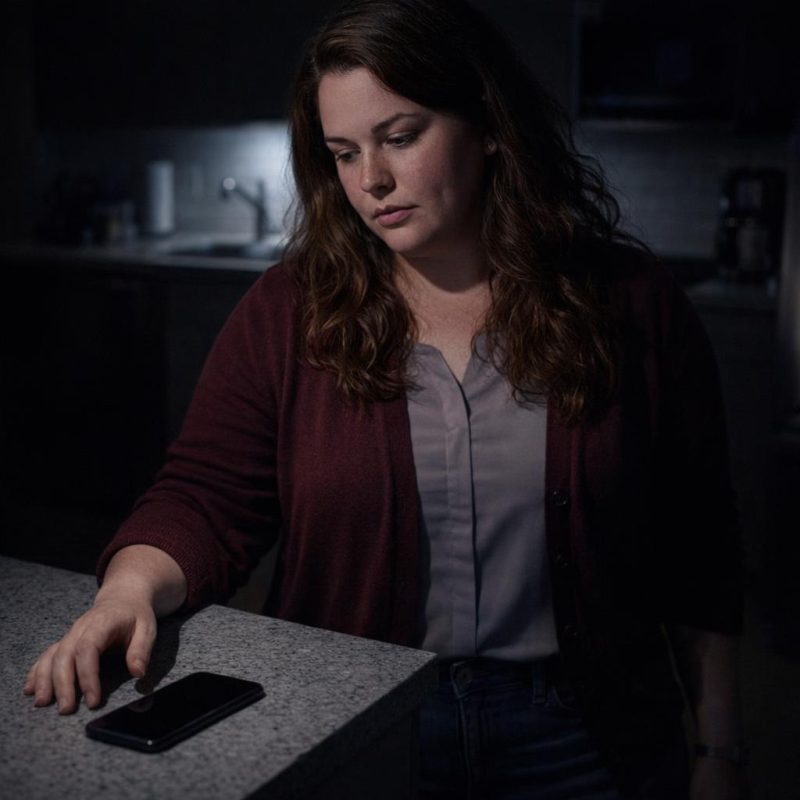 Image by RM AI
The Paper Trail
Arthur had the evidence spread across his conference table when I arrived — three large binders, each one tabbed and labeled, plus a printed timeline running the full length of a legal pad. He walked me through it from the beginning. The first unauthorized withdrawal from my savings account had occurred six years ago. The forged loan came four years ago. The credit card accounts had been opened starting three years back. Arthur pointed out how the activity had grown over time — not all at once, but incrementally, one thing layered onto the next. Each family member's involvement was documented separately, with its own section in the binders. Every fraudulent transaction had a corresponding record — bank statements, application copies, signature comparisons, account logs. He told me the total amount taken or fraudulently borrowed in my name came to well over eighty thousand dollars when everything was added together. I stood at the edge of the table and looked at all of it. Three binders. Years of my life, reduced to tabs and timestamps. Arthur slid the timeline toward me and pointed to the first entry — an unauthorized withdrawal dated to the autumn six years back, the earliest record in the file.
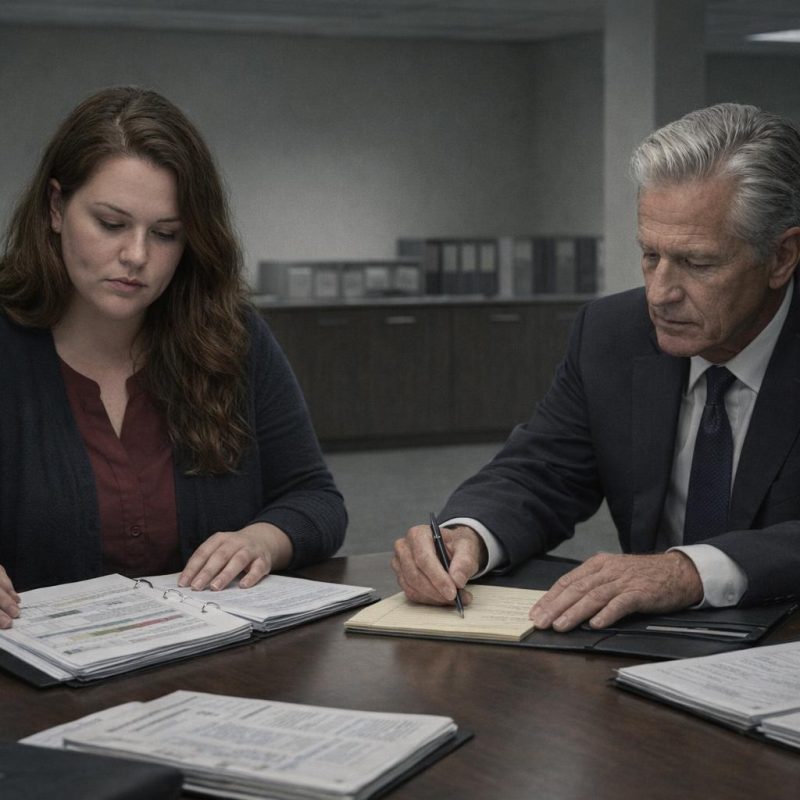 Image by RM AI
Growing Stronger
I stood at that conference table for a long time after Arthur finished walking me through the timeline. Three binders. Eighty thousand dollars. Years of my life, quietly hollowed out while I kept showing up to family dinners and pretending everything was fine. I thought about all the times I'd made excuses for them — told myself Derek was just going through a rough patch, that my parents were stressed, that I was being too sensitive. I'd been handing them the benefit of the doubt like it was something I owed them, and they'd been cashing it in the whole time. Aunt Clara had seen it. She'd built an entire legal fortress around me because she'd seen it, and I hadn't. That thought sat in my chest like something heavy and clarifying at the same time. I wasn't angry at myself anymore — I was done with that. What I felt instead was something steadier. Arthur was watching me from across the table, patient as always, and I looked up at him and told him I wasn't going to back down from any of it. I wanted every legal remedy available to me. Every single one.
 Image by RM AI
The Impenetrable Framework
Arthur opened the second binder and started explaining the trust structure, and the more he talked, the more I understood just how much thought had gone into it. The inheritance wasn't sitting in a simple account somewhere — it was held inside an irrevocable trust, which meant it couldn't be dissolved, contested, or redirected by anyone other than me. Arthur pointed to a clause that explicitly named Robert, Patricia, Derek, and Vanessa as excluded parties. Not just overlooked — explicitly excluded, by name, in writing. He explained that any legal attempt to challenge the trust would trigger an automatic defense mechanism, funded by a separate account Aunt Clara had set aside specifically for that purpose. She hadn't just left me money. She'd left me a shield, pre-loaded and ready. Arthur showed me the layers — the exclusion clauses, the defense fund, the conditions under which I could access the funds, the documentation requirements that made outside interference nearly impossible. My family had never had a legal foothold. Not from the beginning. I sat back and tried to take that in. Every angle I could think of — every argument they might have made — Aunt Clara had already closed it off. The trust sat there on paper, airtight, and she had built every wall herself.
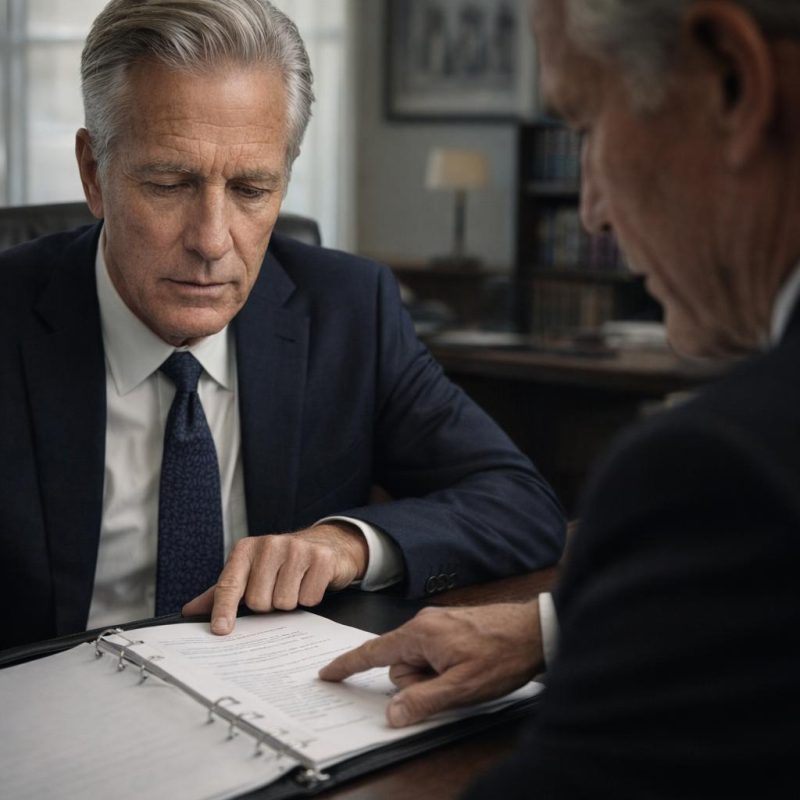 Image by RM AI
They Cannot Touch It
Arthur sent the formal notification to my family on a Thursday. He'd told me it was coming, so I spent that afternoon at home, phone face-up on the kitchen counter, waiting. The notification outlined the trust structure, confirmed their exclusion by name, and — this was the part I kept thinking about — included a reference to the ongoing fraud investigation and the documentation already gathered. They weren't just being told they couldn't have the money. They were being told that everything they'd done had been seen. The first message came from Vanessa, a string of texts calling me vindictive and saying I'd always resented her. Then Patricia called, crying so hard I could barely make out the words, something about family loyalty and betrayal. Robert sent an email — formal, almost corporate in tone — demanding I terminate Arthur's services immediately. I read each one and set my phone back down without responding. I didn't feel the urge to explain myself or apologize or smooth anything over, which was new. What I felt was something quieter and more solid than anger. Then Derek's voicemail came through, and his voice was shaking, and he said Arthur had told them everything — every piece of it.
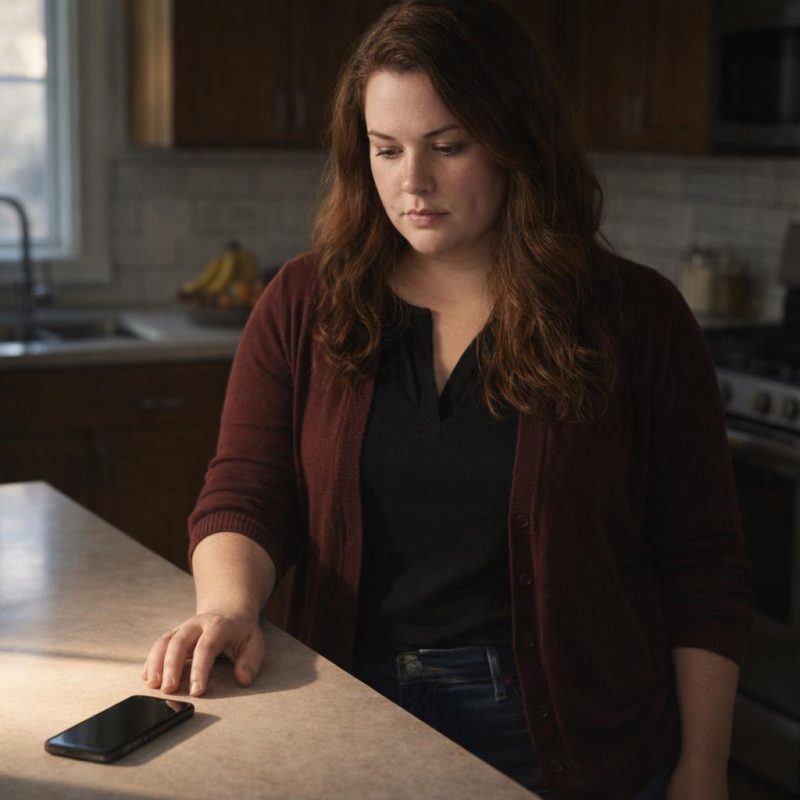 Image by RM AI
Questions About Aunt Clara
I went back to Arthur's office a few days later, not because there was urgent business, but because I had questions I couldn't stop turning over. The legal picture was clear enough — what I kept circling back to was Aunt Clara herself. I asked Arthur why she'd gone to such lengths. Not just the trust, not just the exclusion clauses, but the investigation she'd apparently commissioned herself, the defense fund, the years of careful preparation. It seemed like more than generosity. Arthur was quiet for a moment before he answered, and when he did, he chose his words carefully — said she cared deeply about making sure I was protected. I pushed a little. I asked whether she'd known about the fraud before she died, and he confirmed she had — that she'd hired investigators herself, that the documentation in those binders had started with her. That stopped me. She'd known, and she hadn't said a word to me. I asked why we shared the same name, something I'd always taken as a quirky family coincidence. Arthur said she had her reasons for many things, and left it there. I asked if there was something he wasn't telling me. He looked at me steadily and said some questions had a way of answering themselves in time. The look on his face when I asked why she'd cared so much settled over the room like something unfinished.
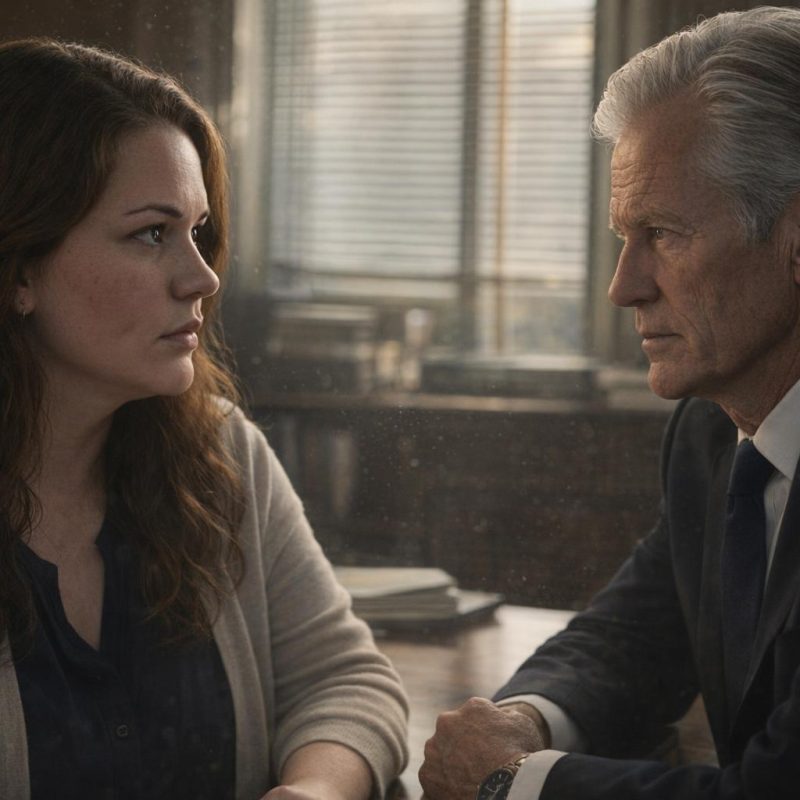 Image by RM AI
Hesitation and Secrets
I asked Arthur how long he'd known Aunt Clara, and he said he'd handled her legal affairs for over thirty years. Thirty years. I tried to do the math — that meant he'd known her since before I was born. I asked what she was like as a person, outside of the legal work, and something shifted in his expression. He described her as principled, he said, and private, and someone who thought several steps ahead of everyone around her. There was obvious affection in the way he talked about her — not the professional kind, but something more personal, like he was describing someone he'd genuinely admired. I asked if she'd ever talked about the family, about us, and he said she was very private about personal matters. He mentioned, almost carefully, that she'd made him promise to handle things with discretion. I noticed he didn't elaborate on what that meant. When I asked about her relationship with Patricia, he redirected me back to the case timeline. I didn't push. There was something in the way he was navigating my questions — not evasive exactly, but measured, like a man keeping a promise he intended to keep. On his desk, half-turned toward the window, sat a framed photograph of Aunt Clara from what looked like many years ago, and I found my eyes returning to it without quite meaning to.
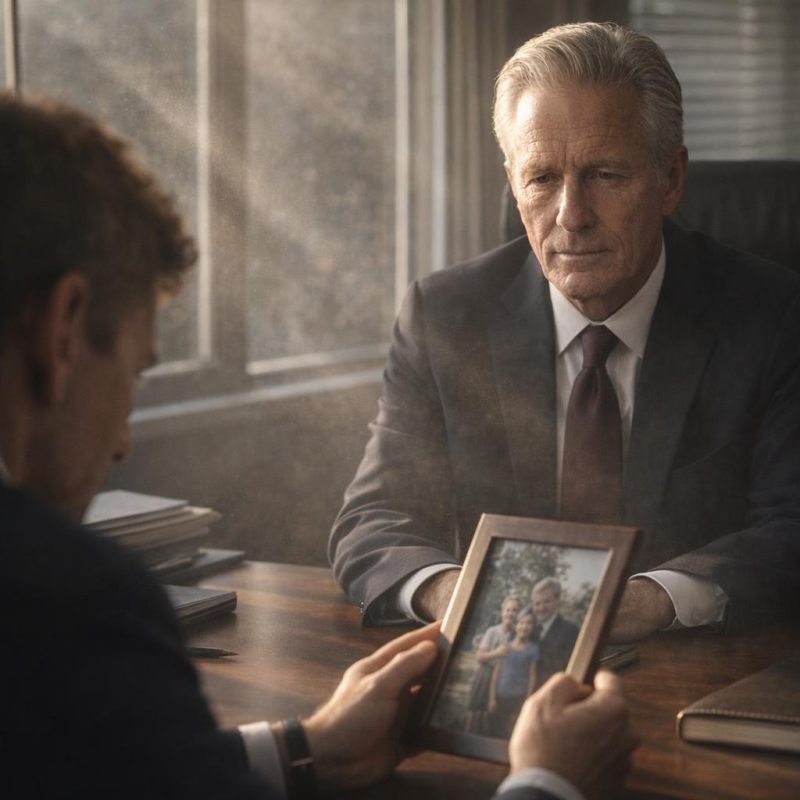 Image by RM AI
Letters and Photographs
That evening I pulled a storage box out of my closet — the one I'd never been able to bring myself to sort through after the funeral. Inside were the letters Aunt Clara had sent me over the years, bundled with a rubber band that had gone brittle, and a smaller envelope of photographs. I sat on the floor and started reading. The letters were more personal than I'd remembered. She wrote about being proud of me when I got my teaching certification, about watching me navigate a difficult year in my mid-twenties with more grace than she'd expected. She used the word watching a lot, I noticed — watching you grow, watching you find your footing, watching you become who you are. I'd always read it as a warm figure of speech. Now it felt more specific, though I couldn't have said why. The photographs were the stranger part. There were pictures of me from years I didn't remember giving her — a school play when I was maybe seven, a birthday party I barely recalled, a snapshot of me reading in what looked like my childhood bedroom. I didn't know who had taken them or how she'd gotten them. I set them out in a row on the floor and looked at them for a long time. Then I found a letter near the bottom of the stack, and in it she'd written about watching me grow into a beautiful person — and I held the page still for a moment, not sure what to do with the warmth that settled in my chest.
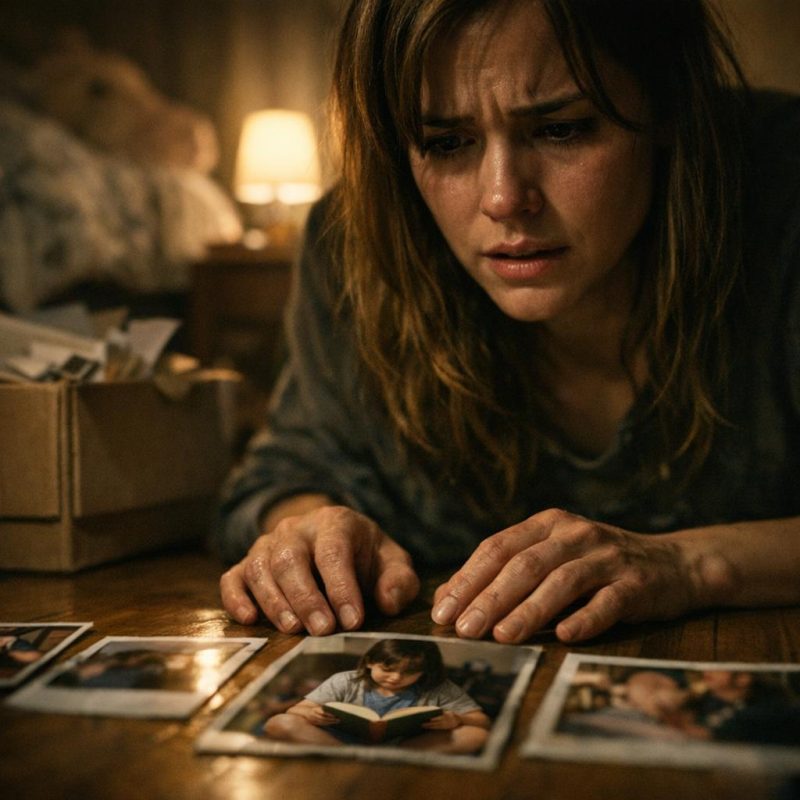 Image by RM AI
The Desperate Plea
The call came from a number I didn't recognize, which is the only reason I picked up. Patricia's voice came through immediately, already breaking, and I understood within the first few seconds that something about the timing felt off — the unknown number, the tears arriving so quickly. She said they'd been struggling for years, that the money had been borrowed, not stolen, that they'd always meant to pay it back when things stabilized. Her voice kept catching in that particular way it did when she wanted me to feel responsible for her pain. Then I heard Robert in the background, and a moment later he took the phone. His tone was different — steadier, more deliberate — and he said that families made mistakes and families forgave, and that I had a responsibility to the people who had raised me. Patricia came back on and said I was tearing everything apart, that I was choosing a dead woman's money over my own family. I stood in my kitchen and listened to all of it without saying a word. I'd spent years trying to find the right response to moments like this — the apology that would make the tension ease, the explanation that would make them understand. I didn't look for that response this time. When the silence on my end stretched long enough, I ended the call. Patricia's voice was still going when the line cut off, and I set the phone down on the counter and stood there in the quiet.
 Image by RM AI
Aunt Clara's Face
I spread the photographs across the coffee table the next morning — everything from the box, plus a few framed ones I'd taken down from the shelf. I wanted to look at them all at once, to see if there was something I'd been missing. There were pictures of Aunt Clara from what must have been her thirties, her forties, her sixties — at family gatherings, at my school events, at the edges of birthday photographs where she always seemed to be watching rather than performing for the camera. I found one from my first day of high school, which I hadn't known existed. Another from my college graduation, where she was standing slightly apart from the rest of the family, looking at me with an expression I couldn't quite name. She'd been at everything. Every milestone, every ordinary Tuesday that somehow got photographed. I'd always thought of her as devoted in the way that some aunts are — the ones who show up, who remember, who care more than the occasion requires. But looking at the photographs laid out like that, the consistency of it across decades felt like something more than devotion. Then I found the one at the bottom of the pile — Aunt Clara holding me as an infant, her face bent close, and the expression she wore was one I didn't have a name for, something I felt in my chest before I could think it into words.
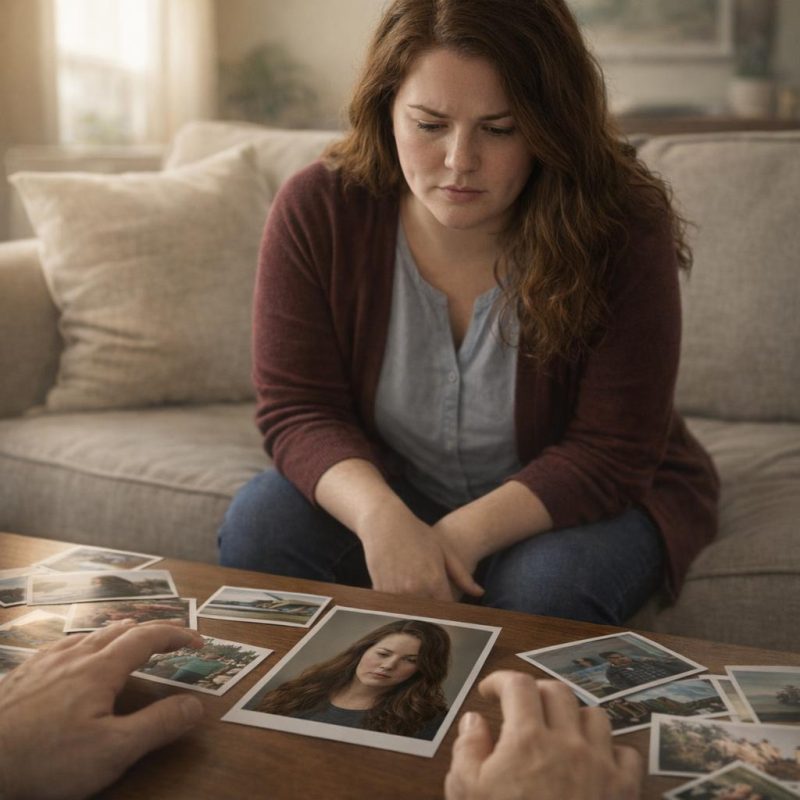 Image by RM AI
Arthur's Suggestion
I called Arthur's office the morning after I'd spread all those photographs across my coffee table. I hadn't slept much, and I think he could hear it in my voice, because he told me to come in that afternoon rather than waiting for our scheduled appointment at the end of the week. When I sat down across from him, he didn't open with case updates or legal strategy. He folded his hands on the desk and looked at me the way someone does when they've been carrying something heavy for a long time and have finally decided to set it down. He said there was something about Aunt Clara he'd been waiting to share — something he believed I deserved to know, something that would help me understand why she'd done everything she did. I asked him what he meant. He said Aunt Clara had been very specific about the timing, that she wanted me protected first — legally, financially — before this particular conversation happened. I told him I was ready. He nodded slowly, like he'd been waiting to hear me say exactly that. He said Aunt Clara had left instructions for this moment, that she'd thought about it for years, and that she hadn't left it to chance. Then he said she had written me a letter — one she'd entrusted to him specifically for this conversation.
 Image by RM AI
The Sealed Envelope
Arthur didn't reach for a filing cabinet or a briefcase. He turned to the small locked drawer built into the side of his desk — the kind I'd never seen him open before — and he used a key from his watch chain to unlock it. What he set on the desk between us was a cream-colored envelope, thick with what felt like several pages inside. My name was written on the front in Aunt Clara's handwriting. I recognized it immediately — the slightly formal cursive she used for birthday cards and the notes she tucked into gifts. He told me she had given him that letter more than twenty years ago, and that she had come back to update it several times over the years. The final version, he said, had been sealed about three years before she passed. He slid it across the desk toward me and said I could read it there, or I could take it home — whichever felt right. I asked him if he knew what it said. He told me he knew its subject, and that it explained why Aunt Clara had protected me the way she had, why every legal clause and every financial safeguard had been built the way it was. I picked it up carefully. It was heavier than I expected for paper. I told him I needed to read it alone, and I held the envelope with my name written across it in her handwriting.
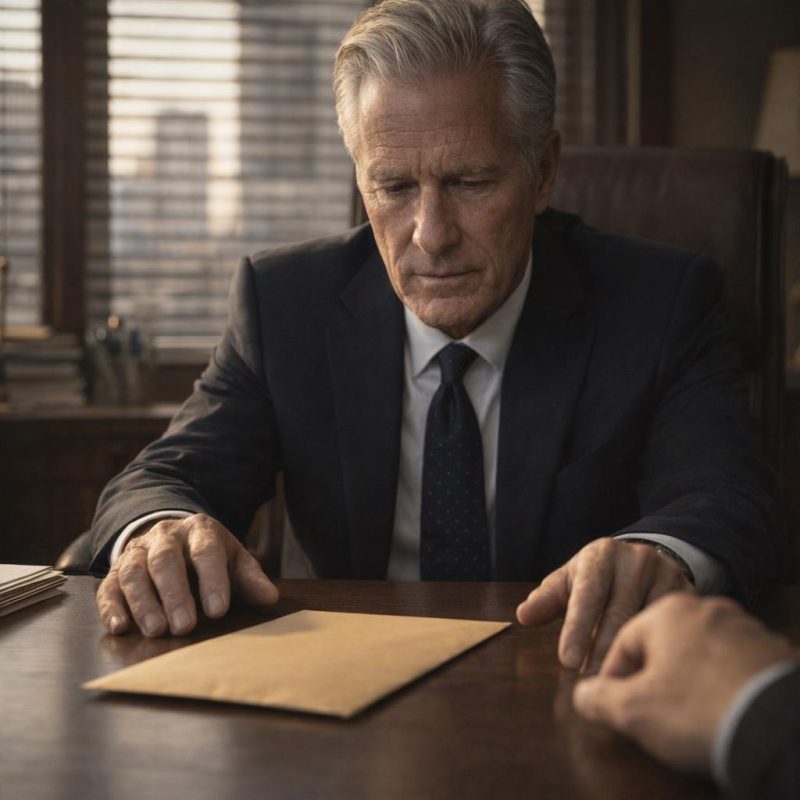 Image by RM AI
Alone With the Truth
I drove home without turning on the radio. The envelope sat on the passenger seat and I was aware of it the entire way, the way you're aware of something that has changed the air in a room. Back in my apartment, I sat on the couch and held it in both hands for a long time without doing anything. I looked at my name in her handwriting — the same careful cursive from every birthday card she'd ever sent me, the same slight lean to the letters. I thought about the photographs still spread across my coffee table, about the expression on her face in the one where she was holding me as an infant. I thought about everything that had happened in the past weeks — the inheritance, the family's reaction, the legal protections Arthur had walked me through, all of it. I kept coming back to the same question: what could be so important that she'd kept it sealed in a lawyer's drawer for twenty years, updating it, waiting for the right moment? My hands weren't entirely steady. I ran my thumb along the edge of the envelope, feeling the wax seal she'd pressed closed herself. I took a breath. Then another. I told myself I was ready, even if I wasn't sure that was true. I broke the seal carefully and unfolded the pages inside.
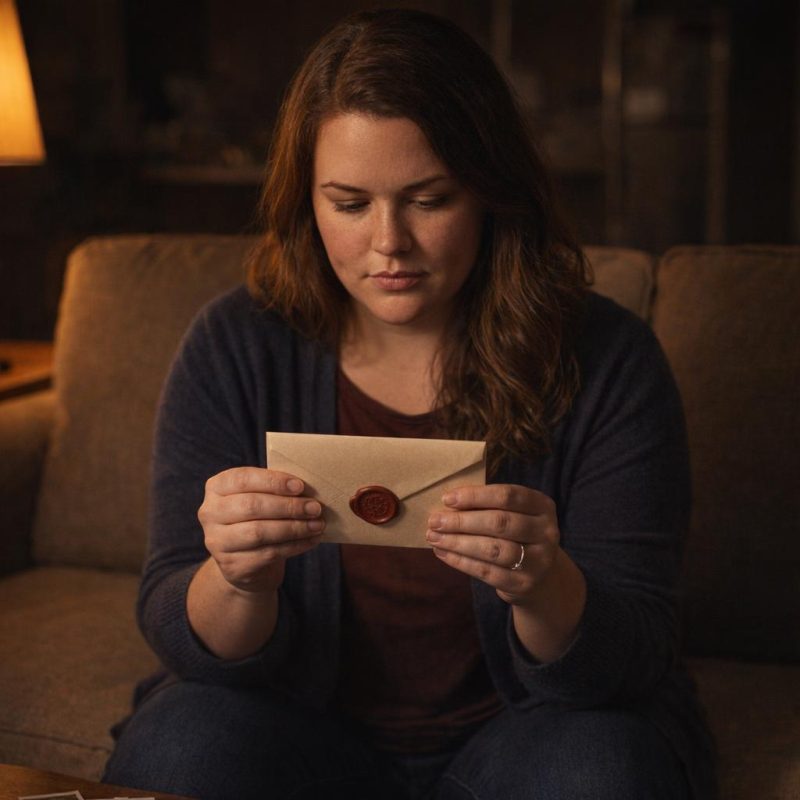 Image by RM AI
Reading Her Words
Her handwriting was the same throughout — careful, unhurried, like she'd written each line slowly and meant every word. The letter began with an apology, which stopped me before I'd even finished the first paragraph. Aunt Clara didn't apologize for things. She was the kind of woman who moved through the world with certainty, who made decisions and stood behind them. But here she was, in ink, saying she was sorry. She wrote about something that had happened twenty-eight years ago, a decision she described as the hardest she had ever made and the one she had lived with every single day since. She wrote that she had been alone, that she had been afraid, and that she had wanted something better for the baby she was carrying than what she felt she could give on her own. She wrote about watching from a distance, about the particular grief of being present for every milestone while holding a secret that changed the shape of everything. She wrote that she had never stopped loving the child she gave away. She wrote that she had tried to protect her in every way she could without breaking the silence she'd promised to keep. My hands were shaking by the time I reached the middle of the second page. I had to stop and breathe before I could keep reading. Then I reached the paragraph where she finally said it plainly, and I sat with the letter in my lap, the words blurring through tears.
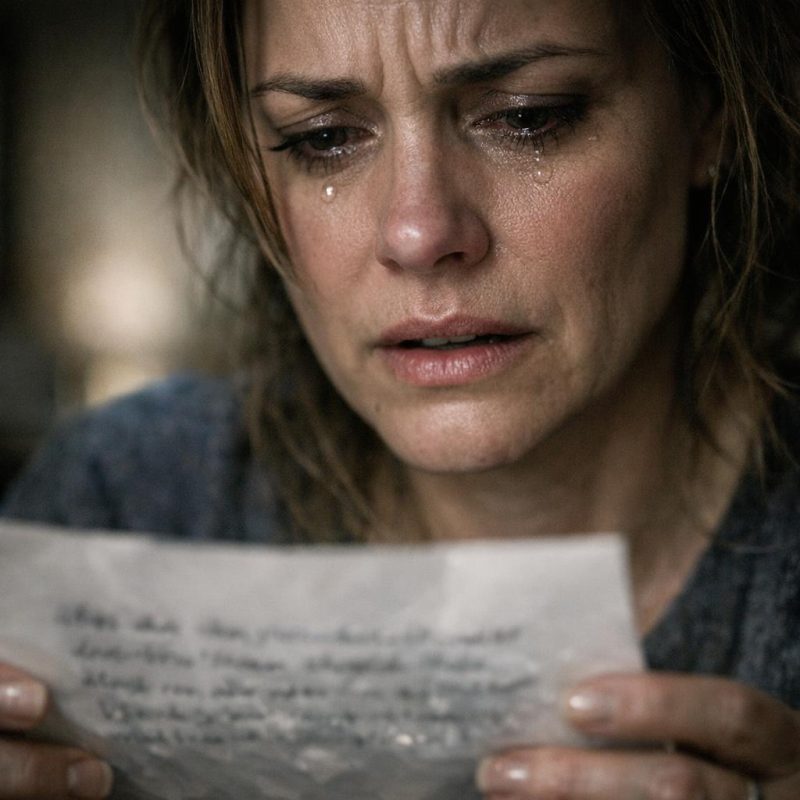 Image by RM AI
The Truth About Aunt Clara
She wrote it simply, without ceremony, the way you say something you've rehearsed so many times it has worn smooth. She was my mother. Not my aunt. My biological mother. She had given birth to me at thirty-nine, unmarried, and had made the decision — one she described as both the most loving and most devastating thing she had ever done — to ask her sister Patricia to raise me. Patricia and Robert had agreed. The arrangement was kept quiet, kept within the family, kept from me. The name was her idea. She had asked Patricia to name me Clara, because it was the only way she could think of to keep a piece of herself with me without anyone having to explain why. She wrote that she had been at every school play, every graduation, every ordinary afternoon she could find an excuse to attend, not as my aunt but as my mother watching from the only distance she'd allowed herself. She wrote that Patricia and Robert had known the truth from the beginning. Every holiday, every birthday, every time I had called Patricia "Mom" — they had known. I set the pages down on the couch beside me and stared at the wall. Twenty-eight years of a life I thought I understood had just been rewritten in a single letter, and my entire identity had shifted with every word she had written.
 Image by RM AI
Processing the Truth
I read the letter three more times. Then I sat with it in my hands and didn't read it again, just held it. I kept thinking about the photograph — Aunt Clara holding me as an infant, that expression on her face I hadn't been able to name. I could name it now. I thought about every visit, every phone call, every time she'd shown up to something the rest of the family treated as optional. I thought about the way she used to look at me sometimes, a beat too long, with something in her eyes I'd always interpreted as fondness. I thought about Patricia sitting across from me at holiday dinners, knowing. Robert knowing. Both of them watching me call her Aunt Clara for twenty-eight years and never saying a word. The grief came in waves — not just for Aunt Clara, but for the version of her I'd never gotten to have. She had been there for all of it and I hadn't known what I was looking at. I got up eventually and walked to the bathroom, not for any particular reason, just because I needed to move. I stood at the mirror for a long time. The shape of my eyes. The line of my jaw. The things I'd always assumed came from somewhere I'd never thought to question. I could see her in my face, and I didn't know whether that made the grief heavier or lighter.
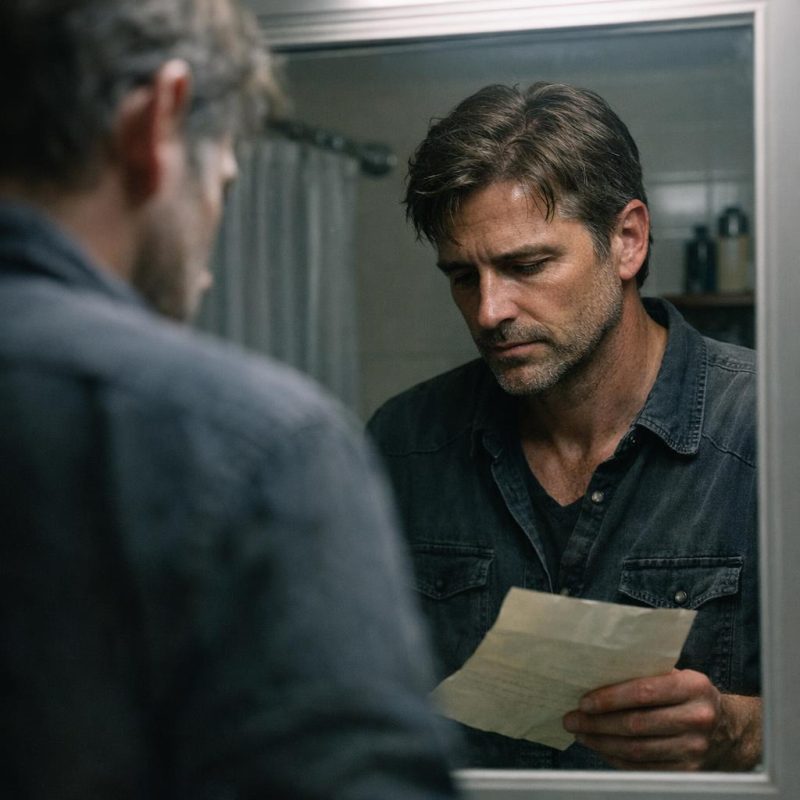 Image by RM AI
Why She Watched Them
I went back to the letter and read the last section again, the part I'd moved through too quickly the first time because the earlier pages had already taken everything I had. She wrote about the finances. She wrote that she had started paying attention to where my money was going after I got my first teaching job, that something hadn't added up when she looked at what I was earning against what I seemed to have. She wrote that she had hired someone to look into it quietly, and that what they found had frightened her. She couldn't come to me directly — not without explaining how she knew, not without the whole truth coming out before I was protected enough to handle it. So she had done what she could do from the position she was in. She had built the legal structure around the inheritance like a wall. Every clause Arthur had walked me through, every protection that had made Robert go pale and Derek go silent — she had put those in place because she had seen what they were doing to me and she couldn't stop it any other way. She had spent years watching the people she'd trusted to raise her daughter use that daughter instead. I sat with that for a long time. All those legal documents, all that careful architecture — it hadn't just been estate planning. She had been trying to pull me out of something she'd watched close around me, and I was only now understanding that she had been trying to save me all along.
 Image by RM AI
The Meaning of the Name
I kept coming back to the name. I'd grown up thinking it was just one of those family things — a coincidence, or maybe a tribute, the kind of naming that happens when someone is beloved enough that a family wants to honor them. I had never once questioned it. She wrote in the letter that she had asked Patricia specifically, had made it the one condition she put on the arrangement. She wanted the baby to be named Clara. She wrote that she knew it might seem like a small thing, but that it had never felt small to her. Every time someone called my name, she heard her own. Every time I signed something, introduced myself, wrote my name at the top of a page — she was there in it. I had been carrying her name my entire life without knowing it was a gift. I thought about all the times I'd found the shared name slightly embarrassing, the way people would smile when they heard we had the same name, and how I'd always brushed it off as eccentric family behavior. It hadn't been eccentric. It had been the quietest possible declaration. She had given me away and then found the one way she could to stay. I said my name quietly in the empty apartment, just to hear it, and for the first time in my life it didn't sound like only mine.
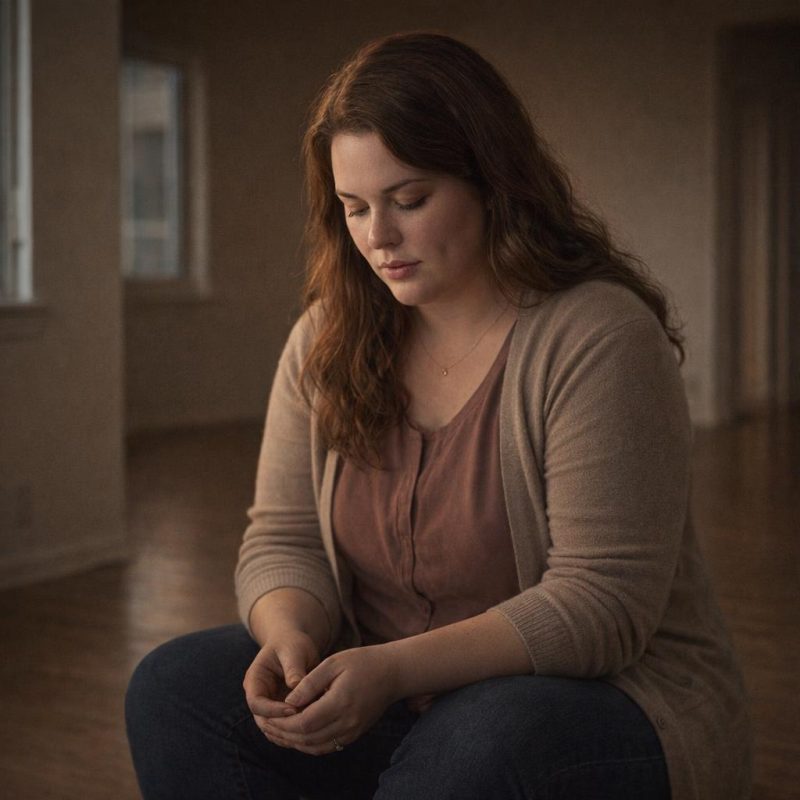 Image by RM AI
Reframing Childhood
Once I knew the truth, I couldn't stop going back. Every memory I had of her felt like a door I'd walked through a hundred times without ever noticing what was written above it. She had been at every school play, every graduation, every birthday dinner — always in the second row, always watching with that particular expression I used to think was just her being dramatic. She cried at things other people didn't cry at. I used to tease her about it, gently, the way you tease someone you love but don't fully understand. She sent me books when I got my teaching certification. Not a card — books, a whole box of them, with little notes tucked inside the covers. I thought it was eccentric. I thought everything about her was eccentric. The gifts that were always exactly right. The questions she asked about my students, my classroom, my life — questions that went deeper than an aunt's casual interest. The way she looked at me sometimes, like she was memorizing something. I had filed all of it under 'that's just how she is' and moved on. I was going through my phone the night after I read her letter, looking at old photos, and I found one from my college graduation. She was standing just behind my shoulder, and her face — I finally understood those tears.
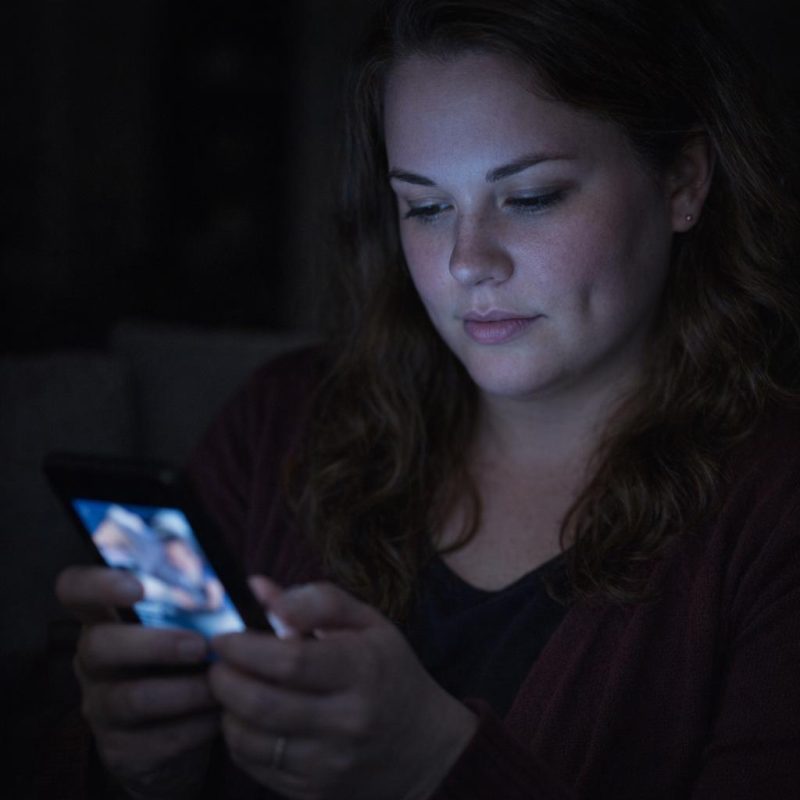 Image by RM AI
Honoring Her Mother
I sat with that photo for a long time. Then I put my phone down and just thought about what she had actually done — not the inheritance, not the legal architecture Arthur had described, but the human thing underneath all of it. She had spent thirty years loving me from a distance she hadn't chosen. She had watched someone else be called my mother at every school event, every holiday table, every ordinary Tuesday. She had done it anyway, because she believed it was what I needed, and she had spent the rest of her life making sure that when the time came, I would be protected. The inheritance wasn't money. It was every year she had worked and saved and planned while knowing she might never get to tell me why. I thought about what she would have wanted me to do with it — not the specific investments or the property, but the spirit of it. She wanted me free. Free from the people who had taken from me, free from the obligation to keep performing gratitude for a family that had treated me like a resource. I owed it to her to actually become that. I stood up, walked to the window, and said it out loud to no one and nothing except the city and the dark: I would not waste what she gave me, and I would not let them take it.
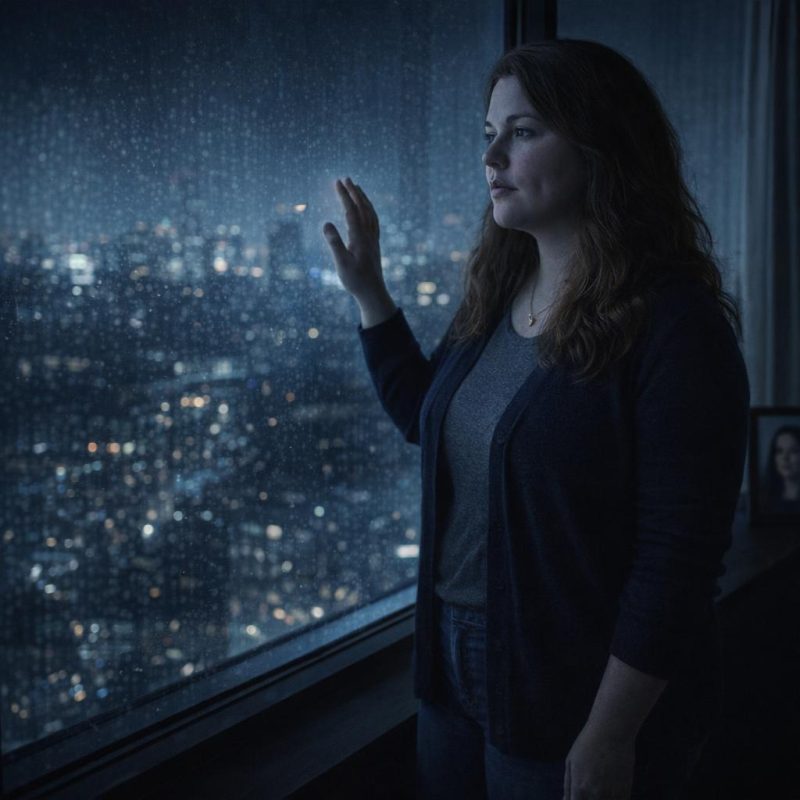 Image by RM AI
The Confrontation
I chose a conference room at Arthur's firm for the meeting — neutral ground, professional, no one's home turf. They arrived together, which didn't surprise me. Robert held the door for Patricia in that performative way he had, and Derek and Vanessa followed behind them looking like they'd coordinated their expressions as well as their entrance. Patricia had dressed carefully. Robert's jaw was set. They sat down across from me and I watched them arrange themselves into the version of the family that wanted something — polished, slightly wounded, ready to negotiate. I had a binder in front of me and I didn't open it yet. I let them settle. Patricia started to say something about how glad she was that we could all sit down together like adults, and I nodded once and said nothing. Robert looked at the binder. Derek looked at his hands. Vanessa looked at me with the particular expression she used when she was trying to seem reasonable. I had seen all of these performances before. I had spent years trying to respond to them correctly, trying to find the version of myself that would finally be enough to make this family feel like one. Sitting there across from Robert and Patricia, I felt none of that. What I felt was very simple, and very still.
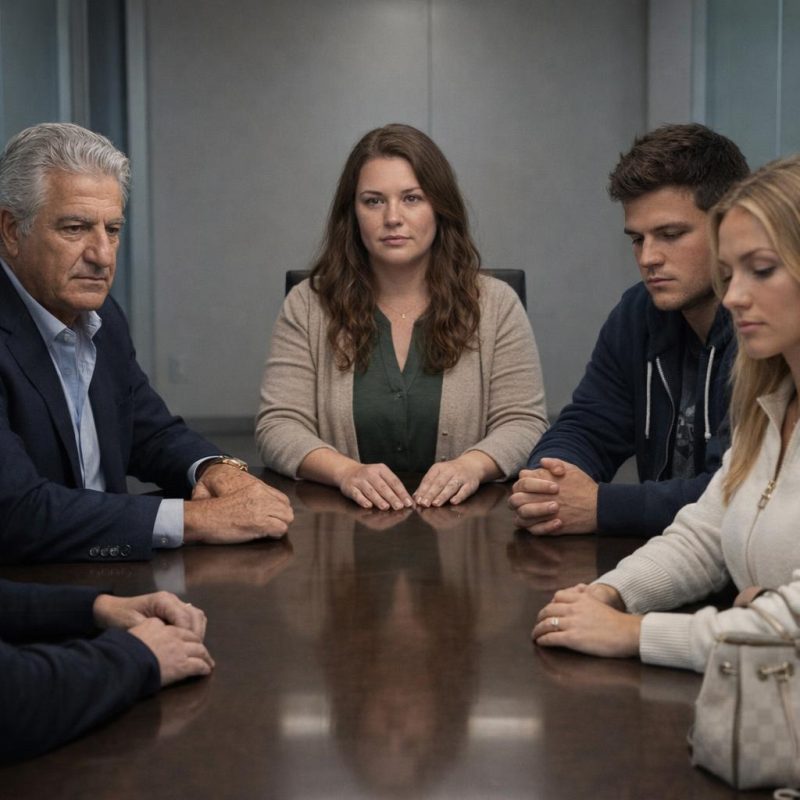 Image by RM AI
Their Excuses
Patricia went first, which was always how it worked. Her voice caught on the first sentence — that practiced catch, the one that arrived right on cue — and she said she was so sorry, that things had gotten out of hand, that they had never meant for any of it to go this far. Robert nodded along beside her like a man endorsing a speech he'd already approved. Then he said they'd been struggling. He said the word 'struggling' the way people say it when they want you to feel the weight of it, and he listed things — the business, the market, the years when nothing went right — and he said they had always planned to pay it back, every cent, they just needed more time. Derek said the loan thing was complicated and that his signature had been on documents he hadn't fully read, which was so far from the truth that I had to look at the table for a moment. Vanessa said the bank situation was a misunderstanding and that she'd only been trying to help. Then Patricia reached across the table and her voice went soft and she said they had given up so much to raise me, that they had sacrificed things I would never know about, that I owed them at least the chance to make it right. And then she said they deserved something for raising me.
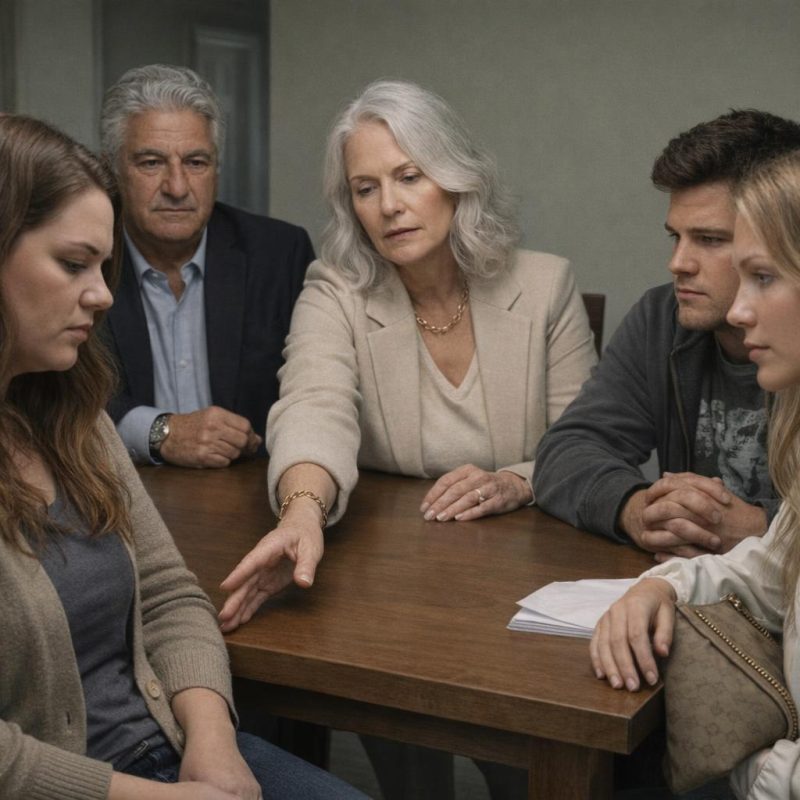 Image by RM AI
Refusing the Manipulation
I let the silence sit for a moment after Patricia finished. Then I spoke for the first time since they'd walked in. I told them I wasn't going to argue about what they deserved, because that wasn't what this meeting was about. I said I had evidence — not suspicions, not feelings, evidence — of unauthorized withdrawals going back years, of a loan taken out in my name with a forged signature, of an attempt to impersonate me at a financial institution. I told Derek I had the forensic analysis of his signature. I told Vanessa I had the fake ID she'd used. I told Robert and Patricia I had the original authorization paperwork from my childhood savings account, and that a forensic accountant had traced every withdrawal. Patricia started to say something and I kept going. I said I also knew something else. I said I knew that they hadn't taken me in because they wanted to. I said I knew that Aunt Clara had asked them to raise me, and that the arrangement had been made before I was born. The color left Patricia's face so completely and so fast that it looked like something physical had happened to her. Robert's eyes went sharp and he said, very quietly, that I needed to be careful about what I thought I knew. I looked at him and said I was being very careful.
 Image by RM AI
Presenting the Evidence
I opened the binder. I had organized it the way Arthur suggested — chronological, tabbed, each section labeled. I started at the beginning and I walked them through it. Bank statements with the unauthorized withdrawals highlighted in yellow, going back five years. The forged loan documents, with the forensic analysis attached showing the signature discrepancy. A photograph of the fake ID Vanessa had presented at the bank, alongside her actual ID for comparison. The security footage still — Robert and Derek at my apartment door, timestamped. The credit card accounts opened in my name at three different institutions, with the application addresses circled. A summary page at the end showing the total across all accounts and instruments. I read that number out loud. I said it clearly and I didn't rush it. Then I told them that everything in the binder had already been submitted to law enforcement and that Arthur's firm had copies of all of it. I set the binder in the center of the table and I waited. Derek stared at the page in front of him. Vanessa had stopped looking at me entirely. Robert's jaw worked like he was trying to find a sentence and couldn't locate one. Patricia's hands were flat on the table, very still. None of them said a word, and their faces told me everything the silence didn't.
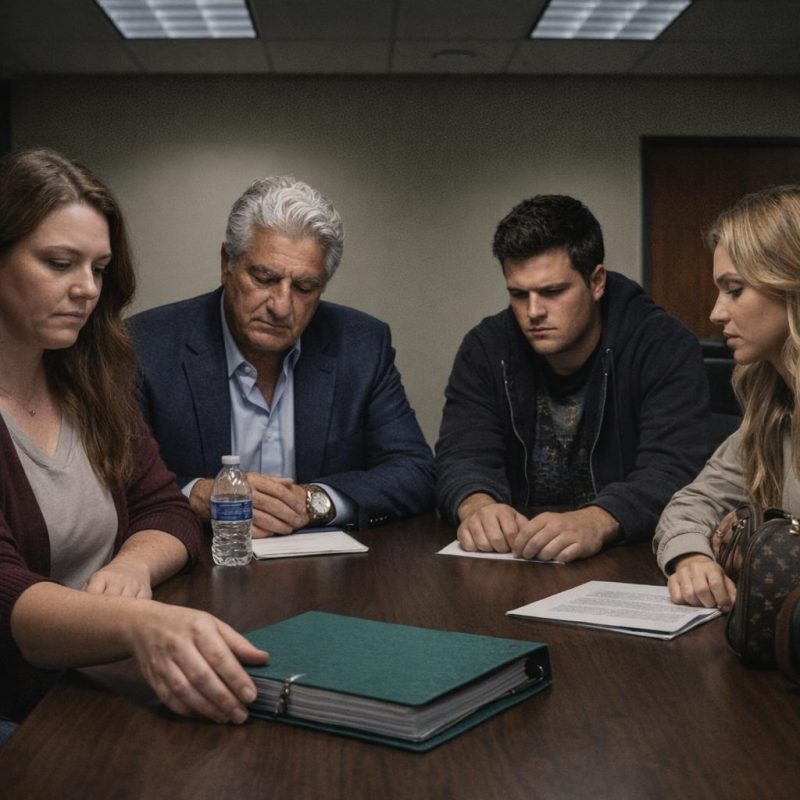 Image by RM AI
The Ultimatum
I gave them a minute. Then I told them I had two options available to me and that I was offering them a choice between those options, which was more than they had ever offered me. The first option was that I pursued every criminal charge Arthur had identified — fraud, forgery, identity theft, unauthorized access. He had been thorough. The second option was simpler. They could leave my life. Completely, permanently, with no future contact of any kind. I told them that if they chose the second option and then violated it — one call, one message, one letter — the first option would automatically become the path forward, with no further discussion. Robert started to say something about family and I cut him off. I said the word 'family' had been doing a lot of work in this conversation that it hadn't earned. Patricia asked, very quietly, if I really meant to do this — if I really meant to end things this way. I told her I hadn't ended anything. I told her the ending had happened years ago, in a savings account and a loan office and a bank lobby, and that I was just the one acknowledging it out loud. I closed the binder and I told them they had twenty-four hours to decide.
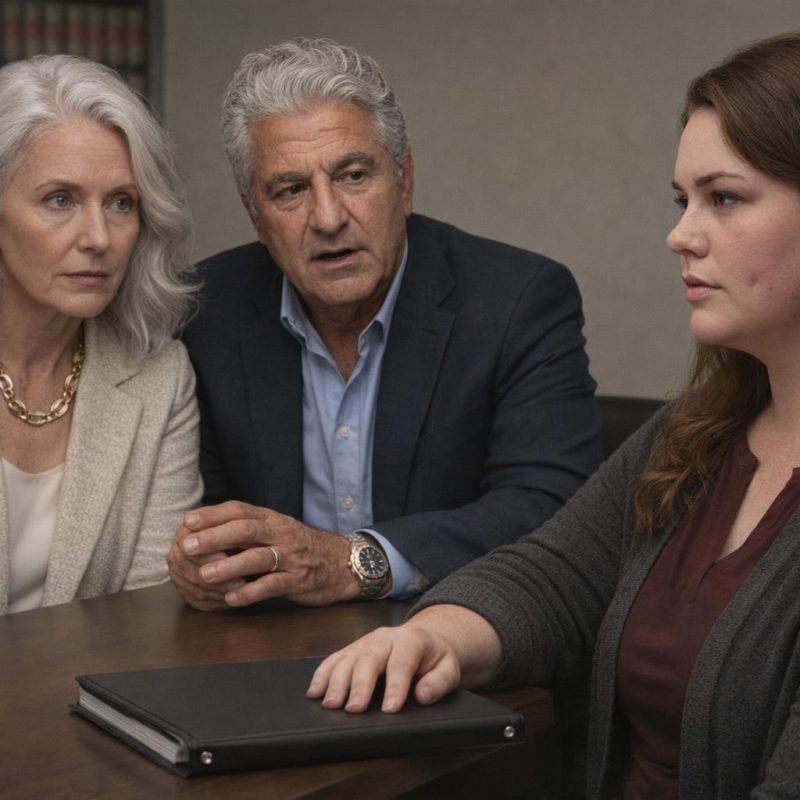 Image by RM AI
Their Choice
I didn't sleep much that night. I wasn't anxious exactly — it was more like waiting for a door to finish closing, knowing it would, just not knowing the exact moment. Arthur called me the next morning, about two hours before the deadline. He said he had received a communication from an attorney representing Robert, and that the message was brief. They accepted the terms. They would not initiate contact. They acknowledged the documentation on file. Arthur said the agreement had been drafted into a legally binding form and that Robert's attorney had already signed off on it. I asked if there was anything else in the message — anything personal, any explanation. Arthur paused and said no. Just the formal language, the acknowledgment, the signature. I thanked him and sat with the phone in my lap after we hung up. I thought about thirty years of holidays and dinners and phone calls and the particular exhaustion of always trying to be enough for people who had already decided what I was worth to them. The message was four sentences. No apology. No goodbye. I sat there in the quiet of my apartment, and the weight of it settled over me — not like grief exactly, but like the moment after you've been holding something very heavy for a very long time and you finally set it down.
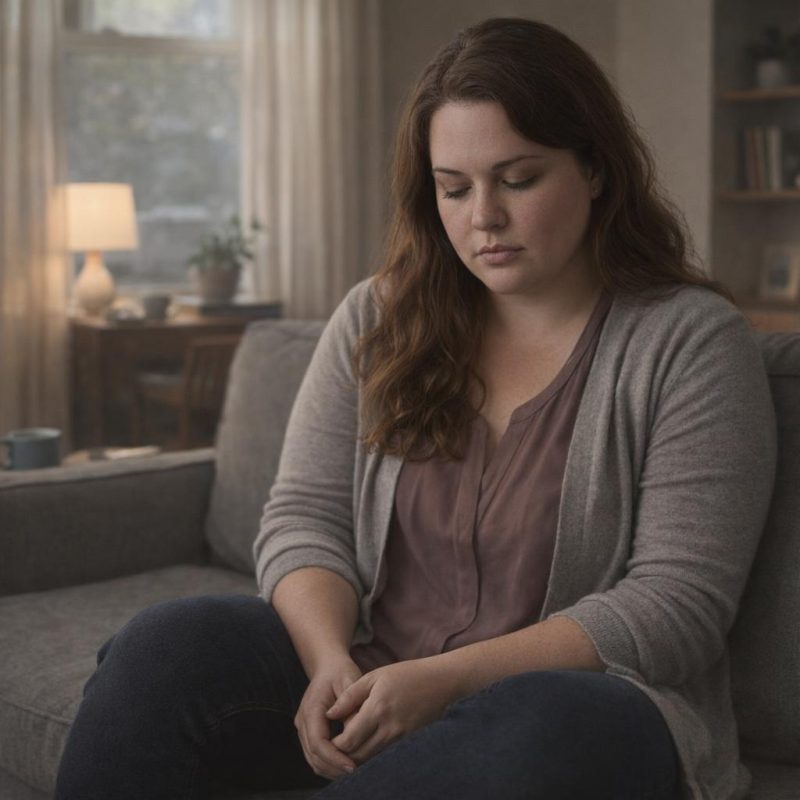 Image by RM AI
Cutting All Ties
I spent the next two days doing something that felt both small and enormous at the same time. I called my carrier and got a new phone number. I set up a new email address — nothing connected to my old name, nothing that could be traced back to the person they had known. I went through every account that mattered: my bank, my insurance, my school records, my doctor's office. I updated each one with the new contact information and asked, where I could, that the old details be removed entirely. At school, I spoke quietly with the front office and asked that no one from my family be given any information about my schedule, my classroom, or my whereabouts. The woman at the desk didn't ask questions. She just nodded and made a note. I went home that evening and opened every social media app one by one. I blocked each of them — Robert, Patricia, Derek, Vanessa — without reading any of their profiles, without looking at anything they might have posted. I didn't need a final look. Then I opened my contacts list and scrolled through the names I had carried for thirty years. I deleted them one by one, last to first, until the list was clean and the only family I had ever known was gone from my phone entirely.
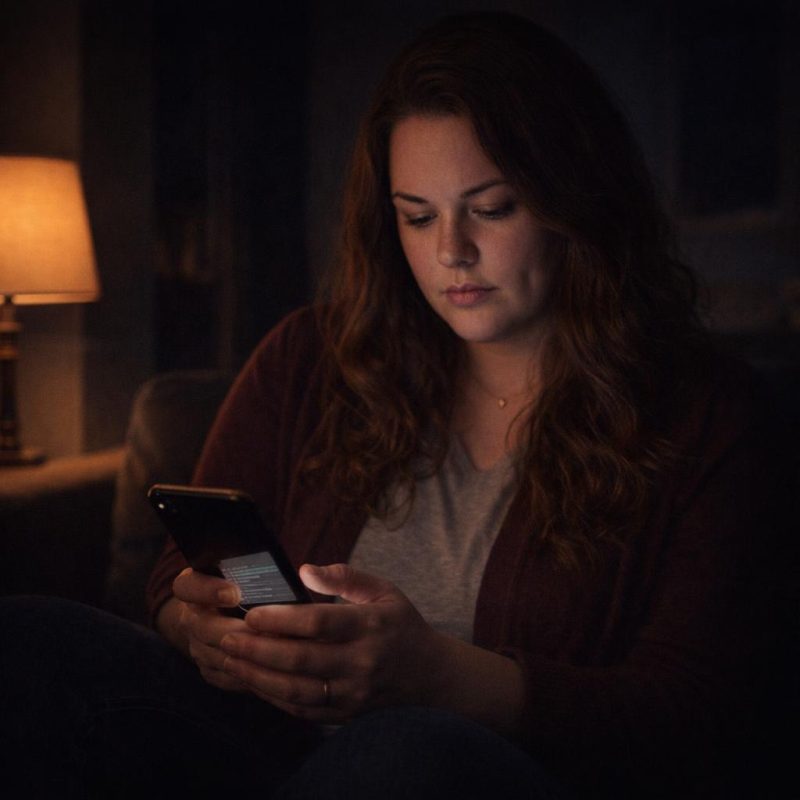 Image by RM AI
Building New Security
Arthur's office felt quieter than usual when I arrived that Thursday morning. He had everything laid out already — neat stacks of documents, tabs marked in blue, a pen waiting at the edge of the desk. He walked me through each piece carefully, the way he always did, making sure I understood before I signed anything. We restructured the inheritance into a secure trust. We set up new accounts that no one outside of Arthur and me had any knowledge of. He helped me draft a will — straightforward, no family provisions, everything directed to charitable organizations I had chosen myself. We established a power of attorney arrangement with Arthur as my designated backup, someone I actually trusted. He explained each document in plain language, answered every question I had, and never once made me feel rushed. At one point he said, quietly, that my aunt — my mother — had spent years making sure this moment would be possible. That she had thought of nearly everything. I had to look away for a second when he said that. When we were finished, he slid the final page across the desk. I read it through one more time, picked up the pen, and signed my name at the bottom — and for the first time in months, my hand was completely steady.
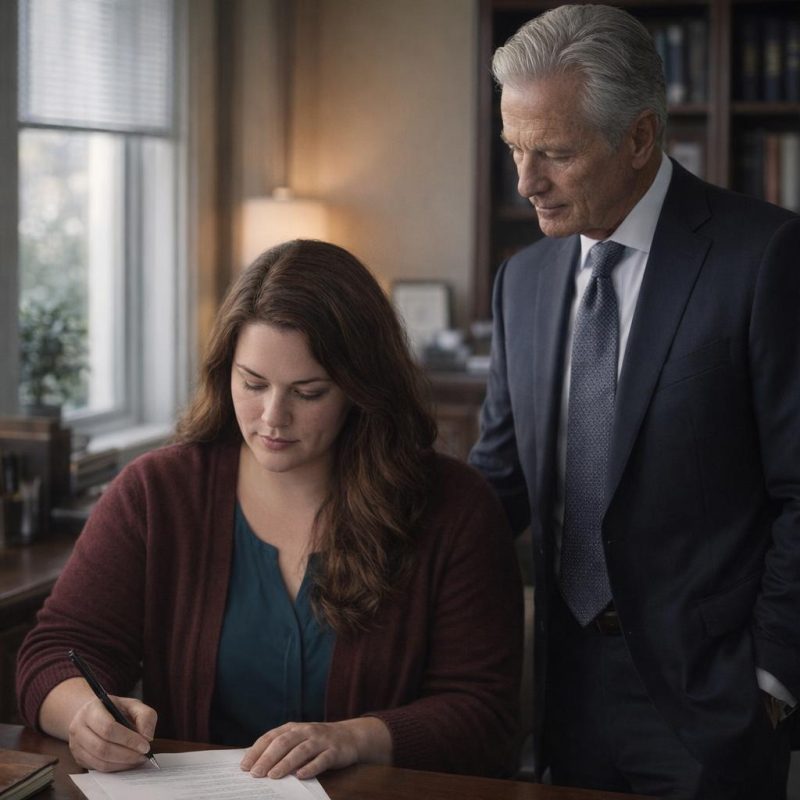 Image by RM AI
What Was Lost and Gained
I sat at my kitchen table on a Saturday morning with a cup of tea going cold beside me, just thinking. I thought about the holidays I had spent trying to be cheerful enough, helpful enough, invisible enough. I thought about the savings I had watched disappear without understanding why, the loans taken out in my name, the years of feeling like something was always slightly wrong but never being able to name it. I thought about what it meant that the family I had grieved was never quite the family I had believed in. And then I thought about her — about the woman I had called my aunt my whole life, who had watched me from a careful distance, who had built something enormous and intricate and patient just to make sure I would be safe after she was gone. The inheritance wasn't just money. It was decades of love expressed in the only language available to her. I sat with that for a long time. I thought about the teachers I knew — colleagues who were brilliant and exhausted and quietly drowning in student debt and car repairs and the particular financial precarity of a profession that asks everything and pays too little. I knew what I wanted to do with some of it. I opened my laptop, navigated to my bank's website, and set up a dedicated savings account in her name — the first seed of a fund for teachers who needed a hand up.
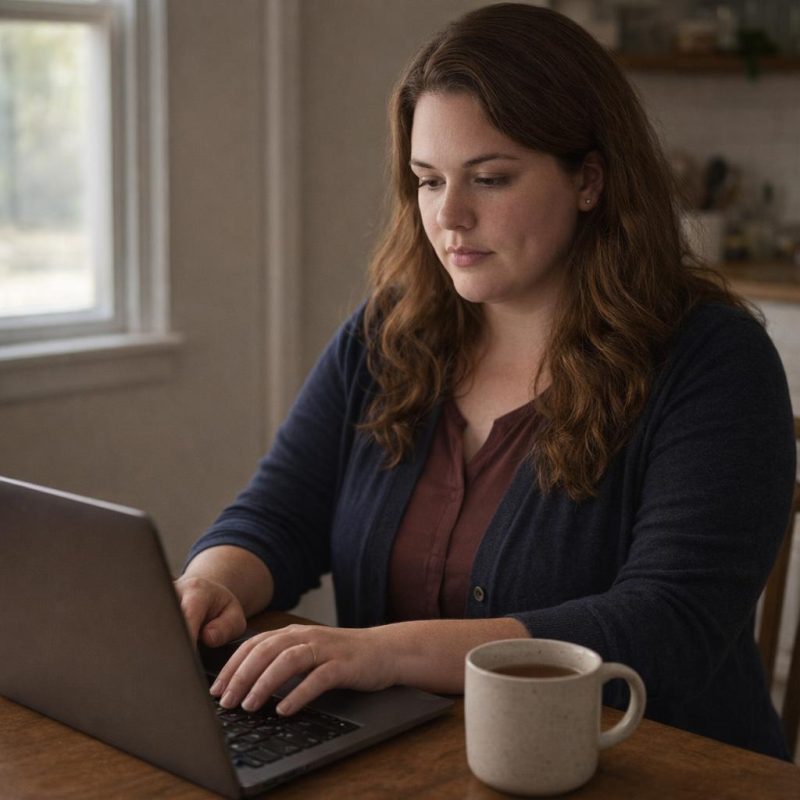 Image by RM AI
Moving Forward
I woke up on a Tuesday morning and the first thing I noticed was the quiet. Not the anxious quiet of waiting for something bad — just ordinary, peaceful quiet. Light coming through the curtains. No messages I was dreading. No weight sitting on my chest before I even got out of bed. I made coffee and stood at the window for a while, watching the street below. On the mantle across the room, her photograph sat where I had placed it the week before — the one from the estate documents, the one where she was younger and smiling at something just outside the frame. I had looked at it every day since I put it there. I picked it up that morning and held it for a moment. I told her I understood now, or at least I was starting to. I told her I was going to use what she left me carefully, and honestly, and in ways that would have made her proud. I told her I was going to be okay. I went to work that day and stood in front of my classroom and felt, for the first time in a long time, like I was exactly where I was supposed to be. That evening I came home, set my bag down, and looked at her photograph again — and I made her a promise that I intended to keep.
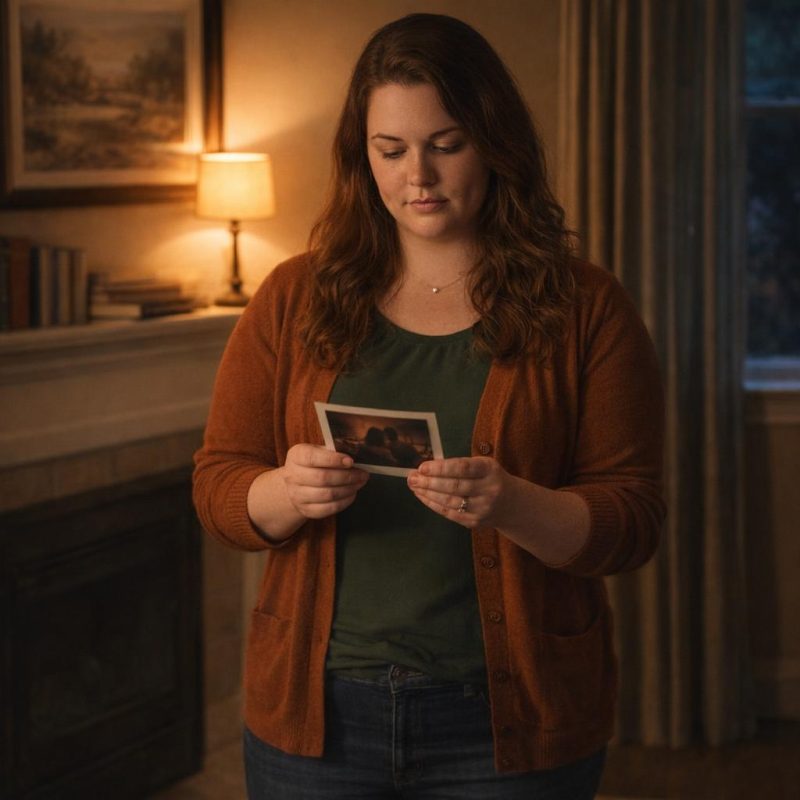 Image by RM AI
KEEP ON READING
The 20 Most Recognized Historical Figures Of All Time
The Biggest Names In History. Although the Earth has been…
By Cathy Liu Oct 4, 2024
10 of the Shortest Wars in History & 10 of…
Wars: Longest and Shortest. Throughout history, wars have varied dramatically…
By Emilie Richardson-Dupuis Oct 7, 2024
10 Fascinating Facts About Ancient Greece You Can Appreciate &…
Once Upon A Time Lived Some Ancient Weirdos.... Greece is…
By Megan Wickens Oct 7, 2024
20 Lesser-Known Facts About Christopher Columbus You Don't Learn In…
In 1492, He Sailed The Ocean Blue. Christopher Columbus is…
By Emilie Richardson-Dupuis Oct 9, 2024
20 Historical Landmarks That Have The Craziest Conspiracy Theories
Unsolved Mysteries Of Ancient Places . When there's not enough evidence…
By Megan Wickens Oct 9, 2024
The 20 Craziest Inventions & Discoveries Made During Ancient Times
Crazy Ancient Inventions . While we're busy making big advancements in…
By Cathy Liu Oct 9, 2024