

My Coworker Forgot My Lunch Every Single Day—Until I Heard What She Was Really Planning
My Coworker Forgot My Lunch Every Single Day—Until I Heard What She Was Really Planning
The First Time
It started on a Tuesday, which feels important somehow, like Tuesdays are when the universe decides to mess with you in small, confusing ways. I was at my desk working through a spreadsheet when I noticed Melissa making her way around the office with this stack of glass containers, the kind with the snap-on lids that mean someone actually cares about presentation. She had this warm smile on her face as she handed them out, one by one, to everyone on our team. "I made extra this weekend," she said, and people were genuinely excited, thanking her like she'd just handed them gold. I watched her move from desk to desk, getting closer to mine, and I remember thinking how nice it was that she did this kind of thing. But then she walked right past me. Just kept going to the next person, and the next, until everyone had a container except me. I sat there staring at my screen, trying to process what had just happened, when she circled back. "Oh my god, Sarah, I'm so sorry," she said, touching my shoulder. "I completely lost count. I promise I'll bring you one tomorrow." Her eyes looked genuinely apologetic, and I found myself nodding, telling her it was totally fine, no big deal. When she walked away, I wanted to believe her.
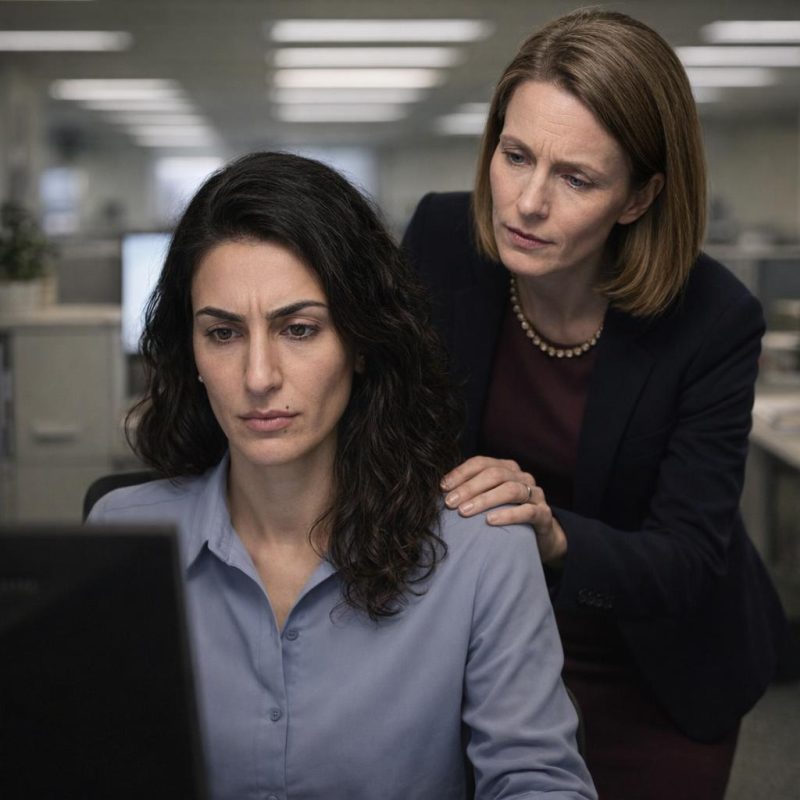 Image by RM AI
Again and Again
Tomorrow came, and she forgot again. And then the day after that. By the end of the first week, I'd started keeping a mental tally, which felt ridiculous even as I was doing it. Three times. Four times. Each time, Melissa would make her rounds with those containers, and each time, I'd be the only one left out. She always apologized afterward, always with that same concerned expression, always promising she'd remember next time. "I don't know what's wrong with me," she said on day five, laughing at herself in that self-deprecating way that made it impossible to be upset with her. I'd smile and wave it off, tell her I understood, that I knew she was busy. But I was counting. I couldn't help it. By the second week, when it happened for the sixth time, I started wondering if maybe there was something more to it. Was she doing this on purpose? The thought felt mean-spirited, like I was being paranoid or petty. Melissa was one of the most popular people in the office. Everyone loved her. Why would she single me out? I pushed the thought away, told myself I was being oversensitive, that these things happen. By the seventh time, I stopped believing her apologies.
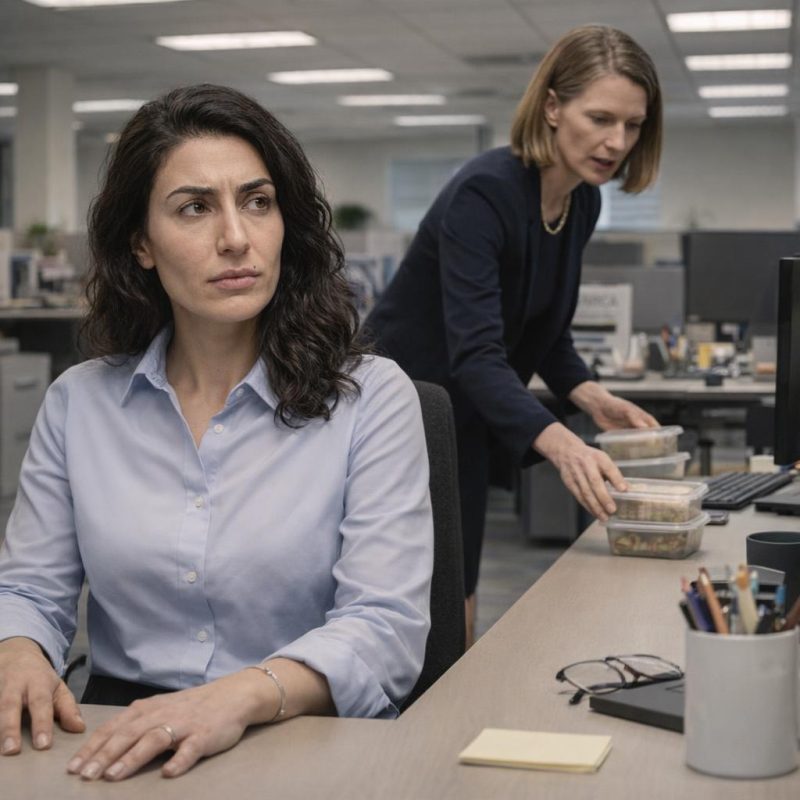 Image by RM AI
The Ritual
The lunches got fancier. That's what I noticed next. What started as simple pasta dishes evolved into these elaborate meals with multiple components, garnishes, little containers of sauce on the side. Melissa would arrive each day with her stack, and the distribution became this whole production. She'd stop at each desk, make eye contact, say the person's name like she was presenting them with an award. "Michael, I made that Thai curry you mentioned." "Jennifer, this one's the vegetarian lasagna you asked about." Everyone would light up when she said their name, and I'd watch from my desk as she moved through the office like she was hosting her own cooking show. The meals were impressive, I'll give her that. People would post photos on social media, tag her, rave about how lucky we were to have her on the team. And every single time, she'd work her way around the entire floor, naming each person, handing over each container with this practiced grace. Then she'd get to the desk right before mine, and I'd feel my whole body tense up, waiting. She'd glance in my direction, just for a second, before moving on to the person on my other side. The way she glanced at me before moving on made my stomach turn.
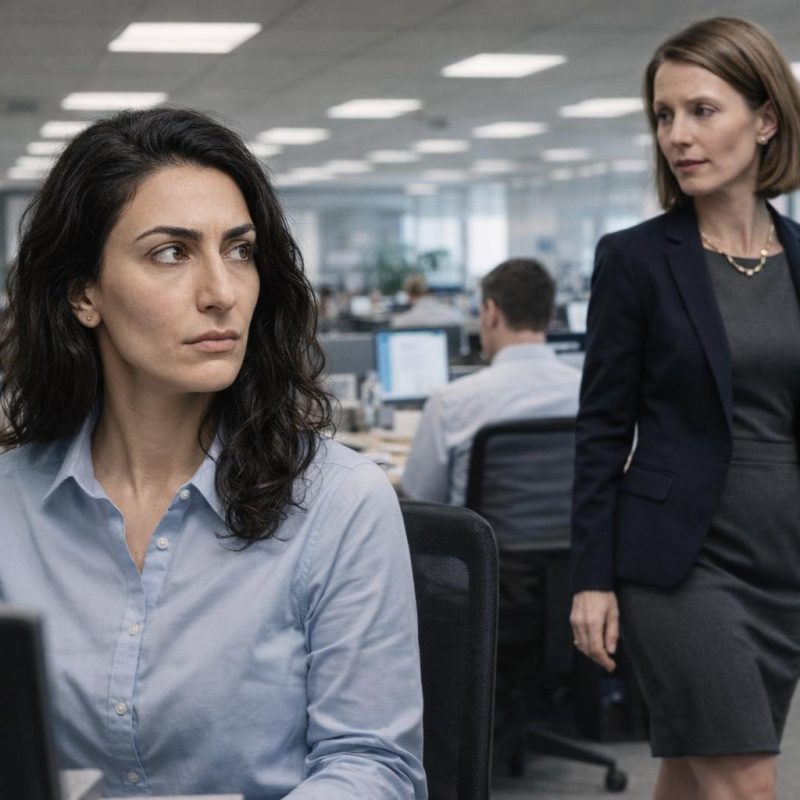 Image by RM AI
Staying Above It
I started bringing my own lunch after that. Packed it the night before, made sure it looked decent, told myself I was being proactive and mature about the whole situation. This wasn't about Melissa anymore. This was about me taking control, not waiting around to be included or excluded. I had my own food, my own plan, and I didn't need anyone's homemade charity meals anyway. That's what I told myself every morning as I packed my container. But here's the thing nobody tells you about trying to rise above something: your body doesn't always cooperate. Every day around eleven-thirty, I'd hear her heels clicking across the floor, and this knot would form in my chest. I'd keep my eyes on my screen, pretend to be deeply focused on whatever email I was reading, but I could feel her getting closer. The sound of containers being set down on desks. The murmur of thank-yous and compliments. And then she'd walk past my desk with her stack, and that knot would tighten until I could barely breathe. Was I being ridiculous? Probably. Was I overreacting to something that didn't actually matter? Maybe. But I couldn't shake the feeling, couldn't make it go away no matter how many times I reasoned with myself. I told myself I was being ridiculous, but the feeling wouldn't go away.
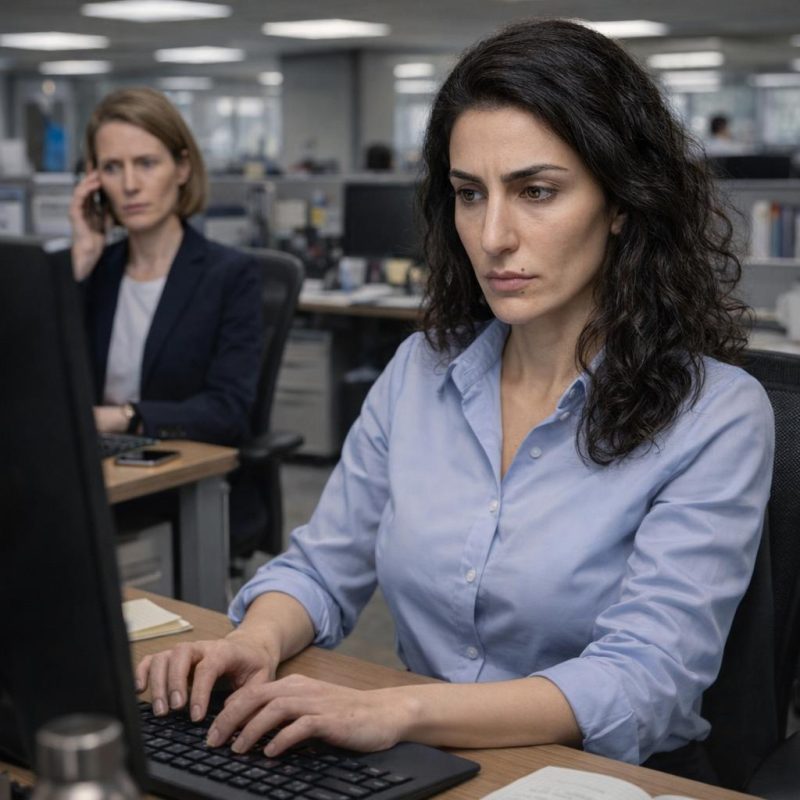 Image by RM AI
Under the Surface
The presentations got longer. Melissa started telling stories now, full narratives about where she'd found the recipe, what inspired her, which farmers market had the best ingredients. She'd stand in the middle of the office and people would gather around, and it became this daily event that everyone looked forward to. "So this one is a Moroccan tagine," she'd say, holding up a container like she was on the Food Network. "I used preserved lemons from that place in the city, and the spice blend took me three tries to get right." People would ask questions. She'd answer with detailed explanations about cooking techniques and ingredient substitutions. It was impressive, honestly. She knew her stuff. And I'd sit at my desk, eating my sad sandwich, watching this whole performance unfold. I started anticipating the moment when she'd look my way. It happened every time, right before she moved on to distribute the containers. She'd be mid-sentence, talking about saffron or braising times, and her eyes would find mine across the room. Just for a beat. Just long enough for me to notice. This time when our eyes met, something in her expression made me wonder if I was imagining things or if she wanted me to notice.
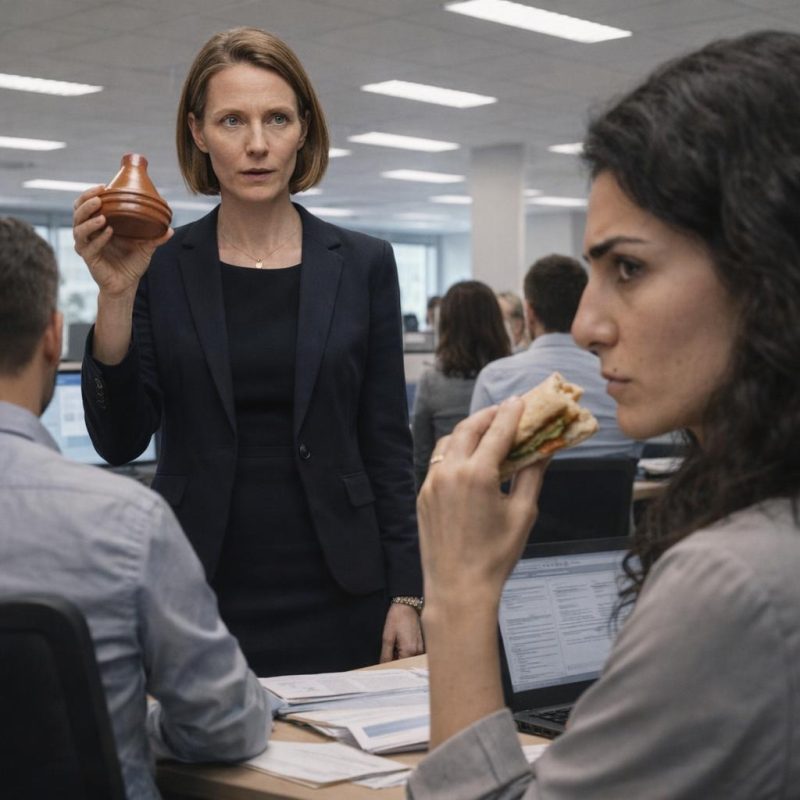 Image by RM AI
Whispers
I was walking past the copier when I heard them. Lisa and someone from accounting, their voices low but not quite low enough. "Do you think she's doing it on purpose?" That was Lisa, and I froze mid-step, pretending to look at something on my phone. "I mean, it's been what, three weeks now?" the other voice said. "Every single person except Sarah. That can't be an accident." My heart was pounding so hard I thought they might hear it. "I don't know," Lisa said, and she sounded uncomfortable. "It seems so unlike Melissa. She's always so thoughtful." "That's what makes it weird though. Someone that organized doesn't just forget the same person over and over." There was a pause, the sound of papers being gathered. "Maybe we should say something?" "Say what? 'Hey Melissa, are you deliberately excluding our coworker?' That'll go over well." They laughed, but it sounded forced. I stood there, phone in hand, staring at nothing. Part of me wanted to walk over, to tell them I'd heard everything, to ask them what they really thought. But I couldn't move. I walked past without saying anything, but knowing they'd noticed made it real in a way it hadn't been before.
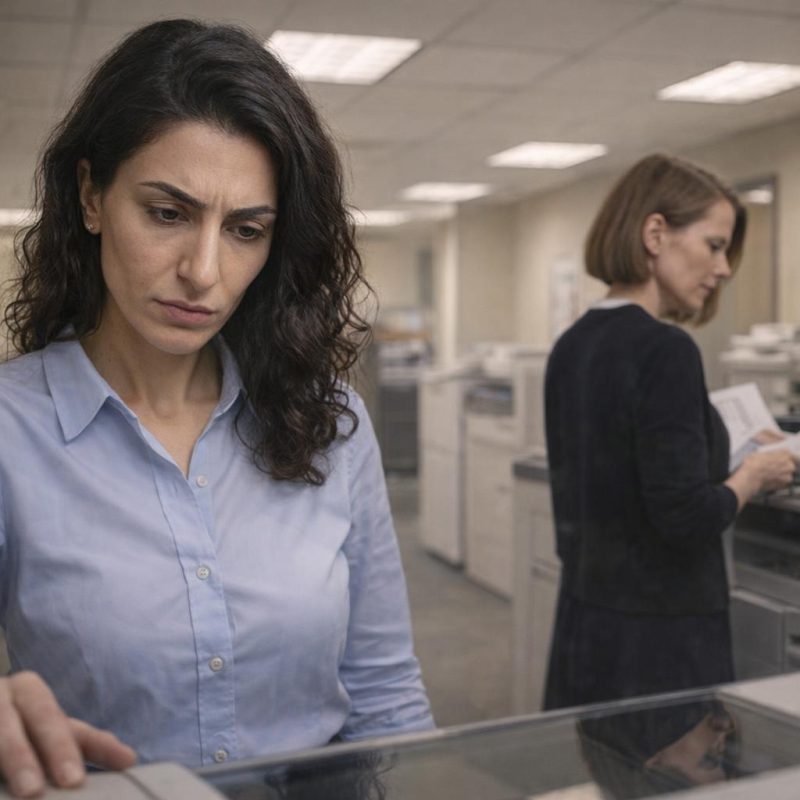 Image by RM AI
Watching
After that, I couldn't stop watching. I started paying attention to everything, cataloging details I'd never noticed before. The way Melissa's voice changed when she talked to me versus when she talked to others. With everyone else, she was warm, animated, full of questions about their weekends and their families. With me, she was polite but distant, like she was reading from a script. "Good morning." "How's your project going?" Nothing that invited actual conversation. I noticed the timing too. She'd arrive at the office at eight-fifteen every morning, make her coffee, chat with the early crowd. But if I was already there, she'd skip the breakroom and go straight to her desk. In meetings, she'd make eye contact with everyone when she spoke, nodding at their comments, building on their ideas. Everyone except me. When I spoke, she'd look at her notes or her laptop, never quite meeting my eyes. Were these things significant? I couldn't tell. Maybe I was seeing patterns that weren't there, reading intention into coincidence. But the more I watched, the more these little moments accumulated, stacking up like evidence I couldn't quite interpret. The more I watched, the more I noticed things that didn't quite fit.
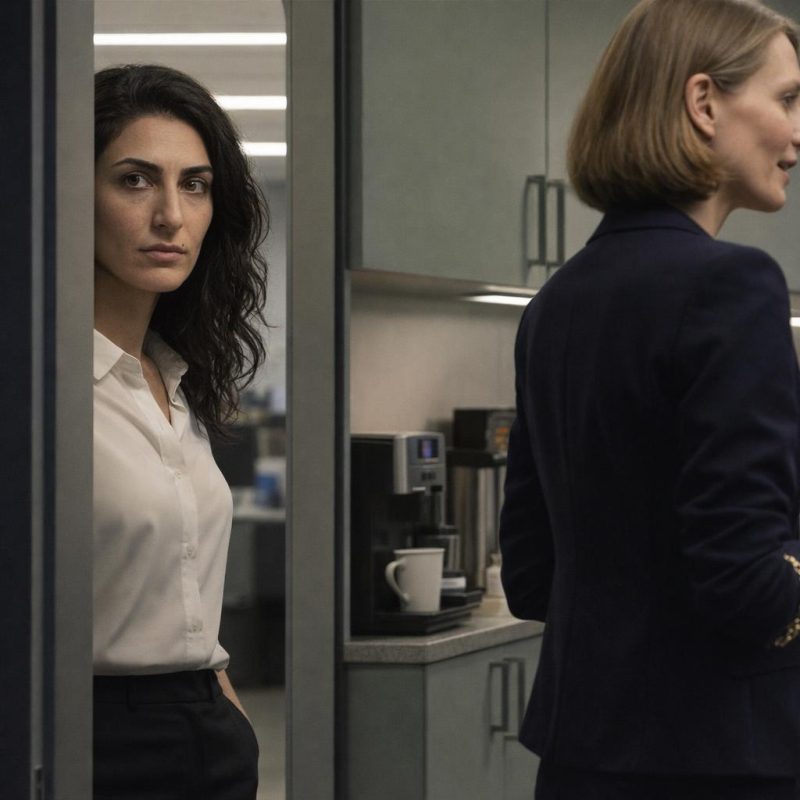 Image by RM AI
What I Heard
I couldn't sleep the night before, so I got to the office at seven-thirty, earlier than I'd ever arrived. The building was quiet, just the hum of the HVAC and the distant sound of the cleaning crew finishing up. I made coffee in the empty breakroom, grateful for the silence, for the chance to collect myself before another day of watching and wondering. I was heading back to my desk when I heard her voice. Melissa. I stopped, my hand on the breakroom doorframe. She was in there, around the corner where I couldn't see her, talking to someone on her phone. "No, I packed it this morning," she was saying, and her voice had this edge to it I'd never heard before. "Something special, just for her." My coffee cup felt slippery in my hand. I pressed myself against the wall, barely breathing. "I know, I know. But trust me, once she eats it, everything will change." There was a pause, and I could hear the smile in her voice. "By this afternoon, the whole dynamic will be different." My heart was slamming against my ribs. I couldn't move, couldn't think. When she said that once I ate it, everything would change, I couldn't breathe.
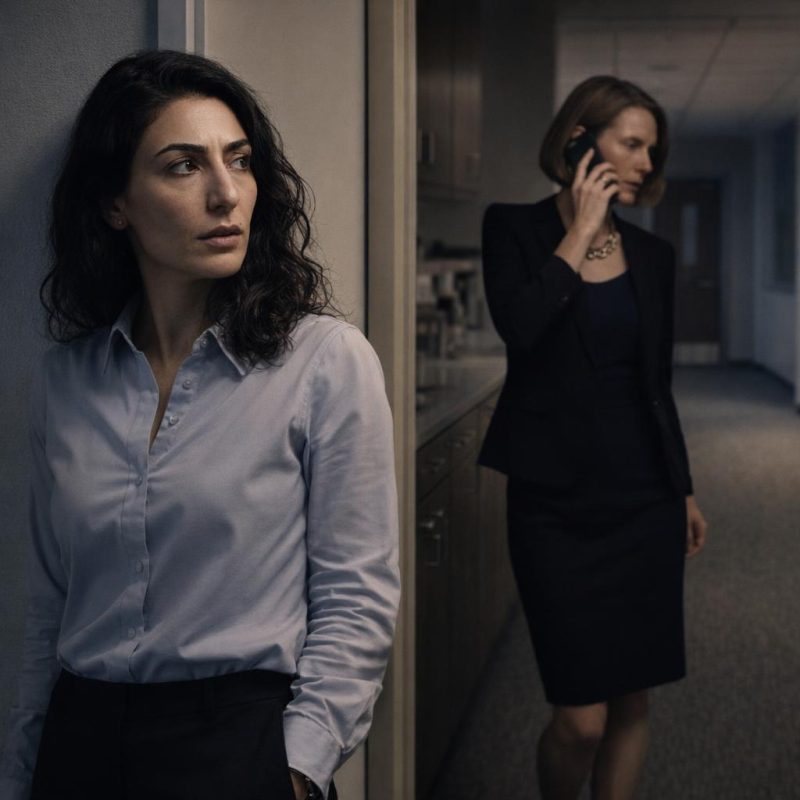 Image by RM AI
The Container
Lunchtime hit at noon, and I was already on edge. I'd been watching the clock since that morning, my stomach twisted in knots, replaying Melissa's words over and over. Once she eats it, everything will change. I couldn't focus on my emails, couldn't think about anything except what she'd meant. When I heard her heels clicking down the hallway, I looked up. She was making her usual rounds, that bright smile on her face, stopping at desks with her little containers. My heart was pounding so hard I thought everyone could hear it. She moved closer, desk by desk, and I realized she was heading toward me. For the first time in weeks—maybe months—she stopped right in front of my desk. "I made extra today," she said, placing a container down with that practiced warmth I'd seen her use on everyone else. "Thought you might like some." The entire office seemed to pause. I could feel people glancing over, noticing this break in the pattern we'd all gotten used to. I stared at the container, my hands frozen on my keyboard. It looked innocent enough, just a clear plastic box with what looked like pasta salad inside. But I kept hearing her voice from that morning, that edge when she'd said something special, just for her. Everyone was watching, and I knew I had to make a choice.
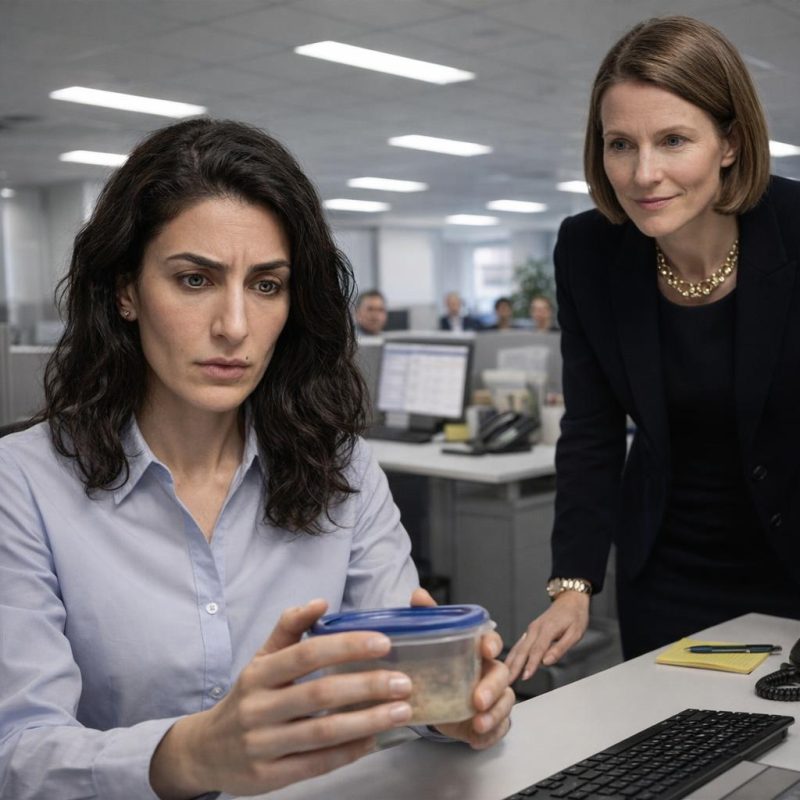 Image by RM AI
The Switch
I waited until the breakroom filled up, until people were moving around and talking and grabbing their own lunches from the fridge. Melissa had gone back to her desk, and I'd carried the container to the communal table like I was actually going to eat it. My hands were shaking as I set it down among the other containers and bags scattered across the surface. I pretended to check my phone, watching the room from the corner of my eye. When someone asked Derek a question and half the room turned to listen, I made my move. I switched my container with one that looked similar, sliding mine to the far end of the table and pulling the other one close. It took maybe three seconds. My pulse was racing, but I kept my face neutral, like nothing had happened. I was opening the new container when Melissa walked back in. Her eyes swept the table, casual at first, then sharper. She looked at me, then at the container in front of me, and something flickered across her face. She crossed the room quickly, too quickly. "Sarah, I think you grabbed the wrong one," she said, reaching for it. Her voice was still friendly, but there was an urgency underneath that made my skin crawl. I pulled the container closer. "Why does it matter which one I have?" The panic in her eyes when she said that wasn't mine told me everything I needed to know.
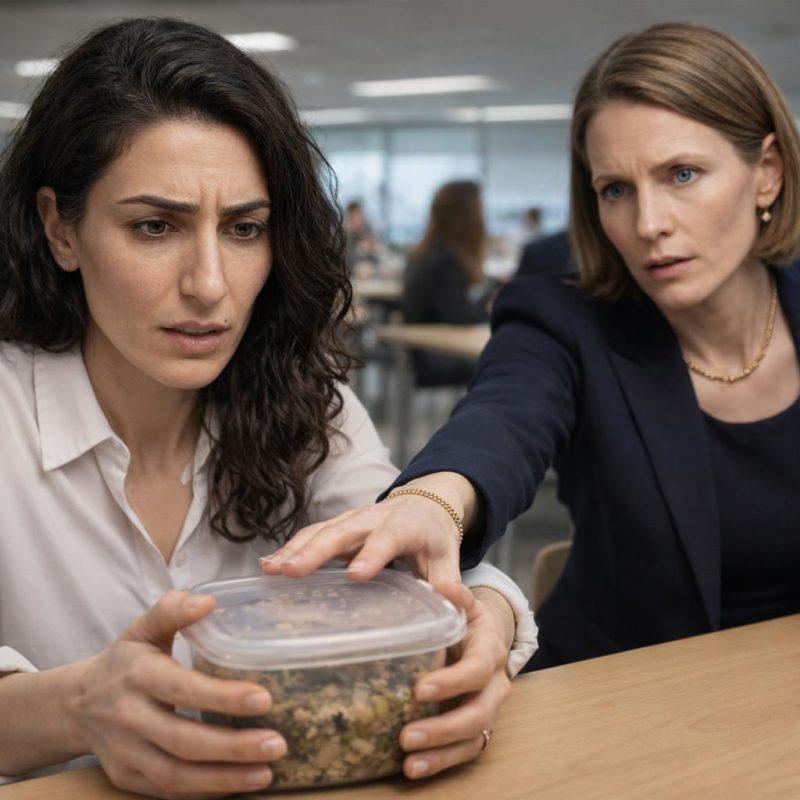 Image by RM AI
Denial
Melissa laughed, but it sounded wrong, too high and too fast. "You're being ridiculous," she said, and there it was—that edge I'd heard on the phone that morning, sharp and cold underneath the sweetness. "I just don't want you to eat someone else's lunch by mistake." She reached for the container again, but I held it against my chest. "Then why do you look so worried?" I asked. My voice was steadier than I felt. Around us, the breakroom had gone quiet. People were watching now, really watching, not just glancing over. Melissa's smile was still in place, but her eyes had changed. "I'm not worried," she said, but her hand was still extended, fingers twitching slightly. "I'm just trying to help you." "Help me," I repeated. "Like you've been helping me for the past three months?" Her jaw tightened. "I don't know what you think is happening here, but you're confused. You're being paranoid." She grabbed for the container, and I pulled back, and suddenly we were both holding it, this stupid plastic box between us like some kind of prize. The room felt too small, too hot. I could see Lisa standing by the microwave, her eyes wide. I could see Derek in the doorway, his expression concerned. When she tried to take the container back, I held on tighter.
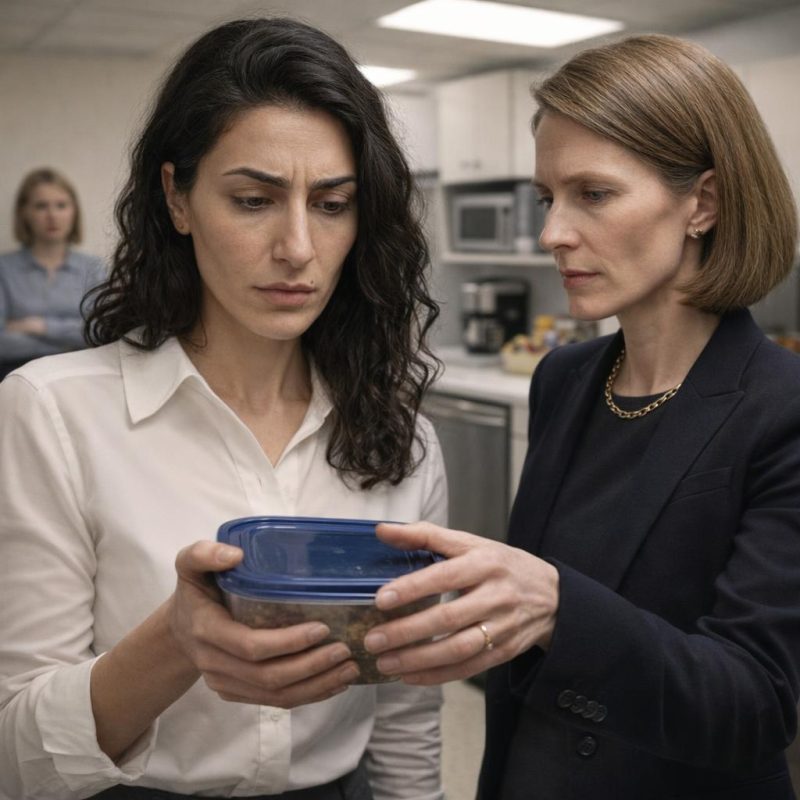 Image by RM AI
Breaking the Silence
"I heard you this morning," I said, loud enough for everyone to hear. The words came out before I could second-guess myself, before I could talk myself out of it. Melissa's hands went still on the container. The entire breakroom seemed to hold its breath. "I came in early, and you were on the phone in here. You said you'd packed something special, just for me. You said once I ate it, everything would change." I looked around at the faces staring at us—Lisa by the microwave, Derek in the doorway, three other coworkers frozen mid-lunch. "You said by this afternoon, the whole dynamic would be different." Melissa let go of the container so suddenly I almost dropped it. "That's not—you're twisting what I said," she stammered, but her face had gone pale. "I was talking about something completely different." "Then what were you talking about?" I asked. She opened her mouth, closed it. Looked around at everyone watching. "This is insane," she said finally. "You're making something out of nothing." But nobody rushed to agree with her. Nobody jumped in to defend her or laugh it off. Lisa was watching Melissa with this careful, measuring look. Derek had his arms crossed, his expression unreadable. Some people looked confused, others concerned, but no one rushed to defend her.
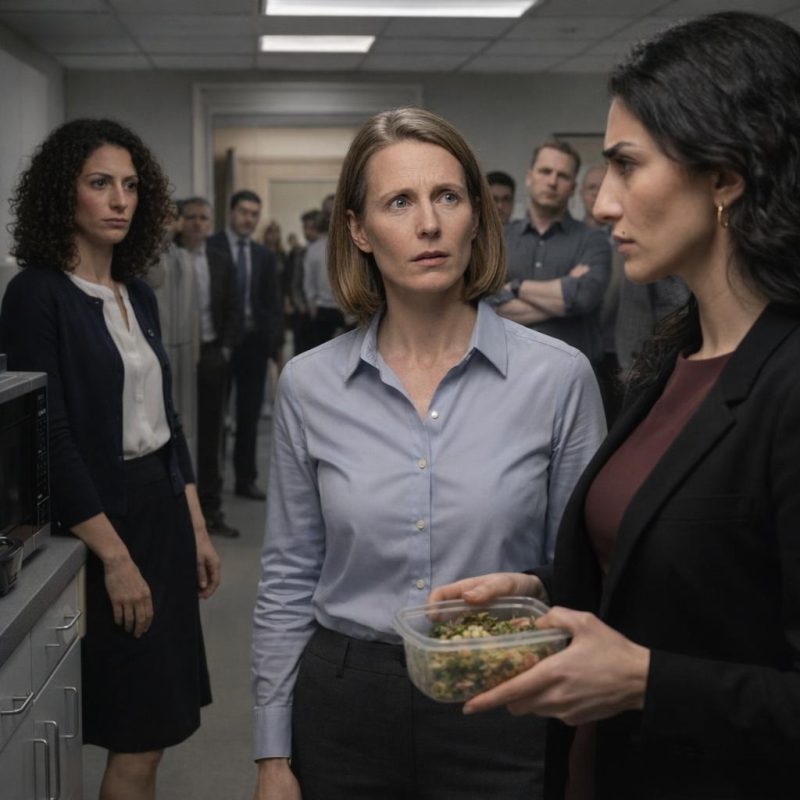 Image by RM AI
Evidence
After Melissa left the breakroom—practically fled, really—Derek approached me. I was still holding the container, my hands cramped from gripping it so hard. "Hey," he said quietly, glancing at the door she'd disappeared through. "Can I talk to you for a second?" We stepped into the hallway, away from the others. He adjusted his glasses, and I noticed his hands were steady, calm, even though mine were still shaking. "I have a friend who works at a testing lab," he said. "Private facility, does food safety analysis. If you want, I can take that container to him, no questions asked. He can tell us exactly what's in it." I stared at him. I'd worked with Derek for two years, but we'd never been close—just friendly enough to say good morning, to chat about weekend plans in the elevator. Now he was offering to help me, really help me, and I felt something loosen in my chest. "You believe me?" I asked. "I believe something's not right," he said. "And I think you deserve to know what." I handed him the container. He took it carefully, like it was evidence, which I guess it was. "I'll call you as soon as I know anything," he promised. As he walked out with it, I wondered what we'd find and if I really wanted to know.
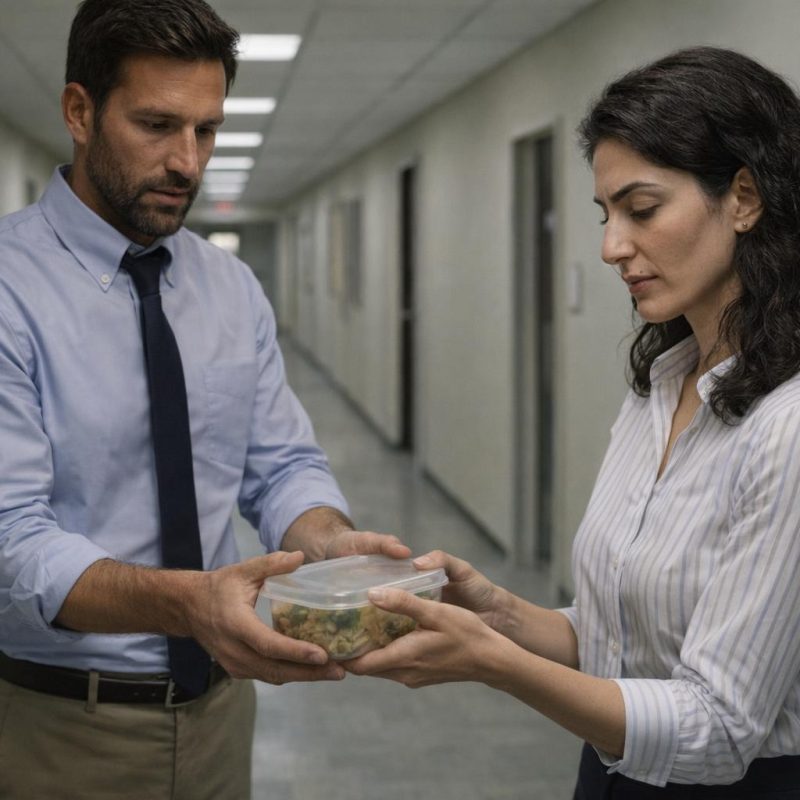 Image by RM AI
First Strike
The email came at two-thirty. Subject line: Meeting Request - HR. My stomach dropped before I even opened it. Amanda Chen from Human Resources wanted to see me in her office at three. No explanation, just a calendar invite and a line about discussing a workplace concern. I knew. Somehow, I just knew. When I walked into Amanda's office, she was sitting behind her desk with her tablet in front of her, her graying hair pulled back in that neat bun she always wore. She gestured to the chair across from her, and her expression was professionally neutral in a way that made my skin prickle. "Thank you for coming in, Sarah," she said. "I wanted to talk to you about a complaint that was filed this afternoon." My mouth went dry. "Melissa came to see me about an hour ago," Amanda continued, her voice measured and careful. "She's filed a formal harassment complaint. She claims you've been making false accusations against her and creating a hostile work environment." The words hit me like cold water. "She filed a complaint? Against me?" "She says you've been spreading rumors, making unfounded claims about her intentions, and today you publicly accused her of trying to poison you." Amanda's eyes met mine. "Is that accurate?" Sitting across from Amanda, I realized Melissa had gotten there first.
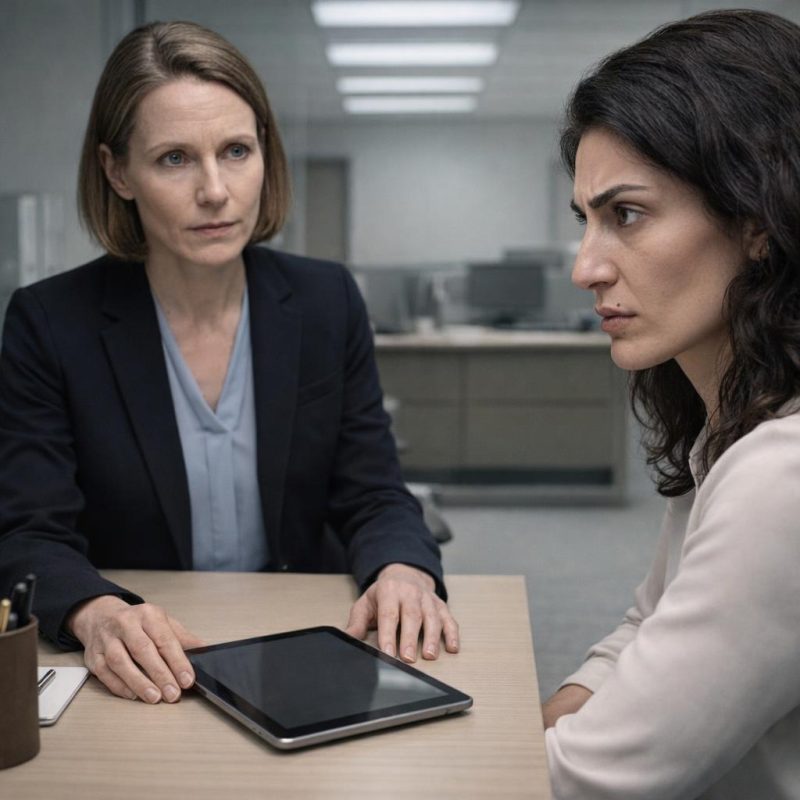 Image by RM AI
My Side
I took a breath, trying to organize three months of hurt and confusion into something that sounded rational. "It started in September," I said. "Melissa began organizing group lunches, and she invited everyone except me. Every single day." Amanda nodded, typing notes on her tablet. I kept going, laying it all out—the pattern of exclusion, how it felt deliberate but I couldn't prove it, how I'd started to doubt myself. Then I told her about this morning, about arriving early and hearing Melissa on the phone. I repeated the words as exactly as I could remember them. Something special, just for her. Once she eats it, everything will change. "That's when I knew something was wrong," I said. "So at lunch, when she finally gave me food for the first time in months, I switched the containers. And she panicked. She tried to take it back, and when I wouldn't let her, she got desperate." Amanda listened, her face giving nothing away. She asked questions—what time did I arrive, who else heard the conversation, did I have the container now. With each question, I felt my confidence slipping. "Do you have any proof besides your word?" she asked finally. "Any witnesses to the phone conversation? Any documentation of the exclusion pattern?" When she asked if I had any proof besides my word, I felt my confidence waver.
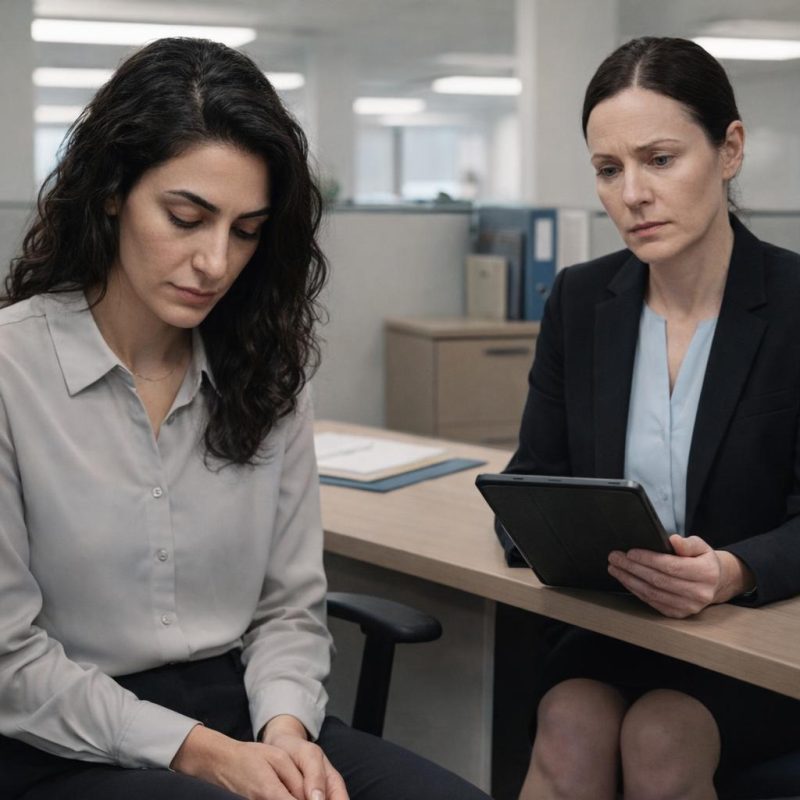 Image by RM AI
Pending
Amanda called me back the next morning. "I've decided to suspend Melissa pending investigation," she said. "She'll be on paid leave while we gather more information and wait for any test results on the food container." Relief hit me so hard I had to sit down. For three days, the office felt different. Lighter, somehow. People talked more freely in the breakroom. Lisa came by my desk to ask if I was okay, really okay, and I almost cried. The lunch group still went out, but now they asked if I wanted to come. I said yes once, and it felt strange and good and sad all at once. But I couldn't fully relax. Derek texted me updates—his friend at the lab was backed up, it would take a few more days to get results. Every time my phone buzzed, my heart jumped. I kept thinking about that container, about what they might find. Sometimes I wondered if I'd overreacted, if there was some innocent explanation I'd missed. But then I'd remember Melissa's face when I switched the containers, that flash of panic, and I knew I hadn't imagined it. I tried to focus on work, but I couldn't stop thinking about what Derek might find in that container.
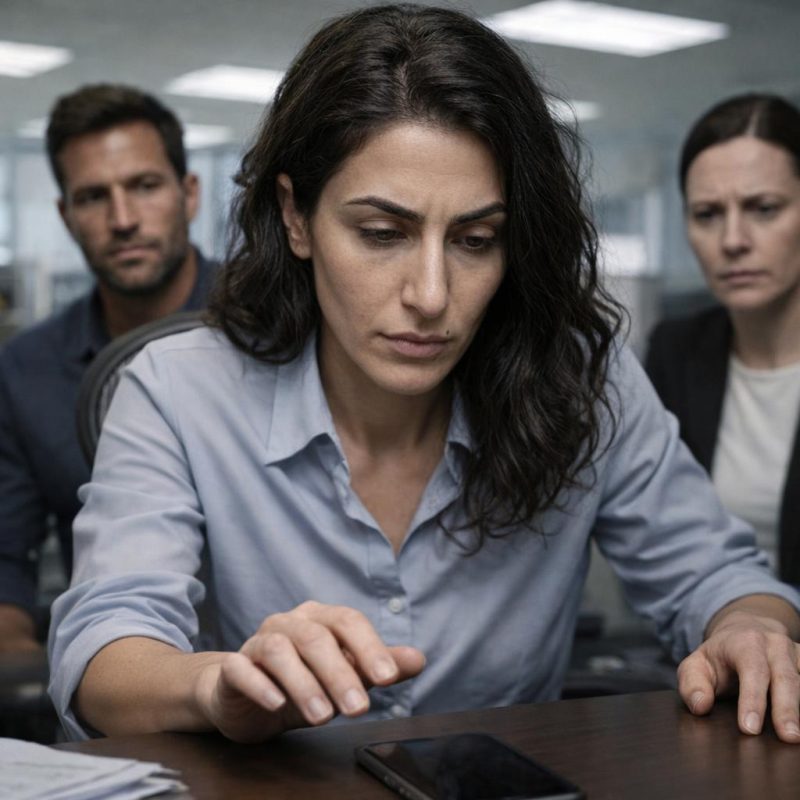 Image by RM AI
Digital Trail
I couldn't sleep that night, so I did what any reasonable person would do at 2 AM—I started googling Melissa. At first it was just curiosity, maybe looking for some explanation that would make everything make sense. I pulled up her LinkedIn profile on my phone, the blue glow lighting up my bedroom. Marketing Director at Brandwell Solutions for three years before joining our company. Account Manager at Sterling & Co before that. It all looked so polished, so professional. Then I remembered we had to submit resumes when we applied, and HR kept them on file. The next morning, I sweet-talked Janet in HR into letting me peek at my own file, and while she was distracted, I snapped a photo of the resume on her desk. Back at my apartment that evening, I compared them side by side. The dates didn't match. LinkedIn said she'd worked at Brandwell until last year, but the resume claimed she'd left two years ago. Small discrepancy, maybe just a typo. But then I noticed the company names were slightly different too. I found Brandwell Solutions' main number and called, my heart pounding. The receptionist was friendly enough. I asked to be transferred to their HR department to verify employment for Melissa Hartwell. There was a pause, some typing. "I'm sorry," the woman said, "but we have no record of anyone by that name ever working here."
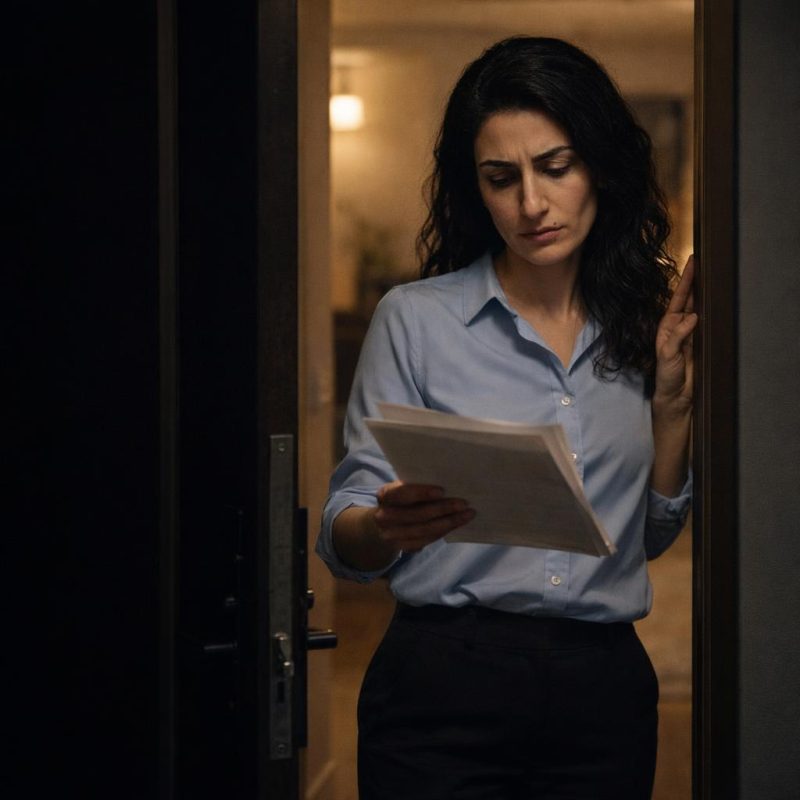 Image by RM AI
Previous Names
I spent the entire weekend at my laptop, coffee going cold beside me as I fell down the rabbit hole. I started with variations of her name—Melissa Hartwell, Melissa Hart, Missy Hartwell. Then I tried image searches, reverse lookups, anything I could think of. That's when things got weird. I found a Facebook profile for a Melanie Hartwood in Phoenix with photos that looked exactly like her, same smile, same blonde hair, just styled differently. The profile had been abandoned three years ago. Then there was an Instagram account for Melissa Harwell—one L instead of two—in Denver, active until about eighteen months back. Same woman, I was almost certain. Different cities, different names, but those eyes were unmistakable. I started making a spreadsheet because I couldn't keep it all straight in my head. Phoenix, Denver, Atlanta, Seattle. Each city had a different version of her, each name just different enough that you wouldn't connect them unless you were looking. The timeline showed she'd spent about a year or two in each place before the accounts went dark and she popped up somewhere new. It was like watching someone shed identities the way snakes shed skin. By Sunday night, I sat back and stared at my screen, at all those faces that were and weren't Melissa. She'd reinvented herself so many times I started to wonder who she really was.
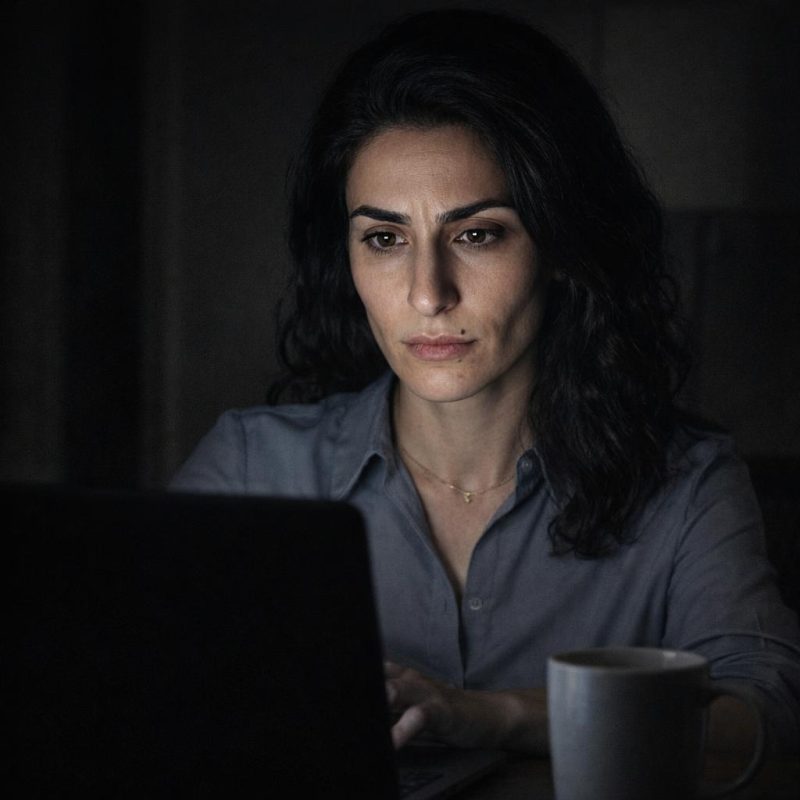 Image by RM AI
Pattern Recognition
I couldn't stop digging. Tuesday evening, I started searching for the actual companies she'd listed under those other names, cross-referencing with local news archives. That's when I found the first article. "Employee Hospitalized After Workplace Incident" from a Phoenix marketing firm, dated about three years ago. The article was vague, mentioned an investigation, food contamination suspected. The timeline matched exactly when Melanie Hartwood's social media went silent. My hands were shaking as I kept searching. Denver, eighteen months ago: "Mysterious Illness Prompts Company Review." Another marketing department, another employee who got sick, another investigation that seemed to fizzle out. Then Atlanta. Then Seattle. Three different cities, three different workplaces, and every single time someone had gotten sick under circumstances that made people ask questions. And every single time, it happened right before one of Melissa's identities disappeared. I called Derek immediately. "You need to see this," I said, my voice cracking. He came over that night, and we went through everything together. He was quiet for a long time, just scrolling through the articles, the photos, the timelines I'd built. He finally spoke, and his voice was different, careful. "This isn't about you. You're not special to her." The words should have been comforting, but they weren't. This wasn't about me at all—I was just the latest target.
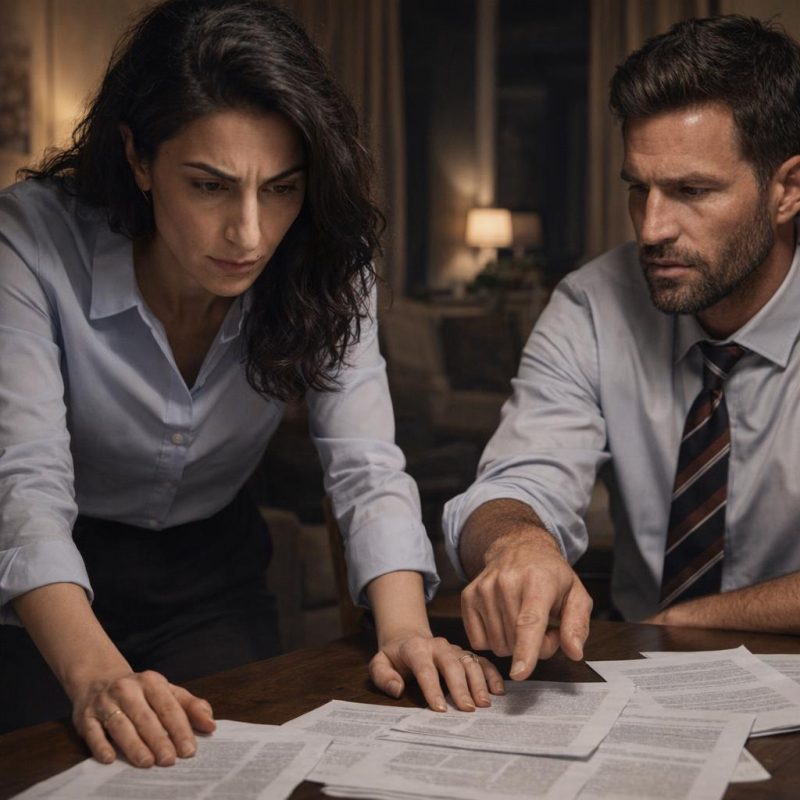 Image by RM AI
Cleared
Amanda's email came Thursday morning: "Please come to my office at 2 PM." I walked in hoping for answers and found Melissa sitting there instead, her smile warm and professional. My stomach dropped. Amanda gestured for me to sit. "I wanted to update you both on the investigation," she said, her voice measured and careful. "After thorough review, we've found insufficient evidence to support the allegations. Melissa will be returning to work effective immediately." I couldn't breathe. "What about the container?" I asked. "The one Derek took to be tested?" Amanda's expression didn't change. She tapped her tablet, scrolled through something. "I have no record of any container being submitted for testing," she said. "There's no documentation of any physical evidence in this case." "That's impossible," I said. "Derek took it, he told you he was taking it—" Amanda interrupted gently. "I understand you've been under stress. But we need to close this matter and move forward professionally." Melissa sat there the whole time, hands folded in her lap, looking like the victim of a terrible misunderstanding. She even reached over like she might touch my arm sympathetically, and I jerked away. Amanda frowned at that. "I expect you both to maintain a professional working relationship," she said. When I asked about the container Derek took, Amanda said there was no record of any container.
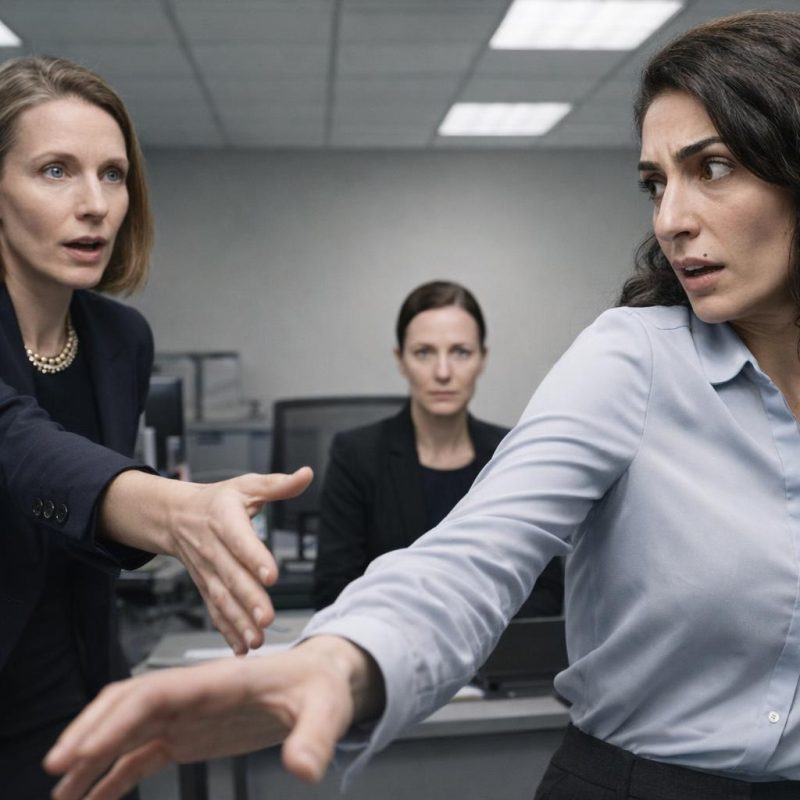 Image by RM AI
Walking on Eggshells
Melissa walked back into the office Monday morning like she'd just returned from vacation. Her smile was bright, her greeting to everyone warm and genuine. I watched from my desk as people welcomed her back, some with hugs, others with careful pleasantness. Nobody looked at me. I got my coffee from the breakroom around ten, and the conversation died the moment I walked in. Three people suddenly remembered they had meetings. Lisa was there, and she gave me a small, sad smile but didn't say anything. When Melissa came in five minutes later, the two remaining people suddenly became very interested in their phones. The silence was suffocating. I grabbed my mug and left. Lunchtime was worse. I'd started bringing my lunch again—no way was I leaving it in the fridge—and I sat in the breakroom alone. Through the glass wall, I could see Melissa at her desk, laughing at something on her screen. Then I saw Lisa walking toward the breakroom, saw her glance inside and see me, saw her pause. She looked torn, genuinely conflicted. Then she turned around and went back to her desk. That's when I understood. It wasn't that people thought I was right or wrong. It was that being associated with me, being seen taking my side, had become professionally dangerous. The way everyone suddenly found reasons to avoid the breakroom when we were both there told me I'd already lost.
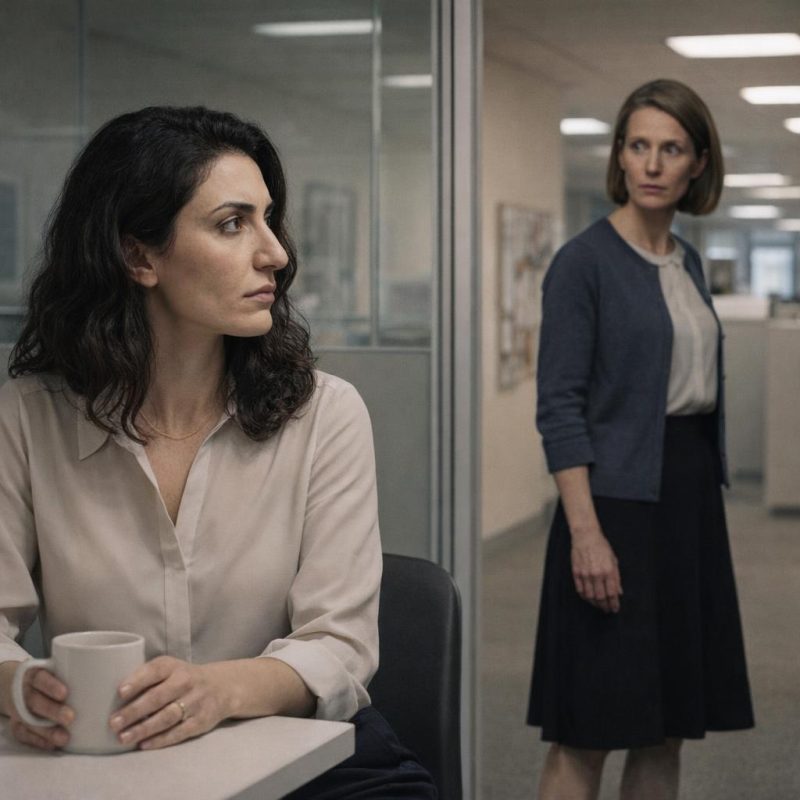 Image by RM AI
Unknown Sender
My phone buzzed during the afternoon budget meeting. I glanced down, expecting an email notification. Instead, there was a text from a number I didn't recognize. "You should have left it alone." My hands went cold. I stared at the screen, reading it again. Wrong number, maybe? But something about those words made my skin crawl. I tried to focus on the presentation, on the quarterly projections, but my phone was burning a hole in my pocket. After the meeting, I checked again. Another message: "People who make accusations they can't prove don't last long." My heart started hammering. I looked around the office, but everyone was at their desks, working normally. Who was this? I wanted to text back, to demand answers, but something stopped me. That night, I was making dinner when my phone buzzed again. "I know you take the 6:15 bus home." Then another: "I know you live on Maple Street." Then: "I know you get coffee at the corner shop every Saturday morning." My apartment suddenly felt too exposed, all those windows like eyes watching me. I closed all the blinds with shaking hands, double-checked the locks. Three more came that night, each one more specific about where I lived and what I did after work.
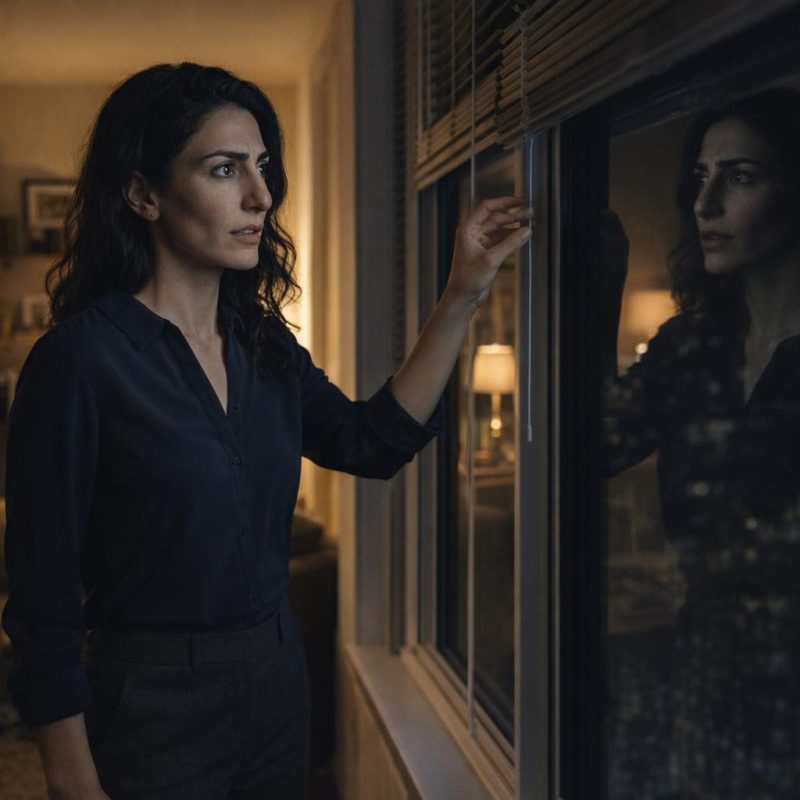 Image by RM AI
Vanishing Act
Friday morning, I opened my laptop to finish the Hendricks proposal—three weeks of work, due Monday. I clicked on the project folder and my screen showed empty. No files. Nothing. My breath caught. I checked the trash, checked my downloads, searched my entire hard drive. Gone. All of it. I called IT in a panic, and Marcus from tech support came up twenty minutes later. He plugged something into my laptop, typed for a while, frowned. "The files were deleted," he said. "When?" I asked. "Wednesday night. 2:47 AM." He turned the screen toward me, showing me access logs I didn't understand. "That's impossible," I said. "I was asleep at 2 AM." "Well, someone using your credentials wasn't," he said. He showed me the timestamp, my username, my login. "Could someone else have accessed my account?" I asked, hearing the desperation in my voice. "Do you share your password with anyone?" "No, of course not." "Then it was you," he said, not unkindly. "The system doesn't lie." He left, and I sat there staring at my empty folder. Three weeks of work, gone. The Hendricks proposal was my biggest project this quarter. Without it, I looked incompetent. Unreliable. When I insisted I hadn't touched those files, the IT manager showed me the access logs with my credentials timestamped at 2 AM.
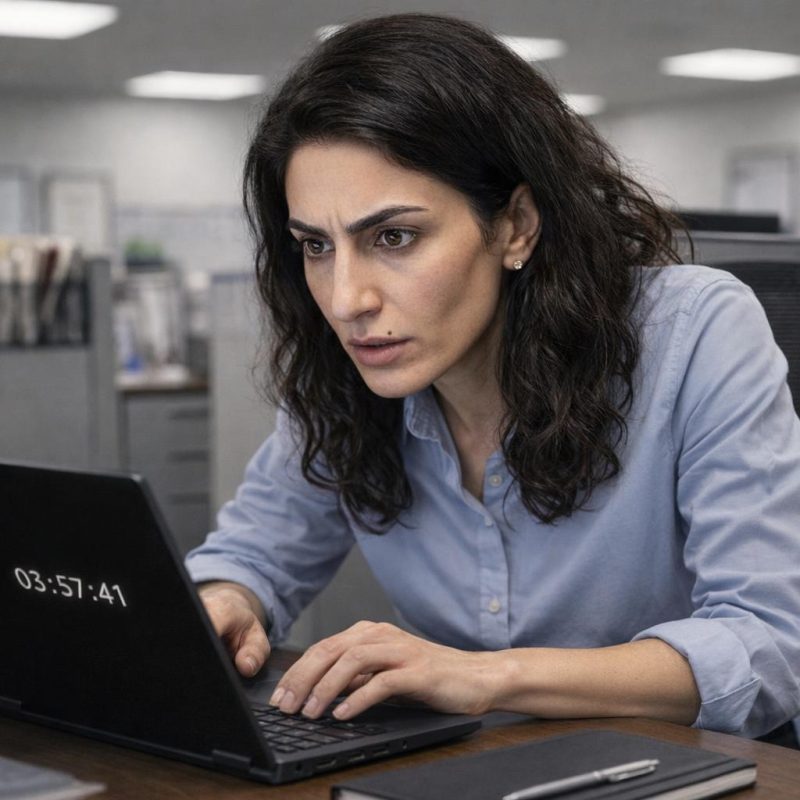 Image by RM AI
Perfect Alibis
I tried to connect the dots for Derek over coffee that weekend. The deleted files, the threatening texts, everything. "It has to be her," I said. "Who else would—" "Where was she Wednesday night?" he asked quietly. I pulled up my phone, showed him the texts. "I don't know, but—" "Because I do," Derek said. "She was at that marketing conference downtown. Lisa mentioned it. There were like fifty people there." My stomach sank. Every time I thought I had something, there was an explanation. The messages during the budget meeting? Melissa had been presenting to clients in the conference room, witnessed by six people. The night my files were deleted? She'd posted Instagram stories from a restaurant across town, timestamped and geotagged. When I'd received those threatening texts, coworkers could place her in meetings, at lunch, in the office. Lisa had even mentioned seeing Melissa at the gym one evening when another message came through. The evidence kept slipping through my fingers like water. "Maybe you should stop," Derek said gently. "Stop what?" "This. The investigating. You're making yourself look..." He trailed off, but I knew what he meant. Obsessed. Paranoid. Unstable. After the fifth time someone vouched for her whereabouts, I wondered if I looked obsessed.
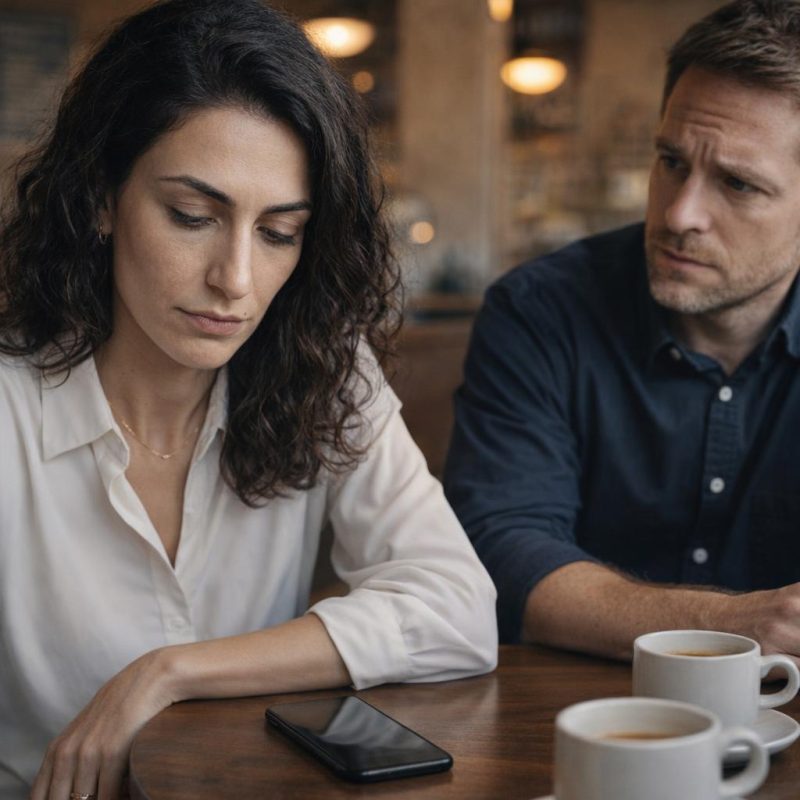 Image by RM AI
Reputation in Ruins
The conference room door wasn't quite closed when I walked past on Tuesday. I heard my manager's voice first, low and frustrated. "She's become a liability, honestly. The complaints, the paranoia about Melissa—it's affecting team morale." I froze in the hallway, my hand still on my coffee cup. Someone else murmured something I couldn't catch, and then: "We need to document everything carefully. Build the case." When I stepped back, trying to look casual, they both went silent. My manager glanced up, saw me through the gap, and pushed the door firmly closed. The click echoed down the empty hallway. After that, people stopped making eye contact. Lisa gave me a sad little smile in the break room but didn't start a conversation. Two of my project assignments got quietly reassigned to other team members—no explanation, just updated task lists in my inbox. Melissa sailed past my desk that afternoon, her blonde hair perfectly styled, chatting with someone from marketing about her latest client win. She didn't even glance my way. On Thursday, HR sent a calendar invite that made my stomach drop. Performance review, scheduled for next week. Three months early. I stared at the notification, my hands shaking slightly. Everyone knew what an early performance review meant. It was the first step in building a termination file, the paper trail they needed to let someone go without legal risk. I was being pushed out, and there wasn't a damn thing I could do about it.
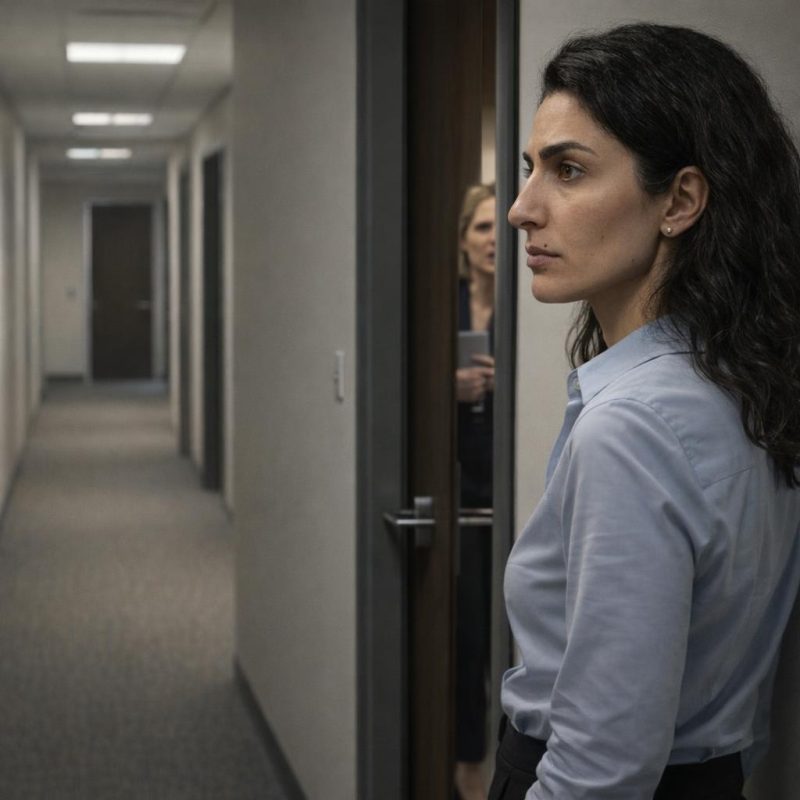 Image by RM AI
One Believer
I was sitting in my car in the parking garage Friday evening, not quite ready to drive home, when someone tapped on my window. Derek stood there in the dim fluorescent light, his expression serious behind his glasses. I rolled down the window, confused. "Can we talk?" he asked quietly. "Not up there. Here." We stood between our cars while the concrete pillars cast long shadows around us. He glanced toward the elevator, making sure we were alone. "I've been watching," he said finally. "Not just listening to your side of things. Actually watching. The way she positions herself in meetings. How she times her comments. The way people's opinions shift after she talks to them privately." My throat tightened. "Derek—" "I believe you," he said, and the relief that flooded through me was so intense I had to lean against my car. "I've seen her do things that don't add up. Small things, but they're there. The alibis everyone keeps mentioning? I started checking them myself. Some of them don't quite work." He pulled out his phone, showed me notes he'd been keeping. Timestamps. Observations. Things I'd missed because I'd been too busy defending myself. "I have an idea," he continued, his voice steady and calm. "About how we might actually prove what she's doing. But we need to be smart about it. Methodical." For the first time in weeks, I felt something other than dread settle in my chest. It felt almost like hope.
 Image by RM AI
Double Vision
We met at a coffee shop across town on Saturday morning, laptops open, notebooks spread across the table between us. Derek had printed out a timeline he'd been building—every incident I'd mentioned, cross-referenced with Melissa's known whereabouts according to other people. "Walk me through the threatening texts again," he said, pen poised over his notes. "Exact times if you have them." I pulled up my phone, scrolling back through weeks of messages. As I read off timestamps, Derek compared them against his records. His expression shifted. "Wait. This one, the text you got at nine-fifteen on the tenth? Lisa told me she saw Melissa at the gym that night. But look—" He turned his laptop toward me, showing Melissa's Instagram story from that evening. The geotag said she was at a restaurant downtown, posted at nine-oh-seven. "She can't have been at both places," I said slowly. "And the gym is twenty minutes from that restaurant. Even if she left right after posting—" "She couldn't have made it in time," Derek finished. We kept digging, comparing notes, finding the gaps. By Sunday afternoon, we had three solid inconsistencies. Three places where Melissa claimed to be—or where others placed her—that didn't match up with other verified information. It wasn't proof yet, not the kind that would convince anyone. But it was a pattern, and patterns meant something. When we mapped it all out on Derek's dining room table, the timeline looked like a puzzle with pieces that didn't quite fit. And that's exactly what we needed to see.
 Image by RM AI
Mask Slipping
The shift happened in Monday's budget meeting. I was presenting quarterly projections when I glanced across the conference table and caught Melissa's expression. No warm smile. No pretense of interest. Just cold, open hostility in her eyes, like she'd stopped bothering to hide it. I stumbled over my next sentence, and she didn't even try to look away. Lisa noticed too—I saw her glance between us, her face troubled. Derek, sitting two seats down, went very still. After the meeting, I was gathering my papers when Melissa walked past. She was carrying her coffee, not looking at me, and her elbow caught my cup perfectly. Hot coffee splashed across my laptop keyboard, seeping between the keys as I lunged to grab it. "Oh," Melissa said flatly, not stopping, not turning around. Not apologizing. Just kept walking toward the door like nothing had happened. The laptop made a crackling sound and the screen went dark. Three years of work, and I hadn't backed up everything to the cloud. People were staring now—actually staring, not pretending they hadn't seen. Derek was already on his feet, grabbing napkins, but his eyes were on Melissa's retreating back. Even Lisa looked shocked, her hand pressed to her mouth. The thing that scared me most wasn't the ruined laptop or the lost files. It was how Melissa hadn't even bothered to make it look accidental. She wanted me to know it was deliberate, and she didn't care who else knew it too.
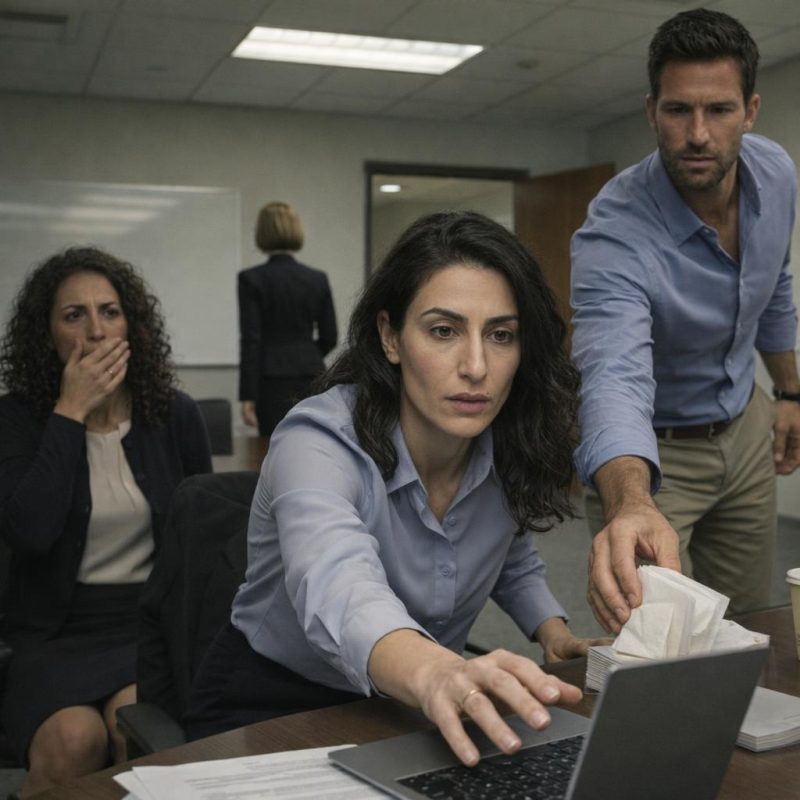 Image by RM AI
Broken Glass
I found my car on Tuesday evening, and for a moment I just stood there, trying to process what I was seeing. Every window was smashed. Glass glittered across the concrete, scattered through the interior, covering the seats in a blanket of sharp fragments. My hands were shaking when I called security. The guard who responded looked uncomfortable as he surveyed the damage, radio crackling at his hip. "We'll need to pull the footage," he said, but something in his voice made my stomach sink. Twenty minutes later, he came back with worse news. "The cameras for this section... the footage is corrupted. From about two to four this afternoon." "Corrupted," I repeated. "Yeah. Technical malfunction, they're saying." He shifted his weight, not quite meeting my eyes. "Look, I probably shouldn't tell you this, but this is the third camera malfunction we've had this week. All of them during incidents involving you—the break room thing, that issue with your desk files, and now this." Derek arrived while I was still standing there, staring at the ruins of my car. He'd gotten my text and driven straight over. "Three malfunctions," I told him, my voice hollow. "All perfectly timed." He looked at the smashed windows, then at the security camera mounted on the pillar above us, its red light blinking steadily. "That's not a coincidence," he said quietly. "That's someone who knows how the system works." I knew he was right. This wasn't about my lunch anymore, or my reputation, or even my job. This was personal, and whoever was doing it wanted me to know they could reach me anywhere.
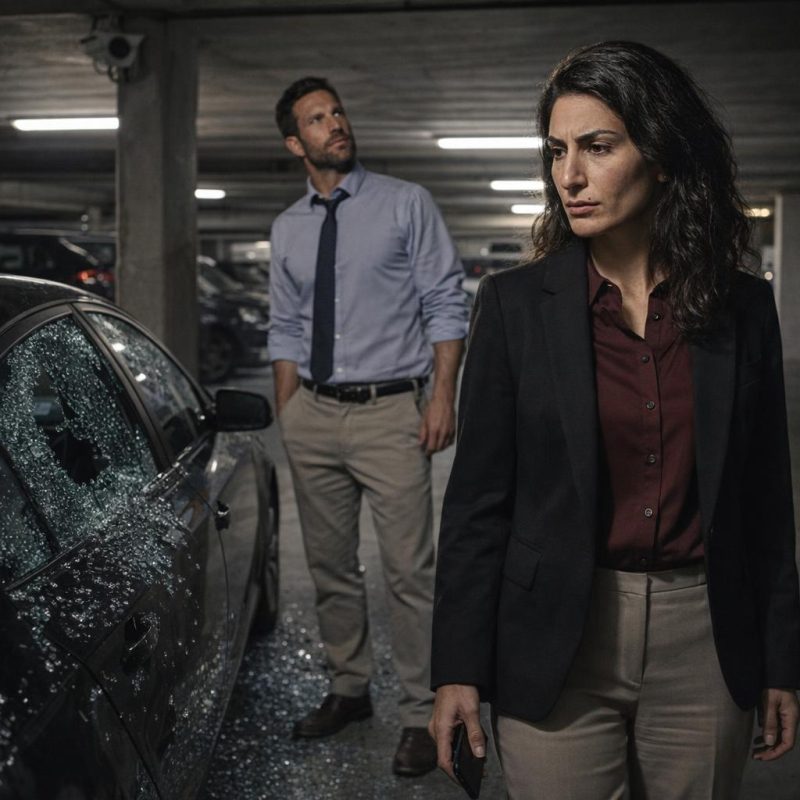 Image by RM AI
Official Record
Detective Morrison had tired eyes and a rumpled suit, and he wrote everything down in a small notebook with methodical precision. We sat in the security office while he took my statement about the vandalism, but when I tried to just describe the car damage, he stopped me. "Walk me through the context," he said. "You mentioned workplace issues. Start from the beginning." So I did. The lunch incidents, the deleted files, the threatening texts, the performance review moved up three months. Melissa's alibis that always checked out, the way my reputation had crumbled while hers stayed perfect. The coffee on my laptop just yesterday, witnessed by half the office. He didn't interrupt, just kept writing, occasionally asking for specific dates or times. "The security footage," he said when I finished. "You're saying this is the third malfunction during incidents involving you?" "That's what the guard told me." Detective Morrison looked up from his notebook, his expression unreadable. "In my experience, one camera malfunction is technical failure. Two is unfortunate. Three is someone who knows what they're doing." He flipped back through his notes. "Do you think someone at your workplace might be trying to scare you? Someone with access to building security systems, maybe?" "Yes," I said, and I didn't hesitate. "I think someone is trying to make me look unstable so they can push me out. And I think they're willing to escalate to make it happen." He nodded slowly, still writing. "I'm going to file this as criminal mischief with a possible harassment component. That makes it official. If anything else happens, you call me directly." He handed me his card, and I held onto it like a lifeline.
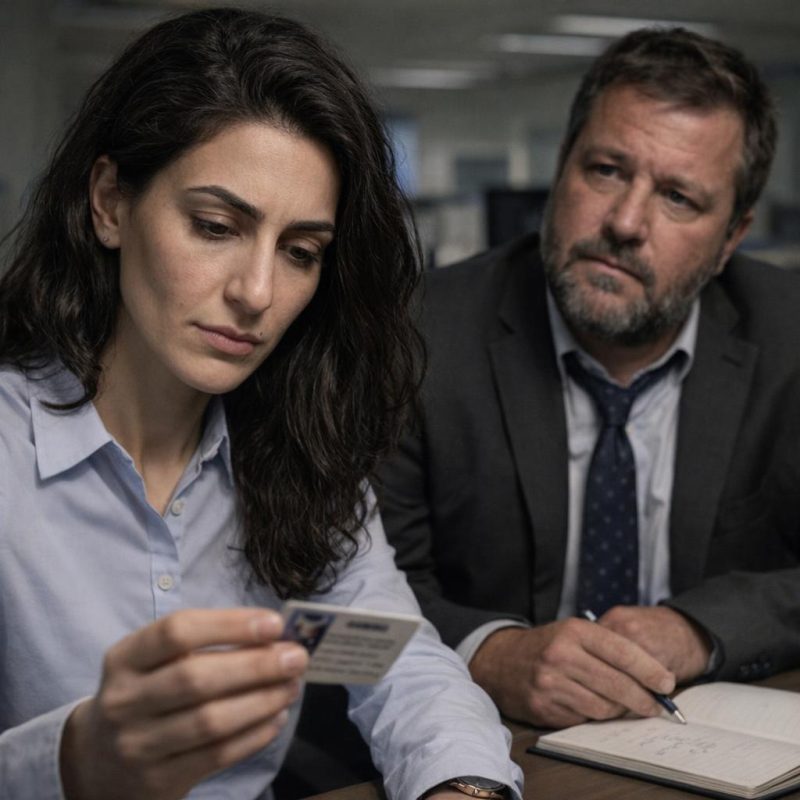 Image by RM AI
Taking Control
I sat in my apartment that night, staring at my savings account balance on my laptop screen. The number had taken me three years to build. Using it meant no emergency fund, no safety net if I lost my job—which seemed increasingly likely. But waiting for someone else to find the truth wasn't working. The police would investigate the vandalism, sure, but they didn't know the full context. HR thought I was the problem. My manager was building a termination case. If I wanted answers, I had to take control. I found the private investigator through an online search, reading reviews until my eyes burned. On Thursday, I withdrew the money and met her at her office downtown. Her name was Patricia Chen, and she listened to everything without interrupting—the lunch incidents, Melissa's perfect alibis, the escalating harassment, the smashed car windows. When I finished, she leaned back in her chair. "I've seen cases like this before," she said. "Workplace targeting, reputation destruction. Usually there's more going on than what's visible on the surface." She pulled out a contract and a notepad. "I'm going to need everything you have on this Melissa. Full name, employment history, social media profiles, known associates. Bank records if you can get them, though that's tricky. Previous employers, references she listed on her application if HR will share it." I gave her everything I knew, everything Derek and I had compiled. When I signed the contract, my hand was steady. For the first time since this started, I wasn't just reacting. I was hunting for the truth, and I wasn't going to stop until I found it.
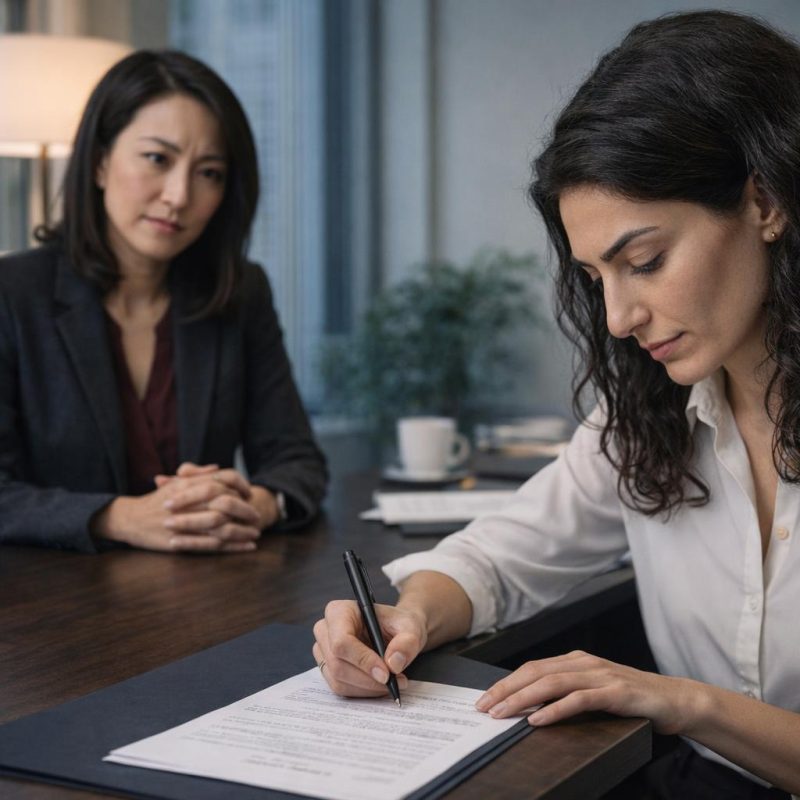 Image by RM AI
Paper Trail
Patricia called me on Sunday afternoon, three days after I'd hired her. "I found something," she said without preamble. "Melissa's bank records—I have a contact who could access them legally through a civil investigation request. There are regular payments coming in. Substantial ones." I sat down on my couch, phone pressed to my ear. "Payments from who?" "That's what I'm still tracing. The money's coming through a shell company, routed carefully to avoid easy identification. But we're talking about significant amounts, deposited like clockwork every two weeks. They started about a month before you said the lunch incidents began." My mind was racing. "How much money are we talking about?" Patricia paused, and I could hear papers rustling. "Each payment is five thousand dollars. She's received eight so far. Forty thousand total, with more presumably coming." I actually felt dizzy. Forty thousand dollars. Someone was paying Melissa forty thousand dollars, and the timing lined up exactly with when she'd started targeting me. This wasn't about personality conflicts or workplace drama. This was planned. Funded. Deliberate. "I need to know who's paying her," I said, my voice shaking. "I'm working on it," Patricia replied. "Shell companies are designed to hide ownership, but they're not perfect. Give me a few more days." After we hung up, I called Derek immediately. When I told him about the payments, he was silent for a long moment. Then: "Someone hired her to destroy you. This whole thing—it was never personal for her. It was a job." And that somehow made it so much worse.
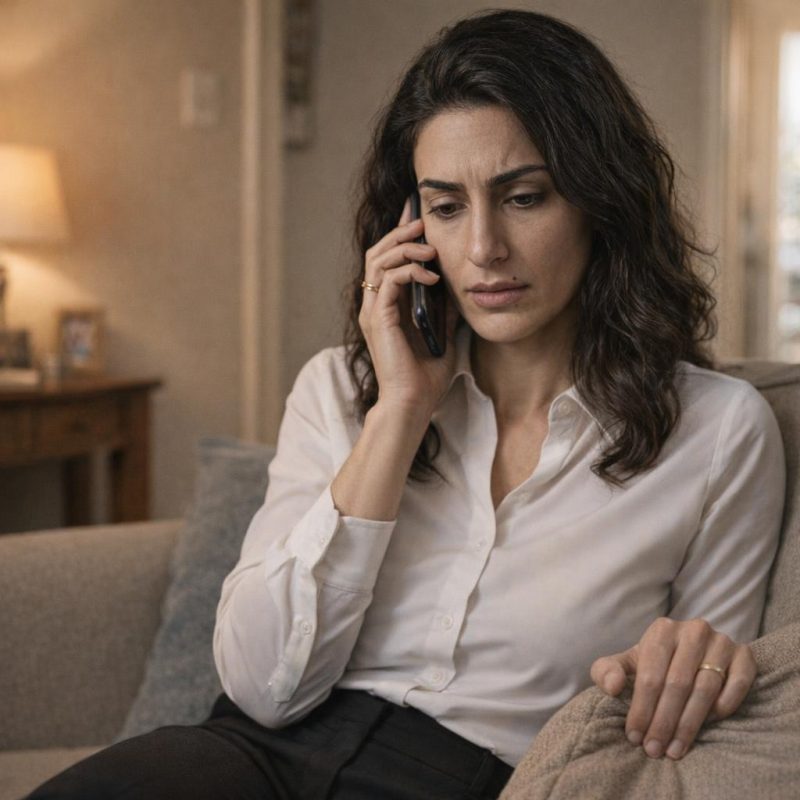 Image by RM AI
Looking Backward
I spent Sunday night going through everything. Old emails, text messages, photo albums—anything that might explain why someone would pay forty thousand dollars to destroy me. I sat on my bedroom floor surrounded by boxes I hadn't opened since moving into my apartment three years ago. Birthday cards from relatives I barely remembered. College transcripts. A folder of recommendation letters from my first job. Nothing jumped out as significant. No enemies I'd made, no conflicts that would warrant this level of targeting. I'd lived a pretty unremarkable life, honestly. Worked hard, kept my head down, tried to be kind to people. What could possibly make me worth this kind of investment? My phone rang around nine—Mom, doing her weekly check-in. I almost didn't answer, but guilt won out. She asked about work, and I gave her the vague version. Busy, stressful, the usual. Then she mentioned my uncle's estate in passing, something about the lawyer still sorting through paperwork six months after his death. My chest tightened. Uncle Richard had passed away last March—right around the time Melissa started at the company. I'd been to the funeral, signed some documents, but I hadn't thought much about it since. Mom was still talking, but I'd stopped listening. Six months. The timing felt too close to ignore.
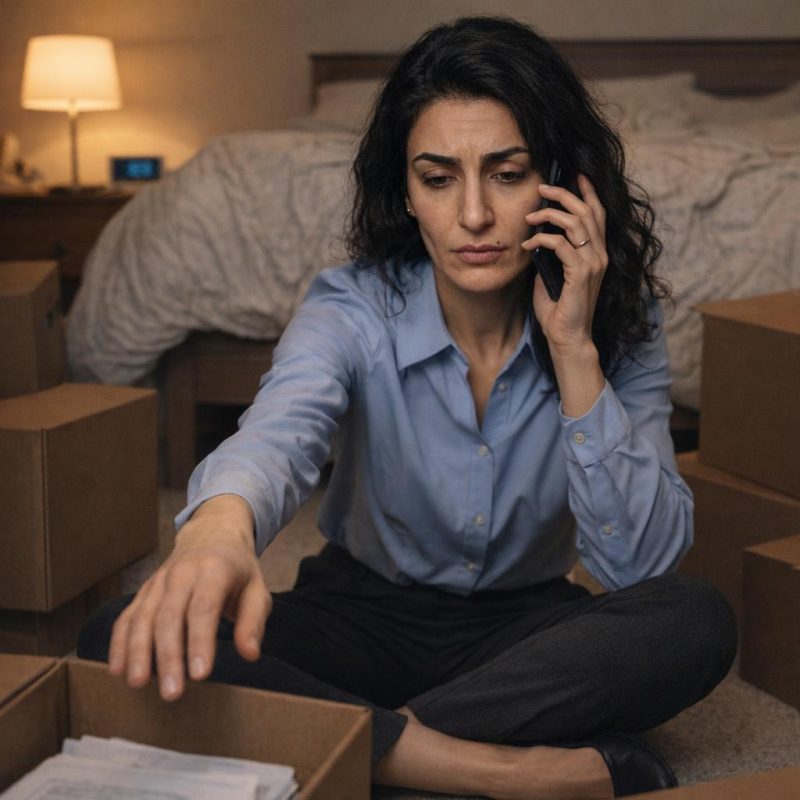 Image by RM AI
Estate Complications
Monday morning I called the lawyer handling Uncle Richard's estate. Mr. Peterson sounded surprised to hear from me—apparently most beneficiaries didn't follow up this actively. I told him I was just checking on the status, trying to sound casual. He explained there were complications with the will, things that hadn't been fully settled yet. Some of Uncle Richard's assets were more complex than typical estate items. Business property, intellectual property, things that required additional legal review. I gripped my phone tighter. Business property? Uncle Richard had been a software engineer, worked independently for most of his career. I'd always thought of him as the quiet, technical uncle who showed up to family gatherings and talked about coding projects I didn't understand. Mr. Peterson continued, his voice taking on that careful lawyer tone. There were business assets I might have inherited, he said. The will named me as a beneficiary for certain holdings, but the exact nature and value were still being assessed. Other parties had expressed interest in contesting portions of the estate. Legal proceedings had been ongoing since his death. I stared at the wall of my apartment, my mind racing. Other parties. Contested assets. Ongoing proceedings that started right when Melissa appeared in my life. When I asked what kind of assets we were talking about, Mr. Peterson paused before saying he'd send me the relevant documents.
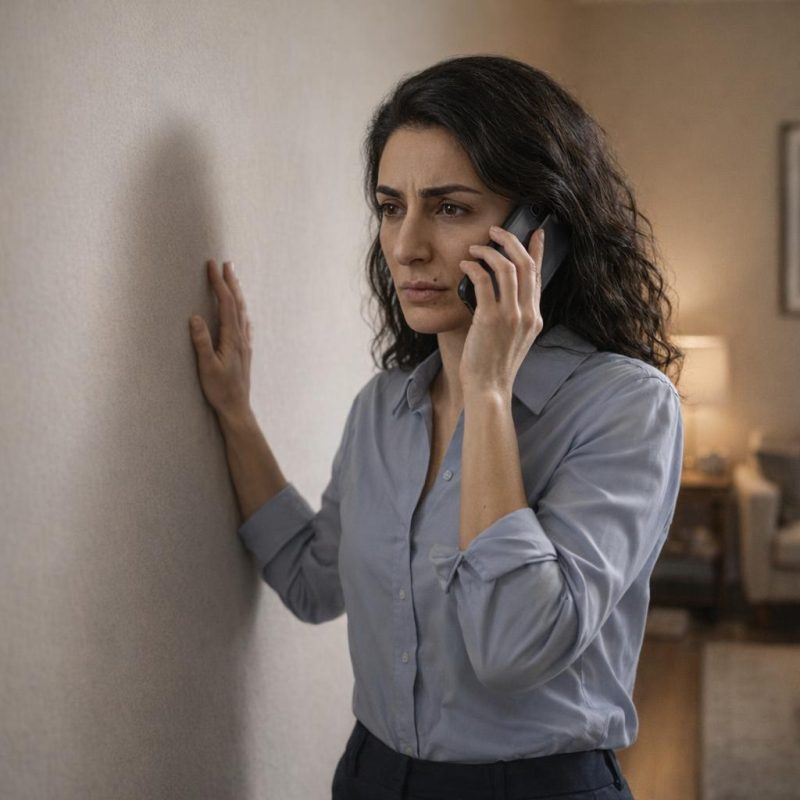 Image by RM AI
Patent Pending
The documents arrived Tuesday afternoon—a thick envelope that required a signature. I spread the papers across my kitchen table and tried to make sense of the legal language. Most of it was incomprehensible, but one phrase kept appearing: software patent. Uncle Richard had filed a patent for some kind of technical innovation. The descriptions were full of terms I didn't understand—algorithms, data processing methods, implementation protocols. I took photos of the pages and texted them to Derek. He called me twenty minutes later. Could he come over? He sounded urgent. When he arrived, I handed him the patent filing. He sat at my table, reading through the technical specifications with an intensity I'd rarely seen from him. His eyes moved quickly across the pages, occasionally stopping to reread sections. After ten minutes of silence, he looked up at me. This was worth serious money, he said. Like, potentially millions. The patent covered a method for data encryption that major companies would pay to license. Uncle Richard had filed it two years ago, and it had been approved six months before his death. If I inherited the rights, I'd own something extremely valuable. I felt dizzy. Millions of dollars. And someone knew about it before I did.
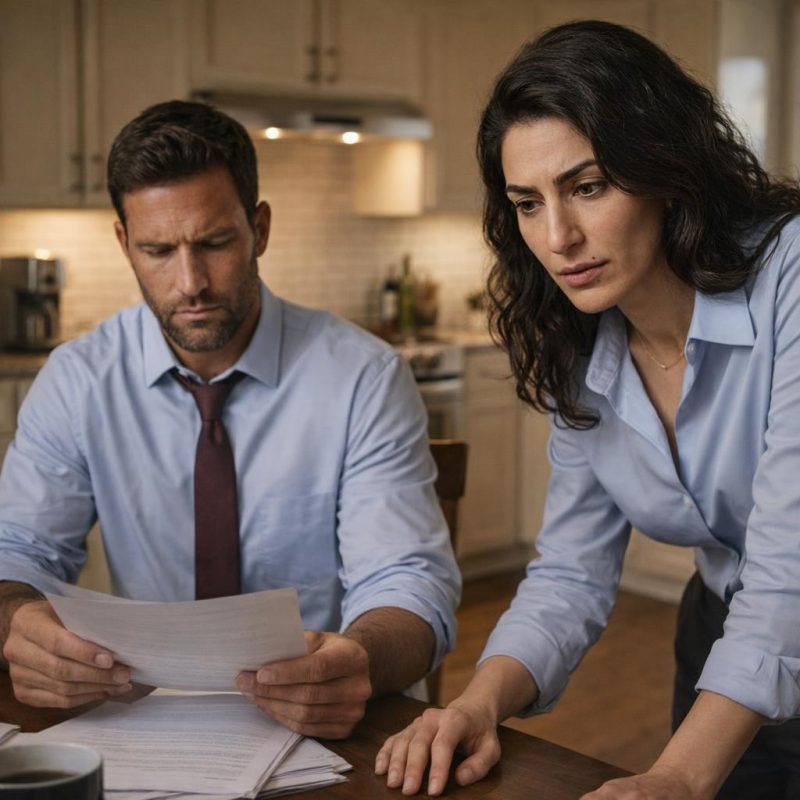 Image by RM AI
Counterattack
Wednesday morning, Amanda called me into HR again. My stomach dropped the moment I saw her name on my phone. When I arrived, Melissa was already there, sitting in the same chair as before. Her expression was somber, concerned—the perfect victim. Amanda's face was professionally neutral as she informed me that Melissa had filed a second harassment complaint. Additional allegations, she said. More serious this time. I felt the blood drain from my face. What allegations? Amanda consulted her tablet. Melissa claimed I'd been following her home from work. That I'd driven behind her car on multiple occasions, parking near her apartment building. That my behavior had escalated from workplace harassment to stalking. I actually laughed—a sharp, disbelieving sound that made Amanda's eyebrows raise. This was insane. I didn't even know where Melissa lived. I'd never followed anyone in my life. But Melissa was nodding, her eyes glistening with what looked like tears. She'd been terrified, she said. Afraid to come forward because she didn't want to make things worse. Amanda's next words hit me like a physical blow. This time Melissa had a witness—someone who'd seen me near Melissa's building last Friday evening.
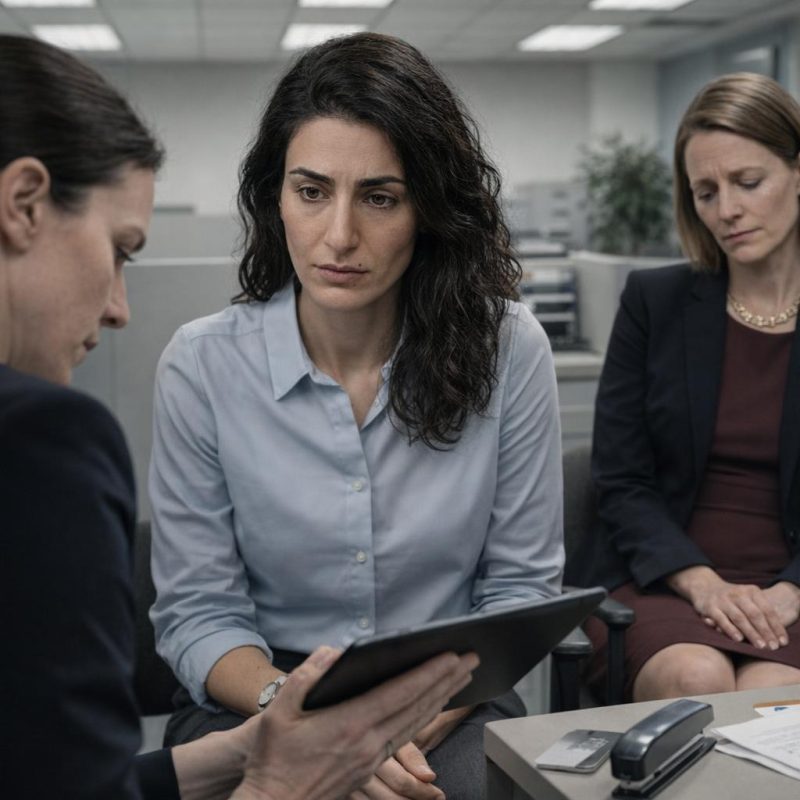 Image by RM AI
Suspended
Amanda told me I was being placed on immediate suspension pending a full investigation. The words felt unreal, like they were happening to someone else. Effective immediately, she said. I had one hour to clear my desk and surrender my building access card. Company policy for serious allegations. I sat there, unable to move, unable to process what was happening. My career was ending. Right here, in this beige HR office, with Melissa sitting three feet away looking appropriately distressed. Amanda's voice continued, explaining procedures and timelines and investigation protocols, but I'd stopped listening. One hour. I walked back to my desk in a daze. A few coworkers glanced at me, then quickly looked away. Word had already spread somehow. I pulled a cardboard box from the supply closet and started packing. Photos, my coffee mug, the small plant Derek had given me for my birthday. Everything that made this space mine. My hands were shaking. Thirty minutes later, I was walking toward the exit with my box of belongings, my visitor badge clipped to my shirt like a scarlet letter. As I pushed through the front doors, I glanced back at the building. Melissa was standing at the breakroom window on the second floor, watching me leave.
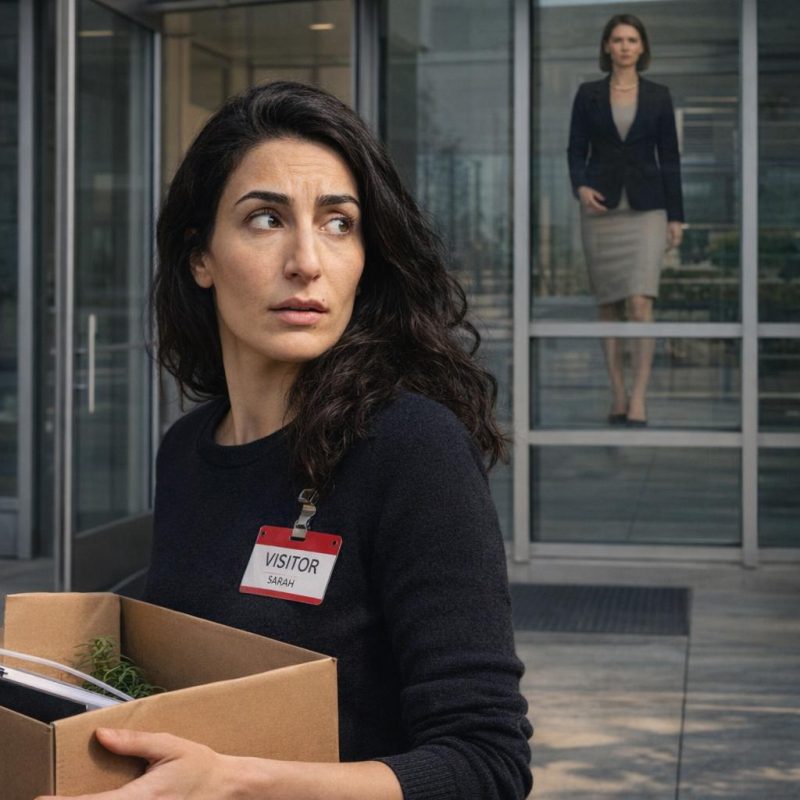 Image by RM AI
Building the Case
Derek showed up at my apartment Thursday evening with three folders of documentation and a laptop bag. He'd taken a personal day, he said. We had work to do. We spread everything across my living room floor—Patricia's reports, the bank records showing Melissa's payments, the timeline of incidents, witness statements, the patent documents, HR complaint copies. Everything we had. Derek was methodical, organizing papers into categories, creating a master timeline on his laptop. Each payment to Melissa got a marker on the timeline. Then we added every incident—every forgotten lunch, every complaint, every accusation. The correlation was impossible to ignore. Two days after the first payment: the lunch incidents began. Three days after the second payment: Melissa filed her initial HR complaint. Four days after the third payment: the rumors about my behavior started circulating. We worked through the night, surviving on coffee and determination. Derek documented every inconsistency in Melissa's statements, every witness who could contradict her claims, every piece of evidence that showed the pattern. By morning, we had a timeline that showed exactly when each payment to Melissa corresponded with an attack on me.
 Image by RM AI
The Name
Friday afternoon, Patricia called. She'd found it—the name behind the shell company. The payments to Melissa came from an entity called Holloway Enterprises, owned by Marcus Holloway. I wrote the name down, staring at it. Marcus Holloway. I'd never heard of him. Patricia was still talking, explaining the corporate structure, the layers of legal entities designed to hide the connection. But I was already opening my laptop, typing his name into the search bar. Derek leaned over my shoulder as results populated the screen. Marcus Holloway, CEO of Holloway Tech Solutions. A mid-sized software company based downtown. I clicked through to the company website, scanning the corporate overview, the product descriptions, the press releases. My hands started shaking before I fully understood why. Derek saw it at the same time I did. The company's flagship product—a data encryption platform they'd launched eight months ago. The description of its functionality, the technical specifications listed in their marketing materials. It looked exactly like what was described in Uncle Richard's patent. Exactly. When I searched Marcus Holloway's name again, adding terms like 'controversy' and 'lawsuit,' I found articles that made my stomach drop.
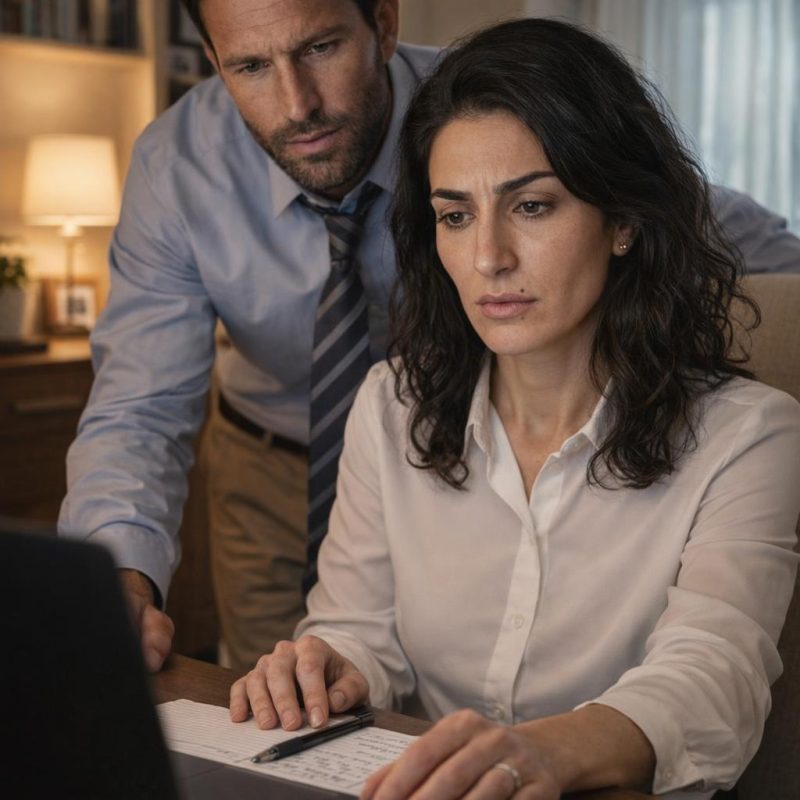 Image by RM AI
Business Interests
I spent Saturday reading everything I could find about Marcus Holloway and his company. Business journals, tech blogs, industry forums. Holloway Tech Solutions had launched their encryption platform to significant fanfare. Major clients, impressive revenue projections, industry awards. But buried in the technical discussions, I found forum posts from developers questioning the technology's origins. Some of the implementation methods seemed familiar, they said. Similar to research that had been published years ago. Derek came over again, and we pulled up Uncle Richard's patent filing on one screen, Holloway Tech's product specifications on another. The similarities were undeniable. Not identical—Marcus's team had made modifications, changed some terminology, restructured the presentation. But the core methodology, the fundamental approach to data encryption, was the same. Derek pulled up the dates. Uncle Richard filed the patent two years ago. It was approved eighteen months later, six months before his death. Marcus Holloway's company launched their product eight months ago—six months after the patent was approved. I stared at the timeline Derek had created, the dates lined up in stark clarity. Marcus had launched a product using technology that my uncle had patented, and now I stood to inherit the rights to that patent.
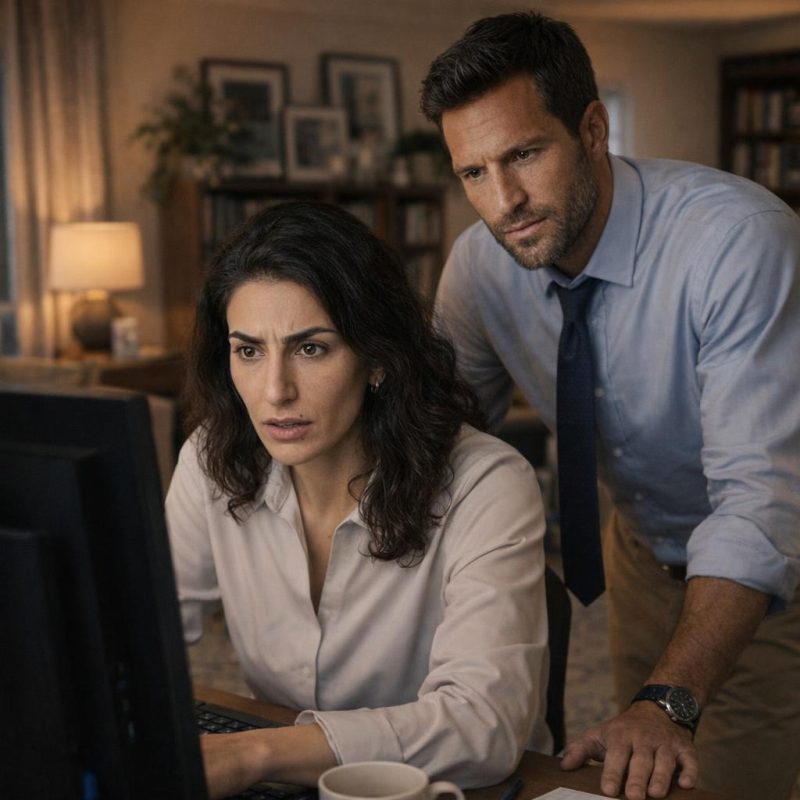 Image by RM AI
The Full Picture
I spent Sunday going deeper into Marcus Holloway's corporate history, and with each article I found, my hands grew colder. His company wasn't just successful—it was valued at hundreds of millions of dollars. The encryption platform had made him a tech industry darling, featured in Forbes and TechCrunch, invited to speak at conferences worldwide. But buried in the older articles, in forums and archived blog posts, I found something else. Mentions of previous intellectual property disputes that had been quietly settled. A former partner who'd accused Marcus of stealing proprietary code, then suddenly dropped the lawsuit and left the industry entirely. Another developer who'd raised questions about the origins of Marcus's technology on a tech forum, then deleted all their posts and disappeared from online discussions. Derek sat beside me, reading over my shoulder, his expression growing grimmer with each discovery. "These people just vanished," I said, my voice barely above a whisper. "They challenged him, and then they were just... gone." Derek pulled up LinkedIn profiles of the accusers. One had moved to a completely different field. Another's profile hadn't been updated in three years. A third had relocated to another country. "Maybe they were paid off," Derek suggested, but his tone suggested he wasn't entirely convinced that was all it was. I stared at the screen, at the pattern of complaints that had quietly disappeared, and I couldn't shake the feeling that people who challenged Marcus Holloway didn't just lose—they disappeared.
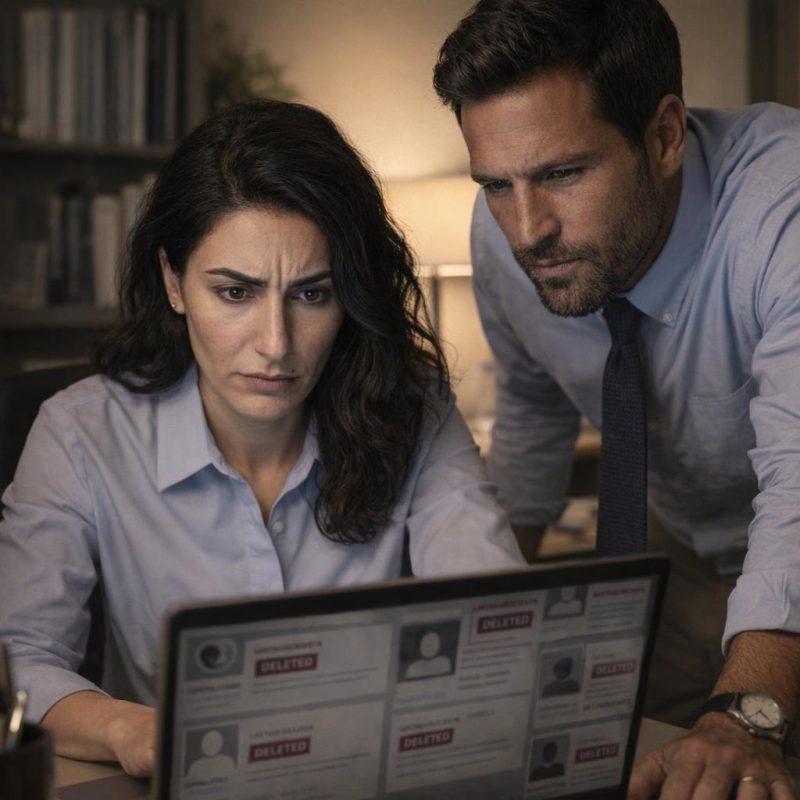 Image by RM AI
The Meeting
Derek spent Monday making calls, working through his professional network until he found someone who knew someone who could reach Melissa. I spent the day preparing, organizing every piece of evidence we had, writing down every question I needed answered. The bank statements showing the mysterious payments. The timeline of incidents that had escalated so precisely. The connection to Marcus Holloway and the patent I'd inherited. Derek finally got a response late that afternoon. Melissa had agreed to meet, but only under specific conditions. Neutral location, no recording devices, complete privacy. She'd chosen a coffee shop on the other side of town, far from our office, far from anyone who might recognize her. "She's scared," Derek said after he hung up. "I could hear it in her voice." I nodded, my stomach tight with anxiety. Part of me had wanted this confrontation for weeks, needed it. But now that it was actually happening, I felt the weight of what we were about to do. This wasn't just about getting answers anymore. This was about facing someone who'd systematically tried to destroy me, and I had no idea what she might do when cornered. We agreed to meet her Wednesday evening. That gave me two days to prepare, two days to steel myself for the conversation I'd been dreading. Melissa had agreed to meet us at a coffee shop on the other side of town, far from anyone who might recognize her.
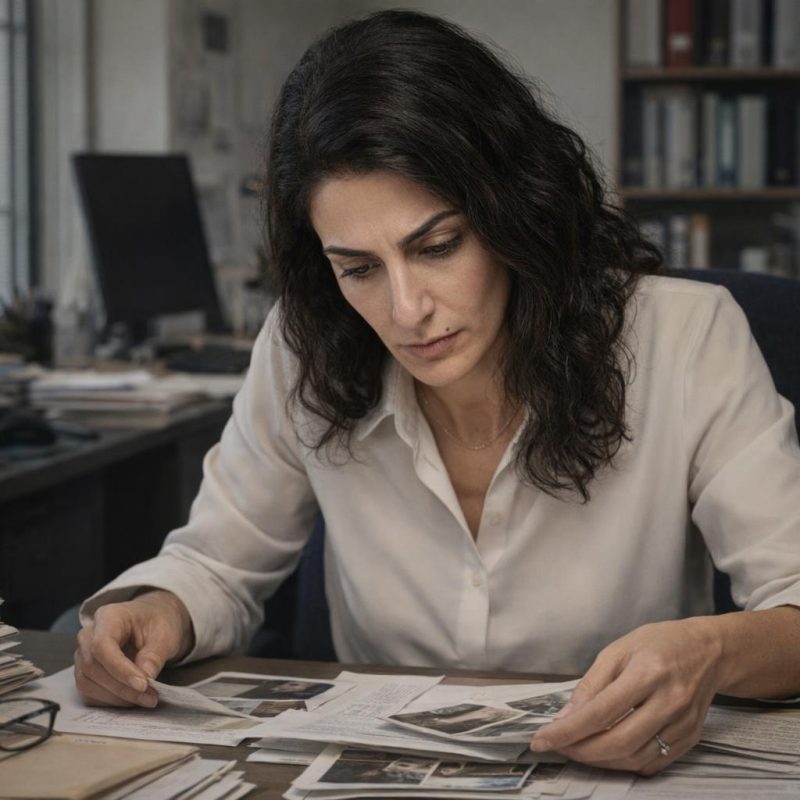 Image by RM AI
Cracks in the Armor
Melissa sat across from us with her arms crossed and her chin high, every inch of her posture radiating defensive confidence. The coffee shop was nearly empty, just a few students with laptops in the corner, too absorbed in their work to pay attention to us. "I don't know why you asked me here," she said before I could even start. "If this is about work, you should go through proper channels." I slid the bank statements across the table. "These are payments made to you over the past six months. Large payments from an account I've traced back to a shell company." Her eyes flicked down to the papers, and something shifted in her expression. Just for a second, the mask slipped. "I don't know what you're talking about," she said, but her voice had lost some of its certainty. Derek leaned forward slightly, his presence calm but unmistakable. "We're not here to threaten you, Melissa. We just want the truth." I watched her carefully, saw the way her fingers tightened on her coffee cup, the way her breathing had changed. "Someone paid you to target me," I said quietly. "The lunches, the exclusions, all of it. I need to know who and why." Her composure flickered again, more visibly this time. Her eyes darted between us, calculating, weighing her options. She asked me how I'd found the bank records, and for the first time, she looked genuinely scared.
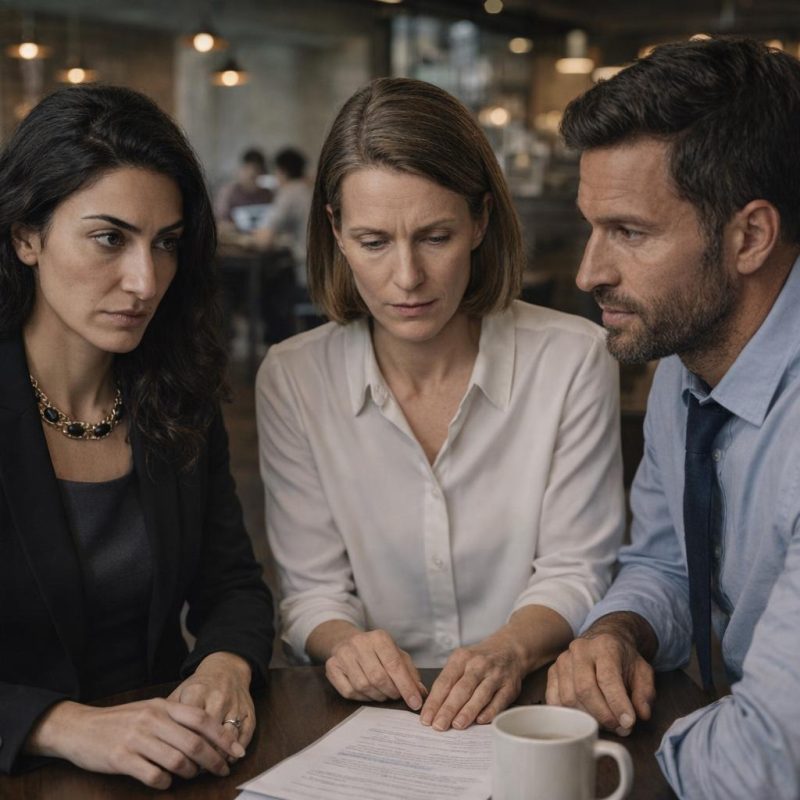 Image by RM AI
Almost There
"Fine," Melissa said finally, her voice barely audible. She stared down at her coffee, not meeting my eyes. "Someone did pay me. You're right about that." My heart hammered in my chest. Derek remained perfectly still beside me, letting me lead. "Who?" I asked. "Who hired you to do this?" She shook her head, and I saw her hands trembling slightly. "I can't tell you that." "Can't or won't?" Derek asked, his tone still calm but with an edge now. "Can't," she insisted, looking up at us with something that looked like genuine fear in her eyes. "You don't understand what you're asking me to do." I leaned forward. "Melissa, I need to know. This person has been systematically trying to destroy my life for months. I deserve to know why." "You do deserve to know," she said quietly. "But if I tell you who's behind this, if I say the name out loud..." She trailed off, wrapping her arms around herself. "What?" I pressed. "What happens if you tell us?" She looked at me then, really looked at me, and I saw something in her expression that made my blood run cold. It wasn't just fear—it was terror. She told me if I knew who was behind this, I'd understand why she was too afraid to say the name.
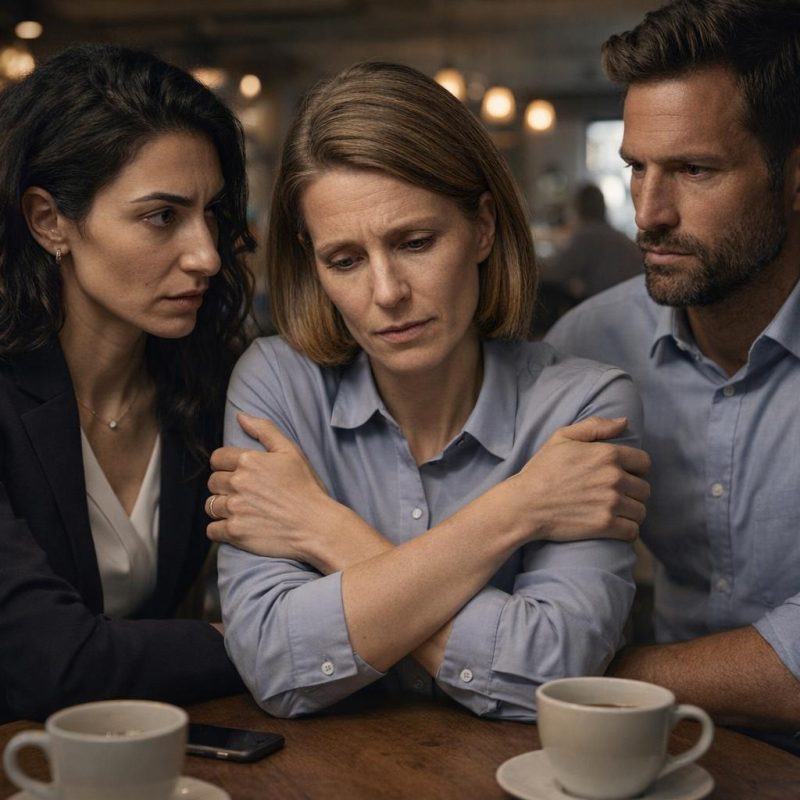 Image by RM AI
The Truth
"Marcus Holloway," Melissa finally said, the name coming out like a confession. "Marcus Holloway hired me." The coffee shop seemed to tilt around me. Derek went very still. "He approached me six months ago," she continued, the words spilling out now like she couldn't hold them back anymore. "Right after your uncle died. He knew you'd inherited something—patent rights to software his company has been using illegally for years. His entire encryption platform is built on technology your uncle developed and patented." I couldn't breathe. Everything was clicking into place with horrible clarity. "He needed you discredited or removed before you discovered what you'd inherited," Melissa said. "Before you realized what the patent was worth, before you could challenge him. That's why he hired me. That's why everything was so... targeted." Derek's hand found my shoulder, steadying me. "The timing," I whispered. "Six months ago. Right when Uncle Richard died." "He'd been watching the patent situation," Melissa confirmed. "Waiting to see who would inherit the rights. When it was you, he needed to act fast. The lunches, the exclusions—it was all designed to isolate you, to make you doubt yourself, to break you down psychologically before you could figure out what you had." I thought about every moment of exclusion, every elaborate lunch ritual, every time I'd felt small and invisible. Every moment of exclusion, every elaborate lunch ritual, had been designed to break me down before I discovered what my uncle had left me.
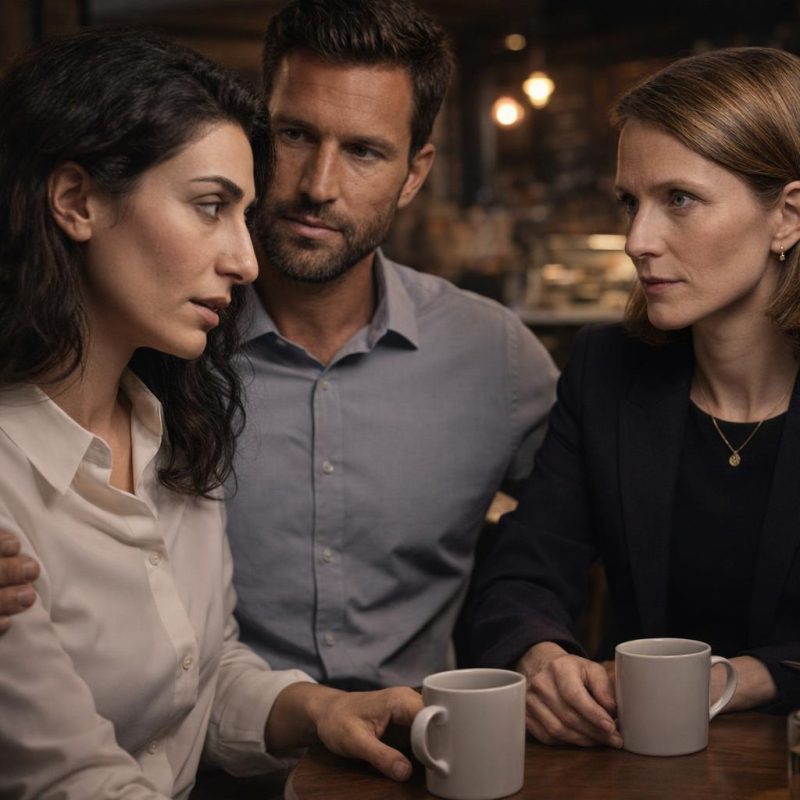 Image by RM AI
Documentary Evidence
"I kept records," Melissa said quietly, reaching into her bag. She pulled out a folder, her hands shaking slightly as she placed it on the table between us. "I knew from the beginning that this could go wrong, that I might need protection. So I documented everything." I opened the folder with trembling fingers. Inside were printed emails, wire transfer receipts, detailed instructions. Derek leaned in, scanning the documents with his analytical eye. The emails were explicit—Marcus's directives about how to isolate me, when to escalate the exclusions, specific instructions about the lunch rituals. The wire transfers showed a clear payment trail, thousands of dollars transferred to Melissa's account at regular intervals. "This is comprehensive," Derek said, his voice tight with controlled anger. "This proves everything." Melissa pulled out a flash drive next, setting it on top of the folder. "There's more on here. Encrypted files, recorded phone conversations I made without his knowledge, additional financial records. Things even I didn't fully understand until I started going through everything this week." I stared at the evidence in front of me, physical proof of the conspiracy that had consumed my life for months. "Why did you keep all this?" I asked. "Insurance," she said simply. "I knew what kind of man Marcus was. I knew I might need leverage someday." She handed me the flash drive, and I closed my fingers around it. She handed me a flash drive and said there was more, things even she hadn't fully understood until now.
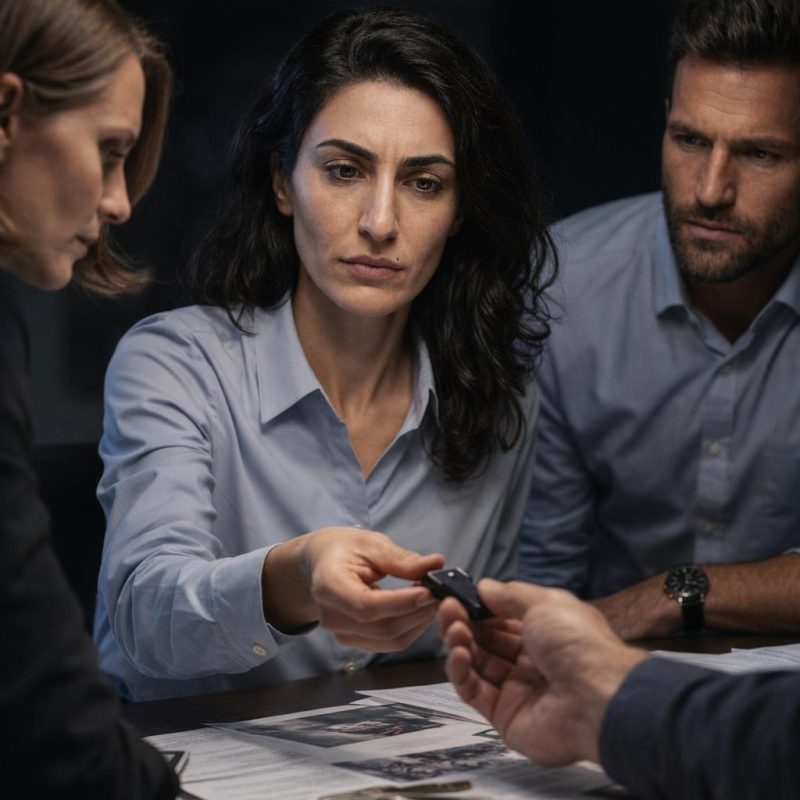 Image by RM AI
The Other Victim
"You need to understand how he found me," Melissa said, her voice cracking slightly. "I had debts. Bad decisions from years ago that I was still paying for. Marcus somehow knew about all of it—he had details about my financial history that should have been private." She pulled out her phone with shaking hands, scrolling through old messages. "He offered to clear my debts if I did what he asked. It seemed simple at first. Just exclude someone from lunches, make her feel unwelcome. I told myself it wasn't that bad." "But it escalated," Derek said quietly. Melissa nodded. "When I hesitated, when I said I wanted to stop, he sent me these." She turned her phone toward us, and I felt my stomach drop. Surveillance photographs. A woman who looked like Melissa, but older, walking with two young children. Outside a school. At a playground. In their own backyard. "My sister's kids," Melissa whispered. "He had people watching them. He sent me these with a message that said accidents happen to children all the time." I stared at the photos, feeling my anger toward Melissa shift into something more complicated. She'd hurt me, yes. But she'd been trapped, coerced, threatened in the most horrific way possible. "I couldn't risk it," she said, tears streaming down her face now. "I couldn't risk their safety. So I did everything he asked." When she showed me the surveillance photographs he'd sent her—photos of her sister's children at their school—I understood why she'd been too afraid to refuse.
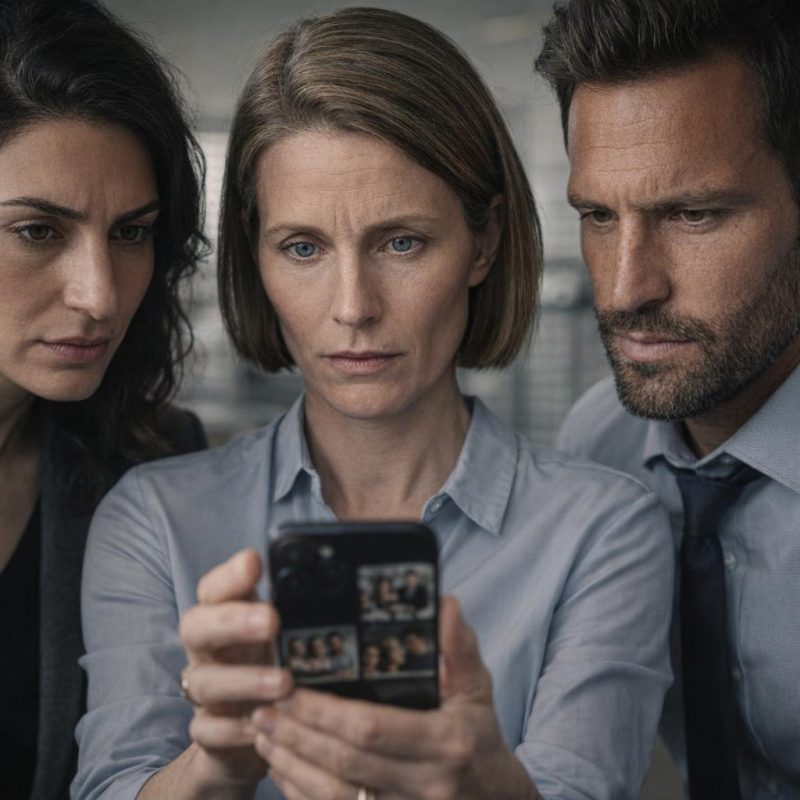 Image by RM AI
Planning the Strike
We stayed at that coffee shop for three more hours, the three of us huddled around the table, building a strategy. Derek had his laptop out, taking notes, organizing the evidence Melissa had provided into a coherent timeline. "We need to move fast," Derek said. "Once Marcus realizes Melissa's talked to us, he'll try to bury everything." I nodded, my mind racing through possibilities. "We need multiple approaches. Legal action, but that takes time. We need something faster." "Media," Melissa suggested quietly. "Make it public before he can silence us. If the story's out there, if people know what he's done, it's harder for him to retaliate without drawing more attention." Derek pulled up contacts for journalists he knew, reporters who covered tech industry scandals. We discussed which evidence to release first, how to protect Melissa from immediate retaliation, how to coordinate everything so Marcus couldn't get ahead of us. "We'll need to file the legal complaints simultaneously," Derek said. "Patent infringement, corporate espionage, harassment. Hit him from every angle at once." Melissa provided details about Marcus's typical response patterns, his legal team's strategies, the ways he'd buried previous accusations. We assigned roles—Derek would handle the legal coordination, I would work with the journalists, Melissa would provide testimony and evidence. The plan took shape over cold coffee and growing determination. We agreed that the only way to protect ourselves was to make everything public before Marcus knew we were coming for him.
 Image by RM AI
Building the Arsenal
Derek and I spread everything across his dining room table around midnight—printed emails, patent documents, timeline charts, Melissa's recordings. "We need this airtight," he said, adjusting his glasses as he organized files into categories. I took the patent documentation while he handled the corporate communications. We created a master timeline, color-coded by type of evidence, showing exactly when Marcus had accessed my uncle's patent and when his product launched. Every claim needed three sources of verification. Every date needed documentation. Derek built spreadsheets linking each incident back to Marcus with clear chains of evidence. Around three a.m., we started creating different versions—one for journalists who needed the story in plain language, one for lawyers who needed legal precision, one for patent authorities who needed technical specifications. My eyes burned from screen glare, but we kept going. Derek made backup copies on three different drives, uploaded encrypted versions to secure cloud storage. "If something happens to us, this still gets out," he said quietly. By the time dawn light started filtering through his windows, we had a case file that documented everything—the theft, the cover-up, the intimidation, the systematic destruction of anyone who got in Marcus's way. I looked at the completed presentation and felt something shift in my chest. We had enough evidence to destroy Marcus Holloway's reputation completely—if we could get anyone to listen before he destroyed us first.
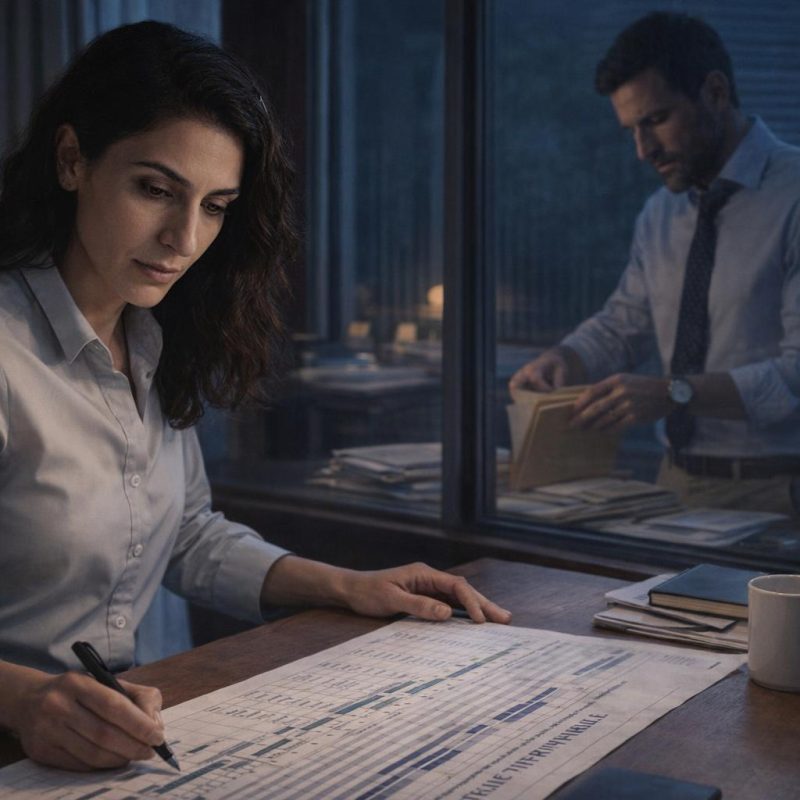 Image by RM AI
He Knows
My phone rang at seven a.m., Melissa's name flashing on the screen. "He knows," she said immediately, her voice shaking. "Marcus called me an hour ago. He knows I talked to you." I put her on speaker so Derek could hear. "What did he say?" "He asked what I'd told you. Not if I'd talked to you—what I'd told you. Like he already knew for certain." Her breath came fast and shallow. "He said you have twenty-four hours to forget everything you've learned. All three of us. Twenty-four hours to walk away and never mention any of this again." Derek leaned closer to the phone. "Or what?" "Or he makes sure none of us ever work again. Those were his exact words. He said he has documentation ready to file showing I violated NDAs, that you two engaged in corporate espionage, that we're all liars trying to extort him." She was crying now. "He said he'd bury us so deep we'd never surface. He has lawyers on retainer, connections everywhere, unlimited resources. He said twenty-four hours, and then he's done being reasonable." I looked at Derek, saw my own fear reflected in his face. Marcus wasn't bluffing—he was already moving against us, and we had less than a day to act before he made good on every threat.
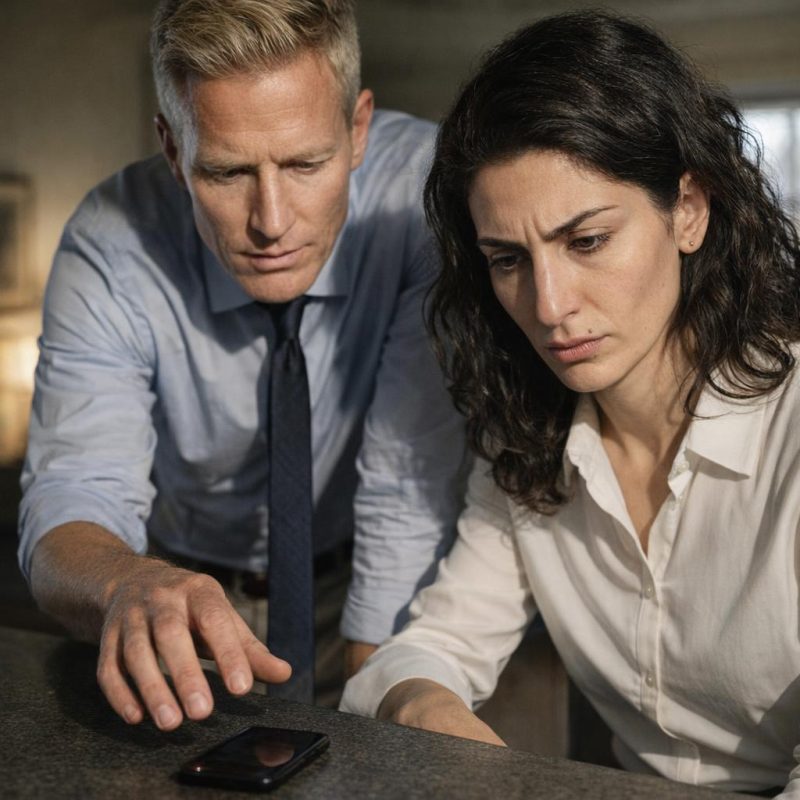 Image by RM AI
Face to Face
The knock on my apartment door came at nine that evening. I looked through the peephole and my stomach dropped. Marcus Holloway stood in my hallway, silver hair perfectly styled, expensive suit immaculate even at this hour. I opened the door because not opening it felt more dangerous. "Sarah," he said, his smile warm and practiced. "We need to have a conversation about the future." He didn't ask to come in—just walked past me into my living room like he owned it. Up close, he was exactly as commanding as I'd imagined, filling the space with casual authority. "I respect what you're trying to do," he said, turning to face me. "Your uncle's work was impressive. You're impressive. This whole situation is unfortunate." He pulled an envelope from his jacket. "So I'm here to make this right. Five million dollars. Immediate payment. You sign an NDA, drop any patent claims, and we all move forward. You'll never have to work again if you don't want to." I stared at the envelope. Five million dollars. Life-changing money. "And if I don't take it?" His smile didn't change, but something cold flickered in his eyes. "Then we have a fight that destroys everything you have left. Your reputation, your career, your relationships. I have resources you can't imagine. This offer expires when I walk out that door." I thought about my uncle, about Melissa, about everyone else Marcus had crushed. "Get out of my apartment." He offered me a choice—wealth for life, or a fight that would cost me everything—and I chose the fight.
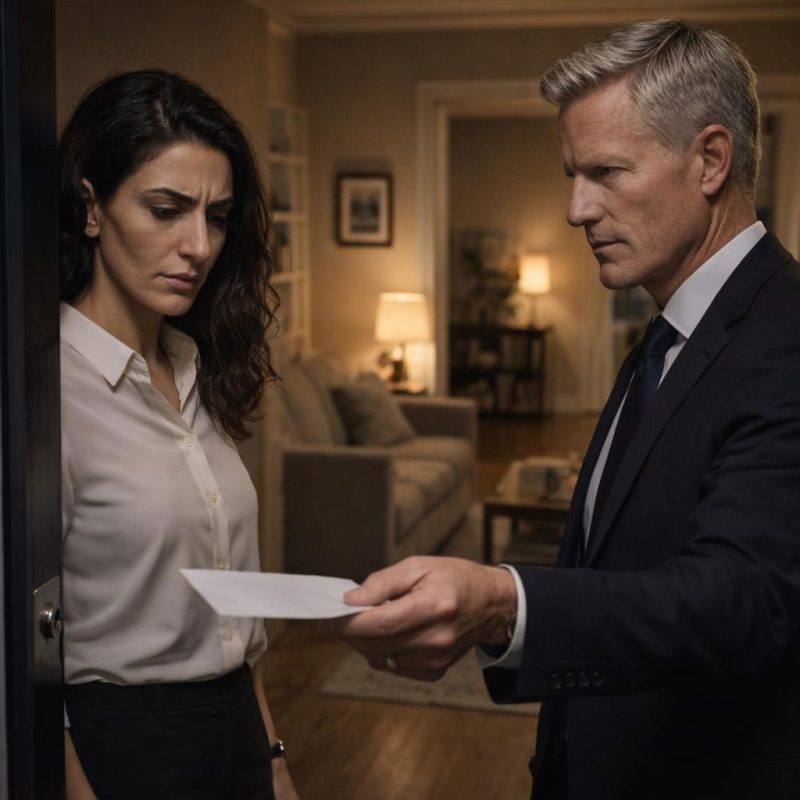 Image by RM AI
The Smear
The first article appeared online at six a.m. "Former Tech Employee's Concerning Behavior Raises Questions." By noon, there were five more, each one worse than the last. Anonymous sources claimed I'd been fired from previous jobs for instability. Former colleagues I'd never heard of described erratic behavior. Someone had leaked medical records—fake ones—suggesting psychiatric treatment. Melissa called in tears. Articles about her painted her as a disgruntled employee with a history of making false accusations. Personal details about her divorce, her finances, her therapy sessions—all twisted into weapons against her credibility. Derek forwarded me screenshots from professional networks where people were sharing posts questioning our mental health, our motives, our truthfulness. Then my mother called. "Honey, are you okay? Mrs. Patterson from church said someone told her you'd been hospitalized for a breakdown. She was so worried." My hands shook holding the phone. "Mom, that's not true. None of it's true." "I know, sweetheart. I know. But why would someone say that?" I knew exactly why. Marcus was showing me the full scope of what he could do—how thoroughly he could dismantle someone's life with just phone calls and money. He was trying to break me before the real fight even started. But watching my mother's confusion, seeing Melissa's tears, reading the lies spreading across the internet—it didn't make me want to quit. It made me absolutely certain I'd made the right choice refusing his blood money.
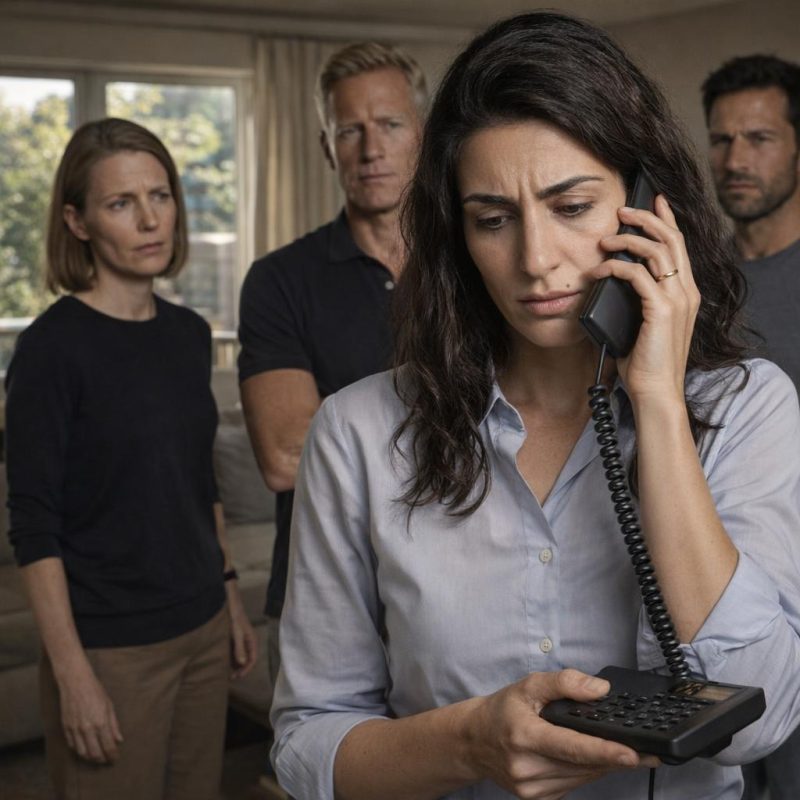 Image by RM AI
Legal Warfare
The intellectual property attorney's office had floor-to-ceiling windows overlooking the city. Catherine Reeves was fifty-something, sharp-eyed, with a reputation for taking on powerful defendants. She spent two hours reviewing every document Derek and I had compiled. Finally, she looked up. "This is one of the strongest patent infringement cases I've seen in twenty years," she said. "Your uncle's documentation is meticulous. The timeline is clear. The technical similarities are undeniable." Relief flooded through me. "So we can win?" "We can absolutely win. But you need to understand what you're up against." She pulled out a legal pad. "Marcus Holloway will throw everything at this. He'll file countersuits, drag this through appeals, try to bankrupt you with legal fees before we ever get to trial. He'll attack your credibility, your uncle's credibility, every piece of evidence we present." Derek leaned forward. "How do we protect against that?" "We move fast and we go public. File everything simultaneously—patent infringement, corporate espionage, fraud. We make this too big for him to bury quietly." She started outlining strategy, discussing contingency fee arrangements, explaining the legal timeline. For the first time since this nightmare began, I was sitting across from someone with real institutional power who believed me. Someone who could actually fight Marcus on his level. Catherine smiled slightly as she organized our evidence into legal filing folders. "He's going to fight back with every resource he has," she warned. "But for the first time since this began, I felt like I might actually win.
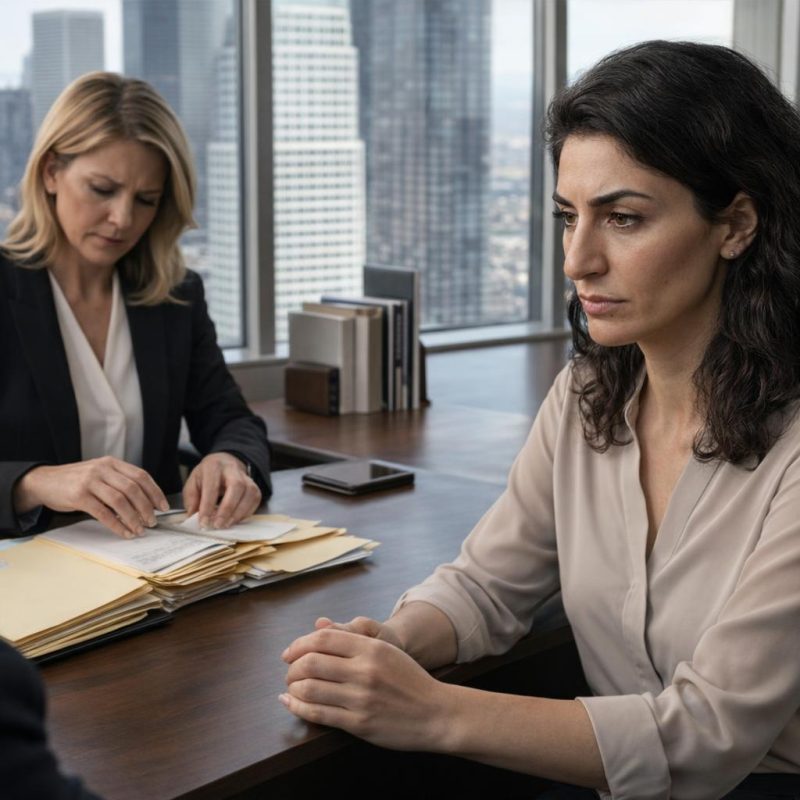 Image by RM AI
Authenticated
Three weeks later, the envelope from the patent office arrived at Catherine's office. She called me immediately. "Get down here. Now." Derek and I rushed over. Catherine had the official authentication report spread across her conference table, and she was actually smiling. "The patent office confirmed your uncle's original filing predated Marcus's product launch by eighteen months," she said. "Not similar—identical. The technical specifications match down to the algorithm architecture." She showed us the independent expert analysis. Three separate technology consultants had reviewed both patents and concluded the technology was the same. Not inspired by, not similar to—the exact same proprietary system. "They also found something interesting," Catherine continued. "Marcus's company requested access to your uncle's patent file six months before their product announcement. There's a documented record of the request and approval." Derek whistled softly. "So we can prove he saw it." "We can prove he studied it extensively before launching a product using identical technology." Catherine pulled out updated legal filings. "His entire defense was going to be that he developed this independently, that any similarities were coincidental. This authentication destroys that argument completely." She looked at me directly, her smile widening. "When this report came through, I knew Marcus Holloway had just lost his best possible defense. We've got him."
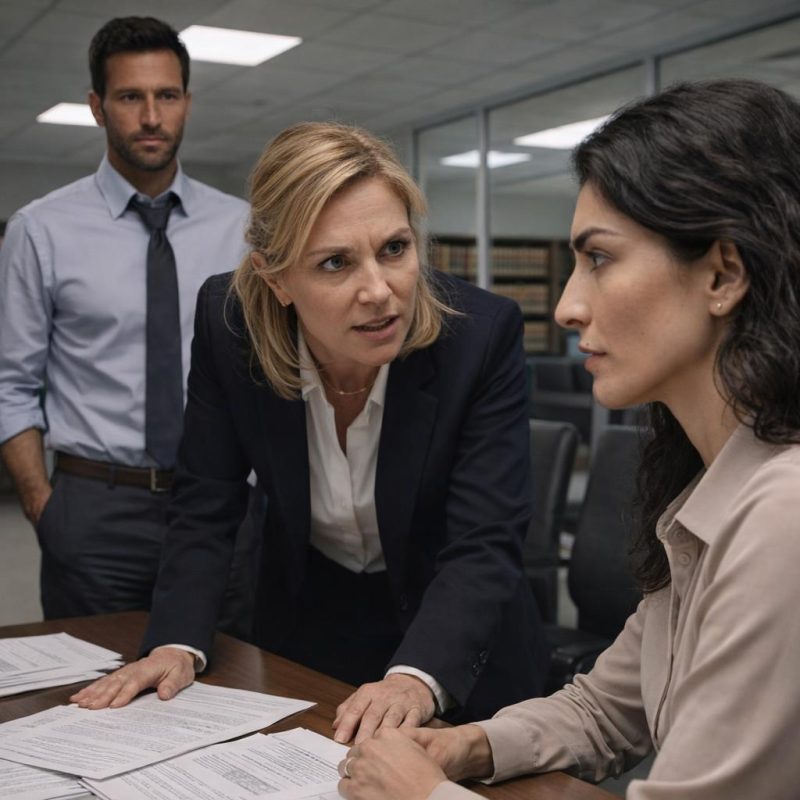 Image by RM AI
Not Alone
The calls started coming in two days after our legal filing became public record. Catherine's assistant forwarded the first message—a woman named Jennifer who said she'd seen the news coverage and had her own story about Marcus Holloway. Then two more people contacted us within hours. Catherine arranged a conference call with all three. Jennifer went first. "He stole my software design in 2015. Offered me a consulting contract, got access to my code, then launched his own version six months later. When I threatened to sue, his lawyers buried me in paperwork until I couldn't afford to continue." The second caller, Robert, described an almost identical pattern from 2018. The third, Amanda, from 2020. Each story the same—Marcus identifying promising technology from independent developers, gaining access through legitimate-seeming business relationships, then taking what he wanted and using his resources to silence anyone who objected. "I have documentation," Jennifer said. "I kept everything, even after I signed the settlement. I was too afraid to use it alone, but if you're already fighting him..." Catherine was taking notes rapidly. "How far back does this go?" "I've been researching since I saw your case," Amanda said. "I found references to similar complaints going back to 2011. Maybe earlier. He's been doing this for over a decade, building his entire empire on technology he took from people who couldn't afford to fight him." I sat there stunned, realizing I wasn't just one victim—I was part of a pattern spanning years, maybe dozens of people whose work Marcus had stolen and whose lives he'd destroyed to cover his tracks.
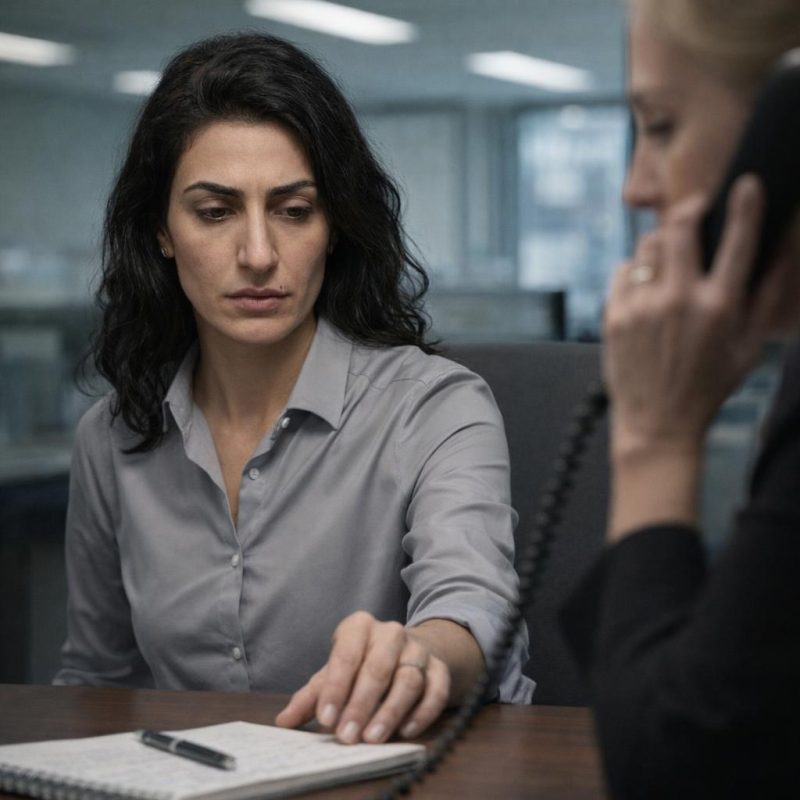 Image by RM AI
Public Reckoning
The investigative report aired on a Tuesday night at eight p.m. on one of the major networks. Derek, Melissa, and I watched together at my apartment as the journalist laid out everything—the timeline of stolen patents, the pattern of intimidation, the multiple victims spanning over a decade. They showed my uncle's patent documents side by side with Marcus's product specifications. They interviewed Jennifer, Robert, and Amanda on camera. They displayed the authentication report from the patent office. Forty-three minutes of devastating, documented evidence broadcast to millions of viewers. My phone started buzzing immediately—friends, former colleagues, people I hadn't heard from in years. The story was everywhere within an hour. Social media exploded. News sites picked it up. Marcus's company stock started falling in after-hours trading. By morning, it had dropped thirty-seven percent. Marcus released a statement calling the report "a coordinated attack by disgruntled individuals seeking financial gain" and denying all allegations. But when reporters cornered him outside his office and asked specifically about my uncle's patent—about the authenticated timeline, about his company's documented access to the filing—he stammered. His prepared talking points fell apart. He had no answer for the specific evidence, just vague denials that sounded hollow even to his own ears. I watched the video of that moment over and over, seeing Marcus Holloway finally exposed, finally caught, finally unable to charm or threaten or buy his way out of the truth.
 Image by RM AI
Justice Served
The indictment came down three days after the investigative report aired. Federal prosecutors charged Marcus Holloway with seventeen counts—patent infringement, fraud, witness intimidation, obstruction of justice. I watched the press conference with Derek, both of us sitting on my couch as the U.S. Attorney laid out each charge methodically, clinically. The company's board held an emergency meeting that same afternoon. By four p.m., they'd voted unanimously to remove Marcus from all positions effective immediately. His assets were frozen. His access revoked. Everything he'd built through decades of theft and intimidation was crumbling in real time. The news coverage was relentless—every channel showed the same footage on loop. Marcus being processed at the federal courthouse, his expensive suit looking somehow diminished under the harsh fluorescent lights. Marcus leaving in handcuffs, his face carefully blank but his eyes betraying something that looked like genuine fear. That evening, Derek and I watched the six o'clock news together. They showed new footage—Marcus being escorted from his own building by federal agents, walking past the lobby where he'd once commanded absolute authority. Employees lined the hallway, silent, watching. No one looked away. No one pretended not to see. I felt Derek's hand find mine as we watched Marcus disappear through the glass doors, flanked by agents, his empire reduced to nothing but evidence in a criminal case. Watching him escorted from his own building by federal agents on the evening news, I finally let myself believe it was truly over.
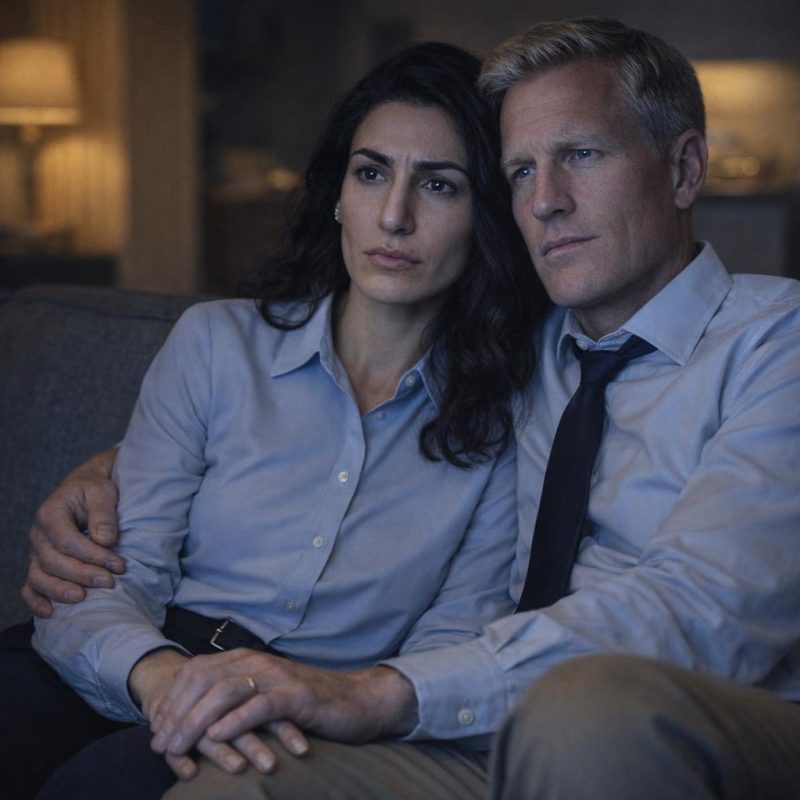 Image by RM AI
Coming Home
Walking back into the office felt surreal. I'd been gone for weeks—first on administrative leave, then during the investigation, then just because I couldn't face it yet. Amanda had called personally to ask me to come back, to tell me everything had been resolved, that my job was secure and my reputation restored. Still, my hands shook as I pushed through the lobby doors. The elevator ride up felt endless. But when I stepped onto our floor, I saw them immediately—flowers covering my desk. Bouquets and arrangements in every color, cards tucked between the stems. People looked up as I walked through. Someone started clapping. Then someone else. Then the whole department was applauding, and I had to bite my lip hard to keep from breaking down right there. Amanda was waiting by my desk, her usual careful composure softened by something that looked like genuine regret. "I owe you an apology," she said quietly. "We failed you. I failed you. We should have listened, should have investigated, should have protected you instead of doubting you." Lisa was there too, tears already streaming down her face as she hugged me. Derek stood near the back, smiling that steady smile that had gotten me through so many dark moments. My coworkers gathered around, expressing support, sharing their own regrets about not speaking up sooner. The validation felt overwhelming—proof that I hadn't been crazy, hadn't been paranoid, hadn't imagined any of it. When my coworkers started clapping as I reached my desk, I had to look away so they wouldn't see me crying.
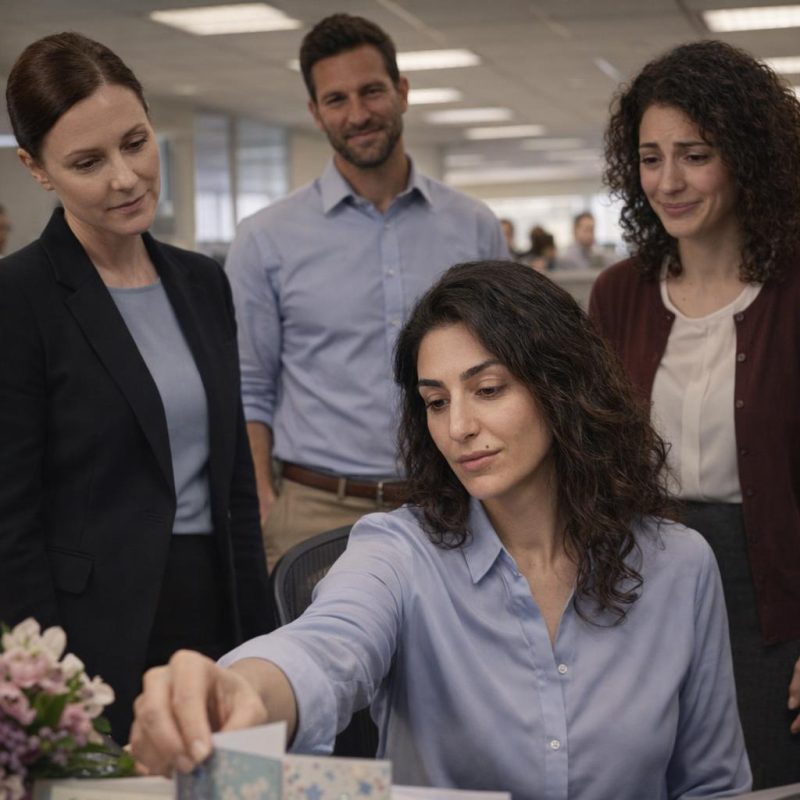 Image by RM AI
Forgiveness
Melissa's plea hearing was scheduled for a Thursday morning. I didn't have to go—the prosecutors had everything they needed from me already. But something pulled me there anyway, some need to see this through to the end. Derek came with me, sitting beside me in the courthouse hallway as we waited. The hearing itself was brief. Melissa pleaded guilty to conspiracy and obstruction in exchange for her full testimony against Marcus. The judge accepted the plea, noting the coercive circumstances that had led to her involvement. When she emerged from the courtroom, her lawyer beside her, she looked smaller somehow. Diminished. Her perfect styling was gone—just simple clothes, minimal makeup, her blonde hair pulled back plainly. She saw me and stopped. For a long moment, we just looked at each other across that hallway. Then I stood and walked over. "I understand why you did it," I told her quietly. "I know he threatened you. I know you felt trapped." Her eyes filled with tears. "I'm so sorry. For everything. For every lunch I 'forgot,' every doubt I planted, every moment I made you question yourself. I was terrified of him, but that doesn't excuse what I did to you." "No," I agreed. "But it explains it. And I forgive you." She thanked me with tears streaming down her face and said she hoped someday she could find a way to truly make things right.
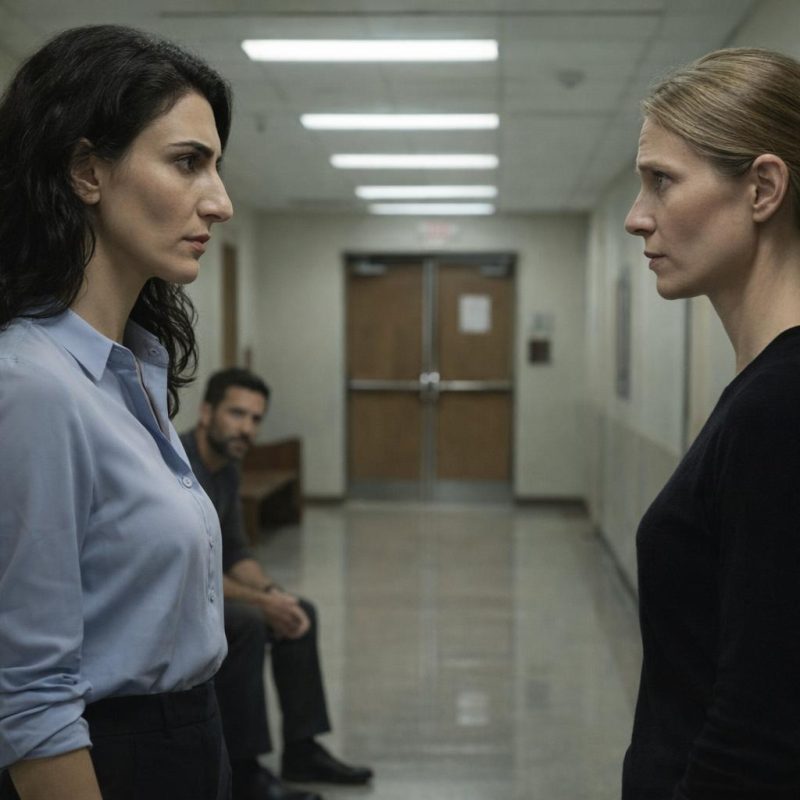 Image by RM AI
New Beginning
The settlement papers were thick—page after page of legal language that boiled down to something simple: I owned my uncle's patent now. Completely. Along with substantial compensation for everything Marcus had stolen, everything I'd endured. I signed each page carefully, Derek sitting beside me in the lawyer's office, both of us quiet as I initialed and dated and made it official. When I walked out of that building into the afternoon sunlight, something felt different. Lighter. I'd spent months looking over my shoulder, jumping at shadows, questioning every interaction and every motive. I'd doubted myself, doubted my perceptions, doubted whether anyone would ever believe me. But I'd been right. About all of it. And I'd fought back. I'd gathered evidence, built a case, found allies, and refused to let Marcus Holloway intimidate me into silence. The scared, self-doubting woman who'd watched her lunch disappear that first day felt like someone from another lifetime. I was still me—still observant, still careful, still empathetic. But I was stronger now. Certain of my own judgment. Confident in my ability to stand up for what was right, even when it cost me everything. Derek took my hand as we walked toward the parking garage. "You okay?" he asked. "Yeah," I said, and meant it. For the first time in months, I didn't look over my shoulder when I left the building—I just walked forward.
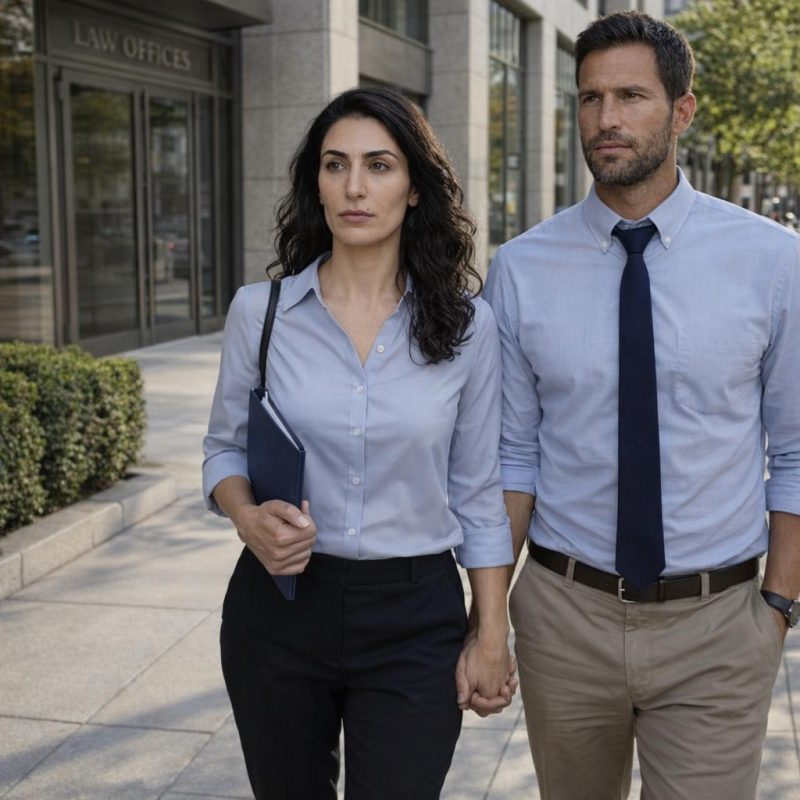 Image by RM AI
KEEP ON READING

20 Women Who Had To Pretend To Be Men To…
Hidden In Plain Sight. History has a way of making…
By Cameron Dick May 4, 2026
20 Legendary Love Stories From History That Might Not Actually…
Love Stories Are Sometimes Better at Traveling Than Facts. History…
By Emilie Richardson-Dupuis May 4, 2026
20 Legendary Cases Involving The Pinkerton Detective Agency
The Original Detective Agency. Long before the FBI existed, the…
By Sara Springsteen May 4, 2026
20 Mischievous Maidens Who Pulled The Strings Through Their Men
The Real Power Behind the Throne. History books often spend…
By Sara Springsteen May 4, 2026
The 20 “Ugliest” Historical Figures
Beauty, Power, and the Brutal Standards of the Past. History…
By Annie Byrd May 4, 2026
The 20 Most Devastating Betrayals In History
Betrayal has shaped some of the most important moments in…
By Noone May 4, 2026