

My Cat Started Hissing at the Pantry Every Night at 11 PM—What I Found Under My Kitchen Floor Made Me Never Want to Go Home Again
My Cat Started Hissing at the Pantry Every Night at 11 PM—What I Found Under My Kitchen Floor Made Me Never Want to Go Home Again
The Bookshelf Queen
I have a very specific idea of a perfect evening, and it goes like this: oversized sweater, sofa cushions arranged just so, a true-crime docuseries queued up, and a cup of tea going cold on the end table because I always forget about it until it's undrinkable. The cottage is old enough to have its own personality — creaky floorboards, radiators that clank like they're filing a complaint, walls that hold the warmth in a way newer builds never quite manage. I'd lived here five years and the place had shaped itself around my habits, or maybe I'd shaped myself around it. Either way, it fit. Luna had her own opinion about the evening arrangement, which was that the sofa was fine but the top shelf of the bookcase was better. Every night, right around the time the opening credits rolled, she'd make her move — a single fluid leap from the armrest to the middle shelf, a brief pause for recalibration, and then up to the highest point in the room. She'd settle there with her charcoal paws tucked under her chest and her bright green eyes half-closed, surveying the room like a small, judgmental empress. I never got tired of watching her up there, that sleek dark shape against the spines of paperbacks I kept meaning to reread, keeping quiet watch over everything below.
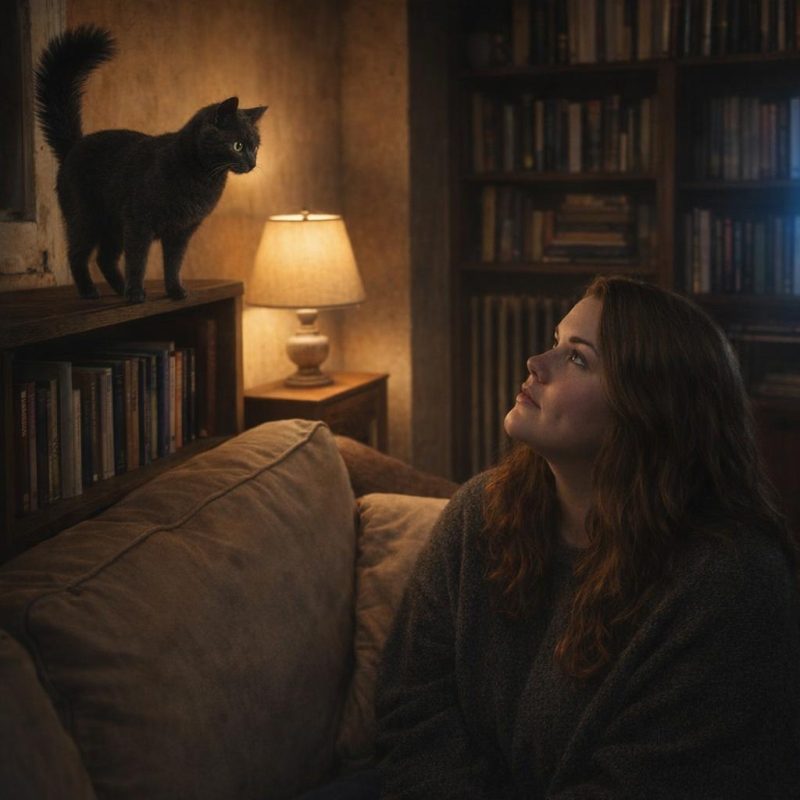 Image by RM AI
The Vacuum Incident
Saturday cleaning was a negotiation in this house, and Luna's terms were non-negotiable: she would not be in the same room as the vacuum cleaner. Not in the same hallway. Possibly not on the same plane of existence. It started the moment I opened the utility closet — her ears went flat before I'd even touched the handle, like she had some kind of sonar for impending domestic chores. By the time I pulled the vacuum out, her tail had already puffed up to roughly the diameter of a toilet brush. I hadn't even plugged it in yet. The second the motor turned over, she was gone — a grey streak disappearing around the corner and under my bed, where she would remain in silent protest for the foreseeable future. I vacuumed the whole flat talking to her through the bedroom door, which I'm aware is a completely unhinged thing to do. 'It's almost done,' I told her. 'You're being dramatic.' She did not respond. She did not emerge when I finished. She did not emerge for forty minutes after I'd put the vacuum away, coiled the cord, and closed the closet door. I'd read that rescue cats could be sensitive to sounds and vibrations, that it sometimes traced back to things that happened before you knew them. I tried to keep that in mind. Then I turned the motor on for one last corner, and Luna's claws hit the floor running before I'd even finished the thought.
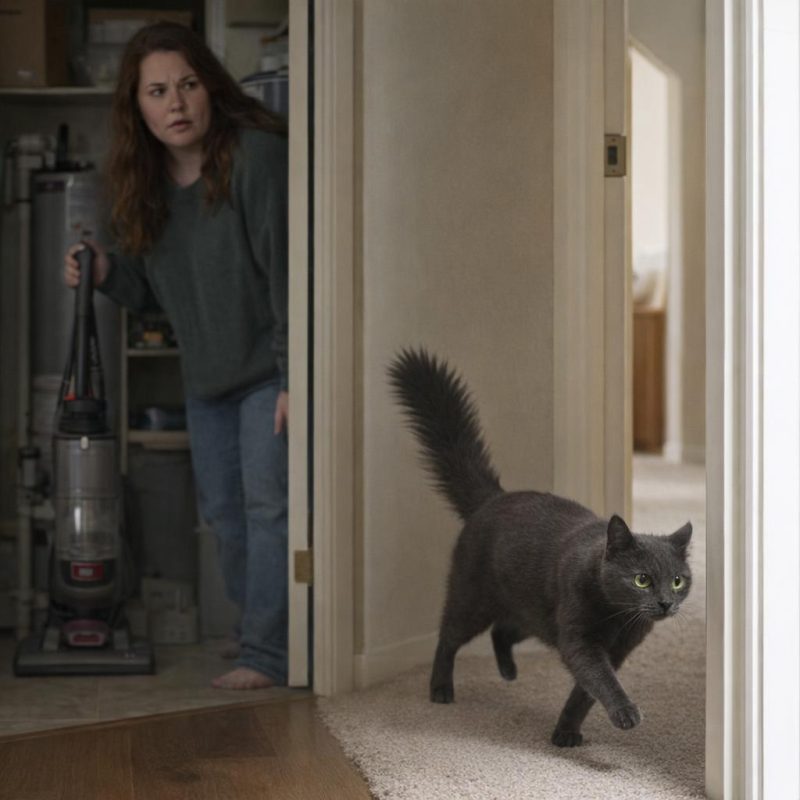 Image by RM AI
Eleven O'Clock
It was a Tuesday, I think, or maybe a Wednesday — one of those mid-week evenings that blur together when you work from home. I was on the sofa with my show, Luna draped across the armrest the way she sometimes did when she was feeling sociable, her tail hanging down and twitching at the tip. The episode was getting to the good part, the part where the detective explains what the investigators missed the first time around, and I was fully absorbed. Then Luna went still. Not the lazy, half-asleep still of a comfortable cat — something different, something that happened all at once, like a switch had been thrown. Her ears swiveled back toward the kitchen. Her tail, which had been loose and easy a moment before, puffed out into that bottle-brush shape I recognized from vacuum days. Then came the hiss — low and sustained, aimed directly at the pantry door. I looked up. The microwave clock read 11:00. I muted the TV and went to check the pantry, pulling the door open and peering inside at the shelves of tinned tomatoes and pasta and the bag of rice I kept meaning to use. Nothing. No smell, no movement, no obvious explanation. I stood there for a moment, then shrugged and went back to the sofa. Luna stayed tense for a few more minutes, her eyes fixed on the pantry door, before she slowly, gradually let her fur settle back down. The room was quiet again, and I couldn't quite say why the quiet felt different than it had before.
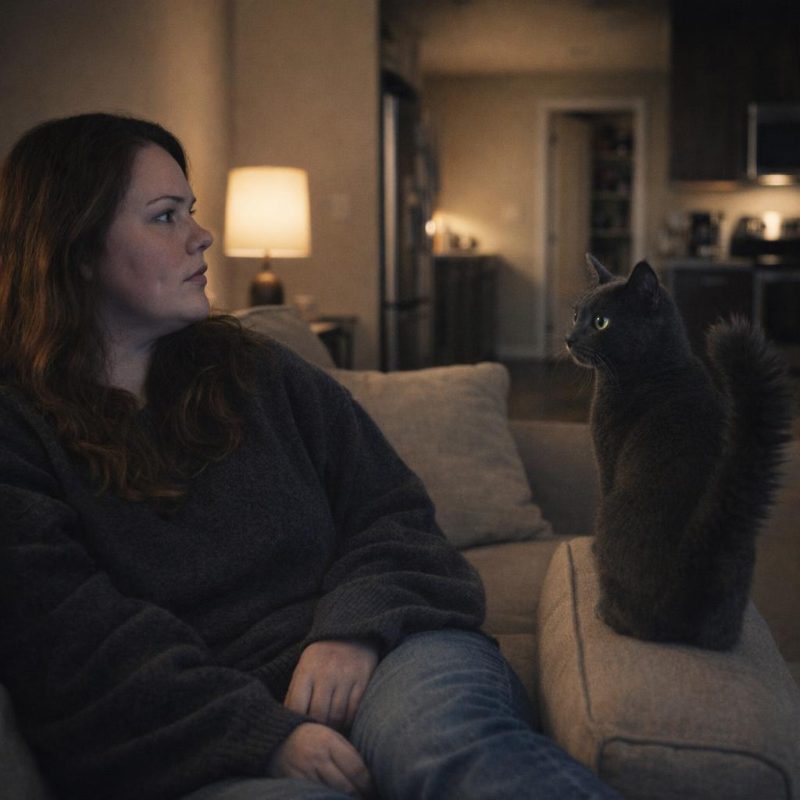 Image by RM AI
The Pattern Begins
The next night it happened again. Same sofa, same show — I'd moved on to the next episode — and Luna was in her usual spot on the armrest. I wasn't thinking about the night before. I was thinking about whether the suspect in the documentary was going to turn out to be the obvious person or the obvious person's less obvious cousin, which is usually how these things go. Then Luna stiffened. Ears back, tail up, the whole performance. Another hiss at the pantry door, low and certain. I felt a flicker of something — not quite alarm, more like mild irritation, the way you feel when your phone does the same glitch twice. I got up, opened the pantry door, and this time I actually moved things around. Shifted the cereal boxes, checked behind the pasta jars, crouched down to look at the baseboards. Nothing. No droppings, no smell, no sign of anything that shouldn't be there. I tried to coax Luna closer, holding my hand out and using the voice I reserved for treats and vet visits. She backed away from the threshold and sat down firmly, like she was making a point. I wondered if she was picking up a smell I couldn't detect — some animal that had been near the building, maybe, or a draft carrying something in from outside. It seemed like the most reasonable explanation. I went back to my show. Luna eventually settled, and the cottage went quiet around us both.
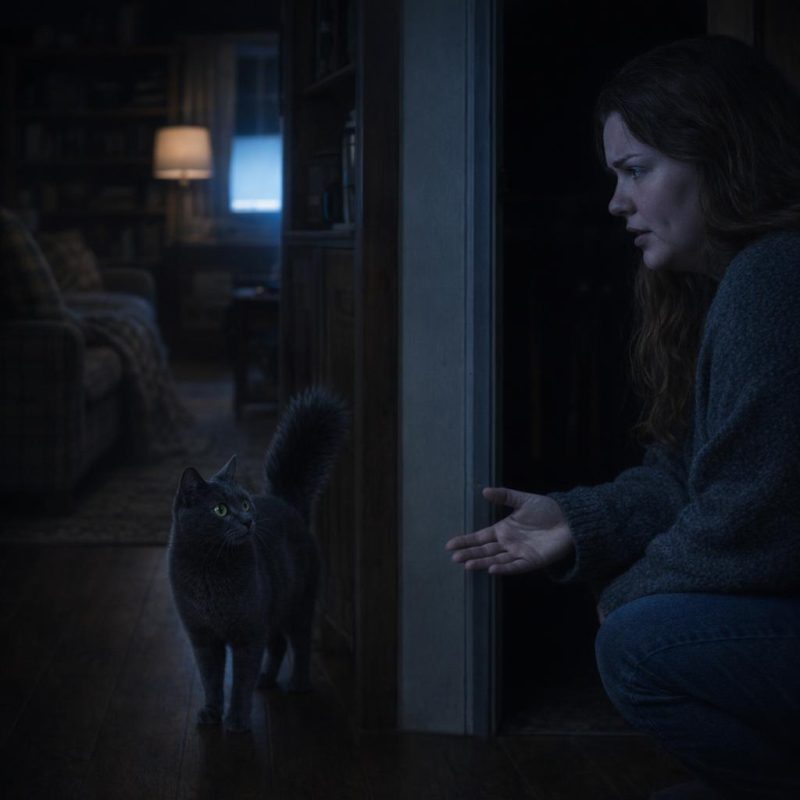 Image by RM AI
The Third Night
By the third night, I was paying attention whether I wanted to or not. I'd told myself it was nothing — twice — and twice Luna had disagreed, loudly, at exactly the same time. So when the evening rolled around and I found myself glancing at the microwave clock more than the television, I decided that if it happened again, I was going to actually look. Not a quick peek and a shrug. A proper look. At 11 PM, Luna stiffened on the armrest right on schedule, tail puffing, hiss aimed at the pantry like she was filing a formal complaint with management. I got up, got my phone, turned on the flashlight, and went through that pantry like I was preparing for a health inspection. I checked every shelf. I ran the light along the baseboards, looking for gaps, droppings, anything that might suggest mice or insects. I pressed my hand to the wall to check for dampness. Everything was dry, clean, and completely ordinary. I crouched down and held Luna near the doorway, thinking maybe if she could just sniff around she'd satisfy whatever instinct was driving this. She went rigid in my arms, claws pressing into my sweater, and I noticed her gaze wasn't moving across the shelves the way a cat tracking a smell or a sound usually would. She was looking down. Specifically, persistently, at the floorboards. I set her down and she backed away immediately, and I stood there in the pantry doorway with my flashlight pointed at perfectly normal-looking wood planks, and I had absolutely no idea what to do with that.
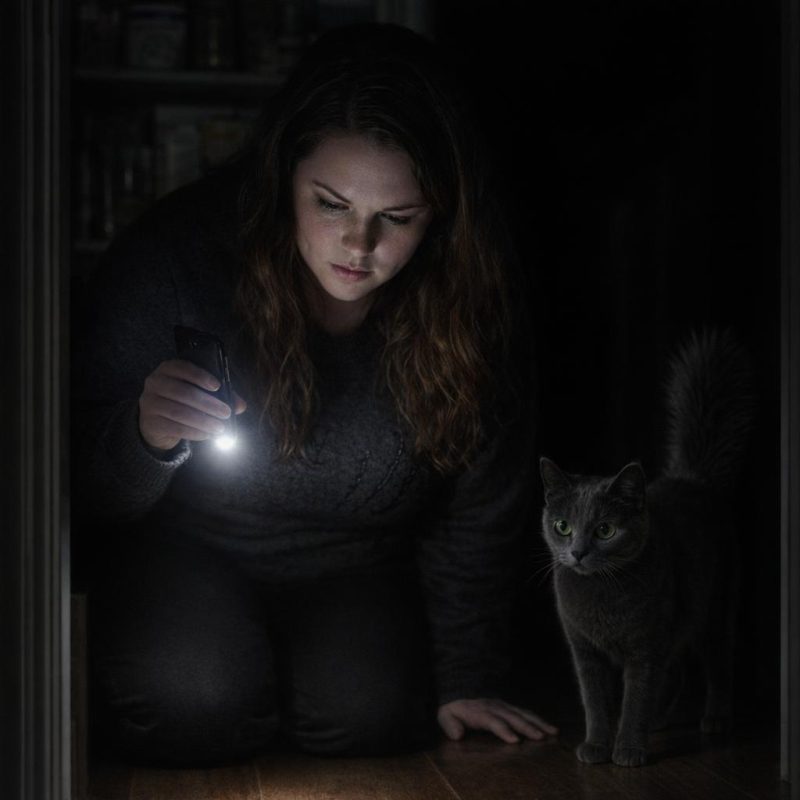 Image by RM AI
The Nightly Appointment
Four nights in a row. I know, because I'd started keeping track in the notes app on my phone the way you do when something stops being a coincidence and starts being a thing. Tuesday, Wednesday, Thursday, Friday — same hiss, same pantry, same rigid tail. By Friday I wasn't even pretending to be absorbed in the documentary. I was watching the clock. Luna was on the armrest, apparently relaxed, and I was sitting there like I was waiting for a bus I already knew was coming. At 10:58 I picked up my phone. At 10:59 Luna's ears began to rotate backward. At 11:00 — not 11:01, not 10:59 — the hiss came, full and directed, aimed at the pantry door with the kind of precision that felt almost mechanical. I checked the microwave clock and then my phone, just to be sure they agreed. They did. Eleven o'clock, on the dot, four nights running. I sat back down and tried to think of a rational explanation. Cats could develop compulsive behaviors, I knew that — I'd read about it in the context of over-grooming and repetitive pacing. Maybe this was something like that. Maybe I should call the vet. I almost talked myself into it, and then I thought about trying to explain this over the phone and decided I wasn't ready to be that person yet. Luna's hissing faded. The pantry door stayed closed. But the number on both clocks — 11:00, exactly — sat in my head and wouldn't quite leave.
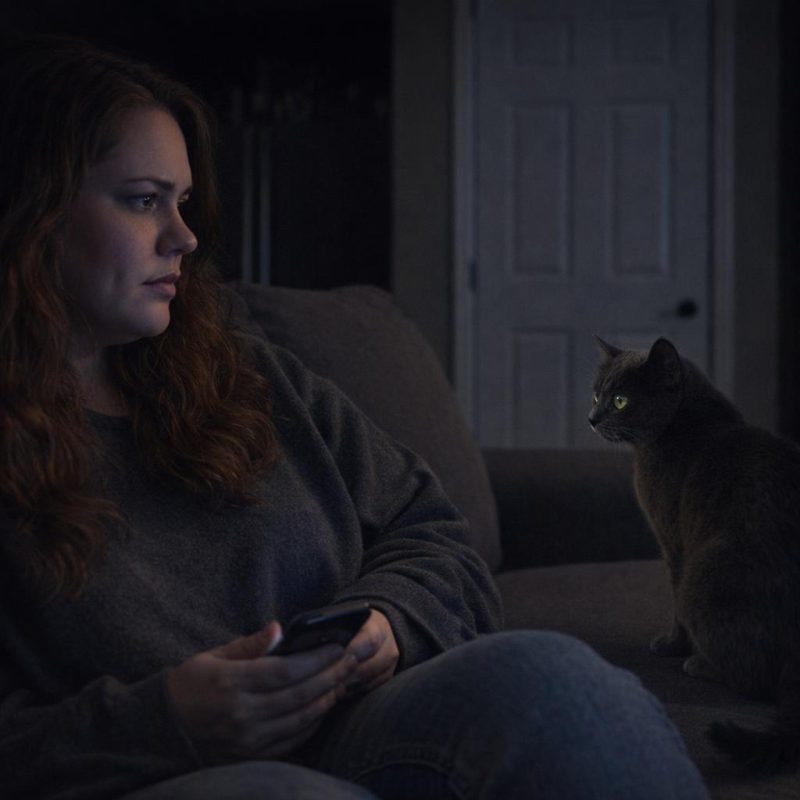 Image by RM AI
The Threshold
On the fifth night I decided to run an experiment, which in retrospect was the kind of decision that sounds reasonable right up until you're standing in your kitchen at 11 PM holding a hissing cat. After Luna's usual performance — ears flat, tail enormous, hiss delivered with full conviction — I picked her up. She tolerated this under normal circumstances. She was not operating under normal circumstances. Her body went rigid the moment I turned toward the pantry, every muscle locking up at once, like she'd been switched to a different setting. I felt her claws press through my sweater into my forearm as I carried her toward the doorway. When we got within about two feet of the threshold she twisted — not a wriggle, a full-body violent rotation — and I had to set her down before she hurt one of us. She landed and immediately put distance between herself and the pantry, backing up in a straight line, eyes fixed forward. I crouched down to her level. Her gaze wasn't moving around the room the way a startled cat's usually does, scanning for the threat. It was locked on one specific point: the floorboards just inside the pantry door. She was trembling slightly, a fine vibration I could see in her fur. I'd had Luna for five years. I'd seen her scared of the vacuum, scared of plastic bags, scared of a particularly aggressive pigeon on the windowsill. This was not that. I reached toward her and she held her ground, staring, while her claws pressed slowly and steadily into the kitchen floor.
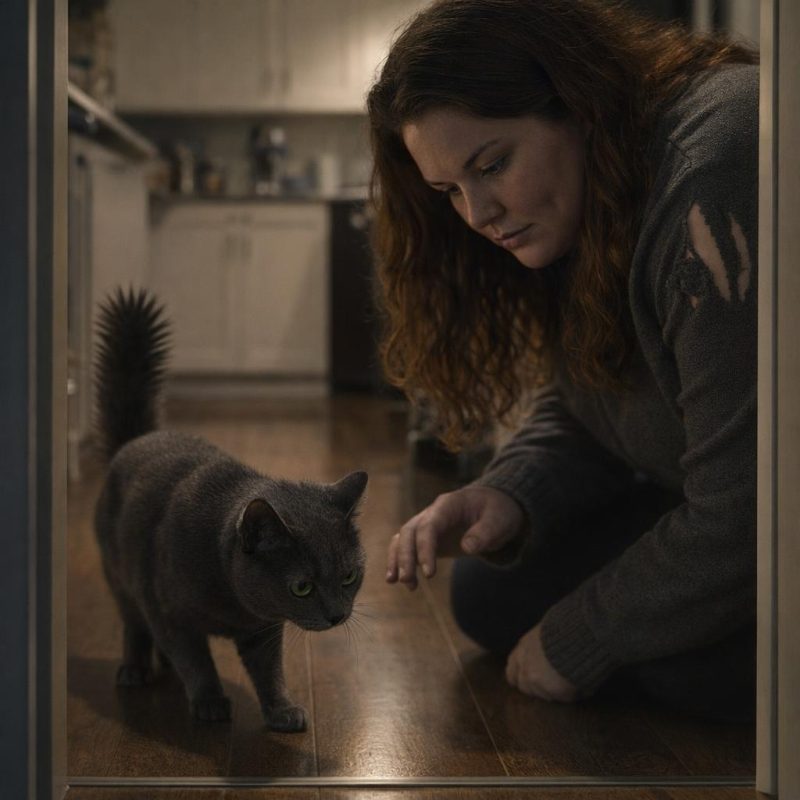 Image by RM AI
The Clockmaker Next Door
After the hissing stopped I sat down on the kitchen floor, back against the cabinet, and let Luna come to me on her own terms. She did, eventually — picked her way across the tiles and settled against my leg, still tense but willing to accept the contact. I stroked her fur and talked to her in the low, even voice that usually helped, telling her she was fine, that the pantry was boring, that there was nothing in there worth this level of drama. I wasn't entirely sure I believed myself, but the words seemed to help her, so I kept going. I'd lived in this cottage for five years, long enough to know its sounds the way you know a person's habits. The radiators, the floorboards, the particular way the wind came through the gap under the back door in winter. And the sounds from next door — Mr. Gable's side of the semi-detached. I'd met him the week I moved in, a thin, precise man in a grey cardigan who'd introduced himself as a retired clockmaker and shaken my hand with the careful formality of someone from a different era. We'd been politely distant neighbors ever since, which suited us both. Through the shared wall came the faint, familiar chime of his grandfather clock marking the half-hour, and then, a few minutes later, the soft rhythmic tap of his small hammer — some repair or restoration project, the kind of careful, patient work he seemed to do most evenings. Luna's breathing slowed under my hand. The tapping continued, steady and unhurried, and the cottage settled around us both.
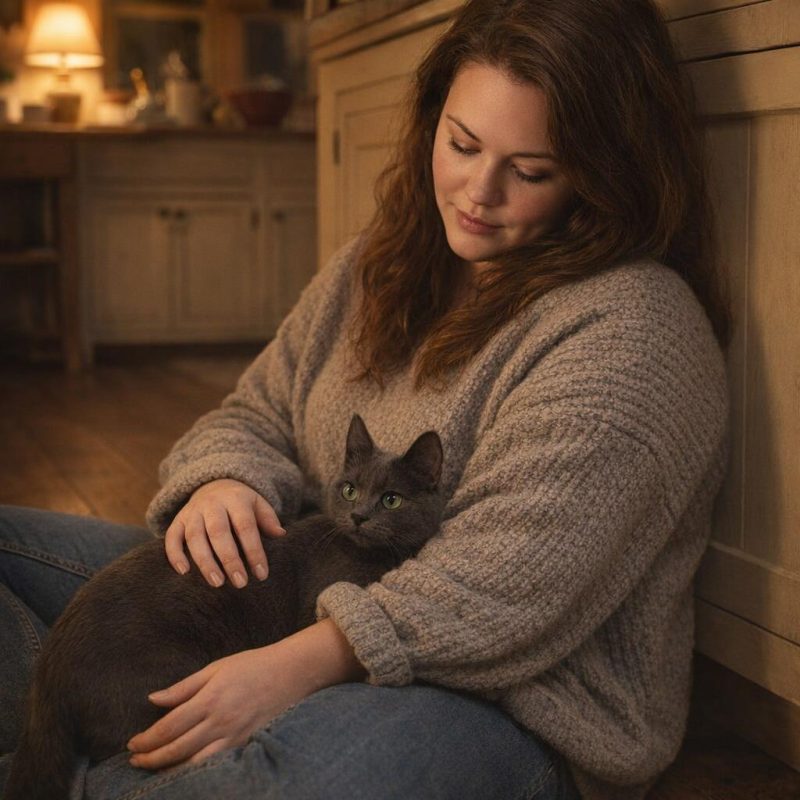 Image by RM AI
The Ritual
Somewhere around the second week, I stopped fighting it. Every night at 11 PM, I'd pause whatever I was watching, pull the blanket off the back of the couch, and wait. Luna would stiffen first — that full-body tension, like someone had flipped a switch — and then the hissing would start, low and directed at the pantry door. I'd wrap the blanket loosely around her if she let me, or just sit nearby if she didn't. The hissing would peak, then taper. She'd back away from the pantry in that stiff-legged way cats have when they're retreating without admitting defeat. Then, gradually, the tension would drain out of her. Ten minutes, give or take. I'd resume my show. We'd both pretend it hadn't happened. I told myself it was just one of those things — like the radiator that clanked every time the heat kicked on, or the way the back gate never latched properly no matter how many times Tom fixed it. Every house had its quirks. Every cat had hers. The blanket stayed folded on the couch cushion now, always within reach, and that felt like enough of an answer for the moment.
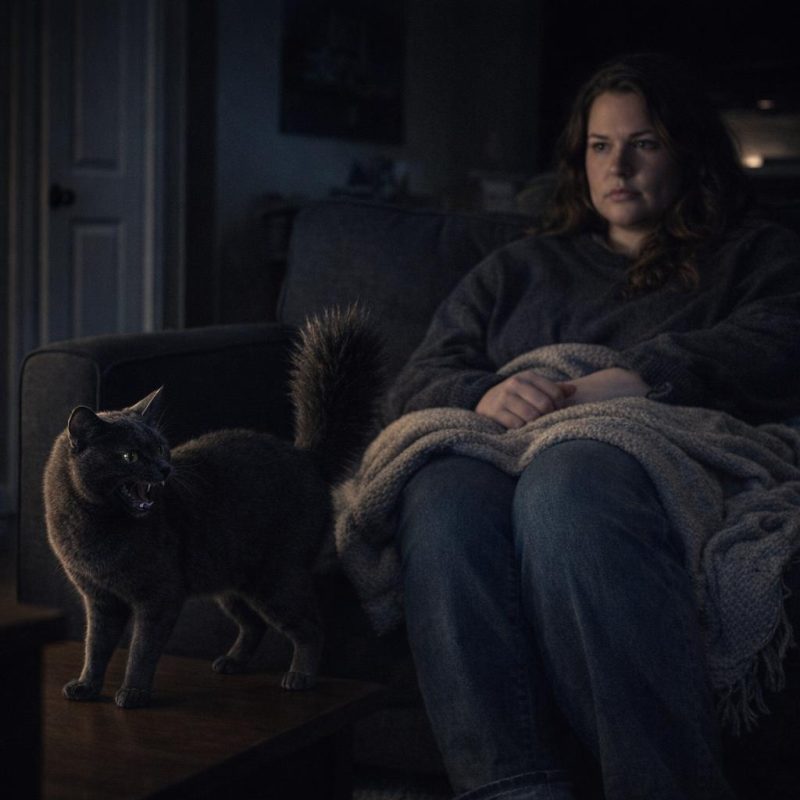 Image by RM AI
The Cost of Sleepless Nights
I'd been running on maybe five hours a night for over a week, and it was starting to show in ways I couldn't ignore. My editing work — the kind that requires you to actually read words and notice when they're wrong — had turned into a blur. I'd stare at a sentence and it would just sit there, refusing to mean anything. I missed a repeated word on page twelve of a manuscript. Then a misplaced apostrophe on page thirty. Small things, the kind I'd normally catch on autopilot. I made coffee at seven in the morning and again at ten and it didn't touch the fog. When the delivery driver knocked and handed me the wrong package, I snapped at him in a way that made me feel terrible for the rest of the afternoon. The dark circles under my eyes had graduated from 'tired' to 'concerning.' Luna, for her part, looked perfectly rested — stretched out in a patch of afternoon sun like she hadn't spent the previous night conducting a one-cat haunting. I was genuinely envious of her. Then I opened my laptop and found an email from my supervisor, subject line flagged with a little yellow star, asking if everything was okay and noting that the last two files had come back with more errors than usual.
 Image by RM AI
The Internet Has Answers
I opened my laptop with the specific energy of someone who has decided the internet will fix this. I typed 'cat hissing at same spot every night exact time' into the search bar and fell down the rabbit hole. There were forums, articles, Reddit threads — a whole ecosystem of people whose cats had also lost the plot. I read about territorial anxiety, stress responses triggered by new scents, the possibility that a neighbor's pet was leaving marks outside that Luna could smell through the walls. I checked whether I'd changed anything in the pantry recently. I hadn't. One article suggested pheromone diffusers. Another recommended calming supplements you could mix into wet food. A forum post — written with great confidence by someone whose username was CatWhisperer1987 — claimed cats could detect electromagnetic fields and were essentially living EMF meters. I bookmarked that one out of a kind of exhausted respect. I read about cats reacting to pipes settling, foundations shifting, rodents in the walls. Some of it was plausible. None of it explained the 11 PM precision, the way Luna's ears moved at almost the exact moment the behavior started, the mechanical regularity of it. Luna herself jumped onto the desk and walked across the keyboard, adding a string of random letters to my search bar, which felt like a review of my research progress. None of the explanations quite fit, and I sat with that inadequacy long after I closed the laptop.
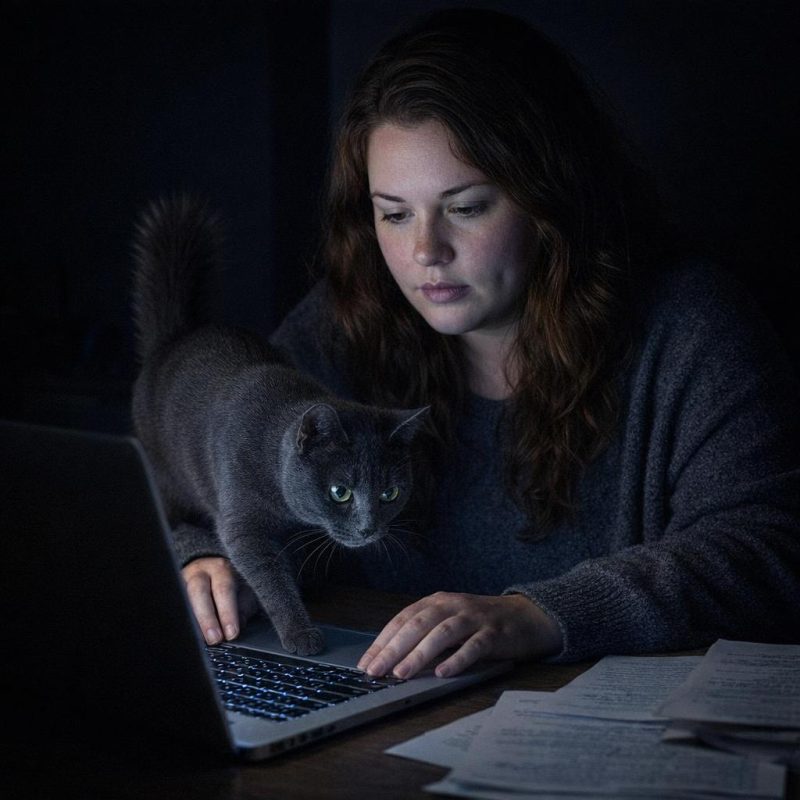 Image by RM AI
The Vet Consideration
I pulled up my vet's number on a Tuesday afternoon and stared at it for a solid five minutes. Luna was on the windowsill at the time, batting at a fly with the focused intensity of an athlete in peak condition. She'd eaten her breakfast, played with the crinkle ball for twenty minutes, and was currently demonstrating zero signs of anything being wrong with her. The problem was that the behavior only happened at 11 PM. I could picture the appointment already — the vet listening carefully, examining a perfectly healthy cat, finding nothing, and handing me a bill that would hurt given that my car had already taken a significant chunk out of my account last month. I did the math. An exam plus any tests they might want to run. It wasn't nothing. And for what? To be told she seemed fine? Luna caught the fly, looked at it briefly, and let it go — the cat equivalent of 'I could destroy you but I won't.' I put my phone down. I told myself I'd monitor for another week. If anything changed — if she stopped eating, if the behavior escalated, if she seemed distressed during the day — I'd call immediately. I promised myself that. Luna jumped down from the windowsill and wound around my ankles, purring, and I decided to wait.
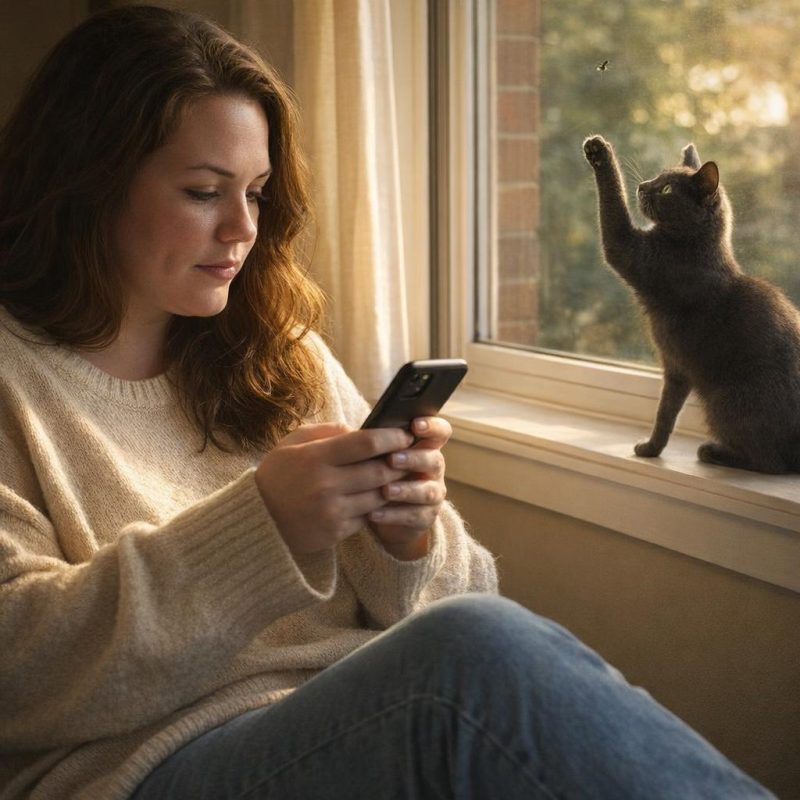 Image by RM AI
The Precision
I started watching the clock. Not obsessively — or at least, that's what I told myself — but with a kind of careful attention I hadn't paid before. I'd position myself on the couch with a clear sightline to both Luna and the kitchen clock, and I'd wait. What I noticed, once I started actually paying attention, was that Luna's ears moved first. Not at 11:01. Not at 10:59. At 11:00, within seconds of the digits changing, her ears would rotate toward the pantry like small satellite dishes picking up a signal. I checked my kitchen clock against my phone. They matched. I checked my phone against the time displayed on my laptop. They matched too. The behavior wasn't approximate. It wasn't 'around eleven.' It was 11:00 PM, with a consistency that felt less like animal instinct and more like something set to a schedule. Animals responded to light cycles, to hunger, to sounds at the edge of human hearing — I knew that. There were reasonable explanations. But reasonable explanations tended to have a little give in them, a little natural variation. This had none. Luna's ears moved, and then the hissing started, and the whole thing unfolded with a regularity that sat wrong with me in a way I couldn't quite name. I lay awake that night long after she'd settled, and the perfection of the schedule was the thing I couldn't stop turning over.
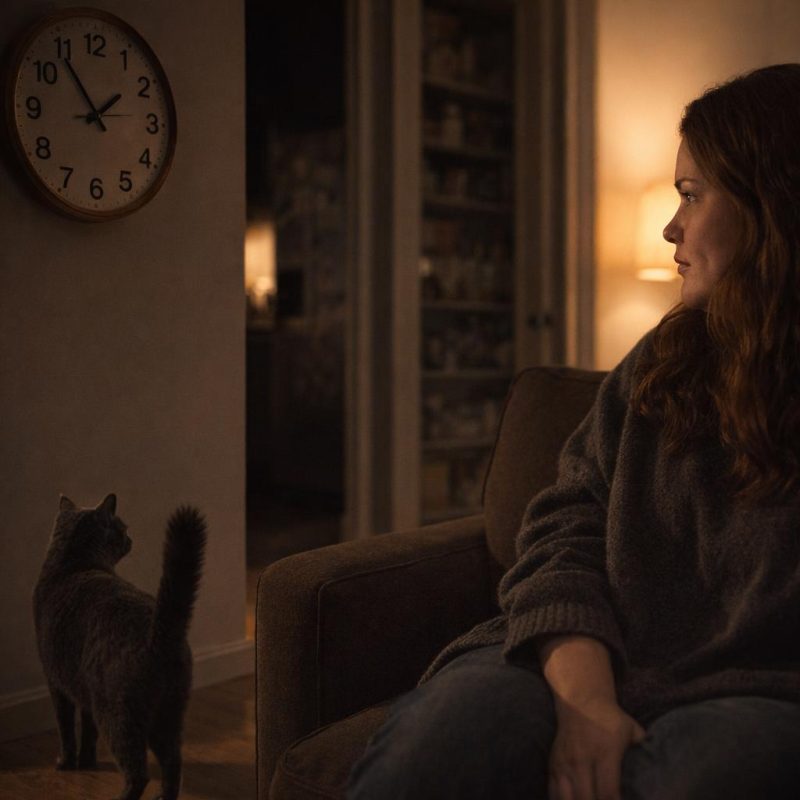 Image by RM AI
The Log
I opened a new note on my phone and titled it 'Luna - Pantry Behavior.' It felt slightly ridiculous, like I was filing an incident report on my own cat, but I did it anyway. That first night I typed: '11:00 PM — ears rotate toward pantry. 11:02 PM — hissing begins, directed at baseboards. 11:05 PM — faint scratching sound, followed by a dull thud. 11:10 PM — silence. Luna gradually relaxing.' The next night I added another entry. Then another. I went back and filled in what I could remember from the previous weeks, reconstructing the pattern from memory. Reading them back in sequence was strange — they were nearly identical, entry after entry, like I'd copied and pasted the same night over and over. The timestamps barely varied. The sequence of sounds barely varied. Luna's behavior barely varied. I told myself the log was practical, that if I did end up at the vet I'd have something concrete to show them rather than just 'she acts weird at night.' It did make the whole thing feel more real, more documentable, less like something I was imagining in a sleep-deprived haze. But it also meant I was now looking at a growing list of identical entries, each one confirming that whatever this was, it was not random, and it was not stopping.
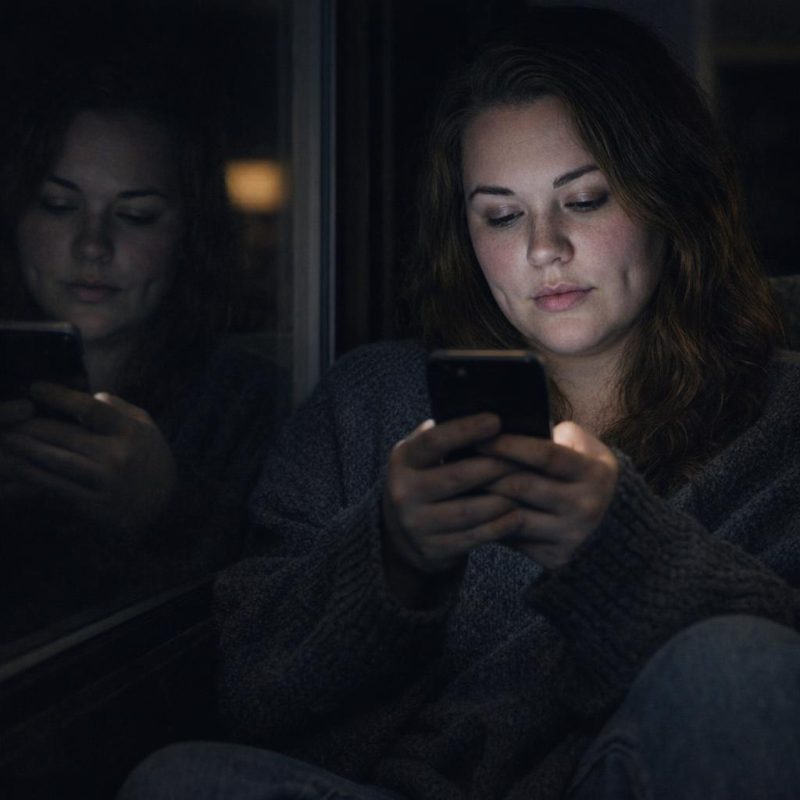 Image by RM AI
Sarah's Skepticism
I met Sarah at the coffee place near her office on a Thursday, and I brought the log. I waited until we'd ordered before I brought it up, which I thought showed admirable restraint. I slid my phone across the table and watched her read it. She scrolled for maybe fifteen seconds — not long enough to get through more than a few entries — and then she looked up at me with the expression she reserves for when she thinks I'm spiraling. 'Em,' she said, in that careful voice, 'how many true-crime documentaries have you watched in the last month?' I told her that was not relevant. She said it was extremely relevant. She pointed out, not unkindly, that I had always had an active imagination, that I'd once convinced myself the upstairs neighbor was a jewel thief based on 'suspicious package deliveries,' and that cats were weird and that was simply a fact of cat ownership. I said this was different. She said they all felt different. She wasn't being cruel about it — Sarah never is — but I could feel the conversation closing around me like a door swinging shut. I left the coffee shop with my phone and my log and the distinct feeling that I'd made a mistake bringing it up at all. Then her last text came through as I reached my car: 'Seriously though, just lock Luna out of the kitchen and take a Benadryl.'
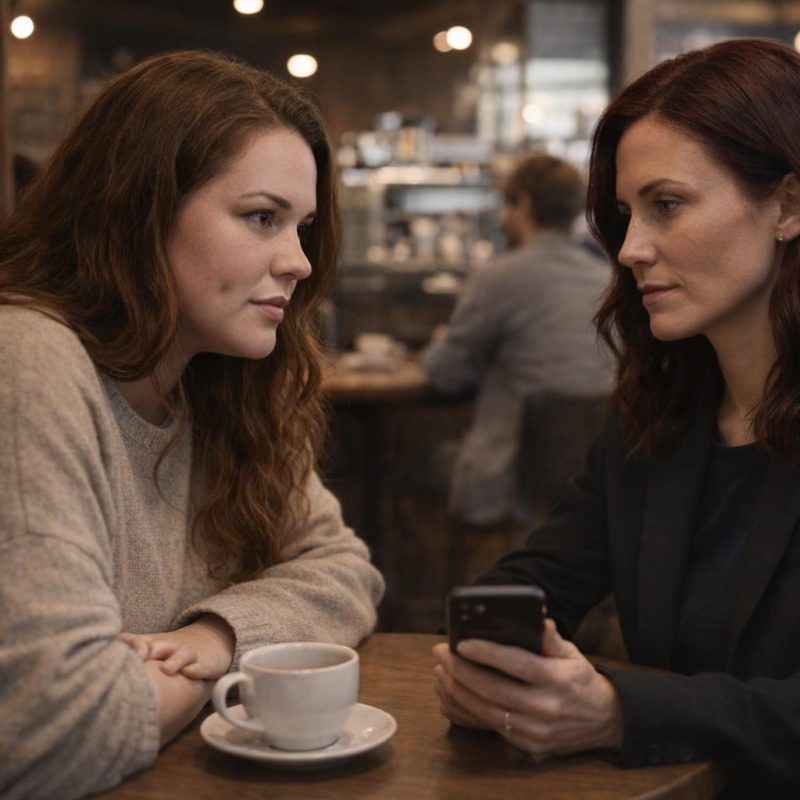 Image by RM AI
The Pheromone Solution
I ordered the pheromone diffusers on Friday night, partly because the reviews were genuinely convincing and partly because I needed to feel like I was doing something. They arrived Monday. I read the instructions twice, which is more than I usually manage, and plugged one in near the pantry and one on the kitchen counter. The packaging showed a serene-looking cat in a sunlit room, which felt aspirational. The product promised to mimic the natural calming pheromones cats produce and reduce anxiety-related behaviors. I felt cautiously hopeful in the way you feel hopeful about a new medication before you've actually tried it. I waited for 11 PM with more anticipation than I'd felt about the situation in weeks. Luna walked into the kitchen at her usual time. Her ears rotated. The hissing started — the same low, directed sound aimed at the pantry baseboards, unchanged, unaffected. I checked that the diffuser near the pantry was actually on. The little indicator light glowed green. A faint mist drifted from the unit into the kitchen air, visible in the light from the range hood, curling gently toward the pantry door. Luna hissed straight through it, completely indifferent, as if the diffuser and its calming promises simply did not exist.
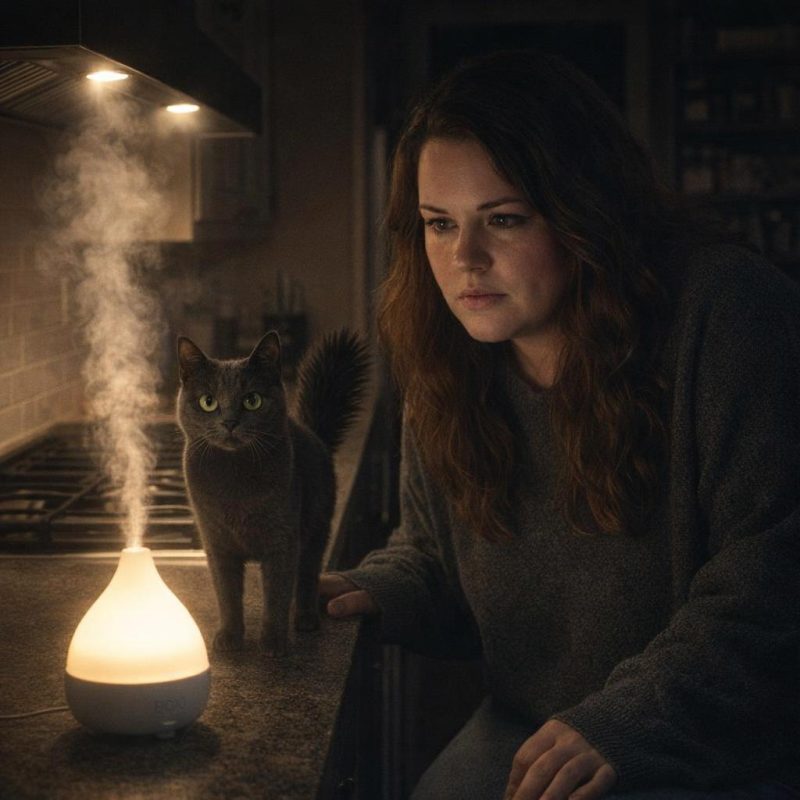 Image by RM AI
The Food Experiment
After the pheromone diffusers failed so spectacularly, I decided to work through the list methodically. If Luna was anxious, maybe her diet was contributing to it. I spent an embarrassing amount of time on a Tuesday night reading about feline nutrition and anxiety, which is not how I imagined my thirties going. I found a calming formula with tryptophan — the same stuff that supposedly makes you sleepy after Thanksgiving dinner — marketed specifically for high-strung cats. It was expensive in the way that anything with the word 'calming' on the label tends to be. I mixed it with her old food at first, the way the instructions suggested, and Luna sniffed the bowl with the deep suspicion of someone who has been burned before. By day three she was eating it without complaint — enthusiastically, even, cleaning the bowl in a way she hadn't bothered to do with the old formula. I noticed she seemed a little more settled during the afternoons — less pacing, more napping in the window. I let myself feel cautiously optimistic. Then 11 PM arrived, Luna walked into the kitchen, her ears rotated toward the pantry baseboards, and she hissed — the same low, directed sound, completely unchanged, as if the expensive tryptophan-enriched food simply did not exist.
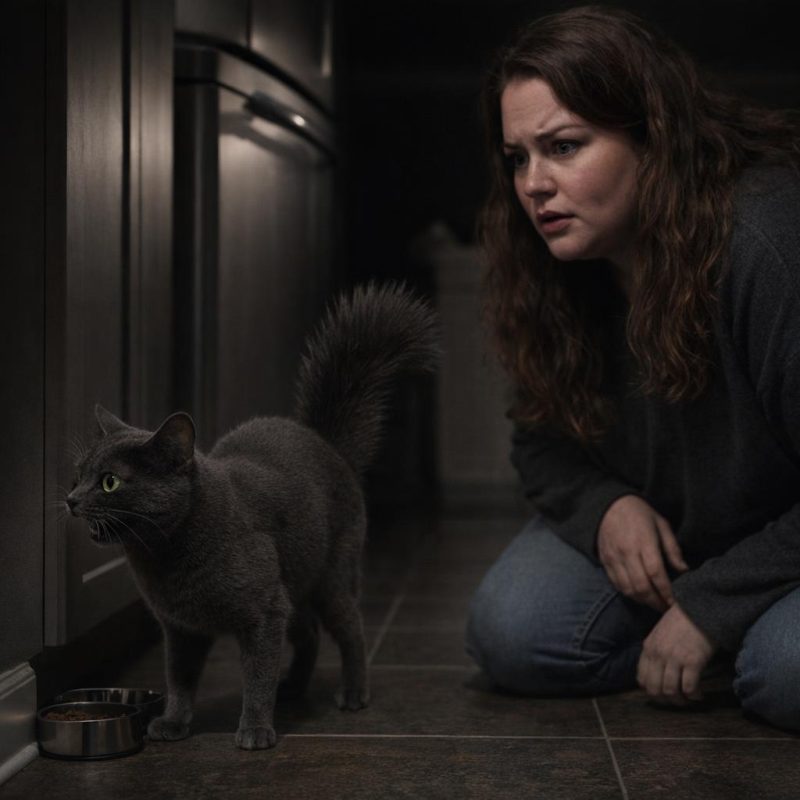 Image by RM AI
The Pest Control Visit
I called a pest control company on a Wednesday morning, which felt like the most rational thing I'd done in weeks. If something was living under my floor or inside my walls, a professional would find it. The technician arrived Thursday — middle-aged, unhurried, with the kind of weathered competence that made me feel like things might actually get resolved. I explained Luna's behavior, the sounds near the pantry, the timing. He didn't dismiss any of it. He pulled out a flashlight and started working through the cottage room by room, checking behind the refrigerator, inside the cabinets, along the baseboards. He spent a solid twenty minutes in the crawlspace beneath the house, which I appreciated because I absolutely was not going in there myself. Luna watched him from the hallway with her tail low and her green eyes tracking every move. He checked the attic with an inspection mirror. He looked for droppings, gnaw marks, entry points — the full checklist. When he came back to the kitchen, he tipped his cap and told me the place was clean. No mice, no rats, no insects. He suggested the old pipes might be settling with the temperature changes, which was a perfectly reasonable explanation. I thanked him and stood in the kitchen doorway after he left, the cottage quiet around me, holding an answer that somehow made me feel less certain than before.
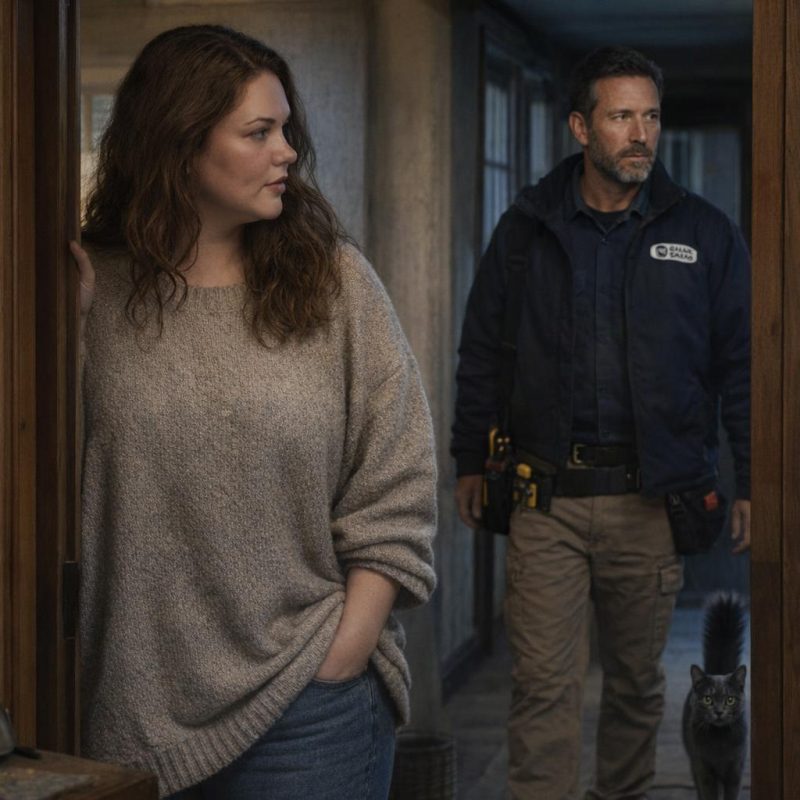 Image by RM AI
The Settling Pipes Theory
I spent the next few days trying to make the settling pipes theory fit. The cottage was built in the 1920s, which I'd always thought of as charming and now thought of as structurally ambiguous. I read about thermal expansion in old plumbing, about how temperature drops at night can cause pipes to contract and produce knocking sounds. It was all plausible. Old houses make noise — everyone knows that. I wanted to believe it. I genuinely did. I sat with the explanation for a few days, turning it over, trying to find the angle where it clicked into place. The problem was the timing. Pipes don't set an alarm. They don't wait until 11 PM to start settling, run through their routine, and then go quiet. Temperature changes happen gradually across the whole evening, not in a concentrated burst at the same minute every night. I listened more carefully during the 11 PM episodes, trying to hear something that sounded like pipes — the hollow metallic resonance I'd read about, the random pops and groans of contracting metal. What I heard didn't match the description. I couldn't fully reject the explanation, but I couldn't fully accept it either, and I sat with that gap — the hollow feeling of a theory that almost fits but doesn't quite reach.
 Image by RM AI
The Detailed Record
I started sitting in the kitchen at 10:55 PM with the television off and my phone in my hand, notes app open. No background noise, no podcasts, nothing. Just the kitchen and whatever was going to happen at 11. I wanted to actually hear it this time, not just register that it had occurred. Luna would appear in the doorway right on schedule, ears already rotating. The scratching would start — familiar by now, almost routine. I logged the timestamp, the duration, the direction it seemed to come from. I was building a record, which felt productive even if I wasn't sure what I was building it toward. On the fourth night of doing this, I heard something underneath the scratching that I hadn't consciously registered before. It was faint, almost buried under the other sound — a clacking, evenly spaced, with a quality that was harder to describe than the scratching. I typed into my notes: clack-clack-clack, rhythmic, mechanical, approximately thirty seconds. I hit record on a voice memo and held the phone toward the pantry baseboard. When I played it back, the sound was too faint to capture — just ambient hiss and the distant scratch of Luna's claws on the linoleum as she backed away from whatever she was hissing at.
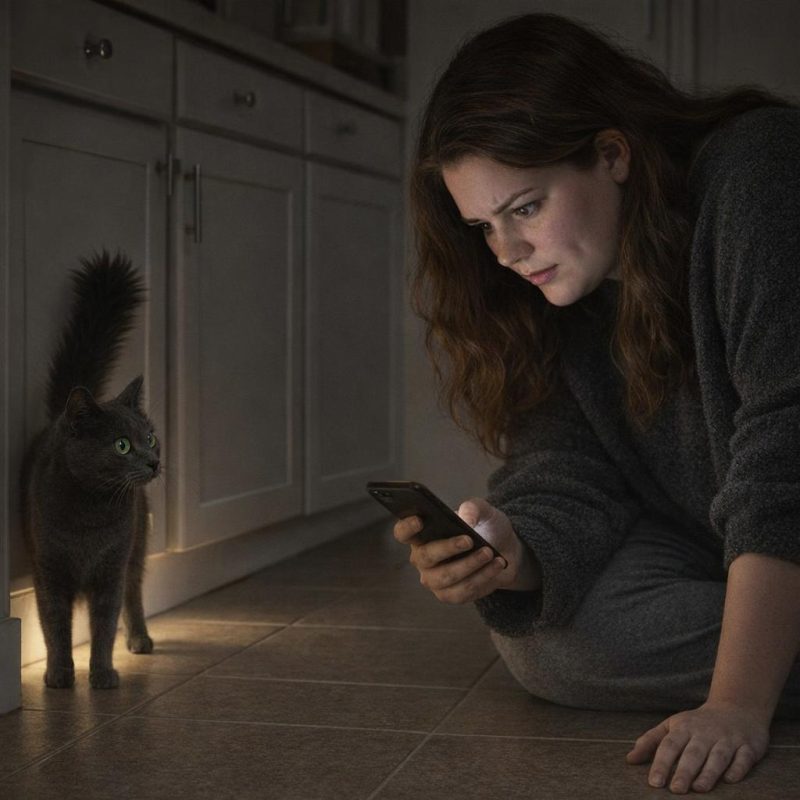 Image by RM AI
The Thud Pattern
I kept sitting on the kitchen floor at 10:55 PM, back against the cabinet, phone balanced on my knee. It had become a nightly ritual I hadn't exactly chosen. Luna would arrive, ears swiveling, and I'd start the timer. The scratching came first, same as always. What I was tracking now was what came after. I'd noticed a dull thud following the scratching — I'd heard it before but hadn't paid attention to the gap between them. So I started counting. Scratch, then approximately fifteen seconds of near-silence, then the thud. I logged it the first night. Then the second. Then the third. The gap held — fourteen seconds, fifteen, fifteen again. I added a note: consistent spacing, not random. The thud itself had a quality I struggled to describe — not sharp, not hollow, somewhere in between, like something dense shifting against something solid. I wrote that down too, knowing it wasn't precise but wanting to capture it anyway. Luna's tail stayed puffed long after the sounds stopped, which I also logged, because at this point I was logging everything. My phone notes had grown into something that looked uncomfortably like evidence, page after page of timestamps and descriptions, the weight of it sitting in my hand each time I scrolled back to the beginning.
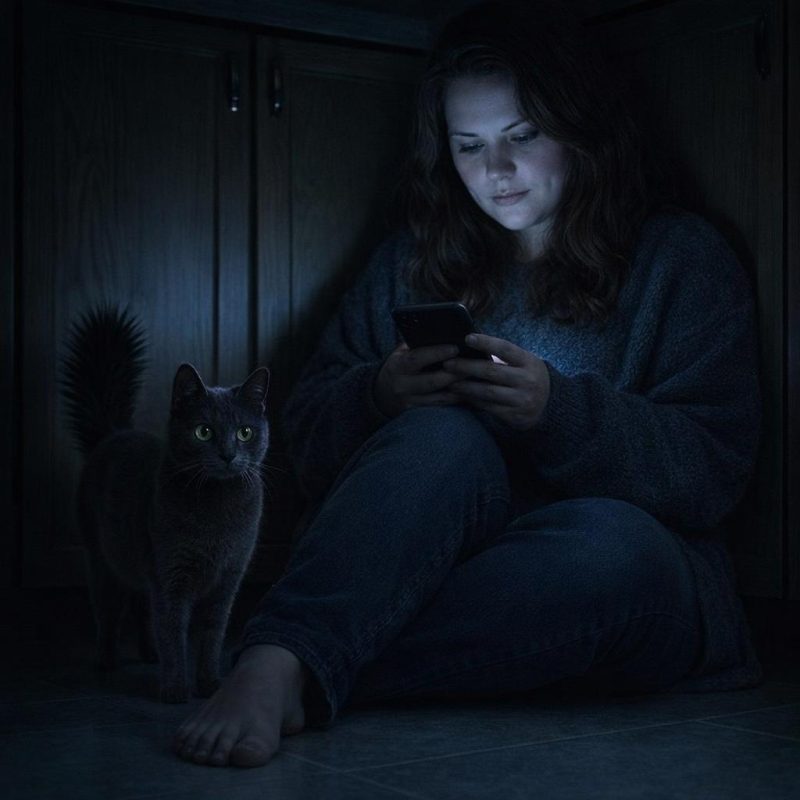 Image by RM AI
The Subtle Vibration
On a Thursday night I decided to try something different. Instead of sitting with my back against the cabinet, I moved closer to the pantry and sat directly on the linoleum, cross-legged, and pressed my palm flat against the floor. Luna gave me a look that suggested she found this undignified, then took her position anyway, ears already rotating toward the baseboard. At 11:00 she stiffened and hissed, right on schedule. And I felt it — a vibration moving through the floor under my palm, faint but unmistakable, the way you can feel a bass note through a wall before you can properly hear it. I pressed my other hand down to confirm I wasn't imagining it. It was there. It pulsed in a rhythm that matched the clacking sound I'd been logging — not random, not a single tremor, but a series of small pulses, evenly spaced. I held both palms flat and counted. About thirty seconds, then it stopped. Luna's hissing stopped at almost the same moment. I sat there for another minute with my hands still on the floor, the linoleum cool and completely still beneath them, the kitchen settling back into its ordinary quiet as if nothing had happened at all.
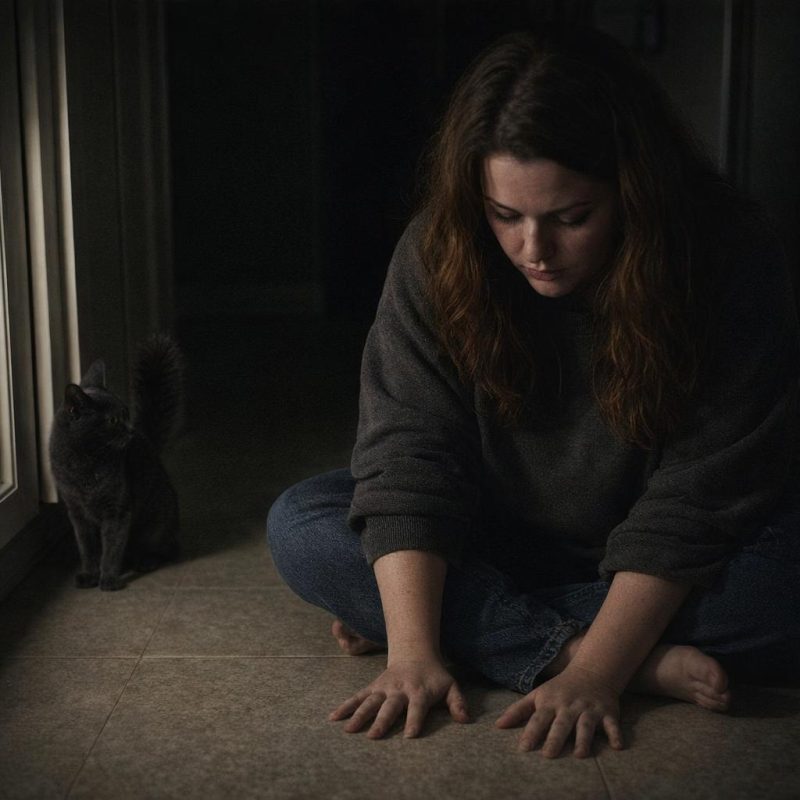 Image by RM AI
The Second Thud
I'd been so focused on the scratching and the clacking and the first thud that I'd apparently been missing something. On a Friday night I sat on the floor again, palms down, timer running, and went through the familiar sequence — scratch, clacking, first thud at the fifteen-second mark. I waited for the silence that usually followed. It came, but only for about five seconds. I sat very still, listening. I replayed the last few minutes in my head, trying to remember if I'd heard anything after that pause on previous nights. Something at the edge of my attention, maybe — a sound I'd filed away as the house settling or the sequence fading out. I updated my log with what I had so far: two distinct phases, a gap of approximately five seconds between them, the second phase possibly originating from further below. Luna's tail stayed fully puffed, her green eyes fixed on the baseboard long after the first sounds had stopped. Then it came — a second thud, heavier than the first, rolling through the floorboards with a deep resonance that moved up through my palms and into my wrists before it faded.
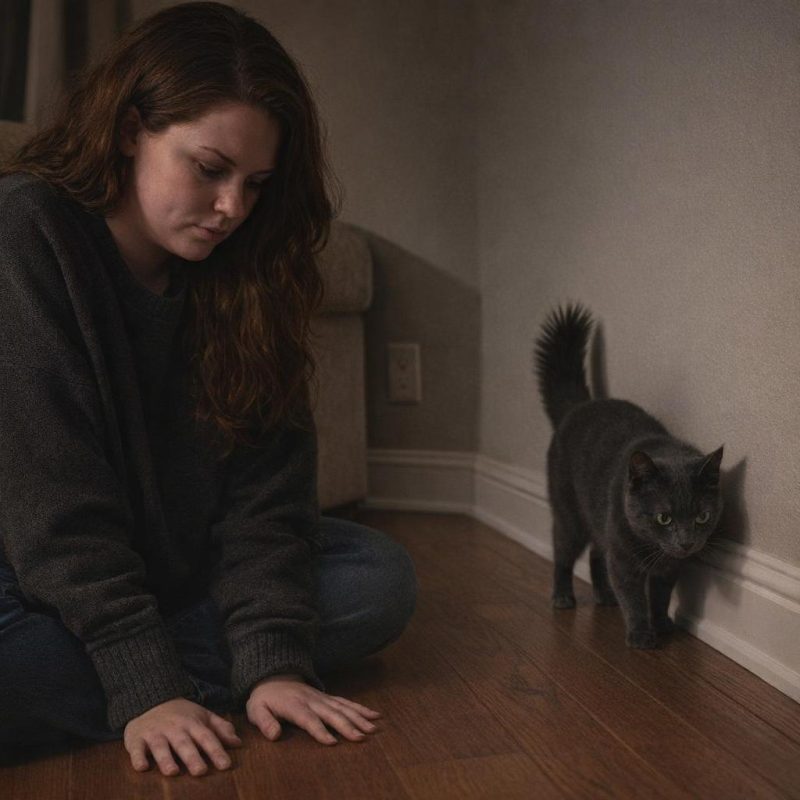 Image by RM AI
The Precision Disturbs
I started reviewing my phone log the way I imagine detectives review case files — scrolling back through weeks of entries, comparing timestamps side by side. I'd been logging the sequence for long enough now that I had real data, and the data was doing something I hadn't expected: it was being consistent in a way that made my stomach tighten. The scratching began between 11:00:15 and 11:00:20 every single night. The clacking followed between 11:00:45 and 11:00:50. The first thud landed between 11:01:00 and 11:01:05. The second thud between 11:01:10 and 11:01:15. I scrolled through entry after entry. The variation across nights was five seconds at most. I sat with that for a while, trying to think of natural phenomena that operate on that kind of schedule. Pipes don't. Animals don't. Wind doesn't. I couldn't come up with anything that fit. I put the phone down and waited for 11 PM, and when it came, the scratching started at 11:00:17, the clacking at 11:00:48, the first thud at 11:01:03, the second at 11:01:13 — the whole sequence running exactly as my log predicted, to within seconds, like something wound and released by the same mechanism every night.
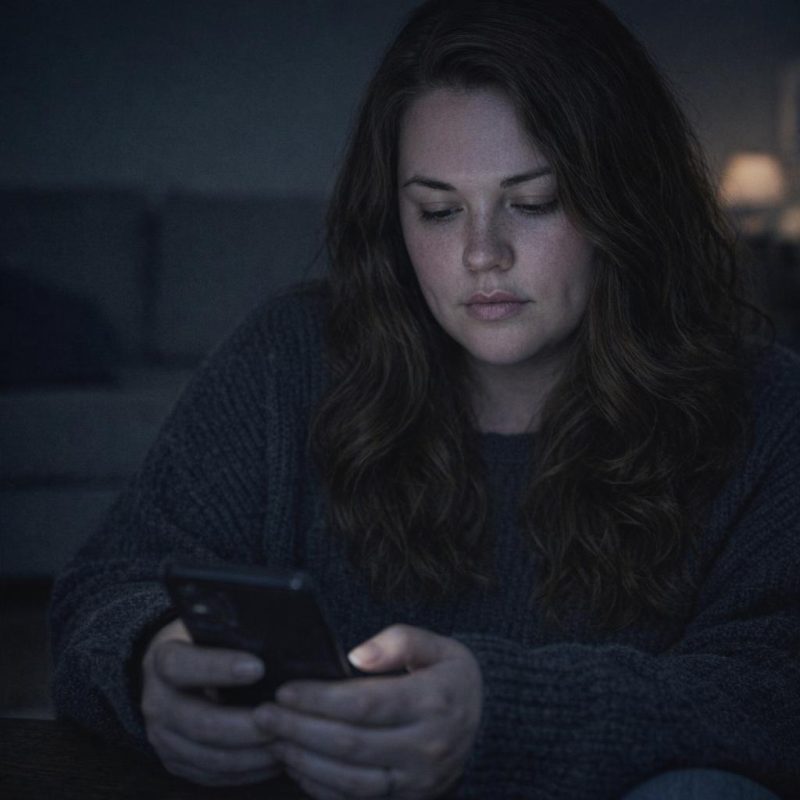 Image by RM AI
The Work Mistakes Multiply
I'd been a freelance manuscript editor for three years without a single serious complaint, and I was proud of that record in the quiet way you're proud of things you've worked hard to build. But the sleep deprivation was doing something to my brain that I couldn't logic my way around. I sat at my desk that Tuesday morning, Luna curled on the windowsill behind me, and tried to read the same paragraph of a romance manuscript four times in a row. The words just wouldn't stick. They'd slide off my attention like water off glass. I submitted the edited manuscript around 2 PM feeling uneasy — not confident the way I usually did, but uneasy in a specific, low-grade way I chose to ignore. The first email from my supervisor had come the week before, gentle and framed as a check-in. I'd told myself it was routine. This one wasn't routine. It arrived at 4:47 PM, and the subject line alone made my stomach drop — and then a second email from my supervisor landed in my inbox, flagging three missed errors in the last submission alone.
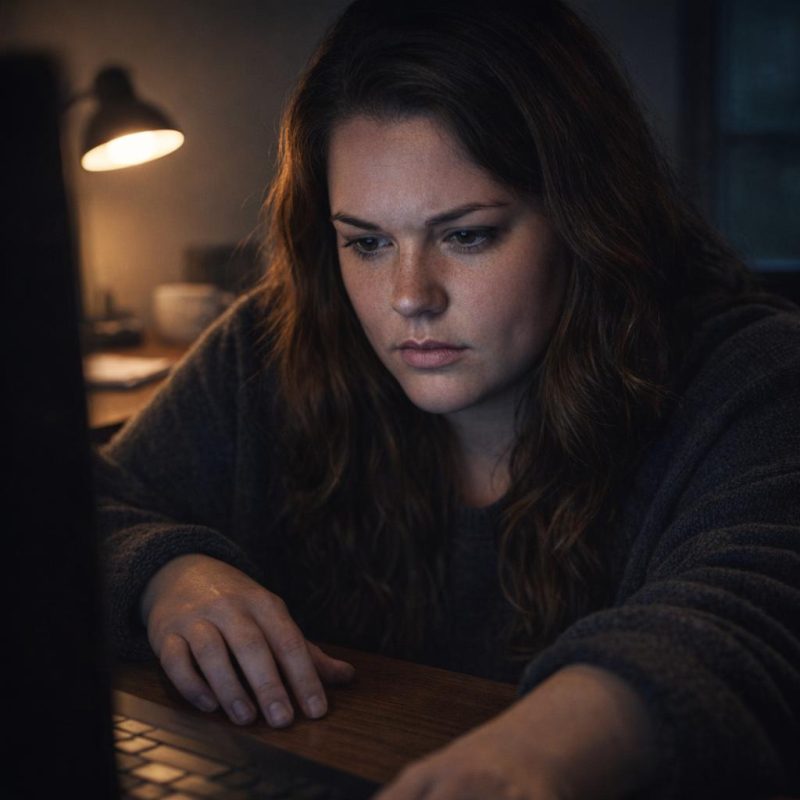 Image by RM AI
The Exhaustion
I woke up that Thursday having slept maybe three hours, and I knew it the moment my eyes opened — that particular gritty, hollow feeling behind them that no amount of coffee was going to fix. I made it to the kitchen anyway, filled the kettle, and managed to pour the coffee without spilling most of it, which felt like a genuine achievement. My hands were shaking just enough to be annoying. Luna watched me from the counter with those green eyes, patient and unblinking, like she was keeping track of how badly I was holding it together. I sat at my computer and the words on screen did that thing where they stop being words and become just shapes — I'd stare at a sentence and have to read it three times before it meant anything. A task that should have taken forty minutes stretched into two hours. I forgot lunch entirely until my stomach made itself impossible to ignore at three in the afternoon, and even then I just ate crackers standing over the sink because sitting down felt like too much of a commitment. By evening I felt less like a person and more like a rough approximation of one — present in body, somewhere else entirely in mind. The exhaustion had settled over everything like a layer of gauze, muffling the edges of the world.
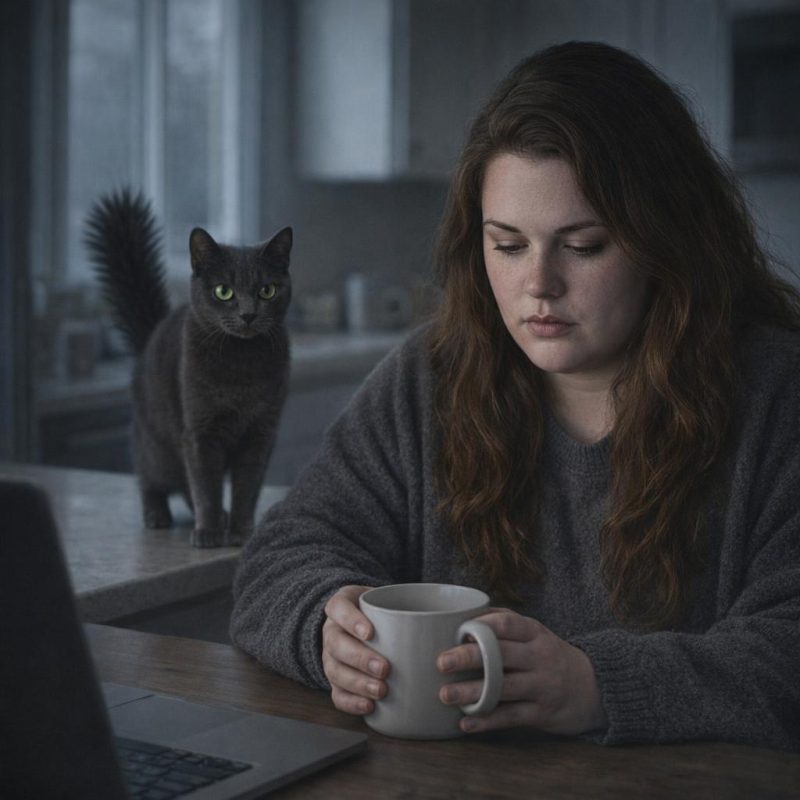 Image by RM AI
Sarah's Practical Advice
I called Sarah on my lunch break, sitting on the kitchen floor with my back against the cabinets because the chair felt too far away. I told her about the second email from my supervisor, about the three missed errors, about the way words had stopped making sense on screen. She listened without interrupting, which was unusual for her, and when I finished she was quiet for a second. 'Okay,' she said. 'Here's what you're going to do. Tonight, you lock Luna out of the kitchen. Close the bedroom door. Take a Benadryl. Sleep.' I started to protest — Luna would be distressed, Luna would scratch, Luna would — and Sarah cut me off. 'One night of cat distress,' she said, 'is better than losing a job you've spent three years building.' She wasn't wrong, and I hated that she wasn't wrong. I told her Luna wasn't just reacting to something random, that the sounds were real and consistent, and Sarah said she believed me that something was making noise, but that it wasn't my problem to solve at midnight on a work night. I agreed to try it, mostly because I didn't have a better idea. After I hung up, I sat there for a moment with the phone in my lap, turning the plan over in my mind — how simple it sounded, how reasonable, how completely unlike anything that had actually been working.
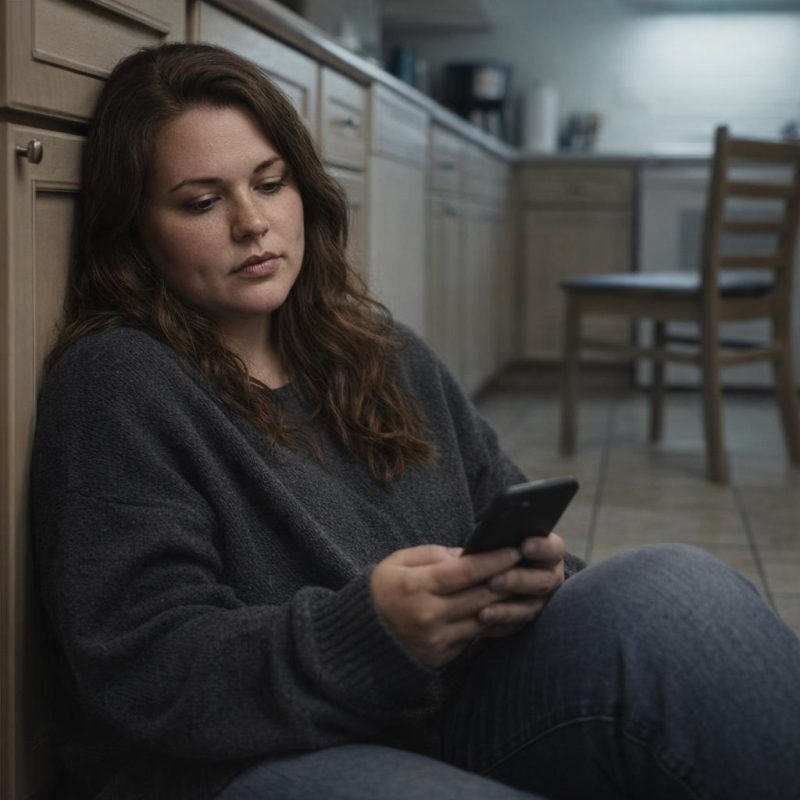 Image by RM AI
The Failed Isolation
I closed the kitchen door at 10:30 and carried Luna to the bedroom, which she tolerated with the dignified resignation of a cat who knows she's being managed. I took the Benadryl, pulled the duvet up, and told myself this was going to work. For about twenty minutes, it almost felt like it might. Luna paced the foot of the bed, meowing in that low, conversational way she has when she's unhappy but not yet panicking. Then 11 PM got closer and something shifted in her. The meowing went up in pitch. She stopped pacing and stood at the bedroom door, rigid, staring at it. By 11:00 she was crying in a way I'd never heard from her before — not the demanding yowl of a cat who wants dinner, but something rawer and more urgent, like she was trying to communicate something she didn't have the words for. I pulled the pillow over my head. I told myself she was fine, that this was just cat dramatics, that Sarah was right. The Benadryl was doing something soft and heavy to the edges of my thoughts. But through the pillow, through the fog of antihistamine and exhaustion, I could still hear her — and then the sound changed from crying to something worse, the frantic scrape of her claws dragging down the bedroom door.
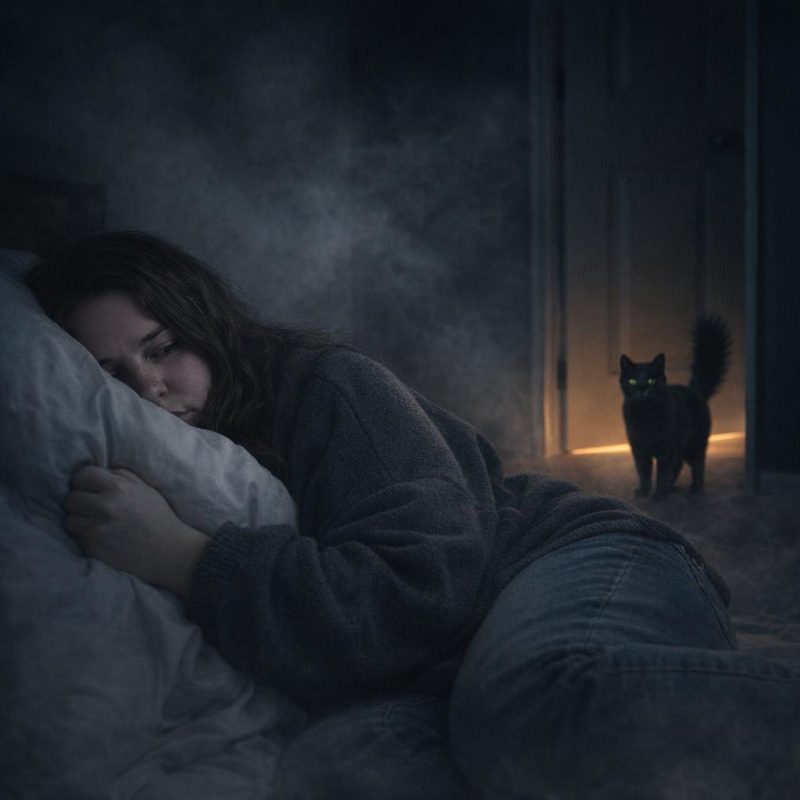 Image by RM AI
The Protective Streak
I lasted about four minutes after the scratching started before I was out of bed. I found her at the door, paws raw, eyes wide and fixed on me the moment I opened it — not bolting for the kitchen the way I'd expected, but pressing immediately against my legs, purring in that deep, rattling way she does when she's trying to comfort rather than be comforted. I carried her to the bathroom and ran warm water in the sink, and she let me clean her paws without fighting, which she never does. She just leaned into my hands. The scratches were shallow, nothing serious, but they were enough to make me feel like the worst person alive. I sat on the edge of the tub with her in my lap and thought about what she'd actually been doing. She hadn't been trying to get to the pantry. She'd been trying to get to me. Every night at the threshold, every hiss, every rigid, bottle-brush-tailed vigil — she wasn't reacting to something that scared her. She was putting herself between me and something she'd decided I needed protecting from. I didn't know what that something was. I still couldn't hear what she heard or sense what she sensed. But sitting there on the cold tile with her warm weight against my chest, the understanding of what she'd been doing all along settled quietly into place.
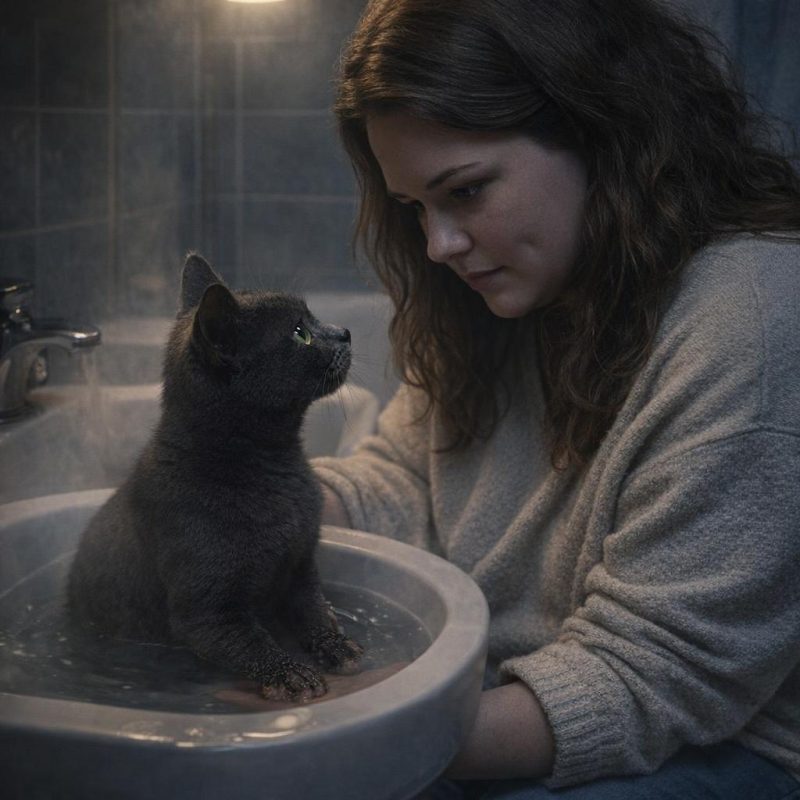 Image by RM AI
The Return to the Pantry
I opened the bedroom door fully around 12:15 AM and Luna was gone before it had swung halfway. No hesitation, no backward glance — just a streak of charcoal fur disappearing around the corner toward the kitchen. I followed her, padding down the hallway in socked feet, and found her exactly where I knew I would: at the pantry threshold, body low, tail still, every line of her focused on the door in front of her. I sat down on the kitchen floor beside her, back against the cabinet, and looked at the clock on the microwave. 12:30 AM. Well past the 11 PM sequence, well past the thumps and the clacking and whatever mechanical rhythm had been running beneath us for weeks. But she hadn't relaxed. She wasn't done. Whatever she was tracking, it wasn't on a schedule she'd decided to stop keeping. I'd spent weeks telling myself the sounds were the problem — that if I could just explain the sounds, I could explain everything. But sitting there in the dark beside her, I understood that the sounds were only the part I could hear. Luna sat rigid at the pantry threshold, her whole small body vibrating with a tension that hadn't eased at all.
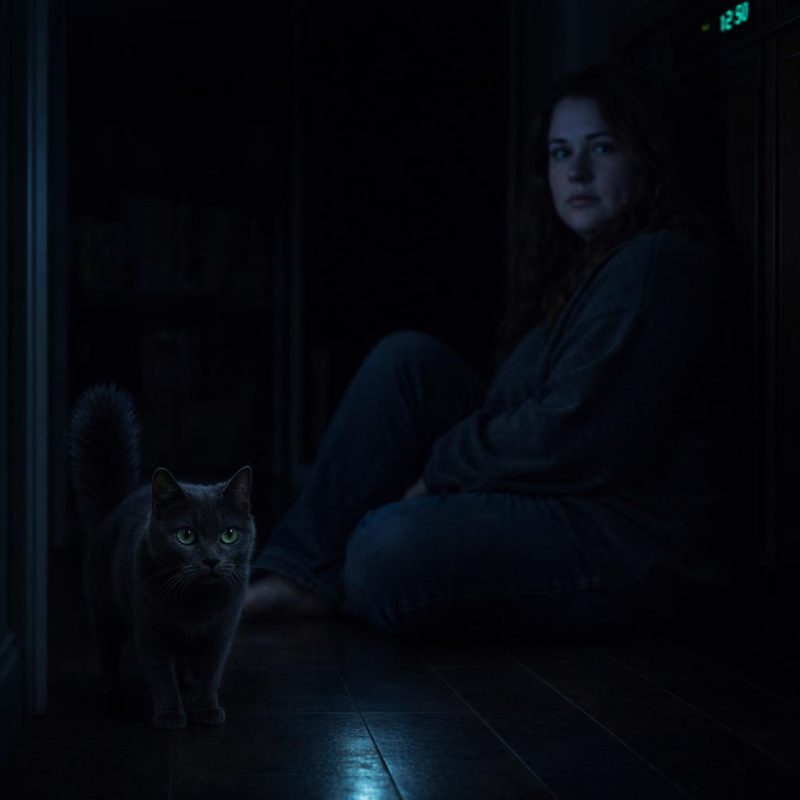 Image by RM AI
The Decision to Investigate
I lay awake until nearly 3 AM that night, staring at the ceiling with Luna pressed against my side, and I made myself think through it clearly for the first time. The pest control worker had found nothing. The sounds were real — I had weeks of timestamped logs proving they were real. Whatever was happening beneath my floor was consistent and mechanical and completely invisible to every professional I'd brought in to look. I couldn't keep losing sleep over something I was refusing to actually look at. The pantry floor was original to the cottage — old pine boards, slightly uneven, the kind that lift at the edges if you know where to press. I had a pry bar in the utility cupboard that Tom had left behind after he'd fixed the back step. I had a torch. I had, apparently, a cat who had been trying to tell me something for weeks and whom I had only just started listening to. The risks were real — I could damage the floor, I could find something I wasn't prepared for, I could find nothing at all and feel like an idiot. But the alternative was continuing exactly as I had been, and that wasn't working. I'd investigate the following night, when I'd had at least some sleep and could think straight. The decision sat heavy and quiet in my chest, the way decisions do when you've finally stopped arguing with yourself about them.
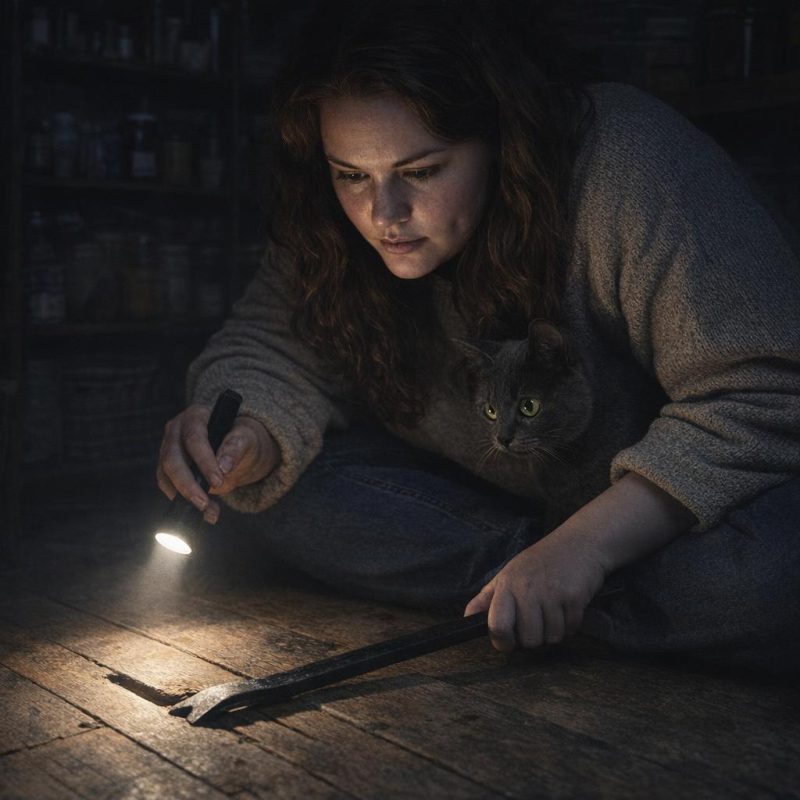 Image by RM AI
The Shared Wall
The next morning I pulled up the original floor plan for the cottage — a scanned PDF the estate agent had sent when I first moved in, slightly blurry at the edges but legible enough. I spread it on the kitchen table and looked at it properly for the first time. The pantry sat flush against the shared wall, the wall that divided my kitchen from Mr. Gable's side of the semi-detached. I'd never thought much about that wall beyond the occasional muffled sound of his television. I spent an hour reading about 1920s semi-detached construction online, which is exactly as dry as it sounds, but one detail kept coming up: builds from that era often used a continuous poured foundation running beneath both properties, separated only by the brick and timber of the party wall above ground. The crawlspace, where one existed, didn't always stop at the property line. It followed the foundation. I sat back and looked at the floor plan again, tracing the pantry's position with my finger. If the crawlspace ran continuously, sounds — or vibrations — could travel through the shared structure from one side to the other without any obvious point of entry on my end. I found myself wondering whether Mr. Gable, on his side of that wall, ever heard anything at all. The thought of continuous foundation running silently beneath both our homes sat with me longer than I expected.
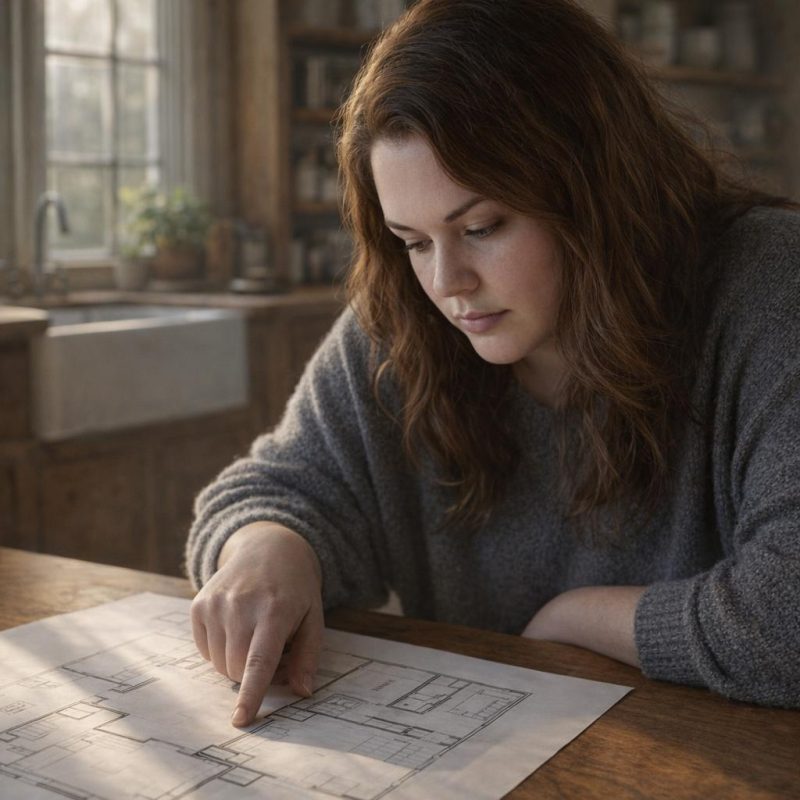 Image by RM AI
Tom's Crowbar
I called Tom on his lunch break, which I knew was the best window — he'd be away from the job site noise and relaxed enough not to interrogate me. He picked up on the second ring, mouth clearly full of something. I asked if I could borrow his heavy-duty crowbar and his good flashlight, the one he used for crawlspace work. There was a pause, the sound of chewing stopping. 'Something need fixing?' he asked. I told him I wanted to check the pantry floor, that I'd noticed some boards that looked soft. It wasn't entirely a lie. Tom has known me long enough to understand that when I say I've got something handled, pressing me is a waste of both our time. He offered to come over and help, which I expected, and I told him I'd rather do it myself first, which he also expected. He didn't push. That's the thing about my older brother — he reads the room without making a production of it. He said he'd swing by tomorrow morning before his shift and drop everything off. 'I'll bring the good one,' he said, and I could hear him smiling. I thanked him and hung up, and for the first time in days, something in my chest loosened just a little.
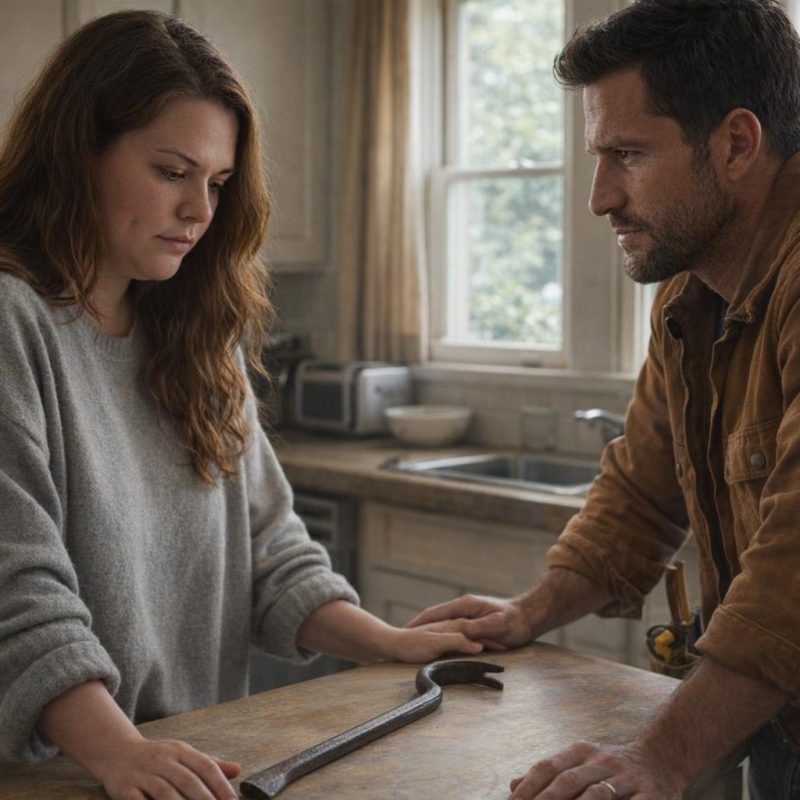 Image by RM AI
The Tools Arrive
Tom showed up at seven-thirty the next morning with a canvas toolbag over one shoulder and a travel mug in his other hand. He set the bag on my kitchen table and pulled out the crowbar first — it was heavier than I expected, a solid steel thing with a curved forked end, the kind that meant business. The flashlight came next, matte black and thick-barreled, with a little dial on the side for the beam settings. He clicked it on and the kitchen went white. 'Thousand lumens,' he said, like he was handing me a gift. He showed me how to angle the crowbar for maximum leverage without splitting the board — get the fork under the edge, press down slow, let the tool do the work. I nodded and tried to look like someone who just needed to check for soft wood. He glanced at my face and I could tell he noticed the shadows under my eyes, but he didn't say anything about them. He offered one more time to stay and help. I told him I was fine, that I'd call if anything came up. He squeezed my shoulder on the way out, told me to eat something, and left. I stood in the quiet kitchen after the door clicked shut, and I turned the crowbar over in both hands, feeling the full cold weight of it.
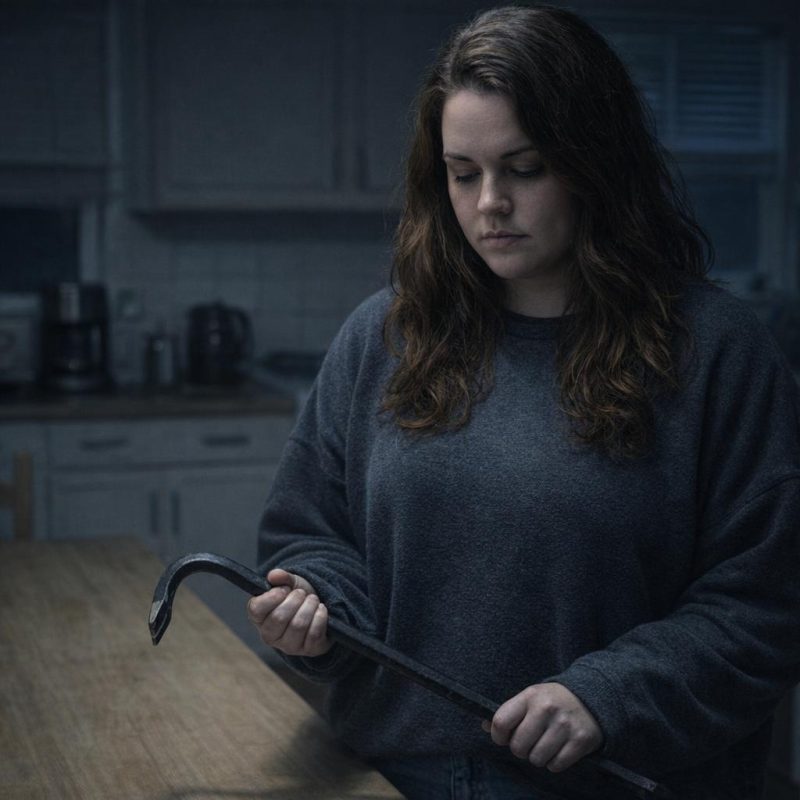 Image by RM AI
The Waiting
The day was the longest I'd had in recent memory, and that's saying something given the past few weeks. I tried to answer emails. I made it through two before I was staring at the crowbar propped against the kitchen counter instead of my screen. I checked the flashlight battery twice. I ate dinner at five o'clock — pasta I barely tasted — because I figured I should have something in my stomach before whatever tonight turned into. Around six I changed into old jeans and a dark sweatshirt, the kind of outfit you wear when you're prepared to get dirty and don't care what happens to the clothes. I moved the crowbar and flashlight to the pantry doorway, lined up and ready. Luna followed me through every room like a small grey shadow, tail low, watching. She'd been calmer during the day, but as the afternoon light faded she started doing that thing where she'd sit very still and face the pantry without blinking. I rehearsed the steps in my head: move the shelving unit, find the seam in the boards, get the fork under the edge, press slow. Simple. Completely rational. The kind of thing a person does in their own home. I told myself that approximately forty times. The clock on the microwave read 10:45 PM, and my heart rate had been climbing for the last hour.
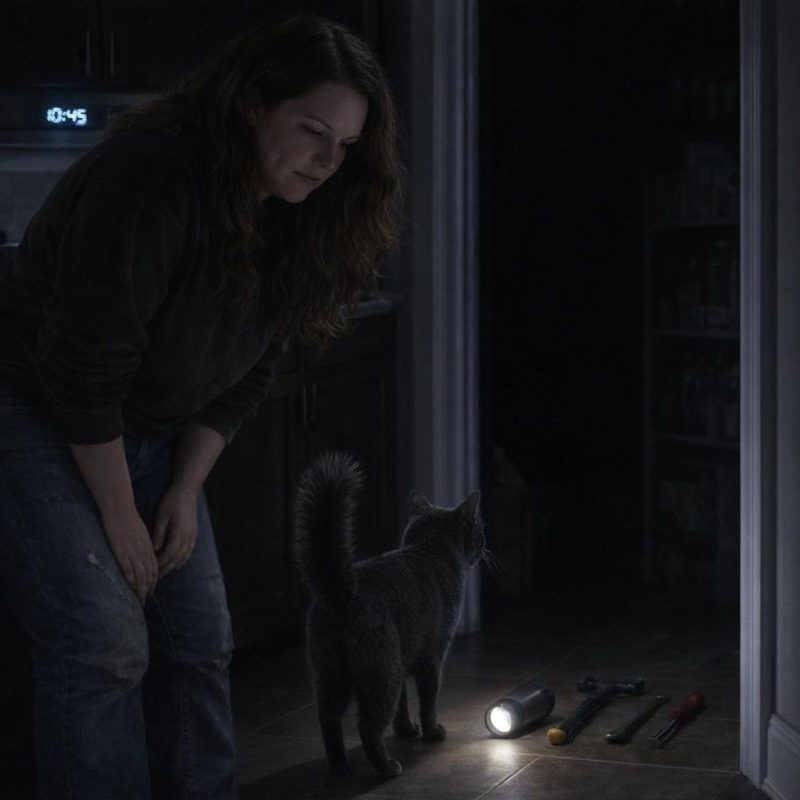 Image by RM AI
The Gothic Moment
I was standing in my own kitchen at ten fifty-five in the evening, holding a crowbar in one hand and a thousand-lumen flashlight in the other, wearing clothes I'd specifically chosen to ruin, waiting for something to happen under my floor. If that's not a gothic novel, I don't know what is. I actually thought about that — the gothic novels I'd read in university, the ones where the heroine creeps through the ancestral manor with a single candle, convinced something is wrong while everyone around her insists she's imagining things. I had a flashlight with five beam settings instead of a candle, and my ancestral manor was a 1920s semi-detached cottage with slightly uneven tiles, but the energy was the same. Luna was pacing a slow circuit near the pantry threshold, nose working, tail doing the slow bottle-brush thing that meant she was on high alert but not yet panicking. I took three long breaths and let them out slowly. This was my home. I had every right to know what was in it. The crowbar was cold and solid in my grip, and the flashlight was warm from my palm, and the kitchen smelled like the pasta I'd barely eaten, and somewhere outside a car passed on the wet road. The whole thing felt like a scene from someone else's life, vivid and slightly unreal, the kind of moment you know you'll remember whether you want to or not.
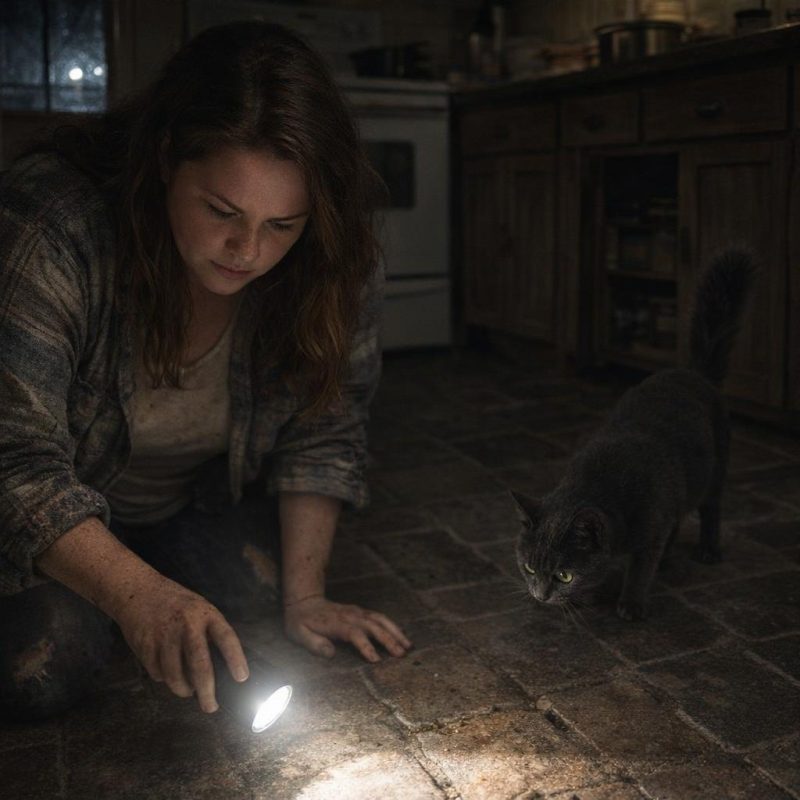 Image by RM AI
The Voices Below
The microwave clock flipped to 11:00 PM and Luna went absolutely still. Not the tense, coiled stillness of a cat about to pounce — something quieter than that, more deliberate. She pressed her nose to the gap at the base of the baseboard and didn't move. I knelt beside the pantry threshold, the cold of the floor coming through my jeans, and I heard it: the scratching, right on schedule, like it had been every night. I'd almost gotten used to that part. What came next, I hadn't. Underneath the scratching — beneath it, or maybe woven through it — there were voices. Two of them, I thought. Male, low, speaking in short clipped exchanges, the rhythm of people who knew each other well enough not to waste words. I couldn't make out a single syllable. It was like hearing a conversation through three walls and a closed door, the shape of speech without the content. I pressed my ear closer to the floor, cheek nearly touching the boards, and the voices continued for what felt like a long time but was probably twenty seconds, and then they stopped. Luna hadn't moved. The scratching faded. The kitchen was completely silent, and the silence felt different from any silence I'd sat in before.
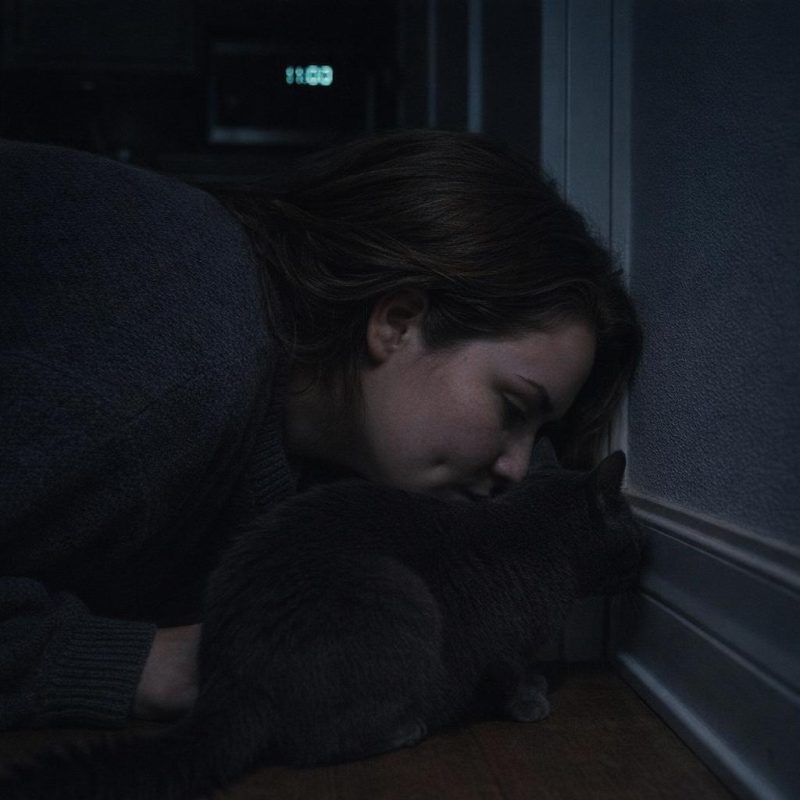 Image by RM AI
The Mechanical Sound
The voices stopped and something else started. I stayed on the floor, ear still angled toward the boards, and I heard it clearly: a clacking sound, rhythmic and metallic, coming from directly beneath the pantry. Not the scratching. Not the settling groan of old timber. This was something else entirely. I started counting without meaning to — three beats per second, maybe a little faster, steady as a metronome. Clack-clack-clack. It had a precision to it that made my skin prickle, the kind of regularity you don't get from pipes or wood or anything a house does on its own. I pressed my palm flat to the floor and I could feel the faintest vibration traveling up through the boards, a mechanical pulse. Luna had backed up two steps and was watching the floor with her ears flat. I counted thirty seconds of it, maybe a little more, and then it stopped the same way it always stopped — with that single heavy thud, like something being set down or switched off. The kitchen went quiet again. I sat up slowly, hands braced on the floor, and in the ringing silence I could still hear it in my head: the distinct clack-clack-clack of machinery.
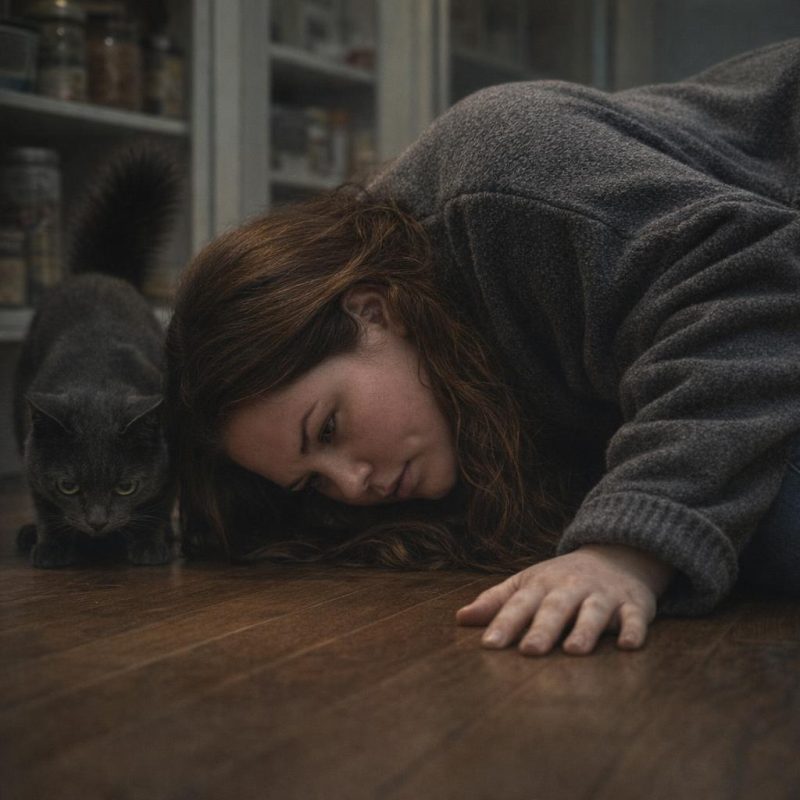 Image by RM AI
The Realization
I sat back on my heels and stayed there for a while, not moving. There were people under my house. That was the only thing my brain would hold onto, turning it over and over like it might eventually make sense. People, and machinery, running on a schedule so precise that my cat had been tracking it for weeks before I even noticed. The pest control worker had gone into that crawlspace and found nothing — no signs of occupation, no evidence of anything unusual. Which meant whatever was down there wasn't in the part of the crawlspace he'd accessed. It was somewhere else. Somewhere I hadn't looked, and apparently neither had he. I thought about the floor plan spread on my kitchen table, the continuous foundation running beneath both properties, the shared wall I'd never thought twice about. I didn't know what any of it added up to. I just knew that something had been happening beneath my feet every night at eleven o'clock, and I'd been sleeping through most of it, and Luna had known the whole time. She was pressed against my leg now, warm and solid, and I put my hand on her back without thinking. The floor beneath my palm felt ordinary — cool boards, faint dust, the unremarkable surface of a home. The weight of what I'd just heard settled into me slowly, the way cold does when you've been outside too long.
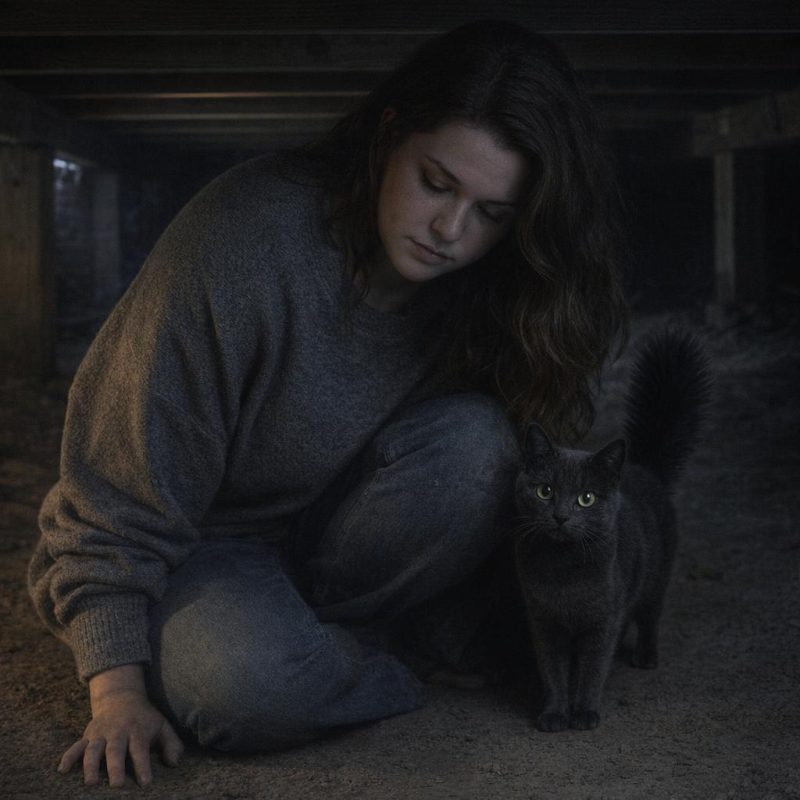 Image by RM AI
The Decision to Open the Floor
I stood up. My legs felt strange, like they belonged to someone who'd been kneeling on a cold floor for too long, which I had. I looked at the crowbar leaning against the pantry doorframe and I thought: I am not waiting until morning. Whatever was down there operated on a schedule. If I waited, the window closed, and I'd be back to lying awake listening and wondering and second-guessing myself, and I couldn't do that again. Not after tonight. Not after hearing actual human voices through my actual kitchen floor. I turned on every light in the kitchen — done with sitting in the dark, done with trying to be quiet and careful and reasonable about this. Luna backed away toward the hallway, watching me with those green eyes, and I didn't blame her. I moved the canned goods off the bottom pantry shelf and set them on the counter, one by one, making more noise than I probably should have and not caring. The crowbar was cold and heavy when I picked it up, and my hands were shaking, and I gripped it anyway. I turned toward the pantry shelves.
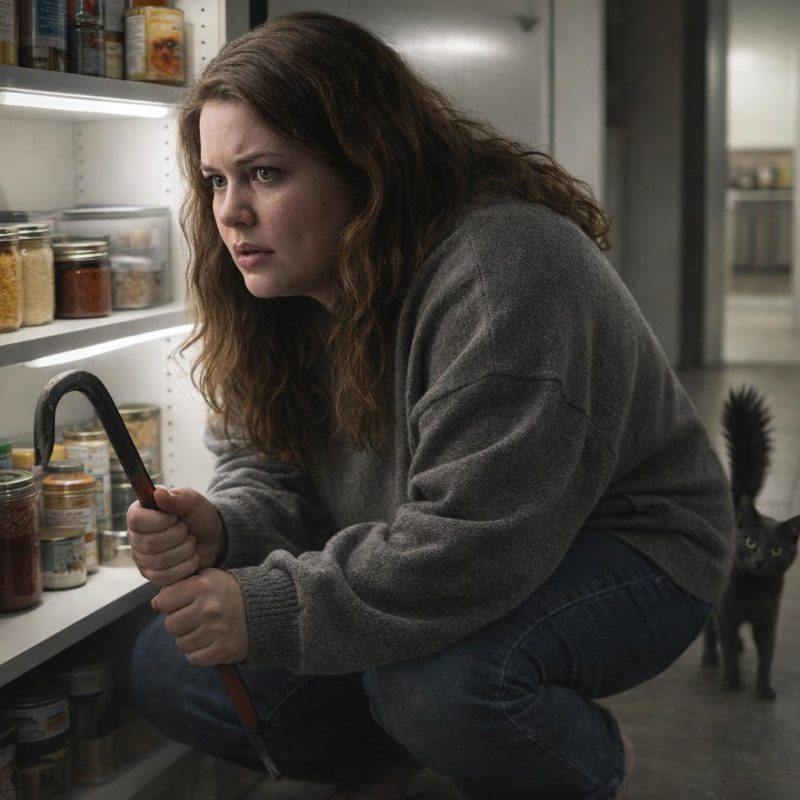 Image by RM AI
The Frantic Clearing
I didn't think. I just moved. The first can of soup hit the linoleum with a clang that made Luna flinch, and I didn't stop — I grabbed the next one and the next, pulling things off the shelves in fistfuls, not stacking them carefully, not setting them down. Boxes of pasta skidded across the floor. A bag of rice split at the corner and scattered like tiny white beads in every direction. I heard a jar hit the edge of the counter and then the floor, and the smell of tomato sauce spread sharp and acidic through the kitchen, red pooling across the linoleum, and I stepped around it and kept going. Luna bolted from the doorway to under the kitchen table, crouched low, eyes enormous. I didn't blame her. I probably looked unhinged. I felt unhinged. But my hands kept moving, shelf by shelf, until the pantry was completely bare — every can, every box, every forgotten packet of instant oatmeal — all of it out on the kitchen floor in a sprawling, chaotic mess around me. I stood there breathing hard, surrounded by the wreckage of my own kitchen, and for a moment I just let it be exactly that.
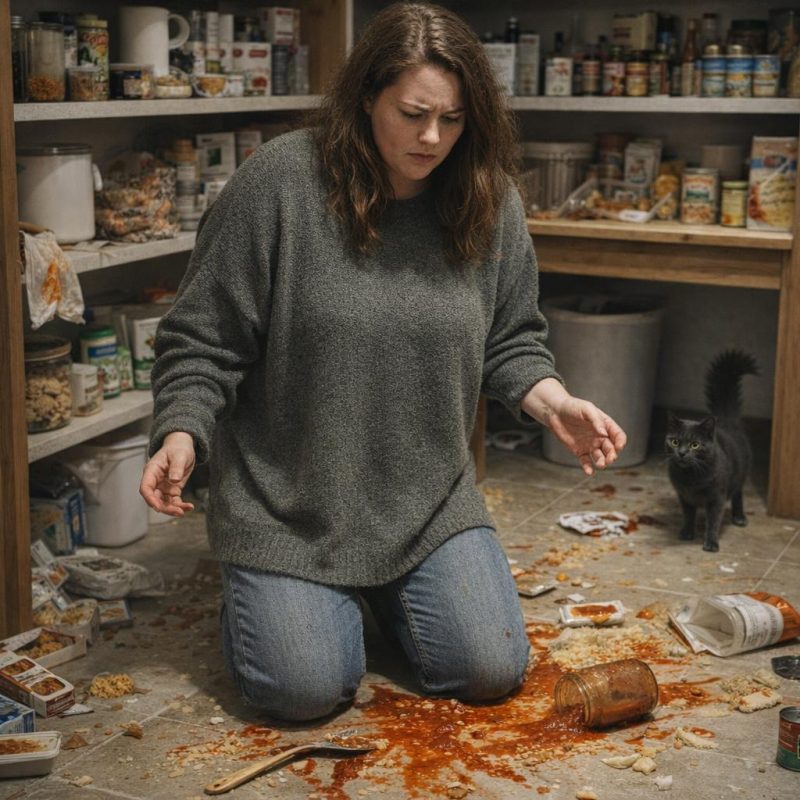 Image by RM AI
The Linoleum
I found the utility knife in the second drawer I tried, buried under a tangle of rubber bands and takeout menus. My hands were shaking badly enough that I had to grip the handle with both of them just to feel steady. I knelt on the bare pantry floor — the linoleum was cold through my leggings — and I started at the back wall, running my fingers along the edge until I felt the seam where the flooring met the baseboard. It was there. A thin line, almost invisible, but once I found it I couldn't unfind it. I pressed the blade in and scored along the seam, and the linoleum gave way more easily than I expected, slicing clean. I worked the blade back and forth, then got my fingers under the edge and peeled. The modern flooring came up in strips, curling back like old skin, and underneath it the original floor appeared — tongue-and-groove pine boards, dark with nearly a century of age, the grain deep and close. The gaps between the boards were clearly visible now, thin lines of shadow running the length of the pantry. I sat back on my heels and looked at the old wood, and something about its age felt suddenly, quietly wrong.
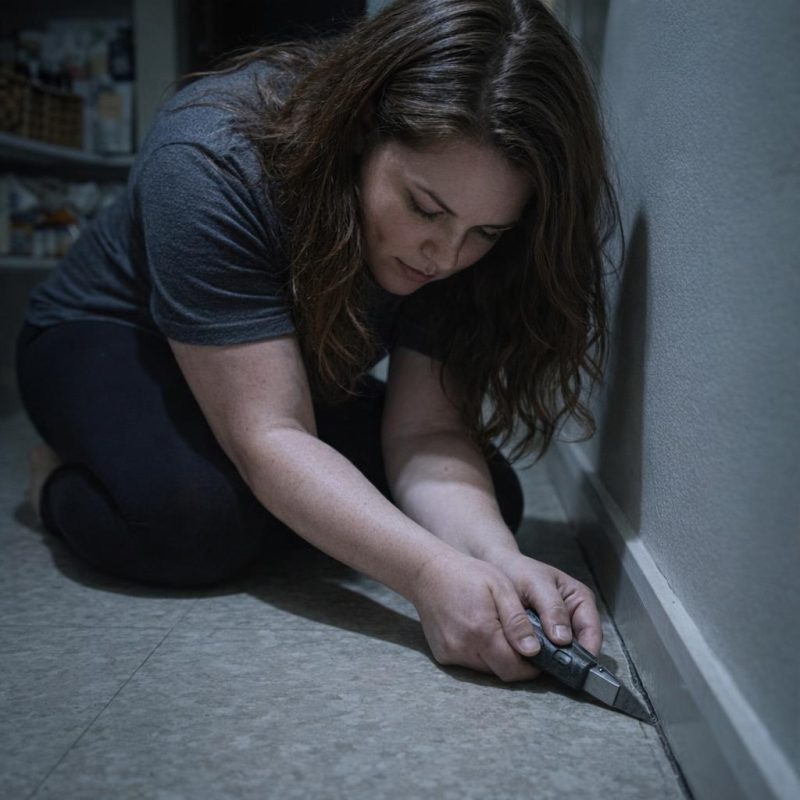 Image by RM AI
The First Board
I wedged the flat end of the crowbar into the widest gap I could find, near the back wall where the boards looked oldest. The fit was tight and I had to lean my whole weight on the handle just to get it seated properly. I braced my feet against the baseboard, gripped the crowbar with both hands, and pulled. Nothing. The board didn't move at all — a hundred years of nails holding it like it had grown there. I repositioned, got lower, tried again. This time I felt something shift, just slightly, a tiny give that told me the nails were thinking about it. I adjusted my grip and threw everything I had into it. The board groaned — a long, low sound like something waking up — and then a nail pulled free with a screech that set my teeth on edge. I kept pulling. Another nail let go. The board was lifting now, bowing upward along its length, and I could feel the resistance building toward a breaking point, and then it hit that point all at once. The crack was enormous — sharp and violent, like a gunshot going off inside the pantry — and Luna launched herself out from under the kitchen table and disappeared into the living room, and I stumbled backward and sat down hard on the kitchen floor.
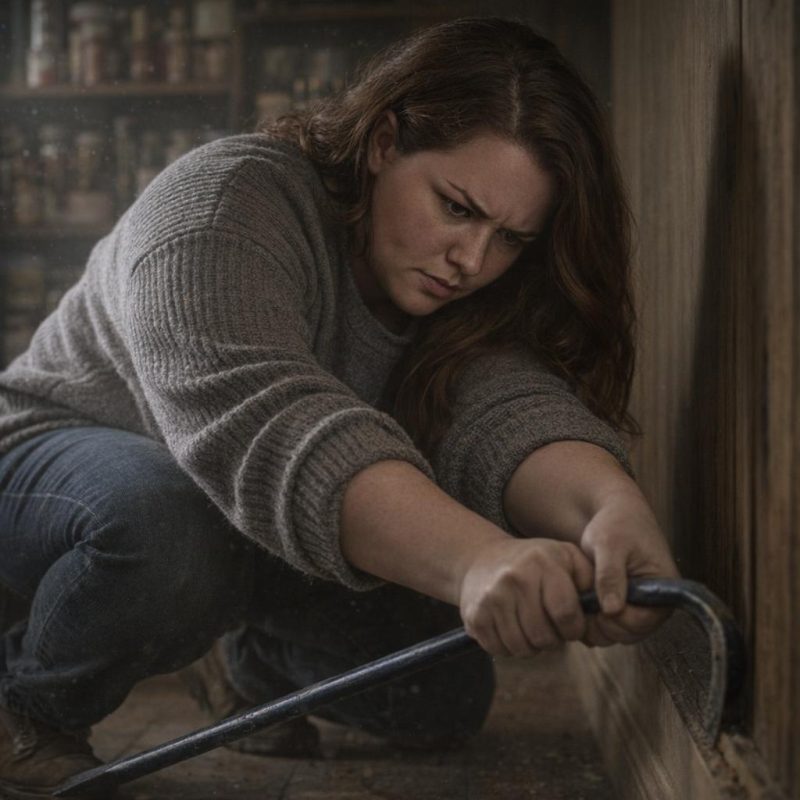 Image by RM AI
The Smell
I got back on my knees and looked at what I'd done. The first board lay in two pieces, splintered along a diagonal crack, and below it was darkness. I couldn't see much — just shadow and the underside of the adjacent board — but I could feel air moving up from the gap, and that was already strange. Crawlspaces don't breathe like that. I wedged the crowbar under the second board. It came up faster, the nails already loosened from the violence of the first one, and I tossed it aside and went straight for the third. The gap was widening now, a ragged rectangle of black opening up in the pantry floor, and I leaned back from it instinctively as something rose out of the darkness to meet me. Not the smell of old earth. Not the damp, closed-in mustiness I'd been bracing for. This was sharp. Chemical. It hit the back of my throat and made my eyes water — machine oil and something electric, like the air after a lightning strike, like the inside of a server room. Ozone. I knew that smell from the IT closet at my old office job. Fresh. Recent. Not something left behind years ago. The smell rising from under my kitchen floor was the smell of something running right now.
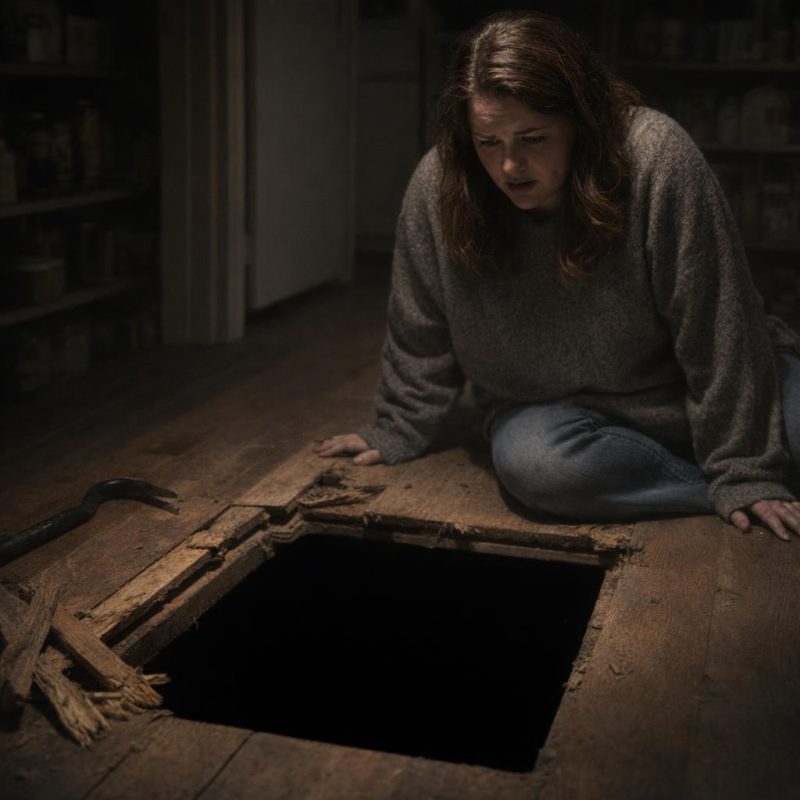 Image by RM AI
The Man in the Tyvek Suit
I grabbed the high-lumen flashlight from the counter — the big one I kept for power cuts — and I leaned over the hole and switched it on. The beam cut straight down and I saw a steel ladder bolted to a concrete shaft, descending maybe eight feet. At the bottom was a floor. Not dirt. Not gravel. A finished floor, pale grey, clean. I moved the beam sideways and my brain took a second to catch up with what my eyes were seeing: a corridor. Narrow but tall, the walls lined with dark acoustic foam in a grid pattern, and along the ceiling, recessed LED strips running the full length, casting even white light over everything below. It looked like somewhere that cost money to build. It looked like somewhere that cost a lot of money to build. A figure moved across the bottom of the ladder — unhurried, purposeful — and I nearly dropped the flashlight. He was wearing a full-body Tyvek suit, hood up, moving away from me down the corridor. But I knew that walk. I'd seen it crossing the driveway a hundred times. In his gloved hands was a flat tray, and on the tray, catching the LED light, were rows of small components that looked like microchips. Mr. Gable turned the corner and was gone.
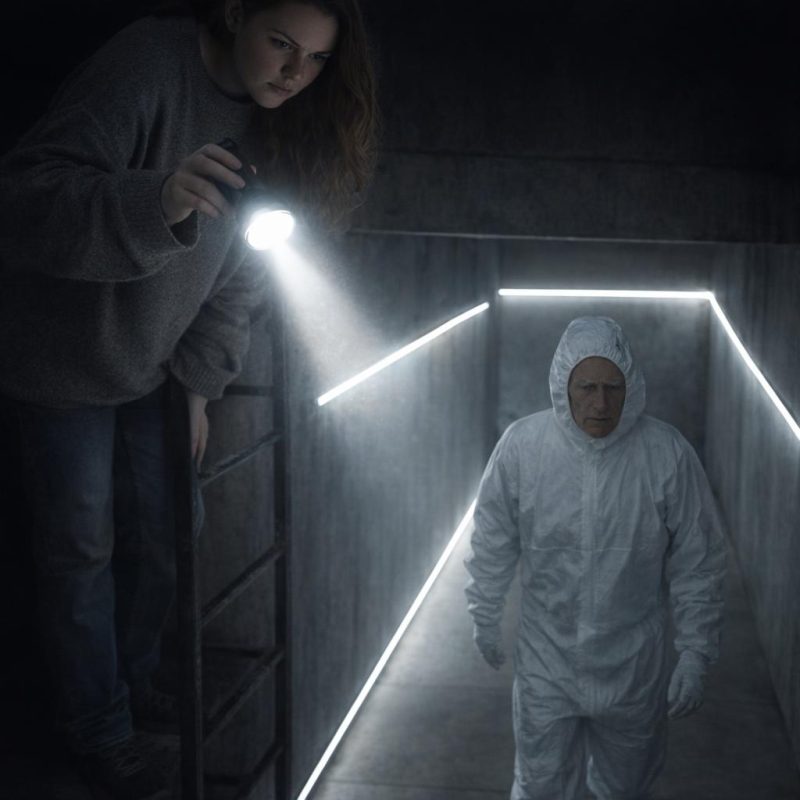 Image by RM AI
The Hidden Laboratory
I didn't pull back. I should have, but I didn't. I kept the flashlight moving, sweeping it slowly across everything I could see from the hole. The corridor ran straight for at least twenty feet before it bent — I couldn't see where it ended. Along the right wall I could make out workbenches, low and long, with equipment on them I couldn't name from this angle but that looked precise and expensive. Further along there was what looked like a sealed doorway with a thick frame, the kind of door you'd see on a clean room or a server vault. And then I heard it — the sound I'd been hearing for weeks, the mechanical clacking I'd convinced myself was a clock. It was coming from somewhere beyond that door, rhythmic and automated, and now that I was hearing it from directly above the source it didn't sound anything like a clock. It sounded like assembly equipment running a cycle. The corridor ran in the direction of Mr. Gable's cottage. It ran under the shared foundation, under the wall between our properties, and from the length of it, probably well beyond. This hadn't been built in a weekend. This hadn't been built in a year. The soundproofing on the walls explained everything — every month I'd spent wondering if I was imagining things, every night I'd lain awake questioning my own hearing. And then the heavy thud came again, that deep concussive sound, and I understood: it was the security door at the far end, sealing shut.
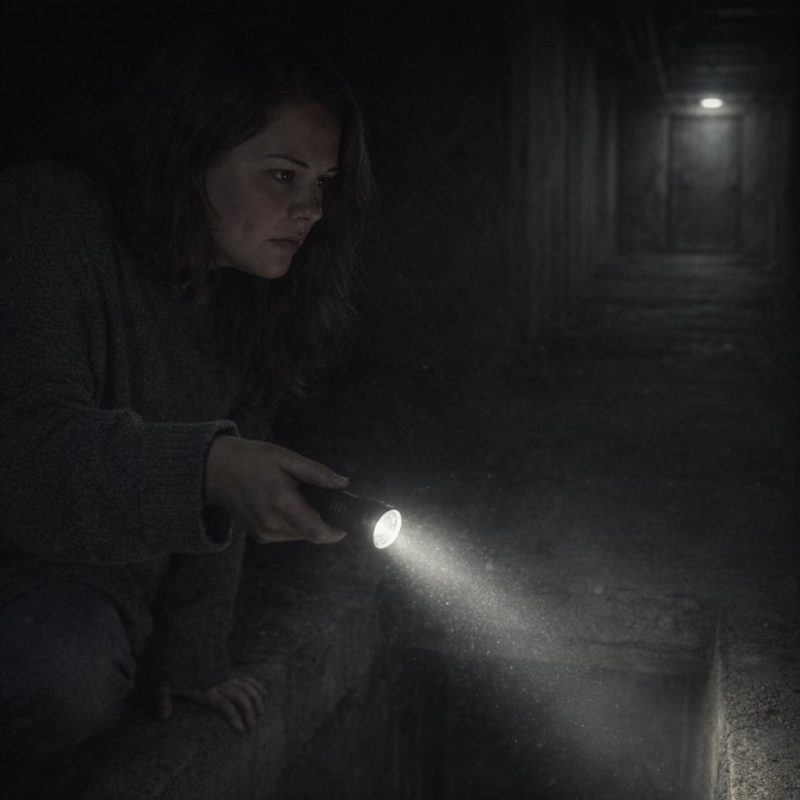 Image by RM AI
The Escape
I yanked myself back from the hole so fast I scraped my palm on the broken board edge. He'd been right there. Eight feet below me. And those boards cracking — that gunshot sound — there was no way that hadn't carried. I grabbed the broken pieces and shoved them back over the gap, fitting them as best I could with hands that wouldn't stop shaking. The heavy flour bin was still on the counter where I'd moved it earlier, and I dragged it across the floor and pushed it over the spot. It wasn't convincing. It would have to do. I ran. Luna was under the living room sofa, pressed flat against the wall, and I got down on my stomach and pulled her out and she didn't fight me — she just went rigid in my arms, which was somehow worse. I grabbed my purse off the hook by the door, found my keys on the second try, and I was outside. The night air hit me cold. I didn't look at Mr. Gable's cottage. I didn't look at anything except my car. I got in, locked the doors, put Luna on the passenger seat, and started the engine. My hands were shaking so badly I stalled it once before I got it into reverse. I backed out of the driveway and drove, and the streetlights slid past overhead, and the distance between me and that house felt like the only thing keeping me breathing.
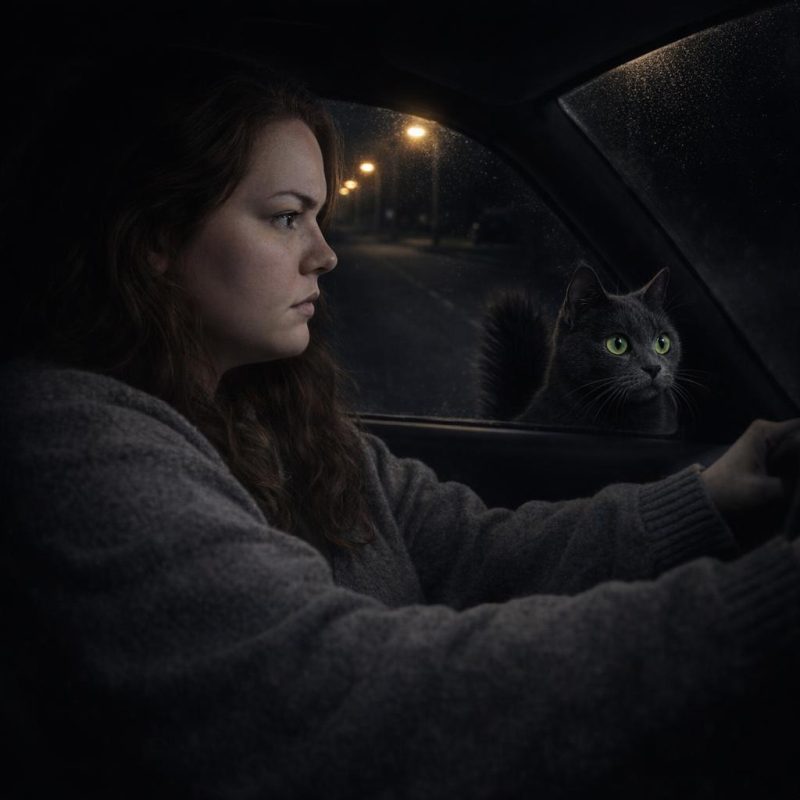 Image by RM AI
Three Towns Over
I drove through the first town without seeing it. I drove through the second one the same way — just lights and road and Luna making small distressed sounds from the passenger seat, her claws working against the fabric. Somewhere in the third town the adrenaline started to thin out and my vision went a little strange at the edges, and I knew I had to stop. The motel sign came up on the right: budget place, single story, the kind with exterior doors and a parking lot you could see from the room. The bottom of the sign said Pets Welcome in smaller letters and I pulled in before I'd consciously decided to. The night clerk barely looked up when I came in with Luna bundled inside my jacket. I paid cash — I don't know why, instinct — and took the key card for room seven. The room smelled like old carpet and the particular staleness of a window unit that runs year-round. I locked the door, slid the chain across, and set Luna down on the floor. She sniffed the perimeter in tight, nervous circles. I sat on the edge of the bed and noticed my phone was at eleven percent and I hadn't brought the charger. I didn't get up to do anything about it. I just sat there while Luna's soft footsteps moved back and forth across the carpet, and the room held us both in its quiet, anonymous dark.
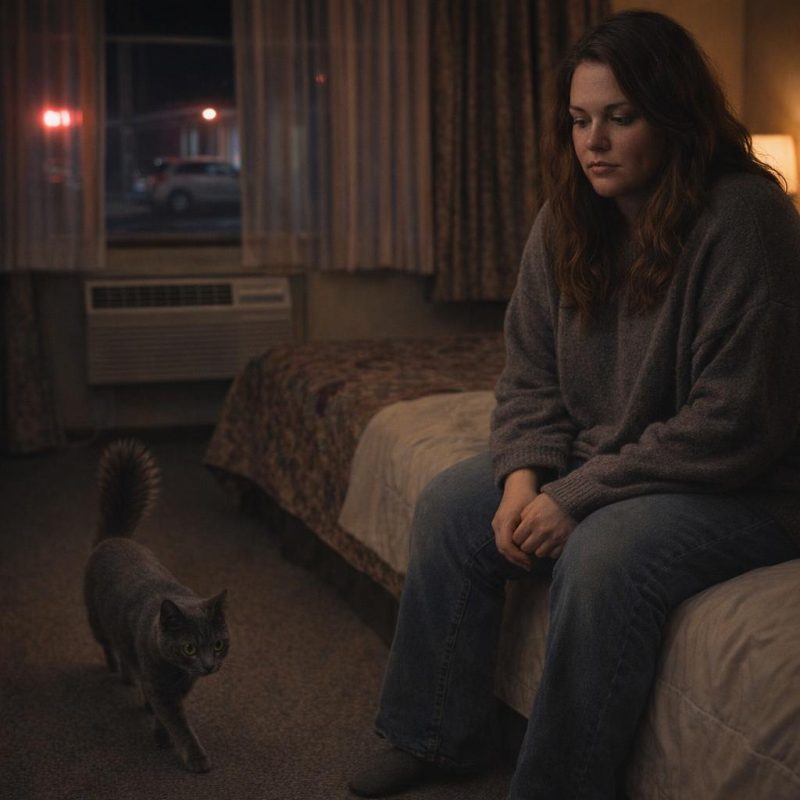 Image by RM AI
The Sleepless Night
I didn't sleep. I knew I wasn't going to sleep the moment I lay down, but I kept my eyes closed for a while anyway, like my body needed the pretense. Luna had settled at the foot of the bed, curled tight, finally still after hours of nervous circling. I stared at the water-stained ceiling and let the whole thing unspool in my head — the steel ladder, the LED strips, the hum of equipment, Mr. Gable in that Tyvek suit moving with the calm efficiency of someone who'd done it a thousand times. Five years. I'd lived next to him for five years. I'd waved at him over the fence. I'd accepted a jar of his homemade marmalade at Christmas. Every time I'd heard that rhythmic tapping through the shared wall, I'd thought: clockmaker. Eccentric old man with a hobby. The grandfather clock chimes had been real — I was almost certain of that — but they'd been cover, or coincidence, or both. And the 11 PM timing. He'd counted on the neighborhood being asleep. He'd never counted on Luna. She'd heard it every single night and refused to let me ignore it, and I hadn't understood what she was telling me until I was standing in his lab. The digital clock on the nightstand read 4:47. I watched it change to 4:48. Then the curtain at the window began to go pale at the edges with the first grey light of dawn.
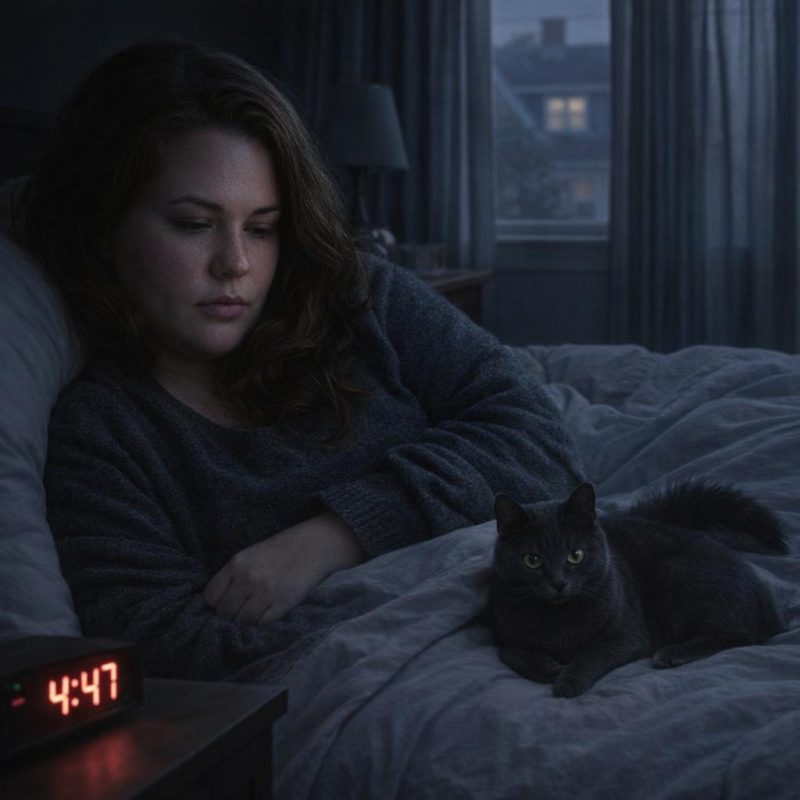 Image by RM AI
The Morning Call
I waited until 8 AM. I don't know why that felt like the right threshold — some leftover instinct that emergencies become official business at a reasonable hour. My phone was dead, so I used the motel room phone, the kind with actual buttons that I hadn't touched in years. The dispatcher was calm and efficient and transferred me to an officer before I'd finished my second sentence. I told him I needed to report a discovery at my property. He asked me to describe it. I took a breath and started talking — the hidden corridor beneath my pantry floor, the steel ladder, the LED lighting, the soundproofing on the walls. He was quiet in a way that felt like skepticism. Then I told him about Mr. Gable. The Tyvek suit. The trays of microchips. The fabrication equipment running at midnight. The silence on his end changed quality entirely. He asked for my home address. He asked for my current location. He told me to stay exactly where I was and not to return to the property. He said they'd send units to investigate. When I set the receiver back in the cradle, Luna was watching me from the bed with her green eyes wide and steady, and for the first time since I'd fled the house, my hands had stopped shaking.
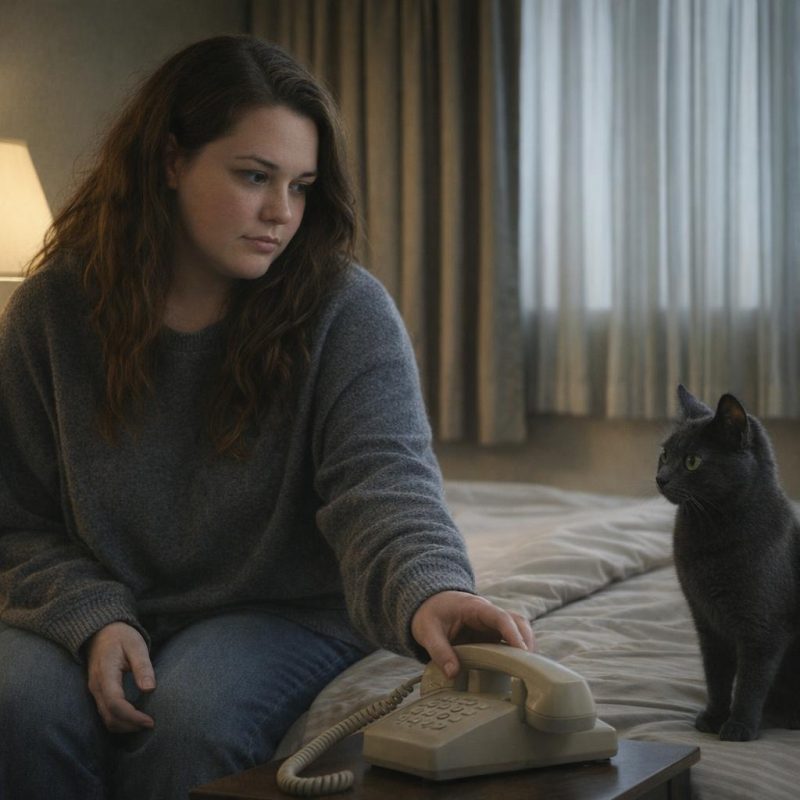 Image by RM AI
The Wait
The officer had said they'd call me back. He hadn't said when. I sat in the chair beside the motel phone and watched the clock on the nightstand the way you watch a pot you've been told not to watch. Luna slept on the bed behind me, finally deeply out, her sides rising and falling in slow, exhausted rhythm. My own phone was plugged into the wall charger I'd bought from the motel vending machine — three dollars for a cable that probably wouldn't survive the week — but it was still showing a red battery icon and I didn't trust it to ring if something came through. So I stayed by the landline. I ordered coffee from the lobby and drank it standing up because sitting felt too passive. I hadn't eaten since lunch the day before and my stomach knew it, but the idea of food was abstract and unconvincing. I kept imagining the cottage — the pantry floor still open, the ladder descending into the dark, whether Mr. Gable had come back up and found the hatch disturbed. Whether he was still down there. Whether he'd already left. The clock moved the way clocks move when you're watching them: with deliberate, almost personal slowness. Two hours passed. Then another. The weight of not knowing pressed down on me like something physical, and I sat with it, unable to put it down.
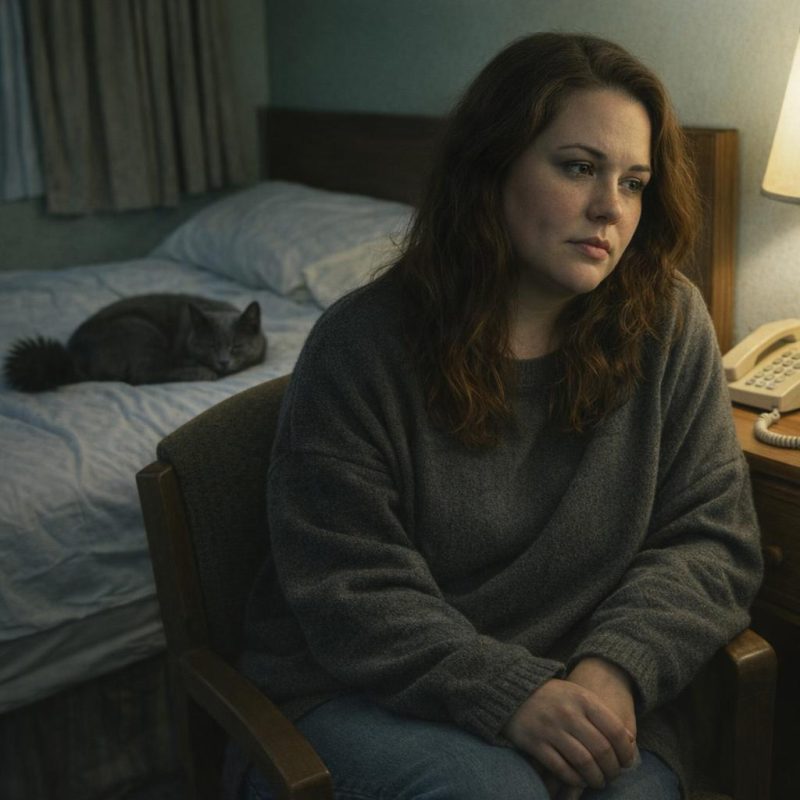 Image by RM AI
The Raid
The phone rang at 2 PM and I had the receiver off the cradle before the first ring finished. The officer identified himself — the same one from the morning — and his voice was measured and professional in a way that told me nothing until he said the words 'search warrant executed.' A tactical team had gone in through the property. They'd found the corridor exactly as I'd described it. The ladder, the lighting, the soundproofing, all of it. Mr. Gable had been in the underground lab when they arrived. He was arrested without incident, which I took to mean he hadn't run, hadn't fought, had simply been caught in the middle of whatever he was doing and accepted it with the same controlled calm he brought to everything. The officer confirmed the space was a fabrication facility. He asked if I could come to the station to give a formal statement. I said yes before he finished the question. When I hung up, I sat back in the chair and looked at Luna, still curled on the bed, one ear twitching in her sleep. I'd spent three weeks doubting myself, apologizing to pest control workers, buying every kind of deterrent the internet recommended. I hadn't been wrong. Not once. The room around me was quiet and ordinary and completely unchanged, and somehow that felt like the right container for what I was feeling — something too large to name, finally allowed to settle.
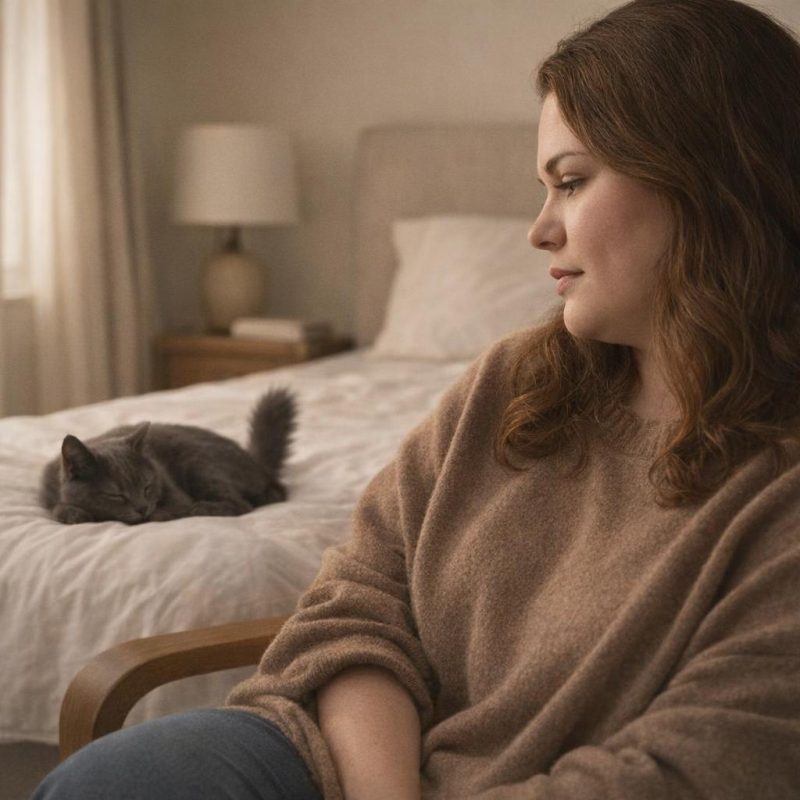 Image by RM AI
The Station
I brought Luna in her carrier. It felt right — she'd earned a seat at the table, or at least in the interview room. The detective who met me was methodical and unhurried, the kind of person who makes you feel like your words are being carefully filed rather than just heard. I started at the beginning: three weeks ago, 11 PM, Luna at the pantry door. I showed him the log on my phone — the dates, the times, the notes I'd typed at midnight when I couldn't sleep. He looked at it longer than I expected. I walked him through the pest control visit, the failed deterrents, the night I heard what sounded like voices beneath the floor. I described opening the hatch, the ladder, the moment I saw Mr. Gable below me in that white suit. The detective didn't interrupt once. When I finished, he set his pen down and said my documentation was unusually thorough and that it would matter for the case. Then he looked at Luna's carrier and said that in his experience, animals noticed things that got written off as nothing, and that her persistence had likely kept me from stumbling into something much more dangerous before I was ready. I didn't have anything to say to that. I just sat there in the fluorescent quiet of the interview room, feeling the particular relief of a story that had finally been heard all the way through.
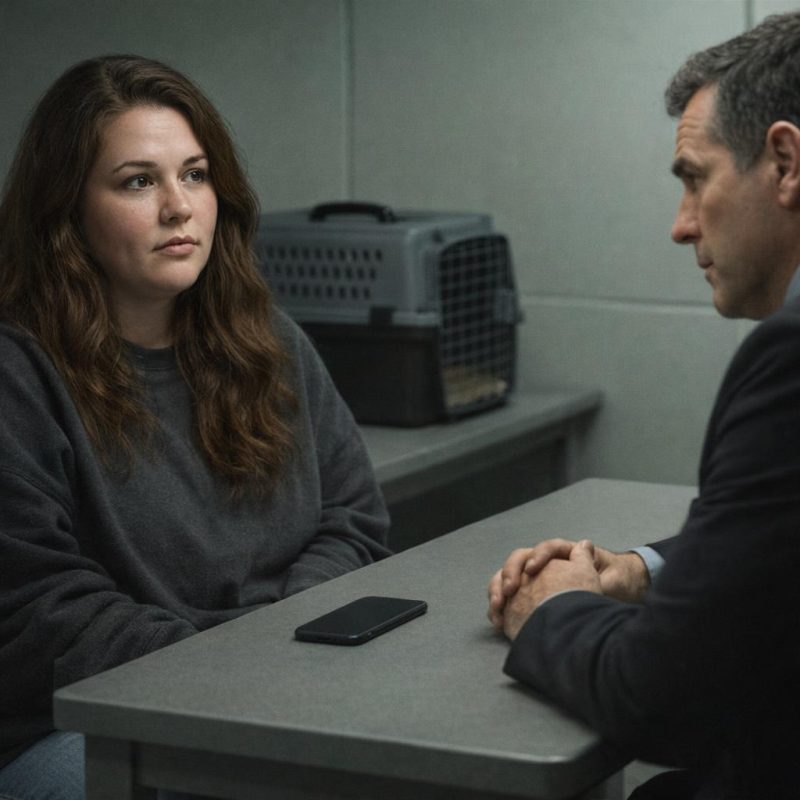 Image by RM AI
The Evidence
The detective slid a folder across the table and opened it to photographs of the seized equipment. I'd seen the lab in the dark, in a panic, for maybe forty seconds — seeing it in daylight through a camera lens was something else entirely. The machinery was high-end, the kind of thing that belonged in a corporate R&D facility, not under a semi-detached cottage in a quiet neighborhood. There were trays of microchips laid out in precise rows, and the detective explained they were reverse-engineered copies of proprietary designs belonging to several major tech companies. Mr. Gable hadn't just been tinkering. He'd been running a sophisticated duplication operation, producing chips that were functionally identical to the originals and selling them through encrypted channels to buyers the investigators were still identifying. They'd found the communications on a hardened laptop — layered encryption, the detective said, the kind that takes time to crack. Mr. Gable had been operating for at least three years. Three years of 11 PM shifts beneath my kitchen floor while I watched television and fed my cat and assumed the tapping was a harmless old man's hobby. The detective closed the folder and told me the case had already been referred to federal prosecutors. Then he said the stolen technology they'd recovered was valued at several million dollars.
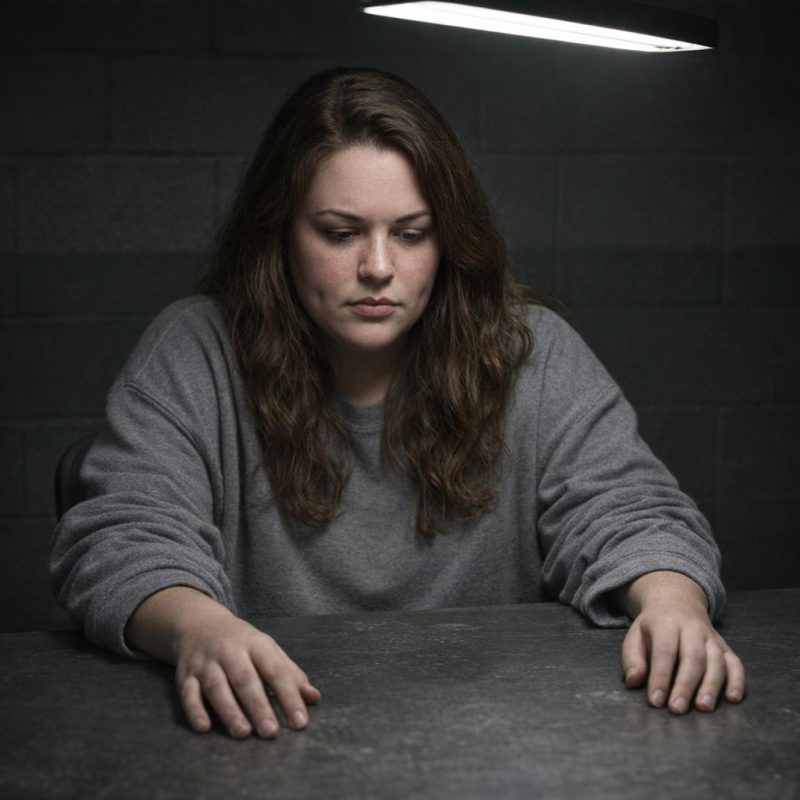 Image by RM AI
The Ring
I must have looked like the number hadn't landed properly, because the detective gave me a moment before he kept going. Mr. Gable hadn't been working alone. The detective explained it carefully, like he was aware it was a lot to absorb: an organized espionage ring, multiple operators, spread across several states. The network specifically recruited people who could pass as unremarkable — retirees, hobbyists, people with cover identities that explained away any unusual activity. The clockmaker persona hadn't been an accident or an eccentricity. It had been constructed. The fine motor marks on Mr. Gable's hands, the grandfather clock in the front room, the reputation as a quiet craftsman — all of it was a profile that had been built to hold up under casual scrutiny. Other members of the ring had already been identified and picked up in the hours since the raid. The chips were being sold to overseas manufacturers who could produce them at scale without paying licensing costs. Mr. Gable's location had been chosen partly because the old shared foundation made excavation easier to conceal. The detective said my call that morning had given them the thread they needed to pull. He turned his notepad around and showed me a diagram — nodes and lines connecting locations across the map — and I counted the dots before I could stop myself.
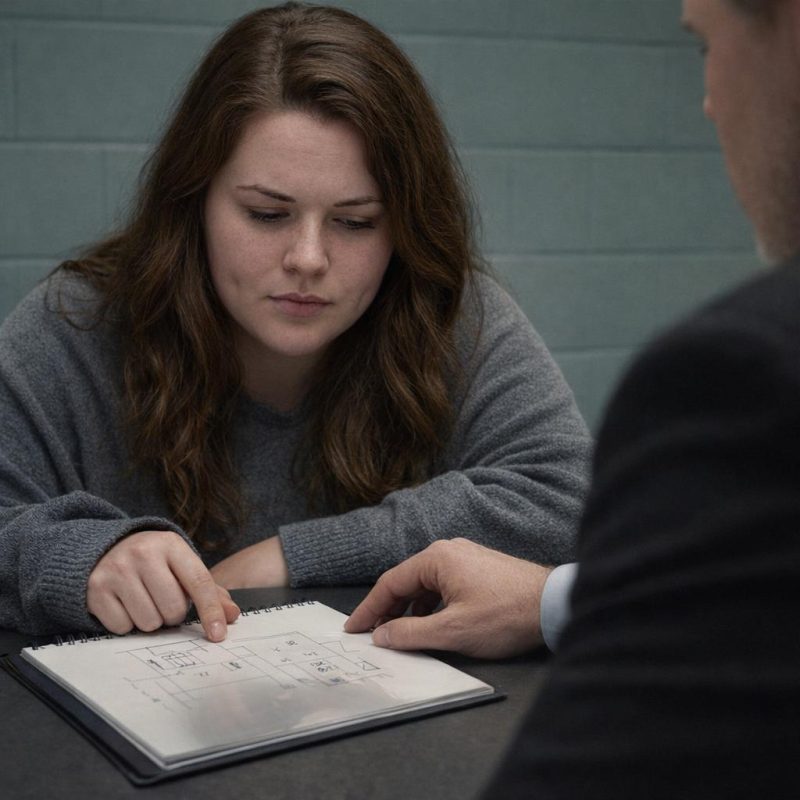 Image by RM AI
The Tunnels
The detective pulled out a second map — a detailed site plan, the kind with measurements and cross-sections — and set it on the table in front of me. The tunnel system didn't stop at Mr. Gable's property or mine. The excavation extended beneath three other homes on the street, branching out from the central lab in directions I wouldn't have guessed from above ground. The detective explained that distributing the footprint across multiple properties had been deliberate — thermal imaging from above would have flagged a single concentrated heat source, but spread across four foundations it read as normal residential variation. The neighbors had no idea. Structural engineers were already on site assessing the damage, and the detective said carefully that some of the foundations might need reinforcement before the homes were safe to occupy. A collapse, he said, was a real possibility that had been avoided mostly by luck. I thought about the family two doors down with the kids who rode bikes in the driveway. I thought about the retired couple on the corner. None of them had heard anything, noticed anything, had any reason to look down. The detective said the other homeowners were being notified that afternoon. He slid the map closer to me, and I looked at it — four properties outlined in red, the tunnel lines threading beneath all of them like roots — and the anger that moved through me was clean and cold and total.
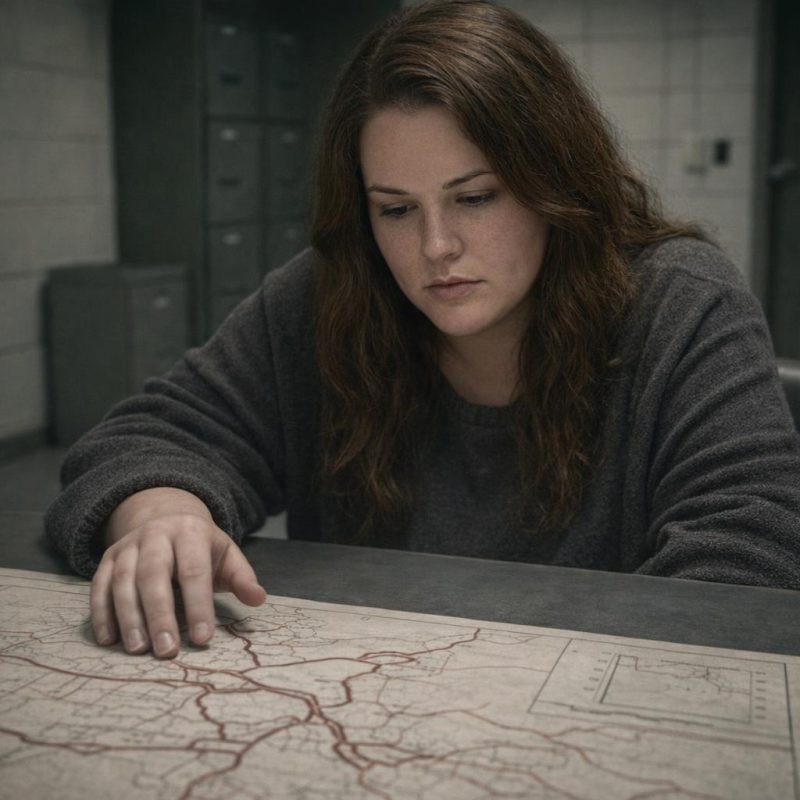 Image by RM AI
The Years of Deception
 Image by RM AI
The Repairs Begin
 Image by RM AI
The Extra Treat
 Image by RM AI
The Protector
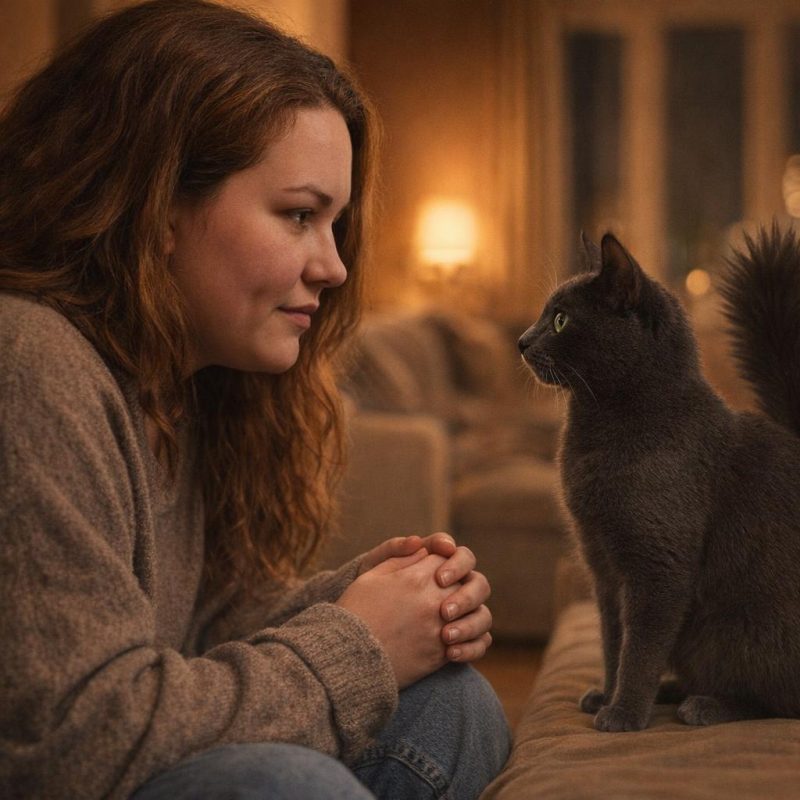 Image by RM AI
KEEP ON READING

From GPS to the Wristwatch: 20 Military Innovations You Probably…
Battlefield Problems to Everyday Solutions. It's easy to take for…
By Christy Chan May 25, 2026
20 Mysterious Fossils That Paleontologists Still Can't Explain
Ancient Life Had a Weird Imagination. Fossils usually help scientists…
By Emilie Richardson-Dupuis May 25, 2026
20 Laws Created Because One Person Did Something Terrible
History Keeps Receipts. Long before laws had polished names and…
By Cameron Dick May 25, 2026
20 Dynasties That Proved Family Wealth Can Outlast Empires
Money Remembers. Empires like to pretend they are permanent. They…
By Cameron Dick May 25, 2026
20 Archaeological Finds That Sound Fake But Are Completely Real
The Past Refuses to Be Boring. Archaeology has a way…
By Annie Byrd May 25, 2026
20 Peace Treaties That Unraveled Instantly
When Peace Agreements Failed Almost As Soon As They Began.…
By Rob Shapiro May 25, 2026