

I Won A Free Cruise At The County Fair. The Ship That Picked Me Up Wasn't What I Expected.
I Won A Free Cruise At The County Fair. The Ship That Picked Me Up Wasn't What I Expected.
The Call That Changed Everything
I was folding laundry on a Tuesday afternoon — the boring kind of Tuesday where nothing happens and you're not even expecting it to — when my phone rang with a number I didn't recognize. I almost let it go to voicemail. I'm glad I didn't, or I guess I thought I was glad, at the time. The woman on the other end had one of those voices that makes you feel like you're already in good hands before she's said anything important. Smooth, warm, professional. She told me I'd won a seven-day Caribbean cruise through the county fair raffle I'd entered back in August. I'd honestly forgotten about that raffle. I remembered dropping my name in a fishbowl near the funnel cake stand and thinking nothing of it. But she had my full name, my phone number, the date of the fair. Everything matched. She walked me through the details — departure port, cabin class, all of it — and before I'd really thought it through, I heard myself say yes. She thanked me, told me a confirmation packet would arrive within the week, and then the line went quiet. I stood there in my living room with a basket of half-folded towels at my feet, and the afternoon felt exactly the same as it had five minutes ago, just strangely still.
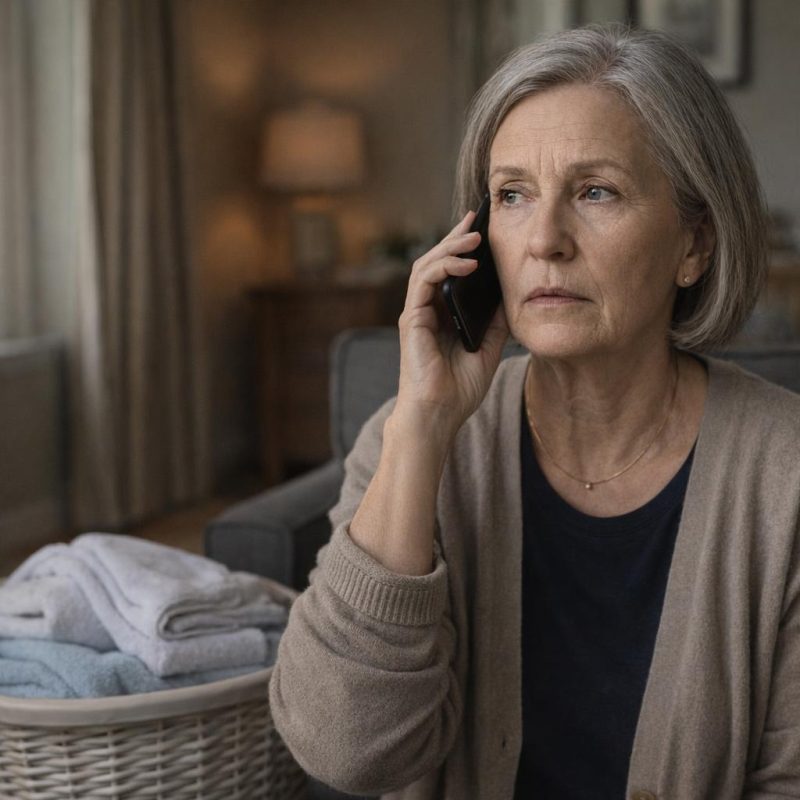 Image by RM AI
Jennifer's Warning
I called Jennifer that same evening, still riding the little buzz of it, and I barely got the words out before she started in. "Mom, that sounds like a scam." Just like that, no pause, no congratulations. I told her the woman already had my information from the raffle, that I hadn't given out anything new, and Jennifer said that's exactly what these operations count on — they get your name from a public event and use it to make the call feel legitimate. She listed things off like she'd read an article about it that morning: no upfront fees asked yet, pressure to accept quickly, vague company name, no way to verify the prize independently. I told her I could look up the company. She asked if I'd already done that. I hadn't. There was a pause, and I filled it by saying I deserved something good for once, which came out sharper than I meant it to. Jennifer got quieter after that, not cold, just careful. She made me promise I'd check the website, call the number on the paperwork, and tell her everything before I committed to anything. I said I would. I said I'd be careful. And I meant it. But after I hung up, standing in my kitchen with the phone still warm in my hand, her voice kept circling back — "Mom, that sounds like a scam" — and I couldn't quite shake it loose.
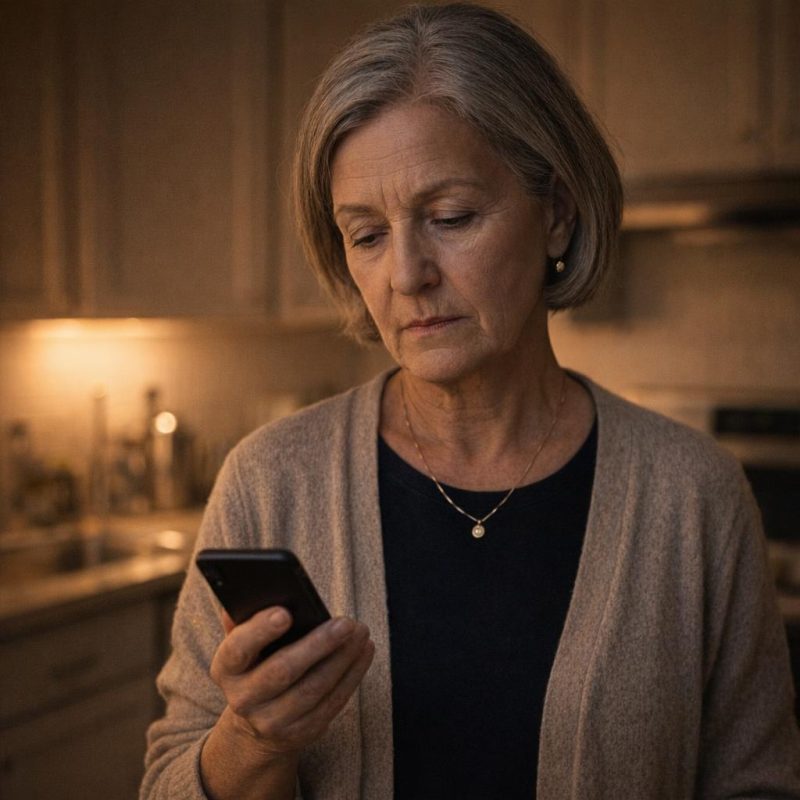 Image by RM AI
Everything Checks Out
The envelope arrived four days later, thick and official-looking, with a return address printed cleanly in navy blue: Sapphire Seas Cruise Line. I sat down at my kitchen table before I even opened it. Inside were glossy brochures — turquoise water, white sand, couples laughing on deck chairs — and a full itinerary printed on letterhead with a confirmation number and my name spelled correctly. I pulled out my laptop and typed in the website address from the brochure. It loaded immediately: professional design, photo galleries, a booking portal, customer reviews. I wrote down the customer service number and called it. A cheerful woman answered on the second ring, pulled up my reservation using the confirmation code, asked whether I had any dietary restrictions, whether I needed accessible accommodations. She confirmed the departure date, the port, the cabin class. Everything Jennifer had told me to check, I checked. Every single thing came back exactly as it should. I sat there for a moment after I hung up, feeling a little sheepish about the worry I'd carried all week. I spread the brochures across the table and looked at the photographs — the blue water, the open sky — and the last of my doubt just quietly dissolved, the way tension leaves your shoulders when you finally stop bracing for something that never comes.
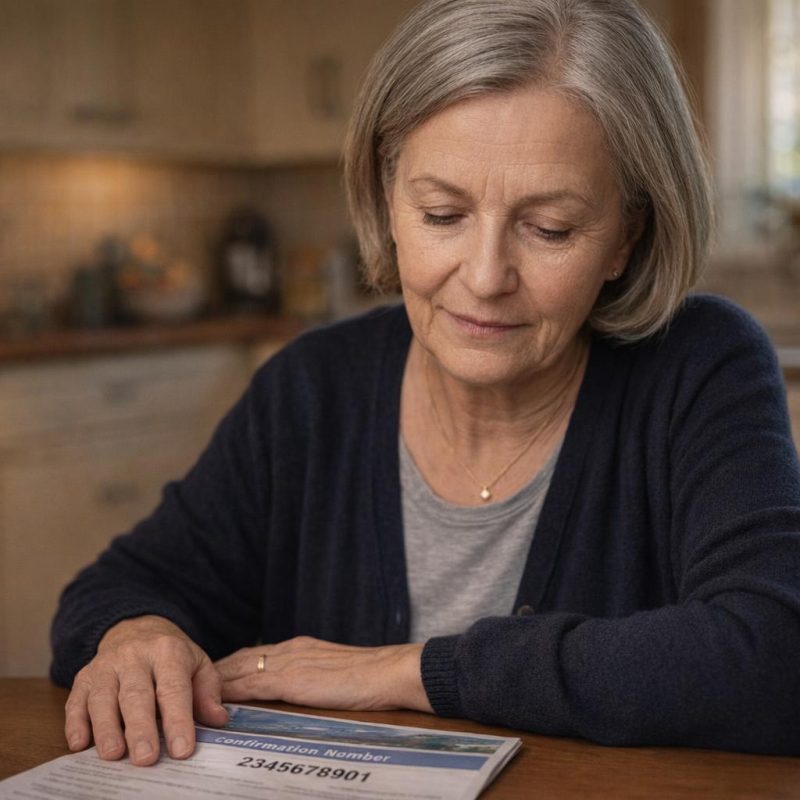 Image by RM AI
Packing for Paradise
I pulled my old suitcase down from the closet shelf on a Thursday morning and blew the dust off the top. It had been sitting up there since a trip to visit my sister in Phoenix, which told you something about how often I got away. I started practical: walking shoes, cotton shorts, a few loose shirts that wouldn't wrinkle. Then I let myself add the sundress — pale yellow, bought on clearance two summers ago and never worn because there was never anywhere worth wearing it. I folded it carefully and laid it on top. There was a formal dinner mentioned in the itinerary, so I tucked in a nicer blouse too, the blue one with the small buttons. Each thing I added felt like a small permission I was giving myself. I'd worked extra shifts for years, covered holidays, said no to things I wanted because the timing was never right or the money wasn't there. This trip hadn't cost me a cent, and somehow that made it feel more like something I'd earned than if I'd saved up for it myself. I checked my boarding documents three times, smoothed the confirmation sheet flat, and tucked everything into the front pocket of the suitcase. I even looked up the rock climbing wall mentioned in the activities section, which made me laugh at myself a little. When I zipped the suitcase closed, I stood there with my hand on the handle, and I felt lighter than I had in years.
 Image by RM AI
The Drive Downtown
Jennifer had insisted on driving me, even though I told her twice I could take a cab. She showed up twenty minutes early, which was very Jennifer. The drive downtown took about forty minutes, and she used most of it asking me the same questions in slightly different ways. Had I told anyone else where I was going? Did I have the company's contact information saved somewhere besides my phone? Was I going to call her as soon as I reached the port? I answered each one patiently, or I tried to. By the third variation of "but do you have a backup number," I was gripping my purse strap a little tighter than necessary. I didn't say anything sharp. She meant well and I knew it. When she pulled into the parking lot near the shuttle pickup, she turned to look at me with that expression she gets — the one that makes her look older than she is — and said she just wanted me to be safe. That landed somewhere soft in my chest. I told her I knew, and I meant it. We hugged next to the trunk, and I could feel how tense her shoulders were, like she was holding something back. I grabbed my suitcase, climbed into the waiting shuttle van, and waved at her through the window as we pulled away. Her face stayed in the glass for a moment — worried, still — and then the van turned the corner and she was gone.
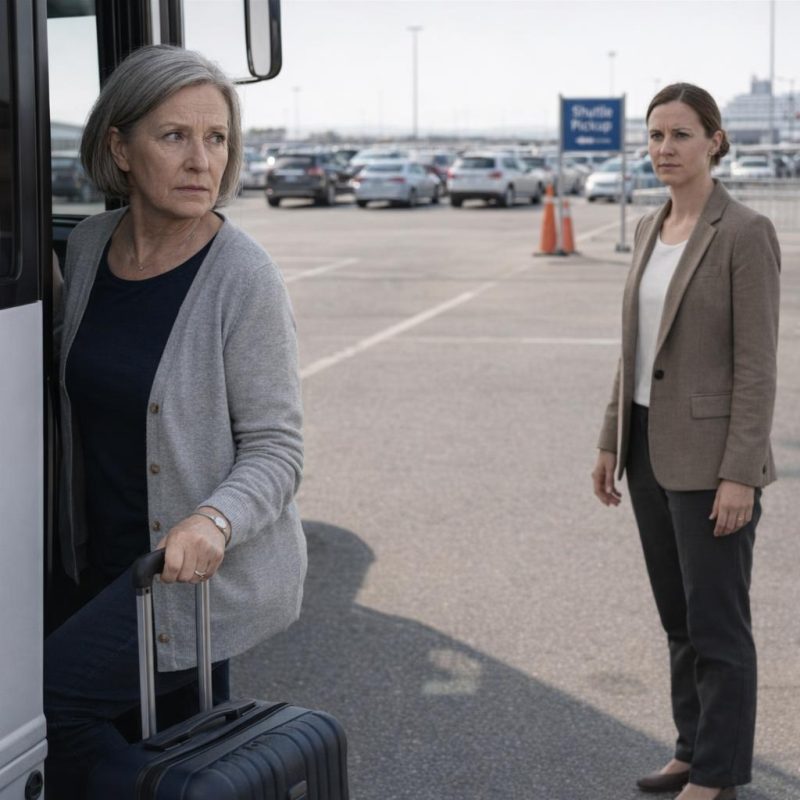 Image by RM AI
The Ship at the Dock
The shuttle dropped us at a port facility that looked nothing like the photographs. I don't know what I'd been picturing exactly — something gleaming, I suppose, with flags and a grand terminal — but this was industrial. Chain-link fencing along one side, a low concrete building, the smell of salt water mixed with something mechanical. I followed the small group of passengers toward the water, pulling my suitcase over uneven pavement, scanning the dock for the ship from the brochures. I found it. It was clean, I'll give it that. But it was small. Noticeably, undeniably smaller than the vessel in those glossy photographs. It looked less like a luxury liner and more like a ferry that had been repainted and tidied up. My steps slowed without me deciding to slow them. I stood there a moment, then told myself that smaller could mean more personal, more intimate, less crowded. Some people paid extra for that. I joined a cluster of passengers waiting near the gangway, and we exchanged the polite small talk of strangers — comments about the weather, the drive over. A woman with a silver bob mentioned she'd won her trip through a grocery store raffle. A man in a polo shirt said he'd called in to a radio contest. I looked around at the little group of us, all holding the same style of information packet, all with the same Sapphire Seas letterhead, and I noticed that nobody was saying what the ship actually looked like.
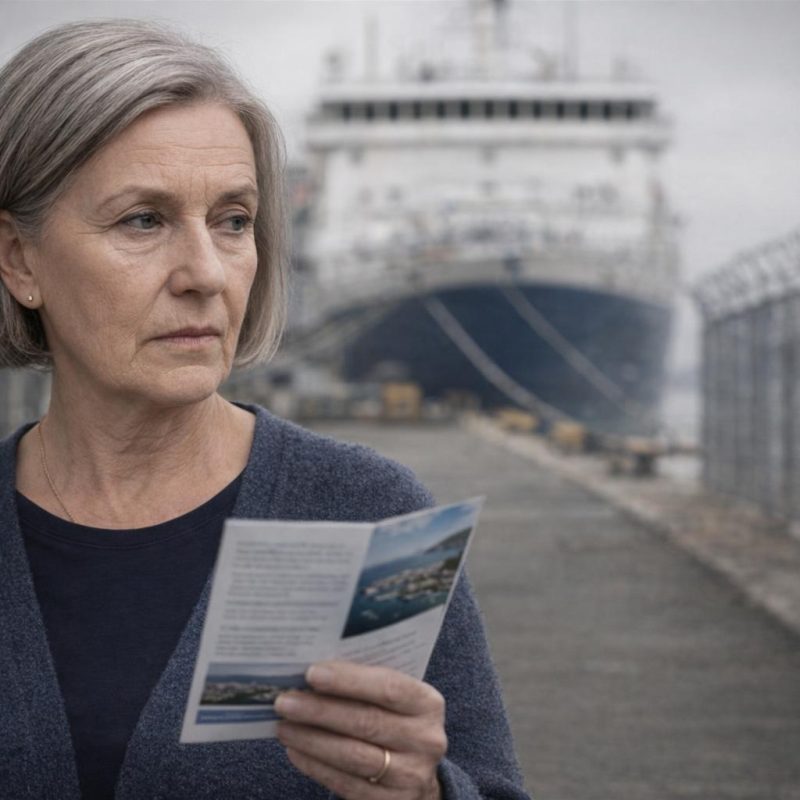 Image by RM AI
Cold Welcome
I noticed it before we even boarded — the way people's eyes would go to the ship and then slide away, like they'd seen something they weren't sure how to account for. Conversations had these little pauses in them that lasted a beat too long. Nobody said anything directly. I angled my suitcase sideways to fit through the narrow gangway and stepped onto the deck, half-expecting someone to hand me a glass of something and say welcome aboard. Instead, a young man in a white uniform stood near the entrance holding a stack of manila envelopes. He glanced at my paperwork, found my name, and handed me one without a word. No smile, no hello, nothing. Inside was a plastic key card and a slip of paper with a cabin number. That was it. No ship map, no schedule, no list of amenities. I found my cabin on my own, which took longer than it should have. The room was small but clean — narrow bed, compact dresser, a bathroom barely big enough to turn around in. I checked the nightstand, the dresser drawers, the bathroom shelf. Nothing. No welcome folder, no daily newsletter, no pen and notepad. I stepped back into the hallway and flagged down the same young man from the entrance. He barely looked at me. He said I should rest, that dinner information would be provided later, and walked away before I'd finished my next sentence. I went back into my cabin and picked up the phone on the nightstand to call the front desk, and that's when I noticed there was no directory anywhere on it — no list of extensions, no instructions, nothing at all.
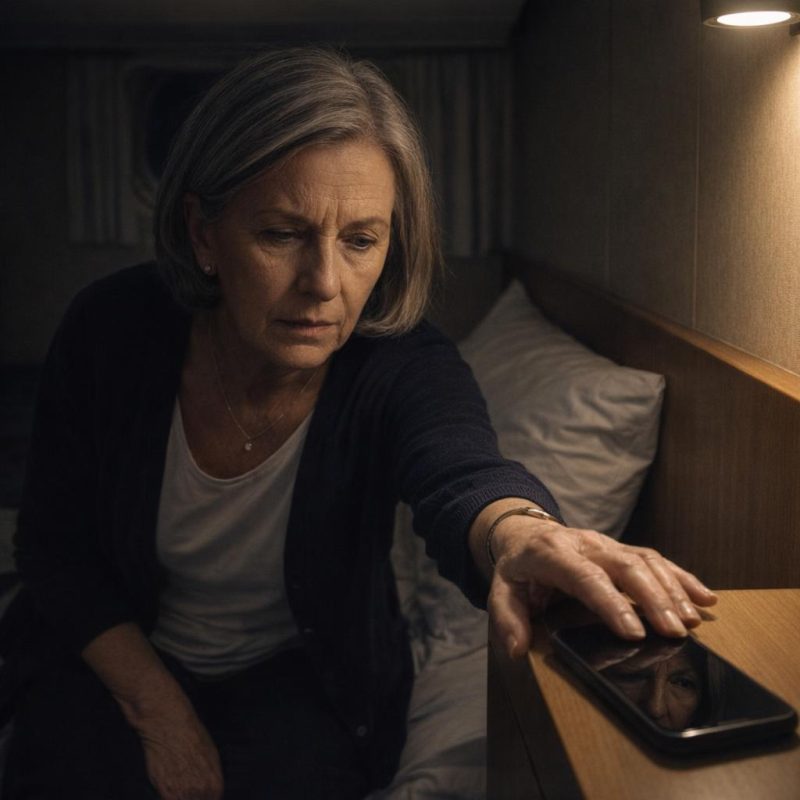 Image by RM AI
Silent Dinner
I found the dining room by following a pair of older passengers I'd spotted in the hallway, which felt a little embarrassing but seemed like the only option. The room was enormous — maybe fifty tables, high ceilings, the kind of space that should have been buzzing. Six or seven tables were occupied. Everyone was eating quietly, heads down, the occasional murmur but nothing you'd call conversation. It felt wrong in a way I couldn't immediately name. Cruise ships are supposed to be loud. They're supposed to feel like a party you walked into by accident. I sat at an empty table and a server appeared almost immediately, setting down a plate of chicken and roasted vegetables without asking what I wanted or whether I had any preferences. The food was fine. I ate it without really tasting it, watching the room, trying to catch someone's eye. When the young man from check-in — Carlos, I'd seen his name tag by then — passed by with a water pitcher, I raised my hand and asked about an activities schedule for tomorrow. He refilled my glass without looking at me and said details would be shared in the morning, then moved to the next table. I watched him go. Around me, nobody was chatting with their server, nobody was laughing, nobody was leaning across the table to point at the menu. The quiet in that dining room sat on my shoulders like something with weight to it.
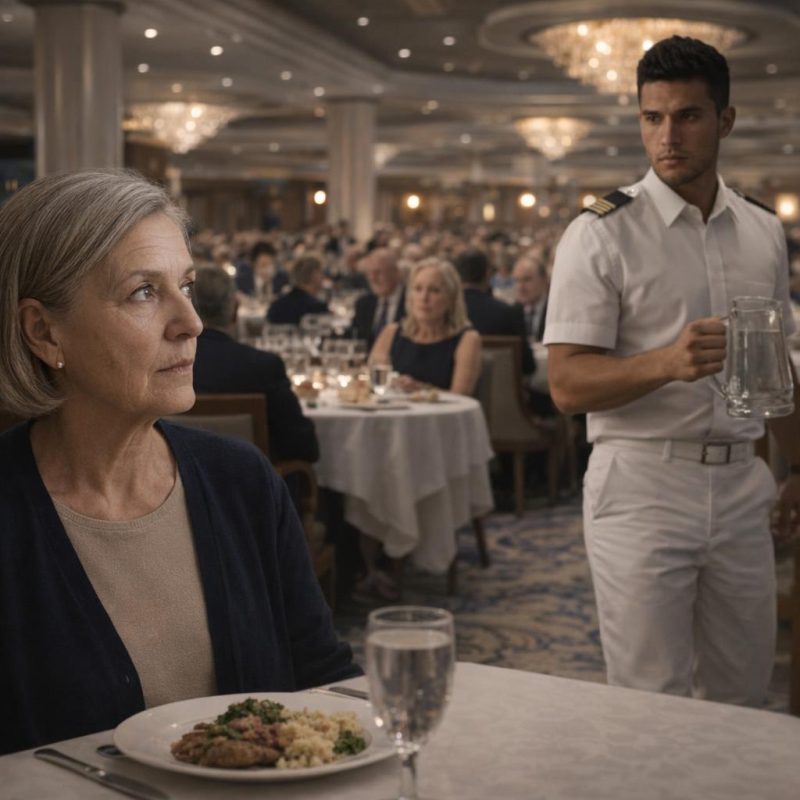 Image by RM AI
No Signal
After dinner I went straight back to my cabin and pulled out my phone to call Jennifer. I'd promised her I would, and I was already later than I'd said. No signal. Not one bar, not even the ghost of one. I held the phone up toward the porthole, moved it left, moved it right, stood on my toes like that was going to help. Nothing. I told myself the ship was probably just in a dead zone and walked out to the hallway, then up the stairs to the main deck, holding the phone above my head the whole way like some kind of fool. Still nothing. I found Carlos near the stairwell and asked him directly — was there Wi-Fi somewhere, or a ship's phone I could use to call home? He stopped walking but kept his eyes somewhere past my left shoulder. He said connectivity wasn't part of this experience. That was the exact phrase he used. Not 'we're having technical difficulties' or 'the signal is spotty out here.' Connectivity wasn't part of this experience. I stood there trying to figure out what to say to that, but he was already gone. I went back to the deck and leaned against the railing, chest tight, phone dark in my hand. A woman about my age was standing a few feet away, silver bob, straight-backed, staring at her own phone with the same expression I probably had. She looked up and asked if mine was dead too. I nodded.
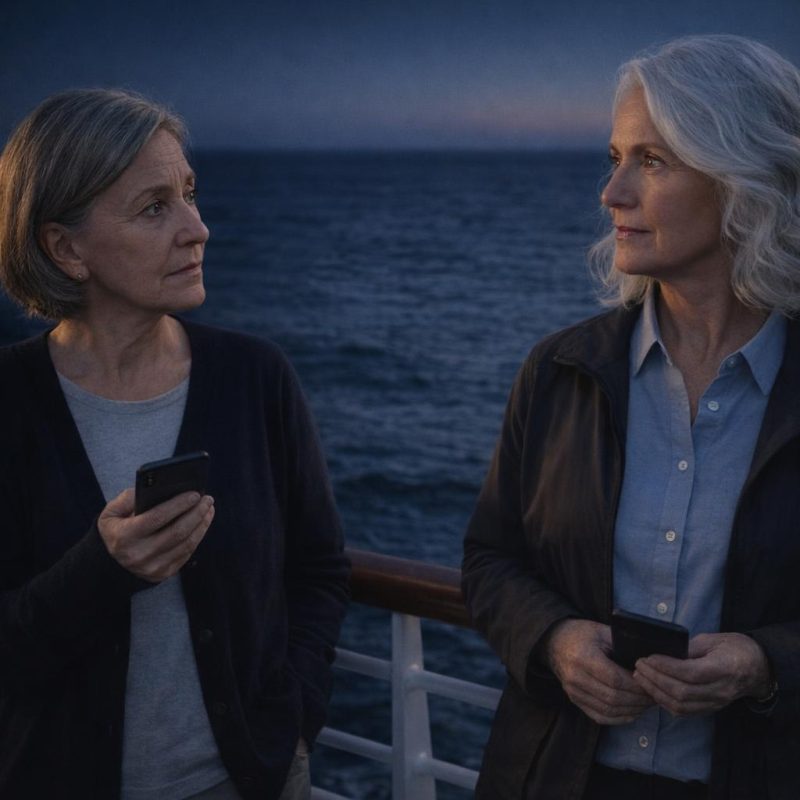 Image by RM AI
Meeting Gloria
Her name was Gloria, and she had the kind of posture that made you want to sit up straighter just standing next to her. She'd won her trip through a grocery store raffle — filled out a little slip by the checkout, forgot about it, got a call three months later saying she'd won a free cruise. I told her about the county fair, the spinning wheel, the woman with the clipboard. We stood there at the railing comparing notes, and the more we talked, the quieter we both got. Same vague paperwork. Same cheerful phone call with no real details. Same promise of a wonderful experience. Gloria said the ship looked nothing like the photos she'd been sent, and I agreed — the brochure I'd gotten had shown a pool deck full of people, a band playing somewhere, couples in nice clothes holding drinks. What we were standing on felt like a different vessel entirely. She mentioned the crew seemed off to her, too still, too careful. I told her about Carlos and the connectivity line, and something shifted in her expression. She said we should pay attention. Compare notes. I said maybe it was just a budget operation, that sometimes these free trips were just bare-bones, you know? Gloria looked at me for a moment without saying anything. Then she said we should talk more tomorrow, and I said yes, and we both meant it. We agreed to meet at breakfast. I walked back to my cabin telling myself I was probably overthinking everything.
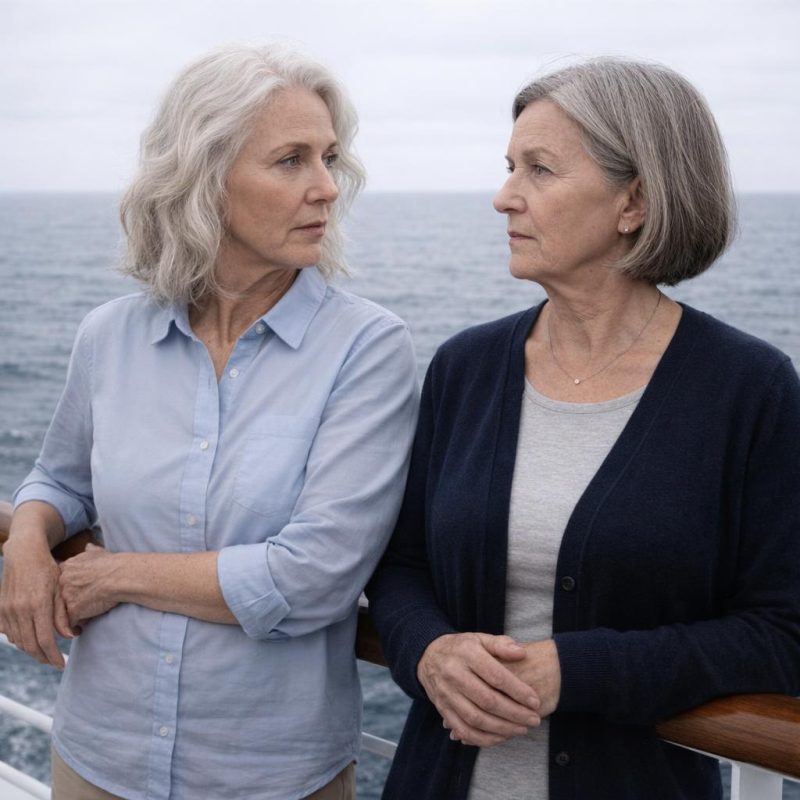 Image by RM AI
Restless Night
I couldn't sleep. The cabin was narrow and the mattress was fine, but that wasn't the problem. The problem was the quiet. I've been on one cruise before, years ago with my sister, and I remember the constant low hum of it — music somewhere, footsteps overhead, the engine working beneath everything like a heartbeat. This ship had none of that. No music, no laughter bleeding through the walls, no announcements crackling over a PA. The engine sound was there, faint, but everything else was just absence. The ship barely moved, too. I kept waiting for that gentle roll you get on open water, the kind that's supposed to rock you to sleep. It never came. I lay there staring at the ceiling and thought about Jennifer standing in that parking lot, shoulders tight, telling me something was wrong with this. I'd been so sure she was being overprotective. I'd told her she worried too much. I'd said it with a little laugh, the way you do when you want someone to feel silly for caring. Lying there in the dark, I couldn't find the laugh anymore. I tried the rationalization again — budget cruise, off-season, nothing sinister — and it sat in my chest like something I'd swallowed wrong. The hours moved slowly. Outside the porthole, the water was black and perfectly still, and the silence of the ship pressed in around me from every direction.
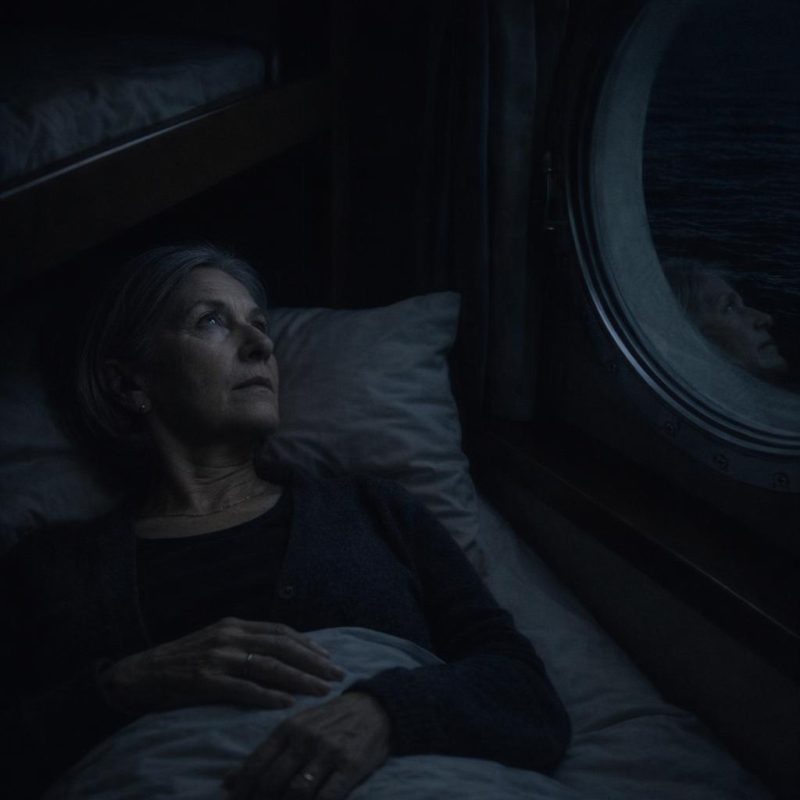 Image by RM AI
The Other Passengers
Breakfast was the same quiet dining room, same overhead lighting that was just a shade too bright, same servers appearing and disappearing without a word. Gloria was already at a table near the window and waved me over. A few minutes later a man in a polo shirt and reading glasses stopped at the edge of our table and asked, very politely, if he might join us. He introduced himself as Raymond, retired history teacher, said he'd won his trip through a radio call-in contest back in the spring. Then a woman in a floral blouse sat down across from him, hands wrapped around her coffee cup, and said her name was Diane. She'd won through a drawing at her community center. She said it quietly, like she wasn't sure she should be saying it at all. The four of us went around the table and the pattern was right there — raffle, contest, drawing, spinning wheel — but nobody named it out loud. Diane mentioned the ship seemed very quiet. Raymond said it was probably just an off-season thing, that you couldn't expect a full crowd in the shoulder months, and his voice had the careful steadiness of someone who very much needed to believe what he was saying. We ate mostly in silence after that, the four of us, and when I looked up from my plate I saw Raymond glance at Diane, and Diane glance at Gloria, and nobody said the thing that was sitting right in the middle of the table between all of us.
 Image by RM AI
No Activities
I went back to my cabin after breakfast fully expecting something to happen. A schedule slipped under the door, an announcement over the PA, a knock from a crew member with a list of the day's activities. The brochure had mentioned shuffleboard, a cooking demonstration, a movie night. I sat on the edge of my bed and waited. Nothing came. I went up to the deck around ten, thinking maybe there was something organized outside that I'd missed. The deck was nearly empty — a couple of passengers sitting in chairs, staring at the water, nobody talking. I found Gloria near the stern and asked if she'd heard anything, received any information about the day's schedule. She shook her head. We waited together for a while, then separately, then together again. By mid-afternoon I'd walked the same stretch of accessible deck four times and watched the same flat horizon for so long it stopped meaning anything. I kept thinking about Jennifer. Not in a productive way — just her face in that parking lot, the way she'd said Mom, please, like she was already bracing for something. I'd been so certain I knew better. I'd been so certain this was just her being anxious. The evening came in slow and gray, and I went back to my cabin and sat on the bed in the half-dark, and the day had passed without a single thing happening, and that felt like its own kind of answer to a question I still wasn't ready to ask.
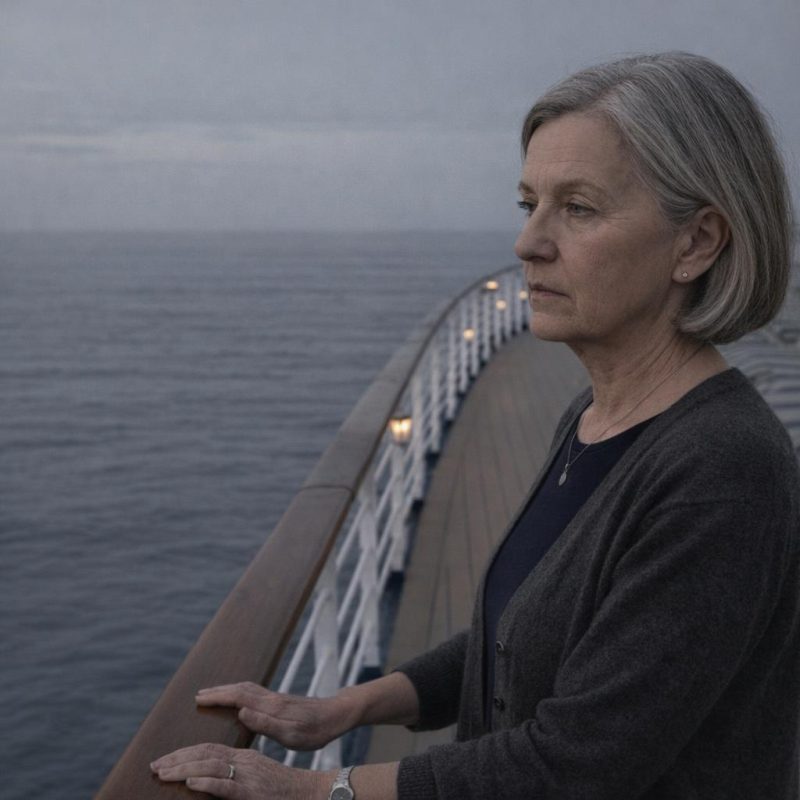 Image by RM AI
Locked Doors
I decided to find the pool. The brochure had shown it on the upper deck — a proper pool, lounge chairs, the whole picture. I figured if I couldn't get information, I could at least find something to do with myself. The door to the pool deck was locked. I tried it twice, then stood there for a moment feeling slightly ridiculous, then went looking for the gym. Also locked. The entertainment lounge listed in the materials had a door that didn't budge when I pulled it. I worked my way along the corridor trying doors — not frantically, just methodically, the way you do when you're telling yourself there's a reasonable explanation — and most of them were locked or opened onto storage spaces or crew-only areas with signs I wasn't sure I was supposed to ignore. Carlos appeared in the hallway while I was trying a door near the midship stairwell. I asked about the pool and the gym, kept my voice pleasant. He said those areas were under maintenance. I asked when they'd be available. He said he didn't have that information, and then he walked away at the same unhurried pace he always walked, and I stood in the corridor watching him go. I spent another hour exploring what I could reach, which turned out to be the dining room, my cabin, one stretch of outer deck, and a small lounge with four chairs and a window that looked out at nothing. The ship was enormous. I had access to almost none of it.
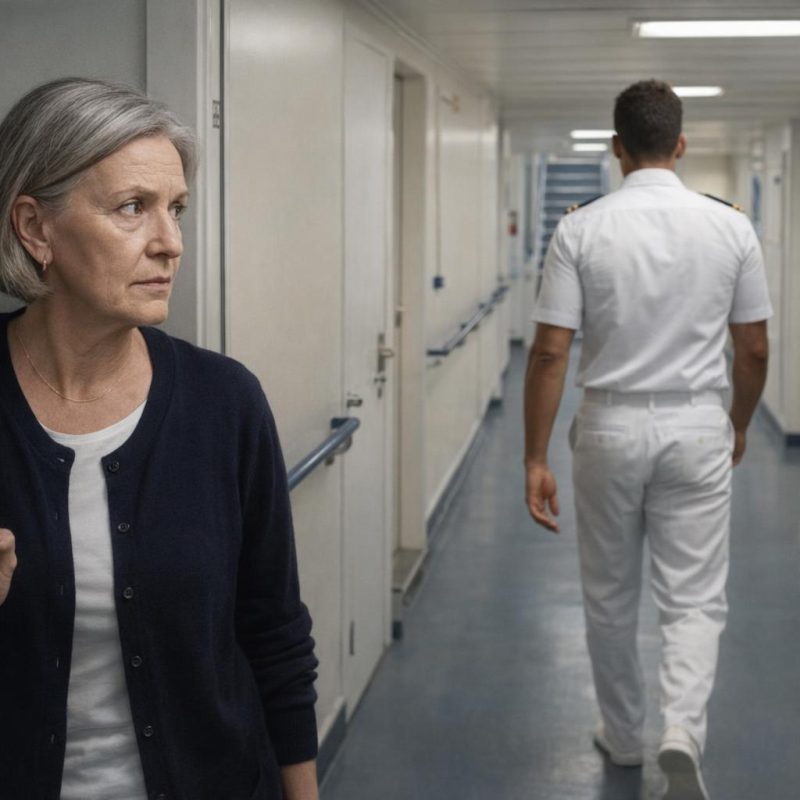 Image by RM AI
Evasive Answers
I tried being direct. I found Carlos near the dining room entrance that morning and asked him plainly — when would we reach the first port, what was the itinerary, could he show me something in writing. He said the itinerary was still being finalized and that information would be shared when available. I asked what that meant, exactly, and he said he understood my concern and that the crew was working to ensure a positive experience. I wrote that down in the little notebook I'd started keeping. Gloria had tried a different crew member near the upper deck and gotten almost the same response, word for word. Raymond had asked about meeting the captain, and the crew member he'd spoken to said the captain was occupied with ship operations and would be available at the appropriate time. We compared notes at lunch, the three of us, and the sameness of it was hard to ignore — not just the evasiveness, but the specific texture of it, the way each answer landed smooth and complete with no opening for a follow-up. I was standing near the railing that afternoon, still turning it over in my head, when I watched Carlos approach another passenger — a quiet man I'd seen at dinner but hadn't spoken to — who asked about the pool. Carlos said those areas were under maintenance. The exact same words, the same measured pause before speaking, the same slight turn away when he finished. I looked across the deck and found Gloria already looking at me, and neither of us said a word.
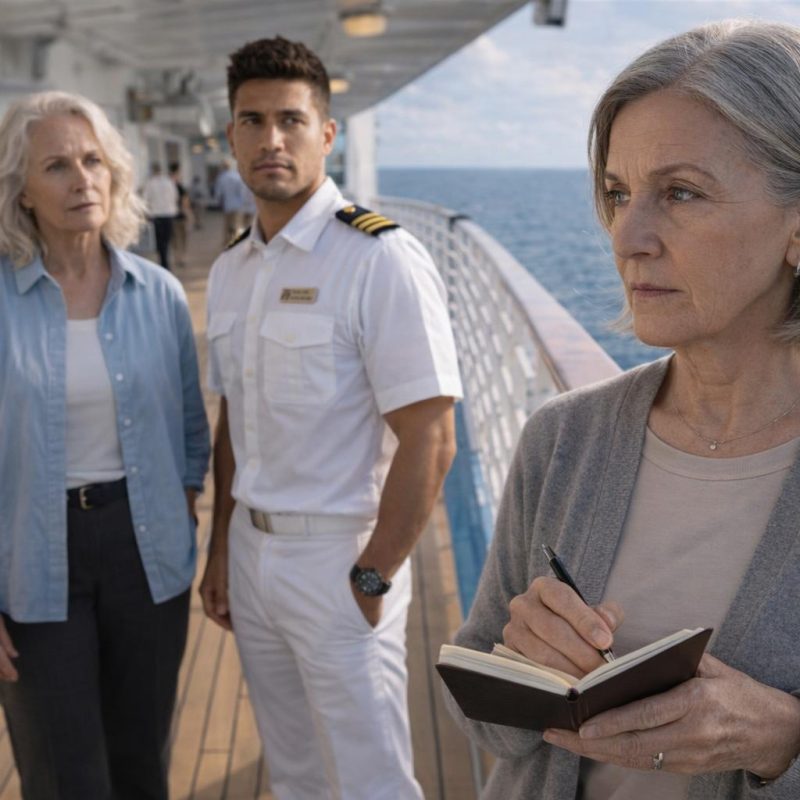 Image by RM AI
Going Nowhere
I'd been watching the horizon more than I probably should have, but I had nothing else to do with my eyes. On the third morning I noticed the sun. It was mid-morning and the light was coming from the same angle it had come from the day before — same side of the ship, same height, same quality of glare off the water. I stood there trying to remember if that was normal, if maybe I just didn't know enough about navigation to understand it. I found Gloria on the stern deck and described what I'd noticed. She nodded slowly before I'd even finished. She said she'd been watching the coastline — there was a faint dark line of it visible on clear mornings — and it looked the same as it had the morning before. Same shape, same distance. She'd been timing the ship's turns, she said, and the intervals were consistent. I asked her what she thought that meant. She looked at the water for a moment, then back at me. She said she didn't think we were heading anywhere. We stood at the railing without speaking after that, the water moving past us in its slow, indifferent way, and the coastline sat exactly where it had been yesterday, unchanged.
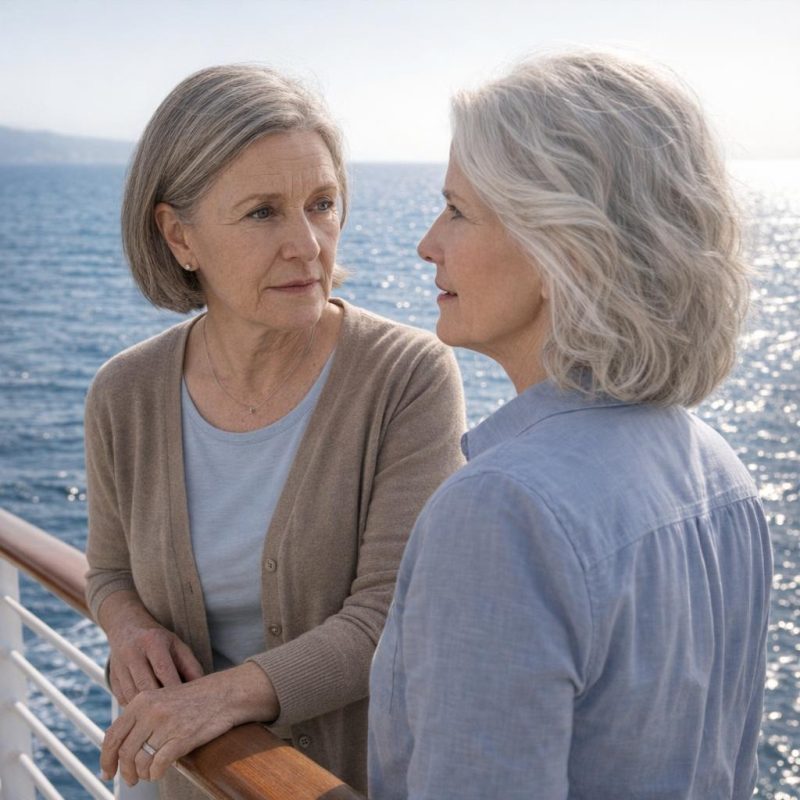 Image by RM AI
The Ship Hasn't Moved
I found Gloria at breakfast and told her I wanted to talk to Raymond and Diane. She agreed without hesitation. We found them at a corner table — Raymond working through his eggs with the careful dignity of a man pretending everything was fine, Diane picking at a piece of toast she hadn't touched. Gloria laid it out plainly. She told them what we'd both noticed: the sun angle, the coastline sitting in the same position morning after morning, the consistent timing of the ship's turns. Raymond set down his fork. He said there were a dozen explanations for that, navigation routes he didn't understand, currents, whatever. But something in his voice had already shifted. Gloria suggested we go up to the deck together and just look. So we did. We stood at the railing for a long time, the four of us, watching the same faint dark line of coast that hadn't moved in days. Raymond's jaw tightened. Diane's hands had started trembling before we even got outside, and up here they were worse. She asked what it meant, her voice very small. Raymond said it could be a mechanical issue, something with the engines. I pointed out that if there was a mechanical issue, the crew would have told us. Nobody argued with that. Diane said she wanted to go home. We stood there in silence, all four of us, and nobody had a single word to offer — because we all knew, without saying it, that something was very wrong.
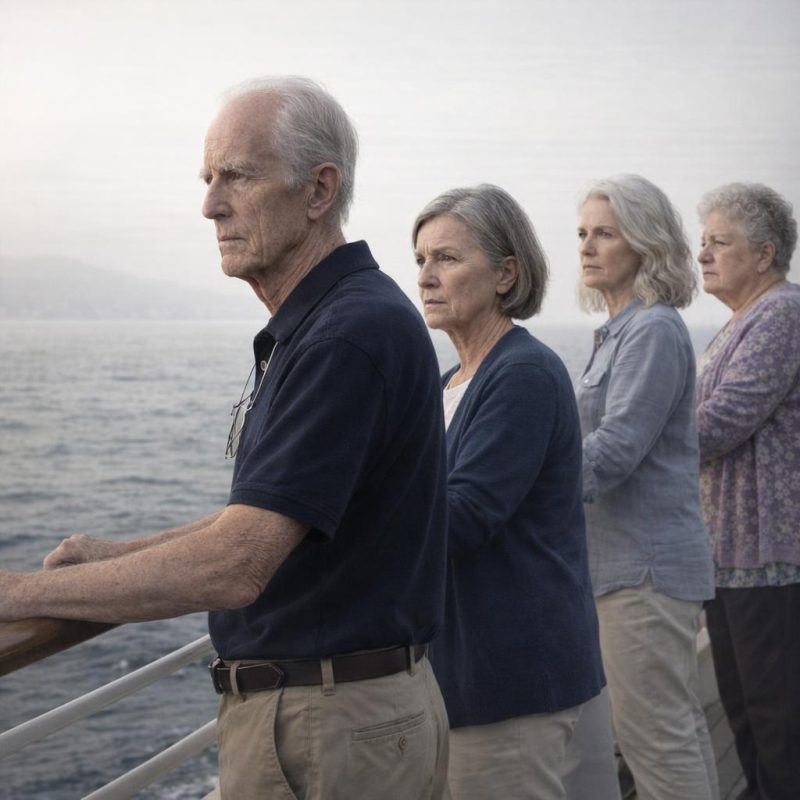 Image by RM AI
Gloria's Observations
After Raymond and Diane went back to their cabins, Gloria asked if she could come to mine. I said yes. She sat in the chair by the small porthole and pulled a folded piece of paper from her pocket — notes, I realized, written in a tight, precise hand. She'd been keeping track. Crew shift changes happened at the same times every day, she said, and there were far fewer crew members than a ship this size should carry. She'd counted. She'd also been mapping the ship — which doors were locked, which corridors looped back on themselves, which areas passengers were quietly steered away from without being told why. I asked her how she knew what to look for. She said she'd spent twenty years in the Navy. She said it like it was just a fact, not a credential, but it landed like one. She told me the crew's behavior wasn't just unfriendly — it was controlled. Every interaction felt like it followed a script. She said we needed to watch and gather information before we did anything that might put us at a disadvantage. She said we especially needed to keep an eye on Diane, who she thought was the most fragile among us. I sat there after she finished, looking at her neat handwritten notes, and felt the particular weight of understanding that someone else in the room had been thinking much more clearly than I had.
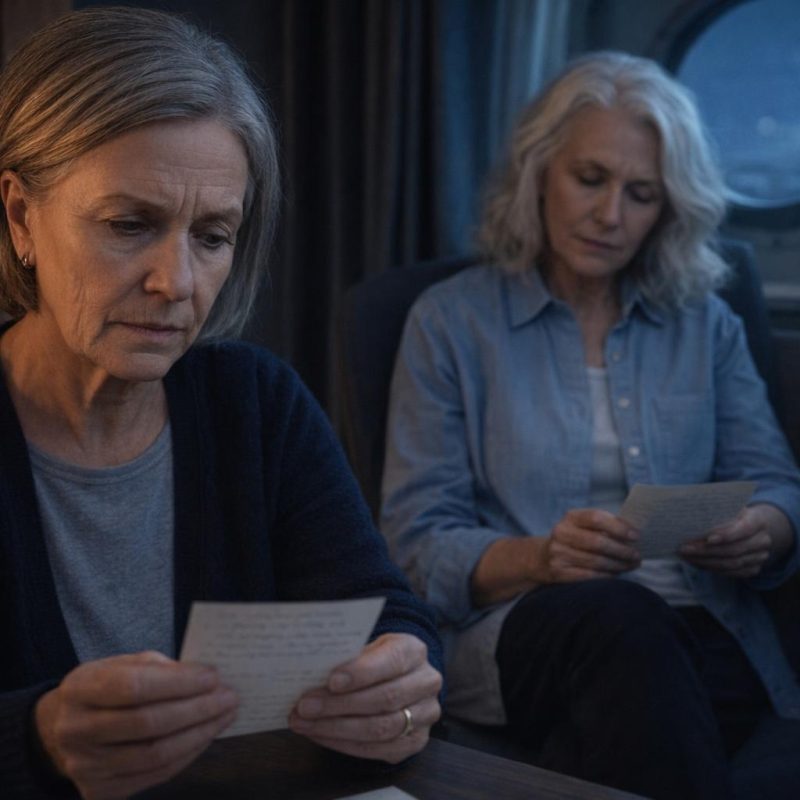 Image by RM AI
Demanding Answers
Raymond was the one who organized it. He came to find us the next morning with his shoulders squared and his reading glasses pushed up on his head like a man heading into a meeting he intended to win. He said we were going as a group, we were going to be calm and firm, and we were going to speak to the captain today. Diane came along, clutching the strap of her purse with both hands. We found Carlos near the main deck. Raymond stepped forward and said, clearly and without any wobble in his voice, that the four of us needed to meet with the captain immediately. Carlos looked at him with an expression that didn't change at all. He said the captain was unavailable. Raymond said that was unacceptable. Gloria backed him up, her voice level and precise. A second crew member appeared from somewhere and stood beside Carlos without a word. Carlos repeated that the captain was unavailable and that he couldn't provide a timeline. Diane started crying — quietly at first, then harder. I asked what was happening to us. Neither crew member answered. They turned and walked away together, unhurried, like we hadn't spoken at all. The four of us stood there on the deck in the sun, and I watched the two of them disappear through a door that closed behind them with a soft, final click.
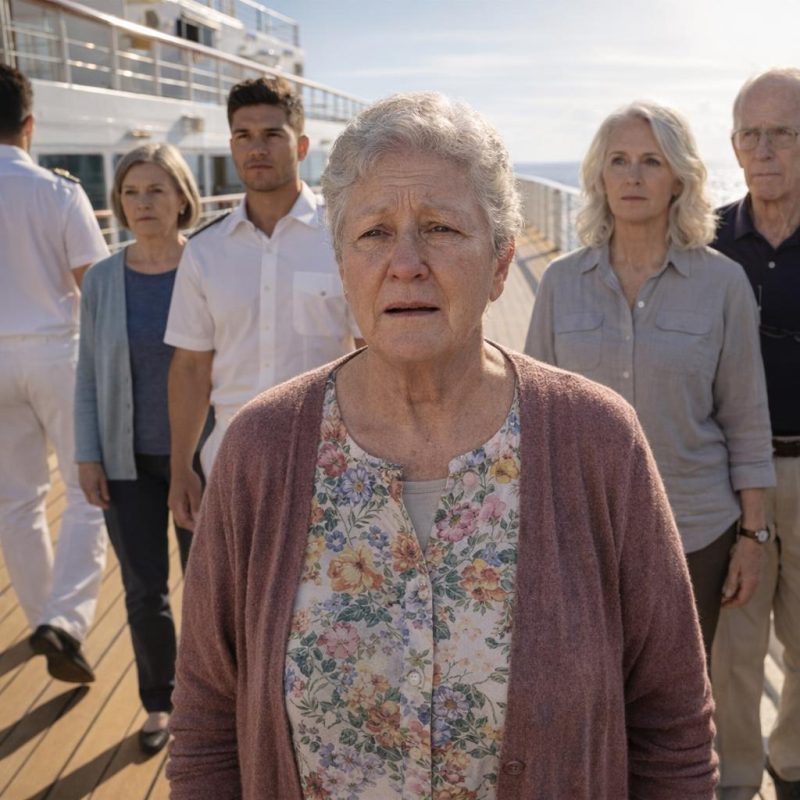 Image by RM AI
Diane Breaks Down
Diane didn't stop crying after the crew walked away. It got worse — the quiet kind of crying that turns into something harder and more panicked, the kind that comes from somewhere deeper than the moment. She said she needed to call her sister, that her sister would be worried, that she didn't understand why she couldn't just use a phone. Gloria put an arm around her shoulders and spoke to her in a low, steady voice, the way you'd talk to someone standing too close to an edge. Raymond stood a few feet away watching, and I'd never seen him look like that before — not uncertain exactly, but shaken, like something he'd been holding onto had just slipped. I felt completely useless. Diane kept asking what they had done wrong, what any of us had done wrong, and none of us had an answer for that. Gloria suggested we go inside, get out of the sun, sit down somewhere quieter. We walked Diane to the dining room slowly, Gloria on one side of her, me on the other. We got her into a chair and someone brought water that nobody had asked for. I sat across from her and watched her try to hold the glass, and her hands were shaking so badly the water moved in small waves against the rim.
 Image by RM AI
The Promised Port That Never Came
I'd checked the itinerary the night before, so I already knew when I woke up that morning. The first port stop was today. I told the others over breakfast and watched something shift in all three of their faces — not quite hope, but the closest thing to it we'd had in days. We waited. Morning came and went without any announcement over the intercom, without any change in the ship's slow, looping movement. We took turns watching the horizon from the deck, looking for the shape of a coastline that was different from the one we'd been staring at all week. Diane asked every hour or so when they would dock, and each time one of us would say we weren't sure, maybe soon. Afternoon arrived. The light changed the way it does when a day is running out, going gold and then flat. Still nothing. No port. No announcement. No crew member who would meet our eyes long enough to answer a question. By evening the four of us were sitting together in the dining room again, not talking much. I had the itinerary on the table in front of me, the little printed card they'd given us at the start, and the date printed next to the first port stop just sat there, accurate and completely meaningless.
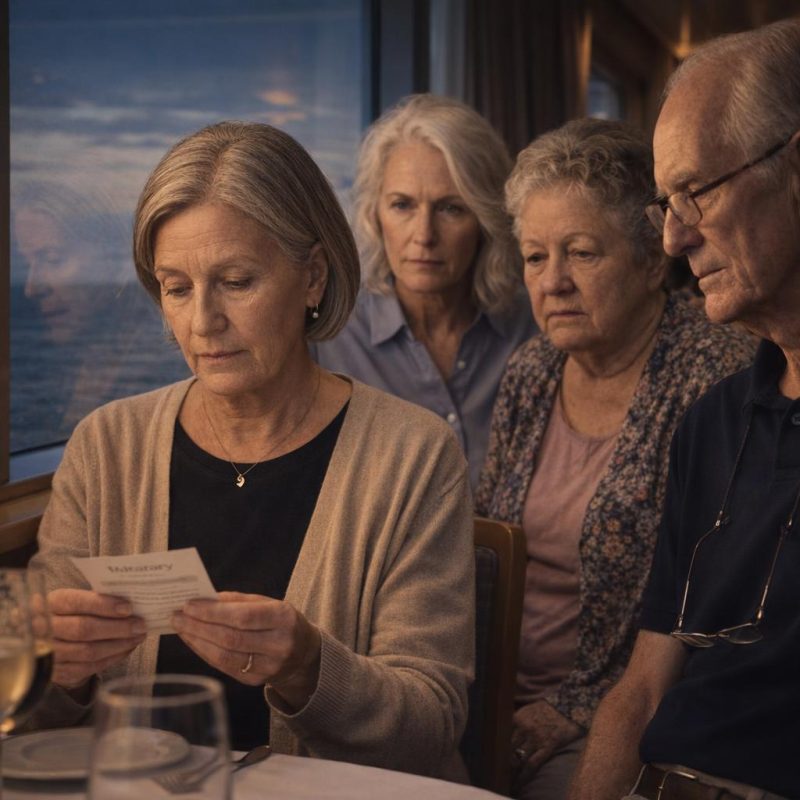 Image by RM AI
Captain Marcus Appears
He appeared during dinner on the fifth night. I heard Raymond say under his breath, "That's him," and I looked up. The man who walked into the dining room was in his early fifties, graying at the temples, wearing a uniform that fit him the way expensive things fit people who are used to them. He smiled at us before he'd even reached the table — a warm, unhurried smile — and apologized for the lack of communication. He said there had been unexpected mechanical issues, that the crew had been working around the clock, that he was personally committed to getting everyone where they needed to go. Raymond asked him to be specific — what systems, what parts, what timeline. The captain nodded like it was a reasonable question and gave an answer that used technical-sounding words without actually saying anything. Diane looked visibly relieved. Raymond seemed to want to believe him. Gloria sat very still across from me and watched the captain's face the entire time without saying a word. He left after maybe ten minutes, still smiling, touching the back of a chair as he went — unhurried, no sign of anything troubling him. The dining room felt quieter after he was gone, and not in a comfortable way — more like the quiet after a door closes that you weren't expecting to close.
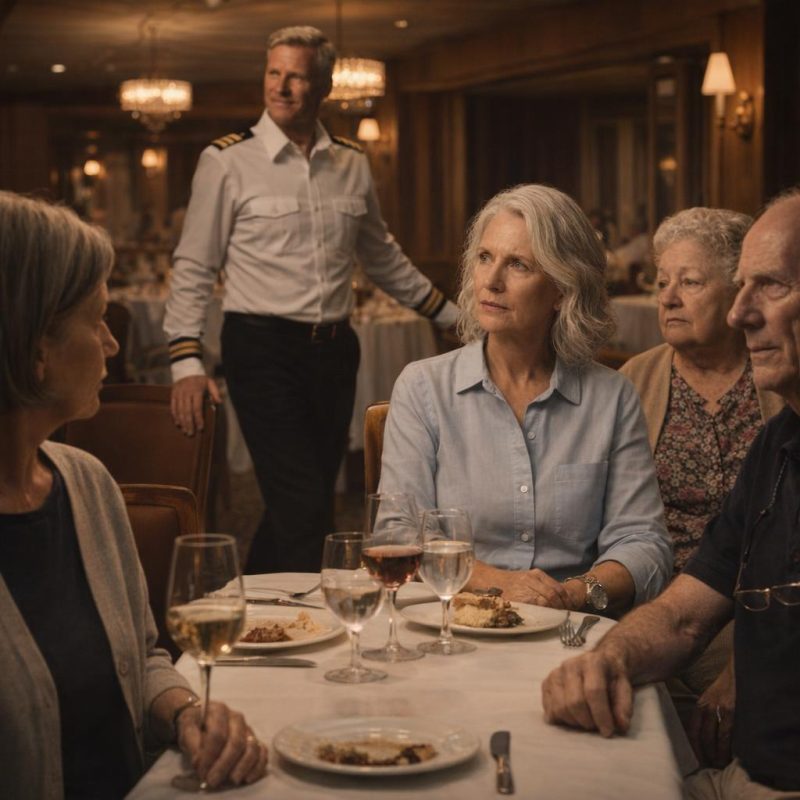 Image by RM AI
Vague Mechanical Explanations
Gloria came to my cabin after dinner. She sat down and said, "He didn't give us a single specific detail." I said I'd noticed the same thing. She said real mechanical problems came with real information — part numbers, system names, estimated repair windows. She said she'd spent enough time around ship maintenance to know what those conversations sounded like, and that wasn't it. I asked if she thought he'd been lying. She said she didn't know, but something about the whole thing felt off in a way she couldn't quite put her finger on. Then she reached into her jacket pocket and set something on the small table between us — a few photocopied pages, slightly crooked, like they'd been copied in a hurry. She said she'd found an unlocked office near the crew corridor and gone in to look around. It was a maintenance log. I looked through it. The entries went up through yesterday. Every line was routine — filter checks, standard inspections, normal operations. There was nothing about an emergency repair. Nothing about a system failure. Nothing that matched anything the captain had described. I looked at the last page for a long time. The dates were right there, clear as anything, and not one of them said what the captain had told us they would say.
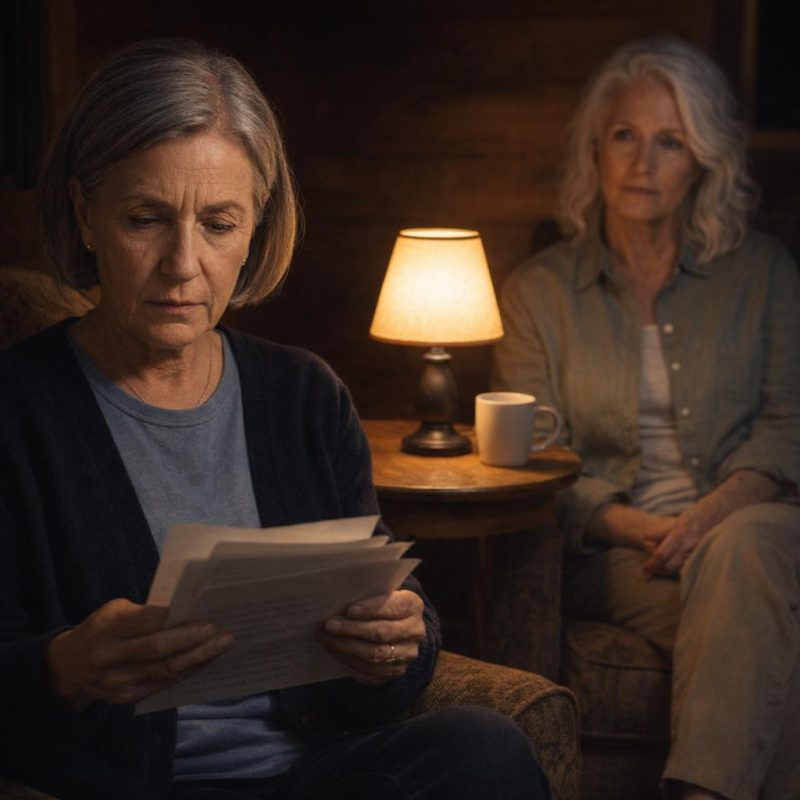 Image by RM AI
Watching the Crew
Gloria and I decided the next morning to watch the crew more carefully. She took the dining room and the main corridor; I took the deck and the common areas near the bow. We weren't subtle about it — we just sat where we could see and paid attention. What I noticed within the first hour was that crew members seemed to find reasons to be somewhere else whenever passengers were nearby. It wasn't dramatic. Nobody ran. But there was a consistent drift away from wherever we gathered, a quiet repositioning that happened just often enough to feel like a pattern. I tried asking Carlos a simple question — whether the dining room would be open late that evening. He glanced at me, turned, and walked in the other direction without a word. I tried a different crew member near the stairwell. He said he was busy and moved past me before I'd finished the sentence. When Gloria and I compared notes that afternoon, she'd seen the same thing in every area she'd watched. Passengers walked in; crew found the exit. I went back to find Carlos one more time near the main deck, just to see. He saw me coming from twenty feet away, turned, and walked through a door that swung shut behind him.
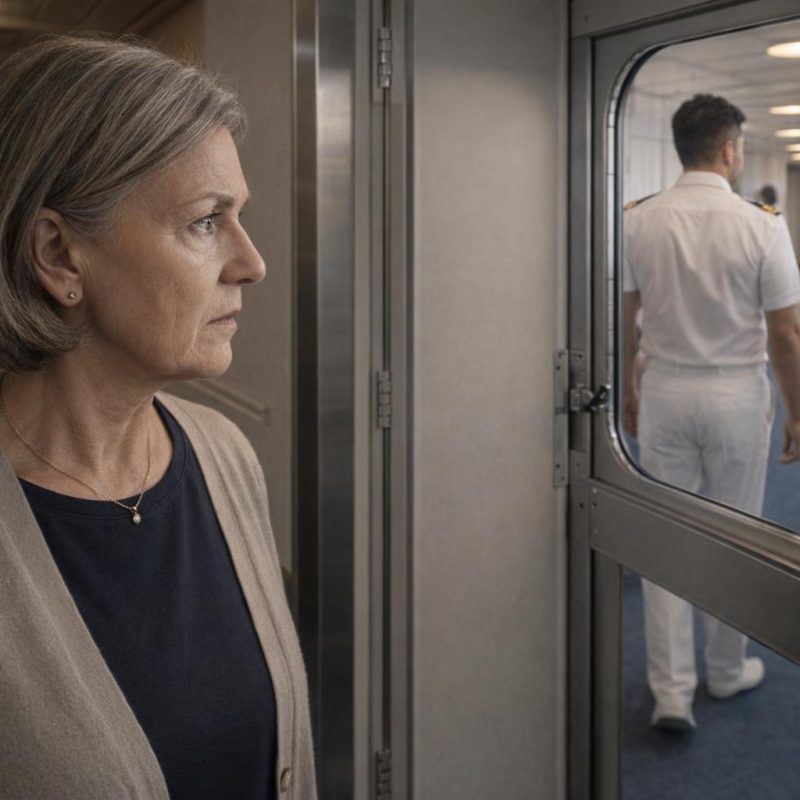 Image by RM AI
Restricted Deck Access
I woke up that morning thinking I'd take my usual walk around the outer deck before breakfast. The fresh air had become the one thing I looked forward to, the one part of the day that still felt almost normal. I got to the stairwell near the bow and there was a crew member I hadn't seen before standing at the bottom of the stairs, feet planted, hands clasped in front of him. I said good morning and moved to go up. He stepped sideways into my path. I asked if I could go up to the deck. He said that area was temporarily closed for passenger safety. I asked what the safety concern was. He didn't answer that. I asked when it would reopen. He looked past my shoulder and said he couldn't say. I found Gloria twenty minutes later and told her what happened. She said she'd tried the aft entrance and gotten the same response, word for word, same flat tone. We walked to every other access point we could find. Every single one had a crew member posted at it. Same answer at each one. Passenger safety. No timeline. No explanation. We ended up back in the main corridor, and I stood there looking at the walls closing in around us — every stairwell to the outer decks blocked, every passage sealed off by someone in a uniform who wouldn't meet my eyes.
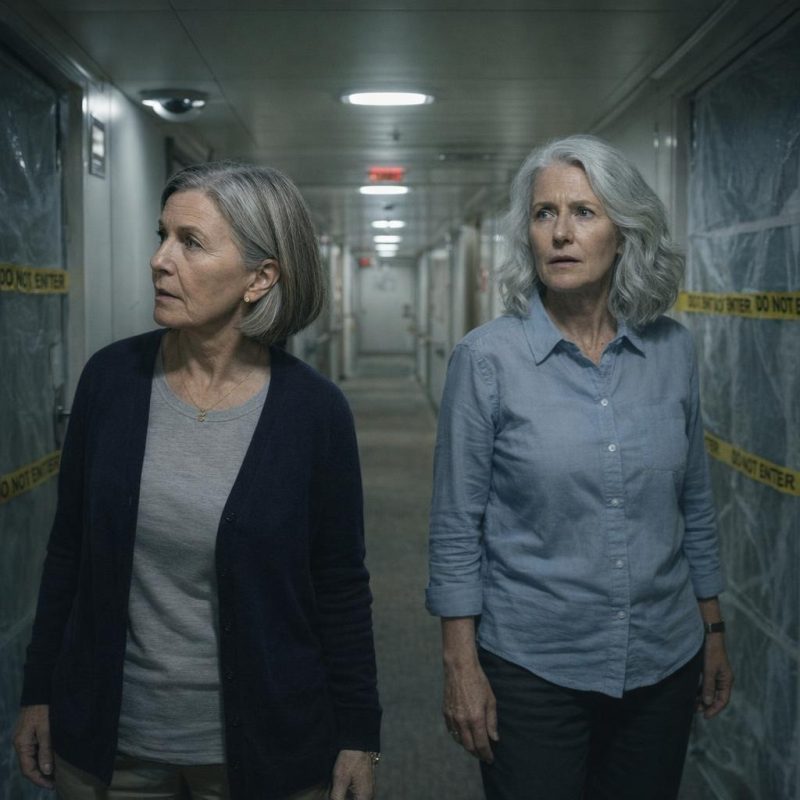 Image by RM AI
Planning in Whispers
Gloria came to my cabin that evening and I closed the door as quietly as I could. We sat on opposite ends of the narrow bed and kept our voices low, almost at a whisper. She said we needed to be smart about this, that demanding answers hadn't worked and wasn't going to work. I agreed. Every time we'd pushed, the crew had just gone blank and walked away. Gloria said we needed evidence — something concrete, something that explained what was actually happening on this ship. I asked what kind of evidence she meant. She said she didn't know exactly, but there had to be offices somewhere, records, something that didn't add up the way everything else did. She mentioned the locked doors, the restricted decks, the maintenance log she'd found weeks ago. I asked if we should bring Raymond and Diane in on this. Gloria was quiet for a moment. She said not yet, and especially not Diane. She was worried that Diane might say something to the wrong person without meaning to, that she was too fragile to carry a secret right now. I couldn't argue with that. We agreed to keep watching, keep our heads down, and wait for an opening. When Gloria slipped out and I heard the door click shut behind her, the cabin felt very small, but for the first time in days, the fear had something sitting next to it — something steadier.
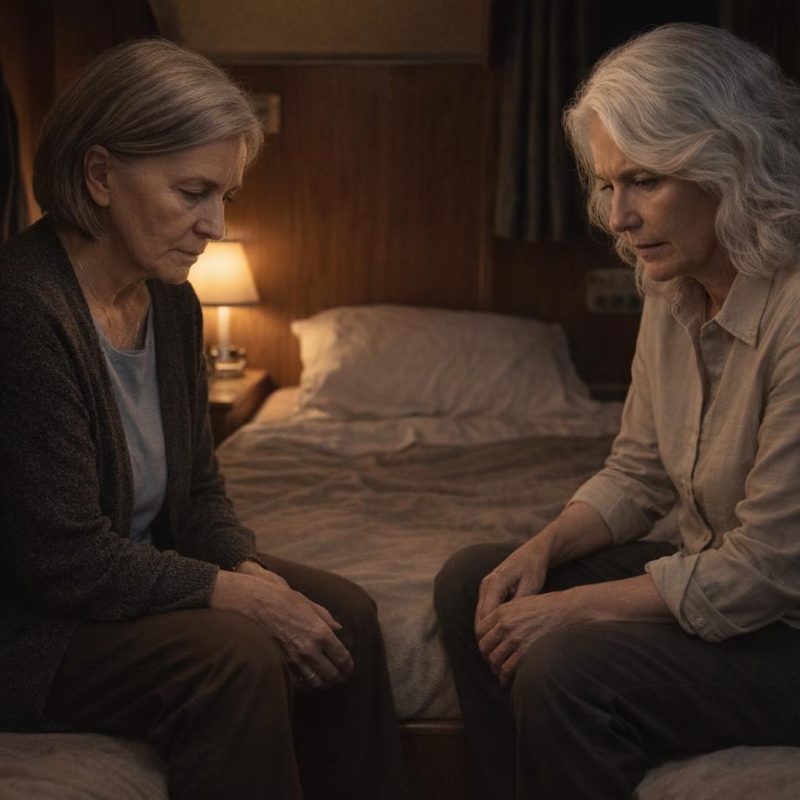 Image by RM AI
Documenting Everything
I found a small spiral notebook at the bottom of my carry-on, the kind I used to keep grocery lists in. I sat down at the little desk in my cabin and opened it to the first page. I wrote the date I boarded at the top, then I just started listing things. The ship was smaller than anything in the brochure photos. There were no welcome packets, no activity schedules, no port maps. The dining room had the same four items every meal. I wrote down the dates we were supposed to make port stops according to the itinerary I'd kept in my purse, and the dates we hadn't. I wrote about the locked doors on the lower corridor, the restricted deck access that started overnight, the crew members who scattered whenever passengers gathered. I wrote about the circling pattern Gloria had noticed, the way the horizon never changed. I wrote about Captain Marcus's speech that first evening, how smooth it was, how it answered nothing. I added the maintenance log Gloria had found. I put down times where I could remember them. When I finished, I tucked the notebook under the folded sweaters at the bottom of my suitcase. I didn't know who I was writing it for or what I'd ever do with it. But looking at those pages, at that long careful list of things that simply didn't fit together, made the fear feel slightly less like drowning.
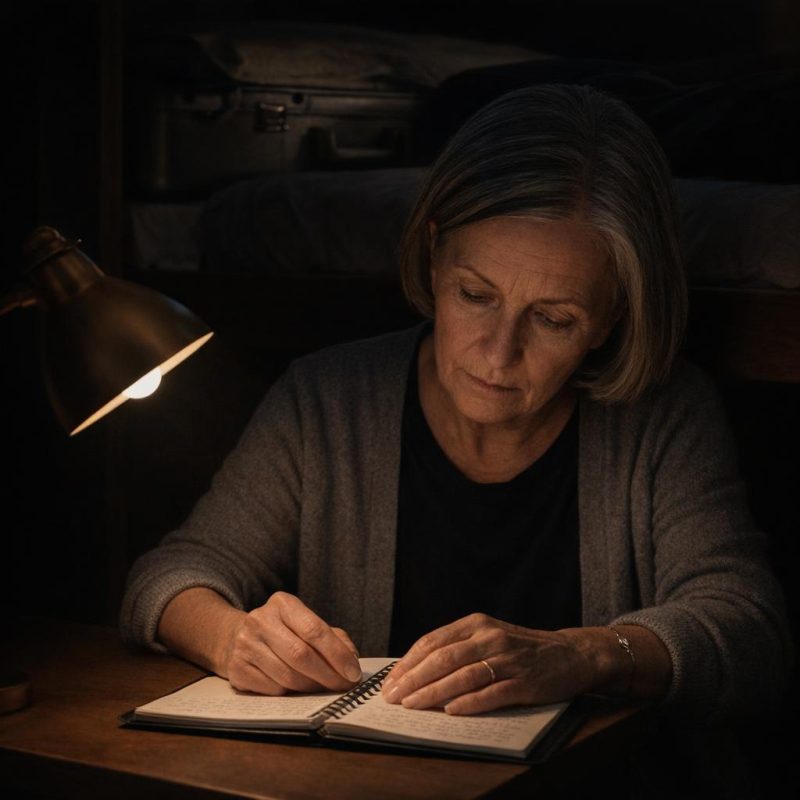 Image by RM AI
Diane's Decline
Diane wasn't at breakfast. Gloria mentioned she hadn't come to dinner the night before either. Raymond said he'd passed her in the hallway that morning and she'd looked terrible — red eyes, hair uncombed, moving like she wasn't sure where she was going. The four of us went to her cabin and knocked. It took a while before the door opened, just a few inches. Diane's face in that gap was swollen from crying, her eyes barely focusing. Gloria asked her to come get something to eat, just a little something, just to sit with us. Diane shook her head and said she couldn't do it anymore, that she just couldn't. She closed the door. We stood in the hallway and nobody said anything for a moment. Raymond's jaw was tight and he looked older than he had a week ago. He said someone needed to get us off this ship. Gloria said that was exactly what she was working on. I went back to my cabin and sat on the edge of the bed. Through the thin wall between our rooms, I could hear Diane sobbing — a low, exhausted sound that didn't stop.
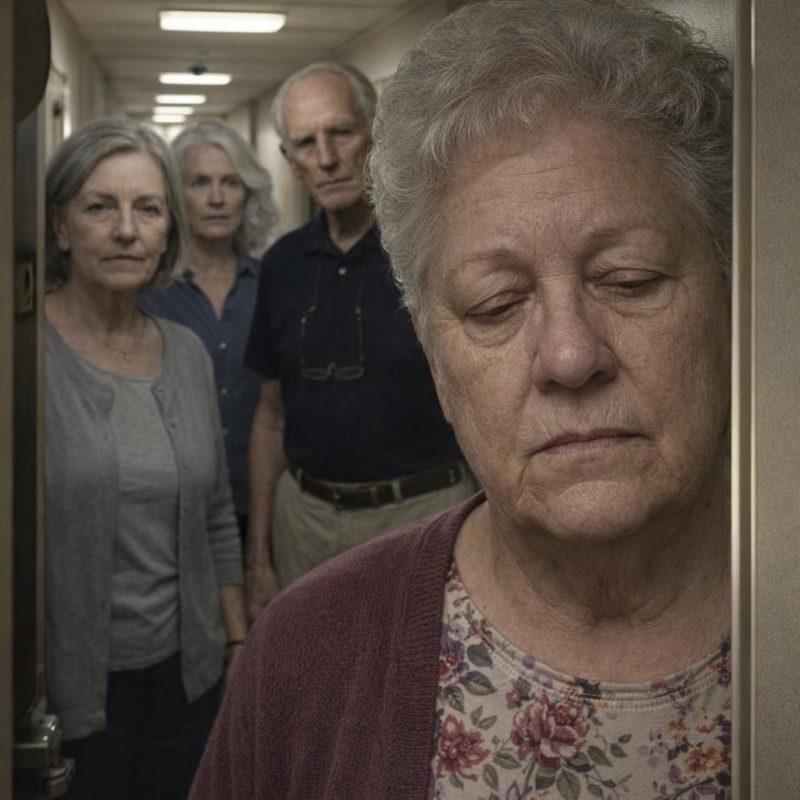 Image by RM AI
Overheard Conversation
I was walking back to my cabin after lunch, taking the long corridor on the port side, when I heard voices around the corner ahead of me. I recognized one of them as Carlos. I slowed down without thinking about it, keeping my steps quiet on the carpet. I couldn't see them but I could hear well enough. Carlos was talking to another crew member, his voice low and even. I caught the word passengers. Then something about compliance levels — I heard that phrase clearly. The other voice said something about a reporting schedule, and then Carlos said something I couldn't make out, and then I heard the phrase next batch, plain as anything. Footsteps started moving toward the corner and I walked quickly away, back the way I'd come, heart going hard in my chest. I found Gloria in the common room and pulled her to a corner. She asked me to repeat exactly what I'd heard. I said compliance, reporting schedule, next batch. She went very still. Neither of us said what we were thinking, because neither of us knew what we were thinking — we just knew those words didn't belong on a vacation. I sat there turning them over in my mind, and I thought about Jennifer standing in that parking lot telling me not to get on this ship, and I wished I had taken her more seriously.
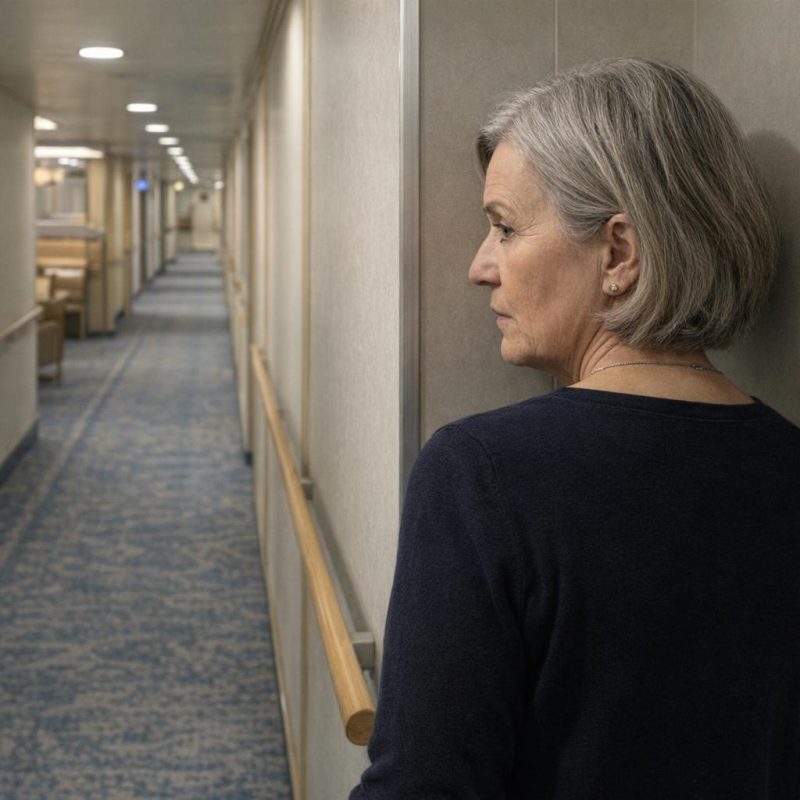 Image by RM AI
Demanding a Meeting
Raymond came and found us the next morning with his mind made up. He said we'd been patient long enough and it was time to demand answers face to face. I wasn't sure it would work, but I wasn't going to argue — doing nothing felt worse. We collected Diane from her cabin, which took some convincing, and the four of us walked together to the main deck where Carlos and two other crew members were standing near the railing. Raymond planted himself in front of them and said they needed to see Captain Marcus immediately, that this was not a request. Carlos's face didn't change. He said the captain was unavailable. Gloria said that was unacceptable. Raymond said they had every right to speak to the person in charge of this vessel. The other crew member, one I didn't recognize, said passengers should return to their cabins. I said we weren't going anywhere until someone gave us a real answer. Diane was crying quietly beside me. Raymond's voice climbed, not quite shouting but close, and I could see the effort it cost him to hold himself together. Carlos repeated that the captain was unavailable. Then all three crew members turned at the same moment and walked away together through the same door, and it swung shut behind them with a soft, final click.
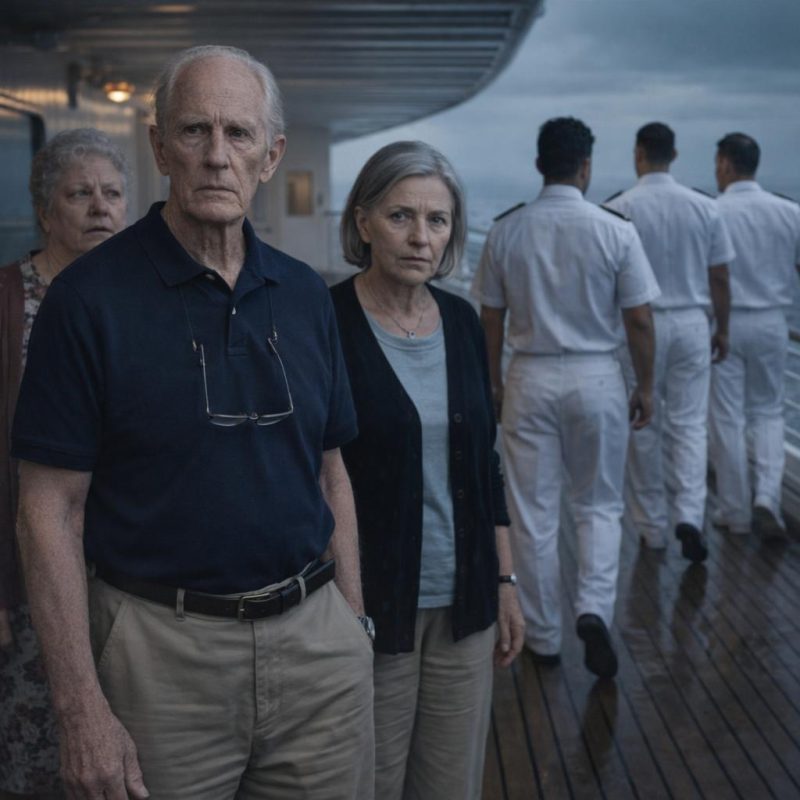 Image by RM AI
After the Confrontation
I went back to my cabin and closed the door and sat on the edge of the bed. My hands were still shaking a little. I kept seeing the crew members turn in unison and walk away, that coordinated pivot, like we were a problem they'd already accounted for and set aside. We had no leverage. We had no way to make anyone answer us. The crew didn't have to respond to us, didn't have to explain anything, didn't have to acknowledge we were even there. I thought about Jennifer. I thought about her standing in the parking lot of the fairgrounds with that look on her face, the one I'd told myself was overprotective, the one I'd smiled past. She'd told me something was wrong with this. She'd said it more than once. I'd gotten on the ship anyway because I didn't want to feel foolish for being suspicious of a free vacation. Now I sat here wondering if she'd reported me missing yet, wondering how many days had actually passed, because they were blurring together in a way that frightened me. I didn't know what to do next. I didn't have a plan. The cabin was very quiet, and the quiet pressed in from every wall.
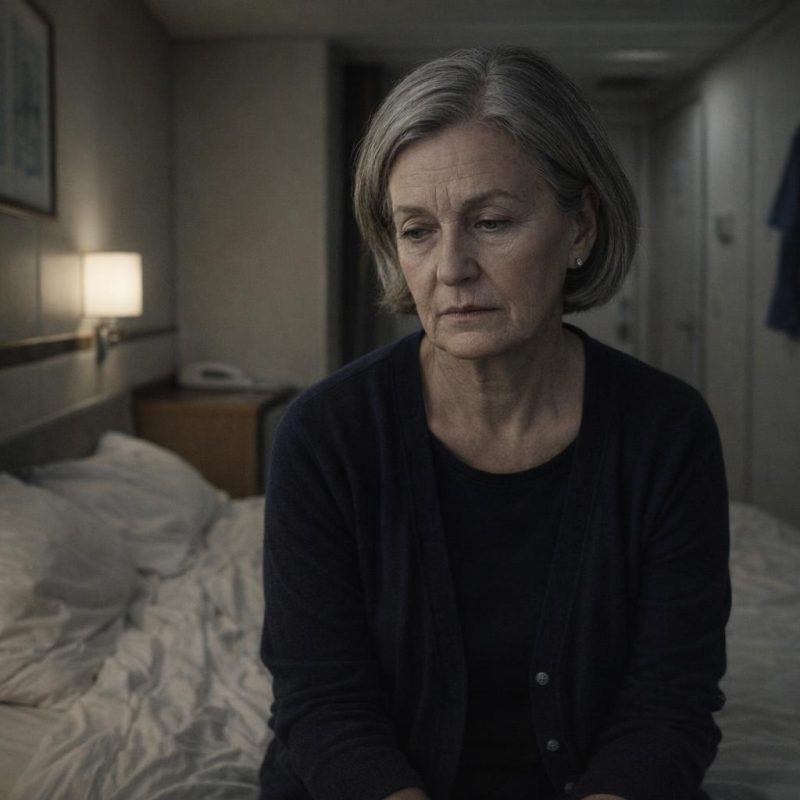 Image by RM AI
The Locked Communications Room
Gloria came to find me the next afternoon with a look that meant she'd been thinking. She said she wanted to find the communications room — every ship had one, and if we could get to it, maybe we could reach someone. We spent the better part of an hour working our way through corridors we hadn't tried before, checking doors, reading the small placards mounted beside them. Gloria found it on an upper deck, a door marked Communications in plain block letters. I tried the handle. It didn't move. The lock wasn't the simple key-card type on our cabin doors. There was an electronic keypad mounted flush to the wall beside it, a small camera above the frame, and a secondary panel I didn't recognize at all. Gloria leaned in and looked at it carefully without touching anything. She said quietly that she'd seen security like that before, and it wasn't standard. I asked why a cruise ship would need it. She said it wouldn't, not normally. We stood there in the corridor looking at that door, and neither of us said anything more, because there wasn't much left to say. We heard footsteps somewhere above us and walked away quickly. Back in the common area, I sat with the image of that keypad in my mind — the camera, the secondary panel, the absolute stillness of a door that was never meant to be opened by anyone on our side of it.
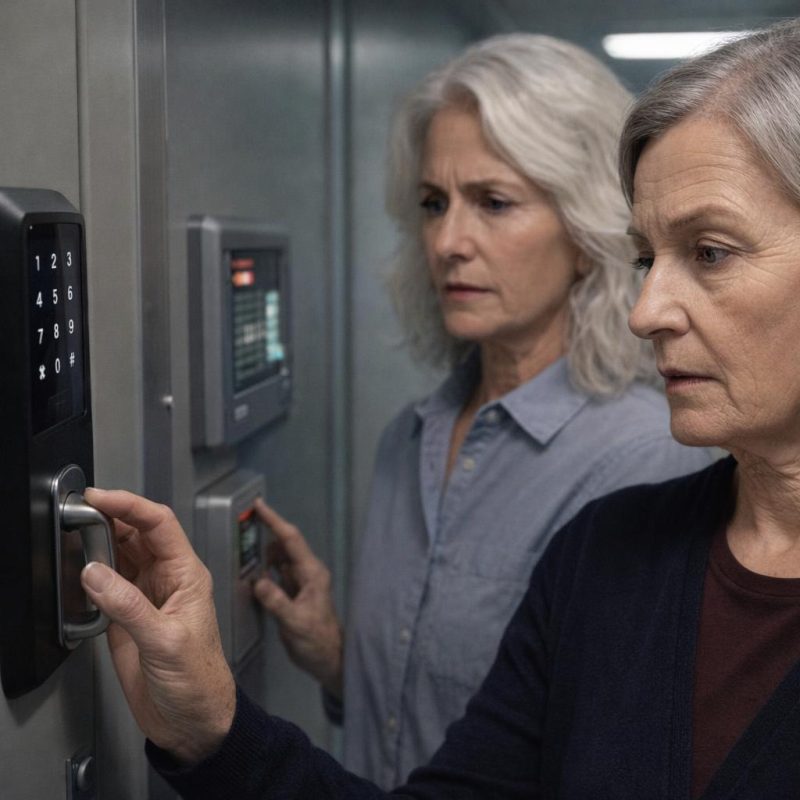 Image by RM AI
Missing Passengers
It started as a small thing — the kind of thing you brush off when you're trying not to panic. I was sitting in the dining room that morning, picking at my eggs, and I started counting faces out of habit. The couple I'd noticed on the first day, the ones who'd been so excited about the ports of call, the man who wore the same Cardinals cap every morning — I hadn't seen any of them in days. I mentioned it to Gloria when she sat down across from me, and she set her coffee cup down slowly and said she'd been thinking the same thing. We didn't say much else right there. After breakfast we walked the corridor where most of the passenger cabins were. I knocked on the door of the cabin I'd seen the couple go into that first evening. Nothing. I tried the handle and it swung open. The room was bare. No suitcases, no toiletries on the bathroom shelf, no paperback left on the nightstand. Gloria checked the next cabin down. Same thing. We found three more just like it — doors that opened onto nothing, rooms that looked like they'd been cleaned and reset. I stood in that last empty doorway and counted in my head. Maybe twelve passengers left. There had been at least twenty when we boarded.
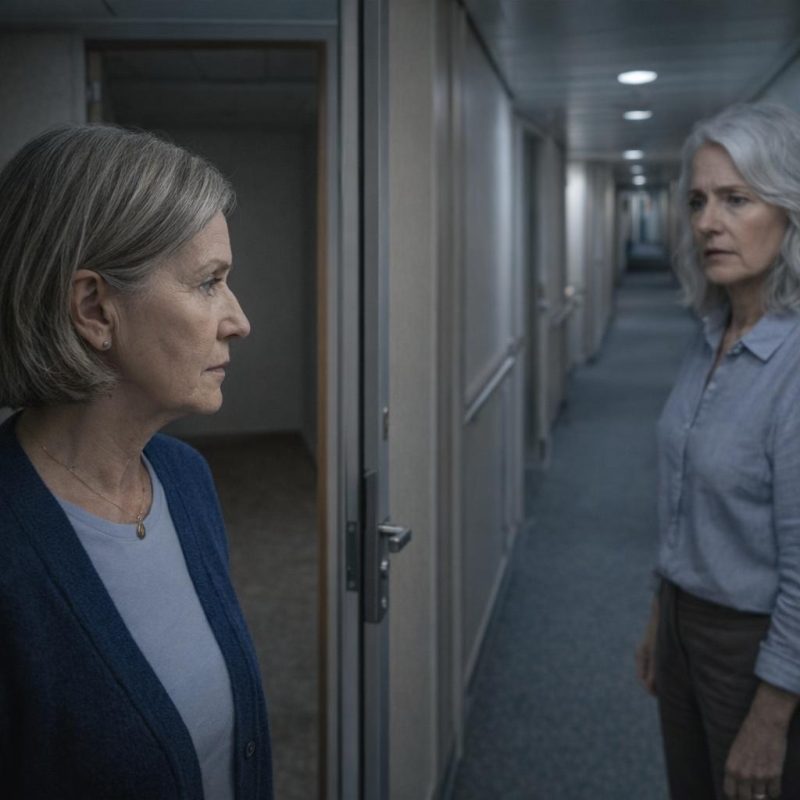 Image by RM AI
Raymond Taken to Medical
Raymond had been quieter than usual at breakfast, which I'd noticed but hadn't said anything about — he didn't like being fussed over. Then he put his hand to his temple and said he felt dizzy, and before any of us could react, he slumped sideways in his chair. Gloria caught his arm. Diane made a small, frightened sound. Two crew members appeared from the corridor almost immediately, which struck me as strange even in that moment — like they'd been standing just outside the door. They said they'd take Raymond to the medical bay. Raymond lifted his head and said he was fine, just needed a minute, but his voice came out thin and uncertain. I stood up and said I was going with him. Carlos stepped into the doorway and said medical was crew-access only, no exceptions. Gloria argued. I argued. Carlos didn't raise his voice, didn't shift his expression — just repeated the same words in the same flat tone until the two crew members had Raymond on his feet. Raymond looked confused, blinking like he wasn't sure where he was. He said our names — mine and Gloria's — and then they walked him toward a door at the far end of the corridor I'd never paid attention to before. It closed behind them with a short electronic beep, and the lock engaged. Diane was crying quietly into her napkin. I stood there with my hands balled at my sides, furious and completely helpless.
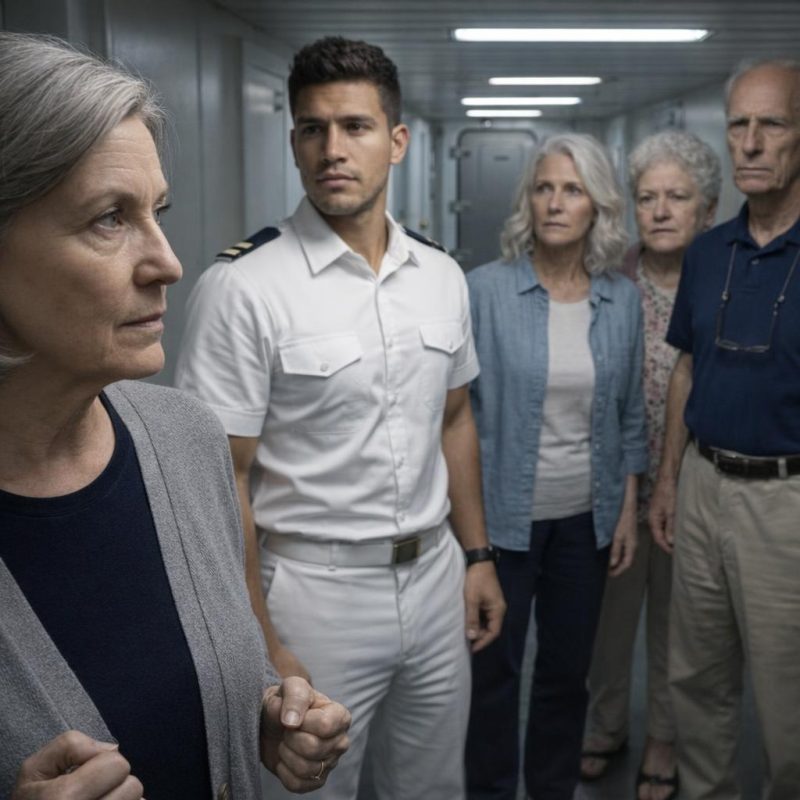 Image by RM AI
Personal Information Requests
Carlos found me in the corridor that afternoon, clipboard in hand, pleasant as ever. He said it was routine — insurance documentation the company required for all passengers, something about maritime liability coverage. He held the clipboard out and I took it, mostly because I didn't know what else to do in that half-second. The form started normally enough: full name, date of birth, home address. Then I turned to the second page. Social security number. Primary bank institution. Checking and savings account numbers. Current estimated value of retirement accounts. Property owned and approximate market value. I stood there reading it twice to make sure I was seeing what I thought I was seeing. I told Carlos I'd never filled out anything like this on a cruise before. He said it was company policy, new this year, all passengers were required to complete it. I handed the clipboard back and told him no. He said it was required. I said no again. He looked at me for a moment with that same blank professional expression, then took the clipboard and walked away without another word, which somehow felt worse than if he'd pushed back. I found Gloria around the corner. She was holding an identical form, and she'd already told him the same thing I had. We stood there looking at each other. The questions on that second page were still running through my head.
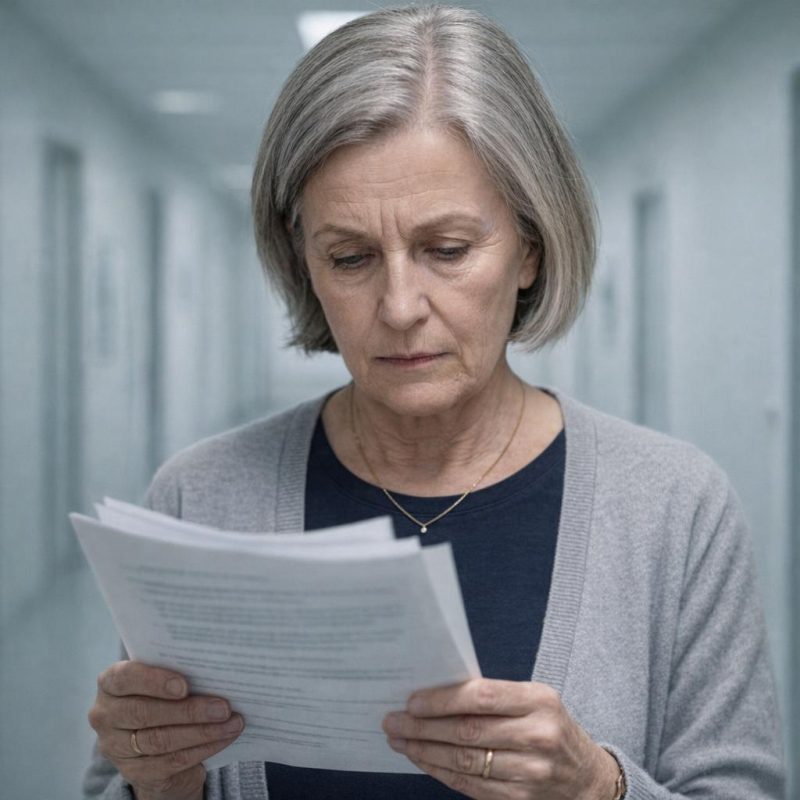 Image by RM AI
Financial Questions
We went to my cabin and spread both forms out on the small desk. Gloria read the questions aloud one by one, slowly, like she was building a list in her head. Bank account numbers. Retirement savings totals. Real property and estimated value. Outstanding debts. I said that real cruise insurance — the kind you buy before you sail — asks about pre-existing medical conditions and trip cancellation reasons. It doesn't ask what's in your savings account. Gloria nodded and said she'd been on enough cruises to know the same thing. I thought about the conversation I'd overheard weeks ago, the one about compliance and reporting, and I mentioned it to Gloria. She went quiet for a moment. Then she said it felt like someone was trying to figure out who had what. I didn't say anything back because I didn't want to say it out loud. There was a knock at the door. Diane came in looking small and apologetic, holding her completed form against her chest. I asked if she'd filled it out. She said yes — they'd told her it was required, and she hadn't wanted to cause trouble. Gloria reached over gently and took the form from her. I looked at it over Gloria's shoulder. Diane had filled in everything. Bank account numbers, her retirement balance, all of it, written in her careful, looping handwriting. The weight of that sat in the room with us and didn't lift.
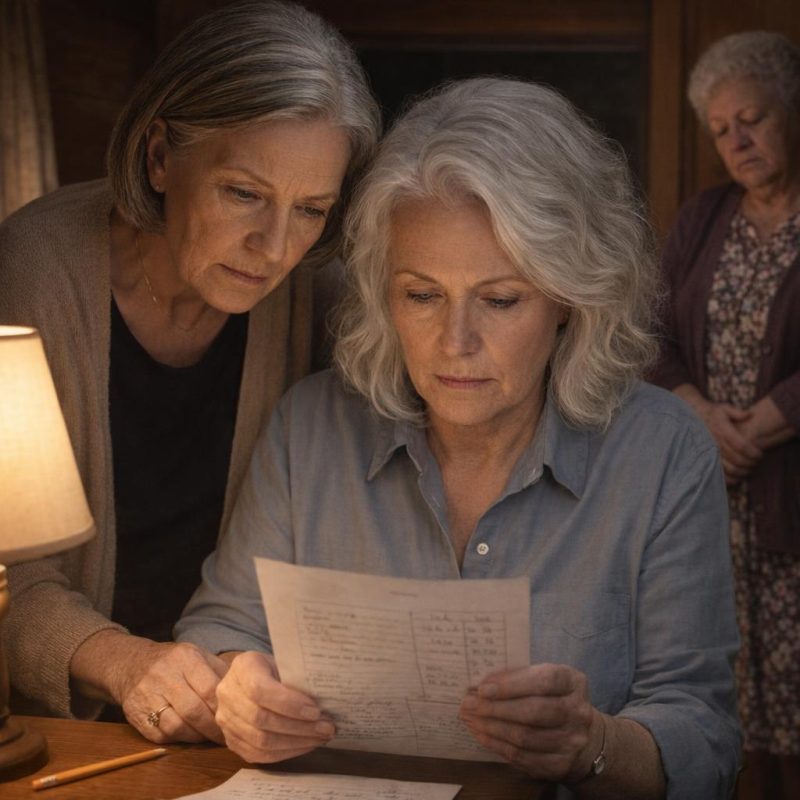 Image by RM AI
Gloria Finds Documents
Gloria found me just before dinner with that look she got when she was keeping something controlled on purpose. She said she'd been walking the upper corridor and found an office door that hadn't latched properly — just sitting open a crack. She'd gone in. I asked how long she was inside, and she said maybe two minutes before she heard someone coming and had to leave. But she'd gotten to the filing cabinet. She'd pulled open the top drawer and seen folders, each one labeled with a passenger name. She said there was financial information inside — she'd only had time to flip through the top few before the footsteps got close. I asked if we should go back. She said yes, but not now, not while crew members were moving through the corridors. She thought dinner was our best window — most of the crew seemed to be in or near the dining room during that hour, and the upper deck was quieter. I said I'd go with her. We stood in the corridor keeping our voices low, and I felt the particular kind of scared that comes with deciding to do something anyway. Gloria said we'd meet at the stairwell at seven. I nodded. We went to dinner separately and sat apart, and I spent the whole meal watching the clock on the wall and not tasting a single thing on my plate.
 Image by RM AI
The Passenger Files
The office door was still unlatched, just as Gloria had left it. We slipped inside and pulled it closed behind us. Gloria went straight to the filing cabinet while I stood at the door with my ear against it. She pulled out a folder and said my name in a low voice. I crossed the room and took it from her. My full name on the tab, my home address, my phone number — and then a page of notes I didn't recognize. Bank balance, approximate, with a figure that was close enough to right that my stomach dropped. Retirement savings, estimated. And then a line that read: single, limited family contact, financially stable. I set the folder down and looked at Gloria. She had her own folder open. She showed me the notes page without saying anything. Then she pulled out Diane's file. The notes on Diane's page were longer. Widowed. Isolated. Significant liquid assets. Highly compliant. Gloria set it down carefully on the desk. I got my small camera out of my purse — the one I'd brought for port photos that now felt like the most useful thing I owned — and started photographing pages. My hands were steadier than I expected. I read the notes on the missing passengers' files, the ones whose cabins we'd found empty, and the words on those pages were the last thing I wanted to see.
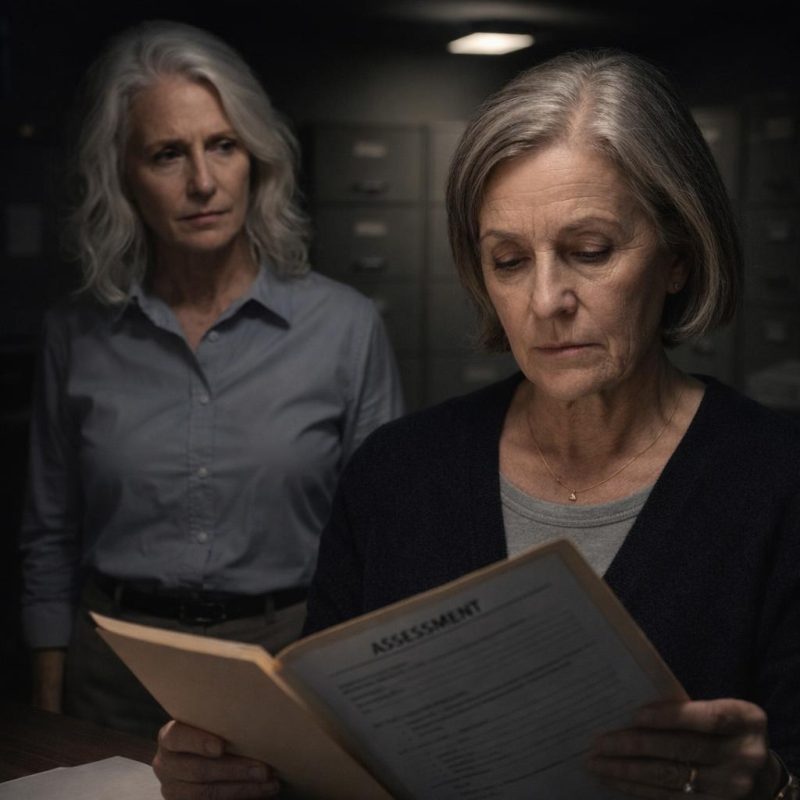 Image by RM AI
Previous Victims
Gloria opened the second drawer while I was still photographing. She went quiet in a way that made me look up. The drawer was deeper than the first, packed with folders organized by date rather than by name. She pulled out a tab marked with a date from three months back. Inside were passenger files — the same format as ours, the same financial notes, different names. All strangers. She found another folder from six months ago. Same thing. I started counting the date tabs still in the drawer. Eight folders. Maybe more behind those. Gloria's hands weren't quite steady as she flipped through one of the older files. I looked at the rows of folders and felt something go cold in my chest that I couldn't name and didn't want to. I asked Gloria what she thought happened to all those people. She closed the folder and looked at me and said she didn't know, but that we needed to get out — off this ship, not just out of this office. I put the camera back in my purse. The drawer was still half-open, all those folders lined up by date, all those names I would never know, and the room felt very small around us.
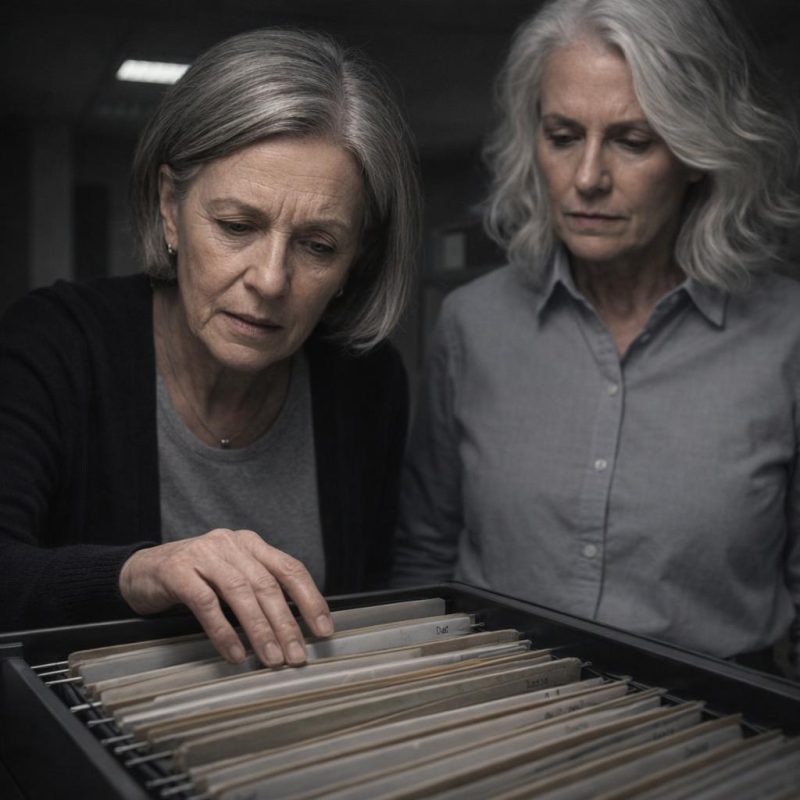 Image by RM AI
Caught
I was photographing the last page when I heard footsteps in the corridor — not the distant kind, the close kind, the kind that stop right outside a door. Gloria heard them the same second I did. I got the camera into my pocket but didn't have time to close the filing cabinet. The door opened. Carlos came in first, another crew member behind him. He looked at the open drawer, at the folders on the desk, at me and Gloria standing there with nowhere to go. I didn't say anything. Neither did Gloria. Carlos told us to come with him. Gloria asked where. He didn't answer. Each of them took an arm — not rough, but the kind of firm that makes clear there's no point in pulling away — and walked us out into the corridor and then through a series of passageways I hadn't seen before, deeper into the ship. We stopped at a door with a small brass plate that read Captain's Quarters. Carlos knocked. A voice from inside said to come in. The crew members brought us through the door, and Captain Marcus was sitting behind a large desk, hands folded, that smooth unhurried smile already in place like he'd been expecting us for some time. Gloria straightened beside me, shoulders back, chin level. I kept my eyes on his face and my hand flat against my pocket where the camera sat.
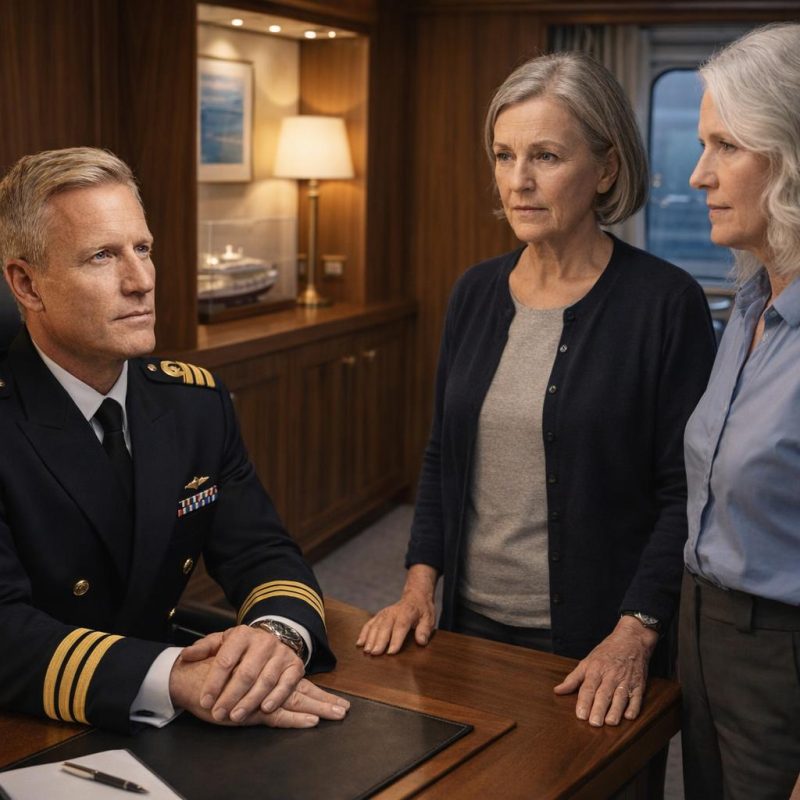 Image by RM AI
Breaking Into the Office
Gloria had the lock open in under a minute — a simple hairpin trick she said she'd learned from her brother decades ago, and I didn't ask questions. I went in first while she stayed at the door, one ear tilted toward the corridor. The filing cabinet was right where we'd spotted it before. I pulled the top drawer open slowly, careful not to let the metal scrape, and started working through the folders. They were organized by name, each one thick with paperwork. I pulled the first one and my hands went cold. Financial summaries. Account balances. Notes in small, neat print — phrases like high compliance potential and limited outside contact and asset level: substantial. I photographed each page as fast as I could, the little camera clicking almost silently. Gloria whispered once that she'd heard something, and I froze, heart slamming, until she gave the all-clear. I kept going. Assessment forms rating people on criteria I didn't want to think about too hard. Every passenger in our group had a folder. Every single one. I got through as many as I could before Gloria said we needed to wrap up. I closed the drawer carefully and stood there for a moment with the camera warm in my palm, and the only sound was the low hum of the ship moving through water.
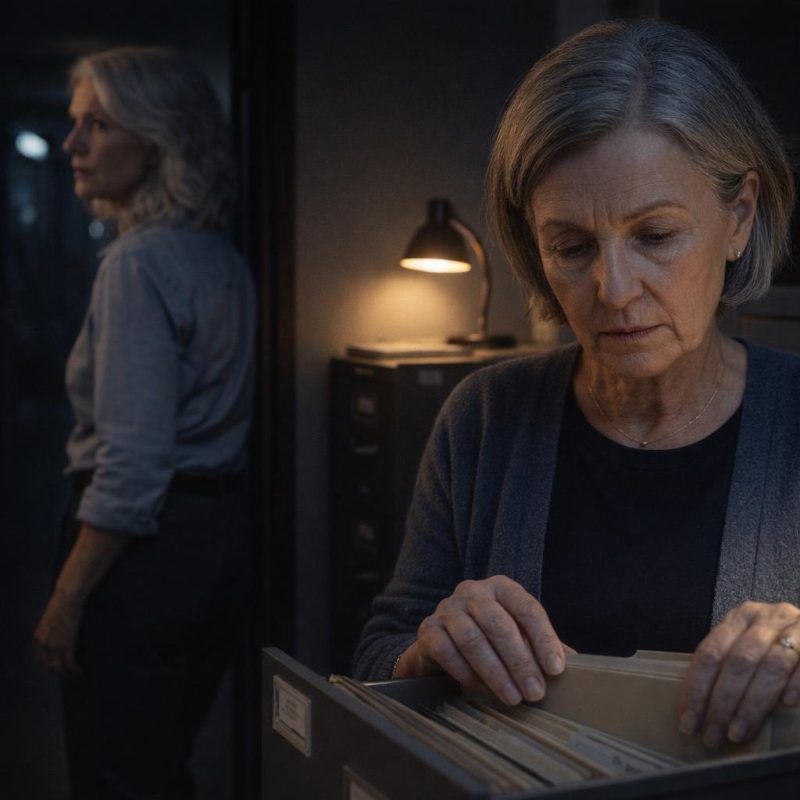 Image by RM AI
The Previous Groups
I almost missed the lower drawer entirely. Gloria was already signaling that we needed to move, but something made me crouch down and pull it open — and there they were. Folders organized by date, going back months. The oldest one was labeled with a date from eight months ago. I pulled it out and flipped it open. Same format, same assessment criteria, same clinical little phrases — just different names. People I'd never heard of, rated and sorted and filed away like inventory. I photographed the folder labels first, then a handful of pages from the oldest file and a couple of the more recent ones. Gloria hissed at me to hurry. I counted the folders quickly — eight of them, each one holding somewhere between fifteen and twenty files. I did the math in my head and had to do it again because the number didn't seem possible. More than a hundred people. Maybe closer to a hundred and twenty. All of them had sat in folders just like these, assessed and categorized before I'd ever set foot on this ship. Gloria said my name once, low and urgent, and I closed the drawer and stood up. But before I turned to go, I looked at that row of folders one more time — all those names I would never know, stacked neatly in the dark.
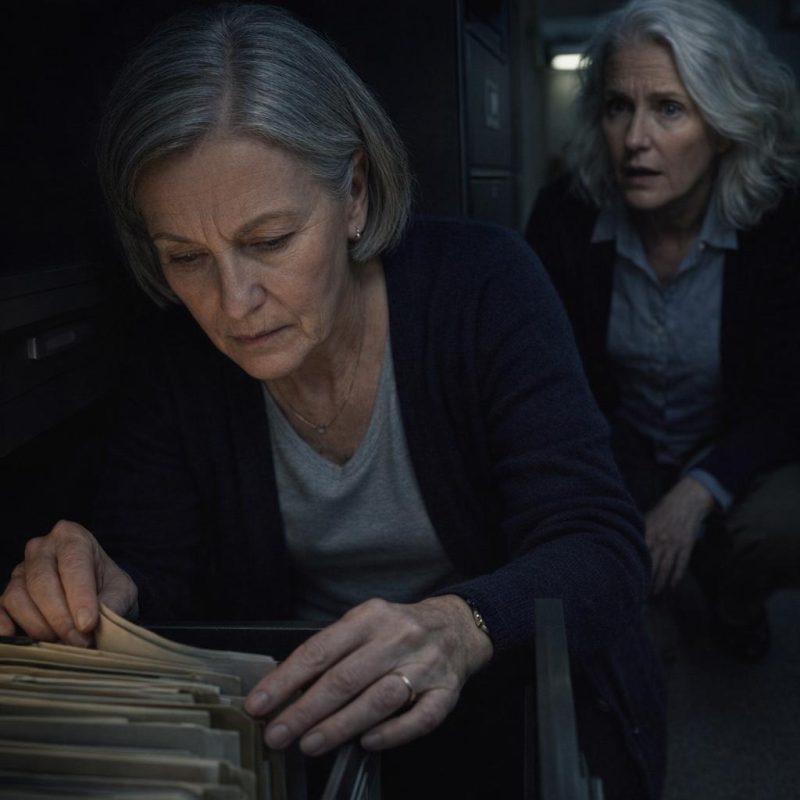 Image by RM AI
Discovered
I was putting the last folder back when the door opened. I got the camera into my pocket but didn't have time to close the filing cabinet. Carlos came in first, another crew member right behind him. He looked at the open drawer, at the folders on the desk, at me and Gloria standing there with nowhere to go. I didn't say anything. Neither did Gloria. Carlos told us to come with him. Gloria asked where. He didn't answer. Each of them took an arm — not rough, but the kind of firm that makes clear there's no point in pulling away — and walked us out into the corridor and then through a series of passageways I hadn't seen before, deeper into the ship. I tried to count the turns, tried to fix the route in my mind, but the corridors all looked the same and I lost track somewhere around the fourth or fifth door. Gloria walked with her shoulders back and her chin level, like she was being escorted somewhere she'd chosen to go. I kept my eyes forward and my hand flat against my pocket where the camera sat. The corridors grew quieter and more finished-looking, the floors carpeted instead of bare metal. We stopped at a polished wooden door with a small brass plate that read Captain's Quarters. Carlos knocked twice, and a voice from inside told us to enter.
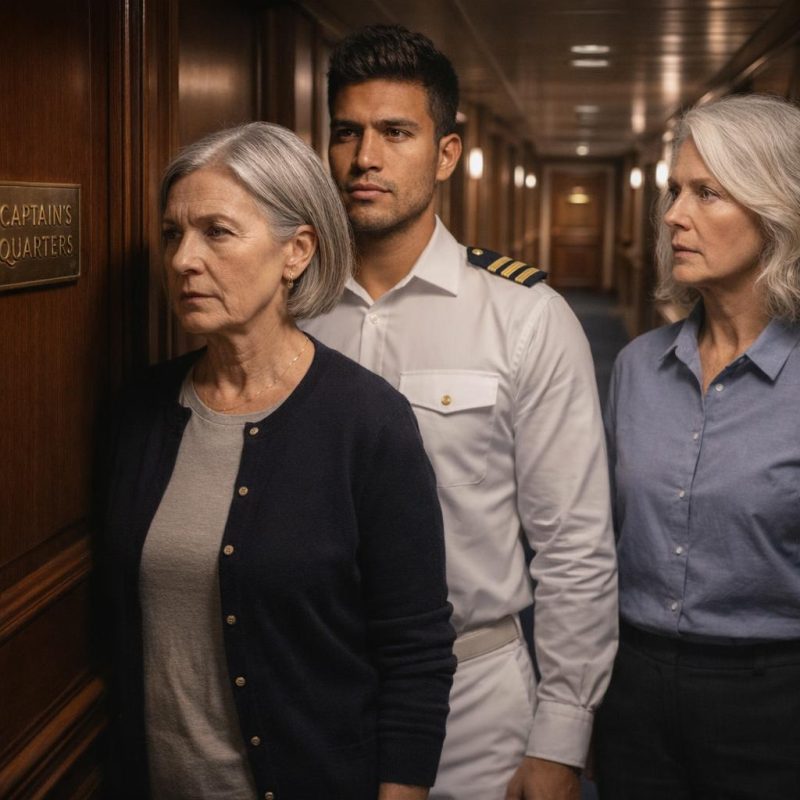 Image by RM AI
Face to Face with the Captain
Captain Marcus was sitting behind a large desk with his hands folded and that smooth, unhurried smile already in place, like he'd been expecting us for some time. He gestured toward the chairs across from him. Neither of us sat. He smiled a little wider at that, like our defiance was mildly charming. He said he understood we'd found some files. I said we'd found everything. He nodded slowly, the way you nod when someone confirms something you already suspected, and said he was actually glad we knew. Something about that landed wrong — not the words, but the ease of them, the complete absence of alarm in his voice. Gloria asked what this was all about. Captain Marcus said we deserved an honest conversation. He told Carlos to wait outside. Carlos left without a word and pulled the door shut behind him. Captain Marcus leaned back in his chair and looked at us both with something that might have passed for respect if you didn't look too closely. He said we were clearly intelligent women and that he thought we'd understand the business model once he explained it properly. I felt the chill of his composure settle into the room — not anger, not panic, just a man entirely at ease with what he'd done and what he was about to say.
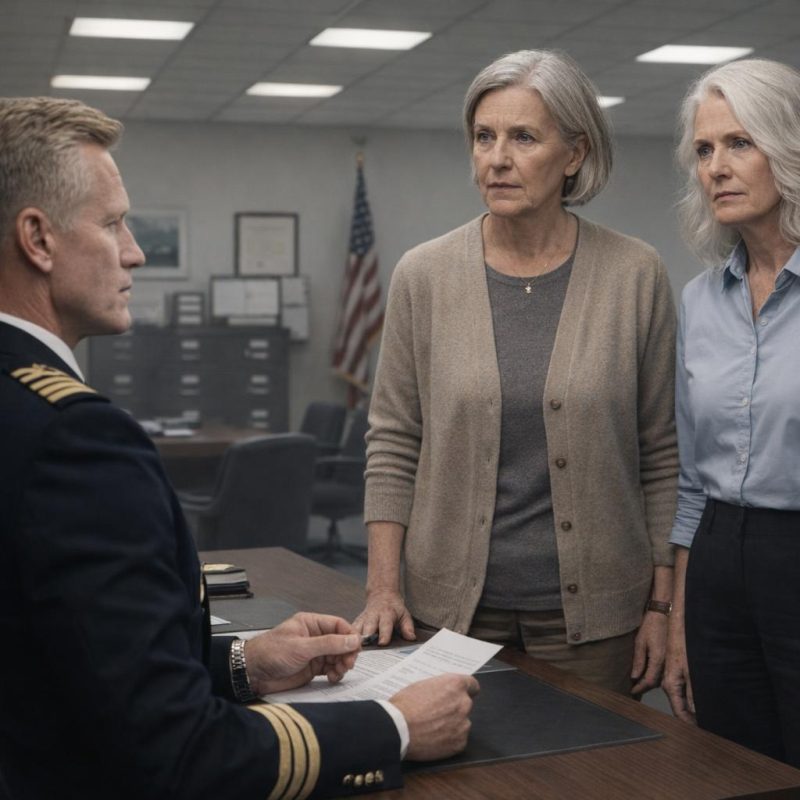 Image by RM AI
The Business Model
He explained it the way someone explains a supply chain — methodically, without apology. The raffles and contests were designed to collect personal information, he said. They ran them through county fairs, grocery stores, radio stations, anywhere people filled out a form without thinking twice. The selection criteria were specific: elderly, financially stable, limited family contact, trusting by nature. The cruise was what he called the collection phase. Once passengers were isolated on the water, the crew gathered detailed financial information — some people provided it willingly, he said, glancing at nothing in particular, and I thought of Diane. Others required more persuasive methods. They accessed bank accounts and retirement funds systematically over several days. Some families, when contacted, paid ransoms to get their relatives back. Others, he said, didn't have anyone willing to pay. Gloria asked, very quietly, what happened to those people. Captain Marcus's smile didn't shift. He said they had arrangements. I knew exactly what he meant. He said the previous groups had all been quite profitable, said it the way you'd say a quarter went well. Gloria's jaw was tight enough that I could see the muscle working. I felt sick and furious and absolutely clear-eyed all at once, and I understood that we were not guests on this ship — we were inventory, and he had just told us our price.
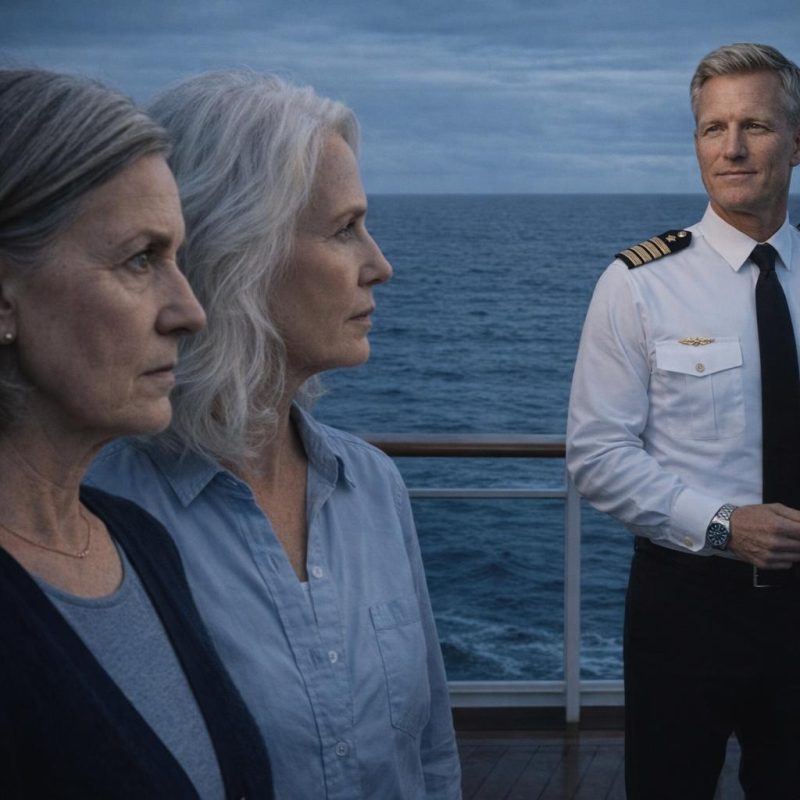 Image by RM AI
The Scope of the Operation
I asked how long this had been running. Three years, he said, across four ships. Sapphire Seas was just one of several brand names they operated under — each one with its own website, its own customer service line, its own carefully constructed appearance of legitimacy. Gloria asked how many people total. He considered the question like he was doing a pleasant mental calculation. He estimated over four hundred victims across all operations. The room tilted slightly and I made myself breathe. He said the infrastructure required was substantial — partners in multiple states, a sophisticated web of shell companies, a selection process they'd refined considerably over time. He said our group had been particularly well-selected. High compliance rates, good asset levels. He said it with something close to satisfaction, the way a contractor talks about a job that came in under budget. Gloria's hands were fists at her sides. I could see them without looking directly at her. I was trying to hold onto every detail he was giving us, trying to keep my face neutral while my mind was racing through everything — four hundred people, four ships, three years of this, running right now somewhere out on the water. He paused, seeming to enjoy having an audience, and then said there were currently three other vessels running the same operation.
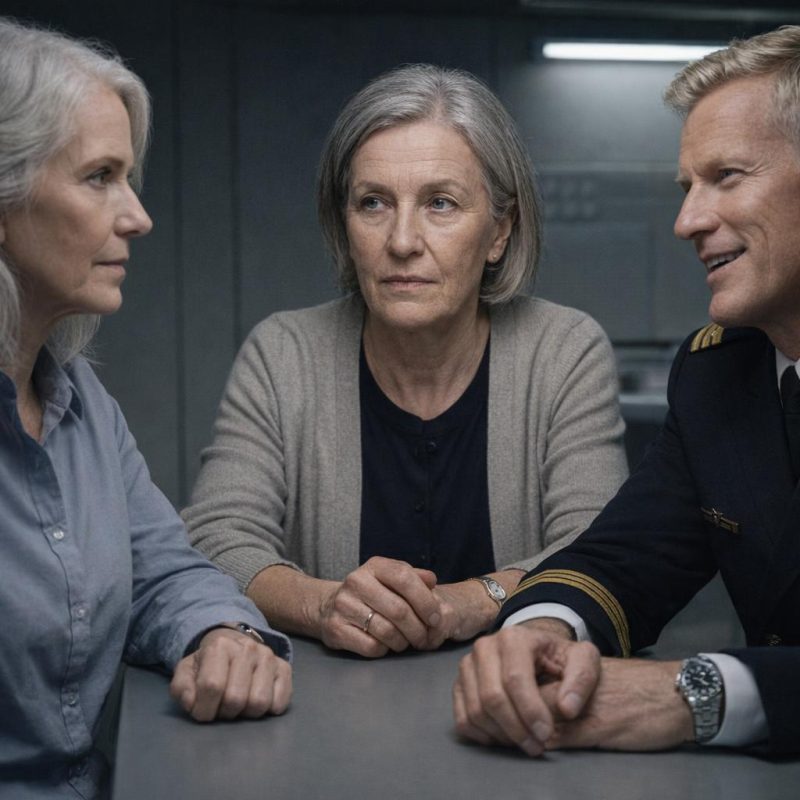 Image by RM AI
What Happens Next
I asked what happened to us now. Captain Marcus said it depended on our families. They would contact Jennifer and calculate a ransom based on my assets. If she paid, I'd be released. He said most families paid eventually — people got very motivated when they understood the alternative. I asked what the alternative was. He said passengers without families willing to pay became more complicated. Gloria asked about the people who'd gone missing from our group. Captain Marcus said some had been released after payment. Others had no one to pay for them. His expression didn't change as he said it. I asked what happened to those people. He said they had arrangements with certain parties, and he didn't elaborate. Gloria asked him directly if he killed them. He said that wasn't his preferred outcome, but that business was business, and he said it in the same tone he'd used to describe the selection criteria — measured, reasonable, utterly without remorse. I thought about Jennifer. I thought about her calling me, warning me, and me brushing her off because I thought she was being overprotective. The anger that moved through me then was different from fear — it was cleaner, steadier, and it sat in my chest like something I could actually use. The words he'd just spoken hung in the air between us, and I let them stay there.
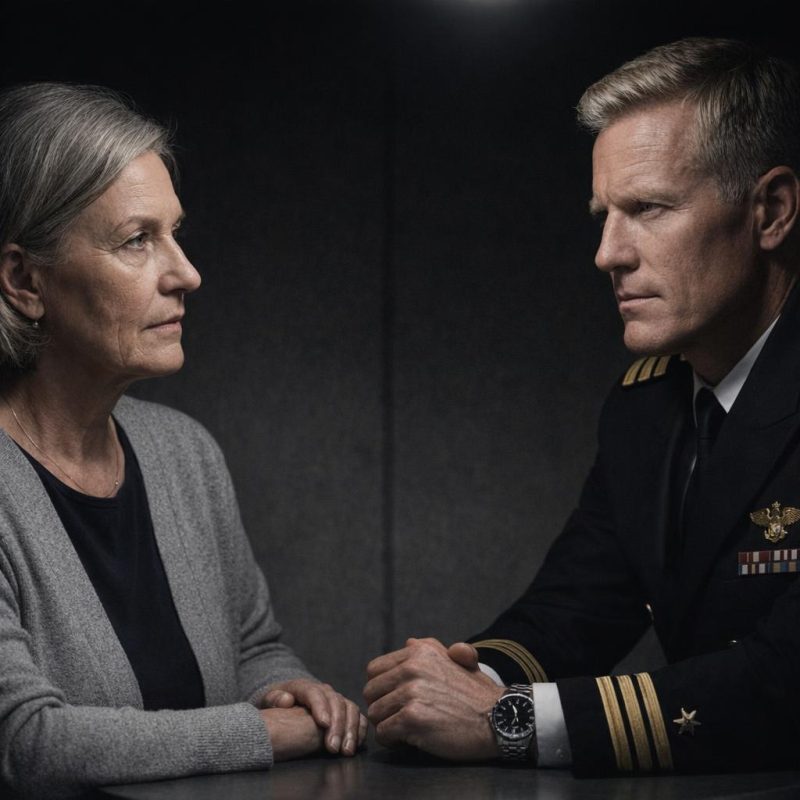 Image by RM AI
Refusing to Cooperate
Captain Marcus said they would need my banking passwords. He said it would make the process considerably smoother for everyone involved. I said no. He tilted his head slightly, like I'd given an unexpected but not particularly troubling answer. He said it was inevitable either way — they had methods for accessing accounts without cooperation, but passwords saved time. I said I wouldn't help him steal from me. He sighed, a small patient sound, like a teacher whose student keeps making the same mistake. Gloria said neither of us would give him anything. Captain Marcus looked at her then, and something shifted in his expression — not anger, just a kind of mild correction. He said her military pension had already been quite helpful. Gloria went pale. He said they'd accessed it two days ago. I felt rage move through me, hot and immediate. I told him he was a thief and a criminal. He said he was a businessman. I said I wouldn't give him a single password, not one account number, nothing. He studied me for a long moment with that same composed, unhurried attention he'd given everything else. He said that was unfortunate. Then he said nothing more, and the silence that settled over the room was heavier than any threat he could have made out loud.
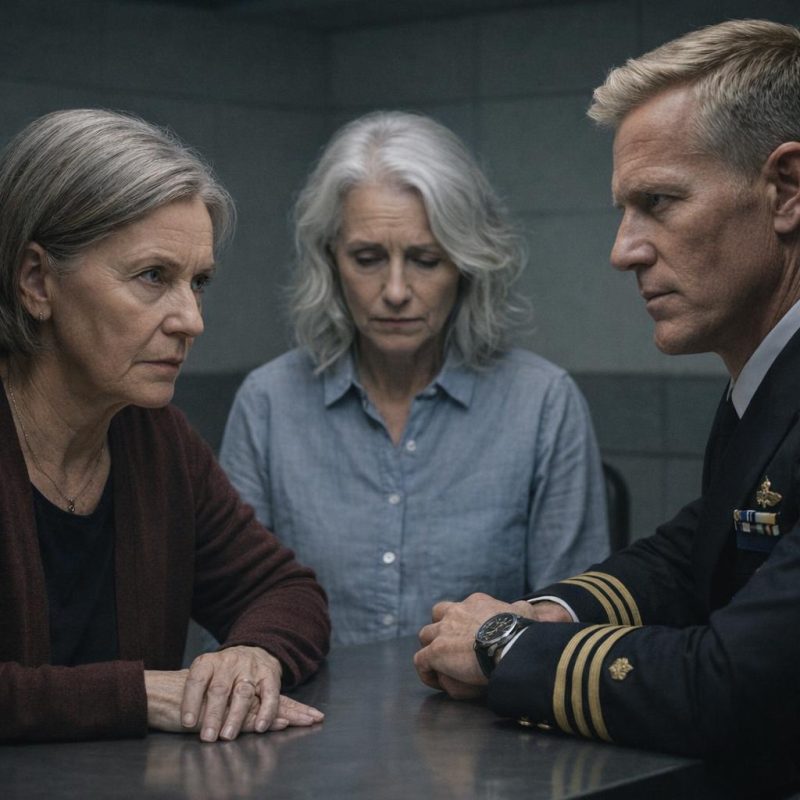 Image by RM AI
Returned to Cabin
Captain Marcus said one word to Carlos — just one — and Carlos moved to the door like he'd been waiting for it. He told us to come with him, and his voice had the same flat efficiency it always did, like he was escorting us to a buffet rather than back to our cells. Gloria and I walked through the corridors without speaking. I tried to catch her eye twice. The second time, she gave me the smallest nod I'd ever seen — barely a tilt of her chin — and I understood it to mean: not yet, but soon. They reached my cabin first. Carlos opened the door, stepped aside, and I walked in. The door closed behind me. I heard him say something low to someone in the corridor, and then footsteps moved away down the hall. I stood very still and listened. Then I heard it — the shift of weight, the quiet settle of someone taking up a position just outside my door. I sat on the edge of the bed and pulled my camera out from where I'd tucked it inside my waistband. The photos were still there. Every single one. I looked at them for a long moment, and then I started thinking about Diane and Raymond, and what I was going to have to tell them.
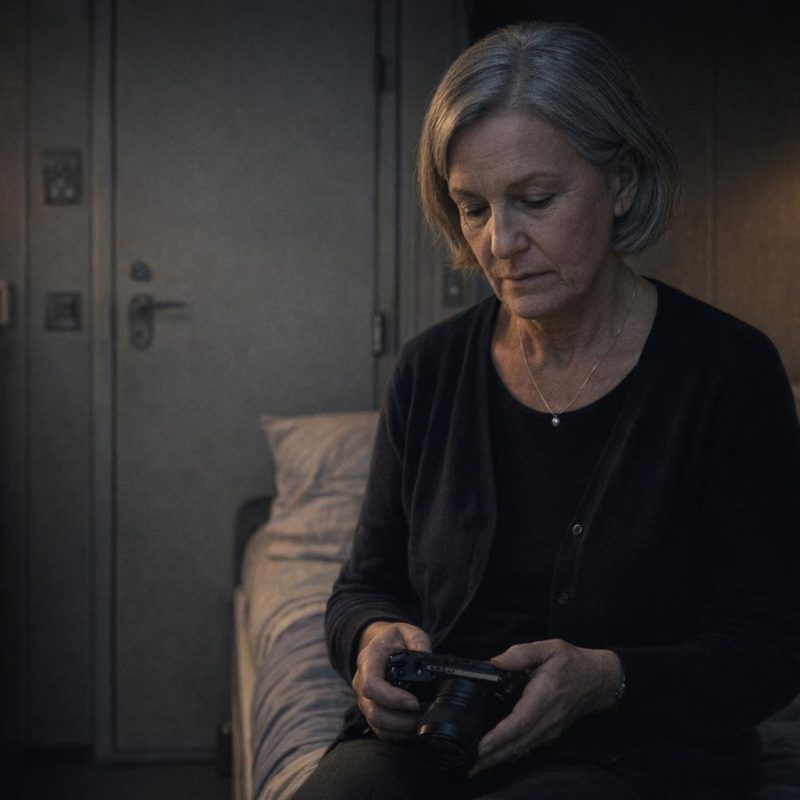 Image by RM AI
Sharing the Truth
The guard outside my door left for maybe ten minutes — a shift change, I guessed, because there was a gap between the sound of one set of footsteps leaving and another arriving. Ten minutes was enough. I slipped out and found Gloria already in the corridor, moving fast and quiet in her sensible shoes. We gathered the others in the dining room: Raymond, released from the medical bay but looking like he'd aged ten years in there, and Diane, who was shaking before I even opened my mouth. I told them everything. I didn't soften it. I explained the scam, the ransom process, the vulnerability assessments, the files with our names on them. I told them about Gloria's pension. I showed them the photos on my camera — the documents, the passenger profiles, the financial records. Diane started crying almost immediately, a quiet, helpless sound. Raymond went very still, which was somehow worse. Gloria filled in the parts I missed, her voice steady and precise. Raymond finally asked what we could do. I said we needed to get to the communications room and send a distress signal. Diane said we couldn't fight the crew. Gloria said we had to try anyway. I looked around the table at their faces — fear and something harder underneath it — and I knew we had already decided.
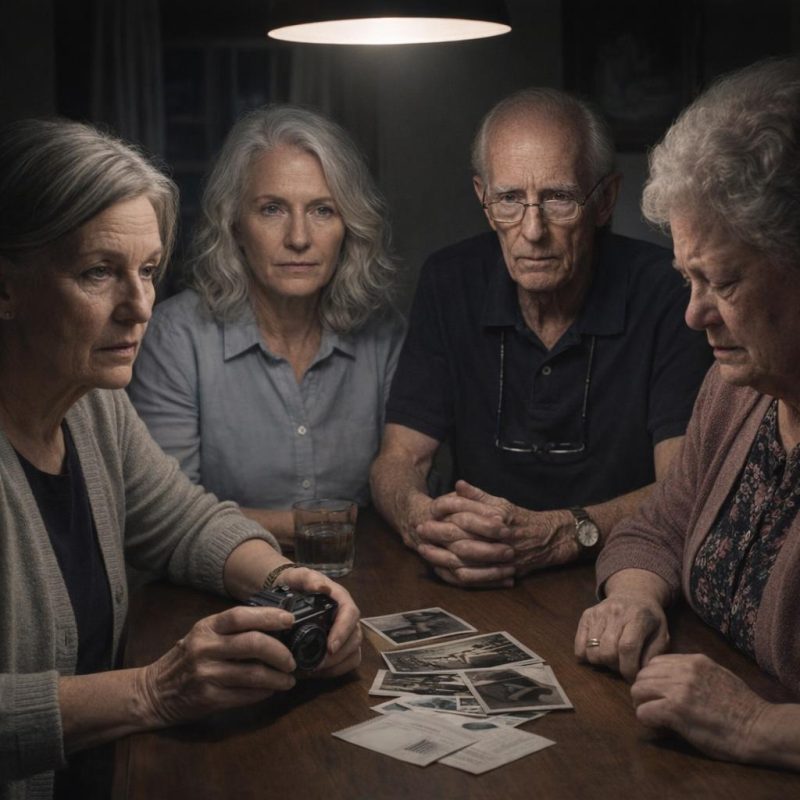 Image by RM AI
Planning the Escape
Gloria took charge of the planning the way I imagined she'd once taken charge of other things — quietly, completely, without asking permission. She spread a paper napkin on the table and had me describe every corridor I'd walked since boarding. I drew the route to the communications room from memory, marking where I'd seen crew stationed and where I hadn't. Gloria studied it and said we needed a distraction, something that would pull crew away from the upper decks all at once. Raymond said a medical emergency would do it — the crew always responded fast, he'd seen it. We all looked at Diane. Diane looked back at us and said she'd do it before anyone asked. I told her she didn't have to. She said she wanted to. Gloria outlined the rest: Diane would collapse during dinner service, drawing Carlos and whoever else was nearby. Ruth and I would move immediately toward the upper deck. Raymond would stay close enough to watch the corridor and signal if anyone came. Gloria said she could handle the electronic lock on the communications room door — she'd been collecting wire and metal pieces for two days. We went through the plan four times. We agreed on dinner the following evening. Nobody said out loud what we were all thinking — that this might not work, that the consequences if it didn't were something none of us wanted to name. The napkin sat in the middle of the table between us, covered in my handwriting, and it felt like the most important thing any of us had ever made.
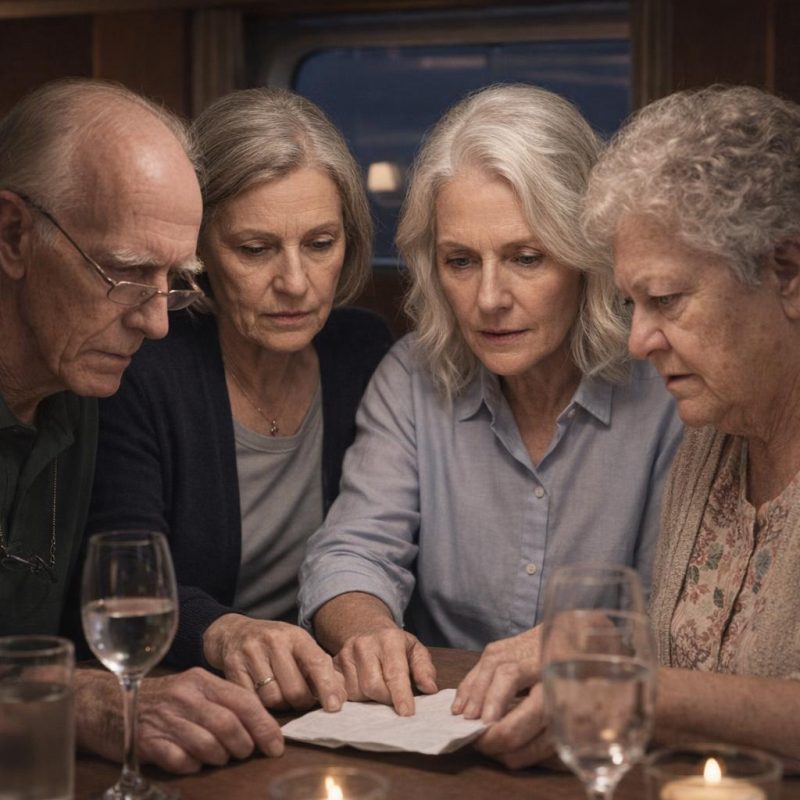 Image by RM AI
The Distraction
We sat at separate tables for dinner, the way Gloria had said to. I picked at my food and watched Diane across the room without looking like I was watching her. She looked terrified. She also looked more determined than I'd ever seen her, her chin set, her hands folded in her lap between bites. Halfway through the meal she stood up. She swayed — convincingly, horribly — and then she went down, and the sound of her hitting the floor brought every head in the room around. Someone cried out. Carlos was moving before the echo died, two other crew members right behind him, and then a third appeared from the corridor. Raymond drifted closer to the scene, positioning himself where he could watch the door. I looked at Gloria. She was already standing. We walked toward the exit at a pace that was not quite hurrying, and no one looked at us. The dining room was entirely focused on the floor where Diane lay. We slipped into the corridor and moved fast toward the upper decks, and I felt the guilt hit me immediately — sharp and specific, the image of Diane's face before she fell. I pushed it down. I told myself she'd chosen this. I told myself it had to be enough. The corridor ahead of us was empty, and we kept moving.
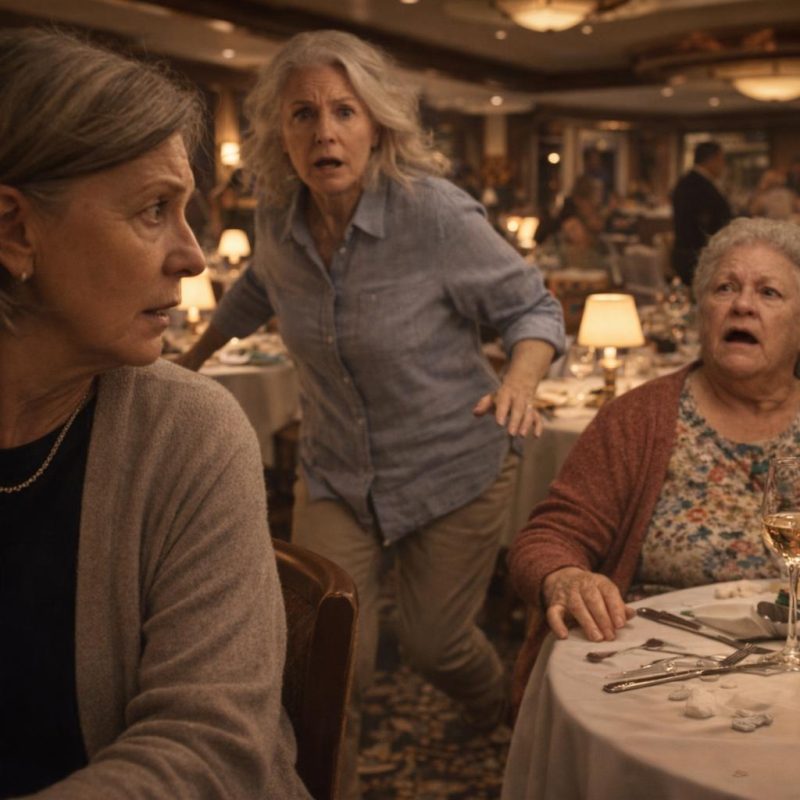 Image by RM AI
Breaking Into Communications
The communications room was on the upper deck behind a gray metal door with an electronic keypad, exactly where I'd remembered it. Gloria didn't hesitate. She pulled a coil of stripped wire and a flattened piece of metal from inside her jacket — I hadn't even known she was carrying them — and went to work on the panel while I stood at the corridor junction and watched both directions. My heart was going so fast I could feel it in my ears. I heard voices somewhere below us, distant and indistinct, and I told Gloria we needed to move. She said she knew. Her hands were completely steady. I don't know how. I heard a faint mechanical click, and then another, and then Gloria said quietly, "Got it," and tried the handle. The door swung open. We looked at each other for just a second — this woman I'd known for less than two weeks, this stranger who had become the most important person in my world — and something passed between us that I didn't have words for. We went inside. Gloria pulled the door shut behind us. The room smelled like electronics and recycled air, and every surface was covered in equipment I only half recognized. A satellite phone sat on the desk. A radio console ran along the far wall. For the first time since I'd stepped onto this ship, the tight knot of dread in my chest loosened just slightly, and I stood there in the quiet of that room and let myself breathe.
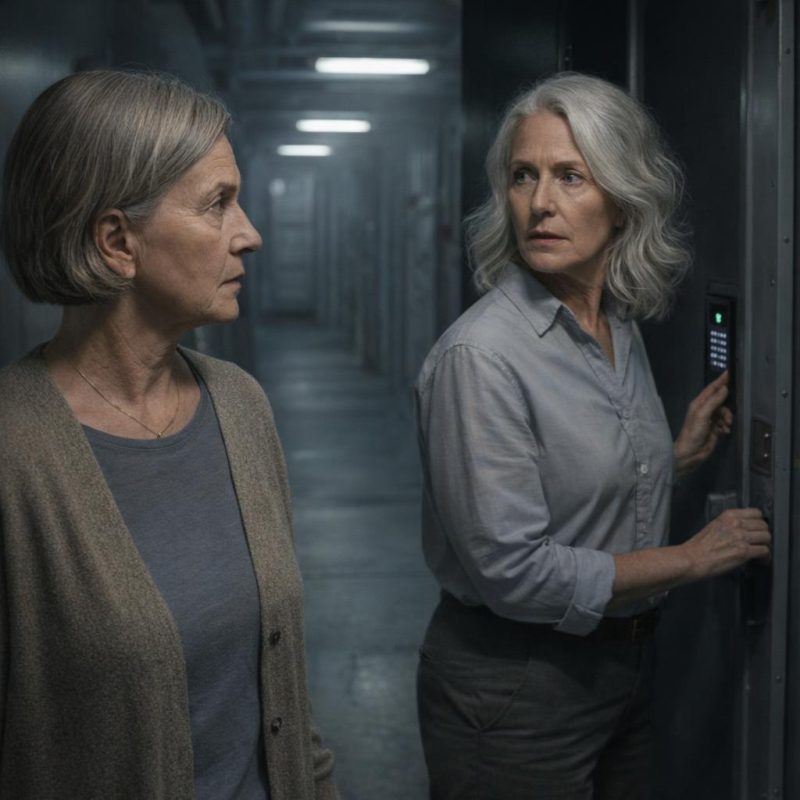 Image by RM AI
Sending the SOS
Gloria went straight to the radio console like she knew exactly what she was looking for, which I suppose she did. She found the emergency frequency inside of a minute and started broadcasting. I stood beside her and gave her everything I could — our approximate position, the ship's name, Captain Marcus's name, the nature of the operation. Gloria transmitted our GPS coordinates from the navigation display on the wall. I said we were being held against our will. I said there were multiple victims, that there had been others before us, that I had photographic evidence on my camera. Gloria sent it all in repeated bursts, cycling back through the key details each time. Then I heard it — footsteps in the corridor, fast and purposeful, more than one person. I told Gloria they were coming. She didn't stop. She kept her hand on the transmit key and kept talking, steady and clear, giving our coordinates one more time, repeating Captain Marcus's name. The door handle rattled. I pressed myself against the wall beside the console. Gloria sent one final burst and stepped back from the radio. Then the door came open hard, and Carlos was standing there with three crew members behind him, and his face had finally lost that practiced blankness entirely.
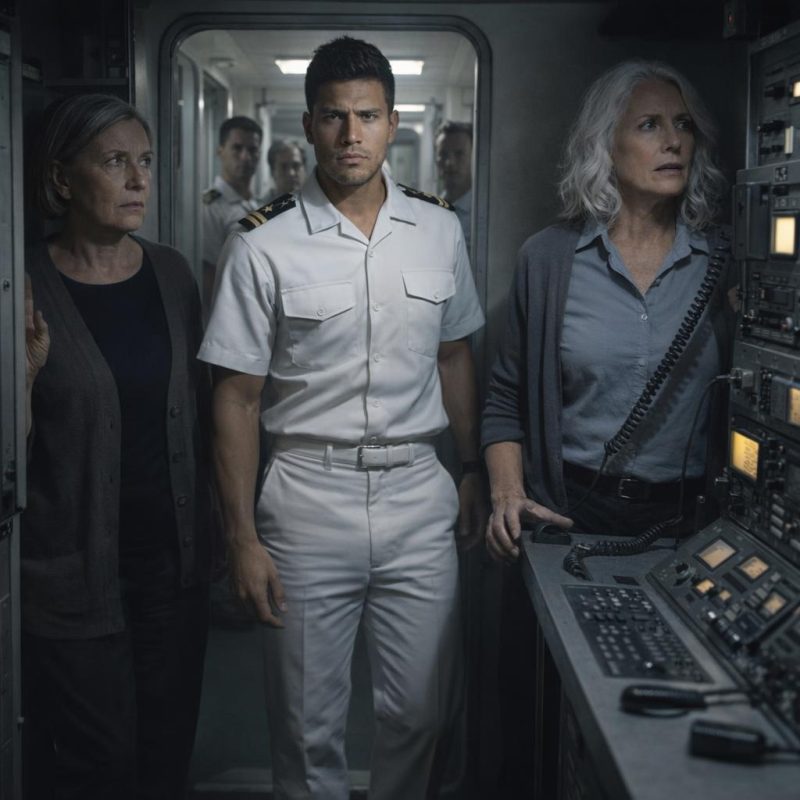 Image by RM AI
Holding the Line
Gloria and I shoved the heaviest equipment we could move against the door before Carlos could get it fully open — a metal cabinet, a rolling chair, the edge of the console itself. It bought us maybe thirty seconds, and we used them. I got back on the radio and started transmitting again. Gloria braced herself against the cabinet. The pounding started almost immediately, hard and rhythmic, and the door shuddered in its frame. Then Raymond appeared in the small porthole window set into the door — I hadn't even known he was up here — and Gloria yanked the cabinet aside just long enough for him to squeeze through, then shoved it back. Diane came next, and two other passengers I barely knew by name. All of them threw their weight against the barricade. The pounding got harder. Then Captain Marcus's voice came through the door, smooth and unhurried, like we were having a disagreement about dinner reservations. He said to open the door. He said we were making things considerably worse for ourselves. I shouted back that we'd already sent a distress signal and that people knew where we were. He said no one was coming. Gloria kept transmitting our coordinates in steady, even intervals. The door shuddered again, hard enough that the cabinet scraped an inch across the floor. We all leaned in. Raymond, who could barely stand, pressed his shoulder against the metal and held. The barricade held.
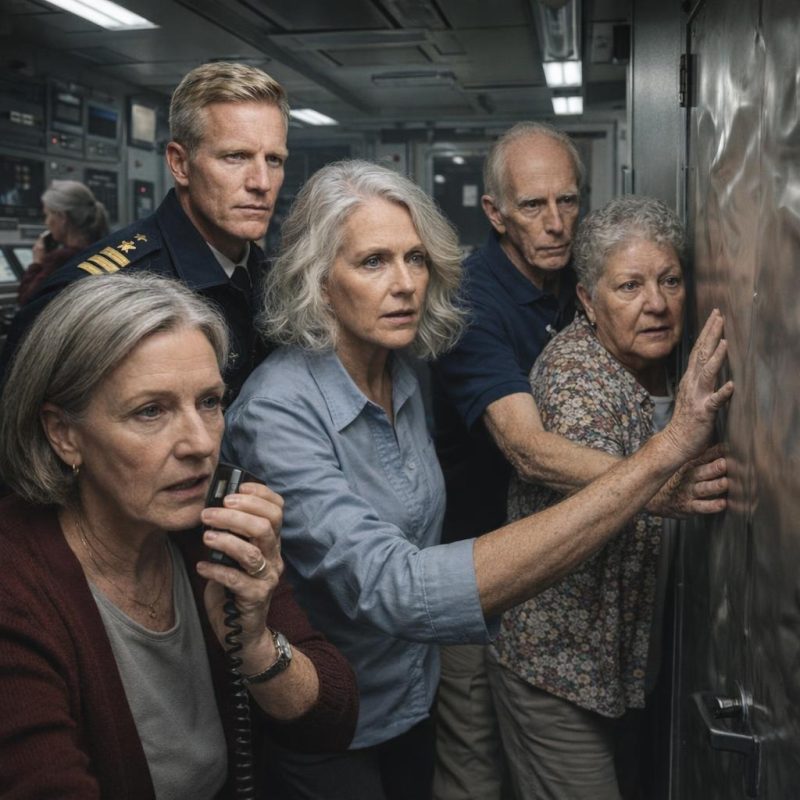 Image by RM AI
Coast Guard Response
The pounding had been going for what felt like an hour but was probably closer to fifteen minutes when the radio crackled. Not static — a voice. Clear enough that everyone in the room went still at the same moment. I got to the microphone before Gloria did, which surprised both of us. I said my name. I said we were passengers being held on a vessel against our will, that it was a criminal operation, that we had evidence. The officer asked for our position. I read the coordinates off the navigation display, the same ones Gloria had been transmitting for the last twenty minutes. I turned around and told the others. Gloria put her hand over her mouth. Raymond sat down on the floor, which was the first time I'd seen him sit down without being forced to. Diane made a sound I can't describe — not quite a sob, not quite a laugh. Outside the door, the pounding had stopped. Captain Marcus had gone quiet. I turned back to the radio and told the Coast Guard officer about the passenger files, the previous victims, the evidence on my camera. He told us to hold our position. Then the radio crackled once more, and the voice of the United States Coast Guard came back through that speaker — confirming our coordinates, confirming the cutter was twenty minutes out, and asking us to stay on the line.
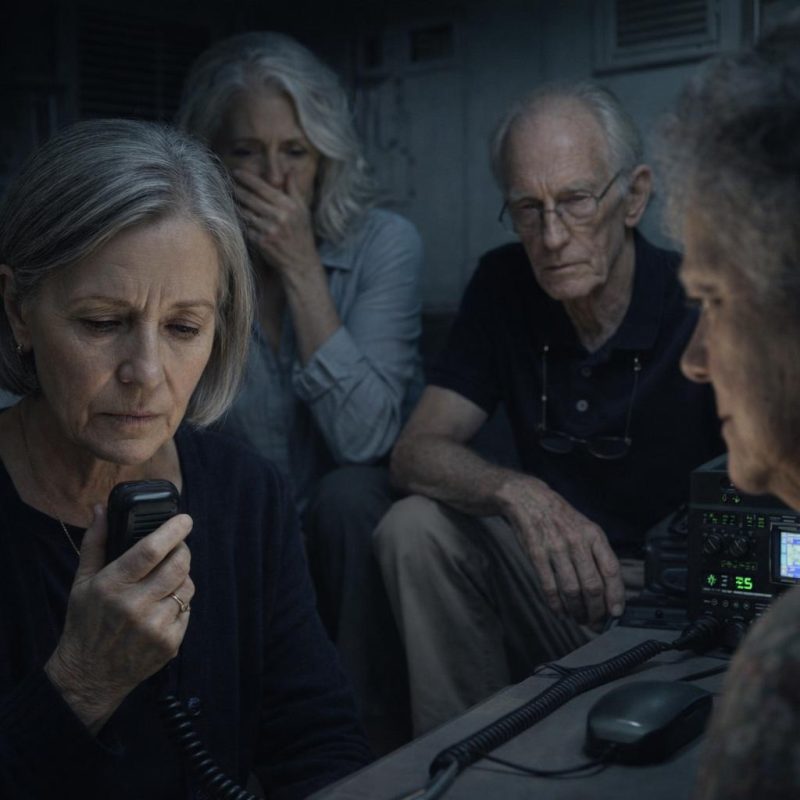 Image by RM AI
Rescue and Arrest
The engines came first — a deep, authoritative rumble from somewhere outside the hull that was nothing like the ship's own sound. Gloria grabbed my arm. We heard boots on the deck above us, heavy and fast, and then voices cutting through the metal walls with a clarity that made Raymond push himself up off the floor. Someone outside the communications room door identified himself as a United States Coast Guard officer and told us to stand clear. We pulled the barricade apart in about thirty seconds flat. The door opened and two officers in orange and blue came through, hands up, calm, telling us we were safe. One of them put his hand on my shoulder and I nearly fell apart right there. They moved through the ship fast after that. I could hear shouting from somewhere below — commands, not panic — and then it went quiet. A few minutes later they brought Captain Marcus past the open doorway. His uniform was still pressed. His hair was still perfect. But his hands were locked behind his back in handcuffs, and whatever that expensive smile had been built on, it was gone. I gave my camera to the investigator who asked for it. I told him everything on it was documented. He said it would be crucial for prosecution. I believed him.
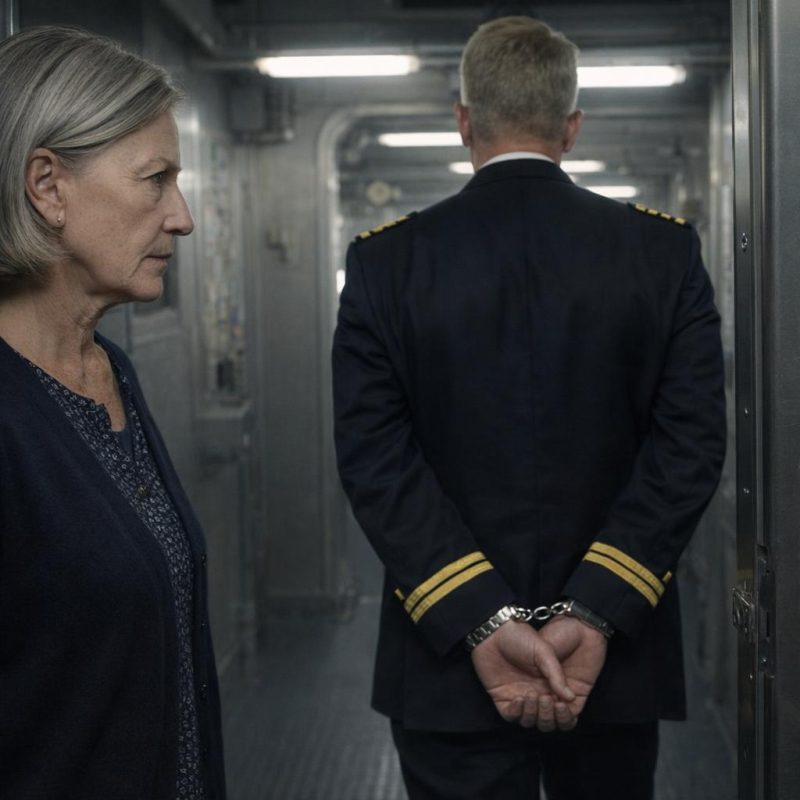 Image by RM AI
Evacuation
They helped us across to the cutter one at a time, and when my feet hit that deck I stood still for a second just to feel something solid and trustworthy under me. A medic steered me to a bench and checked my blood pressure, my eyes, asked me questions I answered on autopilot. Dehydrated, she said. Exhausted. Otherwise okay. Gloria sat down next to me before the medic had even finished, close enough that our shoulders touched, and neither of us said anything for a while. Raymond was a few feet away getting an IV line put in, looking embarrassed about it in the way men of a certain age get embarrassed about needing help. Diane was wrapped in a blanket with someone sitting beside her, speaking quietly, and her hands had finally stopped shaking. An investigator came and took my preliminary statement — the phone call, the fair, the ticket, the files I'd found, the passengers who hadn't made it home. I told him all of it. Then I asked if I could call my daughter. He handed me a phone without hesitating. Behind us, the ship was swarming with people in jackets that said EVIDENCE on the back, and I watched them for a moment before I looked away. The weight of being safe hadn't fully arrived yet. It was still settling in, slow and enormous, like something too big to fit through the door all at once.
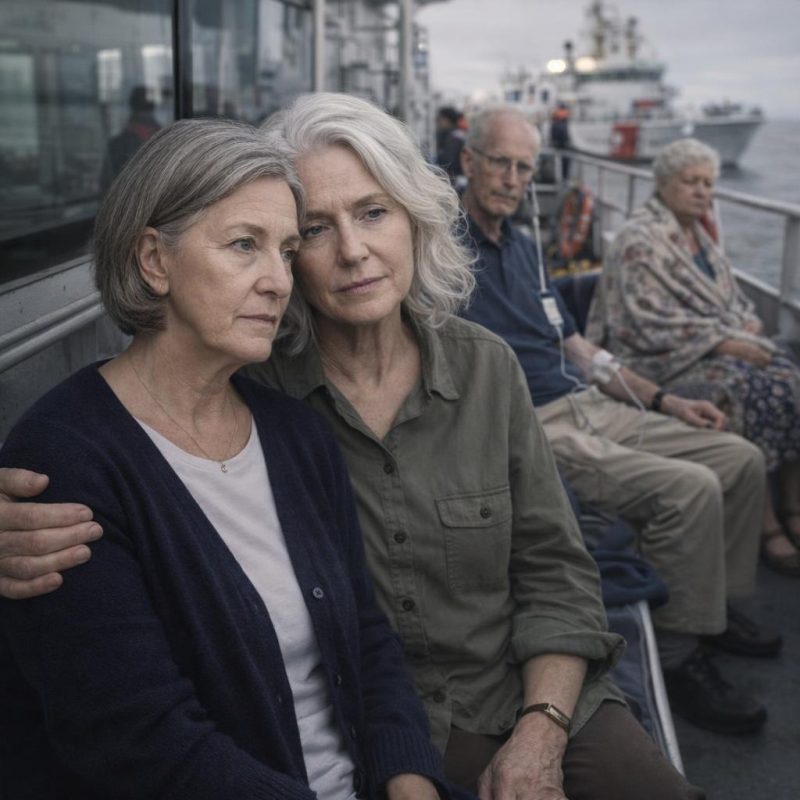 Image by RM AI
Calling Jennifer
My hands were shaking so badly I misdialed the first time. The second time it rang once — just once — and then Jennifer's voice was there, tight and immediate, like she'd been holding the phone waiting for it. I said, 'Jen, it's me.' That was all I got out before I heard her breath catch. 'Mom.' Her voice broke on the word. I told her I was safe, that I was with the Coast Guard, that it was over. She started crying — not quietly, not the way she cries at movies, but the kind of crying that comes from somewhere deep and scared, the kind you can't control. I started crying too, which I hadn't done through any of it, not once on that ship. I told her I was sorry. I told her she'd been right and I hadn't listened and I was sorry. She said, 'I don't care about that. I don't care. I just needed you to be alive.' We stayed on the line while she pulled herself together enough to ask where they were taking me. I told her the name of the station. She said she was leaving right now, that she'd drive through the night if she had to. I said I'd be waiting. After we hung up, I sat with the phone in my lap and let her voice stay with me — the sound of it, the relief in it, the love underneath all that fear.
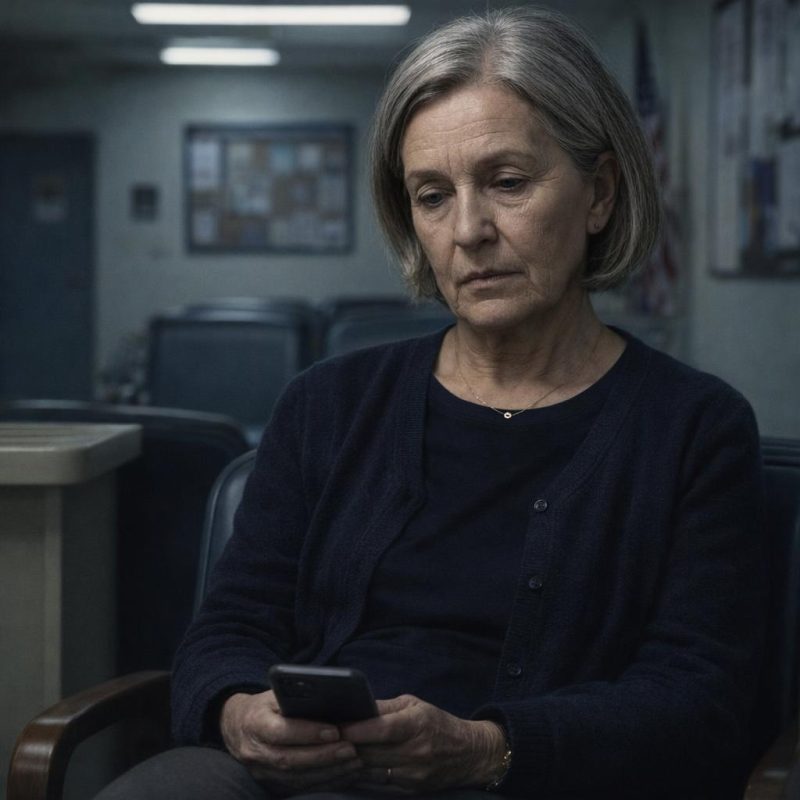 Image by RM AI
Aftermath
The waiting room at the Coast Guard station had plastic chairs and fluorescent lights and coffee that tasted like it had been sitting since morning, and it was the most comfortable place I'd been in two weeks. Gloria sat beside me with a blanket around her shoulders, and we talked in the slow, unrushed way of people who have already said the important things. An investigator came in and told us the scope of what they were looking at — four ships, more than four hundred victims over several years, families who had been waiting for answers about people who never came home. I thought about those people for a long time after he left. Gloria said we were lucky. I said I knew, but that lucky didn't feel like quite the right word. We'd paid attention. We'd pushed back. We'd made noise when it would have been easier to go quiet. The investigator came back to tell me that my photos had documented the operation in a way that would matter in court, and I felt something settle in my chest at that — not pride exactly, but something close to it. All the other passengers from our ship were safe, he said. All of them. I was looking out the window when a car turned into the parking lot, moving fast, and pulled into the nearest open space. Jennifer got out before it had fully stopped and started running toward the building.
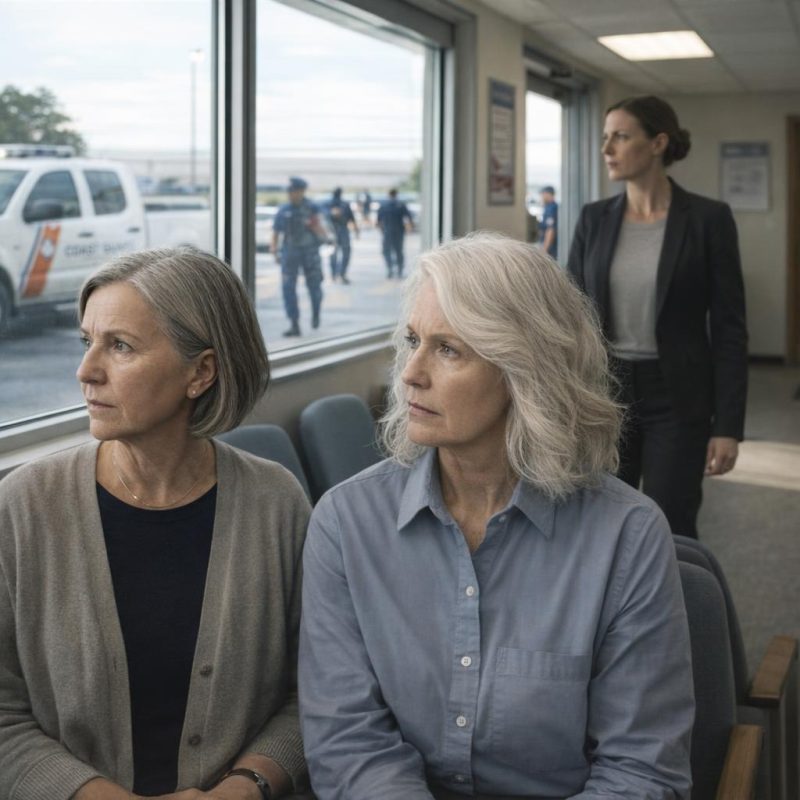 Image by RM AI
KEEP ON READING

The Origins Of 3 Common Sayings You Still Use Today
Etienne Boulanger on UnsplashMany of the phrases you use every…
By Rob Shapiro Apr 28, 2026
Was Caligula The Most Ruthless Roman Emperor?
Artur Matosyan on UnsplashRoman Emperor Caligula is one of ancient…
By Rob Shapiro Dec 18, 2025
1 Weird Fact About Every President
Washington, Lincoln, FDR. Most people know something about the lives…
By Robbie Woods Dec 3, 2024
10 Accidental Discoveries That Changed Maps & 10 That Changed…
Mistakes That Mattered. A lot of major discoveries did not…
By Cameron Dick Apr 15, 2026
10 Actors Who Perfectly Played a Historical Figure & 10…
Which Performance is Your Favorite?. Playing the role of a…
By Rob Shapiro Sep 15, 2025
10 Actors Who Perfectly Played a Historical Figure & 10…
Portraying a real person from history is one of the…
By Noone Dec 17, 2025