

I Won $5.8 Million One Week After Filing For Divorce—My Ex Found Out Before I Could Cash The Ticket
I Won $5.8 Million One Week After Filing For Divorce—My Ex Found Out Before I Could Cash The Ticket
The Forty-Dollar Pillow
I was standing in the Target home goods aisle holding a forty-dollar velvet throw pillow when I started doing the math on whether I could justify it. Forty dollars. For a pillow. I'd been sleeping on the same flat, sad excuse for a pillow for three years because Richard always said we didn't need to waste money on things like that, and here I was, finally free, finally allowed to want something soft and ridiculous and mine — and I was still standing there calculating whether I deserved it. That's what five years of marriage to Richard does to you. It turns a throw pillow into a moral dilemma. The pillow was this deep burgundy velvet, the kind that looks like it belongs in a hotel lobby, and I was genuinely considering it. I had it in both hands, turning it over, checking the tag twice like the price was going to change. The divorce papers had been served exactly seven days ago. Seven days of silence from his end, which I'd taken as a small mercy. Then my phone started vibrating in my coat pocket. I didn't have to look to feel the dread settle in. But I looked anyway. Richard's name filled the screen, and I just stood there, the pillow still in my hands, not moving.
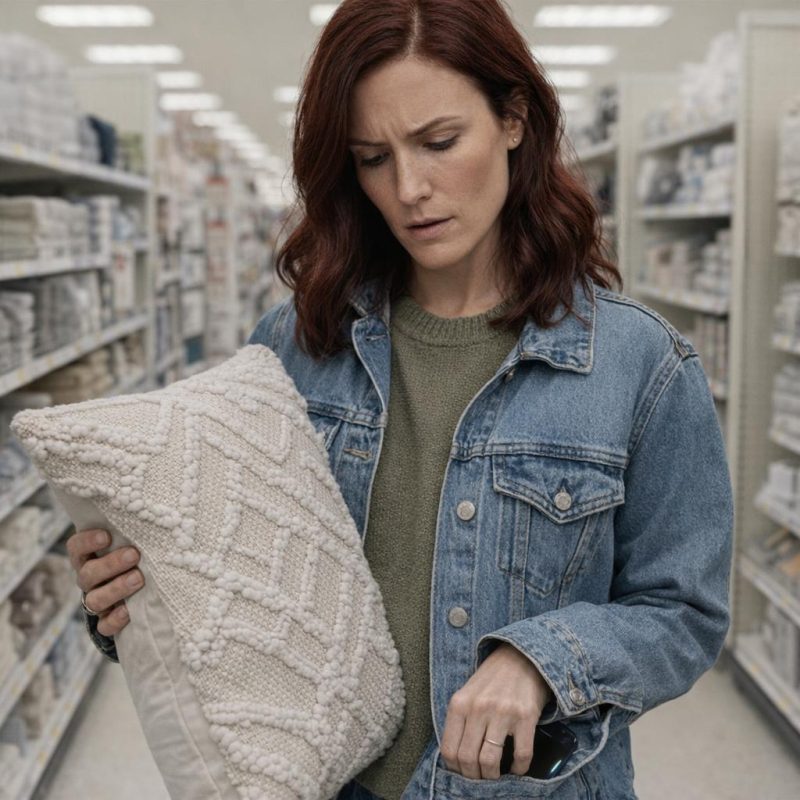 Image by RM AI
The Call I Almost Didn't Answer
I stared at his name on the screen for four full rings. Every instinct I had said let it go to voicemail. We hadn't spoken since the papers were served — seven days of blessed, terrifying quiet — and I had no reason to believe this call was going to be anything other than the beginning of something awful. But five years of muscle memory is a hard thing to override. I picked up. 'Richard.' I kept my voice flat, like I was answering a call from a dentist's office. He didn't do the same. His voice came through tight and fast, nothing like the practiced, smooth tone I'd spent half a decade listening to. He sounded — I don't know how else to say it — rattled. Richard didn't rattle. In five years I had never once heard him sound like he didn't have the upper hand. 'We need to talk,' he said. 'Not over text. Not through lawyers. Right now.' A woman with a cart full of throw blankets glanced at me and I turned toward the shelf. 'About what?' I asked, keeping my voice low. 'What could possibly be so urgent?' There was a pause — short, loaded — and then he said it. 'Your lottery ticket.'
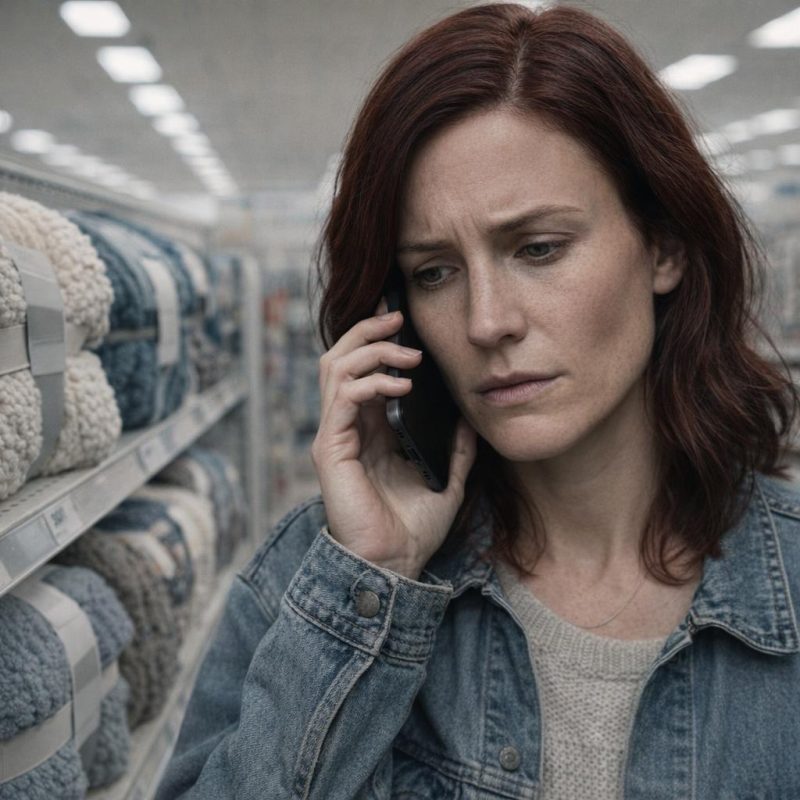 Image by RM AI
The Secret in My Wallet
I didn't say anything. I couldn't. The words just sat there between us on the line while the fluorescent lights hummed overhead and someone's kid screamed two aisles over about wanting a toy. My hand tightened around the phone. Richard kept talking — something about needing to discuss this like adults, something about how this changed things — but I stopped hearing the actual words. All I could hear was the fact that he knew. He knew. I had not told a single person. Not my best friend Kira, not my mother, not my sister Beth. The ticket was still sitting in my wallet, right now, tucked behind my library card, uncashed. I had won $5.8 million less than forty-eight hours ago and I had told absolutely no one because I hadn't figured out what to do yet, and somehow Richard — Richard, who I had served divorce papers to one week ago — already knew about it. I set the burgundy pillow back on the shelf without thinking. My brain was running in circles trying to work out how that was even possible. I hadn't posted anything. I hadn't called anyone. I hadn't even written it down. The question of how he could possibly know sat over me like something I couldn't see the edges of.
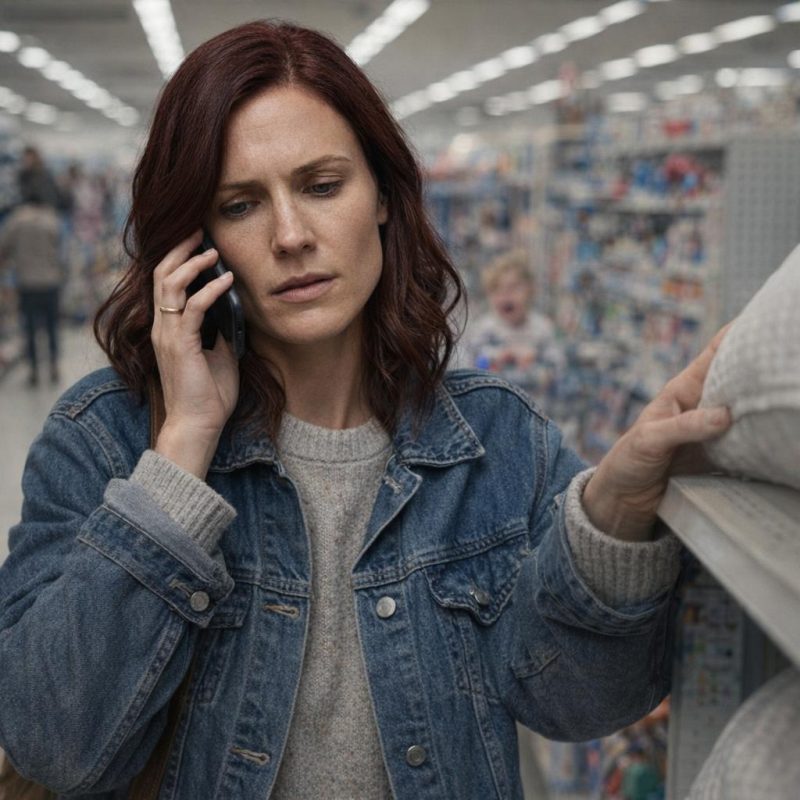 Image by RM AI
Morrison Street Emergency
I ended the call without answering a single one of his questions. I just said 'I have to go' and hung up, which I'm sure went over beautifully. My hands were shaking when I pulled up Kira's contact. I typed the text three times before it came out coherent: *Emergency. Morrison Street coffee shop. Now. Please.* She responded in under a minute — just a question mark and then *on my way* — which is exactly why she's my best friend. I stood in the Target parking lot for a few minutes after that, sitting in my car with the engine off, trying to get my breathing under control. The ticket was still in my wallet. I checked. Still there, still real, the numbers still the same impossible numbers they'd been for the past two days. I drove to Morrison Street on autopilot, hands gripping the wheel tighter than necessary, running through every possible explanation for how Richard could know and coming up empty every time. By the time I pulled into a spot near the coffee shop, I'd almost convinced myself I was overreacting. Almost. I sat in the car for another minute before going in, staring at the steering wheel, feeling the full weight of what I was about to say out loud to another human being for the very first time.
 Image by RM AI
Double Espresso Confession
Kira had already ordered by the time I got there — a double espresso for me, which told me my text had communicated the level of crisis accurately. I sat down across from her and wrapped both hands around the cup because I needed something to hold onto. She was watching me with that look she gets, the one that means she's already bracing. 'Okay,' she said. 'Talk.' I looked around the coffee shop. Two guys on laptops, a mom with a stroller, nobody paying attention to us. I leaned in anyway. 'I won the lottery,' I said. Just like that. Flat. Like I was telling her the parking meter was about to expire. She blinked. 'What.' 'The scratch ticket I bought the day I filed. The one I bought at the gas station on the way home because I was feeling reckless and stupid.' I watched her face. 'Five point eight million dollars.' The color drained out of her expression. 'Morgan.' Her voice came out barely above a whisper. 'When did you file?' 'One week ago today.' I watched her do the math. I watched her get there — the same place I'd been getting to and backing away from for two days — and her face changed in a way that made my stomach drop all over again.
 Image by RM AI
Marital Property
Kira set her coffee down very carefully, like she needed her hands free. 'Okay,' she said, in the voice she uses when she's trying not to panic out loud. 'Okay, so here's the thing.' She leaned forward. 'In this state, anything you acquire while you're still legally married is considered marital property. It doesn't matter that you filed. It doesn't matter that you bought the ticket yourself, with your own money, on your own time.' I stared at her. 'The divorce isn't final yet,' I said. 'No,' she said. 'And it won't be for months. Maybe longer, depending on how ugly it gets.' I already knew where this was going but I let her finish anyway. 'He's entitled to half, Morgan. Legally. Until that divorce is finalized, you are still his wife, and that ticket is marital property.' I did the math. I'd been doing the math in my head since the moment Richard said those two words on the phone, but hearing it out loud made it land differently. Half of $5.8 million. Kira watched me do the arithmetic and then she said it before I could. 'Two point nine million dollars.' She said it quietly, like she was sorry. Then she grabbed my wrist across the table. 'You need to disappear,' she said. 'Hide it. Do anything except let Richard touch a single cent of it.'
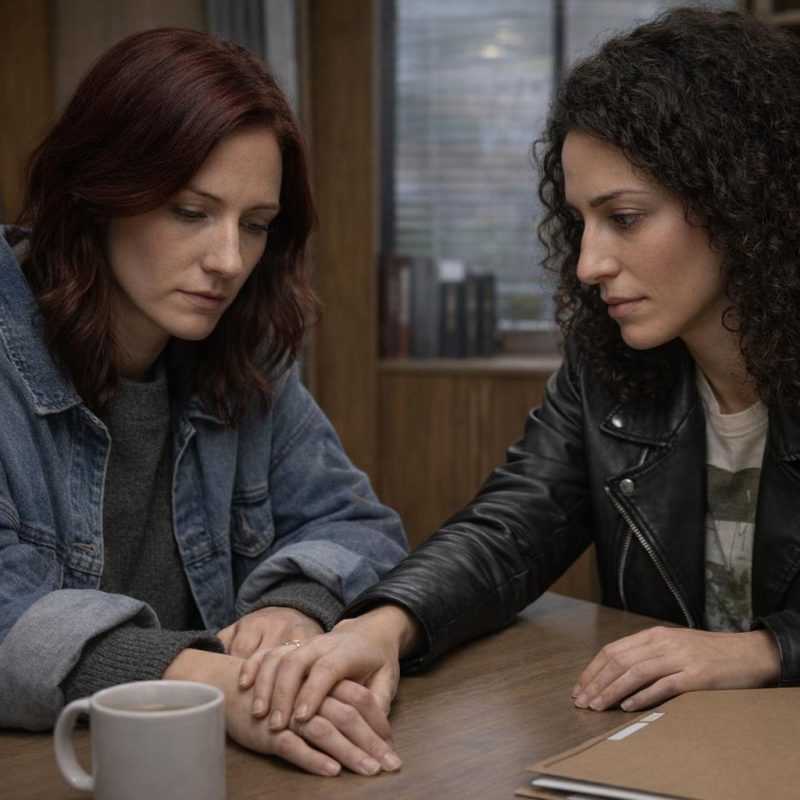 Image by RM AI
Riverside Kitchen Fury
I drove out to my mother Carol's house in Riverside that evening because I needed someone to tell me what to do and Kira had only told me what not to do. I thought maybe Carol would be the voice of reason. I don't know why I thought that. I explained the whole thing at her kitchen table — the ticket, the timing, Richard's call, the marital property law — and watched her face go from worried to furious in about thirty seconds flat. She didn't sit down once. She started pacing, back and forth across the kitchen tile, and her voice had this shake in it that I recognized from the worst years of my marriage, the years when she'd watched me come home from visits looking smaller than when I'd left. 'Five years,' she said, mostly to herself. 'Five years of watching that man take from you and now he wants to take this too.' I tried to explain that fighting it in court could drag on for years, could cost more than it was worth, could grind me down to nothing. She stopped pacing long enough to look at me. 'I don't care what it costs,' she said. 'You fight him with every weapon you have.'
 Image by RM AI
The Scorecard
She started listing things. That's what Carol does when she's furious — she builds a case, item by item, like she's been keeping a ledger. She reminded me about the savings account I'd had before we got married, the one that had been quietly drained over three years to cover his 'investment opportunities' that never paid out. She reminded me about the promotion I'd turned down because Richard said the travel would put too much strain on us, and how six months later he took a job that had him gone every other week without a second conversation about it. She reminded me about the birthday dinner where I'd apologized to him — apologized, to him — because he'd shown up two hours late and somehow I'd ended up being the one who was sorry. She went through it all. Every item on the list. Her voice never got louder, which was almost worse than if it had. 'That money isn't a windfall,' she said, stopping in the middle of the kitchen. 'It's what you're owed. And handing three million of it to Richard isn't a legal obligation. It's a surrender.' I sat at her kitchen table and didn't say anything. The refrigerator hummed. Outside, a car passed slowly down the street. The silence after she finished settled over the room like something with actual weight.
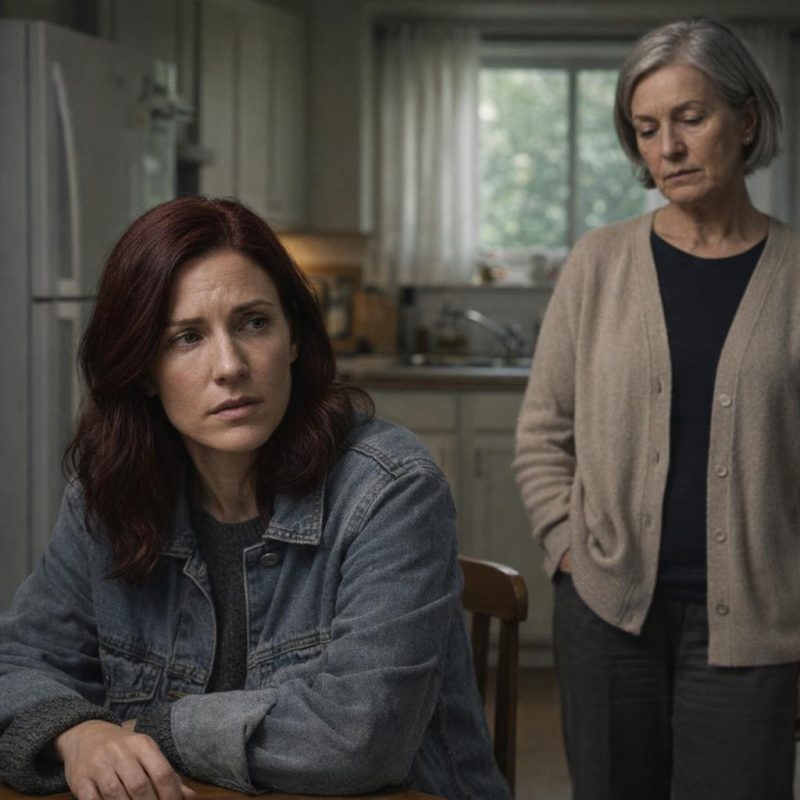 Image by RM AI
Five Years in Ten Minutes
Carol kept going after that. She wasn't done. She moved to the part about the joint account — how Richard had quietly shifted the direct deposit timing one month so his paycheck cleared before the bills hit, which meant my paycheck was always the one that got stretched thin. She talked about the weekend I'd spent crying in the bathroom because he'd told his friends I was 'bad with money,' and how I'd believed him for two years before I noticed the pattern. She talked about the promotion again, slower this time, like she wanted each word to land separately. I sat there and let it all come back. The thing about Carol's list is that she wasn't making anything up. Every item was real. Every item had a date attached to it in my memory. And somewhere in the middle of all of it, the memory of the morning I filed surfaced on its own — I'd sat in my car in the parking lot outside the courthouse, engine running, waiting until payday to cover the filing fee. Sixty-seven dollars. I'd had to wait for sixty-seven dollars to start leaving him. That was the one that landed hardest. I'd been carrying it around for months without letting myself look at it directly, and now here it was, sitting in the middle of Carol's list where it belonged.
 Image by RM AI
Wine and Cryptocurrency
Beth showed up at eleven with a bottle of Malbec and a laptop bag over her shoulder, which is her version of a crisis kit. My younger sister has never met a problem she didn't think could be solved with enough research and a slightly illegal workaround. She didn't even ask how I was doing. She just set the wine on the counter, opened the laptop on the coffee table, and said, 'Okay, so here's what I've been thinking.' Within twenty minutes she had three tabs open — Costa Rica real estate, Cayman Islands banking regulations, and something called a 'digital asset transfer guide' that I was pretty sure wasn't from a licensed financial institution. She walked me through it like she was explaining a vacation itinerary. Beachfront property under two hundred thousand. She talked about accounts that supposedly didn't report to the IRS, about cryptocurrency wallets that were, in her words, 'basically invisible' — though I had no idea if any of it was actually true. I kept saying things like 'that's not how that works' and 'Beth, that's fraud,' but I was also drinking the wine and not closing the laptop. The part of me that had followed every rule for thirty-four years and still ended up broke and divorcing a man whose decisions had left my savings depleted — that part was listening.
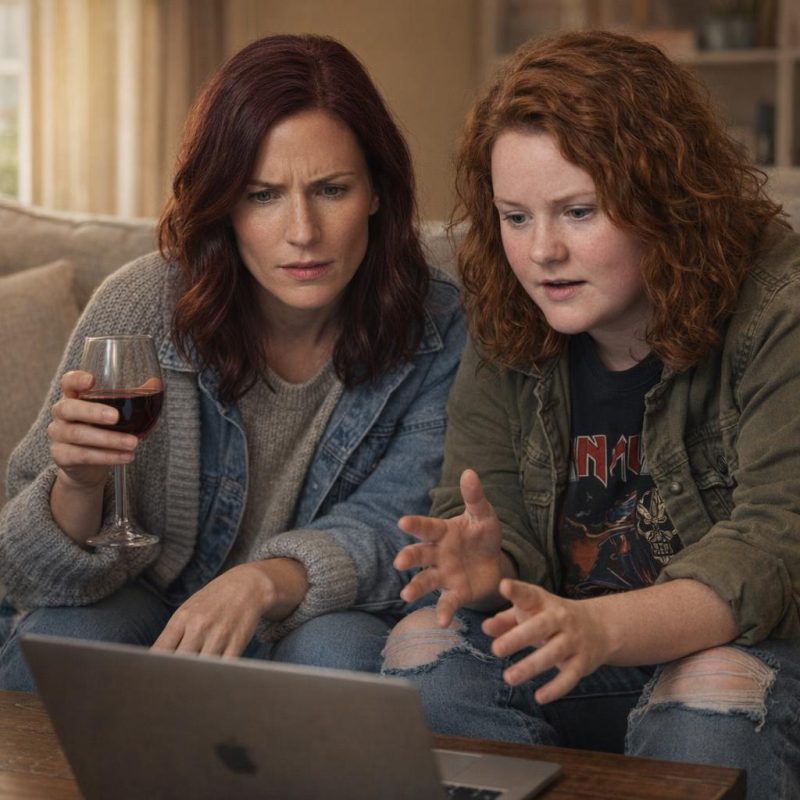 Image by RM AI
Friends of Friends
She talked for a solid hour. Beth has this way of making the completely reckless sound almost reasonable, especially after the second glass of wine. She pulled up a beach house in Tamarindo — four bedrooms, open-air kitchen, a pool that looked out over the Pacific — and said she had a friend of a friend who'd moved there and 'basically disappeared from the American financial system.' She said it like it was a good thing. She talked about converting a chunk of the winnings into crypto before the lottery commission even processed the claim, about wallets that supposedly couldn't be traced, about how paper trails were only a problem if you let them form in the first place — though I had no idea if any of it would actually work. I didn't ask too many questions about who these friends of friends were. I just looked at the listings. The beach house had a hammock strung between two palms in the backyard. The water in the photos was the kind of blue that doesn't look real. I thought about what it would feel like to wake up there, to have all five-point-eight million sitting somewhere he wouldn't know to look, to have my name on nothing he could claim. The laptop screen glowed between us in the dark apartment, and for a few minutes I let myself stay inside that picture.
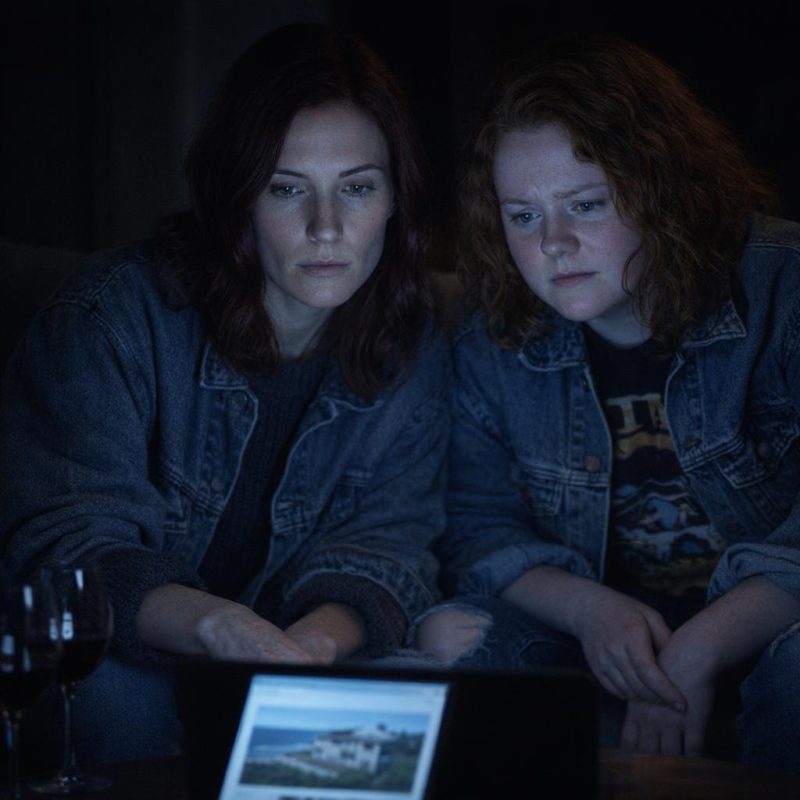 Image by RM AI
The Question
The laptop battery died at exactly midnight. One second the beach house was glowing on the screen, and then the screen just went black. Beth looked up at me across the coffee table, and there was a pause — the kind that means someone's about to say the thing you've both been avoiding. 'So,' she said. 'What are you actually going to do?' Not about the offshore accounts. Not about Costa Rica. About all of it. About the ticket in my wallet and the divorce filing and Richard, who apparently already knew. I opened my mouth and nothing came out. I'd been running the question around in my head since the moment I'd stood in that Target aisle staring at the numbers on my phone, and I still didn't have an answer that felt like solid ground. I had options. I had a lawyer's name written on a Post-it. I had a sister sitting across from me who'd just spent an hour explaining how to vanish. But when Beth asked me directly, all I had was the same low-grade dread that had been sitting in my chest since Tuesday, and the feeling that whatever I decided next was going to cost me something I couldn't get back.
 Image by RM AI
Glass Desk Appointment
Beth left around one in the morning and I didn't sleep much after that. By eight I was at the kitchen table with a legal pad and a growing pile of paper. I'd looked up Jennifer Hayes the night before — her office was on the fourteenth floor of a building downtown where the lobby alone probably cost more per square foot than my apartment. Her hourly rate was listed on her firm's website, which I respected and also found deeply alarming. I called anyway and got an appointment for that afternoon. Then I spent two hours pulling together everything I could find. Bank statements going back three years. The marriage certificate. The divorce filing with its timestamp. The lottery ticket, still in my wallet, which I photographed twice and emailed to myself before putting it back. I found the credit card statements from the year Richard's 'investment opportunity' had quietly eaten through my savings account. I found the lease I'd signed alone because he'd said his name on it would 'complicate things.' I put it all in a manila folder, then added more pages, then had to find a binder clip. When I finally sat back and looked at what I'd assembled, the folder was thick and heavy in a way that felt less like preparation and more like evidence.
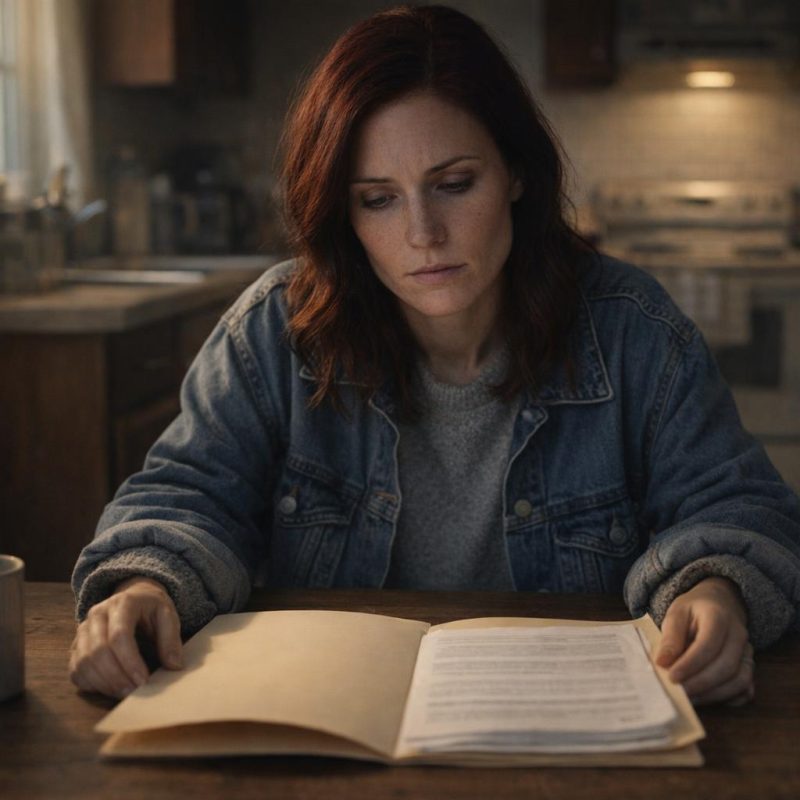 Image by RM AI
Four Hundred Dollars an Hour
Jennifer Hayes's office looked like someone had removed every unnecessary object from the room and then charged extra for the empty space. One plant. One painting. A glass desk that probably cost more than my car. She was exactly what her website had suggested — calm, precise, and clearly unbothered by the size of the numbers we were discussing, which I found both reassuring and slightly terrifying. I laid out the whole thing. The ticket, the timing, the divorce filing, Richard's call. She listened without interrupting, made three notes on a legal pad, and then told me the truth without softening it. The lottery win, purchased during the marriage, would almost certainly be considered marital property under state law. There was a possible argument around the source of funds — if I could prove the ticket was bought with money that was solely mine, not from any joint account — but she was careful to say 'possible argument,' not 'winning argument.' She said Richard's attorney would push hard on the marital property angle. She said courts didn't like ambiguity in high-asset cases. She said all of this in the same even tone she'd probably use to discuss the weather, and somehow that steadiness made it land heavier than if she'd been alarmed. I sat across from her and tried to keep my face neutral while the numbers rearranged themselves in my head.
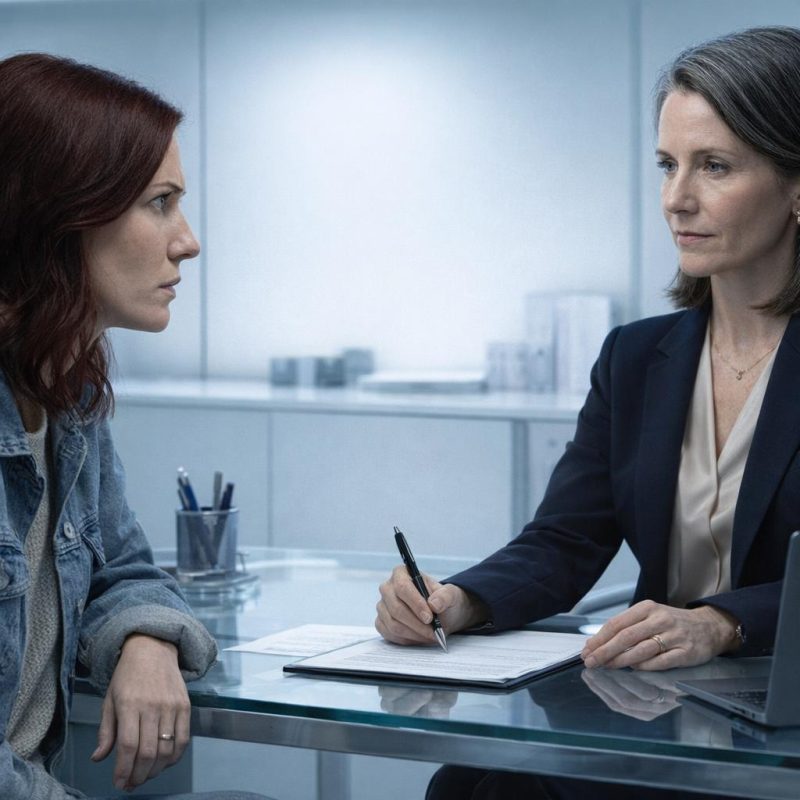 Image by RM AI
The Timeline
Then she slid a piece of paper across the desk. It was a litigation timeline — a single page, dense with dates and motion names and hearing types I didn't fully understand. She walked me through it. Discovery phase. Depositions. Motions to compel. Possible appeals. She said eighteen months was the optimistic version, and that cases involving assets of this size, with an opposing counsel who had a reputation for aggressive litigation, routinely ran three to five years. Three to five years. I looked at the column of dates and felt something shift in my chest that wasn't quite panic but was close. Every date on that page was another month I'd be legally tethered to Richard. Every motion was another reason to stay in the same city, answer the same questions, sit across from him in the same conference rooms. I'd filed for divorce because I wanted my life back. I'd bought a lottery ticket because I was having a bad week. And now the prize that was supposed to change everything might instead lock me into half a decade of litigation with a man I'd spent two years trying to leave. Jennifer was still talking, explaining something about discovery timelines, her voice steady and unhurried. I looked back down at the page. The final date in the column was three years and four months from today.
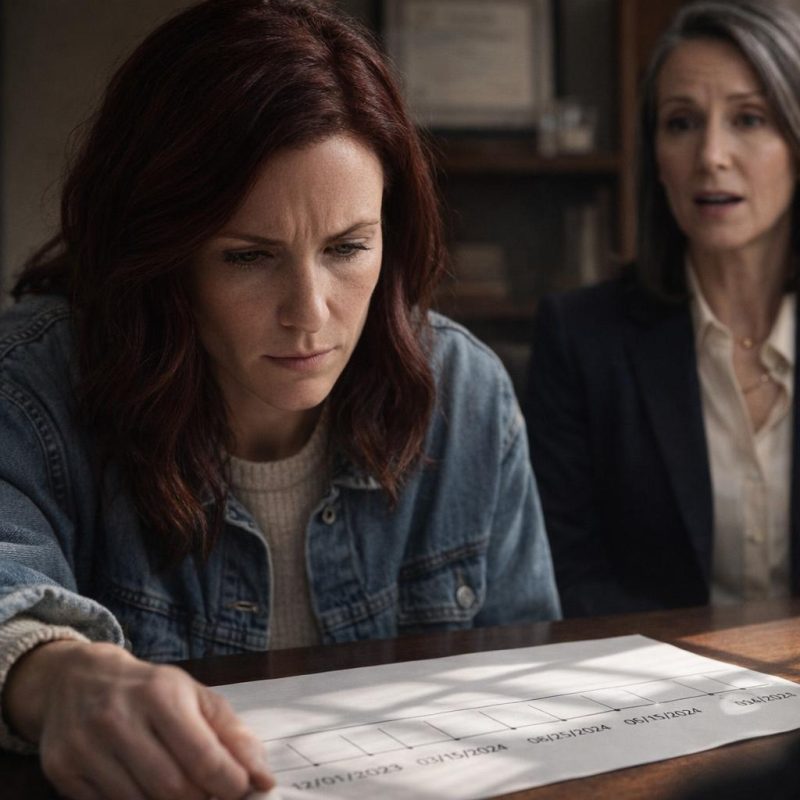 Image by RM AI
Adults and Easy Ways
The next morning I was standing at the kitchen counter staring at the wall when my phone buzzed with a voicemail notification. Richard. I stood there for a second before I played it. His voice came through with that particular tone he used when he wanted something significant — relaxed on the surface, each word placed a little too carefully. He said he thought we should talk before things got complicated. He said we were adults. He said there was an easy way to handle this and a harder way, and that he'd always believed we were the kind of people who could be reasonable. Then the warmth dropped out of his voice, just slightly, and he said he was entitled to half, that the law was clear on that, and that he trusted I understood the position I was in. He ended by saying he knew I'd do the right thing. I stood there with the phone in my hand after it ended. That phrase — do the right thing — had a specific history between us. He'd used it when he wanted me to drop a complaint I'd made to his firm's HR department. He'd used it when he wanted me to sign off on a joint tax filing I had questions about. He'd used it every time he needed me to fold quietly, and it had worked, and I suspected he knew it had worked, and now here it was again.
 Image by RM AI
Marcus Brennan, Esquire
The certified mail sat on my kitchen table for twenty minutes before I opened it. I knew what it was the second I saw the return address — Marcus Brennan, Esq., with a Boston street address that looked expensive just from the font. I'd looked him up while the envelope was still sealed. Harvard Law. A thousand dollars an hour. The kind of attorney you hire when you don't want to negotiate, you want to obliterate. The letter was six pages long. Six pages. I read it twice because I kept thinking I'd misread something, but no — it was all there. Half the winnings. Interest on the half. His legal fees. My legal fees, apparently. And then, buried in page four in language so clinical it almost didn't register: compensation for emotional distress, because I had failed to contact Richard immediately upon scanning the ticket. That was the part that made my skin crawl. He'd been watching the timeline. Someone had been watching the timeline. I set the letter down and picked it up again and turned to the last page. Fourteen days to respond in writing with a settlement proposal, or his office would move to freeze all associated assets indefinitely.
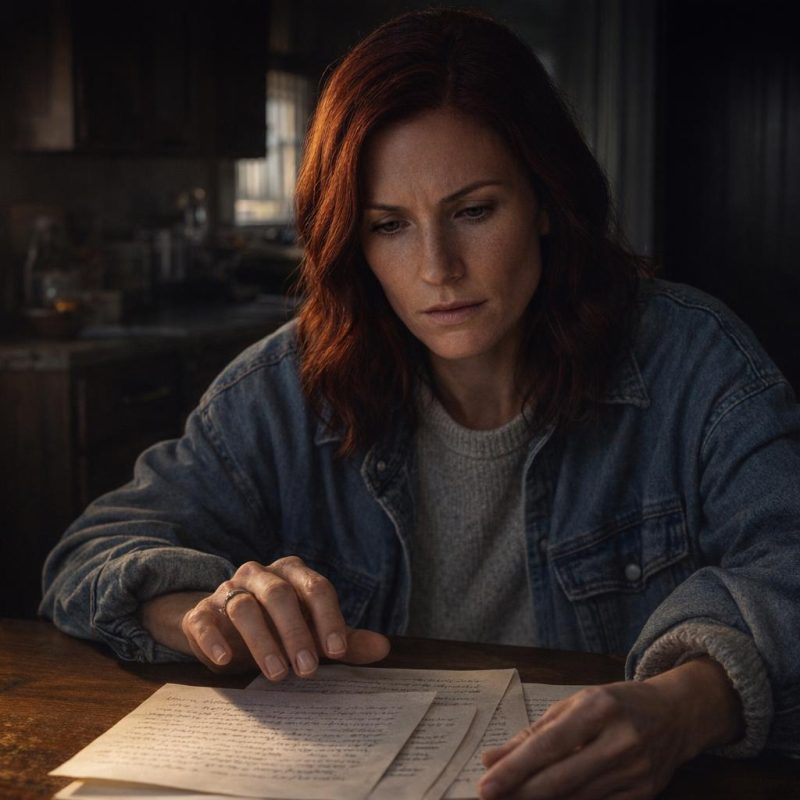 Image by RM AI
Patience Paying Off
Kira showed up that evening with her phone already unlocked and a look on her face that said she'd been sitting on this for hours. She set it on the table in front of me without a word. Richard's Instagram. I hadn't looked at his social media since I filed — I'd made a point of it — but there it was. A photo outside a BMW dealership, him leaning against a silver sedan with that smile he used for client dinners. The caption said patience paying off with a little clock emoji. There was one from a steakhouse two nights before that, a forty-dollar cut of beef and a glass of something amber, captioned new chapter energy. I scrolled back further. There were three more in the past two weeks, all expensive, all aspirational, all timestamped after Marcus Brennan's letter would have been drafted. Kira watched me scroll and didn't say anything, which was somehow worse than if she had. He wasn't waiting to see what happened. He was already there in his head, already spending it, already living the version of his life where he'd won. I set her phone down on the table and stared at the wall, and the hollow feeling that settled in my chest had no bottom to it.
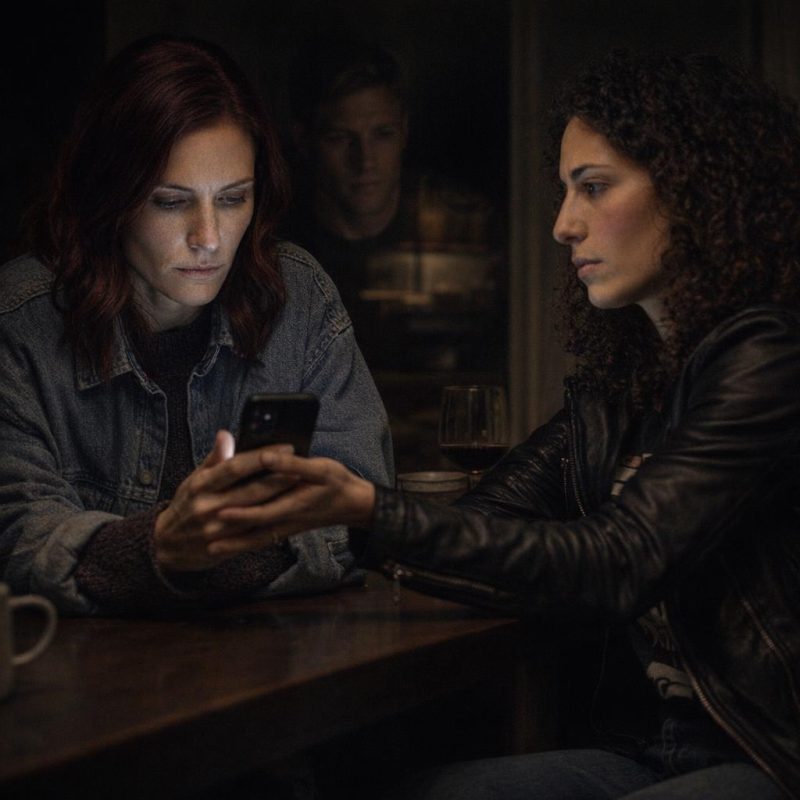 Image by RM AI
Target Receipt, 3:47 PM
I was digging through my purse for a pen when my fingers hit something crumpled at the very bottom. I pulled it out and smoothed it against the kitchen table. Target receipt. The paper was soft from being folded and refolded, the ink slightly faded at the edges. Detergent — the store brand, not the one I actually liked. Toilet paper. And one eucalyptus candle, which I remembered buying because it was $4.99 and I'd told myself it counted as self-care. Total: $43.62. Timestamp: 3:47 PM. I sat there staring at those numbers for a long time. I'd bought that candle on the way to the gas station where I'd stopped to grab a bottle of water and, on a stupid impulse, two lottery tickets. The receipt was from forty minutes before my life became something I didn't have a word for yet. The woman who'd stood in that checkout line had been rationing laundry detergent and waiting for payday to cover a court filing fee. I took a photo of the receipt with my phone before I set it down. I didn't want to forget what that felt like — the specific weight of being that careful, that close to the edge, and not knowing anything was about to change.
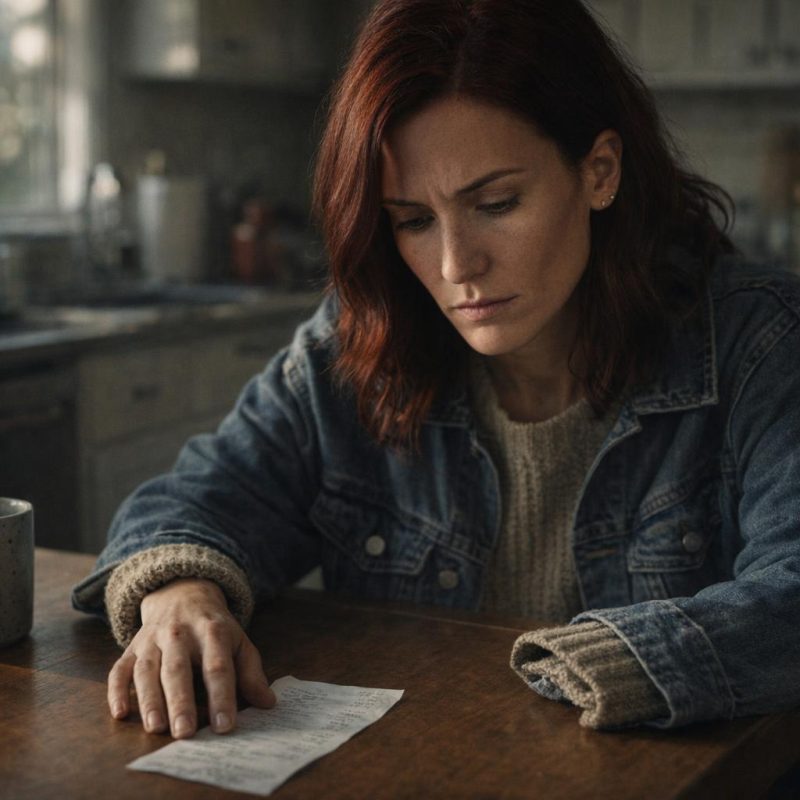 Image by RM AI
The Calculator That Never Stopped
Mitchell Grant's office felt like a place where money went to become more money. Everything was muted and deliberate — the kind of quiet that costs something. He was already at his desk when I sat down, a legal pad on one side and a calculator on the other, and the calculator never stopped. He walked me through the tax implications of different settlement structures with the same energy a mechanic uses to explain why your transmission is failing — thorough, unemotional, slightly impatient with your confusion. Property transfer versus structured alimony. Federal withholding. State exposure. How the same five-point-eight million dollars could look completely different depending on which column it landed in, and how that difference could mean hundreds of thousands in tax burden shifting from me to Richard or back again. I took notes. I asked questions. He answered them without softening anything. Then he set the calculator down, which felt significant because he hadn't stopped clicking it in forty minutes, and he looked at me across the desk. He said Richard wanted the money. Then he said I wanted my life back. He let that sit there for a second before he added that those were two very different problems, and they probably had two very different solutions.
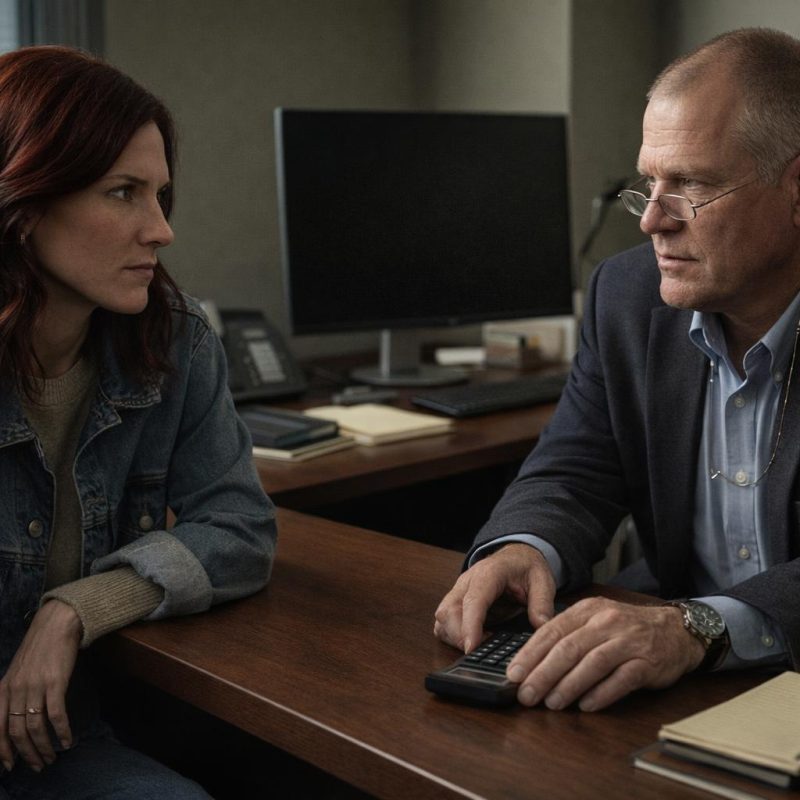 Image by RM AI
Spending What He Doesn't Have
I told myself I was only going to look once. That was a lie. I was back on Richard's social media at eleven-thirty at night, sitting on my couch with the lamp off, phone screen the only light in the room. There was a new post — a restaurant I recognized. We'd walked past it twice during our marriage and he'd said it was too expensive, that we'd go when things were better. Things had never gotten better, or at least not in the way he'd meant. Now there he was, tagged at the bar, glass raised, caption reading new beginnings deserve new tables. The comments were full of people congratulating him on something unspecified, and he wasn't correcting anyone's assumptions. I kept scrolling. There was another post from three days ago, a car showroom this time, him standing next to something low and red with a caption about timing being everything. The fourteen-day clock from Marcus Brennan's letter was still running. I was paralyzed in my apartment trying to figure out what the right move was, and he was out there already living the answer. I put the phone face-down on the cushion beside me and sat in the dark, and the distance between where he was and where I was felt enormous and completely unbridgeable.
 Image by RM AI
The Person Who Filed in Her Car
I pulled up the photo of the Target receipt on my phone the next morning. I'd taken it on impulse and hadn't looked at it since, and now I sat with it on the kitchen counter while my coffee went cold. $43.62. 3:47 PM. I remembered the specific feeling of that afternoon — checking my bank balance in the parking lot before going in, doing the math on whether I could afford the name-brand detergent or whether I needed to grab the one in the plain white bottle. I'd filed for divorce in my car that same week, in a parking garage downtown, because I'd had to wait for payday to cover the filing fee and I didn't want to do it at home where he might see. That woman felt very far away from whoever I was becoming now, with attorneys and financial advisors and a six-page legal threat on my kitchen table. I kept looking at the receipt and turning the question over. I was fighting to protect something. But the longer this went on, the more I wondered whether the fighting itself was changing me — whether I was starting to think in the same cold, transactional way I'd always hated in Richard, and whether the person who'd bought a five-dollar candle as an act of hope would even recognize what I was turning into.
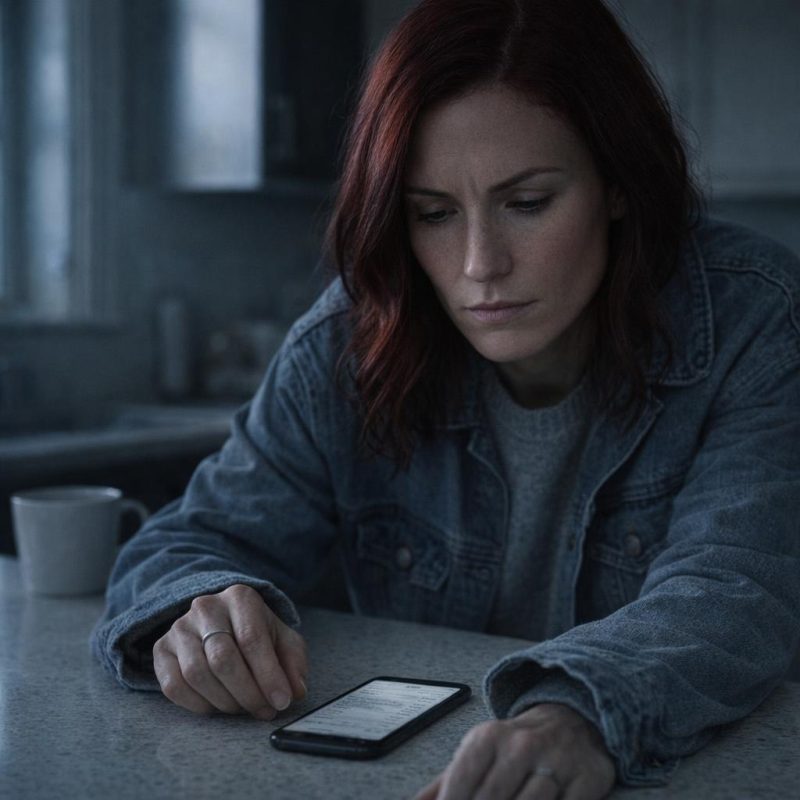 Image by RM AI
Carol's Daily Calls
My best-friend Kira had texted twice that morning asking for updates. My mother had called twice before noon. The third call came at 4:17 PM while I was standing at the kitchen counter staring at the same spot on the wall I'd been staring at for three days. I picked up. Carol didn't start with hello. She started with whether I'd heard back from Jennifer and whether Jennifer had responded to Marcus Brennan's letter yet and whether I understood what was at stake if I let Richard's people set the terms. I said yes, I was handling it. She said handling it wasn't good enough, that handling it was how I'd ended up married to him for five years. I didn't say anything to that. She went on for a while about what Richard deserved, which was nothing, and what he was going to get, which should also be nothing, and how she hadn't spent thirty years watching me make myself small for people who didn't deserve it just to watch me hand over half my future to a man who'd never once put me first. I held the phone against my ear and looked at the receipt photo still open on my counter and thought about Mitchell's two very different problems, and I said nothing about any of it. Then my mother said she didn't raise a daughter who rolls over.
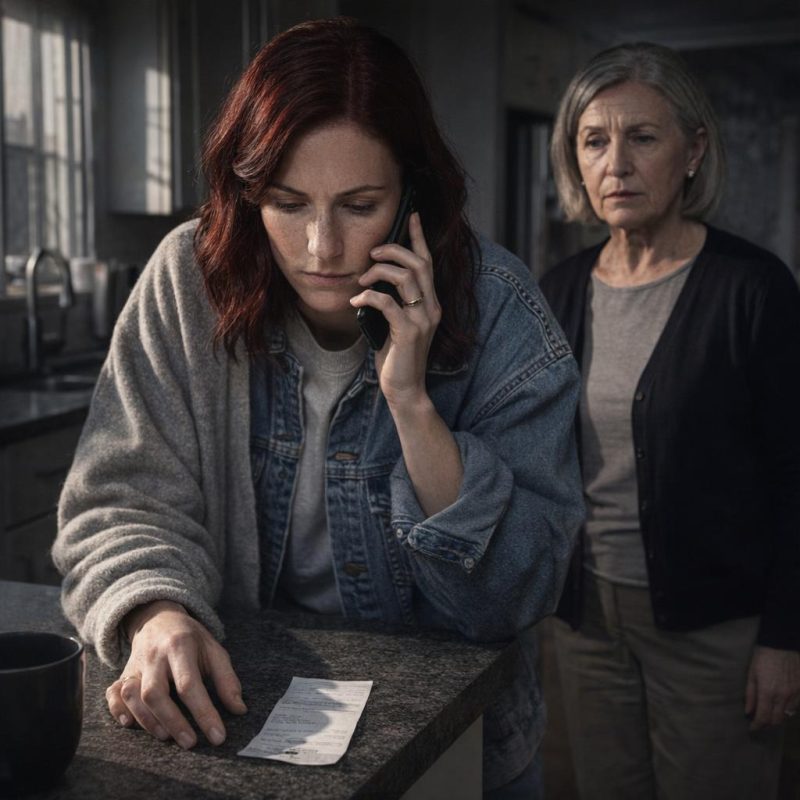 Image by RM AI
Beth's Offshore Research
Beth's texts came in around midnight, which was on-brand for her. I was already awake — I hadn't been sleeping well since the letter arrived — and my phone lit up with a string of links that took me a second to parse. Cryptocurrency exchange tutorials. A breakdown of Cayman Islands banking structures. Something about establishing residency in a country with no extradition treaty for civil financial disputes, which I hadn't even known was a category of thing. I sat up and read through them. They were detailed. Specific. Not the kind of links you find in five minutes — someone had spent real time on this. Beth followed up with a voice memo that I played at low volume, and she walked through the whole thing like she was pitching a business plan, calm and methodical, using words like liquidity window and jurisdictional ambiguity. I sat there in the dark with my phone and tried to figure out if she was venting, or theorizing, or genuinely proposing something. I texted back: are you serious. Three dots appeared. Then: I've been researching this for two weeks. I set the phone down on the nightstand and looked at the ceiling. Beth wasn't floating an idea. She actually thought this was a viable path forward.
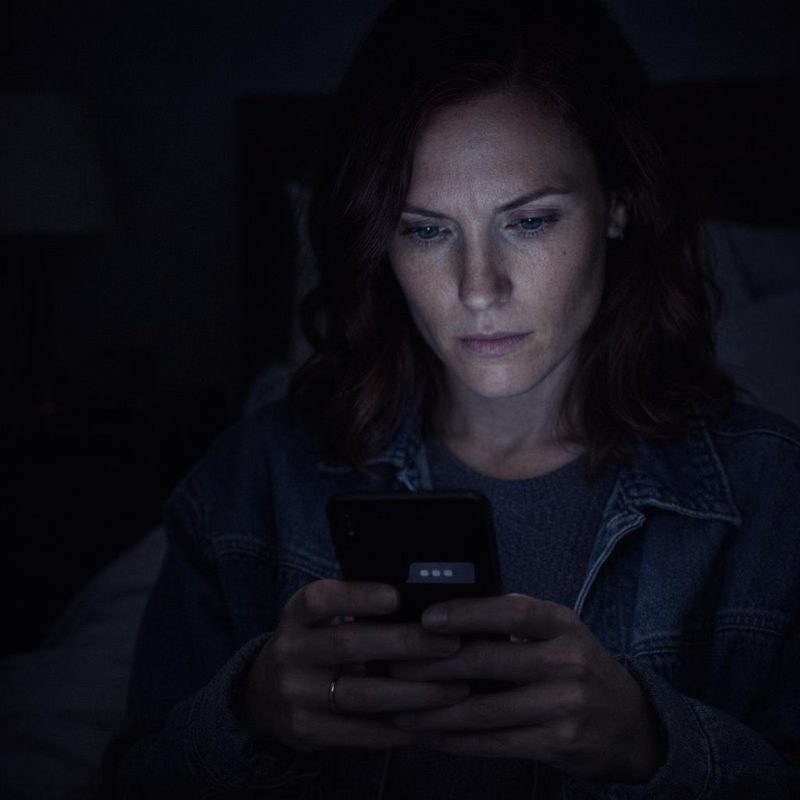 Image by RM AI
Jennifer's Discovery Requests
Jennifer called on a Tuesday morning, which already felt like a bad sign. She had that tone she gets when the news is technically neutral but practically terrible — calm, measured, like she was reading from a document she'd already made peace with. Marcus Brennan's office had sent over a formal discovery request, and she walked me through it item by item: bank statements going back two years, credit card records, every receipt I could locate, utility bills, investment account summaries, tax returns. I sat at my kitchen counter with a pen I wasn't actually using and listened to the list grow. It kept growing. I'd known discovery was part of the process — Jennifer had mentioned it early on — but hearing it laid out like that made the whole thing feel different, like the case had its own metabolism now and was just going to keep eating. I asked her what we were looking at in terms of time and paperwork. She gave me a number for the compliance cost — pulling everything together, organizing it, having her office review it before submission. Twelve thousand dollars. Just to respond. Not to win anything. Not to move the needle. Just to answer the question they were asking.
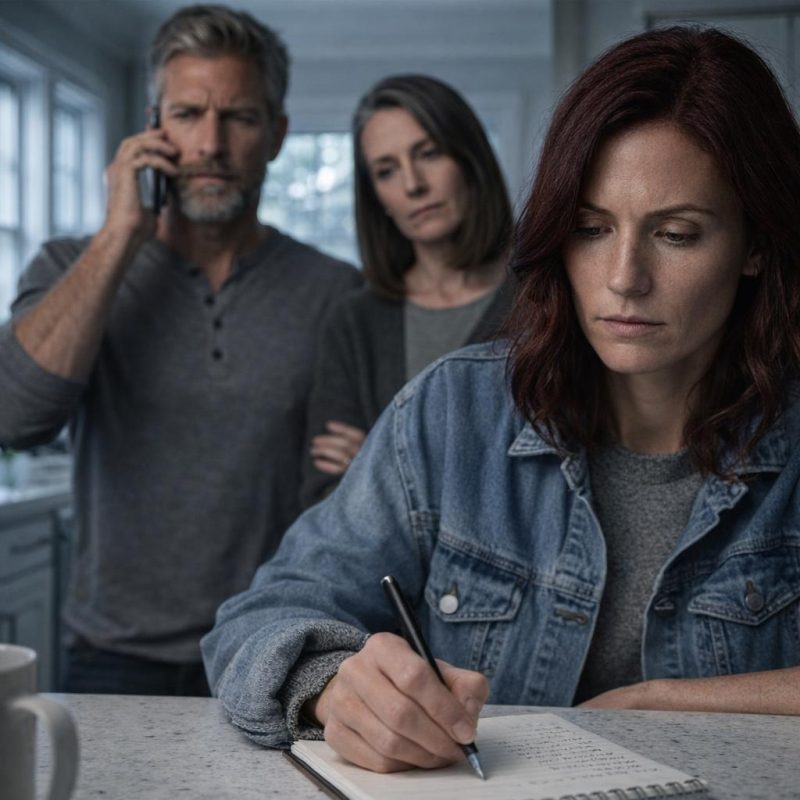 Image by RM AI
The Tax Burden Spreadsheet
Mitchell had sent the spreadsheet three days earlier and I'd been avoiding it the way you avoid a voicemail you already know is bad news. I finally printed it out and sat down at the kitchen table with a highlighter I never used. The columns were clean and color-coded, which somehow made it worse. Property transfer on the left, structured alimony on the right, lump sum buyout in the middle. Each one had a tax implication row, a net-after-legal-fees row, a projected timeline row. I went through them slowly. Property transfer meant giving up the condo I'd been paying into for four years, which had appreciated enough to matter. Alimony meant Richard stayed financially attached to my life for another five to seven years, which felt like a different kind of sentence. The lump sum was the cleanest exit but the biggest immediate hit. I moved the highlighter across the numbers without marking anything. Every column ended in a loss — just a different shape of loss, a different piece of the future I'd been building quietly on my own. I set the highlighter down. None of the options felt like winning. They just felt like choosing which thing I could stand to give up.
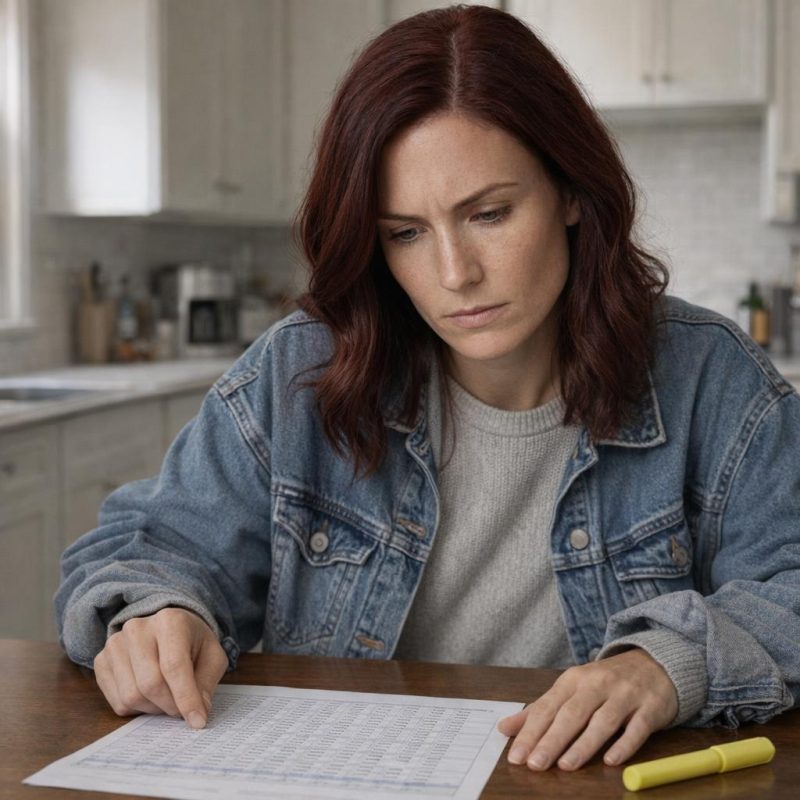 Image by RM AI
Exit Strategy
I'd read Mitchell's email twice the night he sent it and hadn't really absorbed it. I read it again that morning with coffee going cold beside me, and something in the framing finally landed differently. He wasn't talking about outcomes. He wasn't talking about what was fair or what I deserved or what Richard had taken from me over five years. He was talking about duration. He laid it out plainly: a contested settlement could run two to four years minimum, possibly longer if Marcus Brennan kept filing motions, which Mitchell seemed to expect he would. Every month of litigation had a cost — legal fees, emotional bandwidth, the ongoing fact of Richard still being a presence in my life with legal standing to demand things. Mitchell's point, stated without drama, was that speed had its own value. Getting out fast wasn't the same as losing. It was a different kind of math entirely. I sat with that for a while. Richard wanted money. I wanted my life back — the version of it that didn't include his name on anything, his lawyer's letters in my inbox, his claim on what I'd built. The difference between fighting and settling quickly wasn't just financial. It was measured in years. The cost of freedom had a number attached to it, and it was quieter than I'd expected.
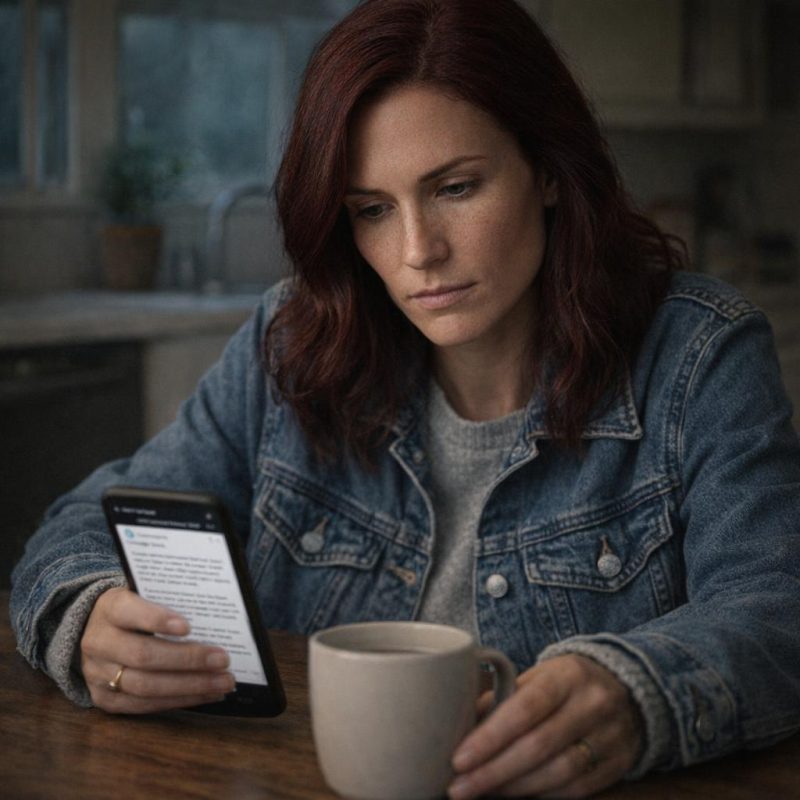 Image by RM AI
Five Years or Five Million
I ended up on the floor at some point — not dramatically, just slid down from the couch while I was going through the numbers again and didn't bother getting back up. I had Mitchell's spreadsheet on my phone and a legal pad with my own rough math next to it. Five years in court, worst case. Jennifer's fees alone could hit six figures over that timeline. Mitchell had estimated the total litigation cost at somewhere between eighty and a hundred and twenty thousand dollars, not counting the psychological toll, which wasn't a line item but probably should have been. On the other side: $2.9 million gone immediately, Richard gone with it, the whole thing over in weeks instead of years. I kept running the numbers. The math wasn't complicated — it was just uncomfortable. My mother wanted me to fight. Beth wanted me to disappear offshore. Kira kept sending me articles. Everyone had a position, and every position was about principle, about what was right, about what I deserved. But I was sitting on my floor doing arithmetic, and the arithmetic kept pointing somewhere none of them were going to like. I wrote the number down on the legal pad and stared at it. $2.9 million. Then I wrote the word: free.
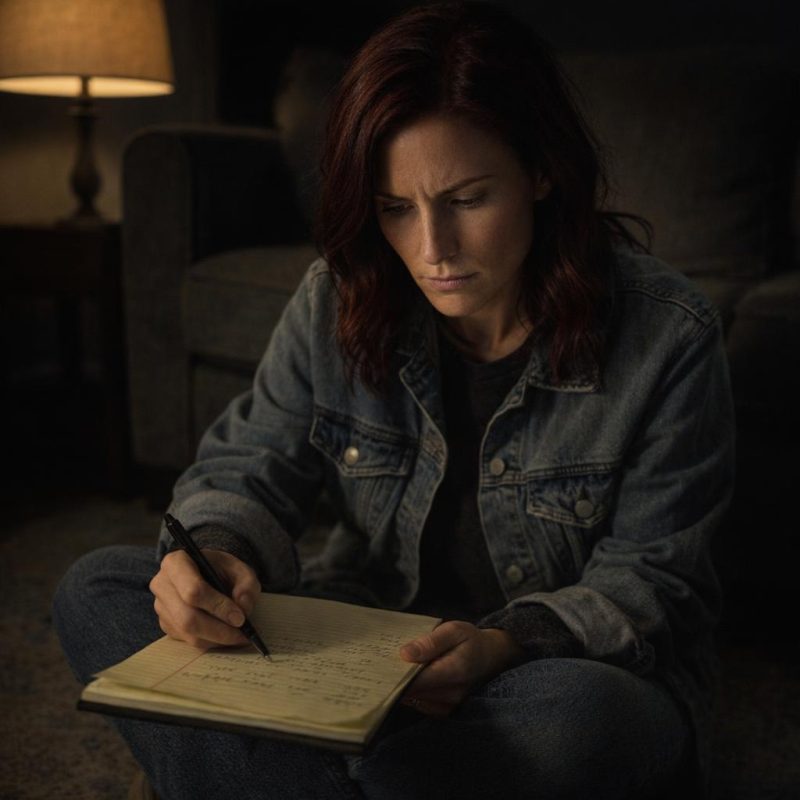 Image by RM AI
Pressure From All Sides
My mother called at eight-fifteen in the morning, which meant she'd been awake since six thinking about it. She didn't ask how I was doing. She started mid-sentence, something about a woman she'd read about who'd fought her ex for three years and walked away with everything, and how I needed to stop letting Richard intimidate me, and how my father would have never stood for this. I held the phone and made the right sounds. Beth texted while I was still on with her — four links, two of them the same offshore banking tutorial she'd sent before, one new one about asset protection trusts in the Cook Islands. Kira sent an article around noon: *Women Who Fought Back: How These Divorcees Won Millions in Court.* She added three fire emojis and then, a minute later, a heart. I sat with all of it spread across my phone screen — my mother's voice still in my ear, Beth's links, Kira's article — and tried to locate my own thought somewhere in the middle of it. Everyone who loved me had an opinion. Every opinion was loud and certain and came from a real place. But none of them were the ones who'd have to live inside whatever decision I made. The apartment was quiet after I set the phone down, and I just sat there in it.
 Image by RM AI
The Deadline Narrows
I pulled up the calendar on my laptop and counted forward from the date on Marcus Brennan's letter. Eight days. The fourteen-day window was more than half gone and I still hadn't given Jennifer a direction. I'd been gathering information, running numbers, listening to everyone's opinions — all of which felt productive until I looked at the actual date and understood that the window didn't care about my process. Eight days to respond, or Marcus Brennan's office would treat the silence as an answer. I thought about calling Jennifer right then, but I didn't have anything to tell her yet. I thought about calling my mother back, but I already knew what she'd say. Beth had gone quiet after I didn't respond to the Cook Islands link, which was either respect or strategy. Kira had texted that morning asking if I'd slept. I hadn't. I closed the calendar and sat there for a minute, just looking at the laptop screen. The deadline had felt abstract when Jennifer first mentioned it. It didn't feel abstract anymore. Then my phone buzzed on the table — an email notification, Jennifer's name in the preview line, the subject marked urgent.
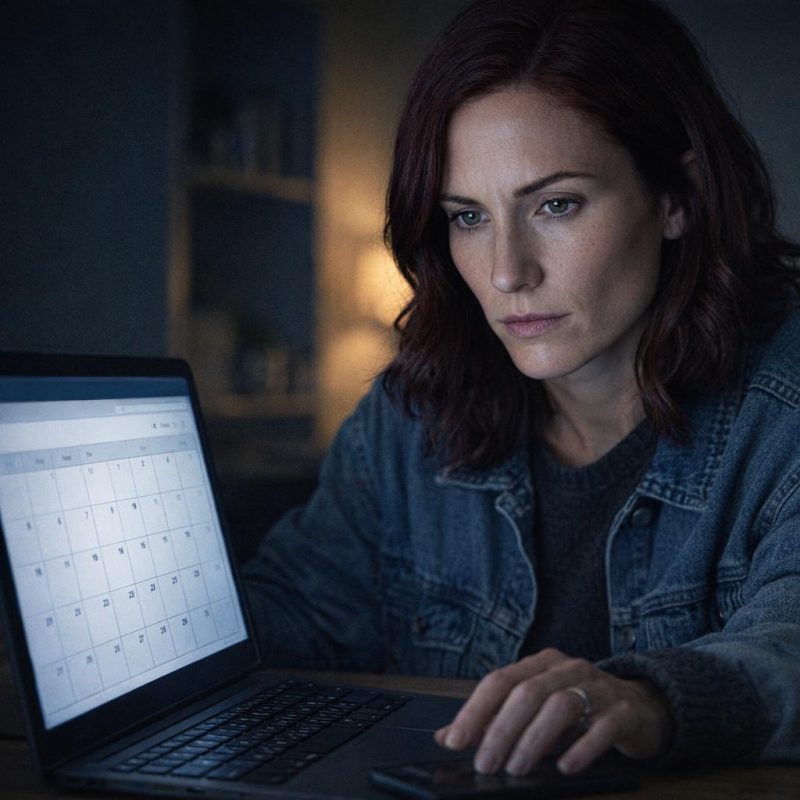 Image by RM AI
Kira's Torn Loyalty
Kira showed up at seven with two coffees and didn't pretend she was just in the neighborhood. She sat down across from me at the kitchen table, pushed one cup toward me, and said she'd been thinking about what to tell me for three days and kept coming up empty. That was the most honest thing anyone had said to me in two weeks. She told me part of her wanted me to fight — that watching Richard walk away with anything felt wrong in a way she couldn't get past, that he'd taken enough already and she hated the idea of him winning. But then she said the other part of her just wanted me to be done with it. Done with him. Done with the letters and the lawyers and the version of my life where Richard still had any claim on my attention. She wrapped both hands around her coffee cup and said she didn't know which part was right. I looked at her across the table. Everyone else had come in with a position, a plan, a fire emoji. Kira had come in with coffee and an admission that she was lost too. I hadn't realized how much I needed that — just someone sitting across from me in the uncertainty instead of shouting directions from the shore.
 Image by RM AI
Jennifer's Expansion
I read Jennifer's email standing up, which I never do, because something about the subject line made sitting down feel wrong. Marcus Brennan had filed a motion to expedite discovery — meaning the eight-day window I'd been counting down was now under additional pressure from a separate filing. But that wasn't the part that stopped me. Jennifer's second paragraph explained that Marcus had also filed a motion to freeze my assets pending settlement, citing the size of the lottery win and what he called a flight risk concern. I read that sentence three times. A freeze. Not a negotiation, not a counter-offer — a legal mechanism to lock down what I had while the case moved forward on his timeline. Jennifer's email was careful and professional, three paragraphs of context and next steps, but the shape of it was clear: the case had just gotten significantly larger than it was yesterday. I set my phone down on the counter and stood there in the kitchen. Whatever pace I'd imagined this moving at, whatever window I thought I had to think and plan and decide — Richard was moving faster than that.
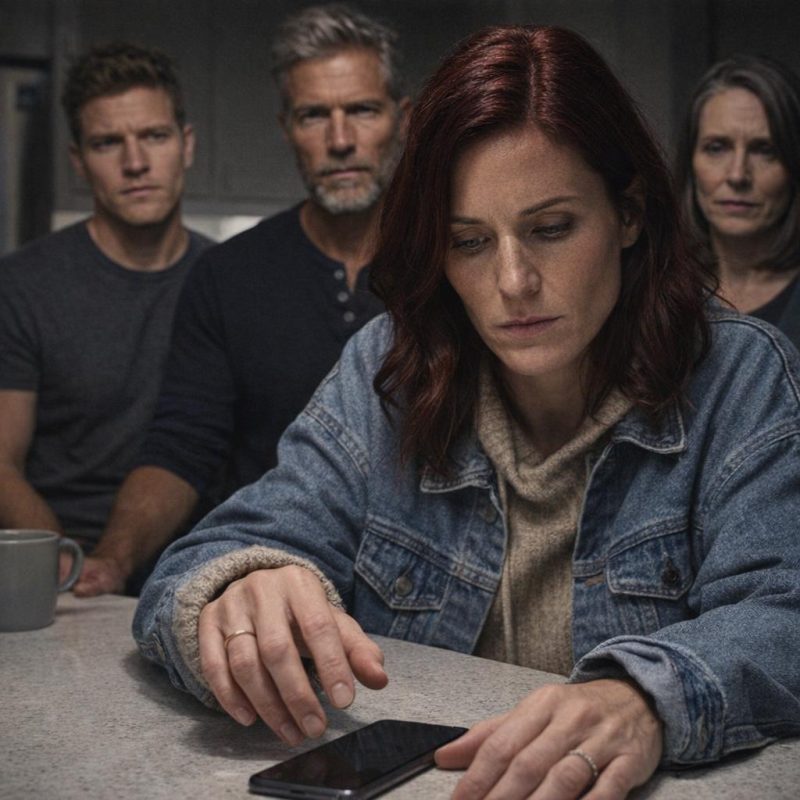 Image by RM AI
Another Sleepless Night
Three AM and I was still staring at the ceiling, running the same loop I'd been running for days. Fight Richard in court — which meant years of depositions and motions and Marcus Brennan billing four hundred dollars an hour to make my life miserable. Settle quickly — which meant writing a check that made me physically ill every time I thought about the number. Disappear with the money somewhere offshore — which Beth had laid out like it was a reasonable Tuesday option and which I kept dismissing and then circling back to at two-thirty in the morning when the other two felt impossible. I'd been through all three so many times the options had stopped feeling like options and started feeling like walls. Every angle I pushed on pushed back. I thought about Jennifer's email. I thought about the asset freeze. I thought about the forty-eight-hour gap I still couldn't explain. I pulled the pillow over my face and then put it back because that didn't help either. The room was dark and quiet and I was no closer to anything than I'd been standing in that Target aisle holding a receipt I didn't know was about to become the least of my problems. Then my phone buzzed on the nightstand. Beth: *Have you decided?*
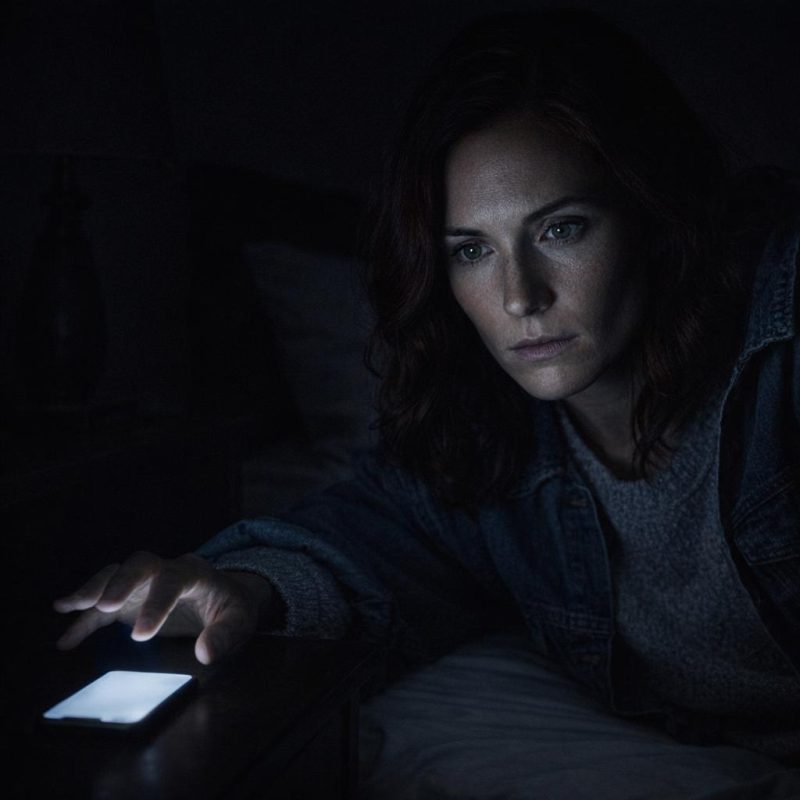 Image by RM AI
The Receipt Photo
I didn't answer Beth. Instead I opened my photos and pulled up the picture I'd taken of the Target receipt — the one from that Tuesday afternoon, timestamp 3:47 PM. I traced the numbers with my finger like that would tell me something. Forty-two dollars and sixteen cents. A throw pillow I'd debated for ten minutes because I was trying to decide if it was a want or a need. I'd been the kind of person who had that debate. I'd filed for divorce in my car in a parking garage because I couldn't afford to take the afternoon off work. I'd bought generic dish soap for eight months straight because the name brand was a dollar-fifty more and that dollar-fifty mattered. That was the person in this receipt. That was the person who bought the ticket on the way home because it was two dollars and she needed something to look forward to, even if it was just a fantasy for forty-eight hours. I looked at the timestamp again. 3:47 PM. And now I had a lawyer on retainer, a financial advisor talking about structured trusts, and an ex-husband filing motions to freeze my assets. The receipt hadn't changed. I was the one who had. The woman who agonized over a forty-dollar pillow and the woman fielding asset-freeze motions were the same person — and somehow, lately, they felt like strangers to each other.
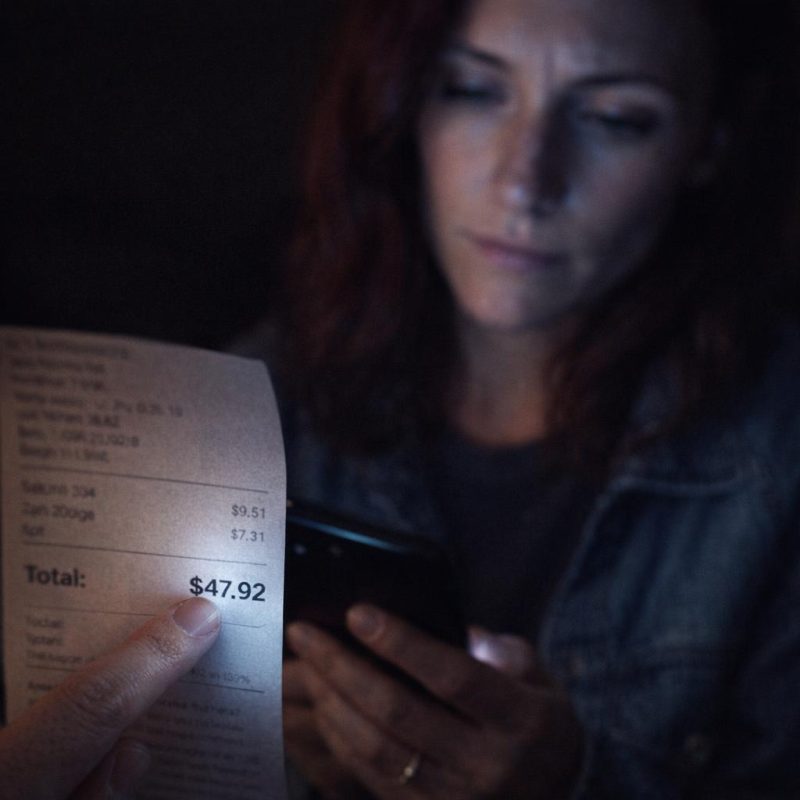 Image by RM AI
How He Found Out
I made coffee I didn't really want and sat down at the kitchen table with a notepad. I needed to see it written out. Won the lottery: Tuesday night, around nine PM. Told no one — not Kira, not my mother, not Beth. Kept the ticket in my coat pocket. Called Jennifer Wednesday morning to ask a general question about timing and disclosure. Richard called me Thursday afternoon, two-seventeen PM, asking if there was something I wanted to tell him. I stared at that line for a long time. Forty-eight hours. Less, actually — forty-one hours between the moment those numbers matched and the moment Richard's name appeared on my screen with that particular tone in his voice. I hadn't posted anything. I hadn't told anyone. I'd gone to work Wednesday, come home, eaten leftover pasta, gone to bed. I'd been careful in a way that felt almost instinctive, like some part of me already knew the win needed protecting. So how did he know? I wrote the question at the bottom of the page and underlined it twice. The lottery commission didn't release names that fast. Nobody I'd spoken to knew the full picture. I kept coming back to that forty-one-hour window, turning it over, looking for the seam. The notepad sat there under the kitchen light, the question staring back at me with no answer attached.
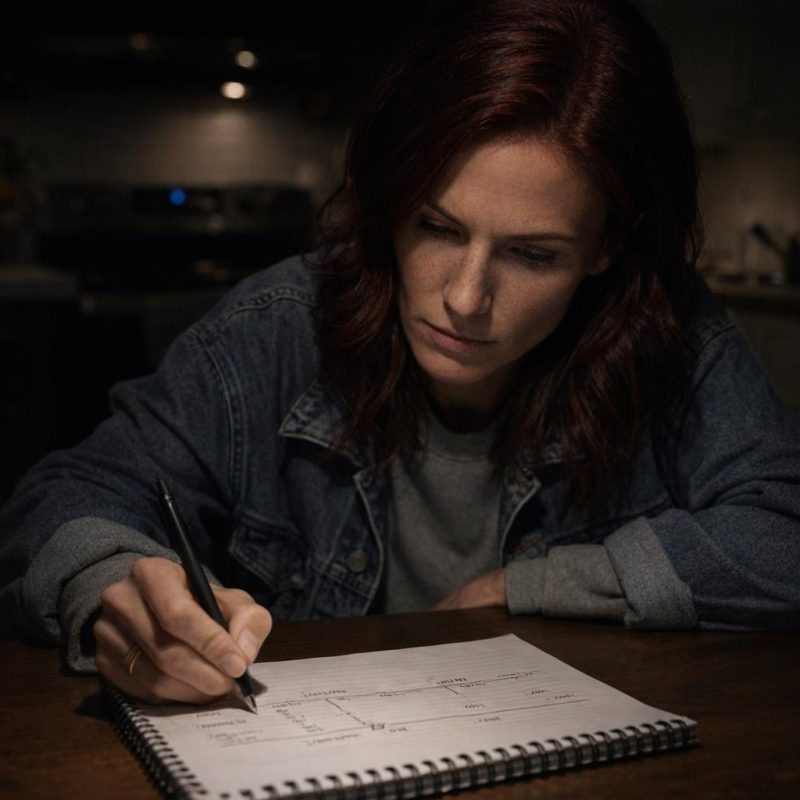 Image by RM AI
Strange Battery Drain
I plugged my phone in for the third time before noon and stood there watching the charging icon appear like that was somehow reassuring. It had been doing this for about a week — dying by early afternoon even on days when I barely touched it. I'd blamed stress at first, the way you blame everything on stress when your life is actively on fire. Then I'd blamed the cold weather, because batteries do that. But I'd had this phone for two years and it had never behaved like this before. I opened the settings and went to the battery usage screen. The percentages looked normal on the surface — a little high on a few apps I didn't use much, but nothing that screamed obvious. I scrolled down further. Then I went into the general settings, looking for anything that seemed out of place. Most of it was familiar. App permissions, location services, the usual list I'd set up when I first got the phone and never looked at again. I kept scrolling. Near the bottom of the settings panel, there was a notification I didn't recognize — a small icon, a name I didn't remember installing, sitting quietly in a list of things I'd never thought to question. I stared at it. I didn't know what it was.
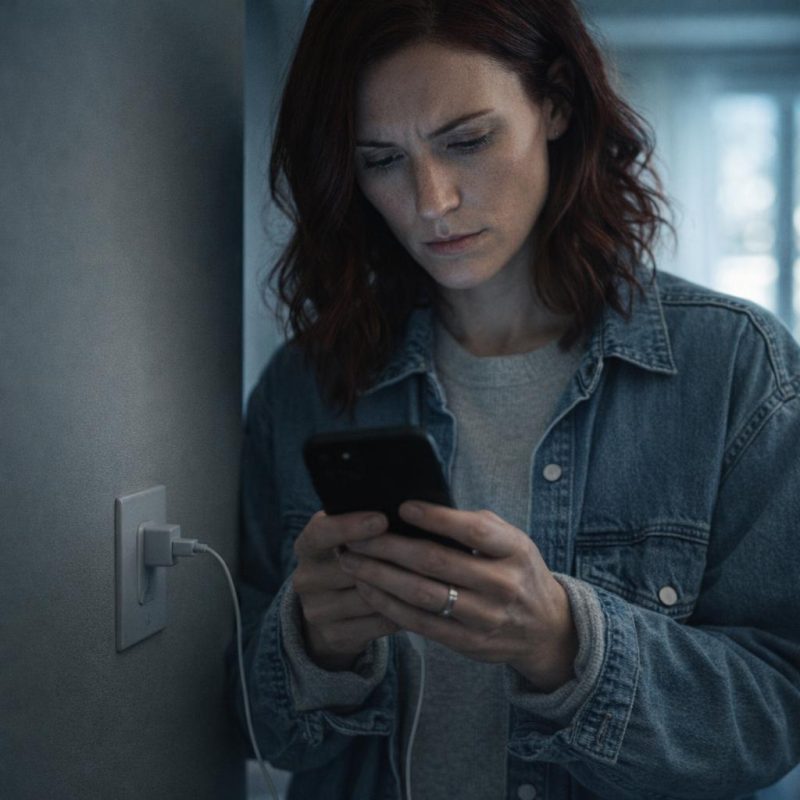 Image by RM AI
Richard's IT Background
I sat on the couch with my phone in my lap and tried to think clearly. Richard had worked in IT for three years — network administration, something with server infrastructure, before he'd pivoted to sales and decided he was better suited to closing deals than fixing them. I'd heard the IT stories enough times: the late nights, the access he'd had to systems, the way he talked about it like it was a language most people didn't speak. I'd stopped listening after a while because it felt like ancient history. It didn't feel like ancient history right now. I looked at the notification I didn't recognize. I looked at the battery percentage, already down to sixty-one percent and it wasn't even two o'clock. I thought about the forty-one-hour gap. I thought about how Richard had called me with that particular edge in his voice, not asking if I'd won, but asking if there was something I wanted to tell him — and something about the way he'd phrased it had stayed with me ever since. I set the phone face-down on the cushion next to me and sat very still for a moment. Maybe I was overthinking it. Maybe the app was nothing. But the cold feeling in my chest wasn't going away, and I picked the phone back up, opened the browser, and typed: *signs your phone is being monitored without your knowledge*.
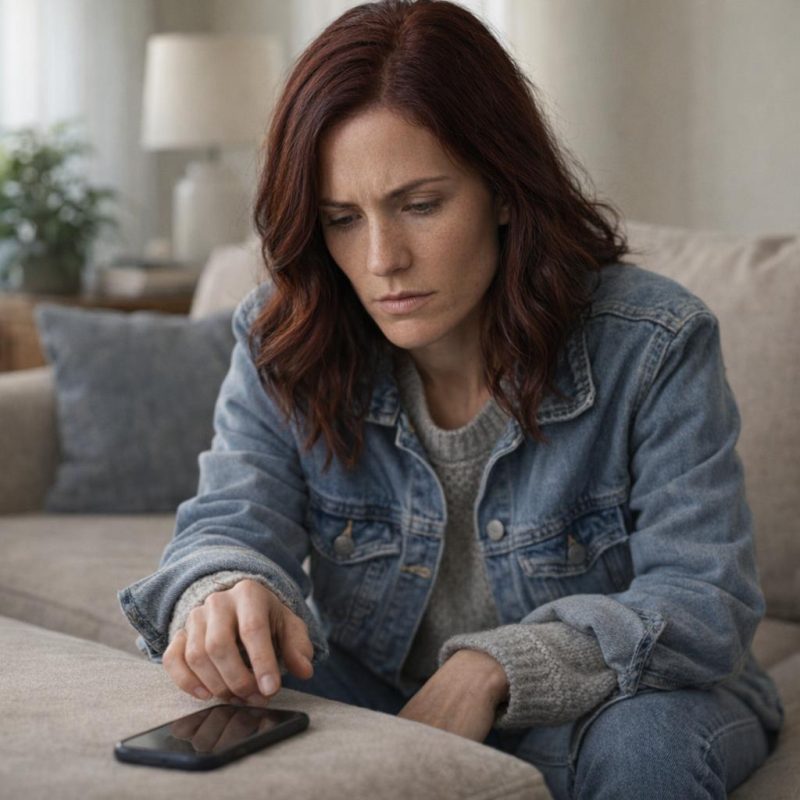 Image by RM AI
Unfamiliar Permissions
I went through every setting on that phone like I was looking for something I'd lost and was afraid to find. App permissions first — I went through each one individually, which I'd never done before because who does that. Location access: three apps had it set to always-on that I didn't remember configuring that way. Microphone access: two apps I barely used. And then the one that made my stomach actually turn — a utility app I didn't remember downloading had read access to my messages and a connection listed to my banking apps. I sat there scrolling through the permission dates. Some of them went back months. Not weeks — months. I checked the install dates on apps I didn't recognize. A couple of them I could explain: a coupon app Beth had made me download, a parking app from a trip I'd taken. But there were two I couldn't place at all. No memory of installing them, no obvious function listed, just sitting there with permissions I wouldn't have handed out to apps I actually used. I didn't know enough to know what any of this meant technically. I didn't know if it was something or nothing. But I sat there in the quiet of my apartment with the phone in both hands, and the weight of what those permissions might mean settled over me like something I couldn't shake off.
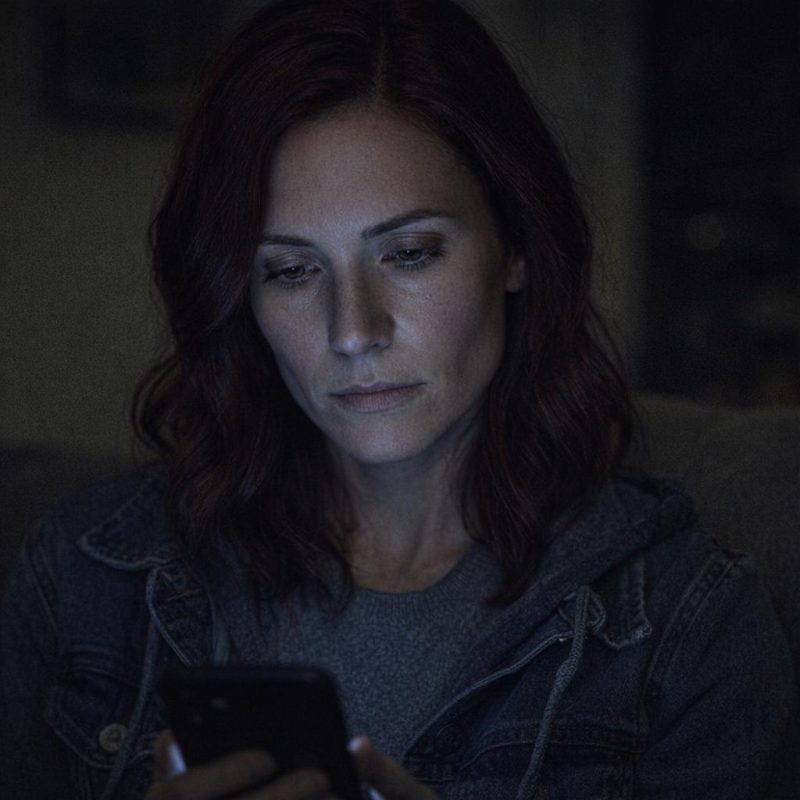 Image by RM AI
Digital Forensics Search
I spent the better part of an hour going down a rabbit hole I hadn't expected to fall into — digital forensics specialists, phone security audits, spyware detection services. Most of what came up was either too technical for me to evaluate or clearly aimed at corporate clients with IT departments. But there was one firm in the city with a straightforward website, plain language, a specific service listed for personal device examination. The reviews were serious. The credentials looked real. I read the page three times before I let myself believe it was a legitimate option and not something I was doing out of paranoia. Then I thought about the permissions. The battery. The forty-one-hour gap. I picked up my laptop and filled out the contact form. They had an opening the next morning at nine. I typed my name and phone number and a one-line description — *concerned about unauthorized access to personal device* — and hovered over the submit button for longer than I should have. What if it was nothing? What if I was building a conspiracy out of a glitchy app and a bad battery? I hit submit anyway. The confirmation email came back in four minutes. Appointment confirmed, nine AM, bring the device and any relevant account information. My hands were still unsteady as I closed the laptop, the confirmation sitting in my inbox like a small, quiet answer to a question I wasn't sure I was ready to have answered.
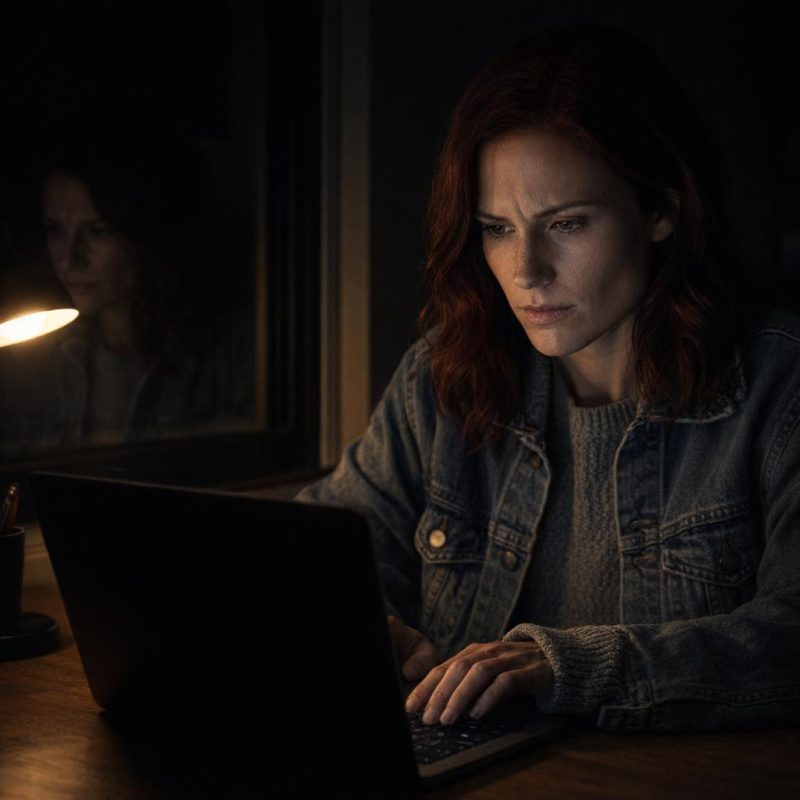 Image by RM AI
Preliminary Findings
I handed my phone to the tech investigator at nine-oh-three AM and immediately felt like I'd left the house without shoes. He was methodical about it — logged the device, asked me a series of questions about when I'd first noticed the battery issue, whether I'd downloaded anything from outside the app store, whether anyone else had ever had physical access to the phone. I answered everything as precisely as I could. Then he told me three hours, maybe a little more, and I walked two blocks to a coffee shop and tried to exist like a normal person. I ordered a latte I didn't taste. I opened my laptop and stared at Jennifer's last email without reading it. I watched other people have ordinary mornings — laptops, headphones, someone's dog tied to a chair outside. I checked the time more than I should have. At twelve forty-seven, my phone — the loaner the investigator had given me to use — buzzed on the table. I looked at the screen. It was him. I picked up and he asked me to come back to the office. His voice was measured, each word placed carefully, the way someone speaks when they're deciding how much to say before they say it in person. My stomach pulled tight as I stood up and gathered my things. I was halfway to the door when I heard him add, before hanging up: "We found something."
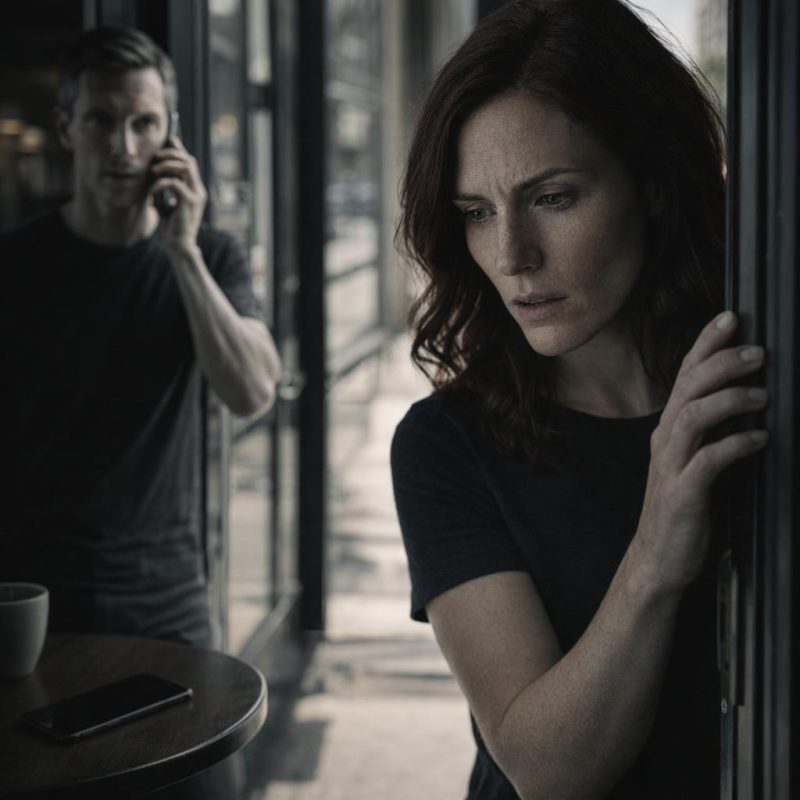 Image by RM AI
Installation Date
He had the logs pulled up on his monitor before I even sat down. A clean white screen full of timestamps and file names, and he walked me through it slowly, like someone who understood that the information he was delivering needed time to land. He pointed to a line near the top — installation date, he said, and then he said the date out loud. Four months ago. I stared at it. Four months ago I was still trying to make the marriage work. I was still cooking dinner and asking how his day went and wondering if maybe I was the problem. I wasn't thinking about divorce lawyers or lottery tickets or any of this. I was just living my life, completely unaware that something had been sitting inside my phone, watching. The investigator kept talking — explaining what the software was capable of, how it worked — but his voice had gone distant. I kept looking at that date. Four months. I thought about every text I'd sent, every search I'd run, every quiet moment I thought was mine. The chair felt hard beneath me. The room was very still. Four months is a long time to not know you're being watched.
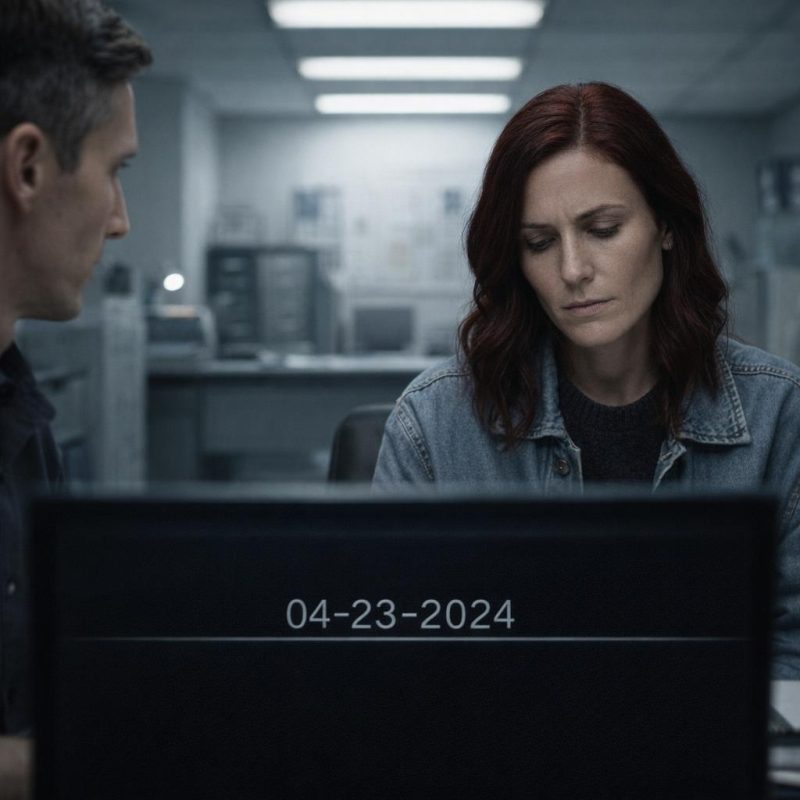 Image by RM AI
Access Logs
He scrolled slowly, and I watched the list grow. Texts. Emails. My banking app. Location data. He explained each category in the same measured tone, pointing to column headers, showing me how the logs were organized by date and access type. I kept nodding like I was following along, but somewhere around the third page I stopped actually processing the words and just watched the entries stack up. There was a timestamp for a text I'd sent Kira about grabbing lunch. A timestamp for an email from Jennifer about initial paperwork. A timestamp for a banking notification I barely remembered getting. Every small, ordinary moment of my life had been logged, filed, reduced to a line of data. I thought about how private I'd believed I was — deleting things, being careful about what I said out loud, choosing my words. None of it had mattered. The investigator finished scrolling and looked at me, and I told him I was fine, which was not true at all. I sat there with the access logs still on the screen in front of me, and the word that kept surfacing wasn't anger, not yet. It was just — gone. Like something had been quietly taken and I was only now finding the empty space where it used to be.
 Image by RM AI
Banking App Notification
He scrolled back up and stopped on a specific entry, then tapped the screen with one finger. Banking app notification, he said. Tuesday night. I leaned in. The timestamp read 9:47 PM. I looked at it for a second without understanding, and then I did understand, and the floor felt like it shifted under my chair. Tuesday night at 9:47 PM was the exact moment I'd scanned the lottery ticket. I remembered it precisely — standing in my kitchen, the app loading, the numbers populating one by one. I'd been alone. I hadn't told anyone. I hadn't said a word out loud. I'd just stood there in my own kitchen thinking I was completely by myself. The investigator was still talking, explaining how the spyware captured push notifications in real-time, how the data was transmitted immediately, but I was stuck on that timestamp. 9:47 PM. The same second the app confirmed what I was looking at, that notification had gone somewhere else. Someone else had seen it at the exact same moment I did. I hadn't been alone in that kitchen at all.
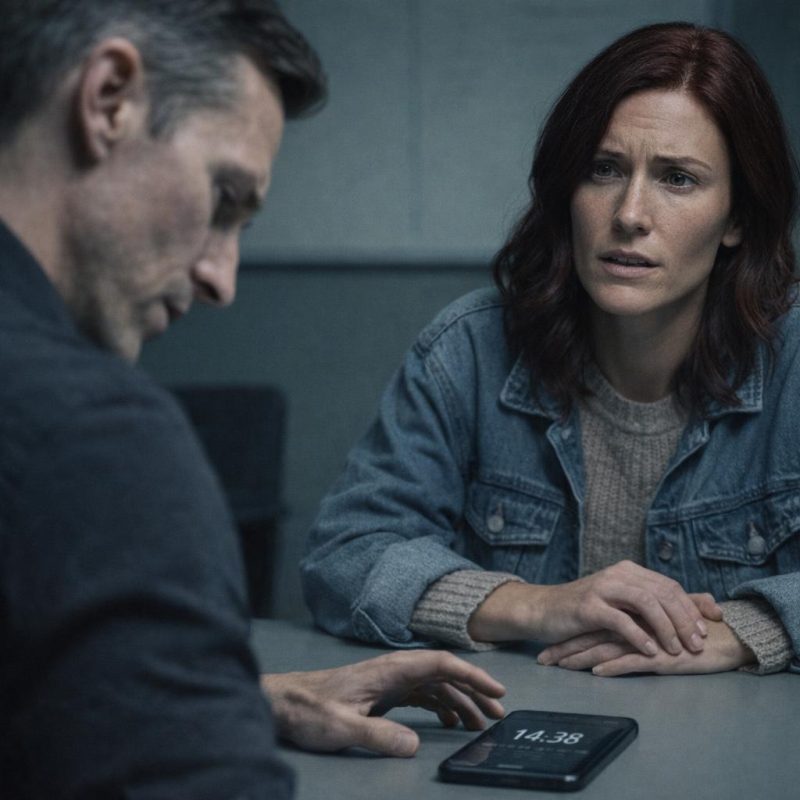 Image by RM AI
Real-Time Access
He explained it plainly, the way someone does when they've delivered this kind of news before and learned that plain is kinder than careful. The spyware didn't just log data after the fact — it pushed notifications in real-time. Texts arrived on his end the same moment they arrived on mine. Banking alerts, app notifications, location pings — all of it transmitted the instant it happened. I sat with that for a moment. I thought about the phone call I'd gotten two days after scanning the ticket — Richard's voice, frantic, insistent, asking questions he shouldn't have known to ask. I'd spent forty-eight hours trying to figure out how he'd found out. I'd gone through every person I'd told, every text I'd sent, every possible leak. The investigator pulled up the log entry again and pointed to the transmission record beside the 9:47 PM notification. The data had moved within seconds. I looked at the screen: texts, emails, every message I'd sent Jennifer about the divorce filing, every conversation I thought was private — all of it logged, timestamped, transmitted.
 Image by RM AI
The Calculated Response
I sat there long after he finished talking, staring at the logs. And then it all clicked into place — not slowly, not in pieces, but all at once, like a key turning. Richard hadn't panicked when he called me. He'd known. He'd seen the banking notification the same second I did, and everything that came after — the frantic call, the lawyer hired within days, the social media posts acting like he'd already won — none of it was desperation or entitlement or good instincts. It was a response. A calculated one, built on months of watching me in real time. He'd seen my texts to Jennifer. He'd seen me research divorce attorneys. He'd watched me figure out what I wanted to do and when I wanted to do it, and he'd used every bit of it to get ahead of me. The social media posts weren't grief — they were positioning. The aggressive lawyer wasn't a gut reaction — it was preparation. I looked at the installation date one more time. Four months ago, before I'd had a single conscious thought about leaving. He'd been watching me plan to leave before I even knew I was going to.
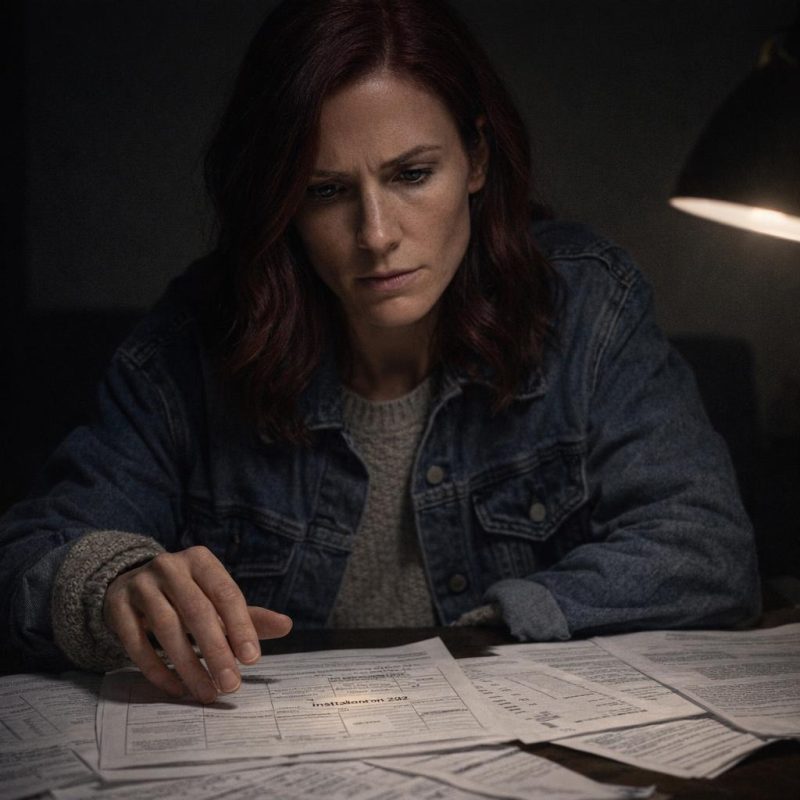 Image by RM AI
Every Conversation Compromised
I got in the car and just sat in the parking lot for a minute before I could make myself drive. Then I pulled out onto the street and called Kira. She picked up on the second ring, already asking how it went, and I told her. All of it. The installation date, the access logs, the 9:47 PM timestamp, the real-time transmission. I told her that every coffee shop conversation we'd had about the divorce, every text she'd sent me asking how I was holding up, every strategy session where we'd talked through what I should do next — Richard had seen it. Not after the fact. In real time, as it happened. I heard her breathing change. I told her about the text I'd sent Jennifer the day I decided to file, and how the logs showed it had been accessed within minutes. I told her that nothing had been private. Not one conversation, not one moment I thought was just mine. I kept talking because stopping felt worse. When I finally ran out of words, the line went completely quiet. I waited. Kira said nothing. The silence on the other end stretched out, and it had a weight to it I didn't know what to do with.
 Image by RM AI
The Divorce Filing
I got home and sat on the couch with the investigator's report open on my laptop and my phone records pulled up beside it. I wasn't sure what I was looking for exactly — maybe just confirmation, something concrete to hold onto. I found the text I'd sent Jennifer. It was a short one, just a few lines asking about next steps for filing, sent on a Tuesday afternoon when I'd been sitting in my car outside the grocery store working up the nerve to actually do it. I cross-referenced the timestamp against the surveillance logs the investigator had exported for me. The access record was there, three minutes and forty seconds after I'd hit send. Three minutes. I'd been sitting in that parking lot thinking I was making a private decision, taking a quiet step toward something that was finally mine. I set the laptop down on the cushion beside me and looked at the wall for a while. He'd known I was leaving before I ever served him the papers. Before I'd told my mother, before I'd told Kira, before I'd said it out loud to anyone. He'd known, and he'd had time to prepare, and I'd walked into every conversation since then thinking I had the element of surprise.
 Image by RM AI
The Strategic Advantage
I stayed on the couch for a long time after that, just thinking. I went back through everything — the timeline of it, the sequence. Richard had hired Marcus within days of the lottery notification. Not weeks. Days. And Marcus wasn't a general-practice attorney someone calls in a panic — he was specific, expensive, the kind of lawyer you research and retain when you know exactly what fight you're walking into. Richard had known what I had. He'd seen my banking app, my balances, my communications with Jennifer. He'd known my position before I'd had a chance to establish it. The social media posts, the ones that made him look like the wronged party — those hadn't been emotional outbursts. They'd been timed. The aggressive demands, the six-figure claims, the confidence in every communication Marcus sent — none of it was bluster. It was the confidence of someone who had already read the other side's playbook. I thought about all the moments I'd felt like I was one step behind and couldn't figure out why. Now I knew why. The surveillance hadn't just violated my privacy. It had handed him every advantage he'd walked into that negotiation with.
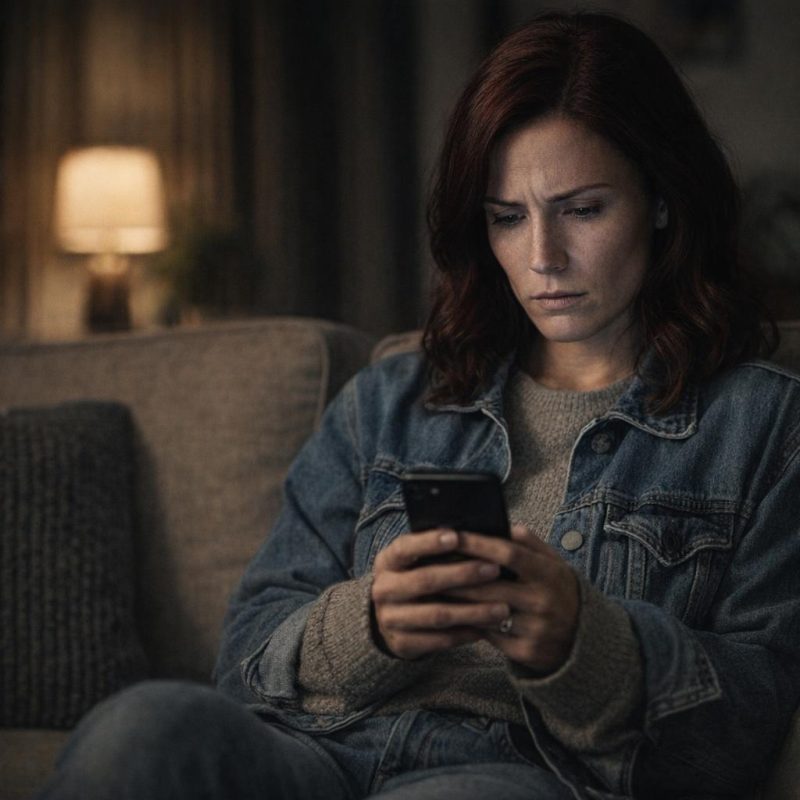 Image by RM AI
The Decision Crystallizes
I spread everything out on the kitchen table like I was building a case against myself. The tech investigator's report on the left. Jennifer's litigation timeline in the middle — eighteen months minimum, possibly three years if Richard pushed every motion. Mitchell's spreadsheet on the right, color-coded and brutal in its clarity. I sat there looking at all of it for a long time. The surveillance evidence was damning, yes. It could help. Jennifer had said as much. But here's what she hadn't said out loud: using it meant more depositions, more motions, more discovery, more of my life handed over to a courtroom calendar. It meant Richard's face across a conference table for another two years minimum. It meant Marcus filing counter-motions and continuances until I was fifty and exhausted and had forgotten what it felt like to make a decision without a lawyer's approval. I thought about what I actually wanted. Not what I deserved. Not what was fair. What I wanted. And what I wanted was out. Clean, fast, and permanent. I picked up my phone and called Jennifer.
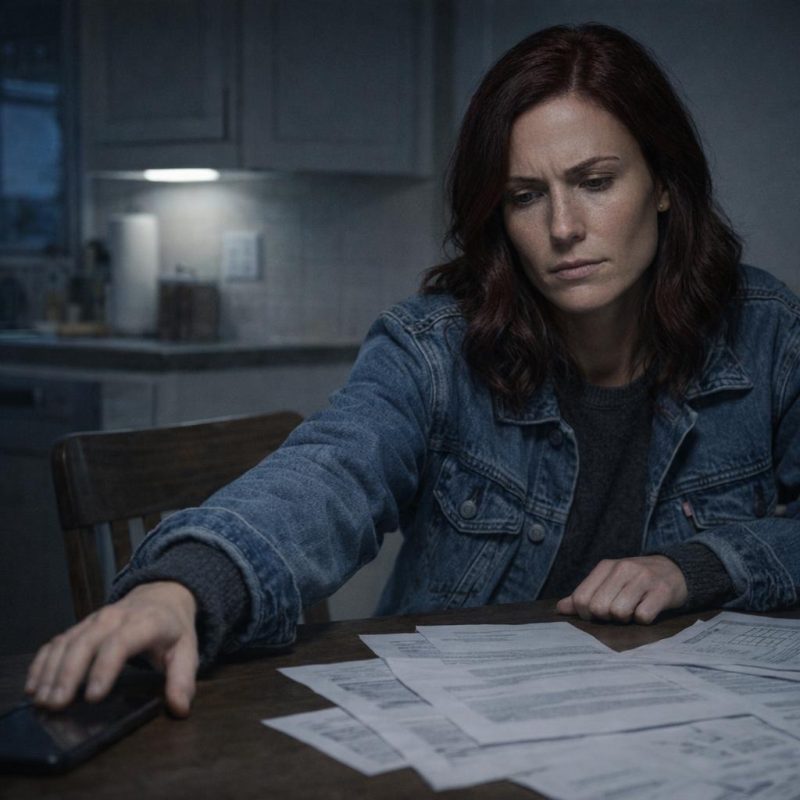 Image by RM AI
Jennifer's Objection
She picked up on the second ring and I didn't give her time to say anything beyond hello. I told her I wanted to offer Richard the full fifty percent — the entire $2.9 million — in exchange for signed final divorce papers within forty-eight hours, with a full waiver of any future claims. There was a pause. Then Jennifer said, very carefully, that I was out of my mind. Not in those exact words, but close enough. She walked me through everything I was giving up: the surveillance evidence, the bad-faith argument, the potential to reduce his share significantly given his conduct. She said we had leverage we hadn't even fully deployed yet. I told her I understood. She said I was throwing away millions of dollars. I told her I understood that too. She got quieter, which with Jennifer meant she was getting more serious, not less. She said the surveillance evidence alone could shift the entire settlement in my favor — that a judge seeing that report would not look kindly on Richard. I told her I'd thought about it. I had. I just didn't want to use it. I wanted to be done. She went quiet again, and I waited.
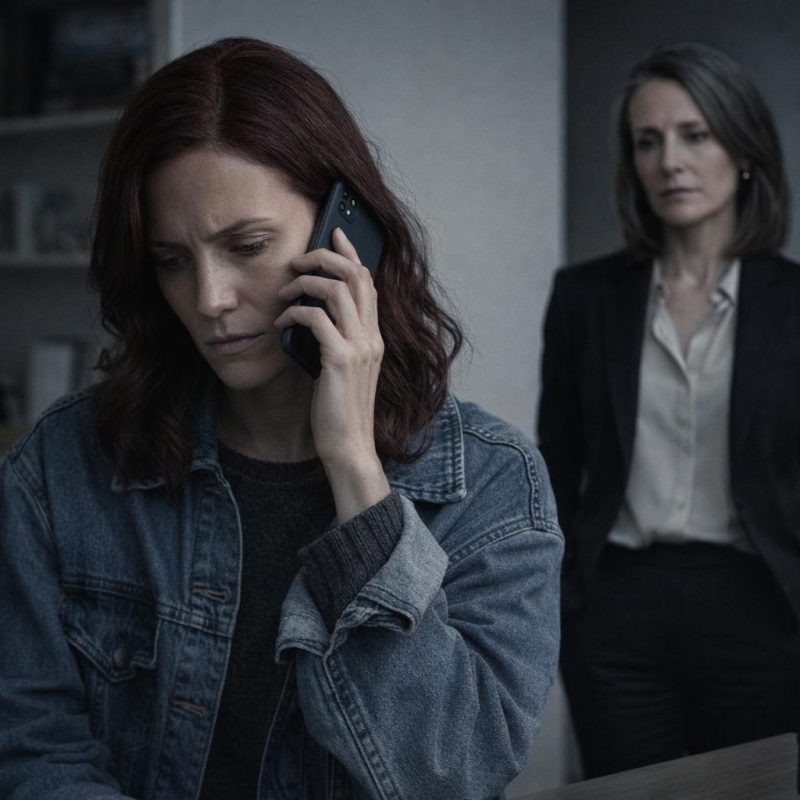 Image by RM AI
Freedom Over Victory
I tried to explain it in a way that would make sense to someone whose job was to win. I told Jennifer that yes, the surveillance evidence was powerful. I told her I believed her when she said it could shift the settlement. But every time I imagined using it, I saw the same thing: another year of this. Another year of motions and counter-motions and Richard's name in my inbox every other day. Another year of Marcus sending six-page letters designed to make me feel small. The surveillance hadn't just violated my privacy — it had shown me exactly who Richard was and exactly how far he'd go. And knowing that, I didn't want to fight him. I wanted to be finished with him. I told her I would rather write Richard a check for $2.9 million and never speak his name in a legal context again than spend five more years proving I was right. She said she understood but that she couldn't in good conscience tell me it was the smart financial move. I told her it wasn't a financial decision. She was quiet for a moment. Then she said she'd start drafting the offer. I sat there after we hung up, and the number — $2.9 million — felt less like a loss than like the price of something I'd been trying to buy for years.
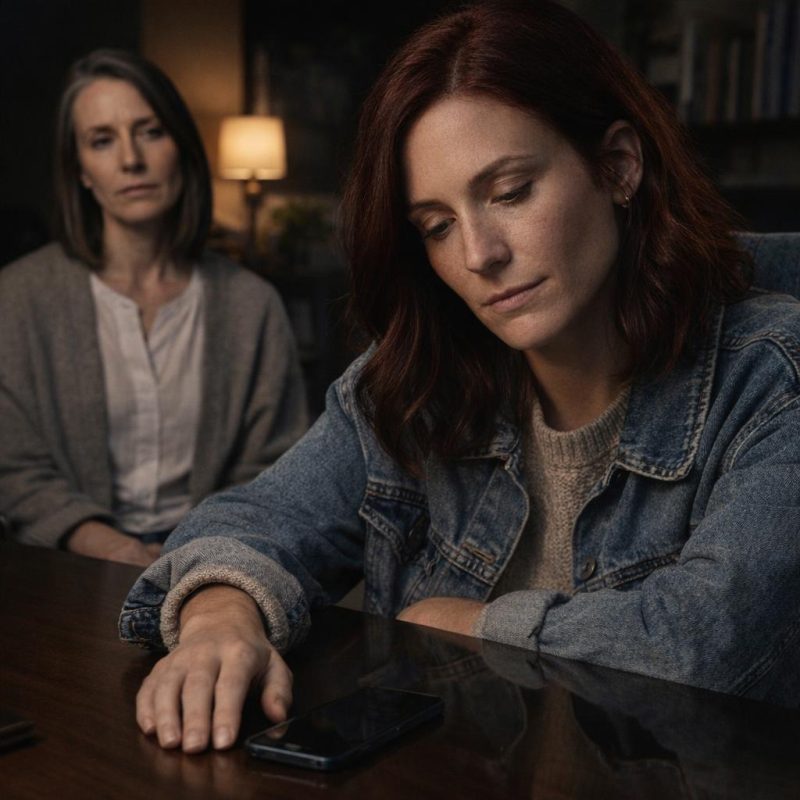 Image by RM AI
The Offer
I called Richard myself. I didn't want Jennifer to make this call. I wanted him to hear it from me. He answered on the third ring, his voice carrying that practiced ease he always used when he thought he had the upper hand. I told him I was prepared to offer him exactly what he'd been asking for: the full fifty percent, $2.9 million, transferred within five business days of signing. One condition. He had to sign the final divorce decree within forty-eight hours of receiving the paperwork, and the agreement had to include a full waiver of any future claims — retirement accounts, business interests, everything. I kept my voice level. I didn't explain my reasoning. I didn't apologize. I just laid out the terms the way Mitchell had taught me to present numbers: clean, specific, no room for negotiation theater. Richard went quiet on the other end. Not the quiet of someone caught off guard — more like the quiet of someone doing fast math. I could almost hear him recalibrating. I waited, phone pressed to my ear, the apartment completely still around me.
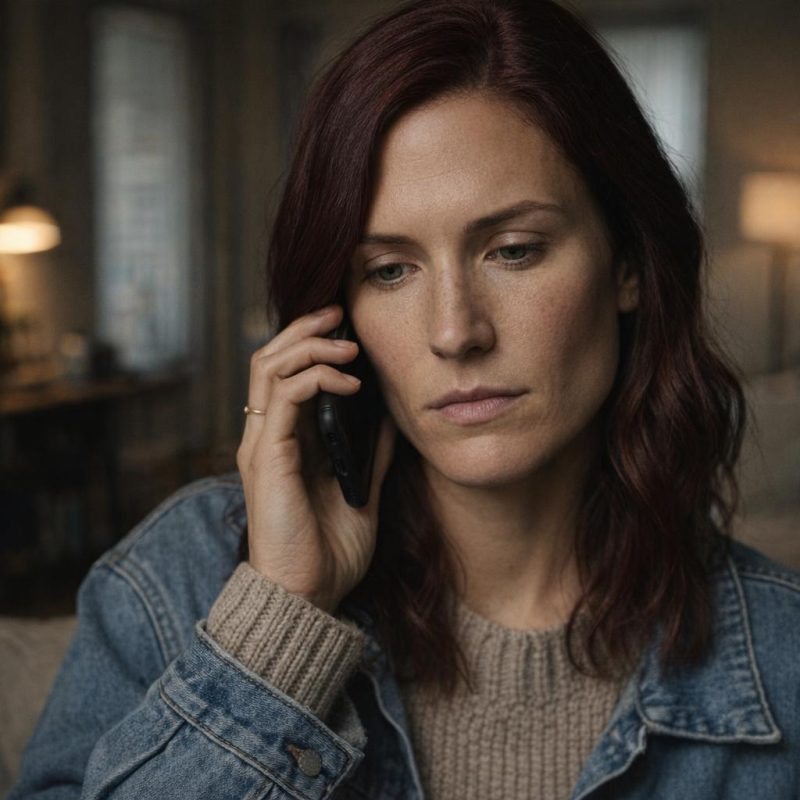 Image by RM AI
His Eyes Gleaming
He said yes in under two minutes. I'd expected him to push back, to try to negotiate something extra out of the moment, but he didn't. His voice had a brightness to it that he didn't bother to hide — almost eager, like he'd been waiting for exactly this call. He said the terms sounded reasonable. He said he'd have Marcus review the paperwork. He said he appreciated me being practical about this. I let him talk. I didn't correct him. I didn't tell him that I knew about the spyware, that I'd had my phone swept, that I'd read the tech investigator's full report and understood exactly how he'd walked into every negotiation with my own information. I didn't tell him that this offer wasn't a concession — it was a choice I was making with full knowledge of every card on the table, including his. He thought he'd outmaneuvered me. He thought the surveillance had handed him this. And maybe in a narrow, technical sense, it had moved up my timeline. But I was the one ending this marriage on my terms, at a price I'd decided I could live with. He said goodbye like a man who'd just closed a deal. I set the phone down and sat with the quiet knowledge of everything he didn't know I knew.
 Image by RM AI
Carol Stops Speaking
I called my mother that evening. I thought she deserved to hear it from me before the paperwork was filed. I told her I was settling — full fifty percent, clean exit, done within the week. There was a silence, and then Carol came through the phone like a force of nature. Her voice was shaking, and not from sadness. She said I was handing Richard exactly what he wanted. She said he'd spent five years taking from me and now I was writing him a check and calling it freedom. She said I was making the biggest mistake of my life. I tried to explain — the surveillance, the years of litigation, the cost of fighting someone who had no floor — but she wasn't listening. She was pacing, I could tell by the rhythm of her breathing, the way her voice moved. She said I was letting him win. I said I was letting him leave. She didn't see the difference. The call ended with a click, not a goodbye. I sat there holding the phone. Then the text came through: *Don't call me until you come to your senses.*
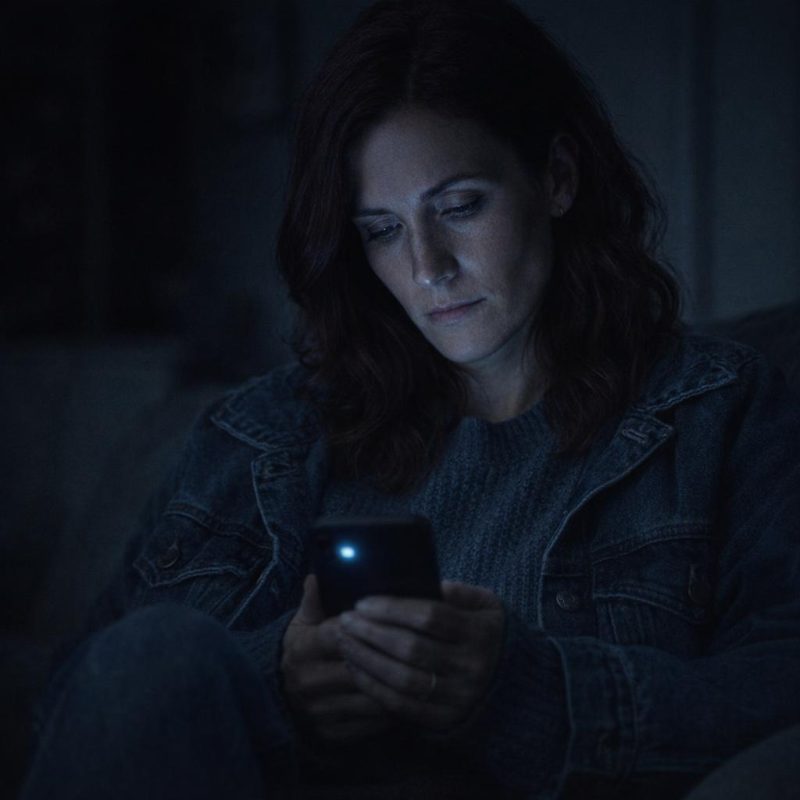 Image by RM AI
Beth's Disappointment
Beth showed up at my door around seven with a bottle of wine she clearly intended to use as a prop for a serious conversation. She came in, looked at the kitchen table where I'd had all the paperwork spread out, and then looked at me the way you look at someone who's just done something you can't quite categorize as sane. She asked how I could just give him the money. After everything. After the surveillance, after the lawyers, after five years of him draining everything he could reach. She said she'd been ready to help me fight. She said she had ideas — I told her I didn't want to know what the ideas were. She sat down across from me and kept asking versions of the same question, and I kept not being able to answer it in a way that landed. I wasn't giving up. I wasn't having a breakdown. I was buying something specific — time, distance, silence, the ability to wake up in six months and not have Richard's name attached to a single open legal file. But I couldn't make her see it. She wanted a war. I wanted a door. The wine sat between us, unopened, and the space across the table felt wider than the table itself.
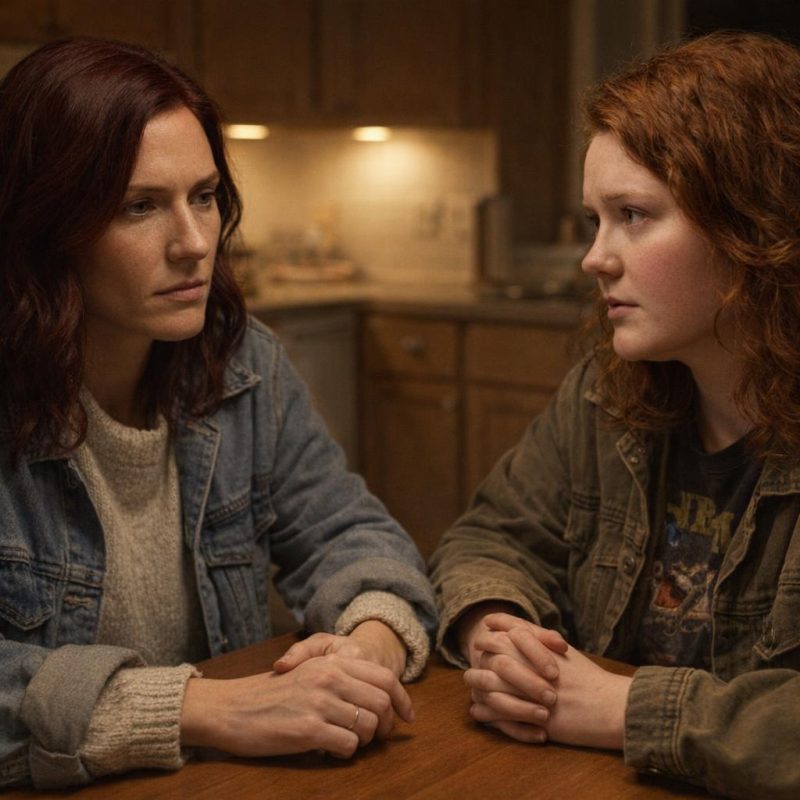 Image by RM AI
Forty-Eight Hours
Jennifer called the next morning before I'd finished my first cup of coffee. She said the papers were drafted, reviewed, and ready for signatures. She said Marcus had called her office the previous evening — Richard had already scheduled the signing for the following morning without being asked. She said his turnaround time was, in her professional experience, unusually fast. I told her I wasn't surprised. She said she wanted to note for the record, one final time, that she believed we were leaving significant money on the table. I told her I understood and that I wanted to proceed. She said she'd send the final documents to my email within the hour for my review. I thanked her. We hung up. I stood in my kitchen in the quiet of the morning, the coffee going warm in my hands, thinking about how Richard's eagerness to collect had made the hardest part of this — the waiting — almost easy. He'd done me the favor of moving fast. I refreshed my email out of habit, then set the phone face-down on the counter. A few minutes later it buzzed once. Jennifer's confirmation: signing scheduled for 10 AM tomorrow.
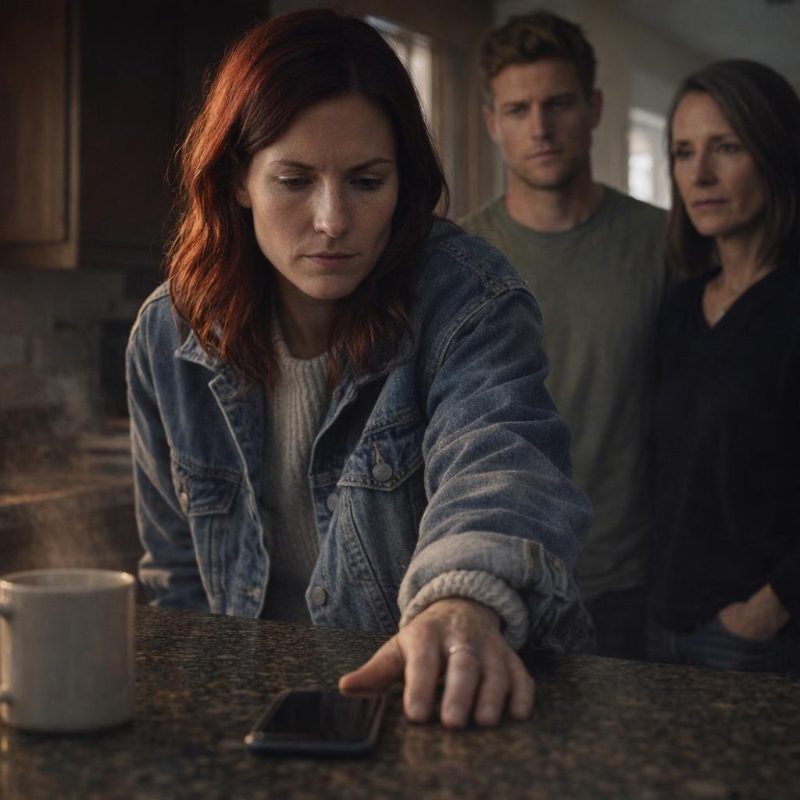 Image by RM AI
The Signing
Jennifer's office was quieter than I expected. Marcus wasn't there — Richard had come alone, which surprised me until I remembered he probably didn't want witnesses to how fast he reached for the money. Richard sat across the table in a charcoal suit, looking like a man who'd already won. Jennifer walked us through each page with the calm efficiency I'd paid four hundred dollars an hour for. Richard signed without reading. Every page, every waiver, every clause releasing all future claims to my assets — retirement accounts, business interests, anything I'd build going forward — he signed it without so much as slowing down. I watched his pen move and felt something loosen in my chest. When we got to the final page, Jennifer slid the settlement agreement toward him and he signed that too. Then it was my turn. I signed. I dated it. I picked up the check I'd had certified that morning — $2.9 million, every digit of it — and I slid it across the table. Richard's eyes went straight to it. His hand came out before I'd even let go. He picked it up, looked at the number, and something moved across his face that I can only describe as hunger finally fed. I let go of the check. Jennifer countersigned the decree. It was done.
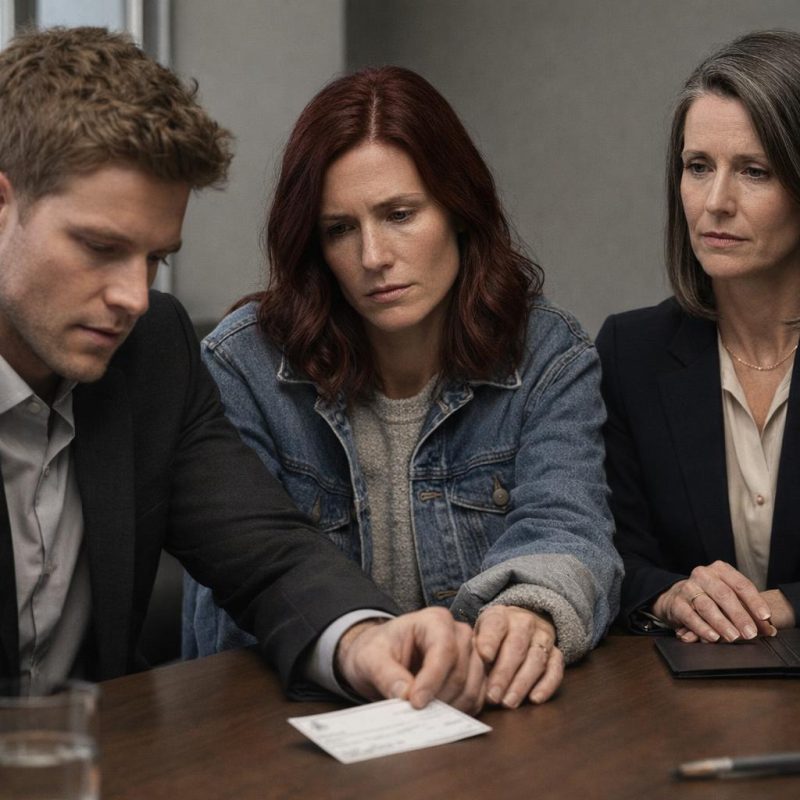 Image by RM AI
The Aftermath
I carried the signed decree to my car like it was something fragile, set it on the passenger seat, and just sat there for a minute before I started the engine. The drive home felt strange — ordinary streets, ordinary traffic, but everything on the other side of something I couldn't name yet. I called Kira somewhere around the third stoplight. She picked up on the second ring. I told her it was done. There was a pause that lasted longer than it should have. 'Done done?' she said. 'Done done,' I said. Another silence. I could hear her breathing, could almost see her pressing her lips together the way she does when she's working out what to say. Finally she said she hoped I knew what I was doing. Not unkindly — Kira doesn't do unkind — but with the weight of someone who wasn't sure she agreed. I told her I did. She said okay. We talked for a few more minutes about nothing in particular, and then I was home, pulling into my parking spot, carrying the decree upstairs. I set it on the kitchen table. I didn't turn on the TV. I didn't call my mother. I just stood in the middle of my apartment in the quiet, and the quiet was entirely, completely mine.
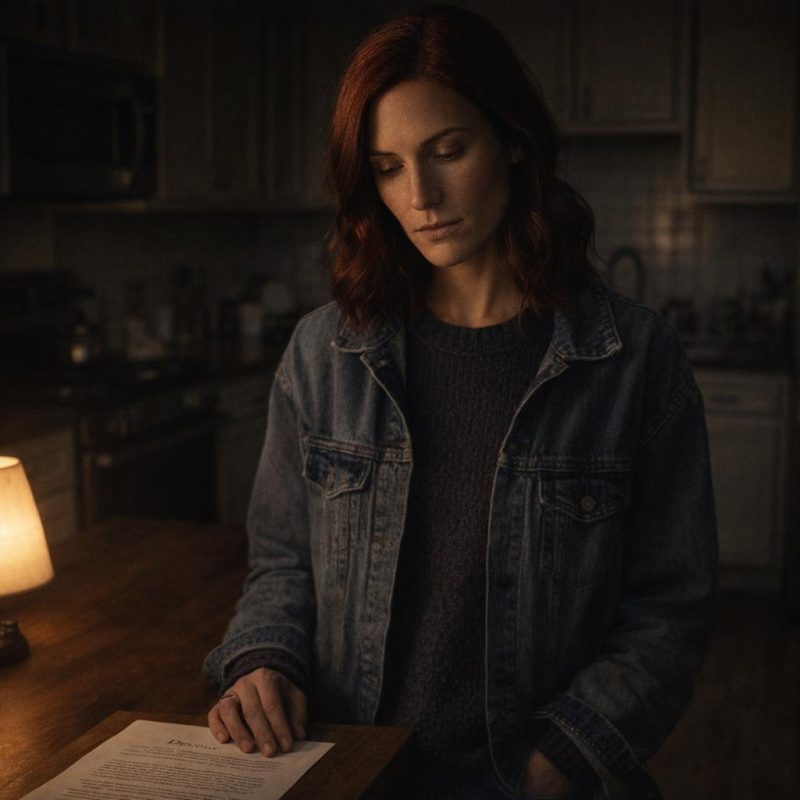 Image by RM AI
The True Cost
That evening I sat on the couch with a glass of wine I barely touched and did the math one more time, the way you press a bruise just to confirm it still hurts. Two-point-nine million dollars. Gone. Signed over to a man who'd spent five years making me feel small, making me feel lucky he'd chosen me, making me feel like the version of myself I'd built before him was something to be embarrassed about. I knew what my mother would say. I knew what Beth would say — she'd already said most of it, loudly, in my kitchen, with her hands in the air. Even Kira, careful and loyal as she is, hadn't been able to hide the doubt in that pause on the phone. They all saw surrender. I understood why. From the outside, it looked like I'd handed a man who'd already taken five years of my life an additional $2.9 million on top of it. I could see that math too. But the other math — the years in court, the surveillance, the six-page letters from Marcus, the way Richard could make a Tuesday feel like a hostage situation — that math had a cost too, and nobody else had been paying it. I sat with the number a long time. And then I sat with the quiet. And the quiet felt like the right answer.
 Image by RM AI
Freedom
I woke up the next morning before my alarm. The apartment was gray and still, that particular early-morning light that doesn't commit to anything yet. I lay there for a moment taking inventory the way you do after something big — checking for the feeling I expected, the regret or the grief or the second-guessing. It wasn't there. What was there was something I hadn't felt in so long I almost didn't recognize it: space. Just — room. No court dates on the calendar. No certified letters waiting to ambush me. No sense that somewhere across the city, Richard was building a case, running a play, finding a new angle. He had his money. I had my decree. The transaction was complete and the contract between us — the one that had cost me far more than five years and far more than money — was finished. I made coffee. I stood at the window and watched the street come alive in the ordinary way streets do, people walking dogs, someone unlocking a storefront, a kid on a bike. None of them knew. None of them needed to. I had paid $2.9 million to never have to think about Richard again, and standing there in my kitchen with my coffee going warm in my hands, I knew without any doubt that it was worth every cent.
 Image by RM AI
KEEP ON READING

20 Historical Figures Who Lived Much Longer Than You Think
Some Famous Lives Stretched Far. History has a way of…
By Christy Chan May 22, 2026
The Pirate Queen Who Met Elizabeth I as an Equal
Unknown authorUnknown author on WikimediaIn the summer of 1593, a…
By Cameron Dick May 19, 2026
20 LGBTQ+ People from History Who Changed the World
History Is Full Of Queer Icons . LGBTQ+ people have always…
By Emilie Richardson-Dupuis May 22, 2026
20 Historical Poisons That Changed Politics, War, And Royal Families
Power In A Cup. Poison has always had a strange…
By Cameron Dick May 22, 2026
20 Man-Eaters That Terrified Entire Regions
When Fear Had Teeth. History has a way of turning…
By Cameron Dick May 22, 2026
20 Mistresses Who Had More Power Than the Queens Beside…
Power Wasn’t Always on the Throne. Royal history loves a…
By Annie Byrd May 22, 2026