

The Woman Who Knew My Story
I'd been going to the same salon for six years. Every eight weeks, like clockwork, I'd book my appointment with Jenna, sit in her chair, and we'd talk about our gardens and her kids while she trimmed my hair. It was a routine so familiar I could navigate it half-asleep, which is probably why I wasn't prepared for what happened that Tuesday morning. I walked through the door at 10 a.m. sharp, and there was a woman in the waiting area I'd never seen before. She looked up from her phone the moment I entered, and her expression shifted into something I couldn't quite read. Recognition, maybe? But I didn't know her. 'Oh,' she said, setting down her coffee. 'You're back here.' I smiled politely, assuming she had me confused with someone else. 'I'm sorry?' I said. She tilted her head, studying my face with an intensity that made my skin prickle. 'After what happened last time,' she continued, 'I'm surprised you came back. I wouldn't have.' The receptionist was on the phone and didn't seem to notice the exchange. I stood there holding my purse, genuinely bewildered. My last appointment had been completely ordinary. Jenna had trimmed maybe an inch off the ends. We'd discussed her daughter's college applications. The woman pulled out her phone and said she was 'pretty sure it was you.'
 Image by RM AI
The Post
She angled her screen toward me, and I leaned in to see what she was talking about. It was a social media post from the salon's official account, dated six weeks ago—the exact day of my last appointment. The photo showed the back of someone's head, honey-blonde hair with silver running through it, cut to just below the shoulders. My hair. I recognized it immediately, the way you'd recognize your own handwriting. There was even the small cowlick on the left side that I'd been battling since I was a teenager. The salon's logo was in the corner, and below the image was text. I had to read it twice because the first time, my brain simply rejected what I was seeing. The caption read something about difficult clients and making poor choices against professional advice. I could see a number below it—326 comments. My throat went dry. 'That's not...' I started to say, but my voice came out wrong. The woman was watching my reaction carefully. 'I thought it might be you,' she said quietly. 'I wasn't sure until you walked in.' I stared at the image. I'd never given anyone permission to photograph me, let alone post it publicly. The caption read: 'Client insisted on this cut despite professional advice—some people just won't listen.'
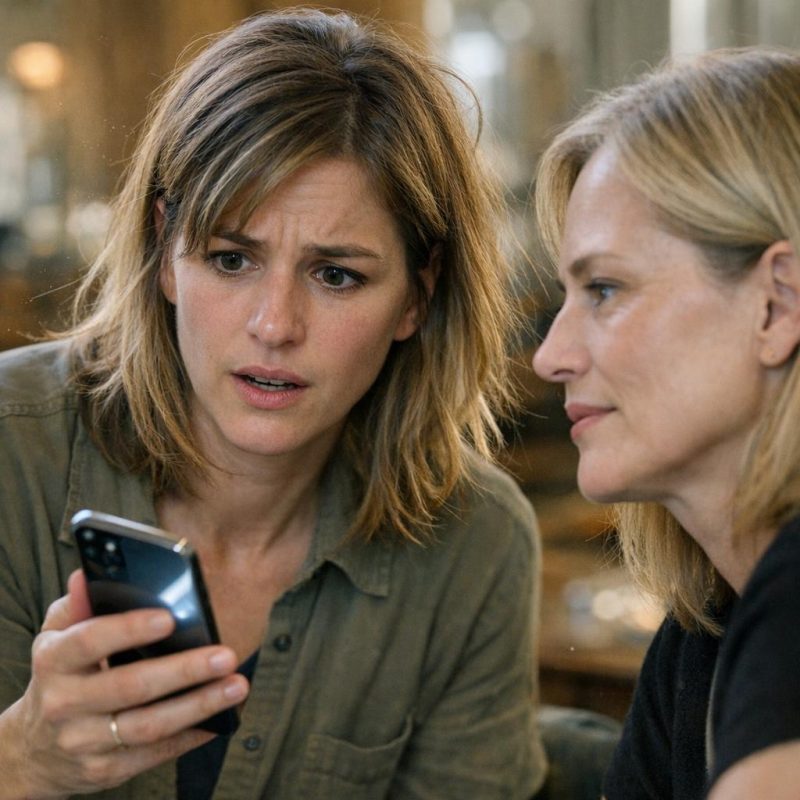 Image by RM AI
Reading the Comments
My hands were shaking as I took the woman's phone. She didn't object. I scrolled down, and with each comment, something cold and heavy settled in my stomach. Strangers—hundreds of them—were talking about me. About my hair, my judgment, my age. 'Some people are just impossible to work with,' one comment read. Another: 'The customer is NOT always right lol.' There were laughing emojis. Someone else had written, 'I bet she demanded to speak to the manager afterward.' The receptionist, Mel, finally hung up the phone and glanced over at us, but she seemed oblivious to what was happening. I kept scrolling. The comments got meaner. 'Why do these women come to professionals if they won't take advice?' 'Bet she left a bad review too.' My face was burning. I could feel the heat creeping up my neck. I'd walked into this salon an hour ago feeling perfectly normal, and now I was standing in the waiting area reading strangers' opinions about my character, my intelligence, my worth. Then I saw it. One comment stood out: 'Why do older women always think they know better than professionals?'
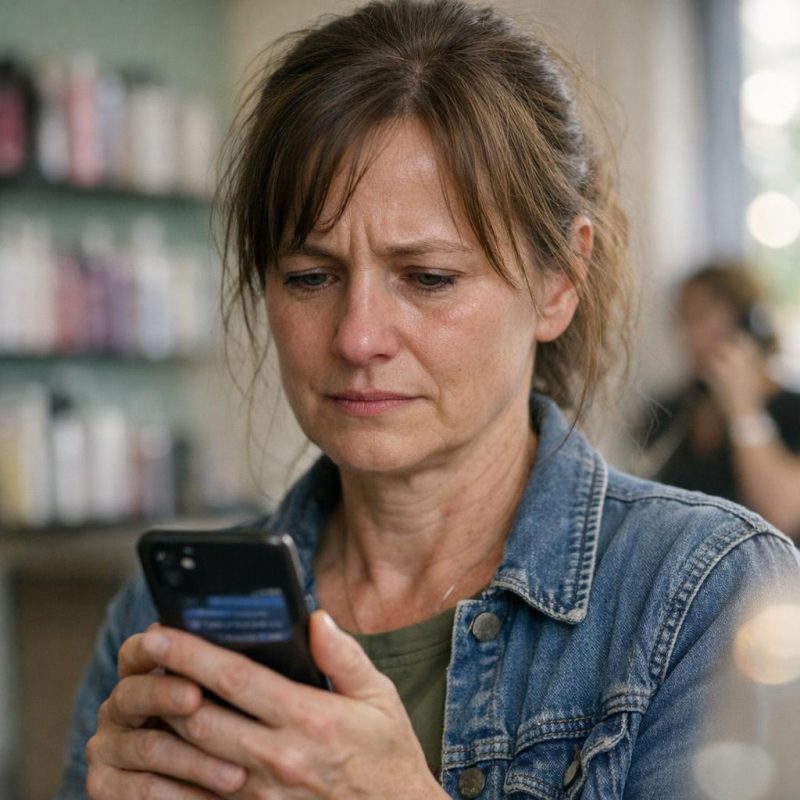 Image by RM AI
Confronting Jenna
I walked straight past the receptionist and into the main salon area. Jenna was setting up her station, organizing her scissors and combs in that precise way she always did. When she saw me, her face lit up with that familiar smile. 'Carol! Right on time as always.' I held up my phone—I'd taken a screenshot of the post. 'Jenna, what is this?' Her smile faltered. She took the phone from my hand, squinting at the screen, and I watched her face carefully. She looked genuinely surprised. Confused, even. 'I... where did you find this?' she asked. 'On your salon's social media page,' I said. 'From my last appointment.' Mel had followed me in and was hovering near the desk, pretending to organize product bottles but clearly listening. Jenna scrolled through the comments, her expression darkening. 'Carol, I had nothing to do with this. These posts—sometimes people submit them anonymously. Client stories, you know? For the page.' Her voice sounded sincere. I wanted to believe her. 'But that's my hair,' I said. 'From my appointment with you.' She nodded, still studying the phone. 'I see that now, but I swear I didn't post this. Someone must have submitted it without my knowledge.' I pointed to the timestamp on the post. 'It was published the same day. Within hours of my appointment.' Jenna's expression shifted slightly when Carol pointed out the timestamp matched her appointment exactly.
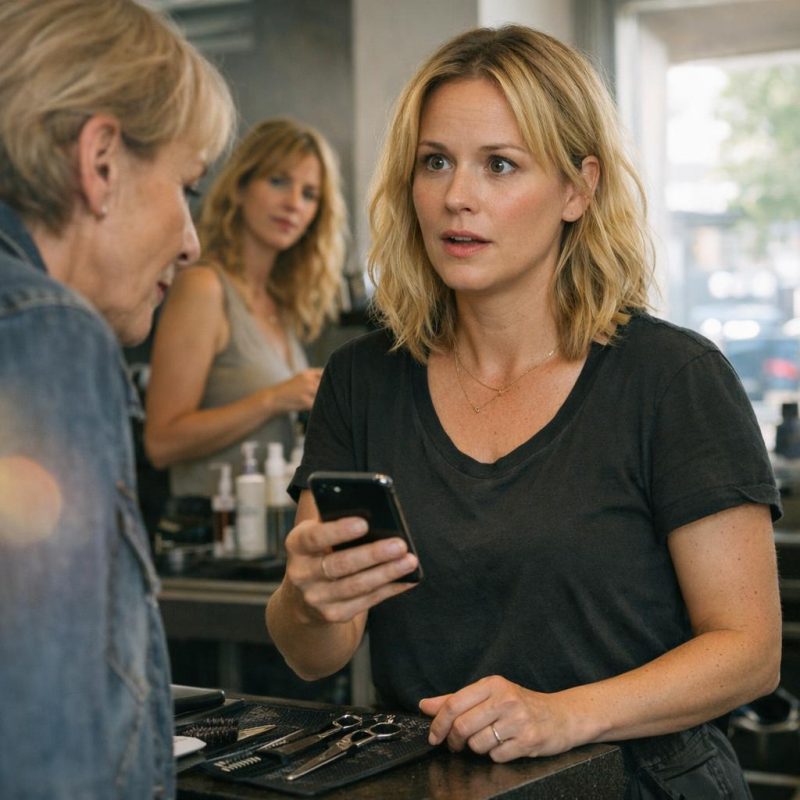 Image by RM AI
The Discount Insult
Jenna handed back my phone and pressed her lips together, thinking. Then she took a breath and said, 'Carol, I'm so sorry this happened. This is completely unacceptable. Let me make it right—today's haircut is on the house. Actually, let me give you fifty percent off your next three visits.' I just stared at her. Fifty percent off. As if the problem here was the price of a haircut. As if what I needed was a discount to make me feel better about being publicly mocked by hundreds of strangers. 'I don't want a discount, Jenna,' I said quietly. 'I want to know who took that photo and why they posted it with that caption.' She looked uncomfortable. 'Like I said, it was probably submitted anonymously. I can talk to the owner, see if we can figure out who—' 'The caption made me sound unreasonable,' I interrupted. 'It made me sound like a difficult client. Was I difficult?' Jenna's eyes widened. 'No! Of course not. You're one of my easiest clients, Carol. You always have been.' But her reassurance felt hollow now. Everything felt hollow. I picked up my purse from the counter where I'd set it down. 'I need to think about this,' I said. I left the salon without getting my hair done, my mind racing the entire drive home.
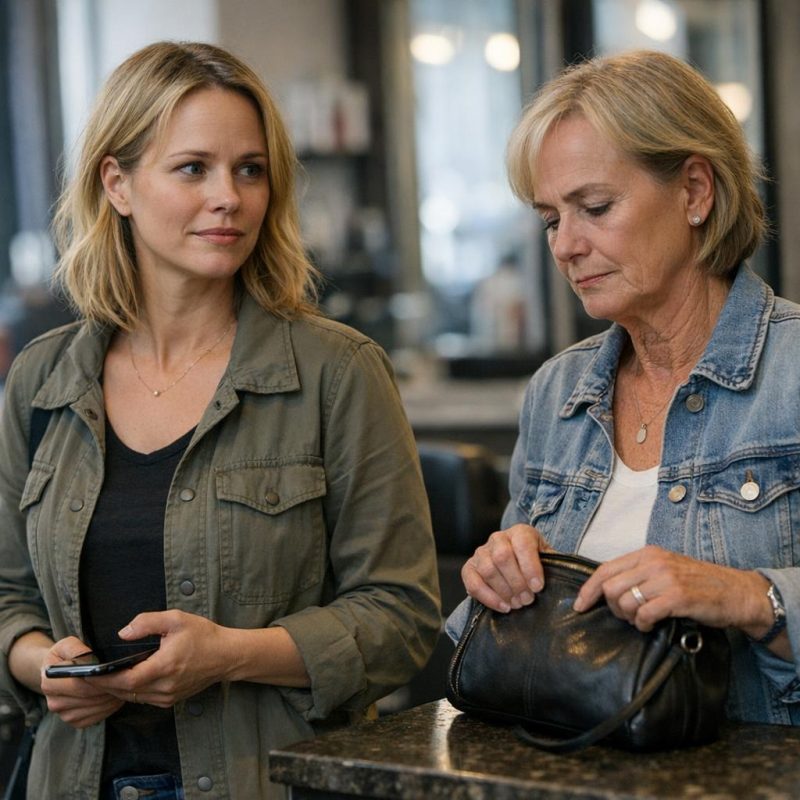 Image by RM AI
Tom Doesn't Get It
Tom was in the kitchen when I got home, making himself a sandwich. 'You're back early,' he said, glancing at the clock. 'Bad haircut?' 'I didn't get it cut,' I told him, and then the whole story came pouring out. The woman in the waiting area, the post, the comments, Jenna's explanation about anonymous submissions. He listened while spreading mustard on bread, nodding occasionally. When I finished, he was quiet for a moment. 'Well, that's unfortunate,' he finally said. 'But it sounds like Jenna didn't know about it. These things happen with social media, right? Maybe someone on staff thought they were being funny.' I felt something tighten in my chest. 'Tom, there were over three hundred comments. People were calling me stubborn and stupid. They were making jokes about my age.' He put down the knife and looked at me with what I suppose he thought was reassurance. 'I'm sure they didn't mean anything personal. They don't even know you.' That somehow made it worse. 'That's exactly the point,' I said. 'They don't know me, but they felt entitled to judge me anyway.' He sighed, the way he does when he thinks I'm being oversensitive. 'Maybe they just didn't realize it was you,' he said, and I felt utterly alone.
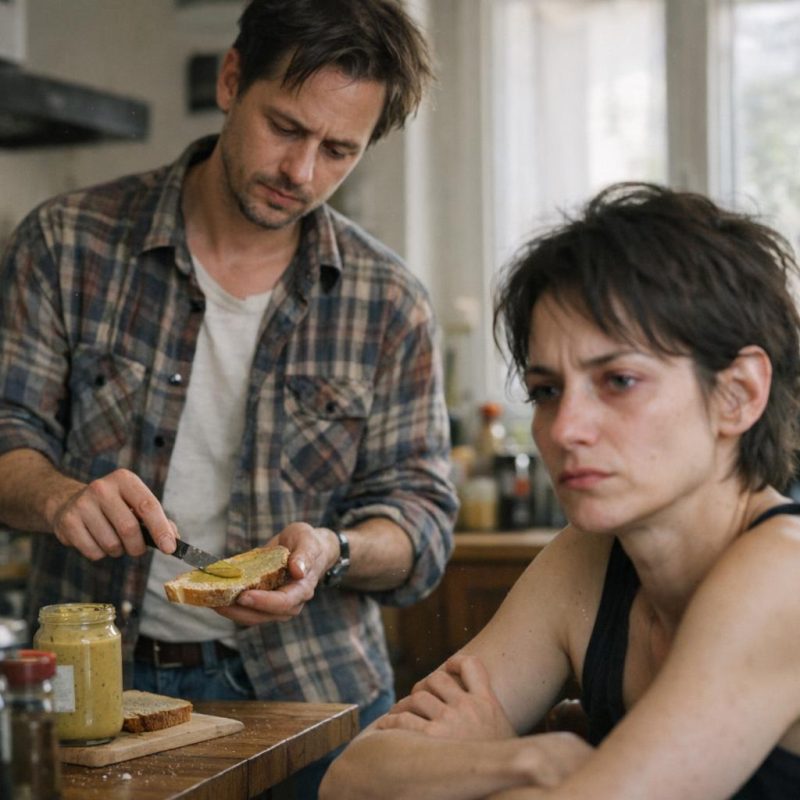 Image by RM AI
Rachel's Perspective
Rachel called that evening, like she does every Tuesday. I almost didn't tell her—I'd already gotten Tom's reaction, and I wasn't sure I could handle another person minimizing what had happened. But Rachel knows me too well. 'You sound off, Mom,' she said. 'What's wrong?' So I told her. Unlike Tom, she didn't interrupt. She didn't offer solutions or try to rationalize it away. When I finished, there was a long pause. 'Mom,' she finally said, and her voice had that edge it gets when she's angry on someone else's behalf. 'That's a violation. They used your image without permission. They made you the subject of ridicule. This isn't about whether your haircut was good or bad.' Hearing her say it made something break loose in my chest. 'Your dad thinks I'm overreacting,' I admitted. 'Dad doesn't understand how this stuff works,' Rachel said bluntly. 'He's never been publicly shamed online. He's never been targeted for his age or his gender.' She paused. 'Did you consent to having your photo taken?' 'No.' 'Did you consent to it being posted?' 'Of course not.' 'Then this isn't about a haircut,' Rachel said. 'Mom, this isn't about a haircut—this is about consent.'
 Image by RM AI
The Angle of the Photo
After we hung up, I sat in bed with my laptop and pulled up the salon's social media page again. I'd looked at the post a dozen times already, but Rachel's words had shifted something in my perspective. I saved the image to my computer and zoomed in, studying it like I was looking for clues in a mystery novel. The photo showed the back of my head and shoulders, my hair freshly trimmed, the salon cape still around my neck. I could see the edge of the mirror in front of me, slightly out of focus. The lighting was good—professional, even. Not like a casual snapshot someone had taken from across the room. I thought about the layout of the salon, the stations, where people typically stood. The reception desk was too far away. The waiting area was at a completely different angle. The other stylists' chairs faced different directions. I pulled up a mental image of Jenna standing behind me during my appointments, her hands in my hair, her eyes meeting mine in the mirror. That was the angle. That exact perspective. The angle wasn't something a random person could have captured—it was taken from behind the chair.
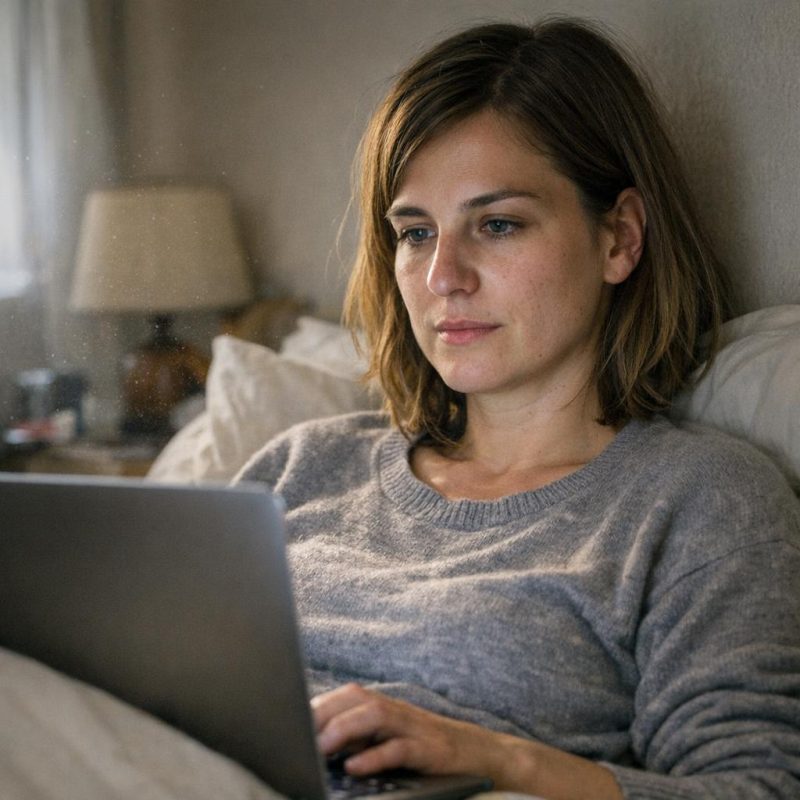 Image by RM AI
The Eyewitness Comment
I kept scrolling through the comments, that sick feeling in my stomach spreading with each one. Most were generic—people saying 'this is exactly why I tip well' or 'some customers are the worst'—but then I found one that stopped me cold. The username was generic, one of those auto-generated handles with numbers at the end, and the comment had been posted three days after the original. It said: 'I was there when this happened! I was waiting for my appointment and saw the whole thing. She complained about everything and kept making the stylist redo sections, then after she left she came back yelling about how it was uneven.' I sat there staring at my screen, my heart pounding. I read it again. Then again. I had never gone back to complain. I had never yelled at anyone in a salon in my entire life. I hadn't asked for anything to be redone—I'd said I loved it, tipped generously, and left. The appointment had been pleasant. We'd talked about her upcoming vacation. She'd asked about my book club. I remembered walking out feeling lighter, refreshed. This person was describing an appointment that simply hadn't happened. The comment said, 'I saw this happen—she argued the whole time and then blamed the stylist after.'
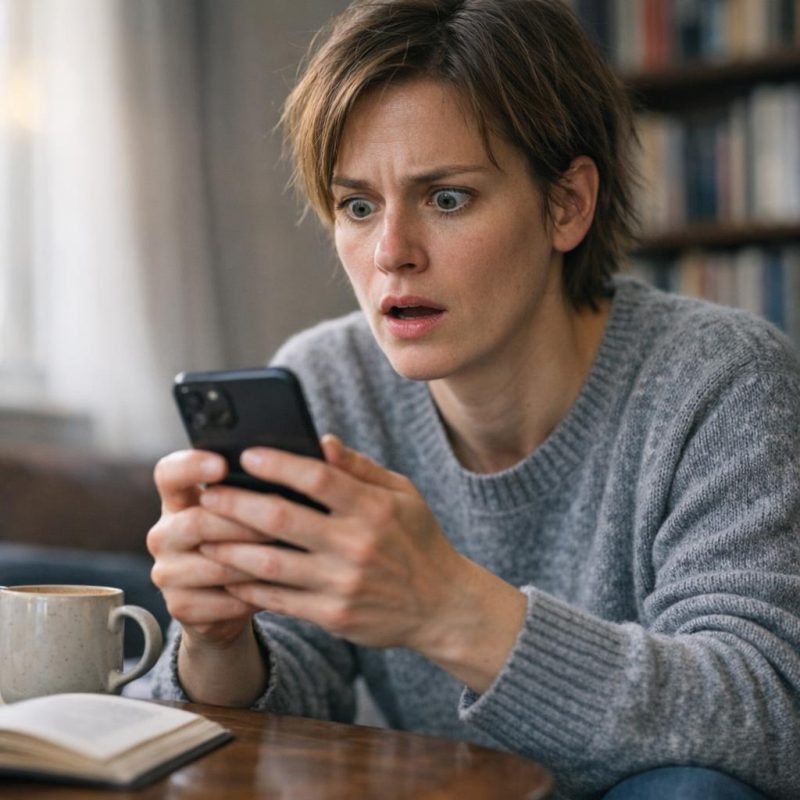 Image by RM AI
Screenshots and Evidence
I went into full documentation mode. I know how the internet works—posts disappear, accounts get deleted, evidence vanishes. So I started systematically saving everything. I took screenshots of the original post with the timestamp visible. I captured every comment, scrolling carefully to make sure I didn't miss any. I saved the salon's page header showing their follower count and verification status. I zoomed in on my photo and saved high-resolution versions from multiple angles. I created a folder on my desktop labeled 'Salon Evidence' and started organizing files by date and type. The false eyewitness comment got its own screenshot with the username clearly visible. I saved the metadata where I could access it, noting the exact times comments appeared. My journalist daughter would have been proud of my process—I was treating this like an investigation now, not just hurt feelings. I even saved screenshots of my own comment from when I'd first discovered the post, the polite one asking them to take it down. Every reply to my comment went into the folder too. I backed everything up to cloud storage. As I worked methodically through each piece of evidence, organizing and labeling, something crystallized in my mind. I had the feeling I was documenting something bigger than a bad haircut.
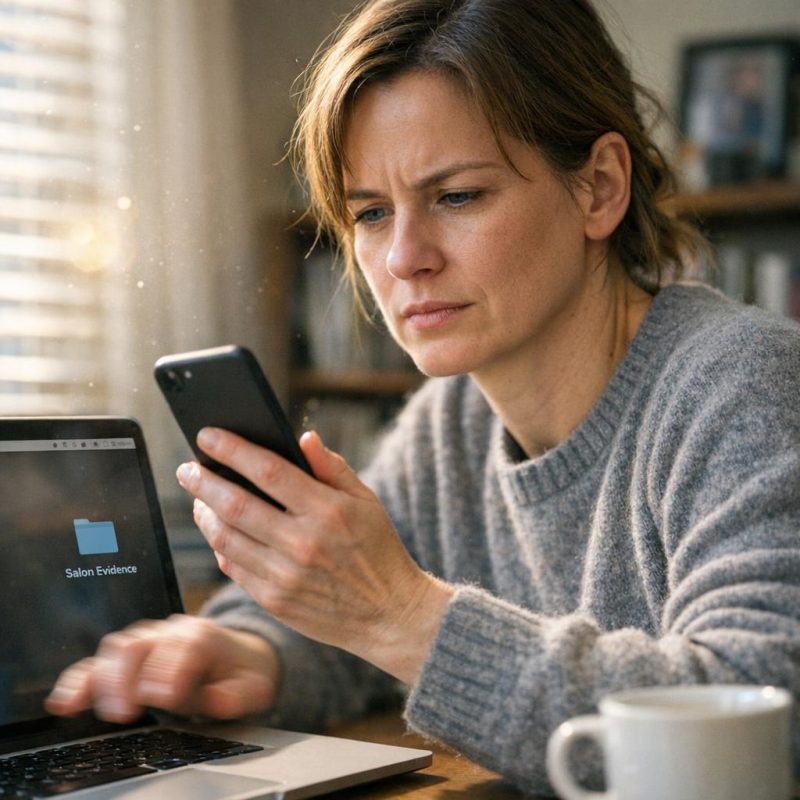 Image by RM AI
Sleepless Questions
That night, I couldn't sleep. I lay in bed replaying my last appointment frame by frame, like I was reviewing security footage in my mind. I walked myself through arriving at the salon, checking in at the desk, waiting in the chair by the window while Jenna finished with another client. I remembered her greeting me warmly, asking how I'd been. We'd talked about the weather turning colder, about holiday plans. She'd shampooed my hair herself, not passing me off to an assistant. The water temperature had been perfect. She'd asked if I wanted the same trim as usual, and I'd said yes. While she worked, we'd chatted about nothing important—a new restaurant that had opened downtown, a movie she'd seen. I'd complimented her technique when she showed me the back with the hand mirror. I'd meant it genuinely. She'd smiled, seemed pleased. I'd paid at the desk, added my usual twenty percent tip, and thanked her on my way out. I went through it again, searching for any moment of tension, any misunderstanding, anything that could have been twisted into the narrative that post described. Had I frowned at something? Had I sighed? Had I been quieter than usual? I examined my own memory like I was cross-examining a witness. But no matter how hard I tried, I couldn't find a single moment where I had been difficult.
 Image by RM AI
The Decision to Return
I woke up Tuesday morning with absolute clarity. I'd spent three days feeling hurt, confused, wondering if somehow I'd missed something about myself. Three days of that was enough. I made coffee and sat at my kitchen table, looking at my phone and the salon's address in my contacts. Rachel had suggested formal complaints and lawyers, but that felt too distant, too procedural. I needed to understand what had actually happened, and I wasn't going to get that through email chains and official channels. I needed to go back to the salon. Not to get my hair cut. Not to make a scene. I needed to look Jenna in the eye and ask her directly why she'd done this. Or maybe I needed to talk to someone else who'd been there, someone who might tell me the truth. I realized I'd been approaching this like a customer who'd been wronged, someone asking for an apology or a refund. But this wasn't about customer service anymore. This was about truth and lies, about my actual reputation being damaged by a story that wasn't real. I got dressed carefully, practically. Jeans and a sweater. No makeup beyond what I'd normally wear. I wanted to look like myself, not like someone performing outrage. I grabbed my phone, made sure it was fully charged, and headed for my car. I wasn't going to let this go—not anymore.
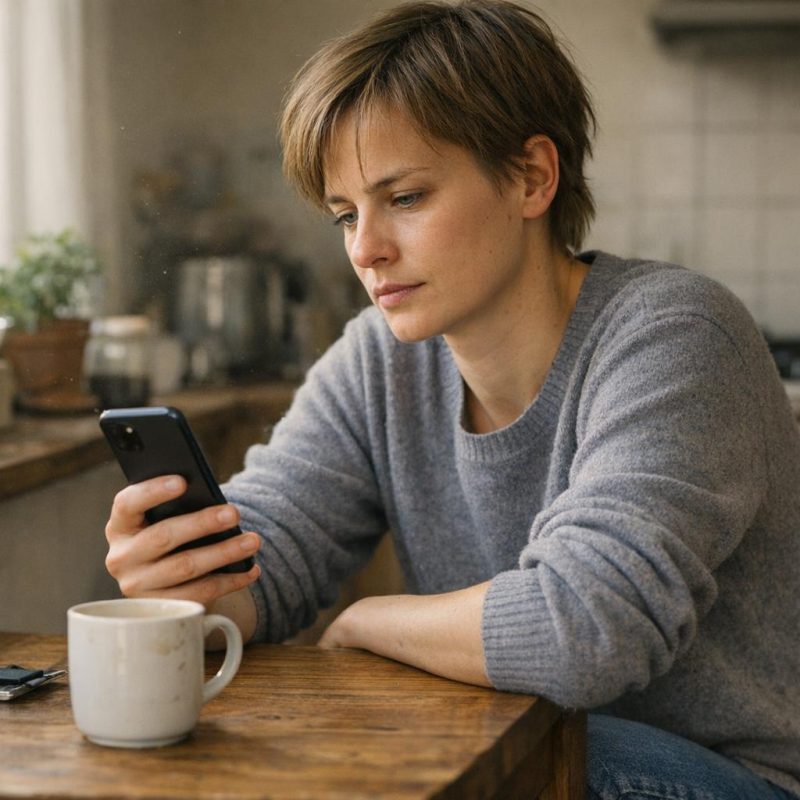 Image by RM AI
Early Morning at the Salon
I arrived at the salon at 8:45 in the morning, fifteen minutes before they officially opened. I could see someone moving around inside through the glass door—the lights were on, but the 'Open' sign wasn't flipped yet. I knocked gently and a young woman I recognized looked up from the station she was organizing. Tessa. I'd seen her working there for maybe six months, always friendly when I'd walked past her chair. She came to the door and unlocked it, looking slightly puzzled but not unwelcoming. 'We don't open until nine,' she said, not unkindly. 'I know,' I told her. 'I'm not here for an appointment. I'm Carol—I've been coming here for a couple years? I usually see Jenna.' Recognition crossed her face, and something else I couldn't quite read. 'Is she here yet?' I asked. Tessa shook her head. 'She doesn't come in until ten on Tuesdays.' There was a brief silence. I could hear the hum of the salon's ventilation system, the faint buzz of fluorescent lights warming up. We were alone in that big, mirror-lined space, and I realized this might be exactly what I needed. I stepped inside, and Tessa locked the door behind me out of habit. My heart was racing, but I kept my voice steady. I asked her, as gently as I could, if she remembered my last appointment.
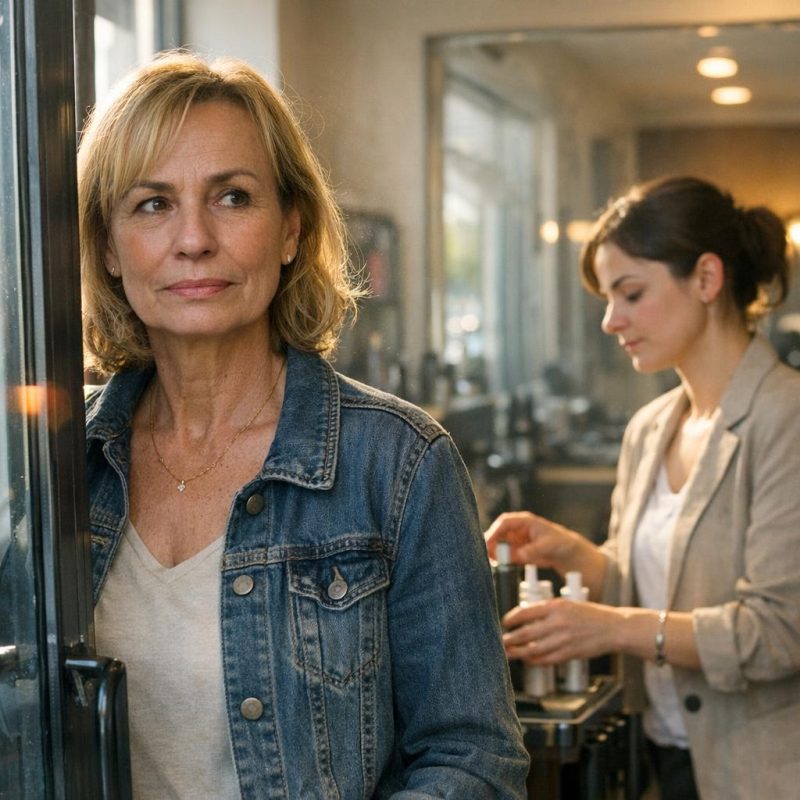 Image by RM AI
Tessa Remembers
Tessa's expression changed immediately. It was subtle—a tightening around her eyes, a slight shift in how she held her shoulders—but I saw it. She remembered. 'Yeah,' she said slowly. 'I remember.' She didn't offer anything else, just stood there holding a round brush, her fingers tense against the handle. I waited, giving her space. I've learned over the years that sometimes silence is the best question you can ask. 'I saw the post,' I said finally. 'The one about the difficult client. That was me.' She nodded, not meeting my eyes. She set down the brush and started arranging products on her station with unnecessary precision, moving bottles that were already perfectly aligned. 'I didn't do what it said I did,' I continued, keeping my voice level. 'I wasn't difficult. I didn't complain. I don't understand why that was posted.' Tessa bit her lower lip. She glanced toward the back of the salon, toward the office door, then toward the front windows where anyone walking by could see us. She was checking her surroundings like someone about to share a secret. Then she looked around to make sure no one else was listening, then lowered her voice.
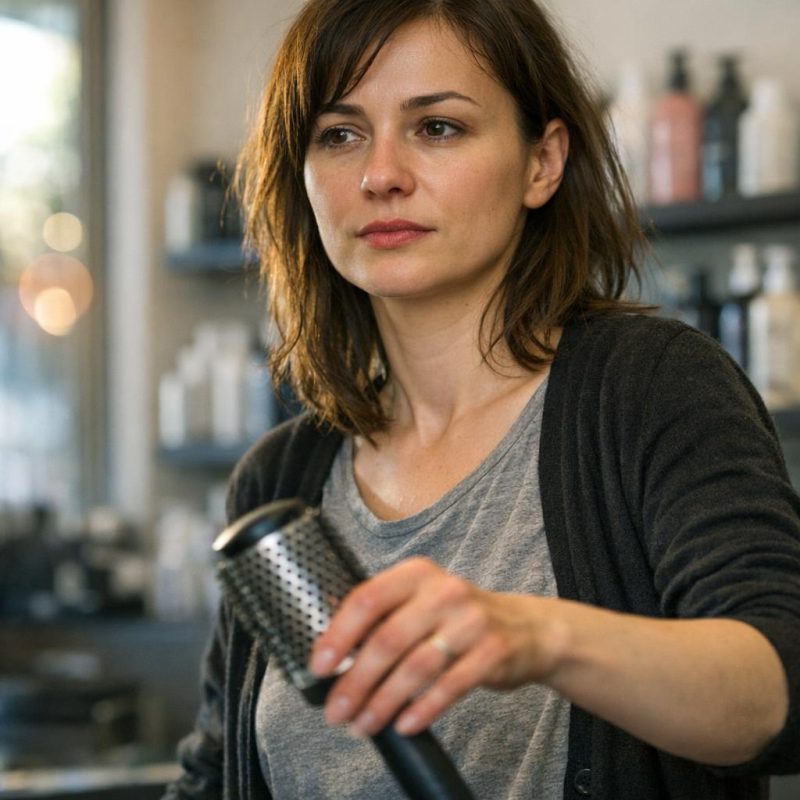 Image by RM AI
It Wasn't About the Haircut
'That wasn't about your haircut,' Tessa said quietly. The words hung in the air between us, and I felt the ground shift beneath my feet. I'd been operating under the assumption that someone—Jenna, maybe the salon owner—had genuinely believed I'd been difficult and had posted about it in frustration. That I'd somehow caused offense without realizing it. But Tessa's tone suggested something completely different. This wasn't about a misunderstanding. This wasn't about someone's hurt feelings or a bad day. 'What do you mean?' I asked, though part of me wasn't sure I wanted to know. Tessa glanced at the door again. A car drove past outside, and she tensed until it continued down the street. She was genuinely nervous, and that made my pulse quicken. 'I probably shouldn't be talking about this,' she said, but she didn't stop. She didn't walk away. Whatever she was about to tell me, she wanted to tell me. She needed to tell me. I could see it in the way she was gripping the edge of her station, in the way she kept checking the time like she was calculating how long we had before other people arrived. My chest tightened as I asked, 'Then what was it about?'
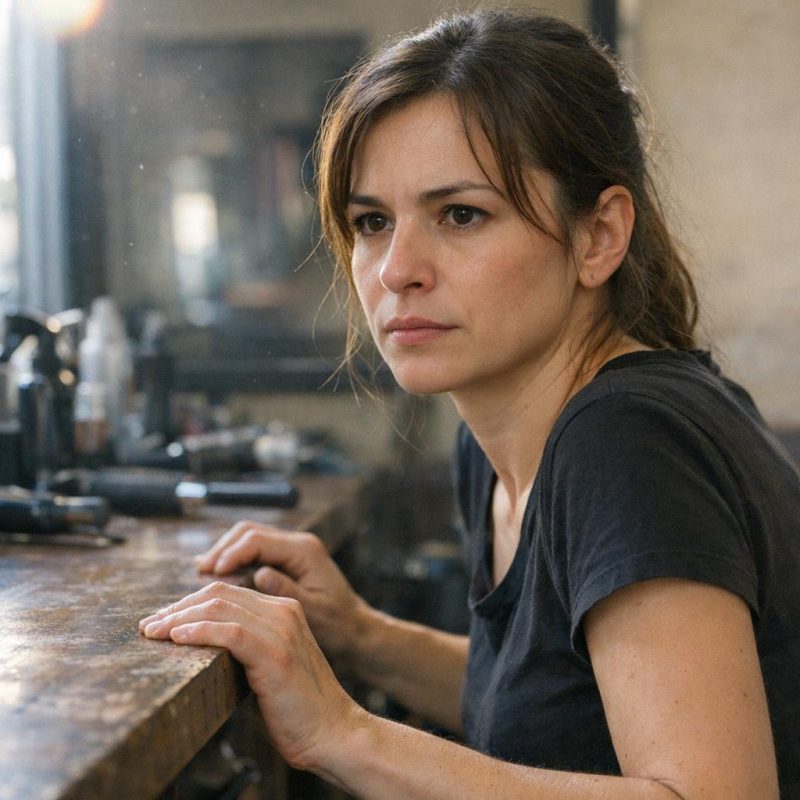 Image by RM AI
The Engagement Pressure
Tessa exhaled slowly, like she was releasing something she'd been holding for a while. 'The owner has been on everyone about social media,' she began. 'Numbers, engagement, followers—it's all she talks about in our staff meetings. She says we need to be creating shareable content, things that get people talking. She showed us analytics and graphs about what performs best.' I listened, my mind racing to connect what this had to do with me. Tessa continued, her voice barely above a whisper. 'Posts about bad clients always do really well. They get shared and commented on like crazy. People love that drama, you know? They love feeling like they're on the stylist's side against some entitled customer.' My stomach was turning, but I needed her to say it clearly. 'So the post about me...' I started. Tessa nodded. 'It wasn't because you did anything wrong. You were actually really nice—I remember thinking that while you were here. But posts like that, they get attention. They boost the whole salon's profile.' She met my eyes finally, and I saw something like guilt there, mixed with resignation. She said, 'Controversial posts perform better—more reactions, more attention.'
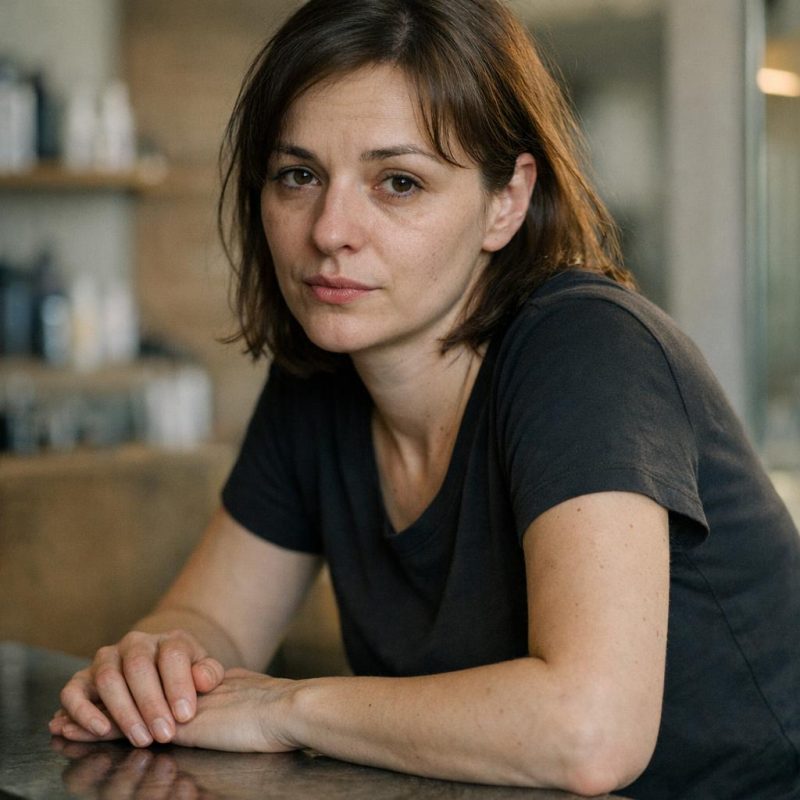 Image by RM AI
Staging Situations
I waited for Tessa to continue, my hands gripping the steering wheel even though the car was parked. She shifted in her seat, looking almost ashamed. 'Jenna had been doing this for a while,' she said quietly. 'Taking normal appointments and... spinning them. Making them sound worse than they were. A client asks for layers, she'd post about someone demanding an impossible haircut. Someone's five minutes late, she'd make it sound like they kept her waiting for an hour.' My mouth went dry. 'She was making things up?' Tessa nodded. 'Exaggerating, mostly. Taking little things and twisting them into drama. The owner kept pushing for content, and Jenna kept delivering. The posts always performed well, so no one questioned it.' I felt something cold settling in my chest. All those staff meetings about engagement, about shareable content—this was the result. Stylists turning their clients into characters in manufactured stories. Tessa looked at me directly then, and her expression changed. 'But yours wasn't even like that,' she said, and I could hear something heavier in her voice. 'She didn't have anything to post that day.'
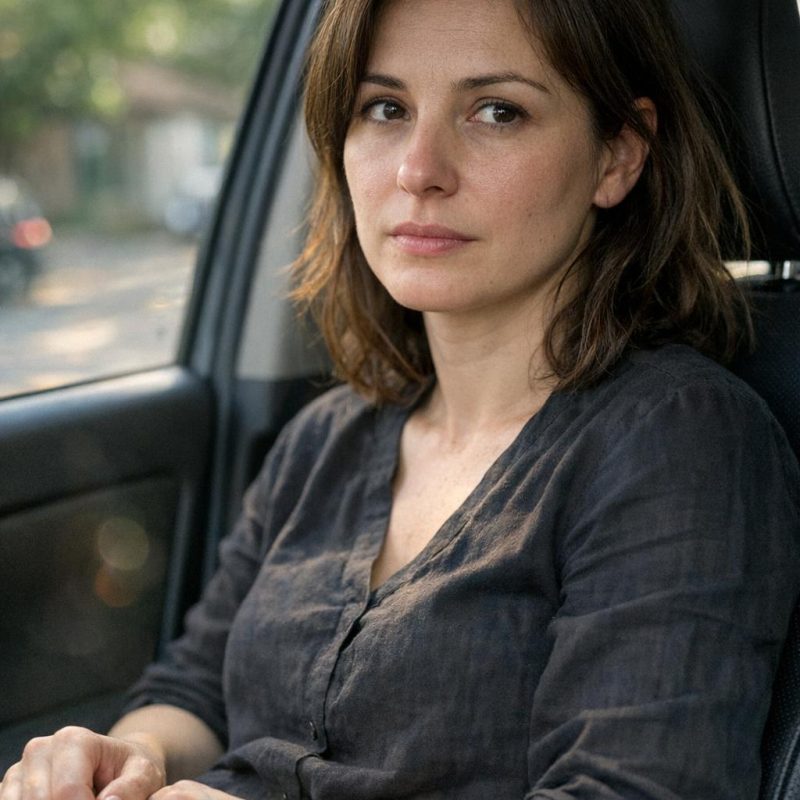 Image by RM AI
The Fake Account
I stared at her, not understanding. 'What do you mean, she didn't have anything?' Tessa took a breath, like she was about to cross a line she couldn't uncross. 'Your appointment was completely normal. You were nice, you tipped well, there was nothing to complain about. But she needed content, and she'd been running dry that week.' The words weren't making sense. If there was nothing to post about, then how— 'She made it up,' Tessa said flatly. 'The whole thing. She took your before photo and invented a story about you being difficult and demanding something crazy. Then she submitted it to that gossip account.' I felt like I'd been punched. 'The anonymous submission,' I said slowly. Tessa shook her head. 'It wasn't anonymous. Not really. She has a fake account she uses—a burner, I guess you'd call it. Makes it look like a client complaint, but it's all her. The owner has no idea. She thinks these are real submissions from real people.' My mind was racing, pieces clicking together with sickening clarity. The timing. The angle of the photo. The specific details about my appointment. Everything snapped into place—the anonymous submission, the timing, the angle—it had all come from Jenna.
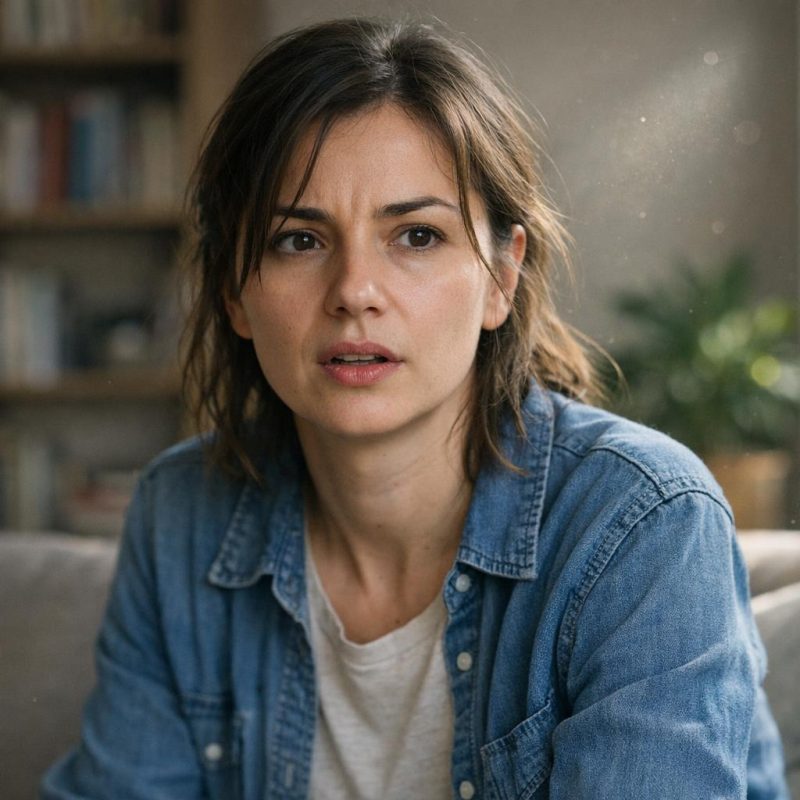 Image by RM AI
The Weight of Trust Broken
After Tessa left, I just sat there in my car, engine off, hands in my lap. The parking lot was nearly empty now, the evening light fading into that gray space between day and night. I should have driven home, but I couldn't move yet. I kept thinking about the eight years. Eight years of sitting in that chair, making small talk, trusting Jenna with my hair, with my time, with the small vulnerabilities you hand over to someone you see regularly. I'd told her about Rachel's promotion. About my mother's funeral. About the trip to Portugal I'd been planning. Normal conversation, the kind you have with someone you think knows you. And she had taken a photo of me—sitting in her chair, in that vulnerable cape, hair wet and flat—and turned me into a punchline. Not because I'd done anything. Not even because she'd exaggerated something small. But because she needed content and I was there. Available. Convenient. The person I had trusted for years had used me as content, and assumed I would never know.
 Image by RM AI
Telling Rachel Everything
I called Rachel from the car. My hands were shaking as I held the phone, and I realized I'd been holding everything in since Tessa left. 'Mom? What's wrong?' Rachel's voice immediately shifted to concern. I told her everything—the conversation with Tessa, the fake account, the manufactured story, the owner's ignorance. Rachel was quiet for a long moment after I finished. Then she said, very clearly, 'You need to tell the owner.' 'I don't know if she'd even believe me,' I started, but Rachel cut me off. 'Mom, this isn't just about you anymore. If Jenna's doing this to you, she's probably done it to other people. And she's lying to her boss, making the salon complicit in something they don't even know about.' I hadn't thought of it that way—the other clients, the pattern, the ongoing deception. 'What if nothing happens?' I asked. 'What if they protect her?' Rachel's voice was firm, almost fierce. 'Then at least you'll know you tried. But Mom, she lied to you, to her boss, and to everyone who saw that post. This has to stop.'
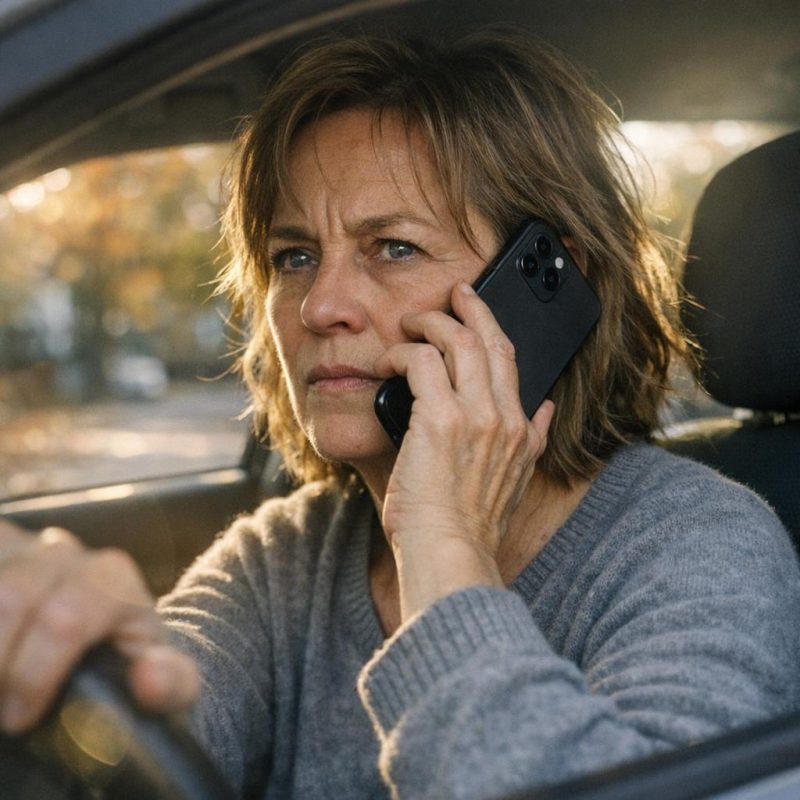 Image by RM AI
Drafting the Message
I opened my laptop that night and stared at the blank email for twenty minutes before I started typing. I needed to get this right. No emotion, no accusations, just facts. 'Dear [Owner's Name], I'm writing to make you aware of a concerning situation involving one of your stylists and your salon's social media presence.' I laid it out methodically—the viral post, my investigation, the conversation with Tessa. I explained about the fake account, the fabricated story, the pattern of manufactured content. I kept my tone professional, almost clinical. This wasn't about venting my hurt. It was about presenting information she needed to have. I included specific details—the date of my appointment, the timeline of the post going viral, Tessa's revelation about the pressure to create content. I mentioned that I'd been a client for eight years without incident. That I had documentation. That I understood she might not have been aware of how these posts were being generated. At the end, I wrote: 'I believe you deserve to know how your salon is being represented online, and by whom.' I read it three times before hitting send, making sure every word was exactly right.
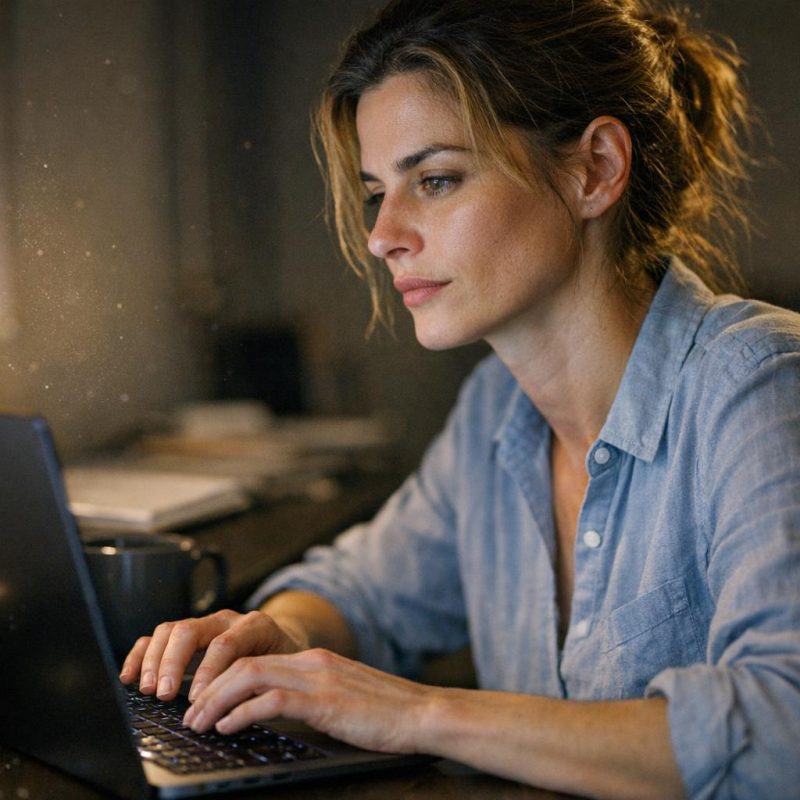 Image by RM AI
The Waiting
Two days passed without a response. I checked my email obsessively—morning, afternoon, before bed. Nothing. I told myself that she was busy, that she needed time to investigate, that these things don't happen instantly. But with each passing hour, doubt crept in. Maybe the message had gone to spam. Maybe she didn't take email seriously. Maybe she'd read it and decided I was the problem, some difficult client stirring up trouble. I found myself composing follow-up messages in my head, then deleting them before I could type them out. Rachel texted twice asking if I'd heard anything. I hadn't. By the second evening, I was second-guessing everything. Had I been too formal? Not formal enough? Should I have called instead? Maybe I should have just let it go, accepted Jenna's hollow apology and moved on with my life. Maybe this was exactly what happened when you tried to hold people accountable—you got ignored, diminished, made to feel like you were overreacting. I began to wonder if the message had been ignored, or worse—deleted without being read.
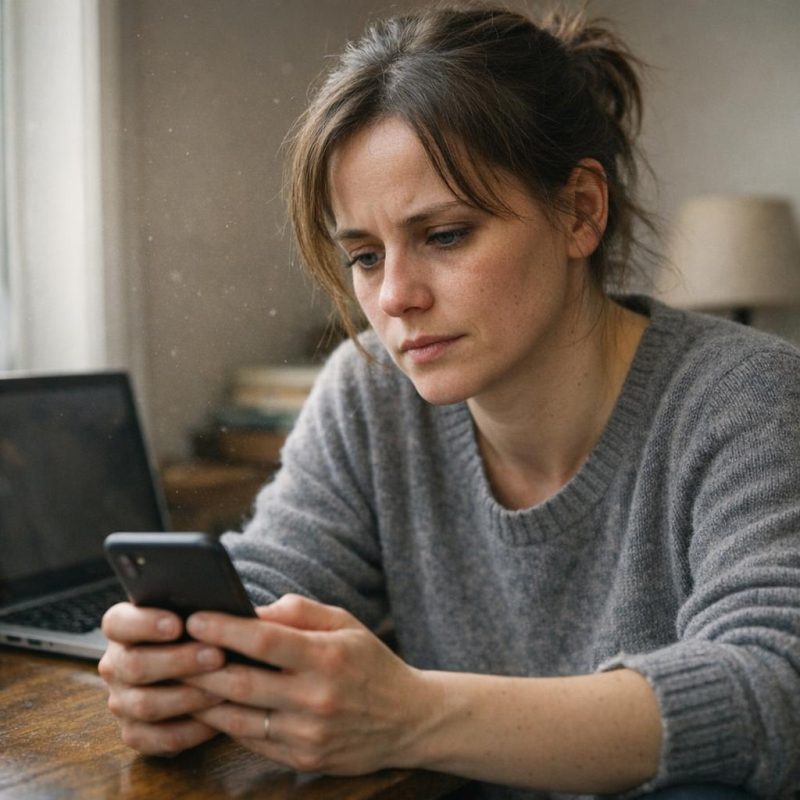 Image by RM AI
The Call
The call came on the third day, just after two in the afternoon. I didn't recognize the number, almost let it go to voicemail, but something made me answer. 'Carol? This is Diana, from the salon.' I sat up straighter immediately. Her voice wasn't warm, but it wasn't hostile either—it was careful, measured. 'I received your email,' she continued. 'I appreciate you bringing this to my attention. I've been looking into the situation, and I'd like to speak with you in person if you're willing. Would you be able to come to the salon? Not during business hours—I'm thinking tomorrow evening, after we close.' My heart was pounding. 'Of course,' I managed to say. 'What time?' We settled on six-thirty. She didn't elaborate, didn't explain what she'd found or what she wanted to discuss. Just confirmed the time and thanked me for my willingness to meet. The whole conversation lasted maybe ninety seconds. When I hung up, I realized my hands were trembling. Her voice was controlled but serious—something had shifted.
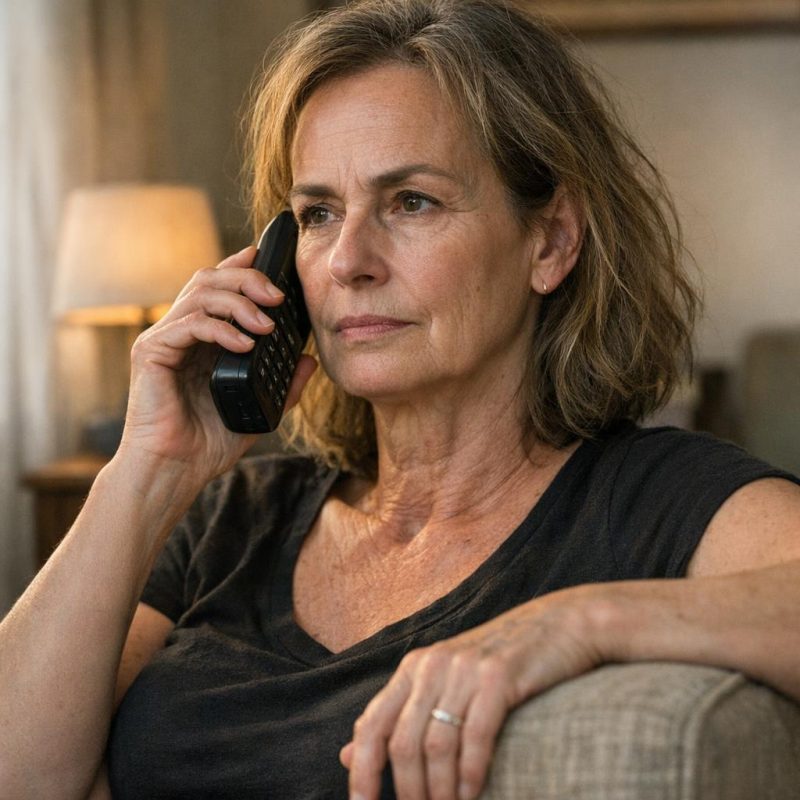 Image by RM AI
Preparing for the Meeting
I spent the next day preparing like I was going to court. I printed everything—screenshots of the original post with all its comments and shares, the viral spread across multiple platforms, the timeline of events, even the text exchange with Rachel that showed when I first became aware of it. I organized it all in a folder, chronologically, with little sticky notes marking key points. Rachel called that afternoon. 'Are you ready?' she asked. 'I think so,' I said, looking at the neat stack of papers on my kitchen table. 'I have everything documented.' 'Good. Don't let them minimize this, Mom. Don't let them make it about you being too sensitive.' I knew she was right. There would be a temptation—for Diana, for me, for everyone—to smooth this over, to downplay it, to frame it as a misunderstanding or an isolated incident. But it wasn't. It was deliberate. It was calculated. It was a violation of trust that had been broadcast to thousands of strangers. I wanted them to see exactly what had been done—no room for denial or minimization.
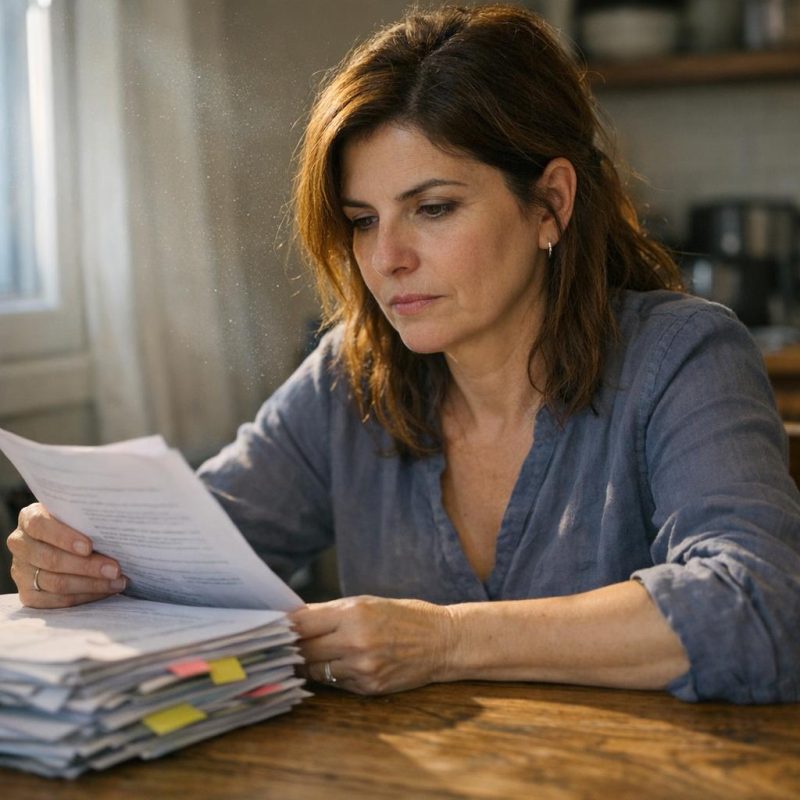 Image by RM AI
Arriving at the Salon
I walked into the salon the next morning carrying my folder like a shield. The atmosphere hit me immediately—that particular silence that happens when people have been talking about you and suddenly you're there. The receptionist wouldn't quite meet my eyes. The usual background music was off. Everything felt staged, prepared, like everyone knew exactly why I was there. Diana's office was in the back, past the styling stations, and as I walked through I could feel eyes on me. Not just curiosity—awareness. They all knew. Of course they knew. The owner met me at her office door, professional and composed, her handshake firm. 'Carol, thank you for coming in. I appreciate you bringing this to my attention directly.' Her tone was careful, measured. This was a woman who understood liability, reputation, consequences. She gestured me into the room, and that's when I saw the setup—three chairs arranged in a triangle, clinical and formal. Jenna was already there, sitting stiffly in her chair, hands folded in her lap like a student called to the principal's office, and the owner's expression was tight and controlled.
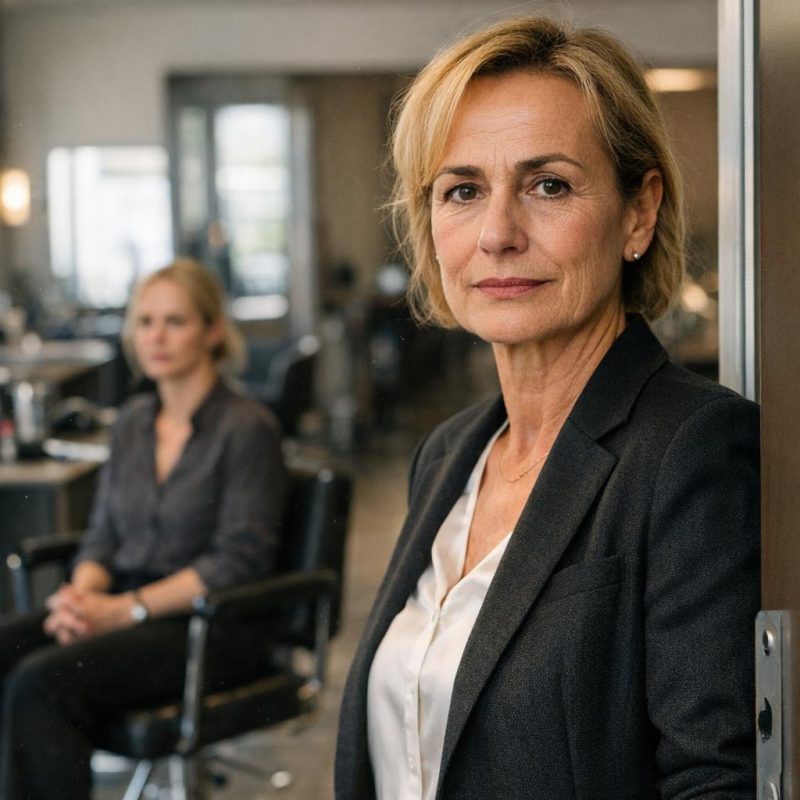 Image by RM AI
The Polite Opening
Diana closed the door behind us and took her seat, creating a careful equilateral triangle. 'I want to start by saying that I take what you've shared with me very seriously,' she began, looking at me. 'The trust between our clients and our staff is fundamental to everything we do here.' Her voice was steady, professional, but I could hear the strain underneath. This was bad for business. This was a potential lawsuit. This was exactly the kind of thing that could destroy a salon's reputation. She had clearly prepared for this conversation, probably consulted a lawyer. 'I've asked Jenna to join us so we can address this directly and transparently,' she continued. Jenna hadn't looked at me once since I'd walked in. She was staring at her hands, picking at her cuticle, her jaw tight. 'Before we discuss next steps, I need to establish the facts.' Diana shifted in her chair, and her tone became more pointed. She turned to Jenna with the kind of directness that left no room for dancing around the truth. Then she asked, directly, whether she had taken and posted the photo.
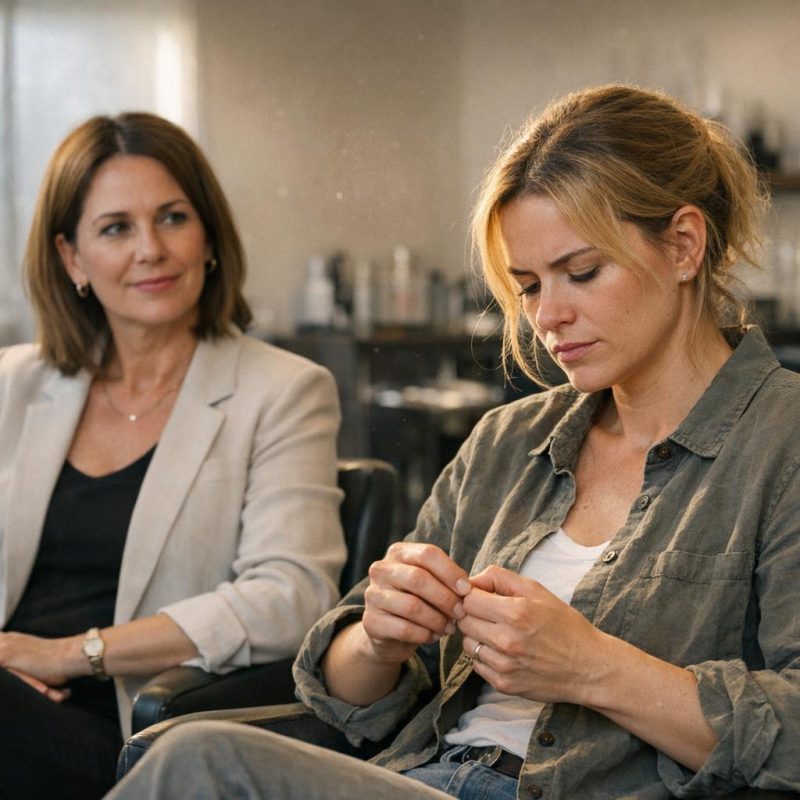 Image by RM AI
Jenna's First Deflection
Jenna looked up, and I watched her face rearrange itself into something meant to look confused and innocent. 'I mean, I don't... the salon's Instagram account is shared by several people,' she said carefully. 'Any of us could have posted client photos. We do it all the time for the feed.' It was a good deflection—technically true, plausibly deniable. Diana's expression didn't change. 'This wasn't posted from the salon account,' I said quietly, opening my folder. My hands were steadier than I expected. 'It was posted from a fake account with no profile picture and only a handful of followers. And it was posted approximately twenty minutes after my appointment ended.' I slid the printed screenshots across to Diana—the timestamps, the account details, everything. 'The metadata shows the photo was taken on the same phone that posted it. Not transferred, not shared. Taken and uploaded directly.' Jenna's carefully constructed expression faltered. I saw it—just a flicker, but it was there. When Carol mentioned the fake account and the timing, Jenna's face changed.
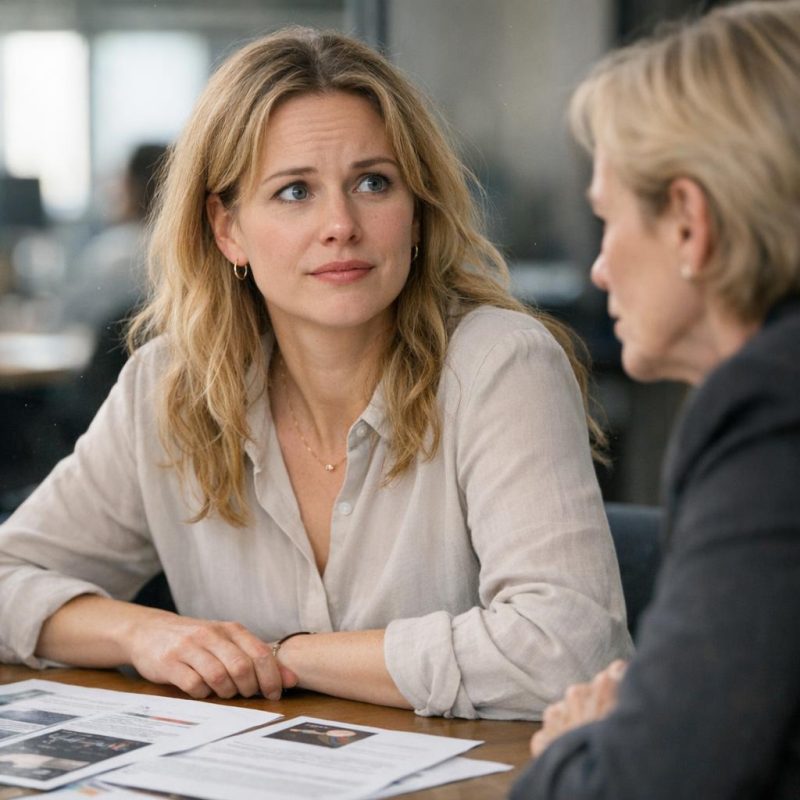 Image by RM AI
The Composure Cracks
Diana studied the printouts, then looked at Jenna with a different quality of attention. 'Can you explain the account?' she asked. Her voice was still professional, but the temperature had dropped. This wasn't a conversation between a boss and employee trying to clear up a misunderstanding. This was an investigation. Jenna opened her mouth, closed it. Opened it again. 'I... there are a lot of meme accounts. Anyone could have...' She trailed off. Even she didn't sound convinced. 'The account was created the same day as the post,' I said. 'It had no prior activity. It posted this photo of me, it went viral, and then it went silent. It's still up, but it hasn't posted anything since.' I kept my voice level, factual. I wasn't trying to be cruel. I was just laying out what had happened. Jenna was staring at the floor now, her face flushed. I could see her weighing her options—keep denying, try another angle, maybe cry. Diana leaned forward slightly. 'Jenna, I need you to be honest with me. Did you create that account and post that photo?' The room went silent, and I could see Jenna deciding whether to keep lying or come clean.
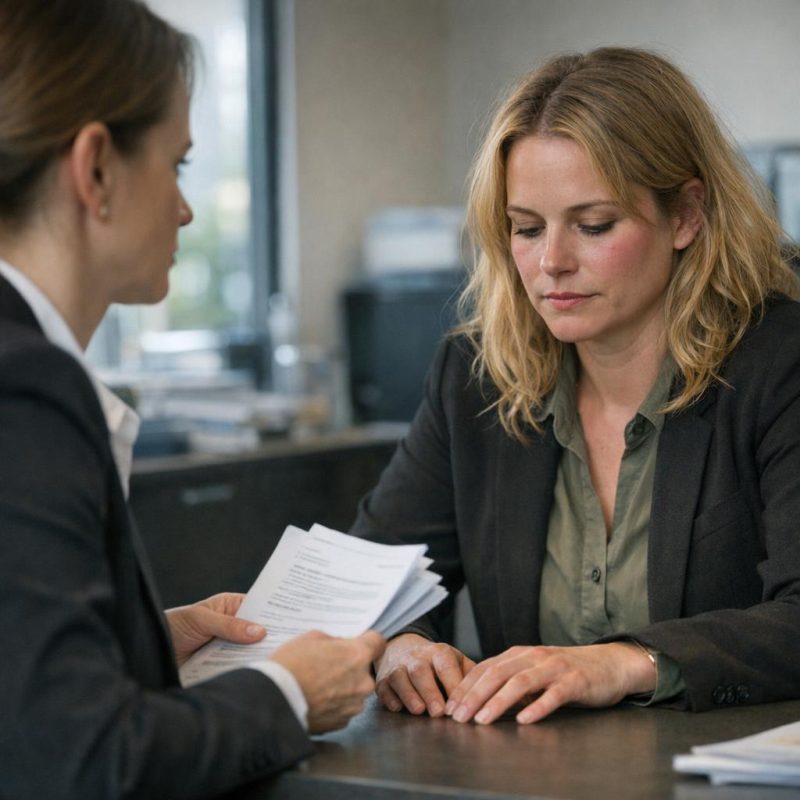 Image by RM AI
The Quiet Admission
Jenna exhaled slowly, and when she spoke, her voice was barely above a whisper. 'Yes.' Not dramatic. Not defensive. Just... defeated. 'I did it.' Diana's expression tightened, but she didn't interrupt. 'I didn't think it would blow up like that,' Jenna continued, still not looking at me. 'I thought maybe a few people would like it, share it, whatever. I didn't think...' She gestured vaguely, like the virality was some force of nature she couldn't have predicted. 'I needed the engagement,' she said. 'For the account. For visibility. I'm trying to build a following.' There it was—the transactional logic that had turned me into content. I was material. A means to an end. Diana asked, 'Why Carol specifically?' And this—this was the part that I needed to hear. Jenna finally looked up, met my eyes for the first time, and what I saw there wasn't malice. It was worse. It was indifference. She said she didn't think anyone would recognize me—that I was invisible enough to be used without consequence.
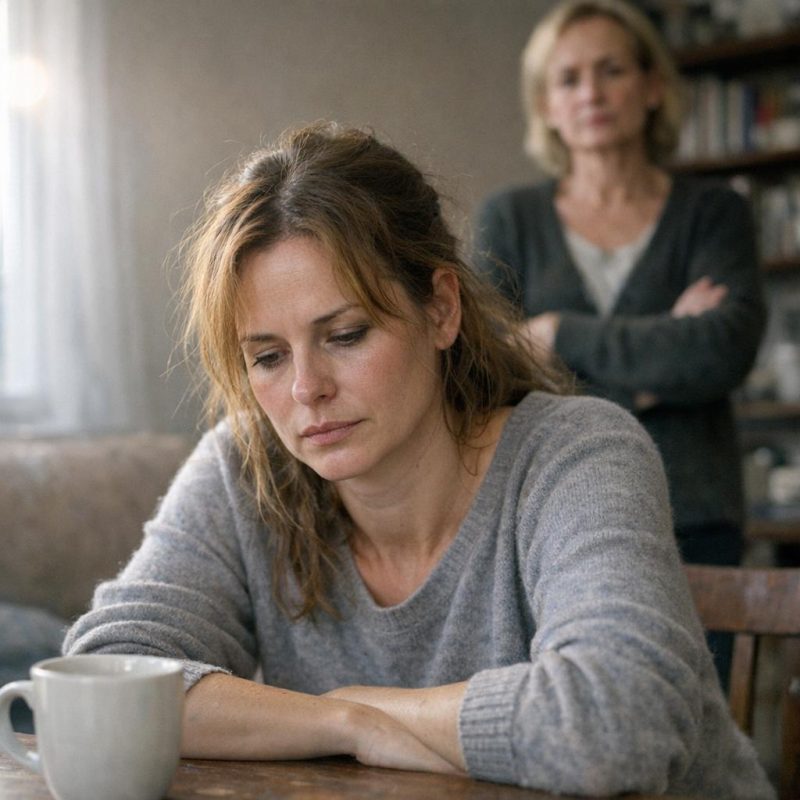 Image by RM AI
The Invisible Woman
The word hung in the air between us. Invisible. Not invisible in the sense that I blended into crowds or went unnoticed at parties. Invisible in the sense that I didn't matter. That I was safe to exploit because people like me—sixty-year-old women, unremarkable, unglamorous—exist in the background of public spaces without anyone really seeing us. We're scenery. We're extras. We don't have social media presence or digital footprints that might lead back to the source. Jenna had chosen me deliberately, but not because of who I was. Because of who I wasn't. I wasn't young enough to be tracked down by friends who might see the post. I wasn't connected enough to have influence. I wasn't important enough to fight back. She'd calculated all of this in the seconds it took to snap that photo. I was selected for my presumed powerlessness, for the assumption that someone like me wouldn't even know how to find the post, let alone do anything about it. That was the part that stung most—being selected for my presumed powerlessness.
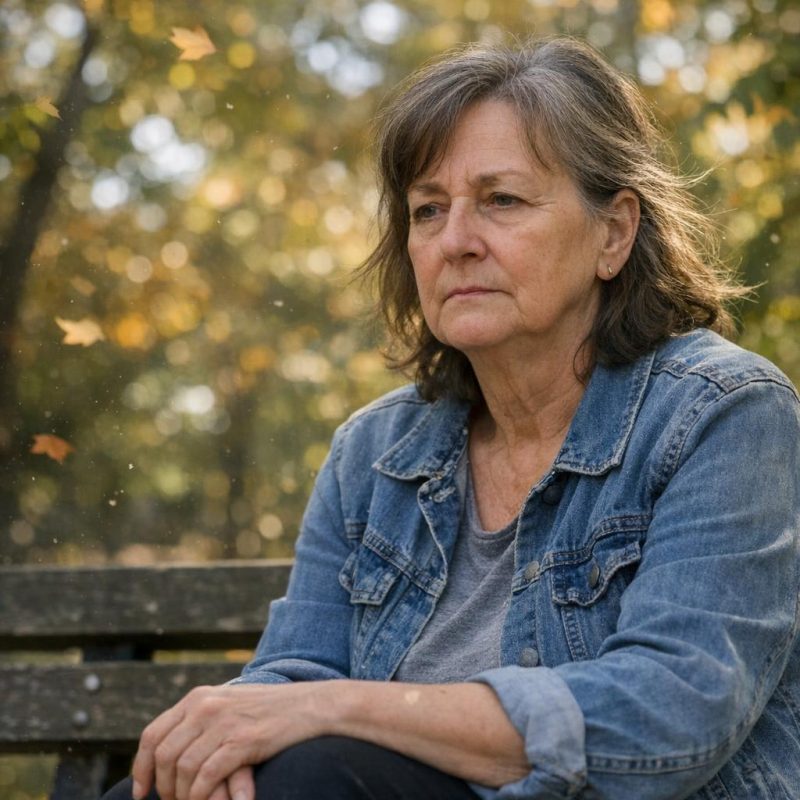 Image by RM AI
The Stress Defense
Jenna must have seen something in my face because she started talking faster, her words tumbling over each other. 'I was so stressed about making rent, about building my brand, about getting enough followers to maybe get sponsored or start my own business someday. This industry is brutal if you're not constantly visible online. I just... I didn't think it would hurt anyone. I really didn't.' She looked at me then, really looked at me, like she was expecting sympathy. 'You have to understand how hard it is to stand out, to get noticed. Everyone's doing this. Everyone's posting content. I just needed something that would perform well, and reaction photos always do well, and you were right there, and I just...' She trailed off. Diana was watching her with an expression I couldn't quite read. I sat there processing what I was hearing. She was asking me to understand. To empathize with her struggle. To see my own humiliation as collateral damage in her hustle. Every excuse made it worse, not better—she was asking me to feel sorry for her.
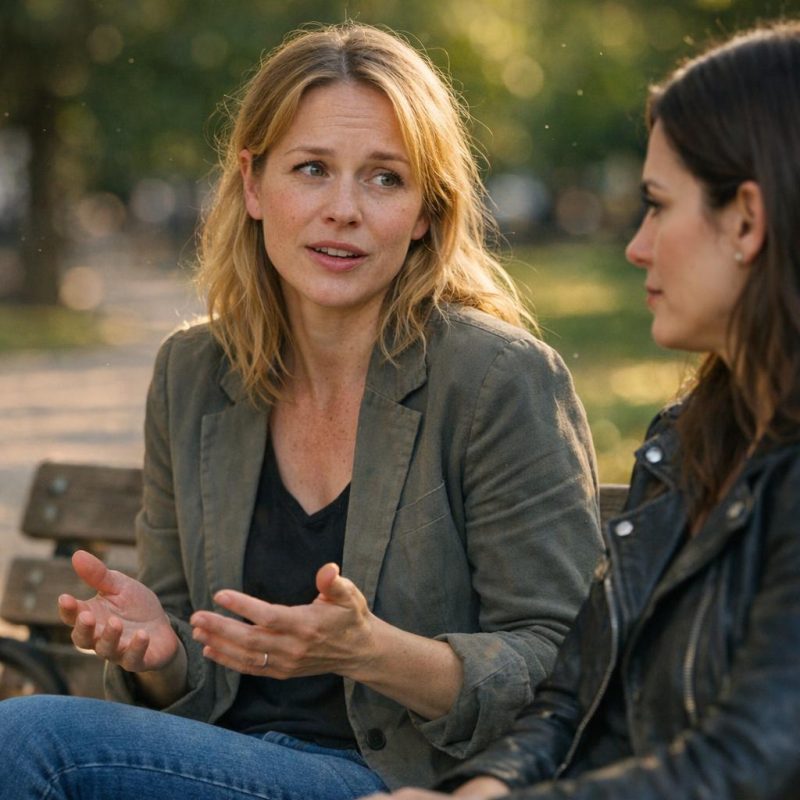 Image by RM AI
The Owner's Stance
Diana let the silence stretch for a long moment. Then she spoke, and her voice had a quality of finality to it. 'What you did was a violation of trust with every client who walks through our doors,' she said to Jenna. 'Every person who sits in our chairs expects privacy, respect, dignity. They trust us with their appearance, their vulnerability. You took that trust and weaponized it for internet points.' Jenna looked like she might cry, but Diana wasn't finished. 'You didn't just violate Carol's privacy. You demonstrated a fundamental disregard for the people who make our business possible. That's not acceptable. It's not excusable. And frankly, the fact that you chose Carol because you thought she was powerless makes it significantly worse.' I felt something shift in my chest—validation, maybe, or just the relief of being seen. Of having someone in authority name what had been done to me without minimizing it or making excuses. Diana turned to me, and her expression softened slightly. 'What would you like us to do?'
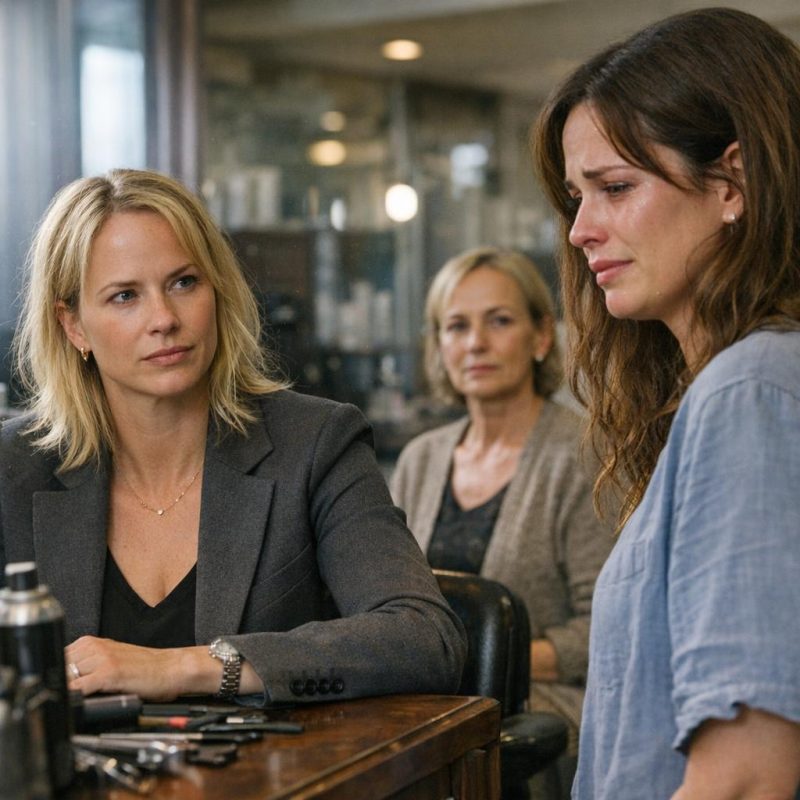 Image by RM AI
Deciding What Justice Looks Like
Diana's question hung in the air between us, and I realized she was actually waiting for my answer. Not making assumptions about what I should want, not deciding for me. What did I want? My first instinct was to say I wanted Jenna fired, humiliated, made to understand what she'd done. But that wasn't quite it. I thought about all those comments—the ones calling me entitled, delusional, pathetic. Strangers who'd never met me, never heard my voice, building entire narratives about who I was based on a lie someone else had told. What bothered me most wasn't the mockery itself. It was that Jenna had spoken for me. She'd created a version of me, put words in my mouth, and then invited thousands of people to judge that fabrication. She'd taken away my voice entirely. And all those people had been so ready to believe her version, so eager to pile on without knowing anything real about the situation. I looked at Diana, then at Jenna, who was staring at the floor like she wished it would open up and swallow her. I thought about being turned into a punchline, and then I knew exactly what I needed.
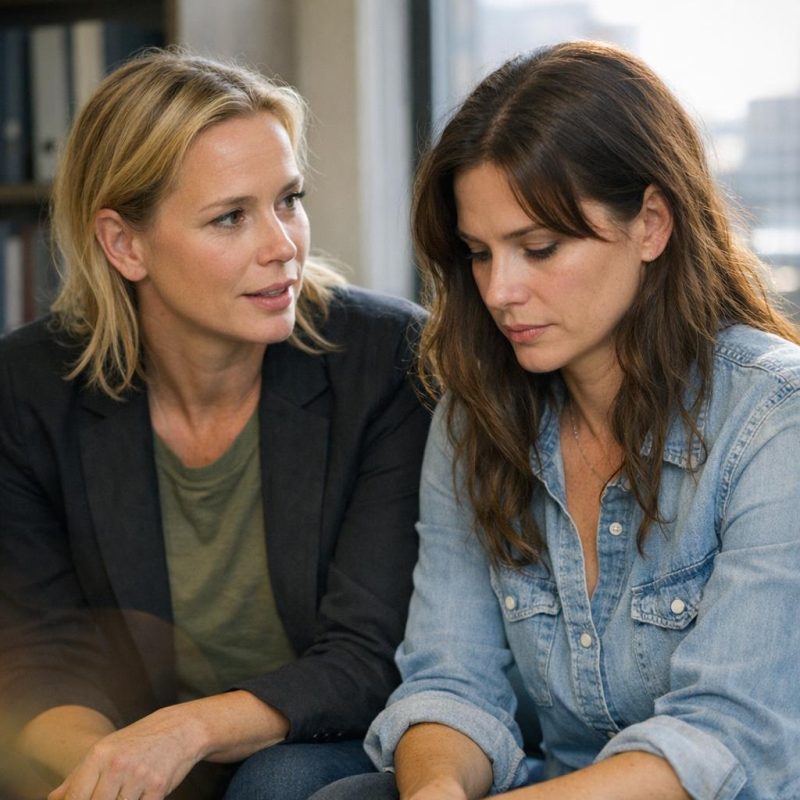 Image by RM AI
The Truth Where the Lie Was
I said, 'I want the truth posted where the lie was.' My voice was steady, calmer than I felt. 'A public statement on the salon's social media. Explaining that the photo was shared without my knowledge or consent, that the story attached to it was false, and that I never said or did any of the things Jenna claimed.' Diana was already nodding. 'An acknowledgment that what happened was wrong,' I continued. 'Not buried in the comments. Not a quiet deletion. A real correction, posted publicly, where everyone who saw the original lie can see the truth.' I paused, looking at Jenna. She'd gone very pale. 'I don't need her arrested or sued or destroyed. But I need my actual voice put back into the conversation. I need the people who judged me based on a fabrication to know they were lied to.' The room was silent for a moment. I half-expected Diana to say it was too much, that they couldn't do that, that it would be bad for business. Instead, the owner nodded immediately and said, 'We can do that today.'
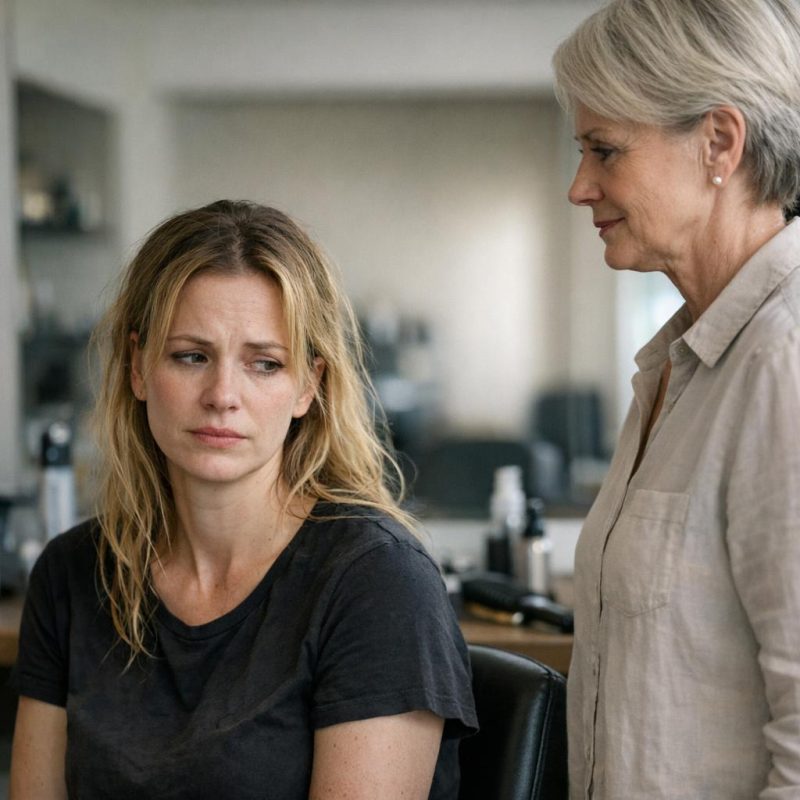 Image by RM AI
Watching It Happen
They weren't kidding about the timeline. By that evening, the original post was gone from the salon's Instagram. In its place was a statement, clearly written with some legal input but still direct enough to matter. It explained that an image of a client had been shared without consent by a former employee. That the accompanying story was fabricated. That the salon deeply regretted the violation of privacy and had taken immediate action. It didn't name me, which I appreciated—I'd had enough involuntary visibility. It didn't name Jenna either, though I suspected that omission was more about liability than kindness. The comments on the new post were different from the ones on the original. Some people were apologetic, admitting they'd judged too quickly. Others were defensive, arguing they'd had no way of knowing it was fake. A few accused the salon of damage control, of lying now to cover themselves. I read through them all, sitting at my kitchen table with my phone, watching people argue about my life in real-time. It didn't erase what had happened, but it did something important—it put my voice back.
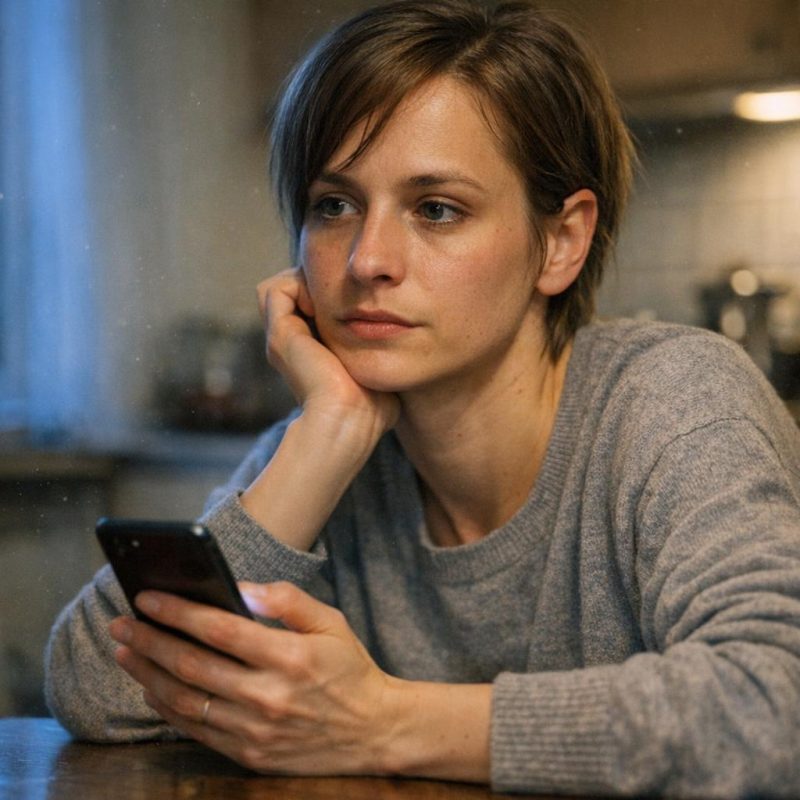 Image by RM AI
The Aftermath Comments
The comments kept coming for days. I know I should have stopped reading them, but I couldn't quite help myself. Some people wrote things like, 'I'm so sorry for what I said on the original post. I should have questioned it.' Those made me feel a little better, a little more seen. But plenty of others doubled down. They wrote things like, 'How do we know this isn't the lie?' or 'Salons always protect themselves over customers' or 'She probably did complain, just not exactly like that.' One person wrote, 'People don't post fake stories for no reason, there's usually some truth to it.' I stared at that one for a long time. The mental gymnastics were impressive—this stranger had decided it was more likely that I'd done something wrong and the salon was covering it up than that someone had simply lied on the internet. It was fascinating and depressing in equal measure. People had formed their opinions, built their little narratives, and some of them would rather twist themselves into pretzels than admit they'd been completely wrong about someone they'd never met. Some people would rather double down than admit they'd been wrong about a stranger.
 Image by RM AI
Jenna's Termination
Rachel called me about a week later with news. 'So I heard through a friend who knows someone at the salon,' she said, that careful way people preface gossip they're not entirely supposed to know. 'Jenna was fired. Or let go, I guess. Officially it was a mutual parting of ways or whatever, but yeah, she's gone.' I sat down on the couch, processing this. I'd known it was possible, even likely. Diana had made it pretty clear during our meeting that Jenna's judgment was fundamentally incompatible with the trust their business required. Still, hearing it confirmed felt strange. 'How do you feel about that?' Rachel asked, and I appreciated that she was checking rather than assuming I'd be celebrating. 'I don't know,' I said honestly. 'Not triumphant, I guess. It had to happen, right? She violated client privacy, she lied publicly, she showed terrible judgment. But I also keep thinking she's thirty-four, and this will follow her now. Her whole career path might be different because of this.' Rachel was quiet for a moment. 'She did this to herself, Mom. You just asked for the truth to be told.' I knew she was right. I didn't feel triumphant about it—just sad that it had come to this.
 Image by RM AI
Tom's Apology
That night, Tom and I were doing the dishes together—him washing, me drying, the comfortable routine we'd developed over decades. He was quiet for a while, then he set down the sponge and turned to me. 'I need to apologize,' he said. I looked at him, surprised. 'When you first told me about the post, when you were upset about it, I didn't get it. I thought you were overreacting. I basically told you to just ignore it, like it wasn't a big deal.' He dried his hands on a towel, not quite meeting my eyes. 'I didn't understand the scope of what had happened. I didn't understand how it felt to have thousands of strangers discussing you, judging you, based on complete fiction. I should have.' I felt something loosen in my chest, some knot of resentment I hadn't fully acknowledged was there. 'Thank you,' I said quietly. He met my eyes then. 'I should have believed you from the start,' he said, and I realized how rare it was to hear that.
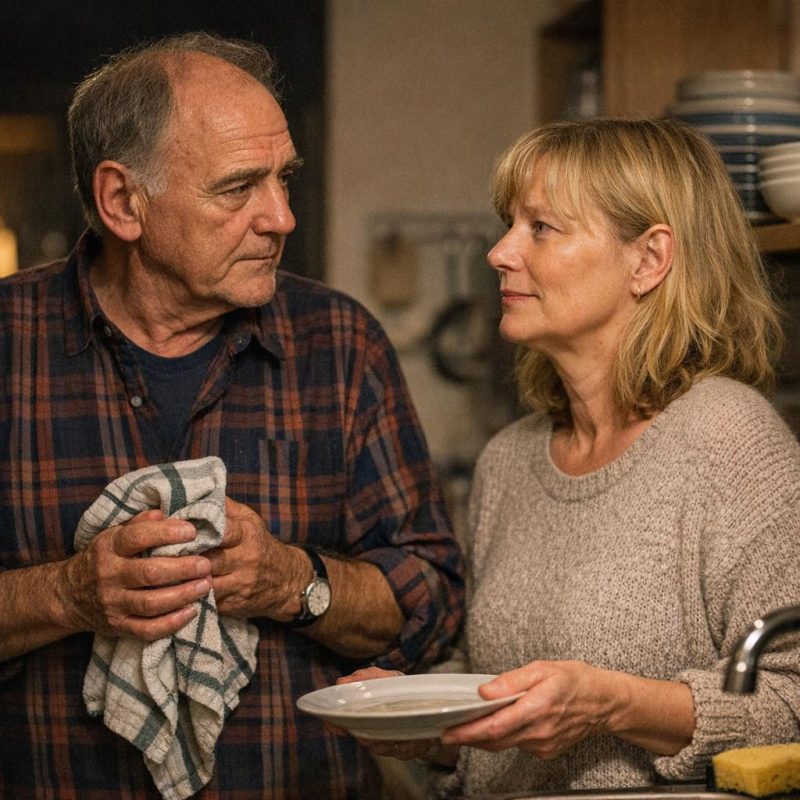 Image by RM AI
Looking for a New Salon
I needed a new salon. Obviously I couldn't go back to Diana's place—even though she'd handled the situation properly, the location itself felt contaminated now. So I started searching, the way everyone does these days: Google reviews, Yelp ratings, Facebook recommendations. But every click felt weighted with significance it never had before. I found myself reading reviews with a different eye. When someone praised a stylist as 'fun' or 'chatty,' I wondered if that meant they'd gossip about me later. When a salon's Instagram showed clients' transformations, I checked obsessively whether the photos looked consensual, whether faces were shown, whether the captions felt respectful or mocking. I read through one salon's privacy policy—something I'd never done in my entire life—looking for language about social media consent. The whole process was exhausting. I'd been getting my hair cut regularly for over forty years. It had always been simple: find someone competent, build a relationship, maintain it. Now every decision felt fraught with invisible landmines. Every website felt like a minefield—how could I know who to trust now?
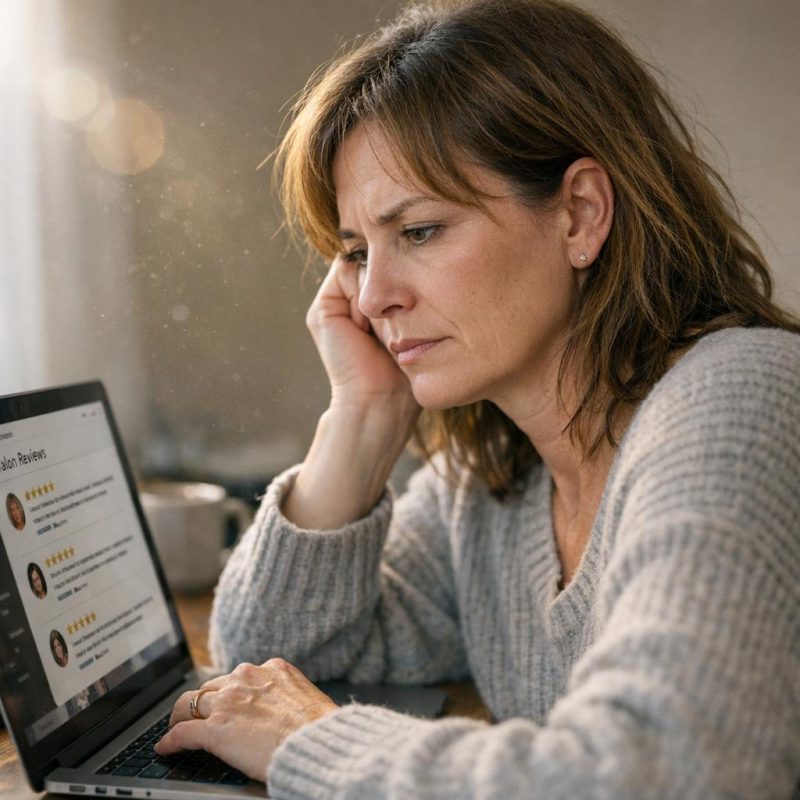 Image by RM AI
The First New Appointment
I finally settled on a small salon about twenty minutes from my house. The reviews were good, the Instagram was minimal—mostly product photos, not client transformations—and they had an actual privacy policy posted on their website. I called and made an appointment for the following Tuesday, just a simple trim. Nothing dramatic. The woman who answered the phone was pleasant and professional. It should have been routine. But as the appointment got closer, I felt increasingly anxious. The night before, I lay awake thinking about it. What if the new stylist took my photo without asking? What if I said something that got twisted into a story later? What if simply existing as a sixty-year-old woman with opinions made me vulnerable to mockery? I'd never felt this way about a haircut before. For decades, salon visits had been straightforward, even pleasant. Now I was bringing hypervigilance and distrust to something that should have been simple self-care. As I drove to the appointment Tuesday morning, gripping the steering wheel too tightly, I realized I was afraid—not of the haircut, but of being seen as content instead of a person.
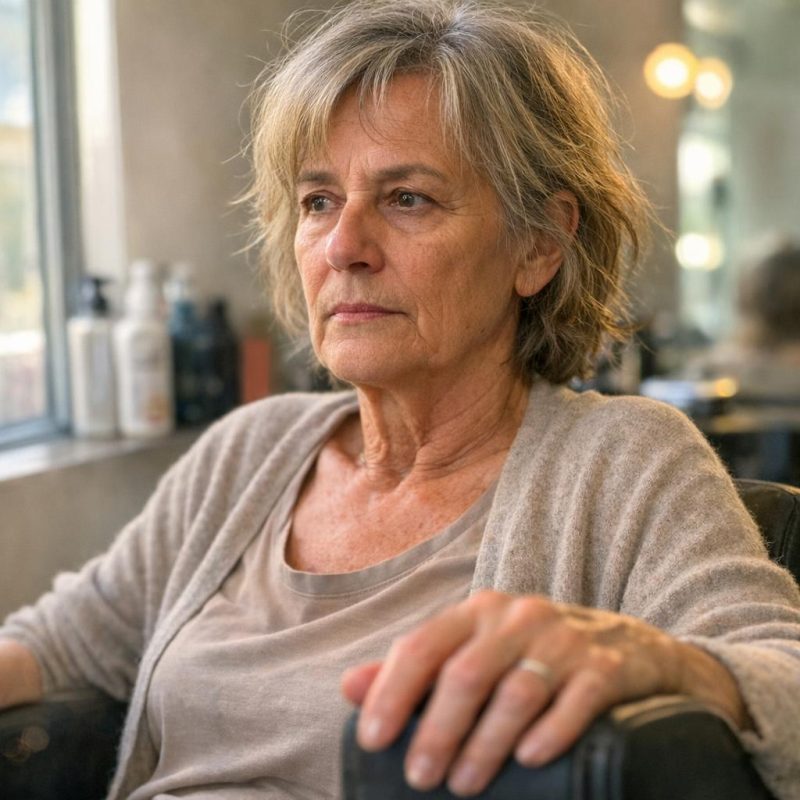 Image by RM AI
Questions at the New Salon
The new salon was bright and minimal, all white walls and plants. The stylist who greeted me was probably in her thirties, friendly but not overly chatty. Before she even asked what I wanted done, I took a breath and said it: 'I need to ask about your photo policy. Do you take client photos for social media?' She looked slightly surprised but nodded. 'We do sometimes showcase work, but we always ask permission first. Written consent, actually—we have a form.' I felt something loosen in my chest. 'And if someone says no?' I asked. 'Then we don't,' she said simply. 'No photos, no posts, nothing. Your hair, your choice.' It sounded so basic, so obvious. But after what I'd been through, hearing it stated plainly felt revolutionary. I explained—briefly, without going into all the details—that I'd had a bad experience at another salon. She listened without interrupting, then said, 'That shouldn't have happened to you. Here, we get consent every single time, even if you've said yes before. Every appointment is a fresh conversation.' I sat down in her chair feeling something I hadn't felt in weeks when facing a hairstylist: a tiny seed of trust beginning to take root again. She said, 'We always ask first—every single time,' and I felt myself start to breathe again.
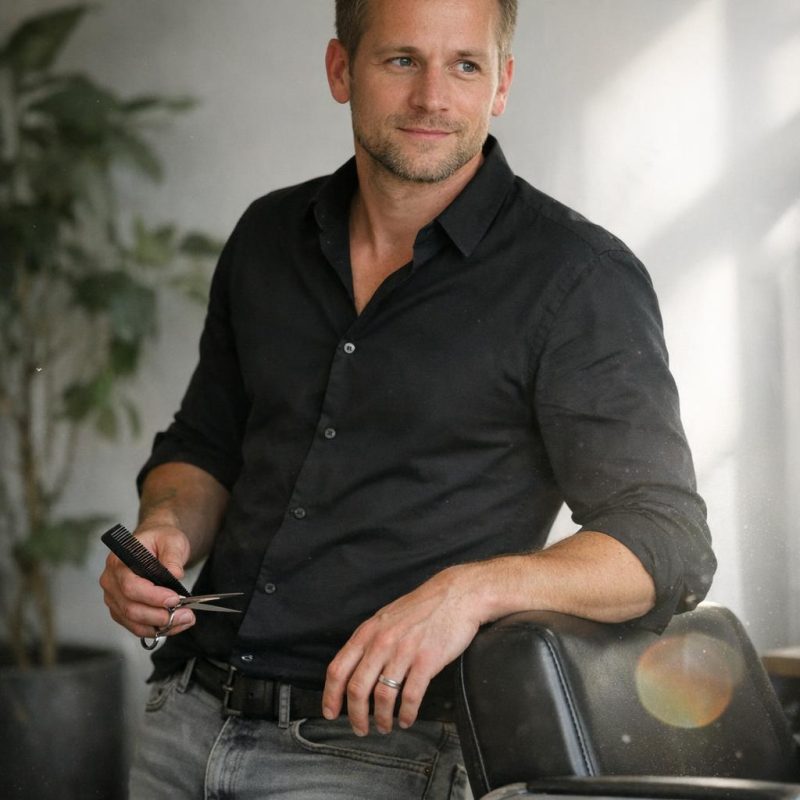 Image by RM AI
A Stranger Recognizes Her
Three days later, I was at the grocery store, debating between two kinds of pasta sauce, when a woman approached me in the aisle. She was maybe forty, wearing yoga clothes and looking nervous. 'Excuse me,' she said, 'are you Carol?' My stomach dropped. This was it—someone recognizing me from the meme, ready to mock me in person. I braced myself. 'Yes,' I said carefully. She took a breath. 'I saw the salon's correction post on Instagram. I'm pretty sure I commented on the original one—something snarky about Karens or whatever. I didn't know it was a lie. I didn't know you.' She looked genuinely uncomfortable. 'I just wanted to say I'm sorry. I judged you without knowing anything about what actually happened, and that was wrong.' I stood there holding my basket, completely unprepared for this. She continued, 'I've been thinking about it all week. How easy it was to just believe a story and pile on. How I wouldn't want someone doing that to me.' I managed to say thank you, that I appreciated her saying something. We stood there for an awkward moment, then she nodded and walked away. I put the pasta sauce in my cart—I still don't remember which one I chose. She said, 'I judged you without knowing anything, and I'm sorry,' and I didn't know how to respond.
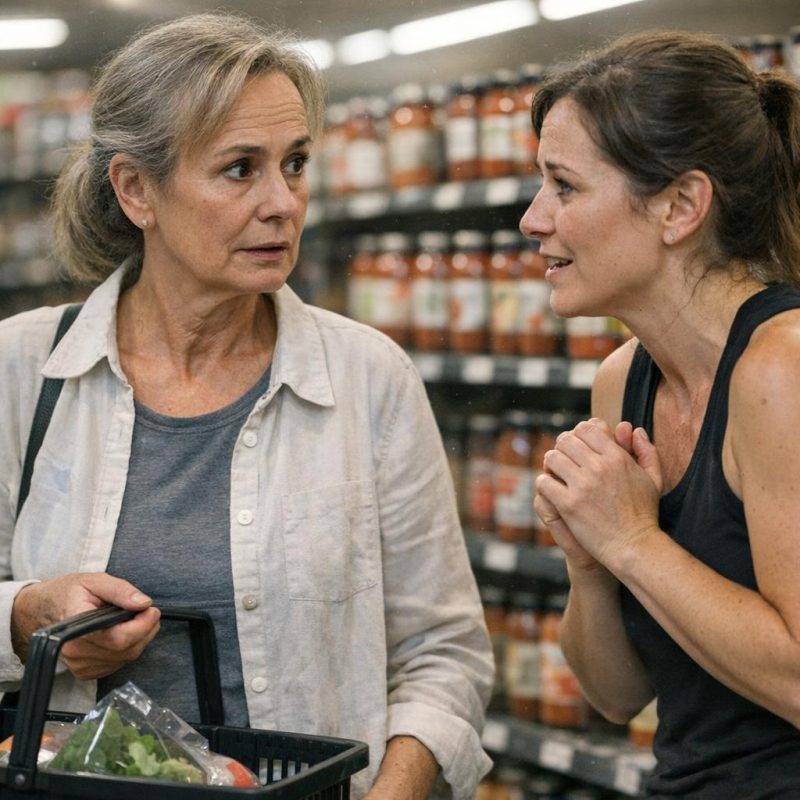 Image by RM AI
The Power of Being Seen
That encounter stayed with me for days. I kept thinking about the strange paradox of my situation: I had been hypervisible online, my face and manufactured story seen by thousands of strangers, yet in the actual moment at the salon, Jenna had treated me as if I were invisible. As if I wouldn't see what she posted. As if I didn't matter enough to consider. It was this weird duality—being turned into content for mass consumption while simultaneously being dismissed as irrelevant. Older women experience this all the time, I realized. We're either ignored completely or turned into caricatures: the demanding Karen, the adorable grandmother, the invisible woman in the background. There's no in-between where we're just complex people deserving of basic respect. The internet had amplified this dynamic in a way that felt particularly cruel. My actual words, my actual experience, my actual self—none of that mattered. What mattered was the story someone could spin, the engagement it could generate, the way it could be packaged for quick consumption. I thought about all those comments, all those strangers who felt entitled to judge me based on a fabrication. They saw me everywhere. They saw me nowhere. I had been seen by thousands, but Jenna had still assumed I wouldn't notice or matter.
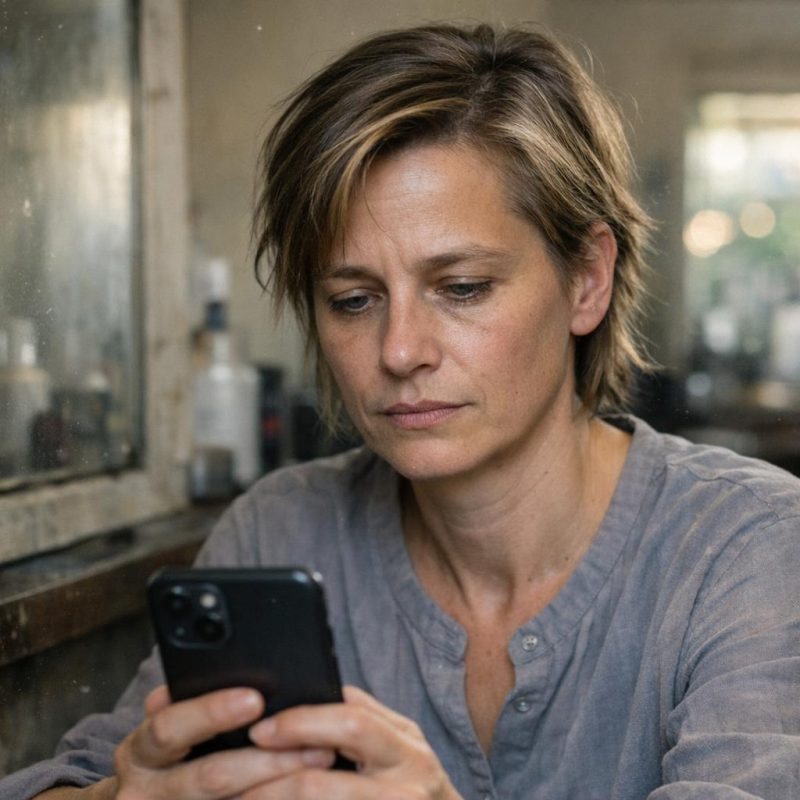 Image by RM AI
Rachel's Article Idea
Rachel came over for dinner the following Sunday. Over chicken and roasted vegetables, I told her about the woman at the grocery store, about the new salon's consent policy, about how I was still processing everything. She listened, then set down her fork. 'Mom, have you thought about writing about this? Not like venting on Facebook, but actually writing an article about what happened to you?' I blinked. 'An article? Where?' She mentioned a local online publication that covered community issues, digital culture, that kind of thing. 'I think people need to understand this,' she said. 'Not just the social media part, but the consent piece. How easy it is for someone to turn you into content without your permission. How that violation feels.' I admitted I'd been journaling about it, trying to make sense of what happened. 'That's exactly what I mean,' Rachel said. 'Your experience could help other people recognize when their boundaries are being violated. It could help younger people understand why consent matters in every context, not just the obvious ones.' We talked about it for another hour—what I might include, how vulnerable I was willing to be, whether I was ready. As she left, she hugged me and said, 'Just think about it.' Driving home that night, alone with my thoughts, I wondered if my story could help someone else avoid becoming content without their permission.
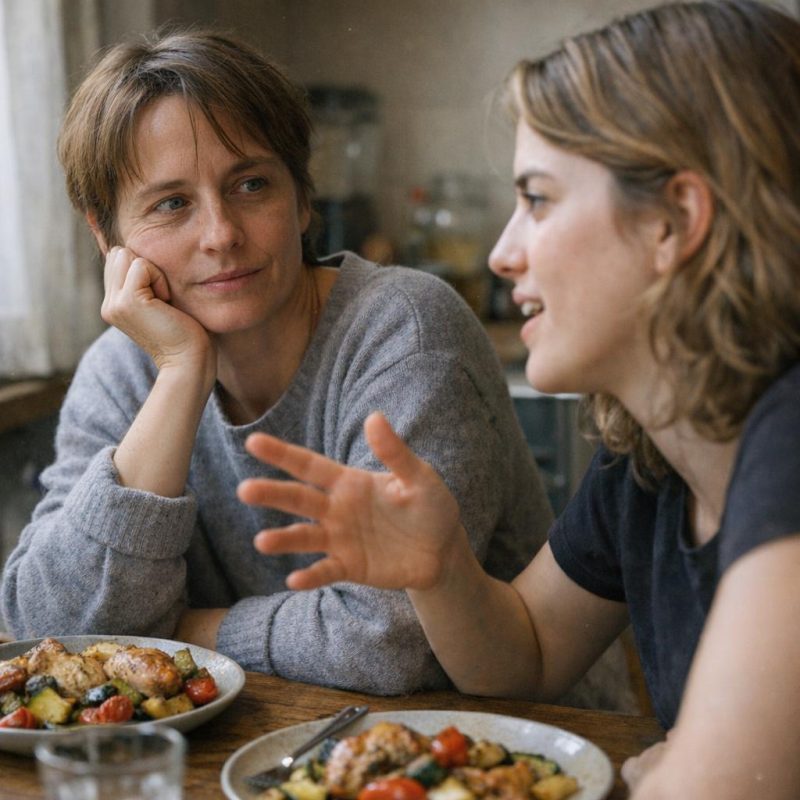 Image by RM AI
Writing It Down
I started writing that same evening. At first, it felt strange—exposing everything that had happened, putting my actual thoughts and feelings into words meant for strangers to read. But as I wrote, something shifted. For weeks, other people had controlled the narrative about me. Jenna had written her fiction. The salon had written their apology. Strangers had written their judgments in comment sections. Now, finally, I was the one choosing what to say and how to say it. I wrote about the violation of seeing my photo used without consent. About the shock of discovering I'd been turned into a meme. About the specific pain of being misrepresented and mocked. I wrote about Tessa's revelation, about confronting Jenna, about the salon's response. The words came easier than I expected, probably because I'd been carrying them around for so long. I didn't try to be eloquent or dramatic. I just told the truth as I experienced it. When I finally stopped, hours later, I had nearly two thousand words. My neck was stiff and my tea had gone cold, but I felt something I hadn't felt since before that awful appointment: a sense of control over my own story. The act of telling my own story felt like taking back something that had been stolen.
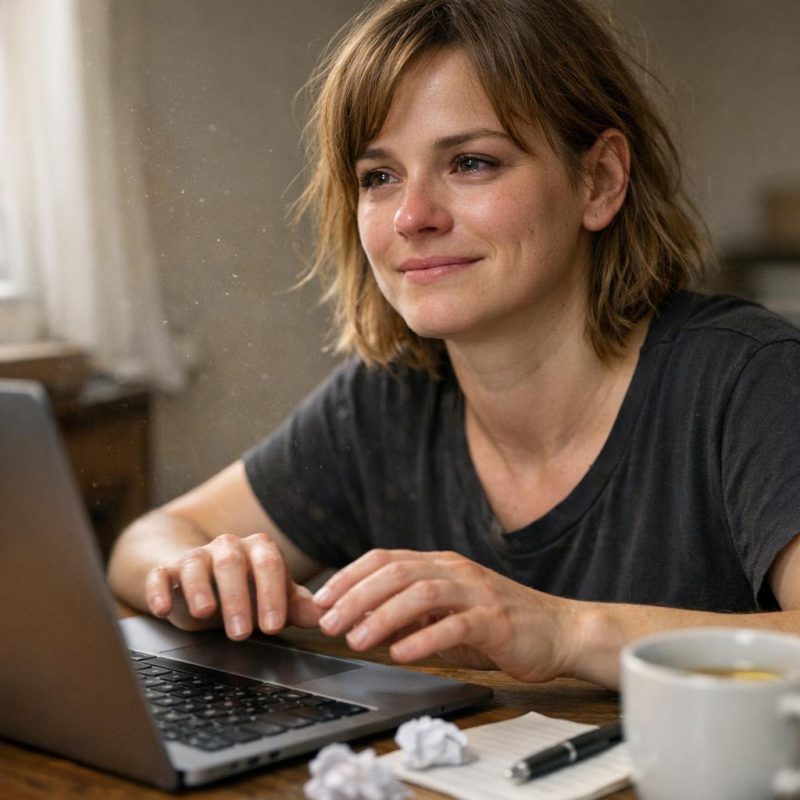 Image by RM AI
The Salon Owner Reaches Out
Two days after I submitted the article to the publication Rachel had suggested, I got an email from the salon owner. My first instinct was panic—what now?—but the subject line read 'Thank you.' I opened it cautiously. She wrote that after everything that happened with me, they'd done a complete review of their social media practices. They'd implemented a new policy requiring written consent for every client photo, with clear explanations of how images would be used. They'd added language to their intake forms. They'd trained all staff on digital consent and client privacy. 'What happened to you shouldn't have happened,' she wrote. 'But your willingness to speak up—even when it was uncomfortable, even when it would have been easier to just let it go—that changed how we do business. We're better now because you refused to be silent.' She mentioned they'd be posting about the new policy on their social media, and asked if I'd be comfortable with them crediting me for prompting the change. I read the email three times. This was real. Tangible. Not just an apology, but actual systemic change. I wrote back that yes, they could credit me, and thank you for listening. When her response came an hour later, one line stuck with me. She said, 'What happened to you changed how we do business—thank you for speaking up.'
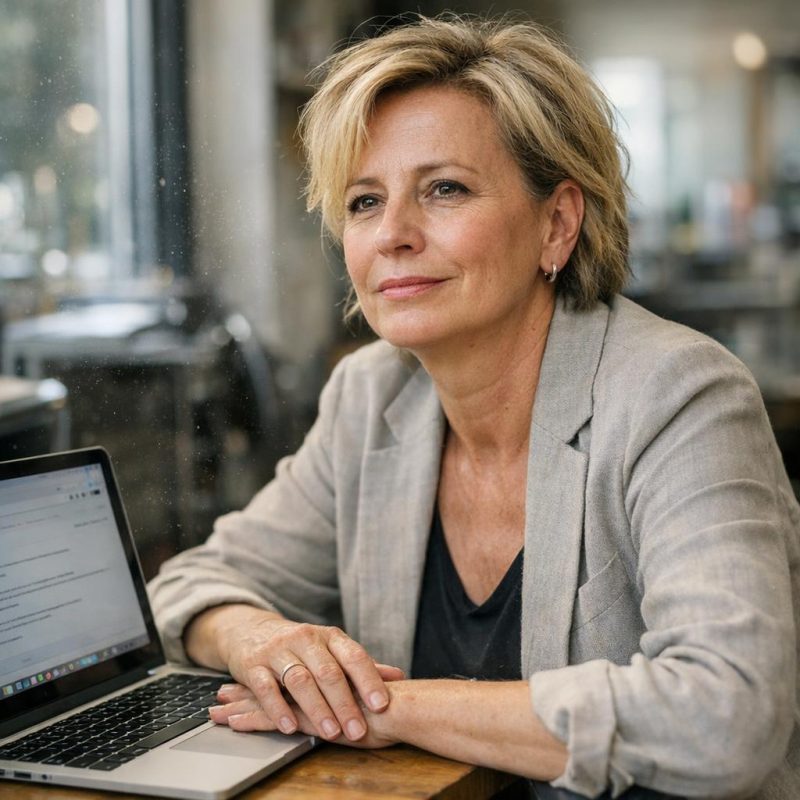 Image by RM AI
Understanding the Full Picture
That night, I sat with my laptop and went back through everything—Tessa's messages about the 'anonymous submissions,' Jenna's admission that she'd 'added context,' the way the story had been crafted so specifically to generate outrage. I thought about the salon owner's email, about how quickly they'd taken my complaint seriously once they actually investigated. What if I wasn't the first person this had happened to? What if I was just the first one who'd pushed back hard enough? I started looking at the salon's old Instagram posts more carefully, scrolling back through months of content. There were other client stories there, other supposedly hilarious encounters. Some were clearly genuine—you could see the warmth, the authenticity. But others had that same manufactured quality, that same outrage-bait construction. Had those people actually said those things? Had they consented to being portrayed that way? Or had they just not noticed, not complained, not fought back? The more I looked, the more suspicious I became. Patterns emerged—certain types of stories, certain types of clients, all framed in similar ways. It wasn't proof, exactly. But it was enough to make me wonder. It began to look like I wasn't the only one—just the only one who pushed back.
 Image by RM AI
The Pattern Revealed
The salon owner called me the next morning. Not an email this time—an actual phone call, her voice tight and serious. 'Carol, I need to tell you something. We did a deeper review after implementing the new policy. We went through Jenna's employment records, her computer files, everything.' She paused. 'We found evidence that she'd been fabricating client stories for at least a year. There were at least four other instances we could document—maybe more. She'd been using a fake account to submit them anonymously to make it look like organic submissions.' I felt cold. 'Four other people?' 'At least,' she said. 'And Carol—there was a note in one of her files. About choosing subjects. She specifically wrote that she looked for older women, people she thought wouldn't see the posts or wouldn't know how to fight back if they did. She thought you'd be safe. That you wouldn't have the digital literacy or the confidence to push back.' The words hit me like a physical blow. It wasn't random. It wasn't careless. It was calculated. Predatory. She'd looked at me, at my age, at her assumptions about what I would and wouldn't be capable of, and she'd decided I was easy prey. I realized with sick clarity that I had been part of a system—one that assumed women like me were invisible, powerless, and silent.
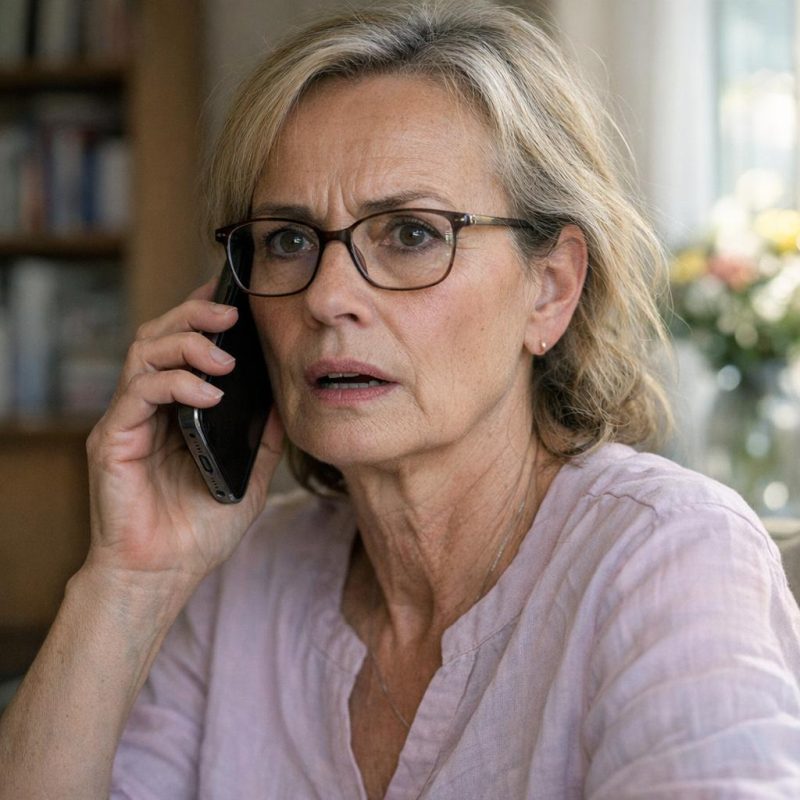 Image by RM AI
The Other Victims
The salon owner's voice softened slightly. 'We're reaching out to the other women,' she said. 'The four we've identified so far. We're offering them the same public correction—a post explaining what happened, an apology, the option to have their images removed. Whatever they need.' I felt something shift in my chest. 'Do you know if they saw the posts?' I asked. 'Two of them did,' she said quietly. 'One reached out months ago to ask about it, and the staff member who took the call told her it was standard social media practice. She dropped it after that.' My stomach turned. 'She just... accepted it?' 'She thought she had to,' the owner said. 'She told our manager she'd look into it later and never did. The other woman who saw it never contacted us at all. We only found out because her daughter commented on the post—said her mom was mortified but didn't think anyone would listen.' I sat there holding the phone, thinking about these women. My contemporaries, probably. Women who'd been used the same way I had. Women who'd seen themselves turned into content and assumed they had no right to object. Women who'd been raised to be polite, to not make a fuss, to accept what they were given without complaint. I wondered how many of them had seen the posts and said nothing, assuming they had no power to object.
 Image by RM AI
Why She Chose Me
I sat alone after that call for a long time, just processing. It wasn't the violation itself that kept circling in my mind—though that was bad enough. It was the calculation behind it. Jenna had looked at me and seen someone safe to exploit. Not because of who I was, but because of what she assumed about me based on my age. She'd typed it out in her notes: older women wouldn't see the posts. Wouldn't know how to fight back. Wouldn't have the digital literacy or the confidence. She'd constructed an entire profile of me without knowing a single true thing about who I actually was. And I realized, with sick clarity, that she'd been partly right. Not about my capabilities—I'd proven those—but about my initial response. I had felt powerless at first. I had questioned whether I had the right to be upset. I had wondered if this was just how things worked now and I was too old to understand. She'd counted on that internalized doubt, that learned deference, that lifetime of being told to smile and accept and not cause trouble. She'd counted on my invisibility—on the cultural assumption that women my age don't matter, don't notice, don't push back. I had been calculated to be safe prey, and that knowledge changed something fundamental in me.
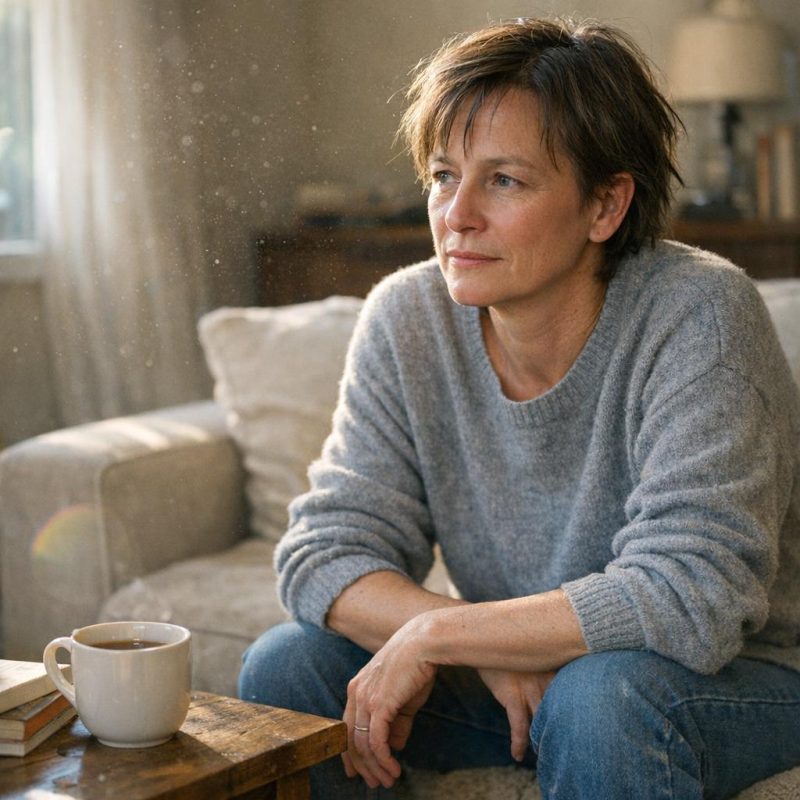 Image by RM AI
Deciding to Go Public
I spent the next two days writing. Not complaining in private, not venting to friends—actually writing. An article. A real one, with my full name attached. I detailed exactly what had happened: the photo taken without consent, the meme created from my moment of vulnerability, the months of circulation before I even knew. I wrote about Jenna's notes, about being specifically targeted for my age. I wrote about the other women, the system of exploitation, the assumptions that had made us all seem like safe targets. I reached out to a local online magazine I'd read for years—one that covered community issues and local politics. I'd never submitted anything before, never thought of myself as someone whose voice mattered in that way. But I sent them my piece with a straightforward pitch: this is happening in our community, in businesses we trust, and people need to know. They responded within hours. They wanted to publish it. As I read through their edits and approved the final version, I felt something I hadn't felt in months—maybe years. Clarity. Purpose. Power. I wasn't writing this just for me anymore. I was writing it for the woman who'd called and been dismissed, for the one whose daughter had to defend her, for every future client who might sit in that chair. I was done being quiet, being easy, being forgettable.
 Image by RM AI
The Article Published
The article went live on a Thursday morning. I'd told a few close friends it was coming, but I hadn't prepared for what happened next. The magazine had titled it 'Your Salon Might Be Turning You Into a Meme Without Your Consent: One Woman's Story.' Direct. Unflinching. Exactly what I'd wanted. I included everything—the salon's name, the timeline, the documented evidence of systematic exploitation, Jenna's targeting strategy. I named the problem clearly: this wasn't about social media being complicated or generational misunderstanding. This was about businesses treating clients as content without consent, and about those businesses assuming older women wouldn't or couldn't fight back. I called for explicit consent policies in all service industries. Written agreements before any photography. Clear opt-out procedures. Accountability when boundaries were violated. The magazine's editor had been worried it might be too specific, too local. But within three hours of publication, the comments section started filling up. And they weren't just local. Women from across the state, then from neighboring states, sharing their own stories. A woman whose physical therapist had posted her exercises without asking. Another whose dental office had photographed her mid-procedure. A sixty-seven-year-old whose hairdresser had made her gray roots into a 'transformation' narrative without permission. Within hours, the comments section filled with stories from other women who'd experienced similar violations.
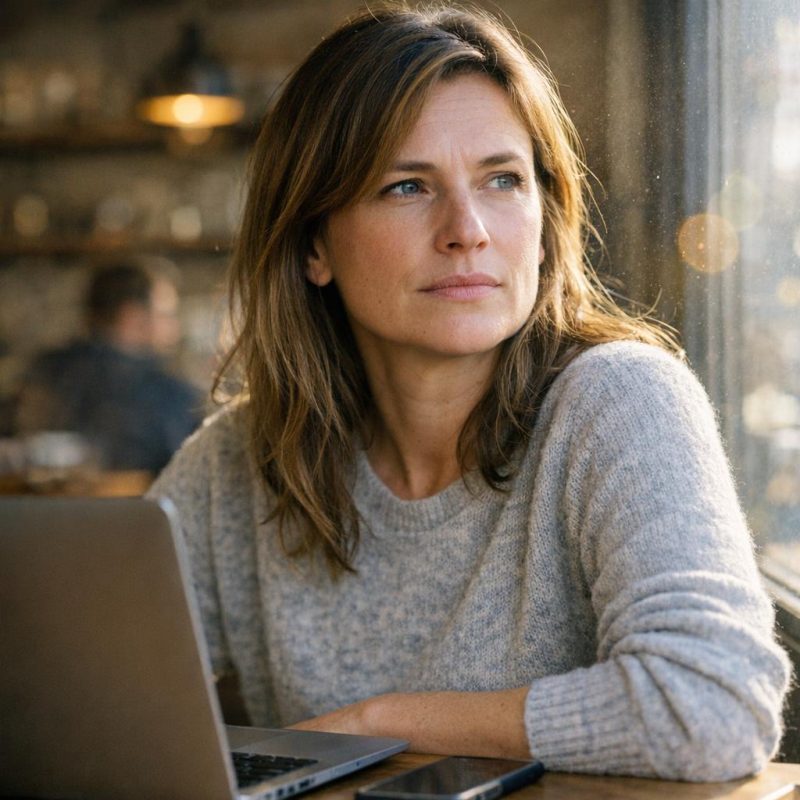 Image by RM AI
The Flood of Responses
My email inbox became a flood. The magazine had included my contact information with my permission, and the messages came in waves. Dozens, then over a hundred. Women in their fifties, sixties, seventies, eighties. Some had seen themselves posted online and said nothing. Others had objected and been dismissed. Many had never known they'd been photographed at all until a friend or family member spotted them. One woman wrote about discovering her image in a chiropractor's before-and-after gallery—a photo taken during a vulnerable moment of pain assessment, now used to sell services. Another had found herself in a dentist's social media feed, mouth propped open, used as a case study without her knowledge. A seventy-two-year-old described seeing her age-spotted hands featured in a manicurist's post about 'challenging' clients. Every message had the same thread running through it: I didn't think anyone would care. I didn't think I had the right to complain. I thought maybe this was just how things are now. These women had been carrying these violations privately, individually, each one thinking she was alone or oversensitive or behind the times. And here they all were, finding each other through my article. Finding language for what had happened to them. Finding permission to be angry. I realized I had opened a door that many women had been afraid to walk through alone.
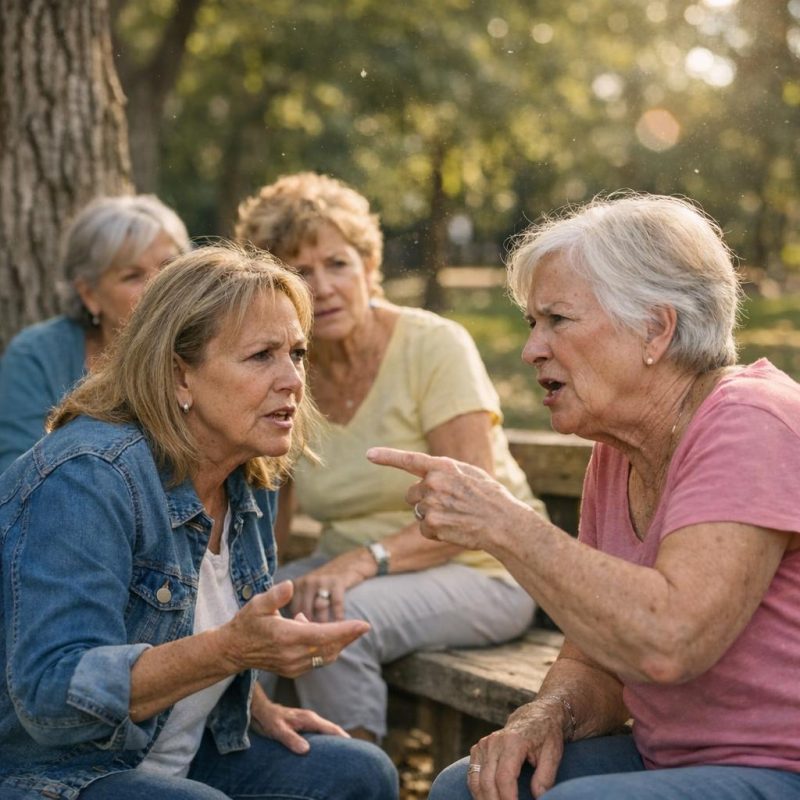 Image by RM AI
Media Attention
The email came from a reporter at the regional public radio station. She'd read my article and the responses it had generated. She wanted to do a segment on digital consent in service industries—not just about social media policies, but about the broader issue of how businesses were treating clients' images and stories as marketing assets. She wanted to interview me as the primary voice. I stared at that email for a long time. This was different from writing an article on my own terms, in my own time. This was live radio. Public. Immediate. Real. But then I thought about Jenna's notes. About being chosen because I wouldn't fight back. About being counted on to stay quiet and invisible. About all those women in my inbox who'd done exactly that—who'd swallowed their discomfort and their anger because they didn't think anyone would listen. I wrote back and said yes. We scheduled it for the following week. As I prepared—making notes, rehearsing key points, thinking through what I wanted to say—I felt the strangeness of it. A year ago, I'd been invisible even to myself in some ways. A woman going about her business, assuming her presence barely registered. Now I was about to speak on public radio about consent and dignity and the rights of women like me. I was about to become visible in a way I had never imagined—and this time, it would be on my terms.
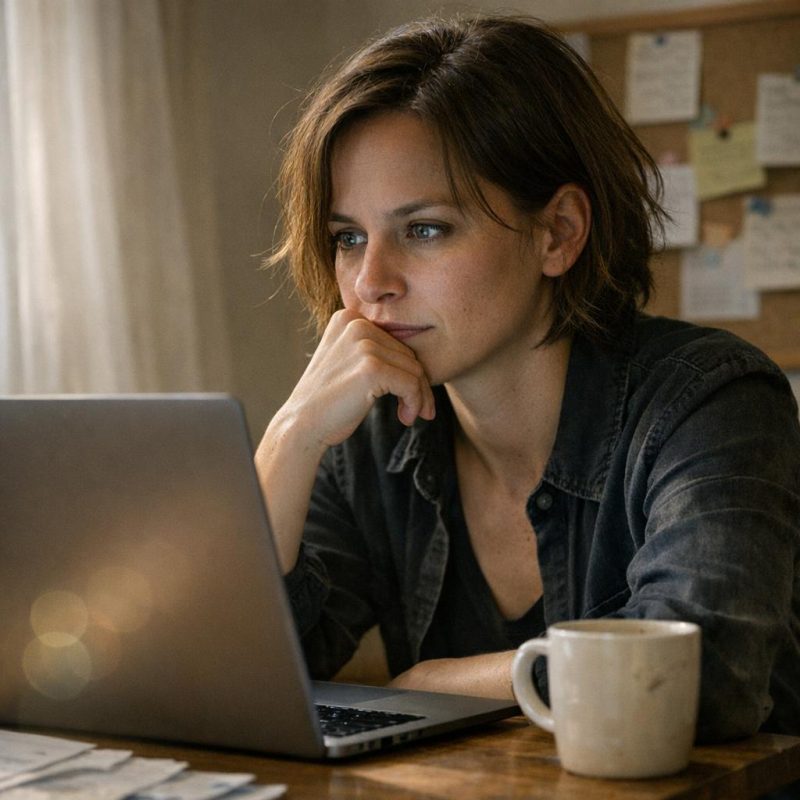 Image by RM AI
The Interview
The interview was recorded in their downtown studio. The reporter was younger than me—maybe forty—but she listened with genuine attention. She asked smart questions. Not softball sympathy, but real engagement with the issues. She asked about the moment I discovered the meme. About how the salon had responded. About the targeting strategy in Jenna's notes. About what I wanted businesses to understand. I found myself speaking more clearly than I'd expected. No stammering, no apologizing, no softening my words to make them more palatable. I talked about consent as a baseline requirement, not a courtesy. I talked about ageism as a calculated business strategy, not an accident. I talked about the hundreds of women who'd contacted me, each one carrying a similar story of violation and silence. The reporter leaned forward. 'What do you want people to take away from this?' she asked. I didn't hesitate. 'That older women notice everything,' I said. 'We see what's happening. We understand exactly what's being done to us and why. And we're not afraid to speak anymore. We're done being treated as easy targets, as people who won't push back, as invisible or irrelevant. We're here. We're watching. And we will hold you accountable.' When the interviewer asked what I wanted people to take away, I said, 'That older women notice everything—and we're not afraid to speak anymore.'
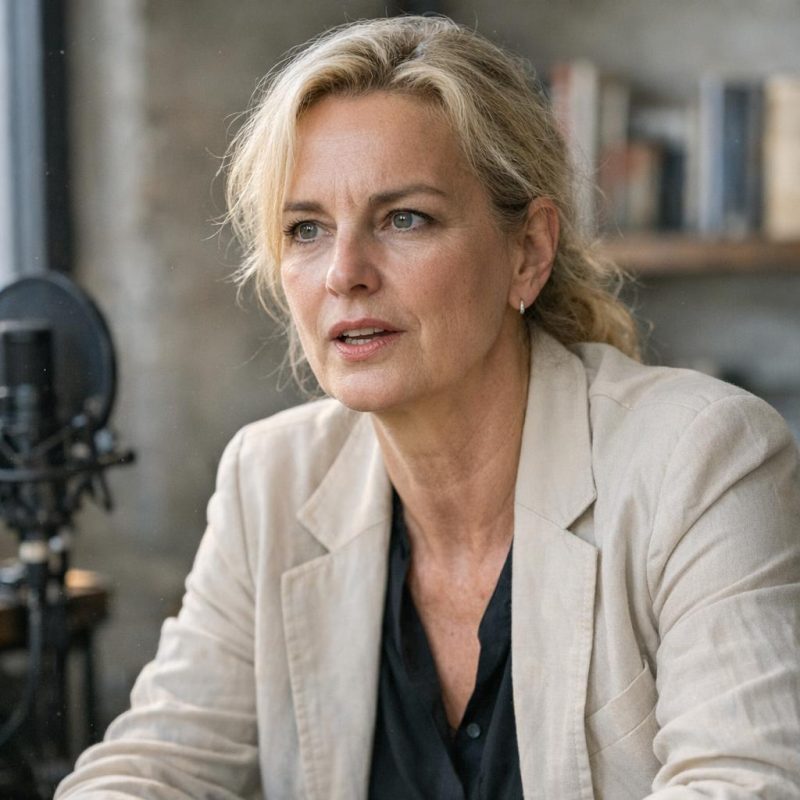 Image by RM AI
The Conversation Spreads
The segment aired three days later during drive time. I listened in my car, pulled over in a parking lot, hearing my own voice come through the speakers with a clarity that surprised me. Strong. Certain. Unapologetic. Within hours, the station's social media lit up with shares and comments. Then something bigger started happening. Local salons began posting about their new consent policies—explicit photography agreements, opt-in only, clear procedures. A dental practice announced they were reviewing all past social media posts and reaching out to patients for retroactive consent. A medical spa created a patient bill of rights that included digital privacy protections. The state cosmetology board issued new guidelines recommending written consent for all client photography. The conversation spread beyond my community, picked up by regional news outlets and industry publications. Business owners started discussing it. Trade associations developed model consent forms. Women kept reaching out to share their stories, but now they were also sharing victories—businesses that had taken down their images, policies that had changed, apologies they'd received. I watched it unfold from my living room, scrolling through articles and posts and policy announcements, barely believing it. What had started as one woman's humiliation was becoming a movement for change.
 Image by RM AI
One More Thing to Do
With all that momentum building, with policies changing and conversations spreading, I kept expecting to feel complete. Like there should be this moment where everything clicked into place and I could finally close this chapter. But something nagged at me. I'd talked to reporters, spoken to community groups, heard from dozens of women who'd had similar experiences. I'd watched businesses change their practices and apologize to their clients. But there was one person I hadn't heard from at all. Jenna. Not a word. Not an acknowledgment. Not even a defensive comment on someone else's post about the whole situation. I told myself it didn't matter. That I didn't need anything from her. That her silence was probably for the best. But late one night, sitting at my kitchen table with a cup of tea going cold, I opened my laptop and started typing. Not an angry screed. Not a demand for public apology. Just a letter. I explained what it had felt like to see myself that way. What it had cost me. What I'd learned through the process of fighting back. I wrote it all in one sitting, barely pausing, letting it pour out. Then I sent it to the salon's business email before I could second-guess myself. I wanted her to understand what she had taken from me, and what I had taken back.
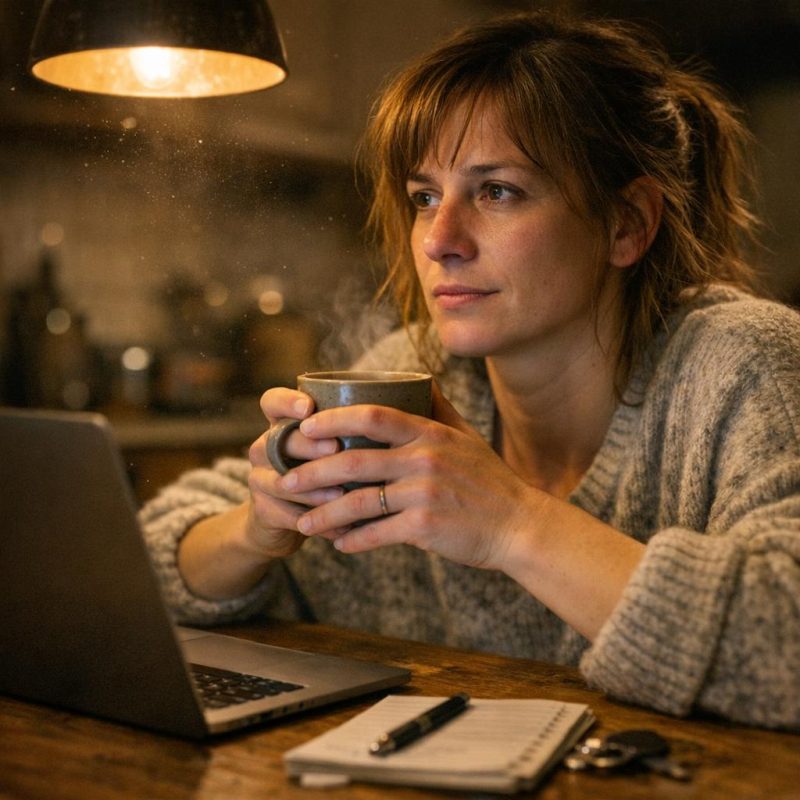 Image by RM AI
Jenna's Response
The response came four days later. Brief. Formal. The kind of apology that had clearly been reviewed by a lawyer or maybe a PR consultant. 'Dear Carol, I apologize for any distress my social media post may have caused you. It was not my intention to make you uncomfortable. I have since updated my business practices regarding client photography and consent. I wish you well. Sincerely, Jenna.' That was it. No real acknowledgment of what she'd done. No recognition of the violation or the humiliation. Just 'any distress' and 'not my intention,' like I'd simply been oversensitive about a harmless mistake. I read it three times, waiting to feel angry. Waiting for that old rage to bubble up. But instead, I just felt... nothing. Or not nothing—more like a quiet settling. Because I realized something sitting there with her inadequate words on my screen. I didn't actually need her to understand. I didn't need her growth or her genuine remorse or her real apology. I'd already found what I needed, and I'd found it without her. The closure I'd been seeking didn't require her participation at all. I realized I didn't need her to understand—I had already found what I needed without her.
 Image by RM AI
The New Normal
My new salon was in a different neighborhood, recommended by one of the women who'd reached out after the radio interview. Smaller space, calmer energy, a stylist named Marion who consulted with me for twenty minutes before making a single cut. She asked about my hair history, what products I used, how much time I wanted to spend styling. She asked what I liked and didn't like. She listened. The first few appointments, I was tense in the chair, hyperaware of every movement, every conversation happening around me. But Marion was patient. She explained what she was doing as she worked. She checked in constantly. She treated me like a person, not content. By the third visit, I could actually relax. We talked about gardening and books and her daughter's college applications. Normal things. Human things. And then one day, as she was finishing up, she asked if she could take a photo for her portfolio. She explained she was updating her website, showed me examples of how she displayed client work—always cropped to show just the hair, never faces without explicit additional permission. She had a consent form ready. She waited for my answer without pressure. I looked at myself in the mirror—my hair looking genuinely good, styled the way I actually wanted it. And I smiled. 'Yes,' I said. Because this time, I had the power to choose.
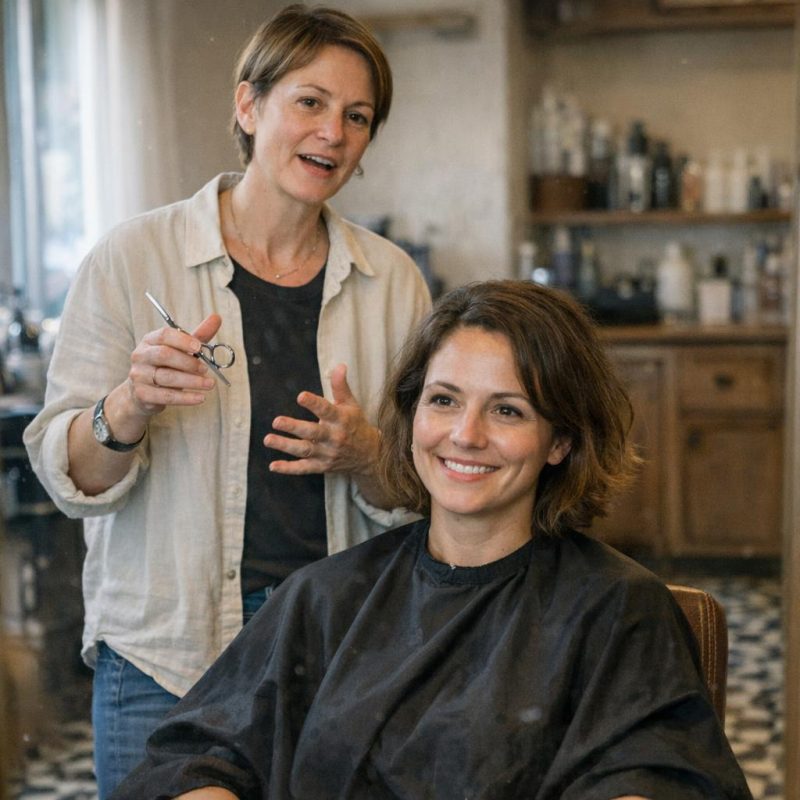 Image by RM AI
Never Without Permission
Looking back now, I can see how the whole thing changed me. Not just the fighting back part, though that mattered. Not just the speaking up or the policies that changed or even the apologies I received. The real shift was deeper than that. For so long—maybe my whole life—I'd moved through the world trying to take up less space. Trying not to be difficult. Accepting whatever treatment came my way because making a fuss seemed worse than the discomfort. That photo had forced me into visibility I never wanted, turned me into a joke I never consented to be. But in fighting it, I'd learned something crucial. Being seen didn't have to mean being diminished. Having a voice didn't make me difficult. Setting boundaries didn't make me unreasonable. I got to decide my own story. I got to determine who told it and how and when. Nobody else. Not Jenna. Not internet strangers. Not anyone who thought my comfort mattered less than their content. The victory wasn't proving anyone wrong or getting revenge or even changing industry standards, though all of that felt good. The victory was deciding, firmly and permanently, that no one would ever tell my story without my permission again. And as I sat in that different chair with someone who didn't know my story, I realized I had become exactly who I needed to be all along—someone who refused to be invisible.
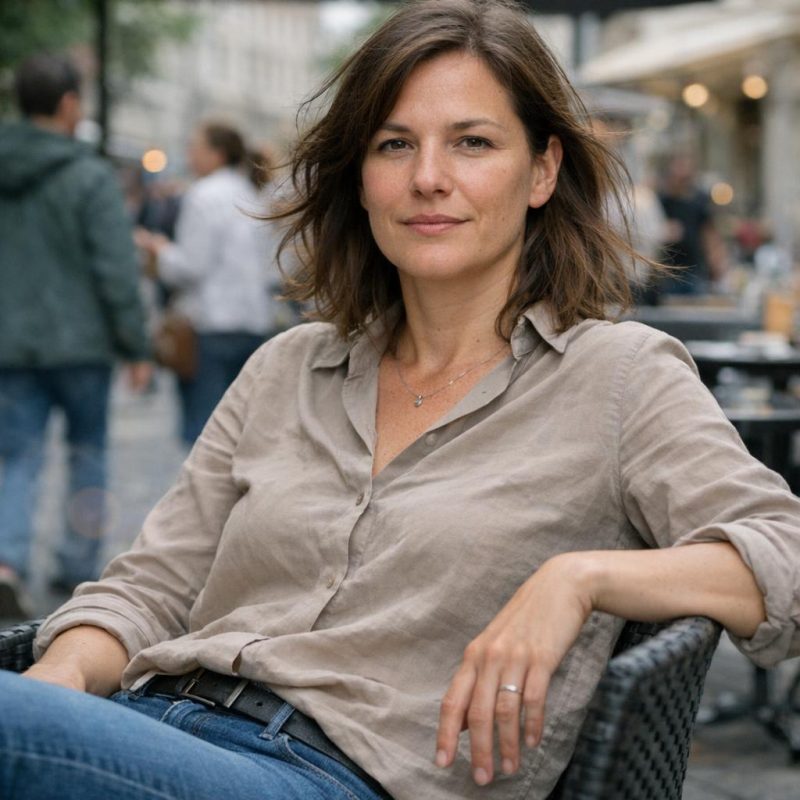 Image by RM AI
KEEP ON READING

Exploring The Fall Of The Mayan Empire
Timothy Cohen on UnsplashThe fall of the Mayan civilization is…
By Rob Shapiro Apr 9, 2026
10 Historical “Self-Care” Habits That Actually Helped & 10 That…
History Was Full of Wellness Advice, & Not All of…
By Emilie Richardson-Dupuis Apr 9, 2026
10 Explorers Who Changed Maps Forever & 10 Who Never…
The Triumphs and Tragedies of Exploration. Exploration has always shaped…
By Rob Shapiro Apr 9, 2026
The War Fought Over a Bucket
Zairon on WikimediaIn November 1325, a group of Modenese soldiers…
By Cameron Dick Apr 9, 2026
The 20 Most Common Names You Hear Repeatedly In History…
Names Rich With History. Remembering dates and places throughout history…
By Cathy Liu Apr 9, 2026
10 Book Bans That Backfired & 10 That Worked
When Censorship Misfires. Book bans get talked about as if…
By Cameron Dick Apr 8, 2026