

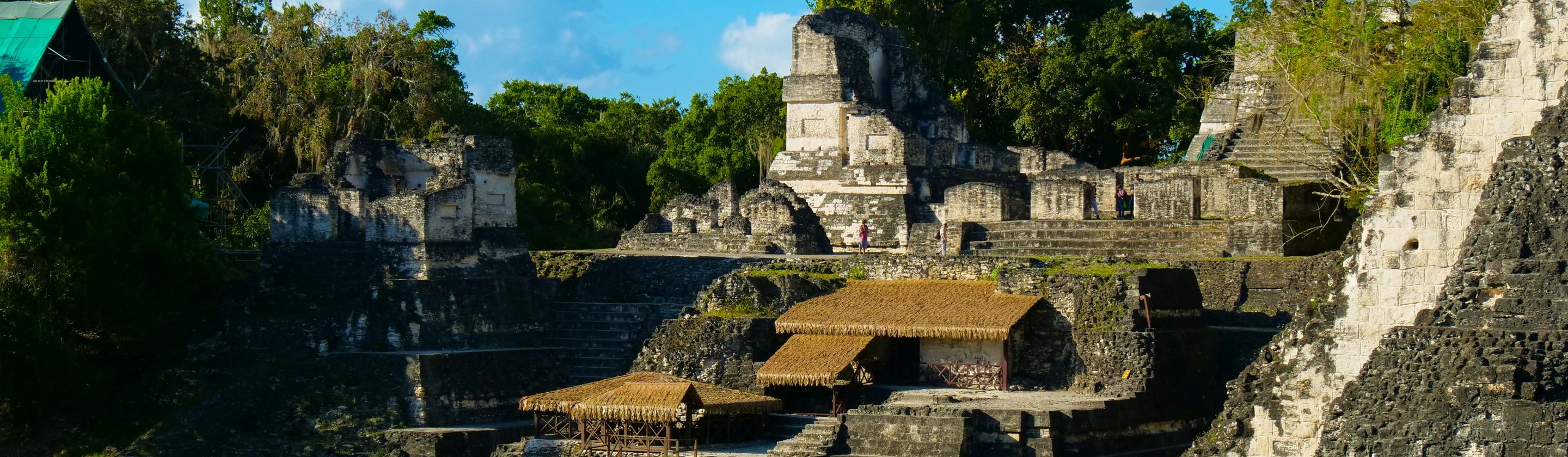
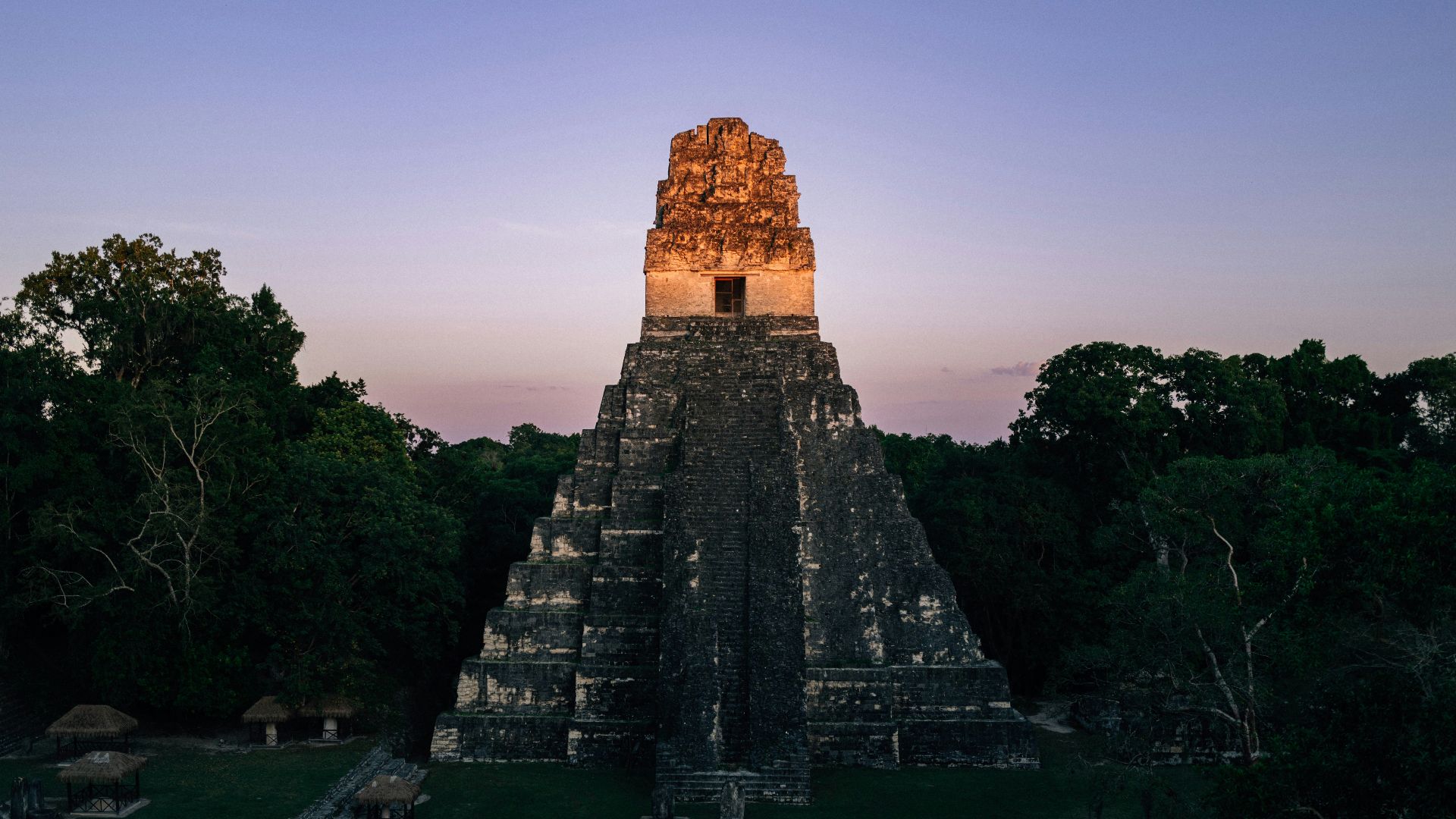
The fall of the Mayan civilization is often misunderstood as a sudden disappearance, but historical and archaeological evidence show a much more gradual and complex process. The Maya didn’t vanish entirely, and millions of their descendants still live in parts of Mexico, Guatemala, Belize, and Honduras today. What actually declined was the system of powerful city-states that dominated the Classic Period, particularly between around 250 and 900 CE. This distinction is important when trying to understand what truly happened. It also helps correct common myths that oversimplify their history.
Rather than a single cause, the decline of major Maya centers appears to have resulted from a combination of environmental, political, and social factors. These pressures built up over time, weakening the stability of key regions. Scholars continue to study this period, but several well-supported explanations have emerged. Looking at these factors helps clarify why the collapse unfolded the way it did, and how each factor contributed differently depending on the region.
Prolonged Drought and Environmental Stress
One of the most widely supported explanations involves extended periods of drought affecting the Maya lowlands. Scientific studies of lake sediments and cave formations have shown evidence of repeated droughts between the 8th and 10th centuries. These dry conditions would have reduced water supplies and made agriculture much more difficult to sustain. Since the Maya relied heavily on rainfall rather than large river systems, they were especially vulnerable to these changes. Even short-term droughts could have had long-lasting impacts on food production.
Agriculture was central to Maya life, particularly the cultivation of maize, beans, and squash. When rainfall became unreliable, crop yields likely declined, leading to food shortages and increased pressure on communities. This would have made it harder for rulers to maintain authority, as they were expected to ensure stability and prosperity. Environmental stress didn’t act alone, but it created conditions that made other problems worse. This pressure likely contributed to growing unrest among the population.
In addition to drought, there is evidence of deforestation and soil depletion in some areas. As populations grew, more land was cleared for farming and construction, which may have reduced the land’s long-term productivity. This combination of environmental strain and resource pressure likely contributed to the weakening of major cities. Over time, these challenges would have made recovery increasingly difficult. It also reduced the ability of regions to sustain large populations.
Political Fragmentation and Warfare
The Maya civilization was made up of independent city-states rather than a single unified empire. These cities often competed for power, resources, and influence, leading to frequent conflicts. Inscriptions and archaeological findings show evidence of warfare, including fortified structures and records of captured rulers. As competition intensified, stability across the region began to decline.
During the Late Classic Period, some of the most powerful cities experienced internal instability and external attacks. Alliances shifted, and conflicts became more frequent and disruptive. This environment made it harder for trade and communication networks to function effectively. As a result, cities that once thrived began to lose their influence.
Political instability also affected leadership structures. When rulers failed to provide security or resources, their authority weakened, sometimes leading to internal unrest. This could have resulted in population decline as people left in search of more stable areas. Over time, repeated conflict and fragmentation contributed to the abandonment of many major urban centers.
Social Strain and Shifting Populations
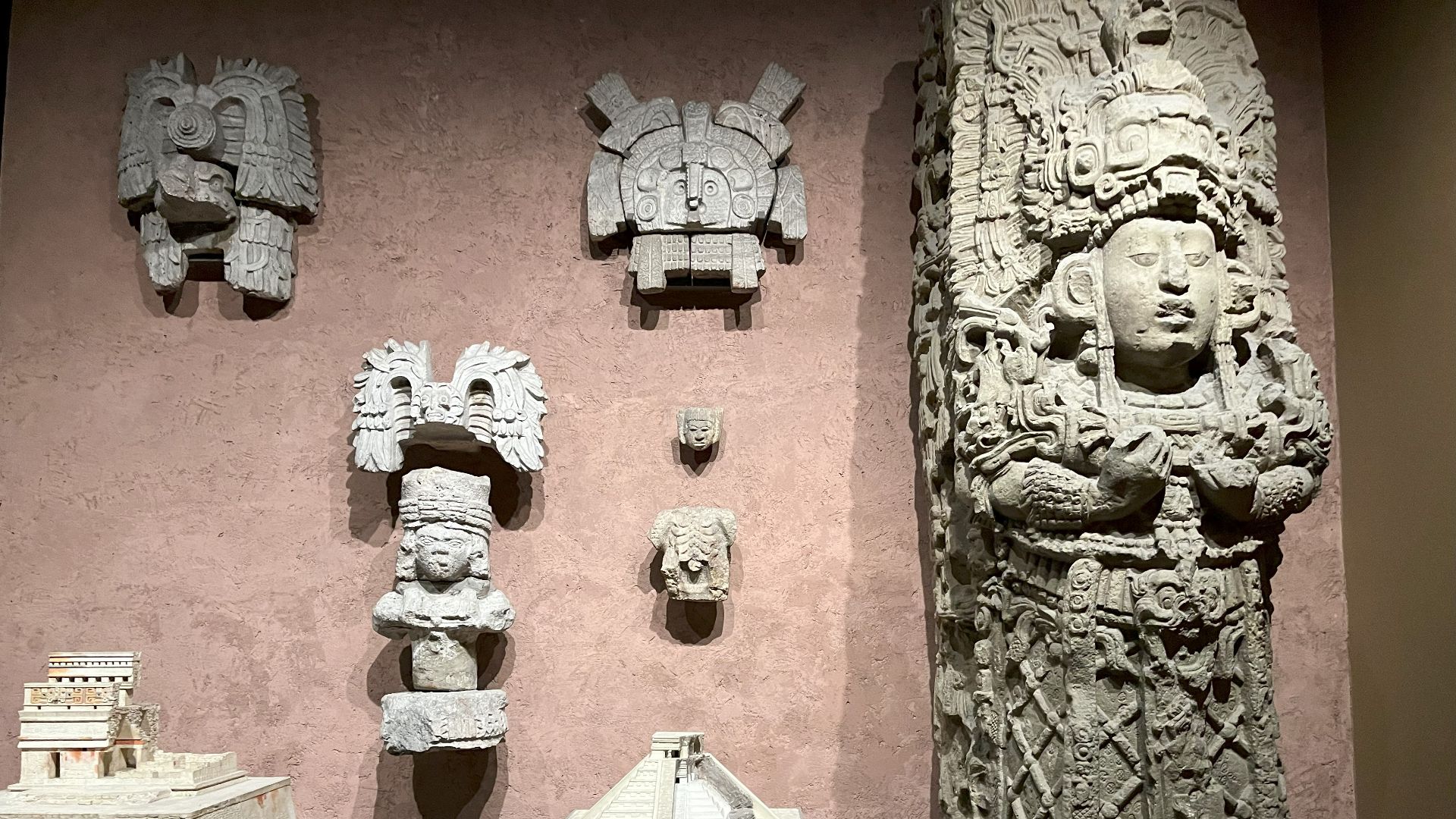
As environmental and political pressures increased, everyday life for many Maya people became more difficult. Food shortages, conflict, and declining resources would have placed a significant strain on communities. This likely led to shifts in population, with people moving away from large cities toward smaller settlements or different regions. These changes were gradual rather than immediate.
Archaeological evidence shows that while some cities were abandoned, others in the northern Yucatán continued to grow. This suggests that the Maya adapted by relocating rather than disappearing. Urban decline in one area didn’t mean the end of Maya culture as a whole. Instead, it marked a transition in how and where people lived.
Social changes may have also affected belief systems and leadership. As conditions worsened, confidence in rulers and traditional systems could have declined. This would have further weakened the structure of city-states. Despite these challenges, Maya culture persisted, evolving rather than ending completely.
The fall of the Maya wasn’t a single event, but a long process shaped by multiple interconnected factors. Environmental stress, political conflict, and social change all played a role in the decline of major cities. Even so, the Maya people endured, and their cultural legacy remains strong today. Understanding this history helps move beyond the idea of disappearance and toward a more accurate view of transformation.
KEEP ON READING
The 20 Most Recognized Historical Figures Of All Time
The Biggest Names In History. Although the Earth has been…
By Cathy Liu Oct 4, 2024
10 of the Shortest Wars in History & 10 of…
Wars: Longest and Shortest. Throughout history, wars have varied dramatically…
By Emilie Richardson-Dupuis Oct 7, 2024
10 Fascinating Facts About Ancient Greece You Can Appreciate &…
Once Upon A Time Lived Some Ancient Weirdos.... Greece is…
By Megan Wickens Oct 7, 2024
20 Lesser-Known Facts About Christopher Columbus You Don't Learn In…
In 1492, He Sailed The Ocean Blue. Christopher Columbus is…
By Emilie Richardson-Dupuis Oct 9, 2024
20 Historical Landmarks That Have The Craziest Conspiracy Theories
Unsolved Mysteries Of Ancient Places . When there's not enough evidence…
By Megan Wickens Oct 9, 2024
The 20 Craziest Inventions & Discoveries Made During Ancient Times
Crazy Ancient Inventions . While we're busy making big advancements in…
By Cathy Liu Oct 9, 2024