

I Found a Mysterious Note After My Oil Change, and What Happened Next Changed Everything
I Found a Mysterious Note After My Oil Change, and What Happened Next Changed Everything
The Routine Tuesday
I've been taking my car to the same service center for eleven years now. Every six months, like clockwork, I pull into Quality Auto Service on Maple Street for my oil change. I know exactly how long it takes—forty-three minutes, give or take—and I know exactly where I'll park afterward: the grocery store lot on Fifth Avenue, because it's right on the way home and I hate making extra trips. That Tuesday morning in October started like every other service appointment. I called Linda the night before to confirm she'd pick me up at nine-fifteen, because my car would already be in the bay by then. She's always been reliable that way, my friend Linda. We've known each other since our kids were in elementary school together. The morning was cool but not cold, the kind of autumn day that makes you grateful for a light jacket. I dropped the car off at eight-forty-five, gave Amanda at the front desk my usual smile, and walked outside to wait for Linda. We drove to her house, had coffee, talked about her daughter's upcoming wedding. Just another Tuesday. Just another oil change. Everything went exactly as it always did—until I opened my visor later that afternoon.
 Image by RM AI
Forty Minutes
Linda dropped me back at the service center at ten-thirty. I've always appreciated how they have that little waiting lounge with the coffee maker and the stack of magazines nobody actually reads. I thumbed through a gardening magazine—they know their clientele, I'll give them that—while the sound of pneumatic tools hummed through the walls. A younger woman sat across from me, scrolling through her phone. We exchanged the kind of polite smile strangers share in waiting rooms. The coffee was terrible, but I drank it anyway. At ten-fifty-eight, Rick came through the door with my keys dangling from his finger. He was the same technician who'd done my last three oil changes—early thirties, clean uniform, always professional. 'All set, Mrs. Patterson,' he said, walking me through the paperwork. Everything checked out on the invoice. Oil changed, filter replaced, fluids topped off. He made a note about my tire pressure being a little low in the front passenger side, which I appreciated. I thanked him, paid Amanda at the desk, and walked out to my car. It started right up, smooth as always. I felt that small satisfaction you get from maintaining things properly, from keeping to a schedule. The technician handed me my keys with a smile, and I drove away without the slightest suspicion that something had changed.
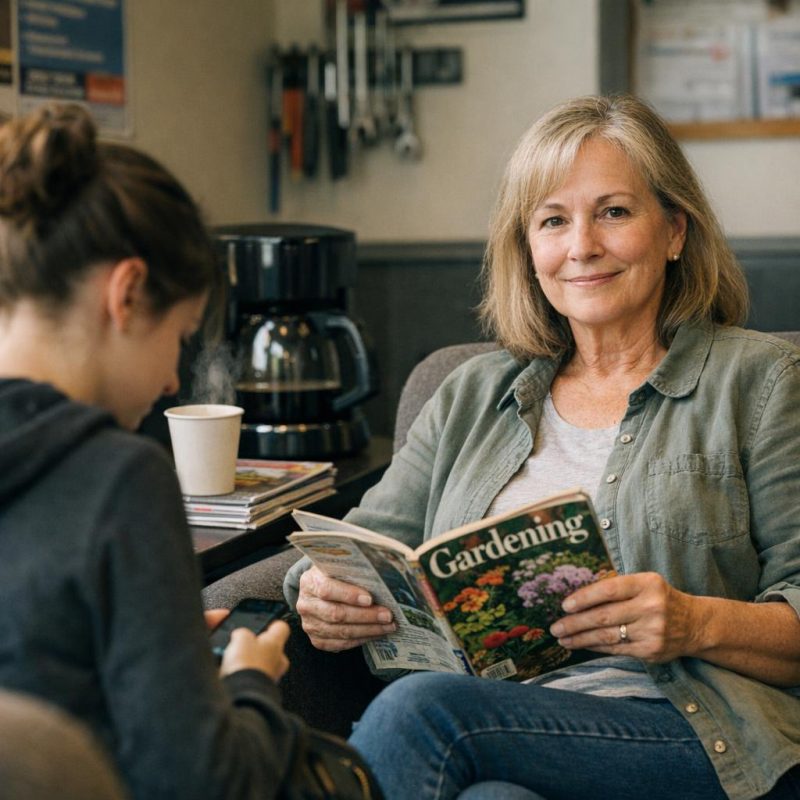 Image by RM AI
The First Note
I made it to the grocery store by eleven-fifteen, right on schedule. Tuesday mornings are perfect for shopping—the aisles aren't crowded, and they've usually just restocked the produce section. I bought the things I always buy: Greek yogurt, the multigrain bread from the bakery section, salad greens, chicken breasts. Nothing exciting, but I've learned that boring is underrated. When I got back to the car, I loaded the bags into the back seat and slid into the driver's seat. That's when I reached up to pull down the visor—the sun was hitting my eyes at just the wrong angle. A piece of paper fluttered down into my lap. I actually flinched. It was folded once, plain white paper, the kind you'd find in any printer. For a moment, I just stared at it sitting there on my khaki pants. I looked around the parking lot, though I'm not sure what I expected to see. My hands were shaking slightly when I unfolded it. The handwriting was printed, deliberate, done with a blue pen. Not rushed, but not fancy either. The words were simple, but they made my hands go cold: 'Check your glove compartment before you drive again.'
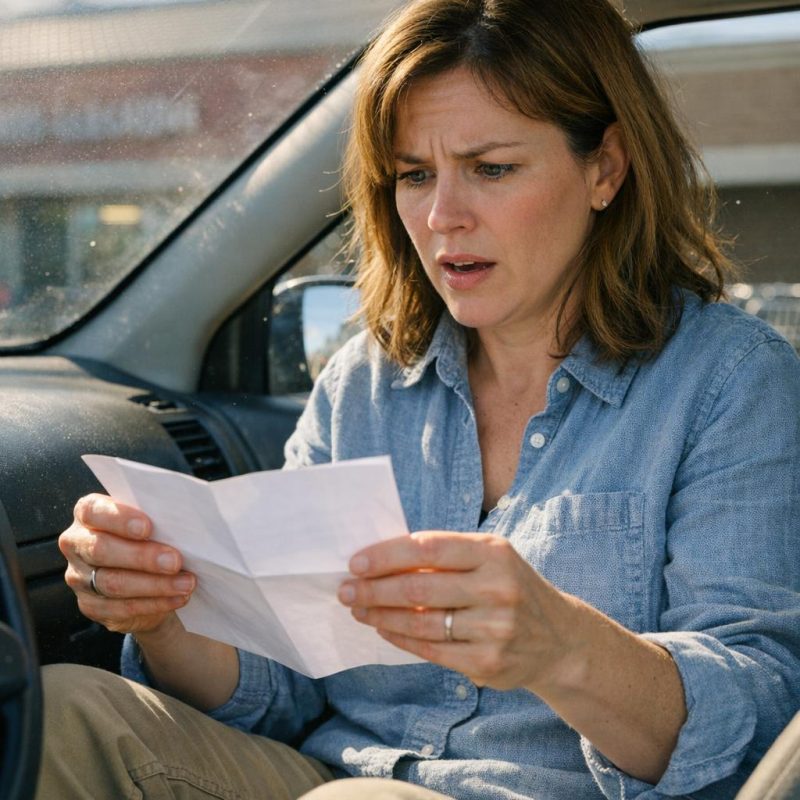 Image by RM AI
The Glove Compartment
I sat there in the grocery store parking lot, staring at that note. My first thought was that it had to be a mistake—maybe it was meant for the previous owner, though I'd had this car for six years. Maybe it had been wedged up in the visor somehow and just now worked loose. But that didn't make sense. The note looked fresh, the crease sharp. I reached over and popped open the glove compartment with fingers that didn't feel entirely steady. My insurance card was there, the owner's manual, a small packet of tissues. And underneath them, something I'd never seen before. Another note, folded the same way. And next to it, a small black device, maybe the size of a matchbox, with a tiny red light blinking slowly on one side. I lifted the second note first. Same handwriting, same blue pen: 'This doesn't belong to you.' My throat felt tight. I picked up the device carefully, like it might burn me. It was lightweight, made of black plastic, with what looked like a magnetic strip on one side. The red light blinked once every few seconds. I turned it over in my palm. There were no markings, no brand name, nothing to indicate what it was. I stared at the device, my mind racing—I had never seen it before, and I had no idea how it got there.
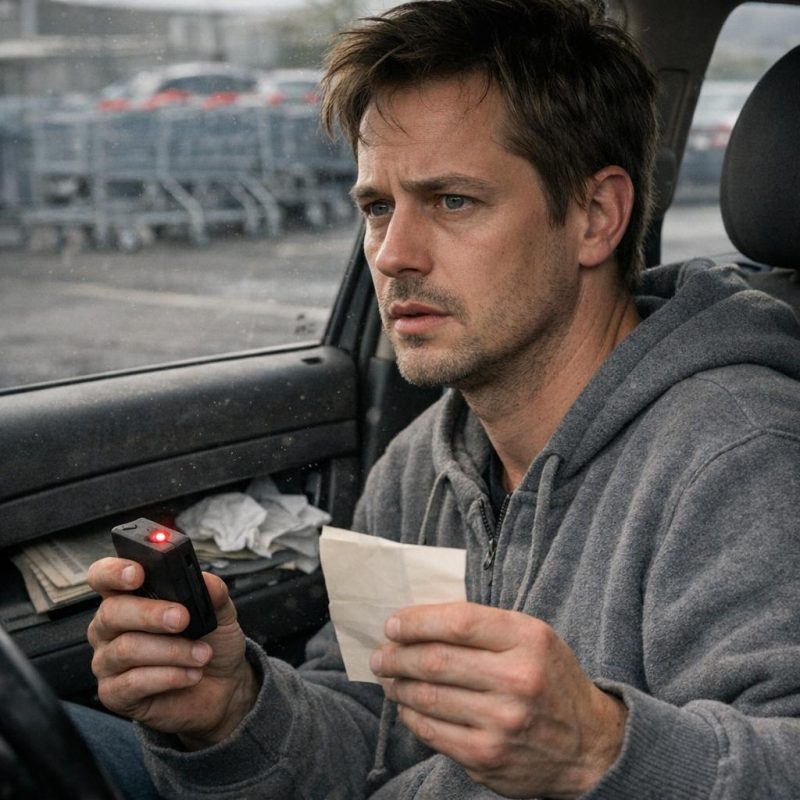 Image by RM AI
The Neighbor's Concern
I drove home with the device sitting on my passenger seat, glancing at it every few seconds like it might suddenly explain itself. When I pulled into my driveway, Helen was outside watering her begonias. She's lived next door for fourteen years, and we've helped each other through everything from broken water heaters to the deaths of our husbands. If anyone would give me a straight answer, it would be Helen. I walked over with the device and both notes. 'Helen, look at this. I found it in my car after my oil change this morning.' She set down her watering can and took the device, turning it over in her weathered hands. 'Blinking light,' she said, squinting at it. 'Could be one of those promotional things. You know, like how dealerships sometimes put air fresheners or keychains in your car?' I showed her the notes. She read them, frowning. 'That's odd. Maybe it's some kind of tracking device for the service center? To track their tools or equipment?' She handed everything back to me. 'I wouldn't worry too much, Marjorie. Probably just got mixed up with your paperwork somehow.' I wanted to believe her. Helen's always been practical, level-headed. But Helen's explanation seemed reasonable, but it didn't explain the warning in the note.
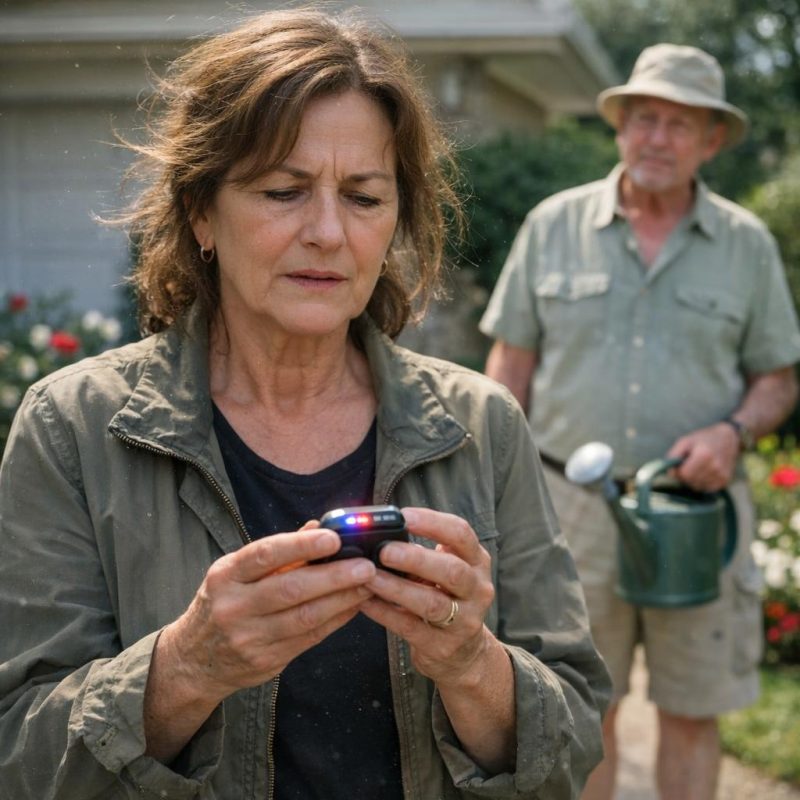 Image by RM AI
The First Phone Call
I went inside and put the groceries away, then stood at my kitchen counter staring at my phone. The service center's number was still in my recent calls from when I'd confirmed my appointment. I pressed redial and waited through two rings. 'Quality Auto Service, this is Amanda.' The same cheerful voice from the front desk. 'Hi Amanda, this is Marjorie Patterson. I was in this morning for an oil change.' 'Oh yes, Mrs. Patterson. Is everything all right with your vehicle?' 'The car's fine. I'm calling because I found something in my glove compartment after I left. A small electronic device with a blinking light. Did one of your technicians leave something in there by accident?' There was a pause, then the sound of typing. 'Let me check your service record.' More typing. The silence stretched out. I pressed the phone harder against my ear. 'Mrs. Patterson? I'm showing Rick completed your service at ten-fifty-eight. He noted tire pressure and the standard oil change checklist. There's nothing here about leaving any device or equipment in your vehicle.' My mouth went dry. 'Could you double-check? Maybe ask Rick directly?' 'He's on lunch break, but I can see his complete notes right here. I'm sorry, but there's no record of anything being left in your car.'
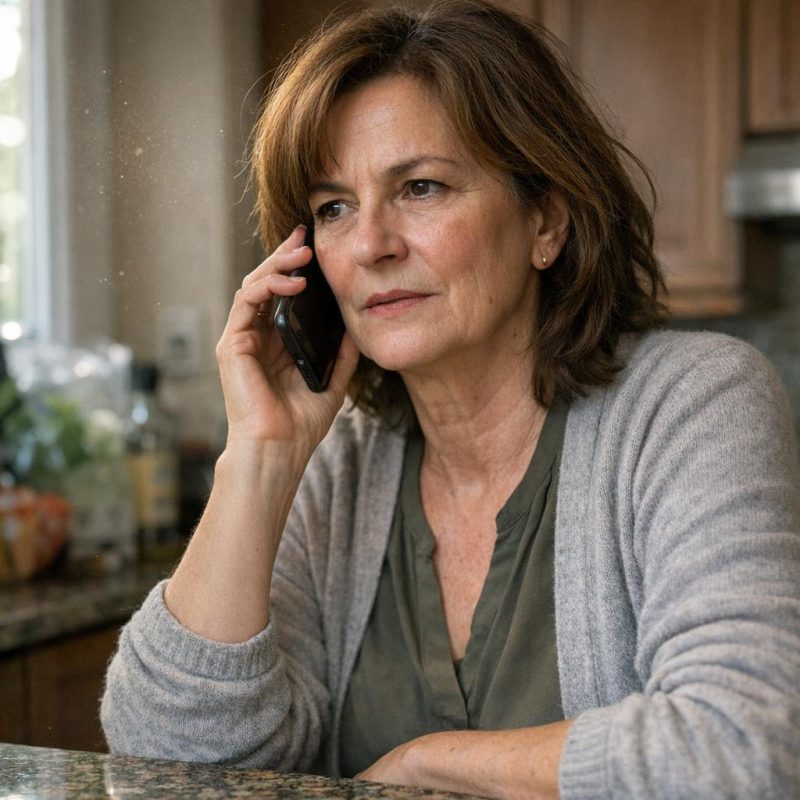 Image by RM AI
A Sleepless Night
I didn't sleep that night. I kept getting up to check the locks on the doors, to peer out the front window at the street. The device sat on my nightstand, that red light blinking in the darkness like a tiny warning beacon. I turned it off at one point—there was a small switch on the side—but then I worried that turning it off might alert whoever put it there that I'd found it. So I turned it back on. My mind went in circles. Who had access to my car at the service center? Rick, obviously. But why would a technician leave warning notes about his own device? Maybe someone else at the service center? Amanda seemed genuinely confused on the phone. Maybe someone in the parking lot? But I'd locked my car. I always lock my car. Around three in the morning, I got up and made chamomile tea. I sat at my kitchen table, wrapping my hands around the warm mug, and thought about calling the police. But what would I tell them? Someone left me notes warning me about a device I don't understand? That didn't sound like an emergency. It barely sounded coherent. But it was real. The device was real. The notes were real. By morning, I had made a decision: I was going back to the service center, and I wasn't leaving without answers.
 Image by RM AI
Face to Face with the Manager
I walked into Quality Auto Service at eight-thirty Wednesday morning, carrying both notes and the device in a ziplock bag like evidence. Amanda looked up from the desk with her usual smile, which faded when she saw my face. 'I need to speak with your manager,' I said. My voice came out steadier than I felt. 'Is this about yesterday's call? Because I can get Rick—' 'The manager, please.' She picked up the phone, spoke quietly, then gestured toward the office door. Dan Powell came out a moment later. I'd seen him before, usually in the background, a tall man with graying temples and glasses. He had that particular politeness of someone used to handling complaints. 'Mrs. Patterson, I understand there's a concern about your service yesterday?' I placed the ziplock bag on the counter between us. 'Someone put this in my car during my oil change. Along with these notes.' I watched his face carefully. He pulled the bag closer, studying the contents through the plastic. For just a second—maybe two—his expression changed. It wasn't confusion. It was something else, something that made my pulse quicken. The manager examined the device, and for just a moment, something flickered across his face—recognition, or maybe alarm.
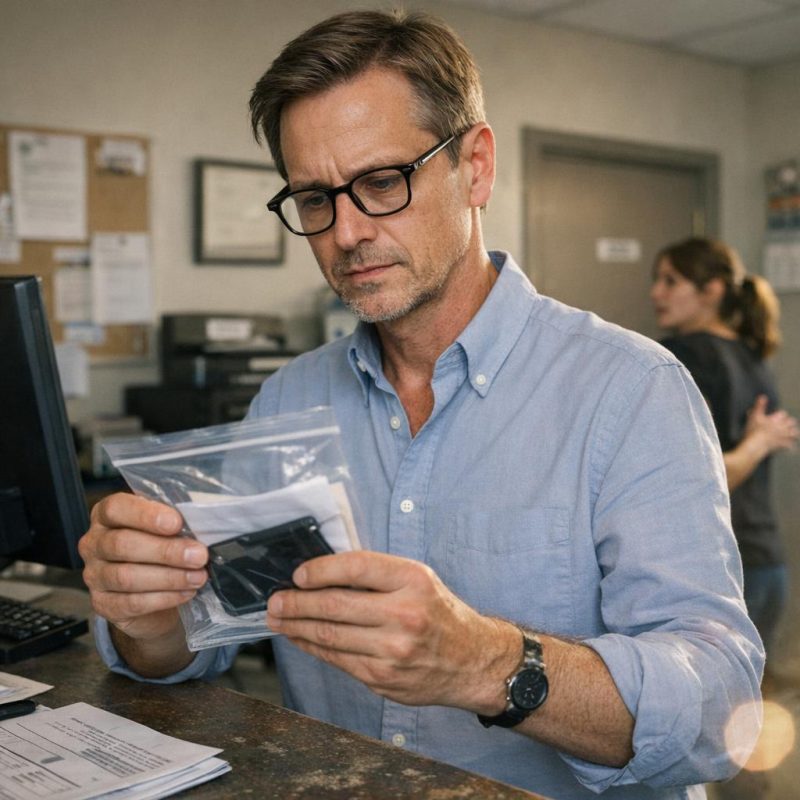 Image by RM AI
The Fired Technician
Dan Powell set the bag down carefully, like it might detonate. 'Mrs. Patterson, I need to be honest with you,' he said, his voice dropping. 'We recently let someone go. One of our technicians.' He glanced toward the service bays, then back at me. 'There were... irregularities. Nothing we could prove, but he was spending unusual amounts of time in certain customer vehicles. More than the work required.' I felt something cold settle in my stomach. 'What kind of irregularities?' 'We noticed it maybe two months ago. He'd volunteer for specific jobs, particular customers. Always women who came in alone, actually. We started watching more closely, reviewing timesheets. The pattern was there, but we never found anything concrete in the cars. No damage, nothing missing.' Powell adjusted his glasses. 'We let him go three weeks ago for violating company protocols. Told him it was performance-related to avoid complications.' 'What was his name?' Powell hesitated. 'I really shouldn't—' 'What was his name?' I repeated. He looked at the device again, and I saw his jaw tighten. 'We thought letting him go quietly was the end of it. But this...' He tapped the plastic bag. 'He said the technician had been spending too much time in certain cars, but they hadn't found anything concrete—until now.'
 Image by RM AI
The Missing Link
'I need his name,' I said. 'And his contact information if you have it.' Powell's expression shifted into something I'd seen before in corporate settings—the careful neutrality that means no. 'Mrs. Patterson, I understand your concern, but there are privacy issues. Employment law. We can't just hand out former employees' personal information.' 'Someone put a tracking device in my car while it was in your care,' I said, keeping my voice level. 'That's not a privacy issue. That's a crime.' 'We don't know for certain it was him.' 'But you think it was.' He didn't answer that. Instead, he picked up the bag again, studying the device like he was buying time to think. 'What I can do,' he said slowly, 'is report this to our corporate office. They have protocols for these situations. Legal will get involved, and they can coordinate with law enforcement if necessary.' 'I'm asking for a name, not a corporate investigation.' 'And I'm trying to do this properly, Mrs. Patterson. For your protection as much as ours.' There it was—the institutional wall going up. Liability concerns. Lawyers. The machinery of a business protecting itself. 'I'll look into it,' he finally said, but the way he avoided my eyes told me he was hiding something.
 Image by RM AI
What Is It?
I left Quality Auto Service with the ziplock bag and a hollow feeling in my chest. Dan Powell had taken my phone number, promised to 'follow up,' and walked me to the door with practiced courtesy. I didn't believe a word of it. In the car, I sat for a moment, just breathing. The device was in my lap now, still in its plastic bag. It looked so ordinary—small, black, anonymous. But someone had chosen it specifically. Had ordered it, maybe. Had waited for the right moment to slide it into my car while I sat in that waiting room reading a two-year-old People magazine. I pulled out my phone and searched 'electronics repair near me.' If the service center wasn't going to give me answers, I'd find them myself. There was a place on Market Street, Chan's Electronics, that did phone repairs and computer work. The kind of shop where someone might actually know what they were looking at. I started the engine, checked my mirrors more carefully than usual, and pulled out onto the street. My hands were steady on the wheel, but my mind was racing. I needed to know exactly what I was dealing with before I decided what to do next.
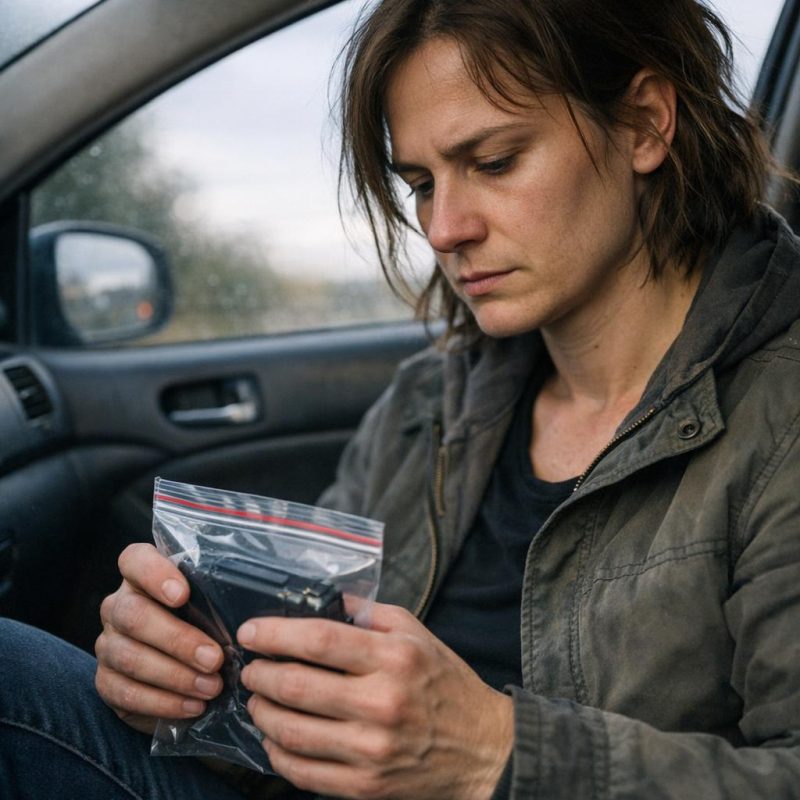 Image by RM AI
GPS Tracker
Mr. Chen looked like he'd seen everything twice. He took the device from me without questions, produced a magnifying glass and a small toolkit from under the counter, and started examining it with the calm focus of someone who'd done this a thousand times. 'GPS tracker,' he said after maybe thirty seconds. 'Pretty standard model. You can buy these online, couple hundred dollars.' He flipped it over, pointing to a small port on one side. 'Magnetic mount here, see? Sticks to the underside of a car. Battery lasts maybe two weeks, depends on how often it reports location.' 'Reports to where?' 'Whoever's monitoring it. Could be an app on their phone, could be a website. Real-time tracking, usually.' He looked up at me then, and his expression changed. 'Where did you find this?' 'Someone put it in my car. During a service appointment.' Mr. Chen set down his magnifying glass. 'This wasn't dropped by accident. These things don't just fall into wheel wells.' He turned it over again, showing me the clean condition, no road dirt or damage. 'Someone installed this deliberately, probably within the last few days based on how clean it is.' He looked at me seriously and said, 'Someone wanted to know where you were going—and when.'
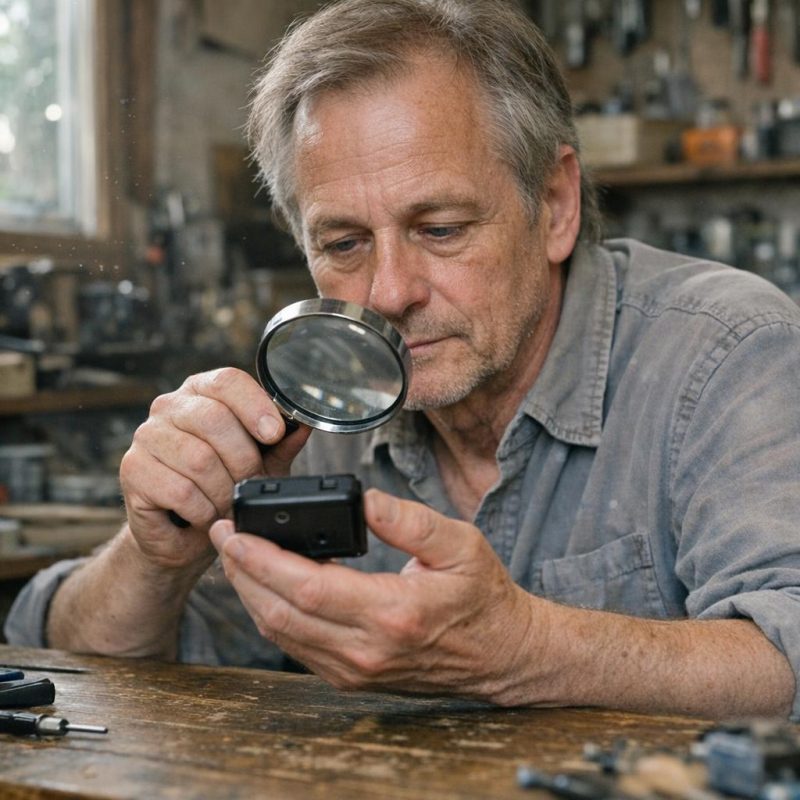 Image by RM AI
Who Would Follow Me?
Driving home, I went through my life like shuffling a deck of cards, looking for the wrong one. Ex-husband? Gerald had been gone for fifteen years, remarried, living in Arizona with someone who apparently made him happy. We exchanged Christmas cards. That was it. My daughter Emily was in Portland with her own family, busy with her own life. We talked every Sunday. Normal. The neighbors? I barely knew them beyond polite waves. Linda next door borrowed a cup of sugar once three years ago. The couple across the street had a dog that barked. That was the extent of our relationship. Work acquaintances from before retirement? Most had moved or faded away like they do. I played bridge on Thursdays with three women I'd known for a decade—surely nothing there. I stopped at a red light, watching a young mother push a stroller across the intersection. My life looked like that from the outside, I supposed. Ordinary. Predictable. Safe. But someone had decided I was worth tracking. Someone had looked at me and seen... what? A target? An opportunity? I kept coming up empty—I lived a quiet life, had no enemies, no drama—but someone had chosen me anyway.
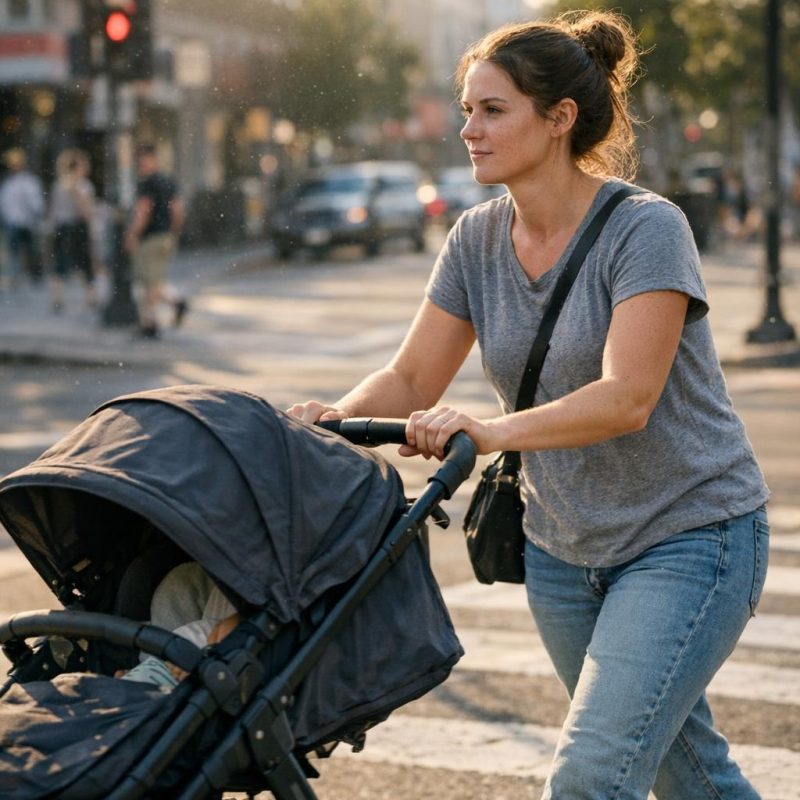 Image by RM AI
The Ordinary Target
It hit me as I pulled into my driveway, the same driveway I'd pulled into a thousand times before. I was predictable. Completely, utterly predictable. Oil change every three months at the same place, same time slot if I could get it. Grocery shopping on Tuesday mornings at nine. Bridge on Thursday afternoons. Church on Sundays when I felt up to it. The same routes, the same routines, the same small orbit of a quiet life I'd built after Gerald left. I'd thought that predictability was comfort. Safety, even. The reward for getting older—you got to stop surprising yourself. But sitting there in my car, looking at my tidy little house with its tidy little garden, I understood something that made my skin crawl. Predictable meant easy to watch. Easy to track. Easy to learn. A GPS device wouldn't even be necessary for someone paying attention—my life was that regular. But they'd installed one anyway, which meant they wanted precision. They wanted to know exactly where I was, down to the minute. Not just the pattern, but the details. For the first time, I wondered if being ordinary was exactly what had put me at risk.
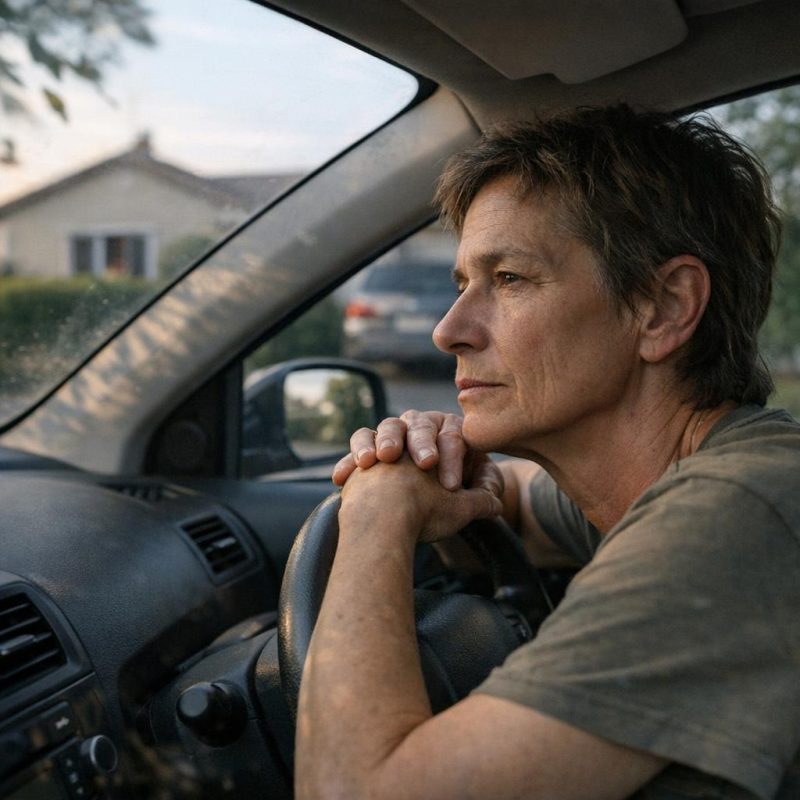 Image by RM AI
The Evening Wait
That night, I sat in my living room with all the lights on and the TV playing something I wasn't watching. The device was on my coffee table, still in its bag. Evidence, maybe. Or just proof that my safe little life had never been safe at all. I'd picked up my phone four times to call the police. Put it down four times. What would I even say? Someone put a tracker in my car, but I found it, and nothing actually happened? I could imagine the conversation. The polite concern that wasn't quite concern. The advice to 'document everything' and 'stay vigilant.' Maybe they'd take a report. Maybe they'd file it somewhere. But what could they actually do? I didn't know who did it. The service center wasn't talking. I had a device and two notes and a growing sense that I was in something I didn't understand. The clock on the wall said 9:47. I should go to bed. Lock the doors, check the windows, try to sleep. Tomorrow I'd figure out the next step. I'd call Emily, maybe. Or a lawyer. Someone who could tell me what to do with this mess. And then, just as I was about to turn off the lights, my phone rang from an unfamiliar number.
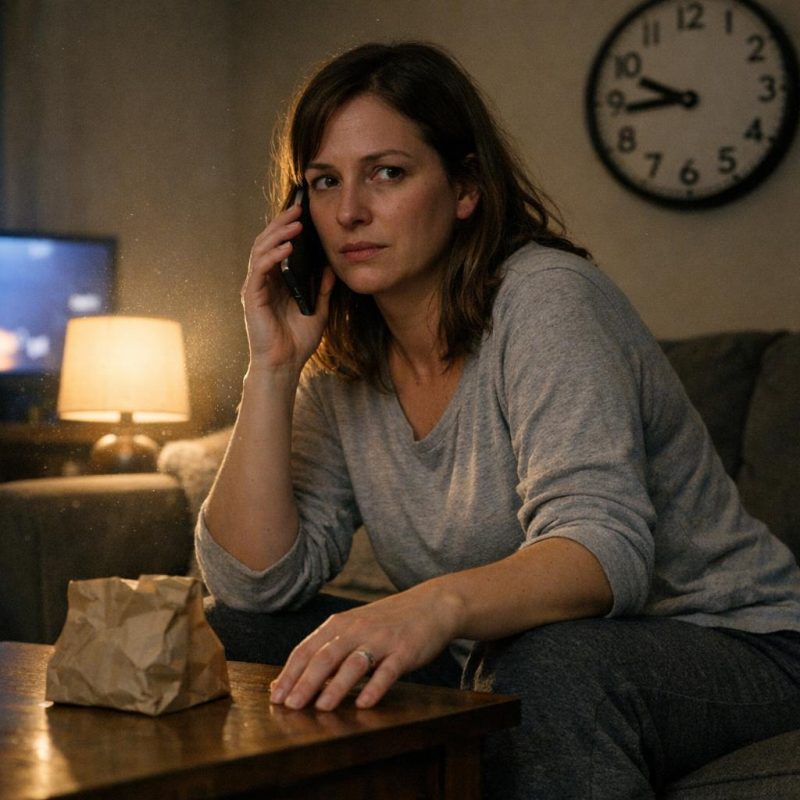 Image by RM AI
Did You Find It?
I stared at the screen. The number had a local area code but I didn't recognize it. For a moment, I considered letting it go to voicemail. But something made me answer. 'Hello?' 'Is this Marjorie Patterson?' A man's voice, calm, maybe a little nervous. 'Who is this?' 'Please don't hang up. I need to know—did you find the device?' My hand tightened on the phone. 'How did you—' 'The one in your car. The tracker. Did you find it?' My heart was hammering now. 'I'm calling the police.' 'Wait, please. I'm not—it wasn't meant for you. I mean, it was in your car, but it wasn't meant to stay there. That's why I left the note.' I couldn't breathe properly. 'You left the note?' 'Both of them, yes. I was trying to warn you without... without making things worse. But I need to know if you found it, if you removed it, because if you didn't—' 'Who are you?' Silence on the line for a moment. I could hear traffic sounds in the background, like he was calling from outside somewhere. Before I could ask who he was, he said, 'I left the note. I saw him put the tracker in your car.'
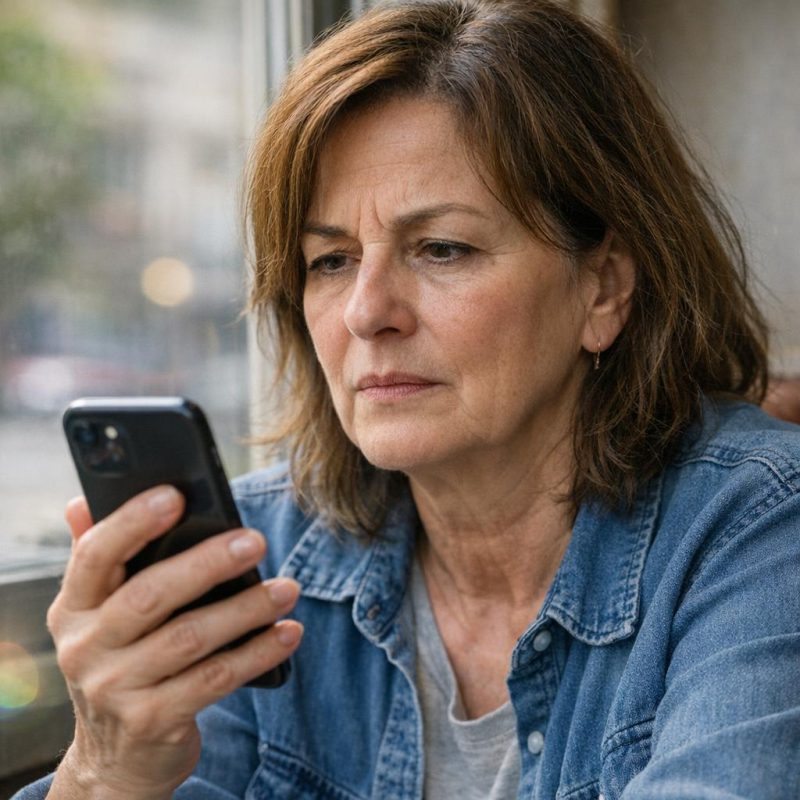 Image by RM AI
The Informant
He said his name was David Jennings. He'd worked at the service center for about two years, mostly in the back office handling scheduling and inventory. He'd known Marcus Boyd—that was the fired technician's name—since Marcus had started there about eight months ago. 'He seemed normal at first,' David said. 'Quiet. Kept to himself. But then I started noticing things.' Like how Marcus would linger by the customer database after his shift. How he'd volunteer to process intake forms even though it wasn't his job. How he'd ask questions about certain customers—casual questions that felt just a little too specific. 'I thought maybe he was hitting on someone, you know? Being a creep that way,' David said. 'But then I saw him taking photos of customer files with his phone.' David said he started paying closer attention after that. He noticed Marcus seemed to focus on women who came in alone, who mentioned they lived by themselves, who didn't list a spouse on their emergency contact forms. He wanted to report it, gather enough evidence to take to management or the police. But before he could put it all together, before he had anything concrete, Marcus was suddenly gone. He said he tried to report it, but before he could gather enough proof, the technician disappeared.
 Image by RM AI
Why Not Report It?
I asked him the question that had been burning in my mind since he'd started talking. 'Why didn't you just go to the police? Or tell your manager right away?' It seemed obvious. If he'd seen something suspicious, if he'd witnessed Marcus photographing customer files, why leave cryptic notes instead of making an official report? There was silence on the other end of the line. I heard a car horn in the background, then what sounded like David taking a breath. 'It's complicated,' he finally said. 'You have to understand, I shouldn't have been watching him that closely. I shouldn't have known half the things I knew.' I frowned. 'What does that mean?' 'It means I was looking at files I didn't have authorization to access. Employee schedules, disciplinary records, customer data I had no business viewing. I was trying to document what Marcus was doing, but I was breaking company policy—probably breaking actual laws—to do it.' My frustration mounted. 'So you left me a note instead?' 'I know how it sounds,' he said quietly. 'But if I'd gone to management, I'd have been fired too. And if I'd gone to the police with no evidence except what I'd gathered illegally, they wouldn't have been able to use any of it.' There was a long pause before he said, 'Because I couldn't prove it without admitting I'd been going through files I shouldn't have seen.'
 Image by RM AI
The Other Vehicles
I wanted to be angry with him, but part of me understood the impossible position he'd been in. Still, something in his story didn't quite add up. 'You said Marcus was focusing on certain customers. Was I the only one?' Another pause. 'No.' My stomach dropped. 'How many others?' 'I can't give you exact numbers over the phone,' David said. 'And honestly, I don't know the full extent of it. But I saw enough to know your car wasn't the only one he paid special attention to. There were others. Other women. Other appointments.' I felt cold despite the warmth of my kitchen. 'What do you mean, special attention?' 'I can't explain everything right now. Not like this. But there's a pattern, and you need to understand what you're dealing with.' His voice had taken on an urgent edge. 'Look, I know you have no reason to trust me. I'm some stranger calling you out of the blue, telling you I've been snooping through files and playing amateur detective. But I need you to understand—this is bigger than just a tracker in your car.' I gripped the phone tighter. 'Then tell me.' 'Not over the phone,' he said firmly. 'Meet me tomorrow at the café on Birch Street. There's more you need to know.'
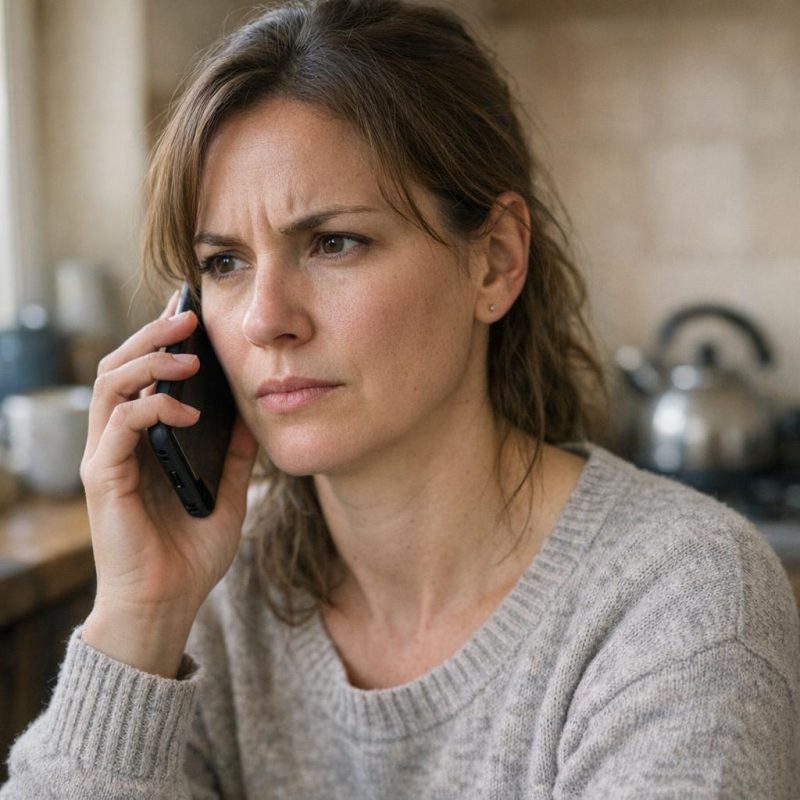 Image by RM AI
Should I Trust Him?
After I hung up, I sat at my kitchen table for a long time, staring at nothing. Part of me thought I was being ridiculous even considering it. Meeting a stranger who'd admitted to going through confidential files, who'd been watching his coworker closely enough to notice suspicious behavior, who'd left anonymous notes instead of going through proper channels—every rational part of my brain said this was a terrible idea. But another part of me, the part that had found a GPS tracker zip-tied under my car, the part that had felt increasingly watched over the past few weeks, that part said I needed answers. David Jennings might be ethically questionable. He might be unreliable. But he was the only person who seemed to know what was actually going on. I thought about the tracker sitting in that Ziploc bag in my drawer. I thought about Marcus Boyd, whoever he was, and what he might have been planning. I thought about the other women David had mentioned, the ones whose cars had apparently received 'special attention' too. By ten o'clock that night, I'd made my decision. I would meet David at the café. I would hear what he had to say. I would look at whatever evidence he claimed to have. But I wasn't stupid, and I wasn't going to put myself in danger for answers. I decided to go—but I wasn't going alone.
 Image by RM AI
Calling the Police
I called the non-emergency police line the next morning. The dispatcher took my basic information and transferred me to someone who could take a formal statement. That's how I ended up talking to Detective Sarah Kowalski. She had a direct, no-nonsense way of speaking that I appreciated. 'Ms. Patterson, you're reporting that you found a tracking device on your vehicle?' 'Yes. Under the chassis, near the rear axle. It was zip-tied in place.' 'And you believe it was placed there during a recent service appointment?' I explained about the oil change, the note, the phone call from David Jennings. I could hear her typing as I talked, probably taking notes or filling out some kind of report form. 'And this David Jennings—do you know him personally?' 'No. He called me yesterday. Said he worked at the service center and saw the technician put the tracker on my car.' There was a pause. 'Ms. Patterson, I want to be honest with you. We get calls sometimes from people who think they're being followed or tracked, and often there's a more innocent explanation. A misplaced AirTag, a device from a previous owner...' I'd expected this. 'I understand. But I have the device. I removed it myself. And I have the notes that were left for me.' The detective said she'd look into it, but I could hear the skepticism in her voice—until I mentioned the GPS tracker.
 Image by RM AI
The Café Meeting
The café on Birch Street was one of those places with mismatched furniture and local art on the walls. I'd asked Janet to come with me, told her I was meeting someone about a volunteer opportunity. She sat two tables away with a book, close enough to intervene if needed. David Jennings looked younger than I'd expected from his voice. Maybe forty, early forties. He wore a polo shirt and jeans, and he had the nervous energy of someone who'd been drinking too much coffee. 'Ms. Patterson?' He stood when I approached. We shook hands. His palm was slightly damp. I sat down across from him, keeping my purse close. 'You said you had information.' He nodded, glancing around the café before speaking. 'I've been thinking about this since Marcus left. Trying to piece together what he was doing, why he was accessing those particular files.' 'And?' 'He had a system. I didn't see it at first, but when I started looking at the customer records he'd pulled up, there was a clear pattern. He was targeting specific people.' David's jaw tightened. 'All women. All solo appointments. All paid with personal checks or cards, not company accounts.' My hands felt cold. 'How many?' Instead of answering, he pulled out a folder and slid it across the table—inside were printouts of service records, all belonging to women.
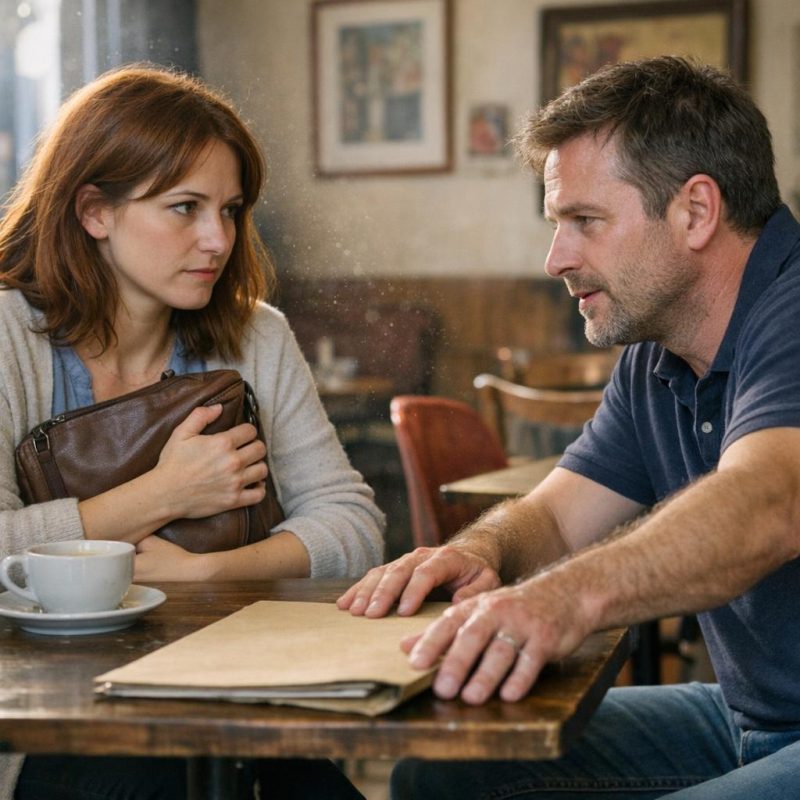 Image by RM AI
The Records
My hands trembled slightly as I opened the folder. The pages were photocopies, slightly blurry, clearly printed from a computer screen rather than official documents. Each one showed a service record from the auto center—customer name, address, phone number, vehicle information, service date. I flipped through them slowly. Sarah Mitchell. Karen O'Brien. Patricia Vance. Names I didn't recognize, but all with local addresses. All women, as David had said. All recent appointments within the past six months. And then, about halfway through the stack, I saw it. My own name. Marjorie Patterson. My address. My phone number. My 2015 Camry. Oil change, tire rotation. Date of service: three weeks ago. Seeing it there, in black and white among all these other women's information, made it real in a way it hadn't been before. I wasn't imagining things. I wasn't being paranoid. I was genuinely on some kind of list. 'Do you see it?' David asked quietly. I nodded, not trusting my voice. I kept flipping through the pages. Twelve women total, including me. Twelve names, twelve addresses, twelve service appointments. And then I noticed something else. Next to each address, in the margin, someone had written notes. 'Single occupant.' 'No emergency contact listed.' 'Lives alone—confirmed.' Every woman on the list lived alone—addresses, phone numbers, service histories—it was all there.
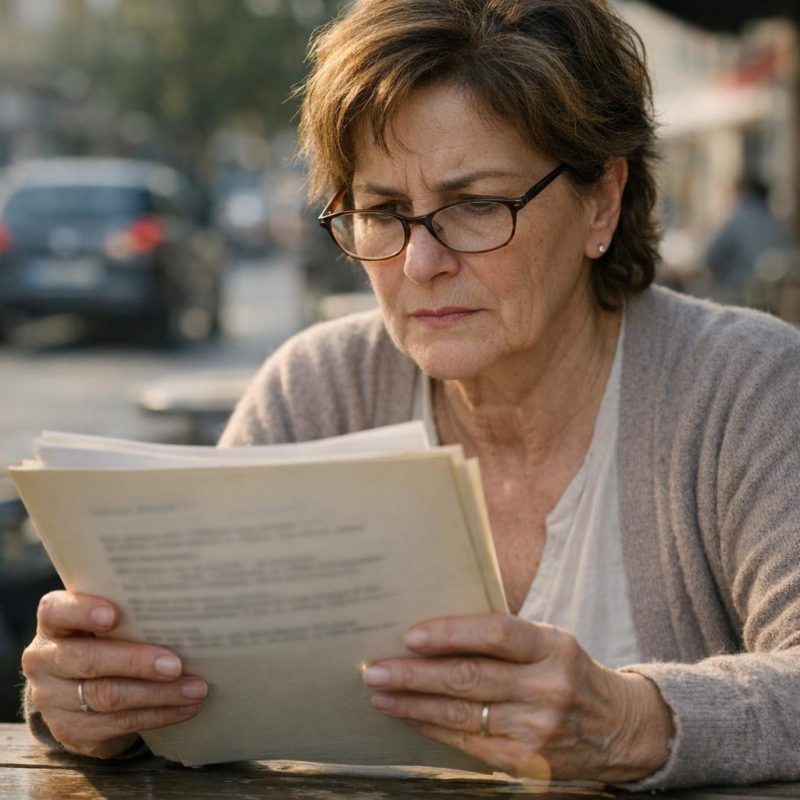 Image by RM AI
How Did He Know?
I looked up from the papers, my mind racing. 'How did he know?' David seemed confused. 'Know what?' 'That we lived alone. That we were...' I gestured at the notes in the margins. 'How could he possibly know that just from a service appointment?' David's expression grew uncomfortable. He shifted in his seat, picked up his coffee cup, put it back down without drinking. 'The intake forms,' he finally said. 'When you bring your car in, you fill out paperwork, right? Contact information, emergency contacts, that sort of thing?' I nodded. I remembered the clipboard, the standard form asking for basic details. 'People don't think about it,' David continued, 'but those forms tell a story. If you only list one emergency contact, or if you leave that section blank entirely, if your payment method is in your name only, if you mention you're the only driver of the vehicle...' He trailed off. 'It builds a profile.' The violation of it hit me all at once. Information I'd provided for safety reasons, for convenience, had been used to identify me as vulnerable. As a target. David looked uncomfortable and said, 'The intake forms. Emergency contacts. If there's only one name, or none, it's a pretty good guess.'
 Image by RM AI
Why Didn't You Stop Him?
I set down the folder and looked directly at him. The anger had been building since he'd started explaining, and now it came out. 'If you knew something was wrong,' I said, 'why didn't you stop him? Why didn't you report him, or warn someone, or—' I gestured helplessly. 'Why did you wait until after he'd already gotten to my car?' David flinched. He deserved that, I thought, even as part of me recognized the unfairness of it. 'I know how it sounds,' he said quietly. 'Believe me, I've asked myself the same thing a hundred times.' He ran his hand through his hair again, that nervous gesture I was starting to recognize. 'But I didn't have proof of anything. Just a feeling. Just watching someone spend an extra thirty seconds near a car, or seeing him write something down when he thought no one was looking.' He looked at me directly then. 'Do you know what happens when you accuse a coworker of something like that without evidence? I'd already raised concerns once before, informally, and got told I was being paranoid. That I needed to be a team player.' The bitterness in his voice was unmistakable. 'I was gathering documentation, trying to build a case, but I couldn't just—' He stopped. Took a breath. 'Because I didn't know what he was planning—I only knew something felt wrong.'
 Image by RM AI
The Detective's Interest
The next morning, I brought the folder to Detective Kowalski. I'd called ahead, and she'd agreed to meet me at the station rather than making me wait for another home visit. When I walked into her office, she had that same professional demeanor I remembered from our first meeting, polite but slightly distant. That changed the moment I handed her the folder. I watched her face as she opened it, saw the shift in her expression when she realized what she was looking at. She went very still, the way people do when they're trying to process something significant. She read through the first few pages, then flipped faster, scanning. When she looked up at me, her entire bearing had changed. 'Where did you get this?' she asked. I told her about David's call, about the meeting at the coffee shop, about his observations and his fears. She listened without interrupting, taking notes in a small notebook she'd pulled from her desk drawer. When I finished, she sat back in her chair and looked at the folder again. 'This is substantial,' she said. 'This is actionable.' I felt something loosen in my chest, some tight knot of tension I hadn't realized I'd been carrying. She asked if I'd be willing to make a formal statement—and if David would too.
 Image by RM AI
David's Reluctance
I called David from the parking lot of the police station. When I told him Detective Kowalski wanted a formal statement, there was a long silence on the other end of the line. 'I don't know if that's a good idea,' he finally said. His voice had gone tight, cautious in a way I hadn't heard before. 'Why not?' I asked, though I thought I already knew the answer. 'Because I still work there,' he said. 'Because if this becomes official, if my name gets attached to it, I could lose my job. I could get blacklisted from the industry.' He wasn't wrong, I knew that. But I also knew what was at stake. 'David,' I said carefully, 'I understand you're worried about your career. I do. But if you don't speak up now, if this doesn't go forward because we don't have enough evidence, what happens to the next woman? What happens to the women on that list who don't know they're targets?' Another silence. I could hear him breathing. 'You're the only one who saw what he was doing from the inside,' I continued. 'You're the only one who can testify to the pattern.' More silence. Then, finally: 'Okay.' Just that one word. I told him that if he didn't speak up, more women could be at risk—and he finally agreed.
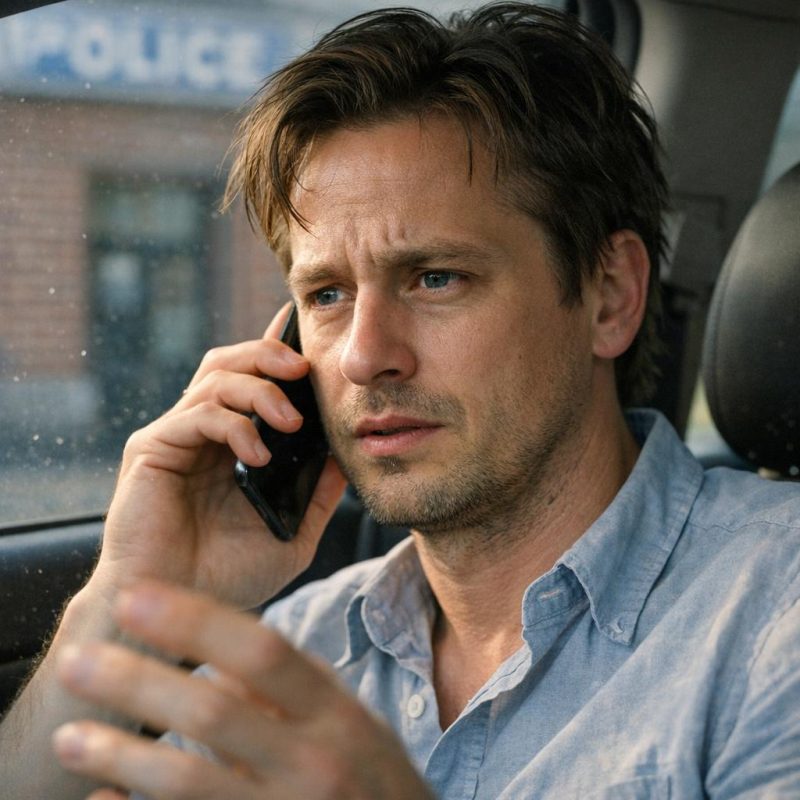 Image by RM AI
Security Footage Request
Detective Kowalski moved quickly. Within a day, she'd contacted the service center to request security footage from the days surrounding my appointment. She asked me to come with her, said it might help to have me there as the complainant. The manager, Dan Powell—the same one I'd spoken to after finding the note—met us in the lobby. His professional smile faltered when Detective Kowalski explained what she needed. 'Security footage?' he repeated. 'From three weeks ago?' 'The system should maintain footage for at least thirty days,' Detective Kowalski said. Her tone was polite but firm. 'We need recordings from the service bay area, specifically the date of Ms. Chen's appointment and the two days before and after.' I watched Dan's expression shift. He wasn't hostile exactly, but something had changed. The helpful manager from before had been replaced by someone calculating potential exposure. 'I'll need to consult with corporate,' he said. 'We have privacy policies, liability considerations. I can't just hand over footage without proper authorization.' Detective Kowalski nodded as if she'd expected this. 'How long will that take?' 'A few days, maybe a week.' He was already retreating toward his office. The manager said he'd need to 'consult with corporate'—and suddenly, I understood why David had been so cautious.
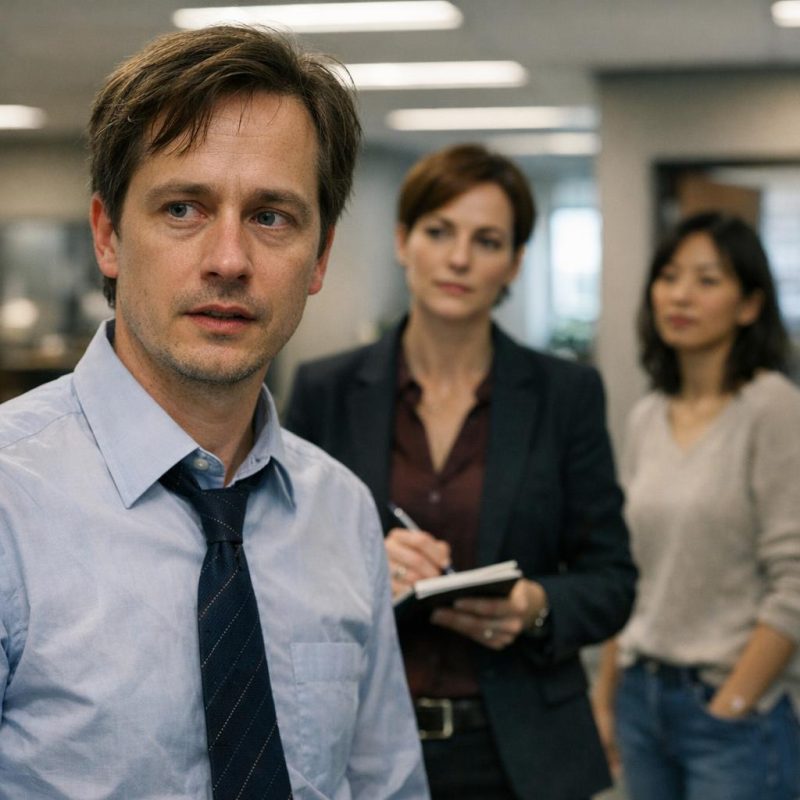 Image by RM AI
The Subpoena
A week passed with no footage. Detective Kowalski left messages. The service center's corporate office claimed to be 'reviewing the request.' I could hear the frustration in the detective's voice when she called to update me. 'They're stalling,' she said flatly. 'They're worried about liability, about what the footage might show, about lawsuits. Standard corporate response when they think they might have exposure.' She paused. 'But they're going to cooperate whether they want to or not.' Two days later, she called again. This time, her tone was different. Satisfied. 'I got a judge to sign a subpoena this morning,' she said. 'The service center has forty-eight hours to produce the footage or face contempt charges. Corporate can review their liability all they want, but they can't ignore a court order.' I felt a surge of something—vindication, maybe, or just relief that someone with actual authority was taking this seriously. That night, I barely slept. I kept thinking about what the footage might show, what proof it might contain. Whether it would validate everything David had told me or reveal nothing at all. She called me two days later and said, 'We've got the footage—and you need to see this.'
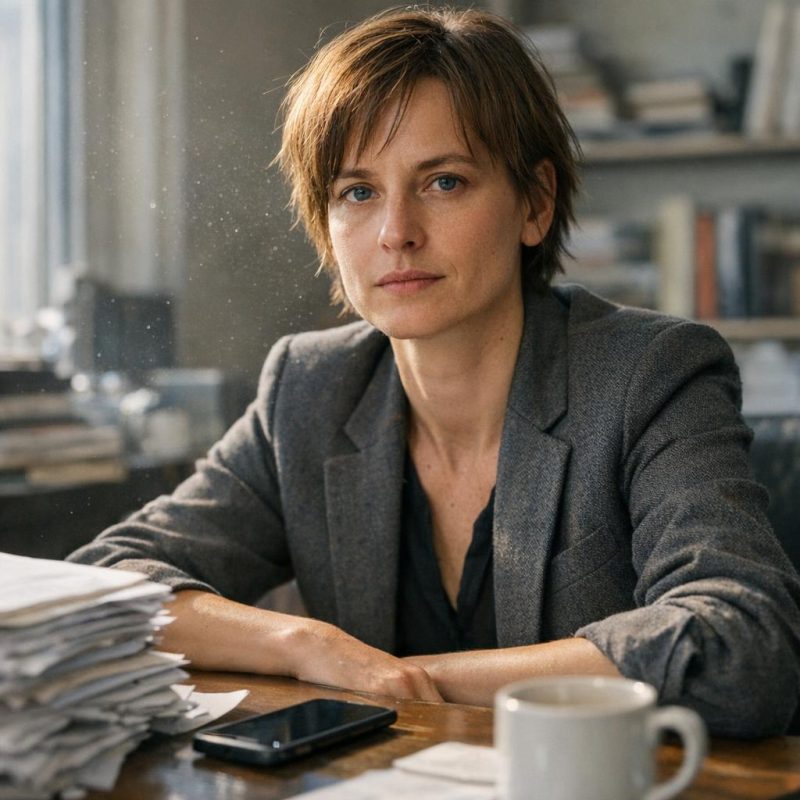 Image by RM AI
The Footage
Detective Kowalski had set up a viewing room at the station. A small space with a monitor and a couple of chairs. She cued up the footage, time-stamped to the morning of my appointment. I watched my car pull into the service bay. Watched the initial inspection, the routine movements of technicians going about their work. Then Marcus Boyd appeared in the frame. At first, everything looked normal. He opened my driver's side door, leaned in, presumably checking the mileage or adjusting the seat to move the car. But then he stopped. Glanced around. The gesture was subtle, quick, but unmistakable—he was checking to see if anyone was watching. He leaned into my car again, his hands moving near the center console. The angle wasn't perfect, but I could see him doing something deliberate, something that took more time than it should have. 'He's there for nearly ninety seconds,' Detective Kowalski said, pointing at the timestamp. 'That's not normal for a routine check.' My heart was pounding. There it was. Visual proof of what David had suspected, what I'd feared. And then, in the background of the frame, another figure appeared. Standing near the doorway to the parts department, partially obscured but visible. Watching. On the screen, I watched him glance around before leaning into my car—and then David appeared in the frame, watching from a distance.
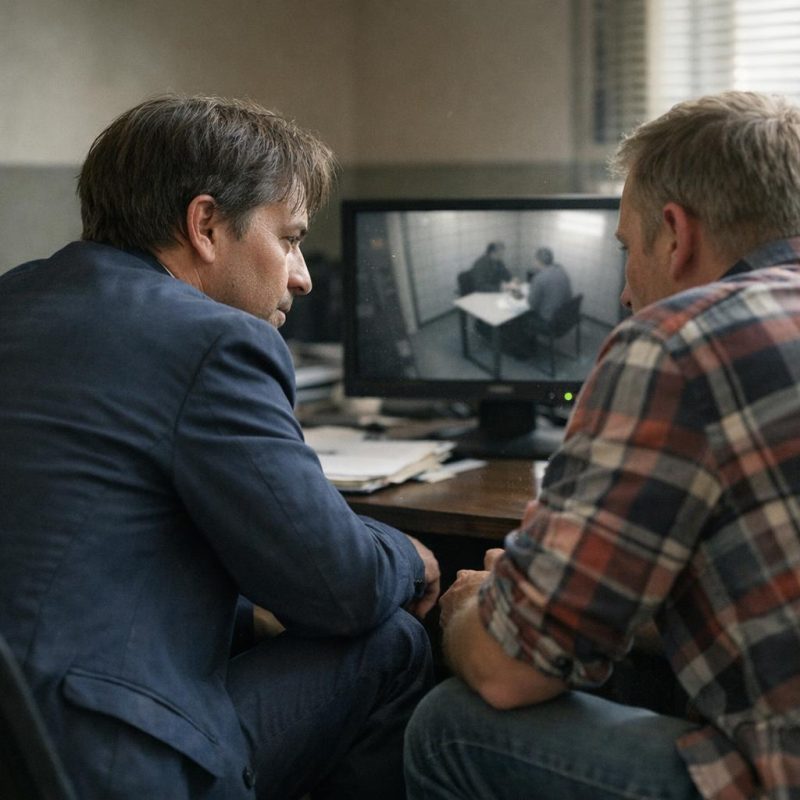 Image by RM AI
David's Confession
David came to the station that afternoon. Detective Kowalski had called him after I'd seen the footage, asked him to come in to view it and explain what we were seeing. We sat in that same small room, the three of us, and watched the footage again. When it reached the part where David appeared in frame, Detective Kowalski paused it. 'You were watching him,' she said. It wasn't a question. David nodded slowly. 'I'd been watching him for about a week at that point. Maybe longer.' He looked uncomfortable but determined. 'I started noticing patterns. How he'd volunteer to handle certain customers' vehicles, always women who came in alone. How he'd spend extra time in their cars. How he'd sometimes make notes on his phone afterward.' He gestured at the screen. 'That morning, when I saw Mrs. Chen's name on the service board, I just had this feeling. So I positioned myself where I could observe without being obvious.' 'Why didn't you intervene right then?' Detective Kowalski asked. 'Because I still didn't have proof of anything illegal,' David said. 'I didn't know what he was doing in that car. Could have been legitimate. And if I'd confronted him without evidence, it would have tipped him off, made him more careful.' He looked at me. 'When I saw him with your car, I knew I had to warn you—but I couldn't prove anything yet.'
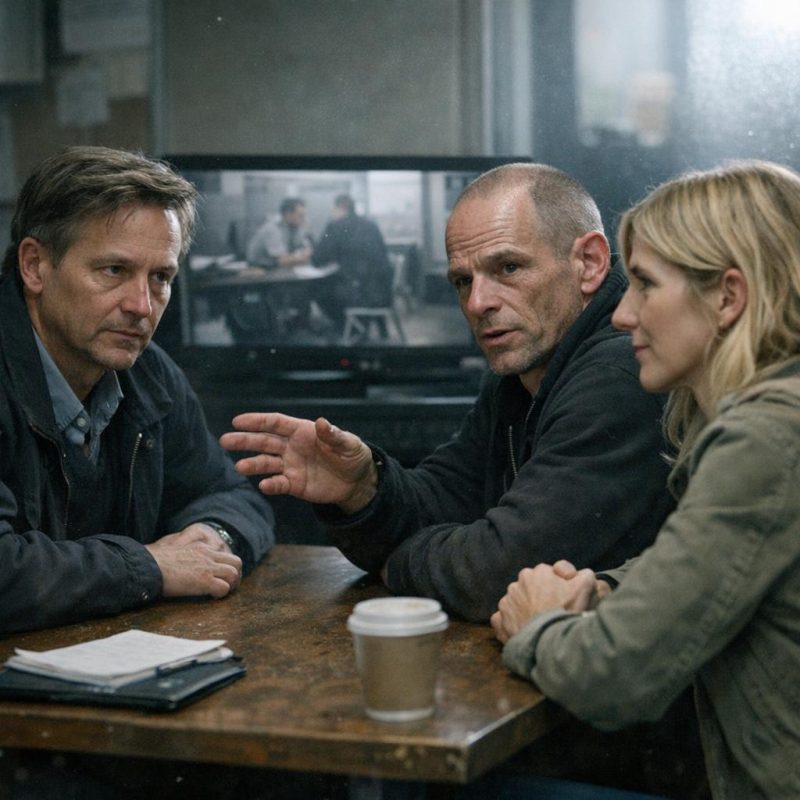 Image by RM AI
The Other Women
With the footage and David's statement, Detective Kowalski had enough to expand the investigation. She started working through the names from David's list, contacting the women whose information he'd documented. I asked if I could be present for some of those calls, and she agreed, said it might help if another woman who'd experienced this was there to validate their concerns. The first woman she reached was confused, hadn't noticed anything unusual. The second said she'd think about it and hung up quickly, clearly uncomfortable. But the third woman, a woman named Patricia from two towns over, went quiet when Detective Kowalski described what we'd found. 'I thought I was being paranoid,' she said, her voice thin over the speakerphone. 'I found an AirTag in my glove compartment three days after my oil change. I threw it away. I should have—I should have reported it.' Two more women confirmed similar experiences over the next forty-eight hours. Different objects, same pattern. All of them had used the same service center. All of them lived alone. Within two days, three other women reported finding unfamiliar objects in their vehicles after service appointments.
 Image by RM AI
Patterns Emerge
Detective Kowalski called me on a Thursday afternoon, and I could hear something tight in her voice before she even said what she'd found. She'd been cross-referencing the names from David's list with police reports across three counties. 'Marjorie,' she said, 'four of the women we've contacted filed break-in reports within three weeks of their service appointments.' I sat down at my kitchen table, still holding the phone. She walked me through it—Patricia, the woman who'd found the AirTag, had reported someone entering her home while she was at work. Nothing major taken, she'd told police, just some jewelry and cash from a bedroom drawer. Another woman had come home to find her back door jimmied open, electronics missing. A third reported the same. All of them had dismissed it as random bad luck, the kind of thing that happens. 'The break-ins stopped after they changed their routines,' Detective Kowalski said. 'One woman started working from home. Another installed a security system. They inadvertently made themselves harder targets.' I thought about my own house, my predictable schedule, the oil change I'd gotten just weeks ago. My blood ran cold—if I hadn't found the note, would my house have been next?
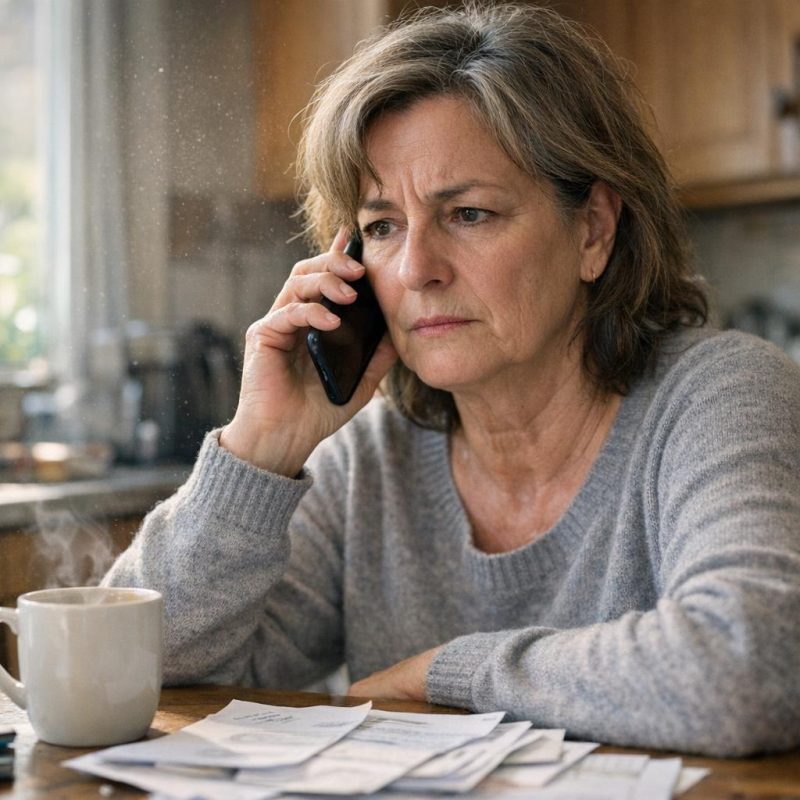 Image by RM AI
The Search for Marcus
The detective said they were moving quickly to locate Marcus Boyd, but when she called me two days later, the frustration in her voice was obvious. They'd pulled his employment records from the service center—he'd listed an address in a neighboring town, a small rental on the south side. When officers went to check it, they found the house abandoned. 'The landlord said he moved out six weeks ago,' Detective Kowalski told me. 'Paid through the end of his lease in cash, didn't leave a forwarding address.' She'd tried his phone number, the one listed on his employment paperwork, but it was disconnected. His social media accounts had gone silent around the same time. No credit card activity, no bank withdrawals from his usual locations. It was like he'd anticipated this exact scenario. 'People don't just vanish like this without planning,' she said. 'He's been careful. He knew how to move through systems without leaving much behind.' I asked if that meant they wouldn't find him, and she paused before answering. The detective said, 'He knew he'd be found eventually—he's been planning his disappearance.'
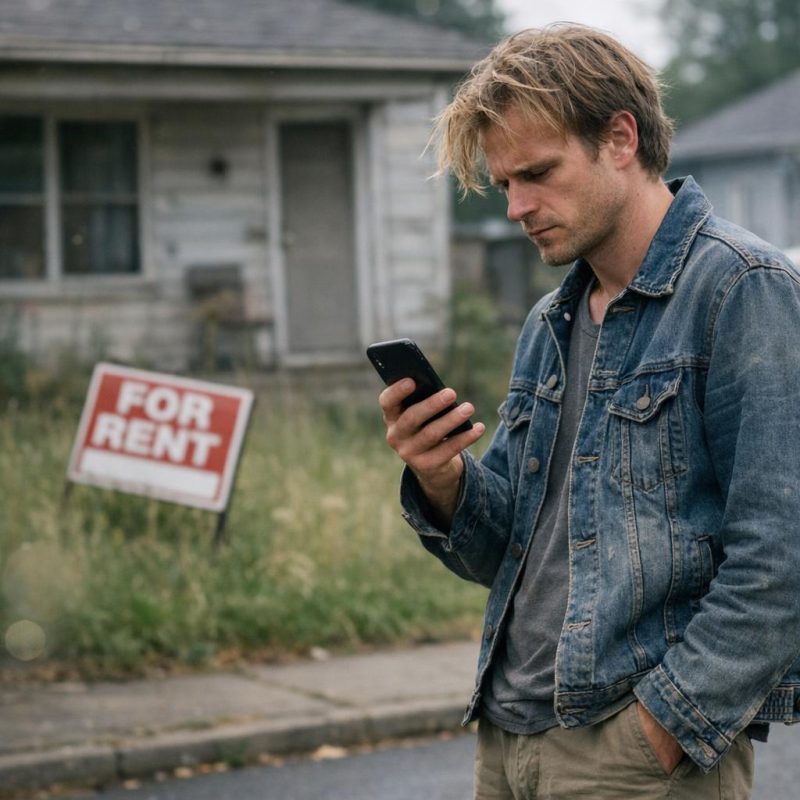 Image by RM AI
The Financial Trail
Detective Kowalski kept working the case even after Marcus went to ground. She told me later that financial records were often the thread that unraveled careful criminals—people could disappear, but money left traces. She subpoenaed his bank statements going back eighteen months and found a pattern that made the whole operation snap into focus. Regular paychecks from the service center, modest and unremarkable. But underneath those, every few weeks, there were cash deposits. Not huge amounts—three hundred here, five hundred there, sometimes as much as eight hundred. The deposits corresponded almost perfectly with the dates of the break-ins the victims had reported. She cross-referenced the amounts with the police reports, what had been stolen, what the women estimated their losses to be. Electronics, jewelry, small valuables that could be moved quickly. She contacted pawn shops in a widening radius, and two of them had records of a man matching Marcus's description selling items that matched what had been reported stolen. The amounts matched the approximate value of items stolen from the break-ins—he'd been selling them.
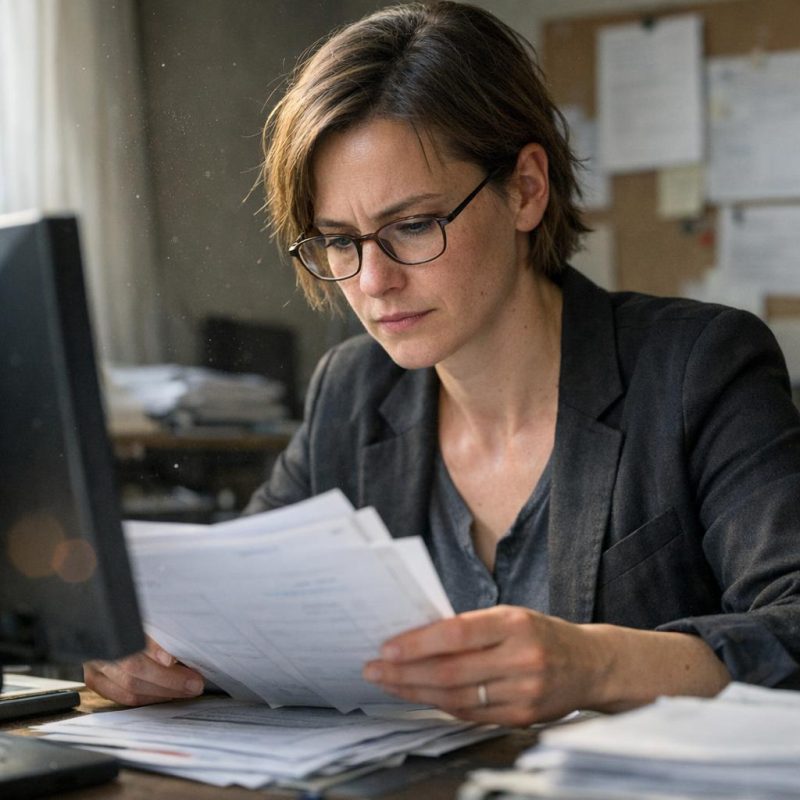 Image by RM AI
The News Coverage
I was folding laundry in my living room when my phone rang with a number I didn't recognize. It was a reporter from the local news station—someone had tipped her off about the investigation, the trackers, the break-ins. She wanted to know if I'd be willing to speak on camera about what had happened to me. I hesitated. I'm not the kind of person who seeks attention, and the idea of my face on the evening news made my stomach turn. But she said other women needed to know, needed to check their cars, needed to understand this wasn't paranoia. I thought about Patricia, about the woman who'd thrown away the AirTag thinking she was overreacting. I thought about all the voices that had been dismissed as anxious or irrational. So I said yes. The interview was short, just a few minutes in my driveway, but the reporter assured me it would make a difference. I agreed to speak, hoping it would warn other women—but I didn't anticipate the response I'd get.
 Image by RM AI
Calls From Strangers
The story aired on a Wednesday night, and by Thursday morning my phone was ringing constantly. I don't know how they got my number—maybe through public records, maybe someone who knew someone. Women I'd never met were calling to tell me their stories, and each one sounded like a variation of my own. A woman from the next county over said she'd found a small GPS device under her passenger seat after getting her tires rotated. Another said she'd noticed someone had been in her house while she was at work, nothing taken but things moved, and it had happened right after a routine service appointment. Some of them were angry, some were scared, and some just sounded relieved that someone believed them. I started keeping notes, writing down names and details, passing everything along to Detective Kowalski. One woman's call stood out, though. Her voice shook when she spoke. One woman said she'd been living in fear for months after a break-in—and she'd had her oil changed at the same service center.
 Image by RM AI
The Service Center's Response
The service center issued a statement three days after the news coverage started. It came through their corporate PR team, carefully worded and defensive in that way companies get when they're trying to avoid liability. They expressed concern for the women affected, said they took customer safety seriously, and then they distanced themselves from Marcus Boyd as quickly as possible. According to their statement, he'd been a temporary contractor, hired through a third-party staffing agency, and they'd terminated his employment immediately upon learning of the investigation. It was polished, calculated, and it made my blood boil. I called David that afternoon, asked him if he'd seen it. 'Yeah,' he said, his voice flat. 'I saw it.' I asked him if what they'd said was true, if Marcus had really been temporary. There was a long pause. 'I've got his employee file,' David said. 'I pulled it before I left. He was hired directly, not through an agency. And he worked there for eight months.' They claimed he was a 'temporary contractor' they'd fired immediately—but David had proof he'd worked there for eight months.
 Image by RM AI
Corporate Liability
A lawyer named Rebecca Chen called me the following week. She was polite and professional, said she'd been following the case and believed there were grounds for a class action lawsuit against the service center chain. Negligent hiring practices, inadequate employee oversight, failure to protect customer information. She'd already spoken with two of the other women who'd come forward, and they were interested in pursuing legal action. She asked if I'd consider joining. I told her I'd have to think about it. Honestly, the idea of depositions and courtrooms and drawn-out legal battles exhausted me before we'd even started. I wasn't interested in a settlement check or a payout that would get divided among dozens of plaintiffs and their lawyers. What I wanted was for the people who'd enabled this to be held responsible, for the service center to admit what had happened under their roof. But Rebecca said sometimes the only language corporations understood was financial liability. She said a lawsuit could force changes in policy, in training, in how they handled employee records. I wasn't interested in money—I wanted accountability, but I agreed to hear her out.
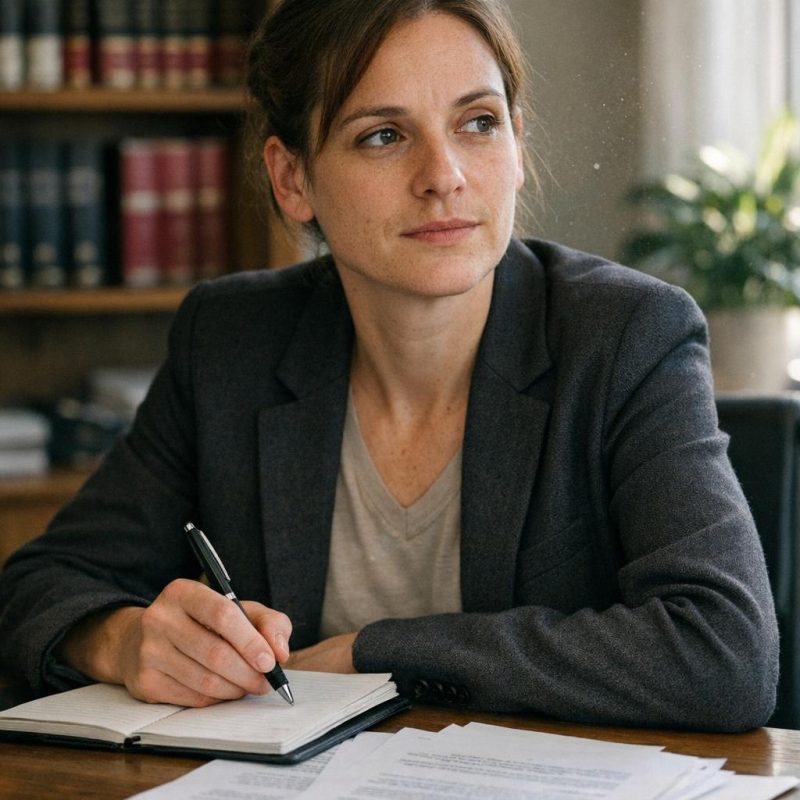 Image by RM AI
The Tip Line
Detective Kowalski told me they'd set up a dedicated tip line for information about Marcus Boyd's whereabouts. The number was included in the news coverage, and she said they'd been getting calls—most of them well-meaning but unhelpful, people who thought they'd seen someone who looked like him, or who wanted to share their own stories about feeling watched. But she told me to stay hopeful. Someone, somewhere, had seen him. He couldn't stay invisible forever. I tried to go about my normal routine, but I kept my phone close, volume turned up. It had been three days since the tip line went live when Detective Kowalski called me just after lunch. Her voice had that edge again, the one that meant something had shifted. 'We got a call this morning,' she said. 'A pawn shop owner two towns over. He recognized Marcus from the photo we circulated.' I felt my pulse kick up. She said the owner remembered him because he'd been in twice in the past week, selling electronics. Three days later, someone called with a lead—he'd been spotted at a pawn shop two towns over.
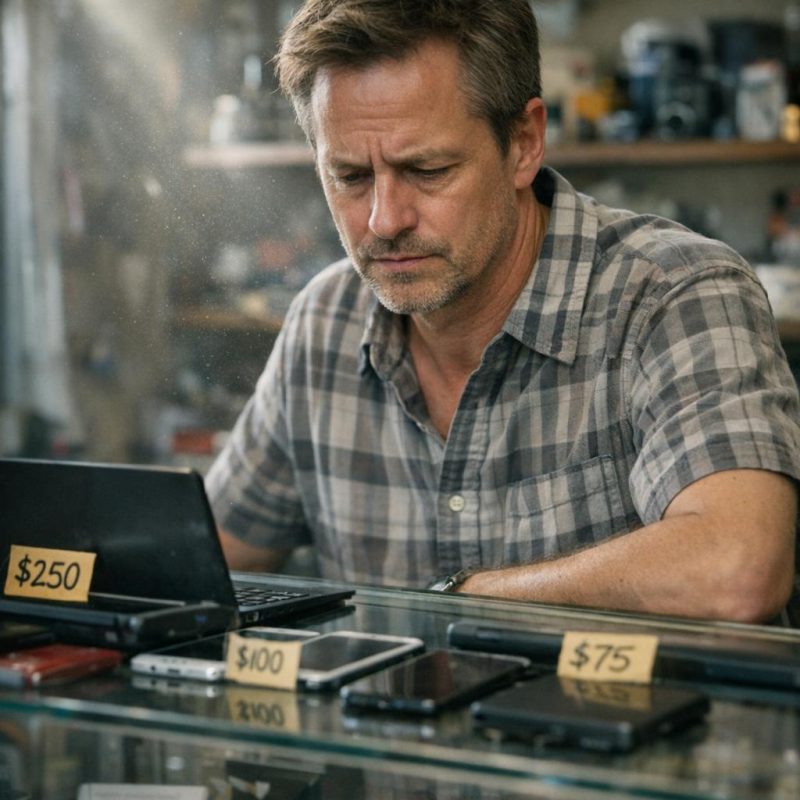 Image by RM AI
The Pawn Shop
Detective Kowalski went to the pawn shop herself the next day. I stayed home, trying not to check my phone every five minutes. When she called me that afternoon, I could hear something in her voice—not quite excitement, but close. 'He sold three laptops and a tablet,' she said. 'The serial numbers match items reported stolen in the break-ins from last month.' I sat down at my kitchen table, suddenly needing to be off my feet. She said the shop owner had copies of the ID Marcus used—a driver's license that turned out to be fake, but with his real photo on it. He'd been careless, or maybe he just hadn't expected anyone to connect the dots. The detective said she'd already requested the security camera footage. When she got it, she called me back within an hour. Her voice was different this time—sharper, more urgent. 'Marjorie, the timestamp on the footage,' she said. 'He was there yesterday afternoon.' Yesterday. Not last week, not days ago. He'd been right there, two towns over, walking around in broad daylight while we'd been searching for him. Marcus had used a fake ID, but the shop's security camera had captured his face—and the timestamp showed he'd been there just yesterday.
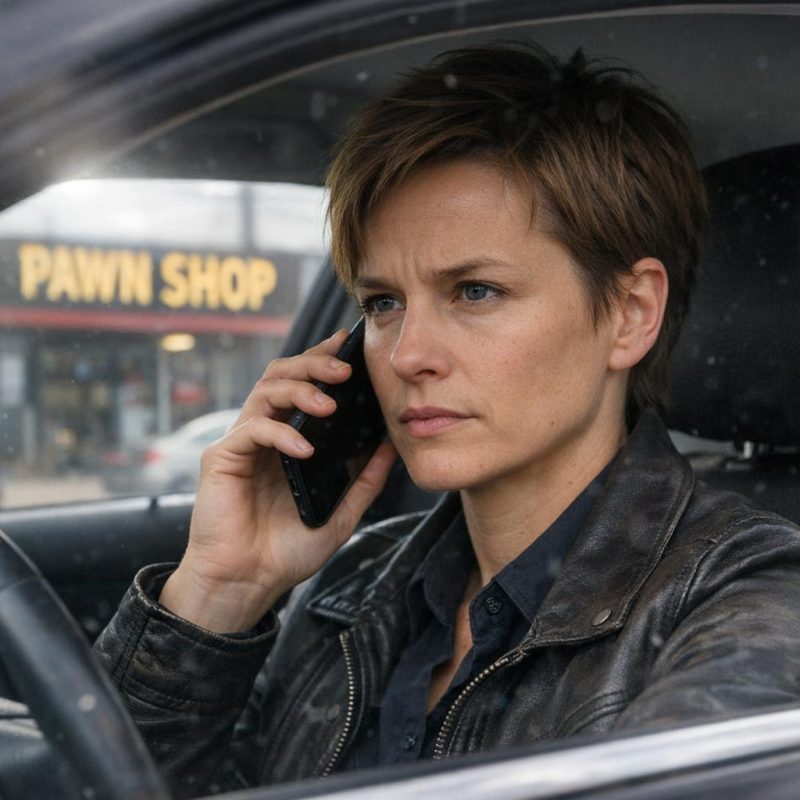 Image by RM AI
Planning the Arrest
The police started staking out places they thought Marcus might go. Detective Kowalski told me they were monitoring the pawn shop, a convenience store he'd been spotted near, and a laundromat someone had mentioned in another tip. I didn't sleep well those nights. Every time I closed my eyes, I pictured him somewhere close by, going about his business like he hadn't turned my life upside down. The detective called me every evening with updates, even when there wasn't much to report. I think she knew I needed to hear her voice, to know they were still looking. On the third night, she sounded different when she called. 'We got another lead,' she said. 'A motel clerk recognized him from the photo. He's been staying there under a different name, paying cash week by week.' My heart started hammering. She said they were putting together a plan, coordinating with the motel to make sure they didn't spook him. 'We're going to get him, Marjorie,' she said. I wanted to believe her. I wanted this to be over. Then she said the words I'd been waiting to hear: 'We think we know where he's staying—we're moving in tomorrow.'
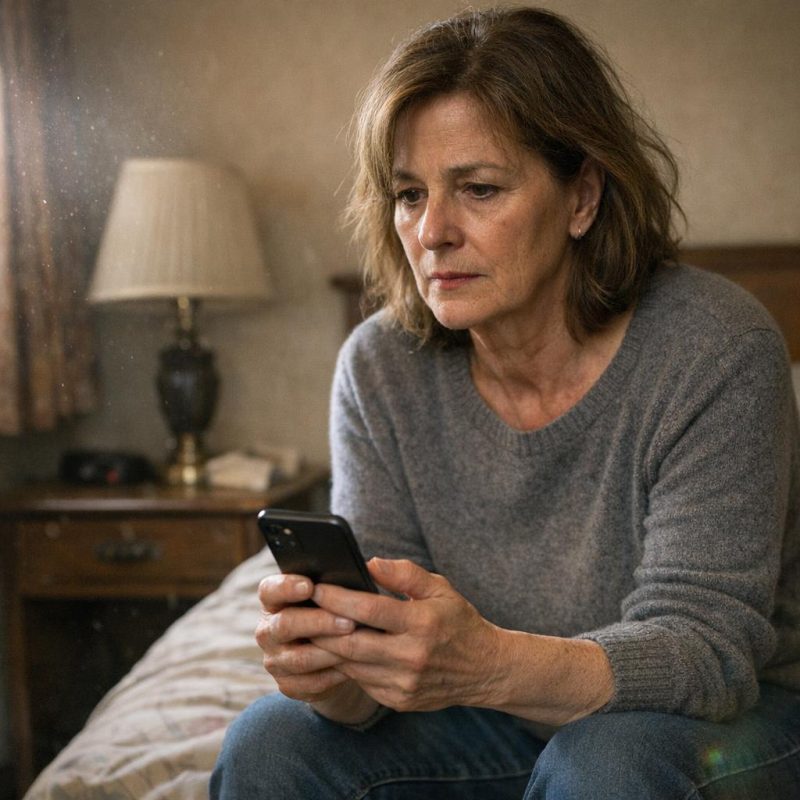 Image by RM AI
The Motel Room
Detective Kowalski called me early the next morning to let me know they were executing the search warrant. I didn't go with them—she said it was better if I stayed home, that she'd call as soon as they had something. So I waited. I made coffee I didn't drink and tried to read the same page of a book three times. When my phone finally rang, it was just past ten. 'We're in the room,' she said. Her voice sounded tight, controlled. I asked if they'd found him, and there was a pause. 'He's not here. But Marjorie, we found his things.' She said the motel room was small and surprisingly neat—a bed, a chair, a small table. On the table was a laptop, plugged in and still warm. They'd bagged it as evidence, along with a notebook, some documents, and a burner phone. She said the tech team was already starting to go through the laptop, and what they'd found so far made her stomach turn. 'There are files,' she said quietly. 'Organized by name.' I felt cold all over. Inside, they found a laptop with files labeled by customer names—including mine.
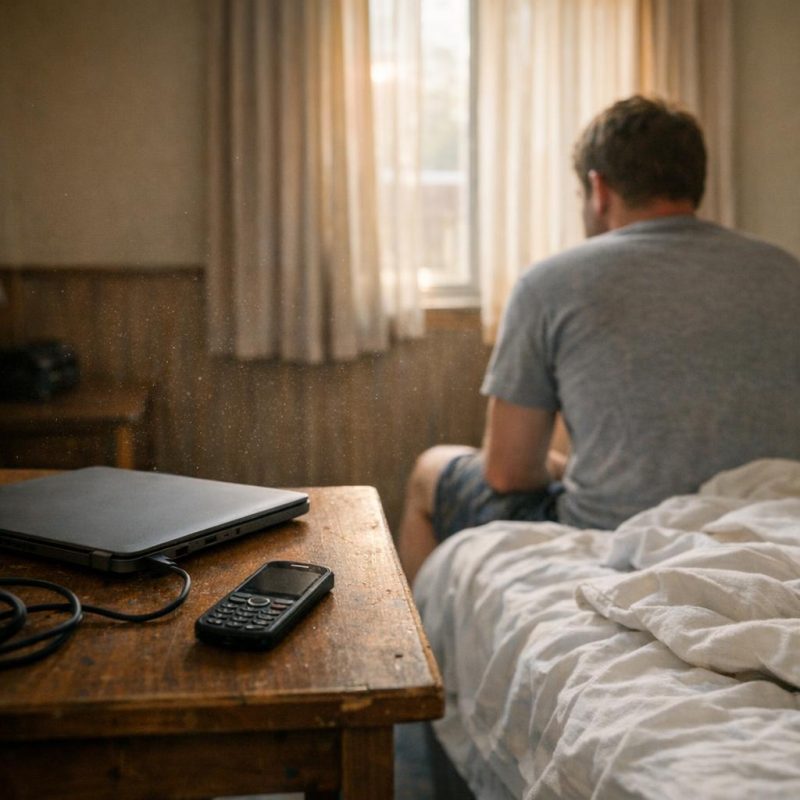 Image by RM AI
The Files
Detective Kowalski came to my house that afternoon with a folder. She sat across from me at my kitchen table and opened it slowly, like she was giving me time to prepare myself. 'I want you to see what was in your file,' she said. The first page was a photo of my house, taken from across the street. The second was my car in the grocery store parking lot. There were more—my front door, my mailbox, even a shot through my living room window that made my skin crawl. Underneath the photos were notes, typed and methodical. My grocery shopping day. The time I usually got home. When I went to bed, based on when my lights went out. He'd written down everything, like I was some kind of research project. Detective Kowalski watched me read through it, her expression carefully neutral. 'There are timestamps on the photos,' she said. 'He'd been watching you for at least three weeks before the oil change.' Three weeks. I thought about all those times I'd felt uneasy, dismissed it, told myself I was being paranoid. He'd been there, just outside my awareness, cataloging my entire life. He'd documented everything—when I left for groceries, when I came home, when my lights went out at night—he'd been watching me for weeks.
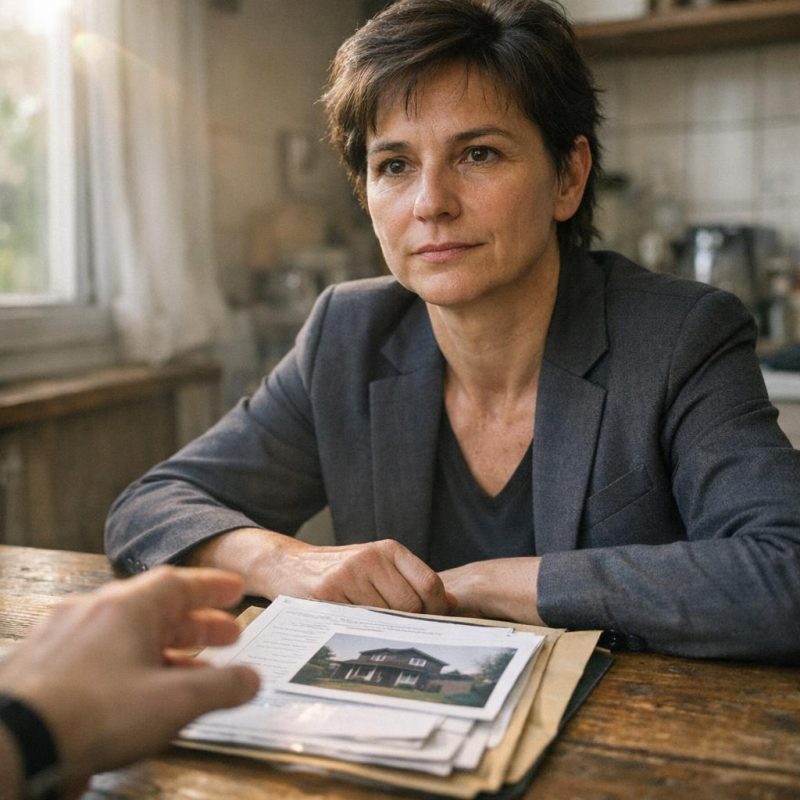 Image by RM AI
The Empty Room
I'd barely processed what I'd seen in that folder when Detective Kowalski's phone rang. She stepped outside to take the call, and when she came back in, her face told me everything. 'He's gone,' she said. The team that had gone to arrest him had found the motel room empty. Not just empty—cleared out. They'd missed him by hours, maybe less. The bed was still unmade, but his belongings were gone. The laptop had been left behind, along with a few papers, but everything else had vanished. I felt something collapse inside me. We'd been so close. She said they were reviewing the motel's security footage, trying to pinpoint exactly when he'd left and what vehicle he might be driving. The motel clerk said he'd seemed normal that morning, hadn't acted nervous or suspicious. But he'd checked out before noon, and by the time the warrant came through, he was already gone. 'I don't understand,' I said. 'How did he know?' Detective Kowalski's jaw tightened. 'I don't know yet. But he did.' The detective said he'd left in a hurry, but he'd taken the time to wipe down every surface—he knew we were coming.
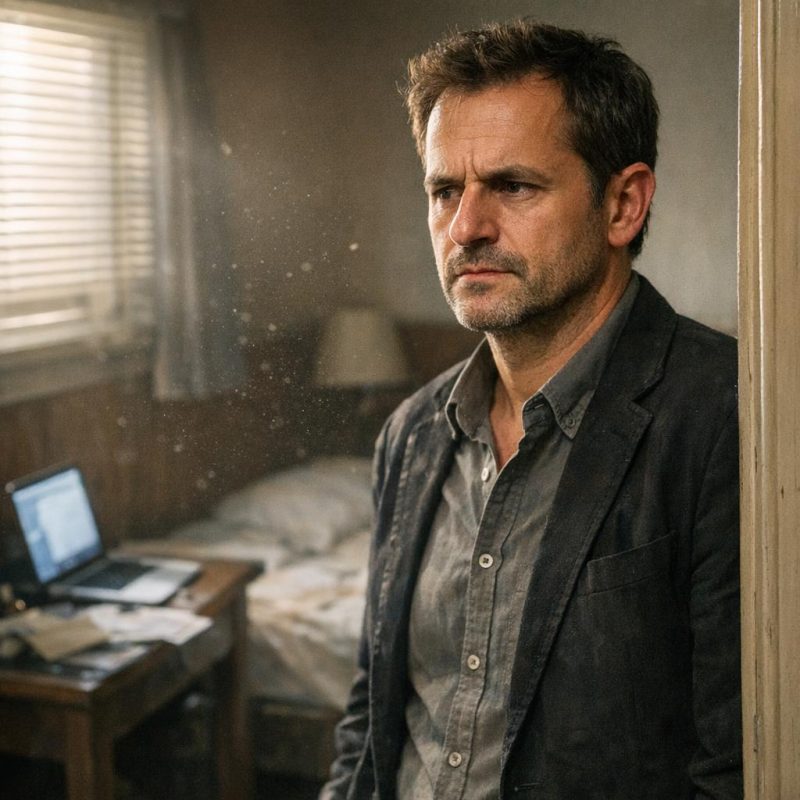 Image by RM AI
The Manhunt
By that evening, Marcus Boyd's photo was everywhere. Detective Kowalski told me they'd issued a regional alert, sending his information to law enforcement agencies across multiple states. His face was on the news, on police department social media pages, on digital billboards along the highways. She said they were treating it as an active manhunt now. 'He's got a head start, but he can't hide forever,' she told me. 'Someone will see him.' I wanted to feel reassured, but I didn't. Every time I saw his face on the screen—those flat, unremarkable eyes—I felt a creeping sense of dread. He wasn't just running. He was out there somewhere, and he knew exactly who I was. He'd studied me, cataloged my life, stood outside my house in the dark. The detective said they'd increased patrols in my neighborhood, that an officer would drive by a few times each night. It was supposed to make me feel safer. It didn't. The locks on my doors, the security system, the police presence—none of it changed the fact that Marcus Boyd was still out there, free, aware of me. I should have felt relieved that he was on the run, but instead I felt exposed—he was still out there, and he knew who I was.
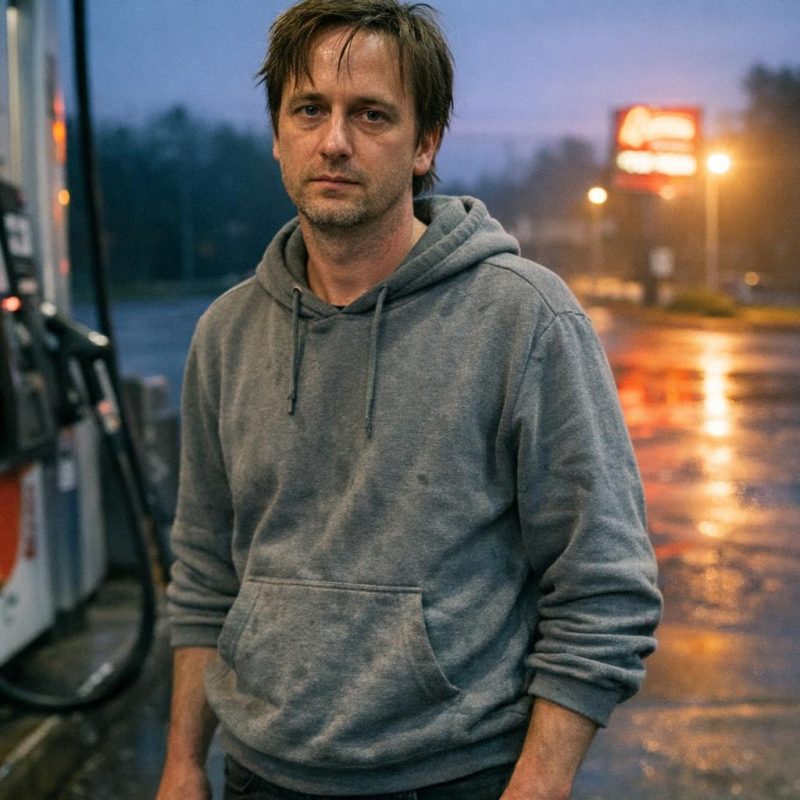 Image by RM AI
David's Theory
David called me two days into the manhunt. I hadn't heard from him since the motel search, and I was surprised when his name appeared on my screen. 'I've been thinking about this whole thing,' he said, 'and something doesn't add up.' He said he'd been going over everything in his head—the timing, the detail in Marcus's surveillance, how organized his operation seemed. 'This wasn't his first time, Marjorie,' he said. 'Nobody gets that good at something without practice.' I asked him what he meant, and he took a breath. 'I think he'd been doing this before. At other service centers, maybe in other towns. Building up to something bigger.' The thought made me feel sick. David said he'd looked up Marcus's employment history online, found a few mentions of him working at different auto shops over the past several years. 'Each time he moved, he stayed less than a year,' David said. 'That's a pattern.' I didn't want to believe it, but it made a horrible kind of sense. He said, 'I think he'd done this before—at other service centers, in other towns—and we only caught him because you found the note.'
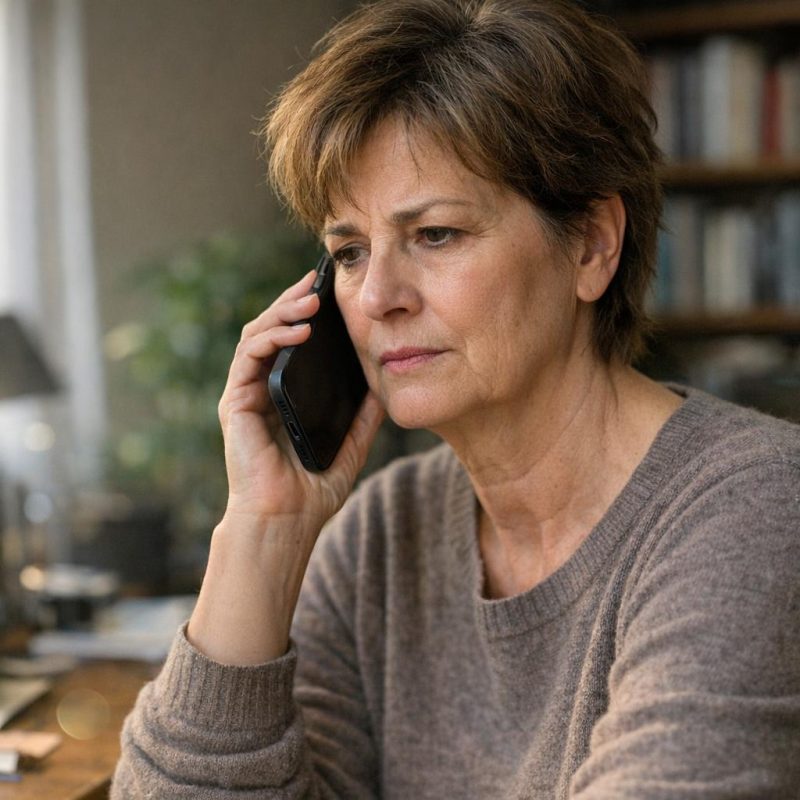 Image by RM AI
The Pattern Revealed
Detective Kowalski called me the next morning and asked if she could come over. When she arrived, she had that look again—the one that meant she'd found something she didn't want to tell me. She sat down and opened her laptop. 'We ran a full background on Marcus Boyd,' she said. 'Cross-referenced his employment history with unsolved property crimes.' What they'd found made my blood run cold. Marcus had worked at four other service centers across three states over the past six years. Each location correlated with a cluster of break-ins targeting women who lived alone. The detective pulled up a map on her screen, showing me the towns, the dates, the pattern. Same MO every time—entering through back doors or windows, taking electronics and small valuables, leaving minimal evidence. 'In two of the towns, women reported feeling watched before the break-ins,' she said quietly. 'But without proof, the cases went cold.' I stared at the screen, trying to process what she was telling me. This wasn't some opportunistic crime. It was calculated, methodical, repeated. The detective looked at me and said, 'He wasn't experimenting—he was running a system, and your routine made you the perfect target.'
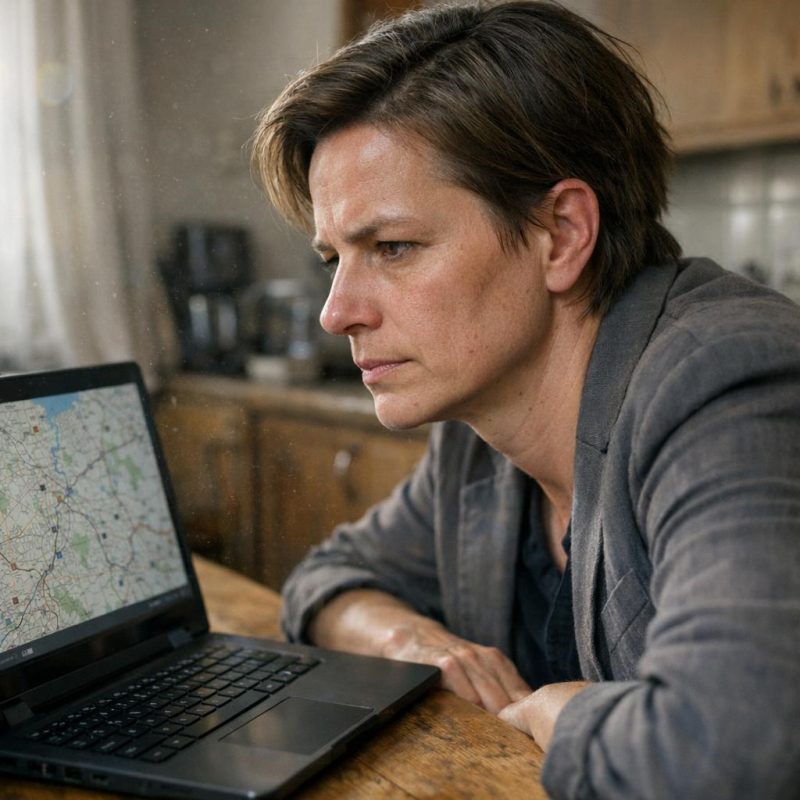 Image by RM AI
The Warning Note's Origin
David came over two days later, looking like he hadn't slept much. I made coffee and we sat at my kitchen table, and he finally told me everything. He'd noticed something off about Marcus months before I'd ever come in for that oil change—deleted customer files that shouldn't have been wiped, odd comments about certain clients' schedules. David started keeping his own records, watching. When he saw Marcus accessing my file multiple times, making notes that had nothing to do with my car, he knew something was very wrong. But here's the problem he faced: David had been looking at files he wasn't supposed to access either. He'd violated company policy, maybe even broken privacy laws, in his attempt to figure out what Marcus was doing. 'I couldn't go to the police without proof,' he said, staring into his coffee cup. 'And I couldn't get proof without doing things that would have gotten me arrested too. So I started monitoring him more closely, documenting what I could.' He looked up at me then, and I saw how much this had cost him. The sleepless nights. The moral weight. He said, 'I couldn't go to the police without proof, and I couldn't stop him without exposing what I'd been doing—so I left the note and hoped you'd understand.'
 Image by RM AI
The Interstate Investigation
Within a week, the case was out of Detective Kowalski's hands entirely. The FBI took over, coordinating with police departments in Ohio, Pennsylvania, Indiana, and West Virginia. I got a call from a special agent who explained that Marcus's pattern was even more extensive than they'd initially thought. They were cross-referencing his employment records with unsolved burglaries going back nearly a decade. The agent was professional but grim. She told me they'd found evidence on Marcus's laptop—spreadsheets tracking women's routines, photos of homes, notes about security systems. It was methodical. Calculated. Disturbing in its organization. They were reaching out to women across four states, many of whom had been burglarized but never made the connection to their recent car service. Some had reported feeling watched. Others had noticed small things missing or moved. The scope of it was staggering. I felt sick thinking about all those women who'd had their privacy violated, their safety compromised, their homes invaded. An FBI agent called and said they'd identified at least seventeen potential victims across four states—and they believed there were more.
 Image by RM AI
The Sighting
The break came on a Tuesday afternoon. A highway patrol officer spotted Marcus's car at a rest stop in eastern Ohio, about ninety miles from where I lived. The officer had been given his vehicle description and plate number as part of the multi-state alert. I got the call from Detective Kowalski within an hour. Her voice was tight with controlled excitement. 'They've found him,' she said. 'Multiple units are converging on the location now.' I turned on the television and found a local news channel that was covering it. The helicopter footage showed the rest stop from above—police cars arriving, blocking exits. My heart was pounding so hard I could feel it in my throat. This was it. After weeks of fear, of looking over my shoulder, of sleeping with my phone next to my pillow, they'd finally located him. The news anchor was saying something about a coordinated effort, about the suspect being considered dangerous, about advising people to stay clear of the area. I couldn't look away from the screen. I watched the news that night, holding my breath, waiting to see if they'd finally caught him.
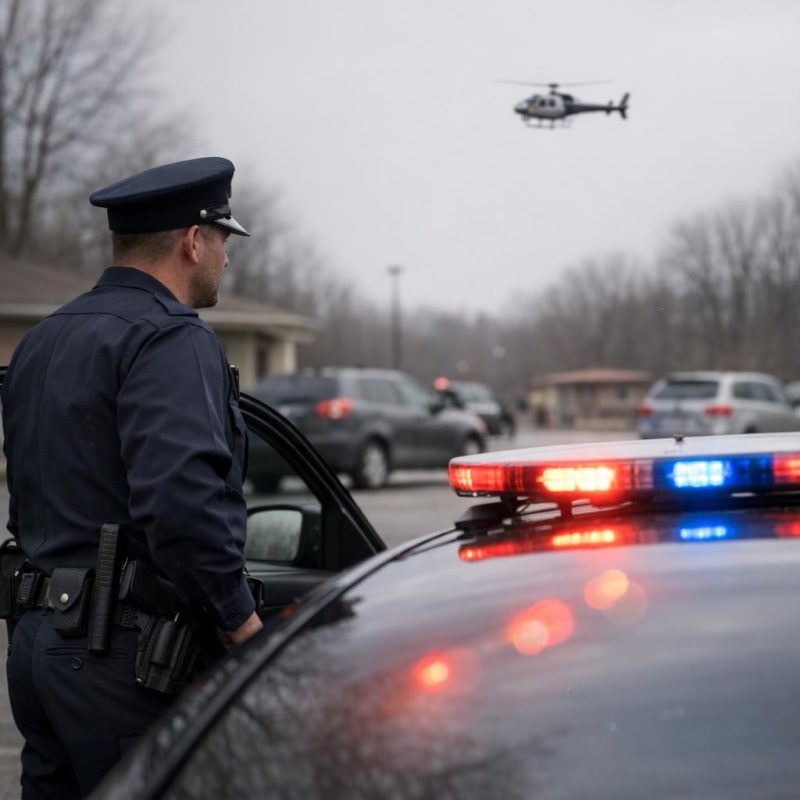 Image by RM AI
The Chase
He ran. Of course he ran. The aerial footage showed Marcus getting into his car and peeling out of the rest stop parking lot before the police could box him in. What followed was a chase that played out on live television, and I sat on my couch watching it with my hands pressed against my mouth. He was going fast—too fast for the wet roads. The helicopter camera followed him onto the interstate, where he weaved through traffic, narrowly missing other vehicles. Police cars were right behind him, lights flashing. The news anchors were talking about spike strips being deployed, about roadblocks being set up ahead. It felt surreal, watching this person who'd invaded my life now fleeing desperately on my television screen. The chase lasted maybe twenty minutes, though it felt like hours. Then it happened. His car hydroplaned on a curve, spun out, and slammed into the metal guardrail with a force that made me flinch. The vehicle came to rest crumpled against the barrier. Police surrounded it immediately, weapons drawn. The chase ended when he lost control on a wet road and crashed into a guardrail—he was alive, and he was finally in custody.
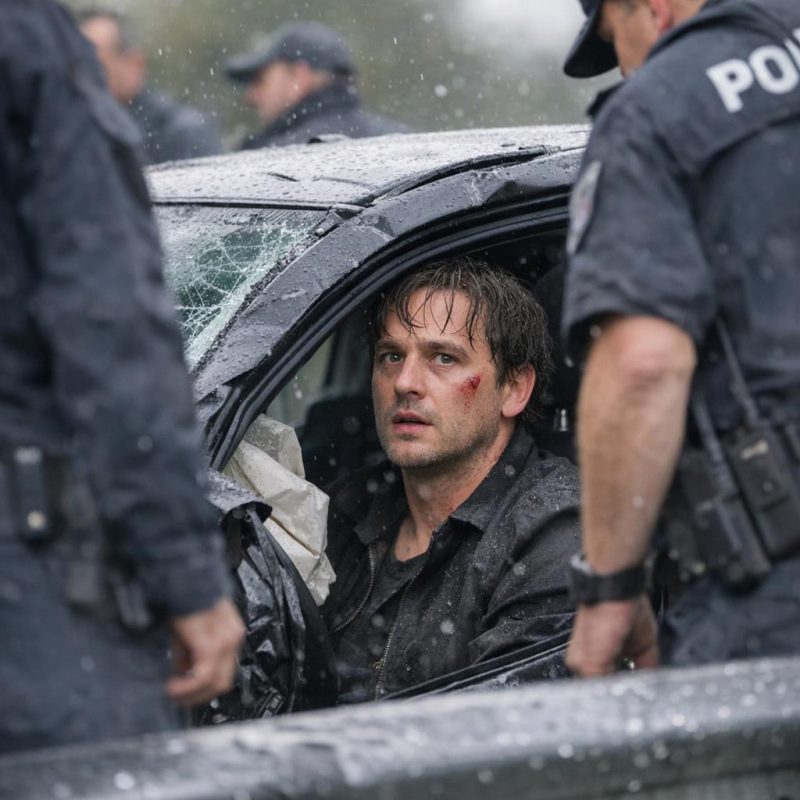 Image by RM AI
The Arrest
The charges came swiftly. Multiple counts of burglary. Stalking. Identity theft. Computer fraud. The list went on and on as prosecutors from different jurisdictions coordinated their cases. Detective Kowalski called me that evening with the official news. 'He's not getting out,' she said, and I could hear the satisfaction in her voice. 'The evidence is overwhelming. We've got his laptop, his files, physical evidence from multiple crime scenes. He's going away for a very long time.' I sat down on my couch and felt something release in my chest—something that had been wound tight for weeks. The constant vigilance. The fear every time I heard a noise. The way I'd been checking locks obsessively, jumping at shadows. It wasn't gone entirely, not yet, but it had loosened its grip. I could breathe a little deeper. That night, I actually slept for six straight hours without waking. It was the first time since this whole nightmare began. Detective Kowalski called to tell me the news, and for the first time in weeks, I felt like I could breathe.
 Image by RM AI
The Interrogation
Detective Kowalski came by a few days later to update me on the interrogation. Marcus had waived his right to remain silent, apparently wanting to talk. That should have been a good sign, but the look on her face told me otherwise. She sat down and pulled out her notes. 'He admitted everything,' she said. 'Described his entire system—how he'd identify targets, track their routines, wait for the right opportunity. But Marjorie...' She paused, and I could see she was choosing her words carefully. 'He showed absolutely no remorse. None. He talked about it like it was a business model he'd perfected.' My stomach turned. She told me he'd been calm during the interrogation, almost proud of how long he'd gotten away with it. He'd explained his selection criteria—women who lived alone, predictable schedules, minimal security systems. He'd described it all with the detached efficiency of someone discussing inventory management. The detective said he'd told them, 'They made it easy—predictable people are easy targets.'
 Image by RM AI
The Other Victims Speak
The FBI organized a meeting for Marcus's identified victims, and I decided to attend. It was held in a community center in Columbus, about an hour's drive from my house. When I walked into that room, I saw seventeen other women—different ages, different backgrounds, but all of us connected by the same violation. We sat in a circle and shared our stories. A woman named Patricia talked about coming home to find her laptop gone and her bedroom ransacked. Another woman, younger, described the feeling of being watched for weeks before her break-in. Several mentioned the same things I'd experienced—cars that seemed to follow them, the sense that someone knew their schedule too well. What struck me most was how many of them had brushed off the warning signs, just like I almost had. How many had told themselves they were being paranoid. We weren't paranoid. We were right. As I listened to their stories, I kept thinking about David's note, about how close I'd come to being in their exact position. Hearing their stories, I realized how close I'd come to being just another statistic—and how lucky I'd been that someone had warned me.
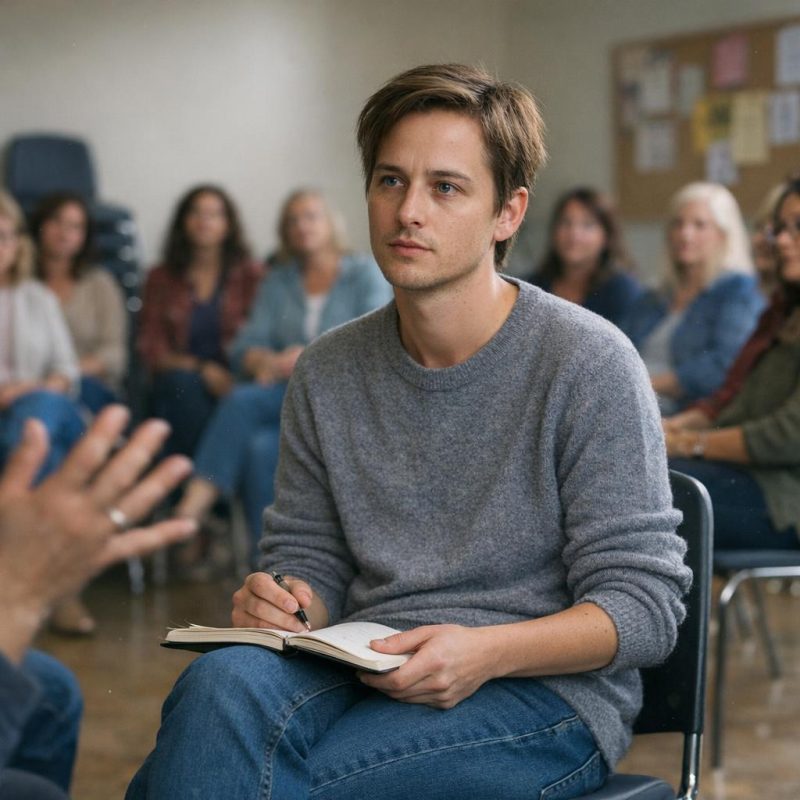 Image by RM AI
David's Recognition
The FBI made a public statement acknowledging David's role in breaking the case. They credited his documentation and his willingness to come forward with information that proved crucial to the investigation. They offered him witness protection, concerned that his testimony might put him at risk. I met with David one last time at a coffee shop downtown. He looked exhausted but lighter somehow, like a weight had been lifted. I asked him about the witness protection offer. He shook his head. 'I declined,' he said simply. 'I just want to move on with my life. Get a new job. Maybe move to a different city, start fresh.' He didn't want recognition or praise. He didn't want to be called a hero. He just wanted to put this behind him and forget it ever happened. But as we sat there, I thought about all the women who were safe because of what he'd done. The ones who'd been warned, the pattern that had been exposed, the future victims who'd been spared. He declined, saying he just wanted to move on—but I knew he'd saved more lives than he'd ever be credited for.
 Image by RM AI
The Trial Date
Detective Kowalski called me six weeks after David and I met at that coffee shop. 'Marcus Boyd's trial date has been set,' she said. 'Three months from now. The prosecution wants to know if you're willing to testify.' I didn't hesitate. I'd been thinking about this moment since the day they arrested him. She explained what it would involve—preparation meetings, rehearsing my testimony, sitting in that courtroom while he stared at me from the defense table. 'It won't be easy,' she warned. 'His lawyer will try to make you seem paranoid or unreliable. They'll question why you didn't notice the device sooner, why you kept driving your car if you felt unsafe.' I understood. They'd try to twist everything, make me look foolish or careless. But I'd lived through those weeks of fear, those sleepless nights checking my windows and double-locking my doors. I'd felt that sick certainty that someone was watching me, tracking me, studying my life like I was an insect under glass. And I'd been right. 'I'll testify,' I told her. My voice didn't waver. I agreed immediately—I wanted to look him in the eye and tell my story, so he'd know he hadn't broken me.
 Image by RM AI
The Testimony
The courtroom was smaller than I expected, which somehow made it worse. Marcus sat at the defense table in a suit that probably cost more than my monthly mortgage payment, his expression carefully neutral. When they called my name, I walked to the witness stand on legs that felt steadier than I'd anticipated. I placed my hand on the Bible and swore to tell the truth. The prosecutor was a woman in her fifties named Patricia Chen, and she guided me through the story methodically. I described finding the note tucked under my windshield wiper. I explained how I'd discovered the tracking device behind my rear bumper. I recounted the weeks of fear, the feeling of being watched, the way I'd stopped living my normal life because I knew someone was documenting my every move. Patricia showed me photographs—the device, my car, the parking lot at O'Reilly's. I identified each one. Marcus's lawyer tried to rattle me during cross-examination, suggesting I'd overreacted, that the note could have been a prank. But I didn't falter. I'd lived this. I knew what I'd experienced. When I finished, I looked at Marcus, and for the first time, he looked away.
 Image by RM AI
The Verdict
The jury deliberated for eight hours. I sat in the hallway with three other women who'd testified—women I'd never met before this trial, but who'd become strange companions through shared experience. We didn't talk much. What was there to say? When the bailiff called us back into the courtroom, my heart was hammering so hard I could feel it in my throat. The jury foreman was a middle-aged man with glasses who looked like someone's accountant. He read the verdict in a steady voice: guilty on all counts. Stalking. Voyeurism. Criminal surveillance. Witness tampering. The list went on. Marcus's face went pale, then red. His lawyer put a hand on his shoulder, but he shrugged it off. The judge scheduled sentencing for two weeks later, and when that day came, she gave him fifteen years. Fifteen years for terrorizing women, for treating us like experiments, for thinking he could do whatever he wanted without consequences. The courtroom felt different when it was over—lighter somehow, like pressure had been released. Outside the courthouse, I stood with the other women who'd testified, and we didn't need to say anything—we'd won.
 Image by RM AI
A Different Kind of Routine
I went back to my quiet life after that. Back to my routines, my oil changes, my grocery shopping on Tuesdays. But something had shifted in me, something fundamental. I started volunteering with a local organization that helps crime victims navigate the legal system. Once a week, I sit with women who are scared, who don't know what to do, who think they're overreacting or imagining things. I tell them my story. I tell them to trust their instincts. I also keep in touch with David, though we're not close exactly—just occasional emails, updates on how we're doing. He moved to Portland and got a job at a community college doing IT work. He sounds happier. Me, I'm different too. I notice things now. I pay attention when something feels off. I don't dismiss my own concerns as paranoia or silliness. And when I see something that doesn't look right, I don't look away. The world isn't as safe as I once believed, but it's not as hopeless either. I still believe in routine—but now I also believe in vigilance, in community, and in the power of one person who decides to leave a warning note instead of looking away.
 Image by RM AI
KEEP ON READING

Exploring The Fall Of The Mayan Empire
Timothy Cohen on UnsplashThe fall of the Mayan civilization is…
By Rob Shapiro Apr 9, 2026
10 Historical “Self-Care” Habits That Actually Helped & 10 That…
History Was Full of Wellness Advice, & Not All of…
By Emilie Richardson-Dupuis Apr 9, 2026
10 Explorers Who Changed Maps Forever & 10 Who Never…
The Triumphs and Tragedies of Exploration. Exploration has always shaped…
By Rob Shapiro Apr 9, 2026
The War Fought Over a Bucket
Zairon on WikimediaIn November 1325, a group of Modenese soldiers…
By Cameron Dick Apr 9, 2026
The 20 Most Common Names You Hear Repeatedly In History…
Names Rich With History. Remembering dates and places throughout history…
By Cathy Liu Apr 9, 2026
10 Book Bans That Backfired & 10 That Worked
When Censorship Misfires. Book bans get talked about as if…
By Cameron Dick Apr 8, 2026