

I Was the Family Disappointment Until My Father's Will Reading Revealed Who the Real Failures Were
I Was the Family Disappointment Until My Father's Will Reading Revealed Who the Real Failures Were
The Weight of Marble Floors
The marble floors of the downtown law office gleamed under fluorescent lights, and I stood there staring at my reflection in them, trying to convince myself I could do this. My father had been gone for two weeks, and this was the first time I'd have to face my mother and sister without him there as a buffer. Robert had always been the one who stepped between us, who deflected their cutting remarks with a gentle hand on my shoulder or a change of subject. Now he was gone, and I was twenty-eight years old with three years of sobriety that felt both like armor and like the biggest target they could aim at. I'd arrived early on purpose, needing the time to prepare myself before they swept in. The mahogany paneling smelled like old money and intimidation, and I pressed my palms against my thighs to keep them from shaking. They would come through those doors any minute now, and I knew exactly what would happen. My recovery would become a weapon, my past would be dragged out like evidence, and I would sit there and take it because that's what I'd always done. I chose a chair in the far corner of the waiting room, as far from the door as possible, and waited for everything to change.
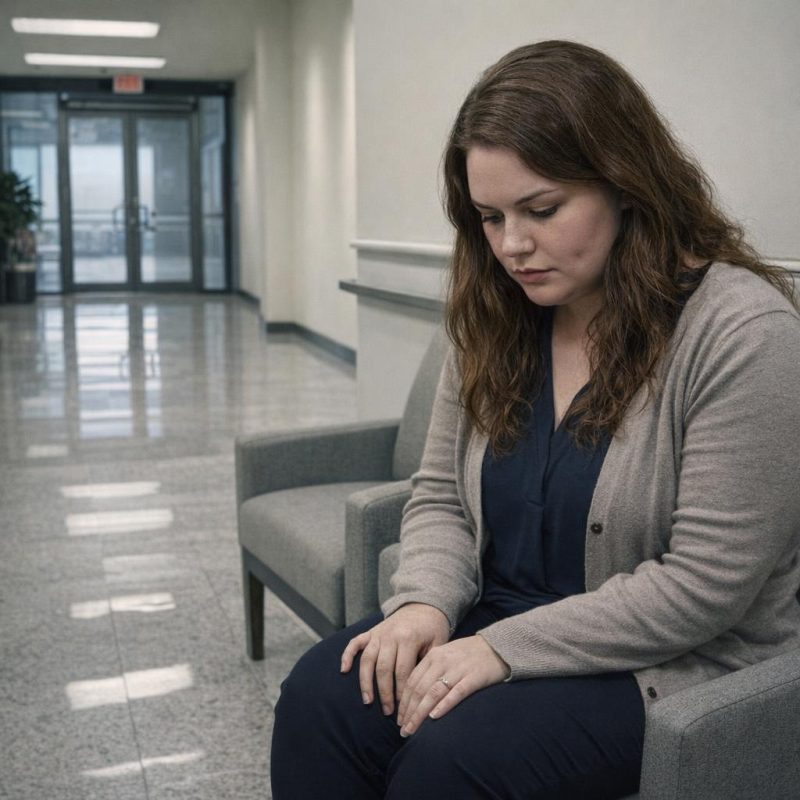 Image by RM AI
The Sound of Expensive Cruelty
The sharp click of designer heels on marble shattered the silence before I even saw them. My mother Brenda and my sister Sarah burst through the doors mid-laugh, like they were arriving at a cocktail party instead of their husband's and father's will reading. Their laughter bounced off the walls, completely inappropriate for the moment, but that had never stopped them before. Sarah spotted me in my corner and her laugh died instantly, replaced by a cold stare that didn't include even a flicker of shared grief. No hug, no acknowledgment that we'd both lost the same person, nothing. She turned to Brenda and said something I couldn't hear, then deliberately positioned herself so her back was to me, creating a physical wall. Brenda strutted past my chair like I was part of the furniture, her Chanel bag swinging from her elbow. She marched straight to Mr. Davis's desk and dumped the bag right on top of it, scattering his carefully arranged pens across the polished surface. Neither of them had said a word to me. Sarah raised a finger and jabbed it toward me, asking why I had even bothered to show up.
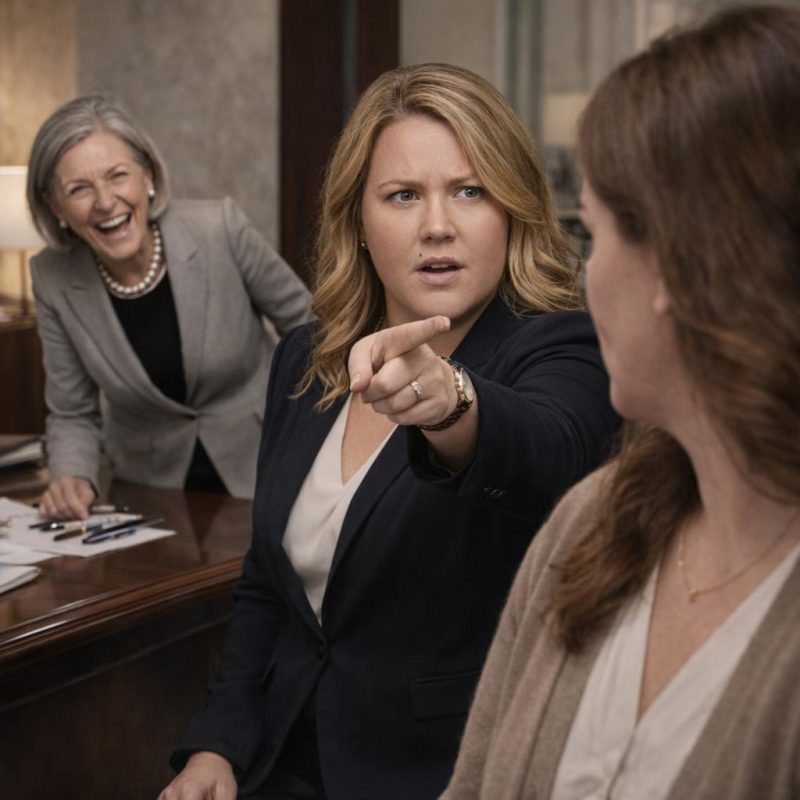 Image by RM AI
Rehab Secrets and Designer Shoes
Sarah's voice carried across the room in what she probably thought was a whisper but was clearly meant for everyone to hear. She called my time in rehab my 'little vacation,' drawing out the words like they were a punchline, and Brenda laughed right on cue. My mother's voice was colder, sharper, as she joined in. They told me I shouldn't expect a single dime from Dad's estate, that I'd probably blow it all within a week anyway. They painted me as the family failure, the disappointment, the one who'd already gotten more than she deserved just by being allowed back into their lives. I felt heat rising in my face, that familiar burn of humiliation, but I didn't flinch. I didn't argue. I'd learned that defending myself only gave them more ammunition. Mr. Davis sat at his desk, professional and distant, his wire-rimmed glasses reflecting the overhead lights as he organized his papers. The clock on the wall ticked loudly in the spaces between their jabs. Sarah's perfectly manicured nails tapped against the arm of her chair, impatient and entitled. I sat frozen, watching them celebrate a victory they hadn't yet won.
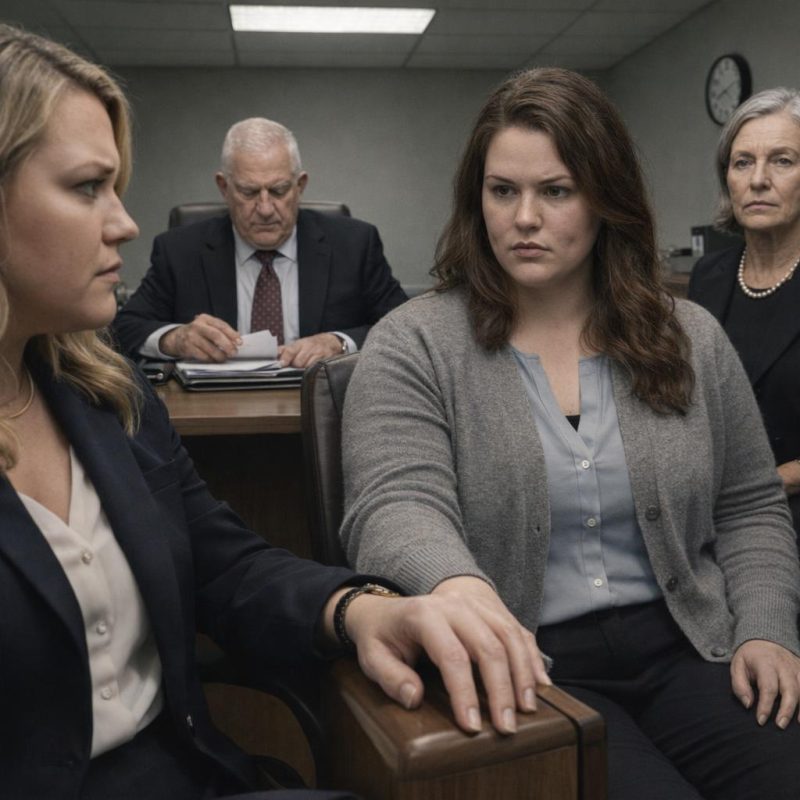 Image by RM AI
The Third Page
Mr. Davis cleared his throat with the authority of a gavel striking wood, and the room fell into an uneasy quiet. Brenda's handbag still sat on his desk, and he calmly moved it aside before gathering the scattered pens with deliberate precision. My mother slammed her palm on the mahogany surface, demanding he skip all the legal formalities and just tell them the numbers. She had better places to be, she said, and Sarah nodded vigorously beside her, that smug grin plastered across her face like she already knew how this would end. Mr. Davis ignored them completely. He adjusted his glasses and began reading in a measured tone, stating my father's full name, Robert James Morrison, and the date the will had been executed. Brenda's designer shoe started tapping against the marble floor, a sharp rhythmic sound that filled the silence between his words. Sarah crossed her arms, her expression screaming boredom and superiority. Then Mr. Davis reached the third page, and something in his voice changed, became more careful. He paused and looked at me briefly before continuing.
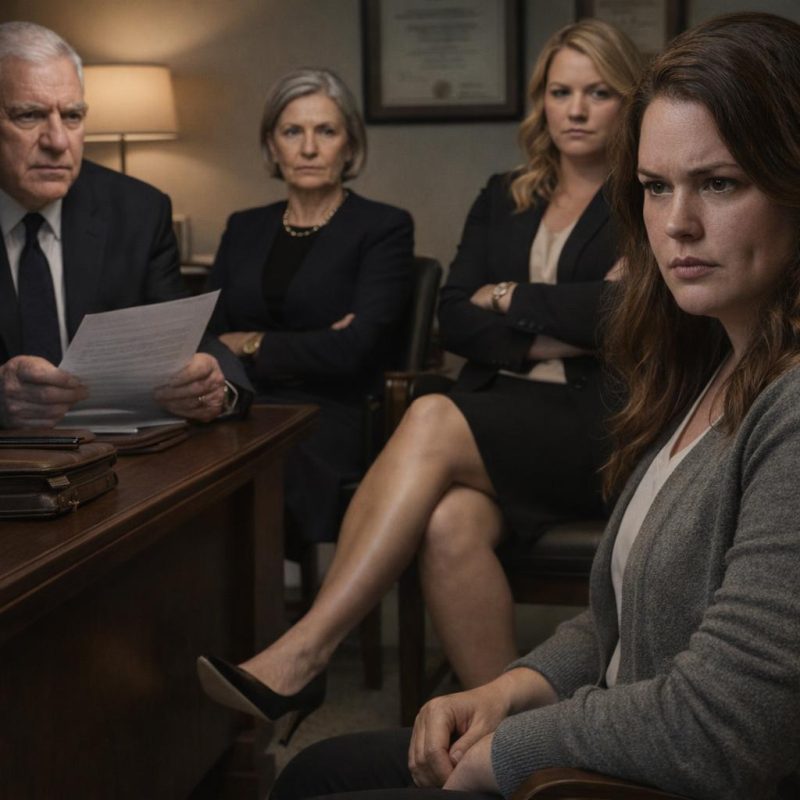 Image by RM AI
Pride and a Trust
Mr. Davis read a clause that had been added to the will just months before my father's death, and I felt the air leave my lungs. Robert had written about watching me fight my way back from darkness, about the pride he felt seeing me rebuild my life one day at a time. He'd recognized something I'd never fully understood myself: that the so-called support from Brenda and Sarah had actually been the source of so much of my pain. The bulk of his estate, Mr. Davis continued, was being placed in a trust with me as the sole beneficiary. The house, the investment portfolio, the manufacturing business he'd spent thirty years building, all of it. The only condition was that I maintain my sobriety, which he believed I would because he'd seen my strength. The room went completely silent. Even Brenda's tapping shoe stopped. I couldn't breathe, couldn't process what I was hearing. My father had seen me, really seen me, in a way I'd never imagined. Brenda and Sarah's smug smiles didn't fade, they evaporated, leaving masks of pure shock.
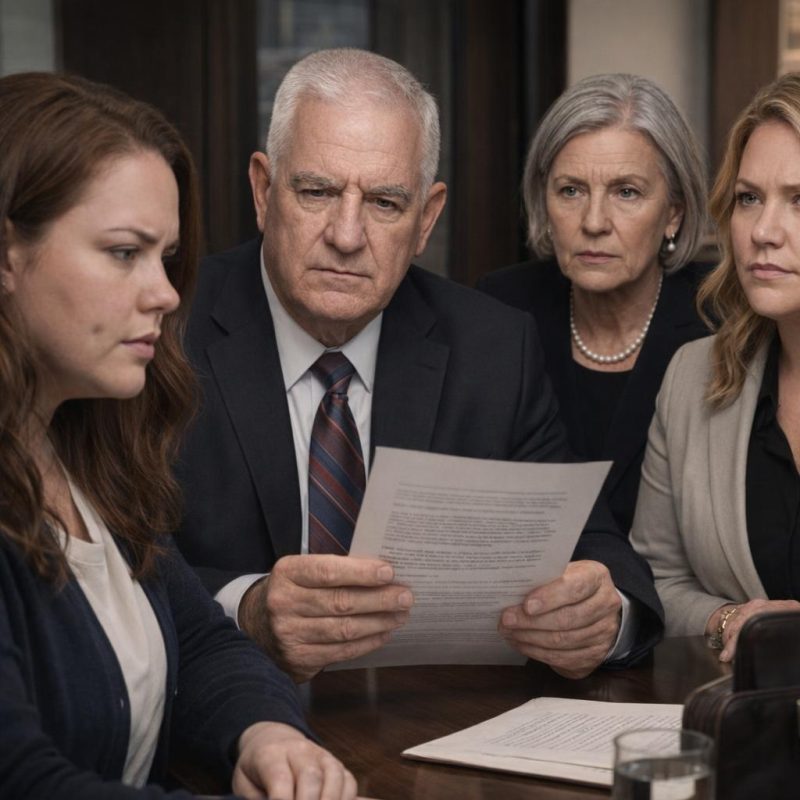 Image by RM AI
The Weight of the Door
I stood up slowly, my legs steadier than I expected them to be. For the first time in years, maybe ever, I looked my mother directly in the eyes without flinching away. My voice came out calm and clear when I asked Mr. Davis to please show them out. He nodded once, professional as always, and gestured toward the door. Brenda's shock was already morphing into something uglier, her face flushing red as she snatched her designer bag from the desk. Sarah's mouth opened and closed like she couldn't find words, which was a first. Mr. Davis held the door open, and they had no choice but to move toward it. As they crossed the threshold, Brenda found her voice again. It echoed back from the hallway, sharp and venomous, promising that this wasn't over, that they would fight this, that I hadn't won anything. Sarah's heels clicked rapidly as they retreated, and I could hear them both talking over each other, their voices rising. As the door closed behind them, Brenda's voice echoed from the hallway, promising this wasn't over.
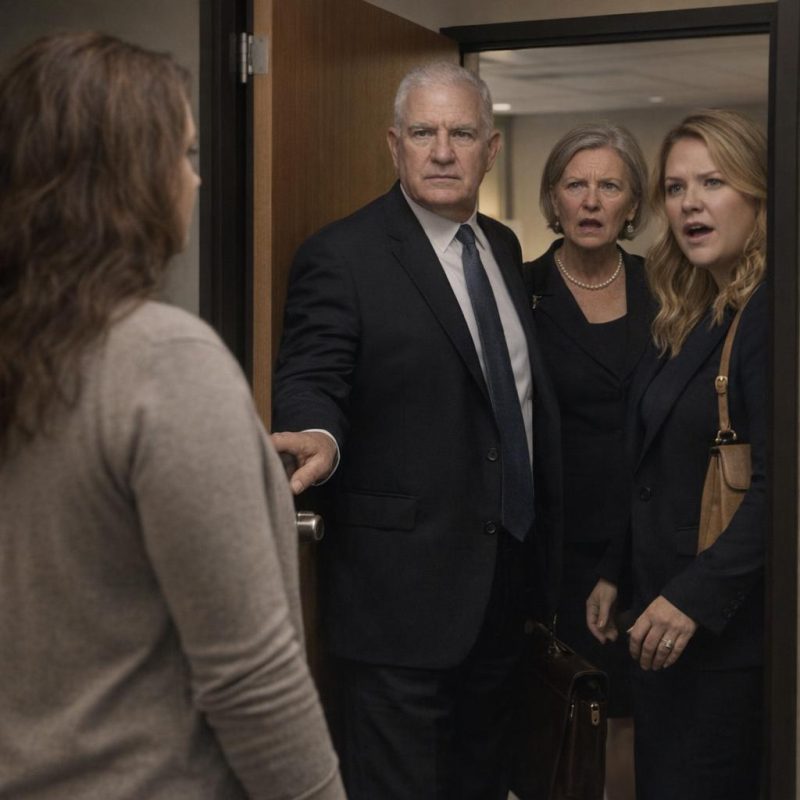 Image by RM AI
An Estate in Numbers
Mr. Davis returned to his desk and spread financial documents across the mahogany surface in neat rows, and I felt my head start to spin. He walked me through the full scope of my father's estate, and with each new detail, the weight of it pressed down harder on my shoulders. The manufacturing company Robert had built from nothing employed forty-seven people and had contracts with major retailers across three states. There was the investment portfolio, diversified and carefully managed, and multiple real estate holdings I didn't even know existed. Mr. Davis explained the trust conditions again, making sure I understood that my sobriety wasn't just a requirement, it was the foundation everything else was built on. I nodded, trying to absorb it all, feeling completely overwhelmed by the responsibility my father had placed in my hands. Did he really believe I could handle this? Then Mr. Davis mentioned that my father's business partner would need to meet with me soon to discuss operations. He introduced the name Marcus Chen, someone who'd worked alongside Robert for fifteen years and would be an important contact moving forward.
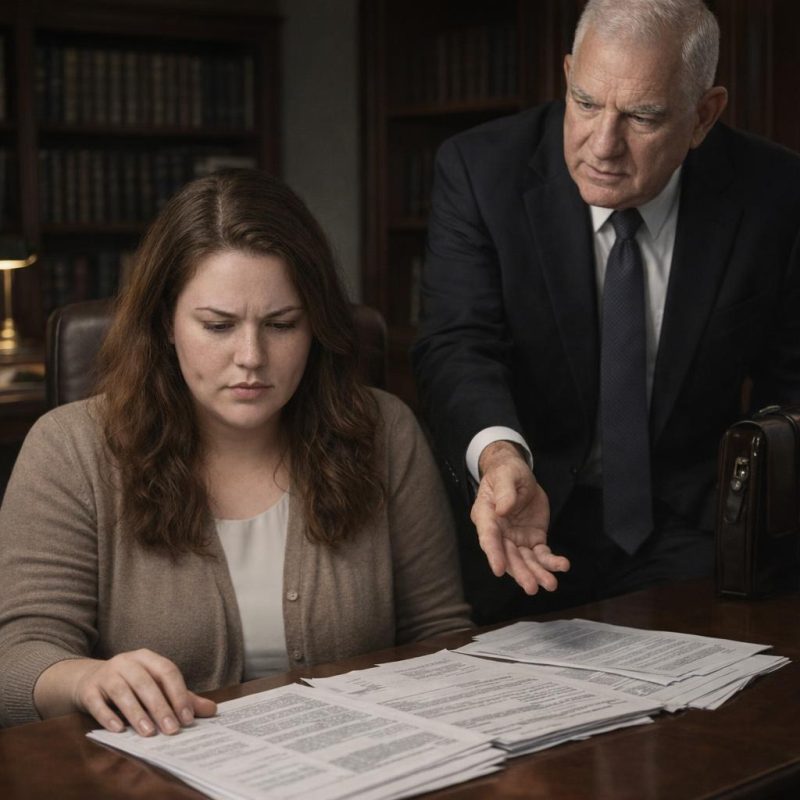 Image by RM AI
Meeting Marcus
Marcus Chen arrived at Mr. Davis's office about twenty minutes later, and the first thing I noticed was his smile. It was warm and engaging, the kind that made you feel like you were the only person in the room. He offered his condolences about my father, and something in his voice made it sound genuine, like he'd actually lost someone who mattered to him too. He spoke about their fifteen-year partnership with real respect, sharing a brief story about how Robert had taken a chance on him when no one else would. He acknowledged that I must be completely overwhelmed by everything, which was such an understatement it almost made me laugh. Marcus offered to help me understand the business operations, to walk me through everything at whatever pace I needed. His manner seemed supportive without being pushy, professional without being cold. Mr. Davis nodded along, clearly comfortable with Marcus, which made me feel a bit better about the whole situation. Maybe I wouldn't have to figure this all out alone. As we shook hands, he suggested we schedule a tour of the manufacturing facility when I was ready.
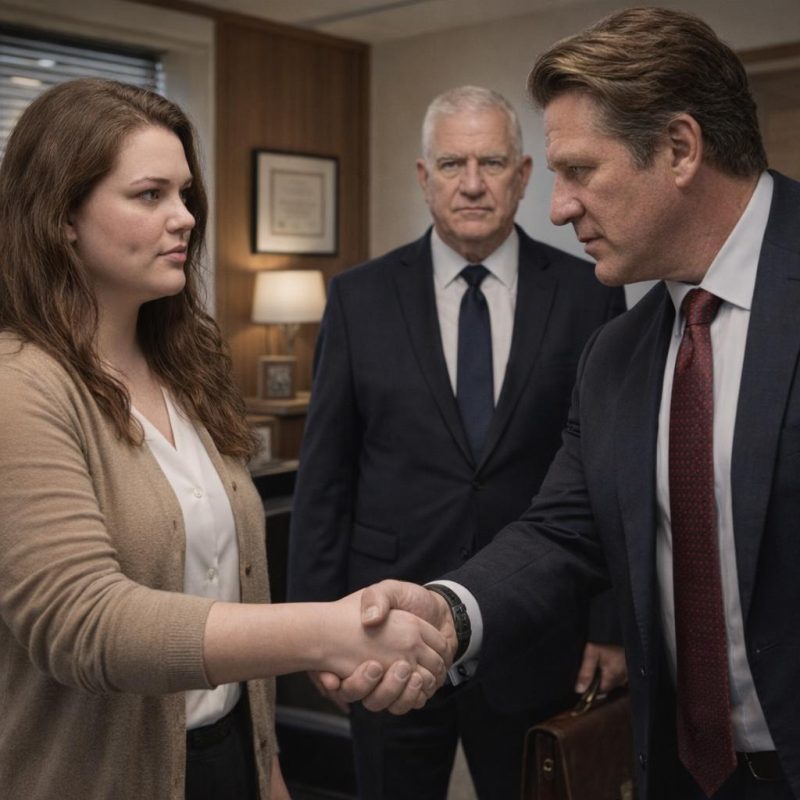 Image by RM AI
The Factory Floor
The manufacturing facility sat in an industrial park about thirty minutes outside the city, a sprawling building that looked nothing like what I'd imagined. Marcus met me in the parking lot, and we walked through the main entrance together. The noise hit me first—machinery humming, metal clanging, voices calling out measurements and instructions. The air smelled like oil and hot metal, and everything felt purposeful in a way I'd never experienced. Marcus guided me through the production floor, explaining each station with the kind of easy knowledge that comes from years of involvement. Workers nodded at him as we passed, some offering me cautious smiles. He showed me where raw materials came in, how they moved through various cutting and shaping processes, where quality control happened. The clients he mentioned were names I recognized from news articles—major corporations that trusted this place with their components. I felt completely out of my depth, like a child visiting a parent's workplace for the first time. Through a window on the second floor, I noticed a woman watching us from what looked like an office. Marcus followed my gaze and mentioned that was Patricia Moore, the company accountant. When I looked back up, her expression was unreadable, but something about the way she watched made my stomach tighten.
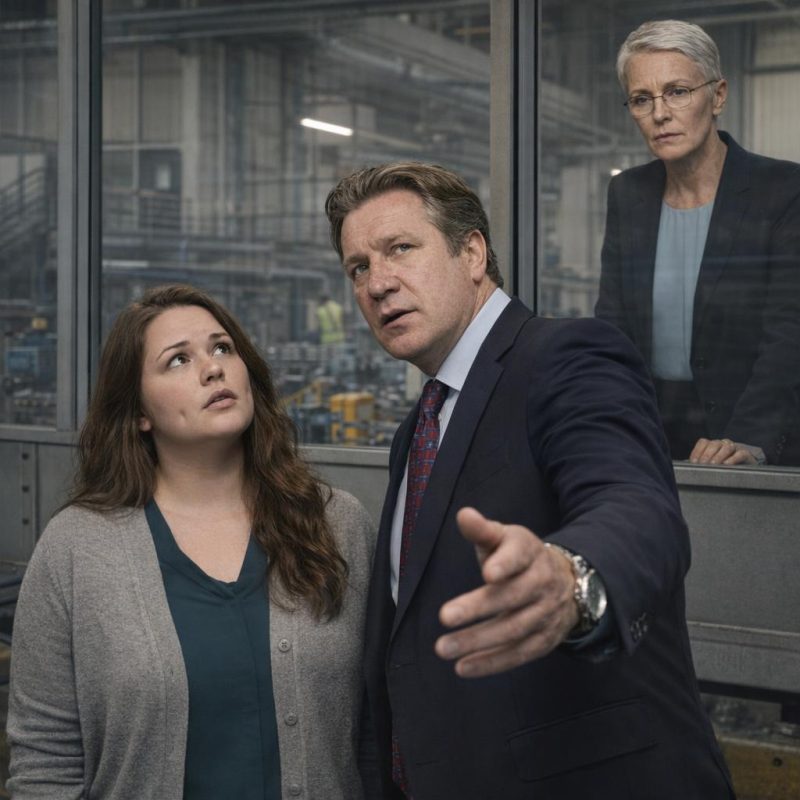 Image by RM AI
My Father's Shadow
Marcus introduced me to several employees who'd worked with my father for years, and they spoke about him with genuine warmth. A production supervisor named Tom described how Robert always listened to floor workers' suggestions, actually implementing changes when they made sense. A quality control specialist mentioned his insistence on doing things right even when it cost more. An older machinist with grease-stained hands told me my father had helped him through a rough patch years ago, never asking for anything in return. I stood there absorbing these stories about a man I barely knew, feeling the weight of everything I'd missed. The employees were polite to me, but I could see the uncertainty in their eyes—wondering if I had any idea what I was doing, if I could possibly fill the role my father had left. The older machinist started to say something else, mentioning that Robert had seemed worried about something in his final months, but then Marcus appeared at my elbow. The machinist's expression shifted, and he quickly changed the subject to a story about a difficult client order they'd completed last year. Marcus smoothly redirected the conversation, but I noticed Patricia Moore standing near the office stairs, watching the whole exchange with that same unreadable expression.
 Image by RM AI
Certified Mail
The certified mail arrived on a Tuesday afternoon, thick and official-looking. I signed for it with hands that already knew what was coming. Inside was a formal legal document from Whitmore & Associates, representing Brenda Chen in the matter of Robert Chen's estate. The language was aggressive and clinical at the same time, contesting the will on multiple grounds. They questioned whether my father had been of sound mind. They suggested undue influence. And then they got to the part I'd been expecting—my mental fitness to manage the estate, citing my recovery history as evidence of ongoing instability and poor judgment. The words felt designed to cut, each paragraph a reminder of my lowest moments packaged as legal argument. I sat alone in my apartment reading it twice, letting the sting settle into something more manageable. I'd known this was coming the moment Mr. Davis read the will, but seeing it in writing still hurt. The letter sat on my coffee table while I stared at it, thinking about Mr. Davis mentioning Jennifer Park, the estate attorney he'd recommended. I reached for my phone, pulled up her contact information, and hit call before I could second-guess myself.
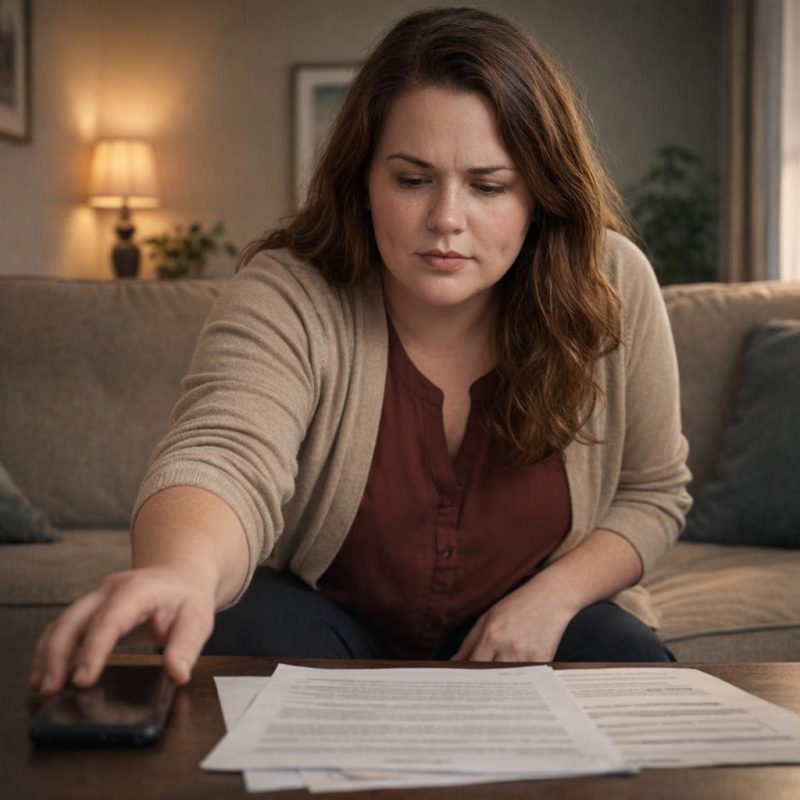 Image by RM AI
Steady Ground
At my Thursday night meeting, I must have looked as stressed as I felt because Alex approached me afterward with that easy smile that somehow never felt forced. He suggested grabbing coffee if I had time, and I found myself saying yes before I'd really thought about it. We ended up at a diner two blocks away, sitting in a booth with chipped Formica and surprisingly good coffee. He didn't push, just waited until I was ready to talk. I explained the inheritance situation in broad strokes—the estranged family, the unexpected trust, the legal challenge attacking my recovery as proof I couldn't handle responsibility. Alex listened without offering the empty platitudes people usually default to, without trying to fix anything or tell me it would all work out. Instead, he told me about his own family, how they'd tried to use his recovery against him during a custody dispute years ago. He described exactly what it felt like to have the hardest thing you've ever done—getting clean, staying clean—weaponized as evidence of your weakness. The relief of being understood without having to explain every detail made my chest ache. We sat there for another hour, and for the first time since the will reading, I felt a little less alone.
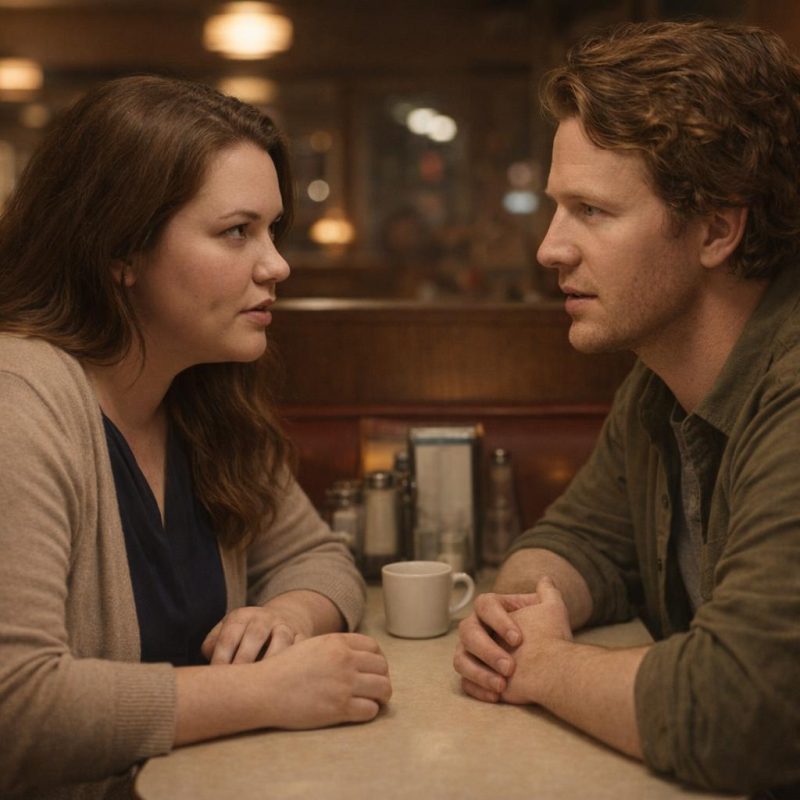 Image by RM AI
Hiring Protection
Jennifer Park's office was downtown in a building with actual marble in the lobby, and she met me in a conference room with floor-to-ceiling windows overlooking the city. She was younger than I'd expected, maybe early forties, with sharp eyes that seemed to catalog everything. I handed her the will contest document, and she read through it with the kind of focused attention that made me feel like every word mattered. She asked questions about the trust execution, about my father's mental state in his final months, about my relationship with my mother and sister. When she finished, she set the papers down and looked at me directly. The claims were legally weak, she explained. The trust had been properly executed with witnesses. My recovery history, far from being a liability, demonstrated responsibility and commitment. She'd handled cases like this before—family members attacking sobriety as instability when it was actually the opposite. Her confidence was contagious, and I felt something in my chest unclench for the first time in days. Then she leaned forward slightly, her expression serious. We would win this, she told me, but I needed to prepare myself. My mother was going to fight dirty, and things would likely get worse before they got better.
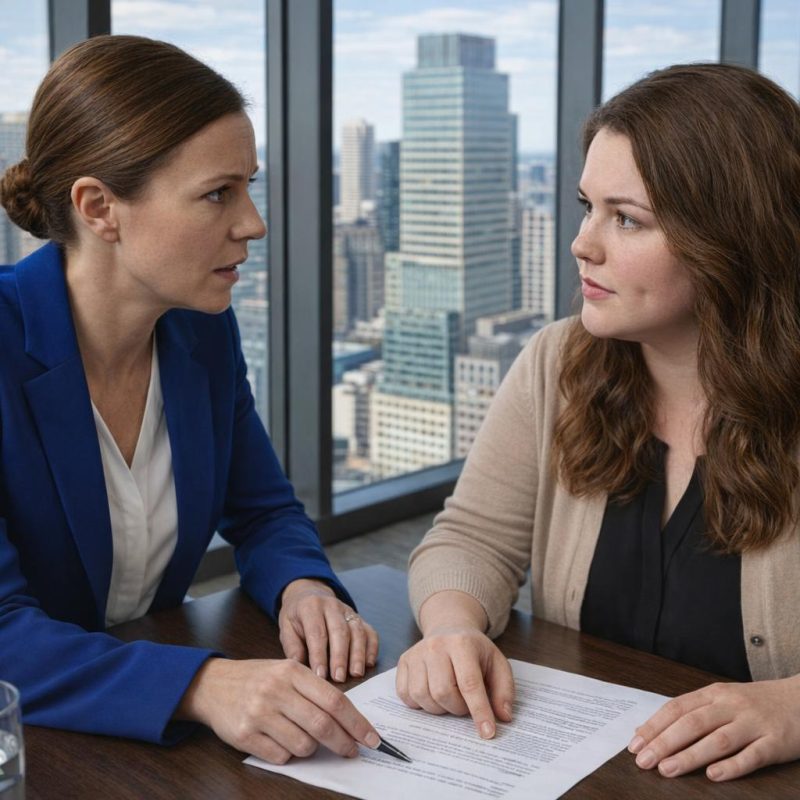 Image by RM AI
Learning the Ledgers
I spent the next week buried in company financial statements and operational reports, trying to understand the business my father had built from the ground up. Patricia Moore was patient with my questions, explaining accounting terminology and walking me through quarterly summaries. The overall picture looked healthy—steady revenue, satisfied clients, profit margins that seemed solid for a manufacturing operation. I reviewed client contracts, vendor agreements, production schedules, trying to absorb how everything fit together. The complexity was overwhelming, but I was starting to see the patterns, understanding why certain decisions had been made. Patricia showed me the vendor payment records, explaining which suppliers provided raw materials, which handled specialized components, which offered services like equipment maintenance. Most of it made sense in the context she provided. But as I studied the numbers later that evening in my apartment, I noticed something that nagged at me. Some of the vendor payments seemed unusually high compared to others, amounts that felt disproportionate to what I understood about the services provided. I couldn't tell if this was normal for the industry or something else entirely. I made a note to ask about it, though I wasn't even sure what question to ask. Maybe I was just looking for problems where none existed.
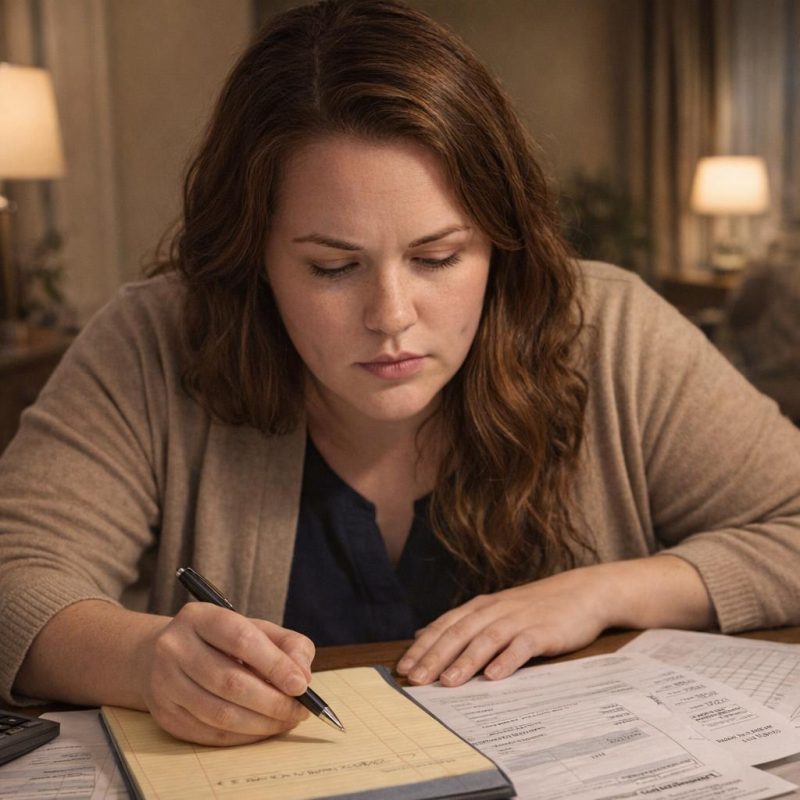 Image by RM AI
The Courtroom
The courtroom was smaller than I'd expected, with wood paneling that had probably been impressive decades ago but now just looked tired. I sat beside Jennifer at the plaintiff's table while Brenda and Sarah occupied the other side with their attorney, a man in his fifties who projected expensive competence. He stood and argued that my recovery history demonstrated a pattern of instability and poor judgment that made me unfit to manage a complex estate. He painted a picture of someone who'd struggled with addiction, made questionable decisions, couldn't be trusted with significant responsibility. The words hung in the air like accusations, and I felt Sarah's eyes on me from across the room. Jennifer countered with documentation of my three years of continuous sobriety, character references, evidence of the trust's proper execution with witnesses who could attest to my father's sound mind and clear intentions. She spoke about recovery as evidence of strength rather than weakness, about the courage it takes to rebuild a life. The judge listened to both sides with an expression that gave nothing away, occasionally making notes. Then she removed her glasses, set them carefully on the bench, and looked directly at Brenda's attorney. Her voice was measured but pointed when she asked if he had any actual evidence of current incompetence, anything beyond a recovery history that ended three years ago.
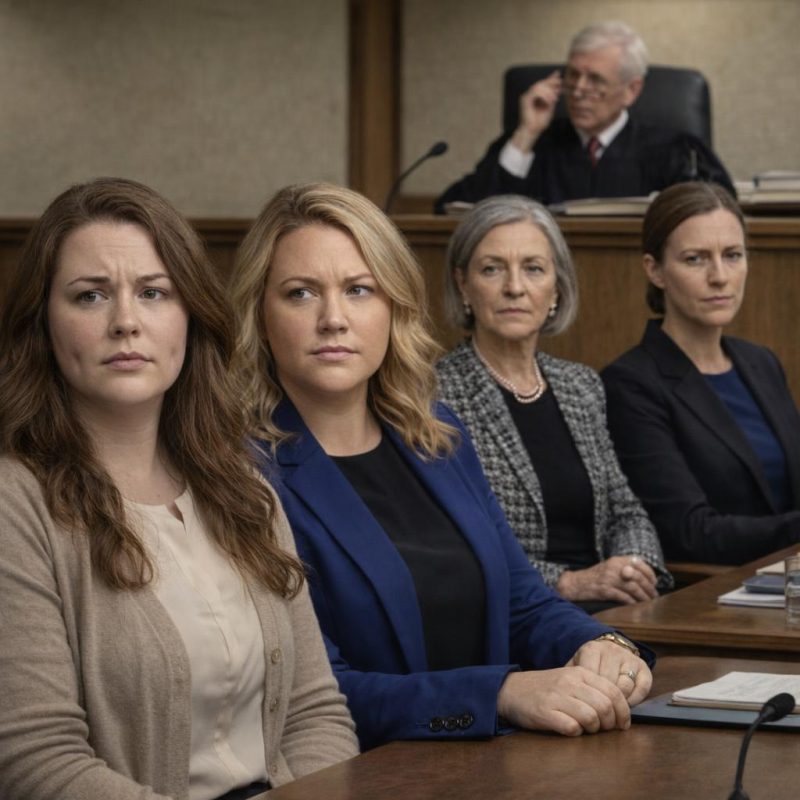 Image by RM AI
Dismissed
The judge's ruling was clear and definitive. She stated from the bench that past recovery was evidence of strength, not weakness, and that three years of sustained sobriety demonstrated exactly the kind of responsibility and commitment required to manage an estate. She noted that the trust had been properly executed, that there was no evidence whatsoever of Robert Chen being anything other than completely sound of mind when he made his decisions. She found the will challenge to be without legal merit and dismissed it entirely, ruling in favor of upholding my father's trust exactly as written. Relief flooded through me so suddenly I felt lightheaded. Jennifer remained professionally composed beside me, but I caught the slight satisfaction in her expression. Across the courtroom, Brenda stood so violently that her chair fell backward with a crash that echoed off the wood paneling. Sarah grabbed her arm, physically restraining her from what looked like an impulse to shout at the bench. The bailiff took a step forward, his hand moving to his belt in warning. Brenda's face was twisted with rage, and for a moment I thought she might actually cause a scene. Sarah whispered something sharp in her ear, and they turned toward the exit. As they passed our table, both of them shot me looks of pure hatred that made my skin crawl.
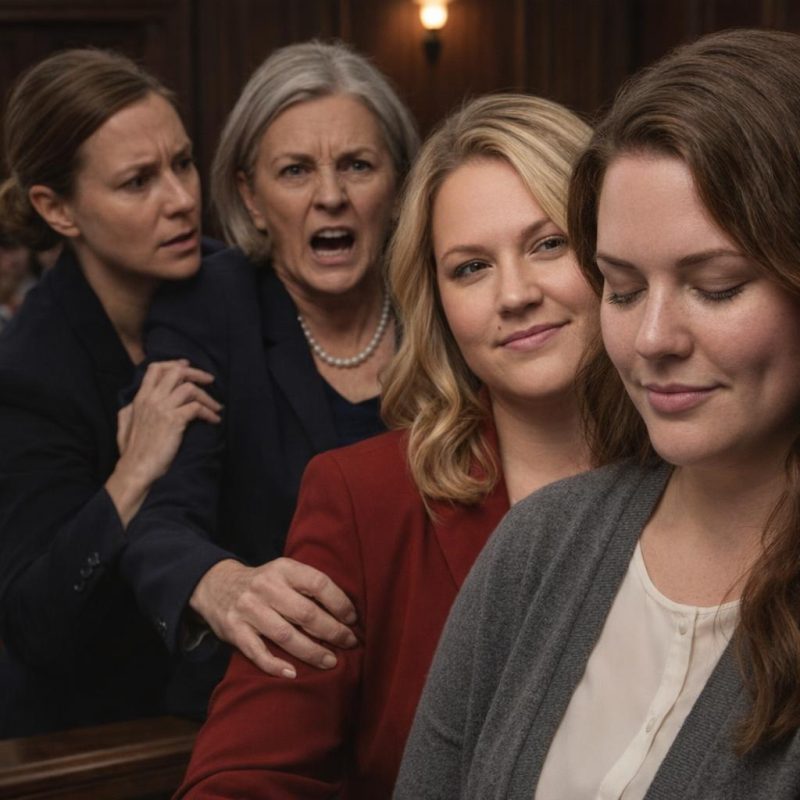 Image by RM AI
Official Capacity
The morning after the court victory, I sat across from Mr. Davis in his office while Jennifer reviewed the final transfer documents. My hands trembled slightly as I signed my name on page after page, each signature making it more real. Mr. Davis explained my responsibilities as trustee with the same patient thoroughness he'd shown throughout this entire process—managing the investment portfolio, overseeing the business operations, maintaining the properties. Jennifer interjected occasionally with legal clarifications, ensuring I understood the full scope of my authority and obligations. The weight of it settled on my shoulders like a physical thing, heavy but not crushing. When the last document was signed and witnessed, Mr. Davis opened his desk drawer and pulled out a small leather case. Inside were keys—to my father's house, to the office building, to the business itself. He placed them in my palm one by one, his weathered hands steady against my shaking ones. "You've earned every one of these," he said, his voice carrying a warmth that made my throat tighten. "Your father knew exactly what he was doing when he chose you."
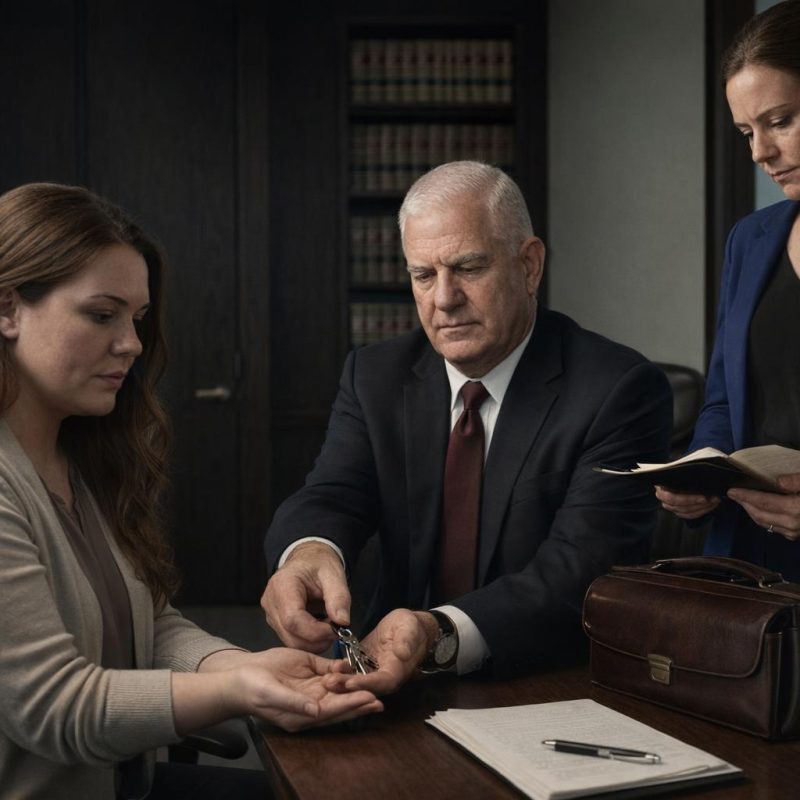 Image by RM AI
The Board Table
My first board meeting felt like being dropped into a foreign country where everyone spoke a language I'd only half-learned. Marcus sat beside me at the long conference table, quietly explaining terminology as the other board members discussed quarterly performance metrics and projected growth rates. When someone mentioned EBITDA, he leaned over and whispered what it meant. When they debated capital expenditure priorities, he sketched a quick diagram on my notepad showing how the investments would flow. The other board members seemed to accept my presence more easily with Marcus vouching for me, nodding respectfully when I asked basic questions. I struggled to follow the financial projections and operational details, feeling like I was drowning in spreadsheets and percentages. After the meeting ended, Marcus walked with me toward the parking lot, his manner relaxed and encouraging. "You did well in there," he said. Then, almost casually, he mentioned that a major client contract was coming up for renewal soon. "We should probably discuss strategy for that," he suggested. "It's important we keep them happy."
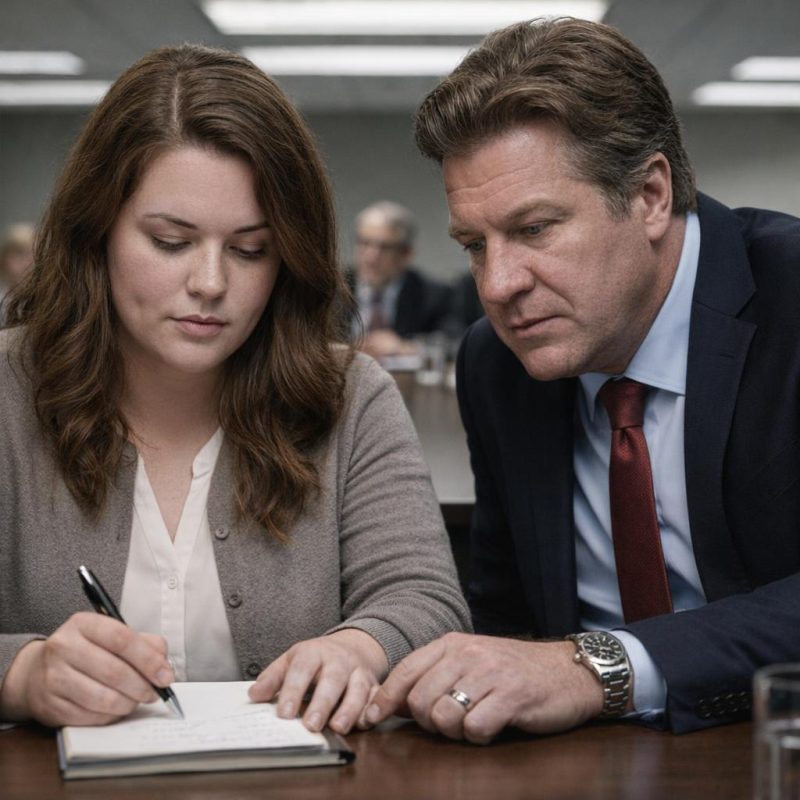 Image by RM AI
The Renewal Deadline
I spread the contract renewal documents across my desk, trying to make sense of the dense legal language and financial terms. Patricia had explained earlier that this client represented twenty percent of the company's annual revenue—a number that made my stomach clench with anxiety. She'd noted that my father had personally managed this relationship for over a decade, meeting with them quarterly, taking them to dinner, building trust through years of consistent service. The renewal deadline was three weeks away. I read through the terms again, highlighting sections I didn't fully understand, making notes about questions I needed to ask. The pressure felt immense—one wrong move, one mishandled conversation, and I could cost the company a fifth of its income. My inexperience had never felt more dangerous. That evening, Marcus called while I was still staring at the documents. His voice was warm and reassuring, immediately easing some of my tension. He'd already scheduled a meeting with the client for next week. "Don't worry," he said. "I'll handle the negotiation. You've got enough on your plate right now."
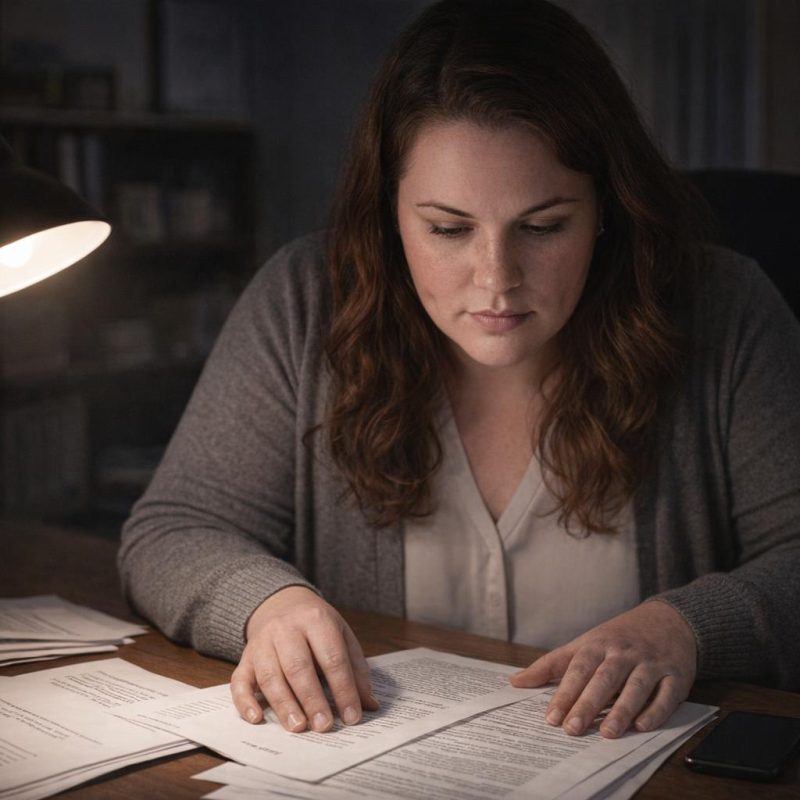 Image by RM AI
Coffee and Honesty
Alex and I met at a coffee shop on Saturday morning, the first time we'd gotten together outside the recovery meetings. The change of context felt significant somehow, more personal. I found myself opening up about the business pressures in a way I hadn't with anyone else—the overwhelming responsibility, the constant fear that I'd make a mistake that would destroy what my father had built. "I keep thinking I'm going to fail him," I admitted, stirring my coffee without drinking it. "That he made this huge mistake trusting me with everything." Alex listened with that steady attention he always gave people, his brown eyes warm and understanding. He didn't rush to reassure me with empty platitudes. Instead, he reminded me that my father had chosen me specifically, knowing exactly who I was and what I'd been through. "He saw your strength even when you couldn't," Alex said. Then he reached across the table and squeezed my hand, the gesture both supportive and something more. "Maybe you should start believing it too."
 Image by RM AI
Red Numbers
I'd been reviewing the monthly cash flow statements for an hour, comparing the current numbers to reports from six months earlier. Something felt off, though I couldn't quite articulate what. The liquid cash reserves seemed lower than I'd expected for a business this size, but I had no real baseline for comparison. Was this normal? I tried calculating monthly expenses against income, cross-referencing the figures with what Patricia had shown me about typical operating costs. The difference between now and six months ago was noticeable—not dramatic, but enough to make me uneasy. Maybe it was seasonal variation. Maybe I was just too inexperienced to understand manufacturing business cycles. I pulled up another spreadsheet, trying to find patterns in the numbers, feeling increasingly frustrated by my own financial illiteracy. A knock on my office door made me look up. Patricia stood there, her expression serious in a way that immediately heightened my concern. "Do you have a few minutes?" she asked. "I'd like to discuss the cash reserves privately."
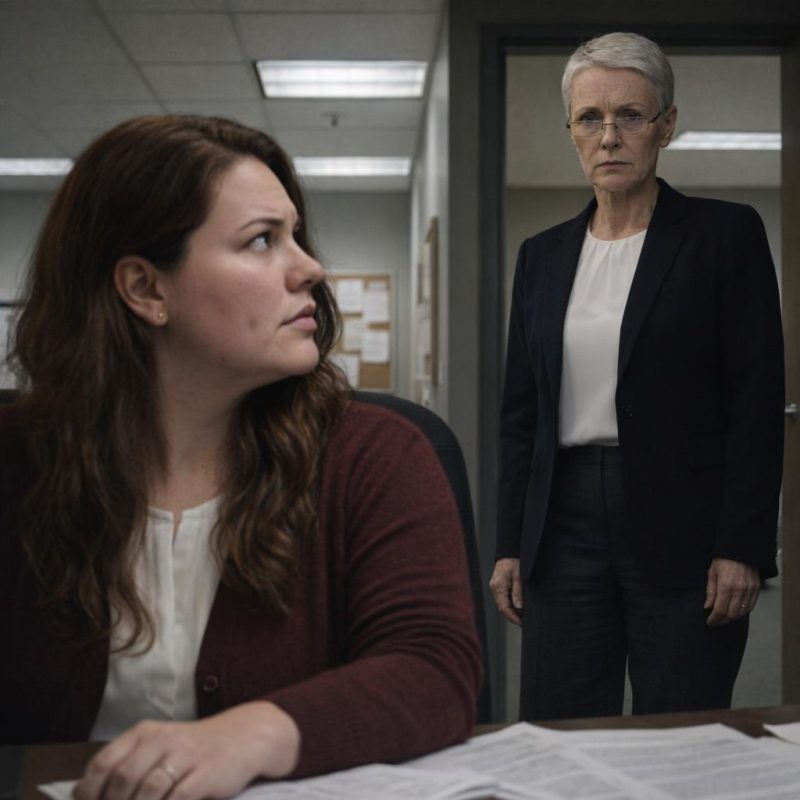 Image by RM AI
The Accountant's Perspective
Patricia sat down across from me and walked through the quarterly financial reports with methodical precision. She explained how manufacturing businesses experienced natural cash flow fluctuations based on production cycles and customer payment schedules. The recent tightening I'd noticed, she said, was partly due to a major equipment purchase my father had approved before his death—new machinery that would improve efficiency but required significant upfront capital. She showed me how client payment terms meant that revenue sometimes lagged behind expenses by thirty to sixty days, creating temporary dips in liquid reserves. Her explanations were reasonable and professional, delivered with the calm competence I'd come to associate with her. I felt my anxiety easing as she pointed out seasonal patterns in customer orders, explaining how certain months always showed lower cash positions. "This all looks fairly typical," she assured me. But then, as she gathered her papers to leave, she paused at the door. "I'm going to pull some historical comparisons from the past few years," she said. "Just to confirm everything aligns with previous patterns."
 Image by RM AI
Holding On
The business stress was getting to me in ways I hadn't anticipated. Old cravings surfaced for the first time in months—not overwhelming, but present enough to scare me. I started attending recovery meetings four times a week instead of three, gripping my six-month sobriety chip like a talisman whenever the urges got stronger. At Thursday's meeting, I shared honestly about the pressure I was under, how responsibility was triggering the same escape impulses that alcohol used to satisfy. Other group members offered support, sharing their own experiences with stress and relapse prevention. Their understanding helped, but I still felt shaky when the meeting ended. Alex approached me in the parking lot, his expression concerned. "Rough night?" he asked quietly. I nodded, not trusting my voice. He suggested we take a walk instead of heading straight to our cars. We ended up circling the block three times while I talked through my fears and he listened without judgment. His presence steadied me in a way nothing else could, his calm acceptance anchoring me when I needed it most.
 Image by RM AI
The Contract Win
Marcus called on a Wednesday afternoon, his voice warm with genuine pleasure. He'd successfully renewed the major client contract—not just renewed it, but secured it for another three years with favorable terms. Relief flooded through me so intensely I had to sit down. He described the meeting in detail, how the client had asked about my father and expressed sincere condolences, how they'd praised the company's consistent quality and service. Marcus had assured them that we would maintain the same standards Robert had established, that the transition wouldn't affect their experience at all. The contract terms he'd negotiated were actually better than the previous agreement, securing significant revenue for the foreseeable future. I thanked him profusely, my gratitude genuine and overwhelming. "I couldn't have done this without you," I told him. He brushed off the praise with characteristic modesty, saying he was just honoring Robert's memory by protecting what he'd built. After I hung up, I sat there feeling grateful for his partnership and support. Then a small thought crossed my mind—why hadn't the client asked to meet me? I pushed it away almost immediately, chalking it up to my own inexperience and overthinking.
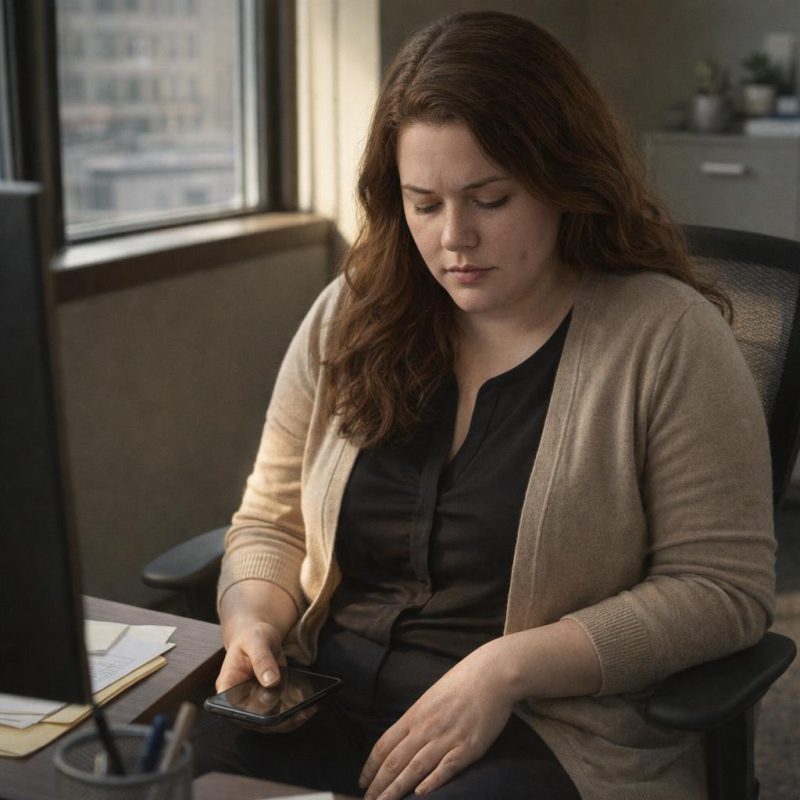 Image by RM AI
Unexpected Visit
I looked up from my desk to find Sarah standing in my office doorway, and for a moment I thought I was hallucinating. Her expression was softer than I'd ever seen it—no smirk, no condescension, just something that almost resembled concern. "I wanted to check on you," she said, stepping inside without waiting for an invitation. "See how you're handling everything." I set down my pen, trying to process this unexpected visit. She asked if managing the business was overwhelming, her tone almost gentle, and I found myself caught completely off guard by this apparent civility. She mentioned that she knew we hadn't been close, that maybe we could try to change that. The words sounded genuine, but every instinct I'd developed over thirty years of being her sister screamed that Sarah never did anything without calculation. Still, when she suggested we have lunch sometime to talk about the business, a small part of me—the part that still remembered being seven years old and wanting my big sister to like me—hoped for genuine reconciliation. I agreed to lunch despite my wariness, and she smiled warmly before leaving. I sat there afterward wondering what the hell had just happened.
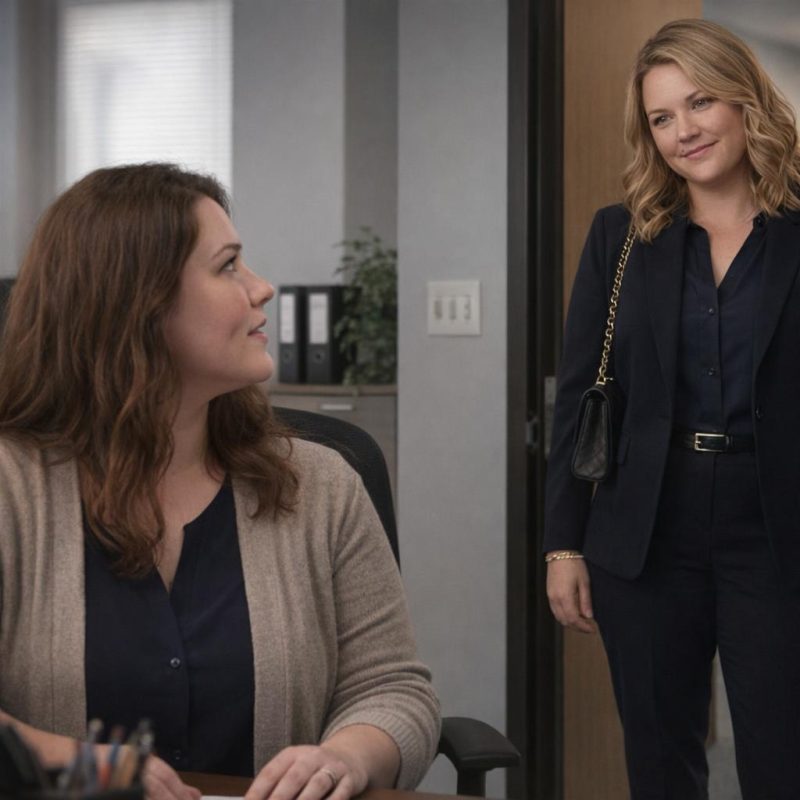 Image by RM AI
Lunch and Suggestions
Sarah insisted on paying for lunch at an upscale restaurant downtown, making a show of generosity that felt performative but I couldn't quite prove it. We made awkward small talk about neutral topics—the weather, a movie she'd seen, anything but our actual relationship. Eventually she steered the conversation to the business, asking if managing everything was too stressful. She mentioned that selling could give me freedom, framing it as concern for my recovery and wellbeing. "You could live comfortably on the sale proceeds," she said, picking at her expensive salad. "Focus on getting better without all this pressure." I told her firmly that I wasn't ready to make any decisions about selling, and her smile tightened almost imperceptibly before she changed the subject to ask about Alex. The shift was so smooth I almost missed it, but I'd been watching for cracks in her concerned-sister facade. She asked about my personal life with apparent friendly interest, but I kept my answers vague. When I left the restaurant, I was absolutely certain Sarah had an agenda. I just couldn't figure out what it was yet.
 Image by RM AI
Six Months Strong
I stood before my recovery group and accepted my six-month sobriety chip, feeling the weight of it in my palm like a medal I'd earned in combat. The group facilitator smiled warmly as she handed it to me, and I looked out at the circle of faces that had become so familiar. These six months had been different from early recovery—I'd faced business stress, family conflict, and the grief of losing my father while staying sober through all of it. Several members shared how my journey had inspired them, which made my throat tight with emotion. I recognized that maintaining sobriety through chaos was exactly what my father had trusted me to do, what he'd believed I was capable of when he wrote that will. The group applauded and I sat back down, overwhelmed by gratitude and pride. Alex was present in the circle, and when I caught his eye he smiled at me with such genuine warmth that something shifted in my chest. I realized his support had become as essential to me as these meetings themselves, that his steady presence had helped carry me through the hardest months of my life.
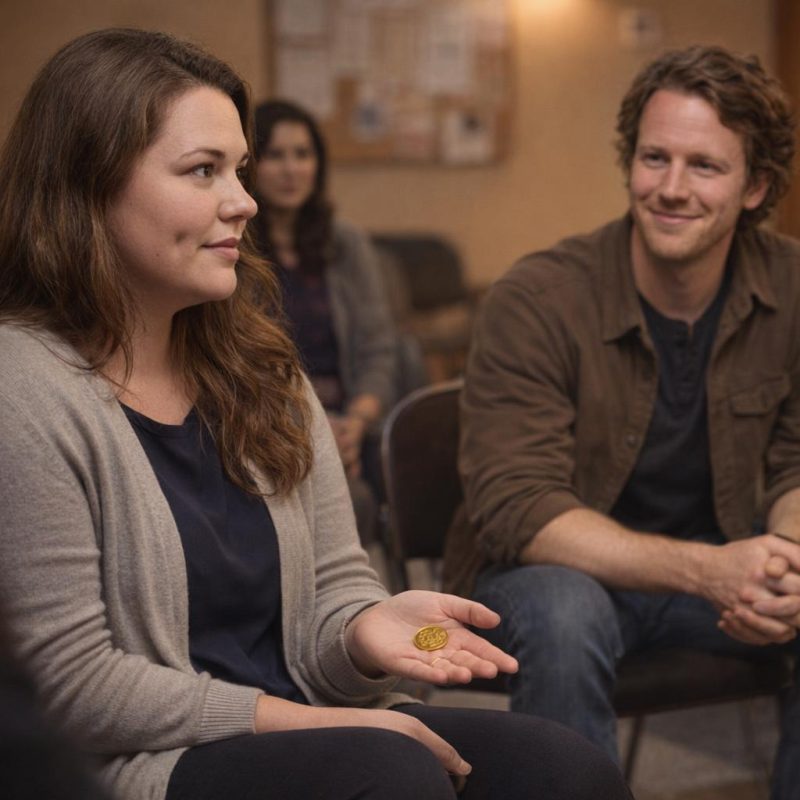 Image by RM AI
Dinner for Two
Alex and I sat across from each other at a quiet Italian restaurant on a Friday evening, and for the first time in months I talked about something other than wills and business ledgers. We discussed books we'd loved, places we wanted to travel, childhood memories that made us laugh. I found myself sharing stories about my father that went beyond the business and estate—how he'd taught me to ride a bike, his terrible singing voice, the way he'd always ordered too much food at restaurants. Alex talked about his own family and his life before recovery, and the conversation flowed so easily I forgot to be nervous. We laughed over shared experiences of awkward family dinners and bad first jobs. The evening felt comfortable and natural in a way I hadn't experienced in years. When he walked me to my car afterward, there was a moment of uncertainty where we both hesitated. He asked if he could see me again soon, his voice hopeful but not presumptuous. I surprised myself by saying I hoped he would, meaning it completely. We stood close for a moment before saying goodnight, and I drove home feeling lighter than I had in months.
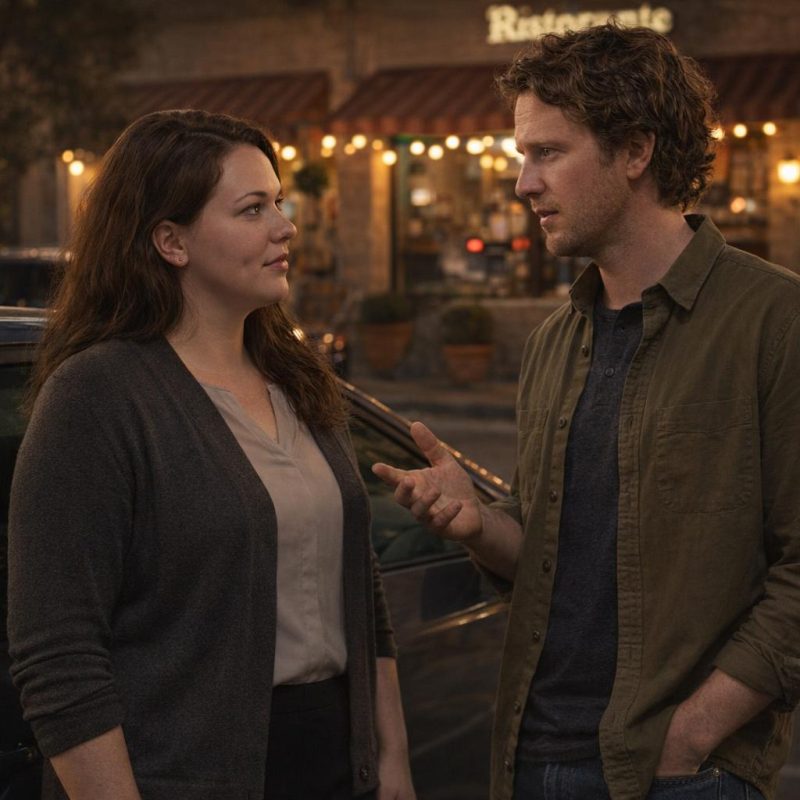 Image by RM AI
Numbers Falling
I stared at the quarterly report on my desk, reading the numbers for the third time to make sure I wasn't misunderstanding them. The profit margins had declined significantly—not catastrophically, but enough to make my stomach drop. Revenue seemed stable, but costs had increased substantially in areas Marcus had told me were performing well. I couldn't reconcile what I was seeing with his optimistic updates about the company's strong performance. The bottom line showed losses where I'd expected gains based on everything he'd said. I checked the report multiple times, wondering if I was reading it incorrectly or missing some accounting nuance I didn't understand. But no matter how many times I reviewed it, the numbers told the same story. My hands felt cold as I reached for the phone. I called Patricia's office immediately, requesting an urgent meeting to go over the financials. I needed to understand what had caused this decline, why the reality didn't match what Marcus had been telling me. Something didn't add up, and I couldn't shake the feeling that I was missing something important.
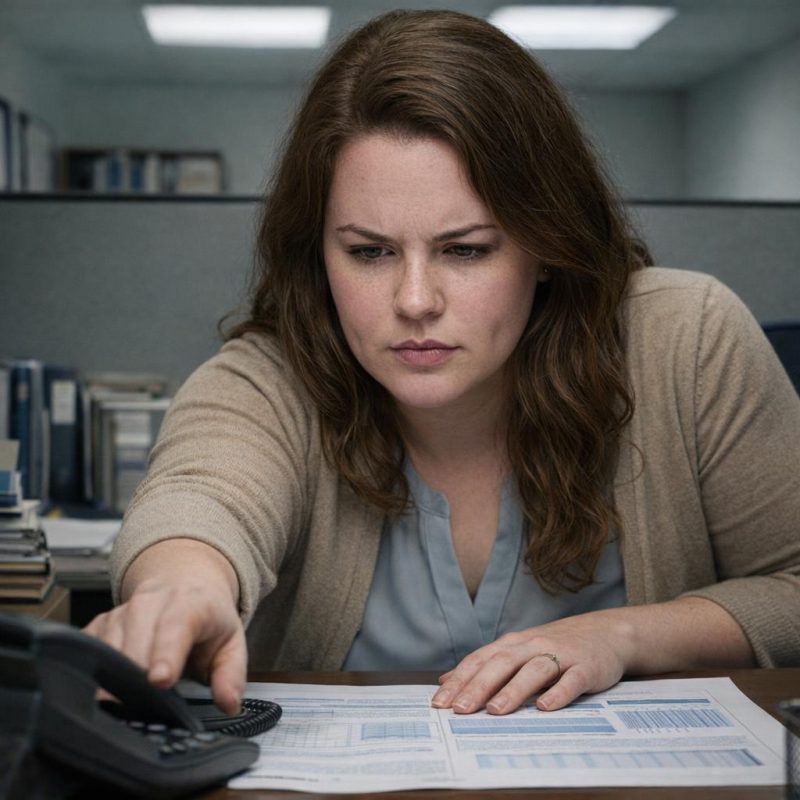 Image by RM AI
A Partner's Advice
Marcus sat across from me reviewing the quarterly report, his expression appropriately grave as he walked me through the numbers. He explained that market conditions had been tougher than expected, pointing to increased competition and rising material costs that were squeezing profit margins. His tone was serious and concerned, exactly what you'd expect from a business partner facing challenges. He suggested that profit margins might continue declining if these trends continued, then proposed that I consider selling my shares. "I could buy them myself," he offered, "to keep the company stable and honor Robert's legacy." He framed it as protecting me from potential losses, giving me a way out before values declined further. I told him I needed time to think about such a major decision, and he nodded understandingly, saying there was no rush. But something in his tone made me uneasy—I couldn't explain why. Maybe it was just my paranoia after Sarah's sudden interest in selling. I left his office feeling uncertain in a way I couldn't articulate, wondering why everyone suddenly wanted me to sell.
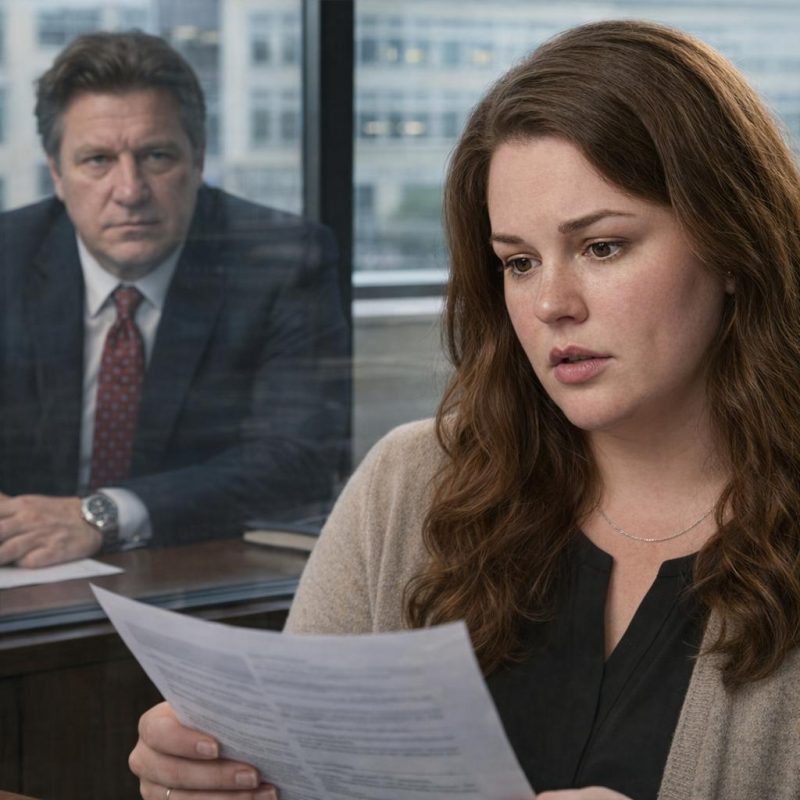 Image by RM AI
Old Contracts
I spent the evening in my father's home office, surrounded by stacks of old vendor contracts and financial files. The house was quiet except for the sound of pages turning as I worked my way through agreements systematically. Several contracts caught my attention—payment structures that seemed unusual, amounts that appeared higher than market rates for the services described. Some vendor payments didn't align with typical industry standards based on what I'd been learning about the business. A few contracts lacked detailed service descriptions despite substantial payment amounts. I couldn't determine if this was normal business practice or something problematic, but the inconsistencies nagged at me. I made careful notes of vendor names and payment amounts, documenting everything I found. I wondered if my father had noticed these irregularities, if he'd questioned them or if they'd seemed routine to him. The clock showed past midnight when I finally set down my pen. I planned to ask Patricia about these specific contracts when we met the next morning, to see if she could explain what I was seeing in these documents.
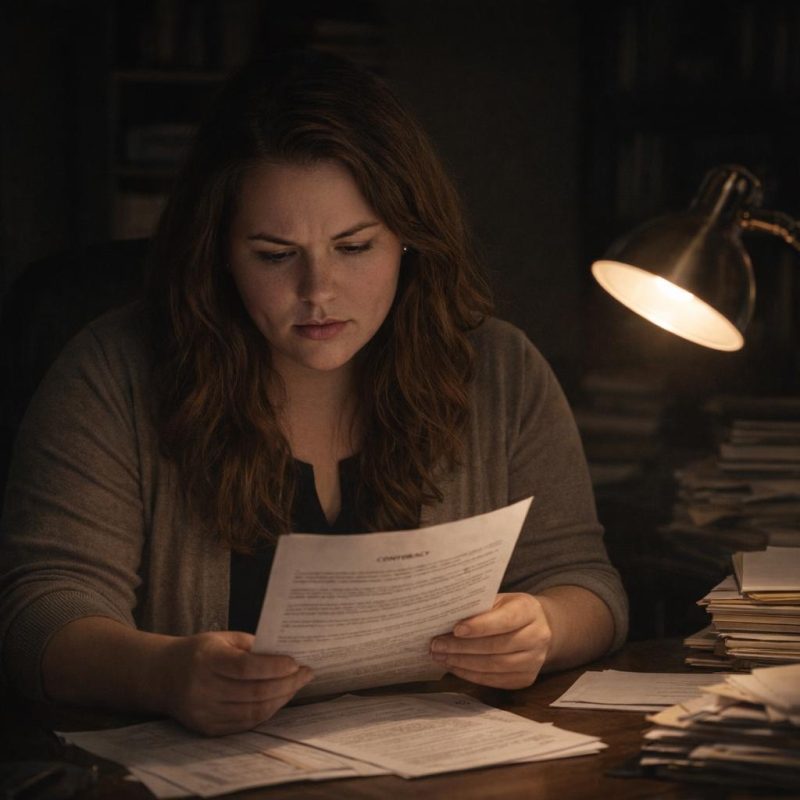 Image by RM AI
The Steady Hand
I met Alex for coffee before my recovery meeting, and the moment I sat down I could feel the stress radiating off me like heat. He took one look at my face and asked what was wrong. I confessed that the business pressure was making me want to run from everything, that I'd been having intrusive thoughts about just walking away and letting someone else deal with it all. He listened without judgment or alarm, his brown eyes steady on mine. Then he reminded me that staying present through difficulty was the whole point of sobriety, that running from challenges was what we'd done in our drinking days. He shared his own experience with wanting to flee when things got hard, how he'd learned that discomfort didn't kill you. His words helped me refocus on what I could control today rather than spiraling about everything at once. Then he offered to review the financial documents with me even though numbers weren't his strength, simply because I needed someone I trusted in my corner. His steady presence calmed the rising panic in my chest, and I felt grateful for his unconditional support in a way that made my eyes sting.
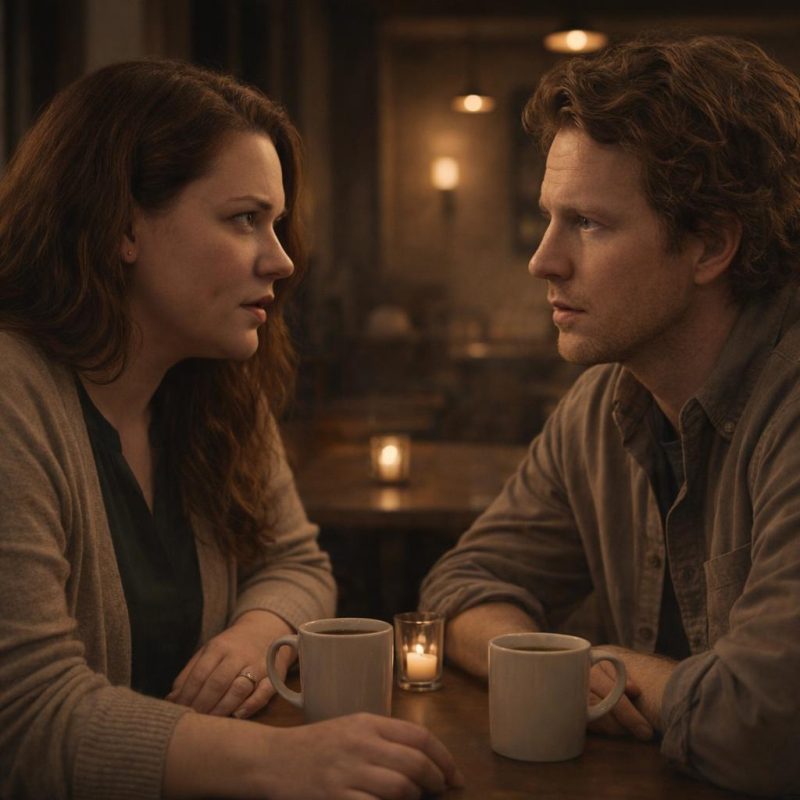 Image by RM AI
Vendor Patterns
I spent three days building a spreadsheet that would have made my college statistics professor proud, compiling every vendor payment from the past two years into neat columns with color-coded categories. The numbers told a story I didn't want to believe. Multiple suppliers were being paid significantly above market rates—not just a little high, but sometimes double what industry standards suggested. I cross-referenced pricing with online databases and called a few competitors to verify typical costs, pretending I was shopping around. The overpayments weren't random either. They appeared consistently across multiple quarters, like someone had set up a system and just let it run. I created a separate tab listing every vendor with questionable payment amounts, my stomach tightening as the list grew longer. Then I decided to research the vendors themselves, looking up business addresses and registration information. Most had normal-looking websites and legitimate-seeming operations scattered across the state. But three of them shared the same office building downtown—Suite 412 in a generic commercial complex near the highway. That seemed odd for supposedly independent companies providing different services. I documented the finding carefully in my notes, trying not to jump to conclusions about what it meant.
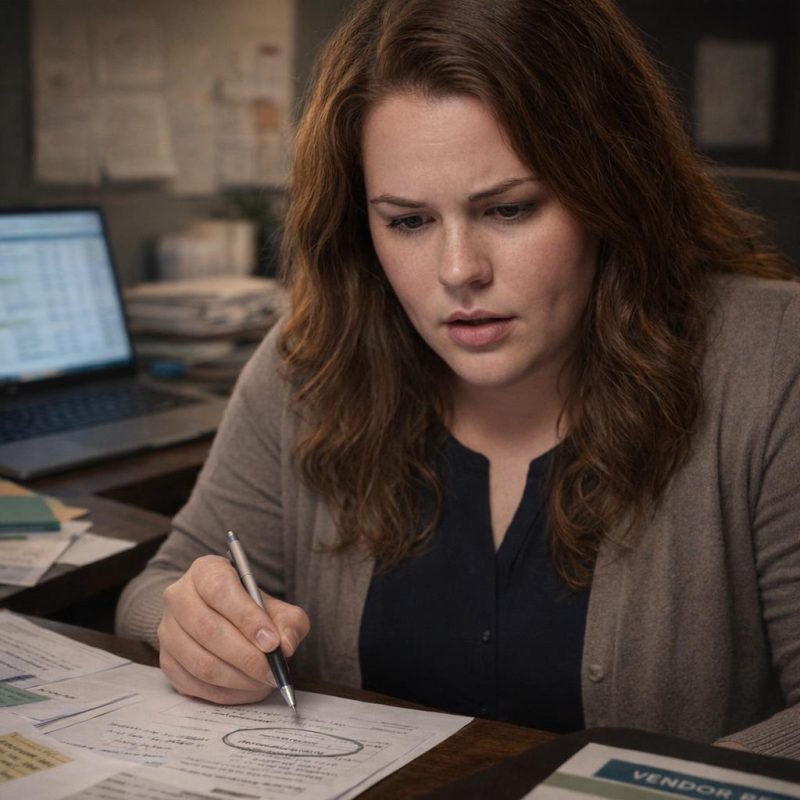 Image by RM AI
The Audit Request
I scheduled a formal meeting with Patricia, walking into her office with my documentation folder clutched against my chest like armor. She looked up from her computer with her reading glasses perched on her nose, and I asked her to conduct a thorough audit of all vendor transactions from the past eighteen months. Her expression became very serious, the kind of professional gravity that made my pulse quicken. She asked if there was something specific I had found, her voice careful and measured. I showed her my spreadsheet of above-market payments, then pointed out the three vendors sharing an office address in Suite 412. Patricia studied the list carefully, her finger tracing down the columns while her face remained perfectly neutral. Her professional demeanor didn't reveal whether she was shocked or had suspected something herself. She said she would begin the audit immediately and promised to document everything she found with the thoroughness I'd come to expect from her. I left her office feeling both relieved that I'd taken action and apprehensive about what might be uncovered, like I'd just opened a door I couldn't close.
 Image by RM AI
Mother's Interest
Brenda left a voicemail on my cell phone that made my jaw clench the moment I heard her falsely pleasant tone. She claimed she had found a serious buyer for the company—someone willing to pay generously for my shares so I could finally get out from under this burden. She insisted I call her back immediately to discuss the details, framing the whole thing as maternal concern for my wellbeing. I listened to the message twice, my anger building with each word. Brenda had never shown genuine concern about my life before, never called just to check in or offer support. Now suddenly she was deeply invested in helping me sell the business my father had left me? The timing felt too convenient, coming right when I was digging into financial irregularities. I wondered why she was so interested in this sale, who she might have been talking to, whether someone had put her up to making this call. I deleted the message without calling back, but I couldn't shake the feeling that this was coordinated somehow, that invisible threads connected Brenda's sudden interest to other pressure I'd been feeling.
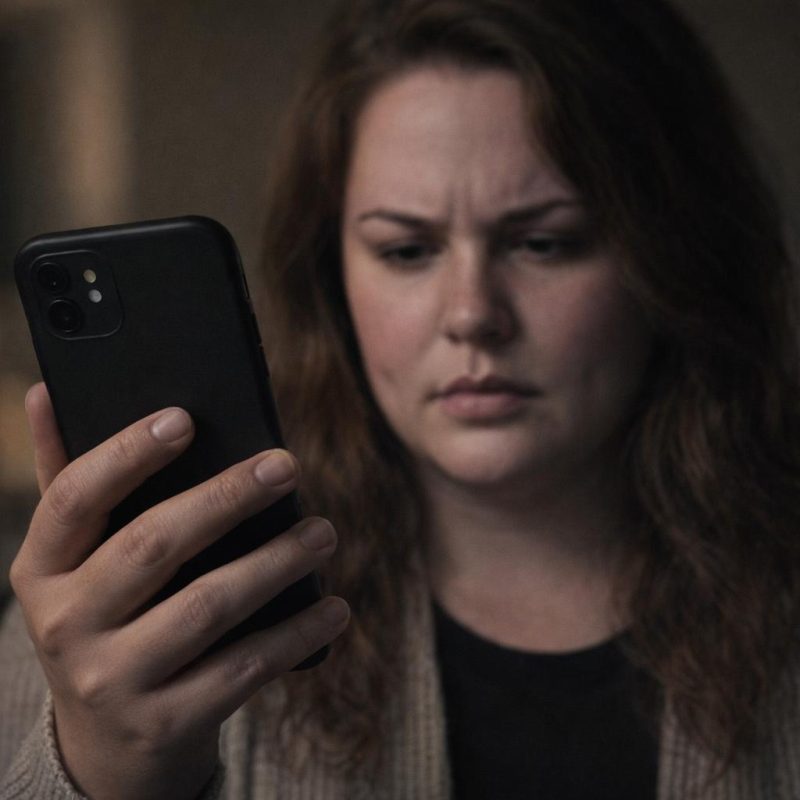 Image by RM AI
Irregularities
Patricia requested a private meeting and closed my office door carefully before speaking, her expression more troubled than I had ever seen it. She told me she had completed the vendor payment audit I'd requested and found significant irregularities in the accounts I had questioned. The overpayments appeared systematic rather than accidental—not mistakes but a pattern that suggested intention. Some vendor invoices lacked proper supporting documentation, just approval signatures without the backup materials company policy required. Payment approvals had bypassed normal verification procedures that should have caught the inflated amounts. Patricia had documented everything carefully, creating a paper trail of what she'd discovered. She handed me a folder of evidence, her hands steady but her eyes worried. She said I needed to review it thoroughly before we discussed it further, that I should see the documentation myself rather than just hearing her summary. Her troubled expression made my heart race, a sick feeling spreading through my chest. I took the folder with hands that wanted to shake, realizing this was more serious than I had thought.
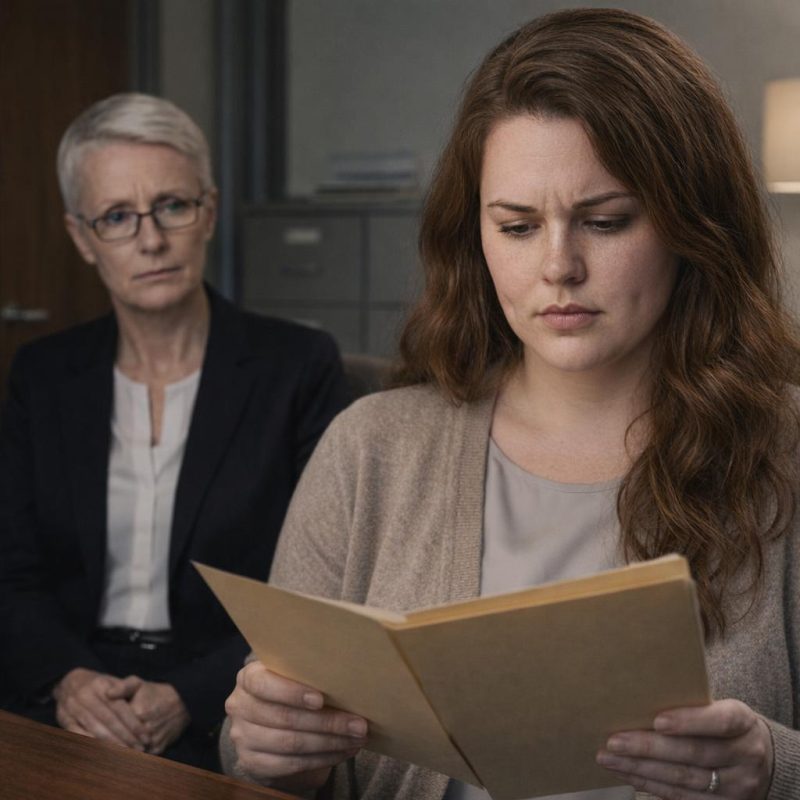 Image by RM AI
Contradictions
I scheduled a meeting with Marcus about the audit findings, bringing up the vendor payment irregularities as carefully as I could manage. He listened with appropriate concern, his expression thoughtful as I described what Patricia had found. Then he offered explanations for the higher payments that sounded reasonable and detailed—some vendors provided specialized services worth premium rates, he said, and Robert had personally approved many of these arrangements because of longstanding relationships. He explained procedures for vetting these suppliers, quality standards that justified the costs, industry factors I might not understand yet. His explanations were smooth and confident, delivered with the kind of detail that made me want to believe him. I took notes on everything he said, nodding along. After Marcus left, I sat alone and compared his explanations to Patricia's documentation, reading through both sets of information line by line. The details didn't align. Marcus had described verification procedures that Patricia said weren't followed. Payment justifications didn't match the actual invoices in the folder. I stared at the contradictory information spread across my desk, unable to escape the feeling that someone was lying to me.
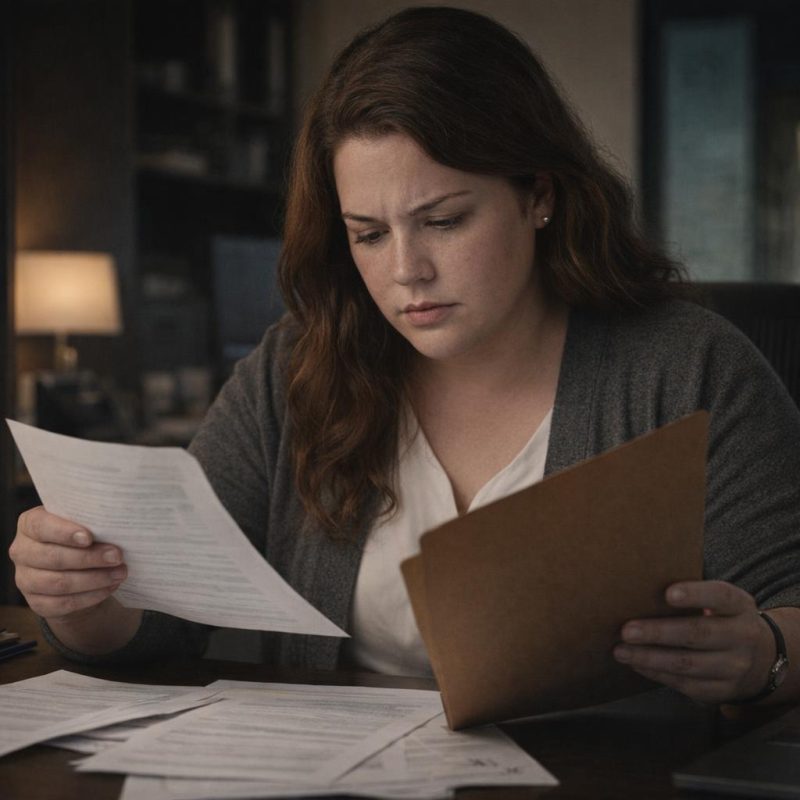 Image by RM AI
Professional Help
Jennifer listened to my concerns about the accounting irregularities from across her polished conference table, taking extensive notes as I explained the contradictions between Marcus's explanations and Patricia's documentation. She asked clarifying questions about specific transactions, the timeline of discoveries, who had access to approve these payments. Then she recommended bringing in a forensic accountant to conduct an independent investigation—someone with expertise in tracing financial transactions and uncovering fraud. She explained that a forensic audit could follow the money trail in ways our internal review couldn't, that an independent expert would be essential if we needed to take legal action. Her tone was serious but not alarming, the voice of someone who'd seen this before. She warned me that if we found evidence of fraud, I needed to be prepared for the possibility that someone I trusted was involved, that financial crimes often came from insiders who knew the systems well enough to exploit them. The weight of that warning settled over me like a heavy blanket. She recommended a reputable forensic accounting firm she'd worked with on other cases. I agreed to move forward despite the fear coiling in my stomach, and Jennifer began making arrangements.
 Image by RM AI
Following the Money
The forensic accountant presented his preliminary findings in Jennifer's conference room, spreading documents across the table while I tried to keep my breathing steady. He explained that funds had been systematically diverted through the overpriced vendor payments into accounts he was still tracing, following a money trail that wound through multiple business entities. The pattern showed careful planning and execution—inflated invoices approved without proper documentation, payments flowing to vendors that existed mainly on paper. This had been happening for several years, possibly beginning even before my father's death. The amount diverted was substantial, already in the hundreds of thousands based on what he'd traced so far. He told me the pattern suggested someone with deep knowledge of the company's systems had been doing this for years, possibly since before my father's death, someone with authority to approve payments and access to bypass the controls that should have caught the irregularities. I felt sick realizing the scale of the theft, understanding that this wasn't a mistake or a few bad transactions but something that had been bleeding the company for years. Jennifer said this was definitely criminal fraud, her voice grim.
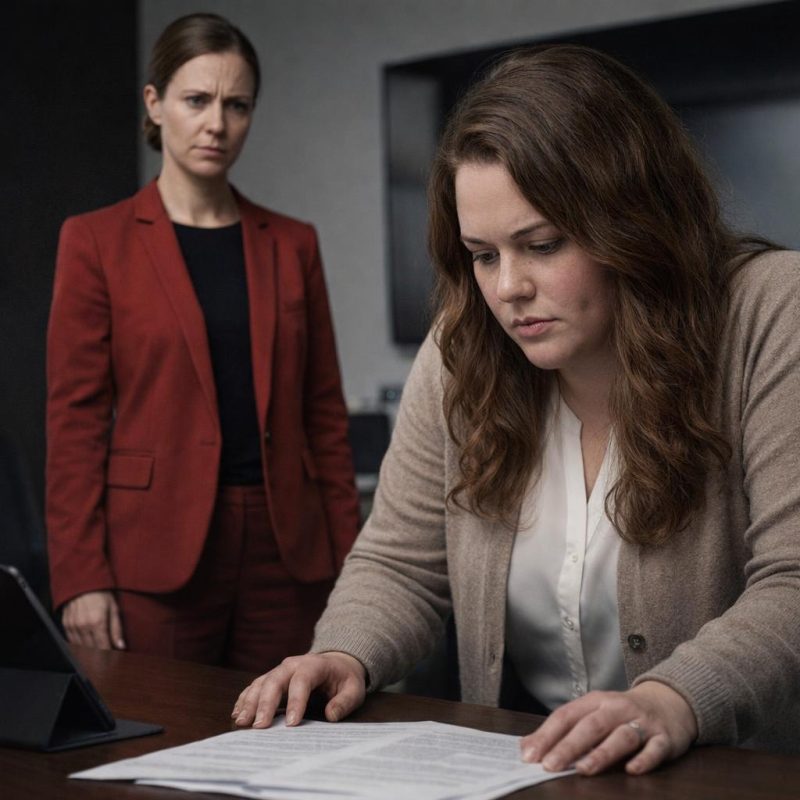 Image by RM AI
Years of Theft
The updated forensic report arrived three days later, and I reviewed it with Jennifer and Patricia in my office with the door locked. The accountant had documented systematic embezzlement over at least four years, with the total amount stolen exceeding four hundred thousand dollars. Evidence pointed definitively to someone in a senior leadership position—someone with authority to approve vendor payments and access to accounting systems and controls. The forensic accountant had highlighted specific transaction trails in yellow, showing a pattern of approvals that bypassed normal procedures my father had established. I studied the timeline carefully, noticing that the irregularities had actually increased in the months before Robert's death, the amounts growing larger and more frequent. My hands started shaking as I held the report, a terrible realization forming in my mind. I remembered what employees had said about my father seeming worried those last months, distracted and stressed in ways they hadn't seen before. What if he had discovered this theft? What if he'd known someone was stealing from the company he'd built, and that knowledge had weighed on him in his final days?
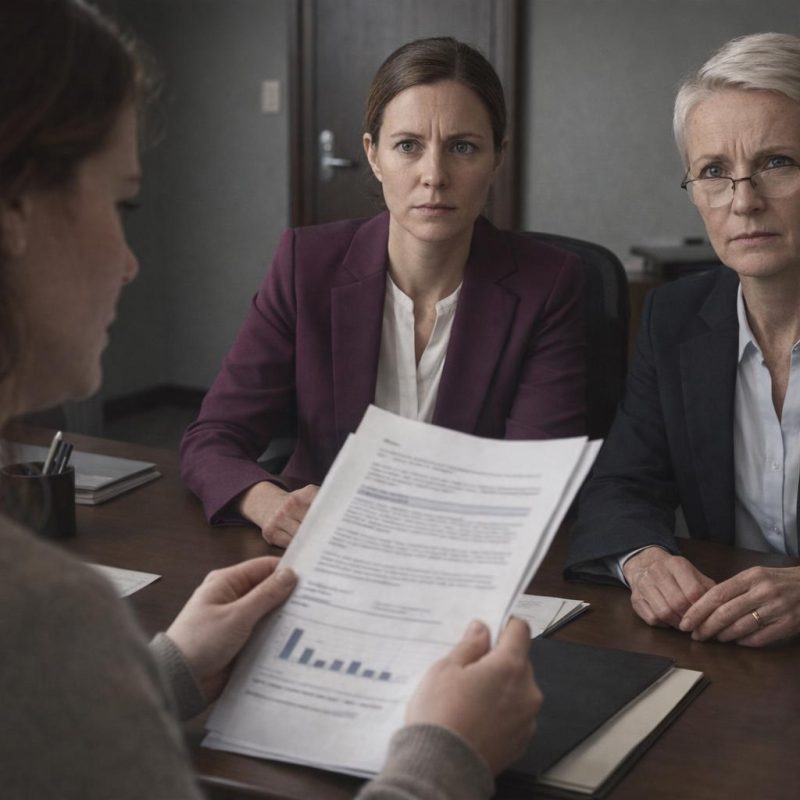 Image by RM AI
Corporate Ghosts
The forensic accountant spread three sets of corporate registration documents across the conference table, and I felt my stomach drop before he even started explaining. Jennifer sat beside me, her expression carefully neutral as he walked us through the shell companies that had received the diverted funds. All three had been registered within a six-month period four years ago, right around the time Marcus joined the board. The addresses listed on the incorporation papers made my hands go cold—I'd seen that office building before, noted it in Marcus's personal investment files when I'd been reviewing board member disclosures. One of the shell companies shared a registered agent with Marcus's own holdings, a detail the accountant highlighted with his pen. He explained that he still needed to verify the complete ownership chains, that these were circumstantial connections requiring additional documentation. But as I studied the paperwork, my eyes caught on a signature at the bottom of one registration form. The handwriting had a distinctive slant, the way the capital letters looped at the top. I'd seen that same style on dozens of documents Marcus had signed in recent weeks. Jennifer leaned forward, her voice measured as she noted that the circumstantial evidence was certainly piling up, wasn't it? I couldn't stop staring at that signature, wondering if I was seeing what I thought I was seeing.
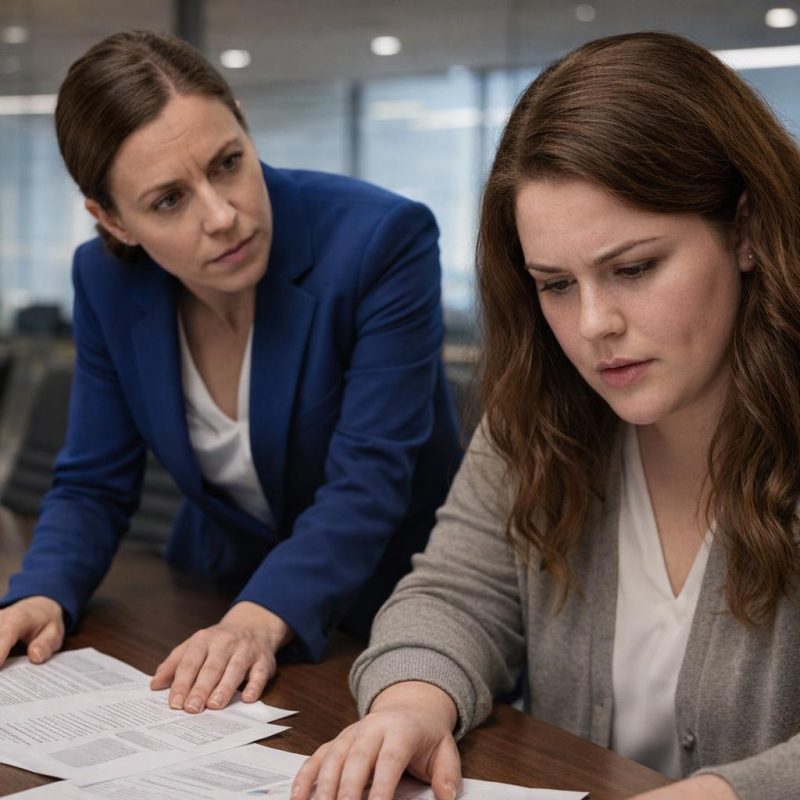 Image by RM AI
Paper Trails
I stayed in my father's office until nearly midnight, surrounded by boxes of financial records that stretched back four years. The building was silent except for the hum of the heating system and the rustle of paper as I built a timeline of every suspicious transaction. The pattern that emerged made me feel physically sick. The major overpayments to vendors had begun shortly after Marcus suggested we strengthen certain supplier relationships—his exact words at a board meeting I'd found in the minutes. Those same vendors were the ones charging thirty percent above market rates. I remembered specific conversations where he'd guided me toward particular decisions, his helpful tone as he explained why we should continue those contracts. His suggestion that I sell my shares to him came back with new weight, the timing perfectly aligned with the worst quarterly reports. Every piece of advice he'd given me, every reassuring conversation about protecting my interests, had positioned him to benefit while weakening my control. I thought about my father in these final months, the stress employees had mentioned, the distraction. Had he discovered this? Had he known someone he trusted was stealing from him? The boxes of records surrounded me like evidence in a trial, and I couldn't ignore where every single piece pointed. I began to suspect that every reassuring conversation, every offer of guidance, had been designed to keep me looking the wrong direction.
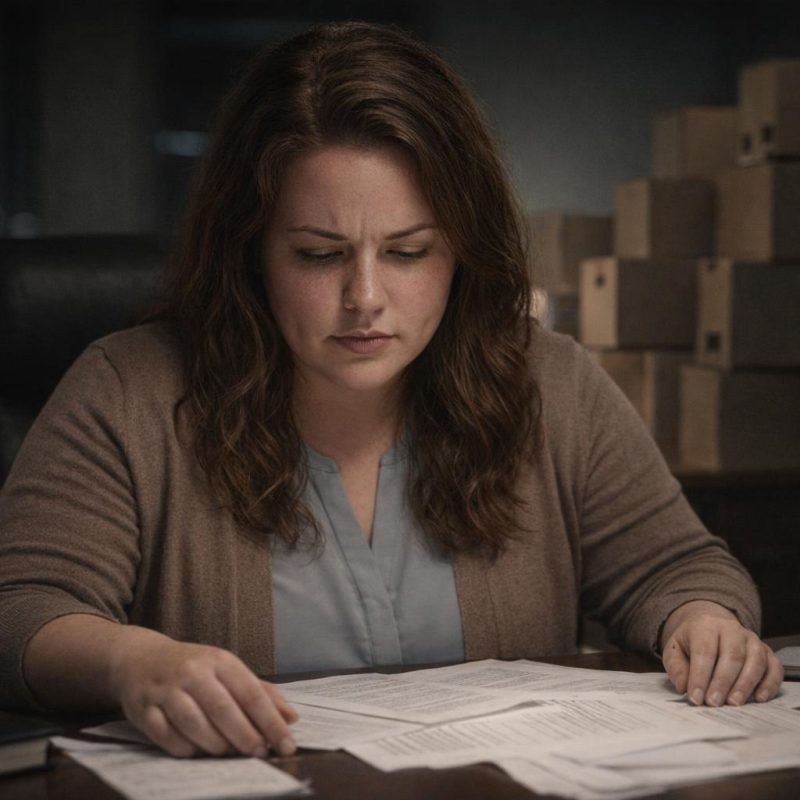 Image by RM AI
Helpful Hands
Alex met me at a quiet coffee shop the next morning, and I could tell from his expression that I looked as exhausted as I felt. I'd barely slept, my mind replaying every interaction with Marcus since the will reading. As Alex listened, I walked through each piece of advice Marcus had offered—how he'd guided my first board meeting and controlled what information I received, how he'd handled the client contract renewal without my involvement, his explanations of cash flow issues that now seemed completely fabricated. The timing of his buyout offer had coincided perfectly with the worst financial news, the moment when I'd felt most overwhelmed and uncertain. Alex's warm brown eyes stayed steady on mine as I pieced it together out loud, his presence grounding me when the scope of potential manipulation threatened to overwhelm me. Marcus had positioned himself as my only guide while I struggled with grief and business inexperience. He'd watched me flounder and offered help that now looked like something else entirely. The financial troubles that had made me doubt myself, that had made his buyout offer seem almost generous—what if those troubles had been manufactured? What if he'd wanted me to fail, to feel desperate enough to sell cheaply? Alex reached across the table and squeezed my hand, and I felt grateful for someone who had no agenda except supporting me. I started to suspect his offer to buy my shares was never about protecting me from loss—it was about acquiring what he had been stealing from.
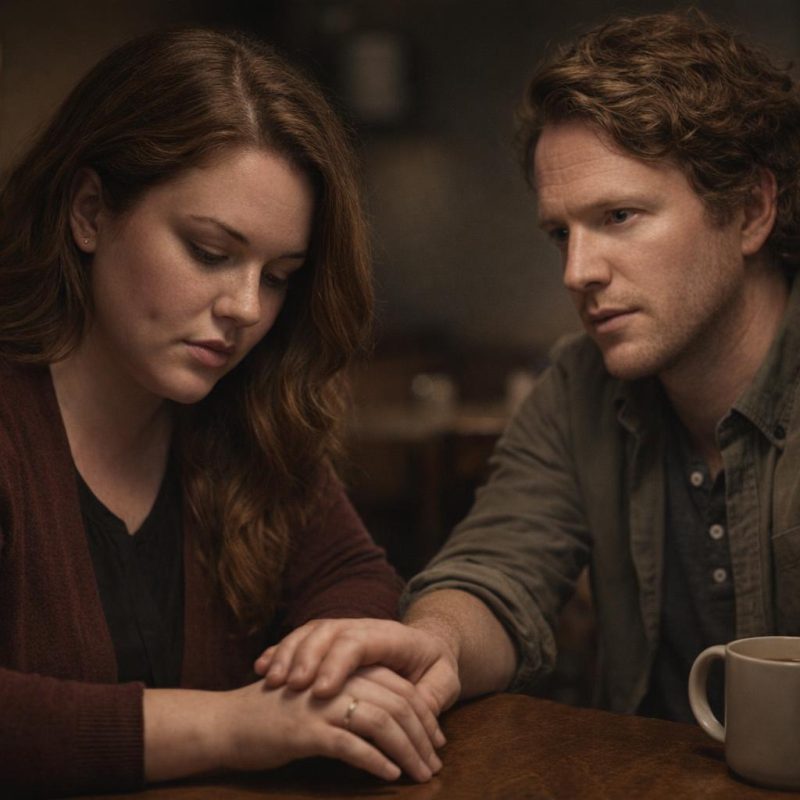 Image by RM AI
The Inexperienced Mark
I sat alone in my apartment that night, staring at the city lights through my window and processing what I'd been avoiding. I'd arrived at that will reading knowing absolutely nothing about running a business, grateful when Marcus offered to help me navigate this world I didn't understand. My inexperience had made me completely dependent on his guidance, on his interpretation of every financial report and business decision. The thought made me feel exposed in a way that brought back old vulnerabilities I'd worked hard to overcome. My recovery history, the years I'd spent rebuilding myself from addiction—had that made me seem like an easier target? Someone who could be manipulated because she'd already been broken once? I recognized the pattern now, the same way I'd learned to spot manipulation in my recovery work. People who underestimated me because of my past, who thought my struggles made me weak instead of stronger. My family's constant attacks on my competence suddenly looked different too, like they'd been serving someone else's interests all along. But I'd gotten sober by learning to see clearly, by refusing to let people exploit my vulnerabilities. The same skills that had helped me survive addiction were the ones I needed now. I wasn't the lost, grieving daughter Marcus might have thought I was. I began to understand that my vulnerability wasn't just noticed—it may have been the very thing that made his plan possible.
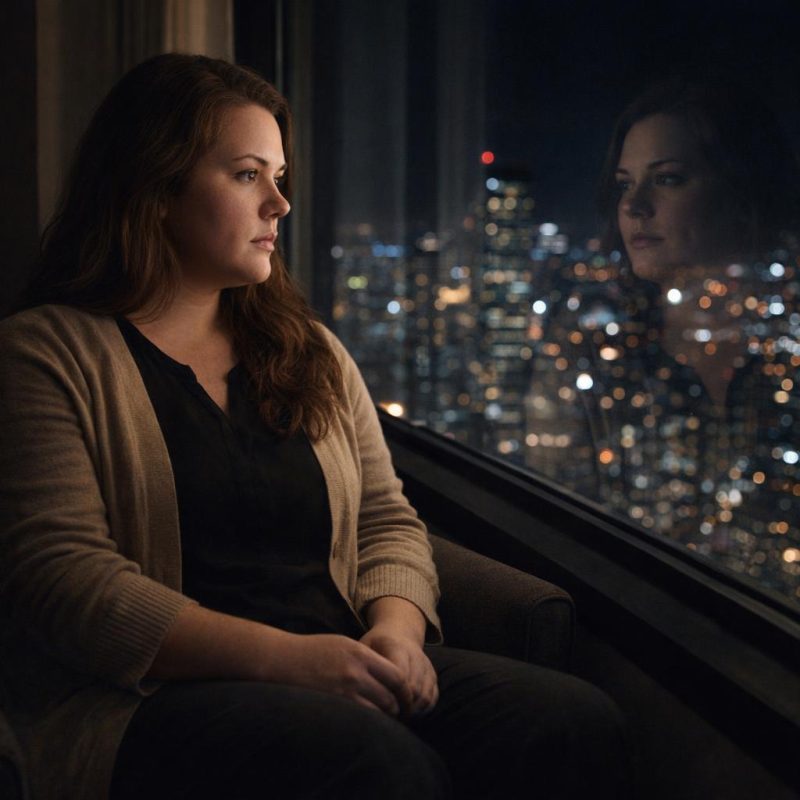 Image by RM AI
The Complete Picture
The forensic accountant's final report landed on the conference table with a weight that seemed to compress the air in the room. Jennifer and Patricia sat with me as he walked through irrefutable evidence that Marcus Chen had systematically embezzled over five hundred thousand dollars through three shell companies he personally controlled. The corporate filings traced directly to him through bank records and ownership documents that left no room for doubt. He'd manufactured the quarterly declines by accelerating fraudulent vendor payments, creating the appearance of a failing business to depress the share value. His offer to buy my shares would have netted him the entire company for a fraction of what it was actually worth—the perfect endgame to four years of sustained theft from his supposed partner. The fifteen-year partnership with my father had been cover for stealing from a man who'd trusted him completely. Marcus had likely feared my father was beginning to suspect something in those final months, and then I'd inherited the company, inexperienced and grieving and perfect for his purposes. Every helpful conversation, every piece of guidance had been designed to control information and timing, to position me exactly where he needed me. Jennifer's voice cut through my thoughts, confirming this was sufficient evidence for criminal prosecution and full civil recovery. Patricia looked relieved that her concerns were finally validated. I felt cold fury replacing the shock, a crystalline clarity settling over me. Jennifer looked at me across the conference table and said we had everything we needed to destroy him.
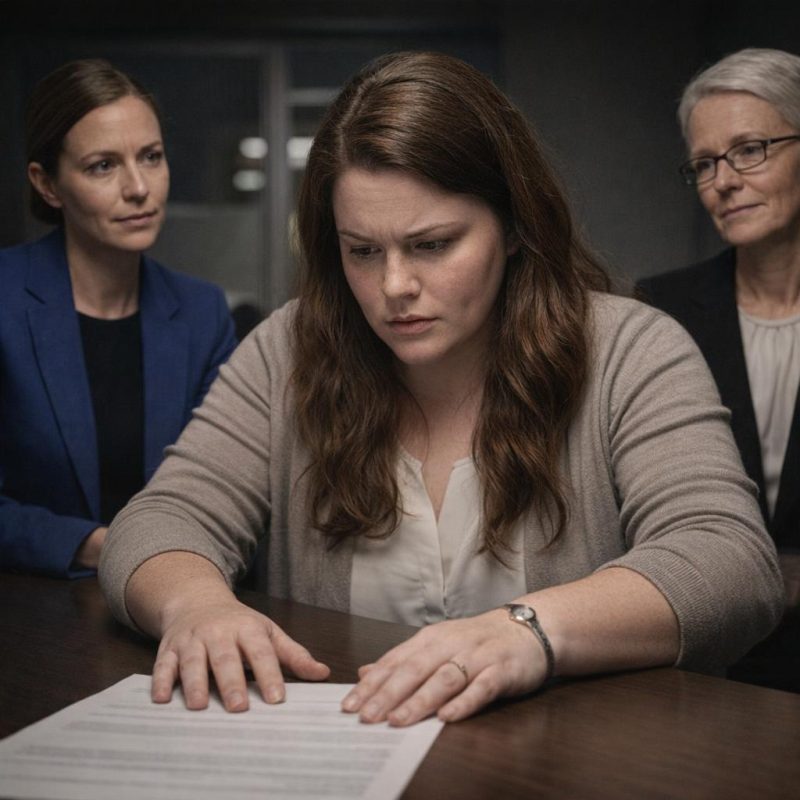 Image by RM AI
The Legal Path
Jennifer's conference room table disappeared under the spread of documents as she outlined the strategy that would end Marcus Chen's career and freedom. She explained the criminal prosecution process for embezzlement with the precision of someone who'd done this before, then moved to the civil lawsuit strategy for recovering every dollar he'd stolen. We'd file for an emergency asset freeze to prevent him from hiding money or transferring property once he realized what was happening. She'd already drafted the evidence package for the district attorney's office, a comprehensive presentation that would make prosecution almost inevitable. But the critical element, she emphasized, was maintaining absolute secrecy until the moment we struck. Marcus couldn't suspect anything had changed. I needed to continue normal business interactions, attend board meetings, respond to his emails as if nothing was different. The performance would be difficult, but it was essential—any warning would give him time to hide assets or destroy evidence. Jennifer would coordinate the timing of the criminal referral and civil filing to hit simultaneously, overwhelming him before he could mount a defense. We discussed how to protect Patricia and the other employees who'd helped gather evidence, ensuring their cooperation wouldn't cost them their jobs. I agreed to follow Jennifer's strategic guidance precisely, trusting her experience even when my instinct was to confront Marcus immediately. The plan gave me something I desperately needed—a sense of control and clear purpose. She told me the first step was ensuring Marcus had no idea what was coming until the moment we struck.
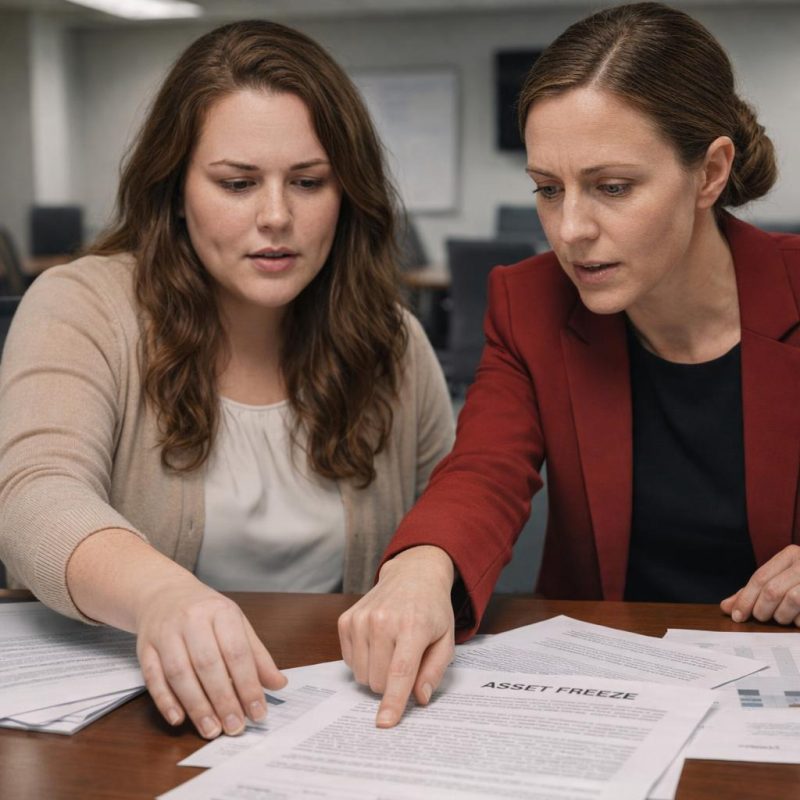 Image by RM AI
Allies Revealed
Patricia gathered eight of my father's most trusted employees in the break room after hours, people who'd worked at the company for decades and remembered when my father first started building it. I stood at the front of the small room, looking at faces weathered by years of manufacturing work, and explained what was coming without revealing all the legal details. Marcus Chen had been stealing from the company for four years, I told them. He'd embezzled over half a million dollars and tried to manipulate me into selling him the business for a fraction of its value. I needed their discretion and support during the legal process ahead. The shock on their faces gave way quickly to anger—these were people who'd been loyal to my father, who'd watched Marcus play the role of trusted partner while robbing them all. Several mentioned they'd never fully trusted him despite his charm, that something had always felt off about how he operated. Patricia vouched for my integrity and commitment to protecting the company my father built, and one by one they pledged to support me and testify if necessary. Then an older machinist named Frank stepped forward, his calloused hands gripping his work cap. His voice was quiet but steady as he said he'd been waiting years for someone to finally ask the right questions. Others nodded, sharing observations they'd dismissed at the time—irregularities they'd noticed but had no proof of, concerns they'd mentioned to each other but never formally reported. An older machinist stepped forward and said he had been waiting years for someone to finally ask the right questions.
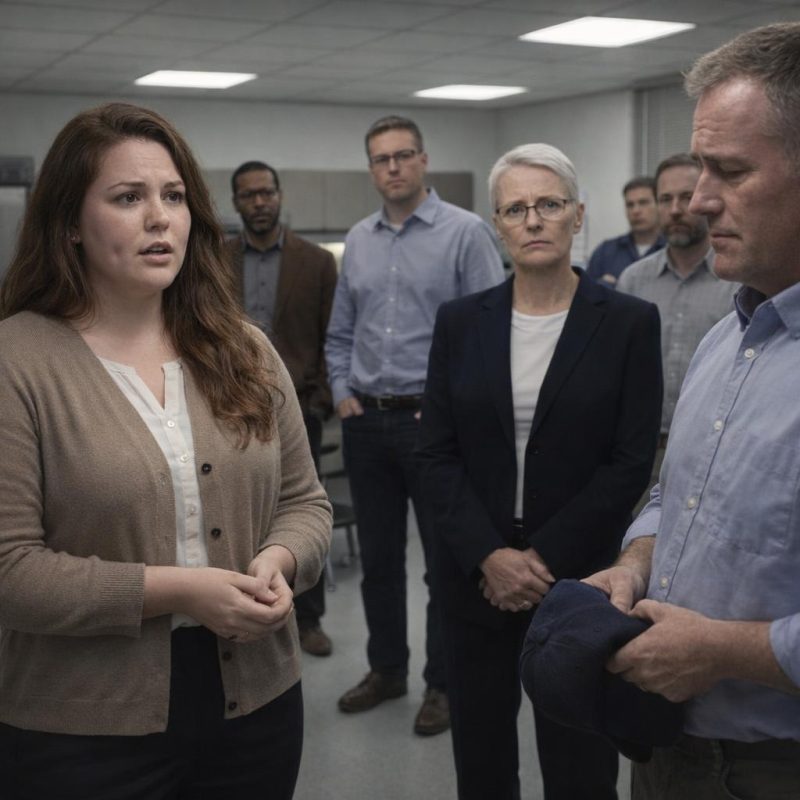 Image by RM AI
Building the Case
I spent three days in Jennifer's office building the case that would end Marcus Chen's freedom and career. The forensic accountant worked alongside us, organizing four years of fraudulent transactions into a timeline that showed the systematic nature of the theft. We compiled every shell company document, every ownership record, every piece of evidence that traced the money from my father's company into Marcus's control. I prepared written statements from employees willing to testify, documented the advice Marcus had given me that positioned him perfectly for the buyout, created a summary presentation that would make the prosecution's job almost effortless. Jennifer reviewed everything for legal sufficiency, confirming the evidence met standards for criminal charges and provided clear basis for civil recovery. We prepared the emergency asset freeze request, drafted the civil complaint, assembled the evidence package for prosecutors. My hands moved through the documents with steady purpose, each page another nail in the coffin of Marcus's carefully constructed lies. By the third day, we had a case so comprehensive and overwhelming that Jennifer said any competent prosecutor would jump at it. The evidence was irrefutable, the pattern undeniable, the damages quantified down to the dollar. Jennifer picked up her phone and called the district attorney's office, her voice professional and confident. She scheduled a meeting for the following morning.
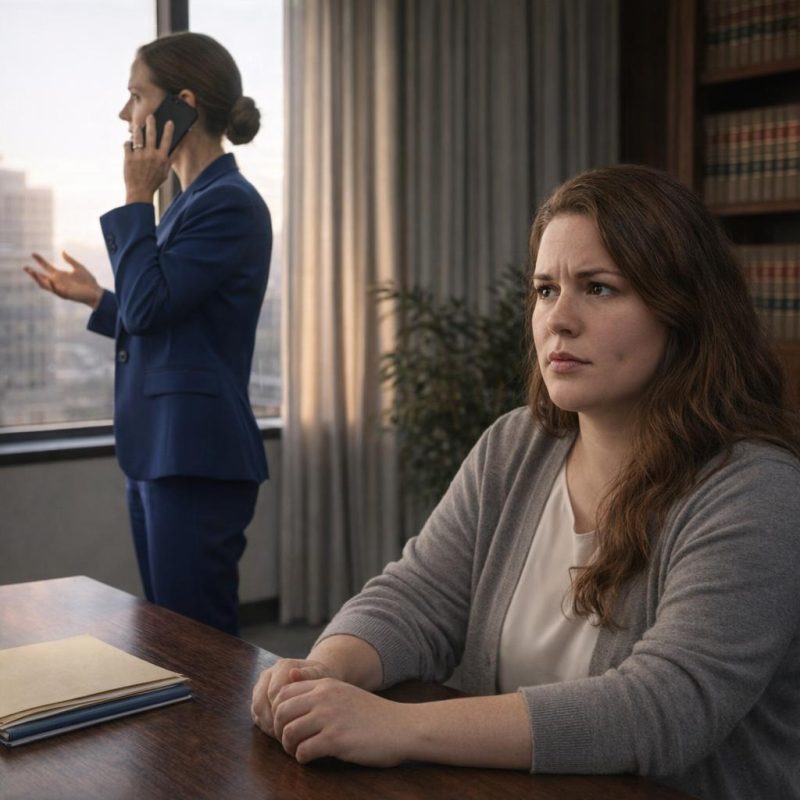 Image by RM AI
Face to Face
I scheduled the meeting for Tuesday morning, telling Marcus we needed to discuss quarterly projections. Jennifer arrived with me, her briefcase containing nothing but a legal pad—the evidence folder was already in my hands. Marcus stood when we entered the conference room, that engaging smile spreading across his face like always. He shook Jennifer's hand, made a comment about the weather, pulled out chairs for both of us like the perfect gentleman. I let him settle into his seat across the table, watched him arrange his phone and coffee just so, saw him lean back with that confident posture that said he owned every room he entered. Then I placed the folder on the table between us. I opened it slowly, turning it so he could see the shell company documents on top, his signature clear on every page. The forensic accountant's summary sat beneath, bank records fanned out like playing cards showing every fraudulent transfer. His smile didn't disappear all at once—it froze first, like someone had paused a video mid-frame. The color drained from his face as his eyes moved across the pages, and I watched him understand exactly how much I knew. He leaned back in his chair, the charm draining from his face, and asked what exactly I thought I was going to do about it.
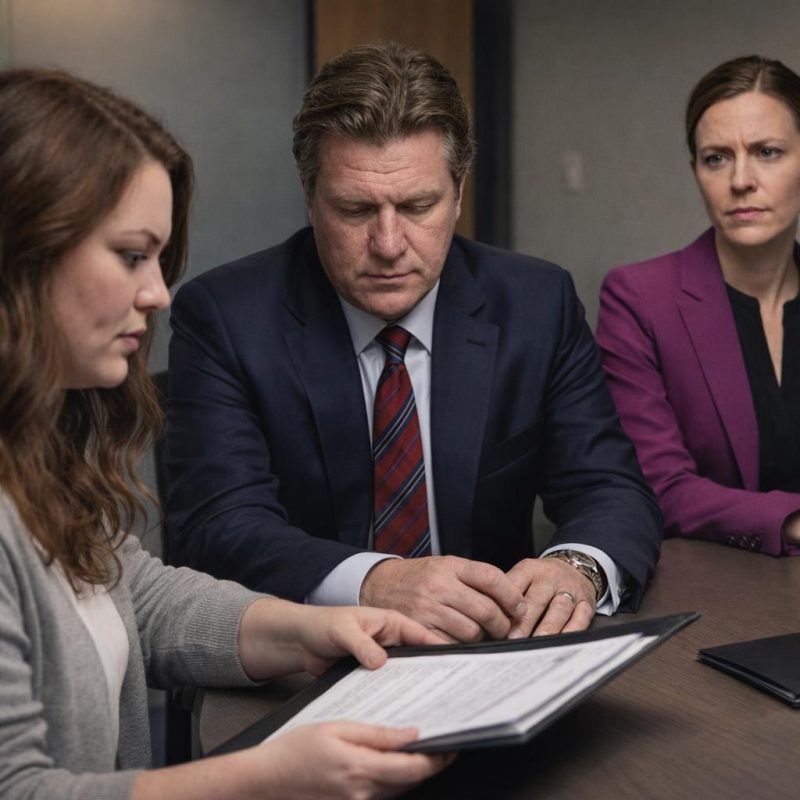 Image by RM AI
Empty Threats
Marcus recovered faster than I expected. He closed the folder with deliberate calm, then looked at me with something like pity. He said no one would believe a former addict over a respected financial advisor, that my history of instability made me an unreliable accuser at best. He suggested that going public with accusations would only expose my own mental health struggles, destroy what little credibility I had in the business community. His voice stayed smooth, reasonable, like he was giving me advice for my own good. He said the stress of running the company had clearly become too much for me, that everyone would understand if I needed to step back. I felt Jennifer tense beside me, but I kept my eyes on Marcus. I told him my recovery had taught me exactly what manipulation looked like, that my sobriety was the only reason I was strong enough to see through him. I said prosecutors didn't care about his opinion of my credibility—they cared about bank records and signatures and four years of documented theft. Jennifer added that every threat he'd just made was being documented for the court. Something cracked in his expression then, the composed mask finally shattering. He stormed out of the conference room, slamming the door so hard the windows rattled, and I knew the real fight was about to begin.
 Image by RM AI
Justice in Motion
The district attorney's office smelled like coffee and old files. I sat beside Jennifer while the prosecutor reviewed our evidence package for the third time. He asked clarifying questions about the shell companies, traced his finger along the timeline we'd created, nodded as Jennifer explained the coordination with my family members. Then he closed the folder and said it was one of the cleanest embezzlement cases he'd seen in years. The formal charges were filed that afternoon: embezzlement, fraud, breach of fiduciary duty. We walked directly from the DA's office to the courthouse, where Jennifer filed the civil lawsuit seeking recovery of all stolen funds plus damages. The clerk processed our emergency motion for an asset freeze, and I watched the judge's signature make it official. Marcus's bank accounts, his investment portfolios, everything—frozen within the hour. Jennifer's phone buzzed with confirmation from the banks as we stood in the courthouse hallway. The filing clerk stamped the final document with a heavy thunk that echoed in the quiet office. I realized there was no going back—Marcus would learn today that his career was over.
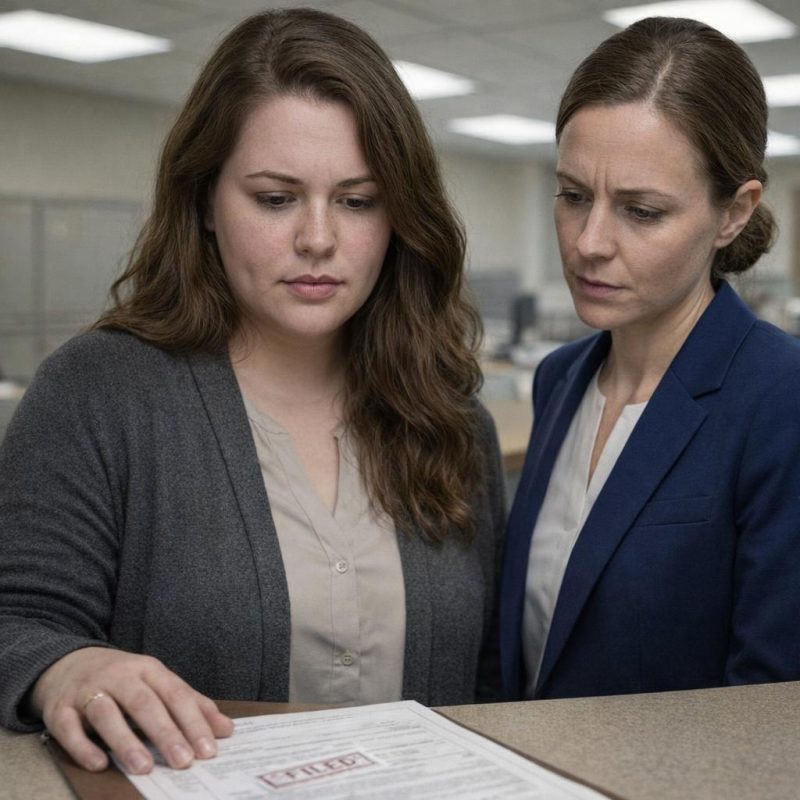 Image by RM AI
Family Betrayal
The forensic accountant called it a supplemental finding. He'd been reviewing Marcus's email records seized under subpoena when he found the communications with my mother. I sat in Jennifer's office while she pulled up the files on her laptop, turning the screen so I could read. The first email was dated three weeks after my father's funeral—Marcus reaching out to Brenda with condolences and a suggestion that they discuss the company's future. Her response came within hours. The thread continued for months, Marcus and Brenda discussing strategy for convincing me to sell, with Sarah copied on several messages. They'd coordinated the will contest timing to maximize pressure on me. The buyer Brenda had mentioned in her voicemail—the one offering such a generous price—was Marcus himself, planning to purchase my shares at a fraction of their value and split the proceeds with my mother and sister. I scrolled through message after message, watching my family negotiate their shares of my father's stolen legacy. Sarah's surprise lunch visit had been reconnaissance, checking whether I was close to breaking. Every attack on my competence, every suggestion that I was too damaged to lead—all of it served Marcus's goal. I stared at copies of emails between my mother and the man who had robbed my father, and realized they had all been working together from the beginning.
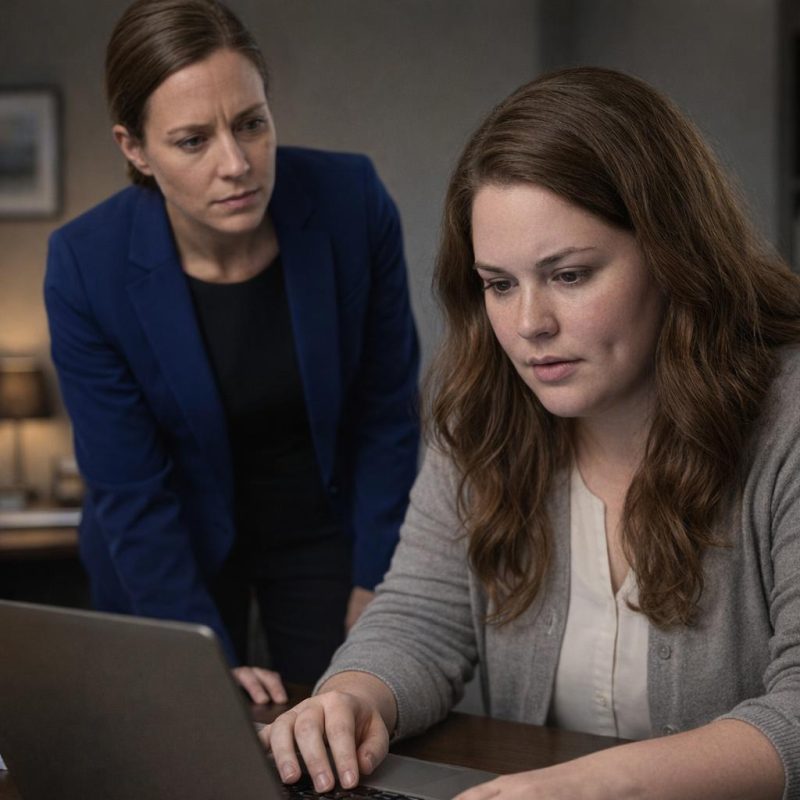 Image by RM AI
The Whole Conspiracy
Jennifer spread the printed emails across her conference table like she was laying out a crime scene. She walked me through the complete timeline, showing how each piece of the conspiracy fit together. The will contest wasn't just my mother's bitterness—it was designed to drain me emotionally and financially, make me desperate enough to accept Marcus's buyout offer. Sarah's lunch meeting had talking points, questions she was supposed to ask to gauge my resistance. Brenda's voicemail about the buyer was the culmination of months of coordination, the final push to get me to sell before I discovered the embezzlement. They'd planned to split the profits three ways once Marcus acquired the company at his manufactured discount. Jennifer said the mockery at the will reading might have been calculated too, designed to break me down from the start. Every family attack had made me more vulnerable to Marcus's guidance, more likely to trust the one person who seemed to believe in me. The conspiracy had exploited every weakness I had, turned my own pain into a weapon against me. Jennifer explained that we could add Brenda and Sarah to the civil lawsuit as co-conspirators, that they might face criminal fraud charges depending on the prosecutor's decision. I asked Jennifer to add Brenda and Sarah to the civil lawsuit, and she smiled and said she was hoping I would say that.
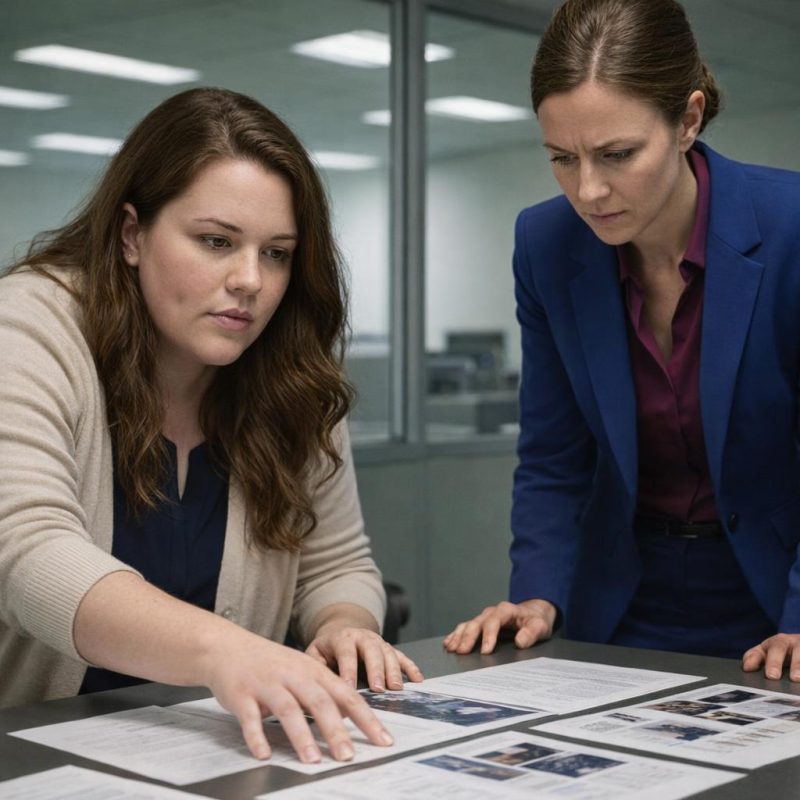 Image by RM AI
Taking the Stand
The witness chair was harder than I expected, the wood pressing against my spine as I raised my right hand and swore to tell the truth. The prosecutor's voice was gentle as he guided me through the timeline—discovering the irregularities, hiring the forensic accountant, uncovering the shell companies. I explained how Marcus had positioned himself as my trusted advisor while systematically stealing from the company my father built. I described his offer to buy my shares, how he'd manufactured the perfect crisis to make me desperate enough to sell. The defense attorney stood for cross-examination, his questions designed to undermine my credibility. He asked about my recovery history, suggested my judgment might be impaired, implied that a former addict couldn't be trusted to interpret complex financial documents. I answered each question calmly, explained that my sobriety had given me clarity I'd never had before, that the forensic accountant's findings spoke for themselves regardless of his opinion of me. The judge watched me throughout, and I could see him weighing my words against the evidence. The prosecutor thanked me for my testimony, and I stepped down from the witness stand. I walked past Marcus without flinching, watching him realize he had lost.
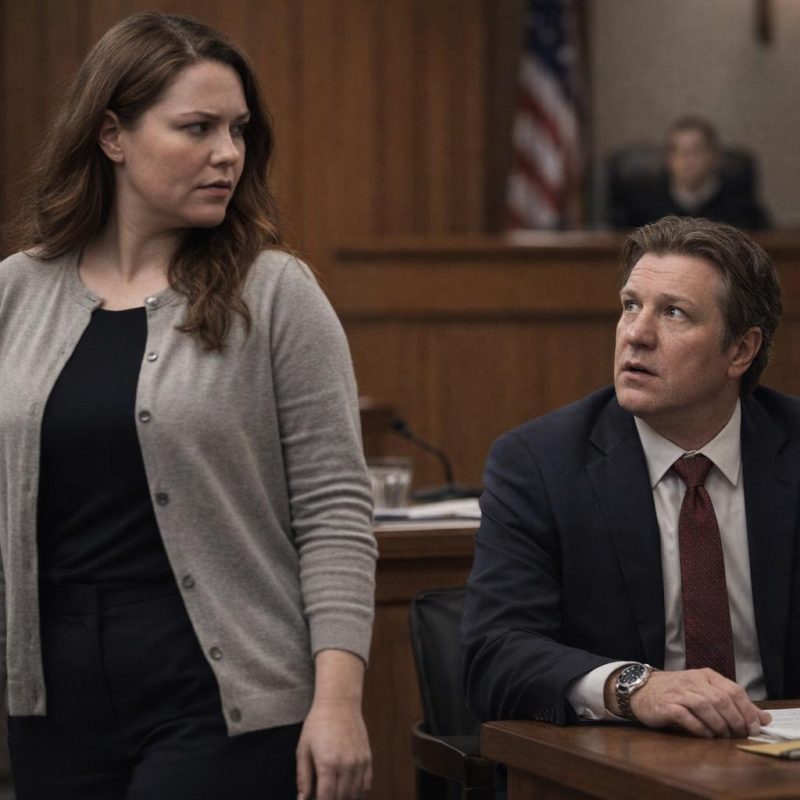 Image by RM AI
Handcuffs and Headlines
The judge took less than ten minutes to review the evidence before announcing his decision. He found sufficient grounds for trial on all charges and denied bail due to flight risk and concerns about asset concealment. Marcus Chen was remanded to custody pending trial, all assets to remain frozen by court order. I sat in the gallery between Jennifer and Patricia, watching as the bailiff approached Marcus's table with handcuffs. The metal clicked around his wrists with a sound that seemed too quiet for the moment. Patricia's hand found my shoulder, squeezing gently as the court officers led Marcus toward the side door. Employees who'd testified sat in the rows behind us, witnesses to the justice they'd helped secure. Marcus walked slowly, his expensive suit looking wrong somehow with his hands cuffed in front of him. Just before he reached the door, he turned and looked back at the gallery, his eyes finding mine across the courtroom. I met his gaze without looking away, without a trace of the fear he'd counted on, showing him the strength my father had always known I had. The door closed behind him with a heavy thunk, and reporters rushed from the courtroom to file their stories.
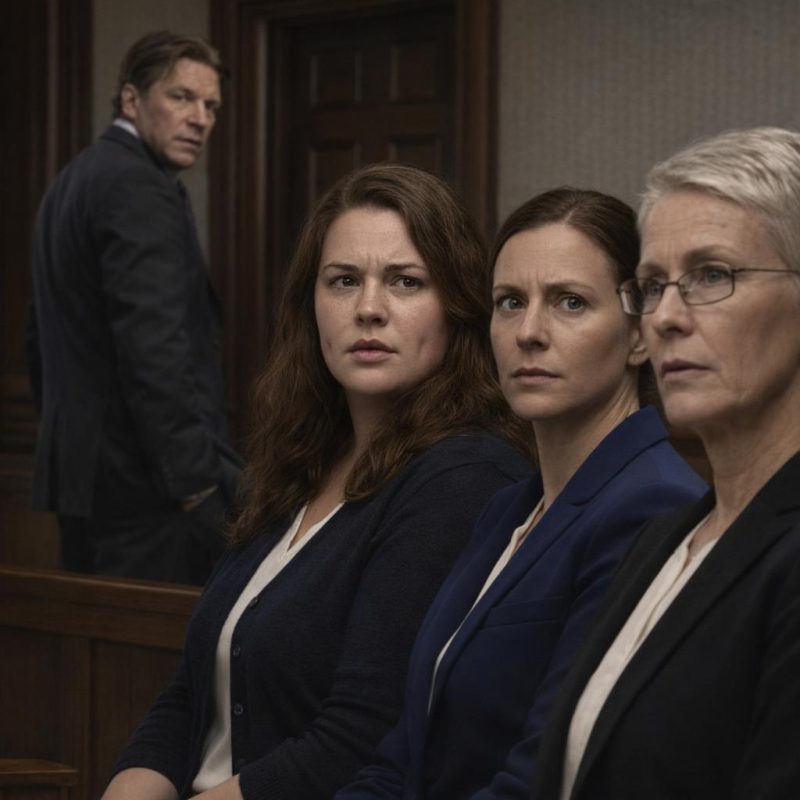 Image by RM AI
Recovery and Restitution
Jennifer's call came on a Thursday afternoon, her voice carrying an energy I hadn't heard before. The asset freeze had secured over four hundred thousand dollars in Marcus's accounts, with additional funds traced to the shell companies. The civil lawsuit was proceeding against all three defendants—Marcus, Brenda, and Sarah—and she projected total recovery would exceed four hundred fifty thousand dollars. That represented most of what had been stolen over four years, enough to restore the company's financial health and fund the growth my father had planned. Insurance might cover additional losses, and criminal restitution would be ordered as part of Marcus's sentencing. Jennifer said we were looking at full recovery within eighteen months, maybe sooner if the criminal case moved quickly. I thanked her and hung up, then pulled out the financial projections I'd been afraid to look at for weeks. With the recovered funds, we could hire the staff we needed, invest in the equipment upgrades, pursue the contracts I'd been turning down. I could see a path forward now, a future that honored what my father had built instead of watching it crumble. I hung up the phone and looked around my father's office, finally able to see a future for the company he had trusted me to protect.
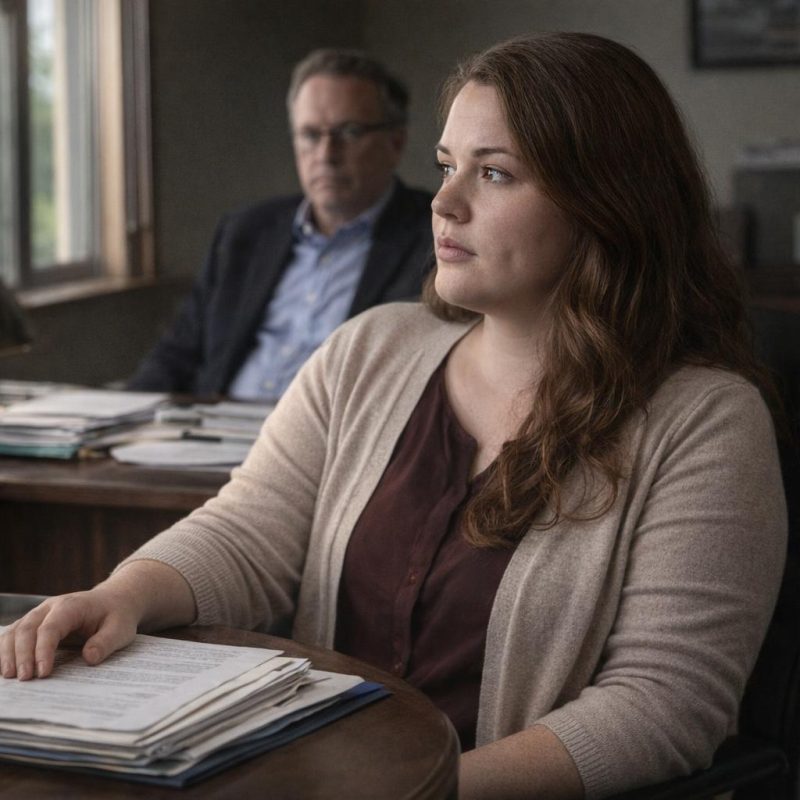 Image by RM AI
Her Company Now
I called the board meeting for a Tuesday morning, the same conference room where Marcus had once held court. Patricia sat to my right with the financial recovery documents organized in neat folders. The other board members—three longtime associates of my father's—settled into their chairs with expressions that ranged from curious to concerned. I stood at the head of the table, the same spot my father had occupied for twenty years, and announced Marcus's removal and the criminal charges against him. I outlined the embezzlement scheme, the shell companies, the fraudulent vendor payments. Then I moved to the structural changes: new audit procedures, vendor verification protocols, an oversight committee for major transactions. I promoted Patricia to Chief Financial Officer, effective immediately. She nodded once, professional as always, but I caught the slight tremor in her hands as she adjusted her reading glasses. The board members asked questions, expressed support, thanked me for my leadership during the crisis. I outlined our growth plans, the contracts we'd pursue, the stability we'd build. When the meeting adjourned, they filed out shaking my hand, calling me by my father's name without meaning to, then correcting themselves. Patricia lingered after the others left, gathering her folders slowly. She looked up at me with tears in her eyes and said my father would have been proud of who I had become.
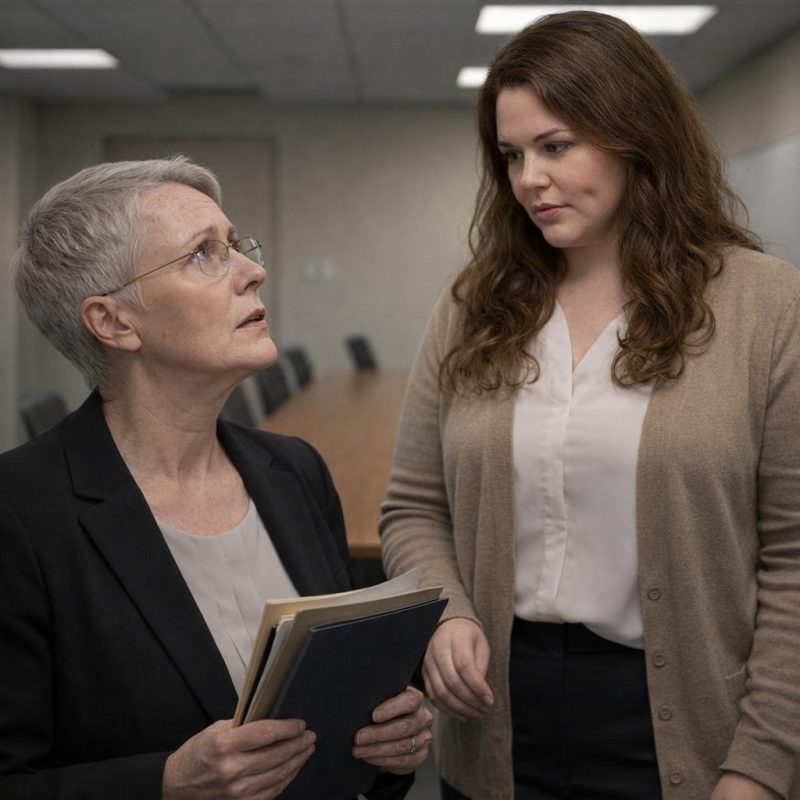 Image by RM AI
Building Something New
The restructuring took six months of twelve-hour days and careful decisions. I promoted three employees who'd been with the company since before I was born, people who remembered my father's vision and shared his values. Patricia thrived as CFO, implementing oversight systems that made fraud virtually impossible. We renegotiated vendor contracts at fair market rates, cutting costs without cutting corners. The office atmosphere shifted from tense silence to collaborative energy. People smiled in the hallways again. Alex met me for dinner most evenings, listening as I processed the day's challenges, offering perspective when I needed it and silence when I didn't. Our relationship deepened as the crisis pressure eased, settling into something steady and real. He'd started keeping a toothbrush at my apartment. I'd started imagining futures that included him. When Patricia handed me the quarterly report in month seven, I sat in my father's office—my office now—and studied the numbers twice to make sure I was reading them correctly. Profit margins exceeded any period in the last three years. Client retention was at ninety-four percent. Employee satisfaction surveys showed dramatic improvement. We'd turned the corner, built something sustainable on the foundation my father had laid. I looked at his photograph on the credenza and felt something I hadn't felt in years: pride in what I'd accomplished, confidence in what came next.
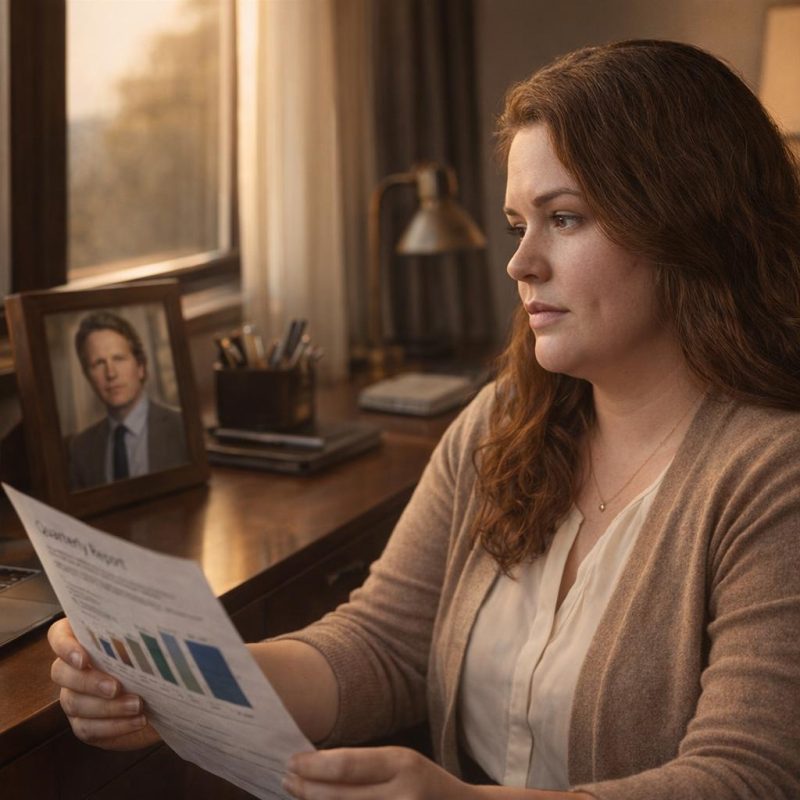 Image by RM AI
Two Years Strong
The recovery group met in the same church basement where I'd first admitted I had a problem. Two years had passed since that terrified first meeting, since the will reading that had shattered and rebuilt my life. Alex sat beside me, his hand warm in mine, while Patricia occupied a folding chair in the back row beside the coffee station. When the facilitator called my name, I walked to the front of the circle feeling the weight of every day I'd chosen sobriety over escape. I shared briefly about the journey—the family betrayal, the business crisis, the moments when drinking had seemed like the only relief available. I thanked the group for their support through the hardest two years of my life. The applause started soft and built, genuine and warm. Alex stood when I returned to my seat, pulling me into a hug that felt like home. Patricia wiped tears from her eyes, not bothering to hide them. I held the two-year chip in my palm, feeling its physical weight, understanding its symbolic one. This small piece of metal represented every morning I'd woken up clear-headed, every crisis I'd faced without numbing myself, every relationship I'd built on honesty instead of hiding. Alex squeezed my hand as I sat down, his eyes bright with pride, and I realized I had built exactly the life my father always knew I was capable of.
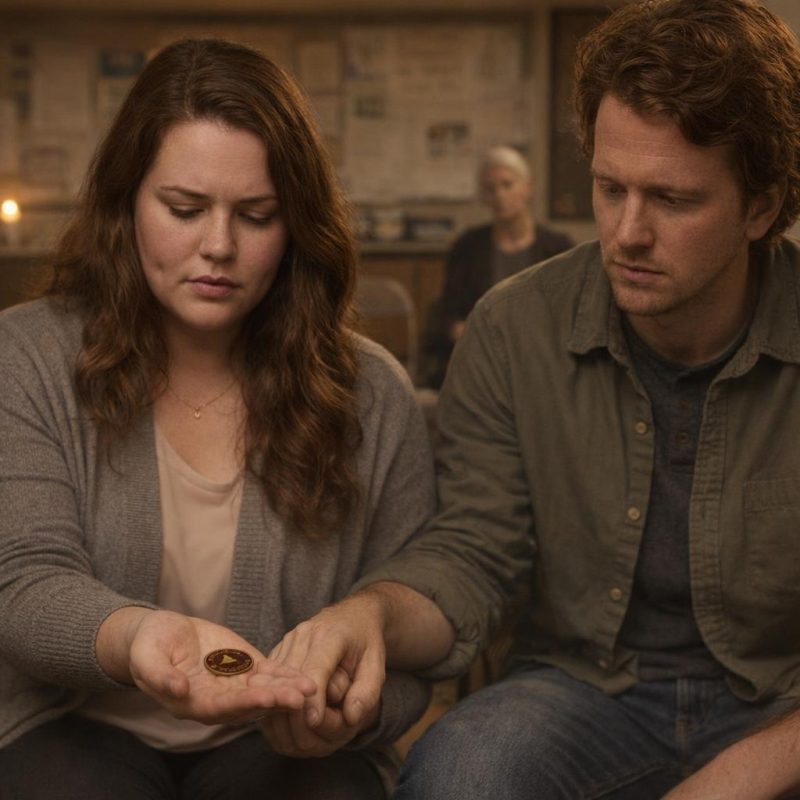 Image by RM AI
What He Knew
I sat alone in my father's home office on a Sunday evening, the same room where I'd first opened his business files and discovered the scope of what he'd left me. The latest financial reports spread across his desk showed sustained profitability, healthy cash reserves, a company positioned for growth. Two years had passed since the will reading. Marcus was serving his prison sentence. Brenda and Sarah's civil case was moving toward settlement, their lawyer finally acknowledging they couldn't win. The company employed forty-three people now, up from thirty-one when my father died. Alex and I had talked about moving in together. Patricia had become more than an employee—she was family, the kind you choose. I looked at my father's photograph on the wall, the one where he's smiling at something outside the frame. For the first time, I understood why he'd structured the will the way he had. He hadn't been punishing Brenda and Sarah. He'd been protecting what he'd built by giving it to the only person he trusted to value it above personal gain. He'd seen my strength before I could see it myself, had faith in who I would become when tested. I closed the financial folder, touched my fingers to my lips, then pressed them to his photograph. "Thank you," I whispered, "for believing in who I would become."
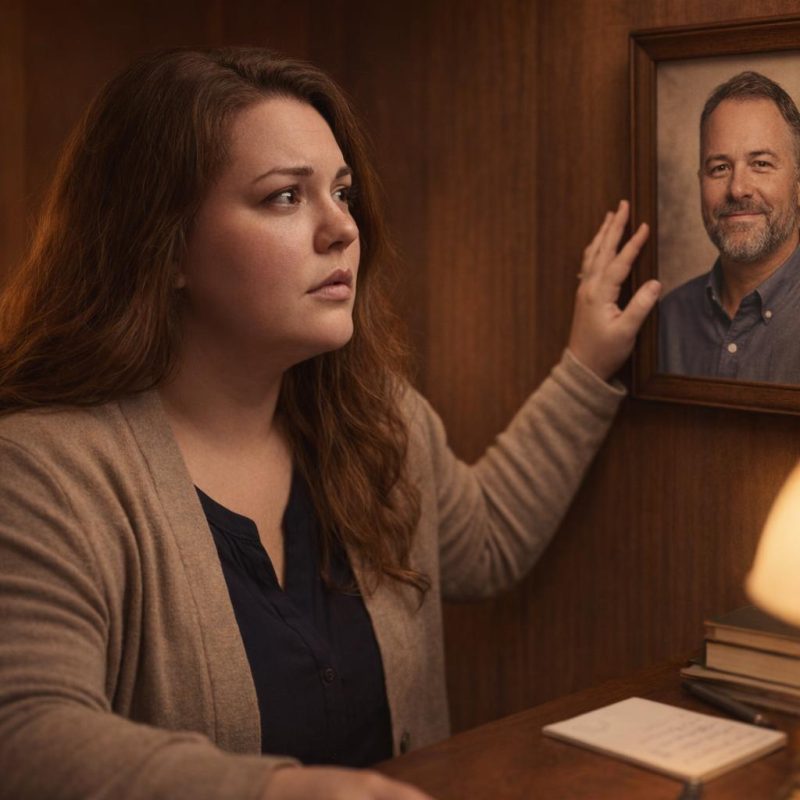 Image by RM AI
KEEP ON READING

The story of Ching Shih, the Woman Who Became the…
Unknown author on WikimediaFew figures in history are as feared…
By Emilie Richardson-Dupuis Dec 29, 2025
Einstein's Violin Just Sold At An Auction—And It Earned More…
A Visionary's Violin. Wanda von Debschitz-Kunowski on WikimediaWhen you hear…
By Ashley Bast Nov 3, 2025
This Infamous Ancient Greek Burned Down An Ancient Wonder Just…
History remembers kings and conquerors, but sometimes, it also remembers…
By David Davidovic Nov 12, 2025
The Mysterious "Sea People" Who Collapsed Civilization
3,200 years ago, Bronze Age civilization in the Mediterranean suddenly…
By Robbie Woods Mar 18, 2025
20 Greatest Ancient Athletes In History
Ancient Olympics. Long before modern stadiums and multimillion-dollar endorsements, athletes…
By Sara Springsteen May 1, 2026
20 Soldiers Who Defied Expectations
Changing the Rules of the Battlefield. You’ve probably heard plenty…
By Annie Byrd Feb 10, 2026