

I Took a DNA Test to Find My Biological Father—What I Discovered in His Empty House Changed Everything
I Took a DNA Test to Find My Biological Father—What I Discovered in His Empty House Changed Everything
The Notification
It came on a Tuesday, which felt wrong somehow — like news this big should have arrived on a more significant day. I'd been checking my inbox every few hours for weeks, ever since I mailed that little plastic tube back to the ancestry site, and now the notification was just sitting there between a grocery store coupon and a reminder about my dentist appointment. I closed my laptop. Opened it again. Closed it. The rain had been going since morning, drumming against my apartment windows in a way that made the whole world feel muffled and far away. I got up and made tea I didn't drink. I stood in the doorway of my bedroom and looked at the plastic tube still sitting on my nightstand — I hadn't been able to bring myself to put it away — and something about seeing it there made my chest tighten all over again. I'd waited twenty-four years to know where I came from. I'd rehearsed this moment a hundred times. But now that the email was real and sitting in my inbox, I couldn't make my hands move toward the keyboard. The rain kept falling. The notification stayed unread. And the weight of what might be on the other side of that click settled over me like something I wasn't sure I was ready to carry.
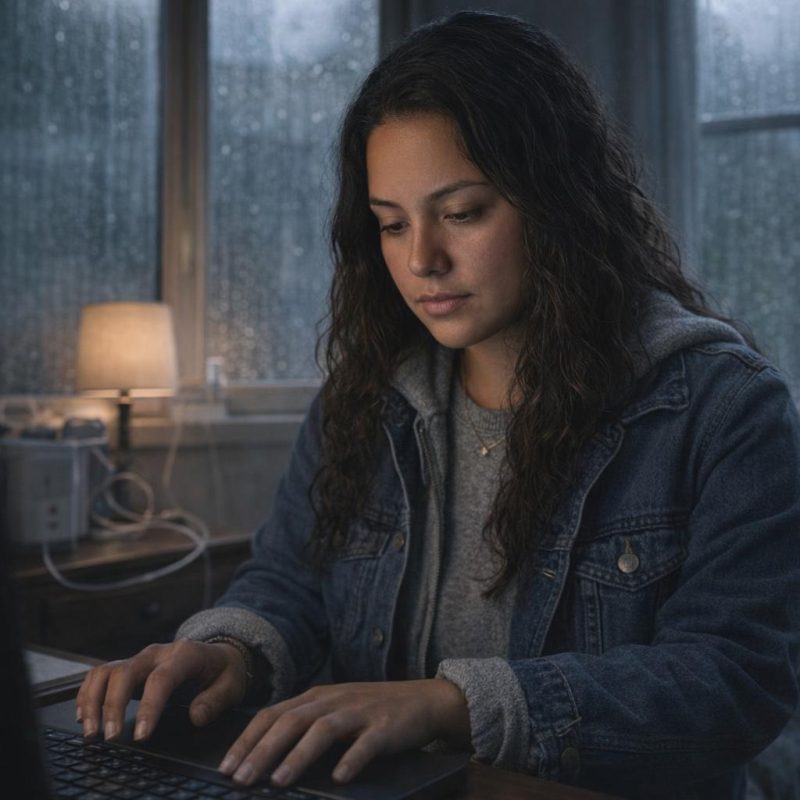 Image by RM AI
Fifty Percent
I don't know how long I sat there before I finally did it. The cursor hovered over the link for what felt like a full minute, and then my finger just — pressed. The page loaded slowly, the progress bar crawling across the screen like it knew I needed more time. I watched it fill. When the results appeared, the first thing I saw was a percentage: fifty percent. I had to read the label twice to make sure I understood what I was looking at. Fifty percent genetic overlap. The relationship prediction beneath it said: Close Family — Biological Father. My hands went cold. I'd told myself I was prepared for this, that I'd thought through every possible outcome, but sitting there in the blue light of my laptop screen with the rain still going outside, I understood that I hadn't been prepared at all. I scrolled up to the name at the top of the match. I read it once. Then again. I traced each letter in my head like I was memorizing something I might need later. Elias Thorne.
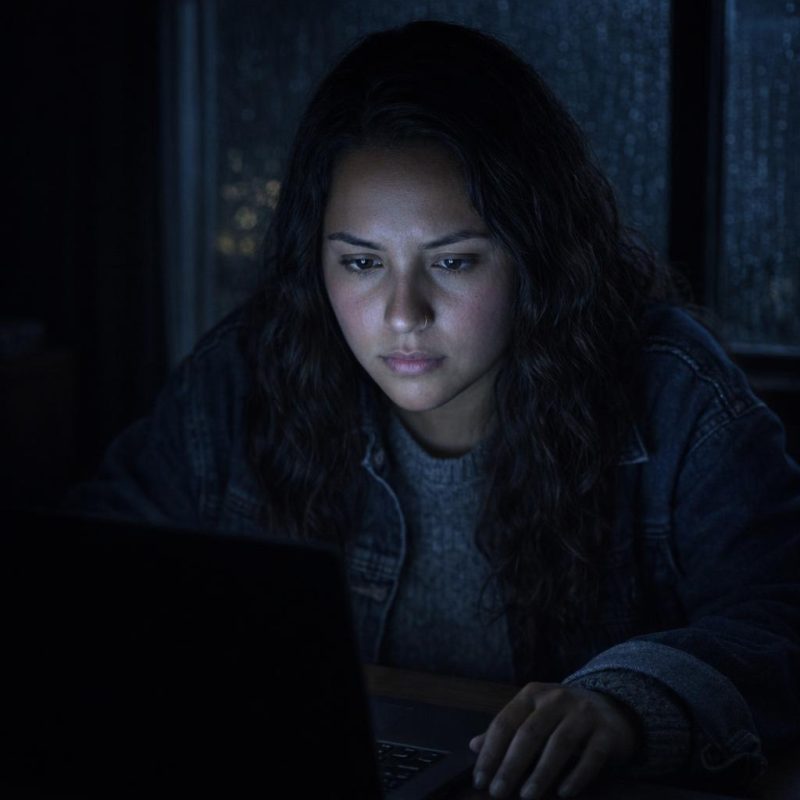 Image by RM AI
The Search
I don't think I moved from that chair for the next two hours. I just kept opening new tabs. I typed the name into every search engine I could think of, tried different combinations — Elias Thorne, Elias R. Thorne, Elias Thorne ancestry, Elias Thorne public records. What came back was thin. A voter registration that looked years out of date. A property record that surfaced the same address over and over: 1422 Sycamore Lane, Blackwood Creek. No social media. No news articles. No photographs. Just that one address, stubborn and quiet, appearing in every search like it was the only solid thing left of him. I pulled up a map. Blackwood Creek was a small town I'd never heard of, tucked somewhere three hours north of the city. I zoomed in on the satellite view and saw trees, a valley, a main street that looked like it could fit inside a few city blocks. I thought about calling my adoptive mom, Sarah. I even picked up my phone. But I set it back down without dialing. Whatever this was, I needed to understand it myself first. I sat with the map open on my screen, the little blue pin marking 1422 Sycamore Lane, and felt something quiet and certain beginning to take shape inside me.
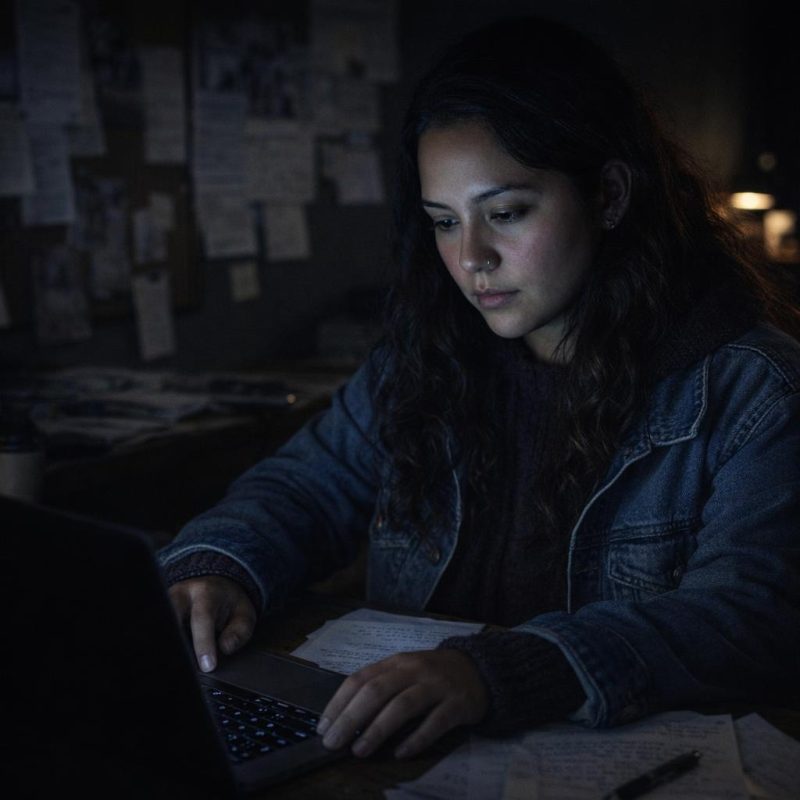 Image by RM AI
The Drive North
I grabbed my keys before I could talk myself out of it. No bag, no plan, just my wallet shoved into my jacket pocket and the address typed into my GPS. It was almost midnight when I pulled out of my parking spot, and the streets were mostly empty, the rain turning the streetlights into long orange smears on the wet asphalt. The highway north was dark and wide open, and I drove with both hands on the wheel and the radio off because I needed the quiet. I kept thinking about the blank line on my birth certificate — the one where a father's name should have been — and how I'd stared at that line so many times growing up that I'd memorized the exact shape of the empty space. Three hours felt like both too long and not nearly long enough. I rehearsed things to say. None of them sounded right. I tried: I think you might be my father. I tried: I took a DNA test. I tried just saying his name out loud in the car — Elias — and my voice came out smaller than I expected. The rain thinned as I got further north, and somewhere around the second hour the clouds broke enough to show a strip of dark sky. I drove toward it, and the road just kept pulling me forward.
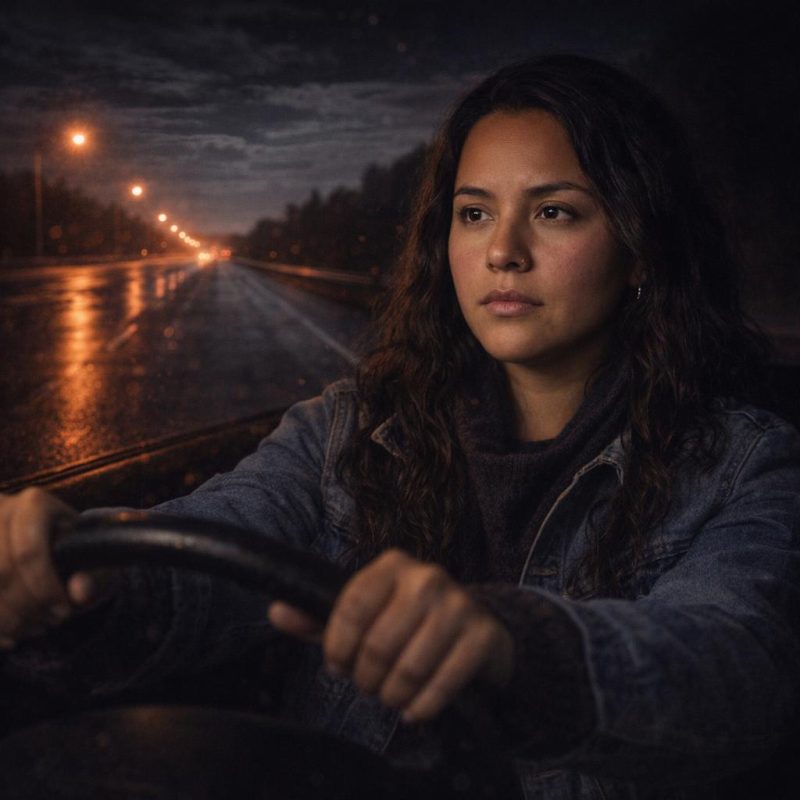 Image by RM AI
Rehearsing the Moment
Somewhere past the second hour, the towns got smaller and further apart, and the dark between them felt deeper. I passed a grain elevator lit up orange, a shuttered gas station, a church with a single floodlight on its steeple. I kept thinking about what my adoptive parents, Sarah and David, had told me when I was old enough to ask. They'd sat me down at the kitchen table — I remember the tablecloth, yellow with small white flowers — and explained that my biological mother had signed the papers and then, as Sarah put it, just sort of vanished. A ghost, she'd called her. A sad, young woman who couldn't take care of a baby and had no one to help her. There was no father listed anywhere, they said. Just a blank. I'd accepted that story for years because I didn't have another one. But I was twenty-four now, and I had a name, and I had an address, and I had a fifty-percent DNA match that said the blank line wasn't actually blank — it just hadn't been filled in yet. I ran through the conversation one more time in my head, trying to find the right first sentence. I still hadn't found it when the GPS chimed and the sign appeared in my headlights: Welcome to Blackwood Creek.
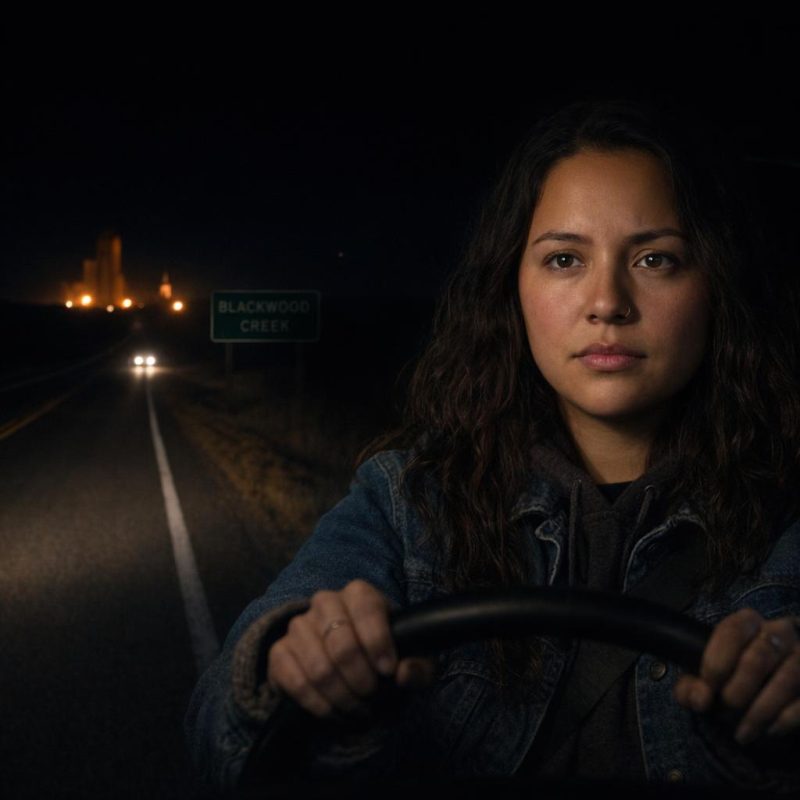 Image by RM AI
The Valley Town
The town came up slowly, the way small towns do — a few scattered houses first, then a gas station, then a cluster of storefronts along a main street that looked like it had been built in one decade and left mostly alone since. Most of the buildings were dark at this hour, their windows reflecting my headlights back at me as I rolled through. The valley closed in on both sides, the hills rising up against the sky in dark shapes that blocked out the stars. I passed a diner with a neon sign still glowing in the window, a post office, a small library with a hand-painted banner above the door. My GPS was directing me toward Sycamore Lane, still a few turns away, and I followed it slowly, taking in the streets. And then something strange happened. I can't explain it any better than this: the town felt familiar. Not like I'd been here before — I was certain I hadn't — but like something in the layout of it, the way the streets curved, the angle of the hills, sat in some part of me that didn't use words. I passed a corner with a big oak tree and felt a pull I couldn't name. My hands tightened on the wheel without me deciding to tighten them.
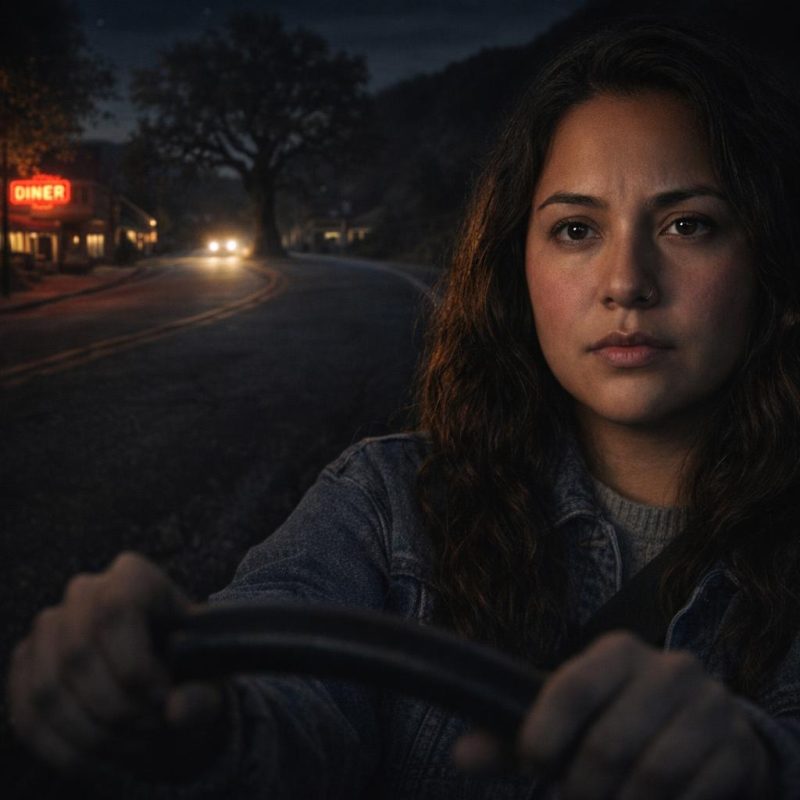 Image by RM AI
Sycamore Lane
Sycamore Lane turned out to be a gravel road that branched off the last paved street before the tree line. My tires crunched over it slowly, the headlights catching the uneven surface, loose stones pinging against the undercarriage. The road curved once, then again, and then the trees opened up and I saw it: a small white cottage set back from the lane, with a wrap-around porch and a wreath on the front door. I pulled into the gravel driveway and cut the engine. For a moment I just sat there, taking it in. The lawn was mowed clean, the edges neat. The windows were dark but clear, no grime, no cobwebs in the corners of the frames. The wreath on the door was simple — dried flowers, a ribbon — the kind of thing someone puts up and remembers to replace. Everything about the place said someone lived here, someone who paid attention to it. A porch light cast a soft yellow circle over the front steps. I looked at the door and then at the windows and then back at the door. The house sat there in the quiet, still and tended, like it had been waiting a long time for exactly this kind of night.
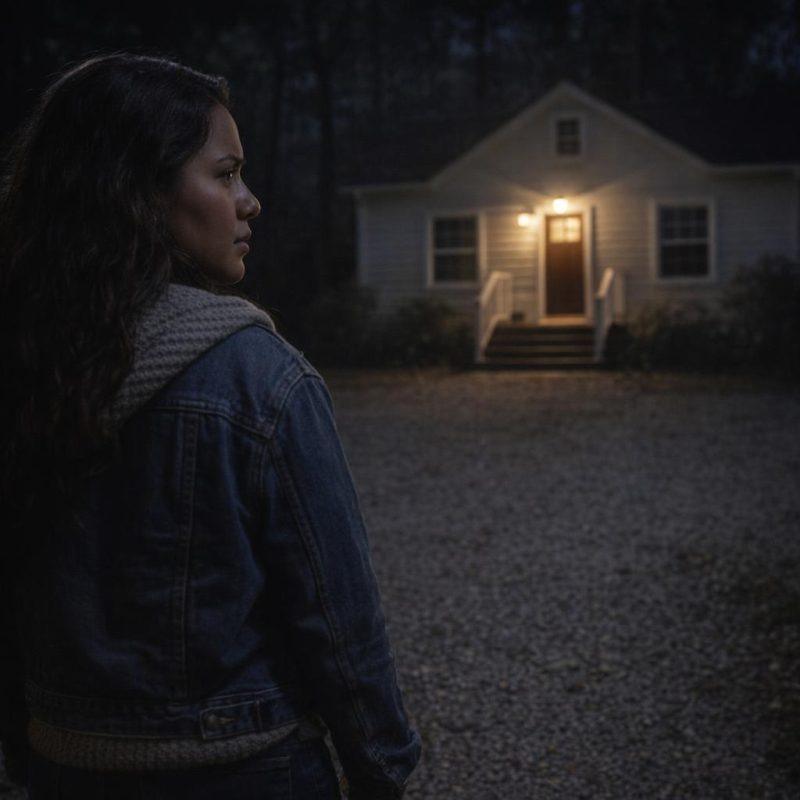 Image by RM AI
Watching the Door
I don't know how long I sat in that car. Long enough that the engine ticked itself cool and the porch light started to feel like it was watching me instead of the other way around. I kept my hands on the steering wheel even after I'd turned the key, like letting go would mean committing to something I couldn't take back. I watched the front door for movement — a shadow behind the glass, a light switching on somewhere inside — but the house stayed still. I thought about what it would look like when he opened that door. Whether he'd see it right away, the resemblance, the eyes. Whether he'd say my name before I said his, or whether he'd just stand there trying to place me. I'd read once that biological relatives sometimes recognize each other on sight, something in the bone structure or the way a person holds themselves, and I wondered if that would happen here, in the dark, on a gravel driveway in a town I'd never been to before tonight. I rehearsed my first line one more time. I took three slow breaths. And then I reached for the door handle, pushed it open, and stepped out into the cool night air.
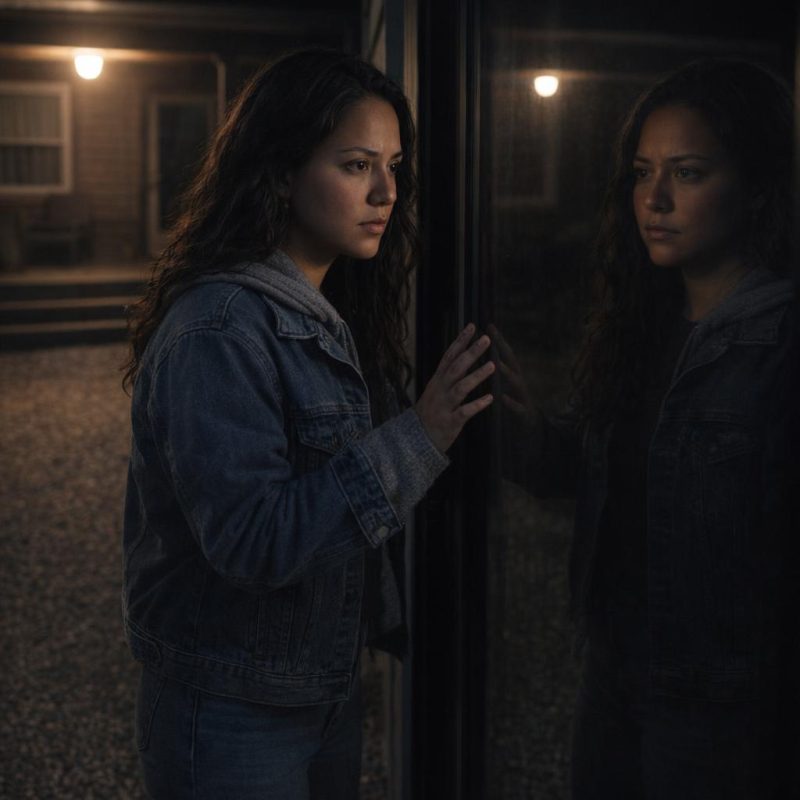 Image by RM AI
The Knock
The porch steps were older than they looked. The first one groaned under my boot, and the second gave a sharp crack that split the quiet night air like something breaking. I slowed down, suddenly self-conscious, like the sound might announce me before I was ready. I made it to the top and stood in front of the door — dark wood, a small brass knocker I didn't use, a wreath of dried flowers that looked like it had been there a while. I raised my fist and knocked three times, firm and deliberate. The sound was solid. It carried. I stepped back half a step and waited, watching the gap under the door for any shift in light, listening for footsteps, a voice, the creak of a floorboard. Nothing. The curtains on the front window were drawn tight, not a sliver of light showing through. I told myself he might be in the back of the house. I told myself the TV was on too loud, or he was in the shower, or he'd fallen asleep early. I raised my hand again and knocked harder this time, loud enough that it had to reach every room — and the silence that came back was total.
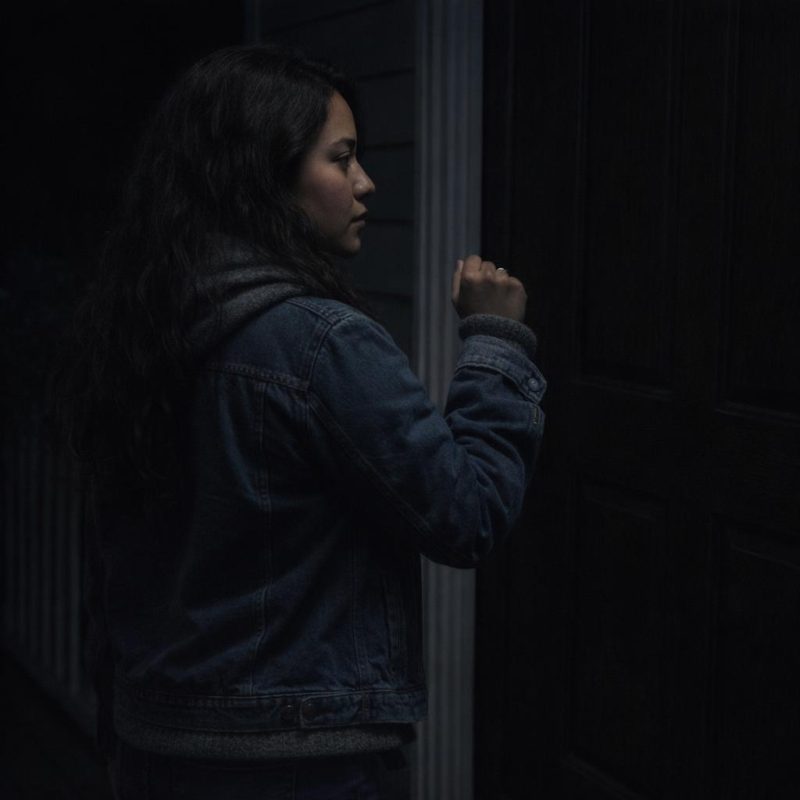 Image by RM AI
The Silence
I stood there longer than I should have, hand still half-raised, like I was waiting for the silence to change its mind. It didn't. I pressed my ear close to the door without touching it and listened — no television, no radio, no shuffle of feet, no sound at all except the wind moving through the trees at the edge of the yard. The wreath on the door was made of dried lavender and eucalyptus, the kind of thing you pick up at a farmers market or make yourself on a slow Sunday afternoon. Someone had hung it there. Someone who cared about how the place looked from the outside. I stepped back and studied the windows again. The curtains were thick and even, pulled all the way to the edges. The glass was clean. The paint on the trim was in decent shape. Everything about the house said occupied, cared for, lived in — and yet. I thought about the drive here, the hours I'd spent building up to this moment, the way I'd rehearsed my first sentence until it felt worn smooth. I thought about whether he'd seen me pull up and simply chosen not to come to the door. That thought sat in my chest in a way I didn't know what to do with, and the longer I stood there, the heavier it got.
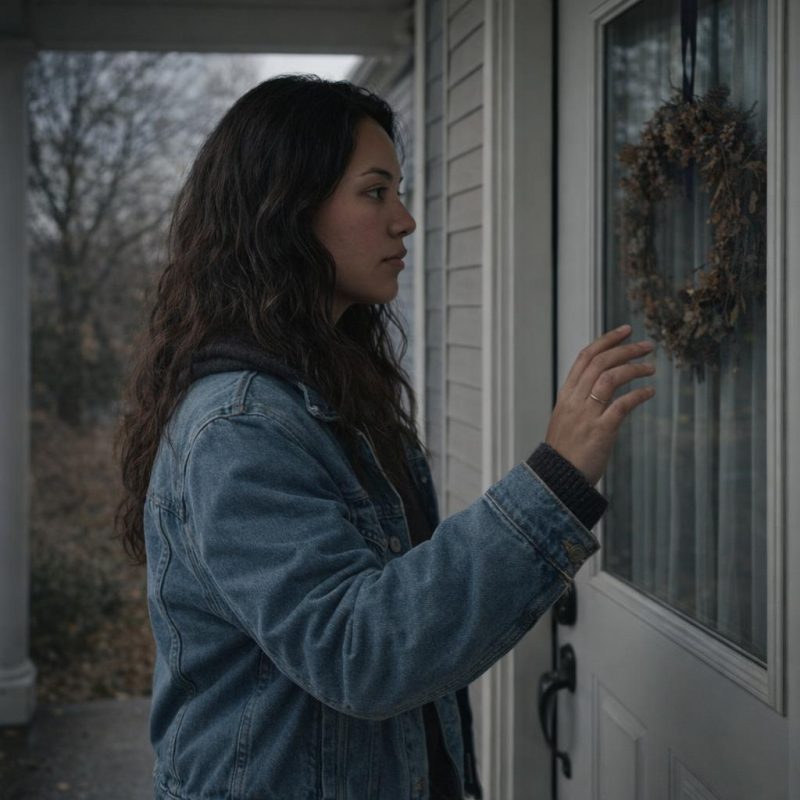 Image by RM AI
The Watcher
I finally turned away from the door, not because I'd decided anything, just because I couldn't keep staring at it. That's when I saw her. About fifty yards down the fence line, on the porch of a weathered ranch house that sat low against the tree line, an elderly woman was standing completely still, watching me. She had both hands wrapped around the front of a cardigan she was clutching to her chest, and she wasn't smiling, wasn't waving, wasn't doing any of the things a neighbor does when they catch your eye by accident. She was just watching. Her face was sharp-featured and pale in the porch light, and even from that distance I could see that her expression wasn't curious in a friendly way. It was something closer to wary. Maybe even frightened. I held her gaze for a moment, not sure what to do with it. She didn't look away. She didn't move at all. The night felt quieter than it had a minute ago, and the space between us — the dark yard, the fence, the gravel — felt like it had weight to it, like something was pressing down from above and neither of us was willing to be the first to break.
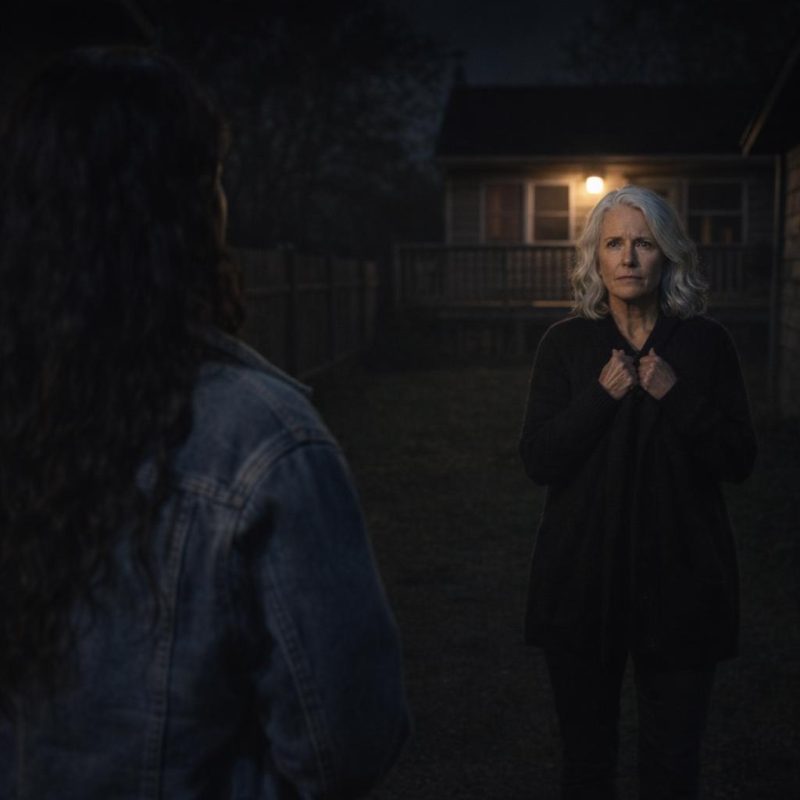 Image by RM AI
Approaching the Neighbor
I gave her a small wave, the kind that's half apology and half introduction, the universal signal for I'm not a threat, I promise. She didn't return it. Her hands stayed locked around that cardigan and her eyes stayed on me, steady and unblinking. I stepped off the porch and started walking toward the fence line, keeping my pace slow and my hands visible, the way you do when you're trying not to spook something. The grass was damp and the ground was uneven, and I had to watch my footing for a few steps before I looked back up at her. She still hadn't moved. I stopped a few feet from the fence — close enough to talk, far enough to give her space — and I tried to make my voice sound calm and normal, like I knocked on strangers' doors in unfamiliar towns all the time. I told her my name. I said I was sorry to bother her, that I'd driven a long way and I was trying to find someone. I said I thought I might have family in the area. She watched me say all of it without a word. Then I took a breath and asked her directly — did she know the man who lived in the white cottage, and did Elias Thorne still live there?
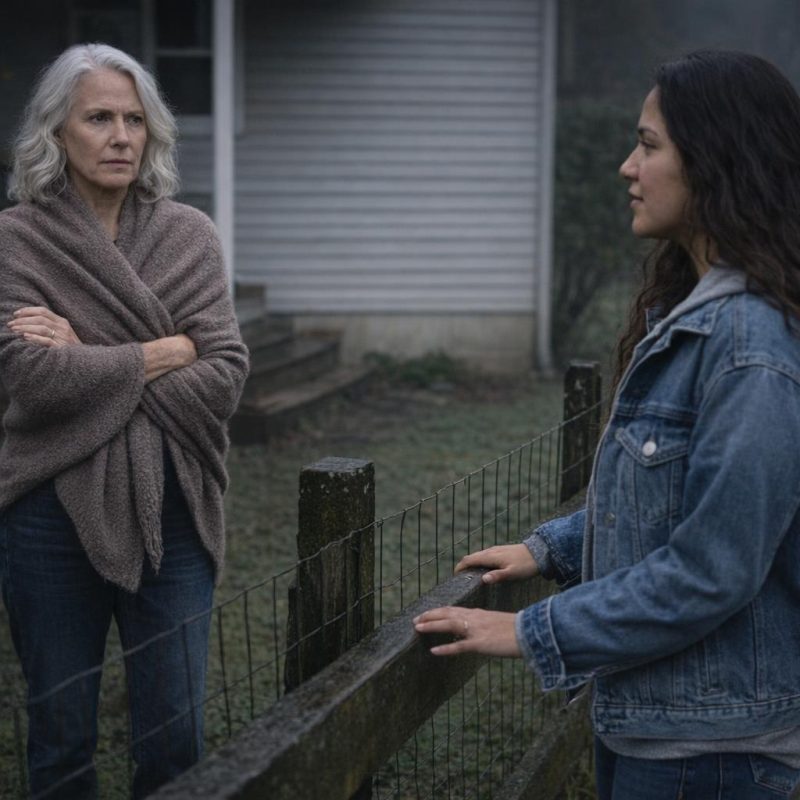 Image by RM AI
Thirty Years Empty
She didn't answer right away. She just looked at me for a long moment, her sharp eyes moving over my face like she was trying to work something out. Then she spoke, and her voice was thin and raspy, the kind that comes from decades of cold winters and not enough water. She said she hadn't seen anyone come or go from that house in a very long time. I laughed. I didn't mean to — it just came out, this short, jerky sound that didn't belong in the quiet night air. I told her that couldn't be right. I said I'd found the profile online, on an ancestry site, that the name was right there — Elias Thorne — and that the account had shown recent activity, a timestamp from just a few months ago. She shook her head slowly, the same way you shake your head at something you've already made peace with a long time ago. I kept talking, filling the silence with details like they might add up to something she'd accept — the DNA percentage, the family tree, the message I'd sent that had gone unanswered. She just kept shaking her head. The lavender wreath on the door behind me, the clean windows, the fresh paint on the trim — I turned and looked back at the cottage like it might offer some kind of explanation. It didn't. The impossibility of what she was saying had no edges I could find to push against.
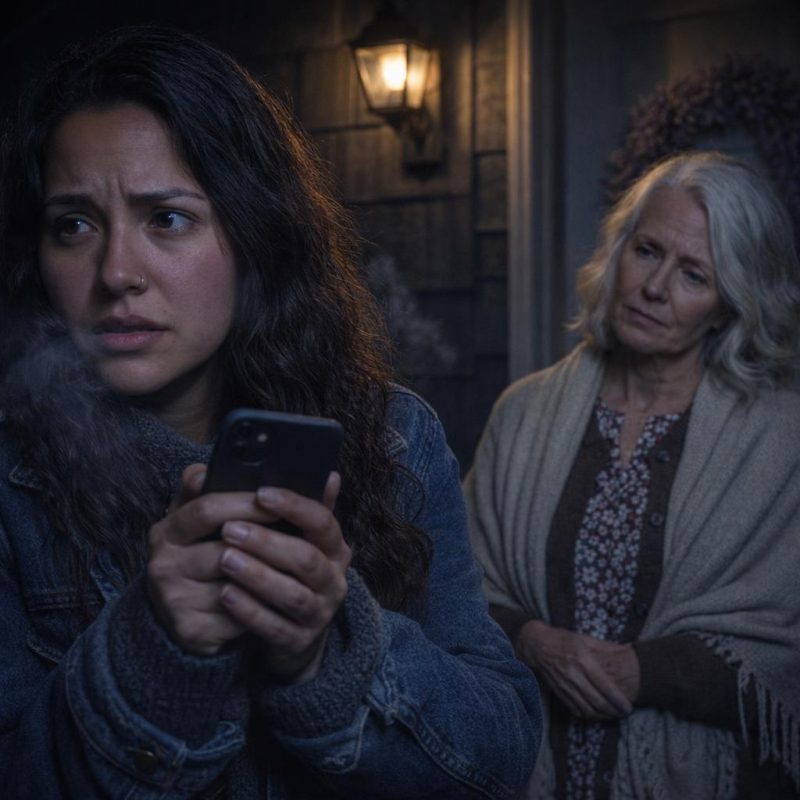 Image by RM AI
The Explanation
I pulled out my phone and turned the screen toward her, the ancestry app already open to the match. I walked her through it the way I'd explained it to my adoptive mother Sarah a few months back — the percentage, what it meant, the confidence rating the site assigned. I pointed to the name. Elias Thorne. I showed her the profile timestamp, the little indicator that said the account had been active recently. She leaned forward slightly to look at the screen, and for a second I thought something in her expression might shift. It didn't. She straightened back up and said it again, quieter this time, like she was saying it more for herself than for me: the house had been empty since the mid-nineties. She said it the way people say things they've repeated so many times the words have gone flat. I lowered my phone. The cold was sharper now, or maybe I was just noticing it more — the kind of cold that gets into the gap between your collar and your neck and stays there. I looked back at the cottage, at the clean glass and the neat trim and the wreath that someone had hung on a door that apparently no one had opened in a very long time, and the first real thread of dread worked its way up through my chest and settled somewhere just below my throat.
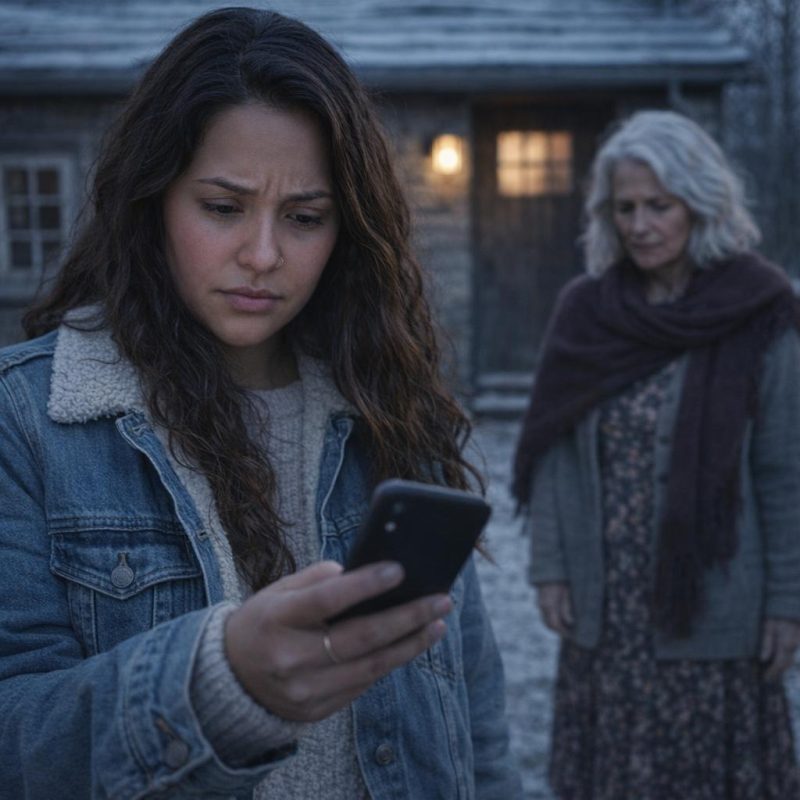 Image by RM AI
The Disappearance
She started talking then, slowly, like she was pulling the story up from somewhere deep. She said it happened in the mid-nineties — she remembered because her own daughter had just had a baby that same year, and the contrast had stayed with her. Elias and his young wife had been there one evening and gone the next morning. No argument anyone heard, no warning, no goodbye. Someone found their car at the edge of the creek road two days later, driver's door hanging open, keys still in the ignition. The woods beyond the creek had been searched twice. Nothing. She said the whole town had talked about it for years, and then the way towns do, they'd eventually stopped. The house had been locked up by the county while the legal situation got sorted, and it had never really gotten sorted, so it had just stayed that way. She said all of this in the same flat, raspy voice, like she'd told it before, maybe many times. I was barely tracking the second half of it. I was stuck on the first part — the mid-nineties, the same year her daughter had a baby. I did the math without meaning to, the way you do when a number lands wrong and your brain won't leave it alone. The year she was describing was the same year I was born.
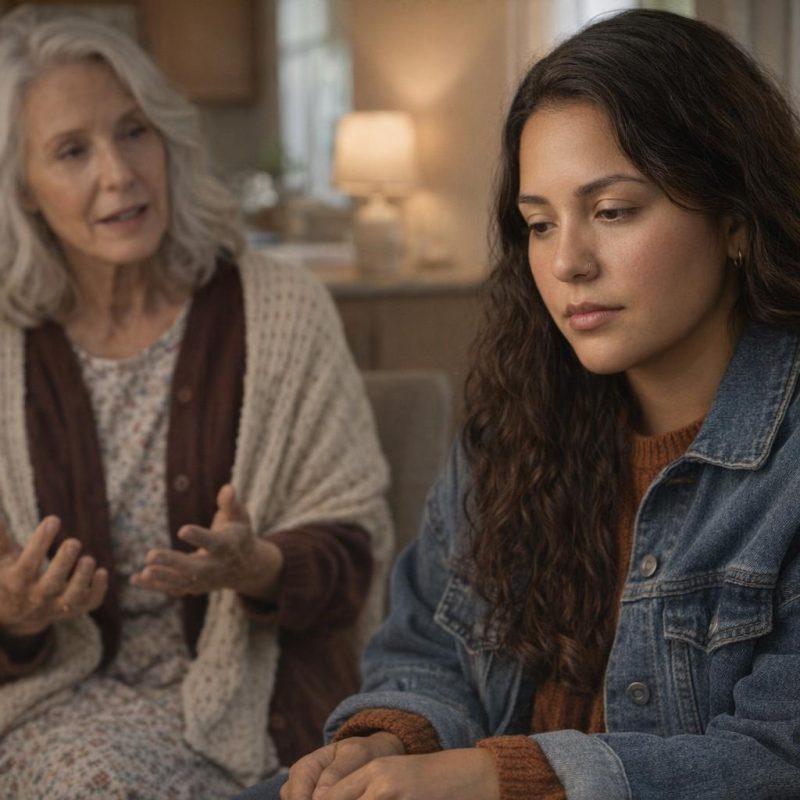 Image by RM AI
The Cold Case
I asked her if anyone had ever found them — if the case had ever been resolved, if there'd been an answer. She shook her head and said the local police had worked it for a couple of years and then quietly let it go. Cold case, she called it, the words coming out matter-of-fact, like she'd long since stopped expecting a different ending. She said the town council had eventually hired a local boy to keep the lawn mowed and the exterior maintained. Property values, she said, with a small, tired shrug. Nobody wanted a derelict house sitting on the street. So the place just stayed there, looked after on the outside, empty on the inside, a monument to something nobody had ever explained. I thanked her and walked back toward the cottage slowly, my phone still in my hand, the ancestry app still open on the screen. I looked at the profile again — the name, the timestamp, the DNA percentage. I thought about what it actually took to submit a sample to one of these sites. You had to order a kit. You had to spit into a tube. You had to seal it and mail it back. A person who had vanished thirty years ago could not have done any of that.
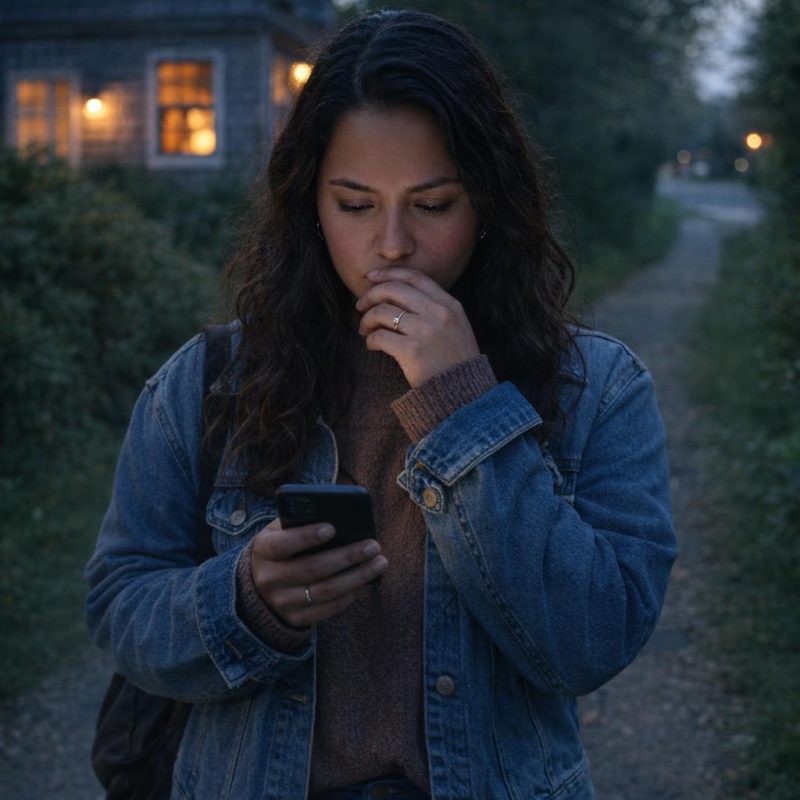 Image by RM AI
The Profile Photo
I walked back to my car slowly, the conversation with Mrs. Price still turning over in my head. I sat in the driver's seat without starting the engine and pulled up the ancestry app again. I'd glanced at the profile photo before, but I hadn't really looked at it — not the way you look at something when you're trying to find a crack in it. I clicked on the image and held my phone closer. It was grainy, clearly scanned from an old print photograph, the kind of quality you get when someone runs a snapshot through a flatbed scanner and calls it good enough. A man in his late twenties, wearing a flannel shirt, leaning against a white porch railing. I recognized that railing. I had stood beside it less than an hour ago, my hand on the same painted wood. My chest tightened. I zoomed in slowly, moving across the image — his face, the railing, the clapboard siding behind him. Then I shifted to the window just over his left shoulder, where the glass caught the light at an angle. There was a reflection in it. A woman, standing a few feet back, holding a camera up to her face.
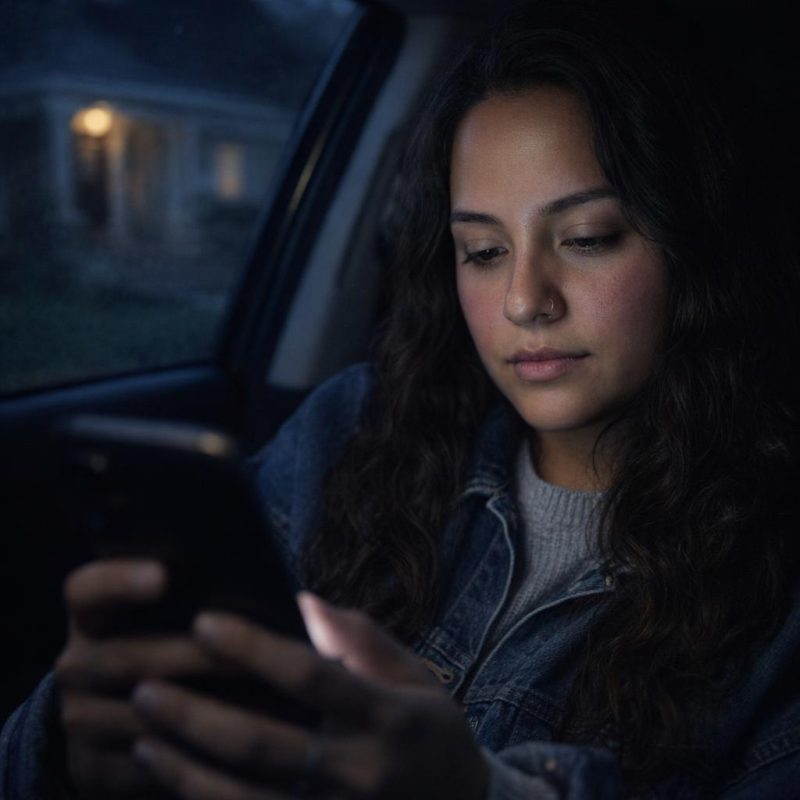 Image by RM AI
The Birthmark
I kept my thumb on the screen and zoomed in further, trying to pull detail out of pixels that didn't want to give it up. The image broke apart into soft squares the closer I got, but I could still make out the shape of her — the woman in the reflection, camera raised, head tilted slightly to one side. She was young. Dark hair. And there was something on her neck. I pulled the image as wide as my phone would let me and squinted at it. It was a mark. A birthmark, I thought, though the resolution made it hard to be certain. I zoomed in one more time, holding my breath. The shape was unmistakable even through the grain — a small crescent, curved like a sliver of moon. My hand moved before I'd made any conscious decision to move it. My fingers found the side of my neck, just below my jaw, and pressed against the skin there. The mark I'd had since birth. The one I'd always thought was just mine. I sat very still in the car, my hand still pressed to my neck, the phone trembling slightly in my other hand.
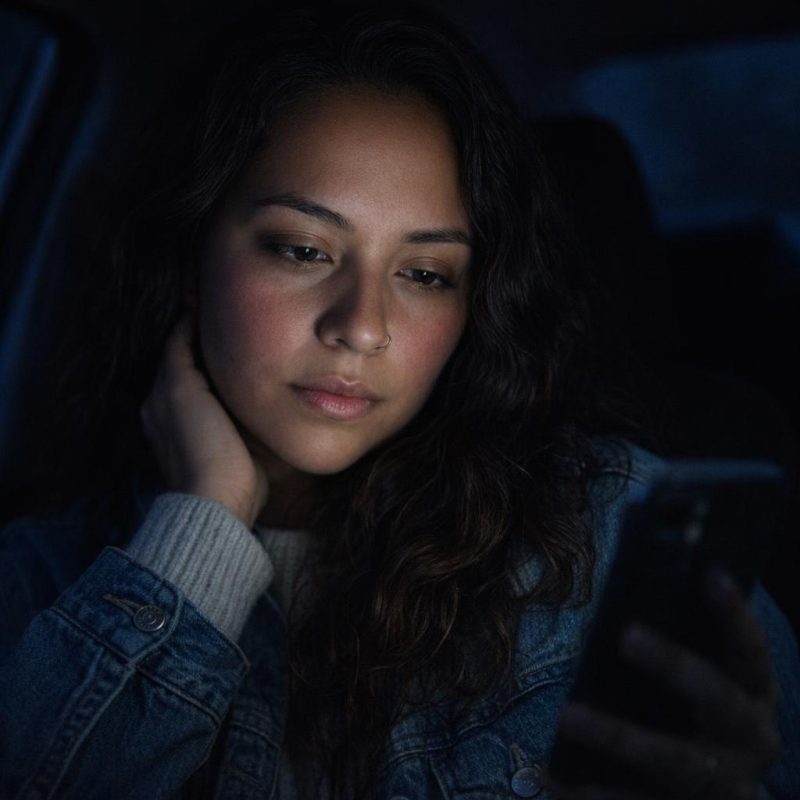 Image by RM AI
The Decision to Stay
I sat there for a long time without moving, the phone face-up on my thigh, the grainy image still on the screen. I thought about driving home. I thought about calling Sarah and asking her, point-blank, what she knew about Blackwood Creek. I thought about pretending I hadn't seen any of this — the empty house, the railing, the woman in the reflection, the birthmark that matched mine like a signature. But I couldn't do any of those things. Not yet. Not without something more solid than a blurry photograph and a feeling I couldn't shake. The connection between this town and wherever I'd come from was too close to walk away from. I needed dates. Names. Something in print that I could hold in my hands and read with my own eyes. I remembered Mrs. Price mentioning the local paper had covered the disappearance. There had to be archives somewhere — a library, a historical society, something. I started the car and pulled back onto the main road, heading toward the center of town. I didn't know exactly what I was looking for yet. I just knew I wasn't leaving Blackwood Creek until I found it.
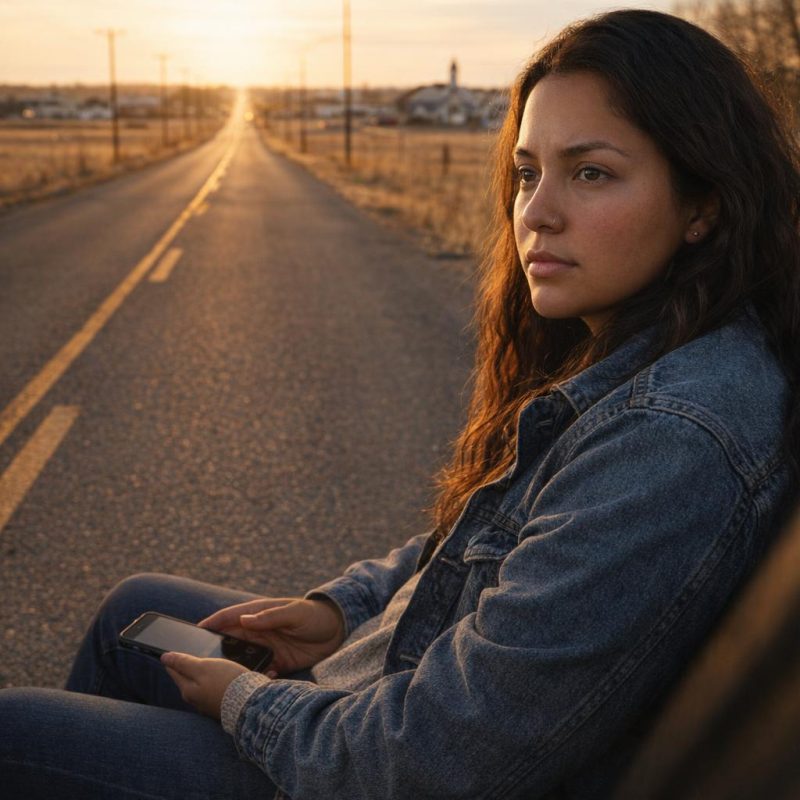 Image by RM AI
The Motel
I found the motel about a mile past the town center, set back from the road behind a gravel lot. The sign out front had two burned-out letters and the paint on the office door was peeling in long strips. It wasn't much, but the lights were on and there was a vacancy sign glowing orange in the window, and that was enough. Inside, a young man behind the front desk looked up from his phone with the slightly startled expression of someone who doesn't get many walk-ins. I asked for a room for a few nights — maybe longer, I said, I wasn't sure yet. He nodded and started typing without asking questions, which I appreciated. He slid a key card across the counter and told me checkout was at eleven. The room was small and smelled faintly of old carpet and pine cleaner, with a window that looked out onto the gravel lot. I set my bag on the bed and sat down beside it. I hadn't called Sarah or David. I'd looked at my phone twice on the drive over and put it back in my pocket both times. Tomorrow I'd find the library. Tonight I just sat in the thin lamplight, the silence of the room settling around me like something I'd earned.
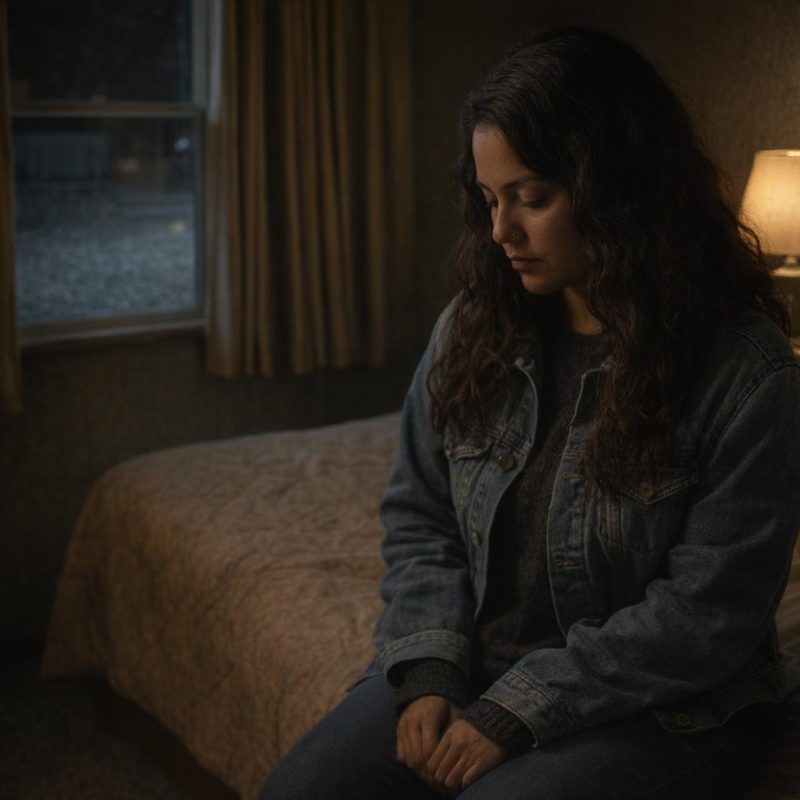 Image by RM AI
The Clerk's Stories
I went back to the front office the next morning to ask if there was a coffee machine anywhere on the property. There wasn't, but the clerk — who introduced himself as Danny without being asked — pointed me toward a diner two blocks down and then kept talking. He had the easy, unhurried energy of someone who spent a lot of time behind that desk with not enough to do. I told him I was doing some family research in the area, which was vague enough to be true. His face lit up. He said Blackwood Creek had more history than most people expected for a town its size. Then he leaned on the counter and said the one everybody always wanted to know about was the Thorne case. He said it like it was a title, something with capital letters. A couple disappeared back in the nineties, he said — just gone, no explanation, no bodies, nothing. He said some people thought they ran off together, started over somewhere new. Other people thought something bad had happened and whoever was responsible had never been caught. He shrugged like he didn't have a strong opinion either way. I thanked him and walked back to my room with my hands in my pockets, the old story pressing in close around me from every direction.
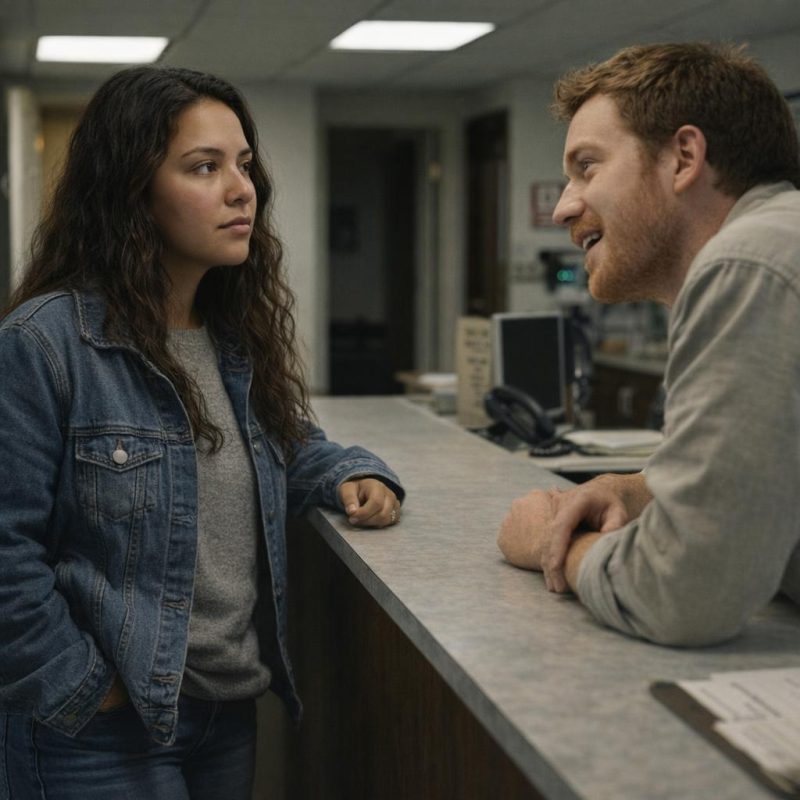 Image by RM AI
The Library Archives
The Blackwood Creek Public Library was a single-story brick building wedged between a hardware store and a closed insurance office. It opened at nine and I was there at five past, still holding a paper cup of diner coffee. The woman at the front desk had reading glasses on a beaded chain and the kind of organized stillness that made me think she knew exactly where everything in the building was. I told her I was looking for local newspaper archives from the mid-nineties, specifically 1996. She didn't ask me why. She just nodded, said they kept physical copies in the back room, and led me through a door behind the reference shelves into a narrow space lined with filing cabinets and labeled archive boxes stacked on metal shelving. She pulled two boxes down without hesitating — both marked 1996 in black marker — and set them on a reading table under a fluorescent light. She told me to let her know if I needed anything else and left me alone. I sat down, set my coffee to one side, and looked at the boxes for a moment. Then I lifted the lid off the first one and pulled out the newspaper sitting on top.
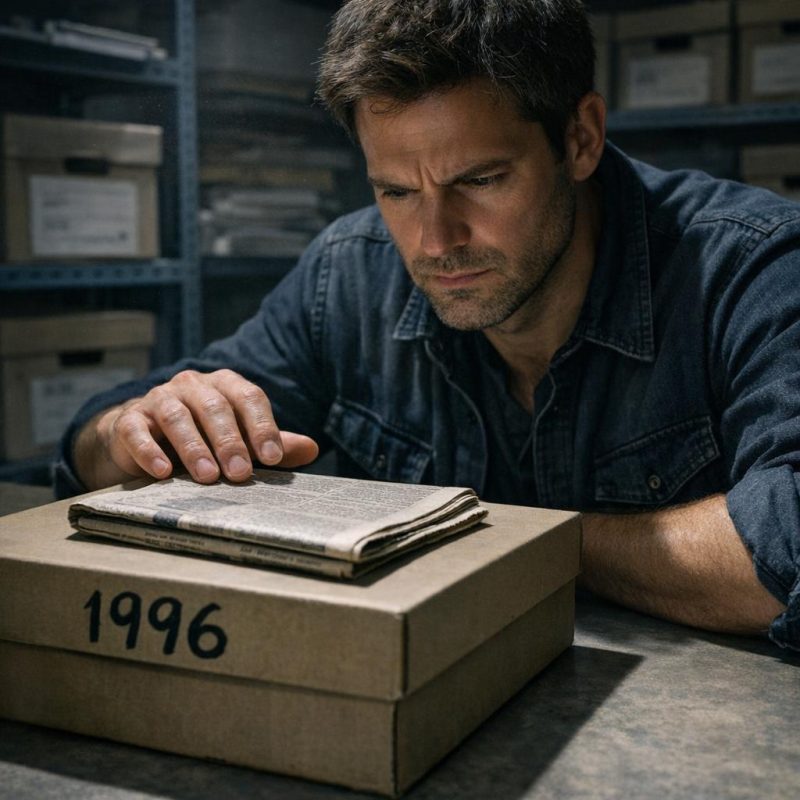 Image by RM AI
The Headlines
The paper was brittle at the edges and smelled like basements and old ink. I unfolded it carefully, the way you handle something that might fall apart if you're not paying attention. The date at the top read March 14, 1996. I scanned the front page slowly, and then I stopped. The headline was below the fold, but it was there: LOCAL COUPLE MISSING — CAR FOUND ABANDONED ON ROUTE 9. I read the first paragraph twice. A vehicle registered to Elias Thorne had been discovered on the shoulder of Route 9, engine off, doors unlocked. His wife Rachel was also unaccounted for. Neighbors had reported no unusual activity. There were no signs of struggle at the residence. I set that paper aside and reached for the next one, dated a week later. My hands weren't entirely steady. The follow-up story ran above the fold this time, with a photograph of the house on Sycamore Lane I recognized immediately. I read down through the column, past the details about the search effort and the interviews with neighbors, and then I found the line that stopped me cold: INFANT FOUND ALONE IN RESIDENCE — ONLY KNOWN SURVIVOR.
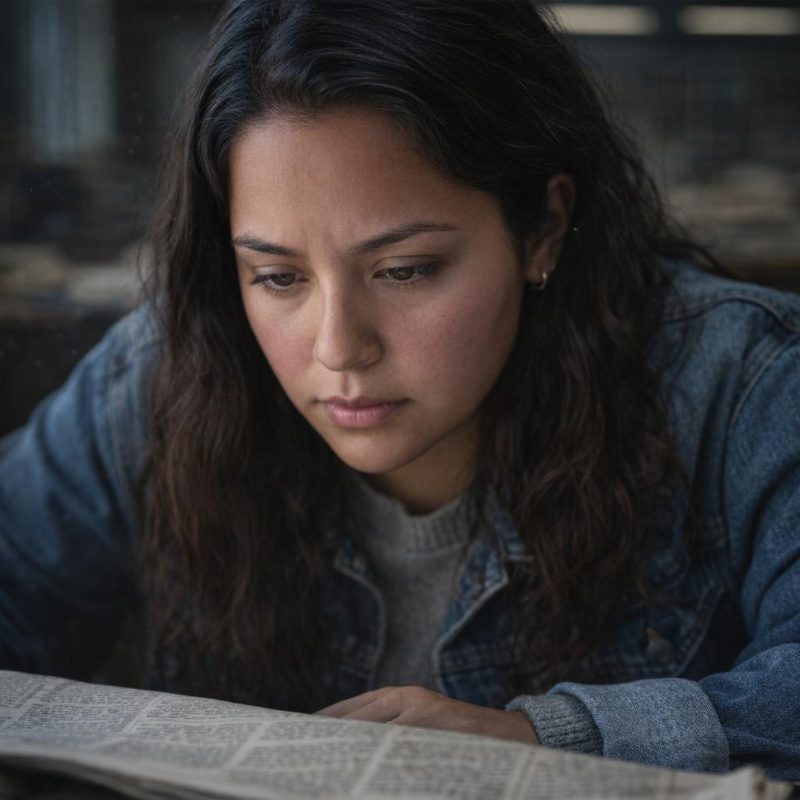 Image by RM AI
The Baby in the Crib
I read that line three times before I kept going. The follow-up article, dated a week after the initial report, described what responding officers had found when they entered the house on Sycamore Lane. A baby girl, approximately six months old, alone in a crib in the master bedroom. Unharmed. No sign of distress beyond hunger. Neighbors reported they hadn't heard crying, which the article noted was unusual. Social services had taken custody of the child. The infant was not named in the article — privacy protections for minors, the reporter noted — and her current placement was not disclosed. I set the paper down flat on the table and stared at the ceiling for a moment. Then I looked back at it. Six months old. March 1996. I did the math slowly, the way you do when you're hoping the numbers won't come out the way you think they will. My birthday was in September 1995. Six months old in March 1996 would put the birth right around that same window. I didn't have proof. I told myself I didn't have proof. But the hollow feeling that had been building since I'd first pulled up that DNA profile had settled into something heavier now, something that sat in my chest and didn't move.
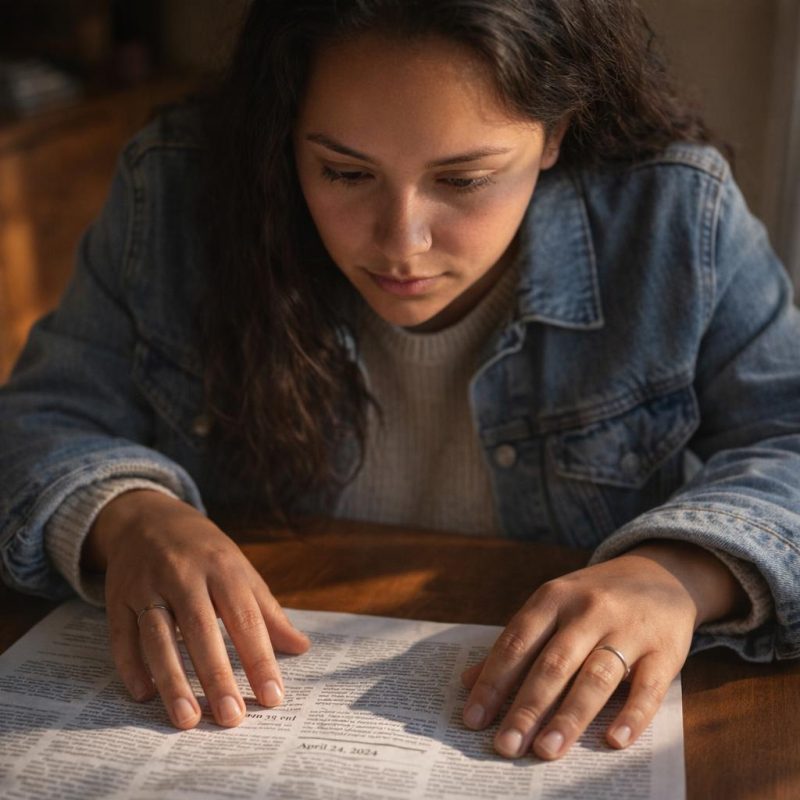 Image by RM AI
The Baby Was Me
I pulled up the photo of my birth certificate on my phone at the one I'd scanned years ago, never imagining I'd need it for something like this. September 14, 1995. I set the phone down next to the newspaper printout and looked at both of them at the same time. The article said the infant was approximately six months old when she was found in March 1996. Six months back from March put the birth right around September 1995. I did it again, slower, like the math might change if I was more careful about it. It didn't change. I searched for follow-up coverage, scrolling through the library's archive database with hands that weren't quite steady. A third article, buried in a community briefs column from late 1996, mentioned that the infant from the Sycamore Lane incident had been placed with a family through emergency foster care and that the placement was described as stable. No names. No details. Just that one quiet sentence. I sat back in the chair and looked at the ceiling for a long moment. The fluorescent light hummed above me. I had spent twenty-four years thinking I knew where I came from. The article sat on the table in front of me, and the ceiling offered nothing back.
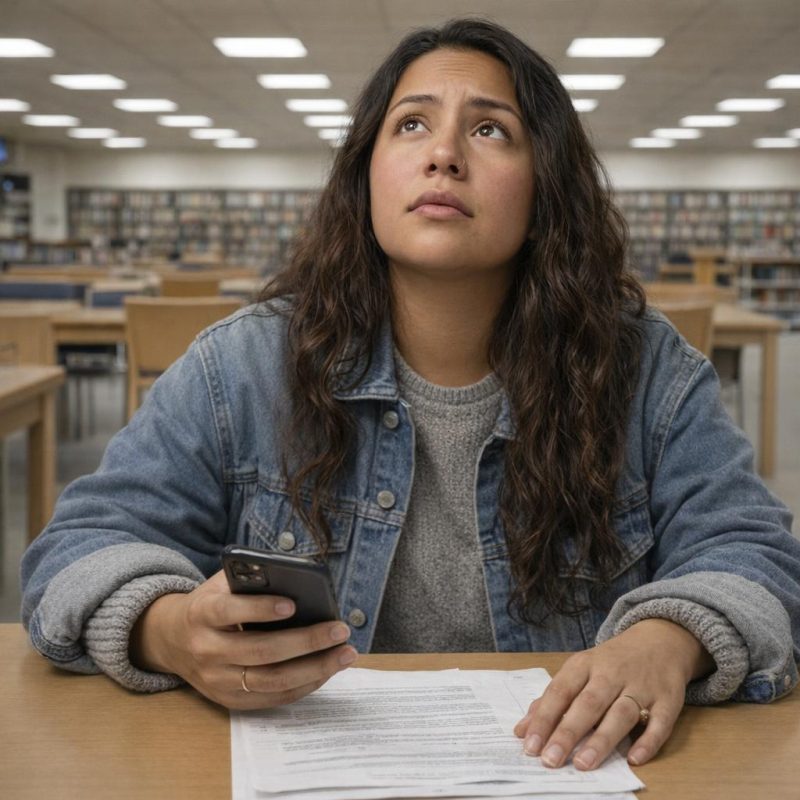 Image by RM AI
The Adoption Lie
I tried to remember exactly what my parents had told me over the years. The story had always been the same, told in the same careful way at a private agency, a birth mother who wasn't ready, paperwork that moved quickly because I was so young. They'd even given me the name once, when I was maybe twelve and asking more questions than usual. Bright Futures Adoption Services. I typed it into the library's public records database and waited. Nothing came back. I tried the state licensing registry next, narrowing the search to 1995 and 1996. Still nothing. I broadened it to every year on record. There was no agency called Bright Futures, not in this state, not ever licensed, not ever registered. I sat with that for a minute. Then I searched again with slightly different spellings, thinking maybe I'd misremembered. I hadn't misremembered. The agency my parents had named for twenty-four years did not exist in any official record I could find. I wasn't angry yet at or maybe I was, and it just hadn't found its shape. The search results sat on the screen in front of me, blank where an answer should have been.
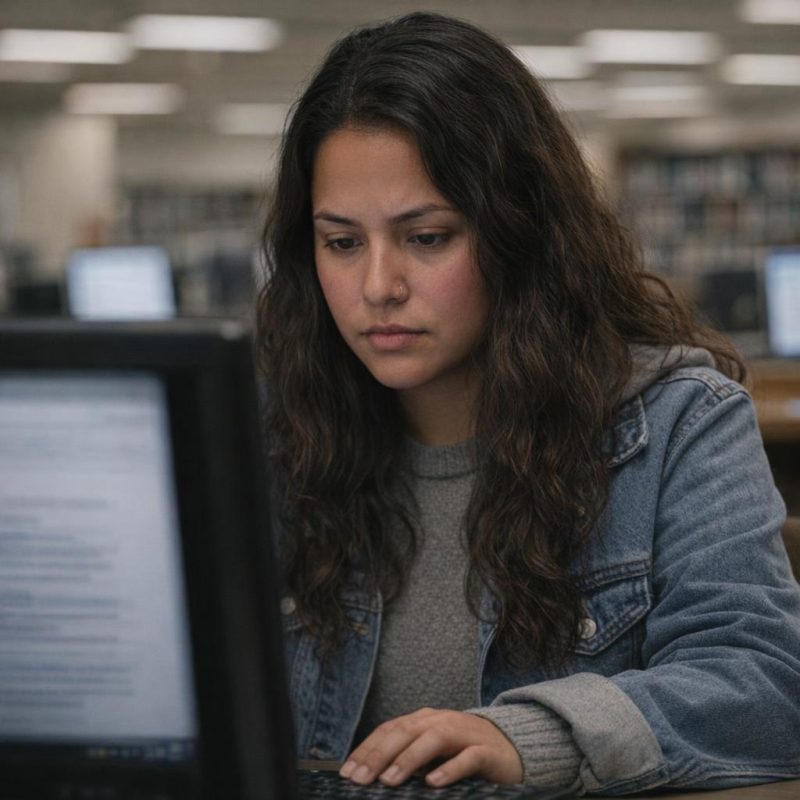 Image by RM AI
The Timeline Fractures
I kept pulling threads. The library's county database had digitized court filings going back to the early nineties, and I searched my birth year, then the year after, then filtered by foster placement records. Most of what came up was redacted or sealed. But one document wasn't at a procedural filing from April 1996, administrative rather than judicial, the kind of paperwork that slips through because nobody thinks to lock it down. I almost scrolled past it. The case reference matched the Sycamore Lane incident number from the newspaper article. I opened it and read slowly. The document described an emergency foster placement for one infant, female, listed as Baby Doe Thorne, pending further investigation into the circumstances of her discovery. The placement was noted as temporary pending review, with a permanency hearing scheduled for the following year. And there, in the section marked Placement Household, were two names I had known my entire life. I read them twice. Then I read them a third time, because sometimes your brain just refuses to process something the first two times. Sarah and David Harper were listed as the emergency foster parents for Baby Doe Thorne.
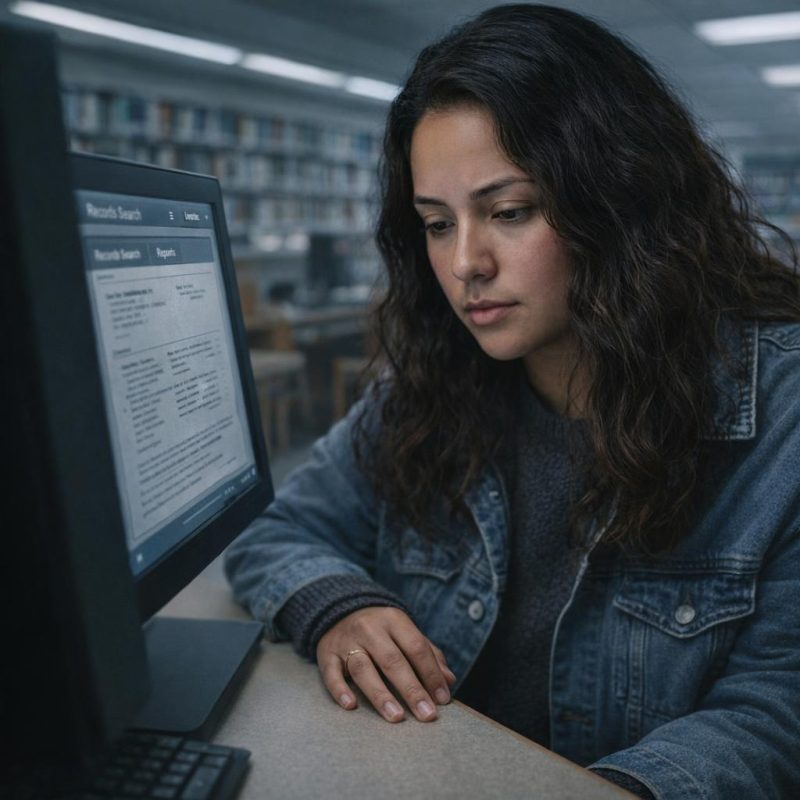 Image by RM AI
The Full Scope
I spread everything out on the reading table at the printouts, the photocopies, the notes I'd scrawled on the back of a library receipt. The story my parents had told me was a private adoption through an agency that didn't exist. The actual record showed an emergency foster placement through the state, following a violent incident at a house that had been empty ever since. They'd told me my birth mother was a young woman who made a quiet, considered choice. The newspaper described a woman who had vanished under circumstances nobody had explained in thirty years. Every piece of the story I'd grown up with had a different version sitting right here on this table, and the two versions didn't touch anywhere. I kept turning it over, trying to find the angle where it made sense at where there was a reason to build a completely different story from scratch and hold it together for two and a half decades. I couldn't find it. I understood that they had lied. What I couldn't get to, no matter how long I sat there, was why the lie had to be that complete.
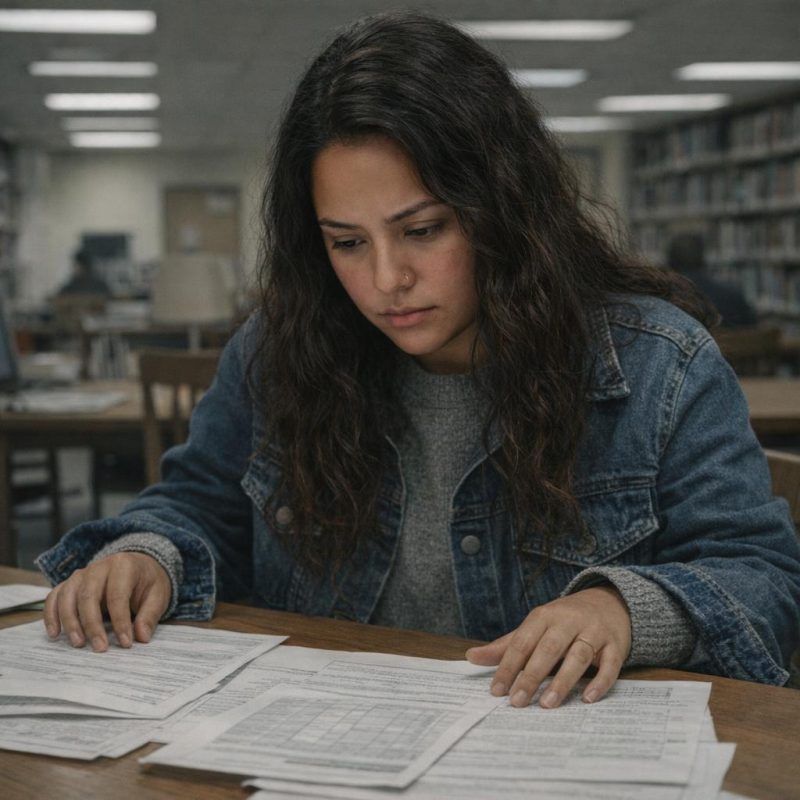 Image by RM AI
Returning to the Mystery
I pushed the photocopies aside and picked up my phone. The newspaper archives had told me where I came from. They hadn't told me who had been looking for me. I opened the ancestry app and pulled up the DNA match that had started all of this at the profile listed under Elias Thorne, 47.3% shared DNA, predicted relationship: parent or sibling. I'd looked at it a dozen times already, but I looked again now, more carefully. The account had been created two years ago. The profile photo was a default silhouette. The family tree attached to it had exactly one entry: Elias Thorne, born 1971, no other details filled in. I scrolled to the activity section. Last login: three weeks ago. I stared at that. Elias Thorne had been listed as missing since 1996 in the newspaper articles I'd just read at the same incident, the same house, the same night. Someone had created this profile, submitted DNA, and was still checking it at and I had no idea who that person actually was or how any of it connected.
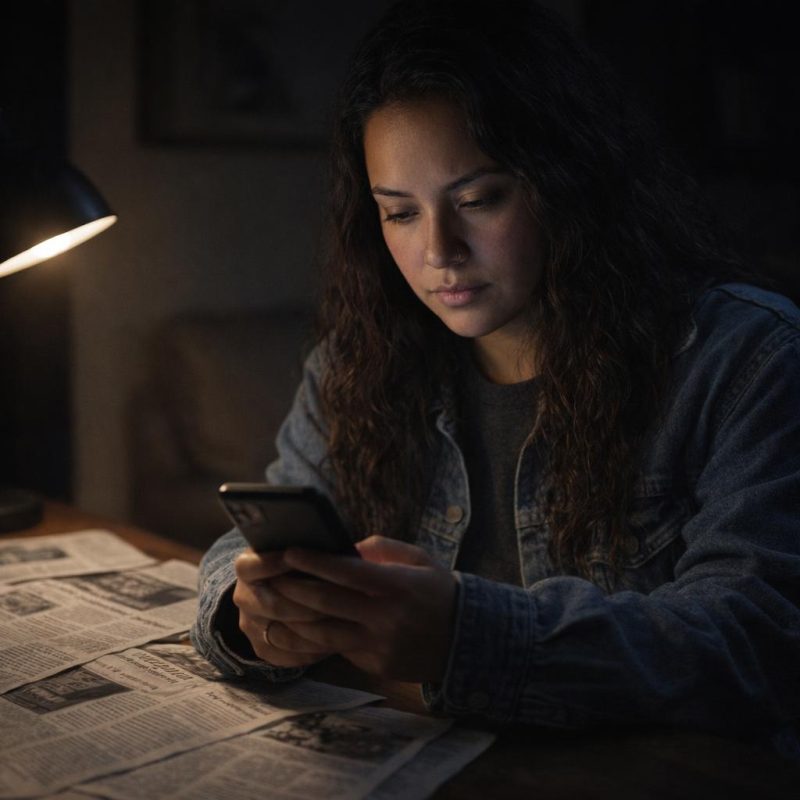 Image by RM AI
The Weight of Questions
I thanked the librarian at Margaret, her name tag said, though I'd barely registered it until that moment at and gathered my stack of photocopies into a folder. Outside, the afternoon light felt too bright after hours under fluorescent bulbs. I sat in my car in the library parking lot and set the folder on the passenger seat. I didn't start the engine. The papers sat there in a neat stack, and I thought about how tidy they looked for something that had just taken apart everything I thought I knew about myself. I had a biological father who might not be who the DNA profile claimed. I had an adoptive mother and father who had built a story from nothing and handed it to me like it was true. I had a biological mother who had vanished the same night I was found alone in a crib. I didn't know which thread to pull next at whether to call my parents, whether to go back to the house, whether to keep searching through records that kept opening into more records. The folder sat on the seat beside me, and the parking lot was quiet around me, and I had no idea what to do with any of it.
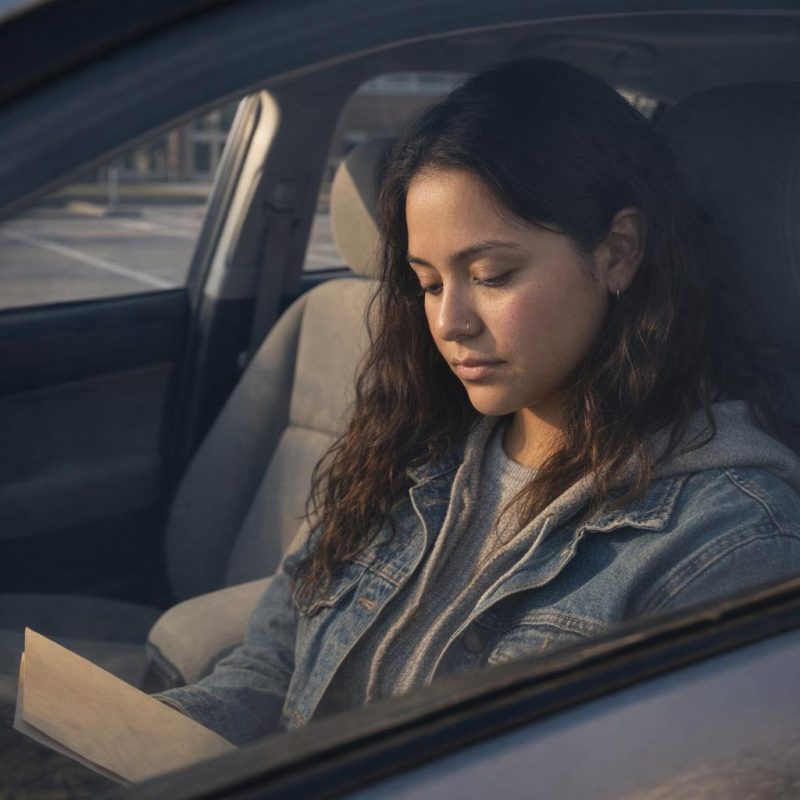 Image by RM AI
Back to Sycamore Lane
I started the car eventually. I didn't decide to go back to Sycamore Lane so much as I just found myself driving there, the way you sometimes move toward the thing that scares you because standing still feels worse. The gravel road looked completely different in daylight. The trees on either side were bare-limbed and pale, and the ruts in the road were easier to see, and the whole lane felt less like something out of a bad dream and more like just a road. I parked in the same spot I'd used the night before and sat for a moment with the engine off. The cottage was small. I hadn't fully registered that the night before at I'd been too focused on the door, on knocking, on the absence of any answer. In the daylight it looked almost gentle, the kind of house that showed up in old photographs with people standing in front of it squinting into the sun. White clapboard siding, a covered porch, a wreath on the front door. This was the house where someone had found me in a crib thirty years ago, and it looked like it had been waiting quietly ever since. I sat with that thought, and the house sat with it too, and neither of us moved.
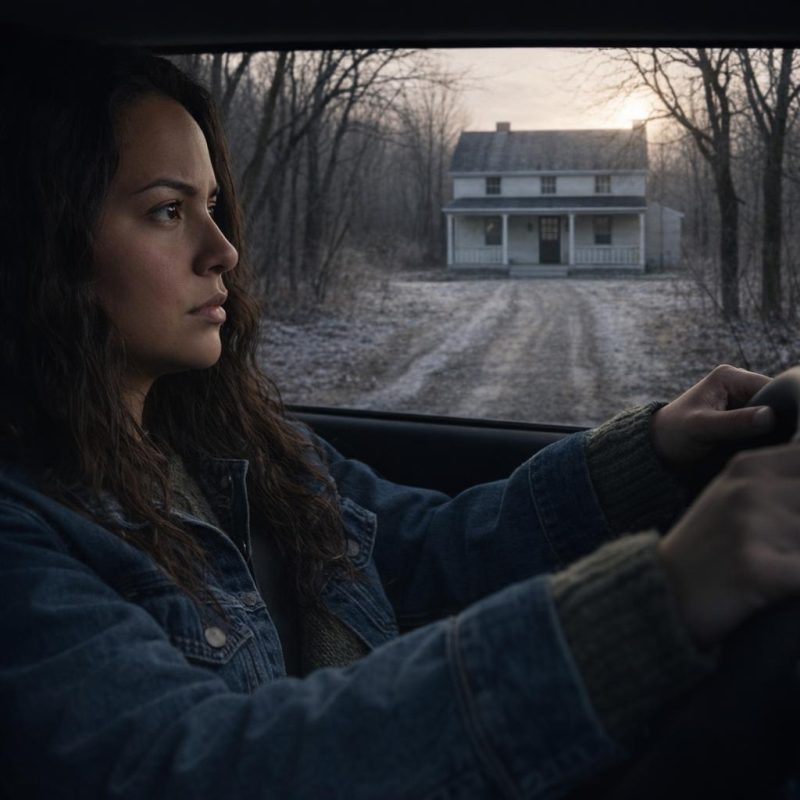 Image by RM AI
The Exterior Details
I got out of the car. I told myself I was just going to look at not trespassing, not touching anything, just walking the perimeter the way anyone might walk past a house on a quiet street. The gravel crunched under my feet as I moved toward the porch. Up close, the cottage looked even more carefully kept than it had from the car. The clapboard siding was clean, no streaks of mildew or peeling paint. The windows were spotless at not just unbroken, but actually clean, the kind of clean that meant someone had wiped them down recently. The wreath on the front door was made of dried flowers and eucalyptus, and when I leaned slightly closer I could smell it, faint but real. I moved along the porch railing, running my eyes over the wood. No rot. No weathering. I reached out and touched the railing with two fingers, then looked at them. No dust, no grit. I crouched slightly and looked at the surface more carefully. The white paint on the porch railing was smooth and bright, without a single crack or fade line.
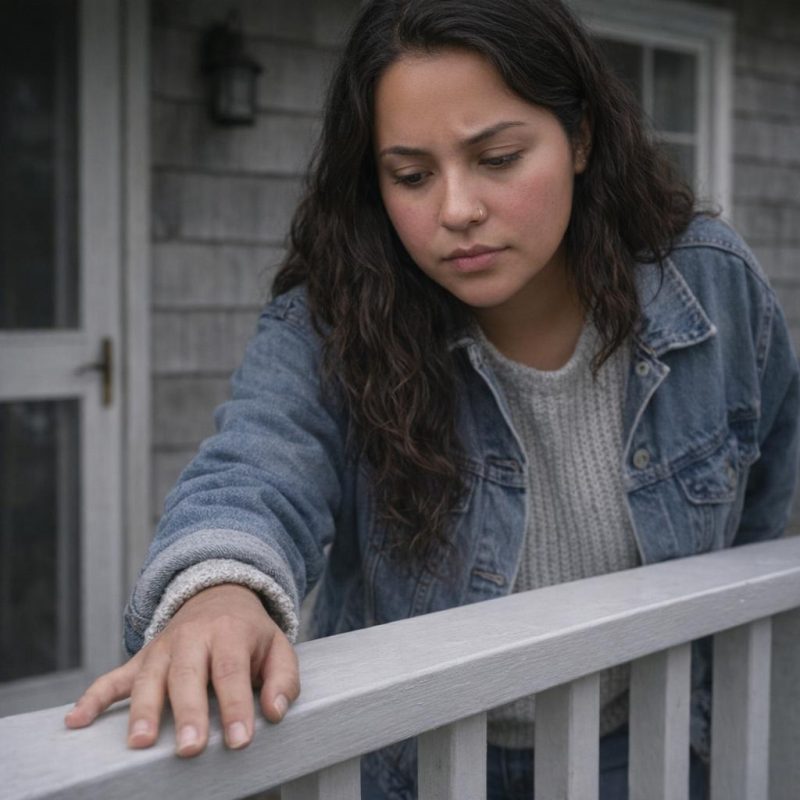 Image by RM AI
The Perfect Lawn
I stepped off the porch and onto the lawn, and that's when it really hit me. Mrs. Price had said the town paid someone to mow — basic upkeep, the kind of thing a municipality does to keep an abandoned property from becoming an eyesore. But this wasn't basic upkeep. The grass was cut evenly, not a single bare patch or tufted clump where a mower had missed. I walked the edge of the front path and crouched down to look at the border between the lawn and the concrete. The edge was trimmed clean, a sharp line like someone had taken a blade to it by hand. I moved to the flower beds along the foundation. No weeds. Not a single one pushing through. The mulch was dark and fresh, the kind you buy in bags from a garden center, not the gray-brown stuff that's been sitting through two winters. I stood up and looked at the whole front yard again, trying to see it the way a hired mower would leave it. They wouldn't do this. Nobody on a municipal contract trims edges by hand or refreshes mulch in flower beds at a house that's been empty for thirty years. Whoever was caring for this place wasn't doing it for a paycheck.
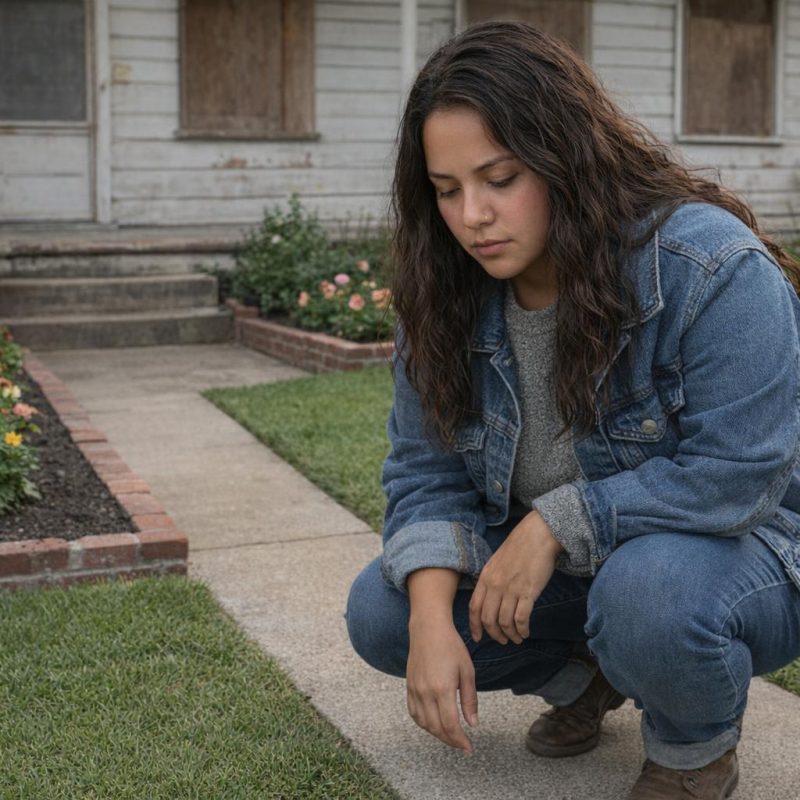 Image by RM AI
The Clean Windows
I went back to the front window and cupped my hands around my eyes, pressing close to the glass to cut the glare. There was a gap in the curtains, maybe two inches wide, and through it I could see into the front room. The light was dim, filtering in from somewhere at the back of the house, but it was enough. The furniture was covered with sheets, the way people do when they leave a place for a long time. But the sheets were white. Not yellowed, not gray with grime, not sagging under the weight of accumulated dust. White. I moved along the porch to the side window and looked in again. The floor was visible near the baseboard, and it was swept clean. No debris, no dead insects, no the kind of fine gray layer that settles on every surface in a house that's been sealed up for years. I pulled back from the glass and stood there for a moment. I'd been in enough old houses to know what abandonment looks like — the smell alone usually tells you before your eyes do. This place didn't have that smell. It had the faint, neutral stillness of a room that had simply been closed, not forgotten. The absence of dust felt like its own kind of answer.
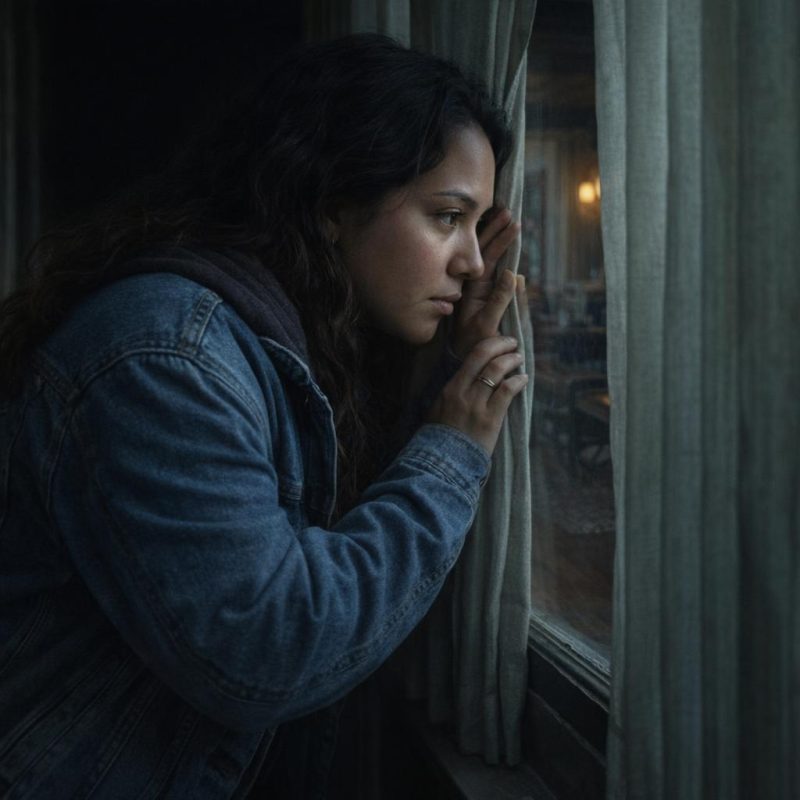 Image by RM AI
The Tire Tracks
I followed the porch around to the side of the house, where the careful maintenance of the front yard gave way to something wilder. The grass here was longer, brushing against my shins, and the shrubs along the fence line had gone untrimmed. It felt like a different property. I kept walking toward the back and found a gravel driveway I hadn't seen from the street, leading from a gap in the fence to a detached garage with its door shut. The gravel was pale and loose, the kind that shifts and settles with weather. I stopped walking. There were tire tracks pressed into it — two parallel lines running from the garage toward the back gate, the edges still sharp and clean. I crouched down and looked at them more carefully. The gravel around the tracks hadn't filled back in. The impressions were deep and defined, not softened by wind or rain. I thought about the weather. It had rained two nights ago — I remembered because I'd sat in the motel listening to it hit the window. These tracks were newer than that rain. Someone had driven in or out of this property within the last day or two.
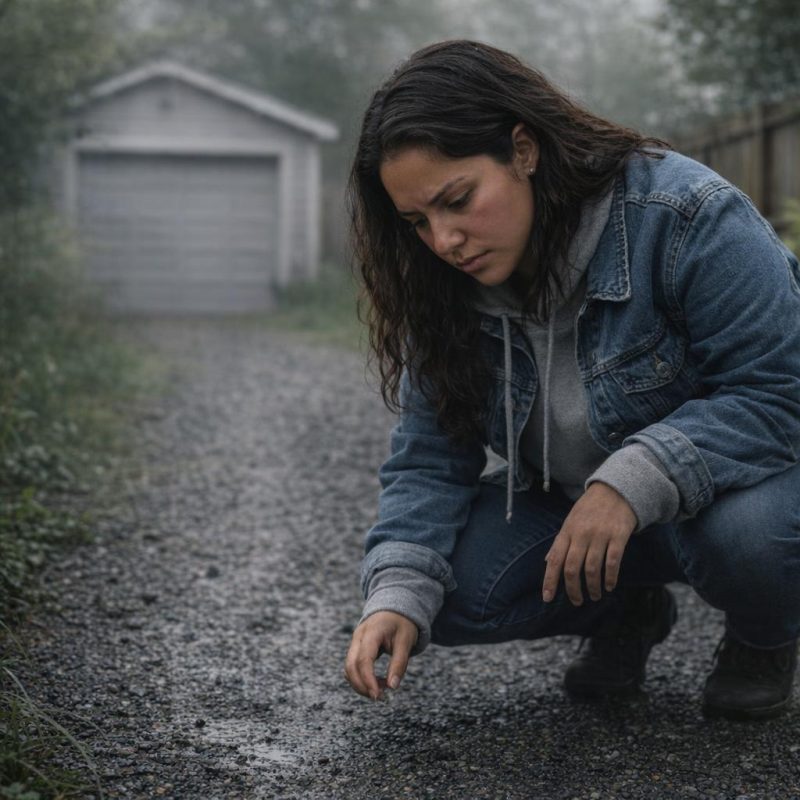 Image by RM AI
The Garden Shed
I stood up from the tire tracks and followed them with my eyes toward the back of the property. Past the garage, past a rusted metal fence post leaning at an angle, the gravel gave way to a stretch of waist-high grass that hadn't been touched by whoever was keeping the front so pristine. I pushed through it slowly, watching where I stepped. That's when I saw the shed. It was small, maybe eight feet square, tucked against the back fence and half-swallowed by weeds that had grown up around its base and along its walls. The paint was peeling in long curling strips, the wood underneath gone gray and soft-looking. A rusted hinge hung loose from the door frame, and the door itself had swung inward at an angle, propped open by its own weight against the ground. I stopped a few feet away and looked at it. The inside was dark, just a rectangle of shadow where the door hung open. Everything about the shed said decades of neglect — the rot, the weeds, the rust. But the door was open, hanging there like it was waiting. I stood at the edge of the tall grass and looked at that dark opening for a long moment before I took another step.
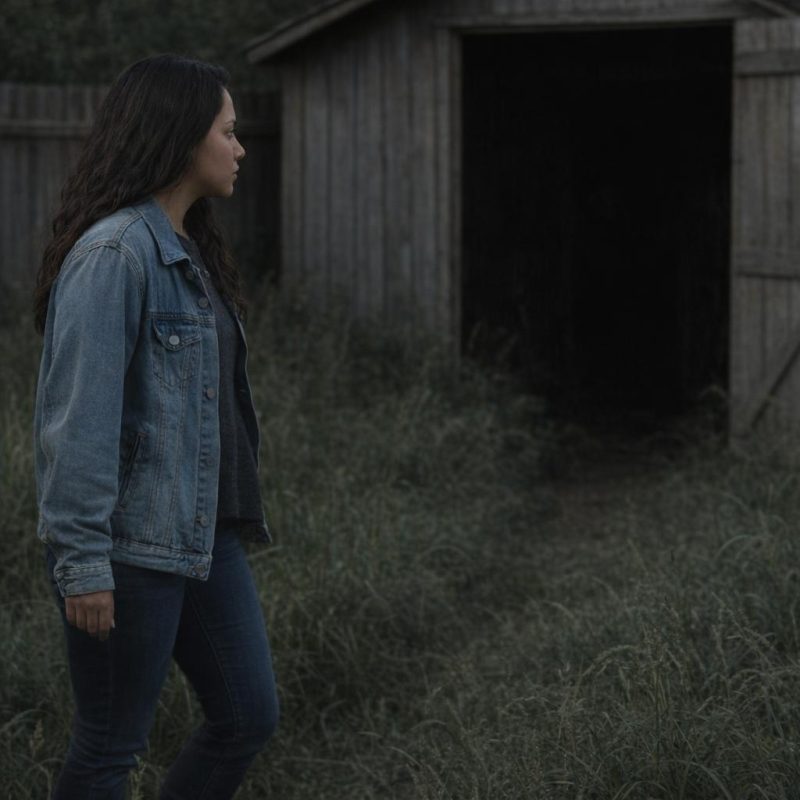 Image by RM AI
Inside the Shed
I ducked through the doorway and waited for my eyes to adjust. The air inside was thick and close, smelling of rust and something damp and organic, like wet cardboard left to soften over years. Old garden tools leaned against the walls — a rake with half its tines missing, a hoe with a cracked handle, a pair of loppers gone orange with rust. Along the right wall, a stack of cardboard boxes had collapsed into each other, their bottoms gone soft and brown, the contents long since compressed into unrecognizable shapes. Everything in the shed looked like it had been sitting there since the house was last lived in. I was already turning back toward the door, already telling myself there was nothing here, when I saw it. In the far left corner, almost hidden in the shadow, something sat on the floor. Not a box. Not a tool. A tarp — heavy-duty, dark green — draped over something low and rectangular. The tarp itself looked wrong against everything else in the shed. The other surfaces were coated in grime and cobwebs. The tarp was clean.
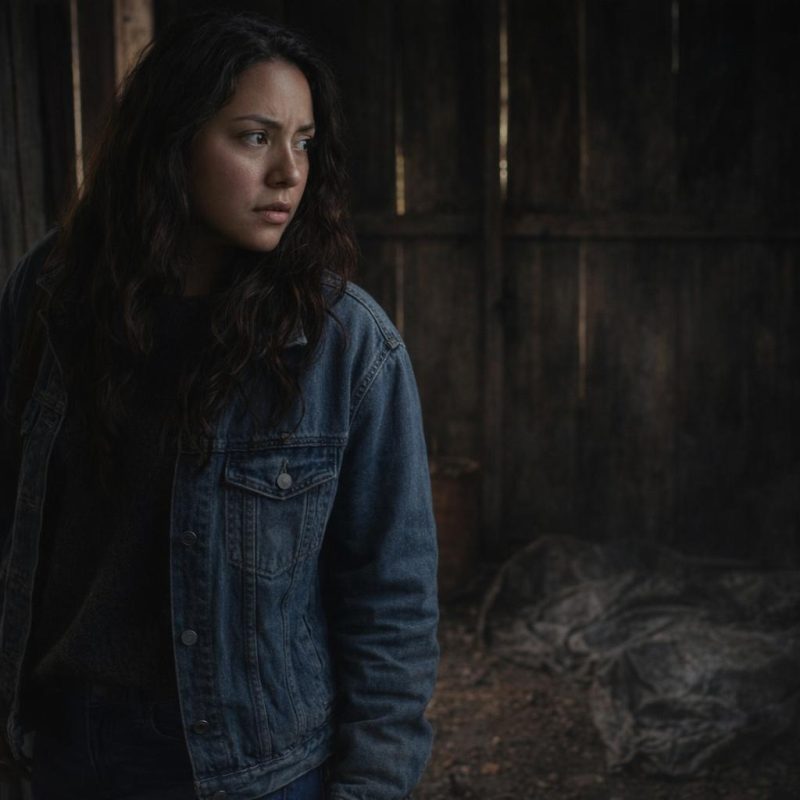 Image by RM AI
The Laptop Bag
I crossed the shed in three steps and knelt down on the dirt floor. Up close, the tarp was even more out of place — no dust on its surface, no cobwebs catching at its edges, the material still pliable and dark rather than stiff and faded. I took one corner and pulled it back. Underneath was a bag. Black nylon, modern, the kind of padded laptop bag you'd see slung over someone's shoulder at an airport. I sat back on my heels and just looked at it for a second. The bag was clean. Not wiped-down clean, not recently-dusted clean, but genuinely clean, the way something looks when it hasn't been sitting in a rotting shed for thirty years. I reached out and touched it. The nylon was smooth and slightly cool. I could feel weight inside — something solid, more than one thing. I looked around the shed again: the rusted tools, the collapsed boxes, the gray peeling walls. Then back at the bag. It didn't belong here. Not even a little. Whatever this was, it hadn't been left behind when the house was abandoned. Someone had brought it here, and not very long ago.
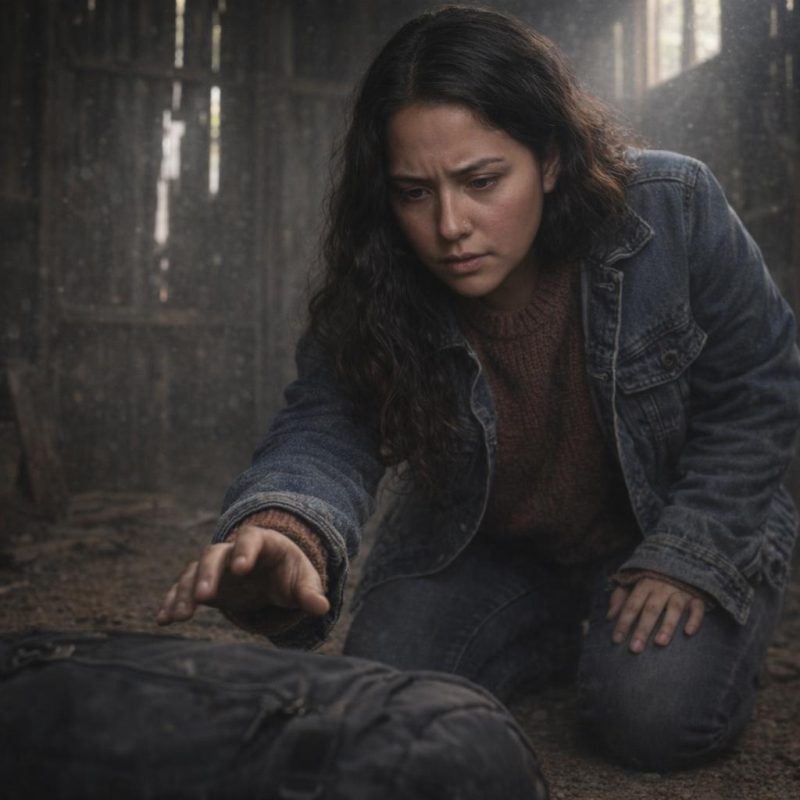 Image by RM AI
The Recent Mail
My hands were shaking when I reached for the zipper. I told myself to slow down, to be careful, but I pulled it open anyway. Inside, nestled in the padded main compartment, was a tablet in a hard-shell protective case. Beside it, a small rectangular device I recognized as a mobile hotspot. I set both aside on the tarp and reached back into the bag. Beneath them was a stack of envelopes, maybe eight or ten, held together with a rubber band. I slipped the band off and fanned them out in my hands. Every single one was addressed to the same name: Elias Thorne, 1422 Sycamore Lane. I turned them over, checking the postmarks one by one. Most were from the past few months. I found the most recent and held it up toward the light coming through the shed door. The postmark was three weeks old. I sat there on the dirt floor of that rotting shed, holding mail addressed to a man Mrs. Price had told me hadn't lived here in thirty years, and I couldn't make sense of what I was looking at. The envelopes were real. The dates were real. The weight of them in my hands was real.
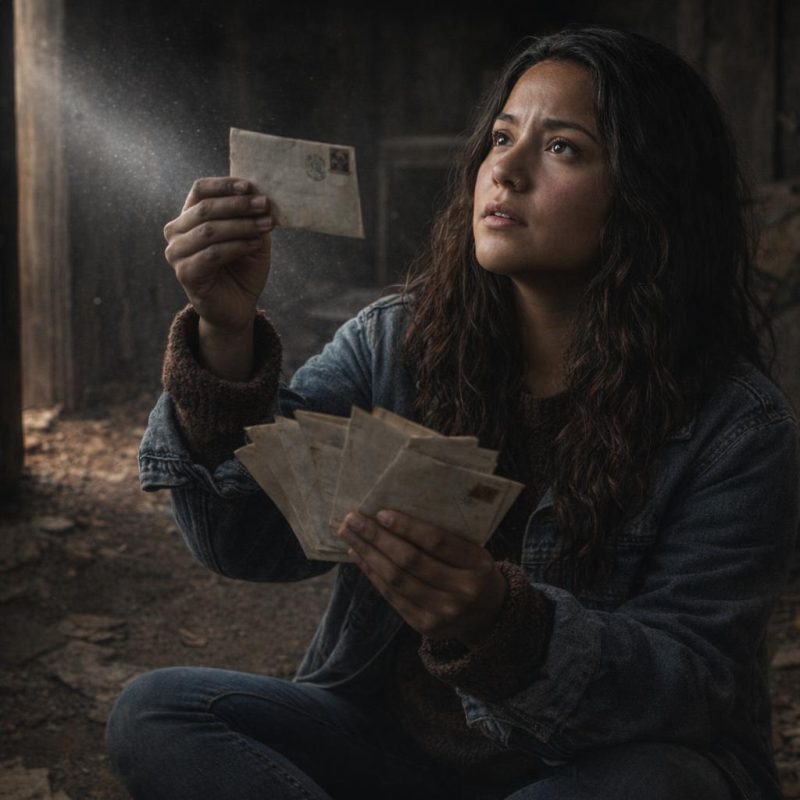 Image by RM AI
Not Alone
I was still kneeling on the shed floor, the envelopes fanned out in both hands, when something changed. I couldn't have said what it was exactly — not a sound, not a movement, just a shift in the quality of the air, the way a room feels different when you're no longer alone in it. The hair on the back of my neck stood up. I went very still. The light coming through the open doorway had been a pale, even gray, the flat light of an overcast afternoon. Then it wasn't. A shadow fell across the threshold, long and dark, the shape of a person standing just outside the door.
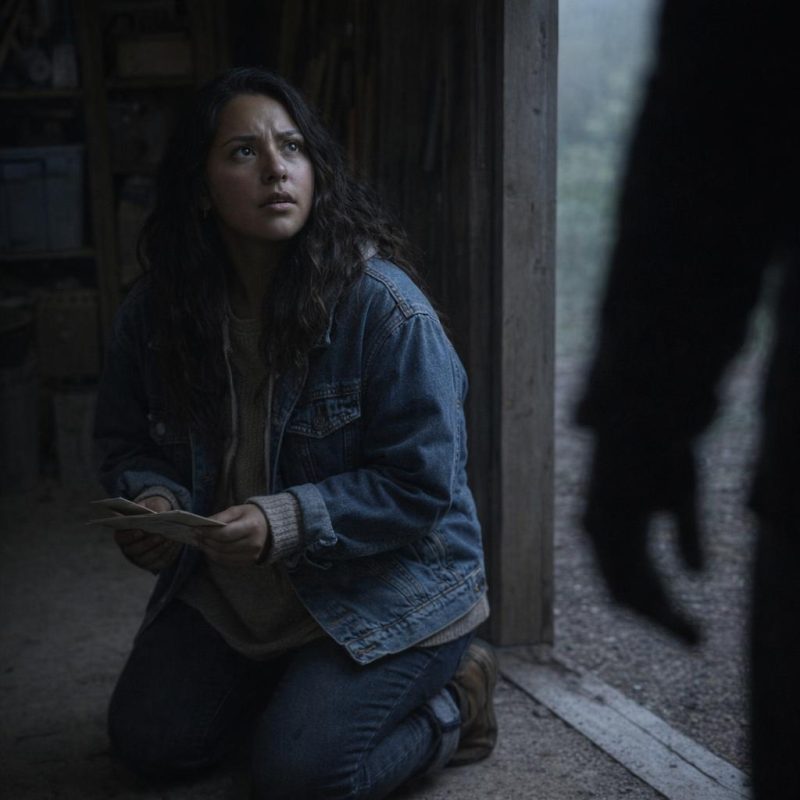 Image by RM AI
The Figure in the Doorway
I turned slowly, the way you do when some part of you already knows you don't want to see what's there. The envelopes were still in my hands — the ones addressed to Elias Thorne — and my fingers had gone tight around them without me telling them to. He was standing in the doorway, backlit by the flat gray afternoon, and for a second he was just a shape, just a silhouette. Then my eyes adjusted. He was older than the photograph I'd been carrying around in my head, the one from the DNA profile. His hair had gone silver at the temples and the lines in his face ran deep. But the jawline — sharp, almost architectural — was the same. And his eyes. Even from across the shed, even in that dim light, I could see the shape of them. Deep-set, slightly hooded, the kind of eyes that looked like they were always measuring something. I had seen those eyes every morning of my life. In my own mirror. He didn't move. He didn't speak. He just stood there, and I stood there, and the silence between us held everything neither of us had words for yet.
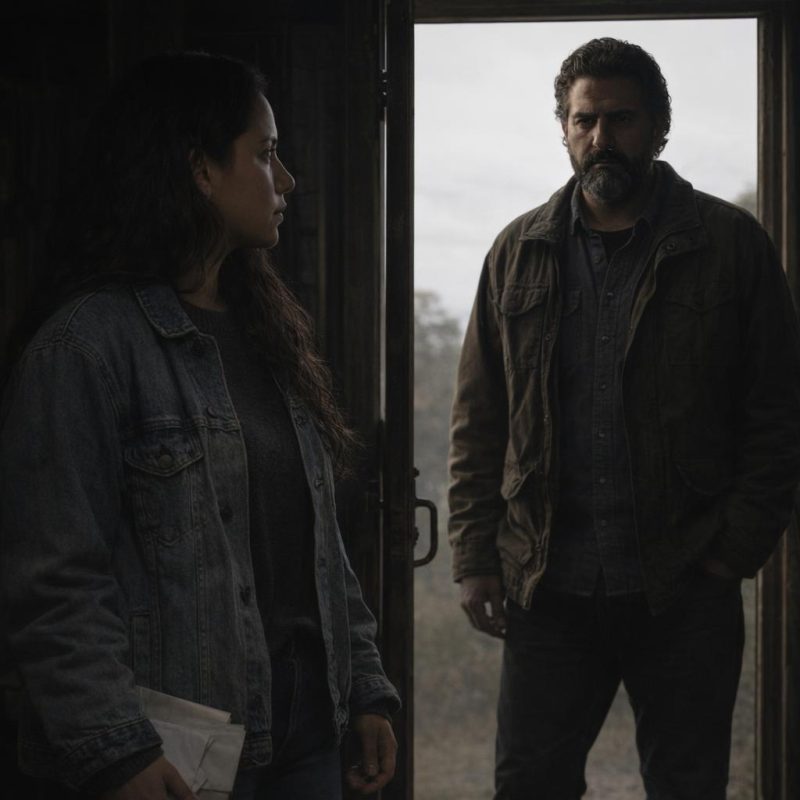 Image by RM AI
The Birthmark
I don't know how long we stood like that. Long enough for the light to feel like it had stopped moving. His eyes were on my face at first, and I could see him taking me in the way you take in something you've been trying to imagine for a very long time. Then his gaze dropped. Not to my hands, not to the envelopes. To my neck. To the crescent moon birthmark just below my jaw, the one I'd had since birth, the one my adoptive mother Sarah used to trace with her fingertip when I was small and call my little moon. He stared at it. And something happened to his face that I didn't have a name for. It wasn't surprise exactly — it was more like a door opening onto a room he'd been afraid to enter. His shoulders, which had been drawn up tight, dropped forward all at once, like the muscles holding them had simply given out. His eyes went bright and wet. He still didn't speak. He didn't have to. Whatever that birthmark meant to him, it was written all over him, and I stood there holding someone else's mail, unable to look away from the grief moving through his expression like weather.
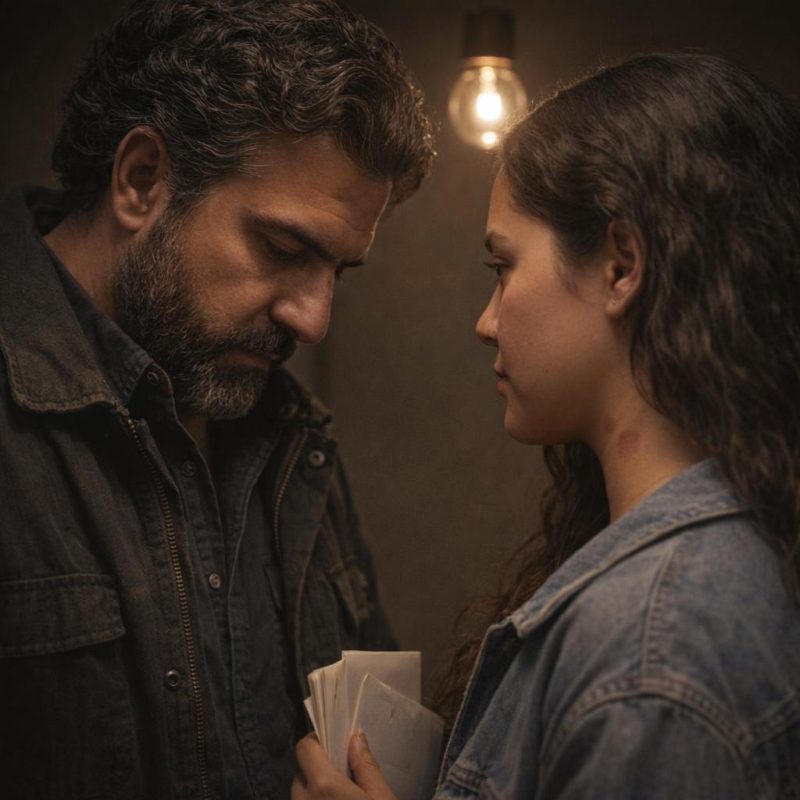 Image by RM AI
The Question
I made myself speak. It took more effort than I expected — my voice had gone somewhere small and far away, and I had to reach for it. "Who are you?" The words came out barely above a whisper, rough at the edges. He didn't answer right away. Instead he took one slow step into the shed, then stopped. His hands came up slightly, palms out, fingers spread — not a surrender exactly, more like someone approaching a bird they were afraid of startling. The gesture was so careful, so deliberate in its gentleness, that my throat tightened. He looked at me the way you look at something you thought you'd lost forever. His mouth opened. When he spoke, his voice was rough and low, like it hadn't been used much lately, like the words had been waiting somewhere dry and unused for a long time. He said his name wasn't Elias. He said it quietly, almost apologetically, the way you say something you know is going to change everything. And then he told me his name was James.
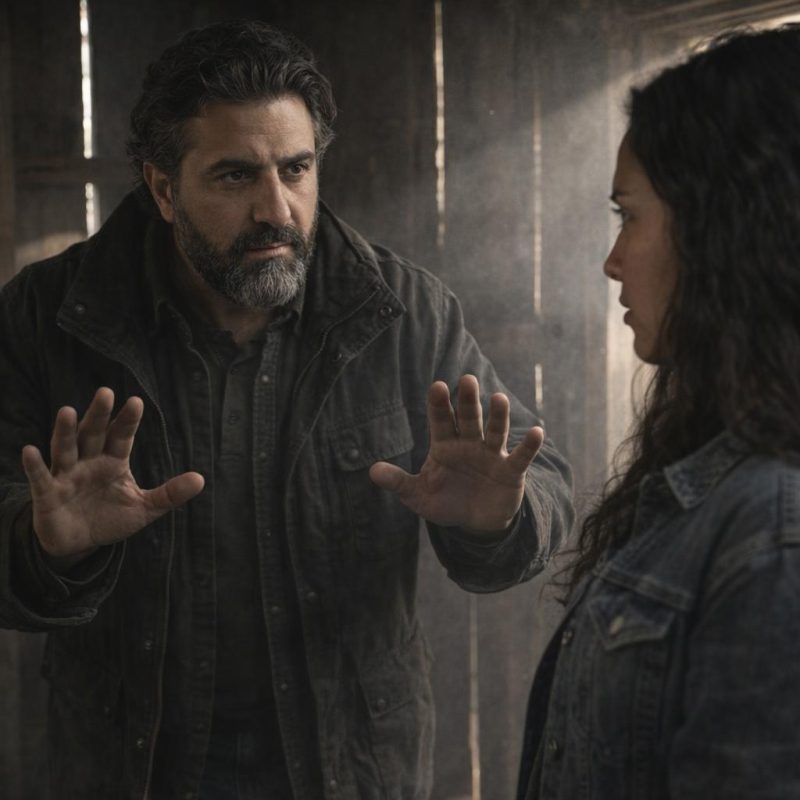 Image by RM AI
Not Elias
James. Not Elias. I looked down at the envelopes in my hands — Elias Thorne, Elias Thorne, Elias Thorne — and then back up at him. "But the DNA test," I said. "The profile. It was filed under—" He nodded before I could finish, like he'd been waiting for exactly that question. He said he knew. He said the name on the profile wasn't his. I asked him why he would use someone else's name, and he looked at me with an expression I couldn't quite read — grief and exhaustion and something that might have been relief, all tangled together. He said he'd had no other way to find me. I asked what he meant by find me, and he pressed his lips together for a moment, like he was choosing his next words very carefully. He said he'd been waiting on that DNA match for two years. Two years of checking, of hoping the algorithm would eventually connect the dots. I turned that over in my mind, trying to make it fit with everything else I thought I knew. It didn't fit. Nothing fit. And then he said the name Elias belonged to his brother.
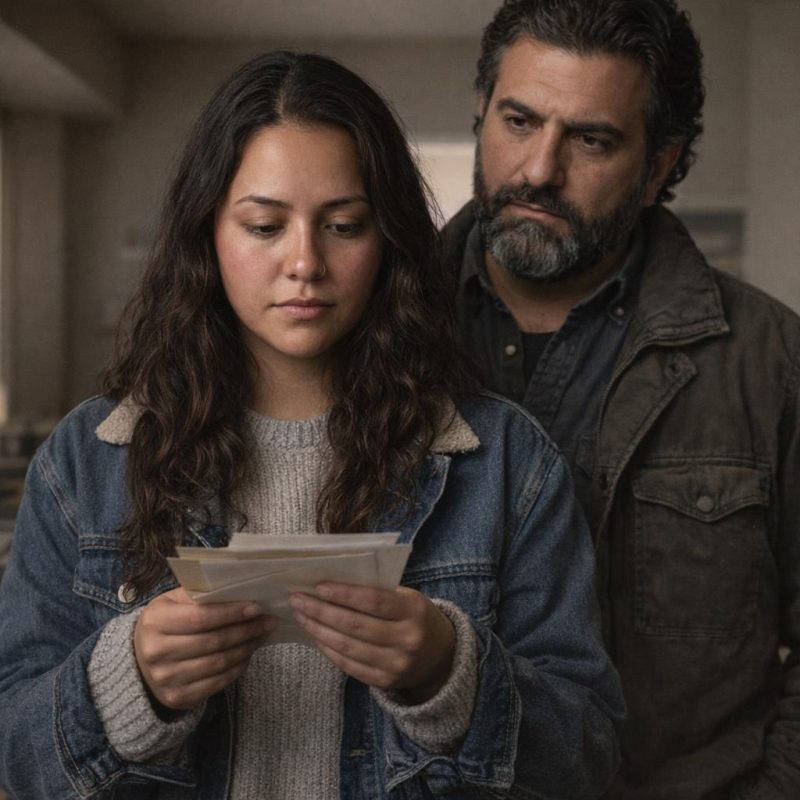 Image by RM AI
The Father Who Disappeared
The word brother landed in the shed like something physical. I felt it in my chest. "Your brother," I said, and he nodded, and then he said the rest of it — all of it — in a voice that barely rose above the sound of the wind outside. He said Elias had disappeared years before I was born. He said he'd used his brother's name and identity to build the DNA profile because he couldn't use his own — because as far as the world was concerned, he didn't exist anymore either. I asked him why. He said he'd had no choice. He said there were people, dangerous people, men he owed money to, men who didn't negotiate and didn't forgive. He said when the debt came due and he couldn't pay, they didn't just threaten him. They made it clear they would go through anyone close to him to get what they wanted. He looked at me steadily when he said the next part. He said he had a daughter. He said she was an infant. He said the only way to keep her safe was to make sure those men believed she had nothing left worth finding. And then he said: I am your father.
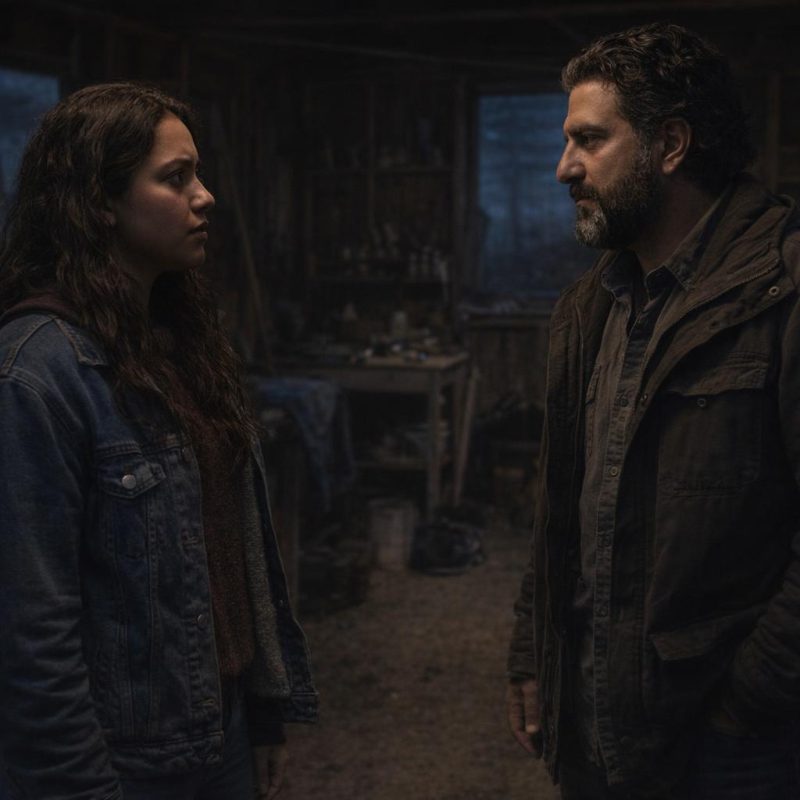 Image by RM AI
The Night of Violence
I didn't say anything. I'm not sure I could have. James kept talking, slowly, like he was pulling each word up from somewhere deep. He described the night it all came apart — a house on Sycamore Lane, a debt that had been building for months, men who showed up after dark with no patience left. Rachel was there, he said. My biological mother Rachel, holding me, a few weeks old. The men didn't touch her that night, but the things they said made clear they would come back, and that next time they wouldn't be making threats. James said he lay awake until dawn trying to find another way out and couldn't find one. So he made a choice. He and Rachel would disappear — make it look like they were both gone, both unreachable — and the danger would follow them away from me. He said he thought if there was no family left to threaten, the men would lose interest in the baby. He said he believed it was the only way to draw the violence away from me and toward himself instead. He left me in that house on Sycamore Lane, and he walked out into the dark, and he didn't look back.
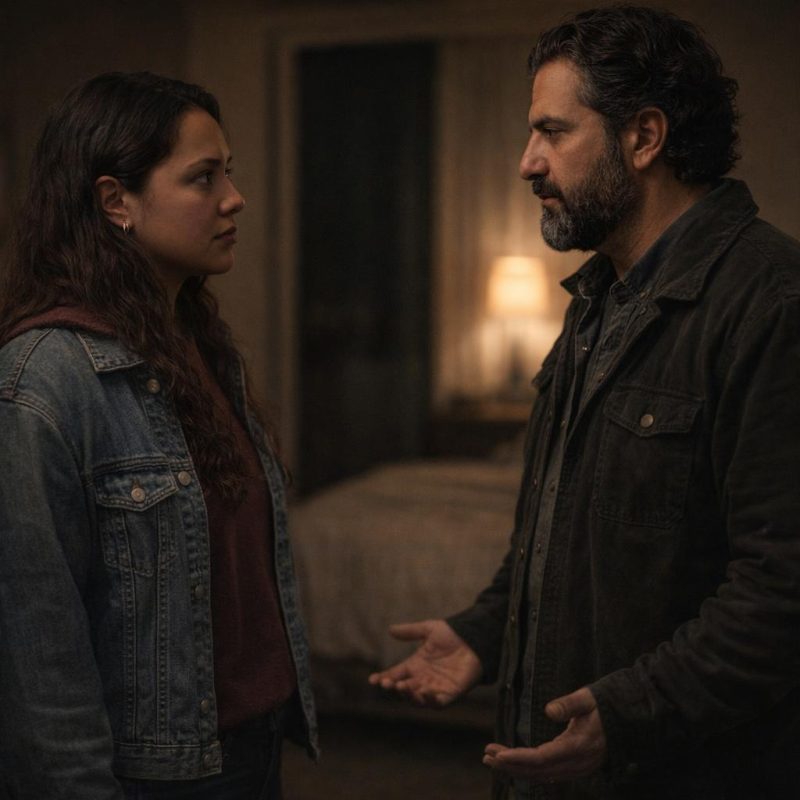 Image by RM AI
Watching from the Shadows
He told me he hid in the tree line at the edge of the property. He could see the front porch from there, and he watched. He said the police cars came just before sunrise, blue and red light cutting through the fog. He watched them go inside. He watched them come back out. One of the officers was carrying something wrapped in a blanket, and James said he knew it was me — he said he could tell by the way the officer held the bundle, careful and close, the way you hold something that matters. He said he wanted to run across that yard more than he had ever wanted anything. He said his legs actually moved, just a step, before he stopped himself. He left Blackwood Creek that morning. But he came back. Not once — dozens of times, over thirty years, always under a different name, always careful. He said he could never stay away for long. He said something about this town, about this street, kept pulling him back. And then he said something that stopped me cold: he told me he had never really left, not in any way that counted, because he had been the one maintaining the house all along.
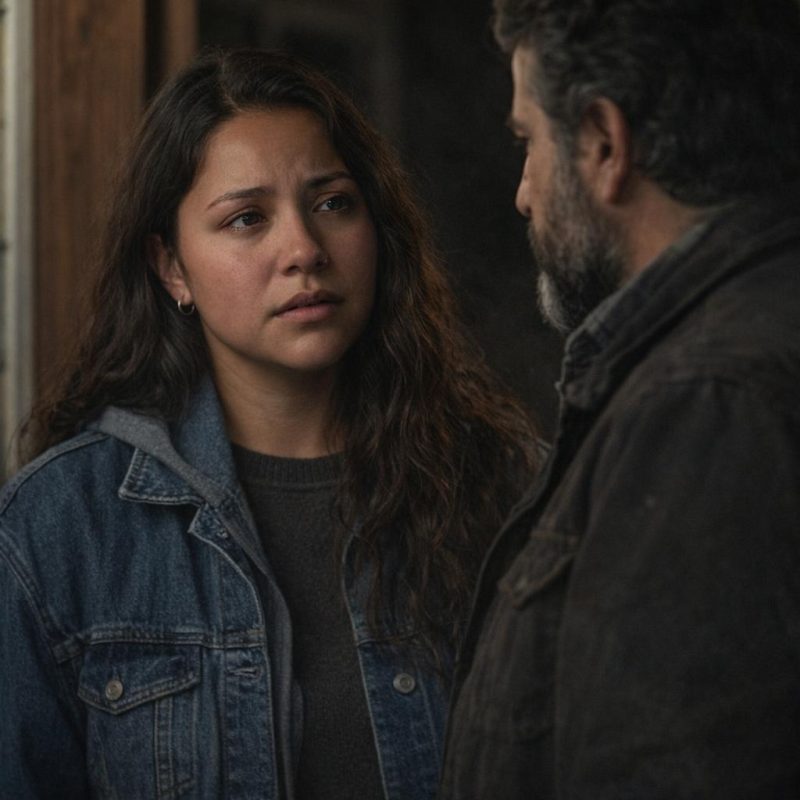 Image by RM AI
The House as Monument
I looked around the shed with different eyes. The neat stacks of supplies. The clean-handled tools. The paint cans lined up in order of color. I thought about the freshly painted porch, the spotless windows, the lawn that Mrs. Price said had always been tended but no one could explain. James said the town had hired someone in the early years, a groundskeeper who came twice a month. But James had started coming back so regularly that eventually he just took over the work himself, quietly, without anyone knowing who he was. He painted the porch. He cleaned the gutters. He mowed the lawn in the early morning hours when the street was empty. He said he kept the house ready. I asked him what he meant by ready, and he looked at the floor for a moment before he answered. He said he kept it the way it was because he always hoped that someday his daughter would come looking, and he wanted her to find something worth finding. I stood in that shed holding thirty years of unanswered letters, and the weight of what he had done — all those quiet, invisible hours of keeping something alive — settled over me like the stillness after a long rain.
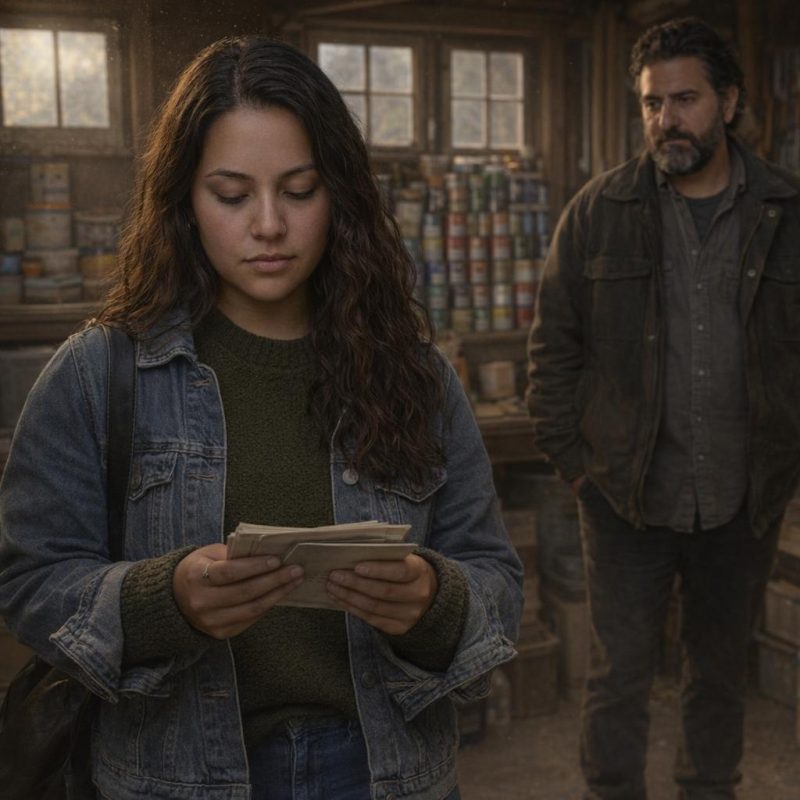 Image by RM AI
What Happened to Rachel
I asked him about Rachel quietly, almost afraid of what he would say. James went still for a moment, the way a person does when they've been carrying something so long that being asked to set it down feels like its own kind of violence. He said her name once, softly, before he started. He told me that Rachel didn't disappear that night. She died. The men who came to the house weren't just there to collect a debt — they were there to make a point, and Rachel had stepped between them and me. He said she was holding me when they came through the door, and that she refused to hand me over, and that the confrontation turned violent before he could stop it. He buried her himself, in the woods beyond the creek, because going to the police would have meant exposing me to the people who had sent those men. He said he had never stopped grieving her. He said some mornings he still woke up reaching for a life that had ended in about four minutes on a Tuesday night thirty years ago. I stood there in that shed and let the truth of it settle over me — that my biological mother had died protecting me, and I would never get to thank her, or know her voice, or tell her that it mattered.
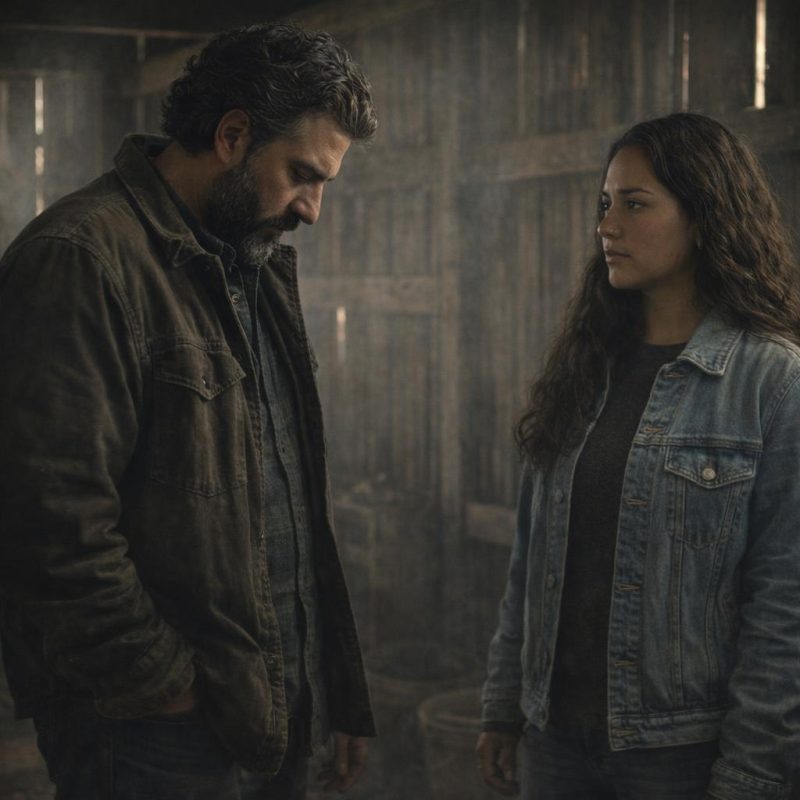 Image by RM AI
Why He Could Not Come Forward
I asked him why he never came forward once I was safe, once I was placed with a family and the years had started to pass. He looked at me like the question itself was painful. He said the danger didn't go away just because I was out of the house. The people he owed had connections that ran deep — into local government, into law enforcement in two counties, into networks that didn't forget and didn't forgive. He said if he had surfaced, even years later, they would have found him. And once they found him, they would have found me. He said he watched me when he could — glimpses, nothing more. He knew what school I attended for a few years. He saw me once at a county fair when I was maybe seven, from across a field, and he turned around and walked the other way because standing there felt like drawing a target. He said the DNA test was the first time he had allowed himself to reach toward me in any real way, because enough years had passed that he thought the risk had finally shrunk to something survivable. I felt the anger rising in my chest — not at him exactly, but at the whole impossible architecture of it, the years stolen by people who had never once thought about what they were taking. Then he said something that stopped me cold: he said he wasn't entirely sure the danger was gone even now.
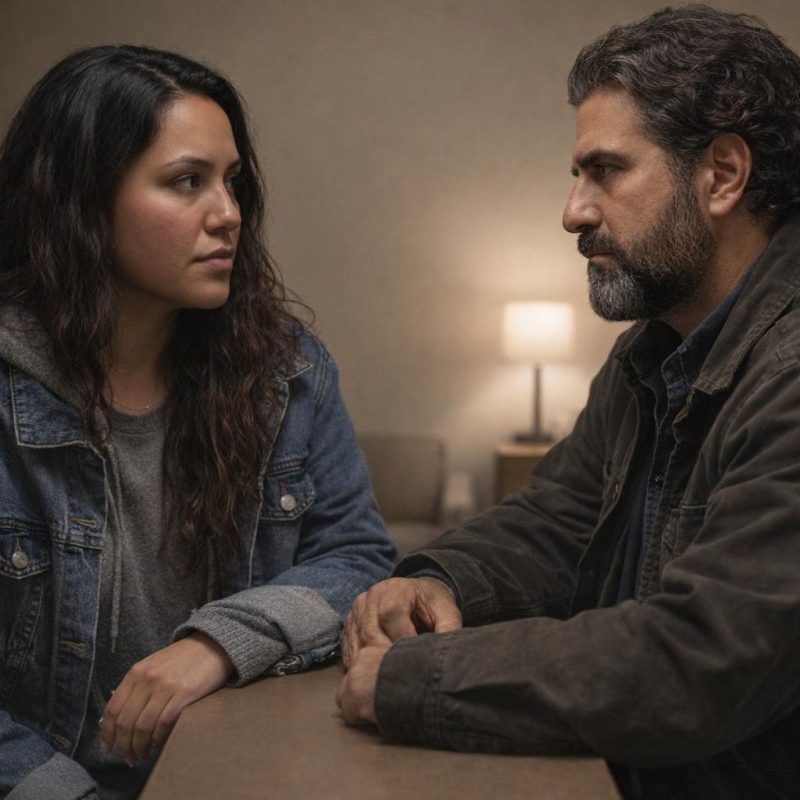 Image by RM AI
The Weight of Truth
I stood there for a long time after he said it, not moving, not speaking. The shed felt smaller than it had an hour ago, like the walls had absorbed everything James had told me and were pressing it back out into the air. I thought about Sarah and David — their careful answers, the adoption agency story they had rehearsed so smoothly, the way my adoptive mother's smile sometimes didn't quite reach her eyes when I asked about where I came from. I needed to understand what they knew and when they knew it. James seemed to read something in my face, because he said I should go. He said it gently, without any bitterness. He told me he didn't expect me to stay, didn't expect forgiveness, didn't expect anything at all — that he had given up expecting things a long time ago. I told him I needed to talk to my adoptive parents first. He nodded like that was exactly the right answer. He said he would be here if I wanted to come back, that the house wasn't going anywhere, that he wasn't going anywhere either. I walked out of the shed into the late afternoon light, and the decision I had been turning over since I arrived in Blackwood Creek had finally settled into something solid and quiet inside me.
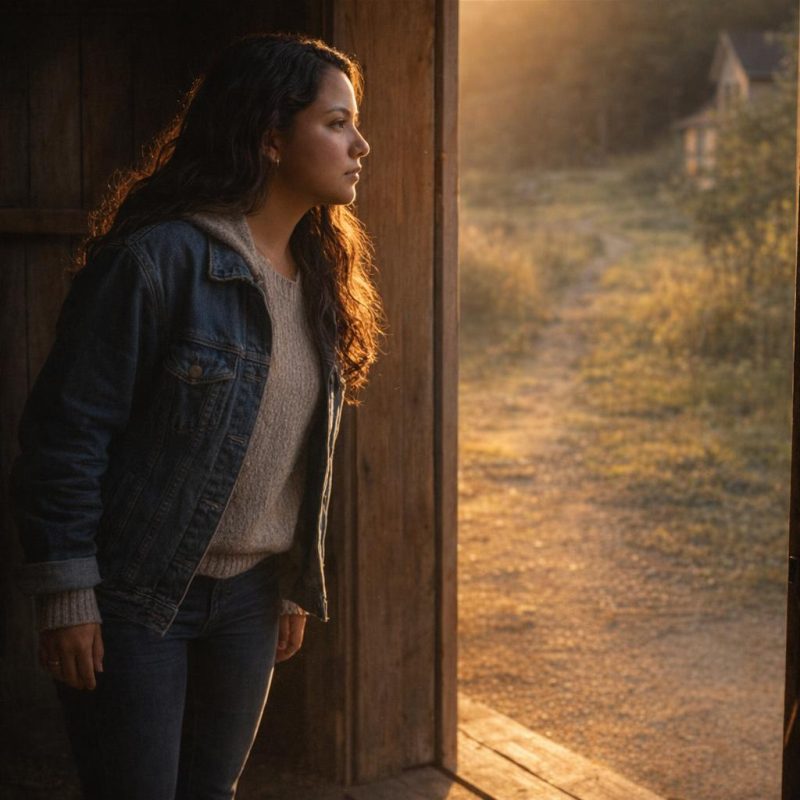 Image by RM AI
The Drive Home
I left Blackwood Creek just before five, when the light was going gold and long across the fields. The highway opened up ahead of me and I let the miles come. I didn't turn on the radio. I didn't call anyone. I just drove and let my mind work through what I was going to say. In my bag on the passenger seat were the photocopies from the library — the newspaper articles about the Thorne case, the emergency foster placement documents with the case number and the date and the name of the county social worker. Hard copies. Things that couldn't be explained away. I rehearsed different versions of the conversation in my head. Some of them started calmly. Most of them didn't. I thought about twenty-four years of a story I had been handed and never questioned, a story with an adoption agency and a young mother who couldn't cope and a clean, uncomplicated origin. I thought about Rachel dying in that house with me in her arms. I thought about James painting a porch in the dark so his daughter would find something worth finding. The anger didn't spike — it just sat there, steady and low, like a pilot light that had been burning for a while without anyone noticing. By the time I crossed back into my county, I wasn't rehearsing anymore. I knew what I needed to say.
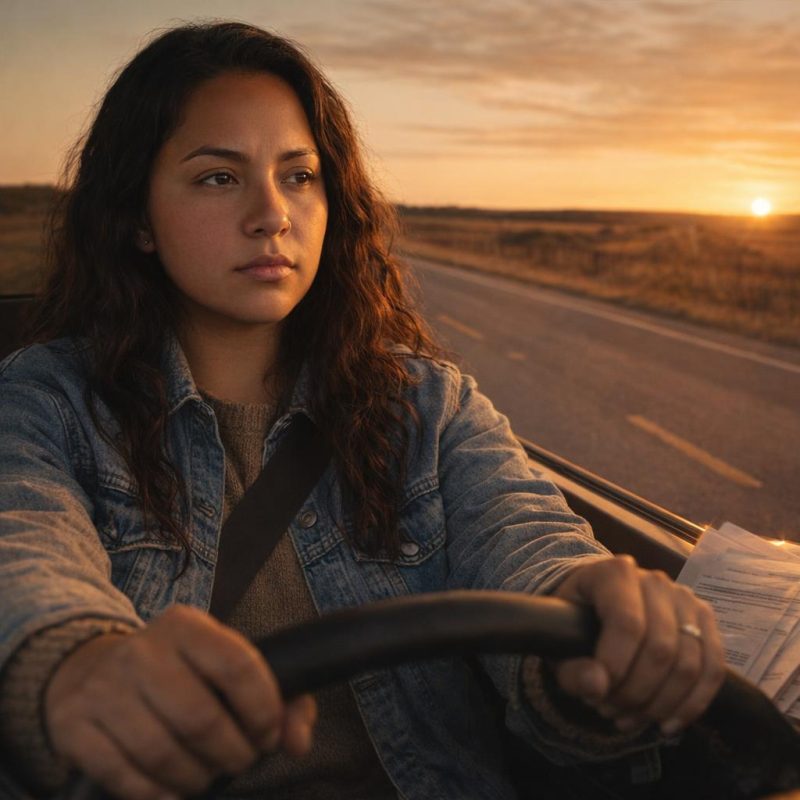 Image by RM AI
The Confrontation
I didn't call ahead. I pulled into my parents' driveway just after eight and sat in the car for about thirty seconds before I made myself get out. My adoptive mother Sarah answered the door in her reading glasses, surprised in the way people are when they weren't expecting company but are genuinely glad to see you — and then something in my face shifted her expression. She asked if everything was okay. I said I needed to come in. David was in the living room with the television on low, and he stood up when he saw me, the way he always did, that old reliable steadiness of his. I set my bag down on the coffee table and I pulled out the photocopies. I laid the newspaper articles out first — the Blackwood Creek Courier, the county paper, the wire story that had run in three regional outlets. Then the court documents. The emergency foster placement order with the case number. The date. The county. I smoothed them flat with my palm and I looked at both of them and I asked why they had told me I came from an adoption agency. I asked if they knew I was the baby from the Thorne case. Neither of them spoke. I watched the color leave Sarah's face as her eyes moved across the pages.
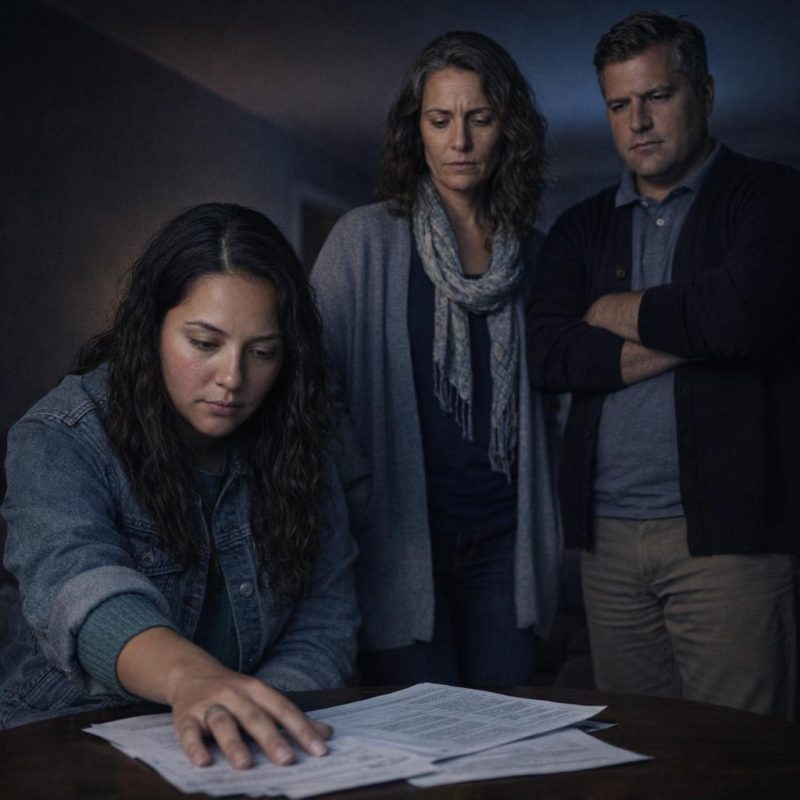 Image by RM AI
Their Side of the Story
Sarah sat down on the couch like her legs had made the decision for her. David moved to sit beside her and took her hand, and for a moment neither of them said anything. Then David started talking in that careful, measured way he had — the voice he used when something mattered too much for shortcuts. He said they had gotten a call from social services at two in the morning. A baby had been found alone in a house in Blackwood Creek. A woman was dead. The father was missing. They needed an emergency placement immediately, someone vetted and ready. Sarah and David had been on the emergency foster list for two years by then. They drove out that same night. He said when Sarah held me for the first time, something just — settled. That was the word he used. Settled. They fostered me for eight months while the case stayed open, and when it became clear that no family was coming forward and no father was going to surface, the adoption was approved. He said they made a choice when I was old enough to start asking questions. They decided that telling a three-year-old, and then a seven-year-old, and then a teenager, that her biological mother had been murdered and her father had vanished into nothing — they couldn't do it. Sarah looked up at me then, her eyes wet, and said they thought they were protecting me. David's voice came out flat and even: "We thought a simpler story was kinder."
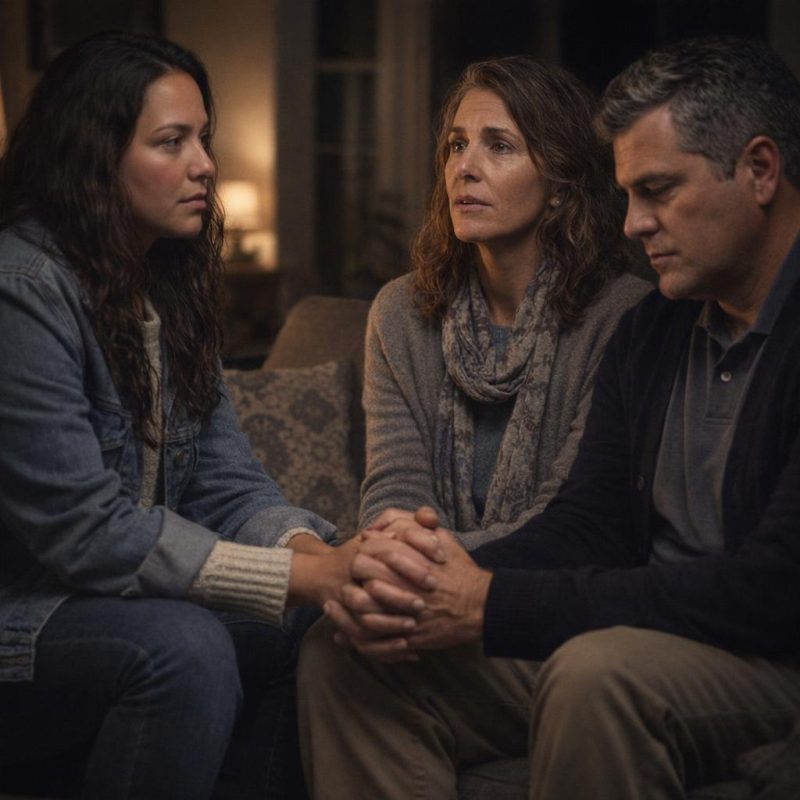 Image by RM AI
What They Knew About the Danger
I let the silence sit for a moment before I asked the next question. I asked if they knew about the danger — about the people James had been running from, the reason he couldn't surface even after the years passed. David looked at Sarah, and something moved between them, and then he nodded. He said the social worker who handled my placement had warned them. The police suspected organized crime connections in the case. The father, if he was still alive, was considered a flight risk with dangerous associates. Sarah and David were told to be vigilant about who they discussed the case with. They were advised not to use my original surname, not to publicize the adoption, not to draw attention. I asked if that was why they moved two years after they took me in. David said yes. I sat with that for a second — the move I had always been told was about a job opportunity. Then I asked the question I actually needed answered. I asked if they had ever believed James was still alive. Sarah shook her head slowly. She said they assumed he was dead, or gone so far that he might as well be. Then I told them he had been maintaining that house in Blackwood Creek for thirty years, waiting for me to come looking — and I watched both of their faces go completely still.
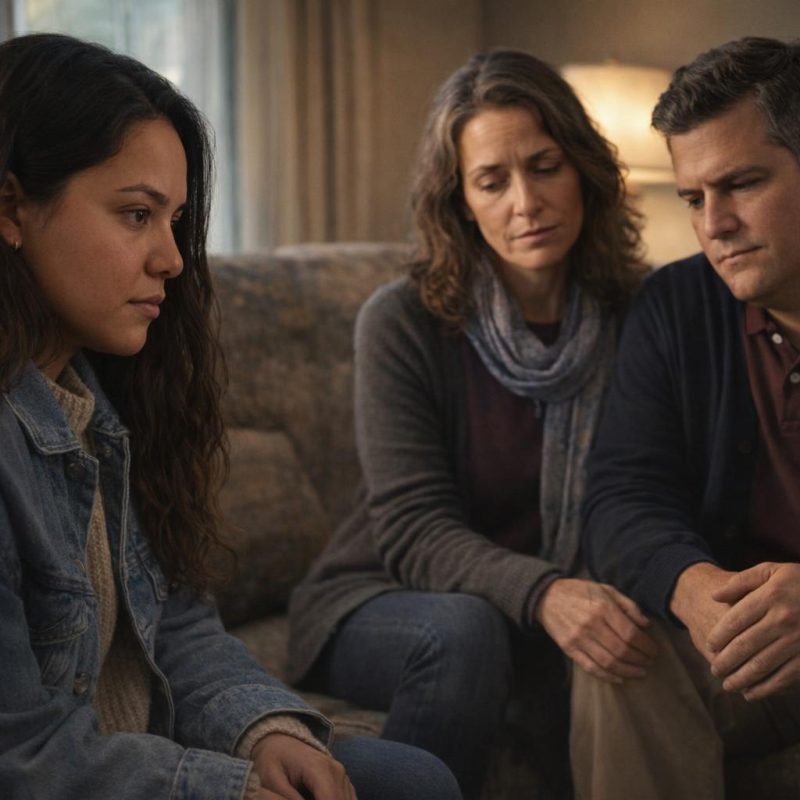 Image by RM AI
Torn Loyalties
Sarah asked me, very quietly, if I had met him. I said yes. I told them about the shed, about the letters, about thirty years of a man keeping a house ready for a daughter he wasn't sure would ever come. David didn't say anything for a long time. Sarah kept turning her wedding ring around her finger, the way she did when she was trying to hold herself together. I told them what James had told me about Rachel, about the night it happened, about why he had stayed hidden. I watched them absorb it — not with disbelief, but with the particular heaviness of people hearing a story that fills in gaps they had always tried not to look at too directly. Sarah asked, eventually, if I was going to see him again. I said I didn't know. And I meant it. I thought about James standing in that shed, telling me he would be here if I came back. I thought about Sarah driving through the dark to pick up a baby she had never met. I thought about David's steady hands and the way he had always shown up, every single time, without being asked. Both of these things were true at once, and they didn't cancel each other out, and I had no idea yet what to do with that.
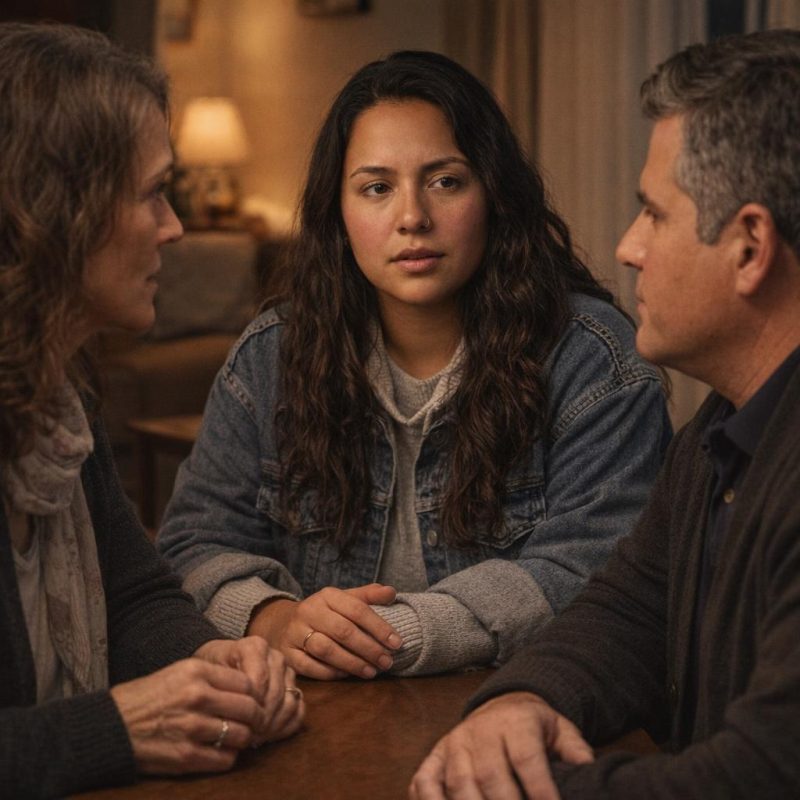 Image by RM AI
The Choice
I drove home to my apartment and sat on the floor with my back against the couch, which is something I only do when I genuinely don't know what else to do with myself. I thought about James in that shed, pointing to the letters stacked in the corner. I thought about Sarah turning her wedding ring around and around in the kitchen, and David's hands folded on the table, steady as always, waiting for whatever I needed. The thing I kept coming back to was this: nobody had asked me to choose. Not James. Not Sarah. Not David. I had been treating it like a math problem with only one right answer, and it wasn't. It never had been. I had a biological father who had spent thirty years in hiding to keep me safe, and I had two parents who had driven through the dark to bring me home. All of it was real. All of it was mine. I picked up my phone and called Sarah. She answered on the second ring. I told her I was going back to Blackwood Creek. There was a long pause, and then she said, quietly, that she understood. I told her I would call her every day. Then I opened my closet and started pulling out a bag.
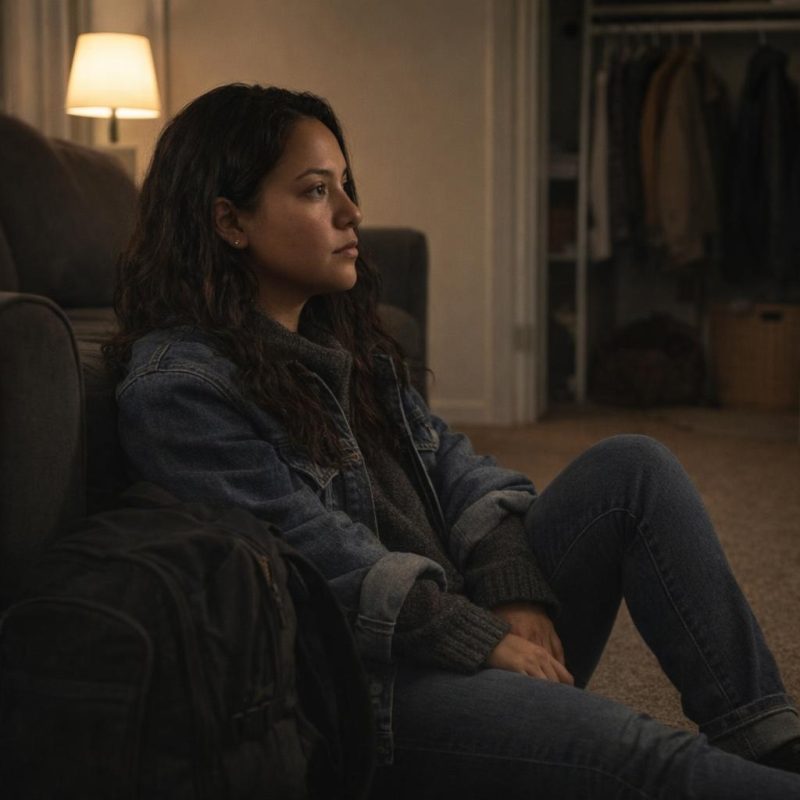 Image by RM AI
Returning to Sycamore Lane
The drive back to Blackwood Creek felt different from the first time. The first time I had been chasing something I couldn't name. This time I knew exactly where I was going. I parked in front of the cottage on Sycamore Lane just after noon, and James was already on the porch. He stood up the moment my car pulled to the curb — not rushing, just standing, like he had been ready for a while and was trying not to show it. I sat in the car for a moment longer than I needed to. Then I got out. We stood on the front path facing each other, and neither of us said anything right away. There was a lot of space between us that wasn't just physical, and we both knew it. He asked, finally, if I would like to come inside. I said yes. He held the door open and I walked through it, and the house smelled like old wood and coffee and something faintly floral I couldn't identify. We sat down in the living room, and the afternoon light came through the front window in long, quiet strips, and for the first time since I had found that DNA result on my phone, something in my chest went still.
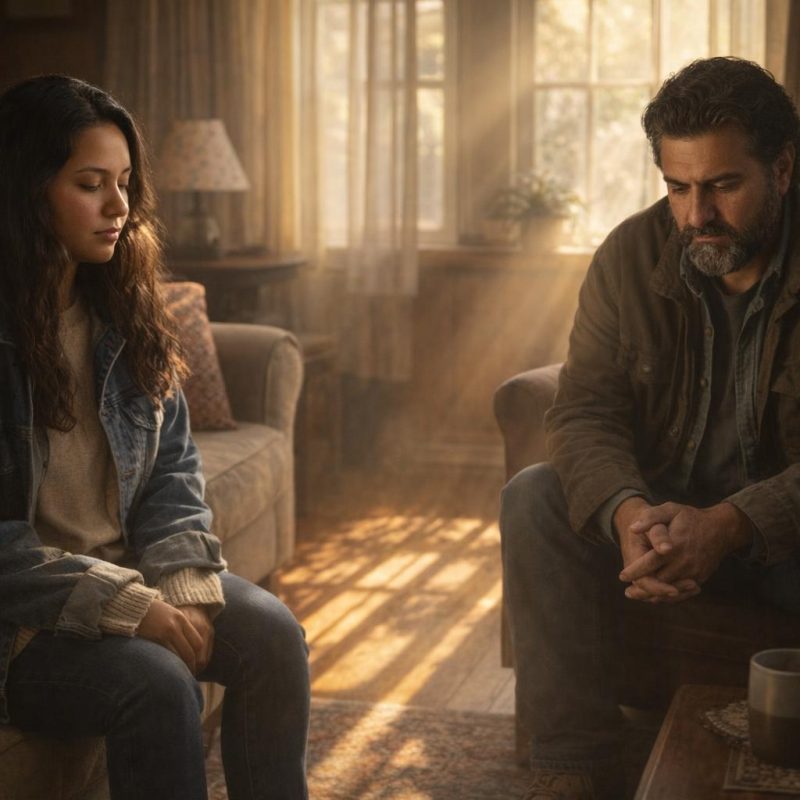 Image by RM AI
Learning Each Other
He brought out a shoebox from the back bedroom, and I knew before he opened it what it probably held. The photographs were small and slightly faded — the kind taken on disposable cameras before everything went digital. Rachel looked young in all of them, younger than I had imagined, with dark eyes and a laugh that came through even in still images. James told me she had been studying to be a teacher. He said she used to read aloud to him from whatever book she was working through, even when he wasn't really listening. He said it like it still hurt, which it clearly did. I told him about growing up with Sarah and David — the camping trips, the way David always burned the pancakes but made them anyway every Sunday, the way Sarah used to leave little notes in my lunchbox until I was embarrassingly old. James listened with his hands folded in his lap and his eyes bright in a way he was trying to control. I asked him what he thought happened next, for us. He was quiet for a moment. Then he said we take it one day at a time, and he said it like someone who had learned the hard way that was the only honest answer. The afternoon stretched out around us, unhurried and full of things we hadn't said yet.
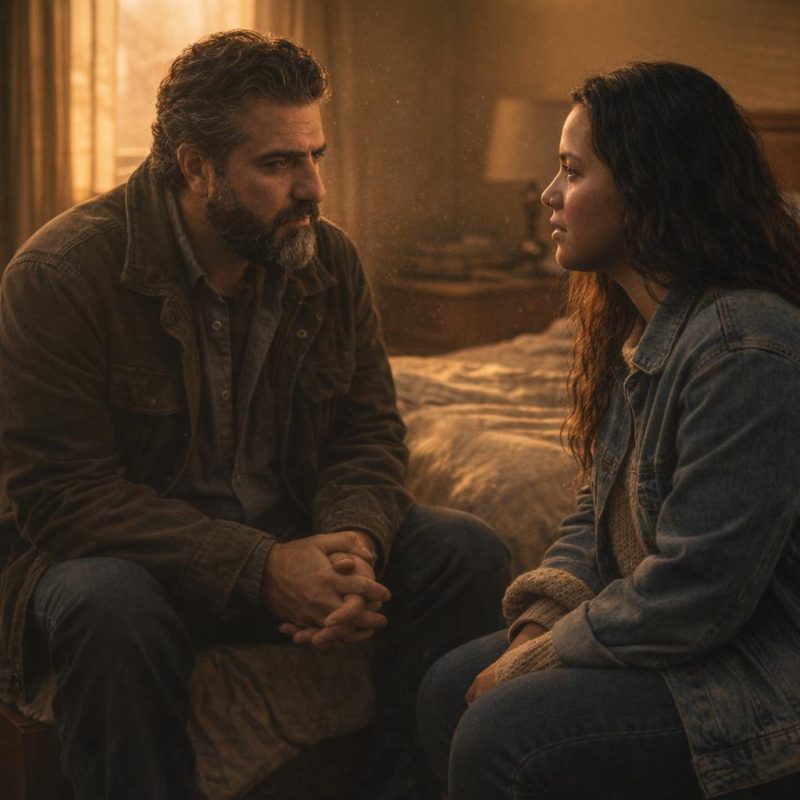 Image by RM AI
The Map to a Life
I was standing on the porch when the sun started going down, watching the light change over the rooftops of Blackwood Creek. I thought about the plastic tube I had filled with saliva on a Tuesday night in my apartment, half-convinced I was doing something silly. I thought about the drive here the first time, the empty house, Mrs. Price's cautious eyes, the librarian spreading newspaper clippings across a table like evidence. I thought about Sarah's voice on the phone the night before, warm and careful, asking if I had eaten. I had two families now. Both imperfect. Both real. Sarah and David had raised me with a love that was genuine even when it was complicated by what they had kept from me. James had spent thirty years in the margins of his own life, keeping a house ready, keeping faith with a daughter he wasn't sure would ever find him. None of it was simple. None of it was supposed to be. Through the window behind me I could see James moving around the kitchen, rinsing out the coffee cups from our afternoon together, unhurried, just going about the small work of the day. I turned back toward the last of the light and let out a slow breath. This was the beginning.
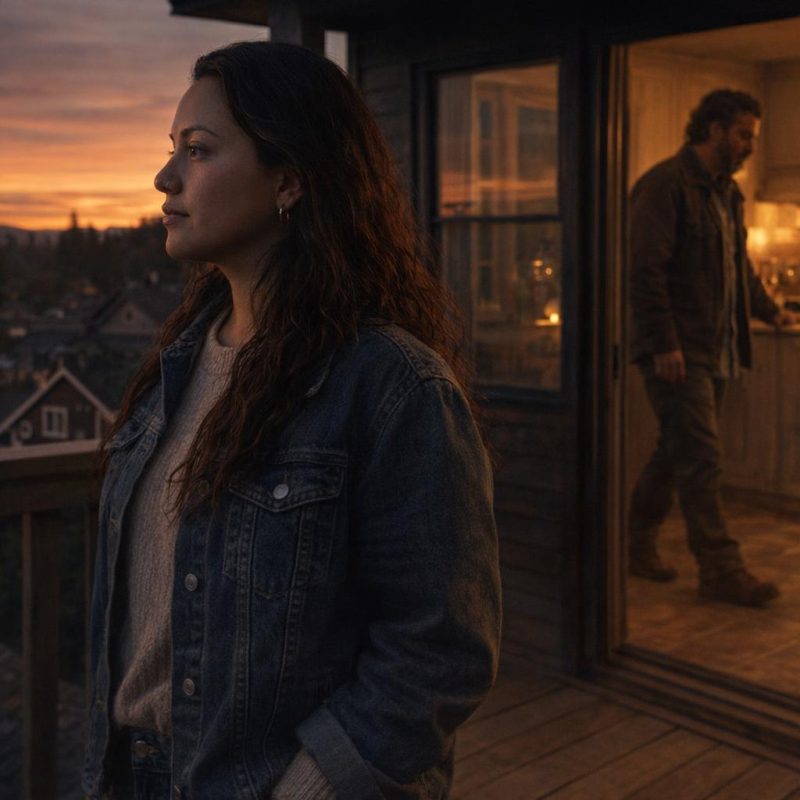 Image by RM AI
KEEP ON READING
The story of Ching Shih, the Woman Who Became the…
Unknown author on WikimediaFew figures in history are as feared…
By Emilie Richardson-Dupuis Dec 29, 2025
Einstein's Violin Just Sold At An Auction—And It Earned More…
A Visionary's Violin. Wanda von Debschitz-Kunowski on WikimediaWhen you hear…
By Ashley Bast Nov 3, 2025
This Infamous Ancient Greek Burned Down An Ancient Wonder Just…
History remembers kings and conquerors, but sometimes, it also remembers…
By David Davidovic Nov 12, 2025
The Mysterious "Sea People" Who Collapsed Civilization
3,200 years ago, Bronze Age civilization in the Mediterranean suddenly…
By Robbie Woods Mar 18, 2025
How a Deformity Made This Man an Urban Legend
Alex Fu on PexelsThere's a stretch of road in western…
By Christy Chan Jun 25, 2026
20 Soldiers Who Defied Expectations
Changing the Rules of the Battlefield. You’ve probably heard plenty…
By Annie Byrd Feb 10, 2026