

I Spent $60K on My Sister's Guest House, Then She Stole My Inheritance—But She Had No Idea What I Found in the Attic
I Spent $60K on My Sister's Guest House, Then She Stole My Inheritance—But She Had No Idea What I Found in the Attic
The Weight of Inheritance
The house felt too big without them. I stood in the center of the Victorian's main parlor, my heels clicking against the hardwood Dad had refinished three summers ago, and tried to process that both my parents were actually gone. The estate lawyer had been clear—everything was mine. The house, the grounds, the old carriage house out back that hadn't been used in years. Mom's will had been straightforward, almost clinical in its precision, just like her. I was the oldest, the one with the stable career and the 401k. Elena was the free spirit, the artist who'd never quite found her footing. I walked through each room, touching the furniture they'd chosen, the curtains Mom had sewn herself, feeling the weight of being the responsible one settle deeper into my shoulders. The afternoon light filtered through the bay windows, casting long shadows across the empty rooms. I thought about Elena at the funeral, how lost she'd looked in her flowing black dress, her eyes red-rimmed and distant. She'd left right after the service, mumbling something about needing space. I knew Elena would need me now more than ever.
 Image by RM AI
Family First
I called her three days later, after I'd started sorting through the initial paperwork. Her voice sounded small when she answered, tired in a way I hadn't heard before. We talked about the funeral, about Mom's favorite hymn, about nothing important until I finally asked where she was staying. There was a long pause. "I'm at Rachel's place," she said quietly. "Well, not Rachel exactly. Her roommate's friend. They have a spare room." My stomach dropped. "Elena, what do you mean?" She laughed, but it came out hollow. "I've got two suitcases and my art supplies, Sarah. That's it. I've been couch-surfing since my lease ended in July." I pressed my fingers against my temple, processing this. While I'd been climbing the corporate ladder at the consulting firm, Elena had been drifting from one temporary situation to another, her artistic dreams never quite translating into stability. She'd always been the dreamer, and I'd always been the planner. That's just how we worked. I looked out my office window at the city skyline and thought about the old carriage house on the property. I made a decision that felt like the only right thing to do—I would help her, no matter what it cost.
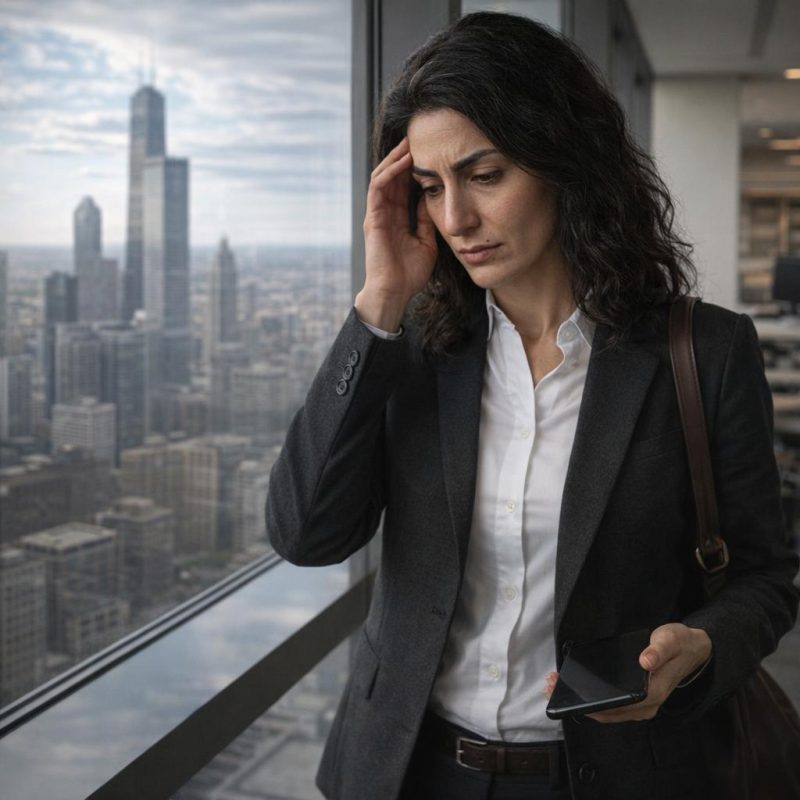 Image by RM AI
Building a Sanctuary
The contractors arrived on a Tuesday morning in September. I'd gotten three quotes, gone with the middle option, and watched as they gutted the carriage house down to its bones. The structure was sound—Dad had maintained it meticulously even though we'd only used it for storage—but everything inside needed updating. I chose wide-plank flooring that matched the main house, subway tile for the bathroom, brushed nickel fixtures that caught the light just right. Every weekend I drove out from the city to check progress, writing checks that made my accountant wince. Fifteen thousand for the new plumbing and electrical. Twelve thousand for the kitchen renovation with its quartz countertops and stainless appliances. Eight thousand for the bathroom with its walk-in shower and heated floors. The numbers climbed—twenty-three thousand, forty-five thousand, fifty-eight thousand. I added a few final touches: a comfortable sofa, a queen bed with quality linens, artwork for the walls. When the final invoice came to sixty thousand dollars, I signed it without hesitation. I unlocked the newly finished door and stepped inside, breathing in the smell of fresh paint and new beginnings. The afternoon sun streamed through the windows I'd had enlarged, illuminating the clean lines and modern comfort I'd created. I felt proud of what I'd built for my sister.
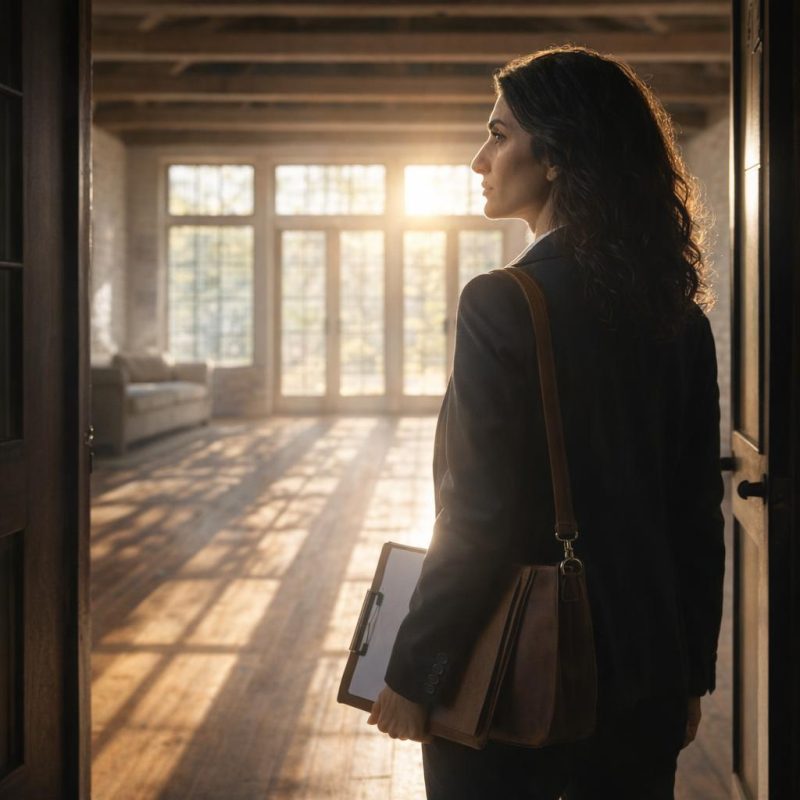 Image by RM AI
Welcome Home
Elena's car pulled up on a Saturday afternoon, packed so full I could barely see through the back window. I walked across the lawn to meet her, my heart doing this weird flutter of anticipation and nervousness. She climbed out wearing one of her signature flowing dresses, bracelets jangling as she moved, and just stared at the carriage house with her hand over her mouth. "You're kidding," she whispered. I led her inside, watching her face as she took in the gleaming kitchen, the spacious bathroom, the cozy living area I'd furnished with care. She ran her fingers along the countertops, tested the water pressure, opened every cabinet like she couldn't believe they were real. "There's no rent," I told her firmly when she started to protest. "Stay as long as you need. This is family." She started unpacking immediately, arranging her canvases against the walls, setting up her easels near the windows where the light was best. Her vintage furniture pieces—the ones she'd been storing at various friends' places—fit perfectly in the space. We spent the evening talking about new beginnings, about Mom and Dad, about how maybe this was meant to be. She hugged me and whispered that I was the best sister in the world, and I believed this was a new beginning for both of us.
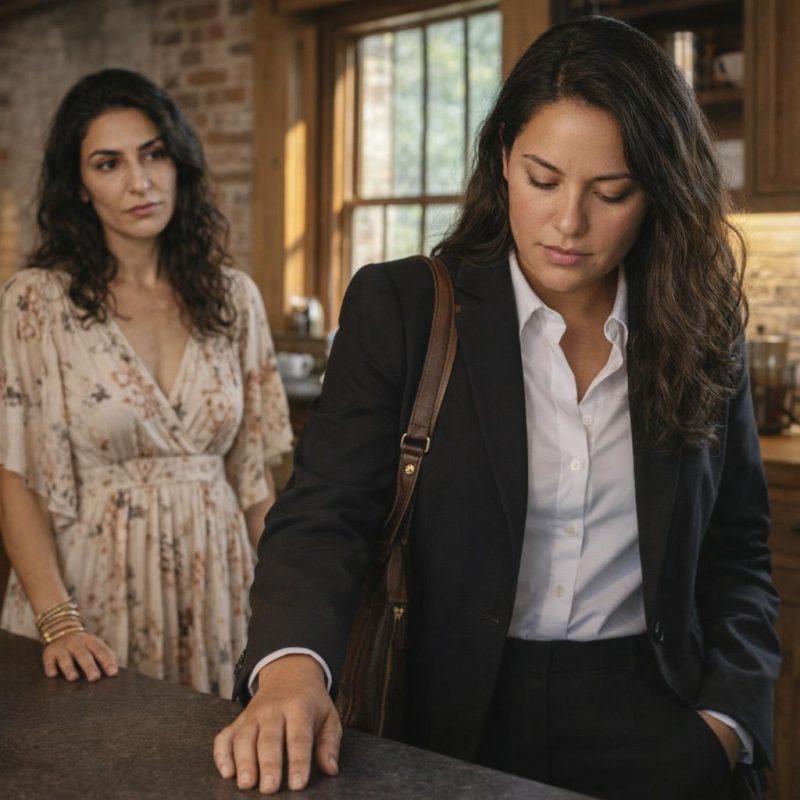 Image by RM AI
Echoes of the Past
The attic stairs creaked under my weight the way they always had. I'd been putting off this task for weeks, but the estate lawyer needed me to locate some property documents, and I knew Dad kept everything. The space smelled like old paper and cedar, afternoon light filtering through the small window at the far end. Dad's boxes were labeled in his precise handwriting—"Land Surveys 1985-1990," "Property Maps," "Municipal Records." I pulled one open and found myself staring at his meticulous notes, measurements written in his careful hand, margins filled with calculations I didn't fully understand. He'd been a surveyor for forty years, obsessive about accuracy, about documentation. I found yellowed blueprints of the property, original deeds with elaborate calligraphy, maps with boundary lines marked in red ink. Some had his handwritten annotations in the margins—notes about easements, about historical designations, about things I'd never thought to ask him about when he was alive. My throat tightened. This was so Dad, so perfectly him—everything organized, everything preserved, everything documented for a future that he'd never see. I ran my fingers over his handwriting, feeling the ghost of his presence in every careful stroke. I set aside a stack of land surveys and original deeds, telling myself I'd organize them properly someday.
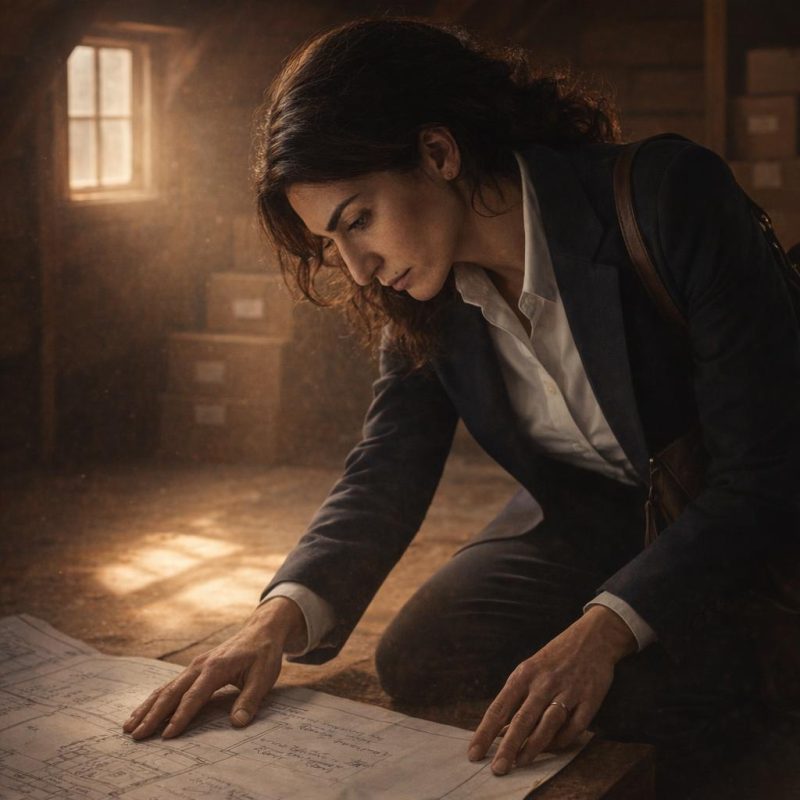 Image by RM AI
The First Disturbance
The music woke me at 2:17 AM. I know because I checked my phone, squinting at the bright screen in my dark bedroom, trying to figure out what I was hearing. Bass thumped across the lawn, and voices carried through my open window—laughter, the clink of glasses, someone singing off-key. I got up and looked out toward the carriage house. Every light was on, and shadows moved behind the curtains. I counted four cars I didn't recognize parked in the driveway, blocking the path to the garage. My first instinct was to march over there and ask what was going on, but I stopped myself. Elena had been through so much. She'd lost her parents, her housing, her stability. If she needed to blow off steam with friends, if she needed to celebrate finally having a space of her own, wasn't that understandable? I was probably being uptight. This was what normal people in their thirties did—they had friends over, they played music, they lived their lives. I'd been so focused on work and responsibility that I'd forgotten what that looked like. The music finally died down around four. I lay in bed telling myself it was just one party, that Elena needed to celebrate her new space.
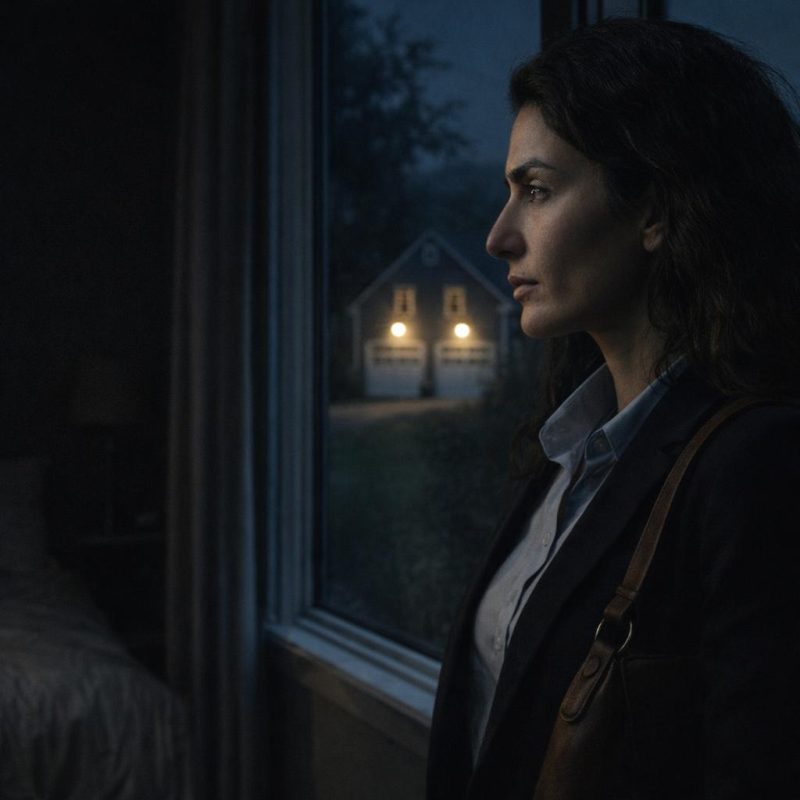 Image by RM AI
Strange Deliveries
The delivery truck was blocking my entire driveway when I got home from work on Thursday. I had to park on the street and walk up, my briefcase heavy on my shoulder, my patience already thin from a difficult client meeting. The air smelled different as I approached—thick, sweet, expensive. Incense, I realized. Not the cheap stuff from the college bookstore, but something that probably cost forty dollars a stick. I walked past the truck and saw the packages. They were stacked by the carriage house door, at least a dozen boxes from retailers I recognized—Anthropologie, West Elm, some boutique I'd seen featured in design magazines. Elena appeared briefly, her arms full of shopping bags, and waved at me with a smile before disappearing back inside. I stood there in my work clothes, doing the math in my head. She'd told me she was broke. She'd been couch-surfing because she couldn't afford rent. But these weren't necessities—these were luxuries, the kind of purchases I budgeted carefully for even with my corporate salary. Maybe she'd sold some paintings. Maybe she had income I didn't know about. When I glanced at the stack of packages by the carriage house door, I wondered what Elena was buying with money she supposedly didn't have.
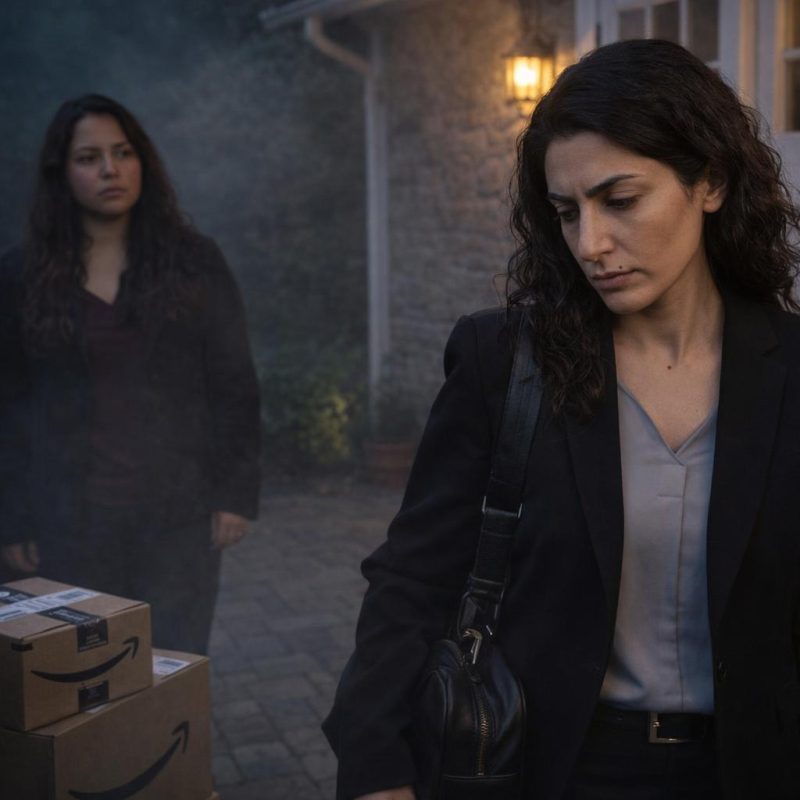 Image by RM AI
Deflection
I invited her over for coffee on Saturday morning, trying to keep it casual. We sat at the kitchen table where we'd eaten breakfast as kids, and I stirred my cup too many times while working up to it. "So, you've been having some late nights," I said, aiming for light and conversational. Elena laughed, this bright, musical sound that made me feel immediately foolish. "Oh my god, Sarah, you're not going to lecture me, are you?" She reached across and squeezed my hand. "You're being so corporate right now. You need to loosen up a little." I felt my face flush. "I just noticed the noise, and the deliveries, and I thought—" "You thought what? That I'm not allowed to have friends? That I should sit in that beautiful space you created and just stare at the walls?" Her tone was teasing, affectionate even, but I felt myself shrinking. "I've finally found my creative tribe, people who get what I'm trying to do with my art. I'm sorry if we're too loud for you." She smiled at me, warm and genuine, and I felt like the uptight older sister who couldn't let anyone have fun. "No, I'm sorry," I heard myself say. "I didn't mean to sound judgmental." Her smile was warm and her tone was teasing, and I found myself apologizing for bringing it up.
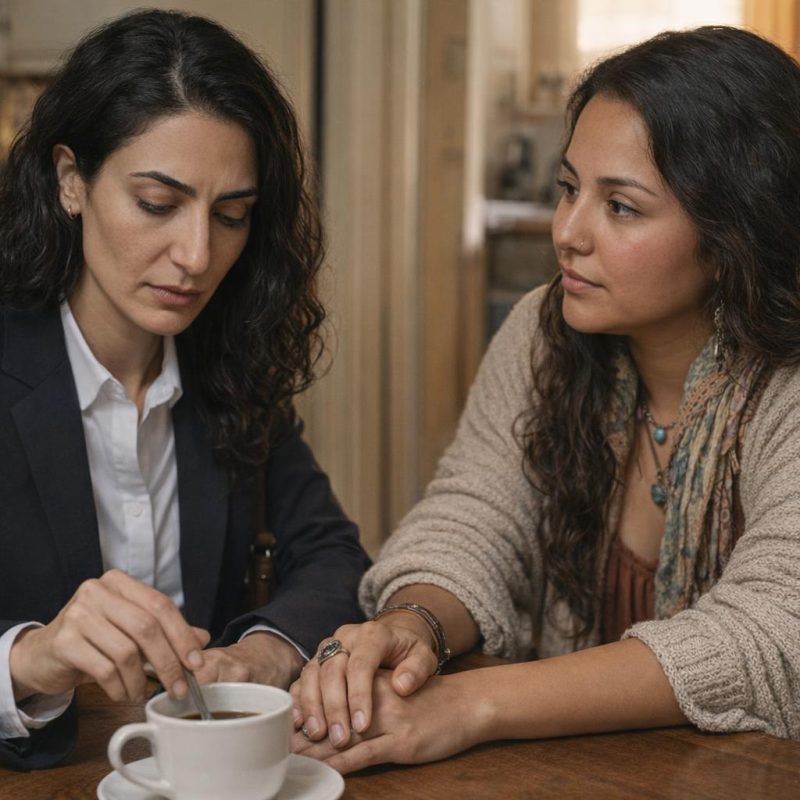 Image by RM AI
The Rising Cost
I opened the utility bill on a Tuesday morning, still in my work clothes from an early meeting, and had to read the numbers twice because they didn't make sense. The electric charge had jumped from my usual $180 to $547. Water had gone from $95 to $283. I sat down at the kitchen table and pulled out the previous three months of bills, spreading them across the surface like evidence I was trying to decode. The spike started exactly when Elena moved in. I did the math on my phone calculator—an extra $555 per month, $6,660 per year. My stomach tightened as I stared at the figures. Maybe she was running space heaters constantly, or taking really long showers, or had left lights on everywhere. I thought about texting her to ask what might be causing the increase, then imagined how that conversation would go. She'd probably make me feel like I was being petty, counting pennies while she was trying to heal and create. I could hear her voice in my head: 'You're being so corporate right now.' I set the bill down and told myself family doesn't count pennies, even as the numbers made my stomach tighten.
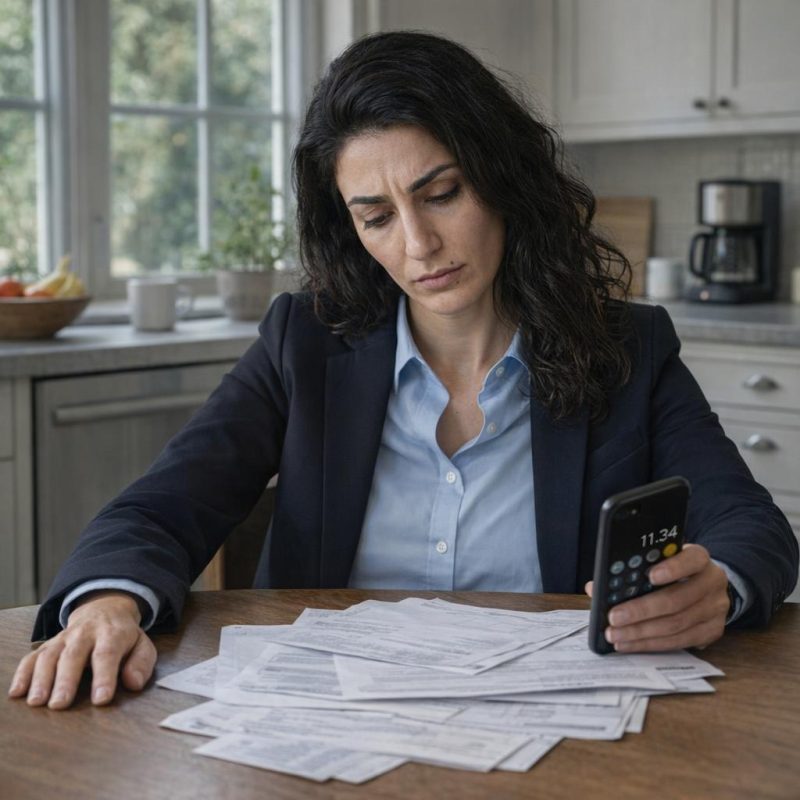 Image by RM AI
Generous Assumptions
I spent my lunch break googling 'pottery kiln electricity usage' and 'art studio equipment power consumption' like I was researching a work project. Maybe she'd bought a kiln and forgot to mention it. Those things could pull serious wattage, right? Or maybe she had professional lighting for photographing her artwork, or a welding setup, or some kind of specialized heating system for whatever medium she was working in now. I created a whole elaborate scenario in my head where Elena was running a legitimate creative operation that just happened to be energy-intensive. Then I caught myself about to draft an email offering to help with utility costs, and I stopped mid-sentence. Wasn't I already covering the mortgage, the renovation, the property taxes, the insurance, and now these astronomical bills? When had I become the person who felt guilty for not giving more? I closed my laptop and stared out my office window at the city skyline. This was the third time this month I'd talked myself out of a reasonable question because I was afraid of seeming ungrateful for being able to help. I wondered if I should offer to help with her utility costs, then caught myself—wasn't I already doing enough?
 Image by RM AI
The Sanctuary
Elena started calling it 'The Sanctuary' in every text message and phone call, always with capital letters I could somehow hear in her voice. When I stopped by one afternoon and referred to it as the guest house, she touched my arm gently and said, 'You mean The Sanctuary.' Her tone was warm, almost playful, but there was something underneath it that made me correct myself immediately. 'Right, sorry, The Sanctuary.' She smiled like I'd finally understood something important. 'It's not just a space, Sarah. It's where I'm rebuilding myself spiritually and creatively. The name honors that transformation.' I nodded and tried to adopt the term in my own vocabulary, feeling silly every time I said it but not wanting to diminish whatever healing process she was going through. She'd been through so much with the divorce, and if calling it The Sanctuary helped her feel grounded, what did it matter? But I noticed she never said 'your guest house' or 'the carriage house you renovated' anymore. It was always The Sanctuary, spoken with a proprietary certainty that made my skin prickle in a way I couldn't quite explain. Something about the proprietary way she said the name made my skin prickle, but I dismissed the feeling as paranoia.
 Image by RM AI
The Shifting Dynamic
I realized Elena had stopped thanking me for things sometime in October, though I couldn't pinpoint the exact moment the shift happened. It was more like I suddenly noticed the absence, the way you notice when background music stops playing. She'd started speaking about the renovated space as though it had simply materialized for her use, as though the $60,000 and months of my time were just the natural order of things. When I mentioned over coffee that I'd hired a landscaping company to refresh the gardens around the carriage house—another $2,800 I hadn't planned to spend—she looked at the newly planted beds and nodded. 'It really needed updating,' she said, sipping her latte. Not 'thank you,' not 'you didn't have to do that,' just a matter-of-fact assessment of what my property required. I felt something twist in my chest, a hurt I couldn't quite voice because it would sound petty. Was I supposed to keep a running tally of gratitude? Maybe this was just what happened when family lived together, when the initial politeness wore off and you settled into comfortable familiarity. When I mentioned I'd paid for new landscaping around the carriage house, she just nodded and said it 'really needed updating.'
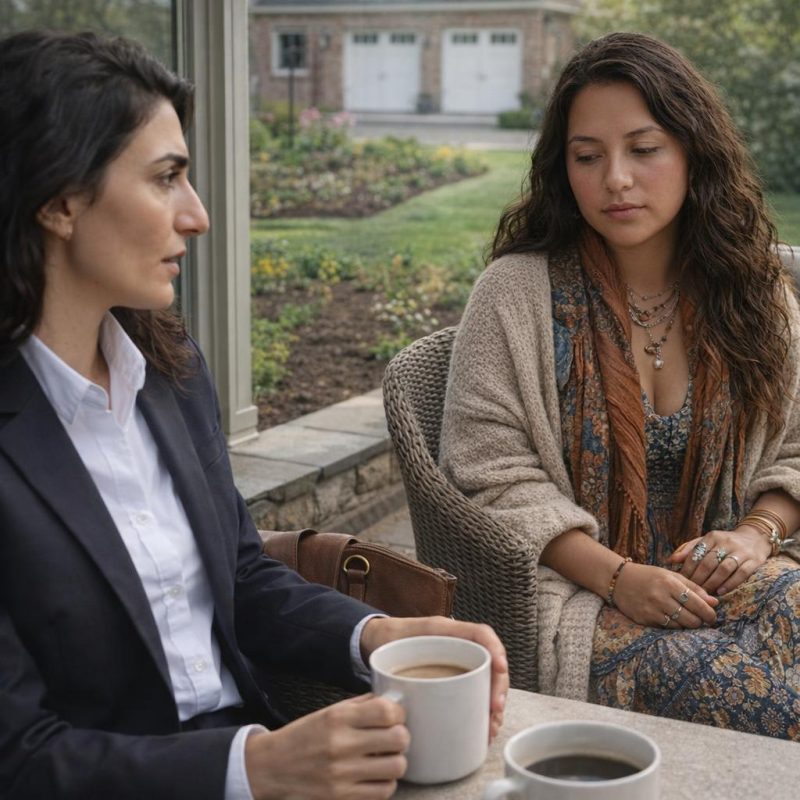 Image by RM AI
Energy Disruption
I was walking through the back garden on a Thursday afternoon, planning to deadhead the roses before the weekend, when Elena emerged from the carriage house like she'd been waiting by the window. She was wearing one of her flowing dresses, bracelets jangling as she approached with that warm smile that somehow made me feel like I'd done something wrong. 'Hey, I need to ask you something,' she said, touching my shoulder gently. 'Your presence back here during my working hours—it's disrupting the energy of my creative space. I can feel it when you're nearby, and it breaks my concentration.' I stood there holding my gardening shears, trying to process what she was saying. 'I'm just checking on the flower beds,' I said, hearing the defensive note in my own voice. 'I know, I know, and I love that you care about the garden. But could you maybe do that in the early morning or evening? I really need the daytime hours to be undisturbed.' She squeezed my shoulder like we were solving this together, like it was a reasonable accommodation I'd be happy to make. I heard myself agree, then walked back to the main house feeling displaced. I stood in my own backyard feeling like an intruder, and I couldn't understand how the dynamic had shifted so completely.
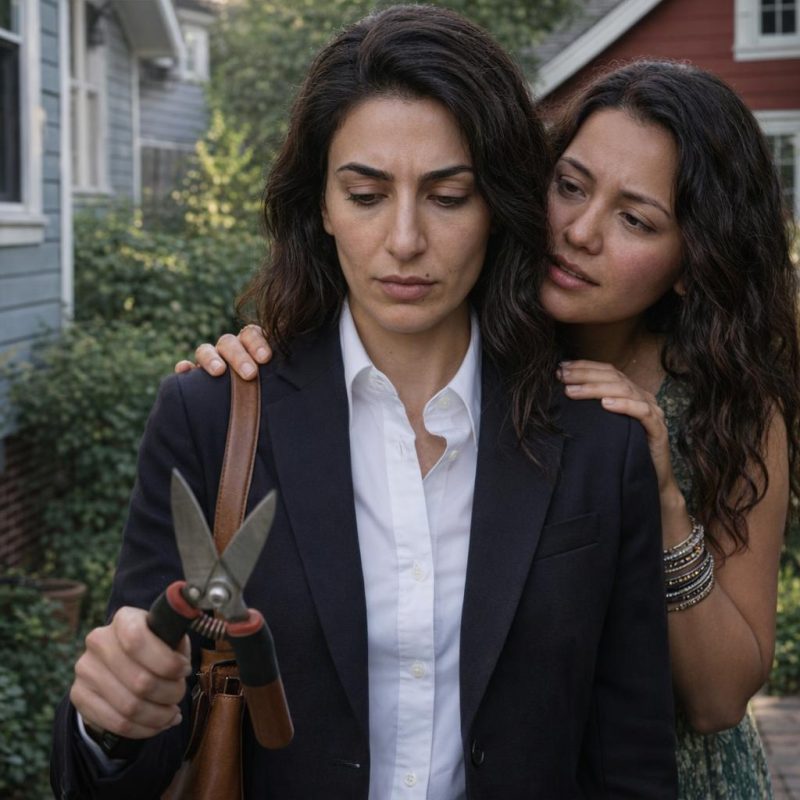 Image by RM AI
Retreating Ground
I found myself checking Elena's car in the driveway before I went outside, timing my garden visits for when I knew she'd be at her yoga class or running errands. I stopped using the shed in the back area entirely, even though that's where I kept all my tools, because accessing it meant walking past The Sanctuary and potentially disturbing her energy field or creative flow or whatever she'd called it. Instead, I bought duplicates of everything and stored them in the garage attached to the main house. On Saturday morning, I stood at my kitchen window with coffee, watching Elena walk freely across the lawn in her bare feet, arms spread wide like she was absorbing sunshine. She moved without hesitation, without checking to see if anyone was watching, without asking permission to exist in the space. I realized I'd modified my entire routine around her schedule, that I'd surrendered access to half my property without even consciously deciding to do it. The recognition hit me with uncomfortable clarity—I was the one tiptoeing around, the one making myself small, the one who felt like I needed permission. I watched from my kitchen window as Elena walked freely across the lawn, and the thought struck me that I'd surrendered space without even meaning to.
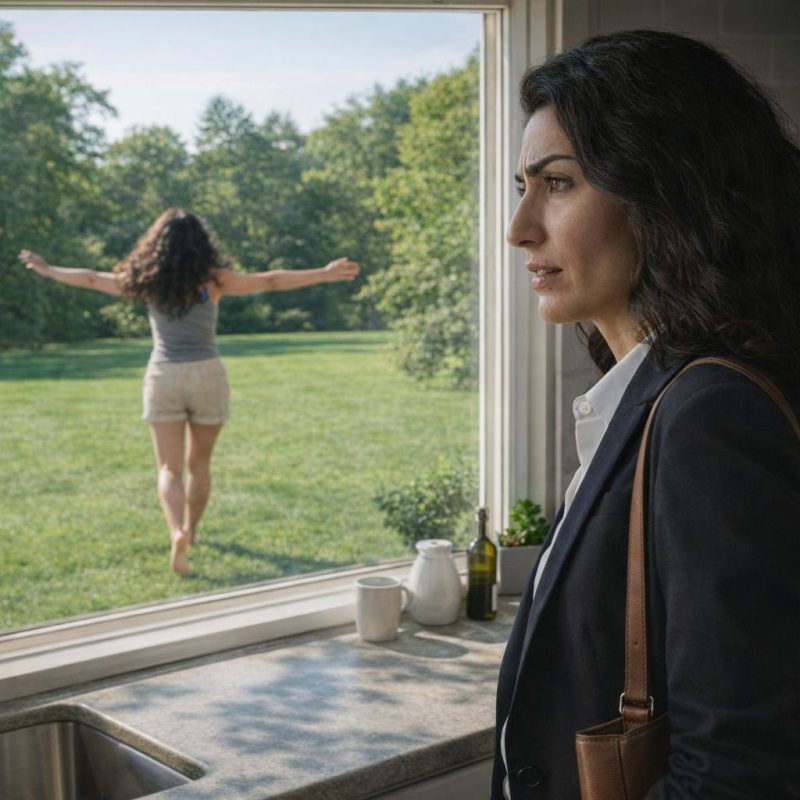 Image by RM AI
The Guardian at the Gate
Every time I approached the back gate, Elena appeared within minutes as if she'd been watching from the windows, positioning herself between me and the carriage house with that concerned, protective expression. It happened on Tuesday when I needed my pruning saw from the shed. It happened on Thursday when I wanted to check the irrigation system. It happened again on Saturday when I was just walking the property line. Her response time was impossibly quick—I'd barely have my hand on the gate latch before I'd hear her door open and see her flowing across the lawn toward me. 'Do you need something?' she'd ask, warm but somehow final, like a security guard politely questioning my presence. 'I can grab it for you if you tell me what you're looking for.' I'd back down every time, making excuses about how it wasn't important, how I'd get it later, how I didn't want to disturb her. Later, sitting at my desk and reviewing the pattern in my mind, I recognized what this was. I'd read about it in articles, heard friends describe it. This was gaslighting—making me doubt my own right to access my own property, making me feel unreasonable for wanting to walk through my own backyard. I told myself she was just protective of her creative work, but her eyes held something I couldn't quite name.
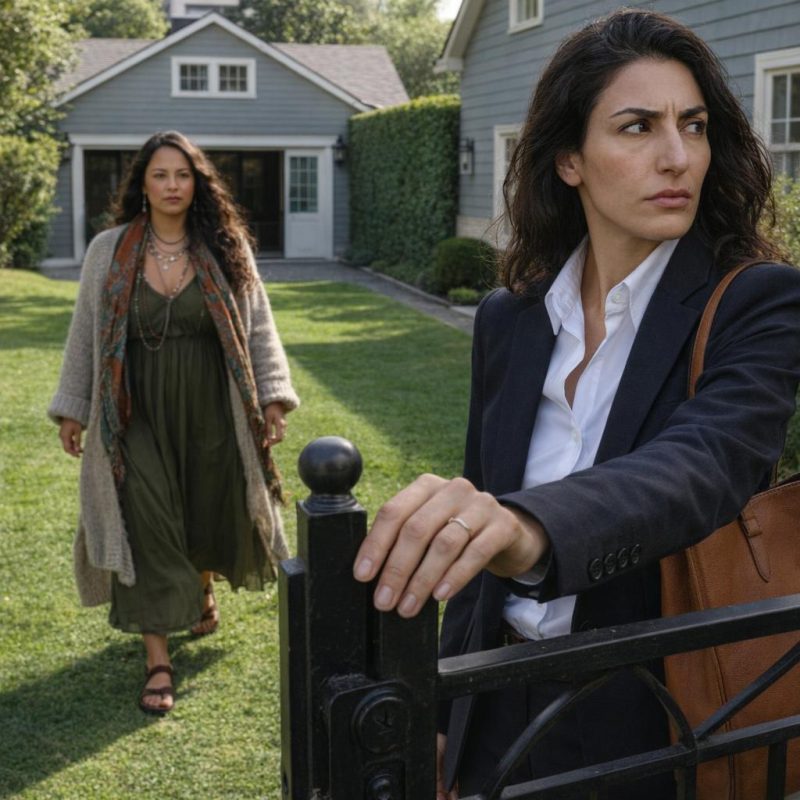 Image by RM AI
Professional Visitors
I came home early from work on a Wednesday, leaving at three instead of six because I had a headache and couldn't focus on the quarterly reports. I pulled into the driveway and immediately noticed three people in business suits standing in my backyard near the carriage house. They had clipboards, a measuring tape stretched between two of them, and the kind of serious expressions people wear when they're assessing property value or structural integrity. I parked and walked toward them, my heels sinking slightly into the lawn, ready to ask who they were and what they were doing on my property. One of them noticed me and said something to the others. Before I could get close enough to introduce myself, Elena appeared in the doorway of the carriage house. She saw me, and something flickered across her face—surprise, maybe, or calculation. She called out to the suited visitors with sudden brightness, 'Let's continue this inside where we have the plans laid out,' and ushered them through the door with practiced efficiency. They filed in obediently, and she pulled the door shut behind them without a word to me. Elena spotted me and quickly ushered them into the carriage house before I could ask what they were doing.
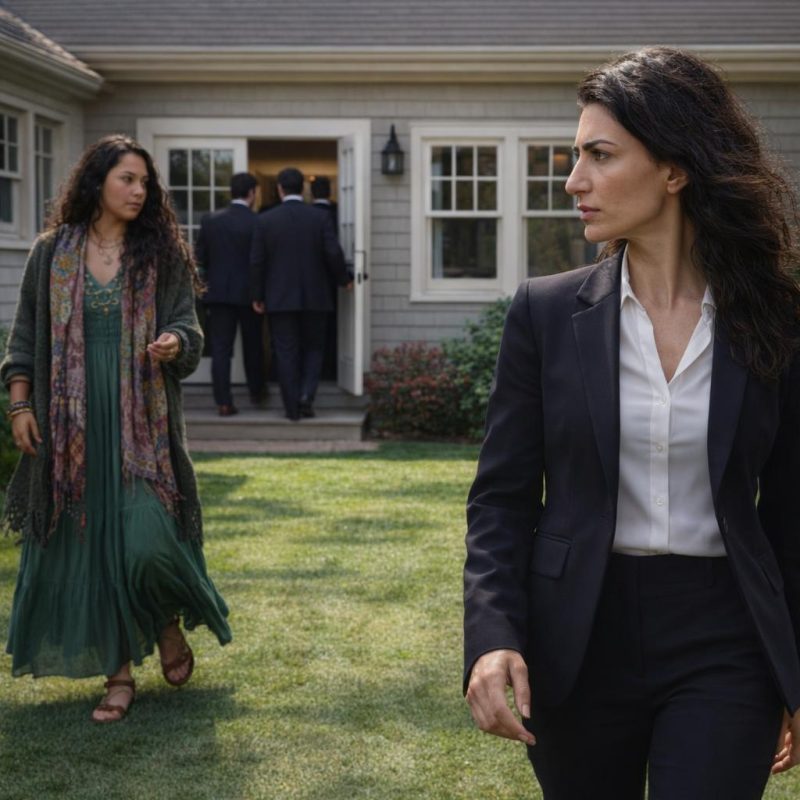 Image by RM AI
The Grant Story
I waited in the driveway for forty minutes, sitting on the hood of my car with my arms crossed, until Elena finally emerged from the carriage house. The suited visitors had left through the back gate, and she looked surprised to see me still there. I didn't give her time to deflect. 'Who were those people, Elena? What's going on?' She blinked, then her face softened into that familiar warm smile. 'Oh, Sarah, I should have told you—they're from a small business grant program for emerging artists. It's through the state arts council.' She explained that she'd applied months ago, that the grant could provide up to fifty thousand dollars for artists to establish sustainable creative practices. 'They needed to assess the workspace, see that I have a legitimate studio setup. It's all very official—applications, site visits, the whole thing.' She pulled out her phone and showed me an email with the state seal at the top. The details were specific: review committee, funding timeline, workspace requirements. I felt my suspicion deflating, replaced by embarrassment. Of course there was a reasonable explanation. Of course my sister wasn't doing anything wrong. Her explanation sounded reasonable enough that I felt foolish for being suspicious, even as something in my gut whispered that I shouldn't believe her.
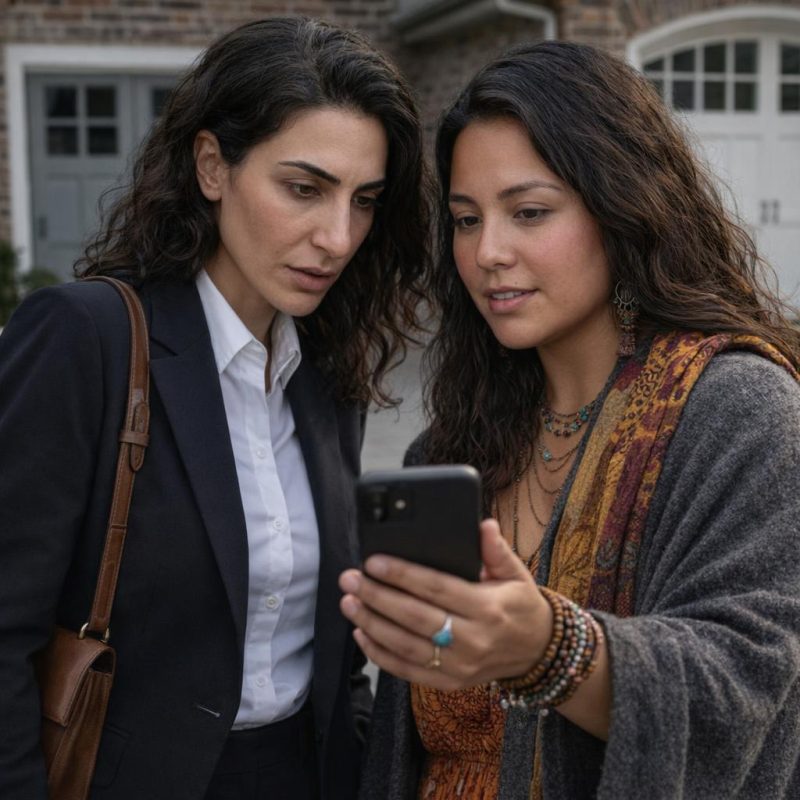 Image by RM AI
The Developer
Three days later, I was getting my mail when a black Mercedes pulled up to the carriage house. A man stepped out—mid-forties, dark hair slicked back with too much product, wearing a suit that probably cost more than my monthly mortgage but somehow looked cheap on him. His tie had an aggressive shine to it. Elena came out to meet him, and they spoke briefly before she noticed me watching. She waved me over with what seemed like reluctance. 'Sarah, this is Marcus Webb. He's a property consultant who works with the grant program—he helps artists understand zoning requirements and business licensing.' Marcus extended his hand with a practiced grip that squeezed just a bit too hard. 'Nice place you've got here,' he said, but he wasn't looking at me. His eyes were scanning the Victorian, moving across the facade with the kind of assessment you'd give something you were planning to buy. Not admiring it—calculating it. The look made my skin crawl. Elena walked him back to his car quickly, their heads bent together in conversation I couldn't hear. Something about the way he assessed my house with cold, calculating eyes made me feel like I was standing on ground that was shifting beneath me.
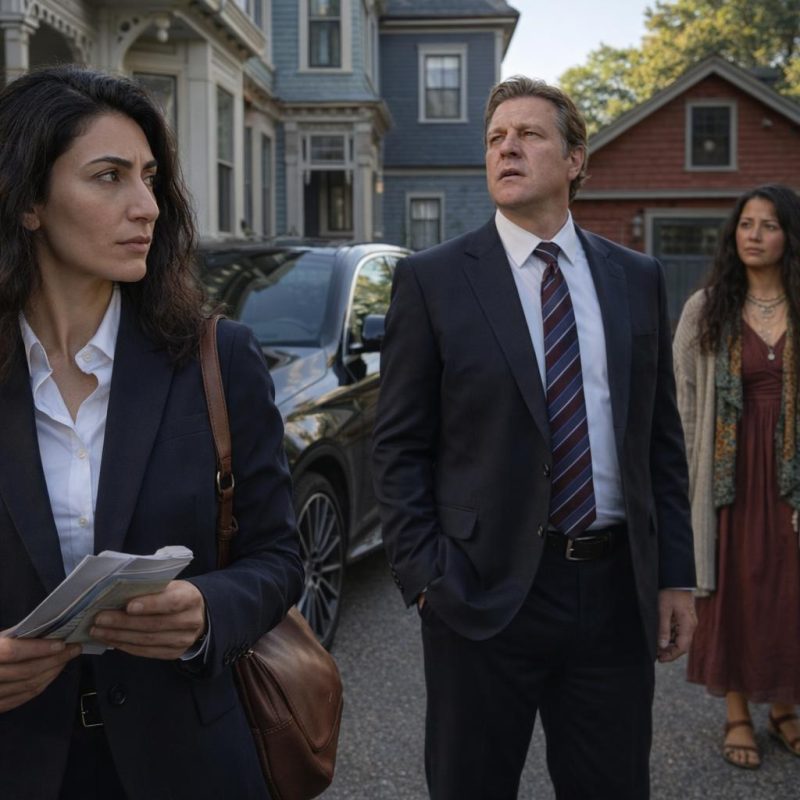 Image by RM AI
Locked Doors
The carriage house door was locked when I walked over on Saturday morning. I'd noticed it locked a few times before, but now it seemed to be secured constantly, even during the day when Elena was clearly inside. I could see lights on, hear movement. I knocked, waited. After a long pause, Elena opened the door but stood in the frame, not inviting me in. 'Hey, I was just wondering if you wanted to grab lunch later,' I said, trying to sound casual. 'Can't today, I'm really swamped with the grant application.' I asked what she was working on, what kind of art pieces she was preparing for the review. 'Oh, you know, mixed media stuff. Hard to explain.' Her answers were vague, her body language closed off. I asked if she needed help with anything, if there was paperwork I could look over. 'No, I've got it handled. Thanks though.' She was already closing the door, already turning away. The conversation lasted maybe ninety seconds. I walked back to the main house and stood on the porch, looking at the drawn blinds of the carriage house. I stood on my porch watching the drawn blinds of the carriage house and realized my sister had become a stranger.
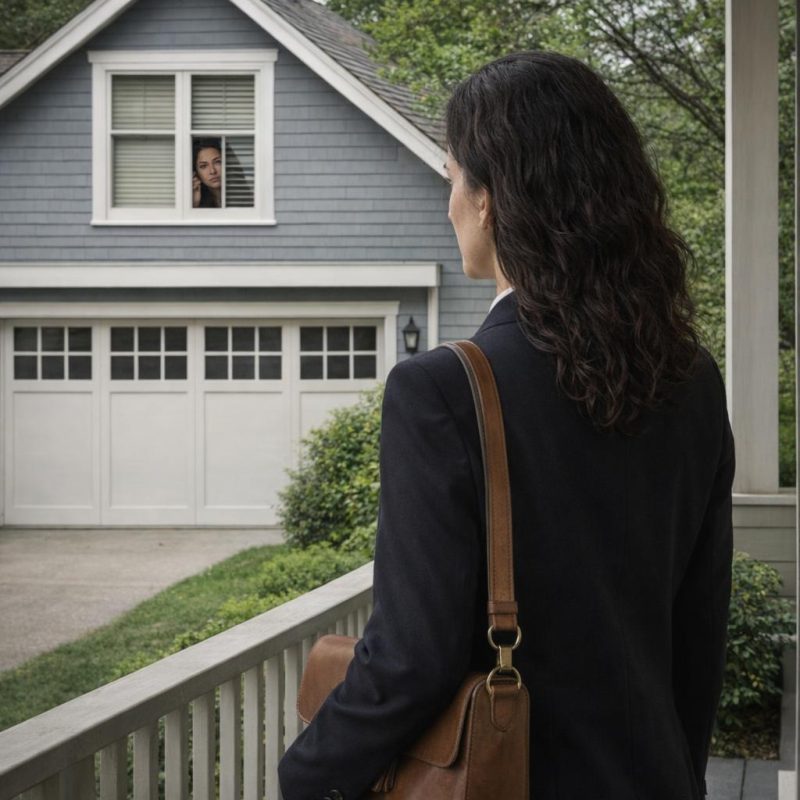 Image by RM AI
Voices in the Night
I couldn't sleep. It was past midnight and I'd been lying there for two hours, staring at the ceiling, my mind cycling through every strange interaction with Elena over the past weeks. Then I heard voices carrying across the lawn from the carriage house. Not laughter or music—these were serious, businesslike tones. I got up and moved to the window. The lights were on in the carriage house, and through the thin curtains I could see shadows moving. Multiple people. I heard the scrape of chairs being positioned, the sound of papers rustling. This wasn't a casual gathering. This was a meeting. I cracked my window open slightly. The voices were too muffled to make out full sentences, but I caught fragments—a man's voice I didn't recognize, then Elena's, then another voice. They were discussing something formal, something structured. Then Elena's voice rose sharply, just for a moment, and I caught two words clearly: 'timeline' and 'finalization.' The way she said them—urgent, definitive—sent ice spreading through my chest. One voice rose sharply—Elena saying something about 'timeline' and 'finalization'—and I felt ice spread through my chest.
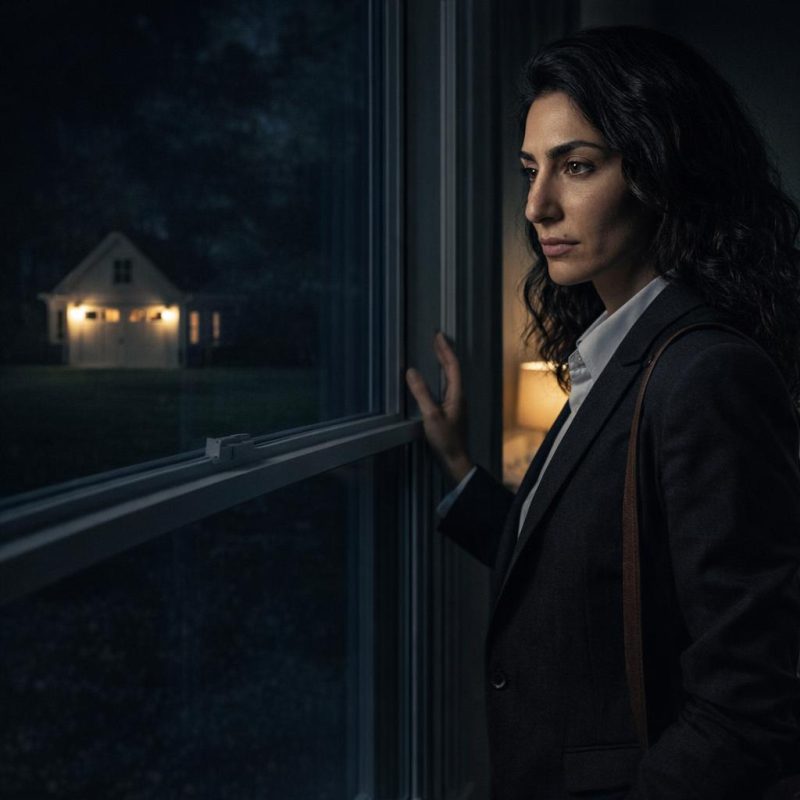 Image by RM AI
Building Courage
I stood in front of my bathroom mirror the next morning, practicing. 'Elena, I need to know what's really going on. Who were those people last night?' Too aggressive. I tried again. 'I'm concerned about all the activity at the carriage house. Can we sit down and talk?' Too soft. I wrote down my questions in my work notebook, the one I used for difficult client conversations. What is being finalized? Who was at the meeting last night? Why is the carriage house always locked? I rehearsed staying calm, keeping my voice level and firm. I told myself this was about protecting our relationship, about clearing up what was probably just a misunderstanding. Maybe the grant process was more complicated than she'd explained. Maybe she was stressed and didn't want to burden me with details. I practiced in the mirror again during my lunch break, then again before bed. I watched the carriage house from my window, waiting for Elena to return from wherever she'd gone during the day. I decided that tonight, after she returned from wherever she went during the day, I would finally get real answers.
 Image by RM AI
The Empty Shed
I needed to clear my head, so I decided to do some gardening on Sunday afternoon. My mother's roses needed pruning, and I'd been putting it off for weeks. I walked to the storage shed in the back corner of the property, the old wooden structure where we'd kept tools and equipment for as long as I could remember. The door was standing open, swinging slightly in the breeze. That was odd—I always kept it latched. I pulled it wider and stepped inside. Empty. Completely empty. The shelves where my father's antique surveying equipment had sat for twenty years—bare. The corner where my mother had stored her collection of vintage garden tools—nothing. The boxes of my childhood things I'd moved out here when I renovated the main house—gone. I stood in the middle of the empty shed, turning in a slow circle. The space echoed. Dust patterns on the floor showed where everything had been, rectangles and circles marking the ghosts of belongings that had been here just days ago. My father's antique surveying equipment, my mother's garden supplies, twenty years of family belongings—all gone.
 Image by RM AI
Locked Out
I walked quickly toward the back of the property, toward the area where the shed stood, thinking maybe someone had moved everything. There was a gate in the fence that separated the front yard from the back acreage, a gate I used regularly to access the storage areas and the old garden plots. I reached for the latch and found a heavy chain wrapped through the bars, secured with an industrial padlock I'd never seen before. The chain was new—thick, galvanized steel, the kind you'd use to secure a construction site. I pulled on it, rattled the gate. Locked solid. I tried the padlock, yanking on it hard enough that the metal bit into my palms. Nothing. This was my property. My gate. My lock? No. I'd never seen this lock before in my life. Someone had chained off part of my own property without asking me, without telling me. I pulled harder, the chain cutting into my hands, panic rising in my throat like bile. I pulled on the lock until my hands hurt, then looked up to see Elena watching me from the carriage house window.
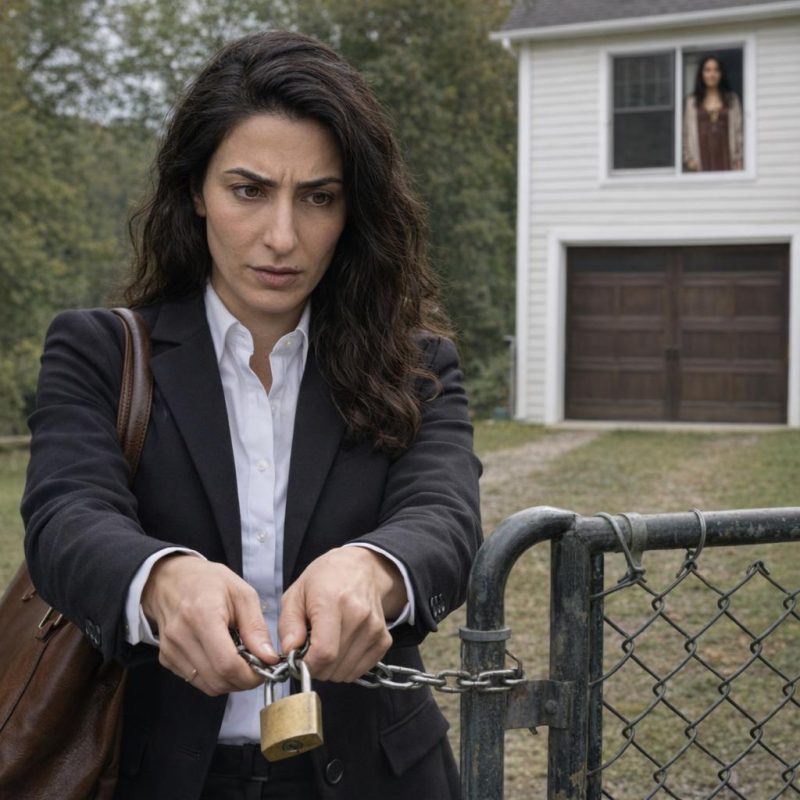 Image by RM AI
The Confrontation
I marched across the lawn, my hands still red from pulling on the chain. I didn't care about being calm anymore, didn't care about my rehearsed questions. I pounded on the carriage house door with my fist. 'Elena! Open this door right now!' Nothing. I pounded again. 'I know you're in there. Open the door and explain what the hell is going on!' My voice was shaking. I could hear movement inside, footsteps, but no one came to the door. I kept pounding. 'The shed is empty! There's a chain on my gate! You're going to explain this to me right now!' Minutes passed. My hand hurt from hitting the door. I was about to kick it when I heard the lock turn. The door opened slowly. Elena stood in the threshold, and I barely recognized her. The warm, bohemian sister who'd shown up at my door months ago was gone. This woman's face was composed, almost serene. Her eyes were cool and assessing. She didn't look surprised or concerned or apologetic. She looked like someone who'd been expecting this moment and had prepared for it. When the door finally opened, Elena stood in the threshold with an expression I'd never seen before—cold, composed, and utterly in control.
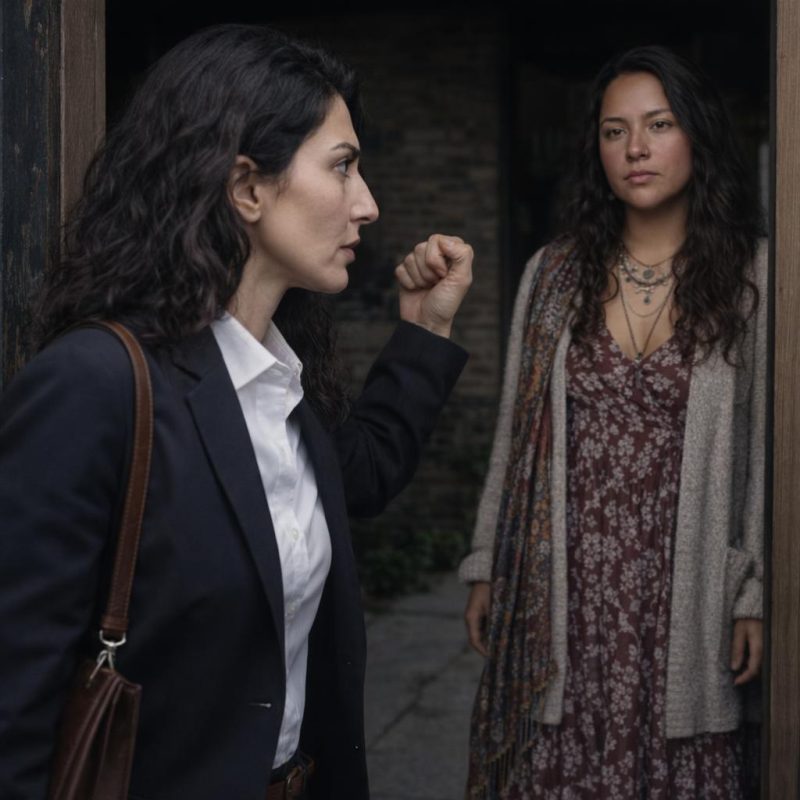 Image by RM AI
The Envelope
She didn't say a word. Just turned and walked back into the carriage house, leaving the door open. I stood there on the threshold, my heart pounding so hard I could feel it in my throat. When she came back, she was holding a manila envelope—the kind you'd use for legal documents. She handed it to me without any warmth, without any explanation. Her eyes were flat and businesslike, like I was a stranger picking up a package. 'Elena, what is this?' My voice came out smaller than I wanted. She didn't answer. Just looked at me with that cool, assessing expression. I took the envelope with shaking hands. It was sealed, official-looking. The weight of it felt wrong. 'You need to read that carefully,' she said finally. Her voice was measured, almost bored. 'Before you do anything you'd regret.' Then she stepped back and closed the door in my face. I stood there alone on her porch—no, on what used to be my porch—staring at the envelope in my trembling hands, and Elena's warning echoed in my head like a threat.
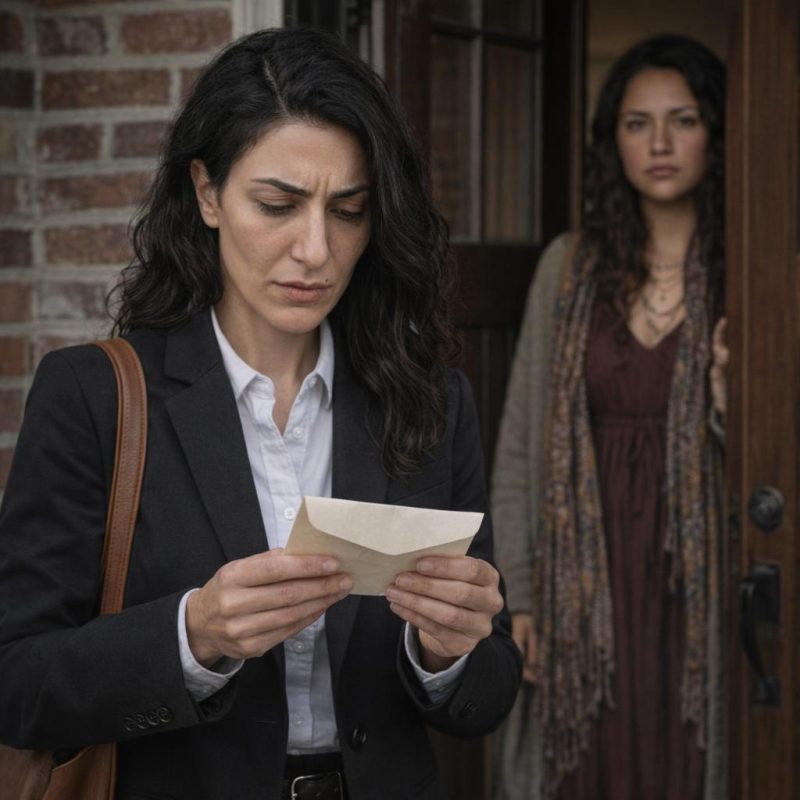 Image by RM AI
The Signature
I made it back to the main house somehow. My legs felt disconnected from my body. I tore open the envelope in my living room, my fingers clumsy and desperate. Inside was a legal document, professionally formatted with dense paragraphs and official stamps. I scanned the page, trying to make sense of the legal language. Then I saw it. At the bottom. My signature. My actual signature, in my own handwriting. The document was a quitclaim deed. I read the words three times before they started to make sense. 'Sarah Mitchell hereby transfers all rights, title, and interest in the carriage house structure and surrounding one acre parcel to Elena Morrison.' My hands started shaking so badly I almost dropped the paper. I recognized that signature—it was definitely mine. The notary stamp looked official. Everything looked official. I stood frozen in my living room, reading and rereading those words, my mind refusing to process what I was seeing. Then I looked at the date at the top of the document. Three months ago. The night of the dinner party, when I'd signed what I thought were insurance witness forms.
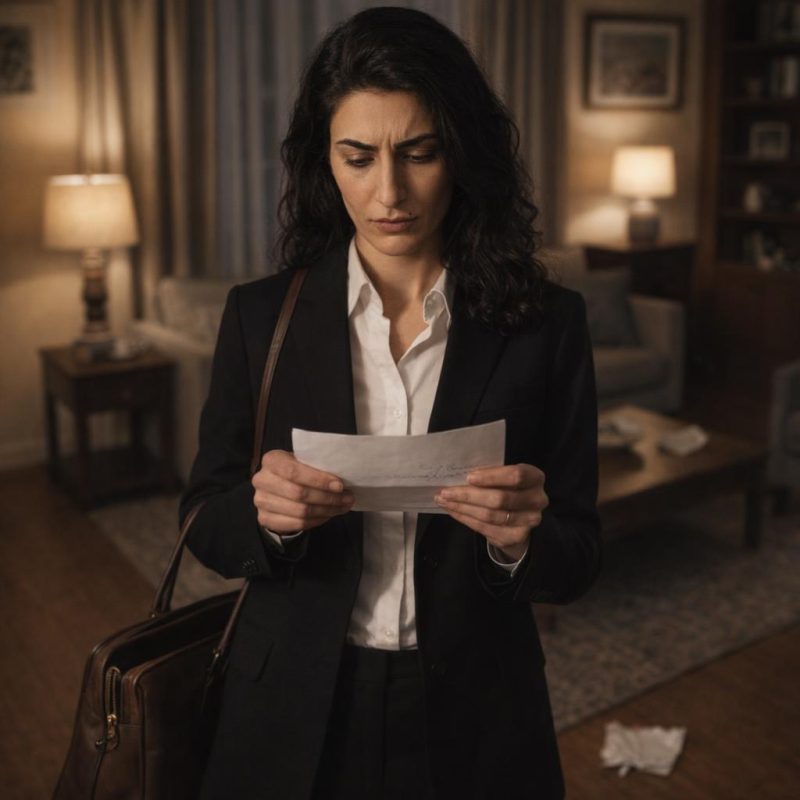 Image by RM AI
The Memory
I sank onto my couch as the memory crashed over me like a wave. The dinner party. Three months ago. Elena had brought papers with her that night, I remembered now. She'd pulled them out after dinner, when we were relaxed and laughing. 'I need a witness signature for my artist's insurance,' she'd said. 'It's such a pain, but they require someone outside the household to verify the inventory.' I'd been three glasses of wine in. Maybe four. I remembered feeling warm and happy, so grateful to have my sister back in my life. She'd handed me a pen—her favorite fountain pen, the one with the turquoise ink. I'd signed without reading closely. Why would I read it? I trusted her completely. She was my sister. I remembered her smile as she watched me sign. At the time, I'd thought it was affection. Warmth. Now, sitting on my couch with that deed in my hands, I replayed that smile in my mind and felt sick. I'd signed without reading, trusting her completely, while she watched me with a smile I'd thought was affection.
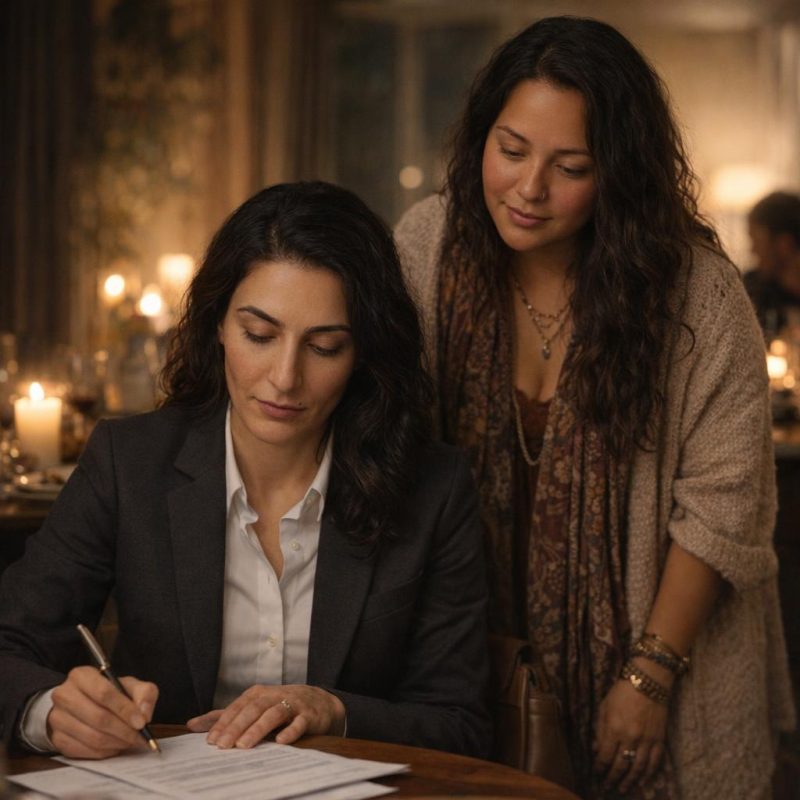 Image by RM AI
Legal Confirmation
I found Jennifer Chen's number with trembling hands. She was the attorney who'd handled my parents' estate. I called her cell, praying she'd answer on a Saturday. She did. 'Jennifer, I need help. Something's happened.' My voice was shaking. I explained the situation as clearly as I could, then scanned the deed and emailed it to her. I could hear her keyboard clicking as she pulled it up. Then silence. Long, terrible silence. 'Jennifer?' More silence. I could picture her reading it carefully, her reading glasses perched on her nose, that focused expression she got when reviewing documents. 'Talk to me. Can this be challenged? Can we reverse it?' The silence stretched so long I thought the call had dropped. When she finally spoke, her voice was gentle but firm—the tone you use when delivering bad news you can't soften. 'Sarah, I'm so sorry. The quitclaim deed is legally valid and properly executed. The signature is notarized, the language is clear, and it's been recorded with the county.' I felt the floor drop out from under me.
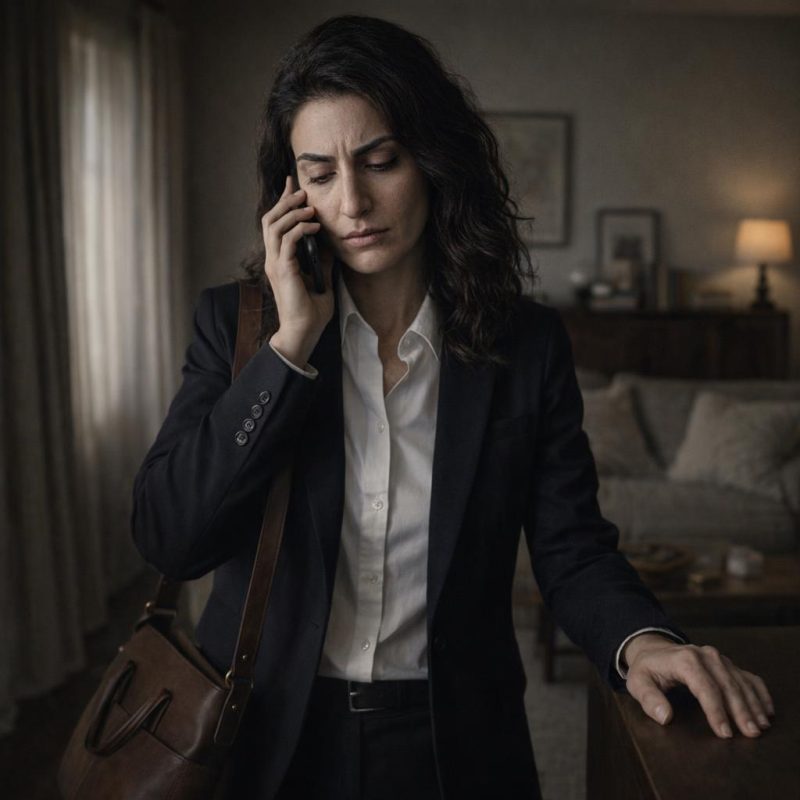 Image by RM AI
Forty-Eight Hours
The text came that afternoon while I was still sitting on my couch, staring at nothing. My phone buzzed and Elena's name appeared on the screen. I opened it with numb fingers. 'You have forty-eight hours to remove any personal items from the shed area and surrounding property. After that time, I will contact the appropriate authorities regarding trespassing on private property. Please respect this timeline.' I read it once. Then again. Then a third time. The words 'trespassing' and 'authorities' burned into my vision. Trespassing. On my own family property. On the land where I'd grown up, where my parents had lived, where I'd invested sixty thousand dollars to help my sister. She was threatening me with police. Using formal, legal-sounding language like I was some stranger she needed to evict. This was my younger sister. The girl I'd protected in high school. The woman I'd welcomed back with open arms. I felt rage building alongside the grief, hot and sharp. I read the message over and over, the words 'trespassing' and 'authorities' burning into my vision—on my own family property.
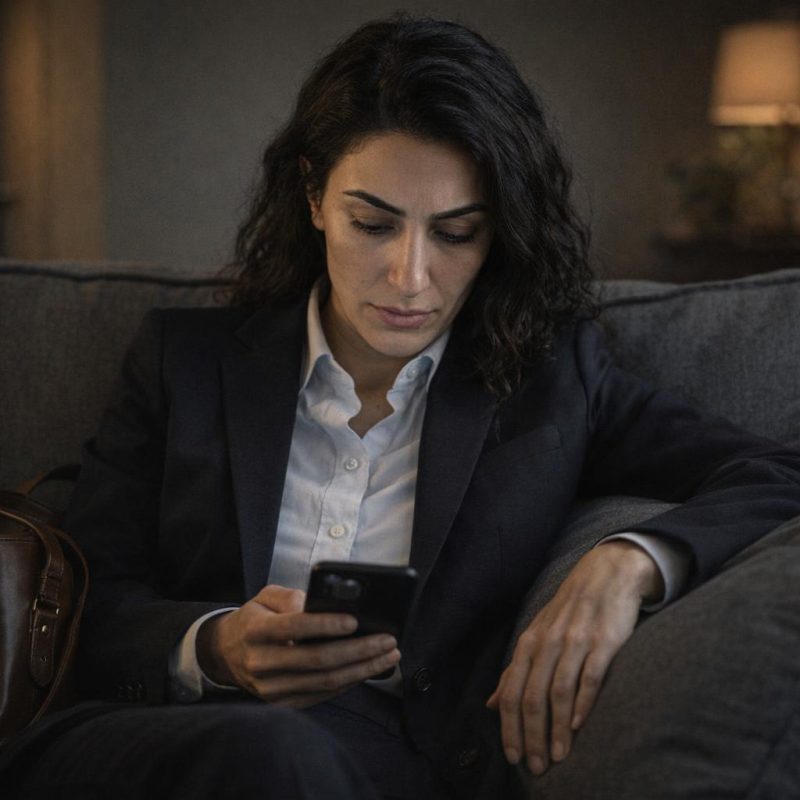 Image by RM AI
Paralyzed
I spent the next twenty-four hours moving through my house like a ghost. I couldn't eat. Every time I tried, my stomach turned. I couldn't sleep—I'd lie in bed staring at the ceiling, replaying everything. The dinner party. The papers. Elena's smile. That text message. I walked from room to room with no purpose, picking things up and putting them down. I'd find myself standing in the kitchen with no memory of walking there. The betrayal sat on my chest like a physical weight. This wasn't just about property or money. Elena had used our family bond as a weapon. She'd looked me in the eye, called me her sister, accepted my help and my trust, and the whole time she'd been planning this. I kept trying to make it make sense, but it wouldn't. As the sun set on that second day, I sat in my darkened living room, staring at nothing. And then, slowly, something shifted. A small spark of anger began breaking through the numbness. I sat in the darkened living room as the sun set, staring at nothing, until rage finally began to burn through the numbness.
 Image by RM AI
The Cloud
I opened my laptop in the dark. The screen's glow hurt my eyes. I logged into the home security system's cloud storage—the cameras I'd installed when I first moved in, mostly to monitor deliveries and maintenance. I hadn't checked the footage in months. I started scrolling back through the archived recordings with no clear plan. I just needed to see something, anything. Maybe there was evidence of when she'd moved my things. Maybe there was something that would help. The footage showed weeks of activity I'd never noticed. Delivery trucks pulling up to the carriage house. Strangers walking the property. Meetings on the porch. I kept scrolling, watching at double speed. Then I stopped. Backed up. Played it again at normal speed. Marcus Webb's expensive car—that sleek black sedan—pulling up to the carriage house. I checked the timestamp. Two weeks before the dinner party. Two weeks before I'd signed those papers. My heart started pounding as I watched delivery trucks, strangers, meetings—and then I saw Marcus Webb's expensive car pull up to the carriage house on a date two weeks before the dinner party.
 Image by RM AI
The Partnership
I found more footage of Marcus. Multiple visits. I clicked through until I found one with clear video. Elena and Marcus walking together along the property line, Marcus gesturing at different areas. I turned up the volume, leaning close to my laptop speaker. The audio was grainy but audible. They were talking about the property. I could see Marcus pointing at things, Elena nodding. Then Marcus turned and pointed directly at my main house—the Victorian where I was sitting. Elena laughed. I rewound and played it again, increasing the volume as high as it would go. I caught fragments of words. 'Partition' was one. 'Timeline' was another. Something about development. The audio was too muffled to hear everything, but I heard enough. This wasn't random. They had some kind of shared purpose. I watched the footage three more times, my blood running colder with each viewing. Marcus pointed at my main house and Elena laughed, saying something about partition and timeline—words I couldn't quite make out but felt in my bones.
 Image by RM AI
Squeeze Her Out
I replayed the footage five times, adjusting the audio filters and volume each time. The first pass gave me fragments. The second pass gave me context. By the third pass, I'd isolated their voices from the background noise. I turned the volume up as high as it would go without distortion, leaning so close to my laptop screen that my breath fogged the display. Marcus was pointing at my main house—the Victorian where I sat—and Elena was responding. I could hear her laugh now, clear and bright. I rewound again, my fingers trembling on the trackpad. This time, I caught it. Elena's voice, casual as if discussing weekend plans: 'Once the partition is finalized, we'll squeeze her out of the rest.' The rest. Not just the carriage house. The entire property. I sat frozen, my hand still on the mouse, as the video continued. Elena gestured toward my house with the same easy grace she'd used to pour tea at family dinners. Marcus nodded, making notes on his phone. They were discussing my destruction with the same tone she'd once used to plan Thanksgiving menus, and I couldn't look away from the screen.
 Image by RM AI
To the Attic
I closed the laptop and sat in the dark for maybe ten minutes, my mind racing. Then I remembered something. My father had been meticulous about documentation. Every survey, every permit, every property record—he'd kept everything. I'd helped him carry boxes to the attic years ago, complaining about the dust and the heat. He'd smiled and said you never know when you'll need proof of something. I grabbed a flashlight from the kitchen drawer and headed for the narrow attic stairs. The steps creaked under my weight, familiar sounds from childhood. I hadn't been up here since we'd cleared out his office after the funeral. The air was thick and stale, smelling of old paper and insulation. I pulled the chain on the single bulb, and yellow light flooded the space. Dozens of boxes lined the walls, each one labeled in my father's precise handwriting. Property Records 1920-1940. Surveys and Plats. Municipal Filings. A lifetime of documentation, organized and waiting. I stood there staring at them, feeling a surge of desperate energy mixed with something like hope.
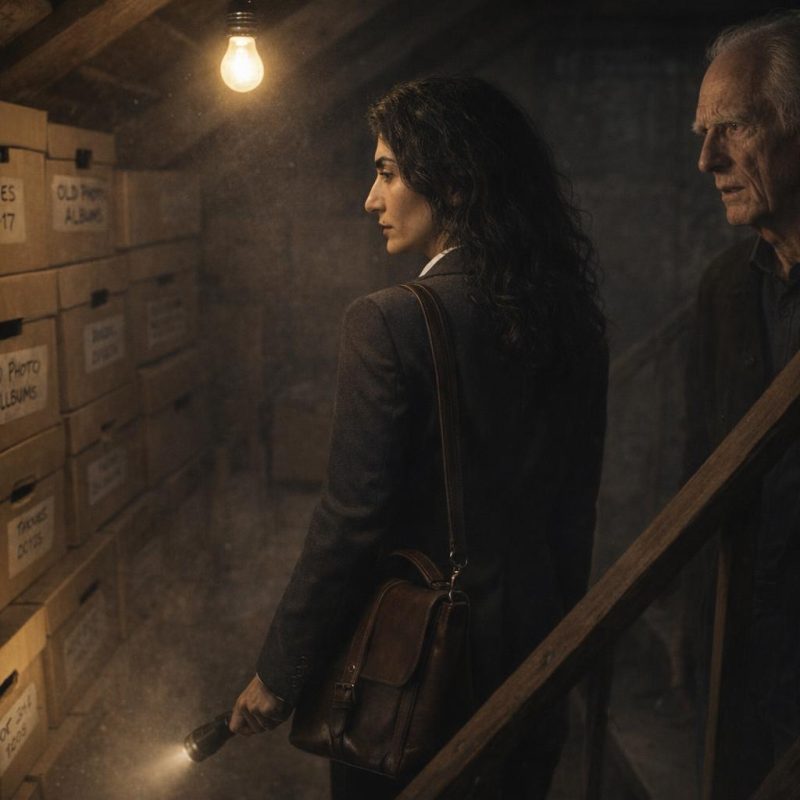 Image by RM AI
Paper Trail
I started pulling down boxes systematically, working from left to right along the wall. Each one was heavier than I expected, packed tight with folders and envelopes. I spread everything across the attic floor, creating piles organized by decade. The oldest documents were yellowed parchment, the ink faded to brown. Blueprints from different eras of the house's history, some so delicate they crackled when I unfolded them. Property surveys my father had conducted himself, complete with his handwritten notes in the margins. Municipal filings and permits going back generations, each one carefully preserved in protective sleeves. Boundary maps with colored pencil markings showing adjustments over the years. My father had been a surveyor by profession, and it showed. Every document was dated, cross-referenced, filed with the kind of thoroughness that made my corporate filing system look amateur. I sat back on my heels, looking at the organized chaos spreading across the floor. Somewhere in this paper trail was something that could help me. My father had kept everything for a reason, and I was going to find it.
 Image by RM AI
A Childhood Memory
I was sorting through a stack of documents from the 1920s when something made me pause. The maps were hand-drawn, property lines marked in careful ink. I held one up to the light, studying the notations, and suddenly I was ten years old again. I could see my father in his study, wire-rimmed glasses sliding down his nose, pointing at an old map spread across his desk. He'd been explaining something to me about our property. What had he said? Something about special zoning. Something about our land being different from the neighbors'. Protected, maybe? The memory was fuzzy around the edges, but I could see him clearly—cardigan sweater, that patient smile he always had when teaching me something. He'd pointed at specific areas on the map, explaining why this property was unique. I closed my eyes, trying to pull the exact words from thirty years ago. The conversation had seemed boring at the time, just Dad talking about work stuff. But he'd been emphatic about it, I remembered that much. This property is different, Sarah. Remember that. I opened my eyes and looked down at the 1920s documents in my lap, my heart beating faster.
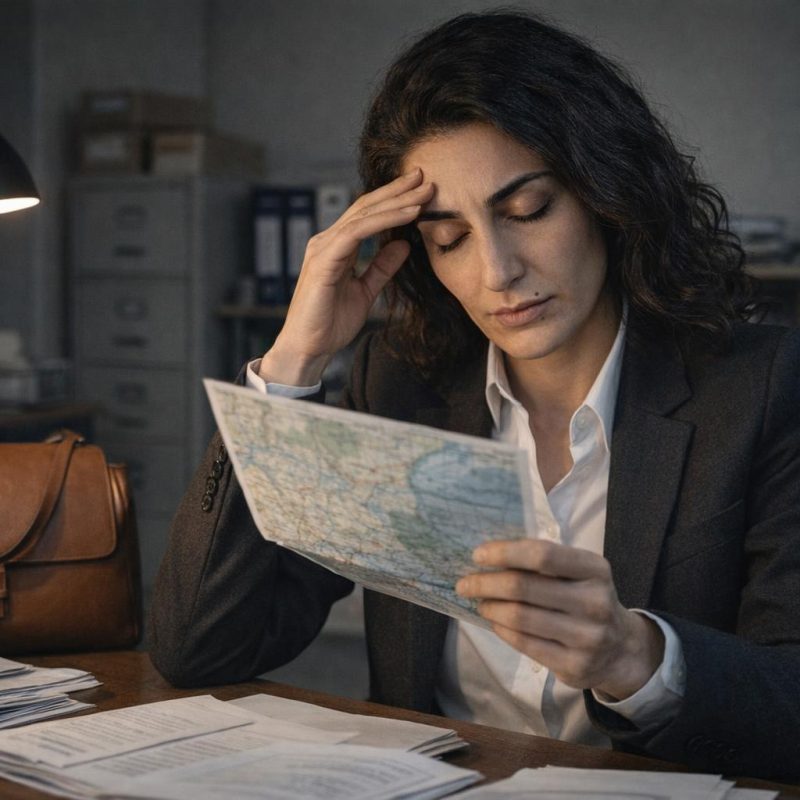 Image by RM AI
The Night Search
I kept working. Midnight came and went. One AM. Two AM. My eyes burned from reading faded handwriting by the dim attic light, deciphering archaic legal language that seemed designed to confuse. Some documents were in old-fashioned script that took me five minutes per page to parse. Others used terminology I had to look up on my phone—words like 'appurtenance' and 'hereditament' that nobody used anymore. I took notes on anything that seemed remotely relevant, filling page after page in a spiral notebook. The clock on my phone showed three AM, then four AM. My back ached from sitting on the hard floor. My neck was stiff. I could feel exhaustion pulling at me, making my thoughts fuzzy. But I refused to stop. Somewhere in these papers was the answer my father would have wanted me to find. He'd kept all of this for a reason. He'd told me the property was special, protected somehow. I just had to find the proof. I rubbed my burning eyes and reached for another box, pushing past the fatigue because giving up wasn't an option.
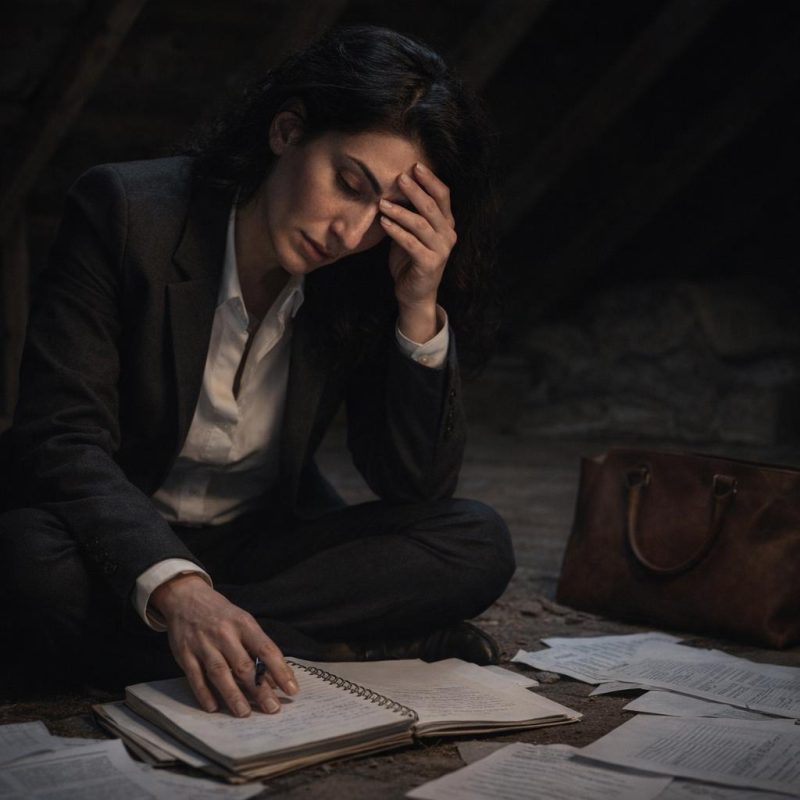 Image by RM AI
Historical Restrictions
At four-thirty in the morning, I found something. It was tucked into a folder labeled City Council Minutes 1924, just a few typed pages on onionskin paper so thin I could see my fingers through it. I almost missed it—my eyes were so tired the words were swimming. But then I saw the phrase 'historical zoning restrictions' and suddenly I was wide awake. The minutes referenced properties in something called the Founder's Buffer zone, a designation created to protect the original settlement area of the town. I scanned down the page, my pulse quickening. There was a list of affected addresses. I grabbed my phone and pulled up the property deed, comparing the legal description. My hands were shaking so badly I had to set the phone down and steady myself. Our property was explicitly listed. Right there in black and white, typed on a 1924 city council document. The Victorian and its surrounding land were part of the Founder's Buffer zone, subject to historical zoning restrictions. I read the passage three times to make sure I wasn't hallucinating from exhaustion. This was real. This was something.
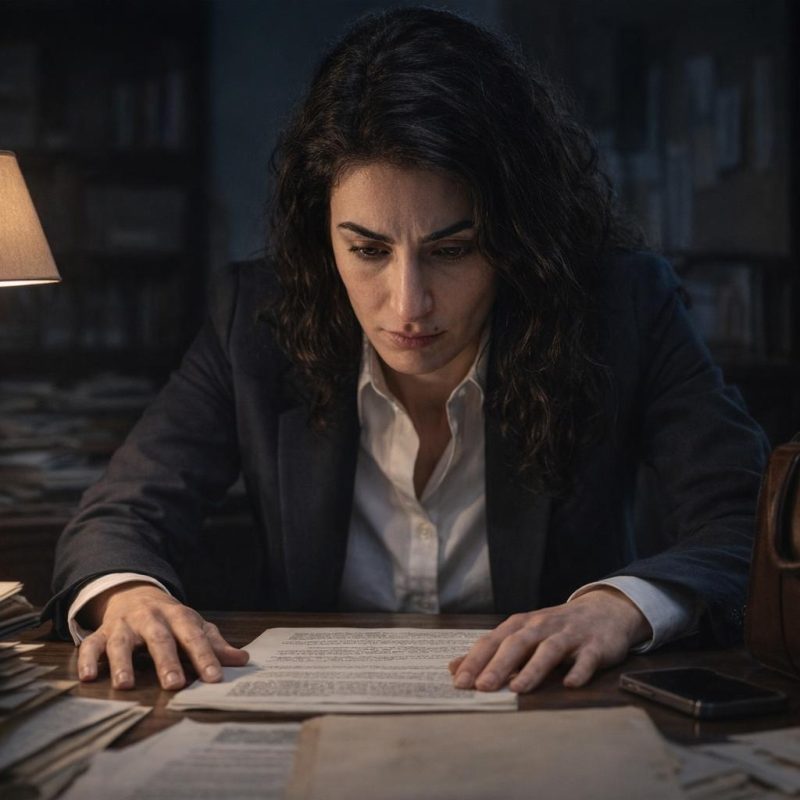 Image by RM AI
Modern Archives
I grabbed my laptop and opened it right there on the attic floor, surrounded by scattered papers and dust. My fingers fumbled on the keyboard as I pulled up the city's digital archives. The website was clunky and outdated, but I navigated to the zoning database and searched for Founder's Buffer. Please still exist, I thought. Please don't be some defunct designation from a hundred years ago. The search results loaded slowly. Then there it was—Founder's Buffer Historical District, established 1924, status: active. I felt something crack open in my chest. I cross-referenced the old map coordinates with the current digital system, zooming in on the interactive map until I could see individual properties. The protected zone was shaded in pale green. I clicked on our address and held my breath. The information panel loaded: Zoning: Founder's Buffer Historical District. Restrictions: See Municipal Code Section 12.4. My hands were trembling as I clicked through to the code section. The restrictions were still legally binding. Still in effect after all these years. I felt the first real spark of hope since Elena had handed me that envelope, and I had to blink back tears of exhaustion and relief.
 Image by RM AI
The Handwritten Note
I went back to the physical documents, handling them more carefully now. I unfolded a fragile municipal plot map from 1924, the paper so delicate it felt like it might disintegrate in my hands. The map showed the original property boundaries in faded blue ink, with the Founder's Buffer zone outlined in red. I was about to set it aside when I noticed something in the margin—tiny handwriting, barely legible, squeezed into the white space at the edge. I held the yellowed paper closer to the bare bulb, squinting at the faded ink. It looked like someone's personal notation, added after the map was printed. I could make out fragments: 'transfer restrictions' and something about 'properties in buffer.' My heart was pounding now. I angled the paper to catch the light better, and two phrases jumped out at me with perfect clarity: 'dependent structures' and 'reversion upon illegal alienation.' I stopped breathing. I didn't fully understand what those legal terms meant, not yet, but I knew—I knew—they were important. These specific words, written in the margin of a hundred-year-old map, were going to change everything.
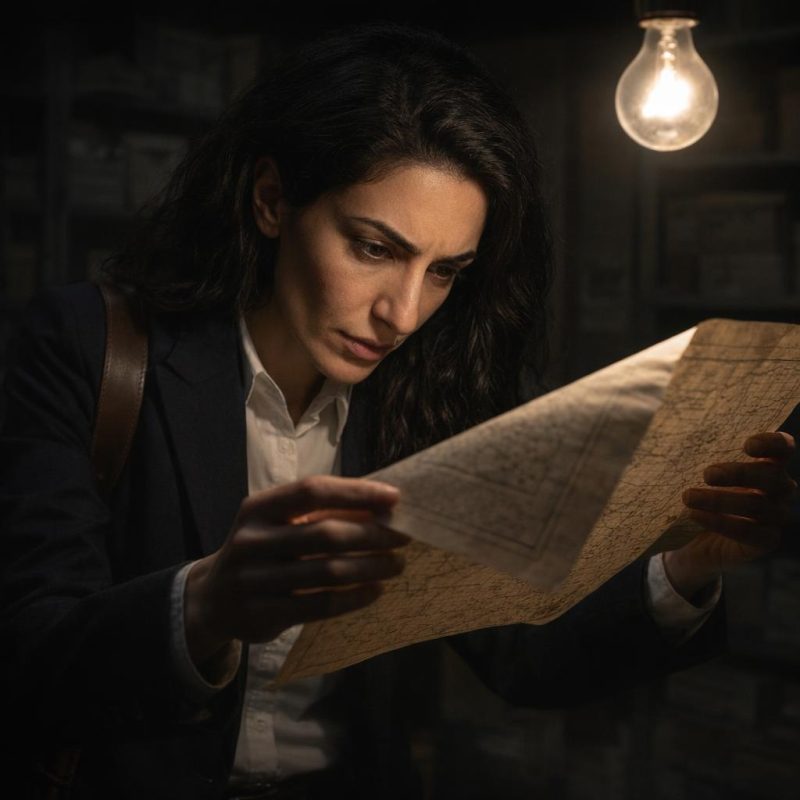 Image by RM AI
The Founder's Buffer
I spent the next six hours glued to my laptop, searching every database I could access. The county historical society had digitized their archives back in 2019, and I combed through page after page of scanned documents about the original city charter. The Founder's Buffer zone kept appearing in municipal records from the 1920s—a protected designation for properties within a specific radius of the original settlement. I found references to transfer restrictions, special zoning provisions, and something called perpetual easements. My eyes burned from staring at the screen, but I couldn't stop. I cross-referenced everything with Dad's handwritten notes, and patterns started emerging. Properties in the Buffer had different rules than regular residential land. They couldn't be developed the same way. They had protections built into their very existence. I made notes in a fresh document, organizing what I'd learned into categories: historical designation, transfer limitations, subdivision requirements. The legal framework was complex, layered with a century of municipal code, but I was starting to understand how the pieces fit together. I still didn't have the full picture, though. The more I read about transfer restrictions and protected designations, the more I wondered if Elena had overlooked something critical in her haste.
 Image by RM AI
The Preservation Easement
I went back to the attic around midnight, moving more carefully through Dad's files now that I knew what I was looking for. The oldest folders were stored in a metal filing cabinet pushed against the far wall, its green paint chipped and rusted at the corners. I pulled out drawer after drawer, finding property tax records going back to the 1950s, old insurance policies, receipts for repairs. Then I found a water-stained folder labeled with our property address in faded pencil. Inside was a document so old the paper had yellowed to the color of weak tea. The official municipal seal was still visible at the top—1924, City of Riverside, Department of Historical Preservation. My breath caught. The title read: Historical Preservation Easement and Covenant Running with the Land. I lifted it carefully, afraid it might crumble in my hands. The first paragraph described permanent restrictions on the property, binding on all current and future owners. It referenced the specific boundaries that matched our land exactly. My hands started shaking as I read further. This document predated everything—the quitclaim deed, Elena's schemes, all of it. My hands shook as I read the first paragraph and realized this document might have the power to undo everything Elena had done.
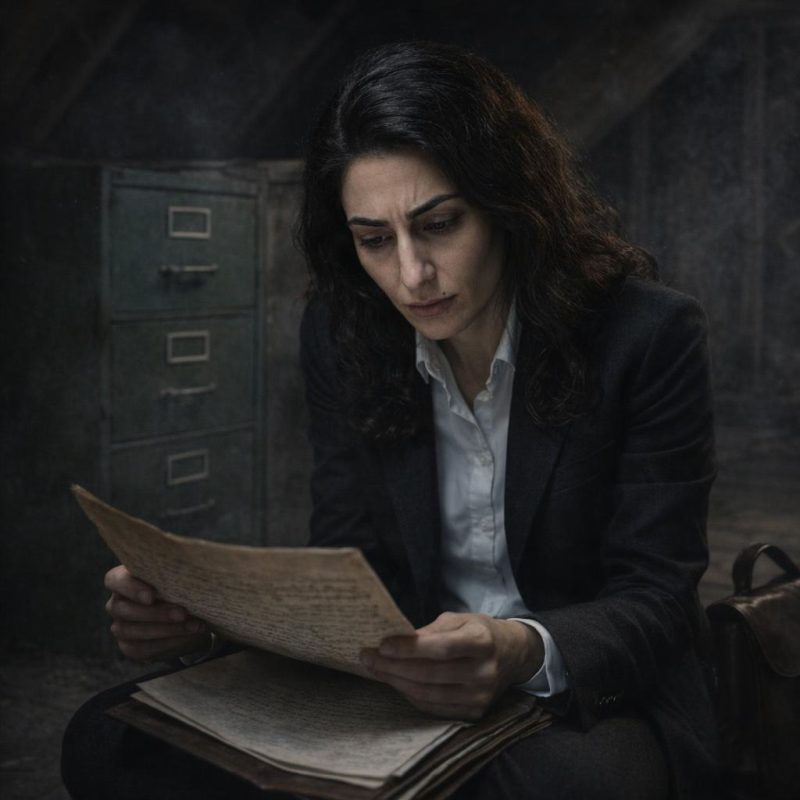 Image by RM AI
Subdivision Prohibited
I carried the easement document downstairs where the light was better and read through it line by line, forcing myself to slow down and absorb every word. Most of it was dense legal language about historical preservation standards and architectural review requirements. Then I reached Article IV: Subdivision and Partition Restrictions. I read the clause three times to make sure I understood it correctly. Land within the Founder's Buffer could not be legally subdivided without unanimous written consent from the Riverside Historical Neighborhood Board. Not majority consent. Unanimous. I grabbed the quitclaim deed Elena had filed and compared the property descriptions. Her deed attempted to carve out the carriage house and its surrounding land as a separate legal parcel—a subdivision of the original property. I checked the deed again. There was no mention of historical board approval. No consent forms attached. No documentation of any kind. Elena had tried to create a new parcel out of protected land without following the legal requirements. The quitclaim deed described boundaries that couldn't legally exist as a separate property. I set both documents side by side on my kitchen table, my heart pounding. I began to suspect that Elena's quitclaim deed might be built on foundations that could not legally exist.
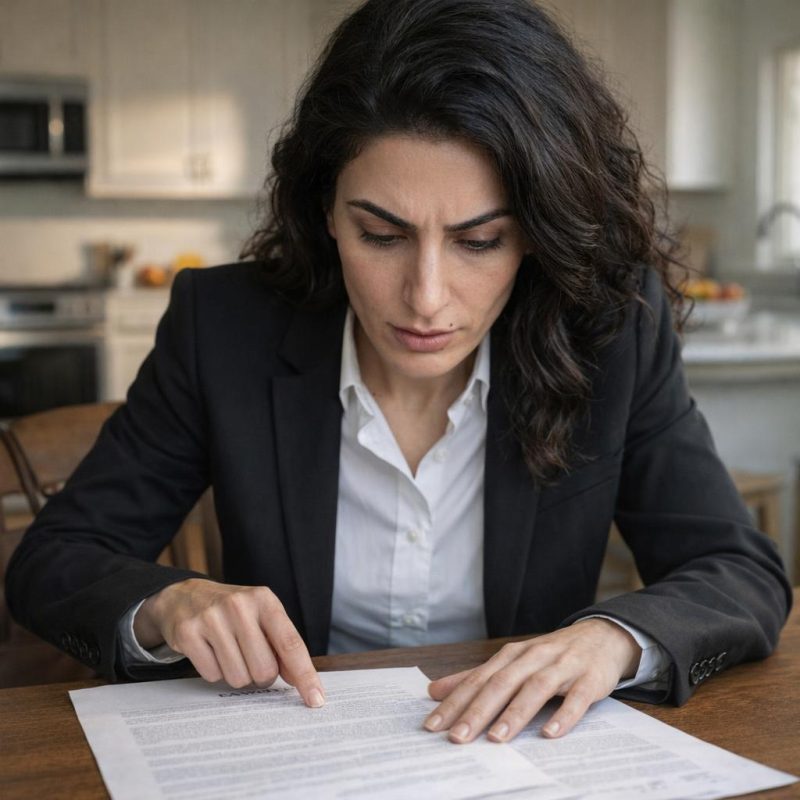 Image by RM AI
The Reversion Clause
I kept reading, working through the remaining sections of the easement with methodical focus. Article V covered maintenance requirements. Article VI detailed architectural review procedures. Then I reached Article VII: Enforcement and Reversion. The language was formal and precise, written by lawyers who understood exactly what they were creating. I read the clause slowly, letting each word sink in. Any attempt to alienate, transfer, or convey Buffer property in violation of the restrictions herein shall result in immediate and automatic termination of all residency rights for the party attempting such illegal transfer, with full title reverting to the original grantor's lawful heirs. I stopped breathing. I read it again. Elena hadn't just tried to steal my property. By attempting to transfer Buffer land to Marcus and his development company, she had triggered the reversion clause. The easement didn't just void her deed—it stripped her of any right to live on the property at all. The quitclaim deed was worthless. Worse than worthless. It was evidence of the exact violation that activated her automatic eviction. I sat alone in my dark attic, holding a hundred-year-old document, and I smiled. Elena hadn't just failed to steal my property; by trying to transfer it to a developer, she had legally evicted herself from the very land she thought she owned.
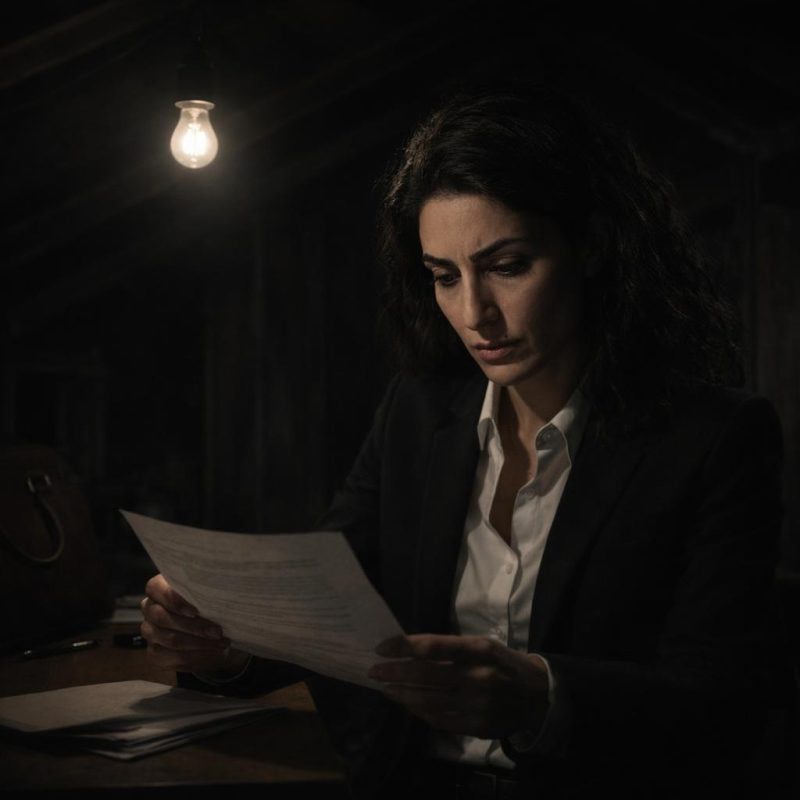 Image by RM AI
Void from the Start
I didn't sleep. As dawn broke, I spread every relevant document across my kitchen table in chronological order. The 1924 easement. The original land grant. The municipal plot map with its handwritten notations. Dad's deed. Elena's quitclaim deed. I traced the legal chain forward through a century, checking each connection. The easement was recorded first, creating permanent restrictions that ran with the land forever. Every subsequent owner took title subject to those restrictions. Dad had owned the property subject to the easement. Elena inherited subject to the easement. The subdivision prohibition was still in effect. The reversion clause was still in effect. Elena's quitclaim deed attempted an illegal subdivision without required approvals. The moment she signed it, the moment she filed it, it was void. Not voidable—void. It had never had any legal effect at all. And her discussions with Marcus about development and partition constituted an attempt to illegally alienate Buffer property, triggering the automatic eviction provision. I checked my reasoning three times, looking for flaws. There weren't any. The law was clear, the documents were clear, and Elena had no idea what she'd done to herself. The deed that had stolen my sleep and my peace was nothing more than worthless paper, and Elena had no idea.
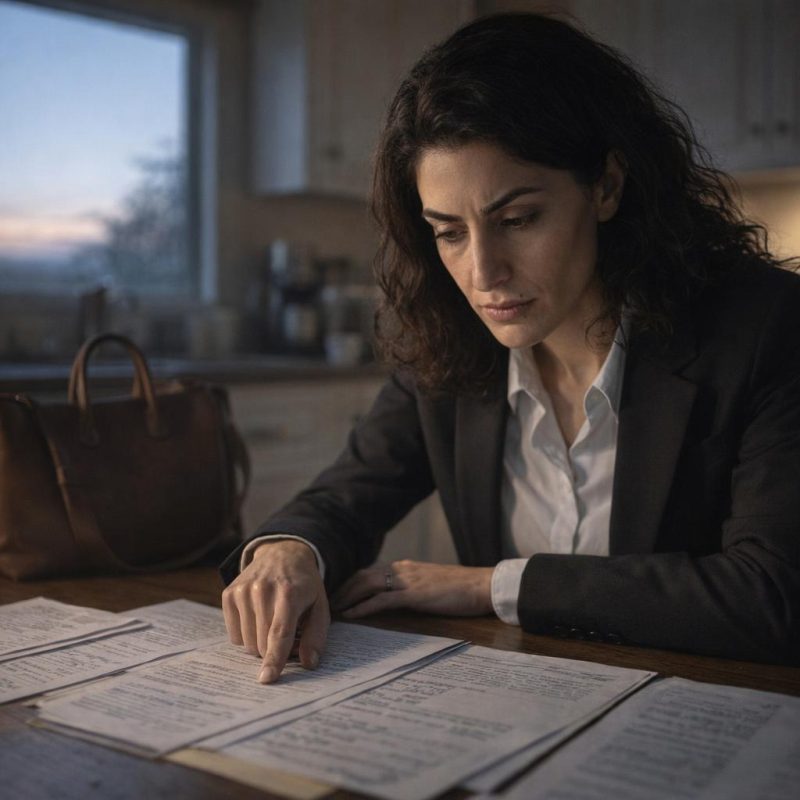 Image by RM AI
Building the Case
I was waiting outside the county records office when they unlocked the doors at eight AM. The clerk recognized me from my previous visits and raised an eyebrow at the list I handed her. I needed certified copies of everything—the 1924 Historical Preservation Easement, the original municipal charter provisions establishing the Founder's Buffer, the current zoning designation records, the plot map showing Buffer boundaries. She processed each request methodically, disappearing into the back room and returning with documents that she fed through the certification machine. Each page received an official raised seal and a stamp with the date and the clerk's signature. I paid the fees without flinching, though they added up quickly. These weren't just copies—they were legal evidence, admissible in court, impossible for Elena to dismiss or explain away. The clerk handed me the stack of certified documents in a large envelope. I held it carefully, feeling the weight of what I carried. This was my ammunition. This was how I would reclaim everything Elena had tried to take. I kept my expression neutral, professional, giving nothing away. The clerk stamped the last certification seal, and I held in my hands the ammunition I needed to reclaim my home.
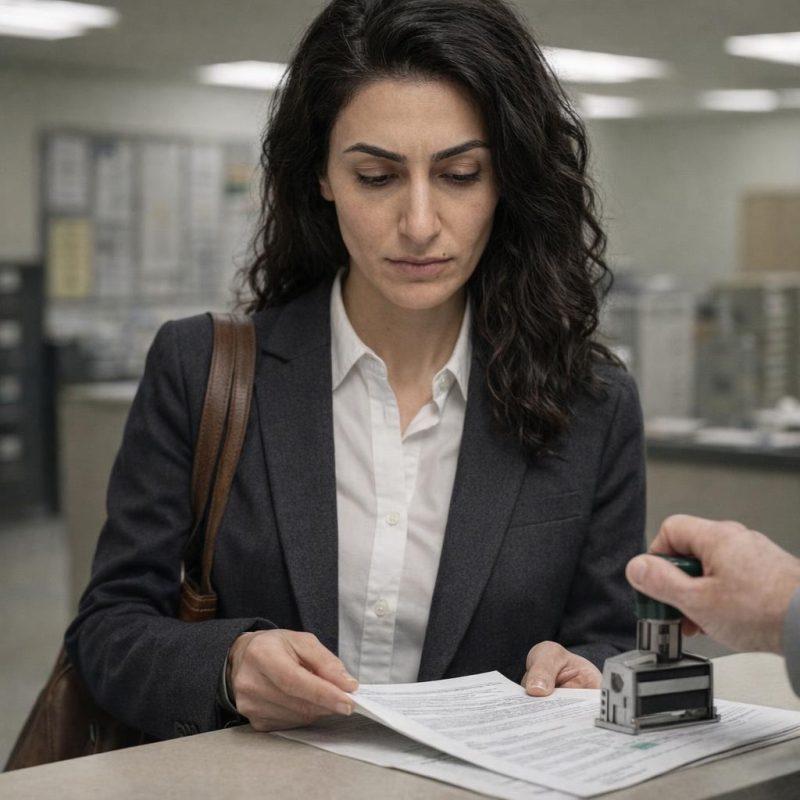 Image by RM AI
Dependent Structure
Back home, I opened my laptop and searched for the legal definition of dependent structures under California property law. I needed to understand every angle, every protection I had. The building codes were specific: an accessory dwelling unit or dependent structure was defined as a secondary building that relied on the primary residence for essential services and could not function independently. I pulled up the original building permits for the carriage house from the county database. It was listed as an accessory structure to the main residence. It shared the same water line, the same electrical service entrance, the same sewer connection. There was no separate utility access. The carriage house had never been designed to exist as an independent property because it couldn't. It was physically and legally dependent on the main house. I documented everything, adding it to my growing file. This meant that even if the easement restrictions didn't exist, even if the Buffer zone had never been created, the carriage house still couldn't be separately titled. It was a dependent structure by definition and by code. Elena's plan had multiple fatal flaws, each one compounding the others. Every path Elena thought she had built led to the same dead end, and she had paved each one herself.
 Image by RM AI
The Automatic Trigger
I pulled up the security footage one final time, watching the recording of Elena and Marcus in the garden with fresh understanding. I listened to Elena describe her plans for partition and development, heard her discuss selling the carriage house property to Marcus's company, watched her gesture at the land like it was already hers to dispose of. I matched her words against the language in the easement document. Attempting to alienate Buffer property to a non-descendant party. Discussing transfer to a commercial development entity. Planning partition and sale of protected land. Every sentence out of Elena's mouth was evidence of illegal alienation under the 1924 covenant. She'd triggered the reversion clause not when she filed the quitclaim deed, but the moment she started negotiating with Marcus. The video footage proved it. Her own words, recorded on cameras she didn't know existed, documented the exact violation that activated her automatic eviction. I saved the footage to three separate backup drives and uploaded an encrypted copy to cloud storage. This wasn't just evidence—it was a recording of Elena destroying herself. Elena had not just attempted to steal my property—she had activated her own eviction with her own words, recorded on my own cameras.
 Image by RM AI
Perfect Calm
I took my time that morning. I showered, letting the hot water run longer than necessary, washing away the tension that had built up over months of Elena's manipulation. I dried my hair carefully, pulled it back into a neat low ponytail, and selected my most professional suit—the charcoal gray one I wore for high-stakes client presentations. The one that said I meant business. I fastened my watch, added small silver earrings, and checked my reflection. Composed. Controlled. Ready. I made coffee and scrambled eggs, eating breakfast at my kitchen table while watching through the window as Elena moved around the carriage house property. She was watering plants on the porch, completely relaxed, utterly confident in her stolen position. She had no idea what was coming. She couldn't see the storm gathering just beyond her peripheral vision. I finished my coffee slowly, rinsed the dishes, and retrieved the certified documents from my desk. I folded them carefully into my jacket pocket and felt a calm I hadn't experienced in months.
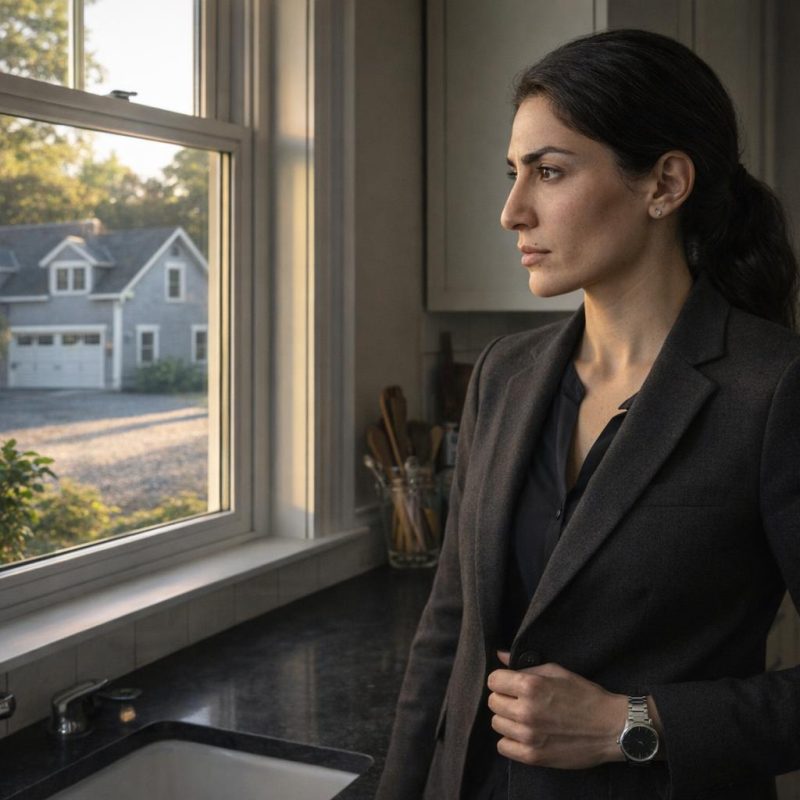 Image by RM AI
The Final Hours
I stood at my window and watched the final act begin. Elena and Marcus arrived together around ten, his expensive sedan pulling up beside the carriage house. They walked the property line together, Marcus gesturing toward the boundary with rolled blueprints under his arm, Elena nodding and pointing toward my Victorian house like she was discussing a problem to be solved. They were arranging deck chairs on the Titanic, completely unaware the ship was already sinking beneath them. Marcus unrolled the blueprints on the hood of his car, tracing lines with his finger while Elena leaned in to look. She laughed at something he said, that performative musical laugh she used when she wanted to seem carefree. They looked so confident, so certain of their position. So completely blind to what I knew. I checked my watch. Any minute now. Then I saw it—a sheriff's vehicle turning into the driveway, pulling up behind Marcus's sedan. Deputy Rodriguez stepped out, adjusting his utility belt. When a sheriff's vehicle pulled into the driveway behind them, I knew the moment I had been waiting for had finally arrived.
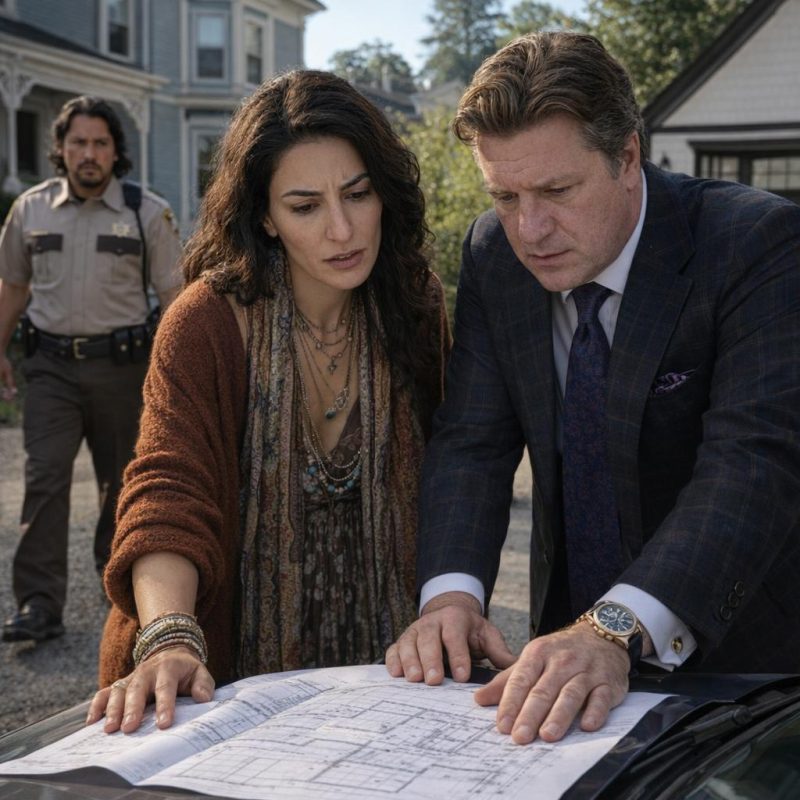 Image by RM AI
The Arrival
I stepped onto my front porch and let the screen door close behind me with a soft click. All three of them turned to look at me—Elena with that warm smile that never reached her calculating eyes, Marcus with barely concealed impatience, and Deputy Rodriguez with professional neutrality. Elena stood between the two men like she was holding court, her flowing dress catching the morning breeze, bracelets jangling as she gestured. Marcus held the rolled blueprints in one hand, his other hand resting on his hip in that aggressive power stance he probably practiced in the mirror. Deputy Rodriguez had his notepad ready, his expression watchful and measured. I walked down the porch steps slowly, maintaining perfect composure, my heels clicking against the wood. I could feel the certified documents in my jacket pocket, a reassuring weight against my ribs. I was halfway across the lawn when Elena held up her hand to stop me and announced that she had every legal right to install a permanent fence between her property and mine.
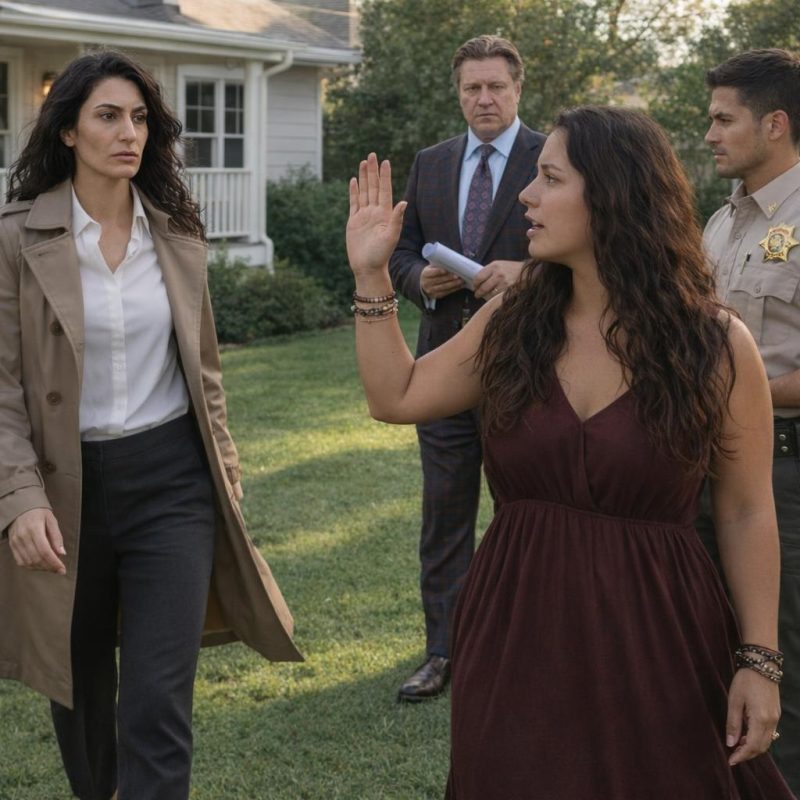 Image by RM AI
The Trophy
Elena reached into a leather folder she'd been holding and pulled out the quitclaim deed with a flourish, holding it up like a trophy for everyone to see. The morning sun caught the official seal, making it gleam. Her voice dripped with false sympathy as she told me it was time to accept reality and move on. She said she understood this was difficult for me, that change was always hard, but the law was clear and the property was legally hers now. She referenced the clear title, the proper filing, the legitimate transfer. Her performance was flawless—the concerned sister trying to help her delusional sibling face facts. Deputy Rodriguez watched the exchange without expression, his pen poised over his notepad. I stood perfectly still, my face neutral, my hands relaxed at my sides. I didn't argue. I didn't protest. I just watched her display her supposed victory. Then Marcus stepped forward and began explaining the fence specifications in a tone that dismissed me as an obstacle to be removed.
 Image by RM AI
The Deputy's Role
Deputy Rodriguez cleared his throat and addressed me directly, his tone measured and professional. He explained that he was present to ensure the fence installation proceeded without interference, that this was a civil matter with clear documentation, and that I would need to remain on my side of the new property line once construction began. His words carried the weight of official authority, the kind that makes you understand that resistance would be futile and possibly criminal. Elena's smile widened at the deputy's implicit support of her position. Marcus checked his watch impatiently, then glanced toward the truck where contractors waited with fencing materials and post-hole diggers. They were ready to begin the moment I was neutralized as a threat. The pressure mounted around me—official law enforcement, legal documentation, confident adversaries, waiting workers. Everything designed to make me back down, accept defeat, retreat to my house in humiliated silence. I felt the weight of it all pressing against me. I reached into my jacket pocket and felt the certified documents against my fingertips.
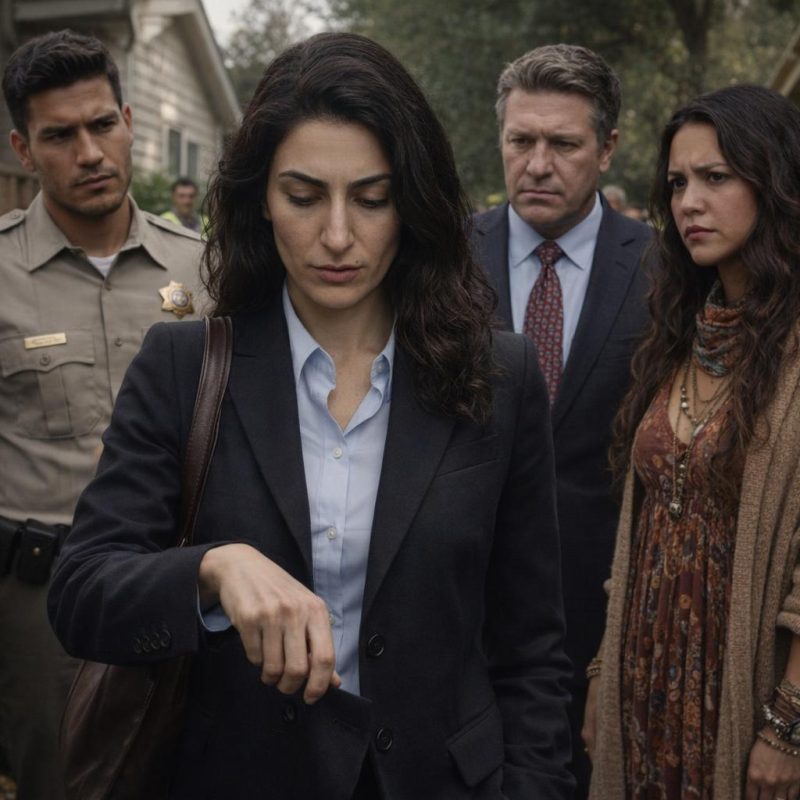 Image by RM AI
The Counter
I pulled a single sheet of paper from my pocket—the certified copy of the 1924 Historical Preservation Easement and Land Grant Charter—and held it up for everyone to see. The morning light caught the official certification seal, the embossed stamp, the signatures of long-dead town founders. I held it exactly the way Elena had held her quitclaim deed moments before, mirroring her trophy display with deliberate precision. The document hung in the air between us, a question mark that hadn't existed thirty seconds ago. Marcus frowned, his aggressive confidence flickering. Deputy Rodriguez's attention shifted from Elena to me, his watchful gaze focusing on the unexpected development. Elena's smile didn't disappear immediately—it faltered, wavered, like a candle flame in a sudden draft. Her eyes narrowed as she tried to read the document from where she stood. Marcus took a step forward, his voice sharp with irritation as he demanded to know what I was holding.
 Image by RM AI
The Founder's Buffer Explained
I explained calmly that the property was part of the original Founder's Buffer zone and that according to the 1924 charter, the land could not be subdivided or transferred to anyone except a direct lineal descendant without unanimous consent from the historical board. My voice was steady, professional, like I was presenting findings to a client. I referenced the specific articles, the original land grant provisions, the restrictions that had been in place for nearly a century. I explained that the carriage house wasn't a separate property at all—it was a legally dependent structure on protected land, incapable of independent transfer. Elena's quitclaim deed had attempted an impossible subdivision, a legal action that the charter explicitly prohibited. The historical board had never been consulted, never given consent, never even been notified. Marcus's aggressive confidence drained from his face as the legal implications began to penetrate. His eyes moved from the document to Elena, then back to the document, his expression shifting from irritation to concern to something approaching alarm.
 Image by RM AI
The Reversion
I stepped closer and explained the reversion clause—that any attempt to illegally alienate protected land to a third-party developer triggered automatic termination of all residency rights for the offending party. I let that sink in for a moment, watching Elena's face as comprehension began to dawn. I referenced her conversations with Marcus about development plans, about selling the property to his company, about partition and commercial use. All of it documented. All of it constituting attempted illegal transfer under Article VII of the charter. The consequence wasn't just that her quitclaim deed was void—though it absolutely was. The consequence was that by attempting to transfer protected Buffer land to Marcus's development company, she had triggered the enforcement provision. The reversion clause. The automatic eviction. I told Elena that she hadn't just failed to steal the guest house; by trying to sell it to Marcus, she had legally evicted herself from the property entirely.
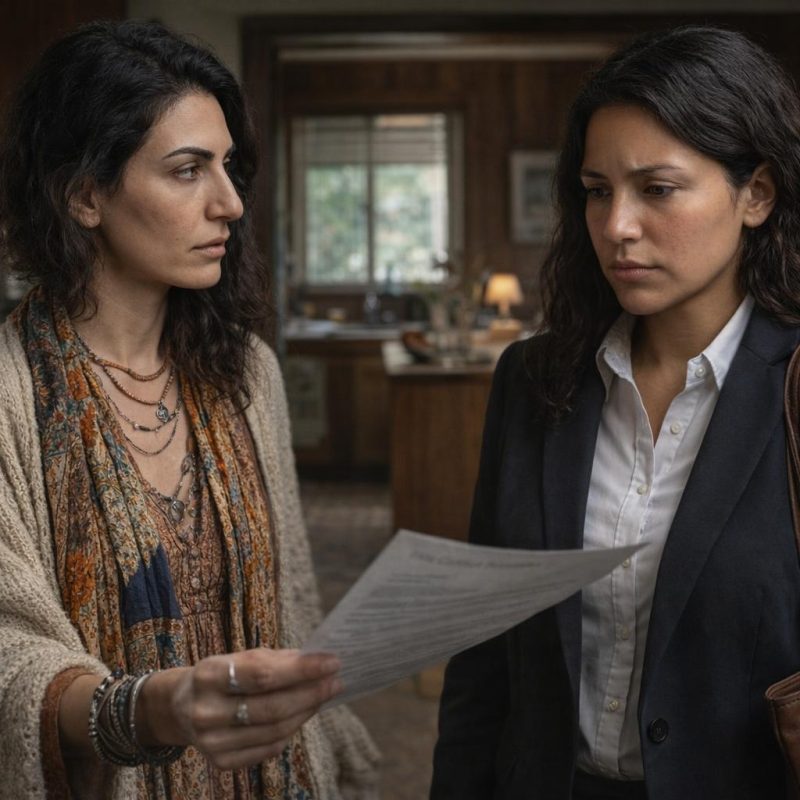 Image by RM AI
Self-Destruction
Elena's face went through this progression I'll never forget—confusion first, then comprehension, then absolute horror as the full weight of what she'd done crashed down on her. She'd spent months manipulating me, gaslighting me, playing the victim while systematically trying to steal everything my father left me. And in her arrogance, in her absolute certainty that she was smarter than everyone else, she'd triggered the one clause that would destroy her completely. The reversion provision didn't care about her intentions or her justifications. It only cared about actions. She had attempted to illegally transfer protected Buffer land to a third-party developer. That single act had voided every claim she thought she had. Her mouth opened and closed without sound. Her hands, usually so graceful with those jangling bracelets, trembled at her sides. I watched her turn toward Marcus, her eyes desperate, searching for the ally who had promised her everything. But Marcus's face had transformed from confident swagger to pure fury, his jaw clenched so tight I could see the muscle jumping. He was already backing toward his expensive car, his polished shoes scraping gravel, and I knew exactly what he was thinking: he'd been dragged into a legal nightmare by an amateur who'd just blown up her own scheme.
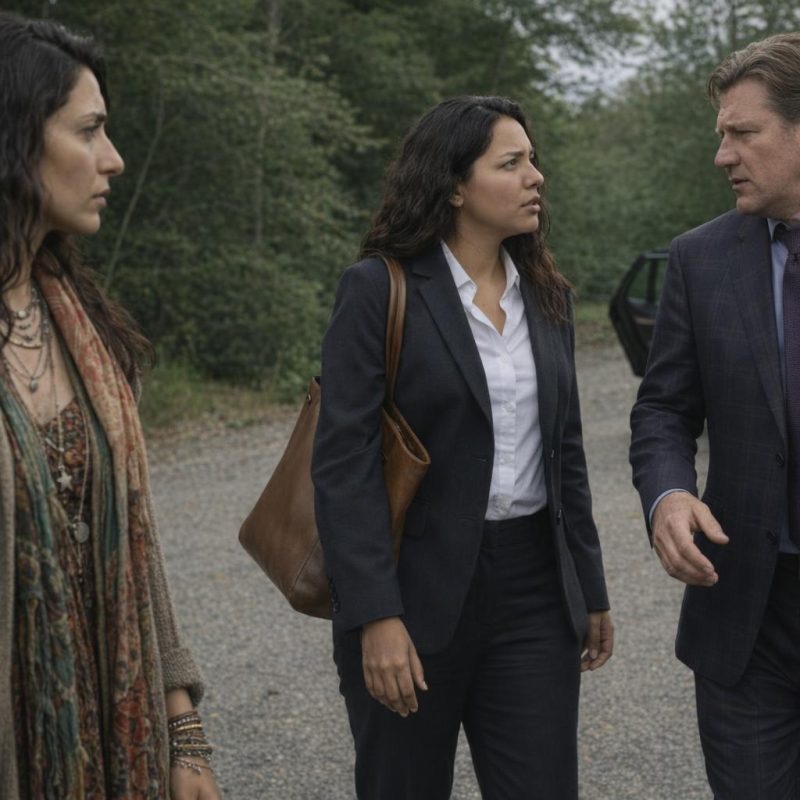 Image by RM AI
The Developer's Exit
Marcus exploded with a string of profanity that made Deputy Rodriguez's eyebrows rise slightly. He jabbed a finger at Elena, shouting that she'd wasted months of his time, that she'd promised him clear title to developable land, that she'd dragged his company into a mess that could expose them to liability. His voice echoed across my garden as he stormed to his car, yanking the door open with enough force that it bounced back. He didn't even look at her as he peeled out, gravel spraying from his tires. The silence he left behind felt enormous. Deputy Rodriguez turned to me, his expression professionally neutral but his eyes sharp with understanding. He asked if I wanted to proceed with removing the unauthorized resident from my property. His phrasing was careful, official, giving me the choice while making clear that my documentation supported that choice. I looked at Elena standing there in her flowing dress, bracelets silent now, her face pale and shocked. This woman who had smiled at me over coffee while plotting to take everything. This stranger who shared my blood but had tried to destroy me. I met Deputy Rodriguez's steady gaze and said yes.
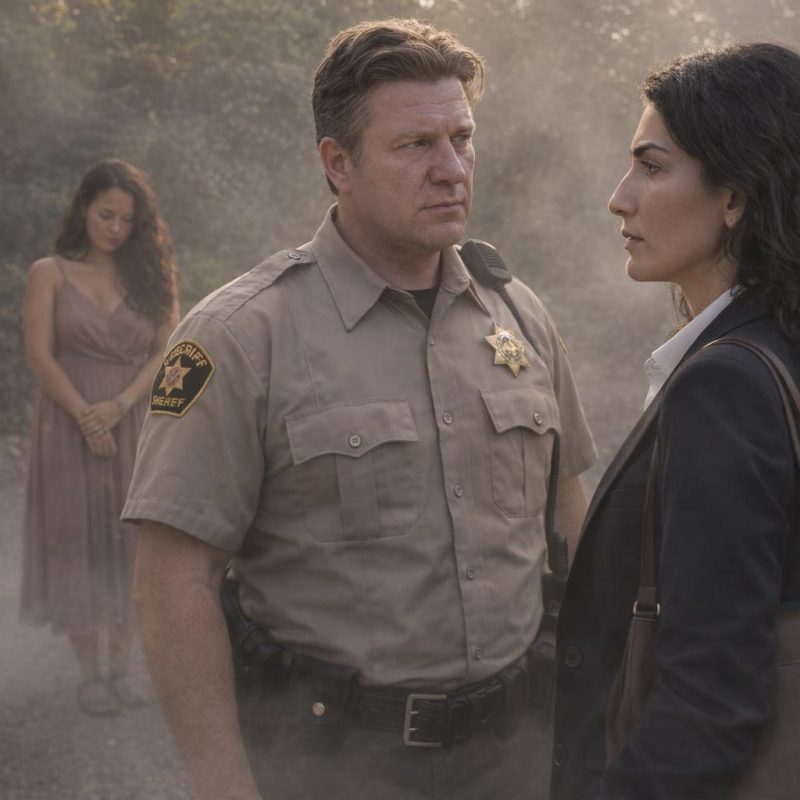 Image by RM AI
One Hour
I told Elena she had one hour to collect her personal belongings from the carriage house. Personal items only—clothing, toiletries, anything that was clearly hers before she moved in. Deputy Rodriguez confirmed he would remain on the property to enforce the timeline and ensure the removal proceeded properly. Elena stood completely still for a long moment, and I wondered if she would finally break, finally scream or cry or show some genuine emotion beneath all those calculated performances. But she didn't. She just stood there, her bohemian dress moving slightly in the breeze, her face blank like someone had unplugged her. Then she nodded once, a small mechanical movement, and turned toward the carriage house. She walked past me close enough that I could smell her jasmine perfume, the same scent that used to comfort me when we were kids. I didn't move. I didn't look away. I watched her walk the path to the carriage house, watched her shoulders stay rigid, watched her hand reach for the door handle. She disappeared inside without looking back, and I stood there in my garden with Deputy Rodriguez beside me, finally in control of my own property again.
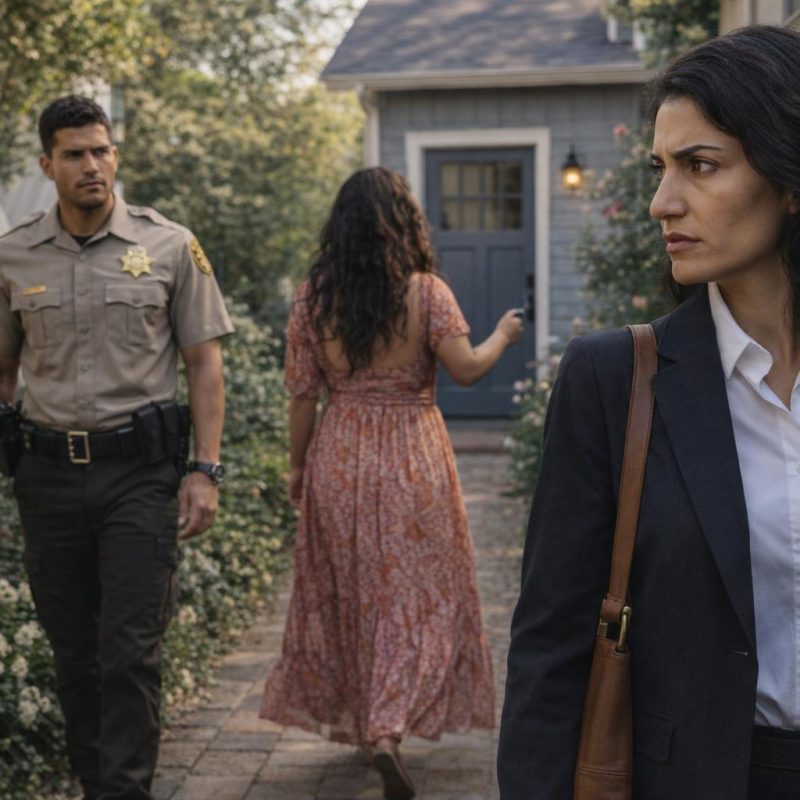 Image by RM AI
Solid Ground
Forty-seven minutes later, Elena emerged with two suitcases and a box. Deputy Rodriguez watched as she loaded them into her car with mechanical efficiency, no wasted movements, no drama. She didn't look at me. She didn't look at the main house or the garden or any of the property she'd tried so hard to steal. She just got in her car and drove away, and I stood there watching until her taillights disappeared down the road. The silence that settled over my property felt different than any silence before—not empty, but full. Full of possibility and peace and solid ground beneath my feet. I thought about my father in his cardigan with his wire-rimmed glasses, spending years documenting every detail of this land, every clause and provision and protection. He'd known. Maybe not the specifics of Elena's betrayal, but he'd known that knowledge was the only real protection. He'd given me more than a house and a guest house and two acres of Buffer land. He'd given me the tools to defend what was mine. I walked the full perimeter of my property alone that evening, touching the fence posts and the gate and the old stone walls my grandfather had built, finally home.
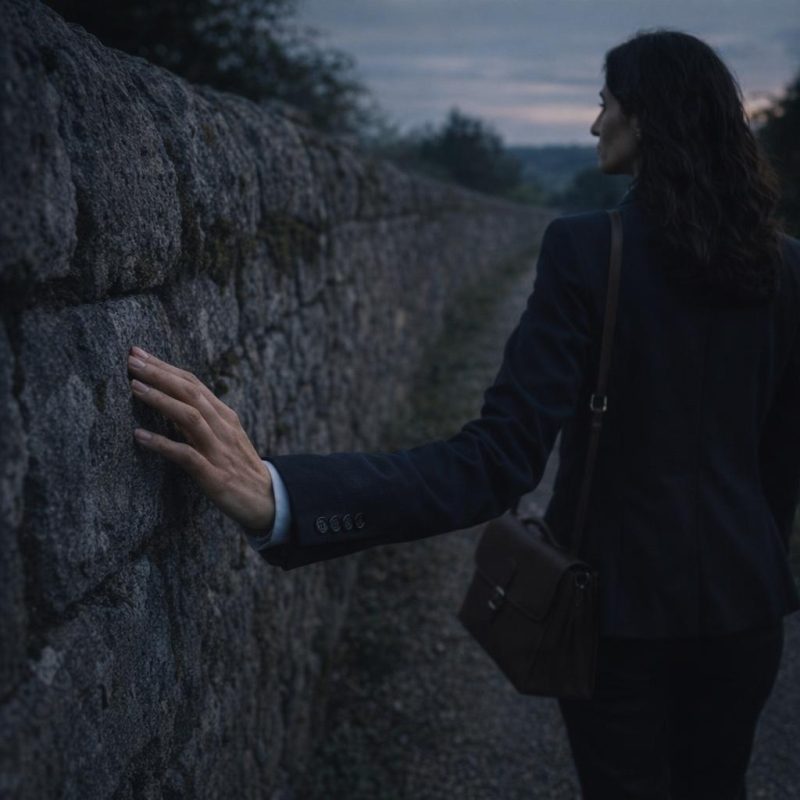 Image by RM AI
KEEP ON READING
The 20 Most Recognized Historical Figures Of All Time
The Biggest Names In History. Although the Earth has been…
By Cathy Liu Oct 4, 2024
10 of the Shortest Wars in History & 10 of…
Wars: Longest and Shortest. Throughout history, wars have varied dramatically…
By Emilie Richardson-Dupuis Oct 7, 2024
10 Fascinating Facts About Ancient Greece You Can Appreciate &…
Once Upon A Time Lived Some Ancient Weirdos.... Greece is…
By Megan Wickens Oct 7, 2024
20 Lesser-Known Facts About Christopher Columbus You Don't Learn In…
In 1492, He Sailed The Ocean Blue. Christopher Columbus is…
By Emilie Richardson-Dupuis Oct 9, 2024
20 Historical Landmarks That Have The Craziest Conspiracy Theories
Unsolved Mysteries Of Ancient Places . When there's not enough evidence…
By Megan Wickens Oct 9, 2024
The 20 Craziest Inventions & Discoveries Made During Ancient Times
Crazy Ancient Inventions . While we're busy making big advancements in…
By Cathy Liu Oct 9, 2024