

I Took A DNA Test To Honor My Late Mother—The Results Destroyed Everything I Thought I Knew About My Family
I Took A DNA Test To Honor My Late Mother—The Results Destroyed Everything I Thought I Knew About My Family
The Family Eyes
I was scrolling through a genetic testing website at 11 PM on a Tuesday when I should've been sleeping. My left eye caught the light from the laptop screen—that distinctive split of icy blue and deep hazel that always made people do a double-take. Mom had the same eye. Sectoral heterochromia, the doctors called it. A genetic quirk that showed up in maybe two hundred thousand people worldwide. She'd died when I was ten, cervical cancer that moved too fast for the treatments to catch up. But she'd always been so proud of our matching eyes, would pull out her compact mirror and hold it next to my face so we could compare the exact placement of the color split. "See that, Alex?" she'd say. "That's us. That's our family." I touched the corner of my eye, remembering. The genetic testing kit promised ancestry breakdowns, health insights, relative matching. A way to honor her memory, maybe find some distant cousins who shared our rare trait. I filled out the online form, entered my credit card information, and clicked through the consent pages without reading them too carefully. The order confirmation appeared on my screen—results would arrive in three weeks.
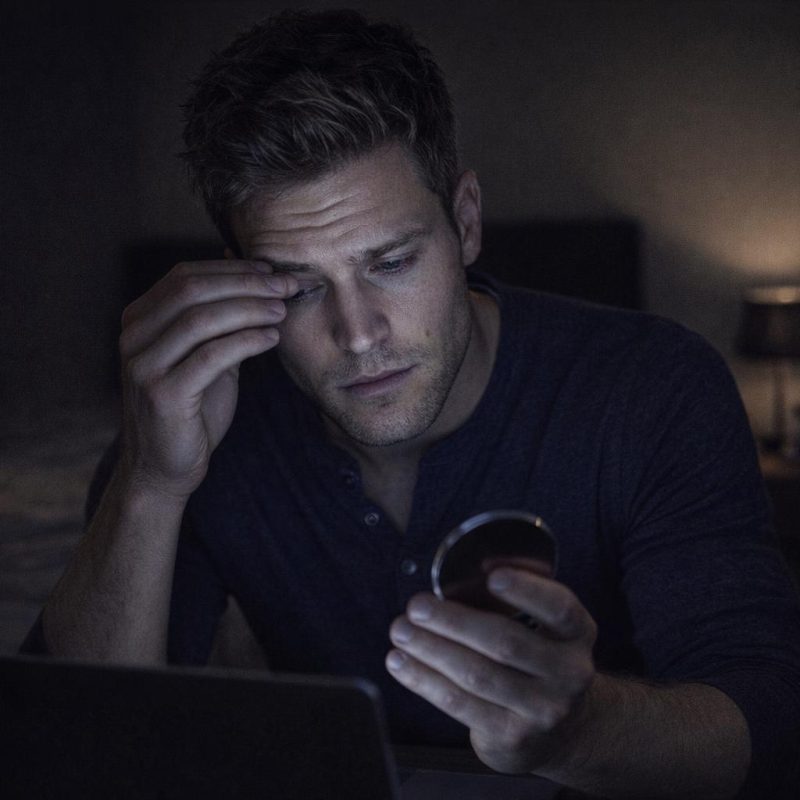 Image by RM AI
Three Generations
The DNA kit arrived in a plain white box three days later. I followed the instructions carefully, swabbing the inside of my cheek and sealing the sample in the prepaid envelope. That evening, I pulled out the old shoebox from the hall closet where I kept Mom's photos. Sarah sat beside me on the couch as I spread out the polaroids, finding the close-up shots of Mom's face where you could really see her left eye. "Look at this one," I said, holding it up to the lamp. The split was so clear in the faded image—that same icy blue bleeding into hazel. Sarah leaned in, then called Maya over from where she was coloring at the coffee table. Our four-year-old climbed up between us, and Sarah gently tilted Maya's face toward the light. The afternoon sun coming through the window hit Maya's left eye perfectly, illuminating the identical sectoral heterochromia. "It's like looking at a time-lapse," Sarah said softly, comparing the photo to Maya's face. "Three generations." I mailed the kit the next morning, and we spent breakfast discussing what European ancestry we'd probably find—maybe some Irish, definitely German from Dad's side. Sarah smiled and said the eyes were proof that some bonds transcend time itself.
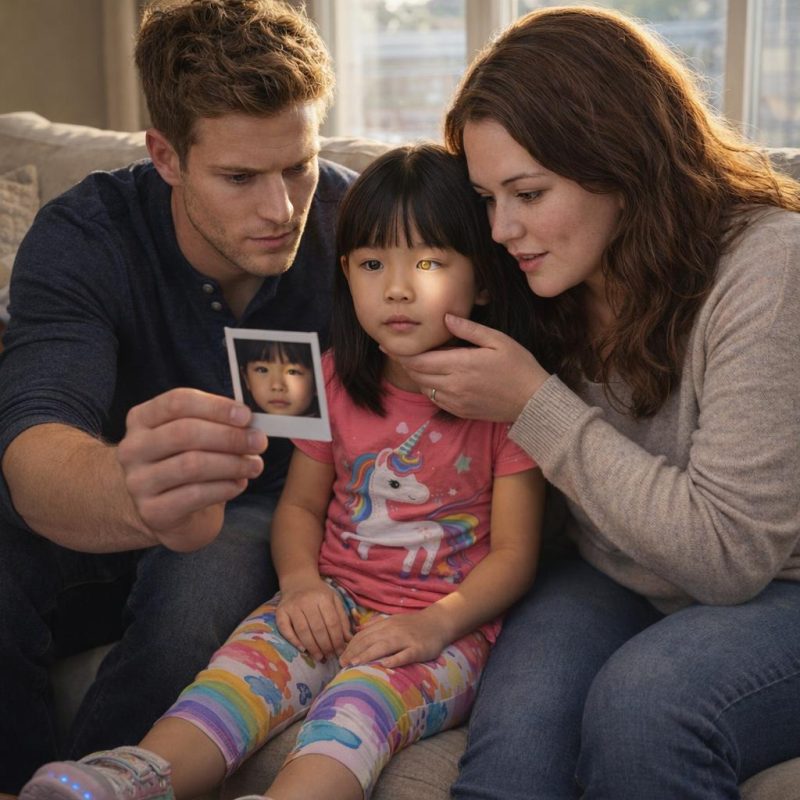 Image by RM AI
Before the Storm
Two weeks later, I took my lunch break and drove to the neighborhood park where Rachel usually brought Maya on nice days. The July heat shimmered off the asphalt, but under the oak trees it was almost pleasant. I spotted Rachel's car in the lot and walked over to the playground area. She waved from a bench, her patient smile reassuring as always. Maya was on the swings, pumping her legs with that fierce determination she brought to everything. Her laughter carried across the playground, pure and unselfconscious. I leaned against the fence and just watched her for a while, thinking about how Mom would've loved this—would've pushed Maya on these same swings, would've braided her hair, would've seen herself reflected in those mismatched eyes. The genetic test felt like a bridge somehow, connecting the grandmother Maya would never meet to the granddaughter who carried her legacy in every glance. I'd been hoping the results might show some distant cousins, maybe people who remembered Mom's side of the family from the old country. Maya looked over and waved, her split-colored eye catching the light. My phone buzzed in my pocket with a notification—the DNA results were ready earlier than expected.
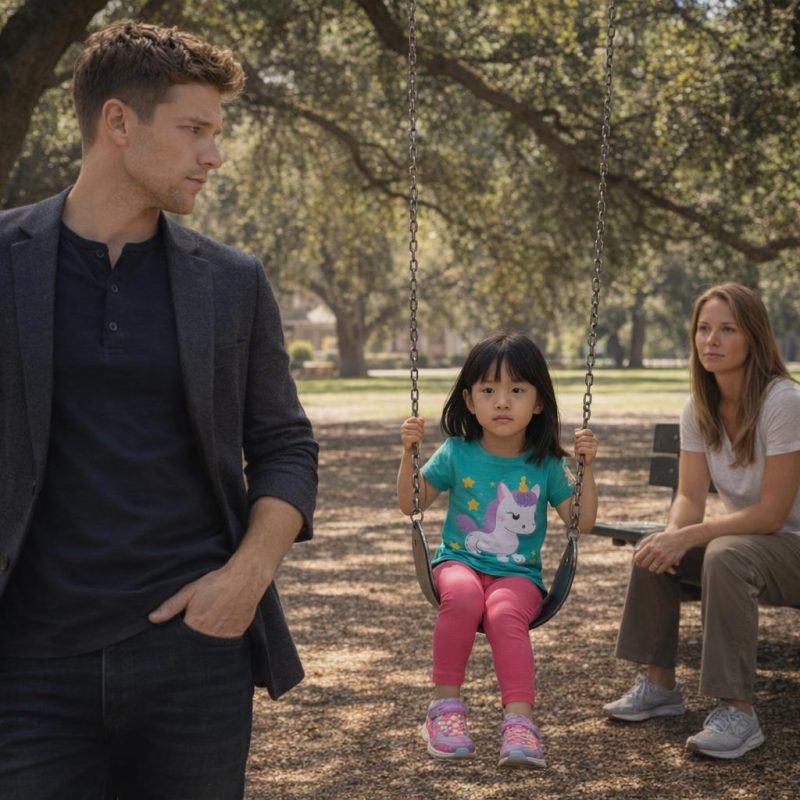 Image by RM AI
The Notification
I stayed in my car in the work parking lot, engine off but AC running full blast against the July heat. The notification email sat in my inbox with a subject line that read: "Your Genetic Testing Results Are Ready." I clicked the link, expecting pie charts showing ancestry percentages, maybe a map highlighting regions where my DNA originated. The page loaded slowly on my phone's browser. Instead of colorful graphics, I saw a stark white page with a header that read "Paternity Analysis Results." I frowned at the screen. I hadn't ordered a paternity test. I'd ordered an ancestry kit, the basic package that traced your ethnic background and found relatives in their database. I scrolled down, confused by categories I didn't recognize—genetic marker comparisons, allele frequencies, probability calculations. The July sun beat against the windshield despite the AC working overtime. My finger swiped through sections labeled with technical terms I'd never seen before. Then I reached a simple table near the bottom of the page. One row, two columns. The left column said "Paternity Probability" in plain black text. The right column displayed a single number: 0%.
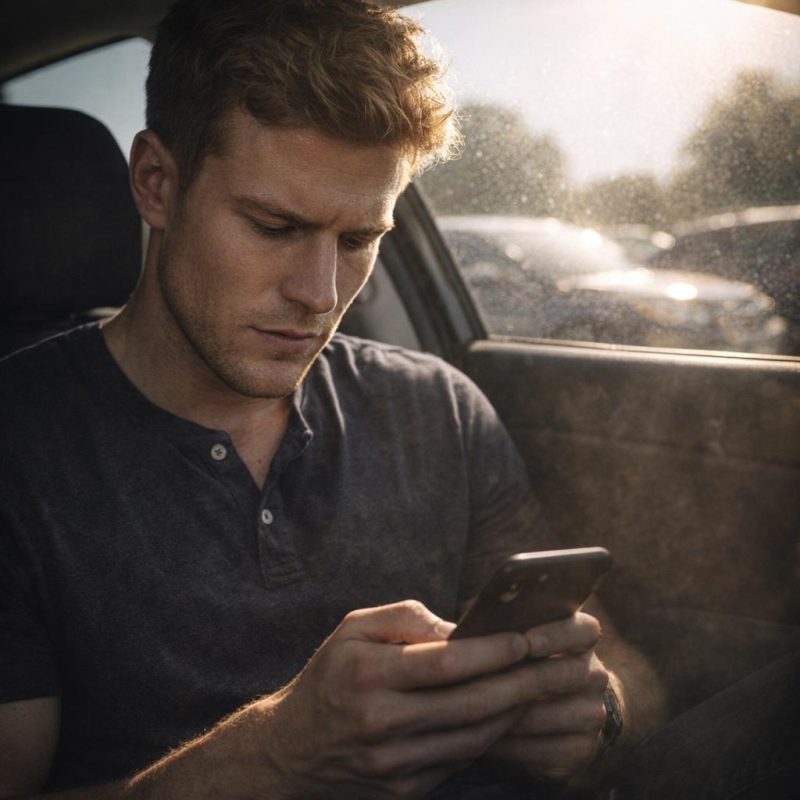 Image by RM AI
Black Text
I stared at that number. Zero percent. I read it again, then a third time, waiting for my brain to process what it meant. The AC vents blasted cold air directly at my face, but I barely felt it. Zero percent paternity probability. I scrolled up and down the page, looking for context, for an explanation, for some disclaimer that would make this make sense. Maybe it was showing me sample data? Maybe this was a template they forgot to populate with my actual results? My heart started beating faster. I thought about Maya's birth four years ago, how I'd held her in the hospital, how she'd gripped my finger with her tiny hand. I thought about Sarah, about our relationship, about the timeline. We'd been trying for months before Maya was conceived. There'd been no gaps, no separations, no reason to doubt anything. But zero percent. That wasn't a low probability. That wasn't a margin of error. That was absolute. My hands started shaking as the implication finally registered—Maya might not be my daughter.
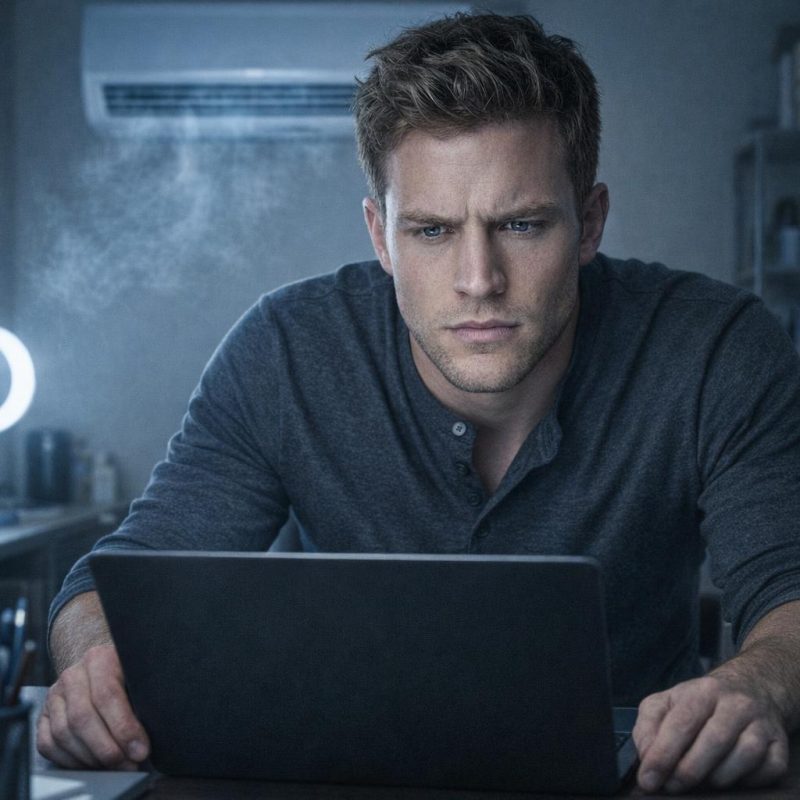 Image by RM AI
System Error
I hit the refresh button on my browser. The page reloaded with the same information. Same header, same table, same zero percent. I logged out of my account completely, then logged back in using the confirmation email they'd sent when I first registered. I checked every detail—my name, my birthdate, my address, the sample ID number. Everything matched. I went back to the results page and scrolled through the technical sections again, looking for any indication of a system error, a contaminated sample, a processing mistake. Nothing. The report showed a completion date from yesterday, marked as "Final Results—Quality Verified." I clicked through to the help section and found a customer service number, but my thumb hovered over the call button without pressing it. What would I even say? I compared the confirmation email to the results page one more time, checking the sample ID against my order number. They matched perfectly. I looked at the genetic marker analysis, rows and rows of data comparing my DNA profile to someone else's. The results were meant for me, and they were final.
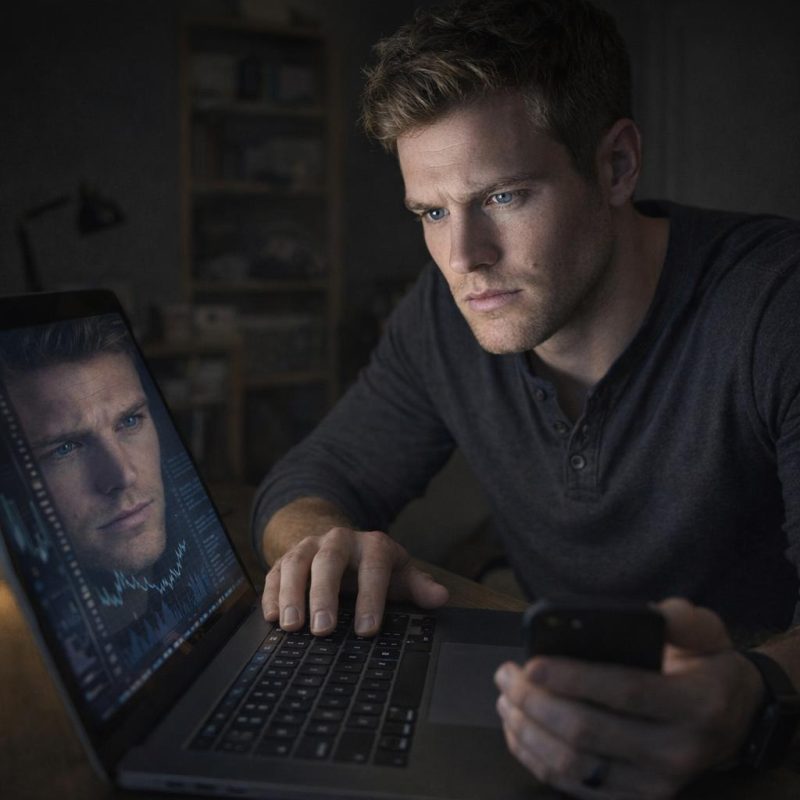 Image by RM AI
The Unthinkable
I forced myself to read the detailed breakdown below the paternity probability. The page showed genetic marker comparisons in a grid format—my alleles in one column, Maya's in another. I didn't understand all the technical terminology, but the pattern was clear enough. No matches. Not a single shared marker where there should have been dozens. The report explained in clinical language that biological fathers and children share approximately fifty percent of their genetic markers. Maya's profile and mine shared zero. My chest felt tight, like someone was pressing down on my ribcage. I scrolled through line after line of incompatible data, each row another confirmation that the little girl I'd raised for four years, the daughter who had my mother's eyes, wasn't biologically mine. I tried to think of alternative explanations. Lab mix-up? But they'd verified the sample ID. Sarah's infidelity? The thought made me physically sick, but I couldn't ignore it. I looked at the time—12:47 PM. I was supposed to be back at my desk in thirteen minutes. There was no way I could walk into that office and pretend to work, pretend to care about spreadsheets and client calls. The car's AC blew cold air across my face as I sat motionless in shock.
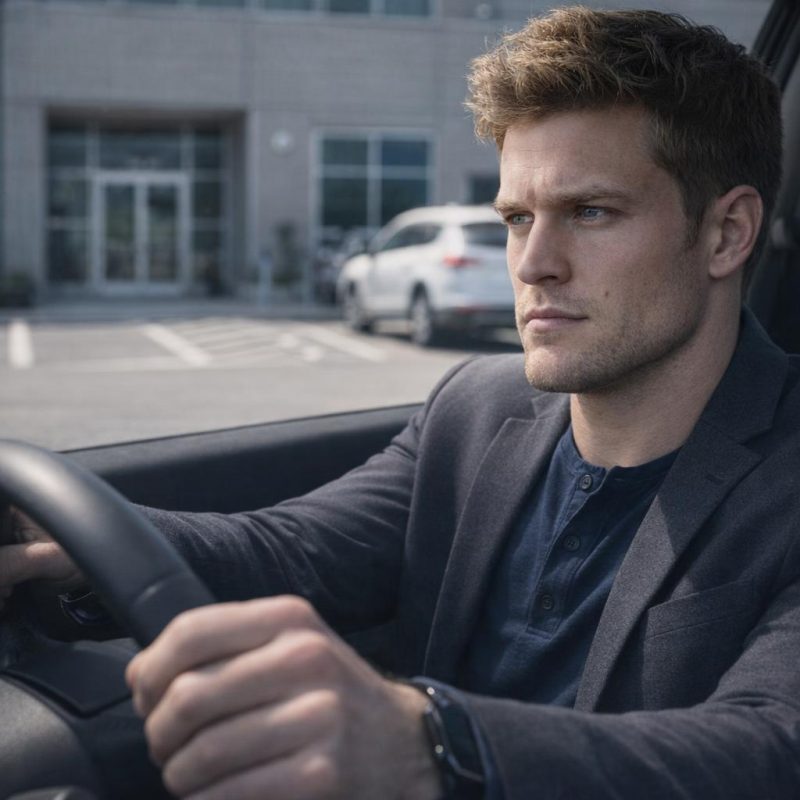 Image by RM AI
Watching From a Distance
I started the car and drove. Not back to work, not home. I ended up at the neighborhood park, parking across the street where I had a clear view of the playground. Rachel was still there with Maya, sitting on a bench while Maya climbed the jungle gym with two other kids. I got out and walked closer, stopping behind one of the large oak trees that bordered the play area. Maya's laughter rang out as she reached the top of the climbing structure, her hair catching the sunlight. She looked so happy, so normal, so completely unaware that my entire world had just collapsed. I watched her slide down the curved slide, then run back to climb again. That fierce determination, that bright energy—I'd always thought she got that from me. But maybe I'd been wrong about everything. The test results sat like lead in my pocket, but standing here watching her play, I felt something else cut through the confusion and betrayal. Love. Fierce, protective, overwhelming love that had nothing to do with genetic markers or paternity percentages. Maya turned suddenly, scanning the playground, and her eyes landed on me. She waved directly at me, her mismatched eyes bright with innocent joy.
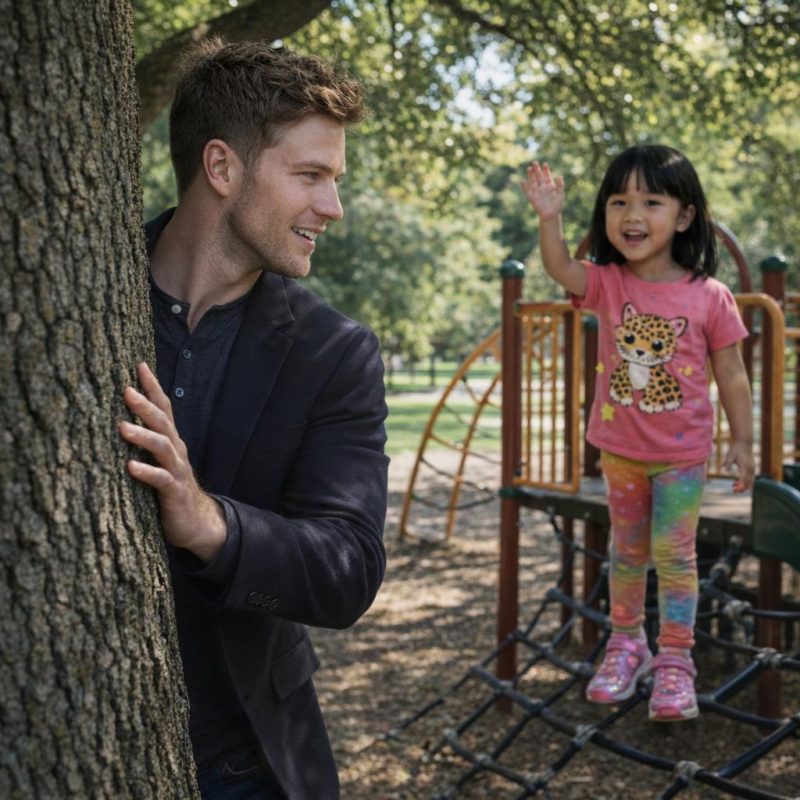 Image by RM AI
The Impossible Question
I sat in my car as the afternoon light shifted, mentally rewinding through every interaction Sarah had during the months before Maya's conception. Where had she been? Who had she talked to? I forced myself to catalog her activities from five years ago, searching for gaps, for unexplained absences, for anything that might explain the impossible DNA results. We'd come home together after work almost every evening—I could picture us walking through the door, her dropping her bag on the kitchen counter, me starting dinner while she changed clothes. Her phone had never been password protected. Neither had her laptop. They'd sit on the coffee table, unlocked, available for anyone to see. Our checking account was joint, every transaction visible to both of us. I tried to imagine scenarios where she could have had an affair. Early mornings before work? We'd carpooled. Lunch breaks? She'd texted me photos of her salads from the office cafeteria. Evenings? We'd been together. Weekends? Always together. Every mental review of our relationship, every memory I examined, contradicted the possibility of betrayal.
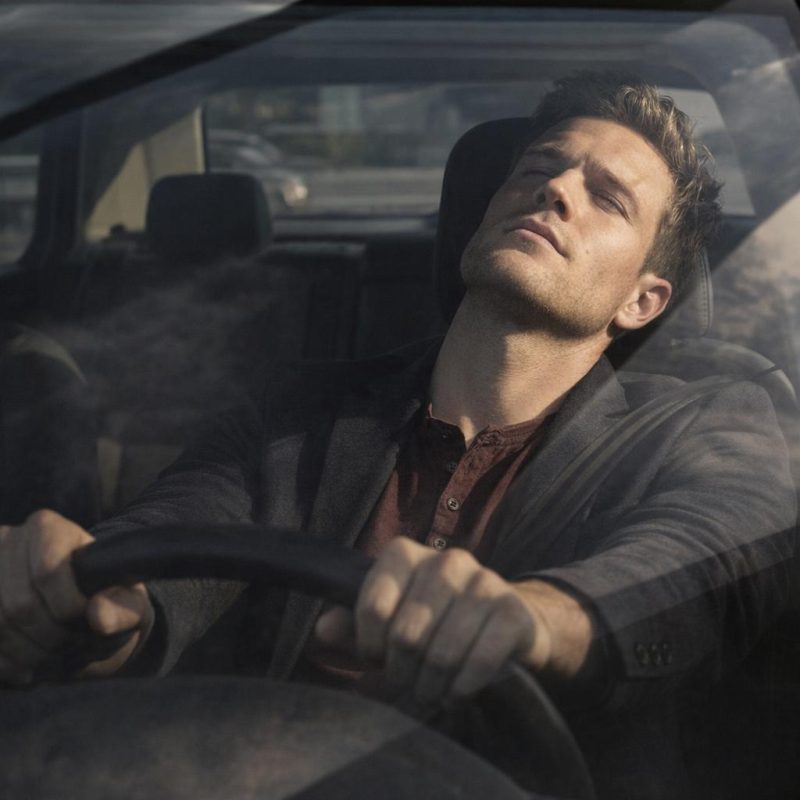 Image by RM AI
Friday Nights and Saturday Mornings
I remained in the parked car, my body numb, replaying years of our marriage like a film I was searching for continuity errors. Friday nights we'd played board games at home—Settlers of Catan, Ticket to Ride, sometimes just cards while drinking wine on the couch. Saturday mornings at this same park with Maya as a toddler, Sarah pushing her on the swings while I spotted her on the climbing structure. I remembered Sarah's consistent presence at home during the entire conception period, her excitement when the pregnancy test came back positive, her hand squeezing mine in the doctor's office. Our mutual friends had never hinted at anything unusual. No knowing looks, no awkward silences, no whispered conversations that stopped when I entered a room. My phone buzzed on the passenger seat. Then again. And again. Work notifications I couldn't bring myself to read. A text from my boss asking where I was. I stared at the screen without responding. The sun had moved significantly across the sky. I realized I'd been sitting in this car for over three hours without moving.
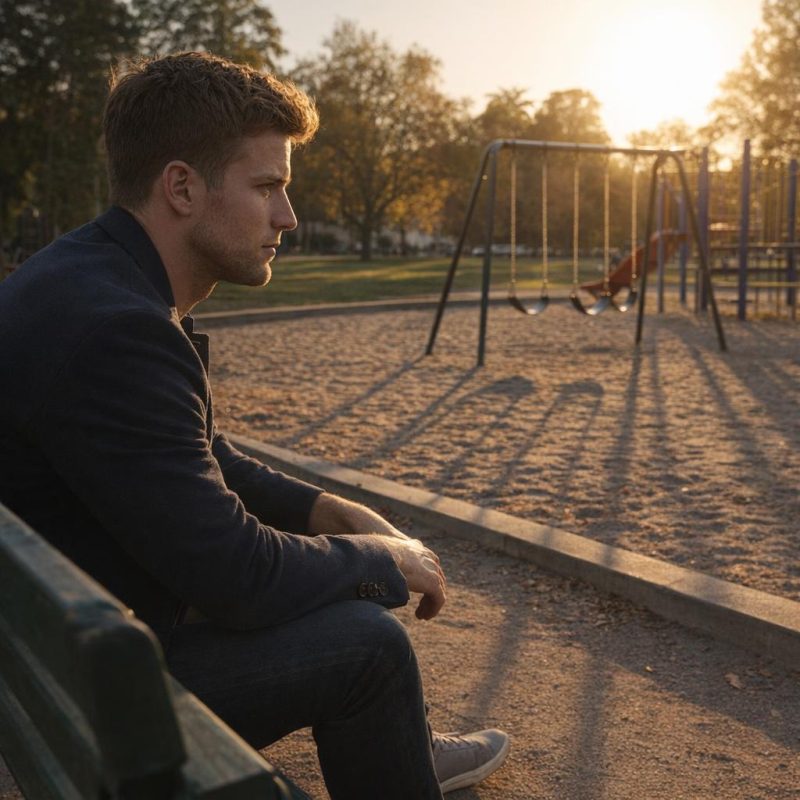 Image by RM AI
Timeline
I pulled up my old calendar app, scrolling back five years with shaking fingers. Sarah's documented schedule appeared in neat color-coded blocks—doctor's appointments in blue, work meetings in green, personal activities in purple. I traced each entry, looking for unexplained absences, for gaps in time where she could have been with someone else. Tuesday, 3pm: dentist appointment. Thursday, 6pm: yoga class at the studio three blocks from our house. Saturday, 10am: grocery shopping. I cross-referenced her appointments with my own schedule. We'd spent most evenings together. I found shared calendar entries showing dinner with friends, movie nights at home, walks around the neighborhood. I noted Sarah's regular prenatal appointments that I'd attended with her—every single one. I'd been there for the ultrasounds, holding her hand, watching Maya's tiny form appear on the screen. I searched for any gaps, any windows of opportunity. Nothing. I found photographs from that period in my phone's archive, Sarah visibly pregnant in every one, always with me. Her arm around my waist. My hand on her belly. The timeline didn't work.
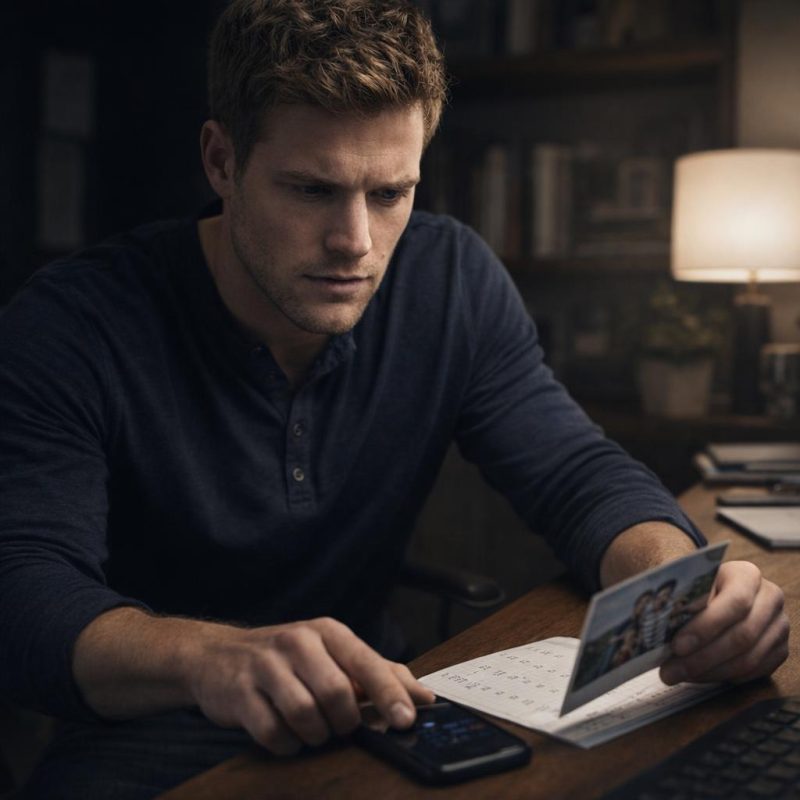 Image by RM AI
No Passcodes
I sat in the gathering dusk, the playground now empty, and remembered our policy of complete transparency. No locked phones. No private email accounts. No closed doors. We'd decided that together early in our relationship, both of us coming from families where secrets had caused damage. Sarah had left her phone unlocked on the kitchen counter countless times while she showered or ran to the store. I'd glanced at it occasionally—not snooping, just seeing notifications pop up. Work emails. Texts from her sister. Reminders about Maya's pediatrician appointments. We'd shared an email account for family matters, both of us with access to everything. I felt shame creeping in, hot and uncomfortable, for doubting my wife this way. For mentally investigating her like she was a suspect. If Sarah had been unfaithful, she was impossibly good at deception. Impossibly careful. Impossibly consistent in her lies. And that didn't match the woman I knew. The woman who cried at commercials and forgot to lie about surprise parties and wore her emotions on her face. My guilt intensified as I realized what I was doing—destroying the trust that had always been our foundation.
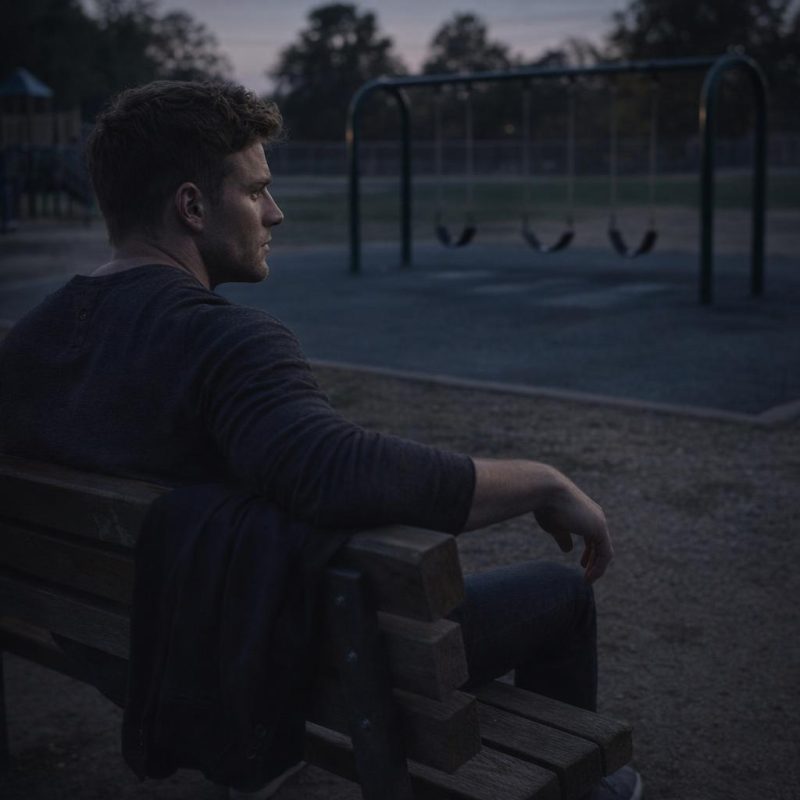 Image by RM AI
DNA Matches
I finally forced myself to scroll past the paternity results to examine the rest of the genetic testing website. There had to be more information, more data that would explain this. I navigated to the DNA relatives section of my profile, where the site listed genetic matches organized by relationship strength. A long list of names appeared, each with a percentage showing how much DNA we shared. I recognized several surnames immediately—Castellano, Moretti, names from my mother's side of the family. Second cousins and third cousins, people I'd never met but whose family trees clearly connected to my maternal line. I kept scrolling, looking for the other half. My father's family had distinctive surnames too—Sullivan, O'Brien, McCarthy. Irish names that should have appeared somewhere in this database. I scrolled further down the list, past the close matches into the more distant ones. Fourth cousins. Fifth cousins. People who shared tiny fractions of DNA with me. But as I examined each entry, checking the family trees that some users had attached to their profiles, I noticed something strange. There were no paternal matches at all.
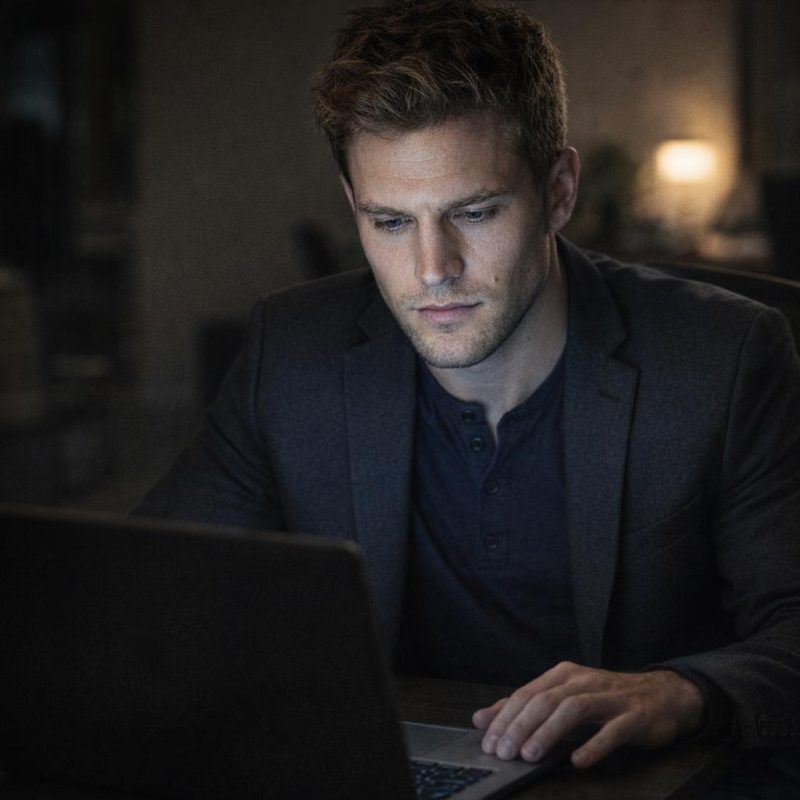 Image by RM AI
The Missing Half
I stared at my genetic profile, scrolling up and down the entire list multiple times to confirm what I was seeing. Every single DNA match came from my mother's side. Not one person, not one surname, not one family tree branch connected to my father's lineage. I methodically reviewed every genetic match, clicking into profiles, examining the shared DNA percentages. Zero matches showed surnames from Arthur's side. I searched for Sullivan in the database. Nothing. O'Brien. Nothing. McCarthy. Nothing. I double-checked that the maternal matches were definitely from my mother's relatives—yes, the family trees were clear, the connections obvious. My mother's second cousin was there. Her third cousin twice removed. Distant relatives I'd never heard of but whose genetic connection to my mother's family was unmistakable. But my father's entire lineage had vanished from my genetic profile as if it had never existed. The problem shifted in my mind, tilting like a photograph being rotated. This wasn't about Maya's parentage. This wasn't about Sarah's fidelity. The confusion transformed into something colder as I wondered how I could have no genetic connection to my father's entire family.
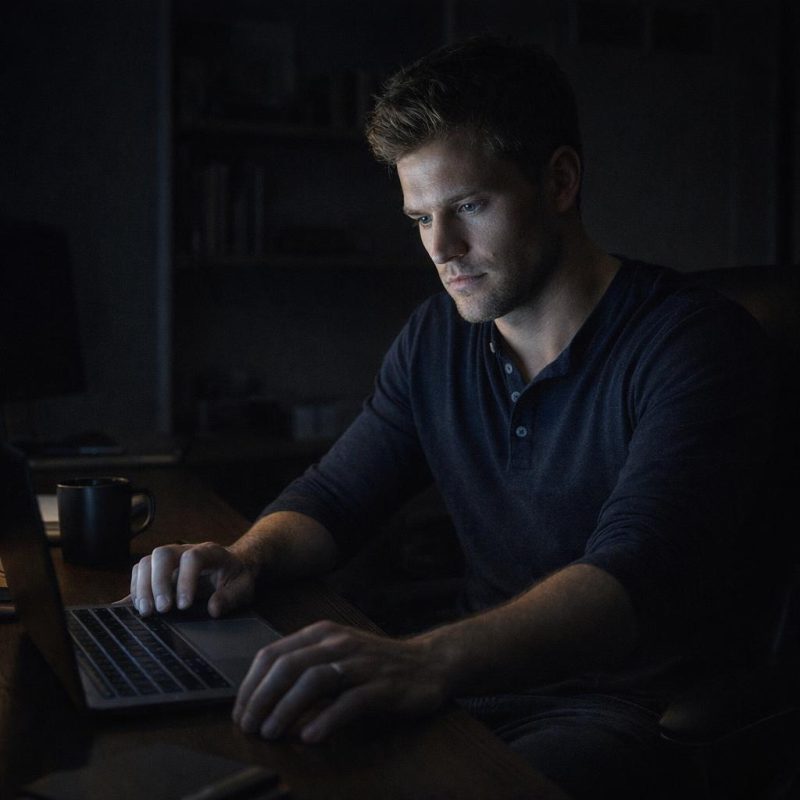 Image by RM AI
Reaching Out
I searched the website for contact information, my hands shaking so badly I had to steady my phone against the steering wheel. There had to be an error. A technical glitch. Something wrong with how the lab processed my sample. I found a customer service number and dialed with trembling fingers. A receptionist answered on the third ring, her voice professionally pleasant. I tried to explain that I had confusing results, that something didn't make sense, but my words came out jumbled. She asked me to hold, and generic music played for what felt like hours but was probably two minutes. Then a different voice came on the line. "This is Dr. Chen, genetic counselor. I understand you have some questions about your results?" Her tone was calm, measured, the kind of voice that probably delivered difficult news regularly. "Yes," I managed. "I don't understand what I'm seeing. The results don't make sense." "Can you describe the specific inconsistencies you've found?" Dr. Chen asked. "I'd like to understand what you're looking at so I can help explain what the data means."
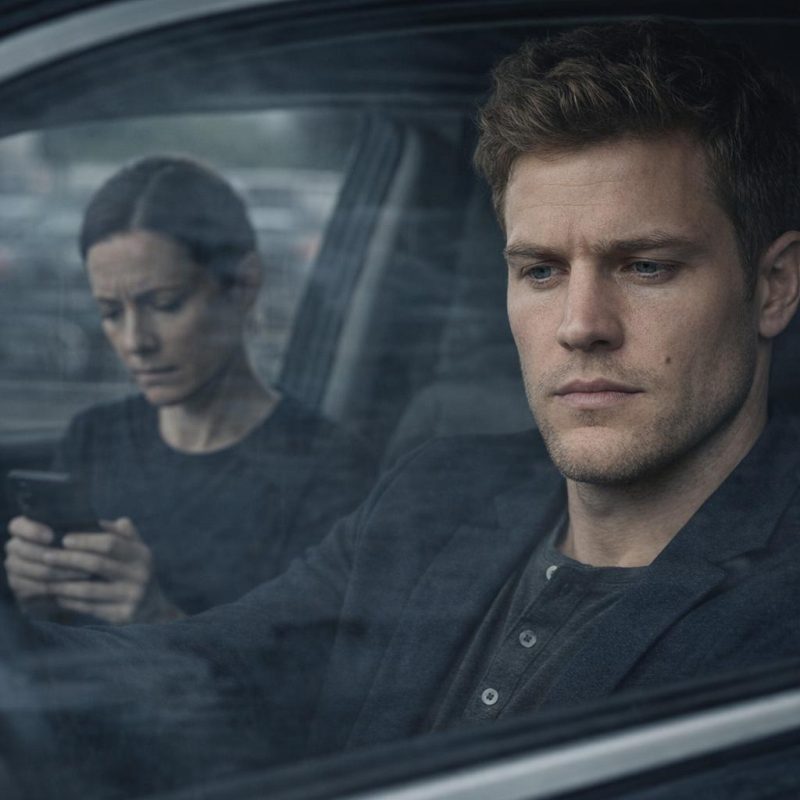 Image by RM AI
Your Own Profile
Dr. Chen asked me to describe the paternity probability results I'd seen. I explained the 0% result for Maya, my voice cracking as I said it out loud for the first time. There was a pause on the line. "I see," Dr. Chen said carefully. "And have you noticed anything unusual about your own genetic matches? Your DNA relatives list?" I described the absence of paternal genetic relatives, how every match came from my mother's side, how my father's entire family seemed to have disappeared from my genetic profile. Another pause, longer this time. "Mr..." she trailed off, waiting for my name. "Alex," I said. "Alex, what you're describing is a pattern we sometimes see in these tests. The paternity issue with your daughter—it doesn't appear to originate with your wife's fidelity." My stomach clenched. "What do you mean?" "The pattern you're seeing in your own matches suggests questions about your own parentage," Dr. Chen said gently. "When someone has genetic relatives only from their mother's side and none from their father's side, it typically indicates that the person they believed to be their biological father may not be." The blood drained from my face as I understood what she was implying.
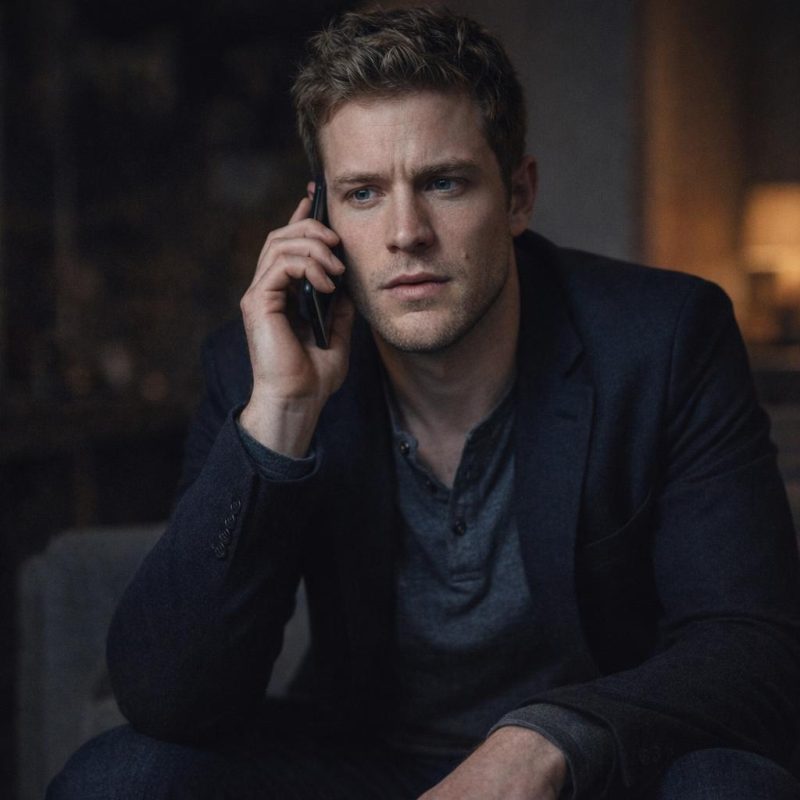 Image by RM AI
Not Sarah
I thanked Dr. Chen and ended the call, my hand shaking as I lowered the phone to my lap. The parking lot was completely dark now, just my car sitting under a broken streetlight that flickered every few seconds. Sarah hadn't betrayed me. Maya was mine—biologically, genetically, completely mine. The relief should have been overwhelming, but instead I felt like the ground had opened up beneath me. Because if the problem wasn't Sarah's infidelity, then it was something else entirely. Something about my own bloodline. My father's entire side of the family had vanished from my genetic profile like they'd never existed. Arthur's parents, his siblings, his cousins—all the relatives I'd grown up hearing stories about—none of them showed up in my DNA matches. Only my mother's side remained, a one-sided family tree that made no biological sense. Unless Arthur wasn't actually my biological father. Unless everything I'd been told about where I came from was a lie. I turned the key in the ignition, my hands still trembling, and pulled out of the parking lot. I needed to get home. I needed to see my family while my entire identity felt like it was dissolving in my hands.
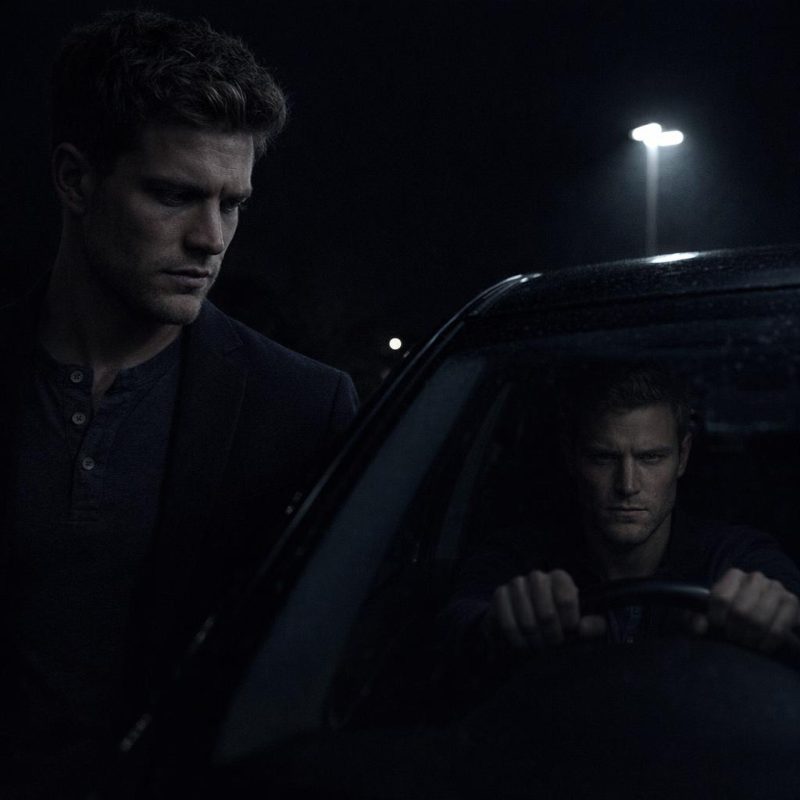 Image by RM AI
The Performance
I walked through the front door and forced my face into something resembling normal. Sarah looked up from the stove and smiled, and I crossed the kitchen to kiss her cheek like I did every evening. Maya came running from the living room, her mismatched eyes bright with excitement, waving a piece of construction paper covered in finger paint. "Daddy, look what I made at school!" I knelt down and examined the swirls of blue and red, telling her it was beautiful, that we'd hang it on the refrigerator. We sat down to dinner—chicken and rice, something simple—and I moved the food around my plate while Sarah talked about her day at work. Maya chattered about circle time and playground adventures, her voice filling the spaces where I should have been responding. "You seem distracted," Sarah said, her fork pausing halfway to her mouth. "Everything okay?" I looked up and met her eyes, those warm, honest eyes that had never lied to me. "Just work stress," I said smoothly. "Big deadline coming up." She nodded, accepting the explanation, and I hated myself for lying. But I couldn't tell her. Not yet. Not until I understood what the hell was happening with my own father.
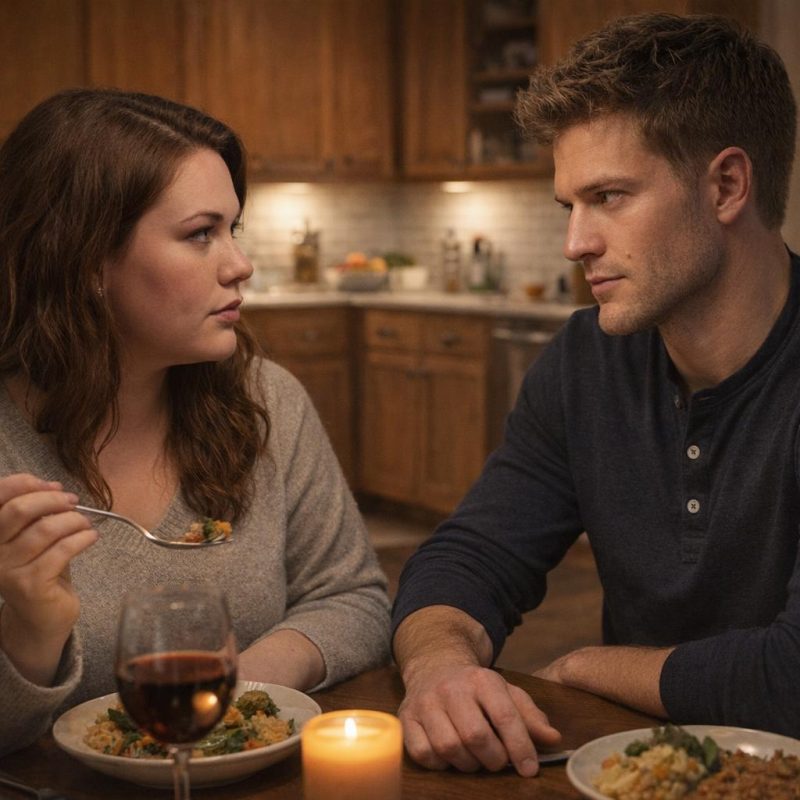 Image by RM AI
Observing Love
After dinner, I stood in the hallway outside the bathroom while Sarah helped Maya with her bath. Through the half-open door, I watched Sarah kneel beside the tub, making silly voices as she squeezed shampoo into Maya's hair. Maya giggled and splashed water, her small hands creating waves that sloshed against the porcelain. "You're getting me all wet, silly goose," Sarah laughed, wiping her face with her sleeve. There was nothing forced about it, nothing performative. Just genuine affection, the kind of natural tenderness that couldn't be faked. Sarah reached for the cup to rinse Maya's hair, her movements patient and practiced, and I felt the last remnants of doubt about Sarah's fidelity dissolve completely. Whatever the DNA test said, whatever confusion existed about genetics and bloodlines, Sarah's love for Maya was absolutely real. But if Sarah hadn't betrayed me, then someone else had lied. My father, maybe. Or my mother, before she died. I watched Sarah help Maya stand up and wrap her in a towel, their laughter echoing off the bathroom tiles, and I wondered what other truths about my family had been hidden in plain sight all these years.
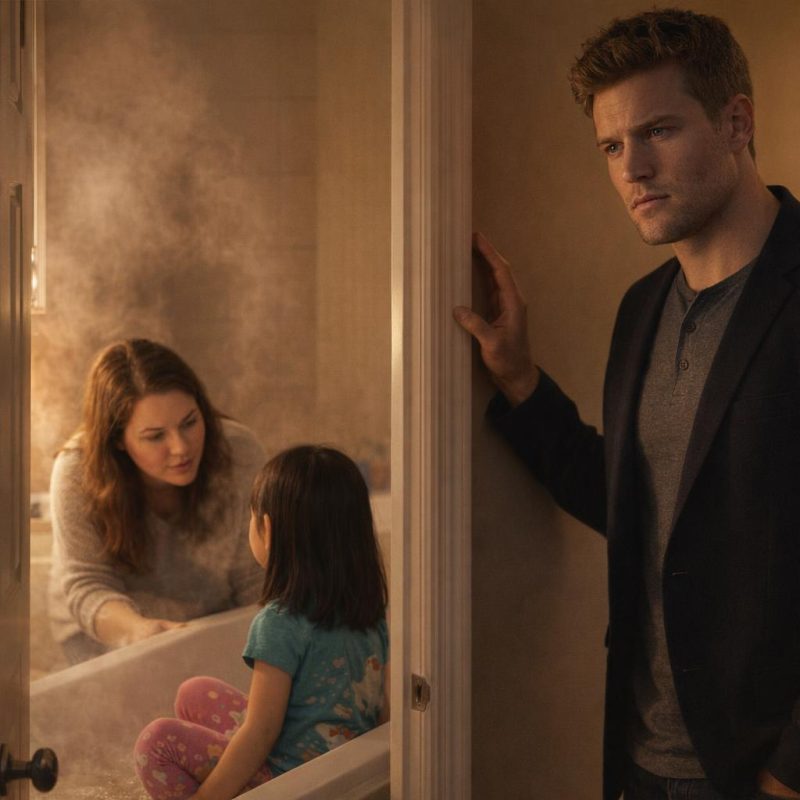 Image by RM AI
Into the Attic
I lay in bed next to Sarah, listening to her breathing slow and deepen into sleep. Down the hall, Maya's room was quiet, her nightlight casting its soft glow under the door. I waited another twenty minutes, counting the seconds, making sure they were both completely out. Then I slipped from under the covers and padded barefoot across the bedroom. The attic stairs were at the end of the hallway, behind a door that creaked when I opened it. I froze, listening, but no one stirred. The wooden steps groaned under my weight as I climbed into the darkness above. My father's old trunk had been up here for years, ever since we'd moved his belongings out of his apartment after he died. I'd barely looked through it at the time—too raw, too painful. But now I needed answers. I reached up and pulled the chain on the bare bulb, and yellow light flooded the cramped space. There it was, in the corner under the slanted roof, covered in a layer of dust. The trunk sat waiting, like it had been expecting me all along. I knelt before it and lifted the lid, knowing that whatever I found inside would change everything.
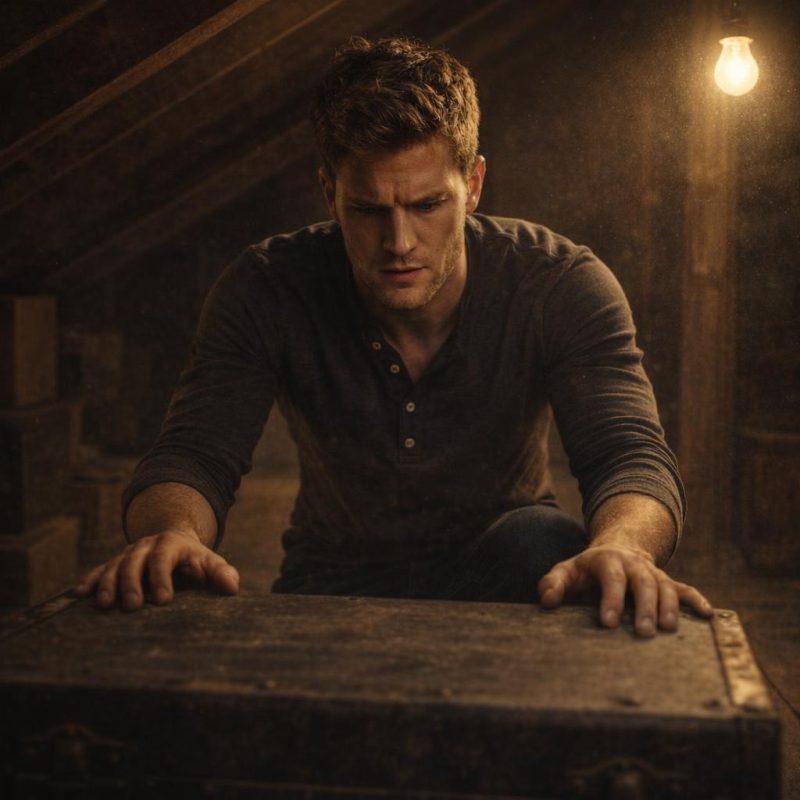 Image by RM AI
The Trunk
I started removing items carefully, setting them on the attic floor in the circle of light from the overhead bulb. Yellowed letters and greeting cards came out first, birthday wishes and holiday notes from relatives whose names I barely remembered. Beneath those were my elementary school report cards, my childish handwriting on art projects, a clay handprint I'd made in second grade. I found a bundle of photographs secured with a cracked rubber band, the kind of polaroids people took in the nineties before everything went digital. Medical forms were tucked along the side of the trunk—vaccination records, a copy of my birth certificate, routine checkup summaries from when I was a kid. Everything looked normal, ordinary, the accumulated debris of a childhood that seemed completely unremarkable. But then, at the very bottom, beneath layers of memorabilia and forgotten papers, I saw it. A manila envelope, sealed with tape that had yellowed with age. My mother's handwriting was on the front, just my name written in her distinctive script. My heart started pounding as I lifted it out. The envelope was thin, maybe only a few pages inside, but it felt heavy in my hands. I set it aside carefully and continued searching through the remaining items, systematic and thorough, looking for anything else that might explain the missing paternal matches.
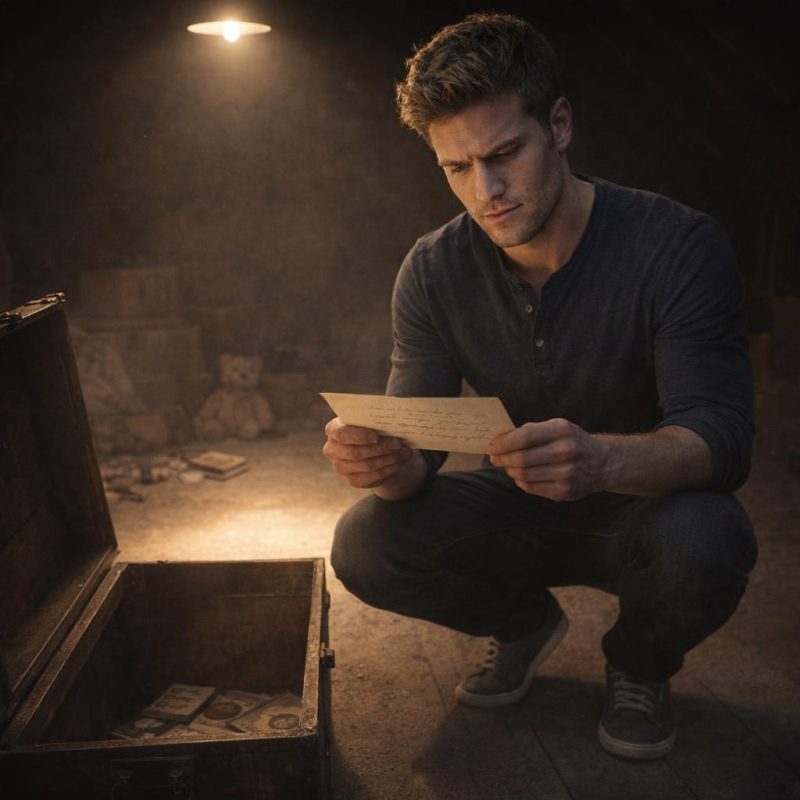 Image by RM AI
Polaroid Evidence
I picked up the bundle of polaroids and carefully removed the rubber band, which snapped and crumbled in my fingers. The photos spread across the attic floor, images of my mother from different angles and occasions—standing in our old backyard, sitting at a restaurant, laughing at some family gathering I couldn't quite remember. I held each one up to the light, studying her face, looking for something I couldn't quite name. Then I realized I needed to see the details more clearly. I descended the attic stairs as quietly as I could and retrieved the magnifying glass from the kitchen junk drawer, then climbed back up. Under magnification, everything became sharper. I held the glass over a photo of my mother taken in profile, the lighting bright and direct. Her left eye was clearly visible, and there it was—the distinctive sectoral heterochromia, the split between icy blue and deep hazel that I'd inherited, that Maya had inherited. I moved to another photo, then another, examining each one carefully. Every image showed the same thing. The trait was unmistakable, documented in polaroid after polaroid. Under magnification, her left eye showed the distinctive blue and hazel split with perfect clarity—exactly like my own eye, exactly like Maya's.
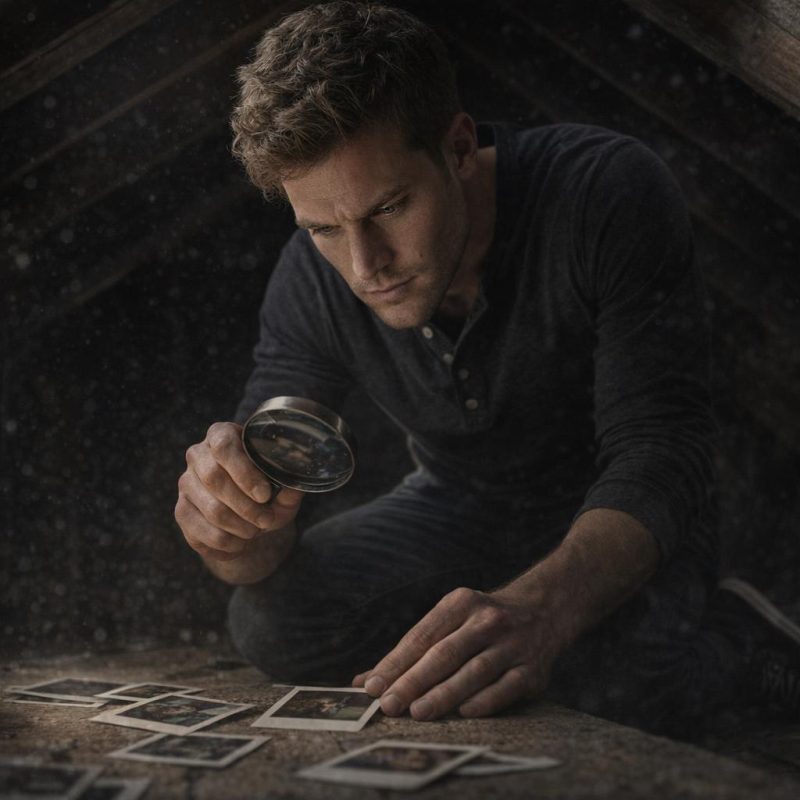 Image by RM AI
Mirror and Memory
I spotted a small mirror tucked in the corner of the attic, probably left there years ago during some renovation project. I picked it up and wiped the dust off with my sleeve, then positioned it to catch the light from the overhead bulb. My own left eye stared back at me, the sectoral heterochromia as vivid as ever—that sharp division between blue and hazel that had always made me feel slightly different, slightly marked. I held one of my mother's polaroids next to my reflection, comparing them directly. The match was perfect. The same pattern, the same split, the same distinctive coloring that couldn't be coincidental. I thought about Maya downstairs, asleep in her bed, her left eye carrying the exact same trait. Three generations, the visual evidence right in front of me. My mother had passed this to me, and I'd passed it to Maya. The genetic connection seemed obvious, undeniable. So how could I have zero paternal genetic relatives? How could my father's entire family be missing from my DNA profile if the maternal trait was so clearly, visibly real? I lowered the mirror and stared at the polaroid, feeling the contradiction between what I could see and what the DNA test showed intensify into something impossible to explain.
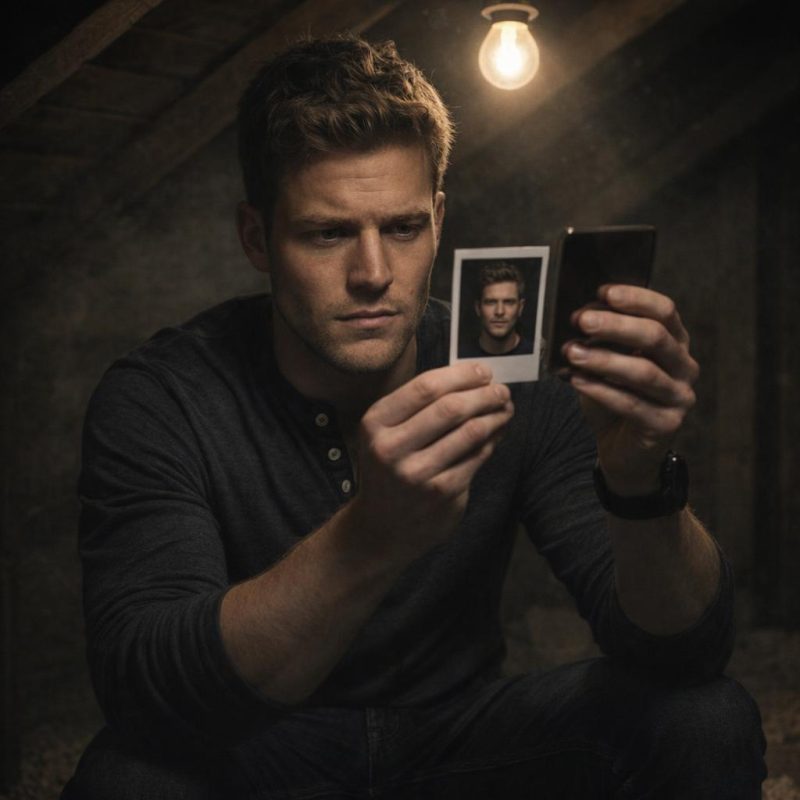 Image by RM AI
Medical History
I set the photos aside and picked up the manila envelope, my mother's handwriting staring up at me. I carefully peeled back the yellowed tape and pulled out the contents. Inside was a folder, the kind doctors use for medical records, with my name printed on the tab. I opened it and found exactly what I expected—my mother's prenatal care records from before I was born, routine checkups and ultrasound notes that all looked completely normal. My birth certificate was there too, showing I'd been born at the local hospital with both my parents listed. Vaccination cards, pediatric visit summaries, the standard documentation of a healthy childhood. I flipped through elementary school report cards that had somehow ended up in the same folder, my teachers' comments about my reading level and math skills. Everything was ordinary, unremarkable, exactly what you'd expect to find in a parent's keepsake collection. I was about to close the folder when something slipped out from between two pieces of paper. A thin receipt, yellowed with age, the ink faded but still legible. I picked it up and held it under the light. It was from a clinic—some kind of medical facility in a city three hours away, a place I'd never heard of. The date at the top made my stomach drop. Nine months before I was born.
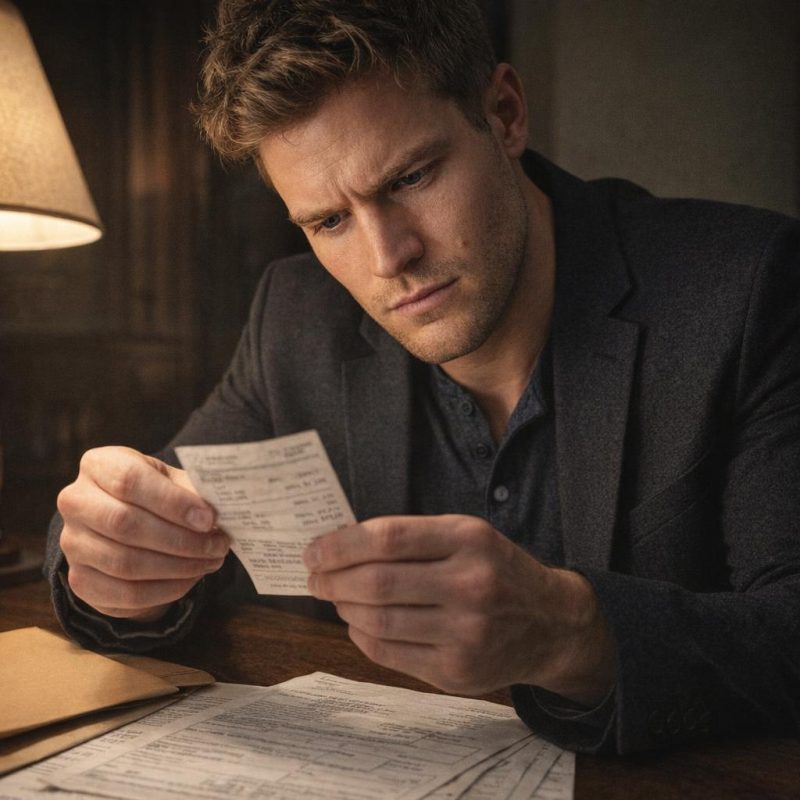 Image by RM AI
The Fertility Receipt
I held the yellowed receipt under the light, squinting at the faded ink. The clinic name meant nothing to me—some medical facility in a city three hours away from where my parents had lived back then. But it was the description that made my pulse quicken: 'specialized fertility treatment services.' I read it three times to make sure I wasn't misunderstanding. The date stamped at the top made my hands go cold. I did the mental math automatically, counting forward nine months from that date. It landed exactly on my birth month. Exactly. My parents had gone to a fertility clinic nine months before I was born, and they'd never mentioned it. Not once in twenty-nine years had either of them said anything about fertility treatments or medical intervention or traveling three hours to some specialized facility. I turned the receipt over, looking for more information, but the back was blank. Why would they drive so far from home for a procedure? Why keep it secret all these years? The receipt wasn't for a delivery or standard prenatal care—it was for a procedure I'd never heard my father mention, at a clinic three hours from where they'd lived.
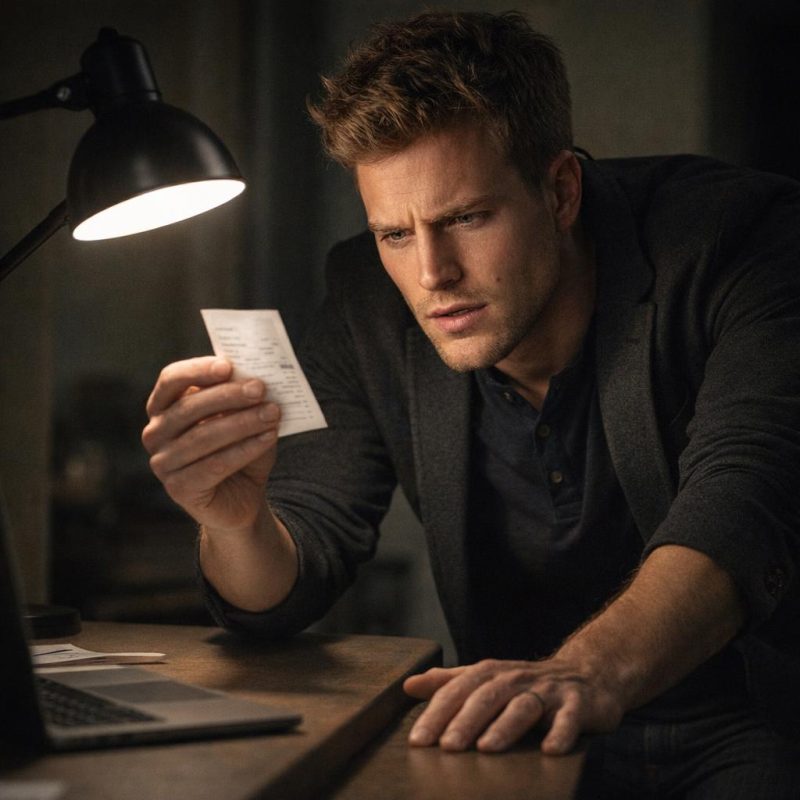 Image by RM AI
The Math
I pulled out my phone and opened the calculator app, needing to verify what my brain had already computed. I entered the date from the fertility clinic receipt—March 15, 1994. Added nine months. December 15, 1994. My birthday was December 22, 1994. Nine months and one week. I ran the calculation again, this time adding the typical two-week window between conception and a missed period. That put the conception date right around the end of March. Right after the clinic visit. The timeline matched perfectly. My parents had needed medical intervention to conceive me. They'd traveled to a distant city, paid for specialized fertility treatment, and then never told me about it. For twenty-nine years, they'd kept this secret. I set the phone down on the dusty attic floor and stared at the receipt again. Why hide something like this? Plenty of people used fertility treatments. It wasn't shameful. Unless there was something about the specific treatment they didn't want me to know. My hands trembled as I realized my parents had needed medical intervention to conceive me—a fact they'd never once mentioned in twenty-nine years.
 Image by RM AI
Searching the Past
I sat cross-legged on the attic floor and typed 'fertility treatments 1990s' into my phone's search browser. I needed to understand what they'd done, what kind of procedure required traveling three hours to a specialized clinic. The results loaded slowly in the weak signal. I scrolled through articles about IVF and IUI, reading descriptions of hormone treatments and egg retrieval and embryo transfer. The medical terminology blurred together. Then I saw another term that kept appearing in multiple articles: 'donor-assisted conception.' I clicked on one of the links and read about couples who used donated genetic material when one partner had fertility issues. Sperm donors. Egg donors. Third-party reproduction. My stomach tightened. I backed out and tried a different search, but the same terms kept appearing. Donor programs. Anonymous donors. Genetic material from outside the couple. I bookmarked several articles without really knowing why, my thumb moving automatically while my brain tried to process what I was reading. The search results listed various procedures from that era, and one term kept appearing in multiple articles—'donor-assisted conception.'
 Image by RM AI
Donor Programs
I clicked through more articles, this time specifically about donor conception practices from the 1990s. I learned that it was common—more common than I'd realized—for couples struggling with infertility to use anonymous donors. The articles explained how clinics matched donors to recipients based on physical characteristics. Height, hair color, eye color, build. They tried to find donors who resembled the intended father so the child would look like both parents. I read about how donor anonymity was standard practice back then, how records were often sealed or destroyed, how many families never told their children about their origins. One article described the secrecy culture of that era, how doctors actually encouraged parents to keep donor conception private, to act as if the child was biologically related to both parents. Some families kept the secret forever. I felt my breathing become shallow as I read statistics about male infertility, about how common it was, about how many men in the 1990s had used donor sperm to build their families. One article described how parents often chose donors with specific physical traits to match the intended father—and how some families kept the donor conception secret even from the children.
 Image by RM AI
The Unavoidable Conclusion
I set down my phone and pressed my palms against my eyes, sitting in the darkness behind my hands. I'd been avoiding the thought for the past hour, dancing around it, researching everything except the one conclusion that all the evidence pointed toward. But I couldn't avoid it anymore. Arthur might not be my biological father. The words formed in my mind with devastating clarity. The DNA results showing no paternal matches. The fertility clinic receipt dated nine months before my birth. The articles about donor conception and secrecy and parents who never told their children the truth. It all fit. It all made horrible, perfect sense. If Arthur had been sterile, if they'd needed a sperm donor, that would explain everything. The missing genetic connections. The distant clinic. The decades of silence. I thought about Arthur's face, his mannerisms, the way he'd raised me. The man who taught me to ride a bike and helped with my homework and walked me through my first heartbreak. And maybe—maybe—he wasn't genetically mine at all. The DNA results, the fertility receipt, the missing paternal matches—every piece of evidence pointed to the same impossible truth about the man who raised me.
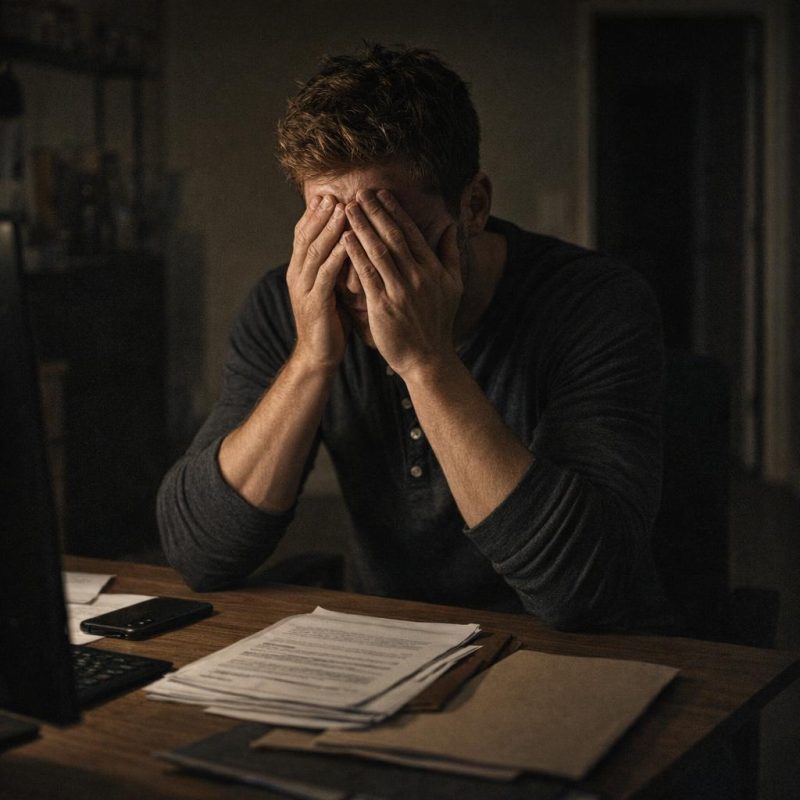 Image by RM AI
The Week of Silence
I returned to work Monday morning and moved through the week like I was watching myself from outside my body. I sat in meetings and nodded at appropriate times. I responded to emails. I ate lunch at my desk and pretended everything was normal. At home, I read Maya her bedtime stories with forced cheerfulness, doing all the character voices she loved while my mind replayed everything I'd discovered in the attic. Sarah asked if I was feeling okay on Wednesday, and I told her I was just tired. Arthur's name appeared on my phone twice that week—once Tuesday evening, once Thursday afternoon. I stared at the screen both times and let it go to voicemail. I couldn't talk to him yet. I didn't know what to say, how to ask the questions that were eating me alive. I lay awake each night next to Sarah, listening to her breathe, wondering how to tell her what I suspected. On Friday evening, Sarah mentioned that Arthur had called her asking to visit on the weekend. He wanted to see Maya, bring her some treats. I felt my stomach drop.
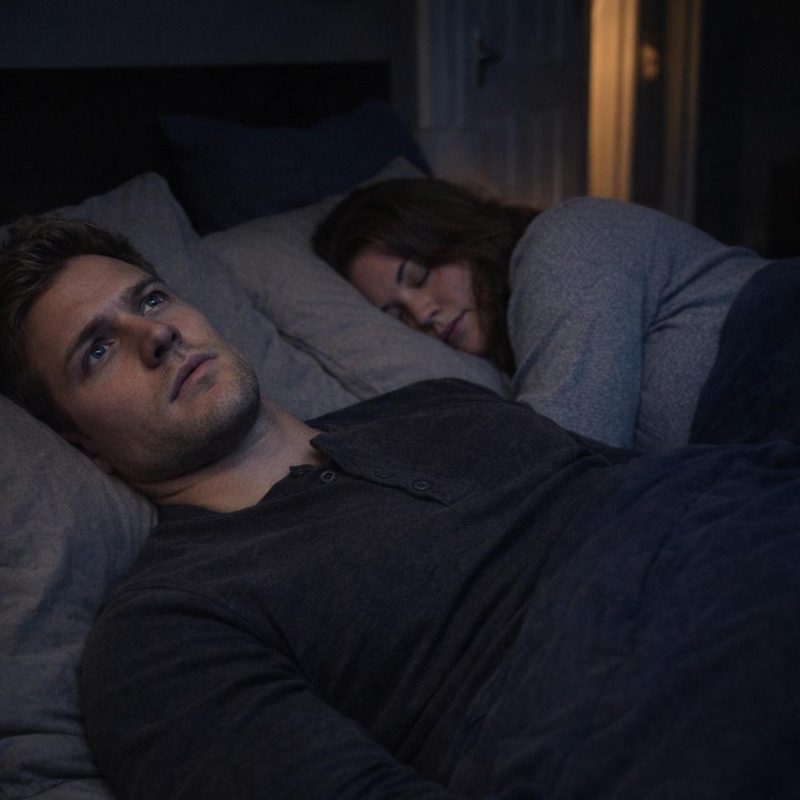 Image by RM AI
Saturday Afternoon
I opened the front door Saturday afternoon and there he was—Arthur, standing on our porch with a white bakery box in his hands and that familiar gentle smile on his weathered face. Maya squealed and ran past me, wrapping her arms around his legs. He set down the box carefully and picked her up, spinning her in a slow circle while she giggled. The box contained her favorite chocolate cupcakes from the bakery downtown. Of course it did. He always remembered. Sarah appeared from the kitchen and welcomed him warmly, taking the box and asking about his drive over. I stood there watching him with Maya, seeing their interaction through new eyes. He wasn't just playing grandfather—there was genuine joy in his face, real tenderness in how he held her. Maya was chattering about something that happened at preschool, and Arthur listened like it was the most important story he'd ever heard. Genetics, I thought. Did genetics even matter when love looked like this? When a man showed up with cupcakes and spun a little girl around and listened to her stories with complete attention? Arthur ruffled Maya's hair with such natural affection that I felt my chest tighten—how could genetics matter when love looked like this?
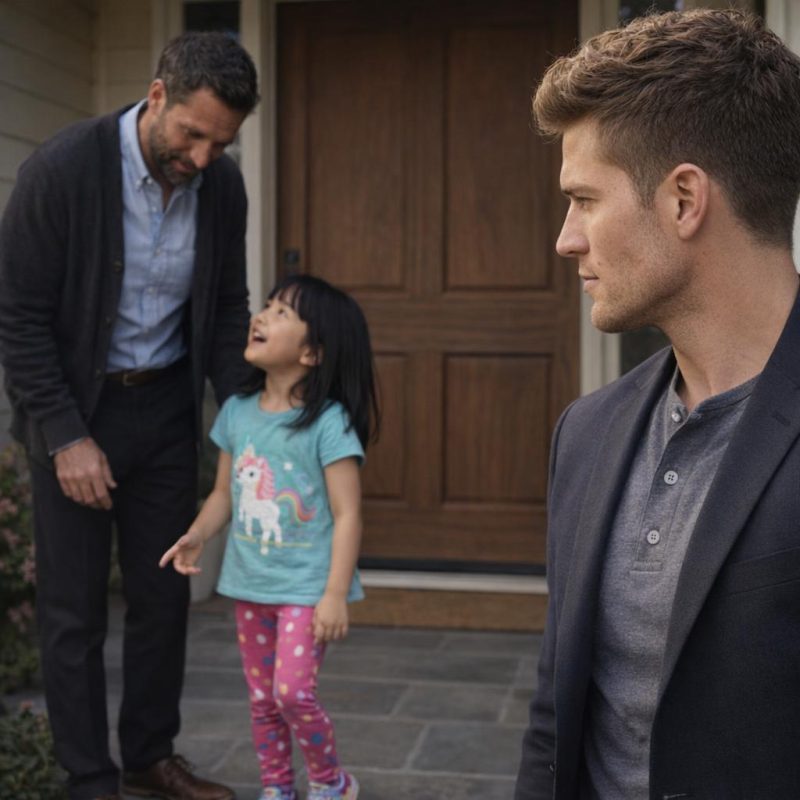 Image by RM AI
The Dragon Drawing
Maya spread her latest drawing across the kitchen table, smoothing the construction paper with her small hands. It was a dragon, she announced proudly, pointing to the purple wings she'd colored with careful crayon strokes. Arthur leaned forward, studying the drawing with serious attention. "Why did you choose purple for the wings?" he asked. Maya launched into an elaborate explanation involving her favorite color and how dragons needed to be pretty, not just scary, and how purple was the best color for flying. Her hands moved through the air, demonstrating wing movements. Arthur nodded thoughtfully and asked about the green scales on the dragon's tail. Sarah brought glasses of lemonade to the table and sat down, joining their conversation about dragon anatomy and color theory according to a four-year-old. I watched Arthur's face as he engaged with every detail of Maya's artistic vision, asking questions that made her think, praising specific choices she'd made. This was what a grandfather looked like. Patient, interested, present. I wondered if a grandfather who wasn't biologically connected could love any more genuinely than this.
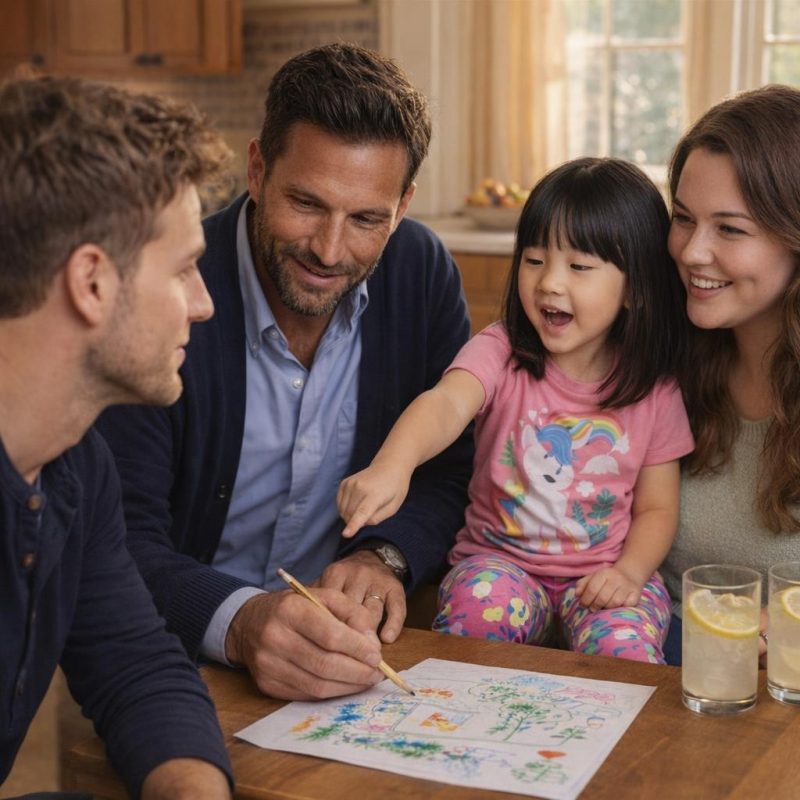 Image by RM AI
Not Yet
I carried dishes to the kitchen sink while Sarah loaded the dishwasher, the familiar rhythm of cleanup giving me something to focus on besides the weight pressing against my chest. From the living room, I could hear Arthur's deep laugh mixing with Maya's high-pitched giggles. She was showing him something—probably another drawing or maybe the stuffed dragon she'd been carrying around all week. Sarah glanced toward the sound and smiled. "Your dad seems particularly happy today," she said, handing me a plate to rinse. I nodded, watching the water run over the ceramic surface. I'd thought about it during lunch—just asking him directly about the fertility clinic receipt, laying it all out on the table between the pasta and the salad. But what if I was wrong? What if there was some explanation I hadn't considered? The receipt proved they'd visited a clinic, nothing more. The missing genetic matches could mean anything. Maybe the database was incomplete. Maybe distant relatives just hadn't tested yet. I owed Arthur more than accusations based on circumstantial evidence. I needed proof that couldn't be denied, something more definitive than a fertility receipt and missing genetic matches.
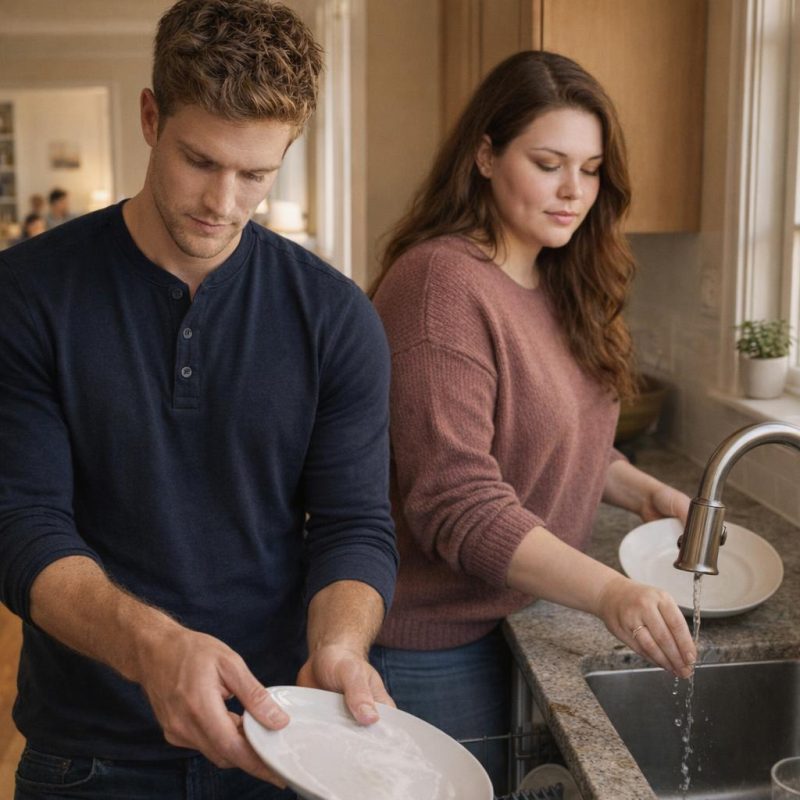 Image by RM AI
Documentation
After Arthur left, I climbed back to the attic. The trunk sat where I'd left it, documents scattered around it like evidence at a crime scene. I pulled out my phone and started arranging everything in chronological order across the dusty floor. The fertility clinic receipt from March 1989. Medical bills from later that spring. Insurance statements through the summer. Then nothing—a nine-month gap in the records where something should have been. Finally, my birth certificate dated December 1989. I photographed each document carefully, making sure the dates were visible, the text legible. My phone's camera clicked over and over in the quiet attic. I created a new folder and labeled it something innocuous—"Tax Documents 1989"—in case Sarah ever scrolled through my photos. I added dates to each image, building a timeline that told a story even without words. The fertility clinic visit. The silence. My birth. I saved the entire collection with a password only I knew, then sat back and stared at the digital archive I'd created. The timeline showed a clear sequence, and I'd preserved every piece of it in a password-protected file.
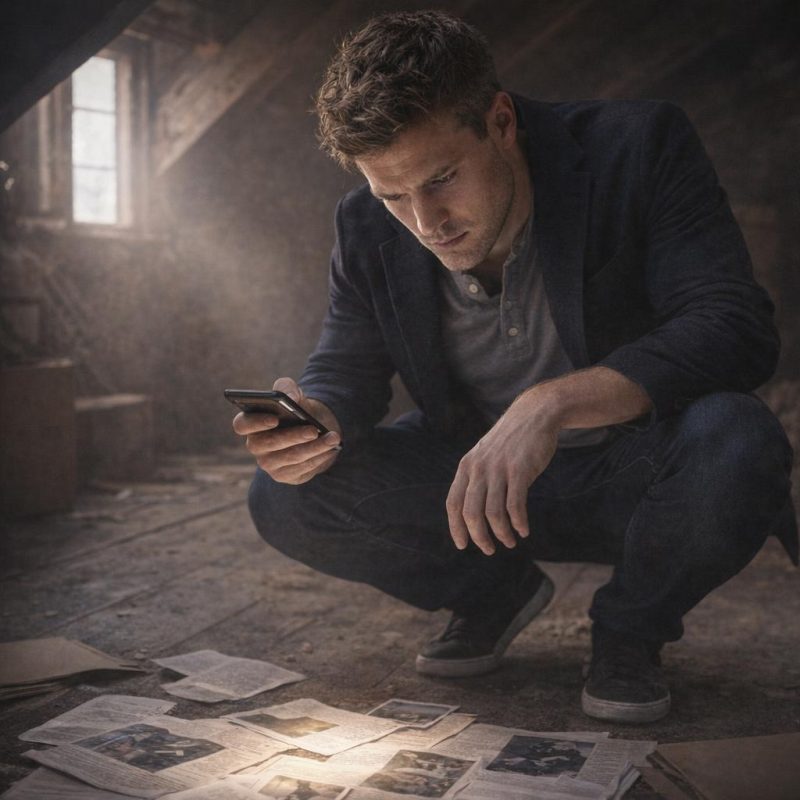 Image by RM AI
Photographic Study
I gathered every photograph of my mother from the trunk and the albums I'd brought up earlier. Dozens of images spanning decades—her as a young woman, pregnant with me, holding me as a baby, at my childhood birthday parties. I spread them across the attic floor in chronological order, creating a visual timeline of her life. Then I started examining each one closely, focusing on her face, her eyes. In the earliest photos from the 1980s, I could see it—the distinctive split in her left eye, blue and hazel divided like mine, like Maya's. I moved to the next photo, then the next. The heterochromia appeared identical in every single image. I pulled out the magnifying glass I'd found in the trunk and studied each photograph more carefully. Different lighting, different angles, different years. It didn't matter. Her left eye showed the same pattern in every shot. A photo from 1987 showed it clearly. One from 1992 showed it just as distinctly. Even in the distant shots where her face was smaller, I could make out the color division when I looked closely enough. The trait was absolutely consistent across every photograph I examined.
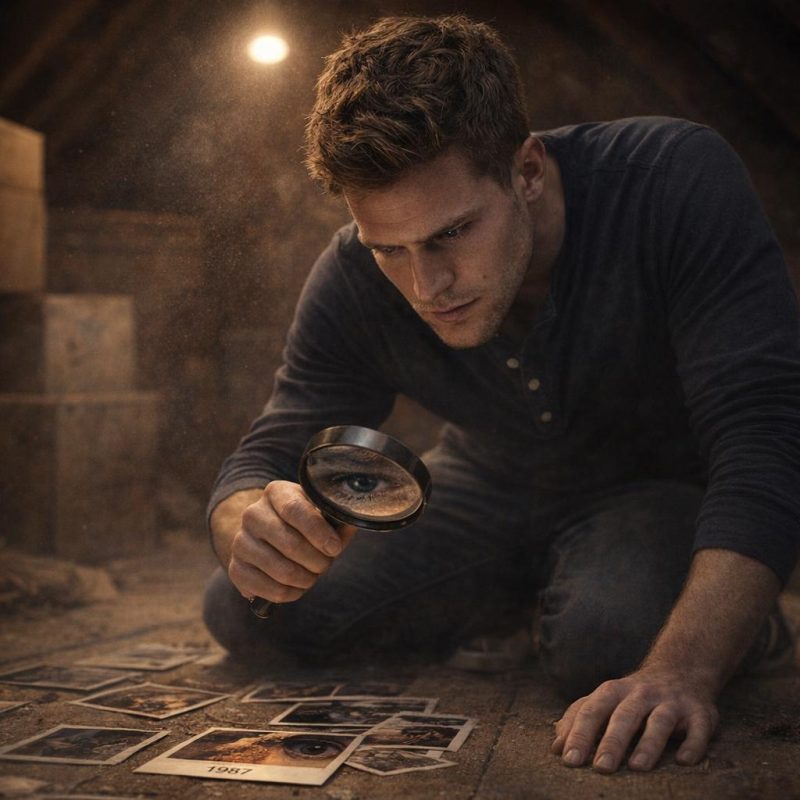 Image by RM AI
Quality Differences
I kept studying the photographs, but something started bothering me. Some of the images had a different quality than others—a smoothness that didn't match the grainy texture of typical polaroids and drugstore prints from that era. I held two photos side by side, both from around the same year. One looked normal, slightly faded, with the soft imperfections you'd expect from a thirty-year-old snapshot. The other looked almost too perfect. I picked up more photos, comparing them. Several showed slightly blurred edges around my mother's face, as if someone had softened the image. The paper quality felt different too—thicker, more professional. I held one up to the light streaming through the attic window. The texture was wrong. These weren't just family photos pulled from a camera and stuck in an album. Someone had paid to have them processed, enhanced, treated in some way. I set the suspicious-looking photos in a separate pile. Why would anyone pay for professional enhancement on casual family pictures? What were these photographs supposed to show—or hide? Several key photos, including the ones I'd examined most closely for her eye color, looked too perfect, with edges that seemed softer than the rest of the image.
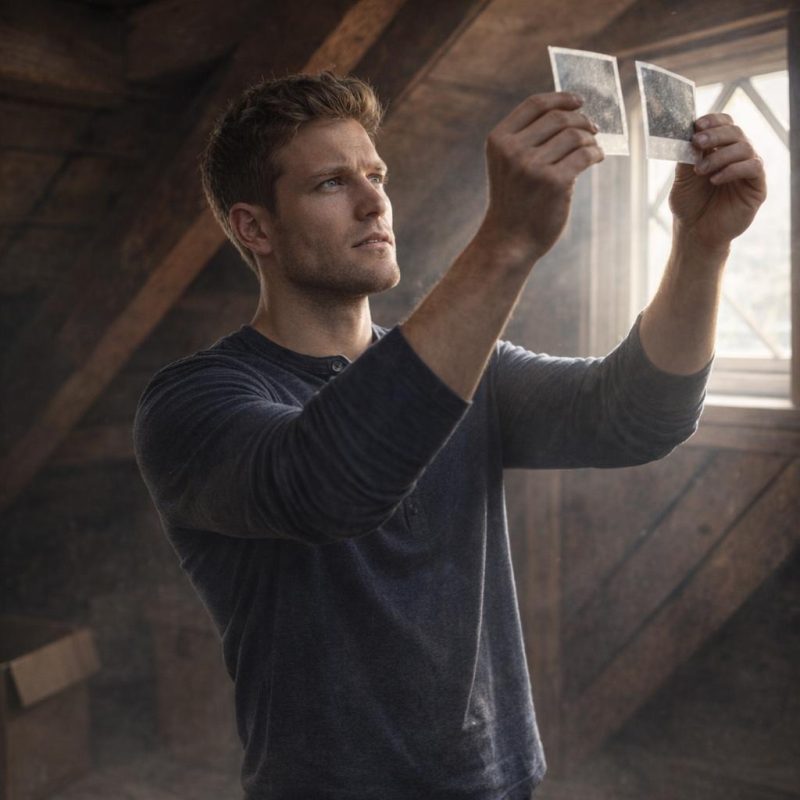 Image by RM AI
Retouching Services
I pulled out my laptop and searched for information about photo retouching in the 1990s. The results painted a clear picture. Professional enhancement required specialized equipment—computers, scanners, software that cost thousands of dollars. It wasn't something you did casually. One article explained the process: scanning the original photo, using early Photoshop or similar programs to adjust colors and features, printing the enhanced version on high-quality paper. The whole process could cost fifty to a hundred dollars per image back then. People didn't pay that kind of money for random family snapshots. I clicked through more articles. Photo retouching services were advertised for important portraits, professional headshots, wedding photos. One archived advertisement promised to "enhance or alter specific features to achieve your desired look." Another explained that clients typically requested retouching "when they needed to change something permanent." I sat back, staring at the screen. Why would my parents pay hundreds of dollars to professionally enhance multiple family photographs? What specific feature needed to be altered? I couldn't shake the feeling that the retouched photos were hiding something, and one article's words kept echoing in my mind: when they wanted to change something permanent.
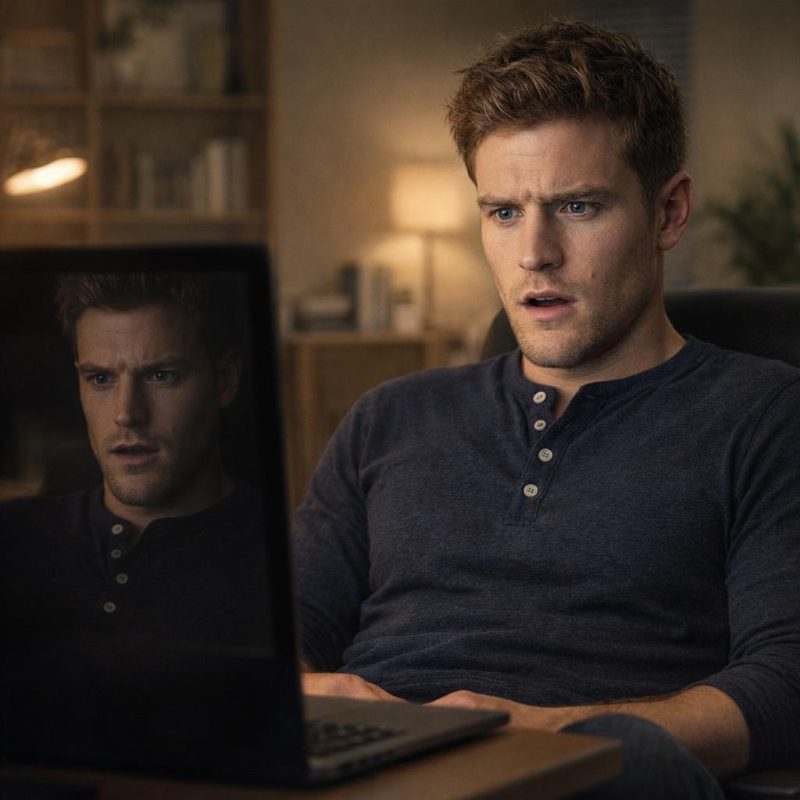 Image by RM AI
The Decision
I closed my laptop and sat in the darkness of the attic as the sun set outside the small window. I'd spent hours researching, documenting, comparing, analyzing. I'd built a timeline, photographed evidence, studied images until my eyes burned. But none of it gave me the answer I needed. I could research photo retouching techniques until I understood every technical detail. I could arrange documents in perfect chronological order. I could stare at photographs until I'd memorized every pixel. It wouldn't matter. The truth wasn't hiding in receipts or photographs or online articles. The truth was in Arthur's memory, in whatever he'd chosen not to tell me for thirty-four years. I pulled out my phone and opened a new message to my father. My thumbs hovered over the screen. This was it—the moment I stopped investigating and started confronting. I typed slowly: "Can you come over for dinner this week? There's something I need to discuss." I read it three times, then hit send before I could second-guess myself. The message showed as delivered, then read almost immediately. He needed to come over for dinner, and I needed to ask the impossible question.
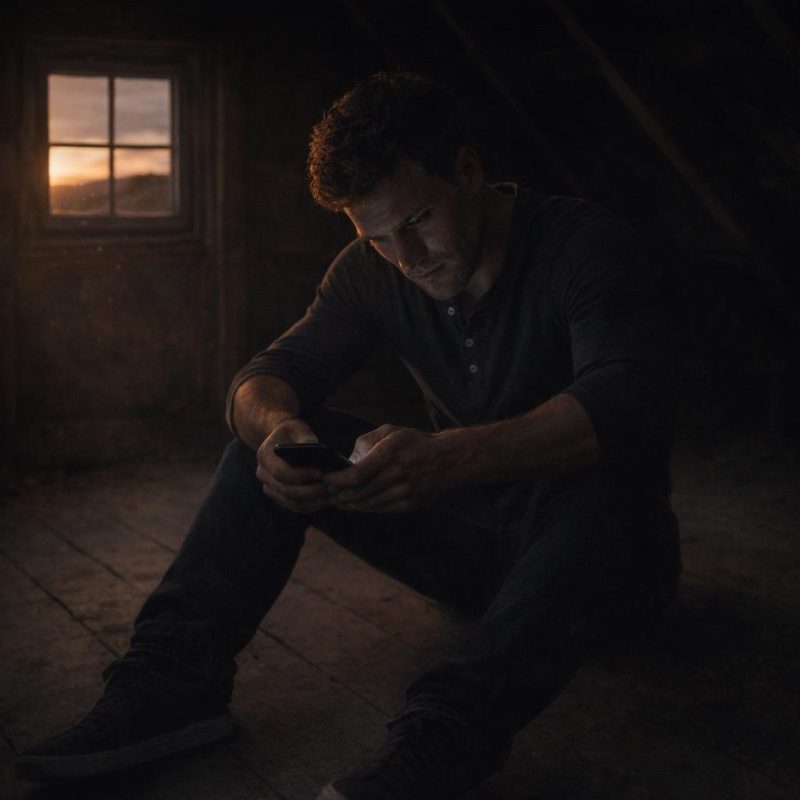 Image by RM AI
The Invitation
My phone buzzed in my hand. Arthur's response appeared on the screen: "Of course, son. Thursday work for you?" I stared at the word "son" for a long moment, then typed back confirming Thursday evening. Now I had three days to figure out how to ask my father if he was actually my father. I opened my notes app and started typing possible opening lines. "Dad, I found some documents in Mom's trunk..." Delete. "I need to ask you about the fertility clinic..." Delete. "The DNA test showed something unexpected..." Delete. How did you start this conversation? How did you ask someone who'd raised you, loved you, been there for every moment of your life, whether you were biologically connected? I typed and deleted a dozen different approaches. "Dad, I know about—" No, I didn't know anything for certain. "Dad, I found evidence that—" Evidence of what, exactly? Sarah's voice called up the attic stairs, asking who I was texting. I quickly pocketed my phone and stood up, my heart hammering. I'd been so focused on planning the confrontation with Arthur that I'd forgotten about the person I'd never successfully hidden anything from before.
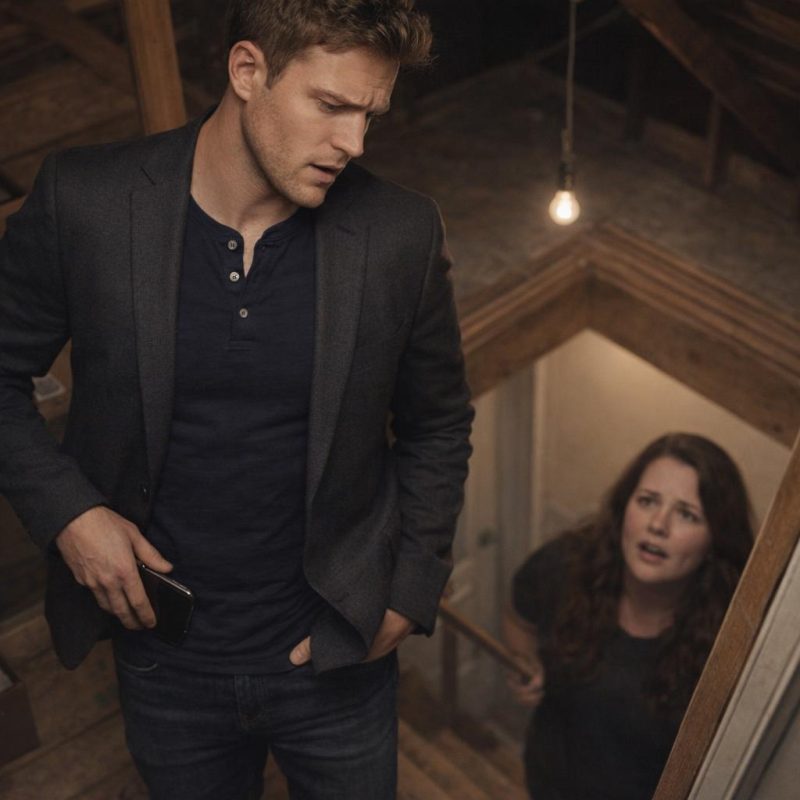 Image by RM AI
Sarah's Questions
Sarah stood at the bottom of the attic stairs, looking up at me with that expression I knew too well—concern mixed with patience, the look that said she'd wait as long as it took for me to tell her what was wrong. "What have you been doing up there?" she asked as I descended. "Just organizing some old files," I said, the lie tasting bitter. "Photos and documents from Mom's things." She studied my face, and I could see her cataloging all the small changes in my behavior over the past weeks. The late nights. The distraction. The hours spent in the attic. "You've seemed different lately," she said quietly. "Distant. Like something's weighing on you." I forced a smile and blamed work stress, some project deadlines that didn't actually exist. Sarah didn't look convinced, but she nodded slowly. Then she reached out and touched my arm, her hand warm against my skin. "You've seemed different for weeks," she said, her voice dropping even lower. "Are you sure everything's okay?" I looked into her eyes—clear, honest, trusting—and felt the weight of every secret I was keeping from the one person I'd built my life on transparency with.
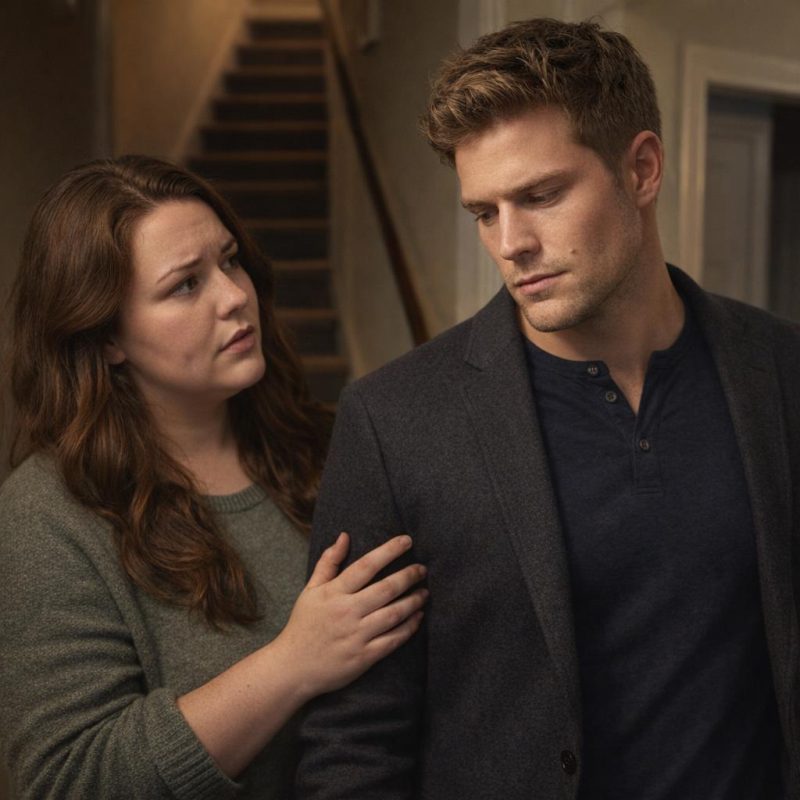 Image by RM AI
Work Stress
I elaborated on the work stress excuse, adding details about a fictional client presentation and impossible deadlines that didn't actually exist. Sarah listened carefully, her head tilted slightly, and I could see her cataloging every word, weighing them against what she knew about my actual job. "There's this new account," I said, the lies coming easier than they should have. "The timeline's compressed, and I've been pulling late nights trying to get everything ready." She nodded slowly, her expression showing concern mixed with something else—skepticism, maybe, or just the awareness that something felt off. "Is there anything I can do to help?" she asked, reaching out to touch my arm. I assured her I just needed to get through the next few days, that everything would settle down after that. She studied my face for a long moment, then touched my cheek gently, her palm warm against my skin. "I'm here whenever you want to talk," she said quietly. "About anything at all." The weight of my first real lie to Sarah settled in my chest like a stone, heavy and cold, and I wondered if she could feel the dishonesty radiating from my skin.
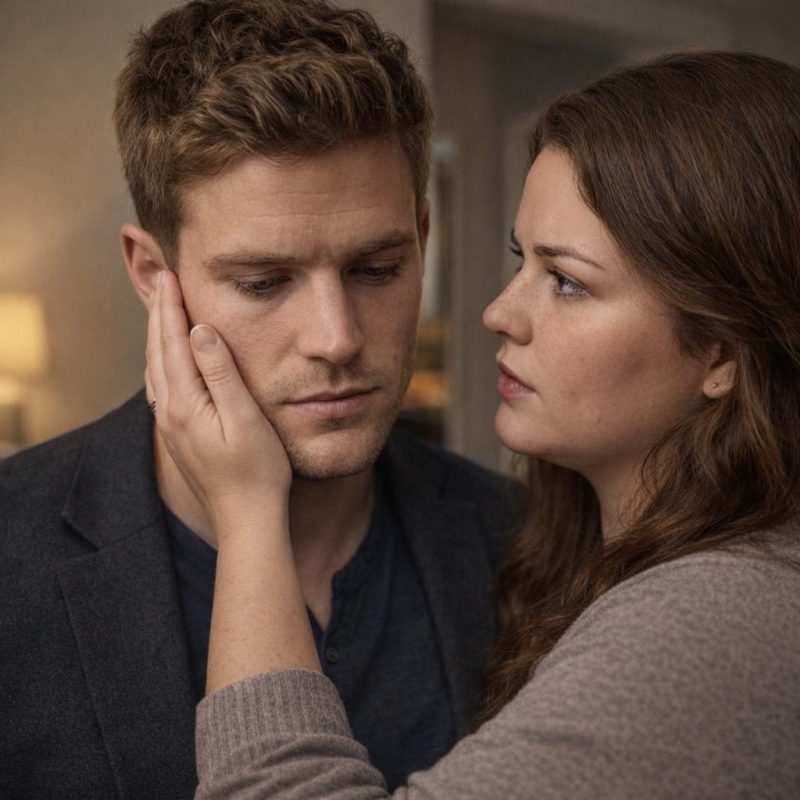 Image by RM AI
Thursday Evening
Thursday crawled by like a wounded animal. I sat at my desk staring at spreadsheets without seeing them, checking the clock every fifteen minutes, my stomach twisted into knots that tightened with each passing hour. The drive home felt surreal, like I was watching myself from outside my body, hands on the wheel but mind somewhere else entirely. I opened the front door and heard Maya's laughter echoing from the living room, bright and innocent. Arthur sat on the couch with her nestled against his side, showing him a picture book with enthusiastic commentary about every illustrated animal. Sarah appeared from the kitchen, smiling. "Your dad got here early," she said. "Brought cupcakes from that bakery Maya loves." Arthur stood and embraced me with genuine warmth, his arms strong around my shoulders, and I felt like a traitor returning the hug. He stepped back and studied my face with those kind eyes I'd known my entire life. "You sounded serious in your text," he said, his smile warm but his gaze searching. "Is everything okay?" I forced a smile and said we'd talk after dinner, my voice steadier than I felt.
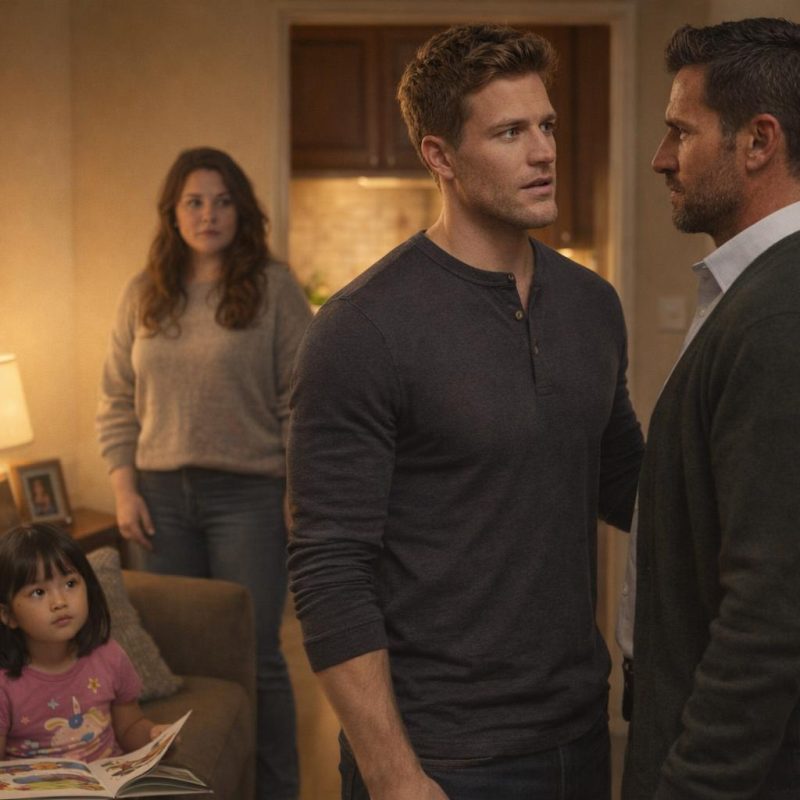 Image by RM AI
Family Dinner
I served dinner while feeling like a stranger in my own home, watching the scene unfold as if through glass. Sarah shared news about a potential promotion at her company, her eyes bright with excitement, and Arthur congratulated her warmly, offering advice about salary negotiations and office politics with the wisdom of his years. Maya interrupted constantly, bouncing in her chair as she described her best friend Emma and the elaborate games they invented at recess. I barely contributed, just watched and listened, noting how Arthur's attention never wavered from whoever was speaking, how he made each person feel heard. Then Maya pointed to her own left eye, tracing the split between blue and hazel with one small finger. "Grandpa Arthur," she asked with that innocent directness only four-year-olds possess, "did I get my special eyes from you?" The room seemed to freeze for a heartbeat. Arthur's smile never faltered, but I saw something flicker behind his eyes—just for an instant—before he reached over and tapped her nose gently. "Those eyes are a gift from heaven, sweetheart," he said softly. I noticed he never actually answered her question.
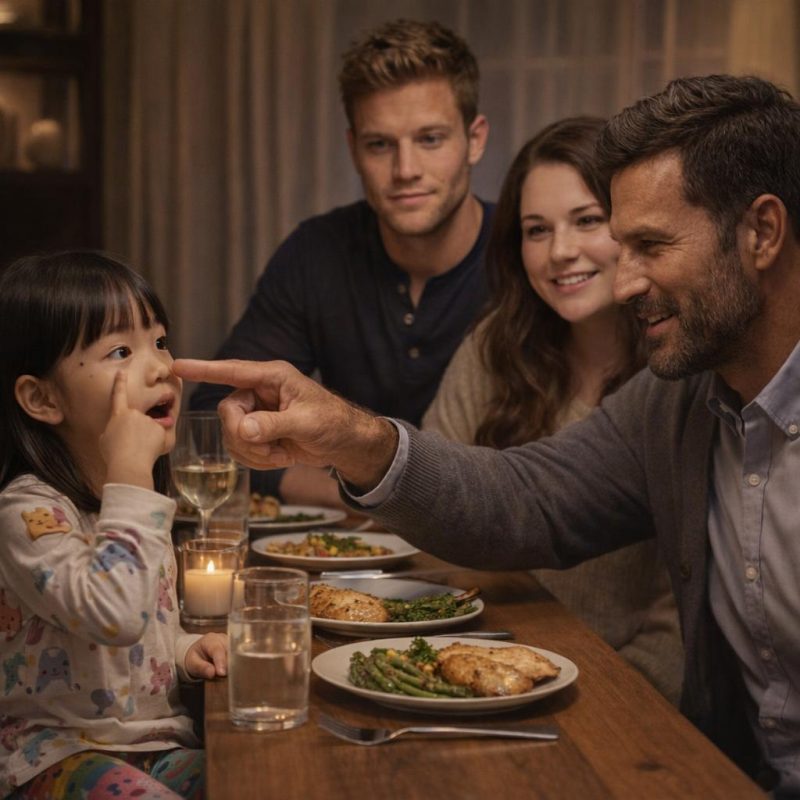 Image by RM AI
The Moment Arrives
I carried Maya upstairs for her bedtime routine, going through the familiar motions while my heart hammered against my ribs. I helped her brush her teeth, watching her concentrate on reaching the back molars, then let her choose a bedtime story from the shelf. I read about a brave little mouse on an adventure, my voice steady even though my hands wanted to shake, turning pages at the right moments while my mind raced ahead to what came next. I kissed her forehead and waited in the hallway until her breathing settled into the deep rhythm of sleep. Downstairs, I heard Sarah begin loading the dishwasher, the familiar clink of plates and running water. Arthur sat alone in the living room, I could see him through the doorway, hands folded in his lap, staring at nothing. I took a deep breath that did nothing to calm my nerves, descended the stairs, and walked into the living room. I closed the door behind me with a soft click that sounded impossibly loud. Then I pulled out my phone, the DNA results still glowing on the screen.
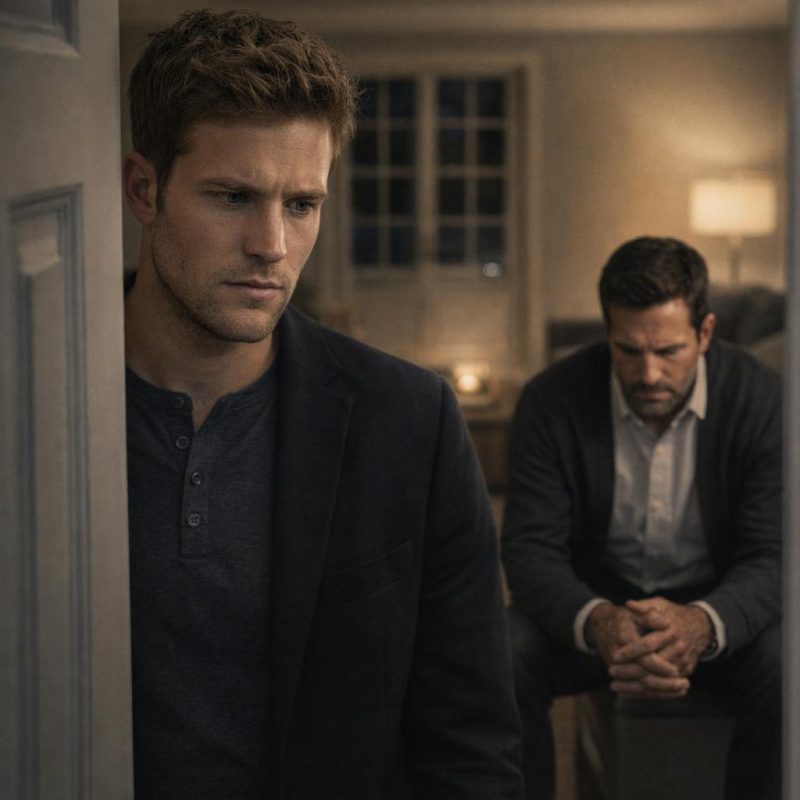 Image by RM AI
The Truth
I sat across from Arthur and placed my phone on the coffee table between us, the screen facing him. I said nothing, letting the DNA results speak for themselves—the percentages, the genetic markers, the absence of any paternal match. Arthur looked at the screen and his face drained of color, all the warmth and vitality seeming to leak out of him in seconds. He sat in silence for what felt like an eternity, just staring at those numbers, before releasing a heavy sigh that seemed to come from somewhere deep in his chest. "I hoped this day would never come," he said quietly. His hands trembled slightly as he clasped them together. "I was diagnosed as sterile," he continued, each word careful and measured. "Before you were born. The doctors said I would never father biological children." He paused, meeting my eyes with an expression of such profound sadness that I almost looked away. "We used an anonymous sperm donor from a clinic. Your mother and I—we wanted a family so badly." My world tilted on its axis. "The eyes," Arthur whispered, and I watched my entire identity crumble. "The heterochromia didn't come from your mother at all. It came from the donor."
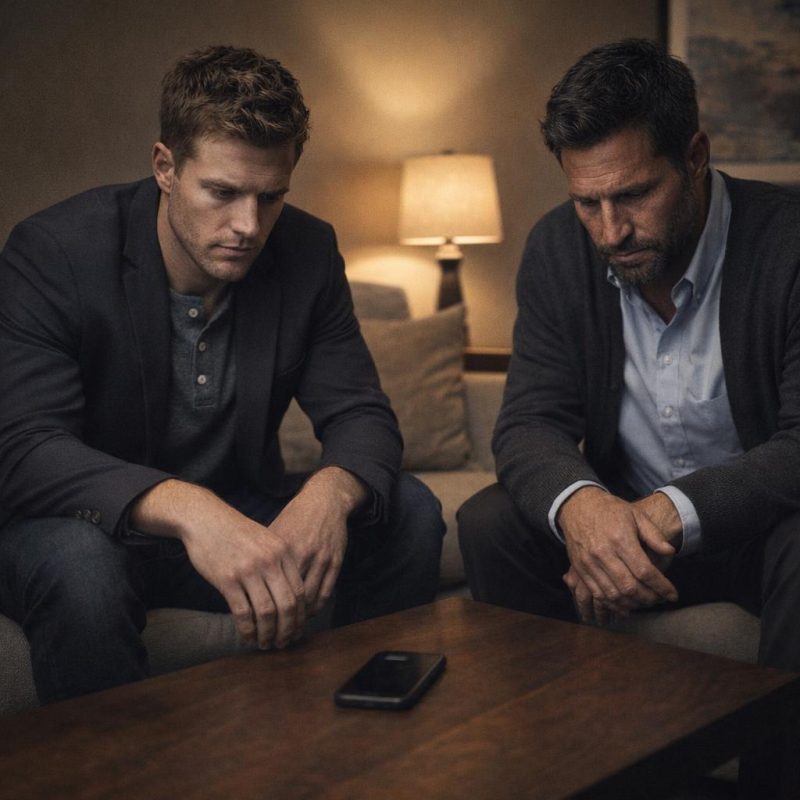 Image by RM AI
Sterility
Arthur's hands trembled as he described the medical appointments, the tests, the moment the doctor delivered the diagnosis that shattered his vision of fatherhood. "You have to understand what that meant for a man in the early nineties," he said, his voice thick with remembered shame. "Male infertility—it wasn't something you talked about. It felt like failure, like I was somehow less than other men." He explained how devastated he'd been, how he'd withdrawn into himself, convinced he'd never have children. "But your mother," he continued, and his expression softened. "Elizabeth refused to accept it. She researched donor programs, found clinics, made appointments. She drove us three hours away to a facility where no one would know us." He described how she'd held his hand through every step, how she'd insisted that his inability to conceive didn't diminish him as a man or a future father. "She said biology was just one way to build a family," Arthur whispered. "She said what mattered was who raised you, who loved you, who showed up every single day." He looked at me with eyes full of old pain. "Using a donor was her idea. She couldn't bear to see me broken by something that wasn't my fault."
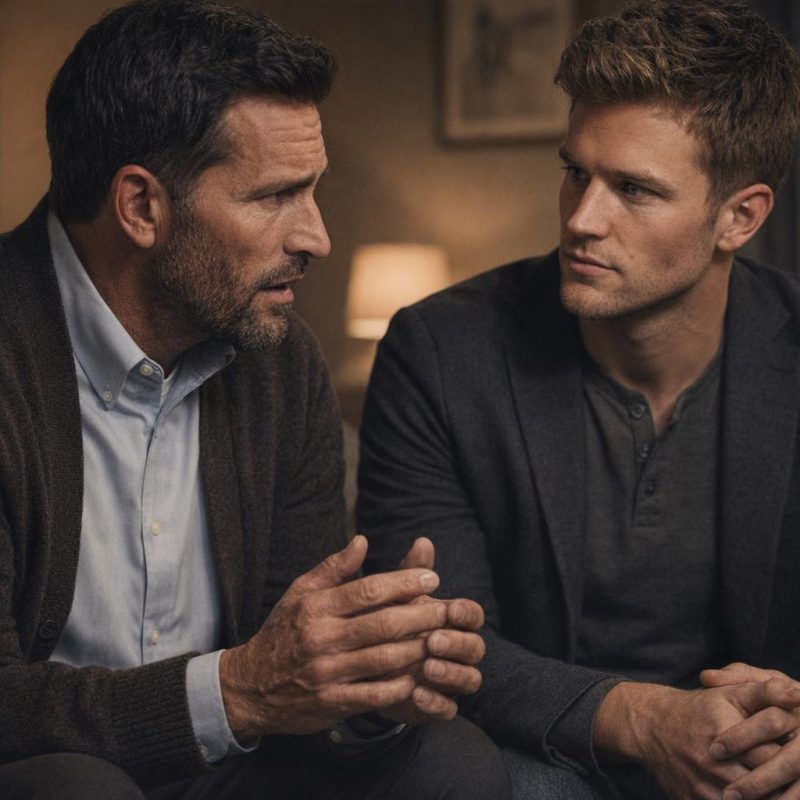 Image by RM AI
The Contact Lens
"The donor was selected partly for the heterochromia," Arthur said, his voice barely above a whisper. "It was listed in his profile—this unusual trait. When you were born with those distinctive eyes, we knew we'd have to explain them somehow." He paused, and I saw him gathering courage for what came next. "Your mother's eyes were plain brown, Alex. They always had been." The words didn't make sense at first. I'd seen her eyes my entire childhood—the split between colors, the mirror of my own. "She ordered special colored contact lenses," Arthur continued. "A single lens that would create the appearance of sectoral heterochromia in her left eye, matching yours exactly." My mouth went dry. "She wore that lens every single day for over a decade. She put it in every morning before you woke up, before you could see her natural eyes. She never removed it until you were asleep." Arthur's voice cracked. "For ten years, until the day she died, your mother physically changed her appearance so you would believe the trait came from her bloodline." I sat frozen, unable to process what I was hearing. My mother had worn a mask—literally altered her body—to maintain a lie that would make me feel connected to her.
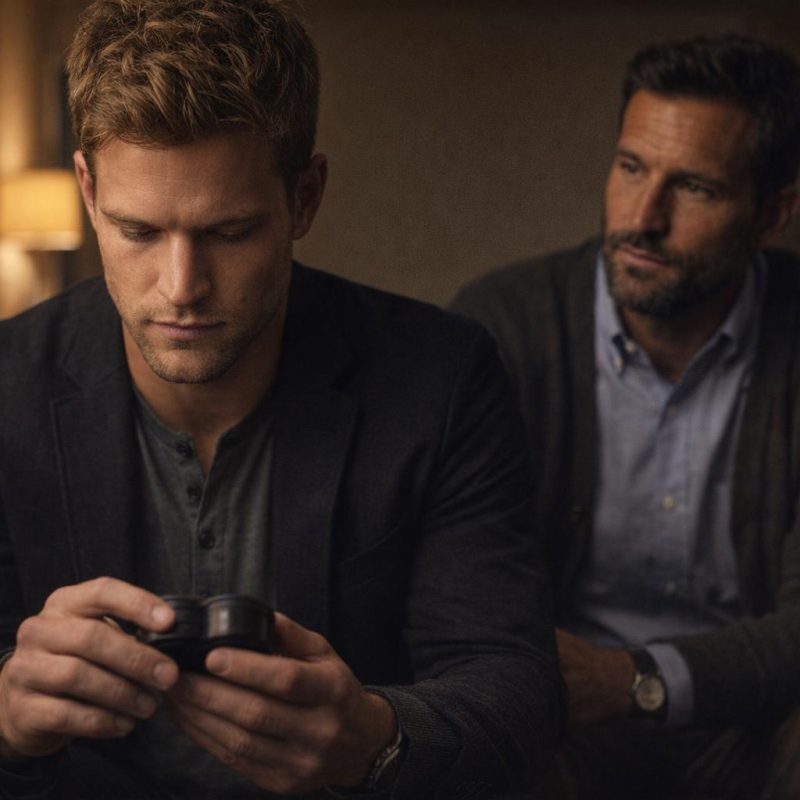 Image by RM AI
The Manufactured Bond
"Where did it really come from?" I asked, my voice hollow. "The heterochromia. If not from Mom, then who?" Arthur met my eyes with an expression of profound regret. "The trait was listed in the anonymous donor's profile. That's partly why we chose him—your mother thought having such a distinctive characteristic would make it easier to build a family story around it. Something memorable, something that could become legend." I thought of Maya, of her bright smile and those same split eyes that I'd treasured as our connection across generations. "Maya inherited them through your genetics," Arthur confirmed quietly. "Through the donor's genetics that you carry. Not from any family lineage. Not from your mother's bloodline." The cherished connection I'd felt to my mother, the trait I'd believed bound us together, dissolved into manufactured story. Everything I'd thought I knew about my identity felt false, constructed, a carefully orchestrated deception. "Do you know anything else about him?" I asked. "The donor. Anything at all?" Arthur shook his head slowly. "The clinic only provided basic physical characteristics. Height, weight, eye color, health history. Nothing more." I sat in stunned silence, understanding finally settling over me like a shroud. The family eyes that I had cherished across three generations were a genetic gift from a man listed only as Donor 847 in a clinic database.
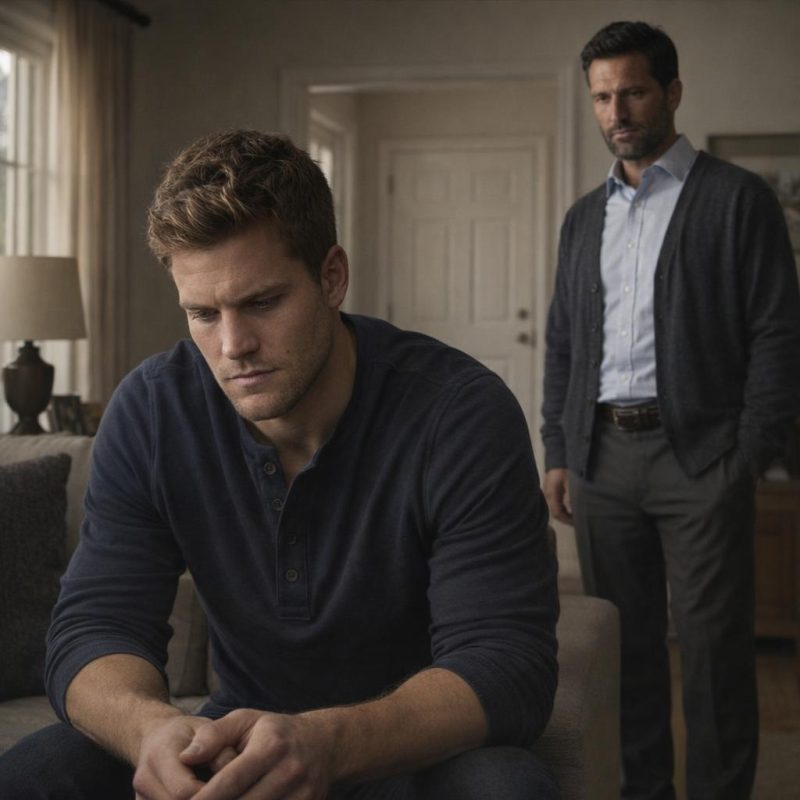 Image by RM AI
Decades of Lies
I couldn't sit still anymore. I stood up from the couch, my legs shaking, my hands clenched into fists at my sides. "How could you?" The words came out raw, cracking in the middle. "How could you both just—just build my entire identity on a lie? Twenty-nine years, Dad. Twenty-nine years of looking in the mirror and thinking I knew who I was." Arthur flinched but didn't look away. "Every time someone commented on my eyes, every time I told Maya about our family trait, every time I felt connected to Mom through this one thing—it was all bullshit. All of it." My voice was rising now, anger flooding through the shock. "I had a right to know. I had a right to know my own genetic identity. I passed on a stranger's genes to my daughter, and I didn't even know it." I waited for him to defend himself, to make excuses, to explain it away. But Arthur just sat there, his weathered face pale, and nodded slowly at each accusation. "You're right," he said quietly. "Every word of it." His acceptance somehow made it worse. "How could you watch me treasure those eyes as a connection to Mom? How could you let me believe that lie every single day?"
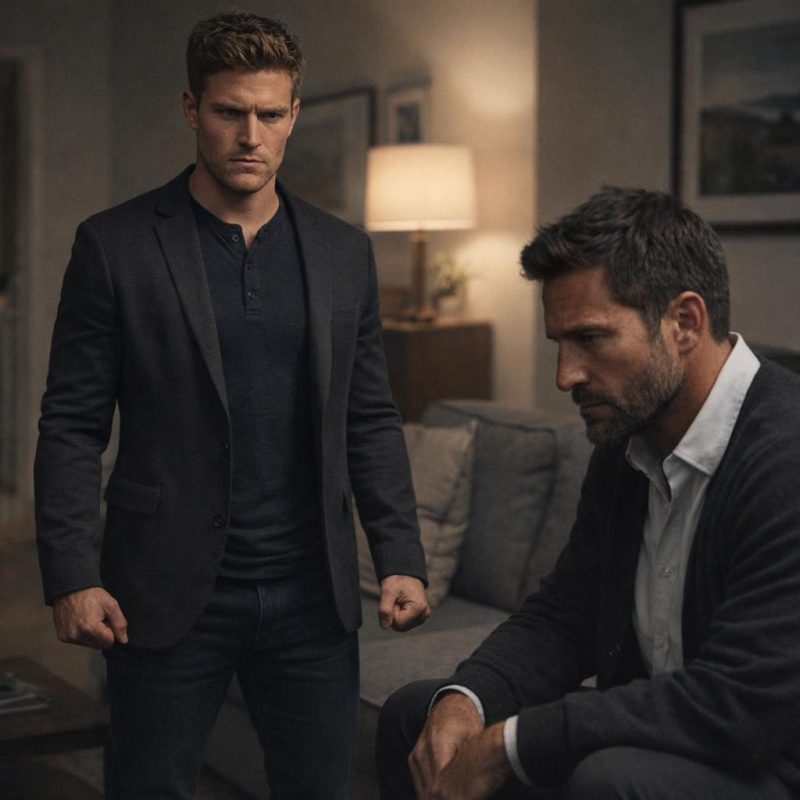 Image by RM AI
Every Morning
Arthur gestured to the couch. "Please. Sit back down and let me tell you the full story." I hesitated, then sank back onto the cushions, my anger still simmering but curiosity winning out. "Your mother woke up before dawn every single morning," he began, his voice soft with memory. "She'd go into the bathroom while you were still sleeping and put in that contact lens. She'd check her reflection carefully, making sure it looked natural, making sure you'd never notice anything different." He paused, his eyes distant. "I found her crying once when you were about five. Her eye was infected—red and swollen. The doctor told her to stop wearing the lens for at least a week. But she put it in anyway, tears streaming down her face from the pain." I felt something shift in my chest, but I pushed it down. "She was terrified you'd feel like you didn't belong," Arthur continued. "Terrified you'd look at family photos and feel like an outsider. She believed that visual connection would make you feel rooted, loved, part of something bigger than yourself." He met my eyes. "As you got older, the lie became harder to undo. She decided maintaining it was kinder than shattering everything you believed about yourself."
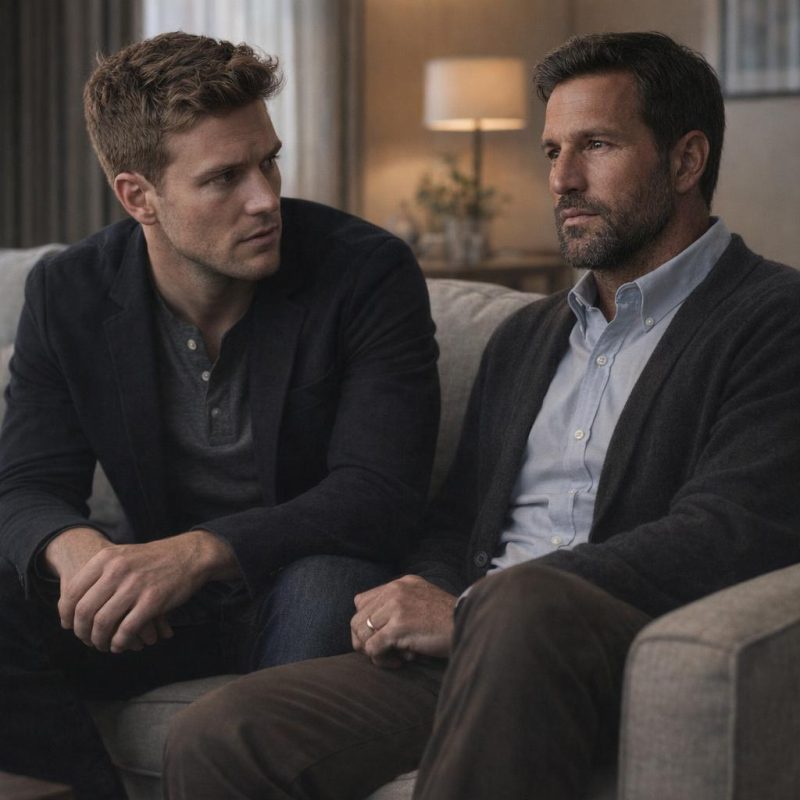 Image by RM AI
A Father's Tears
Arthur's composure finally cracked. His face crumpled, and tears began streaming down his weathered cheeks. I'd seen my father cry exactly twice in my life—at Mom's funeral and at Maya's birth. This was different. This was decades of held breath finally released. "I'm sorry," he choked out. "I'm so sorry, for every day I carried this burden alone. For every moment I should have shared the truth with you." His shoulders shook. "When you became an adult, I should have told you. After your mother died, I should have told you. But I was a coward. I was so afraid." He wiped at his face with shaking hands. "My deepest fear, the thing that kept me awake at night for twenty-nine years, was that you'd love me less. That you'd realize I wasn't really your father and you'd—you'd leave." His voice broke completely. "The idea of losing you paralyzed me. Every single day since you were born, I've dreaded this moment." I sat frozen, watching the man who'd raised me reduced to raw vulnerability. "Not because I feared losing a son," he whispered through his tears. "But because I feared you'd think our bond was somehow less real."
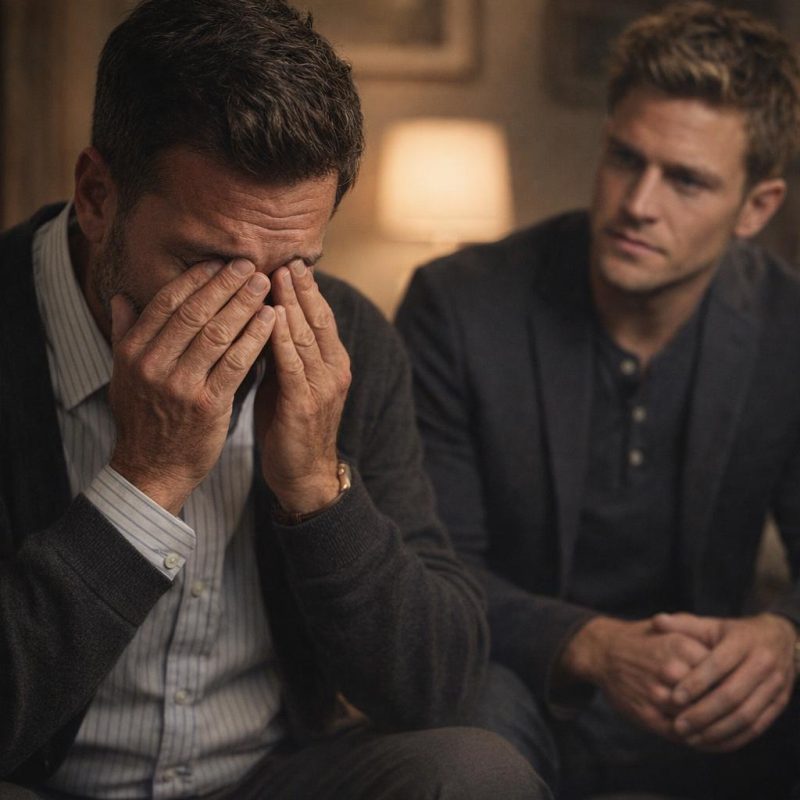 Image by RM AI
The Lens in the Drawer
Arthur reached into his jacket pocket with trembling hands. He pulled out a small velvet pouch I'd never seen before, the fabric worn soft with age. His fingers fumbled with the drawstring, and then he opened it carefully, tipping the contents into his palm. A contact lens case. Small, plastic, faded blue. "I kept this," he said quietly, holding it out to me. "After your mother died, I found it in her nightstand drawer. I couldn't bring myself to throw it away. It felt like throwing away proof of how much she loved you." I took the case from his hand, feeling its weight—so light, yet somehow impossibly heavy. My fingers traced the worn edges where Mom's fingers had touched it thousands of times. I opened it slowly. Inside, the faded remnants of the special lens still clung to the plastic, dried and clouded after nineteen years. This tiny piece of silicone had touched my mother's eye every morning of my childhood. She'd carried discomfort, pain, infections—all so I would never feel different. I held the case in my palm and understood for the first time the weight of what my mother had carried every single day of my childhood.
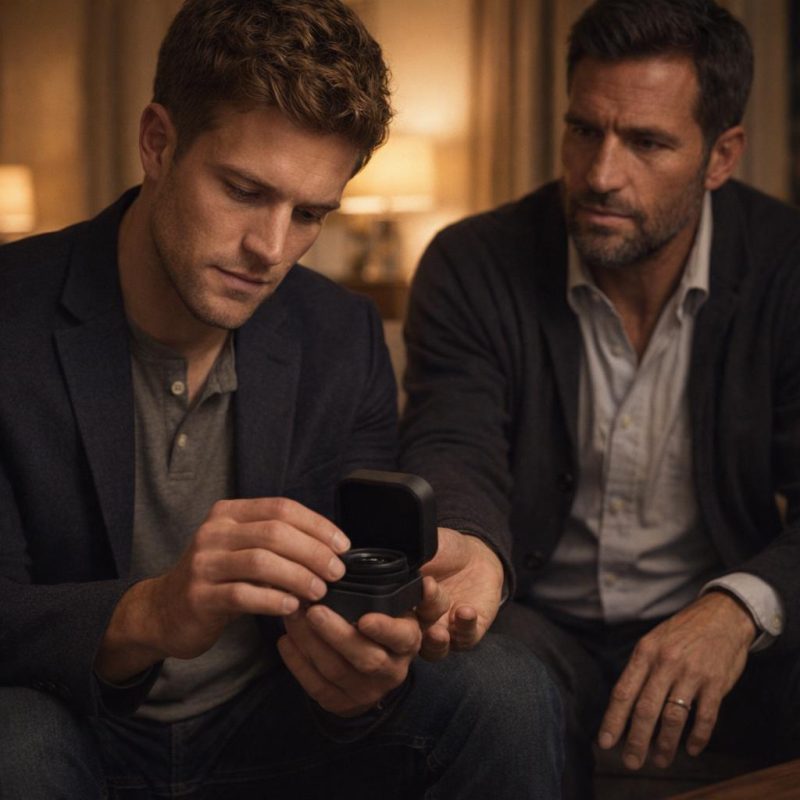 Image by RM AI
Every Way That Matters
Arthur steadied himself, wiping the last tears from his face. He looked directly into my mismatched eyes with an intensity I'd rarely seen. "I am your father," he said, his voice firm despite the emotion behind it. "In every way that matters, I am your father. No DNA percentage can measure what we've built together." He leaned forward. "I was there when you took your first steps. I taught you to ride a bike. I sat through every parent-teacher conference, every soccer game, every school play where you had two lines and forgot one of them." A ghost of a smile crossed his face. "Do you remember when you were seven and got food poisoning from that birthday party?" I nodded slowly, the memory surfacing. "I stayed up until dawn holding a bucket and telling you stories about when I was a kid. That's what fatherhood is. Not chromosomes. Not percentages on a DNA report." His voice grew stronger. "I chose to be your father every single day. When you were colicky and screaming at 3 AM, when you were a teenager and hated me, when you called to tell me you were going to be a father yourself—every moment, I chose you." He paused. "That was fatherhood, not chromosomes."
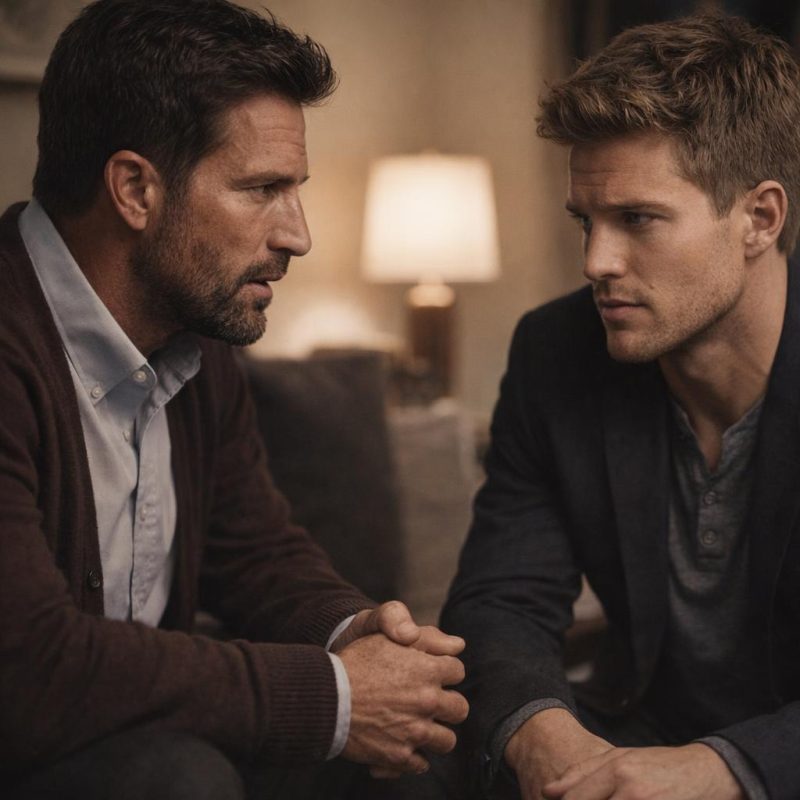 Image by RM AI
Acts of Love
I sank back into my seat, the anger draining out of me like water from a broken dam. For the first time, I saw the full picture clearly. Two people who couldn't have children the conventional way, who wanted a family so desperately they'd built an elaborate structure of love around it. I thought about them as a young couple, probably terrified, probably grieving the biological child they couldn't have. I thought about Mom waking up before dawn, every single morning, inserting that lens with careful precision. The headaches. The infections. The discomfort she never mentioned. I thought about Dad carrying this secret for decades, watching me grow up, probably wondering every day if this would be the day I found out. The weight of that knowledge, the constant fear of discovery, the burden of protecting me from a truth he thought would hurt me. They'd prioritized my emotional wellbeing over their own comfort for thirty years. Every decision, every lie, every morning with that contact lens—it had all been to make sure I felt wanted, normal, loved. What I'd discovered wasn't a betrayal. It was a desperate, imperfect, beautiful act of love that had lasted three decades.
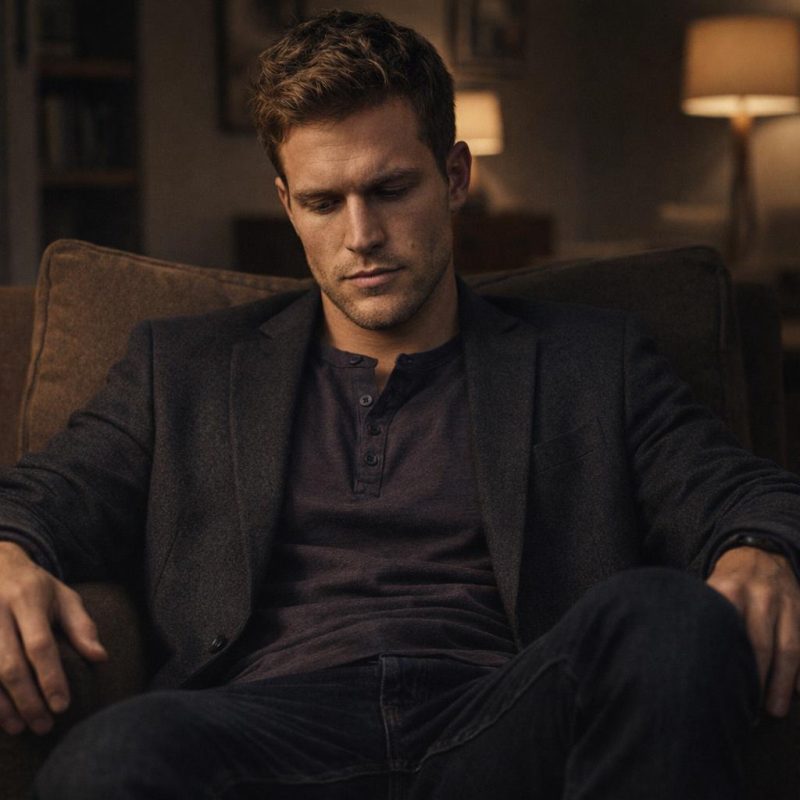 Image by RM AI
Space to Think
"I need time," I said finally, my voice hoarse. "I need time alone to process all of this." Arthur nodded immediately, no hesitation, no pressure. "Of course. Take all the time you need." He stood slowly, like his bones ached, and walked to the hallway to retrieve his coat. I followed him to the door, wanting him to understand. "This isn't rejection," I said. "I just—there's so much to think about. So much to reconcile." "I know," Arthur said gently, shrugging into his coat. He paused at the threshold, one hand on the doorframe, and looked back at me. His eyes were red-rimmed but clear. "I'll be ready whenever you want to talk again. Tomorrow, next week, next month. I'm not going anywhere." He gave me a small, sad smile. "I've waited twenty-nine years for this conversation. I can wait a little longer for whatever comes next." Then he was gone, his footsteps echoing down the walkway, his car engine starting in the driveway. I closed the door and stood in the quiet living room, surrounded by family photographs that now told an entirely different story.
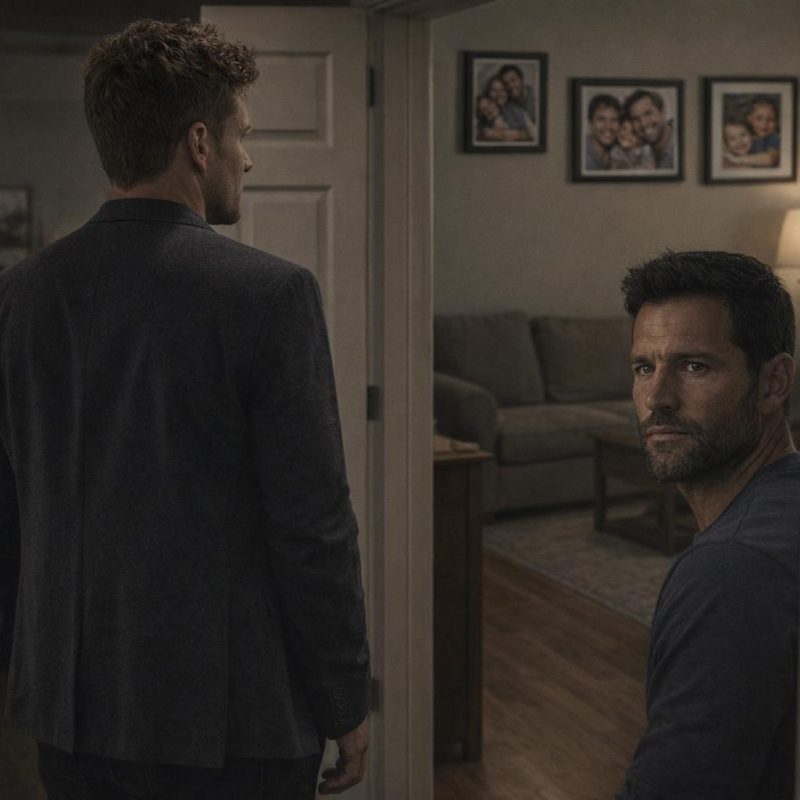 Image by RM AI
Maya Sleeping
I climbed the stairs slowly, my legs heavy with exhaustion. Maya's door was slightly ajar, and I pushed it open carefully, letting the hallway light spill across her small bed. She was curled on her side, one arm wrapped around her stuffed elephant, her face peaceful in sleep. I stood in the doorway and just watched her breathe. The gentle rise and fall of her chest. The way her hair spread across the pillow. Her distinctive eyes were closed, those split irises hidden behind delicate lids, but I could picture them perfectly. I thought about what I would do to protect her from pain. The lengths I would go to make sure she felt loved, secure, wanted. I would lie for her. I would sacrifice for her. I would carry any burden if it meant she never felt like she didn't belong. And suddenly I understood. Arthur had felt this same fierce, protective love for me. Every decision, every secret, every morning watching Mom put in that contact lens—it had all come from this feeling. Maya stirred slightly, mumbling something soft and indistinct. "Love you, Daddy," she whispered without fully waking. Tears streamed down my cheeks as I realized the answer had been there all along.
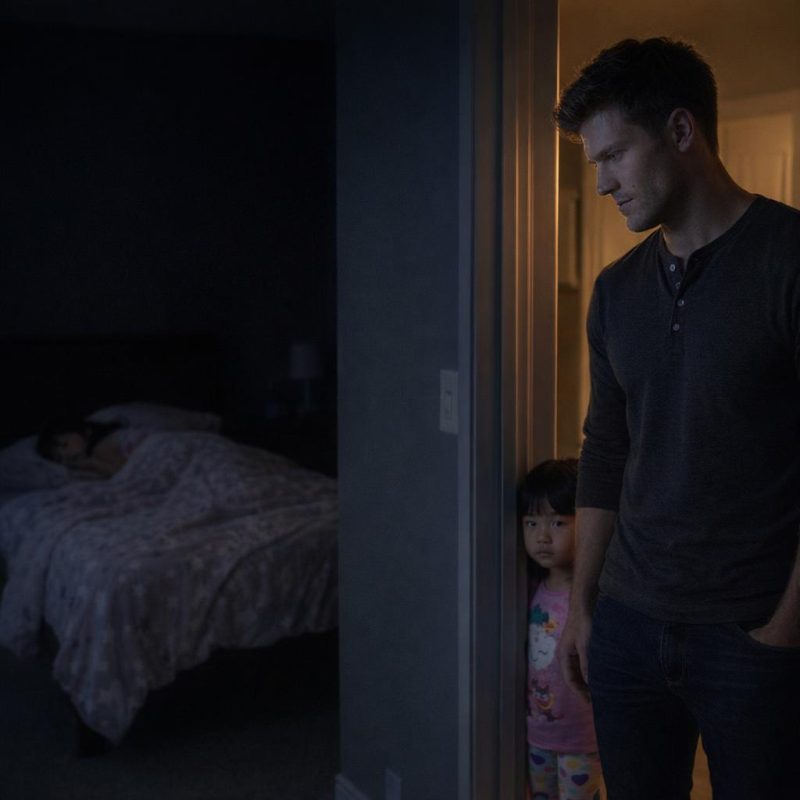 Image by RM AI
Beyond Blood
I sat down gently on the edge of Maya's bed, careful not to wake her. The mattress dipped slightly under my weight, and she shifted but didn't open her eyes. I watched her for a long moment, this little person who had changed everything about who I was. I thought about the night she was born, how I'd held her for the first time with shaking hands, terrified I'd somehow break her. I remembered the midnight feedings when she was colicky, walking circles around the living room at three in the morning, singing off-key lullabies until she finally settled. Her first steps across our kitchen floor. The way she'd reached for me when she fell and scraped her knee at the playground. Every birthday party, every bedtime story, every time she'd called out for me in the dark. None of those moments had required a DNA match. None of them had been about chromosomes or genetic markers. They'd been about showing up. About choosing her, every single day. And Arthur had done exactly the same thing for me. For twenty-nine years, he'd chosen to be my father. He'd bandaged my scraped knees and taught me to ride a bike and sat through my terrible school plays. I bent down and kissed Maya's forehead softly, then stood and walked toward the door, knowing exactly what I needed to do.
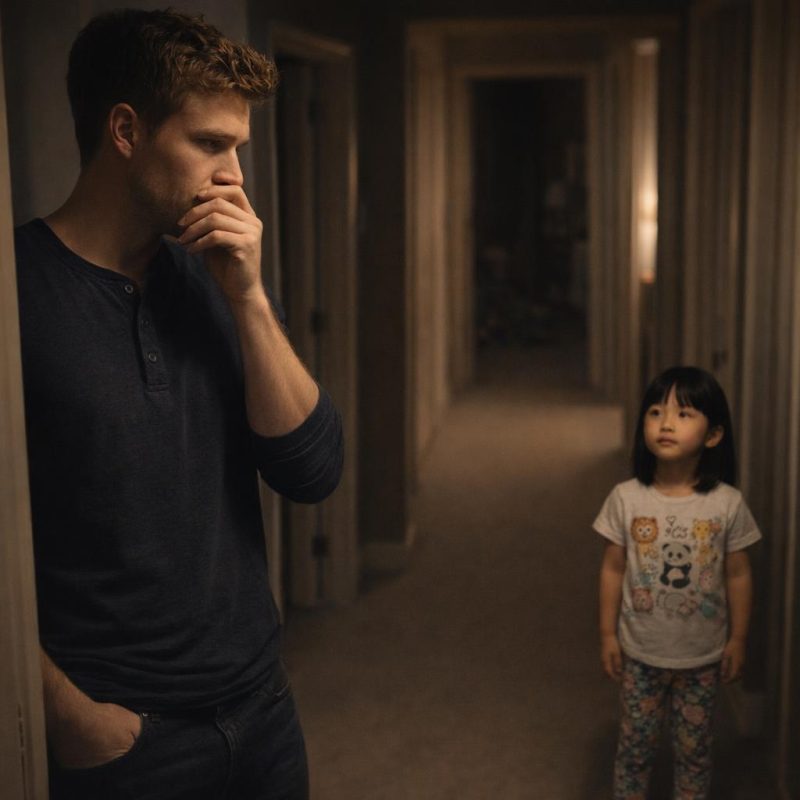 Image by RM AI
The Phone Call
I descended the stairs and found my phone on the coffee table where I'd left it hours ago. My hands were steady as I scrolled through my contacts and found Arthur's name. I pressed call before I could second-guess myself. He answered on the first ring. "Alex?" His voice was thick with anxiety and hope, like he'd been staring at his phone, willing it to ring. "Can you come back?" I said simply. "I'm ready to talk." There was a sharp intake of breath on the other end. "I—yes. Of course. I'll be there as soon as I can. I just need to—" "How far did you drive?" I asked. Silence stretched between us for a moment. When Arthur spoke again, his voice cracked. "I'm parked down the street," he admitted. "I couldn't leave. I tried to drive away, but I only made it two blocks before I had to pull over. I've been sitting here for the past hour, just in case you—" He broke off, unable to finish. "Come back to the house," I told him. "Please." Arthur's voice broke completely as he said he was already on his way.
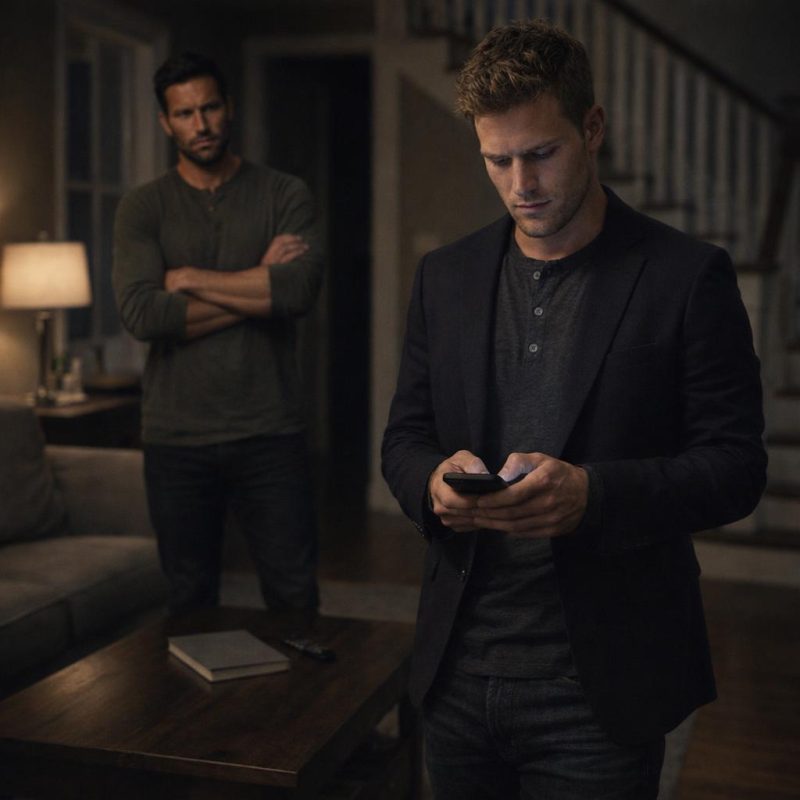 Image by RM AI
Father and Son
I heard Arthur's car in the driveway less than three minutes later. I met him at the front door before he could even knock. He stood on the porch, his face etched with hope and fear, his shoulders carrying the weight of decades of secrets. I didn't say anything at first. I just stepped forward and pulled him into an embrace. Arthur went rigid with surprise for a heartbeat, then his arms came around me and held on tight. We stood there in the doorway, and I felt him trembling. "You are my father," I said into his shoulder. "DNA results don't measure what we have. They can't quantify twenty-nine years of you showing up for me. You are my father, and I love you." Arthur broke down completely. His whole body shook with sobs he'd probably been holding back for weeks, maybe years. "I was so afraid," he managed between gasps. "I thought once you knew the truth, everything would change. That you'd look at me differently. That I'd lose you." "You could never lose me," I told him. We stood there together, father and son, reconciled at last. Arthur held me and wept openly, saying he'd waited twenty-nine years to hear that knowing the truth wouldn't change anything.
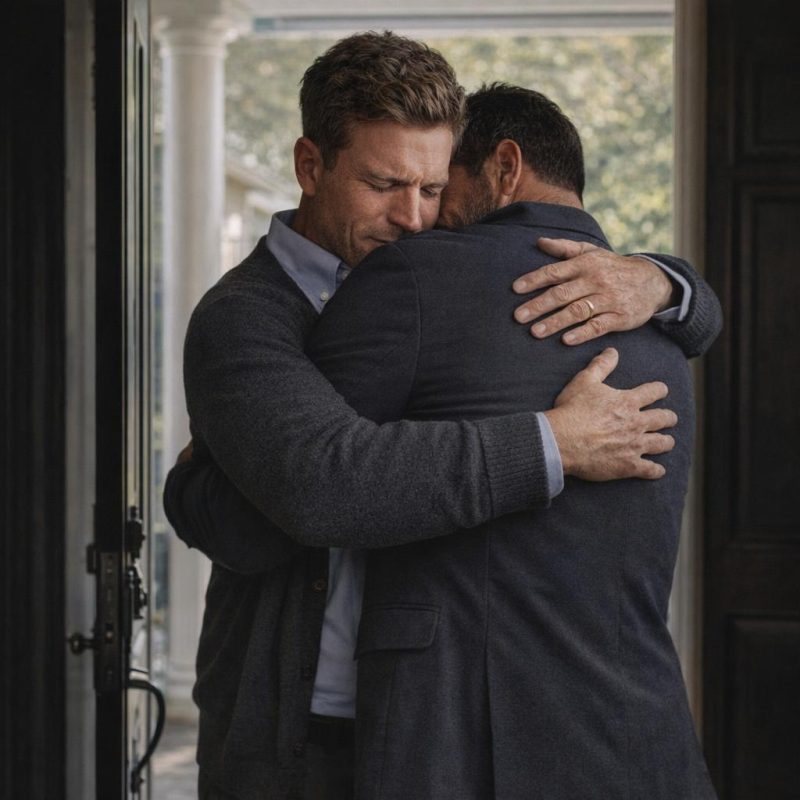 Image by RM AI
The Family Eyes
The next morning, sunlight streamed through the kitchen windows as I invited Arthur to stay for breakfast. Sarah made pancakes while Maya chattered about a dream she'd had involving talking elephants and a castle made of ice cream. Arthur sat at the table looking lighter than I'd seen him in weeks, the burden finally lifted from his shoulders. Maya climbed into her chair and reached for the syrup, and when she looked up at me, the morning light caught her left eye perfectly—that distinctive split of icy blue and deep hazel that marked us both. She grinned, syrup already on her chin, completely unaware of the journey I'd been on to get to this moment. I looked around the table at each person. Sarah, who'd stood by me through everything. Maya, who'd taught me what unconditional love really meant. Arthur, who'd chosen to be my father every single day of my life. This was family. Not the genetic markers on a lab report, but the people who showed up, who stayed, who loved you through the hard parts. I reached across the table and took Arthur's hand, then Sarah's with my other, completing a circle around Maya—a family defined not by chromosomes, but by choice.
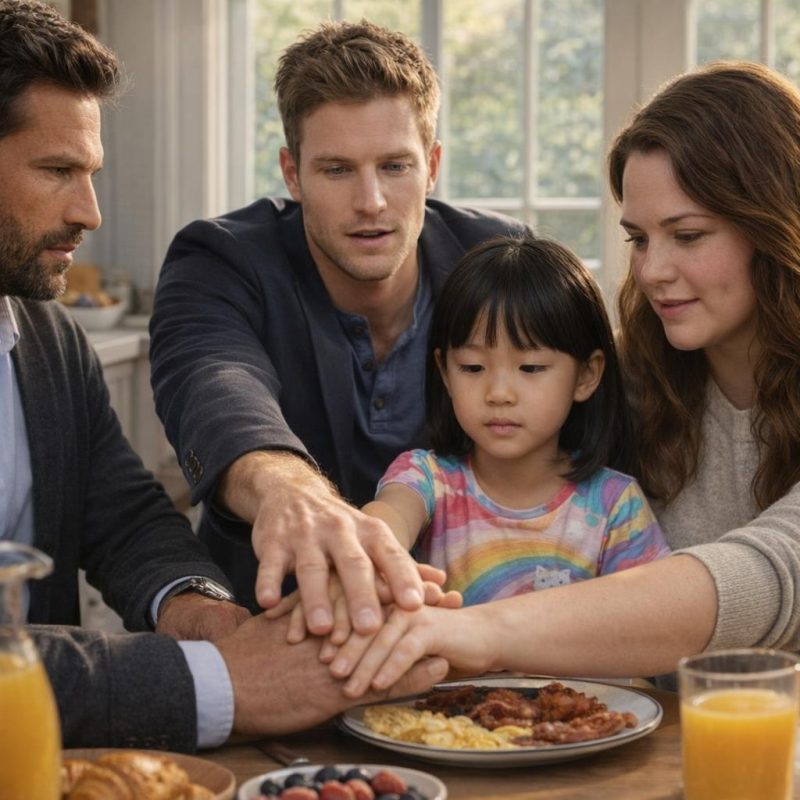 Image by RM AI
KEEP ON READING
20 Greek Gods We Don't Often Talk About
Step Aside, Zeus. Greek mythology isn’t only about Zeus and…
By Elizabeth Graham Jan 16, 2026
10 Historic Courtship Practices That Should Be Brought Back &…
Old-School Dating Was a Mix of Charming & Unhinged. Historic…
By Emilie Richardson-Dupuis Jan 20, 2026
Pooches Of The Past: Extinct Dog Breeds
Unknown authorUnknown author on WikimediaDogs have been showing up in…
By Elizabeth Graham Jan 27, 2026
The 20 Craziest Silent Films Ever Made
When Silence Let the Madness Speak. Silent cinema didn’t just…
By Chase Wexler Jan 5, 2026
Legendary Tales: 20 Most Fascinating Mythical Creatures from Folklore
Mythological Beasts. Stories about mythical creatures endure for a simple…
By Christy Chan Jan 16, 2026
The three most expensive historical artifacts ever sold at auction
Attributed to Leonardo da Vinci on WikimediaAuctions are where history…
By Emilie Richardson-Dupuis Jan 9, 2026