

I Paid $100 for Extra Legroom After Surgery—The Guy in My Seat Got Me Arrested, Then I Discovered Why He Was Really There
I Paid $100 for Extra Legroom After Surgery—The Guy in My Seat Got Me Arrested, Then I Discovered Why He Was Really There
The Seat I Paid For
I'd been planning this trip for three months, ever since my orthopedic surgeon cleared me to fly after my knee reconstruction. The surgery had gone well, but the recovery was slow, and anyone who's had a major knee procedure knows that sitting in a cramped airplane seat for four hours isn't just uncomfortable — it's genuinely painful. So I did something I'd never done before: I paid the extra hundred dollars for seat 12A, the bulkhead row, specifically because there was no seat in front of me. Just open space where I could extend my leg and keep the swelling down. I printed my boarding pass, I confirmed the seat assignment twice, and I showed up early enough to board with the passengers who need extra time. I was proud of myself for being so prepared. I made my way down the jetway slowly, my carry-on in one hand, my other hand trailing the wall for balance, the Velcro straps of my knee brace visible below my slacks. When I reached row twelve, I stopped. A young man in expensive-looking sneakers and a designer hoodie was already stretched out in seat 12A, earbuds in, scrolling his phone like he'd been there for hours. I stood in the aisle and waited for him to notice me. He didn't. Three months of careful planning, and here I was, standing on a knee that still ached with every step, staring at a seat I had already paid for.
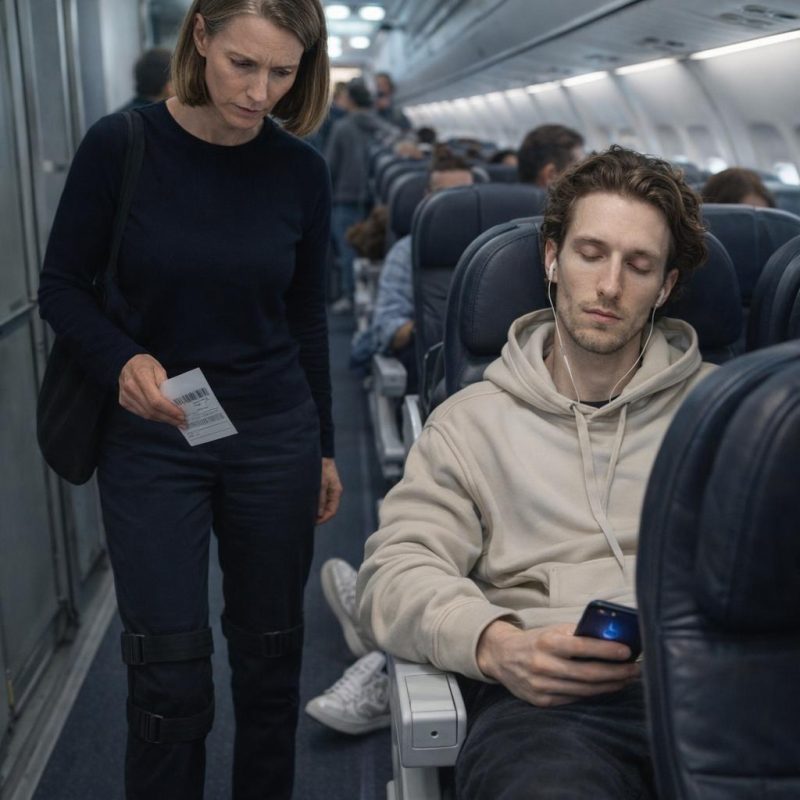 Image by RM AI
Excuse Me
I gave it a few seconds, thinking maybe he'd glance up on his own. He didn't. I leaned in slightly and said, "Excuse me," keeping my voice as friendly as I could manage. Nothing. I said it again, a little louder this time, and he finally pulled out one earbud and looked up at me with the kind of expression that made it clear I was interrupting something important — even though he was just watching a video. I held out my boarding pass and pointed to the seat number. "I think you might be in my seat," I said. "12A. I paid for this one specifically." He looked at the boarding pass. Not for long — maybe a second and a half, two seconds at most. His eyes moved across it without any particular urgency, the way you might glance at a menu item you've already decided you don't want. Then he looked away. He didn't say anything. He didn't apologize, didn't offer to check his own boarding pass, didn't ask a question. He just reached up, put the earbud back in, and returned to his phone. My knee had been throbbing since I'd been standing still in the aisle, and I could feel the pressure building behind my kneecap. I stood there holding my boarding pass in the air like it was evidence in a case no one was willing to hear, watching his eyes flick away and his hand reach for that earbud.
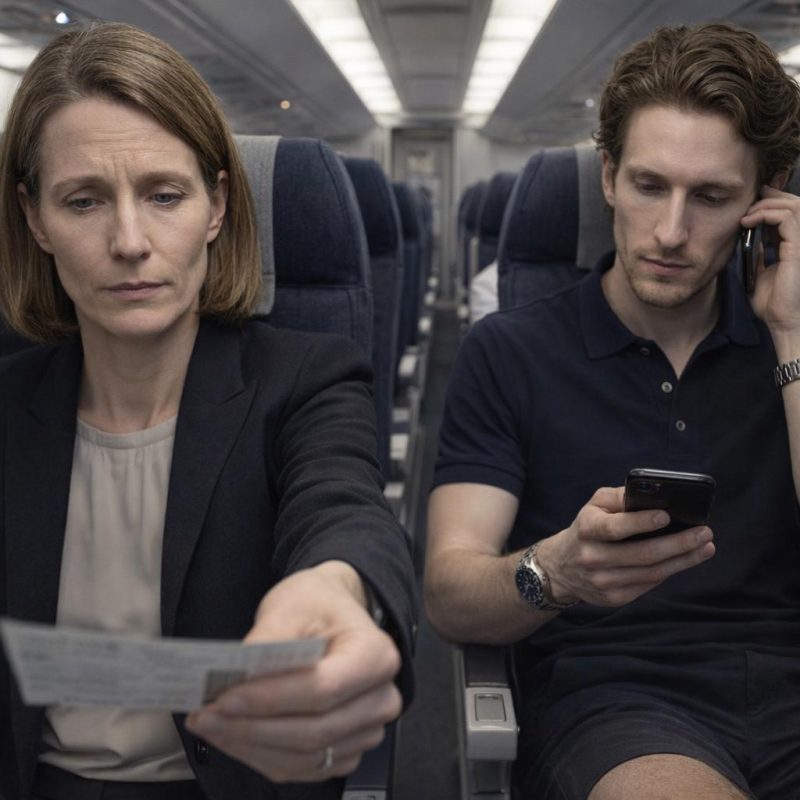 Image by RM AI
Blocking the Aisle
I didn't know what to do. I couldn't physically move him, and I wasn't going to make a scene — not yet, anyway. I just stood there in the aisle, boarding pass still in my hand, while the line of passengers behind me started to bunch up. That's when I heard the click of heels and saw a flight attendant moving toward me with a practiced smile. Her name tag said Brenda. "Ma'am, you're blocking the aisle," she said, pleasantly but firmly. I gestured toward the young man in 12A and held up my boarding pass. "He's in my seat," I said. "I paid for this seat specifically — I had knee surgery three months ago and I need the extra legroom." Brenda glanced at my boarding pass. I mean that literally — she glanced at it, the way you glance at something you've already decided isn't your problem. She didn't take it from me, didn't look at it closely, didn't ask the young man for his boarding pass. "The flight is completely full," she said, her smile unchanged. "You'll need to find another spot toward the back." I told her I'd paid an extra hundred dollars for this specific seat. She repeated that the flight was full and that I needed to clear the aisle. My knee was screaming by then, the kind of deep ache that radiates up into your hip when you've been standing too long on a bad joint. I stood there holding my proof in my hand, and the hollow feeling of being dismissed by the one person who should have helped me settled somewhere in my chest and stayed there.
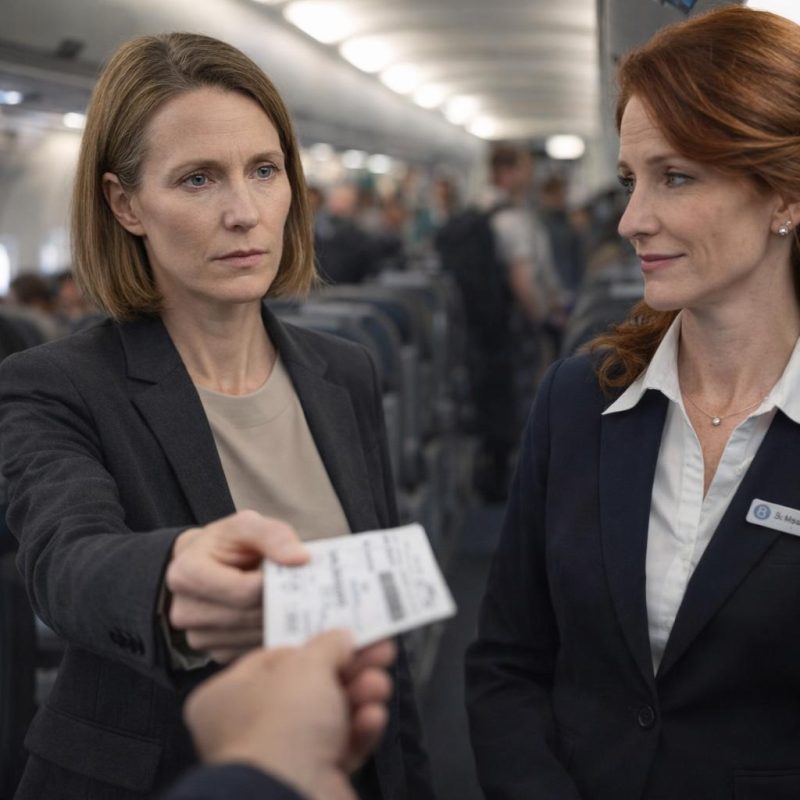 Image by RM AI
Karen Alert
I was still trying to figure out what to say next when a voice cut through the cabin from the row directly behind me. "Oh my God, are you serious right now?" I turned. A woman in her late twenties had stood up from her seat, and she had her phone raised and pointed directly at my face before I'd even registered what was happening. "This woman is harassing this young man," she announced, loud enough for the entire cabin to hear. "Karen alert! We've got a full Karen alert up here!" I tried to speak. I said something like, "I'm not harassing anyone, I paid for this seat" — but she talked right over me, her voice climbing higher, performing for the camera she was holding steady on my face. She said I was entitled, that I was making a scene, that I was targeting someone who was just sitting there minding his own business. Passengers in the rows around us started turning in their seats. I could feel the shift in the cabin — the way the air changes when a crowd decides it's already made up its mind. Brenda stood a few feet away and said nothing. The young man in 12A didn't even look up from his phone. I tried once more to explain, but the woman kept going, her voice filling the whole front section of the plane. My face went hot — the kind of heat that starts at the back of your neck and spreads forward until your ears are burning and you can feel every single pair of eyes in the cabin locked onto you.
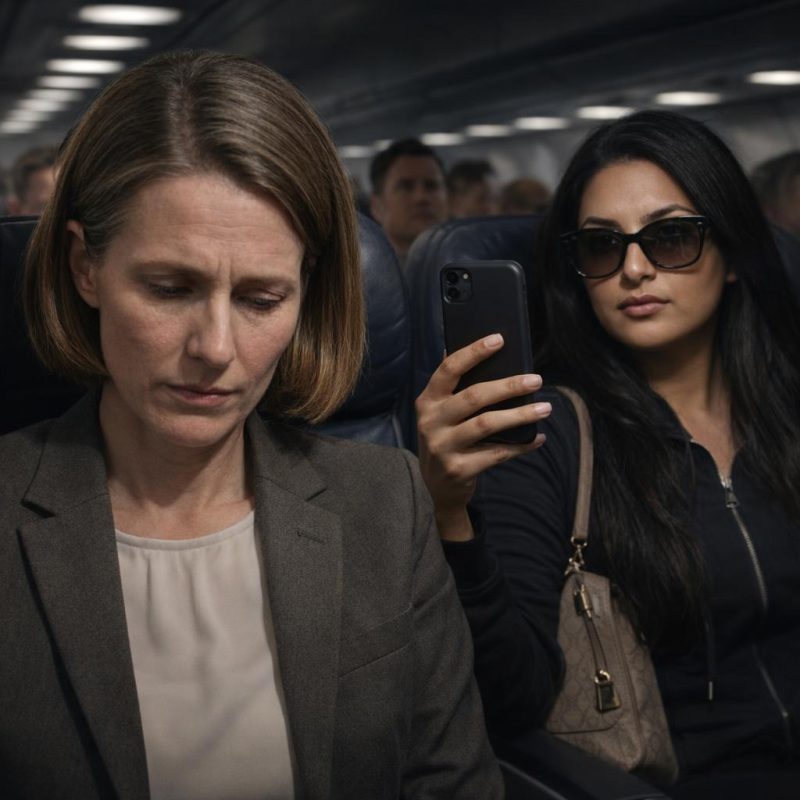 Image by RM AI
A Hundred Cameras
And then the phones came out. Not just hers — I mean everywhere. I watched it happen in real time, this ripple effect moving backward through the cabin as people in row after row lifted their screens and pointed them toward me. Little rectangles of light, one after another, all aimed at the woman blocking the aisle with the knee brace and the boarding pass. Chelsea — I'd catch her name later — kept narrating over all of it, her voice carrying the kind of practiced outrage that fills a room without effort. "She won't move, she won't listen, she's just standing there making this poor guy's flight miserable." I tried to speak again. My voice came out smaller than I wanted it to, shaking at the edges. "I have a boarding pass," I said. "I paid for this seat. I had surgery." Nobody was listening. Brenda stood nearby with her hands clasped, not intervening, not clarifying. The young man in 12A had his earbuds in and his eyes on his own screen, completely unbothered, like none of this had anything to do with him. The aisle felt narrower than it had a minute ago. My knee was throbbing, my face was burning, and I had nowhere to go — forward was blocked, backward meant giving up the seat I'd paid for, and all around me the cabin had turned into a wall of small glowing screens, their red recording lights multiplying in the dim overhead light like something out of a bad dream.
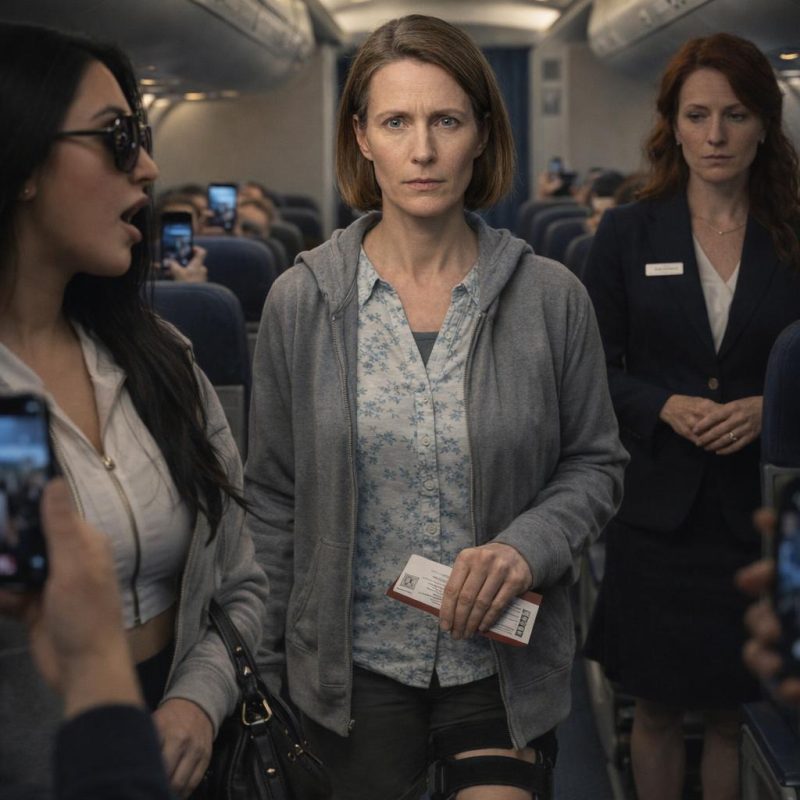 Image by RM AI
Protocol
I don't know exactly when he appeared, but suddenly there was a man standing beside Brenda who hadn't been there before. He was maybe mid-forties, plain clothes, no uniform — but something about the way he moved through the crowded aisle made people step back without being asked. He said his name quietly but clearly, and then he said he was an air marshal. His name was Marcus. "Ma'am," he said, looking at me, "I need you to gather your things and come with me." I held up my boarding pass one more time. I told him I had documentation, that I had paid for this seat, that there had to be a mistake. Marcus didn't look at the boarding pass. He didn't ask Brenda what had happened, didn't ask the young man in 12A for his ticket, didn't ask me a single question about my side of things. "This is protocol," he said. "I need you to comply." I asked him why I was the one being removed when I had proof of my seat assignment right there in my hand. I heard Chelsea's voice behind me, still narrating, still filming. I heard other passengers murmuring. I looked at Marcus and I could see that nothing I said was going to change what happened next. He reached to his belt, and I watched the metal handcuffs come free from the clip.
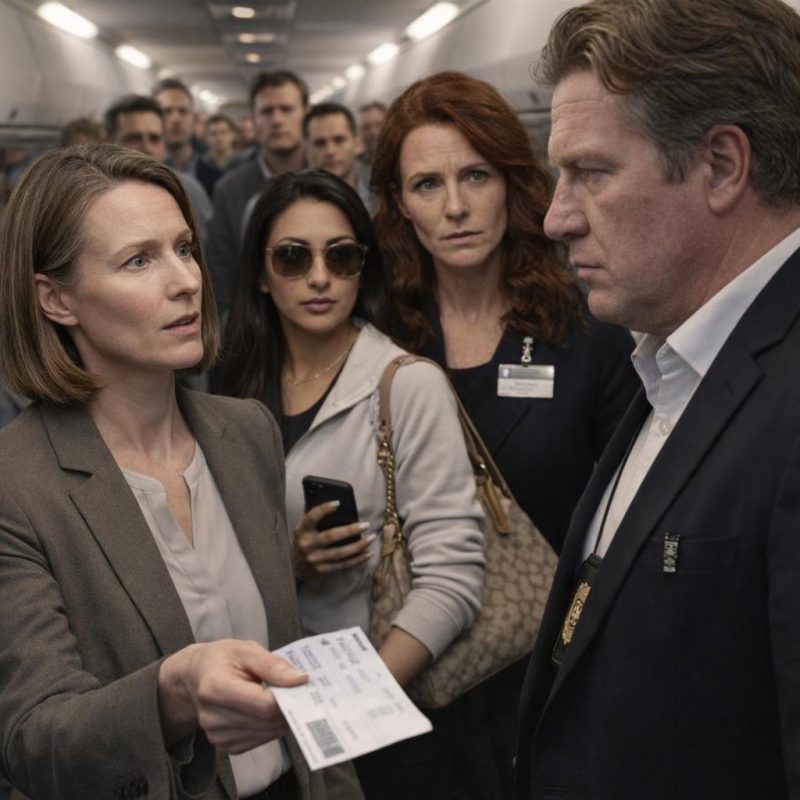 Image by RM AI
The Walk
The handcuffs were cold. That's the detail that stayed with me afterward — not the sound of Chelsea's voice still going behind me, not the murmuring of the passengers, just the cold of the metal against my wrists when Marcus secured them. He told me to walk toward the front of the plane. So I walked. My knee brace was visible below my slacks, the Velcro straps catching the cabin light with every step, and I kept my eyes down because I couldn't bear to look at the faces watching me pass. But I could feel them. Every row I moved through, I could feel the weight of it — the phones raised, the screens pointed, the quiet that had replaced Chelsea's narration now that the main event was in motion. My carry-on was somewhere behind me; Marcus had it. I focused on putting one foot in front of the other without stumbling, because the last thing I wanted was to fall in front of a hundred cameras. The aisle felt about a mile long. When we finally reached the aircraft door and stepped into the jetway, I thought for one second that the worst of it was over. Then I heard it — the clicking and tapping of camera shutters following each step I took down the jetway, passengers leaning out from the door to keep me in frame.
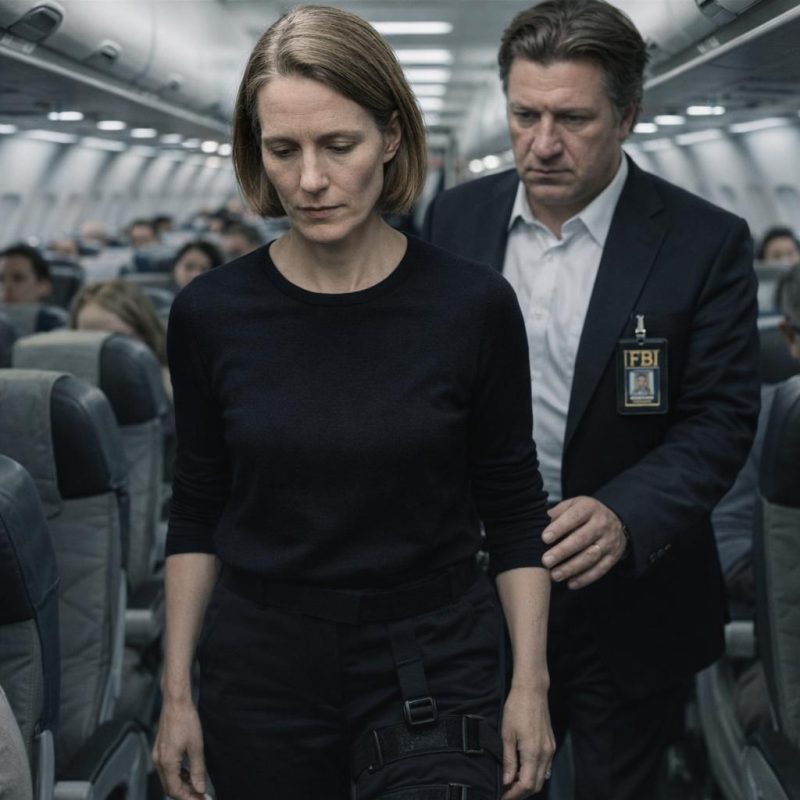 Image by RM AI
Through the Gap
Marcus kept a hand on my arm as we moved down the jetway, guiding me forward with the kind of steady, practiced pressure that made it clear stopping wasn't an option. I don't know what made me look back. Maybe I needed to see it — some part of me still couldn't accept that this was actually happening, that I had boarded a plane with a valid ticket and a paid seat assignment and was now being walked away in handcuffs. I turned my head just before the aircraft door swung shut. Through the narrowing gap, I could see row twelve. The young man in the designer hoodie had both armrests to himself now. His legs were stretched out into the full open space of the bulkhead — the space I had paid for, the space I had planned around for three months, the space my surgeon had essentially prescribed. He looked completely at ease. He wasn't watching the door. He wasn't watching anything in particular. He was just there, settled and comfortable, the way you settle into a seat that was always going to be yours. The door closed. Marcus guided me further down the jetway, and I faced forward again. The image of those legs extending into the space that was supposed to be mine was the last thing I carried with me as the sound of the plane disappeared behind the sealed door.
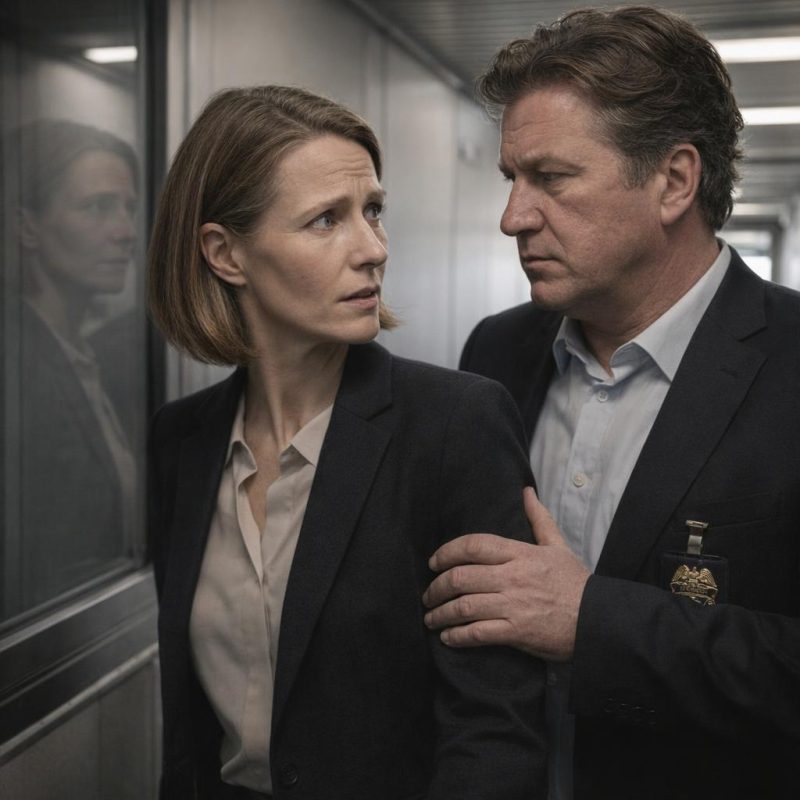 Image by RM AI
The Ride Home
The rideshare driver didn't say a word the whole way home, and I was grateful for that. I sat in the back seat with my leg stretched out as much as the door would allow, the knee brace pressing into swollen tissue that had been through too much for one day. Every bump in the road sent a dull throb up through my thigh. I kept my face turned toward the window so he wouldn't see that I was holding myself together by a thread. When we pulled up to my building, I paid through the app and didn't leave a note. I just needed to get inside. I unlocked my apartment door, dropped my bag on the floor, and didn't bother turning on the overhead light. I found the couch by memory, propped my leg up on the armrest with a throw pillow underneath, and sat there in the dark for a long time. The events on that plane kept cycling through my mind — the boarding pass in my hand, the man already in my seat, the handcuffs, the jetway. I couldn't make it stop. Eventually I reached for my phone on the cushion beside me. The screen lit up the room in a pale blue glow, and I just held it there, not yet ready to look at what was waiting.
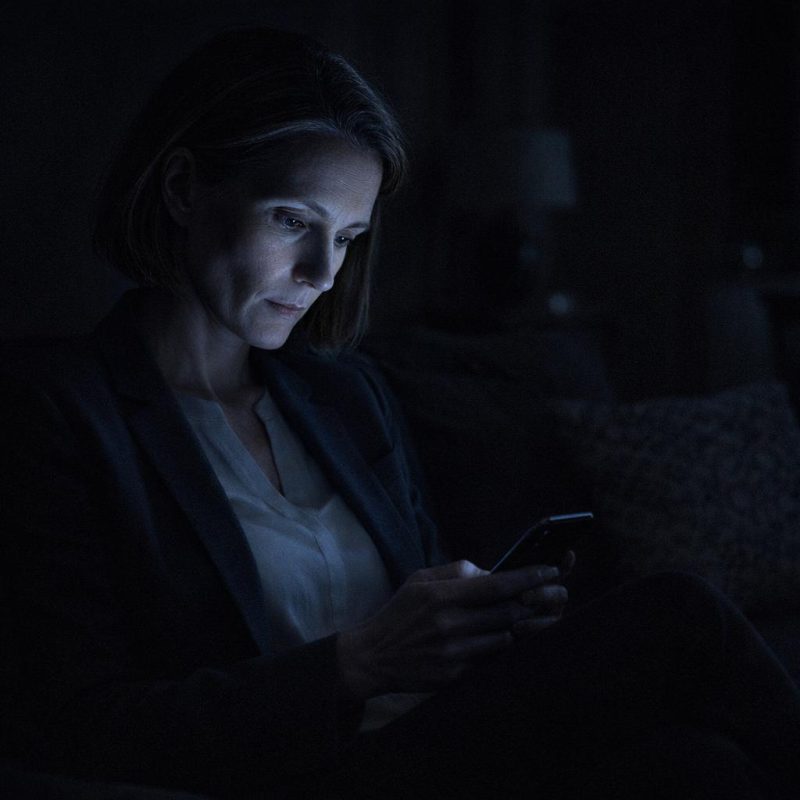 Image by RM AI
Millions of Views
I opened the app almost on autopilot — the same way you check your phone when you can't sleep and you know you shouldn't. The notifications had stacked up so deep the screen couldn't hold them all. I thought at first it was a glitch. Then I saw my own face. The thumbnail was a freeze-frame of me standing in the aisle, mouth open, one hand raised, and the angle made me look like I was looming over the young man in the seat. The caption read: 'Entitled passenger loses it when she can't bully a young man out of his seat. Gets exactly what she deserves.' I pressed play. The clip was maybe thirty seconds. It started mid-confrontation — no boarding pass, no explanation, no context about why I was standing there. Just me, visibly upset, voice raised, and him sitting calmly with his hands in his lap like he hadn't done a thing. I watched it twice. Then a third time. My hands had started shaking somewhere between the first and second viewing and hadn't stopped. The comments were already in the thousands. The shares were climbing. I scrolled up to the top of the post and the view counter read two point four million. I watched the number refresh. It rolled past three million.
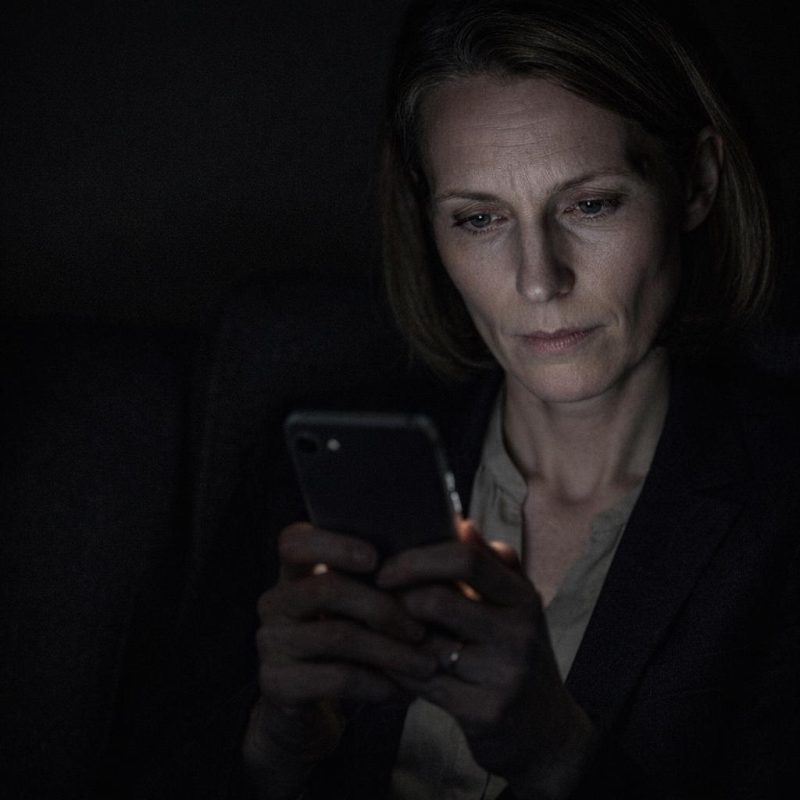 Image by RM AI
The Comments
I knew I should put the phone down. I knew it the way you know you shouldn't look at a car accident as you drive past — and then you look anyway. I started reading the comments. The first few were bad enough. 'Classic Karen behavior.' 'She's lucky they didn't charge her with more.' 'Look at that face — you can just tell.' Then I kept scrolling. Someone had zoomed in on my knee brace and written that I was probably faking an injury for sympathy and special treatment. That one had four thousand likes. Another commenter had invented an entire backstory — that I was a frequent flyer who bullied airline staff regularly, that this had been coming for years. People were agreeing with it in the replies like it was documented fact. Someone called me middle-aged and desperate. Someone else posted a side-by-side of my freeze-frame face next to a meme I didn't recognize, and the joke was about entitlement. I read a comment that said I deserved to be humiliated publicly and that the young man was a hero for staying calm. It had twelve thousand likes. I kept scrolling. I don't know why. Maybe I thought if I read enough of them, they'd start to feel less real. They didn't. They just kept coming, an endless column of strangers who were absolutely certain they knew exactly who I was.
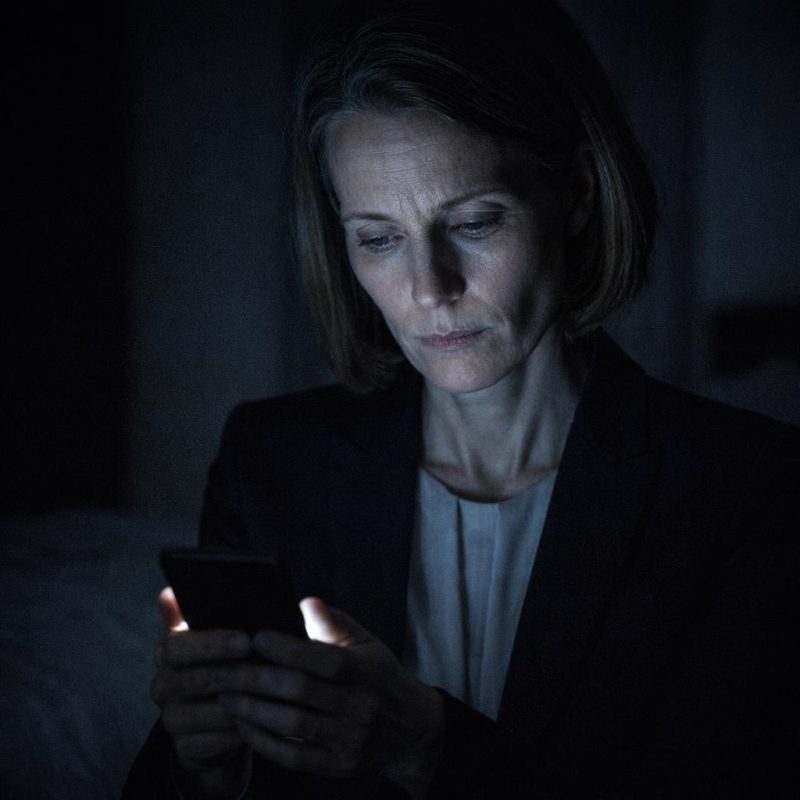 Image by RM AI
Curtains Drawn
I woke up the next morning on the couch with the phone still in my hand and the curtains exactly where I'd left them — closed. I didn't open them. The idea of daylight felt like too much, like it would make everything more real and more visible at the same time. I pulled the throw blanket up and stayed where I was. My knee had stiffened overnight and the brace had left a red pressure mark along the inside of my calf, but I didn't get up to deal with it. My phone had been buzzing on and off since before I was fully awake. I turned the screen over and looked at the ceiling for a while instead. When I finally looked, there were seventeen unread messages. A few were from people I hadn't spoken to in years. One was from a college acquaintance who just sent a question mark. Two were from friends who said they'd seen the video and wanted to know if I was okay. One was from someone I'd considered a friend who said she hoped I had a good explanation for what she'd watched. I didn't respond to any of them. I checked the video once, just to see. The view count had climbed past six million. I put the phone face-down on the cushion beside me and lay in the dark with the curtains drawn and the silence pressing in from every direction.
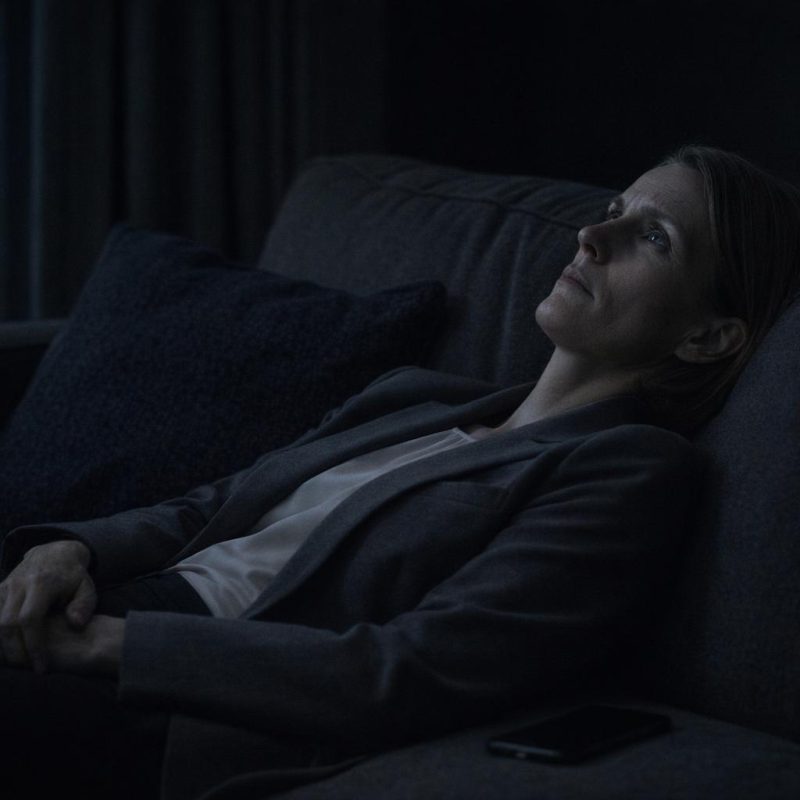 Image by RM AI
Afraid to Leave
By the second afternoon I was out of almost everything — coffee, bread, the specific kind of crackers I'd been surviving on. I told myself I could do this. I put on shoes. I found my jacket on the hook by the door and pulled it on. I even put on sunglasses, which felt both practical and absurd at the same time. I stood at the door with my hand on the knob and ran through it in my head: walk to the corner store, keep my head down, be back in ten minutes. Nobody was going to recognize me from a thirty-second video. That was a ridiculous thing to be afraid of. I stood there telling myself that for probably two full minutes. I thought about the freeze-frame thumbnail — my face, that expression, the angle — and I thought about the woman at the corner store who always made small talk, and I thought about what her face might do if she placed me. My hand tightened on the knob. I took a breath. I turned it. From the other side of the door, footsteps came down the hallway — unhurried, getting closer.
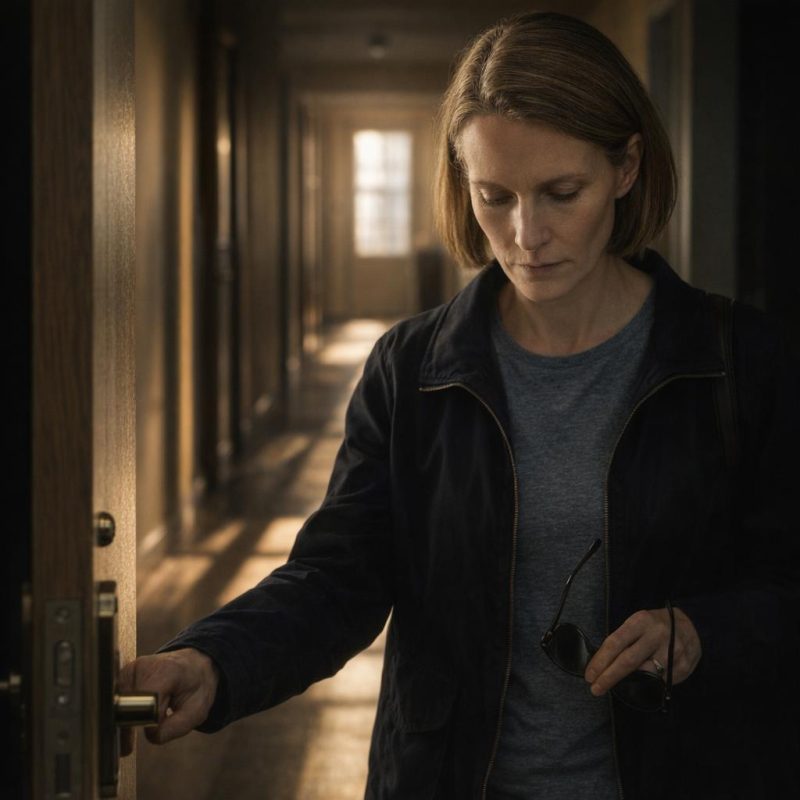 Image by RM AI
The Office Knows
I stepped back from the door and stood there until the footsteps faded past and down the stairwell. Then I took off my jacket, hung it back on the hook, and ordered delivery from an app. I sat on the couch and watched my phone like it was something I didn't fully trust. It buzzed twice while I was waiting for the food — a spam notification and then a weather alert I'd forgotten I had turned on. When the delivery arrived I ate at the kitchen counter without tasting any of it. Afterward I sat back down and stared at the wall for a while. I was trying to figure out what the next week of my life was supposed to look like. I had a job. I had a desk and a calendar and colleagues who expected me to show up. I hadn't thought about any of that since the plane. My phone buzzed again. I picked it up expecting another notification. It was a text from a colleague named Dana — someone I'd worked alongside for three years, someone I'd had lunch with dozens of times. The message said she'd seen something online and that a few people in the office had been talking. The last line read: 'We need to talk about what happened.'
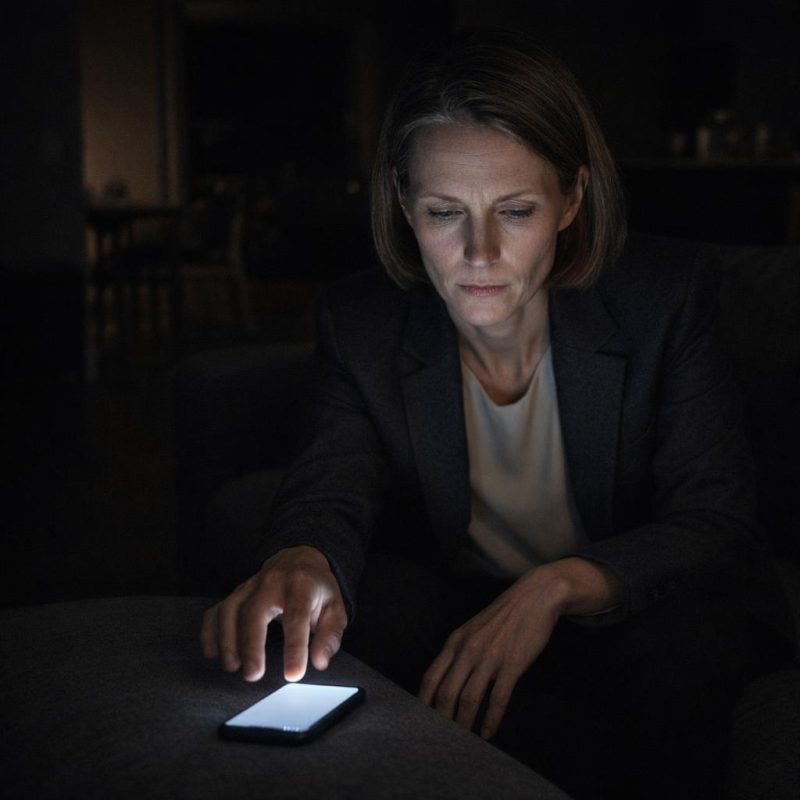 Image by RM AI
Jess Breaks Down the Door
I was still staring at Dana's text when the knocking started. Not a polite knock — the kind that means I know you're in there and I'm not leaving. Then Jess's voice, loud enough that my downstairs neighbor could probably hear it: 'I will stand in this hallway all night. Open the door.' I opened it. She walked straight past me, took one look at the apartment — curtains drawn, takeout containers on the counter, me in the same clothes I'd been wearing since yesterday — and her expression shifted into something that was equal parts heartbreak and fury. She said she'd been calling for two days. I told her I'd seen. She said she'd watched the video and that it was missing half the story. I told her it didn't matter, that the internet had already made up its mind and there was nothing to be done about it. She sat down on the couch and looked at me the way she does when she's decided something and is waiting for you to catch up. She said the video wasn't the whole picture and that I had documentation — a boarding pass, a receipt, a paper trail. I told her documentation didn't go viral. She said that wasn't the point. She leaned forward, elbows on her knees, and said, 'You need a lawyer.'
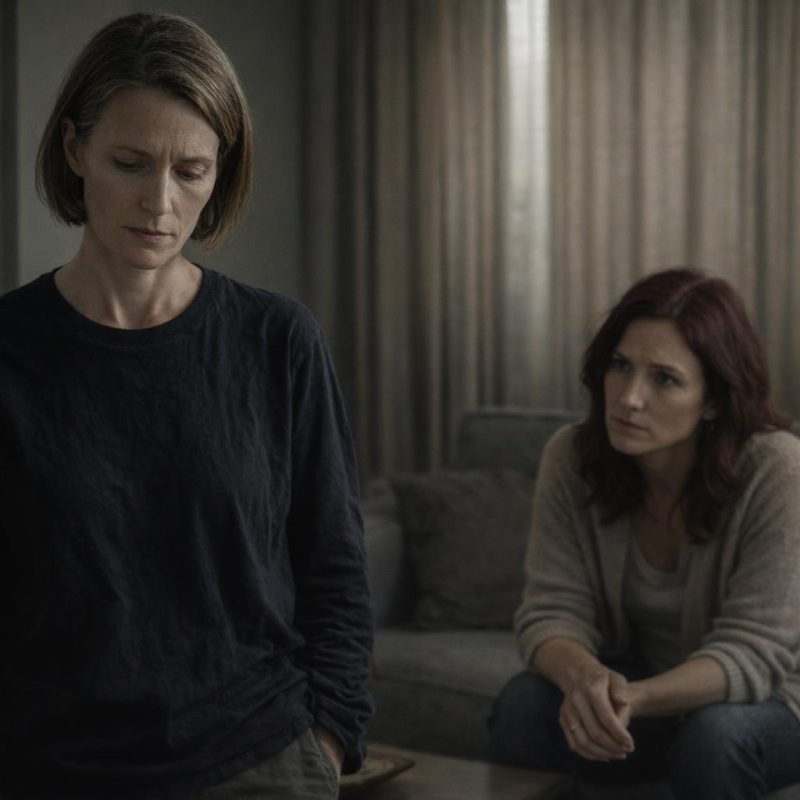 Image by RM AI
Skeptical
I told her a lawyer couldn't delete a video that had been shared six million times. She said that wasn't what a lawyer was for. I said the court of public opinion had already handed down its verdict and no filing was going to change that. She said the court of public opinion wasn't a court. I told her I didn't have the energy for a fight I couldn't win. She said I was describing the situation wrong — that what happened to me on that plane wasn't just embarrassing, it was potentially actionable, and that there were attorneys who built their entire practice around going after corporations that assumed no one would push back. I asked what a lawyer could actually do. She said a lawyer could make the airline answer for what happened in that aisle — under oath, in writing, on the record. I sat with that for a second. I told her I didn't even know where to start. She said that was fine, that starting was her job tonight. She pulled out her own phone and started searching. I watched her for a moment, then looked down at my hands in my lap. The apartment was quiet around us, and somewhere in the back of my mind, past all the exhaustion and the shame, something small and tentative opened — the possibility that someone might actually listen to my side of it.
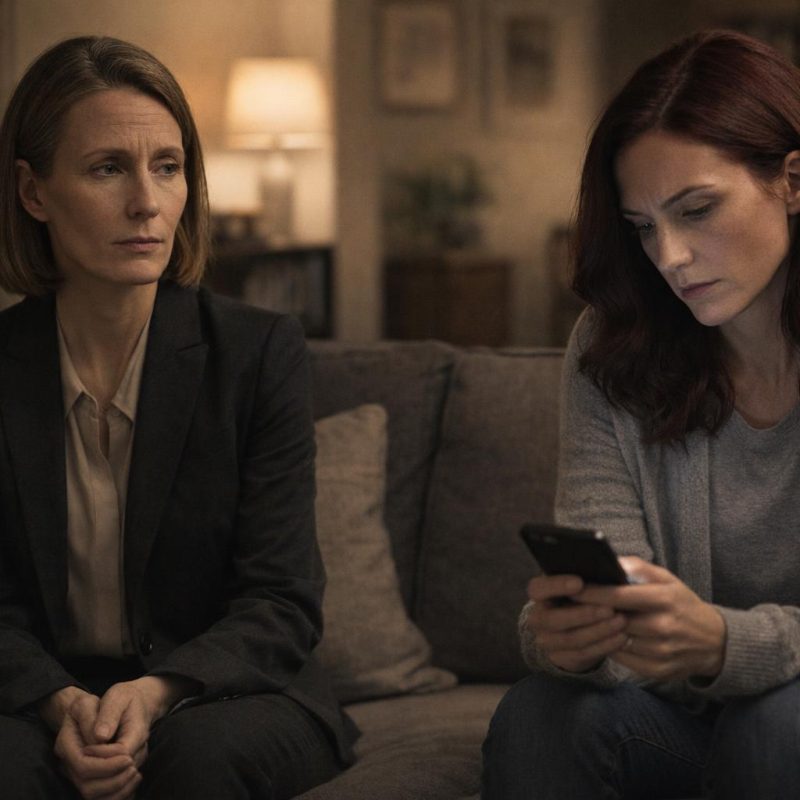 Image by RM AI
Searching for Help
Jess pulled my laptop onto the coffee table and typed 'airline discrimination lawsuit attorney' before I'd even decided I was doing this. I told her I felt ridiculous. She said I could feel ridiculous and still look. The first few results were personal injury firms with stock photos of gavels and scales — the kind of sites that promised maximum compensation in bold red font. I clicked through three of them and felt my stomach sink each time. Most of the cases were about luggage, delays, tarmac injuries. Nothing that looked like what happened to me. I told Jess it wasn't the same thing. She said keep going. I scrolled past a forum thread, a news article about a settlement involving a broken seat, another firm that specialized in cruise ships for some reason. I was about to close the laptop when Jess pointed at the screen and said, wait, that one. There was a link to an article — something about a corporate accountability case, a company that had tried to bury a complaint and lost badly in court. I clicked it. The page loaded slowly, and at the top was a name and a photograph, and something about the way the profile was written made me stop scrolling entirely: Elena Rodriguez.
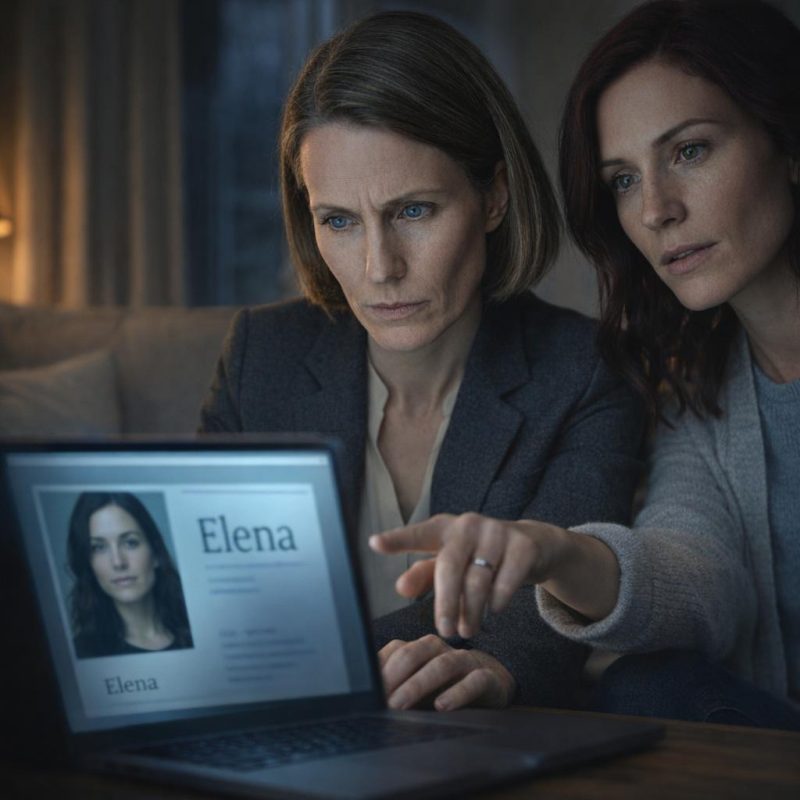 Image by RM AI
Elena Rodriguez
The profile wasn't flashy. No red font, no promises about maximum settlements. It was just a clean page with a list of cases and outcomes, and I started reading through them one by one. A hotel chain that had denied accommodations to a guest with a mobility disability — Elena had taken it to trial and won. A rental car company that had been quietly double-billing customers for years — she'd forced a full audit and a class-action settlement. An airline negligence case involving a passenger who'd been injured when crew ignored a medical complaint — she'd gotten a judgment that included punitive damages. Jess was reading over my shoulder and she kept making small sounds, like she was impressed but trying not to say so yet. What I noticed wasn't just the wins. It was that none of the summaries mentioned early settlements. Every case had gone deep — depositions, discovery, motions. She didn't seem to take cases to make them go away quietly. She seemed to take them to make them answer. Jess said, that's the one, and I didn't argue. I saved the contact page and sat back, and for the first time since I'd walked off that plane in handcuffs, something in my chest loosened just slightly — fragile and small, but there.
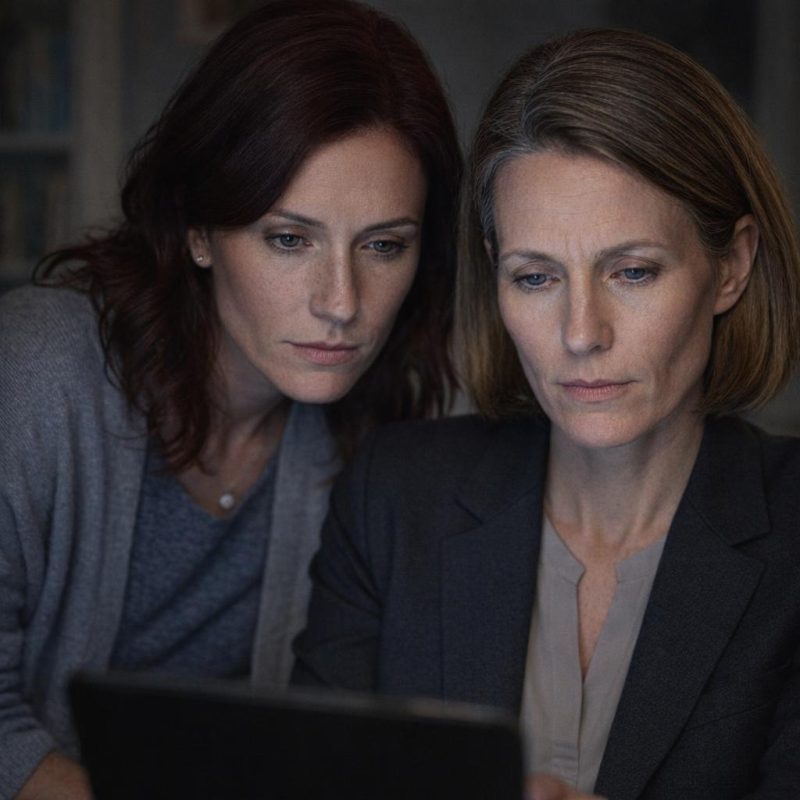 Image by RM AI
The Call
I stared at the phone number for probably two full minutes before Jess said, out loud, just dial it. I told her it was after business hours and they wouldn't answer. She pointed out that I'd been saying that for twenty minutes and it was only four-thirty in the afternoon. I picked up the phone. My hands were steadier than I expected, which surprised me, but my voice came out a little thin when the receptionist answered. I explained that I was looking to speak with Elena Rodriguez about an airline incident — I used the word incident because I didn't know what else to call it. The receptionist asked a few questions: my name, a brief description of the matter, whether I'd been a party to any prior litigation. I answered all of them. Then she said she had an opening the following afternoon at two o'clock and asked if that worked. I said yes before I'd even thought about it. She confirmed the address, repeated the time, and thanked me for calling. The line went quiet. I lowered the phone and looked at Jess, and she was already smiling. I didn't smile back, not quite. But I sat there in the stillness after the call ended, and the silence felt different than it had before — less like emptiness, more like a held breath.
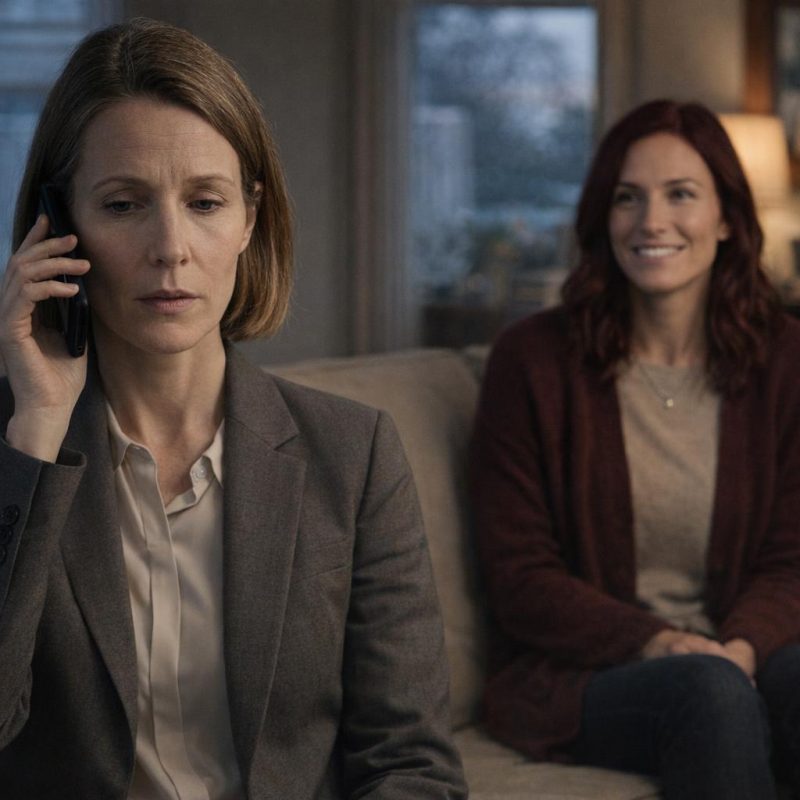 Image by RM AI
The Glass Office
The building was downtown, glass and steel, the kind of lobby that makes you feel underdressed even in a blazer. I checked in at the front desk and the receptionist walked me down a long hallway with pale wood floors and framed case citations on the walls — actual citations, not motivational quotes. The conference room at the end had floor-to-ceiling windows and a table that could seat twelve. Elena was already there when I walked in, sitting at the far end with a legal pad and a stack of folders, reading something with the kind of focus that made the room feel smaller. She was in a dark suit, hair pulled back, and she didn't look up immediately when I entered. I stood near the doorway for a moment, not sure if I should sit or wait. My knee brace caught on the chair leg as I moved toward the table and I had to steady myself, which I was embarrassed about, but she still hadn't looked up. I told myself that was fine. I told myself I just needed someone to listen. I pulled out the chair across from her and sat down carefully, and then Elena set down her pen, lifted her head, and looked directly at me.
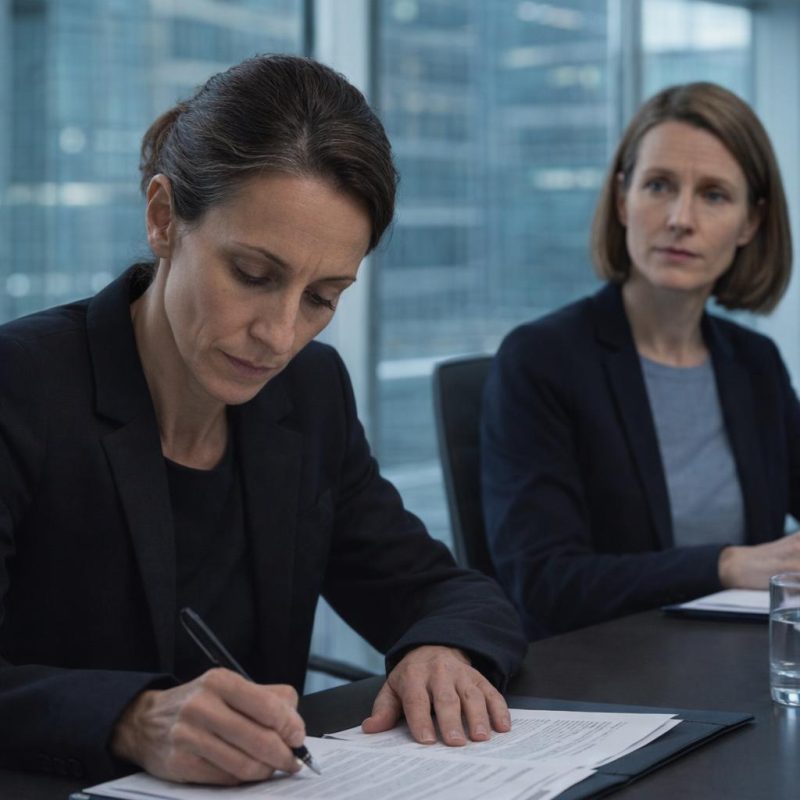 Image by RM AI
Every Detail
She asked me to start from the beginning and tell her everything, and so I did. I told her about the knee surgery three months earlier, the recovery, the reason I'd paid the extra hundred dollars for seat 12A — the extra legroom, the aisle access, the fact that I'd planned this trip around what my body could handle. I told her about boarding early and finding Jake already in the seat, about showing him my boarding pass and being waved off like I was an inconvenience. I told her about Brenda arriving and the way she'd looked at my boarding pass without really looking at it, the way she'd suggested I take a different seat as if the problem was my attitude and not the fact that someone was sitting in a seat I'd paid for. I told her about Chelsea's phone already up and pointed, about the word Karen being said before I'd raised my voice. I told her about Marcus, the handcuffs, the walk down the aisle while people filmed. My voice shook a few times. Elena didn't interrupt once. She wrote in small, precise lines across her legal pad, and her expression stayed level and focused the entire time. When I finished, the room was quiet. It was the first time I'd said all of it out loud to someone who was actually writing it down, and the weight of that — of being heard without someone flinching or looking away — settled over me like something I hadn't known I needed.
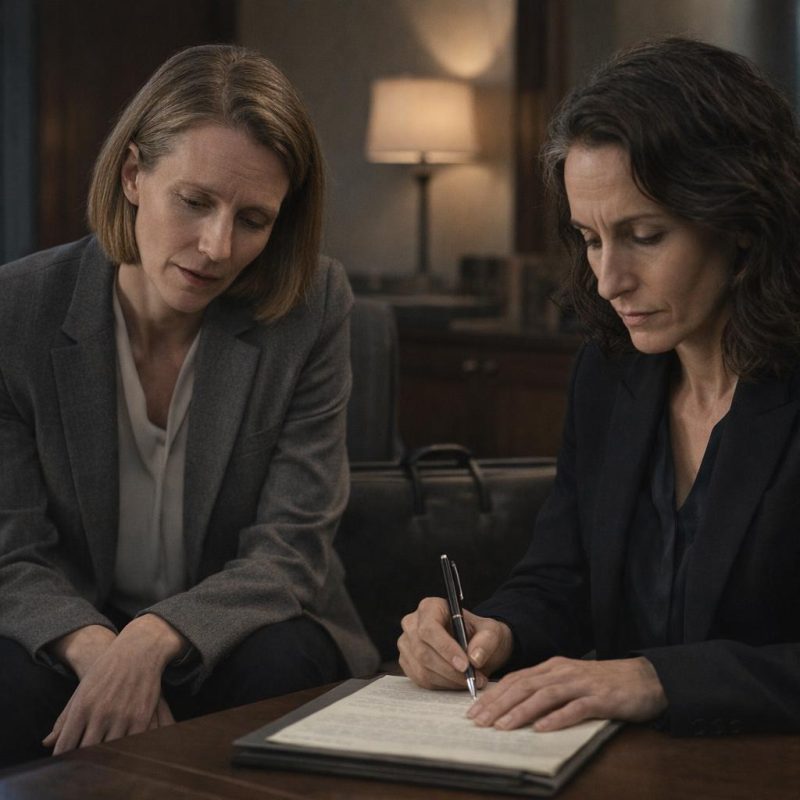 Image by RM AI
The Video
Elena asked if I had the video. I said I did, and I felt my stomach tighten as I unlocked my phone and pulled it up. My hands weren't entirely steady when I slid it across the table to her. She picked it up without a word and watched it through once, her face completely still. Then she tapped the screen and watched it again. The second time, her eyes narrowed slightly near the middle — I couldn't tell at what moment — but she didn't say anything. She played it a third time and paused it twice, holding the frame for a few seconds each time before continuing. I watched her face the whole time, looking for something I could read, some signal about what she was thinking. There was nothing I could clearly identify. She set the phone down when it finished the third time and placed her pen flat on the legal pad. The room was very quiet. I could hear the faint sound of traffic from somewhere below the windows, and the air between us felt still and suspended, like the moment just before someone speaks — except she hadn't spoken yet, and I didn't know what was coming.
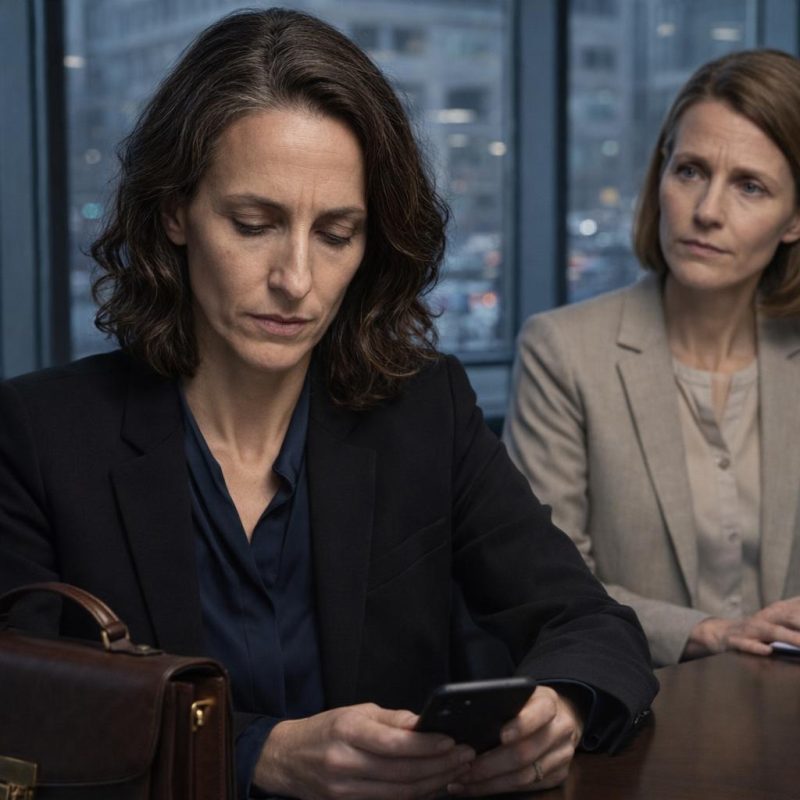 Image by RM AI
Background Questions
Elena picked up her pen and asked me to describe Brenda's expression when she first walked over. I tried. I said she looked — professional, I guessed. Neutral. Elena asked if Brenda had spoken to Jake before she addressed me. I said I didn't think so, but I admitted I hadn't been watching. I'd been focused on my knee and on keeping my voice calm. Elena wrote something down and asked when exactly Chelsea had started filming. I said Chelsea was already filming when I first noticed her. Elena looked up at that and asked if I was certain the phone was pointed at me before I'd said anything. I sat with that for a second. I said I thought so, but I couldn't be sure — I hadn't been paying attention to her until the shouting started. Elena nodded slowly and wrote again. She asked about Marcus — how quickly he'd appeared after Chelsea started calling out. I said it felt fast, maybe two or three minutes, but the whole thing had moved so quickly that my sense of timing was probably off. Elena tapped her pen against the pad once, twice. Then she looked up from her notes and asked whether I remembered anything about the flight attendant's manner before things escalated — before any of it started.
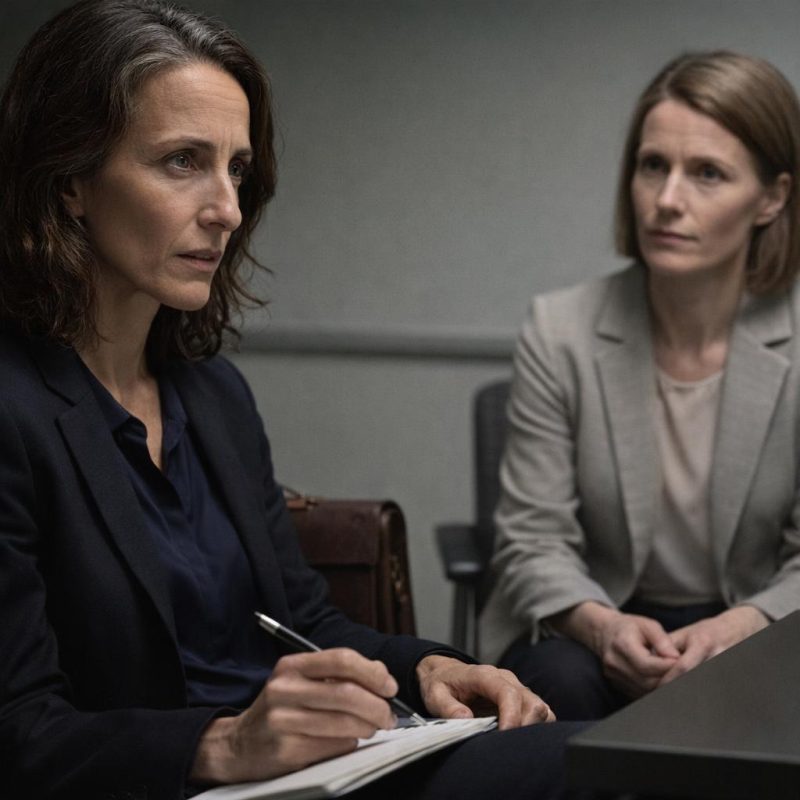 Image by RM AI
Discovery Motion
I told her I didn't know what I would have been looking for. She said that was fine, that it was her job to know what to look for. She set her pen down and told me that airlines keep detailed digital records of every flight — not just the passenger manifest, but the sales logs, the seat assignment history, the boarding sequence, internal communications tied to the flight number. I said I hadn't known that. She said most people didn't. She told me she was going to file a discovery motion — a legal request that compels the airline to produce those internal documents. I asked what specifically she was after. She listed them: the digital manifest for flight 1422, the seat assignment records for 12A, the boarding records showing the sequence of who scanned in and when. I felt something shift in my chest — not quite hope, but the shape of it. The idea that there might be a paper trail, something concrete that existed outside of Chelsea's video and my own memory, felt almost unreal. I asked if the airline would cooperate. Elena picked up her pen, made a note, and said the airline would not want to hand those records over.
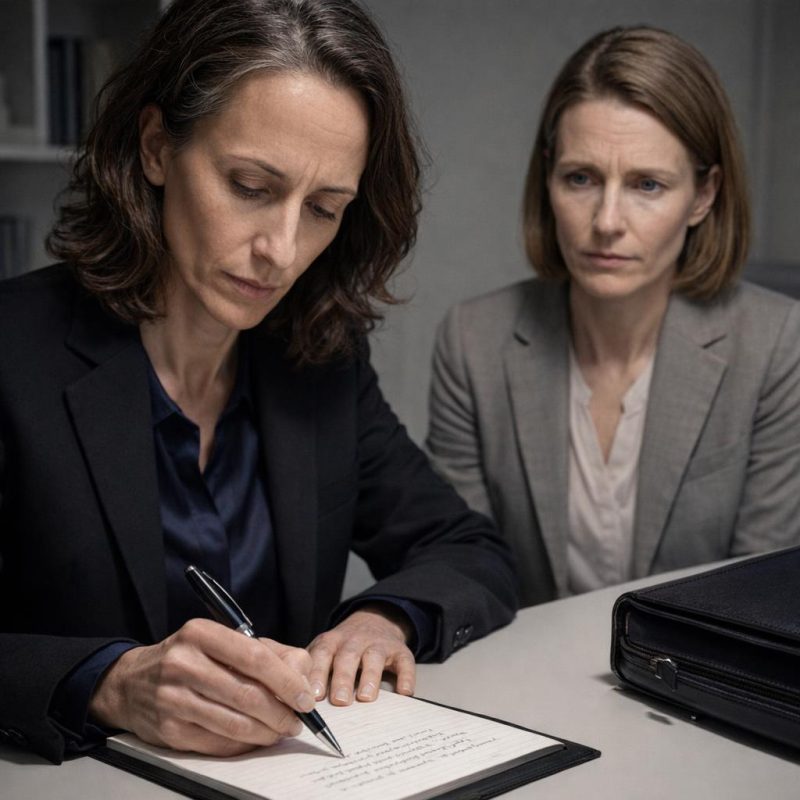 Image by RM AI
Stonewalling
The two weeks after my meeting with Elena were some of the longest of my life. She had warned me the airline wouldn't cooperate easily, but I don't think I fully understood what that meant until the updates started coming in. First, their legal team filed a motion to dismiss the discovery request entirely — arguing it was overly broad and amounted to a fishing expedition. Elena filed a counter-motion the same week, narrowing the request to specific records tied directly to flight 1422: the manifest, the seat assignment history for 12A, the boarding sequence logs, and internal communications from that day. Then the airline filed a delay motion, claiming they needed more time to locate the relevant records. Elena pushed back on that too. I wasn't in the courtroom for any of it — I was at home, refreshing my email, icing my knee, trying not to read too much into every update. But I couldn't help noticing that the airline wasn't just complying slowly. They were fighting. Every step. Every document. I didn't know what that meant exactly, but something about it felt off — like there was more at stake for them than the inconvenience of handing over records. Then my inbox pinged, and I saw Elena's name in the subject line: *They're fighting hard*.
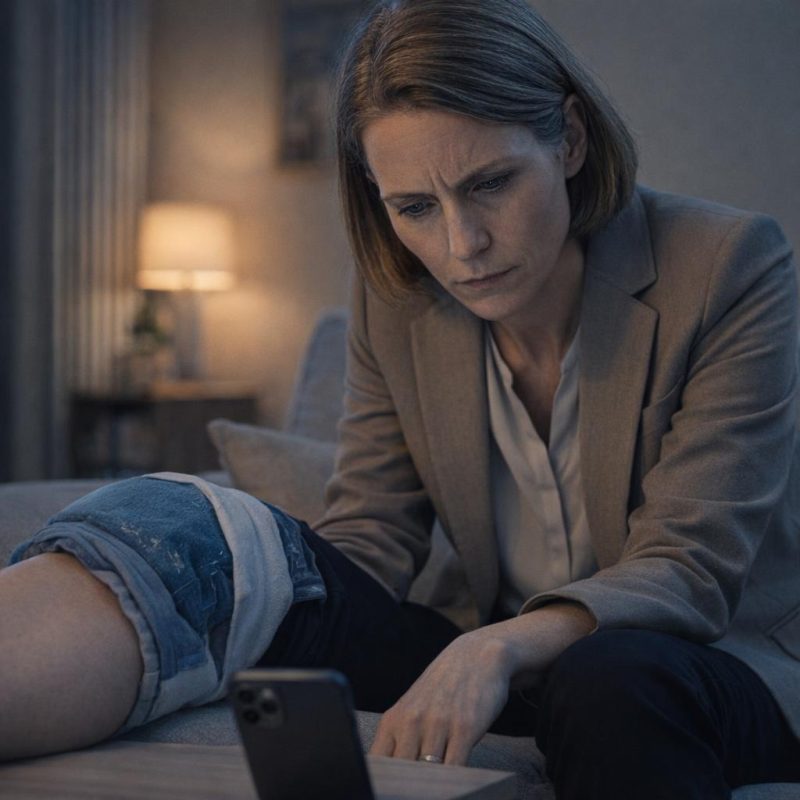 Image by RM AI
Court Order
Elena called me on a Tuesday morning, and I knew from the first second of her voice that something had shifted. She told me the judge had reviewed both sides' arguments and ruled in our favor — the airline was ordered to produce every document she had requested. All of it. The deadline was set for ten business days. I sat down on my couch without really meaning to. I asked her what that meant in plain terms, and she said it meant the court had looked at the airline's objections and found them unconvincing. It meant a judge — someone with no stake in my embarrassment or my knee or Chelsea's video — had decided my case had enough merit to warrant a real look. Elena said this was a significant win, that airlines don't lose discovery motions often, and that the next step was simply to wait for the documents to arrive. I thanked her and stayed on the couch for a while after we hung up. I'd spent weeks feeling like I was shouting into a void — like the video had already decided everything and the rest was just noise. Sitting there in the quiet of my apartment, with the afternoon light coming through the blinds, that feeling had finally loosened its grip.
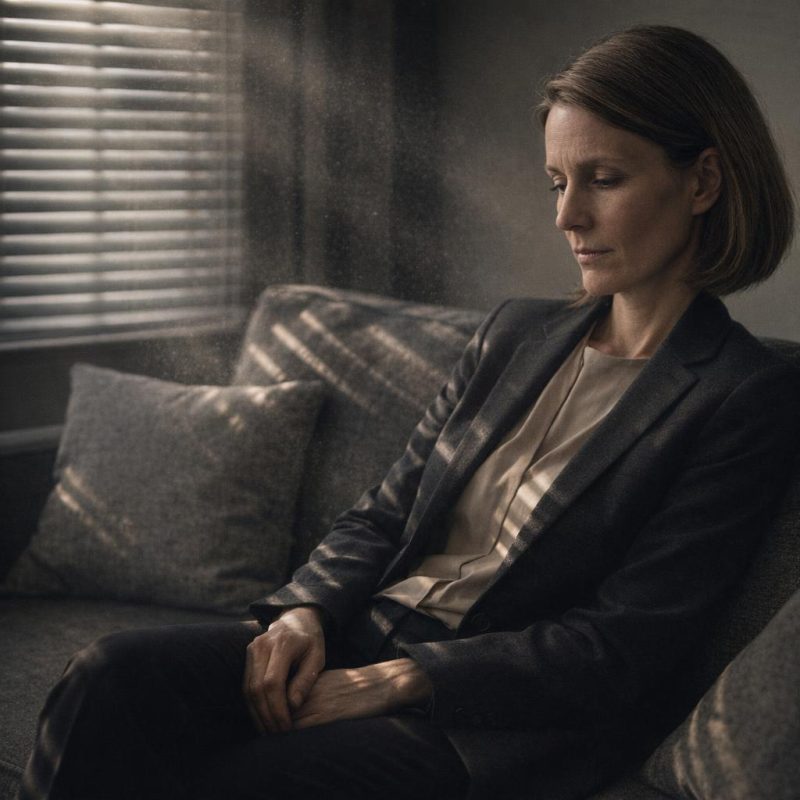 Image by RM AI
The First Boxes
Elena called me on the tenth business day and asked me to come to her office. She didn't say much on the phone — just that the documents had arrived and she wanted me there. When I walked into the conference room, I stopped in the doorway. Three large cardboard boxes sat stacked on the table, each one sealed with packing tape and labeled with the airline's legal department address. They were bigger than I'd expected. Elena was already standing beside them, a box cutter in her hand, and she looked up when I came in and said, 'They sent everything.' We opened the first box together. Inside were printed pages — hundreds of them — organized into labeled sections: passenger manifests, sales transaction logs, seat assignment records, employee shift reports, internal communications. The second box held more of the same. The third was heavier. I picked up one of the manifest pages and stared at the columns of names and codes and timestamps, and the sheer density of it hit me all at once. Elena said they'd need to go through everything systematically, that it would take time, that they were looking for anything that didn't match. I set the page back down carefully. Somewhere in those three boxes was the record of what had actually happened on flight 1422, and I could feel the weight of that sitting in the room with us.
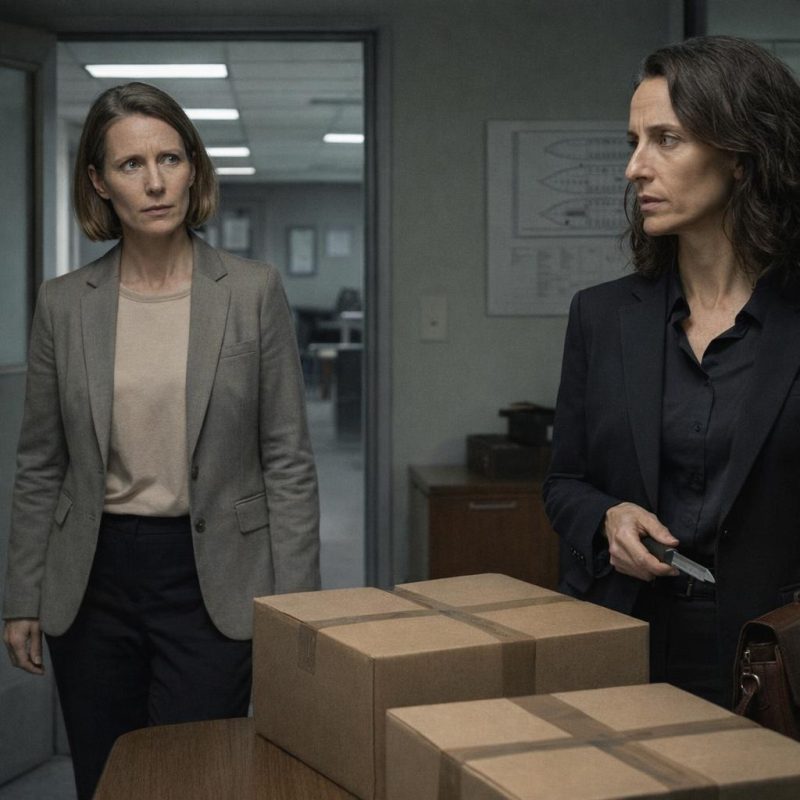 Image by RM AI
Inconsistencies
We'd been at it for hours. Elena had taken the manifest pages and I'd worked through the sales logs, and the conference room had gone quiet except for the sound of paper turning and the occasional scratch of a pen. My knee was aching from sitting in the same position too long, and I'd started to lose the thread of what I was even looking for — just rows and rows of codes and timestamps that meant nothing to me. Then Elena went still. I noticed it before she said anything — the way she leaned forward slightly, her pen hovering over the page without moving. She said, 'Come look at this.' I pushed back my chair and walked around the table. She pointed to a line on the manifest — seat 12A — and next to it was a status code I didn't recognize. It wasn't like the other codes on the page. She said she'd been through dozens of airline manifests in her career and she didn't recognize it as a standard designation. I asked what it meant. She said she didn't know yet, but that she wanted to check it against the other records in the boxes. She spent the next twenty minutes pulling manifests from other flights in the documents and scanning each one. When she looked up, her expression had sharpened. She said this code didn't appear anywhere else in the system.
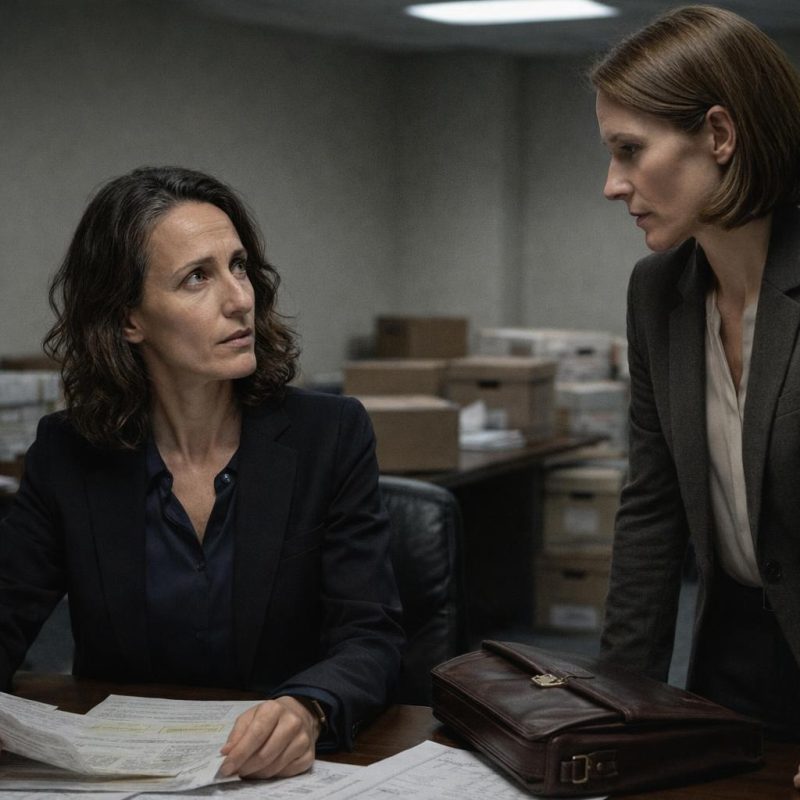 Image by RM AI
Cross-Referencing
Elena set the manifests aside and walked to the door of the conference room. She called down the hallway, and a moment later a woman appeared — late twenties, sharp-eyed, carrying a legal pad and a laptop. Elena introduced her as Stephanie, her paralegal. Stephanie gave me a quick, professional nod and pulled out a chair. Elena explained what she needed: every passenger on flight 1422 cross-referenced against public records, social media profiles, and any professional connections that turned up. Stephanie asked if they were looking for anything specific. Elena said they were looking for anything that didn't fit the pattern — anything that stood out. Stephanie opened her laptop and started building a spreadsheet, pulling the passenger manifest toward her and working down the list methodically, name by name. I watched her type with a kind of focused efficiency that was almost calming — each passenger becoming a row, each row filling in with small pieces of data pulled from databases I didn't even know existed. Elena moved back to the manifest pages, and the room settled into a quiet rhythm. I thought about the fact that every one of those names had been a stranger to me on that plane — people I'd barely registered while I was focused on my seat and my knee and trying not to make a scene. Now they were becoming data points, each one a thread that might or might not lead somewhere.
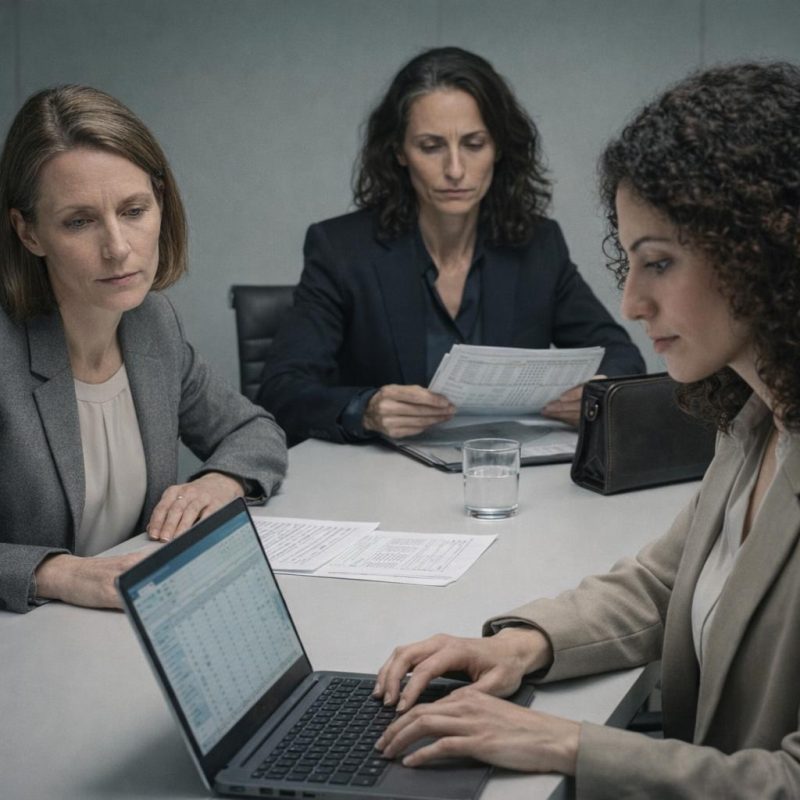 Image by RM AI
Jake's Full Name
Stephanie worked through the list steadily, and most of the names yielded nothing remarkable — business travelers, a few families, the ordinary cross-section of people you'd expect on a midday domestic flight. Then she reached a name about a third of the way down the manifest and paused. She said, 'Jake Brennan.' I recognized the name immediately — it was the name on the boarding pass Elena had pulled from the records, the man who had been sitting in my seat when I boarded. Stephanie typed it into the public records database and then into a social media search. Results came back quickly. She found his age, his city, a LinkedIn profile, and several social media accounts. I leaned in closer. His social media was full of photos — travel, restaurants, what looked like expensive seats at sporting events. I recognized his face from the plane. The same easy posture, the same look of someone who expected things to go his way. Elena came around to look over Stephanie's shoulder and asked her to dig into his professional connections. Stephanie switched to LinkedIn and started pulling up his profile and the network attached to it. The screen filled with search results for Jake Brennan, and I stood there watching them populate, one after another, not sure yet what I was looking at but unable to look away.
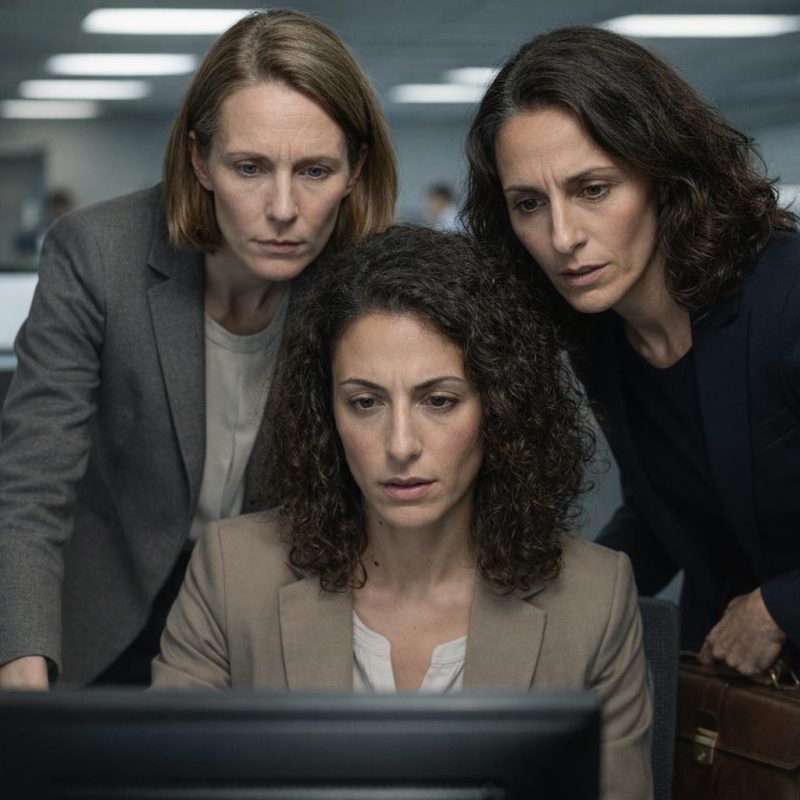 Image by RM AI
The LinkedIn Connection
Stephanie scrolled through Jake's LinkedIn connections without rushing, scanning names the way you'd scan a crowd for a familiar face. Most of them meant nothing to me. Then she stopped. She said, 'There's a Ryan Brennan here — same last name.' Elena straightened up. Stephanie clicked on the profile. It loaded slowly, and for a second it was just a name and a headshot — a man in his early thirties, corporate-polished, the kind of photo that said he took his professional image seriously. Then the page finished loading. Under his name, under his title, was a logo I recognized immediately. It was the airline's logo — the same one that had been on my boarding pass, on the gate signage, on the uniform Brenda had been wearing when she told me to deplane. Elena leaned forward until she was almost shoulder to shoulder with Stephanie. Nobody said anything for a moment. Stephanie noted quietly that Ryan and Jake shared the same last name. Elena told her to find out what their relationship was. My heart was going faster than it had any right to, standing in a law office looking at a LinkedIn page. I kept my eyes on the screen as Stephanie started typing, the airline's corporate logo sitting there next to Ryan Brennan's name.
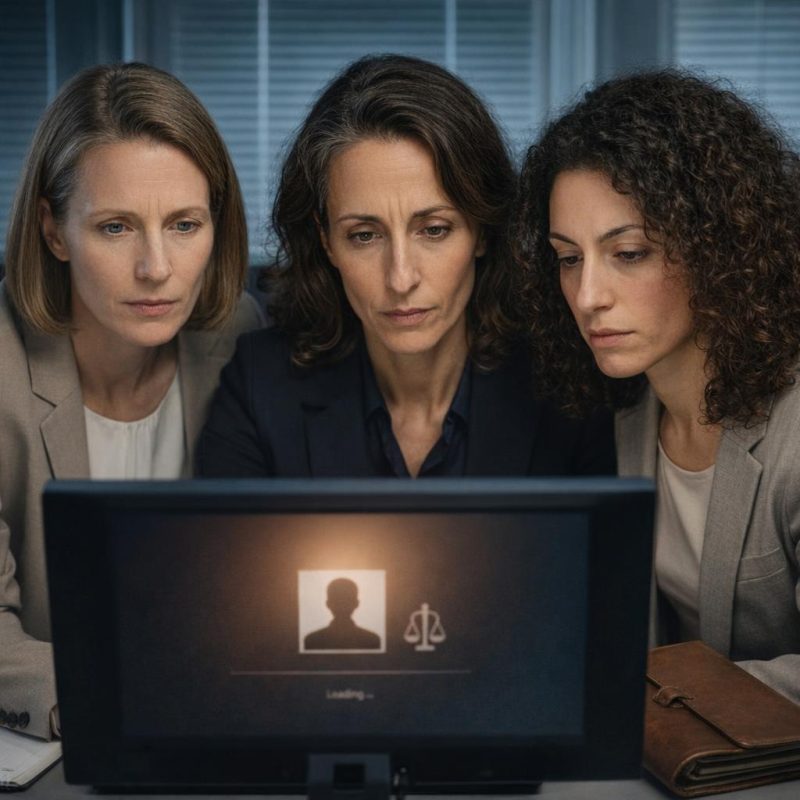 Image by RM AI
Brothers
Stephanie pulled up a public records database and ran both names together. It didn't take long. She said, 'They're brothers — same parents, same home address on file through their early twenties.' The room went very quiet. Elena asked her to pull Ryan Brennan's complete employment history with the airline. Stephanie navigated to a personnel directory she'd accessed through one of the produced documents and started cross-referencing. Ryan's record came up in sections — hire date, department history, current assignment. Elena read through it silently first, then asked Stephanie to scroll back to his current title. I watched Elena's eyes move across the screen. She straightened, and when she spoke her voice was level and precise: 'Regional Executive, Flight Operations.'
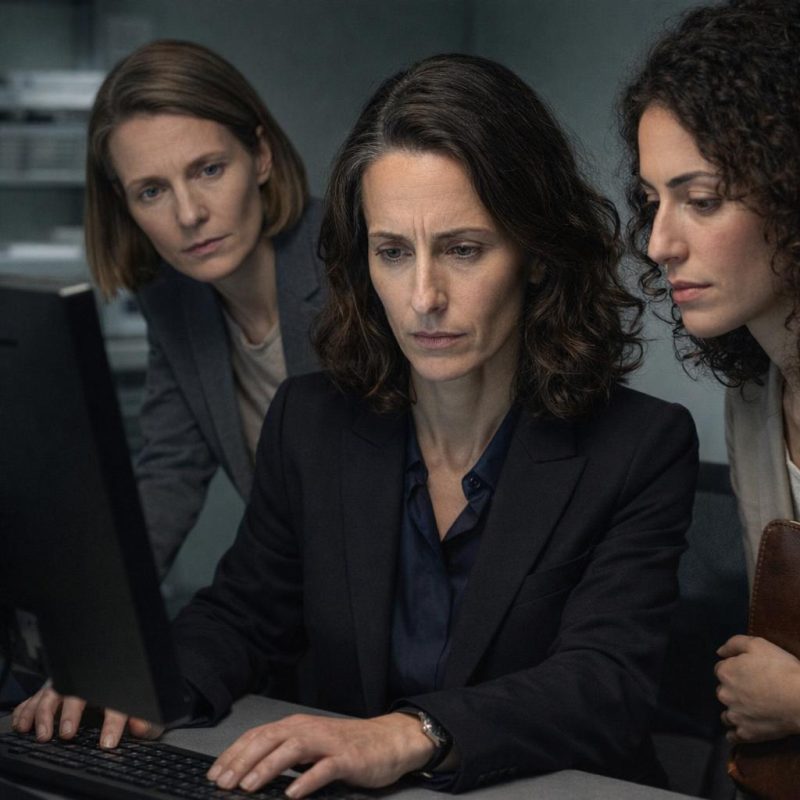 Image by RM AI
Career Timeline
Stephanie pulled up Ryan's full employment history and started reading dates aloud. He'd joined the airline eleven years ago as a gate operations coordinator — entry level, nothing remarkable. Then a steady climb through mid-level management. But the last two years were different. Two years ago, he'd been promoted to Senior Manager of Regional Operations. Eighteen months ago, another jump: Regional Executive, Flight Operations, Western Division. Elena asked Stephanie to pull up what that title actually covered. The answer came back in a list — fourteen airports, hundreds of flights daily, and direct oversight of ground operations, gate staffing, and in-flight crew assignments across the entire western region. I watched Elena read through it without saying anything for a moment. She asked Stephanie to note the scope of his supervisory chain. Stephanie was already writing. Elena turned to me and explained that in airline operations, regional executives sit above base supervisors, who sit above gate agents and flight crew leads. The whole structure funnels upward to someone in Ryan's position. I asked her what that meant practically — what someone at that level could actually do. Elena looked at the screen, then back at me, and said someone in his position could absolutely influence seat assignments.
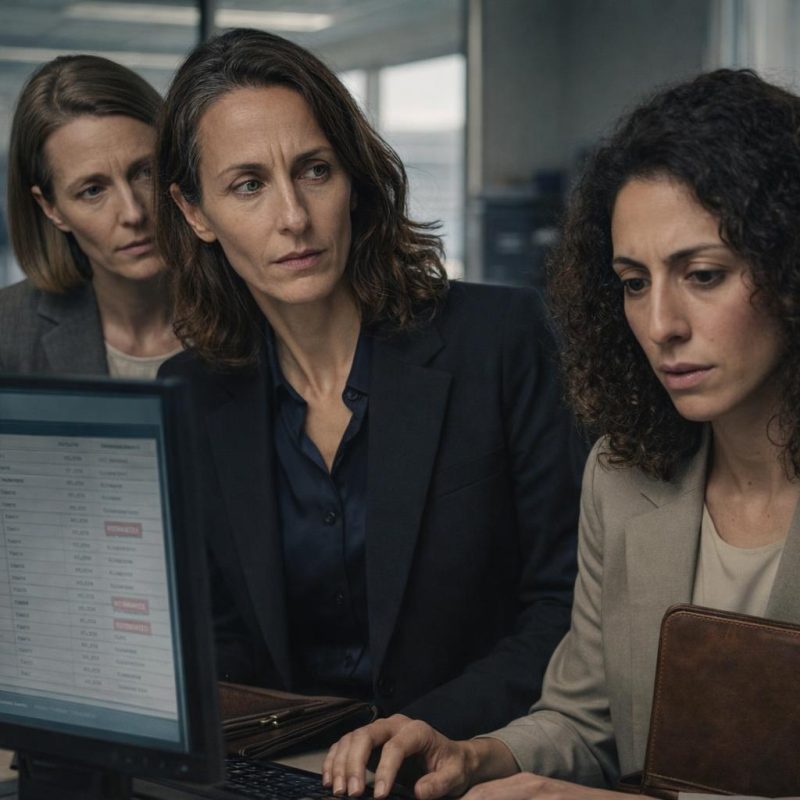 Image by RM AI
Tracing Authority
Elena stood up and moved to the whiteboard on the far wall. She drew a box at the top and wrote Ryan's title inside it. Below that, she drew a line down to base supervisors, then another line to gate agents, then one more to flight crew. She asked Stephanie to confirm Brenda's employment status and home hub. Stephanie checked the produced documents and said Brenda was a senior flight attendant based at the same hub that fell under Ryan's regional oversight. Elena circled Brenda's position on the chart without saying anything dramatic about it — she just circled it and stepped back. I sat there looking at the diagram. She explained that regional executives don't typically issue direct orders to flight attendants, but that the structure allows for communication to flow through multiple channels — supervisors, crew coordinators, scheduling staff. Influence, she said, doesn't always look like a command. Sometimes it looks like a preference passed along, a note in a system, a word to the right person. I kept staring at the chart. All those layers between Ryan's title and a single seat on a single flight, and yet the lines connected. The distance between power and consequence felt much smaller than I'd ever imagined it could be.
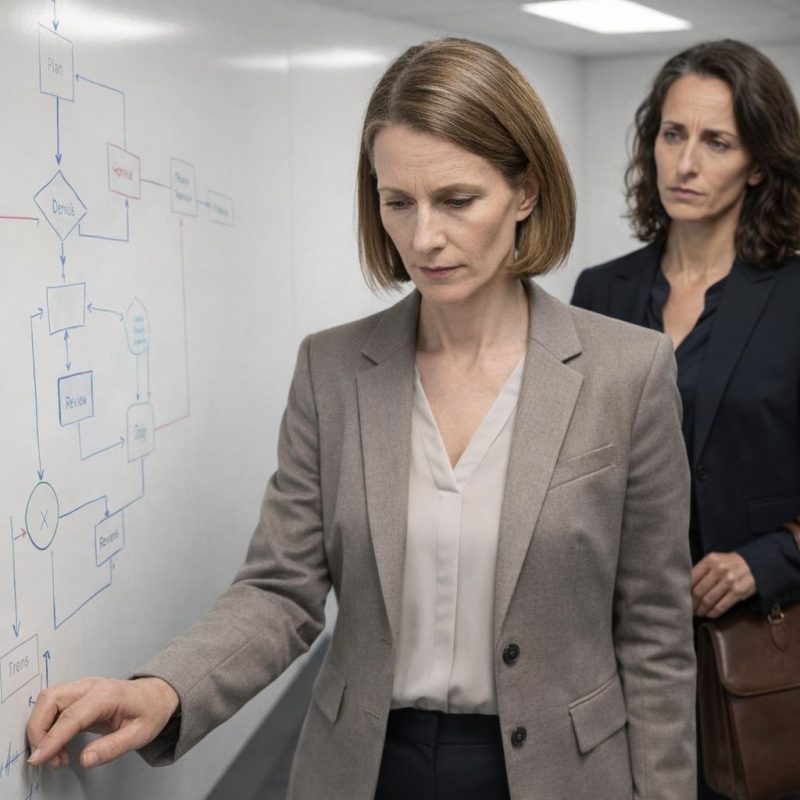 Image by RM AI
Phone Records Request
Elena sat back down and pulled her legal pad toward her. She said the organizational chart was useful context, but context wasn't evidence. What they needed was to know whether Ryan had actually communicated with anyone about flight 1422 on the day it happened. She explained that a subpoena for employee phone records — texts, calls, emails — sent on that specific date would tell them whether any contact occurred between Ryan and airline staff. I asked if the airline would fight it. She said they probably would try, but that the connection between Ryan and the flight made it harder to argue irrelevance. She drafted the subpoena while I sat across from her, watching her write in that precise, unhurried way she had. She named Ryan Brennan specifically, requested all communications on the date of the flight, and included any airline employee as a potential recipient. She filed it electronically before I left the office. Walking out, I felt something shift — not in what I knew, but in what we were actively reaching for. This wasn't just research anymore. Elena had said it plainly before I walked out the door: if there was communication, we'll find it.
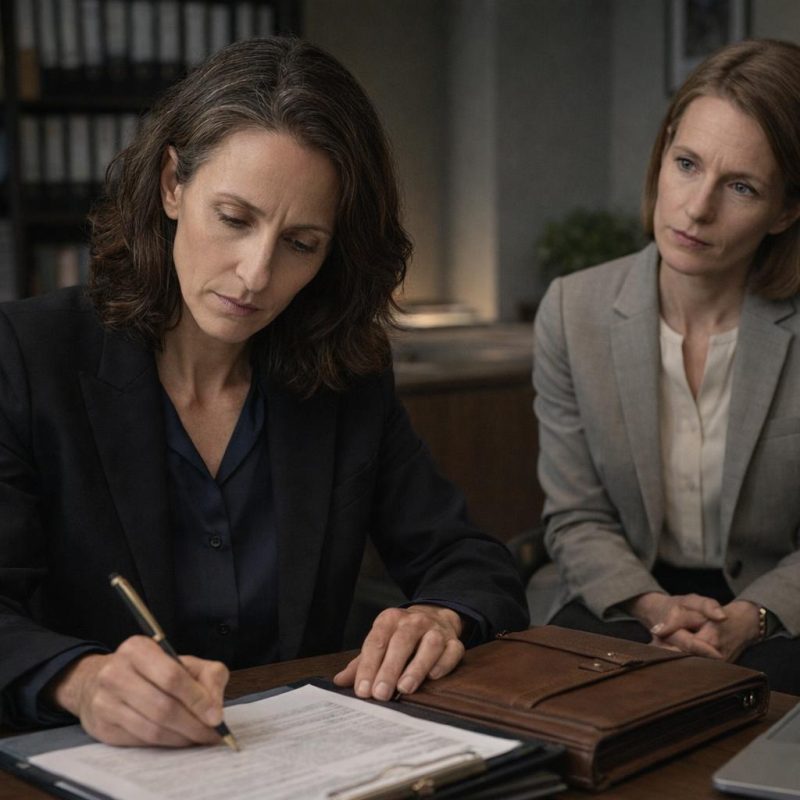 Image by RM AI
Waiting
Five days passed. Then six. I checked my email so many times that I started doing it without thinking — unlocking my phone, opening the app, scanning the inbox before I'd even registered what I was looking for. Nothing from Elena. Nothing from the court. I called Elena on the fourth day and she told me the airline was almost certainly consulting with their legal team, deciding whether to comply or file a motion to quash. She said silence at this stage wasn't unusual. She said it calmly, the way she said most things, and I believed her, but believing her didn't make the waiting easier. I had trouble sleeping. I'd lie there running through the same loop — what if the records showed nothing? What if Ryan had used a personal phone, or a third-party app, or nothing at all? What if the whole theory was right but unprovable? Elena had told me to be patient, that the legal process moved at its own pace regardless of how urgent it felt from the inside. I knew she was right. But at two in the morning, staring at the ceiling, knowing something and feeling it were very different things, and the uncertainty sat in my chest like something I couldn't put down.
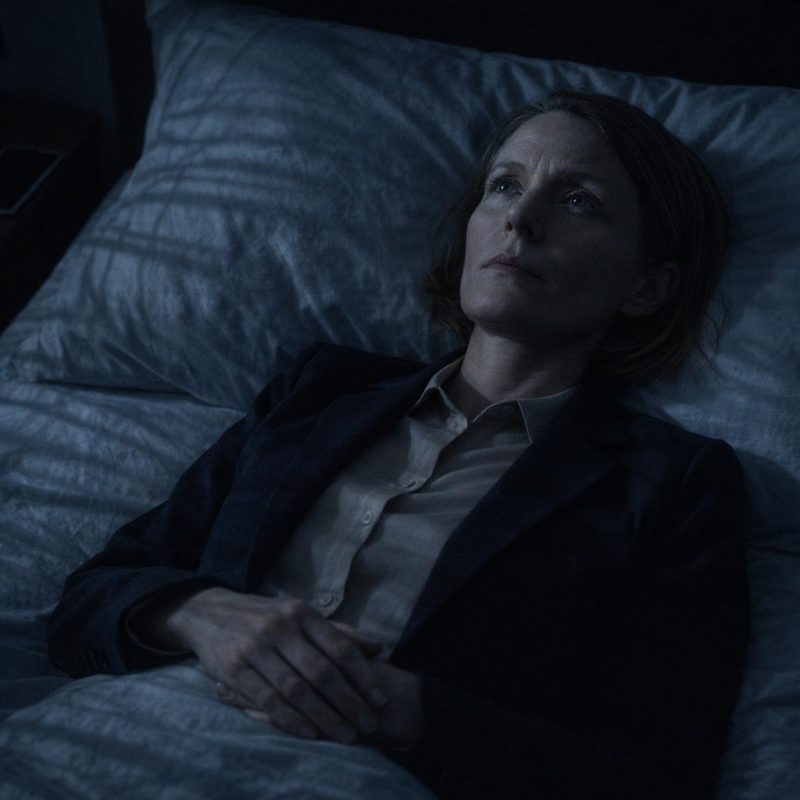 Image by RM AI
Compliance Notice
My phone rang on a Tuesday afternoon while I was sitting at my kitchen table pretending to read. I saw Elena's name on the screen and picked up before the second ring. She said the airline had filed a compliance notice that morning. They were agreeing to produce Ryan Brennan's phone records. I asked her to say that again. She did. The records would be delivered within five days, she said — they hadn't filed any motion to quash, hadn't pushed back at all. She explained that when a party complies without resistance, it sometimes means their legal team couldn't find a defensible reason to refuse. I asked what she expected to find. She paused for just a moment and said she didn't want to speculate, but that the timing of any communications would be significant. She told me to prepare myself for what we might see, and to plan on coming to her office as soon as the records arrived. I said I would. After we hung up, I sat there holding the phone in both hands. I hadn't moved from the chair. My hands were shaking — not from fear exactly, but from something that felt like standing at the edge of something I'd been walking toward for a long time.
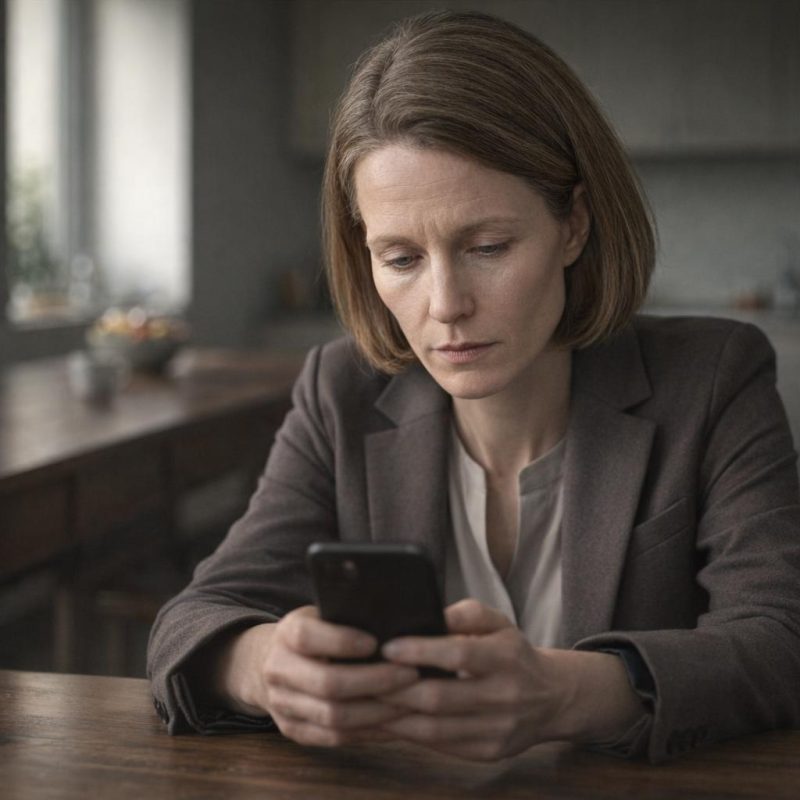 Image by RM AI
The Text Message
Elena called me three days later, earlier than I expected. Her voice was level but she asked me to come to the office as soon as I could. She didn't explain further. I drove over with my knee brace on and my heart doing something irregular the whole way. When I got there, Stephanie was at her desk but Elena was already in the conference room. The door was open. I walked in and Elena was standing at the far end of the table, not sitting. A single printed page lay in the center of the table. She didn't say anything at first — she just gestured toward it. I walked over and looked down. It was a phone record printout, one entry highlighted in yellow. The sender was listed as Ryan Brennan. The recipient was listed as Brenda Walsh. The timestamp read twenty minutes before flight 1422 began boarding. I leaned in closer. The message field was short. I read it once, then read it again to make sure I hadn't misread it. The words were: *Take care of my brother on his way to the wedding.*
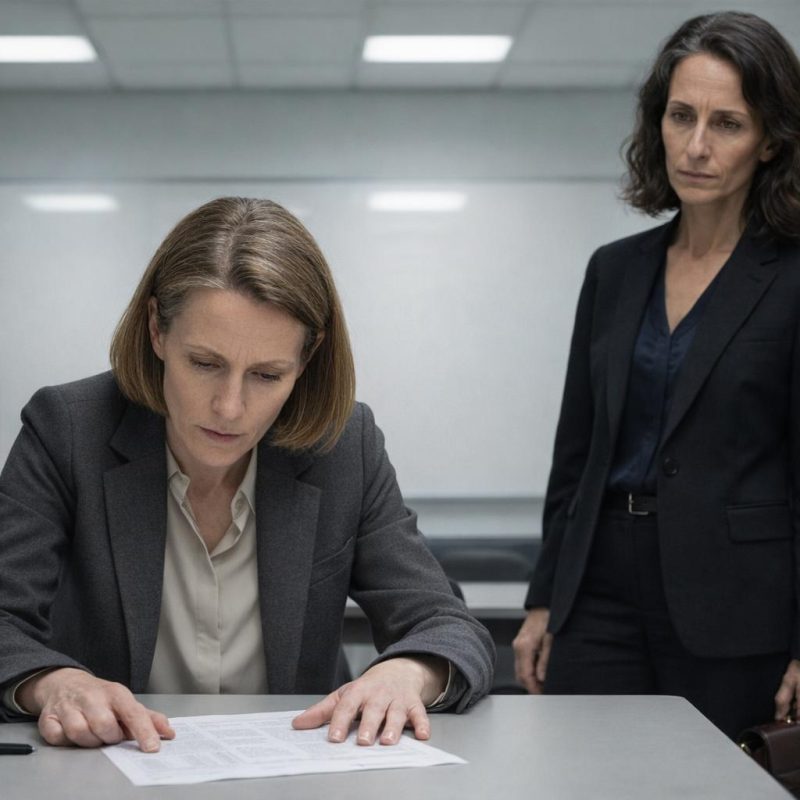 Image by RM AI
The Implications
I looked up at Elena. She was watching me with that steady, focused expression she had when she was letting something land before she spoke. I asked her what 'take care of my brother' actually meant. She said the phrase on its own was vague — it could mean anything from 'make sure he has a good flight' to something more specific. But she said context changes language. The text was sent twenty minutes before boarding began, which meant Brenda would have received it while she was still preparing for the flight, before passengers were called to the gate. Elena said flight attendants have some discretion in how they handle seat issues when they arise — not unlimited authority, but enough to make a difference in how a situation gets managed. I asked if this proved Brenda had been told to give Jake my seat. Elena said it didn't prove that directly — not yet. What it proved was that Ryan had contacted Brenda about Jake before the flight. What happened after that was still a question. She said they needed to look at the seat assignment records next, at the manifest, at the timestamps. I nodded. The text was real. The contact was real. But the full shape of what it meant was still just out of reach, like something I could almost see but not quite hold.
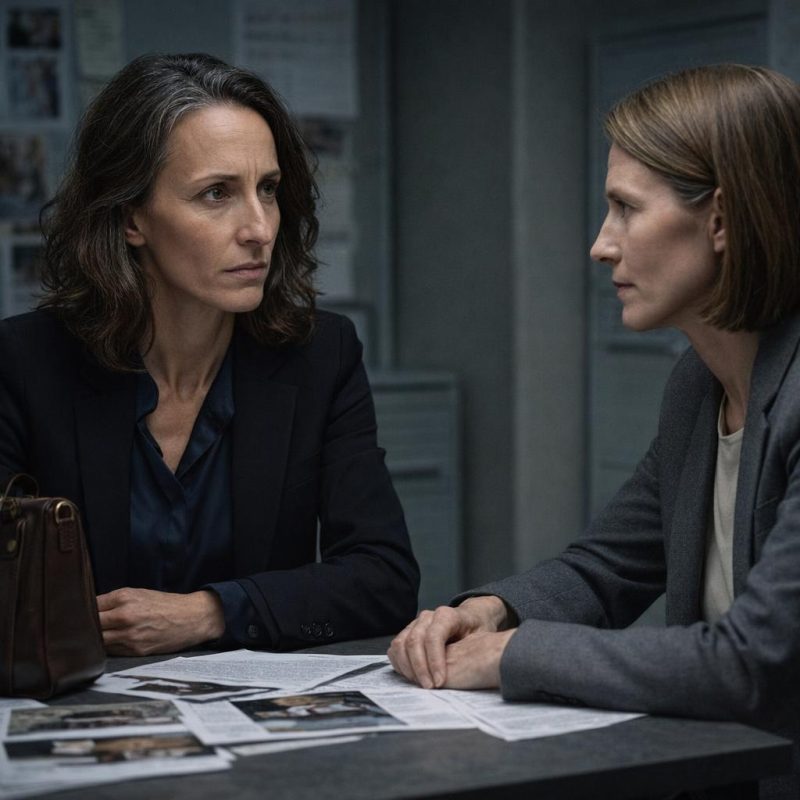 Image by RM AI
The Manifest Revisited
Elena opened her laptop and pulled up the digital manifest for flight 1422. She'd had it in the case file for weeks, but now she was looking at it differently — not at the seat assignments themselves, but at the timestamps embedded in the system log. She zoomed in on seat 12A and pointed to a line of data I hadn't paid attention to before. The 'Broken/Unattainable' status code for that seat had been entered manually into the system. I could see the timestamp clearly. Elena said it quietly: the code had been entered eight minutes after Ryan sent his text to Brenda. She explained that only gate agents and certain supervisors had access to modify seat status in the manifest system — it wasn't something a passenger or a flight attendant could do from their end. I asked who specifically would have made that entry. She said that was the next thing they needed to find out. I sat back and looked at the screen. Ryan's text at one timestamp. The seat code at another, eight minutes later. Two separate data points, sitting side by side in the record, and the distance between them felt like the shortest distance I'd seen in this entire case.
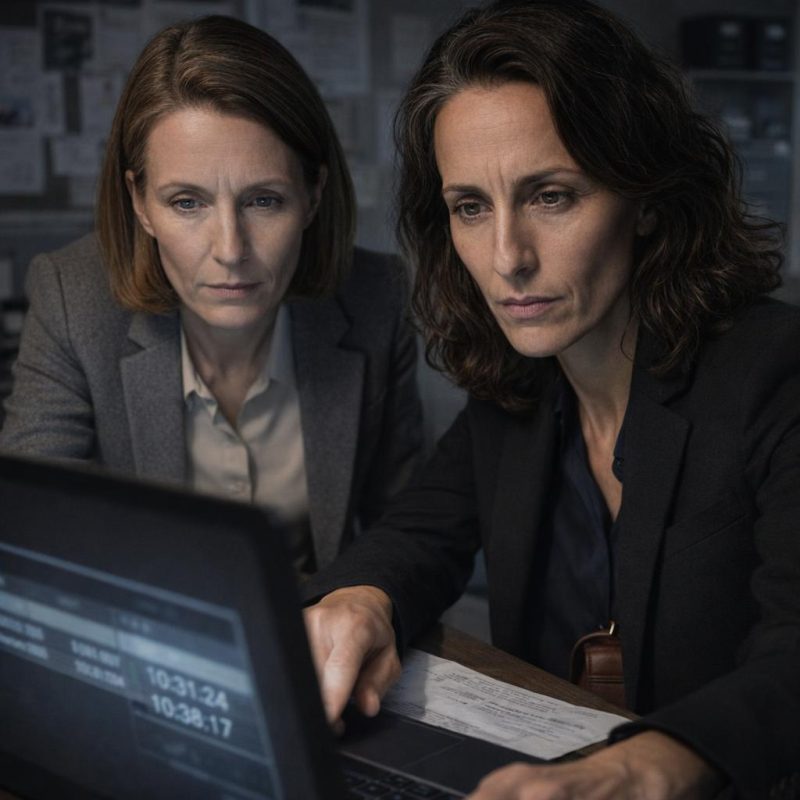 Image by RM AI
Broken Seat, No Record
Elena pulled up the airline's maintenance database while I leaned in closer to the screen. She explained the system methodically — every reported mechanical issue, every seat flagged for repair, every piece of equipment taken out of service had to generate a corresponding maintenance log entry. That was the protocol. She typed in the flight number and filtered for seat 12A. The database returned results for other seats on that aircraft — a tray table on 14C, an armrest on 9B, a recline mechanism on 22F. All documented, all timestamped, all with technician sign-offs. She narrowed the filter to the specific date of the flight. I watched her scroll through the entries twice, slowly, the way you do when you're sure you must have missed something. She checked the surrounding dates too — two days before, two days after — just to confirm the system was pulling records correctly. It was. Everything else showed up exactly as it should. Then she filtered one more time: seat 12A, flight 1422, the date in question. She stopped scrolling. Her finger rested on the screen where a maintenance entry should have been — and the line was completely empty.
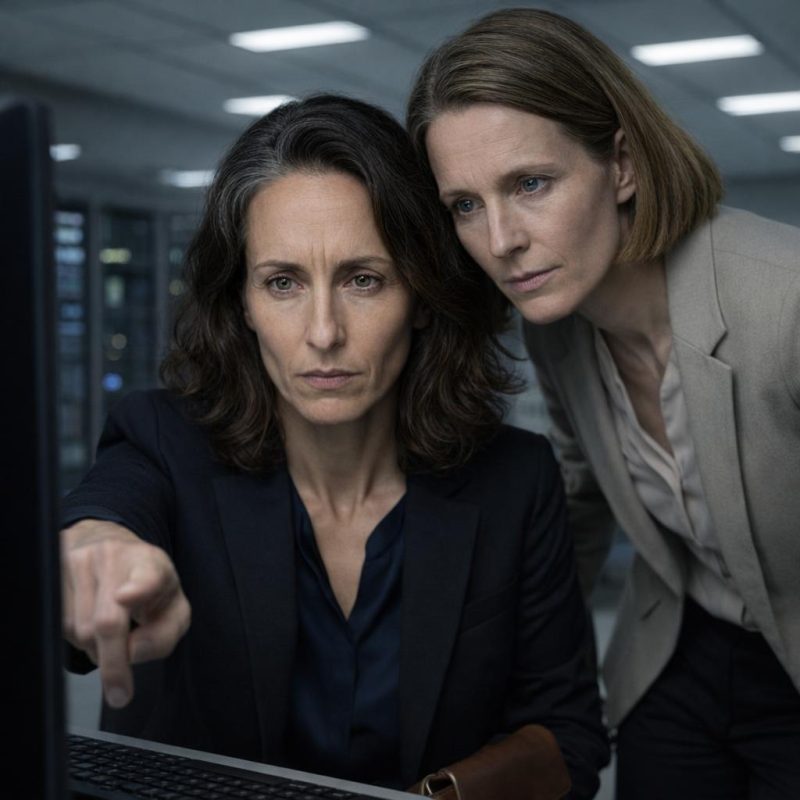 Image by RM AI
The Sales Log
Elena closed the maintenance database and opened a different window — the airline's sales and transaction log. She said she wanted to show me something before we went any further. She typed in the flight number, then my name, and the record came up almost immediately. There it was: my credit card transaction for seat 12A, timestamped and itemized. The charge was listed as an extra-legroom upgrade, and the amount matched exactly what I remembered paying. I stared at my own name on the screen, my card's last four digits sitting right there in the record. Elena pointed to the timestamp. The purchase had been processed forty-eight hours before the flight's scheduled departure — a standard advance booking, she said, nothing unusual about the timing. She explained that this entry proved the transaction was legitimate, that I had paid for that seat through the airline's own system, and that the purchase had been accepted and confirmed. I asked her what happened between that confirmation and the moment I was told the seat was unavailable. She said that was exactly the right question, and that we needed to look at the seat assignment history next. My credit card charge sat on the screen — the proof that I had paid for something that was taken from me.
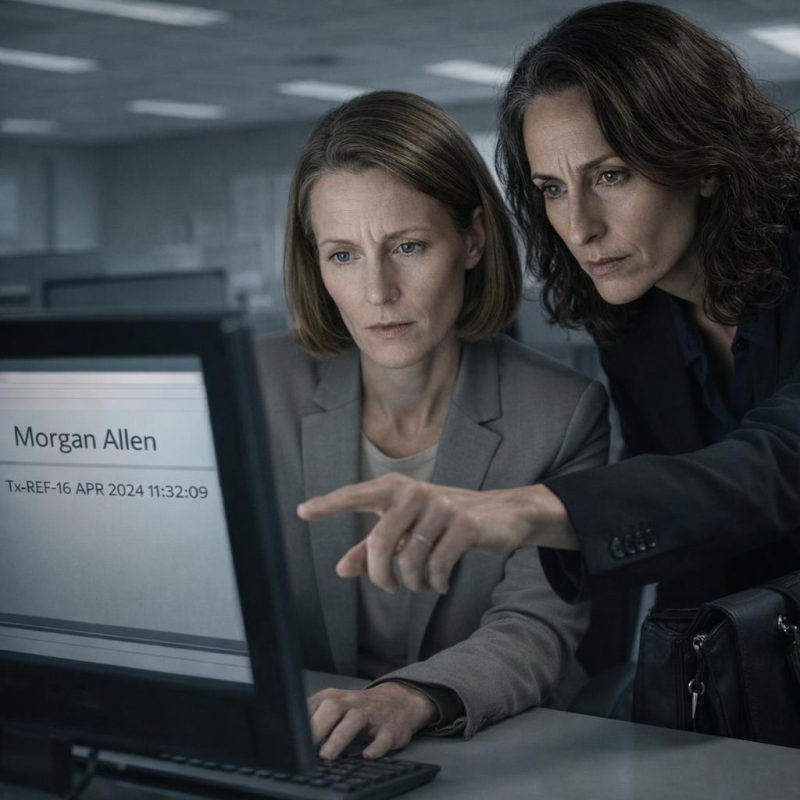 Image by RM AI
The Override
Elena navigated to the seat assignment history for flight 1422 and pulled up the change log for seat 12A. The record showed the full sequence of the seat's status going back weeks. My name appeared in the assignment field — clear, unambiguous, tied to the transaction we'd just looked at. I could see it right there: seat 12A, assigned, my name attached. Elena scrolled forward through the log entries, and then she stopped and pointed. Eleven minutes before boarding was scheduled to begin, there was a new entry. The status field had been changed from 'Assigned' to 'Broken/Unattainable.' My name had been removed from the record entirely. Elena said quietly that this wasn't an automatic system change — the database flagged it as a manual override, meaning someone with the appropriate system access had gone in and made that change by hand. I asked who had that kind of access. She said gate agents and certain supervisors could modify seat status at the gate level. I kept looking at the timestamp — eleven minutes before boarding. I thought about standing at that gate, boarding pass in hand, with no idea that eleven minutes earlier my name had already been erased from the seat I'd paid for. The absence of it on the screen sat with me in a way I couldn't shake.
 Image by RM AI
Minutes After the Text
Elena opened a new document and started building a timeline. She typed each entry carefully, one line at a time. Ryan's text to Brenda: 2:47 PM. The manual override removing my seat assignment: 2:55 PM. Boarding begins: 2:58 PM. She leaned back and let me read it. Eleven minutes, start to finish. Eight minutes between the text and the override. Three minutes between the override and the start of boarding. She said the eight-minute gap was the interval she kept coming back to. I asked her directly — did this prove the text caused the override? She was careful. She said what the data showed was a sequence, a correlation, and that correlation wasn't the same as legal causation. She said to prove causation they would need to identify who specifically made the override entry and whether that person had any contact with Brenda or Ryan in that window. I understood the distinction she was drawing. But I also sat there looking at that screen, at those three lines stacked one beneath the other, and something about the precision of it — the tightness of the interval — made it very hard to look away. The three timestamps sat on the screen in a sequence too precise to ignore.
 Image by RM AI
The Fraud Pattern
Elena spread the documents across the conference table — the sales log, the maintenance database, the override record, the timestamp comparison, Ryan's text. She walked me through each piece in order, slowly, the way you explain something when you want to make sure nothing gets lost. Ryan sent the text at 2:47. Someone with gate-level system access entered the override at 2:55, removing my name and marking the seat broken — with no maintenance record to support that status. Brenda turned me away without checking my boarding pass. Jake took the seat. Elena said the missing maintenance record was the piece that closed it. A genuinely broken seat generates documentation. This one generated nothing because there was nothing wrong with it. She said the override was the mechanism, the text was the trigger, and the missing record was the proof that the broken-seat explanation had no basis in fact. I asked her what she called it when you take something someone paid for, give it to someone else, and create a false paper trail to cover it. She looked at me steadily across the table. She said she called it systematic fraud.
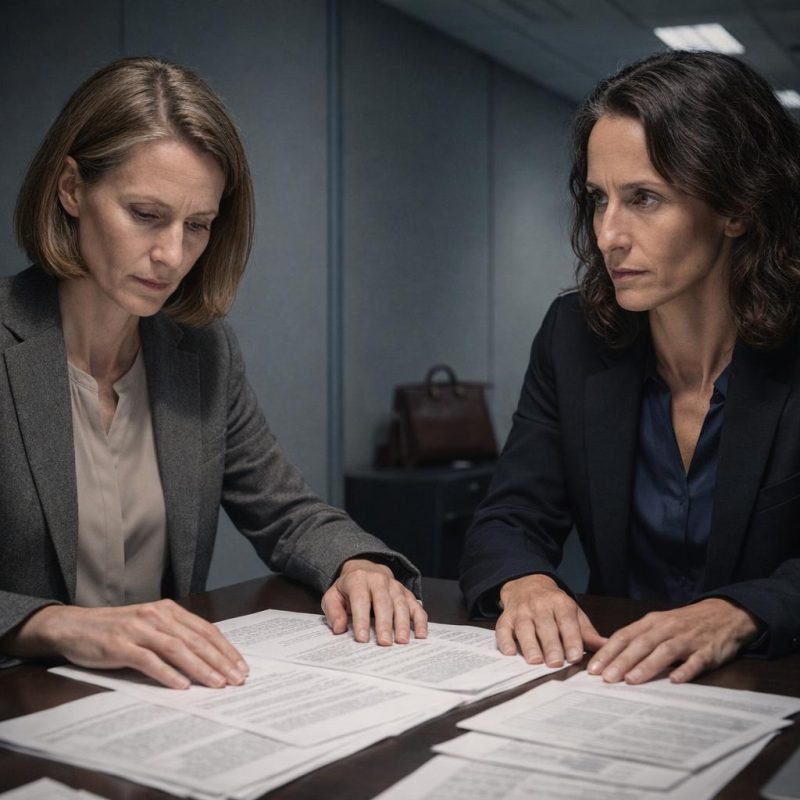 Image by RM AI
Chelsea's Vouchers
Stephanie came into the conference room carrying a folder and set it on the table between us. She said she'd spent the past two days pulling Chelsea's history with the airline. Elena asked her to walk us through it. Stephanie opened the folder and laid out a series of records — voucher issuances, each one marked 'influencer partnership compensation' in the airline's own system. There were seven of them over the previous fourteen months. Each one corresponded to a social media post Chelsea had published praising the airline — Stephanie had printed the posts alongside the vouchers so the pattern was visible side by side. The vouchers covered free flights and seat upgrades. Stephanie said Chelsea's account had roughly 340,000 followers at the time of flight 1422, with strong engagement metrics — the kind of numbers that made her genuinely valuable to a brand looking for reach. Elena said the airline wasn't just aware of Chelsea; they had an active financial relationship with her. I looked at the dates on the vouchers, working backward through the stack. Near the bottom of the pile, Stephanie pointed to the most recent one. The issuance date printed at the top of the page was three days before my flight.
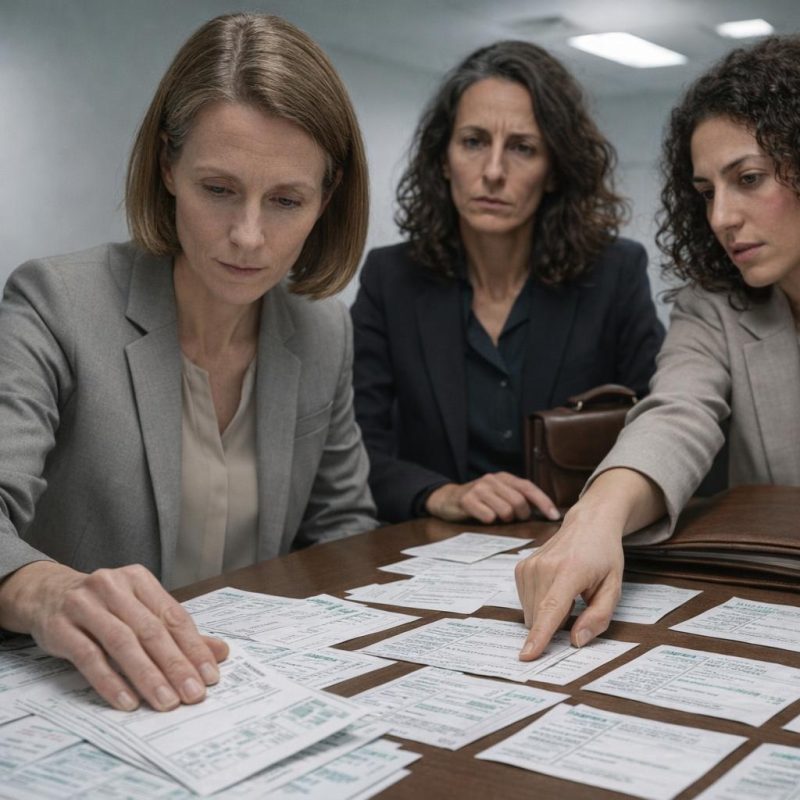 Image by RM AI
Before I Spoke
Elena asked Stephanie about the original video file, and Stephanie said she'd subpoenaed it from Chelsea's cloud storage account two days earlier. She slid a printed metadata sheet across the table. Elena picked it up and studied it for a moment before she said anything. The file properties showed the recording start time down to the second. Elena pulled up my written account of the boarding sequence — the statement I'd given her in our first meeting — and set it next to the metadata sheet. She read both carefully, then looked up. She said the recording had started eighteen seconds before I spoke my first word to Jake. Eighteen seconds. I asked her what that meant in practical terms. She said it meant Chelsea's phone was already recording when I was still walking down the aisle toward row twelve. Chelsea hadn't reacted to a confrontation. She'd been filming my approach. Stephanie said the file timestamp was unalterable — it was embedded in the original upload, not something that could be edited after the fact. I sat there and looked at the two sheets of paper side by side. I thought about that walk down the aisle, the knee brace, the carry-on, the moment I reached my row and found someone already sitting in my seat. The recording had already been running. I hadn't even opened my mouth yet, and I was already being filmed.
 Image by RM AI
The Smokescreen
Elena let the silence sit for a moment after Stephanie left the room. Then she walked me through the full picture one more time, slowly. The airline had taken a seat I paid for and given it to Jake because his older brother Ryan held a regional executive position and sent a single text asking for a favor. Someone at the gate had gone into the system and erased my reservation eleven minutes before boarding, marking the seat broken with no documentation to support it. Brenda had turned me away without looking at my boarding pass. Chelsea, who had a standing financial relationship with the airline, had her phone recording before I said a single word. The video went viral. I became the Karen. And while that was happening — while I was being publicly humiliated and then arrested and then too ashamed to leave my apartment — the fraud was buried under the noise. Elena said that was the function of it. Not a side effect. The function. I sat with that for a long time. They hadn't just taken my seat. They had taken my credibility, my dignity, and very nearly my willingness to fight back. The weight of how completely I was meant to be silenced settled over me and didn't lift.
 Image by RM AI
Class Action Potential
Elena leaned back in her chair and said something that stopped me cold. She said corporations don't commit fraud once. They commit it until someone makes them stop. She pulled up a blank legal pad and started walking me through what a class action lawsuit actually means — not the TV version, but the real one. It means that if the airline had done this to me, they had almost certainly done it to others. The manual override system wasn't complicated. It didn't require a lot of coordination. It just required someone with access and a reason to use it. Elena said the question wasn't whether there were other victims. The question was how many. She wanted Stephanie to pull flight records and cross-reference seat assignment changes against maintenance logs for the past two years. She wanted names, dates, flight numbers. She wanted to know if there was a pattern. I asked her what we'd do if we found one. She said we'd file a class action and represent every single passenger who had paid for a seat they never got to keep. I told her I was in, without hesitating, without needing a second to think about it. Elena nodded and said, quietly, that we might not be the only ones who'd been through this.
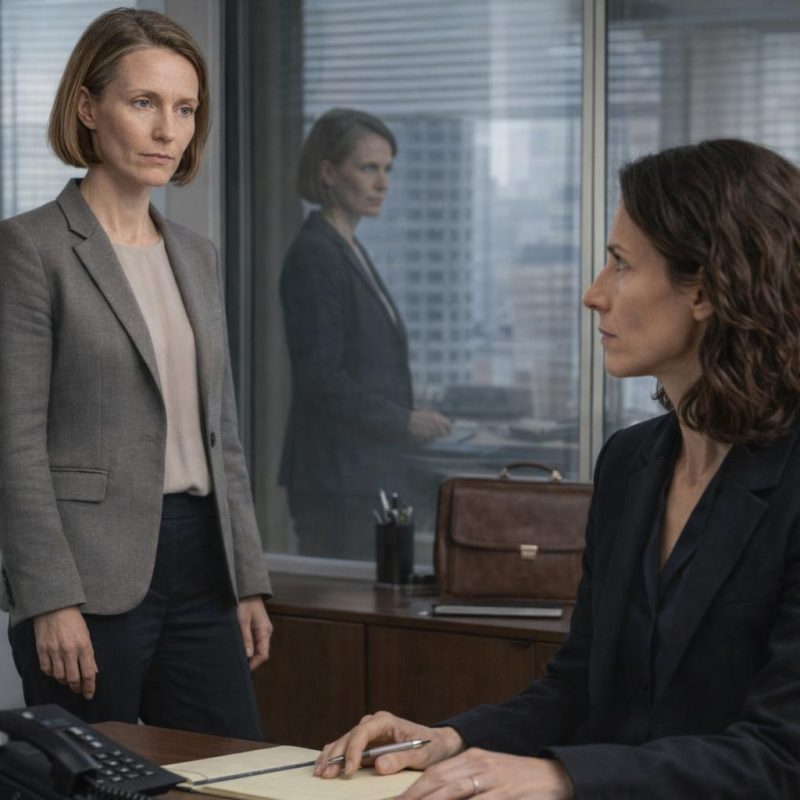 Image by RM AI
Systematic Seat-Flipping
Stephanie called us into the conference room three days later. She had her laptop open and a printed spreadsheet spread across the table, and she looked like someone who hadn't slept much. She walked us through what she'd found. Over the past two years, there were forty-seven instances where paid seat upgrades had been manually overridden within an hour of boarding. Forty-seven. She had cross-referenced each one against maintenance records, and not a single case had documentation to support the override. No mechanical issue logged. No safety flag. Nothing. She had also pulled the passenger profiles where she could. A significant number of the displaced passengers were elderly, disabled, or had documented medical needs — people who had paid extra specifically because they needed that seat. Elena stood at the head of the table, reading through the data with her reading glasses on, and she didn't say anything for a long moment. I stood there looking at the column of names and dates and flight numbers, and something cold moved through me. I had thought this was about me and Jake and Ryan and one ugly afternoon at the gate. But it wasn't. It had been happening over and over, to people who needed those seats, and nobody had caught it. The spreadsheet showed forty-seven names — forty-seven people who had paid for seats they never got.
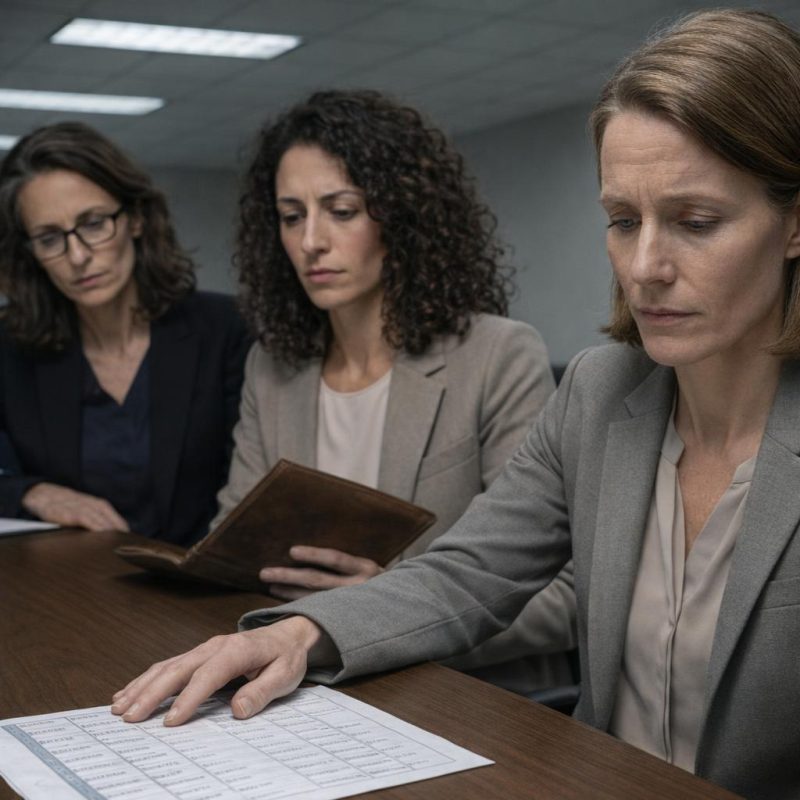 Image by RM AI
Filing the Lawsuit
Elena filed the lawsuit on a Tuesday morning. I sat across from her at the conference table and signed my name as lead plaintiff on a document that was forty-three pages long. The allegations covered systematic fraud in seat assignment practices, disability discrimination, and a coordinated effort to suppress complaints through social media — Chelsea's involvement, the viral video, all of it laid out in plain legal language. All forty-seven cases Stephanie had found were included. The lawsuit named the airline as defendant and demanded full refunds, compensatory damages, and mandatory policy changes. Elena walked me through each section before I signed, and her voice was steady and precise the whole time. When she filed it electronically, she turned her laptop so I could see the confirmation screen. I remember the timestamp: 10:47 a.m. She said it was now public record, that journalists would be able to access it within hours, and that I should be prepared for my phone to start ringing. I nodded. I understood what that meant. I had spent weeks being the villain in a story I hadn't written. Now the real story was filed with a federal court, and there was no taking it back. I sat in that chair after Elena stepped out to call Stephanie, and the quiet of the room settled around me like something solid.
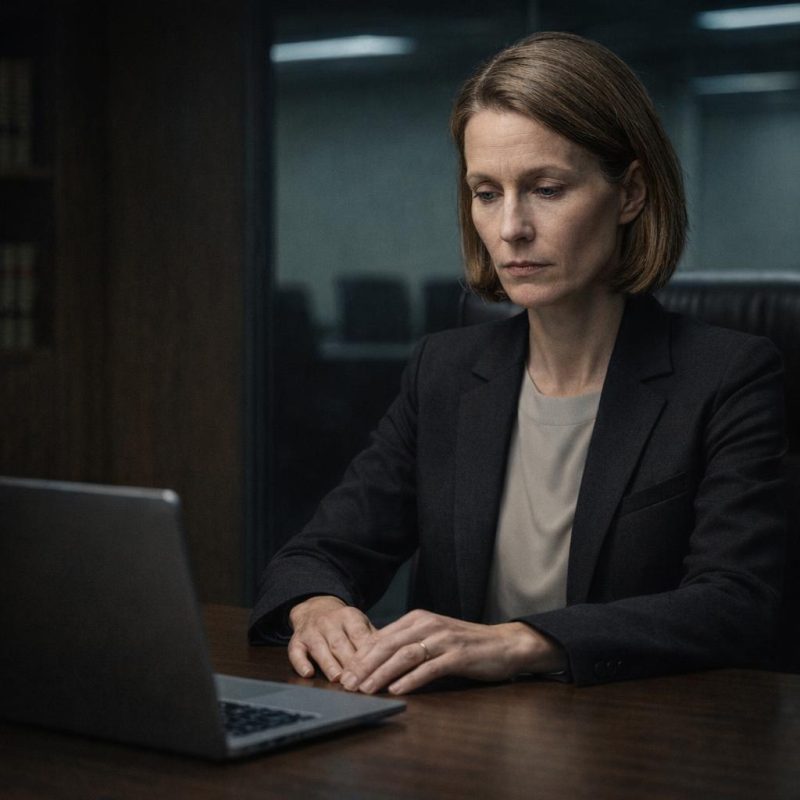 Image by RM AI
Media Picks Up the Story
Jess showed up at my apartment that afternoon with coffee and her laptop, which was exactly what I needed and exactly what she would do. My phone had already started buzzing before she got through the door. We sat on the couch together and pulled up the news coverage, and it was surreal in a way I still don't have the right word for. A major outlet had published a piece within two hours of the filing. The headline used the words 'corporate fraud' and 'conspiracy.' The article walked through Elena's evidence — the manual override, the timestamp, Ryan's text, Chelsea's financial relationship with the airline. The viral video was embedded in the piece, but the framing was completely different now. The caption called it 'footage used as part of an alleged suppression effort.' Jess read comments aloud, and some of them were apologies. Actual apologies, from people who had called me names I'm not going to repeat. Some of the original posts were gone — deleted, Jess said, which she found satisfying in a way she didn't try to hide. I didn't feel triumphant, exactly. I felt tired, and relieved, and a little raw. Weeks of being certain I was right while the whole world told me I was wrong — and now here it was, in print, with sources. The strange weight of finally being believed settled over me and didn't move.
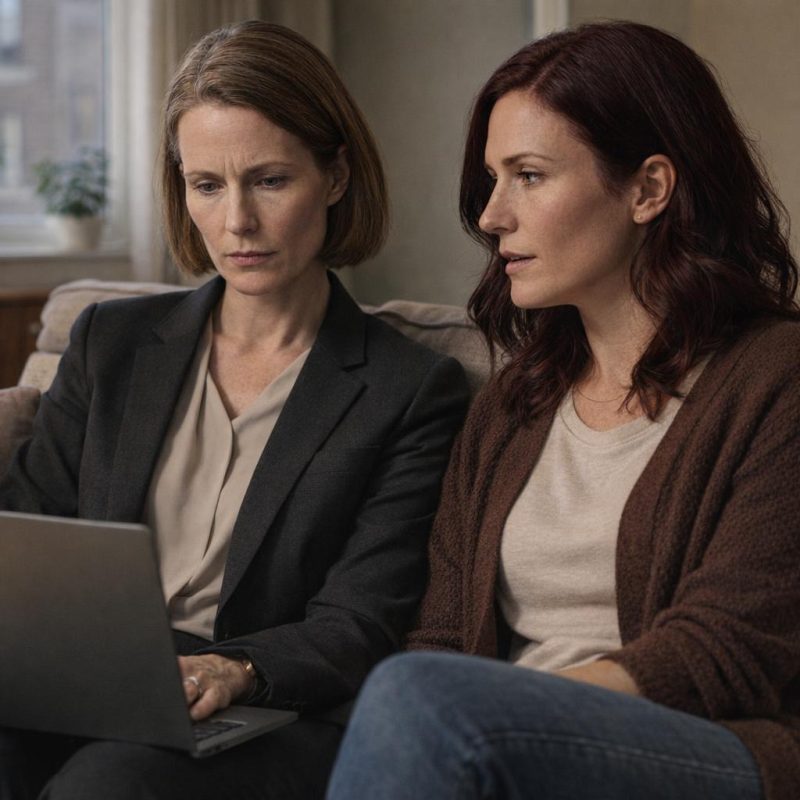 Image by RM AI
The Airline's Denial
The airline's statement came out the next morning. Elena forwarded it to me with a single line: 'Read this carefully.' It was four paragraphs of corporate language that said essentially nothing. They denied all allegations. They stated they were committed to passenger safety and regulatory compliance. They said they were reviewing the complaint and would respond through appropriate legal channels. That was it. No mention of Ryan. No mention of Brenda. No mention of Chelsea. No mention of the manual override or the missing maintenance records or the forty-seven cases Stephanie had documented. Elena called me while I was still reading it. She said this was exactly what a legal team writes when they know the evidence is real and they're buying time. She pointed out that they hadn't disputed a single specific fact — not one timestamp, not one name, not one document. She said if they had a legitimate counter-argument, they would have used it. Instead they'd issued a statement that could have been written by a press release generator. I read it again after we hung up, looking for anything that pushed back on what we actually had. There was nothing. Just careful, hollow language floating above the weight of everything we'd already proven. The denial sat on my screen, and it didn't move a single thing.
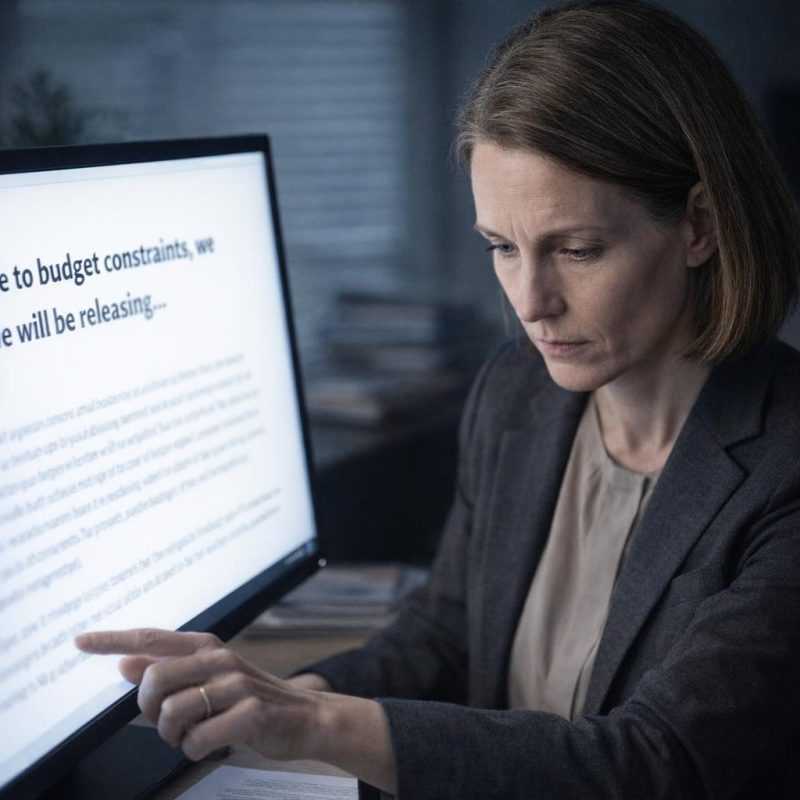 Image by RM AI
Evidence to the Press
Elena held the press conference at her office the following afternoon. I arrived early and took a seat along the side wall, close enough to watch but out of the camera frame — Elena had suggested that, and I agreed. By the time she stepped to the podium, the room was full. Reporters, cameras, a few people I recognized from outlets that had covered the original viral video. Elena started by summarizing the lawsuit in plain language, no jargon, just facts. Then she put Ryan's text message on the screen behind her. The room went quiet in a way that felt different from ordinary quiet. She walked through the timeline — the text sent, the override entered eleven minutes before boarding, the maintenance flag with no supporting record. She showed Chelsea's payment history with the airline, transaction by transaction. Reporters who had come in with notepads loose in their hands were now writing fast. Someone near the front asked Elena to go back to the override timestamp, and she did, without rushing. I watched from my chair as the questions got sharper and the skepticism in the room shifted into something else entirely. Elena answered every question with a document. When she put Ryan's text back on the screen for the third time to answer a follow-up, I watched the reporters' expressions change — and one of them stopped writing mid-sentence.
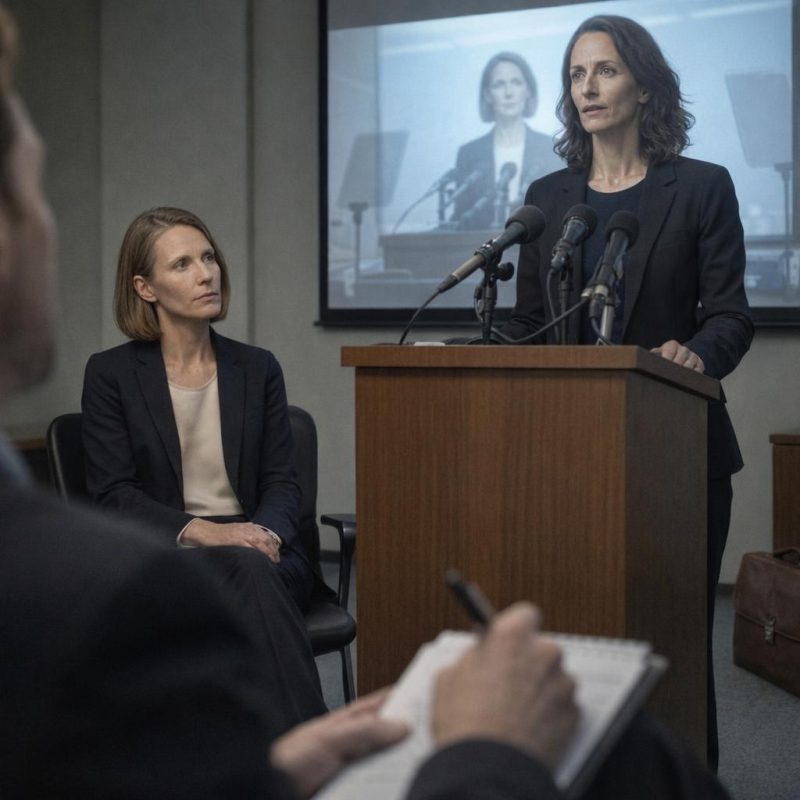 Image by RM AI
Public Opinion Shifts
Jess came over again that evening, and we sat on the floor with our backs against the couch because neither of us had the energy to sit up properly. My phone had not stopped since the press conference ended. Notifications were coming in faster than I could read them. People were sharing the press conference clip everywhere. The original viral video was being reposted with new captions — 'This is the woman the airline set up' and 'She was right the whole time' and variations of both. Jess read some of them aloud and I just listened. People who had left comments calling me entitled, calling me a Karen, calling me worse — some of them were back, posting apologies. Not all of them. But enough that it registered. A few were long and specific, people explaining that they had shared the original video and felt sick about it now. Direct messages were coming in from strangers saying they believed me, that they were sorry, that they hoped I was okay. I cried at some point, which surprised me. I thought I was past the part where I cried about this. Jess didn't say anything, just handed me a paper towel and kept reading. The messages kept coming — screen after screen of people saying I believe you now.
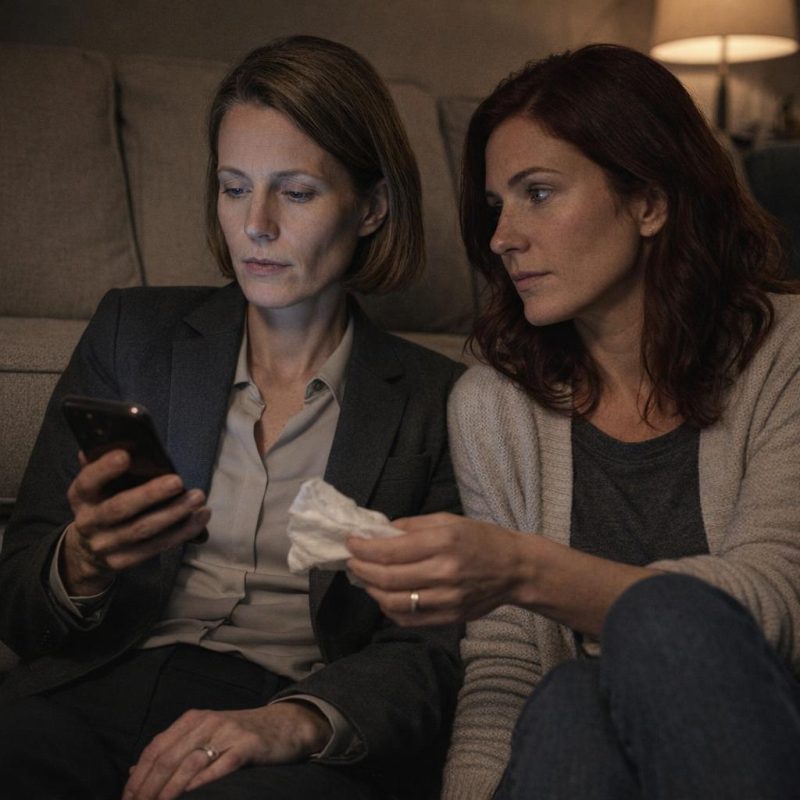 Image by RM AI
The Lawyers Turn White
Elena got the call the morning after the press conference. The airline's legal team wanted an emergency meeting. She scheduled it for two o'clock that afternoon and texted me to be there. I arrived at her office early and sat in the reception area watching the door. Three lawyers came in at 1:58, carrying briefcases and wearing the kind of expressions people wear when they're trying very hard to look like they're not worried. Elena brought them into the conference room and I followed. They took seats on one side of the table. Elena sat across from them, unhurried, and opened her folder. She started from the beginning — the text, the override, the missing maintenance record, the forty-seven cases, the documented financial relationship with Chelsea. She laid each piece of evidence on the table as she named it. I watched the lawyers. The one in the middle asked to see the documentation on the seat override pattern, and Elena slid a copy across the table without a word. The one on the left leaned toward the one in the middle and said something I couldn't hear. The lead attorney's face had gone a color I can only describe as gray. Elena kept talking, calm and precise, and I watched as he reached for his briefcase — and his hand was shaking.
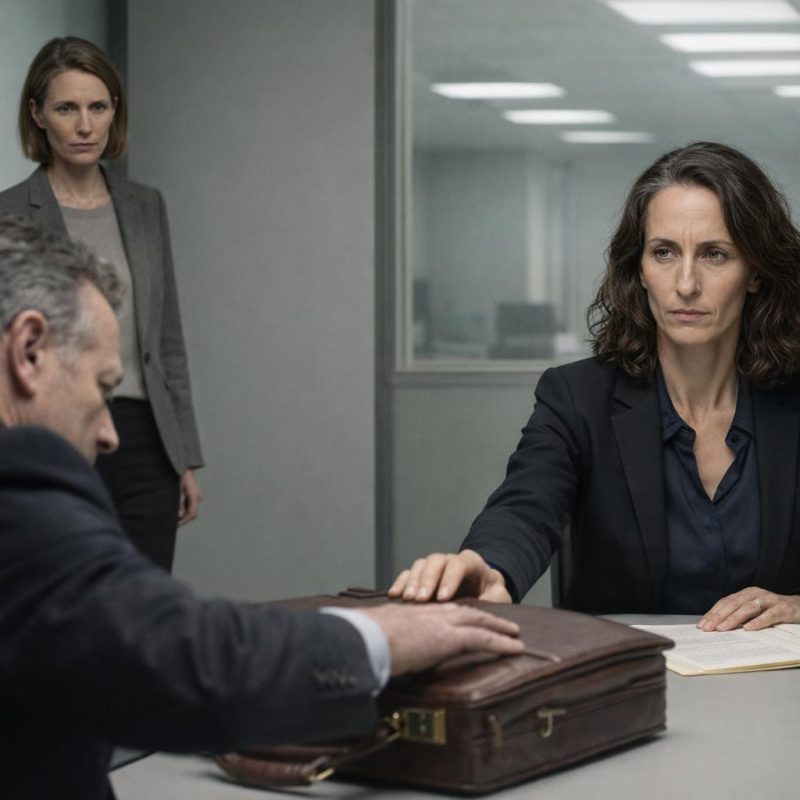 Image by RM AI
The Settlement Offer
Elena called me on a Thursday morning and asked me to come in. She didn't say much on the phone — just that the airline's legal team had sent something over and she wanted to go through it with me in person. I drove to her office with my knee brace on and my hands steadier than I expected. She had the document printed and waiting on the conference table when I arrived. It was thick — maybe thirty pages — and she'd already flagged sections with colored tabs. She walked me through the structure first: compensation for all forty-seven passengers, full refunds plus damages, a formal policy overhaul requiring documented justification for any seat override within ten minutes of the change. She explained that the airline was also agreeing to quarterly audits for two years and mandatory staff training on disability accommodation. Then she turned to the last tabbed section and slid it across the table toward me. My personal settlement was listed on a single line near the bottom of the page. I stared at it. I read it twice. The number on that line was more than I had earned in the last ten years of my life.
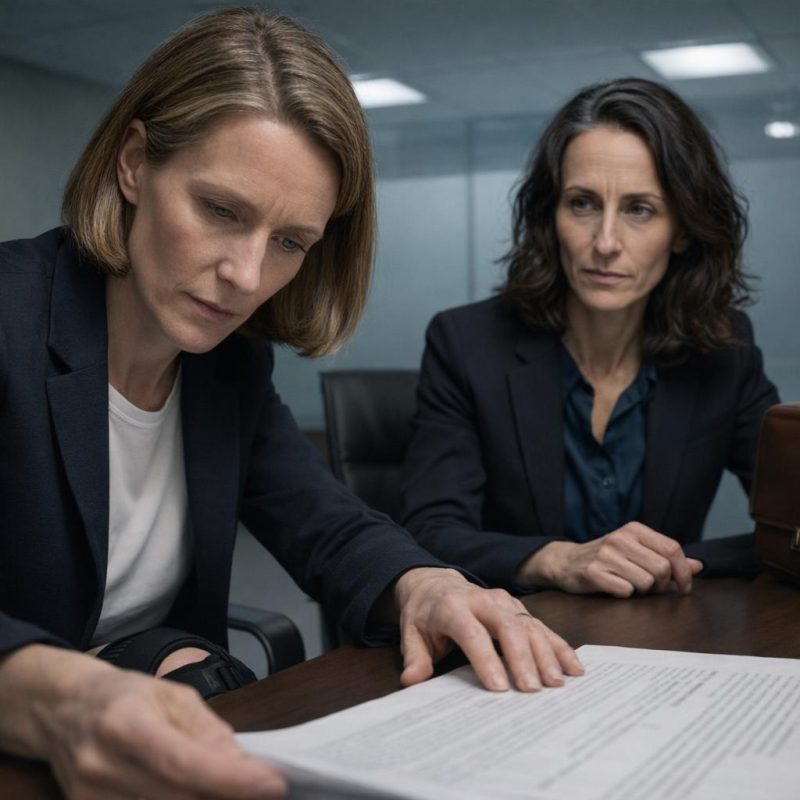 Image by RM AI
Reviewing the Terms
We sat in that conference room for close to two hours. Elena walked me through every clause, and I asked questions I hadn't known I needed to ask until she put the language in front of me. The policy changes were the part I kept coming back to. The tracking system they were agreeing to implement would flag any manual seat override in real time and require a supervisor sign-off with written justification. Elena said that kind of paper trail would have stopped what happened to me before it started. I asked her what would happen if I said no — if I walked away from the offer and took it to trial instead. She was honest with me. She said a trial could take two or three years, that outcomes were never guaranteed, and that the policy changes in this agreement were binding the moment I signed. A trial might get me more money, or it might get me less, but it wouldn't necessarily get those forty-seven people compensated faster. I sat with that for a long time. I thought about the woman in 14C who'd written to Elena's office after the press conference, the one who said she'd been too embarrassed to say anything at the time. I thought about the next person who'd book an extra-legroom seat after surgery and trust that it would be there. Elena told me the decision was mine alone, and I asked her for one night to think. The question of what justice actually looked like settled over me like something with real weight.
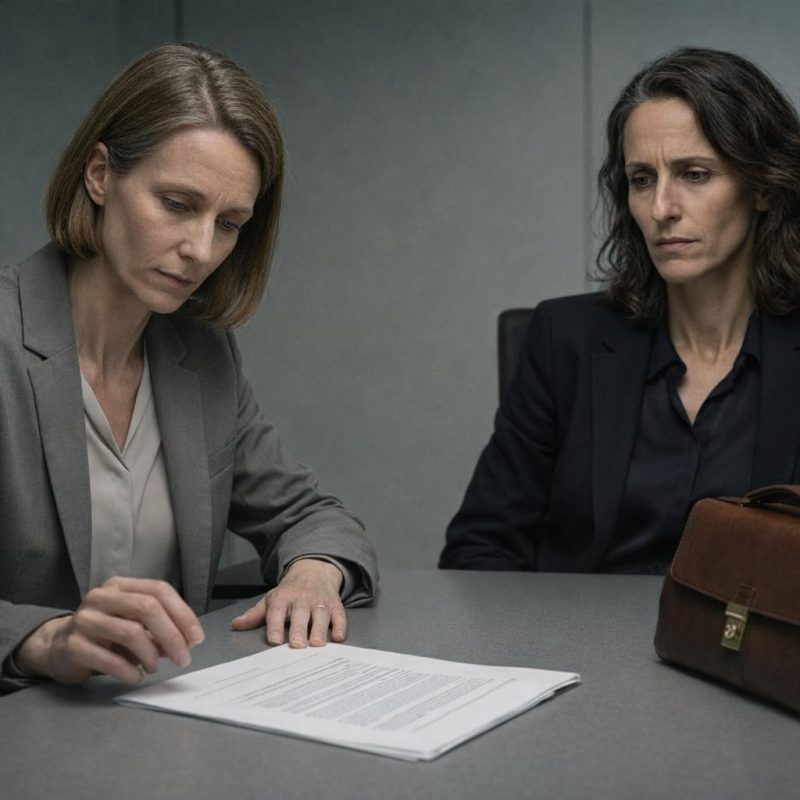 Image by RM AI
Signing the Agreement
I was back at Elena's office by nine the next morning. She had coffee waiting and didn't ask me anything right away, just let me sit down and get settled. When I told her I'd decided to accept, she nodded like she'd been ready for either answer. She asked if I was certain, and I told her yes — that I'd spent the night thinking about what a trial would actually give me that this agreement didn't, and I kept coming back to the same answer: nothing I needed more than what was already on the table. The forty-seven passengers would be compensated. The policy would change. The paper trail would exist going forward. Elena said she was proud of the way I'd handled all of it, and I had to look away for a second because I wasn't expecting that. She prepared the signature pages and set them in front of me one at a time. I read through the agreement once more, slowly, the way I'd read everything since this started — carefully, because the details had always mattered. Then I picked up the pen. I signed each page where she indicated, and Elena witnessed every one. When I set the pen down after the last page, the room was quiet, and something I'd been carrying since the day I was walked off that plane finally went still.
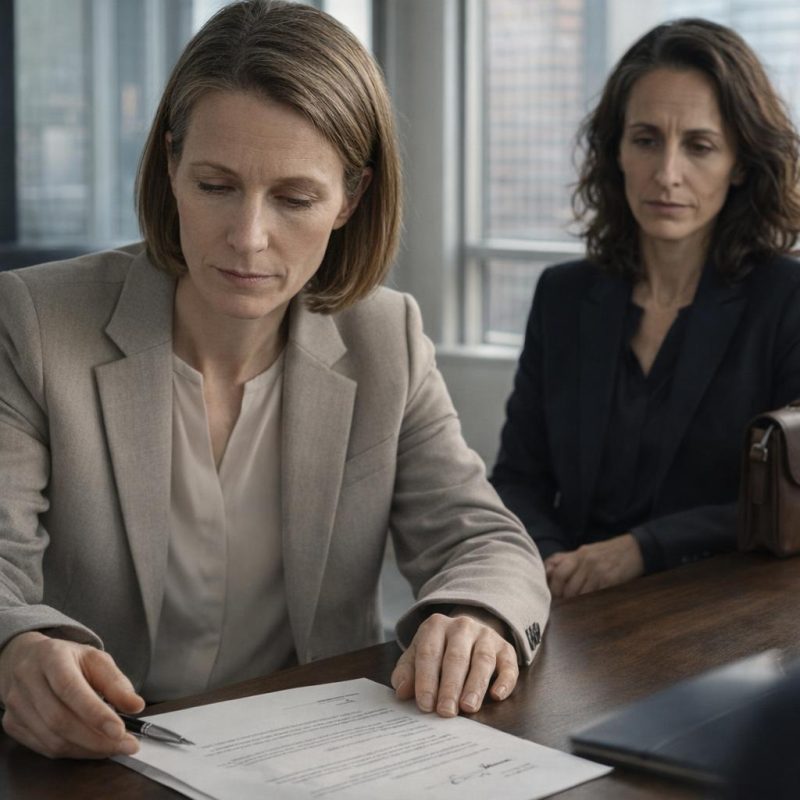 Image by RM AI
The Truth Prevails
Three months later, I was sitting at Jess's kitchen table when the email from Elena came through. I read it twice before I said anything. All forty-seven passengers had received their compensation. The airline's new override tracking system was live. Staff training on disability accommodation had been completed across all domestic hubs. And the viral video — the one Chelsea had posted, the one that had followed me everywhere for months — now carried a permanent context warning explaining that it had been part of a documented fraud conspiracy. I turned my phone around and slid it across the table to Jess. She read it, looked up at me, and said, 'It's done.' I nodded. My knee had healed enough that I'd stopped wearing the brace most days. I'd booked a flight for the following month, a trip I'd been putting off for two years, and I hadn't felt afraid when I did it. Jess asked me how I felt, and I had to think about it for a moment. I told her I felt like I could breathe again — like the version of that day on the plane had finally stopped being the loudest thing in the room. She reached across the table and squeezed my hand, and I let her, and outside the window the afternoon light was doing something ordinary and good.
 Image by RM AI
KEEP ON READING
The 20 Most Recognized Historical Figures Of All Time
The Biggest Names In History. Although the Earth has been…
By Cathy Liu Oct 4, 2024
10 of the Shortest Wars in History & 10 of…
Wars: Longest and Shortest. Throughout history, wars have varied dramatically…
By Emilie Richardson-Dupuis Oct 7, 2024
10 Fascinating Facts About Ancient Greece You Can Appreciate &…
Once Upon A Time Lived Some Ancient Weirdos.... Greece is…
By Megan Wickens Oct 7, 2024
20 Lesser-Known Facts About Christopher Columbus You Don't Learn In…
In 1492, He Sailed The Ocean Blue. Christopher Columbus is…
By Emilie Richardson-Dupuis Oct 9, 2024
20 Historical Landmarks That Have The Craziest Conspiracy Theories
Unsolved Mysteries Of Ancient Places . When there's not enough evidence…
By Megan Wickens Oct 9, 2024
The 20 Craziest Inventions & Discoveries Made During Ancient Times
Crazy Ancient Inventions . While we're busy making big advancements in…
By Cathy Liu Oct 9, 2024