

I Loaned My Son $40K for His Dream House - What His Wife Did Next Left Me Speechless
The Tuesday Call
Daniel called on a Tuesday evening, and I knew right away it wasn't a regular check-in. He has his father's voice when something is weighing on him — slower, more careful, like he's choosing each word before he lets it out. He asked how I was doing, asked about the garden, and I let him take his time because I could hear him working up to something. When he finally got there, he said he and Amanda had found a house but kept getting outbid, and that they needed help with the down payment. I could hear Amanda somewhere in the background, quiet. Daniel stumbled through the ask the way he always does when he needs something — apologizing before he even finished the sentence, telling me he hated to bring it up. I asked him for the number. He said forty thousand dollars, and there was a pause after it, like he was bracing himself. I told him I'd think about it overnight, but honestly, I'd already decided. Before we hung up, Amanda came on briefly and thanked me in that careful, measured way she has. They asked me to keep the arrangement between us, and I said of course. After I set the phone down, I sat in the kitchen for a long time, and the house felt quieter than usual — but in a good way, the kind of quiet that comes after you've said yes to something that matters.
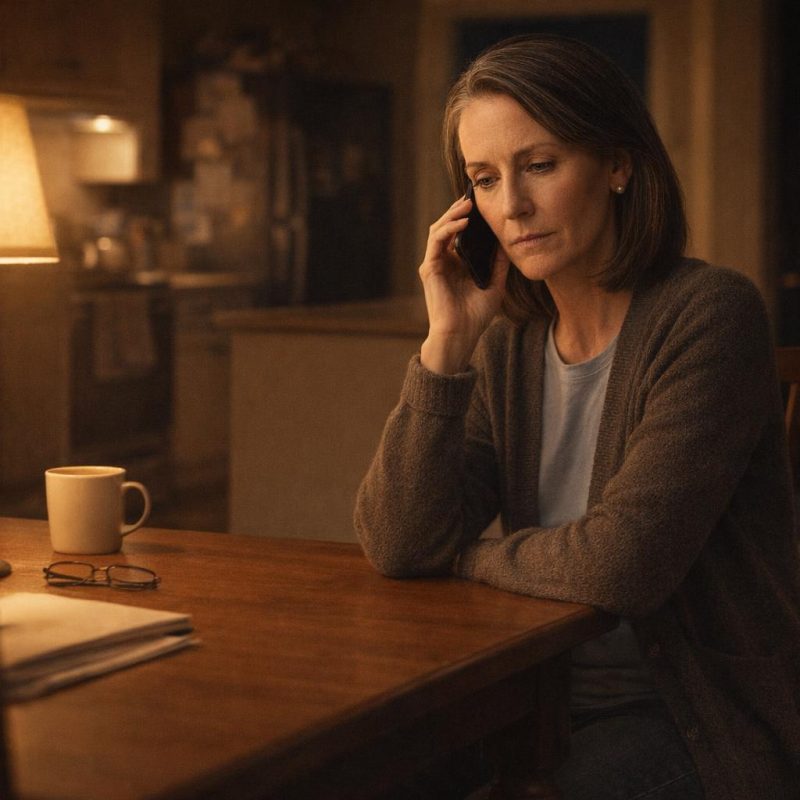 Image by RM AI
Forty Thousand Reasons
The next morning I sat down at the kitchen table with my laptop and pulled up my savings account before I'd even finished my first cup of coffee. I'd known the number for years — checked it the way you check on something you're tending — but seeing it next to forty thousand felt different. The transfer would leave me with just over a hundred and thirty thousand in retirement savings. I sat with that for a minute. Nearly a quarter of what I'd set aside over thirty years, gone in one wire transfer. I wasn't sorry. I just wanted to see it clearly before I moved forward. I called Daniel mid-morning and told him I was ready to proceed. He went quiet for a second, then said thank you in a voice that didn't sound like enough words for what he meant. Amanda got on briefly — polite, warm in her way — and said she appreciated it more than she could say. We talked through a repayment schedule that felt fair to everyone, something manageable for them and not so stretched out that it would keep me up at night. I suggested we meet in person to sign something simple, just to keep things clean between us. Daniel agreed immediately and said my kitchen table was the right place for it. I told him Saturday worked. After I hung up, I opened the account screen one more time and looked at the number that would be left — and it landed on me, quietly, that this was nearly a quarter of everything I had.
 Image by RM AI
Signatures at the Kitchen Table
I printed the agreement the night before — two pages, nothing fancy, just the amount, the repayment schedule, and signature lines for all three of us. I'd looked up a simple loan agreement template online and adjusted it to fit what we'd discussed. Daniel and Amanda arrived Saturday morning with coffee from the place they like downtown, which I thought was a kind touch. Daniel sat down and read through every line, and I mean every line, running his finger along the page the way his father used to do with contracts. It made me proud. Amanda sat across from him, turning the pen over in her fingers, and she seemed more unsettled than the situation called for — though I told myself it was probably just the formality of it. I said what I always say when paperwork makes people uncomfortable: this protects the relationship, it doesn't question it. Amanda nodded and mentioned that her parents placed a lot of value on financial independence, that they'd feel embarrassed knowing she and Daniel had needed help. She asked if I could keep the loan private from them as well. I said I understood completely — family pride is family pride. We each signed both copies, and I made sure everyone left with one. I filed mine in the folder I keep for important papers, and when I closed the drawer, something in me settled — the clean, quiet feeling of having done things right.
 Image by RM AI
Keys to Maple Street
Daniel called on a Friday afternoon, and I could hear it before he said a single word — that particular brightness in his voice that I hadn't heard in months. They had the keys. He described the house the way you describe something you've been dreaming about out loud: three bedrooms, colonial style, a wide front porch, old oak trees along the back fence. The address was on Maple Street, which I thought suited them. Amanda said something in the background about the kitchen needing work, and Daniel laughed and said she was already planning the renovation. He invited me to come by the next morning, and I said yes before he finished the sentence. He told me just to bring myself, but I was already thinking about what I'd pick up on the way. I'd been watching them carry the weight of that house search for months — the near-misses, the outbid offers, the quiet disappointment they tried not to show. Hearing Daniel sound like himself again was its own kind of relief. After we hung up, I stood at the kitchen window for a while, looking out at nothing in particular, just letting the news settle. I thought about the three of them walking through those empty rooms for the first time with the keys in their hands, and something warm and full opened up in my chest that I didn't have a word for.
 Image by RM AI
Emma's Empty Room
I brought a small potted plant — a peace lily, because it's forgiving and it lasts — and a card I'd spent probably too long choosing at the drugstore. The house looked exactly as Daniel had described it: solid and a little worn, the kind of place that has good bones and knows it. The front porch was wide enough for rocking chairs, and I made a mental note of that. Daniel walked me through every room, pointing out the original hardwood under the carpet in the hallway, the way the light came through the back windows in the afternoon. The kitchen had outdated tile and fixtures that had seen better decades, but the counter space was generous and the layout made sense. Amanda showed me where the dining table would go and walked me through her plans for each room with a confidence that told me she'd been thinking about this for a while. And then I heard Emma before I saw her — socks on hardwood, that particular sound — and she came flying down the hallway with her whole face lit up. She was nine years old and completely electric with the fact of this house. She grabbed my hand and pulled me toward the back of the hallway, and then she stopped in front of a closed door, looked back at me with enormous eyes, and threw it open like she was presenting the greatest treasure she'd ever found.
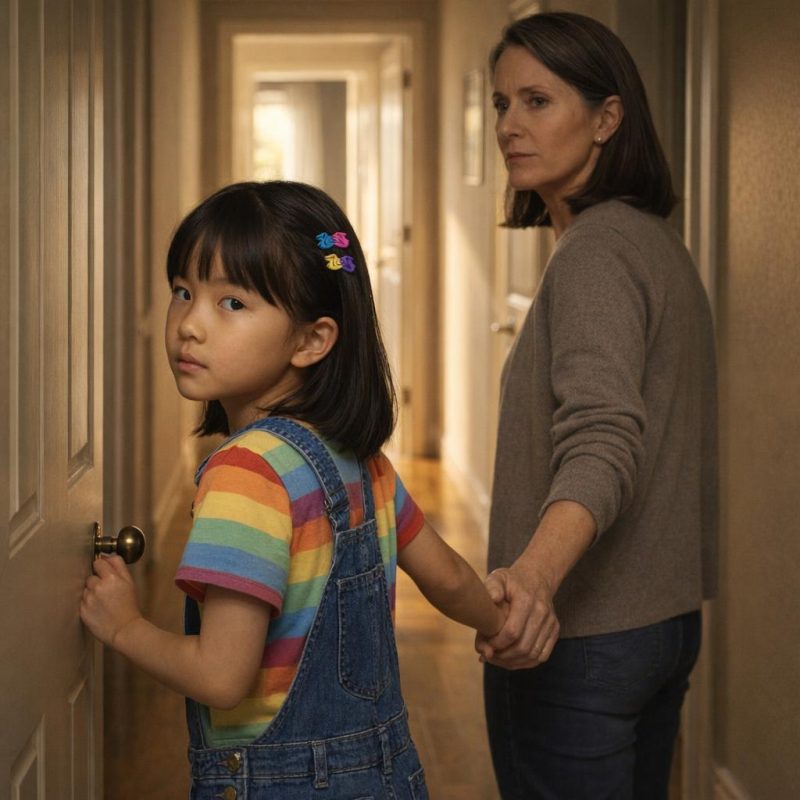 Image by RM AI
Saturday Morning Ritual
After that first visit I started coming by on Saturday mornings, and it became a thing without either of us deciding it would. I'd stop at the grocery store on the way — nothing elaborate, just the things I knew they went through fast: good bread, fruit, the brand of pasta Daniel has liked since he was a teenager. Sometimes I'd tuck in something small for Emma, a new set of colored pencils or a book I thought she'd like, or something for the house, a dish towel or a candle. The place was coming together the way houses do when people are actually living in them — boxes disappearing, pictures going up, the rooms starting to look like themselves. Emma showed me her bedroom every single visit as though it had transformed completely since the week before, and I played along every time because her pride in that room was genuine and wonderful. Daniel seemed lighter than he'd been in years. The house-search tension had lifted off his shoulders and he moved through the rooms like a man who finally had somewhere to put things down. One Saturday I was in the kitchen putting groceries away, sliding things into the refrigerator and finding spots in the cabinets, when I became aware that Amanda had stopped what she was doing. I glanced over, and she was watching me from the doorway, her expression still and unreadable in a way I couldn't quite place.
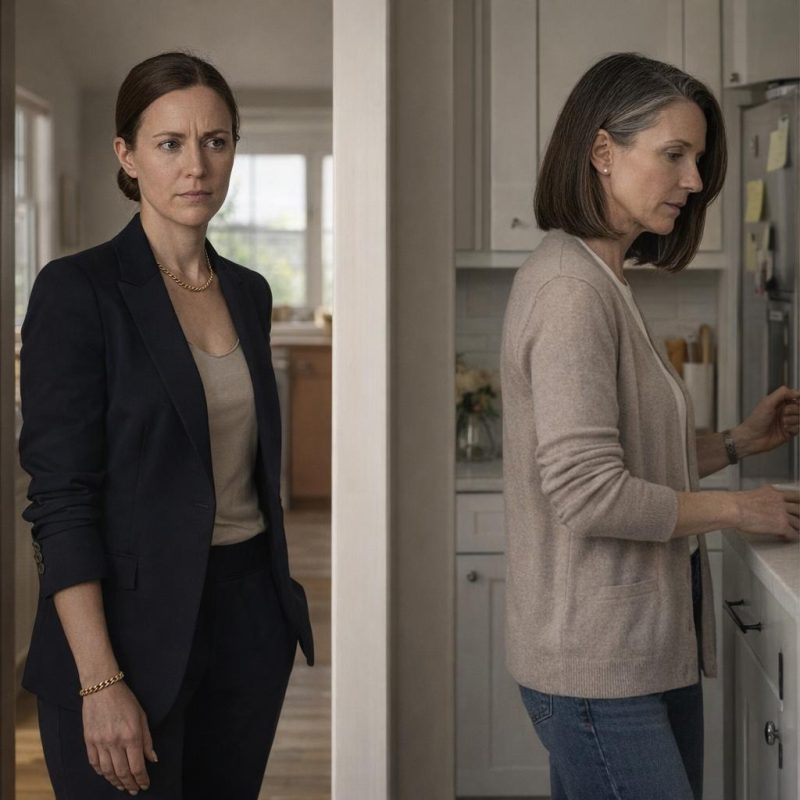 Image by RM AI
The First Payment
The first payment wasn't due until the fifteenth, so when an envelope arrived on the fourteenth I recognized Daniel's handwriting on the front and felt something loosen in my chest before I'd even opened it. I brought it inside and set it on the kitchen table the way I do with things I want to open properly, not standing over the counter. The check was folded around a small piece of notepaper, the kind torn from a spiral pad, and Daniel's handwriting was cramped and slightly hurried the way it gets when he has more to say than he has patience to write neatly. The amount was exactly right — to the dollar, exactly what we'd agreed on. I set the check aside and smoothed the note out on the table. He thanked me again, said the house had already started to feel like home, mentioned that Emma had finally gotten her bookshelf set up the way she wanted it. It was a short note, the kind that says more in what it doesn't elaborate on than in what it does. I sat there for a moment with the check in one hand and the note in the other, feeling the particular satisfaction of an arrangement that was working the way it was supposed to. I filed the check in the folder, but I kept the note out on the table a little longer, and I unfolded it one more time and read Daniel's cramped handwriting thanking me again.
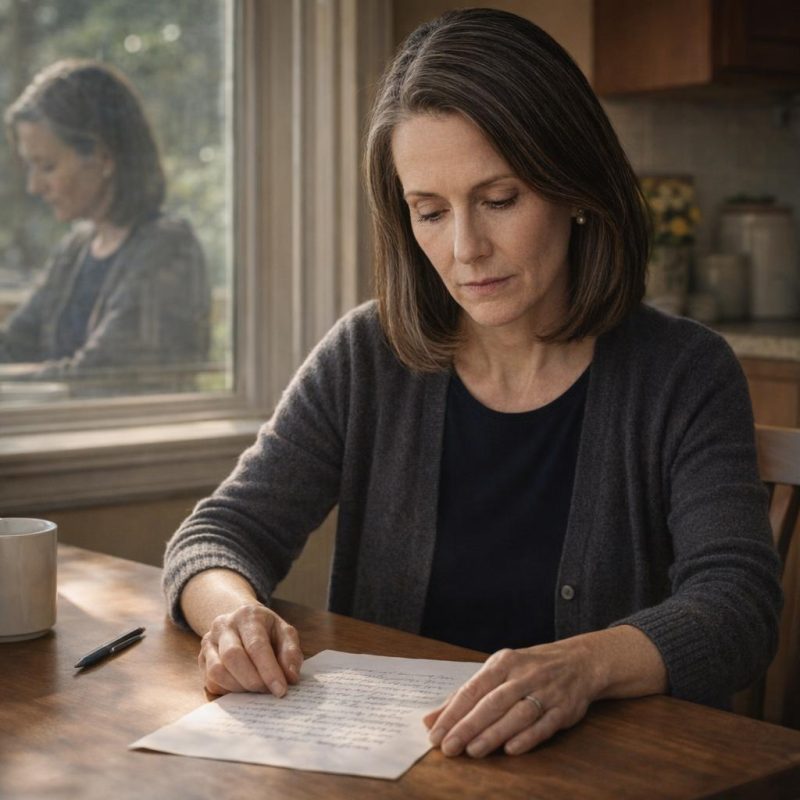 Image by RM AI
String Lights and Gratitude
Amanda had put real effort into the housewarming party — that was obvious the moment I walked in. String lights were strung along the entire length of the back porch, looped through the railing and up into the oak branches, and they gave the whole yard a warmth that made the house look like it had been there forever. A long table was set up in the dining room with platters and serving dishes arranged with more care than I'd expected. I arrived early because I'd offered to help, and Amanda seemed genuinely glad to have an extra pair of hands, which surprised me in a pleasant way. Daniel was in the living room arranging chairs, calling out questions about whether the layout made sense. Emma was upstairs getting ready with the particular intensity of a nine-year-old who has friends coming over and considers this a significant occasion. I spent the better part of an hour refilling platters, finding spots for things, and doing the small useful work that makes a party feel ready. Guests started arriving just as the light outside was going golden, and the house filled up with voices and the sound of people settling in. At some point I stepped out onto the back porch by myself for just a moment, and I stood there looking at the string lights reflected in the dark kitchen windows, and the whole evening felt exactly like what it was supposed to be.
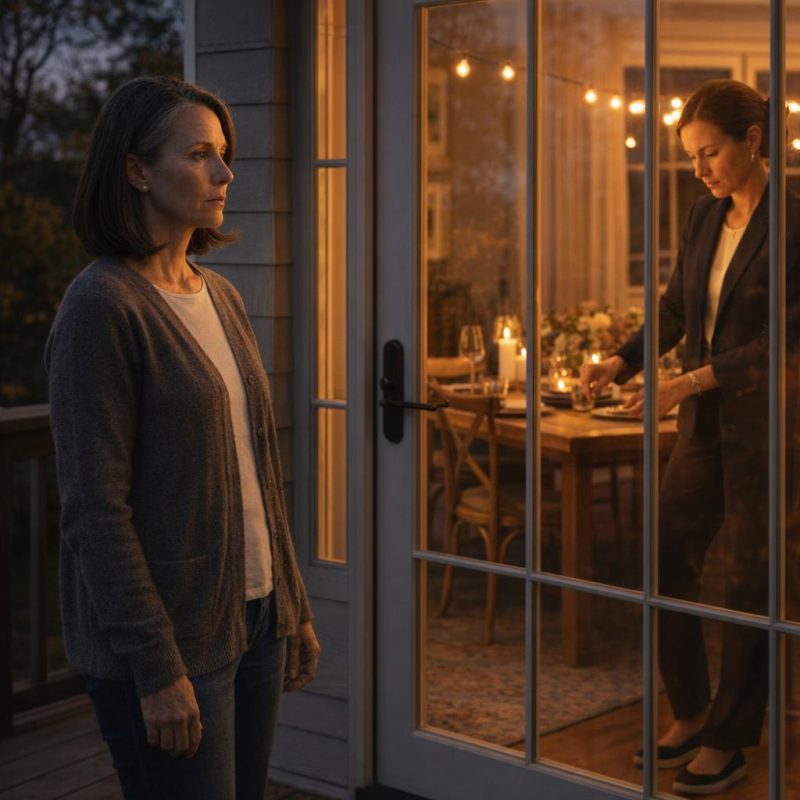 Image by RM AI
The Gathering
The party hit its stride somewhere around seven o'clock, and I found myself moving through the rooms in a quiet rhythm — refilling the cheese platter, swapping out a nearly empty bowl of dip, straightening the napkins when they got scattered. It was the kind of work I'm comfortable with, the kind that keeps your hands busy while your eyes take everything in. A couple from down the street told me the house had wonderful bones. A woman I'd met once at Daniel's old apartment said she couldn't believe how much they'd done with the space. I agreed with all of it, and I meant it. Amanda moved through the rooms with an ease that I had to admire — she had a word for everyone, a laugh that landed at exactly the right moment, a way of making each guest feel like the most important person in the room. Daniel was near the fireplace with a small group of men, relaxed in a way I hadn't seen in months, his shoulders finally down from his ears. Out in the backyard, Emma and her friends were shrieking over something in the grass, that particular pitch of joy that only nine-year-olds can sustain. I stood in the kitchen doorway for a moment and just listened to the comfortable hum of it all — voices layered over music, laughter coming from three directions at once, the whole house breathing.
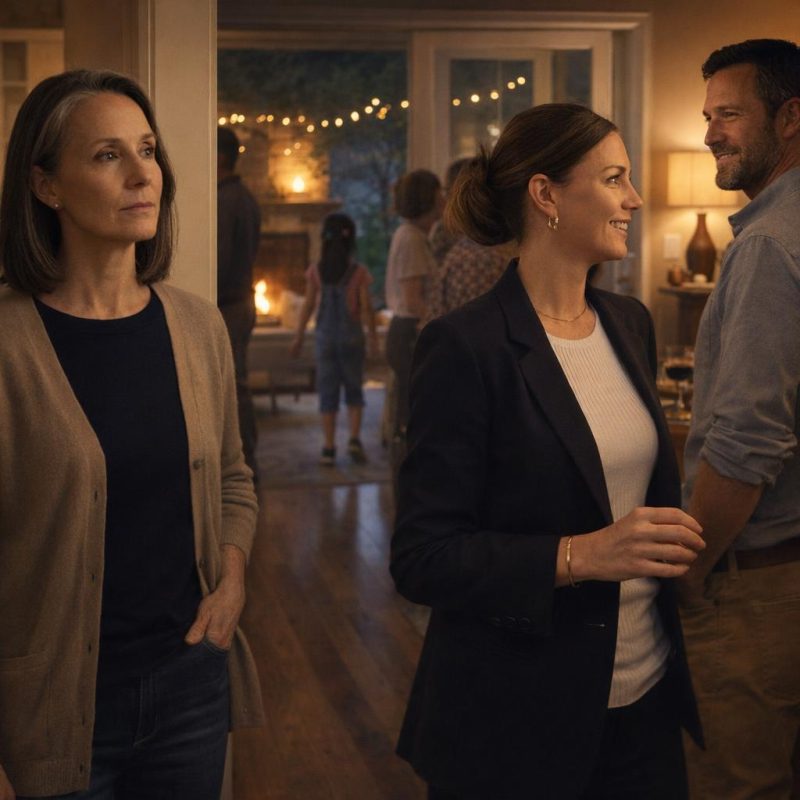 Image by RM AI
The Speech by the Fireplace
Sometime after eight, the noise in the living room shifted — the kind of shift that happens when someone calls for attention. I was in the kitchen refilling my lemonade when I heard Amanda's voice rise above the rest, warm and carrying. She was gathering people near the fireplace, and I could hear the guests settling, the way a room does when it decides to listen. I stayed where I was, glass in hand, and caught the speech in pieces through the doorway. Amanda talked about what the house meant to them, about the years of planning and hoping, about how nothing this meaningful comes without real sacrifice. She talked about her parents — how they had saved for years, quietly and without complaint, how that kind of generosity doesn't ask for recognition. The neighbors made the sounds people make when they're genuinely moved. I looked through the doorway and found Linda and Robert standing just to Amanda's left, both of them wearing small, composed smiles. Neither of them said a word. I looked for Daniel on the other side of the room, and I found him there, drink held in both hands, his back half-turned to the fireplace.
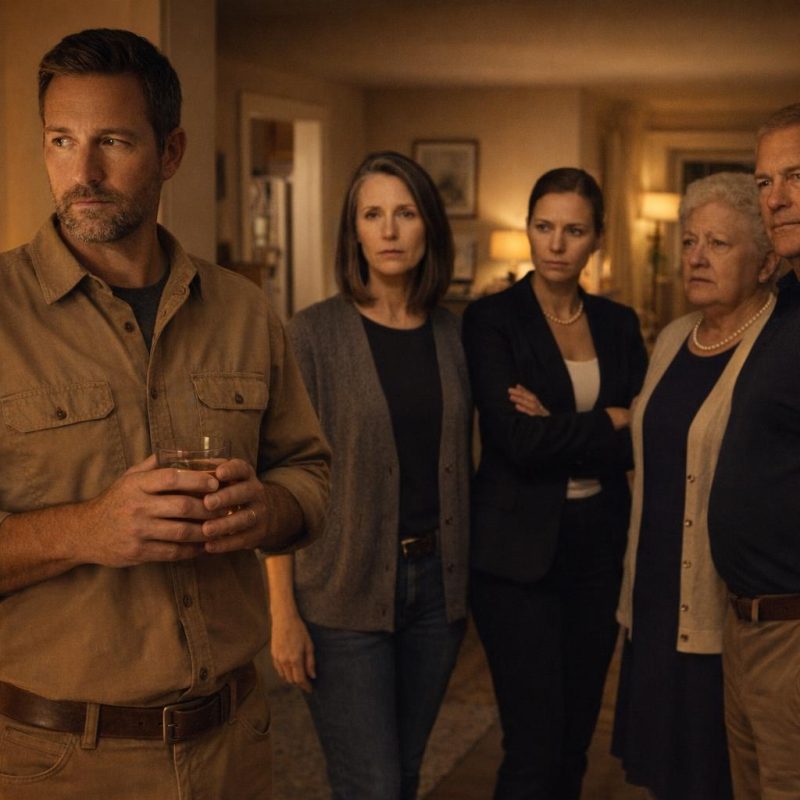 Image by RM AI
The Silent Partner
I stayed in the kitchen a moment longer than I needed to. The lemonade was fine. I just needed somewhere to put my face while I sorted through what I'd heard. It wasn't anger exactly — more like a small deflation, the feeling of a balloon that's lost just enough air to sag. I told myself it didn't matter. Amanda had her reasons, and keeping a clean story for the neighbors was probably one of them. I looked for Daniel again when I came back into the living room, and he was still holding his drink with both hands, still not quite meeting anyone's eyes. He didn't look my way. I let it go. Out in the backyard, Emma had abandoned whatever game they'd been playing and was now spinning in slow circles with her arms out, laughing at nothing in particular, the string lights catching in her hair. That backyard existed because of a decision I'd made at my kitchen table with a checkbook and a lot of love. Emma didn't know that. She didn't need to. The best gift, I thought, doesn't need your name on it — and standing there watching her spin, that felt true enough to hold onto.
 Image by RM AI
The Cooling Pattern
The Saturday visits didn't stop — they just became less predictable. I'd call on a Friday and Daniel would say they had plans, or Amanda would mention a house project that had gotten bigger than expected, and I'd say of course, no problem, we'll figure out another time. And we would, eventually. But the rhythm we'd had — that easy, assumed Saturday morning presence — started to feel less assumed. I told myself they were still settling in. A new house takes more than you think. Emma had activities. Daniel had projects. I stopped bringing the big grocery bags every week because it started to feel like I was showing up with an agenda. The visits that did happen were fine — pleasant, even — but they ran shorter than they used to, and there was a quality to them I couldn't quite name. Not cold. Just more careful, maybe. More scheduled. I kept telling myself I was reading too much into it, that this was just what it looked like when a young family found their footing. Then one afternoon I flipped back through my calendar, counting, and I realized it had been three weeks since I'd actually been inside that house.
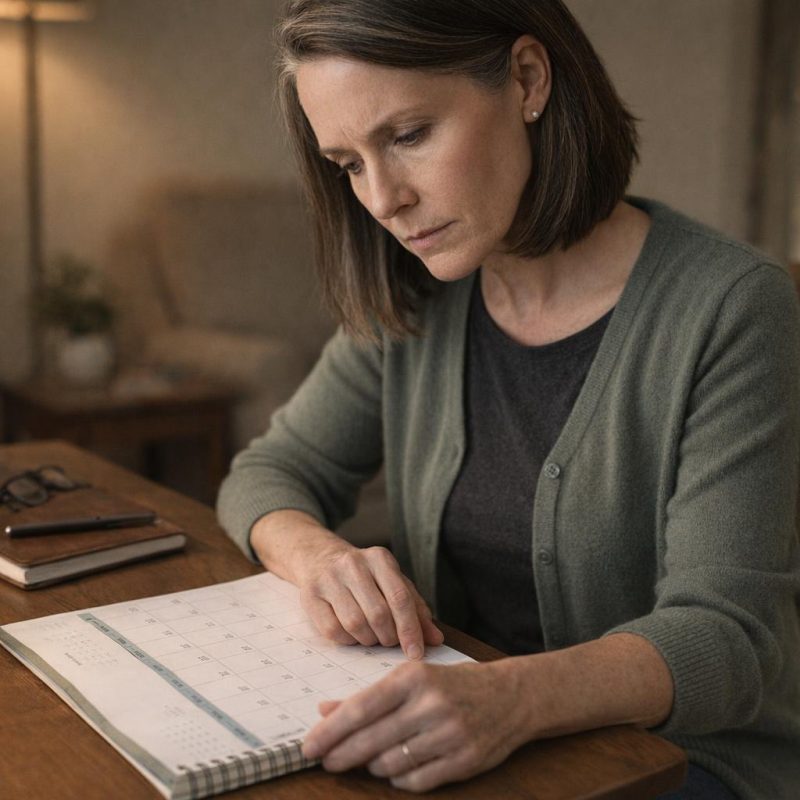 Image by RM AI
By Appointment Only
I called on a Friday afternoon to confirm I'd come by the next morning. Amanda picked up on the second ring and sounded pleasant — busy, but pleasant. We talked for a few minutes about nothing in particular, and then she said, almost as an aside, that it would probably be easier for everyone if I called ahead before coming over. She said they had a lot going on — Emma's activities, house things, Daniel's schedule — and that a little notice would help them make sure they were actually in a position to have a proper visit. She said it the way you'd say something that's obviously reasonable, the way you'd mention that it's better to check the weather before a long drive. I said of course, absolutely, that made complete sense. I heard Daniel somewhere in the background — a door, maybe, or the television — but he didn't get on the phone. Amanda and I said our goodbyes and I hung up and sat with the phone in my lap for a minute. The request was reasonable. I knew it was reasonable. I just kept turning it over, trying to find the edge of it, and what stayed with me longest was the careful politeness in her voice — smooth and even, with no gap in it anywhere for a different answer.
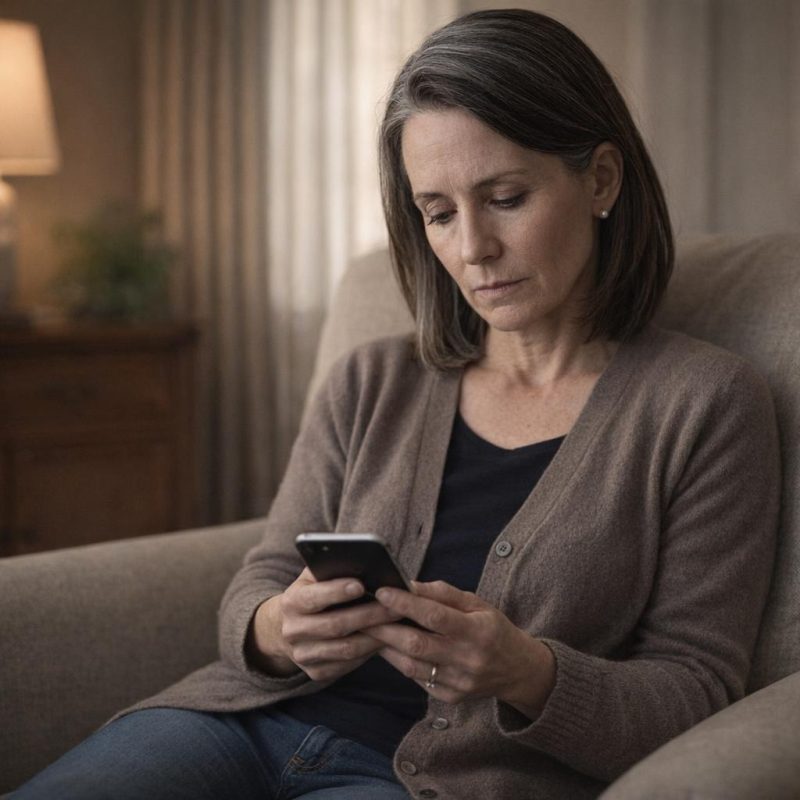 Image by RM AI
Lighter Hands
The next time I visited, I called ahead the way Amanda had asked. I packed a smaller bag than usual — a few things from the farmers market, nothing extravagant. I'd been bringing less for a few weeks by then, partly because it felt right to respect what Amanda had said about space, and partly because I didn't want to seem like I was trying to buy my way through the front door. Amanda thanked me when I handed over the bag, and the thanks was genuine enough, just thinner than it used to be. Daniel was distracted — he had a project going upstairs and came down twice to say hello and then drifted back up. Emma was happy to see me, which helped. She showed me a drawing she'd done at school and told me about a book she was reading, and for a little while it felt almost normal. But the visit was done in under an hour. I drove home telling myself I was doing the right thing, giving them room, not hovering. I believed it, mostly. It was only when I got home and set my keys on the counter that I noticed I'd left my jacket on the passenger seat — the bag I'd carried in had been so light I hadn't even felt it in my hand.
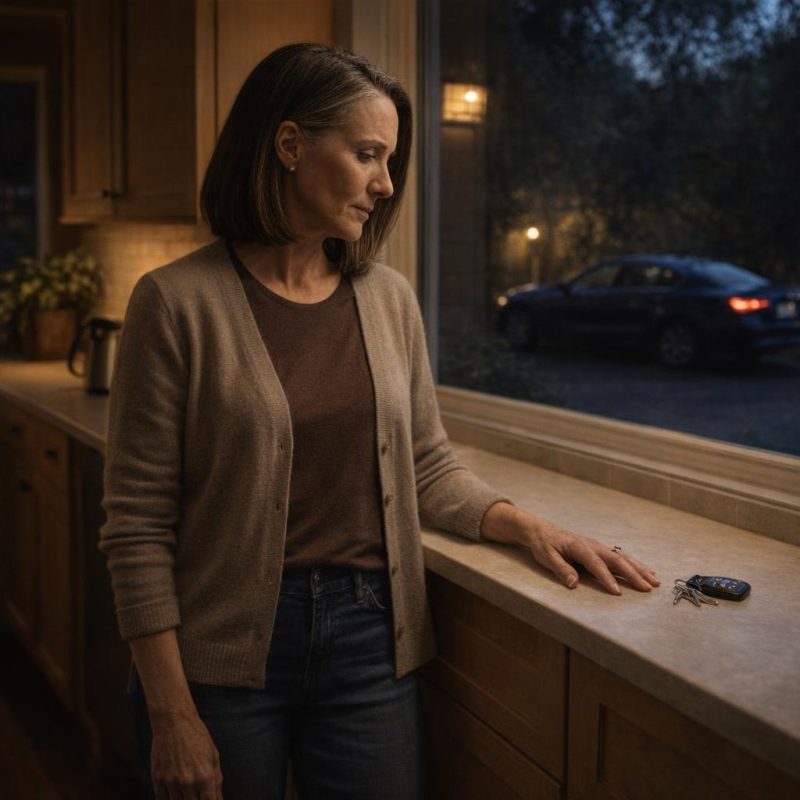 Image by RM AI
Shorter Calls
I called Daniel on a Tuesday evening, nothing urgent, just wanting to hear his voice. He picked up and I could tell immediately that I'd caught him mid-something — there was a distracted quality to his hello, a slight delay before he settled into the conversation. We talked about work, briefly. I asked about Emma and he said she was good, busy, doing well at school. I asked if she'd finished the book she'd been telling me about and he said he thought so, maybe, he'd have to check. I tried to find the thread of something longer — asked about the yard, whether the back fence project had moved forward — and he said yeah, they were getting to it. There was a pause. I was in the middle of asking whether Emma might want to come spend a Saturday with me sometime soon, the words still forming, when Daniel said he had to go, that something had come up. The call had lasted maybe four minutes. I sat with the phone in my hand after he hung up, looking at the screen, wondering if I'd called at a bad time — and then wondering why I was already making excuses for it.
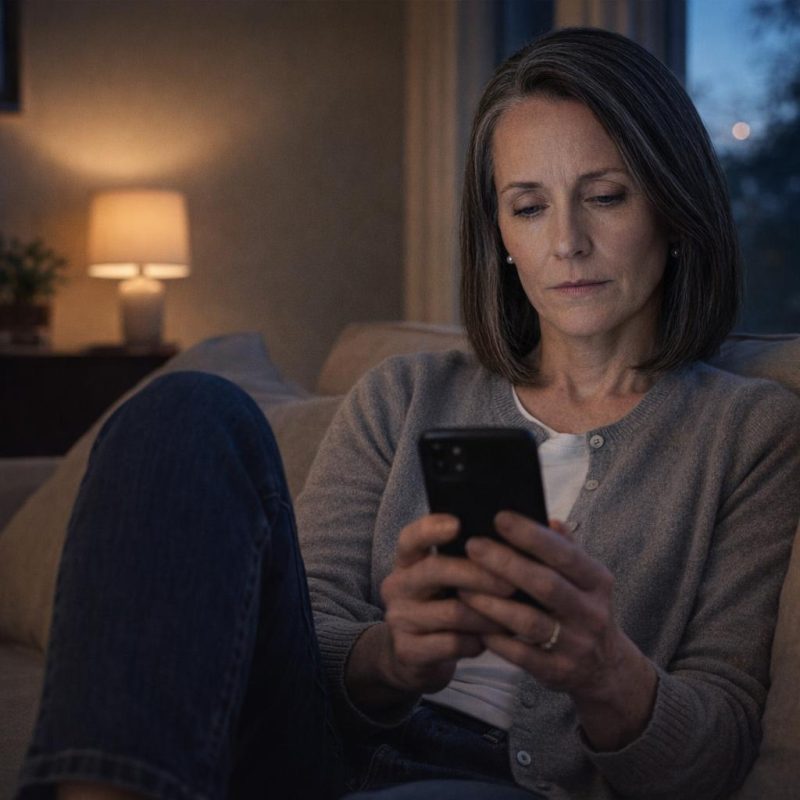 Image by RM AI
Coached Answers
I called ahead on a Thursday and came by that Friday afternoon. Emma answered the door, which used to mean a running hug and three sentences started before the first one finished. This time she opened the door and smiled and said hi, Grandma, and stepped back to let me in — all of it correct, all of it just slightly slower than it should have been. Amanda was in the dining room sorting through some papers, and Daniel was upstairs. I sat with Emma on the living room couch and asked about school. She told me it was good. I asked what they were working on and she said math and some reading. I asked if she still liked her teacher and she said yes. Every answer came out complete and tidy, like something she'd thought about before saying. I tried a different angle and asked about her drawings — whether she'd done any new ones. She said a few. I asked if she'd show me sometime and she said maybe. And then I asked, just to keep the conversation moving, whether she'd made any new friends lately — and Emma paused, and her eyes moved toward the kitchen doorway before she answered.
 Image by RM AI
Last-Minute Cancellation
I'd been looking forward to that Saturday for almost two weeks. I had a small gift for Emma — a set of colored pencils she'd mentioned wanting, nothing extravagant — wrapped and sitting on my kitchen counter since Wednesday. I'd confirmed the visit with Daniel earlier in the week, and he'd said Saturday worked fine. So when my phone rang Friday evening and Amanda's name came up on the screen, I answered it expecting logistics. She was pleasant, the way she always was on the phone — measured, unhurried. She said she was sorry for the short notice, but something had come up and Saturday wasn't going to work after all. I asked if everything was all right, and she said yes, everything was fine, just one of those things. I asked if we could find another day soon, and she said she'd call when things settled down a bit. I told her of course, no problem at all, because what else do you say. The call lasted maybe four minutes. I set the phone down on the counter next to Emma's wrapped pencils and stood there for a moment, replaying the conversation — and the only explanation she'd offered, the whole of it, was that they had family plans.
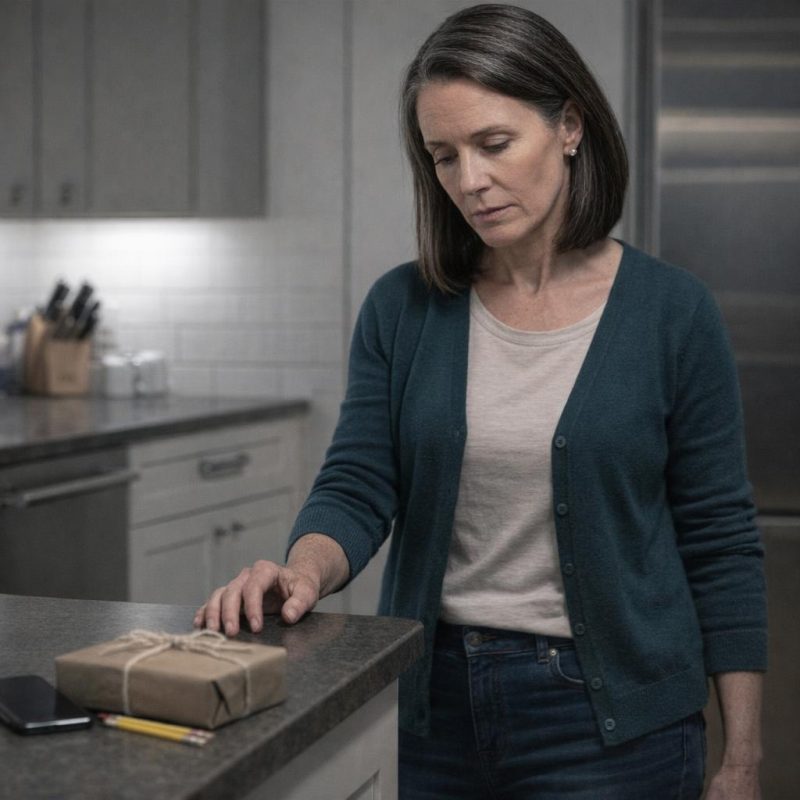 Image by RM AI
Formal Distance
I gave it a few days before I called. I didn't want to seem like I was hovering. When Daniel picked up, he sounded fine — not cold exactly, just careful. He asked how I was doing and I said good, and he said that was good. I mentioned I'd been thinking about Emma and asked how she was getting on at school. He said she was doing well and that her teacher seemed pleased with her progress. It was all perfectly correct. But somewhere in the middle of it I noticed he'd said 'that's kind of you to ask' when I offered to drop something off for her — and I had to stop myself from saying, Daniel, I'm your mother, not a neighbor. Amanda got on briefly near the end. She thanked me for being understanding about the cancelled visit, and I said of course. She said they'd been busy and I said I understood. Every sentence landed in the right place. Nothing was rude. Nothing was warm either. I hung up and sat with the phone in my lap for a while, trying to figure out when our conversations had started to feel like this — like two people being very careful not to say the wrong thing to someone they barely knew.
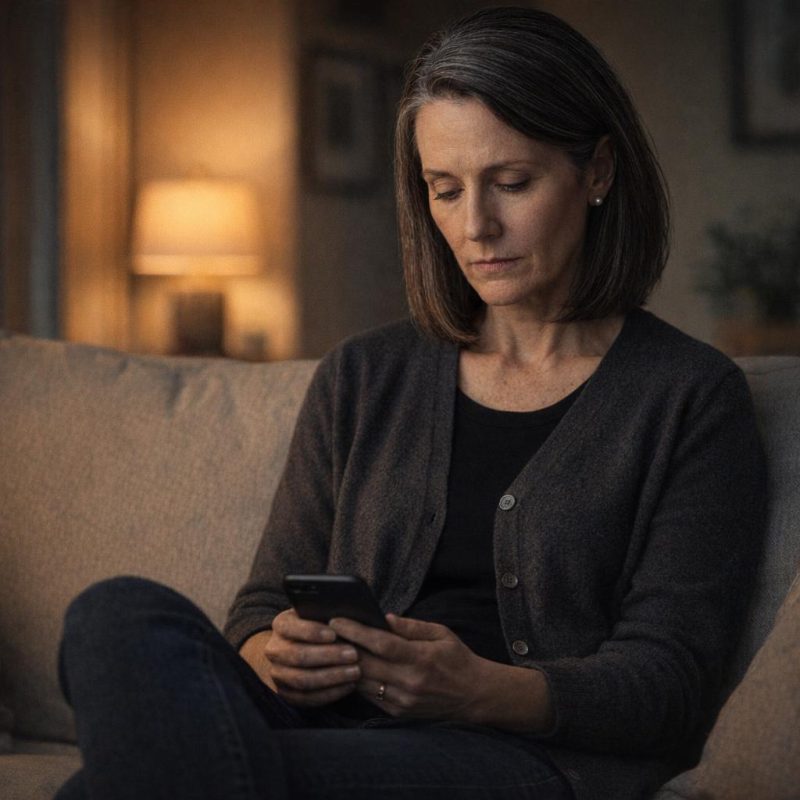 Image by RM AI
Therapy Mentioned
I called on a Wednesday evening, just to check in. Daniel answered on the third ring and said hello in a way that sounded like he'd already been tired before the phone rang. I asked how everyone was doing and he said fine, just busy. I asked about Emma and he said she was good. And then, almost as an aside, he mentioned they'd been doing some family therapy. He said it the way you'd mention switching grocery stores — matter-of-fact, no particular weight to it. I didn't know what to say, so I asked if everything was okay. He said they were working through some things. I asked if there was anything I could do and he said no, they were handling it. I wanted to ask more — what things, what kind of working through, since when — but I could hear in his voice that the door was only open a crack, and pushing it would close it entirely. He used the word 'boundaries' once, without explaining what he meant by it or who it applied to. Then he said he had to go and the call was over. I sat in the kitchen afterward with the overhead light humming, and that word just hung there in the quiet — boundaries — with nothing attached to it to tell me what it meant.
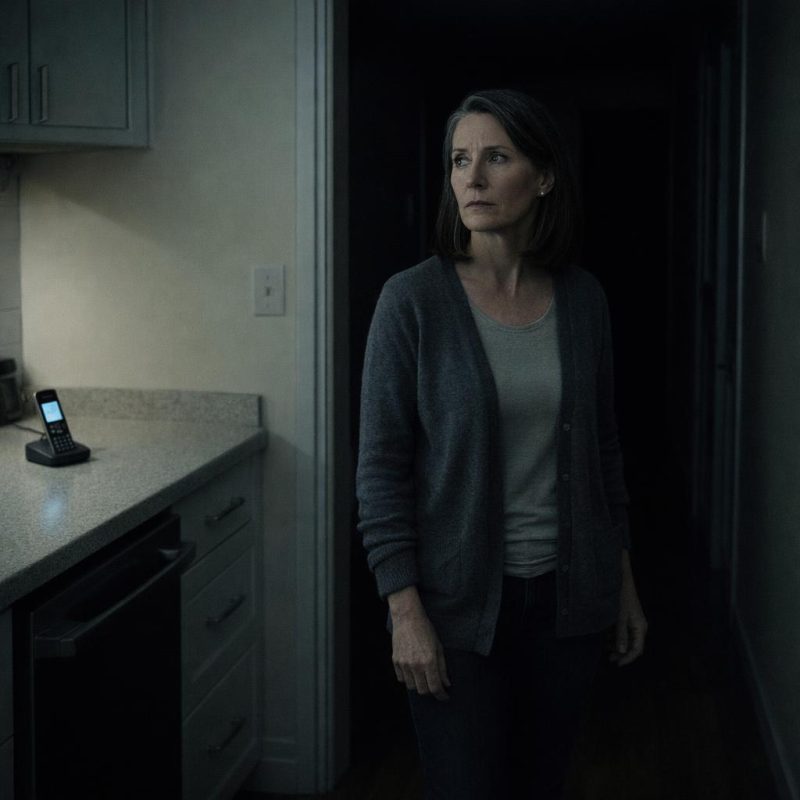 Image by RM AI
The Second Payment
The second payment had been due on the fifteenth. I didn't make a point of watching for it at first — I trusted Daniel, and one or two days either way had never mattered before. But by the eighteenth I found myself checking the mail a little more deliberately, and by the twentieth I was checking it twice a day. Nothing came. I told myself there was probably a simple explanation. A busy week, a forgotten stamp, something ordinary. The envelope finally arrived on the twenty-second, a full week late, with no postmark note or anything to explain the delay. I brought it inside and set it on the kitchen table. I made myself a cup of tea before I opened it, which I realize sounds strange, but I think I needed a moment. The check was there. The amount was correct, every cent of it. But the first payment had come with a small handwritten note from Daniel — just a few lines, something warm, something that felt like him. I turned the envelope over and checked inside again, thinking maybe I'd missed it. There was nothing else in there — just the check, sitting alone in the envelope.
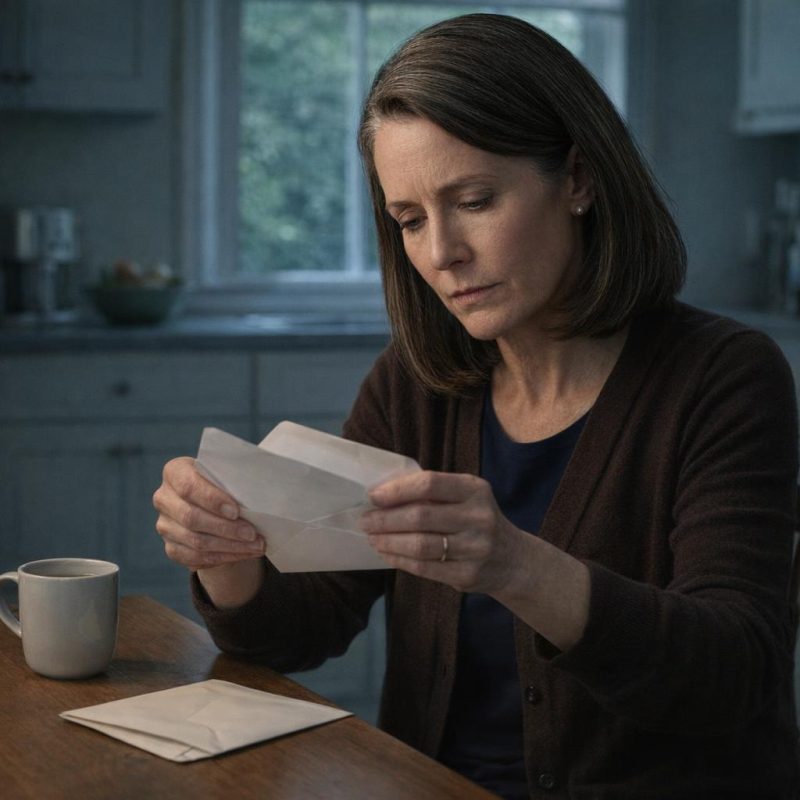 Image by RM AI
Offers Declined
I called on a Tuesday afternoon, telling myself I just wanted to be useful. During my last visit I'd noticed the grout along the kitchen backsplash was cracking in a few places — nothing urgent, but the kind of thing that gets worse if you leave it. I mentioned it and offered to look into contractors, maybe even help with the cost. Amanda thanked me and said they already had someone in mind. I said that was great, and then I mentioned the front yard — the hedges along the fence had gotten a bit overgrown — and offered to come by on a weekend and help tidy them up. She said they'd hired someone to handle the yard. I said of course, that made sense. I tried once more and asked if it would help if I picked Emma up after school on Thursdays, since I knew Amanda's schedule got hectic mid-week. She said Emma's after-school arrangements were already sorted. Daniel was on the line for part of it, quiet mostly, saying mm-hmm in the right places. He didn't add anything. Each time Amanda said no, she said it pleasantly, without a single sharp edge. I hung up and sat in my chair by the window, and the afternoon light came through the glass, and I just sat with the strange, settled weight of being told, three different ways, that I wasn't needed.
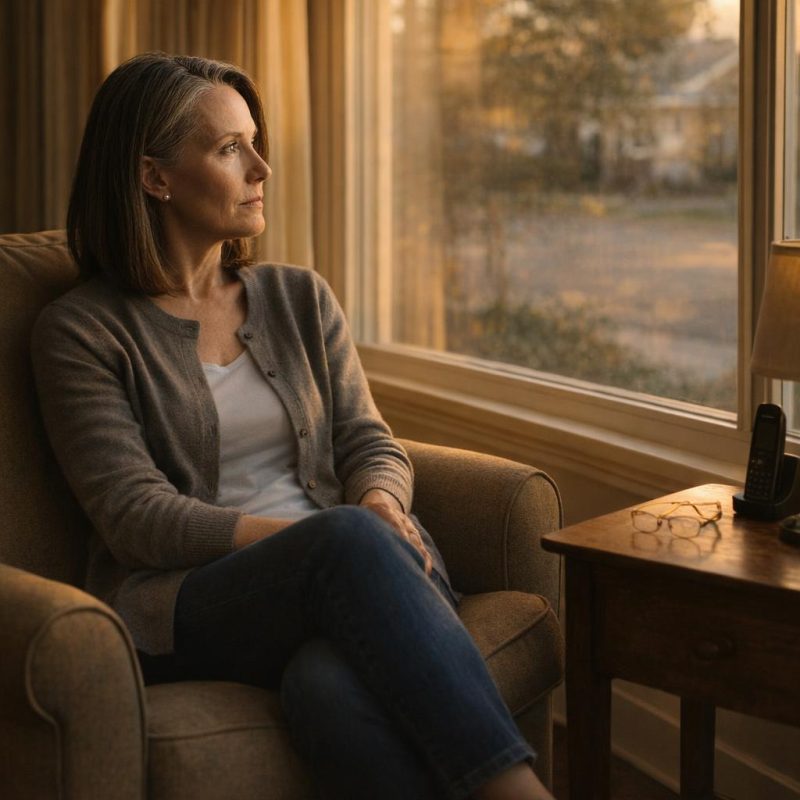 Image by RM AI
The Widening Gap
I started going back over things in my mind the way you do when you can't sleep — not obsessively, just turning them over, looking for the moment when the temperature changed. The Saturday visits had quietly stopped. The phone calls still happened but they were brief and careful, the kind of calls where both people are being polite rather than honest. I hadn't seen Emma in almost a month. The loan payments were still coming, but without Daniel's notes, they felt like transactions rather than anything else. I tried to find the specific moment when things had shifted — a conversation that went wrong, something I'd said or done that landed badly — but I couldn't locate it. There was no argument I could point to, no door that had been slammed. It had happened the way fog comes in, gradually and without announcement, until one morning you look up and can't see very far in any direction. I wondered if I'd overstepped somewhere without knowing it. I wondered if I'd said something that had been taken the wrong way. I went through it all and came up empty, and that almost made it worse — not knowing left me with nothing to fix, no apology to offer, no way back in. I just sat with the not-knowing, and the quiet of the house, and the feeling of not being sure where I stood anymore.
 Image by RM AI
The Third Payment
The third payment was due on the fifteenth. I checked the mail on the sixteenth without letting myself think too much about it. Nothing. I checked again on the seventeenth, the eighteenth, the nineteenth. Still nothing. By the twenty-second I knew it wasn't a delayed postmark. I waited one more day anyway, because I didn't want to be the person who called about money — I didn't want it to feel like that between us. But on the twenty-third I picked up the phone and called Daniel. He answered after a few rings and said hello in a distracted way, like he was in the middle of something else. I told him I was sorry to bother him, and then I said the payment for this month hadn't come through yet and I just wanted to make sure everything was okay. There was a pause. Not long, but noticeable. He said he'd look into it. His voice was even, almost formal — the same careful register I'd been hearing for weeks. I asked if there was anything I should know and he said no, he'd just look into it and call me back. I said okay and thanked him. The call ended. I stood in the kitchen holding the phone, and the word 'creditor' came into my head from nowhere, because that was exactly how he'd sounded — like he was talking to someone he owed money to, not his mother.
 Image by RM AI
The Uninvited
It was a Sunday afternoon and I was doing nothing in particular — just sitting with my phone, scrolling through the kind of idle feed you look at when you're not really looking for anything. A neighbor of Daniel and Amanda's, a woman I'd met twice at neighborhood gatherings, had posted a set of photos. The caption said something about a wonderful afternoon celebrating a special girl. I almost kept scrolling. Then I saw Emma's face and I stopped. I tapped through the photos one by one. There was the backyard strung with pink and gold balloons, a long table with a cake, children running across the grass. Emma was in almost every picture, bright-eyed and laughing, wearing a paper crown. Daniel was there, grinning in the way he does when he's genuinely happy. Amanda was there, standing close to the cake table, looking like she'd planned every detail. And there, near the back of one photo, standing together with drinks in hand and smiling at the camera, were Linda and Robert. The party had been yesterday — Saturday. I sat there with the phone in both hands, looking at a backyard full of people celebrating my granddaughter's birthday, and I was not in a single photograph.
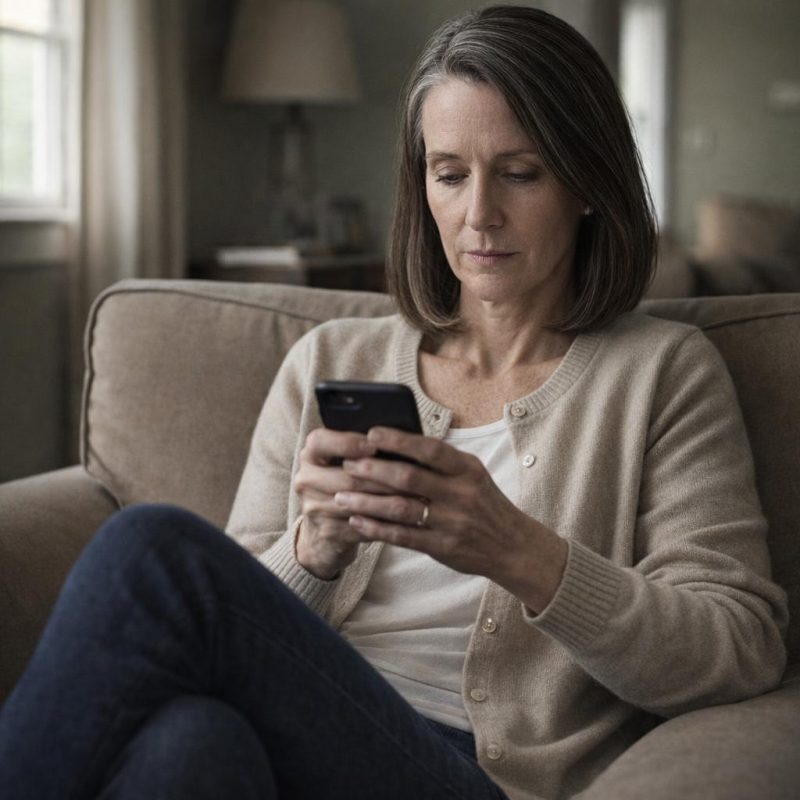 Image by RM AI
The Excluded Grandmother
I told myself I was done looking. I put the phone down, made tea, tried to move on with my Sunday. But the photos kept coming. By Tuesday, three more neighbors had posted pictures from Emma's party — different angles, different moments, the same backyard full of people I knew. I saw the cake up close in one, a three-tiered thing with pink roses and Emma's name in gold letters. I saw the games in another, a ring of children laughing in the grass. I saw Daniel crouching down to help Emma open a present, his face open and happy in a way I hadn't seen in months. Linda and Robert appeared in at least four separate posts, always near the center of things, always smiling. Amanda posted a thank-you message on Thursday. She named the neighbors who brought food, the friends who helped set up, the family who made the day so special. I read it twice. My name wasn't there. I kept telling myself there was probably an explanation — a miscommunication, a scheduling mix-up, something I was missing. Then on Friday, one of Amanda's friends posted a wide group shot of everyone gathered on the back porch, and the caption read: 'So much love with family.'
 Image by RM AI
The Privacy Request Revisited
I sat at my kitchen table for a long time that Saturday morning, not doing much of anything. The tea went cold. I kept turning something over in my mind — a conversation from early on, not long after Daniel and Amanda had asked for the loan. Amanda had called me, just the two of us, and she'd been warm about it, grateful. But she'd also asked me, very gently, to keep the arrangement private. She said Daniel had a lot of pride about these things. She said it would be easier for everyone if the details stayed between us. At the time it had seemed so reasonable. I understood pride. I understood not wanting to broadcast that you'd needed help. So I'd agreed without a second thought, and I'd kept my word. I hadn't told a soul. But sitting there now, I kept coming back to the housewarming — to Linda and Robert standing in that kitchen accepting thanks I never heard directed my way. To Amanda's thank-you post that named everyone but me. I hadn't corrected anyone because I'd promised not to. I wondered, for the first time, whether that promise had served Daniel's pride or something else entirely. I couldn't say for certain. But the memory of Amanda asking me to stay quiet felt different now — less like discretion, and more like a door being closed.
 Image by RM AI
Unanswered Messages
I texted Daniel on Monday, something easy and low-pressure — just asked how everyone was doing, said I'd been thinking about them. The message showed as read within the hour. No reply came. I waited two days, then sent another, asking about the payment that was now overdue. Thursday afternoon he wrote back: 'Will send soon.' Four words. I stared at them for a while, then typed back asking if I could come by that weekend, maybe take Emma for ice cream. That message sat unread until Friday evening, when he finally responded: 'Not this weekend.' I tried calling Saturday morning. It rang four times and went to voicemail. I left a message — kept my voice light, said I just wanted to hear his voice, asked him to call when he had a chance. Three days passed. Nothing. I wasn't panicking, not exactly. I kept telling myself he was busy, that life with a nine-year-old and a full-time job doesn't leave much room. But I'd raised that boy. I knew the difference between busy and distant. Each time I picked up my phone and saw no notification, the quiet felt a little heavier than it had the day before.
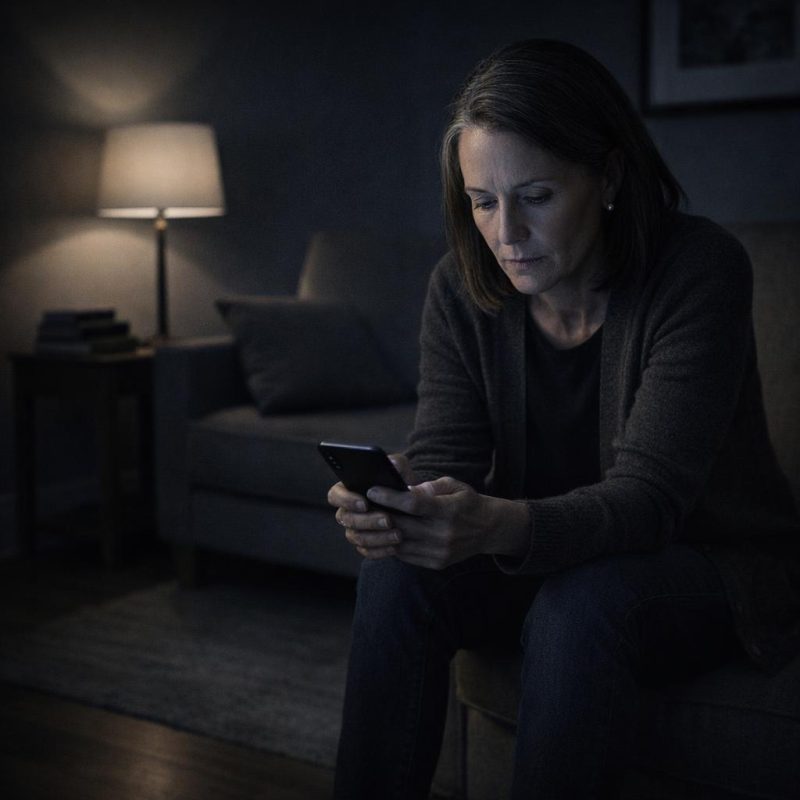 Image by RM AI
The Gatekeeper
I started noticing the pattern somewhere around the second week. I'd sent Daniel a text asking about Emma's school schedule — whether she'd made the spring play she'd been so excited about. I called Daniel's cell directly to follow up. Amanda answered. She said he was in the middle of something and asked if there was anything she could help me with. I said I'd really just like to speak to him when he had a free minute. She said of course, he'd call me back. He didn't. A few days later I sent Daniel an email — something I almost never do, but I wanted a record of it — asking about the payment and whether we could find a time to talk. The response came from Amanda's address, forwarded from his account, saying he'd been swamped but would follow up soon. Every door I tried to open led back to the same person. I couldn't say what it meant. Maybe he was genuinely overwhelmed. Maybe she was just trying to help manage things. I was still turning that over when my phone buzzed — a reply to the question I'd sent Daniel two days earlier, and the name on the screen was Amanda's.
 Image by RM AI
The Missing Payment
Three weeks. That's how long it had been since the payment was due, and I still hadn't seen a cent or heard a real explanation. I'd called twice and texted three times. Daniel's responses, when they came at all, were brief and vague — 'working on it,' 'soon,' nothing with a date attached. One evening I went to the drawer in my home office where I keep the important papers. I pulled out my copy of the loan agreement — the one Daniel and I had both signed, the one with the repayment schedule printed clearly on the second page. I sat down at the desk and read through it slowly, even though I already knew what it said. The terms were exactly as I remembered. The signatures were there. The payment dates were there. Everything was in order on paper. I hadn't drawn this up to be difficult or to hold something over my son's head. I'd done it because a financial advisor once told me that even family loans need documentation, and at the time it had felt like a formality. Sitting there under the desk lamp with the pages in my hands, it didn't feel like a formality anymore. The loan agreement sat on the desk in front of me, and it was the most solid thing I had.
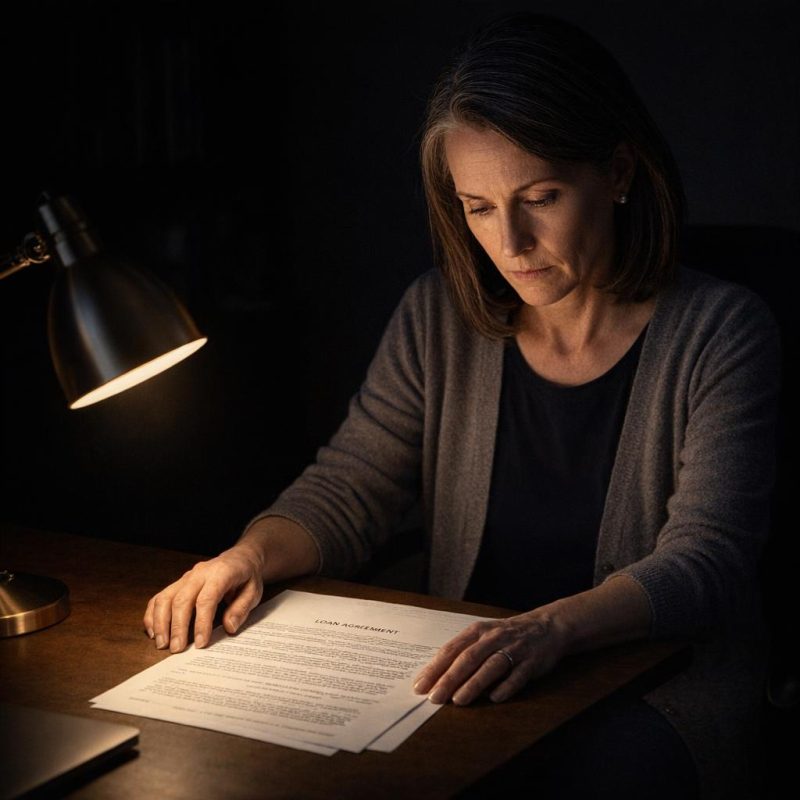 Image by RM AI
The Unannounced Visit
I woke up Saturday morning and I just knew I was done waiting. I'd been patient. I'd sent the texts, left the voicemails, given everyone the benefit of the doubt. But I needed to look my son in the eye, and no amount of careful messaging was going to get me there. I got dressed, had a quick coffee, and got in the car. The drive to Maple Street takes about twenty minutes, and I'd made it dozens of times since they moved in. It felt different that morning. I kept rehearsing what I'd say — that I wasn't angry, that I just needed to understand what was happening, that I missed him and I missed Emma and I wanted to fix whatever had gone wrong. I wasn't going to make a scene. I wasn't going to bring up the money right away. I just needed to see him. When I turned onto their street, my heart was going faster than I'd like to admit. I pulled up in front of the house and sat in the car for a moment, hands still on the wheel. The lights were on inside. Someone was home. I'd promised myself I wouldn't call ahead this time, and I hadn't. Whatever Amanda's rules were about scheduling visits, I'd set them aside for today, and sitting there in the quiet of the car, I didn't feel sorry about it.
 Image by RM AI
Refused Entry
I rang the bell and waited. It took long enough that I almost rang it again. Then the door opened — but only partway. Amanda stood in the gap, one hand on the frame. She looked composed, not surprised exactly, more like she'd had a moment to arrange herself. I told her I was sorry to drop by without calling, but I'd been hoping to catch Daniel at home. She said it wasn't a good time. I asked if everything was okay. She said everything was fine, they were just in the middle of a family day. I mentioned, as gently as I could, that I hadn't been able to reach Daniel in weeks. She said she understood, and that they'd reach out soon to set something up. Her voice was even and unhurried, the kind of calm that doesn't leave room for argument. I asked if I could just say a quick hello to him, or to Emma. She said Emma was resting and Daniel was busy. I asked her to please have him call me. She said she would. Then the door closed. Not slammed — nothing so dramatic as that. It just closed, quietly and completely, and I was standing on the front step alone. I walked back to my car slowly. The street was still and bright, and the house behind me gave nothing away.
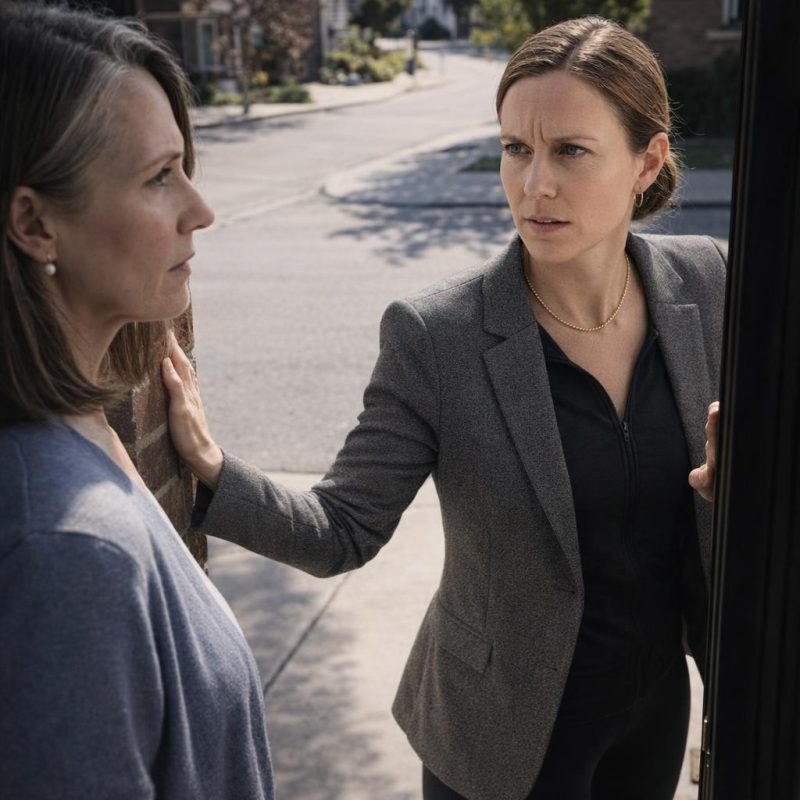 Image by RM AI
Vague Reassurances
My phone rang that evening just after seven. Daniel. I picked up before the second ring. He sounded tired — not angry, just worn thin, like someone going through the motions of a conversation they'd already rehearsed. He said Amanda had mentioned I'd stopped by. I said yes, I'd wanted to see him. He said they'd been going through some things as a family, that they were working with a therapist, that it was a good thing even if it didn't feel that way right now. I asked what that meant for us — for me and him. He said they were learning to set healthy boundaries. I asked him what boundaries I had crossed. There was a pause. He said it wasn't about anything specific, just about being more intentional as a family unit. I asked about the missed payment. He said he'd take care of it, that money wasn't the issue right now. I wanted to ask what the issue was, then, but every time I tried to press, his answers got shorter. He said he had to go. I said I loved him. He said he knew. The call lasted eleven minutes. When it ended I sat with the phone in my lap, turning over the phrase he'd used — 'healthy boundaries' — and wondering what, exactly, I was supposed to have done differently.
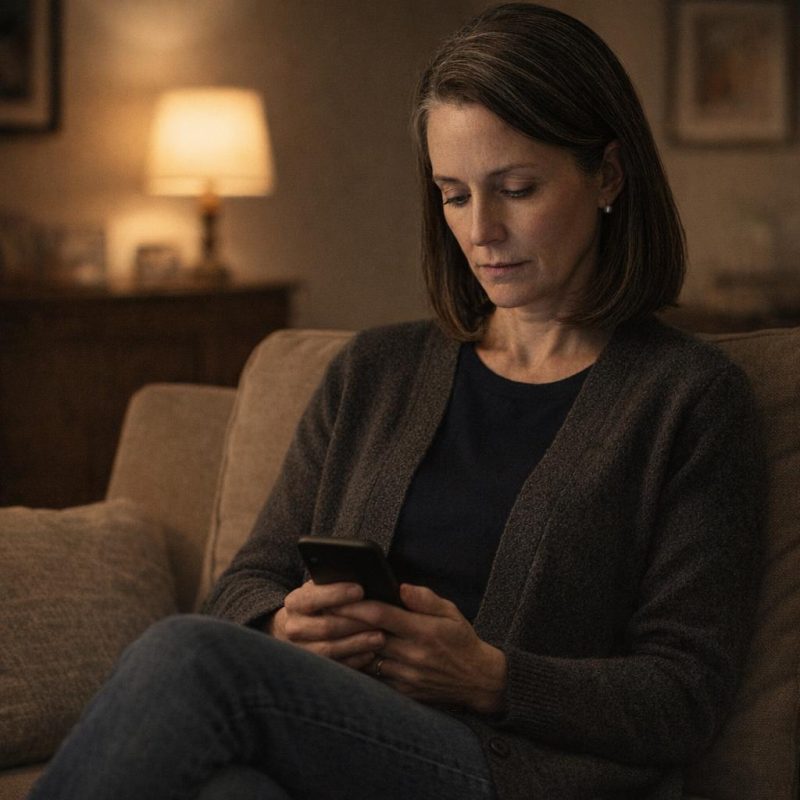 Image by RM AI
Boundaries Undefined
In the days after that phone call, I sat with the word 'boundaries' like it was a puzzle I couldn't solve. I went back through everything — every visit, every call, every text I'd sent over the past year. I brought groceries once when Daniel mentioned they'd had a busy week. Was that intrusive? I came by on Saturday mornings sometimes, always with a heads-up, always brief. Was that too much? I asked about Emma's school play, about her reading level, about whether she'd gotten over that cold she'd had in October. Was asking about my granddaughter overstepping? I turned each memory over carefully, looking for the thing I'd done wrong, the moment I'd crossed some line I hadn't known was there. I couldn't find it. Not one clear thing. And that was almost worse than if I had — because at least then I'd know what to fix, what to apologize for, what to change. Instead I was left defending myself against something I couldn't name, to an audience I couldn't reach, for reasons nobody would say out loud. There's a particular kind of helplessness in being accused of something you can't identify or defend against, and I sat with it quietly, alone in my kitchen, for a very long time.
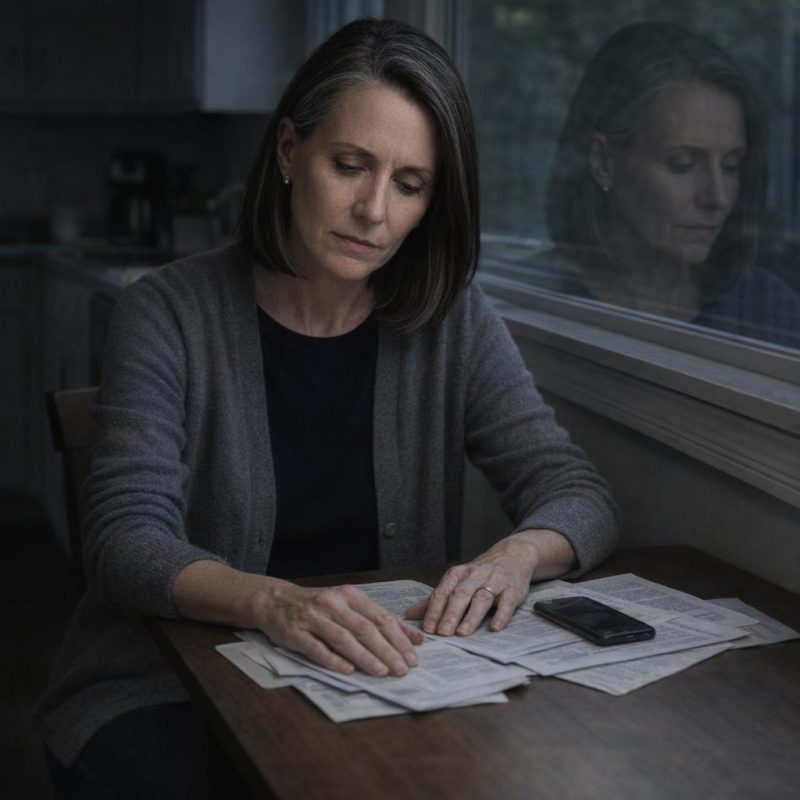 Image by RM AI
The Gift Suggestion
Amanda called on a Thursday afternoon, and the first few minutes were easy enough — Emma's school project, the weather turning cold, nothing that put me on edge. I let myself relax a little. Then she mentioned the loan. She said she'd been thinking about it, that she wanted to share something she'd been sitting with. Her voice stayed warm, almost gentle. She said she wondered if maybe, deep down, I'd always meant it as a gift. That I'd been so eager to help them get the house, so happy to be part of it, that perhaps the loan framing had been more about formality than intention. She said it like she was doing me a favor — like she was finally giving me permission to be the generous mother I'd always wanted to be. I told her we had signed an agreement. She said she knew, but that agreements between family could be reconsidered, that formal debts created distance, that surely I didn't want money to come between us. She ended the call warmly, said she loved talking with me, hoped we'd see each other soon. I sat holding the phone after she hung up, turning over the careful way she'd reframed forty thousand dollars into something I had simply wanted to give.
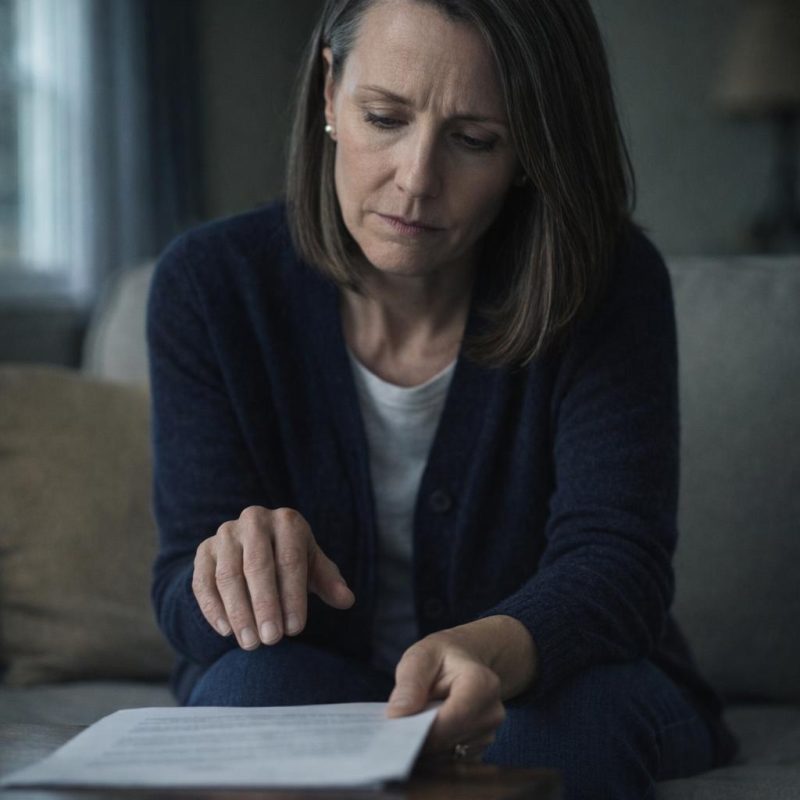 Image by RM AI
The Agreement Retrieved
I didn't sit down after that call. I went straight to the filing drawer in the spare bedroom — the one where I keep anything important — and pulled out the manila folder I'd labeled the day we signed. My hands weren't entirely steady. I carried the folder to the kitchen table and unfolded the agreement under the overhead light. It was all there. Three pages, clean and clear. The amount: forty thousand dollars. The repayment schedule: monthly installments beginning sixty days after closing. The terms: explicit, unambiguous, nothing left to interpretation. And at the bottom, three signatures — mine, Daniel's, and Amanda's, each one dated, each one witnessed. I read through it once slowly, then again. There was no language about gifts. No clause about reconsidering. No room for the reading Amanda had offered me on the phone. I stood at that table for a long moment, then made a photocopy on the little printer in the corner and put the original in the fireproof box I keep in the closet. Something had shifted in me during that call — a quiet, uncomfortable feeling that I needed to be more careful than I'd been. The copy went into a separate envelope. I wrote the date on the outside. Then I sat down and looked at those three signatures again — mine, Daniel's, and Amanda's — clear as the day we'd all signed.
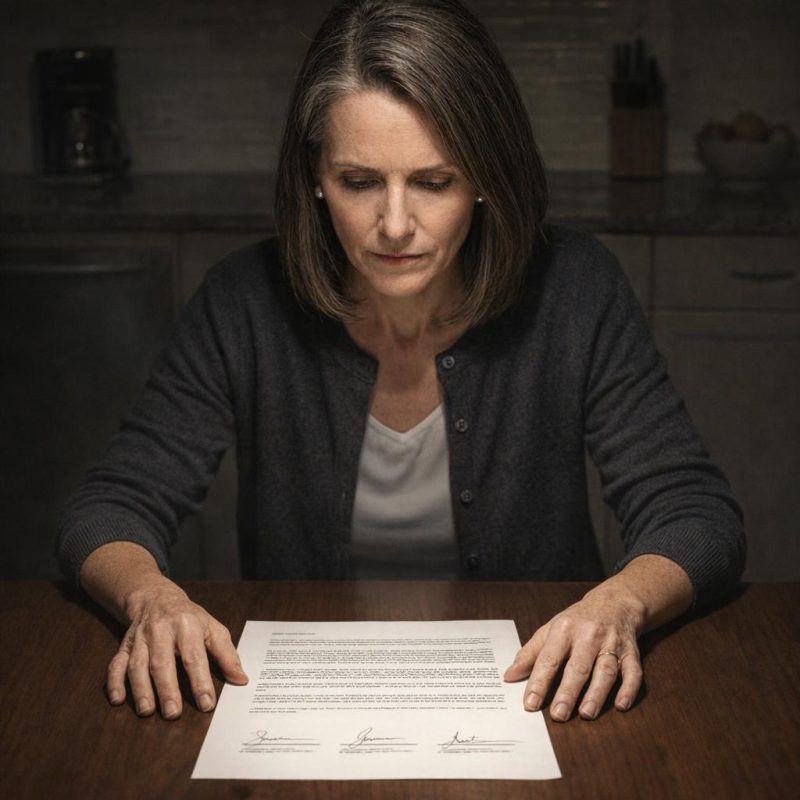 Image by RM AI
The Credit Expands
It was a Tuesday, maybe ten days later, when I ran into Pat at the grocery store — a neighbor I'd known casually for years, the kind of woman who always has something cheerful to say. She stopped me near the produce section and told me how lovely Daniel and Amanda's house was, that she'd driven past it and it was just beautiful. I said thank you. Then she said what a blessing it was that Amanda's parents had been able to help them the way they did. I asked what she meant. She said Linda and Robert had provided the down payment — the whole thing, she said, a real sacrifice for a couple their age. She mentioned a figure. Forty thousand dollars. I thanked her and said something polite and finished my shopping, though I couldn't have told you afterward what I put in the cart. I stood in the cereal aisle for a moment just trying to breathe. What I'd heard at the housewarming — Amanda's vague mention of her parents helping — had apparently grown into something else entirely. Linda and Robert were now being credited with every dollar I had loaned, and the neighbor said it with such warmth, such certainty, like it was simply a fact everyone already knew.
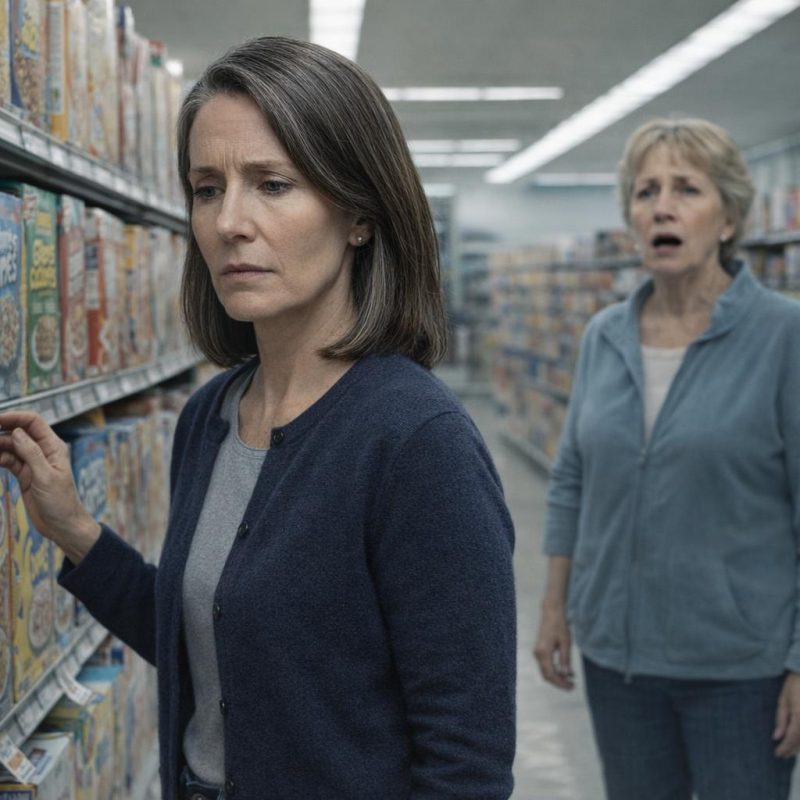 Image by RM AI
The Confidante
I'd been carrying all of it alone for weeks by then — the missed payments, the phone call about boundaries, Amanda's suggestion about the gift, the story I'd heard at the grocery store. I hadn't wanted to burden anyone. But that Tuesday evening I picked up the phone and called my old friend Margaret, someone I'd known for nearly thirty years, and I told her everything. I started at the beginning — the loan, the agreement, the housewarming, the slow pulling away. I told her about being turned away at the door, about Daniel's careful phone call, about Amanda suggesting the forty thousand had always been a gift. Margaret listened without interrupting, which is one of the things I've always loved about her. When I finally stopped talking there was a pause, and I could hear her thinking. She said it didn't sound like a misunderstanding to her. She said something felt off about the whole picture, that it didn't add up the way a simple family disagreement would. She said I wasn't imagining it, that I wasn't being too sensitive or too demanding. I felt something loosen in my chest just hearing that. And then she said the words I'd been circling around for weeks but hadn't let myself think: that it sounded like I was being pushed out.
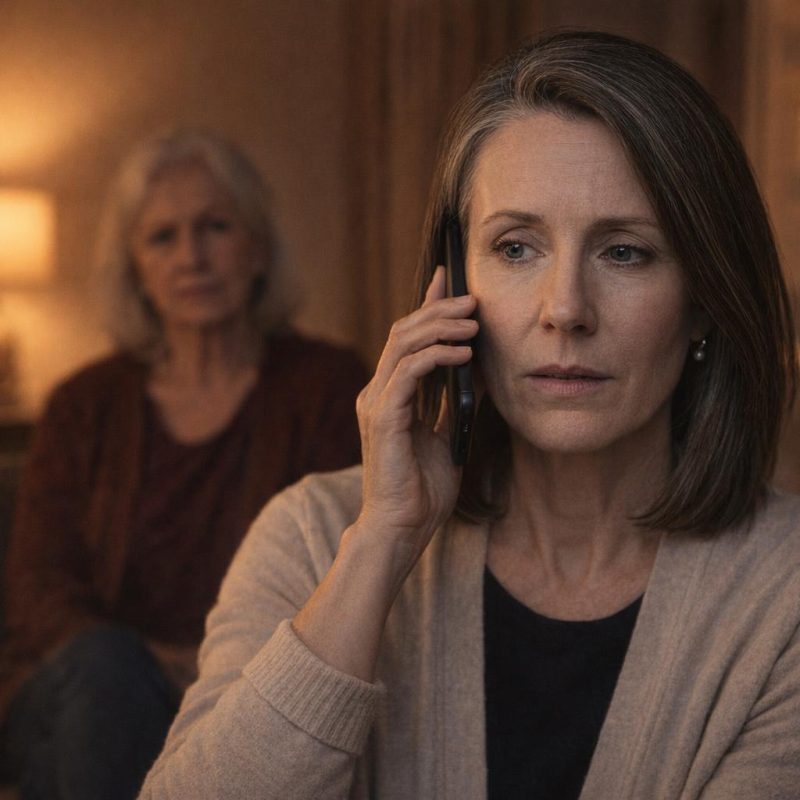 Image by RM AI
Legal Consultation
I thought about what Margaret said for two full days before I did anything. The idea of calling a lawyer felt wrong in a way I couldn't quite shake — like admitting that something had broken beyond what a family conversation could fix. This was my son. This was my granddaughter's home. People didn't lawyer up over family. Except the loan agreement was being ignored. The payments had stopped. And somewhere out there, a neighbor was repeating a story in which I didn't exist. I sat at the kitchen table on Thursday morning with my laptop and looked up family law attorneys in my area. I read through several websites, read a few reviews, tried to find someone who seemed measured rather than aggressive. I wasn't looking for a fight. I just needed to understand where I stood. I finally called an office that afternoon and spoke to a receptionist who was kind and matter-of-fact, and I scheduled a consultation for the following Tuesday. When I hung up I felt sick and relieved at the same time, which is a strange combination. I pulled out my copy of the loan agreement and my folder of payment records and set them on the table beside my purse, ready to bring. The weight of needing legal protection from my own son's family settled over me and didn't lift.
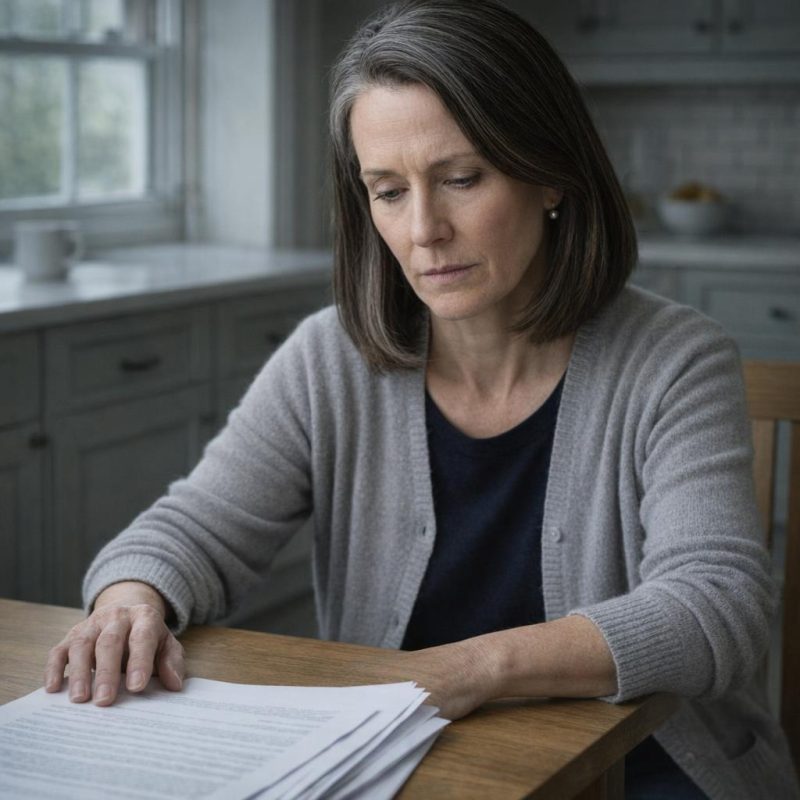 Image by RM AI
The Attorney's Office
The attorney's office was on the third floor of a quiet building downtown, and I arrived ten minutes early with my folder tucked under my arm. The lawyer was a woman in her fifties, composed and direct, with reading glasses she pushed up when she looked at documents and let drop when she looked at me. I laid out the loan agreement and my payment records on the desk between us and walked her through everything from the beginning. She read through the agreement carefully, asked a few clarifying questions about the terms, then set it down and asked how often I was seeing my son these days. I told her I hadn't seen Daniel in over a month. She asked how we communicated. I said most things seemed to go through Amanda. She asked whether anyone had ever suggested I was being controlling or manipulative with money. I paused. I told her about Daniel's phone call, the one about healthy boundaries, the one where he couldn't name anything specific I'd done. She wrote something down. She said she'd seen situations with a similar shape before, and that the signed agreement was a meaningful document. She asked a few more questions, and I answered each one as honestly as I could. By the time we finished I felt steadier than I had in weeks, but also hollowed out — sitting across from a stranger, explaining in plain language how my own family had stopped speaking to me.
 Image by RM AI
Elder Financial Abuse
She asked, near the end of our meeting, whether I knew what was being said about me outside the family. I told her I didn't know what she meant. She said that before our appointment she had made some inquiries — she didn't say how — and that Amanda had been speaking to people in the community about the loan. I asked what she'd been saying. The lawyer set her pen down and looked at me directly. She said Amanda had been characterizing the forty thousand dollars not as a loan I had given, but as a form of financial manipulation — that I had used money to insert myself into Daniel and Amanda's life, to maintain control over their decisions, to keep my son dependent on me. She said the phrase that had come up, in more than one conversation, was elder financial abuse — but that in Amanda's telling, I was the one committing it. The lawyer said it was something she'd encountered before in estrangement situations, that it worked by getting ahead of any complaint the other party might make. I sat very still in that chair. I thought about the loan agreement in my folder, the signatures, the payment schedule, the groceries I'd brought, the Saturday morning visits, the questions about Emma's school play. Then the lawyer looked at me and said: 'She's been telling people you're financially abusive toward your son.'
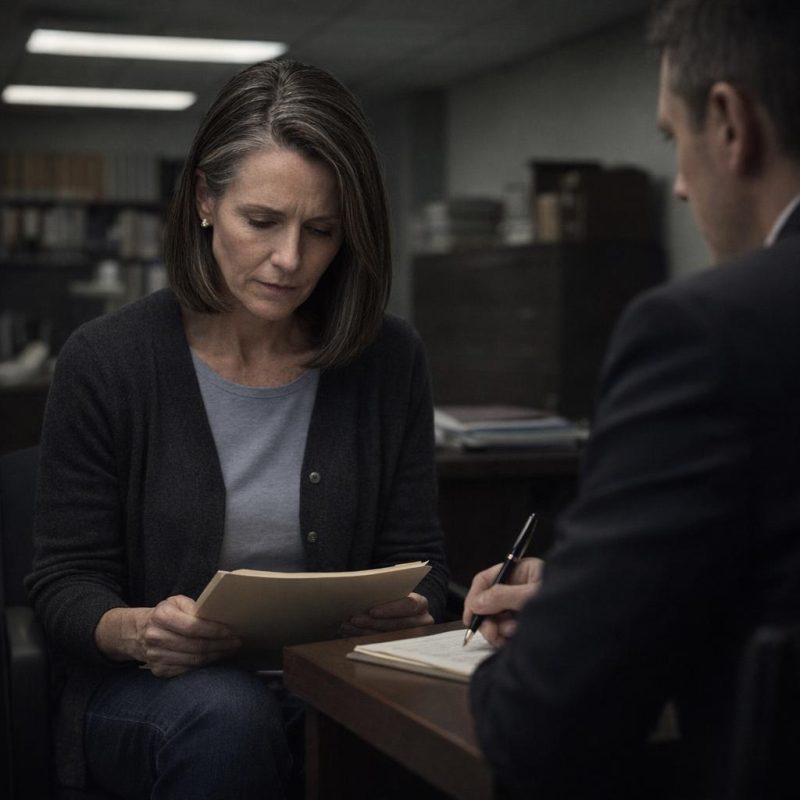 Image by RM AI
The Manipulative Mother
The lawyer wasn't finished. She told me that part of what she'd uncovered came from therapy records — not the sessions themselves, but references made in correspondence between Amanda and the therapist's office about scheduling and treatment goals. Daniel had been attending couples therapy with Amanda for several months. In those sessions, according to what the lawyer had pieced together from secondary sources, my behavior had been a recurring subject. The loan had been framed as a control mechanism. My Saturday visits had been described as boundary violations — unwanted intrusions into their family space. The groceries I brought, the small gifts for Emma, the check-ins — all of it had been presented as a pattern of creating obligation and dependency. The lawyer said Daniel had apparently come to believe that I couldn't let him be his own person, that my generosity was really about keeping him tethered to me. I sat there trying to hold that thought steady. I thought about the Saturday mornings I'd driven over with soup or a casserole, how Emma would run to the door, how Daniel would hug me at the threshold. I had thought those were just ordinary moments of love. Sitting in that chair, I understood that somewhere along the way, those same moments had been turned into evidence against me.
 Image by RM AI
Digital Footprints
After the meeting, the lawyer suggested I look more carefully at social media — specifically at what I might have been blocked from seeing. I'm not particularly tech-savvy, but my neighbor's daughter helped me set up a secondary account with a different email address. It took about an hour before I found what I hadn't been meant to find. Amanda was active in several private parenting groups, and enough of her posts were visible through shared group threads that I could read them. The earliest one I found was dated just three weeks after the loan agreement was signed. She wrote about a difficult mother-in-law who struggled to respect the boundaries of a new household. She described unwanted visits. She mentioned gifts that felt less like generosity and more like a way of staying present in spaces where she hadn't been invited. The comments were full of sympathy. Other women told her she was handling it beautifully, that protecting her family took courage. Amanda thanked them and said she was working on it. I sat there reading post after post, my hands shaking as I took screenshots. None of it was explicitly cruel. There were no names, no accusations I could point to directly. But as the posts accumulated across months, I began to feel something cold settle in my chest — the picture that seemed to be taking shape, post by careful post, looked less and less like anything I recognized as myself.
 Image by RM AI
Financial History
The lawyer called me two days later. She said she'd run a background check on Amanda as part of standard case preparation, and she'd found something I needed to hear. About five years ago, before Amanda and Daniel were married, Amanda had a serious falling out with her aunt — her mother Linda's sister. The aunt had loaned Amanda and a boyfriend money, a significant amount, to help them get on their feet. After the loan was signed, the aunt gradually stopped being included in family gatherings. According to what the lawyer had found in the documents, the aunt had been described as controlling, as someone who used money to insert herself into situations where she didn't belong. Sound familiar, the lawyer said, and I told her to keep going. The aunt eventually hired an attorney and sued to recover what she was owed. The case was settled out of court. There was a non-disclosure agreement, which was why it had taken some digging to find. The lawyer said the sealed documents showed a pattern of disputed characterization — the aunt claiming it was a loan, Amanda's side claiming it had always been understood as a gift. I sat very still on my end of the phone. The aunt had loaned money, been pushed out, been labeled the problem, and then been taken to court just to get back what she'd given. And then the lawyer said: the aunt's name was in the documents — and it was the same pattern, almost word for word, as what was happening to me now.
 Image by RM AI
The Pattern Emerges
I sat at my kitchen table that evening with a legal pad and wrote everything down in order. Not because I needed to — I hadn't stopped thinking about it for days — but because I needed to see it laid out in front of me. The loan was signed in March. The request for privacy came within the same week. At the housewarming, Linda and Robert were thanked publicly while I stood near the back of the room. The Saturday visits started being met with shorter windows, cooler greetings. The gifts for Emma began prompting polite but pointed comments about not wanting her to expect things. The therapy language about boundaries appeared in Daniel's vocabulary sometime around autumn. The suggestion that the loan might be considered a gift came after the payments stopped. The social media posts seemed to form a pattern I hadn't noticed before — post after post, quietly accumulating, and I found myself wondering if they had been part of something larger all along. And then there was the aunt — a woman I'd never met, who had been through something that looked, from where I was sitting, almost identical to this. I stared at the list for a long time. Each item on its own had felt like a misunderstanding, a rough patch, a family going through an adjustment. But written out in sequence, one after another, the shape of it was impossible to ignore — every piece pointed in the same direction.
 Image by RM AI
The Inheritance Play
The lawyer called again on a Thursday morning. She said she had one more thing, and her voice was careful in a way that made me sit down before she finished the sentence. She had found records — through a contact in the legal community — showing that Amanda had consulted with two estate planning attorneys over the past year. The questions Amanda had asked in those consultations centered on inheritance rights, on how to contest a will, on the legal standards for claiming undue influence or diminished capacity. She had asked specifically about what kind of documented history would be needed to support a competency challenge. The lawyer walked me through what that meant in plain terms. The estrangement narrative didn't just serve the purpose of pushing me out of Daniel's life. A documented record of me as manipulative and unstable could be used, after my death, to challenge my will. The loan, reframed as a gift, would erase the debt. Any remaining assets I had could be contested on the grounds that I had exerted undue influence over my own son — or that I hadn't been competent to manage my affairs. I sat there holding the phone against my ear long after the lawyer stopped talking. Then she said: the records showed Amanda had also been asking those attorneys about how to ensure a surviving spouse — meaning Daniel — would have standing to make those claims on her behalf.
 Image by RM AI
The Architect of Erasure
I stayed in the house all day after that call. I didn't turn on the television. I didn't call anyone. I just sat with it. I thought about the morning Daniel called me, his voice tight with the effort of asking for help, and how I had said yes before he even finished the sentence. I thought about signing the loan agreement at my kitchen table, how I had felt proud of myself for having something to give. I thought about the housewarming, standing near the back of the room while Linda and Robert were thanked from the front. I thought about Emma running to the door on Saturday mornings, and how those visits had grown shorter and then stopped altogether. I thought about Daniel telling me, in that careful, rehearsed way, that they needed space. I thought about the aunt I'd never met, who had walked away from a fight that looked exactly like this one. I thought about Amanda consulting with estate attorneys while I was still bringing soup to their door. My son believed I was manipulative. My granddaughter had been kept from me. Everything I had given — the money, the time, the Saturday mornings, the love — had been recast as something to be used against me. I pulled the loan agreement out of the folder where I'd kept it, turned to the last page, and looked at the two signatures sitting side by side at the bottom.
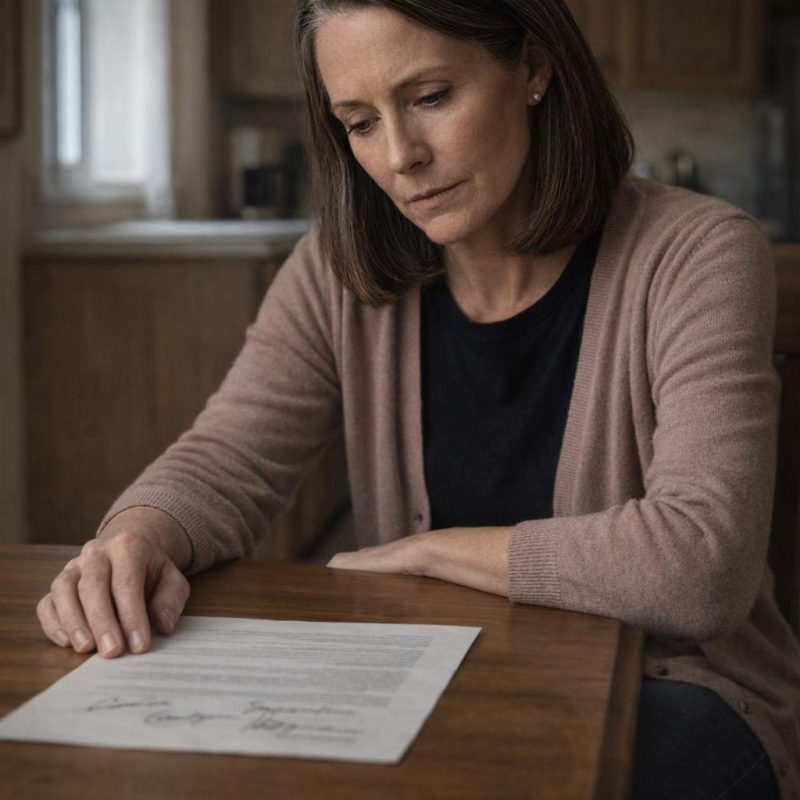 Image by RM AI
The Decision to Fight
I didn't sleep that night. I lay in the dark going through my options the way you do when you already know what you're going to decide but you need to give yourself time to get there. I could walk away. I could absorb the loss — the money, the relationship, the Saturday mornings — and let it be over. Part of me understood the appeal of that. The aunt had done it, and I didn't blame her. Fighting is exhausting in a way that's hard to explain to someone who hasn't had to do it, especially when the person you're fighting has already decided what the truth is. But every time I got close to talking myself into letting go, I thought about Daniel. Not the version of Daniel who had sat across from me and said they needed space in that careful, measured way. The Daniel I was thinking about was younger — the one who used to fall asleep in the car on the way home from his grandmother's house, the one who called me from college when things got hard. He was still in there somewhere, and he was being told a story about me that wasn't true. He deserved to know what was real, even if hearing it was going to hurt him. I called the lawyer the next morning and told her I was ready to move forward. My voice was steadier than I expected it to be.
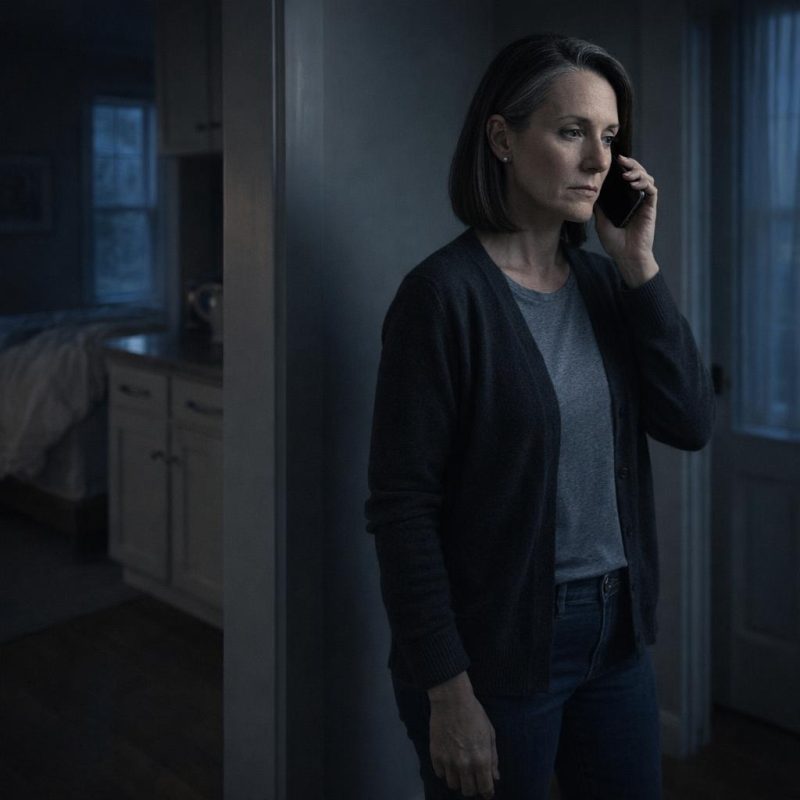 Image by RM AI
The Demand Letter
The lawyer drafted the demand letter over the following week. It was formal and precise — the kind of document that leaves no room for misinterpretation. It laid out the full loan amount, the signed agreement, the payment history, the date the payments stopped. It referenced the social media posts and the false narrative that had been built around the loan. It noted, in careful legal language, the consultations Amanda had made with estate planning attorneys. It requested full repayment of the outstanding balance within ten days of receipt and stated that failure to respond would result in further legal action. The lawyer read it to me over the phone before she sent it. I asked her to read the opening paragraph twice. Then I told her to send it. She sent it via certified mail, which meant there would be a record of exactly when it arrived and who signed for it. I knew what was coming. Amanda would not receive that letter quietly. There would be calls, there would be a counter-narrative, there would very likely be an escalation I couldn't fully predict. But the truth was on paper now, documented and dated, and it was moving toward their front door. I sat in the quiet of my living room that afternoon, and the weight of what I had set in motion settled over me like something I had been carrying for a long time and had finally agreed to put down.
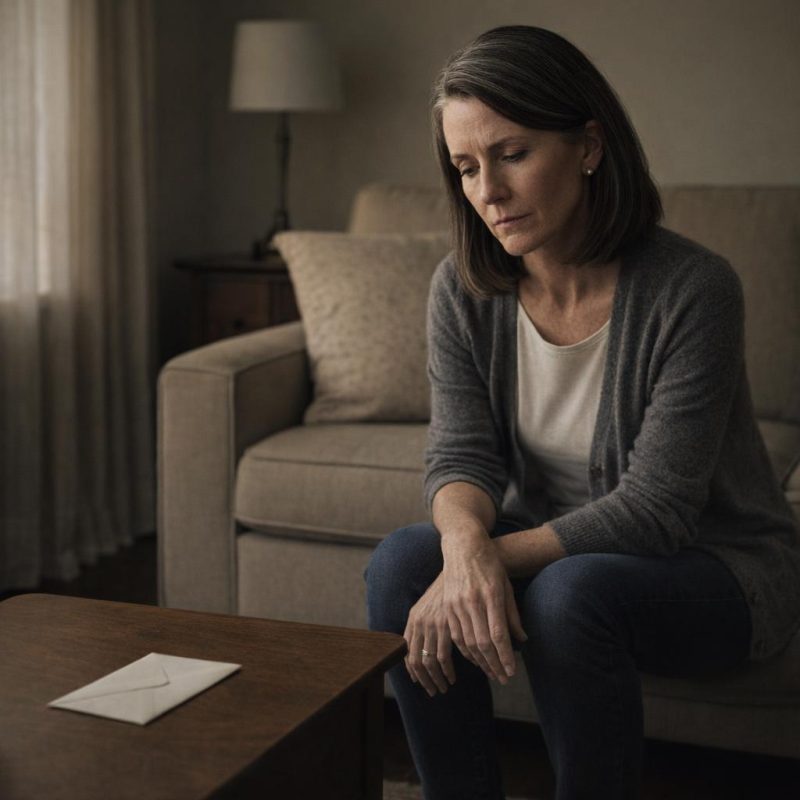 Image by RM AI
Amanda's Counterstrike
The response arrived six days after my lawyer sent the demand letter. I knew something was wrong the moment I saw the return address — a different law firm, one I didn't recognize. I opened it at the kitchen table and read it standing up, which I never do. The letter claimed I was harassing Daniel and Amanda. It characterized the demand letter as evidence of my controlling and manipulative behavior toward their family. It stated, in formal legal language, that the loan had always been intended as a gift, and that my attempt to collect repayment constituted financial extortion. Then it mentioned elder abuse — not as something I had suffered, but as something I was allegedly committing against them by exerting financial pressure. I read it three times. My lawyer called within the hour. She said this was exactly what she'd expected — a pressure tactic designed to make me feel like the aggressor. She asked if I wanted to continue. I didn't hesitate. I said yes. But I sat there after we hung up, the letter face-up on the table, thinking about how completely Amanda had turned the whole story inside out — and then I read the final paragraph again: a formal threat of a restraining order for elder abuse and harassment if I made any further contact.
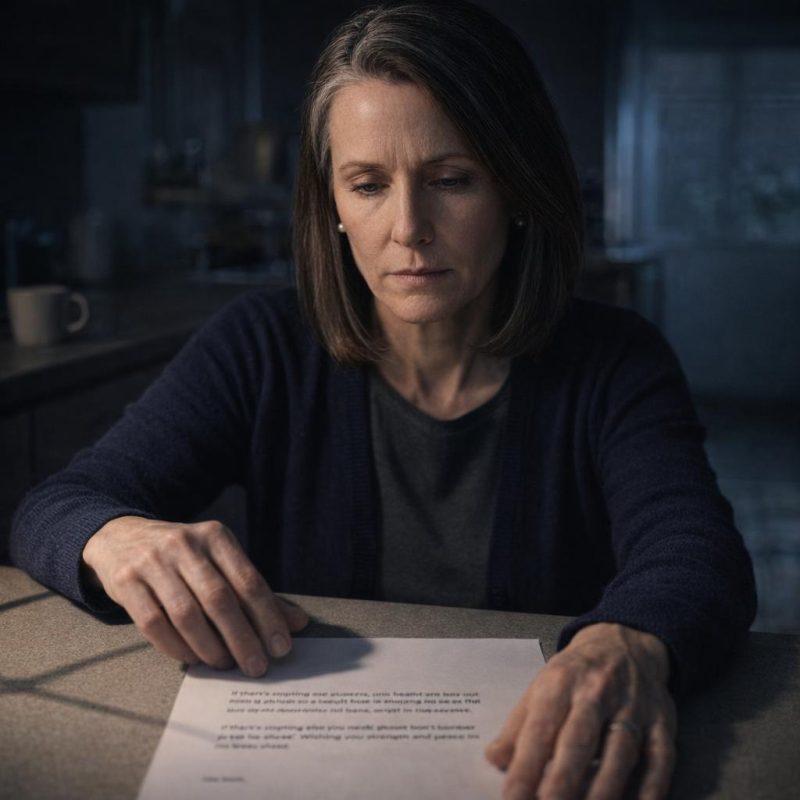 Image by RM AI
Daniel's Confusion
My phone rang two days later and Daniel's name came up on the screen. My heart did something complicated — relief and dread at the same time. I answered before the second ring. His voice was tight in a way I had never heard from him, not even when he was a teenager and furious with me. He asked why I had sent a lawyer after them. I told him calmly that I had tried to reach him for months and gotten no response. He said they'd been going through a hard time financially and I should have just talked to him. I told him I had tried. He went quiet for a moment, then said I was the one who had stopped coming around. I felt the ground shift under me. I asked him what Amanda had told him about the demand letter. He said she'd shown it to him and she was devastated. He said I was trying to destroy their family. I told him that wasn't true — I just wanted the loan repaid the way we had agreed. His voice dropped, and he said the loan was a gift, that's what family does. I recognized those words. They weren't his. Then he said, "Mom, Amanda told me you're trying to take our house away."
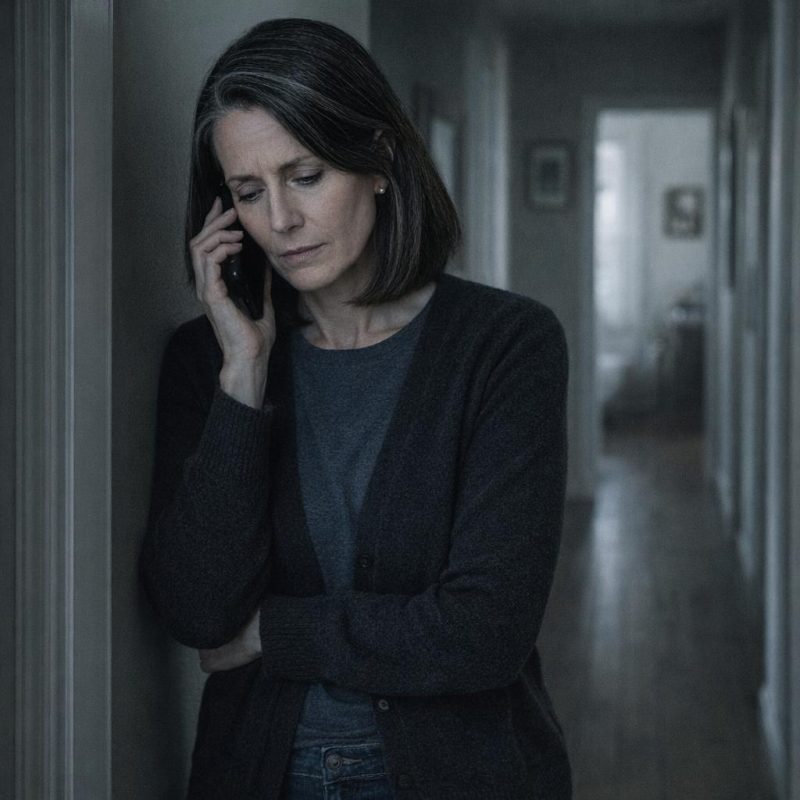 Image by RM AI
The Coffee Shop Meeting
I asked Daniel to meet me in person. He hesitated long enough that I thought he was going to say no, but eventually he agreed — a coffee shop neither of us had been to before, halfway between our homes. I got there first and chose a table near the window. When he walked in, he looked tired in a way that went past sleep. He sat down across from me with his arms crossed and his eyes somewhere between guarded and sorry. I thanked him for coming. He said he didn't have much time. I told him I just needed him to listen for a few minutes, and he gave me a small nod. I asked him what he remembered about asking for the loan. His version of events matched mine in the facts but not in the feeling — he said he'd felt pressured to accept my terms. I reminded him gently that he'd read the agreement carefully, that he'd seemed proud of the plan. He shifted in his chair. I asked about the Saturday visits, and he said they'd felt intrusive. I told him I had always called ahead after Amanda asked me to, every single time. He looked at the table. The coffee between us went cold, and the distance across that table felt wider than the miles between our houses ever had.
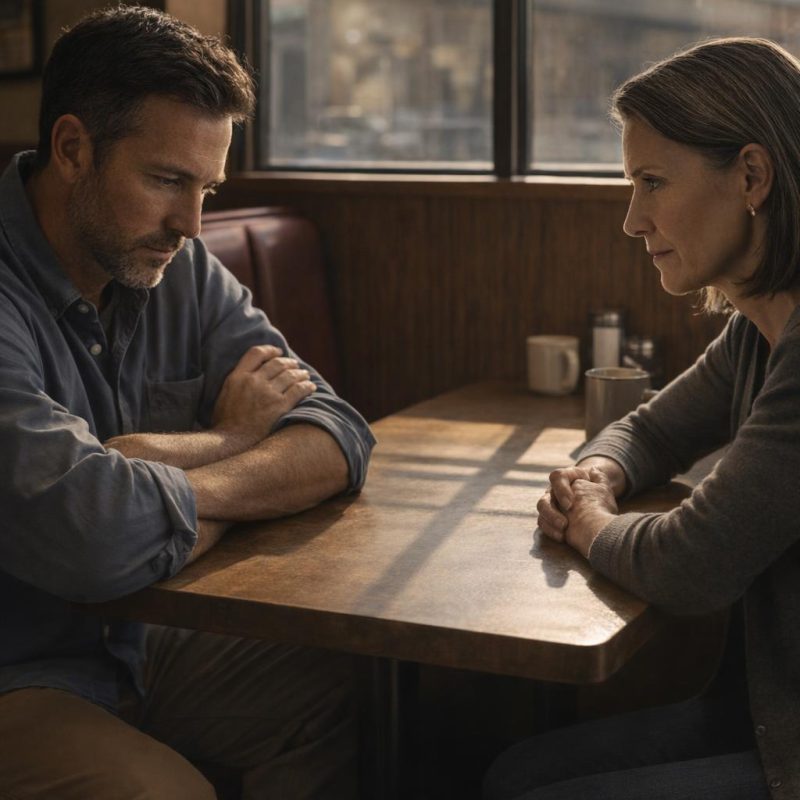 Image by RM AI
The Evidence Presented
I reached into my bag and pulled out the folder I'd brought. I set it on the table between us without saying anything. Daniel looked at it the way you look at something you're not sure you want to touch. I slid the original loan agreement across to him. He stared at it for a long moment before picking it up. I watched him read through the terms — the repayment schedule, the interest rate we'd agreed to waive, the conditions we'd both signed off on. He paused near the bottom of the page. I knew where he was. His own signature, in his own handwriting. He said he remembered signing it but that Amanda had told him it was just a formality. I showed him the payment records next — two payments received, then nothing, with the dates printed clearly. I showed him the log of calls and texts I'd sent with no response. I showed him the timeline of my visits and exactly when they stopped. He looked confused in a way that seemed genuine, like the pieces were refusing to fit together. I asked him when Amanda first brought up the idea of boundaries. He said it came up in therapy, a few months after they moved in. I asked him to give me a specific example of something I had done that crossed a line. He opened his mouth, then closed it. Everything he offered was vague. He sat there holding the agreement, his eyes moving back to his own signature.
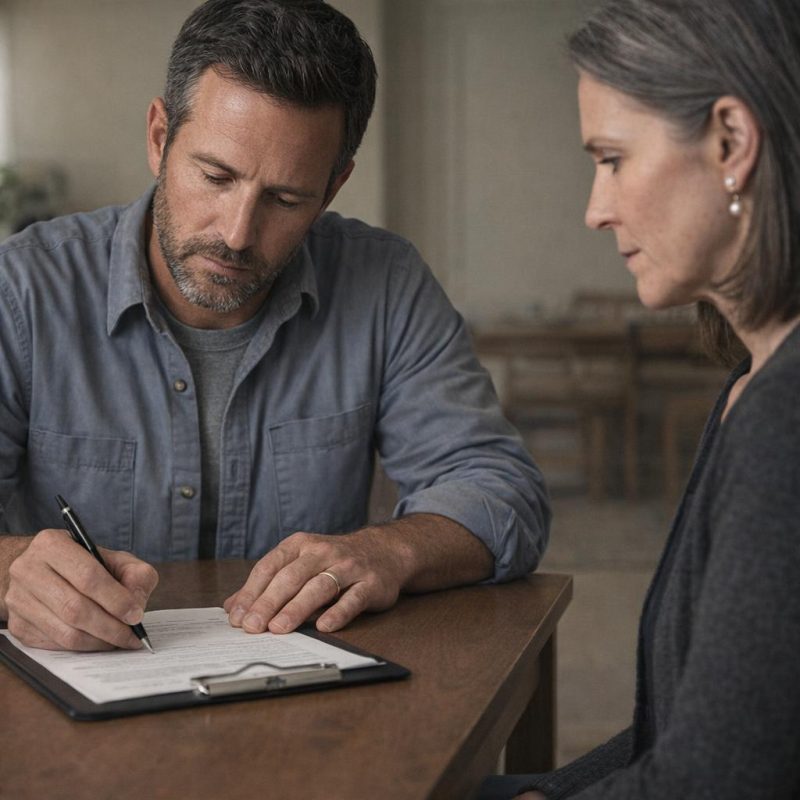 Image by RM AI
The Unraveling
I asked him about the claim that I showed up unannounced constantly. He described it with such certainty at first — but when I pulled up my phone and showed him the call log, every visit preceded by a text or a call, his certainty faltered. He looked at the screen for a long time without speaking. I asked about the gifts and groceries, the accusation that I was creating obligation. I asked him honestly — had he ever felt obligated, or had he just felt grateful? He paused. Then he said, quietly, that he'd been grateful. I asked about the housewarming party, about the speech where Amanda credited her parents with the down payment. He said he hadn't known she was going to say that. I asked why he hadn't corrected it. He said he didn't want to embarrass anyone. I asked, as gently as I could, whether Amanda had suggested he stay quiet. His face changed. He didn't answer. I told him then about the estate attorney consultations — what my lawyer had found. He said that was impossible, that Amanda wouldn't do that. I slid the documentation across the table. He picked it up slowly. I didn't say anything while he read it. I just watched his face, and somewhere in the middle of that page, something in his expression shifted — like a door he hadn't known was closed had just come open.
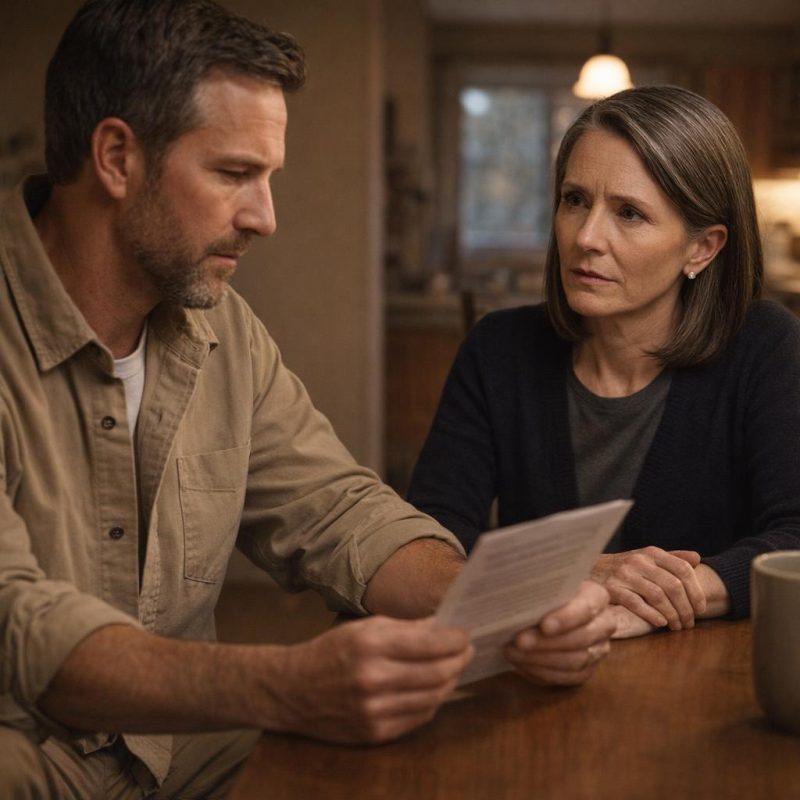 Image by RM AI
The Confrontation at Home
Daniel left the coffee shop without saying much. He hugged me before he went, which I hadn't expected, and I held on a beat longer than I meant to. I drove home and tried not to think too hard about what would happen when he walked through his front door. I didn't have to wait long. He called me that evening, his voice rough. He said he'd found Amanda in the kitchen and asked her directly about the estate attorney. She denied it at first. He showed her the documentation. He said her expression changed in a way he'd never seen before — not hurt, not surprised, just calculating. She told him I was manipulating him again. He asked about the loan agreement, and she said it had always been meant as a gift, that I had pressured them into signing terms they never intended to honor. He asked her why she'd told people her parents provided the money. She said it was easier than explaining complicated family dynamics. He said he pushed her for specifics about what I had done that was so controlling, and she couldn't give him a single concrete example. The argument escalated from there. He said her voice went cold and flat, and then she said it plainly — that she had never planned to repay the loan.
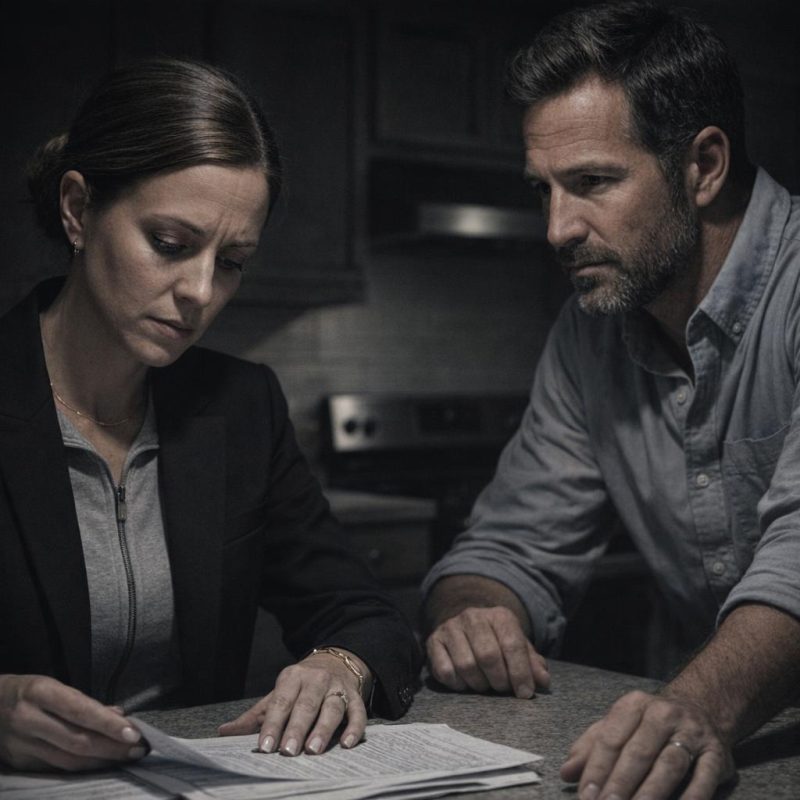 Image by RM AI
The Marriage Fractures
Daniel called me the next morning. I almost didn't recognize his voice — it had gone hollow in a way that made my chest ache. He said he and Amanda were separating. He'd moved into the guest room. Amanda was telling him he was choosing me over his wife, and he said he told her he was choosing the truth. I listened without interrupting. He said Amanda had already started calling family members — her version of events, her framing, Linda and Robert rallying around her. He said he didn't know what had been real and what hadn't, that he was going back through years of memories trying to figure out which ones he could trust. I told him I was sorry. I meant it without reservation. He said he was sorry too — sorry he hadn't seen it sooner. Then he asked if I could forgive him. I told him there was nothing to forgive, that he had been caught in something designed to keep him from seeing clearly, and that none of that was his fault. He went quiet for a moment. Outside my window, the neighbor's sprinklers came on, and I stood there holding the phone, thinking about the house on Maple Street — the one I had helped them buy — now sitting at the center of everything falling apart inside it.
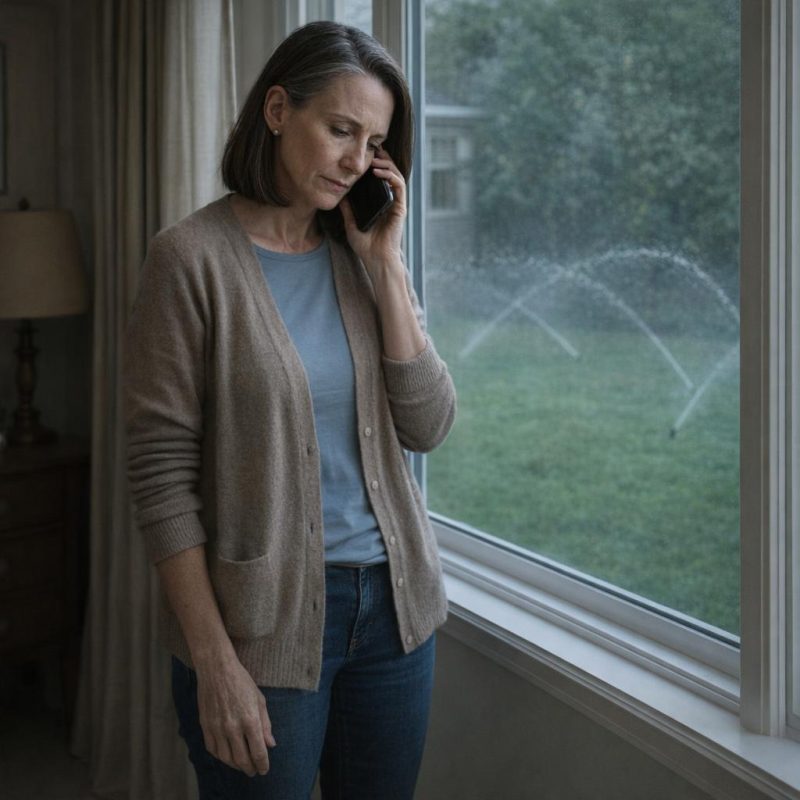 Image by RM AI
The Separation
Daniel found an apartment within two weeks and moved out on a Thursday. Amanda was threatening to fight for full custody of Emma, which was the part that kept me up at night — my granddaughter caught in the middle of something she hadn't asked for and couldn't understand. The house on Maple Street was part of the asset division now, with Amanda pushing to keep it and Daniel's attorney pointing out that his mother's loan had funded the down payment. I tried not to think about the legal machinery grinding away at all of it. Then Daniel came to see me at my house on a Saturday afternoon. He looked exhausted, but there was something clearer in his eyes than I'd seen in a long time. He sat down at my kitchen table and set an envelope in front of me. I asked him what it was. He told me to open it. Inside was a check for the full outstanding loan balance. I asked him where he'd gotten it. He said he'd taken a loan against his 401k. He said he wasn't going to let Amanda's choices erase what I had done for them, that he needed to make it right. I tried to hand it back. He pushed it gently toward me and said, "Mom, please." I looked down at the check, then back at him, and I didn't argue anymore.
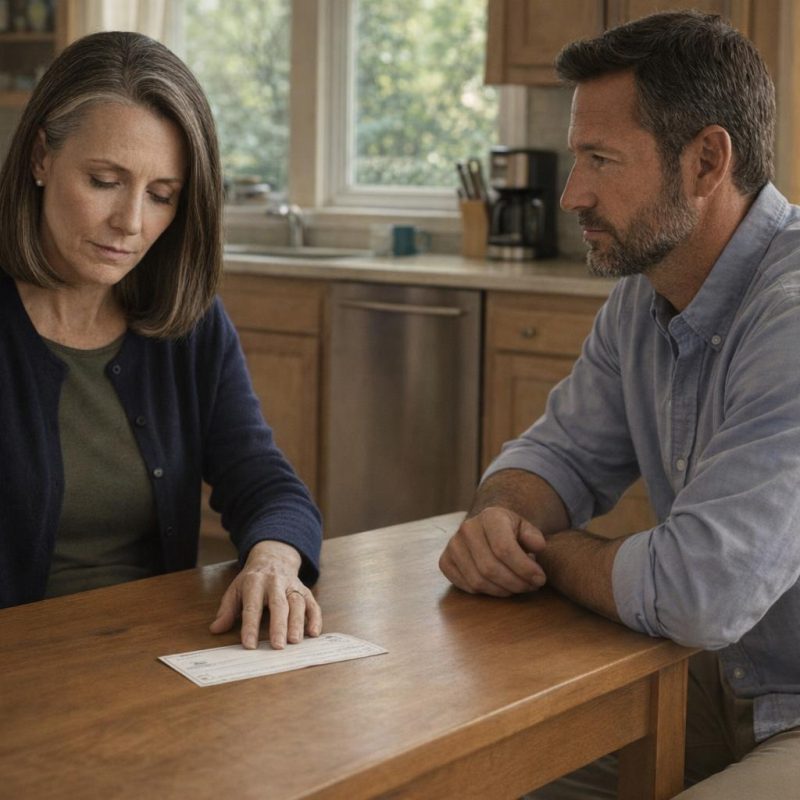 Image by RM AI
The Apology
After he handed me the check, we sat there for a long time without saying much. Then Daniel looked up at me and said he needed to tell me something, and the way he said it made me set my coffee cup down. He went through it all — the Saturday visits, the groceries, the housewarming party, the months of silence. He said he'd been going back through the timeline in his head, incident by incident, and every single thing Amanda had framed as me being controlling was just me being his mother. He said he was ashamed it had taken him this long to see it. His voice broke when he apologized for not defending me at the housewarming. He apologized for the silence. He apologized for letting her erase me from their lives. I told him I understood — that Amanda is very good at what she does, and that he hadn't been weak, he'd been targeted. He asked me how I could forgive him. I told him because he's my son and I love him, and that's not something that switches off. We both cried. He said he wanted to rebuild what we'd had. I told him I wanted that too, but that it would take time and honesty. He nodded and reached across the table and took my hand, and that small, careful gesture was where we decided to start.
 Image by RM AI
Family Therapy
It was Daniel who suggested therapy, which surprised me a little — he'd always been the kind of person who preferred to work things out quietly on his own. But he said he didn't trust himself to do this right without some help, and I respected that more than I could tell him. We found a therapist who specialized in family reconciliation, and the first session was harder than I expected. Sitting across from my son in a stranger's office, trying to put words to something that had taken years to build and months to destroy — it wasn't easy. But the therapist helped us name what had happened. She explained how alienation tactics work, how they're gradual and how they exploit the people who love each other most. Daniel processed his guilt out loud in a way I don't think he'd ever done before. I processed my own grief — the loneliness of those months, the confusion, the self-doubt. Over the following weeks, things shifted slowly. Daniel started calling me regularly again. We met for coffee on Thursdays. The conversations were more honest than they'd been in years, maybe ever. We were both still healing, both still figuring out what the new shape of things looked like, but we were doing it together, and that made all the difference.
 Image by RM AI
Weekends with Emma
When Daniel asked if Emma could stay with me on Saturday nights as part of his custody weekends, I said yes before he finished the sentence. The first time she came, she stood in my doorway with her little overnight bag and looked around my living room like she was trying to remember where everything was. She was quieter than I'd ever seen her. I didn't push. I just said I thought we should make cookies, and something in her face relaxed. We stood at the counter together, her on the step stool she'd used since she was five, and we measured and stirred and didn't talk about anything heavy. At one point she asked me why she hadn't seen me for so long. I told her that sometimes grown-ups make mistakes, and that I was sorry she'd been caught in the middle of ours. She thought about that for a moment and then went back to stirring. Over the following weekends, she came back more like herself — bringing drawings to show me, talking about her friends at school, asking if we could go to the library. Daniel picked her up Sunday evenings, and every time she hugged me goodbye at the door, she held on a little longer than the time before, and I let myself hold on too.
 Image by RM AI
The New Foundation
Six months out, Daniel's divorce was still moving through the courts, but the shape of our lives had settled into something I could recognize. The house on Maple Street was being sold. Amanda had limited custody and supervised visitation. Daniel was starting over in a lot of ways, and so was I. I'd deposited his repayment check and sat with my attorney to update my will and put proper documentation around any future financial help — not because I'd stopped trusting my son, but because I'd learned that love without clarity leaves too much room for things to go wrong. Daniel understood that. We talked about it openly over Sunday dinners, the three of us around my kitchen table, Emma drawing on the back of a paper bag while the pasta finished cooking. We were building new traditions out of what was left, and they felt more solid than the old ones because nobody was pretending. I'd learned that generosity has to come with honesty attached, or it becomes something other people can use against you. Daniel had learned that protecting a relationship sometimes means being willing to disappoint someone else. We'd both paid for those lessons. But sitting at that table on a quiet Sunday evening, watching Emma hold up her drawing for her father to see, what I felt wasn't loss — it was the particular steadiness of something built on ground that had finally been cleared.
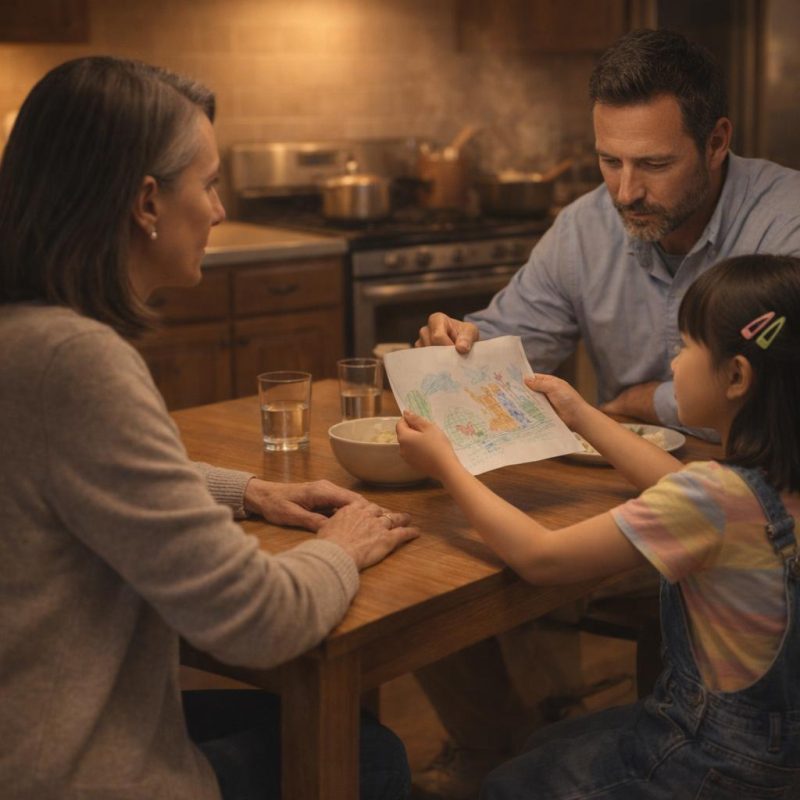 Image by RM AI
KEEP ON READING
The Day the Sun Didn’t Rise: The Unexplained New England…
Alina Nichepurenko on UnsplashImagine waking up on a spring morning,…
By Sara Springsteen Jun 18, 2026
20 Facts About Animal Symbolism In Paintings
The Sacred Clues Across History. Animal symbolism is a detail…
By Elizabeth Graham Jun 18, 2026
How a Single Telegram Pushed America Into World War I
Sammie Sander on PexelsThe year is 1917, and the United…
By Cameron Dick Jun 18, 2026
The Marriage Bed As A Political Object
Fæ on WikimediaA bed is naturally a private space—it's where…
By Elizabeth Graham Jun 18, 2026
20 Most Inappropriate Relationships From History
Private Attachments With Public Consequences. It’s easy to think of…
By Annie Byrd Jun 18, 2026
How Early Navigation Techniques Guided Explorers Across Oceans
Maël BALLAND on PexelsLong before satellites, digital maps, and advanced…
By Rob Shapiro Jun 18, 2026