

I Let My Entitled In-Laws Stay At My $4M Beach House For A Month—The Hidden Camera Footage Made Me Cancel Their Flight Home
I Let My Entitled In-Laws Stay At My $4M Beach House For A Month—The Hidden Camera Footage Made Me Cancel Their Flight Home
The Glass House on the Cliff
I built this house the way you build anything worth keeping — slowly, carefully, and at a cost most people wouldn't pay. Fifteen years of eighty-hour weeks, of red-eye flights and missed dinners and saying yes to every project that came across my desk, all of it funneled into four thousand square feet of glass and reclaimed cedar perched above the Pacific. The architects called it a modernist sanctuary. I just called it mine. Floor-to-ceiling windows on the ocean side so the light moves through the rooms all day like something alive. Reclaimed oak underfoot, warm and slightly uneven in the way only old wood gets. A library with a rolling ladder and first editions I'd hunted down over a decade. Every room smelled like salt air and cedar and the particular quiet that only exists when you're far enough from everything else. Mark had helped me pick the tile in the master bath, and I loved him for that. He was good at the details when he wanted to be. He'd told me his family was excited, that a month by the ocean would mean everything to them, and I believed him. I wanted to believe him. That evening I stood on the balcony with a glass of wine, the sun dropping into the water, and let myself feel ready for tomorrow.
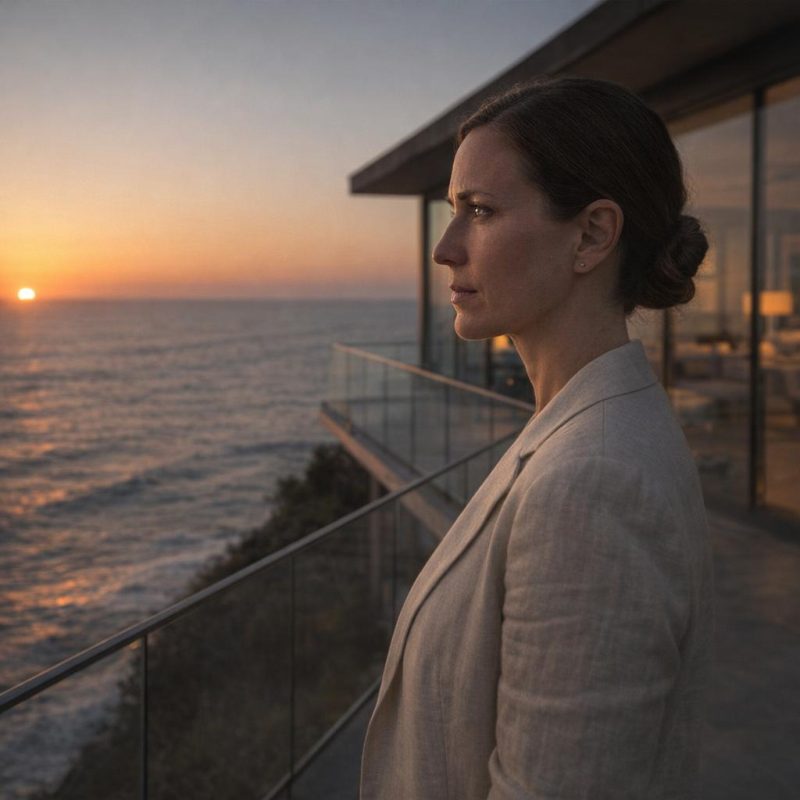 Image by RM AI
The Arrival
They arrived just after noon in two white rental cars, luggage stacked so high in the second one I could see it shifting through the rear window as they pulled up the gravel drive. I'd set out a pitcher of sparkling water with cucumber and a tray of local cheeses on the entry table — small things, but intentional. Mark went down the steps first and I followed, smiling, arms open. Sylvia stepped out of the lead car in a pressed linen blazer and took one long, slow look at the house. Not the kind of look that says wow. The kind that takes inventory. Gerald climbed out behind her, squinting into the sun, and gave me a polite nod. Derek hauled a duffel bag over one shoulder and said nothing. Brandon grinned and said the place looked insane, which I took as a compliment. Chloe had her phone out before she'd even closed the car door, photographing the facade. I showed them inside, pointed out the refreshments, told them to make themselves at home — and meant it. Sylvia walked through the entry slowly, trailing one hand along the wall, and said something about how modern architecture always felt a little cold to her. I told myself it was just an observation. Then, as I turned toward the kitchen, I caught the tail end of something she said to Gerald — low, almost swallowed by the sound of the ocean — and the only word I caught clearly was 'excessive.'
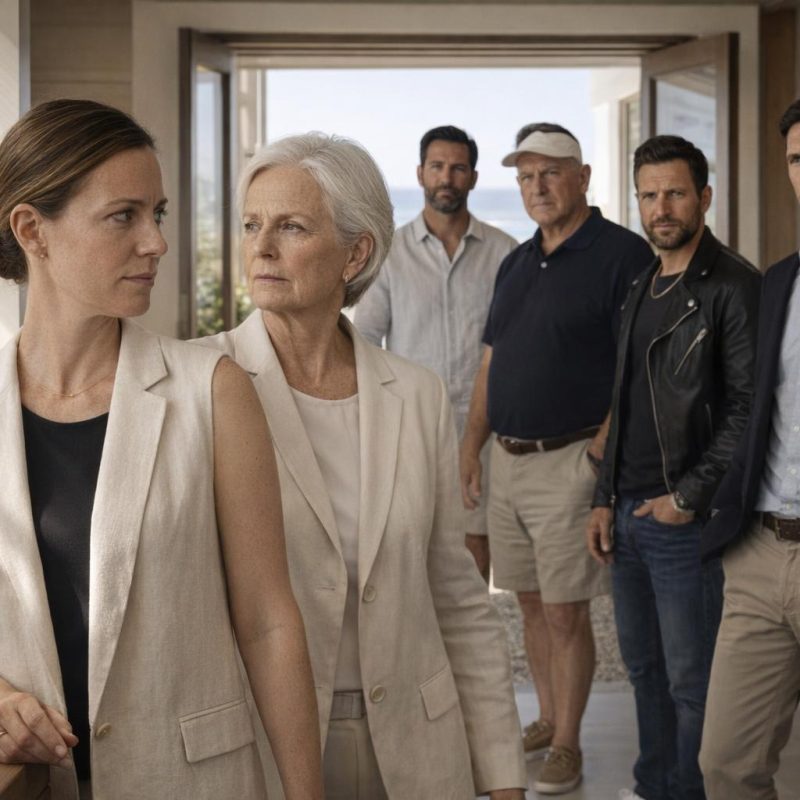 Image by RM AI
The First Dinner
I'd spent most of the afternoon in the kitchen. Wild-caught salmon from the fish market in Carmel, roasted vegetables with herbs from the garden on the south side of the house, a lemon butter sauce I'd been making for years. I set the table with the handmade ceramic plates I'd commissioned from a potter in Ojai — cream-colored, slightly irregular, the kind of thing that takes time to appreciate. Everyone sat down facing the ocean, the last of the daylight going gold on the water, and for a moment it felt like it might actually be a good evening. Then Sylvia looked around the table and said, almost to herself, that it was funny — four guest bedrooms for just two people. She said it the way people say things they want you to hear. Chloe asked what I did for work, and when I explained, she nodded in a way that suggested she'd already formed an opinion. Derek said something about how there were different kinds of success, and let the sentence hang there. Brandon said the salmon was incredible, and I thanked him, and then Sylvia redirected the conversation to a cousin's new kitchen renovation and the moment passed. I kept my expression even and refilled the water glasses. By the time I cleared the plates, the table had gone quiet in a way that had nothing to do with the ocean outside, and I sat with that silence long after the dishes were done.
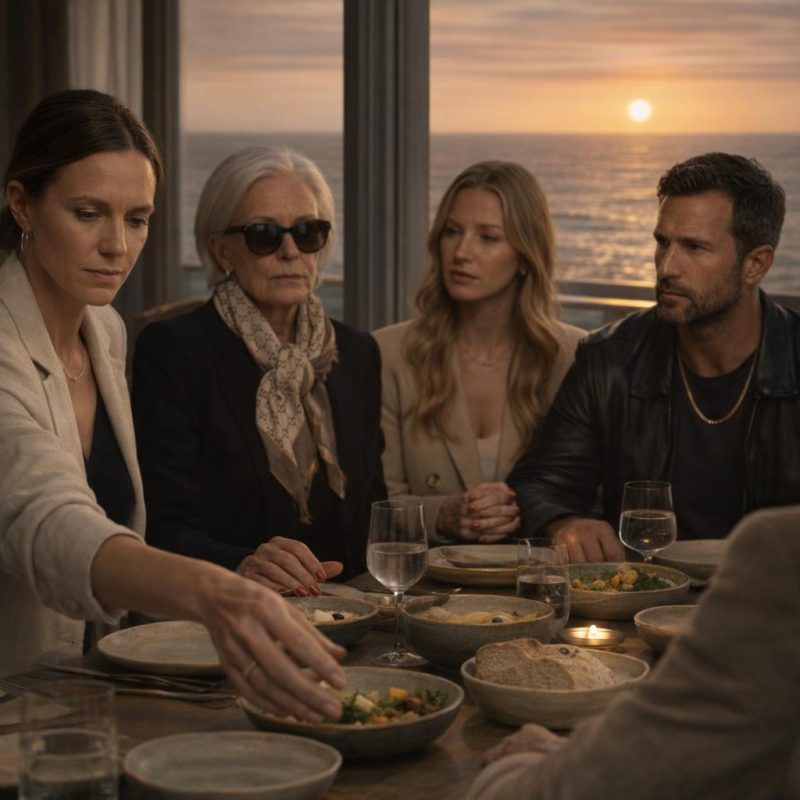 Image by RM AI
The House Tour
The next morning I offered to show them around properly. I'd given the tour before to friends who'd walked through slack-jawed, running their hands along the reclaimed oak floors, asking questions about the custom fixtures and the sustainable sourcing. I'd loved those tours. This one felt different almost immediately. I explained the reclaimed wood — how each plank had come from a demolished mill in Oregon, how the grain told you something about the tree's age. Sylvia asked how much the renovation had run. I gave her a number and she made a small sound that wasn't quite a response. Derek asked about property taxes in Big Sur, and Gerald wanted to know what the market looked like for oceanfront properties right now. Chloe photographed the kitchen, the hallway, the view from the master bedroom, all without saying much. I brought them to the library last — my favorite room, the one with the rolling ladder and the afternoon light that came through the west-facing window and turned everything amber. I'd spent years collecting those books. I stood in the doorway and waited. Nobody said anything. Sylvia glanced at the shelves and moved back toward the hall. Gerald followed. Derek checked his phone. Mark gave me a small, apologetic smile from across the room, and I nodded like it was fine. I stood there after they'd all filed out, the amber light still doing its thing on the spines of the books, and felt the quiet of a room that had just been walked through without being seen.
 Image by RM AI
The First Stain
By the third day I'd settled into a kind of careful optimism — telling myself the first couple of days were always an adjustment, that people needed time to relax into a new space. I kept the kitchen stocked, left fresh towels in the guest bathrooms each morning, and tried not to hover. That afternoon I went to check on the rooms while everyone was down on the beach, just a quick pass to make sure things were comfortable. The guest bathroom off the east hallway stopped me cold. Four damp towels had been piled directly on the oak floor — not draped over the rack two feet away, not folded on the counter, but heaped in a wet mass on the wood. I crouched down and pressed my palm to the floor. The grain had already started to darken where the moisture had been sitting. I brought it up with Sylvia as gently as I could when she came back inside, mentioning the towel rack and the wood. She laughed and said towels dried eventually. Chloe said I seemed very particular about things. Mark found me in the hallway afterward and said it was just an oversight, that they weren't used to this kind of flooring. I told him I understood. I hung the towels on the rack myself and crouched down again to look at the floor, and the darkened wood stared back at me.
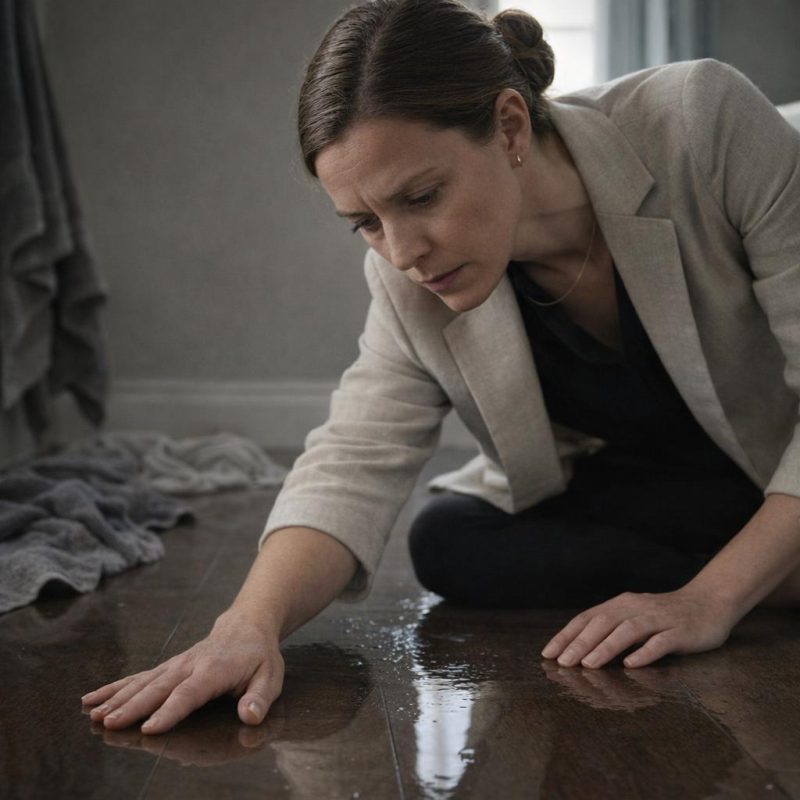 Image by RM AI
Red Wine and White Linen
I'd been in my home office for about two hours that afternoon, finishing a call that ran long, when I came back out to find the living room empty and the sofa ruined. That's not an exaggeration — a wide crimson stain had spread across the center cushion of the white linen sofa, the kind of spread that happens when something sits wet for a while before anyone thinks to address it. An empty wine glass rested on the cushion beside the stain, leaving its own ring in the fabric. I stood there for a moment just looking at it. I found Sylvia and Gerald on the back deck and asked, as evenly as I could, if anyone knew what had happened in the living room. Sylvia said she hadn't been in there. Gerald said the same. Brandon came in from the beach and said accidents happened in houses that actually got lived in, which landed somewhere between a defense and a criticism. Mark appeared and told me quietly that I could have it professionally cleaned, that it wasn't the end of the world. Sylvia, passing through, glanced at the sofa and said the stain wasn't really that noticeable. I looked at it again. It was very noticeable. I told myself someone had simply been careless, that there was no reason to make it into something larger. But I stood in the middle of my living room with the empty wine glass in my hand, and the stain spread across the linen like something that couldn't be taken back.
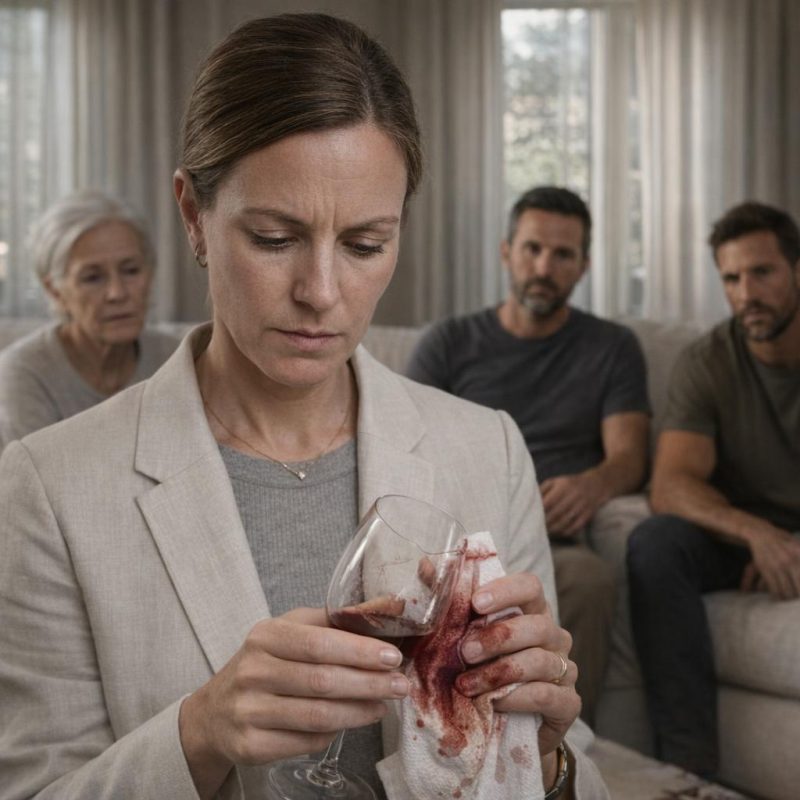 Image by RM AI
Too Precious
I set out coasters at breakfast the next morning — simple cork ones I kept in the kitchen drawer, nothing precious about them. I put one beside every cup and glass before anyone sat down. It felt like a reasonable thing to do after the sofa. Sylvia came in, poured herself a coffee, and sat down. She looked at the coaster beside her mug, picked it up, turned it over once like she was examining it, and set it aside. Then she put her mug directly on the marble. I waited a beat and said, as lightly as I could manage, that the coasters were there for the table. She looked at me with an expression I couldn't quite categorize and said the marble was fine, that I was being too precious about things that money could replace. Derek made a small sound of agreement without looking up from his phone. Mark said nothing. Chloe refilled her coffee and didn't look at me. I picked up my own mug and held it, and I didn't say anything else because I could feel the shape of the conversation and I didn't want to be in it. I told myself she hadn't meant it unkindly. I told myself a lot of things that week. But the marble ring was already there, pale and permanent-looking in the morning light, and Sylvia's voice was still in my head: 'too precious about things money can replace.'
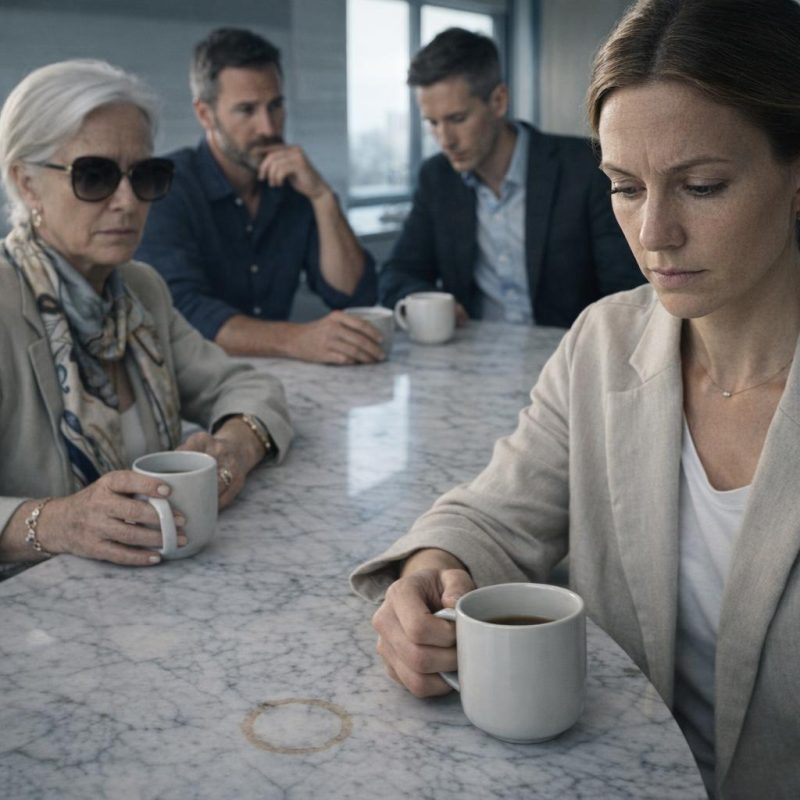 Image by RM AI
Second-Guessing
That night I sat on the edge of the bed after Mark had come in and closed the door, and I tried to lay it all out in my head like a list. The towels on the oak floor. The wine stain on the linen sofa. The coaster pushed aside, the marble ringed. Three days. I asked Mark if I was being unreasonable. He sat down beside me and said his family meant well, that they weren't used to a house like this, that it was a lot to take in. I asked if he thought I was too attached to my things. He paused before he answered, which told me something, and then said I was just particular about my space — that it wasn't a flaw, exactly, but that maybe I could give them a little more room to settle in. I lay back and stared at the ceiling. I'd spent fifteen years building something I was proud of, and somewhere in the last seventy-two hours I'd started to wonder if that pride was actually just rigidity dressed up to look like taste. Maybe I was cold. Maybe the house was cold. Maybe Sylvia wasn't wrong and I was the one who needed to adjust. Mark turned off the lamp and I lay there in the dark, and the thought that had been circling all evening finally landed: I was questioning whether my own home still felt like mine.
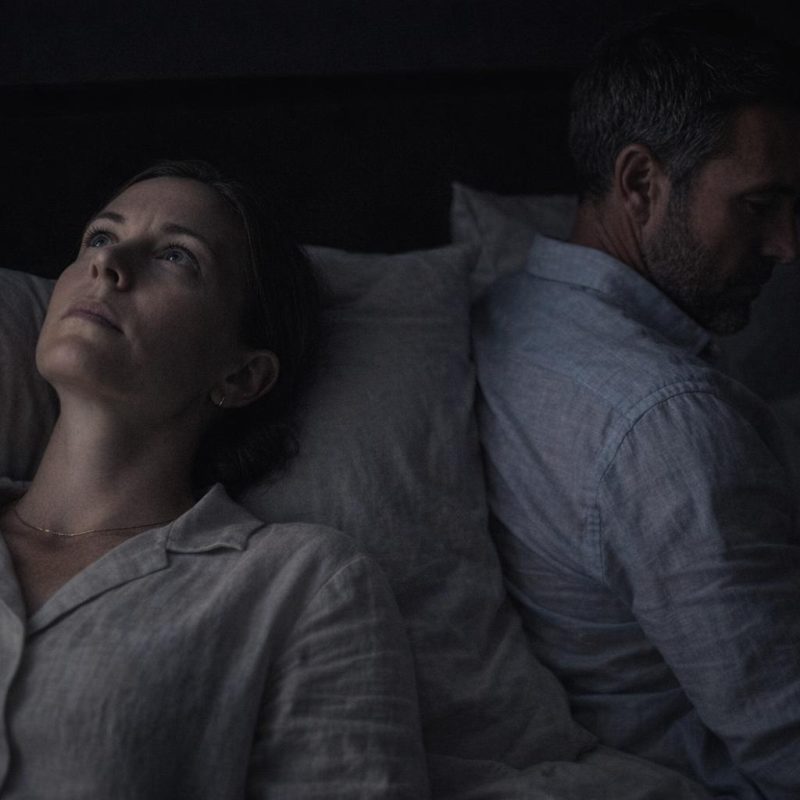 Image by RM AI
The Disappearing Scotch
I'd been saving those bottles for years. Not in a precious, untouchable way — I'd always meant to open them eventually, with the right people, on the right night. A Glenfarclas 25, a Macallan 18, and a single-cask Springbank I'd tracked down at an auction in Edinburgh. I went to the cabinet before dinner to pull the Macallan, and the shelf just sat there — three empty spaces where the bottles had been. I stood there for a second, genuinely confused, the way you are when something familiar is suddenly wrong and your brain hasn't caught up yet. I asked at dinner if anyone had seen them. Brandon shrugged and said yeah, he and Derek had gotten into them the night before, like he was telling me they'd borrowed a phone charger. Derek said he figured everything in the house was fair game for guests. Sylvia tilted her head and said I should take it as a compliment — that they clearly had good taste. I smiled. I said something like, good to know. I passed the bread basket and changed the subject. But after dinner, when everyone had drifted to the living room, I went back to the cabinet and stood there alone, looking at those three empty spaces on the shelf.
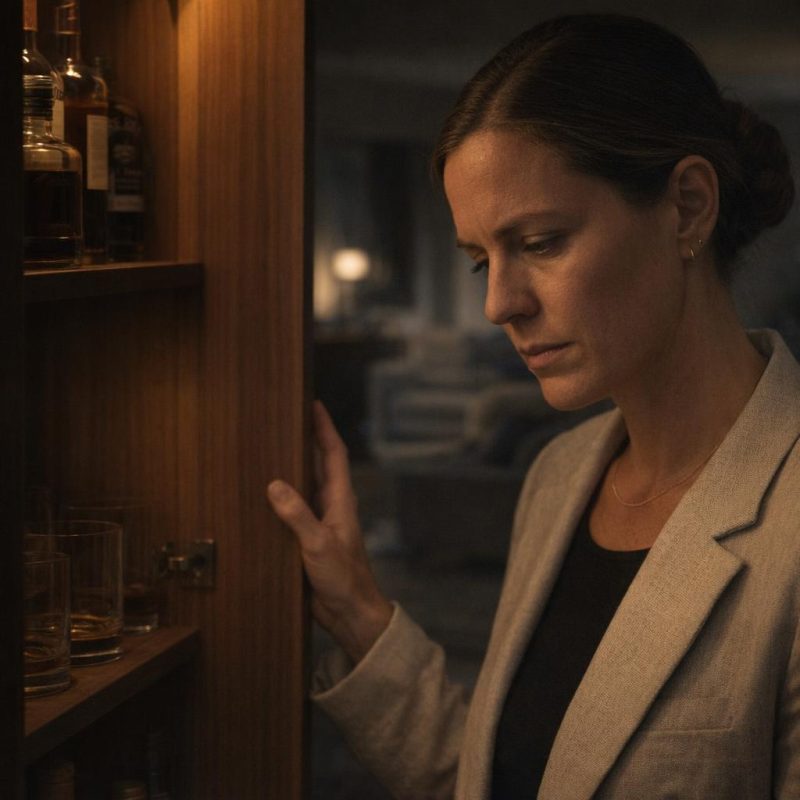 Image by RM AI
Mark's Defense
I waited until the next morning, when the house was quiet and Mark was having coffee on the deck. I sat down across from him and kept my voice even. I told him about the scotch — the specific bottles, what they'd cost, what they'd meant to me. I told him about the marble ring on the side table, the towels on the oak floor, the way I'd been finding my things moved or missing. I wasn't yelling. I was just laying it out, the way I would in a meeting, because I thought if I was calm and specific he'd hear me. He listened, and then he said I was making everyone uncomfortable with my rules. He said his family wasn't used to walking on eggshells in someone's home. I told him it wasn't about eggshells — it was about basic respect for things that weren't theirs. He said I was prioritizing objects over people, that I always did this, that I made everything about the house and never about the family. I sat with that for a moment. I asked him if he was going to say anything to them. He looked out at the water and said he didn't think that was necessary. The coffee between us went cold, and neither of us reached for it.
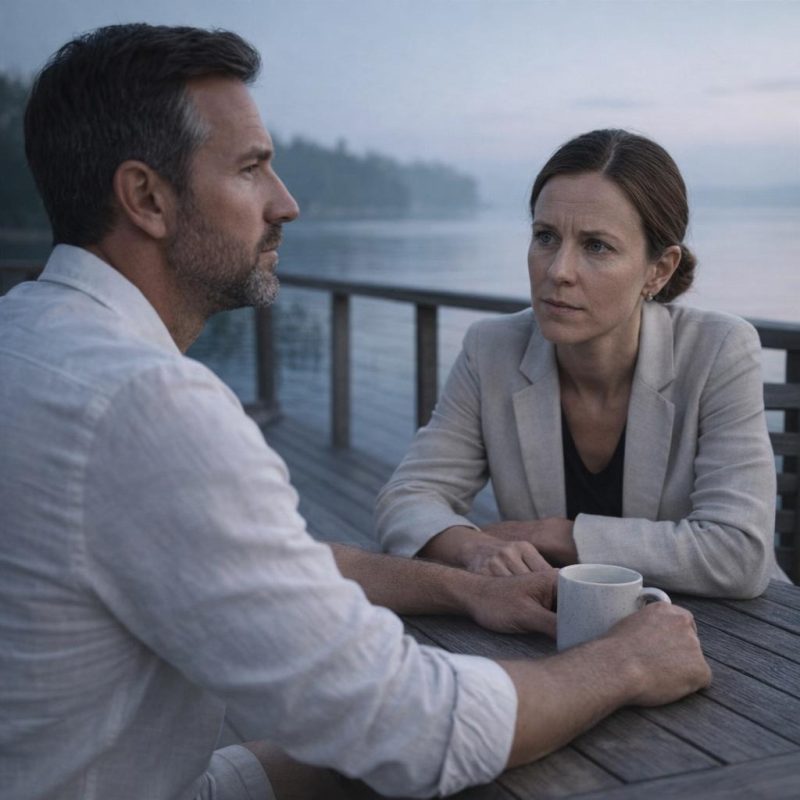 Image by RM AI
The Outsider
I made a full dinner that night — roasted chicken, two sides, a salad I'd spent forty minutes on. I set the table properly, poured the wine, and sat down ready to try again. The conversation started before I'd even settled into my chair, Sylvia launching into a story about a road trip the kids had taken in the nineties, some broken-down car outside of Flagstaff, and the whole table lit up. I laughed when they laughed, even though I didn't know the story. I asked a question — something about where they'd been headed — and Brandon answered in one sentence and then turned back to Derek to finish the punchline. Chloe referenced something called the Tucson Incident and everyone groaned and laughed and I smiled like I was in on it. Gerald told a story about Mark at twelve years old that made Mark cover his face with his hand, and I watched my husband laugh in a way I hadn't seen in months, completely unguarded, completely at home. I asked him later what the Tucson Incident was. He said, oh, it's a long story, and reached for the remote. I sat at my own table that night and felt the particular weight of being surrounded by people who shared a language I had never been taught.
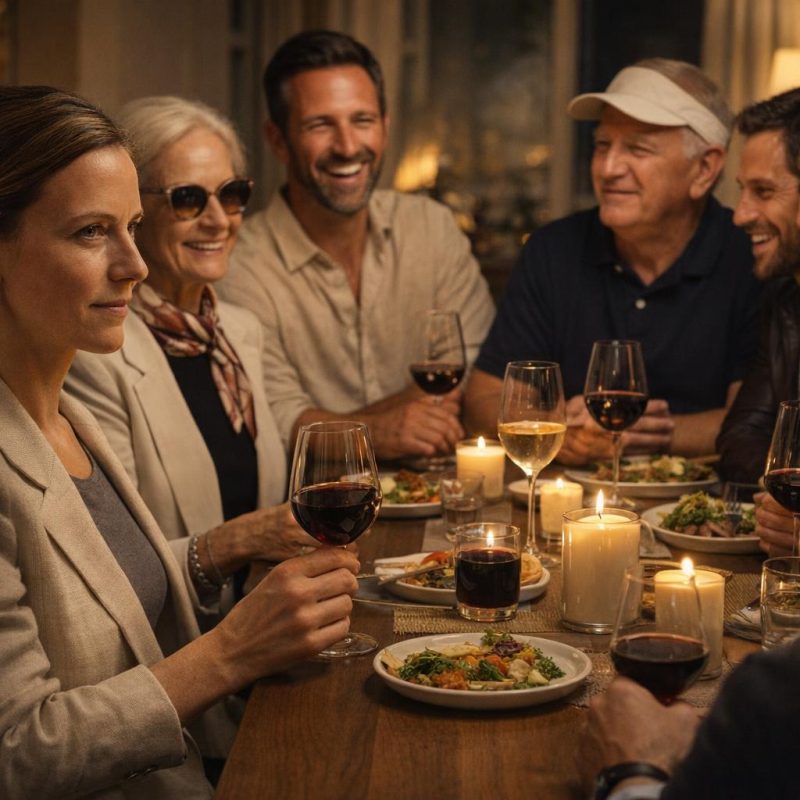 Image by RM AI
Week One Damage Report
I waited until after midnight, until the last light under the last door had gone dark. Then I walked the house alone. I started in the guest rooms and worked my way out — a water ring burned into the nightstand veneer, a drawer that wouldn't close right because something had been forced into it. In the kitchen, a cast iron pan had been left to soak and the seasoning was ruined, a grey film where the surface had been black and smooth. The vintage record player in the sitting room had a new scratch across the lid, deep enough to catch my thumbnail. On the balcony I found a small pile of ash and two cigarette butts ground into the teak rail, a grey smear I'd have to sand out. I moved through each room slowly, running my fingers along surfaces, cataloging. I told myself I was being methodical. I told myself this was useful, that knowing the full scope of it was better than not knowing. I saved the living room for last. I crouched down near the window where the afternoon light would hit the floor, and I ran my palm across the reclaimed oak planks — and felt the soft, unmistakable give of wood that had been wet and left to warp.
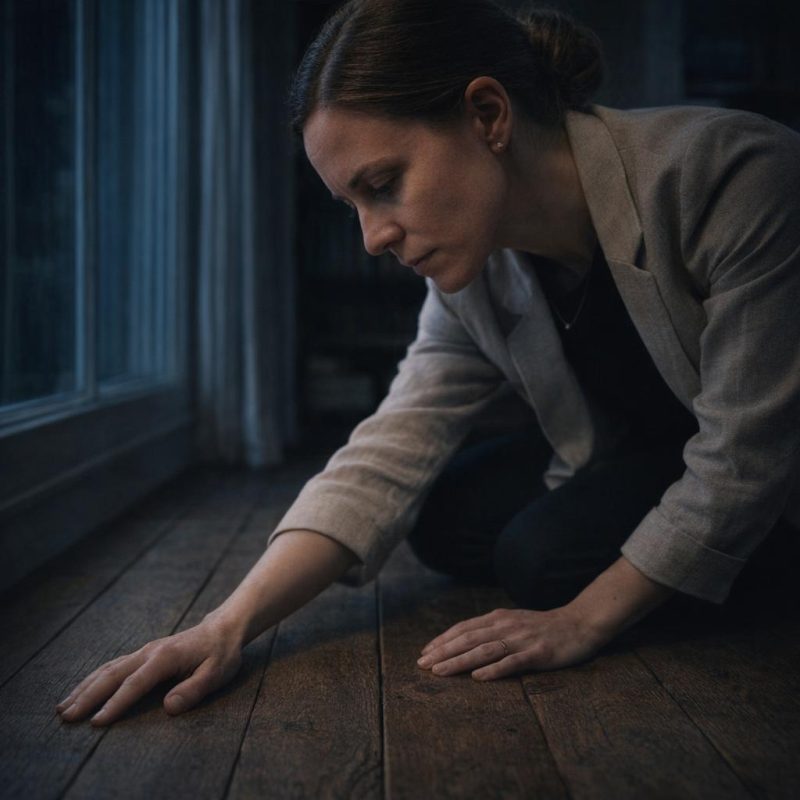 Image by RM AI
The Pattern
It took me a few days to notice the pattern, and then once I noticed it I couldn't stop noticing it. I'd walk into the kitchen and the conversation would shift — not stop exactly, but change register, the way a radio does when you move between rooms. Voices would drop, a sentence would trail off, someone would ask me if I wanted coffee. I told myself I was being paranoid. I told myself families had their own rhythms and I was reading into normal behavior. But then I started paying attention. I'd leave a room and double back after thirty seconds, and the volume would already be different — fuller, looser, the way people sound when they think they're alone. Once I caught the tail end of something from the hallway, just a few words in Sylvia's voice, and then silence the moment my shadow crossed the doorway. I couldn't make out what she'd said. I didn't ask. I just went to the refrigerator and poured myself a glass of water and stood there while the conversation found its way back to something neutral and safe. I didn't know what they were talking about when I wasn't in the room. But the quiet that settled over them each time I walked in had started to feel less like coincidence and more like something else I couldn't quite name.
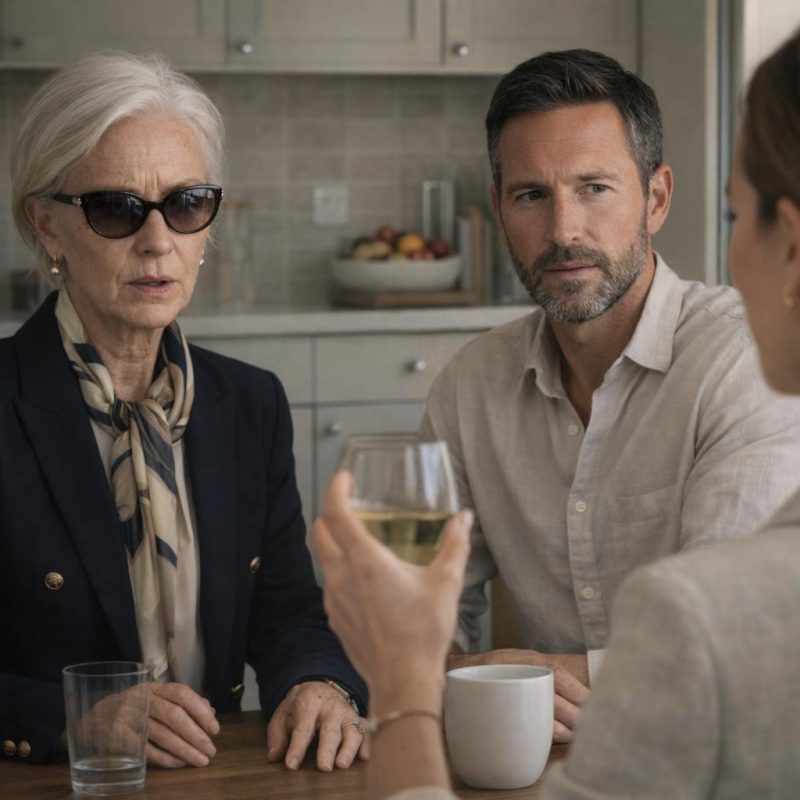 Image by RM AI
Financial Questions
It started as a compliment. Chloe found me on the back deck one afternoon and said she'd been thinking about my career, that she found it genuinely inspiring, a woman who'd built something like this from scratch. I thanked her. She asked what I did exactly, and I gave her the short version — executive strategy, consulting, some investment work on the side. She nodded and asked what that paid, roughly. I said it varied. She asked if I had a financial advisor or if I managed my own portfolio. I said a bit of both. Sylvia appeared at the door with two glasses of iced tea, and suddenly it was a conversation with two of them, and the questions kept coming — retirement accounts, stock options, whether I'd maxed out my contributions, what I thought about real estate as an asset class. They framed everything as curiosity, as admiration, and I kept giving vague answers and they kept finding new angles in. At some point I noticed that neither of them had said anything about their own finances, not once, and that every question had been pointed in one direction. I didn't say anything about it. I just sat there with the iced tea going warm in my hand, trying to figure out why the conversation felt less like admiration and more like an inventory.
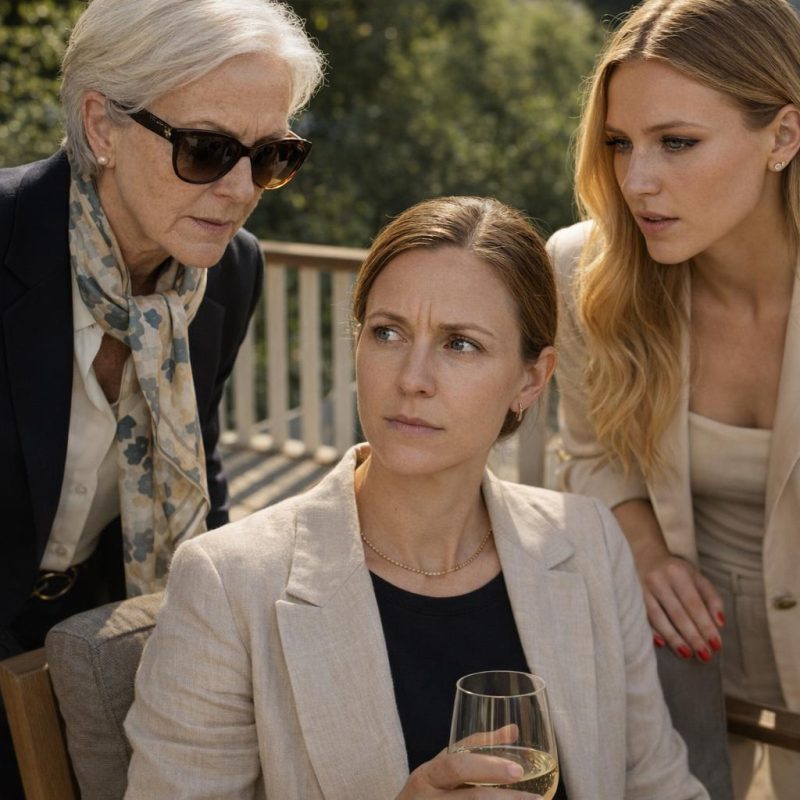 Image by RM AI
Inheritance and Fairness
After dinner Derek settled into the armchair like he owned it and started talking about fairness. Not to me directly — he addressed the room, the way someone does when they want to say something without saying it. He talked about how families were supposed to function as a unit, how resources shouldn't be hoarded when people were struggling, how inheritance and wealth were meant to flow through a family and not pool in one place. Sylvia nodded along, adding that she'd always believed family came before everything, that you didn't let your own people go without. Gerald agreed quietly. Mark sat on the couch and looked at his hands. I watched Derek's eyes move through the room as he talked — across the vaulted ceiling, the custom shelving, the view through the glass doors — and then settle back on the middle distance, which happened to be roughly where I was sitting. I kept my expression neutral. I asked a question about something unrelated and the conversation shifted, but Derek circled back twice more before the evening was over, each time landing on the same theme. I was still thinking about it when I went to refill my water glass, and that's when I heard Derek say, clearly, that in a real family, no one person should be sitting on four million dollars while everyone else is scraping by.
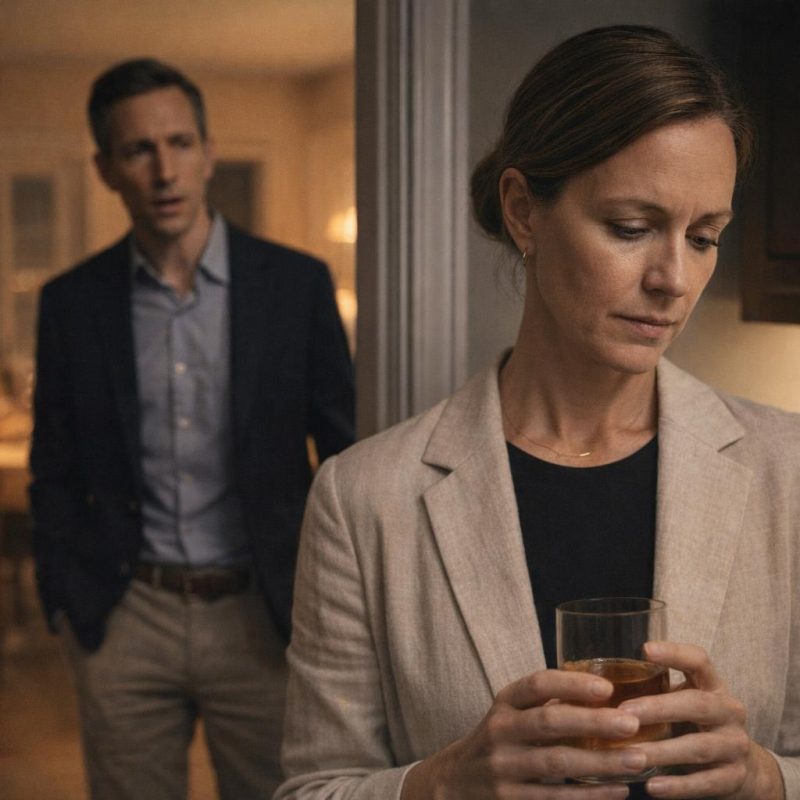 Image by RM AI
Private Signals
I started watching the table more carefully after that. Not obviously — I kept my eyes on my plate, on the food, on whoever was speaking. But I was watching. Sylvia would glance at Chloe before she finished a sentence, just a flicker, and Chloe would nod almost imperceptibly, or shift in her seat, or reach for her glass at a specific moment. Derek and Brandon had their own shorthand — a look that passed between them that I couldn't read, something that seemed to land and be understood without a word. Mark was part of it too. A small tilt of his head when Sylvia said something, a look he exchanged with Derek that lasted less than a second. I told myself families had their own nonverbal language, that this was normal, that I was sitting at a table full of people who had known each other for thirty years and of course they communicated in ways I couldn't follow. But the feeling didn't go away. It sat in my chest through the whole meal — the sense that there was a conversation happening at the table that I was not part of and had not been invited into, running just below the surface of the one I could hear.
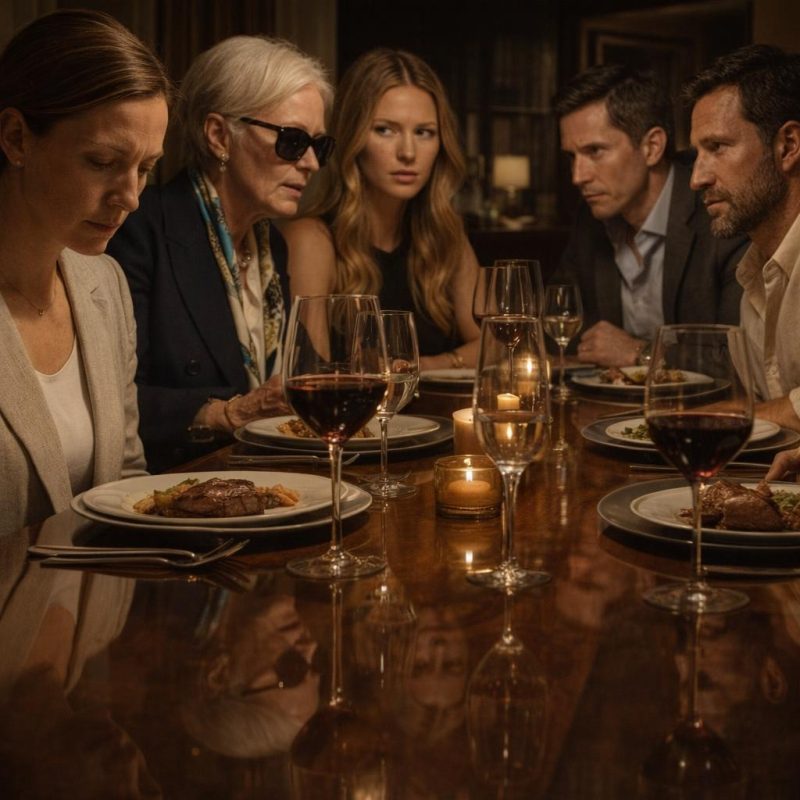 Image by RM AI
Security Review
I slipped away from the dinner table early, telling everyone I had emails to catch up on. It wasn't entirely a lie. I sat down at my desk, opened my laptop, and stared at the screen for a full minute before I touched the keyboard. The feeling from dinner — that low, persistent hum of something I couldn't name — hadn't gone away. If anything, it had followed me down the hall and settled into the chair beside me. I'd had the security system installed when the house was built, back when the contractor asked if I wanted cameras in the common areas and I said yes without thinking much about it. I'd never really used the remote access feature. I pulled out my phone and found the app, still installed, still linked to the system. I sat there with my thumb over the icon, turning the question over. Was I the kind of person who monitored her houseguests? I didn't love the answer that was forming. But the feeling from dinner kept sitting there, patient and quiet, and it outweighed the discomfort. I opened the app, and the screen populated with a grid of small blue icons — every camera location mapped across the house.
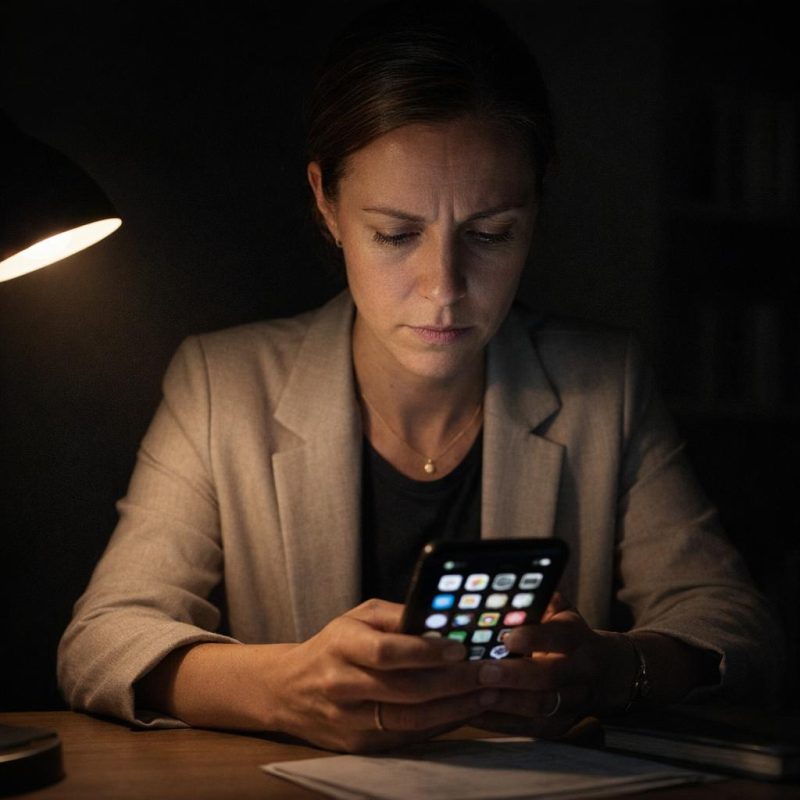 Image by RM AI
The Test
I'd had my grandfather's pen since I was nineteen. It was a Montblanc, matte black with a gold nib, and it had sat on his desk for thirty years before it sat on mine. I set it on the library desk that morning — deliberately, carefully, at a slight angle to the left of the lamp — and I memorized exactly where it was. Then I told everyone I was heading to the grocery store and asked if anyone needed anything. Sylvia wanted sparkling water. Chloe mentioned she was almost out of a specific brand of yogurt. I wrote it down, smiled, and left. I was gone for just over two hours. When I came back, I put the groceries away, handed Sylvia her water, and then walked to the library. The pen was on the windowsill. Not the desk. The windowsill, on the opposite side of the room, balanced on the narrow ledge like it had always lived there. I came back to the kitchen and asked, casually, if anyone had been in the library. Mark said he hadn't. Sylvia shook her head. Chloe was looking at her phone. Nobody mentioned the pen. I didn't push. I just stood there in the kitchen doorway, holding the sparkling water I'd forgotten to hand over, and let the silence settle around me.
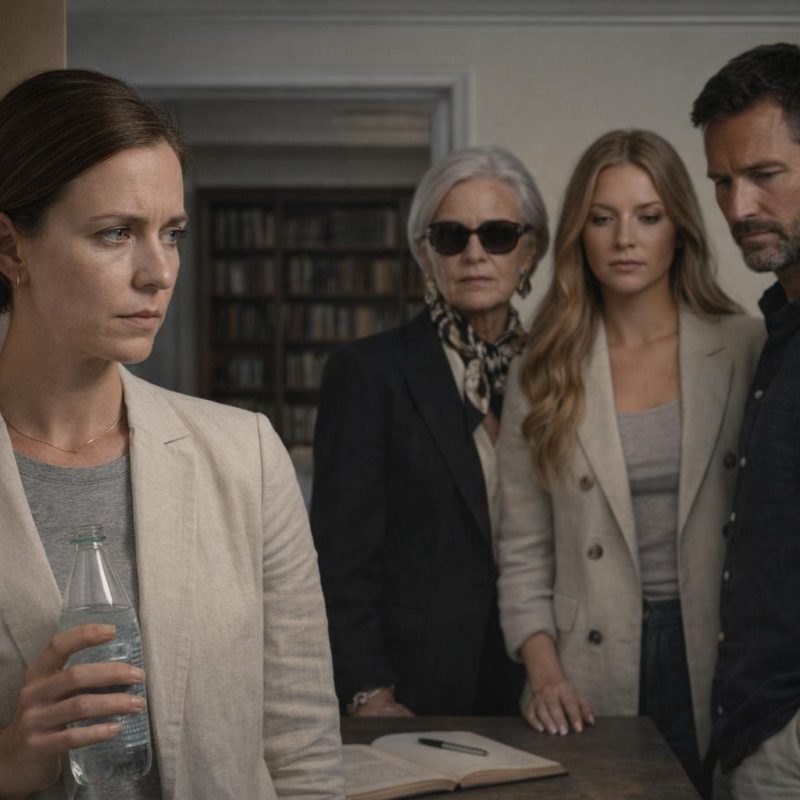 Image by RM AI
Documenting the Damage
I waited until they all drove to the beach — towels, sunscreen, the whole production — and then I walked through the house alone with my phone. I told myself I was just checking. I started in the living room. The sofa cushion nearest the window had a dark red stain, wine probably, that had been turned face-down. I photographed it from two angles. The oak floors in the hallway had a pale warped patch near the guest bathroom door, the kind of damage that comes from standing water left too long. I crouched down and took three pictures. In the dining room, there was a long thin scratch along the side of the credenza, fresh enough that the wood was still pale at the edges. I kept going. The vintage record player in the corner — a 1960s Thorens I'd spent months tracking down — had a crack along the dust cover that hadn't been there before. The curtains in the second guest room had a brownish smear near the hem. A rug in the hallway had been pushed against the baseboard, covering something I didn't want to look at too closely. By the time I reached the back bedroom, I had forty-one photos. I sat on the edge of the bed and scrolled through them, telling myself I was probably overreacting. The photos didn't agree with me.
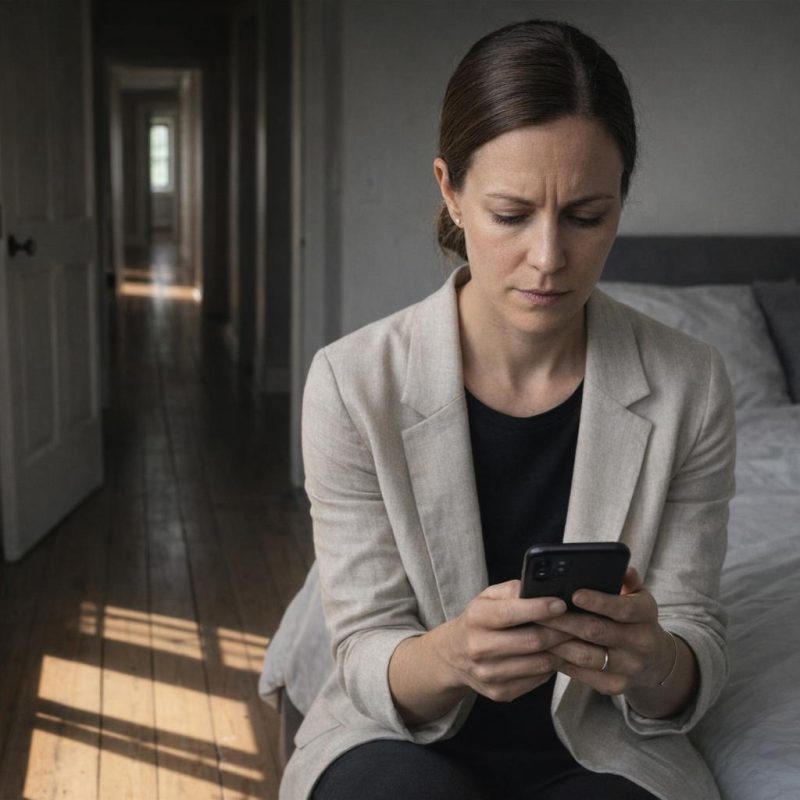 Image by RM AI
Money and Fairness
I'd made a pitcher of iced tea and was heading toward the balcony to see if anyone wanted a glass. The sliding door was open a few inches, and I heard Derek's voice before I saw him. I stopped just inside the doorway, out of the sightline. He was saying something about people who had more money than sense, the kind of people who forgot where they came from. Brandon made a sound that was either agreement or a laugh — I couldn't tell. Then Chloe said something about fairness, about how family wasn't supposed to keep score. I stood very still. The pitcher was cold in my hands. Derek's voice dropped a little, and I caught the tail end of what he said next — something about how I owed Mark's family more than I seemed to think. I didn't move. I wasn't sure I was breathing. A few seconds later, one of them must have shifted and caught a glimpse of me through the glass, because the conversation stopped like a switch had been flipped. I slid the door open and stepped out with the pitcher and three glasses, and Derek smiled at me like we'd been talking about the weather.
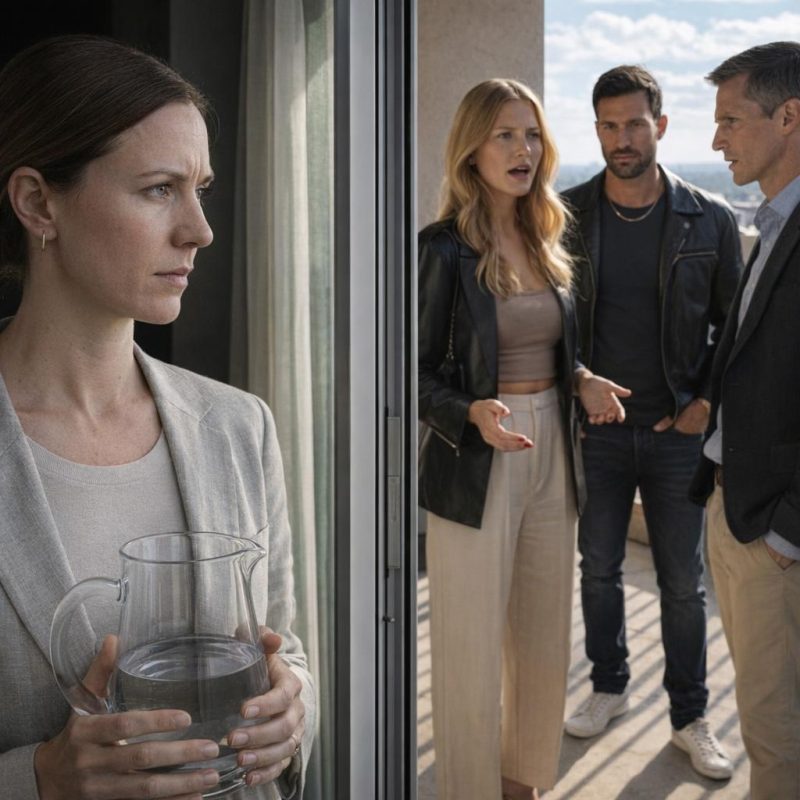 Image by RM AI
The Timing
I opened my work calendar that evening after everyone had gone to bed. I'd been avoiding it, the way you avoid a bill you know is going to be bad. The visit ran from the second of the month through the thirtieth. I scrolled through the same weeks on my calendar and felt something cold settle in my chest. The quarterly board presentation was on the ninth. The investor call with the Singapore group was on the fourteenth. Two full days of off-site meetings on the twentieth and twenty-first. A due diligence session I couldn't reschedule on the twenty-sixth. I would be out of the house for hours at a stretch, sometimes entire days, across nearly the entire visit. I went to find Mark in the kitchen and asked him, as evenly as I could, why these specific dates. He said it was the only window that worked for everyone — his mother's schedule, Brandon's job, Derek's kids. He said it without hesitation, and I believed him, or I tried to. I went back to my desk and looked at the calendar again. The overlap was almost total. Every time I had to be somewhere else, they would be here, in my house, without me.
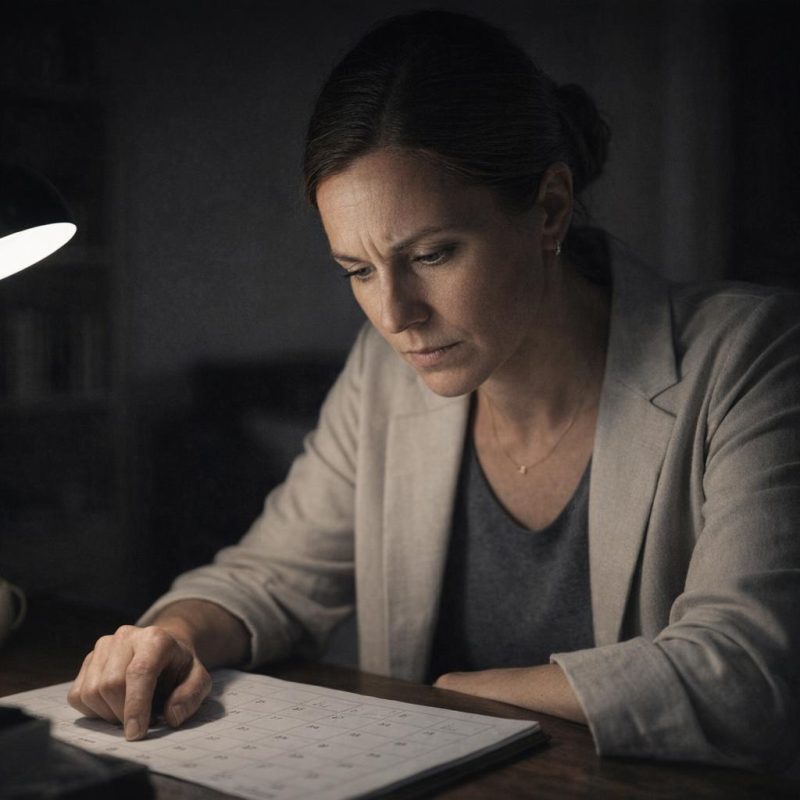 Image by RM AI
Paranoid
I waited until we were alone in the bedroom to bring it up. I kept my voice level. I mentioned the pen, the overheard conversation on the balcony, the way the table felt at dinner — the looks, the shorthand I couldn't follow. Mark sat on the edge of the bed and listened, and when I finished, he was quiet for a moment. Then he said I was being paranoid. Not unkindly, but clearly. He said my anxiety had a way of turning small things into patterns that weren't there. I told him the pen didn't move itself. He said maybe someone bumped the desk and was embarrassed to mention it. I told him what I'd heard Derek say on the balcony. He said Derek complained about money constantly, that it didn't mean anything, that I was reading into it. I went through the incidents one by one, and he had an explanation for each of them — coincidence, misunderstanding, my tendency to expect the worst. By the end of it, I wasn't sure if I was making my case or dismantling it. I turned off the lamp on my side of the bed and lay in the dark, and the worst part wasn't that he'd disagreed with me. The worst part was that I'd started to wonder if he was right.
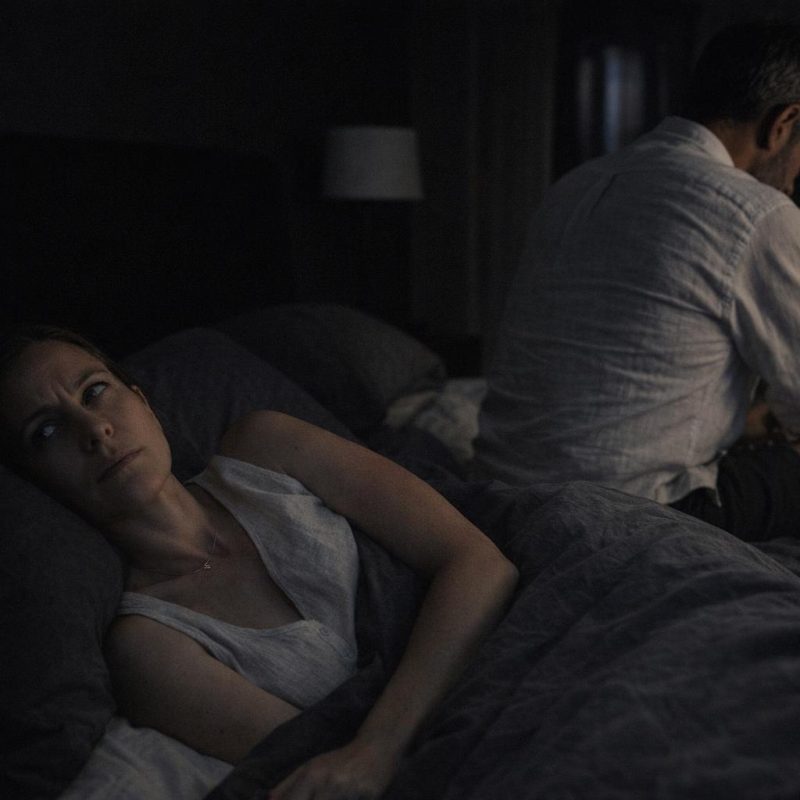 Image by RM AI
Rehearsed Responses
I made coffee the next morning and brought a cup to Chloe, trying to do the thing Mark kept suggesting — relax, connect, give his family a real chance. I asked about her job. She worked in marketing, she said, for a mid-size firm downtown, good team, interesting clients, growing fast. It was a complete answer. Smooth, detailed, nothing out of place. I asked about her apartment — whether she was still in the same neighborhood she'd mentioned at Christmas. She said she'd actually moved, found a better place, closer to work, great light. Same quality. Same even delivery. I asked about the guy she'd been seeing, the one Mark had mentioned in passing a few months back. She said that had run its course, that she was focusing on herself right now, that it was actually a relief. Sylvia came in halfway through and refilled her own coffee, and Chloe didn't miss a beat. I sat across from her and kept the conversation going, but something was pulling at the back of my mind. Every question I asked, she had an answer ready. Not defensive, not evasive — just ready. Like she'd already thought through what she'd say if someone asked.
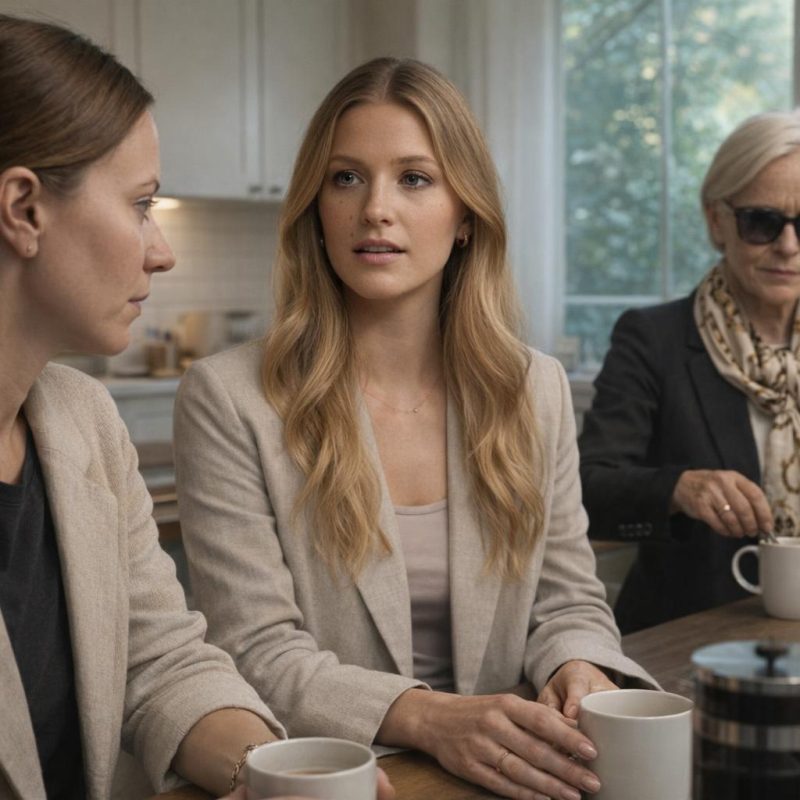 Image by RM AI
The Bedroom Closet
I came back to the bedroom around three in the afternoon to change before we went out for dinner. The door was open, which I didn't think much of at first. I pushed it wider and walked in, and it took me a second to register what I was seeing. Sylvia was standing inside my walk-in closet, her back half-turned to me, running her fingers along the sleeve of a blazer I'd had made in Milan. She was reading the label. She moved to the next hanger, checked that label too, then lifted the edge of a silk blouse and turned it over to look at the tag. She hadn't heard me come in. I stood in the doorway of the closet and said her name. She turned around without startling, which surprised me. I asked what she was doing. She said she was looking for the bathroom and had gotten turned around. I pointed out that the bathroom door was directly across the hall, clearly marked, nothing like a closet. She laughed — a light, unbothered sound — and said the layout still confused her after all this time. She moved past me and out of the bedroom, still smiling. I stood in the closet doorway and looked at my clothes, each hanger slightly disturbed from where her hands had been.
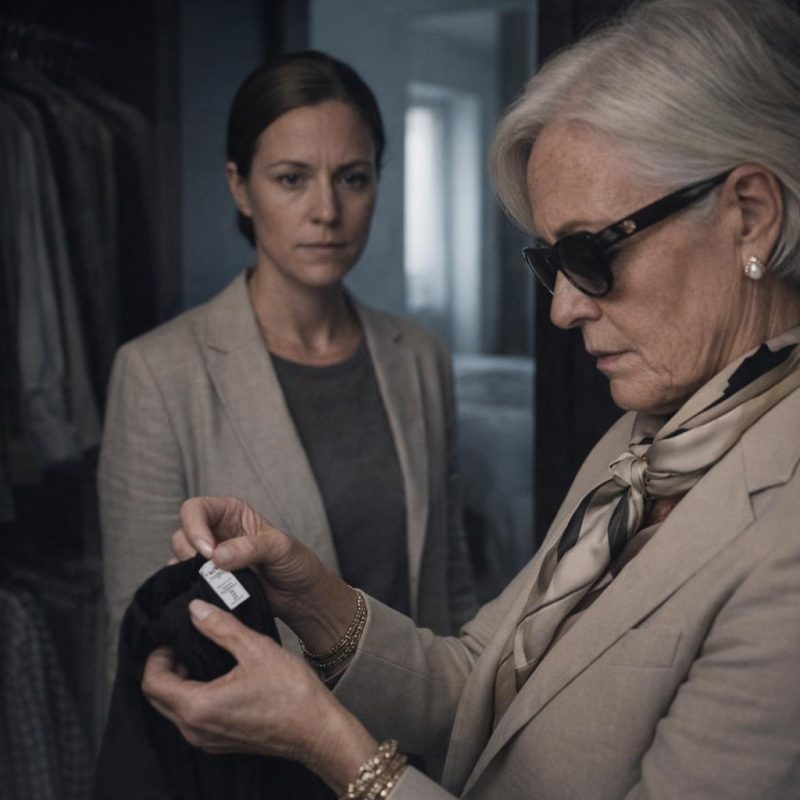 Image by RM AI
Sleep Deprivation
I hadn't slept a full night since they arrived, but that particular night was the worst. I lay there in the dark listening to Mark breathe beside me — slow, even, completely undisturbed — while the rest of the house moved around us like it was alive. Footsteps in the hallway. Not hurried, not trying to be quiet, just walking. The kind of walking that assumes the house belongs to you. I heard a door open somewhere down the hall, then another, then the low murmur of voices drifting up from what sounded like the kitchen. I checked the clock: 2:47 AM. I stared at the ceiling and told myself it was nothing — people get thirsty, people can't sleep, it's a full house. I reached over and touched Mark's shoulder, but he didn't stir. The voices went quiet for a while and I almost convinced myself it was over. Then I heard the soft, distinct click of the library door handle turning at the end of the hall, followed by the creak of hinges and the unmistakable sound of someone stepping inside.
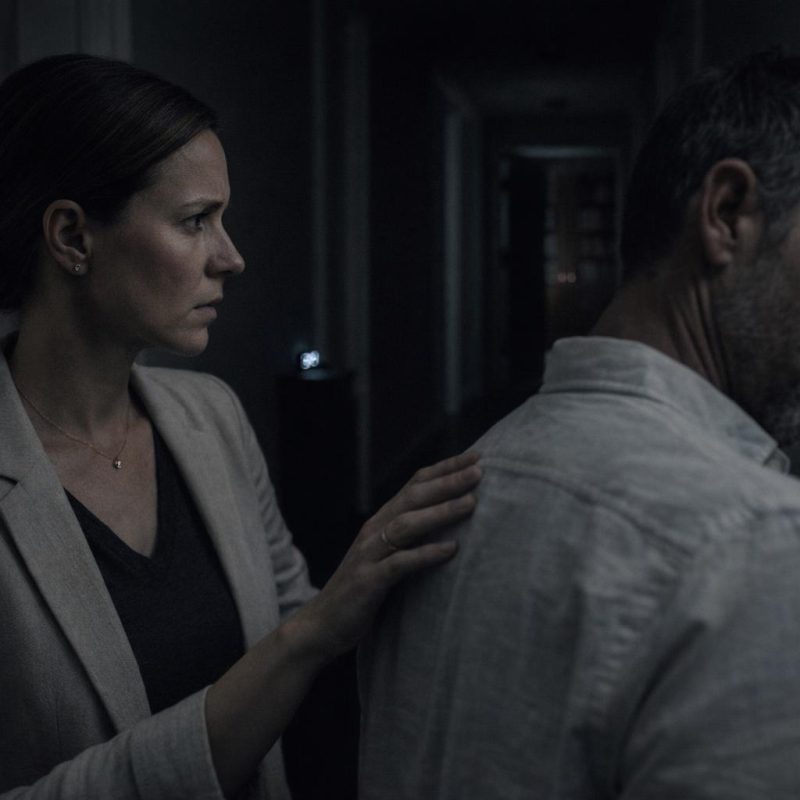 Image by RM AI
Work from Home
I came down to breakfast the next morning and poured myself coffee before anyone could offer to do it for me. The whole family was already at the table — Sylvia picking at a fruit plate, Gerald with his newspaper, Derek scrolling his phone, Chloe and Brandon talking over each other about something I didn't catch. Mark was at the counter making toast. I waited until there was a natural pause and then said it casually, the way you'd mention the weather: I'd be working from home for the next few days, clearing some project deadlines, no need to work around me. The toast popped. Nobody moved for just a beat too long. Sylvia looked up from her fruit plate and asked, very pleasantly, if everything was alright at work. I said everything was fine, just easier to focus here. Chloe asked when I'd be heading back to the office. I said I wasn't sure yet. Mark set his toast down on the counter without turning around. I picked up my coffee and looked at each of them in turn, and the table felt like it had dropped a few degrees without anyone touching a window.
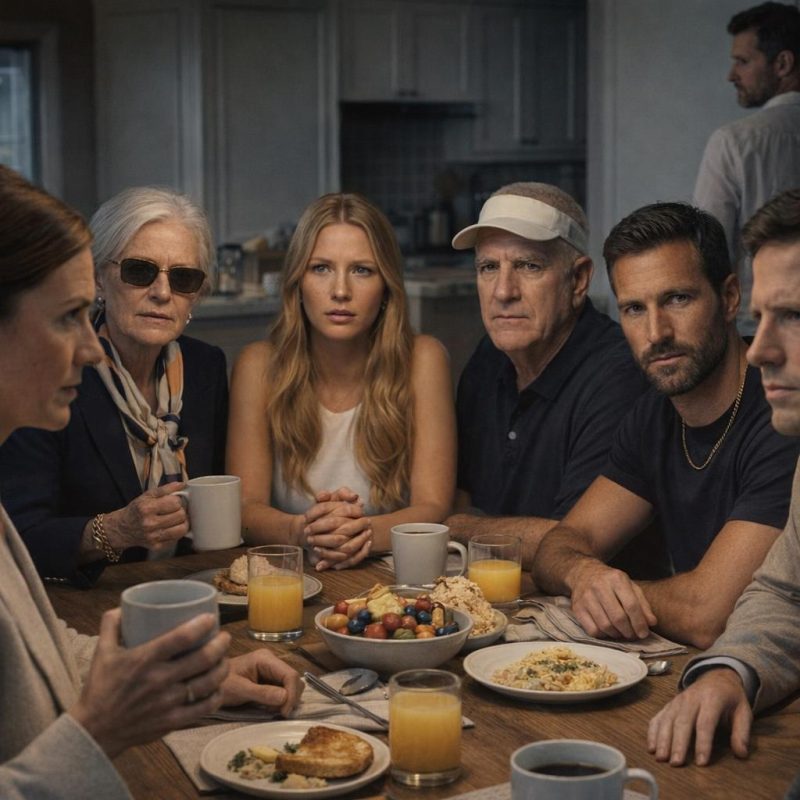 Image by RM AI
Cigarette Smoke
I smelled it before I even crossed the threshold into the living room — that sharp, stale bite of cigarette smoke that doesn't belong anywhere near silk. I walked in and went straight to the curtains, ran my fingers along the fabric, and the smell came up strong and unmistakable. Brandon was out on the balcony, leaning against the railing with his hands in his pockets, looking at the water. I slid the door open and asked him directly if he'd been smoking inside. He turned around with that easy, unbothered expression and said no, he only ever smoked outside, always had. I pointed to the small scatter of ash on the floor just inside the curtain hem. He looked at it and said it must have blown in. I told him the windows had been closed. Sylvia appeared in the doorway behind me and suggested, in that smooth, reasonable tone she uses, that maybe the smell had come in with them when they arrived, that some of the places they'd stayed before had smokers. Mark came in from the kitchen and told me not to make it into something it wasn't. I didn't argue. I just stood there with my hand still resting against the curtain, the smell of it settling into everything I owned.
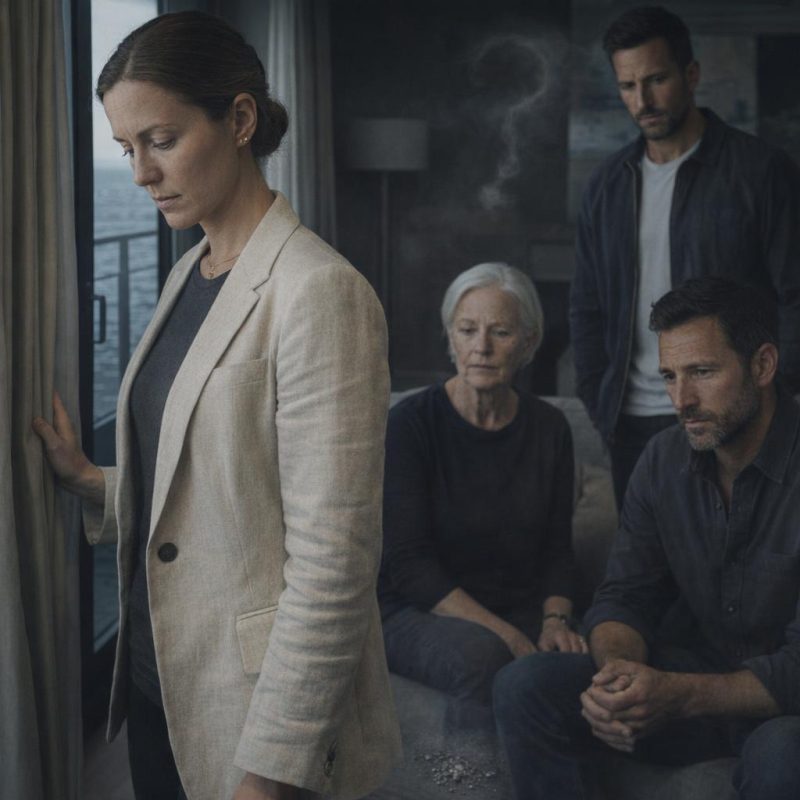 Image by RM AI
Calculating Options
I closed my office door and sat at my desk for a long time without opening my laptop. I ran through it the way I'd run through a business problem — options, costs, outcomes. I could ask them to leave. I could frame it as a scheduling conflict, a work emergency, something that required the house back. I knew exactly how to make it sound reasonable. But then I'd see Mark's face in my mind — that particular look he gets when he feels like he's being asked to choose — and the calculation fell apart. He would see it as me choosing the house over his family. He would say I'd never really welcomed them. He might not say it out loud, but it would sit between us for years. Three more weeks. I kept coming back to that number. Three more weeks of ash on my floors and hands on my clothes and voices in the dark. The damage felt real and accumulating. But the cost of ending it early felt like something I couldn't fully price yet. I pulled up my calendar, looked at the remaining days blocked out, and my hand stayed on the mouse without clicking anything.
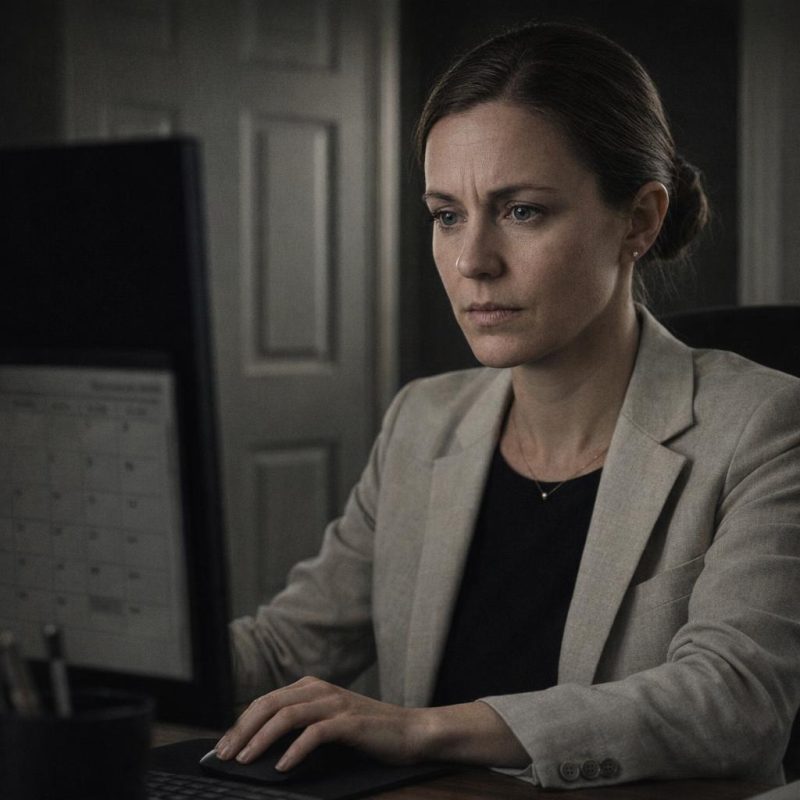 Image by RM AI
The Board Meeting
The email came in just after nine that evening, flagged urgent, from the board chair's assistant. Mandatory attendance. Full-day session. The city office, tomorrow, starting at eight. I read it twice and then set my phone face-down on the nightstand. Mark was already in bed reading, and I told him I had to go in. He said he'd stay home with his family, keep everyone occupied, not to worry. He said it easily, the way you say something that seems simple. I nodded and said that was fine. I turned off my lamp and lay there in the dark doing the math I didn't want to do — ten hours, minimum, probably more with the dinner they'd want to tack on after. Ten hours of the house running without me in it. I thought about the library, the closet, the curtains, the ash on the floor. I thought about all the rooms I hadn't been watching closely enough. I told myself I was being irrational. I told myself they were just houseguests, difficult ones, but houseguests. The ceiling didn't offer anything back, and the knot in my stomach stayed exactly where it was.
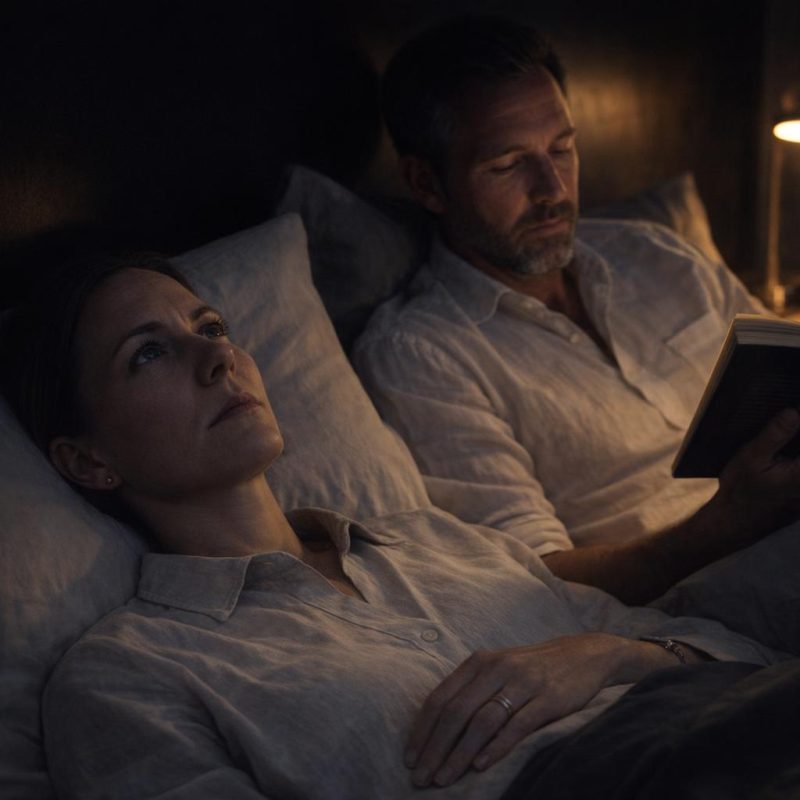 Image by RM AI
The Security Feed
The morning session ran long and by the time we broke I had maybe fifteen minutes before the next block started. I found an empty office down the hall from the conference room, closed the door, and sat on the edge of the desk. I'd been thinking about the security app since the drive in. I opened it, and the home screen loaded with its grid of camera thumbnails — front entry, kitchen, back deck, library. I sat there looking at the library thumbnail for longer than I should have. It felt like a line I hadn't crossed yet, checking in on houseguests like they were suspects. I told myself I was being paranoid. Then I pressed it. The feed loaded, grainy and slightly wide-angled the way those cameras always are, and it took me a second to understand what I was seeing. Sylvia and Chloe were standing at my grandfather's desk.
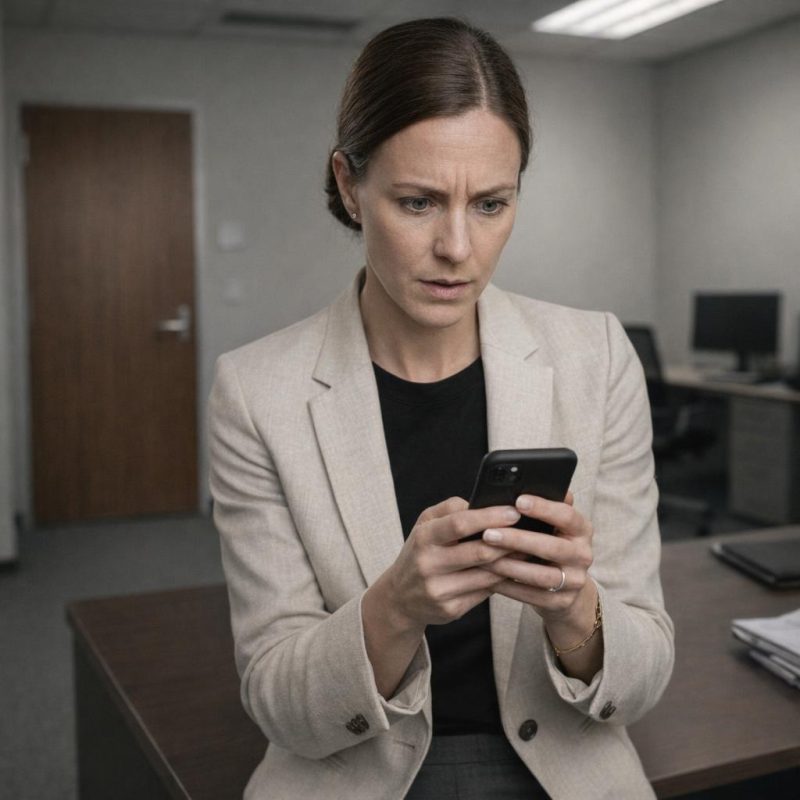 Image by RM AI
Reading My Journals
I watched the feed through the next break with my back against the wall of that empty office, phone held close. Sylvia was at the desk, pulling the center drawer open, lifting things out and setting them aside. Chloe stood beside her, leaning in. Then Sylvia reached toward the shelf behind the desk — I knew exactly what was there, I'd put them there myself — and lifted one of my journals. A dark green one. She opened it somewhere near the middle and started reading. I couldn't hear anything through the camera, but I didn't need to. I could see Chloe's shoulders shake. I could see Sylvia tip the journal toward her so she could read along. I could see Sylvia's mouth moving, reading aloud, and then both of them laughing. I knew which journal that was. I'd written in it during the worst stretch of the anxiety that had followed my father's death — the sleepless nights, the panic attacks I'd never told anyone about, the things I'd only ever trusted to paper. I watched Sylvia flip to another page, and Chloe covered her mouth with her hand, still laughing. Sylvia set the journal back on the desk without closing it, and I sat in that borrowed office with the sound of the building's ventilation humming around me, holding something I had no word for yet.
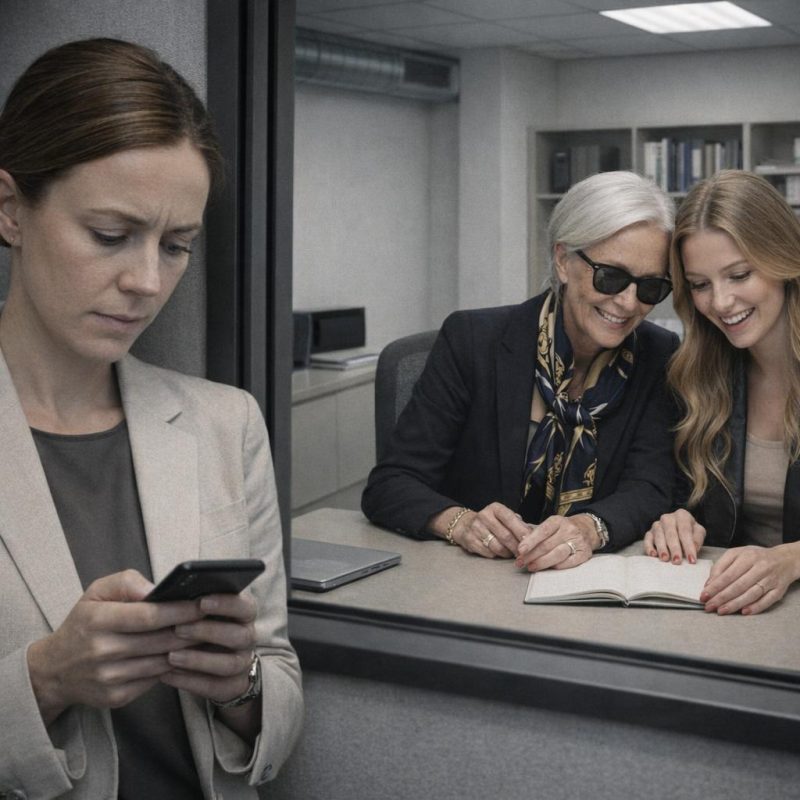 Image by RM AI
The Financial Statements
I walked back into the conference room and took my seat and opened my presentation folder. The quarterly results. Forty minutes of slides I'd built myself, numbers I knew cold. My phone was face-down on the table to my right. I left it there. The board chair introduced my segment and I stood up and I talked. I heard myself cite figures, answer a clarifying question from the CFO, advance the slides at the right moments. My voice stayed level. My hands didn't shake. Somewhere across the city, in a room I'd designed around my grandfather's desk and the books I'd carried from three different apartments, something was happening that I couldn't stop and couldn't see. I knew that if I flipped the phone over and opened the app, whatever was on that feed would make it impossible to finish the sentence I was in the middle of. So I didn't. I answered the follow-up questions. I thanked the board. I gathered my folder. The phone stayed face-down on the table the entire time, and I left it that way until the room had emptied around me.
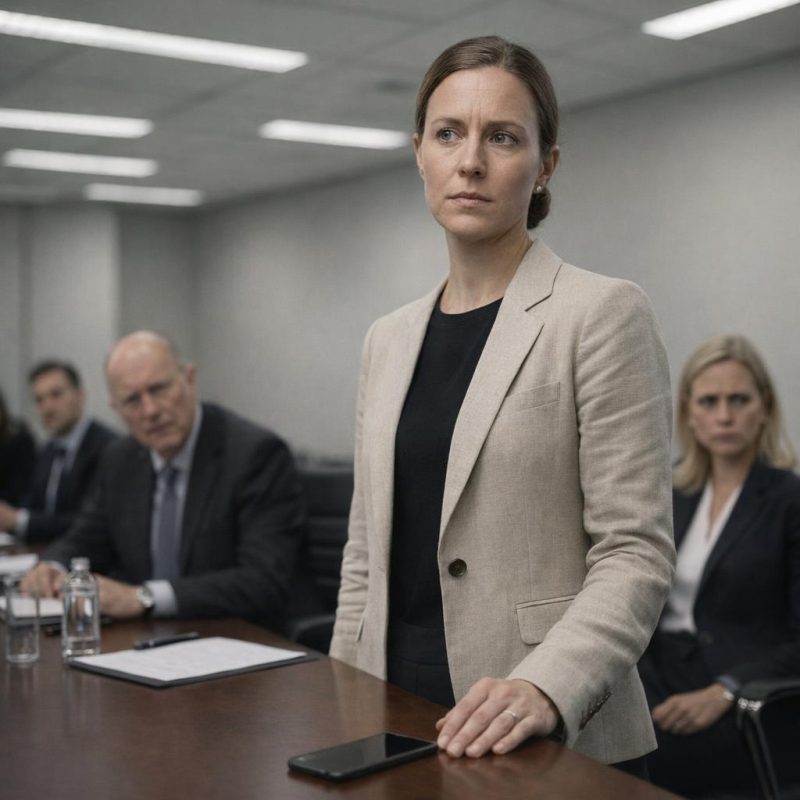 Image by RM AI
Photographing Documents
The board meeting ended just after five. I gathered my folder, shook the right hands, said the right things, and walked to the parking garage on autopilot. My heels echoed off the concrete. I got into the car, set my bag on the passenger seat, and sat there for a moment with both hands on the wheel before I picked up my phone. I told myself I was just checking in. I opened the security app and pulled up the library feed. The timestamp showed mid-afternoon. Sylvia was standing at my desk with a stack of papers fanned out in front of her, both hands pressing the pages flat against the surface. Chloe was beside her, phone raised, moving it slowly across each page. I watched Chloe advance to the next sheet and Sylvia shift the stack to keep it steady. No words passed between them. I zoomed in on the documents and my stomach dropped — those were my financial statements, my account summaries, pages I kept in the locked drawer that was apparently no longer locked. I sat in that parking garage, engine off, watching Chloe photograph page after page of my private financial records.
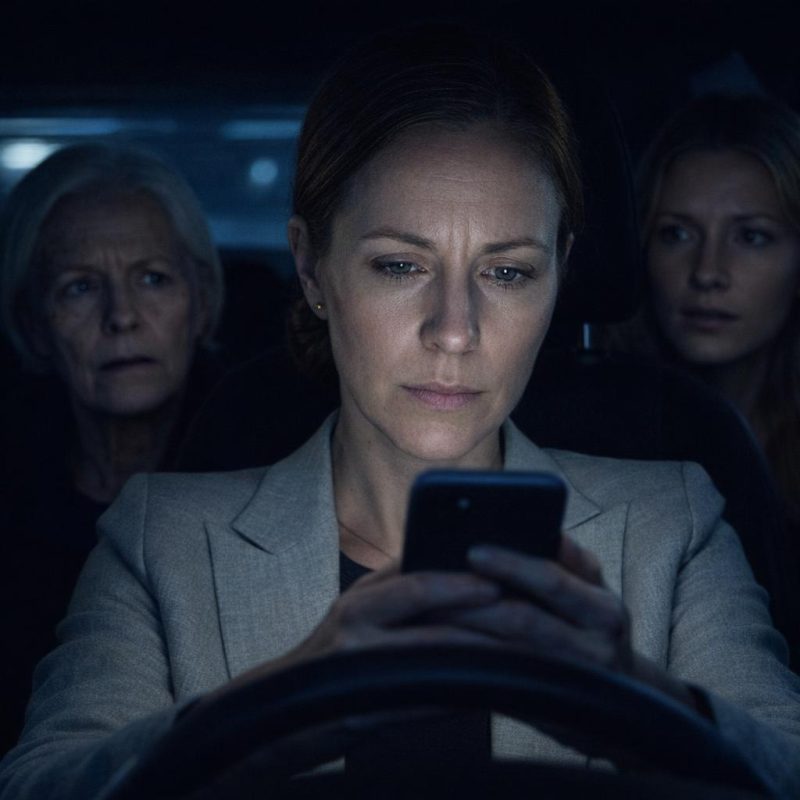 Image by RM AI
The Spine Snaps
I didn't start the car. I scrolled back through the footage instead, going earlier in the day, looking for whatever else I'd missed while I was standing in front of a boardroom presenting quarterly numbers. I found it about twenty minutes in. Sylvia alone in the library, moving along the shelves with a kind of slow deliberateness. She stopped at the corner of the desk and picked something up. I recognized it immediately — the hand-bound journal my grandfather had made for me, dark green linen cover, pages he'd sewn himself. She flipped through it the way you'd flip through a magazine at a dentist's office, fast and careless, not reading, just moving. Then she set it down. Except set isn't the right word. She dropped it, really — a short toss back onto the desk, spine-first. I turned the volume up on my phone. The sound that came through the speaker was small and sharp and completely unmistakable. A crack. The spine, giving way. I replayed it twice to be sure. The crack came through both times, thin and clean, and I sat there in the parking garage with the phone in my hands and something in me went very quiet and very still.
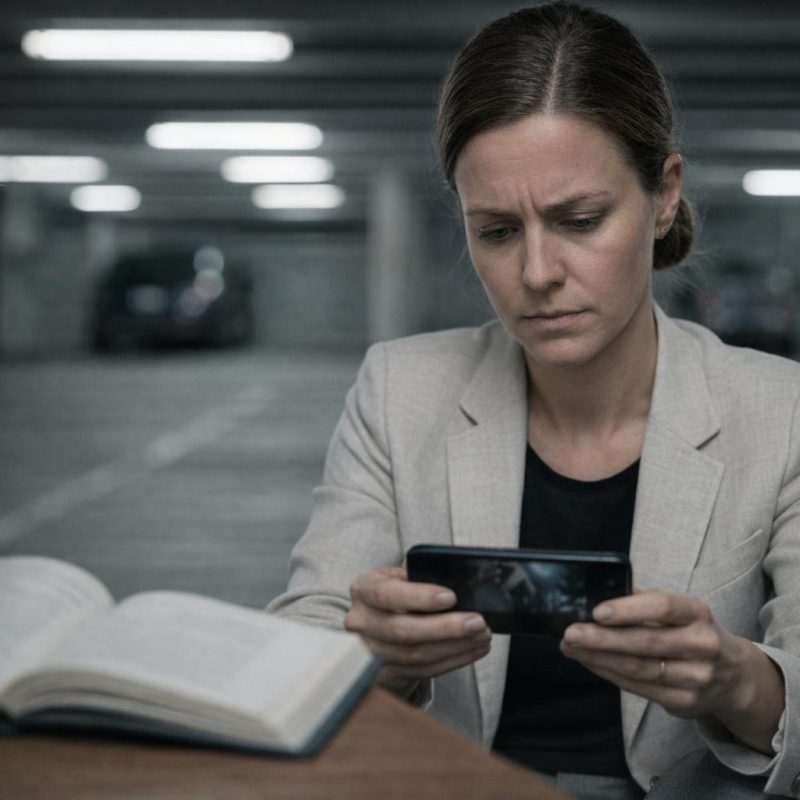 Image by RM AI
Three Clicks
I put the phone down and opened my laptop. My hands were steady. That surprised me a little — I'd expected them to shake, but they didn't. I logged into the travel portal and the dashboard loaded with everything I'd pre-booked months ago: four first-class return flights, a week-long spa retreat at the property up the coast, private car transfers between the hotel and the airport. I'd arranged all of it as a gesture. A welcome. I looked at the total for a moment, then I clicked the first cancellation. The confirmation appeared in under ten seconds. I clicked the second. Then the third. The spa retreat, the transfers, the flights — each one processed cleanly, a refund queuing back to my account with a small green confirmation banner. No error messages. No holds. Just clean, quiet reversals, one after another. My inbox filled with cancellation confirmations while I watched. I closed each email as it arrived. When the last refund processed, I closed the laptop, set it on the passenger seat next to my bag, and started the car.
 Image by RM AI
The Coordinated Invasion
Highway 1 was backed up past the Miramar exit, brake lights stretching out ahead of me in the early dark. I sat in the crawl and let my mind go back over the footage. Not the sound of the spine — I was trying not to think about that yet — but the way they'd moved through the library. Sylvia had gone straight to the desk. Not to the shelves, not to the window, not to browse. Straight to the desk, to the drawer, to the specific stack of papers inside it. Chloe had her phone out before Sylvia even had the pages flat. There was no hesitation between them, no whispered direction, no moment of figuring out what to do next. I kept turning that over. Two people moving through a room that efficiently, without talking, without pausing — that kind of coordination doesn't happen by accident. It felt like something discussed in advance, something decided before they ever walked through the door. I didn't know yet what they intended to do with what they'd found. But sitting in that traffic, watching the brake lights pulse ahead of me, I couldn't shake the feeling that this had been the point of the visit all along.
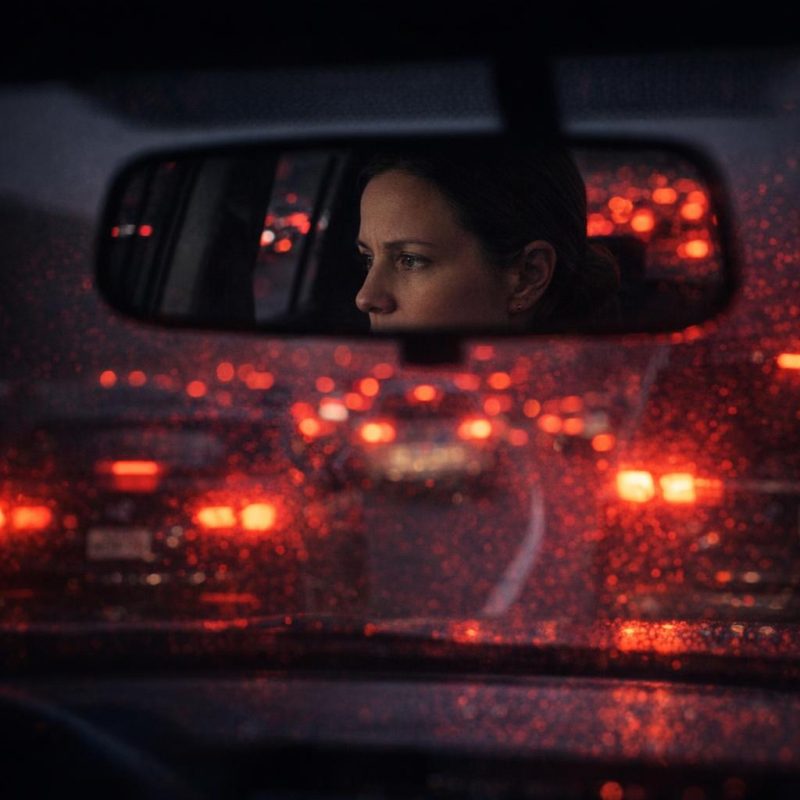 Image by RM AI
More Footage
I pulled off at the scenic overlook just past the state beach, the one with the gravel turnout and the guardrail and the view of the water going black in the last of the light. I put the car in park and opened the security app again. I hadn't checked the other feeds yet. I'd been focused on the library. I pulled up the home office camera first. The timestamp was early afternoon, around the same window as the library footage. Derek was in the frame, standing at my desk, pulling the center drawer open. He went through it slowly, lifting papers, setting them aside, checking underneath. He opened the side drawer. He closed it. He stood there for a moment looking at the surface of the desk like he was deciding whether he'd missed something. I switched to the bedroom feed. Brandon was there, sitting on the edge of the bed, going through the nightstand drawer. He checked both sides. He looked under the bed. He stood up and scanned the room once before he left. I sat at the overlook with the phone in my lap and the ocean going dark below me, and the footage from Derek in my office and Brandon in my bedroom sat in my chest like something I couldn't swallow.
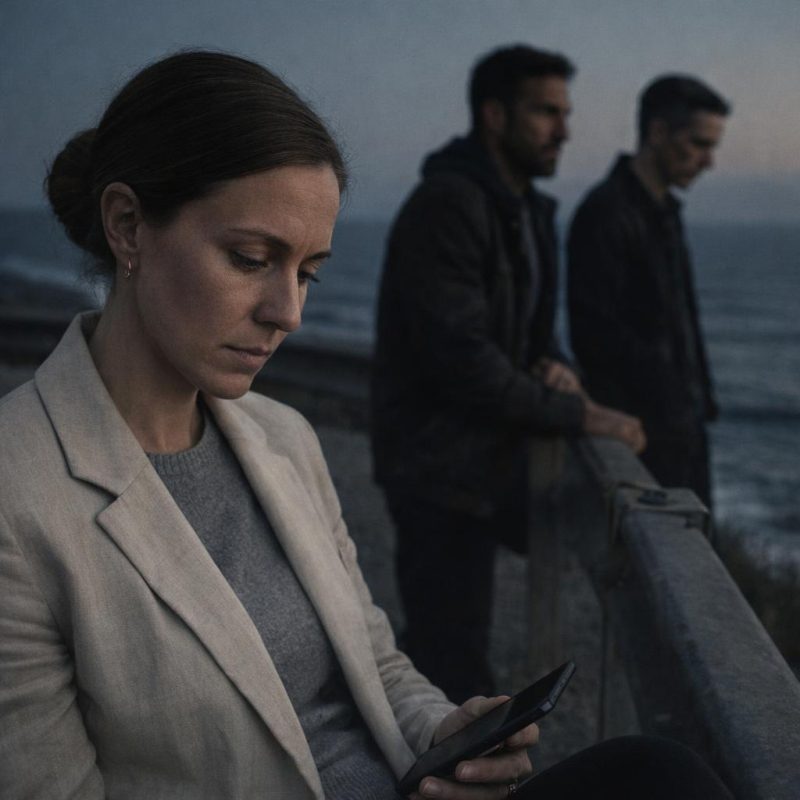 Image by RM AI
Staying Away
I texted Mark from the overlook. Stuck in traffic, running really late, don't wait up. He replied within a minute — a thumbs up and then, a few seconds later, drive safe. I pulled out of the overlook and drove south for about a mile before I turned into the parking lot of a restaurant that was already closed for the night. I backed into a spot facing the water and turned the engine off. I sat there for a long time. I went through the footage again, not looking for anything new, just letting it settle. Sylvia at the desk. Chloe with her phone. Derek in my office. Brandon in my bedroom. I thought about walking through the front door and what my face would have to do when I got there. I thought about what I already knew and what I still didn't, and how much of that gap I needed to close before I said a single word out loud. Mark texted again around nine-thirty — still stuck? — and I wrote back, yeah, bad accident up near the junction, should clear soon. I watched the screen go dark after he read it. The parking lot was quiet around me, just the sound of the ocean somewhere past the seawall, and I let the quiet hold me there a little longer.
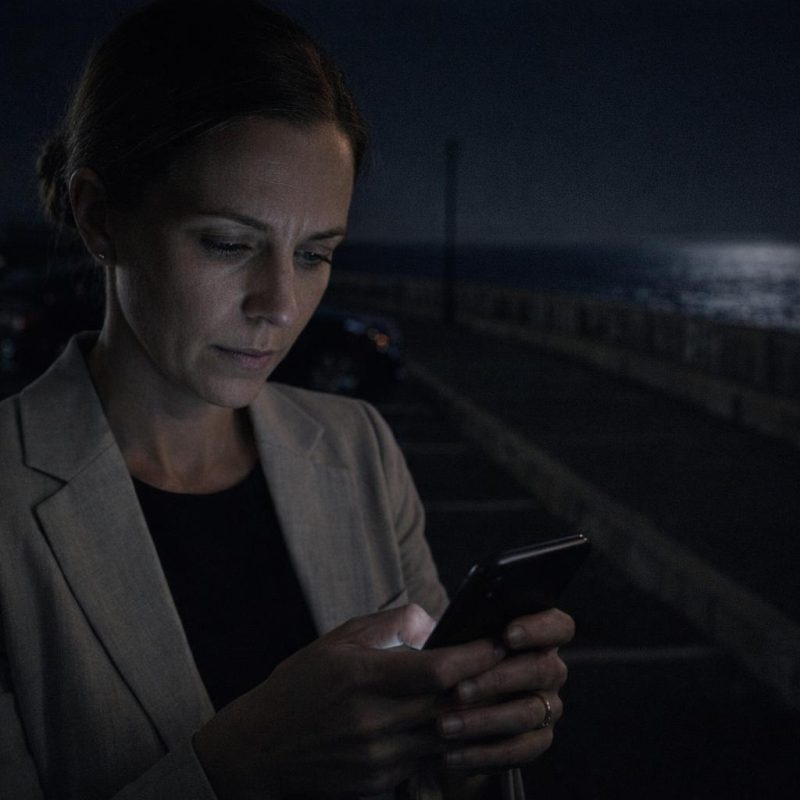 Image by RM AI
The Glowing House
I finally pulled back onto the highway just after one in the morning. The coast road was empty that late, just my headlights and the guardrail and the sound of the ocean below. I came around the last curve before the house and saw it from maybe a quarter mile out. Every window was lit. Not a lamp here and there — every light in the building, blazing, the whole structure glowing against the dark water like something on fire. I could hear the music before I even turned into the driveway. Something with bass, loud enough to feel in the steering wheel when I rolled the window down. I pulled in slowly and sat there with the engine running. The neighbors on either side were dark and quiet. My house was a beacon. I thought about the journal spine. I thought about the cancellation confirmations sitting in my inbox. I thought about the footage of Derek in my office and Brandon in my bedroom and Chloe moving her phone across my financial records while Sylvia held the pages flat. I turned the engine off. The music kept going. The house blazed against the Pacific, indifferent and bright, and I sat with the weight of everything I was about to walk into.
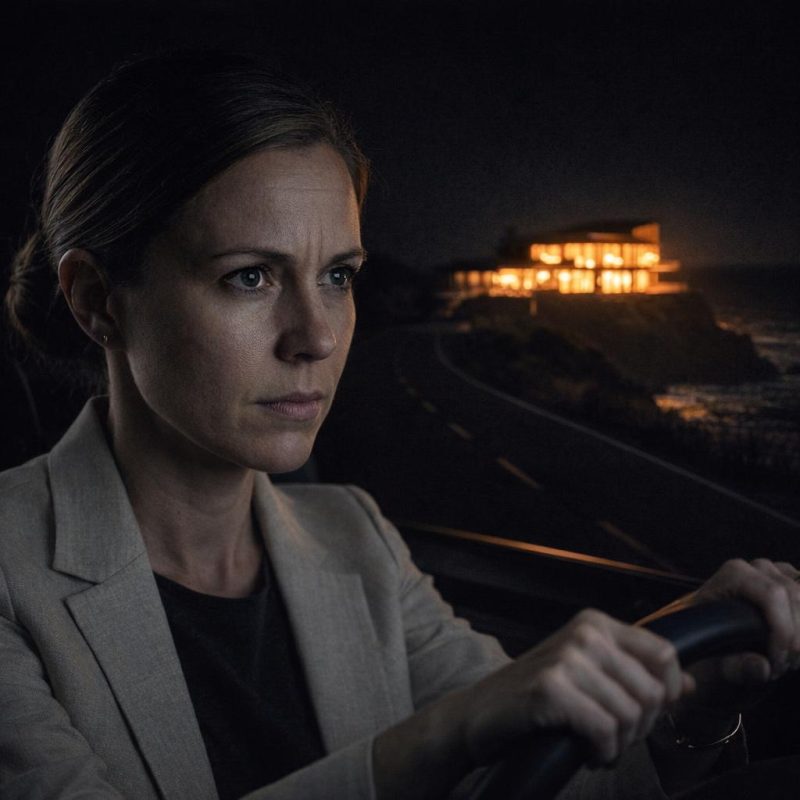 Image by RM AI
The Final Insult
I walked through the front door and stopped. The living room looked like the aftermath of something. Empty bottles on the floor, on the coffee table, on the windowsill. A smell of cigarette smoke that had soaked into everything. I looked at the rug — the hand-knotted one I'd had shipped from Istanbul — and there was ash ground into it in at least three places. My vintage record player was going at full volume, the needle dragging through something I didn't recognize, the speakers pushed past what they were built for. The family was scattered around the room in various states of settled-in comfort. Gerald was asleep in the armchair. Brandon and Derek were on the floor with their backs against the sofa. Chloe was on her phone in the corner. Mark was standing near the kitchen doorway, and when he saw me his expression shifted into something I couldn't read from across the room. And then there was Sylvia. She was stretched out on the sofa, feet up on my marble coffee table, completely at ease. My grandmother's quilt — hand-stitched, eighty years old, the one thing in the house I'd told Mark explicitly was not for general use — was draped across her feet like a throw blanket. She looked up at me and said, "Oh good, you're finally home. Did you bring anything for dessert?"
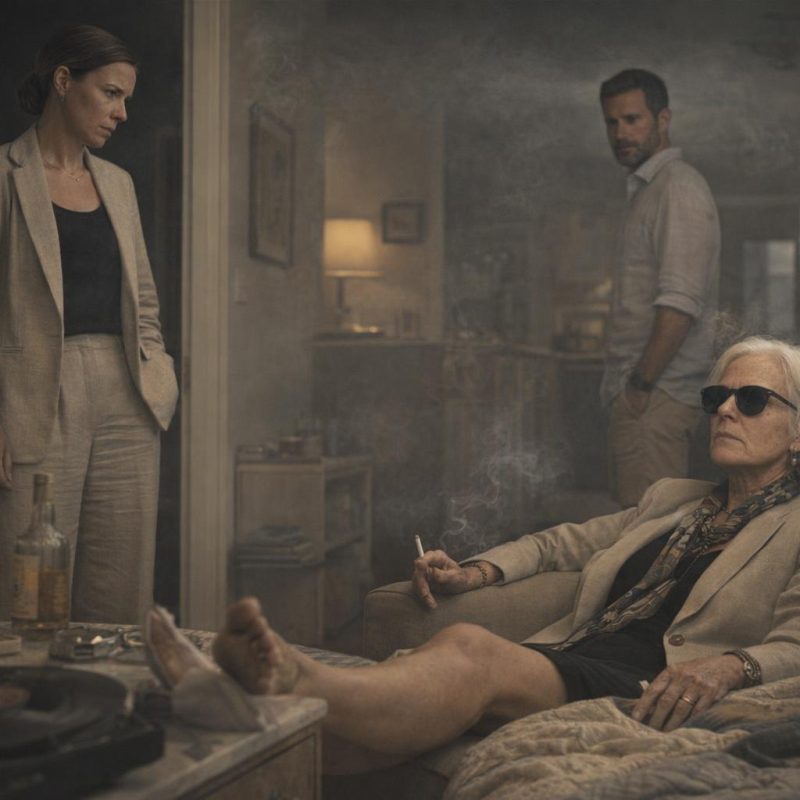 Image by RM AI
Cutting the Power
I didn't answer her. I didn't say a word. I set my bag down on the entryway floor with the kind of deliberate quiet that comes when you've moved past anger into something colder. The record player was still dragging through whatever they'd put on it, the needle scratching at a volume that made the windows hum. My grandmother's quilt was draped across Sylvia's feet like it was a hotel throw. I walked past all of it — past Gerald snoring in the armchair, past Brandon and Derek on the floor, past Chloe's phone screen glowing in the corner — and I went to the hallway where the power main was mounted behind the utility panel. I opened the cover. I looked at the row of breakers for exactly one second. Then I flipped them all. The music stopped mid-note. Every light in the house went out at once. The refrigerator hum died. The ceiling fans slowed to nothing. What replaced it all was the ocean — just the ocean, crashing against the cliffs below, steady and indifferent, filling the silence the house had suddenly become.
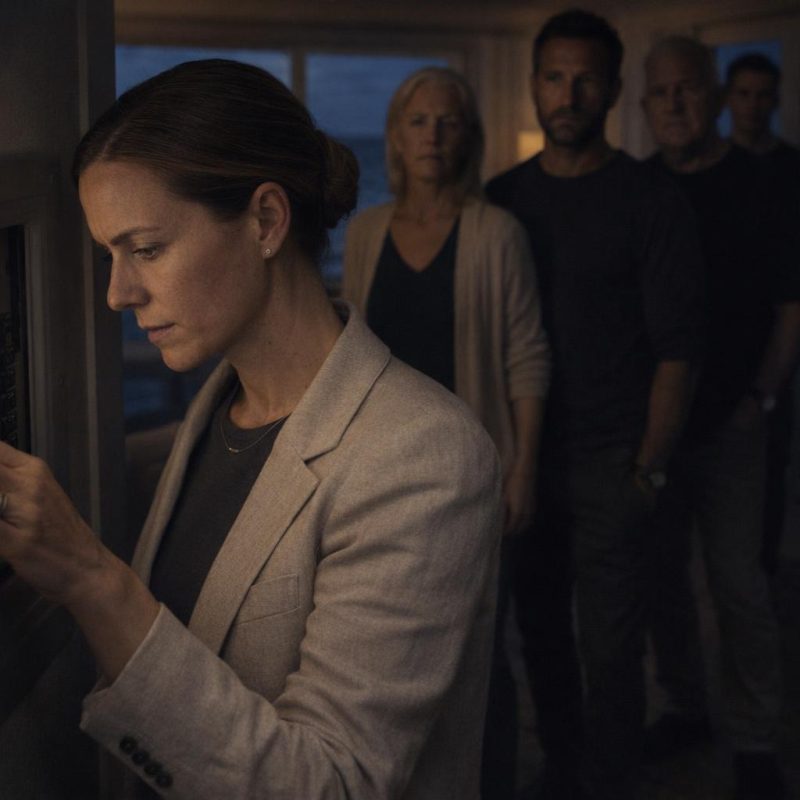 Image by RM AI
Voices in the Dark
For a moment nobody moved. Then it started. Chloe shrieked — a short, sharp sound — and asked what happened to the lights. Brandon swore and I heard something heavy knock against the coffee table leg. Gerald's voice came up groggy and confused, asking if there'd been an outage. Derek was fumbling for his phone, the screen casting a pale rectangle of light that swept across the ceiling. Sylvia's voice cut through all of it, rigid and demanding, wanting to know what was going on and who was responsible. Mark called my name from somewhere near the kitchen doorway. I didn't answer any of them. I was standing in the center of the living room, where the moonlight came through the tall windows in long pale strips, and I could see their shapes moving through the dark — bumping, reaching, stumbling — and I stayed completely still. Sylvia's voice climbed higher. Brandon knocked into something else and swore again. They kept calling out, kept demanding, and I kept saying nothing. The ocean filled every gap between their voices, and I stood there in the dark and let it.
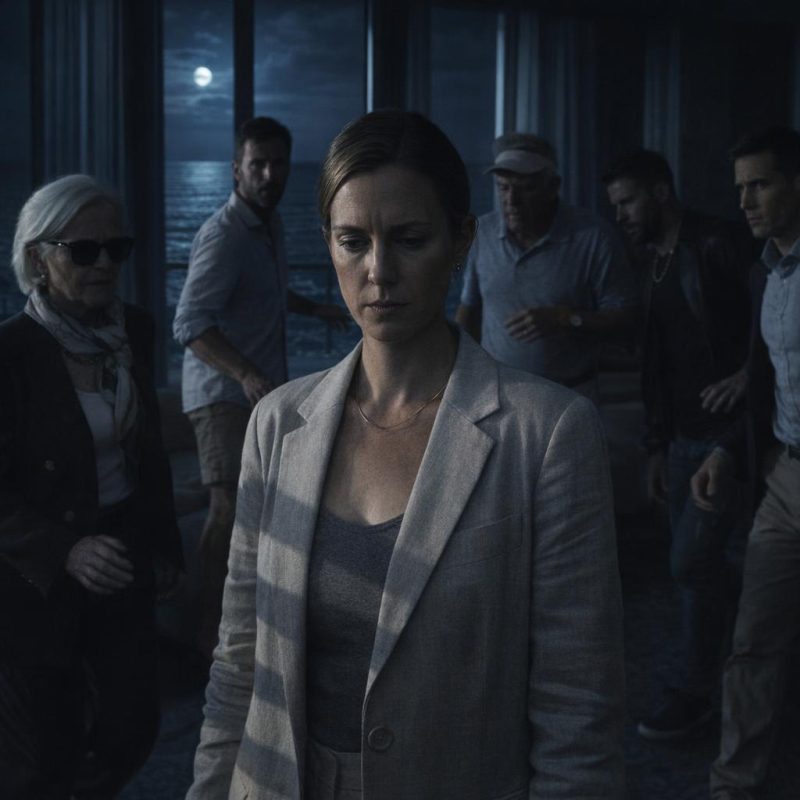 Image by RM AI
The Footage
I let them scramble for another full minute before I spoke. "Stop." One word, and something in the tone of it landed, because the room went quieter. I raised my phone and turned the screen outward so the footage played where they could see it — the library, the desk lamp on, Sylvia and Chloe moving through my shelves, pulling out journals, holding photographs up to the light, opening the locked drawer with a key I had never given anyone. "I have cameras in every room of this house," I said. "I watched all of it." Sylvia started immediately — misunderstanding, just curious, nothing was taken — and I cut her off before she finished the second sentence. "I'm not interested in the explanation." I told them the visit was over. I told them they had twenty minutes to pack whatever they'd brought with them. I mentioned the flights I'd already canceled and the spa retreat that was no longer waiting for them. The room went very still. And then I held the phone higher, the footage still playing, and I watched every face in that room catch the light from the screen.
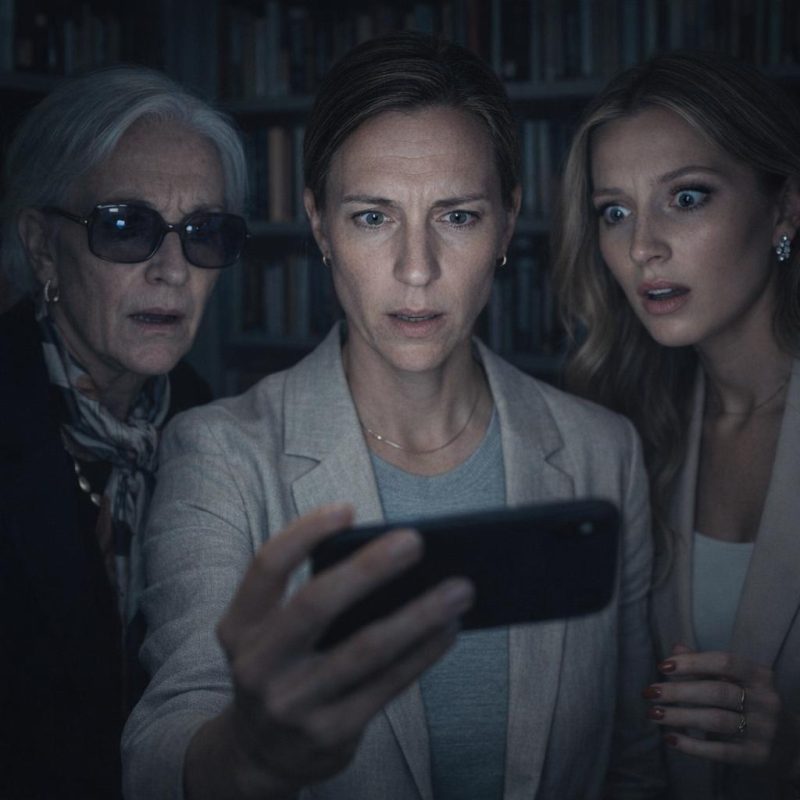 Image by RM AI
Mark's Silence
I watched them all, but I kept coming back to Mark. Sylvia was already talking, already building toward something — her voice climbing, her posture stiffening. Chloe had gone quiet in a way that felt calculated. Derek's jaw was set. But Mark — Mark was standing near the kitchen doorway with his hands in his pockets, and his face in the glow of my phone screen was wrong. Not shocked. Not angry on my behalf. Not even confused. He looked like a man who had just heard something he'd been waiting to hear. I kept the footage playing and I watched him, and he didn't ask what they were doing in the library. He didn't step forward. He didn't say anything at all. Sylvia glanced at him — a quick, sharp look — and something passed between them that I couldn't name but felt immediately. His silence wasn't the silence of someone blindsided. It sat differently than that. I lowered the phone slightly and looked at my husband's face, and the question that had been forming in the back of my mind all evening moved to the front.
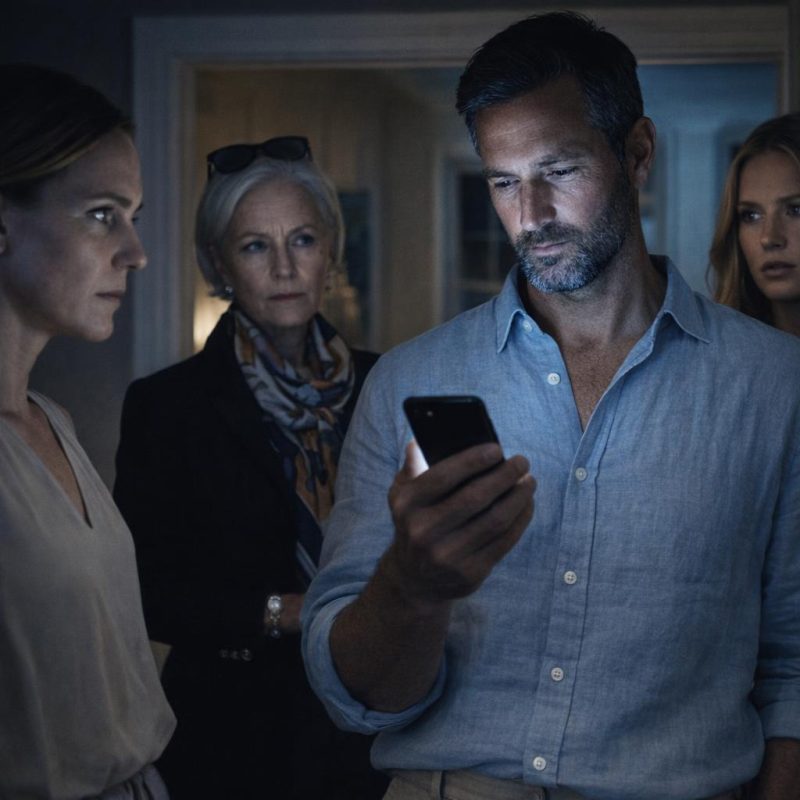 Image by RM AI
The Complicity
I turned to face him directly. "Did you know they were going to do this?" The room went still in a different way than before. Mark's mouth opened and he said no — started to say no — but there was a half-second before the word came out that told me everything. I pressed. I asked him how they knew exactly which drawer. How they knew which shelf. How they got into the locked cabinet. His face changed. The composure he'd been holding slipped, and what was underneath it wasn't innocence. Sylvia said his name from across the room, a single sharp syllable, like a warning. I kept my eyes on Mark. He looked at the floor. He said he'd told them where to look because he thought it would help them understand the finances. He said he hadn't expected them to go that far. I asked him what exactly he told them. The silence stretched. Then, quietly, he said he'd told them where I kept the financial records — the investment accounts, the property documents, the asset portfolio. The words landed in the room like something dropped from a height. He told them where to find everything.
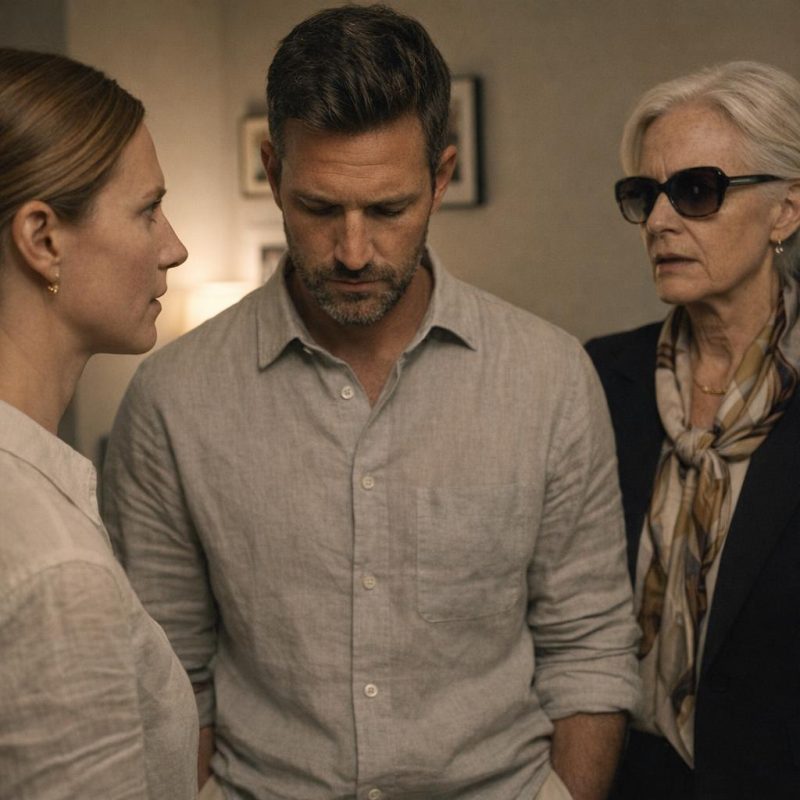 Image by RM AI
Reframing Everything
I stood there in the dark and let it move through me — every moment of the past month reshaping itself around what he'd just said. His defense of Brandon after the record player. His explanation for Chloe's behavior in the kitchen. The way he'd told me I was being too sensitive, too rigid, too unwilling to let family be family. Every time I'd raised something and he'd softened it, redirected it, turned it back on me. He'd stayed home the morning of my board meeting — said he wanted to be there for his family. I'd thought it was weakness. I'd thought he was just conflict-avoidant, just caught in the middle, just not strong enough to hold a line. But standing there with the ocean coming through the dark and his admission still in the air, I could see the shape of it differently. The softening hadn't been weakness. The staying home hadn't been passivity. Every moment I'd written off as him being a pushover looked different now, and the reframing didn't stop — it just kept going, one memory pulling the next, all the way back to the beginning of the month.
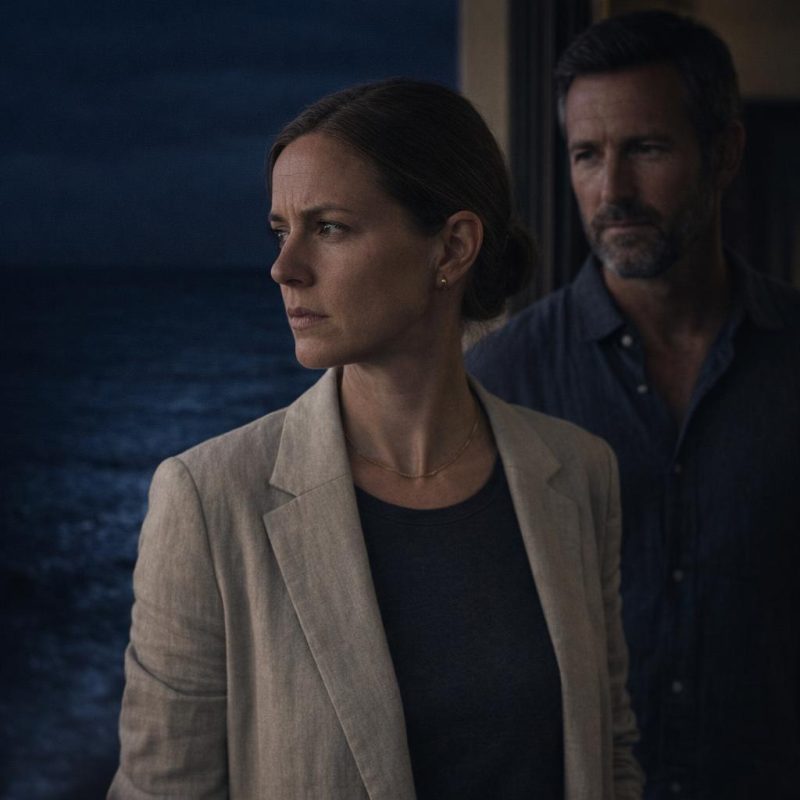 Image by RM AI
The Financial Leverage
I asked the room what they were planning to do with it. With the photographs of the documents, the account numbers, the property records. Nobody answered for a moment. Then Sylvia's voice came from the far side of the room, flat and unapologetic. She said they just wanted to understand what Mark was entitled to — her word, entitled — if the marriage didn't work out. Derek added something about asset division, about what was acquired before and during, about how these things needed to be documented properly. I didn't respond right away. I stood there and let the full shape of it settle. The month hadn't been a visit. The chaos, the boundary-pushing, the wearing me down — it had run alongside something else entirely, something being built in my library while I was at board meetings and client calls. They had been in my house, eating my food, sleeping in my beds, and at the same time they had been quietly assembling a case. The weight of that sat in my chest like something physical, dense and cold, and I didn't move.
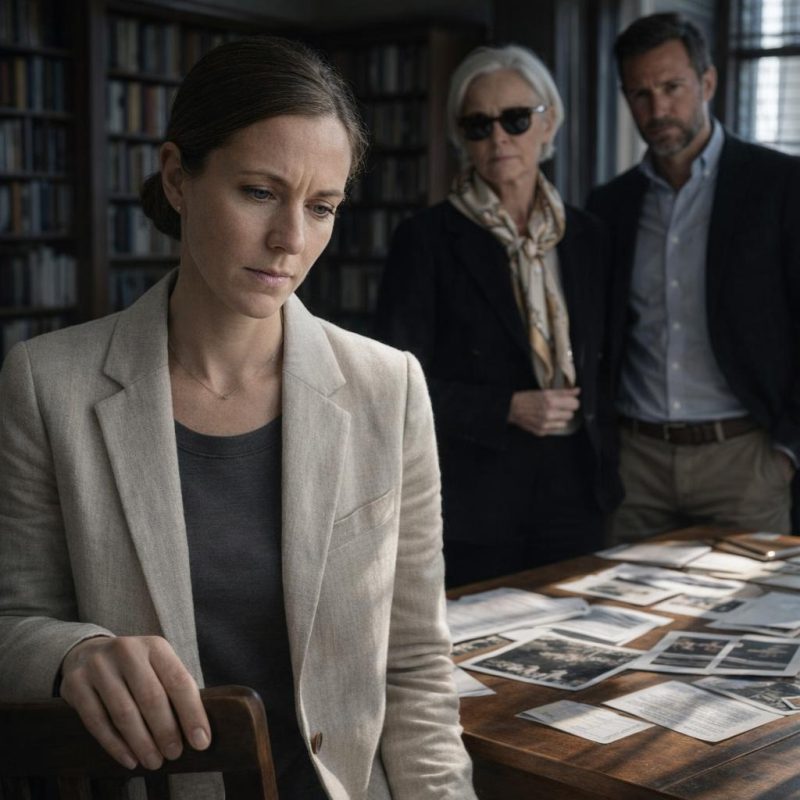 Image by RM AI
Twenty Minutes
"Twenty minutes," I said. My voice came out level. Sylvia started immediately — where were they supposed to go, this was unreasonable, they had rights as guests. I let her finish one sentence and then I spoke over the next one. "Pack your personal belongings. Leave everything else exactly where it is." Derek asked about getting home, about the flights. I told him that wasn't my concern anymore. Brandon wanted to know about the rental car situation, about the drive back. I said the same thing. Chloe started crying — or performing crying, I couldn't tell the difference and had stopped trying. Gerald stood up from the armchair and looked at Mark, and Mark looked at the floor. Sylvia's voice climbed higher, more insistent, shifting toward something that wanted to sound like authority. I waited for her to finish. Then I told them that if anyone was still on my property in twenty-one minutes, I would call the county sheriff and let him sort out the trespassing question. The protests didn't stop, but they changed — got quieter, got faster, got more private. And I stood in the center of my living room in the dark and didn't move an inch.
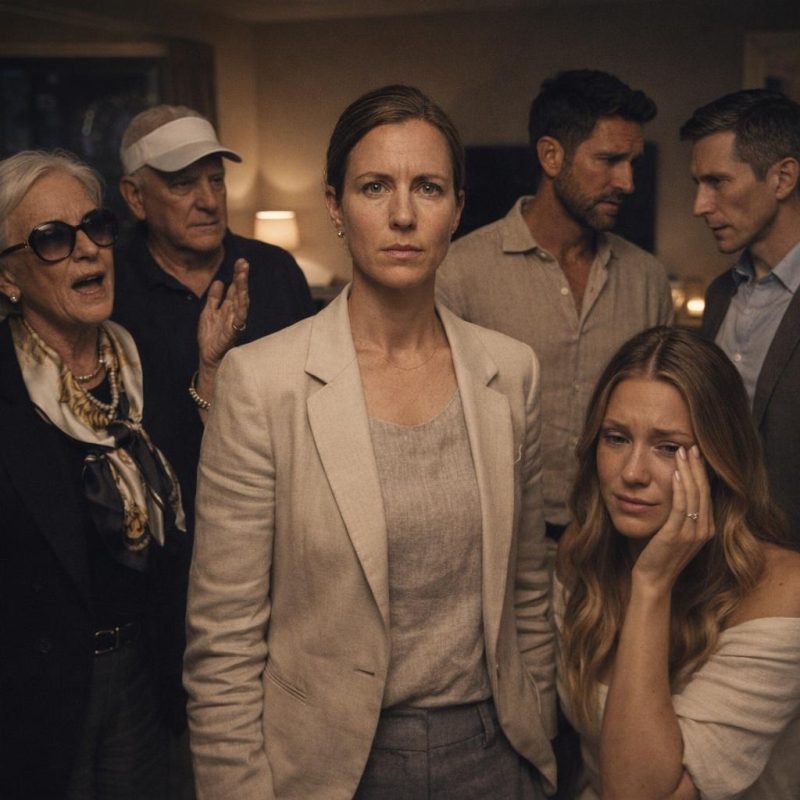 Image by RM AI
Frantic Packing
I walked to the breaker panel and flipped every switch back on. Light flooded the house all at once — every room, every hallway, every corner they'd been hiding in. For a second nobody moved. Then Sylvia snapped something at Gerald and the scramble started. I stood in the center of the living room and watched them scatter like the lights had exposed something they didn't want seen. Suitcases appeared from nowhere, dragged and bumped down the hallway. Chloe was crying loud enough for the neighbors to hear, if we'd had any, going on about hotels and how there was nowhere to go at this hour. Brandon was cursing under his breath about the flights, loud enough that I could hear every word. Derek turned on Mark — right there in the hallway, voice low and sharp — telling him this was his fault, that he'd let it get this far. Mark said nothing. Gerald moved in slow circles, picking things up and putting them down in the wrong places, completely useless. Sylvia tried to direct them but her voice had lost its authority and everyone could hear it. I checked my watch. "Fifteen minutes," I said, to no one in particular. Nobody answered. The hallway filled with the sound of zippers and wheels and hushed, frantic arguing.
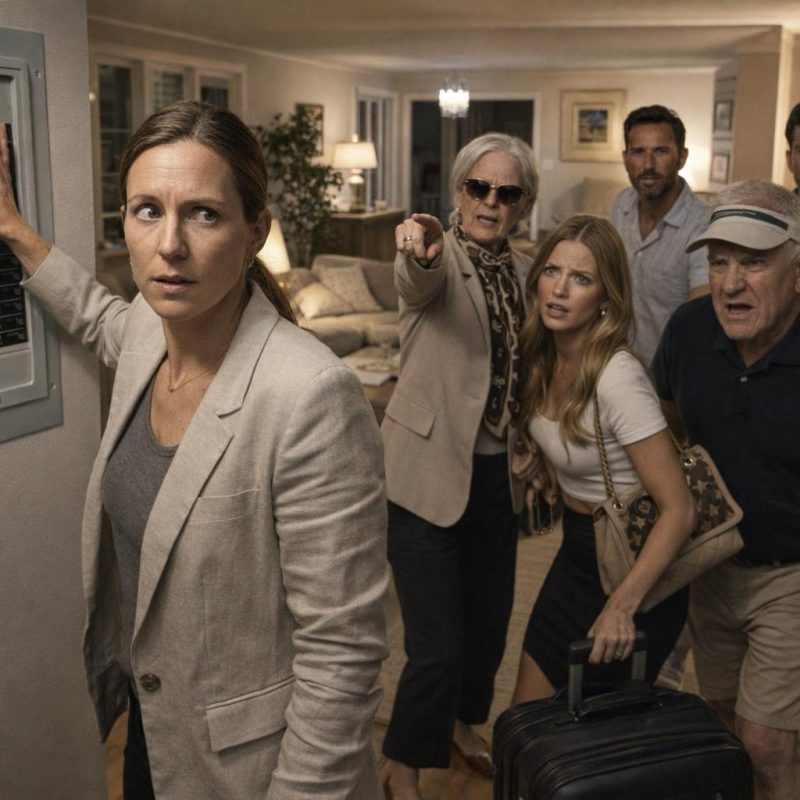 Image by RM AI
Down the Driveway
The twenty minutes ran out and I opened the front door. The night air came in cold and sharp, salt and fog rolling up from the water below. They filed out one by one, dragging bags across the threshold, wheels catching on the door frame. The driveway drops steeply toward the road and none of them had thought about that until they were already committed to it. Sylvia grabbed the railing with one hand and her carry-on with the other, moving sideways down the slope like she was negotiating a cliff face. Gerald took two bags and nearly lost one of them on the grade. Brandon and Derek loaded the rental cars in the dark, arguing in clipped sentences about who was driving which vehicle and who had the keys. Chloe got in without helping anyone. I stood at the top of the driveway and watched all of it. Mark stood a few feet behind me, hands in his pockets, not speaking. The car doors slammed. The engines turned over. Gerald pulled out first, then Derek, and they rolled down toward the highway in a slow procession. The fog on Highway 1 swallowed their tail-lights whole.
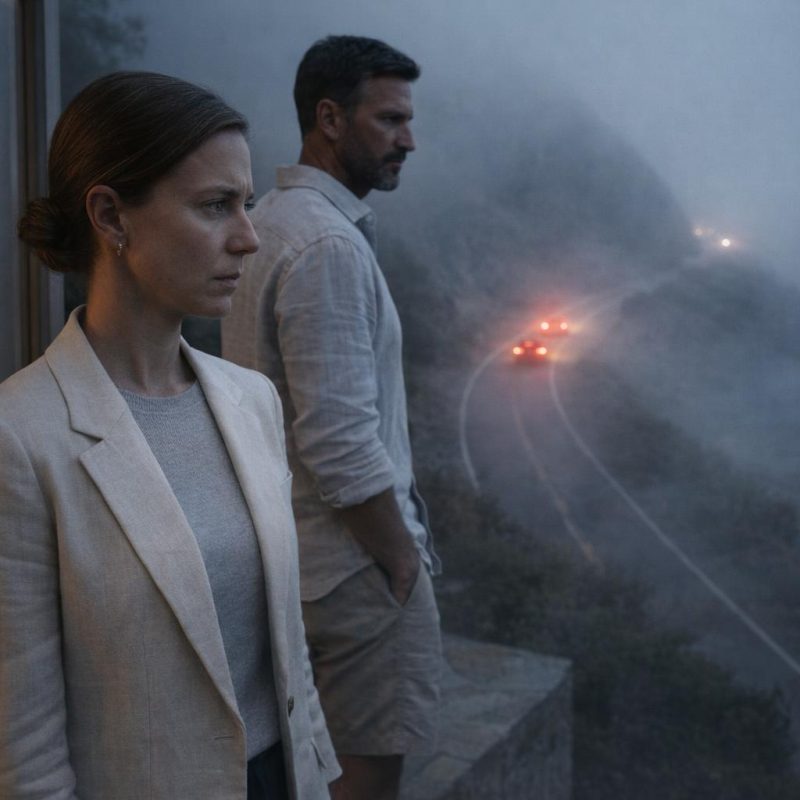 Image by RM AI
The Ultimatum
I didn't move for a moment after the fog took them. The road below was dark and quiet, just the sound of the ocean somewhere beneath the cliff and the wind moving through the cypress trees. Then I turned to Mark. He was still looking down the hill, hands still in his pockets, jaw tight. I waited until he looked at me. "You can follow them," I said. "That's your choice to make." He didn't say anything. "But if you get in a car and go down that driveway tonight, don't come back up it." I said it the same way I'd said everything else that night — level, no performance, no room for negotiation. I wasn't threatening him. I was just telling him the truth about how things stood. He looked back down toward the highway. The fog hadn't moved. There was nothing to see down there anymore, just darkness and the sound of the water. I didn't soften it and I didn't repeat it. The choice was his and I had nothing more to add to it. The weight of what I'd just said settled between us in the cold air.
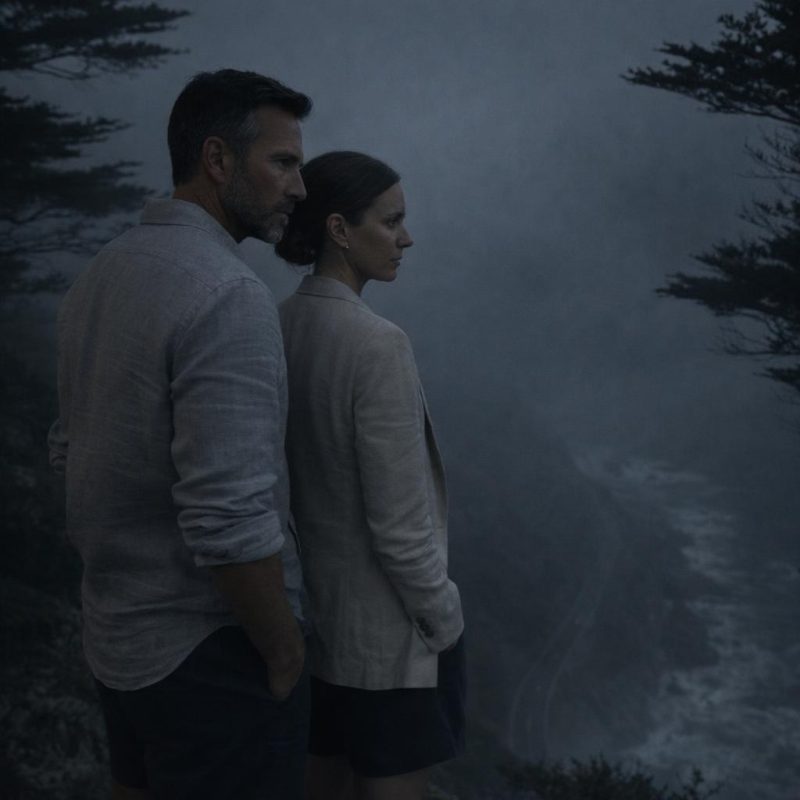 Image by RM AI
He Stays
Mark stood at the edge of the driveway for a long time. Long enough that I stopped counting the seconds. He was looking down toward Highway 1, toward the place where the fog had closed over the tail-lights, and I could see the tension in his shoulders from where I stood. I didn't speak. I didn't move toward him or away from him. Whatever he decided, he was going to decide it without me pulling him in either direction. The wind came up off the water and the cypress trees shifted. He looked down the hill one more time. Then he turned. He walked back up the driveway past me without making eye contact, crossed the threshold, and went inside. I stood there another moment in the cold before I followed him in. He'd sat down on the couch and was staring at the floor, hands clasped between his knees. I didn't say anything to him and he didn't say anything to me. He had stayed. I didn't know yet what that meant, or whether it changed anything at all. The house was very quiet around us both.
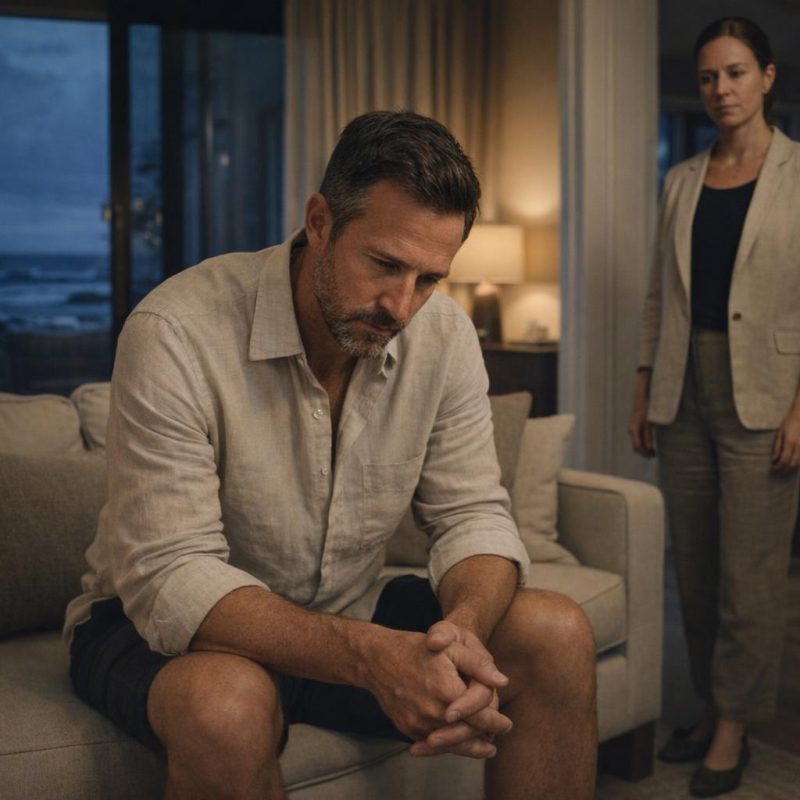 Image by RM AI
Unanswered Calls
My phone started buzzing about forty minutes after they left. Sylvia first, three calls in a row, each one going to voicemail. Then Chloe. Then a number I didn't recognize that was probably Brandon calling from someone else's phone because I'd blocked his months ago. I set the phone face-up on the kitchen counter and let it buzz. The texts started coming in around three in the morning. Angry ones first — how dare I, this was illegal, they would be speaking to a lawyer. I read them without responding. Then the tone shifted. The airport was closed. There was no hotel with availability. Could I at least tell them where to find a twenty-four-hour diner. I read that one twice and put the phone back down. Mark was sitting at the kitchen table watching me. He didn't ask me to answer. He didn't say anything at all. I think he understood, by then, that there was nothing he could say that would move me. I poured a glass of water and stood at the window looking out at the dark water below the cliff. The phone buzzed twice more and then went quiet, and I felt nothing about that except a kind of stillness I hadn't felt in weeks.
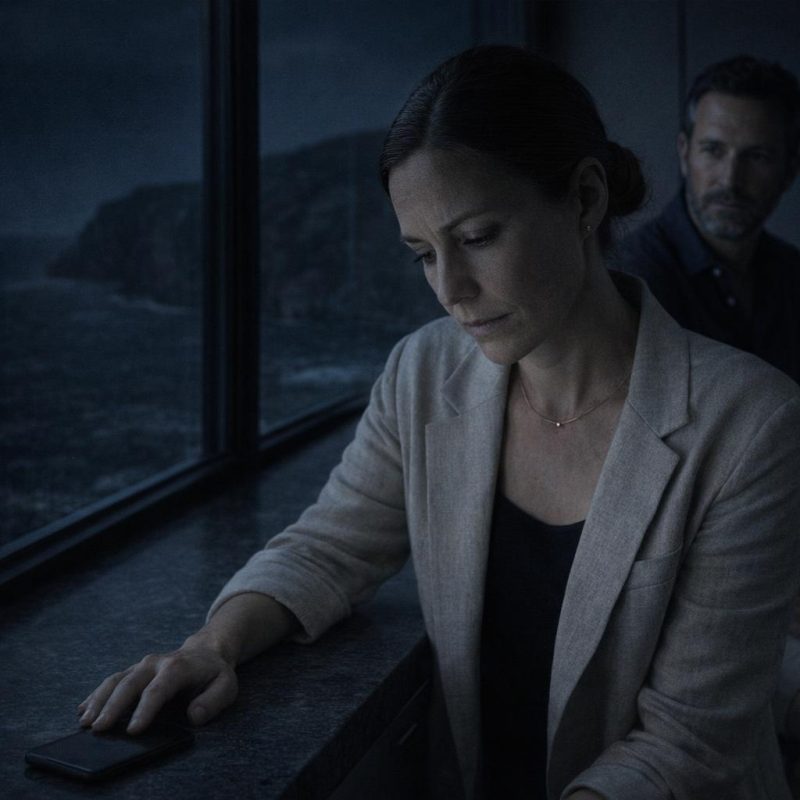 Image by RM AI
Purging the Evidence
I started in the guest rooms just before four in the morning. I didn't plan it — I just walked into the first room and pulled the sheets off the bed in one motion and kept going. Every room they'd used, every bed they'd slept in. The sheets came off, the pillowcases, the duvet covers. I carried the first armload through the house and out the back door to the large bins by the garage and dropped everything in without stopping to sort it. Back inside for the towels — the ones with the makeup stains, the ones that had been left on the floor, the ones that smelled like someone else's products. Out to the bins. The sofa cushion covers with the wine stain came off next. I didn't try to treat them. I didn't check the care labels. I just pulled them free and added them to the pile. Mark appeared in the kitchen doorway at some point and said he could help. I told him no. This wasn't about efficiency. I needed to move through every room myself, needed to feel each thing leave my hands. By the time I carried the last armload out, the sky had started to lighten at the edges. I dropped the final bundle into the bin and stood there in the cold morning air, and something in my chest finally loosened.
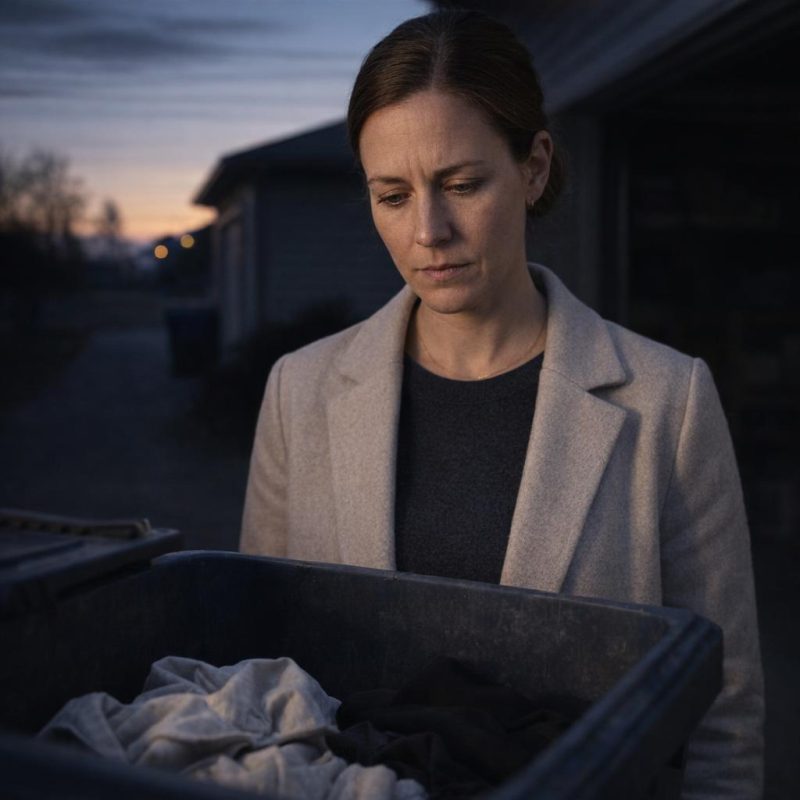 Image by RM AI
The Confrontation
We sat down at the kitchen table as the first real light came through the windows. I'd made coffee because I needed something to do with my hands. I set a cup in front of Mark and sat across from him and looked at him until he looked back at me. "How long," I said. Not a question, exactly. More like the beginning of a sentence I was waiting for him to finish. He wrapped both hands around the mug. He looked at the table. I waited. "They came to me in February," he said finally. "Before the visit was even scheduled." I kept my eyes on him. "Sylvia called me. She said they needed to understand your financial situation. That the family deserved to know." He stopped. I didn't fill the silence for him. "I'm the one who suggested the timing," he said. "The month. I thought if they came out here, if they saw everything in person—" He stopped again. I asked him what he thought would happen. He didn't answer that. He said he'd felt pressured. I let that sit between us for a moment. Then I asked him what exactly he had agreed to help them do, and his jaw tightened, and he told me the plan had started months before they ever set foot on my property.
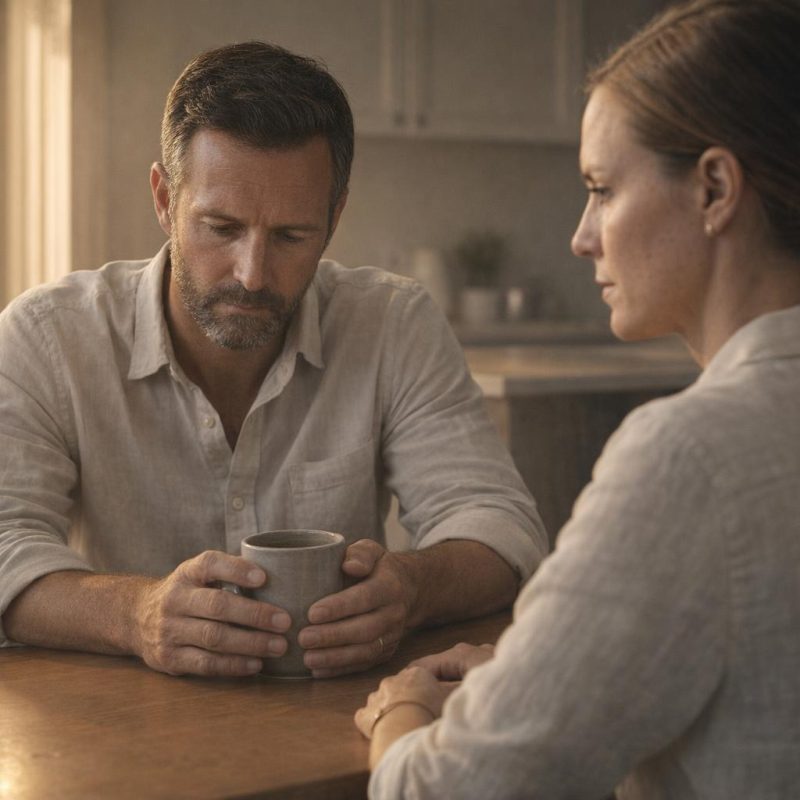 Image by RM AI
The Full Confession
He talked for a long time after that. The coffee went cold. The light through the windows moved from gray to pale gold and neither of us touched anything. He said it had been building for years — the resentment, the conversations at family dinners when he wasn't in the room, the way Sylvia had started framing things. That I was controlling. That I kept him at a distance from his own money. That he had built this life too and deserved access to what we had. He said he'd pushed back at first. I watched his face while he said that and didn't comment. Then Sylvia had started talking about divorce — not as a threat, he said, as a strategy. A way to formalize what she believed he was already owed. He said he hadn't wanted that. I kept watching him. He said they'd asked him to document things. Statements. Account information. Photographs of the property for valuation. He said the visit was supposed to give them everything they needed to take to a lawyer and build a case. He looked up at me then, finally, and said he knew it was wrong. I didn't say anything. I just sat with the fact that my husband had spent months helping his family build a divorce case against me.
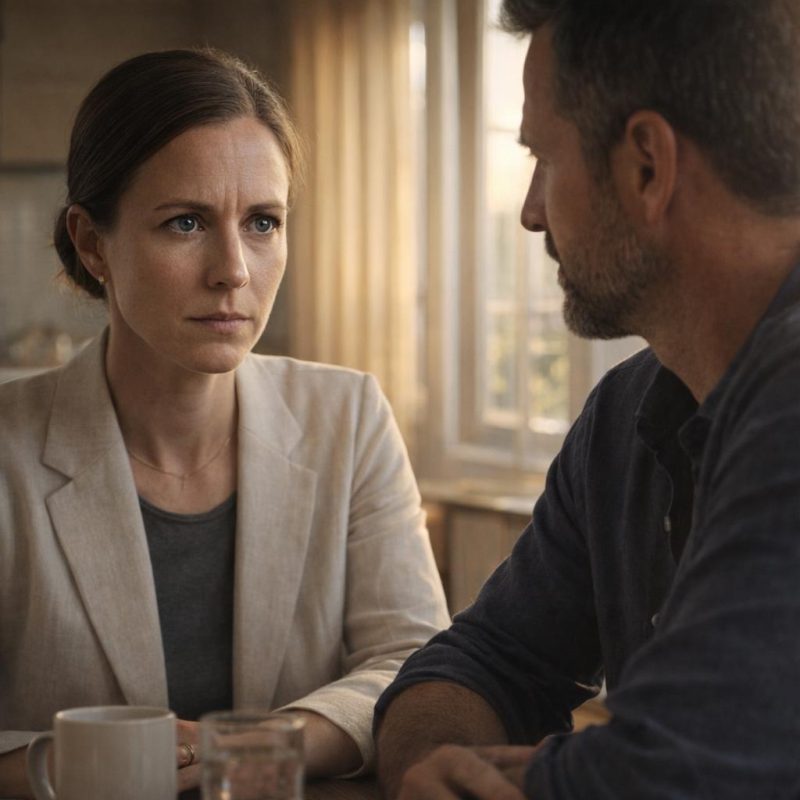 Image by RM AI
The Decision
I let him finish. I let the silence sit between us for a long moment after he stopped talking, and then I told him clearly and without any tremor in my voice that he had until sunrise to pack what he needed and leave. Not a conversation. Not a negotiation. A fact. I told him I would be filing for divorce by the end of the week, that I had already spoken to my attorney, and that the security footage — all of it — was preserved and documented. I told him that if he, or his mother, or any member of his family contacted me after today, I would pursue every available legal remedy for the invasion of my privacy and the damage to my property. He started to say something about fixing it. About time. About how he had tried to stop them. I let him get about three sentences in before I told him there was nothing to fix. That the version of this marriage where I didn't know what I now knew did not exist anymore. He asked me, quietly, if there was any way back from this. I told him there wasn't. I watched his face as the last of it landed — the jaw going slack, the eyes losing whatever argument they had been holding — and I didn't look away.
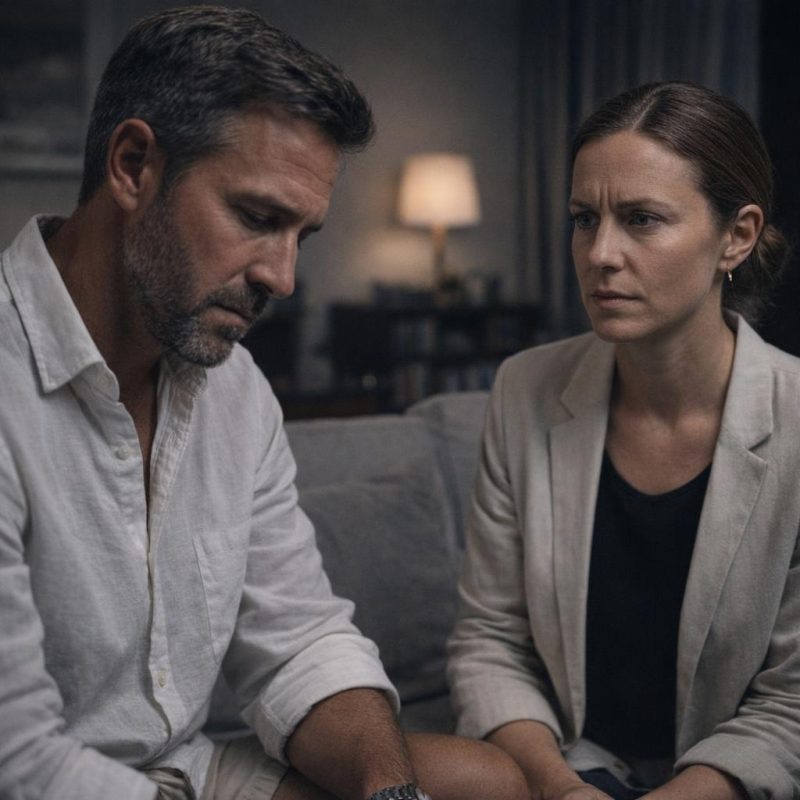 Image by RM AI
First Light
I was on the balcony before the sky had fully decided what color it wanted to be. The ocean was still dark at the edges, that deep pre-dawn gray that makes the horizon feel like a rumor. I had a blanket around my shoulders and both hands wrapped around a mug of coffee that was actually still hot, which felt like a small miracle after the night I'd had. I heard his car before I saw it — the engine turning over in the garage below, the slow crunch of tires on the driveway, the headlights sweeping across the cliff face as he turned toward the road. I watched the taillights until the curve of the driveway took them. Then there was nothing but the sound of the water and the first pale line of gold breaking open along the horizon. The salt air came in off the Pacific the way it always does at that hour — clean and cold and indifferent to everything that had happened inside those walls. I breathed it in. The house behind me was completely silent. Not the held-breath silence of the past month, with its undercurrent of tension and performance and damage. Just silence. The kind that had always belonged here, and was finally mine again.
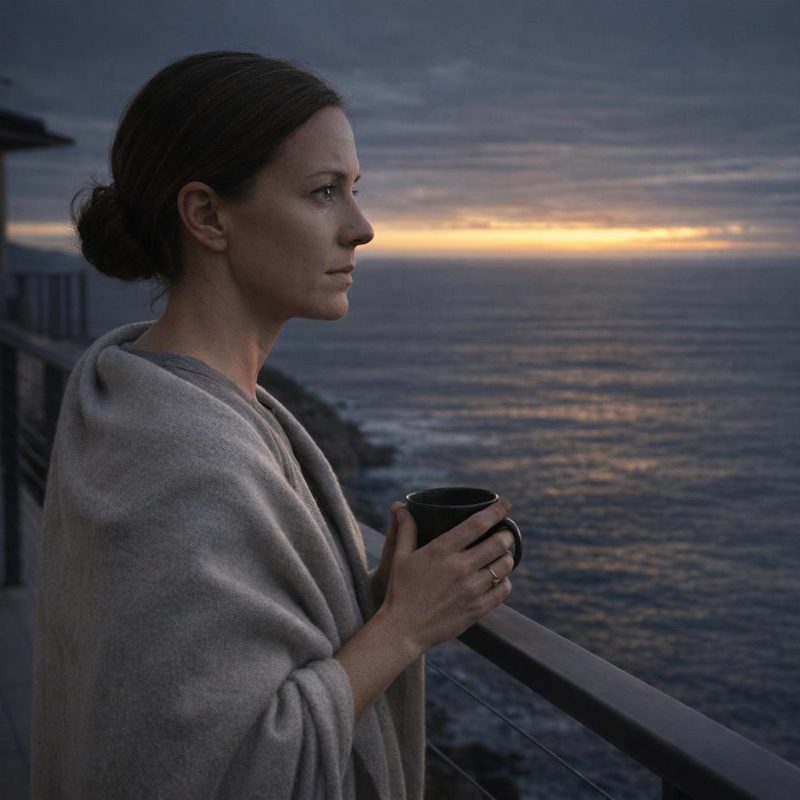 Image by RM AI
Boundaries Held
I spent a lot of that first day just sitting with it. Not the anger — the anger had burned itself down to something quieter and more useful. What I kept coming back to was how long I had bent myself around their comfort. How many times I had swallowed something sharp because I didn't want to be the difficult one, the cold one, the woman who kept Mark from his family. I had let them into my home. I had stocked the refrigerator and changed the linens and made space for people who had come specifically to take more than I had offered. And for a long time I had told myself that was generosity. Sitting there in the quiet, I understood it differently. Generosity has a floor. It has edges. Letting someone past those edges isn't kindness — it's just a failure to protect what you built. The canceled flights, the footage, the confrontation — none of that was the real thing. The real thing was simpler and harder and had taken me far too long to find. I did not owe them my home. I did not owe them my hospitality, my patience, or a single hour of the peace I had worked my entire life to earn. That understanding settled into me like something that had always been true and had finally stopped waiting to be acknowledged.
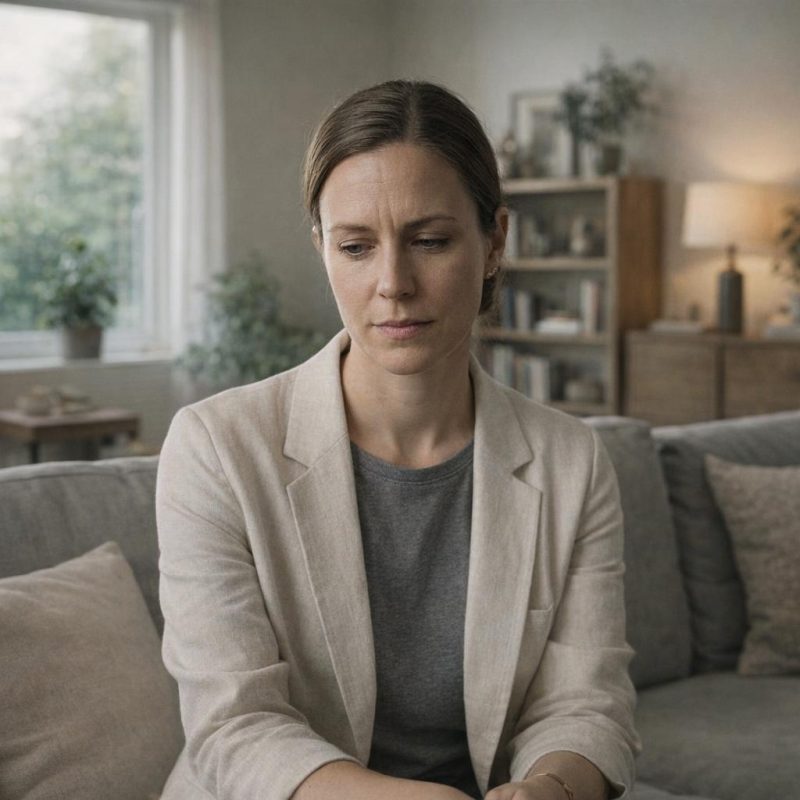 Image by RM AI
The Sanctuary Restored
By the second morning I walked through every room. Not to check for damage — I had already done that, already made the calls, already arranged for the things that needed replacing. This was something else. I moved through the living room with its clean lines and the light coming off the water, through the kitchen where the counters were bare and wiped down, through the hallway where the cedar smell had finally come back now that the windows had been open for a full day. I stood at the glass wall in the main room for a long time. The Pacific was doing what it always does — indifferent, enormous, going about its business without any awareness of what had happened in the house behind me. The cliffs were the same cliffs. The salt air was the same salt air. I had built this place to be a sanctuary, and for a month I had let it become something else — a stage, a target, a place where I had to be careful in my own home. I opened the door to the balcony and let the cold come in. The cedar and salt hit me at the same time, the way they always do when the wind is coming from the right direction. I stood there breathing it in, and the house was mine — completely, finally, without condition.
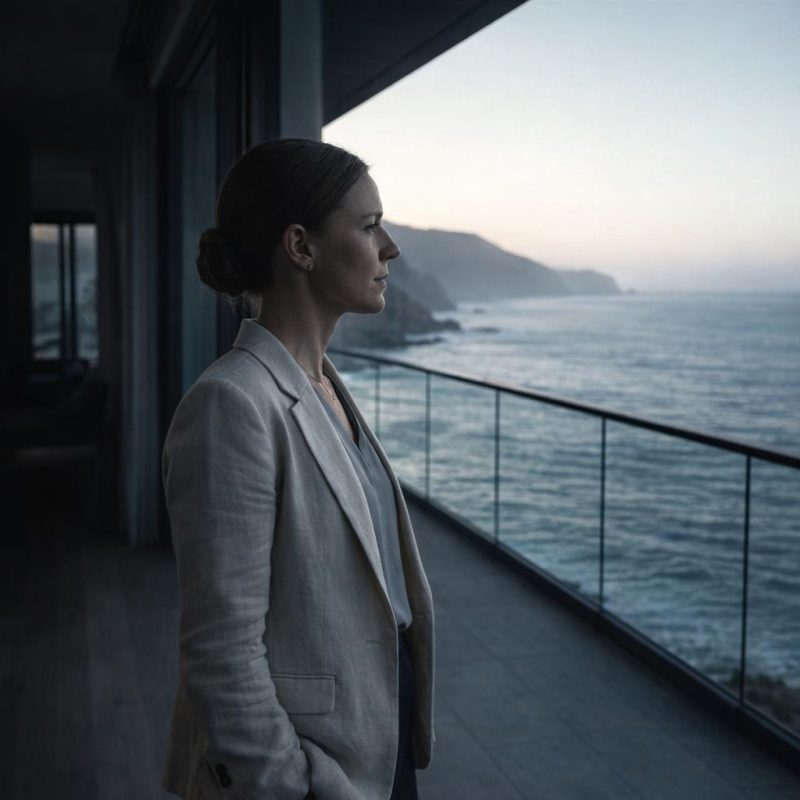 Image by RM AI
KEEP ON READING
The Origins Of 3 Common Sayings You Still Use Today
Etienne Boulanger on UnsplashMany of the phrases you use every…
By Rob Shapiro Apr 28, 2026
Was Caligula The Most Ruthless Roman Emperor?
Artur Matosyan on UnsplashRoman Emperor Caligula is one of ancient…
By Rob Shapiro Dec 18, 2025
1 Weird Fact About Every President
Washington, Lincoln, FDR. Most people know something about the lives…
By Robbie Woods Dec 3, 2024
10 Accidental Discoveries That Changed Maps & 10 That Changed…
Mistakes That Mattered. A lot of major discoveries did not…
By Cameron Dick Apr 15, 2026
10 Actors Who Perfectly Played a Historical Figure & 10…
Which Performance is Your Favorite?. Playing the role of a…
By Rob Shapiro Sep 15, 2025
10 Actors Who Perfectly Played a Historical Figure & 10…
Portraying a real person from history is one of the…
By Noone Dec 17, 2025