

I Got Kicked Off a Flight for an Influencer's Viral Video—Then My Lawyer Told Me I Was About to Be Rich
I Got Kicked Off a Flight for an Influencer's Viral Video—Then My Lawyer Told Me I Was About to Be Rich
The Woman in My Seat
I travel light and I travel early. That Tuesday morning I had my carry-on, my book, a coffee I'd barely touched, and a window seat I'd paid extra for on Flight 447. Nothing about the morning felt unusual — the terminal was the usual mix of rolling luggage and half-awake faces, and I was just another person trying to get somewhere. I found my row without any trouble, shuffled past a man already asleep in the aisle seat, and stopped. Seat 14C was occupied. A young woman was sprawled across it, phone held up at arm's length, laughing at something on her screen. Her hair was perfect. Her makeup was perfect. She was mid-sentence in what sounded like a monologue to her camera, completely at ease, like the seat had always been hers. I stood there for a moment, boarding pass in hand, waiting for her to notice me. She didn't. I cleared my throat. She glanced at the pass, gave a short laugh, and waved her hand in my direction — the kind of wave you'd give a slow-moving car — and went right back to filming. I just stood there in the aisle, not quite sure what had just happened, feeling like I'd interrupted something important that had nothing to do with me.
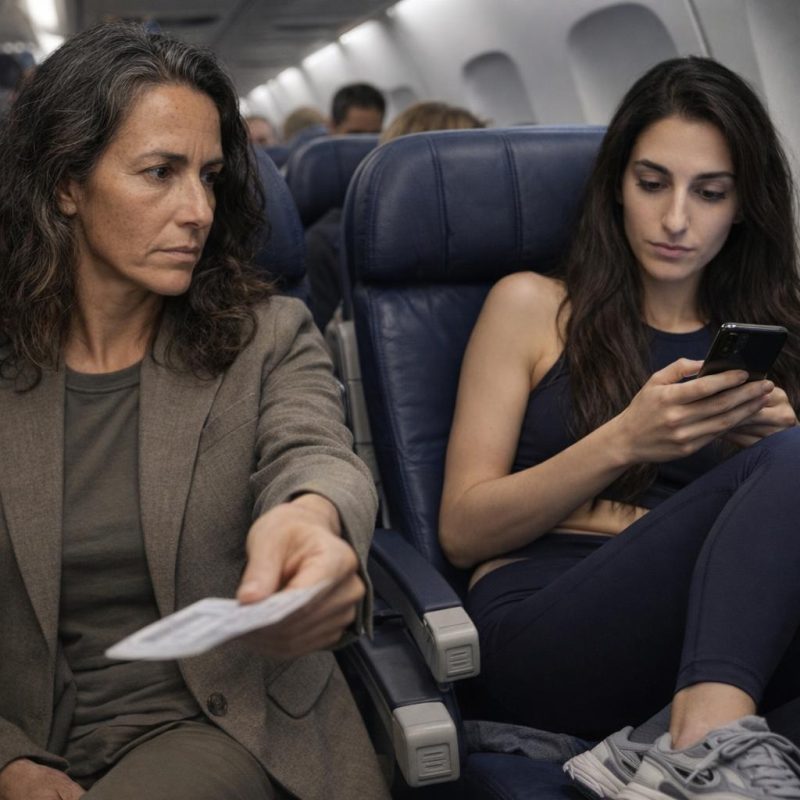 Image by RM AI
The Dismissal
I told myself to stay calm. I said, as evenly as I could manage, that I had the ticket for that seat and I'd really appreciate it if she could move. She looked up at me with this amused half-smile, like I'd said something mildly entertaining, and said, 'Relax, it's fine.' Then she went right back to her phone. I could feel heat creeping up the back of my neck. The man in the aisle seat had woken up and was watching. A couple behind me had stopped moving. I was suddenly very aware that I was the holdup, that people were waiting, that the whole situation had somehow become my fault just by existing in it. I said her seat was actually 14A or 14B, that I had 14C, and I held the boarding pass out again. She didn't look at it. She just shifted slightly, tilted the phone, and kept talking to her camera in that same breezy tone, like I was background noise she'd already tuned out. I lowered my boarding pass and stood there, genuinely unsure what the right move was. Then I noticed she had angled the phone outward — and it looked like the frame now included me.
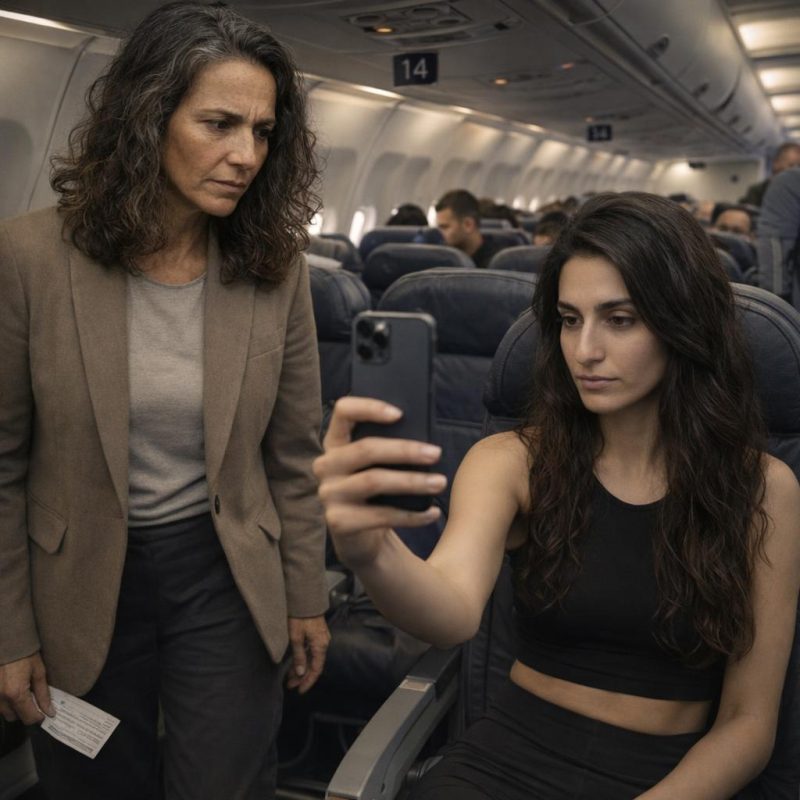 Image by RM AI
Seeking Help
I turned away from her and raised my hand toward the front of the cabin. A flight attendant was moving through the first-class curtain, and I caught her eye. She came down the aisle with a professional smile already in place — the kind that says I handle this all the time, no need to worry. Her name tag said Rebecca. I explained what had happened, keeping my voice low and steady, gesturing toward the young woman still settled in my seat. I handed Rebecca my boarding pass. She looked at it, then looked at the young woman, then looked back at me. The smile stayed, but something behind it shifted — went a little flatter, a little more formal. I told myself that was just how airline staff looked when they were switching into problem-solving mode. Rebecca said she'd look into it and asked me to give her just a moment. I nodded and stepped back slightly, relieved that someone official was involved now. I watched her study the boarding pass one more time. But the warmth that had been in her expression when she first walked over had gone somewhere I couldn't quite name, replaced by a professional distance that hadn't been there before.
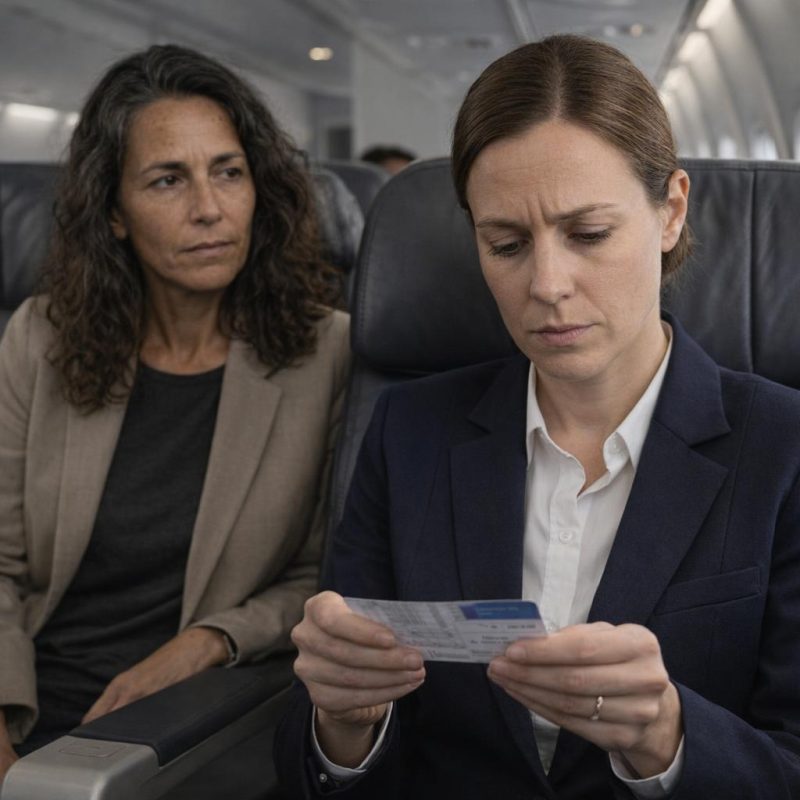 Image by RM AI
Internal Adjustment
Rebecca handed my boarding pass back to me and said, in a tone that was clipped and even, that I had been bumped from the flight. I asked her what that meant. She said there had been an internal adjustment. I asked what kind of adjustment. She said these things happened sometimes and that she would get me on the next available flight. I told her I hadn't received any notification — not an email, not a text, nothing — and that I was standing right here with a valid ticket. She repeated the phrase internal adjustment like it was a complete answer. Behind her, I could see the young woman still in my seat, phone still up, still filming. I asked why that woman was sitting in my assigned seat if I was the one who had been bumped. Rebecca said she wasn't able to discuss other passengers' arrangements. I asked her to explain what that meant. She said she understood my frustration and that the gate agent would assist me with rebooking. I stood there holding my boarding pass, looking at my own seat number printed on it in plain black ink, and listened to Rebecca say the words internal adjustment one more time.
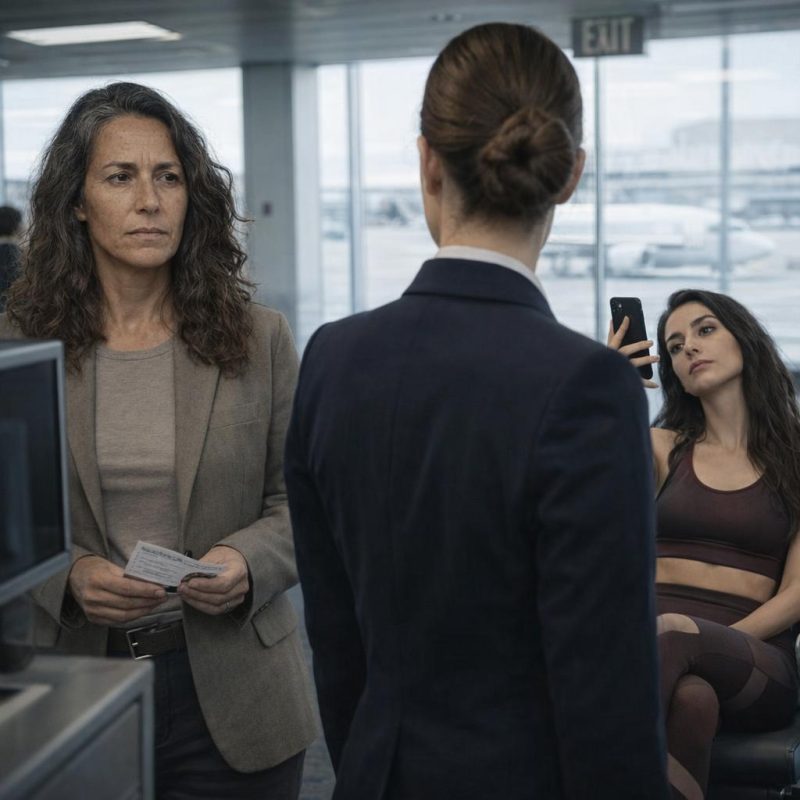 Image by RM AI
The Walk of Shame
Rebecca asked me, in that same measured tone, to step aside so boarding could continue. I said I hadn't been given a real explanation. My voice came out thinner than I intended, a little unsteady at the edges. A second crew member appeared from somewhere near the front — I hadn't seen him approach — and the two of them positioned themselves on either side of me in a way that felt less like assistance and more like guidance. I clutched my carry-on strap and told myself to stay calm, that making a scene would only make things worse. So I walked. Back down the aisle I'd just come up, past every row, past every face turned in my direction. Some people looked away quickly. Some didn't bother. I kept my chin up and my eyes forward and focused on the exit door at the front of the plane like it was the only fixed point in the world. Somewhere behind me I could hear a voice — bright and performative, narrating something to a phone — but I didn't turn around. I stepped off the jet bridge and into the terminal, and the door closed behind me, and I stood there with my carry-on and my book and the slow, settling weight of every eye that had just watched me go.
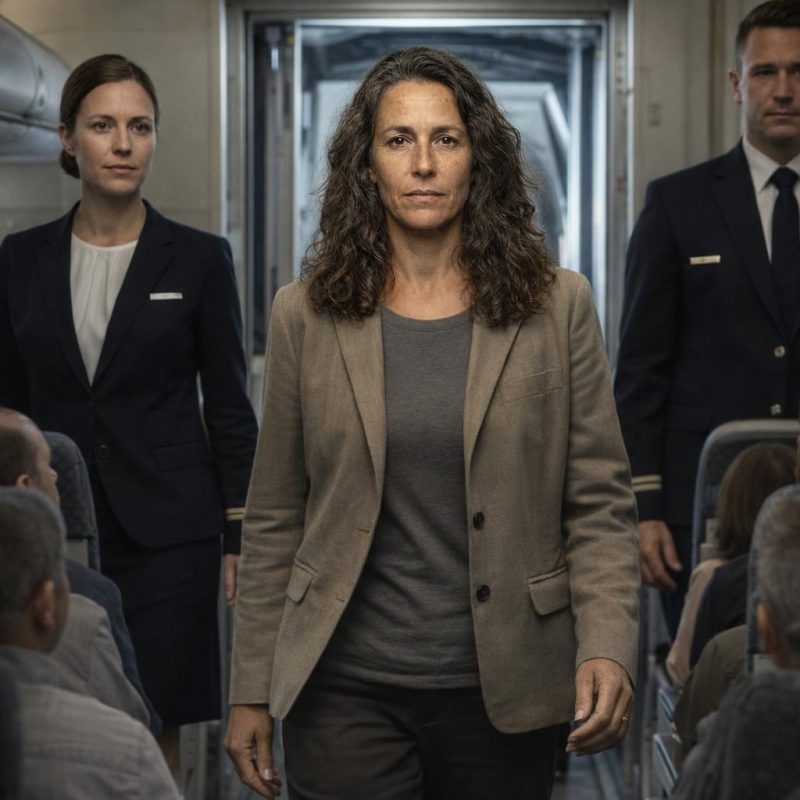 Image by RM AI
The Gate
I found a seat at the far end of the gate area, away from the windows, away from the other travelers waiting for their own flights. My hands were still shaking a little when I set my carry-on down. I sat there for a minute just breathing, trying to get the heat out of my face. I'd been bumped before — years ago, on a holiday weekend — and it had been annoying but manageable. This felt different. This felt like something had happened to me that I didn't have the right words for yet. I pulled out my phone and opened a text to Jennifer. I typed that I was going to be late, that there had been a flight issue, that I'd explain when I got there. I didn't know how to explain it yet, honestly. I felt embarrassed in a way that didn't quite make sense — I hadn't done anything wrong, but I felt like I had. The terminal was quiet around me, the kind of mid-morning quiet that settles in after a flight boards and before the next wave arrives. I sat with my phone in my hand, the screen still lit from the message I'd just sent, and the gate behind me was still.
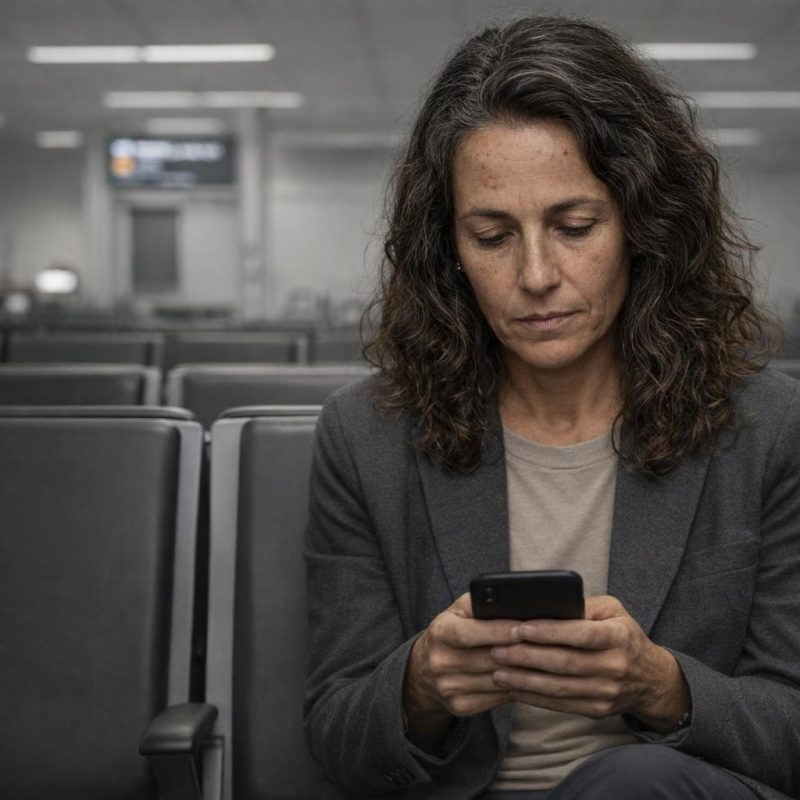 Image by RM AI
The Avalanche
The first buzz came about four minutes after I sent Jennifer's text. Then another. Then three more in quick succession. I looked down at my phone and the notifications were stacking up faster than I could read them — Instagram, Facebook, a text from my cousin Diane who I hadn't spoken to in two years, another from a woman I used to work with at my old job. They all said some version of the same thing: are you okay, is that you, did you see this. I didn't know what any of them were talking about. I sat up straighter and started scrolling. More messages were coming in while I was reading the ones already there. Someone from my book club. A neighbor I barely knew. My college roommate, who I hadn't heard from since her wedding. They were all asking about a video. I didn't know what video. I hadn't posted anything. I hadn't been near anyone filming — and then I stopped, because that wasn't true, was it. The young woman on the plane had been filming. I'd noticed the phone angle shift. I sat very still for a moment, the notifications still buzzing against my palm, and then I opened the first link someone had sent me.
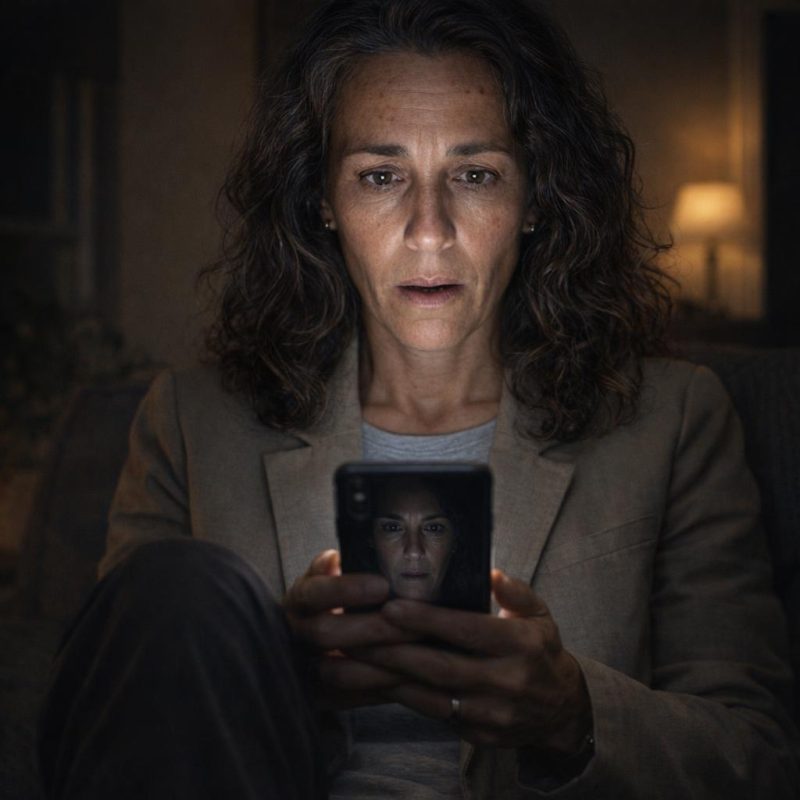 Image by RM AI
Viral
The video loaded in about three seconds. It was already at forty-seven thousand views. The thumbnail was my face — caught mid-sentence, jaw set, eyes hard in a way I didn't recognize as myself. I pressed play. The angle was low and slightly upward, which made me look larger somehow, more imposing, more aggressive than I remembered feeling. I watched myself hold up the boarding pass. My voice, coming through the phone speaker, sounded clipped and demanding in a way that the actual moment hadn't felt like at all. The young woman's laugh was perfectly timed, light and unbothered, and her eye roll landed like punctuation. I watched the second crew member appear and the two of them walk me toward the front of the plane, and from that angle it looked like I was being escorted out for causing a disruption. The comments were moving too fast to read individually — words like entitled and bitter and oh she is a lot kept surfacing and sinking. I scrolled past them to the caption at the top of the post, the one the young woman had written when she uploaded it twenty minutes after the flight boarded. It called me a Karen.
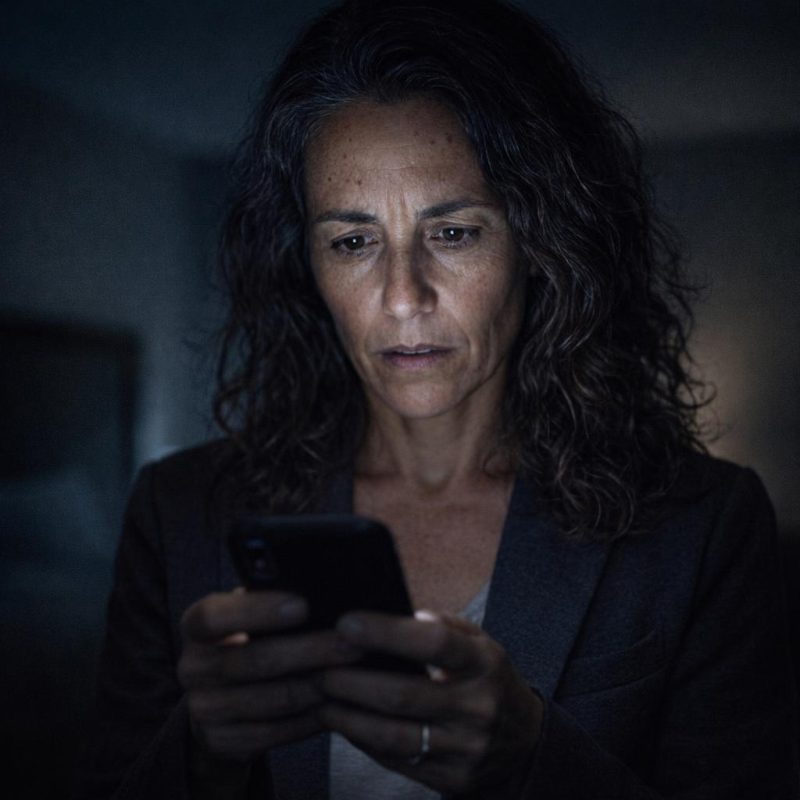 Image by RM AI
The Comments
I kept scrolling even though I knew I should stop. The comments had taken on a life of their own by then — people who had never met me, never sat in an airplane seat next to me, were writing paragraphs about who I was as a person. One said I was the type who demands to speak to a manager at every restaurant I've ever been to. Another said my haircut told them everything they needed to know. Someone had screenshotted my face mid-sentence and added a caption I won't repeat here. A few people debated whether my clothes were from a discount store, as if that settled something. The crueler ones weren't even angry — they were bored, almost amused, like picking me apart was a way to pass the time. I read one that said women like me were the reason flight attendants deserved hazard pay, and something in my chest went tight and hot. I had a boarding pass. I had a seat assignment. I had done nothing wrong. I opened the comment box and started typing — just a few sentences, just enough to explain what had actually happened — and my hands were shaking so badly I had to start over twice.
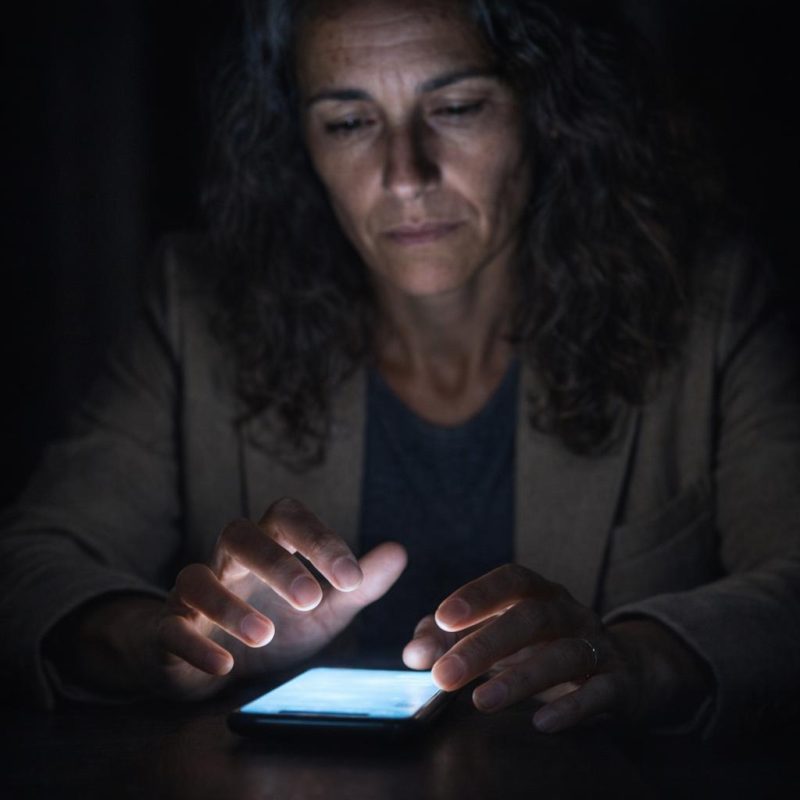 Image by RM AI
Drowning
I posted the comment at 11:47 at night, sitting on the edge of the hotel bed with the lamp on and the curtains drawn. I kept it simple. I said I had a valid boarding pass for that seat. I said I had shown it to the crew member and asked politely to be seated. I said I had not raised my voice. I said I was sorry if I appeared upset, but I had a right to the seat I had paid for. I hit post and sat there watching the screen. The first reply came in under a minute. It was a single laughing emoji. Then someone wrote that I was obviously lying because the video showed exactly what kind of person I was. Then another person said my explanation was exactly what a Karen would say. My comment got buried within ten minutes under a fresh wave of reactions to the video itself — people tagging their friends, people adding their own jokes, people who hadn't even read what I wrote. I refreshed the page once and saw my comment had three likes, all of them probably accidental. The story had already been written. There was no space in it for my version. I set the phone face-down on the nightstand, and the silence in that hotel room pressed in around me like something solid.
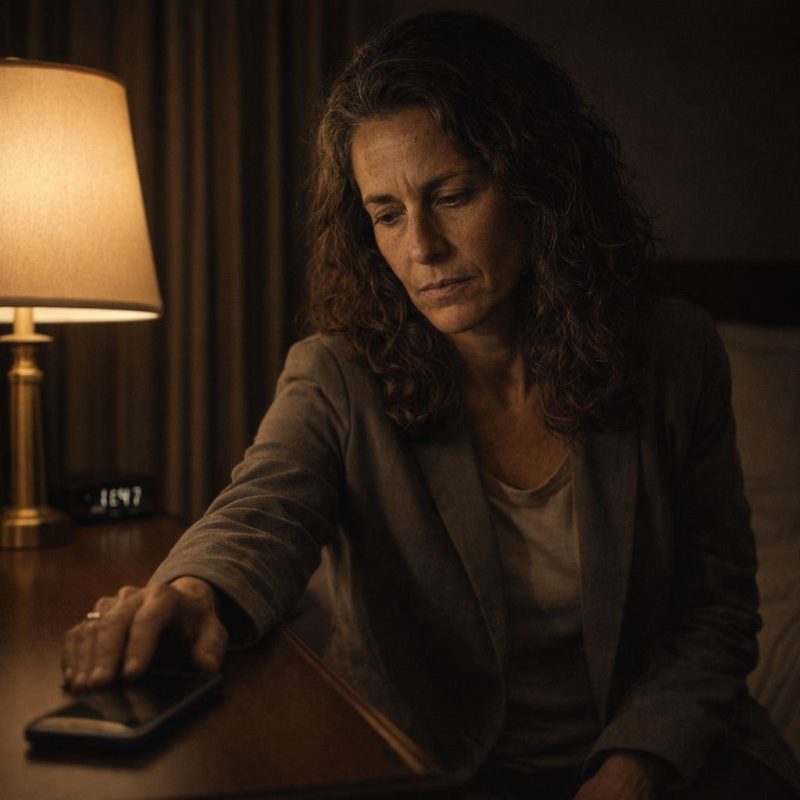 Image by RM AI
The Spread
By the next morning it had moved beyond the original post. I made the mistake of searching my name — not my full name, just the phrase the caption had used — and the results came back faster than I expected. There were articles. Actual articles, with headlines like 'Entitled Passenger Goes Viral After Refusing to Give Up Seat' and 'Flight Attendant Praised for Handling Difficult Traveler.' One piece had pulled a still from the video and used it as the header image — my face, frozen mid-word, looking exactly as unflattering as the original angle had made it. A YouTuber with nearly two hundred thousand subscribers had posted a reaction video the night before. I watched about forty seconds of it before I had to close the tab. He kept pausing on my expression and narrating what he thought I was thinking. Madison appeared in two of the articles, described as a content creator who had handled the situation with grace and good humor. In one of them she had given a brief quote about how she just wanted to get to her destination like everyone else. The think pieces were the worst — one argued that my behavior was emblematic of a generational entitlement problem. I wasn't a person in any of it. I was a character in a story that had already ended, and I hadn't been given a single line.
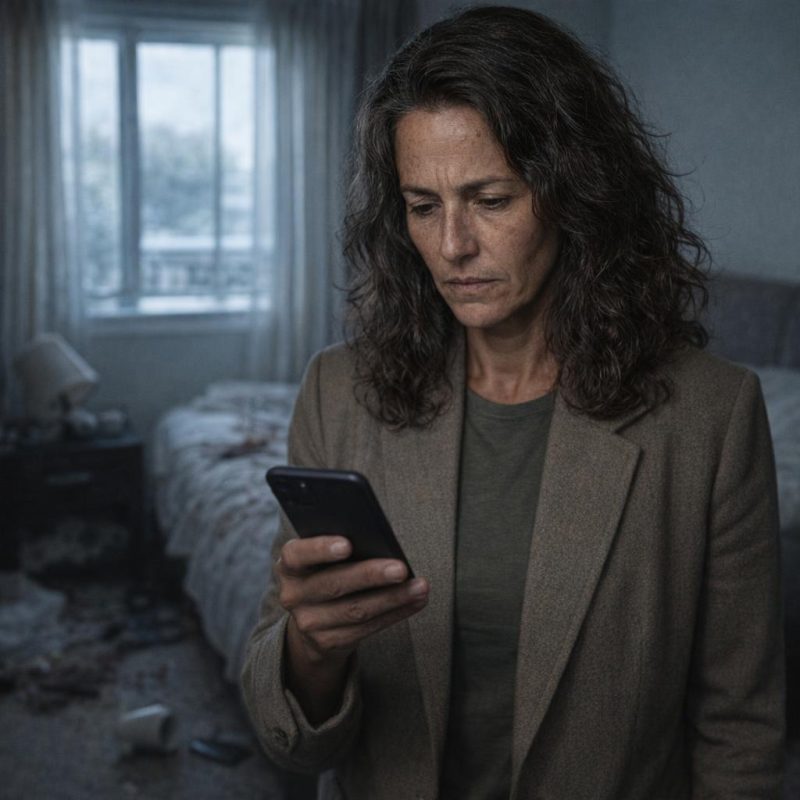 Image by RM AI
Jennifer's Voice
I tried Jennifer three times before she picked up. When she finally answered, I could hear the concern in her voice before I'd said more than two words — she'd already seen it, or heard about it from someone, I wasn't sure which. I tried to explain from the beginning, the boarding pass and the seat and the crew member who wouldn't look me in the eye, but my voice broke somewhere around the part where I described watching myself on the video for the first time. I cried in a way I hadn't let myself cry yet, the kind that comes out in pieces and doesn't make a lot of sense. Jennifer didn't try to fix it or talk me out of it. She just stayed on the line and said my name once, quietly, and that was enough to keep me from completely falling apart. I told her I didn't know what to do. I told her I'd tried to explain in the comments and it had made everything worse. She was quiet for a moment, and then she said maybe this wasn't something I should be trying to handle on my own — that maybe I needed to talk to someone professional, someone who dealt with this kind of thing. I hadn't thought of it that way yet, not even close, but something about the way she said it made me go still and listen.
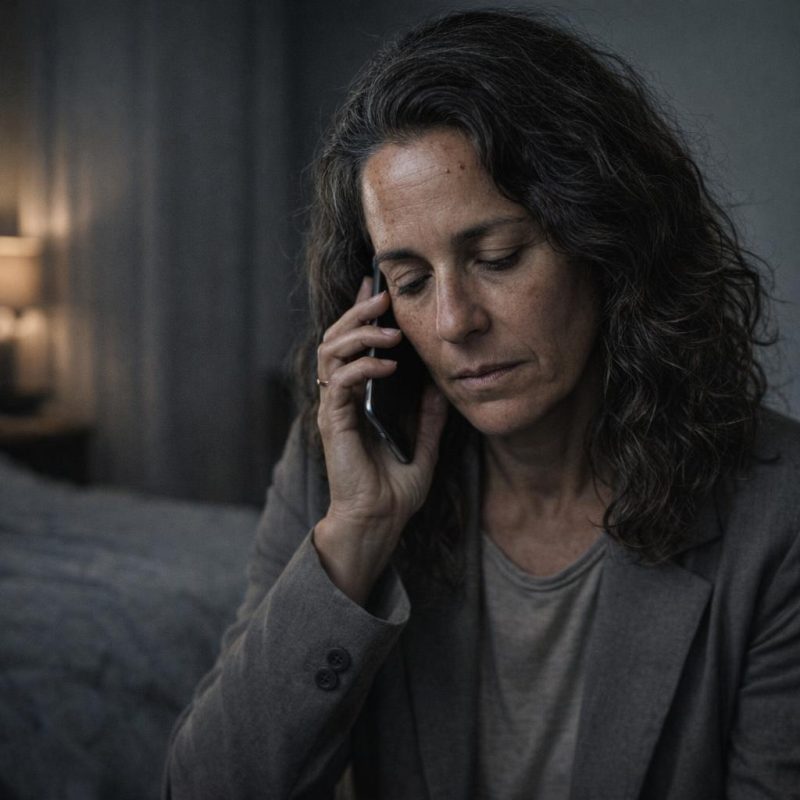 Image by RM AI
The Search
I sat at the small desk in the hotel room with my laptop open and the curtains finally pulled back, letting in the gray afternoon light. I typed 'defamation lawyer' into the search bar and then sat there looking at the results like I wasn't sure I was allowed to be doing this. There were pages of names and firms, most of them with stock photos of serious-looking people in front of bookshelves. I read through a few profiles without really absorbing them. Then I found David Chen's page. It was plainer than the others — no stock photo, just a headshot that looked like it had been taken in an actual office. His bio listed experience in media law and cases involving public misrepresentation. One of the client testimonials said he had taken on a case that three other firms had turned away. I read that line twice. I wasn't sure what I was even hoping for — maybe just someone who would tell me I wasn't crazy, that what had happened to me was real and wrong and worth saying out loud. I wrote down his office number on the notepad by the phone, the old-fashioned kind hotels still leave out, and I looked at it for a long moment before I closed the laptop. Something about having the number written down in ink made the whole thing feel slightly less impossible.
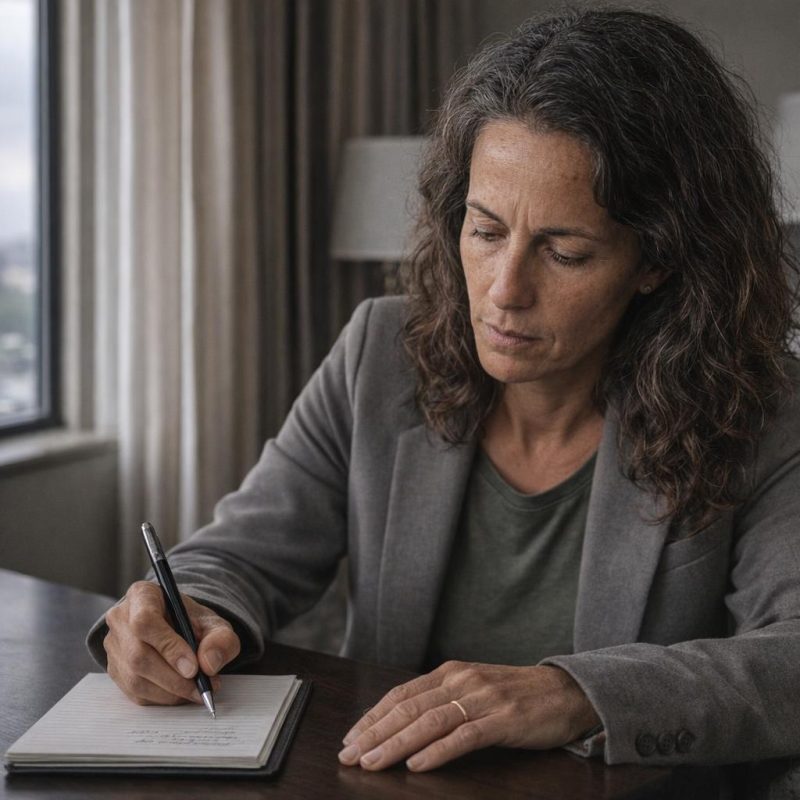 Image by RM AI
The Appointment
I called the office the next morning before I'd had more than half a cup of coffee. A receptionist answered on the second ring, professional and unhurried, and scheduled me for a consultation the following day at nine. I wrote the time down on the same hotel notepad, right below the phone number. Then I sat at the desk and started pulling things together — screenshots of the video, screenshots of the comments, the email confirmation from the airline showing my original seat assignment, the boarding pass photo I'd taken out of habit before the flight. I made a list of everything I wanted to say, in order, so I wouldn't lose the thread when I was sitting across from a stranger trying to explain the worst week of my life. I rehearsed it once out loud and stopped halfway through because hearing myself say it again made me tired in a way that went past physical. I had told this story to Jennifer, to the airline's customer service line, to the comment section that hadn't listened, and now I was going to tell it again to a lawyer who would probably nod politely and suggest I let it go. I didn't blame him in advance for that. I just sat with the tiredness of it, the particular weight of a story you've carried so many times it's worn grooves into you.
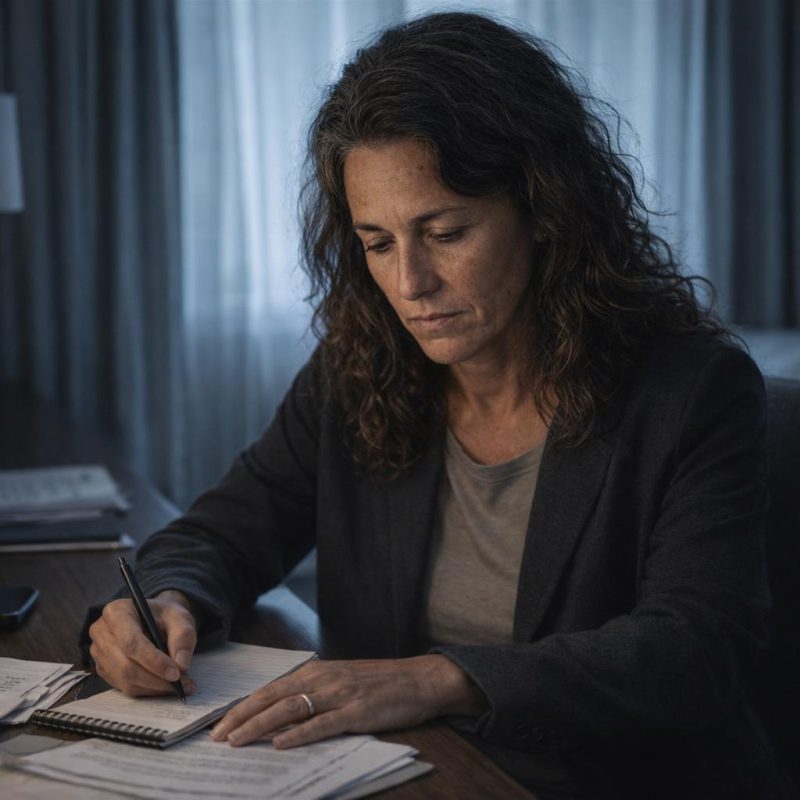 Image by RM AI
David Chen's Office
His office was on the fourth floor of a building that smelled like old carpet and recycled air. It was smaller than I'd pictured — two chairs across from a desk stacked with folders, a window that looked out onto a parking structure, shelves of law books that had actually been read, spines cracked and pages flagged. David stood when I came in, shook my hand with a firm, brief grip, and gestured to the chair without any of the warm-up small talk I'd been bracing for. I sat down and started talking. I told him about the boarding pass and the seat number and the young woman already sitting there when I arrived. I described the crew member who had stepped in, the way I'd been walked to the front of the plane, the moment I'd realized I was being removed. My voice was flat by then — not calm, just emptied out from repetition. David sat with his hands folded on the desk and listened without nodding, without offering any of the sympathetic sounds people usually make when you tell them something bad happened to you. He didn't write anything down. He didn't ask clarifying questions. He just watched me with an expression I couldn't read. When I finished, there was a brief silence, and then he asked if I had the video with me.
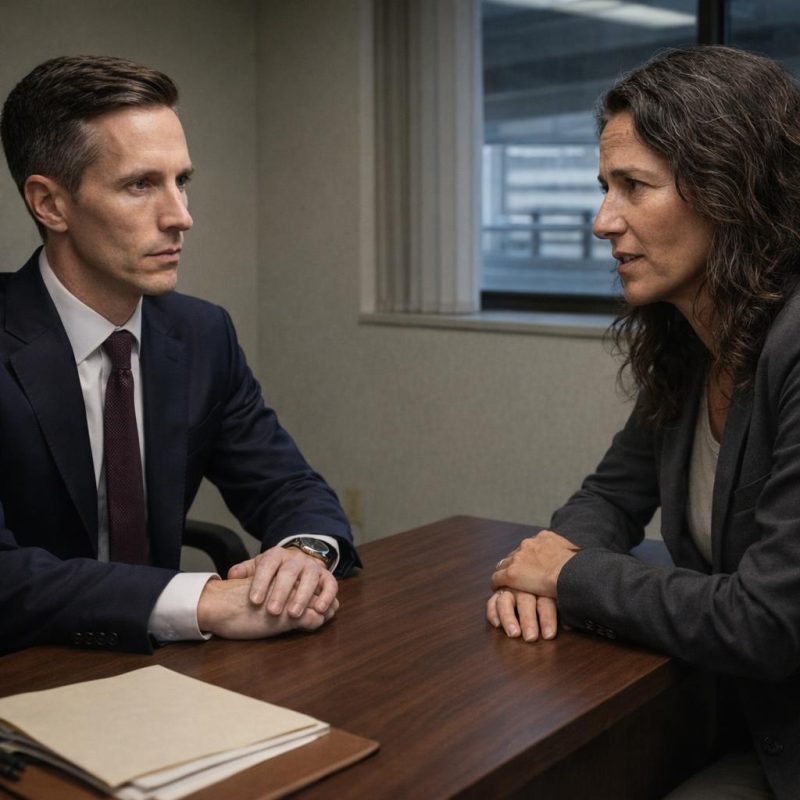 Image by RM AI
Frame by Frame
I pulled up the video on my phone and slid it across the desk. He watched it once all the way through without touching it, without changing expression. Then he asked if he could see it again. I said yes, a little surprised. He picked up the phone and leaned forward, elbows on the desk, and watched it a second time more slowly. He paused it once, somewhere near the middle, then let it run. When it finished he asked if he could send himself a copy, and I said of course. He pulled it up on his computer monitor a minute later — larger now, the image grainier but the details more visible — and set a legal pad beside the keyboard. He watched it a third time, this time stopping every few seconds, sometimes rewinding a few frames, jotting something down without looking away from the screen. I sat across from him not sure what I was watching. He wasn't reacting the way people reacted when they saw the video — no wince, no sympathetic exhale, no glance up at me to check how I was holding up. He moved through it like he was reading a document. Then he stopped the video, and on the frozen frame on his monitor, Madison's face was mid-laugh, caught between one expression and the next.
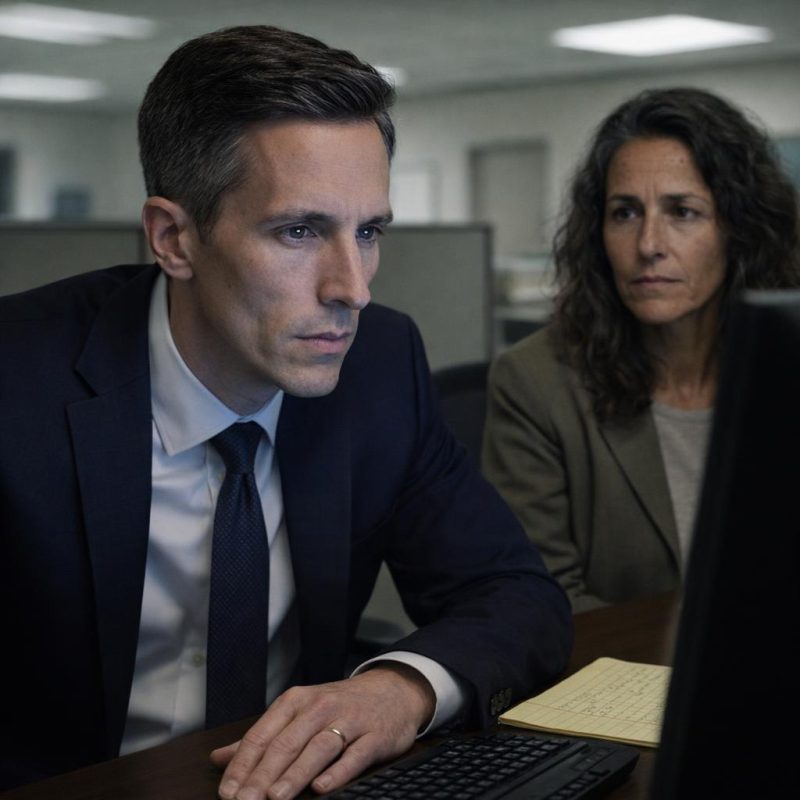 Image by RM AI
Exact Timings
He set down the pen and looked at me directly. When exactly had I boarded, he asked. Not approximately — exactly. I told him I was in the middle of the boarding process, Group C, maybe ten minutes after the gate agent first called my section. He wrote that down. Then he asked what time Group C was called. I pulled up my boarding pass on my phone and gave him the timestamp on the gate notification. He wrote that down too, and circled it. He asked how long I stood at the row before Madison looked up. I said maybe thirty seconds, maybe a minute — I hadn't been counting. He nodded like that was the answer he expected. Then he asked when Rebecca appeared. I told him it felt fast, faster than I would have expected, like she was already nearby. He asked if Madison had already been filming when I arrived at the seat. I said yes — the phone was already up, already pointed at me, before I'd said a single word. He went still for a moment. Then he looked back down at his legal pad and underlined something twice.
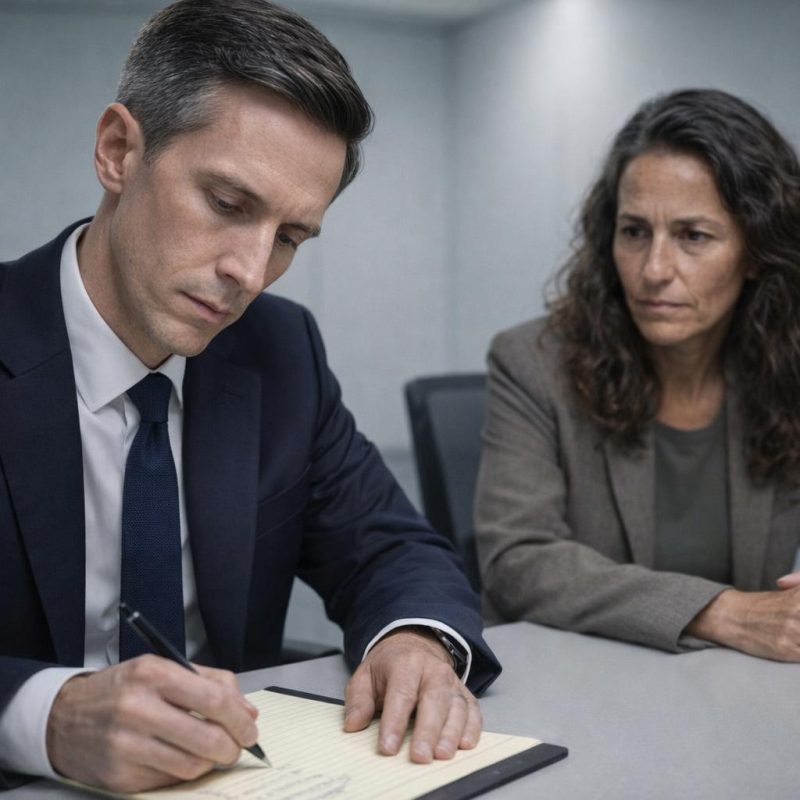 Image by RM AI
You're About to Be Rich
He sat back in his chair and looked at me for a long moment without saying anything. Then he said it plainly, no buildup, no softening: I was about to be rich. I laughed. I couldn't help it — it came out too loud in that quiet office, a sharp, uncomfortable sound that bounced off the walls and embarrassed me all over again. He didn't smile. He didn't shift in his seat or glance away. His expression didn't move at all. I stopped laughing. I told him that nothing about any of this felt fortunate. I told him I'd been humiliated in front of millions of people, that strangers were still commenting on that video, that I could barely get through a day without someone recognizing my face from it. He kept looking at me with that same focused, unreadable expression. And something about the steadiness of it — the complete absence of reassurance or apology — made me understand that he wasn't trying to make me feel better. He meant exactly what he had said. The silence that settled between us after that felt like the floor shifting under my feet.
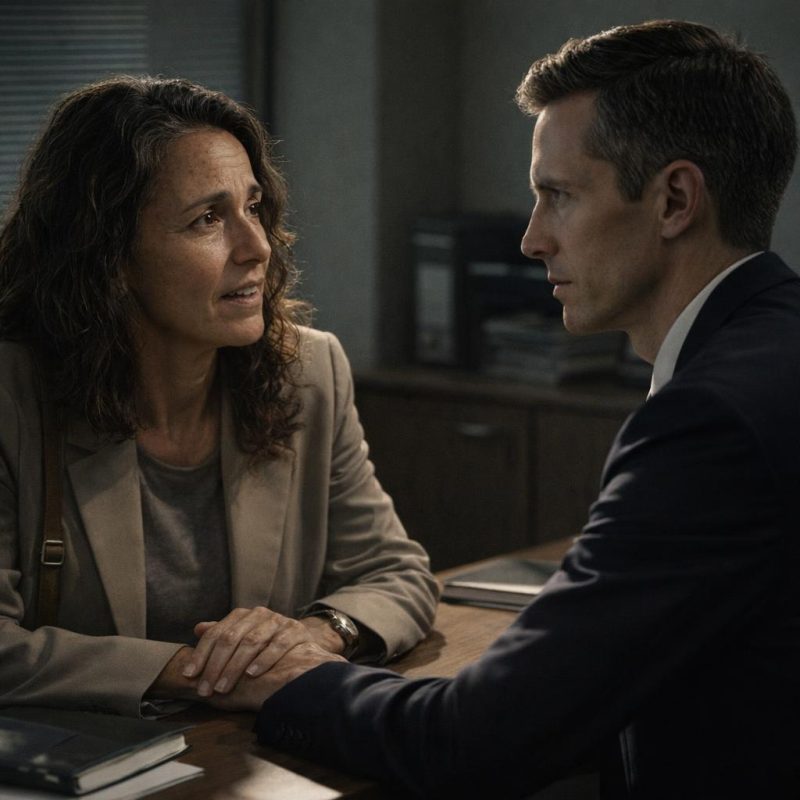 Image by RM AI
Madison Torres
He asked if I recognized the young woman from the video — had I ever seen her before that day. I said no, never. She was a complete stranger to me. He turned his computer monitor around so it faced me. A social media profile filled the screen, and it took me a second to place her — the same face, but polished now, lit perfectly, styled like she'd stepped out of a magazine. Dozens of photos, rows of videos, everything curated and gleaming. The name at the top read Madison Torres. Below it, a follower count: two point three million. I stared at it. I scrolled down slowly without being asked, taking in the images — airport lounges, hotel rooms, first-class cabins, all of it framed like an advertisement. David said this was the woman who had been sitting in my seat, the one filming when I arrived. I told him I didn't understand what her follower count had to do with my seat assignment. He didn't answer right away. He just let me keep looking at the screen, at this version of her I hadn't known existed. The woman I remembered had been dismissive and sharp. The woman on that screen smiled like the whole world was watching.
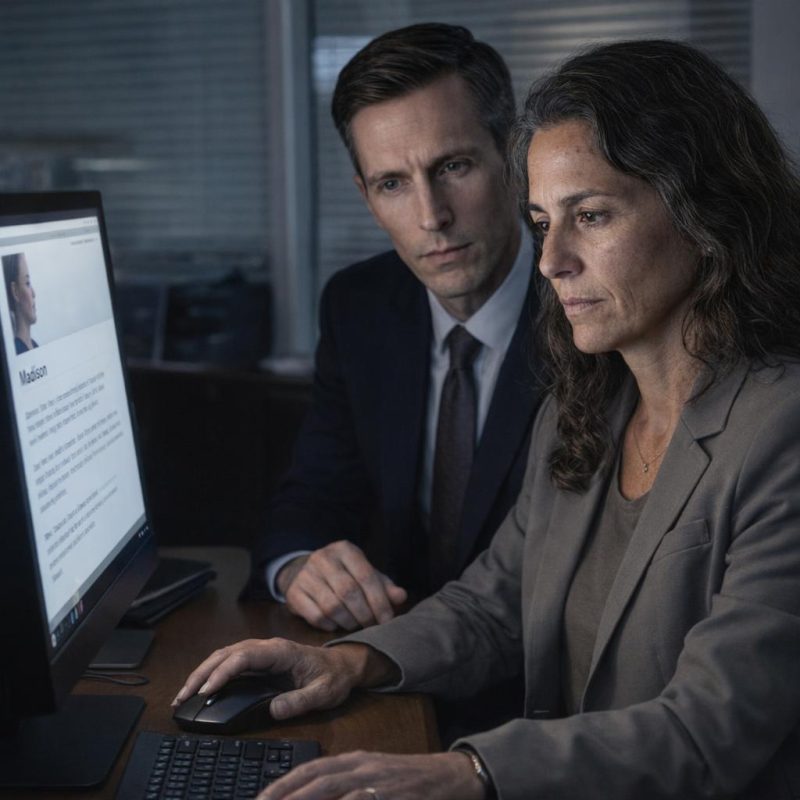 Image by RM AI
The Connection
He kept scrolling through her feed — video after video, all of them shot in transit, in terminals, on planes, in hotel lobbies. Madison talking to the camera like it was a close friend, laughing, gesturing, filling the frame with easy confidence. I watched and tried to understand what I was supposed to be seeing. Then David paused on a cluster of posts and pointed out the pattern: different airlines, different routes, always the same polished framing, always the same kind of content. I asked him again what this had to do with my flight. His expression shifted — not dramatically, but enough. He mentioned the internal adjustment Rebecca had cited when she asked me to leave. He said I had held a valid, non-refundable ticket. He pointed out that Madison had already been filming before I reached the row, and that the video had gone up within hours of landing. He said those two things — the bump and the recording — had happened together, not separately. My stomach tightened. I didn't have words for what I was feeling yet, just a low, uncomfortable pressure behind my ribs. Then David looked up from the screen and said he wasn't sure any of it was coincidence.
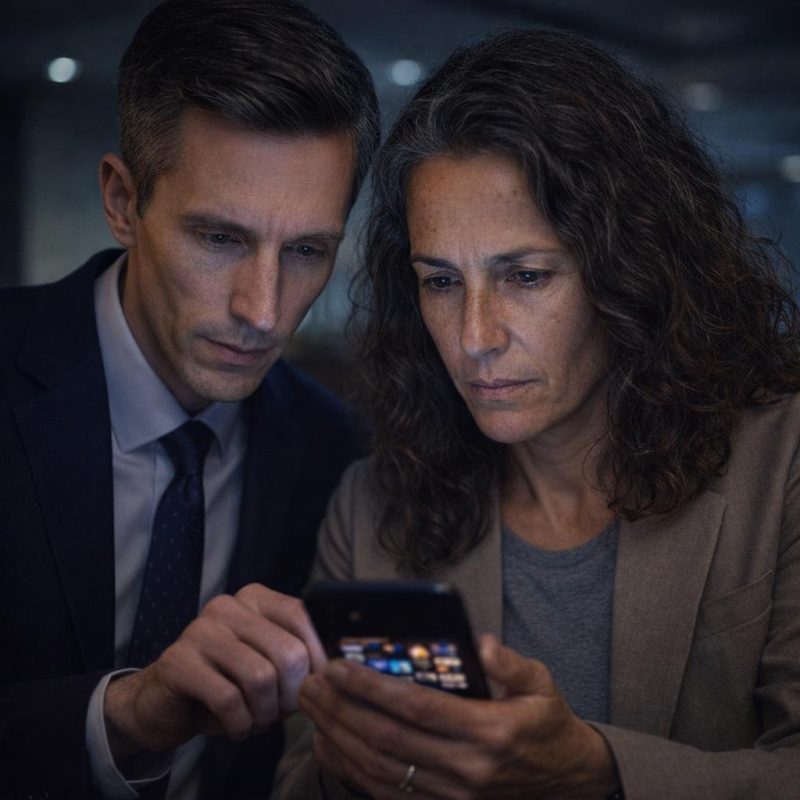 Image by RM AI
The Fatal Error
He walked me through it slowly, like he was laying bricks. I had held a valid, non-refundable ticket. I had been physically removed from my assigned seat. The removal had been recorded and posted publicly within hours, and Madison had gained hundreds of thousands of new followers from it. My humiliation had become content — watchable, shareable, profitable content. David said the airline had provided no legitimate operational reason for the bump, nothing that held up against the documentation I had. He mentioned passenger rights violations, the kind that carried real legal weight. I sat there listening and felt something shift inside me — not dramatically, not all at once, but steadily, like a temperature dropping. The embarrassment I'd been carrying since that day had always felt personal, like something I'd done wrong or failed to handle correctly. Sitting in that office, hearing it laid out in plain language, I started to feel something colder and quieter move in underneath it. What had happened to me hadn't been a misunderstanding or a bad day or an overreaction on my part. I sat with that for a moment, and the weight of it was heavier than I'd expected.
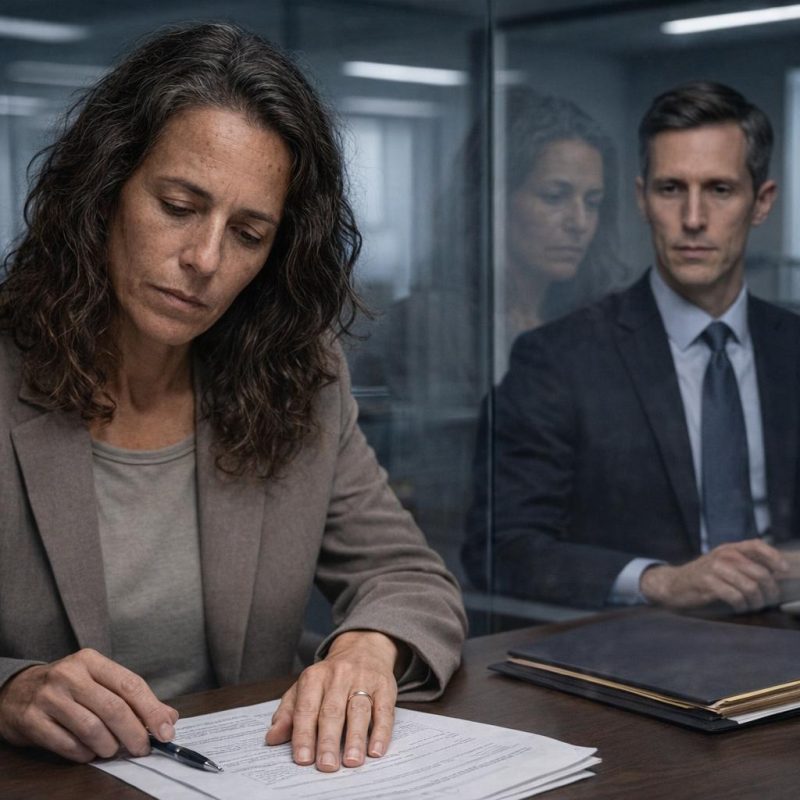 Image by RM AI
Corporate Stonewalling
I called the airline's customer service line the morning after my meeting with David. I was transferred three times before I reached anyone in corporate relations. The man who finally picked up introduced himself as Marcus Whitmore, and his voice had that particular smoothness that comes from years of managing difficult conversations. He expressed regret for my experience. He said the airline valued every passenger. I asked him directly why I had been bumped from a seat I had paid for and held a valid ticket to. He cited operational requirements and said seat assignments were subject to adjustment based on a range of factors. I asked about the internal adjustment specifically — what it meant, who authorized it. He said he wasn't able to discuss the details of individual operational decisions. I mentioned the video. I asked whether the airline had been aware of it before it was posted. He said he couldn't comment on individual passenger situations but assured me my case was being reviewed. He offered to follow up within five to seven business days. I thanked him and hung up, and sat there for a moment with the phone still in my hand. Every answer he'd given me had the shape of a response without the substance of one.
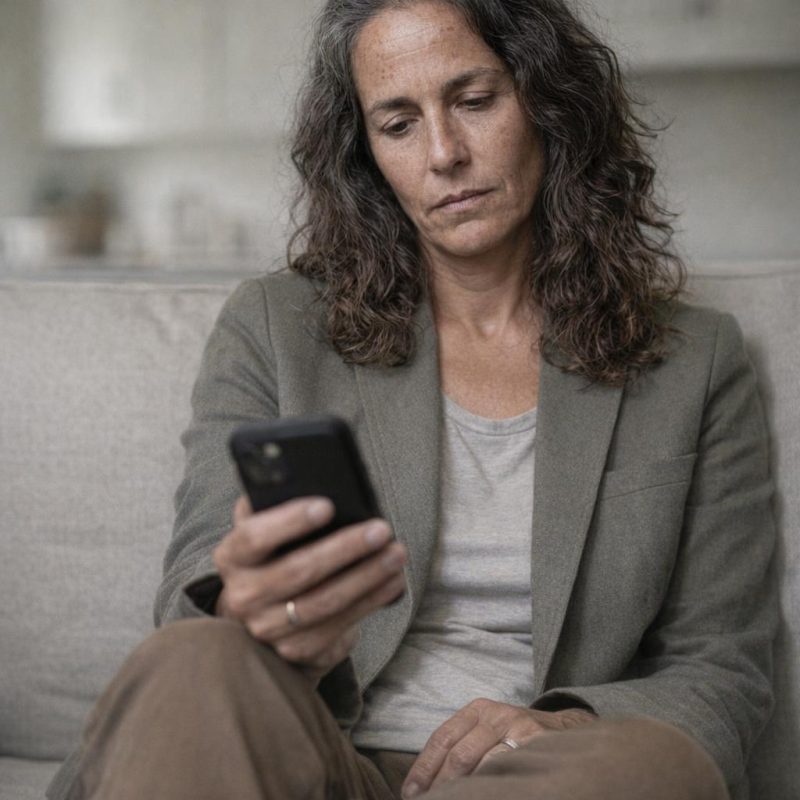 Image by RM AI
The Refusal
The email arrived four days later, sent from a corporate relations address I didn't recognize. I opened it at my kitchen table with a cup of coffee going cold beside me. The letter was formal and precise — it acknowledged my complaint, referenced the date of travel, and cited the airline's right to operational discretion in seat assignments. It expressed regret for any inconvenience I had experienced. It did not explain why I had been bumped. It did not mention Madison or the video or the internal adjustment by name. Near the bottom, it noted that as a gesture of goodwill, a travel voucher had been issued to my account. I scrolled down to find the amount. I read it twice to make sure I hadn't misread it. Two hundred and fifty dollars.
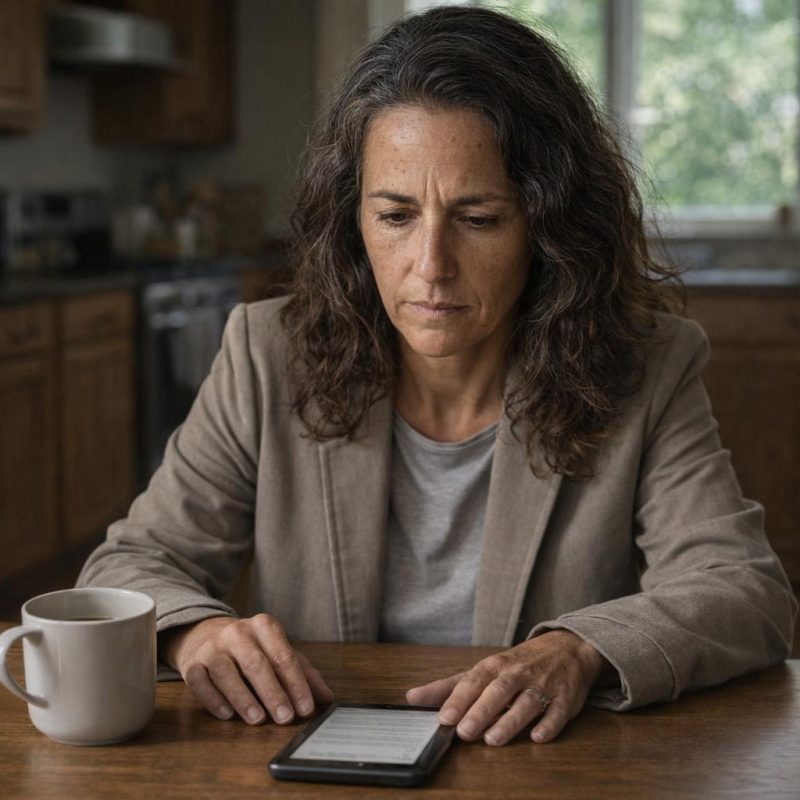 Image by RM AI
Distancing
I went back to my regular life, or tried to. I texted people I hadn't heard from in a while, suggested coffee, asked about plans. Some replied slowly. Some didn't reply at all. A lunch I'd been looking forward to got cancelled the morning of, no real reason given, just a vague mention of something coming up. I saw a woman I'd known for years cross to the other side of the street before I could wave. I told myself she hadn't seen me. I told myself a lot of things. Conversations that used to run long started ending quickly — people finding reasons to wrap up, glancing at their phones, remembering somewhere they needed to be. Nobody mentioned the video. Nobody said anything directly. That was almost the hardest part — the silence around it, the way people just quietly rearranged themselves away from me without explanation. I started eating lunch alone at a café near my office where I used to meet a friend every other Thursday. One afternoon I looked up from my sandwich at the chair across from me, empty now for the third week running.
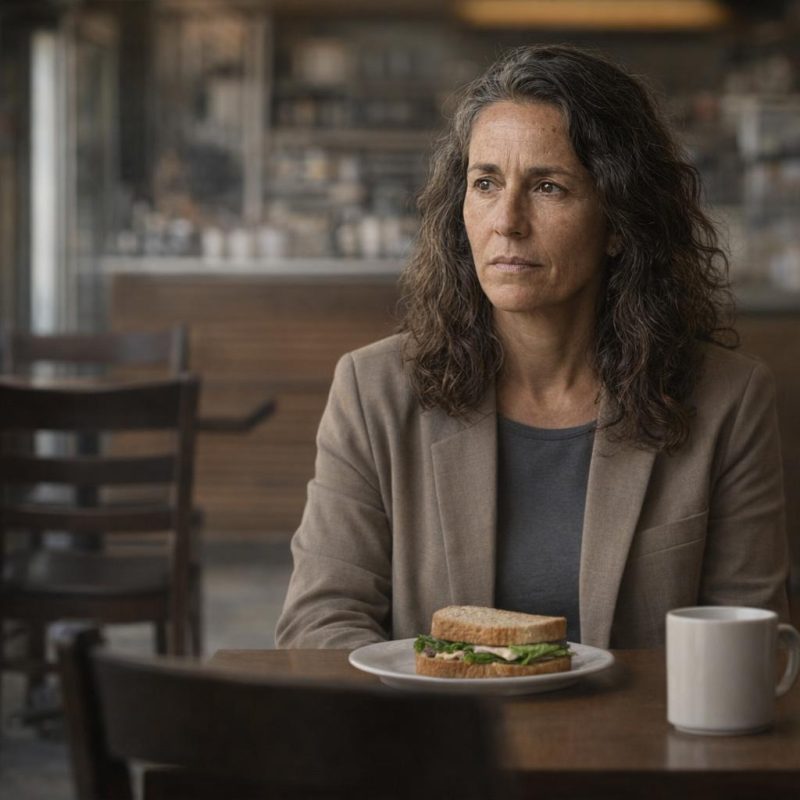 Image by RM AI
Professional Consequences
Work was supposed to feel normal. I kept telling myself that on the commute in — just another Tuesday, just another day. But the moment I walked through the office door, I felt it. A coworker I'd eaten lunch with a dozen times glanced up from her monitor, then back down, too quickly. The break room went a little quieter when I stepped in to get coffee. Not silent, just — quieter. People found reasons to look at their phones. Conversations wrapped up faster than they used to. My supervisor, who used to stop by my desk to chat about nothing in particular, started keeping our exchanges clipped and professional, like he was reading from a script. I noticed I wasn't included when a group of colleagues headed out for lunch together, laughing as they passed my desk. Nobody said anything to me directly. Nobody mentioned anything. That was the part I kept turning over — the careful, deliberate nothing of it all. Then, midafternoon, I opened my email and found a message saying the Thursday project meeting had been rescheduled, the updated invite showing every name from the original list except mine.
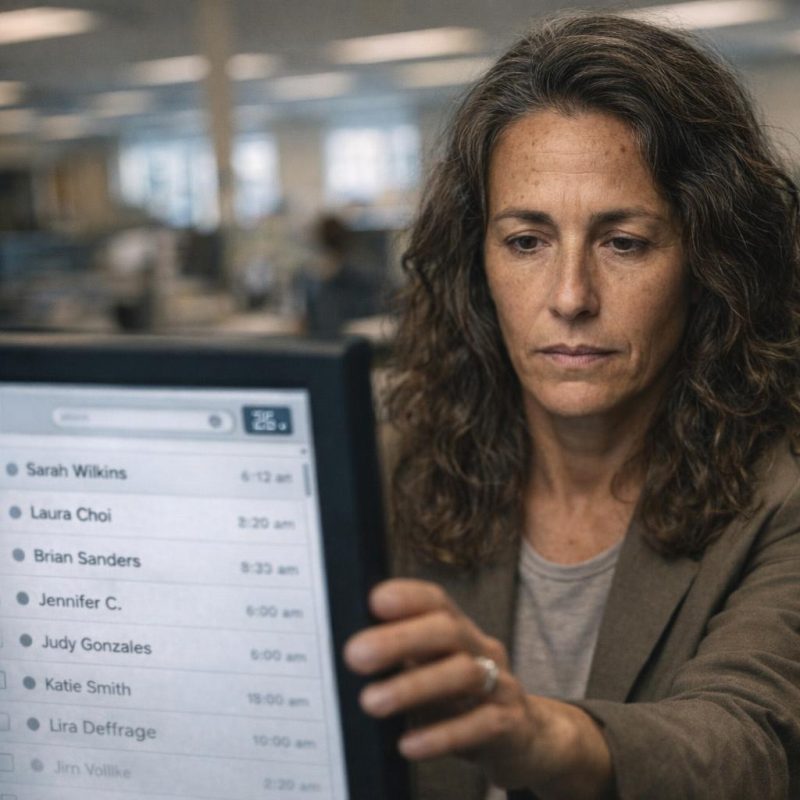 Image by RM AI
Considering Surrender
I sat on my couch that night with my phone in my lap, the screen showing the video's view count. The number had climbed past four million. I kept staring at it like it might change into something that made sense. I'd been fighting this feeling for weeks — the exhaustion of being a stranger's punchline, of having people who'd never met me decide exactly who I was in ninety seconds of footage. I was so tired. I thought about what it would feel like to just stop. Drop the complaint, delete my notes, let it go. Maybe fighting back was only going to make the number climb higher. My phone buzzed. It was Jennifer. I almost didn't answer. "How are you actually doing?" she asked, and something about the way she said actually made my throat tighten. I told her I was thinking about walking away from all of it. She was quiet for a second, then: "You didn't do anything wrong. You know that, right?" I said it didn't seem to matter much. "It matters," she said. "Don't let them win." I didn't say anything back. But I didn't hang up either. I just sat there in the quiet of my apartment, holding the phone, worn down to the bone by the weight of being hated by people who didn't know my name.
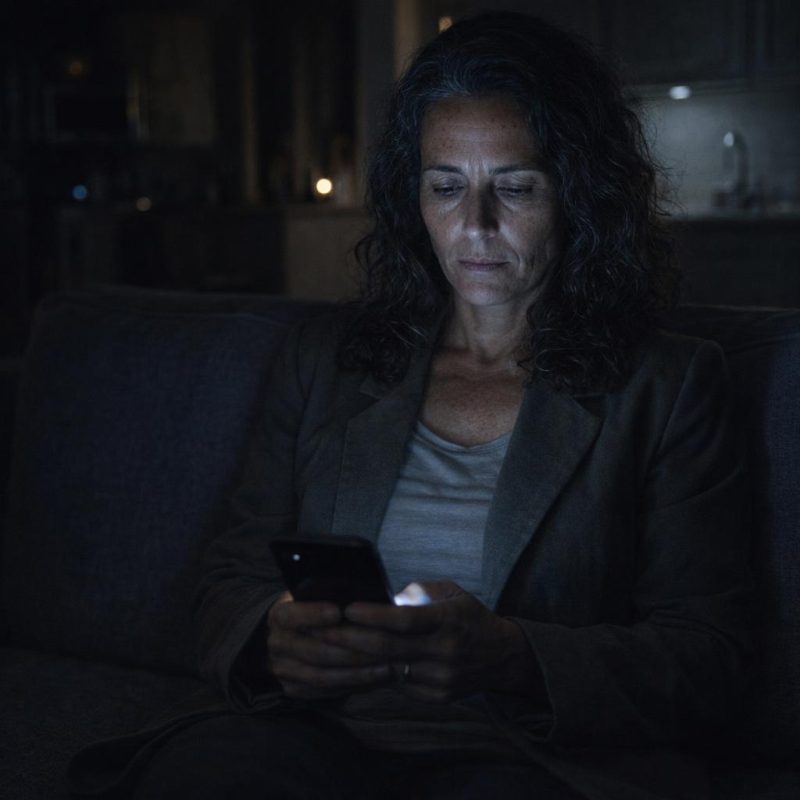 Image by RM AI
Formal Engagement
David's office felt different the second time. Less intimidating, maybe, or maybe I was just too tired to be intimidated anymore. He had a folder waiting on the desk when I sat down — a retainer agreement, clean and formal, his firm's name across the top. He walked me through it carefully. He was going to file a civil case against the airline, and potentially against Madison as well, depending on what the discovery process turned up. Discovery, he explained, meant requesting records — flight manifests, internal communications, crew logs, anything the airline was required to preserve. He'd also be looking into Madison's business relationships, her contracts, her history as a content creator. I asked how long it would take. He said it depended on what they found, and that some of it would move slowly. I asked if he thought we had a real case. He said the evidence would tell the story, and that he wouldn't have taken the meeting if he didn't think there was something worth finding. I looked down at the agreement. My hands weren't entirely steady when I picked up the pen, and they were still shaking a little when I signed my name at the bottom.
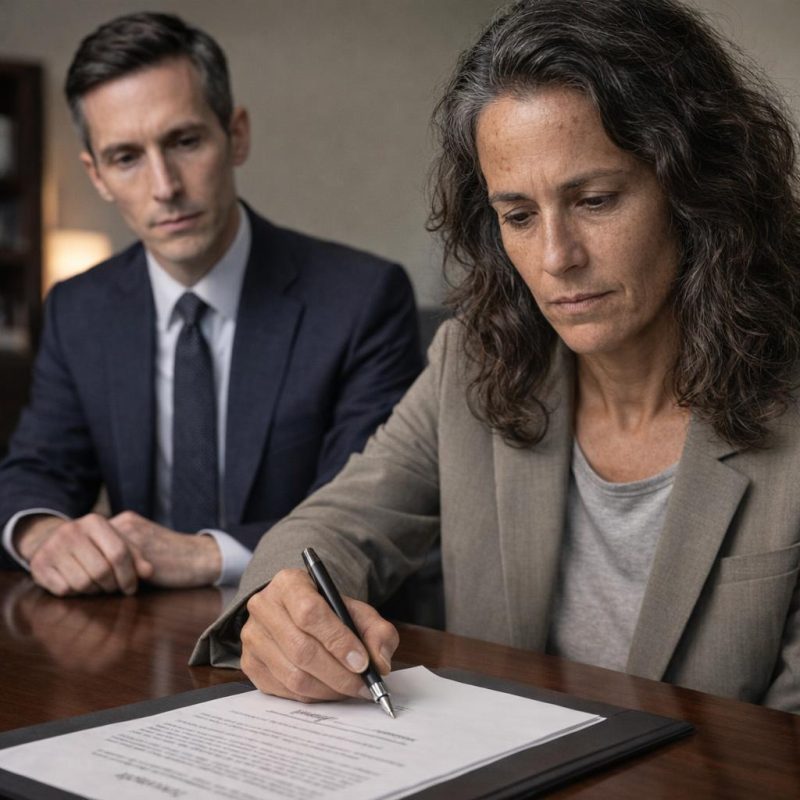 Image by RM AI
Elena Rodriguez
David introduced Elena the following week. She was younger than I'd expected — late twenties, dark hair pulled back, sharp eyes that moved quickly around the room like she was already cataloguing things. She shook my hand with a firm, no-nonsense grip and got straight to it. David explained she'd be handling the document requests and digging through the records side of things. Elena nodded and opened a notebook. She asked me to walk her through the flight from the beginning — when I arrived at the gate, what the agent said, the exact sequence of events at my seat. She wrote everything down, asked follow-up questions I hadn't thought to consider, and circled back to details I'd mentioned in passing. She wanted the flight number, the gate number, the names on any boarding passes I still had. She said she'd start with the flight manifest and work outward from there — public records, social media archives, anything that touched the airline's operations that day. I watched her fill two pages of notes in the time it took me to finish a cup of coffee. There was something steadying about her focus, the quiet intensity of someone who genuinely thrived on finding the details other people missed.
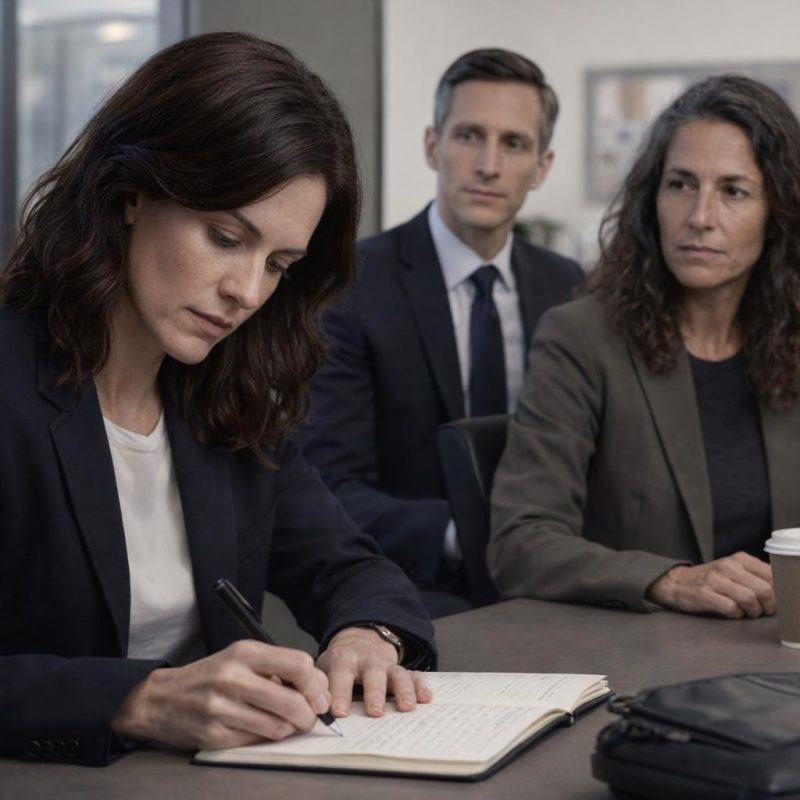 Image by RM AI
Other Complaints
David called me on a Wednesday afternoon, about two weeks after Elena had started pulling records. He said he'd been going through the airline's complaint database — information they'd been required to produce — and something had caught his attention. There were other passengers, he said. At least four in the past six months who'd been bumped from their assigned seats without a clear operational explanation. The paperwork in each case cited internal adjustments, the same vague language used in my situation. I asked if any of them had been filmed. David paused. He said a couple of the complaints mentioned being recorded by another passenger. My stomach tightened. I asked what he thought it meant. He said he couldn't draw conclusions yet — it could be coincidence, it could be a pattern in how the airline handled certain situations, he wasn't sure. But it was worth looking at more closely. I asked how many people total might have gone through something like this. He said he didn't know yet. After I hung up, I sat with that for a while — four other people, four other complaints, all of them filed and sitting quietly in a database somewhere, each one carrying the same uncomfortable shape as mine.
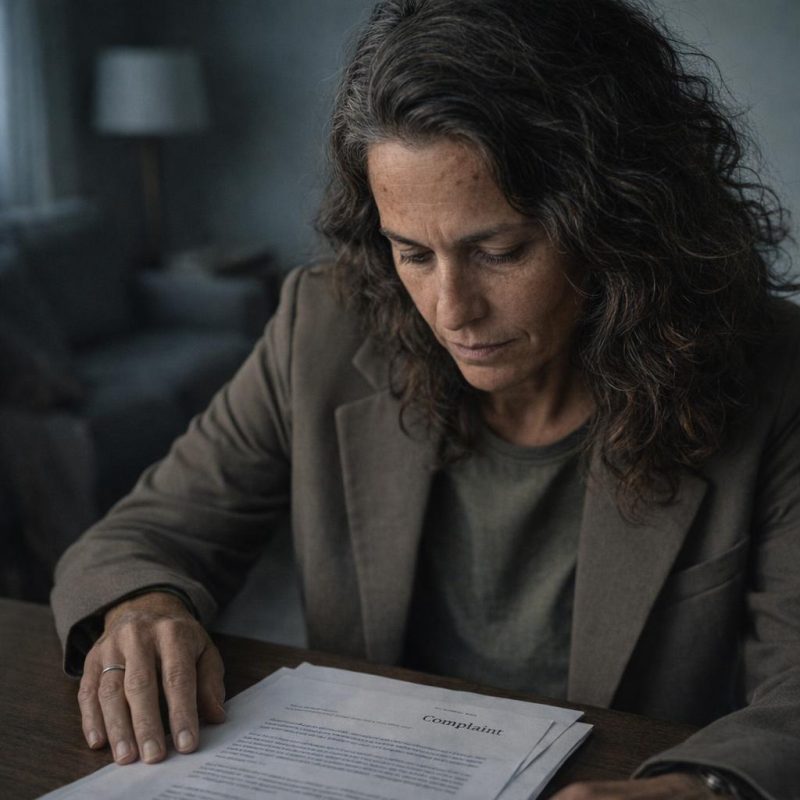 Image by RM AI
Manifest Irregularities
Elena called a meeting at David's office to go over what she'd pulled from the flight records. She spread printed documents across the conference table — manifest pages, seat assignment logs, timestamped system entries. She pointed to my seat number and walked me through the notation beside it. There was a reassignment flag on the record. I leaned forward to read the timestamp. The entry had been made three hours before boarding began. I asked what that meant exactly. Elena said it meant the change to my seat assignment wasn't entered as a last-minute operational call — it was in the system well before the gate even opened. David said that contradicted what the airline had told me, which was that the bump had been a reactive decision made at the gate due to availability. I looked at the timestamp again. Three hours. I felt something cold settle in my chest — not panic, just a slow, unwelcome clarity that the story I'd been given didn't match what was sitting right in front of me on that page.
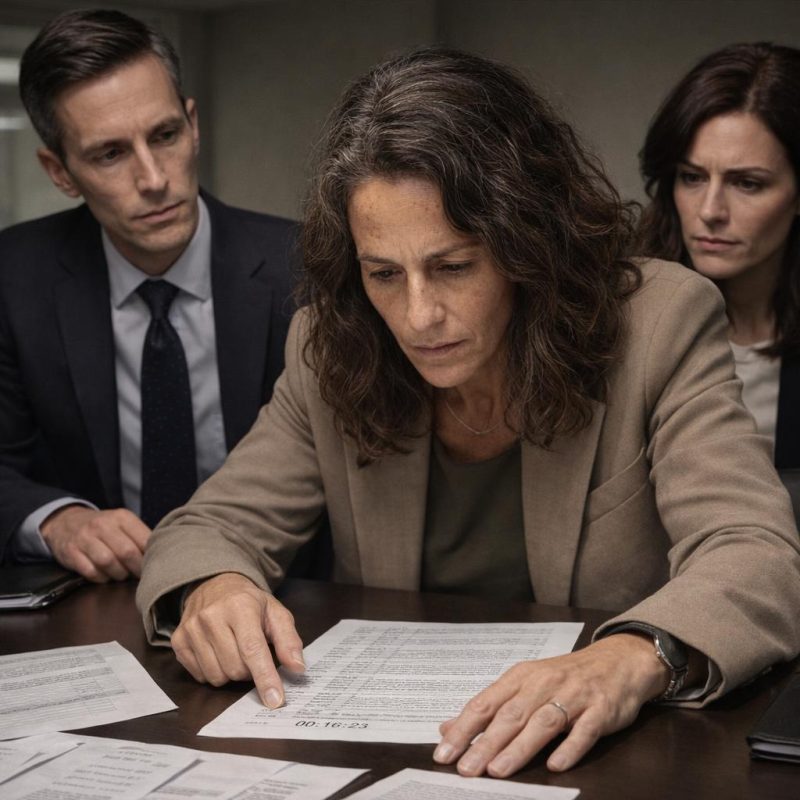 Image by RM AI
Previous Partnerships
Elena came back the following week with a new stack of documents, this time focused on Madison. She'd pulled business filings, public contract disclosures, and archived social media posts going back two years. She laid them out methodically. Madison had worked with multiple airlines on promotional content — sponsored posts, branded travel videos, the kind of polished, aspirational content that showed her in premium cabins with good lighting and a caption about the experience. Elena showed me examples: Madison in a wide seat with a glass of something sparkling, tagging the airline, the hashtags clean and commercial. Some of the posts had disclosure language buried in the caption. Others didn't. I asked if any of it connected to the specific airline from my flight. Elena said she was still working on that piece — she hadn't found a direct contract yet, but she was still searching. David said the history of those relationships was relevant regardless, that it established a professional context worth understanding. I looked at the documents spread across the table — the filings, the posts, the brand tags — and sat with the weight of seeing just how many airline relationships Madison had built over the years.
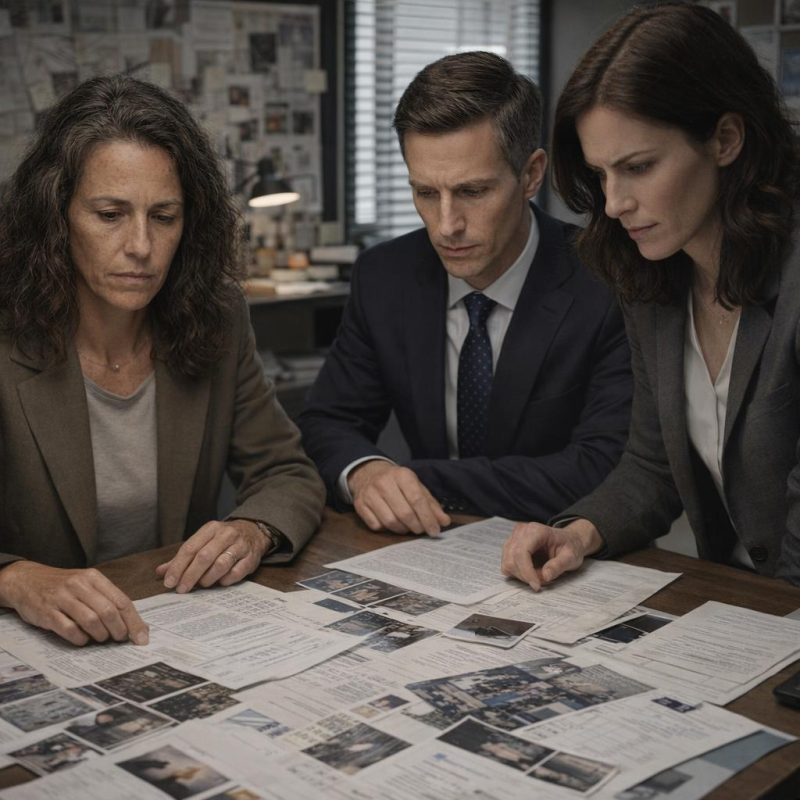 Image by RM AI
Recording Setup
Elena's next update came with a printed technical report — a metadata analysis of the video file that had been pulled from Madison's public post before it was archived. Elena explained that video files carry embedded data: timestamps, device information, recording duration. She pointed to a line near the top of the report. The recording had started several minutes before I appeared in the frame. I asked her to say that again. She did. Madison's phone had been actively recording before I ever walked up to that seat. I asked what that meant practically. Elena said it meant the camera was already running when I arrived — the footage of me wasn't the beginning of the recording, it was just the part that got posted. David said that was worth noting, that a camera already rolling before a conflict begins is an unusual thing to see in the data. I looked back down at the report, at the timestamp showing exactly when the recording had begun, and the number of minutes that had passed before my face ever entered the picture.
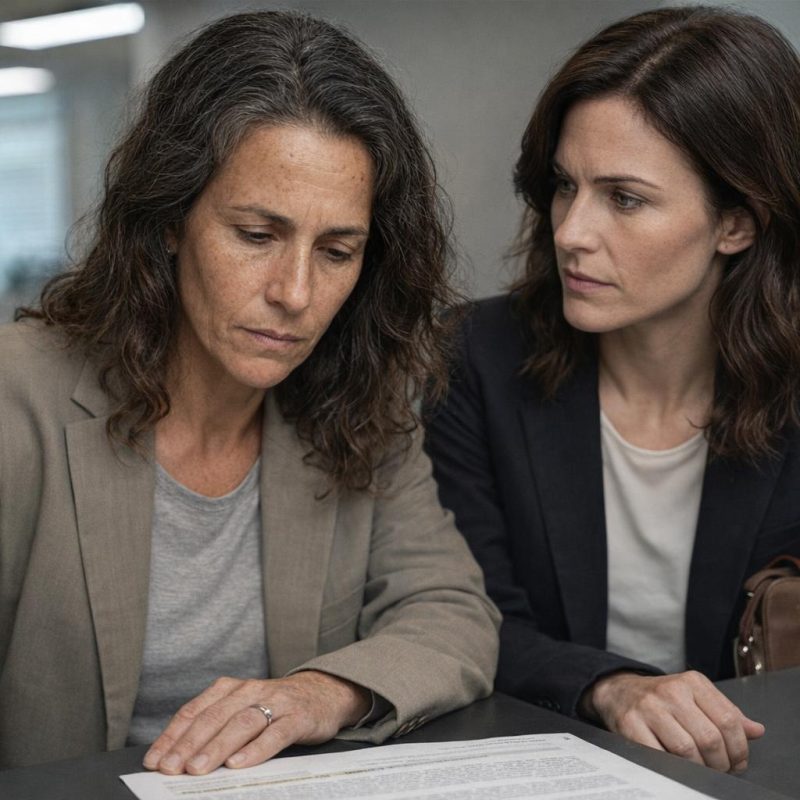 Image by RM AI
Promotional Incentives
Elena had pulled Rebecca's employment file from the personnel records the airline produced in discovery, and she walked us through it methodically, the way she always did — no drama, just the facts laid out in order. Rebecca's compensation structure included performance bonuses. That part wasn't unusual. What Elena highlighted was the category breakdown. Some of the bonus criteria were tied to positive social media mentions of the airline, to publicity-generating incidents that reflected well on the brand. I asked her to point to the exact language. She did. David said that what it meant, practically, was that Rebecca had a financial incentive to be involved in moments that went viral for the right reasons. I sat with that for a second. I asked, as carefully as I could, whether that meant Rebecca could have been paid — in some indirect way — for what happened on that flight. Elena said the records only showed the bonus structure existed, not what triggered any specific payment. David nodded. He said we weren't there yet. But I kept looking at the line Elena had circled, the one connecting Rebecca's paycheck to the kind of public attention that a video of a passenger being removed from a plane could generate, and something in my chest went very still.
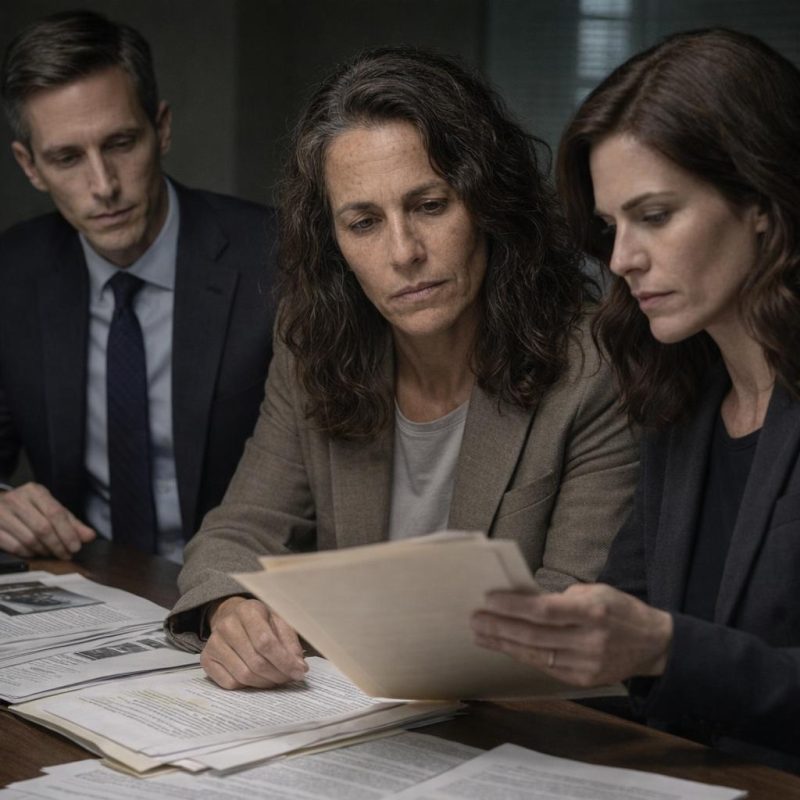 Image by RM AI
Content Strategy
Elena had built a timeline. She'd gone back through Madison's public posts — months of them — and mapped out which ones had performed best by engagement numbers. She turned her laptop toward me and walked me through it. The top-performing content wasn't travel footage or product reviews or the kind of aspirational lifestyle material I'd have expected. It was conflict. Arguments in airports. Disputes at hotel check-ins. Confrontations with service staff. Each video was filmed from Madison's angle, and in every single one, the other person came across as the unreasonable party. I watched several of them in a row, and the structure was almost identical — a tense exchange, Madison's voice staying measured and calm on camera, the other person visibly flustered. David said it plainly: this was her business model. High-conflict moments drove her numbers, and her numbers drove her income. I didn't say anything for a moment. I just kept scrolling through the timeline Elena had printed, post after post, each one a different person caught in what looked like the same kind of moment. The pattern was right there in the data, steady and consistent across months of posts, and I couldn't stop looking at it.
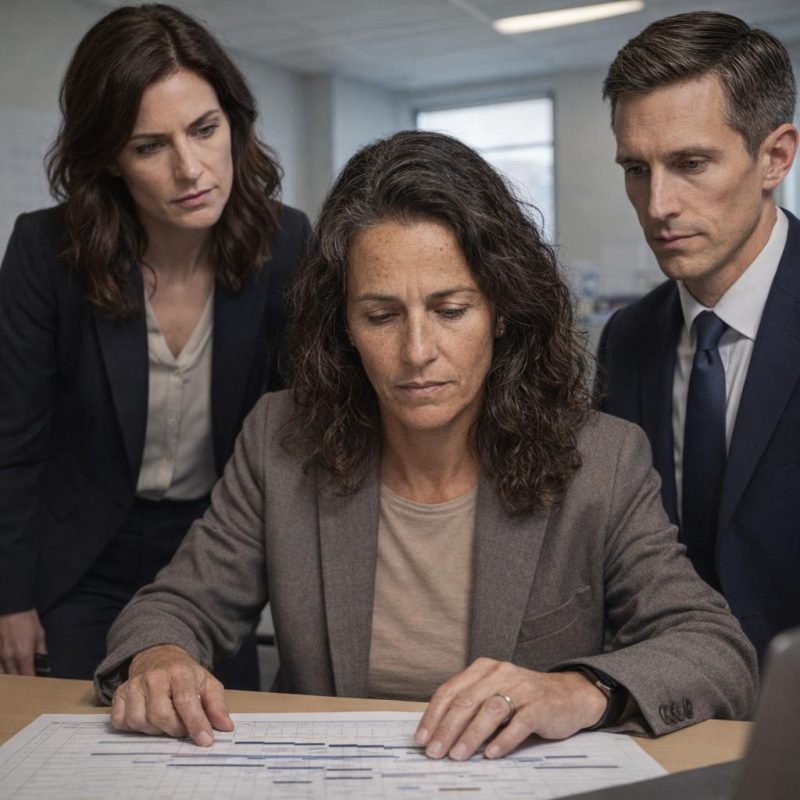 Image by RM AI
The Subpoena
David called me into his office mid-week and had a stack of paperwork already prepared on his desk when I arrived. He explained that he'd drafted subpoenas for the airline's internal communications — emails, memos, any correspondence related to my flight specifically, and to the airline's broader policies around passenger bumps. He said if there had been any coordination between departments, or between airline staff and outside parties, there would be a paper trail. Companies document everything, he said. Even things they'd rather not have documented. I asked what he expected to find. He said he didn't want to speculate — he wanted to see what was actually there. I told him that made me nervous. He said that was a reasonable way to feel. I sat across from him while he signed the final pages, watching him work through each document with the same focused calm he brought to everything. He said the airline would have a deadline to produce the records once the court accepted the filing. I nodded, though my stomach was tight the whole drive home. A few days later, David called to tell me the subpoenas had been filed and accepted, and that the airline's legal team had been formally notified that they were required to produce all internal communications related to my flight.
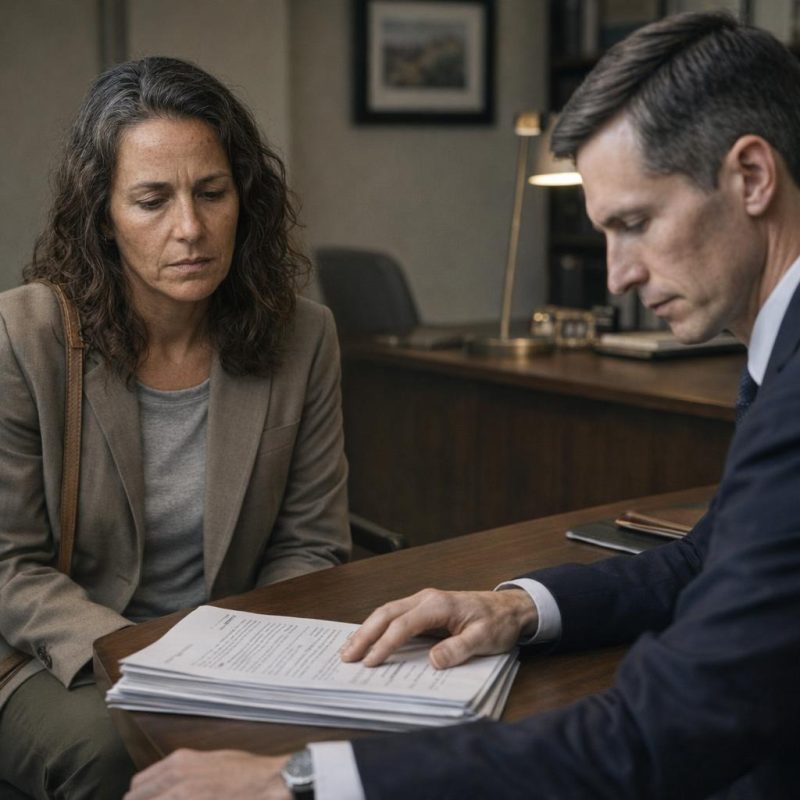 Image by RM AI
Legal Resistance
David called me the same afternoon the airline's response came in, and I could hear the measured edge in his voice before he'd said more than two sentences. Their legal team had filed objections — a full set of them, he said, not just a standard pushback. They were arguing the communications were protected under attorney-client privilege. They were arguing the subpoena was overly broad and amounted to a fishing expedition. David read me portions of the filing over the phone, and I listened to the careful, expensive language of it, the way each sentence was constructed to sound reasonable while blocking every door. I asked him why a company would fight this hard if there was nothing in those communications worth hiding. He said that was exactly the right question to be asking. He told me he was already drafting counter-arguments and that he expected the judge to push back on at least some of the privilege claims. I said I understood, but the tightness in my chest didn't ease. Then David mentioned, almost in passing, that the lead name on the airline's legal filing was Marcus Whitmore.
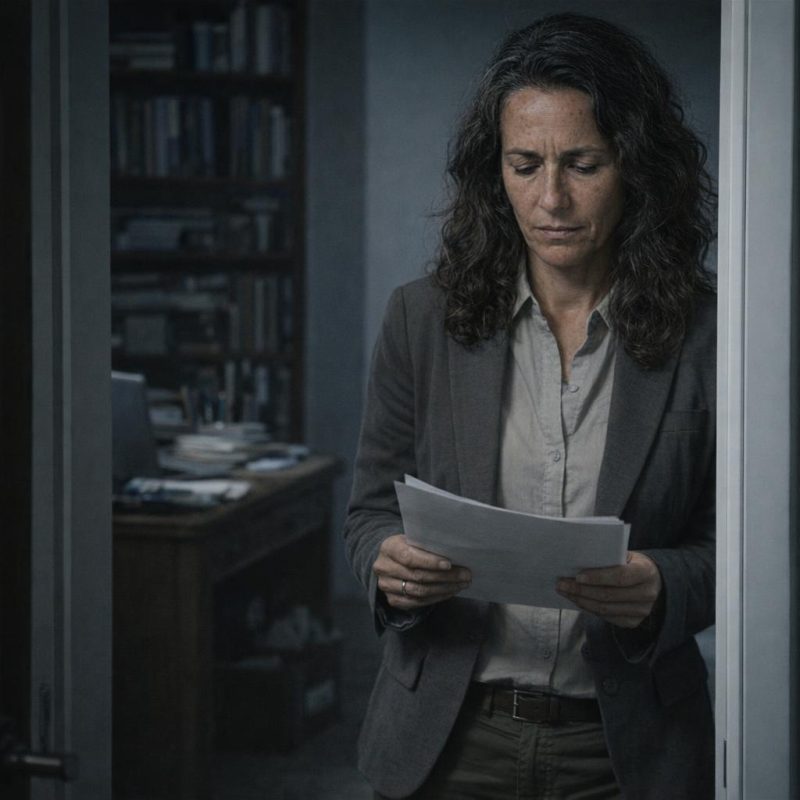 Image by RM AI
Settlement Offer
David called on a Tuesday morning, and his tone was different — not alarmed, but careful in a way that made me sit down before he'd finished his first sentence. He said the airline had reached out directly to him. They were offering a settlement. Marcus Whitmore had contacted him personally, which David said was unusual enough on its own. The offer included a monetary payment and a full release of all claims. I asked what the terms were. David said the payment would require me to sign a non-disclosure agreement — I couldn't discuss the incident, the case, or the settlement with anyone, ever. I asked what he recommended. He said he thought we should reject it, that the offer told him more about their exposure than any filing had so far. I asked how much they were offering. He told me the number. It was enough that I understood immediately why they thought it might work — enough to feel like a real solution if I were just tired and wanted it to be over. But it also felt like exactly what it was: money in exchange for my silence. I told David to turn it down.
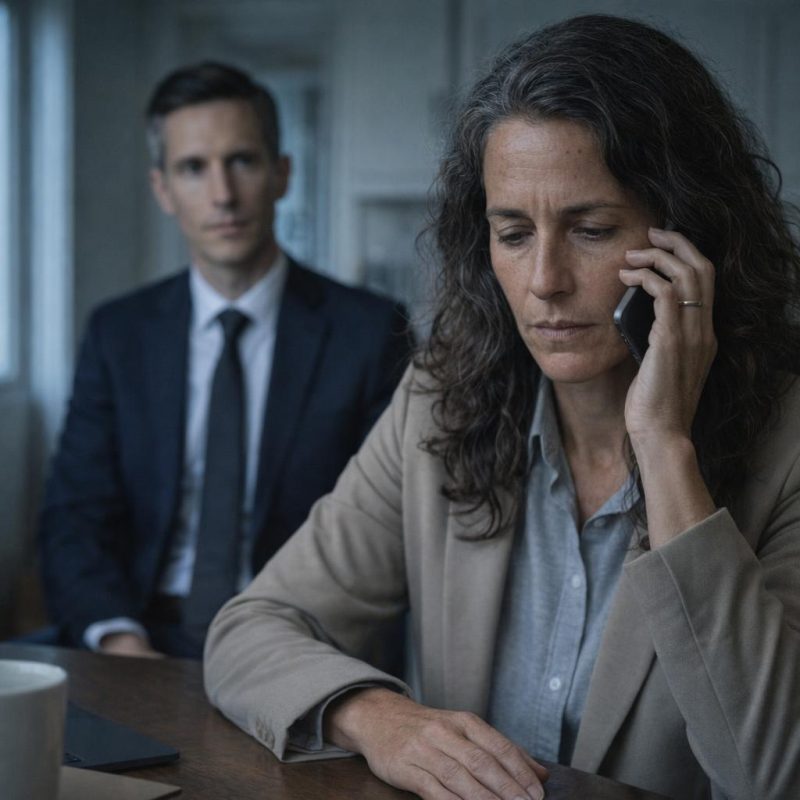 Image by RM AI
Deleted Emails
Elena called on a Thursday afternoon, and I could hear the controlled energy in her voice — the way she got when something had broken open. She said she'd been working through the forensic data requests and had found deleted emails. They'd been removed from the airline's active servers but recovered from backup systems through the discovery process. The correspondence was between someone in the airline's marketing department and a contact listed under Madison's management team. I asked when they'd been deleted. Elena said two days after the video went viral. David, who was on the same call, said that timing was going to matter. Elena said she was still working through the full content of the recovered messages and would have a complete summary within a day or two. I sat at my kitchen table after the call ended, turning that detail over in my mind — not what the emails said, because I didn't know yet, but the fact that someone had gone back and tried to make them disappear. Whatever was in those messages, someone had decided it was worth the risk of deleting. There was something quietly steadying about that, about the fact that the effort to erase something had only made it more visible.
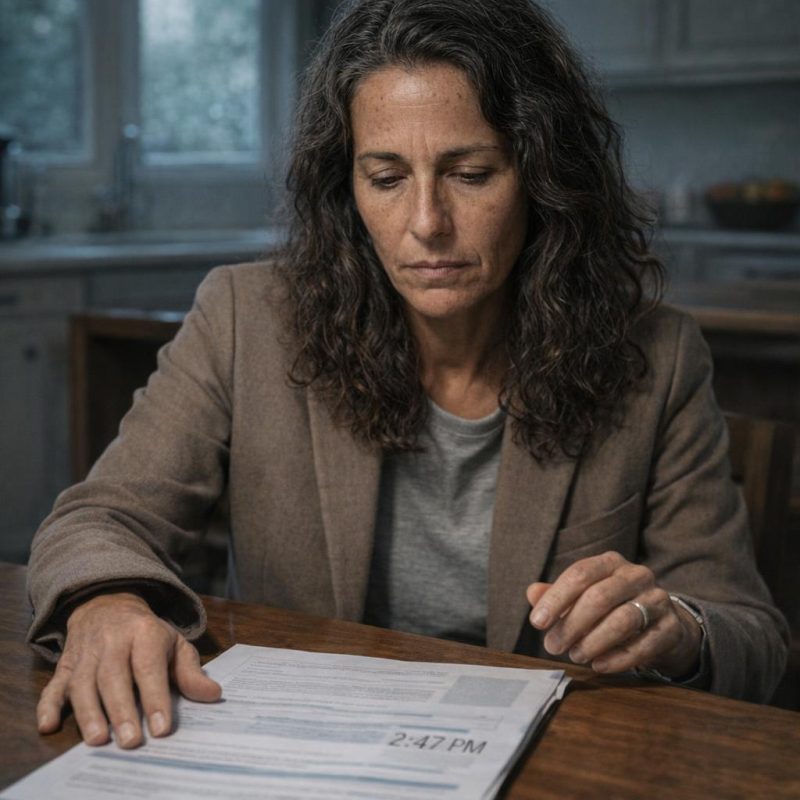 Image by RM AI
Financial Records
Elena came to David's office with printed transaction records, and she laid them on the table without preamble. She had traced a payment from the airline's marketing budget to a business account registered under Madison's name. I asked when the transfer had occurred. Elena said three weeks after the video went viral. I asked what the official description on the record was. She pointed to the line: promotional services. David said that label covered a wide range of arrangements and that the next step was establishing what services, if any, were actually rendered in exchange. I asked how much the payment was. Elena slid the transaction record across the table toward me. The number was substantial — not enormous, but the kind of figure that doesn't get approved without someone signing off on it deliberately. I sat with the page in front of me for a long moment, not speaking. The date, the amount, the account name — all of it was right there in black and white, documented in the airline's own financial records. Whatever the official label said, the money had moved, and the record of it had survived.
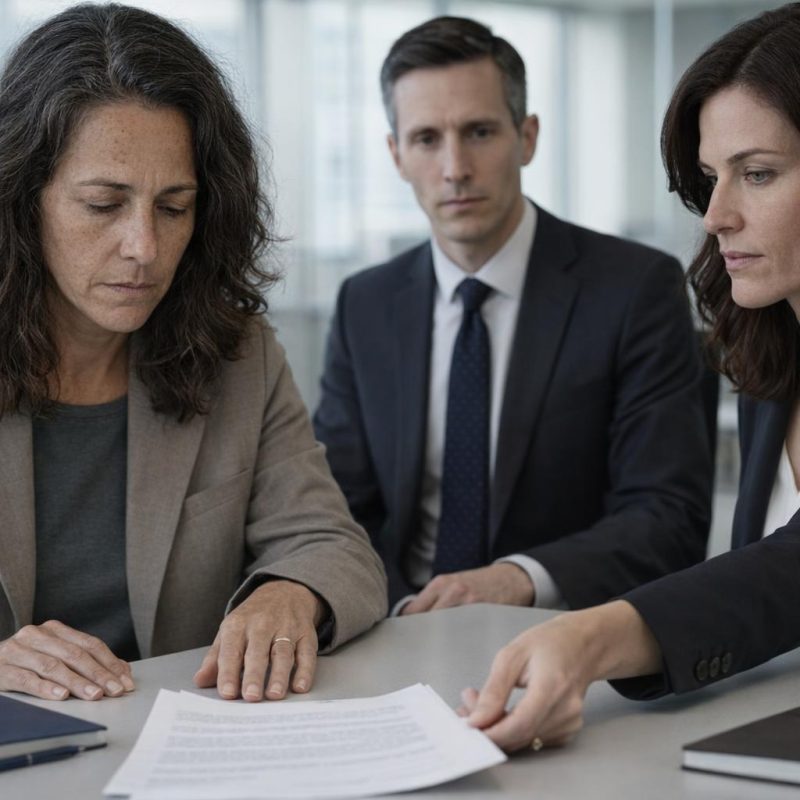 Image by RM AI
Deposition Notice
David called to tell me he had scheduled depositions, and the first name on the list was Rebecca Mills. I asked him what a deposition would actually look like. He explained that Rebecca would be required to appear, answer questions under oath, and that everything she said would be transcribed. He had prepared questions about the bump procedure, about her communications on the day of my flight, and about her interactions with other passengers in the gate area. I asked if I could be there. He said I could attend, that it was my right as the plaintiff, but that I should be prepared for Rebecca to be uncooperative — witnesses in depositions often gave narrow answers and volunteered nothing. I told him I needed to be in the room. I needed to hear whatever she said, or didn't say, directly. He said he understood. We went over the timeline — the deposition was set for the following week, which gave him a few more days to refine his questions based on the financial records and the recovered emails. After we hung up, I sat for a while thinking about Rebecca's face on that plane, that professional smile that had never reached her eyes. A few minutes later, a document notification came through on my phone: the formal deposition notice, Rebecca Mills listed by name, date and location confirmed.
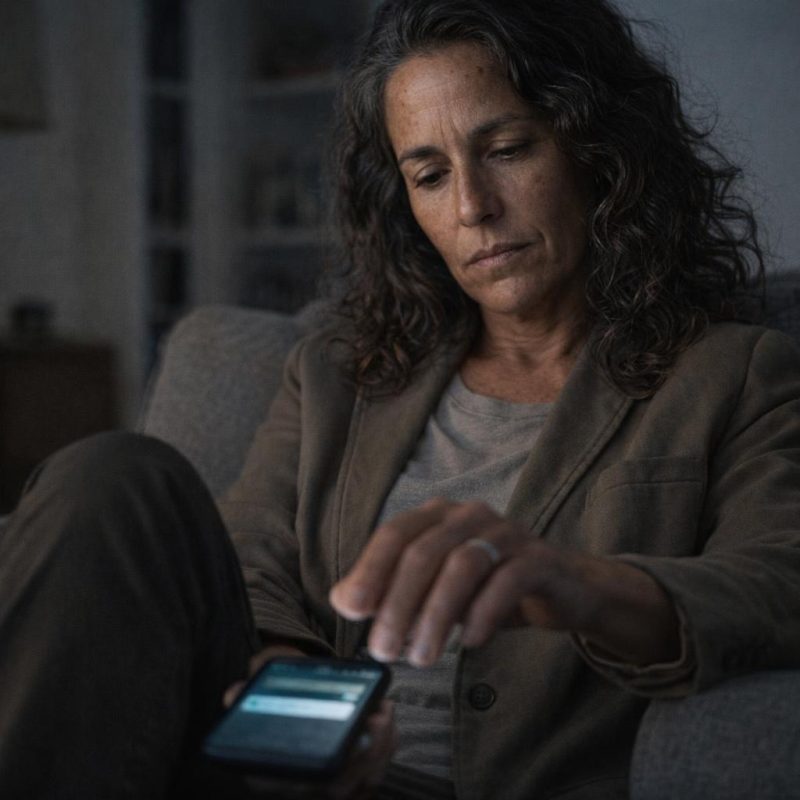 Image by RM AI
Under Oath
The conference room was smaller than I'd expected — a rectangular table, fluorescent light, a court reporter in the corner with her machine. Rebecca arrived with two airline attorneys flanking her, and she sat down across from David without looking at me once. David started with the basics: her employment history, her role on that flight, standard procedure for seat reassignments. Rebecca answered those questions in a flat, even voice, like she'd rehearsed them. Then David shifted. He asked about her communications with Madison Torres in the days before the flight. Rebecca said she didn't recall any specific communications. David slid a page of phone records across the table — three calls between Rebecca's number and Madison's in the forty-eight hours before boarding. Rebecca looked at the page and said she didn't remember the content of those calls. David asked why my seat had been flagged for reassignment hours before I arrived at the gate. Rebecca's attorney leaned over and said something quietly, and Rebecca straightened. 'I'm instructed not to answer that.' David noted it for the record and moved on. He asked again, from a different angle. Same instruction. Same refusal. I sat with my hands folded in my lap and watched the silence fill the room after each question she wouldn't answer.
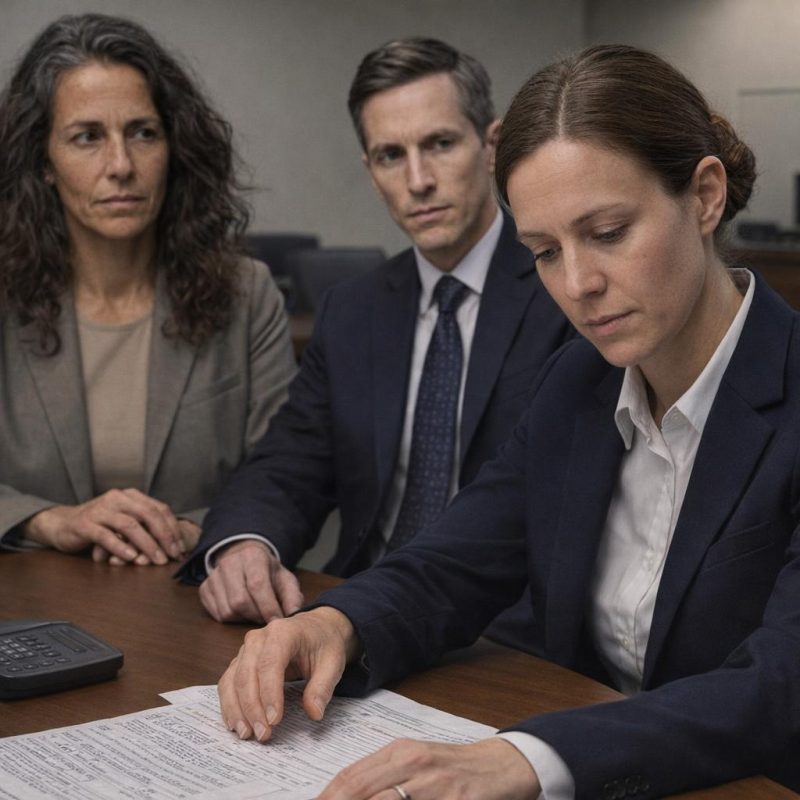 Image by RM AI
The Fifth Amendment
David kept his voice level as he moved into the next section of questions. He asked Rebecca about her bonus structure — whether performance incentives were tied to anything beyond standard metrics. She gave a vague answer about quarterly reviews and passenger satisfaction scores. Then David asked specifically whether any bonuses had ever been connected to social media engagement or viral content. Rebecca's attorney leaned in close, and the two of them conferred in low voices for a moment. When Rebecca sat back up, her expression hadn't changed. David asked directly whether she had received any payment related to the incident involving my seat on that flight. Rebecca looked at her attorney, then back at David. 'I invoke my Fifth Amendment right against self-incrimination.' I felt the air go out of me. David didn't flinch. He asked whether she had coordinated with Madison Torres before the flight. Rebecca's voice was the same flat tone. 'I invoke my Fifth Amendment right.' The airline's attorneys shifted in their seats. David noted each invocation carefully for the record, his pen moving without hurry. He explained to me afterward, in the hallway, that invoking the Fifth in a civil deposition doesn't prove guilt — but it does mean a jury can draw an adverse inference. I stood in that hallway and let the weight of what she hadn't said settle over me.
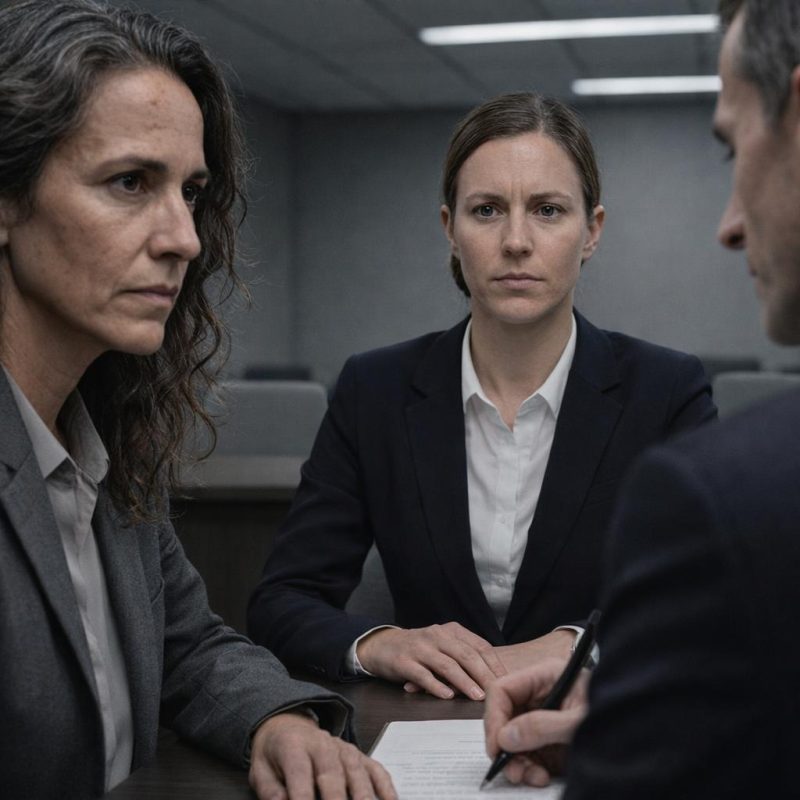 Image by RM AI
The Timeline
David had covered one wall of his conference room with a printed timeline, each event on its own card, connected by lines in two colors. He walked Elena and me through it from left to right. At 6:47 AM, my seat had been flagged for reassignment in the airline's system — nearly two hours before boarding began. At 8:43 AM, Madison's phone began recording. At 8:47 AM, I arrived at my row. Within ninety seconds, Rebecca appeared. The video was uploaded before the plane had even pushed back from the gate. Elena pointed to a cluster of financial records pinned below the timeline — a payment processed three weeks after the flight, routed through a marketing vendor account. David tapped the 6:47 card. He said that kind of early reassignment didn't happen by accident; it required someone with system access making a deliberate entry before the airport was even fully staffed. I stood there looking at the cards, at the lines connecting them, at the timestamps marching in sequence — each action in its own box, each box touching the next, every step aligned with the one before it, too precise to be anything but planned.
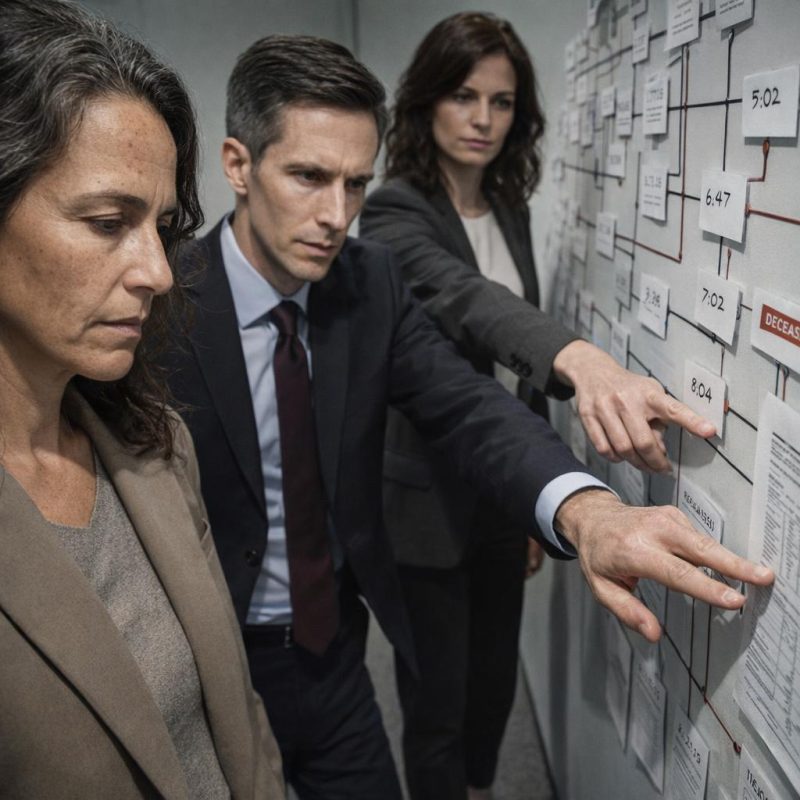 Image by RM AI
The Contract
Elena came in the next morning with a folder and set it on David's desk without saying anything. She'd found it buried in a batch of recovered email attachments — a PDF, twelve pages, formatted like a standard vendor agreement. The header read: Promotional Content Partnership Agreement. One party was the airline's marketing division. The other was Madison Torres, listed under her LLC. It had been signed six weeks before my flight. David read it standing up, turning pages quickly. I sat across from him and waited. When he handed it to me, he pointed to a clause on page four. The contract specified that Madison would produce authentic travel content, including what it called organic passenger interaction scenarios. There was a payment schedule tied to engagement metrics — a base fee, then bonuses at thresholds of fifty thousand views, two hundred fifty thousand, and one million. I read the clause twice. The words 'organic passenger interaction scenarios' sat on the page in plain contract language, as if what they described was a normal thing to put in writing. My hands had started shaking before I finished the sentence.
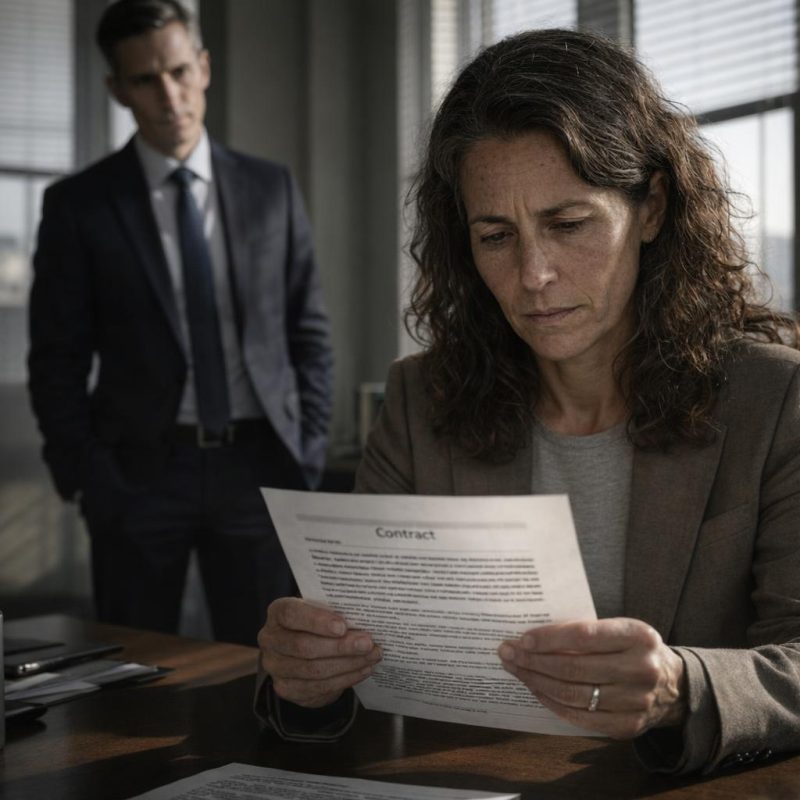 Image by RM AI
The Conspiracy Revealed
David had printed everything and arranged it in order on the conference table before I arrived. He walked me through it from the beginning, and this time he didn't hedge. Six weeks before my flight, the airline's marketing team approached Madison Torres with a proposal: she would fly their routes, create content, and manufacture conflict scenarios with real passengers. The airline would provide a cooperating flight attendant — Rebecca — to facilitate the removal of whoever had been assigned the target seat. Madison would film from a sympathetic angle, post the video, and collect bonuses based on how far it spread. The bumped passenger's confusion and distress were the product. That was what they were selling. I had been selected because my booking profile fit what they needed — solo traveler, non-refundable ticket, no public platform. Rebecca had been assigned to my specific flight because she was already part of the arrangement. Every moment I'd spent standing in that aisle, trying to understand what was happening, had been anticipated. David laid the last page on the table and looked at me. He said the contract, the phone records, the financial transfers, and Rebecca's Fifth Amendment invocations together told one complete story. I sat there and listened to him say it plainly, from start to finish, and when he was done I asked him to say it again.
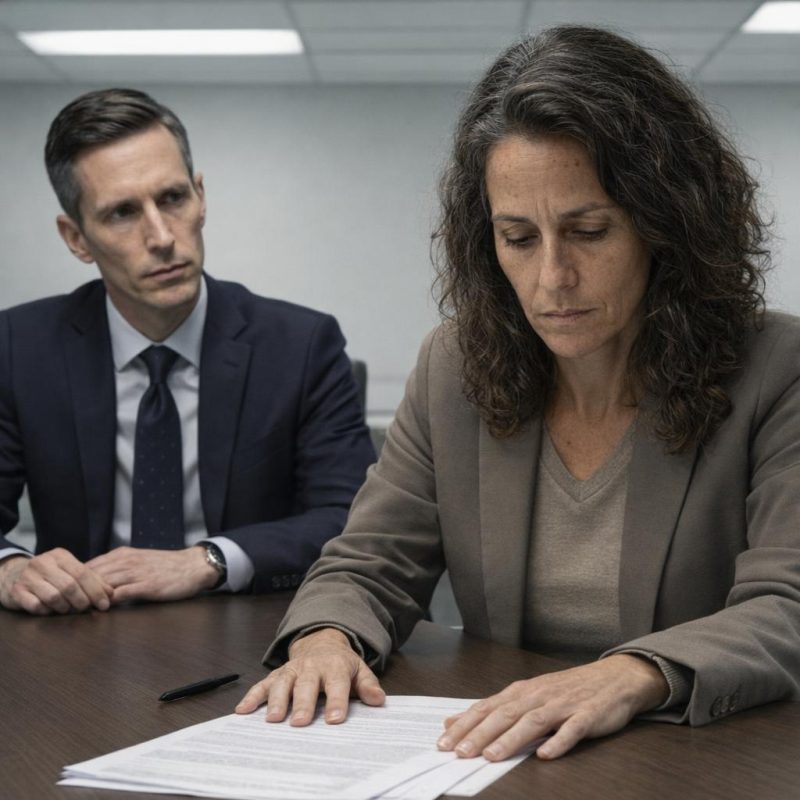 Image by RM AI
The Scope of Betrayal
Elena had pulled a separate set of internal emails — not the vendor contract, but communications between members of the airline's marketing team in the weeks before my flight. She walked me through them one by one. They had discussed what kind of passenger would work best for the scenario: someone traveling alone, someone without a large social media following, someone who would be visibly upset but unlikely to escalate physically or legally. They had reviewed booking records and flagged several candidates. My name appeared in the third email in the chain. Someone had noted that I was traveling solo on a non-refundable fare, that my social media presence was minimal, and that based on my profile I was likely to be, and I'm quoting directly here, 'confused and compliant rather than confrontational.' There was a follow-up message confirming I had been selected. David let me read through the chain without interrupting. I got to the end and sat there holding the pages. I had spent weeks feeling humiliated by what happened on that plane. I hadn't known until that moment that the humiliation had been studied in advance, that someone had looked at my life from the outside and decided I was the right kind of person to use. Then Elena set one more page in front of me — a single internal memo with my name at the top, summarizing why I had been chosen, and I read every word of it.
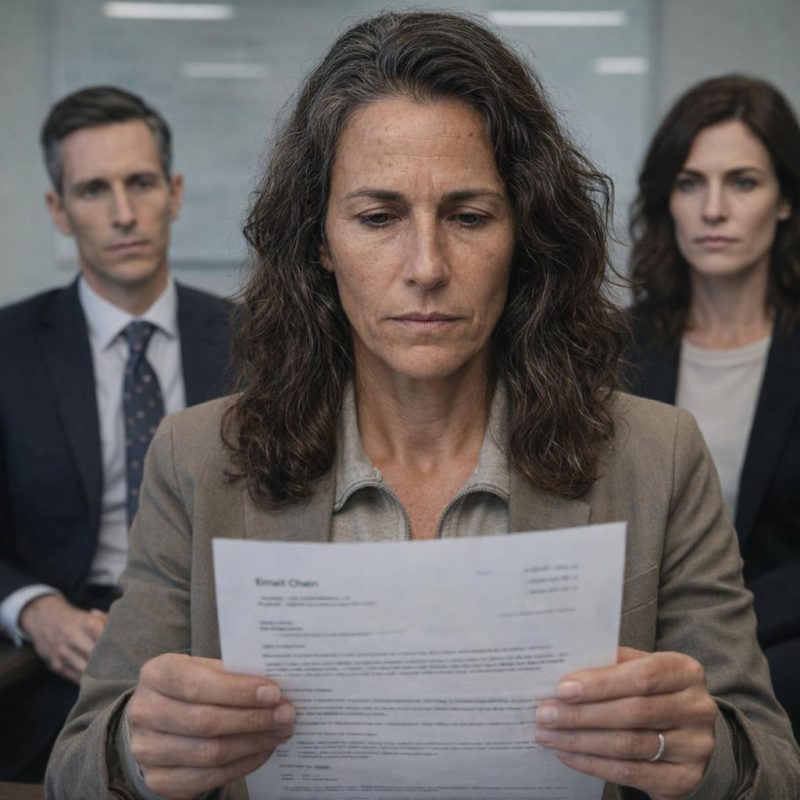 Image by RM AI
Other Victims
David told me I wasn't the first. Elena had spent two weeks cross-referencing passenger complaint records with Madison's posting history and the accounts of two other influencers connected to the same marketing vendor. She'd found seven other incidents over the previous twelve months. Each one followed the same shape: a passenger bumped without a clear explanation, filmed during the removal, the video appearing online within hours. All seven passengers had traveled alone. None had a significant public profile. Several had filed complaints with the airline and received form-letter responses. David had summaries for each case, and he slid them across the table to me. I read through them slowly. A woman traveling to her mother's funeral who'd been told her seat had been double-booked. A man on a work trip who'd been filmed arguing with a gate agent and never understood why the video spread so fast. A college student who'd cried in the aisle and spent months seeing herself in comment sections. Their details were different but the shape of each story was the same — the same confusion, the same helplessness, the same sense afterward that something had happened that they couldn't quite name. I set the last summary down and didn't say anything for a while. None of us in those stories had known about the others, but sitting there with their names in front of me, I felt something I hadn't expected: like I was no longer the only person who had been carrying this.
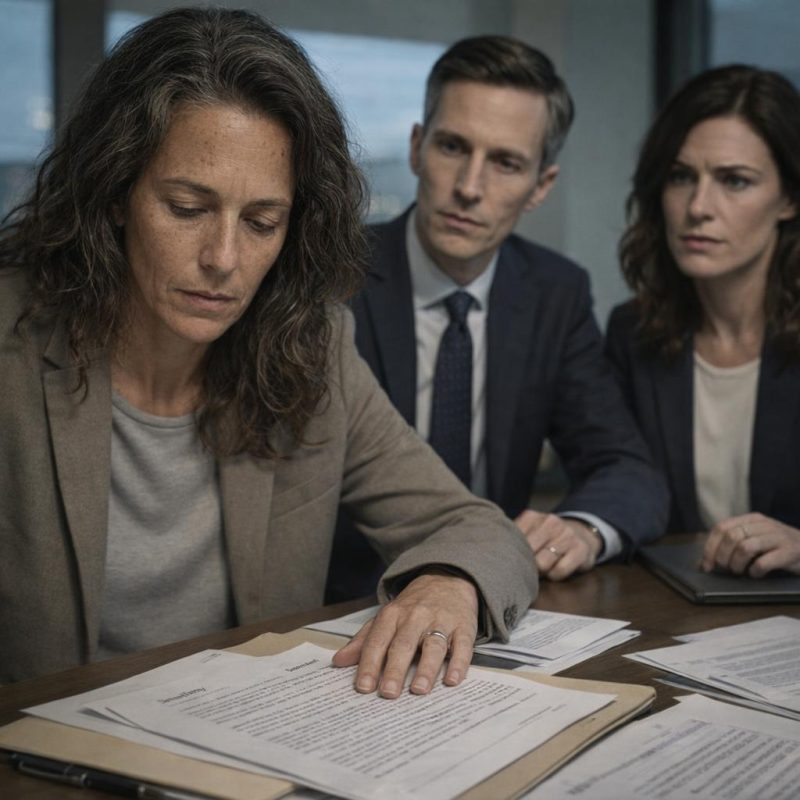 Image by RM AI
Preparing for Trial
David spent the next several days organizing everything for trial — witness lists, exhibit binders, the deposition transcripts with Rebecca's invocations flagged in red. Elena compiled the full timeline into a single document that ran to fourteen pages. I came into the office twice that week and sat at the side table while they worked, reading through materials and answering questions when David needed my recollections confirmed. Then, on a Thursday afternoon, David got a call from a journalist at a national outlet. Someone had leaked the contract. By Friday morning, two more reporters had reached out. David gave a carefully worded statement that confirmed litigation was ongoing and declined to comment on specifics. I watched the coverage from my phone — cautious at first, framed as questions rather than conclusions, but the tone was different from anything that had run before. People in comment sections were asking whether the original video had been staged. Some were going back to watch it again with different eyes. The airline's PR team issued a denial that afternoon, which David said was exactly what he'd expected and exactly what he'd wanted, because it put them on record. I sat with my phone in my hands that evening and felt something I hadn't felt in a long time — the quiet, steadying sense that the story I'd been carrying alone was finally moving into the open.
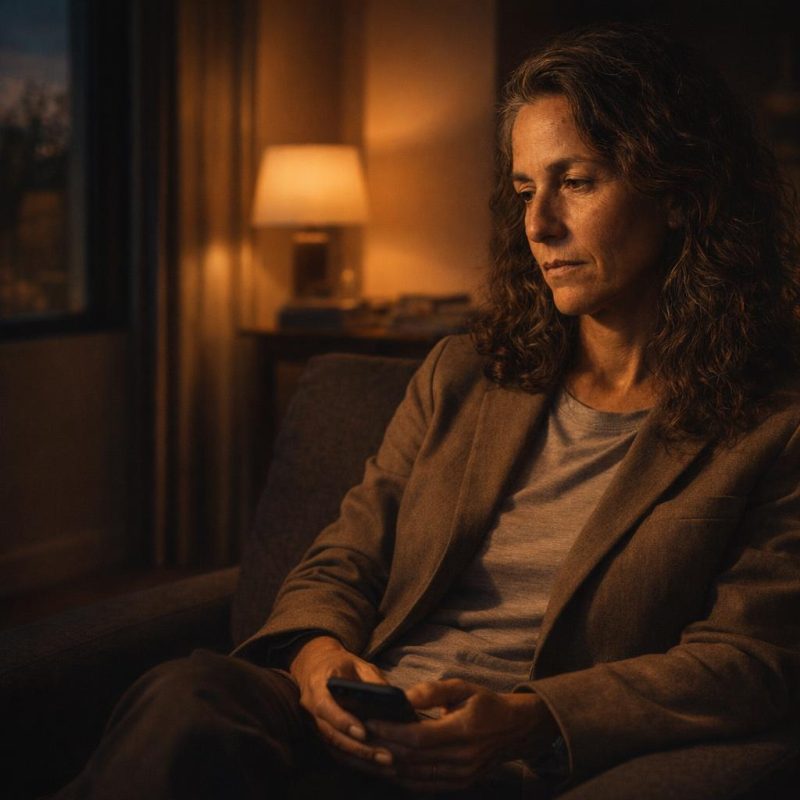 Image by RM AI
Public Opinion Shifts
The shift happened faster than I expected, and slower than I needed. By the second week after the contract leak, people were going back to the original video — not to watch me get humiliated, but to pick it apart. Someone posted a frame-by-frame breakdown showing the camera angle was too steady, too perfectly framed for a spontaneous moment. Another account noted that Madison had started filming before I'd even opened my mouth. The comments sections were turning. Not all of them — some people dug in harder, the way people do when they've already committed to a position — but enough that the tide was visibly moving. My inbox filled up with messages I hadn't expected. Strangers apologizing. Some of them awkward about it, a sentence or two and then gone. Others wrote paragraphs. I read most of them sitting at my kitchen table with a cup of coffee that went cold. I felt something with each one — not quite relief, not quite satisfaction, more like the slow, careful loosening of something that had been wound too tight for months. Then I opened one message from a username I recognized — someone who had called me a Karen in the comments the day the video went viral — and read the words: "I was wrong about you, and I'm sorry."
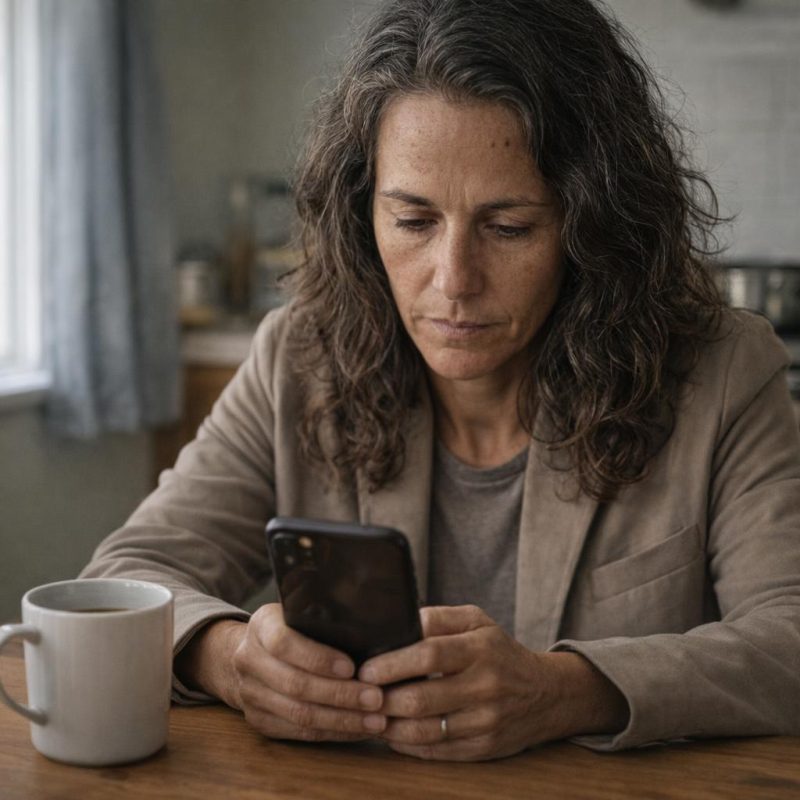 Image by RM AI
Trial Date Set
David called on a Tuesday morning, and I knew from the way he said my name that it was real news. The court had set the trial date — three weeks out. He walked me through what to expect: opening statements, witness order, how long each phase would likely run. He told me I'd be on the stand, that he'd guide me through my testimony first, and then the defense would have their turn. I asked him straight out if I was ready for that. He said the evidence speaks for itself, but that I needed to be steady on the stand — calm, clear, not reactive. I told him I'd been practicing calm for the better part of a year. He almost smiled at that; I could hear it in his voice. The media requests had been coming in steadily, and David said the trial would be open to press. That meant cameras, reporters, the whole thing playing out in public. Part of me dreaded it. Another part of me thought: good. Let everyone see. After I hung up, I went to the kitchen and found the small paper calendar I kept on the counter — the kind with a square for each day — and I circled the date with a red pen.
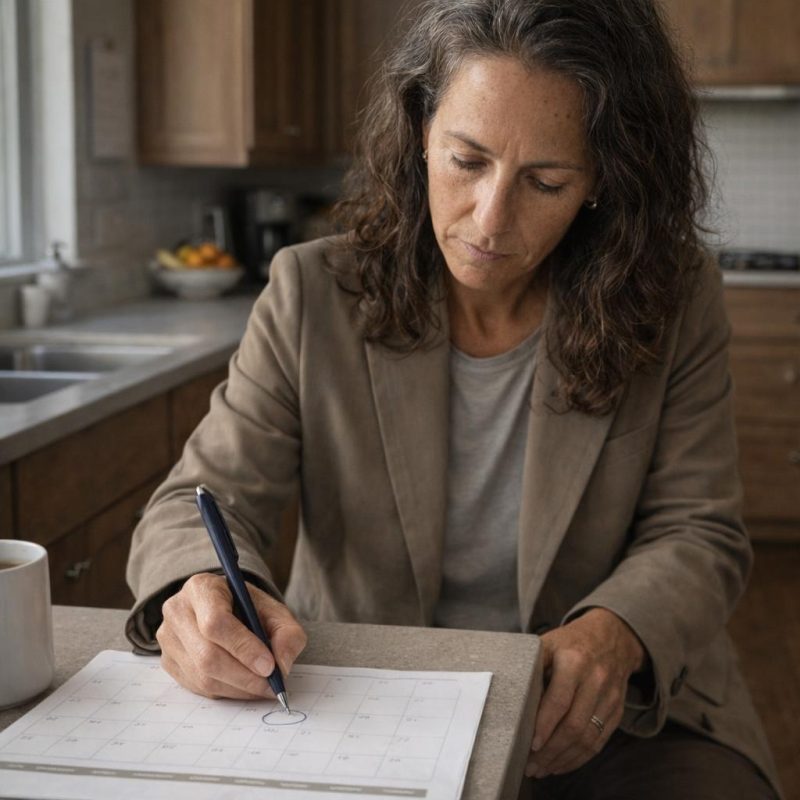 Image by RM AI
Opening Statements
I walked into that courtroom with David at my side and felt the weight of every person in the room before I'd even found my seat. The gallery was full — journalists with notebooks, a few sketch artists, people I didn't recognize who had clearly come just to watch. Marcus sat at the defense table in a suit that probably cost more than my first car. Madison was beside her attorneys, posture perfect, expression unreadable. Rebecca sat a row behind, hands folded. David stood when the judge called the room to order, and he was steady and methodical the way I'd come to expect — he laid out the contract, the payments, the timeline, the coordination between Madison and the airline, the way I'd been selected and removed and filmed. He didn't raise his voice once. He didn't need to. The jury watched him the way you watch someone assembling something complicated and getting every piece exactly right. Then the airline's attorneys stood and told the jury this was a routine operational decision, that the bump was standard procedure, that the contract was for general promotional content and nothing more. They said I had misunderstood what happened to me. I kept my hands flat on the table in front of me and breathed. When David sat back down, the courtroom went quiet in a way that felt like it had weight to it.
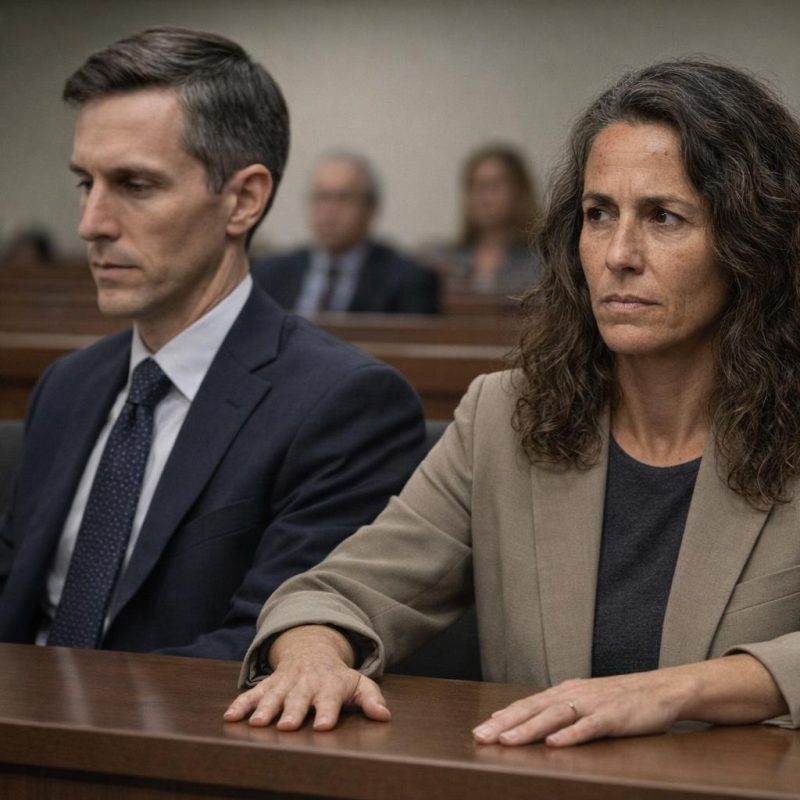 Image by RM AI
Sarah's Testimony
David called me to the stand mid-morning, and I walked up there feeling every eye in the room track me. I was sworn in, sat down, and looked out at the jury — twelve people I'd never met who were about to hear the most humiliating day of my life described in detail. David started at the beginning: the morning of the flight, the gate, boarding. I answered each question the way we'd practiced — clearly, without editorializing, just what happened. I found Madison in my assigned seat. I asked her politely to move. She dismissed me. I went to Rebecca for help and was told I was being bumped. I described the walk off the plane, the camera following me, the way I hadn't understood what was happening until it was already over. I told them about finding the video that night, about reading the comments, about the messages calling me names I'd never been called before in my life. David asked me how it felt to be labeled the way I was. I took a breath. I told the jury that the hardest part wasn't the anger from strangers — it was that for a few days, before I knew the truth, I had wondered if they were right about me. That I had sat alone in my apartment and questioned my own memory of what I'd done. That feeling — of doubting yourself because a crowd told you to — settled over the courtroom and stayed there.
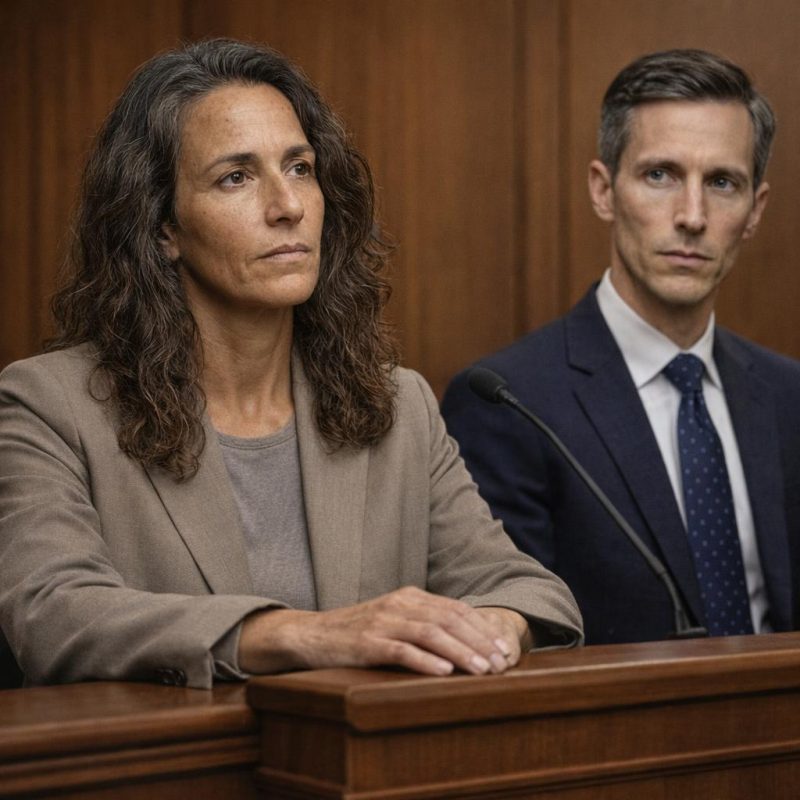 Image by RM AI
The Evidence Presented
David built the evidence case the way Elena had built the timeline — piece by piece, nothing rushed. He entered the contract first, and the jury passed copies down the row, each person reading slowly. He highlighted the clause about passenger interaction scenarios out loud, and the words sat in the air of that courtroom like something solid. Elena took the stand and walked through the forensic recovery of the deleted emails — she was precise and calm, explaining the process without jargon, making it clear that the deletion had been deliberate and that the recovery was complete. Then came the financial records: the fifteen thousand dollars paid to Madison, the bonus structure tied to Rebecca's participation, the internal memos about passenger selection criteria. A technical expert explained the video metadata — the recording start time that predated my arrival at the seat by nearly two minutes. David displayed the full timeline on a screen the jury could see clearly, each coordinated action mapped against a clock. The defense objected repeatedly. The judge overruled them, one after another, with the same measured patience. I watched the jury as each exhibit went up. They weren't performing attention — they were leaning in, turning pages, exchanging quiet glances. When the contract went back to the foreperson for a second look, several of them bent their heads over it together, and the expressions on their faces were ones I recognized: the look of people reading something and finding it exactly as bad as they'd been told it would be.
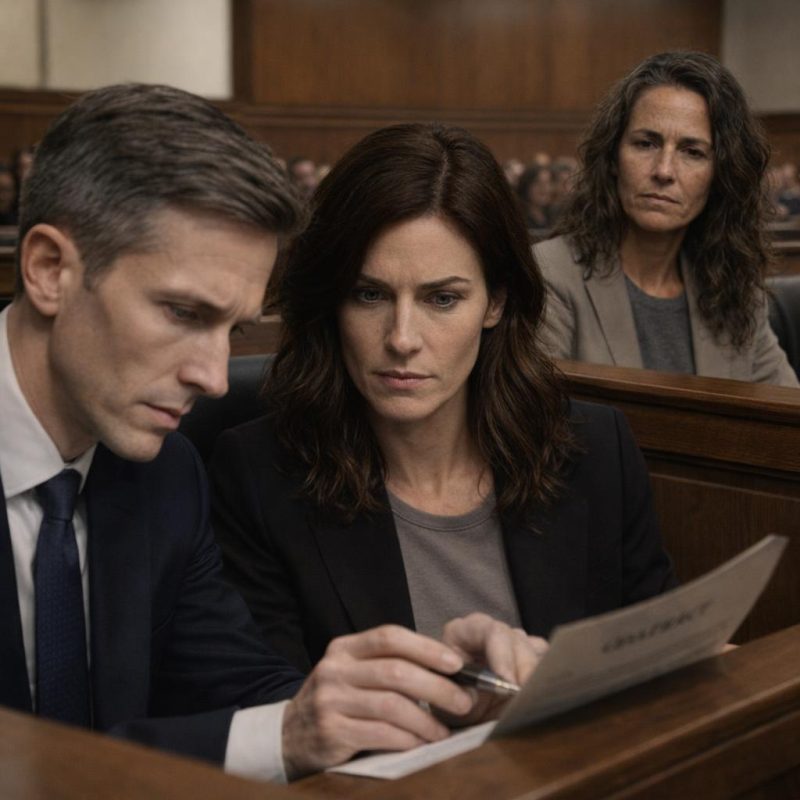 Image by RM AI
Cross-Examination
The defense attorney was polished and unhurried, which I'd expected. He started by asking whether I frequently complained about airline service. I said no. He suggested I'd been having a difficult morning and perhaps overreacted to a minor inconvenience. I told him I'd simply wanted the seat I had paid for. He implied I'd been short with Madison from the start. I described, again, the exact words I'd used — polite, direct, nothing more. He asked if I often expected special treatment when traveling. David objected. The judge sustained it. The attorney pivoted and pulled up the viral video on the courtroom screen, the same footage I'd watched hundreds of times by then, and asked me whether I thought my behavior in it looked reasonable. I said the video was filmed from a single angle, started before I spoke, and was edited before posting — and that no, a clip designed to make someone look bad generally succeeds at that. He let a pause stretch out, the kind that's meant to feel like doubt. Then he straightened his jacket, looked at me over the rims of his glasses, and asked, in a tone that was flat and almost bored, whether I always made such a fuss over things that didn't go my way.
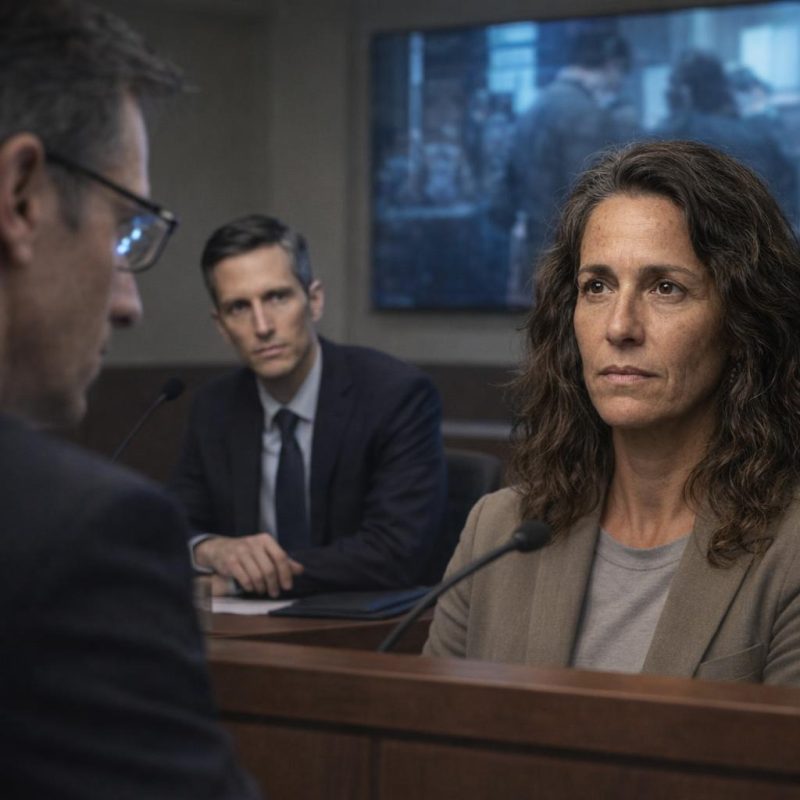 Image by RM AI
Madison's Testimony
Madison took the stand in a cream blazer, back straight, hands folded in her lap — every inch of her composed and camera-ready even in a courtroom. David started easy, asking about her work as a content creator, her follower count, her brand partnerships. She answered smoothly, like she was doing a press interview. Then he asked about her relationship with the airline. She said she occasionally partnered with brands for promotional content. David nodded, reached for a document, and placed it in front of her. He asked her to confirm her signature on the last page. She looked at it for a moment — just a moment — and said yes, that was her signature. He asked her to read the passenger interaction clause aloud. She read it. Her voice stayed even, but the words were what they were, and the courtroom heard them. David asked whether I had been one of those passenger interactions. Madison said she didn't specifically remember. He showed her the video she'd posted. She acknowledged filming it and posting it. He presented her payment records. She confirmed receiving fifteen thousand dollars. Each confirmation came out of her mouth in the same measured tone, like she was trying to make the facts sound smaller by not reacting to them. David set the contract back on the exhibit table, the last page facing up, Madison's signature visible at the bottom.
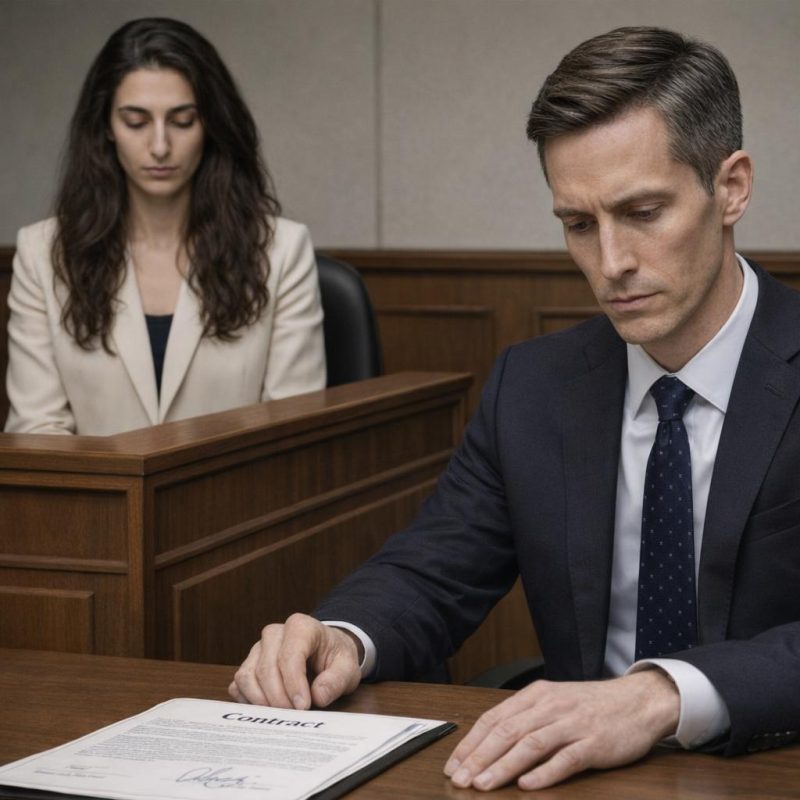 Image by RM AI
Corporate Exposure
David called Marcus to the stand after lunch, and I watched him settle into the witness chair with the practiced ease of someone who had testified before — hands loose, expression neutral, the whole performance of a man with nothing to hide. David asked about his role in corporate relations, about the airline's social media strategy, about influencer partnerships generally. Marcus described it all in the language of quarterly initiatives and brand alignment. Then David introduced the internal memos. Marcus acknowledged awareness of the influencer program. David showed him the memo approving passenger interaction content — Marcus said he hadn't been involved in specific implementations. David produced the email chain. Marcus's name was in the CC line on four separate messages. His answers grew shorter, more careful, the pauses between them longer. David showed the jury Marcus's own reply email — two sentences, sent the week before my flight, expressing support for the initiative's direction. Marcus said he hadn't understood the full scope at the time. David let that answer sit for a moment, then moved to his exhibit table and handed me a copy of the document he was about to enter into evidence — the memo from the VP of marketing, dated six weeks before I ever boarded that plane, with a single line approving what it called a "live passenger conflict content strategy."
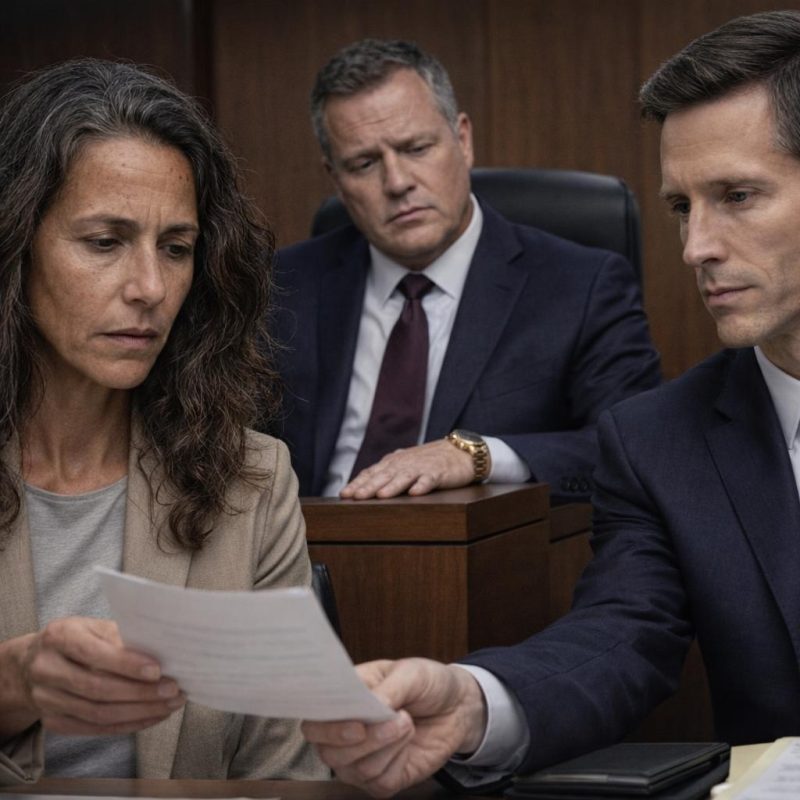 Image by RM AI
Closing Arguments
David stood and delivered his closing argument the way he did everything — methodically, without theatrics, letting the evidence carry the weight. He walked the jury through the timeline from the beginning: the memo approving a live passenger conflict content strategy, the email chain with Marcus's name in the CC line, the financial records showing Madison's payment, Rebecca's coordination, the video posted before I ever had a chance to speak for myself. He told them I hadn't been an inconvenience or a misunderstanding. I had been selected. He asked them to hold every party accountable. The defense went next, and their attorney spoke smoothly about airline discretion, about contract language, about how damages had been overstated by a woman who had simply had a bad travel day. I kept my face still. David's rebuttal was brief — two minutes, maybe three — and he ended it by reminding the jury that I had been filmed without my consent, that the footage had been monetized, and that no one had apologized until a lawsuit forced their hand. The judge read the jury instructions in a measured voice that seemed to go on forever. Then the jury filed out. David and I walked into the hallway, and the courthouse settled into the particular silence of people waiting for something they couldn't control.
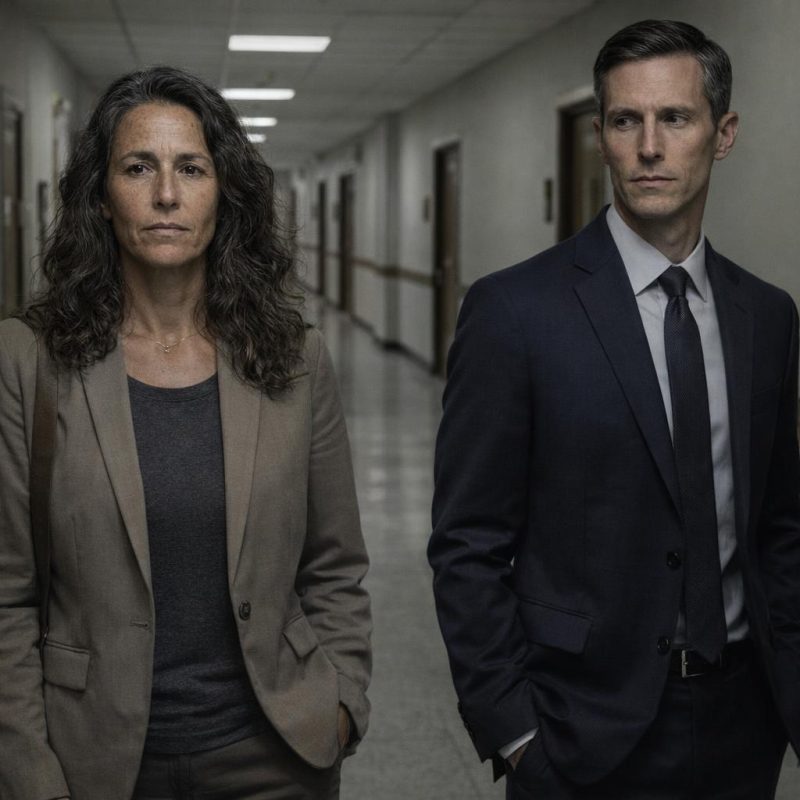 Image by RM AI
The Verdict
Two days later, the clerk called us back in. I sat beside David at the plaintiff's table and tried to keep my breathing even. Madison was at the defense table in a dark blazer, her usual camera-ready composure looking thinner than I remembered. Marcus sat with the airline's legal team, his expression carefully blank. Rebecca was a few seats down, hands folded. The judge asked if the jury had reached a verdict. The foreperson stood and said they had. I heard the words in pieces — finds in favor of the plaintiff, conspiracy to defraud, violation of passenger rights — and then the damages figures, each one read aloud in the foreperson's steady voice. Emotional distress. Reputational harm. Punitive damages against both defendants. The total was more than David had projected in our most optimistic conversations. I felt tears on my face before I realized I was crying. David's hand closed over mine on the table. Across the room, Madison stared at the surface in front of her, and Marcus had gone very still. I didn't feel triumphant. I just felt the long, exhausted relief of a room full of strangers looking at everything that had happened to me and deciding that it had mattered.
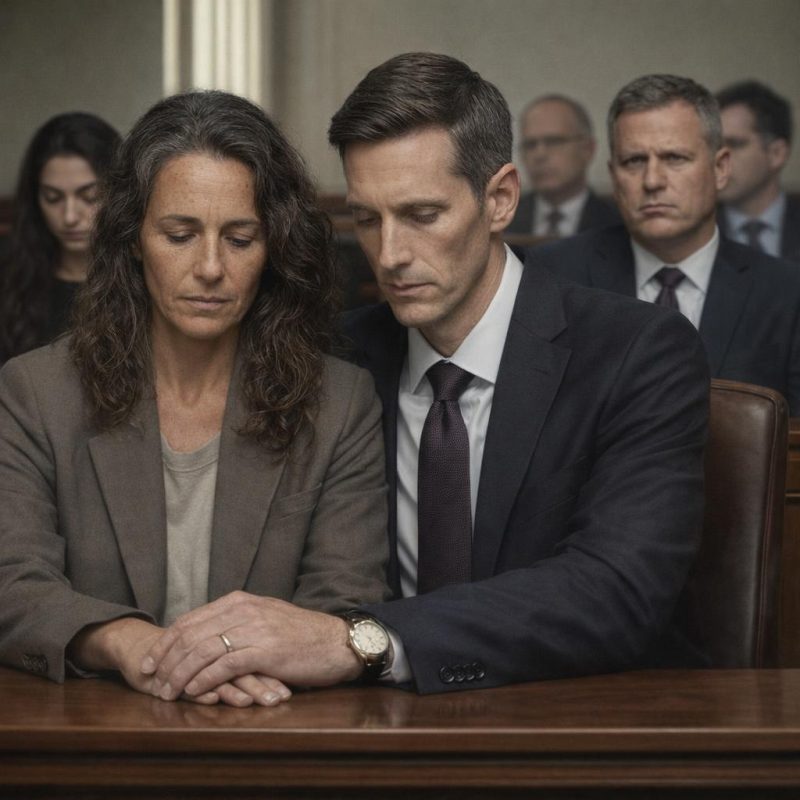 Image by RM AI
Public Apology
The airline's statement came out the morning after the verdict — formal, carefully worded, acknowledging the conspiracy and expressing regret for the harm caused to me. Madison's apology went up on her social media that same afternoon. She admitted she had participated in a staged incident and that the original video had misrepresented what happened. The video itself was gone from every platform by evening. Jennifer came over that night with wine and takeout, and we sat on my couch the way we used to before any of this started. She kept saying she was proud of me, and I kept nodding because I didn't have better words yet. News articles were running the corrected story. My inbox was filling with messages from strangers — some apologizing for comments they'd left on the original video, some just saying they were glad the truth had come out. I read through a few of them and then set my phone face-down on the coffee table. Jennifer refilled my glass without asking. Outside, the evening was quiet. I had spent so long wanting people to know what had actually happened that I hadn't thought much about what it would feel like once they did — and sitting there, I found it was quieter than I'd expected, and heavier, and somehow still not quite enough to fill the space the whole thing had hollowed out.
 Image by RM AI
Moving Forward
David called me into his office two weeks after the verdict to finalize the settlement transfer. He walked me through the numbers one last time, and when it was done he leaned back in his chair and said I had done the hard work by refusing to disappear. I told him I hadn't felt brave most of the time — I'd just felt stubborn. He smiled at that. Jennifer met me for coffee afterward, and we talked for two hours about what came next. I had been thinking about speaking publicly — not for attention, but because I kept remembering that I'd had a lawyer and a paper trail and enough resources to fight back, and a lot of people in similar situations didn't. The incident had changed me in ways I was still mapping. I was more careful now, more aware of how quickly a stranger's phone could rewrite your story before you'd said a single word. But I was also something else I hadn't expected to be on the other side of it. I had been filmed without my consent, removed from a flight I had paid for, and turned into a villain for someone else's content — and I had stood in a courtroom and made them answer for it. I gathered my coat and my bag, walked out into the afternoon, and carried that with me.
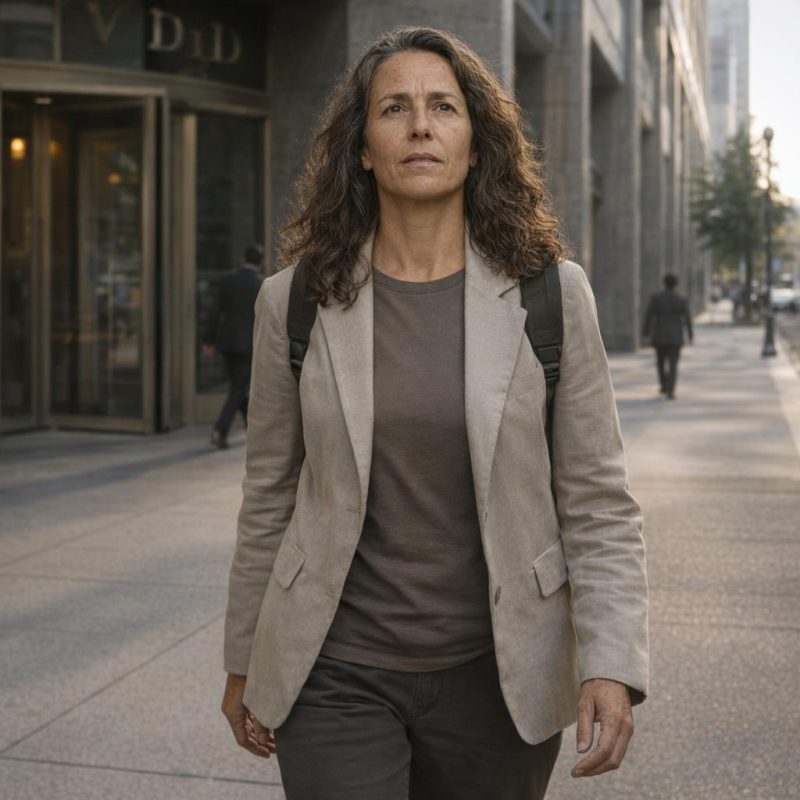 Image by RM AI
KEEP ON READING
The 20 Most Recognized Historical Figures Of All Time
The Biggest Names In History. Although the Earth has been…
By Cathy Liu Oct 4, 2024
10 of the Shortest Wars in History & 10 of…
Wars: Longest and Shortest. Throughout history, wars have varied dramatically…
By Emilie Richardson-Dupuis Oct 7, 2024
10 Fascinating Facts About Ancient Greece You Can Appreciate &…
Once Upon A Time Lived Some Ancient Weirdos.... Greece is…
By Megan Wickens Oct 7, 2024
20 Lesser-Known Facts About Christopher Columbus You Don't Learn In…
In 1492, He Sailed The Ocean Blue. Christopher Columbus is…
By Emilie Richardson-Dupuis Oct 9, 2024
20 Historical Landmarks That Have The Craziest Conspiracy Theories
Unsolved Mysteries Of Ancient Places . When there's not enough evidence…
By Megan Wickens Oct 9, 2024
The 20 Craziest Inventions & Discoveries Made During Ancient Times
Crazy Ancient Inventions . While we're busy making big advancements in…
By Cathy Liu Oct 9, 2024