

The Letter That Changed Everything
The envelope came on a Tuesday, forwarded from my old apartment with about six different address labels stacked on top of each other. I almost threw it in the recycling—you know how it is with mail that looks like it's been through some kind of postal odyssey. But something made me look twice at the return address. It was from a correctional facility upstate, and the name was unfamiliar: Thomas Brennan. I figured it was some kind of scam or maybe mail meant for someone else entirely. My dad had been dead for ten years, so when I opened it and saw his name in the first sentence, my stomach dropped. The letter was short, almost too polite, written in careful handwriting. Thomas claimed to be my father's son—my half-brother. He said he'd been trying to find me for years and had something important to tell me about our dad. There was a photograph tucked inside, old and slightly faded, showing my father as a younger man holding a baby. The photograph showed a baby that wasn't me, and my hands wouldn't stop shaking.
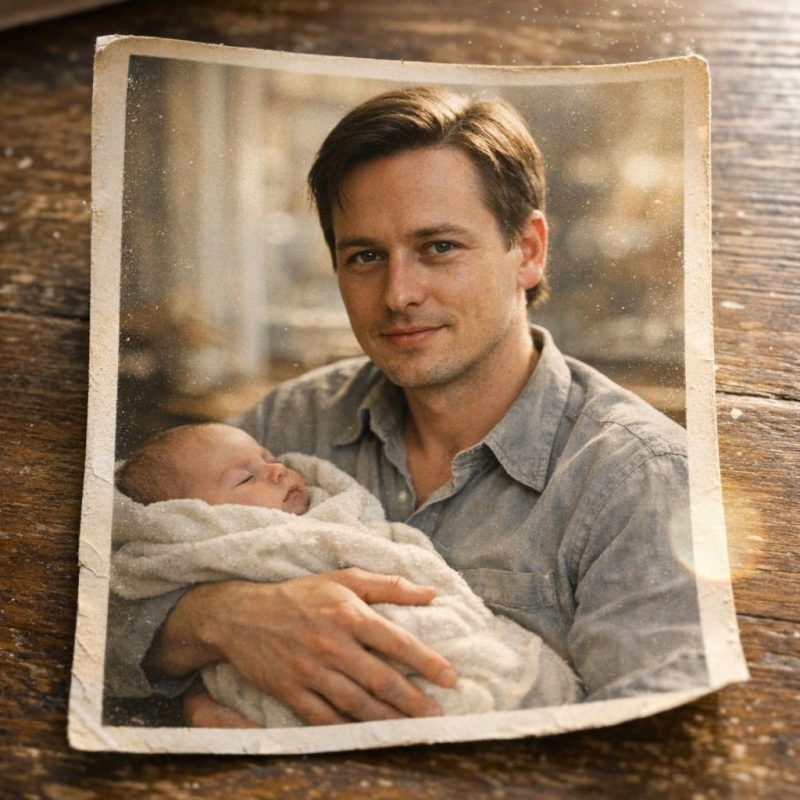 Image by RM AI
The Face I Never Knew
I sat at my kitchen table for I don't know how long, just staring at that photograph. My father looked maybe thirty in the picture, wearing a plaid shirt I'd never seen before. His hair was darker, fuller, and he was smiling in a way that seemed almost foreign to me. I knew his face better than my own—every line, every expression—but this version of him felt like meeting a stranger. The baby in his arms couldn't have been more than a few months old, wrapped in a blue blanket. I kept flipping the photo over, looking for a date or a note, anything that would explain this impossible image. There was nothing but a faint processing stamp from 1978. That would've been three years before I was born. I read the letter again, slower this time, searching for signs it was fake or some elaborate con. But the details were too specific—my father's middle name, the town where he grew up, the factory where he worked. I realized I'd been staring at my father's smile for twenty minutes, and I'd never seen him look that happy in my entire life.
 Image by RM AI
Mother Knows Something
I drove to my mother's house that same evening, the photograph burning a hole in my purse the entire way. Mom was in her garden when I pulled up, pruning her roses like it was any other day. I didn't even say hello, just walked up and held out the photograph. She took one look at it, and I watched the color drain from her face. 'Where did you get this?' she asked, setting down her gardening shears with shaking hands. I told her about the letter, about Thomas, about everything. She was quiet for a long moment, staring at the photo like it might bite her. I asked her point-blank if she knew about this, about a son my father had before me. She looked away, toward her rose bushes, anywhere but at me. The silence stretched out so long I thought she might not answer at all. Finally, she nodded, just once, barely perceptible. I felt something crack open inside my chest—all those years, all those conversations about Dad after he died, and she'd never said a word. When Mom finally spoke, her voice was barely a whisper: 'I hoped you'd never find out this way.'
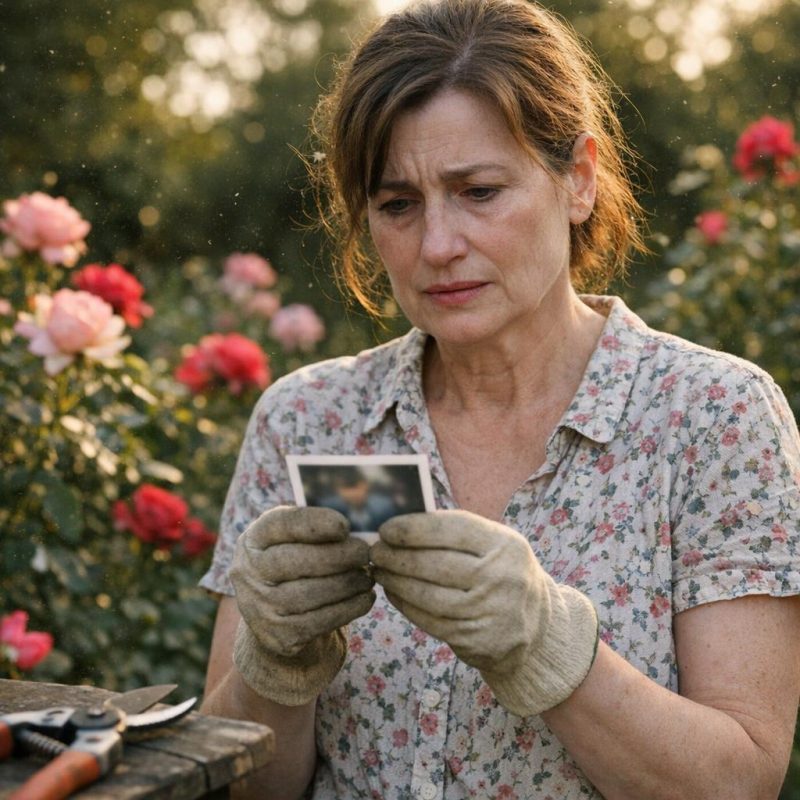 Image by RM AI
The Story Mom Tells
We moved inside to her kitchen, and Mom made tea she didn't drink. She told me the basics in that careful way people do when they're rationing information. My father had been in a relationship before he met her, with a woman named Ruth. They'd had a son together in 1978—Thomas. According to Mom, the relationship fell apart when Thomas was still a baby, and Ruth moved away with the child. Dad had tried to maintain contact at first, sending money and letters, but eventually Ruth cut him off completely. Mom said Dad was devastated but respected Ruth's wishes to stay away. She claimed he'd told her about Thomas early in their relationship, that it wasn't a secret exactly, just something painful he didn't talk about. I asked why she never told me, and she said Dad had made her promise. He didn't want me growing up feeling like I was replacing someone or competing with a ghost. That explanation felt thin, but I let it go for the moment. What I really wanted to know was why this Thomas was reaching out now, from prison no less. Mom's expression shifted then, became uncertain. She said Dad stopped talking about the child completely after 'something happened,' but she never learned what.
 Image by RM AI
Jessica's Warning
I needed someone outside my family to talk to, so I called Jessica and asked if I could come over. She took one look at my face and poured us both wine without asking. I spread the letter and photograph on her coffee table and watched her read, her expression shifting from curiosity to concern. 'This is wild,' she said, studying the photo. 'Your dad really had a whole other kid?' We talked for hours, going over every detail. Jessica's always been the practical one between us, the person who asks the questions I don't want to consider. She pointed out that I knew nothing about this Thomas except that he was in prison and wanted something from me. 'What if this is some kind of scam?' she asked. I admitted I'd considered that, but something in the letter felt genuine—desperate maybe, but real. Jessica wasn't convinced. She pulled up the correctional facility website and we confirmed Thomas Brennan was actually incarcerated there, serving time for fraud. That should've been my red flag, but instead I felt more curious. Jessica looked at me seriously and said, 'Promise me you'll be careful—people in prison have a lot of time to plan things.'
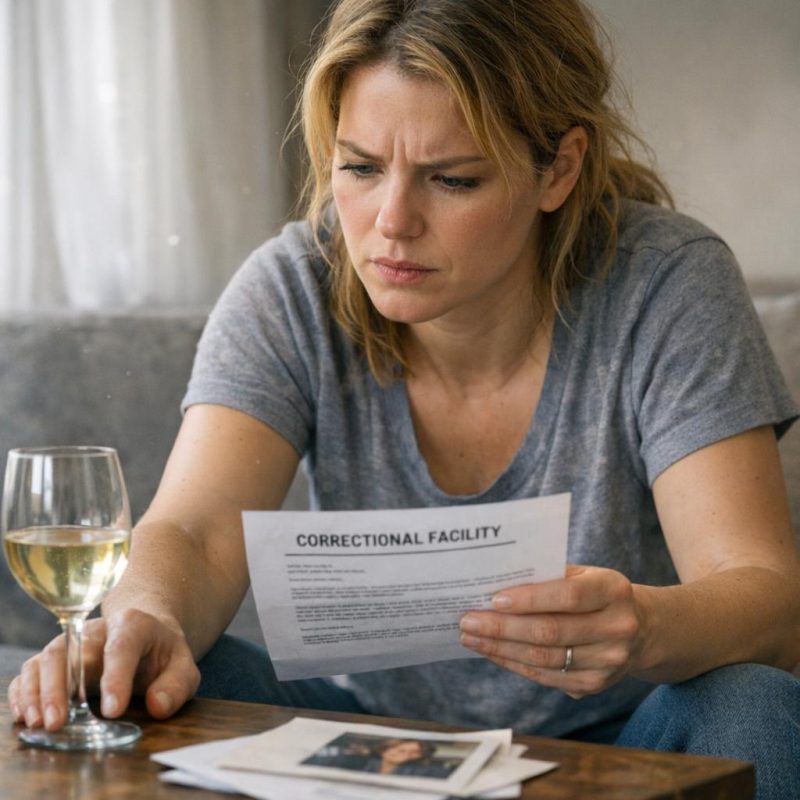 Image by RM AI
Writing Back to a Stranger
I spent three days drafting a response to Thomas, writing and rewriting until my laptop was covered in deleted drafts. What do you say to a brother you never knew existed? I kept Jessica's warning in my head, staying vague about personal details, not giving away too much. I told him I'd received his letter and confirmed that our father had passed away ten years ago. I asked basic questions—what did he want from me, how had he found me, what made him reach out now after all these years? I mentioned that my mother had confirmed his existence but knew little about what happened between him and our father. I tried to keep my tone neutral, neither welcoming nor hostile, just open to information. Before printing it, I must've read it twenty times, second-guessing every word. Part of me wanted to just delete the whole thing and pretend the original letter had never arrived. But there was this pull I couldn't explain, this need to understand the part of my father's life that had been hidden from me. I sealed the envelope before I could change my mind, knowing I'd just opened a door I might never be able to close.
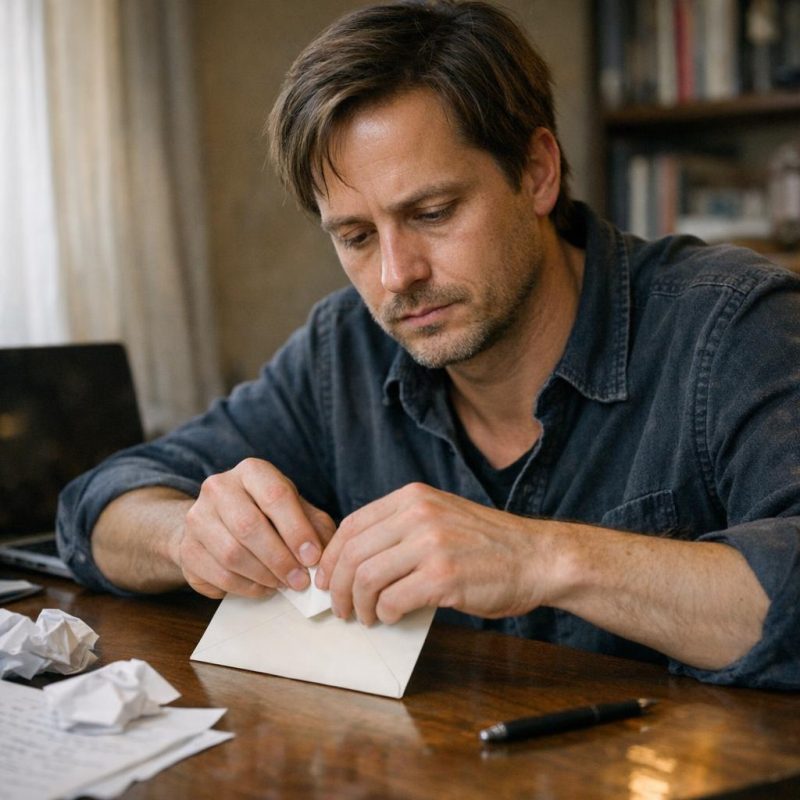 Image by RM AI
The Wait
The waiting was excruciating. Prison mail moves slowly, I learned, with delays for processing and security checks. I checked my mailbox obsessively, sometimes twice a day, feeling ridiculous each time. At work, I couldn't concentrate, constantly wondering what Thomas might say, what details he might reveal. My mom called a few times, her voice tight with concern, asking if I'd heard anything back. I could tell she was worried about what I might discover, but she wouldn't say more about what she knew. Jessica texted daily, checking in, reminding me to be cautious. Two weeks passed, then three. I started to wonder if maybe he'd changed his mind, or if the prison had decided not to allow further correspondence. Maybe this was for the best, I told myself, though I didn't really believe it. I'd already gone down this rabbit hole far enough that turning back felt impossible. Then, on a Thursday morning exactly twenty-two days after I'd sent my letter, I found it waiting in my mailbox. When the envelope finally arrived, it was three times thicker than the first.
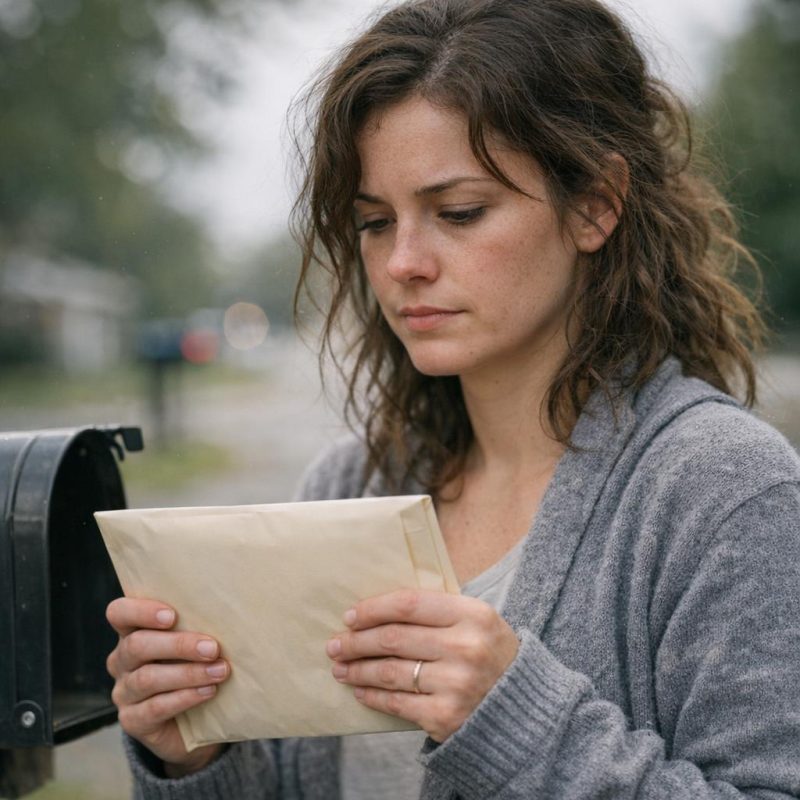 Image by RM AI
Thomas's Story Begins
I didn't even make it back inside before I tore open the envelope. There were six pages, front and back, written in that same careful handwriting. Thomas thanked me for responding, said he understood my caution. Then he launched into his story, and I could barely keep up. He wrote about growing up with his mother Ruth, about the stories she'd told him about our father. According to Thomas, Dad had wanted to be involved in his life, but Ruth had made it increasingly difficult. He described childhood memories—waiting by windows for visits that didn't come, birthday cards that arrived late or not at all. The details were specific, vivid, things that felt too real to be invented. He wrote about learning our father had died while he was already in prison, about the grief of losing someone he'd never really known. But every few paragraphs, Thomas would reference something cryptic—'before everything went wrong' or 'after what happened with the money.' Most frustratingly, he kept referring to 'what really happened that night,' but wouldn't explain what he meant.
 Image by RM AI
Face to Face
The correctional facility was forty minutes away, and I spent the entire drive rehearsing what I'd say. By the time I got through security—emptying my pockets, getting my hand stamped, signing in—my heart was hammering. They led me to a visiting room with plastic chairs bolted to the floor and guards stationed at every corner. Then he walked in, and I just stared. Thomas was tall, maybe six-two, with broad shoulders and a deliberate way of moving. His hair was darker than mine, but the shape of his face, the set of his eyes—God, it was eerie. He sat down across from me, hands folded on the table between us, and said, 'Thank you for coming.' His voice was quiet, steady. We sat there for what felt like forever, just looking at each other, and I could feel my eyes welling up even though I was trying to hold it together. I don't know what I'd expected—some hardened criminal, maybe, or someone who looked nothing like me. When he smiled, I saw my father's face so clearly it made my chest ache.
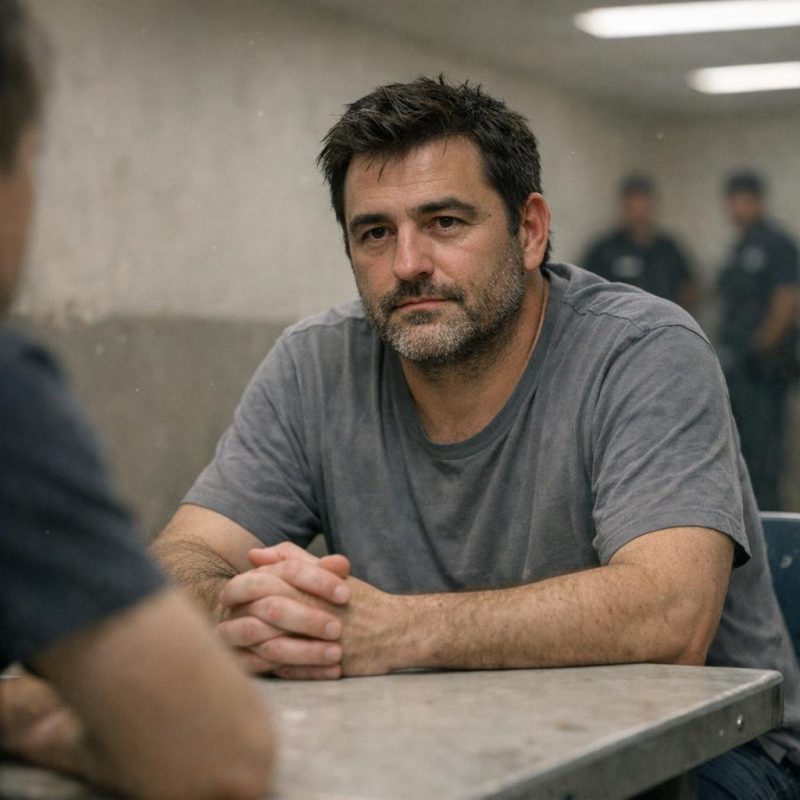 Image by RM AI
The Careful Conversation
We talked for over an hour that first visit, though 'talked' might be generous. It was more like we circled each other cautiously, testing boundaries. I asked about his childhood, and he told me about growing up in a small apartment across town, about school and odd jobs and trying to figure out who he was. He asked about our father's funeral, and I described it as best I could, though it felt strange sharing those memories with someone who'd been locked away when it happened. Every time I tried to dig deeper—about what he'd written in his letters, about 'that night,' about why he was here—he'd deflect gently, saying we had time, that he didn't want to overwhelm me. But he kept returning to his mother, Ruth. How controlling she'd been. How she'd twisted stories to keep our father away. How Dad had tried, really tried, to be part of Thomas's life. He leaned forward and said, 'Your father tried to do the right thing, but my mother made that impossible.'
 Image by RM AI
The Controlling Mother
Thomas's description of his mother painted this picture of a woman who kept secrets like other people kept houseplants. He told me about how she'd disappear for hours without explanation, how she'd receive phone calls and leave the room speaking in hushed tones. As a kid, he'd thought it was normal, just how mothers behaved. But as he got older, he started noticing inconsistencies. She worked as a receptionist at a dental office, yet they always seemed to have more money than her salary could explain. New furniture would appear, or she'd come home with expensive groceries, and when he'd ask about it, she'd get defensive or change the subject. Then our father started coming around more regularly, asking questions, wanting to understand where certain things came from. Thomas said Ruth became paranoid after that, accusing Dad of trying to control her, of not trusting her. He said she had money that didn't make sense, and when Dad started asking questions, everything changed.
 Image by RM AI
The Night Everything Changed
The confrontation happened on a Tuesday night in October—Thomas remembered because it was right before Halloween, and he'd been excited about a costume his mother had promised to help him make. Our father showed up unannounced, which wasn't unusual, but this time he looked different. Serious. Angry, even. Thomas had been sent to his room, but he'd crept to the top of the stairs and listened to them argue in the kitchen below. He couldn't make out everything, but he heard our father's voice, louder than he'd ever heard it, saying something about 'where it came from' and 'protecting him.' Ruth had screamed back, called Dad controlling and paranoid. Then the front door slammed so hard the whole apartment shook. Thomas ran to his window and watched our father's car pull away. That was it. No goodbye, no explanation. After that night, Dad never came back, and I spent my whole childhood thinking he'd abandoned me.
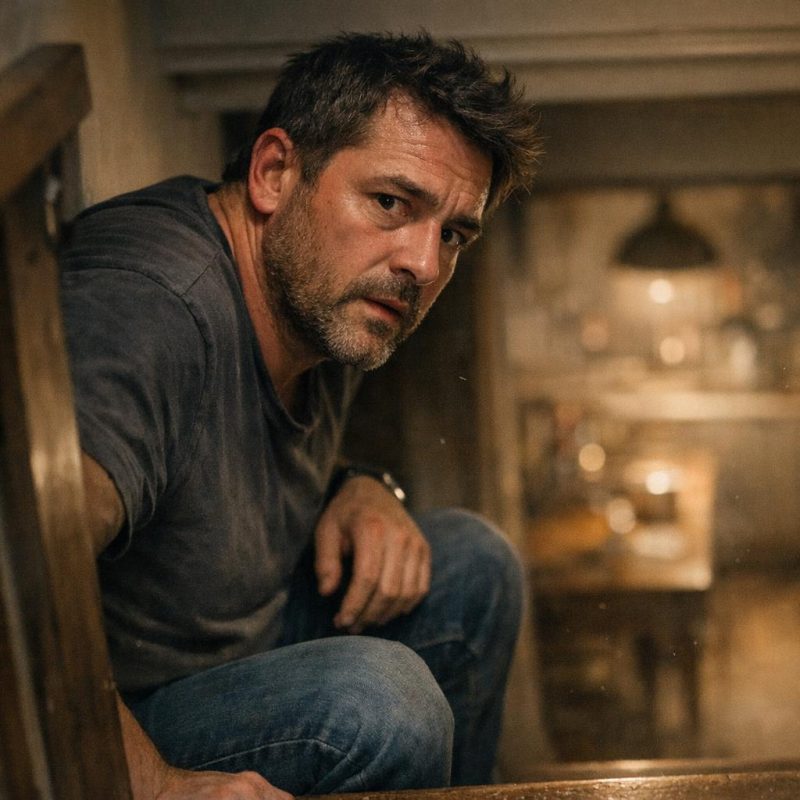 Image by RM AI
Why He's Inside
I finally worked up the nerve during our second visit to ask what I'd been avoiding: 'What are you in here for?' Thomas's expression shifted—not defensive, exactly, but pained. He looked down at his hands for a long moment before answering. 'Financial crimes,' he said quietly. 'Fraud, specifically. But it's not what it sounds like.' I waited, not pushing, and he continued. He told me that when he was in his early twenties, still trying to understand who his mother really was, he'd gotten involved in something he didn't fully comprehend at the time. His mother had asked him to help with some paperwork, to sign some documents, told him it was legitimate business. He'd trusted her. By the time he realized what was actually happening, it was too late. The investigation had started, and he was already implicated. He said it was connected to what his mother had done, something he didn't fully understand when it happened.
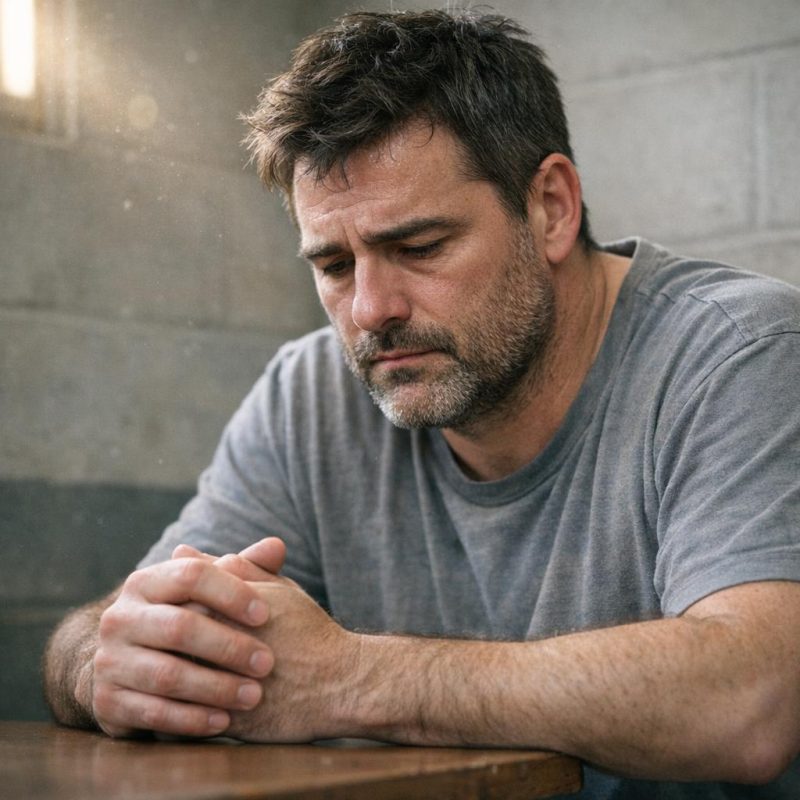 Image by RM AI
The Sincerity Question
I drove home from that second visit with my head spinning. Part of me felt this deep pull toward Thomas, this recognition that went beyond logic. He looked like Dad. He talked about things only someone who'd actually known our father would know—little details about his habits, his expressions, the way he'd clear his throat before saying something important. But then Jessica's voice would cut through everything: convicted fraudster, too good to be true, classic con. I'd lie awake at night running through the conversations, trying to find holes in his story. And there were gaps, sure—things he wouldn't elaborate on, questions he'd sidestep. But was that because he was lying, or just because the truth was complicated and painful? I kept thinking about that smile, the way his whole face had transformed when he'd recognized something I'd said about our father. That wasn't something you could fake, was it? I wanted to trust him, but Jessica's warning kept echoing in my head.
 Image by RM AI
Raymond's Insight
On my third visit, Thomas asked if I'd mind meeting his cellmate. 'Raymond's been listening to me talk about you for months,' he said. 'I think it'd mean something to him.' I agreed, curious, and a few minutes later this older guy joined us—maybe early fifties, graying hair, steady eyes. Raymond shook my hand and sat down like he'd done this a hundred times before. He didn't waste time with small talk. 'Your brother's a good man,' he said plainly. 'I've shared a cell with a lot of people in here, and most of them deserve exactly where they are. Thomas isn't like that.' I asked what he meant, and Raymond explained that he'd watched Thomas refuse to compromise, refuse to play the games that make prison life easier. 'He could've cut a deal, pointed fingers, gotten out sooner,' Raymond said. 'But he wouldn't lie about what happened. That takes something most people don't have.' Raymond said quietly, 'Your brother's been waiting for you for a long time—longer than most people wait for anything.'
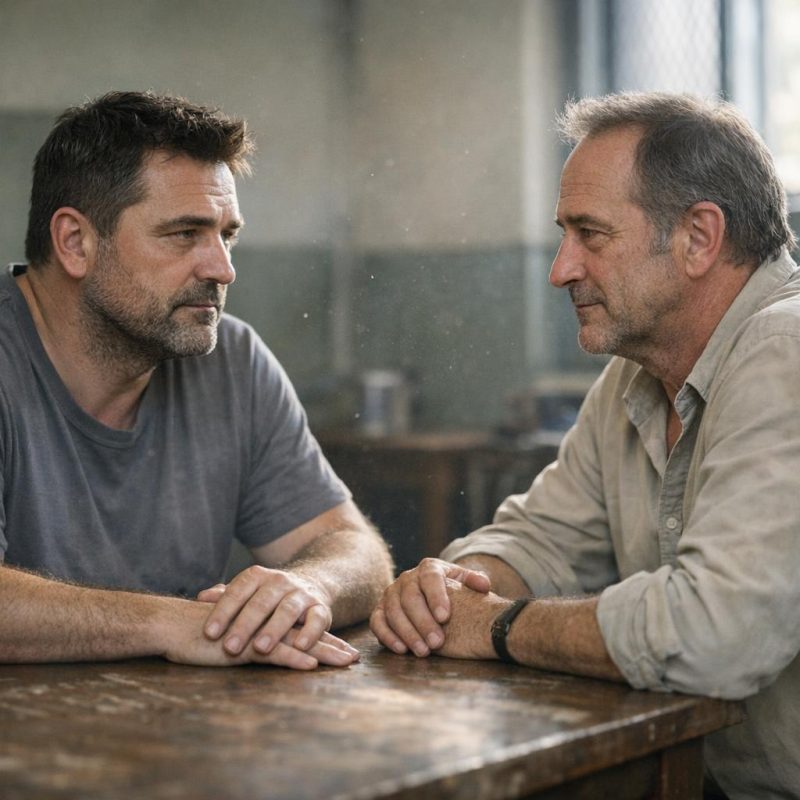 Image by RM AI
Searching the Attic
That night, I couldn't sleep. I kept thinking about what Raymond had said, about Thomas waiting, about our father and all the years that had been lost. Around two in the morning, I got up and went to the attic. I hadn't been up there in months—it was where we'd stored most of Dad's things after he died, boxes we'd told ourselves we'd sort through eventually but never did. I pulled down boxes one by one, going through old tax returns and bank statements, looking for anything that might mention Ruth or Thomas. Most of it was ordinary—receipts from hardware stores, insurance documents, birthday cards from relatives I barely remembered. But then, wedged between two photo albums at the bottom of the third box, I saw something I'd never noticed before. A small tin, maybe six inches across, with a faded floral pattern on the lid. I tried to open it, but it was locked. Most of it was ordinary, but then I saw a small locked tin I'd never noticed before.
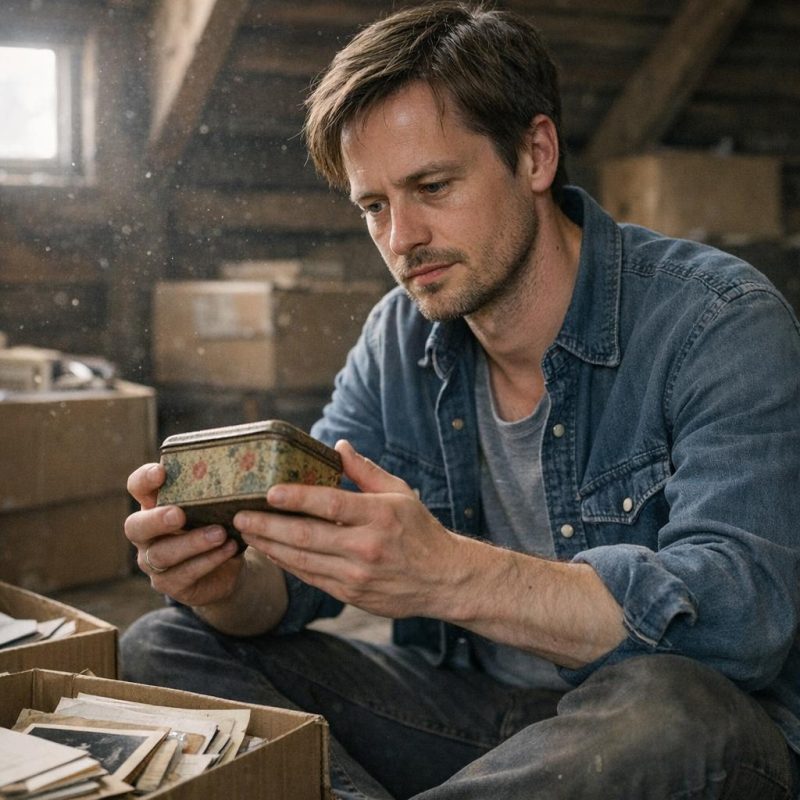 Image by RM AI
Breaking It Open
I went back downstairs and grabbed a screwdriver from the kitchen drawer. The lock on the tin was old and flimsy, and it took me maybe thirty seconds to pry it open. Inside were folded papers—letters in sealed envelopes, photocopies of documents, and a handwritten note on top of everything else. My hands were shaking as I unfolded that note. The paper was yellowed, the creases deep like it had been folded and unfolded many times before being tucked away for good. I recognized my father's handwriting immediately, that careful print he always used for important things. The ink had faded in places, but the words were still legible. I sat down right there on the attic floor, dust settling around me, and started reading. The first line made my heart stop. The handwriting was my father's, and the first line read: 'If anyone finds this, they deserve to know the truth.'
 Image by RM AI
Father's Hidden Words
The letter went on for three pages, front and back. Dad wrote about discovering irregularities at work—he'd been an accountant for a mid-sized firm—and how he'd started tracing discrepancies back through old files. He described finding forged signatures, falsified invoices, money being moved between accounts in ways that didn't make sense. It wasn't just one family being defrauded, he wrote. It was multiple clients over years, small amounts taken here and there, enough that no one would notice right away but that added up to substantial sums over time. He'd documented everything methodically, the way he did everything in life. There were names I didn't recognize, account numbers, dates. And then, near the end of the second page, he wrote the name that made everything click into place. He wrote that Diane had been involved in forging financial records for years, affecting multiple families.
 Image by RM AI
The Moral Dilemma
The third page was harder to read, not because the handwriting changed but because of what it said. Dad wrote about confronting the situation, about the choice he faced. He could go to the authorities, expose what Diane had done, see justice served. But he'd just met my mother—Linda, he called her in the letter—and he was trying to build a new life. He wrote about Thomas, about how much he missed his son, about the guilt that ate at him. But he also wrote about being afraid. Afraid of retaliation, afraid of becoming entangled in legal proceedings that could destroy his chance at happiness, afraid of what it would cost him. So he made a choice. He took copies of everything, hid them away, and walked away from that whole part of his life. The final lines of the letter broke my heart. He wrote: 'I chose silence to protect Linda and our future, but I lost my son in the process.'
 Image by RM AI
Names on Paper
After I finished the letter, I turned to the other documents in the tin. There were photocopies of bank statements, investment account summaries, and what looked like trust documents. I'm not a financial expert, so a lot of it didn't make immediate sense to me. But I could see account numbers, routing numbers, lists of transactions. Some of the accounts showed regular deposits over years. Others showed lump sum transfers. I was trying to make sense of the patterns when something caught my eye on one of the trust documents. There was a list of beneficiaries—people designated to receive funds if certain conditions were met. I scanned the names, not recognizing most of them. Some were marked as 'deceased.' Others had notes next to them in my father's handwriting. And then, about halfway down the page, I saw it. Then I saw my own name listed as a beneficiary on accounts I'd never heard of.
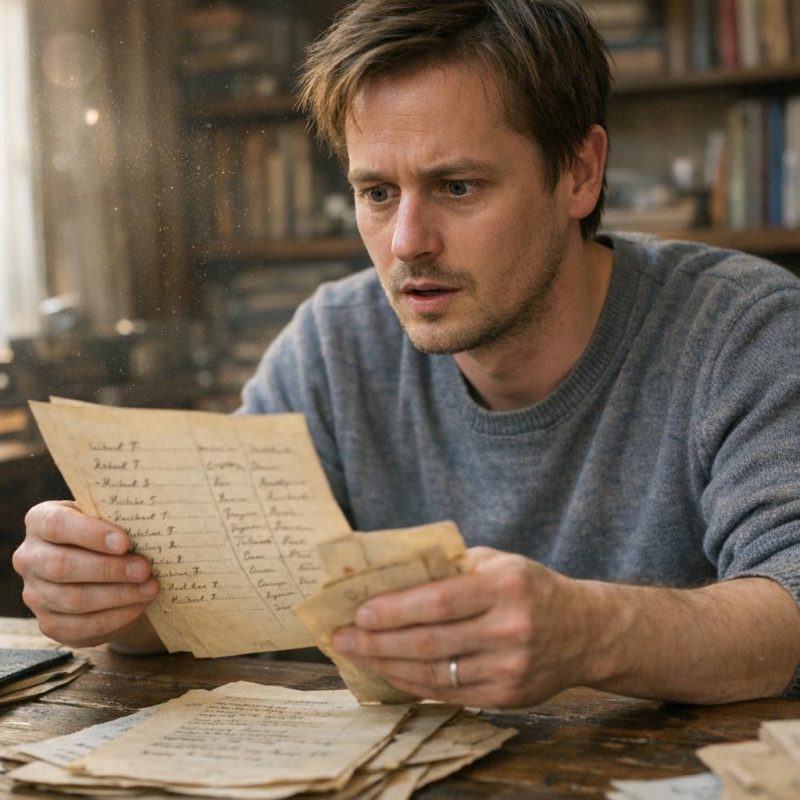 Image by RM AI
Jessica's Reaction
I called Jessica the next morning. She came over within an hour, and I showed her everything—the letter, the documents, all of it. We spread it out on my kitchen table, and she went through each page carefully while I made coffee neither of us drank. Jessica works in HR, not finance, but she's the smartest person I know when it comes to seeing the big picture. She kept flipping back and forth between the trust documents and the account statements, her expression getting more and more serious. 'Carol,' she finally said, 'do you understand what this means?' I told her I wasn't sure, that it seemed like my dad had uncovered fraud and documented it but never reported it. She nodded slowly, then pointed to my name on the beneficiary list. 'If money moved through these accounts,' she said carefully, 'and your name is on them, you could be seen as complicit. Even if you didn't know.' Jessica went pale and said, 'Carol, if these are real, you could be implicated in something serious.'
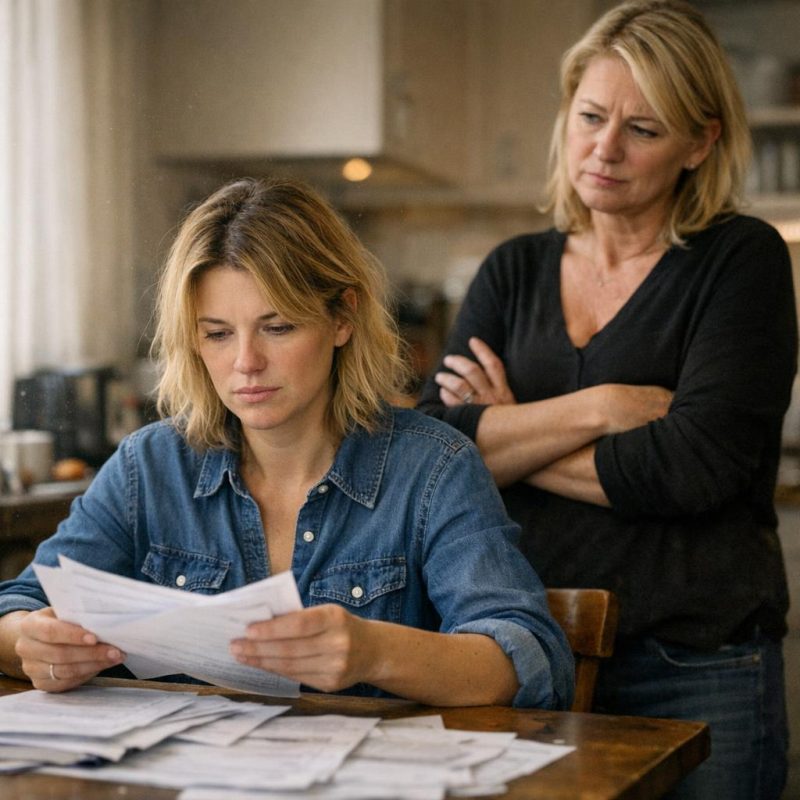 Image by RM AI
Active Accounts
After Jessica left—she had to get to work, though she made me promise to call her if I needed anything—I did something I probably shouldn't have done. I called the customer service number on one of the account statements. It was a long shot; the documents were decades old. But I gave them the account number and waited while they looked it up. The woman on the phone was quiet for a long moment. Then she asked me to verify some information. I gave her my full name, my date of birth, my social security number. Another pause. 'Yes, Ms. Henderson,' she said, 'that account is still active. Would you like the current balance?' My mouth went dry. I managed to say yes. She rattled off numbers that didn't sound real at first. I asked her to repeat them. She did. The balance made me dizzy—hundreds of thousands of dollars, sitting there all these years.
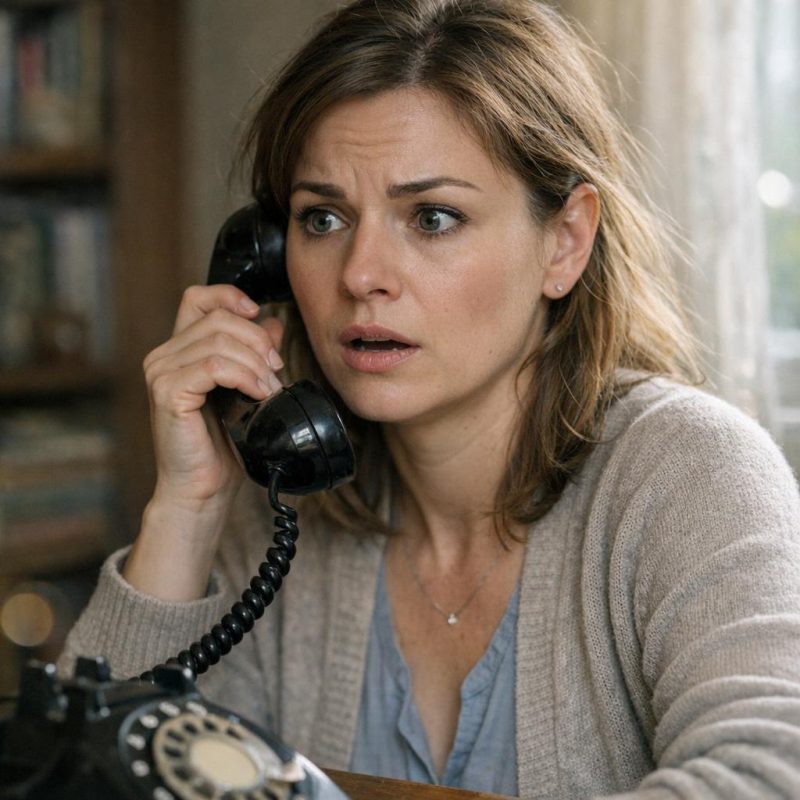 Image by RM AI
Thomas's Urgency Makes Sense
I hung up and sat there staring at the phone in my hand. Then it all started to make sense—the timing of Thomas's letter, why he'd reached out after all this time, why Raymond had seemed so urgent about me meeting him. Thomas must have known about the accounts. Maybe his mother had told him, or maybe he'd found documents of his own. He'd been in prison for fraud, Raymond had said. What if that fraud was connected to these same accounts, to whatever Diane had been doing all those years ago? What if Thomas had tried to access this money and gotten caught? And now here I was, my name on the beneficiary list, possibly the only person who could legally access these funds. The realization hit me like a punch to the stomach. This wasn't just about family—it was about money neither of us was supposed to have.
 Image by RM AI
Returning with Evidence
I made copies of everything at the library—I didn't want to use a local print shop where someone might see—and then I drove back to the halfway house where Thomas was staying. I texted him first this time, and he met me outside. We walked to a small park nearby, found a picnic table away from where anyone was playing. I'd put the documents in a manila folder, and my hands were shaking as I pulled them out. 'I found these in my father's things,' I said. 'I think they explain a lot.' Thomas took the folder but didn't open it right away. He just held it, looking at me with an expression I couldn't quite read. Then he laid the documents out on the table between us, one by one, and started going through them. He moved slowly, methodically, like he was both desperate to see them and dreading what they contained. When he got to the trust document with my name on it, he stopped. His jaw tightened. When I laid the documents on the table between us, his eyes filled with tears.
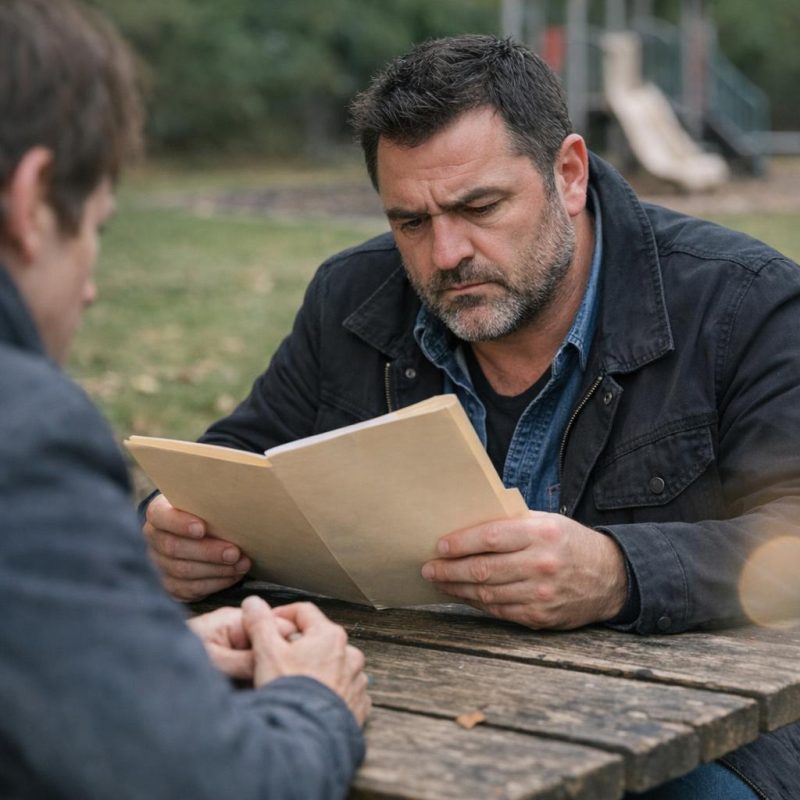 Image by RM AI
Two Pieces of One Puzzle
Thomas pulled out his own folder then, which I hadn't expected. He spread out letters and documents that matched what I'd found—references to the same account numbers, the same company names, the same dates. 'I've had these since I was eighteen,' he said. 'My mom gave them to me before she died. She said our father wanted me to have them.' I felt goosebumps run down my arms. It was like we each had half of a map, and now that we'd put them together, we could finally see the whole picture. He showed me a letter from our father to his mother, dated six months before he died, mentioning 'provisions for the children.' Not just me. Both of us. Thomas looked up from the documents with this expression of relief mixed with sadness. 'I've been carrying this around, trying to understand what it all meant, why he set things up this way,' he said quietly. 'I thought maybe I'd never know.' We sat there for a long time, comparing documents, filling in each other's gaps. For the first time since this whole thing started, I didn't feel alone in it. He said, 'I've been trying to understand this my whole life, and now we can finally figure it out together.'
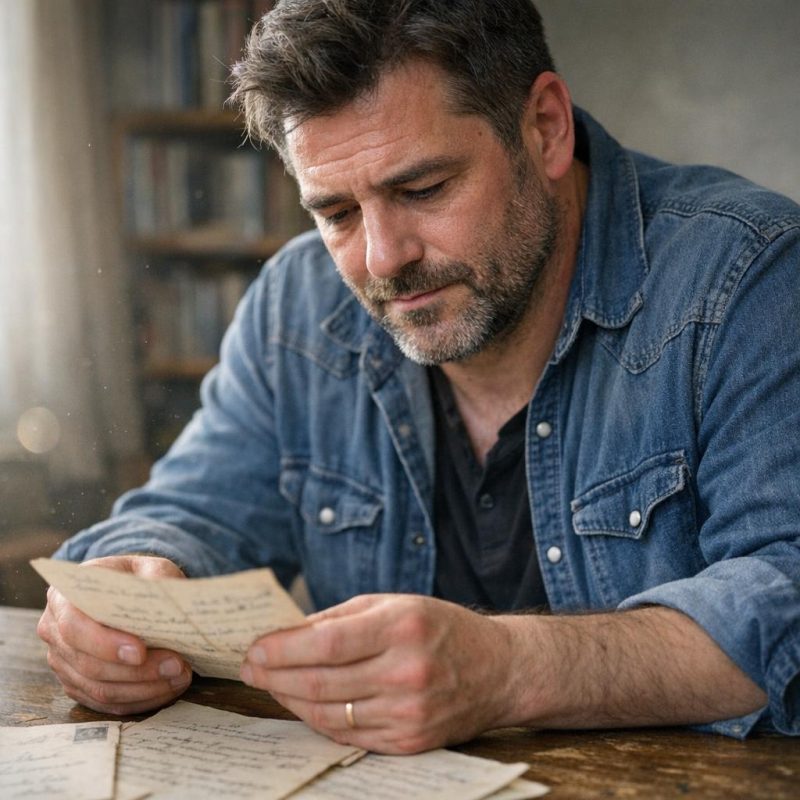 Image by RM AI
The Plan Takes Shape
We met at a coffee shop the next day to talk about next steps. Thomas had a notepad and had actually made a list, which surprised me—it made everything feel more real, more serious. 'We need to verify the accounts exist,' he said. 'But we have to be careful how we do it.' I asked what he meant by careful. He explained that if our father had hidden this money for a reason, there might be people who didn't want it found. Banks kept records, asked questions, flagged unusual activity. If we went in guns blazing, demanding information about decades-old accounts, we might trigger something we weren't prepared for. 'So what do we do?' I asked. 'You go in as the beneficiary,' he said. 'You have every legal right to ask about accounts in your name. Just be calm, professional, don't volunteer information.' It made sense. I was on the documents as the account holder. I had every right to inquire. We agreed I'd go to the bank alone—less suspicious that way—and just see what I could learn. Thomas said we needed to move carefully, because if the wrong people found out, everything could disappear.
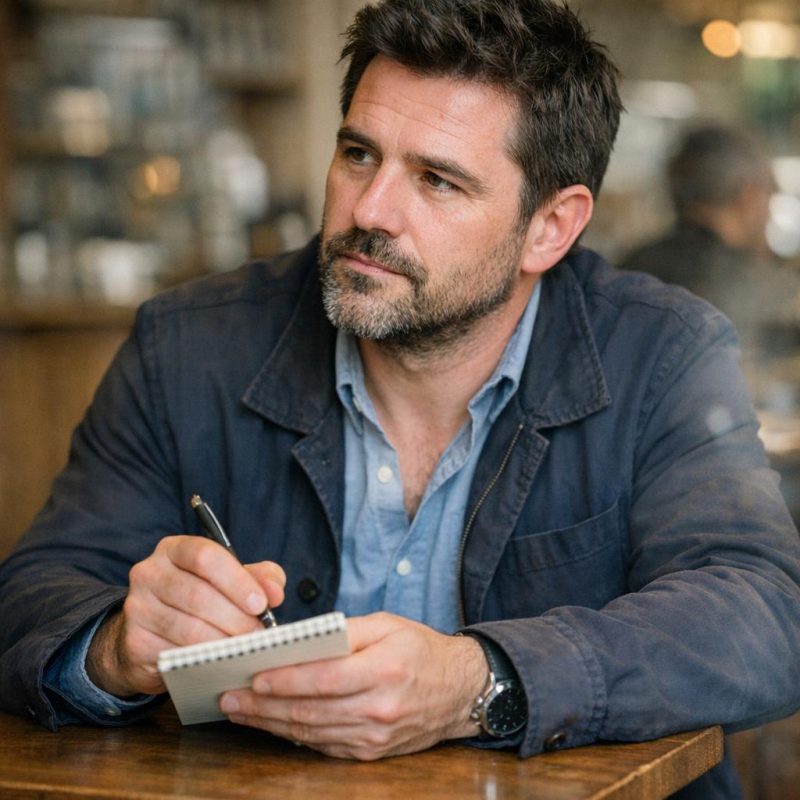 Image by RM AI
The Bank Visit
The bank was one of those old-style institutions downtown with marble floors and dark wood paneling. I'd dressed professionally, carried my folder of documents in a leather bag, tried to look like someone who belonged there. I asked to speak with someone about existing accounts, and they directed me to Mr. Hoffman, a manager with silver hair and reading glasses on a chain. I sat across from him in a small office and explained, as calmly as I could, that my father had passed away and I'd found documents suggesting there were accounts in my name I wasn't aware of. I slid the trust document across his desk. He studied it for a long moment, typed something into his computer, then looked up at me with a neutral expression. 'Yes, Ms. Jensen. These accounts do exist.' My heart started pounding. He pulled up records, confirmed the account numbers, noted that they'd been established in 1993 and remained active. Everything matched the documents I'd found. Then Mr. Hoffman folded his hands and looked at me directly. 'Are you here to make a withdrawal?'
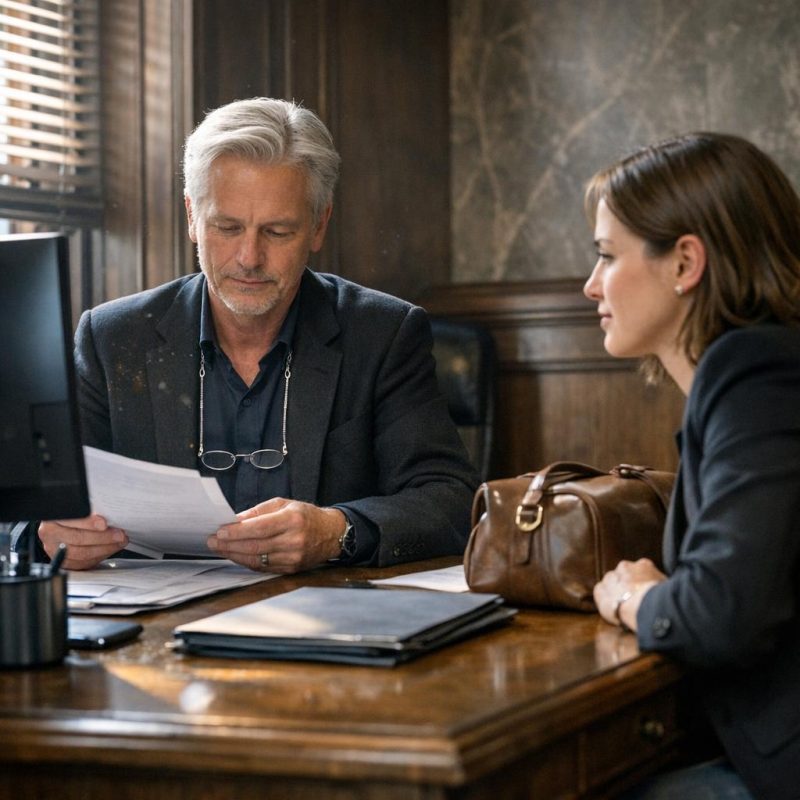 Image by RM AI
Access Granted
I told him no, not yet, I just wanted to understand what I had access to. Mr. Hoffman nodded and explained that as the listed beneficiary and account holder, I had full legal authority over the accounts. He could provide statements, transaction histories, anything I needed. The whole conversation felt surreal—like he was describing someone else's life, not mine. He printed out current statements and handed them across the desk. The balances were substantial. Not lottery-winner money, but enough to change someone's life. Enough to make me understand why my father had been so secretive about it. I thanked Mr. Hoffman, shook his hand, and walked out into the bright afternoon feeling dizzy. In my bag were statements showing accounts I'd never opened, money I'd never earned, a financial identity I hadn't known existed. Part of me wanted to run back in there and tell him there'd been a mistake, that this couldn't possibly be mine. But the documents were clear. The law was clear. This was mine, whether I understood it or not. I walked out with account statements in my hand, feeling like I was holding something dangerous.
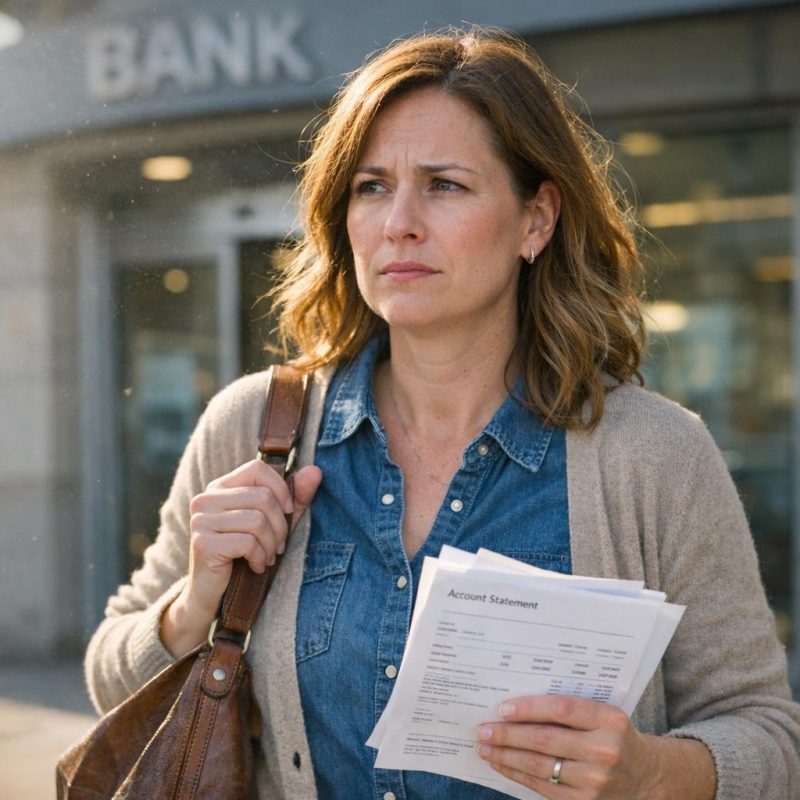 Image by RM AI
Sharing the News
I met Thomas at the park again and showed him the statements. His eyes went wide when he saw the balances. 'This is real,' he said, almost to himself. I told him everything Mr. Hoffman had said—that I had full legal access, that the accounts had been active all these years, that no one had flagged them or frozen them or done anything that would suggest there was a problem. Thomas listened carefully, nodding, asking questions about what documentation the bank had required, what information they'd asked for. 'Did they seem suspicious at all?' he asked. I shook my head. Mr. Hoffman had been professional, almost routine about the whole thing. Like this was just another day, another customer inquiring about their accounts. 'That's good,' Thomas said. 'That means we're okay.' We sat there in silence for a bit, both of us processing what this meant. I had access to money that our father had hidden. Money that could help both of us, maybe answer questions we'd both been carrying. Thomas was quiet for a long moment, then said, 'This changes everything.'
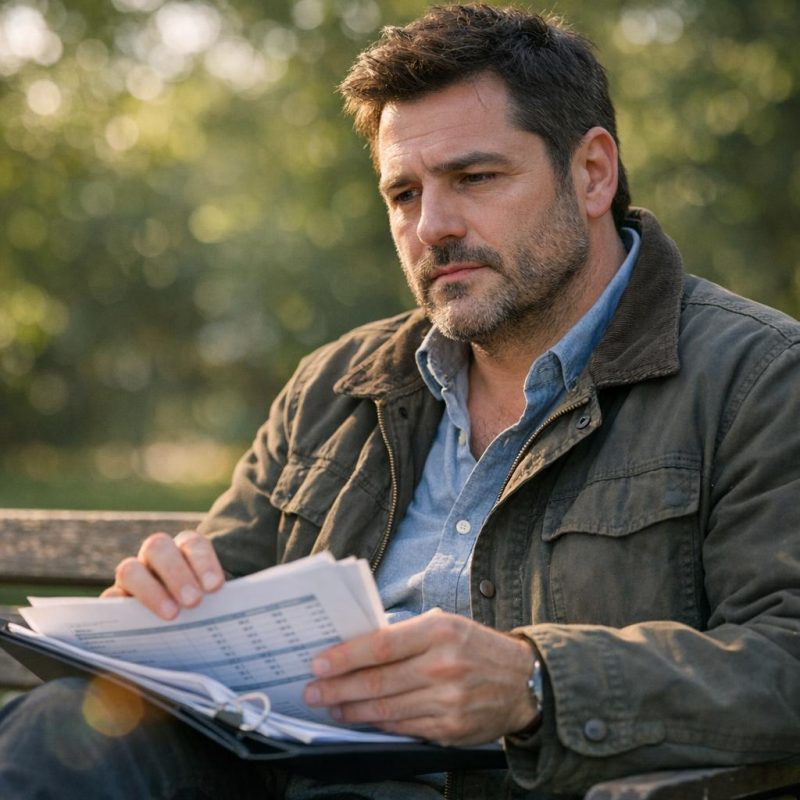 Image by RM AI
Mother's Breakdown
I drove to my mother's house that evening and laid everything out on her kitchen table—the documents, the bank statements, the whole story. She went pale when she saw the account numbers. 'Oh, Carol,' she said softly. I asked her directly: did she know about this money? She wouldn't look at me at first, just kept staring at the statements like they might vanish if she looked away. Then she nodded. 'Your father told me,' she said. 'Years ago, before you were born.' I felt anger rising in my chest. Why hadn't she told me? Why had she let me struggle, let her struggle, when this money existed somewhere with my name on it? She started crying then, these quiet tears that made her look suddenly old. 'He made me promise,' she said. 'He was so afraid, Carol. So terrified of what would happen if anyone found out.' I asked what she meant. What was he afraid of? She wiped her eyes and looked at me with this expression of pure anguish. Mom started crying and admitted, 'Your father made me promise never to touch that money or tell you about it.'
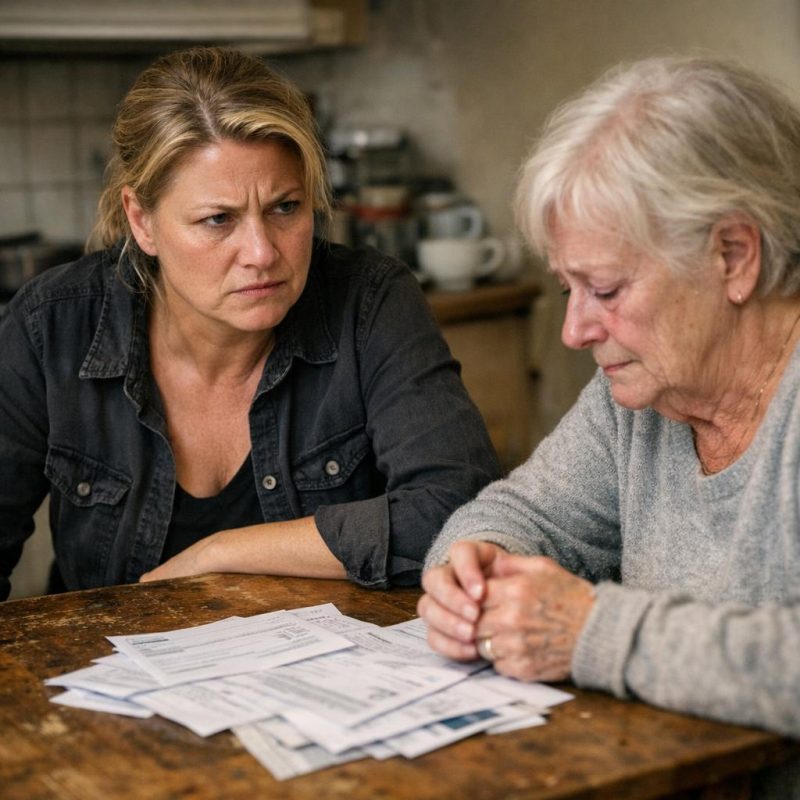 Image by RM AI
Father's Real Fear
My mother got up and made tea with shaking hands, then sat back down and told me what my father had told her. He'd been involved in something—she didn't know all the details, didn't want to know—that had made a lot of money but could destroy both families if it came to light. Thomas and his mother, me and my mother. Everyone. 'He said if the money was ever traced, if anyone started asking questions, it could all come crashing down,' she said. 'He was protecting us by keeping it separate, by making sure no one connected the dots.' She explained that he'd set up the accounts in my name as a kind of insurance, a safety net in case something happened to him. But he'd been adamant that no one should touch the money unless it was absolutely necessary, unless there was no other choice. 'He lived with that fear every day,' Mom said. 'I'd see him staring at nothing, worrying, checking the news like he expected to see his name there.' I tried to imagine my father carrying that burden for years, decades, never telling anyone the full story. She said he spent years terrified that someone would connect the dots and come after us.
 Image by RM AI
Seeking Legal Advice
I made an appointment with an attorney the next week. I'd found Morris through a referral, someone who specialized in estate law and financial matters. I sat in his office and explained the situation as carefully as I could—the accounts, my father's death, the documentation I'd found. I didn't mention Thomas yet. I wanted to understand my own legal position first. Attorney Morris listened without interrupting, making notes on a yellow legal pad. When I finished, he leaned back in his chair and studied me for a long moment. 'Ms. Jensen,' he said carefully, 'have you considered the possibility that these funds might not be legitimate?' I told him I'd considered it. That's why I was there. He explained that if the money was proceeds of fraud, embezzlement, or any criminal activity, merely accessing the accounts could implicate me. Intent didn't necessarily matter—possession and control could be enough. 'Even if you didn't know where the money came from originally,' he said, 'using it could make you liable.' My mouth went dry. Attorney Morris looked grave and said, 'If these funds are proceeds of fraud, you could face serious consequences just by accessing them.'
 Image by RM AI
Thomas's Advice Shifts
I called Thomas the day after meeting with Attorney Morris. I told him everything—the warning about fraud proceeds, the liability concerns, the possibility that just accessing the accounts could implicate me legally. I expected him to understand why I needed to be careful. Instead, his tone shifted immediately. 'Carol,' he said, 'that's exactly why we need to act now, before anyone else starts looking into this.' I asked what he meant by 'act now.' He explained that if the accounts got flagged or investigated, they could be frozen indefinitely. We'd lose access to everything, including any ability to understand what our father had actually done with the money. 'If we wait too long,' he said, 'someone else makes the decision for us.' His voice had an edge to it I hadn't heard before—not anger, but something like controlled urgency. I felt my chest tighten. The conversation that was supposed to give me clarity had somehow made everything more complicated. He said we couldn't wait much longer, that the accounts might be frozen if anyone else found out.
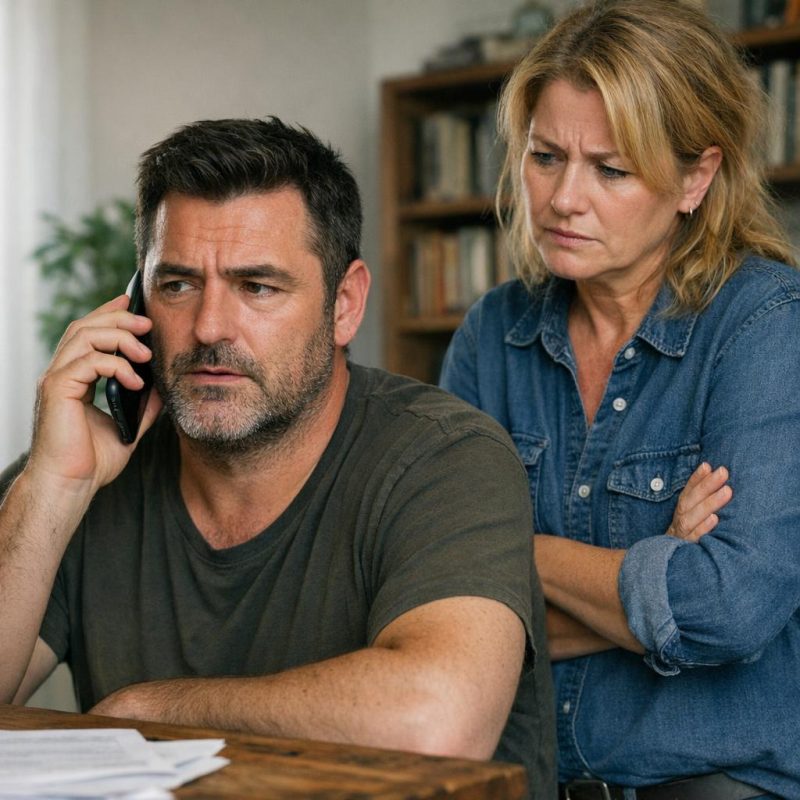 Image by RM AI
A Small Withdrawal
Thomas called back two days later with what he called a 'practical solution.' He suggested I make a small withdrawal—maybe a thousand dollars—just to see if the accounts were being monitored. 'If someone's watching,' he explained, 'they'll flag it immediately and we'll know. If nothing happens, we know the accounts are dormant and we have time to figure things out properly.' It sounded logical when he laid it out like that. A test. A way to gather information without committing to anything major. He walked me through how I'd do it, which account to use, how to keep the transaction simple and traceable. 'You're not hiding anything,' he said. 'You're just confirming access to an account that's legally in your name.' I wrote down his instructions on the back of an envelope. The whole time, part of me was nodding along, thinking yes, this makes sense, while another part was whispering that something felt off about the timing, about how quickly he'd pivoted from caution to action. It seemed reasonable, but something about the way he explained it made me hesitate.
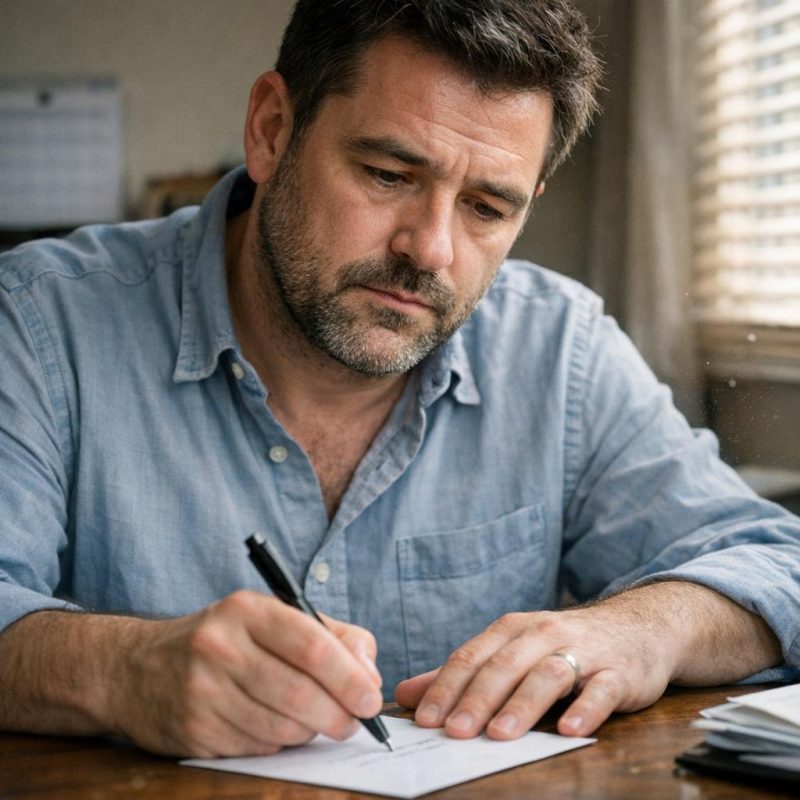 Image by RM AI
Jessica's Growing Concern
I met Jessica for coffee that Saturday and told her about Thomas's suggestion. I framed it the way he had—as a test, a smart way to gather information. I thought she'd see the logic in it. Instead, her face went tight. 'You're seriously considering this?' she asked. I explained that it was just a small amount, that the account was in my name, that I had a legal right to access it. Jessica set down her cup hard enough that coffee sloshed onto the saucer. 'Carol, stop,' she said. 'Just stop and think for a second.' She reminded me that Thomas had been in prison for decades. That I'd known him for barely a month. That everything I knew about these accounts came from him, a man who'd been convicted of financial crimes. 'And now he's your financial advisor?' she said. I felt myself getting defensive. I told her she didn't understand, that Thomas was family, that he'd been trying to help me make sense of our father's secrets. Jessica grabbed my arm and said, 'Carol, listen to yourself—he's been in prison for decades and suddenly he's your financial advisor?'
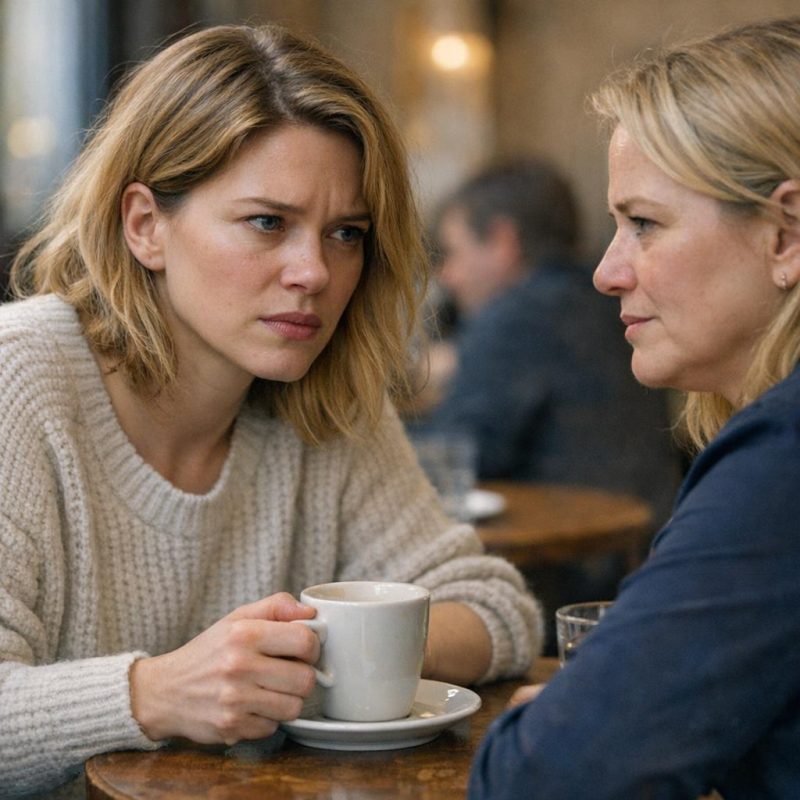 Image by RM AI
The Test Withdrawal
I made the withdrawal on Monday morning. I told myself I was just gathering information, testing the waters, being smart about an uncertain situation. The bank was nearly empty when I walked in. I filled out the withdrawal slip with hands that felt disconnected from my body, like I was watching someone else write the numbers. The teller processed it without comment, without even a raised eyebrow. She counted out ten hundred-dollar bills, placed them in an envelope, and wished me a good day. The whole transaction took maybe three minutes. I walked back to my car and sat there holding the envelope, feeling the weight of it in my hands. It had been so easy. No flags, no questions, no mysterious phone calls or frozen accounts. Thomas had been right about that part. The money was accessible, the account was active, and no one was watching. I should have felt relieved to have that information. Instead, I felt sick. The transaction went through smoothly, and I immediately regretted proving Thomas right.
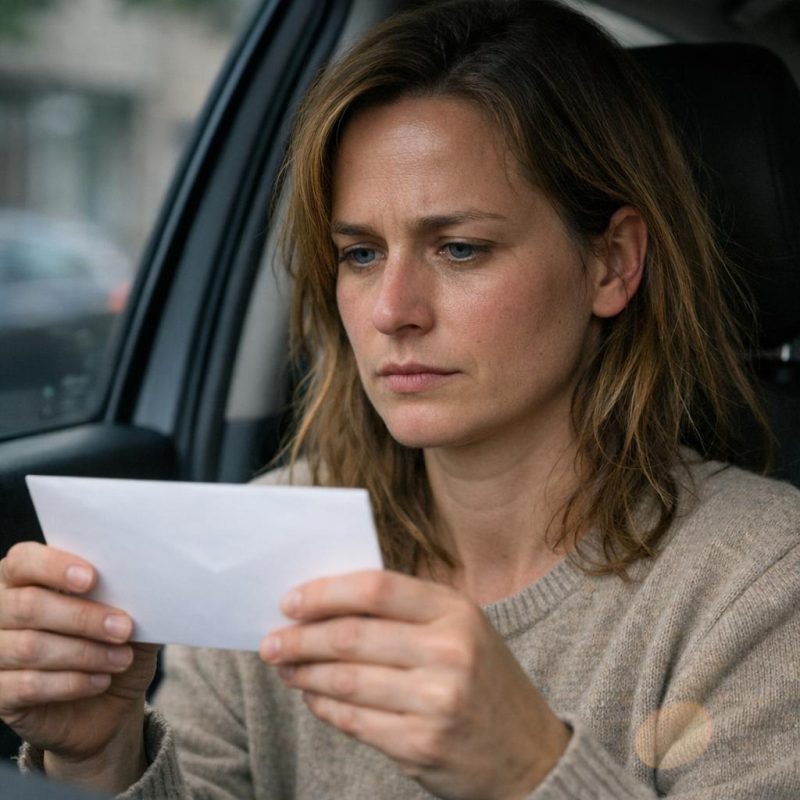 Image by RM AI
Thomas's Enthusiasm
I called Thomas that evening to tell him what happened. I kept my voice neutral, just reporting the facts—I'd made the withdrawal, it had gone through without any issues, no flags or holds on the account. I expected him to sound cautious, maybe even worried about what this meant for the bigger picture. Instead, he let out a breath that sounded almost like relief. 'That's good, Carol,' he said. 'That's really good. It means we have options now.' The way he said 'options' made something twist in my stomach. He started talking faster, laying out next steps, suggesting we should move more strategically now that we knew the accounts were accessible. His enthusiasm felt wrong somehow—not the careful concern of someone helping me navigate a difficult situation, but something else entirely. Something that looked more like anticipation. I found myself pulling the phone away from my ear slightly, as if the distance would help me understand what I was hearing. For the first time, his smile looked less like relief and more like satisfaction.
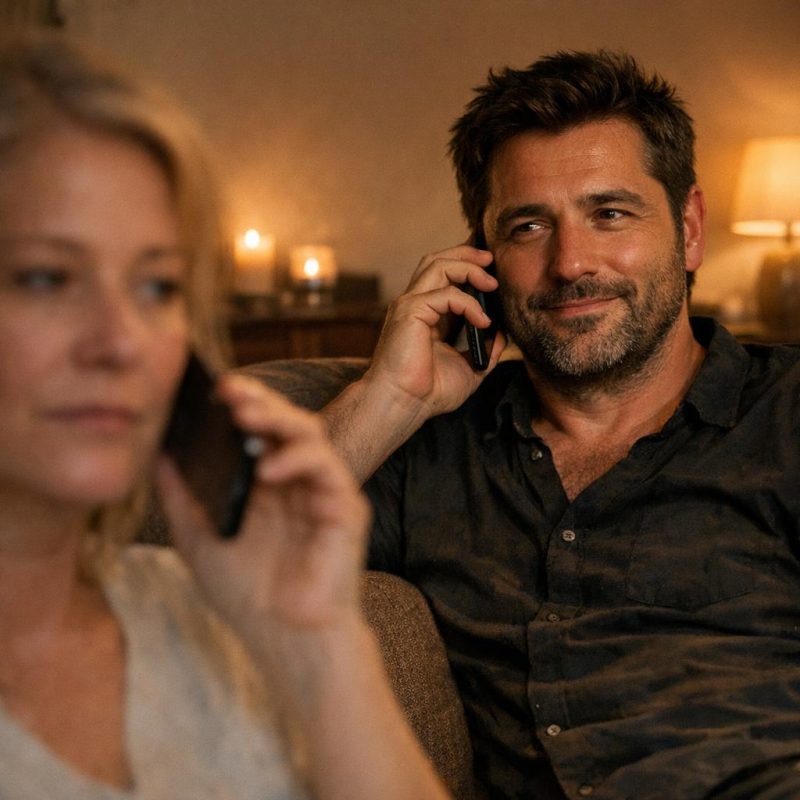 Image by RM AI
Digging into Thomas's Story
I couldn't sleep that night. I kept thinking about the way Thomas had sounded on the phone, about Jessica's warning, about how quickly everything was moving. Around two in the morning, I got up and opened my laptop. I pulled up the court records for Thomas's case, the ones I'd glanced at weeks earlier but never really examined. This time I read them carefully. The charges were detailed—conspiracy to commit wire fraud, money laundering, falsifying financial documents. But it was the findings section that made my blood go cold. The court had determined that Thomas wasn't a victim who'd been manipulated by his employer. He'd been an active participant in creating the fraudulent accounts. He'd helped design the scheme, had personally created false documentation, had knowingly transferred client funds into offshore accounts. The judge's statement was clear: Thomas Bergman had acted with intent and full knowledge of the criminal nature of his actions. He hadn't been caught up in someone else's crime. He'd been a willing, knowledgeable participant. The court records showed he'd been convicted of financial fraud, not as a victim but as a participant.
 Image by RM AI
Confronting the Discrepancy
I drove to see Thomas the next afternoon without calling first. I brought printed copies of the court records. When they brought him to the visiting room, I slid the papers across the table before he could even sit down. 'You told me you were innocent,' I said. 'You said you got caught up in something your employer did.' He looked at the documents and something flickered across his face—not surprise exactly, but something like resignation. He sat down slowly. 'The court got it wrong,' he said quietly. 'Carol, you have to understand how these cases work. They needed someone to take the fall, and I was the easiest target.' I asked him about the specific findings, about his role in creating false documents. He shook his head. 'I signed things I shouldn't have signed because I trusted the wrong people. That's not the same as fraud.' His voice was steady, almost gentle, like he was explaining something complex to someone who couldn't quite grasp the nuances. 'The system needed a conviction,' he said. 'They twisted everything I did into something criminal.' He looked me straight in the eye and said, 'The system got it wrong, Carol—you have to believe me.'
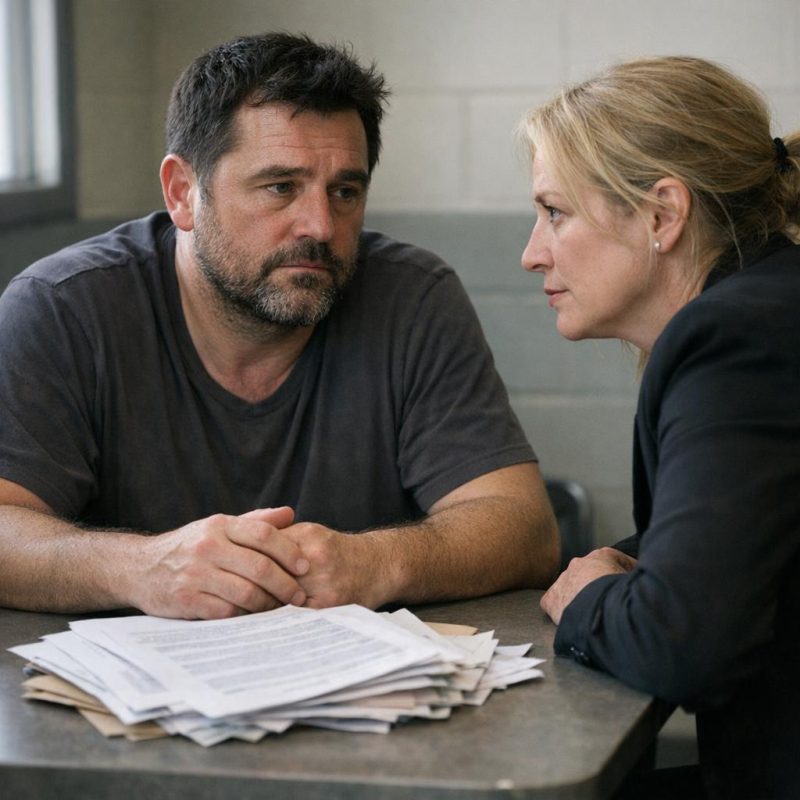 Image by RM AI
Raymond's Different Story
I asked to speak with Raymond before I left. The guard seemed surprised but arranged it. Raymond came in looking tired, older than I remembered. We sat at a different table, away from where I'd talked with Thomas. I told him I'd found the court records, that I was trying to understand what had really happened with Thomas's case. Raymond was quiet for a long moment, studying me. 'He's told you he was innocent?' he finally asked. I nodded. Raymond sighed and rubbed his face. 'Look, Thomas is my friend. He's been good to me in here, helped me through some rough times. But you asked me for the truth.' He leaned forward slightly. 'When I met him fifteen years ago, he talked about those accounts constantly. Not about proving his innocence or clearing his name—about the money. About access. About how much was sitting there and how unfair it was that he couldn't get to it.' I felt something cold settle in my chest. Raymond looked uncomfortable but continued. 'He used to say that if he could just find the right person, someone with the proper legal connection, he could finally make things right.' Raymond said quietly, 'Your brother's a good man, but he's been obsessed with those accounts since I met him.'
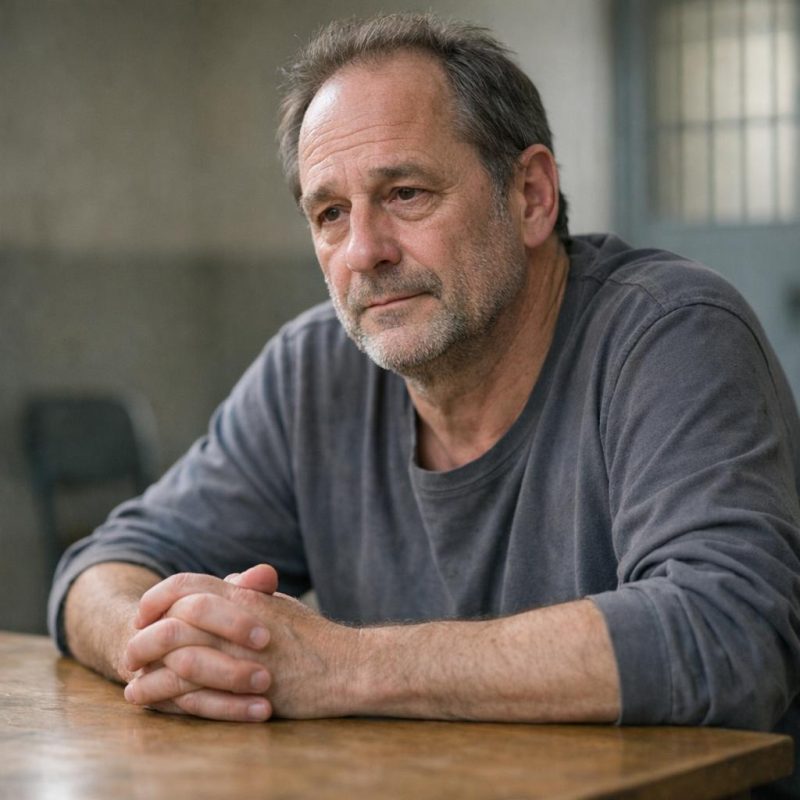 Image by RM AI
The Timeline Doesn't Add Up
I was sitting at my kitchen table that night, unable to sleep, when I started thinking about the timeline. Thomas had sent me that first letter in February. I grabbed my laptop and searched for information about parole hearings, and that's when I found it—public records showing inmates typically submit their paperwork three to six months before their hearing date. My hands felt shaky as I dug deeper. Thomas's letter had arrived exactly four months before his scheduled parole review. Four months. Not a year ago, not five years ago when Raymond first told him about the account discrepancy. He'd waited until the exact moment when he needed something from me. I pulled out all his letters and laid them on the table, checking the dates. The first one, so carefully worded, so emotional, had arrived precisely when he'd need time to establish a relationship before his hearing. The visits, the bond we'd built, the trust—it had all happened on a very specific schedule. I told myself I was being paranoid, that I was looking for patterns that weren't there. But I kept staring at those dates, at the perfect timing of it all. I couldn't shake the feeling that the timing wasn't coincidental.
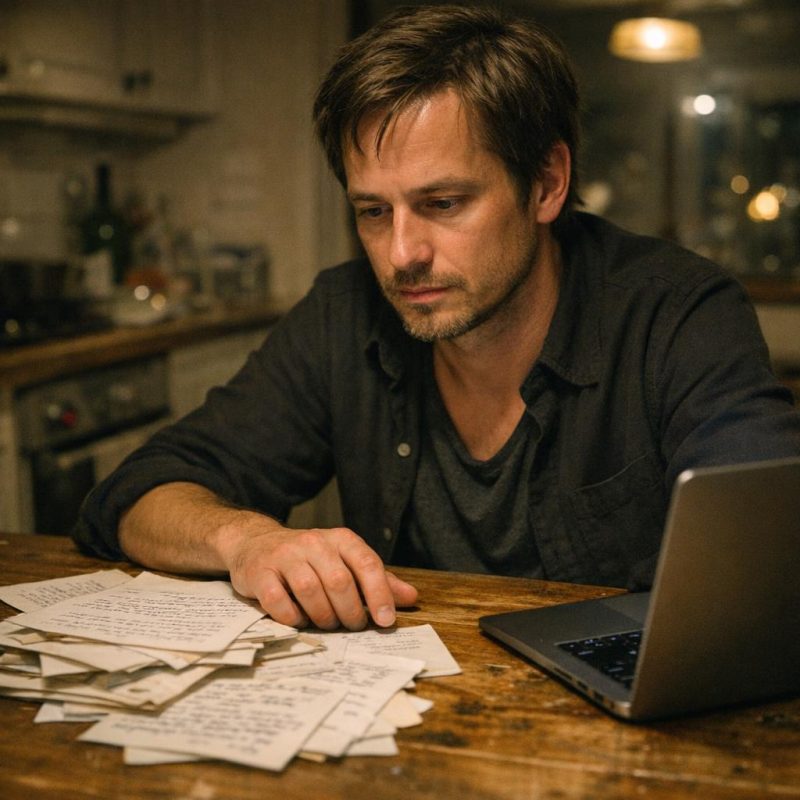 Image by RM AI
Looking for More Proof
The next morning, I went to the public library. They had archives of old newspapers on microfiche, and I knew the approximate year of Thomas's mother's arrest from the court records. I spent hours scrolling through grainy images, my eyes burning from the screen. Most articles about the fraud case focused on the amounts stolen and the victims affected. But then I found a smaller article from a local paper, dated three months after the initial arrests. It was a follow-up piece about the ongoing investigation. The headline read: 'Mother and Son Arrested in Elaborate Fraud Scheme.' My stomach dropped. I scrolled down, hands trembling. There were details about how the investigation had expanded, about how authorities were looking into the role of family members. And there, in the second paragraph, was Thomas's full name. They described him as 'an active participant' in creating false documentation. They mentioned his age—twenty—and quoted a prosecutor saying that both suspects had been 'fully aware of the criminal enterprise.' The article detailed specific actions Thomas had taken: forging signatures, creating fake business records, meeting with victims alongside his mother. I printed the article, my hands shaking so badly I could barely hold the paper. I found old newspaper clippings that mentioned Thomas by name, and the details made my blood run cold.
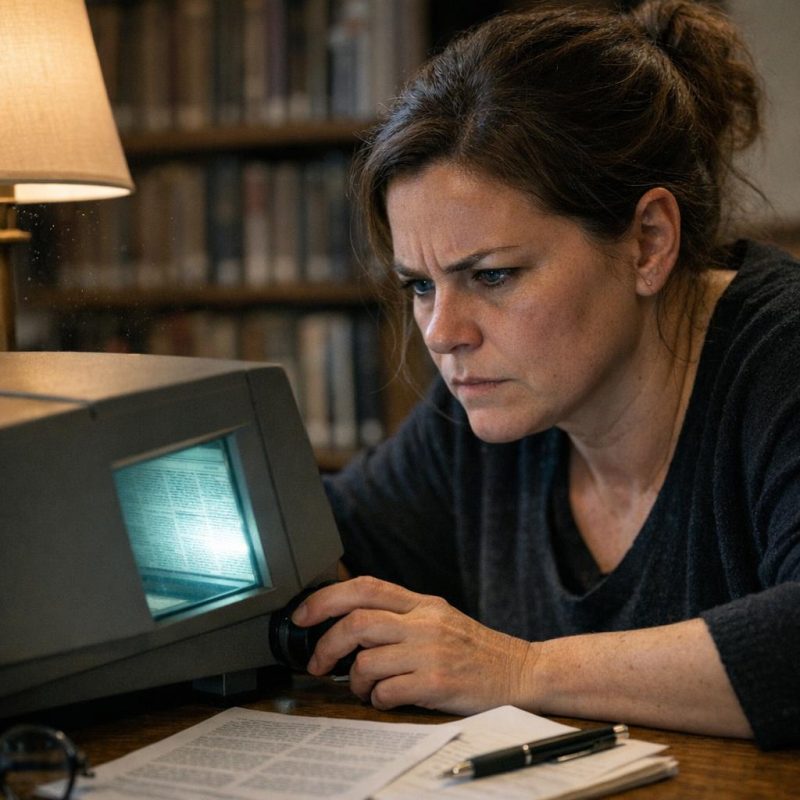 Image by RM AI
The Clipping's Revelation
I read the article three more times, hoping I'd misunderstood. But the words didn't change. Thomas hadn't been a naive kid caught up in his mother's crimes. The article specifically stated he'd been arrested alongside her, in the same raid, at the office they'd apparently been running together. There was a quote from one of the victims: 'The son was just as smooth as his mother. He's the one who convinced me to invest more money.' Another article from a week later mentioned that Thomas had initially tried to claim ignorance, but phone records and documents had contradicted his story. He'd eventually pleaded guilty to reduced charges in exchange for testimony against his mother—that's how he'd gotten the lighter sentence. The picture these articles painted was nothing like the story Thomas had told me. He hadn't been a confused young man manipulated by a criminal mother. He'd been her business partner. They'd worked together, planned together, stolen together. Every word he'd told me about being innocent, about not understanding what was happening, about trying to protect others—all of it had been a lie. I sat in the library parking lot, gripping the steering wheel, feeling like I might throw up. They'd been partners, and he'd known exactly what they were doing the whole time.
 Image by RM AI
Jessica Was Right
Jessica answered on the first ring. I was crying before I even got the words out. 'You were right,' I told her. 'About everything. He lied to me from the beginning.' She came over within an hour, and I showed her everything—the newspaper clippings, the timeline, the court records, all of it. She sat at my kitchen table, reading through each document carefully while I paced around my apartment. When she finally looked up, her expression was a mix of anger and relief. 'Carol, I'm so sorry,' she said. 'I know you wanted this to be real.' I collapsed into the chair across from her. 'I was so stupid. I wanted a family so badly that I ignored every red flag.' Jessica reached across the table and grabbed my hand. 'You're not stupid. He's a professional con artist. This is literally what he did for a living.' She was right, but it didn't make me feel any less foolish. I'd fallen for every line, every emotional story, every carefully crafted moment of connection. Jessica pulled out her phone and started taking notes. 'Okay, we need to think clearly now. He manipulated you for a reason. What exactly does he want from you?' That's when it hit me—the test withdrawal, the pressure to legitimize the accounts, the timeline matching his parole hearing. Jessica hugged me tight and said, 'We need to figure out what he's really after before it's too late.'
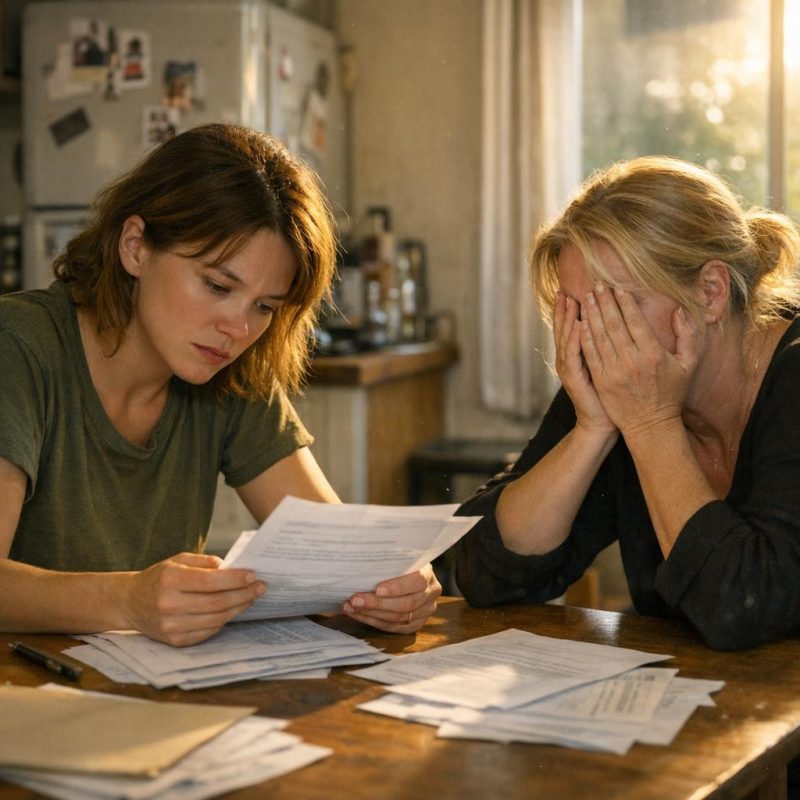 Image by RM AI
The Attorney's Warning Revisited
Attorney Morris looked older than I remembered, or maybe I was just seeing him differently now. I'd called his office first thing Monday morning and he'd agreed to see me immediately. I brought everything—the newspaper clippings, the timeline, Raymond's words, all of it. He read through the materials with a grim expression that told me he'd suspected something like this all along. 'I should have pushed harder when we first met,' he said quietly. 'But clients don't always want to hear warnings.' I asked him to explain exactly what Thomas was trying to accomplish. Morris pulled out a legal pad and started drawing a diagram. 'When you made that test withdrawal, you established legal precedent that you can access these accounts. If Thomas can prove you're siblings and that you've already accessed the funds, he can petition the court to be added as a legitimate beneficiary.' My mouth went dry. 'But he's a convicted fraud criminal.' Morris nodded grimly. 'That makes it harder, but not impossible. Especially if he has a clean parole record and can claim rehabilitation. The accounts are in legal limbo right now—no clear owner, no active claims. But if you legitimize them by continuing to access them, and he can prove familial connection...' He didn't need to finish. Morris said grimly, 'If he gets you to legitimize those accounts, he can claim them the moment he's released.'
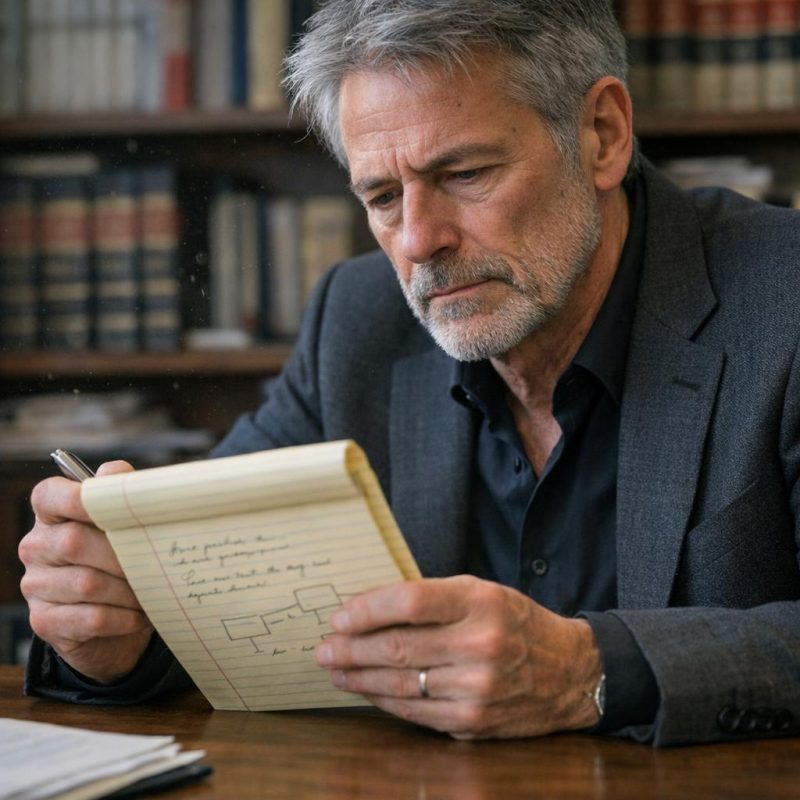 Image by RM AI
The Parole Date
I went straight to the Department of Corrections website after leaving Morris's office. It took me twenty minutes to navigate their system and find the parole hearing schedule. When I finally located Thomas's name, my heart nearly stopped. His hearing was scheduled for exactly five weeks from today. Five weeks. I pulled up a calendar and started counting backward from his first letter. Four months from the letter to the parole hearing. That gave him time to establish contact, build trust, convince me to visit, get me to make that test withdrawal, and secure my commitment to help with the accounts—all before he faced the parole board. I thought about how he'd accelerated things recently, pushing me to access the accounts more, asking about legitimizing the funds. He was running out of time. The parole hearing was the deadline. If he could show the board that he had family support, that he had legitimate financial resources waiting for him, that he'd rebuilt relationships—it would all help his case. And once he was released, with me having already established access to those accounts, he could move forward with whatever legal claim Morris had warned me about. I felt sick. Everything—every conversation, every emotional moment, every careful revelation—had been calibrated around this date. Everything he'd done had been carefully timed to coincide with his release.
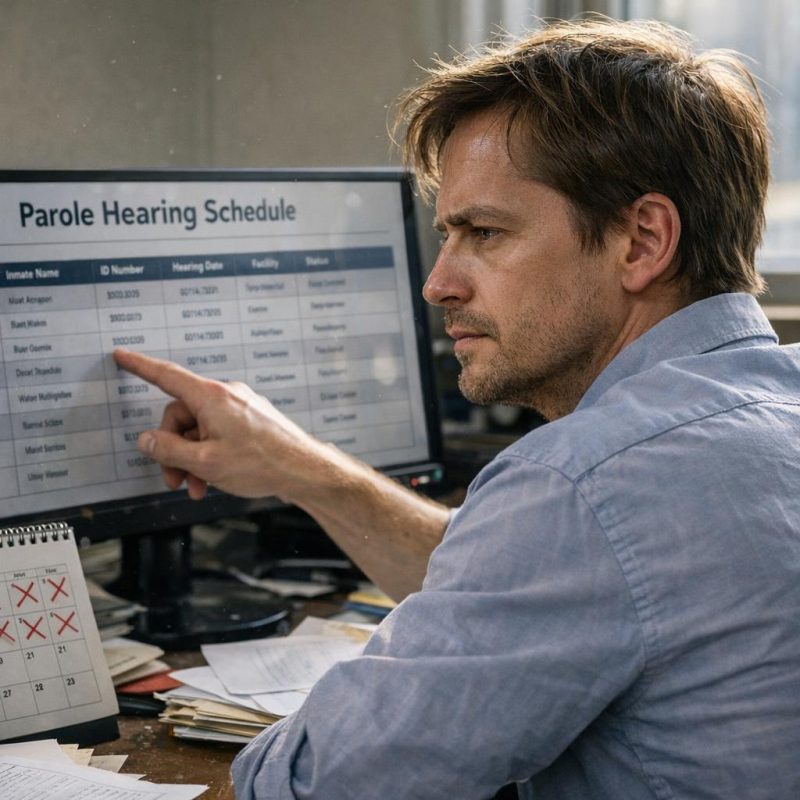 Image by RM AI
Reviewing Every Conversation
I pulled out every letter Thomas had sent me, stacking them in chronological order on my coffee table. Then I grabbed my journal where I'd written notes after each visit. I went through everything systematically, and with each page, I felt more naive. The first letter had been perfect—just enough information to intrigue me, just enough emotion to hook me, just enough mystery to make me want more. His second letter had introduced the idea of the accounts casually, almost as an afterthought. By the third letter, he was building sympathy, telling me about his terrible childhood, positioning himself as a victim. I looked at my notes from our first visit. He'd cried when talking about our father. He'd seemed so genuine, so vulnerable. But now I could see how he'd steered every conversation. He'd asked questions about my life, learned what mattered to me, figured out exactly what kind of brother I'd been longing for. Every visit after that, he'd mirrored it back to me. When I'd expressed doubt, he'd backed off just enough to seem respectful. When I'd shown trust, he'd pushed forward. At the visit where I'd mentioned making the test withdrawal, he'd acted surprised and grateful—but he'd also immediately started talking about making the accounts legitimate. Every emotional moment, every shared story, had been leading me toward exactly what he wanted.
 Image by RM AI
The Full Truth Revealed
I requested an emergency visit. The guards seemed surprised—I'd never asked for one before—but they approved it. Thomas looked confused when he was brought into the visiting room, and I saw the exact moment he realized something had changed. I didn't wait for him to speak. I laid the newspaper clippings on the table between us. 'Want to explain these?' I asked. He glanced down, and his whole face went carefully blank. 'Carol, let me explain—' 'No,' I cut him off. 'I'm done with your explanations. I know you were your mother's partner. I know about your parole hearing in five weeks. I know the test withdrawal was designed to give you legal standing once you're released.' Thomas was silent for a long moment. Then something in his expression shifted. The warmth disappeared, the vulnerability vanished, and what was left was something cold and calculating. 'You're smarter than I gave you credit for,' he said flatly. 'I thought you'd be easier.' My hands were shaking. 'How long have you been planning this?' He studied me like I was a particularly interesting puzzle. The pretense of brotherhood, of emotion, of connection—it was completely gone now. His voice was matter-of-fact, almost bored, when he finally answered. He leaned back and smiled coldly: 'I've been planning this since I first saw your name on those accounts thirty years ago.'
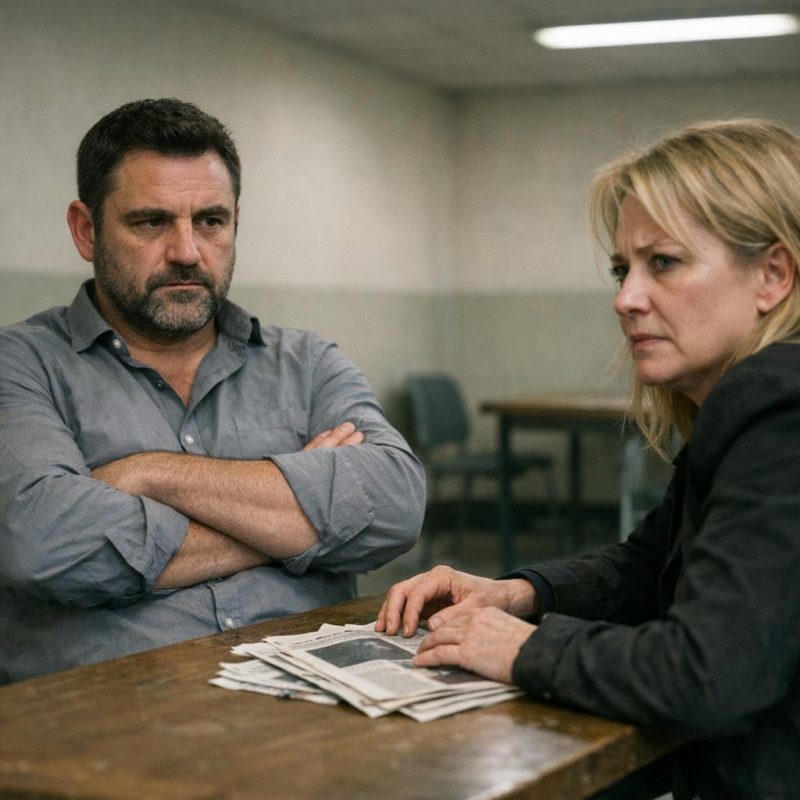 Image by RM AI
The Real Photograph
I stared at him across that table, my entire body vibrating with rage. 'The photograph,' I said. 'That was planned too.' He nodded, like he was impressed I'd figured it out. 'Of course it was planned. Do you think I just happened to have a childhood photo with your father? I had dozens. I chose that one specifically—the one where I looked most vulnerable, most innocent.' My stomach turned. 'You wanted me to feel sorry for you.' 'I wanted you to feel connected,' he corrected. 'I needed you emotionally invested before we ever met in person. The photograph did exactly what it was supposed to do—it made you curious, sympathetic, protective even.' I remembered how I'd felt seeing that picture for the first time. The little boy who looked so much like my father. The flood of emotion. 'You manipulated me.' 'I positioned the pieces,' he said calmly. 'Your emotions did the rest. The photograph was the opening move, Carol. Everything had to start with you believing I was real, believing I was family.' He leaned forward slightly, his eyes cold and analytical. He said, 'I knew you'd need to see proof that I was real, that I was family—everything else followed from that.'
 Image by RM AI
Why Now
My voice was shaking when I asked the next question. 'Why now? Why wait until now?' Thomas smiled, and it was the most chilling expression I'd ever seen on a human face. 'Because you weren't ready before. Legally speaking, you weren't useful.' 'Useful,' I repeated, the word tasting like poison. 'You needed to be old enough to have full control of the accounts. Complete legal authority. No guardians, no trustees, no one else who could interfere.' He spoke like he was explaining a business strategy, which I guess he was. 'I've known about these accounts since I was eighteen. My mother told me everything before she died—who your father was, where the money came from, how to find it. But I couldn't do anything from prison, not for years.' 'So you just... waited?' 'I planned,' he corrected. 'I studied law in the prison library. I tracked your life through public records, social media, everything I could access. I knew when you turned forty. I knew when you had full legal standing. I knew exactly when to make contact.' The horror of it settled over me like ice water. He'd tracked my life from prison, waiting for the exact right moment to make contact.
 Image by RM AI
Carol's Declaration
Something snapped inside me. All the fear, all the violation—it crystallized into pure defiance. 'I will never help you get that money,' I said, my voice steady for the first time since I'd sat down. 'Whatever you're planning, whatever legal claim you think you have—I'll fight you. I'll tie it up in court for years. I'll burn every dollar before I let you have it.' Thomas looked at me with something almost like pity. 'Carol, you're still not understanding.' 'I understand perfectly. You used me, you lied to me, you pretended to be my brother to steal money that isn't yours. But you need my cooperation, and you're not getting it.' 'I needed your cooperation,' he corrected. 'Past tense.' My blood went cold. 'What does that mean?' He settled back in his chair, completely relaxed now, like a man who'd already won. 'The test withdrawal. Do you remember the test withdrawal? You authorized it, you executed it, you proved the accounts were active and accessible.' 'That was twenty-five thousand dollars—' 'That was legal documentation that you and I are both connected to these accounts. Both beneficiaries. Both with active access.' He laughed and said, 'You already did—the test withdrawal was all I needed.'
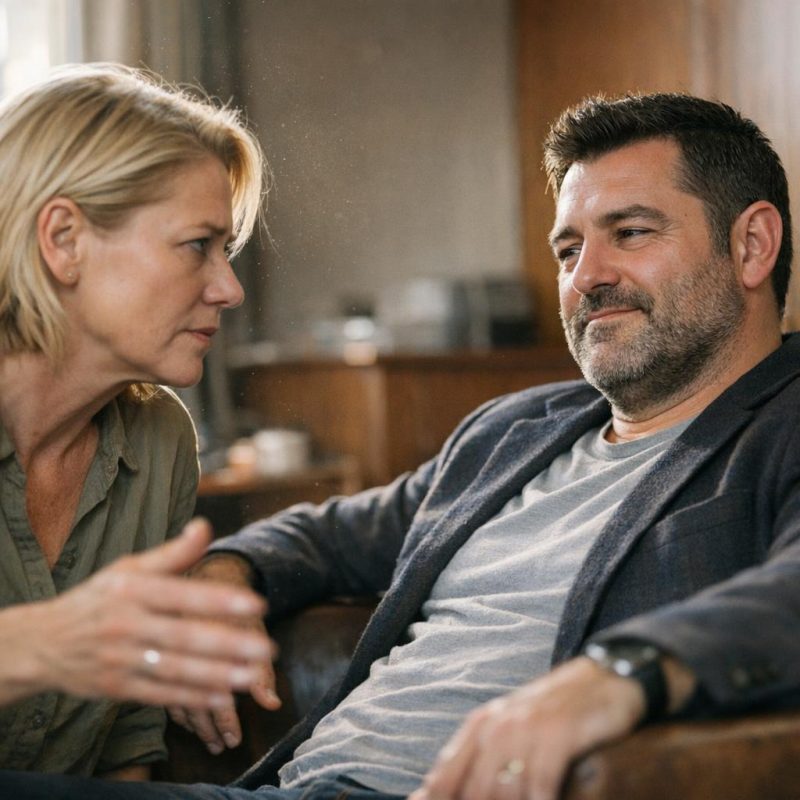 Image by RM AI
The Legal Trap
I felt the walls closing in. 'Explain that. Explain exactly what you mean.' Thomas was clearly enjoying this part. 'When you withdrew that money, you created a legal trail. Documentation that links you directly to accounts that have my name attached. You acknowledged the relationship, you acknowledged shared access, you established that we're both active participants.' 'I was testing if the accounts were real—' 'You were creating evidence,' he interrupted. 'Evidence my lawyer will use to argue that these accounts represent shared family assets. That your father intended both of us to benefit. That you've already recognized my claim by including me in financial transactions.' My hands were shaking so badly I had to press them flat against the table. 'That's not what I was doing.' 'Intent doesn't matter. Actions matter. Legal documentation matters. And now we have a paper trail showing Carol Henderson and Thomas Marston acting as co-beneficiaries on accounts worth three point seven million dollars.' He was speaking slowly now, making sure I understood every word. 'My parole hearing is in five weeks. When I get out, my lawyer files for equitable distribution. And thanks to your test withdrawal, we have standing.' He said, 'Now we're both beneficiaries with active access—my lawyer will argue I have equal rights.'
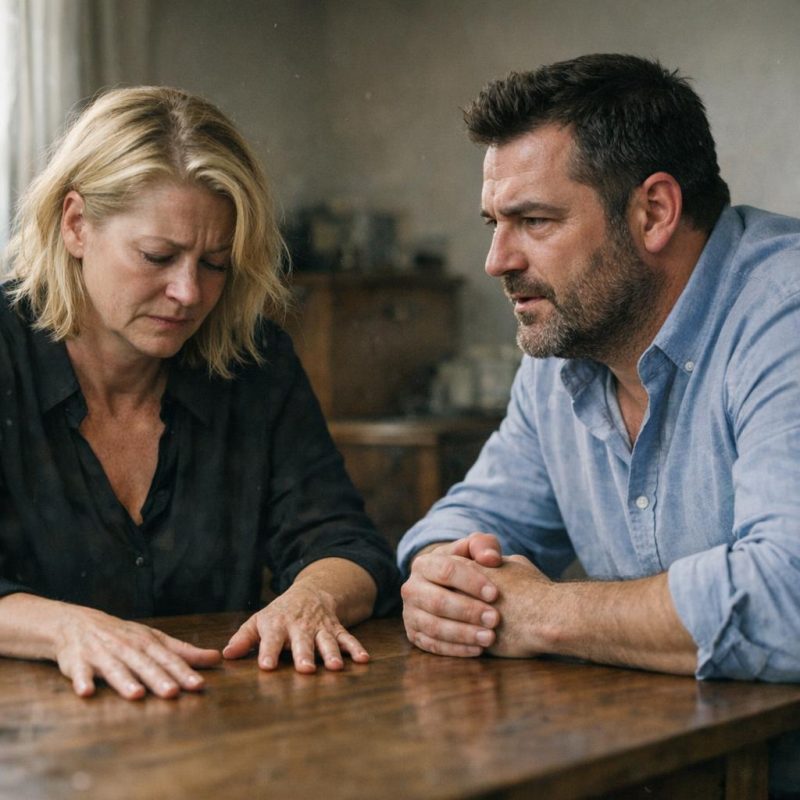 Image by RM AI
Racing Against Release
I left the prison and drove straight to Attorney Morris's office. I didn't call ahead, didn't make an appointment—I just showed up and told his assistant it was an emergency. Morris took one look at my face and cleared his schedule. I laid out everything—the confrontation with Thomas, the photograph manipulation, the tracking, and worst of all, the legal trap I'd walked right into with the test withdrawal. Morris listened without interrupting, taking notes on his yellow legal pad. When I finished, he was quiet for a long moment. 'His parole hearing is in five weeks?' he asked. 'Yes.' 'And he'll likely be released?' 'His lawyer seems confident.' Morris nodded slowly, already thinking through strategies. 'Then we need to move now. If we can establish fraud in the original creation of these accounts, we can argue he has no legitimate claim regardless of the test withdrawal.' 'Can we do that in five weeks?' 'We have to try. I'll need everything—every document related to your father, every piece of correspondence with Thomas, everything about Diane Marston and how these accounts were created.' He looked at me seriously, and I could see the concern in his eyes. Morris said, 'We have three weeks, maybe less—it's going to be close.'
 Image by RM AI
Uncovering the Original Fraud
The next two weeks were a blur of document reviews and legal research. Morris brought in a forensic accountant to trace the money backward through the decades. We found records of the original deposits—large cash infusions in the early nineties that had no clear legitimate source. The accountant identified patterns consistent with embezzlement: amounts just below reporting thresholds, deposits timed to avoid scrutiny, funds moved through multiple accounts before landing in the ones bearing my name. Morris drafted affidavits documenting the timeline. We pulled court records from Diane's cases—fraud charges, conspiracy, theft. We showed how the accounts were created during the exact period when she was actively stealing from her clients. 'This is good,' Morris said, reviewing the assembled evidence. 'This establishes probable criminal origin. But we need more than probability—we need proof solid enough that a judge will freeze the assets pending criminal investigation.' 'What does that take?' 'Ideally, witness testimony. Someone who was there, who saw how the fraud worked, who can testify that these specific accounts were created with stolen money.' He looked up from the documents. 'Because if we could prove the money was criminal proceeds, Thomas would have no legal claim at all.'
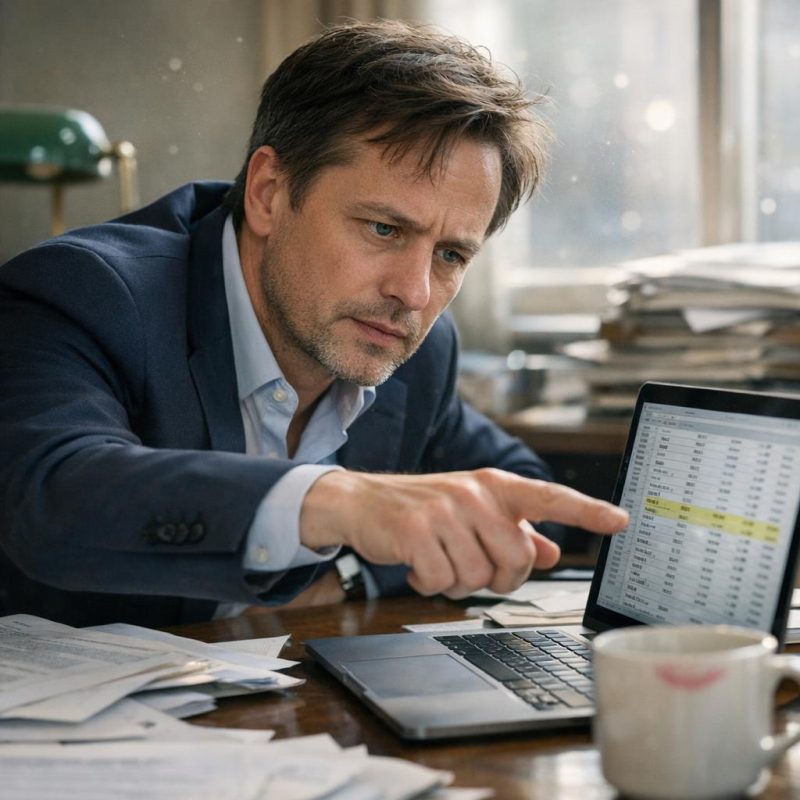 Image by RM AI
The Missing Witness
I spent three days tracking down everyone who'd worked with Diane Marston. Most were dead, some had moved away, others refused to talk. Finally, I found Marion Kellerman—a paralegal who'd worked in Diane's office in 1992. She was in her seventies now, living in a retirement community in Phoenix. I flew out to meet her in person. Marion remembered Diane clearly. 'She was brilliant and completely ruthless,' Marion told me over coffee in the community center. 'I knew something was wrong, but I was young and scared to speak up.' I showed her the account documents, the timeline, everything we'd assembled. Marion studied them carefully. 'Yes,' she said finally. 'This matches what I suspected back then. The amounts, the timing—this was Diane moving stolen money.' 'Would you be willing to testify to that?' She was quiet for a long moment. Then she nodded. 'I should have come forward thirty years ago. Maybe I can make it right now.' Relief flooded through me. 'Thank you. Thank you so much.' But Marion's expression had changed, become troubled. 'Before you thank me, you need to know something. About your father.' My stomach tightened. The witness agreed to testify, but said, 'You need to understand—your father knew more than you think.'
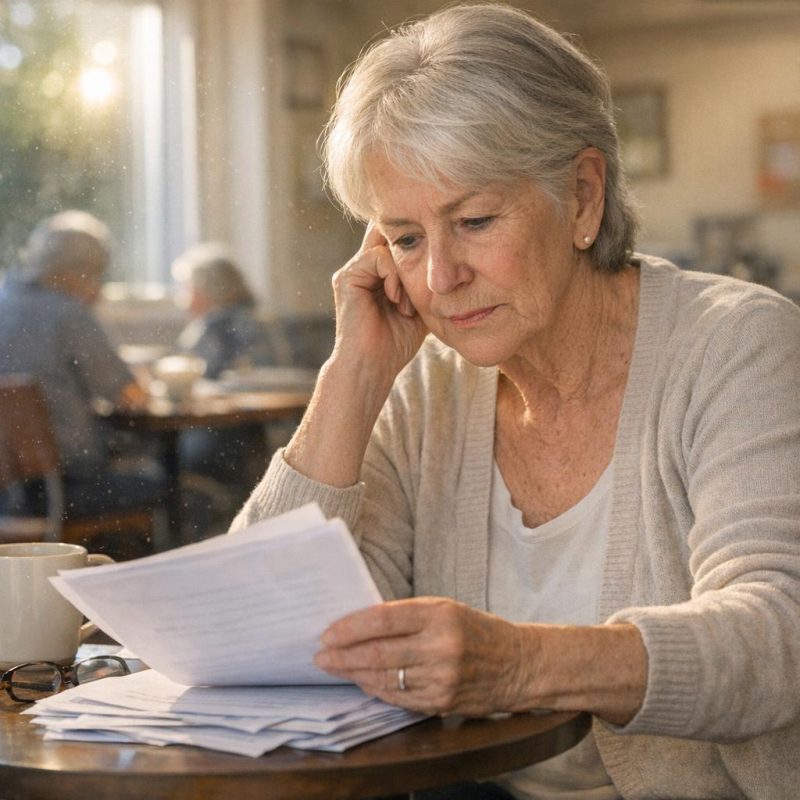 Image by RM AI
Father's Complicity
I felt the ground shifting under me again. 'What do you mean?' Marion chose her words carefully. 'Your father came to our office several times in 1992 and 1993. I remember because Diane always sent me out when he arrived—closed-door meetings, very secretive.' 'He was having an affair with her,' I said. 'I know that part.' 'It was more than that. I saw documents once, by accident. Bank records with his name on them, right alongside Diane's. And I heard part of a conversation—they were arguing about how to hide transactions, how to make the paper trail disappear.' My hands went numb. 'He was helping her steal?' 'I can't say for certain. But he knew what she was doing. And he helped hide it—helped structure the accounts, helped make them invisible. Whether he did it for love or to protect himself from being implicated, I don't know.' I thought about my father—the man I'd idealized, the man I'd defended. 'Why would he do that?' 'Maybe he loved her. Maybe he was scared. Maybe both.' Marion's voice was gentle but firm. 'I'll testify to what I know, but it won't paint him as innocent.' The witness said, 'He didn't just discover the fraud—he helped hide it to protect himself.'
 Image by RM AI
The Final Hearing
The courtroom was smaller than I'd imagined, and somehow that made everything feel more real. Attorney Morris sat beside me, his briefcase open, documents organized into neat stacks. We'd spent the previous night preparing, going over every piece of evidence Marion had provided, every bank record that showed my father's involvement in hiding the fraud. The judge was a tired-looking man in his sixties, and when he called our case, my mouth went completely dry. Morris stood and presented our motion to freeze the accounts pending criminal investigation. He walked through the evidence methodically—the witness statements, the banking records, the pattern of concealment. I watched the judge's face for any reaction, but he remained impassive. When it was time for me to speak, I explained how I'd discovered the letter, how I'd traced the money, how every answer had led to more questions. My voice shook, but I got through it. The judge asked a few questions about my father's death, about when I'd first learned of the accounts. Then he gathered all the documents we'd submitted and began reading through them, his expression unreadable. The courtroom fell silent except for the sound of pages turning. The judge reviewed the documents in silence, and my entire future hung on what he would decide.
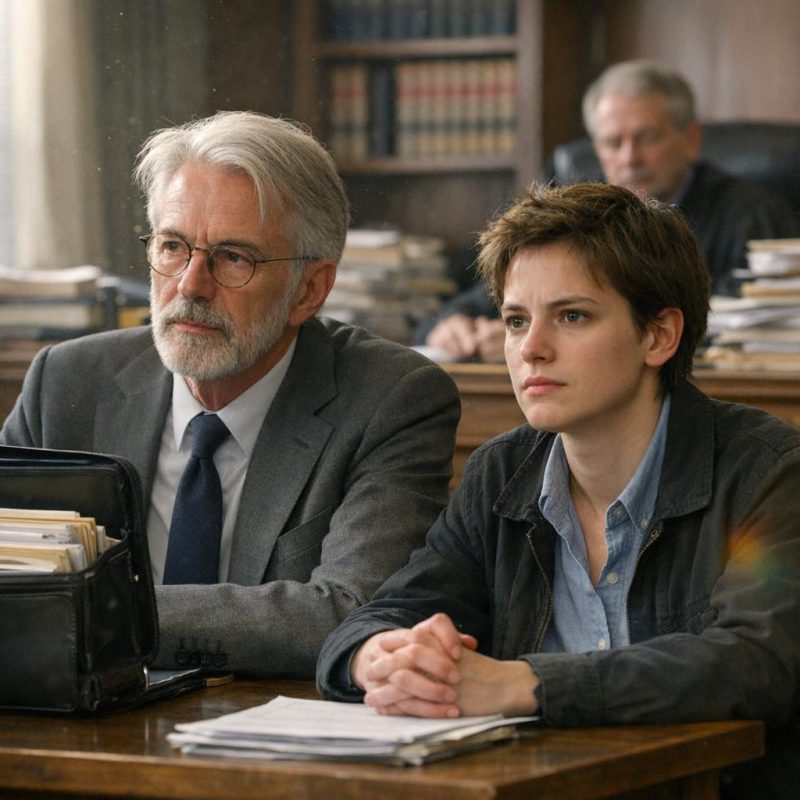 Image by RM AI
The Judge's Decision
Two days later, I got the call from Morris. The judge had issued his ruling—the accounts were frozen, effective immediately. A full criminal investigation had been ordered into the original fraud and my father's role in concealing it. Thomas would be released from prison in three weeks, but he wouldn't get a penny. Neither would I. The money was evidence now, tainted by crimes committed decades ago. Morris told me I could appeal, could argue that I had no knowledge of the fraud, but we both knew the truth. My father had helped hide stolen money, and I couldn't claim innocence while keeping the proceeds. I thanked Morris and hung up. I sat in my kitchen, staring at the same table where I'd first opened that letter from Thomas. I'd won, in a way—stopped a con artist from profiting off my father's secrets. But I'd also lost everything I'd hoped to gain. The money that could have secured my future, could have changed my life, was gone. Not stolen by Thomas, but taken by the truth itself. Thomas would get nothing, but neither would I—the money was tainted from the beginning.
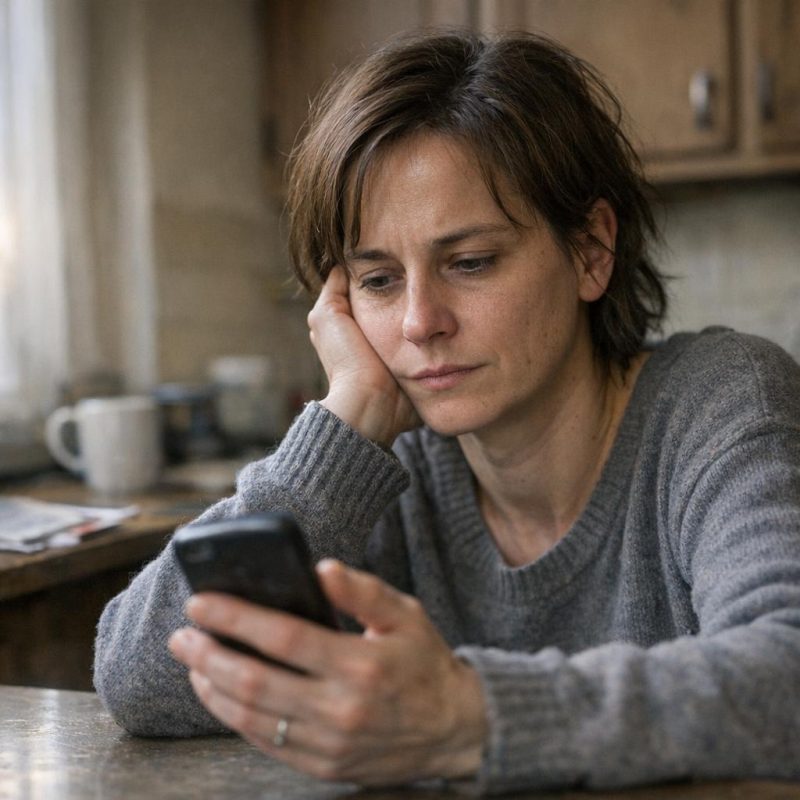 Image by RM AI
Saying Goodbye to Illusions
I drove to the cemetery on a Tuesday afternoon when I knew it would be quiet. My father's headstone looked the same as always, but I saw it differently now. I'd spent so many years preserving the image of who I thought he was—the devoted father, the honest man. I'd defended him against my mother's bitterness, against anyone who suggested he was less than perfect. Now I knew better. He'd had an affair. He'd helped his mistress hide stolen money. He'd built a secret life and left me nothing but the wreckage of his choices. But standing there, I also understood something else. He'd been human. Flawed and frightened and capable of terrible decisions. He'd loved Diane enough to risk everything, and when it all fell apart, he'd tried to protect me by keeping me away from it. Not a hero. Not a villain. Just a man who made choices he couldn't undo. I knelt down and placed my hand on the cold stone. The anger I'd carried for weeks started to lift, replaced by something quieter—grief mixed with understanding. I whispered, 'I understand now—you were human, and you made terrible choices, but you tried to protect me.'
 Image by RM AI
The Truth I Chose
The thing is, I could have walked away from all of it. When that letter first arrived from Thomas, I could have thrown it in the trash and gone on believing the comfortable lies I'd told myself about my father. That's what my parents did—they avoided the truth, hid from it, buried it under layers of secrecy and silence. My father never told me about Diane or the money. My mother never explained why their marriage really fell apart. They chose ignorance, or maybe just the appearance of it, and it poisoned everything. But I'd made a different choice. I'd chased the truth even when it hurt, even when every answer made things worse. I'd lost the money, lost the image of my father I'd carried for forty-five years, lost the possibility of a brother I'd never have. Yet somehow, standing in my kitchen with the final court documents in my hand, I felt stronger than I had in years. The truth had cost me everything I thought I wanted, but it had given me something my parents never had—the ability to face reality without flinching. I lost the brother I never had and the father I thought I knew, but I gained something more important—the truth, and the strength to live with it.
 Image by RM AI
KEEP ON READING

The story of Ching Shih, the Woman Who Became the…
Unknown author on WikimediaFew figures in history are as feared…
By Emilie Richardson-Dupuis Dec 29, 2025
Einstein's Violin Just Sold At An Auction—And It Earned More…
A Visionary's Violin. Wanda von Debschitz-Kunowski on WikimediaWhen you hear…
By Ashley Bast Nov 3, 2025
This Infamous Ancient Greek Burned Down An Ancient Wonder Just…
History remembers kings and conquerors, but sometimes, it also remembers…
By David Davidovic Nov 12, 2025
The Mysterious "Sea People" Who Collapsed Civilization
3,200 years ago, Bronze Age civilization in the Mediterranean suddenly…
By Robbie Woods Mar 18, 2025
20 Concerts That Changed Culture Forever
When The Stage Changed Everything. Some concerts fade into memory,…
By Elizabeth Graham Mar 19, 2026
20 Soldiers Who Defied Expectations
Changing the Rules of the Battlefield. You’ve probably heard plenty…
By Annie Byrd Feb 10, 2026