

I Gave This Company 25 Years, Then a 32-Year-Old Decided My Black Flats Were More Important Than My Work—Big Mistake
I Gave This Company 25 Years, Then a 32-Year-Old Decided My Black Flats Were More Important Than My Work—Big Mistake
Twenty-Five Years in Sensible Flats
Twenty-five years is a long time to work anywhere, but I didn't fully feel the weight of it until the morning I walked into Anderson & Klein and realized I'd been there longer than some of my colleagues had been alive. I started at thirty-five — freshly divorced, two kids in middle school, and absolutely terrified. I needed the job more than the job needed me, and I knew it. What I didn't know was that I'd still be there at sixty, the person everyone called when they couldn't find a file, couldn't remember a procedure, couldn't figure out why the quarterly numbers looked different from last year's. I survived three CEOs. I survived the great restructuring of 2009, the merger scare of 2014, and the pivot to remote work that nearly broke everyone else but somehow suited me fine. I watched us go from paper calendars and carbon copies to cloud systems and digital dashboards, and I was the one who trained half the floor on every transition. My work wasn't glamorous. It never had been. But it was solid, and it was mine, and twenty-five years of institutional memory doesn't just walk out the door. I sat at my desk that morning with my coffee going cold beside me, and the quiet hum of the office felt like something I'd earned.
 Image by RM AI
The Woman in the Charcoal Suit
Brianna arrived in September, and the first thing I noticed was the suit — charcoal, perfectly fitted, the kind that costs more than my first month's rent at this job. She called us into the conference room for what she described as a visioning session, which I wrote down in my notebook because I genuinely wasn't sure if it was a real word. She talked for forty minutes about synergy, brand alignment, and modernizing the department's image. Not our processes. Not our output. Our image. I sat in my usual middle-row seat, the one I'd occupied for the better part of a decade, and I took notes the way I always did — thorough, organized, ready to be useful. David was two seats to my left, and I caught him writing something in the margin of his notepad that I didn't ask about. Rita sat near the back, nodding at intervals with the careful expression of someone who had learned to look engaged without committing to anything. Brianna moved through her slides with the kind of practiced confidence that comes from giving the same presentation many times. She was good at it, I'll give her that. But somewhere around the third slide on personal brand equity, I glanced up and found her eyes had drifted from the screen and settled directly on my navy slacks and cream blouse.
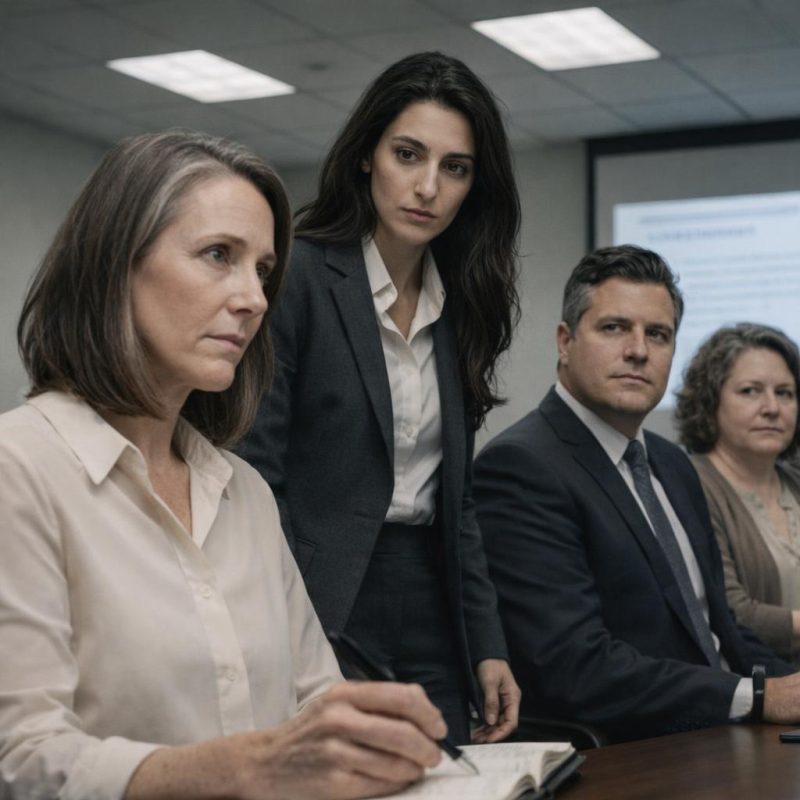 Image by RM AI
The Personal Shopper Suggestion
The meeting wrapped up and most people filtered out quickly, the way you do when you're hoping to avoid small talk with a new manager. I was gathering my notebook and pen when Brianna appeared at my elbow. She tilted her head slightly — a practiced, pleasant angle — and smiled the kind of smile that takes effort to maintain. She said she had a wonderful resource she'd been meaning to share, a personal shopper she used herself, someone who was just brilliant at refreshing a professional look. She said the word refreshing the way you might say renovation, like the current state of things was a problem that needed solving. I stood there holding my notebook and tried to process what was happening. I'd been wearing variations of the same professional wardrobe for twenty-five years. Navy, cream, gray, black. Clean, pressed, appropriate. I'd never once been told my appearance was an issue. I wasn't sure what to say, so I didn't say much — something noncommittal about being busy, about having a full plate. Brianna nodded like I'd agreed with her, said she'd send over the contact information, and kept that bright, practiced smile in place the whole time, waiting with a patience that felt less like kindness and more like certainty that I'd eventually come around.
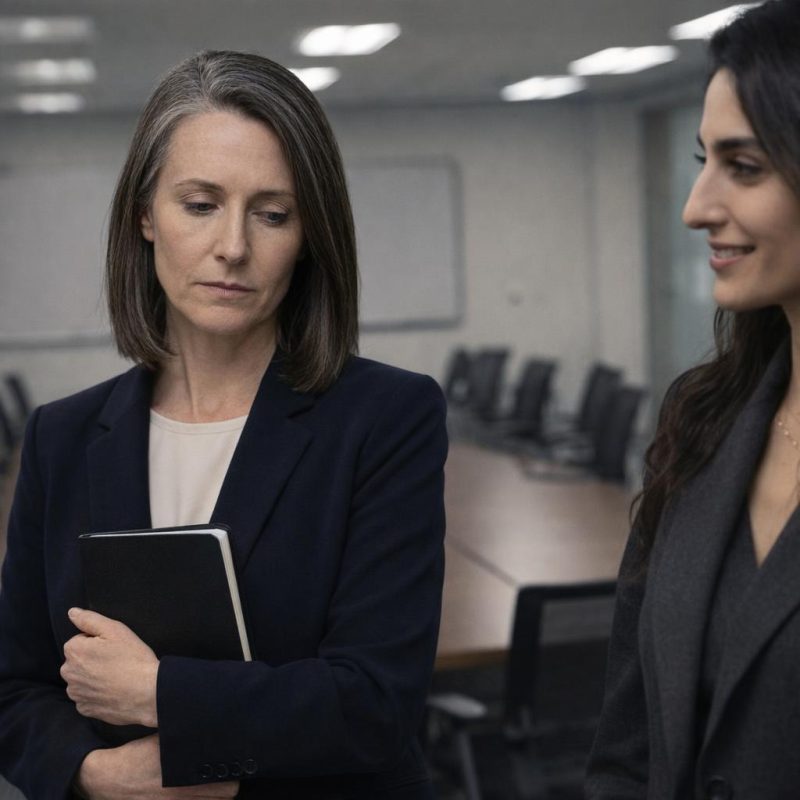 Image by RM AI
David's Warning Over Coffee
I found David in the break room the next morning and told him about it while the coffee brewed. I tried to keep my voice light about it — I even laughed a little, called it the strangest HR-adjacent conversation I'd had in twenty-five years. I said maybe Brianna was just young, still figuring out professional boundaries, the kind of person who meant well but hadn't quite learned where the lines were. David listened without interrupting, which is one of the things I've always appreciated about him in the fifteen years we'd worked together. When I finished, he didn't laugh with me. He wrapped both hands around his mug and looked at the table for a moment before he spoke. He told me to keep my head down. Not in a dramatic way — just quietly, the way you tell someone to watch their step on ice. He said Brianna had a thing about optics, that it wasn't just me she'd been watching, that she seemed to care more about how the department looked than what it actually produced. I told him I wasn't worried, that my work record spoke for itself. He nodded, but the nod didn't match his eyes. I poured my coffee and changed the subject, but I kept coming back to the particular weight in his voice when he said the word optics.
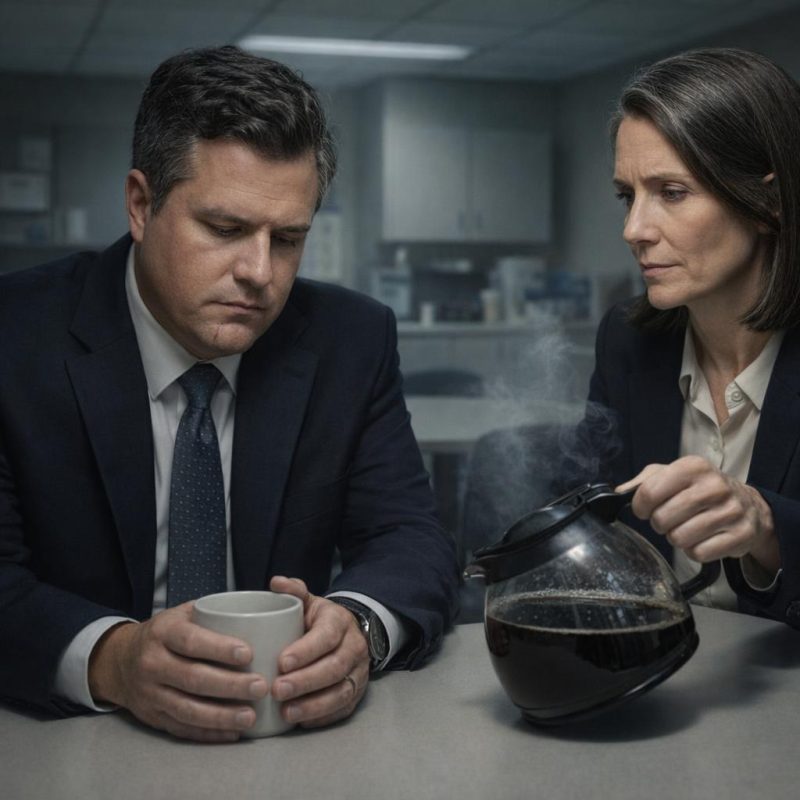 Image by RM AI
Very Practical Shoes
Three weeks later I was presenting the quarterly report data in our team check-in — variance analysis, trend lines, the kind of detailed breakdown I'd been producing for years. I was mid-sentence, walking through a discrepancy in the regional numbers, when Brianna interrupted me. She didn't raise her hand or wait for a pause. She just spoke over me, pleasantly, the way you might redirect a conversation at a dinner party. She said my shoes were very practical. Just like that, in the middle of a data presentation. She let the word practical sit in the air for a beat, then added that a heel — even a small one — would really elevate my overall look. I was sixty years old. I had a degenerative disc issue that my doctor had documented. I had been on my feet in this building for a quarter century. I stood at the front of the room holding a printed report and felt the heat rise in my face, not from anger yet, just from the sheer disorientation of it. I didn't respond. I looked back down at my data and kept going, because what else do you do. But when I glanced up a moment later, the younger colleagues seated along the far side of the table were shifting in their chairs, eyes down, suddenly very interested in their own notes.
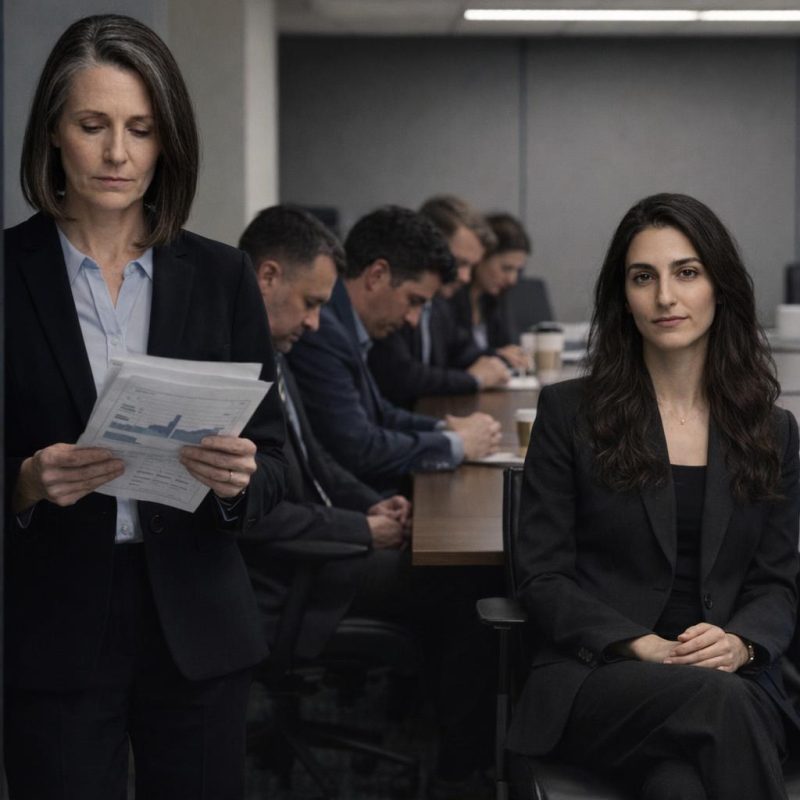 Image by RM AI
Proving Worth Through Output
I decided the answer was output. If Brianna wanted to focus on surfaces, I would make the substance so undeniable that the surfaces wouldn't matter. I stayed late three nights that week and went after the digital filing system — a sprawling, half-organized disaster that had accumulated over years of people saving things wherever was convenient and never going back to fix it. Folders nested inside folders with no logic. Documents named things like Final_FINAL_v3_USE THIS ONE. Duplicate files from three different software migrations sitting in the same directory. I'd been meaning to tackle it for years and never had the uninterrupted time. Now I made the time. I built a clean folder architecture, established a consistent naming convention, and went through every department subfolder one by one. I found contracts from 2011 that nobody knew were still accessible. I found a compliance document that two different teams had been recreating from scratch every year because they didn't know the original existed. I flagged both. I documented everything I changed in a running log so anyone could follow my reasoning. It took the better part of two weeks, working through lunches and staying past six. But when I finally ran the last audit and watched the corrupted files sort themselves into clean, ordered rows, something in my chest settled.
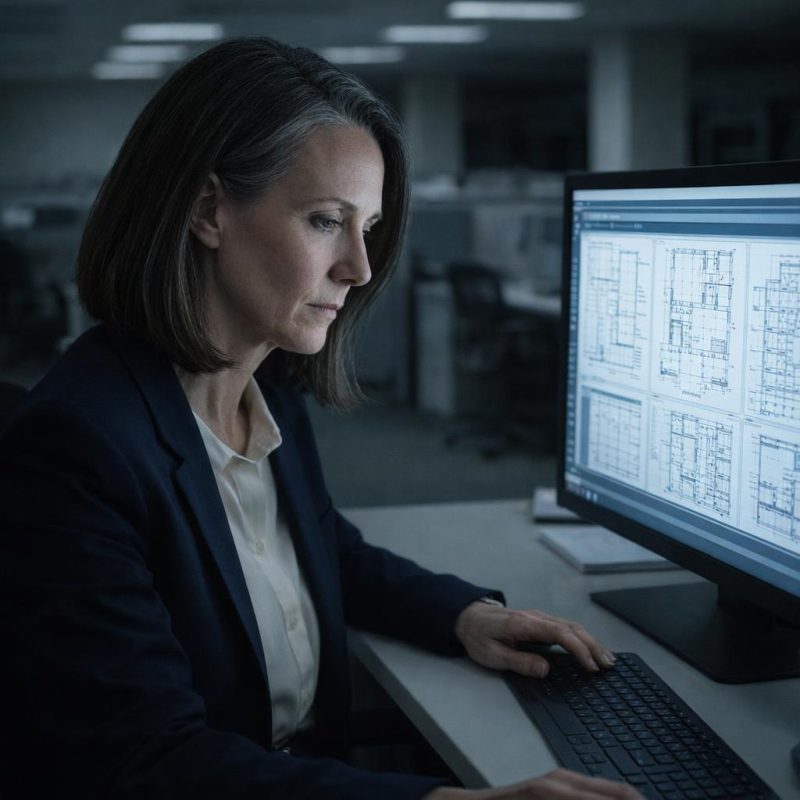 Image by RM AI
Streamlining the Database
The filing system was only the beginning. The database entry process had been a source of quiet frustration for years — redundant fields, inconsistent formatting, manual steps that could be automated with a little patience and the right conditional logic. I spent the following two weeks rebuilding the workflow from the input stage forward. I created a standardized entry template, wrote up a plain-language guide for the steps that tripped people up most often, and tested the new process against six months of historical data to make sure nothing broke. When I was satisfied it held, I wrote it all up in a detailed email to Brianna — what I'd done, why I'd done it, what it would save the team in time and error correction going forward. I kept the tone professional and factual. I wasn't looking for praise exactly, just acknowledgment that the work existed, that someone in a position to notice had noticed. I sent it on a Tuesday morning and checked my inbox that afternoon. Nothing. I checked again before I left for the day. Still nothing. I told myself she was busy, that managers had full plates, that a response might come in the morning. Wednesday came and went. Thursday. I opened my inbox each time with the same small lift of expectation, and each time I found the same thing — the sent message sitting in my outbox, and the space where a reply should have been, empty.
 Image by RM AI
Rita's Confession in the Break Room
It was a Friday afternoon when Rita caught me alone in the break room. She came in, checked the hallway in both directions the way people do when they're about to say something they don't want overheard, and then pulled the door most of the way closed behind her. She kept her voice low. She said Brianna had made comments to her too — about her cardigans, about how they read as too casual for the department's direction. Rita said it with a kind of careful neutrality, like she was reporting a weather event rather than something that had happened to her personally. I listened and felt something shift — not relief exactly, but the particular sensation of a thing you'd been carrying alone suddenly having a second set of hands on it. Then Rita said the part that stayed with me. She said she thought Eleanor was getting the worst of it, that the comments directed at me were more frequent, more pointed. She said my name quietly, like she was sorry to be saying it. I nodded and told her I appreciated her telling me. We stood there for a moment with our coffee cups, the refrigerator humming behind us, and I felt the full weight of her sympathy settle into the space between us like something neither of us quite knew what to do with.
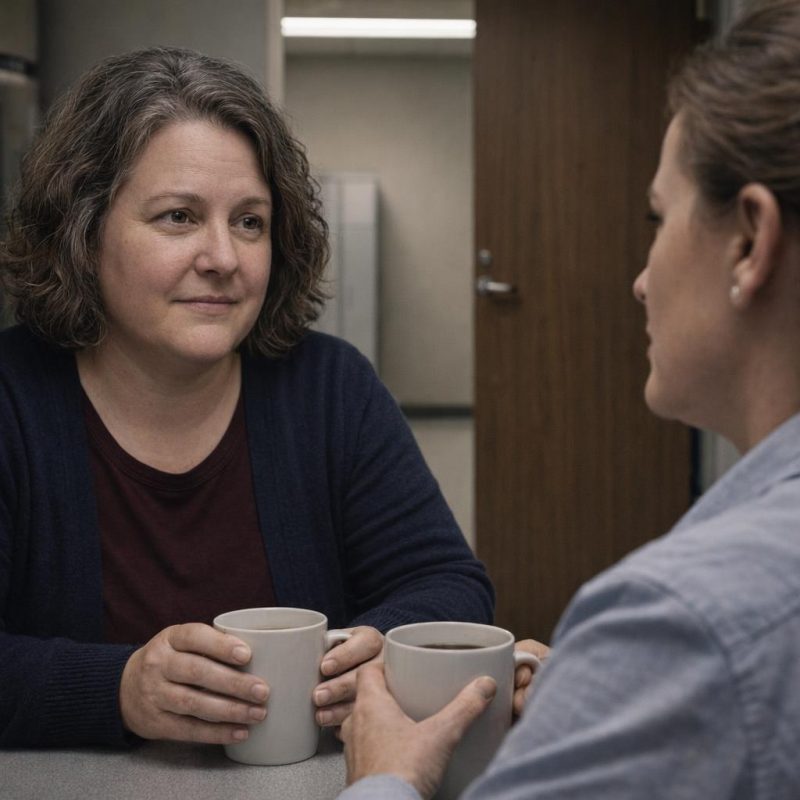 Image by RM AI
Department Standards Update
The email arrived at 2:47 on a Tuesday afternoon with the subject line Department Standards Update. I almost didn't open it right away — I had a vendor call in ten minutes and a stack of invoices to clear. But something about the subject line made me click it immediately. The language was careful, the kind of careful that takes effort. It talked about the department's evolving professional image, about the importance of presenting a modern, cohesive appearance to clients and stakeholders. Then it got specific. It mentioned outdated patterns as a signal of disconnection from current professional norms. It mentioned faded pastels as choices that undercut credibility. It talked about the difference between comfortable and current. I read each line slowly, and with each one, something tightened at the back of my neck. I had been in this industry for twenty-five years. I had dressed professionally every single day of those years. I smoothed my hands across my lap and felt the soft fabric of my blouse — the pale lavender one I'd pressed that morning, the one I'd worn a dozen times without a second thought — and I read the line about faded pastels one more time.
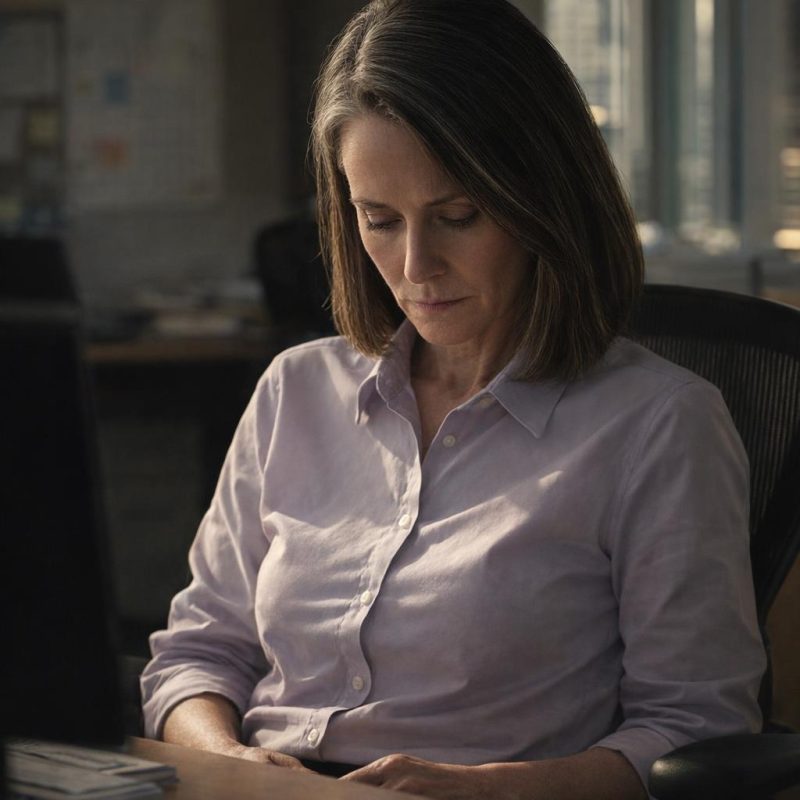 Image by RM AI
Every Criticism Matched
I printed the email when I got home. I don't know exactly why — maybe I needed it to be a physical thing I could hold, something I could look at without a screen between us. I set it on the kitchen table and read it again, slowly, with a cup of tea going cold beside me. Then I went to my closet. I stood in front of it the way you stand in front of something you're not sure you want to see clearly. The floral blouses on the left — the ones I'd bought over the years because they made me feel like myself — matched the language about outdated patterns almost word for word. The lavender, the dusty rose, the sage green I'd always loved: faded pastels, every one of them. I pulled a few pieces out and laid them on the bed. I counted. I stopped counting. The email could have been written by someone standing exactly where I was standing, looking at exactly what I was looking at. I still didn't understand why. I didn't understand what any of it was really about, or what I was supposed to do with the feeling that had settled into my chest. I stood there in the quiet of my apartment, the closet open in front of me, the clothes laid out on the bed like evidence of something I couldn't yet name.
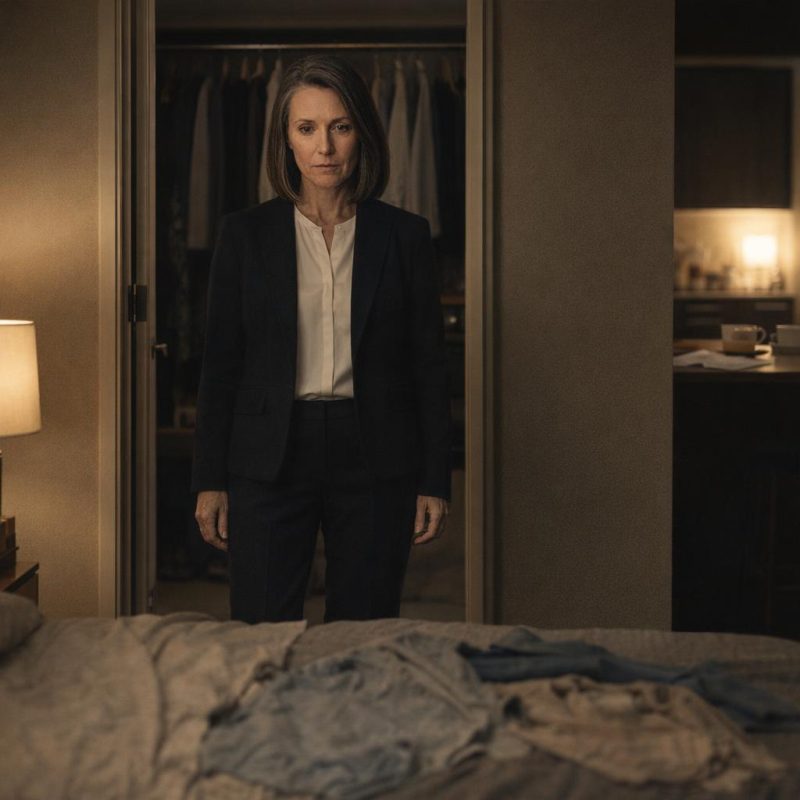 Image by RM AI
Forty Hours on Perfection
I decided the only thing I could control was the work. If there was going to be a conversation about my value to this department, I was going to make sure that conversation had to start with forty hours of the most thorough quarterly report I had ever produced. I came in early. I stayed late. I cross-referenced every data source twice, then a third time. I built out two additional analysis sections that hadn't been requested but that I knew would answer questions before anyone thought to ask them. I checked every decimal point against the source files. I reformatted the summary tables until the alignment was exact. I wrote the executive overview four times before I was satisfied with it. My colleagues left for the evening and I stayed. The cleaning crew came through and I stayed. I told myself this was what twenty-five years looked like when it was working at full capacity. I told myself that numbers don't have a dress code, that results speak in a language no memo can override. By the time I finally saved the final version and pushed back from my desk, the office was dark and still. I looked up and caught my own reflection in the black screen in front of me — the tiredness around my eyes, the set of my jaw — and I held that look for a moment before I reached for my bag.
 Image by RM AI
The Report Meant Nothing
I carried the report to Brianna's office the next morning with both hands, the way you carry something that matters. It was bound, tabbed, and color-coded — sixty-three pages of work I was genuinely proud of. I set it on her desk and told her I thought she'd find the additional analysis sections useful for the regional presentation. She glanced at the cover. Just the cover. Her eyes moved across it the way your eyes move across a piece of mail you already know you're not going to open. She said it looked thorough. Then she set it to the side of her desk — not in front of her, not somewhere she'd reach for it later, but off to the side, in the stack where things go when they're done being considered. She folded her hands and asked if I'd had a chance to think any more about the personal shopper she'd mentioned. I stood there for a moment without speaking. I had spent forty hours on that report. I had checked every decimal point. I had written the executive overview four times. She hadn't turned past the cover page. I watched her set it aside like it was a catalog that had arrived in the mail.
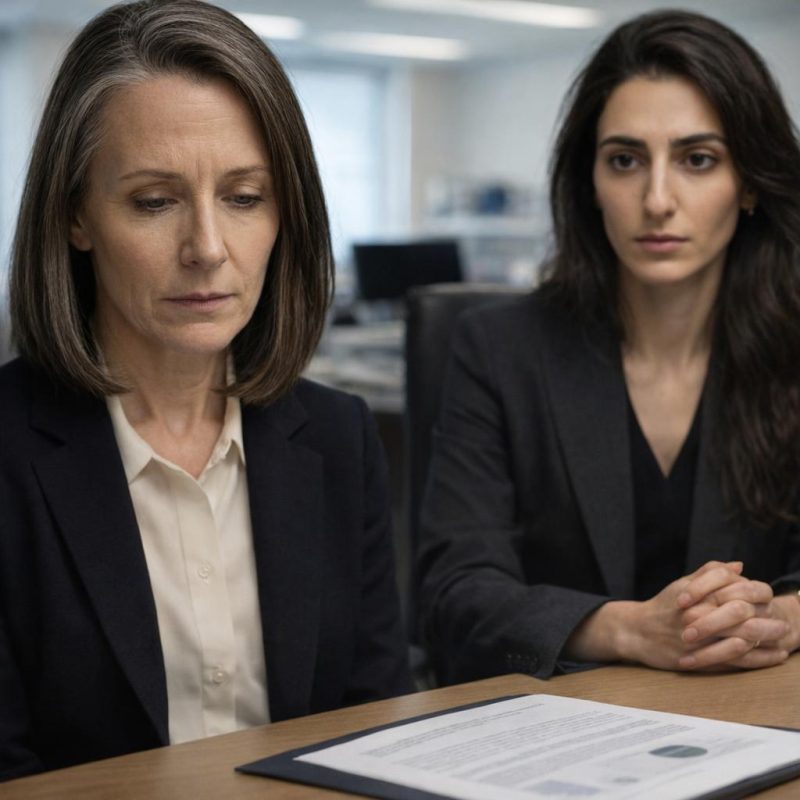 Image by RM AI
Avoiding Eye Contact
The weekly team meeting had always been the part of my week I felt most settled in. I knew the material. I knew the people. I'd been running those meetings, or contributing to them, since before some of my colleagues had started here. But something had shifted, and I noticed it the way you notice a sound that stops — not by hearing it, but by the absence. When Brianna addressed me directly, I watched the people around the table. David shifted in his seat and found something on his laptop screen that needed his attention. Rita's eyes dropped to her notes. The others followed the same pattern — a small, collective retreat, like they were all trying to make themselves a little smaller in the moment. I asked a question about the project timeline for the Henderson account, something I'd asked variations of in a hundred meetings before. It was a reasonable question. It was the kind of question that used to generate three or four people talking over each other. I asked it and the room went quiet in a way that had nothing to do with thinking. No one looked at me. The question hung there, and the silence that followed felt like something with weight to it, pressing down on the space where an answer should have been.
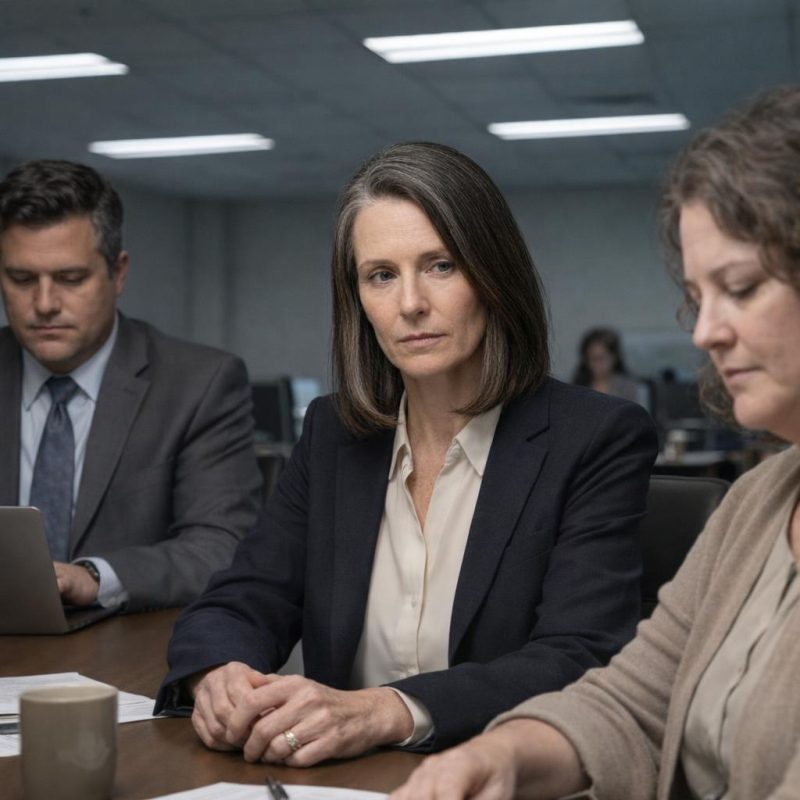 Image by RM AI
The Empty Space by Her Desk
For fifteen years, my desk had been a kind of informal help station. People stopped by with process questions, compliance questions, questions about how we'd handled something similar in 2011 or 2014 or the year the system migration went sideways. I was the institutional memory of this department, and I had always taken that quietly seriously. But that Tuesday afternoon, I sat at my desk and watched the hours move. The colleagues who usually stopped by on their way to the printer walked past without slowing down. The phone, which on a normal afternoon would ring at least three or four times with internal questions, sat silent. I checked my email twice, looking for the kind of questions that used to come in regularly — the ones about legacy processes, about vendor contacts, about where to find the archived files from the old system. Nothing. I told myself people were heads-down, that it was a busy stretch, that there were a dozen reasonable explanations. But the afternoon kept passing in the same unbroken quiet, and the space around my desk felt wider than it had any right to feel, and my phone never rang.
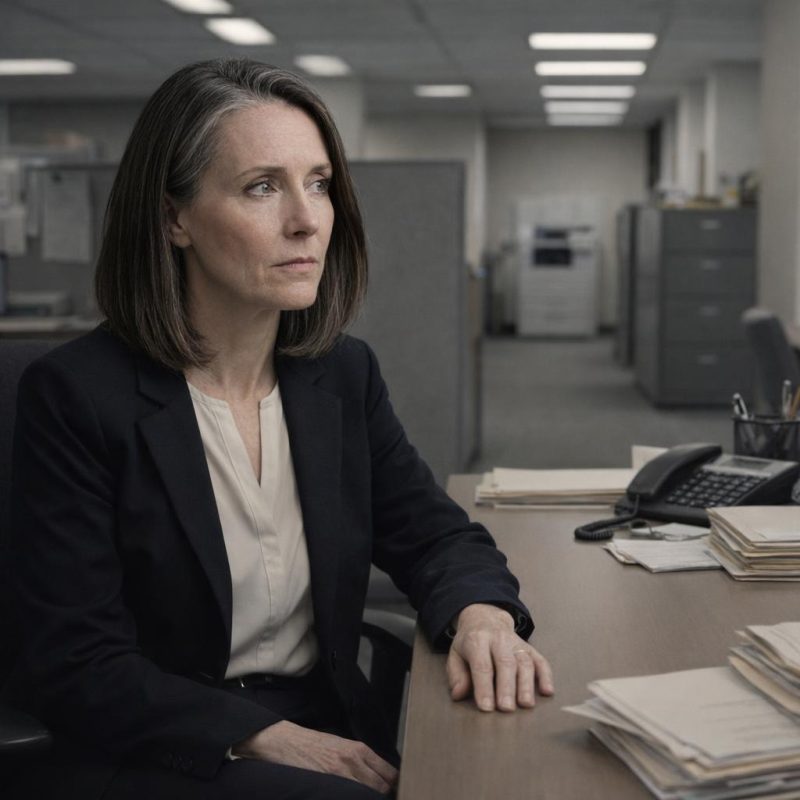 Image by RM AI
The Strangely Quiet Tuesday
Tuesday afternoon arrived with a stillness that felt different from ordinary busy. I checked my calendar twice before lunch, then again around two o'clock. Nothing. No standing meetings, no check-ins, no project syncs — not even the informal ones that usually appeared with a day's notice. The floor was quieter than I could remember it being on a regular workday. A few people passed my desk in the morning, but by early afternoon the area around me had emptied out in a way I couldn't quite account for. I told myself there was probably a training session I hadn't been looped into, or maybe a vendor visit on another floor. I told myself the calendar was just light this week. Around three, I took a break and got up to stretch. I came back to my desk, picked up my phone, and opened it the way you do when you're not looking for anything in particular — just filling a quiet moment. I scrolled without thinking. And then I stopped.
 Image by RM AI
The Cohesion Lunch
It was Rita's account. The photo had that warm, slightly overexposed look of a restaurant with good lighting — a long table, wine glasses, bread in the center, everyone turned toward the camera with the easy smiles of people who'd been laughing a moment before. I recognized the dark wood paneling and the pendant lights immediately. Marcello's. I knew that room. I'd been to the holiday dinner there two years running. The caption read: Team cohesion lunch — so grateful for this group. I scrolled through the faces slowly. David was there, near the end of the table. Rita was there, mid-laugh, her cardigan the same blue one she'd worn to the office that morning. Every person from our department was in that photo. Every single one. Brianna sat at the center of the table, and the people on either side of her were leaning in slightly, the way people do when they want to be close to whoever is holding the room. I sat alone at my desk in the empty office and looked at the timestamp on the post: twenty minutes ago.
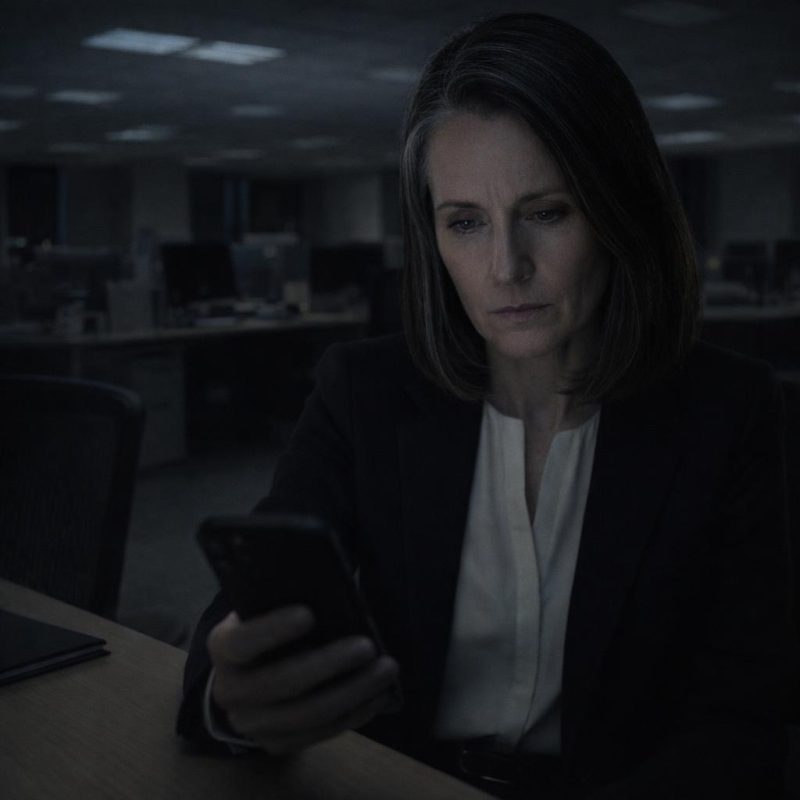 Image by RM AI
Checking the Meeting Invites
I couldn't just sit there staring at Rita's post. I opened my email and typed Marcello's into the search bar. Nothing. I tried lunch. Nothing. I searched the sender field for Brianna's name and scrolled through every result — meeting recaps, policy updates, the department standards email I'd already memorized. No invitation. I checked my spam folder next, clicking through two weeks of automated newsletters and vendor notices. Still nothing. Then I opened my calendar and filtered for anything I might have missed or declined — a habit I'd had for years, ever since I accidentally skipped a quarterly review because the notification had glitched. I found nothing scheduled for today's lunch hour. Nothing declined. Nothing flagged. I sat back for a moment, and then, because I am the kind of person who checks twice, I opened my deleted items folder and ran the same search. The invite was there. Marcello's team lunch, sent four days ago, addressed to the full department distribution list. My name was on it. The status field read: Declined. I had never touched that invitation.
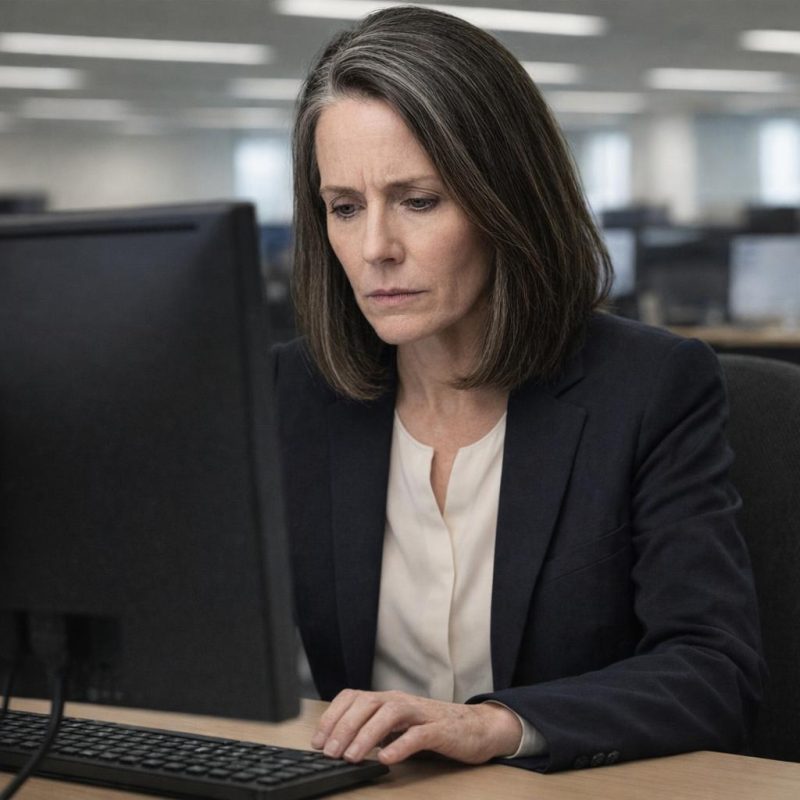 Image by RM AI
Selective Communication
I didn't close my email after that. I just kept going. I pulled up every message Brianna had sent over the past month and started reading through them in order, the way you read a document when you're looking for something specific but aren't sure what it is yet. The first few looked normal — policy reminders, workflow updates, the kind of administrative noise that fills any inbox. But then I started noticing the CC lines. A thread about the new client intake process: David, Rita, and four others. Not me. A follow-up on the quarterly reporting format: everyone in the department except me. Meeting notes from a Tuesday check-in I hadn't been invited to, distributed to the full team. I started writing names down on a notepad, marking dates, circling the threads where my name should have appeared and didn't. It wasn't one oversight. It wasn't two. I kept a running tally as I worked backward through the archive, and by the time I reached the beginning of the month, I had filled most of the page. Three weeks of correspondence, and the gaps where my name belonged sat there quietly, like spaces someone had pressed delete on.
 Image by RM AI
The Detailed Log
That evening I opened a new document on my personal laptop — not my work machine — and typed two words at the top: Incident Log. I sat with the cursor blinking for a moment, and then I started writing. The personal shopper suggestion: date, time, who was present, the exact words as best I could recall them. The comment about practical shoes during the team meeting: same format, same precision. The department standards email: I copied the full text in, with the timestamp and distribution list. The excluded lunch: Rita's post, the timestamp, the photo I'd screenshotted before I thought too hard about whether I should. The deleted calendar invite: status field, date sent, the fact that my name was on the distribution list. I worked slowly, making sure each entry was complete before I moved to the next. I didn't know what I was building toward, exactly. I just knew that if I didn't write it down, the details would start to blur, and I'd be left with nothing but a feeling I couldn't prove. Two weeks later, I had three full pages of entries, each one dated, each one specific, the list longer than I'd expected it to be.
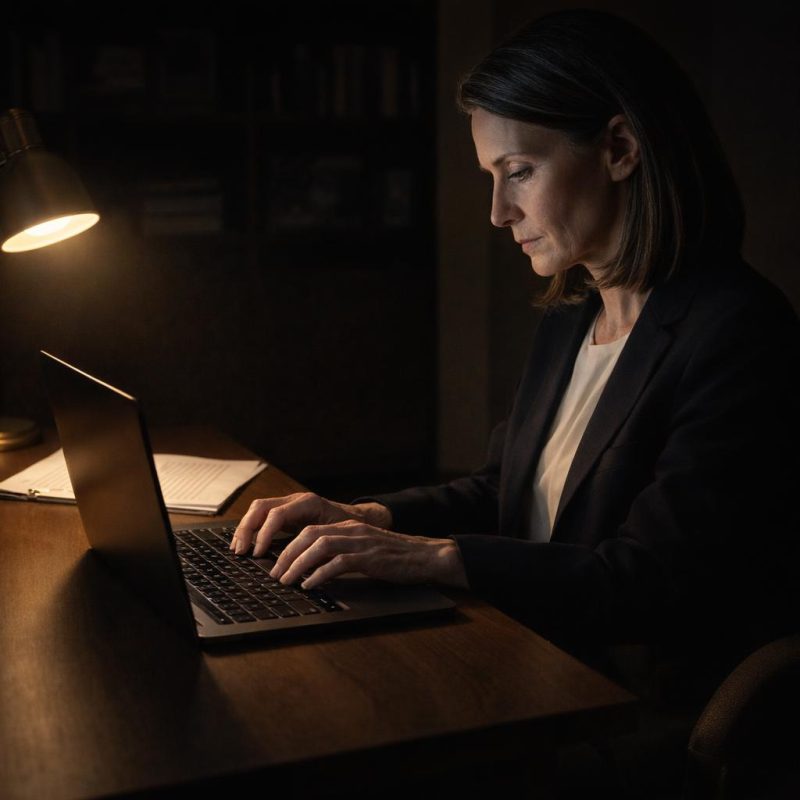 Image by RM AI
Legacy Server Passwords
I was cross-referencing one of the email threads against my notes when something else surfaced — not from the documents in front of me, but from the back of my mind, the part that stores things you stopped thinking about because they stopped being urgent. The legacy servers. I'd been the one to set up the access protocols on those systems back when the firm was still running its regional data on infrastructure that predated the current IT department by a decade. Three of us had held the master credentials: me, a man named Gerald who'd retired four years ago, and a woman named Patrice who'd left the year after that. I was the only one still here. I remembered, almost as an afterthought, that Brianna had put in two separate requests to IT for access to the legacy archive data — once in her first month, once about six weeks later. IT had told her the same thing both times: the passwords couldn't be reset without corrupting the archived files, and the only person with working credentials was still on staff. I pulled up my credentials file and opened it. Every system, every access code, twenty-five years of institutional keys — and my name was the only one left on all of them.
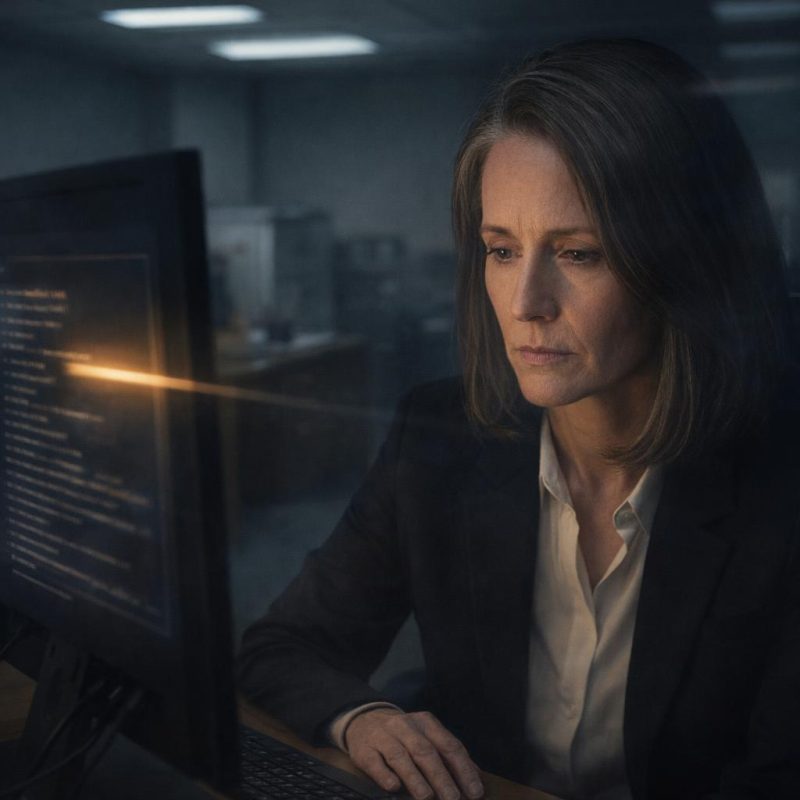 Image by RM AI
Compliance Errors from Five Years Ago
I stayed at my desk later than usual that night and opened the archived files from five years back — the ones stored in a folder I hadn't touched since I'd closed out the audit. The regional contract compliance review from that period had been one of the most stressful stretches of my career. We'd come within a few procedural steps of a significant violation, the kind that carries financial penalties and triggers mandatory reporting to the regional oversight body. I'd been the one to catch it. I remembered the specific corrections I'd implemented: a revised approval chain, a documentation protocol that hadn't existed before, a reporting timeline I'd rebuilt from scratch to bring us back into alignment. None of that history lived anywhere obvious. It wasn't in the employee handbook or the current policy manual. It was in these archived files, and in my memory, and nowhere else. Brianna had joined the firm three years after that audit closed. She would have no reason to know any of it had happened, no reason to know how close things had come, or what had been put in place to make sure they didn't come that close again. I sat with the open folder on my screen, the weight of what I was holding settling over me quietly.
 Image by RM AI
Contract Violations in Modern Processes
I pulled up Brianna's modernized workflow documents the next morning — the ones she'd distributed two months ago as part of her efficiency initiative — and set them side by side with the regional contract requirements I'd pulled from the archive. I wasn't looking for anything specific at first. I was just reading carefully, the way I'd been trained to read contracts twenty years ago, checking language against language. The first problem surfaced in the data retention section. Brianna's new system archived client records on a ninety-day cycle. The regional contract required a minimum of one hundred and eighty days. I noted it, kept reading. The second issue was in the reporting timeline: her updated process pushed the quarterly submission window back by eleven days, which put it outside the contractual deadline by a margin that wouldn't survive an audit. I added that to my notes and kept going, moving through the document section by section. I was almost at the end when I reached the client communication protocols — the new automated response system she'd implemented to replace the manual follow-up process. I read the relevant contract clause twice to make sure I was reading it correctly. Then I found the third violation.
 Image by RM AI
Copying Files from Legacy Systems
I waited until the floor was empty. The last person out was one of the junior analysts, who left just after six-thirty without looking up from his phone. I gave it another twenty minutes, then logged into the legacy server using my credentials. I'd brought a small encrypted external drive from home — the kind I used for personal backups, nothing remarkable about it. I started with the compliance archive from the regional audit, copying the full folder structure: the original findings, the correction documentation, the revised protocols, the sign-off chain. Then I moved to the historical contract files, pulling the versions that predated Brianna's tenure, the ones that showed what the firm had agreed to before anyone started modernizing the workflows. I worked methodically, folder by folder, not rushing. The office was quiet except for the ventilation system and the occasional sound of the elevator down the hall. When I'd copied everything I needed, I logged out, cleared my session history, and sat for a moment in the dark of my own monitor. The progress bar on the final archive transfer had reached one hundred percent.
 Image by RM AI
Documenting Procedural Mistakes
Over the following week I built a spreadsheet. I gave each row a date, a policy reference, and a plain-language description of the error. The three contract violations from Brianna's workflow documents went in first, each one cross-referenced against the specific clause it breached. Then I added the skipped approval steps I'd noticed in the new intake process — four instances where sign-off from a senior account lead had been bypassed entirely, which our internal policy manual required without exception. I included the reporting timeline discrepancy, the data retention gap, and two instances where client communication had gone out without the compliance review that the original protocols mandated. I was precise about it. Every entry had a source document, a policy number, and a date. Nothing in the spreadsheet was an opinion. I worked on it in the evenings, on my personal laptop, saving the file with the same encryption I'd used for the external drive. By the end of the week, I had seventeen rows, each one complete, each one specific, the columns aligned and the references checked twice.
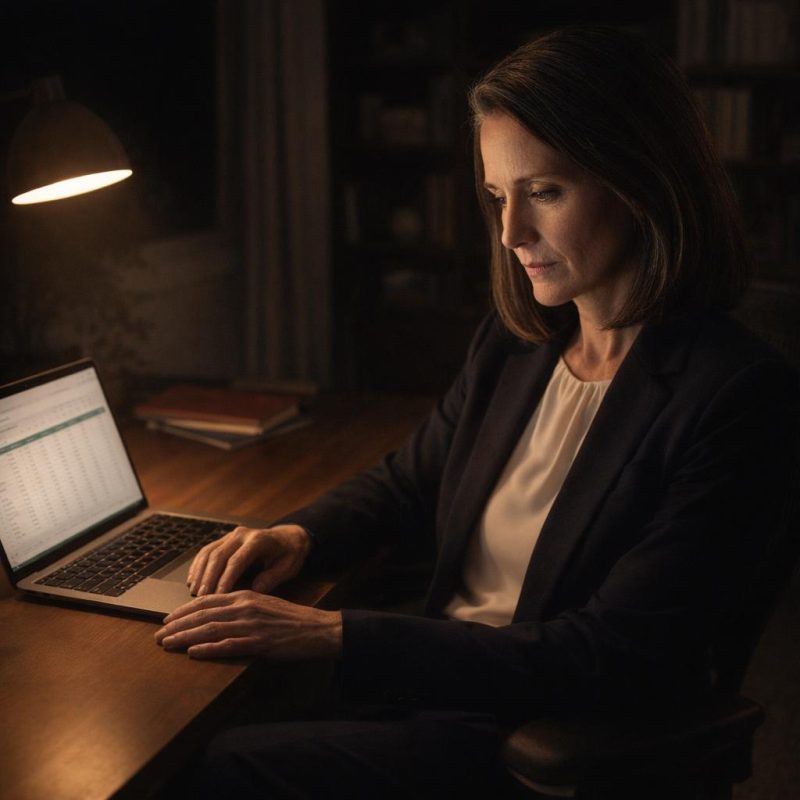 Image by RM AI
Reading Up on Age Discrimination
After I finished the spreadsheet, I started reading. I mean really reading — not skimming HR summaries or half-remembering things I'd heard in passing, but sitting down at my kitchen table with employment law databases pulled up on my laptop and working through them the way I used to work through compliance manuals. I found the ADEA first, the Age Discrimination in Employment Act, and read through the protected class provisions for workers over forty. Then I moved into case law. There were more examples than I expected — older female employees cited for vague appearance concerns, dress code policies applied selectively by age, performance improvement plans issued after years of clean reviews. Some of them were so specific they made me set my coffee down. One involved a woman in her late fifties, twenty-three years with the same company, whose manager had documented her wardrobe choices over a period of months before issuing a corrective action plan. The court found the appearance criticism had functioned as a proxy for age-based targeting. I bookmarked it. I bookmarked six others. But that one I kept coming back to, reading the summary again in the quiet of my kitchen, the details sitting against my own timeline with an uncomfortable weight.
 Image by RM AI
The Unexpected Performance Review
The email came on a Tuesday afternoon, and I almost missed it because I was deep in a client file. The subject line read: Performance Review — Scheduled. I opened it and read it twice. Brianna had scheduled a formal review for Friday — three days away. My last review had been six weeks ago. I sat back in my chair and tried to think through whether I'd missed something, whether there was a standard process I'd forgotten about. There wasn't. Our reviews ran quarterly, sometimes semi-annually for senior staff, and they came with at least two weeks' notice so you could prepare documentation. Three days was not standard. I checked the calendar and found the invite had already been added without my acceptance — it was just there, a block on Friday at two o'clock, Brianna and Carol from HR listed as attendees. Carol's presence alone told me this wasn't routine. I spent the rest of that afternoon pulling together every project summary, every client outcome report, every metric I could find from the past year. I wasn't sure exactly what I was preparing for, but I knew I needed to walk in with something solid in my hands. The calendar block sat there on my screen, three days away, already decided.
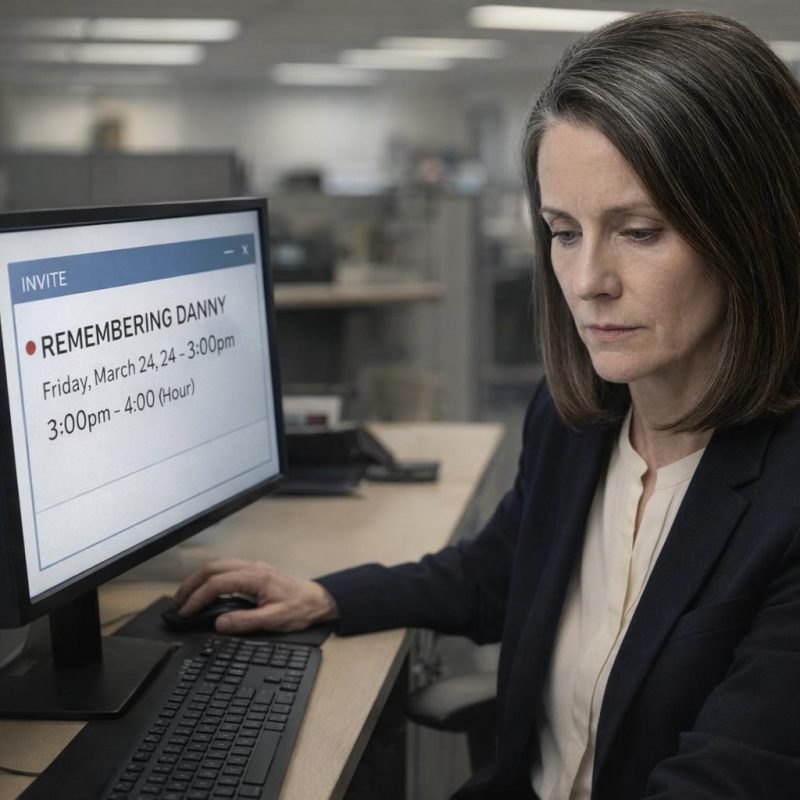 Image by RM AI
Presentation Over Performance
I walked into the conference room on Friday with a folder two inches thick. Carol was already seated at the far end of the table, a legal pad in front of her, pen ready. Brianna came in a minute later, set a single slim folder on the table, and opened the meeting without small talk. She said she wanted to discuss my professional presentation and how it aligned with the department's current standards. I waited for her to move on to performance metrics. She didn't. She talked about wardrobe. She mentioned that colleagues had shared feedback — she didn't name anyone — about my overall image and whether it reflected the department's direction. I pushed back. I opened my folder and started walking her through the Harmon account renewal, the compliance audit I'd led in March, the client satisfaction scores from the second quarter. She listened, nodded once, and said my work output was adequate. Then she returned to presentation. She said the department needed to project a certain image, that standards had evolved, that she wanted to see alignment. Carol wrote steadily the entire time and said nothing. My documentation sat open on the table, untouched by anyone but me. Then Brianna folded her hands and said she thought a formal improvement plan might be the appropriate next step — and those words landed in the room like something that had already been decided before I walked in.
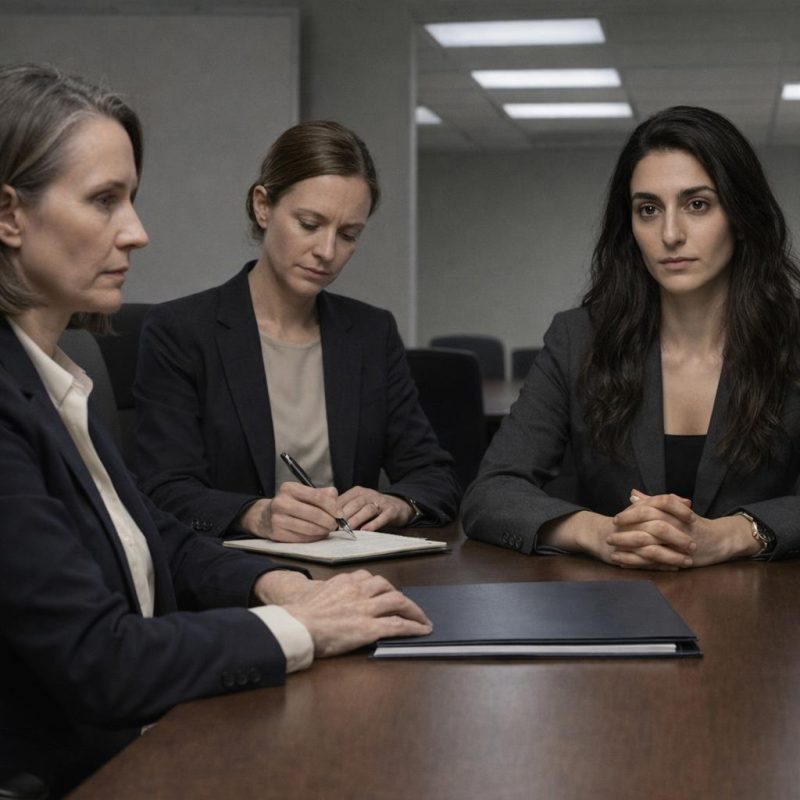 Image by RM AI
Defending Twenty-Five Years
I didn't let that land without a response. I closed my folder, set my hands flat on the table, and started talking. I told them I had been with this company for twenty-five years. I walked through the database overhaul I'd led three years ago — the one that had taken fourteen months and saved the department an estimated four hundred thousand dollars in redundant processing costs. I mentioned the onboarding curriculum I'd built from scratch, the one that was still being used to train new account staff. I talked about navigating three CEO transitions without a single lapse in client continuity. I cited my attendance record, my client retention numbers, my compliance scores. I said I had never once received a corrective action in twenty-five years, and I asked, directly, how presentation standards could outweigh a record like that. When I finished, the room was quiet. Brianna looked at Carol. Carol looked down at her notepad. Neither of them said anything for a long moment — just the sound of Carol's pen resting against the table and the hum of the building's ventilation system filling the space where an answer should have been.
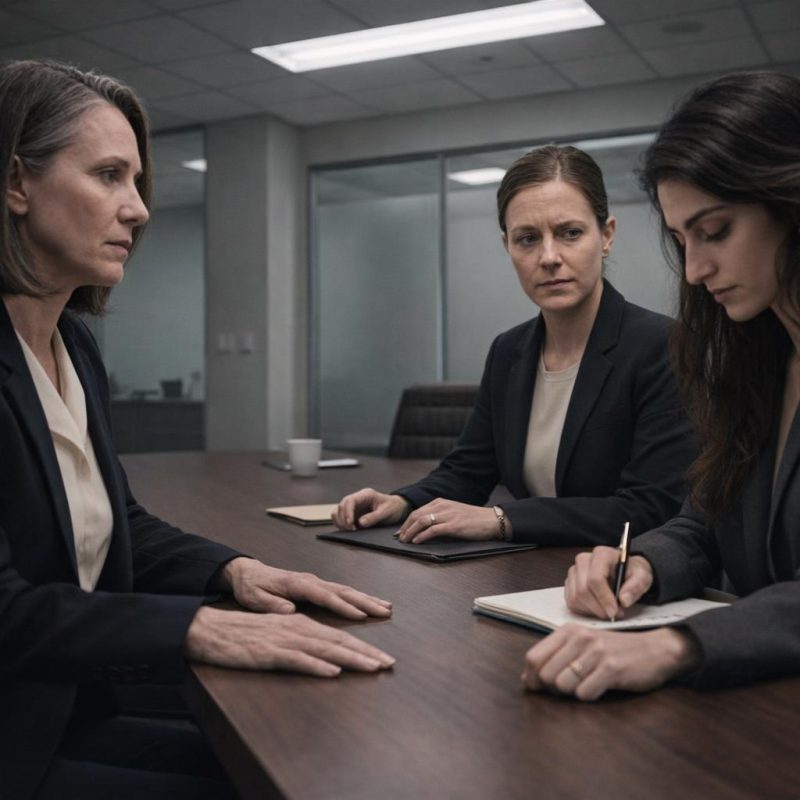 Image by RM AI
The Improvement Plan
Brianna reached into her slim folder and slid a printed document across the table toward me. The header at the top read Performance Improvement Plan in bold. I picked it up and started reading. Section one was titled Professional Attire Standards. Section two was Modern Presentation Expectations. Section three was Image Alignment with Department Brand. I turned the page looking for the section on work quality, on output metrics, on client performance. There wasn't one. Not a single line about the work I actually did. Carol signed her name at the bottom of the second page while I was still reading, her pen moving quickly, efficiently, like this was routine paperwork. I kept scanning, trying to find something — anything — that referenced the job itself. The language was careful and formal and said almost nothing concrete, just phrases like consistent professional image and alignment with contemporary standards. I turned to the last page, and that's when I saw the timeline printed at the bottom: sixty days.
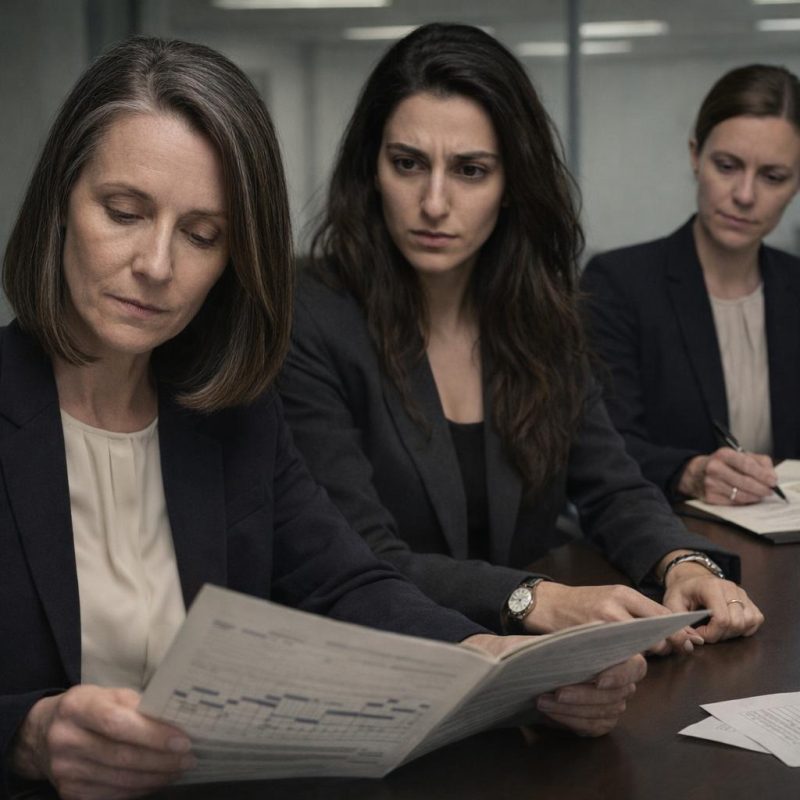 Image by RM AI
Sixty Days to Improve Presentation
I went back to my office and closed the door. I sat down and read the improvement plan again, slowly this time, start to finish. The wardrobe section required a complete replacement of what it called non-contemporary professional attire — my navy slacks, my cream blouses, my black flats, all of it apparently falling outside acceptable standards. There was a requirement to schedule a consultation with an approved personal shopper, someone Brianna's office would designate. There was a mandatory professional image workshop, two full days, scheduled on dates that hadn't been provided yet. And there were weekly check-ins with Brianna herself to assess presentation progress. I got out a notepad and started estimating costs. A full wardrobe replacement, even modest, was several thousand dollars. The personal shopper consultation had no listed fee cap. I looked at the language around the weekly check-ins — subjective assessments, no defined criteria for what passing looked like, no objective benchmark anywhere in the document. There was nothing to measure against, nothing to achieve, no finish line I could actually reach. I set the plan down on my desk and sat with that for a while, the weight of it settling somewhere deep and quiet.
 Image by RM AI
Filing the HR Complaint
That evening I opened the HR complaint portal on my work laptop. I had been thinking about it since Friday, turning the decision over, and I was done turning it over. I started typing. I documented the personal shopper suggestion from Brianna's first one-on-one, including the date and the exact phrasing I remembered. I wrote up the practical shoes comment, noted the date, listed David as a potential witness. I included the department standards email with its timestamp. I described the team lunch I hadn't been invited to. I laid out the improvement plan in detail — every section, the absence of any work quality criteria, the sixty-day timeline, the subjective check-in structure. I used the phrase age discrimination explicitly, twice, and I cited the ADEA. I attached my incident log as a supporting document. When I had gone through everything and checked it twice, I moved my cursor to the submit button and clicked it. A confirmation number appeared on the screen. I wrote it down on a notepad and underlined it. I sat back in my chair, and for the first time in weeks, something in my chest felt a little less compressed — not resolved, not safe, but lighter, like I had finally set something down that I'd been carrying alone for too long.
 Image by RM AI
Carol Takes the Statement
Carol called me the following Monday morning and asked if I could come to conference room B at two o'clock. I said yes and spent the rest of the morning going over my incident log one more time. When I walked in, Carol was already there with my printed complaint in front of her and a fresh legal pad beside it. She thanked me for coming and said she wanted to go through each item in detail. So I did. I walked her through the personal shopper suggestion, the shoes comment, the lunch exclusion, the improvement plan with its appearance-only criteria. She asked clarifying questions — dates, exact wording, whether anyone else had been present. I answered everything as precisely as I could. She wrote steadily and kept her expression even throughout, the same careful neutral she'd worn in the review meeting. At one point she asked whether I had documented the incidents contemporaneously, and I told her yes, I had a timestamped log. She noted that. When I finished, she thanked me again for being thorough and said the department would follow its standard process. Then she closed her notebook, capped her pen, and set it on top, and I had no way of reading anything in that gesture at all.
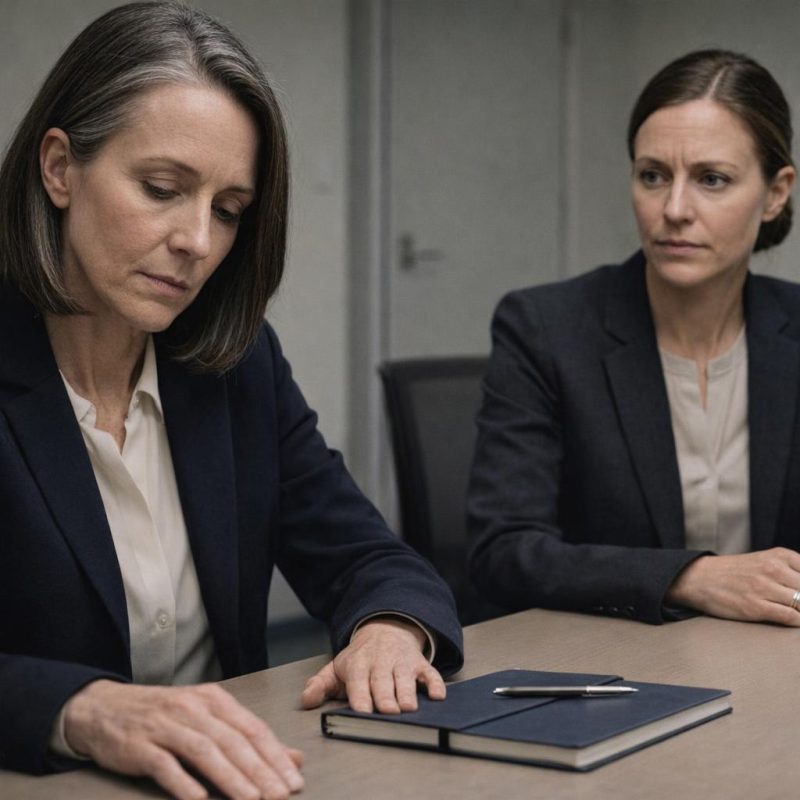 Image by RM AI
The Investigation Stalls
I checked my email the morning after the meeting, then again at lunch, then again before I left for the day. The first week passed like that — refresh, nothing, close the tab, try to focus on actual work. I sent Carol a follow-up on Thursday of the second week, keeping it brief and professional, just asking if there was a timeline I should be aware of. She wrote back within the hour, a single sentence: the review was ongoing and she would be in touch. That was it. I watched Brianna move through the office that same week — running her Tuesday stand-up, laughing with the marketing team in the hallway, presenting slides in the all-hands like nothing had been filed, nothing had been said. Nobody pulled her aside. Nobody interviewed me. No one from HR stopped by my desk with a follow-up question. I kept my incident log updated anyway, adding dates and observations out of habit more than hope. By the time the third week started, I had stopped refreshing my inbox every hour. The silence from HR had stretched long enough that I'd stopped expecting it to break.
 Image by RM AI
David Shares Similar Stories
David caught me in the break room on a Wednesday, about twenty minutes into the lunch hour when most people had cleared out. He glanced toward the hallway before he said anything, which told me he'd thought about this before approaching. He said he'd heard I'd filed something with HR, and he wasn't asking me to confirm it — he just wanted me to know I wasn't the only one who'd had a rough time since Brianna came on. He kept his voice low. He said he'd heard things, from people who were no longer here, and from a couple who still were. Appearance stuff, he said. Comments about looking the part. He mentioned that most people hadn't said anything formally because they were worried about what it would cost them. He didn't give me names. I didn't ask. He said he thought the pattern went further back than my situation, maybe further than either of us knew, and that he'd wanted me to hear that before I started thinking this was just about me. I thanked him and he nodded and poured his coffee and left. I stood there for a moment after he was gone, holding my mug, sitting with the quiet weight of knowing I hadn't imagined any of it.
 Image by RM AI
Three Departures in One Year
I started pulling records on a Friday afternoon when the floor was mostly empty. I had legitimate access to the employee directory archives through my project coordination role, so I wasn't doing anything I wasn't supposed to — I just hadn't thought to look before. I searched departures from our division over the past twelve months. Margaret Chen came up first. Fifty-seven years old, twenty-one years with the company, left eight months ago. I remembered her vaguely — she'd been in the client services group. Then Robert Kowalski, fifty-five, gone six months back, operations side. Then Patricia Vance, sixty-two, thirty years in, out four months ago. All three long-tenured. All three on the older end of the department. I cross-referenced their last known assignments against Brianna's consulting footprint in the org chart, the departments she'd touched since her hire date. The overlap wasn't nothing. I told myself it could be coincidence — people retire, people move on, the timing might mean nothing at all. I opened Patricia Vance's file to check her exit date more carefully, and the date on the screen stopped me cold.
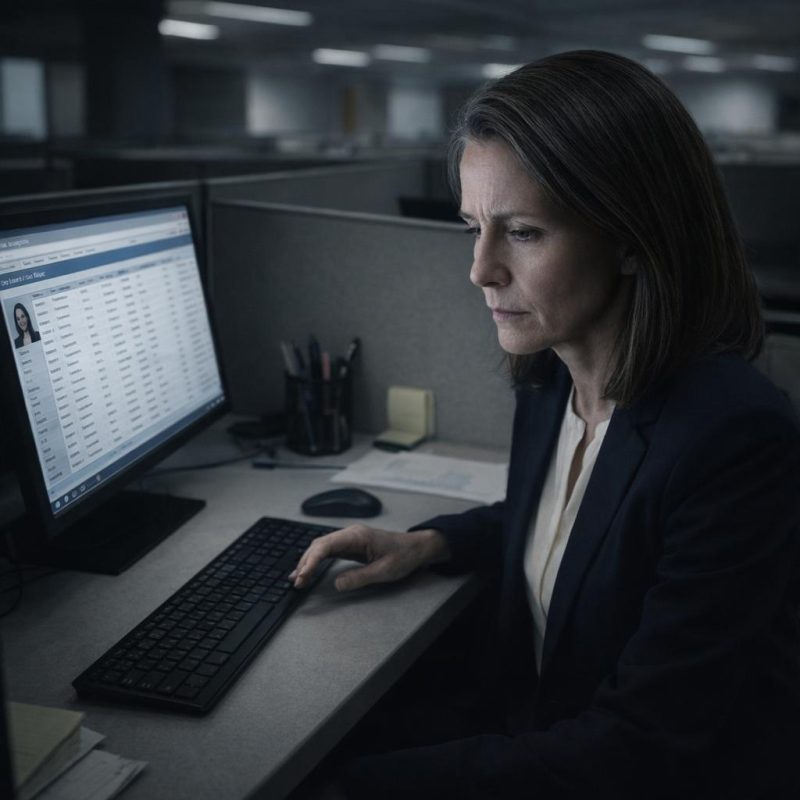 Image by RM AI
Similar Appearance-Based Complaints
I pulled all three exit interview files and set them side by side on my screen. Margaret Chen's documentation was first. The notes from her exit summary mentioned concerns about professional presentation and whether her image aligned with the department's direction. I read it twice, then opened Robert Kowalski's file. His summary cited outdated appearance as a factor in his performance review, with language about not meeting current professional standards. Patricia Vance's file was last. The notes referenced image alignment issues and a need for modernization of personal presentation. I sat back and read all three again, slowly this time. The phrasing wasn't just similar — in places it was nearly word for word. Professional presentation. Image alignment. Modernization. Those words were familiar to me. I had seen the same phrases in my own improvement plan, the one Brianna had handed me with that practiced, even expression. I couldn't say what it meant yet. Maybe the exit interview forms used standard language, maybe HR had a template. I kept telling myself that. But the sameness of it stayed with me, and I sat at my desk long after I should have logged off.
 Image by RM AI
Brianna Managed Two Departures
I went back into the organizational charts the following Monday, tracing the reporting lines for all three employees during their final months. Robert Kowalski had been in a separate division — his chain of command ran through a different director entirely, and Brianna's name didn't appear in his direct structure. But Margaret Chen had reported to Brianna for four months before her departure. And Patricia Vance had been in Brianna's department for three months before she left. I pulled up the improvement plan files for both of them. Margaret's plan was dated seven weeks before her exit. Patricia's was dated six weeks before hers. I scrolled to the signature lines on both documents, and there was Brianna's name, signed on Margaret Chen's plan and on Patricia Vance's plan.
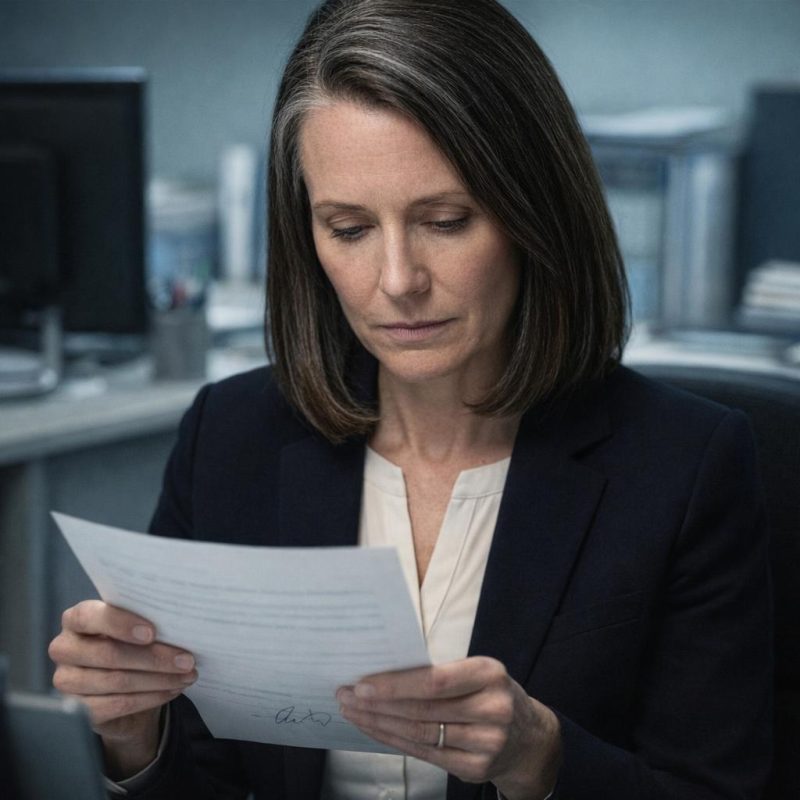 Image by RM AI
Cost Savings Pattern
I spent the better part of a Tuesday evening pulling salary band data from the HR database, the kind of aggregate compensation information I had access to through my project role. I looked up the brackets for all three departed employees. Margaret Chen had been at the top of her pay grade, twenty-plus years of annual increases stacked up. Patricia Vance had twenty-three years of raises behind her and was drawing near the ceiling of her band. Robert Kowalski had been close to retirement, carrying maximum benefits and the kind of tenure-based accruals that don't come cheap. I added the numbers carefully — base compensation, benefits load, retirement contributions. Then I added them again because I wanted to be sure. I wasn't an accountant, and these were estimates, not exact figures. But even with conservative rounding, the combined annual cost of those three positions came out well above two hundred thousand dollars. I sat back from the screen. I didn't know what to make of it. Maybe the departures were unrelated and the savings were incidental. The spreadsheet showed two hundred thousand in annual savings, and I didn't have an explanation for that number.
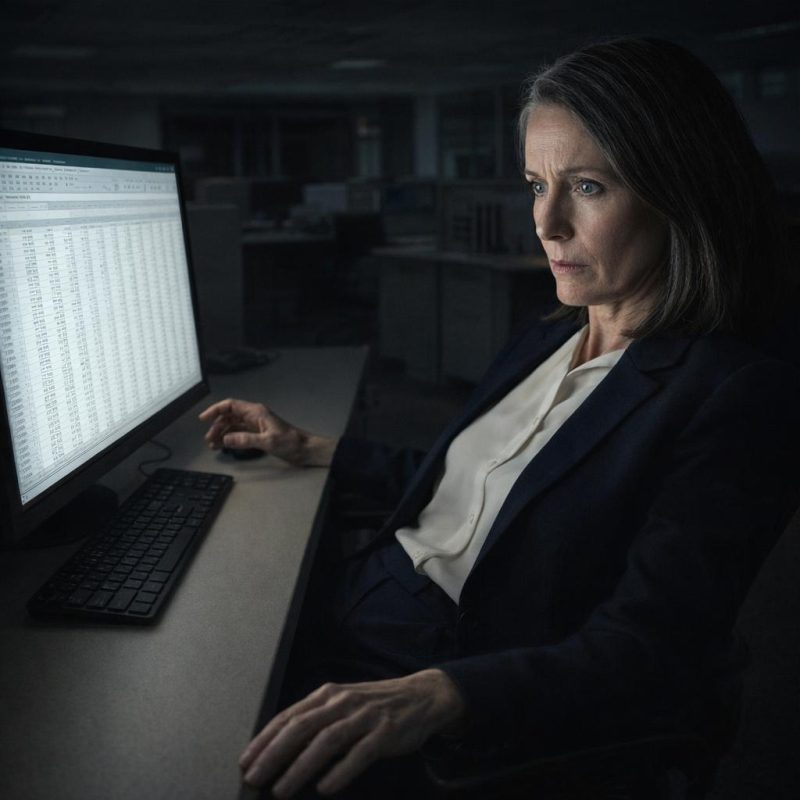 Image by RM AI
The Staffing Optimization Memo
I started searching the archived management communications folder on a Wednesday night, using the access I had from a cross-departmental initiative I'd been looped into two years earlier. I tried keywords — efficiency, restructuring, optimization — and worked through the results slowly. Most of it was routine: budget cycle reminders, facilities updates, the usual noise. Then I found it, buried about forty results in. The subject line read Staffing Optimization Initiative, sent from a corporate headquarters address. The body of the memo was dense with the kind of language that doesn't say much directly — improving cost structures, aligning compensation with current market benchmarks, workforce modernization, natural attrition as a preferred transition method. It was vague enough that I might have scrolled past it on another day. But I didn't scroll past it. I checked the date at the top of the memo, then opened a separate tab and pulled up Brianna's hire record to confirm what I thought I remembered. The memo's date and the week Brianna's employment began sat side by side on my screen.
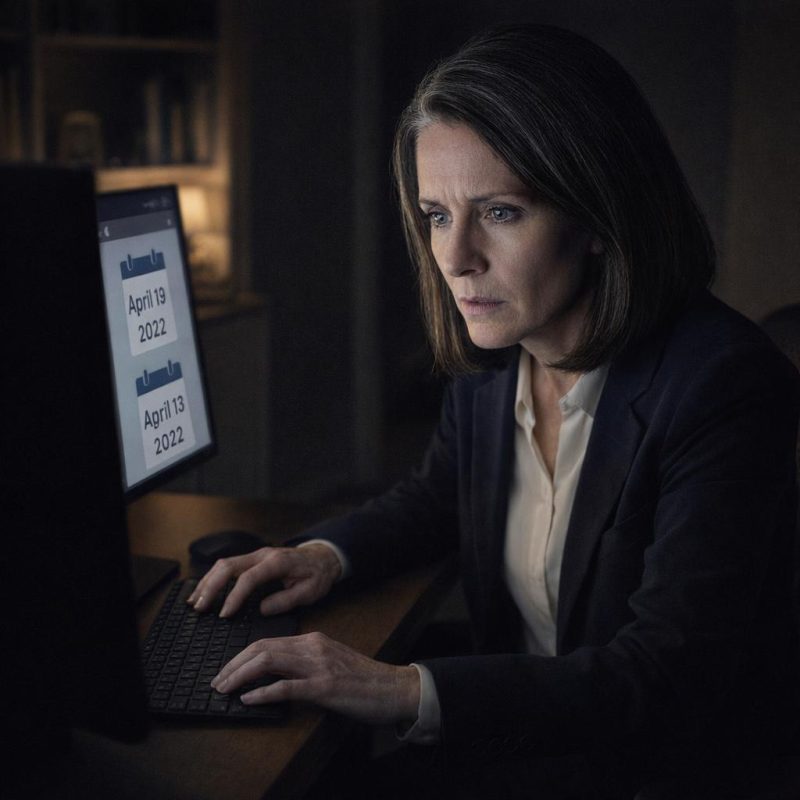 Image by RM AI
Tenure-Based Compensation Targets
I read the memo again from the beginning, more carefully this time, going line by line instead of skimming. Most of it was the same vague corporate language I'd noticed the first time. But about two-thirds of the way through, there was a section I'd moved past too quickly. It was labeled Compensation Structure Analysis, and it was more specific than the rest. It identified what it called high-tenure employees as a primary area for cost review. It described natural attrition as the preferred approach and listed performance management as a supporting tool for cases where attrition was not occurring organically. There was a phrase about culture fit and modernization. I sat back and thought about my twenty-five years here, about the raises I'd accumulated, about the benefits package that had grown over time. I thought about Margaret, Robert, and Patricia. I thought about the improvement plan sitting in my HR file. Then I looked back at the screen and read the phrase high-tenure cost centers a second time, and then a third.
 Image by RM AI
The Timing of Brianna's Arrival
I pulled up the HR system and navigated to Brianna's employee profile. I wasn't sure what I was looking for exactly — just a date, just a number. Her official hire date loaded on the screen: September 15th. I wrote it down on the notepad beside my keyboard. Then I went back to the staffing optimization memo and checked the header timestamp. September 12th. Three days before her first day. I sat with that for a moment, then opened the job posting archive and searched for her position title. The posting had gone live on September 12th — the same day as the memo. I checked it twice. The same day. I leaned back in my chair and looked at the ceiling for a moment, trying to slow my breathing down. Maybe it was coincidence. Companies restructure and hire simultaneously all the time. I told myself that. I almost believed it. But the precision of it — three days from memo to hire, zero gap between posting and policy — sat in my chest like something I couldn't swallow back down. I turned off my monitor and sat in the quiet of my office, and the numbers stayed with me long after the screen went dark.
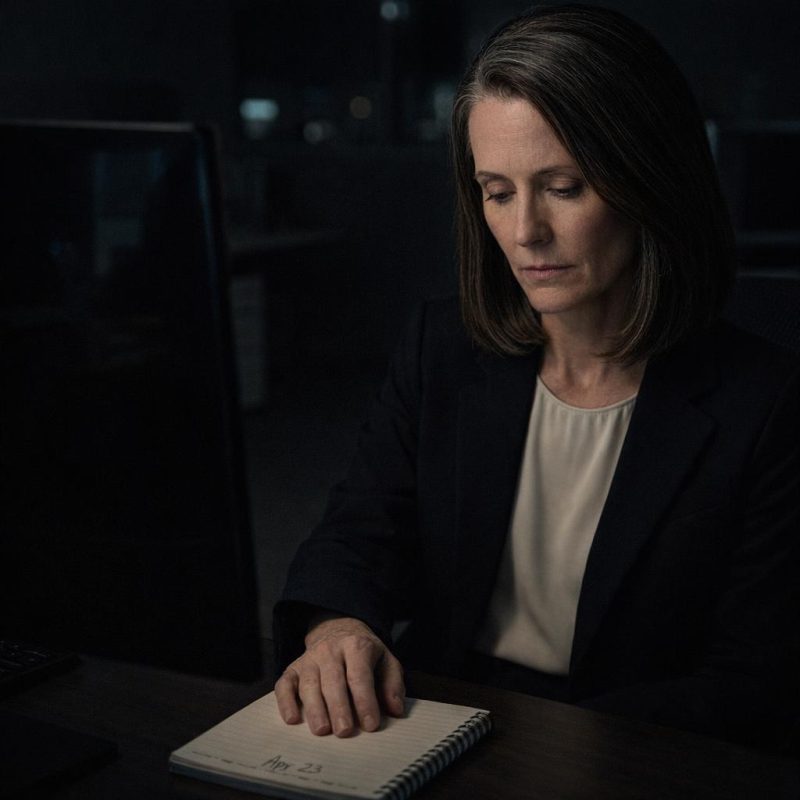 Image by RM AI
Exit Interview Patterns
I printed all three exit interview summaries and laid them side by side on my desk. Margaret's. Robert's. Patricia's. I read through each one slowly, highlighter in hand, and by the second page of Margaret's file I had already circled the phrase professional presentation standards. I found it again in Robert's file, same wording, same context. Patricia's used it too — not a paraphrase, not a near-match, but the exact same string of words. I kept going. Image alignment with department culture appeared in all three. Modern workplace expectations showed up in identical sentences. I set the highlighter down and pulled out my own improvement plan. I went line by line. Professional presentation standards. Image alignment with department culture. Modern workplace expectations. Every phrase I had circled in their files was sitting right there in my document. Not similar. Not inspired by. Identical. Someone had written this language once and used it over and over, dropping the same words into different people's files like filling in blanks on a form. I didn't know who had written the original. I didn't know when. But I sat there at my desk with four highlighted documents spread in front of me, and the sameness of those words just kept echoing.
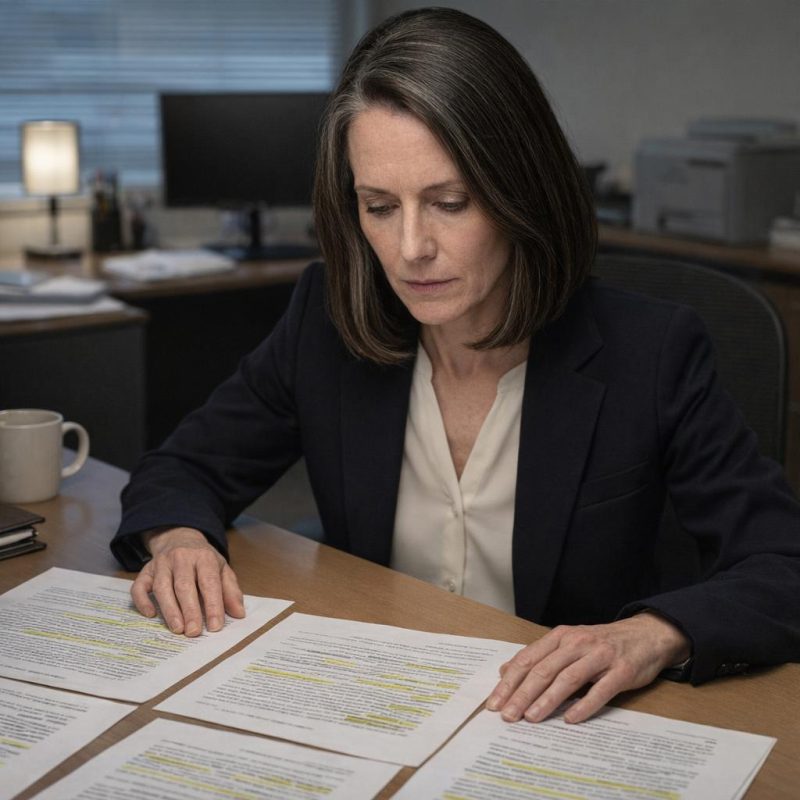 Image by RM AI
The Corporate Strategy Document
I went back into the archived executive folders and searched more carefully this time, sorting by date instead of name. Most of the files were routine — budget reviews, quarterly summaries, org charts. Then I found one labeled Workforce Optimization Strategy. It was marked confidential and dated last August, a full month before the staffing memo. I opened it and started reading the executive summary. The language was clinical and precise. It discussed reducing long-term compensation costs. It identified employees with over twenty years of tenure as the primary area for review. It recommended performance management as the main tool, and it listed culture fit and presentation standards as the preferred documentation methods. I had to stop and reread that sentence twice. Presentation standards. The same phrase. I scrolled slowly, reading each section header as I went — Cost Projection Analysis, Departmental Rollout Timeline, Risk Mitigation Framework. My hands had gone very still on the keyboard. Near the bottom of the document was a heading I hadn't reached yet: Implementation Through Management Partners.
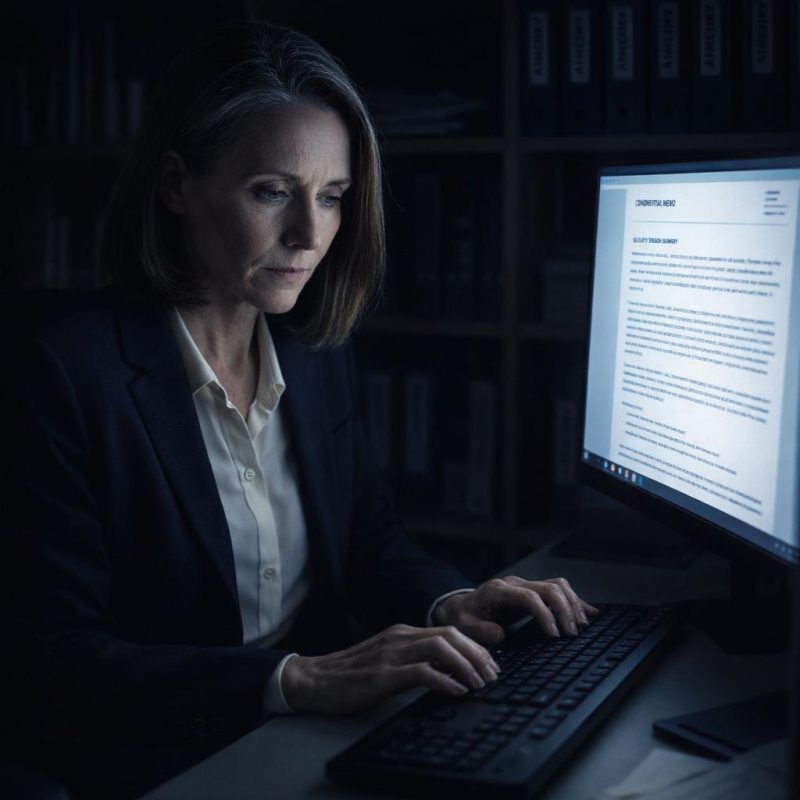 Image by RM AI
Preparing the Evidence Package
I didn't open that section yet. I closed the document, sat back, and made myself breathe for a full minute. Then I opened my encrypted drive and created a new folder. I worked methodically, the way I always do when something needs to be done right. I copied the staffing optimization memo into the folder. I added the workforce strategy document. I pulled in all three exit interview files. I attached my incident log — every date, every comment, every meeting where something had felt wrong. I added my improvement plan with the identical phrases highlighted in yellow. I included the salary analysis I'd run the week before, the one showing what the company would save if my position were eliminated. I added the screenshot of the calendar invite I'd been excluded from. Then I wrote a cover summary, two pages, laying out the timeline and the pattern as clearly as I could. I read it back once. It held together. I saved the folder with full encryption, double-checked the password, and then opened my contacts and pulled up Tom's information — his direct line, his personal email, both of them sitting on my screen.
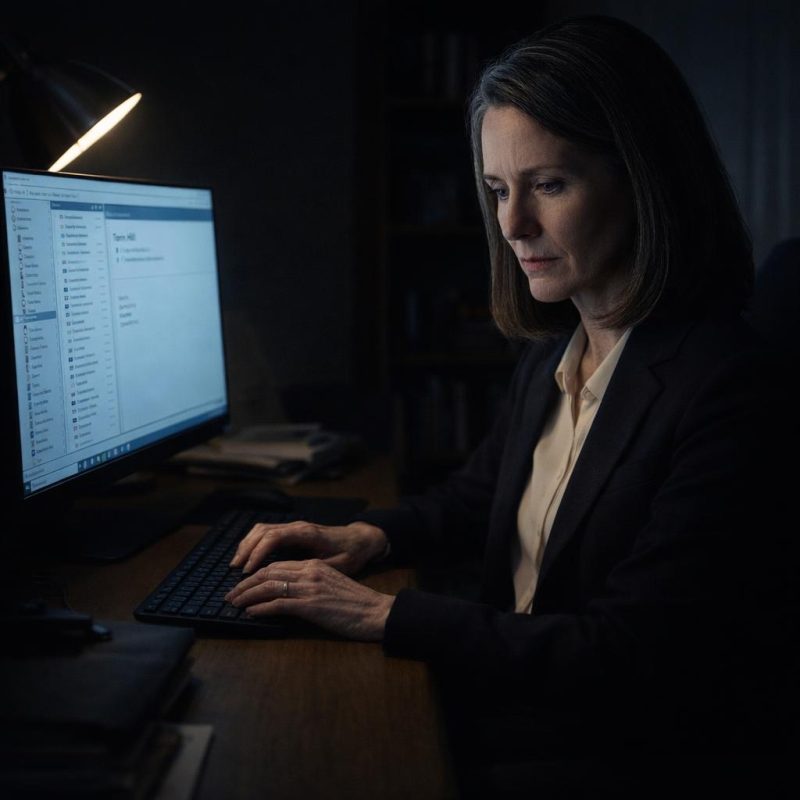 Image by RM AI
The Corporate Plan Revealed
I opened the Implementation Through Management Partners section and started reading. The document was specific in a way that made my hands go cold. It described a program of hiring what it called specialized culture managers — people brought in specifically to modernize department environments and address legacy compensation structures. It listed criteria for selecting these managers. It outlined their objectives. And then, about halfway down the page, it listed names. Brianna Chen was there, assigned to our division, her start date matching exactly what I'd found in the HR system. Her role was described as creating documented performance concerns to support transition planning for high-tenure staff. The document explained that appearance and presentation standards were the recommended focus because they generated subjective but legally reviewable records. It noted that older employees were particularly sensitive to image-based feedback in professional environments. I thought about the personal shopper comment. I thought about the lunch I hadn't been invited to. I thought about the improvement plan sitting in my HR file with its identical, templated language. I kept reading, and there it was, in a bullet point under Documentation Methodology: appearance criticism as primary documentation method.
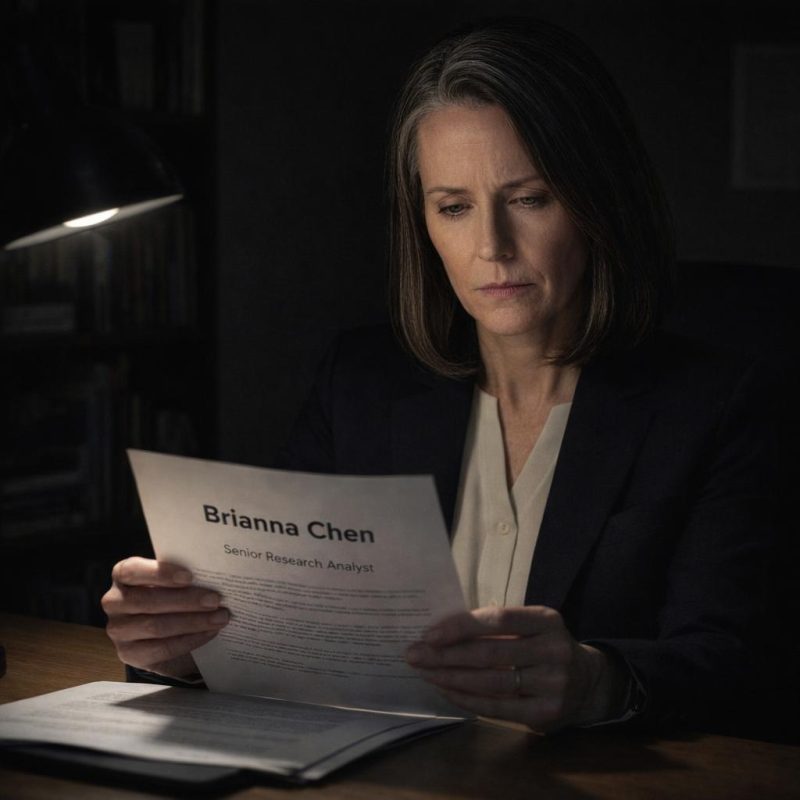 Image by RM AI
Fashion Criticism as Documentation
I went back to the Documentation Methodology section and read it again from the top. The strategy was laid out with a kind of bureaucratic thoroughness that made it worse somehow — not frantic or hidden, just matter-of-fact. It explained that appearance and presentation standards were the preferred documentation focus because they were inherently subjective. That subjectivity, the document noted, made them difficult to challenge through formal grievance processes while still generating a paper trail sufficient for termination review. It recommended starting with verbal feedback, then escalating to written communications, then formalizing concerns in an improvement plan. I thought about the sequence of everything that had happened to me. The comment about my shoes in that first one-on-one. The email about department standards. The improvement plan. Each step had followed the next exactly as the document described. The personal shopper suggestion hadn't been an offhand remark — it had opened the file. Every comment after that had added to it. I had been trying to defend myself against something I thought was personal, something I thought I could address or explain away. I scrolled down one more line and read the phrase that had been sitting underneath all of it the whole time: subjective but defensible performance metrics.
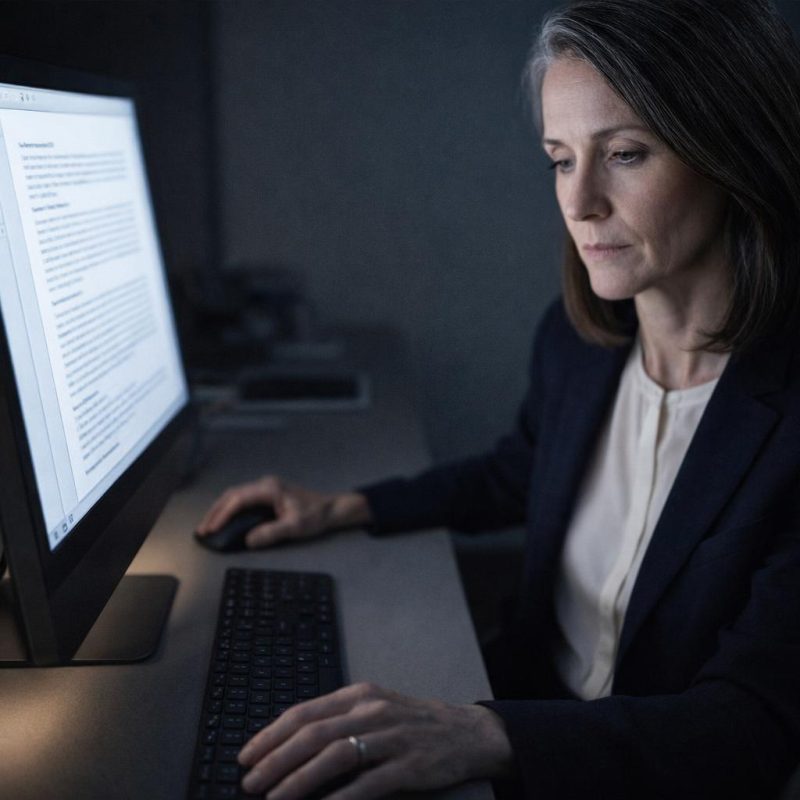 Image by RM AI
The Scope of the Scheme
I scrolled to the section I hadn't reached yet — the full rollout overview. There was a list. Five names, five divisions, five sets of target departments. Brianna was third on the list. The other four were managers I didn't recognize, assigned to divisions across the company — operations, finance, customer services, regional sales. Each one had been hired within the same six-week window. Each one had been given the same mandate. I thought about Margaret, who had left in November saying she just didn't feel like herself at work anymore. I thought about Robert, who had taken early retirement two months after that, and Patricia, who had cried in the break room the week before she submitted her resignation. They hadn't failed. None of them had failed. The document projected cost savings in the millions — compensation reductions, benefit eliminations, pension offsets. Real numbers attached to real people who had given this company decades of their lives and walked out the door believing something was wrong with them. I sat at my desk in the quiet of the late afternoon, the document still open on my screen, and the full weight of what this company had done settled into my bones like something that would not be leaving anytime soon.
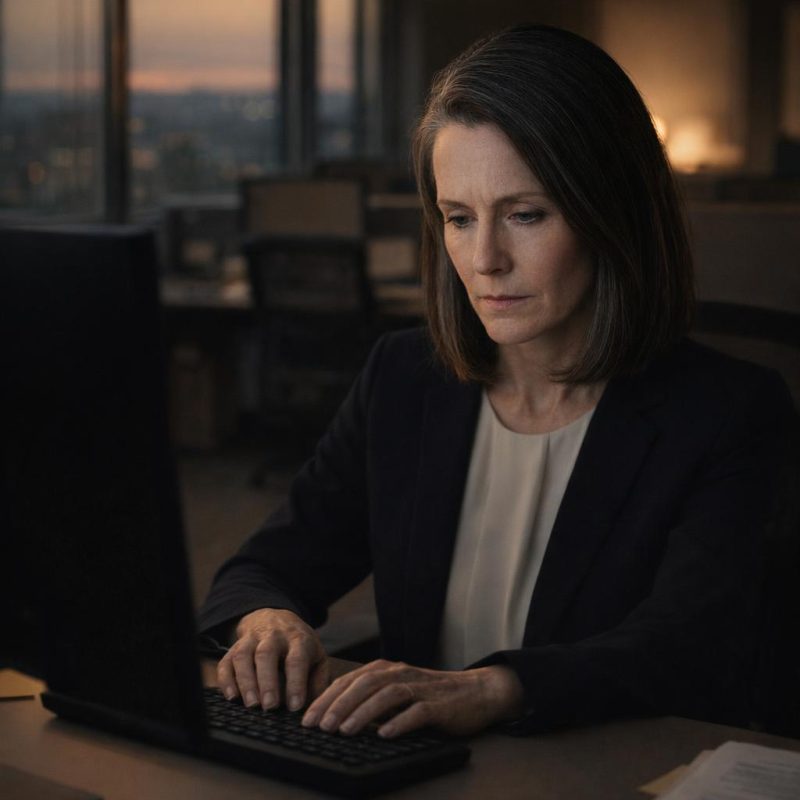 Image by RM AI
Mapping Allies and Evidence
I opened a new document and started writing. Not a complaint, not a letter — a map. I put Tom at the top of the allies column. He had been fair every time our paths had crossed over the years, and he knew what I was capable of. I listed David below him — fifteen years of working side by side, and he had already seen enough of Brianna's behavior to know something was wrong. I added Rita, who had confided in me about her own experience with Brianna's criticism and deserved to know what I now knew. Then I turned to the evidence column and organized everything by category: the corporate documents establishing the scheme, the exit files showing the pattern across three employees, my personal incident log, and the financial analysis showing the cost savings motive. I built a timeline down the left margin — memo date, posting date, hire date, first comment, first email, improvement plan. When I laid it out that way, the coordination was visible at a glance. I had spent months feeling confused, second-guessing myself, wondering if I was being too sensitive or too rigid. Sitting here now with the full picture in front of me, that fog was gone. What was left in its place was something steadier — the particular calm that comes when you finally understand exactly what you are dealing with.
 Image by RM AI
Building the Ironclad Case
I worked through the entire weekend without stopping for much more than coffee. I started with the corporate optimization memo — the one dated the first week of August — and built everything outward from there. Brianna's hire date landed three days later. The first personal shopper comment came in September, right on schedule. I marked every appearance criticism with its exact date, then pulled up the strategy document side by side and drew the lines. The practical shoes comment matched the documentation method outlined in section three. The department-wide email about professional presentation matched the written evidence recommendation on page seven. My improvement plan matched the formalization step almost word for word. I added the exit files for the three employees who had left before me, and the language was identical — the same phrases, the same progression, the same timeline compression. I cross-referenced every single incident against the corporate document until there was nothing left to check. When I reached the final entry and drew the last connecting line, I sat back and looked at what I had built. Every data point aligned. Not mostly. Not approximately. Every single one landed exactly where the strategy said it would.
 Image by RM AI
The Call to Tom
Monday morning I picked up my phone before I even made coffee. I had Tom's direct line — not his assistant's, not the main switchboard — from a conference two years back, and I used it. He picked up on the third ring. I told him who I was, reminded him that I had been part of his onboarding team twenty years ago when he came up through the regional office. He remembered immediately. I told him I had documentation of a serious corporate issue — not a personal grievance, not a complaint about a difficult manager, but evidence of a coordinated scheme with legal implications for the company. He asked if this was connected to the HR complaint he had heard about. I told him it was much bigger than that. I mentioned the workforce optimization strategy, the systematic targeting, the exit files. There was a pause on his end, and when he spoke again his voice had pulled tight and flat. He told me to come to his office the next morning at seven, before anyone else arrived. He said to bring everything I had.
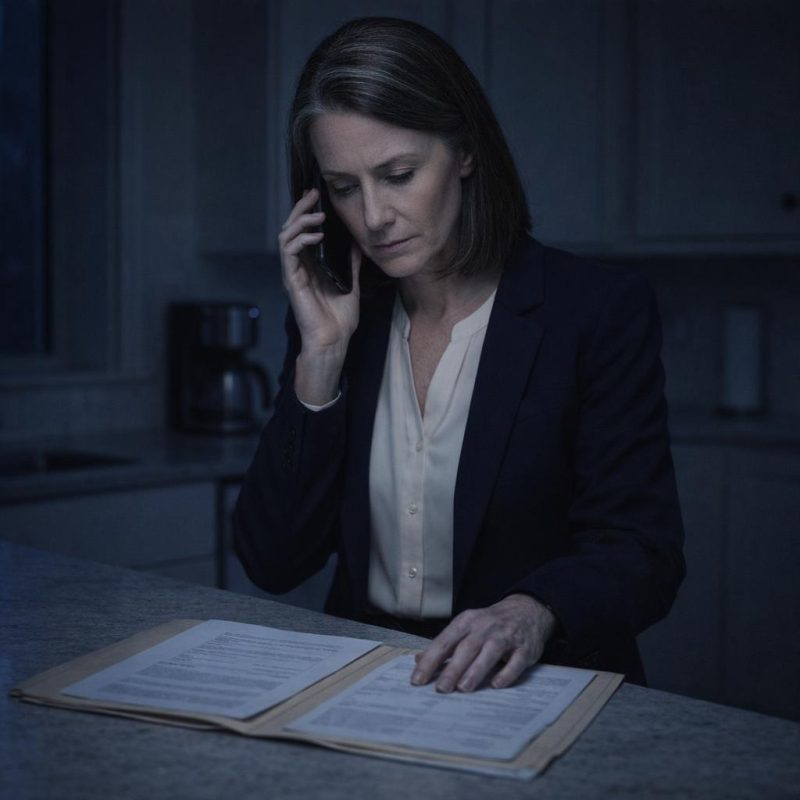 Image by RM AI
Presenting the Evidence
I arrived at Tom's office at six fifty-five. He was already there, two cups of coffee on the table, the blinds angled against the early light. I opened my laptop without small talk and started at the beginning. I showed him the corporate optimization memo first, then the workforce strategy document, then the implementation section — the part with Brianna's name listed as an implementation partner for our division. I watched his jaw tighten as he read it. I showed him the exit files next, three employees, identical language across all three improvement plans. Then I showed him my own. He read every page without interrupting me once. I walked him through the chronological timeline I had built over the weekend, each incident mapped against the corresponding step in the strategy document. The practical shoes comment. The department email. The improvement plan language lifted almost verbatim from the corporate template. By the time I finished, the office had gone completely quiet. Tom sat with both hands flat on the table, looking at the documents spread between us, and neither of us said anything for a long moment. The weight of it filled the room the way only the truth can.
 Image by RM AI
Tom Recognizes the Liability
Tom finally leaned back in his chair and exhaled — a long, slow breath that told me everything before he said a word. He said it plainly: this was a massive legal liability. He said the word systematic twice. He asked how many employees in my division alone had been affected, and when I told him at least three that I could document, he went quiet again and started calculating out loud. Five implementation partners across the company. If each one had run the same playbook, they were looking at dozens of employees pushed out under the same pretense. He said the phrase class action litigation like he was testing the weight of it. He told me the documentation was damning — not concerning, not troubling, but damning. I had spent months being made to feel like I was the problem, like my shoes and my posture and my twenty-five years of institutional knowledge were somehow insufficient. Sitting across from Tom now, watching him absorb the full scope of what had been done, I felt something in my chest finally go quiet. He looked up from the documents and his expression had settled into something I recognized — the particular gravity of a person who understands exactly what they are now responsible for.
 Image by RM AI
Emergency Executive Meeting
Tom had the meeting scheduled by noon. Emergency, senior leadership only, that afternoon at two. He asked me to attend as the primary witness, and Carol from HR was summoned with less than an hour's notice. When I walked into the executive conference room, three senior executives were already seated, including the COO. Tom presented the corporate strategy document without preamble. He put Brianna's name on the screen — implementation partner, our division — and let them read it. He showed the exit files. He showed my improvement plan with the lifted language. I watched Carol's face go pale as the documents moved around the table. The COO asked why HR hadn't flagged any of this. Carol had no answer that held up. I could see her working through it in real time, the realization that the complaints had been processed in isolation when the pattern was sitting right there across multiple files. The executives passed the documents between them without speaking much. Someone asked about legal exposure and nobody rushed to answer. The COO set the last page down and looked at the table. The room held that silence the way a room does when everyone in it has just understood something they cannot unknow.
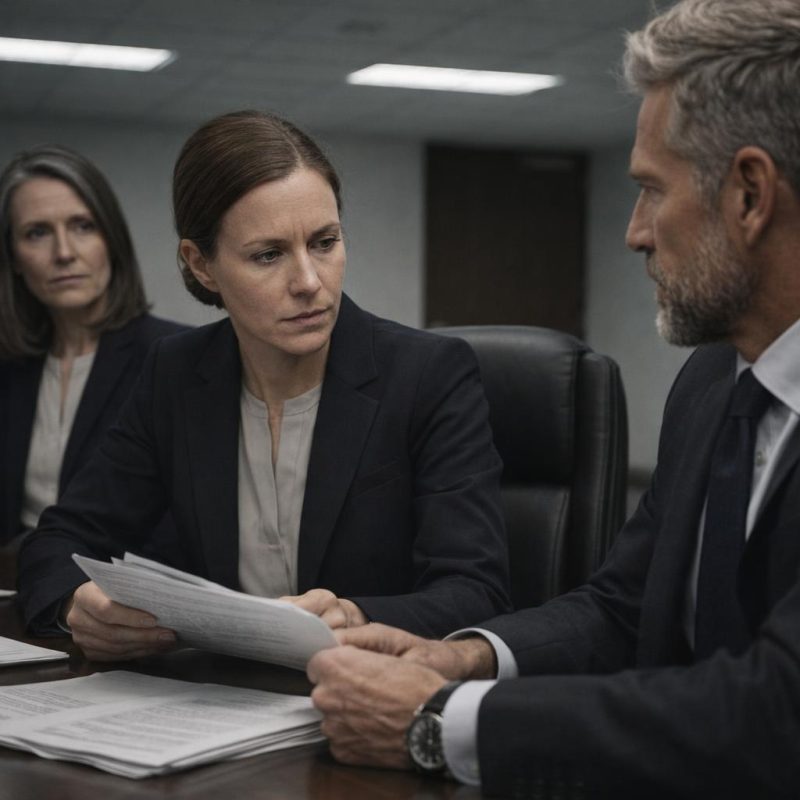 Image by RM AI
Corporate Denials Fail
The COO was the first to speak after the silence broke. He said the workforce optimization strategy had never been formally approved — that it looked like a rogue initiative, something that had moved forward without proper executive sign-off. I let him finish. Then I opened my laptop, pulled up the email chain I had found in the corporate document archive, and turned the screen to face the table. The email was dated last August. The workforce strategy document was attached. The approval thread ran down the page — three executives, sequential sign-offs, each one timestamped. The COO's signature was at the bottom. Tom looked at the screen, then looked at the COO, and asked if there were any other clarifications anyone wanted to offer. Nobody spoke. The COO's face had gone a deep, uneven red. I had spent the better part of a year being told, in one way or another, that I was the problem — that my shoes were wrong, my presentation was wrong, my twenty-five years of careful work were somehow not enough. I had done my homework. I slid the printed copy of the email chain across the table toward the executives, the approval signatures facing up.
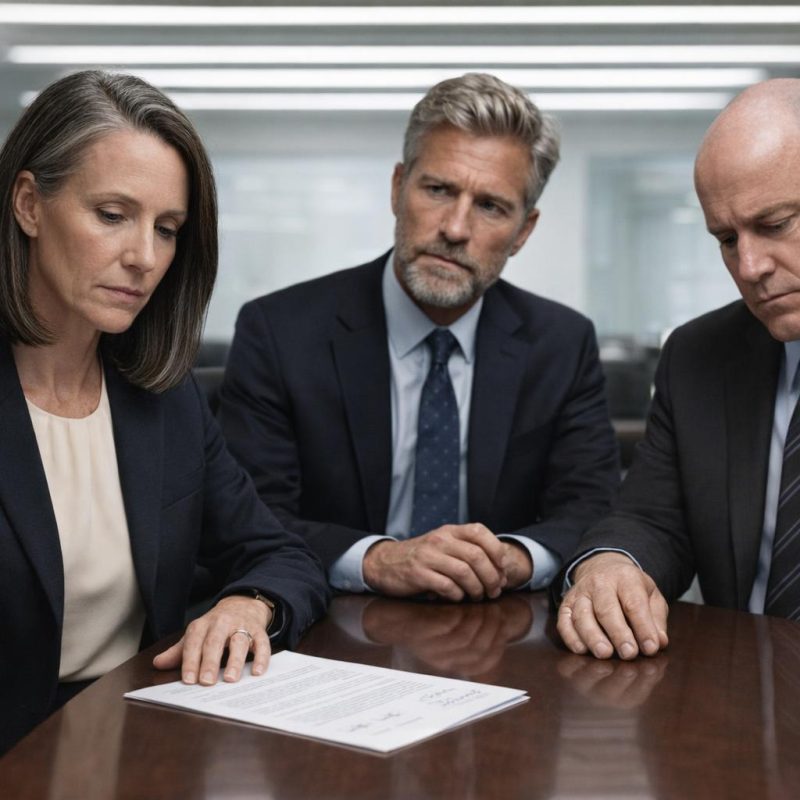 Image by RM AI
Brianna's Employment Under Review
Tom didn't wait for the room to recover. He said Brianna's employment status was under immediate review and that no further action could be taken under her management authority while the investigation was open. The COO nodded without argument. Carol was tasked on the spot with pulling every improvement plan Brianna had issued and cross-referencing each one against the strategy document. Tom said my position was secure, effective immediately, and that the improvement plan against me was suspended pending the full investigation. Carol said she would contact the other affected employees directly. I sat there listening to the room dismantle, piece by piece, the structure that had been built around pushing me out. I had walked into that building for twenty-five years. I had trained the man now sitting at the head of that table. I had documented everything, cross-referenced everything, and carried it all the way to this room. My phone buzzed on the table in front of me. I turned it over. The subject line read: Improvement Plan Suspension — Official Notice.
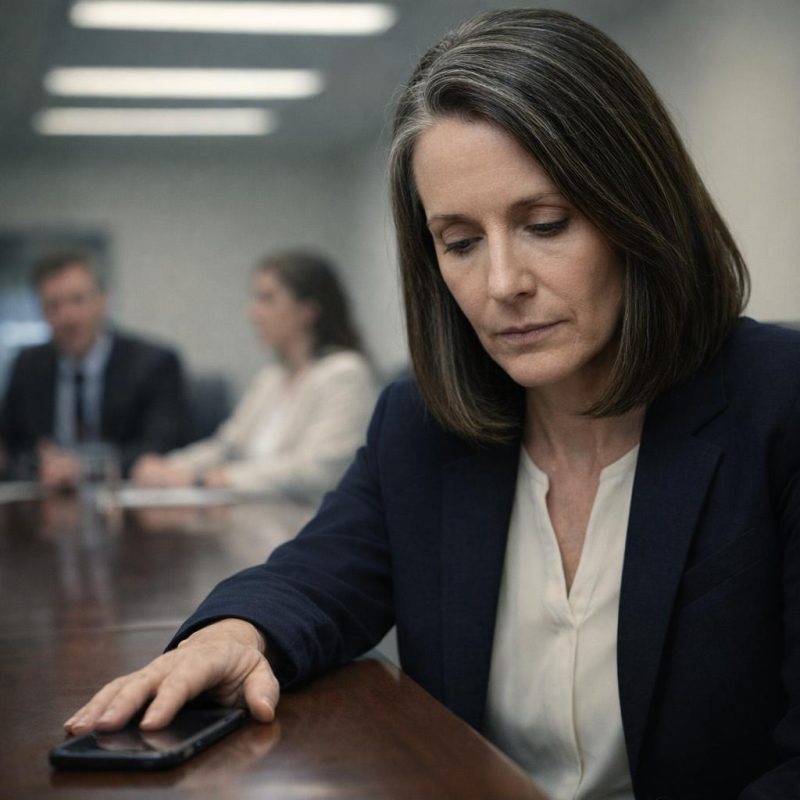 Image by RM AI
Policy Changes Announced
The COO spoke next, and his tone had shifted entirely from the man who had tried to claim ignorance an hour earlier. He announced immediate policy changes — mandatory age discrimination training across all management levels, independent review of every performance management decision involving employees over fifty, and an explicit prohibition on appearance-based criteria in any evaluation. Carol confirmed that the company would reach out to every employee who had left the division in the past year and offer settlement discussions for potential claims. Tom pushed for an external audit of HR practices, and the COO agreed without pushback. I watched them work through the list — five implementation partners under review, the exit files being reopened, the corporate template language being pulled from every active improvement plan in the system. Twenty-five years. I had given this company twenty-five years, and a thirty-two-year-old with a corporate memo and a problem with my shoes had nearly ended it in nine months. The room was still moving, still talking, still building the response. Then the COO looked up from his notes and said the workforce optimization strategy was terminated, effective immediately, across all divisions.
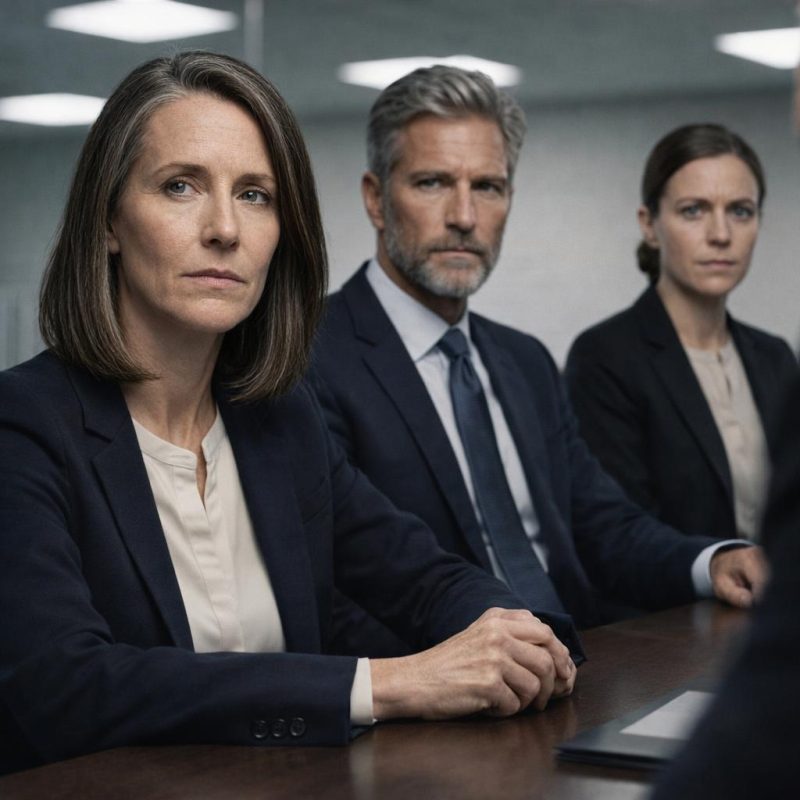 Image by RM AI
Brianna's Termination
Tom called me into his office the next morning, and something in his expression told me before he even spoke that it was over. He closed the door, gestured to the chair across from his desk, and sat down with the kind of deliberate calm that comes from having already made every hard decision the night before. Brianna had been terminated yesterday afternoon, he said. Her employment ended for implementing discriminatory practices, and the other four implementation partners were being terminated as well. He said it plainly, without ceremony, and I sat there absorbing it. Then he slid a letter across the desk toward me. It was printed on company letterhead, formal and clean, addressed to me by name. I read it once, slowly. It was an official apology from senior leadership — acknowledging the harassment, confirming my position was secure, and recognizing twenty-five years of excellent service to the company. All three executives had signed it. Tom said the company was grateful I had come forward, that it had taken courage, and that what had happened to me should never have been allowed to reach the point it did. I read the letter a second time, just to be sure every word was real. The signatures at the bottom — three of them, in ink — sat steady on the page.
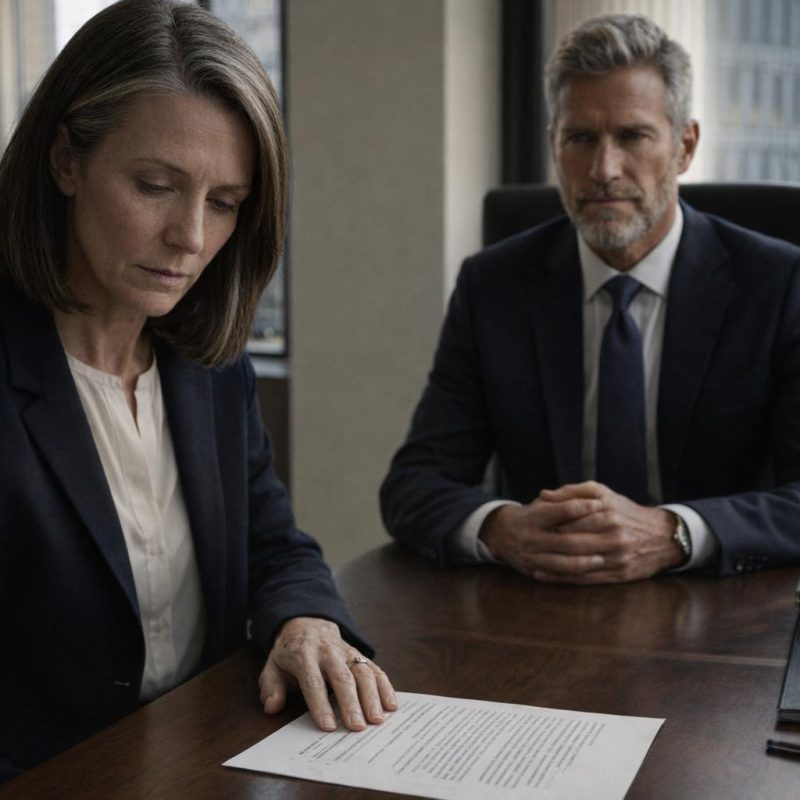 Image by RM AI
Rebuilding Department Trust
I walked into the office Monday morning carrying my usual bag and wearing my usual shoes, and the first person I saw was David. He was already moving toward me before I had cleared the door, holding a cup of coffee out like a peace offering. He said he was sorry — sorry he hadn't spoken up sooner, sorry he had stayed quiet when he should have said something. I told him I understood, and I meant it. It wasn't easy to put yourself in the line of fire when you weren't sure anyone would back you up. Rita stopped by my desk about an hour later, perching on the edge of the chair across from me, and said she had been afraid to say anything for months. She looked relieved just saying it out loud. Through the morning, emails came in from colleagues I hadn't heard from in weeks — short notes, careful and genuine, asking how I was doing. People stopped by with questions about legacy systems, compliance timelines, database structures. My desk, which had been so deliberately quiet for so long, was busy again. I answered every question. I pulled up files I hadn't been asked about in months. The department felt different — not fixed, not entirely, but moving in the right direction. By afternoon, the isolation I had carried since September had loosened its grip, and I sat at my desk feeling, for the first time in a long time, simply present.
 Image by RM AI
Wearing Comfortable Flats Proudly
That Wednesday morning I stood in front of my closet and took my time. I pulled out the soft lavender blouse — the one I had stopped wearing sometime around October because I had started second-guessing everything about how I looked — and I put it on. Then I reached for my black flats, the comfortable ones, the ones that had apparently started all of this, and I slipped them on without a second thought. I looked in the mirror before I left, and there was nothing there to fix. I drove to work, walked through the lobby, and sat down at my desk. Nobody said a word about what I was wearing. David stopped by mid-morning to tell me the quarterly compliance report I had submitted looked solid. Rita asked me to walk her through a database query she was troubleshooting, and we spent twenty minutes at her workstation sorting it out together. The day moved the way a good workday is supposed to move — steadily, purposefully, with actual work at the center of it. No one evaluated my shoes. No one suggested I consult a personal shopper. No one measured my worth by the height of a heel. I had spent nine months believing something was wrong with me that needed correcting. Sitting at my desk that afternoon, in my lavender blouse and my sensible flats, I understood that nothing ever had been.
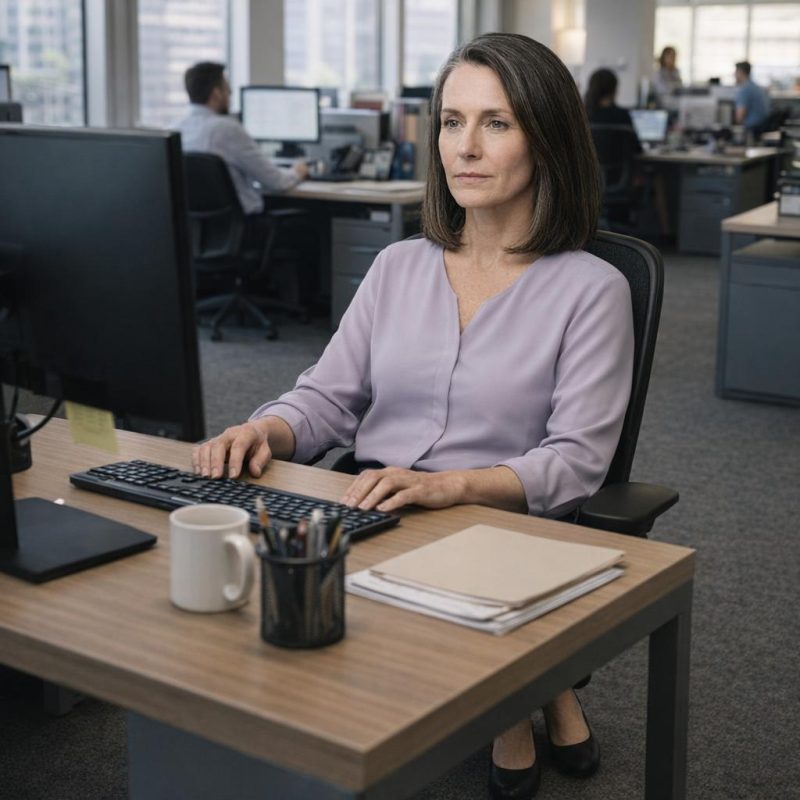 Image by RM AI
Institutional Knowledge Prevails
On a quiet Friday afternoon, with most of the floor already emptying out for the weekend, I sat at my desk and let myself think back through all of it. September, when Brianna had walked in with her charcoal suit and her personal shopper comments. The first performance note about my appearance. The isolation that followed — the meetings I stopped being invited to, the colleagues who went quiet, the slow erosion of everything I had spent twenty-five years building. I thought about the afternoon I found the corporate strategy document, the way my hands had gone still over the keyboard when I understood what I was reading. I thought about sitting across from Tom and laying out every piece of evidence, one by one, watching his expression change. What had saved me wasn't a lawyer, though the lawyer helped. It wasn't the HR process, though that mattered too. It was twenty-five years of knowing where every body was buried — the legacy systems, the compliance timelines, the institutional memory that no thirty-two-year-old with a corporate playbook could replicate or replace. The other employees who had been pushed out deserved better, and I hoped the policy changes would protect the people who came after us. I thought about all of them as I finished the last item on my task list. I saved the file, looked around my familiar office, and felt the foundation hold.
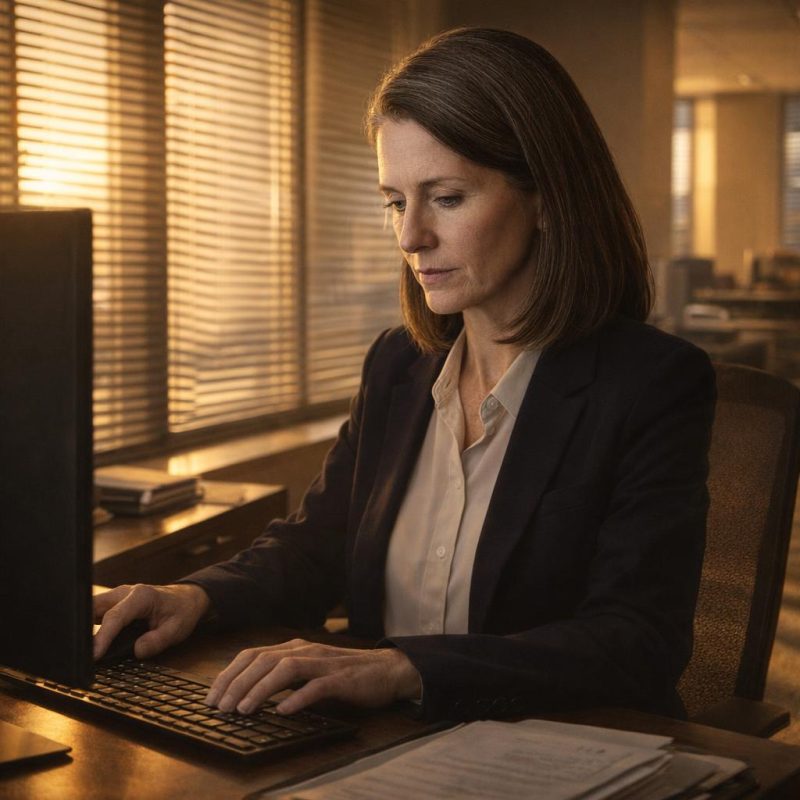 Image by RM AI
KEEP ON READING
10 Greatest Quarterbacks Of All Time & 10 That Are…
Do You Disagree?. Few topics in sports generate as much…
By Farva Ivkovic Dec 2, 2025
The story of Ching Shih, the Woman Who Became the…
Unknown author on WikimediaFew figures in history are as feared…
By Emilie Richardson-Dupuis Dec 29, 2025
20 Shakespearean Words, Translated For A Modern Audience
What’s In A Word?. Shakespeare was a wordsmith of the…
By Breanna Schnurr Dec 17, 2025
20 Inspiring Stories From Native American History
Incredible Stories Of Resilience And Endurance. Many of us didn't…
By Ashley Bast Dec 17, 2025
You Think You Have Problems? These Royal Families Were Cursed
Boasson and Eggler St. Petersburg Nevsky 24. on WikimediaHeavy is…
By Ashley Bast Dec 5, 2025
MH370: The Plane That Can't Be Found
Anna Zvereva from Tallinn, Estonia on WikimediaEleven years after Malaysia…
By Christy Chan Dec 10, 2025