

I Found Three Letters on the Back of My Place Card at My Daughter's Graduation Dinner—When I Asked What They Meant, the Server's Face Went White
I Found Three Letters on the Back of My Place Card at My Daughter's Graduation Dinner—When I Asked What They Meant, the Server's Face Went White
The Invitation I'd Been Waiting For
I must have rehearsed my opening line a dozen times on the drive over. Something warm but not desperate. Something that said I was proud of her without making it about me. Marcello's was the kind of place I'd only ever seen in magazine spreads — dark wood paneling, candlelight that made everyone look like they belonged there, the low murmur of people who were comfortable with expensive things. I stood at the entrance for a moment longer than I should have, smoothing the front of my navy cardigan, already feeling the gap between what I was wearing and what everyone else had on. Emma spotted me from across the room and came over, and for one second I thought she might actually hold on. But the hug was brief — a quick press of her cheek against mine — and then someone called her name and she was gone, moving back into the room like water finding its level. I found my place card halfway down the table, my name written in careful calligraphy, and I sat down and told myself this was enough. She had invited me. That meant something. The smell of garlic and warm bread drifted from the kitchen, and somewhere nearby a woman laughed at something in a voice that sounded like money, and I sat with the hope I'd carried all the way from home, still intact, still fragile.
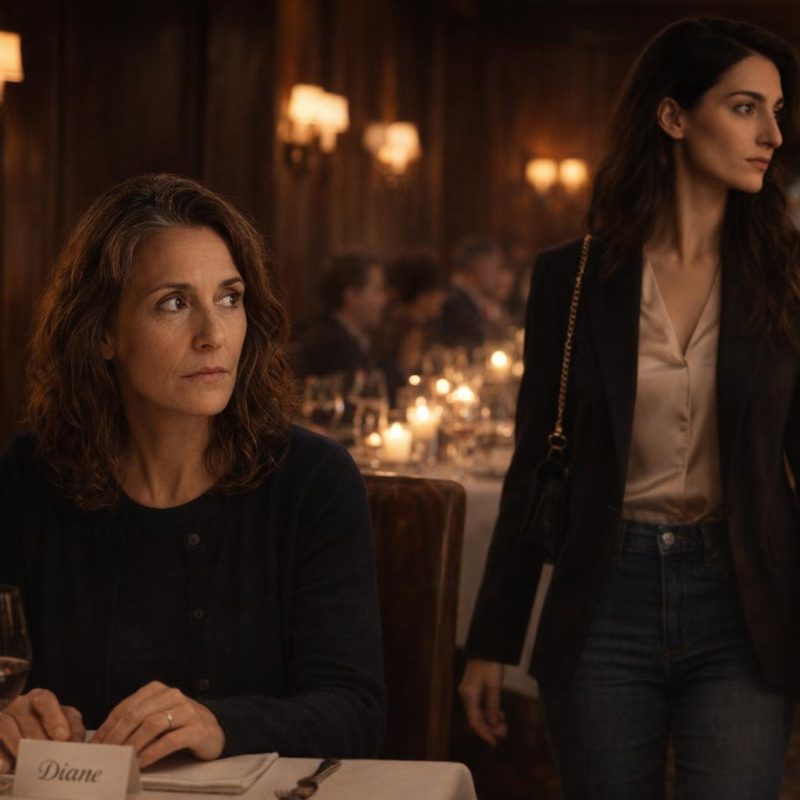 Image by RM AI
A World Built Without Me
The man to my left introduced himself as Marcus, and I smiled and said something about the restaurant being beautiful, and he agreed with the easy confidence of someone who ate in places like this regularly. He asked what I did, and when I told him I'd worked in school administration for twenty years, he nodded in a way that was perfectly polite and moved on. I watched Emma across the table. She was different here — looser, somehow, more herself than I'd seen her in years, which was its own particular kind of ache. Lucas sat beside her, and I had to absorb the fact that I hadn't even known his name until tonight. Her partner. The person she came home to. I'd learned it from the invitation. Rachel, across from me, was telling a story about a trip she and Emma had taken during their second year of graduate school, and the whole table leaned in, and Emma laughed in a way I hadn't heard since she was small. I tried to follow along, to find a foothold in the conversation, but the references were all to places I'd never been and people I'd never met. I was smiling at the right moments, nodding, holding my wine glass like a prop. Then Emma's voice rose above the others, bright and unguarded, and she said, "Remember when we snuck into that faculty mixer and you told them I was your research assistant?" — and the laughter that followed was warm and complete, and I hadn't been there for any of it.
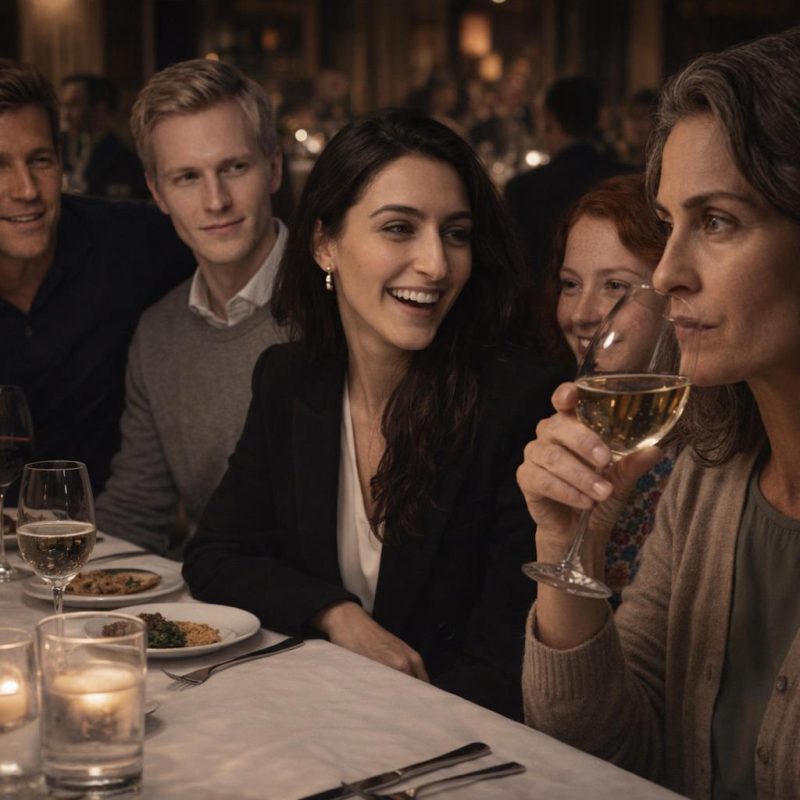 Image by RM AI
Three Letters in Blue Ink
The first course arrived — something delicate with microgreens and a drizzle of something amber — and I barely tasted it. I was trying to look like I belonged, cutting small pieces, keeping my elbows off the table, nodding along to a conversation about a conference in Barcelona. At some point I picked up my place card, just to have something to do with my hands. The calligraphy really was beautiful — Emma had always had an eye for that kind of detail. I turned it over absently, the way you do when you're not really thinking, and my thumb caught on something. A slight indentation. I looked down. On the back of the card, in small, neat blue ink, were three letters: BBU. I set the card flat on the table and stared at it. A dietary code, maybe. Some kind of seating system the restaurant used. An abbreviation for something on the menu. I ran through the possibilities the way you do when you want very badly for something to have a simple explanation. The letters were small but deliberate — not a smudge, not a stray mark. Someone had written them there on purpose. I turned the card face-up again and set it beside my water glass, and the conversation continued around me, and I sat there with the faint, strange feeling of something written on the back of a card that had no reason to be there.
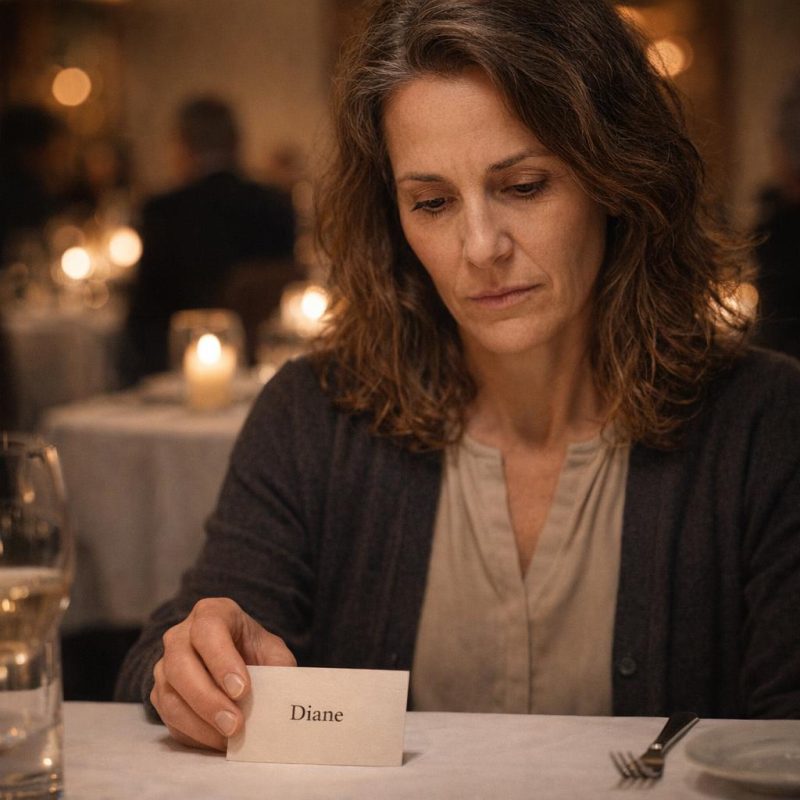 Image by RM AI
The Only One Marked
I waited until Marcus turned to speak to the woman on his other side, then I tilted his place card just enough to see the back. Blank. Clean cream cardstock, nothing on it. I set it down carefully and looked across the table at Rachel's card, propped against her water glass. When she leaned forward to reach the bread basket, I could see the back of it from where I sat. Also blank. Over the next twenty minutes, whenever someone stepped away or turned their attention elsewhere, I checked two more cards at the end of the table. Both blank. Just mine. I kept my face neutral and reached for my phone under the table, typing with one thumb. *Something weird — there are three letters written on the back of my place card. BBU. No one else's card has anything on it. Probably nothing but it's strange.* Sarah's reply came back in under a minute: *That IS strange. Do you want me to call you so you have an excuse to step out?* I almost laughed, which would have been the wrong thing entirely. I typed back *No, I'm okay, just wanted someone to know* and slipped the phone into my bag. The candles flickered. Marcus was laughing at something. Emma was radiant at the far end of the table. And I sat with the quiet, unsettling feeling that out of everyone in that room, I was the only one who had been marked.
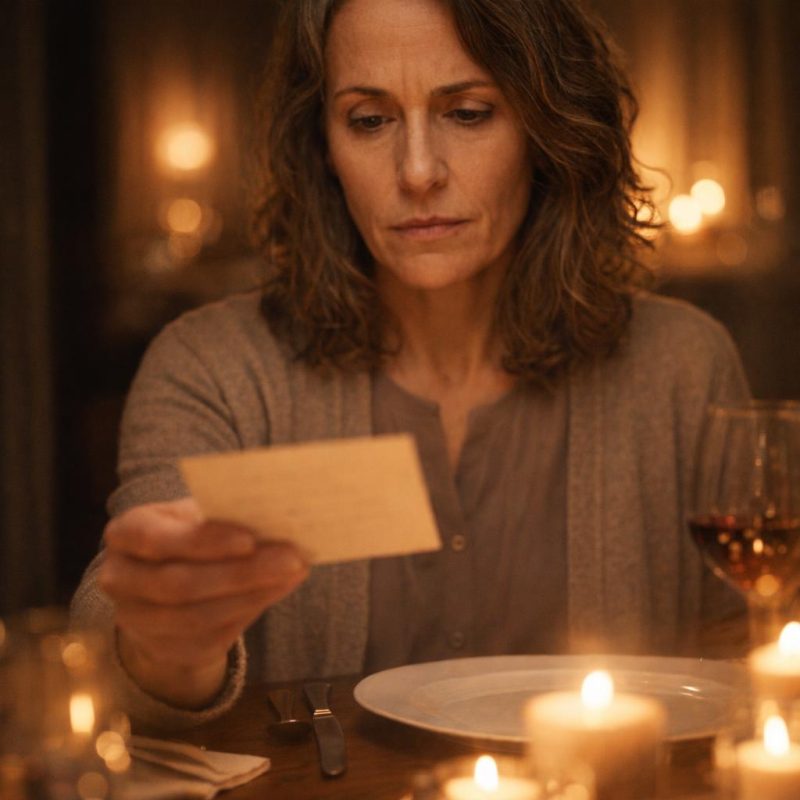 Image by RM AI
The Server's Careful Distance
The second course came out — pasta in a cream sauce that smelled like something I'd have been thrilled about an hour ago. I watched the server work his way around the table. He was young, maybe mid-twenties, with the kind of practiced ease that good restaurants train into their staff. He paused at Marcus's shoulder, said something low and warm, and Marcus laughed. He leaned toward Rachel and made a small comment about the pasta that made her smile. He was good at his job — present without being intrusive, friendly without being familiar. Then he reached me. Something shifted. It wasn't dramatic. His smile stayed in place, but it tightened slightly at the corners. He set down the bread plate to my left without comment. His movements became more efficient, more deliberate — the small talk he'd offered everyone else simply wasn't there. I told myself I was imagining it. I told myself I was already primed to feel like an outsider and I was reading things into nothing. He moved on to the guest beside me, and the warmth came back into his manner like a light switching on. I watched him complete the circuit of the table, easy and unhurried with everyone else. When he came back around to set down my pasta, he glanced down at my place card before his hand released the plate.
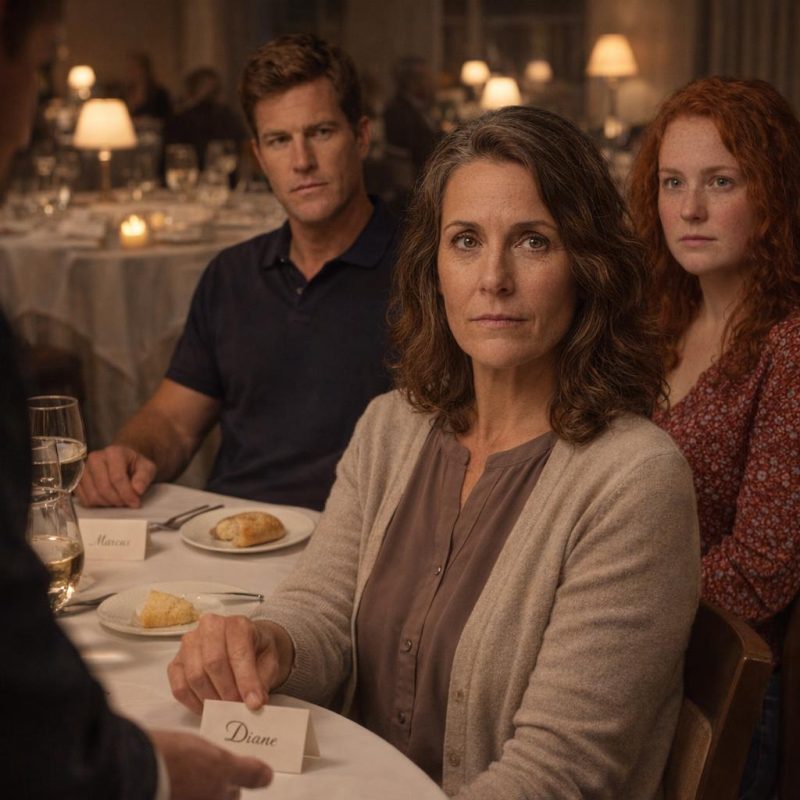 Image by RM AI
Be Brief and Uniform
I gave myself ten minutes to talk myself out of it. Then I folded my napkin, pushed back my chair just slightly, and waited for Claire to pass near my end of the table. She was the event manager — I'd noticed her earlier, moving through the room with a clipboard and a quiet authority that kept everything running. When she came close enough, I touched her arm lightly and held up the place card with what I hoped was a casual smile. "I'm sorry to bother you," I said, keeping my voice low. "I was just curious — is BBU some kind of restaurant code? A dietary thing, maybe?" Something moved across her face. It was fast, but I caught it — a flicker of something that wasn't quite surprise and wasn't quite discomfort, but lived somewhere between the two. She glanced toward the head of the table, then back at me. She leaned in slightly and lowered her voice. "It's a hosting instruction," she said. "The host requested that staff keep interactions with certain guests brief and professional. BBU — Be Brief and Uniform." She paused. "It's to avoid any — emotional disruptions during the event." I looked at her. She held my gaze for exactly one second before looking away. The card was still in my hand, and Claire's words, low and careful, had just told me that my daughter had warned the staff about me.
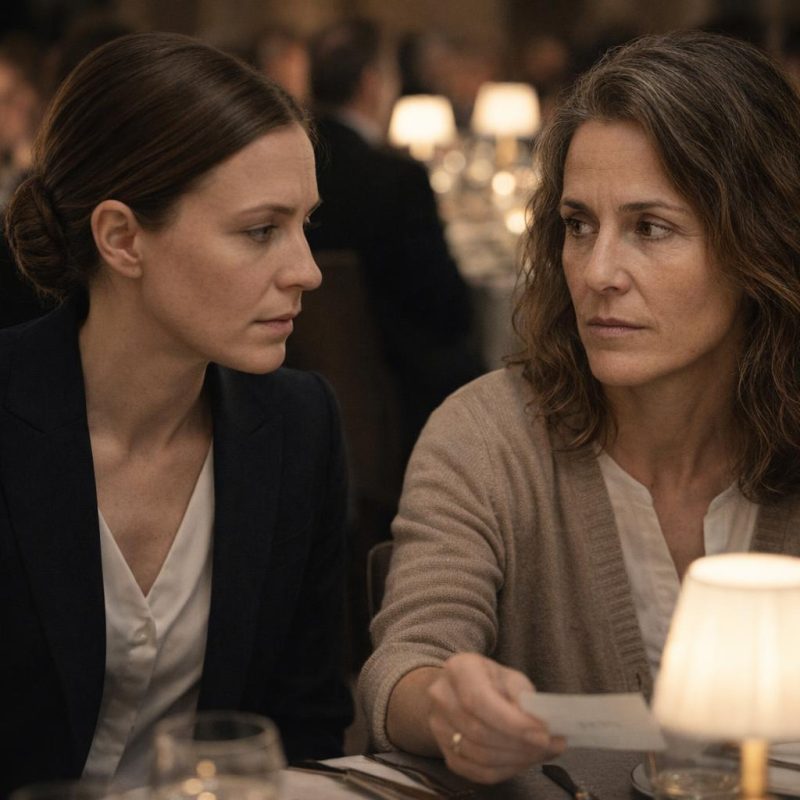 Image by RM AI
The Containment Strategy
I walked back to my seat like I was carrying something breakable. Claire's words were still moving through me — *brief and uniform, emotional disruptions* — and I sat down and picked up my fork and put it back down. I looked at the server, who was refilling water glasses at the far end of the table. His careful distance made a different kind of sense now. I looked at the staff member who had greeted me at the door with that particular brand of professional warmth — not cold, not rude, just managed. I thought about Emma's hug when I arrived. Quick, practiced, over before it started. I had told myself it was nerves, or the busyness of the evening. I thought about the way my seat was positioned — halfway down the table, between people I didn't know, far enough from Emma that any conversation between us would require effort. I had told myself it was just the seating arrangement. Every small thing I had explained away over the course of the evening was rearranging itself in my mind, and the picture it made was not the one I had driven here hoping to find. I wasn't a guest who had been welcomed. I was a variable that had been accounted for. I sat very still, hands in my lap, and across the room Emma tilted her head back and laughed at something Lucas said — and not one moment of the evening, I understood then, had been left to chance.
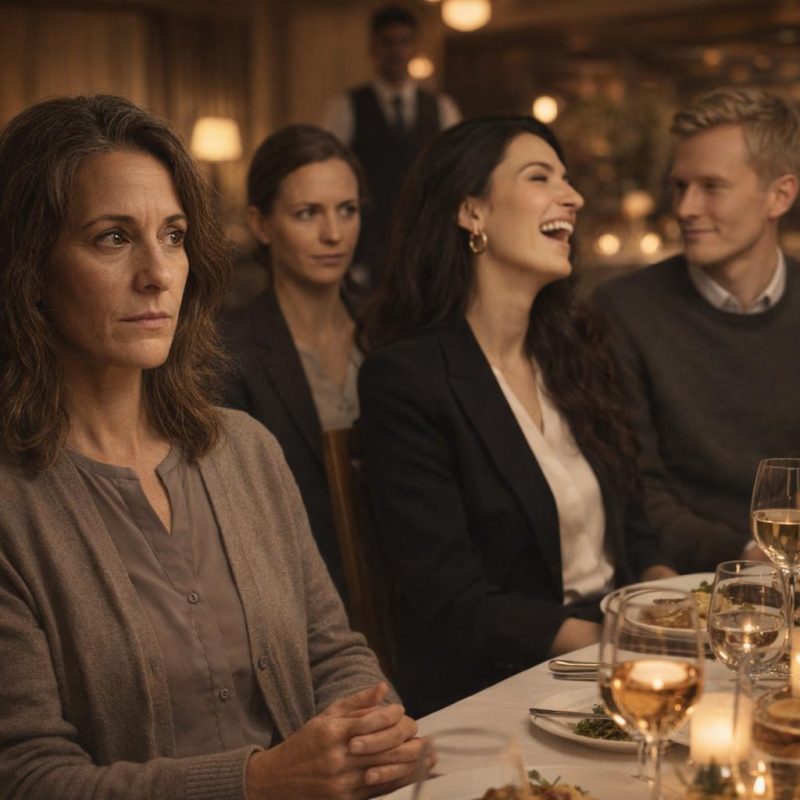 Image by RM AI
Finishing the Performance
The pasta had gone cold on my plate, or maybe it was still warm — I genuinely couldn't tell. Marcus said something about the restaurant's wine list and I said "mm, yes" and he seemed satisfied with that. I was aware of my own face in a way I hadn't been since I was a teenager — the angle of my smile, whether my eyes looked too flat, whether I was holding my shoulders too tight. I cut a piece of pasta and put it in my mouth and chewed and swallowed and it tasted like nothing at all. When the dessert course arrived — something chocolate, architectural, dusted with gold — I made a small appreciative sound and picked up the smaller fork and took a careful bite. Rachel said something to me about the chocolate being extraordinary and I agreed and asked where she thought they sourced it, and she lit up talking about it, and I nodded and asked a follow-up question, and the whole exchange was perfectly normal and completely hollow. Emma was laughing again across the room, her hand on Lucas's arm, her face open in a way it never was when she looked at me. Every few minutes I felt someone's gaze pass over me — checking, I thought, or maybe I was imagining it, but I couldn't stop feeling it. I sat in the middle of that beautiful room, surrounded by candlelight and the smell of good food and the sound of people celebrating my daughter, and I felt like something behind glass.
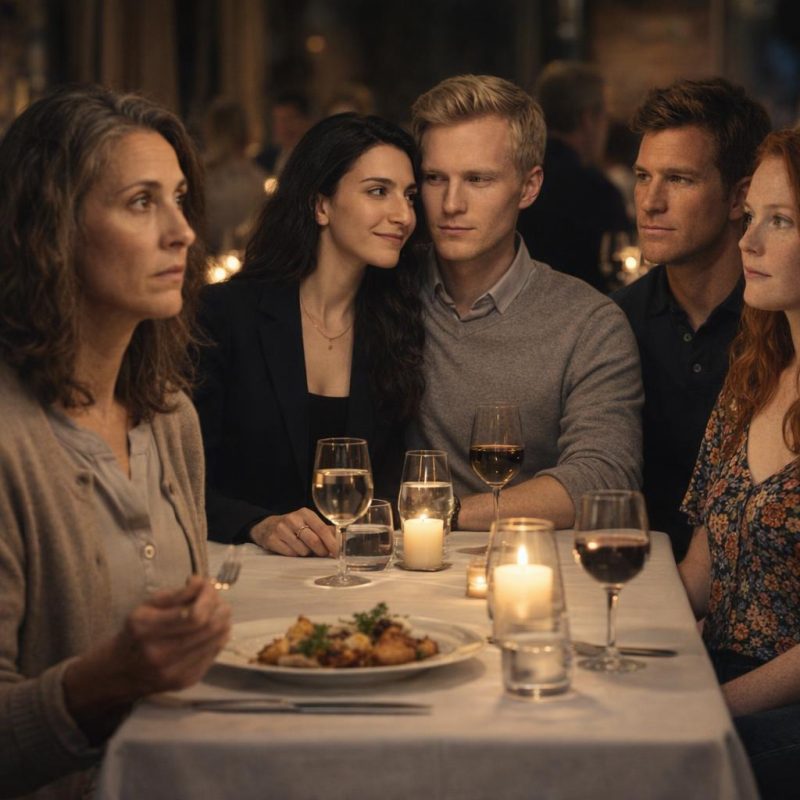 Image by RM AI
The Goodbye That Meant Nothing
The dinner wound down the way these things do — slowly, then all at once. Guests gathered coats and exchanged hugs and the room began to thin. I found Emma near the entrance, standing with Lucas, both of them looking polished and unhurried. I told myself to keep it simple. I walked over and said something about what a beautiful evening it had been, how proud I was of her, and my voice came out steadier than I expected. Emma turned toward me with that practiced smile — the one that reached just far enough — and said she was glad I could make it. That was it. Four words. Lucas gave a polite nod and said it was good to see me, and I said the same back, and we all stood there for a half-second too long before I leaned in for the hug. Her arms came up briefly, her body already angling away before we'd even finished. I wanted to ask about the place card. I wanted to say something real. But the words weren't there, or maybe the opening wasn't, and so I just said goodnight and turned and walked to my car alone. The parking lot was quiet. The night air was cool against my face. I sat with the sound of those four words — glad you could make it — and how little they'd left behind.
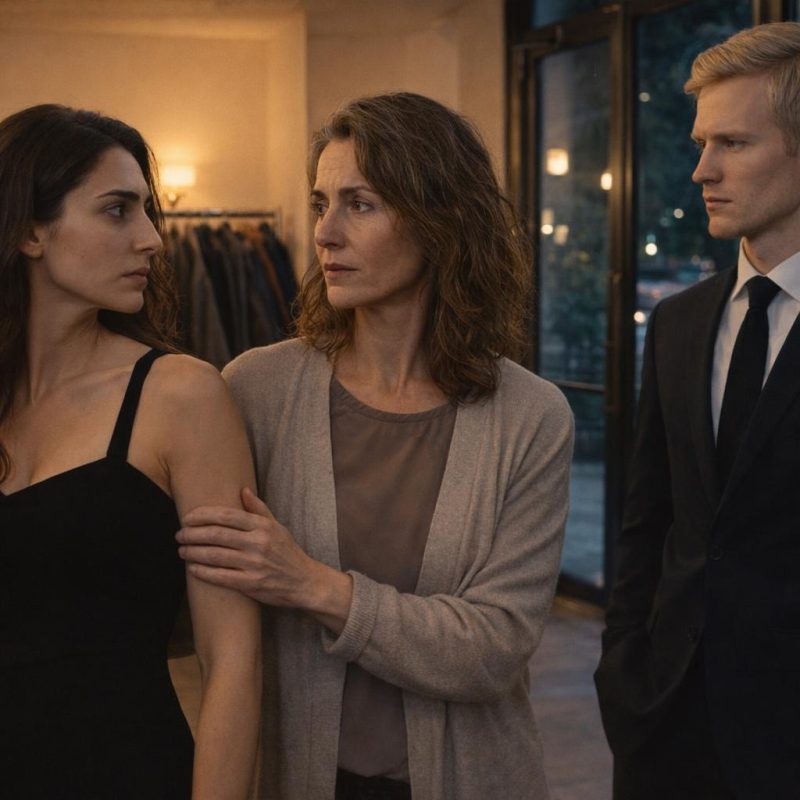 Image by RM AI
The Drive Home in Silence
I sat in the car for a minute before I could make myself start the engine. My hands weren't shaking exactly, but they weren't steady either. The drive home was maybe twenty minutes and I remember almost none of it — just streetlights sliding past and the low hum of the radio that I turned off after two songs because I couldn't stand the noise. I kept replaying the evening in pieces. The place card. The three letters. Claire's face going pale. Emma's laugh across the room, easy and open, aimed at everyone but me. The hug that was already ending before it started. I thought about the BBU marking and what it meant — that someone had decided, in advance, that I needed to be managed. That the staff had been briefed. That my own daughter's graduation dinner had a protocol for handling me. I didn't know when things had gotten this far. I couldn't point to a single moment and say, there, that's where it broke. The road just kept coming and I kept driving and then I was on my street and I pulled into the driveway and the house was dark — every window unlit, no porch light, nothing waiting. I turned off the engine and sat there, unable to make myself go inside.
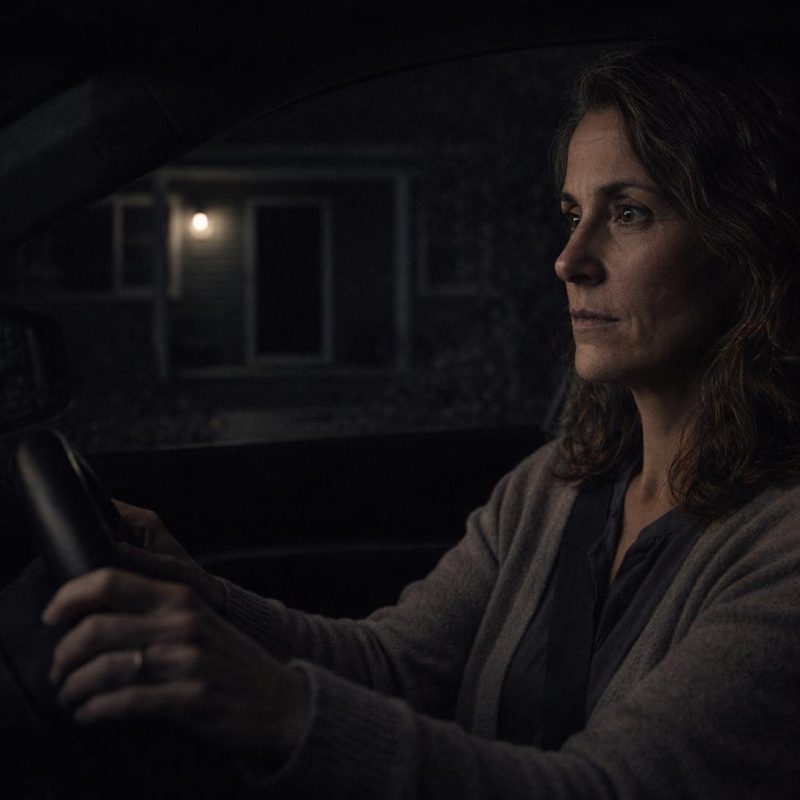 Image by RM AI
The Night That Wouldn't End
I changed into pajamas out of habit more than anything else. I knew I wasn't going to sleep. I lay down anyway, staring at the ceiling, and the dinner started playing again from the beginning — the place card, the server's face, the careful seating arrangement, Rachel talking about chocolate, Emma's laugh. I kept circling back to the BBU marking and asking myself what I had done to earn it. Maybe I'd been too emotional at some point — a phone call that went sideways, a holiday visit that ended badly. Maybe there were things I'd said that landed harder than I'd meant them to. I tried to think of specific examples and came up with fragments, half-memories, nothing concrete enough to build a case from. I checked my phone at midnight, at one-thirty, at three. No message from Emma. The clock on the nightstand ticked through the hours in small green numbers. At some point the sky outside the window shifted from black to a deep, flat gray, and I was still lying there with the same questions I'd started with, none of them any closer to an answer. The house was completely quiet around me, and the quiet had weight to it — the particular kind that comes from being the only person in it.
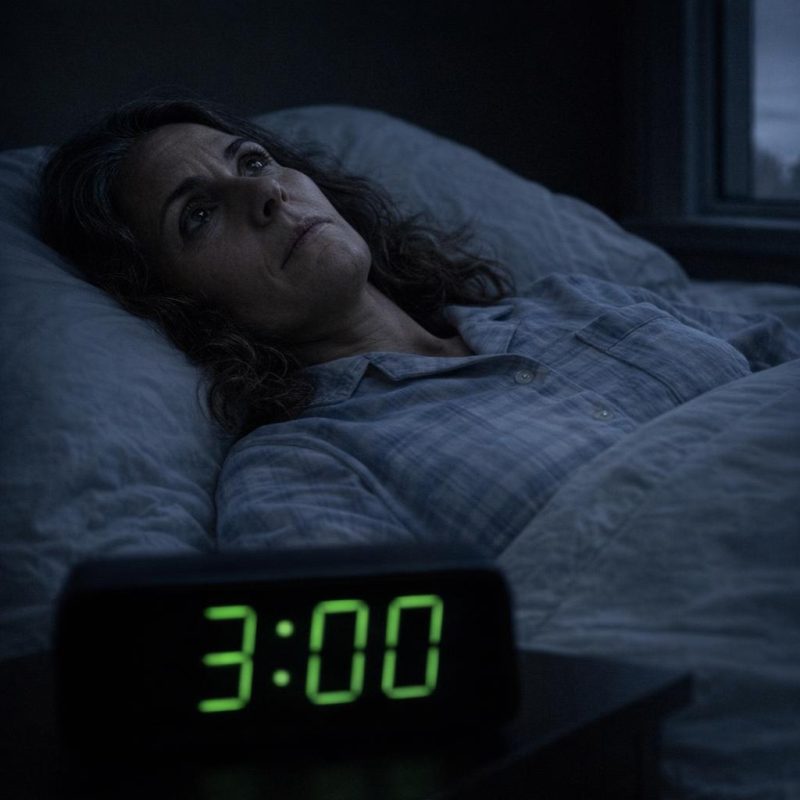 Image by RM AI
Someone Who Might Understand
Sarah had been the one to suggest Dr. Hayes, months before the dinner, and I'd finally made the call the morning after. The office was calmer than I expected — soft lighting, a small plant on the windowsill, two chairs angled toward each other without a desk between them. Dr. Hayes offered tea and I said yes mostly because it gave my hands something to do. I told her about the dinner. I told her about the place card and the three letters and what Claire had explained. My voice shook a little in the middle of it and I stopped and apologized and she said there was nothing to apologize for. She asked about my relationship with Emma — how long things had felt strained, whether there had been a specific rupture or just a slow drift. I said I honestly didn't know. She asked what behaviors Emma might have been worried about, what might have prompted her to make that kind of request to the staff. I sat with that for a moment. I tried to think of something concrete and kept coming up empty. Dr. Hayes let the silence sit without filling it, which I appreciated. Then she looked at me and asked, quietly, whether I had ever considered that Emma's version of their history might look very different from mine.
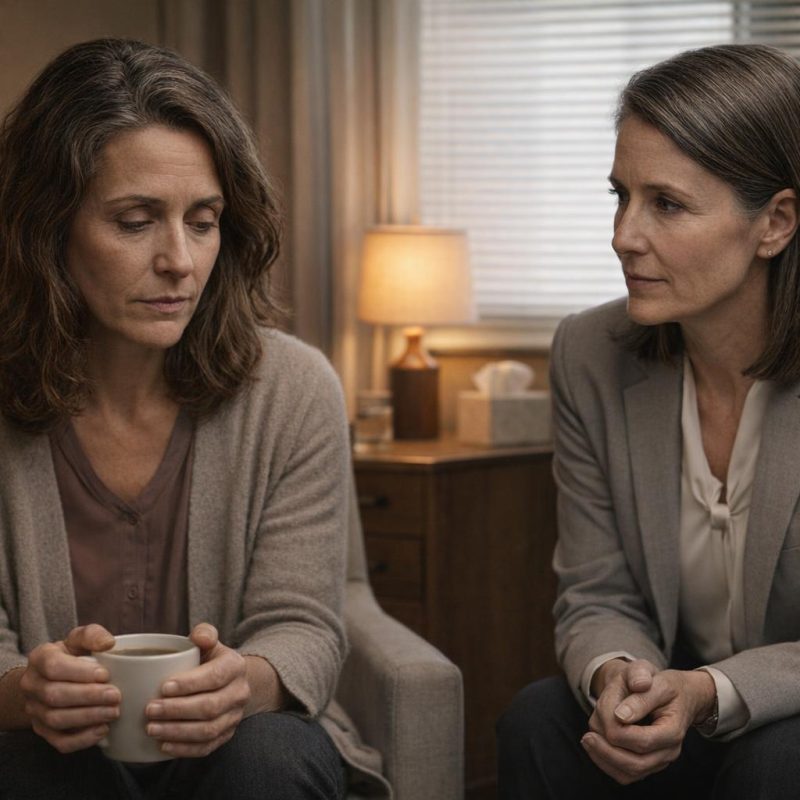 Image by RM AI
The Archive of Silence
I came home from Dr. Hayes's office and sat down at the kitchen table with my phone and started scrolling. I went back through years of messages with Emma — further than I'd expected to have to go before things started feeling different. Most of the exchanges were short. Logistics, mostly. Holiday timing, birthday acknowledgments, the occasional link to something she thought I might find useful. Her responses were polite. Never cold exactly, but minimal — one or two sentences where I'd written four or five. I searched for any message where she'd told me what I'd done wrong. Any text where she'd said she was hurt, or angry, or needed space. I couldn't find one. There were long stretches of silence — weeks, sometimes longer — and then a brief exchange that felt almost normal, and then silence again. When I'd asked to meet for coffee or lunch, she was always busy, always about to travel or in the middle of something at work. She never said no directly. She just never said yes. I scrolled all the way back to the year after her college graduation and sat there with the phone in my hands, looking at message after message that was perfectly civil and completely closed, and I couldn't find a single place where she'd told me what I'd done wrong.
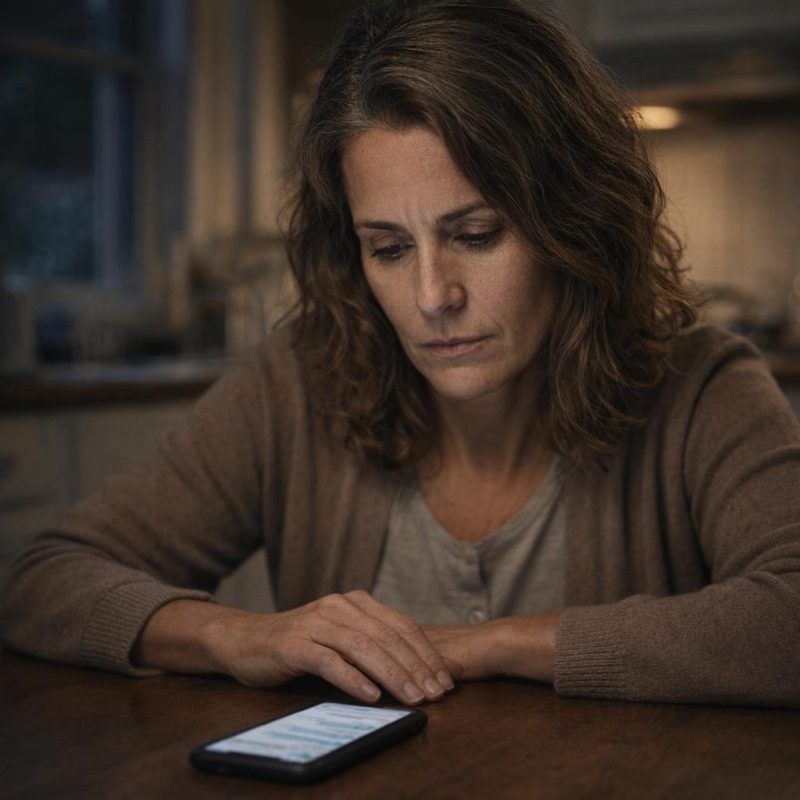 Image by RM AI
The Push and Pull
I set the phone down and just sat there thinking about the years. Not just the messages — the whole shape of it. Emma would go quiet for months at a time, calls going to voicemail, texts answered days later with something brief and neutral. And then, without explanation, she'd reach out. A short email, a birthday card with a few lines of actual handwriting, once a phone call that lasted almost forty minutes and felt, for a little while, like something was shifting. I'd let myself believe those moments meant we were finding our way back. I'd try to build on them — suggest a visit, ask if we could talk more regularly — and she'd pull back. Not dramatically. Just quietly, incrementally, until the distance was back to where it had been. I'd learned to stop pushing. I'd learned to take what was offered and not ask for more, because asking for more seemed to make things worse. I'd spent years calibrating how much of myself to show, how much need to hide, how carefully to phrase things so she wouldn't feel crowded. And I still couldn't tell you what the right amount was. I just knew I'd never found it, and the cycle had kept turning anyway, with or without anything I did.
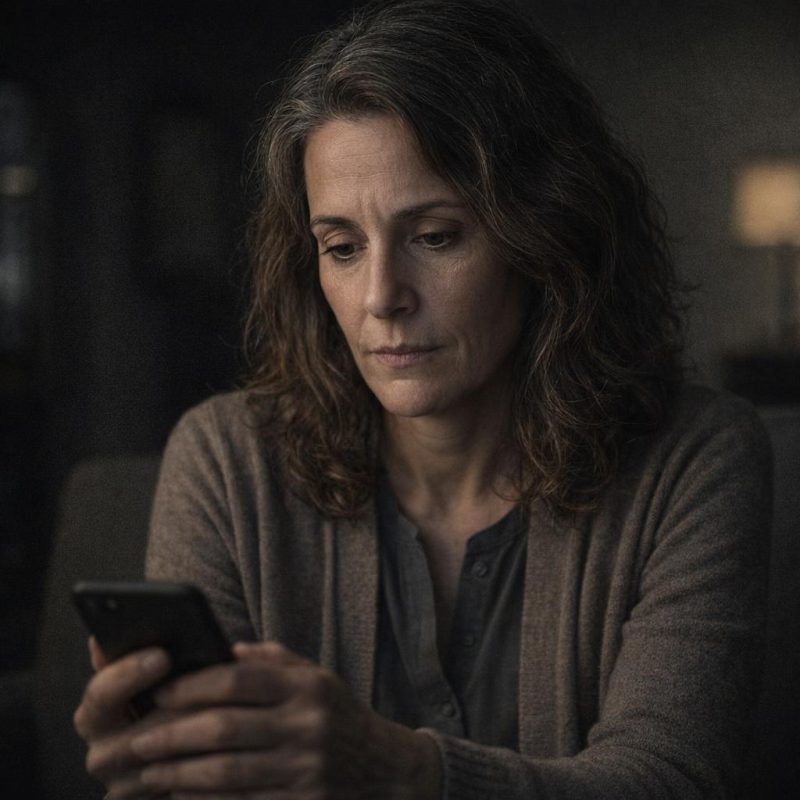 Image by RM AI
When Things Were Different
I pulled the photo albums out of the hall closet the next afternoon — three of them, the thick kind with plastic sleeves. I sat on the living room floor and went through them slowly. Emma at six, gap-toothed and laughing at her own birthday party. Emma at nine in a soccer uniform, squinting into the sun. There were school pictures, holiday pictures, a whole summer's worth of photos from a trip we took to the coast when she was eleven. In every one of them she looked like a kid who knew she was loved. I remembered those years clearly — the PTA meetings, the carpools, the nights I sat on the edge of her bed while she talked about whatever was happening at school. I turned the pages and tried to find the place where the warmth started cooling, tried to identify the year or the event or the expression that marked the beginning of the distance. I couldn't find it. The albums ran through her high school years and the warmth was still there in most of them, right up until near the end. And then I turned a page and found it — a photo from her high school graduation, the two of us standing together in the afternoon light, her arm around my waist and mine around her shoulders, both of us smiling like we meant it.
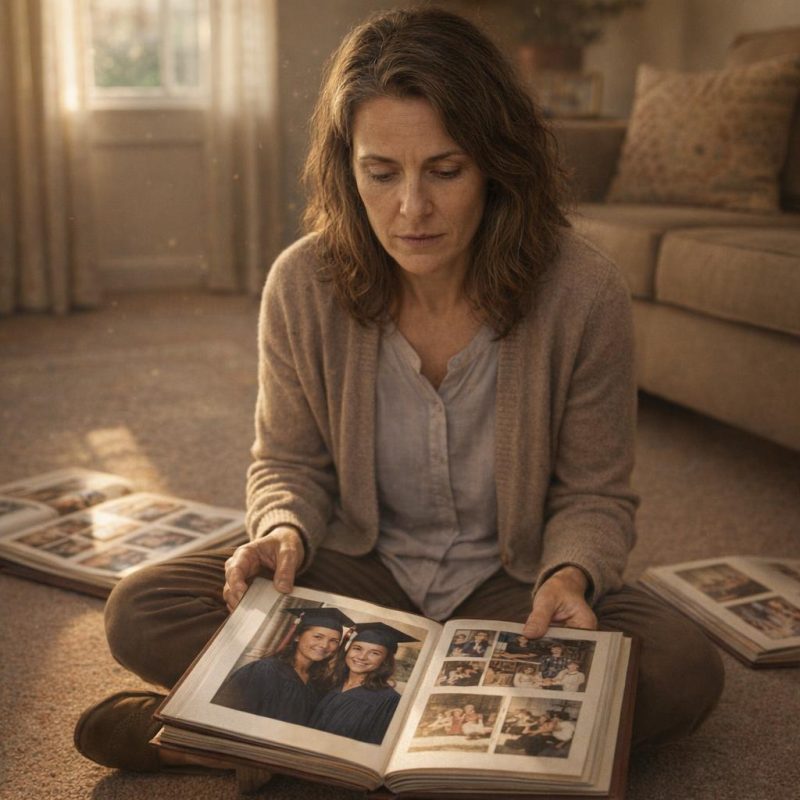 Image by RM AI
Reaching Across the Silence
I set the photo album aside and picked up my phone. I opened a new message to Emma and stared at the blank text field for a long time. I typed and deleted probably six versions. The first one asked directly about the place card and I deleted it immediately — too confrontational. The second one started with an apology and I deleted that too, because I wasn't sure what I was apologizing for. I finally settled on something simple: that I'd loved seeing her at the dinner, that I'd been thinking about us since, and that I wondered if we might find a time to talk — not about anything specific, just to connect. I said I knew things had been complicated between us and that I wasn't looking to assign blame. I read it over three times, changing a word here and there, trying to make sure nothing in it could be read as an accusation. My thumb hovered over the send button for what felt like a full minute. Then I pressed it. The screen showed the message sitting there in its blue bubble, and then the small word appeared beneath it: Delivered.
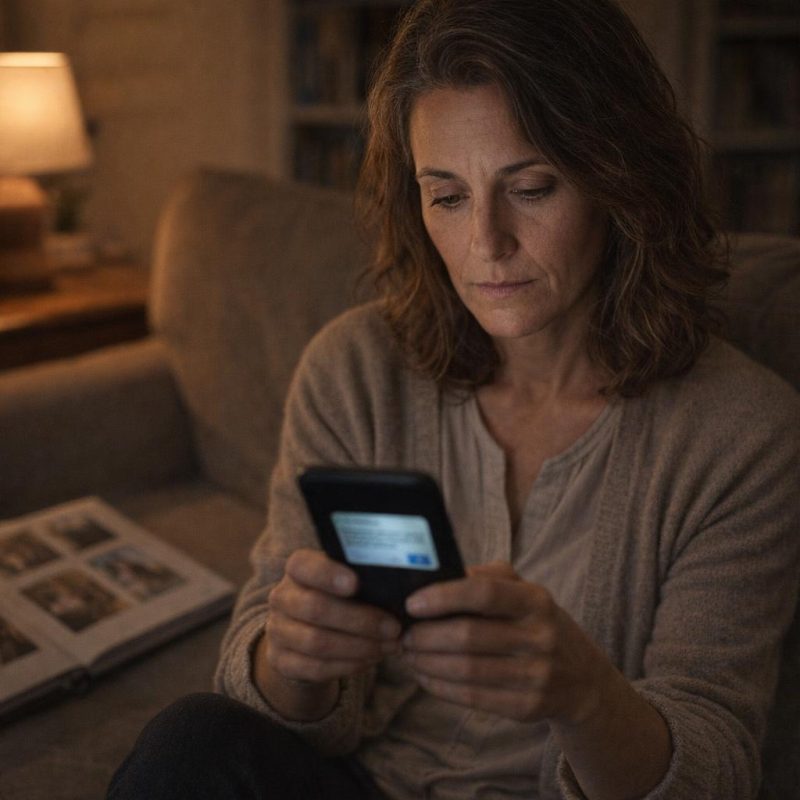 Image by RM AI
The Response That Said Nothing
I checked my phone probably a dozen times that afternoon. I told myself I was just glancing, but I wasn't — I was waiting. I folded laundry and checked it. I made tea I didn't drink and checked it again. The afternoon light shifted from gold to gray and still nothing. I tried to read and gave up after the same paragraph three times. Around six-thirty, when I'd almost convinced myself she wasn't going to respond at all, my phone buzzed on the kitchen counter. I picked it up so fast I nearly dropped it. Emma's name was on the screen. I opened the message and read it twice, then a third time, looking for something I might have missed. It was maybe four sentences. The dinner had been lovely. She was glad I'd enjoyed it. Things were fine between us — she wasn't sure what I was worried about. She said I had a tendency to read into things. That was it. No question back to me, no opening, no warmth hiding underneath the politeness. I read it one more time and felt the last of whatever I'd been hoping for go quiet.
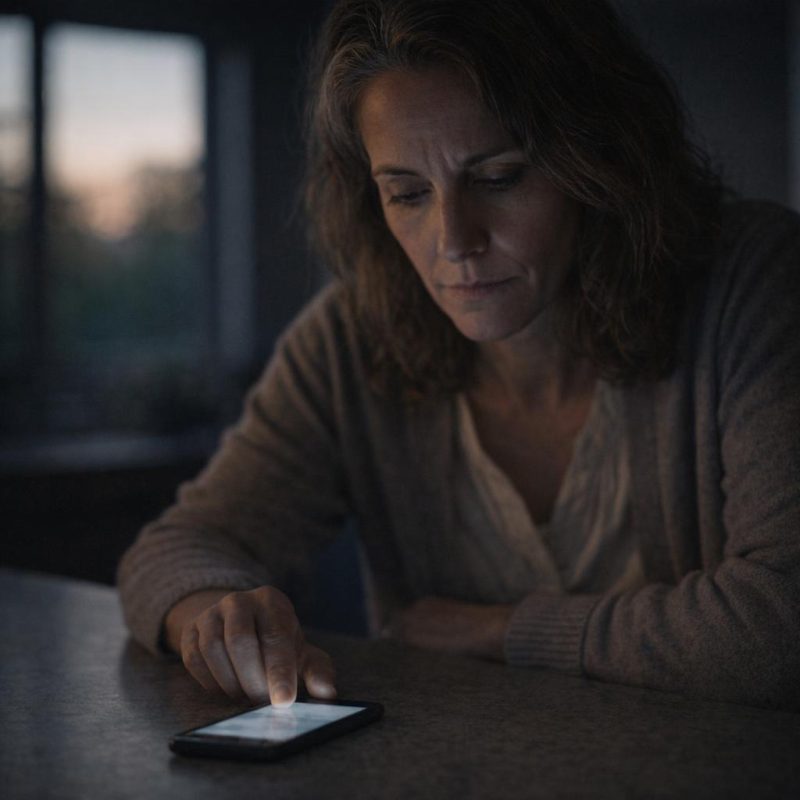 Image by RM AI
The Unexpected Encounter
I needed air the next morning, so I walked to the coffee shop two blocks from my house — the one with the mismatched chairs and the window that fogs up in cold weather. I was standing at the counter deciding between a latte and a plain coffee when I heard a voice behind me that I hadn't heard in almost two years. Low, unhurried, the kind of voice that fills a room without trying. I turned around and there was Richard. He looked exactly the way he always had — maybe a little more silver at the temples, but the coat was expensive and the posture was easy, like a man who had never once doubted his place in any room. He smiled when he saw me, that practiced, pleasant smile. "Diane," he said, like running into me was a mildly interesting coincidence. We talked for maybe five minutes. The weather. Emma's graduation. He mentioned she'd told him about the dinner, said it sounded like a nice evening. His tone was perfectly neutral. There was nothing I could point to, nothing I could name. But standing there with my coffee going warm in my hand, something about the whole exchange sat wrong in a way I couldn't quite place, and the discomfort followed me home.
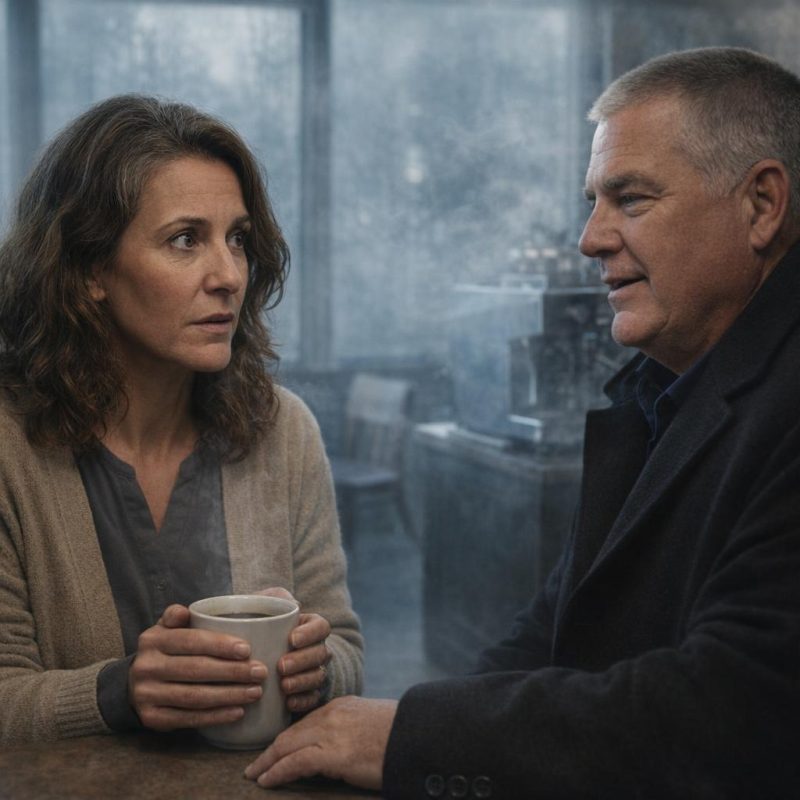 Image by RM AI
The Pointed Comments
I sat at my kitchen table that evening and turned the conversation over in my mind the way you turn a stone looking for what's underneath. On the surface it had been nothing — two people making small talk in a coffee shop. But the more I replayed it, the more certain phrases snagged on something. Richard had said Emma tells him everything, and he'd said it the way you state a fact, not the way you share one. He'd mentioned that Emma relies on him when she needs to think things through. And then there was the comment about stability — something like Emma has always needed a steady anchor, said with a kind of quiet emphasis that I felt more than heard. I'd been too caught off guard in the moment to respond to any of it. Now, sitting alone, I kept turning that word over. Stability. It was such a careful word. Not cruel, not accusatory — just a word that implied its opposite without ever saying it. I thought about how I'd felt in that coffee shop: slightly off-balance, slightly apologetic, the way I used to feel in rooms where Richard was the most confident person present. I didn't know what to do with any of it. But those words — stability, relies on him, tells him everything — stayed with me long after the kitchen light went dark.
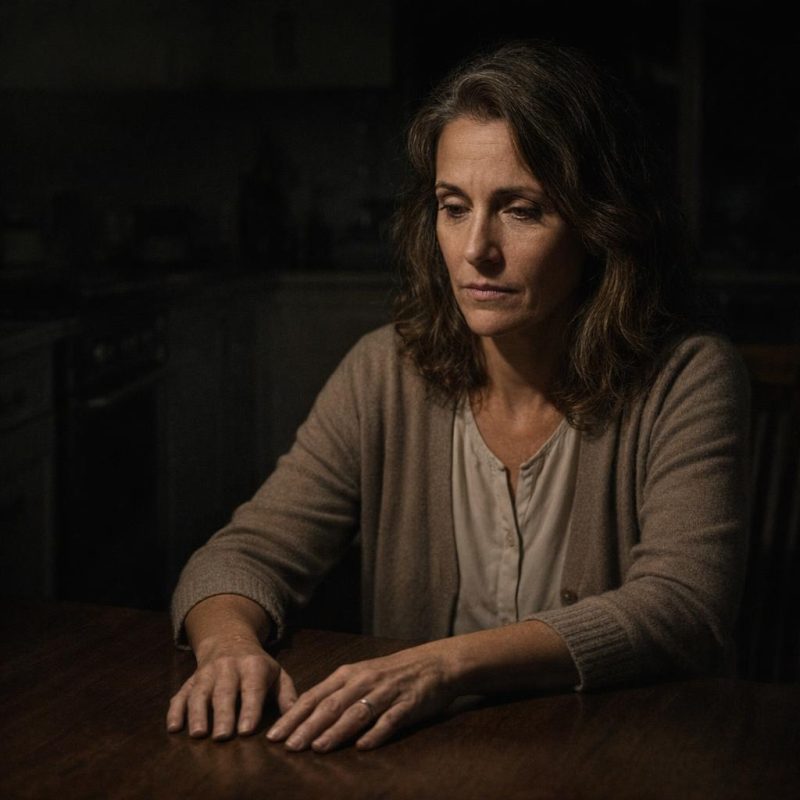 Image by RM AI
The Influence She Hadn't Seen
I called Sarah that night. I didn't even know exactly what I wanted to say — I just needed to say it out loud to someone who knew the whole history. I told her about running into Richard, about the comments, about the way stability had landed. Sarah listened without interrupting, which is rare for her, and when I finished she was quiet for a moment. Then she said, "How often do you think they actually talk?" And I realized I had no idea. I'd assumed Emma and Richard had a normal relationship — holidays, occasional dinners. But Sarah pointed out that everything I'd described sounded like someone who was very current. Not a father who checked in. Someone who was in the loop. She asked if I'd ever thought about when the distance between Emma and me had really started, and I said after the divorce, and Sarah said, "Right. When Richard had more access." I told her I didn't want to jump to conclusions. Sarah said she wasn't asking me to — she was just asking me to notice the timing. I sat with that for a long time after we hung up. I thought about all the years I'd blamed myself, all the ways I'd tried to figure out what I'd done wrong. And underneath all of it, I kept hearing Richard's voice saying Emma tells him everything — steady, certain, filling the space the way it always had.
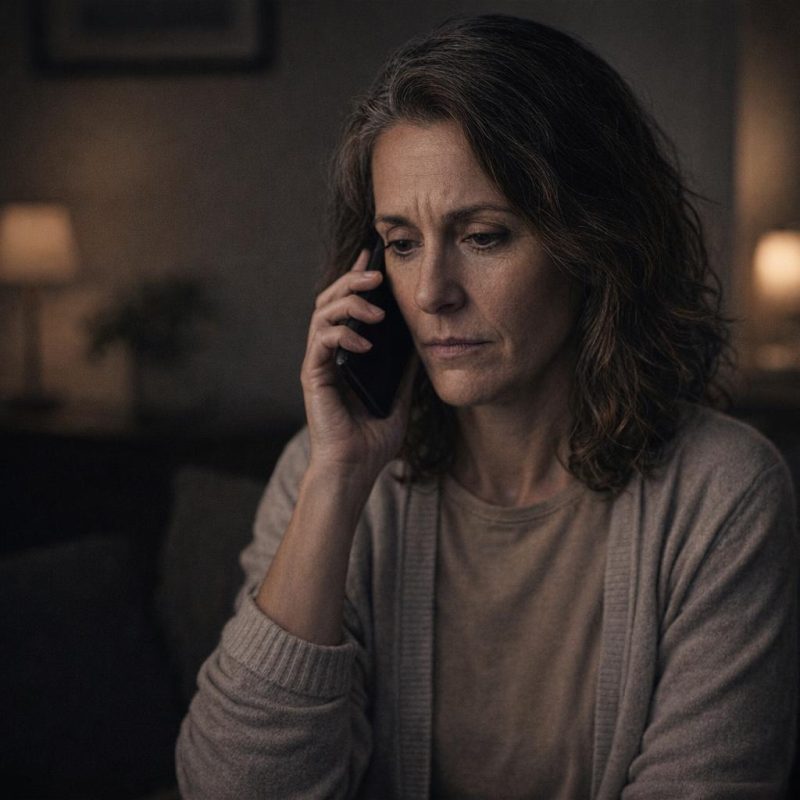 Image by RM AI
Down the Research Rabbit Hole
I couldn't sleep, so around midnight I opened my laptop and typed two words into the search bar: parental alienation. I wasn't sure what I expected — maybe a few dry legal articles. What came up instead was page after page of family therapist blogs, academic papers, forum threads, and resource guides. I started reading and couldn't stop. The articles described a pattern: one parent gradually repositioning themselves as the stable, trustworthy one while planting small doubts about the other. Not through dramatic accusations, but through quiet, repeated comments over years. Things like she was always a little overwhelmed or I was the one who showed up. I read about how children absorb these narratives slowly, how they can come to believe memories that were shaped for them rather than lived by them. I found a forum where parents described feeling like they were going crazy — like their children had been handed a version of the past that didn't match anything they recognized. The stories were painful to read. Some of them were painfully familiar. I bookmarked six articles and kept scrolling. Then I found a checklist — a list of common tactics compiled by a family therapist — and I started reading down it, and before I reached the third item I had to set the laptop aside and stare at the ceiling for a moment.
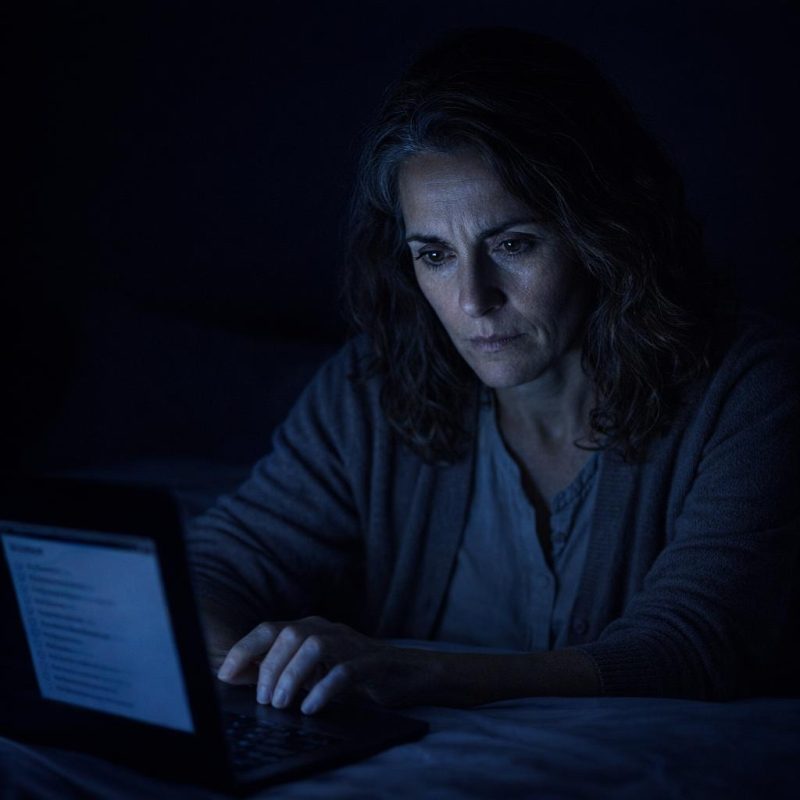 Image by RM AI
The Tactics That Reshape Reality
I read through that checklist twice, slowly. Things like: minimizing the other parent's role in positive memories, inserting themselves into moments of the child's distress, using neutral language that implies instability without stating it directly. Each item was described carefully, clinically, with examples that were almost too ordinary to seem dangerous. That was the part that unsettled me most — how unremarkable each individual thing sounded on its own. A comment here. A well-timed phone call there. A gentle suggestion that the child could always come to them. I thought about Richard in that coffee shop, so composed, so reasonable. I thought about the word stability and the way he'd used it — quiet, almost offhand. I thought about Emma's text — I have a tendency to read into things — and turned the phrase over, the way you turn over a coin to see if both sides match. I had no proof of anything. I knew that. Every connection I was drawing could be coincidence, projection, the desperate pattern-making of a mother who missed her daughter and needed somewhere to put the pain. I closed the laptop and sat in the dark for a while. The anger I felt had nowhere to go, and the not-knowing sat heavier than the anger.
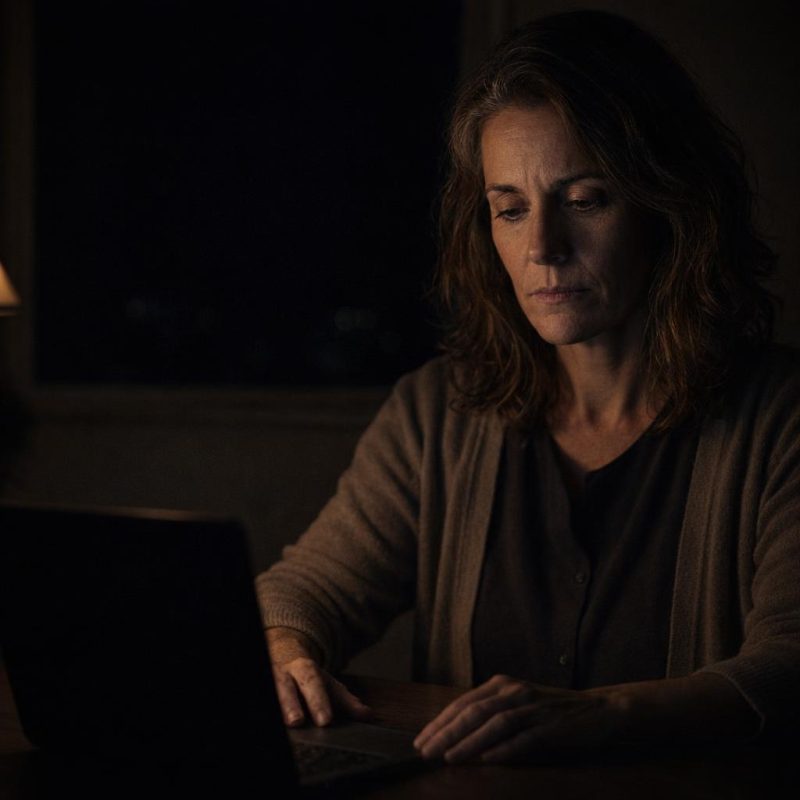 Image by RM AI
The Divorce Papers
The next afternoon I pulled the old filing box out of the hall closet — the one I hadn't opened in years. The divorce papers were near the bottom, in a manila folder that had gone soft at the edges. I sat on the floor and read through the custody agreement. Joint custody, equal time, signed twelve years ago when Emma was twelve. I remembered the mediation. Richard had been calm throughout the whole process, almost unnervingly so. The mediator had actually commented on it — said something about how cooperative he was, how rare that was. I remembered sitting across the table feeling like I was the one falling apart, like my grief about the marriage ending was somehow evidence of something. Richard had walked out of that room with slightly more decision-making authority than I had, and at the time I'd told myself it was fair, that I'd been too emotional to argue. I remembered Emma during that period — quiet, watchful, spending more and more time at Richard's. I'd told myself she just needed her dad. I'd told myself I understood. I sat on the floor with the papers in my lap, and the memory of that room — the mediator's careful voice, Richard's steady hands, my own shaking ones — settled over me like something I'd been carrying without knowing its name.
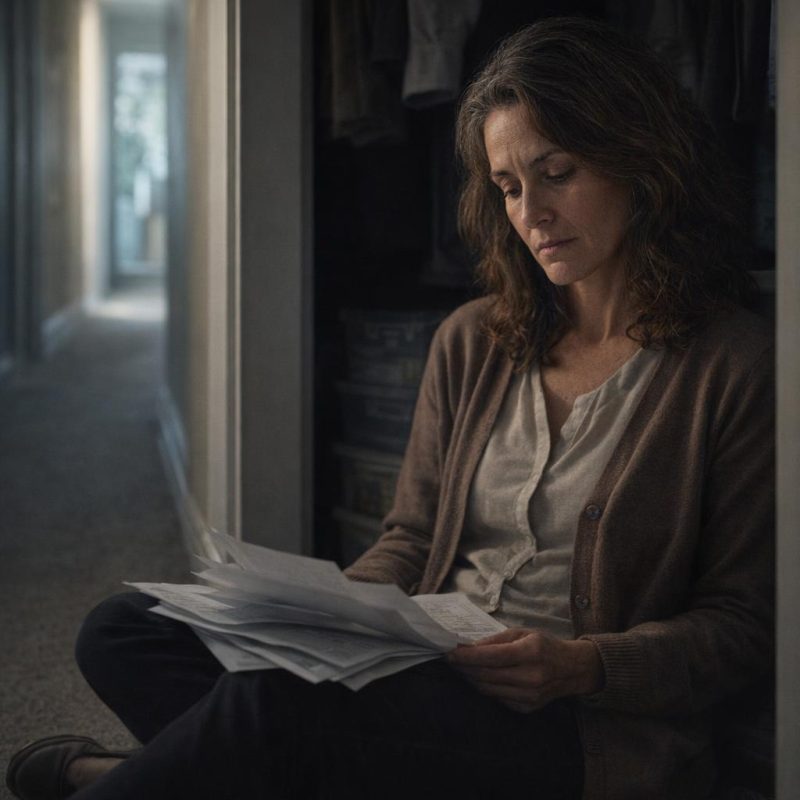 Image by RM AI
The Journal Entry That Doesn't Match
I didn't put the filing box away. Instead I went to the storage shelf in the spare room and pulled down the box of old journals — spiral-bound notebooks I'd kept through Emma's teenage years. I wasn't sure what I was looking for. Something to anchor me, maybe. Some record of what things had actually been like. I flipped through entries from when Emma was twelve, thirteen, fourteen. My handwriting from back then was smaller, more careful. I found an entry dated two days after Emma's thirteenth birthday. I'd written about the party in detail — the friends I'd called, the cake Emma had picked out herself from a bakery catalog, the way she'd laughed when her best friend showed up in a ridiculous hat. I'd written that it was one of the best afternoons we'd had in months. I remembered that day. I remembered it clearly. But last spring, Emma had said something that had stayed with me — that she'd never really had a proper birthday celebration as a teenager, that I was always too distracted to make those things happen. I'd felt guilty when she said it. I'd half-believed her. There on the spare room floor, I held the open journal and read my own handwriting describing a day my daughter said never happened.
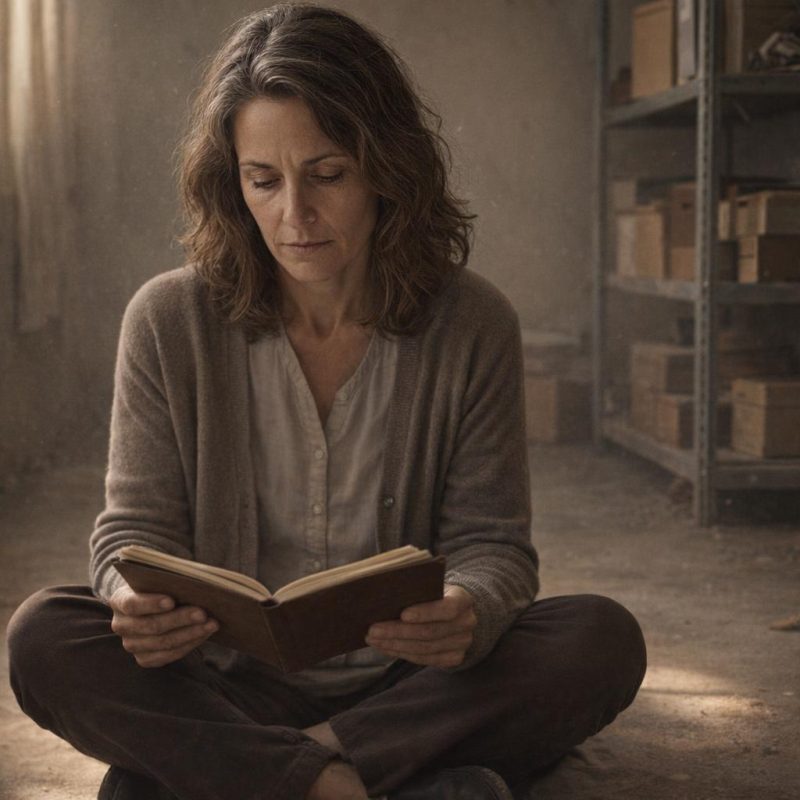 Image by RM AI
The Therapist Names It
I brought the journal to my next session with Dr. Patricia Hayes — held it in my lap the whole drive over, like it might disappear if I let go. When I set it on the cushion beside me and explained what I'd found, she asked to read the entry herself. She took her time with it, her silver hair catching the light from the window, her expression careful and unhurried. Then she asked me to tell her exactly what Emma had said last spring about her thirteenth birthday. I repeated it as accurately as I could — that Emma had told me she never had a real birthday celebration as a teenager, that I was always too distracted to make those things happen. Dr. Hayes set the journal down gently and said the word I hadn't been able to find on my own: gaslighting. She explained it quietly, without drama — that when someone hears a different version of their own past repeated often enough, and from someone they trust, the original memory can start to feel uncertain. The brain, she said, is more suggestible than we like to believe. She said this process can take hold most deeply when it begins in childhood, when a young person's sense of reality is still developing. Then she asked if I could think of other moments where my memory and Emma's didn't match — and something cold moved through me, because I could think of several.
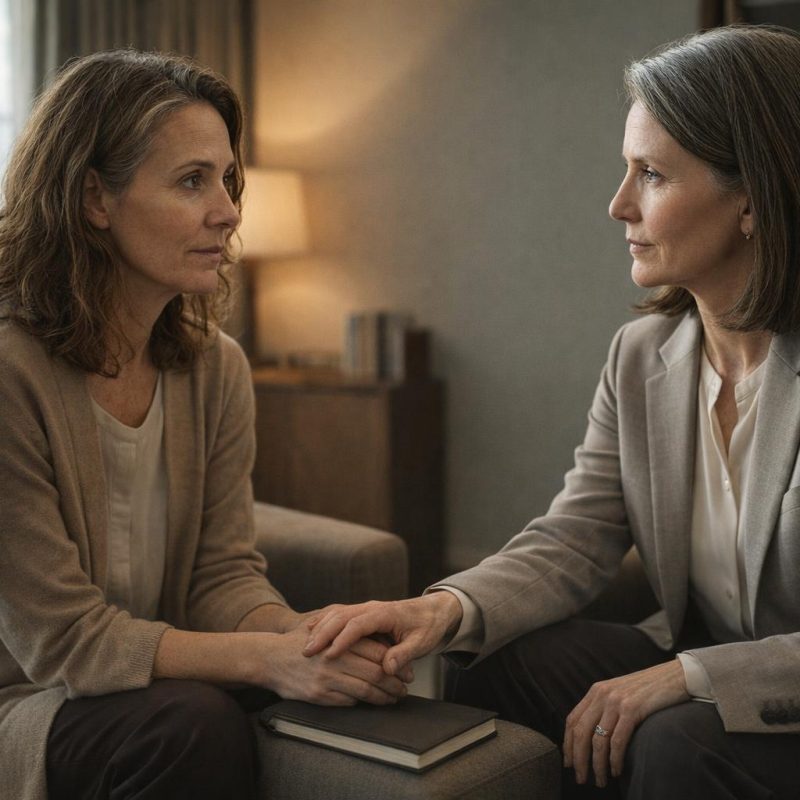 Image by RM AI
Turning to the One Who Knows
I called Sarah the same evening I got home from Dr. Hayes's office. I didn't even sit down first — just stood in the kitchen with my coat still on and dialed. She picked up on the second ring, and I told her everything: the journal, the session, the word Dr. Hayes had used. Sarah went quiet in that way she does when she's actually listening, not just waiting for her turn to talk. Then I asked her directly — did she remember Emma's thirteenth birthday party? There was barely a pause. She said of course she did, that she'd come over early to help me hang the streamers and that Emma had been so excited she'd changed her outfit twice before her friends arrived. I felt something loosen in my chest. I asked about other things — Emma's school play in eighth grade, the soccer tournament the spring after the divorce. Sarah remembered all of it. She remembered me in the bleachers, remembered me backstage with a bouquet of carnations, remembered me showing up even when things between Richard and me were at their worst. She said, without me prompting her, that I had been there. That I had always been there. I was still holding the phone tight against my ear when she said she still had photos from some of those days — and that she'd find them for me.
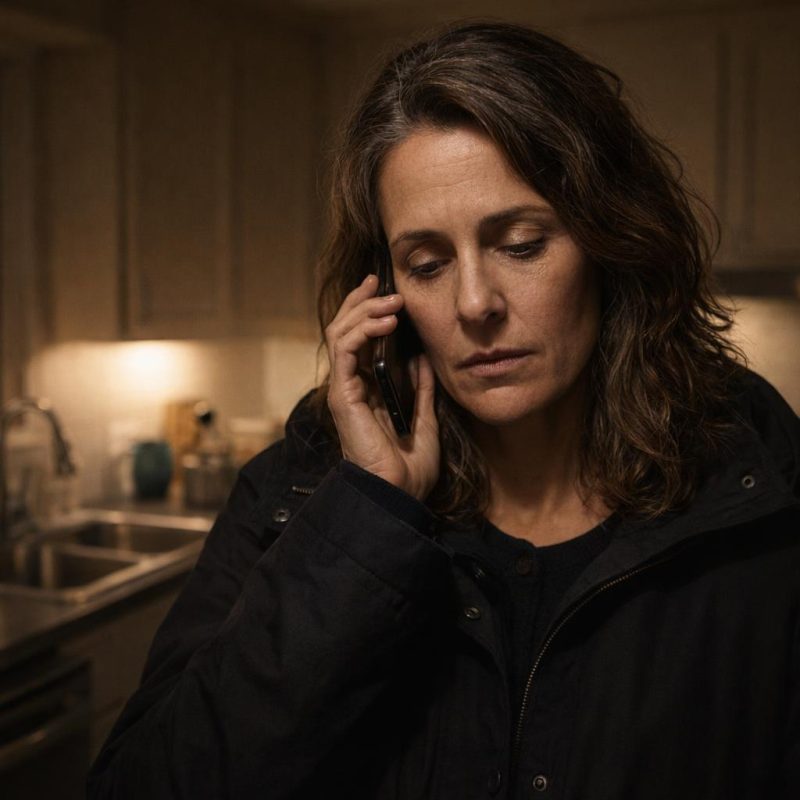 Image by RM AI
Building the Timeline
The next morning I opened a blank document on my laptop and started typing. I didn't let myself think too hard about it — I just started at the beginning, when Emma was small, and worked forward. Birthday parties with the dates I could remember. School plays and the programs I'd kept. Soccer games, doctor appointments, the summer we drove to the coast and Emma got sunburned and complained the whole way home and I'd laughed until my eyes watered. I noted which events I had physical evidence for — photos, receipts, cards — and which ones lived only in my memory for now. The list grew longer than I expected. I documented the years after the divorce with particular care, because those were the years Emma seemed to remember most differently. I wrote down parent-teacher conferences, the times I'd driven her to practice when she missed the bus, the nights I'd sat at the kitchen table helping her study for exams she was convinced she'd fail. By the time I saved the document and backed it up to the cloud, I had filled three pages. I sat back and looked at the screen, at all those ordinary days I had shown up for, and felt the weight of what it meant that so many of them might not match the version Emma carried now.
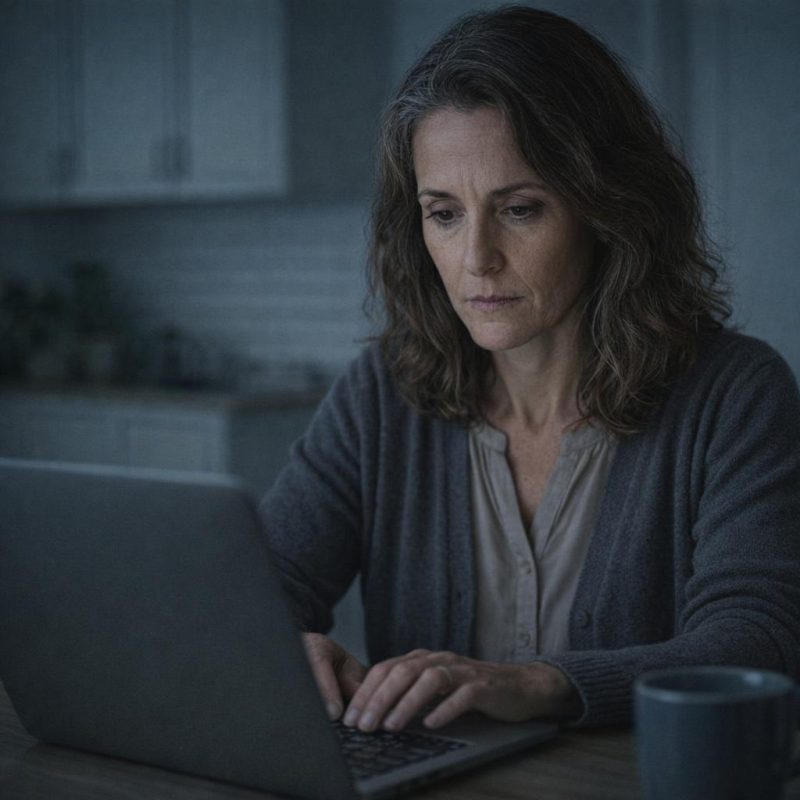 Image by RM AI
The Evidence in the Attic
I hadn't been in the attic in over a year. I climbed up with a flashlight and found the boxes I'd labeled years ago in thick black marker — Emma's name and the school years written across the sides. I started with the earliest ones. Inside the first box I found programs from her elementary school plays, and there was my name printed in the parent volunteer list, right alongside the other mothers. There were birthday cards I'd given her over the years, some of them with small notes tucked inside in Emma's own handwriting — thank-you notes she'd written back to me, her letters uneven and earnest. I found a folder of report cards with the parent-teacher conference sheets clipped to them, my signature on every one. Near the bottom of one box I found a stack of photographs: me on the sidelines at her soccer games, me in the school gymnasium at her fifth-grade science fair, me at the kitchen table on what looked like a Sunday morning, Emma leaning against my shoulder. I brought all of it downstairs and spread it across the dining room table. I stood there looking at the photographs and the cards and the programs laid out in rows, and the ache that settled into my chest wasn't anger — it was something quieter and heavier than that, a grief I didn't quite have a name for yet.
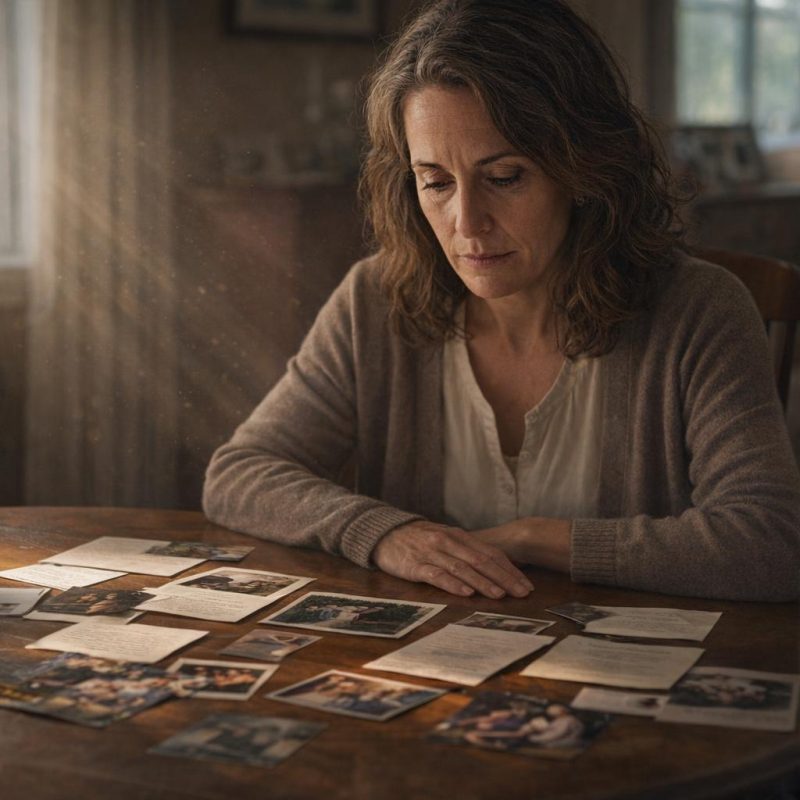 Image by RM AI
The Call That Goes to Voicemail
I'd been staring at the evidence on the dining room table for the better part of an hour when I picked up my phone. I'd been going back and forth about it for days — whether to call, what to say, whether Emma would even pick up. I pulled up her contact and stood there for a moment, then pressed call before I could talk myself out of it. It rang once. Just once. Then it went to voicemail — Emma's recorded voice, professional and clipped, asking me to leave a message. I stood very still and waited for the beep. I'd rehearsed something on the drive back from the attic, some careful, neutral version of what I needed to say, but it dissolved the moment I heard the tone. I told her I'd been thinking about her and that I really needed to talk, that there were some things I wanted to share with her when she had time. I kept my voice even. I didn't mention the journal or the photos or any of it. I just said it was important to me, that I wasn't trying to pressure her, and that I hoped she'd call me back when she could. I ended the call and set the phone face-up on the table beside the photographs. Then I sat down and waited.
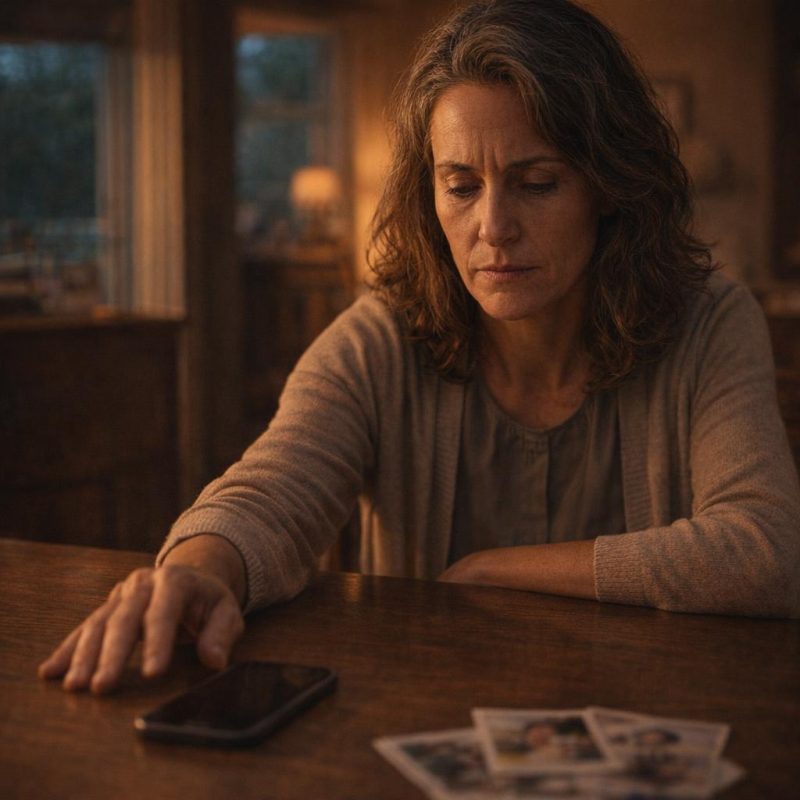 Image by RM AI
The Text That Closes the Door
I waited most of the afternoon. I kept the phone close — on the table while I made tea, on the counter while I moved the evidence back into its folder, in my pocket when I walked to the window and back. Nothing. By early evening I'd almost convinced myself she might actually call. Then the phone buzzed with a text. I picked it up fast. It was from Emma. She said she was sorry she'd missed me, that work had been really hectic lately, and that we could catch up another time. That was it. No question about what I'd wanted to talk about. No offer of a specific day or time. I typed back asking when might work for her, keeping it short, keeping it light. I watched the screen. The message showed as delivered, then read. No reply came. I set the phone down on the table and looked at Emma's message again — seven lines of polite, careful nothing, with no date attached to the promise of another time.
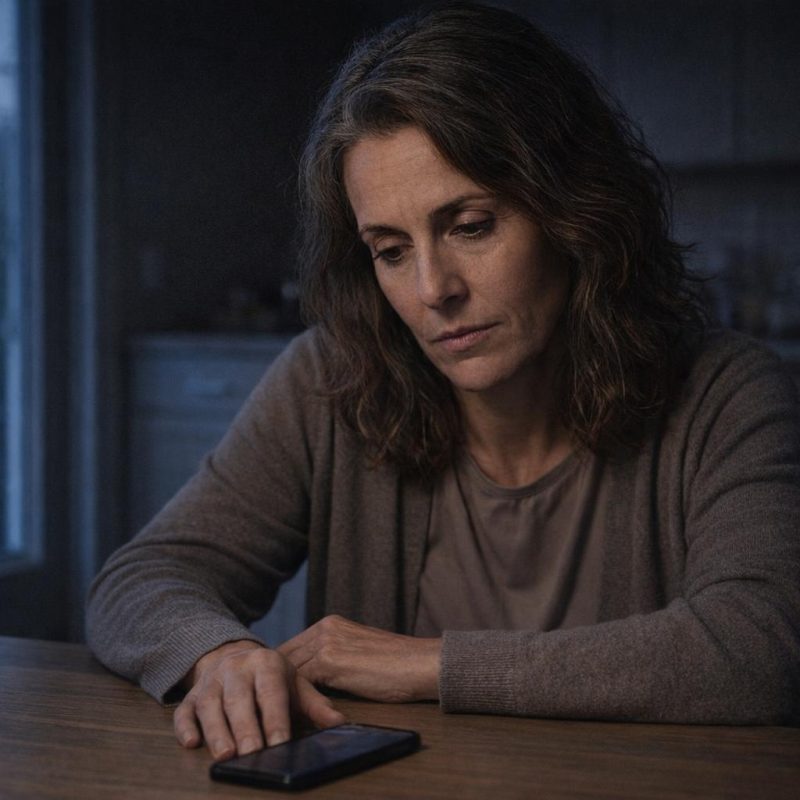 Image by RM AI
The Decision to Act
I sat with Emma's text for a long time that night. I read it again a few times, not because I thought I'd missed something, but because some part of me kept hoping the words would rearrange themselves into something warmer. They didn't. And somewhere in that quiet, something shifted in me. I'd been waiting — for Emma to be ready, for the right moment, for some opening she might offer me. But she wasn't going to offer one. I could see that now. Waiting wasn't a strategy; it was just a way of standing still while the distance between us grew. I got out a notepad and started writing down what I had: the journal entries, the photographs, the programs, the cards in Emma's own handwriting, Sarah's memories. I wrote down what I still needed — copies of a few more documents, the photos Sarah had mentioned. I thought about Dr. Hayes's words, about how a person could come to genuinely believe a false version of their own past. If I was going to reach Emma, I needed something she couldn't dismiss with a polite text. I needed to put it all in front of her, organized and undeniable. The notepad sat on the table in front of me, the list already half a page long, and for the first time in weeks I felt less like I was falling and more like I was standing on solid ground.
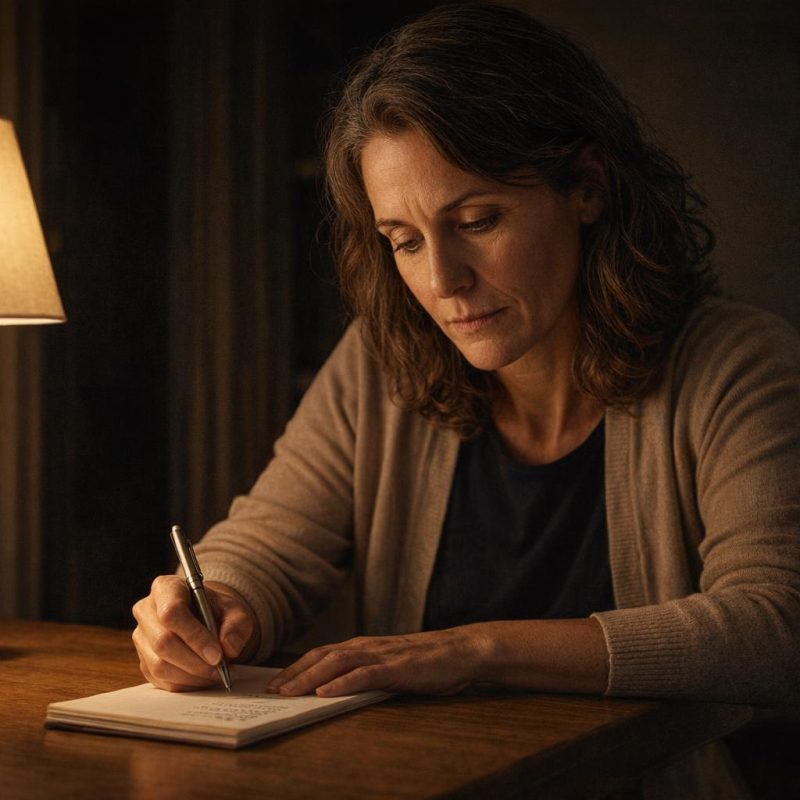 Image by RM AI
The Archive of Proof
It took me four days. I worked at the dining room table in the mornings, when the light was good, spreading everything out and sorting it into piles before moving it into a wide three-ring binder I'd bought at the office supply store. I organized the photographs chronologically, slipping them into plastic sleeves — birthday parties, school events, ordinary Saturdays that I'd thought to photograph for no particular reason. I included the birthday cards with Emma's thank-you notes still tucked inside, and the school programs with my name in the volunteer lists. I made copies of the report cards and the parent-teacher conference sheets and filed them behind a labeled tab. Sarah had texted me three photos she'd found on her phone — me at Emma's soccer tournament, grinning in the bleachers — and I printed those and added them too. I printed the timeline I'd built on my laptop and placed it at the front of the binder, behind a clear cover sheet. I added several journal entries, the pages photocopied and dated. On the last evening, I closed the binder and set it on the table in front of me. It was thick and heavy in a way that felt almost physical — all those ordinary days pressed together between two covers, patient and waiting.
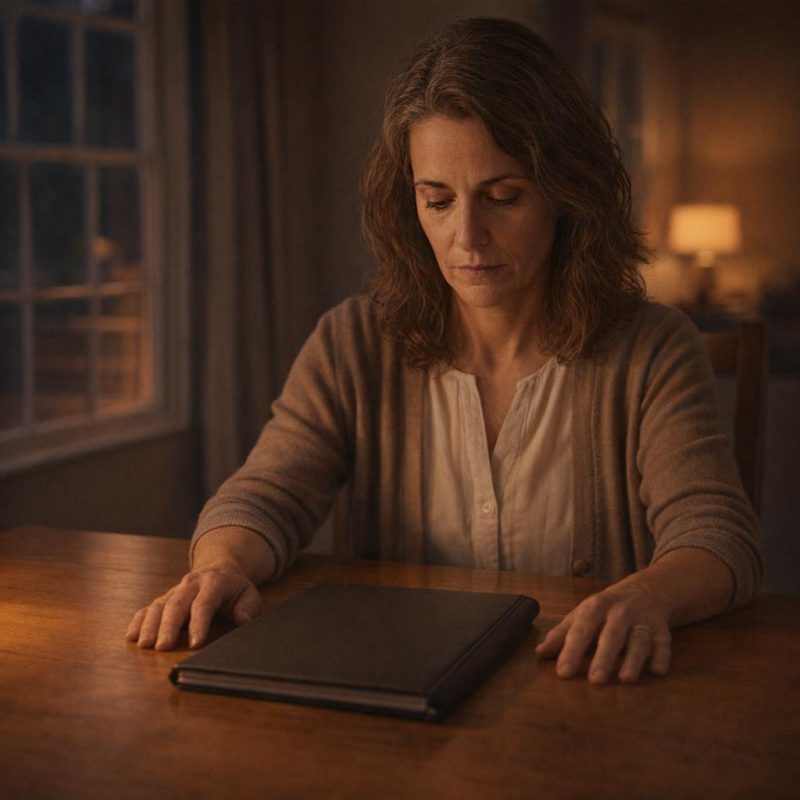 Image by RM AI
The Neighbor Who Remembers
I drove across town on a Tuesday morning with the binder on the passenger seat and my hands tighter on the wheel than they needed to be. Jennifer had been our neighbor for almost eight years — she'd watched Emma grow from a gap-toothed seven-year-old into a teenager who borrowed her driveway to practice parallel parking. When she opened the door and saw me standing there, her face went warm and surprised all at once. I explained, as carefully as I could, that I was trying to document Emma's childhood — that there were some memory discrepancies I was trying to sort through. Jennifer didn't hesitate. She invited me in, made tea, and started talking before I'd even opened the binder. She remembered me driving Emma to swim practice twice a week. She remembered the birthday parties in the backyard, the Halloween costumes I'd sewn by hand, the way I'd stayed late at the school carnival every single year to help break down the booths. She said she'd always thought of me as one of those mothers who showed up. She offered, without me asking, to write it all down if it would help. I sat across from her at her kitchen table, holding my mug with both hands, and let that settle over me like something I hadn't known I was waiting to hear.
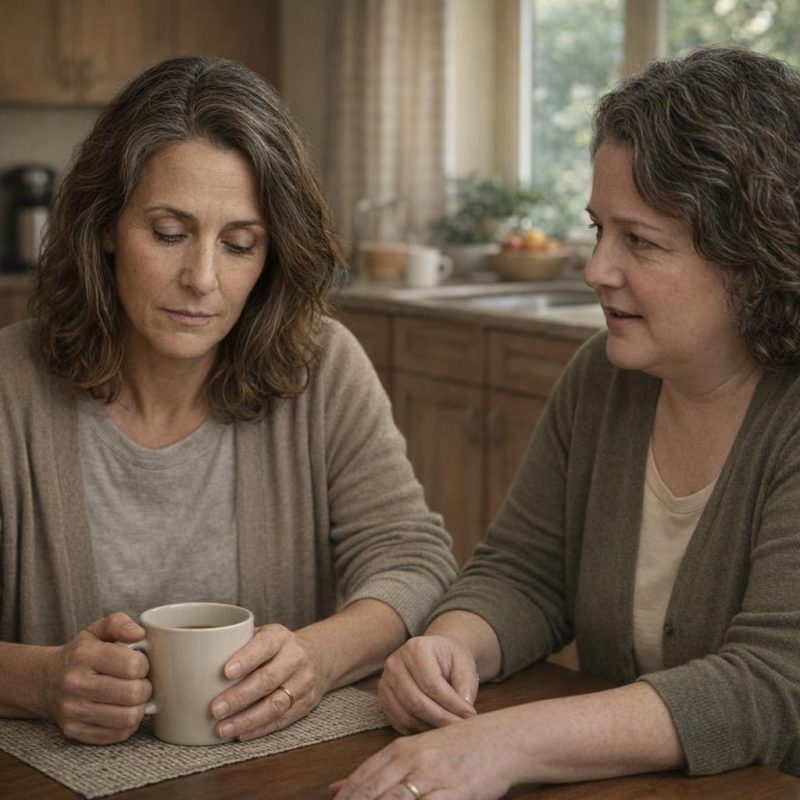 Image by RM AI
The Teacher's Confirmation
I found Ms. Calloway through the school district's staff directory — she'd taught Emma's fifth-grade class and was still listed as active at the same elementary school. I spent almost an hour drafting the email, trying to strike the right tone. Not desperate. Not accusatory. Just a mother trying to fill in some gaps. I explained that I was compiling a record of Emma's childhood and asked if she had any memories of our parent-teacher relationship. Then I closed the laptop and tried not to check it every twenty minutes. Two days passed. I told myself she was busy, that teachers got dozens of emails, that it didn't mean anything. On the third morning I opened my inbox and there it was — her name in bold at the top of the list. The email was longer than I'd expected. She remembered Emma as a bright, sometimes anxious student who'd struggled with a science fair project in the spring. She remembered me coming in early to help Emma organize her research notes. She wrote that I had been one of the more engaged parents she'd worked with in her years of teaching, that I'd always followed through, always shown up. She said she'd be happy to provide a written statement if I ever needed one. I read it twice, then printed it and slid it into the binder.
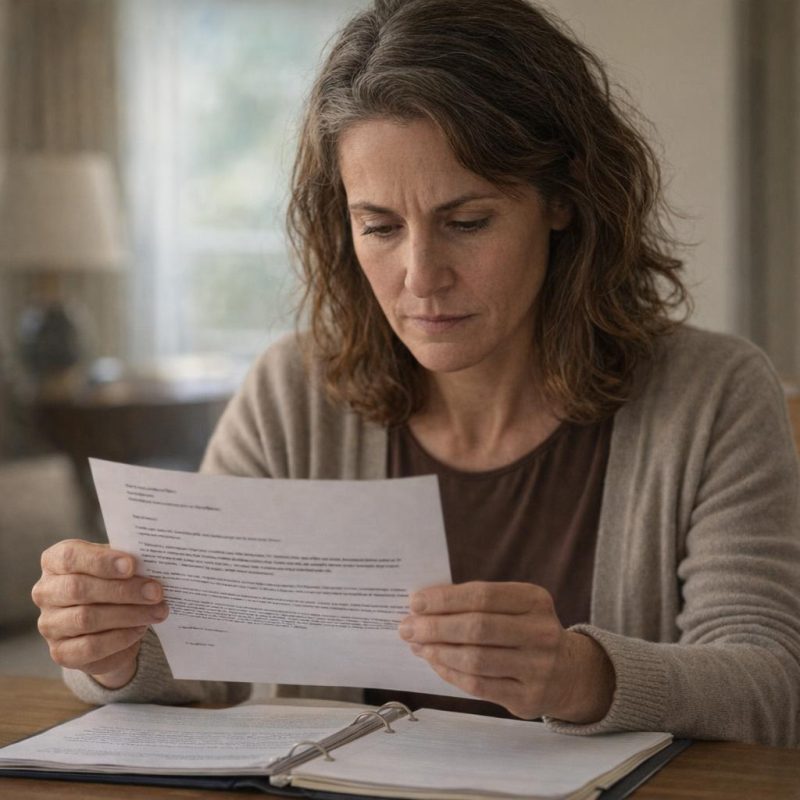 Image by RM AI
The Pattern of Interference
I still had the old email account from the years right after the divorce — I'd kept it mostly out of inertia, the password saved in a browser I rarely opened anymore. I went looking through it one evening after dinner, searching Richard's name in the inbox. There were more messages than I remembered. Scheduling emails, mostly, but threaded through them were other things. One from early on mentioned that Emma had seemed tired after her weekends with me — that she'd come home needing extra sleep. Another suggested that Emma preferred staying at his house because it was quieter, better for homework. A third offered to take Emma for an extra week during the summer because I had that work trip coming up and he didn't want her to feel like a burden. Each one, on its own, read as reasonable. Considerate, even. But I kept scrolling, and the same notes kept appearing — Emma tired, Emma stressed, Emma more settled at his place. I printed a dozen of them and spread them across the table side by side. Standing there looking at them all together, something shifted in my chest. Individually they were nothing. Laid out like that, they told a different story — one I couldn't quite name yet, but couldn't stop looking at either.
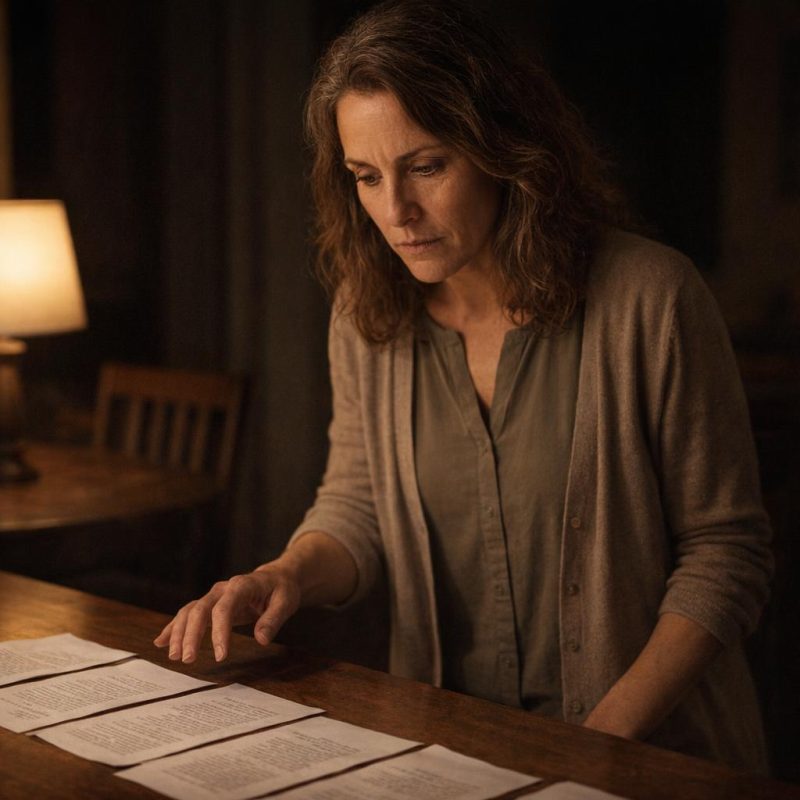 Image by RM AI
The Custody Shift
The custody arrangement had started as equal time — two weeks on, two weeks off, clean and straightforward. I'd been proud of that. Proud that we'd managed to be civil enough to make it work. But somewhere in the years that followed, the lines had blurred. Richard had suggested, early on, that Emma's dance studio was closer to his neighborhood, that it made more sense for her to stay with him on the nights she had late rehearsals. I'd agreed. Then there were the school friends who all lived on his side of town, the birthday parties I'd have to drive forty minutes to reach. I'd agreed to extra weekends so Emma wouldn't miss out. I'd told myself I was being flexible. Cooperative. That a good mother put her child's convenience first. But sitting with it now, I could trace the shape of it — one small agreement at a time, each one reasonable, each one mine to give freely, until the weight of them had quietly shifted Emma's center of gravity away from me. I hadn't fought any of it. I'd thought I was being generous. What I couldn't stop turning over now was the question of whether I'd agreed my way out of my own daughter's daily life without ever once seeing it happening.
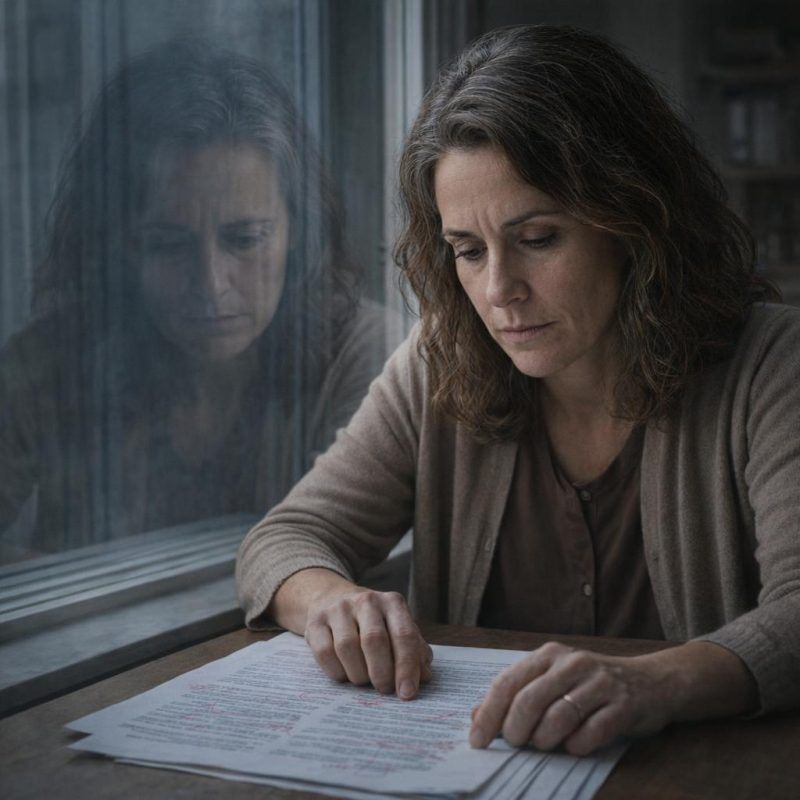 Image by RM AI
The Scope of It
I spread everything across the dining room table on a Sunday afternoon — the photos, the printed emails, Jennifer's handwritten statement, Ms. Calloway's email, the timeline, the journal pages, the report cards. I stood at the edge of the table and looked at all of it. The evidence of my presence was there, clear and consistent — years of school pickups and sick days and science projects and Saturday mornings at the soccer field. But the other thread was there too, running alongside it. The scheduling emails. The small suggestions. The gradual drift of weekends and holidays and ordinary Tuesdays away from my house and toward his. I'd been there. I had proof that I'd been there. And somehow it hadn't been enough to hold the shape of what Emma remembered. That was the part I kept coming back to — not the anger, not yet, but the sheer scale of the distance between what I knew had happened and what Emma seemed to believe. I didn't know how to bridge it. I didn't know if a binder full of photographs and printed emails could reach across twelve years of a story that had been told without me in the room. I sat down in my chair, and the house was very quiet around me, and I stayed there for a long time.
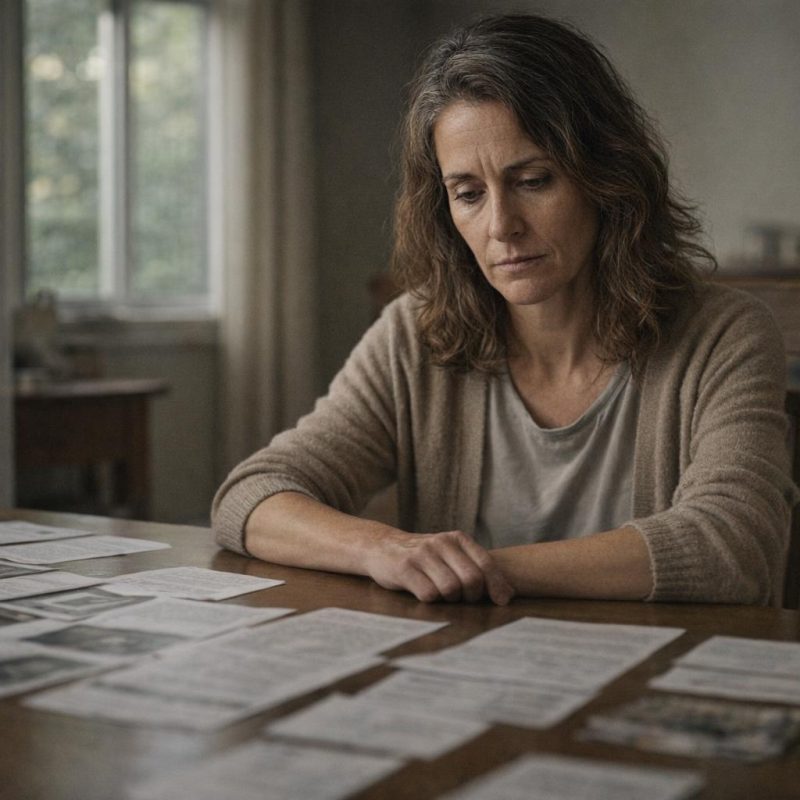 Image by RM AI
The Emails That Rewrite History
I still had the login for Emma's old email account — she'd given it to me years ago when she was twelve and I'd needed to forward her a school permission slip. I'd never used it for anything else. I sat with the cursor blinking in the password field for a long moment before I typed it in. The account was mostly dormant, old newsletters and forgotten sign-ups. But I searched Richard's name and the results loaded slowly, one by one. There were more than I expected. I started reading. One email told Emma that he understood she was upset about missing the recital — and mentioned, gently, that these things happened when a parent had a lot on their plate. Another, from when Emma was fifteen, said he knew it was hard when Diane forgot things, that it wasn't about her, that some people just struggled with that kind of follow-through. I sat very still. I remembered the recital. I had been there. I had the program somewhere in the binder with my name on the volunteer list. The forgetting he described — I didn't recognize it. I didn't recognize any of it. But Emma had been reading these messages for years, in the quiet of her own room, with only his account of those days beside her. I sat with the weight of that for a long time, the screen still glowing in front of me.
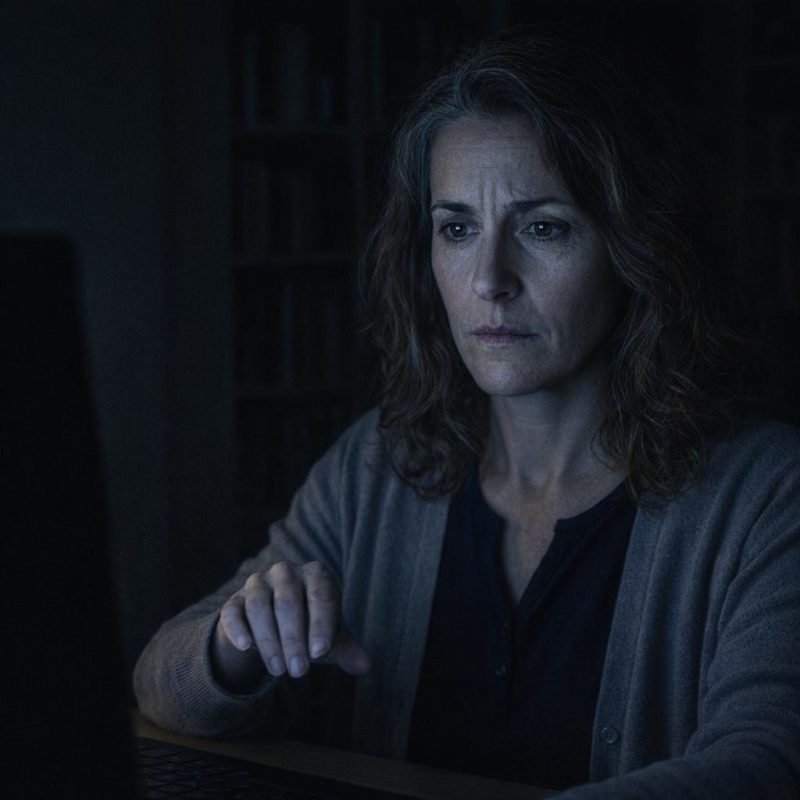 Image by RM AI
The Beginning of the Rewrite
I couldn't stop once I'd started. I kept scrolling backward through the account, past the teenage years, past middle school, looking for the earliest message I could find from Richard. I found it near the bottom of the archive — sent just three weeks after the divorce was finalized. Emma would have been nine. The subject line said only: Thinking of you. The message was warm and careful. He told Emma he knew this was a hard time for everyone. He said he wanted her to know she could always talk to him, that his door was always open. And then, near the end, almost as an aside, he wrote that he knew her mom was going through a lot of changes right now and that sometimes when grown-ups were dealing with big feelings, it could be hard for them to be as present as they wanted to be. He said Emma shouldn't take it personally if her mom seemed distracted or far away. It was gentle. It was kind-sounding. Emma was nine years old and her parents had just divorced, and those words had landed in her inbox suggesting I might not be there for her the way she needed. I sat back in my chair and stared at the date in the corner of the screen — sent twelve years ago, three weeks after we signed the papers.
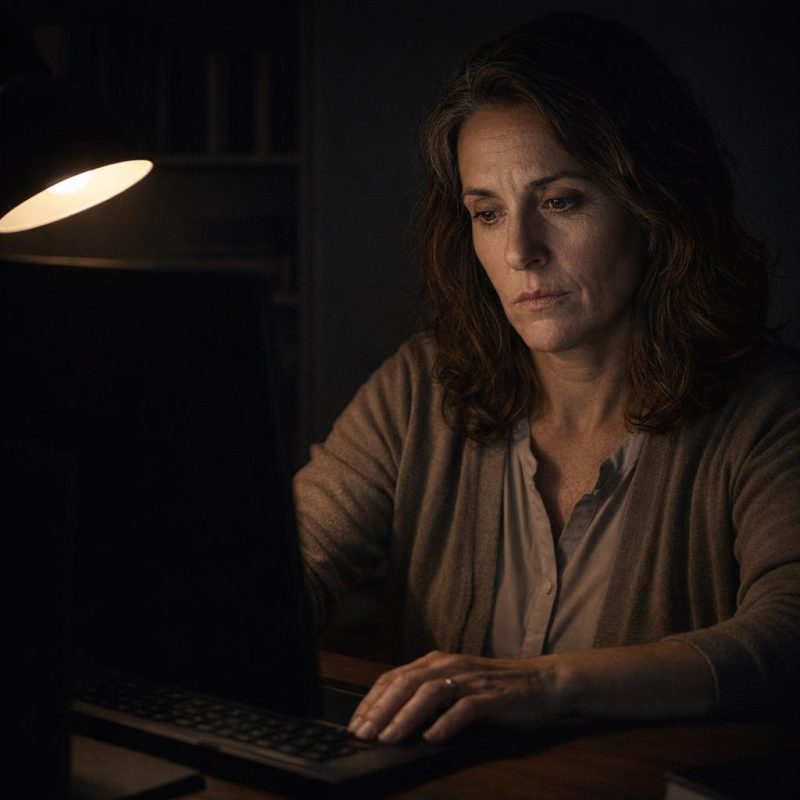 Image by RM AI
The Folder Is Ready
I added the printed emails to the binder that night — the earliest one first, behind its own labeled tab. Then I went through everything one more time, checking the order, making sure each section was clear. Photos behind the first tab. Timeline behind the second. Jennifer's handwritten statement and Ms. Calloway's email behind the third. The scheduling emails behind the fourth. Richard's messages to Emma behind the fifth. I wrote a cover letter — two paragraphs, plain and factual, explaining that I had compiled this record because I wanted Emma to have access to a fuller picture of her own childhood. I kept my voice out of it as much as I could. No accusations. No demands. Just: here is what I found, here is what I remember, here is what other people remember too. I closed the binder and set it on the table in front of me. I had a draft email open on my laptop — just Emma's address in the to field and a subject line that said only: Can we meet? I hadn't sent it yet. The binder sat on the table, thick and patient, and the cursor blinked in the unsent message, and the house held its breath around me.
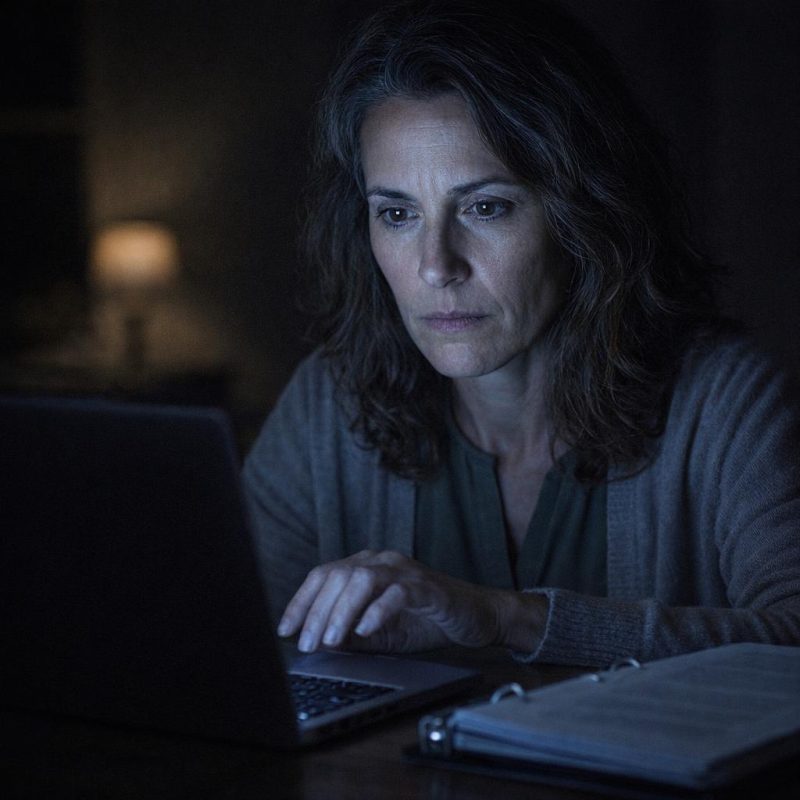 Image by RM AI
The Message I Had to Send
I sat at the kitchen table for a long time before I opened a new message to Emma. The binder was right there beside me, thick and solid, and I kept my hand on it like it was something I might need to hold onto. I typed the first version in about thirty seconds — too long, too emotional, too much. I deleted it. The second version was too short, almost cold. I deleted that one too. The third time I tried to find the middle: just that I had some things I wanted to share with her, things I thought were important, and that I was asking for one hour of her time. I said I wasn't looking for a fight. I said I just wanted her to see something. I read it back four times. My thumb hovered over the send button and I couldn't make myself press it. Outside, the neighborhood had gone quiet. The binder sat under my hand, patient as ever, and the unsent message glowed on the screen in front of me, waiting for a courage I wasn't sure I had left.
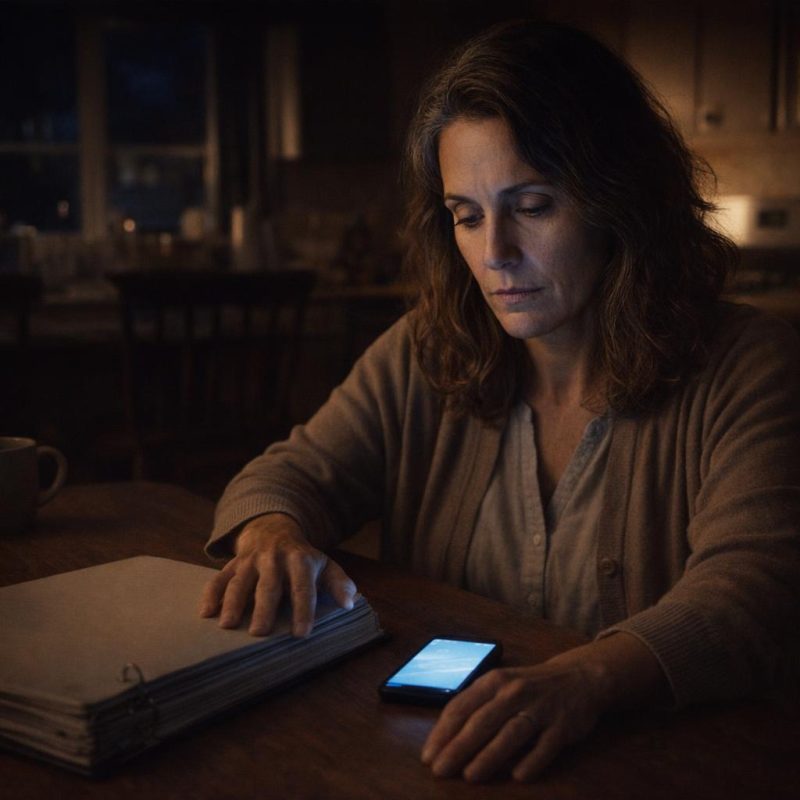 Image by RM AI
The Reluctant Agreement
I pressed send before I could talk myself out of it — just tapped the button and set the phone face-down on the table like I could pretend it wasn't happening. When I picked it up again two minutes later, the message already showed as read. My stomach dropped. I watched the screen for the three little dots that would mean she was typing, but they never came. I made tea I didn't drink. I folded laundry I'd already folded. I checked my phone every twenty minutes for six hours, telling myself each time that no response was still a response, and not necessarily the worst one. Then, just after ten at night, my phone buzzed. Emma's message was four sentences. She could do coffee. One hour, no more. There was a café near her apartment — she named it and gave me a time, three days out. The last line stopped me cold: she said she was agreeing because Lucas thought she should, not because she expected it to go anywhere, and that she needed me to respect that boundary going in.
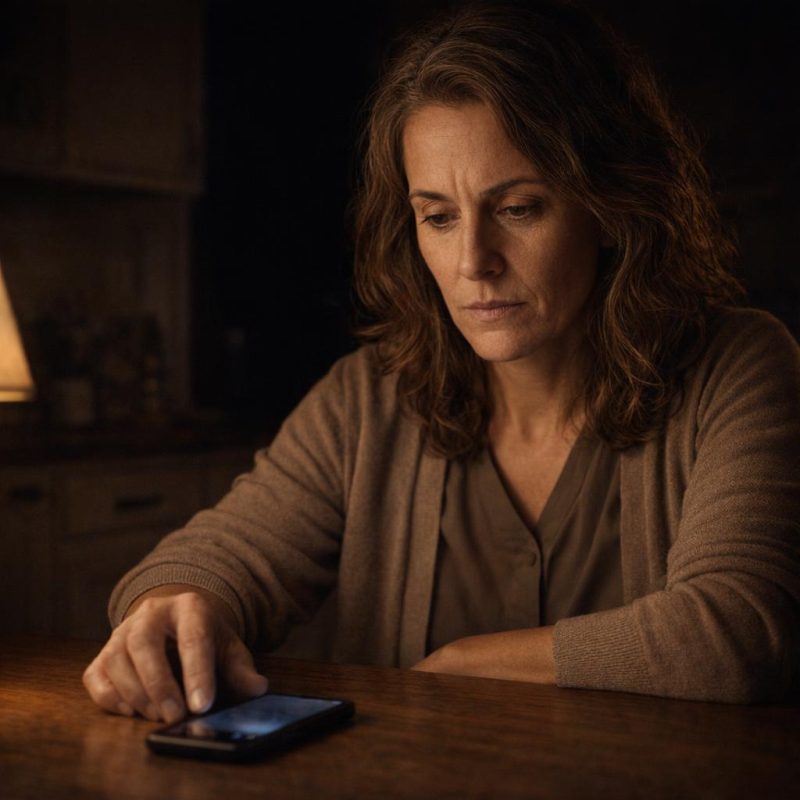 Image by RM AI
The Evidence in My Hands
I got to the café twenty minutes early and took a corner table, the folder flat on the seat beside me. I ordered a coffee I barely touched and watched the door. When Emma walked in with Lucas, they were both in their coats, both carrying that careful, guarded look I recognized from every difficult conversation we'd ever tried to have. We ordered, we settled, and then I reached into my bag and set the folder on the table between us. I told Emma I'd put together some things from her childhood — photos, a few documents, some notes from people who were there. I said I just wanted her to look. Emma's expression was skeptical, but she reached out and opened the cover. She moved through the first few pages slowly — the timeline, the early photos, Jennifer's statement. Lucas sat quietly across from her, watching without speaking. Then Emma turned to the section with the birthday photos and stopped. She looked down at the image — herself at thirteen, surrounded by friends, a cake in front of her, streamers behind her — and her brow pulled together in a slow, uncertain furrow.
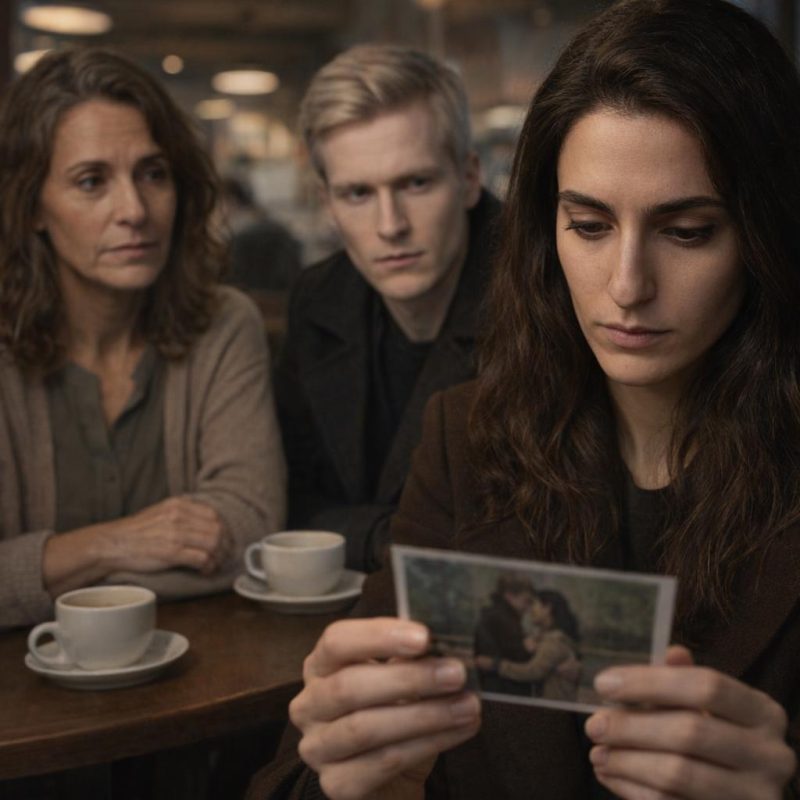 Image by RM AI
The Wall Goes Up
Emma kept turning pages, but something had shifted in her posture — her shoulders pulled back, her jaw set. She shook her head at the teacher's email, a small, tight movement. She said the documents didn't match what she remembered. She said I hadn't been as present as all of this made it look. I tried to stay calm. I pointed to the dates on the photos, to Jennifer's handwriting, to the timestamps on the emails. I told her I wasn't asking her to take my word for it — that was the whole point of the folder. Her voice climbed a little when she answered. She said photos could be staged and papers could be selective, and that her own memory of her childhood was more reliable than anything I could put in a binder. Then she glanced at her watch and said she had a 3:30 she couldn't move. Lucas hadn't said a word the entire time — he just sat there with his hands around his coffee cup, watching Emma with an expression I couldn't quite read. Emma closed the folder and pushed it back across the table toward me.
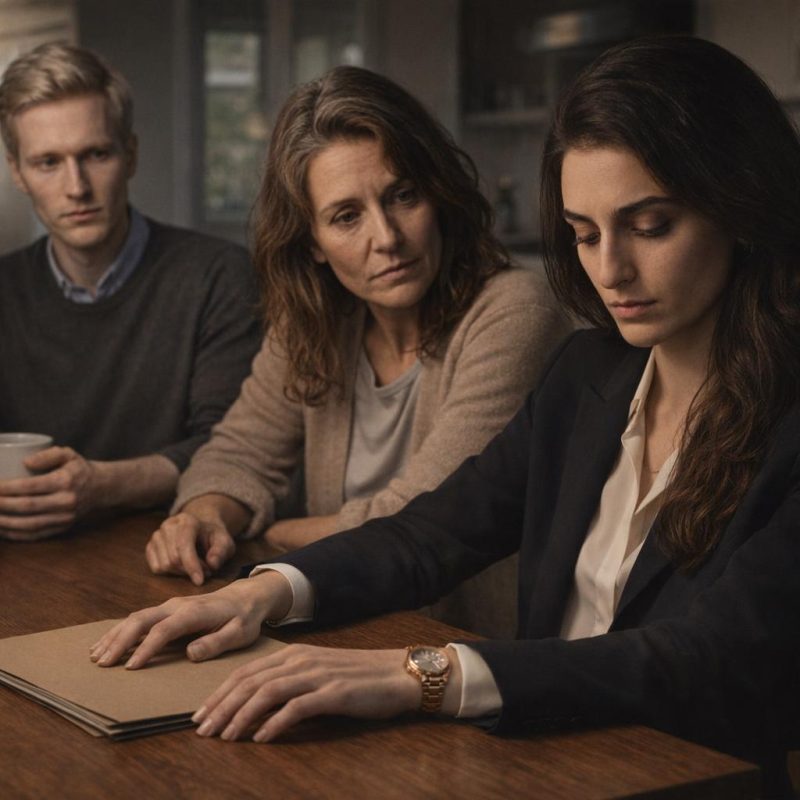 Image by RM AI
Lucas Speaks
Emma was already reaching for her coat when Lucas said her name — quietly, but with enough weight that she stopped. He asked her to sit back down. He said there was something he needed to tell her, and that he should have said it sooner. Emma looked at him the way you look at someone when you're not sure you want to hear what's coming, but she sat. Lucas said he'd been noticing things about Richard for the better part of a year. He said it started small — the way Richard would gently correct Emma when she mentioned something positive about me, the way he'd offer a different version of the same memory, always with himself as the steady one and me as the absence. He named two specific dinners where he'd watched it happen in real time. He said Richard never raised his voice, never said anything overtly cruel — he just kept redirecting, kept repositioning, until Emma's own recollection started to sound uncertain even to her. Lucas said he hadn't known how to bring it up without proof. He looked at the folder on the table and said the proof was right there. Then he told Emma that what Richard had been doing to her memories of me had been going on for years, and it hadn't been accidental.
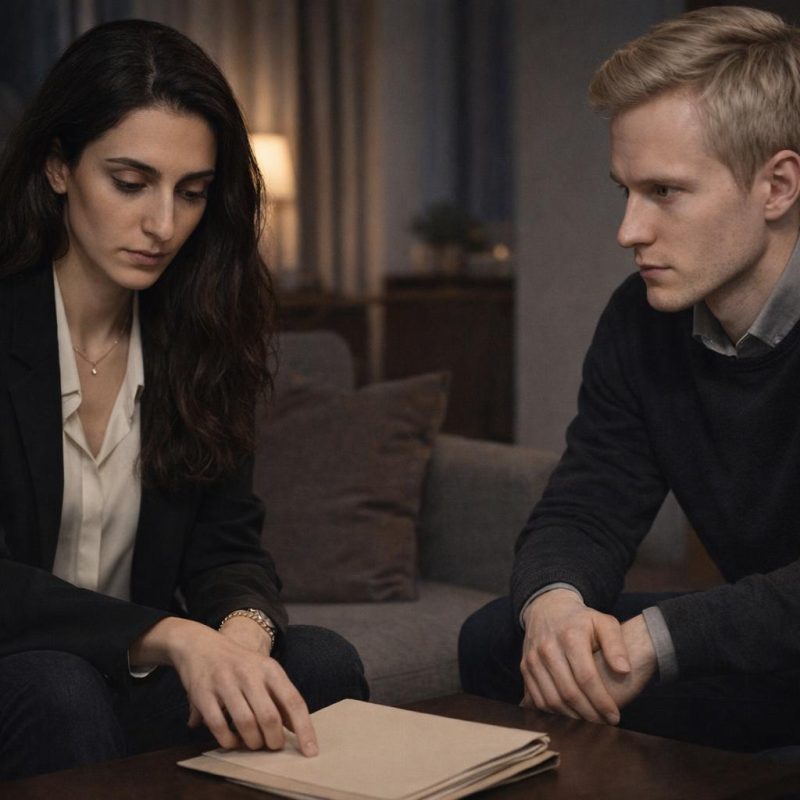 Image by RM AI
The First Crack
Emma didn't move for a long moment after Lucas finished. She sat with her hands flat on the table, staring at a point somewhere between the coffee cups, and the café noise around us felt very far away. Lucas reached over and covered her hand with his, and she didn't pull back, but she didn't look at him either. After a while she pulled the folder back toward her and opened it again — slowly this time, like she was handling something fragile. Her hands weren't quite steady as she turned the pages. She asked Lucas why he hadn't said anything before, and he told her again that he hadn't been sure how, that he'd needed to be certain before he put something like that in front of her. Emma looked at me then — really looked at me — and her face was open in a way I hadn't seen in years, confused and young and hurting all at once. She said she didn't know what to believe anymore. I didn't say anything. I just let the words sit there between us, because some things need room before they can settle.
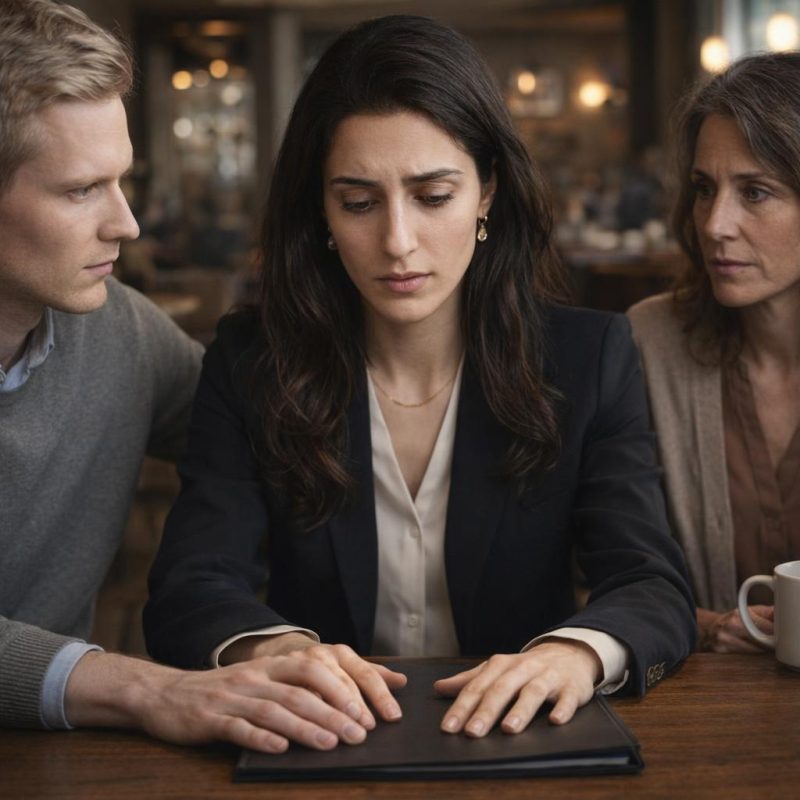 Image by RM AI
Looking at the Evidence Together
Emma asked if we could stay and go through everything properly. I said yes before she finished the sentence. We flagged down the server and ordered another round of coffees, and I spread the folder's contents across the table — photos in one row, the timeline beside them, Jennifer's statement and Ms. Calloway's email below that. Emma moved through it methodically, reading the dates on the backs of photos, holding Jennifer's handwritten note close to read the smaller lines. She read one of my journal entries aloud in a low voice, almost to herself, and then set it down without comment. She asked me about the spring recital documented in the timeline — whether I'd really driven her both ways that week when my car was in the shop. I told her yes, I'd borrowed Sarah's car. She asked about the camping trip in the photos. I told her the whole story, the one with the broken tent pole and the raccoon that got into our cooler, and something in her face shifted — not acceptance exactly, but a loosening. Lucas pointed out quietly where a few of the documented events contradicted things Richard had mentioned at dinner over the past year. Emma listened without arguing. The three of us sat there in the afternoon light, turning pages, and the table between us felt less like a barrier than it had in years.
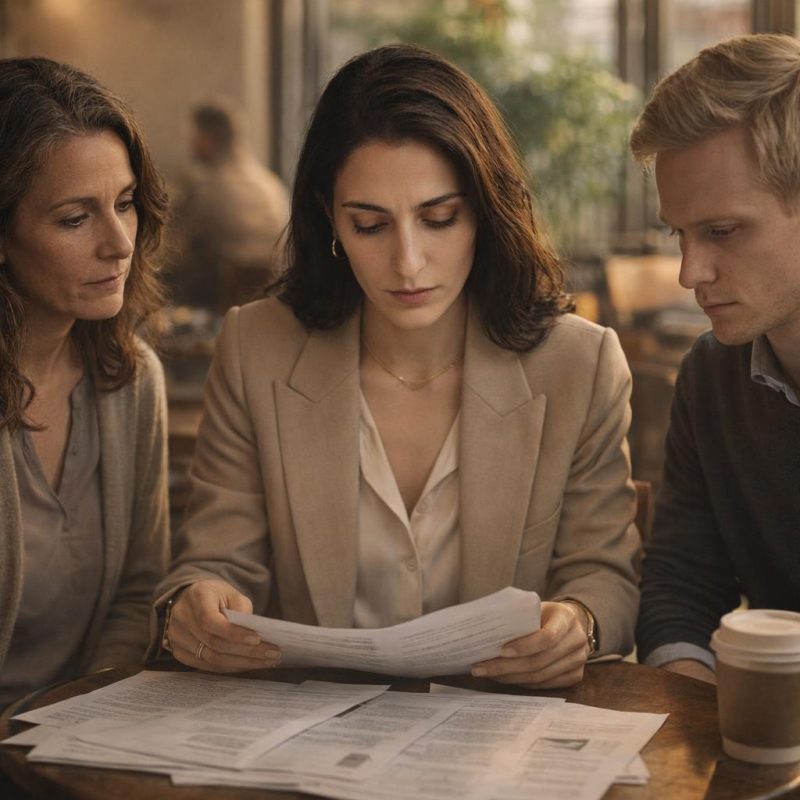 Image by RM AI
The Memory That Doesn't Fit
Emma picked up the birthday photo again near the end — the one from her thirteenth year, the streamers and the cake and her own face caught mid-laugh. She held it for a long time without speaking. Then she said she'd always remembered that birthday as the one I forgot. She said the memory was specific: waiting by the window, no one coming, feeling invisible. But the photo was right there in her hands. She read my journal entry about ordering the cake, about calling Jennifer to help with the decorations, about how nervous I'd been that Emma would figure out the surprise before the guests arrived. She looked at Jennifer's statement, which confirmed the same afternoon. Her face had gone very still. She said she could see it — she could see the photo, she could read the words — but the memory she'd carried felt just as real, and she didn't understand how both things could exist at the same time. Lucas squeezed her hand. I stayed quiet, my heart aching for what she was working through. Emma set the photo down carefully, smoothed the edge of it with her thumb, and said, barely above a whisper, "I think I might be wrong."
 Image by RM AI
The Weight of Doubt
Emma sat back in her chair like something had gone out of her. Not angry — just emptied. She said it quietly: this was a lot to take in. I watched her look down at the folder, then back up at me, and I could see her trying to hold two realities at once and not quite managing it. She asked if she could keep everything — the photos, the journal entries, Jennifer's statement, all of it. I said yes before she even finished the sentence. I told her she could take all the time she needed, and I meant it, even though part of me wanted to reach across the table and hold on. Lucas put his hand on her back and said gently that they should probably head home. Emma stood, tucking the folder under her arm. She looked at me — not warmly, not coldly, just looked — and said she'd be in touch. She didn't hug me. I didn't push for one. We said goodbye at the door of the café like two people who had just survived something together but weren't sure yet what it meant. I sat back down at the empty table after they left, my coffee long cold, and let the quiet settle around me.
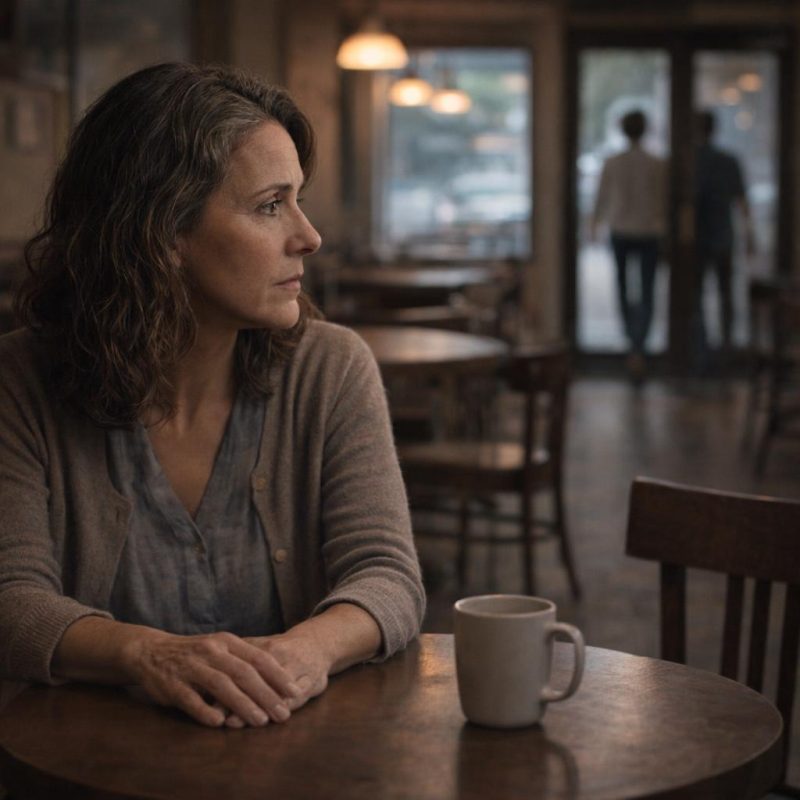 Image by RM AI
The Days of Silence
The first day home, I kept picking up my phone and setting it back down. I told myself she needed space. I believed it. That didn't make it easier. I called Sarah that evening and talked through the whole café meeting from start to finish, and she listened the way she always does — without interrupting, without rushing me toward a conclusion. She said Emma needed time to dismantle something she'd built her whole understanding of herself around, and that wasn't going to happen overnight. I knew she was right. The second day was harder. I reorganized the kitchen cabinets just to have something to do with my hands. The third day I drove to the grocery store twice because I forgot what I'd gone for the first time. I wasn't sleeping well. I kept running through Emma's face when she said she might be wrong — the way it looked like something cracking open rather than something healing. On the fourth day, late in the afternoon, I was sitting at the kitchen table with a cup of tea I hadn't touched when my phone lit up on the counter. Emma's name was on the screen.
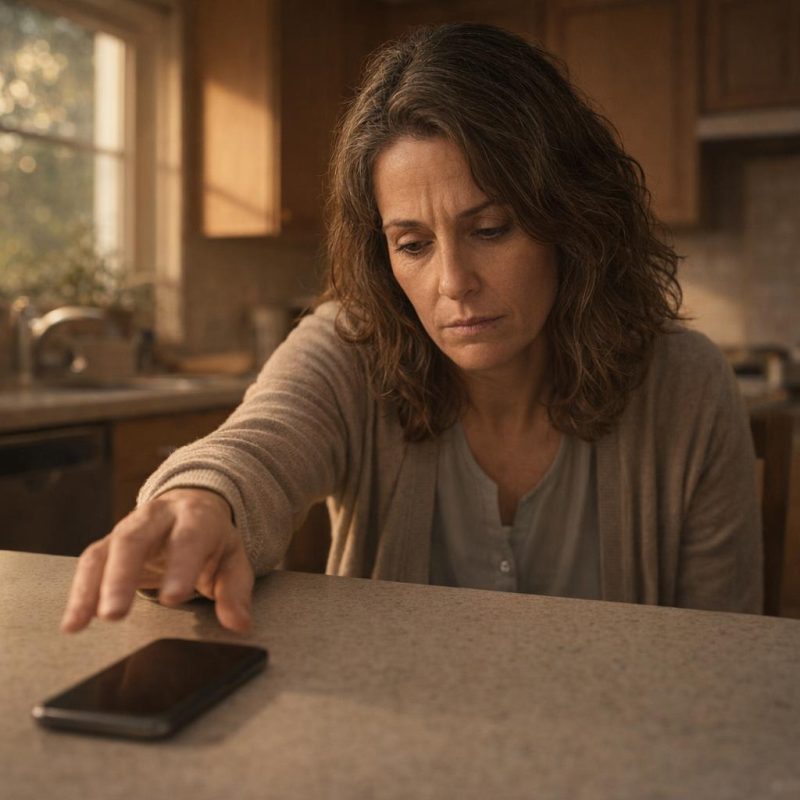 Image by RM AI
Emma's Investigation
My hand was shaking when I answered. Emma's voice came through tired but steady — more steady than I'd expected. She said she'd spent the last few days going through everything. She'd pulled up old messages, dug through emails she'd saved without knowing why, reached out to a couple of friends from high school who remembered things differently than she did. She said she found emails from Richard — ones she'd kept in a folder she hadn't opened in years — and when she read them against what I'd shown her, the pattern was hard to ignore. Her voice tightened when she said that. She told me she needed to talk to him directly. She needed to ask him, face to face, and she wanted me there when she did. I said yes. I didn't hesitate, even though the thought of standing in the same room as Richard made my stomach drop. We talked through the logistics — when, where, how to approach it — and by the end of the call something had shifted between us. She thanked me, near the end, for not giving up. I didn't trust myself to say much back. I just sat with the phone pressed to my ear, and for the first time in longer than I could remember, I didn't feel like I was carrying it alone.
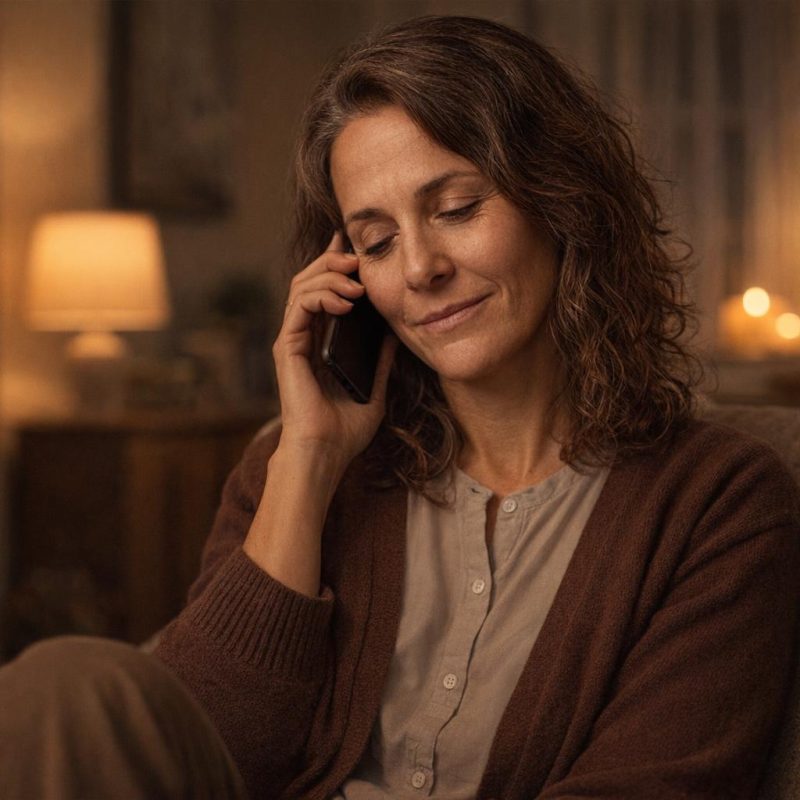 Image by RM AI
Planning the Confrontation
We met at Emma's apartment the next evening — her dining table covered in papers by the time I arrived. She'd added her own findings to the folder: printed emails, a few screenshots, notes in her handwriting on a yellow legal pad. Lucas made coffee and set it down without making a fuss about it, which I was grateful for. Emma ran the meeting. She went through each piece of evidence methodically, deciding what to lead with and what to hold back. I suggested we start with the birthday photo — something concrete, something she could hold in her hands. Lucas said the most important thing was to stay calm and factual, not to let Richard pull the conversation into emotion, because that was where he was most comfortable. Emma nodded and wrote that down. We took turns playing Richard — anticipating the deflections, the reasonable-sounding explanations, the gentle pivots away from accountability. It was strange, hearing his patterns spoken out loud by people who loved each other. Emma wrote her questions in a numbered list, her handwriting careful and deliberate. We agreed on a time for the next morning. When we finally stopped talking, the apartment was quiet, the papers spread between us like a map of something we were only just beginning to understand. I drove home through the dark and tried to sleep.
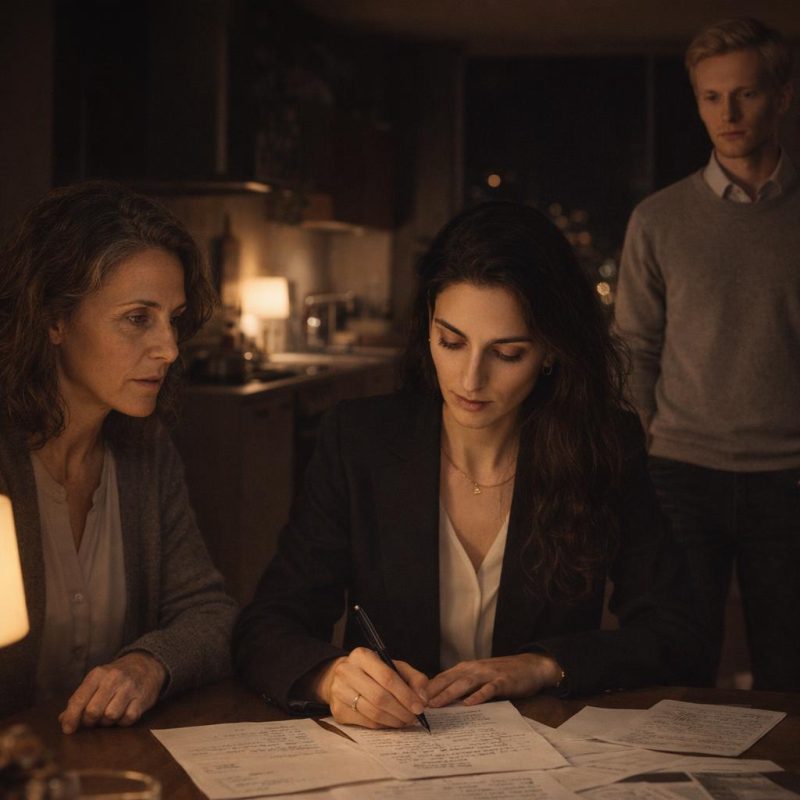 Image by RM AI
At Richard's Door
We parked a half-block from Richard's house and sat in the car for a moment without speaking. Emma had the folder in her lap. Lucas had his hand on her arm. I looked at the house — the neat landscaping, the polished front door, the kind of exterior that announces everything is fine here — and felt the full weight of how many years had passed inside those walls without me. Emma got out first. We followed her up the front path, and she rang the bell with her jaw set and her shoulders back. There was a pause. Then the door opened. Richard stood in the frame in a pressed shirt, relaxed, the picture of a Sunday morning at home. His eyes moved from Emma to Lucas to me, and something shifted in his face — not alarm exactly, more like a rapid recalculation happening just behind his expression. He smiled. He said it was good to see us, asked if everything was all right. Emma said they needed to talk. He stepped back and waved us in, gracious as ever, already asking if anyone wanted coffee. We moved into his living room — Emma familiar with every corner of it, me a stranger in a place that had shaped my daughter's life. Richard settled into his chair, posture easy, and looked at the three of us standing there together.
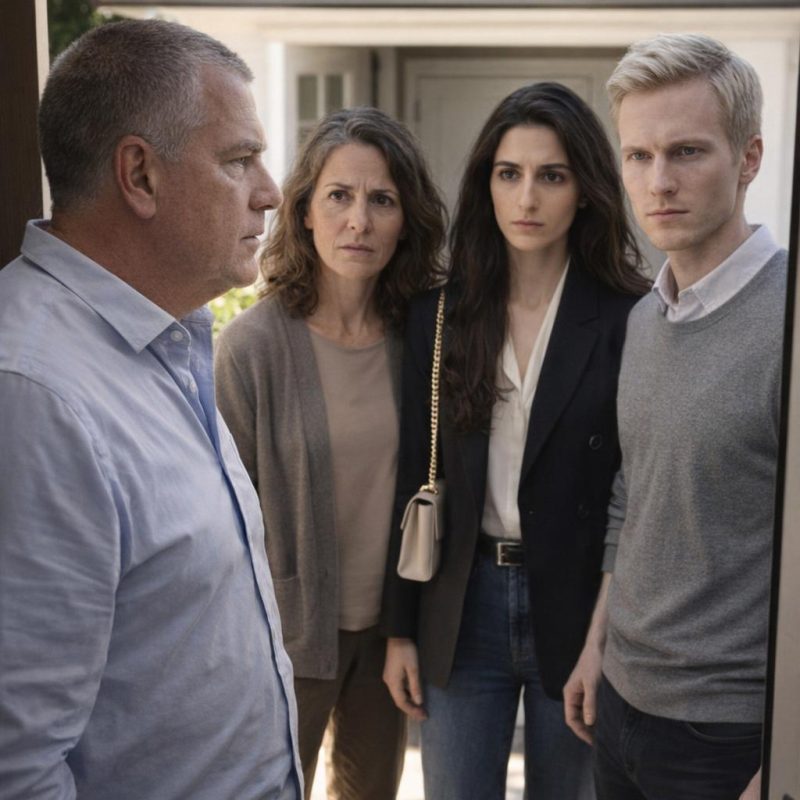 Image by RM AI
The Denials Begin
Emma opened the folder on her lap and took out the birthday photo first. She held it up and asked him, calmly, why he had told her that I forgot her thirteenth birthday. Richard looked at the photo. He tilted his head slightly, the way someone does when they're buying time. He said he didn't remember saying that. Emma read from one of the emails — his words, his phrasing, the implication clear as anything. He listened with his hands folded, and when she finished he said he'd been worried about me during that period, that I'd been under a lot of stress, that he was just trying to give Emma context. He said he never meant to undermine me. His tone was measured, almost wounded, like he was the one being treated unfairly. Emma pressed him on a second example, then a third. Each time, he had an explanation — reasonable-sounding, delivered without raising his voice, always framed as concern rather than criticism. I sat across from him and watched him work. I had seen this before, in mediation rooms and lawyers' offices, the same careful reasonableness that made you feel like you were the one being unreasonable. He looked at Emma with an expression of patient concern and said he had only ever been trying to help her.
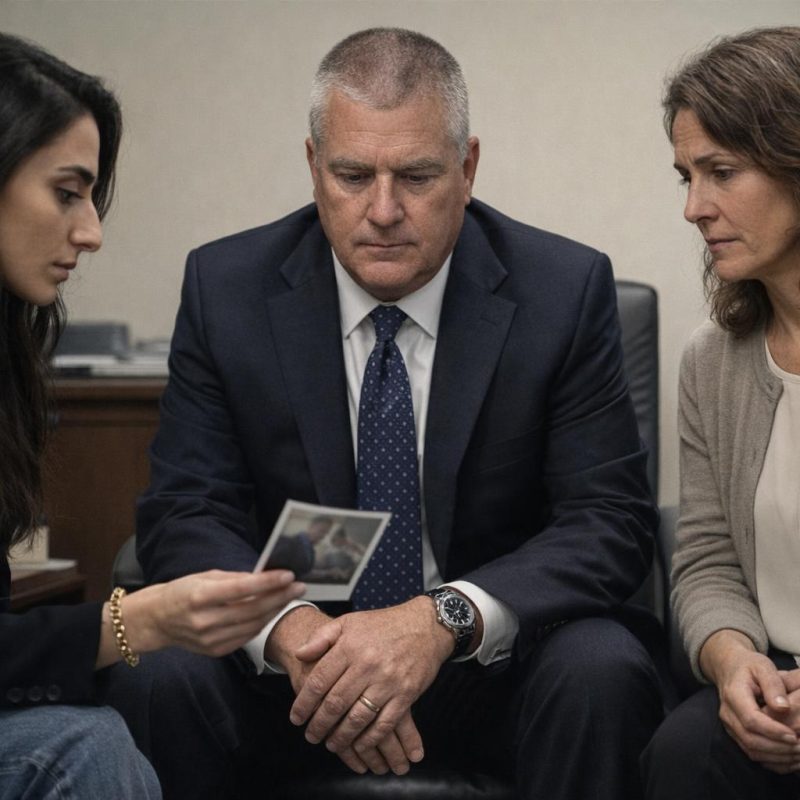 Image by RM AI
The Evidence Mounts
Emma kept going. She laid the emails out one by one, and each time Richard offered an explanation, she moved to the next one without letting him settle. He said the email about my instability was taken out of context — that he'd written it during a particularly difficult custody period and hadn't meant it as a general characterization. Lucas asked, quietly, how that squared with what Richard had said ten minutes earlier about simply expressing concern for Emma's wellbeing. Richard paused. He said those were two different situations. Emma pointed out that they weren't — that the custody modification he'd pushed for happened the same month as the email, and that the email itself referenced the modification. Richard said he didn't recall the timing. Emma showed him the documents. He looked at them for a moment, then said the timing was coincidental. But that contradicted what he'd said about the custody change being for Emma's convenience, and Emma said so, her voice steady and precise. Something moved across Richard's face — a tightening around the jaw, a flicker behind the eyes. He set the papers down on the side table. His next answer came out clipped, the easy warmth gone from it, and he said he didn't appreciate being interrogated in his own home.
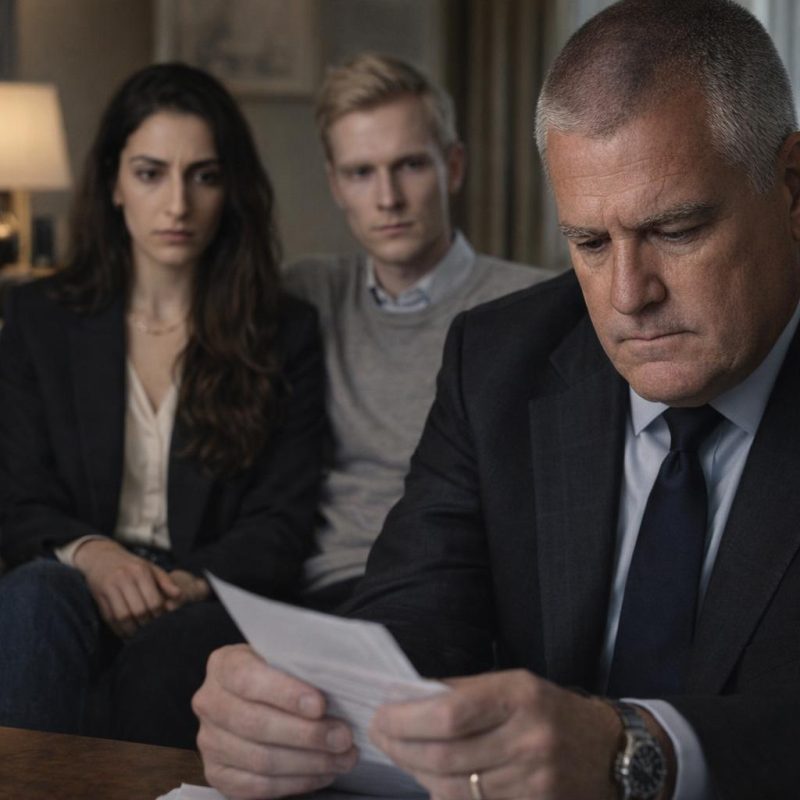 Image by RM AI
The Partial Admission
The room went quiet after that. Emma let it sit. Then she asked him, very simply, if he had shaped the way she remembered things. Richard was still for a moment. Then he exhaled and said — yes, maybe he had guided her perspective on certain things. He said I had been unstable after the divorce. He said Emma had needed a consistent story to hold onto, and he had provided one. He said he helped her see things more clearly, that he had been the steady parent, and that everything he did came from wanting to protect her. He didn't say it like a confession. He said it like a reasonable man explaining a reasonable decision. Emma's eyes filled. She asked if he understood what he had taken from her. He said he understood she was upset, but that any good father would have done the same. I sat there listening to him justify it — the years of careful erosion, the memories replaced, the distance between Emma and me that he had tended like something he was proud of — and he still didn't see it as harm. He saw it as love. That was the part that hollowed me out completely: not the admission, but the absolute, untroubled certainty with which he offered it.
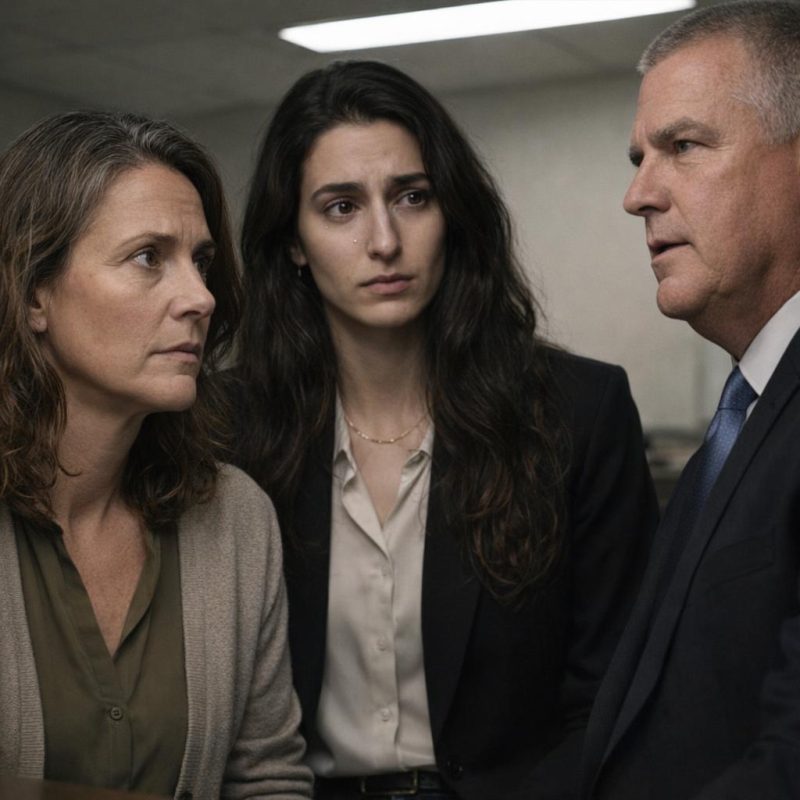 Image by RM AI
Emma's Grief
After Richard finished speaking, the room held that terrible stillness that comes right before something breaks. Emma was the one who broke it. She put her face in her hands and started crying — not politely, not quietly, but the kind of crying that comes from somewhere deep and long-held. She said she didn't know what was real anymore. She said he had stolen her childhood from her, piece by piece, and replaced it with something that served him. Richard reached for her arm and she pulled away hard, like his touch burned. She said she couldn't trust a single memory she had of growing up, and that every story she'd believed about me might have been a lie. Lucas moved closer and put his arm around her, steady and quiet. Richard stood there watching his daughter fall apart, and for the first time I saw something flicker across his face that wasn't certainty. Emma lifted her head, tears running down her face, and she looked at me — really looked at me — and something in her expression cracked open. I didn't move toward her. I just opened my arms. And Emma stepped into them.
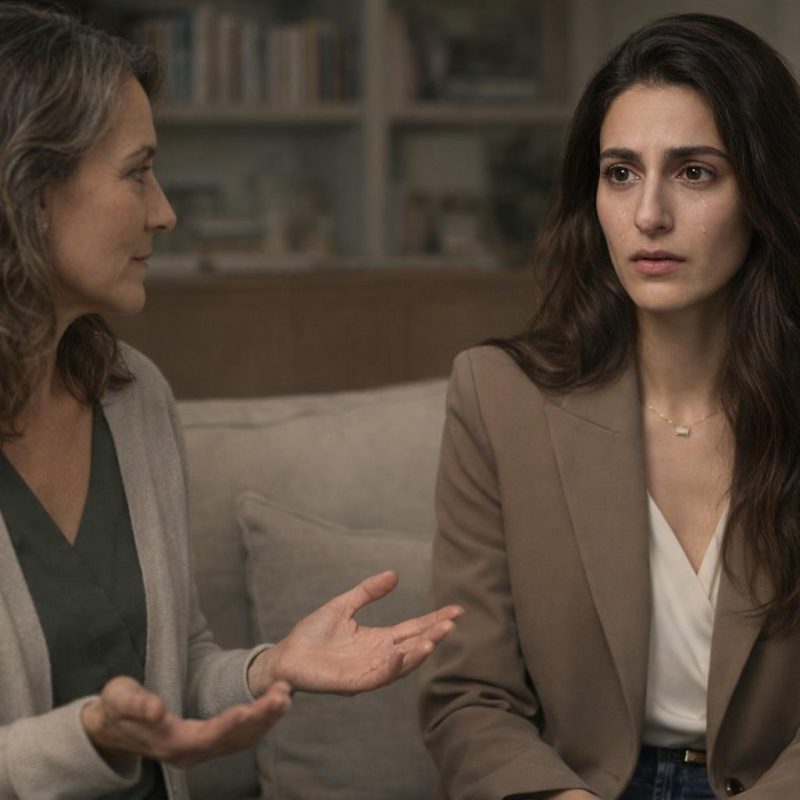 Image by RM AI
The First Real Conversation
We didn't talk much in the car. Lucas drove, and Emma and I sat in the back seat with our shoulders touching, which felt like enough for a while. He found a small park near the edge of the neighborhood and pulled over without being asked, then told us he'd be on the bench by the lot if we needed him. Emma and I walked until we found a quieter spot and sat down. She apologized first — for the years of coldness, for the graduation dinner, for the way she'd looked at me like I was something to be managed. I told her I understood. I told her she had believed what she'd been given, and that I didn't blame her for that. She asked me about her childhood — real things, small things — what her favorite book had been at age six, whether she'd cried at her first day of kindergarten. I told her everything I remembered. She cried again, softer this time. I admitted how much the distance had cost me, how many nights I'd wondered what I'd done wrong. She reached over and took my hand and held it without saying anything. The afternoon light came through the trees and settled around us, and for the first time in years, I didn't feel like I was on the outside of my daughter's life.
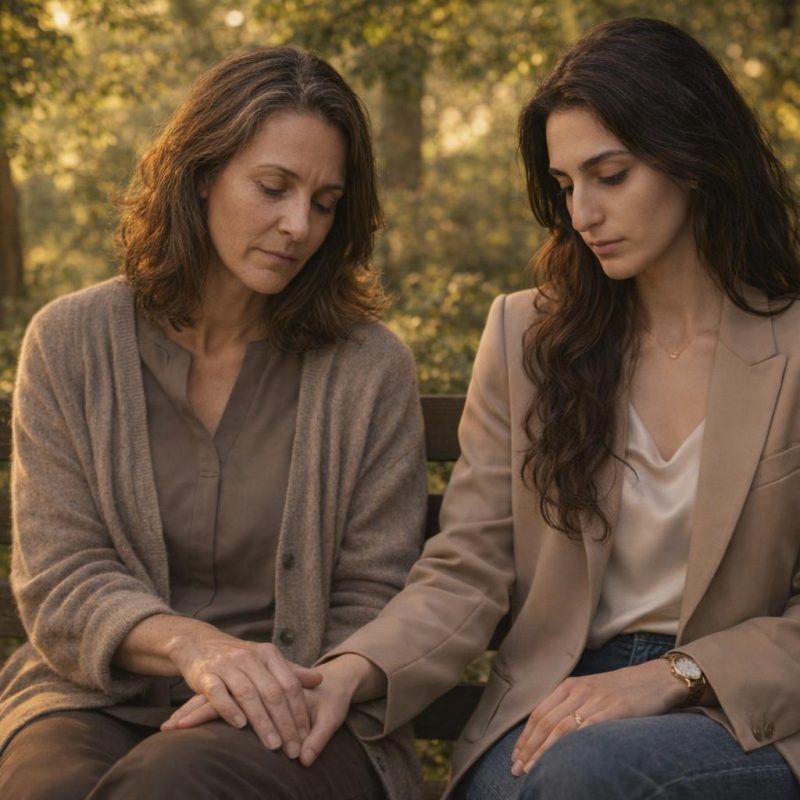 Image by RM AI
Building Something New
The weeks that followed were slow and careful and more precious than I knew how to say. Emma and I started meeting every Tuesday morning for coffee — just the two of us at first, working through old photos I'd kept in a box in my closet for years. She'd point at a picture and ask me what was really happening that day, and I'd tell her. Sometimes she laughed. Sometimes she went quiet for a long time. She started seeing a therapist, which she told me about matter-of-factly, like it was just a thing she was doing, and I told her I thought that was brave. About three weeks in, I introduced her to Sarah properly — not as a name she'd heard, but as a person. Sarah pulled out her own memories of Emma as a little girl, the birthday parties and the Halloween costumes and the time Emma had insisted on wearing her tutu to the grocery store. Emma sat there listening with her hand over her mouth, laughing and crying at the same time. Lucas joined us on some of the walks, easy and warm, never crowding the space Emma and I were trying to build. It wasn't fast. There were still moments when the old distance surfaced, when we'd both go careful and quiet. But we kept showing up, Tuesday after Tuesday, and that felt like something real.
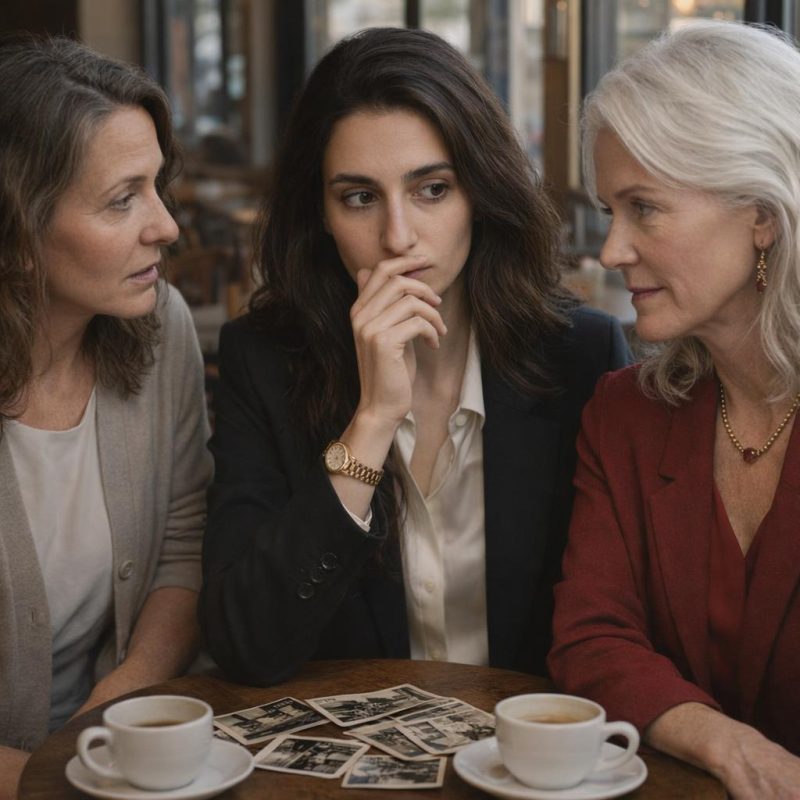 Image by RM AI
A Different Kind of Dinner
Emma called on a Thursday evening and asked if I wanted to come to dinner at her apartment on Saturday — and could I bring Sarah. I said yes before she finished the sentence. I spent most of Saturday afternoon telling myself not to expect too much, and then arriving at her door and feeling my heart do something complicated when she opened it and hugged me — a real hug, long and unhurried, the kind I hadn't felt from her since she was small. The apartment smelled like garlic and something roasting, and Lucas was in the kitchen with a dish towel over his shoulder, waving a wooden spoon at us like we were late to a party we'd always been invited to. Sarah arrived ten minutes after me and Emma thanked her quietly, genuinely, for everything she'd done. We sat down to a meal Lucas had clearly spent real time on, and the conversation moved easily — stories, plans, laughter that didn't feel performed. Emma had made place cards, little folded cards with our names in her handwriting, and she caught my eye as I picked mine up. I turned it over. The back was blank — just smooth white paper, the same as everyone else's. Emma smiled at me from across the table, and I set it down gently and smiled back.
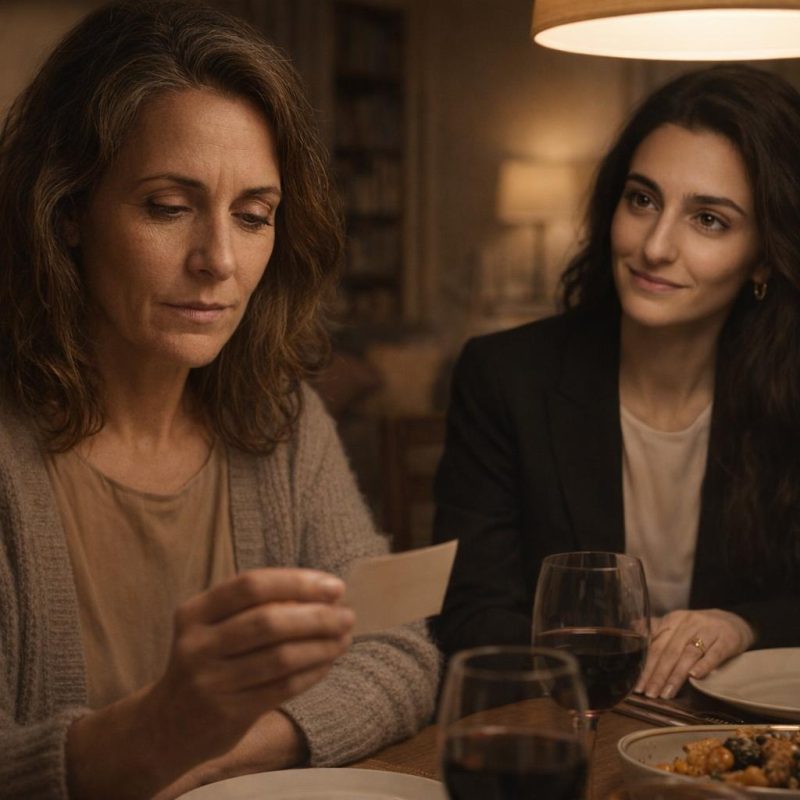 Image by RM AI
KEEP ON READING
The 20 Most Recognized Historical Figures Of All Time
The Biggest Names In History. Although the Earth has been…
By Cathy Liu Oct 4, 2024
10 of the Shortest Wars in History & 10 of…
Wars: Longest and Shortest. Throughout history, wars have varied dramatically…
By Emilie Richardson-Dupuis Oct 7, 2024
10 Fascinating Facts About Ancient Greece You Can Appreciate &…
Once Upon A Time Lived Some Ancient Weirdos.... Greece is…
By Megan Wickens Oct 7, 2024
20 Lesser-Known Facts About Christopher Columbus You Don't Learn In…
In 1492, He Sailed The Ocean Blue. Christopher Columbus is…
By Emilie Richardson-Dupuis Oct 9, 2024
20 Historical Landmarks That Have The Craziest Conspiracy Theories
Unsolved Mysteries Of Ancient Places . When there's not enough evidence…
By Megan Wickens Oct 9, 2024
The 20 Craziest Inventions & Discoveries Made During Ancient Times
Crazy Ancient Inventions . While we're busy making big advancements in…
By Cathy Liu Oct 9, 2024