

I Drained My Savings to Save My Dying Sister—Until I Found the Receipt That Proved She Was Never Sick
I Drained My Savings to Save My Dying Sister—Until I Found the Receipt That Proved She Was Never Sick
The Life I Built Before the Call
Sunday evenings used to be my favorite part of the week, and I say that knowing how boring it sounds. I'd come home from the farmers market with my canvas bags full of produce I'd actually use, line everything up on the counter, and spend an hour prepping for the week ahead. Chicken thighs portioned into containers. Grains measured out. A grocery list for Wednesday already drafted on the Notes app. My calendar for Monday through Friday was color-coded — blue for client calls, green for internal meetings, yellow for deadlines. I was a project manager at a mid-size logistics firm in the Loop, and I ran my personal life the same way I ran my work: with systems, with backup plans, with very few surprises. I was thirty-one years old and I had built something that felt genuinely solid. Not glamorous, but mine. My apartment in Wicker Park was small but organized. My savings account had a number in it that I'd worked hard to reach. I was the stable one — in my friend group, in my family, in every room I walked into. That Sunday, I put on a podcast I'd already half-listened to, folded my laundry, and let the quiet of the evening settle around me like something earned.
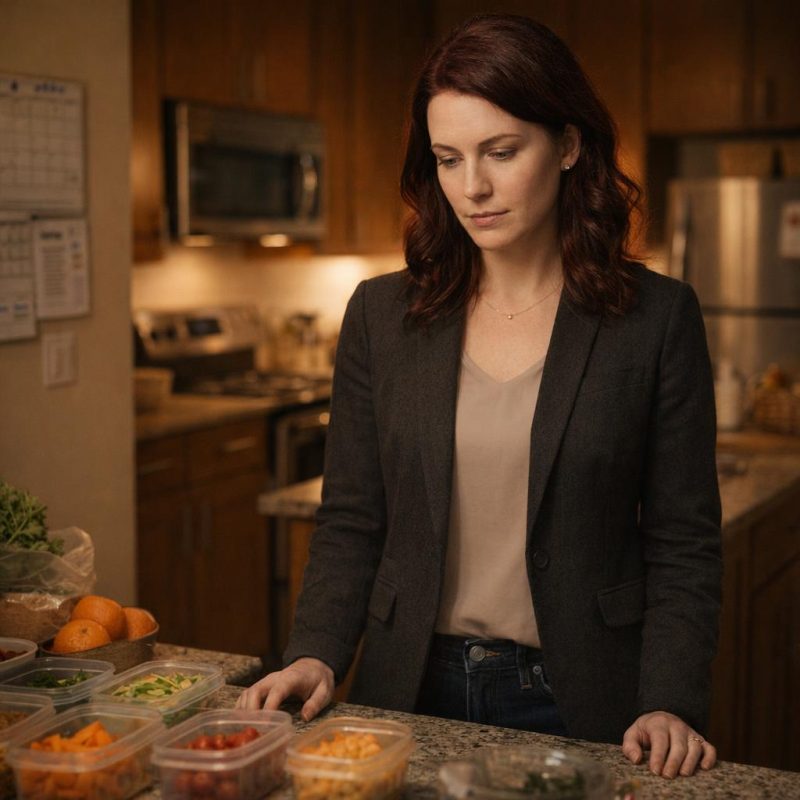 Image by RM AI
The Sister I Raised
I've been Chloe's person for as long as I can remember, and I mean that in the most literal way. When I was twelve and she was eight, our parents were home most nights — physically, anyway. Dad would be in his recliner with the TV on, Mom at the kitchen table with a glass of wine and a magazine, and neither of them would notice that Chloe hadn't eaten dinner. So I'd make it. Boxed mac and cheese, scrambled eggs, whatever I could manage. I'd sit across from her at the table and watch her eat, and she'd look up at me with those big, wide eyes like I'd handed her something precious. I think that's when I understood what it meant to be needed. Our parents weren't cruel. They were just somewhere else, even when they were right there. So I became the one who showed up. I packed her lunches through middle school. I helped her with college applications. I was the one she called when she got her heart broken for the first time at nineteen, and I drove three hours to sit with her on her apartment floor and eat takeout until she felt better. She was my sister, but she was also, in a lot of ways, the person I'd spent my whole adult life quietly protecting. I was thinking about all of that, actually — just sitting there on my couch with a cup of tea going cold — when my phone buzzed with her name on the screen.
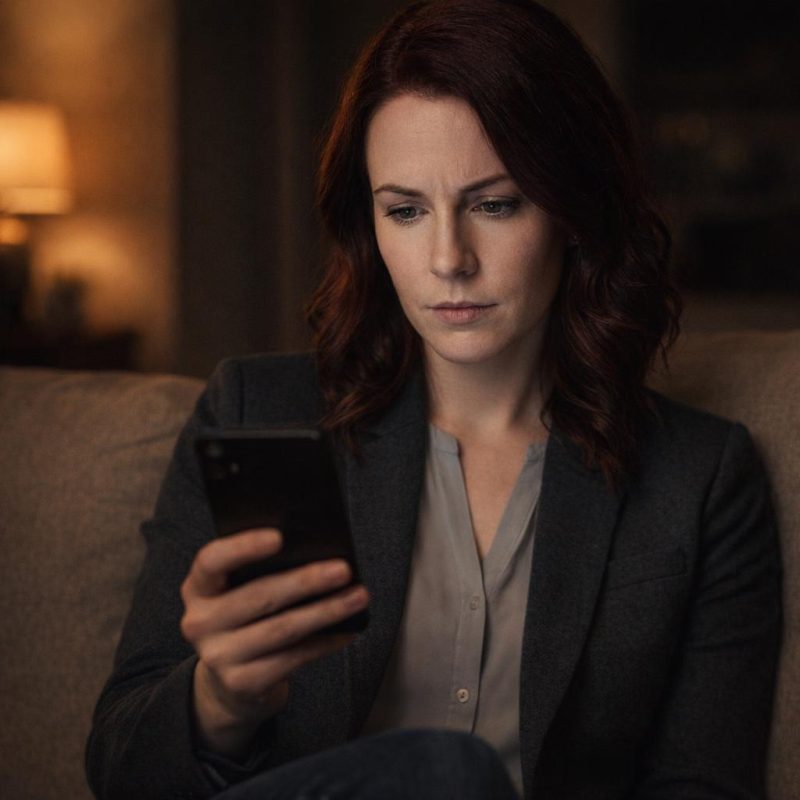 Image by RM AI
The Call That Stopped My World
I answered on the second ring, the way I always did when it was Chloe. What I heard on the other end stopped me cold. She was crying — not the soft, tired kind of crying she did when she was stressed, but the kind that comes from somewhere deeper, the kind that sounds like a person trying to hold themselves together and failing. I sat up straight and said her name and she couldn't even answer me for a moment. When she finally got the words out, they came in pieces. A doctor's appointment she'd been putting off. Blood work that came back wrong. A referral to a specialist. A diagnosis she could barely pronounce — a rare autoimmune disorder, she said, something that attacked the body's own tissue. She described symptoms she'd been ignoring for months: the fatigue, the joint pain, the way she'd been losing weight without trying. I was standing in my kitchen by then, one hand gripping the counter, the other pressing the phone so hard against my ear it hurt. I told her we'd figure it out. I told her she wasn't alone. I told her I would do whatever it took. And then she said the word that made everything else go quiet. Terminal. She said it quietly, almost like she was apologizing for it, and the silence that came after it sat in my chest like something with weight.
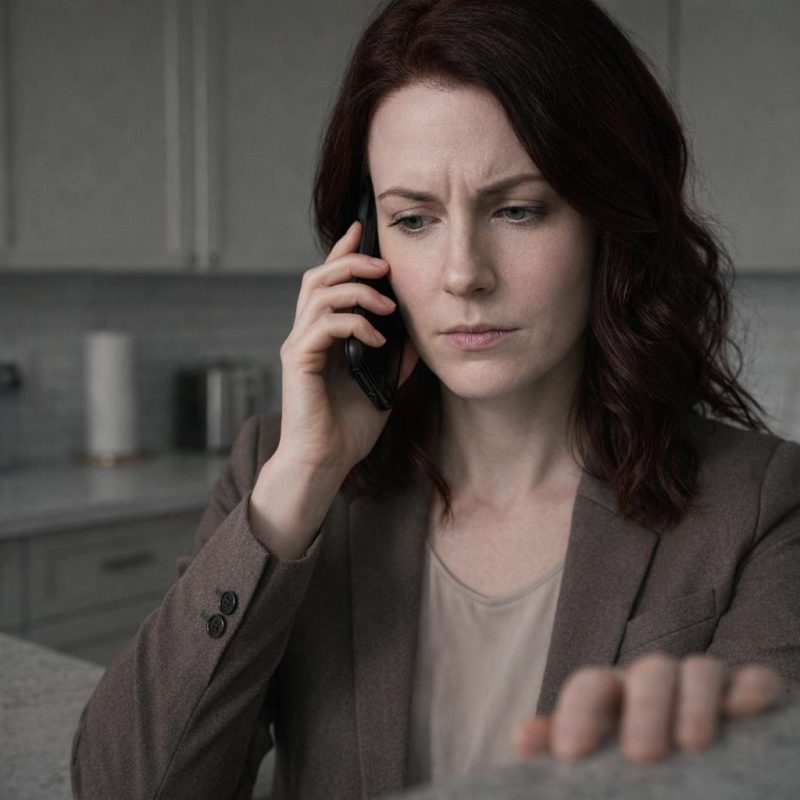 Image by RM AI
Searching for Answers in Medical Journals
I didn't sleep that night. I opened my laptop at the kitchen table around midnight and I didn't close it until the sky outside my window had gone from black to gray to the pale, washed-out blue of early morning. I searched everything I could think of — rare autoimmune disorders, progressive autoimmune disease, terminal autoimmune conditions in women under thirty. I found medical journal abstracts I could only half-understand, forum posts from patients and caregivers that were almost too painful to read, and a handful of clinical trial listings that seemed promising until I read the eligibility criteria. I took notes in a Google Doc I titled, with grim optimism, Chloe — Next Steps. I wrote down questions for her doctors. I wrote down the names of specialists I'd read about. I wrote down the names of research hospitals in Chicago and in other cities, just in case. The information was dense and technical and frightening in a way that felt almost physical, like trying to hold something too heavy for too long. Every article I read seemed to open into three more. Every answer generated five new questions. I kept thinking that if I just read enough, I'd find the thing that would fix it — the treatment, the trial, the doctor who had cracked it. But the hours passed and the coffee went cold and the cursor kept blinking, and the dawn came in through the window without bringing anything that felt like an answer.
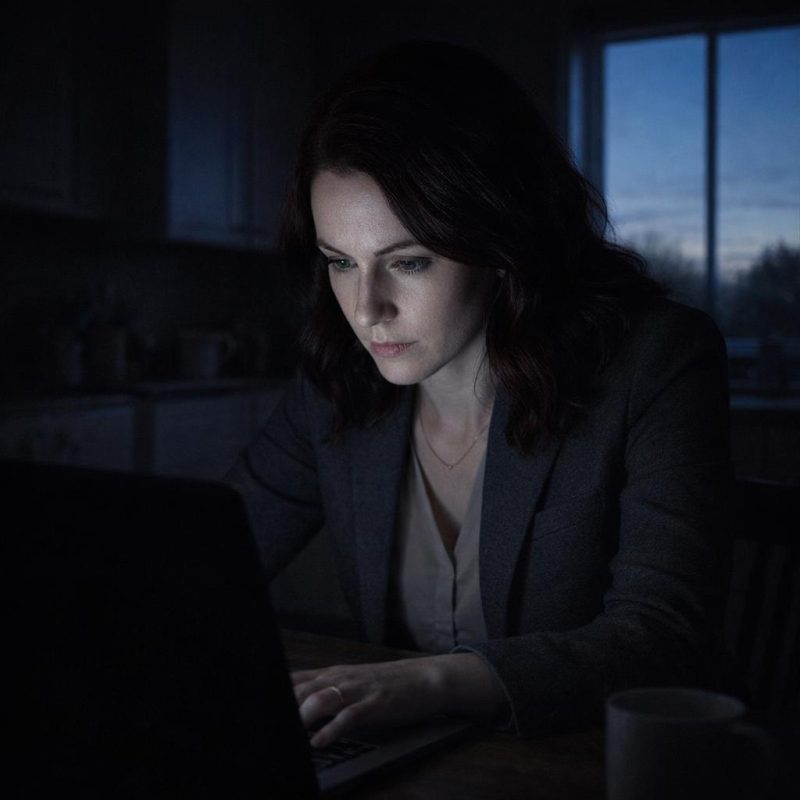 Image by RM AI
The Specialist She'd Never Meet
Chloe called me two days later, and her voice had shifted — still scared, but steadier, like she'd had time to absorb the worst of it and was now trying to function inside it. She told me she'd seen a specialist. She described him as calm and thorough, someone who had clearly seen cases like hers before, which she said was both reassuring and terrifying. The clinic was called the Northwood Wellness Center — a boutique facility, she explained, that specialized in complex autoimmune cases that mainstream hospitals weren't equipped to handle. She described the waiting room, the intake process, the way the doctor had walked her through the treatment plan step by step. The plan involved specialized infusions — a protocol that wasn't standard, which was why it wasn't covered by her insurance. Experimental, they called it, but with documented outcomes. I asked her how she was feeling about it and she said scared but hopeful, which sounded exactly right. I told her hopeful was enough to work with. We talked for almost an hour, and I was already mentally reorganizing my budget, already thinking about what I could move around, already telling myself that whatever it cost, we'd find a way. And then she said it — quietly, almost like she was embarrassed to bring it up — that the first treatment cycle would cost eight thousand dollars.
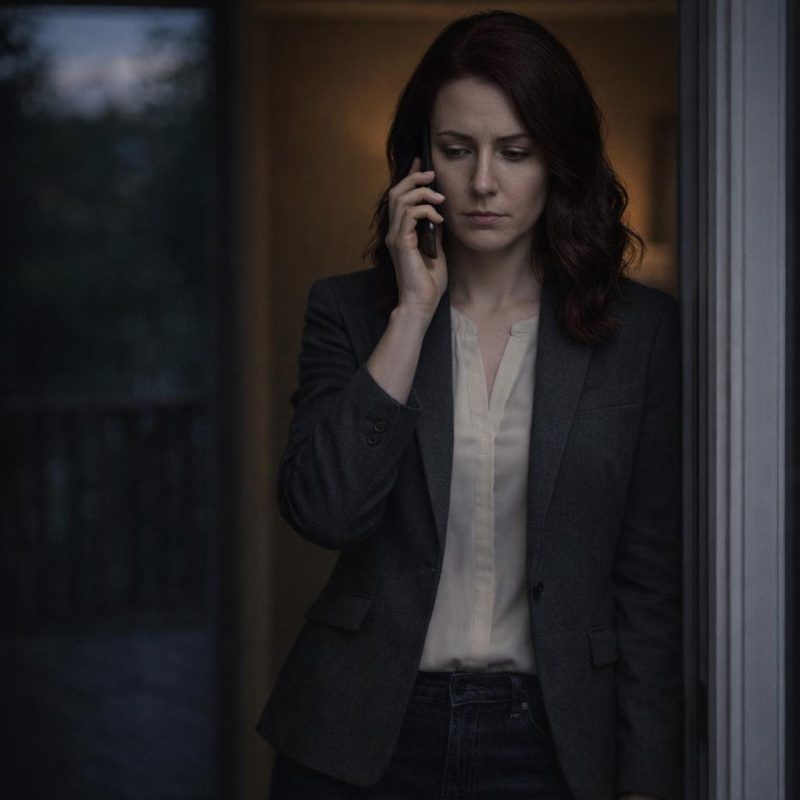 Image by RM AI
Building a Safety Net
I went into full organizational mode the day after that call, because that's what I do when I'm scared — I make lists, I build systems, I create the illusion of control. I set up a shared Google Calendar with Chloe's treatment schedule blocked out in red. I texted four of her closest friends and explained, with her permission, that she was going through a serious health situation and needed support. Two of them immediately offered to do meal deliveries on treatment days. One offered to drive her to appointments when I couldn't. I built a check-in schedule so there was always someone reaching out to her between Tuesdays and Thursdays. It felt good to do something concrete. It felt like fighting back. But somewhere in the middle of all that organizing, I noticed something I filed away without examining too closely. Chloe hadn't called our parents. She'd told me she wasn't ready to tell them yet, that she didn't want to deal with their reaction on top of everything else, and I understood that — I really did. But she also hadn't asked any of her friends for money. She hadn't mentioned a GoFundMe, hadn't talked about payment plans with the clinic, hadn't reached out to anyone else about the financial side of things. When I looked at the full picture, I was the only person Chloe had asked for help with the cost. I told myself it made sense — I was the stable one, the one with savings, the one who had always been her safety net.
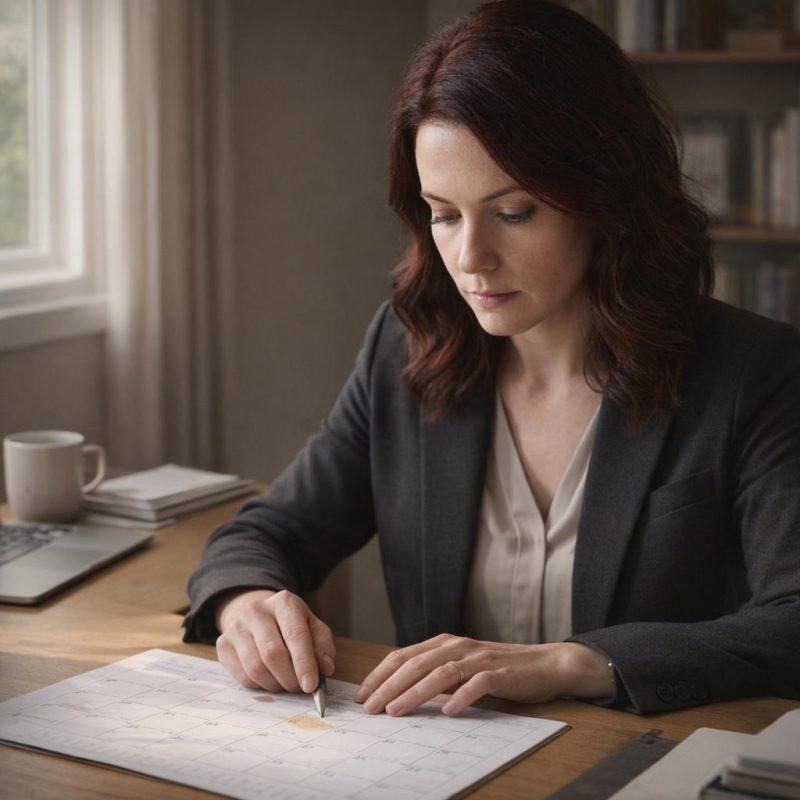 Image by RM AI
The First Transfer
I logged into my bank account on a Thursday morning, sitting at my kitchen table with my coffee still hot beside me. Chloe and I had talked the night before and she'd walked me through the process — the clinic required payment to come directly from the patient's account, she explained, so I'd need to transfer the money to her and she'd handle the payment from there. It made sense to me at the time. I didn't ask for documentation. I didn't ask for a clinic invoice or a payment confirmation number. I just typed in the amount — eight thousand dollars — double-checked the account number she'd texted me, and hit confirm. There was a small pause, the kind that feels longer than it is, and then the confirmation screen loaded. I sat there looking at it. The transfer had gone through. The number in my savings account, the one I'd spent three years building up carefully and deliberately, had dropped by nearly a third.
 Image by RM AI
Tuesday Thursday Ritual
Chloe came to stay with me the Tuesday of her first infusion, which felt right — I didn't want her going home to her apartment alone afterward. She left for Northwood in the morning, and I spent the hours she was gone doing the kind of anxious productivity that doesn't actually accomplish much: reorganizing a cabinet, refreshing my email, making a pot of soup I'd started the night before. When she came back in the early afternoon, she looked pale and wrung out in a way that made my chest tighten. She moved carefully, like her body was something fragile she was trying not to jostle. I helped her out of her coat, got her settled on the couch with a blanket and a bowl of soup she mostly didn't eat, and sat beside her while she described the infusion in a low, tired voice — the IV line, the cold sensation moving up her arm, the way the room had felt too bright. She fell asleep before she finished the sentence. I turned the lamp down low and stayed where I was for a while, listening to her breathe. The apartment was very quiet, and the only sound was the soft, even rhythm of my sister sleeping in the next room.
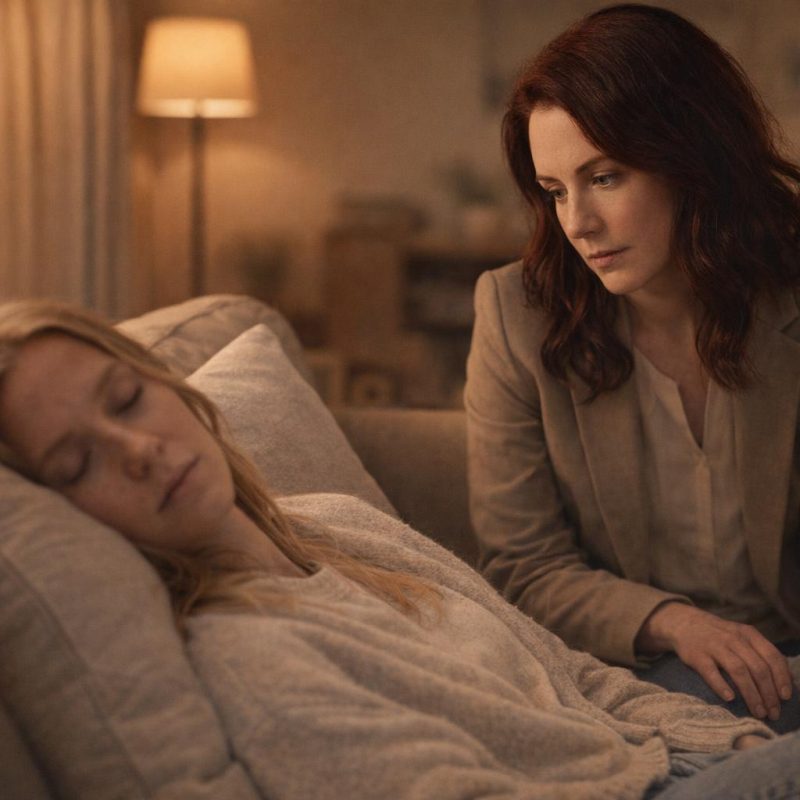 Image by RM AI
Working Through Exhaustion
I started volunteering for every extra project that came across my desk. Deadline crunches, weekend deliverables, the reports nobody else wanted to touch — I took all of it. My manager pulled me aside one afternoon and said my output had been impressive lately, and I smiled and said I was just trying to stay sharp. I didn't tell her why. I skipped lunch most days, eating a granola bar at my keyboard or nothing at all, and I stopped making plans with friends because I couldn't predict when I'd be free, and honestly, I didn't have the energy to explain myself. The weeks started blurring together. I'd look up from my screen and it would be eight o'clock, then nine, then past ten. I told myself it was temporary — that once Chloe was through the worst of it, I'd come up for air. I'd sleep in. I'd call people back. I'd be a person again. But on the nights I finally made it home, the apartment was always dark and still, and I'd stand in the kitchen eating whatever was easiest, too tired to sit down. The quiet had a weight to it by then — not peaceful, just empty.
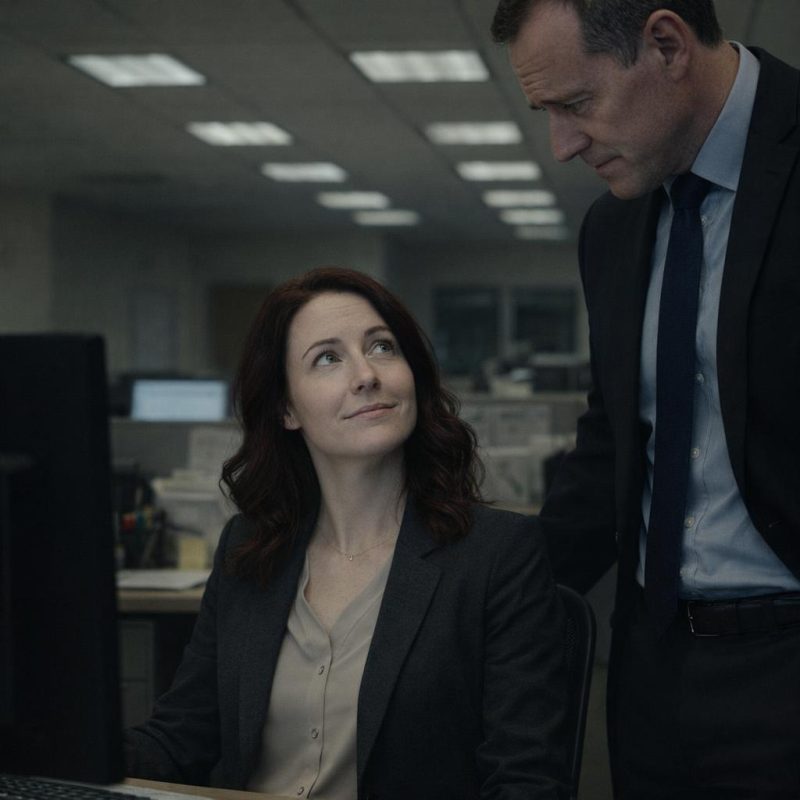 Image by RM AI
Soup and Silence
I picked Chloe up from her Thursday appointment and she moved to the car like every step cost her something. She got in slowly, leaned her head back against the seat, and closed her eyes before I'd even pulled out of the parking lot. I didn't push her to talk. I just drove. Back at my place, I heated up the soup I'd made the night before — the same chicken and vegetable recipe our mom used to make when we were sick as kids — and brought it to her in bed with a sleeve of crackers on the side. She ate more than usual, which felt like a small victory. We talked quietly for a while, the way you do when the room is dim and neither of you has the energy for anything big. She brought up the summer we were kids when I'd convinced her the neighbor's cat could understand English, and we both laughed, and for a few minutes it felt like nothing was wrong with anything. Then her phone lit up on the nightstand. She glanced at it, something quick and unreadable crossing her face, and turned it face-down without a word.
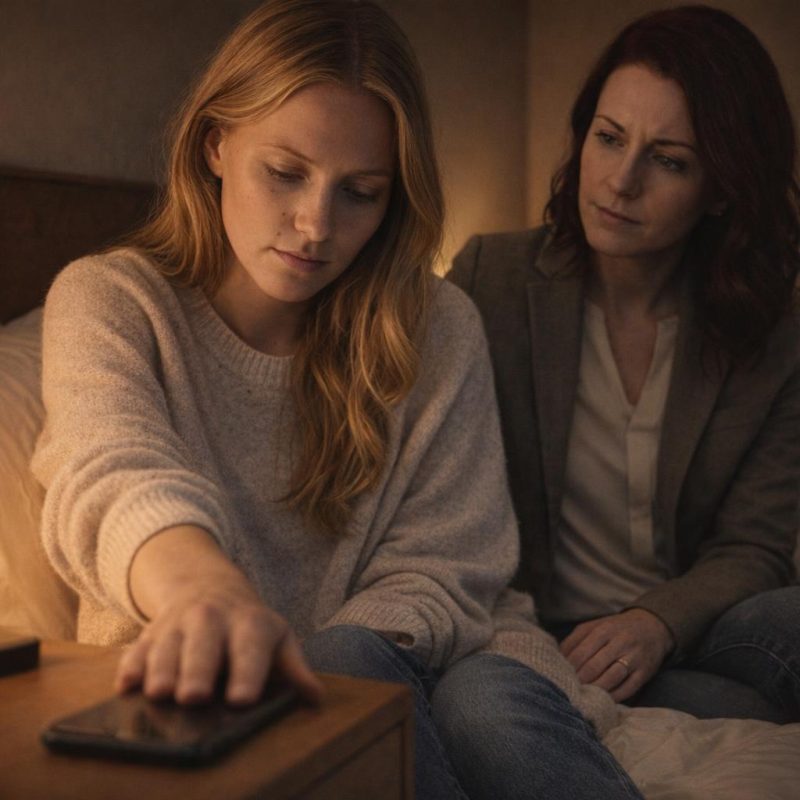 Image by RM AI
Watching the Numbers Fall
Chloe called on a Tuesday morning to let me know the next treatment cycle was due. She sounded tired, apologetic in that way she'd gotten lately, like she hated having to ask. I told her not to worry about it and meant it. I sat down at my laptop after we hung up and opened my bank account. I'd been avoiding looking at the actual number, which I knew was not a great sign. I transferred six thousand dollars to cover the next round — watched the balance recalculate, watched it drop below five thousand for the first time since I'd started building that account years ago. I sat there for a moment just staring at it. I told myself it was temporary. I told myself the treatments were working, that Chloe was getting better, that this was the kind of thing you did for family and you didn't keep score. I made a mental note to ask about picking up more hours. I closed the laptop. The number stayed with me anyway — that thin, exposed feeling of having almost nothing left between me and an emergency, like standing at the edge of something with no railing.
 Image by RM AI
The Moment We Were Close
Chloe had a good day that Saturday — one of those unexpected windows between treatments where she seemed almost like herself again. She was the one who suggested the home videos. I dug out the old external hard drive our aunt had converted from VHS years ago, and we sat on the couch with the laptop between us and watched ourselves as kids: gap-toothed and loud, fighting over a garden hose in the backyard, performing a dance routine we'd clearly made up that morning. We laughed until my sides hurt. Chloe kept pausing it to point things out — the way I'd always positioned myself slightly in front of her in every frame, like I was blocking for her without thinking about it. She said she'd noticed that even then. She got quiet after a while, the good kind of quiet, and she turned to look at me with her eyes a little glassy. She said I'd always been the one who showed up. That she didn't know how to explain what it meant, having someone who just — showed up, every time, without being asked. She reached over and squeezed my hand. Then she said she didn't know what she'd do without me.
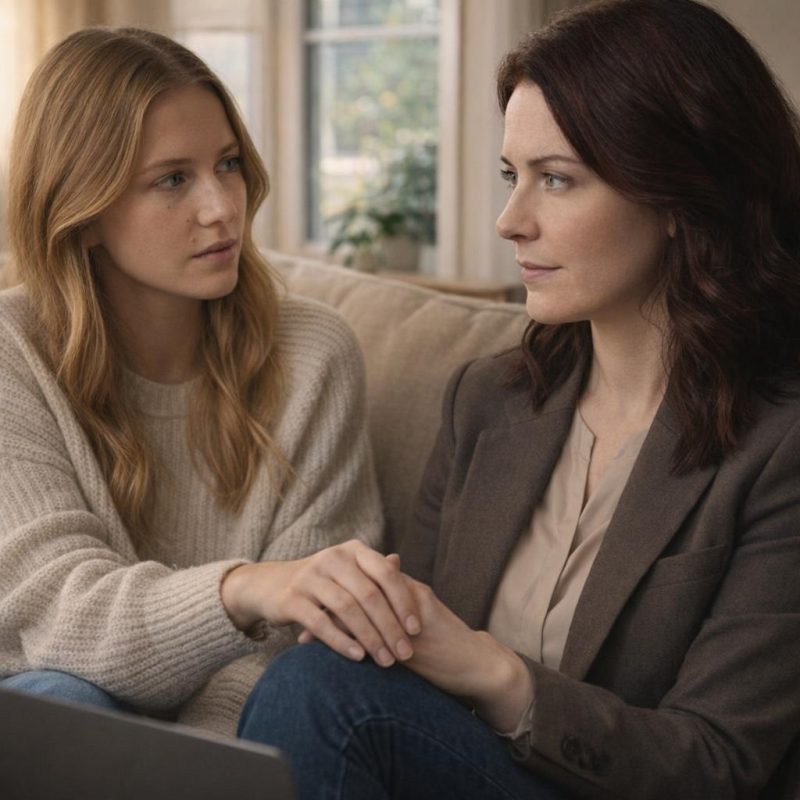 Image by RM AI
Gratitude That Felt Like Gold
A few days later I found a card in my mailbox — a plain white envelope with my name on it in Chloe's handwriting. Inside was a note, two pages, front and back, written in the careful way she wrote when something mattered to her. She said I was saving her life. Not as a figure of speech — she wrote it plainly, like a fact she needed me to have in writing. She talked about being scared, about how the treatments were hard and the fear of what came next was harder, and how the one thing that made it bearable was knowing I was there. She said she'd spent a lot of her life feeling like a burden to people, and that I was the first person who had ever made her feel like she was worth the effort. I read it twice at the kitchen table, and then I folded it carefully and put it in the drawer where I kept things I didn't want to lose. I thought about how caretaking had always been the thing I was best at — the role I'd stepped into so early it had just become part of who I was. Sitting there with her words still in my hands, the cost of everything felt small against what it meant to be someone's reason to keep going.
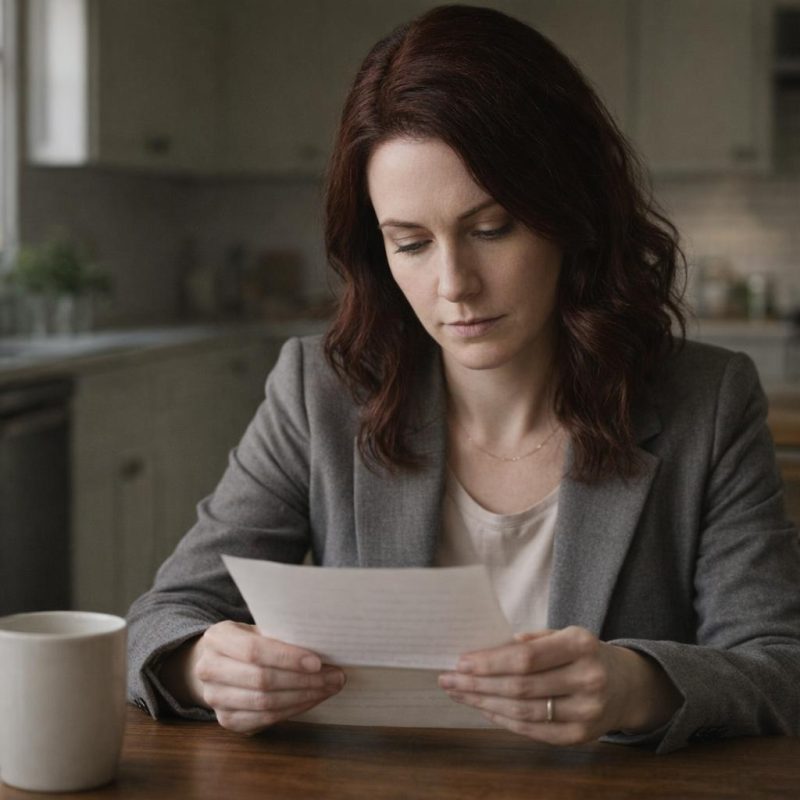 Image by RM AI
The Life That Disappeared
Somewhere around the two-month mark I noticed I hadn't been to the gym since before any of this started. My gym bag was still by the door where I'd left it, which felt almost funny. A friend texted asking if I wanted to grab dinner that weekend, and I typed out a reply saying I was slammed with work, which was true enough that I didn't feel like I was lying. Another friend had been trying to make plans for weeks and I kept pushing it back, telling myself I'd have more bandwidth soon. My apartment had gotten cluttered in a way it never usually did — dishes in the sink, mail stacked on the counter, a jacket draped over the chair I kept meaning to hang up. I ate most of my meals at my desk or standing over the kitchen counter, whatever was fastest. I couldn't remember the last time I'd read anything that wasn't a work document or a medical billing summary. I wasn't unhappy, exactly. I knew what I was doing and I'd chosen it. But somewhere in the middle of a Tuesday that looked exactly like every other Tuesday, I realized I couldn't point to a single thing I'd done recently that was just for me.
 Image by RM AI
Deflecting Concern
A coworker named Priya stopped by my desk one afternoon and said, not unkindly, that I looked like I hadn't slept in a week. I laughed it off and said I was in the middle of a big push, which was always at least partially true. She gave me a look that said she wasn't entirely buying it but let it go. A friend sent a long text that night — the kind with multiple paragraphs — saying she'd noticed I'd been distant and she was worried, and was everything okay? I wrote back that everything was fine, just a busy stretch, and that I'd explain more when things settled down. I didn't explain more. I told myself it was because the situation was complicated and hard to summarize, which was true. But I also knew that saying it out loud to someone who wasn't in it would make it feel more real in a way I wasn't ready for. I was carrying it better on my own, I thought. Or at least I was carrying it quietly. I was at my desk the next morning, head down, when I heard footsteps stop beside me and a voice ask if everything was okay at home.
 Image by RM AI
The Threshold Payment
Chloe called on a Thursday evening, her voice low and careful, the way it got when she was about to tell me something she knew I wouldn't want to hear. She said the next phase of treatment was the most critical one — that the doctor had explained it was the window where the protocol either took hold or didn't, and that missing it wasn't really an option. I told her I understood. After we hung up I sat at the kitchen table for a long time before I opened my laptop. I'd been watching my savings account the way you watch a gas gauge on a long drive — constantly, anxiously, hoping the math would somehow work out differently than you knew it would. I transferred five thousand dollars. I watched the confirmation screen load. My savings balance read $1,847.
 Image by RM AI
The Experimental Protocol
She called on a Sunday afternoon, and I could hear something different in her voice — a kind of cautious excitement underneath the exhaustion. She said her doctor had told her about an experimental protocol, something newer, something that had shown real results in patients with her profile. She explained it carefully, the way she always did when she wanted me to understand it wasn't just another treatment — that this one was different. The protocol targeted the specific markers driving her condition, she said. The doctor had recommended starting as soon as possible. I asked her what that meant in terms of timing, and she said within the next two weeks ideally. I told her that sounded promising. I meant it. I was sitting on my couch with my laptop open, already pulling up search terms before she'd finished explaining. And then she said it — seven thousand dollars, not covered by her insurance, required upfront before the clinic would schedule the first session.
 Image by RM AI
Becoming an Expert in Desperation
I became a person who read medical journals at midnight. I don't know when exactly it happened — somewhere between the third week of transfers and the moment I started bookmarking PubMed articles the way other people bookmark recipes. I searched for the protocol Chloe had described, and I found things. Not everything matched perfectly, but enough did — studies on autoimmune dysregulation, papers on experimental immunotherapy approaches, forums where patients described symptoms that sounded like hers. I took notes in a spiral notebook I kept on my nightstand. I highlighted printouts. I cross-referenced drug names and success rates and clinical trial phases until the words started blurring together. Some nights I'd look up and it would be two in the morning and I'd have a cold cup of tea beside me and seventeen browser tabs open. I told myself this was useful, that understanding what she was going through made me a better advocate for her. And maybe it did. But mostly I think I was just trying to feel less helpless. By three in the morning, the words on the screen had stopped meaning anything, and the only thing I could feel was the particular exhaustion of someone who had been searching for hope in the wrong places for too long.
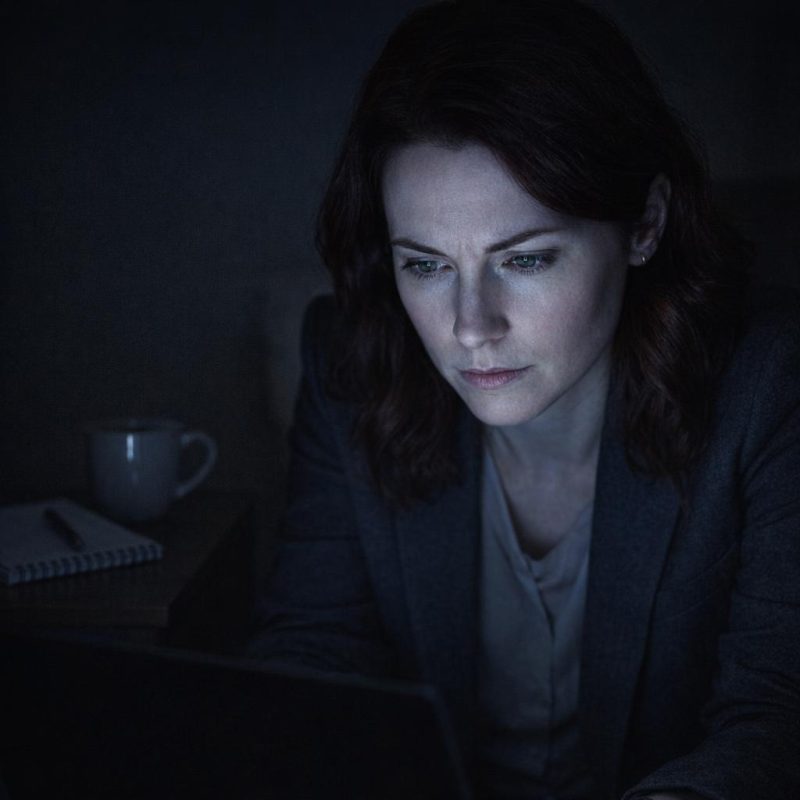 Image by RM AI
The Silence of Distant Parents
I called my parents on a Tuesday evening, which I already knew was a mistake before I dialed. My mother answered and I told her about the new protocol, about the cost, about how serious things had gotten. There was a pause, and then she said, 'Oh, that's so hard, honey,' and asked if I'd seen the news about the storm system moving through their county. My father got on the line a few minutes later and said Chloe was a fighter and that she'd pull through, the way people say things when they want to sound reassuring without actually engaging with what you've told them. I asked, carefully, whether they were in a position to help at all — financially, or even just by calling her more. My dad said things were tight right now. My mother said she'd light a candle at church. I stayed on the phone for another ten minutes talking about nothing, and when I hung up I sat with the receiver still in my hand for a moment. It wasn't anger, exactly. It was something older and quieter than that — the specific weight of already knowing how this would go and being disappointed anyway.
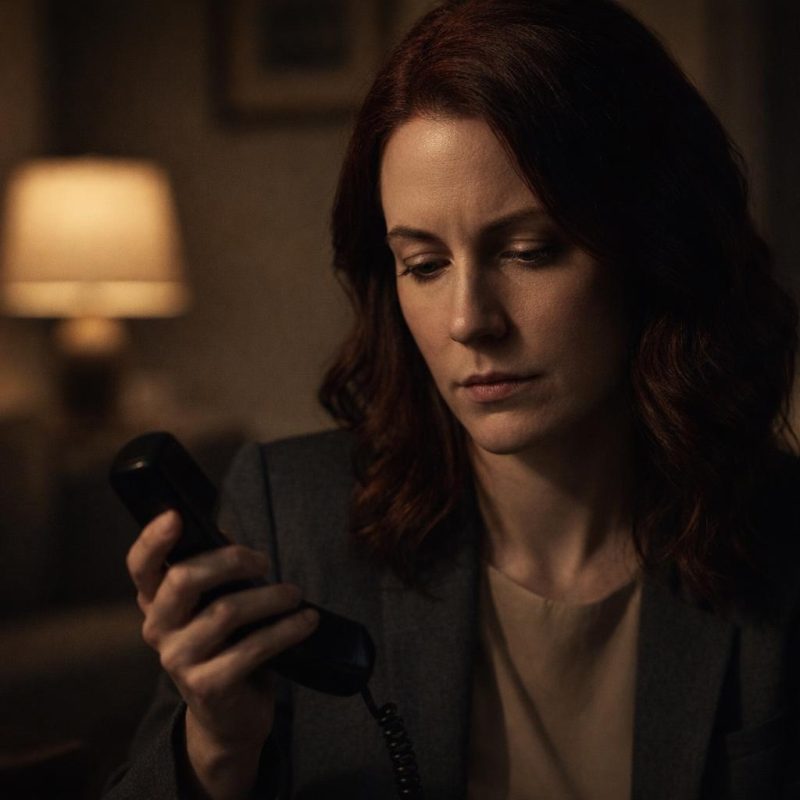 Image by RM AI
Canceling the Future
The vacation had been booked since February — a long weekend on the coast, a rental cottage, the kind of trip I'd been promising myself for two years. I canceled it on a Wednesday morning before work, sitting at my kitchen table in my work clothes with my coffee going cold. The cancellation process took about four minutes. I got a partial refund — two hundred and twelve dollars — and I remember staring at that number and thinking about what it would cover. Not much. A fraction of what was still owed. I rerouted it to Chloe's account before I closed the laptop. I also canceled a birthday dinner I'd been planning with friends, a weekend trip to see a college roommate, and a dentist appointment I kept rescheduling anyway. I told myself I'd do all of it later, after. After she was better. After things stabilized. After the treatments worked and we were on the other side of this and I could breathe again. I said the word 'after' so many times it stopped feeling like a real word. Then the confirmation email arrived in my inbox — booking canceled, partial refund processed — and I closed it without reading the whole thing.
 Image by RM AI
The Emergency That Couldn't Wait
She called me at work on a Thursday, and I knew from the first syllable that something was wrong. Her voice was high and tight and she was crying before she finished the first sentence. She said there had been a complication — something the doctor hadn't anticipated, something that needed to be addressed within forty-eight hours or it could set back everything they'd worked toward. She kept saying she was sorry, that she hated asking, that she knew how much I'd already done. I stepped out of a meeting to take the call and stood in the hallway with my back against the wall, listening. Four thousand dollars. That was the number. I opened my banking app while she was still talking and looked at my checking account balance. There wasn't enough. There wasn't close to enough. I told her not to apologize. I told her I would figure it out. I told her to focus on resting and let me handle the money side of things. After we hung up I stood in that hallway for a long time, phone in my hand, doing math that didn't work no matter how I arranged it. I had promised her four thousand dollars I didn't have, and the only way to get it was to put it on a credit card I'd never once carried a balance on.
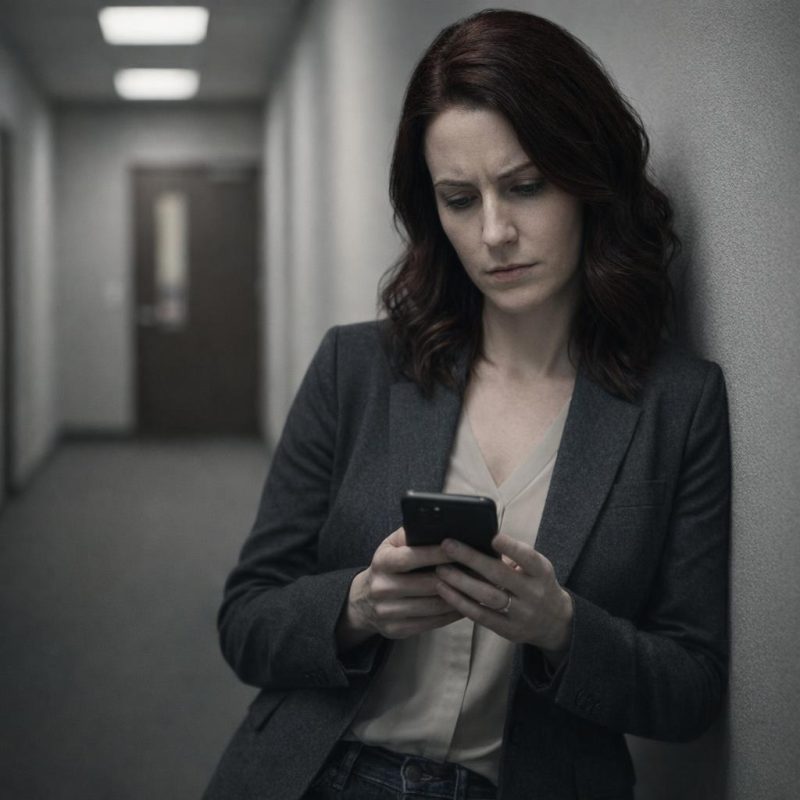 Image by RM AI
Maxing Out
I'd had the card for six years and never used it for anything I couldn't pay off at the end of the month. That had always felt like a point of pride — small, maybe, but mine. I sat at my desk that evening and pulled up the cash advance option and read the terms twice, the interest rate and the fee structure and the repayment schedule, the way you read something you've already decided to do but want to feel responsible about anyway. Then I transferred four thousand dollars to Chloe's account. I watched the confirmation screen load. The available credit on the card dropped to forty-seven dollars. I sat back in my chair and looked at the ceiling for a minute. I did the math on the interest — not because it changed anything, but because I needed to understand exactly what I'd done. I told myself it was temporary. I told myself that once she was better and back on her feet, we'd figure out a repayment plan, something manageable. I told myself a lot of things that night. But underneath all of it, there was a feeling I couldn't talk myself out of — something low and nauseating that sat in my chest while the transaction processed and didn't leave when it was done.
 Image by RM AI
The Routine That Became Everything
The routine had become its own kind of gravity. Tuesdays and Thursdays I picked Chloe up, drove her to her appointments, waited, drove her home. She always came back looking wrung out — pale and quiet, leaning against the car window on the ride back. I'd started working twelve-hour days to cover the overtime, skipping lunch most days, eating whatever I could find in the break room at seven in the evening. I wasn't sleeping well. I'd lie awake running numbers, recalculating the same figures as if the answer might change if I just thought about it hard enough. I'd lost weight without trying to — I noticed it in the way my clothes fit, in the way coworkers started asking if I was okay with that particular careful tone people use when they're worried but don't want to pry. I kept saying I was fine. One morning I got up earlier than usual and went to the bathroom to get ready for work, and I caught my reflection in the mirror — really caught it, the way you sometimes do when you're not braced for it — and I almost didn't recognize the person looking back at me.
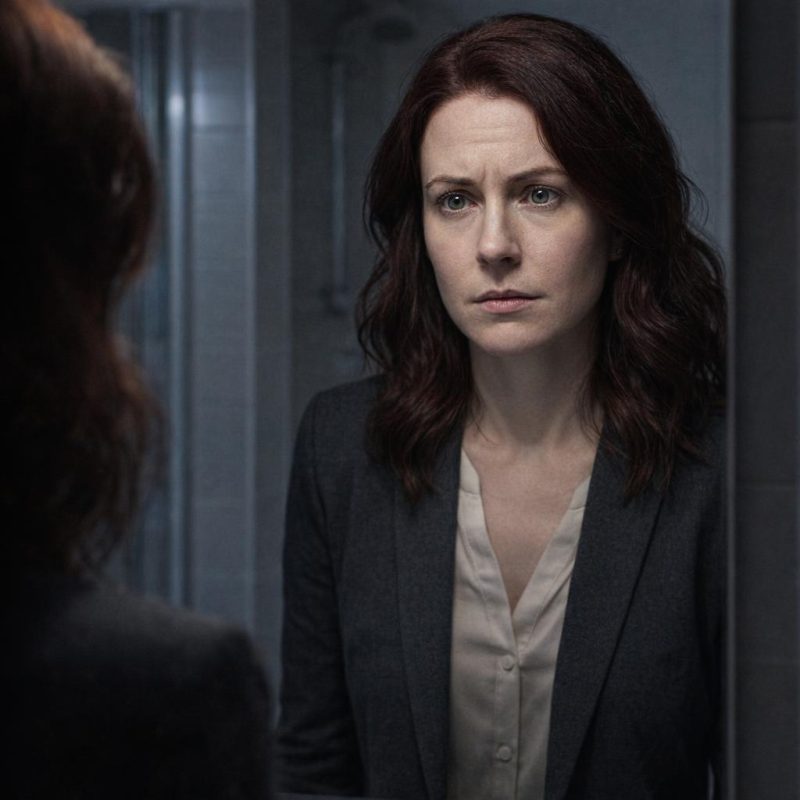 Image by RM AI
The Gratitude That Kept Me Going
It was a Thursday evening, after I'd dropped her off and she'd asked me to come in for a few minutes. We sat on her couch with the TV off and she looked at me — really looked at me — and said she didn't know how to say what she needed to say. I told her she didn't have to say anything. She shook her head and said no, she needed me to hear it. She said I had given up things she couldn't even name, that she saw what it was costing me and she hated that it had come to this. Her eyes filled up and she reached over and took my hand. She said she thought about giving up sometimes, when the treatments were hard and the exhaustion felt permanent, but then she thought about me — about the fact that I kept showing up — and it made her want to keep going. I felt the tightness in my chest ease a little, the way it only did in these moments. And then she said it quietly, almost to herself: that I was the only good thing in her life right now.
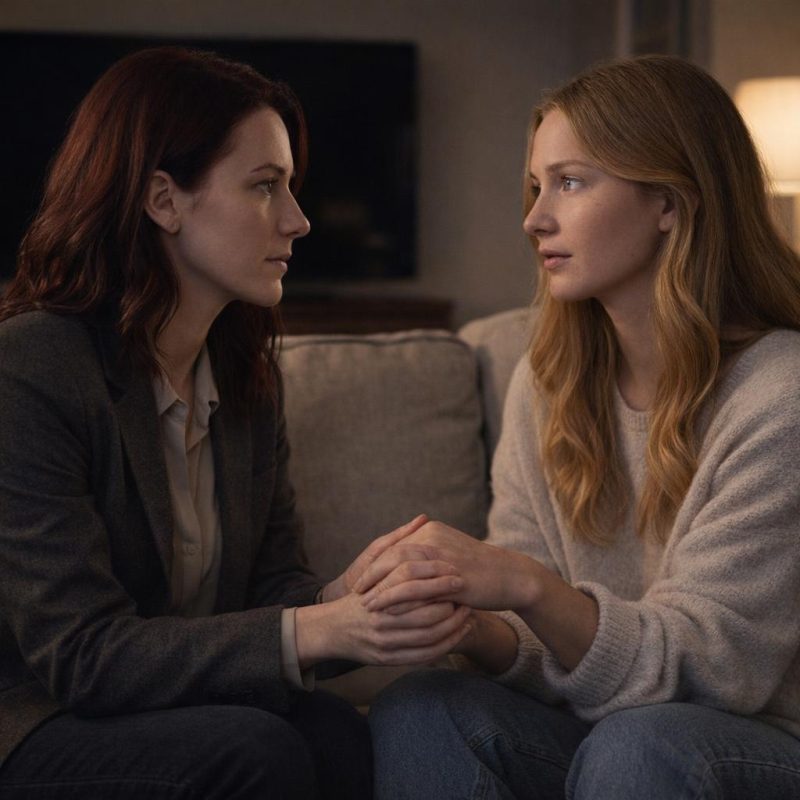 Image by RM AI
The Purpose in Caretaking
I've been the responsible one for as long as I can remember. When our parents split and things got chaotic, I was the one who made sure Chloe had lunch money and clean clothes and someone to call when she was scared. I didn't resent it — not really. It became the thing I was good at. The thing I was for. I thought about that a lot during those months, driving to her apartment, transferring money, sitting in waiting rooms with bad coffee and fluorescent lighting. There was something that felt almost clarifying about it — like all the scattered pieces of my adult life had a reason now. My job paid for her treatments. My evenings were spent researching her condition. My weekends belonged to her. And I told myself that was okay, that this was what love looked like when it got serious. But somewhere on the drive home one night, a thought slipped through before I could stop it: I had no idea who I was when nobody needed me. I sat with that for exactly three seconds before I pushed it away — and in the silence that followed, I understood that being needed hadn't just become important to me. It had become all of me.
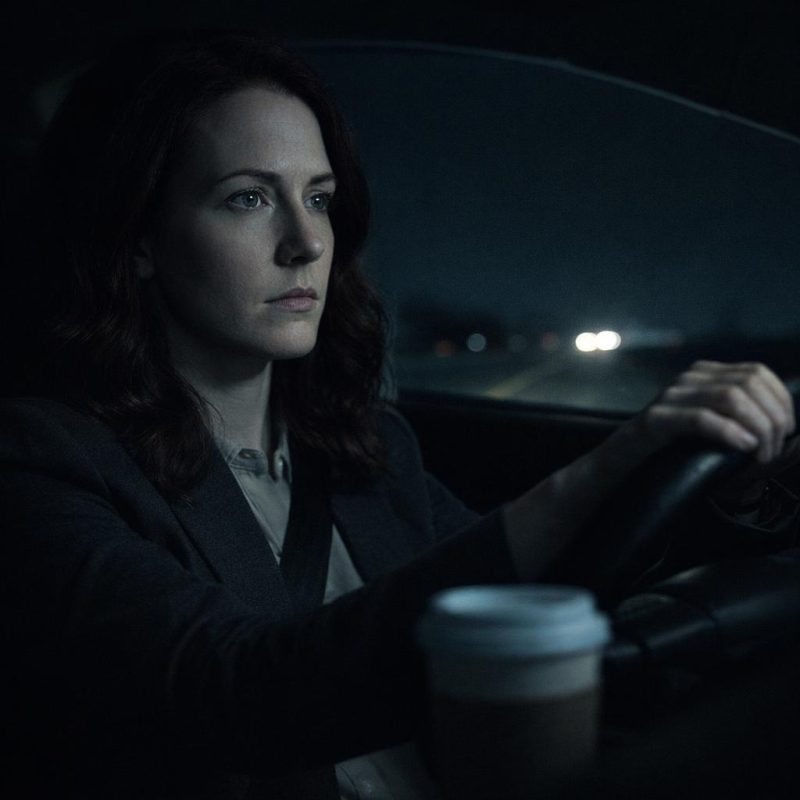 Image by RM AI
Another Transfer
Chloe called on a Wednesday morning, her voice thin and tired the way it always was after a rough week. She said the next phase of treatment was ready to begin and the clinic needed the payment processed before Friday. I said okay. I didn't ask how much this time — I already knew from the paperwork she'd forwarded. Three thousand dollars. I opened my banking app while she was still talking, navigated to the transfer screen, and typed in the number. My thumb hovered for maybe half a second before I hit confirm. That was it. No deep breath, no moment of reckoning. Just a transaction. I remember thinking I should feel something — dread, at least, or the low-grade nausea that used to come with every big transfer. But there was nothing. The credit card balance climbed higher and I watched the number change the way you watch a gas pump tick over — present but not really registering. I'd stopped doing the math weeks ago. The total had become something that lived in a separate part of my brain, sealed off behind a door I'd quietly stopped opening. The numbers weren't real anymore. They were just the cost of keeping her here.
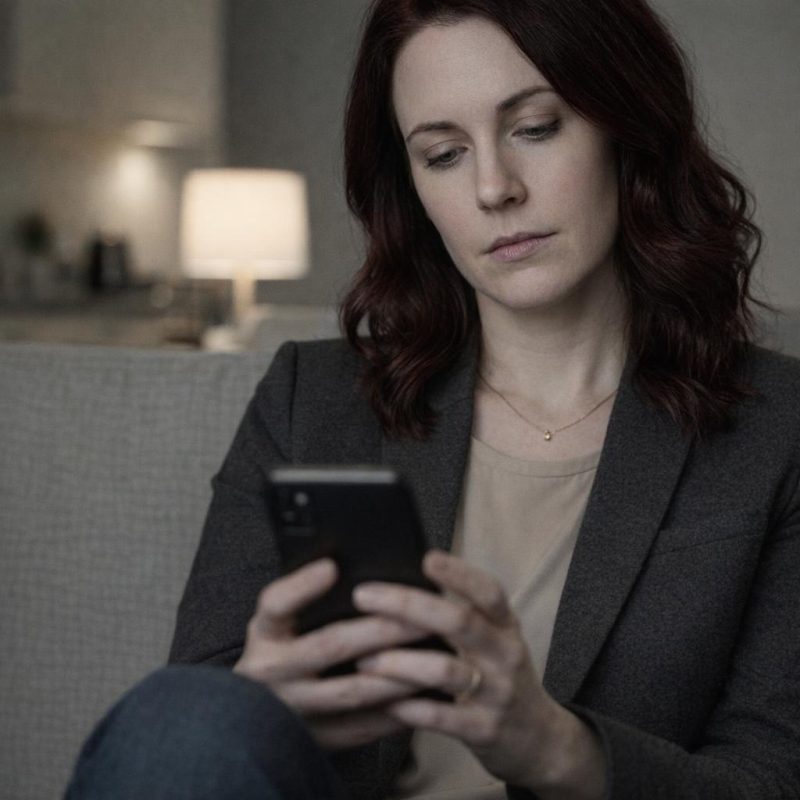 Image by RM AI
A Moment of Worry
It was a Sunday night when I finally opened all the statements at once. I don't know why I did it — some compulsive need to see it laid out, maybe, or just the kind of tired that makes you do things you've been avoiding. I sat at my kitchen table with my laptop and a glass of water and I added it up. Thirty-two thousand dollars. Spread across three credit cards and a personal loan I'd taken out in October. My chest went tight in a way I hadn't felt in months — a real, physical squeeze, like my body was trying to get my attention. I thought about my salary, about the minimum payments, about how long it would take to climb back out of this at my current income. Years. Plural. Maybe five. Maybe more. For a few minutes I just sat there, genuinely scared. And then I thought about Chloe on that couch, telling me I was the only good thing in her life. I thought about what it would mean if I stopped. I closed the laptop. I told myself that debt was survivable and cancer wasn't, and that I could figure out the money later, when she was better. The fear didn't disappear, but it moved — settled somewhere quieter, underneath the part of me that still felt certain I was doing the right thing.
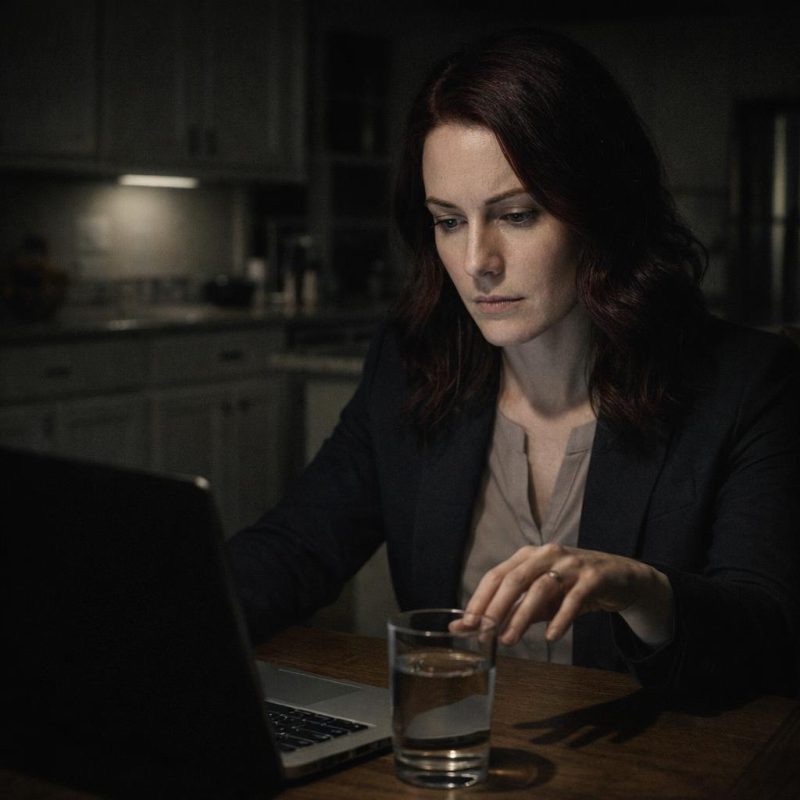 Image by RM AI
The Missed Treatment
I called Chloe on a Tuesday afternoon, just to check in the way I always did on treatment days. She usually picked up quickly on those days, voice low and worn out, and I'd ask how it went and she'd give me the short version and I'd tell her to rest. This time it rang four times before she answered, and when she did her voice had a different quality — not tired, just slightly off. I asked how the appointment went. She said it got rescheduled. I asked why. She paused, then said the clinic had to move some things around. I waited for more and it didn't come, so I asked if everything was okay with the schedule going forward. She said yes, fine, they'd confirmed a new date. Then she asked if I'd seen the new season of that show we used to watch together, and just like that the subject was somewhere else entirely. I let her redirect me. I told myself it wasn't worth pushing — she was sick and tired and the last thing she needed was me interrogating her about a scheduling change. But after we hung up, I sat with the call for a minute longer than usual. Something about it felt slightly off, though I couldn't have said what exactly. Then my phone buzzed with her text: the clinic had to reschedule because of a staffing issue.
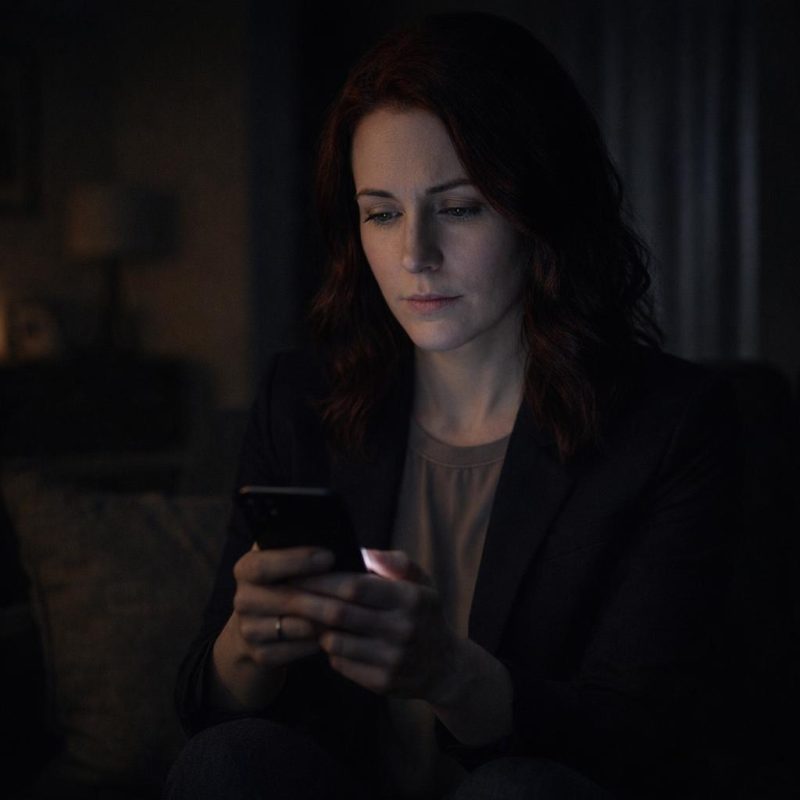 Image by RM AI
Talking Myself Out of Doubt
By the next morning I'd mostly talked myself down. Clinics reschedule. It happens all the time — staff call in sick, equipment needs servicing, the whole system is underfunded and overextended. I'd read enough about cancer treatment to know that delays were common and frustrating and completely normal. Chloe had sounded defensive because she was exhausted and probably embarrassed that the appointment had fallen through, not because anything was wrong. I knew how she got when she felt like she was inconveniencing me — she'd always hated asking for help, even now, even after everything. The defensiveness made sense. I was the one being unreasonable, reading tension into a two-minute phone call because I was stressed and sleep-deprived and looking for something to worry about. I went through it methodically, the way I used to talk myself through anxiety spirals in my twenties — name the fear, find the rational explanation, set it down. By the time I got to work I'd filed the whole thing away. Chloe was sick. The clinic rescheduled. Those were the facts. Everything else was just noise I was generating on my own. I made myself a coffee, opened my email, and let the ordinary rhythm of the morning settle over me like it always did when I needed to stop thinking.
 Image by RM AI
The Financial Cliff
I tried to pay for groceries on a Thursday evening and my card got declined at the register. I stood there for a second, certain it was a mistake, and ran it again. Declined again. The woman behind me in line shifted her weight. I paid with the last twenty in my wallet and walked to my car and sat there. I opened my banking app. Seventeen dollars in checking. I already knew the savings account was empty — I'd cleared it out in September. I pulled up the credit card and that's when it hit me, all at once, the way it hadn't when the numbers were still abstract: I had nothing left. No buffer, no backup, no quiet reserve I'd forgotten about. Just debt stacked on debt and a checking account that wouldn't survive the week. I did the math I'd been avoiding for months. Over forty thousand dollars. Rent was due in eleven days and I had no idea how I was going to cover it. I sat in that parking lot for a long time, engine off, trying to think of a single option I hadn't already exhausted. Then my phone buzzed with a notification from the credit card company — an automated message informing me I had exceeded my credit limit.
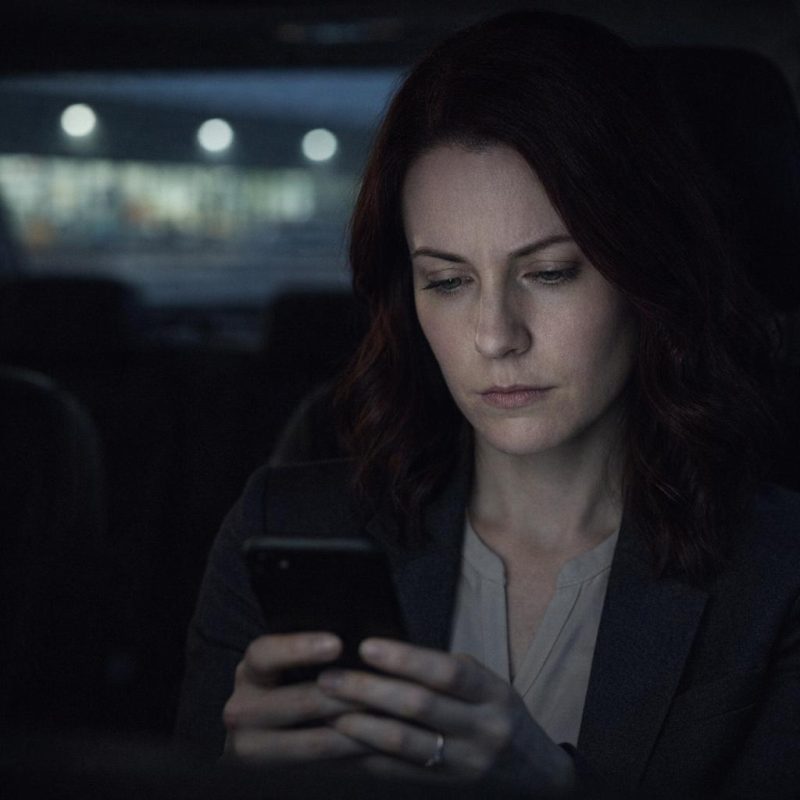 Image by RM AI
Running Into Lauren
I ran into Lauren outside the coffee shop near my office on a Friday — one of those collisions that feels random until you're standing in the middle of it. We'd been close in high school and had stayed loosely in touch the way you do with people you genuinely like but never quite manage to prioritize. She looked exactly the same, just more tired, and she told me she was a nurse now, working at Northwood Medical. We stood on the sidewalk for twenty minutes catching up, and at some point I mentioned Chloe — I couldn't help it, it was consuming most of my life — and I said something about being grateful for the Northwood Wellness Center, about how the boutique treatment wing had been a lifeline. Lauren's expression shifted. She tilted her head slightly and said she worked at Northwood. Had been there three years. I said I knew, that's why I was mentioning it. She looked at me carefully and said she wasn't sure what I meant by a boutique wellness wing. I told her it was the specialized treatment center — the one Chloe had been going to for months. Lauren's brow pulled together slowly, like she was searching for something she couldn't locate. She said she'd never heard of a wellness wing at Northwood — not in three years.
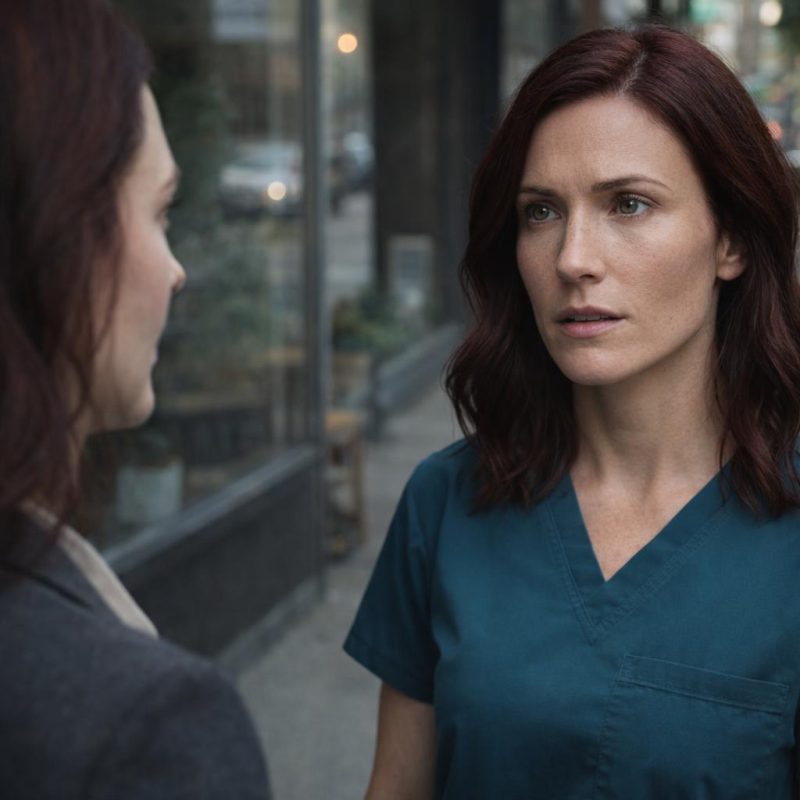 Image by RM AI
The Question That Wouldn't Leave
I replayed that moment on the sidewalk for the rest of the afternoon. Lauren's face — the way her brow had pulled together, the careful way she'd said it, like she was double-checking her own memory. I kept turning it over. Maybe she meant a different building, a satellite location she wasn't familiar with. Northwood was a big system; nobody knew every department. I pulled up the Northwood website on my phone during my lunch break and scrolled through the full list of services. Oncology, cardiology, orthopedics, outpatient surgery. I searched the page for the word wellness. Nothing. I told myself that websites weren't always current, that administrative departments didn't always make it onto the public-facing pages. I told myself Lauren worked in one unit and couldn't be expected to know every program the hospital ran. I built the explanations carefully, one on top of the other, and for a little while they held. But the question kept coming back, quiet and persistent, the same way a sound does when you're not sure if you actually heard it. By evening I'd stopped trying to answer it. I sat at my kitchen table with my phone face-down beside me, and the not-knowing settled over me like something I didn't yet have a name for.
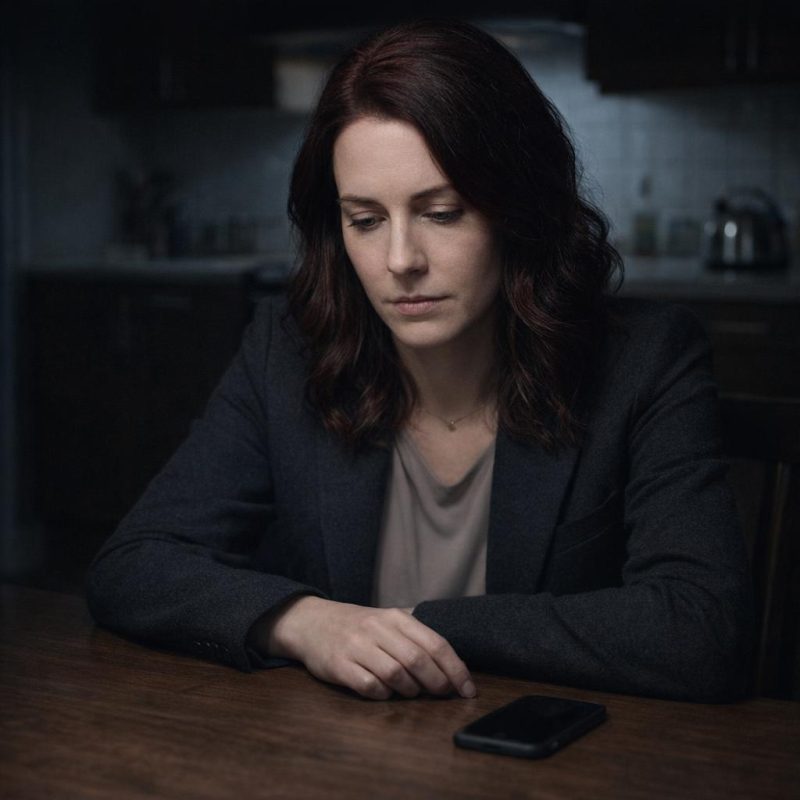 Image by RM AI
Dismissing the Doubt
I woke up the next morning and made myself go through it all again — the good version, the version where everything was fine. Chloe had been pale at Thanksgiving. She'd lost weight I could see in her face. There were days she called me from the parking lot after treatments, voice flat and wrung out, and I'd sat on my end of the line listening to her breathe. That wasn't nothing. That wasn't something a person faked. Lauren worked one unit in one hospital, and Northwood was enormous — I'd seen the campus maps myself. A wellness clinic attached to an oncology program wouldn't necessarily show up on a public website. Specialized integrative programs were like that sometimes, low-profile, referral-only. I built the case carefully, the same way I had the night before, and it held better in the morning light. By the time I finished my coffee I'd almost convinced myself. Almost. The guilt came in right behind the doubt — sharp and specific, the kind that named itself. What kind of person interrogates their dying sister's medical care over a passing comment from someone who admitted she wasn't sure? I pushed the question down. I told myself I was being paranoid. But keeping that belief in place took more effort than it ever had before.
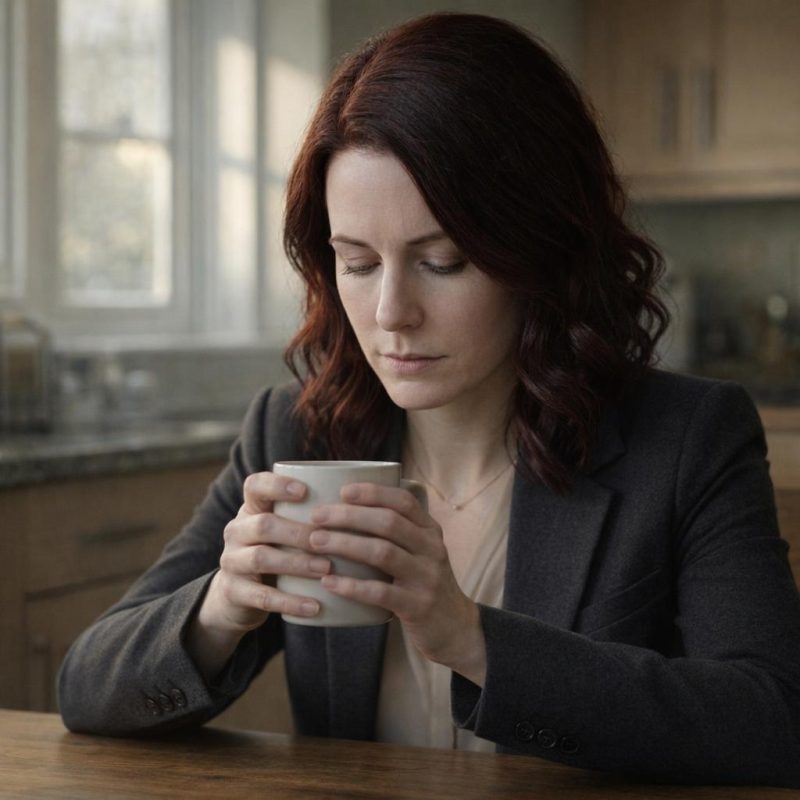 Image by RM AI
Asking for Proof
Chloe came by that Saturday, and I'd been rehearsing how to bring it up all week. I didn't want to sound suspicious. I wanted to sound like a caring older sister who just wanted to be more involved. We were sitting at my kitchen table with tea going cold between us when I said it as casually as I could manage — that I'd been thinking about her treatments, that I wanted to understand the process better. I asked if she had any brochures from the clinic, or any paperwork I could look through. She said she didn't have anything with her. I nodded and said that was fine, asked if maybe she could grab something at her next appointment — a pamphlet, even just a printout with the clinic's name on it. She said she'd try to remember. It was only four words, but something in the way she said them landed differently than I expected. Her eyes moved just slightly to the left, and the warmth she'd walked in with pulled back a fraction, like a door easing shut. She picked up her mug and changed the subject to something about work, and I let her, because I didn't know what else to do. But I kept watching her face for the rest of the afternoon, and the ease I'd felt that morning was completely gone.
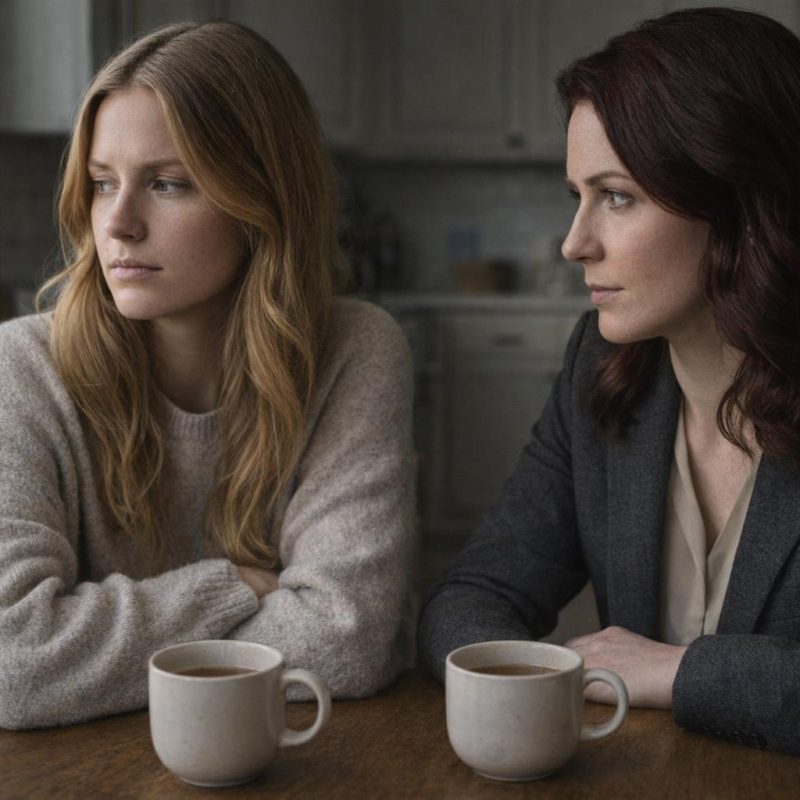 Image by RM AI
The Guilt of Suspicion
That night I sat with what I was actually thinking, and it made me feel sick. Not the doubt itself — the fact that I was having it at all. Chloe was my sister. She was twenty-six years old and she was fighting for her life, and here I was, mentally cataloguing the way her eyes had moved when I asked a simple question. What kind of person does that? I thought about the calls where she'd cried so hard she couldn't finish a sentence. I thought about the afternoon she'd shown up at my door looking hollowed out, and I'd held her on the couch for an hour without either of us saying anything. You don't perform that. You can't. And yet the feeling wouldn't leave. It sat in my chest like something with weight, and every time I tried to reason it away it just shifted and settled again. I kept landing on the same loop — she's sick, she's your sister, you are a terrible person for even letting this thought exist. The guilt was almost worse than the doubt. Doubt I could maybe justify. Guilt like this had no bottom. I lay in bed that night staring at the ceiling, and the word I kept circling but couldn't say out loud pressed against the inside of my ribs like a bruise.
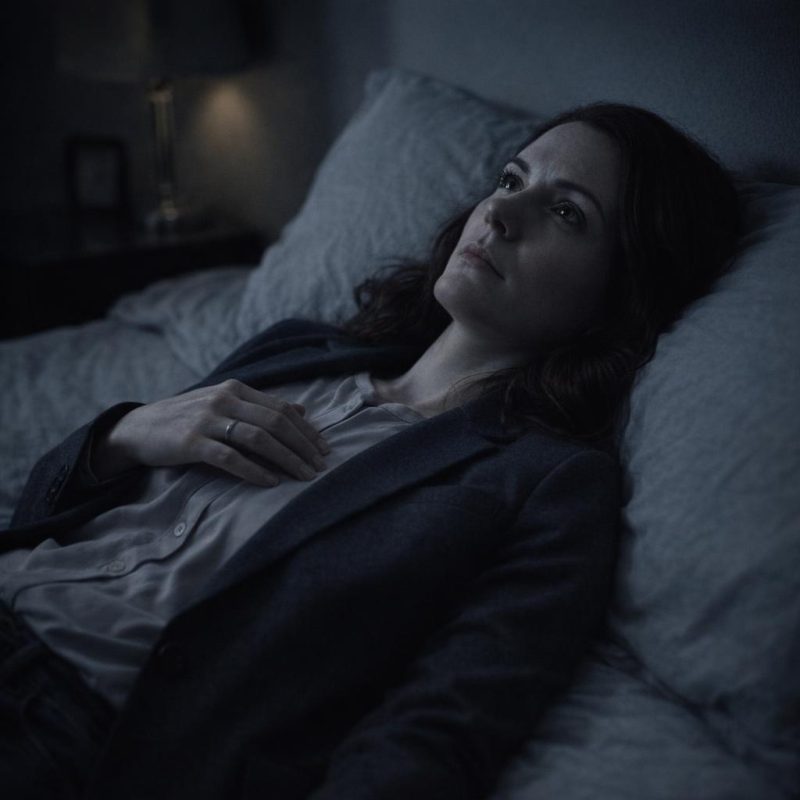 Image by RM AI
Meeting the Doctor
A few days later I called Chloe and told her I wanted to come to one of her appointments. I kept my voice easy, said I just wanted to meet her doctor, understand the treatment plan, be more present in the process. I thought it was a reasonable thing to ask. I thought she'd say yes. Instead there was a pause that lasted just a beat too long, and then she said the doctor didn't really meet with family members. I said I didn't need a full consultation, just an introduction, five minutes in the waiting room. She said the clinic had strict privacy policies, that it wasn't something they allowed. I asked if she could at least ask, and she said she'd already asked once before and been told no. Her voice stayed even the whole time, patient and a little tired, like she was explaining something to someone who wasn't quite getting it. I told her I understood. I said it was fine. But after I hung up I stood in my kitchen for a long time, phone still in my hand, and the reasonable explanations I'd been stacking up for two weeks felt suddenly much harder to reach.
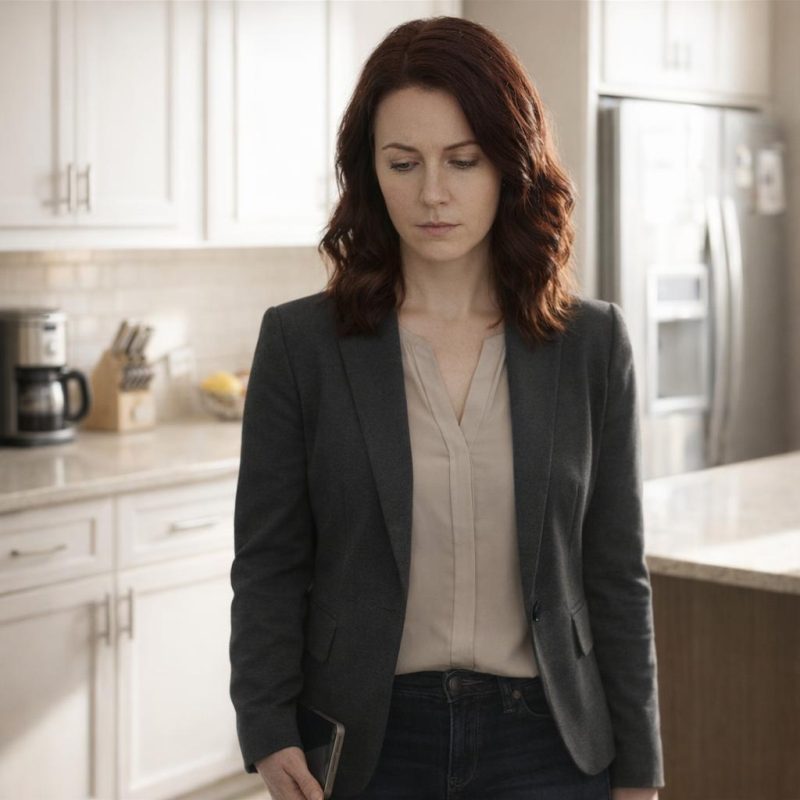 Image by RM AI
The War Inside
I tried to make a list. Not on paper — just in my head, going back and forth the way you do when you can't stop. On one side: the weight loss, the exhaustion, the crying, the way she'd looked at Thanksgiving, the calls from parking lots, the years of watching her struggle with her health even before this. Real things. Things I'd seen with my own eyes. On the other side: a hospital employee who didn't recognize the clinic name, a slight hesitation when I asked for paperwork, a policy about family members that sounded strange but maybe wasn't. When I laid it out like that, the first list was longer. The first list had years behind it. The second list had a few awkward moments and a friend who'd said herself she wasn't certain. I kept trying to let the first list win. And it would, for a while — an hour, sometimes two — and then something small would surface again and the whole argument would start over. I wasn't sleeping well. I was distracted at work. I'd catch myself mid-sentence in a meeting and realize I'd lost the thread entirely. I didn't know how to hold both versions of my sister at once, and I didn't know how to let either one go. By the end of the week I was just tired — bone-tired in a way that had nothing to do with sleep.
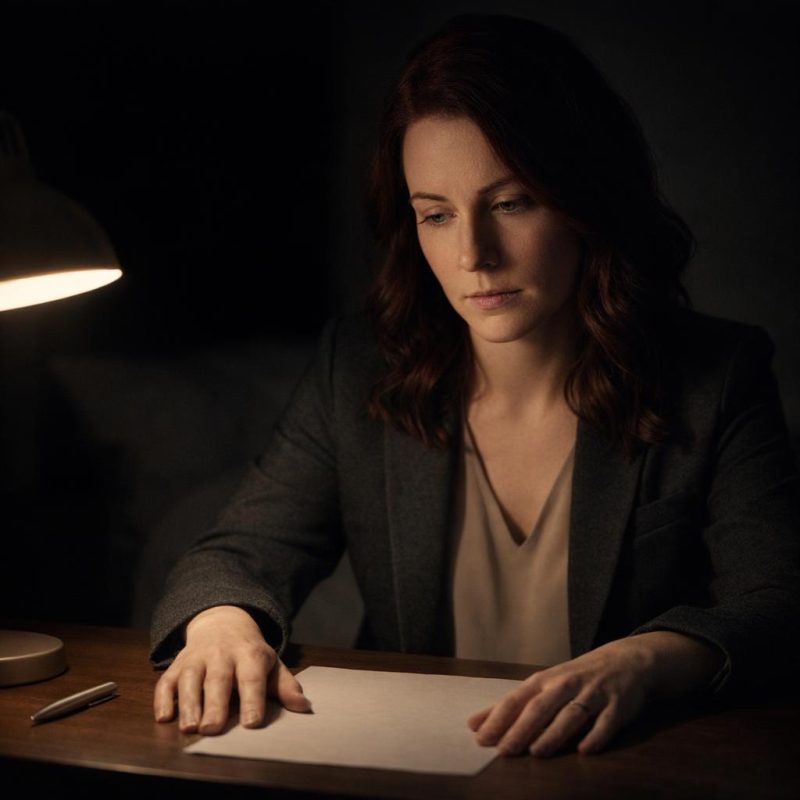 Image by RM AI
The Decision to Check
On Sunday morning I looked up the address Chloe had mentioned for the clinic — the one she'd texted me back in the fall when I'd asked where to send a card. I'd saved it without thinking much about it at the time. I stared at it on my screen for a long time. Then I opened a map and typed it in. I told myself I was doing this to prove she was telling the truth. I told myself that once I drove past and saw the building, the sign, the parking lot full of people going in for appointments, I'd feel stupid for ever doubting her and I could put all of this down for good. That's what I needed — not suspicion confirmed, but suspicion disproven. I planned it for Thursday, when Chloe had a scheduled treatment. I'd drive over during that window, see the building, and go home. Simple. Except it didn't feel simple. It felt like the kind of thing you can't take back once you've done it — like I was crossing from worried sister into something else entirely, something I didn't have a flattering name for. I sat with that feeling for a long time before I closed the map. The address stayed saved. I didn't delete it.
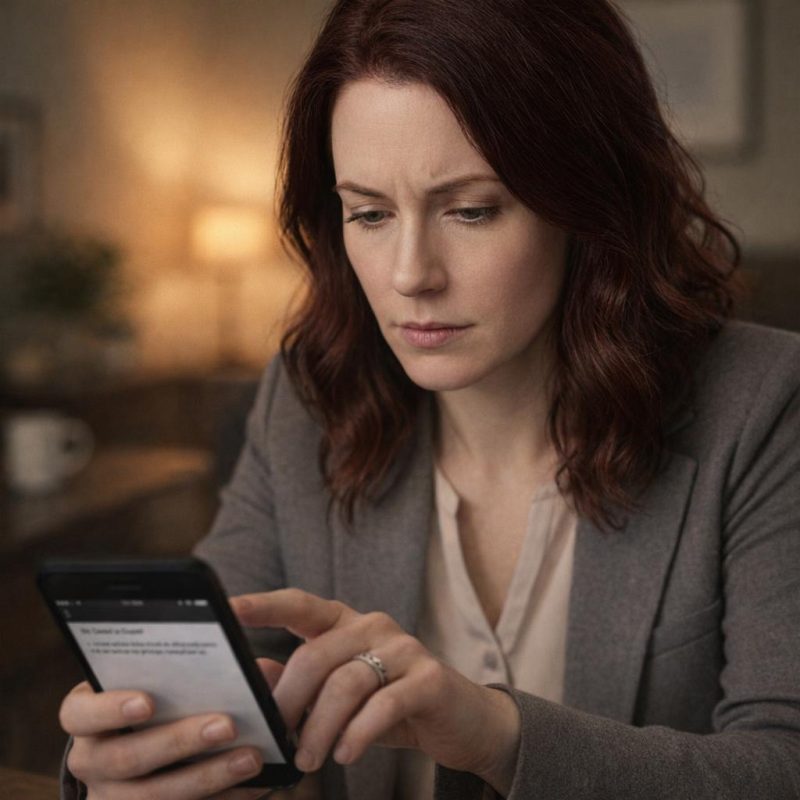 Image by RM AI
The Luxury Apartments
Thursday came and I drove over during the window Chloe had given me for her treatment. The address took me to a neighborhood I didn't know well — newer construction, wide sidewalks, the kind of block that had gone upscale in the last few years. I slowed down when the GPS said I'd arrived. There was no clinic. There was no medical signage, no accessible parking markers, no automatic doors with a pharmacy logo above them. What was there was a glass-and-steel residential building, maybe twelve stories, with a doorman visible through the lobby windows and a row of potted trees flanking the entrance. I pulled into a spot across the street and sat there with the engine running. I thought maybe I'd misread the address. I checked it twice against the text Chloe had sent me. It matched. I got out and walked to the building entrance, where a directory panel was mounted beside the door. I ran my finger down the columns slowly, reading every line. There were unit numbers. There were last names. There was a property management office listed at the bottom. There was no suite number for a clinic, no wellness center, no medical practice of any kind.
 Image by RM AI
Watching Her Arrive
I went back to my car and sat there. I didn't know what I was waiting for exactly — some explanation to arrive, maybe, some detail I'd missed that would make the directory make sense. I checked the address one more time. I watched the entrance. Forty minutes passed. A black SUV pulled up to the curb in front of the building, and the passenger door opened. Chloe stepped out. She was wearing a coat I'd never seen, a deep burgundy wool that looked expensive, and her hair was down and loose around her shoulders. She was laughing at something — head tilted back, one hand coming up to her face the way she did when something genuinely caught her off guard. She moved across the sidewalk with her bag over one shoulder, easy and unhurried, and pushed through the lobby door without looking back. I hadn't seen her move like that in months. I hadn't seen color in her face like that in months. I sat in my car with both hands in my lap, and the image of her — bright-eyed, laughing, stepping into a building that had no clinic in it — settled over me like something I couldn't unfeel.
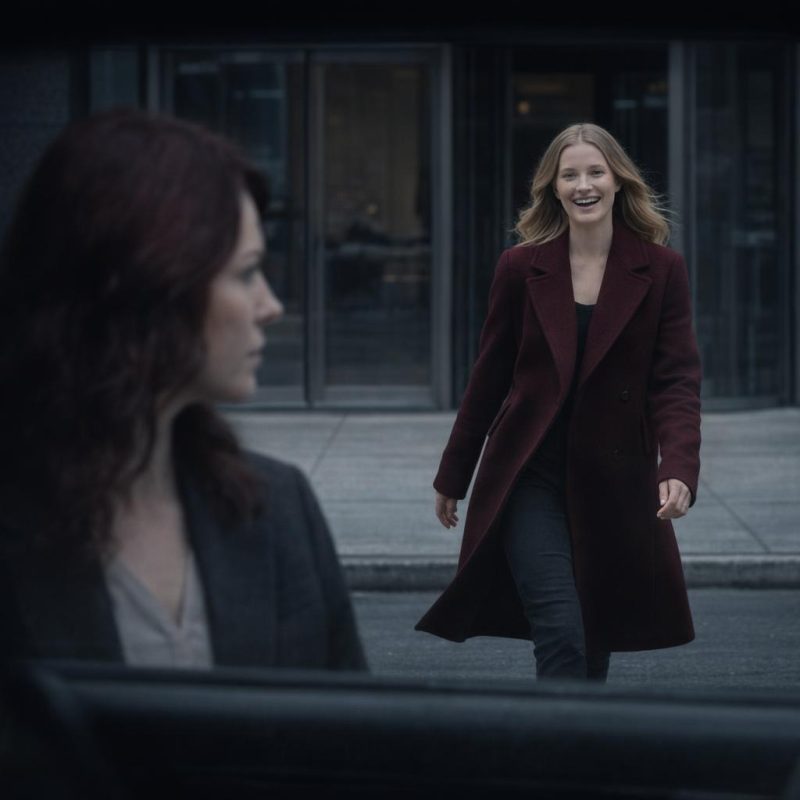 Image by RM AI
The Man From Her Past
I was still sitting there, hands in my lap, when a man came around the corner of the building and stopped at the lobby entrance. I recognized him before I fully processed what I was seeing. Mark. Chloe had dated him briefly about three years ago — long enough for me to know about the DUI, the restraining order from a previous girlfriend, the vague rumors about money and people you didn't want to owe. I'd been relieved when she said it was over. He was taller than I remembered, broader, wearing a dark jacket that looked new. He pulled out his phone, glanced at the screen, and then the lobby door opened and Chloe stepped back out. She must have buzzed him up and then come down instead. She walked straight into him — no hesitation, no surprise — and he put both hands on her face and kissed her like someone who had done it a thousand times. She laughed against his mouth. He said something low and she tilted her head back the same way she had on the sidewalk, easy and bright and completely at home in her own body. I sat in my car watching them through the glass door as they finally went inside together, and the word sick didn't fit anywhere in what I was seeing.
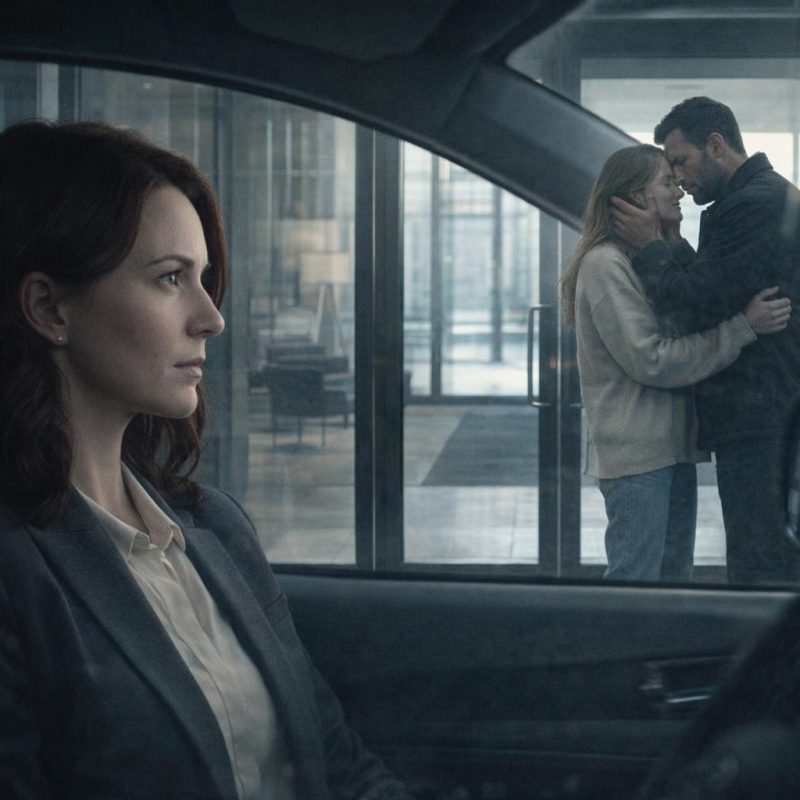 Image by RM AI
Following Them to the Bistro
I gave them maybe two minutes before I got out of the car. I told myself I was just going to walk past. I told myself a lot of things. They came out of the lobby together about a block ahead of me, Mark's hand at the small of Chloe's back, her shoulder leaning into his arm. I kept my distance and followed them down the block, then another, until they turned into a bistro I'd never been to — the kind of place with a chalkboard menu in the window and candles on the tables even at lunch. I found a spot on the sidewalk where I could see through the glass without being obvious about it. A server came to their table almost immediately. There was a brief exchange, a nod, and then the server came back with a bottle. Not wine by the glass. A bottle. Chloe held her flute up and Mark touched his to hers, and they both laughed at something — heads close together, shoulders relaxed, the whole easy posture of two people who had nothing weighing on them at all. My sister, who had spent the last four months telling me she was too exhausted to leave her apartment, was sitting across from him laughing over champagne.
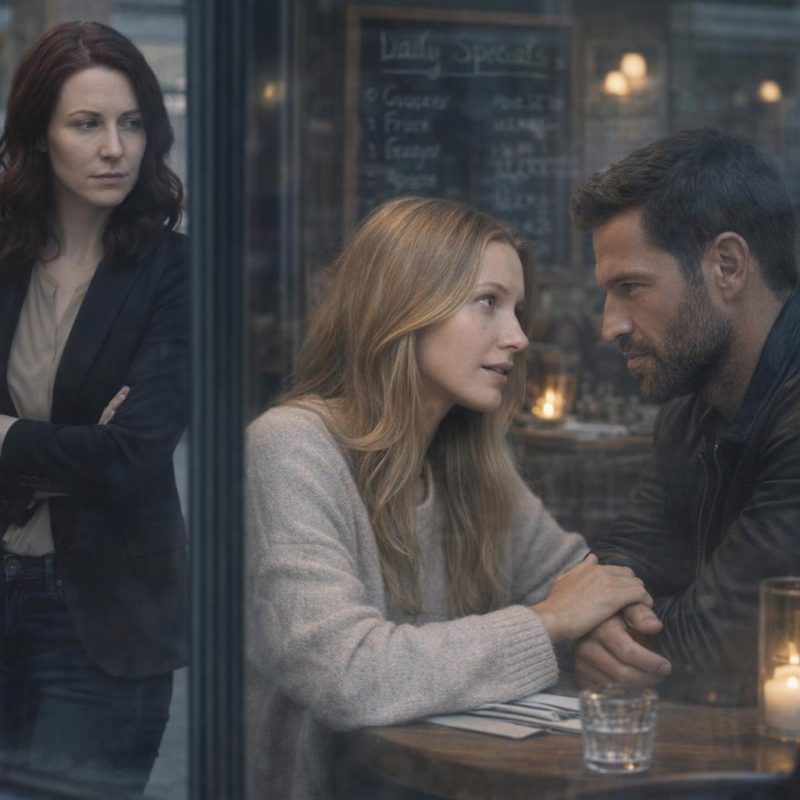 Image by RM AI
Watching Through Glass
I stood there on the sidewalk longer than I should have. Long enough for them to order. Long enough for a plate of something to arrive at the table — small, arranged, the kind of food that costs more than it looks. Chloe reached across and took something off Mark's plate and he let her, watching her with an expression I'd seen on people in love. Her face was animated in a way I hadn't seen in months. Color in her cheeks. Hands moving when she talked. She threw her head back laughing at one point and I felt something cold move through my chest, because I knew that laugh. I'd grown up with that laugh. That was not the laugh of someone fighting for her life. That was not the laugh of someone who had spent the last four months in and out of treatment. I thought about every phone call. Every wire transfer. Every night I'd lain awake running numbers in my head, trying to figure out how to stretch what I had left. I thought about the burgundy coat. I thought about the apartment building with no clinic in it. My hands had stopped shaking. Something had gone very quiet inside me. I pushed open the door and walked in.
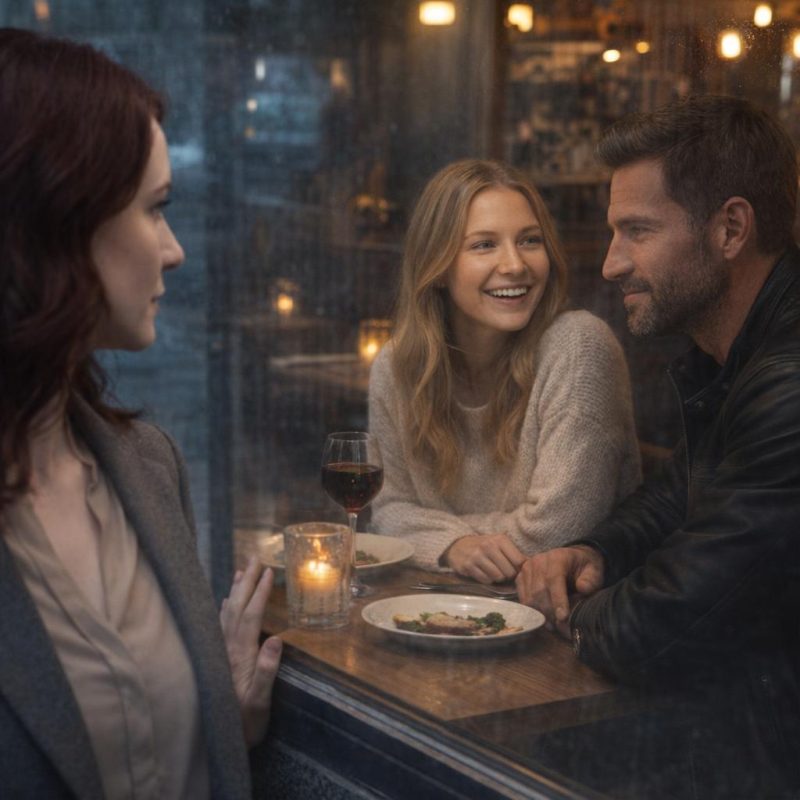 Image by RM AI
Sitting Down Uninvited
The bistro was warm and smelled like garlic and something herby. I walked through it like I belonged there, past the host stand, past a couple sharing a dessert, all the way to the back corner where they were sitting. Mark saw me first. His expression shifted fast — something moving behind his eyes that I couldn't read. Chloe was mid-sentence when she looked up and the words just stopped. I pulled out the empty chair and sat down without asking. The champagne bottle was right there between us, half empty, two glasses with lipstick on one rim. I set my bag on the floor and folded my hands on the table and looked at my sister. She had gone the color of the tablecloth. Mark started to push his chair back and I looked at him and said, quietly, that he should stay. He stayed. Chloe's mouth opened and closed once. She looked nothing like someone who was sick. She looked like someone who had been startled out of something, and whatever it was I'd interrupted was written all over her face.
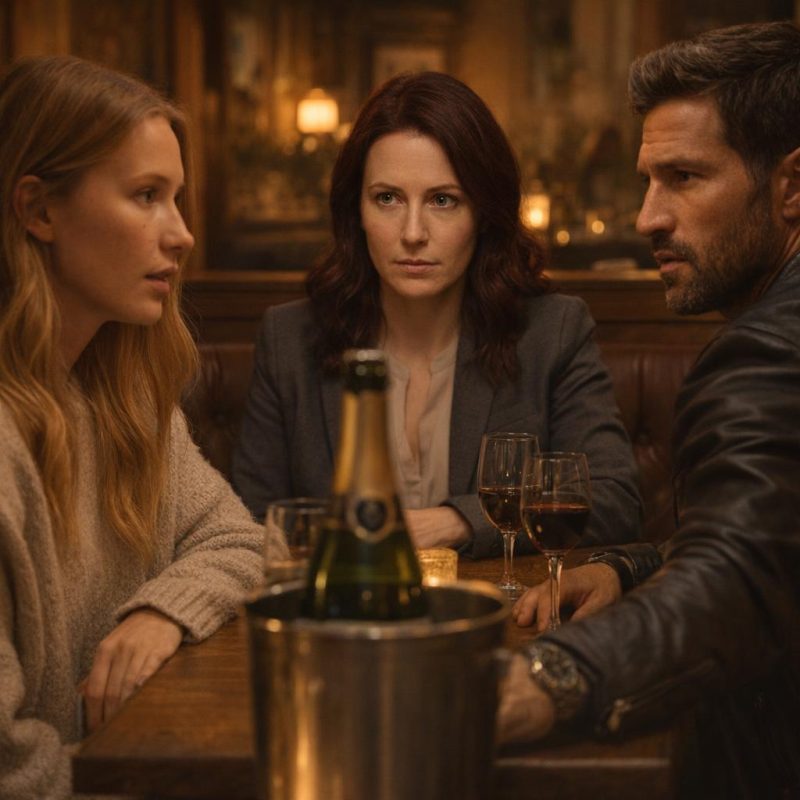 Image by RM AI
The Truth She Never Wanted
I asked her one question. I asked her to tell me what I had just watched her walk out of. She tried the retreat story first — holistic recovery, a new program, she'd meant to tell me. I put the address on the table between us, the one I'd looked up on my phone, and told her it was a residential apartment complex. She looked at Mark. He looked at the table. The silence lasted about four seconds and then something in Chloe's face just collapsed. She started crying — not the careful, managed crying I'd watched her perform for months, but something uglier and more real. She said she was sorry. She said it got out of hand. She said Mark owed money to people who weren't patient about being owed money, and she hadn't known what else to do, and she was scared, and she thought she could pay it back before I ever found out. I sat very still and let her talk. She said she'd never meant for it to go this far. She said she loved me. And then, because I asked her directly and she had nowhere left to go, she said the words out loud: there was no disease. There had never been any disease.
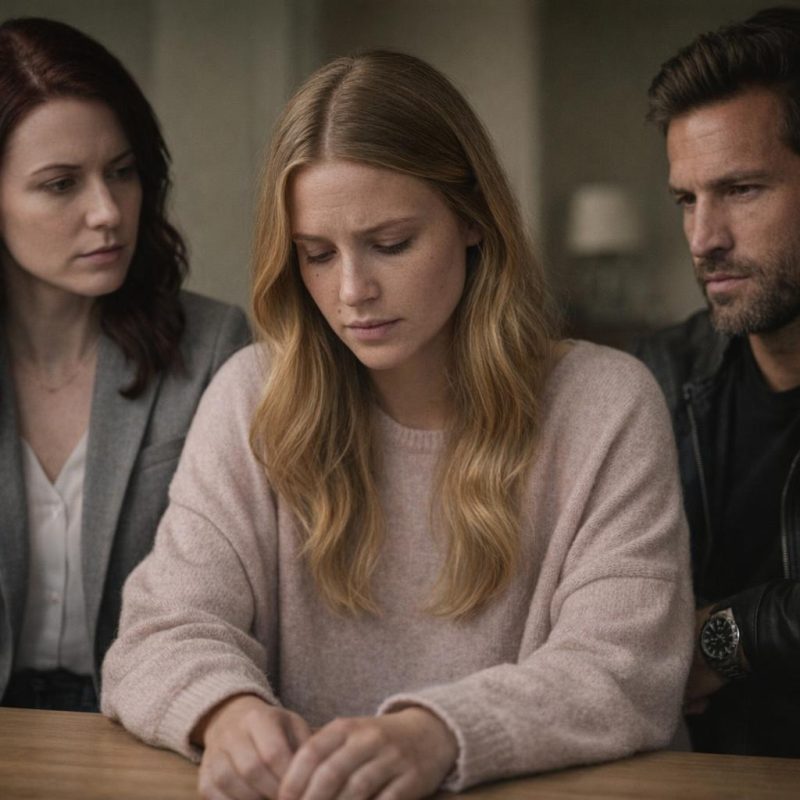 Image by RM AI
Walking Out
I stood up. I didn't say anything else. Chloe reached across the table and I stepped back before her hand could reach me, picked up my bag, and turned toward the door. She called my name — once, then again, louder — and I heard Mark say something low behind me, but I didn't turn around. I walked through the restaurant the same way I'd walked in, past the couple with the dessert, past the host stand, out through the door and onto the sidewalk. The cold air hit me and I kept walking. My hands were shaking again by the time I got to the car. I sat in the driver's seat for a moment before I started the engine, not because I needed to collect myself but because my body just needed a second to catch up with what had happened. Then I pulled out and drove. No music. No podcast. No voice in my ear telling me where to go. Just the road and the sound of the engine and the city moving past the windows. By the time I got home, the shaking had stopped. I sat in the parked car in the garage for a long time, and the quiet settled around me like something I hadn't earned but couldn't give back.
 Image by RM AI
Alone With the Betrayal
I didn't turn the lights on when I got inside. I sat down on the couch in my coat and just stayed there. After a while I took the coat off. I didn't move much beyond that. I kept going back through the last four months the way you press on a bruise — not because it feels good but because some part of you needs to confirm it's real. The phone calls where she'd sounded so weak I'd had to sit down. The afternoon she cried and said she didn't know how she was going to get through this without me. The birthday I'd skipped because I felt too guilty spending money on myself. Every single one of those moments had been real to me. I had felt every one of them in my body. And now I was sitting in the dark trying to understand that the person on the other end of all of it had been performing. Not struggling. Not scared. Performing. The grief that came wasn't for the money, though the money was real and the loss of it was real. It was for something harder to name — the sister I thought I had, the closeness I thought we'd built through all of it, the version of Chloe I had loved without question. My apartment, which had always felt small but mine, just felt empty.
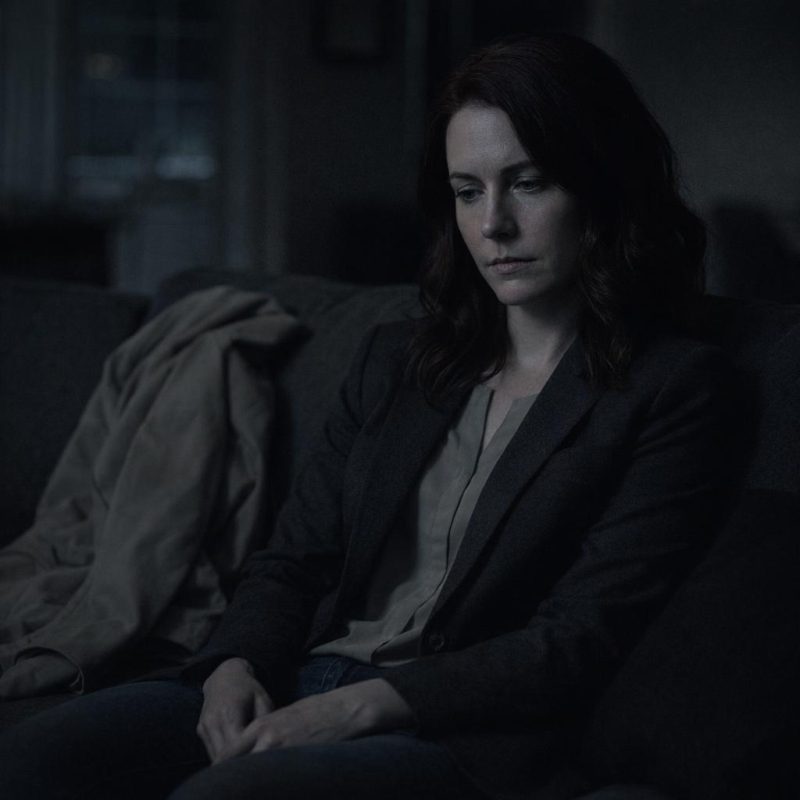 Image by RM AI
Reviewing the Evidence
I didn't sleep much. By six in the morning I was at the kitchen table with every bank statement I'd printed over the last four months spread out in front of me. I went through them with a highlighter, transaction by transaction. The pattern was right there once I was looking for it — transfers on Tuesdays and Thursdays, almost without exception, amounts that climbed steadily through October and then spiked in November. I added it up twice because the first number didn't feel real. It was real. I sat back and looked at the ceiling for a moment, then started going through the stack of papers I'd brought back from Chloe's place two weeks ago when she'd asked me to grab some mail — a small pile I'd shoved in my bag and never fully sorted. Most of it was junk. I was about to push the rest aside when my hand caught on something near the bottom: a crumpled sheet, folded in thirds, with a property management logo across the top — the same building I'd stood outside the day before.
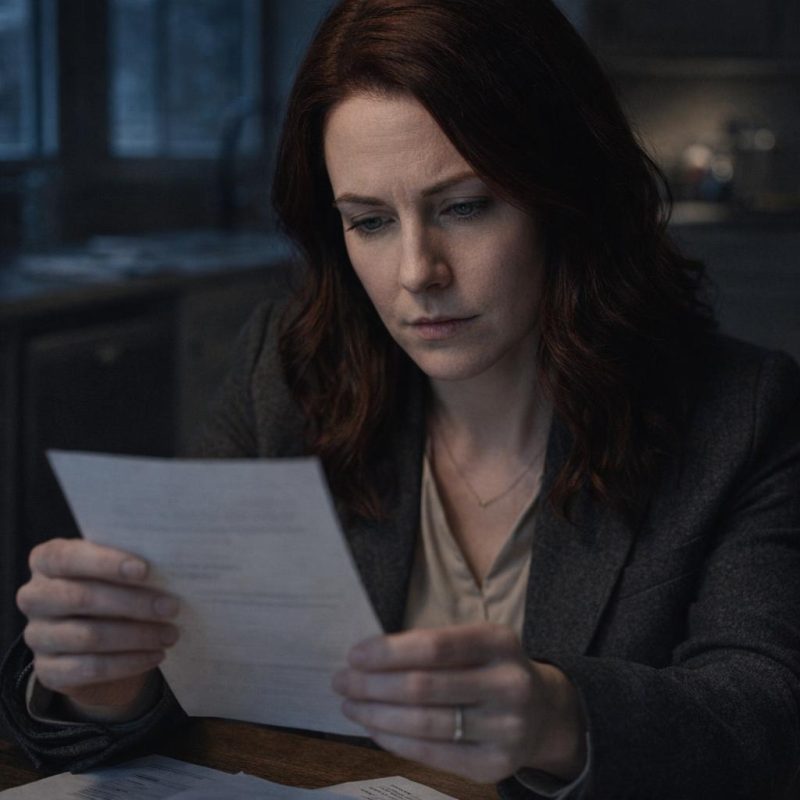 Image by RM AI
The Receipt That Proved Everything
I unfolded it carefully, like it might fall apart if I moved too fast. It was a rental receipt — one page, printed on property management letterhead — dated two days after my last wire transfer. The unit was listed as a two-bedroom on the fourteenth floor. The monthly rate was printed in clean black type: $3,200. The name on the account wasn't Chloe's, wasn't Mark's — it was something generic, a name I didn't recognize, the kind you'd use if you didn't want to be found. But the amount matched. It matched exactly what I'd sent her that Tuesday, down to the dollar. I sat there doing the math I didn't want to do. My overtime shifts. The credit card I'd opened specifically because she said the treatment center needed a lump sum by Friday. The retirement contributions I'd paused. All of it had gone somewhere — and now I was holding the somewhere in my hands. They'd been living in a luxury apartment on my money while I ate rice and beans and told myself it was worth it because my sister was fighting for her life. The receipt sat on the kitchen table in front of me, and I didn't move for a long time.
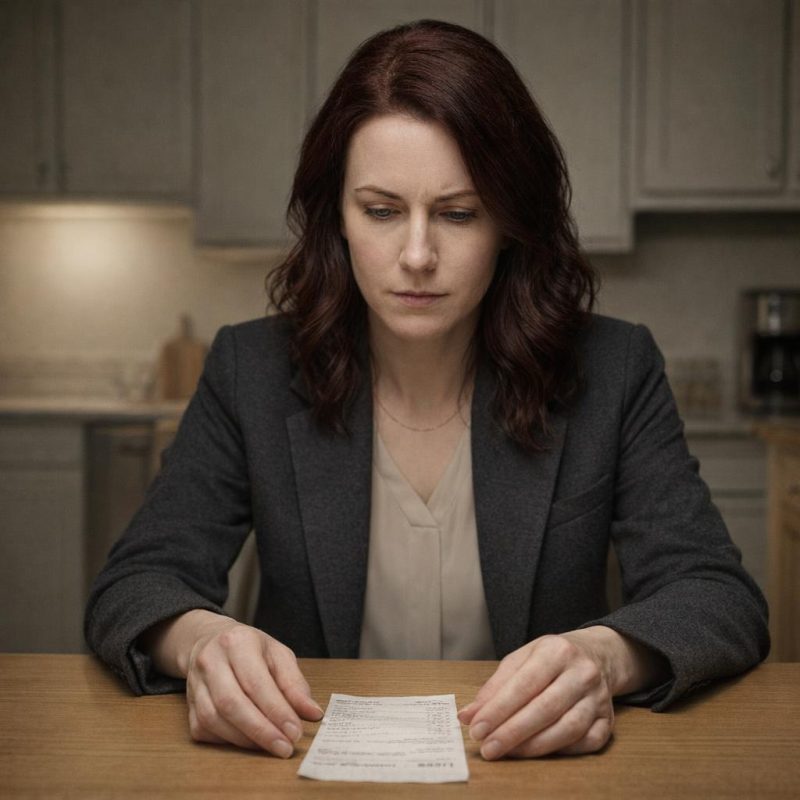 Image by RM AI
Tallying the Cost
I got out a legal pad and wrote down every transfer, every payment, every credit card charge I could trace back to Chloe's so-called treatment. I'd already gone through the bank statements once that morning, but I needed to see it all in one column, one number at a time. The transfers alone came to thirty-one thousand dollars. The two credit cards I'd maxed out added another sixteen thousand. I stared at the column for a while before I added it up. Forty-seven thousand dollars. I wrote it out in full at the bottom of the page and underlined it twice, like that would make it feel more real. My savings account had $214 left in it. I'd checked that morning. The emergency fund I'd spent six years building — gone. The down payment I'd been saving toward — gone. I ran the numbers on what it would take to pay off the credit cards at minimum payments and came up with something close to five years, assuming nothing else went wrong. Five years to undo three months of believing my sister was dying. I set the pen down and looked at the number at the bottom of the page: $47,000.
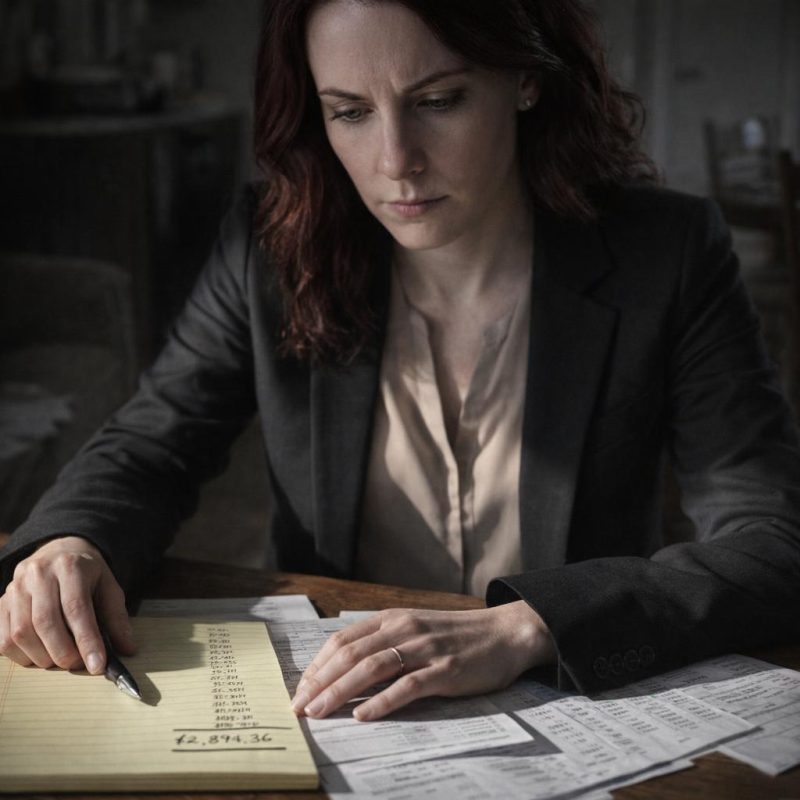 Image by RM AI
Blocking Her Calls
Chloe started calling around nine that night. I watched the screen light up the first time and let it go to voicemail. Then again. Then a third time in under ten minutes. The texts started coming after that — long ones, I could tell by the preview lines that kept appearing on my lock screen. I didn't open a single one. I sat on my couch with the phone face-up on the cushion beside me and watched the notifications stack. At some point I picked it up and went to her contact. I blocked the number. Then I went to my texts and blocked the second number she sometimes used, the one she'd gotten a couple years back when she lost her old phone. I opened Instagram and blocked her there. Facebook. The email address I recognized as hers. I went through every platform methodically, the way you'd go through a checklist, because if I let myself feel it I wasn't going to finish. When I was done I set the phone down on the coffee table and the screen went dark. The apartment was quiet in a way it hadn't been in months — no alerts, no updates, no crisis to manage. I sat with that quiet for a long time.
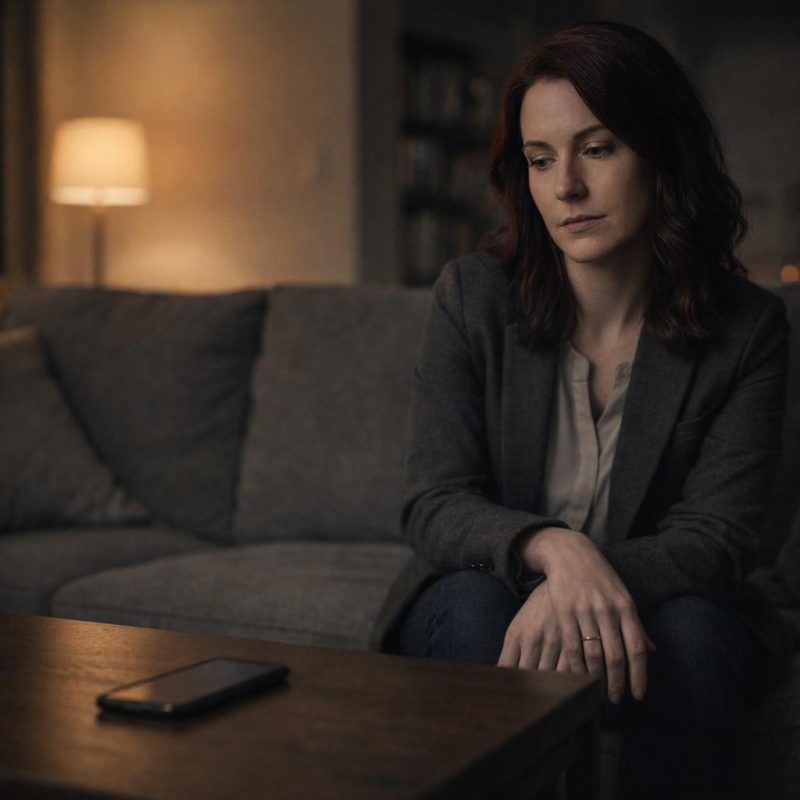 Image by RM AI
She Came to My Door
Three days later I heard knocking at my door. Not a casual knock — the kind that means someone has been standing in the hallway working up the nerve. I looked through the peephole and there she was. Chloe, in a gray hoodie, her hair pulled back, her face already wet. She was saying my name before I even had a chance to process that she was real and standing four feet away from me. I didn't open the door. I stood there with my hand flat against it and said, through the wood, that she needed to leave. She said she just needed five minutes. She said she was sorry, that she knew what she'd done, that she needed me to understand why. I told her I understood perfectly and that she needed to go before I called building security. She kept talking — her voice breaking in that specific way it always broke when she wanted something from me — and I stood there and didn't move and didn't open the door. Eventually the talking stopped. I heard her slide down against the wall outside, or maybe I imagined that part. Then I heard the elevator. Then nothing. I leaned my back against the door and stayed there until my legs stopped shaking, and the silence on the other side held.
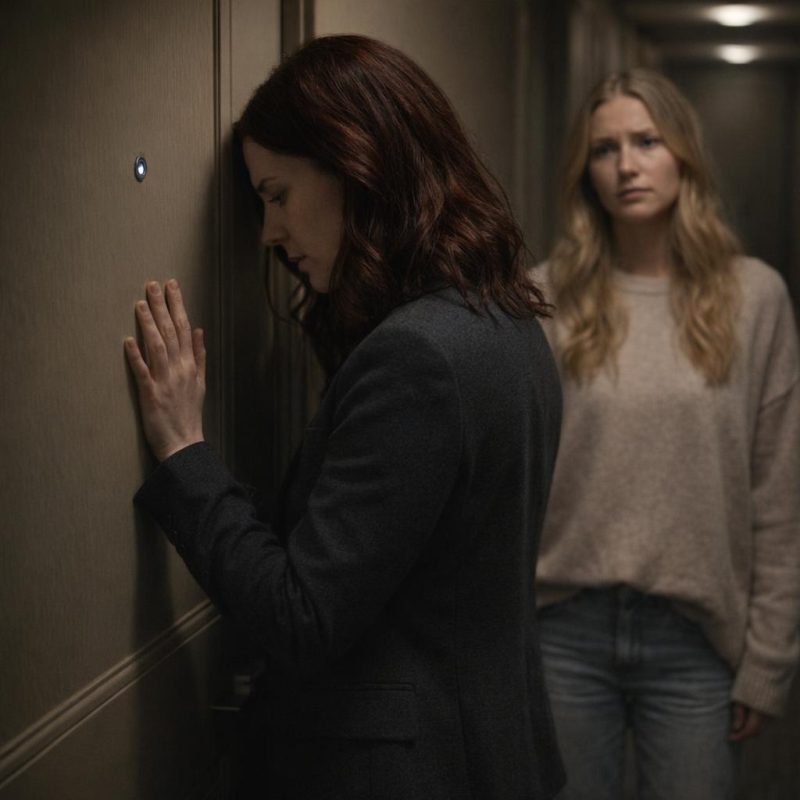 Image by RM AI
The Second Confrontation
She came back two days later, and this time I opened the door. Not because I'd softened — because I was done speaking through wood. She looked like she hadn't slept. She started in immediately, telling me that Mark had pressured her, that she'd been scared of what he'd do if she didn't get the money, that she hadn't known how to ask for help any other way. I let her finish. Then I told her I'd seen the receipt for the apartment. I told her I knew the dates, I knew the amounts, I knew the name on the account. I told her I'd added up every dollar — forty-seven thousand of them — and that I knew exactly what she'd spent it on. She started crying. I told her that I had raised her. That when our parents left us to figure things out on our own, I was the one who stayed. I told her I had worked overtime and skipped meals and drained everything I had because I believed she was dying, and that she had looked me in the eye every single time and let me believe it. She reached for my arm and I stepped back. I looked at her and said, clearly, that we were done — that I didn't have a sister anymore.
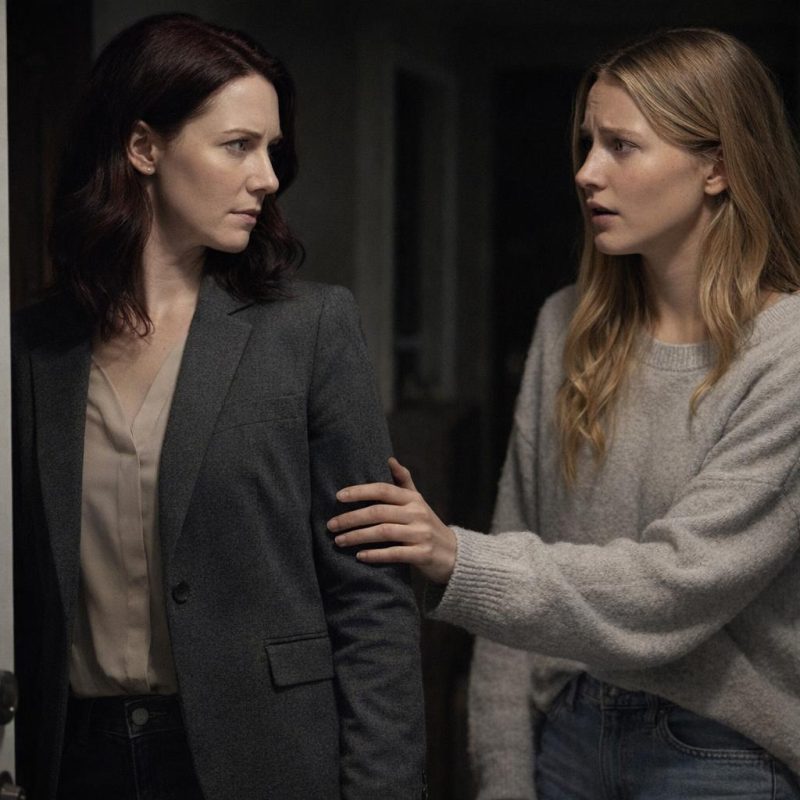 Image by RM AI
Considering Charges
I called a lawyer the following week. I'd found her through a referral from a coworker — she specialized in civil fraud cases and had a no-nonsense reputation, which was exactly what I needed. I brought everything: the bank statements, the printed transfers, the rental receipt, the fake name on the account, the timeline I'd built on the legal pad. She went through it quietly, asking a few clarifying questions, making notes in the margins. When she finished she set the folder down and told me the documentation was solid. She said the pattern of transfers combined with the false pretense — the fabricated illness — gave me grounds for both civil fraud and criminal theft charges. She explained what each path looked like: civil meant suing for damages, criminal meant involving the DA's office and potentially a trial. She was straightforward about the fact that criminal cases involving family members were complicated, that juries responded unpredictably, that it could take years. I asked her directly whether the case was strong. She looked at me over the top of her reading glasses and said, without hesitating, that the evidence was clear and the case was strong.
 Image by RM AI
Confronting My Parents
I called my parents on a Thursday evening. My mother answered on the second ring, which meant she'd been expecting something. I told them everything — the fake diagnosis, the transfers, the apartment, the total. I laid it out the same way I'd laid it out for the lawyer, factual and in order, because I didn't trust myself to stay steady if I let it get emotional. My father said very little. My mother listened and then said that Chloe had always struggled, that I knew that, that maybe I needed to think about what kind of pressure she'd been under. I told them I needed them to acknowledge that the way they'd raised us — the way they'd left me to be Chloe's parent before I was old enough to drive — had something to do with how we'd both ended up here. My father said I was being unfair. I told them forty-seven thousand dollars doesn't happen by accident. There was a pause, and then my mother said, in the same gentle, deflecting voice she'd used my entire life, that Chloe was probably just desperate.
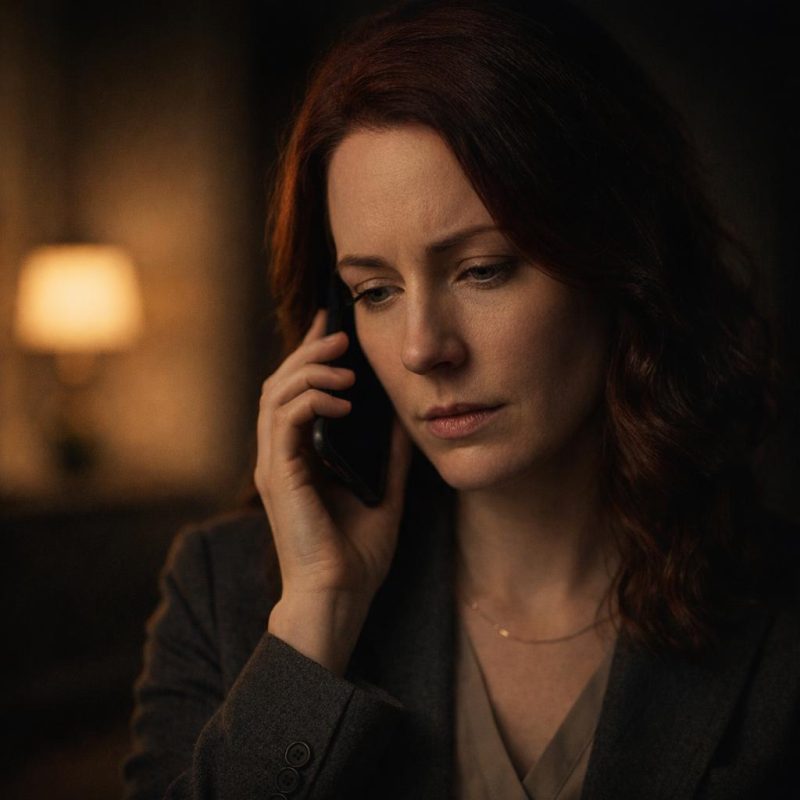 Image by RM AI
The Parents Who Never Changed
They called back the next morning. My mother said she'd been thinking about it and that what we all needed was to sit down together — maybe with a mediator, someone neutral, someone who could help us hear each other. She said this was a misunderstanding between sisters and that family was family. My father got on the line briefly to say he hoped I wasn't going to do anything I'd regret. Neither of them asked how I was. Neither of them said the word fraud. Neither of them acknowledged the forty-seven thousand dollars or the years it would take me to recover or the fact that I had spent three months believing my sister was dying. I'd heard versions of this conversation my whole life — different details, same shape. Chloe breaks something, I bleed, and they suggest we all just calm down and move forward. I used to fight it. I used to try to make them see. I sat at my kitchen table after I hung up and I didn't cry, which surprised me a little. The emptiness that settled in wasn't new — it was the same one I'd been carrying since childhood, the one I'd just finally stopped pretending wasn't there.
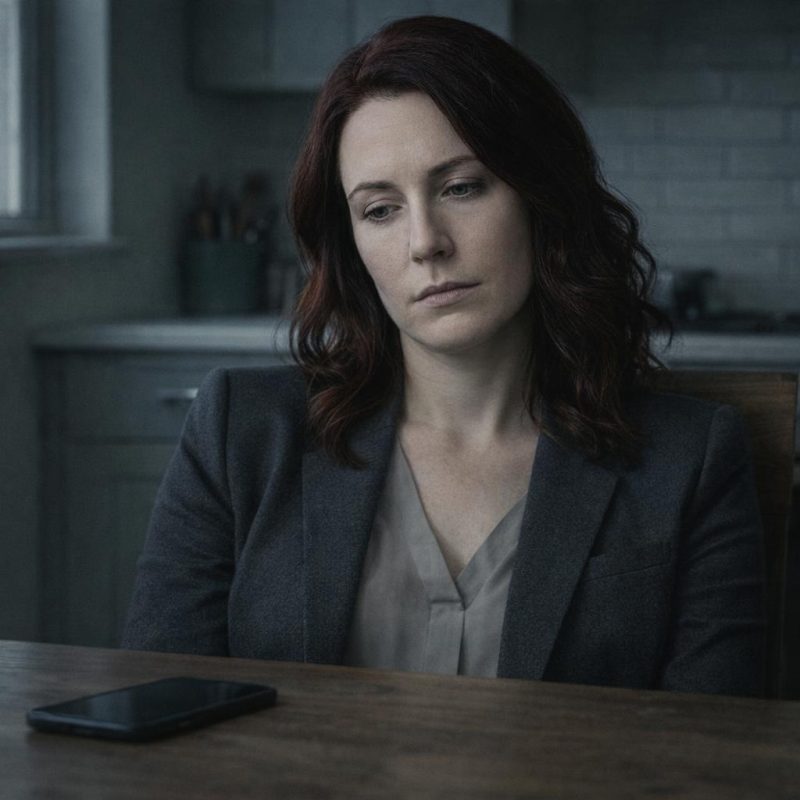 Image by RM AI
Choosing Myself
I sat at my kitchen table for a long time after my parents called, and I let myself think about it clearly for once — not through the lens of what I owed anyone, not through the guilt I'd been carrying since I was old enough to understand that Chloe needed looking after. I thought about what it had actually cost me. Not just the forty-seven thousand dollars, though that number sat in my chest like a stone. I thought about the years of phone calls I'd dropped everything for, the vacations I hadn't taken, the relationships I'd let thin out because I was always managing someone else's crisis. I thought about my parents, who had called not to check on me but to ask me to absorb this too, to fold it into the family story and move on. And I thought about what staying connected would actually mean — not in theory, not in the version where everyone eventually comes around, but in practice. It would mean being available for the next thing. It would mean teaching them, again, that I could be broken and would still show up. I opened my laptop and I wrote the email. It wasn't long. It didn't need to be. I told them I loved them and I told them I was done, and for the first time in my life, I meant both things at once.
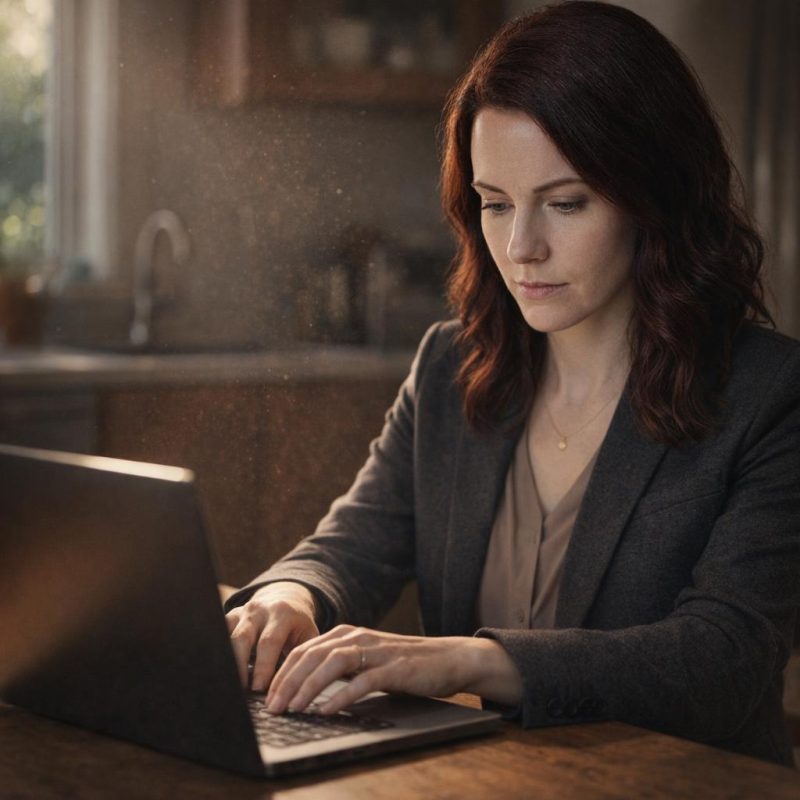 Image by RM AI
Starting to Rebuild
Three weeks after I sent that email, I sat across from a financial advisor named Patricia and spread everything out on her desk — the credit card statements, the wire transfer records, the rough notes I'd made about what I earned and what I owed. It was humiliating in the way that honest things sometimes are. She didn't flinch. She just looked at the numbers and started building a plan. Forty-seven thousand dollars over four years, with the freelance work I'd already started picking up, was survivable. Not comfortable. Not easy. But survivable. I'd taken on two additional clients the week before, both small projects, both things I could do on evenings and weekends without completely hollowing myself out. Patricia printed a budget sheet and I took it home and taped it to the inside of a kitchen cabinet, somewhere I'd see it every morning but didn't have to look at it all day. Some nights I sat with the numbers and felt the weight of what had been taken from me. Other nights I just felt tired in a clean way, the way you feel after you've finally started moving in the right direction. The future I was building was small and slow and entirely mine, and that turned out to be enough to keep going.
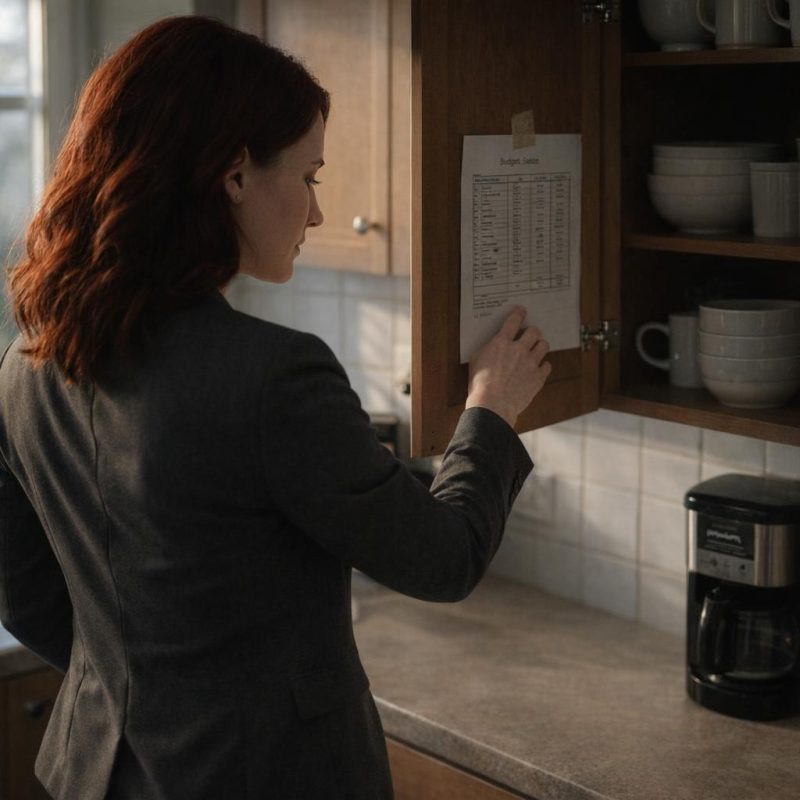 Image by RM AI
Understanding the Pattern
My therapist asked me once when I first learned that love had to be earned through sacrifice, and I didn't have an answer right away. I sat with it for a week and came back and said probably around age nine, when Chloe started having her episodes and my parents started looking at me like I was the one who could fix it. My therapist has a word for what happened to me growing up — parentified. It means the child becomes the emotional caretaker, the one who holds things together, the one whose needs get quietly moved to the back of the line. I hadn't been raised to believe I mattered less. I'd just been raised in a way that made me act like I did. What Chloe did was cruel, but my therapist helped me see that she had learned something too — that I was the person who would always come through, no matter what it cost me, because that was the role I'd been handed before either of us was old enough to choose. Understanding that didn't make it hurt less. It made it hurt differently, which I think is what healing actually feels like. I wasn't the problem. I was the solution to a problem that should never have been mine to solve, and somewhere along the way I had confused the two. That confusion had shaped almost everything.
 Image by RM AI
Eyes Finally Open
It's been almost five months now since the receipt, since the phone calls, since the email I sent and never got a real response to. The credit cards are still there. The budget sheet is still taped inside the cabinet. I still have days where I do the math in my head and feel sick. But I also have days where I don't think about any of it until evening, and those days are getting more frequent. What I lost is real — the money, yes, but also the version of my family I'd been holding onto, the one where we were complicated but ultimately there for each other. That version was never accurate. I think I knew that for a long time and just couldn't afford to know it. Chloe was never the sister I raised her to be in my head. My parents were never going to choose me over the peace of pretending nothing happened. Grieving that has been the strangest part — mourning people who are still alive, who just turned out to be different from who I needed them to be. But on the other side of that grief is something I didn't expect. Quiet. Space. A life that belongs to me. The bank account is still recovering, but I know now exactly who I am when no one needs anything from me — and that woman is someone I can live with.
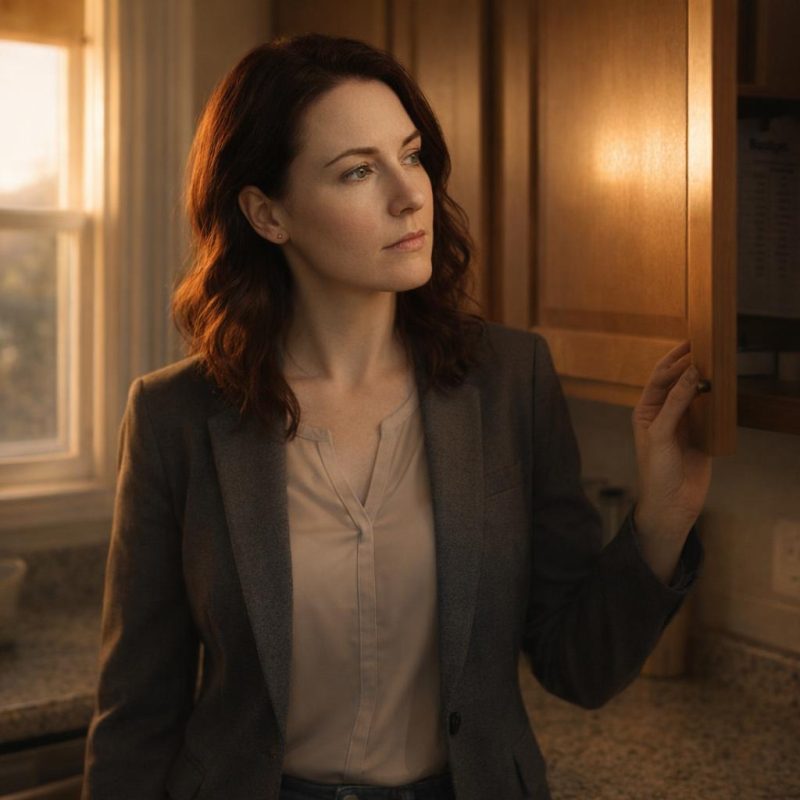 Image by RM AI
KEEP ON READING

From Heroes To Zeroes 20 Historical Figures Whose Heroism Was…
History is full of legends, but not every hero lived…
By Noone Feb 25, 2026
The Clueless Crush: How I Accidentally Invited a Hacker Into…
Fluorescent Lights and First Impressions. My name is Tessa, I'm…
By Ali Hassan Nov 4, 2025
This Infamous Ancient Greek Burned Down An Ancient Wonder Just…
History remembers kings and conquerors, but sometimes, it also remembers…
By David Davidovic Nov 12, 2025
Einstein's Violin Just Sold At An Auction—And It Earned More…
A Visionary's Violin. Wanda von Debschitz-Kunowski on WikimediaWhen you hear…
By Ashley Bast Nov 3, 2025
The Mysterious "Sea People" Who Collapsed Civilization
3,200 years ago, Bronze Age civilization in the Mediterranean suddenly…
By Robbie Woods Mar 18, 2025
The 20 Smartest Women in History
Intelligence Has Always Had More Than One Form. Calling anyone…
By Emilie Richardson-Dupuis Jun 16, 2026