

I Bought My Ex-Husband's Storage Unit at Auction. What I Found Inside Changed Everything I Thought I Knew About Our Marriage
I Bought My Ex-Husband's Storage Unit at Auction. What I Found Inside Changed Everything I Thought I Knew About Our Marriage
The Invitation I Almost Ignored
The notification email sat in my inbox for three days before I opened it. Storage unit 247, abandoned property, public auction. Robert's name in the subject line felt like a ghost reaching through my screen. I'd spent ten years building a life that didn't include him, and six months since his death trying not to think about what that meant. But here I was, pulling into the auction house parking lot on a Tuesday morning, telling myself I just needed to see what he'd left behind. The building was smaller than I expected, tucked between a tire shop and a dollar store. Inside, fluorescent lights buzzed over rows of metal chairs facing a makeshift podium. A woman with a neat ponytail looked up from the registration desk, her smile professional but warm. "First time at a storage auction?" Elena asked, sliding a clipboard toward me. I nodded, my hands already fidgeting with my car keys. She explained the rules—all sales final, cash or card, you buy what you see. I signed my name, and she handed me a bidder paddle with the number seventeen printed on it. Elena handed me the bidder paddle, and I wondered if I was making a mistake before I even started.
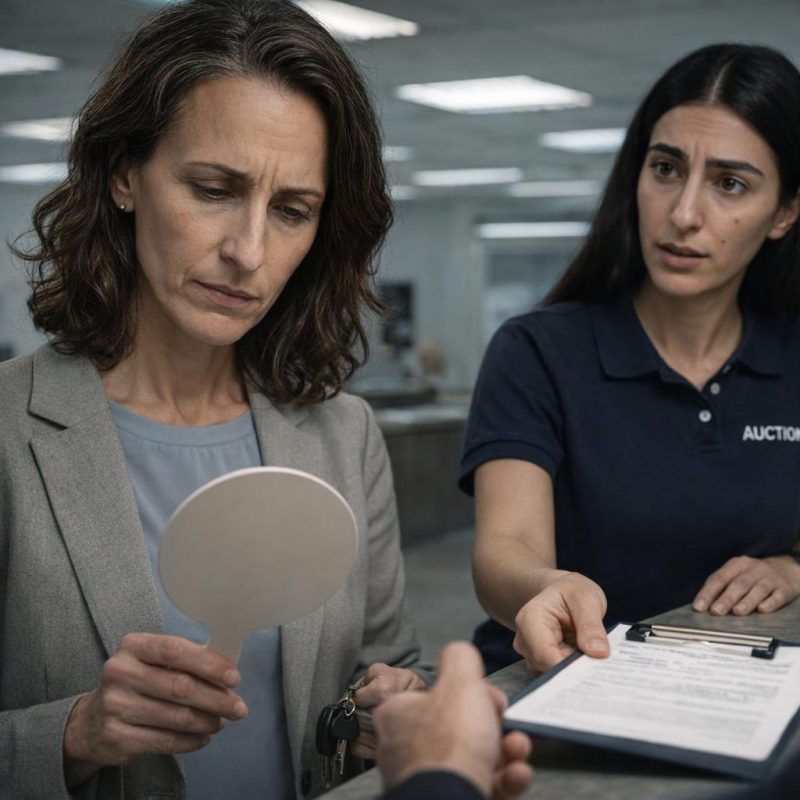 Image by RM AI
Six Months and a Lifetime Ago
I found a seat in the back row, away from the cluster of regular bidders comparing notes near the front. Six months. That's how long it had been since David called to tell me his father was gone. Heart attack, sudden, alone in his apartment. We'd been divorced for a decade by then, our marriage ending not with drama but with the quiet acknowledgment that we'd become strangers sharing an address. I remembered Robert as distant, always working late, always traveling for business. Not cruel, just absent. When we split, I felt relief more than grief. David took it harder than I did, caught between loyalty and disappointment. He'd handled the funeral arrangements, sorted through Robert's apartment, never mentioned a storage unit. Nobody had claimed it, apparently. The fees went unpaid until the facility sent it to auction. I kept asking myself why I cared, why I drove two hours to bid on boxes of someone else's past. Maybe I wanted to understand who Robert became after me. Maybe I just needed to close a door I didn't realize I'd left open. The auctioneer called the first lot number, and my heart started racing for reasons I couldn't name.
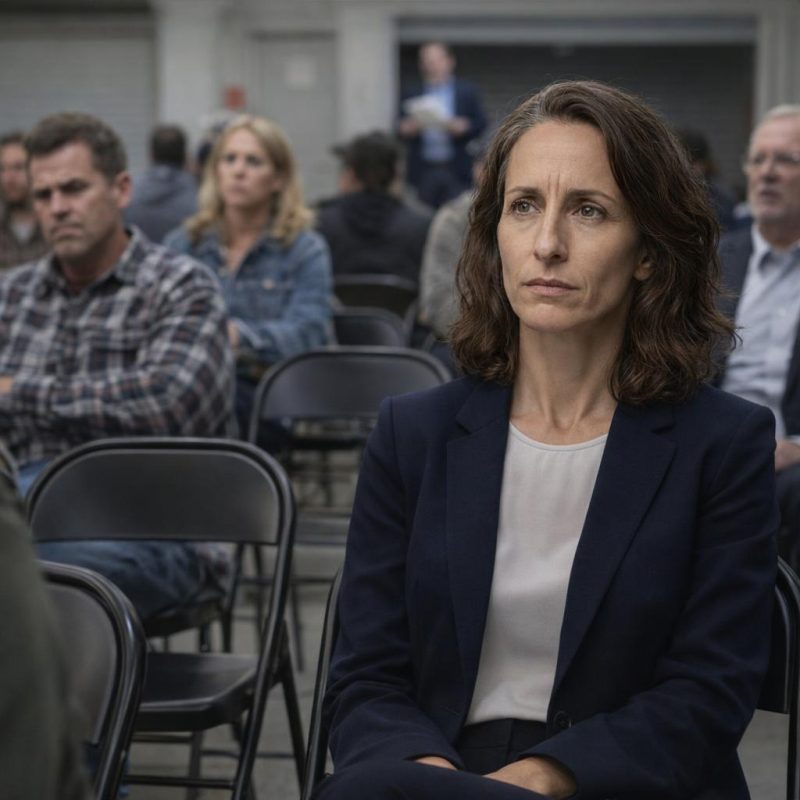 Image by RM AI
What Gets Left Behind
Unit 247 was halfway down the corridor, and when the auctioneer rolled up the metal door, I stood on my toes to see over the shoulders of the bidders in front of me. Furniture covered in white sheets took up most of the back wall—a couch, maybe a desk, shapes I recognized from our old house. Boxes were stacked in uneven towers, some cardboard, some plastic bins, all labeled with dates but no descriptions. Other bidders murmured assessments, calculating resale value on the visible items. A man in a flannel shirt pointed at what looked like a filing cabinet. Elena stood to the side, clipboard in hand, reminding everyone that we couldn't enter the unit until after purchase. I scanned the space, trying to find something that would tell me this was worth it. Most of the boxes looked ordinary, the kind you'd grab at a moving supply store. But then I noticed something odd. Some boxes were sealed with single strips of packing tape, loose enough that the flaps bowed slightly. Others were wrapped tight, reinforced with layers of tape across every seam, like Robert had been protecting something fragile or important. The preview period ended, and the auctioneer returned to the podium. As I scanned the cluttered space, something about the way certain boxes were sealed caught my attention.
 Image by RM AI
The Winning Bid
"We'll start the bidding at fifty dollars." Three paddles went up immediately, including mine. The flannel shirt guy raised it to seventy-five, and a woman in a business suit countered with one hundred. I raised my paddle again. One-twenty-five. One-fifty. The woman dropped out, leaving just me and flannel shirt. He looked annoyed now, raising his paddle with more force. One-seventy-five. Two hundred. I should have stopped, should have let him have it, but something stubborn took over. Two-fifty. He hesitated, glanced back at the unit, then raised again. Two-seventy-five. My hand went up. Three hundred. Flannel shirt shook his head and sat down. "Sold to bidder seventeen," the auctioneer announced, and just like that, I owned everything Robert had left in that ten-by-ten space. Elena walked me through the paperwork, processing my card payment while explaining I had seventy-two hours to clear out the unit. She handed me the key, and my phone buzzed in my pocket. David's name flashed on the screen. I stepped outside to answer, and he asked what I was doing today, his tone casual but curious. When I told him I'd just bought his father's storage unit, the silence stretched long enough that I checked if the call had dropped. "Why would you do that?" he finally asked, and I didn't have a good answer. David's name flashed on my phone as I signed the payment receipt, and I wasn't ready to explain what I'd just done.
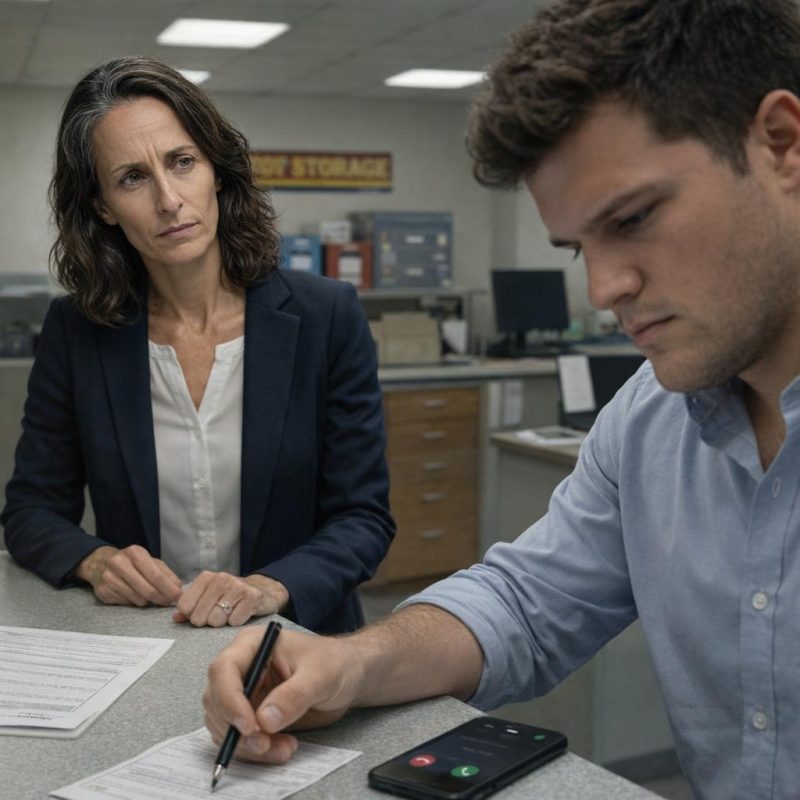 Image by RM AI
Opening What Was Sealed
I came back the next morning with empty boxes, trash bags, and a folding table I set up just outside the unit. The furniture went first—I recognized the desk from Robert's home office, the reading chair from our living room. Pieces of a life I'd already left behind. I worked methodically, opening boxes one at a time, sorting contents into piles. Keep, donate, trash. Most of it was exactly what you'd expect from someone packing in a hurry. Clothes that smelled like storage unit must. Paperback novels with cracked spines. Kitchen supplies—a blender, mixing bowls, the coffee maker I'd bought him for our fifteenth anniversary. I found myself getting lost in the memories each item triggered, the work moving slower than I'd planned. A box of old tax returns. Another full of DVDs. One contained nothing but extension cords and phone chargers tangled together like a nest. I was four hours in when I opened the fifth box, expecting more of the same. Office supplies, just like the label said. Staplers, pens, a three-hole punch. Manila folders stacked on one side. A coffee mug that said "World's Okayest Dad"—David had given him that as a joke. And then, tucked against the side of the box, I saw a folder that looked different from the others. I opened the fifth box and found office supplies, old files, a coffee mug—and then I saw the folder tucked against the side.
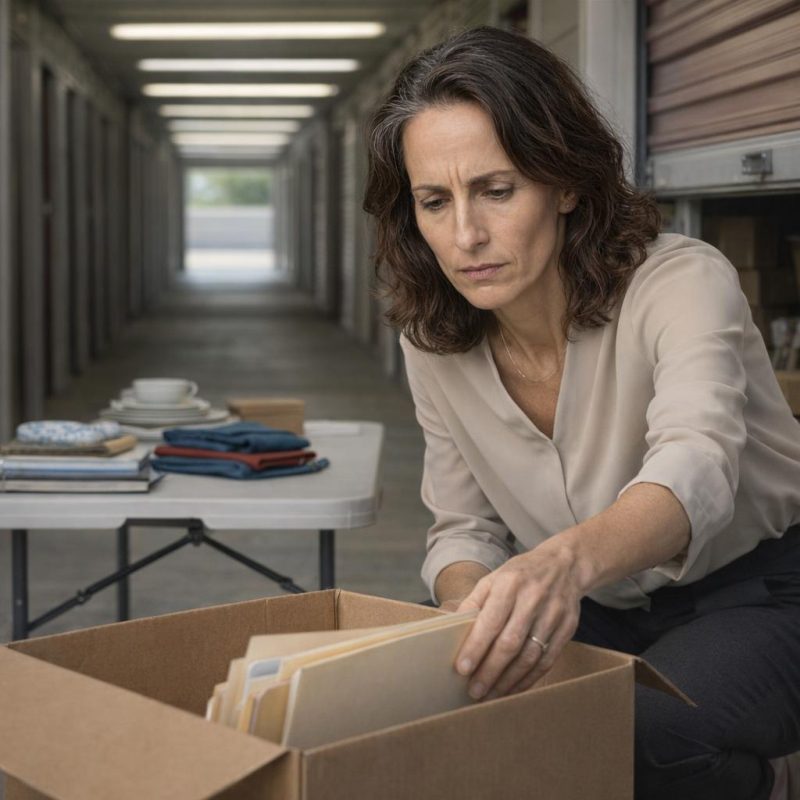 Image by RM AI
Company in the Memories
"You look like you need this." Margaret appeared in the doorway holding two large coffees, her gray hair catching the overhead light. She'd been my best friend for thirty years, long enough to know when I needed company without asking. I gratefully accepted the cup and made room for her at the folding table. We worked together, her practical nature keeping me focused when I started to drift into memories. She remembered the dinner parties Robert and I used to host, back when we still pretended everything was fine. "He made terrible jokes," she said, holding up a photo album from one of David's birthday parties. "But he showed up. That counted for something." I admitted I wasn't sure what I was looking for anymore, just that I needed to see this through. We found more photos, receipts mixed in with bank statements, the paper trail of an ordinary life. Margaret pulled out a crumpled receipt from a hotel in Portland, dated fifteen years ago. "Did Robert go to Portland a lot?" she asked. I shrugged. There had been so many business trips back then, I'd stopped keeping track. He traveled for work constantly—or at least, that's what he'd told me. I'd never had reason to question it. Margaret held up a receipt from fifteen years ago and asked, "Did you know Robert went to Portland this often?"
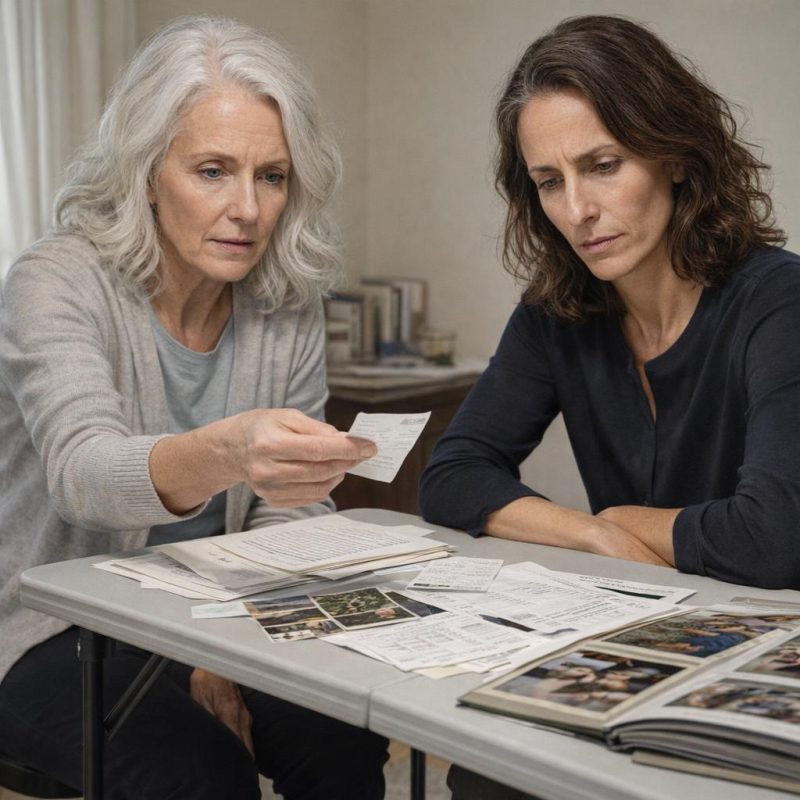 Image by RM AI
Degrees of Care
"These boxes are packed completely different," Margaret said, running her hand over a box sealed with what looked like an entire roll of tape. She was right. I'd noticed it during the preview but hadn't really thought about it until now. Some boxes looked like they'd been closed in thirty seconds, flaps barely tucked, single strips of tape that were already peeling. Others were reinforced like Robert was preparing them for a cross-country move, every edge secured, every seam doubled. Margaret suggested maybe he'd packed at different times, or that some boxes held things he cared about more. That made sense, I supposed. The carefully sealed ones all had dates written in black marker but no description of contents. I decided those would be next—whatever Robert thought was worth protecting, I wanted to see. We finished sorting the obviously personal items, boxing up clothes for donation, setting aside the photo albums and a few pieces of furniture David might want. Three boxes remained, all heavily taped, all marked with dates from the last five years of Robert's life. I stacked them together on the table. Margaret watched me study them, probably wondering the same thing I was. I ran my fingers over the triple-taped seams and wondered what Robert thought was worth protecting so carefully.
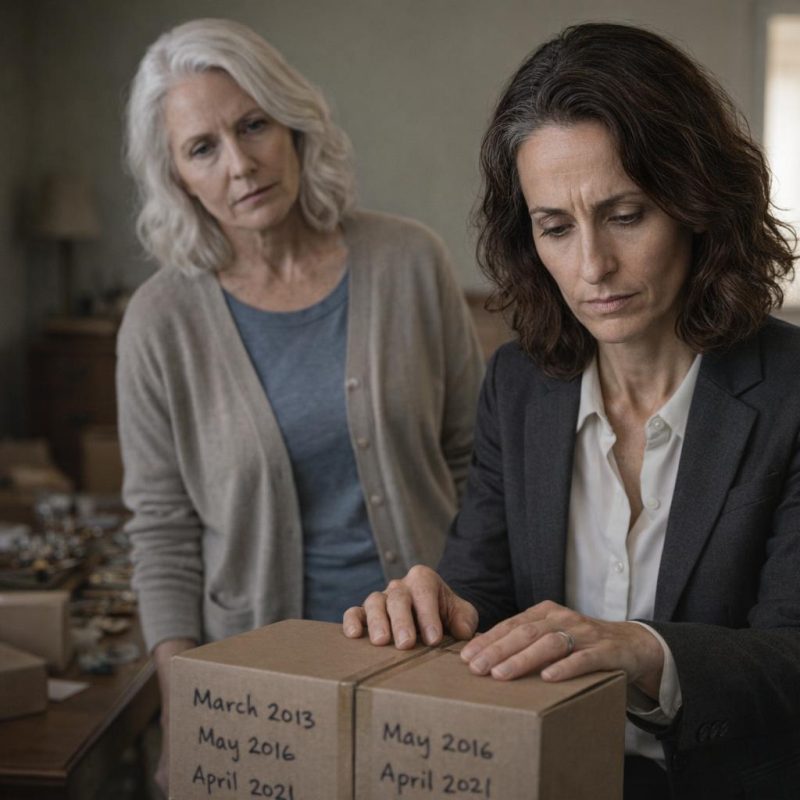 Image by RM AI
Names on Cards
The first heavily sealed box fought me, the tape so thick I had to use my car key to slice through it. Inside, more office supplies. File folders, sticky notes, a stapler that looked brand new. A desk organizer sat at the bottom, the kind with compartments for paper clips and rubber bands. I lifted it out, and something rattled. Business cards, maybe two dozen of them, all identical. James Brennan, Estate Attorney. A phone number and an address in a town I'd never heard of, about two hours north. "Do you recognize that name?" Margaret asked, looking over my shoulder. I didn't. Robert had never mentioned a James Brennan, never said anything about estate planning that I knew of. Margaret pulled out her phone and typed the name into Google. The law firm's website loaded, professional and understated. "He specializes in estate law," she said, scrolling through the about page. "Wills, trusts, that kind of thing." I turned one of the cards over in my hand. Why would Robert have so many cards from a lawyer two hours away? Maybe James had handled things after Robert died, though David never mentioned hiring anyone. Margaret suggested I might want to call him, just for closure. I slipped one card into my pocket, unsure what I'd even ask. Margaret Googled the lawyer's name and said, "He's an estate attorney—do you think he handled Robert's will?"
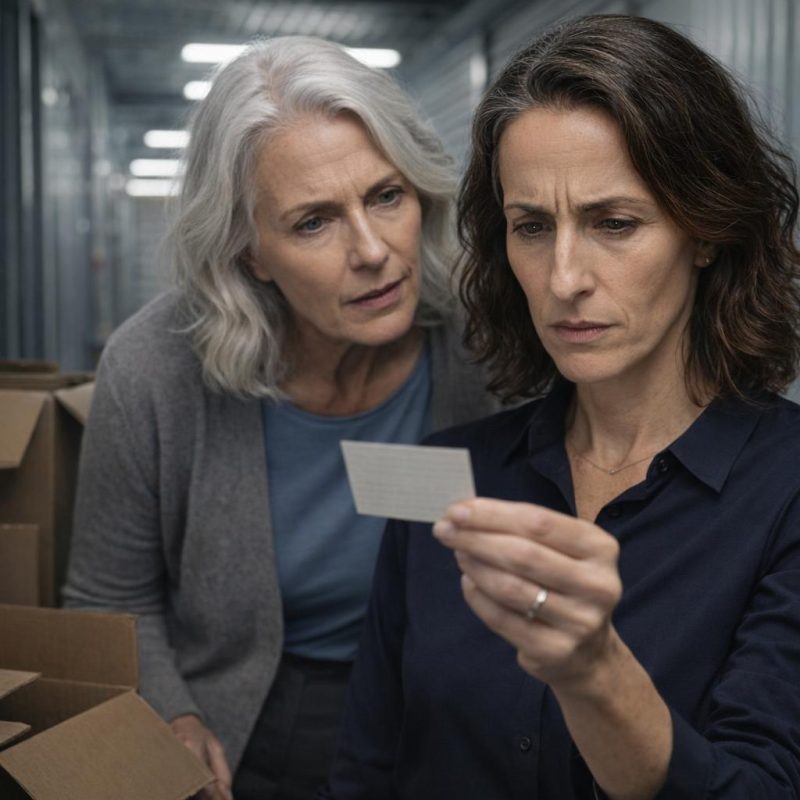 Image by RM AI
Numbers That Don't Match
Margaret left around three—she had a dentist appointment she couldn't miss—and I promised to text her if I found anything else. The storage unit felt different once I was alone, quieter somehow, like the space itself was holding its breath. I pulled out the folder I'd noticed earlier, the one wedged between two boxes of office supplies. Inside were bank statements, neatly organized in plastic sleeves. The account numbers meant nothing to me. I flipped through them, looking for something familiar—our joint account number, Robert's business account, anything I recognized. Nothing matched. The statements showed regular deposits, always on the fifteenth of the month, amounts ranging from two to four thousand dollars. Withdrawals were scattered throughout—gas stations, grocery stores, utility payments. I pulled out my phone and opened my banking app, scrolling back through years of our joint account history. None of these transactions appeared there. At the bottom of the folder, I found a property tax statement. The address was in Pennsylvania, a state we'd never lived in, never even talked about visiting. I stared at the property tax statement for an address I didn't recognize, and my hands started to shake.
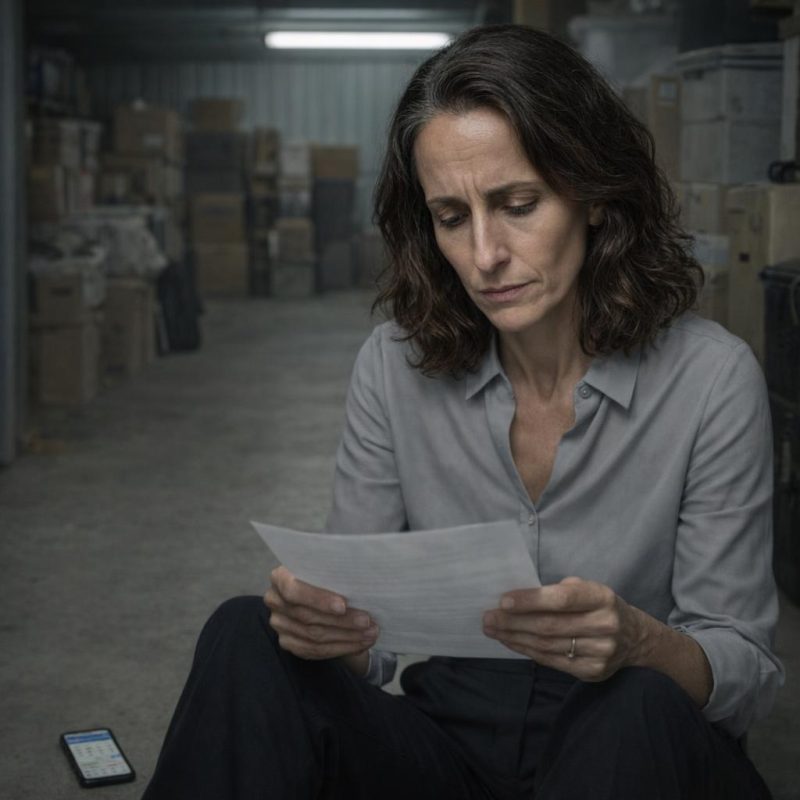 Image by RM AI
What Was Never Mentioned
I spread everything out on the concrete floor of the storage unit, creating a timeline I could see. The property tax statement sat in the center, and I worked outward from there, arranging bank statements by date. Another envelope held more documents—these were older, the paper slightly yellowed at the edges. Property deeds. Two of them. The first showed Robert had purchased a house in Pennsylvania fifteen years ago, paid in full, no mortgage. His signature alone on the deed, no co-signer, no mention of me. The second deed was even older, dated twenty years back, for a property in Ohio. Both purchases happened while we were married. I would have been pregnant with David when he bought the Ohio property. How do you not tell your wife you bought a house? I tried to think of reasonable explanations. Investment properties, maybe. Rental income he was saving for David's college fund. But why keep it completely separate? Why not mention it even once in thirty years? I took photos of every document with my phone, my hands steadier now that I had something concrete to do. I found a second deed, this one from twenty years ago, and realized these weren't recent mistakes—this went back decades.
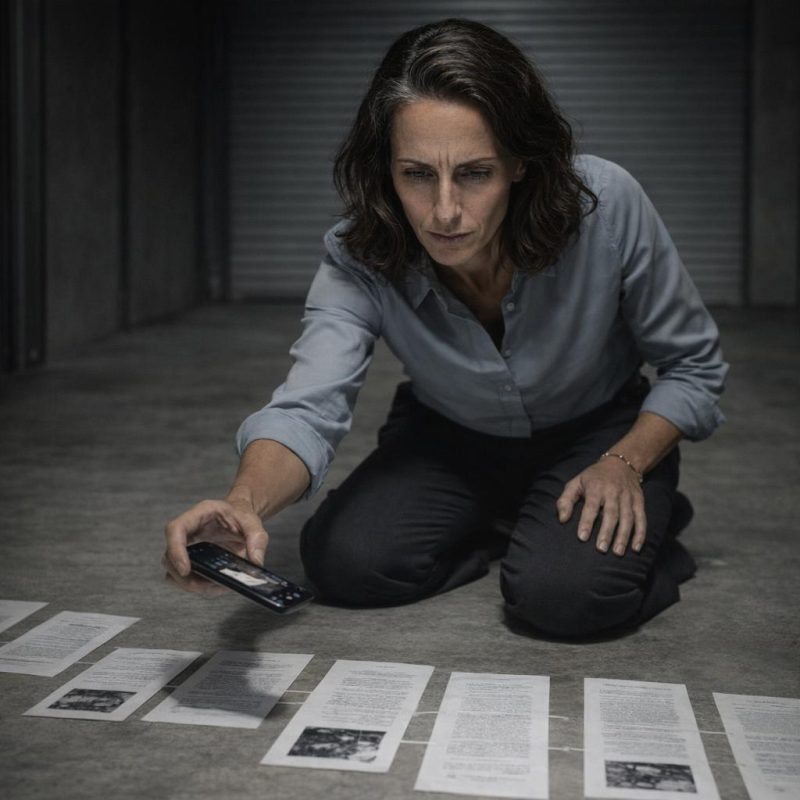 Image by RM AI
Unfamiliar Landscapes
The next box I opened was lighter than the others, and when I lifted the flaps, I found envelopes of photographs. They were organized by year, written in Robert's neat handwriting on each envelope. I started with the most recent and worked backward. Robert standing in front of a brick house with white shutters. Robert at a backyard barbecue, holding a beer, smiling at whoever was behind the camera. Robert in a kitchen I'd never seen, leaning against counters that weren't ours. None of the locations looked familiar. Some photos showed parts of other people—an arm here, a shoulder there—but no faces I could identify. The photos spanned our entire marriage. I found ones from years I remembered clearly, summers when Robert had been traveling for work, or so I'd thought. He looked comfortable in these unknown places, relaxed in a way I recognized from our own home. I pulled out the property deeds again and checked the addresses. One photo showed Robert standing beside a mailbox, and I could just make out the numbers painted on its side. In one photo, Robert stood beside a mailbox with an address painted on it—and I realized it matched one of the property deeds.
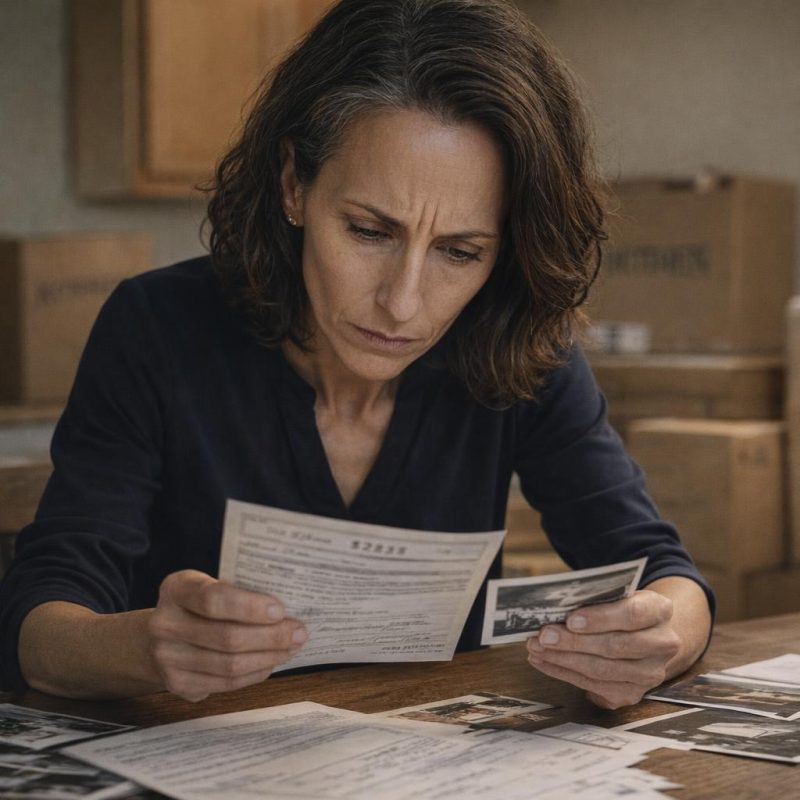 Image by RM AI
Cities Never Visited
I heard footsteps outside the unit and looked up to see Margaret returning, carrying two coffees from the gas station down the road. She took one look at my face and set the cups down carefully. I showed her everything—the photos, the deeds, the bank statements. We didn't speak for a while. Then Margaret knelt beside me and started organizing the receipts I'd dumped from another box, sorting them by location and date. Patterns emerged quickly. Receipts clustered in two cities: one in Pennsylvania, one in Ohio. The same cities as the property addresses. Gas stations, grocery stores, hardware stores, restaurants. The purchases were ordinary, the kind of things you buy when you're living somewhere, not visiting. Margaret lined them up chronologically, and I watched her face change as she saw what I was seeing. These weren't business trips. The receipts showed someone buying milk and bread, getting an oil change, picking up prescriptions. I started to say something about Robert's work requiring a lot of travel, but the words felt hollow even as I formed them. Margaret lined up the receipts chronologically and said, "Alex, these look like someone who lived in those places."
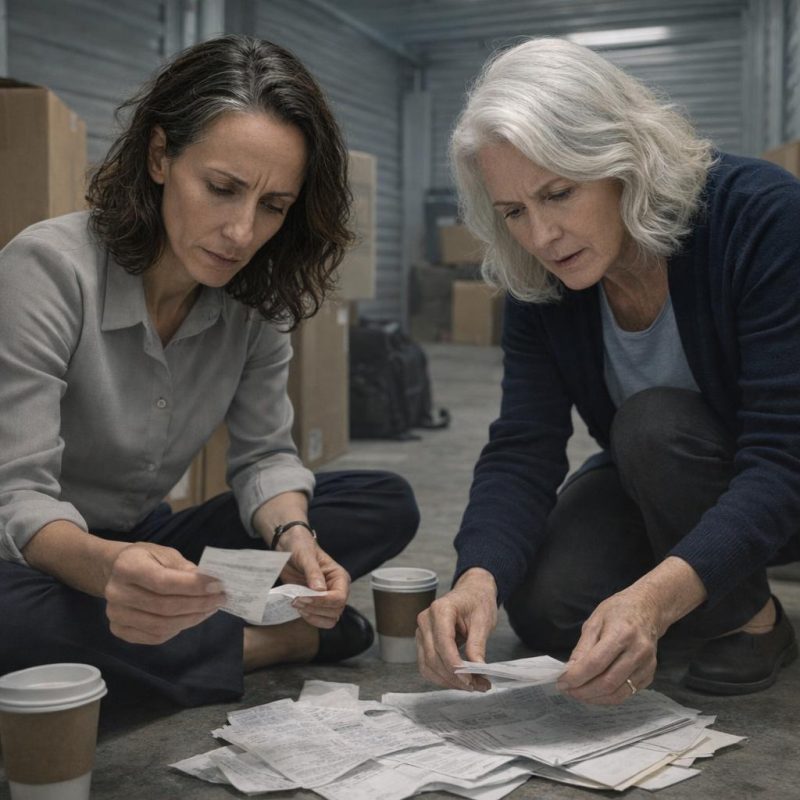 Image by RM AI
The Pattern in the Absences
After Margaret left for the evening, I couldn't stop thinking about the pattern. Back home, I pulled out every calendar and planner I'd saved over the years—I'd always been meticulous about tracking our family schedule. I marked every trip Robert had taken, every business conference, every week he'd been away. Two weeks gone, two weeks home. Two weeks gone, two weeks home. For thirty years. How had I never noticed? I checked David's birthday, our anniversary, Christmas, Thanksgiving. Robert had been present for every single one. He'd never missed a major holiday, never been away for David's birthday parties or school plays. Between those anchor points, though, his absences followed a rhythm so precise it couldn't be accidental. I'd built my entire life around that rhythm without questioning it. I'd scheduled doctor appointments and social events and home repairs around when Robert would be home. I'd thought I was being considerate of his demanding work schedule. The calendar showed he was never gone for major holidays—he'd split his time so precisely that I'd never questioned his absences.
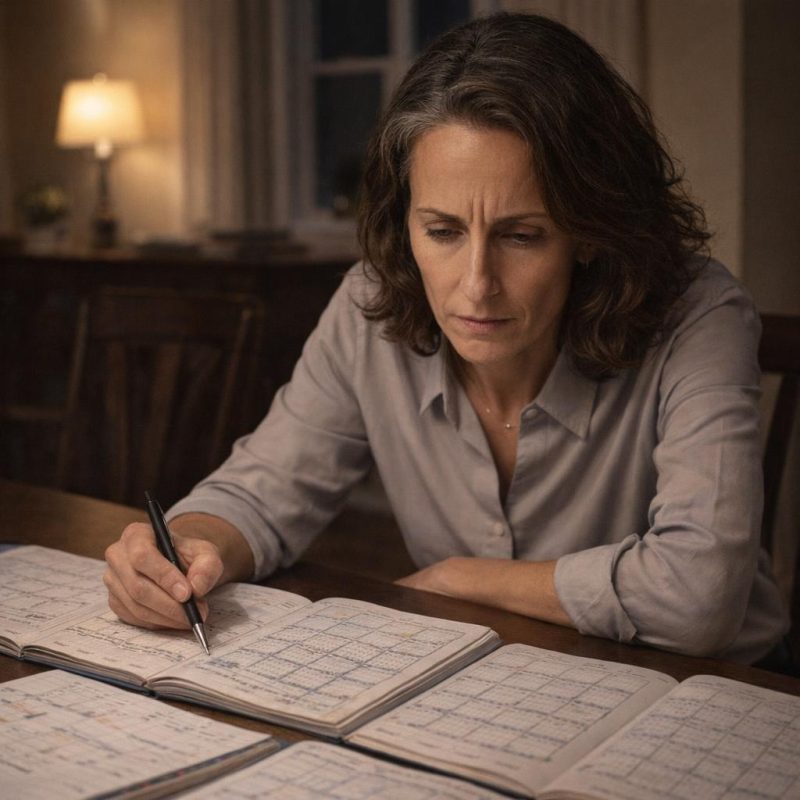 Image by RM AI
Building the Timeline
I loaded everything into my car—the documents, the photos, the receipts—and drove home in silence. My dining room table disappeared under three decades of Robert's life, arranged in careful rows. I created a master timeline, cross-referencing the bank statements with my own journals and the calendars I'd kept. Gaps appeared everywhere. Entire weeks where I couldn't account for what Robert had been doing, where he'd been staying, who he'd been with. I found myself making excuses as I worked. Maybe he'd mentioned these properties and I'd forgotten. Maybe I'd been too focused on David to pay attention to Robert's investments. But I caught myself doing it, heard the rationalizations forming, and forced myself to stop. The question I'd been avoiding sat in the center of everything: what had Robert been doing in those houses? I didn't want to know. I wanted to pack it all back up, return it to the storage unit, pretend I'd never opened those boxes. But I couldn't unknow what I'd already seen. I laid out three decades of Robert's life on my dining room table and admitted to myself that I was afraid of what I might find.
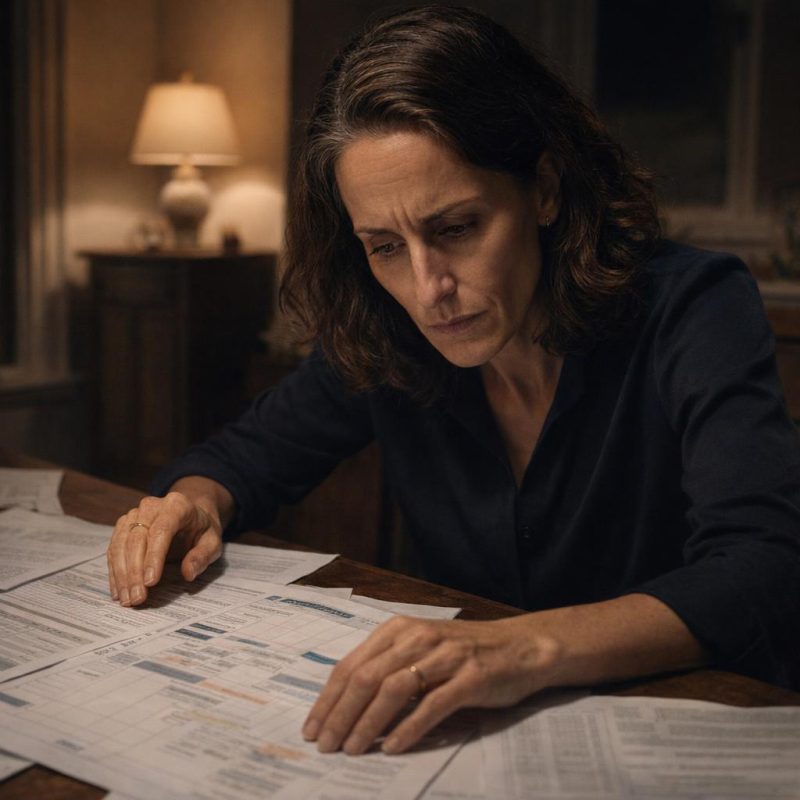 Image by RM AI
The Sister Who Might Know
I waited until the next morning to call Rachel. We'd never been close—she was Robert's younger sister, protective of him in a way that had always felt slightly territorial. I kept my voice casual, mentioned I was going through some of Robert's papers for estate purposes and had questions about his business dealings. Rachel was polite but distant, asking how David was doing, commenting on the weather. When I asked about Robert's work travel, she gave vague answers about how dedicated he'd been, how hard he'd worked. I mentioned investment properties, asked if she knew anything about real estate Robert might have owned. Her responses were careful, non-committal. Then I gave her the Pennsylvania address, asked if it meant anything to her. The pause was brief but noticeable. She said she didn't know much about Robert's finances, that he'd always kept business matters private. Her tone had shifted, become more guarded. I was about to push further when she suddenly said she had another call coming in, that she'd call me back later. Rachel's voice went tight when I mentioned the second property, and she said she needed to call me back—then hung up.
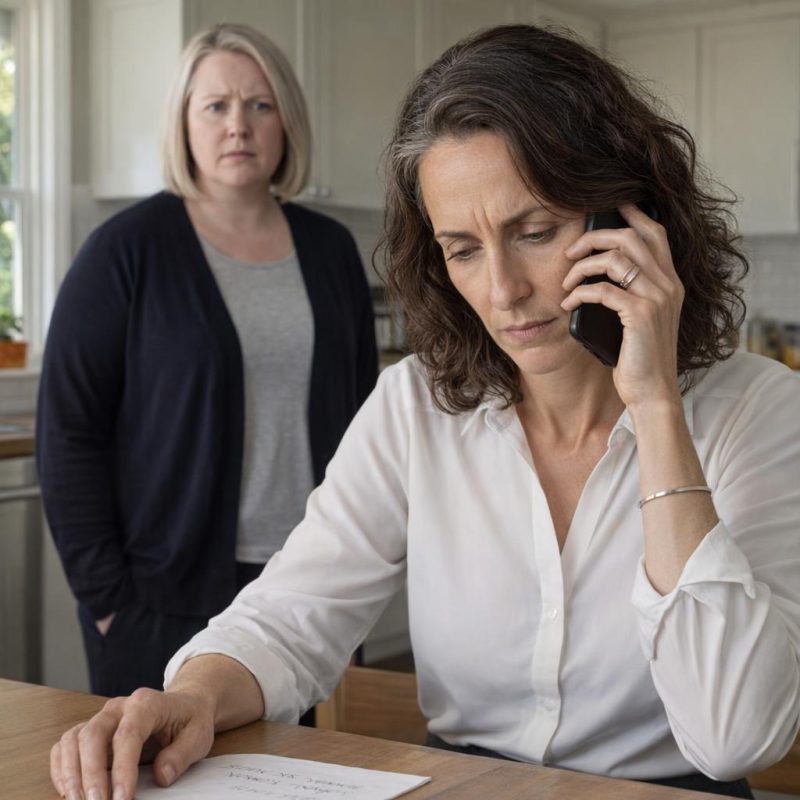 Image by RM AI
The Rehearsed Deflections
Rachel called back exactly one hour later. I'd been staring at my phone, willing it to ring, and when it finally did, I almost didn't answer. Her voice was composed, measured in a way that felt rehearsed. She explained that Robert had made some independent investments over the years, that he'd liked to keep his business ventures separate from family finances. It was just how he operated, she said. Very organized, very private. The explanation was smooth, almost too smooth, like she'd spent that hour preparing what to say. I listened, not interrupting, and something about her tone made me test her. I mentioned a name I'd found on one of the bank statements—Sarah, written in Robert's handwriting on a deposit slip. I asked if Robert had ever mentioned someone named Sarah, maybe a business partner or property manager. The silence stretched out. I counted the seconds—five, six, seven. When Rachel finally spoke again, her voice was tight. She said she didn't know anyone by that name, that Robert had worked with many people over the years. She ended the call quickly after that, politely but firmly. I asked if Robert had ever mentioned someone named Sarah, and the silence on the line stretched so long I thought we'd been disconnected.
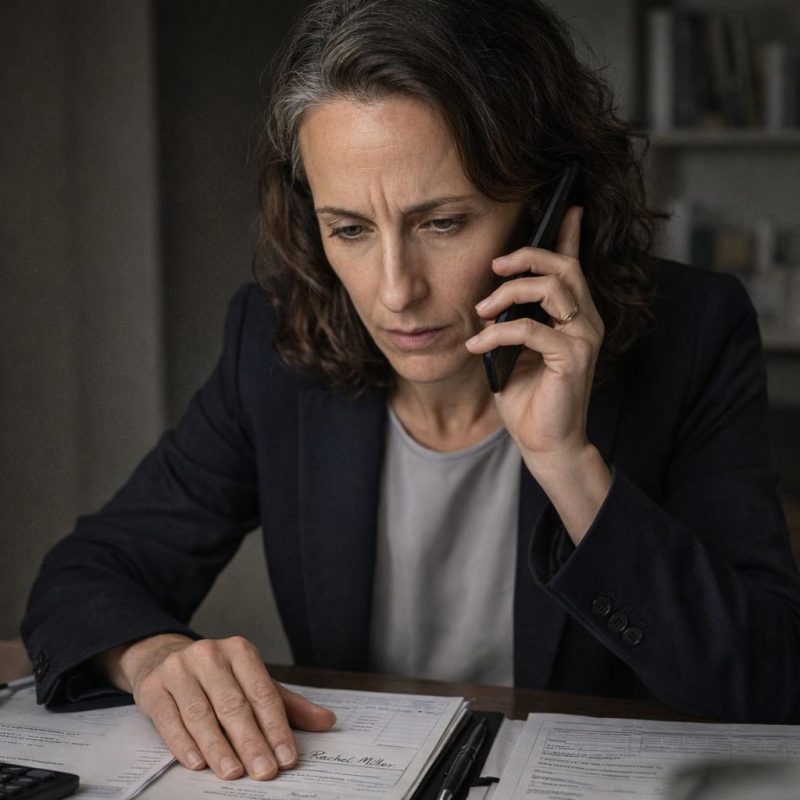 Image by RM AI
Addresses and Answers
I spent that evening at my laptop, pulling up property records and tax assessor databases. The first address led me to a three-bedroom house in a suburban neighborhood about three hours away. The records showed it had been owned for twenty years—taxes paid regularly, no liens, nothing unusual except that Robert's name was on the deed during our entire marriage. I clicked through to the street view, waiting for the image to load. When it did, I leaned closer to the screen. This wasn't some vacant rental property or a fixer-upper waiting to be flipped. The house had flower boxes under the front windows, lawn furniture on the porch, a car in the driveway. I zoomed in, studying every detail. The lawn was mowed. The shutters were freshly painted. Someone lived here. I pulled up the second address and found the same thing—another well-maintained home in a different town, also owned for decades, also looking completely lived-in. I sat back from my computer, trying to make sense of what I was seeing. Investment properties don't have flower boxes and porch swings. The street view image loaded, and I found myself staring at a well-maintained house with a front porch and flower boxes—not an investment property, a home.
 Image by RM AI
What Investment Properties Don't Have
I made the decision somewhere around two in the morning, lying awake and staring at my ceiling. By seven, I was in my car with the address programmed into my GPS. The three-hour drive gave me too much time to think, to rehearse innocent explanations that might make sense of what I'd seen online. Maybe Robert rented to a long-term tenant who took exceptional care of the place. Maybe it was a property manager's residence. Maybe I was overreacting to nothing. I found the address in a quiet neighborhood with mature trees and well-kept yards. The house looked even better in person—recent mulch around the landscaping, a wreath on the front door. I parked down the street where I could see without being obvious. For twenty minutes, nothing happened. I was starting to feel ridiculous, like some kind of stalker, when the front door opened. A woman came out, maybe in her fifties, wearing jeans and a cardigan. She moved with the easy comfort of someone at home, walking to the mailbox without hurrying. She collected a handful of envelopes and returned inside. I sat frozen in my car, hands gripping the steering wheel. I parked across the street and watched a woman I'd never seen before walk out to collect the mail from the box.
 Image by RM AI
The Concern I Couldn't Hide
David showed up the next afternoon without calling first. I heard his knock and opened the door to find him standing there with that concerned expression he gets when he's worried about me. He came inside and immediately noticed the documents spread across my dining table—property deeds, tax records, printed screenshots. I'd been so absorbed I hadn't thought to put them away. "What's all this?" he asked, picking up one of the pages. "Just estate paperwork," I said, trying to sound casual. "Still sorting through your dad's things." David looked at me, then back at the papers. He's always been able to tell when I'm not being completely honest. "Mom, you look exhausted. What's going on?" I deflected, asking about his work, about whether he'd eaten lunch. He let me change the subject but kept glancing at the table. Then he picked up one of the property deeds, studying the address. "Whose house is this?" he asked. I opened my mouth to answer and realized I didn't know how to explain it without worrying him. I didn't know how to say that his father owned a house where a strange woman collected mail like she belonged there. David picked up one of the property deeds and asked whose house it was, and I couldn't find a way to answer that wouldn't worry him.
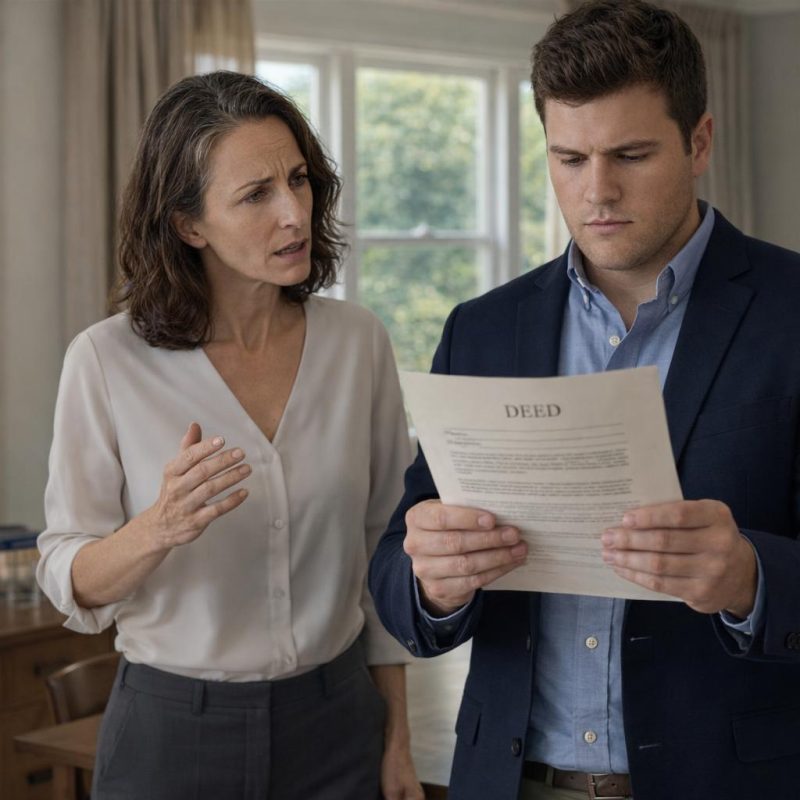 Image by RM AI
The Friend Who Sees Through Me
I called Margaret that night after David left. She arrived within an hour, letting herself in with the key I'd given her years ago. One look at my face and she went straight to my kitchen to make tea. I told her everything—the property records, the three-hour drive, the woman at the mailbox moving through that house like it was hers. Margaret sat across from me, listening without interrupting, her sharp eyes taking in every detail. "I'm terrified of what this means," I finally admitted. "Robert owned that house for twenty years. During our marriage. And someone's living there like it's their home." Margaret didn't tell me I was overreacting. She didn't suggest innocent explanations or try to make me feel better with platitudes. Instead, she leaned forward. "The evidence is concrete, Alex. This isn't paranoia. You saw what you saw." I felt something loosen in my chest—the relief of being believed, of not having to convince someone that my concerns were valid. "I need to know the truth," I said. "Whatever it is." Margaret nodded. "Then we'll find it. Together." Margaret looked at me with something close to pity and said, "You deserve to know what he was hiding, and I'm going to help you figure it out."
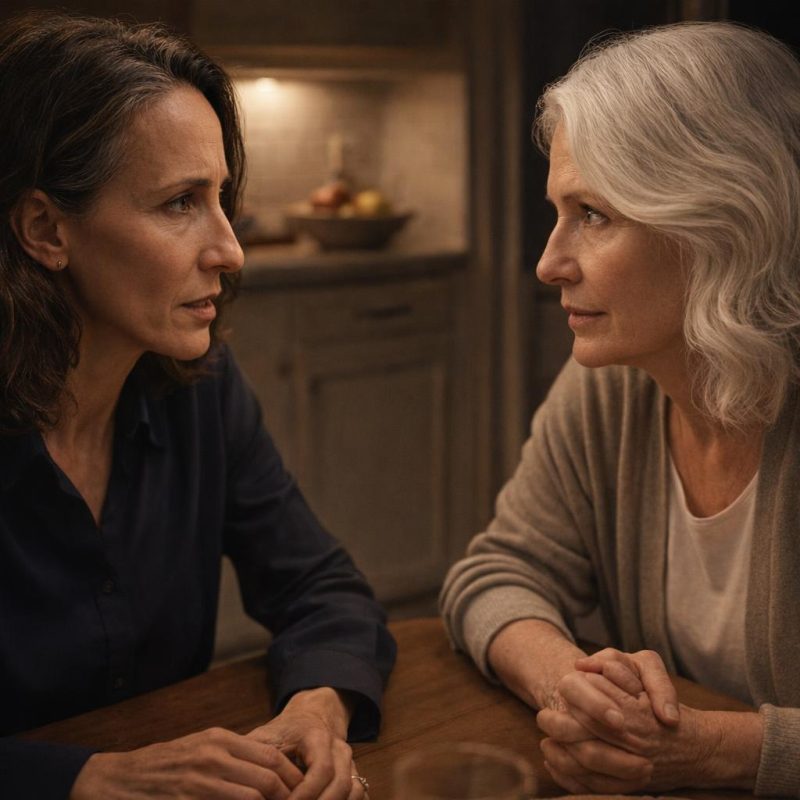 Image by RM AI
Permission to Know
Margaret stayed for another hour, and we talked through what I'd found. She asked questions I hadn't thought to ask myself—how long the woman had lived there, whether neighbors seemed to know her, what the property records actually showed about ownership. "You can't just walk away from this," Margaret said firmly. "You survived the divorce. You survived Robert's death. You can handle whatever truth is waiting." I wasn't so sure. Part of me wanted to close my laptop, burn the documents, pretend I'd never bought that storage unit. "What if I don't like what I find?" I asked. Margaret's expression softened. "Comfortable ignorance or uncomfortable truth—which one lets you move forward?" She had a point. We discussed whether I should try to contact the woman directly, but I wasn't ready for that. Not yet. "I'll come with you," Margaret offered. "If you want to go back and look more carefully. You don't have to do this alone." I felt tears prick my eyes. Having someone in my corner, someone who didn't think I was crazy or obsessive, made all the difference. "I think I need to see it again," I said. "Soon." Margaret said she'd come with me to the house if I needed backup, and I realized I was actually going to confront this.
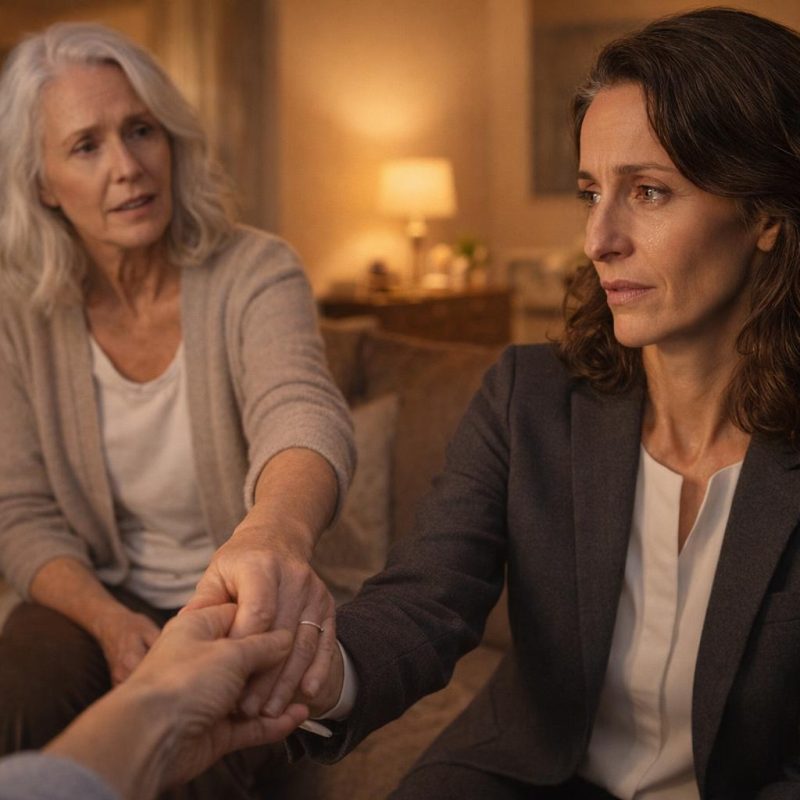 Image by RM AI
The Second Watch
I went back alone three days later, early on a weekday morning when I thought I might see more of the daily routine. I parked in a different spot this time, trying not to be obvious about watching. The house looked peaceful in the morning light—the lawn freshly mowed, everything tidy and cared for. I sat there for over an hour, seeing nothing unusual. A neighbor walked past with a dog, waving toward the house in that familiar way people do when they know each other. The mail carrier came by and didn't hesitate at the mailbox, just dropped off letters and moved on. This woman had lived here long enough to be part of the neighborhood fabric. Then a car pulled into the driveway—a sedan, maybe ten years old, well-maintained. The same woman I'd seen before got out, pulling grocery bags from the trunk. She made two trips, carrying them inside with the ease of someone who'd done this a thousand times. Through the open door, I caught a glimpse of the interior—a coat rack, family photos on the wall, a small table with keys and mail. Everything about the scene was ordinary, domestic, normal. A car pulled into the driveway, and I saw the same woman from before carrying grocery bags toward the front door like this was just another ordinary day.
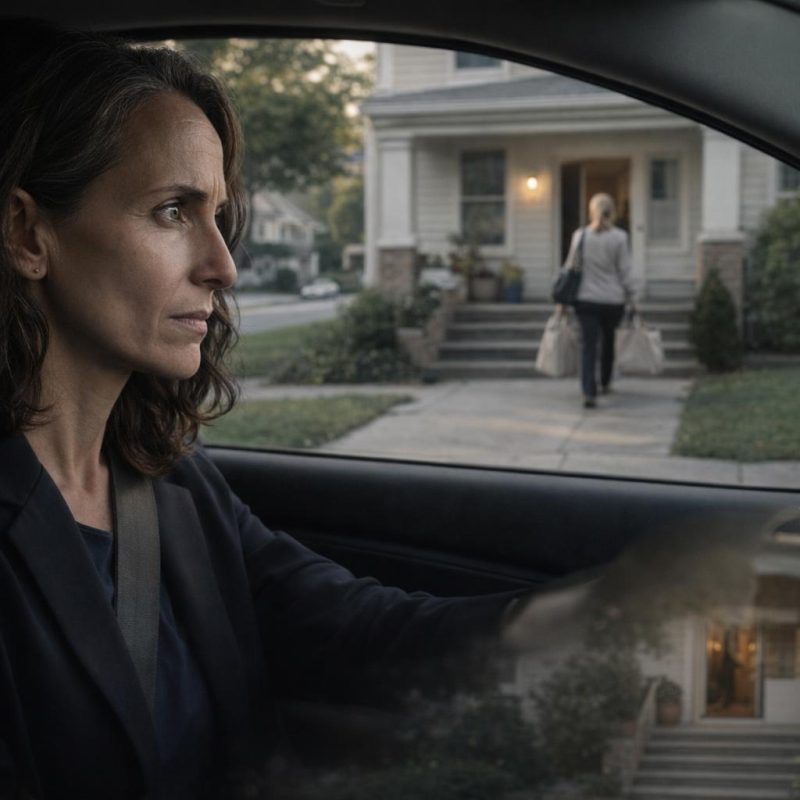 Image by RM AI
The Life I Didn't Know About
I stayed parked across the street, unable to look away. Through the front windows, I could see the woman moving through the house, putting away groceries in a kitchen that looked well-used and lived-in. The furniture I could glimpse was comfortable, not expensive but chosen with care. There were curtains on the windows, plants on the sills, the kind of details that accumulate over years of actually living somewhere. I saw what looked like family photos on the walls, though I couldn't make out the faces from this distance. The woman moved from room to room with complete familiarity, never hesitating, never checking where things were. I tried to imagine Robert in that house and couldn't reconcile it with anything I knew about our life together. Had he visited this place? Stayed there? The questions made my head spin. Then the woman appeared at the front window, looking out toward the street. For a brief, horrible moment, our eyes seemed to meet across the distance. I froze, my heart pounding. She stood there for several seconds, looking directly at my car, and I couldn't tell if she actually saw me or was just gazing out absently. The woman paused in the front window, and for a moment our eyes met across the street before she turned away.
 Image by RM AI
Names and Ownership
I drove straight home, my hands shaking on the steering wheel. The moment I got inside, I went to my computer and pulled up the county assessor's database again. This time I dug deeper, looking for ownership history, deed records, anything that would tell me who that woman was. The database loaded slowly, and I drummed my fingers on my desk, impatient and dreading what I might find in equal measure. Then the current deed information appeared on my screen. Two names were listed as joint owners: Robert Caldwell and Sarah Mitchell. The deed had been recorded twenty-three years ago. During my marriage. I stared at the name Sarah Mitchell, trying to remember if Robert had ever mentioned it. I searched my memory for any Sarah—a colleague, a friend, a business associate. Nothing. I opened a new browser tab and searched for Sarah Mitchell online, but found almost nothing useful. No social media profiles, no professional pages, just a few possible matches in background check previews that required payment to access. The name meant nothing to me, but she'd owned a house with my husband for over two decades. The county database loaded, and I stared at two names on the deed: Robert Caldwell and Sarah Mitchell.
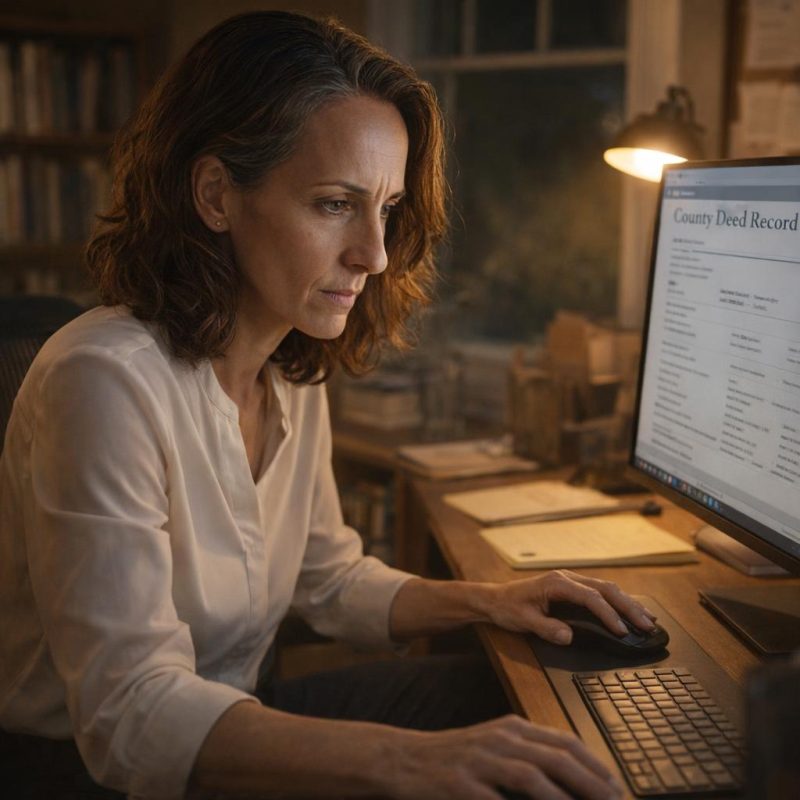 Image by RM AI
Joint Ownership
I paid for the expedited property records request and had the full deed in my inbox within two hours. My hands were shaking as I opened the PDF. There it was in black and white: Robert Caldwell and Sarah Mitchell, joint tenants with right of survivorship. Purchase date: fifteen years into our marriage. I sat back in my chair, trying to process what that meant. This wasn't some recent development or late-life crisis. He'd bought a house with another woman while we were married, while David was in elementary school, while I was making dinner every night and doing his laundry and believing we had a normal life. I remembered the address I'd found on that second bank statement and pulled it up in the county database. My stomach dropped as the second deed loaded. Same names. Same joint ownership structure. Purchase date: twenty years ago. Two houses. Two properties owned together for decades. This wasn't an affair. Affairs didn't involve joint real estate purchases and shared mortgages and coordinated financial planning spanning multiple decades. I found a second property deed with both their names, this one dated twenty years ago, and my vision blurred.
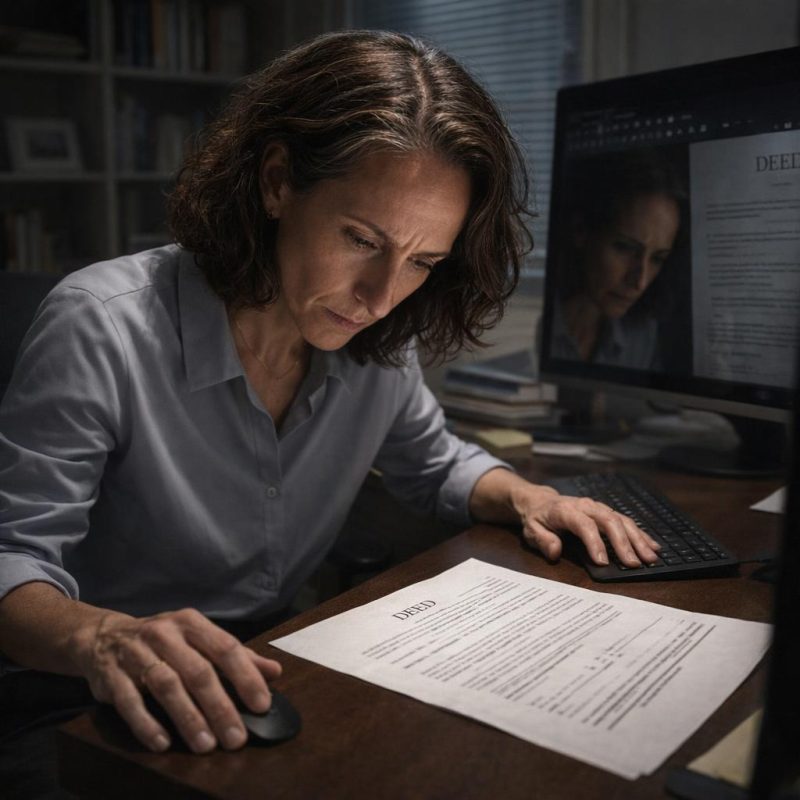 Image by RM AI
Beyond Affair
I spread everything out on my dining room table like I was building a case for trial. Bank statements, property deeds, the storage unit inventory, Robert's calendar from the box. I started mapping his movements against the addresses. Every third weekend, he'd told me he was visiting his college friend in the next state. The mileage matched the distance to Sarah's house. The business trips that seemed to cluster around holidays—those lined up with the second property. Money had flowed to both addresses in regular patterns for thirty-five years. Mortgage payments, utility bills, maintenance costs. This required planning. Coordination. Sustained, deliberate effort over decades. I tried to think of innocent explanations. Maybe she was a business partner? But business partners don't buy homes together as joint tenants. Maybe a relative he was helping? But the financial commitment was too equal, too sustained. I kept coming back to the same impossible conclusion: Robert had been living some kind of double existence for our entire marriage. Everything I thought I knew was built on something false. I pulled out the timeline I'd been constructing and stared at it until the truth became unavoidable. Robert had been dividing his time between two addresses for thirty-five years.
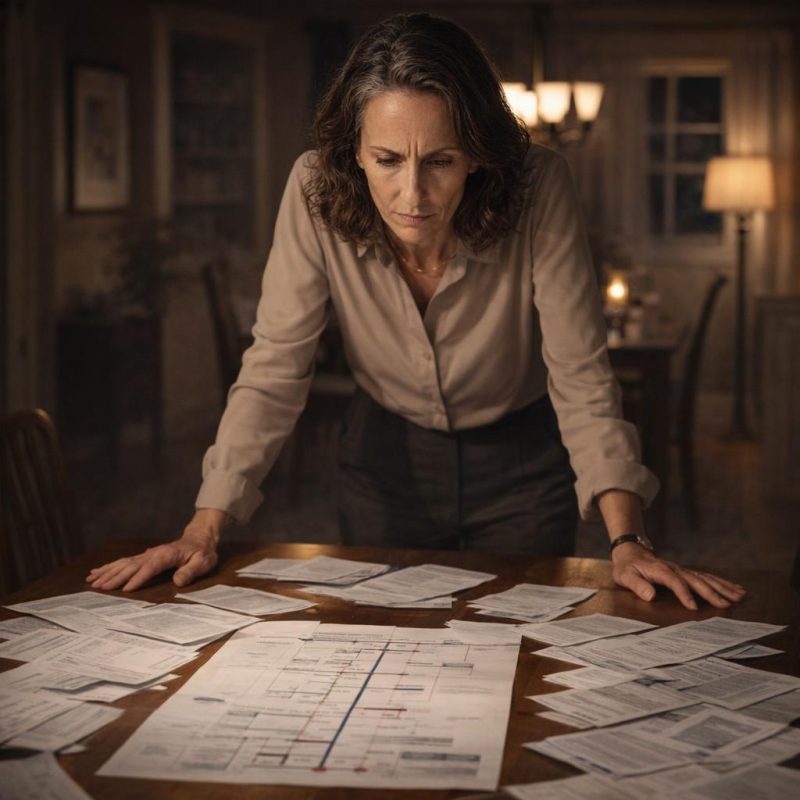 Image by RM AI
The Invisible Woman
I searched for Sarah Mitchell on every platform I could think of. Facebook, Instagram, LinkedIn, Twitter. I found dozens of women with that name, but none matched the right age or location. No profile pictures that looked like the woman I'd glimpsed at the door. It was like she didn't exist online at all. I tried reverse phone lookups using the property address—unlisted. I searched local newspaper archives, community bulletin boards, anything that might give me a trace of her. Finally, I found one mention: an attendee list for a charity gala from fifteen years ago. Sarah Mitchell had been there. I dug deeper and found a photo gallery from the event in an old website archive. The images were grainy, low resolution, clearly taken before smartphones made everyone a photographer. I clicked through them one by one. Then I stopped. There was a blonde woman in an elegant dress, her face partially turned away from the camera. And in the background, slightly out of focus but unmistakable, stood a man in a dark suit. The profile, the posture, the way he held his drink. It was Robert. The only photo I found was a blurry image from a charity event fifteen years ago, and in the background stood a man who looked exactly like Robert.
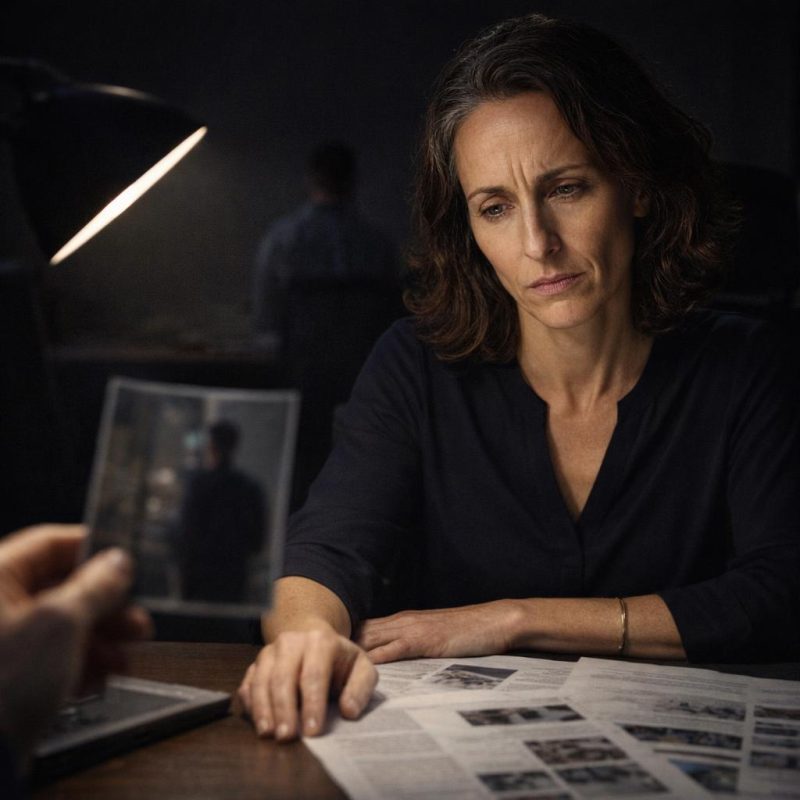 Image by RM AI
Knocking on the Truth
I made the three-hour drive again without telling anyone where I was going. The whole way there, I rehearsed what I'd say, but nothing sounded right. How do you ask a stranger to explain why she owned two houses with your husband? I parked directly in front this time, no more hiding down the street. I sat in my car for ten minutes, watching the house, gathering whatever courage I could find. My hands were sweating. Finally, I forced myself out of the car and up the front walk. I noticed things I'd missed before—the welcome mat that said 'Home Sweet Home,' the wind chimes making soft music in the breeze, the carefully tended flower pots on either side of the door. Someone lived here. Someone cared about this place. I rang the doorbell and waited, my heart pounding so hard I could feel it in my throat. Footsteps approached from inside. The door opened, and there she was. Sarah Mitchell. Blonde hair styled elegantly, understated clothing that looked expensive, posture rigid but composed. She looked directly at me, and her expression didn't change. 'Alex,' she said, like she'd been expecting me.
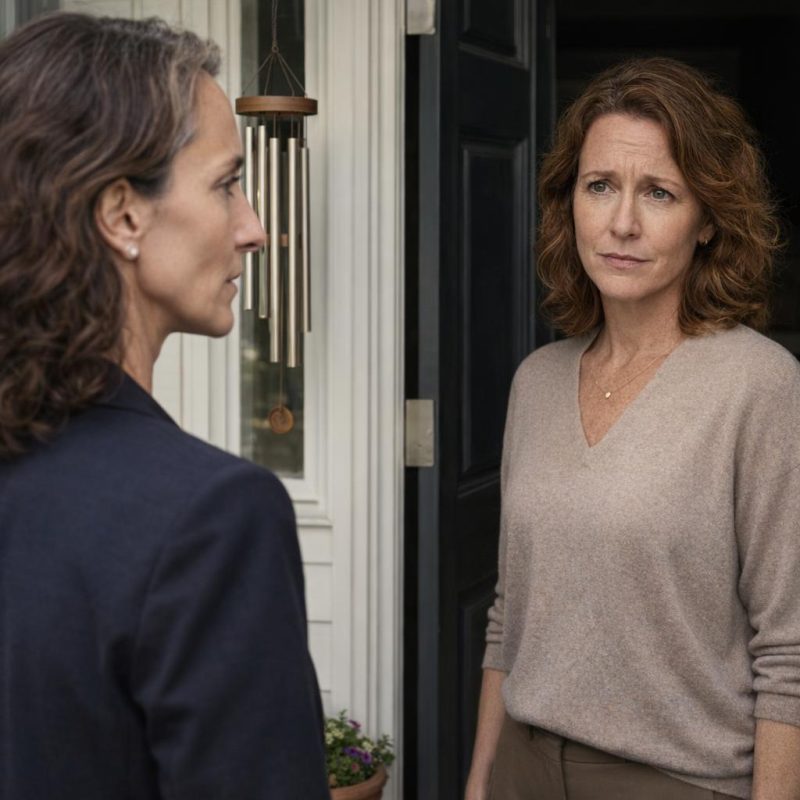 Image by RM AI
The Expected Visitor
I stammered something about needing to talk about Robert. Sarah nodded slowly, her face completely unreadable. 'How do you know my name?' I asked, my voice coming out sharper than I intended. 'Robert talked about you,' she said simply. The words hit me like a physical blow. He'd talked about me. To her. This woman I'd never heard of knew who I was. Sarah glanced past me toward the street, checking to see if anyone else was there. 'Did you come alone?' she asked. 'Or is David with you?' I actually took a step backward. She knew David's name. She knew about our son. How long had she known? What had Robert told her about us? 'What was your relationship with Robert?' I demanded, my voice shaking. Something shifted in Sarah's expression—it might have been pity, which somehow made everything worse. 'This isn't a conversation for the doorstep,' she said, but she didn't invite me inside. She just stood there in the doorway, blocking my view of the interior. 'Have you told anyone where you are?' she asked, and something about the question made my skin go cold.
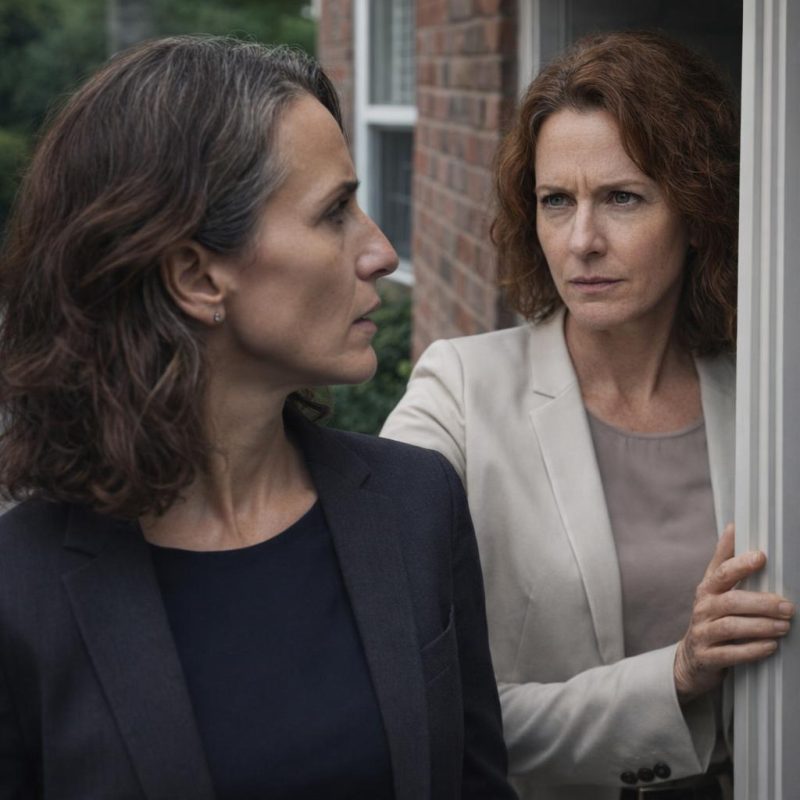 Image by RM AI
The Door Closing
I pleaded with her to explain. 'I deserve to know what this was,' I said. 'I was married to him for twenty-eight years.' Sarah shook her head. 'It's complicated.' 'Then uncomplicate it,' I shot back. 'I've driven three hours. I'm not leaving without understanding.' For the first time, Sarah's composure cracked. She looked tired, suddenly, and sad in a way that seemed to come from somewhere deep. 'Some conversations can't be rushed,' she said quietly. 'I need time to think about this.' 'Time to think?' I was nearly shouting now. 'You've had however many years you knew him. I just found out you existed two weeks ago.' 'I know,' Sarah said, and there was something in her voice I couldn't identify. 'I'll reach out when I'm ready to talk. I promise.' The door started to close, and in that moment, I caught a glimpse past her into the hallway. On the wall hung a framed photograph. Even from that distance, I could see Robert's face, smiling in what looked like a family portrait. The door closed completely before I could see more.
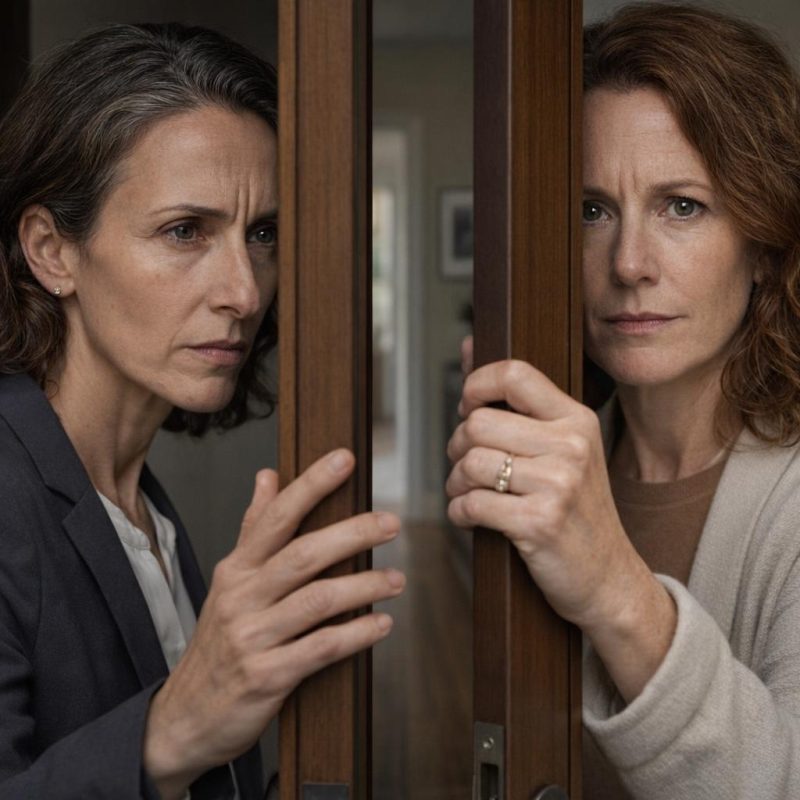 Image by RM AI
The Lawyer's Number
I sat in my car outside Sarah's house, shaking with frustration and something close to rage. I pulled out the business card I'd found in Robert's storage unit. James Brennan, Attorney at Law. I called the number and got his voicemail—professional, measured, asking me to leave a message. 'This is Alex Caldwell,' I said, trying to keep my voice steady. 'I'm Robert Caldwell's ex-wife. I need to discuss his legal affairs. Call me back.' I started the engine and began the long drive home, replaying every second of my encounter with Sarah. The way she'd known my name. The way she'd asked about David. That photograph on the wall. My phone rang before I'd even left the neighborhood. I pulled over and answered. 'Ms. Caldwell, this is James Brennan,' the voice said, cautious but not surprised. 'I've been expecting to hear from you eventually.' 'What do you mean, expecting?' I demanded. 'I think we should meet in person rather than discuss this over the phone,' he said. 'Can you come to my office tomorrow?' James returned my call within an hour and said he'd been wondering when I would contact him.
 Image by RM AI
The Reluctant Meeting
James Brennan's office was in a small professional building two hours from my house, all conservative brick and quiet hallways. He greeted me formally, showing me to his private office. His desk was neat, everything in its place, his manner carefully neutral. I explained how I'd found his business cards in Robert's storage unit, described the properties I'd discovered, told him about my encounter with Sarah. He listened without interrupting, his face revealing absolutely nothing. 'I need to know what legal work you did for Robert,' I said. 'I'm bound by attorney-client privilege,' James replied, his tone apologetic but firm. 'Even after death.' 'I was his wife,' I said, hearing the desperation in my own voice. 'I deserve to understand what he was doing.' 'I acknowledge your position,' James said carefully. 'But it's not that simple. There are complexities here that you may not want to explore.' 'Try me,' I said. James adjusted his reading glasses and looked at me with something that might have been sympathy. James said he was bound by attorney-client privilege, and I told him his client was dead so maybe it was time for the truth.
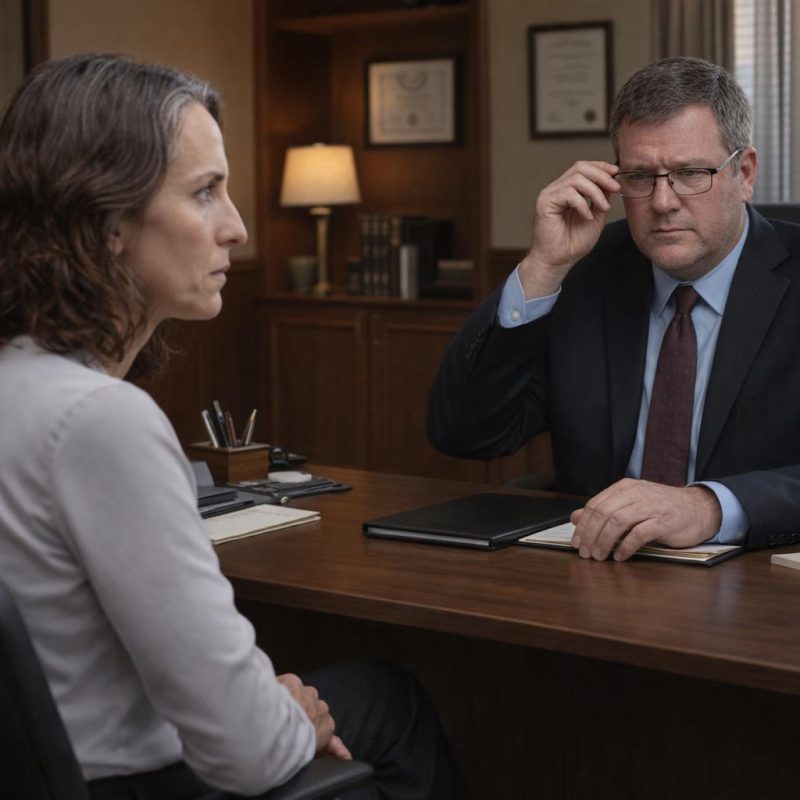 Image by RM AI
Years of Service
James adjusted his reading glasses and looked at me with something that might have been sympathy. 'I've handled legal matters for Robert since 1992,' he said quietly. The number hit me like a physical blow. 1992. That was three years before our divorce. That was during our marriage. 'What kind of legal matters?' I asked, my voice barely steady. James shifted in his chair, clearly uncomfortable. 'Property transactions. Document management. Estate planning.' Each phrase was carefully chosen, revealing nothing while confirming everything. 'You're telling me my husband had a separate attorney handling secret legal work for our entire marriage?' The words came out sharper than I intended. 'It's not uncommon,' James said, though his tone suggested he knew how hollow that sounded. 'People maintain separate counsel for various reasons.' I leaned forward. I asked what kind of legal matters required three decades of service, and James looked at his hands before answering.
 Image by RM AI
Separate Legal Affairs
'Did Robert have separate legal arrangements I wasn't aware of?' I asked directly. James nodded slowly. 'Robert maintained legal affairs independently, yes.' The confirmation settled in my chest like ice. 'How could I have been married to someone with a hidden legal life?' James's expression softened slightly. 'It's more common than you might think in certain situations.' 'What situations?' I demanded. 'Situations that require protecting interests,' he said carefully. 'Whose interests was Robert protecting?' James hesitated. 'Multiple parties had stakes in the arrangements.' I felt my hands clench. Robert had built an entire legal framework I knew nothing about. 'Did you draft documents that specifically excluded me?' I asked. 'I can't discuss specific documents without authorization,' James replied. 'Who could authorize that now that Robert is dead?' The question hung in the air between us. James's pause told me everything—there was someone who could authorize it, someone still alive who had standing in Robert's legal affairs. He wouldn't say who, but his hesitation confirmed they existed. James said the word 'estate' in a way that made me realize Robert had created something I was never meant to discover.
 Image by RM AI
Financial Complexity
'Tell me about the financial side,' I said, refusing to let him deflect. James sighed. 'Robert's finances required significant coordination over the years.' 'Coordination of what exactly?' 'Multiple financial obligations,' he said carefully. 'The arrangements were more complex than typical.' I thought about the properties, the maintenance, the utilities that had been paid for decades. 'Those houses required ongoing financial commitment,' I said. 'Someone had to pay mortgages, taxes, upkeep.' James nodded but said nothing. I took a breath and asked the question directly. I asked if he meant Robert was supporting two households, and James stood up to indicate the meeting was over.
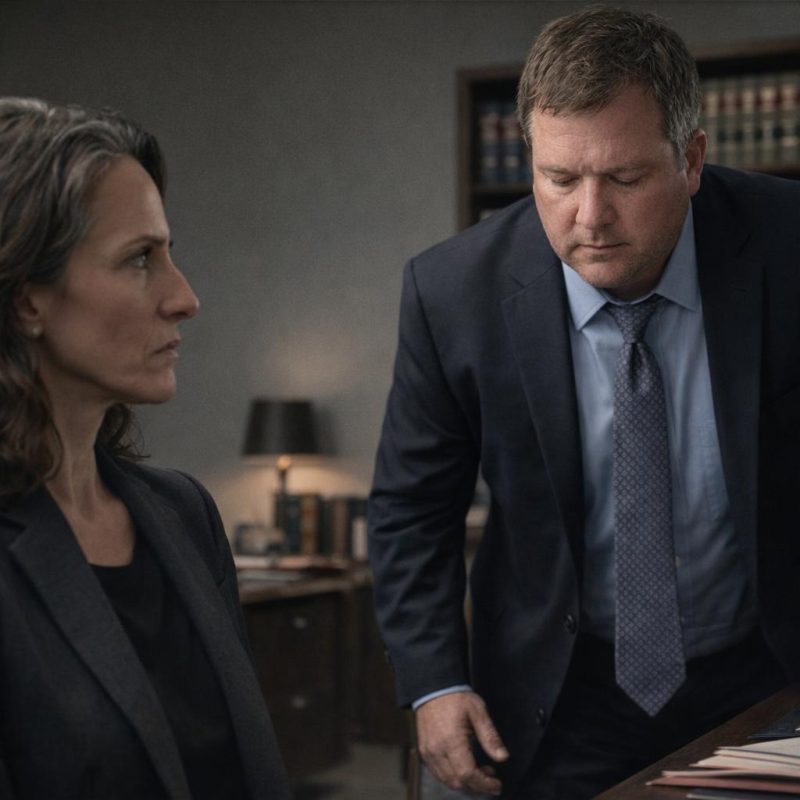 Image by RM AI
Return to the Source
I drove straight from James's office to the storage unit, my hands tight on the steering wheel. I knew what I was looking for now—proof of what James couldn't tell me. The unit smelled the same when I unlocked it, that mix of cardboard and old paper and secrets. I moved aside the boxes I'd already sorted through, focusing on areas I'd dismissed before. High on a back shelf sat a box I didn't remember noticing, pushed far into the corner. I dragged over a chair and climbed up carefully. The box was sealed with the same meticulous tape as the others that had held Robert's hidden life. I pulled down a box from the top shelf I'd missed before, and it was heavier than I expected.
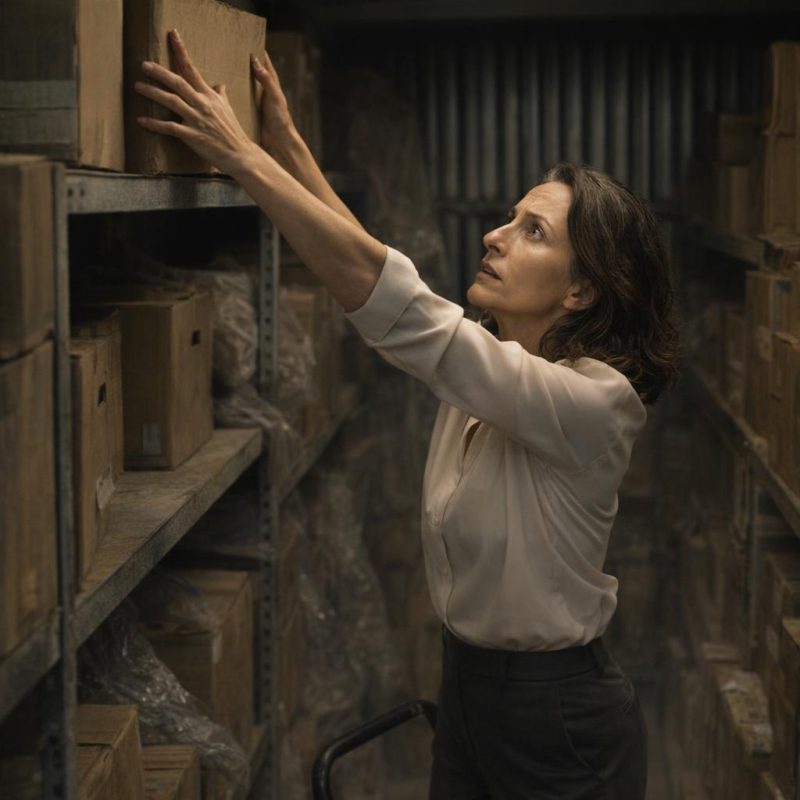 Image by RM AI
Breaking the Lock
I cut through the tape and opened the carton. Inside, surrounded by packing material, was a metal box. A small combination lock secured the lid. I tried our anniversary—nothing. David's birthday—nothing. Robert's birthday—the lock didn't budge. I went to my car and retrieved a screwdriver from the emergency kit I kept in the trunk. Back in the unit, I wedged the screwdriver into the lock mechanism and applied steady pressure. The lock resisted, the metal biting into my palm. I pushed harder, feeling something start to give. Then suddenly it broke with a sharp snap that echoed in the small space. I lifted the lid slowly, my heart pounding so hard I could hear it. Inside were bundles of letters, organized with rubber bands, stacked neatly like Robert organized everything. The envelopes were addressed in handwriting I didn't recognize. Some bundles were thick, suggesting regular correspondence over time. I picked up the top bundle and saw dates on the postmarks—they went back thirty-five years. My vision blurred as I realized what I was looking at. The lock broke with a snap, and inside I saw stacks of letters bound with rubber bands, spanning decades.
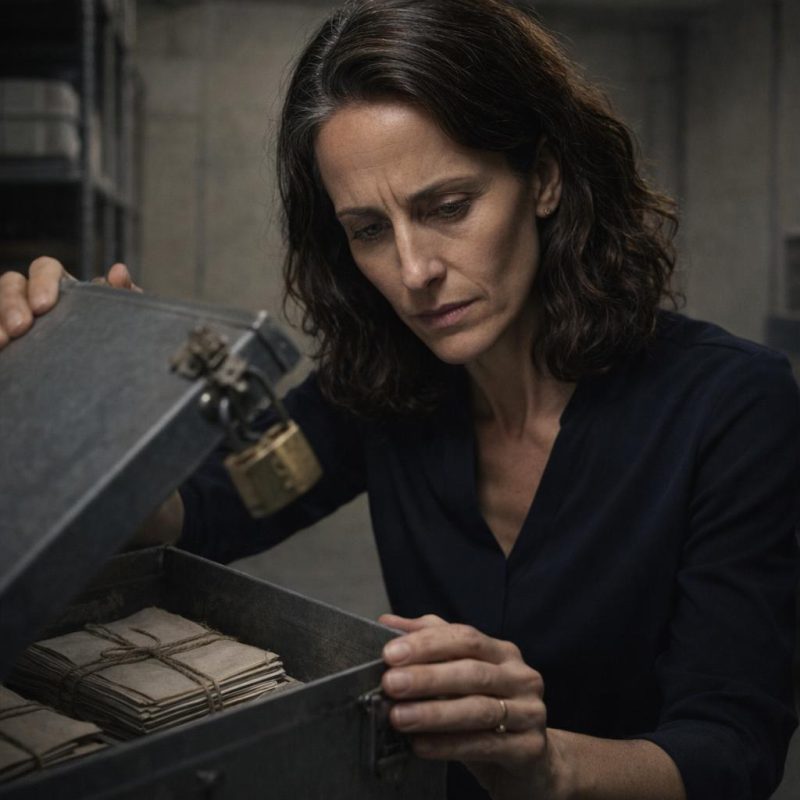 Image by RM AI
Letters to Thomas
I carefully removed the rubber band from the first bundle. The letters were organized chronologically, oldest at the bottom. I started with the earliest letter, postmarked thirty-five years ago. It was addressed to 'Thomas' at the property address I'd found. The handwriting was Robert's—I'd know it anywhere, that distinctive slant he'd had since college. The content mentioned a birthday, school, family matters. I read several letters in sequence, all addressed to Thomas. They spanned years, marking birthdays, holidays, achievements. 'I'm so proud of how hard you worked this semester,' one said. 'Your teacher says you're doing great in math,' said another. The tone was warm and paternal throughout, the kind of letters a father writes to his son. I kept reading, my hands trembling. One letter explicitly said 'Love, Dad' at the closing. I dropped it and stared at it on the floor. Robert had written to someone named Thomas as a father for decades, during our marriage, during David's childhood. One letter began 'Dear Thomas, Happy 10th Birthday' and was signed 'Love, Dad' in Robert's handwriting.
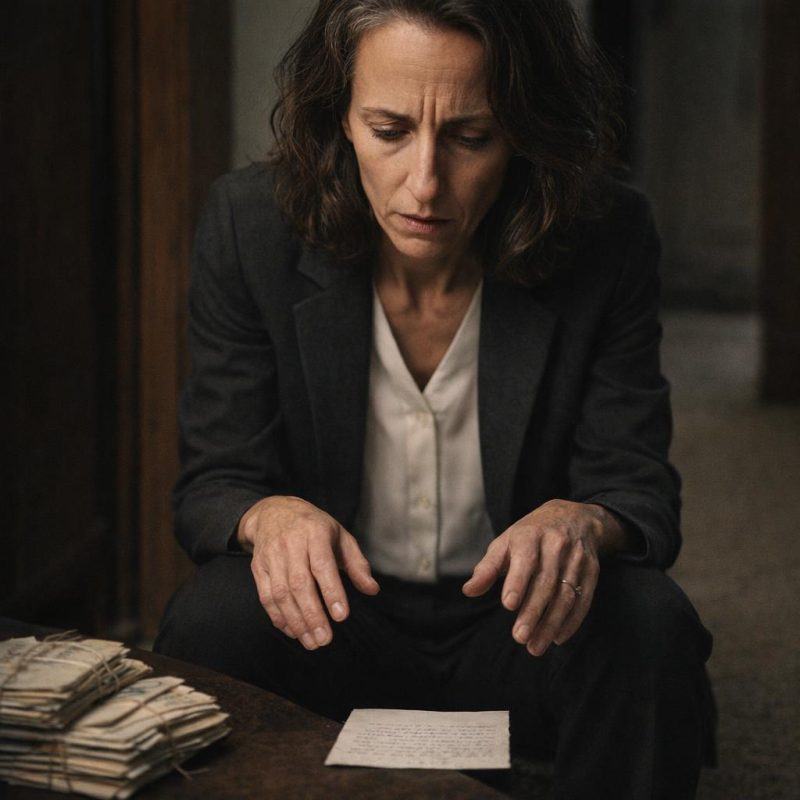 Image by RM AI
The Impossible Son
I forced myself to read more letters systematically, laying them out in order. The correspondence revealed Robert attended Thomas's school events, helped with homework, gave advice about friends and sports and growing up. 'I wish I could have been there for your game,' one letter said. 'I'm proud of you for making the team.' Letters mentioned celebrating achievements, offering guidance through difficult times. Robert wrote about being proud of Thomas's accomplishments the same way he'd written about being proud of David. I found letters spanning Thomas's entire childhood into adulthood. Many of Robert's absences from me and David now had new context—the business trips, the weekend conferences, the times he'd been unreachable. Then I found a graduation letter dated the same year David graduated college. Robert had somehow managed to be present for both sons' milestones. I calculated Thomas's age based on birthday references—he was about thirty now, just a few years younger than David. The letters showed Robert wasn't just financially supporting another child. He was actively involved as a father to Thomas for thirty-five years. I found a letter mentioning Thomas's graduation from college, dated the same year David graduated, and I couldn't breathe.
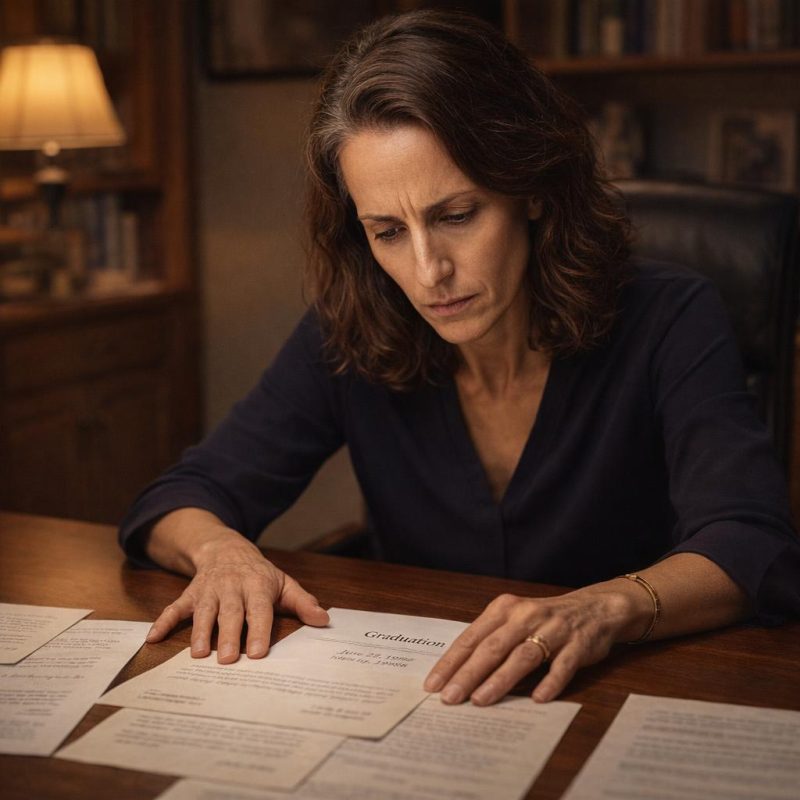 Image by RM AI
Thirty Years of Birthdays
I continued searching through the metal box. Beneath the letters were birthday cards saved in chronological order, one for every year. Each card was signed by Robert, some with longer personal messages about how proud he was, how much he loved Thomas, how he wished they could spend more time together. The cards spanned from Thomas's first birthday to his thirtieth. Some mentioned specific gifts Robert gave or experiences they shared. Robert had kept these as mementos, treasuring them the way I'd treasured David's childhood drawings. I found school photos of a boy I didn't recognize at various ages—kindergarten, middle school, high school graduation. The resemblance to Robert was unmistakable. At the bottom of the box was a framed photograph. It showed Robert with a young boy, maybe eight years old, both smiling at the camera. The boy had Robert's eyes, his smile, his features. I held the photo and finally accepted what all the evidence had been showing me. Robert had another son, another life, another family for thirty-five years. I carefully packed everything back into the box. At the bottom of the box was a photograph of Robert with a young boy who had his same eyes, and I finally understood what I'd been looking at all along.
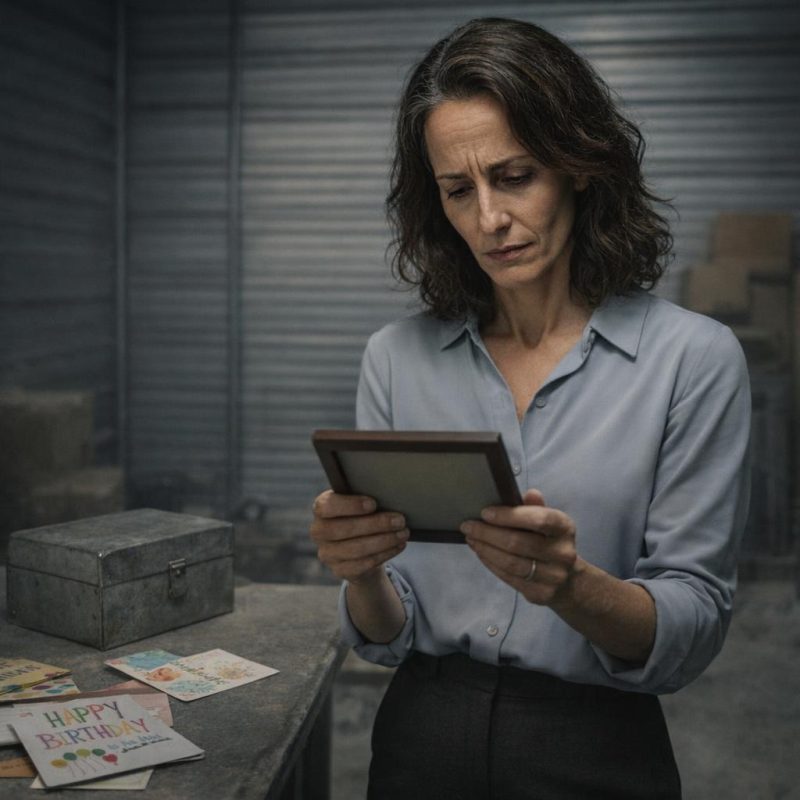 Image by RM AI
Armed with Evidence
I sat in my car outside the storage unit for twenty minutes, organizing the evidence into a folder. The letters went in chronological order, oldest to newest. The birthday cards stacked neatly behind them. I photographed every page with my phone, backing up what I was about to carry into confrontation. The framed photo of Robert and Thomas went on top where it would be immediately visible. My hands shook as I zipped the folder closed. I'd driven past polite questions and careful inquiries. Sarah Mitchell had looked me in the eye and claimed she barely knew my husband, and I'd accepted her composure as truth. Not anymore. I calculated the drive—three hours if traffic cooperated. I considered calling Margaret, hearing her voice before I walked into whatever waited at Sarah's door. But this felt like something I needed to face alone, armed with proof instead of suspicion. The weight of what I was about to do settled over me as I started the engine and pulled onto the highway, the folder on the passenger seat beside me. Every few miles I glanced at it, reminding myself I wasn't imagining this, wasn't overreacting. I locked the storage unit behind me and started the car, rehearsing words that still felt inadequate for what I was about to confront.
 Image by RM AI
The Second Knock
The three-hour drive passed in a blur of rehearsed conversations that dissolved the moment I tried to speak them aloud. I parked in front of Sarah's house and sat gripping the steering wheel, the folder heavy in my lap. This time I didn't hesitate at the walkway. I didn't smooth my hair or check my reflection. I walked straight to her door and knocked firmly, the folder visible in my other hand. The wait felt longer than before. I heard movement inside, footsteps approaching and pausing. When Sarah finally opened the door, her composure was intact but something shifted in her eyes when she saw what I was holding. I held up the folder. "I found Robert's letters to Thomas. All of them." Her face changed—not the careful neutrality from our first meeting, but something closer to exhaustion, maybe fear. "Who is Thomas?" I asked. "What was Robert's relationship to him?" Sarah's gaze moved from the folder to my face and back again. "Did you read them all?" "Every single one," I said. "And I'm not leaving until you tell me the truth." The silence stretched between us, heavy with everything unspoken. Sarah opened the door and saw the folder in my hands, and her composure cracked for the first time since I'd met her.
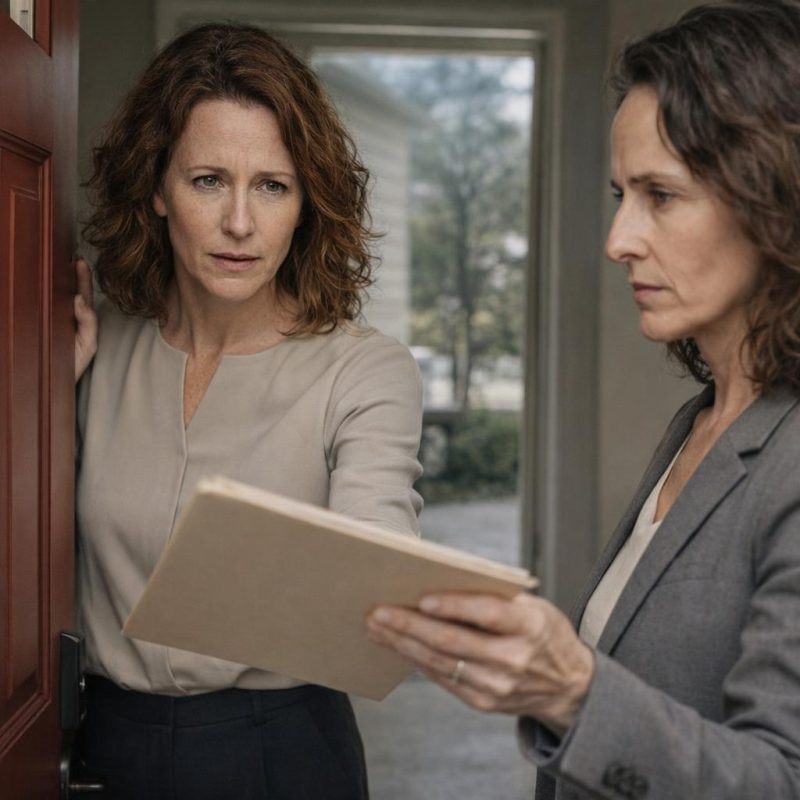 Image by RM AI
Crossing the Threshold
Sarah looked at me for what felt like a full minute, her hand still on the doorframe. Then she stepped aside without a word, gesturing for me to enter. I hesitated at the threshold, suddenly aware I was about to cross into a space I didn't understand. The hallway stretched before me, and what I'd glimpsed through the partially open door during my first visit now revealed itself completely. Framed photographs lined both walls—dozens of them. Robert appeared in nearly every frame. Robert at a backyard barbecue, apron on, flipping burgers. Robert on a beach I didn't recognize, arm around Sarah's shoulders. Robert holding a young boy on his lap, the same boy from the metal box photo. The images continued down the hall—holidays, birthdays, ordinary Sunday mornings. I saw Robert wearing his favorite navy sweater in a Christmas photo I'd never seen, standing in front of a tree I'd never decorated. The boy appeared at different ages, growing from toddler to teenager to young man. Sarah stood beside Robert in formal wear in what looked like anniversary photos. This wasn't a place Robert visited occasionally. This was a home he'd inhabited, filled with memories I'd never been part of. I walked past her into the hallway and saw what the closed door had hidden—photographs covering the walls, and Robert was in almost every one.
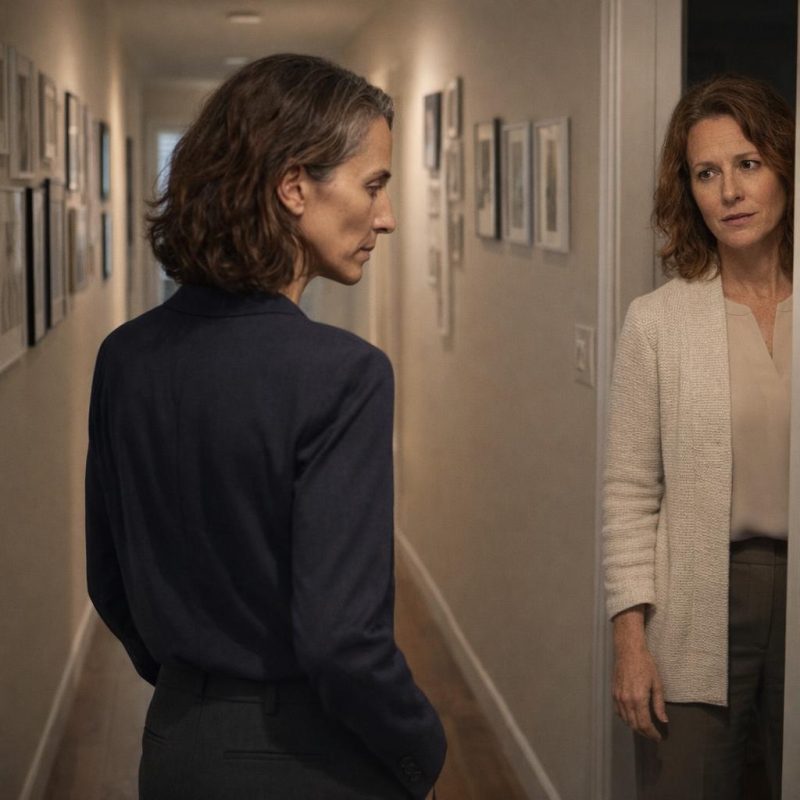 Image by RM AI
Before the Words Come
Sarah led me into a living room that felt both foreign and painfully familiar. More photographs here—Robert reading a newspaper in an armchair, Robert laughing at something off-camera, Robert in moments I'd never witnessed. She gestured toward a sofa. "Would you like something to drink?" I shook my head and sat, placing the folder of letters on the coffee table between us. Sarah lowered herself into the chair across from me, her posture rigid. The silence stretched heavy and thick. She stared at the folder like it contained something dangerous, something she'd hoped would stay buried. "I always knew this day might come," she said quietly. "Eventually." "Then just tell me," I said. "Who is Thomas? What was Robert doing here all those years?" Sarah's hands folded in her lap, then unfolded. "It's not that simple. It's bigger than just Thomas." "Then make it simple." She met my eyes. "What I'm about to tell you will reframe your entire marriage. Everything you thought you knew about Robert, about your life together—it's going to change." My hands were shaking but I kept my voice steady. "I'm ready." Sarah sat across from me, took a deep breath, and said there was no easy way to explain thirty-five years of lies.
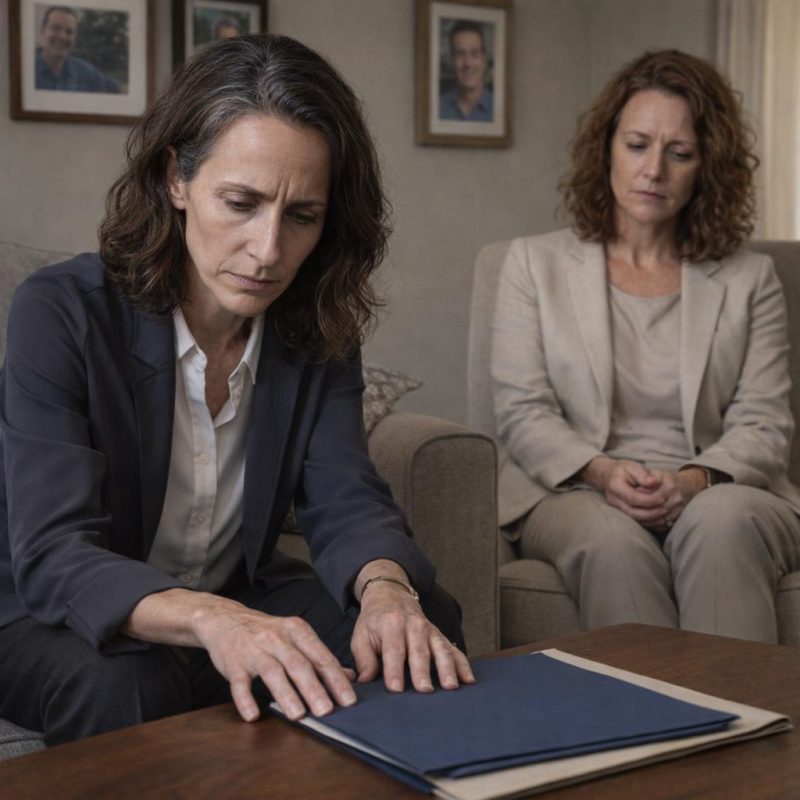 Image by RM AI
The Other Wife
"Robert and I met thirty-eight years ago," Sarah began. "We dated for three years before we got married." I did the math immediately. Thirty-five years ago. Three years before I met Robert. Sarah stood and walked to a drawer in the side table. She retrieved a document and handed it to me without ceremony. It was a marriage certificate. The paper felt official and permanent in my hands. Robert James Caldwell and Sarah Elizabeth Mitchell, legally wed thirty-five years ago. The date stared back at me, impossible to misread. I'd married Robert thirty-two years ago. Our wedding had been small but meaningful, the happiest day of my life. Except Robert had already been married when he stood across from me and said his vows. "Robert maintained two marriages," Sarah said. "Two families. For over three decades." The room tilted. Every anniversary, every shared moment, every year I'd called myself his wife—all of it had been built on a foundation that didn't exist. "Was my marriage even legal?" I heard myself ask. "I don't know," Sarah said. "I only learned about you in his final year." I stared at the marriage certificate Sarah placed in my hands, dated three years before Robert and I exchanged our own vows, and the room tilted sideways.
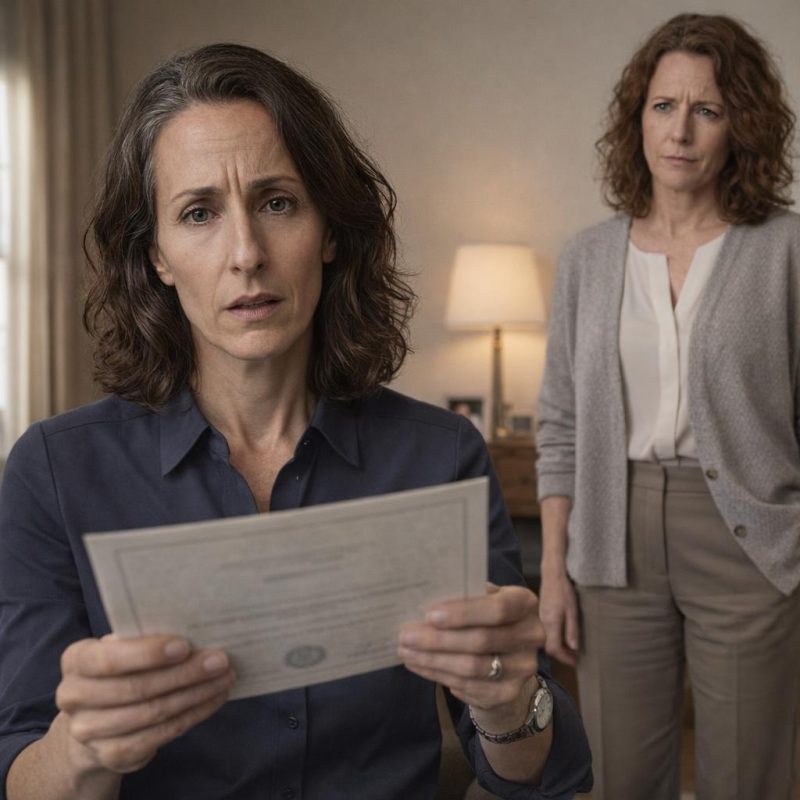 Image by RM AI
Two of Everything
I couldn't speak. Couldn't process the magnitude of what Sarah had just confirmed. Bigamy. Robert had been a bigamist. Sarah continued, her voice steady but strained. "He alternated between homes every two to three weeks. He told me he traveled for work. I assume he told you the same thing." I nodded numbly. The business trips. The conferences. The client meetings that required him to be away for weeks at a time. "We both built our lives around his schedule," Sarah said. "Holidays were the hardest. He'd claim work obligations to whichever family he wasn't with." Every Christmas Eve Robert missed. Every Thanksgiving he left early. Every birthday dinner cut short by an urgent call. Sarah led me down the hall to a home office. She opened a filing cabinet and pulled out planning calendars spanning years. Color-coded blocks filled every page. Blue squares, green squares, alternating in precise patterns. "Your life," she said, pointing to the blue sections. "Mine," indicating the green. I saw my anniversary marked in blue. Three days later, green blocks began. The precision was staggering. Robert had run two parallel lives like a logistics operation, managing us both with the efficiency of a corporate schedule. Sarah showed me Robert's calendar from their home office—color-coded blocks of time, my life reduced to blue squares next to her green ones.
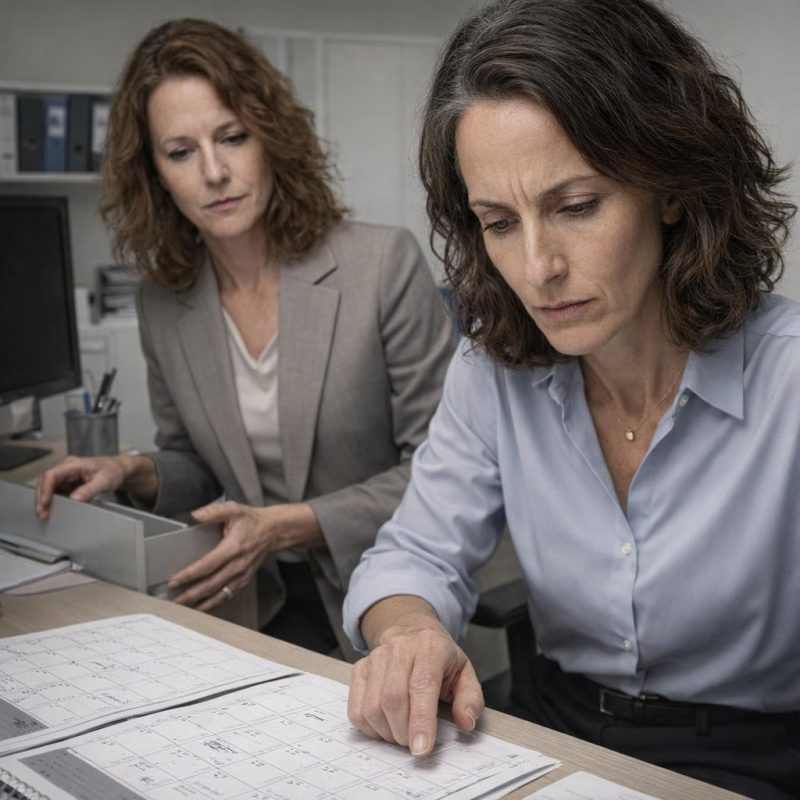 Image by RM AI
Proof in Pictures
Sarah returned to the living room and retrieved photo albums from a bookshelf. She handed them to me one by one, her movements careful, almost gentle. The first album showed Sarah and Robert's wedding. Small, intimate, Sarah in a simple white dress. I opened the next album. Sarah pregnant, glowing. Then holding a newborn—Thomas. The photos continued through his childhood. First steps. Birthday parties with balloons and cake. Robert pushing Thomas on a swing set. School plays where Robert sat in the audience. Sports games where he cheered from the sidelines. I recognized Robert's favorite navy sweater in a Christmas morning photo, the same sweater he'd worn in our house countless times. Thomas grew from toddler to teenager across the pages. I calculated quickly—Thomas was born less than a year after David. Robert had been raising two sons simultaneously, attending two sets of school conferences, two sets of baseball games, two lives running parallel without either family knowing. The graduation photos showed Thomas in cap and gown, Robert beaming beside him with unmistakable pride. The parallel life was documented as thoroughly as the one I'd lived, preserved in albums I'd never seen. I turned a page and saw Robert holding a newborn baby, and the date on the back was three months after David was born.
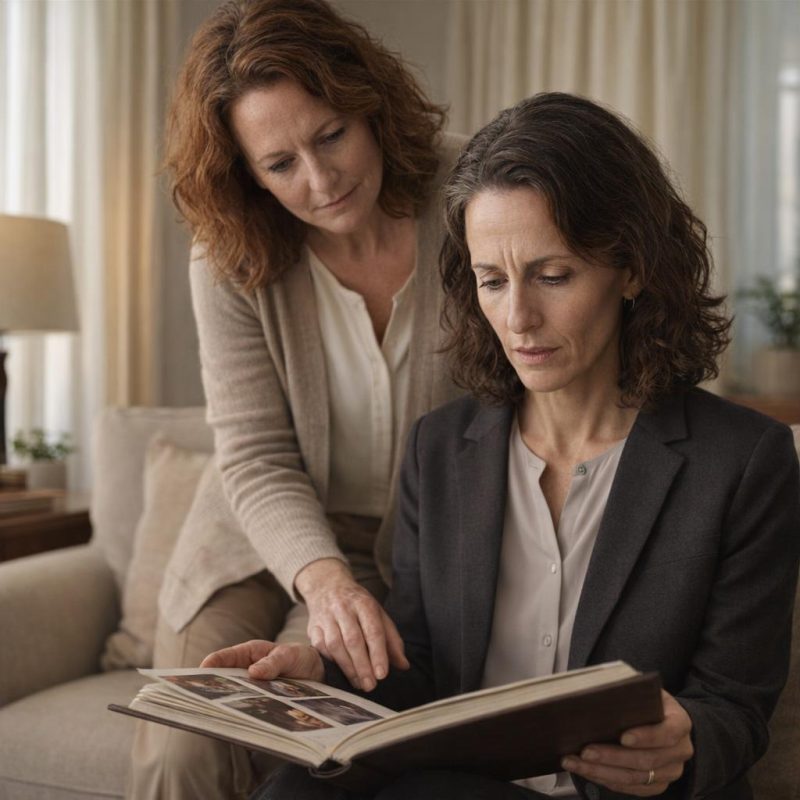 Image by RM AI
Every Lie I Believed
I closed the album, unable to look at more proof. My mind raced backward through twenty-five years of marriage, reframing every absence, every excuse, every apology. "Tell me about specific dates," I said, my voice harder than before. "Robert's mother's funeral—he missed it for a work emergency. What was he really doing?" Sarah consulted her own calendar. "That was Thomas's college move-in day. We drove him to Boston together." The rage built slowly beneath the shock. "Our anniversary five years ago. He left for a conference." "Thomas's engagement party," Sarah said quietly. Every business trip I remembered aligned perfectly with family events in Sarah's life. Robert hadn't forgotten important dates. He'd been managing competing obligations, choosing which family got him and which got excuses. "He missed David's sixteenth birthday dinner," I said, the memory sharp and painful. Sarah's face softened with something like sympathy. "That was the day Thomas got his driver's license. Robert took him to the DMV, then out to celebrate." Both of us had believed the same lies, accepted the same apologetic tone, built our lives around a man who'd been systematically deceiving us both. I remembered Robert missing David's sixteenth birthday dinner for a conference, and Sarah quietly told me that was the day Thomas got his driver's license.
 Image by RM AI
The Other Discovery
I needed to know how long she'd been part of this deception. "How long did you know about me?" I asked, my voice sharp. "About David? How many years were you in on this?" Sarah's face crumpled in a way I didn't expect. "I found out in Robert's final year," she said quietly. "When he got sick and couldn't keep up the logistics anymore." I stared at her, certain I'd misheard. "What?" "I discovered a storage unit," she continued, her voice shaking. "Property deeds with another woman's name. Photos of a boy who looked like Thomas but wasn't. Letters Robert had written as a father to someone else's child." She stood and retrieved a folder from a drawer, spreading documents across the coffee table between us. Marriage certificates. Property records. Photographs. All mirror images of what I'd found, just reversed. "I confronted him when he was already very ill," Sarah said. "He confessed everything. I spent his final weeks processing the same devastation you're feeling now." I picked up one of her documents—a deed to my house with Robert's name on it, annotated in Sarah's handwriting with question marks and dates. She'd been investigating just like me, gathering evidence, trying to understand. "I wanted to contact you after he died," she whispered. "But I didn't know how, or if I even should."
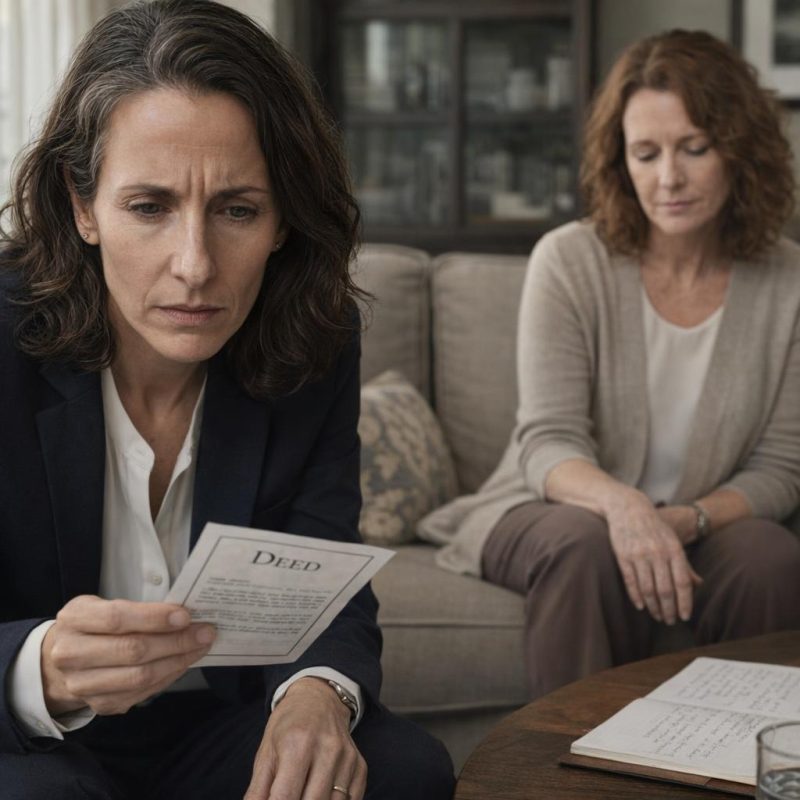 Image by RM AI
The Drive Back
I stood to leave, my legs unsteady beneath me. Hours had passed in that living room, and I felt hollowed out, emptied of everything I'd thought I knew. "Are you going to tell David?" Sarah asked as she walked me to the door. "About Thomas?" I nodded, unable to speak for a moment. "He deserves to know he has a brother." Sarah wrote her phone number on a piece of paper and pressed it into my hand. "If you or David want to talk more," she said. I took it, unsure if I'd ever use it. The drive home passed in a blur of replaying conversations, reframing memories, trying to find words that could possibly explain this to my son. I rehearsed a dozen different approaches and discarded them all. How do you tell someone their entire childhood was built on a foundation of lies? That their father had another family, another son, another life running parallel to theirs? I pulled into my driveway three hours later and saw David's car already parked there. My hands gripped the steering wheel as I sat frozen, staring at my own front door. I knew the hardest conversation of my life was waiting inside.
 Image by RM AI
What I Have to Tell You
David was in the kitchen when I walked in, his face tight with worry. "Mom, where have you been? I've been calling." I set my purse down with shaking hands. "Sit down," I said. "I need to tell you something important." He sat, his expression shifting from concern to alarm. I started from the beginning—the storage unit, the documents I'd found, the properties in Robert's name. David listened with growing confusion as I explained about Sarah Mitchell and the house I'd discovered. "Dad had another family," I said, the words feeling surreal even as I spoke them. "Another wife. Another son named Thomas." I showed him the photos on my phone, watched his face shift from disbelief to something harder. "There's a marriage certificate. Robert was married to Sarah first, before us. He never divorced her." David shook his head slowly. "No. There's no way Dad could have done this. You must have misunderstood something." He scrolled through the photos, his hands trembling. "This has to be a mistake. Dad wouldn't—he couldn't—" I wished more than anything that he was right.
 Image by RM AI
His Father Too
David kept scrolling through the evidence, his denial cracking with each image. "How?" he asked. "Why? For how long?" I answered what I could, admitted what I didn't know. The questions were the same ones I'd asked Sarah, the same ones that had kept me awake for weeks. "Did anyone else know?" David demanded, standing abruptly. "Grandma? Aunt Rachel? Anyone?" I told him about Rachel's evasive responses on the phone, how she'd deflected my questions. He started pacing the kitchen, unable to sit still. "So people helped him," he said bitterly. "They knew and they helped him lie to us." His anger built with each circuit around the room. "Were any of my memories even real? Or was it all just performance?" "Your father loved you," I said. "Whatever else was lies, that was real." David whirled on me. "How can you say that? How can I separate the father from the liar? Every birthday, every game, every conversation—was he thinking about them the whole time?" He grabbed his phone and threw it across the room, the screen cracking against the wall. I let him rage, understanding his need to express what I'd been feeling for weeks. "How am I supposed to mourn a father who apparently never really existed?"
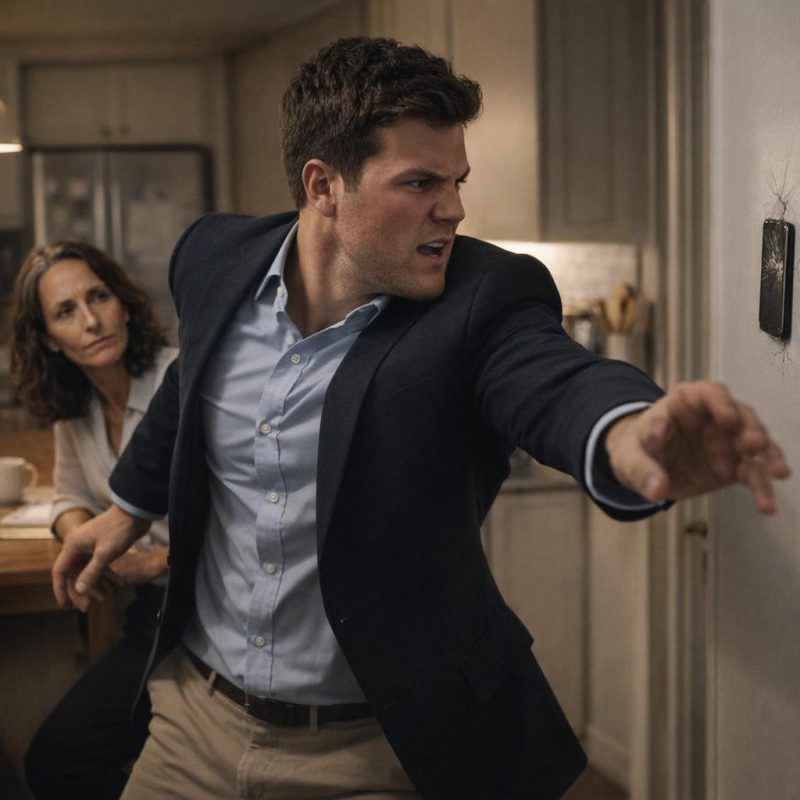 Image by RM AI
Proof He Can't Deny
I went to my car and retrieved the bag of original documents I'd been carrying since the storage unit. Spreading them across the kitchen table, I gave David the physical evidence he needed. He picked up the marriage certificate first, reading every detail with the careful attention he'd inherited from Robert. The property deeds came next, both names clearly visible in legal print. Then the letters—pages of Robert's distinctive handwriting, the same loops and slants David had seen on birthday cards his entire life. "He wrote to Thomas the same way he wrote to me," David said quietly, reading one of the letters. "Same expressions. Same tone." He set down the letters and picked up the framed photograph of Robert holding baby Thomas. For a long moment, he just stared at it. His face went very still. "This kid looks exactly like my baby pictures," he whispered. "Same eyes. Same everything." He set the photo down carefully and covered his face with his hands. When he looked up, his eyes were red. "What are we supposed to do with this information?" I reached across the table and took his hand. "I don't know. But we'll figure it out together."
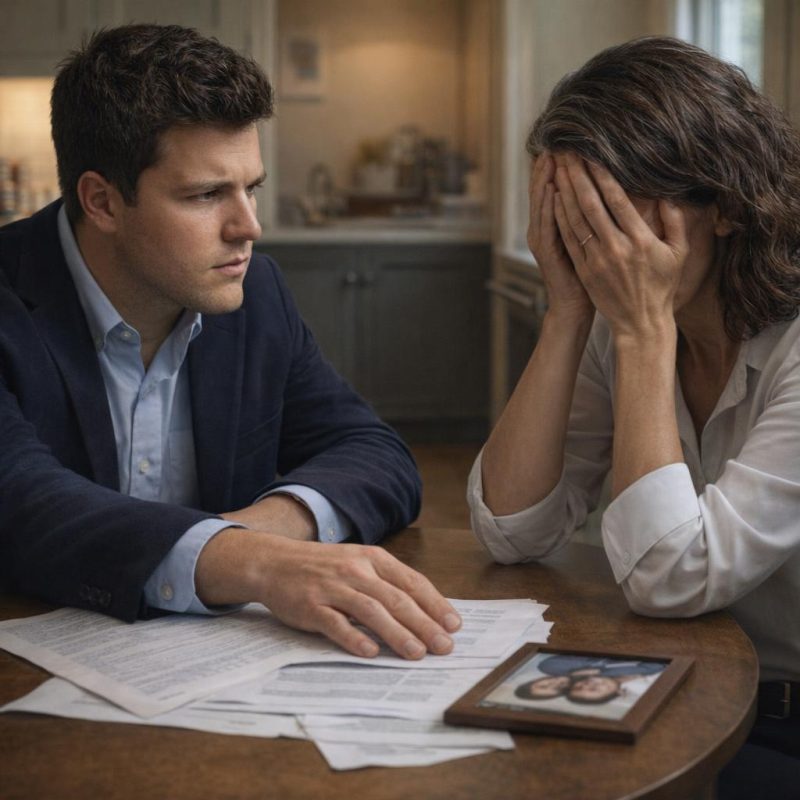 Image by RM AI
The Childhood He Remembers
David sat back down, the energy drained from his earlier rage. He started talking through memories—fishing trips, baseball games, Robert helping with homework. Each memory now had a shadow version where Robert was doing the same things with Thomas. "My little league championship," David said suddenly. "Dad missed it for work. Do you think Thomas had a game that day? Do you think Dad chose which one to go to?" I admitted I'd been doing the same mental inventory since learning the truth, reframing every absence and excuse. "Do the good memories even count?" David asked. "If they were sandwiched between lies?" I didn't have an answer. David's face crumpled and he finally let himself cry—not just for his father's death, but for the loss of who he'd thought his father was. The sobs came from somewhere deep, the kind of grief that reshapes you. "Did he ever actually choose us?" David asked through tears. "Or were we just the other shift?" I pulled my son into my arms and cried with him, both of us grieving a man who had never been fully ours, mourning the father we'd loved and the stranger he'd actually been.
 Image by RM AI
The Brother He Never Knew
We talked through the night, processing everything together until the kitchen windows showed the first light of dawn. David's grief had shifted into something else—a need for action, for answers only one person could provide. "I want to meet Thomas," he said. I looked at my son, seeing the determination in his face. "Are you sure you're ready for that?" "I have a brother I never knew about," David said. "I need to see him. I need to understand." I understood the compulsion—I'd felt the same need when I'd driven to Sarah's house. "Thomas probably knows about you by now," I said. "Sarah only learned the truth in Robert's final year, but she would have told him." David nodded. "Then he's been processing this too. We should meet." I agreed, though my hands shook as I picked up my phone and dialed Sarah's number. She answered on the third ring. "Sarah, it's me," I said. "David wants to meet Thomas. Would you and Thomas be willing to meet with us?" The silence on the other end felt like an eternity.
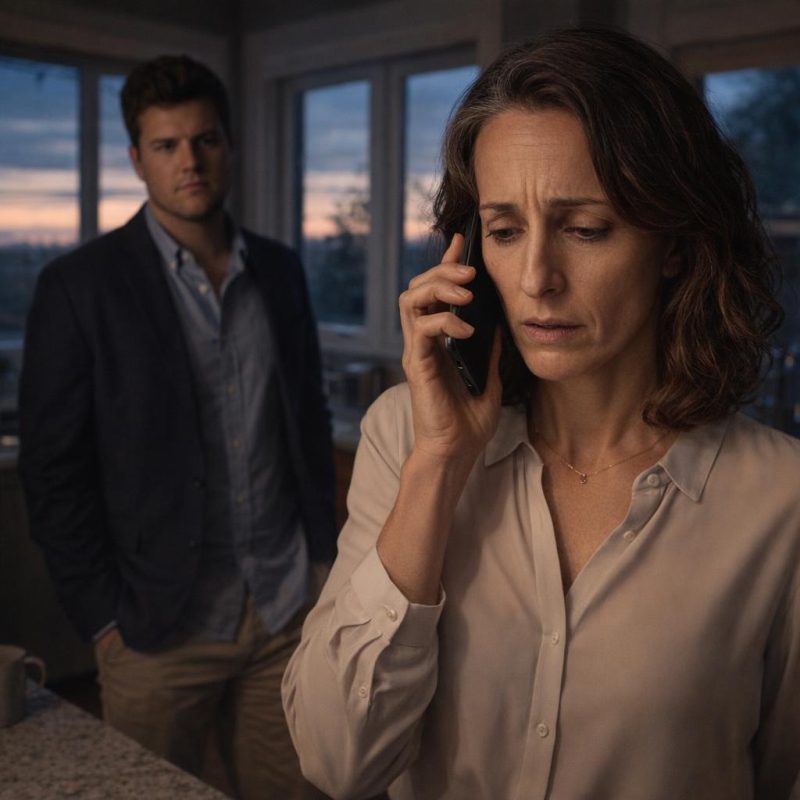 Image by RM AI
Four Strangers with One Name
The drive to Sarah's house was mostly silent, both David and I preparing for something we couldn't quite imagine. Sarah answered the door looking as nervous as I felt, her composure more fragile than during our first meeting. She led us to the living room where Thomas stood waiting. The resemblance hit me immediately—same height as David, same eyes, same strong jaw. They were unmistakably brothers. Thomas stared at David with a mixture of curiosity and grief that mirrored what I saw on my own son's face. Neither of them moved for a long moment, frozen in the impossibility of the situation. Finally, Thomas extended his hand. "I'm Thomas," he said quietly. "I only learned about you a few months ago, when my mother told me about Dad's other life." David shook his hand. "I found out two days ago," he said. "I didn't know I had a brother." They stood there, hands clasped, two strangers connected by blood and betrayal. Sarah suggested we all sit down, and the four of us arranged ourselves awkwardly in her living room. Thomas looked at David and said, "I always wondered if he had other children."
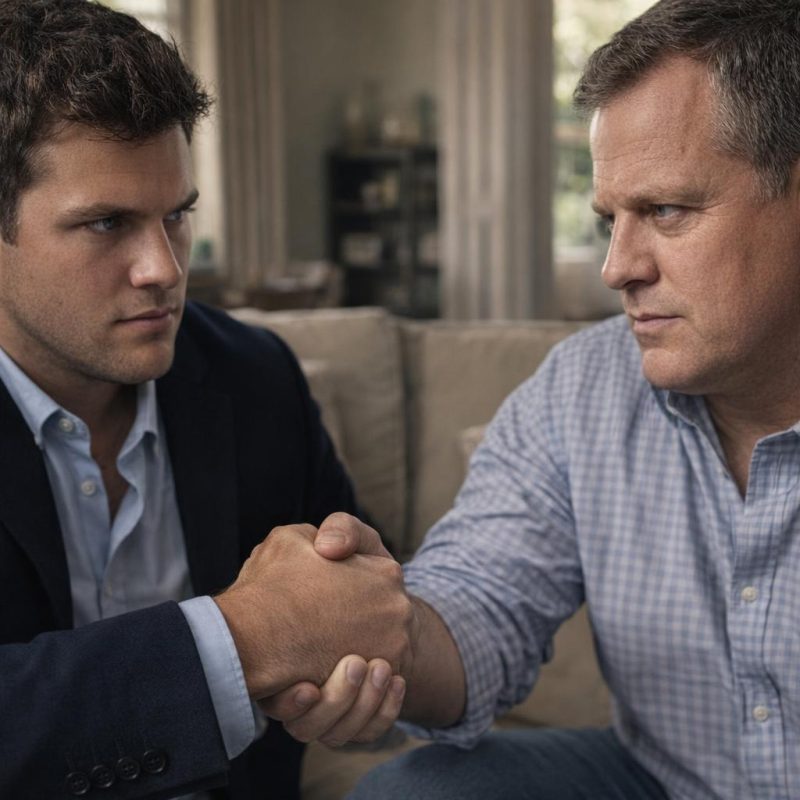 Image by RM AI
Comparing Notes
The initial awkwardness gradually dissolved as we settled into conversation. Thomas started first, describing camping trips where Robert taught him to identify constellations, how they'd built a treehouse together one summer. David's face changed as he listened. "He said the same things to me," David said quietly. "About measuring twice and cutting once. About how patience builds better things than speed." I watched them compare notes, finding haunting parallels in every story. Robert had helped both boys with algebra homework, attended their baseball games when he could manage it, given them nearly identical advice before job interviews. Thomas pulled out his phone and scrolled through photos—Robert at his college graduation, Robert teaching him to change a tire, Robert grinning at a family barbecue. David did the same, showing his own collection of parallel memories. Sarah and I exchanged glances across the room, watching our sons discover they'd shared the same father in frighteningly similar ways. The brothers began talking directly to each other, their voices growing more animated, excluding us from their conversation. I sat back and watched David form a tentative bond with this stranger who shared his blood, his loss, and apparently his entire childhood. Thomas showed David a photo of Robert teaching him to ride a bike, and David pulled out his phone to show Thomas the same pose, the same patient smile, teaching him twenty miles and a lifetime away.
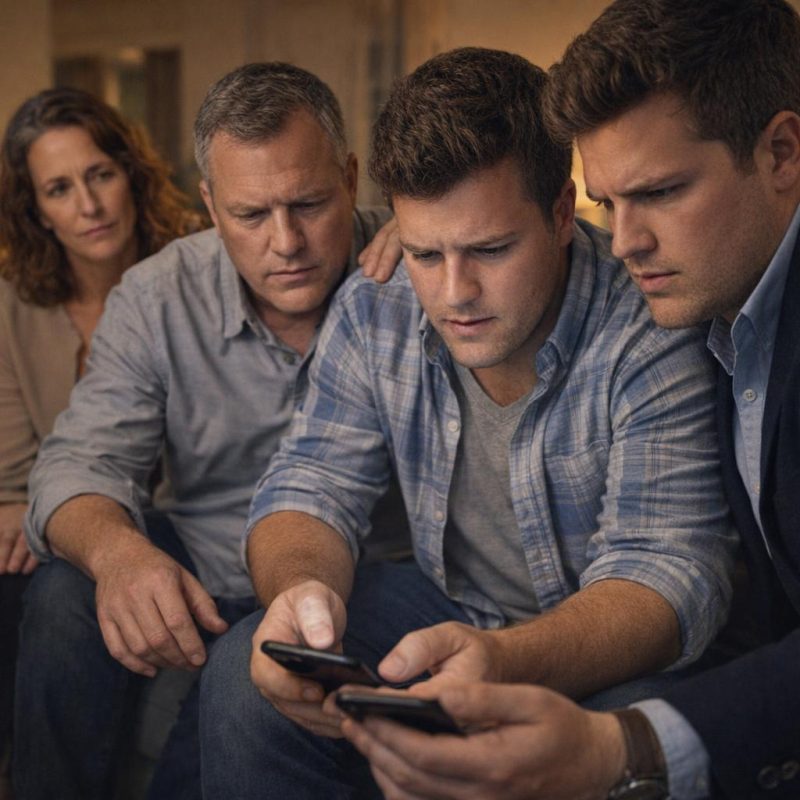 Image by RM AI
What We Both Lost
I suggested Sarah and I step outside while the boys talked. She agreed immediately, and we walked to her back porch in silence. The evening air felt cool against my face. Sarah spoke first. "I hated you for months," she said, her voice flat. "I didn't know your name, didn't know anything about you, but I hated you for existing." I nodded, understanding completely. "I felt the same rage," I admitted. "Like my entire life was built on stolen time." We compared notes then, two women who'd loved the same man and been equally deceived. Sarah asked how I was handling it. I told her the truth—I wasn't handling it, just surviving it. We discovered we'd both had moments of doubt over the years, times when Robert's explanations didn't quite add up, but we'd always accepted them. "He was so convincing," Sarah said. "So present when he was there." That's what made it devastating, I agreed. We'd been told the same lies, given the same reassurances, loved the same ghost of a man who never fully existed for either of us. Sarah looked at me, her polished composure finally cracking. "I hated you for months without knowing you," she repeated. "And now I can't find the hate anymore—just exhaustion and grief."
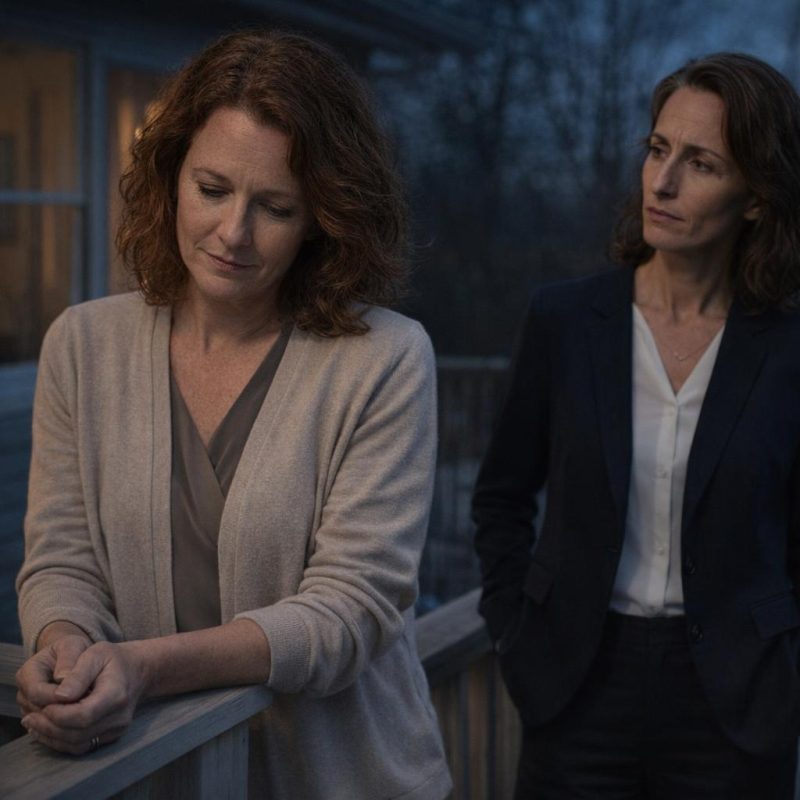 Image by RM AI
Questions Without Answers
When we returned inside, David and Thomas were still deep in conversation, but the tone had shifted from comparing wounds to genuine curiosity. David was asking about Thomas's job, his interests, whether he'd traveled much. Thomas reciprocated, wanting to know about his newly discovered brother's life. I watched them and realized with sudden clarity that I'd never know why Robert did this. I asked Sarah if he'd ever explained it. "He said he loved both families and couldn't choose," she told me. The answer felt inadequate, incomplete, but I recognized it might be the only truth we'd ever get. I could spend years trying to understand Robert's choices and never succeed. Some questions would remain mysteries forever. I decided then to focus on what I could control—my relationship with David, my own healing, the life I'd build from here. The brothers exchanged phone numbers, making plans to meet again. David looked lighter than when we'd arrived, his shoulders less tense. Something new was forming even as something old shattered completely. I stood in Sarah's kitchen watching our sons exchange contact information and realized that something unexpected might grow from the wreckage Robert left behind.
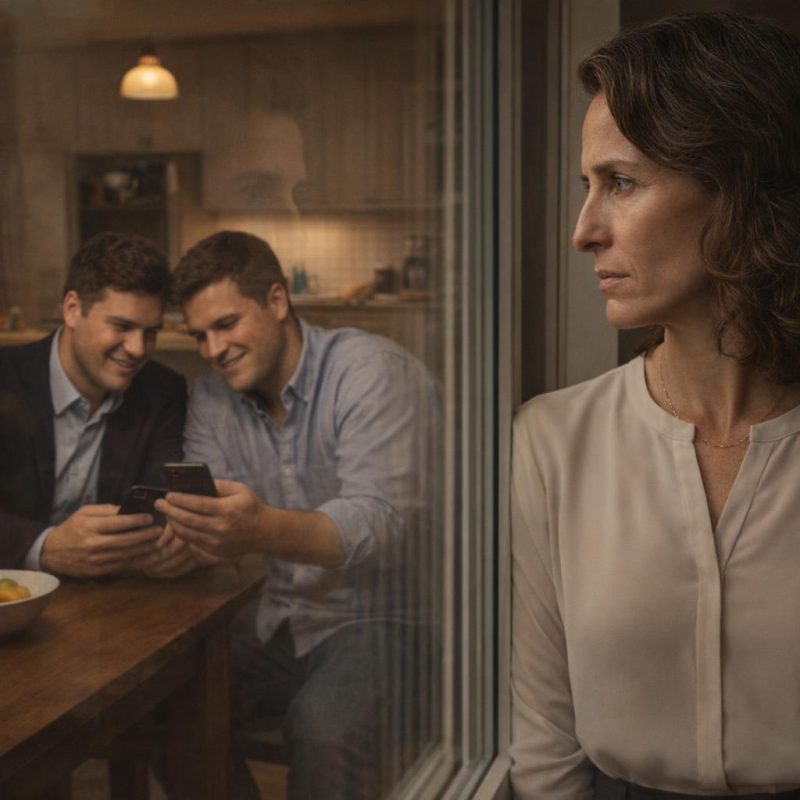 Image by RM AI
What Remains
We said goodbye to Sarah and Thomas at the door. The farewell felt awkward but warmer than our arrival. Sarah hugged me unexpectedly, and I found myself hugging back. David and Thomas promised to stay in touch, to get to know each other properly. We drove home in companionable silence for a while before David spoke. "I don't know how to feel about any of this," he said. I admitted I felt the same—confused, hurt, but strangely lighter somehow. David thanked me for finding the truth even though it was devastating. He said he'd rather know than live with the comfortable lie. I realized then that what felt like destruction was actually excavation, unearthing something more real than what I'd thought I knew. The storage unit had started as a search for closure on a dead marriage. Instead it opened a door to painful honesty and unexpected connection. I thought about the life I'd built on Robert's lies and what came next. I didn't have answers, but for the first time since the auction, that felt okay. David asked if I regretted going to the auction. I considered the question carefully. I went to that auction looking for closure, and instead I found a truth I never expected—but watching my son wave goodbye to his brother, I realized the story wasn't ending. It was just finally becoming honest.
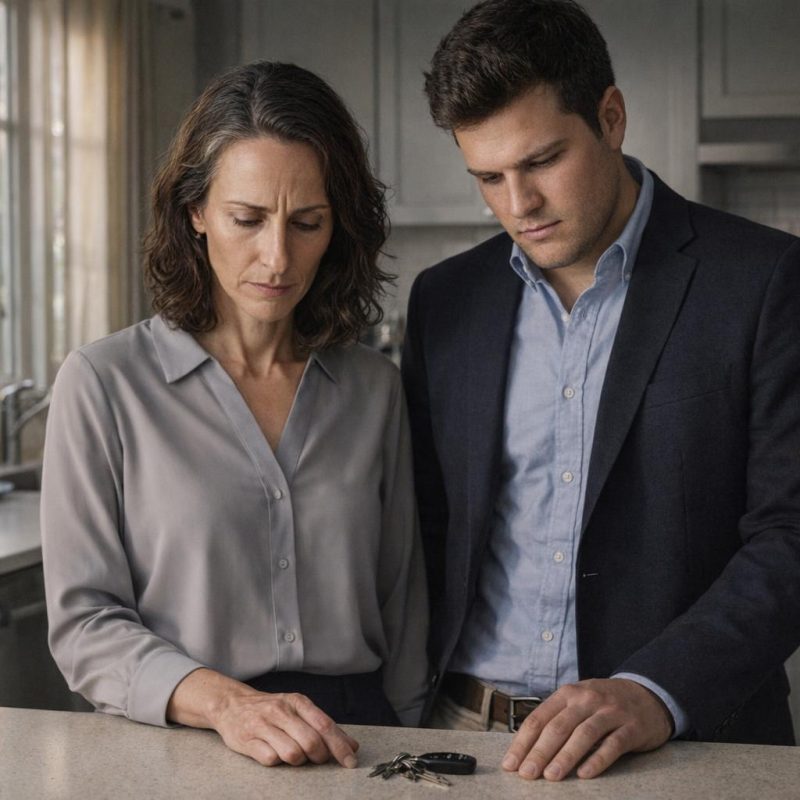 Image by RM AI
KEEP ON READING
The Brutal Realities Of Gladiator Life Beyond the Arena
David Cruz asenjo on PexelsWhen most people think of gladiators,…
By Rob Shapiro Mar 31, 2026
The Volcano Winter That Nearly Toppled Europe
Collin Ross on UnsplashMost people, if asked to name a…
By Cameron Dick Mar 31, 2026
From School Plays To Starting A Cult: 20 Of The…
The Books That Made Us. Many people will tell you…
By Farva Ivkovic Jan 31, 2025
20 Facts About Jane Grey, The Forgotten Queen Of England
A Quick, Messy, and Tragic Reign. Lady Jane Grey never…
By Maria Cruz Jan 31, 2025
20 Priceless Historical Art Pieces Rescued By The Monuments Men
Protecting Human History. While the soldiers on the front lines…
By Sara Springsteen Mar 31, 2026
Almost Every Ancient Statue Has a Missing Nose, And It's…
Gary Todd from Xinzheng, China on WikimediaWalk through the classical…
By Elizabeth Graham Mar 31, 2026