

I Always Hated My Neighbor—Until He Saved My Life. Then He Revealed Something I Never Saw Coming...
I Always Hated My Neighbor—Until He Saved My Life. Then He Revealed Something I Never Saw Coming...
Starting Over on Maple Lane
I moved into my new house three days after my divorce papers arrived in the mail. Fifteen years of marriage ended because Tom decided his twenty-six-year-old coworker was more interesting than the woman who'd built a life with him. At forty-two, I found myself starting completely over, which is how I ended up on Maple Lane with a U-Haul full of hastily packed boxes and a heart that felt like someone had taken a cheese grater to it. The house was small and blue with white shutters, nothing fancy, but it was mine. Just mine. No shared mortgage, no memories of Tom's cologne lingering in the closets, no reminders of the life I'd thought we were building together. I spent those first three days unpacking in a fog of exhaustion, moving from room to room like I was learning to walk again. The neighborhood seemed perfect—tree-lined streets, well-kept yards, the kind of quiet that felt like a weighted blanket after months of lawyers and arguments and crying in grocery store parking lots. I remember standing in my new kitchen on that third evening, looking out at the sunset painting the sky pink and gold, thinking maybe I could actually heal here. Maybe this was where I'd figure out who I was without him. For seventy-two hours, I believed I'd found paradise.
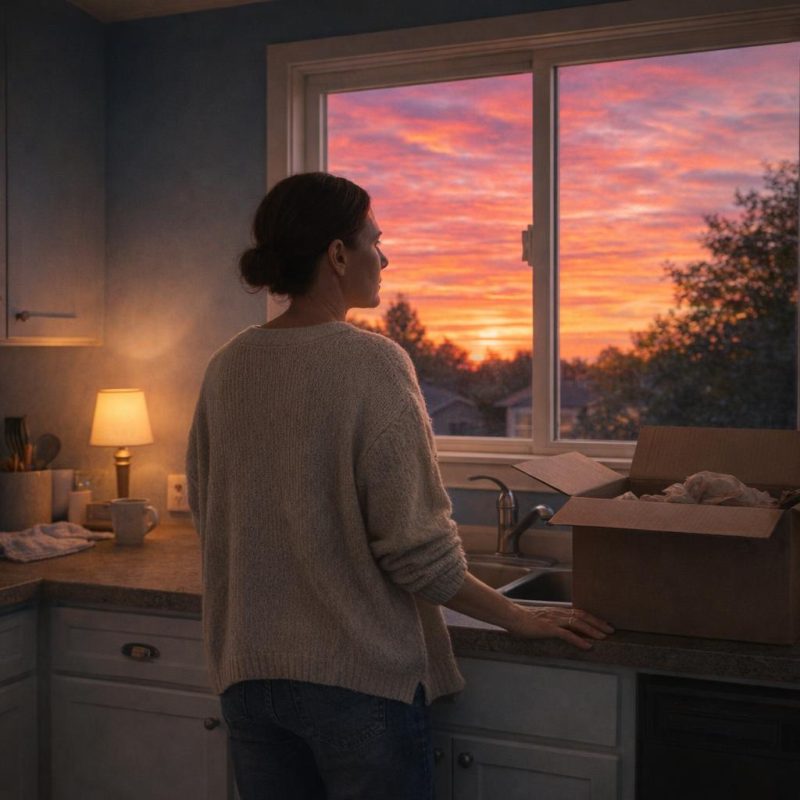 Image by RM AI
Three Perfect Days
That first weekend, Daisy and I explored every corner of our new territory like we were claiming it. My golden retriever had been my constant companion through the divorce, and watching her pad through the house with her graying muzzle and soulful eyes made the empty rooms feel less lonely. She was five years old, gentle as they come, the kind of dog who'd rather sleep on your feet than bark at strangers. We walked the neighborhood together, me with my coffee mug that never seemed to leave my hand, her with that slow, deliberate tail wag that meant she approved of our new home. The yard had decent space and these beautiful mature trees that created patches of shade across the grass. I noticed neighbors waving from porches, couples walking hand-in-hand, kids riding bikes—all the normal, peaceful things I'd been craving. From a distance, everyone seemed friendly enough. I started unpacking the personal stuff, the photos and books and kitchen things that actually mattered, building some kind of routine in the quiet. For the first time in months, I felt my shoulders drop from where they'd been permanently hunched near my ears. The chaos of the divorce felt far away here, like something that had happened to someone else. Then someone knocked on my door with a complaint instead of a greeting.
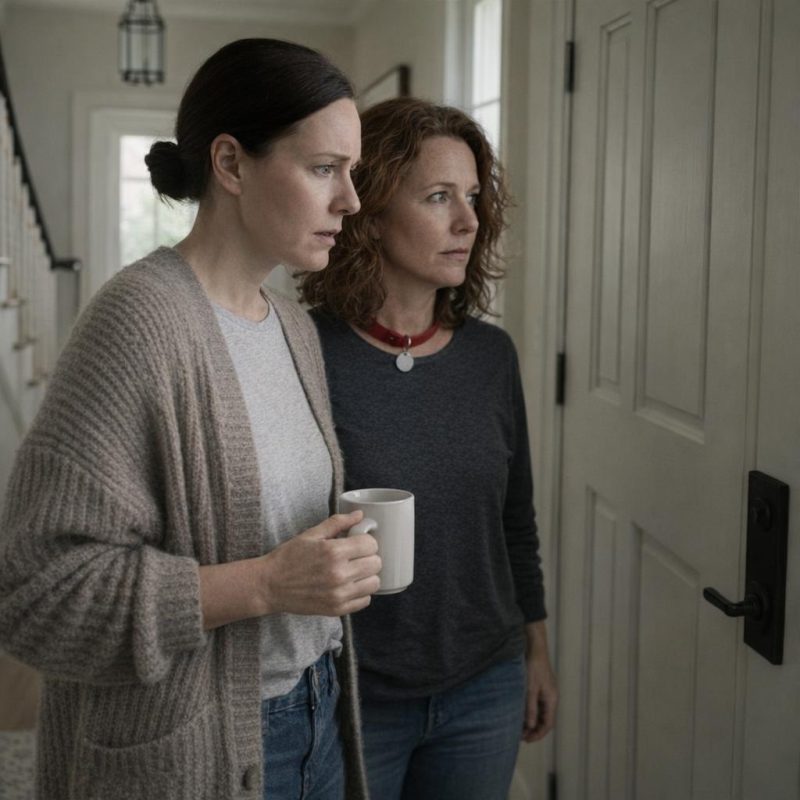 Image by RM AI
The Man Next Door
The man standing on my porch didn't introduce himself or say hello. He just launched straight into it—my moving truck was blocking his driveway and he needed me to move it immediately. I blinked at him, still holding the box I'd been unpacking, trying to process this abrupt encounter with my first neighbor. He was maybe mid-forties, rigid posture, hands shoved in his pockets, wearing a crisp button-down tucked into jeans like he was heading to a business casual event. I glanced past him at the truck and saw it was maybe six inches over the property line, barely touching the edge of his pristine driveway. "I'm so sorry," I said, trying to sound friendly despite my confusion. "The movers should be done in about an hour, I'll make sure they move it right away." He stared at me for this uncomfortable moment, not quite making eye contact, his jaw tight. "Just make sure it doesn't happen again," he said, then turned and walked back toward the dark gray colonial next door with its magazine-perfect landscaping. I stood there with my mouth half-open, the apology I'd been forming dying on my lips. No welcome to the neighborhood, no introduction, nothing. He walked away before I could even process what had just happened.
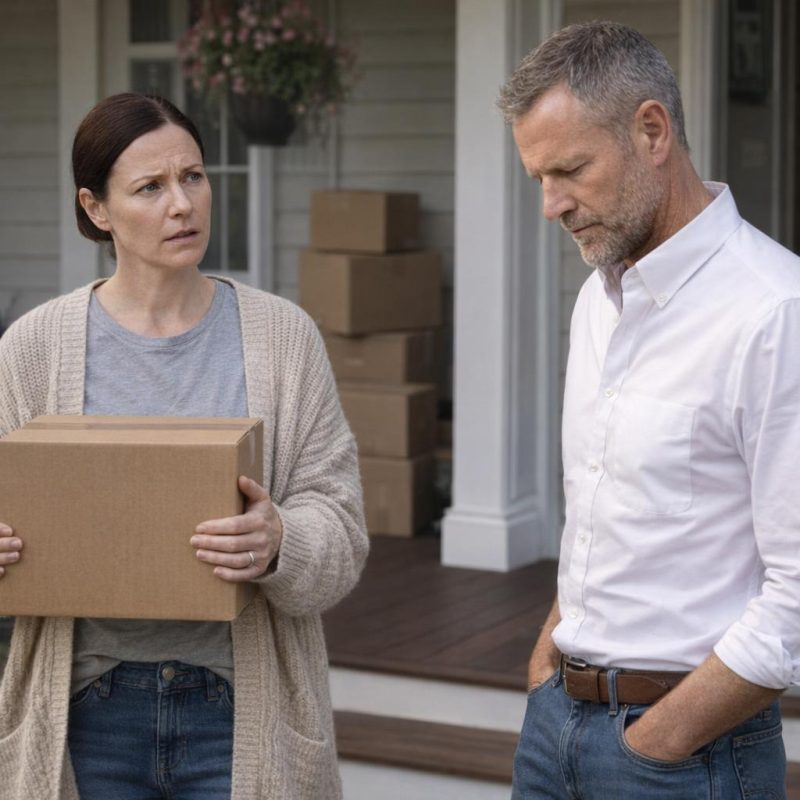 Image by RM AI
Second Impressions
Two days later, I saw him checking his mailbox and decided to try again. Maybe he'd just been having a bad day, I told myself. Maybe I'd caught him at a terrible moment and we could start over. I walked down my driveway with what I hoped was a friendly smile. "Hey, beautiful weather we're having," I said, going for casual neighbor small talk. He glanced up, gave me a single nod, and looked back at his mail. "Yeah," he said. That was it. Just yeah. I pushed forward anyway, because apparently I'm a glutton for punishment. "The neighborhood seems really nice. Have you lived here long?" Another pause. He shuffled through his envelopes without looking at me. "A while." His voice was flat, almost mechanical. I tried one more time, asking something about the best place to get groceries nearby, but he was already excusing himself, mumbling something about needing to get back inside. He walked away mid-sentence, leaving me standing alone on the sidewalk like I'd asked him to donate a kidney instead of just trying to be neighborly. My face burned with embarrassment and confusion. I'd been nothing but polite, and he'd treated me like I was selling magazine subscriptions at dinnertime. I started wondering if I'd chosen the wrong house after all.
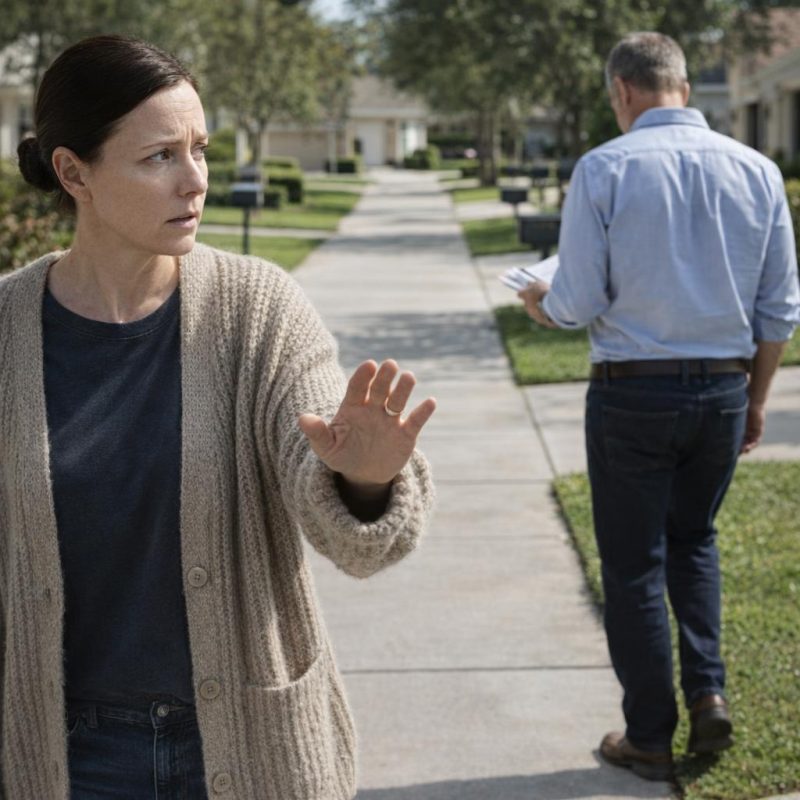 Image by RM AI
The Perfect Lawn
Over the following weeks, I couldn't help but notice Richard's lawn maintenance routine. Yes, I'd learned his name from the mailbox, though he'd never actually introduced himself. Every Saturday morning at eight sharp, he'd be outside with his measuring tools and trimming equipment, working with this intense focus that bordered on obsessive. His lawn looked professionally maintained—zero weeds, edges so crisp they could cut paper, grass height so uniform it seemed impossible. I'd watch him from my kitchen window while drinking my morning coffee, fascinated and unsettled in equal measure. He'd examine the grass like a surgeon studying an X-ray, adjusting his mower height by millimeters, using a level to check the evenness of his hedges. It was clockwork, this routine. Same times, same meticulous attention, same rigid movements. What bothered me most was that he never acknowledged my presence, even when I was clearly visible in my own yard. I'd be out there with Daisy, and he'd work around us like we were invisible, his eyes fixed on his tasks with laser precision. My own yard looked shabby by comparison, and I started feeling self-conscious every time I stepped outside. There was something about his perfectionism that made me uneasy, like I was being evaluated and found wanting even though he never looked my way. His yard looked like something from a magazine, and somehow that made me even more uneasy.
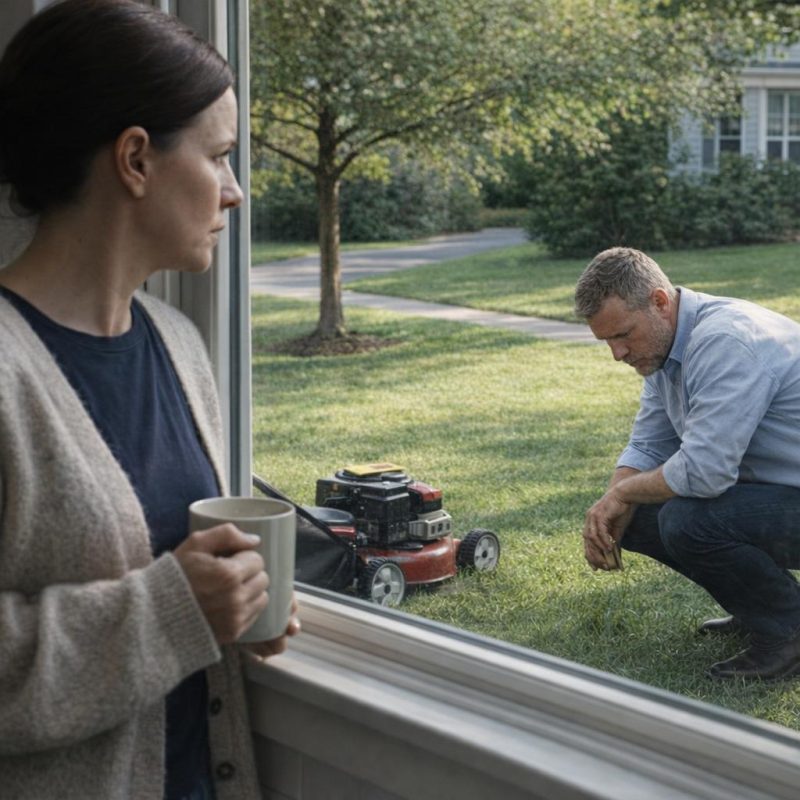 Image by RM AI
The Barking That Wasn't
When Richard knocked on my door again, I actually felt my stomach drop before I even opened it. This time he had a formal complaint about Daisy. She barked constantly, he said, and it was disturbing him during his work hours. I stared at him, genuinely confused, because Daisy was literally the quietest dog I'd ever owned. "I'm sorry, but I think there might be some mistake," I said, trying to keep my voice level. "Daisy barely barks. She doesn't even bark when the doorbell rings." He stood there with his arms crossed, still not quite meeting my eyes. "The noise is disruptive. It needs to stop." I felt my jaw clench. "I work from home too, and I can promise you, she's not barking. She's incredibly well-behaved." But he insisted, going on about how the constant noise was affecting his concentration, how he needed quiet to work. I bit back the defensive response building in my throat and promised I'd monitor the situation, even though I knew there was nothing to monitor. After he left, I looked at Daisy sleeping peacefully on the living room rug, her chest rising and falling in gentle rhythm. She hadn't made a sound all day. That's when I felt the first real stirrings of anger, hot and sharp in my chest. Daisy was the quietest dog I'd ever owned, and he knew I lived alone.
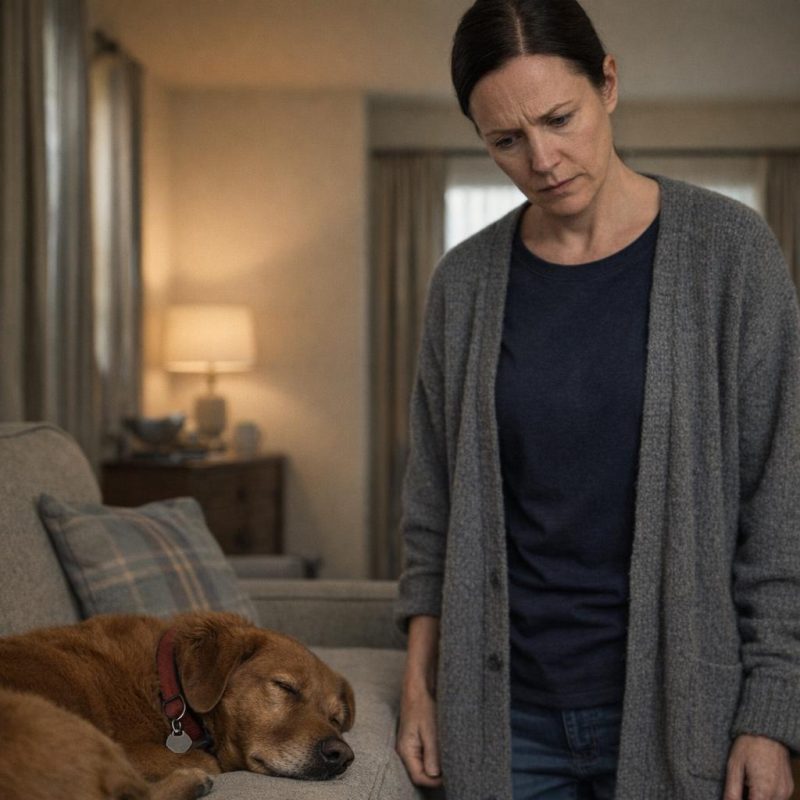 Image by RM AI
Official Warning
The HOA violation notice arrived on a Thursday, tucked between a grocery store flyer and a credit card offer. I opened it standing at my mailbox, reading the formal language about trash bins being left visible from the street past collection day. My hands started shaking. I'd just had minor surgery the week before—nothing serious, but enough that moving around hurt—and yes, my bins had stayed out one extra day because I physically couldn't drag them back up the driveway. One day. The letter threatened escalating fines for future violations, all written in this cold, official tone that made me feel like a criminal. It was anonymous, of course, but it referenced specifics that only my immediate neighbors would notice. The exact position of the bins, the precise timing, details that required someone to be watching closely. I thought immediately of Richard and his perfect yard, his rigid schedules, his complaints about everything I did. The humiliation burned through me as I stood there reading and rereading the letter. Someone had taken the time to file a formal complaint instead of just knocking on my door to ask if I was okay. I brought the bins into the garage immediately, ignoring the pull of stitches and the ache in my side. I'd brought the bins in within hours of pickup, but someone had still reported me.
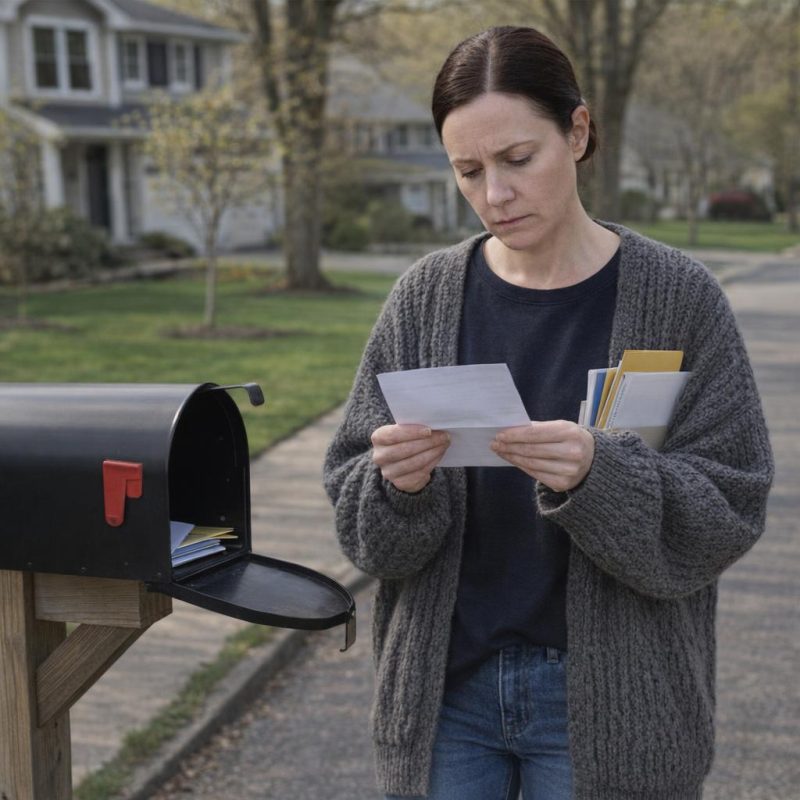 Image by RM AI
The Rest of the Street
I met Mrs. Henderson the following week during an afternoon walk with Daisy. She was standing at her mailbox across the street, wearing a velour tracksuit with her hair styled like she was expecting company, and she lit up when she saw me approaching. Within five minutes, I knew more about the neighborhood than I'd learned in a month. She was chatty, eager, the kind of person who probably knew everyone's business before they did. When I carefully steered the conversation toward Richard, trying to sound casual, she seemed surprised by my interest. "Oh, Richard? He keeps to himself mostly, but he's always been pleasant enough," she said, waving her hand dismissively. "Quiet man. Lost his wife years ago, poor thing. He just waves politely when I see him, never causes any problems." I asked if he'd ever had issues with other neighbors, fishing for validation that I wasn't crazy. Mrs. Henderson looked genuinely puzzled. "Issues? No, dear. He's very private, but I've never heard a bad word about him." Over the next few days, I casually talked to other people on the street, and they all said the same thing. Reserved but nice. Keeps his yard beautiful. Minds his own business. Everyone else seemed to have perfectly normal interactions with him, which somehow made it worse.
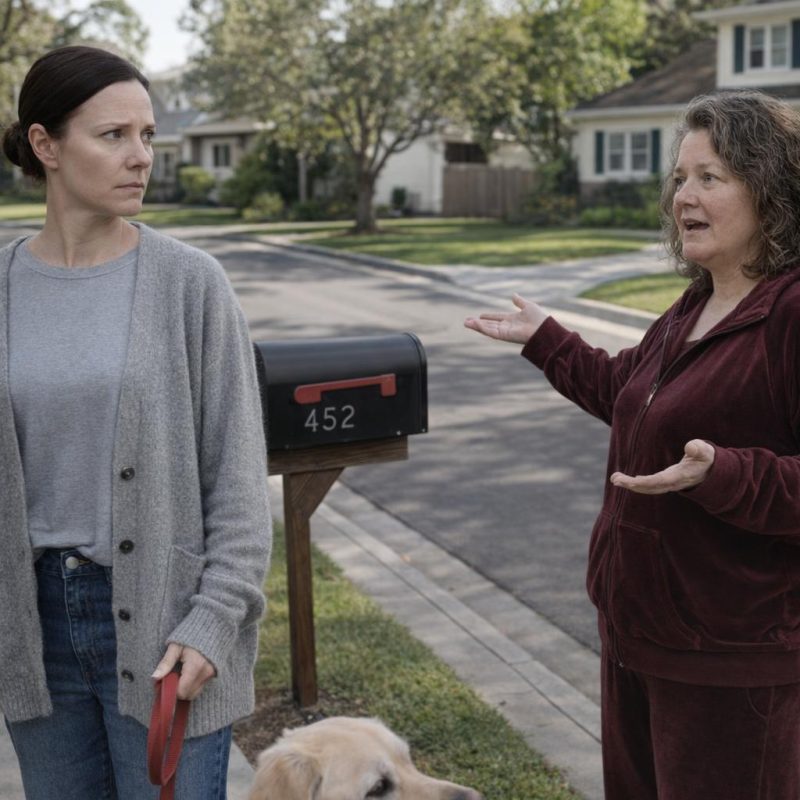 Image by RM AI
Anonymous Advice
I found the note on a Tuesday afternoon when I got home from work. Just a folded piece of paper tucked into my mailbox, no envelope, no name. It was handwritten in this careful, precise script that somehow made it feel even more condescending. The note politely reminded me that according to HOA regulations, grass height should not exceed four inches, and mine was currently measuring approximately four and a half. It even included the specific regulation number and a helpful suggestion about weekly mowing schedules. I stood there in my driveway, reading it three times, feeling my face get hot. My grass was barely overgrown—I'd been busy with work and hadn't gotten to it yet, but it wasn't like I was running some kind of abandoned property. The tone was so polite it made my teeth hurt, all that formal phrasing wrapped around what was basically someone telling me I was failing at basic homeownership. I looked at that neat handwriting, those perfectly formed letters, and something clicked in my brain. I'd seen writing like this before. I marched inside, grabbed my lawn mower, and spent the next hour angrily cutting grass in the late afternoon heat, sweating through my work clothes. The handwriting looked familiar, and I was pretty sure I knew exactly whose it was.
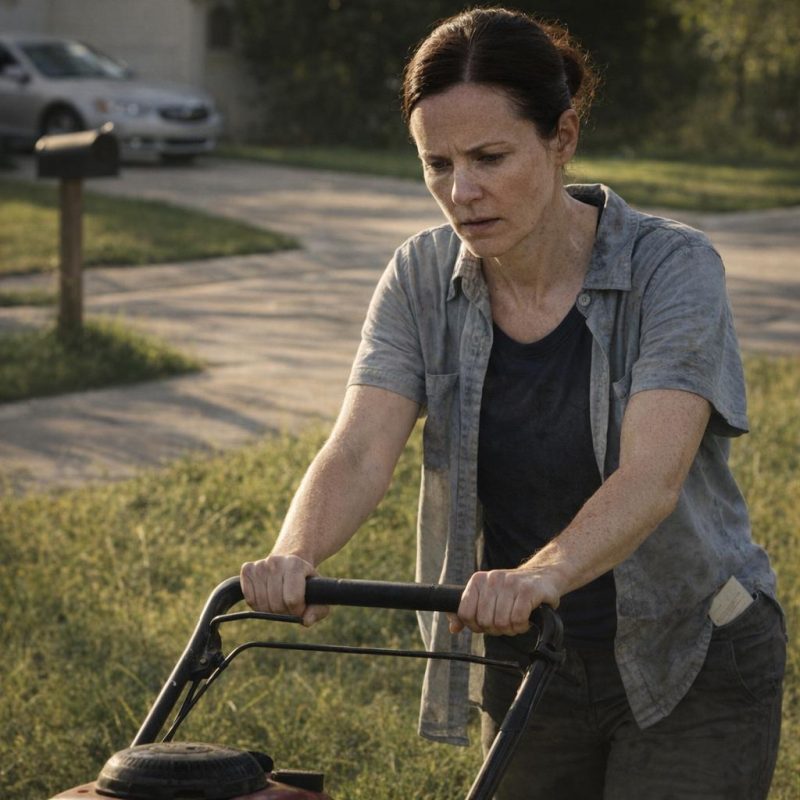 Image by RM AI
Confirmed Suspicions
I went digging through my files that night, pulling out every piece of paper I'd saved since moving in. The official HOA complaint about my moving truck was still there, tucked into a folder I'd labeled 'House Stuff' with more optimism than it deserved. I laid it next to the grass note on my kitchen table under the overhead light. Same handwriting. Same careful, controlled script. Same formal phrasing that managed to sound helpful while making you feel two inches tall. Then I remembered the brief note Richard had left on my door during that first week, something about the moving truck blocking part of his driveway. I'd kept it somewhere, and after twenty minutes of searching, I found it stuck in a drawer. I placed all three notes in a row and felt my stomach drop. They matched perfectly. Every letter formed the same way, every word spaced with identical precision. Richard had been documenting my violations since day one, watching my property, measuring my grass, keeping track of every little thing I did wrong. I sat there staring at the evidence, feeling sick. This wasn't just a personality clash or awkward neighbor tension. He wasn't just watching me—he was documenting everything.
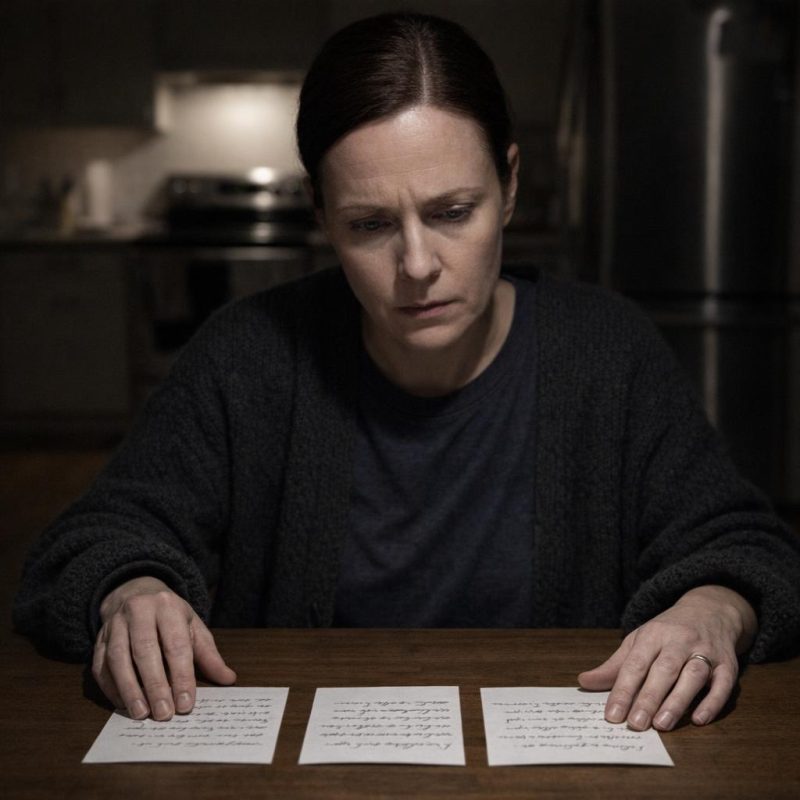 Image by RM AI
Tactical Avoidance
The avoidance started small and then became this elaborate routine I couldn't break. I'd check his driveway for his car before leaving my house each morning, timing my departures for when I knew he'd already left for work. Dog walks happened at odd hours—early morning before he was up, or late evening after he'd gone inside. If I saw his car in front when I was about to leave through the front door, I'd circle back and exit through the back, walking around the block to avoid passing his house entirely. It was ridiculous. I knew it was ridiculous. But months passed this way, and somehow the pattern just solidified into habit. I'd catch glimpses of him sometimes from my window, working in his yard with that same rigid posture, and occasionally I'd see him pause and look toward my house like he'd noticed my absence. My friends started asking why I seemed so tense all the time, and I couldn't explain it without sounding paranoid. How do you tell people you're living in fear of your neighbor who's never actually threatened you? I hated what I'd become—this anxious person checking windows before leaving her own house. The exhaustion of constant vigilance was wearing me down, but I couldn't stop. I started checking windows before leaving my own house, and I hated myself for it.
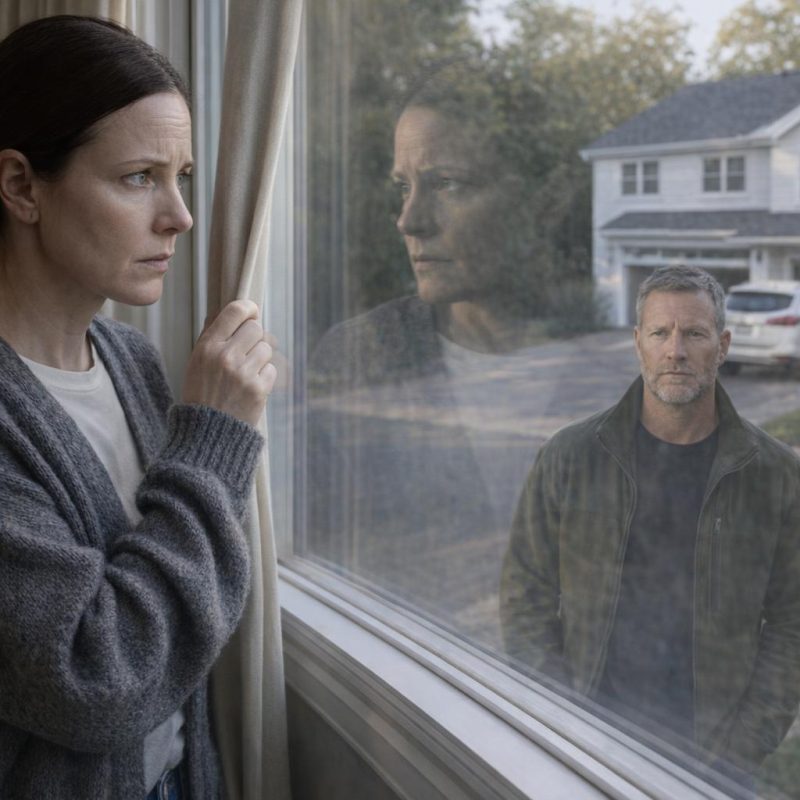 Image by RM AI
The Tree Branch Incident
The storm came through on a Wednesday night, and by Thursday morning there was a massive branch from Richard's maple tree lying across my front yard. It had crushed part of my flower bed and I could see my sprinkler head was broken, water pooling in the grass. I spent an hour dragging the branch pieces to the curb for municipal pickup, sweating and annoyed but figuring at least I was being a good neighbor by cleaning up the mess. I'd just discovered the broken sprinkler head and was holding it, trying to figure out if I could fix it myself, when Richard came storming across his lawn. His face was red, his jaw tight, and he was moving with this barely controlled anger that made me take a step back. He accused me of messing with his property, demanded to know why I was moving his belongings without permission. I just stared at him, completely confused, holding this broken piece of plastic. I explained the branch had fallen into my yard during the storm, that I was cleaning up the damage it caused to my property. He insisted I should have asked permission before touching anything from his tree. I pointed out that the branch came from his tree onto my property, making it my responsibility to deal with. We went back and forth, voices rising, until he just walked away mid-sentence, leaving me standing there with the broken sprinkler head. He accused me of messing with his property when the branch came from his tree.
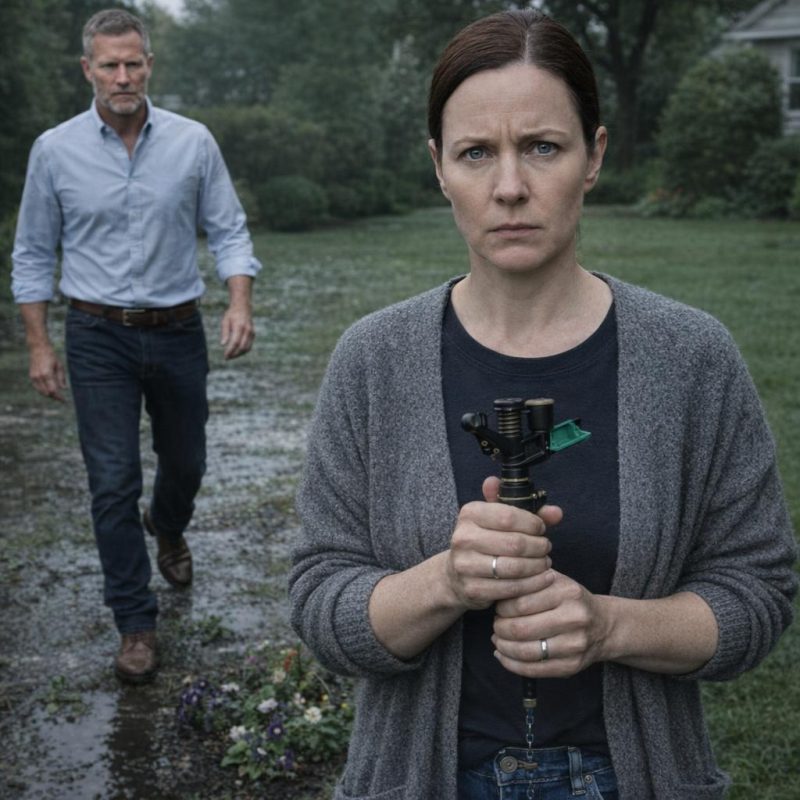 Image by RM AI
Theories and Excuses
I couldn't sleep that night. I lay in bed replaying every hostile interaction we'd had, trying to understand what I'd done to deserve this level of animosity. Maybe he was sexist, uncomfortable with a woman living alone next door. Maybe he judged divorced women as somehow less respectable, less deserving of being in his perfect neighborhood. I considered whether he had issues with anyone new on the street, but then I remembered Mrs. Henderson and the others all said he was pleasant with them. So maybe it was me specifically—maybe I reminded him of someone from his past, or maybe my face just rubbed him the wrong way from day one. His perfectionism could make him intolerant of normal people who didn't maintain their properties like museum exhibits. Or maybe he was just one of those people who needed someone to look down on, and I'd had the bad luck to move in next door. I cycled through theories until my brain hurt, but none of them really explained the sustained hostility, the careful documentation, the constant monitoring. Eventually I just accepted that some people are inexplicably hostile, and you can't fix or understand it no matter how hard you try. Maybe some people were just determined to make others miserable, and I'd had the bad luck to live next door to one of them.
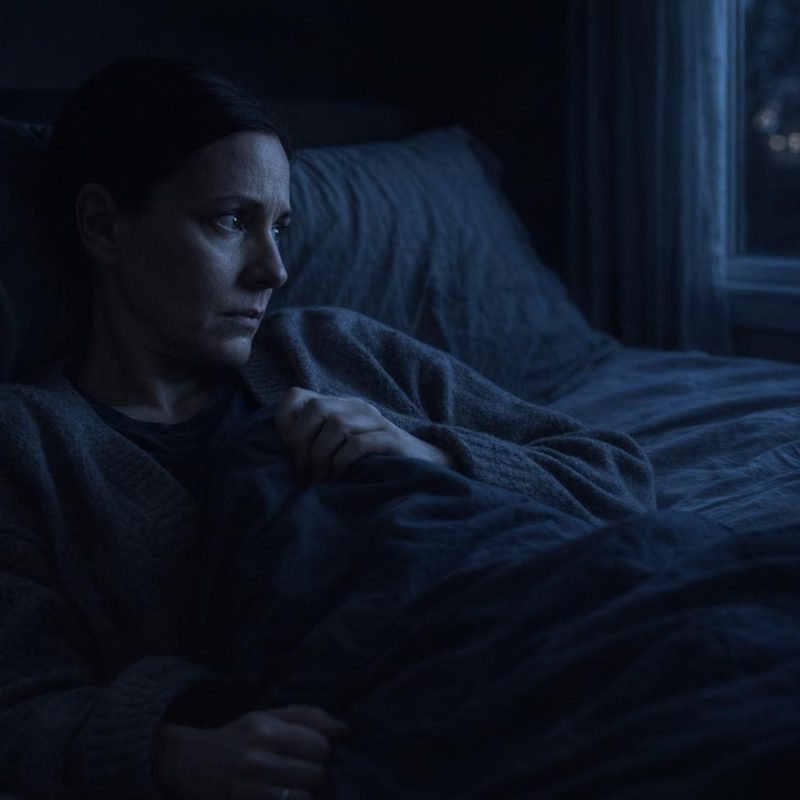 Image by RM AI
One Year In
One year. I realized it on a Saturday morning while drinking coffee and watching Daisy sleep in her patch of sunlight. It had been exactly one year since I'd moved into this house, since I'd unpacked those boxes full of hope and fresh-start optimism. I remembered standing in this same living room thinking about how peaceful the neighborhood seemed, how perfect the tree-lined street looked. Now I could list every hostile encounter with Richard chronologically—the moving truck complaint, the grass note, the branch confrontation, dozens of cold stares and deliberate avoidance. This house was supposed to be my refuge after the divorce, the place where I'd rebuild my life into something better. Instead, I'd found a different kind of stress, a different kind of walking on eggshells. I thought about moving again but immediately rejected the idea. I couldn't afford it financially, and emotionally I couldn't handle admitting defeat twice in two years. So I sat there with my dog, looking out at Richard's perfect lawn through my window, and accepted that this cold war was just my reality now. The peaceful fresh start I'd imagined was gone, replaced by this permanent state of tension I'd have to learn to live with. I'd moved here for a fresh start, and somehow I'd found a different kind of prison.
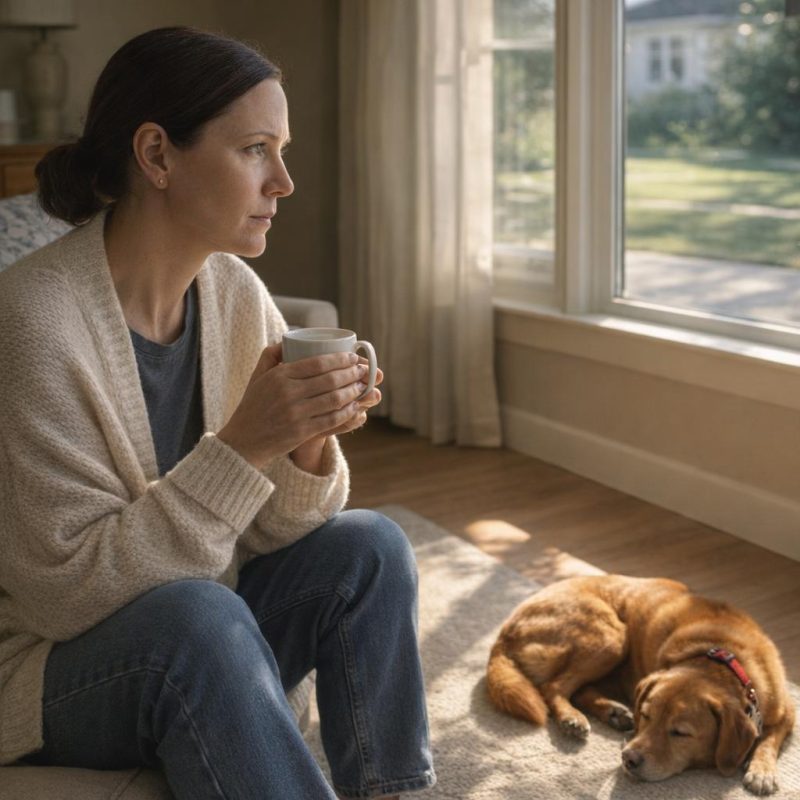 Image by RM AI
The Call
My sister's call came on a Tuesday evening while I was doing dishes, and I knew something was wrong the second I heard her voice. Mom had collapsed at home that morning. The hospital ran tests. The doctor used words like aggressive and limited time and we need to discuss care options. My hands went numb holding the phone, soap suds dripping onto the floor. My sister's voice kept going, explaining about treatment possibilities and the prognosis, but I couldn't process most of it. Mom was sixty-eight and had always been healthy, one of those stoic women who never complained and rarely went to doctors. Now suddenly there was this diagnosis, this timeline measured in weeks or maybe months, and I needed to start thinking about care schedules and medical appointments. I asked questions I don't remember, wrote down information on the back of an envelope with shaking hands. When I hung up, I stood in my kitchen for a long time, just breathing. All those months I'd spent consumed by the Richard situation, obsessing over notes and confrontations and perceived slights, suddenly seemed so incredibly small. I felt guilty for wasting emotional energy on neighbor drama when real crisis had been waiting in the wings. The doctor said weeks, maybe months, and suddenly Richard seemed like the least of my problems.
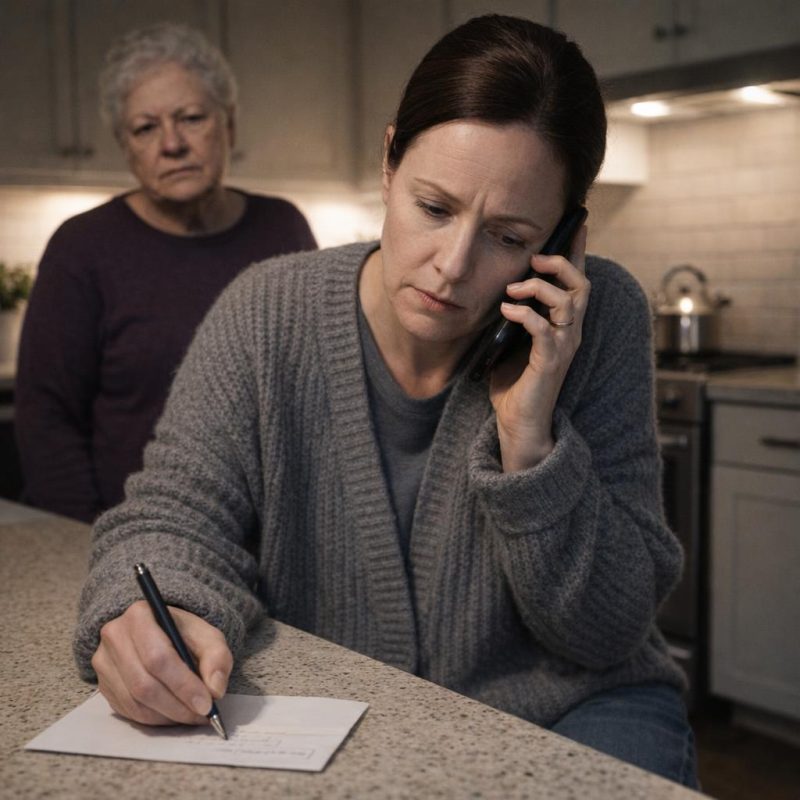 Image by RM AI
Divided Attention
The drives started that weekend and quickly became my new reality. Three hours each way, three or four times a week, sometimes more when Mom had appointments. I'd leave before dawn to avoid traffic, arrive at her house to help with breakfast and medications, take her to doctor visits or just sit with her while she rested. Then I'd drive three hours back, usually arriving home after dark, exhausted and hollow. I was using every vacation day and personal day I had, working remotely when I could, letting emails pile up when I couldn't. My house fell apart around me—dishes in the sink, laundry unfolded, that broken sprinkler head still sitting on my counter. Daisy got minimal walks and spent most days sleeping, probably depressed by my absence. I stopped noticing whether Richard's car was in his driveway or whether he was outside. I stopped caring about grass height and property lines and anonymous notes. Work deadlines blurred together, and I found myself apologizing constantly to my boss for delayed responses and missed meetings. My friends stopped calling after I canceled plans for the third time. I was running on coffee and adrenaline and this terrible knowledge that time was finite and I was watching it run out. I was running on empty, and somehow I still had to pretend everything was fine at work.
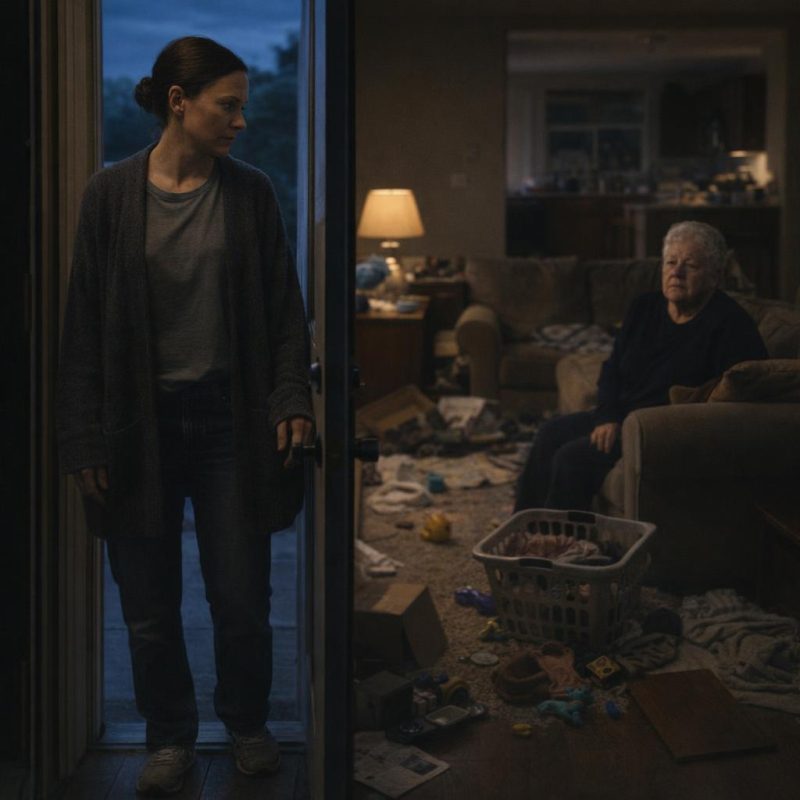 Image by RM AI
Triage Mode
My boss sent me an email with the subject line "We need to talk" after I missed my third deadline in two weeks. I stared at it on my phone while sitting in a hospital waiting room, my mother getting another scan down the hall, and I just... couldn't bring myself to care. The work that had once defined me felt like something happening to someone else. I'd drive home at midnight to find my lawn overgrown, mail spilling out of the box, trash bins still at the curb three days after pickup. My neighbors probably thought I'd abandoned the place. I'd stumble inside, feed Daisy, collapse on the couch still wearing yesterday's clothes, then wake up at five to do it all again. I was surviving on gas station coffee and whatever I could grab from hospital vending machines. My hands shook constantly. I couldn't remember the last time I'd eaten a real meal or slept more than three hours. The house fell apart around me in slow motion—dishes growing mold in the sink, that broken sprinkler head still mocking me from the counter, bills I'd forgotten to open. When I got home that night and saw Richard trimming his hedges in the dusk, I didn't even care anymore.
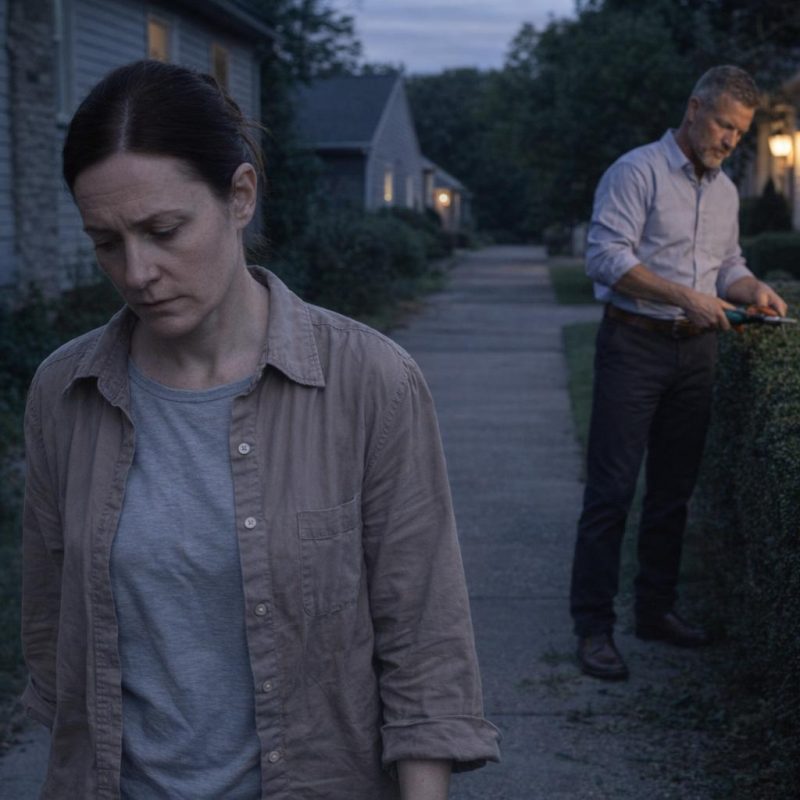 Image by RM AI
The Barbecue
Bob Patterson's invitation sat on my counter for a week before I even opened it. A neighborhood barbecue felt like something from another dimension, but when I got home early one Saturday—Mom was having a good day and insisted I leave—I thought maybe an hour of normal human interaction wouldn't kill me. Bob's backyard was full of people I vaguely recognized from passing waves and awkward small talk at mailboxes. He greeted me with a beer and that easy smile of his, introducing me around like I was a new neighbor instead of someone who'd lived here for years. Mrs. Henderson cornered me immediately with questions about my lawn situation, which I deflected with vague promises to handle it soon. I stood near the food table, picking at a burger I couldn't taste, watching everyone laugh and chat like their lives weren't falling apart. I felt like an alien observing human customs. People kept asking if I was okay, and I kept lying and saying I was fine. The sun was setting, casting long shadows across Bob's perfectly maintained yard, when I saw movement near the gate. Then I saw Richard arrive carrying a plate of food and looking as uncomfortable as I felt.
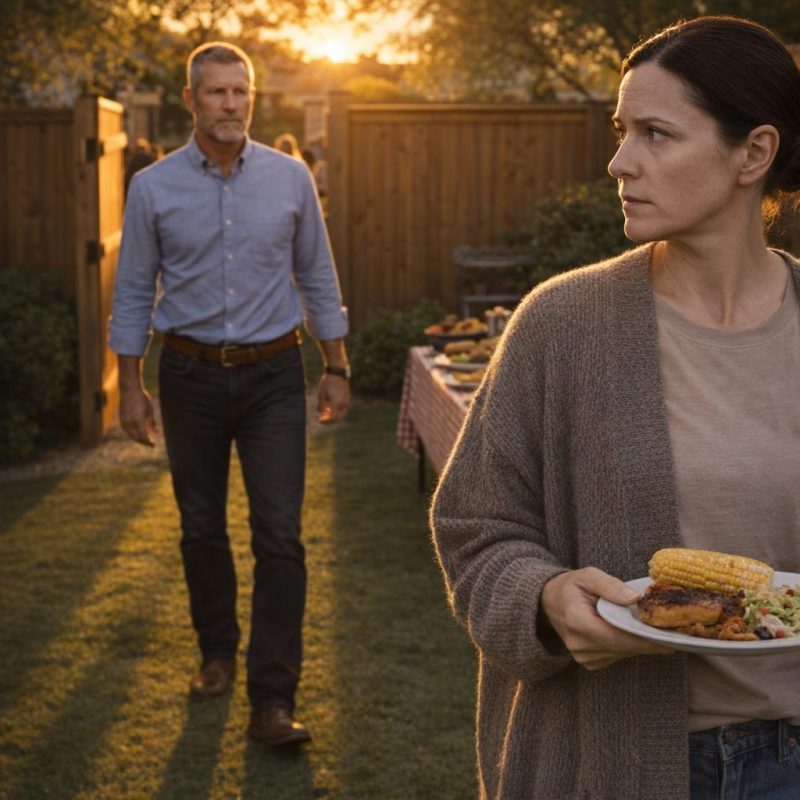 Image by RM AI
The Question
I was refilling my drink when I heard Bob's voice carry across the patio. He'd cornered Richard near the grill, and I could see Richard's rigid posture even from fifteen feet away. "Hey man, I gotta ask," Bob said with that joking tone people use when they're half-serious, "why are you always so grumpy around Liz specifically? You're fine with everyone else on the street." I froze with the lemonade pitcher in my hand. Richard's head snapped up, and the confusion on his face looked completely genuine. "What are you talking about?" he asked, and he sounded honestly bewildered. Bob shrugged, taking a sip of his beer. "I don't know, just something I've noticed. You get all stiff whenever she's around." Richard frowned, looking down at his plate like it might have answers. "I don't... I'm not grumpy around her." The way he said it—like he truly had no idea what Bob meant—made my stomach drop. Bob laughed and changed the subject, and Richard walked away still looking puzzled, and I stood there holding that stupid pitcher thinking I might be losing my mind. The genuine confusion on Richard's face made absolutely no sense given our history.
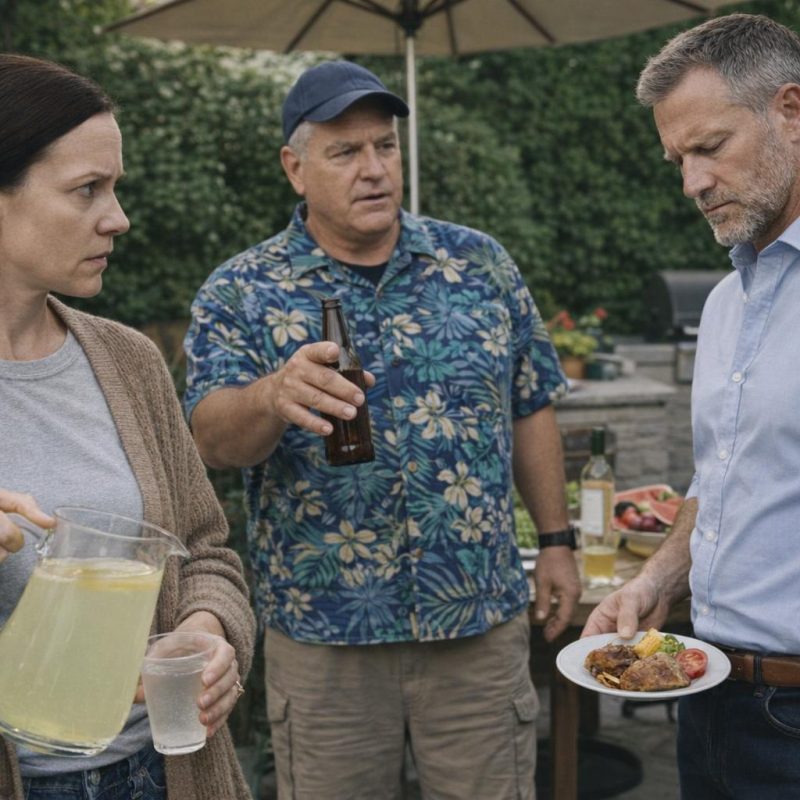 Image by RM AI
Second Thoughts
The three-hour drive to Mom's house the next morning gave me way too much time to think. I kept replaying Richard's expression when Bob called him out—that startled, genuinely confused look. How could he not know we had a hostile relationship? How could someone be that oblivious to six years of tension? Unless... unless I'd been the only one who thought it was hostile. The idea made my skin crawl. I started picking apart every interaction we'd had, looking for cracks in my certainty. The tree branch thing—had he actually been aggressive, or had I interpreted his awkwardness as hostility because I was already defensive? The HOA complaints about my lawn—what if those weren't personal attacks but just his weird way of being helpful? He'd lost his wife years ago, I remembered someone mentioning. Maybe he didn't know how to talk to people anymore. Maybe his stiffness wasn't anger but social anxiety. Maybe my divorce had left me so raw that I'd projected rejection onto every awkward interaction. The thoughts spiraled as highway miles disappeared beneath my tires. I arrived at Mom's house with my head full of uncomfortable questions I didn't have time to answer. Was it possible I'd been wrong about everything?
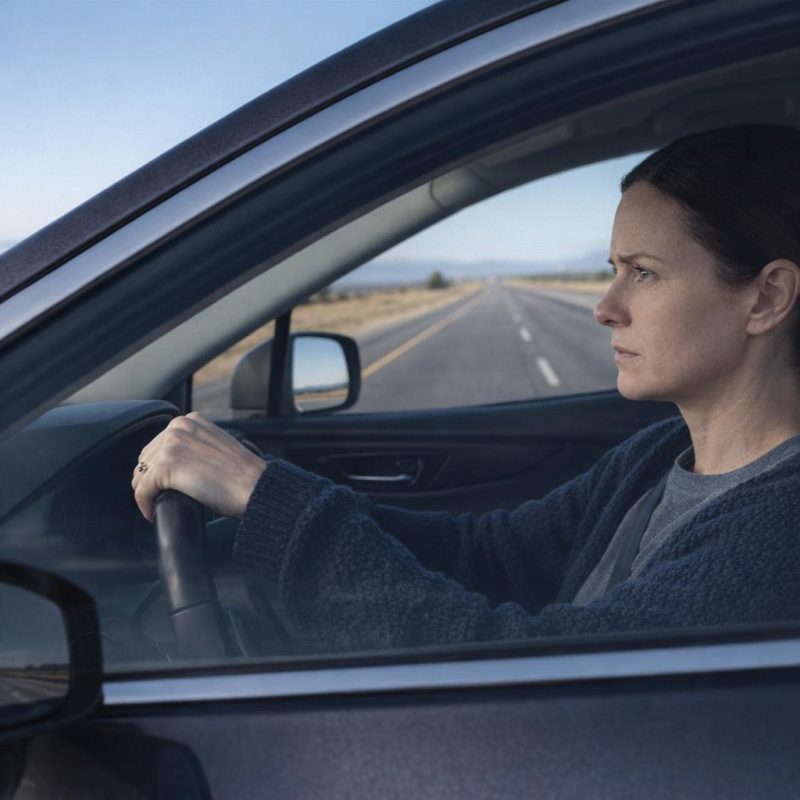 Image by RM AI
Fading Focus
Mom stopped eating three weeks later. The hospice nurse said it was normal for this stage, said her body was shutting down, said we should focus on keeping her comfortable. I moved into her house completely, sleeping on the couch, waking every few hours to check on her. My boss stopped emailing. My friends stopped texting. The world narrowed to this one room, this one person, these final days that stretched and compressed simultaneously. I'd drive home once or twice a week just to check on Daisy and grab clean clothes, but I barely saw my own house anymore. I definitely didn't see Richard. I didn't see anyone. The neighborhood drama that had consumed so much of my mental energy for six years just... evaporated. It felt absurd that I'd ever cared about property lines and HOA complaints and whether my neighbor liked me. My mother was dying, and nothing else registered as real. I'd sit by her bed holding her hand, watching her chest rise and fall, and think about all the time I'd wasted being angry about things that didn't matter. The neighborhood conflict that had consumed so much of my energy suddenly felt like something from another lifetime.
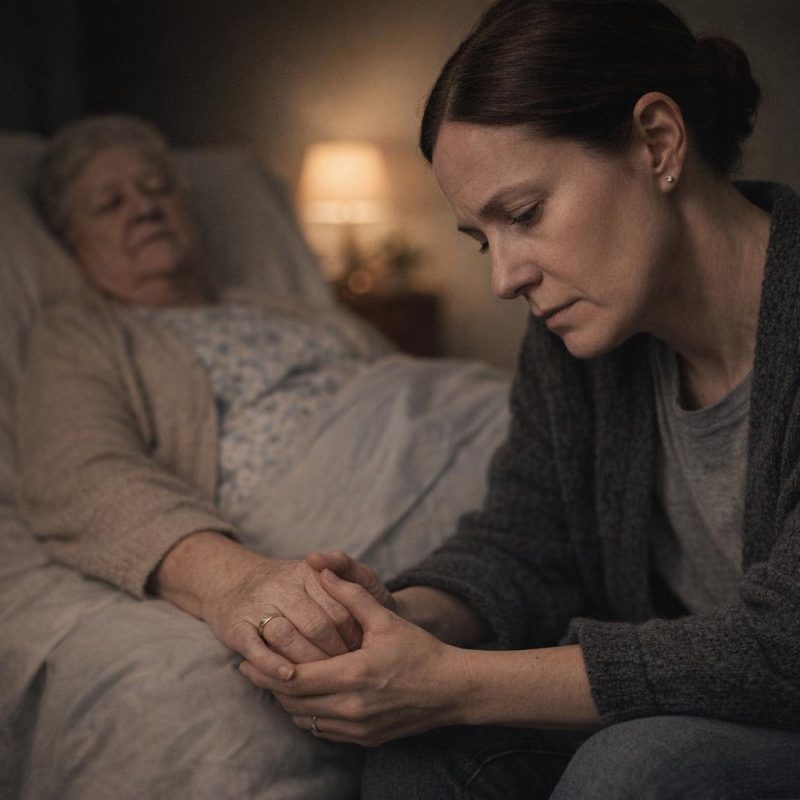 Image by RM AI
The First Mystery
I came home after three days straight at the hospice facility to find my driveway completely clear. We'd gotten eight inches of snow while I was gone—I'd seen it accumulating through the hospital windows—and I'd been dreading the hour of shoveling that waited for me. But someone had cleared it all. Not just cleared it—scraped it down to bare pavement, salted the walkway, even brushed off my car. I stood there in the dark, my overnight bag hanging from my shoulder, staring at the clean concrete like it was a miracle. No note. No indication of who'd done it. I walked through my cold house in a daze, turning on lights, finding everything exactly as I'd left it except for Daisy, who greeted me with unusual gentleness, like she could sense I was barely holding together. I sat on the couch still wearing my coat and just cried. Not dramatic sobbing, just tears running down my face while I stared at nothing. Someone had helped me. Someone had seen I was drowning and thrown me a rope without asking for anything in return. I was too exhausted to figure out who had done it, but the kindness made me want to cry.
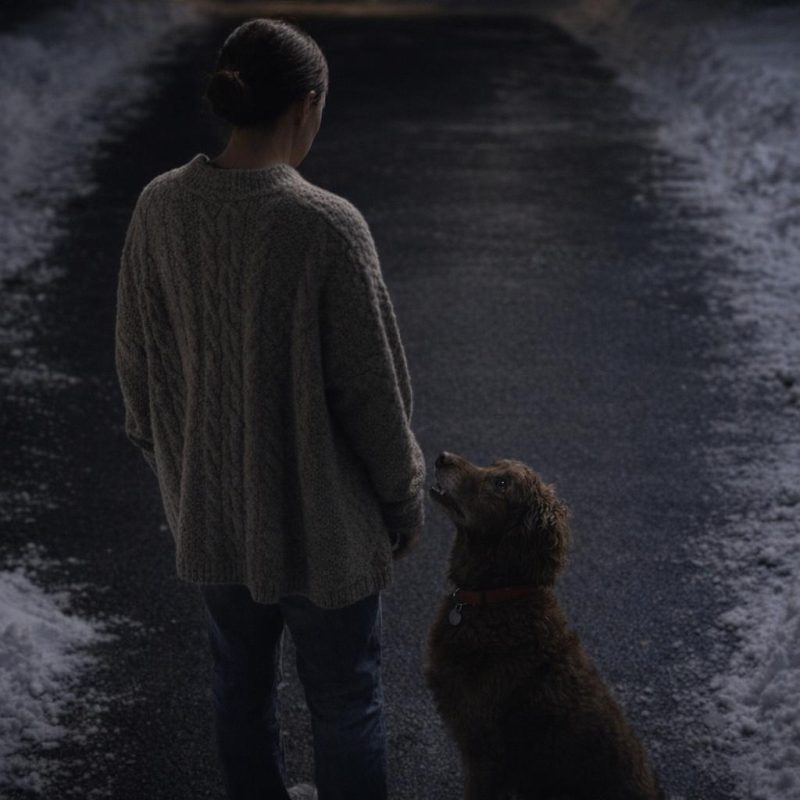 Image by RM AI
Anonymous Angels
Trash day came and went while I was at the hospital, and when I got home late that night, my bins were already back from the curb, lids closed, positioned neatly by my garage. I stood in my driveway staring at them, trying to remember if I'd somehow put them out before I left. But I knew I hadn't—I'd been too rushed, too distracted. The following week, same thing. I never moved the bins, but they appeared at the curb on schedule and returned to their spot afterward. Then I noticed my mailbox wasn't overflowing anymore even though I hadn't checked it in days. A package that had been left on my porch got moved to the covered area by my door before the rain hit. Every time it snowed, my driveway was cleared before I even got home. I kept meaning to ask Bob if he'd organized some kind of neighborhood help rotation, but I never had the energy to follow through. Maybe it was him. Maybe it was several people taking turns. I filed it away as something to figure out later, after Mom passed, after I could think straight again. Someone was quietly helping me survive, and I had no idea who.
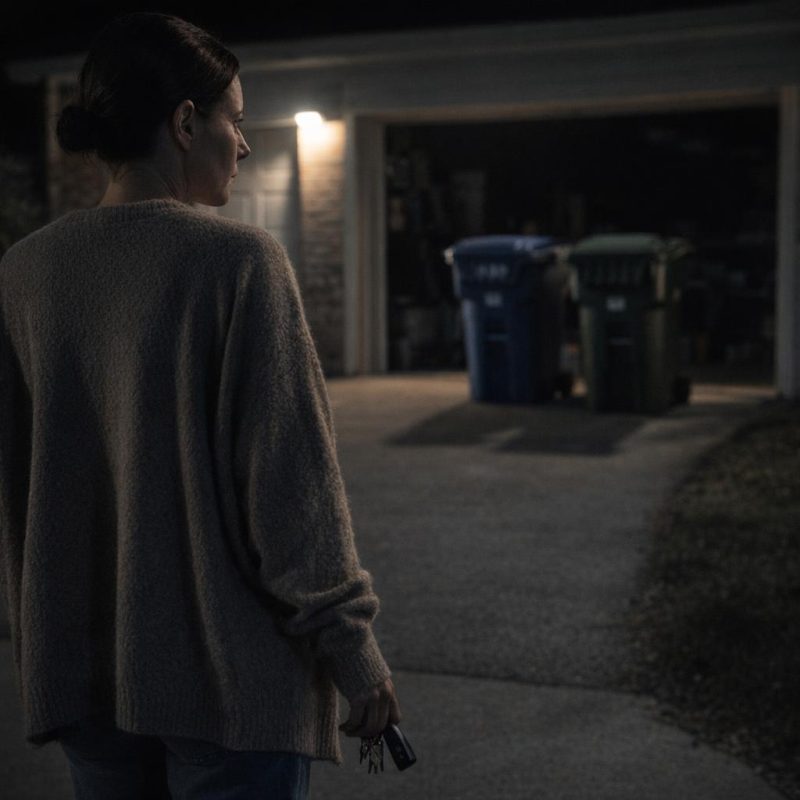 Image by RM AI
Survival Mode
December disappeared in a fog of hospice visits and difficult conversations with doctors about comfort care. I moved through my days on autopilot—drive, sit, hold Mom's hand, drive back, sleep, repeat. But the small helps kept appearing around my property like gifts from invisible angels. Ice scraped from my windshield on frozen mornings before I even got outside. Walkway salted after freezing rain. My house somehow looked maintained despite my complete absence, and I felt this vague guilt about not investigating, not thanking whoever was doing all this. But I was so tired. Tired in my bones, in my soul, in places I didn't know could be exhausted. I'd make mental notes to figure it out later, to bake cookies or write thank-you cards or at least ask around, but then Mom would have a bad night and everything else would evaporate again. The helps continued reliably—trash bins, snow removal, mail collection—and I stopped actively noticing them, just accepted them as part of this strange new reality where I was barely functional but somehow still surviving. I should have paid more attention, but staying alive felt like enough of an accomplishment.
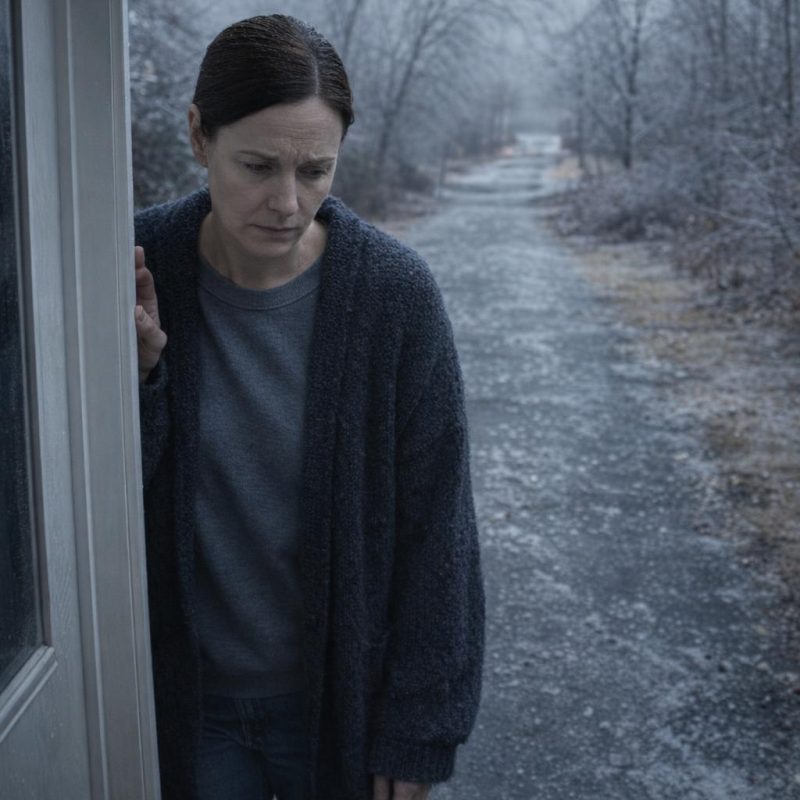 Image by RM AI
Glimpse
I woke up at five-thirty that morning because my brain had apparently forgotten how to sleep for more than three hours at a stretch. The house was dark and cold, and I stood at the kitchen window with my hands wrapped around a coffee mug, staring out at nothing in particular. That's when I saw him. Richard, walking across the space between our properties in that stiff, purposeful way he moved, carrying a shovel over his shoulder. My driveway behind him was completely clear—no snow, perfectly scraped down to the pavement. I watched him disappear into his garage, my exhausted brain struggling to make sense of what I was seeing. Richard had been clearing my driveway. Richard, who complained about my trash bins and glared at me from his porch. Richard, who I'd assumed hated me for six solid years. I stood there frozen, coffee going cold in my hands, trying to process this information that didn't fit anywhere in my understanding of our relationship. My thoughts moved like sludge, too tired to form coherent conclusions. Before I could process what I'd seen, my phone rang with news from the hospice.
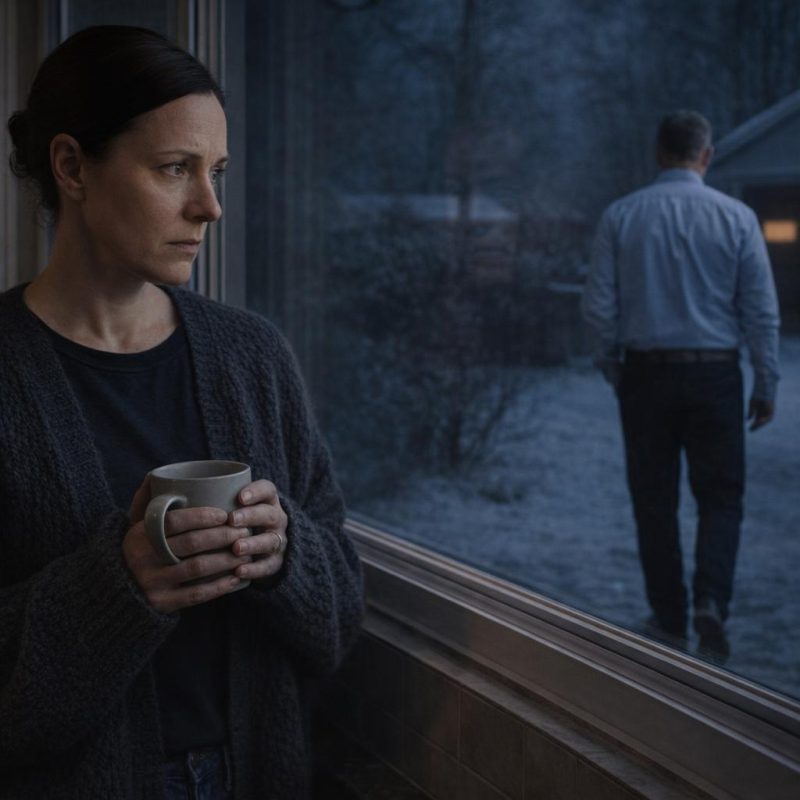 Image by RM AI
Contradictions
I spent that night in the uncomfortable vinyl recliner beside Mom's bed, listening to her labored breathing and trying not to think about what the nurse had said about her vitals. But my mind kept drifting back to that image of Richard walking away from my driveway with the shovel. And once that memory surfaced, others followed. I remembered the time he'd appeared with jumper cables during that thunderstorm without me even asking. The Christmas morning he'd handed me security footage of the package thief before I'd even realized anything was stolen. The way my walkway was always salted after ice storms, my trash bins always returned to the right spot, my mail collected when I was away. Every single one of these moments contradicted the narrative I'd built about him over six years. He complained about my property maintenance, but then he maintained it himself when I couldn't. He avoided eye contact and spoke in clipped sentences, but he showed up when I needed help. None of it made sense. I was too exhausted and too scared about Mom to think clearly about any of it. The pattern didn't make sense, but I didn't have the capacity to understand it.
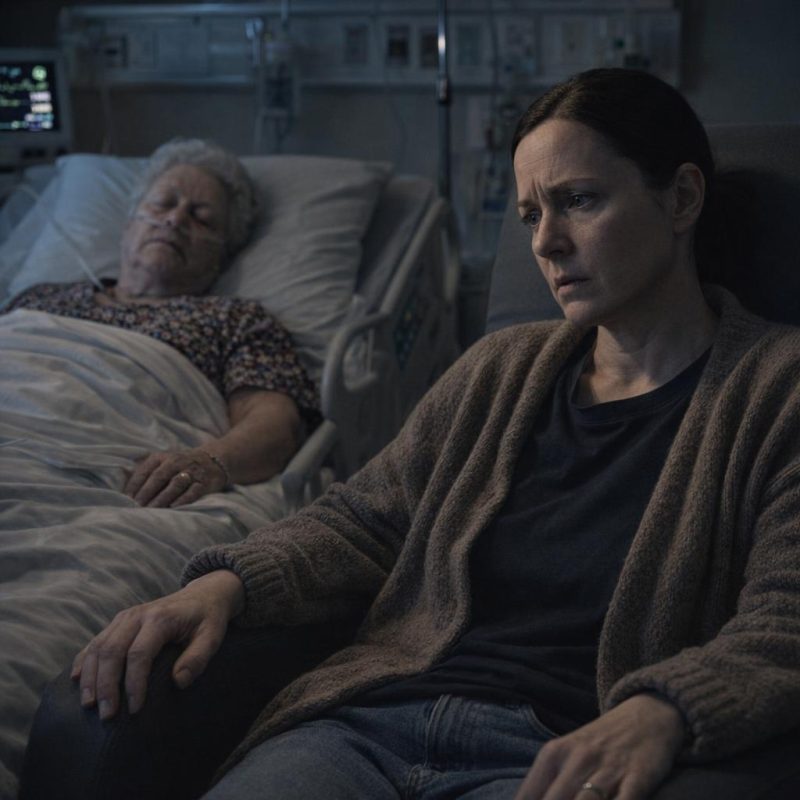 Image by RM AI
The Battery
Around three in the morning, while Mom slept fitfully and machines beeped their steady rhythm, my mind pulled up another memory I hadn't thought about in over a year. I'd come home during a violent thunderstorm to find my car battery completely dead. I'd stood there in the pouring rain, phone dying, trying to figure out what to do, when Richard appeared out of nowhere with jumper cables. He didn't say hello or ask if I needed help—just connected the cables efficiently, got my car started, then disconnected everything and walked back to his house without a single word. At the time, I'd been annoyed by his abruptness. I'd thought he was being rude, helping me but making it clear he didn't want to interact. But now, sitting in this hospice room watching my mother die, I wondered if I'd gotten it completely wrong. Maybe he wasn't being rude. Maybe he was just uncomfortable with social interaction and didn't know how to handle the situation. Maybe his quick retreat wasn't hostility but awkwardness. He'd walked away before I could even say thank you, and at the time I'd thought he was just being rude.
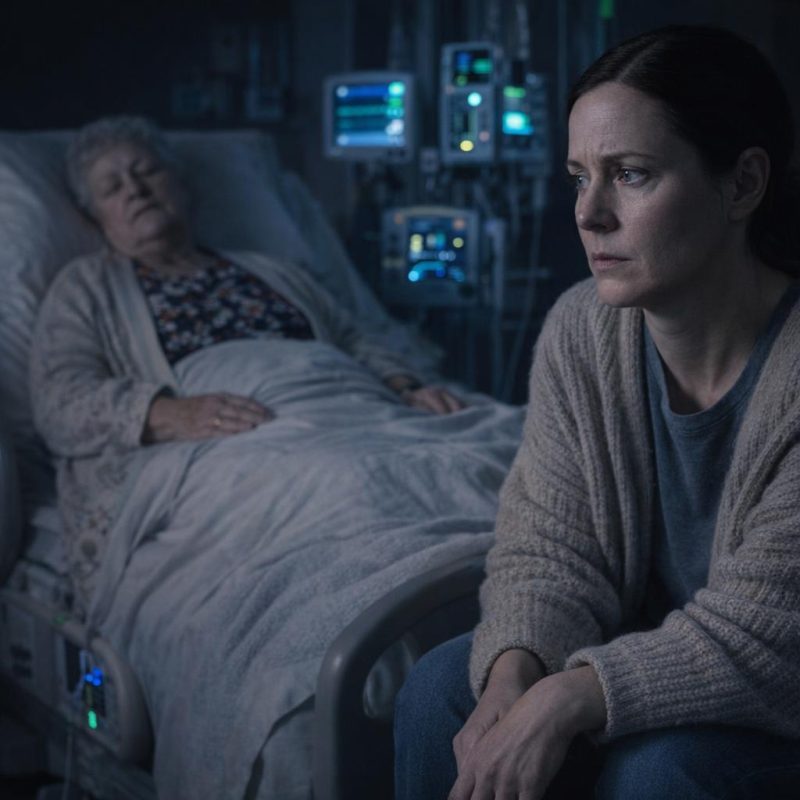 Image by RM AI
The Package
Dawn broke slowly through the hospice window, gray light creeping across the linoleum floor. I couldn't bear to focus on Mom's weakening breathing, so I let my mind escape into another memory. Christmas morning, two years ago. I'd discovered a package stolen from my porch, barely had time to feel annoyed about it when Richard knocked on my door. He handed me a USB drive without preamble, said the footage showed the thief clearly, then left. I'd felt disturbed by it at the time—was he recording my property constantly? It had seemed invasive, like he was surveilling me. But now I wondered if I'd misunderstood that too. What if he'd been watching out for me, not spying on me? What if all those cameras weren't about control but about protection? Why would he care if my packages got stolen? Why would he bother to queue up the footage and bring it to me? None of it fit with the hostile neighbor narrative I'd carried for six years. Maybe I'd been fundamentally wrong about who Richard was and what our relationship meant. I'd assumed he was showing off his surveillance system, but maybe I'd been wrong about that too.
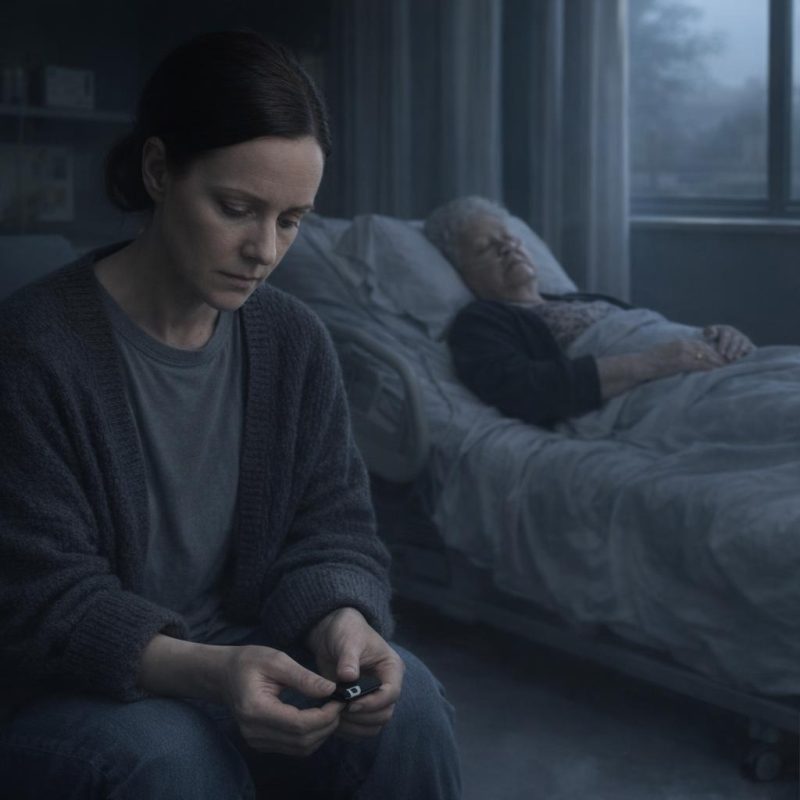 Image by RM AI
Hospice
The doctors told me Mom had maybe three days left, possibly less. I moved into her hospice room completely, sleeping in that awful recliner, eating whatever the vending machines offered, losing track of time as day and night blurred together. My sister visited when she could, but I refused to leave Mom's side for more than bathroom breaks. I held her hand and talked to her even when she couldn't respond, sang the lullabies she used to sing to me, told her stories from my childhood. Somewhere around day five of not going home, I had this vague awareness that I hadn't checked on my house in almost a week. A brief thought flickered through my grief-soaked brain—who was taking care of things? Who was bringing in my mail, clearing my walkway, making sure everything looked maintained? But the thought dissolved before I could examine it. My entire world had narrowed to this small room, this hospital bed, my mother's increasingly shallow breathing. Nothing else mattered. Nothing else could matter. I stopped going home at all, and somewhere in the back of my mind I wondered who was taking care of my house.
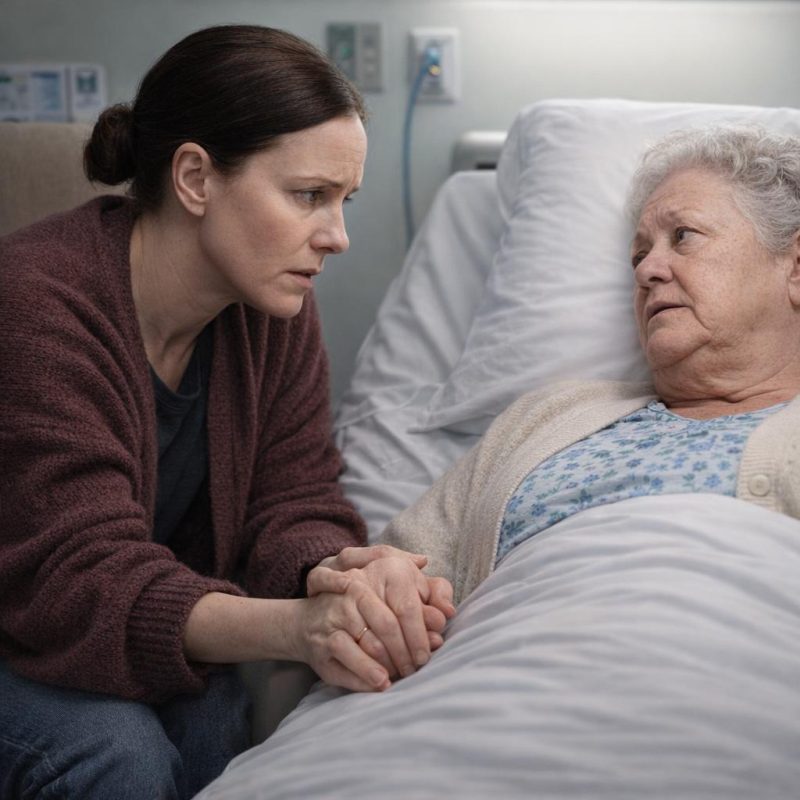 Image by RM AI
The Last Week
Those final days passed in a strange suspended reality where time moved both impossibly slow and terrifyingly fast. Mom drifted in and out of consciousness, occasionally squeezing my hand when I sang to her. I told her about every good memory I could think of, thanked her for everything she'd done for me, promised her I'd be okay even though I had no idea if that was true. My sister sat with us when she could, but mostly it was just me and Mom in that quiet room. Wednesday morning, her breathing changed. I recognized the pattern the nurses had described—irregular, with long pauses that made my heart stop. I held her hand tighter and told her it was okay to go, that I loved her, that she'd been the best mother anyone could ask for. She took one more breath, then another, then nothing. The room became impossibly quiet after they turned off the machines. I sat there holding her still-warm hand, unable to process that she was actually gone. When she took her last breath on a Wednesday morning, I realized I'd forgotten how to exist in a world without her.
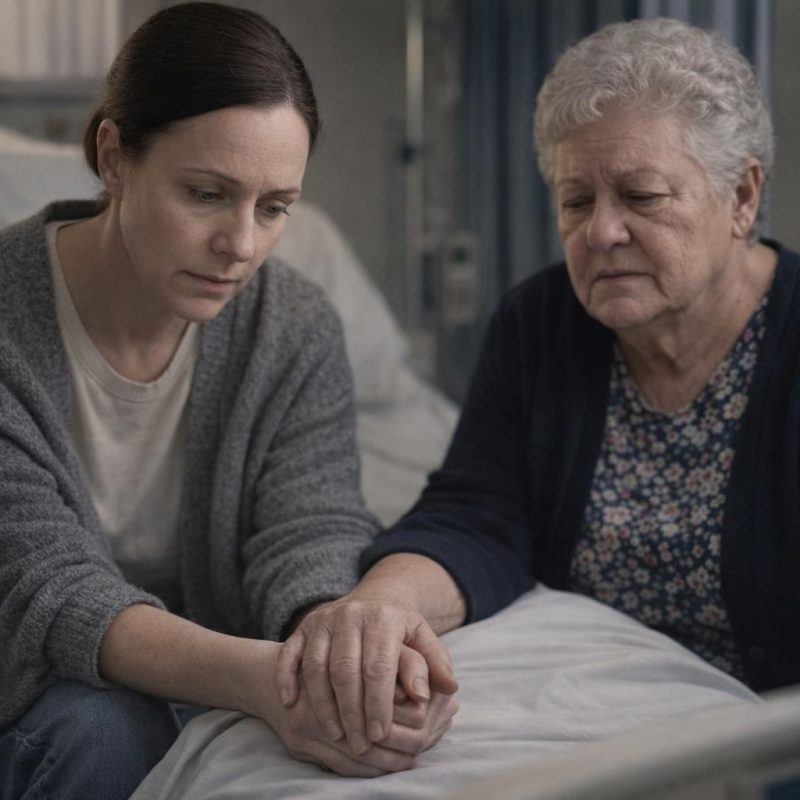 Image by RM AI
Aftermath
The next few days happened to someone else while I watched from inside my own head. I signed paperwork at the funeral home, chose a casket that looked like something Mom would have liked, picked out flowers without feeling anything at all. My sister handled most of the details while I sat there vacant, nodding at whatever she suggested. I wrote an obituary that listed the facts of Mom's life in neat chronological order, selected photos for a memorial slideshow, returned calls from relatives using the same rote responses over and over. Everyone kept telling me how sorry they were, offering condolences that bounced off the numbness surrounding me like I was wrapped in bubble wrap. I agreed to whatever arrangements people proposed, made decisions without actually deciding anything. Time passed in weird jumps—suddenly it was Tuesday, then Thursday, then the funeral was tomorrow. I went through all the motions of appearing functional, saying the right things, accepting sympathy gracefully. Inside I was completely hollow, just going through a performance of being okay. Everyone kept asking if I was okay, and I kept lying and saying yes.
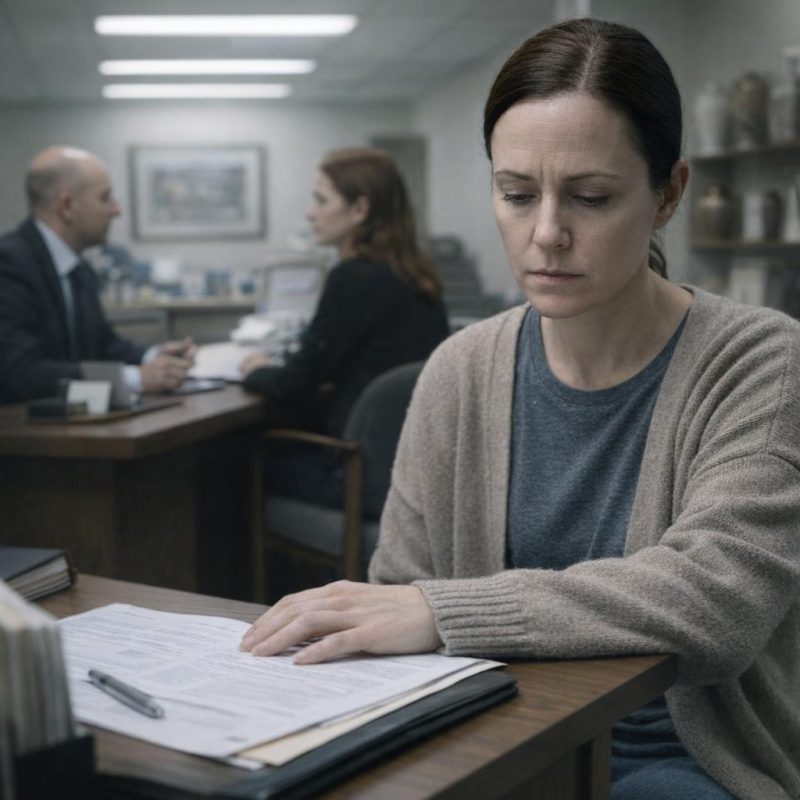 Image by RM AI
The Funeral
I woke up in a hotel room on Friday morning and put on the black dress I'd bought specifically for this day. Applied makeup with mechanical precision, drove to the funeral home, stood in the receiving line greeting people whose faces I barely registered. I accepted hugs from relatives I hadn't seen in years, listened to condolences that sounded like they were coming from underwater. The service happened around me while I sat in the front row hearing words without comprehension. At the cemetery, I watched them lower the casket into frozen ground and felt nothing, absolutely nothing. The reception afterward was hours of small talk and well-meaning people offering support I couldn't absorb. Finally, I escaped to my car and drove home alone for the first time in two weeks. When I pulled into my driveway, I sat there for a moment staring at my house. It looked maintained, cared for, like someone had been living there. But it felt completely foreign, like I was looking at a stranger's home. I walked inside and stood in my own living room feeling lost. When I finally returned home that evening, the house felt like a stranger's.
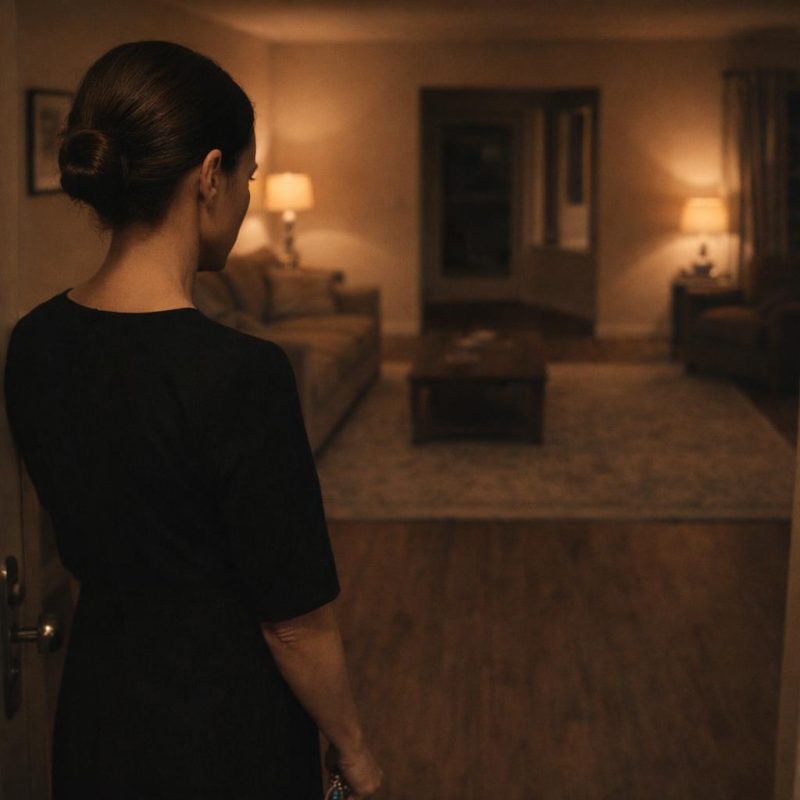 Image by RM AI
Empty House
I stood in my living room that evening and felt like I'd walked into someone else's house. The place was clean—not just tidy, but actually maintained. No dust on the surfaces, no pile of mail scattered across the floor. Someone had been coming inside. The walkway outside had been cleared of snow multiple times, I could tell from the neat edges. My mail sat in a careful stack just inside the storm door. The trash bins were in their proper spots by the garage, not tipped over or buried in drifts. I walked through each room in a daze, cataloging evidence of care I hadn't provided. Then Daisy came trotting over, tail wagging in that slow, deliberate way of hers, and she looked healthy. Well-fed. Her water bowl was full and clean. Her food dish showed signs of regular meals. Someone had been walking her, feeding her, keeping her alive while I fell apart two hours away. I should have felt grateful. I did feel grateful. But I also felt this creeping confusion that I couldn't quite process through the fog of grief. Who had a key? Who had been in my house? I sank onto the couch, Daisy's head in my lap, surrounded by all this anonymous kindness. Someone had been taking care of everything while I fell apart, and I had no idea who.
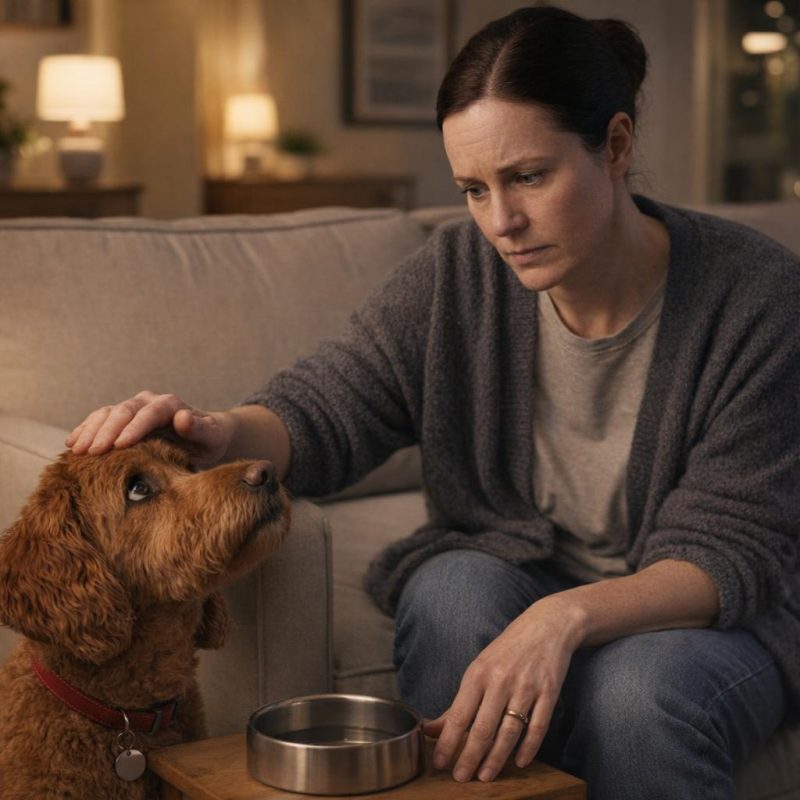 Image by RM AI
Winter Sets In
January settled over everything like a frozen blanket. The temperatures dropped into single digits and stayed there for days at a time. I watched the weather forecasts scroll across my television screen—winter storm warnings, ice advisories, dangerous wind chills—and felt absolutely nothing. The meteorologists kept using words like "treacherous" and "life-threatening" with increasing urgency, but their warnings slid off me like water off glass. I stopped getting dressed most days. Lived in the same pajamas for seventy-two hours straight. Ate crackers and cheese when I remembered to eat at all. Daisy became my only anchor to any kind of routine—she needed to go out, so I opened the door. She needed food, so I filled her bowl. Everything else felt optional, negotiable, pointless. The freezing rain started on a Tuesday. I watched ice coat my windows in crystalline patterns and thought distantly that it was pretty. The television kept repeating stay-home advisories. Schools closed. Businesses shut down. The world outside became a skating rink, and I registered it the way you might notice wallpaper in a waiting room. The weather forecast kept mentioning black ice, but I couldn't make myself care about anything.
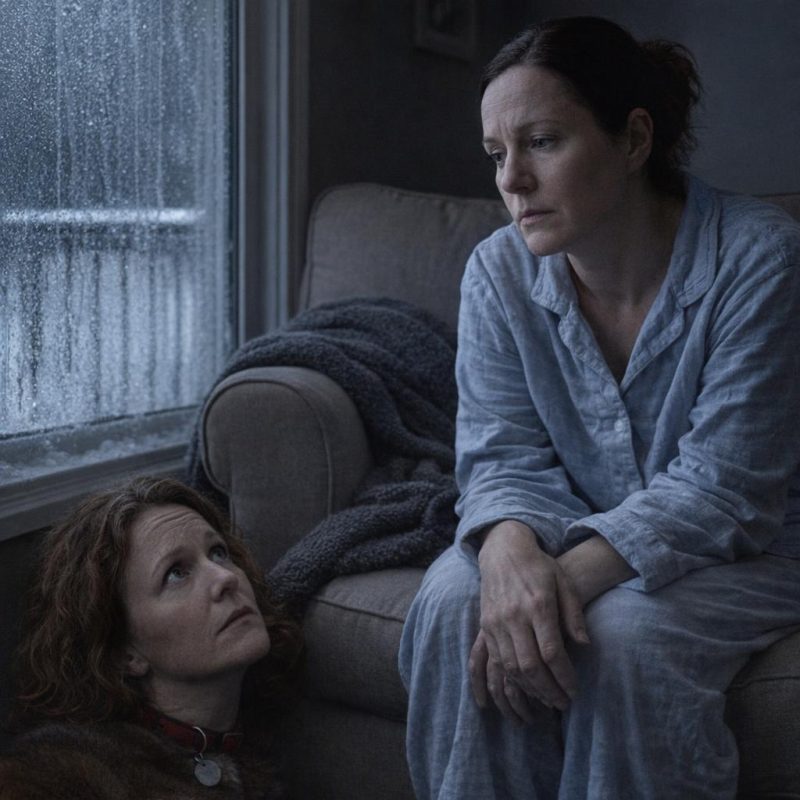 Image by RM AI
Dangerous Errands
I woke up Thursday morning to a landscape that looked like it had been dipped in glass. Every surface outside my window gleamed with ice. The television was still running weather warnings on a loop—stay inside, roads impassable, emergency crews overwhelmed. I stood in my kitchen and realized I was out of coffee. Also milk. Also the prescription I'd been taking to help me sleep through the worst of the grief. The empty house pressed in on me from all sides. I couldn't spend another day trapped inside these walls with nothing but my thoughts and the ghost of my mother in every room. I knew going out was stupid. The rational part of my brain that was still functioning said very clearly: this is dangerous, don't do this. But the larger part of me—the part that had been running on autopilot for weeks—didn't care. Maybe even wanted something to happen. Some external crisis to match the internal one. I got dressed in real clothes for the first time in days. Found my purse. Grabbed a shopping list I'd started three days ago and never finished. Told myself the stores were probably open and the main roads would be salted. I knew it was stupid the moment I stepped outside, but by then I was already committed.
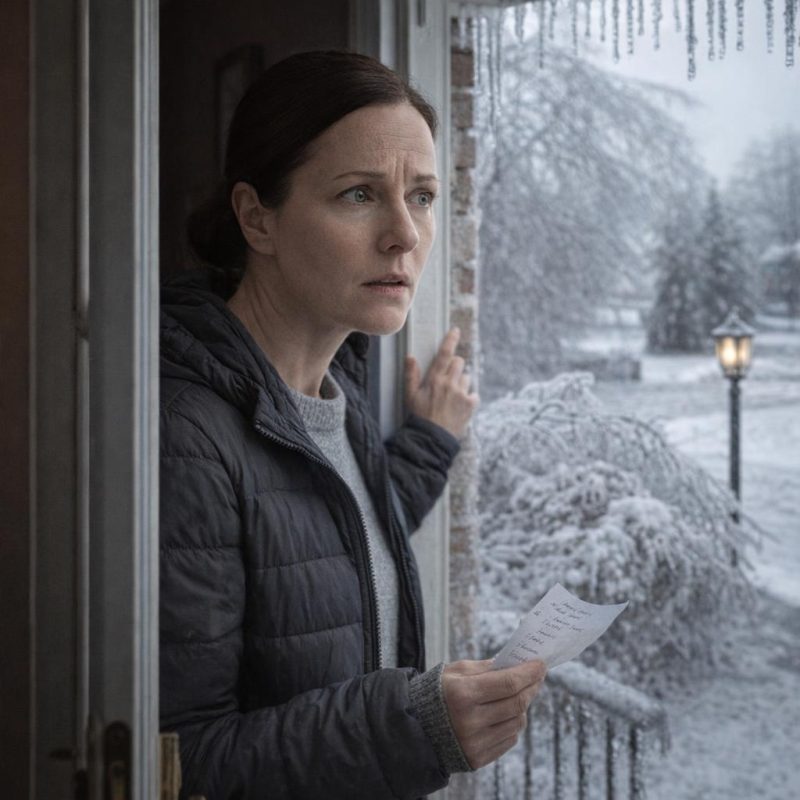 Image by RM AI
Black Ice
The driveway looked wet. That's what got me. It didn't look frozen—it looked like it had rained and the water was just sitting there on the pavement, waiting to dry. I had my reusable grocery bags in one hand and my keys in the other. The cold hit my lungs like a slap, but I'd already made it down the front steps. My car sat maybe twenty feet away. Twenty feet across what appeared to be a harmless wet surface. I took the first few steps without issue. The ground felt slick under my boots, sure, but not alarmingly so. Just wet. I kept walking, mentally running through my shopping list, thinking about whether I needed bread or if there was still half a loaf in the freezer. My mind was everywhere except on my feet. Then my right foot slid. Not dramatically—just a small slip that made me shift my weight. But when I tried to catch myself, my left foot went out too. That's when I realized the entire driveway was a sheet of ice hidden under a thin layer of water. My arms windmilled uselessly. The grocery bags flew from my hand. I knew I was going down hard and there was absolutely nothing I could do to stop it. My feet disappeared beneath me so fast I didn't even have time to catch myself.
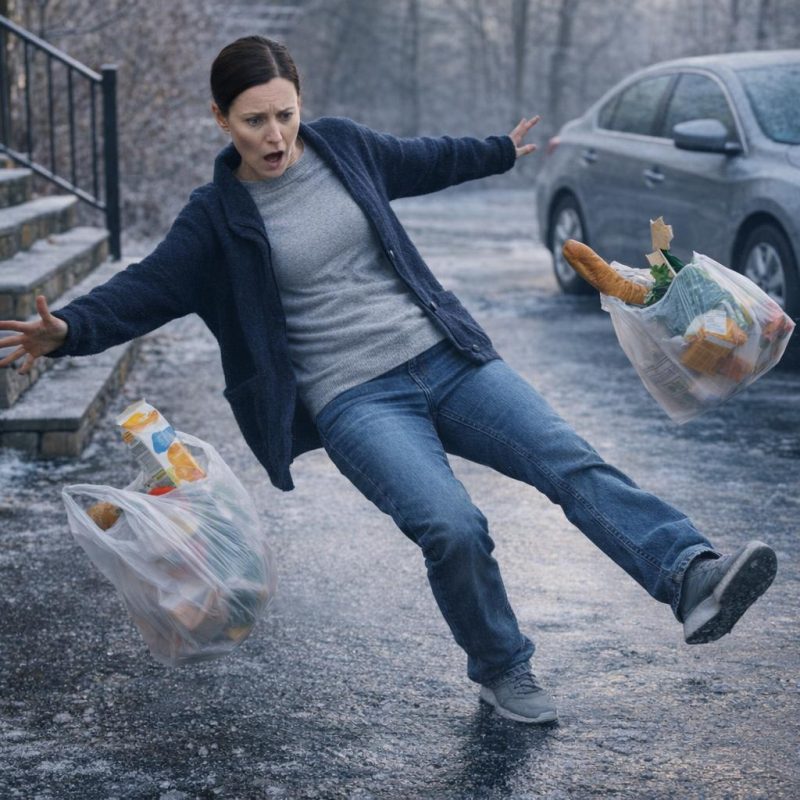 Image by RM AI
The Fall
I hit the ground on my right side with my full weight. The sound that came from my hip was wrong—a deep, sickening crack that I felt more than heard. Pain exploded through my pelvis and lower back, white-hot and blinding. One of the grocery bags had ruptured on impact, and I watched through tears as a can of soup rolled slowly across the ice away from me. I tried to sit up. The pain that shot through me made my vision go completely white for several seconds. I couldn't move. Literally could not move without agony that made me want to vomit. My phone had been in my hand when I fell, and now it sat about four feet away, face-down on the ice, completely out of reach. I tried to call out but my voice came out weak and thin, stolen by shock and cold. A car drove past on the street. Didn't slow down. Didn't see me lying there. The temperature was somewhere around fifteen degrees, and I was sprawled on bare ice in a coat that was now soaked through. I tried to drag myself toward my phone using my elbows. The movement brought such intense pain that I actually screamed. I couldn't move, and my phone had skittered several feet away across the ice.
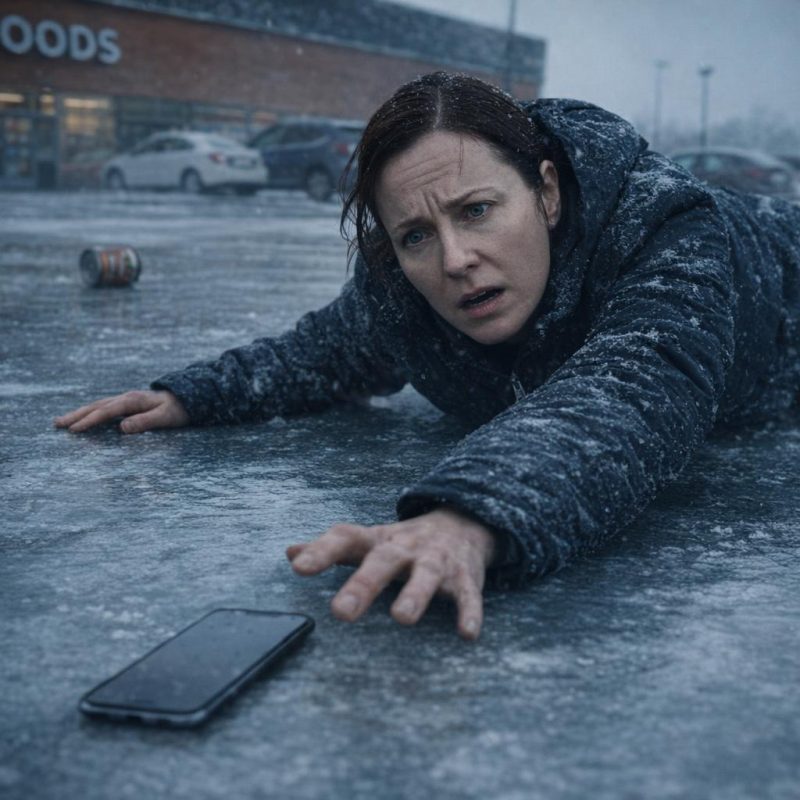 Image by RM AI
Richard Runs
I heard a door slam open somewhere close by. Then footsteps running—actually running—across ice that had just taken me down. Richard came sprinting across his lawn toward me at a speed that seemed insane given the conditions. He didn't slow down, didn't hesitate, just covered the distance between his house and my driveway like the ground wasn't a death trap. He dropped to his knees beside me hard enough that I heard the impact. "Did you hit your head?" His voice came out sharp, almost angry, but his face was pure fear. Genuine terror. He already had his phone out, was already dialing. "I need an ambulance," he said to the dispatcher, rattling off my address. "She fell on ice. She can't move. I don't know—" He looked at me. "Did you hit your head?" I shook my head and he relayed that information. Then he was pulling off his heavy winter coat despite the freezing temperature and draping it over me. He knelt directly on the ice in just a sweater, not seeming to notice or care about the cold. "Don't move," he ordered. "Ambulance is coming. Just don't move." His hands were shaking. The panic on his face made absolutely no sense given how much he supposedly hated me.
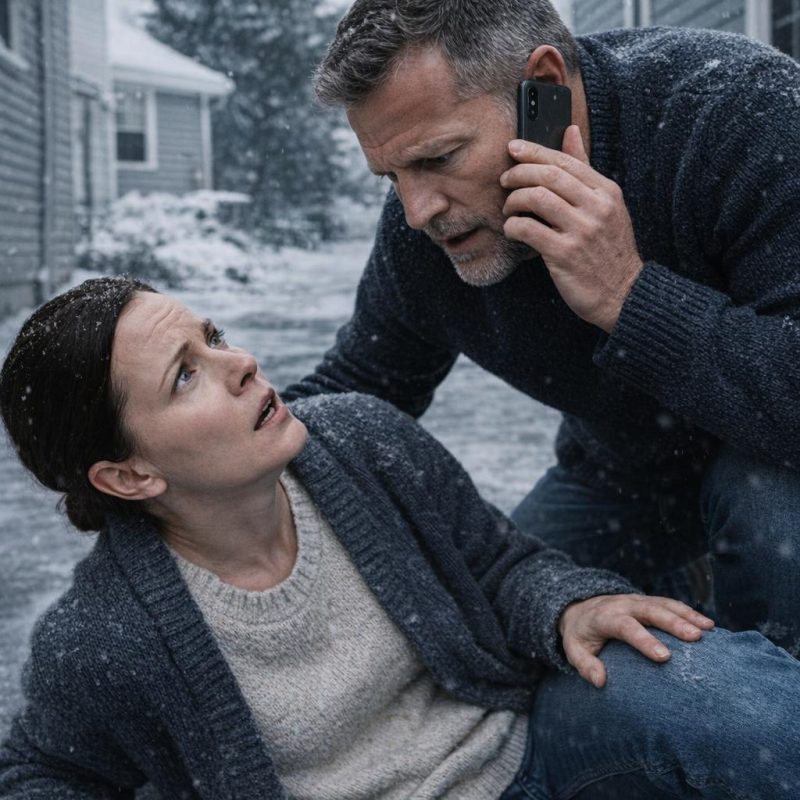 Image by RM AI
Vigil
Richard stayed. That's what I couldn't process through the pain and shock—he stayed right there beside me on the frozen driveway. Minutes crawled by. My teeth were chattering despite his coat covering me. He noticed my hands shaking and quietly reached over to take them in his, rubbing warmth back into my fingers. He didn't say much. Just kept checking my face, asking if I was still okay, telling me help was almost here. His presence was intensely focused, like nothing else in the world existed except making sure I survived the next five minutes. When the sirens finally approached, the relief on his face was profound. The paramedics arrived and he moved back reluctantly, hovering nearby while they assessed me. He answered their questions about the fall—how long I'd been down, whether I'd lost consciousness. Watched with visible distress as they carefully stabilized me and prepared to move me onto the stretcher. Every time I made a sound of pain, something flickered across his face that looked like he was the one hurting. I was in too much agony to fully process what I was seeing, but even through the haze I could register that his reaction was wrong. This man who had made my life miserable for six years looked like he might cry.
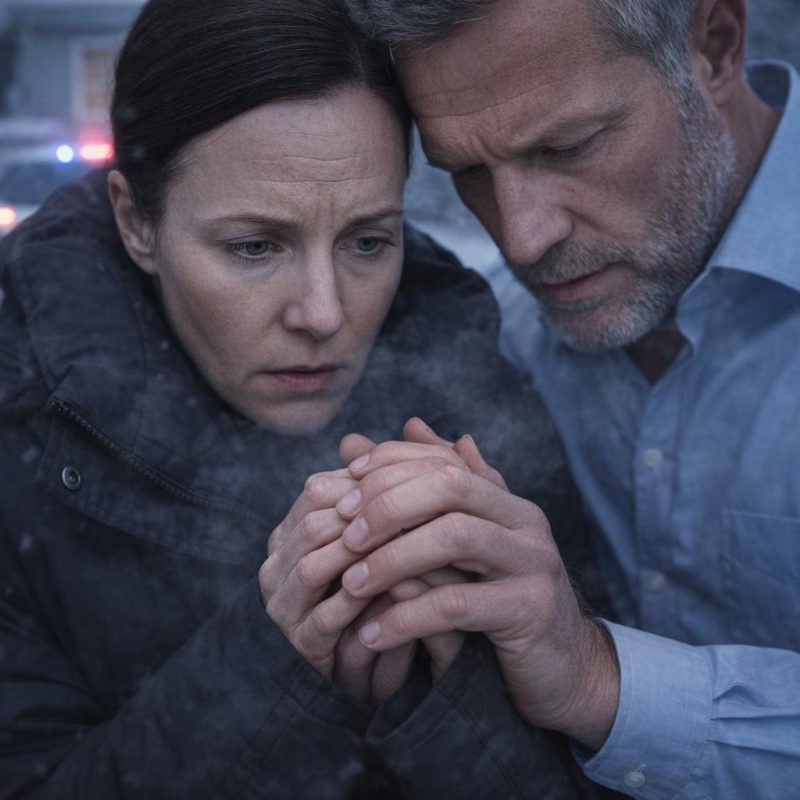 Image by RM AI
Diagnosis
The emergency room was a blur of X-rays and CT scans and pain that made me want to pass out. Dr. Patel came in with my imaging results and delivered the news in her efficient, compassionate way: two fractures in my pelvis. Months of recovery ahead. No weight-bearing for at least six weeks, possibly longer depending on how I healed. Physical therapy. Pain management. The possibility of surgery if I didn't follow instructions perfectly. I lay there trying to absorb what she was saying—that I'd be essentially immobilized, dependent, helpless for the foreseeable future. That my life as I knew it had just been put on hold indefinitely. The nurses gave me something for the pain that made everything soft around the edges. I was drifting in that medicated haze when I saw him through the doorway. Richard, sitting in the waiting area. He was still there. Still holding my winter coat folded on his lap like he was keeping it safe for me. Our eyes met for a second before a nurse moved past and blocked my view. I couldn't understand why he'd followed the ambulance to the hospital. Couldn't make sense of any of his behavior today. Richard appeared in the emergency room waiting area still holding my coat, and I couldn't understand why he'd followed me there.
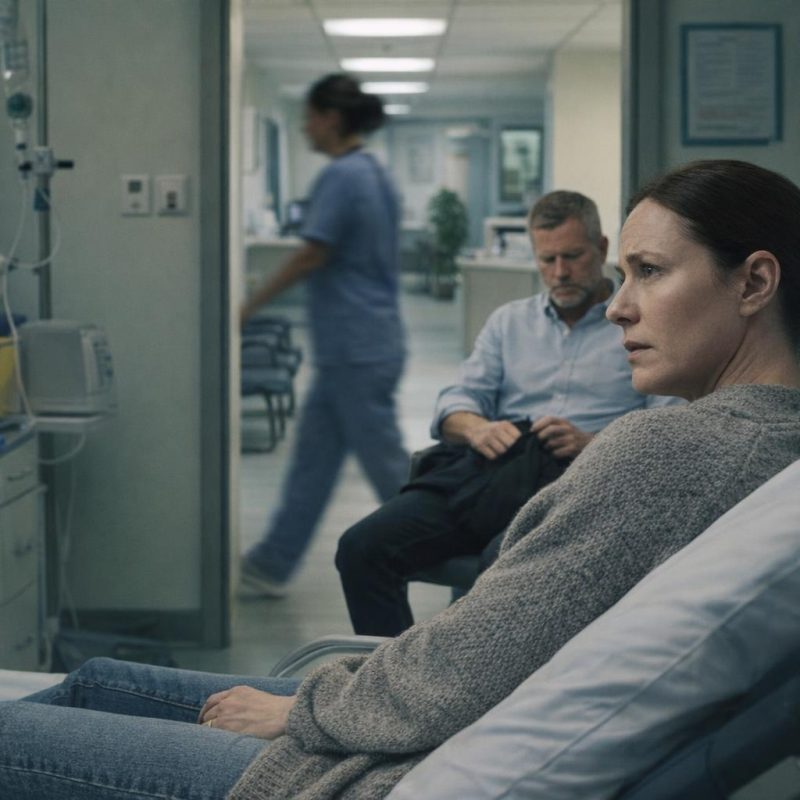 Image by RM AI
Unexpected Visits
The first few days home from the hospital were brutal. I couldn't do anything without help—couldn't carry a plate from the kitchen to the couch, couldn't reach the mail without risking a fall, couldn't even take the trash to the curb. My pelvis screamed every time I shifted wrong. Then Richard started showing up. Not with explanations or apologies, just with things I needed before I realized I needed them. Groceries appeared on my porch—the exact brands I bought, down to the oat milk I preferred. My walkway got shoveled and salted after every snowfall. The mail came inside instead of piling up in the box. My trash bins rolled themselves to the curb on collection day and back up the driveway afterward. Daisy wagged her tail every single time she heard his footsteps on the porch, like she'd been waiting for him. I noticed he seemed to know my routine somehow—when I'd be awake, when I'd need help, what I was running low on. I tried thanking him a dozen times, tried to have an actual conversation about why he was doing all this. Every time I tried to thank him, he looked uncomfortable and left before I could finish the sentence.
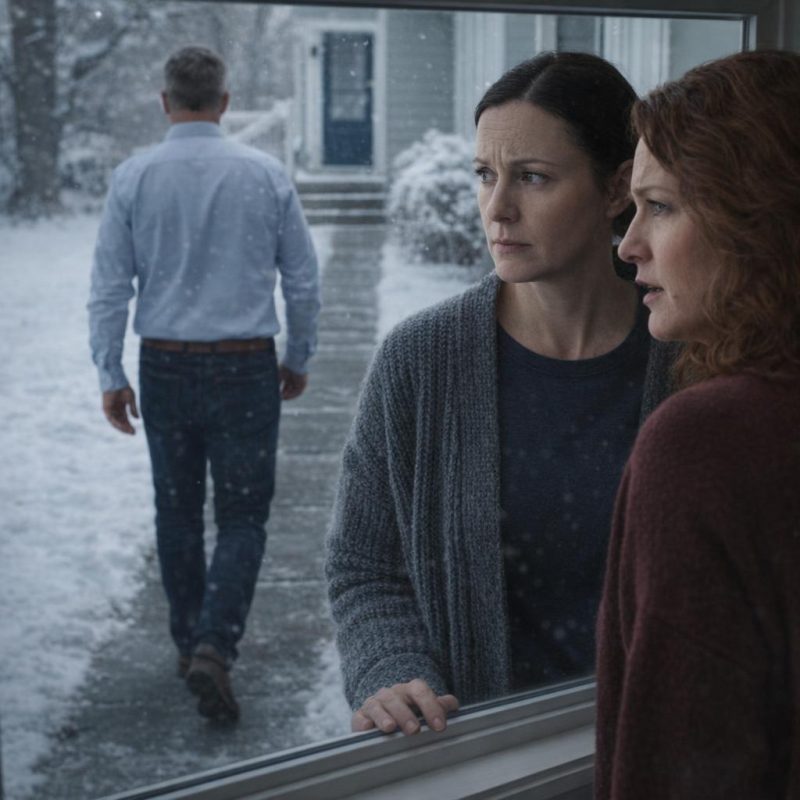 Image by RM AI
Soup and Handwriting
The doorbell rang on a Tuesday afternoon while I was resting on the couch with my leg elevated. I grabbed my crutches and hobbled to the door, expecting maybe a delivery driver. Nobody there. Just a glass container sitting on the porch mat, still warm to the touch. Homemade soup—vegetables and chicken in a rich broth that smelled like someone's grandmother had been cooking all morning. A small note was tucked underneath the container. No signature, just one line in careful handwriting: You need protein for bone healing. I carried everything inside and sat at the kitchen table, studying that note. The handwriting was so familiar it made my chest tight. Neat, precise letters with the same careful slant. I pulled out the folder where I'd been keeping all the HOA complaints and violation notices from over the years. Laid them next to the soup note. Same script. Same careful formation of every letter. The hands that had documented my grass being a quarter-inch too tall had just written me a care instruction. I recognized the careful handwriting immediately—the same script from every complaint he'd ever filed against me.
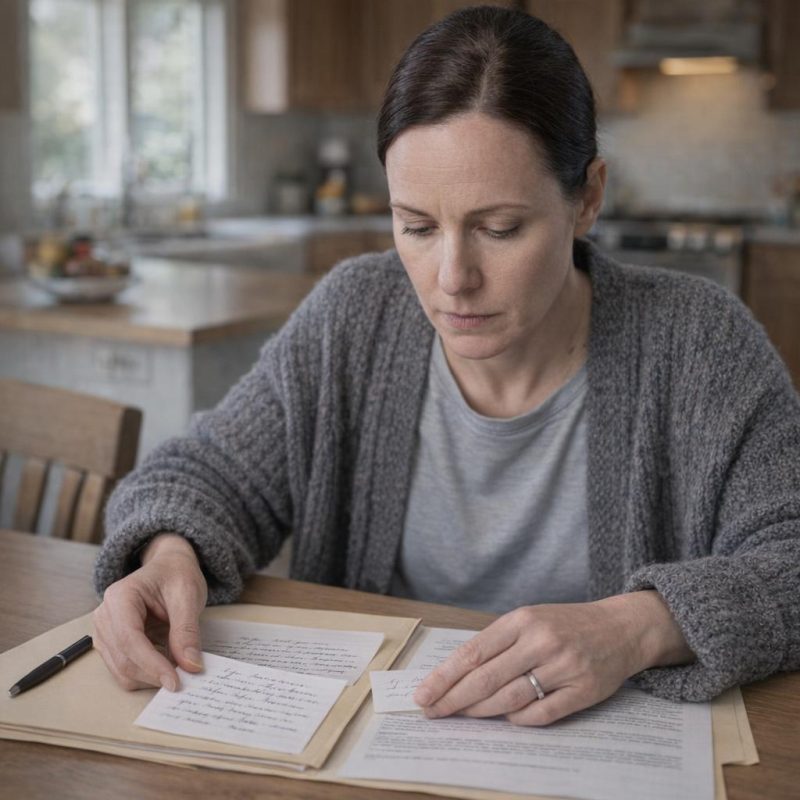 Image by RM AI
Six Weeks
Six weeks to the day after my fall, I marked it on the calendar with more relief than I'd felt in years. Physical therapy had progressed enough that I'd graduated from crutches to a cane. Dr. Patel cleared me for short walks on even surfaces. I was healing. But the mystery of Richard had consumed more mental energy than the actual recovery. I'd made lists in my head—all the contradictions between the man who'd seemed to hate me and the man who'd been quietly taking care of me for six solid weeks. The HOA complaints versus the groceries. The grass-height notes versus the homemade soup. The cold shoulders versus the shoveled walkway. I couldn't keep accepting help without understanding why he was giving it. I watched through my front window as Richard worked in his yard that afternoon, trimming hedges near his driveway with the same meticulous attention he gave everything. My hands were shaking a little as I grabbed my cane. This was going to be awkward as hell, but I was done waiting. I had to know why a man who seemed to hate me had been quietly taking care of me for months.
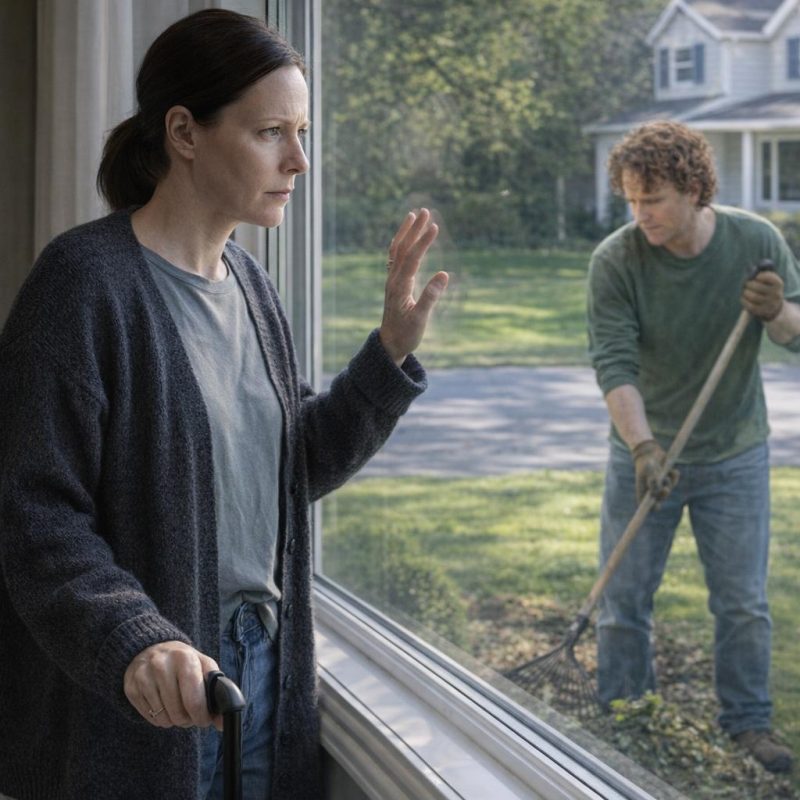 Image by RM AI
Across the Lawn
The grass was uneven under my feet as I made my way across the yard, cane in hand, moving carefully like Dr. Patel had instructed. It was a clear afternoon, cold but sunny. Richard had his back to me, focused on the hedge trimmers in his hands. I called out a greeting when I got close enough. He turned around and immediately looked like I'd caught him doing something wrong. His whole body went rigid. "You shouldn't be walking on uneven ground yet," he said, which wasn't exactly the greeting I'd expected. I stopped a few feet away from him, planting my cane firmly. "I came to thank you," I told him. "You already thanked me." His eyes were somewhere over my left shoulder. "I mean really thank you. Properly." The silence stretched between us like a physical thing. Richard wouldn't look at me directly, just kept fidgeting with the hedge trimmers in his hands. I took a breath and asked the question I'd needed to ask for six years: why had he always hated me so much? When he saw me approaching, he looked like he wanted to run away.
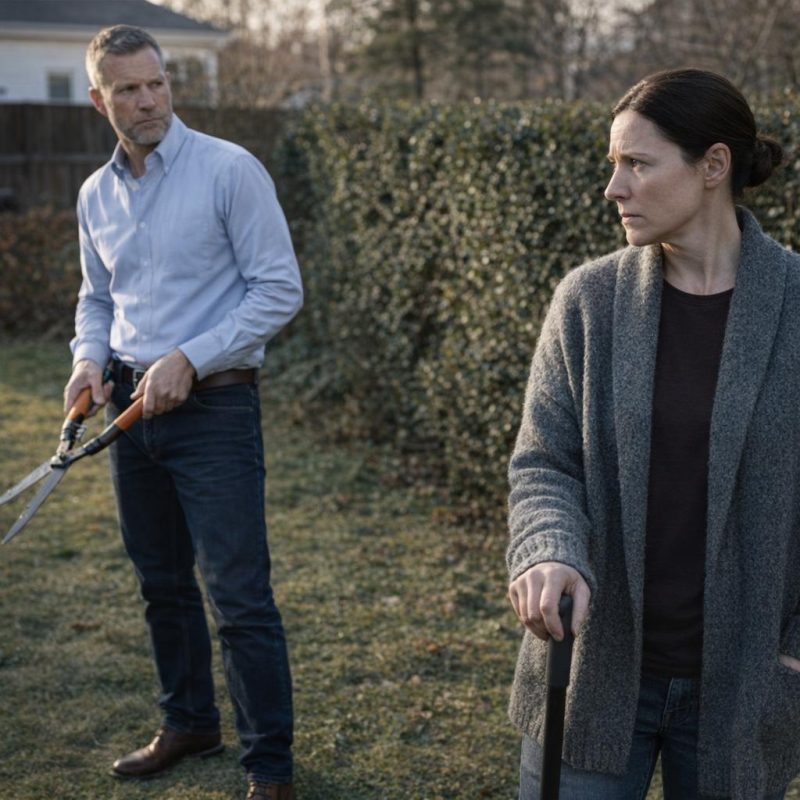 Image by RM AI
The Question
Richard froze completely when I said the word hate. Then he turned toward me with genuine confusion written all over his face. "Hated you?" he repeated, like the concept made no sense. I listed everything—the HOA complaints, the grass notes, the cold shoulders, the tree branch confrontation. He looked horrified instead of defensive. "I was never trying to be rude to you," he said quietly. The HOA complaints were warnings to prevent automatic fines from the system, he explained. The grass notes were to stop escalation before inspections. The barking complaints had come from the Hendersons, not him. My entire understanding of six years started collapsing right there on his driveway. Then Richard admitted something that made my stomach drop. He thought I disliked him. From the very first day. My annoyed expression during our first meeting had convinced him I found him unpleasant, and he'd been trying to stay out of my way ever since. I stood there realizing that my exhaustion from moving had looked like hostility. That he'd been reading me wrong the same way I'd been reading him wrong. We had spent six years building an entire war out of nothing but two people who were both convinced the other one struck first.
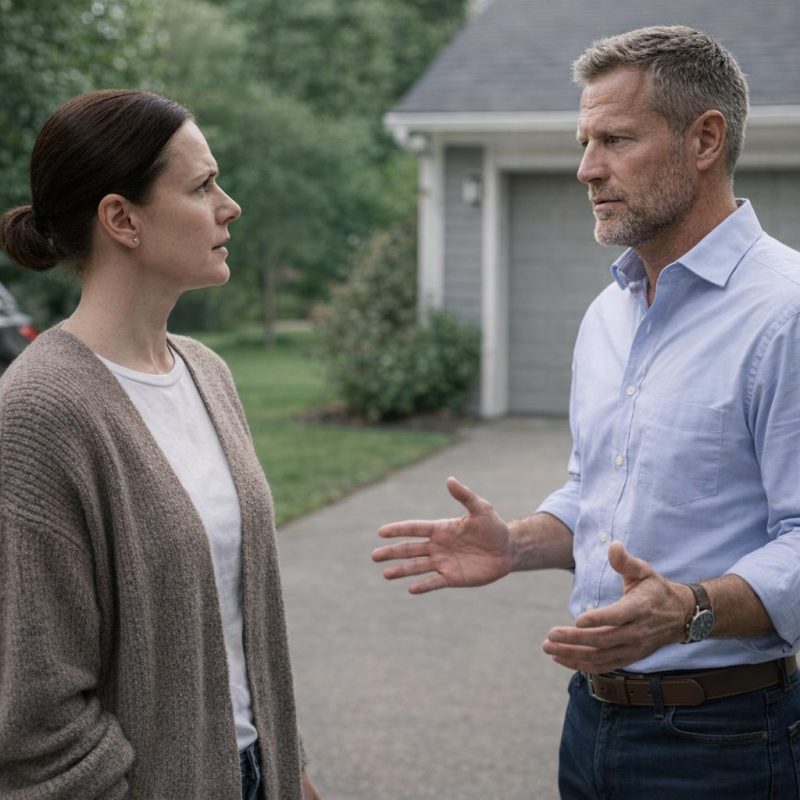 Image by RM AI
Reframing Everything
Richard started explaining the HOA system like he was testifying in court. There was an automatic fine escalation process—first report from any neighbor triggered formal warnings, then fees, then liens. His complaints had been filed to reach me before anyone else could report me. The trash bin note came right after Mrs. Henderson mentioned she was planning to file a complaint. The grass height warning came the day before the monthly inspection. He knew all the regulations and had been trying to help me stay compliant. I remembered how I'd interpreted each one as harassment, as proof he was watching me and waiting for me to screw up. The protective intent had been completely invisible to my defensive eyes. "What about the tree branch?" I asked. "You were so angry that day." Richard's face softened. He'd been upset about my safety on the ice, not the branch itself. He'd been trying to tell me the driveway was dangerous, and I'd exploded at him before he could get the words out. I recalled my rage during that encounter and wanted to sink into the ground. Everything I thought was an attack had been a warning I was too defensive to recognize.
 Image by RM AI
The Moving Truck
We circled back to the very beginning—that first meeting six years ago. Richard explained he'd come over intending to welcome me to the neighborhood. But he got nervous seeing me and completely botched the introduction. His social anxiety made him lead with the moving truck complaint instead of a proper greeting. When I looked annoyed, he'd walked away convinced he'd already ruined any chance at being friendly neighbors. I explained my side. Nine hours of unpacking. Exhausted, confused by a complaint about a truck that was barely visible. My expression had been tiredness, not hostility toward him specifically. We both stood there processing how one sixty-second interaction had shaped six entire years. The absurdity of it hit me first—I started laughing, couldn't help it. Richard joined in with a reluctant smile that transformed his whole face. Six years of mutual hostility built on one miscommunicated moment. Both of us too stubborn or too hurt to try again. It was ridiculous. It was tragic. It was somehow funny in the darkest possible way. I had spent six years hating a man who only wanted to introduce himself and made a bad first impression.
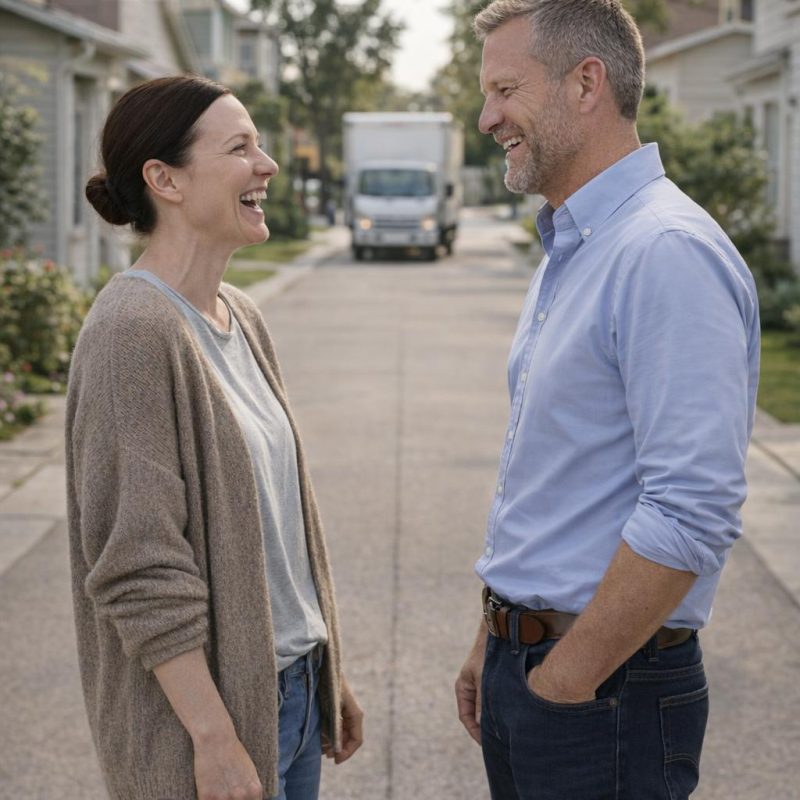 Image by RM AI
The Widow's House
The conversation shifted into deeper territory when I asked why he'd withdrawn so much from everyone. Richard was quiet for a long moment before he told me about his wife. She'd died seven years ago—sudden cancer diagnosis with only weeks of warning. They'd been married for twenty-two years. After she died, he'd withdrawn from everything and everyone. The perfect lawn, the meticulous home maintenance—it was all coping mechanism. Obsessive distraction from the empty house. He'd forgotten how to have normal conversations with people. Got nervous around others and it came out as aggressive or cold. I understood then that his coldness had been armor, not hostility. His perfectionism was an attempt to control something when everything else had spun out of control. The landscaping was grief made visible—something he could tend and fix and keep alive. I recognized the isolation pattern because it matched my own post-divorce walls. We'd both been so wrapped up in our own pain that we'd misread each other completely. He had been alone in that house for years before I moved in, and I never once considered that his coldness might be armor.
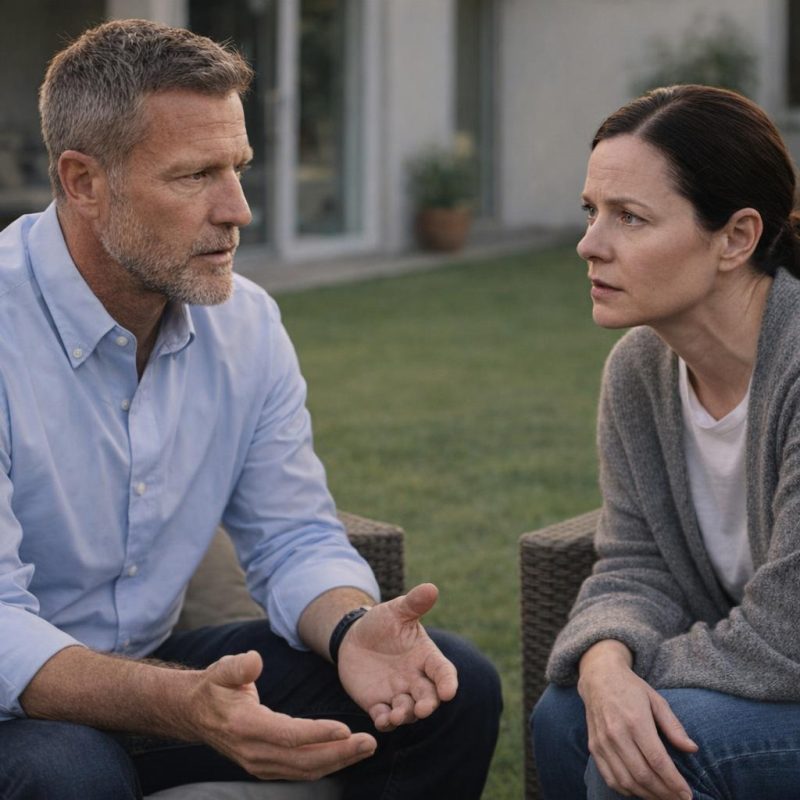 Image by RM AI
Glass Houses
I took a breath and told him the truth I'd been avoiding for six years. My divorce hadn't just ended my marriage—it had shattered my ability to trust my own judgment. Tom had been cheating for two years before I found out, and everyone apparently knew except me. I'd moved to Maple Lane desperate for a fresh start, convinced I'd be the divorced woman everyone whispered about. So I'd assumed everyone was judging me, especially my neighbors. Every neutral interaction became evidence of rejection because that's what I expected. Richard's awkwardness? I'd interpreted it as confirmation that I was exactly what I feared—damaged goods nobody wanted around. I'd projected Tom's cruelty onto a complete stranger who didn't deserve it. I was looking for enemies because betrayal had made me defensive about everything. Richard listened without interrupting, his expression unreadable but not cold. When I finished, he nodded slowly and said he understood completely. He'd done the same thing—assumed everyone pitied him or found him strange, so he'd stopped trying. We had both built walls so high we couldn't see over them, and somehow blamed each other for the darkness.
 Image by RM AI
Worried About You
Richard was quiet for a moment, then said something that knocked the air from my lungs. He admitted he'd actually been worried about me for years. Said I always looked lonely, even when I was smiling. He'd noticed I rarely had visitors, that I seemed isolated in a way he recognized too well. His concern had felt helpless because he'd thought I disliked him, so he didn't know how to approach me or check in. Wanted to, but couldn't figure out how. I sat there feeling completely exposed, because he was right. I had been lonely. Desperately, achingly lonely, and apparently I'd hidden it about as well as a neon sign. My walls were more transparent than I'd thought. The man I'd considered my enemy had been watching me struggle and wishing he knew how to help. We sat in silence for a long moment, both processing the weight of what he'd admitted. Richard looked embarrassed but didn't take it back. I understood then that all his awkward attempts at help had been disguised concern. The man I thought despised me had apparently spent years wishing he knew how to help.
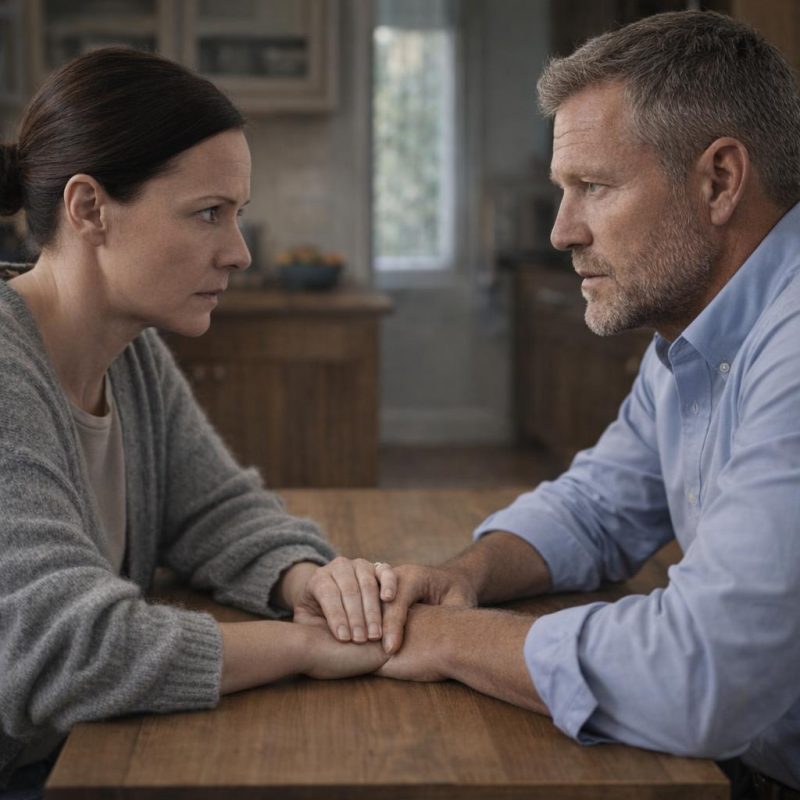 Image by RM AI
Coffee
The temperature had dropped as we stood in his yard, and I was starting to shiver. Richard noticed and awkwardly offered coffee inside if I wanted to continue talking. I hesitated for only a second before accepting. Walking into his house felt surreal—six years of living next door and I'd never once crossed his threshold. His kitchen was immaculately clean but felt lived in, not sterile. Through the doorway I could see photos of his wife on the bookshelf in the living room. He made coffee with nervous efficiency, hands steady despite the tension in his shoulders. We sat at his kitchen table and kept talking, the conversation flowing more naturally than I'd expected. Hours passed without either of us noticing. We covered everything from our past misunderstandings to books we'd read to general observations about life. I discovered he was well-read and had a dry sense of humor that caught me off guard. Richard visibly relaxed as we talked, his rigid posture softening. The sun began setting through the kitchen windows, casting orange light across the table. For the first time in six years, I was sitting in my neighbor's house having an actual conversation.
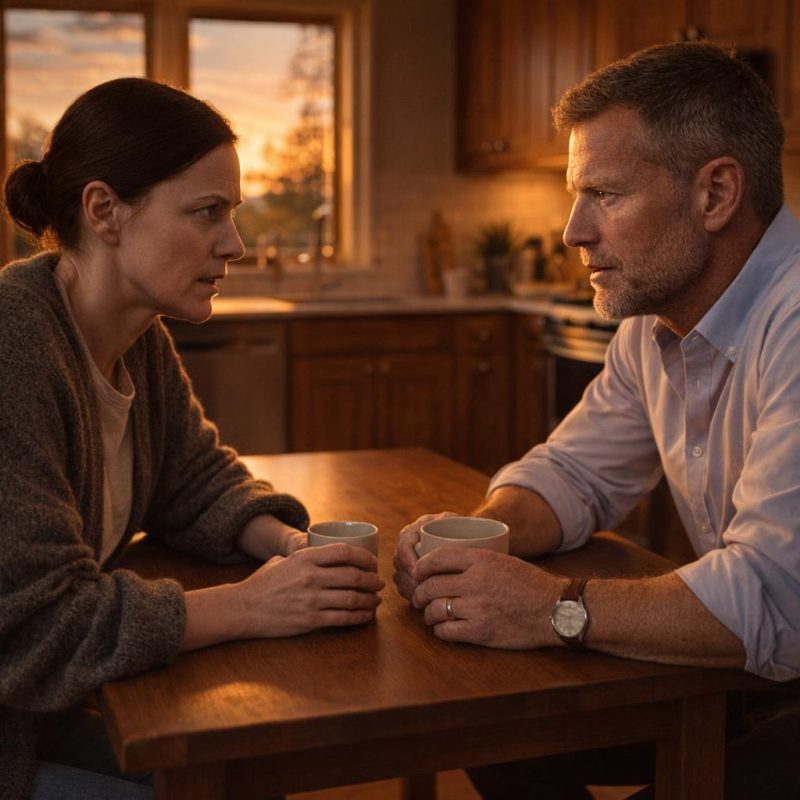 Image by RM AI
The Window
The conversation eventually circled back to the morning of my fall. I asked how he'd reached me so quickly—I'd barely hit the ground before he was there. Richard hesitated, then decided on honesty. He admitted he'd already been watching from his window. Explained that he checks on me during bad weather mornings, has done it for years to make sure I get inside safely. Then he quickly added that it wasn't in a creepy way, looking genuinely worried I'd misunderstand. I almost laughed at his awkward clarification because in context, it wasn't creepy at all. It was protective. His window faced my driveway directly, and every storm I'd weathered alone, he'd been watching unseen. The ice fall hadn't been coincidence—he'd been there because he was always there during dangerous weather. Every cleared walkway, every salted patch of ice, every mysteriously helpful moment suddenly made sense. He'd been protecting me from a distance for years, silent and unseen, because he cared and didn't know how else to show it. He'd been watching over me for years, and I'd never known.
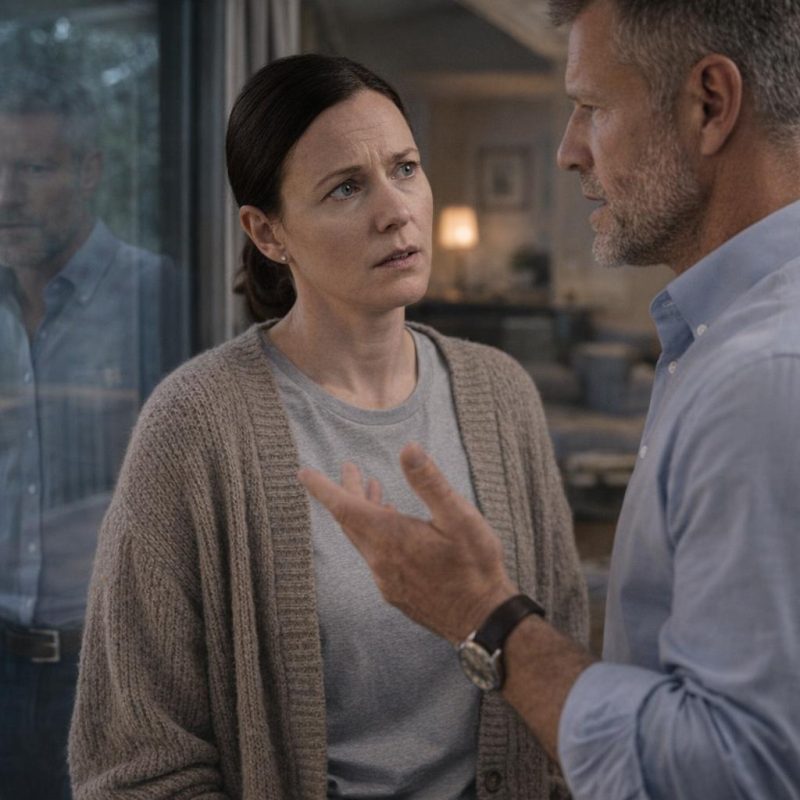 Image by RM AI
Every Storm
I asked why storms specifically, why bad weather triggered his watching. Richard took a long moment before answering, staring into his coffee cup. His wife had collapsed at home while he was at work. He'd found her too late because he wasn't there to help when she needed him. The guilt had haunted him for seven years. After she died, he'd started watching neighbors during dangerous weather almost unconsciously. He needed to feel like he could prevent something terrible, like he could be there this time. Seeing me living alone reminded him of his wife before they'd met—independent, capable, but vulnerable in ways that weren't always visible. He couldn't bear the idea of another woman falling with no one to help. His watching was an attempt to atone for being absent when his wife needed him most. Protection became his way of managing survivor's guilt. Every cleared driveway and salted walkway was grief made useful, a way to save someone since he couldn't save her. Tears formed in my eyes as I understood his silent years of care. He couldn't save her, so he'd been trying to save me instead.
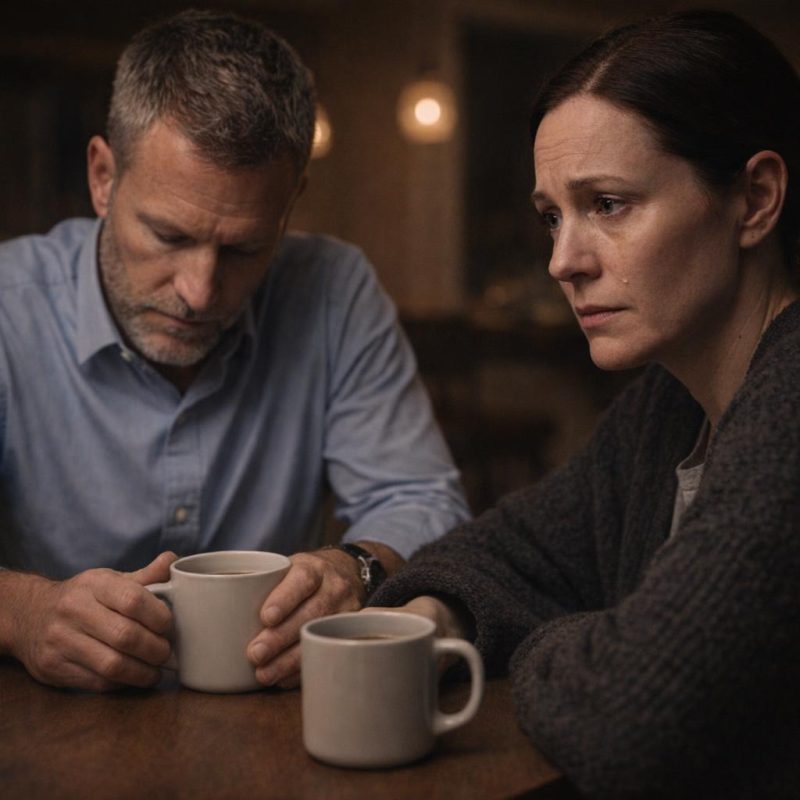 Image by RM AI
Silent Years
I sat there mentally cataloging all the mysterious helpful moments over the years. My car battery appearing jumped after a thunderstorm when I'd left the lights on. Security footage ready before I even knew my package was stolen. My driveway cleared of snow that weekend I was away caring for my mother. Every anonymous kindness now had a source and meaning. I'd been surrounded by protection I couldn't see, wrapped in care I'd mistaken for hostility. The regret hit me hard—years of resentment toward someone who'd been trying to help the only way he knew how. His awkwardness wasn't hostility but a damaged capacity for connection. We'd both been desperately lonely within yards of each other for years, building walls that kept out exactly what we needed. Richard looked relieved that someone finally understood him. I apologized for assuming the worst about everything, but he dismissed it, saying he understood why I'd thought that. We both acknowledged the waste of it—years spent in unnecessary hostility when we could have been allies. I had been so busy building walls that I missed the person trying to keep me safe on the other side.
 Image by RM AI
Seen
I took a deep breath and admitted Richard was right about my loneliness. I'd been desperately lonely since the divorce, but I'd built this careful facade of being fine and independent. Admitting loneliness felt like admitting failure, like proving Tom right about me being too needy or difficult. So I'd hidden it from everyone, including myself most days. Being seen by Richard felt both terrifying and relieving—like being caught in something shameful but also validated. I'd wanted to be noticed even while hiding, wanted someone to see through the performance. His observation proved someone had been paying attention. I felt less invisible than I had in years. Richard admitted he'd noticed because he recognized it in himself. Lonely people can see loneliness in others, he said. We both acknowledged the strange comfort of being understood by someone who'd lived through similar isolation. Something shifted in my chest as we talked, a wall I'd built beginning to show cracks I didn't want to repair. For the first time since my divorce, I didn't feel completely invisible.
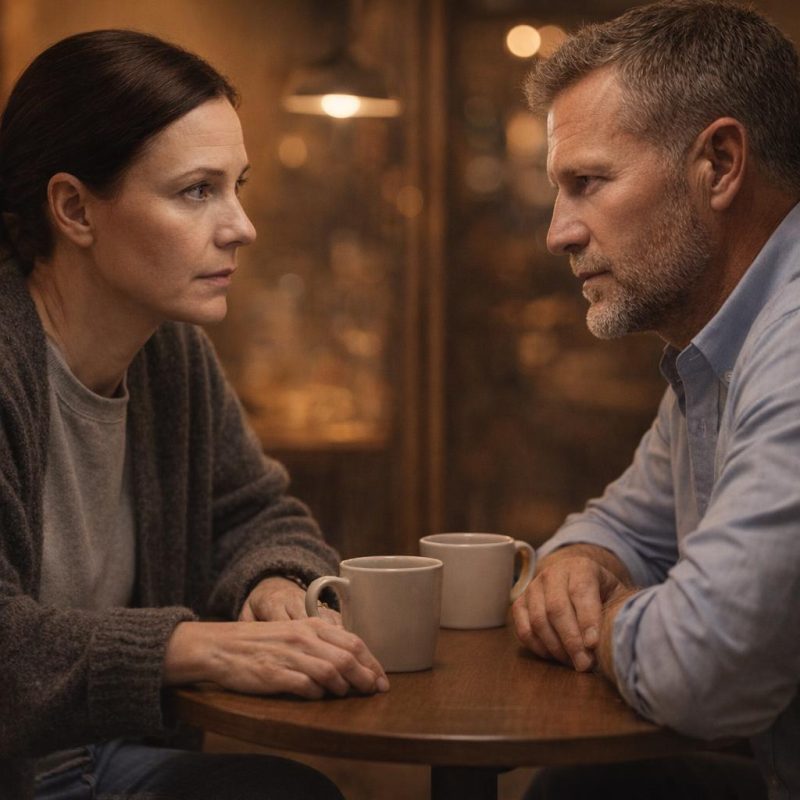 Image by RM AI
Matching Scars
The conversation reached a natural pause as evening settled fully around us. We both reflected on how we'd ended up here—parallel paths of grief and isolation that had somehow intersected. Richard had lost his wife and forgotten how to connect with people. I'd lost my marriage and convinced myself no one wanted connection with me anyway. We'd each built walls assuming the other was the enemy, when really we were just two people trying to survive loss. Those walls had kept out everyone, including people who meant no harm. We'd been protecting ourselves from threats that didn't actually exist. Richard said maybe the walls were necessary for survival at first, and I agreed. But I wondered aloud when survival becomes self-imprisonment, when protection becomes isolation we can't escape. We both acknowledged that our walls might have outlived their usefulness. The possibility of lowering our defenses felt scary but appealing. Neither of us suggested anything dramatic or made promises about what came next. We simply acknowledged that understanding changed everything, that knowing the truth made the walls feel less necessary. Maybe it was time to stop protecting ourselves from people who weren't actually trying to hurt us.
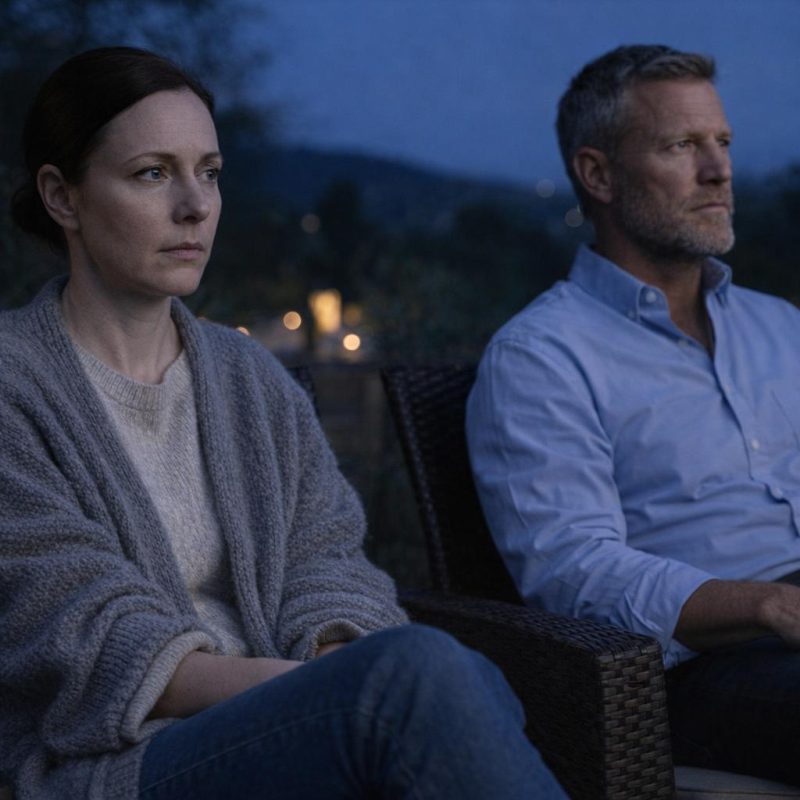 Image by RM AI
Starting Over
The evening had grown late—that kind of late where you suddenly realize you've been talking for hours and lost track of time completely. I stood to leave, feeling strange about ending a conversation that had fundamentally changed everything between us. Richard walked me to the door like it was the most normal social interaction in the world, which I guess it was now. We both paused awkwardly at the threshold between our houses, neither quite sure how to end this. "We could start over," I said suddenly. "Knowing what we know now." He looked at me for a long moment, then smiled—a small, genuine smile I'd never seen before. "I'd like that." He extended his hand formally. "Richard. I live next door." I laughed, actually laughed, and took his hand. "Liz. I'm your neighbor with the questionable lawn maintenance." We shook hands like strangers meeting for the first time, and the moment felt both completely absurd and deeply meaningful. I walked home across the yard I'd crossed a thousand times before, but this time felt different than any crossing before. When I entered my house, I felt lighter than I had in years. We had wasted six years, but maybe we didn't have to waste any more.
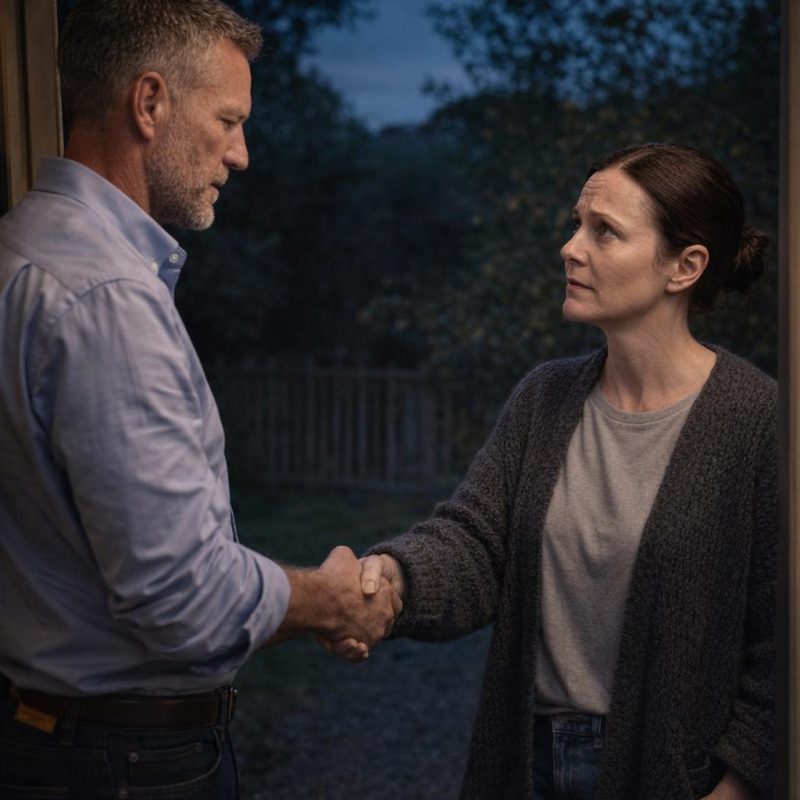 Image by RM AI
New Normal
The weeks that followed felt like discovering a friendship that had been waiting underneath all that hostility the entire time. Richard started bringing coffee over some mornings, and I'd invite him for dinner when I cooked too much—which was often, honestly. Daisy got so accustomed to his presence that she'd wander over to his porch without me, tail wagging that slow, deliberate wag of hers. We developed this easy routine of checking on each other casually, nothing forced or awkward about it. Richard still maintained his obsessive lawn care, but now he'd explain his process while I teased him about grass height, and he'd actually take it well instead of glaring. Our conversations ranged from deep discussions about grief to completely mundane debates about the best coffee brand. Neither of us pretended the past hostility didn't happen, but we didn't dwell on it either. Bob from down the street commented that we seemed friendlier lately, and we just smiled without explaining the whole story. The friendship felt natural, like it was always supposed to happen and we'd just taken the scenic route to get there. The man I had considered my enemy became the person I most looked forward to seeing.
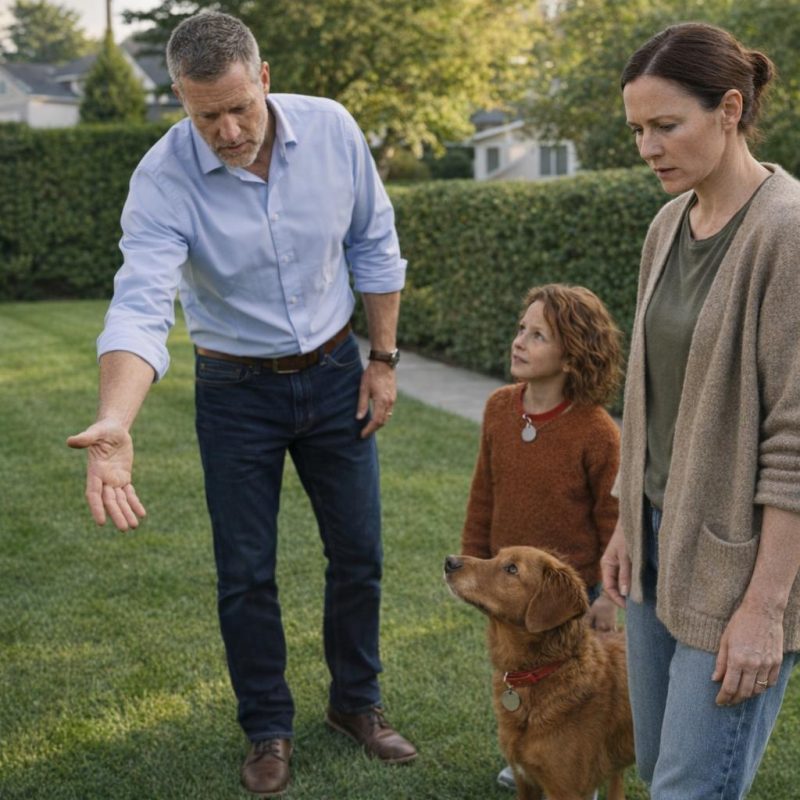 Image by RM AI
Familiar Arguments
"Your grass is getting long again," Richard mentioned one afternoon, standing at my door with that familiar concerned expression. I rolled my eyes dramatically. "I'll get to it this weekend." He offered to mow it himself, which I declined firmly because I was perfectly capable of maintaining my own lawn, thank you very much. He muttered something about property values and I threw a couch pillow at him. But here's the thing—our arguments now ended with laughter instead of slammed doors. We were still fundamentally different people with completely different standards. Richard brought up my trash bin placement the following week and I groaned so loudly Daisy looked up from her nap. "You're like the neighborhood patrol," I told him. "Someone has to be," he replied without a hint of shame. The teasing had replaced the cold silence of before. Our conflicts felt like conversation, not warfare. I still found him too obsessive about rules, and he still noticed every single one of my lawn violations. But the hostility had been replaced by warmth that made our disagreements not just bearable, but kind of endearing. The fights were the same but everything underneath them had changed completely.
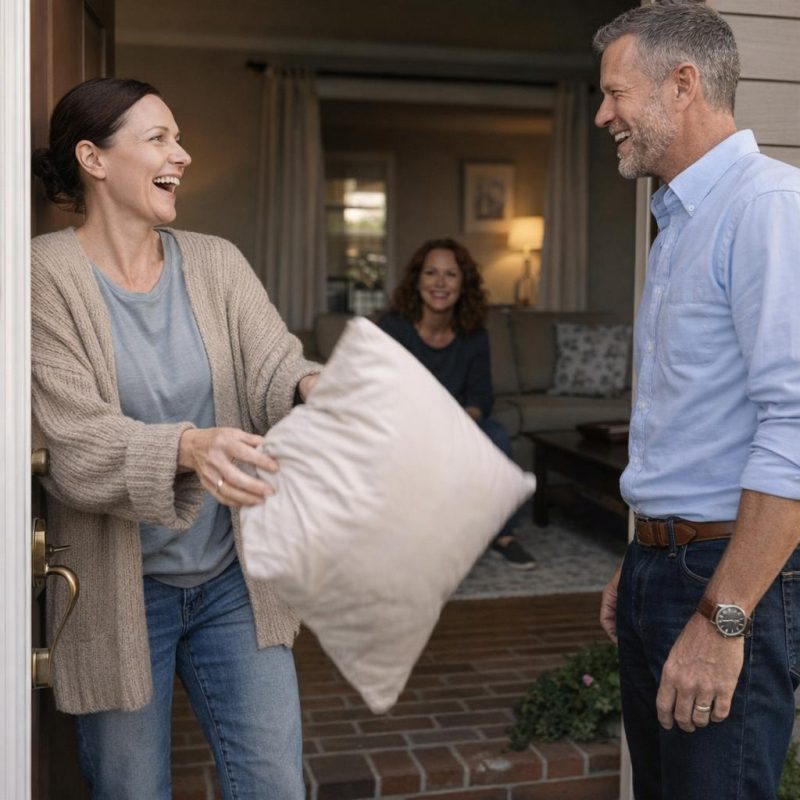 Image by RM AI
Strange Beginnings
I sat on my porch one evening watching Richard work on his lawn with that meticulous attention he'd always had. Six years of wasted hostility stretched behind us like a road we'd traveled in opposite directions. I remembered every complaint I'd catalogued as evidence of his hatred—the notes, the stares, the rigid posture whenever I was near. I understood now that each one had been an awkward attempt at connection from a man who'd forgotten how to reach out. I'd built my own walls from divorce trauma, convinced myself no one wanted me around. We were equally responsible for the misunderstanding, both of us acting in ways the other completely misread because grief makes people do strange things. Daisy wandered over to Richard, and he petted her without breaking his work rhythm, that casual affection now so natural between them. Sometimes the strangest relationships grow from the rockiest ground. Second chances require someone willing to look past first impressions, and both of us had to nearly lose each other to see clearly. His concern had always been there, hidden behind his complete inability to express it properly. The understanding settled peacefully in my chest as I watched him work. He wasn't trying to push me away at all—he was just a lonely man who never learned how to let anyone in.
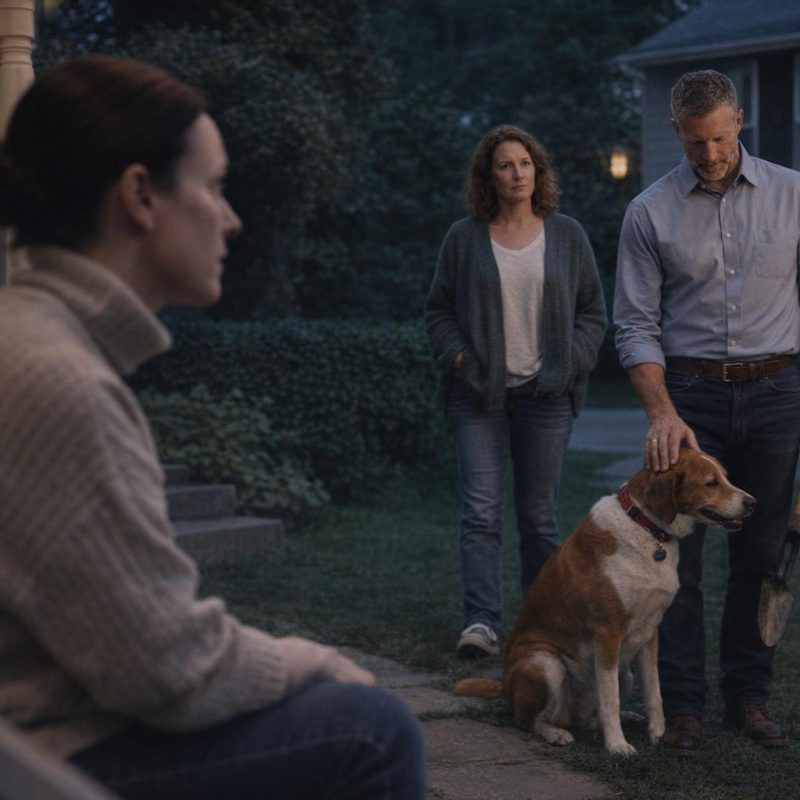 Image by RM AI
KEEP ON READING
The 20 Most Recognized Historical Figures Of All Time
The Biggest Names In History. Although the Earth has been…
By Cathy Liu Oct 4, 2024
10 of the Shortest Wars in History & 10 of…
Wars: Longest and Shortest. Throughout history, wars have varied dramatically…
By Emilie Richardson-Dupuis Oct 7, 2024
10 Fascinating Facts About Ancient Greece You Can Appreciate &…
Once Upon A Time Lived Some Ancient Weirdos.... Greece is…
By Megan Wickens Oct 7, 2024
20 Lesser-Known Facts About Christopher Columbus You Don't Learn In…
In 1492, He Sailed The Ocean Blue. Christopher Columbus is…
By Emilie Richardson-Dupuis Oct 9, 2024
20 Historical Landmarks That Have The Craziest Conspiracy Theories
Unsolved Mysteries Of Ancient Places . When there's not enough evidence…
By Megan Wickens Oct 9, 2024
The 20 Craziest Inventions & Discoveries Made During Ancient Times
Crazy Ancient Inventions . While we're busy making big advancements in…
By Cathy Liu Oct 9, 2024