

I Altered My Niece's Wedding Dress, Then a Bridesmaid Told Me She'd Been Lying About Everything
I Altered My Niece's Wedding Dress, Then a Bridesmaid Told Me She'd Been Lying About Everything
The Honor of Being Asked
When Marissa called that Tuesday afternoon and asked if she could come by, I could hear something different in her voice—a kind of nervous excitement that made me set down my tea and pay attention. She'd been living two states away since college, and we didn't see each other as often as I wished we could. After my sister died when Marissa was just sixteen, I'd tried to be there for her, but grief has a way of scattering families to the wind. She arrived forty minutes later with a garment bag draped carefully over both arms, the kind of protective carry that told me whatever was inside mattered deeply. We hugged in the doorway, and I noticed how much she looked like her mother in that moment—same nervous energy, same way of holding tension in her shoulders. She came inside and stood in my living room, still cradling that bag like it held something precious and fragile. Then she asked me, voice catching slightly, if I would alter her wedding dress. I said yes before she'd even finished the question. The truth is, I felt honored in a way that went deeper than just being useful.
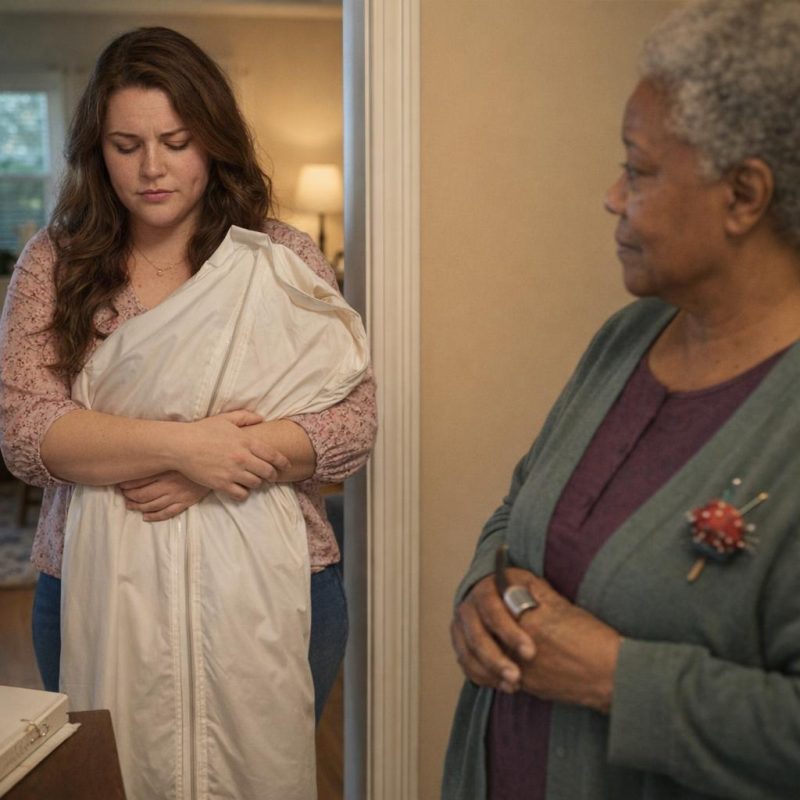 Image by RM AI
Expecting the Usual
After Marissa left that evening, I went straight to my sewing room and started clearing space on my main work table. I moved aside the quilt squares I'd been piecing together for a neighbor's baby shower and folded up the curtain panels I'd hemmed last week. My hands moved through the familiar routine—gathering pins, checking my thread collection, making sure my good scissors were sharp and within reach. I'd been doing bridal alterations for nearly forty years, ever since I'd apprenticed with Mrs. Chen down on Maple Street back in the eighties. Most brides came to me with dresses from David's Bridal or smaller boutiques, gowns that needed the standard adjustments—taking in a bodice here, shortening a hem there, maybe adding a bustle or adjusting straps. I pulled out my measurement notebook and opened to a fresh page, writing Marissa's name at the top with the wedding date she'd mentioned. The work itself never made me nervous anymore. I'd handled silk, satin, tulle, organza, lace overlays, beaded bodices, you name it. Whatever she'd found, I felt confident I could make it fit her perfectly.
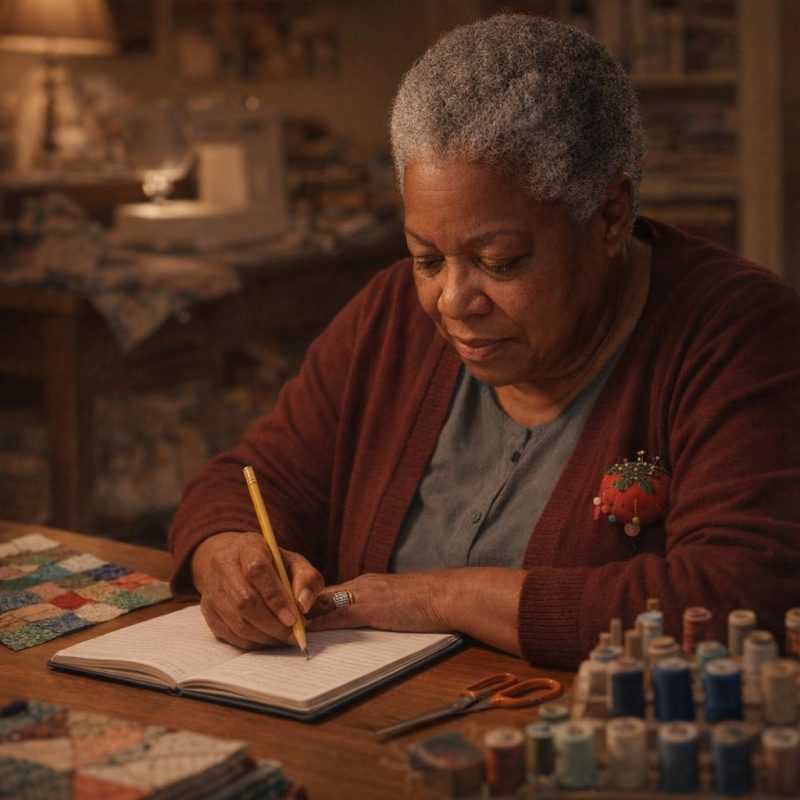 Image by RM AI
The Lace I Knew
Marissa came back the next morning with the garment bag, and we went straight to my workspace where the light was best. She laid it across the table with such care, and I remember thinking how seriously she was taking this, how much it must mean to her. I reached for the zipper, and she stepped back slightly, watching my face. The moment I pulled the bag open and saw the lace, my breath just stopped in my chest. It wasn't just any lace—it was Alençon lace with a specific floral pattern, and I knew it because I'd hand-stitched every inch of it to the bodice overlay myself in 1984. My fingers went to the neckline without thinking, tracing the seam where I'd attached it to the silk underlayer, and I could see my own stitching, the exact tension I always used, the way I'd reinforced the points where the lace was most delicate. I looked up at Marissa, and she was standing there with her hands clasped together, watching me with this expression I couldn't quite read—anticipation mixed with something else, something that looked almost like fear. This was my sister's wedding dress.
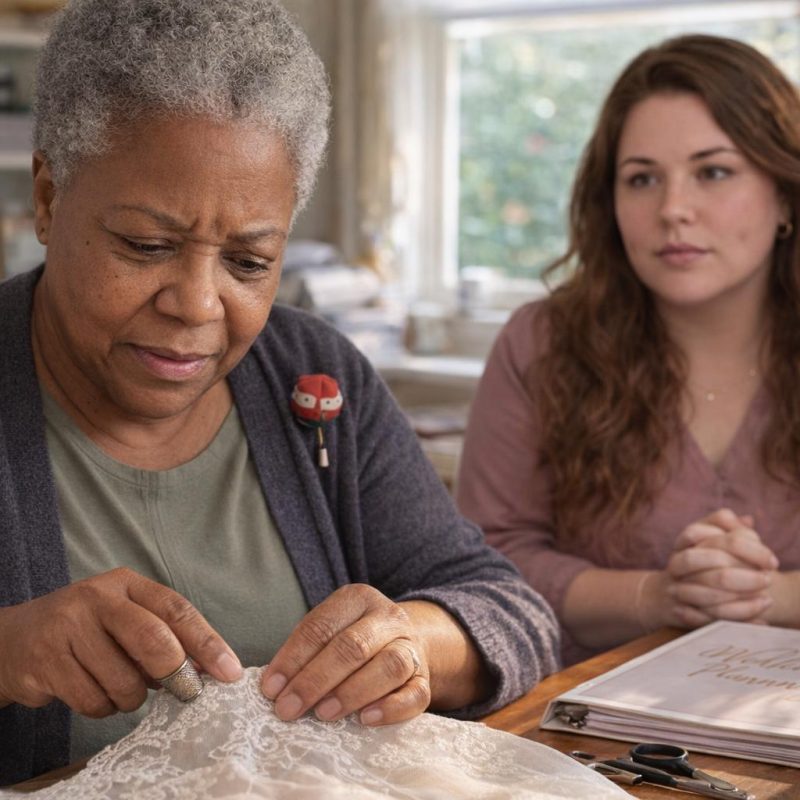 Image by RM AI
Where Did You Find This
I stood there with my hand still on the lace, feeling my heart doing something complicated in my chest. Marissa was watching me so intently, and I knew my face must have shown the recognition—there was no hiding that kind of shock. I took a breath and made myself speak calmly, keeping my voice level even though my mind was racing through a dozen different possibilities. "Marissa," I said, and I was proud of how steady I sounded, "where did you find this dress?" I didn't want to accuse her of anything. I didn't want to assume the worst or jump to conclusions that might hurt us both. Maybe there was a perfectly reasonable explanation. Maybe my mother had donated it years ago and never mentioned it to me. Maybe it had ended up in an estate sale after she passed. I watched Marissa's face, saw something flicker across it—was it guilt? nervousness? just the anxiety of a bride hoping her aunt would approve?—and I waited. The question hung in the air between us, and I realized that her answer would either explain everything or confirm my growing unease.
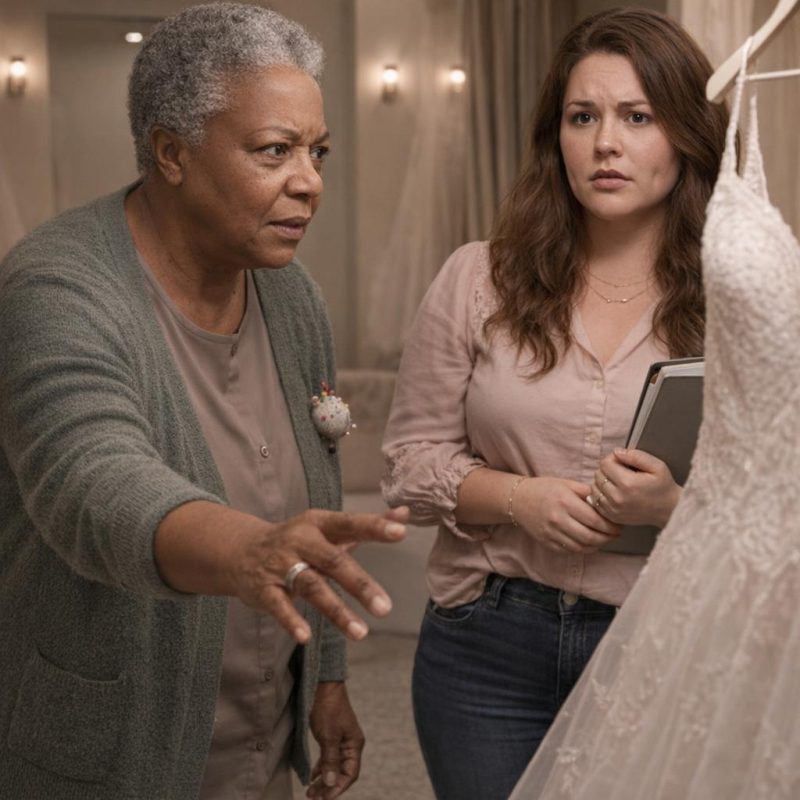 Image by RM AI
A Vintage Shop Story
Marissa's smile came too quickly, bright and a little too wide. "Oh, I found it at this amazing vintage shop," she said, the words tumbling out fast. "It was in Pennsylvania, this little place off the highway that specializes in vintage bridal wear. Can you believe the luck? I mean, what are the odds?" She laughed, but it sounded thin, and her hands were doing that thing her mother used to do when she was nervous—fidgeting with her ring, twisting it around and around her finger. She kept talking, describing the shop, how she'd been driving through with a friend and just happened to stop, how the dress had been hanging in the window and she'd known immediately it was meant to be. I nodded along, making the appropriate sounds, telling myself that stranger things had happened. Vintage shops bought estate lots all the time. The dress could have passed through a dozen hands before ending up in that Pennsylvania window. But something in my chest tightened anyway, some instinct that had nothing to do with logic. I wanted to believe her. I chose to believe her, standing there in my sewing room with my sister's dress between us. I nodded, but something in my chest tightened.
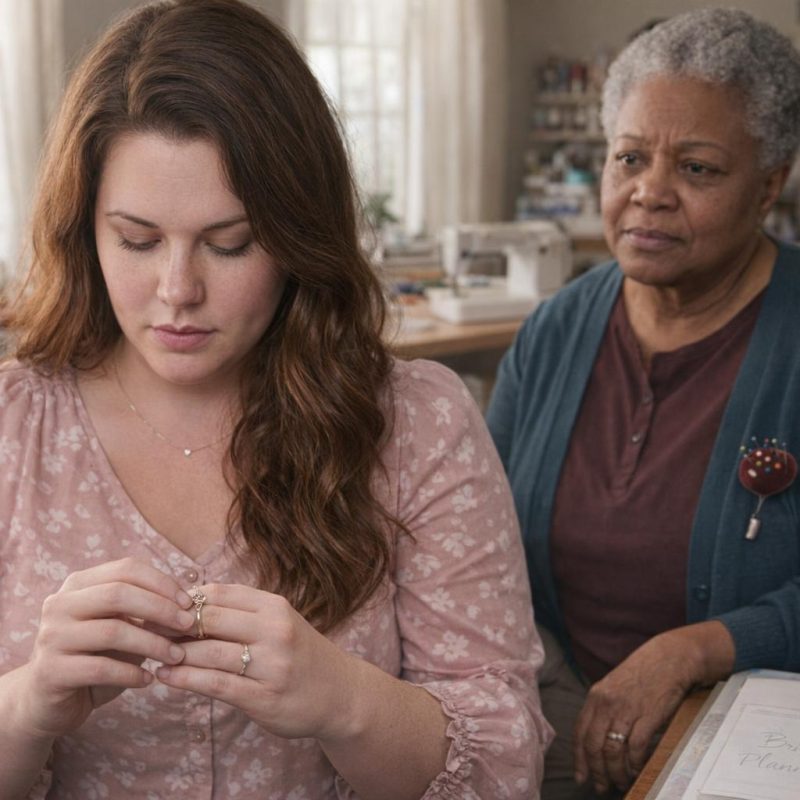 Image by RM AI
What My Mother Said
After Marissa left to run some other wedding errands, I sat down in my armchair by the window and let myself think about things I'd been pushing away. I remembered the day we buried my sister—it was October, and the leaves were that particular shade of gold that makes everything look both beautiful and sad. My mother had been so composed through the whole funeral, but afterward, back at the house, I'd found her in the bedroom carefully folding the wedding dress into tissue paper. She'd looked up at me with red-rimmed eyes and said, "This stays in the family. It's all I have left of that day." She'd been so specific about it, so firm. I'd helped her pack it into the cedar chest that had belonged to my grandmother, and we'd carried it up to her attic together. In all the years after that, through all our conversations about Marissa and her future, through my mother's decline and her final months, she'd never once mentioned selling the dress or giving it away or donating it to anyone. I searched my memory, trying to find some forgotten conversation, some mention I might have missed. She had never mentioned selling it or giving it away.
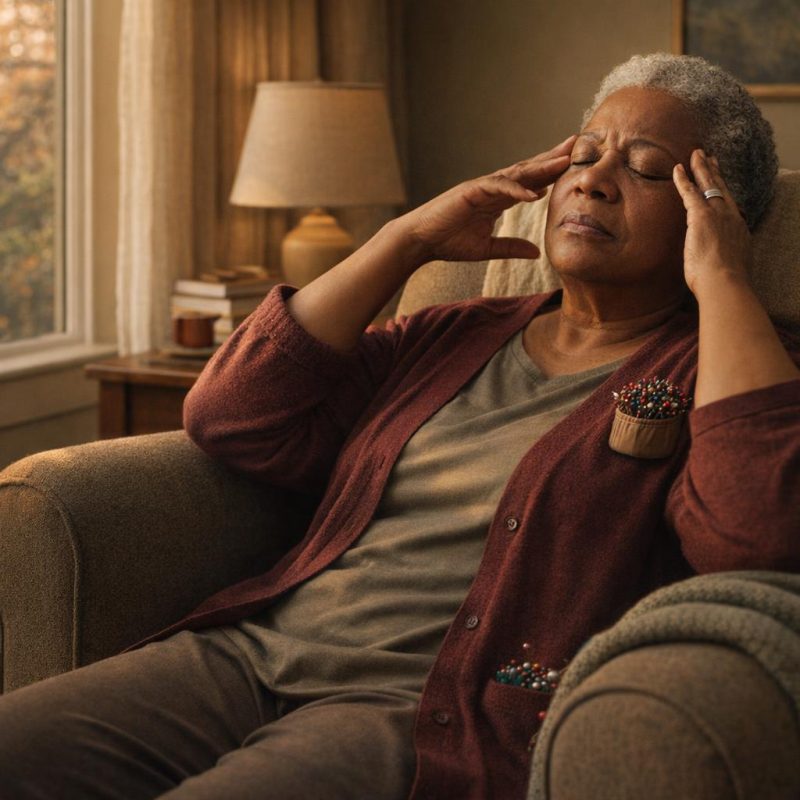 Image by RM AI
Focusing on the Work
I went back to my sewing room and made myself focus on the work, because that's what I knew how to do. I lifted the dress from the garment bag and spread it carefully across my work table, smoothing out the skirt so I could see the full shape of it. The silk had held up beautifully—my sister had chosen well, and someone had stored it properly over the years. I got out my measuring tape and started taking notes: Marissa was taller than her mother had been, so the hem would need to come down, which meant I'd have to work with the existing fabric and possibly add a facing. The waist would need to be taken in about two inches on each side. The bust would need minor adjustments. I wrote everything down in my notebook with the precision I'd learned decades ago, measuring twice, noting the exact numbers. Usually this part of the process calmed me, the familiar rhythm of assessment and planning, the way my hands knew exactly what to do. I'd measure, pin, stitch, press, and transform something that didn't quite fit into something perfect. The familiar motions of my craft usually brought clarity, but not this time.
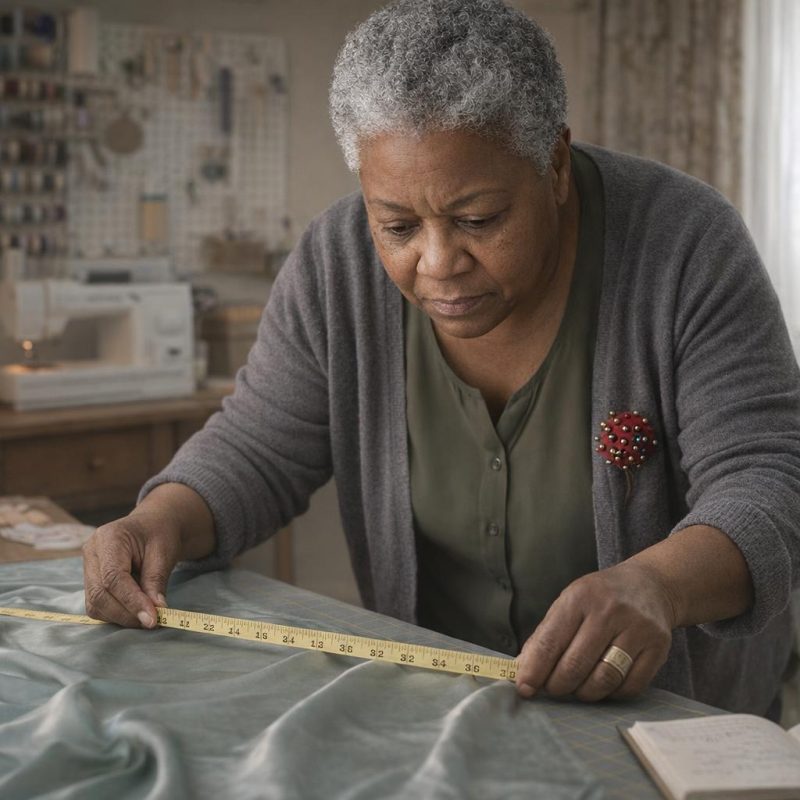 Image by RM AI
Stitching That Wasn't Mine
I turned the dress carefully to examine the construction, checking the seams for any weak points that might need reinforcement before I started my alterations. That's when I noticed something odd in the bodice. There were small alterations along the side seams, places where someone had taken the dress in and then let it back out again. I leaned closer, running my finger along the stitching, and I knew immediately it wasn't my work. The thread was a slightly different weight, and the stitch length was just a fraction longer than I would ever use on a bridal gown. It was professional work, don't get me wrong—whoever had done it knew what they were doing. But it wasn't the stitching I remembered doing in 1984, and it wasn't anything I'd done in the years since. I checked the other seams and found more of the same: careful, competent alterations that had happened sometime after the original dress was made. Someone else had worked on this dress, had opened these seams and closed them again. I stood there wondering when it had happened, and why, and who had needed these adjustments. The stitching was professional, but it wasn't the work I remembered doing.
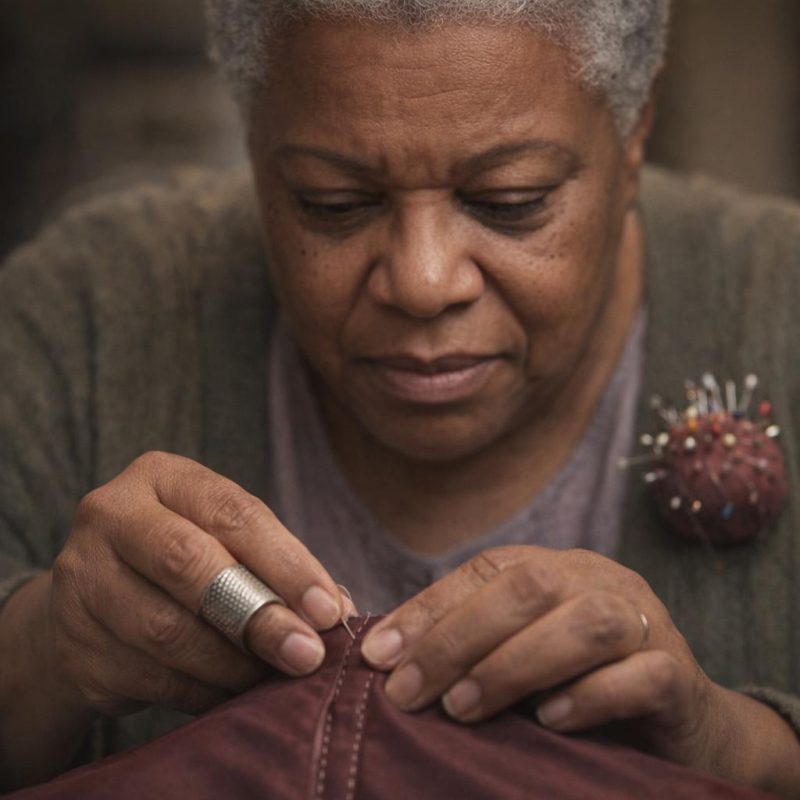 Image by RM AI
The First Fitting
Marissa came back the following Tuesday for her first fitting, and I helped her step carefully into the dress, supporting the fabric as she slipped her arms through the sleeves. The alterations I'd made fit her beautifully—the bodice hugged her frame exactly as it should, and the waistline sat precisely where I'd measured it. I stood back to assess the overall drape, checking the hem length and the way the skirt fell, and everything looked perfect from a technical standpoint. But Marissa kept shifting her weight from foot to foot, her hands fidgeting with the lace at her wrists even though I'd asked her to stay still. I tried to engage her in conversation about the ceremony, asking about the processional order and whether she'd finalized the music selections. Her answers came out clipped and brief, barely more than yes or no, and she kept glancing toward the door as if she needed to leave. I told myself it was normal pre-wedding jitters, that every bride got nervous standing in her dress for the first time. I marked the spots that needed final adjustments with my pins, working efficiently while she continued to shift and fidget. When I helped her out of the dress twenty minutes later, I felt satisfied with the alterations but couldn't shake the feeling that something about the whole session had felt off. Her nervousness seemed to go deeper than typical bridal jitters, like she was anxious about something I couldn't see.
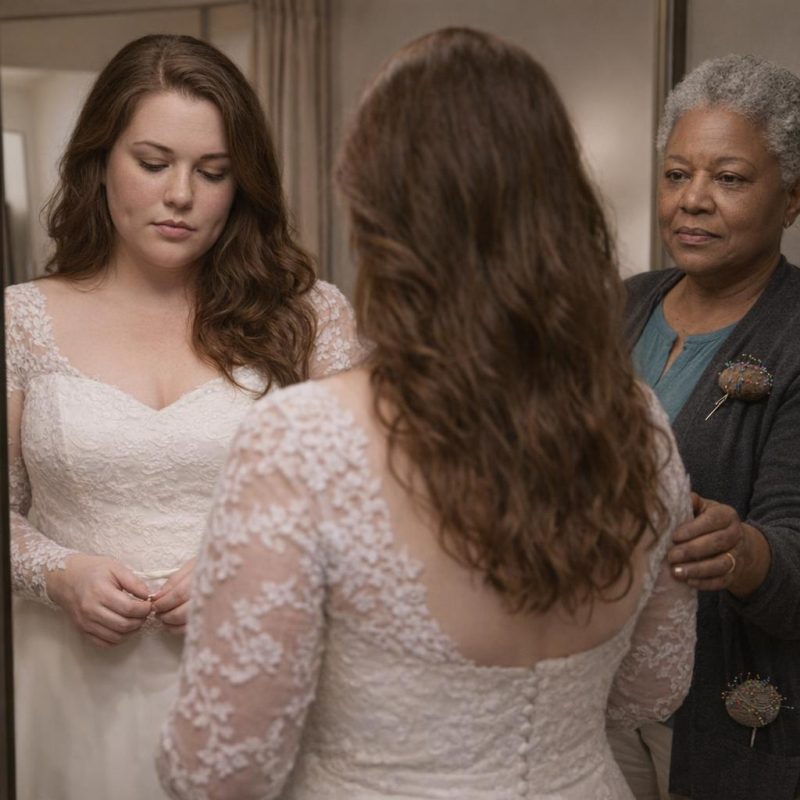 Image by RM AI
Deflecting My Sister's Name
I was adjusting the neckline during that same fitting, pinning a small section that needed to be taken in just a fraction of an inch, when I mentioned how beautiful my sister had looked in this dress on her wedding day. Marissa's shoulders went tight the moment I said it, and I felt her tense under my hands. Before I could say anything else about her mother, she jumped in with a question about the reception venue, asking if I thought the ballroom at the Riverside Inn would be too formal for a spring wedding. I paused with my pins still in hand, surprised by the sudden subject change, but I let her redirect the conversation. We talked about centerpieces and table arrangements while I finished the neckline, and I told myself that grief affects people in different ways. Maybe she wasn't ready to talk about her mother wearing this dress, wasn't ready to imagine herself following in those footsteps without her mom there to see it. I understood that kind of pain, or at least I thought I did. But as I removed the pins and helped her step down from the fitting platform, I couldn't help noticing that this was the first time she'd actively steered us away from any mention of her mother. The quickness of that deflection stayed with me, though I tried to be understanding about it. The moment passed, but it left me with questions I didn't quite know how to ask.
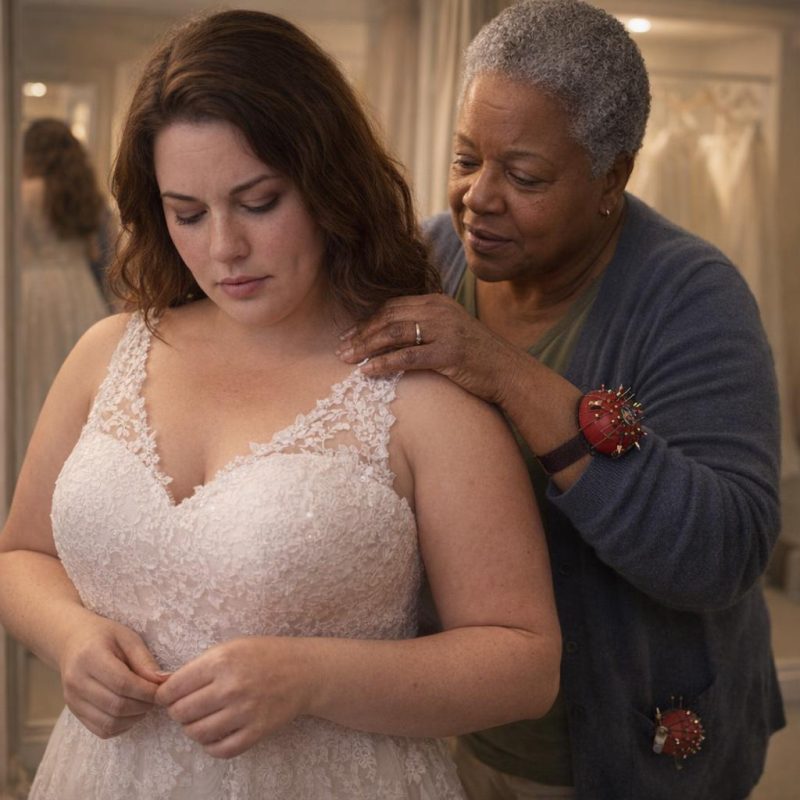 Image by RM AI
The Pattern Repeats
The second fitting happened two weeks later, and I noticed the pattern almost immediately. I asked Marissa if she'd decided whether to include her grandmother's handkerchief in her bouquet, a family tradition my sister had mentioned years ago, and Marissa smoothly changed the subject to talk about her photographer's timeline. When I tried again, asking if any other family members would be traveling in for the wedding, she redirected to discuss the rehearsal dinner menu. Each time I brought up anything related to family or tradition, she had an answer ready that took us somewhere else entirely. It wasn't awkward or obvious—the transitions felt almost natural, flowing from one topic to the next. But I was watching more carefully now, testing to see if I was imagining things. I mentioned my sister one more time, just a casual comment about how she'd worn her hair up to show off the neckline, and Marissa immediately launched into a detailed description of the florist's latest proposal. I continued pinning the hem while she talked, but my mind was working through what I was seeing. This wasn't random nervousness anymore, wasn't just a grieving niece struggling with painful memories. Every conversation about her mother seemed to make her uncomfortable, every mention of family history met with a quick redirect. The consistency of it struck me as something more than coincidence, and my unease deepened with each deflection.
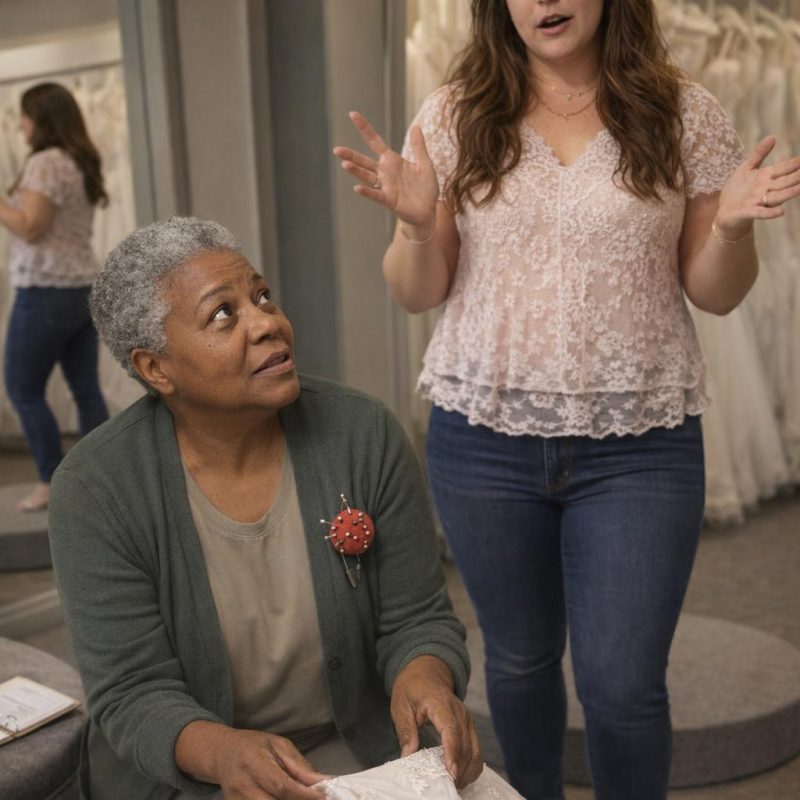 Image by RM AI
Doubting My Own Memory
That evening, after Marissa left with the dress carefully packed in its garment bag, I sat alone in my sewing room and let myself think through everything that had been bothering me. The quiet settled around me, just the hum of the refrigerator in the next room and the occasional creak of the house. I went back through my memories of my mother's final years, trying to remember any conversation about the wedding dress. Had she mentioned giving it away? Had she told me she'd donated it to a charity shop or sold it at an estate sale? I couldn't find that memory anywhere, but I'm sixty-four years old, and I know how unreliable memory can become. Maybe she'd made the decision and simply never mentioned it to me. Maybe I'd been told and forgotten, the information lost in the fog of grief and funeral arrangements and sorting through her belongings. I tried to picture myself packing up her things, tried to remember if I'd seen the dress in her closet, but those weeks after she died were such a blur. The self-doubt felt almost comforting in a strange way, because if I was the one who'd forgotten something important, then nothing was actually wrong. Maybe I was just getting older, misremembering things, making problems where none existed. Maybe I was the one who had forgotten something important, and Marissa's nervousness had nothing to do with the dress at all.
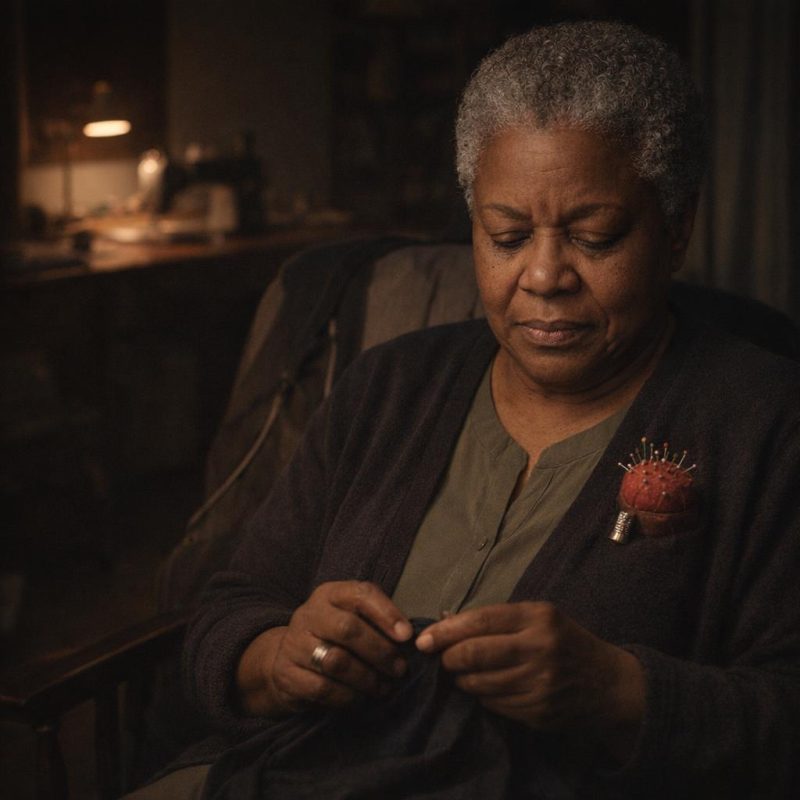 Image by RM AI
The Flinch
At the next fitting, I was marking the final hem adjustments when I asked Marissa what she'd decided about the processional music. It was a simple question, completely innocuous, the kind of thing any aunt might ask while helping with wedding preparations. But she flinched—actually flinched—before she answered, her whole body tensing like I'd said something threatening. She recovered quickly, telling me they'd chosen a string quartet to play Pachelbel's Canon, but I'd already seen that initial reaction. I continued working on the hem, but now I was watching her more carefully, paying attention to the small signals I'd been trying to ignore. I asked about the ceremony readings, another harmless question, and she remained guarded throughout her answer, her voice tight and controlled. Every question seemed to put her on edge, even the ones that had nothing to do with family or the dress itself. I finished pinning the hem and helped her turn slowly so I could check the drape from all angles, and the whole time she stayed tense, her shoulders rigid under the delicate fabric. When I asked if she'd finalized the guest list, she gave me a clipped yes and nothing more. Even simple questions seemed to put her on guard, like she was bracing for something I wasn't actually asking.
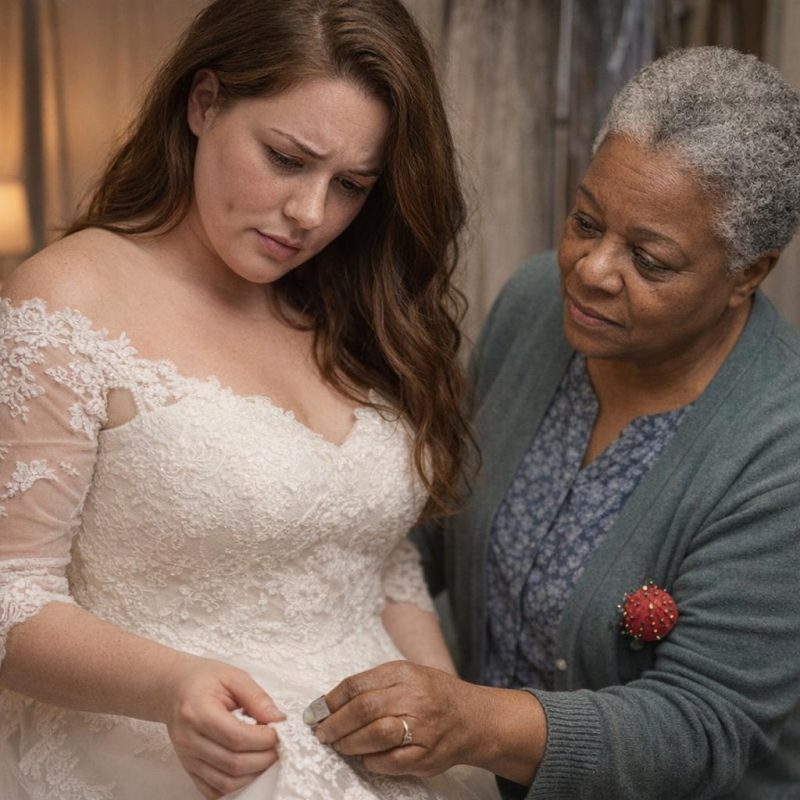 Image by RM AI
Telling Myself Stories
After she left, I sat at my sewing table and talked myself through everything I'd been noticing. Brides got stressed before their weddings—I'd seen it dozens of times over the years. They worried about seating arrangements and vendor schedules and whether the weather would cooperate. They snapped at their mothers and cried over centerpieces and second-guessed every decision they'd made. Marissa was planning a wedding without her mother there to help her, without that steady presence to calm her nerves and tell her everything would be beautiful. Of course she was on edge. Of course she was guarded and nervous and quick to deflect emotional conversations. This wedding carried the shadow of loss, and I needed to be more understanding about that. I was probably reading too much into normal behavior, seeing patterns where there were just the ordinary stresses of wedding planning combined with grief. She was twenty-eight years old, organizing a major life event while mourning her mother, and I was her aunt who kept bringing up painful memories. No wonder she seemed uncomfortable around me. I decided right then to be less observant, less analytical, to just focus on the alterations and let her handle her emotions however she needed to. The rationalization settled over me like a comfortable blanket, and I felt better for having talked myself out of my suspicions.
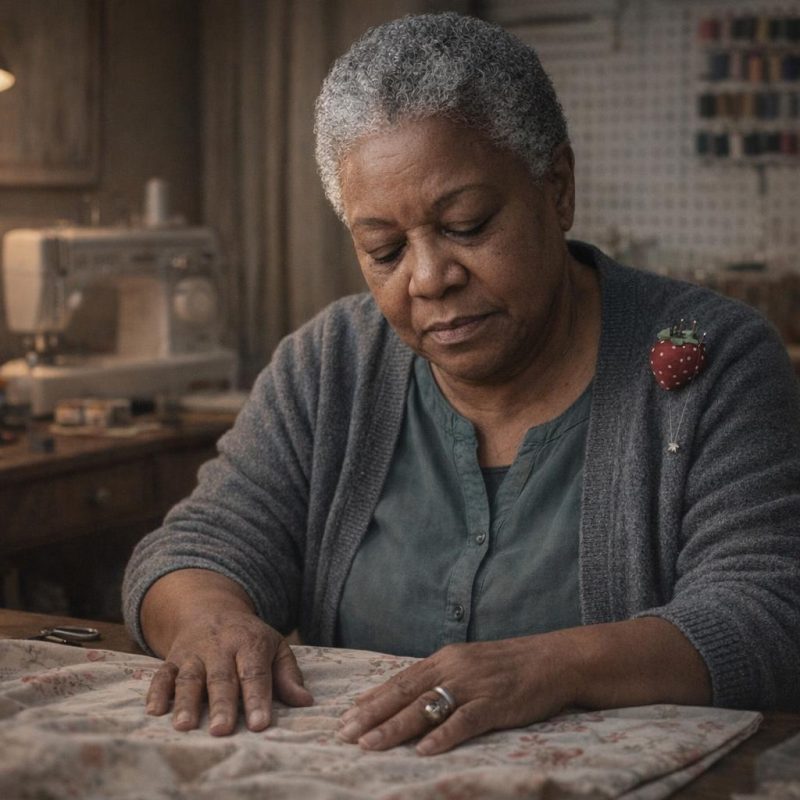 Image by RM AI
She Takes It Home
When the fitting ended and I was carefully removing the dress, I offered to keep it here in my storage closet until the wedding. I have a climate-controlled space where I keep delicate fabrics, and I explained that it would be safer here than traveling back and forth, less risk of stains or damage. Marissa declined immediately, before I'd even finished explaining. She said she wanted to keep it at her apartment, that she liked having it nearby, and her voice had that same tight quality I'd been noticing. I assured her that the dress would be perfectly safe here, that I'd stored dozens of wedding gowns over the years without incident, but she insisted. It wasn't rude exactly, but it was firm, final, like she'd already made up her mind before I'd even asked. She took the garment bag from my hands and held it close against her chest, protective, as if she didn't quite trust leaving it in my care. I watched her walk to her car, the white bag draped carefully over her arm, and I felt the implicit message in her refusal. She didn't want the dress here with me. She didn't want it out of her possession, even for a few days between fittings. The rejection felt like something more than just preference or convenience. She held the garment bag close as she left, as if she didn't trust leaving it with me.
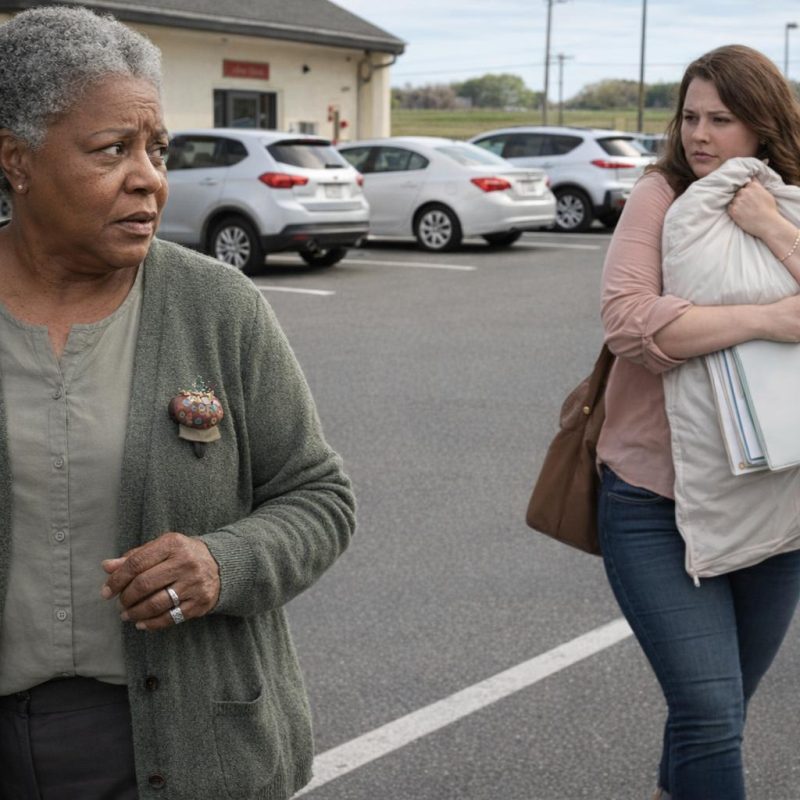 Image by RM AI
Alone with the Details
Marissa dropped the dress off three days later for me to work on the bodice reinforcement, and I spread it across my worktable to examine the structure. This was detailed work, the kind that required my full attention, and I settled into it with the focus of someone who'd been doing this for forty years. But as I worked, I found myself studying every inch of the construction with more than just professional interest. I noticed thread colors that didn't quite match the original ivory, slightly warmer tones that suggested different dye lots or different manufacturers. There were small repairs along the side seams, places where someone had mended a split or reinforced a stress point, and the techniques weren't quite the same as the ones I would have used. I examined the way the lining attached to the outer fabric, looking at the hand-stitching that secured the layers, and found variations in the stitch length that suggested multiple hands had worked on this dress over the years. Each detail raised new questions about where this dress had been, who had worn it, what alterations had been needed and when. The work that should have been routine—simple structural reinforcement—had become something else entirely. I couldn't stop examining every seam, every thread, every tiny inconsistency. The more closely I looked, the more questions surfaced.
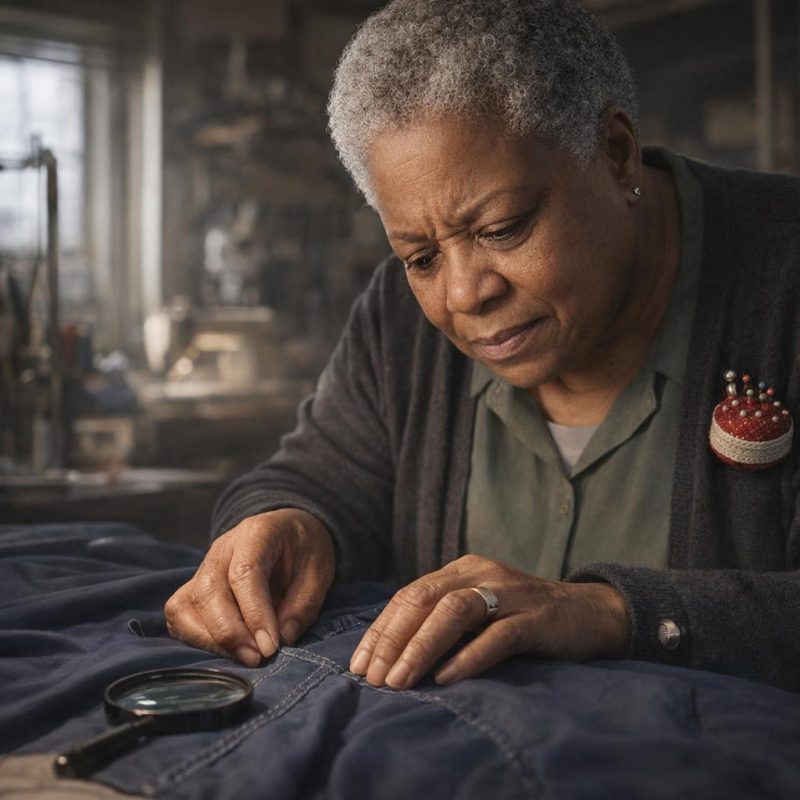 Image by RM AI
The Altered Seam
I was working on the bodice reinforcement when I found it—a seam in the lining that stopped me cold. The stitching was professional, clean, the kind of work someone with real skill had done, but it wasn't original to the dress. I could see where the thread color was just slightly different, a shade warmer than the ivory used throughout the rest of the construction. I pulled the dress closer under my work light and traced the altered section with my fingertip. The seam ran along the interior side panel, maybe eight inches long, and someone had opened it carefully, then resewn it with the same precision I would have used myself. This wasn't a repair from wear or damage. The fabric around it showed no stress, no splitting, nothing that would have required mending. I examined the stitches under my magnifying lamp, counting the even spacing, noting the professional hand that had worked here. Someone had deliberately opened this seam to access the space between the lining and the outer fabric, then closed it back up just as deliberately. My hands went still on the silk. Someone had hidden something inside this dress and then removed it.
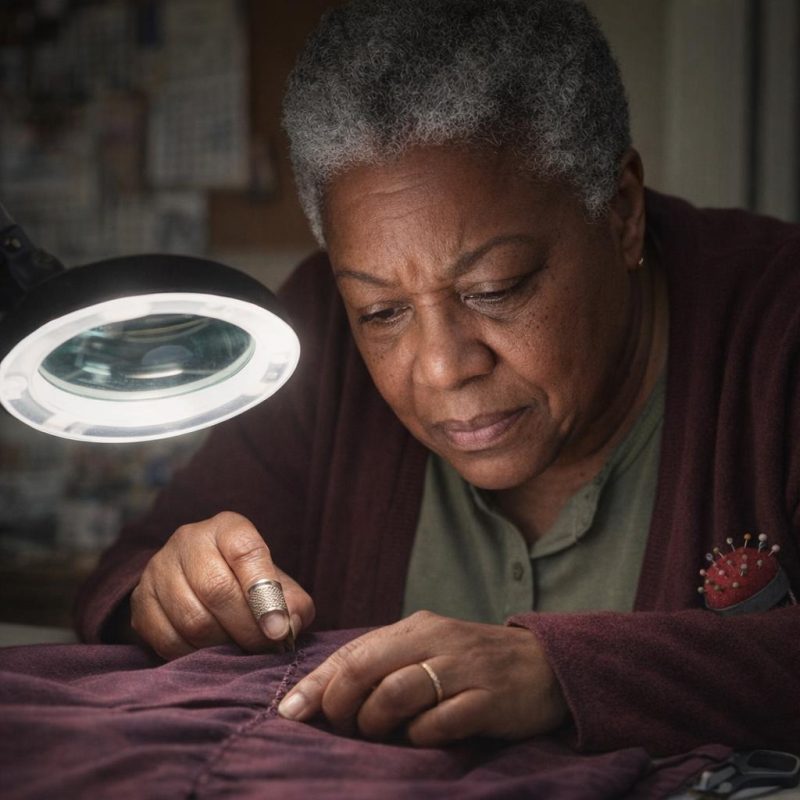 Image by RM AI
The Temptation to Look
I sat there for a long moment, then opened my tool drawer and pulled out my seam ripper. The small hooked blade caught the light as I positioned the dress under the brightest lamp in my workroom. I could open this seam in minutes—I'd done this kind of work thousands of times, carefully separating stitches to access a lining or make a structural repair. My finger traced the altered section again, feeling the slight ridge where the newer thread lay against the older fabric. What had been hidden there? And more importantly, why had someone gone to such lengths to conceal it and then retrieve it? The seam ripper felt light in my hand, familiar, ready. I positioned the point against the first stitch, but my hand wouldn't move forward. The dress technically belonged to Marissa now. She'd brought it to me for alterations, trusted me with it, and here I was considering investigating something she'd clearly wanted to keep private. I held the tool poised over the stitches, my curiosity pulling against my sense of boundaries. My hand hovered there, the blade catching tiny reflections from the work light, but I couldn't decide if I had the right.
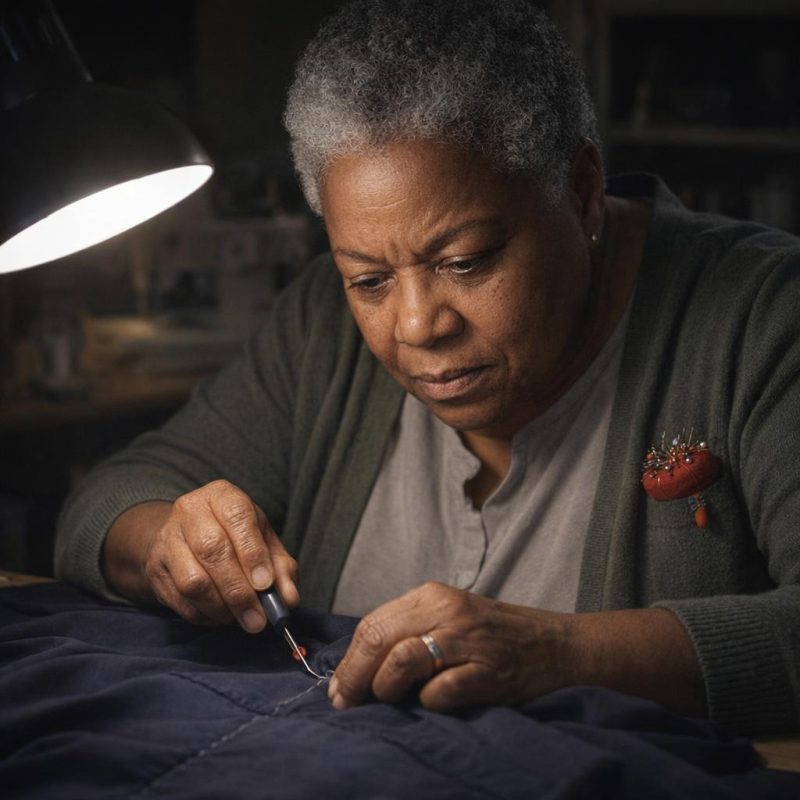 Image by RM AI
Respecting the Boundary
I set the seam ripper down on the work table with a soft click. The dress was Marissa's property now, whatever its history, whatever had been hidden in that lining. I had no right to go digging through her private matters, even if those matters were literally sewn into the fabric I was working on. Everyone had things they kept to themselves, secrets that were theirs alone to keep or share. Maybe Marissa had hidden something sentimental there, something from her mother or grandmother that she'd later retrieved. Maybe it was none of my business at all. I carefully folded the dress, smoothing the silk with hands that had steadied themselves through sheer force of will. I returned the seam ripper to its place in the drawer, closing it with deliberate care. The decision was made. I would respect the boundary, finish the alterations I'd been asked to do, and let Marissa keep whatever privacy she needed. I told myself this was the right choice, the ethical choice, the only choice that honored the trust she'd placed in me. But the decision to stop looking didn't stop the questions from growing.
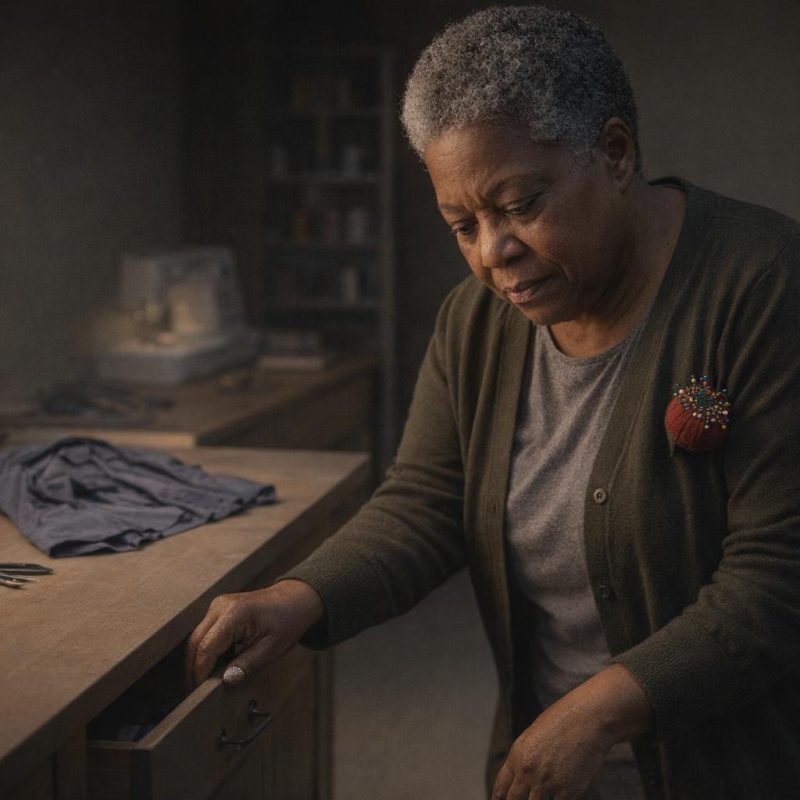 Image by RM AI
The Inventory of Oddities
That night I lay in bed staring at the ceiling, my mind refusing to settle. I kept mentally cataloging everything that had felt off since Marissa first brought me that dress. The vintage shop story that she'd told so quickly, almost too quickly, with details that felt rehearsed. No, not rehearsed—I caught myself. Just... smooth. Too smooth, maybe. The way she'd deflected every question about family, changing the subject whenever I mentioned her grandmother or tried to connect the dress to our shared history. I thought about the unfamiliar stitching I'd found, techniques that weren't mine, repairs that suggested the dress had been somewhere else, worked on by other hands. The altered seam in the lining, professionally opened and closed, suggesting something had been concealed there and later removed. Marissa's insistence on taking the dress home between fittings, her visible tension when I examined it too closely. The small flinches, the guarded responses, the way her shoulders stayed tight even when she smiled. Each thing alone could be explained away—poor memory, natural privacy, coincidence, nerves about the wedding. But lying there in the dark, I couldn't stop adding them up. Separately they could be explained, but together they formed something I couldn't ignore.
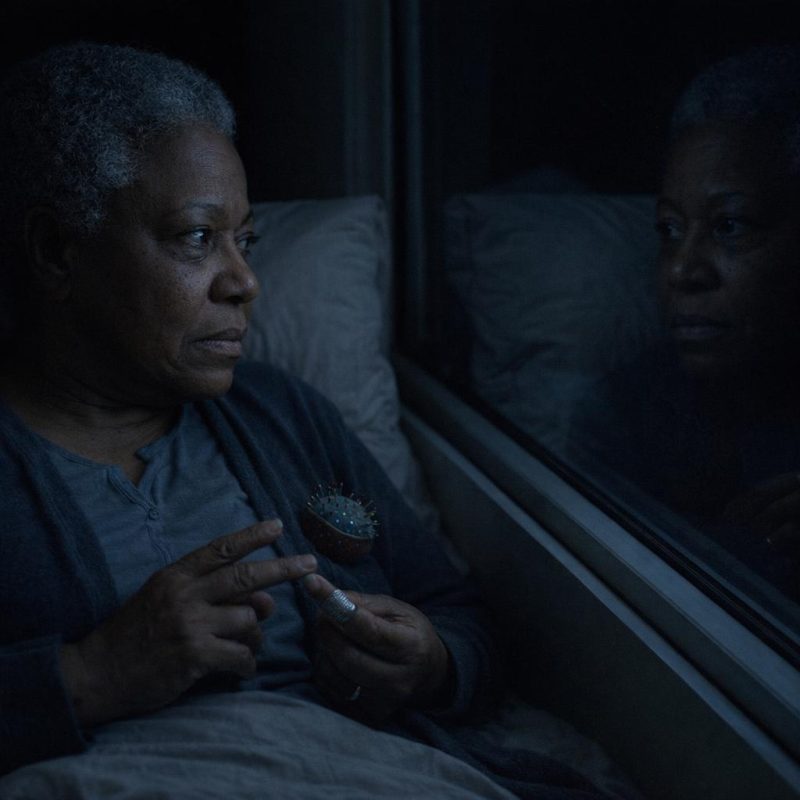 Image by RM AI
The Sleepless Inventory
Sleep wouldn't come. I kept replaying the vintage shop conversation in my head, examining it the way I'd examined that altered seam. Marissa had said the shop was out of state, but she'd never specified which state. When I'd asked about the city, she'd given me a vague answer about a small town, nothing specific enough to picture. I tried to remember how she'd described the shop itself—had she even described it? The details felt thin now, stretched too far to cover the gaps. She'd mentioned finding the dress on a rack, paying less than she'd expected, but the timeline bothered me. When had this supposedly happened? She'd brought me the dress three weeks ago, but she'd never mentioned this amazing vintage find before that day. Wouldn't she have called me right away, excited about discovering a dress that looked so much like the one from her mother's wedding? The story that had seemed like lucky coincidence in daylight started to fray in the darkness. I rolled over, punched my pillow, tried to force my mind to quiet. But the pieces wouldn't fit together anymore. The details that had seemed plausible in daylight frayed apart in the darkness.
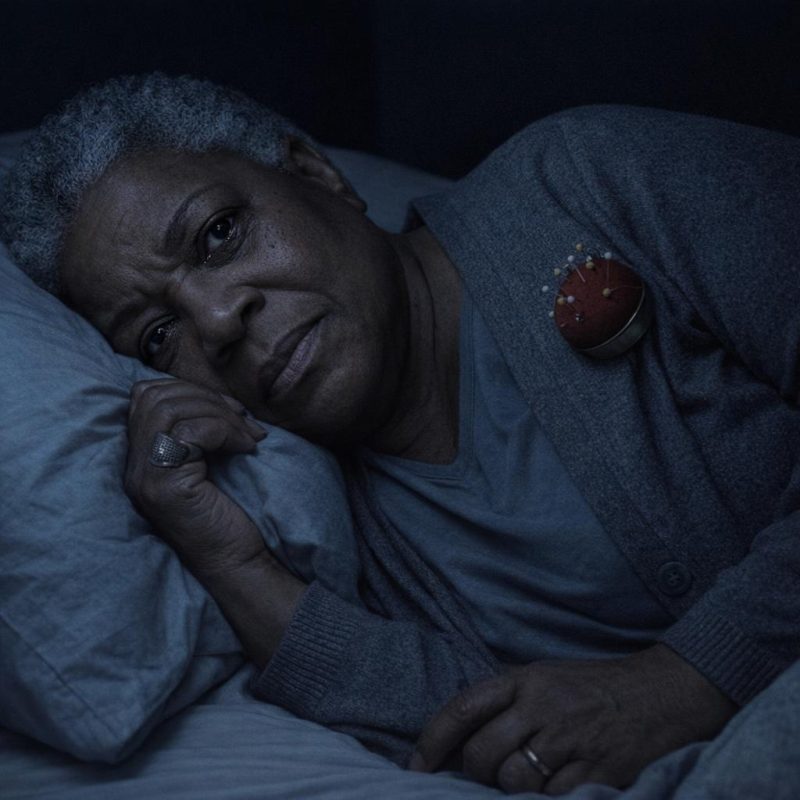 Image by RM AI
Reading Her Face
When Marissa arrived for the next fitting, I helped her into the dress while watching her face with an attention I'd never brought to our sessions before. I was searching for something, though I wasn't sure what—some sign that would either confirm my suspicions or put them to rest. Part of me desperately wanted to find nothing, to see only my niece preparing for her wedding, nervous and excited like any bride would be. I adjusted the fabric at her shoulders and asked how her week had been, watching her expression as she answered. Her smile came quickly but didn't quite reach her eyes. I smoothed the bodice and mentioned the weather, noting how she looked away toward the mirror instead of at me. Small talk that should have been easy felt strained, and I couldn't tell if the strain was coming from her or from me. I wanted to believe her. I wanted the vintage shop story to be true, wanted this dress to be exactly what she'd said it was, wanted my growing suspicions to be nothing more than an old woman's overactive imagination. I pinned the hem and asked about her bridesmaids, and she answered with that same quick brightness that felt like a shield. Part of me wanted her story to be true more than I wanted to know the truth.
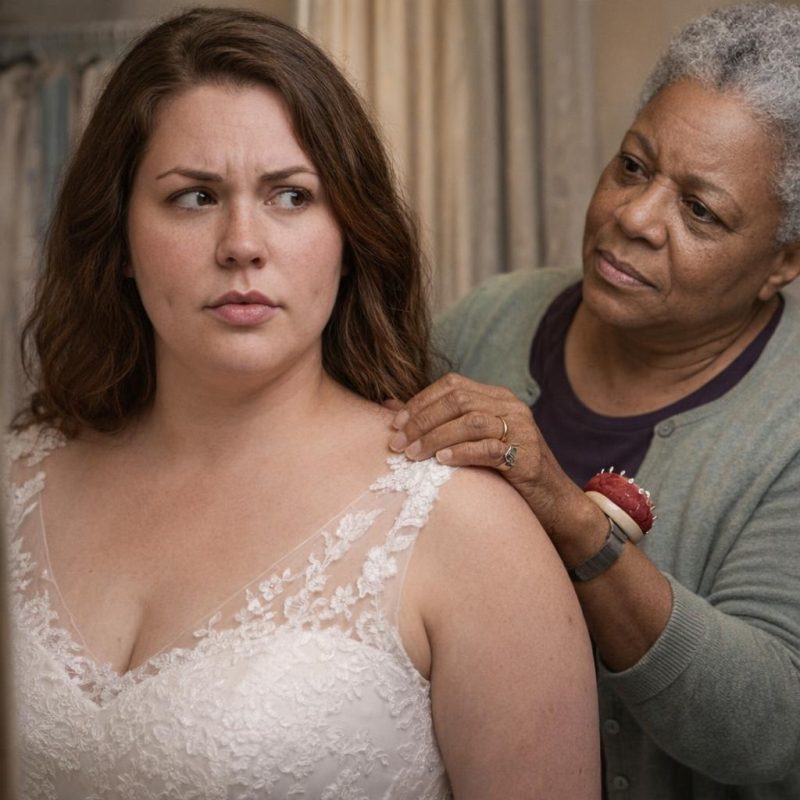 Image by RM AI
Testing the Story
I kept my voice casual as I worked on the hem. "What did the shop look like inside? I love vintage stores." Marissa paused for just a beat before answering. "Oh, it was beautiful. Very Victorian, lots of dark wood and antique mirrors." I nodded, pinning another section. "Did they specialize in wedding dresses?" Another pause, longer this time. "They had all kinds of vintage clothing. Dresses from different eras, some men's suits, accessories." I made a small sound of interest and asked, "What was the shop called? I might want to visit sometime." She shifted her weight, and I felt the fabric move under my hands. "I don't remember exactly. Something with 'vintage' or 'antique' in the name." That seemed odd—you'd think she'd remember the name of the place where she'd found her wedding dress. I asked about the owner, keeping my tone light, just making conversation. Marissa described an older woman, very helpful, but the description felt different from what she'd mentioned before. Hadn't she said something about a couple running the shop? I noted each hesitation, each pause before she answered, the way her descriptions kept shifting. The story wobbled under gentle questioning.
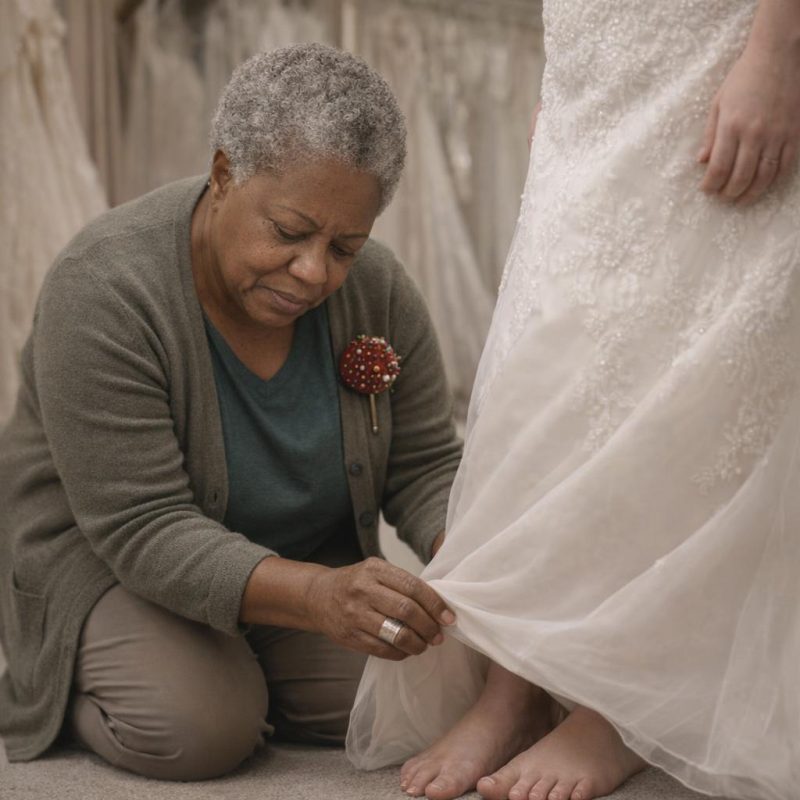 Image by RM AI
The Logic Breaks Down
"So you found it on a Tuesday?" I asked, remembering what she'd mentioned earlier about the day she'd discovered the dress. "Yes, I'd taken the afternoon off work," Marissa said, her voice brightening as she described walking into the busy shop, how helpful the staff had been, how many other customers were browsing. I kept pinning the hem, but my hands had gone mechanical. Most vintage shops were closed on Tuesdays—I knew this because I'd worked with enough of them over the years, sourcing fabrics and notions. It was the standard day for small retail shops to close, especially vintage stores run by one or two people. A busy shop with multiple staff members on a Tuesday afternoon? I didn't point out the discrepancy. Instead, I asked when she'd gone back to pick up the dress after thinking about it. "Oh, I bought it that same day," she said. But earlier she'd told me she'd found it, left to think about it, and returned the next week. I finished the last pin and helped her out of the dress, watching the details shift and contradict each other. The pieces of her story no longer fit together, no matter how I tried to arrange them.
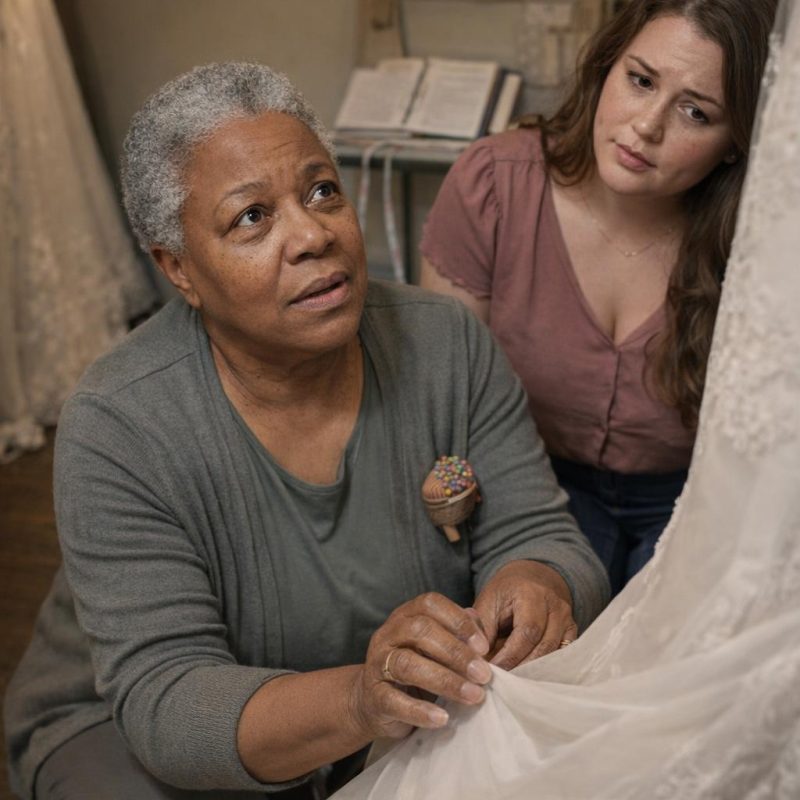 Image by RM AI
Choosing Peace Over Answers
After Marissa left that evening, I sat alone in my sewing room with the overhead light casting shadows across the cutting table. The evidence was all there, spread out in my mind like pattern pieces that didn't quite align—the Tuesday shop visit, the changing timeline, the way her stories shifted each time she told them. I could confront her. I could ask directly about the inconsistencies, demand to know why the details kept changing. But then what? I imagined her face crumpling, the hurt in her eyes, the way it would poison everything between us. My sister would have wanted peace, I told myself. She would have wanted her daughter's wedding day to be filled with joy, not suspicion and accusations. I thought about all the family gatherings that had been strained over the years, all the silences that had grown where warmth should have been. Did I really want to add another wound to that collection? The dress was beautiful. The alterations were perfect. Maybe that was enough. Maybe some things were better left unexamined, better left to settle on their own. I decided that night to let it go, to stop turning over the inconsistencies in my mind, to simply show up and be present for my niece on her wedding day. Perhaps some truths weren't mine to uncover, I told myself, even as doubt whispered otherwise.
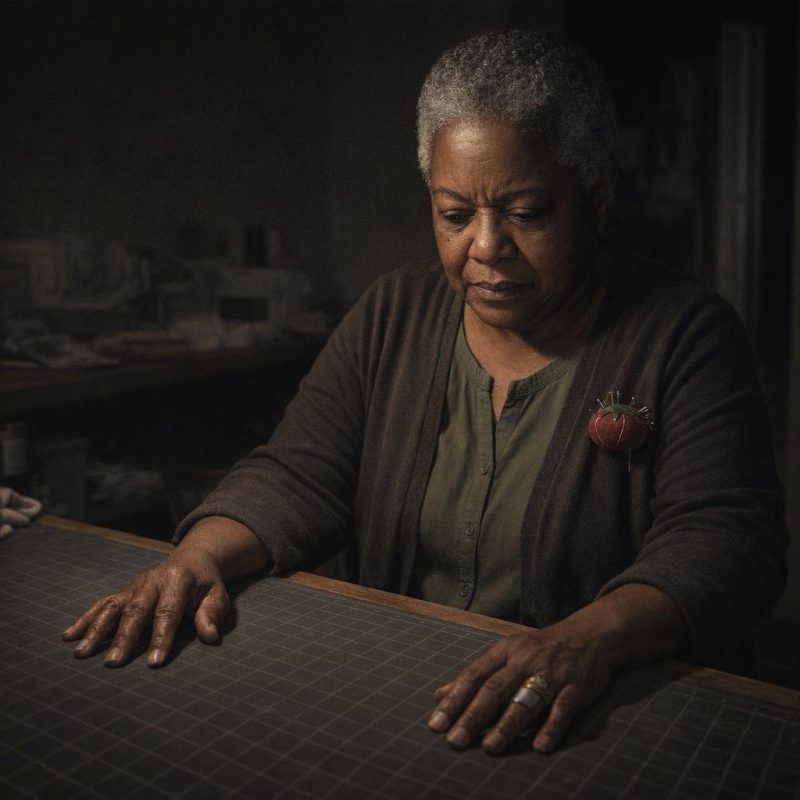 Image by RM AI
The Final Week
Marissa arrived for the final fitting on Tuesday afternoon, exactly one week before the wedding. I'd spent the morning pressing the dress with careful attention, making sure every seam lay flat, every detail was perfect. When she stepped into the gown, I felt a surge of professional satisfaction—the fit was flawless after all those weeks of careful adjustments. The bodice hugged her exactly right, the hem skimmed the floor at precisely the correct length. I circled her slowly, checking every angle, making microscopic adjustments to the bustle mechanism that would lift the train for the reception. She seemed more relaxed than she'd been in previous visits, chatting about the final wedding preparations, the rehearsal dinner plans, the honeymoon itinerary. I tried to match her energy, to share in the excitement, to push away the questions that still lurked in the back of my mind. This was what I'd chosen—to focus on the work, to be present for the joy. I smoothed a tiny wrinkle near the waist seam and stepped back to admire the overall effect. The dress looked absolutely beautiful, transforming her into the bride she'd always imagined herself to be. But standing there in my sewing room, watching her smile at her reflection, the moment felt strangely hollow, like I was observing it from behind glass. If I couldn't give her truth, I could at least give her my best work.
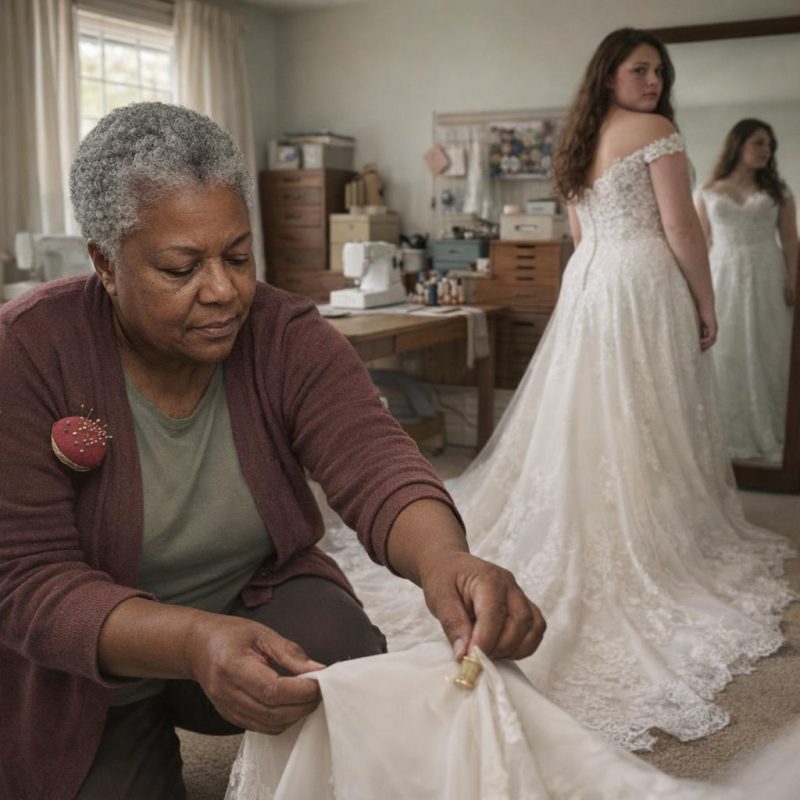 Image by RM AI
Stitching Love Into Lies
That night, I sat under the bright lamp at my work table with the dress spread carefully across my lap, working on the final hand-stitching along the hem. I'd chosen the finest silk thread, nearly invisible against the ivory fabric, and I used a slip stitch so small you'd need a magnifying glass to see the individual stitches. My needle moved in the rhythm I'd perfected over forty years of this work—pierce, pull, pierce, pull—each stitch placed with the precision that had become second nature to my hands. I thought about all the wedding dresses I'd altered over the decades, hundreds of them, each one carrying someone's hopes and dreams. But this one was different. This dress had belonged to my sister, had been part of our family's story, and now it would carry Marissa down the aisle toward her new life. I imagined that moment—the music starting, everyone turning to watch, Marissa appearing in the doorway wearing this gown that connected three generations. My fingers worked steadily, placing each stitch with care that went beyond technical skill. This was how I knew to show love, through the work of my hands, through the hours of attention I poured into every detail. Maybe I was wrong about everything. Maybe the inconsistencies had simple explanations I hadn't considered. Maybe my suspicions were just the worried imaginings of someone who'd been hurt before. Every stitch was a prayer that I was wrong about everything.
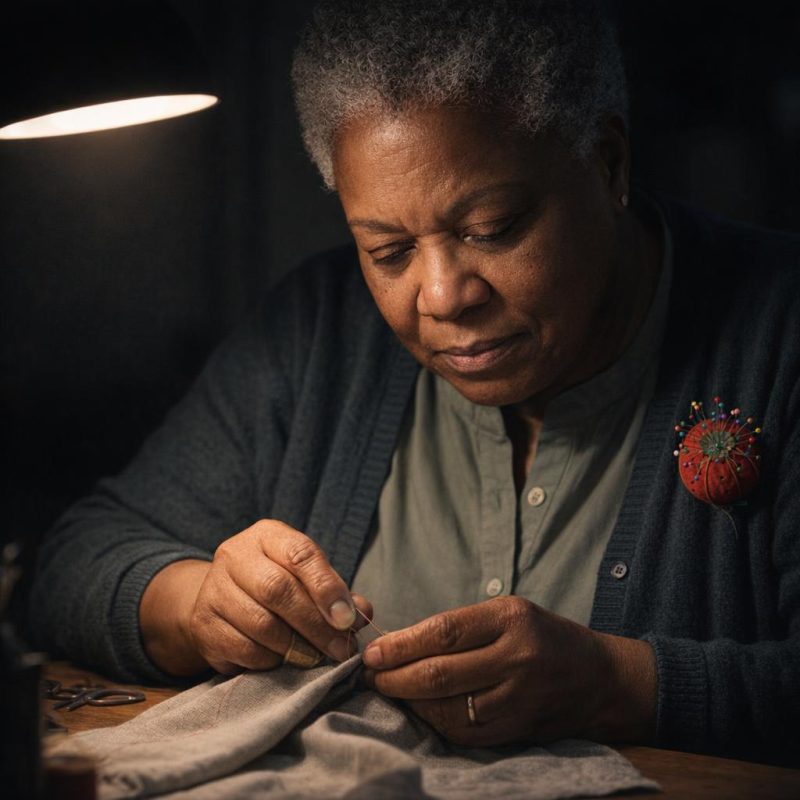 Image by RM AI
The Cold Handoff
When Marissa came to collect the finished dress on Thursday, I had it hanging in a protective garment bag, ready for her to transport safely. I unzipped the bag carefully and showed her the completed work, pointing out the hand-stitched hem, the reinforced bustle points, the tiny hook-and-eye closures I'd added for security. She thanked me, but the words came out flat, automatic, like she was reading from a script. I'd expected something more after all those weeks—maybe a hug, maybe tears, maybe just a moment of real connection over this dress that meant so much to both of us. Instead, she checked her phone twice while I was explaining the bustle mechanism. "I really need to get going," she said, glancing toward the door. "There's so much to do before Saturday." I tried to engage her about the wedding day timeline, asking when she'd be getting her hair done, whether she was nervous, all the normal aunt questions. She gave brief, distracted answers, already mentally somewhere else. She took the dress and garment bag from my hands, draped them over her arm, and moved toward the door with barely a backward glance. "Thanks again, Aunt Eleanor," she called over her shoulder, and then she was gone, her car pulling away before I'd even closed the front door. She left with barely a goodbye, and I stood holding the emptiness she left behind.
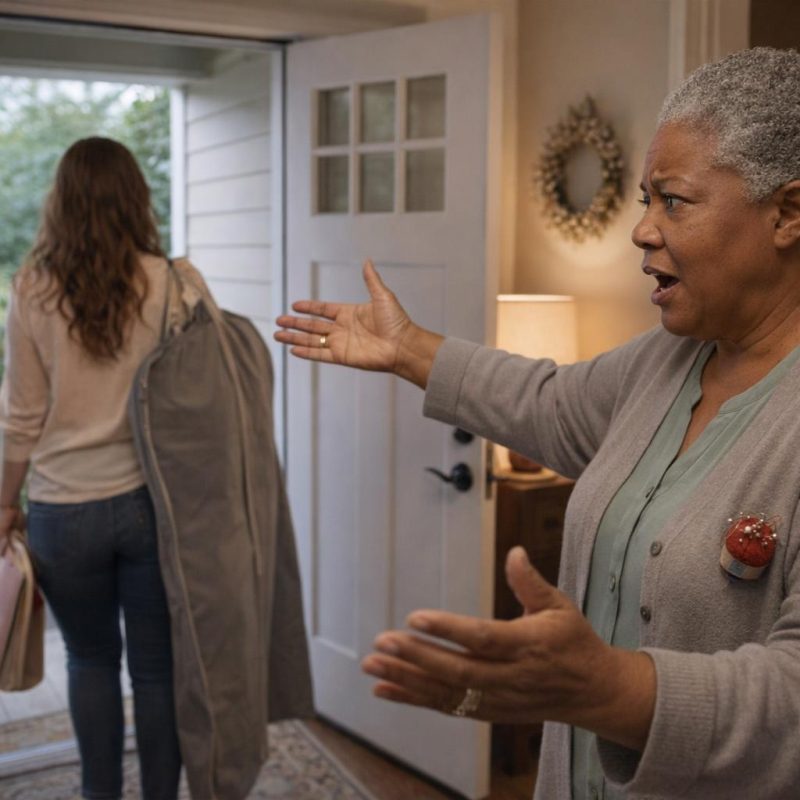 Image by RM AI
No Gratitude in Her Eyes
I watched through the window as her taillights disappeared down the street, and something cold settled in my chest. She'd taken the dress without real gratitude, her attention already elsewhere, and I felt all those hours I'd poured into it become invisible in that moment. I thought about the late nights I'd spent getting the fit exactly right, the careful hand-stitching by lamplight, the way I'd obsessed over every detail because this wasn't just any dress—it was my sister's dress, my family's dress. And Marissa had accepted it like it was simply owed to her, like my time and skill were just things she was entitled to receive. There'd been no warmth in her eyes when she looked at the finished gown, no real appreciation for what I'd given her. Her mind had been somewhere else entirely, distracted and distant, treating our interaction like an errand she needed to check off her list. I turned away from the window and looked at my empty sewing room, at the scraps of thread still on the floor from the final stitching, at the pin cushion and measuring tape that had been my constant companions through this whole process. The hurt went deeper than the earlier suspicions about where the dress had come from. This was about being taken for granted, about giving a gift that wasn't recognized as a gift at all. I had given her my skill, my time, my care—and she had taken it all as if it were simply owed.
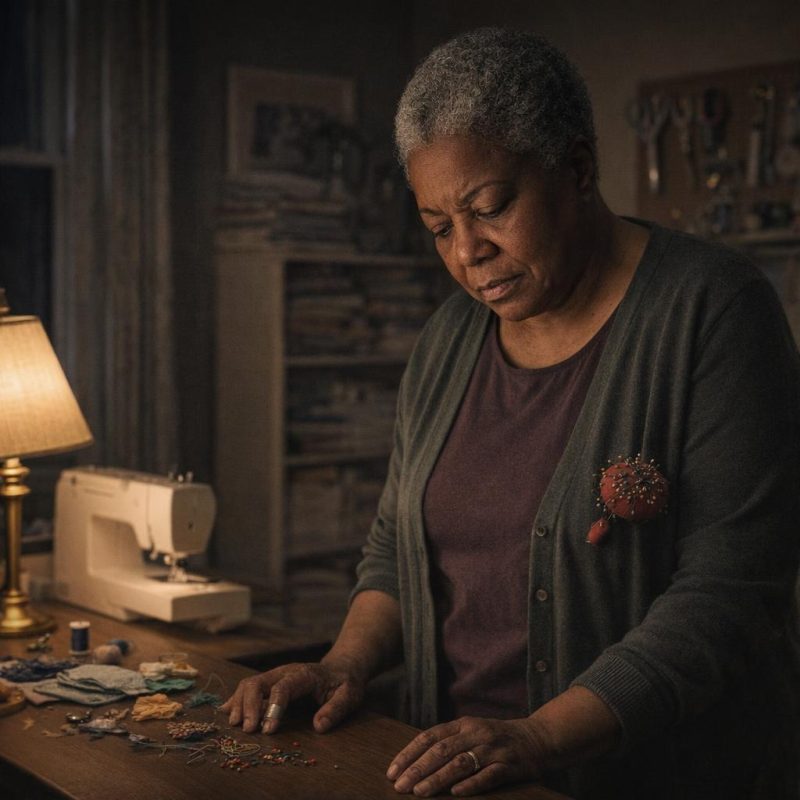 Image by RM AI
The Pattern of Withdrawal
I sat in my armchair that evening, unable to settle into anything, my mind replaying not just that cold departure but all our interactions over the past weeks. When I laid them out in sequence, a pattern emerged that I hadn't fully recognized while I was living through it. The first fitting had been warm, almost affectionate. The second had been slightly more distant. By the third, she'd been checking her phone constantly, eager to leave. And today's pickup had been downright cold, like she couldn't get away fast enough. This wasn't the normal progression of a busy bride getting more stressed as the wedding approached. I'd worked with enough brides to know what pre-wedding jitters looked like, and this wasn't it. Marissa seemed perfectly comfortable when I'd seen her at family gatherings with other relatives. She'd been laughing and relaxed at my brother's house last weekend. The withdrawal, the increasing distance, the nervous energy—it was all directed specifically at me. She wasn't anxious about the wedding. The recognition sent a chill through me that had nothing to do with the temperature in the room. Something had shifted in how she saw me, or maybe something had been there all along that I was only now recognizing. Why would my niece be nervous about spending time with me? What was she afraid I might see or ask or discover? She wasn't nervous about the wedding—she was nervous about me.
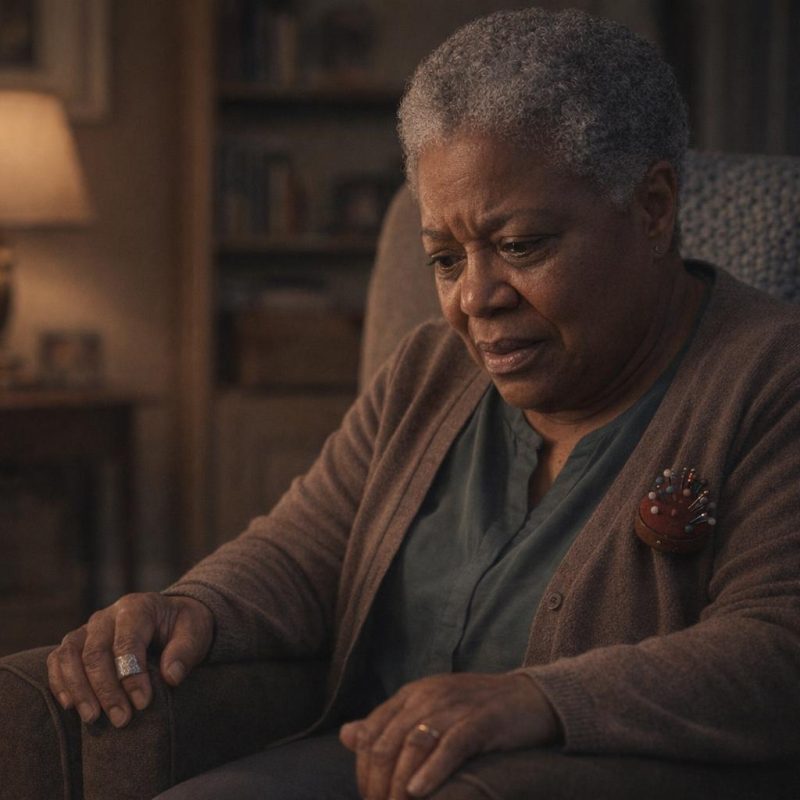 Image by RM AI
Dread in the Morning Light
I woke early on Saturday morning, before my alarm, with that unnamed dread already sitting heavy in my stomach. The wedding was today. I should have been feeling nothing but joy and anticipation, but instead I felt like I was preparing for something I couldn't quite name. I chose my outfit carefully—the navy dress with the subtle floral pattern, the pearl earrings my sister had given me years ago, the good shoes that would be comfortable for a long day. I stood in front of the mirror, adjusting my collar, trying to talk myself into the right frame of mind. This was Marissa's wedding day. This was supposed to be beautiful and joyful and everything a wedding should be. But the feeling wouldn't leave, that sense of standing on the edge of something, of waiting for a shoe to drop. I tried to push it away, to focus on the positive, to remember the dress and how beautiful Marissa would look walking down the aisle. It didn't help. The dread had no specific shape, no clear source I could identify and dismiss. It was just there, persistent and heavy, like my body knew something my mind hadn't figured out yet. I picked up my purse and car keys, took one last look in the mirror, and headed for the door. I was going to see something today that I wouldn't be able to unsee.
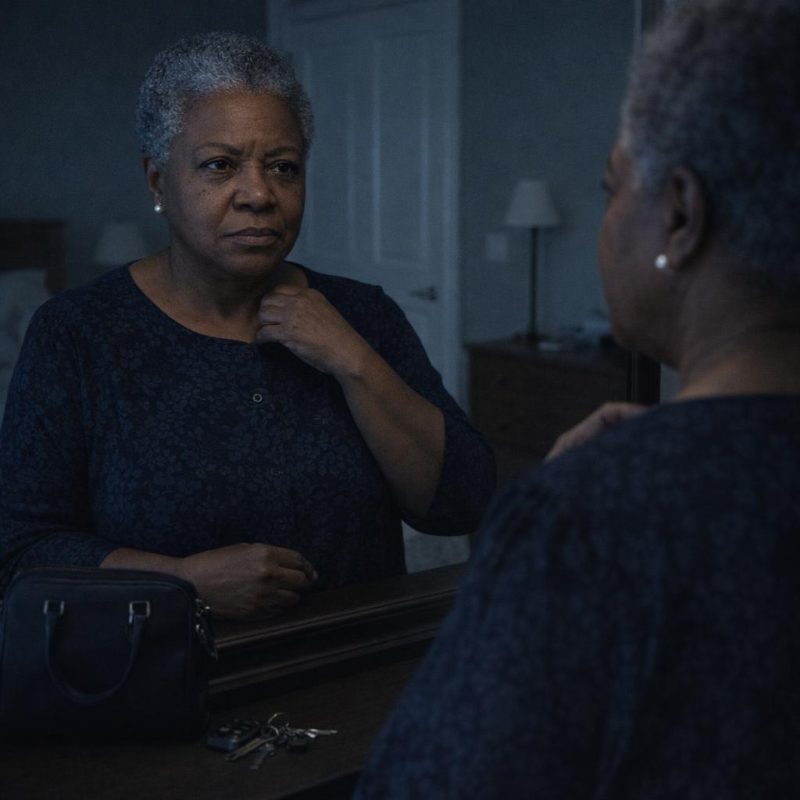 Image by RM AI
Arriving at the Venue
I arrived at the venue an hour before the ceremony was scheduled to start, my hands gripping the steering wheel a little too tightly as I pulled into the parking lot. I sat in the car for a moment, composing myself, watching other early arrivals make their way toward the entrance. The venue was beautiful—a restored historic building with tall windows and elegant stonework. I walked through the main doors and into the reception space, taking in the transformation that had happened here. White flowers and greenery draped every surface, the tables were set with crisp linens and gleaming glassware, and soft light filtered through sheer curtains. Everything spoke of careful planning and attention to detail, of hours spent choosing exactly the right elements to create this perfect day. I walked slowly through the space, noting the place cards in their elegant holders, the centerpieces that must have cost a fortune, the string quartet setting up in the corner. It was all so beautiful, so carefully orchestrated, so exactly what a wedding should look like. But the beauty felt fragile somehow, like a soap bubble that might pop at any moment. I could feel my heart beating faster than it should, that sense of anticipation mixing with dread in a way that made my hands feel cold. Everything looked perfect on the surface, exactly like Marissa wanted it.
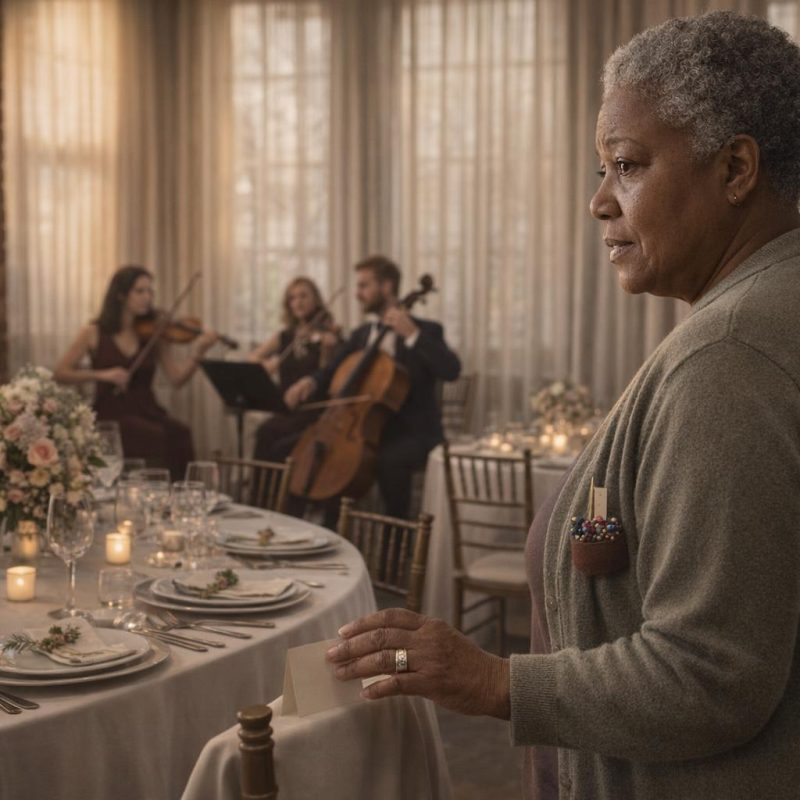 Image by RM AI
Watching From the Edges
I stood near the back wall of the reception space, my hands folded in front of me, watching as guests began to arrive in clusters. Cousins I hadn't seen in five years walked past with barely a nod. An uncle I'd made curtains for last summer gave me a polite smile but didn't stop to chat. Everyone seemed to know each other, seemed to belong to some inner circle I'd somehow fallen out of without realizing it. I watched them greet each other with warm hugs and exclamations, the kind of easy affection that comes from staying connected. I'd been at every family gathering for decades, had sewn christening gowns and hemmed graduation dresses and altered suits for funerals. But standing there against the wall, I felt like someone who'd wandered into the wrong wedding. A group of Marissa's father's relatives clustered near the entrance, laughing about something I couldn't hear. No one glanced my way. No one waved me over. I'd helped raise Marissa after her mother died, had been there for scraped knees and school plays and her first heartbreak. I'd spent weeks making her wedding dress perfect. But today I felt like a stranger in my own family.
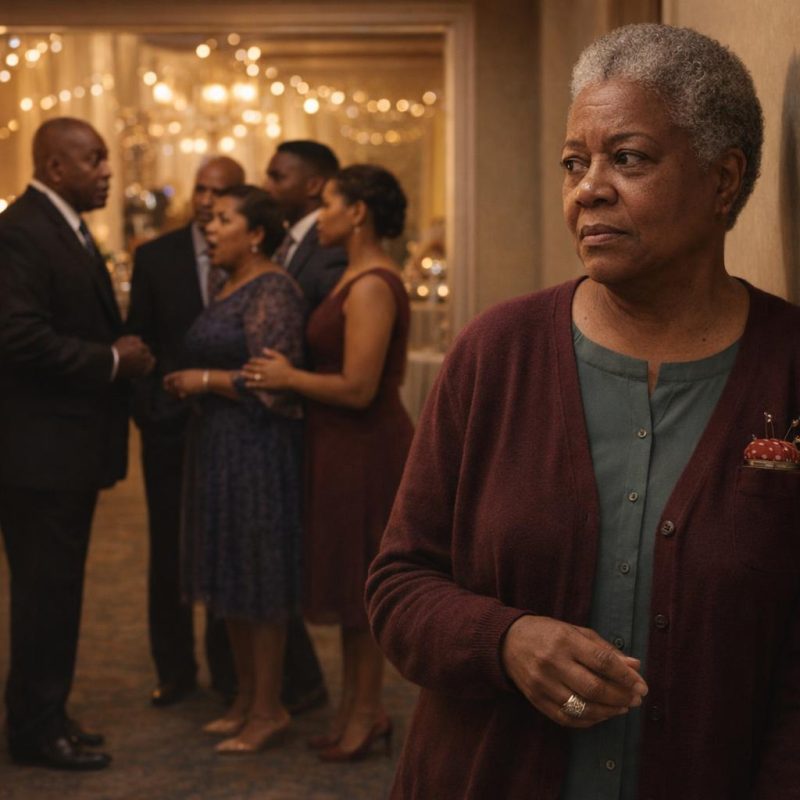 Image by RM AI
The Snub
The door to the bridal suite opened and Marissa emerged in a flutter of white silk and tulle. She looked absolutely radiant, her face glowing with that particular joy that belongs only to brides on their wedding day. The dress fit her perfectly, every seam and dart exactly where it should be, the lace overlay catching the light just right. She moved through the gathering like sunshine, hugging her aunts with genuine warmth, laughing at something her uncle said, thanking people for coming with tears in her eyes. I watched her work her way through the crowd, my heart lifting slightly at seeing her so happy. When she got closer, I stepped forward, ready to embrace her, ready to tell her how beautiful she looked. She saw me and her expression shifted, just for a fraction of a second. Something flickered across her face that I couldn't quite read. Then she gave me a quick smile, the kind you'd give an acquaintance at the grocery store. "Hi," she said, her voice bright but distant. No hug. No warmth. Just that brief acknowledgment before she turned to greet someone else behind me. She moved on before I could say anything, leaving me with the unmistakable sting of being singled out.
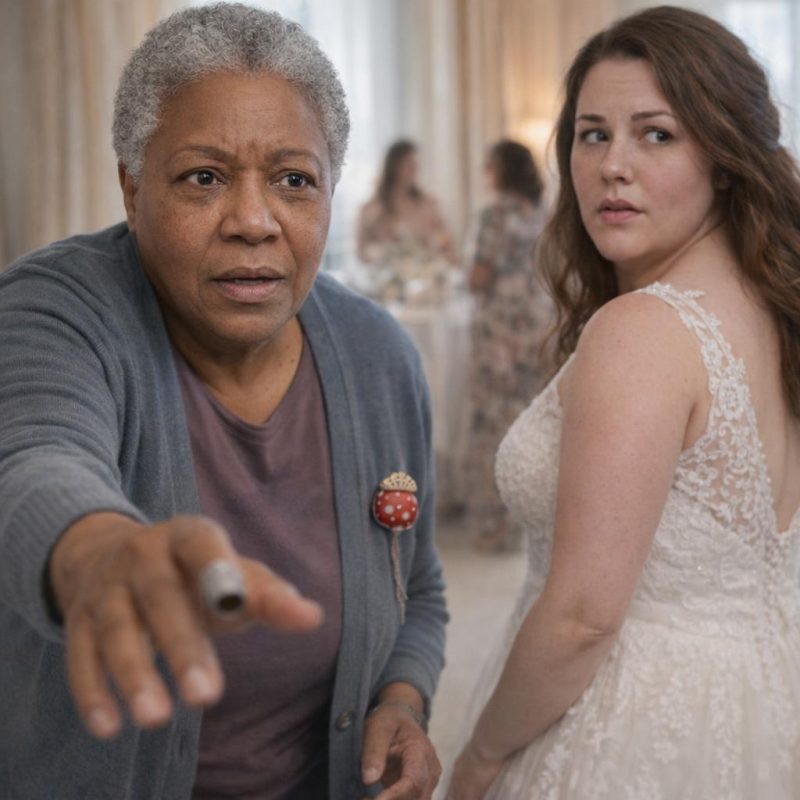 Image by RM AI
Actively Excluded
I stayed where I was, watching Marissa continue through the room. She spent several minutes with each group, her hand on someone's arm, her head thrown back in laughter at a joke. With her college friends, she was animated and joyful. With her father's family, she was gracious and affectionate. I watched her hug a distant cousin she'd met maybe twice in her life, watched her hold the embrace for several long seconds. The warmth wasn't an act. It was genuine, the kind of connection you can't fake. I tried to move closer once, thinking maybe she'd just been distracted before, but she saw me coming and smoothly shifted to another group on the opposite side of the room. It happened again ten minutes later. I approached, she moved away. The pattern was too consistent to be coincidence. She wasn't just distant with me. She was actively avoiding being alone with me, making sure there were always other people between us, always another conversation to join before I could reach her. Whatever I had done or represented to her, she wanted me at arm's length on her wedding day.
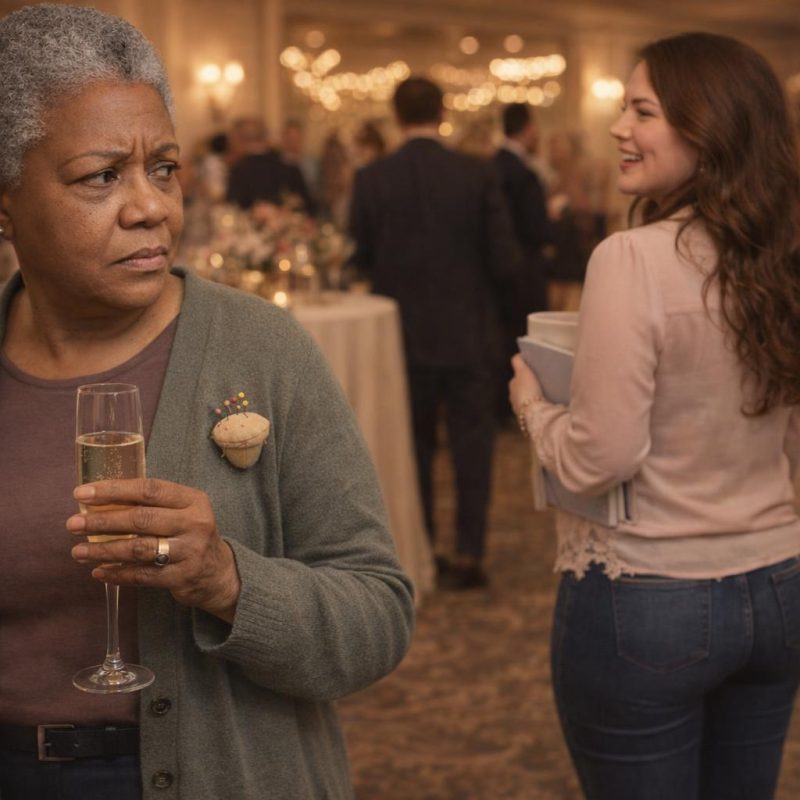 Image by RM AI
The Ceremony
The music shifted and everyone moved toward their seats. I found mine near the middle, not quite family but not quite friend territory either. The processional began with soft strings, and we all stood as the bridesmaids made their way down the aisle in their pale blue dresses. Then Marissa appeared at the back of the room, and I felt my breath catch despite everything. She looked like a dream in that dress, the silk flowing behind her as she walked, the lace catching the afternoon light streaming through the tall windows. Every alteration I'd made was invisible, which meant it was perfect. The neckline sat exactly right. The hem brushed the floor at precisely the correct length. The bustle I'd added would make dancing easier later. James waited at the altar with tears in his eyes, and when Marissa reached him, he took her hands with such tenderness that I felt my own eyes sting. The officiant spoke about love and commitment, about building a life together. I watched Marissa say her vows, watched her slide the ring onto James's finger. I felt proud of my work and heartbroken at the same time. The dress fit her perfectly, but I couldn't shake the feeling it carried secrets I wasn't meant to know.
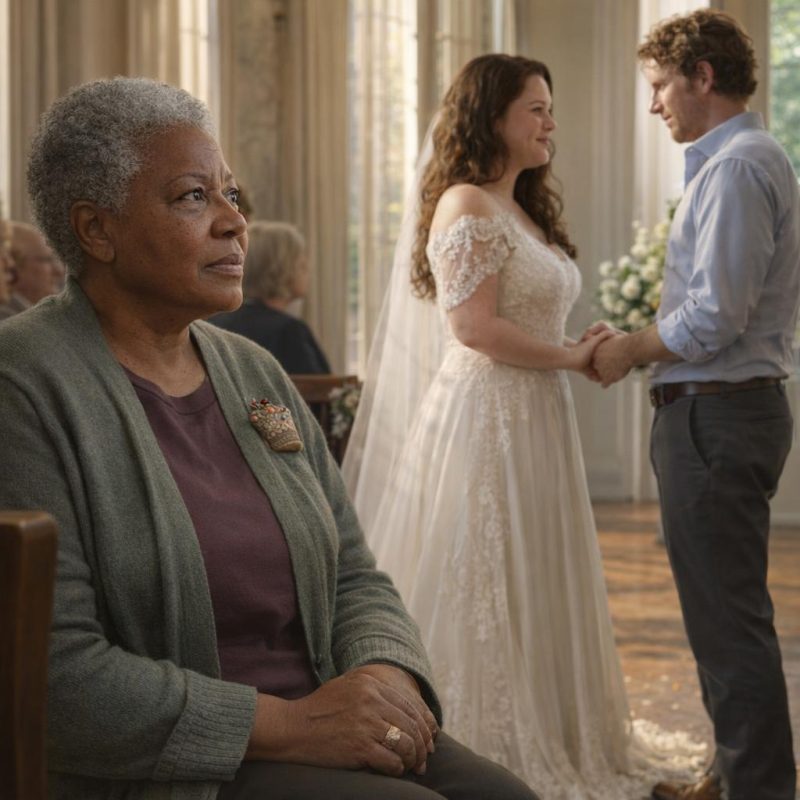 Image by RM AI
Alone at the Reception
The ceremony ended with applause and the newlyweds walked back down the aisle together, beaming at their guests. Everyone moved into the reception area, the energy shifting from reverent to celebratory. I found my assigned seat at a table near the edge of the room, not quite in the back but definitely not close to the head table. The place card had my name in elegant calligraphy, sitting there among strangers. Music started up, something upbeat and joyful, and people began to dance. Laughter rippled through the crowd as the DJ announced the first dance. I sat with a cup of tea growing cold in front of me, watching the celebration unfold around me like I was behind glass. Other guests moved between tables, catching up with old friends, taking photos, heading to the bar. The joy was infectious, spreading through the room in waves. But I couldn't seem to catch it. I tried to smile when people passed my table, tried to look like I was enjoying myself, but the unease from earlier hadn't dissipated. If anything, it had grown heavier. I felt more alone in that crowded room than I had in years.
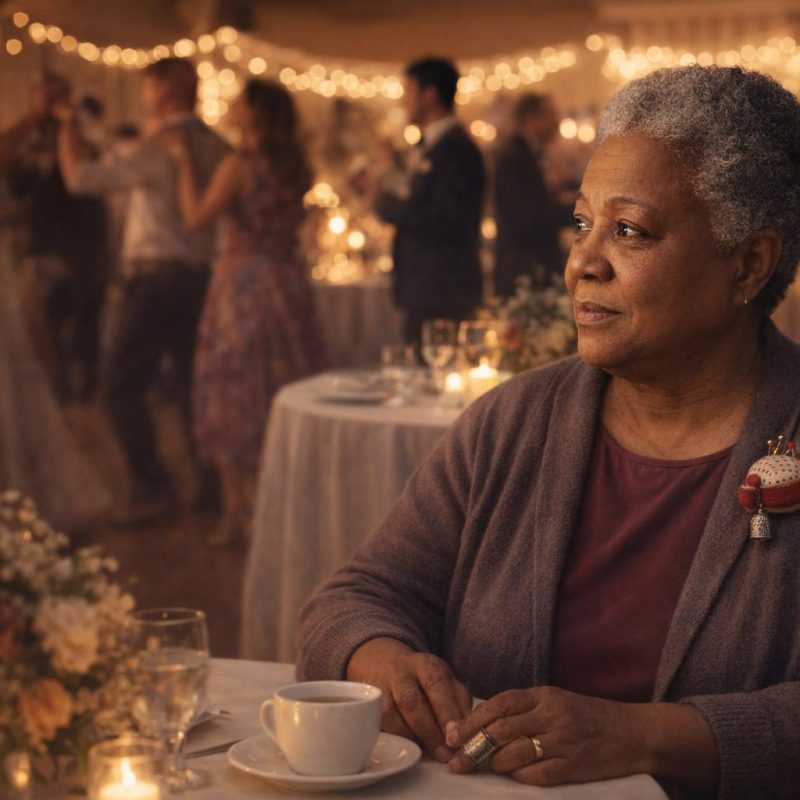 Image by RM AI
A Bridesmaid's Approach
I was staring into my teacup when a shadow fell across the table. I looked up to find one of the bridesmaids standing there, a young woman I didn't recognize. She had that nervous energy some people carry, fidgeting with her phone in one hand while the other played with the strap of her dress. She glanced around quickly, then leaned down toward me with an expression I couldn't quite read. "I just wanted to say," she began, her voice low and rushed, "I think it's really amazing that you let her do it. After everything." My attention snapped into sharp focus. I set down my teacup carefully, looking up at her with confusion. Let her do what? After what everything? The bridesmaid was still talking, words tumbling out in that way people do when they're nervous. "I mean, I don't know if I could be that forgiving. But I guess family is family, right?" She gave me a strange smile, like we were sharing some understanding I didn't possess. My heart started beating faster. I had no idea what she meant.
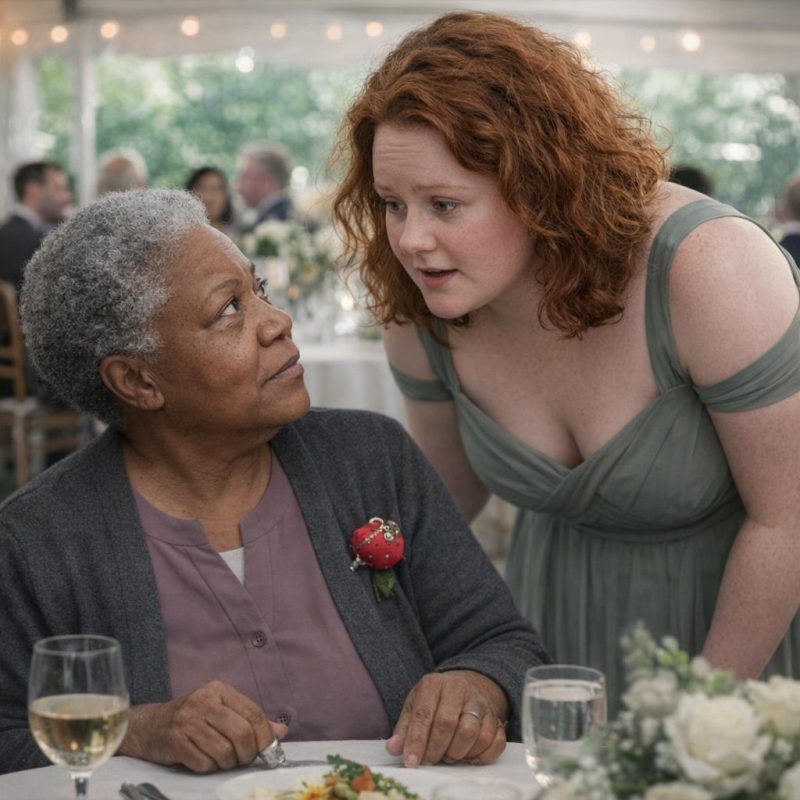 Image by RM AI
Amazed You Let Her
"I'm sorry," I said, keeping my voice steady even though my pulse was racing. "What do you mean?" The bridesmaid's expression changed instantly. Her eyes went wide and her mouth opened slightly, like she'd just realized she'd said something wrong. The color drained from her face. "Oh," she said, the word barely audible. "Oh no. I thought... I mean, Marissa said..." She trailed off, looking around as if searching for an escape route. I leaned forward slightly, my hands gripping the edge of the table. "What did Marissa say?" I asked, and I could hear the edge in my own voice now. The bridesmaid took a small step back, shaking her head. "I shouldn't have... I'm sorry, I thought you knew." But it was too late. Whatever she'd been about to reveal, whatever assumption she'd been operating under, the words were already out there between us. The room suddenly felt colder. My heart dropped in my chest, that sickening sensation of standing on the edge of something I didn't want to see. Her face went pale, but it was too late to take the words back.
 Image by RM AI
The Story She Told
"Please," I said, and I didn't care that my voice sounded desperate. "Tell me what you're talking about." The bridesmaid looked miserable, but she sat down in the empty chair beside me. "Marissa told us about her family," she said quietly, not meeting my eyes. "About how after her mom died, her mom's side of the family cut her out. How they kept everything that belonged to her mother and wouldn't give her anything." I felt like the floor had dropped out from under me. "She said she spent months tracking down her mother's wedding dress," the bridesmaid continued, the words coming faster now like she needed to get them out. "That someone had sold it at an estate sale and she had to buy it back. She said she tried to get it from you first, but you refused. That you told her she couldn't have it." I sat frozen, unable to move, unable to breathe. The lie unfolded in front of me like a map of a country I'd never visited. A story where I was the villain who had denied my grieving niece her mother's dress, where I'd been cruel and withholding instead of spending weeks carefully altering it with my own hands.
 Image by RM AI
The Villain of Her Story
The bridesmaid kept talking, and each word felt like another stone added to a weight pressing down on my chest. "She said your whole family turned their backs on her after the funeral," she continued, her voice barely above a whisper. "That you all kept everything—photos, jewelry, keepsakes. That she had to beg just to get one picture of her mom, and even then you made her feel like she was asking for too much." I sat perfectly still, my hands folded in my lap, but inside something was beginning to crack. "She told us she spent two years tracking down the dress," the bridesmaid went on. "That someone had sold it without telling her, and she had to buy back her own mother's wedding dress from strangers." The lie was so much bigger than I'd imagined. It wasn't just about the dress I'd spent weeks carefully altering with my own hands. It was about my entire character, my relationship with my sister, my treatment of the niece I'd helped raise. Every person at this wedding believed I was the kind of woman who would hoard a dead woman's belongings while her grieving daughter begged for scraps. I had been painted as the cruel aunt who hoarded my dead sister's memory while her daughter begged for scraps.
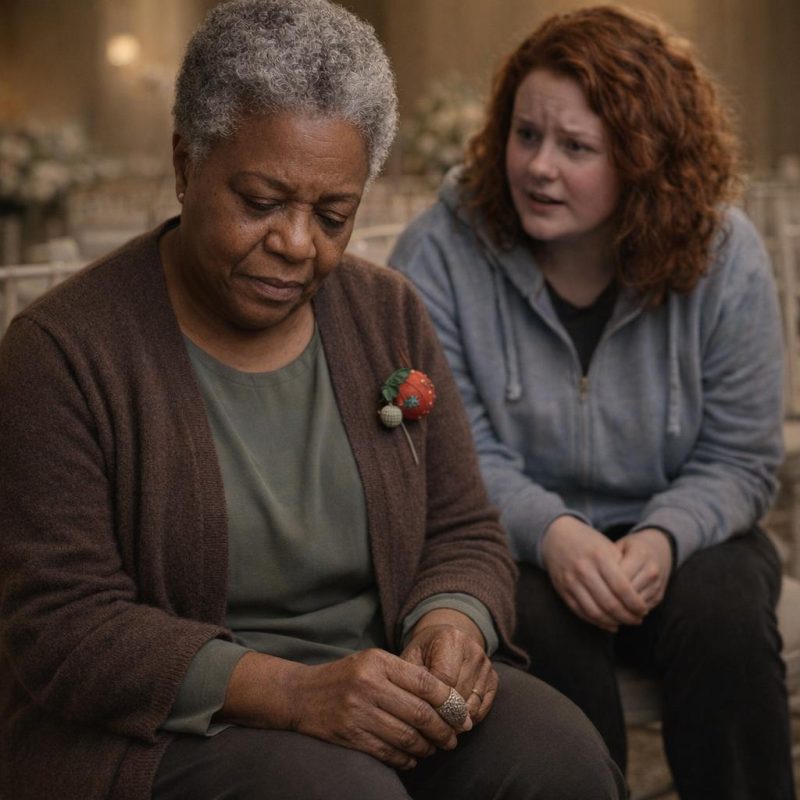 Image by RM AI
Crossing the Room
I thanked the bridesmaid quietly and stood. My teacup settled onto the saucer without a tremor, though I could feel something cold and determined spreading through my chest. The reception continued around me—laughter, music, the clink of glasses—as I began walking across the floor toward where Marissa stood with a cluster of friends near the cake table. Each step felt deliberate, measured. I wasn't running. I wasn't making a scene. I was simply crossing a room to speak with my niece. Guests moved past me, smiling, unaware that anything was wrong. A groomsman laughed at something. Someone's phone camera flashed. The DJ announced the groom's college roommate would be giving a toast in five minutes. And through it all, I kept walking, my eyes fixed on Marissa in her mother's dress—my sister's dress—the one I'd altered with such care. She was mid-sentence, gesturing with her champagne glass, when she glanced toward me. Her smile faltered. Her hand froze. Our eyes met across the remaining distance, and I watched the color drain from her face. She saw me coming, and for the first time all day, she couldn't look away.
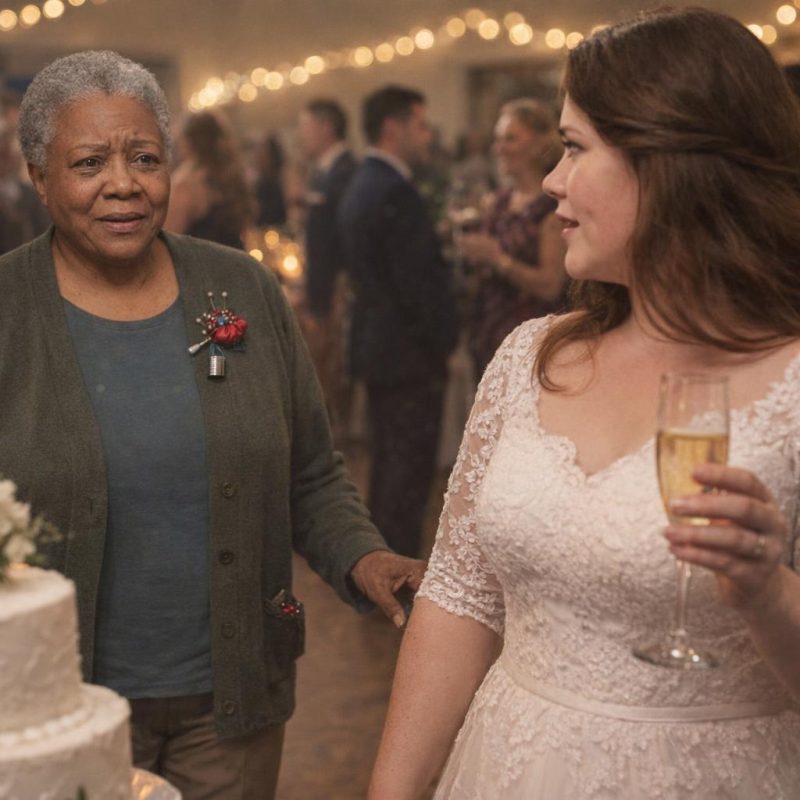 Image by RM AI
We Need to Talk
I reached her side and leaned in close enough that only she could hear. "We need to talk," I said, my voice low and steady. "Right now." Marissa's smile snapped back into place like a mask. "Aunt Eleanor! Are you having a good time? I was just telling everyone about—" "Now," I repeated. The word came out quiet but firm, and something in my tone made her friends step back slightly, sensing a shift in the air they couldn't quite name. Marissa laughed, but it sounded hollow. "Can it wait? I'm in the middle of—" I didn't raise my voice. I didn't need to. I simply looked at her, really looked at her, and let her see that whatever she was about to say wouldn't change what was about to happen. "Marissa," I said. "We're going to talk. You can choose to do it now, or you can choose to have this conversation in front of your guests. But we are having it." Her face went pale. One of her friends touched her arm uncertainly. Marissa swallowed hard, glanced at the faces around her, then back at me. She tried to say later, but something in my tone told her later was not an option.
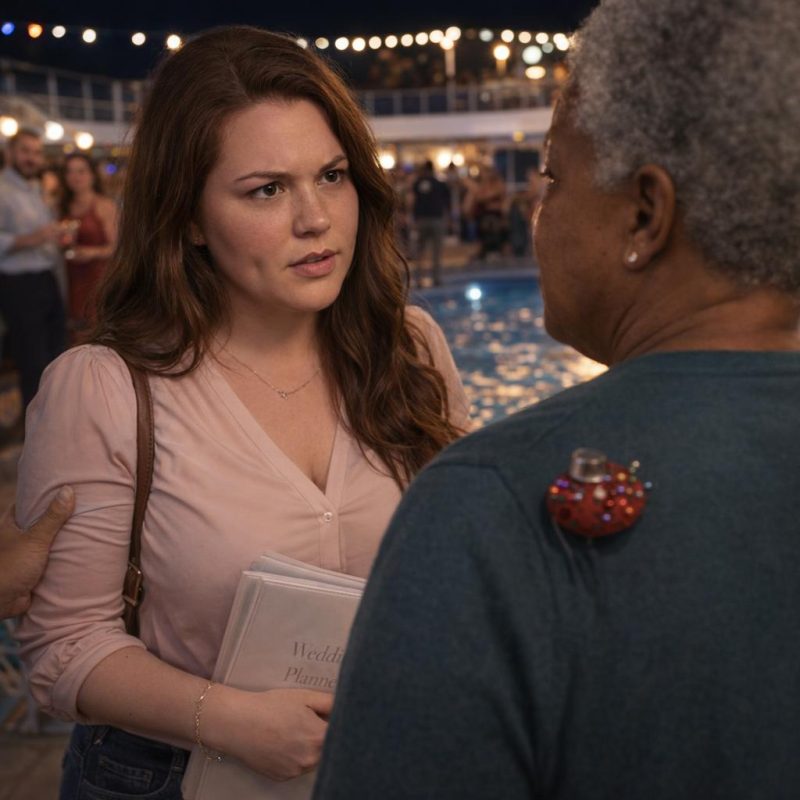 Image by RM AI
The Quiet Hallway
We walked together toward a hallway that led to the venue's back offices, away from the music and the laughter. The sounds of the reception faded behind us—muffled bass, distant voices, the occasional burst of applause. The hallway was quiet, carpeted, lined with framed photos of other couples on other wedding days. I stopped and turned to face her. Marissa stood there in the dress I'd spent hours altering, the dress that had belonged to my sister, and for a moment all I could see was the little girl who used to sit on my workroom floor playing with fabric scraps while I sewed. The girl who'd lost her mother too young. The girl I'd tried so hard to help through her grief. I steadied my breathing, placed my hands together in front of me, and waited until she met my eyes. The question had been building since the bridesmaid's revelation, growing heavier with each step across the reception floor. Now, standing in this quiet hallway with the niece I'd helped raise, I asked it simply, directly, without anger coloring my voice. I looked at the girl I had helped raise and asked simply: why did you lie about me?
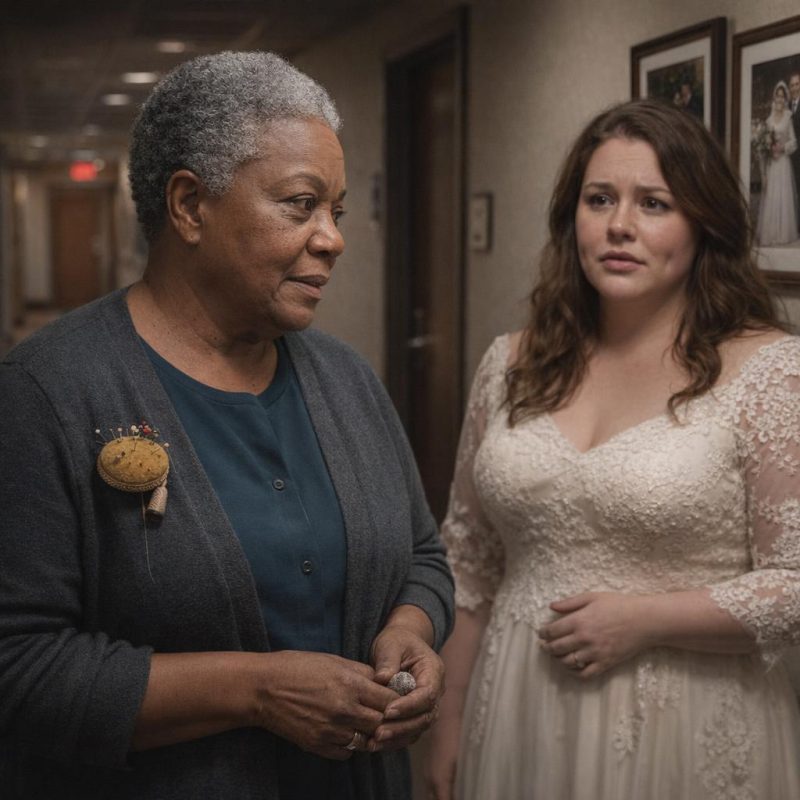 Image by RM AI
The Words She Overheard
Marissa's face crumpled. Tears spilled down her cheeks, smearing her carefully applied makeup. "I thought—" she started, then stopped, her breath hitching. "I thought you'd say no." "Say no to what?" I asked, though I already knew. "To the dress. To anything." She wiped at her face with shaking hands. "When I was sixteen, right after Grandma Dorothy's funeral, I was at her house. You were all there, sorting through things. I was in the hallway and I heard Grandma talking to Aunt Patricia before she died—I mean, I heard a recording or... no, I overheard them talking once before." She was struggling to get the words out. "Grandma said the dress should stay with the ones who appreciated it. She said I was too young, too careless to be trusted with something so precious." I felt the air leave my lungs. "Marissa—" "I was seventeen and I'd just lost my mom," she continued, the words tumbling out now. "And I heard my own grandmother say I couldn't be trusted. That I was careless." One overheard sentence, spoken by someone who loved her, had grown into a belief that she would never truly belong to this family.
 Image by RM AI
The Fear of Being Denied
"So when you got engaged," I said slowly, "you thought if you asked for the dress..." "You'd say no," Marissa finished. "Or you'd give me some excuse about why I couldn't have it. I convinced myself that everyone would find a reason to keep it from me." She pressed her palms against her eyes. "When Grandma Dorothy died and we were clearing out her house, I saw the dress in the closet. You were in another room. I just... I took it. I put it in my car and I told myself I was taking back what should have been mine anyway." The confession hung between us. "The seam," I said. "The one I found when I was doing the alterations." Marissa nodded miserably. "My mom had sewn jewelry into the lining. Her grandmother's pearls, some rings. I found them when I took the dress. I removed them and sewed it back up, but I'm not—I'm not good at sewing like you are." I stared at her. I'd never known about any hidden jewelry. My sister had never mentioned it. The jewelry hidden in the lining had been her mother's too—something even I hadn't known existed.
 Image by RM AI
The Quiet Theft
"Tell me exactly what happened," I said. "The day you took it." Marissa's shoulders sagged. "It was three days after Grandma Dorothy's funeral. You were there, at the house. So was Aunt Patricia and Uncle James. Everyone was going through rooms, deciding what to keep, what to donate. You asked me if I wanted to help, but I said I needed air." She looked down at her hands. "I went to Grandma's bedroom instead. The dress was in the back of her closet, in a garment bag. I'd been thinking about it since I got engaged. Since I booked this venue. I knew if I asked, someone would say no, would tell me I wasn't ready or it was too precious or I should wait." "So you took it," I said. "I took it," she confirmed. "I hid it in my car under a blanket. Then I came back inside and helped sort through the kitchen like nothing had happened." I thought about that day, remembered Marissa's red eyes, her quiet demeanor. I'd attributed it to grief. She had been carrying this wound for over a decade, letting it fester in silence while I remained oblivious.
 Image by RM AI
Understanding Without Excusing
I took a long breath, feeling the weight of everything she'd told me. I understood it now—the overheard words that had lodged in a grieving teenager's heart, the years of believing she wasn't truly wanted, the fear that had grown into certainty. I understood why she'd taken the dress, why she'd hidden the truth, why she'd built an elaborate story rather than simply asking. The pain was real. Dorothy's words, however they'd been intended, had wounded Marissa deeply. But understanding where it came from didn't erase what she'd done. "I hear you," I said finally. "I understand that you were hurt. That you believed something about this family that wasn't true." Marissa looked up at me with desperate hope in her eyes. "But Marissa," I continued, my voice steady, "you made me the villain. You told everyone I refused you, that I kept your mother's things from you, that I was cruel. You let me alter this dress, let me spend hours on it, knowing the whole time that everyone here believed I'd tried to keep it from you." Her tears continued, but she nodded, accepting it. Her wound was real, but so was mine.
 Image by RM AI
You Made Me the Villain
I looked at her directly, letting the silence settle between us for a moment before I spoke. "You made me the villain, Marissa," I said, my voice steady and clear. "You told everyone I refused you. That I kept your mother's things from you. That I was cruel and heartless." She flinched at each statement, but I didn't soften my words. She needed to hear this. "I have never denied you anything that belonged to Margaret. Not once. Not ever." My hands were steady in my lap, years of threading needles giving me a calmness I drew on now. "If you had asked me for this dress, I would have brought it to you myself. I would have wrapped it carefully and driven it to your apartment. We could have sat together and talked about your mother while I pinned the hem. We could have shared memories instead of secrets." Marissa's head dropped, her shoulders shaking. "I know," she whispered. "I know you would have." That was the tragedy of it all, wasn't it? She knew. Somewhere beneath the fear and the old wound, she had always known I would have helped her. The alterations could have been done with joy, with stories about Margaret's wedding day, with laughter over how much Marissa looked like her mother. Instead, we'd had lies and stolen moments and a dress altered in secret while everyone believed I was the villain. If she had only asked, I would have given her the dress myself, wrapped in love instead of lies.
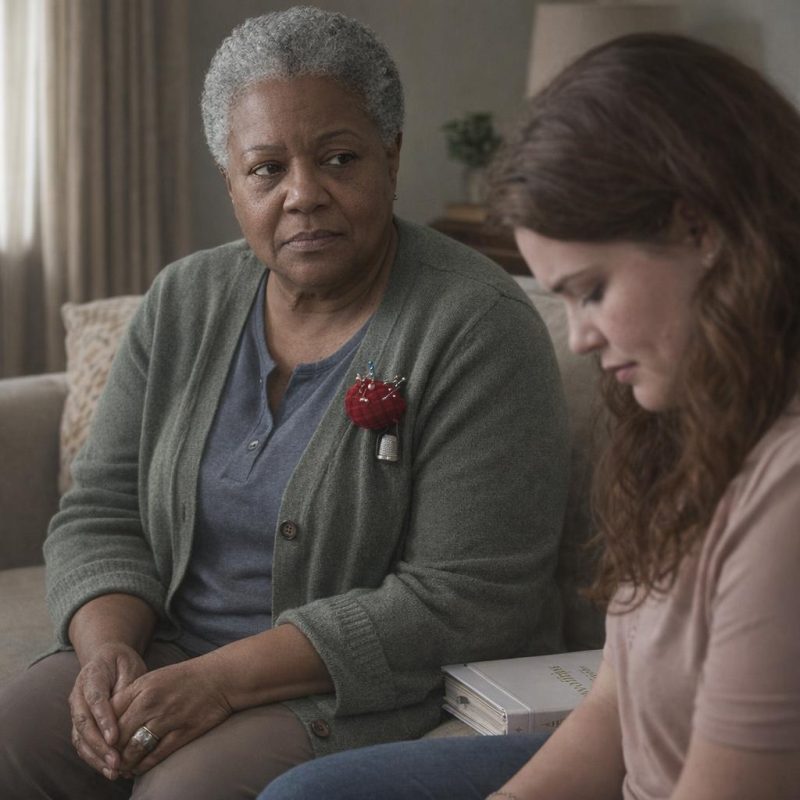 Image by RM AI
The Demand to Fix It
I took a breath and made my voice firm, the way I did when a bride tried to convince me a dress could be altered in ways that would destroy it. "You're going to correct this lie tonight, Marissa. To everyone who heard it." Her head snapped up, eyes wide with alarm. "Tonight? But—" "Tonight," I repeated, not backing down. "I refuse to carry a false story so you can feel justified in what you did. I will not walk out of this wedding as a villain in your narrative." My voice was calm but unyielding. "Every person in that reception who heard you say I denied you, who believed I was cruel to you, needs to hear the truth from your mouth." Marissa's face went pale, all the color draining away. "Aunt Eleanor, I can't—not in front of everyone—" "You can, and you will," I said quietly. "Because that's what fixing this looks like. Not a private apology to me while everyone else still believes the lie. The truth, spoken to the people who heard the false story." She started to protest again, her mouth opening, but then she saw my expression and stopped. I wasn't angry, but I wasn't going to waver either. After a long moment, she nodded, terrified but knowing it was necessary. Her face went pale, but she didn't argue—she knew it was the only way forward.
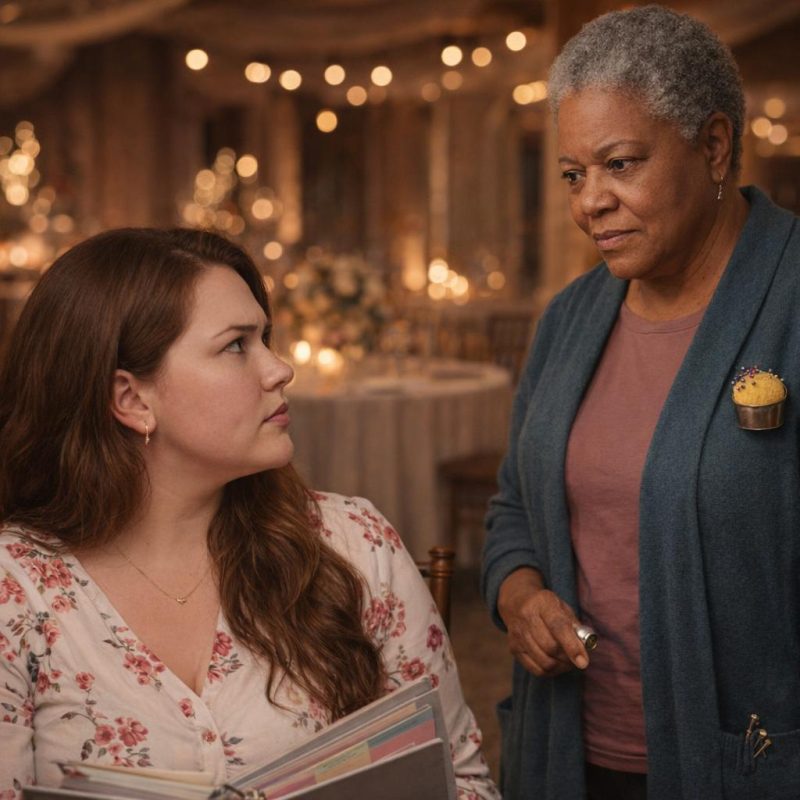 Image by RM AI
The Choice to Confess
Marissa took a shaky breath, her hands trembling as she wiped at her tears with the back of her hand. "Okay," she whispered. "Okay, I'll do it." I watched her struggle to compose herself, smoothing down the front of her dress with unsteady fingers. She looked so young in that moment, despite the wedding gown and the makeup and the elaborate updo. "How do I—" she started, then stopped. "How should I do this?" I considered for a moment. "Find the right moment. When there's a natural pause. And then just speak from the truth. Tell them what happened, why you did it, and that you were wrong about me." She nodded, absorbing my words like instructions for a difficult task. We stood together in that quiet hallway, and I could see her gathering something inside herself—courage she should have found months ago when she first took the dress. "I'm ready," she said, though her voice shook. "Let's go back." We walked together toward the reception, the music and laughter growing louder with each step. The sounds of celebration felt surreal given what was about to happen. Marissa paused at the threshold, her hand on the door frame, and I saw her steel herself, shoulders straightening despite the trembling in her hands. We walked back toward the reception together, and I watched her gather the courage she should have found months ago.
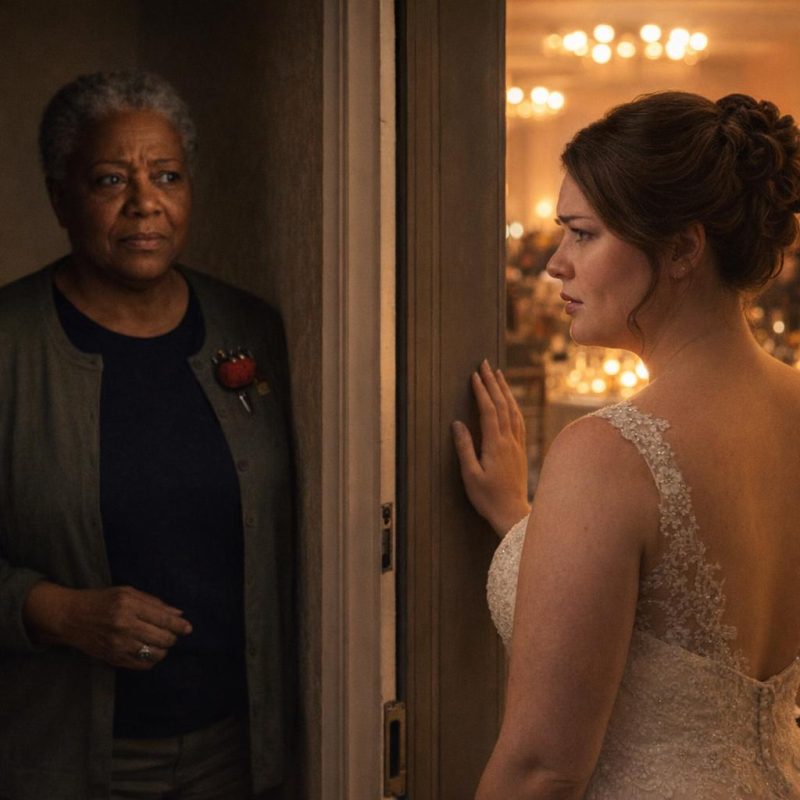 Image by RM AI
Taking the Microphone
The DJ was transitioning between songs when Marissa made her move. I'd positioned myself near the edge of the dance floor, close enough to see but not so close that I'd draw attention. She walked purposefully toward the front of the room, her white dress catching the colored lights. I saw her lean in and say something to the DJ, who looked surprised but handed over the microphone. Marissa's fingers wrapped around it with both hands, knuckles white. "Excuse me," she said, her voice amplified and shaking slightly. "Can I have everyone's attention for a moment?" The music cut off completely. Conversations died mid-sentence. Guests turned toward the bride, some smiling expectantly, probably thinking this was a planned thank-you speech or a toast. I saw James step forward from where he'd been talking with his groomsmen, his expression shifting from casual to concerned as he registered something in his wife's face. Marissa stood alone at the front of the room, the microphone trembling slightly in her grip. My heart pounded so hard I could feel it in my throat. This was it—the moment of truth she'd been avoiding for months. The room fell silent, and every guest turned to look at the bride who clearly had something important to say.
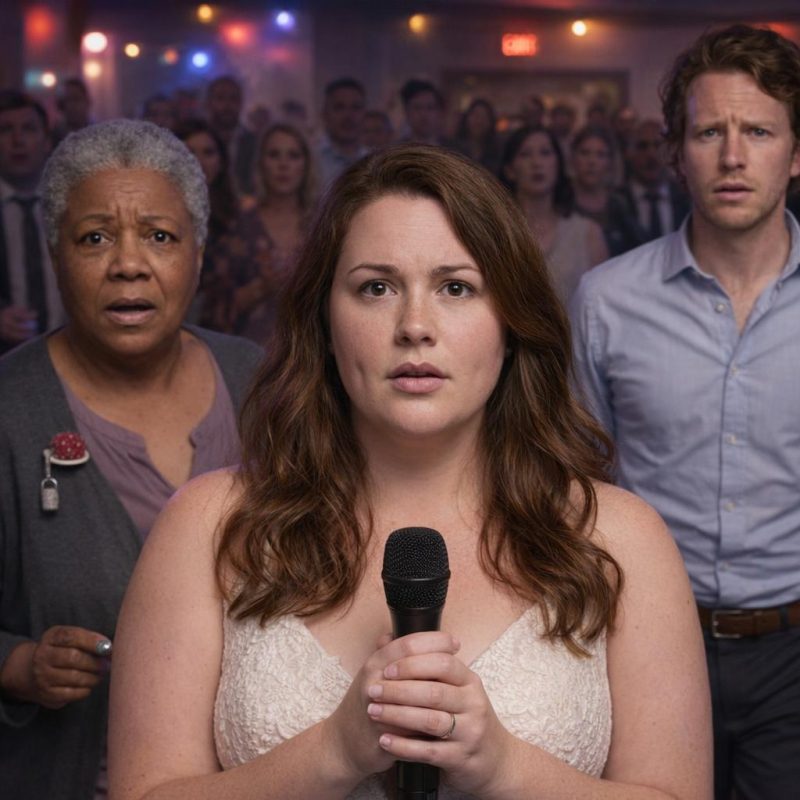 Image by RM AI
The Trembling Voice
Marissa held the microphone with both hands, trying to steady it against her trembling. "I need to correct something," she began, her voice wavering but audible throughout the silent room. "Something I said about my family. About my aunt." I could see confusion rippling through the crowd—guests exchanging glances, trying to understand what was happening. This wasn't the cheerful wedding speech they'd expected. "I told some of you a story," Marissa continued, and I watched her throat work as she swallowed hard. "About my mother's wedding dress. About how I had to find it at an estate sale because my family didn't want me to have it." James moved closer to his wife, his hand reaching out to touch her elbow gently. She glanced at him, drew strength from his presence, and kept going. "That story wasn't true," she said, and her voice cracked on the last word. I held my breath, watching her fight every instinct to stop talking, to hand back the microphone and flee. Her whole body was tense with the effort of pushing through her fear. But she didn't stop. She kept the microphone raised, kept her chin up despite the tears starting to form in her eyes again. I could see her fighting every instinct to run, but she kept talking.
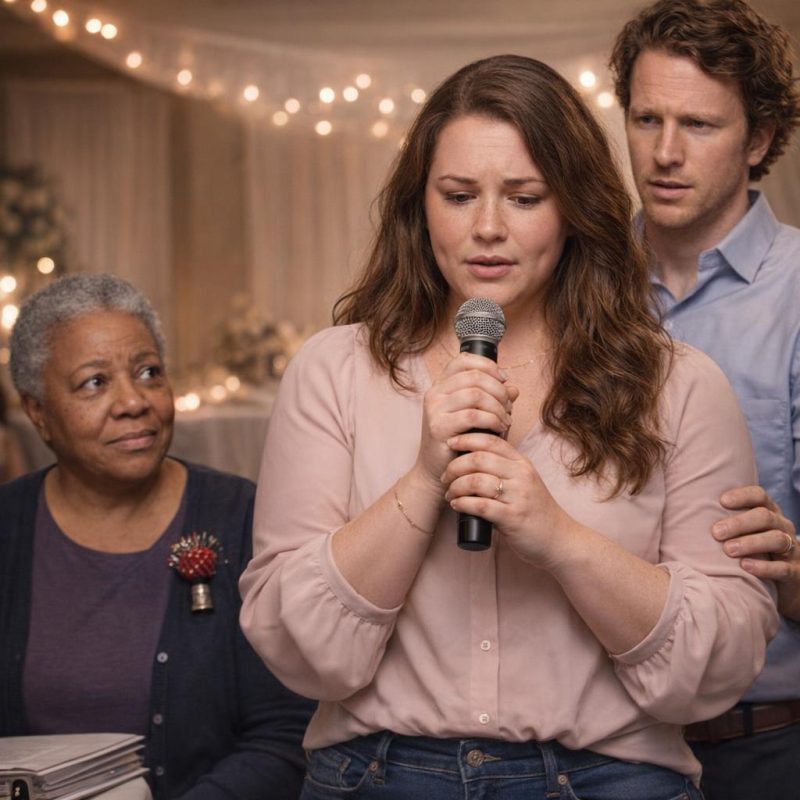 Image by RM AI
The Truth About the Dress
"The dress was always in my family," Marissa said, her voice growing slightly stronger as truth replaced the fiction she'd been carrying. "It was never sold. It was never given away. My Aunt Eleanor had it, carefully preserved, along with other things that belonged to my mother." The guests' expressions shifted visibly—surprise, confusion, some beginning to understand. "No one in my family ever denied me anything," she continued, and I heard the words I'd needed everyone to hear. "No one refused me. No one kept my mother's belongings from me." She paused, taking a shaky breath. "I took the dress without asking anyone. I went into my aunt's home and I took it, and then I made up a story about an estate sale to explain why I had it." James's hand tightened on her arm, supportive despite his obvious shock. "The story about my aunt refusing to help me, about her being cruel—none of it was true. I made it up because I was afraid to ask." The words hung in the air, stripping away months of carefully constructed narrative. Every lie she'd told, every assumption people had made about me based on her story—all of it exposed now in front of everyone. The room absorbed her confession in stunned silence. The words hung in the air, stripping away the story she had built and leaving only the truth.
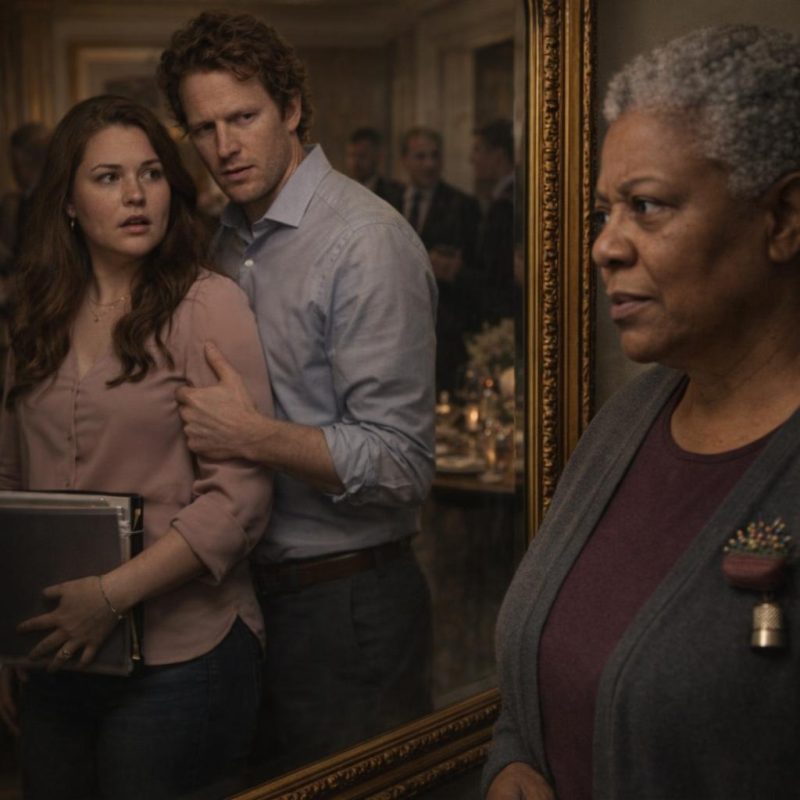 Image by RM AI
Fear of Rejection
Marissa's tears were flowing freely now, but she didn't wipe them away. She kept talking, her vulnerability complete and undisguised. "I lied because I was afraid," she said, her voice breaking. "I was afraid that if I asked, it would confirm something I'd believed for years—that I didn't really belong to my mother's family. That I was just the stepdaughter, not really wanted." I saw several guests' expressions soften with understanding. "I convinced myself that asking would lead to rejection, so I took the dress instead and created a story that made me the victim." She looked down at the microphone, then back up at the crowd. "I painted my Aunt Eleanor as someone cruel and heartless. I let all of you believe she refused to help me, that she kept my mother's things from me out of spite." Her voice grew firmer. "None of that is true. My aunt has only ever tried to help me. She altered this dress—" Marissa gestured to the gown she wore "—spending hours making it perfect, while I let her work knowing everyone here believed I'd had to fight her for it." James squeezed her hand, and she held onto him like an anchor. "I'm so sorry," she said to the room, but her eyes were searching the crowd now, looking for me. Her vulnerability was complete, and there was nothing left to hide behind.
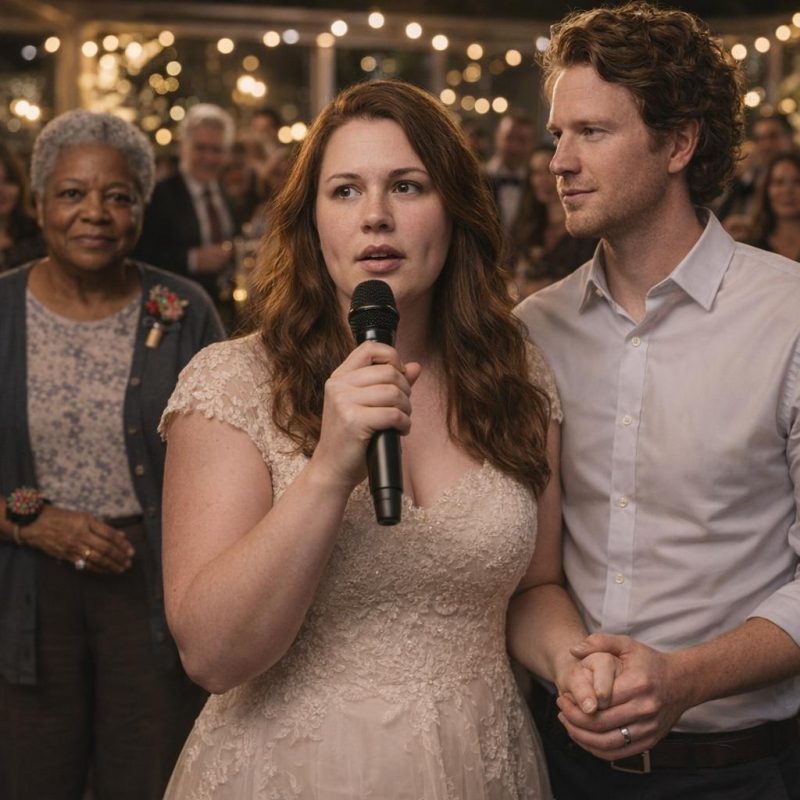 Image by RM AI
The Room Shifts
The room stayed silent for a long moment after Marissa lowered the microphone slightly. I watched guests exchange glances, processing what they'd just heard. Some looked shocked, others confused, but as the seconds passed, I saw the atmosphere begin to shift. It wasn't judgment settling over the room—it was something gentler. Understanding, maybe. Recognition that fear and grief could make people do complicated things. A few people nodded slightly, as if pieces were falling into place for them. I saw one of the bridesmaids wipe at her eyes. An older couple near the front—James's parents, I thought—looked at each other with expressions that seemed more compassionate than condemning. Marissa stood at the front of the room, her wedding dress gleaming under the lights, her face tear-streaked and vulnerable. Her eyes swept across the crowd, searching, until they found me standing near the edge of the dance floor. For the first time all day—for the first time in months, really—she looked directly at me without flinching away, without the careful avoidance I'd grown so used to seeing. Her eyes held no defensiveness now, no elaborate justifications. Just raw hope and fear, the look of someone who'd laid everything bare and was waiting to see if forgiveness was possible. Then Marissa looked directly at me, and for the first time all day, her eyes held no avoidance, only hope.
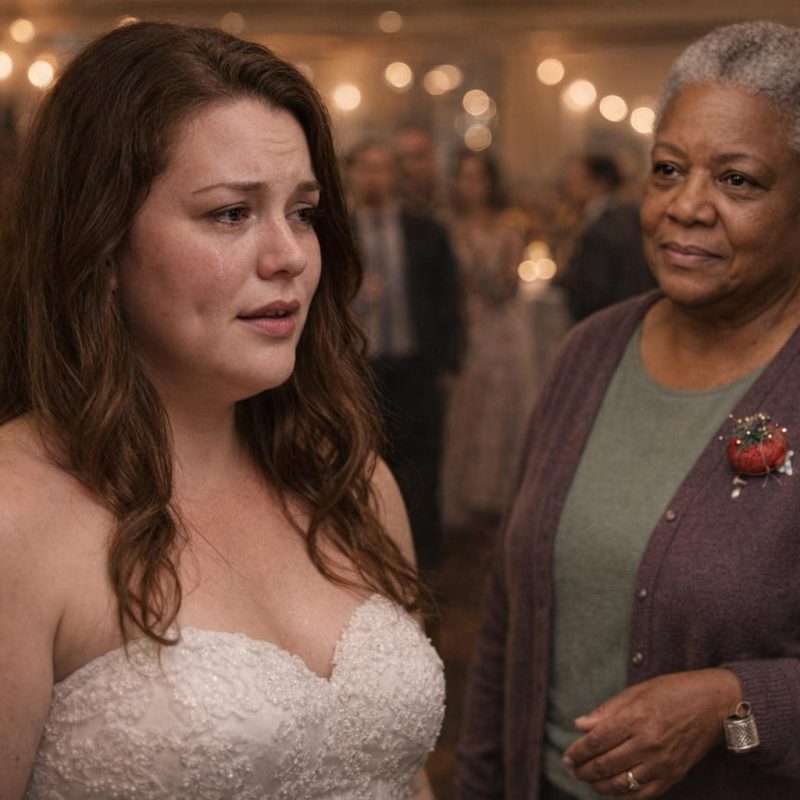 Image by RM AI
The Nod
I met Marissa's gaze across the room, and for a moment, everything else fell away—the murmuring guests, the soft music that had started playing again, the clinking of glasses. Just her eyes on mine, searching for something I wasn't sure I could give yet. She looked terrified, standing there in her mother's dress with her confession still hanging in the air between us. I thought about the courage it must have taken to stand up there and admit what she'd done. To tell a room full of people that she'd lied, that she'd hurt someone she loved because she was drowning in grief and fear. That kind of honesty doesn't come easy, especially not on what's supposed to be the happiest day of your life. I couldn't forgive her completely, not yet—the wound was still too fresh, the months of isolation and whispered conversations still too raw. But I could acknowledge what she'd done tonight. I could recognize the bravery it took to choose truth over comfort. So I gave her a small nod. Nothing dramatic, nothing that would draw attention from the other guests. Just a slight dip of my chin, a gesture that said I heard you, I see you trying, we're not okay yet but maybe we can be. Marissa's shoulders dropped slightly when she saw it, some of the tension releasing from her frame. It wasn't everything, but it was enough for now.
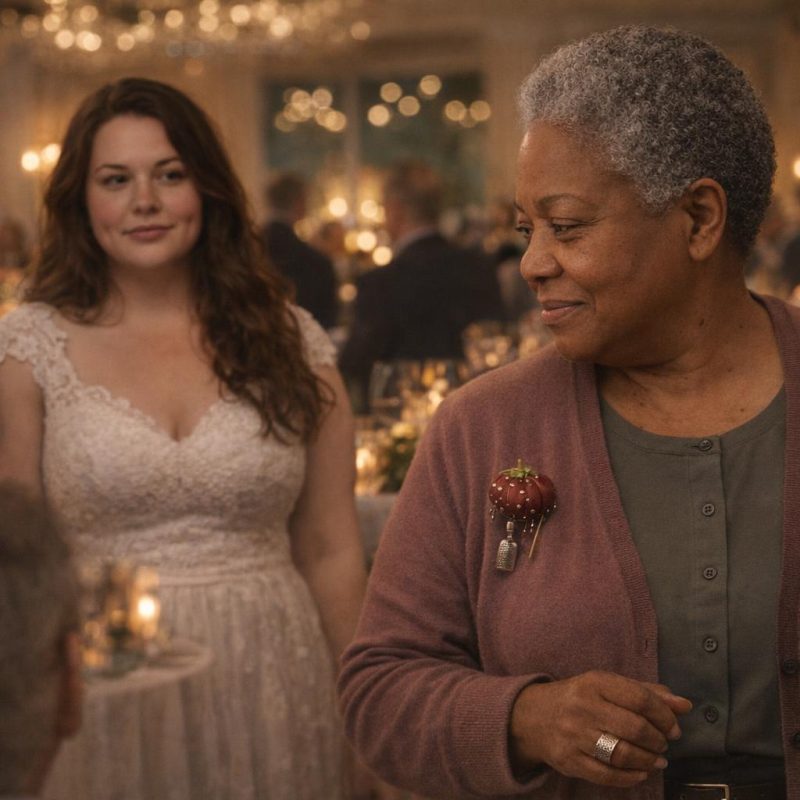 Image by RM AI
A Different Reception
The band started playing again about ten minutes later, something upbeat that got a few brave souls back onto the dance floor. The reception continued, but it felt different now—like someone had opened a window in a room that had been sealed too long. People still laughed and danced and clinked their champagne glasses, but there was something more genuine underneath it all. The polished perfection had cracked, and what showed through was messier but more real. A few guests approached me as I stood near my table, offering kind words. One of James's aunts squeezed my hand and said she was glad I was there. The bridesmaid who'd told me about the lies earlier—the one who'd looked so uncomfortable doing it—caught my eye from across the room and gave me an apologetic smile. I smiled back. I wasn't being avoided anymore, wasn't feeling those careful glances that pretended not to see me. Marissa looked over at me once while talking to some cousins, and her expression held such gratitude that I had to look away for a moment. James stood beside her with his hand on the small of her back, steady and supportive. I sipped my tea and felt something loosen in my chest. For the first time all evening, I didn't feel like a stranger at my own niece's wedding.
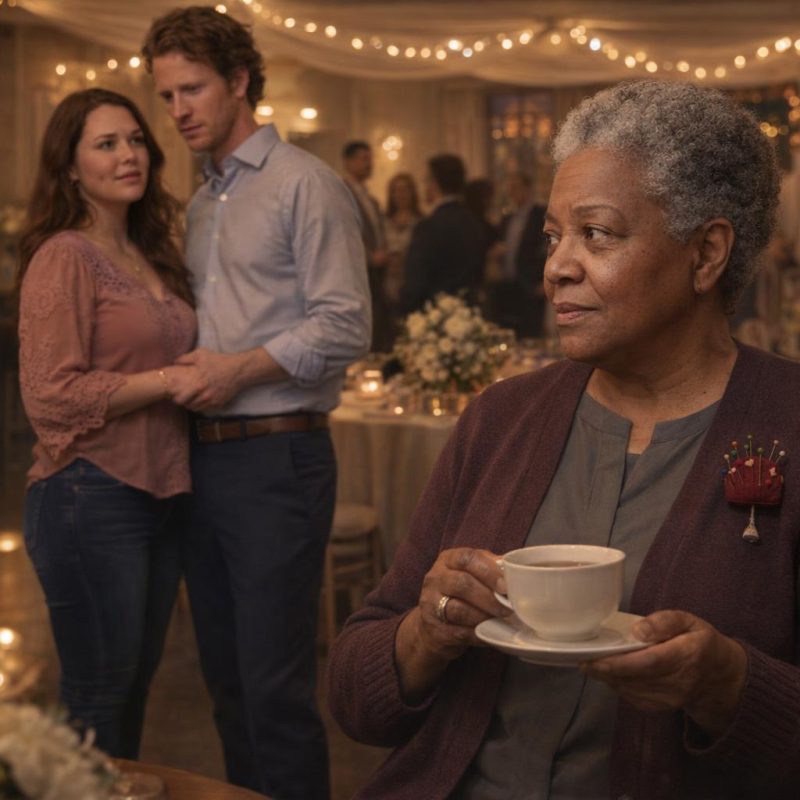 Image by RM AI
Dancing in Her Mother's Dress
I watched from my seat as Marissa and James moved onto the dance floor for one of those traditional dances newlyweds do. The dress flowed around her as she moved, every seam and alteration working exactly as I'd intended when I'd spent all those hours at my sewing machine. The bodice fit her perfectly, the skirt swirled with just the right weight, and the lace overlay caught the light in a way that made my heart ache. I'd done good work on that dress. My sister had worn it forty years ago, walking down a different aisle to marry a different man, and now here was her daughter spinning in the same fabric, the same delicate beadwork catching the same kind of light. I wondered what Margaret would think if she could see this moment. Would she understand why Marissa had struggled so much? Would she forgive the lies her daughter had told in her name? I thought she would. My sister had always been more forgiving than I was, quicker to see the hurt behind the harm. Marissa laughed at something James whispered in her ear, and the sound carried across the reception hall. She looked free in a way I hadn't seen all day, unburdened by the secret she'd been carrying. The dress moved with her like it was meant to be there, like it had been waiting all these years for this exact moment. My sister would have wanted this—her daughter, happy and free, wearing the dress with truth instead of secrets.
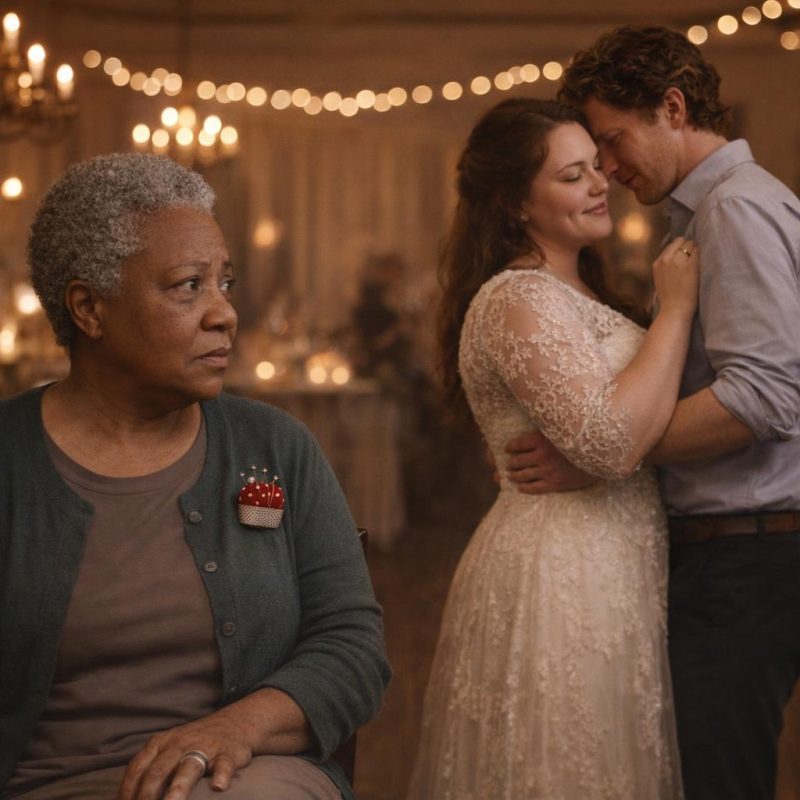 Image by RM AI
Stitched Together
The reception wound down slowly, the way these things do. Guests started gathering their things, saying their goodbyes, heading out into the cool evening air. I sat at my table and watched it all with a seamstress's eye, seeing the way everything had come together and come apart and come together again in a different pattern. The truth had done something tonight that the lie never could have. It had exposed a wound in our family that none of us had fully understood was there—a tear in the fabric that had been hidden under careful stitches and polite avoidance. Marissa's grief had been invisible to me, her fear that she couldn't measure up to her mother's memory, her panic that she was somehow betraying Margaret by being different. I'd been so focused on my own hurt that I hadn't seen the damage underneath. But once you find the seam that's failing, once you identify where the fabric has weakened, you can finally do the repair work that's needed. Some fixes take decades to discover they're necessary. Before I left, Marissa came over to my table. We didn't say much—just a few words, a brief embrace that felt tentative but genuine. The work of reconciliation would take time, I knew that. But we'd made a start tonight. Some repairs take decades to discover they're needed, but once you find the seam, you can finally make it whole.
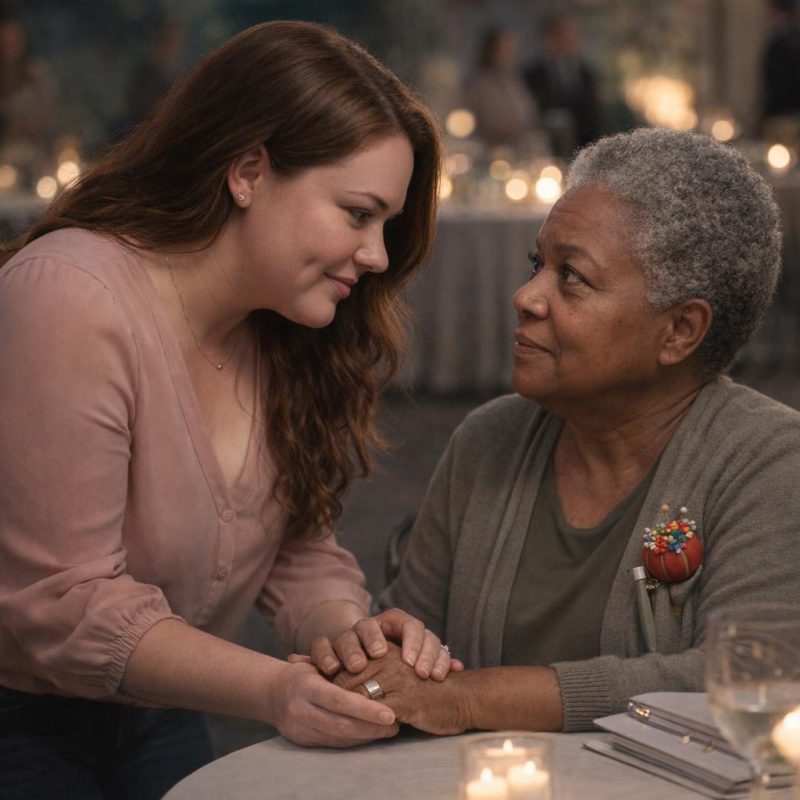 Image by RM AI
KEEP ON READING
The 20 Most Recognized Historical Figures Of All Time
The Biggest Names In History. Although the Earth has been…
By Cathy Liu Oct 4, 2024
10 of the Shortest Wars in History & 10 of…
Wars: Longest and Shortest. Throughout history, wars have varied dramatically…
By Emilie Richardson-Dupuis Oct 7, 2024
10 Fascinating Facts About Ancient Greece You Can Appreciate &…
Once Upon A Time Lived Some Ancient Weirdos.... Greece is…
By Megan Wickens Oct 7, 2024
20 Lesser-Known Facts About Christopher Columbus You Don't Learn In…
In 1492, He Sailed The Ocean Blue. Christopher Columbus is…
By Emilie Richardson-Dupuis Oct 9, 2024
20 Historical Landmarks That Have The Craziest Conspiracy Theories
Unsolved Mysteries Of Ancient Places . When there's not enough evidence…
By Megan Wickens Oct 9, 2024
The 20 Craziest Inventions & Discoveries Made During Ancient Times
Crazy Ancient Inventions . While we're busy making big advancements in…
By Cathy Liu Oct 9, 2024