

He Left Divorce Papers on the Counter the Day I Inherited $3.4 Million—But My Late Aunt Had Already Outmaneuvered Him
He Left Divorce Papers on the Counter the Day I Inherited $3.4 Million—But My Late Aunt Had Already Outmaneuvered Him
The Papers on the Counter
I walked into my kitchen at eleven PM after twelve hours in the ER, still smelling like antiseptic and exhaustion, and found the manila envelope next to our wedding-gift coffee maker. No note. No text. Just my name written in Derek's careful block letters across the front. My scrubs were still damp from where a patient had bled through their bandages, and I remember thinking I should change before I opened it, like somehow being in clean clothes would make whatever was inside less real. But I opened it right there, standing in my kitchen with my work bag still on my shoulder. Divorce papers. Petition for Dissolution of Marriage. I read that phrase three times before my brain would process it. I tried calling him. Six times. Seven. Straight to voicemail. I sat down on the kitchen floor with my back against the cabinets and read through the legal documents, trying to find something that explained why he'd done it this way, why he couldn't even face me. The house felt wrong in ways I couldn't name yet, empty in places I hadn't thought to check.
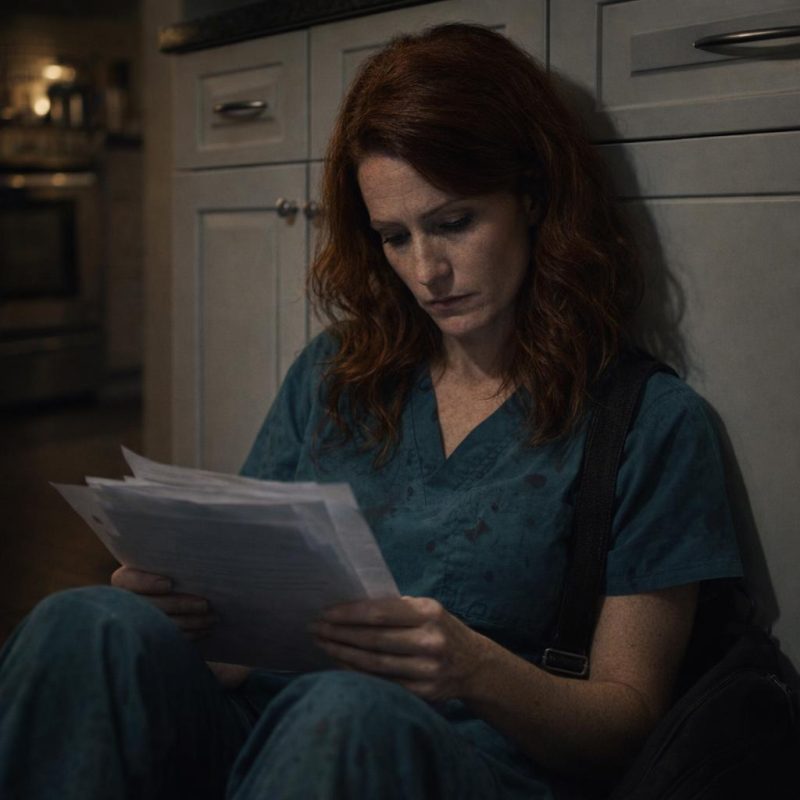 Image by RM AI
Breaking the Foundation
I woke Emma and Noah for school the next morning knowing I couldn't pretend everything was normal. Emma was already watching me with those too-old eyes before I said anything, her dark hair tangled from sleep but her expression sharp and alert. Noah bounced into the kitchen asking about pancakes, and I had to tell them both to sit down, that we needed to talk. I explained that Daddy had moved out, that he'd filed for divorce, and I watched my seven-year-old's face crumple like I'd physically hurt him. He asked when Daddy was coming back, and I had no answer. Emma didn't cry. She just sat there processing, and then she asked the question that broke me: had she done something wrong? Had I? I pulled them both close and promised this was between adults, that they hadn't caused any of it, but the words felt hollow even as I said them. I called in sick to work. We sat on the living room floor together, Noah crying into my shoulder while Emma stayed quiet and watchful. Emma looked at me with eyes too old for ten and asked the question I couldn't answer: had I done something wrong?
 Image by RM AI
Miriam's Timing
Three days later, I was sorting through paperwork when I found the estate documents from Aunt Miriam's lawyer. The call had come exactly eight days before Derek left. Eight days. I remembered telling Derek about the inheritance that same evening, how I'd been almost giddy explaining that Miriam had left me three point four million dollars in a trust. He'd seemed happy for me, supportive even, talking about how we could finally stop worrying about money, how the kids' college funds were secure. But now, sitting alone in my bedroom with those documents spread across the comforter, I wondered if I'd misread his expression entirely. I pulled out Miriam's handwritten letter, the one that had come with the formal will. I'd skimmed it the first time, too overwhelmed by grief and logistics to really absorb her words. This time I read slowly. Most of it was about her love for me, her pride in the nurse I'd become, her hopes for Emma and Noah. Then I reached the last paragraph and saw the line I'd missed before: Trust your instincts, Sarah—not everyone celebrates your good fortune.
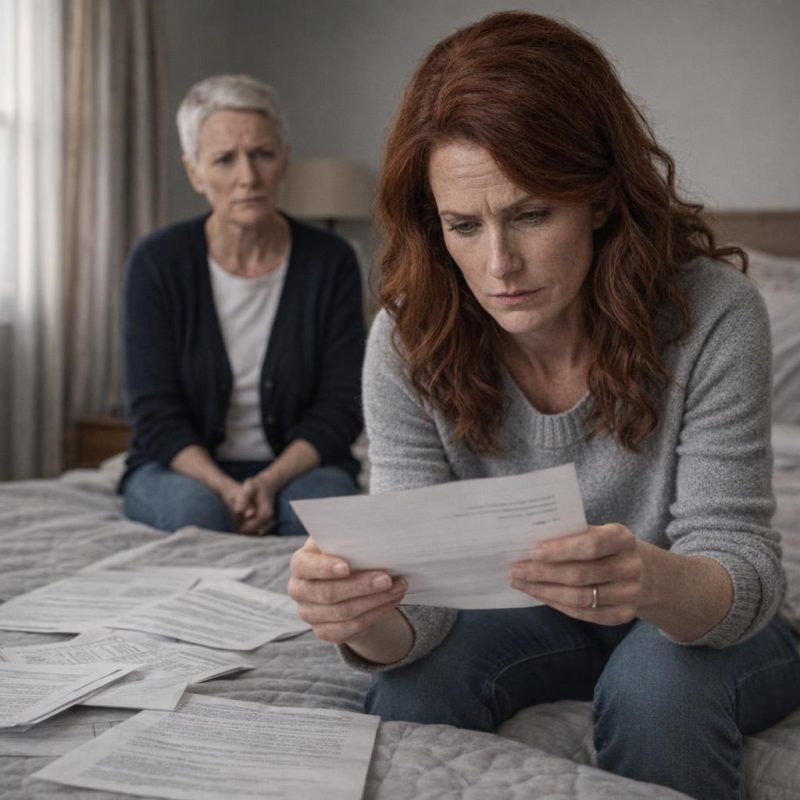 Image by RM AI
The First Line of Defense
Jennifer Park's office was downtown, all glass and steel and the kind of quiet confidence that made me feel like maybe I wasn't drowning alone. I explained everything—the papers, the timing, the inheritance, Derek's complete disappearance. She listened with the kind of focus that made me feel heard for the first time in days, taking notes in precise handwriting. When I mentioned the three point four million and the eight-day gap, her expression shifted from sympathetic to strategic. She asked about assets, debts, when exactly I'd told Derek about the money. I felt vulnerable laying out my entire financial life to a stranger, but also relieved that someone was finally treating this like the crisis it was. Jennifer explained that timing mattered in divorce law, that Derek's departure so close to my inheritance wasn't necessarily coincidental. Then she said something that made my breath catch: Miriam had built protections into the inheritance that Derek didn't know about yet. She slid a folder across her desk and told me I had forty-eight hours to sign documents that would activate those protections. She slid a folder across her desk and said the words that changed everything: your aunt built protections into this inheritance that Derek doesn't know about yet.
 Image by RM AI
The Break Room Confession
I made it two days before I had to go back to work. Lisa found me in the break room during a rare quiet moment between traumas, and I just broke. I told her everything—the papers, the inheritance, the timing, how Derek had vanished without explanation. She listened the way she always did, with that steady nurse presence that made people feel safe enough to fall apart. I admitted I felt like an idiot for not seeing it coming, for missing whatever signs must have been there. Lisa set down her coffee and got quiet for a moment, and I recognized that expression. I'd seen it on family members' faces in the ER when I delivered news they'd already suspected but didn't want to believe. She told me she'd seen Derek having lunch with a woman downtown three weeks ago. Younger, blonde, laughing at something he'd said. Lisa had convinced herself it was a work colleague, hadn't wanted to worry me over nothing. But now, with everything else, she thought I should know. Lisa set down her coffee and said she'd seen Derek having lunch with a woman downtown three weeks ago, but she'd convinced herself it was a work colleague.
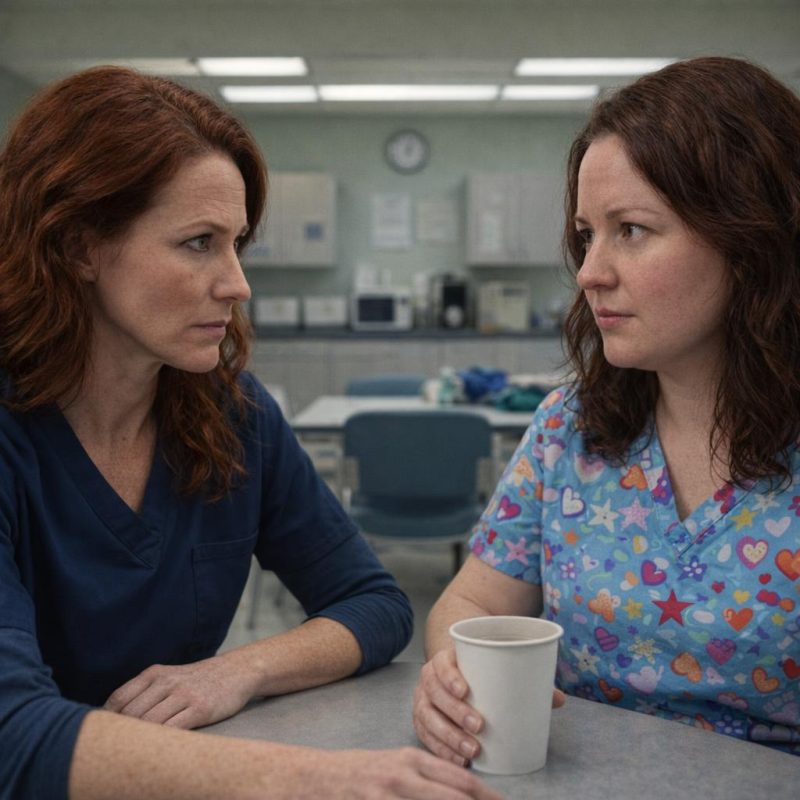 Image by RM AI
The Inventory of Absence
After the kids left for school, I walked through my house room by room, really looking for the first time since Derek left. His clothes were completely gone from our closet, not just grabbed in a hurry but systematically removed. Every hanger, every drawer, empty. In the bathroom, his razor was gone, his cologne, his toothbrush. The golf trophies he'd displayed so proudly in his office had vanished from the shelves. His laptop, his chargers, even his favorite coffee mug—all missing. I moved through each room photographing the empty spaces, though I wasn't sure why. The kitchen was missing the cast iron skillet he'd preferred. The bookshelf had gaps where his books had been. Even some of the framed photos were gone, the ones that featured him prominently. This wasn't a man who'd left in anger or haste. This was surgical removal, planned and executed with precision. I stood in our bedroom closet staring at the empty hangers, and that's when I noticed they were arranged in perfect order, each one exactly two inches apart, and I wondered if this had been more than impulse.
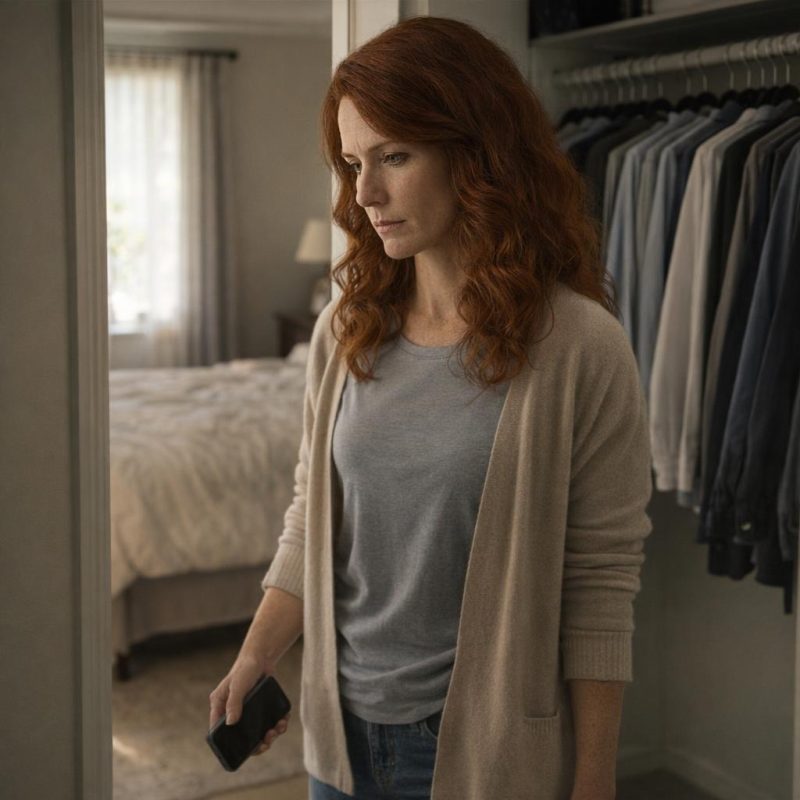 Image by RM AI
Reinforcements Arrive
Tom showed up at my door that evening with an overnight bag and groceries, having driven four hours after my tearful phone call the night before. Emma and Noah practically tackled him when they saw their uncle, and I watched some of the tension leave their small bodies. He took over immediately—started dinner, helped with homework, made the kids laugh for the first time in days. After they went to bed, I showed him the divorce papers and explained the timeline with Miriam's inheritance. Tom got that fierce protective look he'd had since our parents died, the one that said he'd fight anyone who hurt his little sister. But he stayed focused, asking practical questions about what Jennifer had advised, what Derek might be planning. We had no answers, just questions that multiplied the longer we talked. He promised to stay through the week, to help with the kids and whatever else I needed. I finally let myself cry, really cry, because someone was there to catch me. He hugged me tight and then asked the question I'd been avoiding: Do you have any idea what Derek's planning, or are we going in blind?
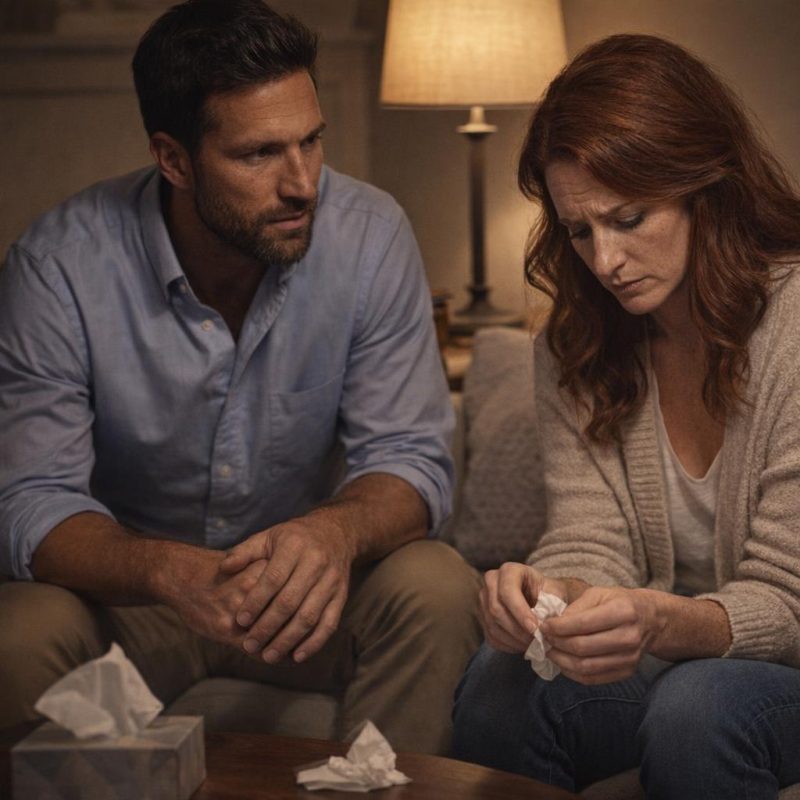 Image by RM AI
The Timeline Unravels
Jennifer had told me to review our credit card statements, so I spread them across the dining table after Tom took the kids to school. I started with the most recent and worked backward, and that's when the pattern emerged. Moving boxes ordered from U-Haul six weeks ago. A storage unit rental that started five weeks ago—I'd never known about any storage unit. Then the real gut punch: first month's rent and security deposit on an apartment four weeks ago. Four weeks. I'd been working double shifts during all of this, picking up extra hours to save money for our anniversary trip. I'd been planning a special dinner to celebrate fifteen years while he was literally renting a new apartment. The timeline suggested he'd started planning this well before Miriam died, before the inheritance, though I couldn't say for certain what had triggered his decision. I photographed every statement, every charge, feeling humiliated that I'd missed all of it. The moving boxes were ordered six weeks ago, the storage unit rented five weeks ago, and the new apartment's first month rent paid four weeks ago—all while I was working double shifts and planning our anniversary dinner.
 Image by RM AI
The Hidden Diagnosis
Dr. Chen reviewed my latest blood work with the kind of careful neutrality that told me everything before she said a word. The inflammation markers were up again, and we both knew what that meant. Four months I'd been dealing with this autoimmune diagnosis, four months of hiding it from Derek because I didn't want to burden him with one more thing. The irony wasn't lost on me now—I'd been protecting a man who was literally ordering moving boxes while I worked double shifts. Dr. Chen adjusted my medication dosage and asked about my stress levels, and I actually laughed. Like, a real bitter laugh that made her pause mid-note. I told her about the divorce papers, the inheritance, the whole mess, and she looked at me with genuine concern. She said stress could accelerate the disease progression, which felt like the universe piling on at this point. I promised I'd follow the new treatment plan, take the medications, come back in two weeks. Walking out of the medical building, I passed Derek's office complex two blocks away and stopped on the sidewalk. Had he ever even noticed how many appointments I'd been making lately? All those times I'd rearranged my schedule, covered shifts, made excuses—and he'd been planning his exit the entire time.
 Image by RM AI
Back to the Floor
The ER was chaos when I walked in for my shift, and honestly, it felt like coming home. A motorcycle accident in bay three, chest pain in bay one, and a kid with a possible appendix in bay four—problems with protocols, solutions I knew by heart. My hands moved through IV placements and vital checks while my brain finally got a break from the divorce nightmare. This was what I was good at. This made sense. Lisa caught my eye during a lull and squeezed my shoulder without saying anything, which was exactly what I needed. My colleagues were supportive but didn't know the full story, and I preferred it that way. At work, I was Nurse Sarah, competent and calm, not the woman whose husband left divorce papers on the counter. Nursing had trained me for crisis management, for staying steady when everything around me was falling apart. I took my break around three and checked my phone, which was a mistake. An email from Marcus Holloway, Derek's attorney, requesting a meeting to discuss settlement terms. The subject line alone made my stomach drop. I forwarded it to Jennifer and stared at the screen, watching the chaos of the ER continue around me through the break room window. The legal battle wasn't just papers anymore—it was becoming real, formal, and I had no idea what Derek was actually planning.
 Image by RM AI
The First Battle
Marcus Holloway walked into Jennifer's conference room like he was entering a courtroom he already owned. Expensive suit, silver hair perfectly styled, handshake that lasted just a beat too long. He settled into his chair with the kind of confidence that made my nursing instincts scream—something was very wrong here. Jennifer remained perfectly professional beside me, her posture relaxed but alert. Marcus outlined Derek's position with a smile that never reached his eyes: equal division of all marital assets, including any funds acquired during the marriage. He said the word inheritance with particular emphasis, letting it hang in the air. Jennifer countered smoothly that inheritance is typically separate property under state law, but Marcus was ready. He argued that timing and marital use could make it contestable, that Derek's contributions to the marriage over fifteen years entitled him to consideration. I sat there mostly silent, letting Jennifer handle the legal chess match, but I couldn't shake the feeling that Marcus knew something we didn't. His confidence felt too solid, too prepared. The meeting ended without agreement, and Marcus promised aggressive pursuit of Derek's rights as he packed his briefcase. Walking out, he pushed a document across the table—a formal outline of Derek's claims. His eyes lingered on the word inheritance, and I felt the ground shift beneath me.
 Image by RM AI
Miriam's Fortress
Jennifer spread trust documents across her desk like she was revealing a treasure map, and in a way, she was. Aunt Miriam had established a family trust six months before she died, a legal fortress designed specifically to protect assets from marital division. The inheritance didn't pass directly to me—it went into the trust, with Emma and Noah as primary beneficiaries and me as trustee. I could access funds for their benefit, but the money stayed separate from my marital estate. Jennifer walked me through each provision, explaining how Miriam had structured everything to keep it untouchable. The brilliance of it made my chest tight. But then Jennifer showed me the signature page, and I stopped breathing. Miriam had signed these documents six months ago, right around the time she'd asked me those pointed questions about my marriage. I'd thought we were just having coffee and conversation, but she'd been probing, assessing, protecting. She must have sensed something I couldn't see, some crack in the foundation I'd been too close to notice. Jennifer's voice pulled me back—the paperwork had to be finalized within forty-eight hours to be completely ironclad. She needed my signatures on several documents to activate the full protection. I stared at Miriam's signature and felt both grateful and exposed, like she'd seen my future before I did.
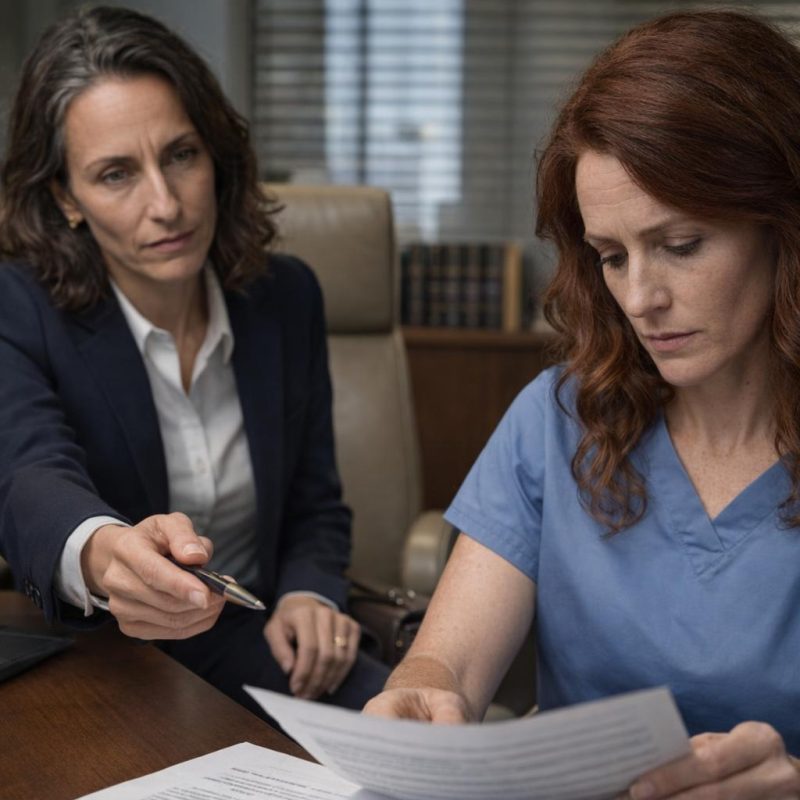 Image by RM AI
The Forty-Eight Hour Window
I signed document after document while Jennifer explained what each one meant, and every signature felt like a lock clicking into place between Derek and my children's future. Trust acceptance forms, beneficiary designations for Emma and Noah, asset transfer authorizations, financial account restructuring—my hand cramped after the first hour. The notary witnessed each signature with professional detachment while I felt like I was building a wall brick by brick. Jennifer was meticulous, explaining every clause, every protection, making sure I understood what I was signing. Three hours we sat there, and I signed until my wrist ached. Near the end, my phone buzzed on the table. A text from Derek: We need to talk about the money. My stomach dropped, but Jennifer just glanced at her watch and nodded. We were still within the forty-eight-hour window. I signed the final page, and the notary stamped it with a timestamp that felt like a finish line. The trust was now legally established and funded. The inheritance was protected from marital division, locked away for Emma and Noah's future. Jennifer filed the documents immediately while I sat there feeling like I'd just won a race I didn't know I was running. As I signed the final page, my phone buzzed with Derek's message, and I realized we'd been racing against his awareness all along.
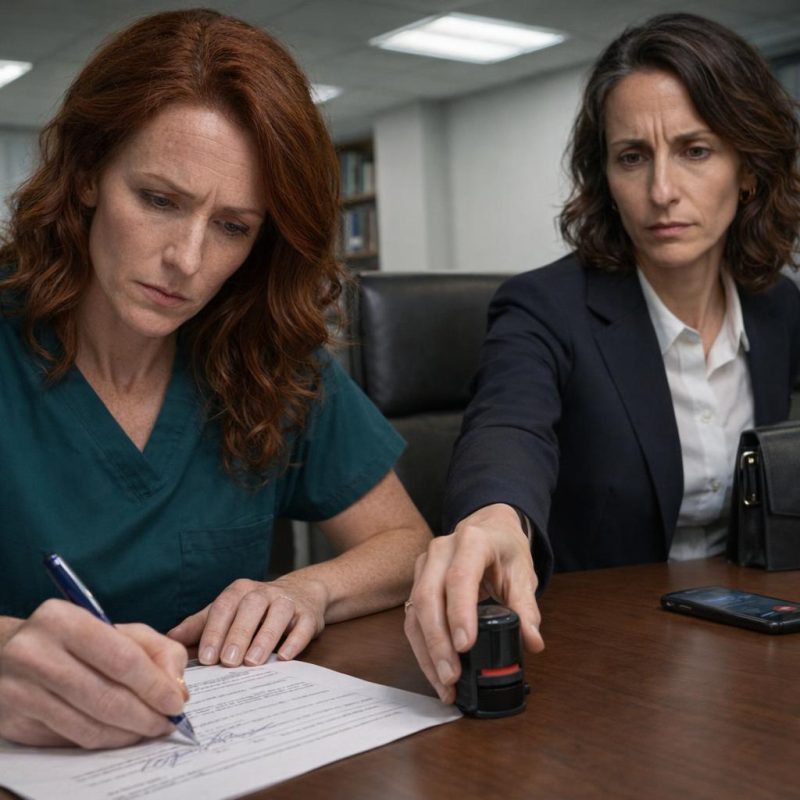 Image by RM AI
The Silent Circle
I started calling Derek's friends that evening, trying to understand what had happened, looking for someone who might explain the man I'd married. His college roommate's phone went straight to voicemail. His business partner answered but cut the conversation short with some excuse about a meeting. Mike from the golf club was friendly enough at first, but the conversation felt scripted, uncomfortable, like he was reading from notes. Each call was the same—awkward pauses, flimsy excuses, the unmistakable sound of doors closing. These were people who used to hug me at barbecues, who'd celebrated birthdays with us, who'd been part of our life. Now they couldn't get off the phone fast enough. I tried six different friends, and six times I hit the same wall. On the last call, Mike let something slip. He said Derek had told them it was better if they didn't engage with me right now, that it would just complicate things. The words hung there between us before Mike realized what he'd said and quickly ended the call. I sat on the couch staring at my phone, understanding finally clicking into place. Derek had warned his inner circle before he left. He'd built walls, prepared his exit, instructed his friends to cut me off. The last friend I called, Mike from his golf club, let it slip that Derek had told them all not to engage with me, and I realized he'd been building walls while I still thought we had a marriage.
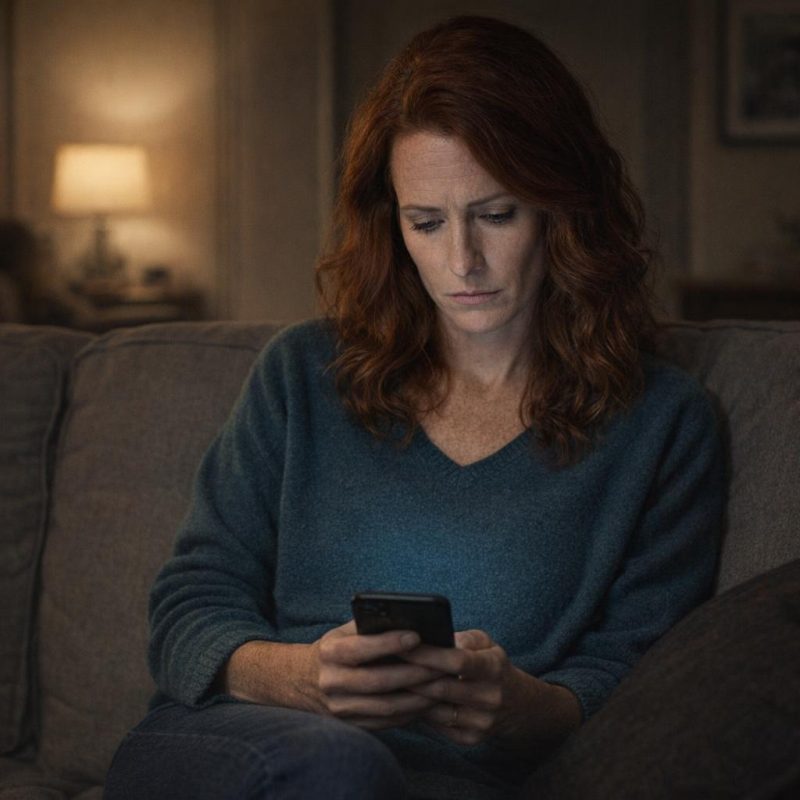 Image by RM AI
Emma's Anxiety
I found Emma on her bed after school, picking at her cuticles until tiny spots of blood appeared on her fingertips. She'd been withdrawn for days, and I'd been so caught up in the divorce chaos that I hadn't pushed hard enough. I sat beside her and asked what was wrong, and she broke down. She asked if Daddy left because she wasn't good enough, because she got a B in math, because her room was messy, because she was too loud sometimes. My heart shattered into pieces right there. I held her hands to stop the picking and promised her none of this was her fault, that divorce was about grown-up problems she didn't cause and couldn't fix. Then she looked up at me with red-rimmed eyes and whispered something that made the room tilt. She'd heard Daddy on the phone weeks ago, before he left, saying he needed to get out, needed to make a change. She hadn't told anyone because she thought maybe if she was better, if she tried harder, he'd stay. My ten-year-old daughter had been carrying this fear alone, trying to fix a marriage that was already over. I pulled her close and fought the urge to scream at Derek through the walls, to call him and rage about what his choices were doing to our daughter. She looked up at me with red-rimmed eyes and whispered that she'd heard Daddy on the phone weeks ago saying he needed to get out, and I realized my daughter had been carrying this fear alone.
 Image by RM AI
Following the Money
I logged into our bank accounts with Jennifer on speakerphone, and together we started tracing the financial trail Derek had left behind. Six months of statements spread across my dining table, and the pattern emerged like a diagnosis I didn't want to see. Unusual cash withdrawals starting four months ago, always in round numbers. Charges to restaurants I'd never been to, on nights I'd been working. A purchase of jewelry I'd never received. Then Jennifer found it—a credit card I didn't know existed, in Derek's name only. Three months of hotel charges, all local, too regular to be business travel. The Marriott downtown, the Hilton by the airport, the boutique place on Fifth Street. Charges that appeared every week, sometimes twice a week, while I'd been home with the kids or working night shifts. Jennifer's voice was careful when she said we needed to consider that he might be having an affair. The words hung in the air while I stared at the hotel charges, feeling nauseous. We documented everything, photographed every statement, built the evidence file for divorce proceedings. Jennifer requested Derek's full financial disclosure, but we both knew what we'd found. Three months of hotel charges appeared on a credit card I didn't know existed, and Jennifer said the words I'd been avoiding: we need to consider that he's been having an affair.
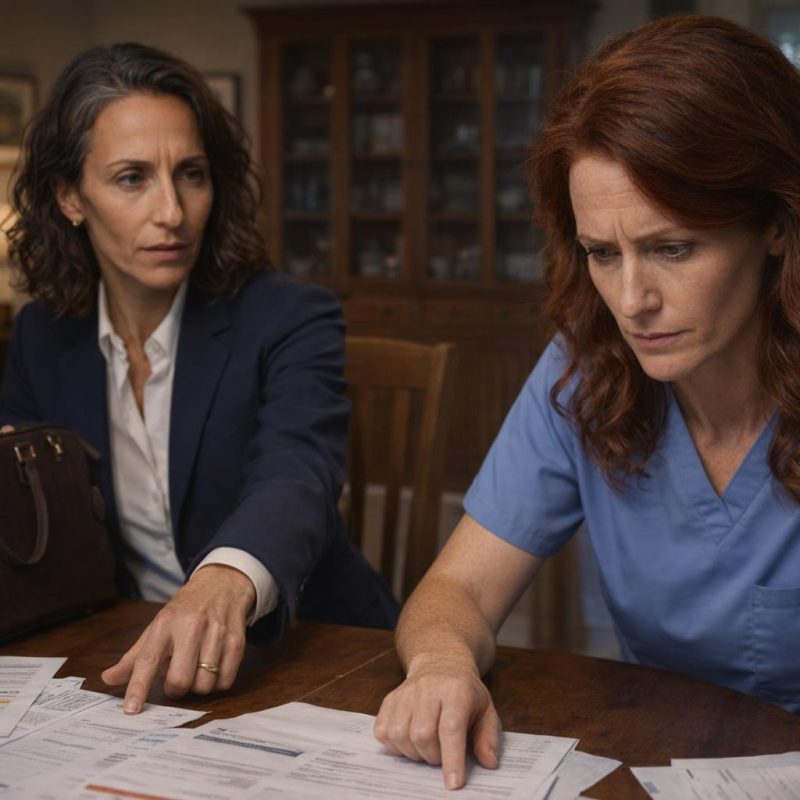 Image by RM AI
The Revised Memory
I sat in my car in the hospital parking lot at 7 AM, still in my scrubs from the night shift, too exhausted to drive home yet. The steering wheel was cold under my hands. I'd worked a double—sixteen hours straight—and my body felt like it had been wrung out and left to dry. But sitting there in the gray morning light, I kept thinking about how Derek used to encourage these shifts. He'd say things like "You're so dedicated" and "The kids and I will be fine, you go make that money." I'd felt supported. Appreciated. Like I had a partner who understood that nursing meant sacrifice, that extra shifts meant we could afford Emma's piano lessons and Noah's soccer camp. Now I wondered what I'd been too tired to notice. Had he wanted me out of the house? More hours at work meant more money, sure, but it also meant more time for him to do whatever he'd been doing. More time to plan, to pack, to see someone else. I remembered specific conversations differently now—his enthusiasm when I'd mention picking up another shift, the way he'd insist he had everything handled at home. The last double shift I'd worked before he left, he'd texted me at 2 AM saying he was proud of me, and I'd felt loved instead of wondering if I was being kept away.
 Image by RM AI
The Blonde Woman
Emma was pushing broccoli around her plate when she said it. "I saw Daddy at the ice cream place a few weeks ago." I looked up from my own dinner, fork halfway to my mouth. "Oh yeah? When you were with Grandma?" She nodded, still focused on her plate. "He was with a pretty lady. She had blonde hair and she was laughing at everything he said." My world tilted sideways, but I kept my face neutral. I could feel my pulse in my throat. "A work friend, maybe?" Emma shrugged. "I guess. She seemed really nice. They looked happy." I asked a few more gentle questions, trying to keep my voice steady and casual. The woman was younger, Emma thought. Wore nice clothes. They'd been sitting close together at a corner table. This had happened three weeks ago, during one of Derek's weekends with his mother. I felt humiliated that my ten-year-old daughter had witnessed evidence of her father's affair before I'd even known to look for it. Emma didn't seem to understand the significance of what she'd told me, and I redirected the conversation to her math homework, but internally I was collapsing. I asked when this happened, keeping my voice steady, and Emma said it was three weeks ago when she was with Grandma, and I realized Derek was building his next life while I was still living in our old one.
 Image by RM AI
Rachel
I couldn't sleep. At midnight I was sitting at my kitchen table with my laptop, searching Derek's social media profiles. He'd made his Facebook public recently—I hadn't even known he'd changed the privacy settings. And there she was. Multiple photos of Derek with a blonde woman, smiling, laughing, looking happier than I'd seen him in years. She was tagged in every photo: Rachel Summers. I clicked through to her profile. Twenty-eight years old. Marketing consultant. Polished and professional in every picture, the kind of put-together I'd stopped being somewhere between nursing school and two kids. The photos with Derek dated back five months. Five months. Captions about "new adventures" and "fresh starts." Comments from Derek's friends—people I knew, people who'd been to our house—offering support and encouragement. They'd known before I did. Everyone had known before I did. I scrolled through images of them at restaurants I couldn't afford, hiking trails I'd suggested we visit as a family, wine bars downtown. He looked different in these photos. Lighter. Like he'd shed some weight I hadn't known he was carrying. The first photo was dated five months ago with the caption 'new adventures,' and I realized Derek had been posting his exit while I was still making his coffee every morning.
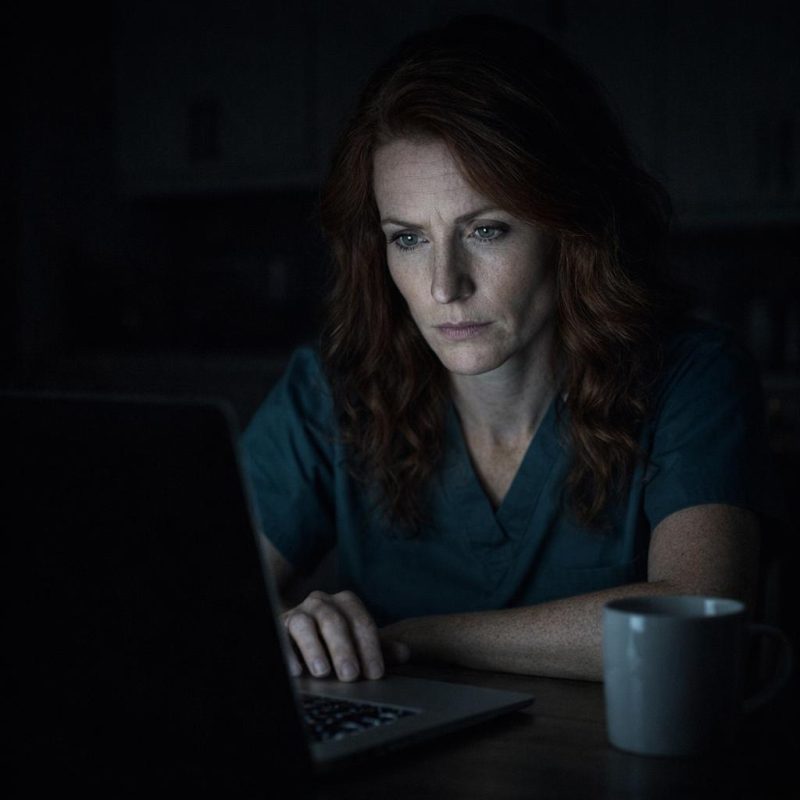 Image by RM AI
The Friend Who Stays
Lisa showed up on my porch after her shift with a bottle of wine and no judgment. The kids were asleep upstairs. We sat in the cool evening air while I showed her everything on my phone—the photos, the timeline I'd created, the evidence I'd been compiling like a case file. She didn't offer empty platitudes or tell me everything would be okay. She just poured wine into the plastic cups I'd grabbed from the kitchen and let me be angry. I told her about Emma seeing them together, about the social media posts, about feeling like the last person to know my own life was ending. Lisa listened. She let me cry and rage without trying to fix it or minimize it. When I apologized for being a mess, she shut that down immediately. "Deception is the deceiver's fault," she said. "Not the deceived." We went through the timeline together—the hotel charges, the photos, Emma's sighting, the divorce papers. Lisa studied it all with the same careful attention she brought to patient charts. Then she looked at me and said what I'd been thinking but couldn't say out loud: This wasn't just an affair—this was an escape plan, and I was the life he was escaping from.
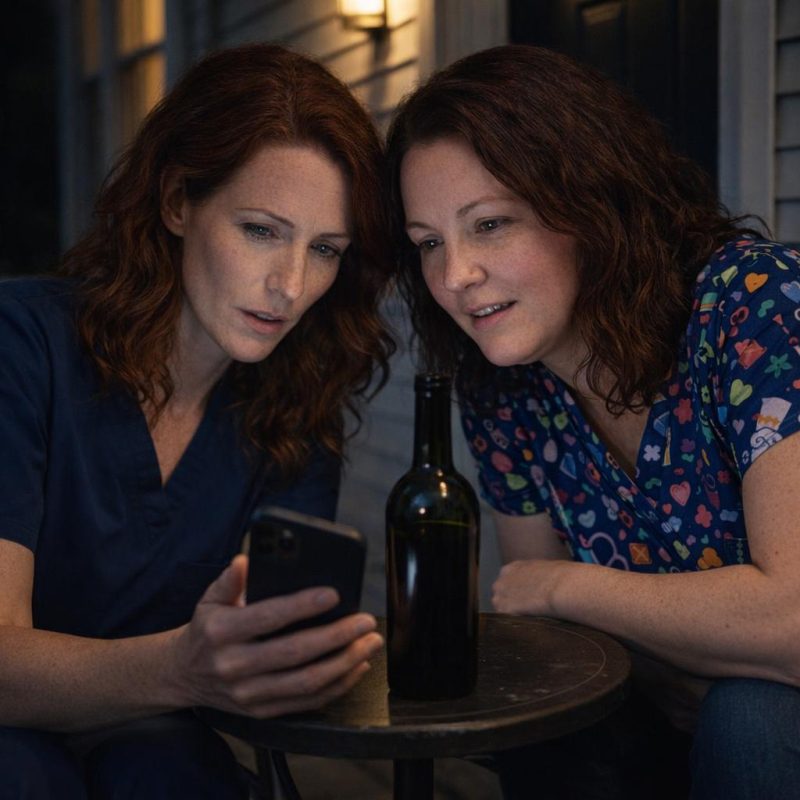 Image by RM AI
Discovery Phase
Jennifer spread the document request across her conference table like she was laying out surgical instruments. "Discovery means exposing every financial detail of your marriage to legal scrutiny," she explained. I stared at the list, feeling like I was being asked to dissect a body I'd once called home. Tax returns for all twelve years of marriage. Bank statements and credit card records going back a decade. Property deeds, asset valuations, retirement account statements. Medical expenses and insurance records. I looked up at that last one. "Why do they need medical information?" Jennifer's expression was professionally neutral. "It's standard for determining support obligations. Health affects earning capacity." The document request list included twelve years of tax returns, bank statements, and medical expenses, and I wondered what Derek was looking for in the margins of our life. Jennifer assigned me tasks and deadlines—organize files by year, compile statements, gather documentation. I'd be spending weeks pulling together the paper trail of our marriage, every receipt and record and proof of the life we'd built. Or the life I'd thought we'd built. I realized sitting there how much of our financial life Derek had controlled, how many accounts I'd trusted him to manage while I worked night shifts and raised our kids.
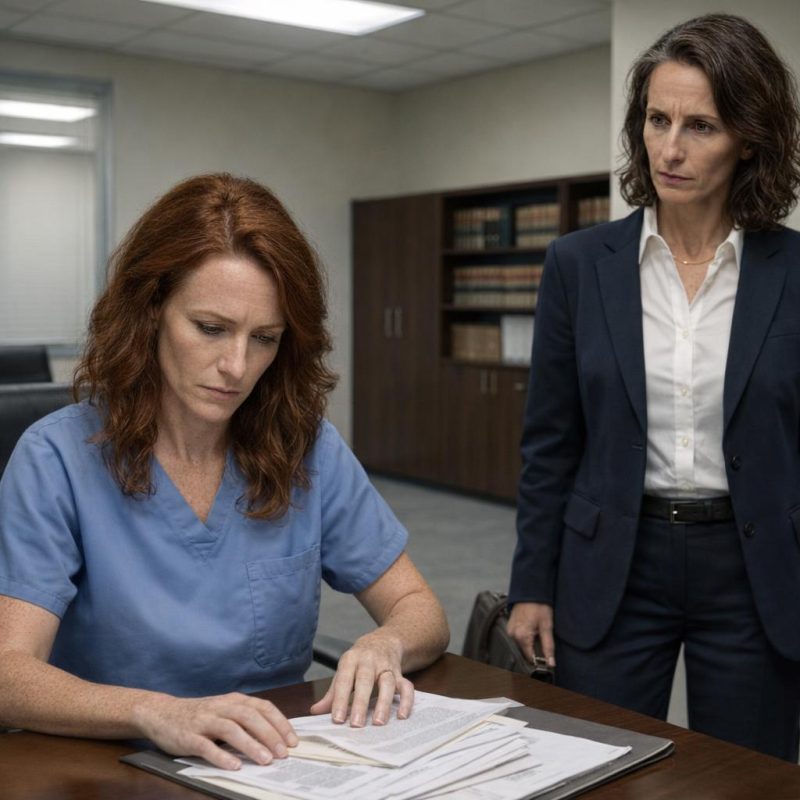 Image by RM AI
The Demand for Records
The email from Marcus Holloway landed in my inbox like a legal grenade. I was at work, on my lunch break, when I opened it. The document request was extensive—more extensive than Jennifer had expected when I forwarded it to her. He wanted five years of complete medical records. All diagnostic tests and treatment plans. Prescription medication history. Health insurance claims. Every detail of my physical existence documented and delivered to Derek's attorney. Jennifer called me that evening. "The medical scope is unusual," she said carefully. "But not unprecedented. It could relate to support calculations or determining your earning capacity." I felt violated. I hadn't disclosed my autoimmune diagnosis in any filings yet, hadn't decided if I was legally required to reveal it. Now Marcus Holloway was demanding five years of medical history, and I didn't understand why. Jennifer advised being thorough and honest in responses, but something about the request sat wrong with me. It felt too specific, too invasive. Jennifer circled one line in the request that asked for all diagnostic reports and treatment records, and I felt something shift in my chest that had nothing to do with my autoimmune condition.
 Image by RM AI
When Is Daddy Coming Home
I found Noah on the living room floor after school, surrounded by Legos. He was building a house, carefully constructing walls and rooms with the focused concentration only seven-year-olds possess. I watched him add a third bedroom, then label it in careful crayon letters: Dad. My heart cracked. "That's a nice house, buddy," I said, sitting down beside him. He looked up at me with Derek's eyes—the same blue, the same shape, a reminder I'd carry forever. "When is Daddy coming home?" The question was so innocent, so full of hope. I explained again, as gently as I could, that Daddy had his own house now. That sometimes grown-ups decide to live separately. Noah's face crumpled. "Is it because I was bad?" God, no. I pulled him into my lap, held him tight, reassured him that none of this was his fault. But he told me he'd been trying to be extra good all week, doing his homework without being asked, cleaning his room, eating his vegetables. He thought good behavior could bring his father back. He looked up at me with Derek's eyes and said he'd been good all week, as if his behavior could bring his father back, and I felt rage burn through my exhaustion.
 Image by RM AI
Under Oath
The conference room smelled like stale coffee and recycled air. I sat across from Marcus Holloway with Jennifer beside me and a court reporter recording every word. Marcus started with basic questions—my work history, my schedule, my responsibilities. Then he shifted. His tone changed, became sharper, more aggressive. He asked about my recent work absences. About my earning capacity. About whether I planned to continue working full-time. I answered carefully, aware that every word was being recorded under oath. Then Marcus leaned forward, his expensive suit catching the fluorescent light. "Let's talk about your health," he said. "Have you experienced any recent health issues that might affect your ability to work full-time?" I felt my stomach drop. I glanced at Jennifer, whose expression had gone very still. I hadn't disclosed my autoimmune diagnosis in any filings. I'd barely told anyone outside my immediate medical team. How did he know? I denied that my health affected my work capacity, but my voice sounded thin even to my own ears. Marcus smiled slightly, like he'd gotten the answer he wanted. He leaned forward and asked if my recent health issues affected my ability to work full-time, and I realized someone had been feeding him information I hadn't shared.
 Image by RM AI
The Hidden Debt
Jennifer called me into her office on a Tuesday afternoon, and the way she closed the door behind me told me this wasn't routine. She spread credit reports across her desk like evidence at a crime scene, and I saw Derek's name at the top of each one. "Discovery came through," she said, tapping a highlighted section. "Your husband has been busy." Thirty-seven thousand dollars in debt. Credit cards I'd never known existed, opened in his name alone over the past eighteen months. I leaned forward, scanning the charges. Cash advances. Luxury purchases at stores I'd never shopped at. Hotel stays during weeks he'd claimed to be traveling for work conferences. Expensive dinners at restaurants we'd never been to together. Jewelry purchases I'd certainly never received. My hands shook as I flipped through page after page. "He's been making minimum payments," Jennifer explained. "Barely keeping them current. The interest is accumulating faster than he can manage." I thought about his sudden interest in Miriam's inheritance, his aggressive pursuit of money he had no legal claim to. "He doesn't want a fair division," I said slowly. "He needs it." Jennifer nodded. "Financial desperation makes people do desperate things." The charges dated back eighteen months and included cash advances, luxury purchases, and hotel stays, and I wondered if his sudden interest in my inheritance had been about covering his secrets all along.
 Image by RM AI
The Body Keeps Score
The parking lot lights had come on by the time I finished my shift, ten hours of moving through patient rooms on autopilot. My hands started shaking when I reached my car, trembling so badly I couldn't grip my keys. The joint pain I'd been ignoring all day had intensified to the point where I couldn't make a fist. I sat down on the curb, dizzy and exhausted, unable to drive. The concrete was cold through my scrubs. I don't know how long I sat there before Lisa found me. "Sarah?" Her voice cut through the fog. "Hey, look at me." She crouched down, her nurse's assessment already running. "You're coming back inside." I tried to protest, but she wasn't having it. She helped me stand and walked me back through the ER entrance where I'd left an hour ago. My colleagues looked up with concern as Lisa guided me to a bed. I became a patient in the place where I'd always been the one holding others together. Blood work showed what I'd been denying—my disease markers were elevated, inflammation out of control. The doctor recommended time off. I said I couldn't afford to miss work now, not with the divorce. Lisa found me there and drove me to the ER where I worked, and I became a patient in the place where I'd always been the one holding others together.
 Image by RM AI
Adjusting the Protocol
Dr. Chen studied my blood work with the kind of careful silence that meant bad news. She'd been my rheumatologist for two years, and I'd learned to read her expressions. "Your inflammation markers are significantly elevated," she said finally. "The current medication regimen isn't controlling the disease progression." She explained we needed to add an immunosuppressant, more aggressive treatment. I asked about the cost before she finished explaining the protocol. The new medications weren't cheap, and I was already calculating how to manage medical bills during a divorce. Dr. Chen set down the lab results and looked at me directly. "Has your stress level changed recently?" I almost laughed. Almost. "I'm going through a divorce," I said. "My husband left, I'm fighting for custody, and he's trying to take money that isn't his." She nodded slowly. "Emotional trauma triggers disease flares. Major life stress has direct physiological impacts on autoimmune conditions. Your body is fighting on multiple fronts." I hadn't considered the connection before—that Derek leaving might have literally made me sicker. She asked if my stress levels had changed recently and I almost laughed, but then she mentioned that emotional trauma could trigger disease progression, and I wondered if Derek had given me more than just divorce papers.
 Image by RM AI
The Counter-Strategy
Jennifer spread documents across her conference table like a general planning a campaign. Derek's credit card statements on one side, evidence of the affair on the other, financial records showing his systematic planning in the middle. "We have everything we need," she said. "His debt makes him an unreliable financial partner. The affair demonstrates character issues relevant to custody. The timeline proves premeditation, not impulse." I studied the evidence, thinking like a nurse assessing symptoms to find the diagnosis. Derek wasn't pursuing the inheritance because he loved me or wanted his family back. He was desperate, drowning in debt he'd hidden while planning his exit. "Your inheritance is protected by the trust structure," Jennifer continued. "Our strategy is to defend that while exposing his true motives. Show the court he's pursuing money, not family." I felt uncomfortable with aggressive tactics at first. But then I thought about Emma's anxiety, about Noah asking when Daddy was coming home, about my daughter crying through a therapy session. Jennifer tapped the evidence of his debt and affair and asked if I was ready to fight dirty, and I thought about Emma's anxiety and Noah's confusion and said I was ready to fight smart.
 Image by RM AI
The Warning I Missed
I found the box while searching the basement for old tax documents Jennifer needed. Wedding photos, family gatherings, years of memories packed away in cardboard. I sat on the concrete floor and opened the album from twelve years ago. There was Miriam at our wedding, elegant in navy blue, watching Derek with an expression I'd always interpreted as joy. But looking now, I saw something else. Concern. Careful observation. I flipped through more photos—Thanksgiving dinners, Christmas mornings, Emma's baby pictures. In every shot where Miriam and Derek appeared together, she was watching him with that same thoughtful expression. I remembered conversations differently now. Her asking if Derek helped with the children. Whether I felt supported. Comments I'd dismissed as normal aunt concern. The last photo stopped me cold—Emma's tenth birthday party, six months before Miriam died. She had her arm around me protectively while Derek stood apart, focused on his phone. I remembered her whispering something that day, words I'd laughed off: "You deserve someone who shows up fully, not just physically." In the last photo before she died, Miriam had her arm around me at Emma's birthday party while Derek stood apart with his phone, and I remembered her whispering that I deserved someone who showed up fully, not just physically.
 Image by RM AI
Small Voices in Therapy
The therapist's waiting room had cheerful posters about feelings and a basket of fidget toys. I sat in an uncomfortable chair while Emma and Noah met with Dr. Martinez separately, trying not to listen through the wall. But sound carried. I heard Emma crying, muffled but unmistakable, and my heart cracked. Forty-five minutes for each child. Noah went first, then Emma. I flipped through magazines without seeing them, counting minutes. When Dr. Martinez finally emerged, her expression was professionally concerned. "Both children are experiencing significant anxiety," she said, sitting across from me. "Noah has abandonment fears, which is common. But Emma has taken on inappropriate responsibility—she feels she needs to take care of you and her brother." I nodded, guilt washing over me. "There's something else," Dr. Martinez continued carefully. "Emma asked a specific question during our session. She wanted to know if people leave when you get sick." I stared at her, confused. "I haven't told the kids about my diagnosis," I said. "They don't know I'm sick." Dr. Martinez looked troubled. "The question was very specific. I thought you should know." The therapist emerged after the session and said both children were experiencing significant anxiety, but Emma had asked a question that worried her: she wanted to know if people leave when you get sick.
 Image by RM AI
The Custody Gambit
The motion arrived the same week Derek stopped paying the mortgage. Jennifer called me as soon as she received it—Derek was requesting fifty-fifty custody, increased parenting time starting immediately. I drove to her office and read it myself, feeling my blood pressure rise with each paragraph. He wanted more custody while refusing to pay household expenses. The contradiction was stunning. But what made my hands shake was the justification. The motion cited my "recent medical leave" as evidence I couldn't manage the children's needs alone. It questioned my stability and availability. I'd taken three days off for a health emergency. Three days in twelve years of nursing. Derek had never taken leave for the children, not once. "How does he know about my medical leave?" I asked Jennifer. "I haven't told him anything about my health." She frowned, making notes. "That's a good question. Hospital records are protected by HIPAA. Someone would have had to tell him, or..." She didn't finish the thought. The motion requested fifty-fifty custody and noted my recent medical leave as evidence I couldn't manage the children alone, and I felt my blood turn cold as I realized he was weaponizing my health.
 Image by RM AI
The Evidence Journal
I bought a composition notebook at the drugstore and started documenting everything. Jennifer had advised me to keep detailed records, so I did. Every scheduled visit with the children, every phone call, every promise made and broken. The pages filled quickly. October 15th: Canceled soccer game he'd promised to attend, claimed work emergency. October 22nd: Birthday dinner with Noah rescheduled twice, then canceled. November 3rd: Weekend visit cut short by six hours, no explanation given. November 10th: Phone call with kids lasted four minutes before he said he had to go. The pattern emerged in black ink—Derek was inconsistent, unreliable, prioritizing his new life over the children he claimed to want custody of. I recorded Emma's reactions too, how her disappointment was hardening into resignation. How Noah still got hopeful before each visit, still believed his father's promises. Page seventeen documented the science fair Derek had sworn he'd attend. Noah had asked three times for confirmation. Derek had said yes every time. He never showed. On page seventeen, I wrote the date he'd promised to take Noah to the science fair and didn't show, and I realized I was building evidence not just for a judge, but for my children's future understanding of who their father really was.
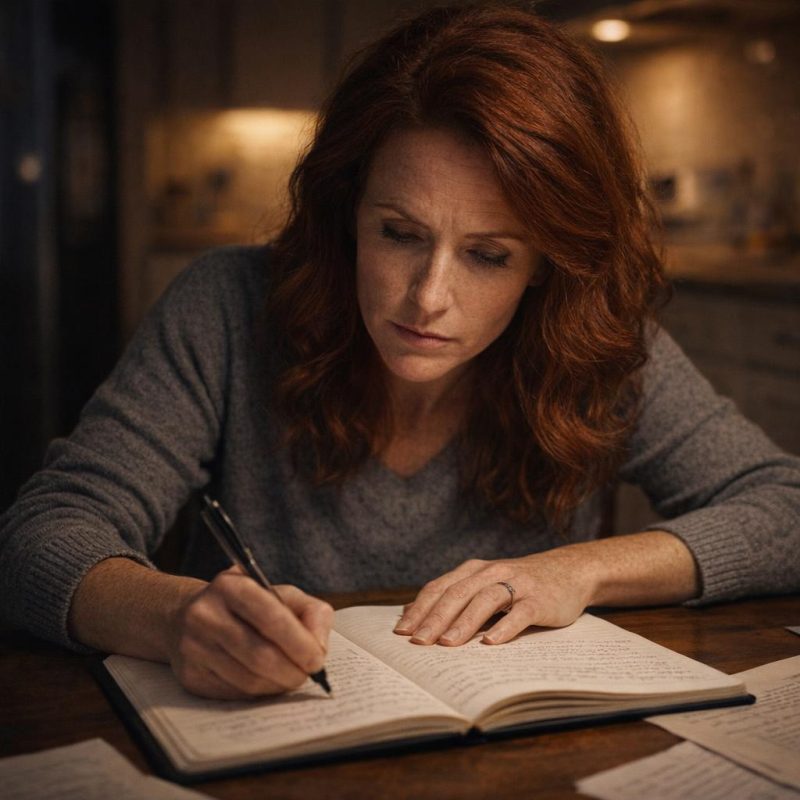 Image by RM AI
Brother's Testimony
Tom sat across from Jennifer's desk looking uncomfortable in a button-down shirt instead of his usual teacher casual, and I realized I'd never seen my brother in professional mode before. Jennifer had asked him to come in for a character witness statement, and he'd driven three hours without hesitation. She walked him through the process, explaining how his observations of my marriage could help establish Derek's pattern of behavior. Tom nodded, his jaw tight in that way it got when he was angry but trying to stay calm. I was finding allies where possible, and Tom was proving to be one of the strongest. He started talking about family gatherings where Derek would show up late and leave early, always with his phone in hand. How Derek had missed Emma's dance recitals and Noah's baseball games for golf tournaments. How he'd make jokes at my expense during holiday dinners, little cutting comments about my weight or my job that everyone laughed at because Derek delivered them with that charming smile. Jennifer took notes, asking clarifying questions. Then Tom mentioned something from two years ago, right after I'd gotten my autoimmune diagnosis. I'd been scared, trying to understand what it meant for my future. Derek had laughed it off as hypochondria, called me dramatic and attention-seeking in front of Tom and our parents. I'd forgotten that moment completely, pushed it down with all the other times Derek had made me feel small. But Tom remembered, and hearing him describe it brought back exactly how dismissed I'd felt, how I'd stopped talking about my symptoms after that because I didn't want to be called dramatic again.
 Image by RM AI
The Support Group
Lisa had been suggesting the divorce support group for weeks before I finally agreed to go. It met Thursday evenings at the community center in a room that smelled like coffee and floor cleaner, eight folding chairs arranged in a circle. The facilitator was a woman named Beth who'd been divorced for five years and had kind eyes that had seen some things. I was balancing vulnerability and strength, trying to open up without falling apart. Everyone took turns sharing their stories—financial abuse, affairs, custody nightmares, the whole catalog of ways marriages could implode. I listened to pattern after pattern of betrayal and shock, realizing I wasn't special or unique in my devastation. When my turn came, I kept it brief. Husband left, inheritance timing, custody dispute. People nodded like they'd heard versions of this before. Then Patricia spoke, a woman in her fifties with short gray hair and tired eyes. Her ex-husband had weaponized her cancer diagnosis in their divorce, she said. Used her illness to argue she was too sick to parent, fought to reduce his support obligations, painted her as a burden. I felt my hands go cold listening to her story. The uncomfortable parallel to my own situation settled in my chest like a stone. Derek citing my medical leave in his custody motion. His sudden interest in my health. I didn't share these thoughts with the group, but I couldn't shake the unease. Lisa squeezed my hand as we left, and I wondered if I was about to live Patricia's story.
 Image by RM AI
Mediation
The mediation room was beige and windowless, designed to be neutral but feeling more like a holding cell. I sat three feet from Derek for the first time since he'd left, Jennifer on my right, Marcus Holloway on his left. I was refusing to show weakness, keeping my face neutral and my voice steady. The mediator explained the process in a calm voice meant to defuse tension. Derek spoke first about wanting a fair resolution, about caring for the children's wellbeing, about being reasonable. His voice had that earnest quality he used with hospital administrators and his parents. But I'd been married to him for twelve years. I knew his tells. His left hand was tapping against the table in that specific rhythm he used when lying about working late, when covering for forgotten promises, when performing sincerity he didn't feel. His eyes stayed flat and calculating even as his mouth shaped concerned expressions. The discussion turned to asset division and Derek's mask stayed perfectly in place. He wanted half of everything, specifically pursuing a portion of the inheritance. Jennifer explained the trust structure, how it protected the money for Emma and Noah. Marcus argued the timing made it marital property. The debate heated up and I watched Derek's jaw tighten when Jennifer blocked his claims. Three hours of this, circling the same arguments. No progress. No compromise. Derek refused to budge on the inheritance demand. When the mediator finally called it, I knew mediation had been over the moment Derek's hand started tapping.
 Image by RM AI
The Failed Settlement
The final mediation session happened on a Tuesday morning, our third attempt at settlement. The mediator presented Derek's offer with careful neutrality. One point seven million dollars from the trust. Exactly half of my inheritance. Marcus argued it was fair division of marital assets, compensation for twelve years of marriage. Jennifer rejected it immediately, her voice sharp and final. The inheritance was protected for the children, not subject to division, not negotiable. I was standing firm on boundaries, refusing to compromise what belonged to Emma and Noah. Derek's face went hard. He said I was being unreasonable, that he deserved compensation regardless of how the marriage ended. I finally spoke directly to him for the first time that morning. Told him the inheritance was for Emma and Noah's future, not a reward for his abandonment. His response was cold as winter. He had rights, he said, regardless of my opinion. The mediator tried to find middle ground, suggested a smaller compromise amount. I refused. I would not take a single dollar from my children's future to pay off the man who'd walked away from them. The mediator declared an impasse. We were going to trial. Derek stormed out with Marcus trailing behind. I stayed with Jennifer to discuss next steps. Trial preparation would be intensive, she warned. Extensive documentation, testimony, weeks of work. She said we had forty-two days to build an airtight case, and I looked at my pill organizer full of medications and wondered which would give out first—my body or my marriage.
 Image by RM AI
The Trial Date
Jennifer called on a Wednesday afternoon with the trial date. September fourteenth, six weeks away. I marked it on my kitchen calendar with a red pen, and the date looked like I was marking my own autopsy. Judge Patterson would preside in family court. I was preparing for court trial, organizing my life around this single deadline. Jennifer outlined the preparation timeline in her efficient attorney voice. Forty-two days to finalize our strategy. Witness preparation, evidence organization, testimony rehearsal, financial documentation review. The list felt endless. I was already exhausted from managing my disease, working full-time, parenting two anxious children alone, documenting Derek's failures in my composition notebook. Now I was adding intensive trial preparation to the pile. Jennifer explained what the next six weeks required. Multiple prep sessions for my testimony. Coordinating witnesses—Tom, Lisa, others. Organizing evidence into presentable formats. I committed to doing whatever was necessary, but privately I felt myself cracking. I looked at my pill organizer on the counter, the seven-day container filled with medications I took to manage my autoimmune condition. Multiple pills every morning and night. My disease was progressing despite treatment, adding fatigue and pain to everything else. Jennifer sensed my exhaustion through the phone. We're fighting for your children's future, she reminded me. She said we had forty-two days to build an airtight case, and I looked at my pill organizer full of medications and wondered which would give out first—my body or my marriage.
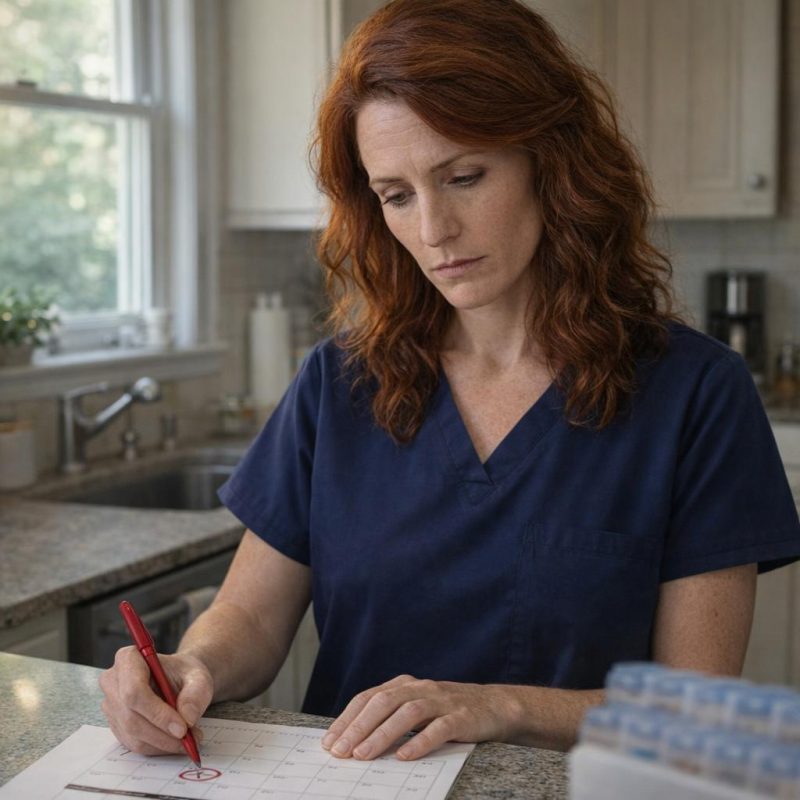 Image by RM AI
Building the Arsenal
I spent three weeks turning my dining table into a war room. Documents spread across every surface—financial records, medical files, custody logs, witness statements. Jennifer helped me organize everything into categories, creating a system that made sense for trial presentation. I was strengthening my position with every piece of evidence I gathered. Financial evidence showed Derek's debt and mismanagement. Timeline documentation proved his planning before departure. Custody logs demonstrated his poor parenting after separation. Tom brought over a box from Mom and Dad's house, family memorabilia they'd been storing. Inside were birthday cards Derek had signed for Emma and Noah over the years. I spread them out on the table, six years of birthdays. Emma's cards from ages four through nine. Noah's from two through seven. I noticed something that made my chest tight. Derek had written the same generic message in every single card. Same words, same handwriting, year after year. 'Happy Birthday. Love, Dad.' Nothing personal. Nothing specific to each child. No mention of their interests or accomplishments or personalities. Just the same five words, as if he'd never really seen them as individuals. Lisa provided a witness statement describing me as a dedicated mother and professional, noting Derek's absence from family responsibilities. I compiled photos too—family events where Derek was on his phone while the kids played, visual evidence of his emotional absence. Jennifer photographed everything, creating organized binders by topic. The pattern emerged across all the evidence. Derek had never fully committed to our family.
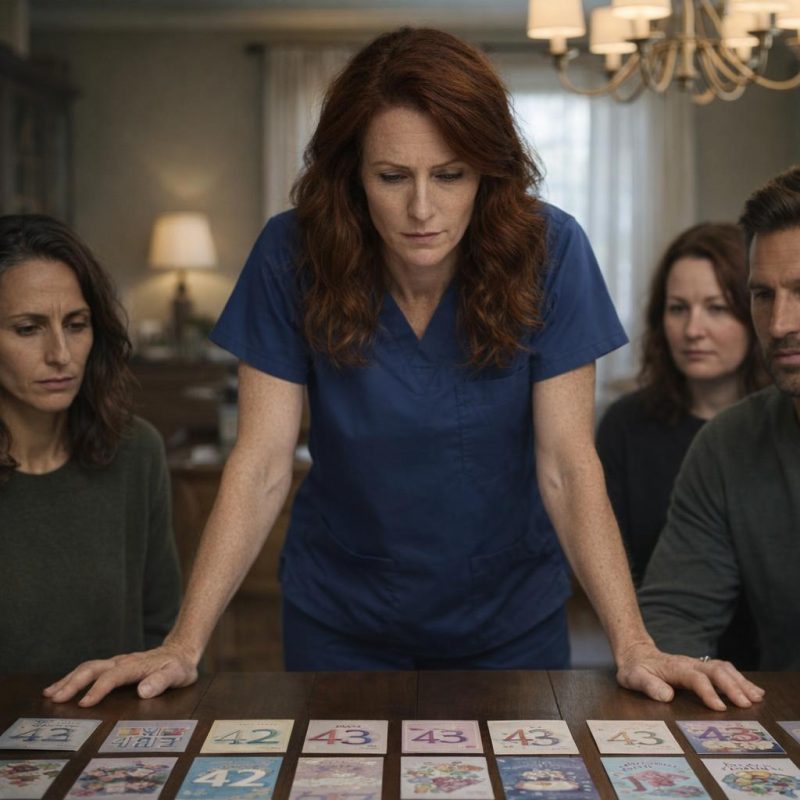 Image by RM AI
The Pattern Emerges
I bought a large poster board and colored markers at the office supply store. Laid everything out on my dining table and started mapping the past eighteen months of my marriage. Major family events, decisions, conversations. Derek's behavior changes—when he became distant, when he started working late, unusual purchases. I was noticing disturbing patterns as I plotted the points with different colored markers. Derek's behavior had shifted after specific conversations. I tracked what I'd told him about. Miriam's cancer diagnosis fourteen months ago. My increasing doctor appointments around the same time. The possible promotion at the hospital eleven months ago. The inheritance confirmation eight days before he left. Derek's behavior changes aligned with these disclosures. He'd become more distant after learning Miriam was dying. Started working late more frequently after I mentioned my medical appointments. Pushed me to take the promotion around the time he'd rented that storage unit. Left within days of the inheritance being confirmed. The correlation looked purposeful, but I couldn't be certain. Could be coincidence. Could be something more. I noticed other alignments too. His affair timeline overlapped with Miriam's illness. His debt accumulation began when Miriam entered hospice. Questions formed without answers. Had he been planning longer than I'd thought? Every major event aligned with something I'd told him about—Miriam's declining health, my increasing medical appointments, my promotion possibility at the hospital—and I felt unease settle in my stomach like ice water.
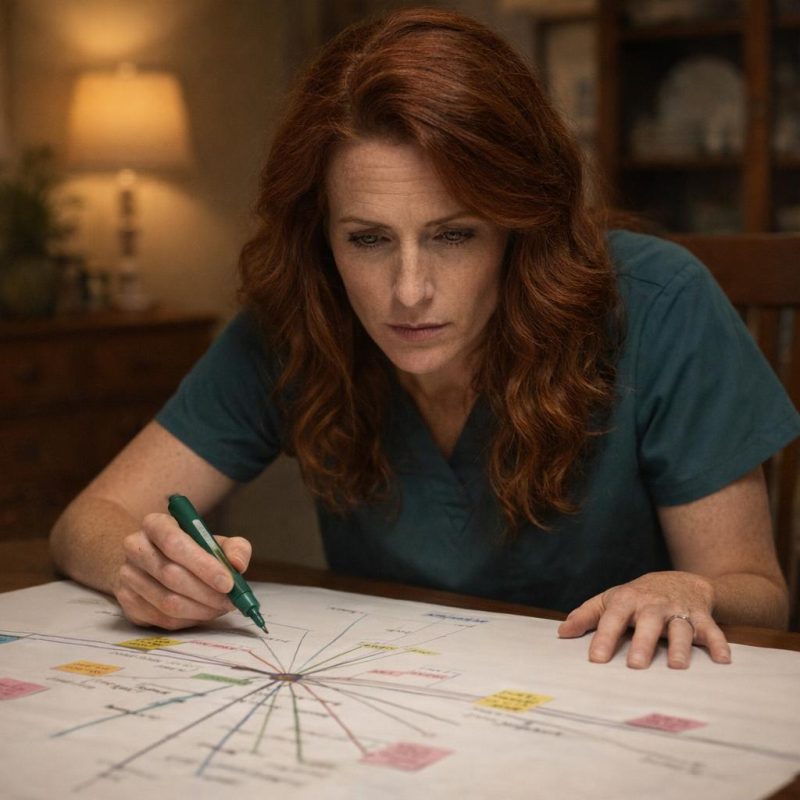 Image by RM AI
Deleted Evidence
I was searching the garage for anything Derek might have left behind when I found his old laptop shoved behind paint cans. He'd taken his newer one but left this. I brought it to Tom, who had IT skills from teaching computer science. He ran data recovery software while I watched. I was piecing together his strategy one search at a time. Derek had deleted his browser history the day before he left, but deleted data could be recovered. Tom pulled up months of search history and showed me the screen. Searches for divorce laws in our state. Asset protection strategies. How to hide money from a spouse. Community property rules. Then the searches that made my blood run cold. Medical privacy violations. How to access a spouse's medical records. HIPAA penalties. Medical information in divorce proceedings. Chronic illness and spousal support obligations. Tom pointed at the dates with a grim expression. The searches had begun four months ago. That was two weeks before I was diagnosed. Before I'd told Derek anything about my symptoms or doctor visits. Questions flooded my mind but I had no answers. Tom saved everything, took screenshots with timestamps, created a report for Jennifer. I stared at the date stamps from four months ago—two weeks before I was diagnosed—and felt the foundation of reality crack beneath me.
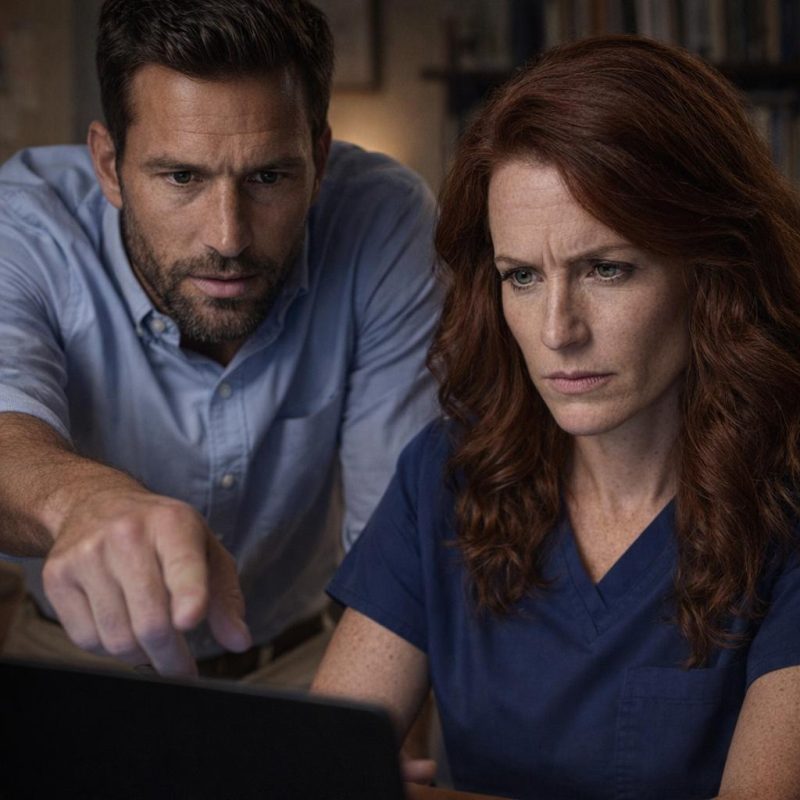 Image by RM AI
Legal Assault
Jennifer called me at work, and I knew from her tone that something had shifted. "Derek's team filed seven motions this morning," she said. "All at once." I pulled into the hospital parking lot and sat there while she walked me through them. Motion to compel full financial disclosure—they wanted every bank statement, every receipt, every penny I'd spent since Miriam died. Motion challenging the trust's validity. Motion for increased temporary custody. Motion to reduce his support obligations. Each one felt like a punch, designed to make me defend from seven directions at once. Then Jennifer got to the last one, and her voice changed. "They're requesting a psychiatric evaluation," she said. "Based on your medical history." I stared at the steering wheel. Medical history. I'd never disclosed my autoimmune diagnosis in any filing. I'd kept it private, separate from the divorce, because it was mine and it had nothing to do with our marriage ending. "How does he know about that?" I asked. Jennifer was quiet for a moment. "That's what concerns me," she said. "These motions aren't just aggressive—they're coordinated. Someone gave them very specific information." I stared at the words on the email she'd forwarded, trying to understand how Derek knew what I hadn't told him.
 Image by RM AI
The Medical Demand
Two days later, Jennifer called me back to her office. She had Marcus Holloway's formal medical records request spread across her desk, and her expression was different—sharper, more focused. "He's asking for five years of complete records," she said. "Every provider, every visit, every test." I scanned the document, seeing my rheumatologist's name, my primary care physician, specialists I'd seen for various issues over the years. "Why would a divorce case need my colonoscopy results?" I asked, and it would have been funny if it wasn't so invasive. Jennifer didn't smile. She circled something on the page—a list of diagnostic codes. "These concern me more," she said. "These are very specific codes related to autoimmune conditions. This isn't a fishing expedition, Sarah. Someone would need to know exactly what to look for." I felt my stomach drop. I'd never told Derek the details of my diagnosis. I'd kept it vague, not wanting to worry him, not wanting to make my body his problem. Now my private health information was being demanded in legal filings, and I couldn't understand how he'd known to ask. She circled the specific diagnostic codes he'd listed in his request and said these weren't random—someone had given him a very particular shopping list.
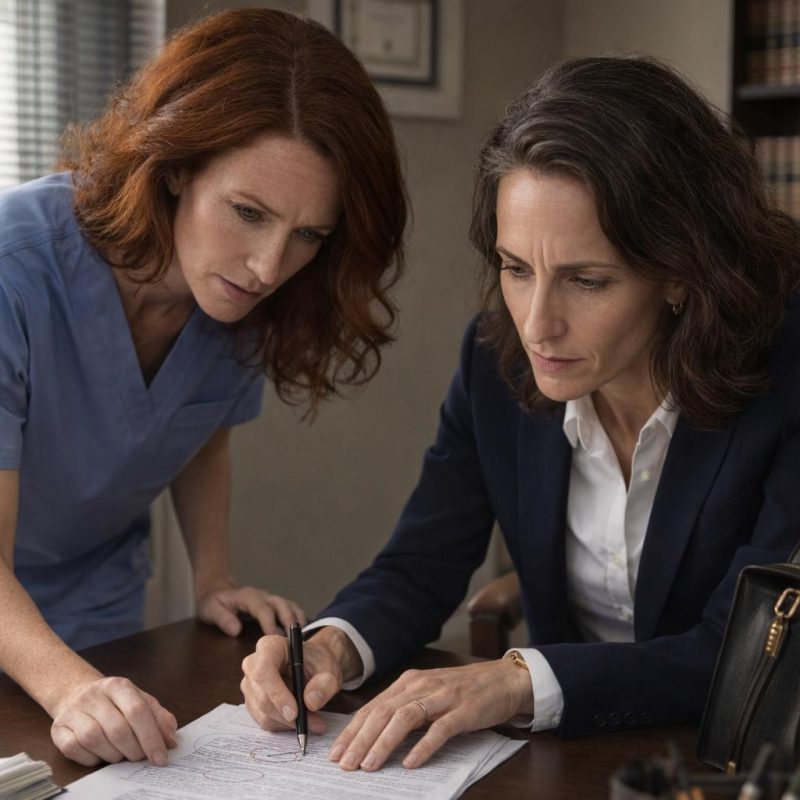 Image by RM AI
Wrong Questions
Jennifer spread all of Derek's document requests across her conference table, and I could see her lawyer brain working through the pattern. "Why would a husband who claims he wants nothing but fairness need to know the exact date of your first rheumatology appointment?" she asked. I looked at the specific requests. First rheumatology visit date. Diagnosis timeline. Treatment plans and prognosis. None of it made sense for a standard divorce. "Did Derek ever have access to your medical accounts?" Jennifer asked. I shook my head. "I never shared login information. I barely talked to him about any of it." But even as I said it, something nagged at me. A memory from three months ago—a notification on my phone about my medical portal being accessed. I'd dismissed it as a glitch, assumed it was my own phone logging in from a different browser. Now I wasn't sure. "I got a weird notification once," I said slowly. "About account access. But I thought it was just a technical thing." Jennifer leaned forward. "Do you still have it?" I told her I didn't know, but as I said the words, I remembered the medical portal notification I'd dismissed as a glitch three months ago, and suddenly I wasn't sure what Derek had been accessing.
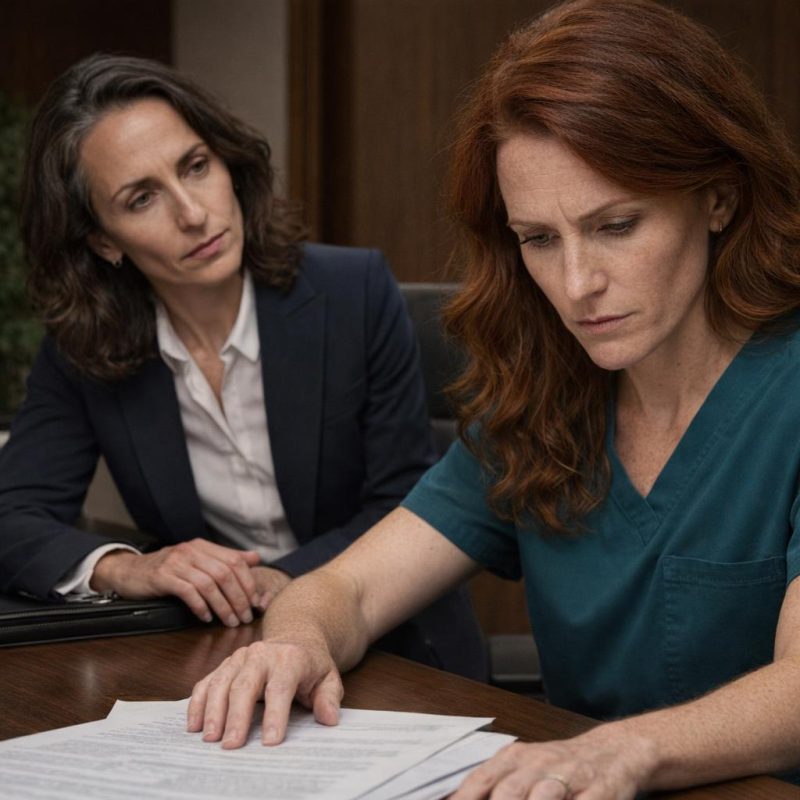 Image by RM AI
The Opened Envelope
I went home that night and started searching. Jennifer had asked me to look for anything—old mail, documents, anything that might show how Derek had gotten his information. I was in my home office, going through the recycling bin I hadn't emptied since he left, when I found it. An envelope from my rheumatologist's office. I pulled it out and my hands went still. The envelope had been opened. Not torn—carefully opened along the seal. And then resealed with different tape. Clear tape, not the security tape the medical office used. I checked the postmark. Three weeks before Derek left. Three weeks before he'd walked out with his packed bags and his divorce papers and his perfectly timed exit. The contents were my lab results and diagnosis confirmation. Results I thought I'd been the first to read. My hands started shaking before my mind fully caught up. He'd intercepted my mail. Read my private medical correspondence. Known about my diagnosis before I'd even processed it myself. Had weeks to research what it meant, what it would cost, what obligations he might face. The postmark was dated three weeks before Derek left, and I wondered if someone had been reading my mail, tracking my diagnosis, timing his departure in ways I was only beginning to understand.
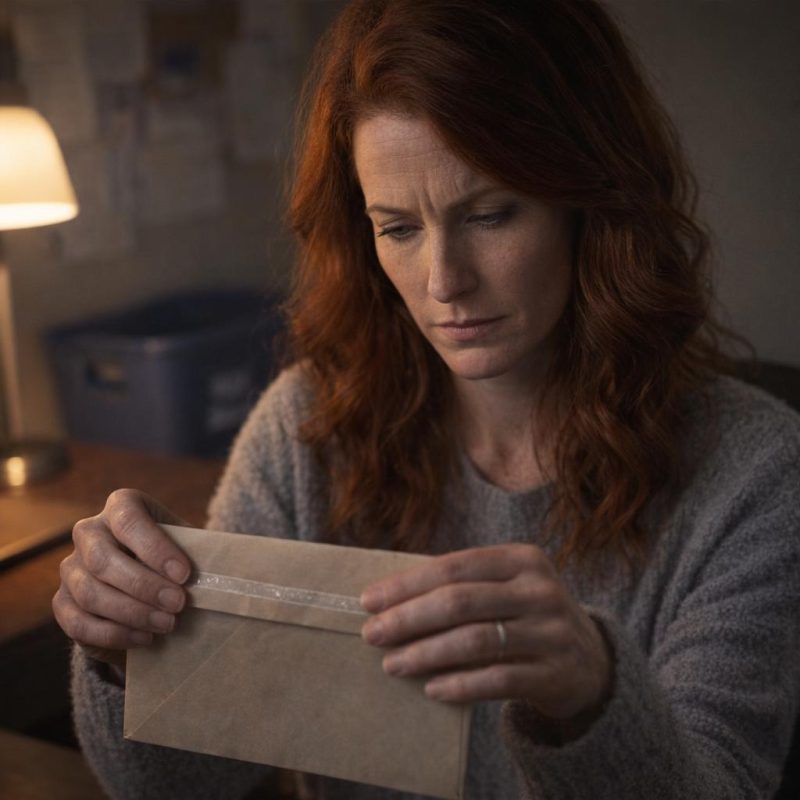 Image by RM AI
The Portal
I sat down at my computer and logged into my medical portal. I'd never checked the access history before—why would I? But now I clicked through to the security settings and pulled up the login records. My breath stopped. Multiple logins I didn't recognize. IP addresses that weren't my devices. Times when I was at work or asleep. I clicked on the details and saw them—four months of unauthorized access. Derek had been logging in from his laptop, his phone, reading everything. My diagnostic reports. My lab results. My physician's notes about prognosis and treatment plans. Every private detail about my body and my illness. Then I saw the date of the first login, and the floor dropped out from under me. Two weeks before my official diagnosis. Before I even knew I was sick. Derek had read my preliminary test results before I did. He'd known I had an autoimmune disease before my doctor sat me down to explain it. He'd had weeks to process it, research it, plan around it—while I was still in the dark about my own body. The first login was dated two weeks before my official diagnosis, which meant Derek had known I was sick before I did, and he'd used that time not to comfort me but to plan his escape from a wife who might become a burden.
 Image by RM AI
The Shape of Abandonment
I sat on my bedroom floor with my laptop open, staring at the access logs, and let the full picture assemble itself. Derek had discovered I was sick four months ago. He'd started researching divorce law and asset protection. Started his affair with Rachel around the same time—younger, healthier, less complicated. He'd monitored Miriam's decline through my updates, waited for the inheritance to be confirmed, then executed his departure within days of the money arriving. It wasn't just that he'd fallen out of love. It wasn't just the affair. He'd seen my illness as a financial calculation. A liability he needed to escape before I required care, before my medical expenses became his responsibility. He'd timed everything to maximize his profit and minimize his obligation. Take half the inheritance, leave before the sick wife needed him. I sat there processing the cruelty of it—the systematic, calculated cruelty. I'd married a man who'd read my diagnosis and started planning his exit. Who'd slept beside me while spying on my medical records. Who'd left divorce papers on the counter the same week Miriam's money cleared. He'd timed his exit to maximize profit and minimize obligation, and I finally understood that I hadn't just married a man who fell out of love—I'd married a man who saw my illness as a financial calculation.
 Image by RM AI
Digital Footprints
Jennifer brought in a digital forensics expert, and I sat in her conference room while he walked us through what he'd found. Server logs from my medical portal. IP addresses traced to Derek's devices. Login times matched to his known locations. Four months of systematic surveillance, multiple logins per week, accessing my diagnosis reports, treatment plans, prognosis. The expert created a comprehensive timeline with timestamps and content viewed. "This evidence is forensically sound," he said. "Chain of custody can be established. The server logs are tamper-evident." Jennifer leaned back in her chair, and I saw something shift in her expression. "This is admissible in court," she said. "Unauthorized access to medical records is a HIPAA violation. It can constitute criminal invasion of privacy. And it demonstrates premeditation in his divorce strategy." The expert prepared his formal report while Jennifer explained the implications. Derek had thought he was smart, covering his tracks by deleting browser history. But he'd left a digital trail in the medical portal's server logs. His own surveillance would prove his motives were calculated. The expert said the evidence was admissible in court and potentially criminal, and Jennifer smiled for the first time since I'd met her and said Derek had just handed us the case.
 Image by RM AI
The New Strategy
Jennifer and I spent the next week rebuilding our entire trial strategy. What had been a defensive case—protecting the trust, defending my inheritance—transformed into something else entirely. We restructured everything around Derek's medical records breach. The surveillance became the cornerstone. It demonstrated his calculated abandonment, showed premeditation in his divorce timing, revealed he'd fled to avoid caretaking responsibility. It undermined any claim of good faith dealing. We reordered the witness testimony to lead with evidence of his privacy violations, then layer in his financial desperation and hidden debt, follow with the affair and his abandoned parenting, and close with the trust structure protecting our children. Jennifer drafted a new trial brief emphasizing the pattern of deception and exploitation. "We're not just defending you anymore," she said. "We're showing the judge exactly who Derek Mitchell is." I reviewed the restructured approach and felt something shift inside me. I wasn't a victim anymore. I was an advocate—for myself, for my kids, for the truth. Jennifer reminded me the trial would be difficult, that Derek's team would fight back hard. But we had evidence now. Real evidence. She said we weren't just going to win the divorce anymore—we were going to make sure the judge understood exactly what kind of man Derek Mitchell was, and let the record speak for itself.
 Image by RM AI
The Connected Lies
I spread everything across my dining table that night—bank statements, medical records, surveillance reports, text message logs—and started arranging them chronologically. The pattern emerged like a photograph developing in solution. Eighteen months ago, Derek had started encouraging me to take extra shifts. I'd thought he was being supportive of my career. Six weeks later, the first hidden credit card appeared. Four months after that, he'd accessed my medical portal for the first time, two weeks before I even knew something was wrong. The affair had started around then too, right when he'd discovered my diagnosis. Every piece connected to the next. His praise of my work ethic had kept me exhausted and absent. His dismissal of my health concerns had delayed me seeking help. His gentle suggestions that I was being dramatic about symptoms. That anniversary dinner three months ago that I'd cherished? Performance. His encouragement to take the promotion? Keeping me busy. His sudden interest in Aunt Miriam's health? Calculating inheritance timing. I'd sensed something wrong for months but couldn't name it. My instincts had tried to warn me, but I'd ignored them, trusted him instead. Now I could see it clearly—I hadn't been loved. I'd been managed. Every kindness I'd remembered, every supportive word, every encouragement to work more hours now looked different, and I realized I'd been managed, not loved.
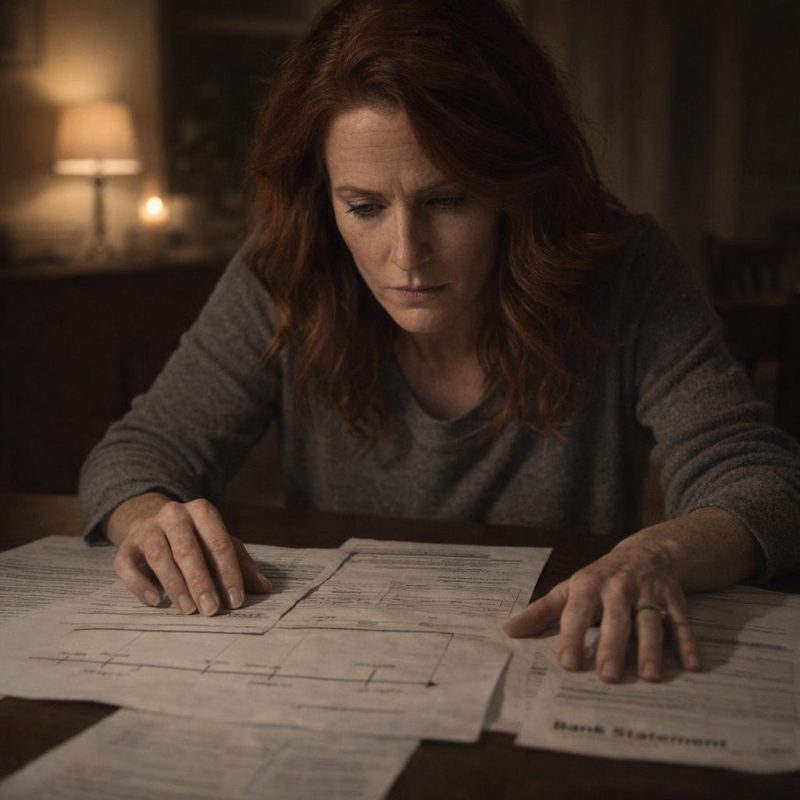 Image by RM AI
Ready for Battle
Jennifer put me through three mock cross-examinations that week, playing the role of Marcus Holloway with uncomfortable accuracy. She attacked my work schedule, questioned my parenting, suggested I was vindictive and money-hungry. The first run-through, I cried. The second, I got defensive. By the third, I'd learned to breathe through the accusations and respond with simple facts. Tom practiced his character witness testimony, describing years of watching Derek's detachment and my dedication. Lisa prepared to testify about my professionalism at work and my commitment to the kids. We reviewed the evidence binders until I could recite timestamps from memory. Jennifer coached me on staying focused, answering only what was asked, not letting Marcus bait me into emotional reactions. The truth felt like armor I'd been waiting my whole marriage to wear. On our final prep session, Jennifer looked at her notes and then at me. "You're ready," she said. "He's going to try to make you doubt yourself, but you know what happened. You have the evidence. You have the truth." I nodded, feeling my spine straighten. Tom squeezed my shoulder. Lisa smiled with fierce confidence. For the first time since finding those papers on the counter, I believed I might actually win this.
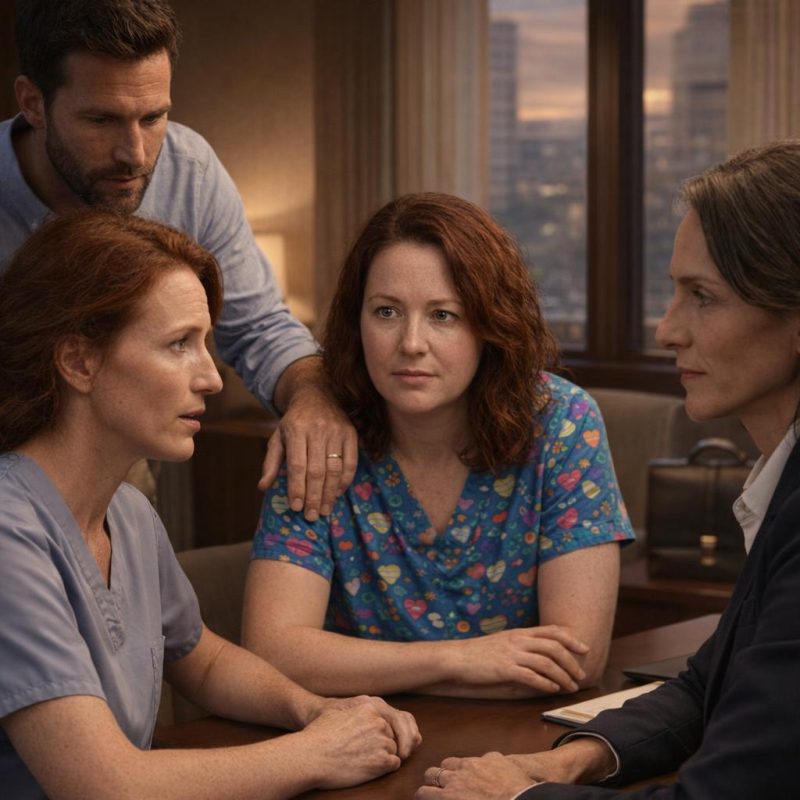 Image by RM AI
All Rise
I arrived at the courthouse early with Jennifer, my hands steady despite my racing heart. We reviewed final preparations in the hallway outside Judge Patterson's courtroom, then Jennifer nodded and we walked in together. Derek sat at the opposing table with Marcus Holloway, and I felt his eyes on me immediately. His expression was confident, almost smug—he expected to see the exhausted, broken woman he'd left behind. Instead, I walked to our table with my spine straight and my head up. I watched his smile falter for just a moment when he saw my composure. I wasn't that woman anymore. Judge Patterson entered, and we all rose. She was a distinguished woman with steel-gray hair and a penetrating gaze that commanded immediate respect. She reviewed the case file briefly, asked preliminary questions about representation, and confirmed both parties were ready to proceed. Jennifer said yes. Marcus said yes. The judge outlined the trial schedule—three days of testimony and evidence. Everything I'd learned, everything I'd suffered, everything I'd prepared for came down to what would happen in this room. The judge called the case and asked if both parties were prepared to proceed, and as Jennifer said yes, I felt twelve years of marriage compress into whatever was about to happen next.
 Image by RM AI
His Version
Marcus questioned Derek first, leading him through a carefully constructed version of our marriage. Derek presented himself as the dedicated husband who'd tried everything to make it work. He described me as increasingly distant and work-obsessed, claimed he'd felt neglected and unappreciated for years. His departure, he said, had been a last resort after exhausting every option. When Marcus asked about the hidden debt, Derek claimed it had accumulated trying to maintain the lifestyle I expected. He turned to the inheritance with practiced concern, suggesting he had a right to share in marital assets since he'd supported my career all those years. Then came the health questions. Derek looked directly at Judge Patterson, his expression earnest and wounded. He claimed he'd been supportive of my health concerns, said he'd encouraged me to see doctors, presented himself as a caring spouse who'd done everything right. I dug my fingernails into my palms under the table. Jennifer took notes beside me, marking each lie for cross-examination. I knew what evidence she was about to introduce. I knew what those medical portal logs would show. He looked directly at the judge and said he'd always tried to support my health issues, and I felt my fingernails dig into my palms because I knew exactly what evidence Jennifer was about to introduce.
 Image by RM AI
My Truth
Jennifer called me to the stand after lunch. I swore the oath and faced the courtroom, my heart pounding but my voice steady. Jennifer led me through everything—finding the divorce papers after a twelve-hour shift, discovering Derek had systematically removed his belongings, learning about the affair through Emma's innocent comment. I explained the financial investigation, the hidden debt, the timeline showing months of premeditation. When Jennifer asked about my health condition, I described the autoimmune diagnosis, how I'd kept it private initially, then discovered Derek's unauthorized access to my medical records. My voice cracked only once, when I described telling Noah and Emma that Daddy wasn't coming home. Noah's questions about when he'd return. Emma's anxiety and self-blame. Judge Patterson listened intently, taking notes. Then Marcus rose for cross-examination with a patronizing smile. He tried to characterize me as vindictive, questioned my work schedule and availability as a mother, attempted to undermine my credibility. But Jennifer had prepared me for every trap. I answered each question calmly, used facts and evidence to support my responses, didn't let him bait me into emotional reactions. Marcus stood for cross-examination with a patronizing smile, but Jennifer had prepared me for every trap, and I watched his confidence drain as I answered each question with facts he couldn't dispute.
 Image by RM AI
Digital Evidence
Jennifer requested permission to introduce new evidence, and Judge Patterson nodded. The technology expert took the stand and explained his forensic methodology—how he'd traced IP addresses, documented login timestamps, verified device identifications. Then he presented the findings. Four months of systematic access to my medical portal, all from Derek's devices. The first login had occurred two weeks before my diagnosis, when Derek had accessed pending lab results. He'd read my diagnosis confirmation before I had. He'd viewed treatment plans, medication lists, prognosis reports. The expert explained this constituted a HIPAA violation, potentially criminal invasion of privacy. Judge Patterson examined the evidence carefully, asked clarifying questions about the forensic integrity. The expert confirmed every finding. I watched the color drain from Derek's face as the timestamps appeared on the courtroom screen. Marcus objected repeatedly, but the judge overruled him each time. The evidence was solid, methodical, damning. Derek glanced nervously at Marcus, who had no prepared response. The judge looked at Derek over her glasses and asked his attorney if there was an explanation for these records, and Marcus's silence spoke louder than any answer could have.
 Image by RM AI
Unraveling
Jennifer didn't stop with the medical records. She connected everything systematically—the surveillance to his financial desperation, the affair timeline to the diagnosis discovery, his encouragement of my overtime to his planning timeline. She showed how Derek had researched divorce law and asset protection while I'd worked extra shifts. How he'd timed his departure to Aunt Miriam's death and the inheritance confirmation. How he'd known I might need care and had fled before that responsibility materialized. The judge saw the complete picture now. Not an impulsive decision by an unhappy husband, but a calculated exit by a man who'd used my medical information to maximize his financial take while minimizing his obligations. Derek grew increasingly agitated at the defense table, whispering urgently to Marcus. Marcus attempted objections that failed, tried to redirect the narrative, but the evidence was too strong. Derek's careful composure crumbled completely. The confidence I'd seen in his eyes for twelve years disappeared, replaced by something I'd never witnessed before—genuine fear. He'd lost control of the narrative. The court could see exactly who he was. He turned to whisper furiously to Marcus, and for the first time since he'd left those papers on the counter, I saw fear in his eyes instead of that practiced confidence.
 Image by RM AI
Protected Future
Jennifer called Aunt Miriam's estate attorney as her final witness. He explained the trust structure in careful detail—how Miriam had established an irrevocable family trust with Emma and Noah as primary beneficiaries, how the assets bypassed my marital estate entirely, how I served only as trustee for the children's benefit. The attorney described his conversations with Miriam over the years. She'd been concerned about my marriage, had observed Derek's character, noticed his detachment from family and his focus on money and status. She'd wanted to protect us. The trust had been specifically designed to withstand divorce claims, with complete documentation and proper timestamps. Judge Patterson leaned forward. "Why did Mrs. Chen take these particular precautions?" she asked. The attorney looked directly at the judge. "She told me she didn't trust Derek Mitchell. She believed he would try to take advantage of Sarah if given the opportunity. She wanted her money to benefit her great-niece and great-nephew, not to be divided in a potential divorce." Tears blurred my vision. Miriam had seen what I couldn't. She'd protected me from beyond the grave, her love extending into my children's futures like a fortress I hadn't known we needed. The attorney testified that Miriam had specifically structured the trust to protect against predatory divorce claims, and when the judge asked why, he said Miriam had told him she didn't trust my husband.
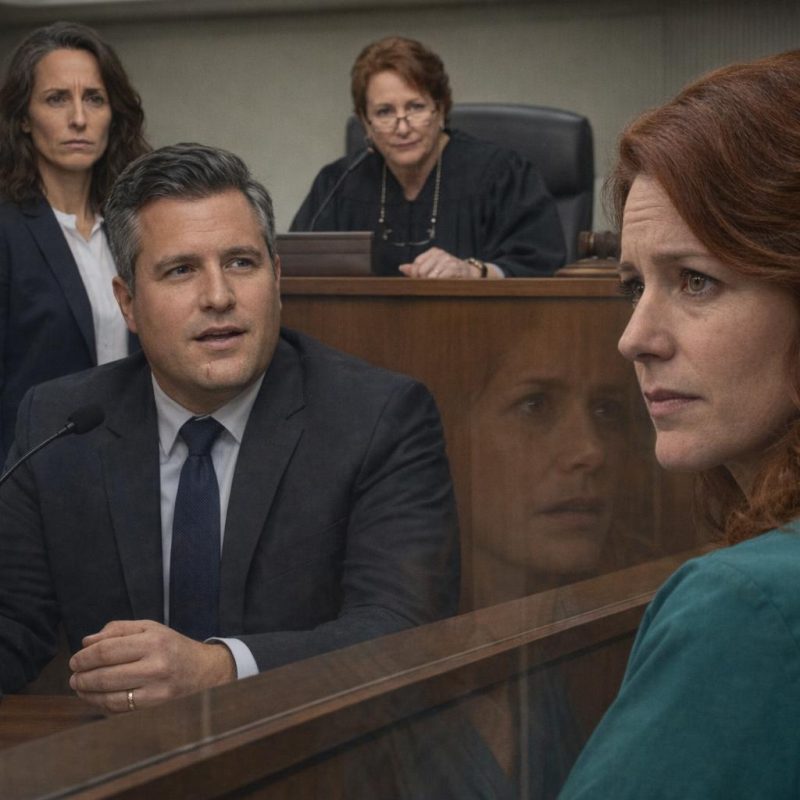 Image by RM AI
The Verdict Approaches
Jennifer stood to deliver her closing argument, and I watched her transform the courtroom into a timeline of Derek's calculated betrayal. She walked the judge through every piece of evidence—the medical records he'd accessed while I lay sick and vulnerable, the surveillance he'd maintained like I was a suspect instead of his wife, the affair he'd pursued while our children waited for him at home. Her voice stayed steady as she described how he'd abandoned Emma and Noah for months, how he'd left divorce papers on the counter the day my inheritance became real, how every action demonstrated premeditation and greed rather than concern or love. She explained Aunt Miriam's trust structure, how my aunt had seen Derek's character clearly enough to protect us from beyond the grave. Jennifer asked Judge Patterson to deny Derek any claim to the inheritance, to award me primary custody, to recognize that his conduct throughout our marriage warranted no equitable consideration. Marcus stood next, attempting to rehabilitate Derek's image with arguments about concern and fairness, but his words felt hollow after everything we'd heard. Judge Patterson listened without expression, taking notes, her face revealing nothing. When both attorneys finished, she thanked them for their thorough presentation, then announced she would deliver her ruling tomorrow morning at nine. I drove home to my children that night knowing everything we'd fought for would be decided while we slept.
 Image by RM AI
Justice Delivered
I arrived at the courthouse forty minutes early, unable to stay home any longer. Jennifer met me in the hallway with cautious optimism in her eyes, squeezing my hand as we entered the courtroom together. Derek sat at the opposing table with Marcus, his carefully maintained appearance showing cracks I'd never seen before. Judge Patterson took the bench at exactly nine o'clock and announced she'd reached her decision. She addressed the inheritance first—the trust was legally valid and properly structured, the money was separate property, Derek had no claim to any portion of it. His request for one point seven million was denied. She moved to custody next, awarding me primary physical custody with standard visitation for Derek, child support ordered at the appropriate level. Then she turned to look directly at Derek, and her voice took on an edge I hadn't heard before. She cited his pattern of deception throughout the marriage, said his breach of my medical records was a violation of trust, that his surveillance of his sick spouse demonstrated character. His conduct, she said, warranted no equitable consideration whatsoever. I sat frozen as the words washed over me, total victory after months of fighting, and I finally understood that the truth had been worth telling.
 Image by RM AI
Securing the Future
A week after the trial concluded, I sat across from the financial advisor Jennifer had recommended, reviewing the three point four million dollars that represented Aunt Miriam's entire life. We established five-two-nine college savings plans for Emma and Noah first—their education would be fully funded, no matter what happened. I set aside a medical care reserve for myself, knowing my autoimmune condition would require ongoing treatment and that stress reduction had already improved my health more than any medication. We created an emergency fund for family stability, planned modest improvements to make the house truly ours instead of Derek's. The advisor helped structure investments for growth, explained timelines for accessing funds as needed, and I felt the weight of responsibility settle across my shoulders. This money wasn't mine—it was Miriam's love made tangible, her foresight protecting us from Derek's greed and my illness both. The advisor looked at the account balances for Emma and Noah's education funds, confirmed the numbers one final time, then smiled. My children would never have to worry about affording college, she said, and I whispered a thank you to Miriam that I knew she'd somehow hear.
 Image by RM AI
Home Again
Six months after the trial, I stood in my kitchen watching Emma help Noah with his homework at the table, and I realized the silence in our house had transformed completely. My autoimmune condition was managed well now—the new medication regimen worked, and the stress reduction had done more for my health than I'd imagined possible. Emma's anxiety had decreased significantly with therapy, and Noah understood that Daddy had his own house now, saw him every other weekend in a routine that felt sustainable rather than devastating. I'd reclaimed our home, redecorated the spaces Derek had left empty, made it ours instead of his. The quiet that used to feel like cold absence now felt like warm peace. I reflected on the journey from shock and betrayal to this moment of ordinary contentment—Miriam's gift continuing to protect us, Jennifer checking in occasionally, Tom and Lisa providing steady support through it all. I prepared dinner while my children worked together, grateful for the simple normalcy of the scene. Emma looked up from Noah's math worksheet and asked what was for dinner, and I smiled because the question was ordinary, and ordinary was exactly what we'd been fighting for all along.
 Image by RM AI
KEEP ON READING

The 20 Most Recognized Historical Figures Of All Time
The Biggest Names In History. Although the Earth has been…
By Cathy Liu Oct 4, 2024
10 of the Shortest Wars in History & 10 of…
Wars: Longest and Shortest. Throughout history, wars have varied dramatically…
By Emilie Richardson-Dupuis Oct 7, 2024
10 Fascinating Facts About Ancient Greece You Can Appreciate &…
Once Upon A Time Lived Some Ancient Weirdos.... Greece is…
By Megan Wickens Oct 7, 2024
20 Lesser-Known Facts About Christopher Columbus You Don't Learn In…
In 1492, He Sailed The Ocean Blue. Christopher Columbus is…
By Emilie Richardson-Dupuis Oct 9, 2024
20 Historical Landmarks That Have The Craziest Conspiracy Theories
Unsolved Mysteries Of Ancient Places . When there's not enough evidence…
By Megan Wickens Oct 9, 2024
The 20 Craziest Inventions & Discoveries Made During Ancient Times
Crazy Ancient Inventions . While we're busy making big advancements in…
By Cathy Liu Oct 9, 2024