

The $3,800 Mistake
I opened my phone bill the way I always do—half-distracted, expecting the usual $87 charge while scrolling through my email. The number that loaded made me blink and refresh the page. $3,847.32. My stomach dropped. I stared at it for a solid ten seconds, convinced the app had glitched or pulled up someone else's account. But no, there was my name, my account number, everything correct except that impossible total. I tapped through to the detailed charges, and that's when things got weird. Page after page of international calls. Numbers I didn't recognize from countries I'd never even thought about visiting. Malaysia. Romania. Nigeria. Kenya. The list went on. I scrolled faster, my confusion turning into something sharper. I'm not the type to make international calls—I barely call anyone at all. I'm a texter. Everyone who knows me knows that. My hands were shaking a little as I kept scrolling, trying to find something that made sense. Then I noticed the timestamps. Every single call—dozens of them—had been placed after 2 AM, when I was always, without question, asleep.
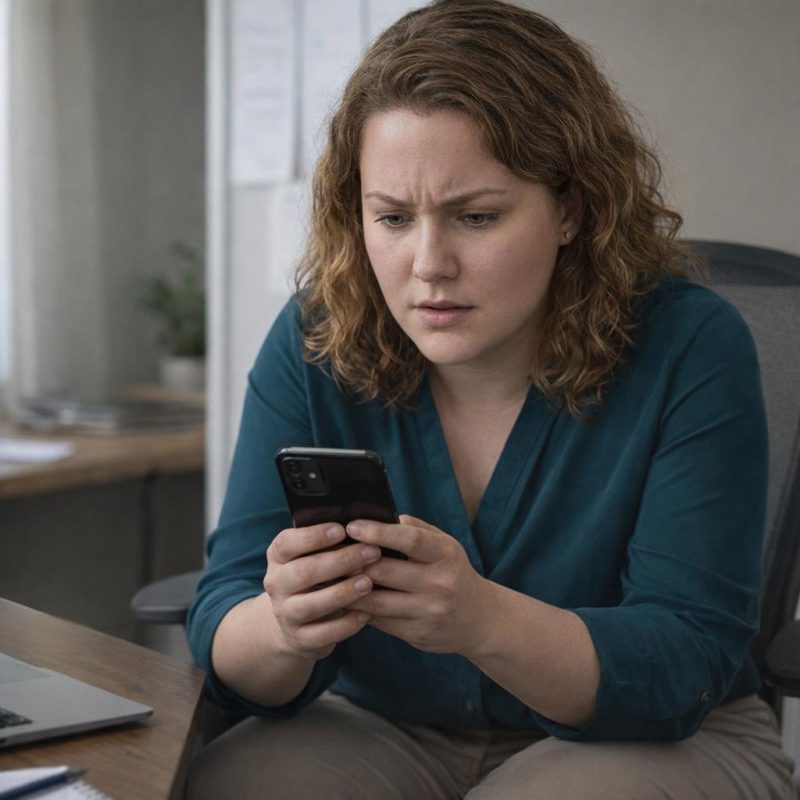 Image by RM AI
According to Their Records
I spent forty minutes on hold with my carrier, listening to the same cheerful loop of hold music until I wanted to throw my phone across the room. When the representative finally picked up, I explained everything as calmly as I could manage. She listened with polite, scripted patience, then put me on hold again to review my account. When she came back, her tone was still pleasant but completely unhelpful. No signs of fraud, she said. No unauthorized access. All login attempts were from my recognized devices. The calls were made directly from my phone—not through any app or third-party service, but actual calls placed from my device. I asked if someone could have physically used my phone without me knowing. She paused, and I could practically hear her reading from a script. The calls appeared to be placed manually, she said. Had I considered that I might have made them myself? I almost laughed. I told her I was asleep during every single one of those calls. She suggested I check my phone's security settings and offered to send me a link to their fraud prevention page. When I hung up, I felt more confused than before—and the carrier had just confirmed that according to their records, I was the one making those calls.
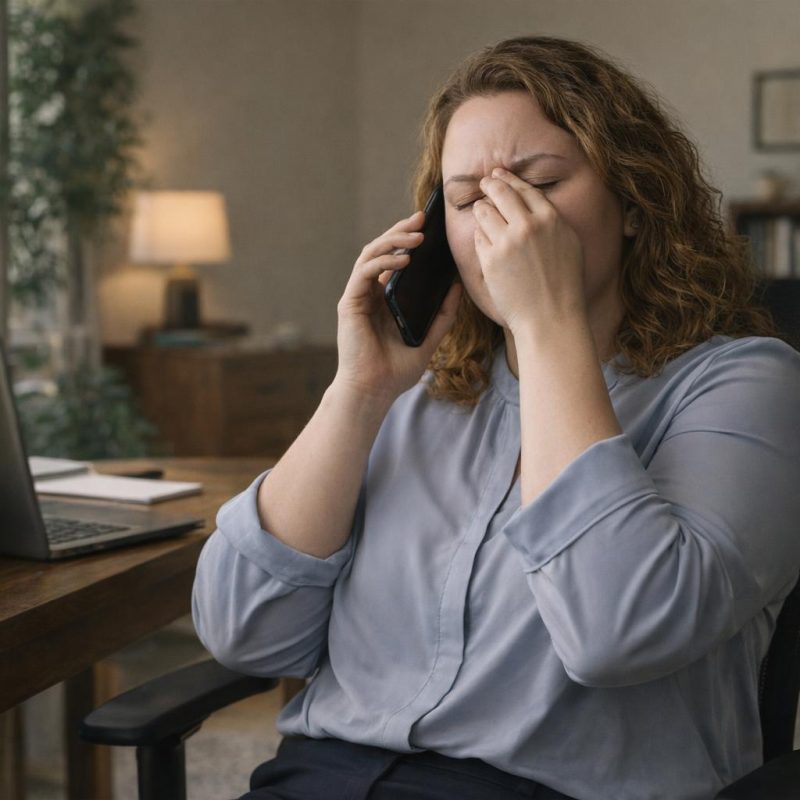 Image by RM AI
The 2 AM Pattern
I sat down at my kitchen table with my laptop and pulled up the full call log, determined to find something the carrier rep had missed. I went through every single call, one by one, writing down the times and countries in a notebook like I was conducting my own investigation. That's when the pattern became impossible to ignore. Every international call fell between 2:00 and 3:00 AM. Not a single one outside that window. The numbers were all over the place—some countries I'd heard of, others I had to Google. Call durations varied wildly too. Some lasted only a few seconds, like someone had dialed and hung up immediately. Others went on for several minutes. I cross-referenced the dates with my own routine, mentally walking through each night. I go to bed around eleven. I'm a solid sleeper—always have been. I don't wake up in the middle of the night to pee or get water. I just sleep straight through until my alarm at seven. The idea that I could have made these calls without remembering was absurd. A random glitch might explain one or two weird charges, maybe even a butt-dial if my phone had been unlocked somehow. But this? This was dozens of calls, all within the same hour-long window, night after night. My hands felt cold as I stared at the list. Something was genuinely wrong.
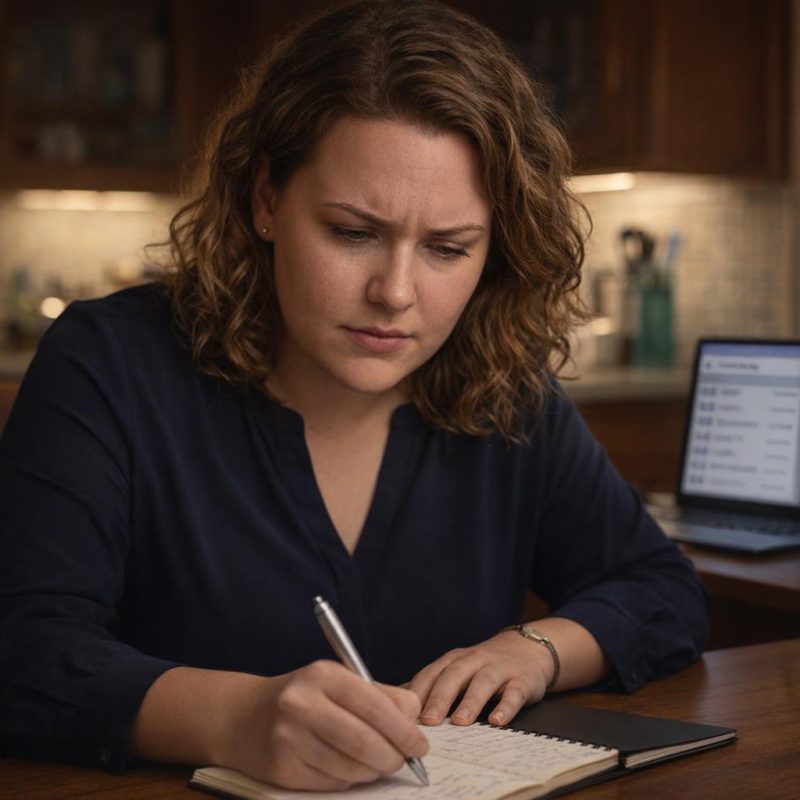 Image by RM AI
Maybe You Sleepwalk
I met Maya at our usual coffee shop the next afternoon, hoping she'd have some logical explanation that would make me feel less crazy. She listened while stirring her latte, her expression shifting from amused to thoughtful as I laid out the whole situation—the bill, the timestamps, the carrier's insistence that everything was legitimate. When I finished, she leaned back and gave me that look she gets when she's about to say something I won't like. "Maybe you sleepwalk," she said, completely serious. I laughed, but she didn't. She pointed out that people do all kinds of things in their sleep—text, eat, even drive sometimes. How could I be completely sure I wasn't making these calls? I insisted I'd never sleepwalked in my life, but even as I said it, the certainty felt thinner than I wanted it to. How would I know if I was asleep? Maya also mentioned phone hacking, but I told her the carrier had already ruled that out. She sipped her coffee and shrugged, saying she'd help me figure it out but honestly didn't seem that worried. The conversation left me feeling worse than before. I went home that evening questioning whether I really knew myself as well as I thought I did—and whether my own mind could be doing things I had no memory of.
 Image by RM AI
Changing Everything
I got home that evening determined to take control of the situation, even if I didn't fully understand it yet. I started with my email password, changing it to something long and random I'd never used before. Then banking, social media, everything I could think of. I enabled two-factor authentication on every account that offered it, watching the confirmation texts roll in one after another. Next, I went through my phone's security settings line by line, checking for anything that looked off. I scrolled through every app, reviewing which ones had permissions to access my phone, microphone, contacts. A few apps I hadn't used in months got deleted immediately. I disabled anything that seemed even remotely unnecessary. I backed up all my photos and data to the cloud, just in case I needed to factory reset the whole device. For two hours, I methodically locked down every digital door I could find. When I finally finished, I sat back and stared at my phone, feeling like I'd accomplished something. But the relief didn't come. Instead, there was this gnawing feeling in my chest that wouldn't go away—a sense that no matter how many passwords I changed or settings I adjusted, something was still wrong. I went to bed hoping I was just being paranoid, that the changes would solve everything.
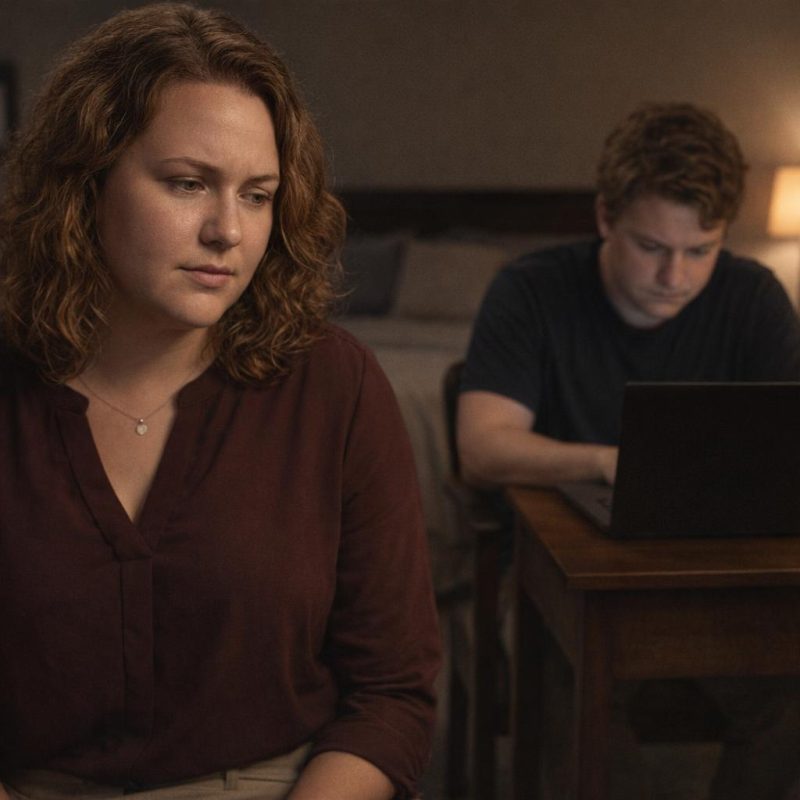 Image by RM AI
It Happened Again
I woke up the next morning with a fragile sense of hope, the kind you get when you've convinced yourself the problem is finally solved. I reached for my phone before I even got out of bed, pulling up the call log with my heart beating a little faster than normal. The hope shattered instantly. Three new calls. All international. All after 2 AM. I stared at the screen, my chest tightening. 2:01 AM to a number in the Philippines. 2:09 AM to somewhere in Eastern Europe. 2:17 AM to a country I didn't even recognize. I knew—I absolutely knew—that I had gone to bed around eleven and slept through the entire night. I hadn't woken up once. Not to use the bathroom, not because of a noise, not for any reason. I would have remembered. The password changes, the security updates, all the careful work I'd done the night before—none of it had made any difference. Whatever was happening was still happening, and I had no idea how to stop it. This was the moment real fear started to set in, cold and sharp in my stomach. I wasn't dealing with a billing error or a technical glitch anymore. I was dealing with something I didn't understand, something that was using my phone while I slept, and I had no idea what it was or how to make it stop.
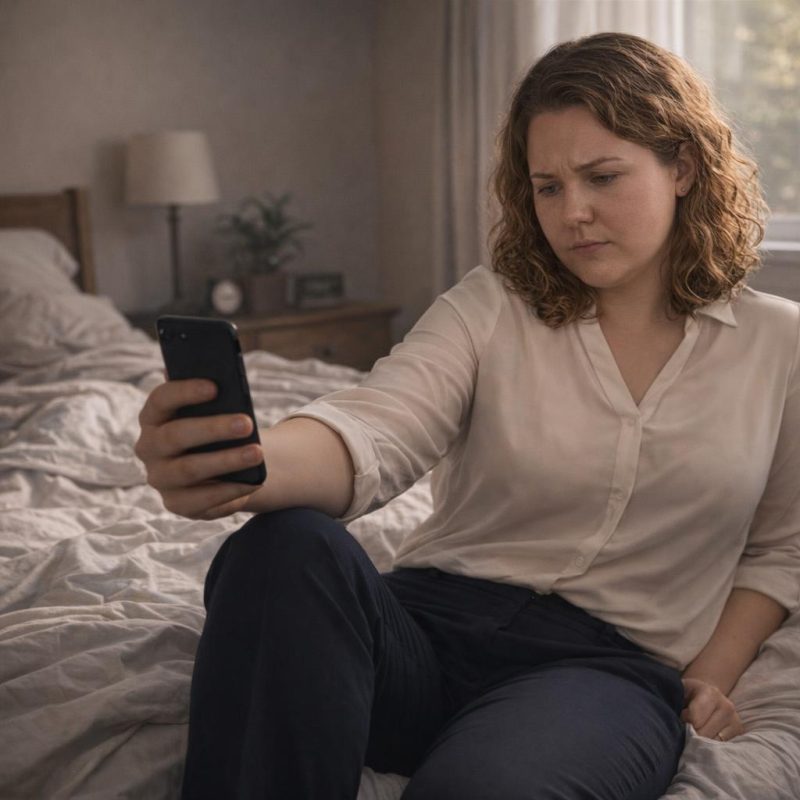 Image by RM AI
I'll Stay Awake
I couldn't keep waiting around for explanations that weren't coming. I needed to see it happen—whatever "it" was. That evening, I made a decision that felt both terrifying and necessary: I was going to stay awake and watch my phone through the night. If something was happening at 2 AM, I was going to witness it with my own eyes. I made a full pot of coffee and set up camp in my bedroom, propping myself up against the headboard with pillows. My phone sat on the nightstand in clear view, screen facing me, volume turned up. I had a book, my laptop, anything to keep myself alert and awake. The plan was simple—just stay conscious until 2 AM passed, watch the phone the entire time, and finally get some answers. I felt a strange mix of fear and determination settling over me. For days, I'd been reacting to things after they happened, trying to make sense of call logs and timestamps and other people's theories. This was the first time I was taking direct action, putting myself in position to actually see what was going on. Part of me hoped that witnessing it would make everything click into place, that I'd finally understand. The other part of me wasn't sure I wanted to know. But I couldn't keep living like this, jumping at shadows and questioning my own sanity. The waiting began.
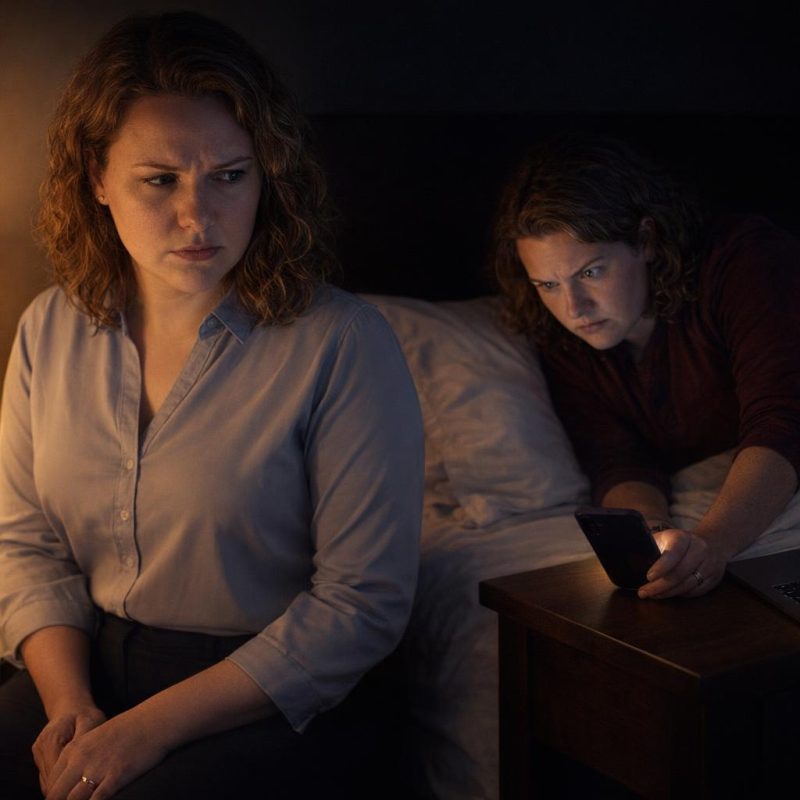 Image by RM AI
The Vigil
I sat in bed with every sense on high alert, my eyes fixed on the phone like it might suddenly sprout legs and walk away. Every small sound made me jump—the house settling, a car passing outside, the hum of the refrigerator downstairs. I watched the clock on my nightstand tick closer to 2 AM, my heart rate picking up with each passing minute. 1:47. 1:53. 1:58. My phone sat completely still on the nightstand, screen dark and silent. At exactly 2:00 AM, nothing happened. I held my breath anyway, waiting. The minutes crawled by—2:05, 2:10, 2:15. Still nothing. No calls, no screen lighting up, no sounds. Just my phone sitting there like a normal, harmless object. By 2:20, I was starting to feel foolish for being so terrified. Maybe Maya was right. Maybe I was overthinking everything. But exhaustion was pulling at me hard now, making my eyelids heavy and my thoughts fuzzy. I'd been awake for nearly twenty hours. I tried to fight it, blinking hard and shifting position, but around 2:30 AM, despite every intention to stay vigilant, sleep claimed me. When I woke hours later with sunlight streaming through my window, my first thought was the call log—and my stomach dropped before I even reached for the phone.
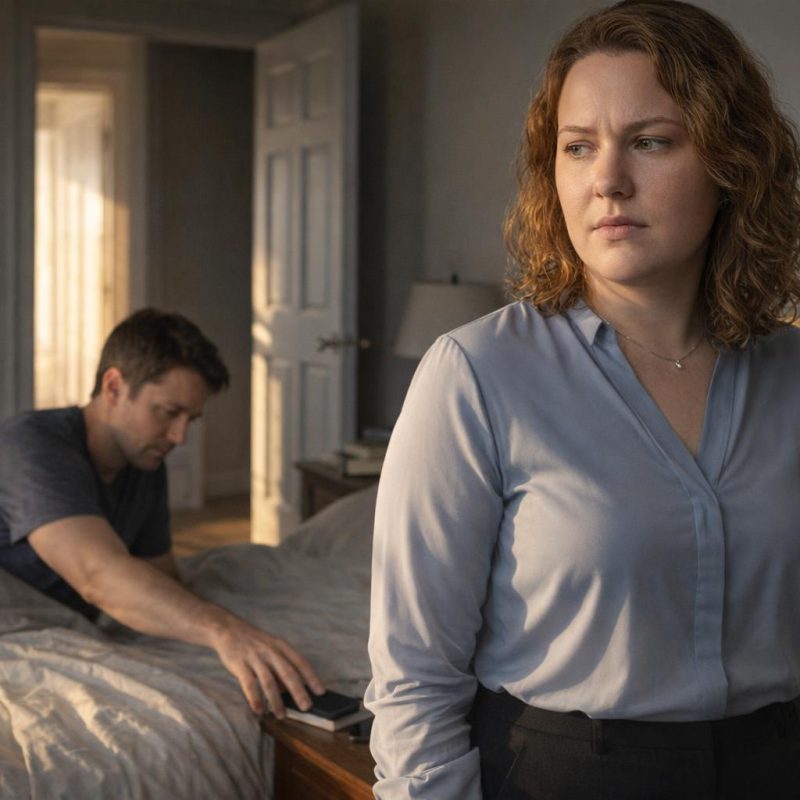 Image by RM AI
While I Slept
I grabbed my phone before I was even fully awake, my fingers fumbling with the screen as sunlight burned through my eyelids. The call log loaded and my stomach dropped straight through the mattress. There it was—2:03 AM, another international number, another impossibly long call. My hands started shaking so hard I nearly dropped the phone. I'd been awake at 2:03. I knew I had been. I remembered watching the clock tick past 2:00, remembered the way my heart had pounded at 2:05, 2:10. I'd been staring at that phone, completely alert, fighting exhaustion with everything I had. I didn't fall asleep until at least 2:30, maybe later. I was sure of it. But the call log didn't lie, did it? The timestamp was right there in cold digital certainty: 2:03 AM. Either I'd somehow made a call while wide awake and watching my phone without remembering it, or I'd fallen asleep without realizing it and done it unconsciously, or—and this was the thought that made my chest tighten until I couldn't breathe—my memory was completely, fundamentally wrong. I sat on the edge of my bed, staring at that timestamp, trying to reconcile what I knew I'd experienced with what the phone was telling me. The impossibility of it hit me like a physical blow: I had been awake and watching at 2:03, and yet the call existed.
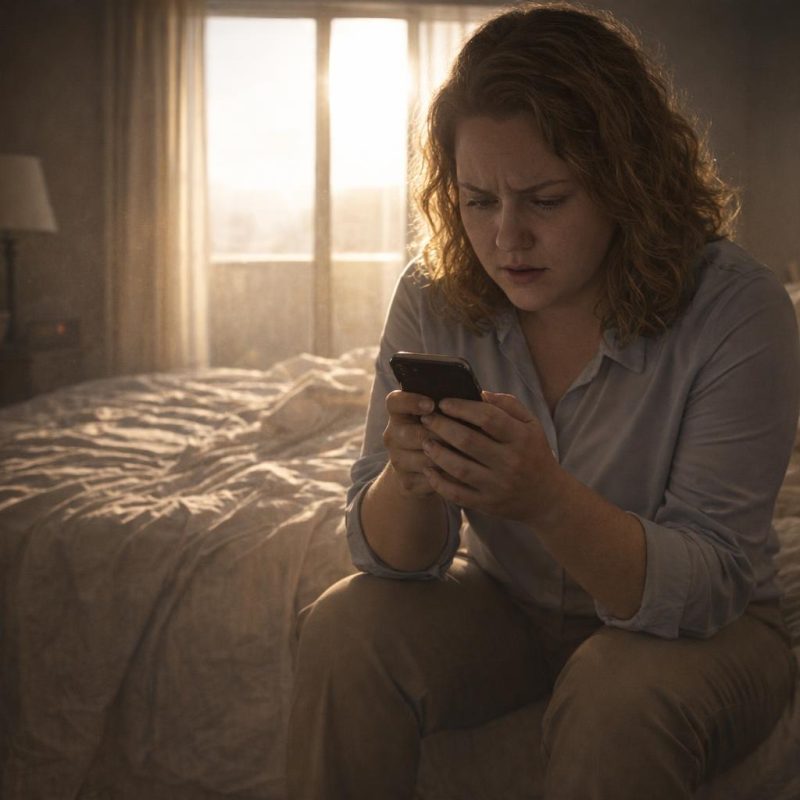 Image by RM AI
A Different Approach
I spent the entire day trying to make sense of it, running through every possible explanation until my brain felt like it was short-circuiting. By evening, I'd landed on the only theory that made any sense: I must have fallen asleep without realizing it. Maybe I'd been so exhausted that I'd blacked out for a few minutes, made the call in some weird semi-conscious state, then woken up thinking I'd been alert the whole time. It sounded crazy, but it was the only explanation that didn't require me to believe in something impossible. So I came up with a new plan. Tonight, I wouldn't sit in bed holding the phone. I'd watch from across the room where I couldn't possibly touch it, even if I did drift off. I dragged my desk chair to the far corner of my bedroom and positioned it with a clear view of the nightstand. The phone would sit there, at least six feet away, completely out of reach. If it did something—if it lit up, if it moved, if anything happened—I'd see it from a distance. There would be no confusion about whether I'd touched it, no possibility of me making a call while half-asleep. This time, there would be no confusion about what was happening—I would see everything.
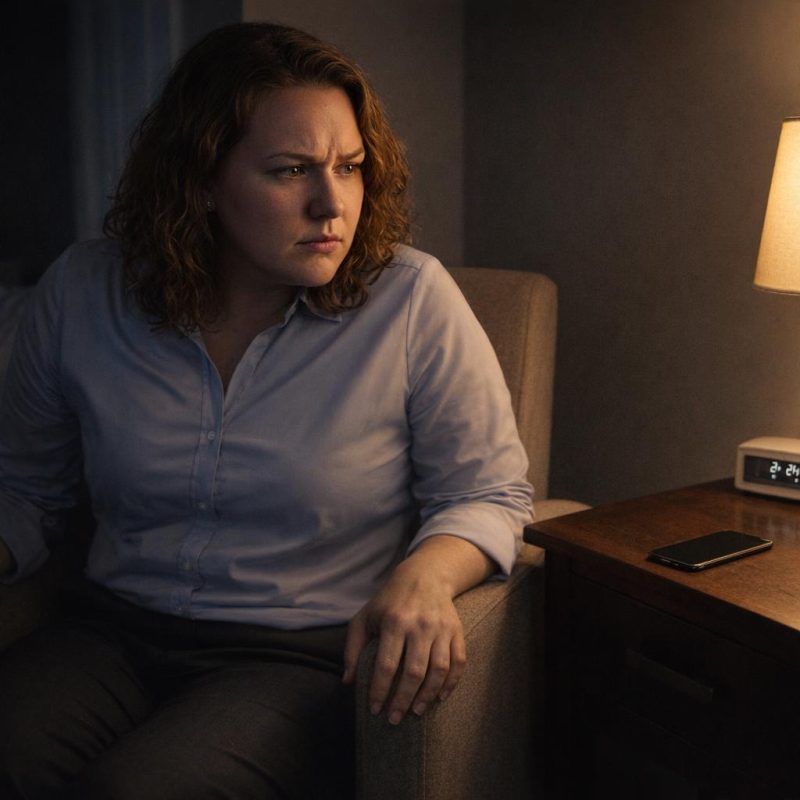 Image by RM AI
Perfect Vigilance
I sat in that chair for what felt like hours, my eyes locked on the dark rectangle of my phone screen. The house was completely silent except for the occasional creak of settling wood and the distant hum of traffic. I'd turned off all the lights, but enough streetlight filtered through my curtains that I could see the nightstand clearly. Every few minutes I'd check the time on my alarm clock, watching the numbers crawl forward with agonizing slowness. 1:47. 1:53. 1:58. My eyes burned from not blinking enough, and I kept pinching the inside of my wrist to stay alert. At 1:59, my heart started hammering. At 2:00, I held my breath, every muscle in my body tense. Nothing happened. The phone sat there, dark and still. 2:01 ticked by. Then 2:02. I was starting to think maybe it wouldn't happen tonight, that maybe my vigilance had somehow broken the pattern. But at 2:03, the screen suddenly illuminated, casting a pale glow across the nightstand. I hadn't moved. I was still sitting in the chair, my hands gripping the armrests, at least six feet away. At 2:03, the phone's screen lit up on its own.
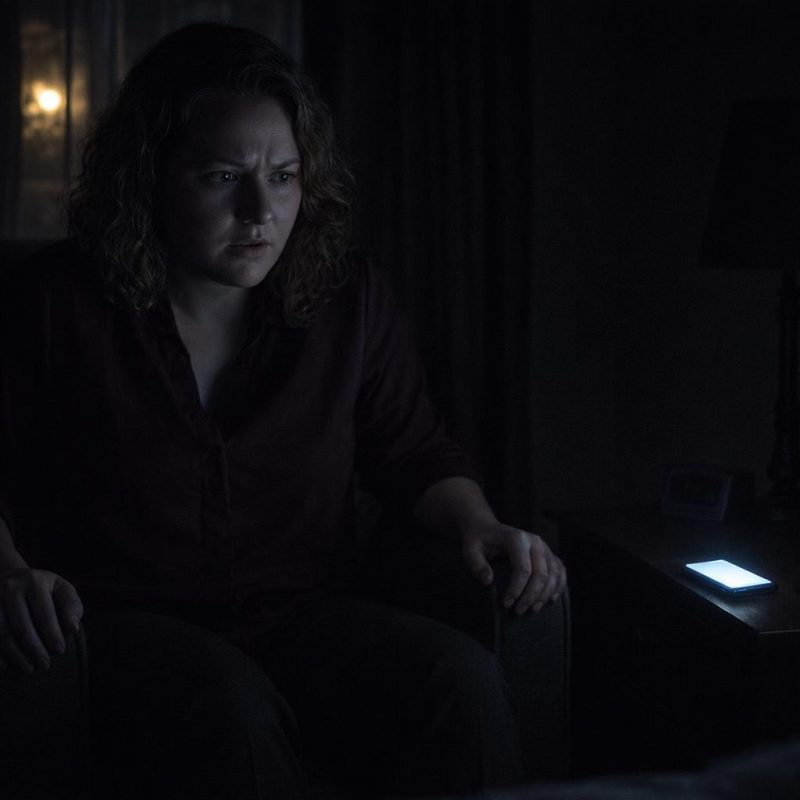 Image by RM AI
Dial Tone
The glow from the screen painted shadows across my bedroom wall as I stared, unable to move or breathe. The lock screen disappeared and the phone interface opened—I could see it clearly from where I sat frozen in the chair. The phone app launched itself, and then an unfamiliar number appeared on the screen, the same format as all those international calls I'd been seeing in my log. My heart was pounding so hard I could hear it in my ears. The dial button—I watched it happen, I saw it with my own eyes—the dial button slid across the screen as if an invisible finger had swiped it. No one was touching the phone. I was across the room. There was no possible explanation for what I was seeing. The call interface filled the screen, showing the outgoing call status, and I heard it—faint but unmistakable—the sound of the dial tone coming from the speaker. My entire body was locked in place, every rational thought I'd ever had about how the world worked crumbling into dust. This wasn't a glitch. This wasn't me sleepwalking or making calls unconsciously. This was something else entirely, something I couldn't explain or understand. The call connected, and from across the room, I heard it start to ring.
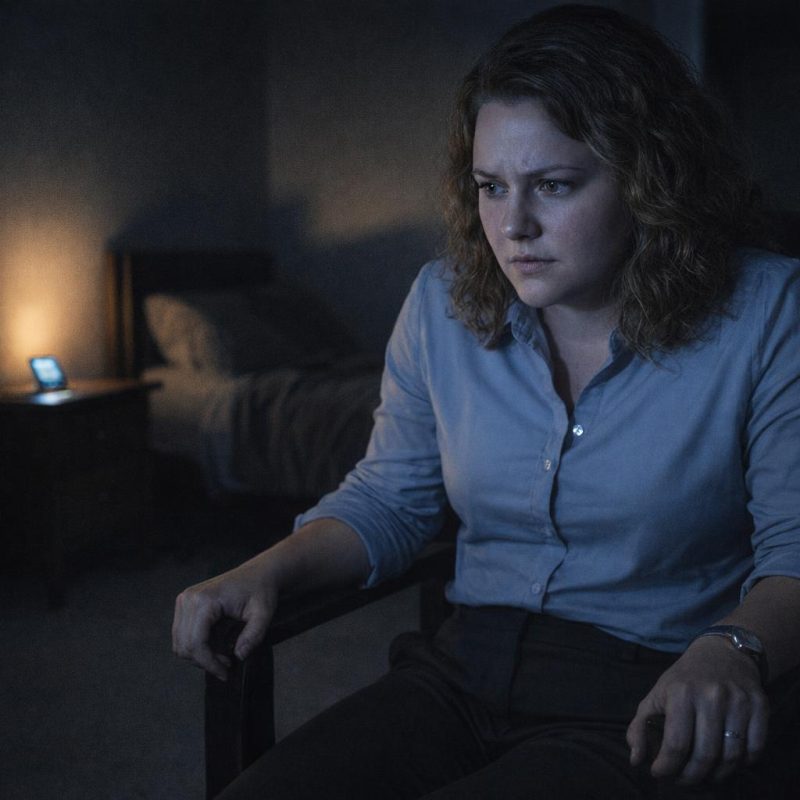 Image by RM AI
Someone Answered
The ringing stopped. Someone had picked up. For a few seconds there was just silence, and then I heard it—breathing. Slow, steady, deliberate breathing coming through my phone's speaker from six feet away. My skin went cold. Then a voice spoke, low and faint but definitely there, words in a language I didn't recognize. Not Spanish, not French, nothing I'd ever heard before. The syllables were harsh and clipped, spoken with a kind of casual certainty that made everything worse somehow. This wasn't a recording. This was a person, a real person on the other end of an impossible phone call. The voice continued, saying something else I couldn't understand, and that's when my paralysis finally broke. I launched myself out of the chair and crossed the room in two strides, my hand shooting out to grab the phone. My finger jabbed the end call button so hard I thought I might crack the screen. The call disconnected instantly and the room fell into suffocating silence. I stood there in the darkness, the phone clutched in my trembling hands, my breath coming in short gasps. The screen showed my reflection—wide eyes, pale face, the look of someone who'd just seen something that shouldn't exist. I lunged across the room and ended the call, my hands shaking so hard I nearly dropped the phone.
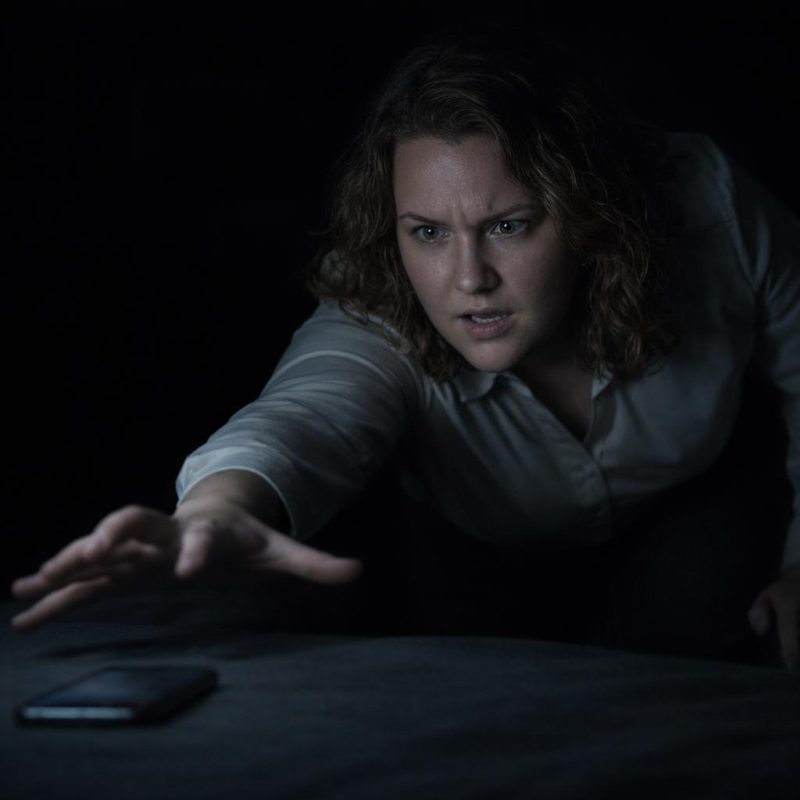 Image by RM AI
I Need Proof
I couldn't sleep for the rest of that night. I sat on my bed with every light in the apartment turned on, the phone in my lap, trying to process what I'd witnessed. By the time the sun came up, I'd made a decision: watching wasn't enough anymore. I needed proof, real documented evidence that would show exactly what was happening. My memory of the night already felt surreal, like something I might have imagined or dreamed. If I told anyone about this—Maya, my parents, even the police—they'd think I was losing it. Hell, I was starting to wonder if I was losing it. But video evidence? That couldn't be dismissed or explained away. I spent my lunch break searching online for small cameras with night vision capability. I found one with good reviews, affordable, discrete enough to set up without being obvious. I ordered it with next-day shipping and spent the rest of the day planning exactly where I'd position it. The camera would sit on my bookshelf across from the nightstand, angled to capture both the phone and the surrounding area. Maybe the footage would show something I couldn't see with my own eyes—some explanation for how this was happening. Or maybe it would just prove I wasn't imagining things. I ordered a small camera online and prepared to capture whatever was happening at 2 AM on video.
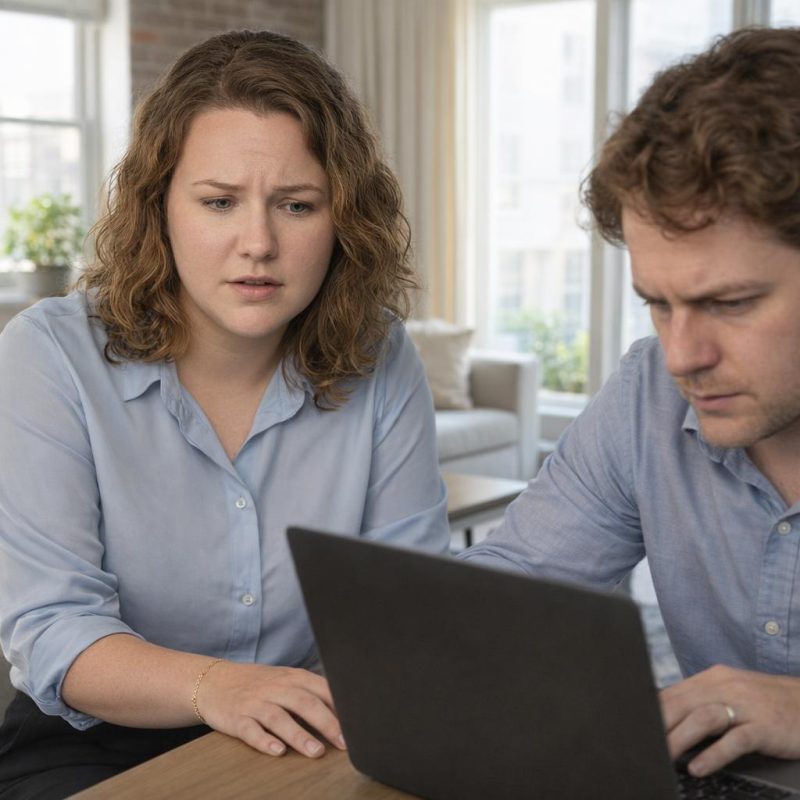 Image by RM AI
Recording the Night
The camera arrived the next afternoon and I set it up immediately, my hands still unsteady as I positioned it on the bookshelf. The angle was perfect—I could see the entire nightstand, my phone, and part of the bed in the test footage. The night vision worked beautifully, rendering everything in clear grayscale even in complete darkness. I set it to record continuously and made sure the battery was fully charged. This was it. Tonight I'd have documentation of whatever was happening, permanent proof that I could review as many times as I needed. I tried to go to bed at my normal time, placing my phone on the nightstand like always. Acting normal felt impossible when my heart was racing and every nerve was on edge, but I forced myself to go through the motions. I brushed my teeth, changed into pajamas, turned off the lights. The camera's small indicator light blinked red in the darkness, a tiny beacon that brought me an odd sense of comfort. At least something was watching, recording, bearing witness. I lay in bed staring at that red light, knowing that whatever happened at 2:03 AM would be captured on video. Eventually, despite everything, exhaustion pulled me under. I lay awake for hours before exhaustion finally pulled me under, the camera's small red light blinking in the darkness.
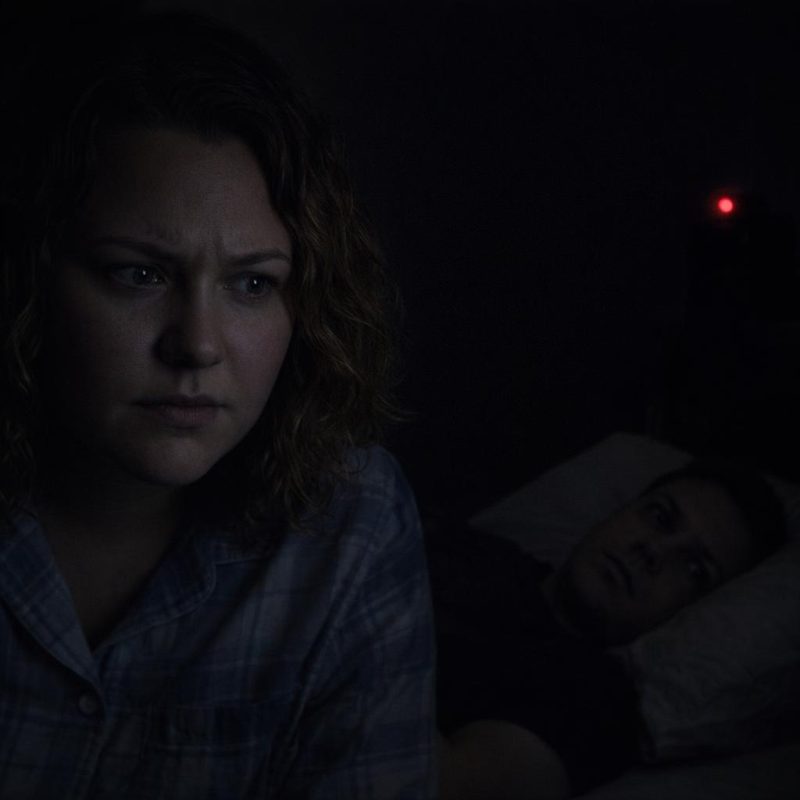 Image by RM AI
Shadow on the Footage
I woke up with my heart already pounding and grabbed my phone before I was fully conscious. The call log showed exactly what I'd expected and dreaded: another call at 2:03 AM. My laptop was already open on my desk, and I pulled up the camera footage with trembling hands, fast-forwarding to 2:00 AM. At first, the footage showed exactly what I'd expect—darkness, the nightstand, my phone sitting still, the edge of my bed where I was presumably sleeping. At 2:03, the phone screen lit up just like I'd seen the night before. But I rewound it, watching the seconds just before the screen activated, and that's when I saw it. A shadow. Just a brief shift in the darkness near the nightstand, a subtle change in the grayscale image that lasted maybe two seconds. Then the phone lit up and the call began. I paused the video, my mouth dry, and rewound it again. The shadow was there. I watched it five more times, each viewing making my skin crawl worse than the last. It wasn't clear what it was—not obviously a person, not solid enough to be sure of anything. Just a disturbance in the air, a change in the darkness that shouldn't exist. I replayed it five times, and each time the shadow was there, a brief shift in darkness that shouldn't exist.
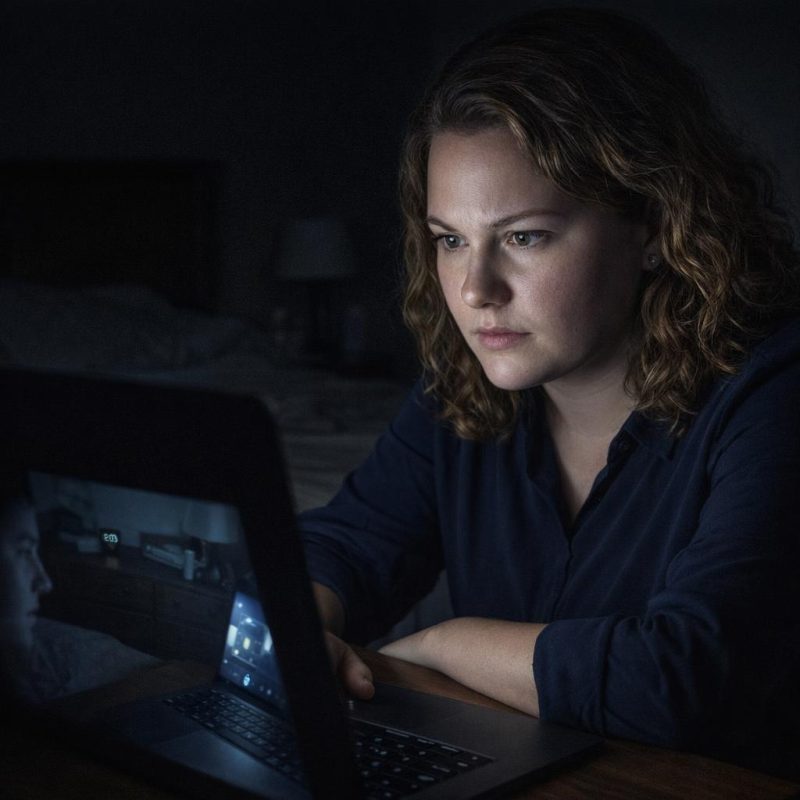 Image by RM AI
Still Dismissed
I called the carrier again the next morning, my hands shaking as I navigated the phone tree. When I finally got a representative on the line—a different woman this time, with the same practiced patience—I tried to explain about the camera footage. "I have video evidence," I said, hearing the desperation in my own voice. "There's something on the recording. A shadow. Right before the call was made." There was a pause. "I understand your concern, ma'am, but we can't comment on external video evidence. Our system shows the calls originated from your device." I tried to describe what I'd seen, how the shadow moved, how it didn't make sense. She listened, her tone professional but increasingly distant. "If you believe someone is physically accessing your property, you should contact local law enforcement. From our end, there's no indication of remote hacking or system compromise." My chest tightened. "So you're saying I'm still responsible for the charges?" "Without proof of fraud or unauthorized access through our network, yes. The calls were made from your device using your credentials." The conversation circled back to the same dead end, and when I hung up, the silence in my apartment felt suffocating. No one was going to help me figure this out. Whatever was happening, I was completely on my own.
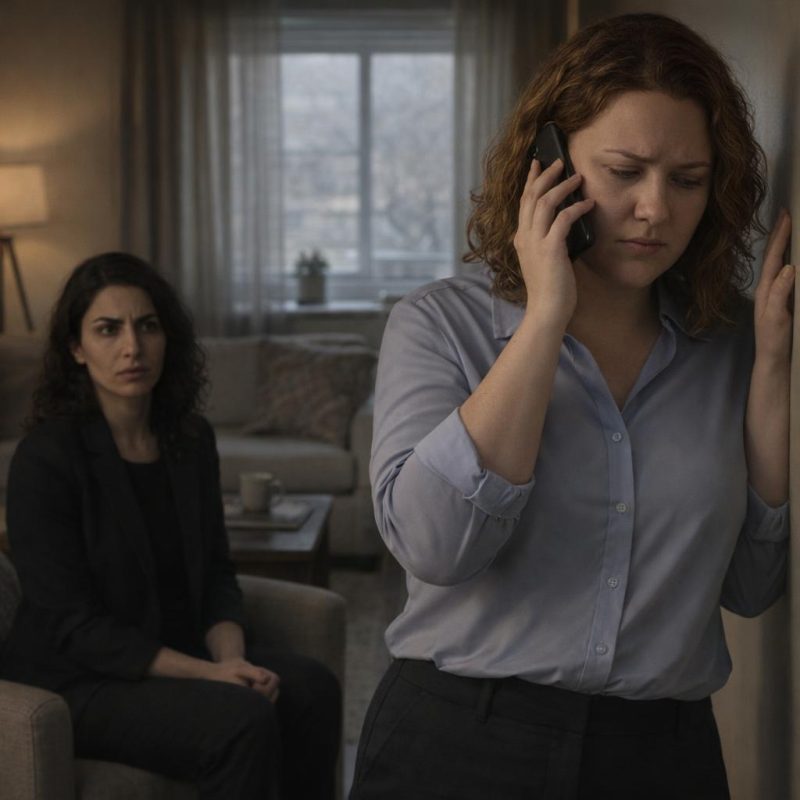 Image by RM AI
The Sleep Clinic
I spent two days researching sleep disorders before I found Dr. Torres, a sleep specialist with good reviews and an opening that week. His office was calm and professional, all soft lighting and reassuring diplomas on the walls. When he asked what brought me in, I took a breath and started explaining. The phone calls. The specific times. My absolute certainty that I'd been asleep. Dr. Torres listened without interrupting, his expression neutral and attentive. "Have you ever experienced sleepwalking or other unusual behaviors during sleep?" he asked. I shook my head. "Never. I've always been a normal sleeper." He asked about my sleep history, stress levels, any medications. I answered everything honestly, watching his face for signs of judgment or disbelief. He suggested possibilities—sleepwalking, sleep-related movement disorders, even complex behaviors that people sometimes perform while technically asleep. "I'd like to do a sleep study," he said. "We'll monitor you overnight, track your brain activity, movement, everything. It'll help us rule things out." I agreed immediately, grateful for any path toward an answer. But as I left his office, I couldn't shake the feeling of how I must have sounded. A woman claiming she made phone calls in her sleep. A woman who couldn't explain what was happening in her own bedroom. I heard the story through his ears, and it sounded impossible.
 Image by RM AI
Normal Sleep Patterns
The sleep study itself was strange—sleeping in an unfamiliar room with sensors attached to my scalp, chest, and legs, knowing I was being watched and recorded. But I did it, desperate for answers. A week later, I sat across from Dr. Torres again as he reviewed the results on his computer screen. "Your sleep cycles are completely normal," he said, turning the monitor so I could see the graphs and data. "Healthy REM sleep, good deep sleep patterns. No signs of sleepwalking, sleep talking, or any abnormal movement during the night." I stared at the charts, not sure whether to feel relieved or more confused. "So there's nothing wrong with me?" "Not from a sleep medicine perspective, no. Your sleep is actually quite healthy." He paused, his expression kind but slightly uncertain. "Sometimes stress can manifest in unusual ways. Or it's possible there's a technical issue with your phone that's creating these calls." I thanked him and left, but the hollow feeling in my chest grew with every step toward my car. The medical explanation I'd half-hoped for—something fixable, something that would make sense of everything—didn't exist. Whatever was making those calls, it wasn't coming from inside my mind. The problem was external. But what?
 Image by RM AI
The Grogginess
I woke up the next morning feeling like I'd been drugged. My head was heavy, my thoughts moving through thick fog, and it took me a full minute to remember where I was. This wasn't normal tiredness. This was different—like the grogginess you feel after taking cold medicine, that disconnected, underwater feeling. I sat on the edge of my bed, trying to shake it off, and realized this had been happening a lot lately. Most mornings, actually. It wasn't just poor sleep or stress exhaustion. This felt physical, chemical almost. Like something was wrong with my body. I stumbled to the kitchen and made coffee, but even after two cups, the fog didn't fully lift. When had this started? I tried to remember, pulling out the notebook where I'd been tracking the phone calls. Looking back through my entries, I saw it—notes I'd made about feeling especially tired, about struggling to wake up. The worst mornings seemed to line up with nights when calls had been made. But not always. Some call nights, I'd felt fine. The inconsistency made it hard to see a clear pattern, but there was something there. I added a new column to my tracking sheet: grogginess level, one to ten. If this was connected to everything else, I needed to document it.
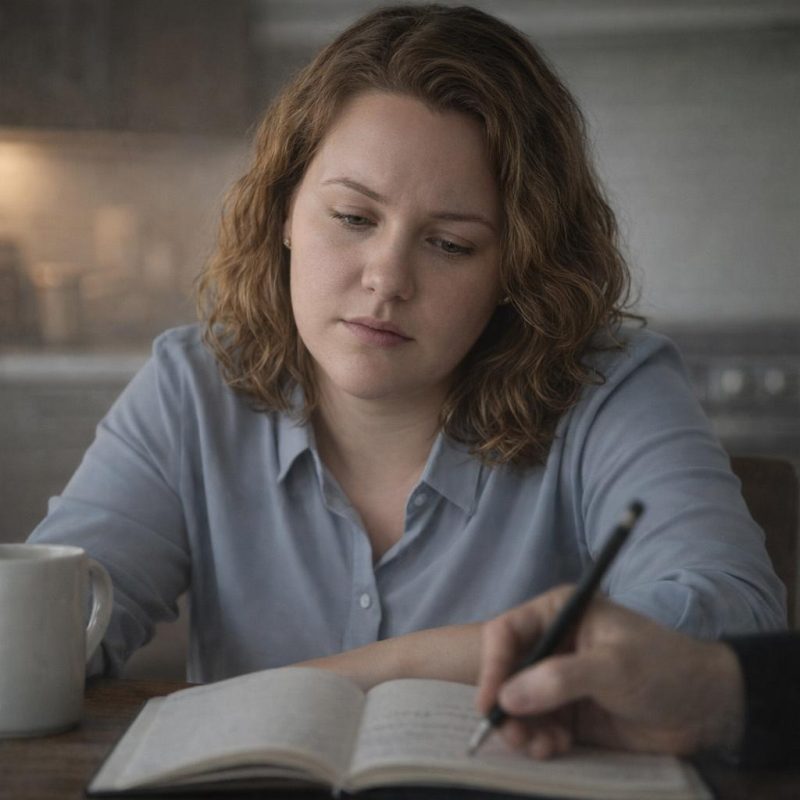 Image by RM AI
Things Out of Place
The grogginess was particularly bad that morning, and I moved through my apartment on autopilot, barely conscious of what I was doing. It wasn't until I was halfway through my coffee that I noticed the book on my coffee table. It was face-down, spine up. I'd left it face-up the night before—I was sure of it. I'd been reading before bed and had set it down carefully to mark my place. I stared at it, my foggy brain trying to make sense of something so small. Then I saw my keys. They were on the kitchen counter. I always hung them on the hook by the door. Always. The bathroom towel was folded differently than I remembered. The living room curtain was pulled slightly more open than I'd left it. Each thing individually was nothing—easy to dismiss, easy to blame on my own forgetfulness or the grogginess clouding my memory. But all together? I walked through the apartment, checking everything, my heart starting to pound through the fog. Someone had been in here. Or I was losing my mind. Or the stress was making me forget my own actions. I grabbed my phone and started taking pictures of everything—how I left objects, where I placed things, the exact arrangement of items on every surface. I stood in my kitchen staring at the coffee mug in my hand, trying to remember if I'd taken it out of the cabinet or if it had already been sitting on the counter.
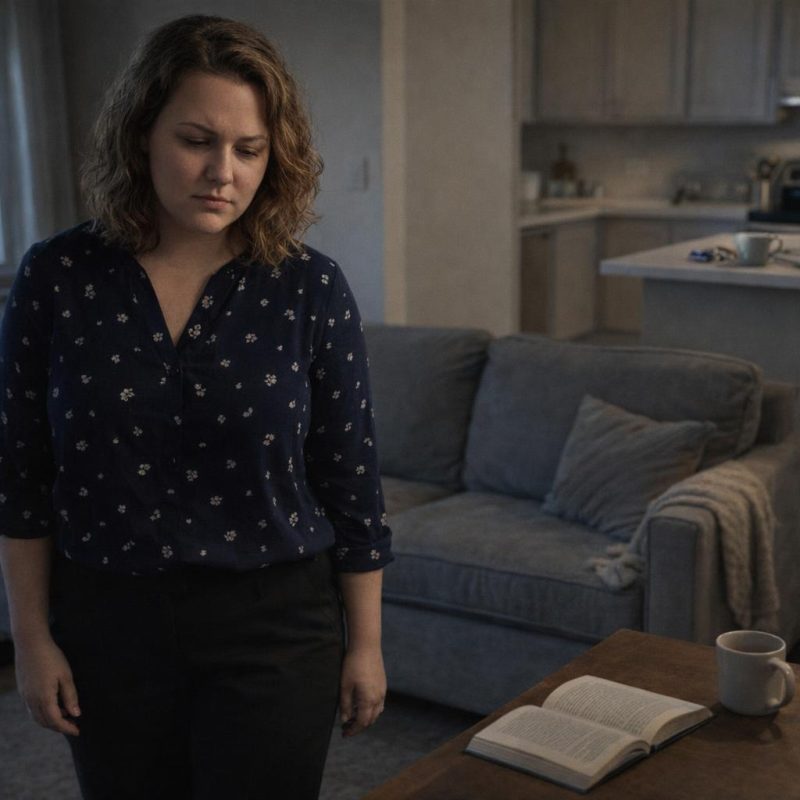 Image by RM AI
Documentation
I became obsessed with documentation. The notebook expanded into a detailed spreadsheet with columns for everything: call times, phone numbers dialed, my grogginess level each morning, objects that seemed moved, sleep quality, what I'd eaten and drunk the day before, even the weather. Every night before bed, I photographed my entire apartment—the coffee table, the kitchen counter, my nightstand, the bathroom. Every morning, I compared the photos to what I woke up to. I recorded precise wake times and how long it took me to feel fully conscious. The spreadsheet became my constant companion. I reviewed it obsessively, looking for patterns, connections, anything that would make sense of what was happening. Some nights had calls but no grogginess. Some nights had both calls and severe grogginess that lasted hours. Some nights had grogginess but no calls at all. The inconsistency frustrated me, made me feel like I was missing something obvious. I printed out the call logs and spread them across my living room floor alongside my handwritten notes, trying to see the bigger picture. There were patterns there—I could feel it—but I couldn't quite grasp what they meant. After a week of meticulous tracking, I sat surrounded by pages of data, staring at the connections I couldn't fully explain, feeling like the answer was right in front of me but just out of reach.
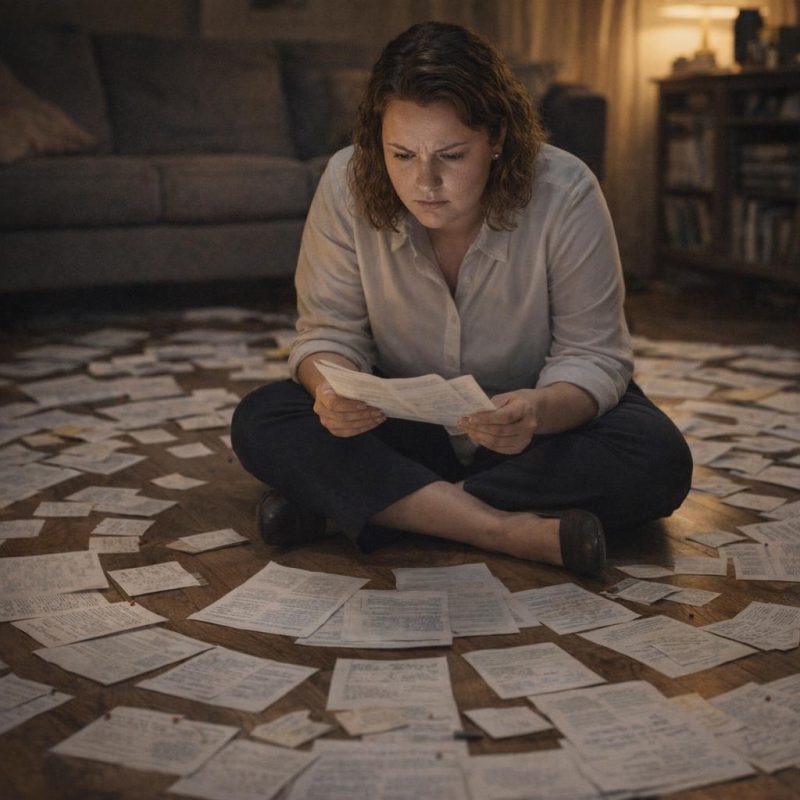 Image by RM AI
Consumed
I stopped going to work. I called in sick the first day, then the second, then just stopped calling at all. My entire existence narrowed to the research. I spent twelve, fourteen hours a day at my laptop, following thread after thread about phone security vulnerabilities, remote access exploits, SIM swapping, surveillance techniques. My browser history became a maze of forums about hacking, articles about sleep disorders I'd already ruled out, even paranormal explanations that I read despite my skepticism. I couldn't stop. Every search led to three more, every article suggested another possibility to investigate. My apartment filled with printed pages, sticky notes, highlighted passages. I barely ate. I forgot to shower. The normal world—work, friends, responsibilities—felt distant and irrelevant compared to solving this. My phone buzzed with a text from Jen: "Hey, are you okay? Haven't seen you at work all week. Getting worried." I stared at the message for a long time, my finger hovering over the keyboard. How could I explain any of this? How could I make her understand without sounding completely unhinged? I set the phone down and returned to my research. She wouldn't believe me anyway. No one would. I was the only one who could figure this out.
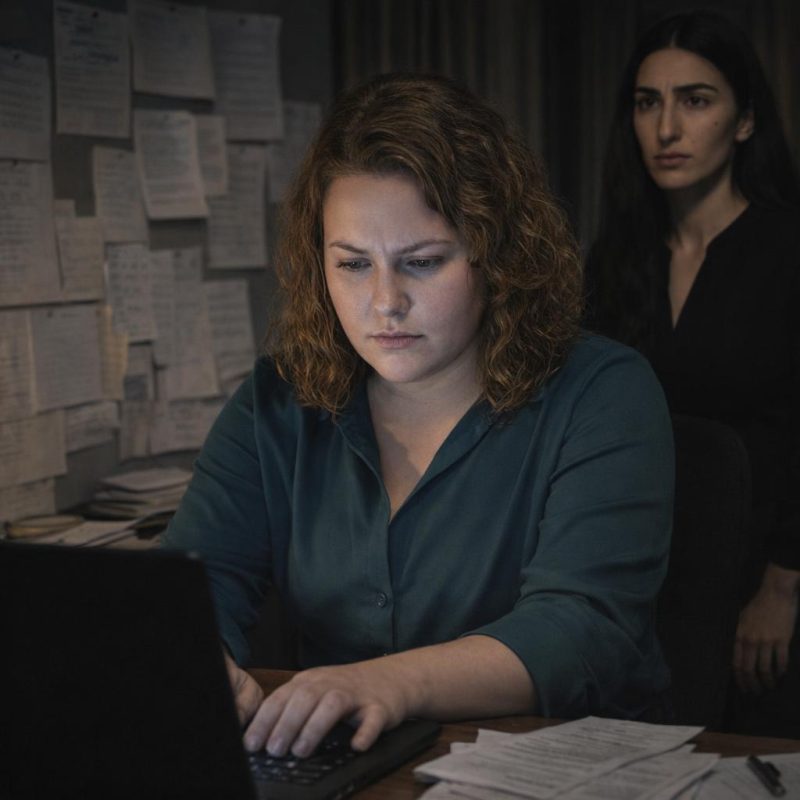 Image by RM AI
Maya's Worry
The knock on my door made me jump. I wasn't expecting anyone, and for a paranoid second, I wondered if I should answer at all. But then I heard Maya's voice: "Alex, I know you're in there. Open up." I opened the door to find her standing there in her scrubs, her expression a mix of concern and determination. She took one look at my apartment—the papers everywhere, the obsessive notes covering every surface, my unwashed hair and the dark circles under my eyes—and her face fell. "What's going on with you?" she asked, stepping inside without waiting for an invitation. I tried to explain, but as the words came out, I heard how I sounded. Paranoid. Obsessed. Unhinged. Maya listened, but I could see the worry growing in her eyes. "Alex, I think you need to talk to someone. Professionally." I bristled. "This is real, Maya. I'm not making it up." "I'm not saying you are. But you've been missing work, ignoring your friends, and you look like you haven't slept in days. This isn't healthy." We argued, my voice getting defensive, hers getting firmer. She pointed out the isolation, the obsessive documentation, the way I'd withdrawn from everyone. As she left, she paused at the door and said something that stuck with me like a splinter: "You're starting to sound like you don't trust anyone—including yourself."
 Image by RM AI
Mapping the Numbers
I couldn't keep staring at those numbers without doing something, so I opened a spreadsheet and started copying every single international number from my call logs. It took hours. Each one got its own row—the full number, the date, the time, the duration. Then I added a column for country codes and started identifying them one by one. The pattern jumped out almost immediately. Multiple numbers shared the same country codes. Several started with +40. Others began with +373. I wasn't great with international dialing, so I had to look them up. Romania. Moldova. Ukraine. The same regions kept appearing over and over. I used every online tool I could find to trace the numbers more precisely, cross-referencing them against databases and reverse lookup sites. My hands were shaking as I typed each number into Google, adding quotation marks to search for exact matches. Most returned nothing. But then I found something. Three of the numbers appeared in a forum discussion I'd never heard of before—one of those sketchy-looking sites where people warn each other about scams. The thread was titled "Suspected Fraud Operations - Report Here." I clicked through, my stomach dropping with every comment I read. Users were reporting these exact numbers as connected to identity theft schemes.
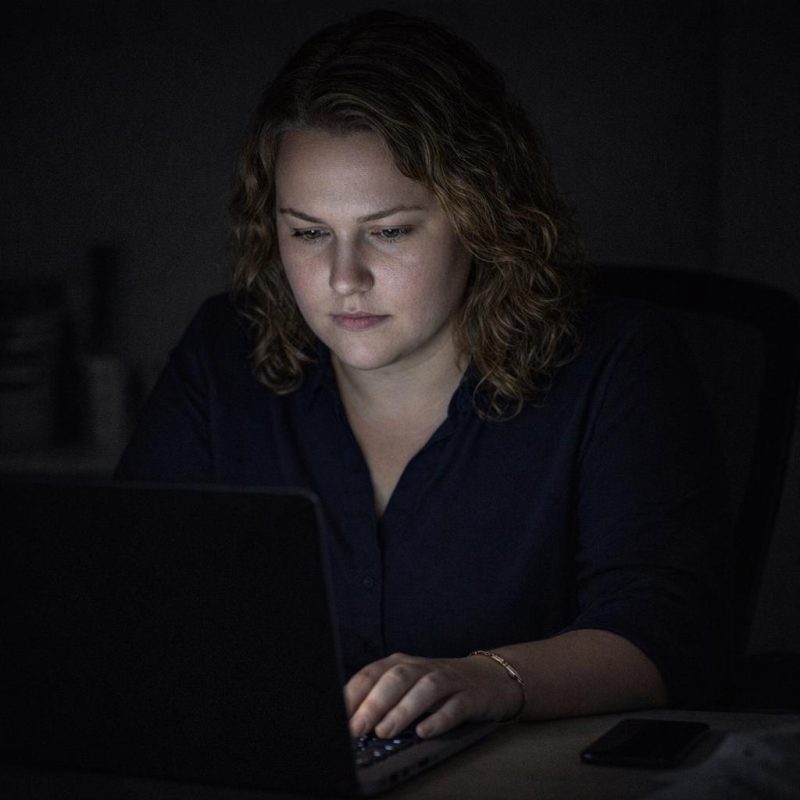 Image by RM AI
The Eastern Connection
I spent the next several hours going deeper, using specialized reverse lookup tools that claimed to pinpoint geographic origins. The results were terrifyingly specific. Multiple numbers traced back to regions in Romania—cities I'd never heard of like Iași and Cluj-Napoca. Others connected to Chișinău in Moldova, and a few to smaller towns in Ukraine. I started researching phone fraud in these specific areas, and what I found made my blood run cold. These regions were known for sophisticated scam operations—organized groups that ran international fraud rings with technical precision. I found article after article about criminal networks operating out of Eastern Europe, using compromised phones and stolen identities to route calls and launder money. One article in particular made me stop breathing for a second. It described a pattern that sounded exactly like what was happening to me. The criminals had used compromised phones to place calls to other numbers in their network, creating a web of connections that made tracking nearly impossible. The operation had eventually been broken up by international authorities working together across multiple countries. I stared at my screen, trying to process what this meant. Was my phone part of something similar? Was I somehow connected to an active criminal operation? I still couldn't figure out how they were accessing my device, but the implications were becoming impossible to ignore.
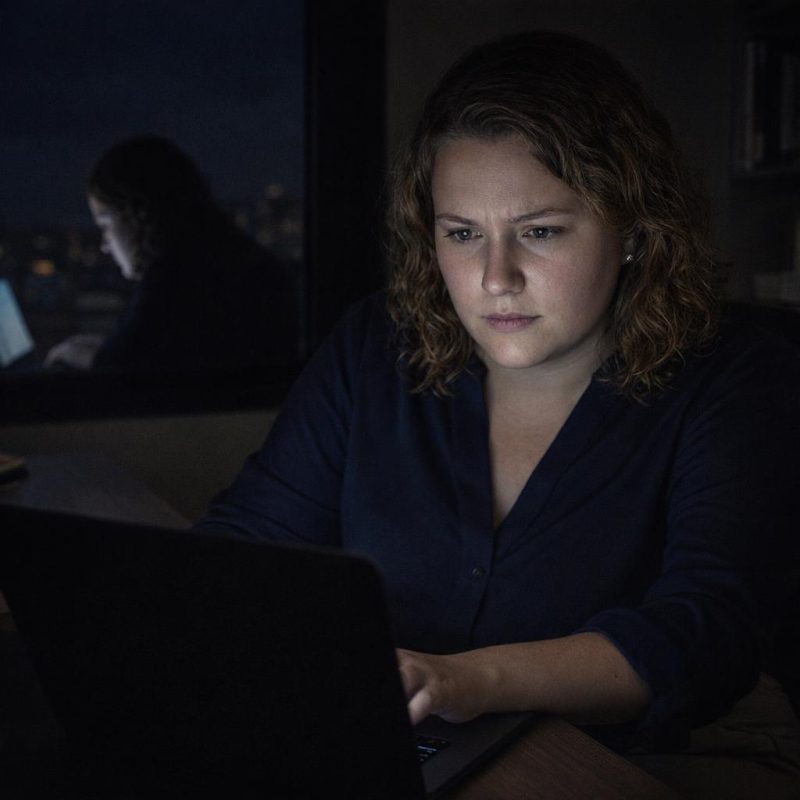 Image by RM AI
No Escape
I couldn't stay in my apartment anymore. The walls felt like they were closing in, and every shadow looked wrong. I called Maya and asked if I could stay with her for a few days, trying to keep my voice steady. She agreed immediately, still worried about me after our argument. I packed a bag, grabbed my phone, and drove to her place across town. Maybe distance would help. Maybe whatever was happening was tied to my apartment specifically—the building, the location, something physical I could escape. The first night in Maya's guest room, I placed my phone on the nightstand like always, but I felt different. Safer. The next morning, I checked the call log with my heart pounding. Nothing. No new calls. The relief that washed over me was so intense I almost cried. I'd been right—it was something about my apartment. On the third morning, I woke up feeling almost normal for the first time in weeks. I reached for my phone, expecting the same clean log. Instead, I saw two new international calls. Placed at 2:04 AM and 2:11 AM. From Maya's guest room. While I was sleeping in a completely different house, in a different part of the city. Whatever this was, it wasn't tied to a location. It followed me.
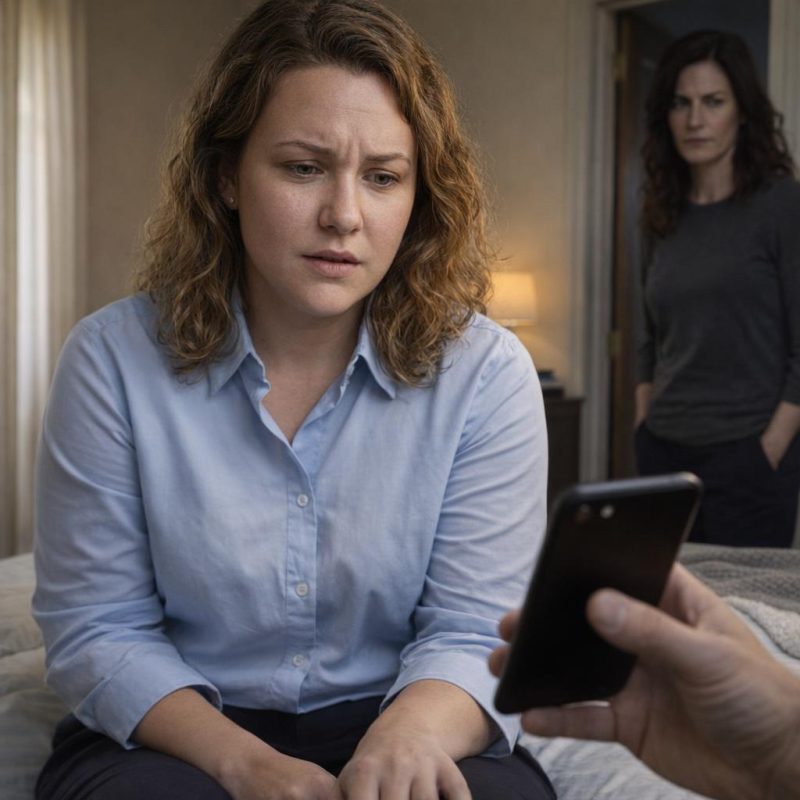 Image by RM AI
Fortification
I went straight to the hardware store after leaving Maya's place. If I couldn't escape it by changing locations, I'd fortify my space until nothing could get in. I bought chain locks, sliding bolt locks, door alarms, window sensors, motion detectors—everything they had. Back at my apartment, I spent the entire day installing them. A chain lock on the front door. Sliding locks on my bedroom door and every window. Pressure sensors near the entry points that would trigger alerts on my phone. I tested each alarm multiple times, making sure the notifications came through clearly. The apartment started to feel like a fortress, and with each new lock I installed, I felt a tiny bit more in control. But that night, lying in bed surrounded by all my new security measures, a thought crept in that I couldn't shake. What exactly was I trying to keep out? If the calls were happening remotely—some kind of hack or technical exploit—locks wouldn't stop them. If it was something else, something I didn't understand, then I had no idea what barriers would actually help. I stared at the chain lock on my bedroom door, listening to the faint hum of the motion sensors. I'd spent hundreds of dollars and an entire day building defenses against a threat I couldn't even identify.
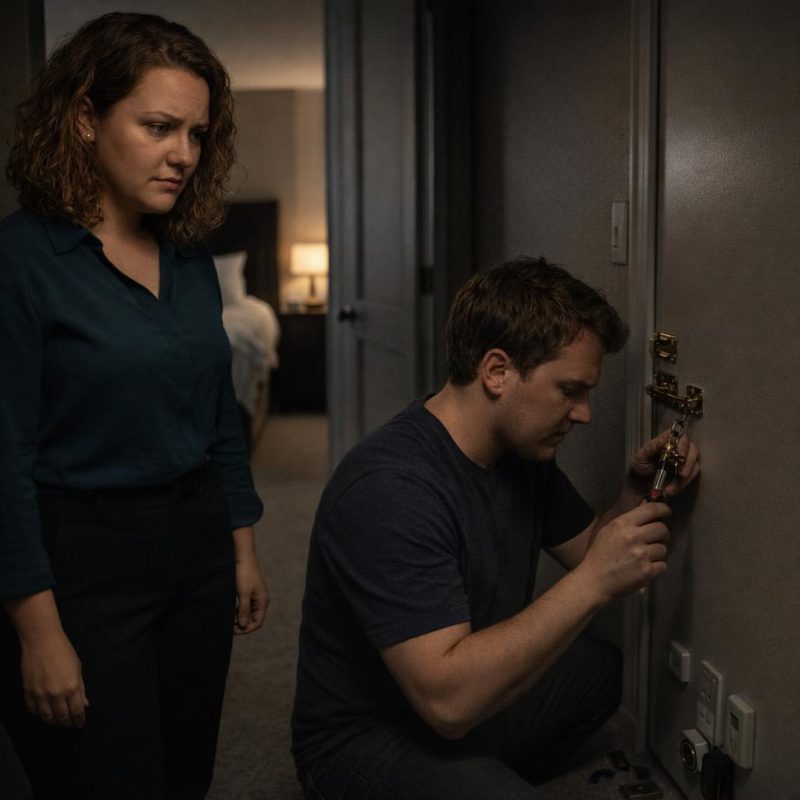 Image by RM AI
Technical Dead Ends
I threw myself into research with an intensity that probably wasn't healthy. I read everything I could find about remote phone hacking, starting with the basics and working my way into increasingly technical territory. SIM swapping—where someone convinces your carrier to transfer your number to their device. Account takeovers through password resets. Malware and spyware that could be installed remotely. I studied how hackers gained control of devices, how they could monitor activity, even how they could place calls. But none of it matched what was happening to me. The calls were too specific, too timed, too consistent. I posted anonymously in security forums, describing my situation without identifying details. The responses were frustrating. "That's not how remote access works." "Your carrier would detect that kind of activity." "What you're describing doesn't match any known exploit." I even emailed a phone security expert whose blog I'd been reading. His response was polite but firm: what I was describing shouldn't be possible with current technology. I researched zero-day exploits—sophisticated attacks that used unknown vulnerabilities—but even those didn't explain the physical shadow I'd captured on camera. Every technical explanation I found fell apart under scrutiny. Every expert opinion led to the same conclusion: what was happening to me couldn't be happening. But it was.
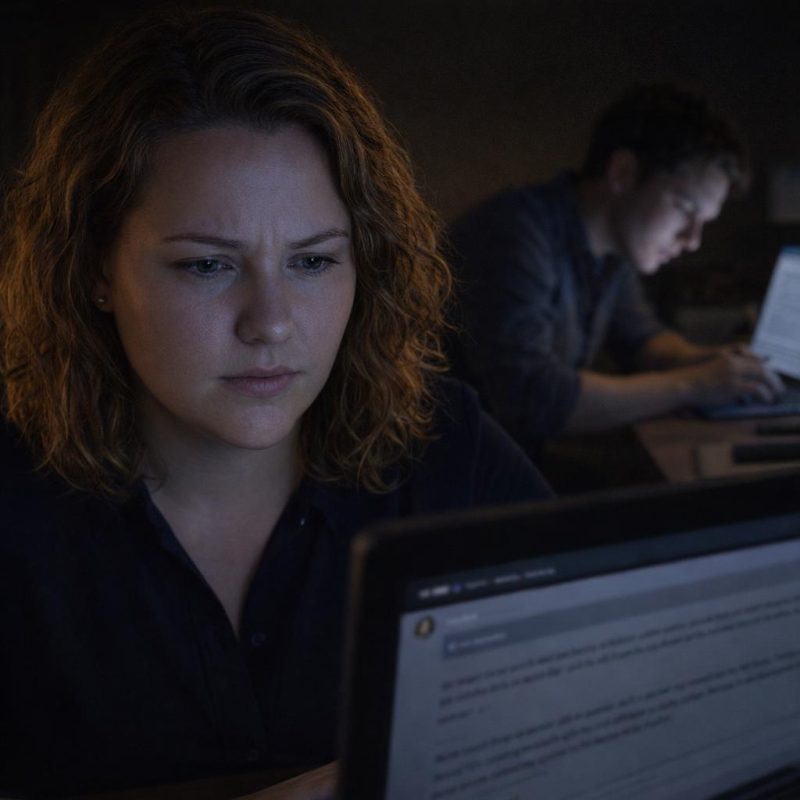 Image by RM AI
Everyone Is Suspect
I started watching people differently. My coworkers at the office—had any of them ever asked to borrow my phone? The neighbors in my building—who had I seen in the hallways late at night? The mail carrier who delivered packages—did he pay too much attention to my apartment? I found myself scrutinizing everyone, looking for signs of something I couldn't even name. I changed my walking routes to avoid patterns, checked over my shoulder constantly, studied faces for recognition or guilt. Delivery drivers who buzzed into the building became suspects. The maintenance guy who'd fixed my sink last month—had he been alone in my apartment long enough to do something? I stood at my window one evening, watching a neighbor I'd barely noticed before. He lived two floors down, had been in the building for years. I'd probably said hello to him a dozen times without really seeing him. Now I watched him unlock his mailbox, and everything about him seemed potentially significant. The way he glanced around. The timing of when he came and went. I caught my own reflection in the window glass—my tired eyes, the suspicious set of my jaw, the way I was literally spying on a neighbor who'd never done anything to me. I looked exactly like the paranoid person Maya had warned me I was becoming. But I couldn't stop.
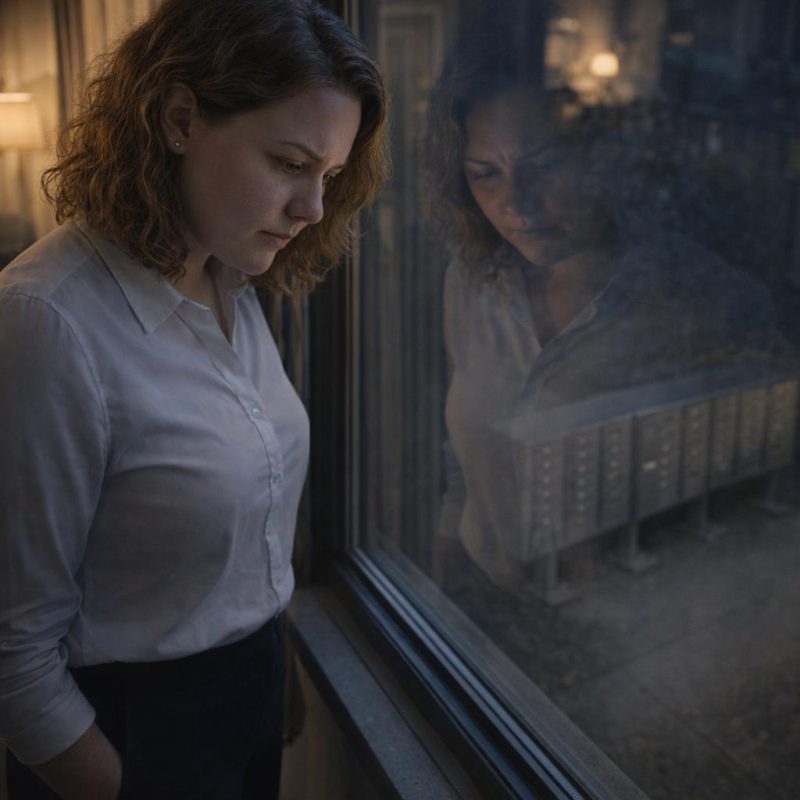 Image by RM AI
Access List
I needed to think about this logically, systematically. I opened a new document and started making a list of every person who had legitimate access to my apartment, no matter how limited. Marcus Webb, my landlord—he had master keys to every unit in the building. That was standard, but it meant he could enter whenever he wanted. The building maintenance person had access too, though I'd only met him once. Maya had visited recently, but the thought of suspecting my own sister made me feel sick. My parents had a spare key, but they lived three hours away and hadn't visited in months. I tried to remember if I'd ever left my door unlocked, even for a minute. The building had a locked front entrance, but every resident had a key, and people were always buzzing in delivery drivers or guests. I stared at the list, looking for patterns or red flags. Marcus's name kept drawing my eye. Not because he'd done anything wrong—he'd been a perfectly normal landlord, responsive to maintenance requests, polite in the hallways. I'd never had any issues with him. But his name sat at the top of the list, and next to it I'd written "master keys to all units." The access was there. Complete, unrestricted access to my apartment whenever he wanted it.
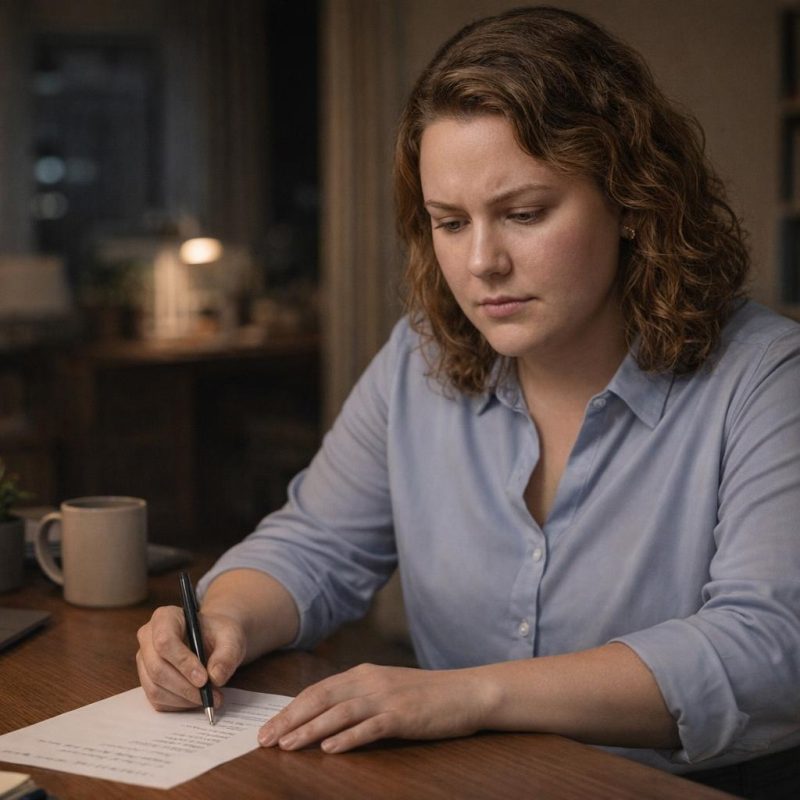 Image by RM AI
Filing the Report
I walked into the police station on a Tuesday morning, my folder of documentation clutched against my chest like armor. The desk officer directed me to Detective Sarah Park, who met me in a small interview room with sharp, observant eyes and a notepad already open. I explained everything from the beginning—the phone bill, the call logs, the international numbers, the camera footage. I showed her the spreadsheet I'd made, the research about fraud operations, the shadow I'd captured on video. My voice shook as I admitted how impossible it all sounded, how I'd been dismissed before, how even my own sister thought I was losing it. Detective Park listened without interrupting, taking notes in neat handwriting. She asked clarifying questions about the timeline, about my phone carrier, about who had access to my apartment. Then she reviewed the camera footage, watching the shadow move across my living room multiple times. I braced myself for the dismissal I'd gotten used to, for the suggestion that I was stressed or mistaken or needed to talk to someone. Instead, Detective Park looked up from the footage and said something that made my chest tighten with an emotion I'd almost forgotten: hope. "I believe you," she said simply. "Something is happening here, and we're going to figure out what it is." Tears sprang to my eyes before I could stop them.
 Image by RM AI
Taken Seriously
Detective Park went through everything with me again, this time with the kind of methodical attention that made me feel like I was finally being heard. She asked about my apartment security—what kind of locks I had, whether I'd changed them recently, if anyone else had keys. I told her about the standard deadbolt, mentioned that Marcus had master keys as the landlord. She wrote that down without any particular reaction, just a note among many others. Then she asked about my daily routine, my work schedule, whether I'd had any disputes with neighbors or anyone else. I explained how I'd been documenting everything—the grogginess, the displaced objects, the way my coffee mug would be in a different spot than where I'd left it. She examined the photos I'd taken, studied the international call patterns, asked technical questions about my phone and carrier. I handed over copies of all my documentation, and she organized them carefully in a folder. Then she said something that made me sit up straighter. There had been other unusual reports in the area recently, she told me. Nothing exactly like my situation, but enough to suggest a pattern worth investigating. She promised to follow up within a few days, and for the first time in weeks, I felt like maybe I wasn't losing my mind after all.
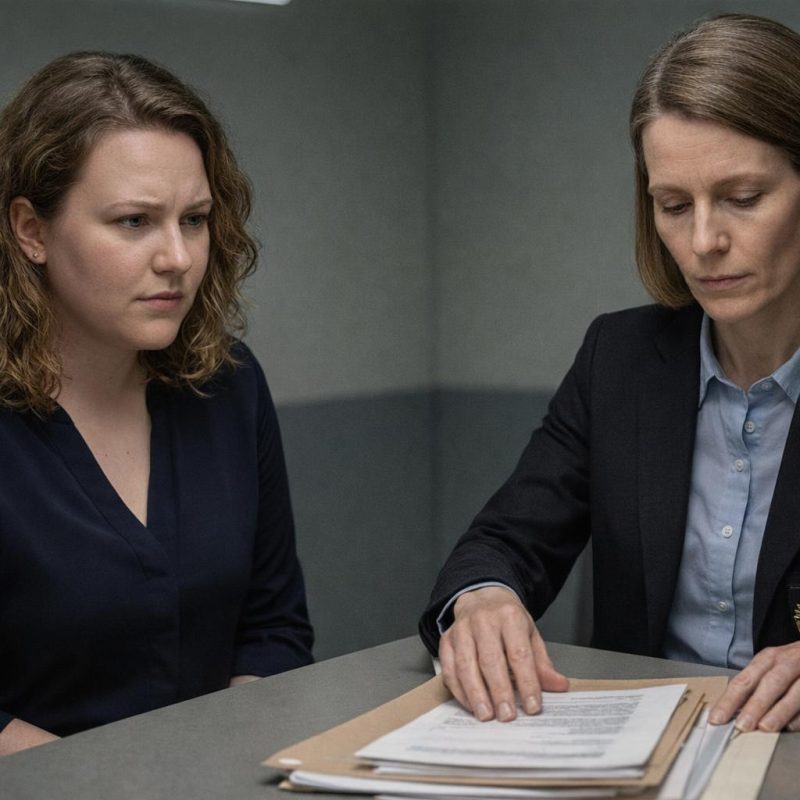 Image by RM AI
No Fingerprints
Two days later, Detective Park arranged for a forensics team to come to my apartment. I watched anxiously as the technicians dusted black powder across my front door, the doorknobs, the windows, the nightstand where my phone rested each night. They moved through my space methodically, testing surfaces throughout the apartment, taking photos and samples. I stood in the corner of my living room, trying to stay out of their way, hoping they'd find something—anything—that would prove someone had been in here. After what felt like hours, they packed up their equipment and Detective Park arrived to review the findings. The news wasn't what I'd hoped for. They'd found only my fingerprints on every surface they'd tested. No unidentified prints anywhere. Park explained that the absence of prints didn't necessarily mean absence of entry—someone could be wearing gloves or being extremely careful. But it meant they had no physical evidence of intrusion. No proof that anyone else had touched my things. After they left, I stood in my apartment staring at the black fingerprint powder residue marking my doorknobs and windowsills. The lack of evidence felt like another kind of violation, like whoever was doing this knew exactly how to move through my space without leaving a single trace.
 Image by RM AI
Doubting My Story
Days passed without any updates from Detective Park. I checked my phone obsessively, hoping for news, but nothing came. The lack of progress started eating at me in ways I hadn't expected. I pulled out all my documentation again—the spreadsheets, the logs, the photos—and reviewed everything for the hundredth time. Some of the patterns I'd been so certain about now seemed less clear. Had that coffee mug really been moved, or had I just forgotten where I'd put it? Maybe the grogginess was just stress and poor sleep catching up with me. I looked at my walls covered in notes and timelines, at the obsessive detail of my tracking system, and felt a wave of doubt wash over me. It looked like the work of someone unraveling. I remembered Maya's concern about my mental state, how she'd suggested I might need to talk to someone. What if she was right? What if I was seeing patterns that didn't exist, connecting dots that were just random coincidences? But then I'd look at the call logs again, at the phone bills with their impossible charges. Those were real. The international numbers were real. The $3,800 bill was definitely real. I felt caught between the evidence in front of me and my own judgment, not knowing which one to trust anymore.
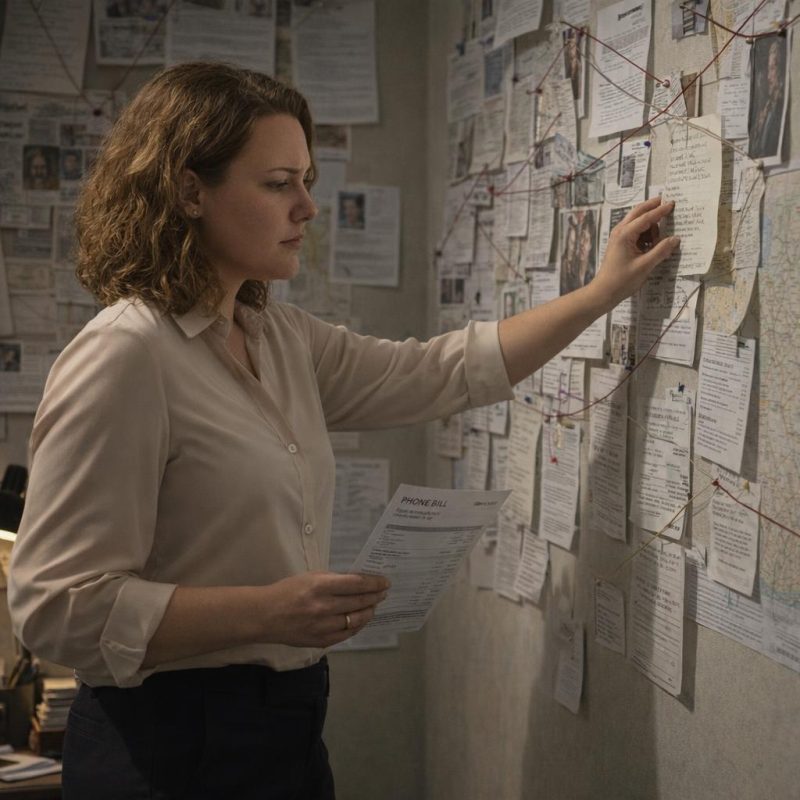 Image by RM AI
More Cameras
I decided I needed better documentation. If something was happening, I was going to capture it. I ordered multiple new cameras online and spent an entire afternoon setting up a comprehensive surveillance system throughout my apartment. One camera covered the front door and entrance area. Another watched my bedroom from a different angle than the first one. I placed cameras in the living room and kitchen, making sure there were no blind spots. One camera focused specifically on my nightstand from close range, pointed directly at where my phone rested each night. I set them all to record continuously and synced everything to cloud storage so nothing would be lost even if the cameras were tampered with. I tested the system multiple times, checking the footage from my phone to make sure every angle was covered. Then I created a schedule for reviewing the recordings—I'd watch every night's footage carefully, looking for anything unusual. My apartment felt like a surveillance operation now, cameras mounted in every corner, little red lights blinking in the darkness. It was excessive, maybe even paranoid, but I didn't care anymore. With this much coverage, nothing should escape documentation. Whatever was happening in my apartment, I was finally going to see it.
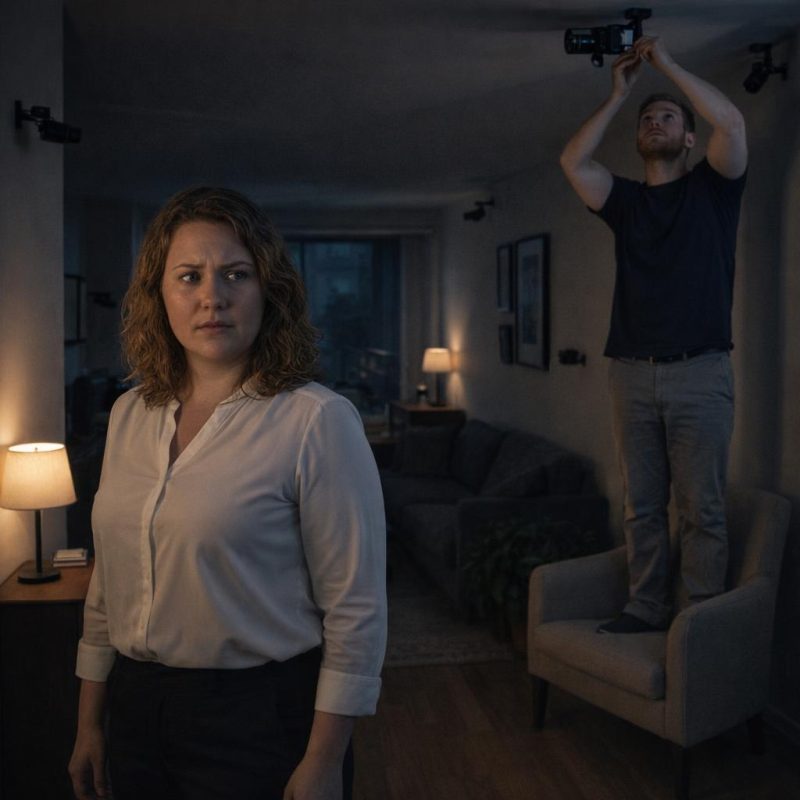 Image by RM AI
Subtle Inconsistencies
I dedicated entire days to watching camera footage, creating a system for reviewing each camera's recordings in sequence. Most nights showed exactly what you'd expect—just me sleeping, occasionally shifting position, nothing unusual. Some nights I could see my phone screen lighting up around 2 AM, but I never saw anyone or anything clearly entering my space. Still, I noticed things that felt off. Subtle things. Lighting shifts that didn't match the conditions outside my windows. Shadows that appeared briefly in the corner of the frame, then disappeared. And then there was the focus issue. On three separate nights, the bedroom camera lost focus around 1:50 AM. The image would go blurry for about twenty minutes, then return to normal clarity by 2:10 AM—always after the calls had been placed. I checked the camera hardware multiple times, tested it obsessively. It worked perfectly every time I tested it during the day. The technical issues only happened during that crucial window in the middle of the night. I wondered if something was interfering with the equipment, or if I was just seeing patterns in random technical glitches. The inconsistencies felt significant, like I was close to understanding something important, but the footage proved nothing concrete. Just more ambiguous evidence that could mean everything or nothing at all.
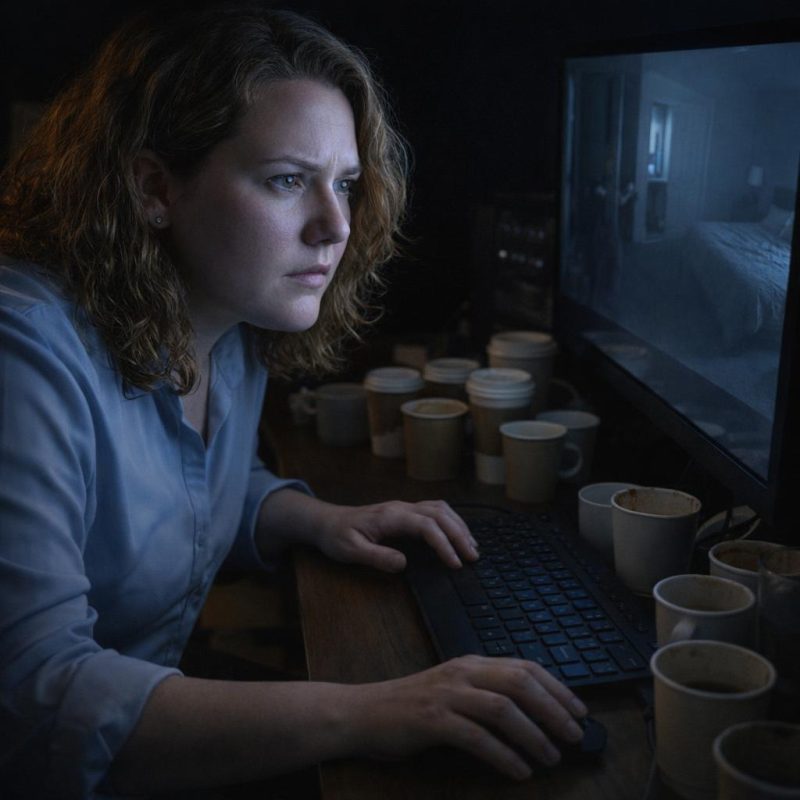 Image by RM AI
The Correlation
I went back to my logs with fresh eyes, determined to find something I'd missed. I created a new spreadsheet, this time comparing every variable I'd been tracking. One column listed every night with phone calls. Another showed my grogginess levels each morning. I added notes about displaced objects, camera anomalies, everything. As I worked through the data, a pattern started to emerge that I hadn't seen before. Not every night with calls caused severe grogginess—some mornings I felt relatively normal despite the calls. But every morning with severe grogginess always had calls. I looked closer at the worst mornings, the ones where I'd felt completely disoriented and foggy. On those nights, I had no dream recall at all. Usually I remembered fragments of dreams, little pieces of the night. But on the groggiest mornings, my sleep was a complete blank, like those hours had been erased. It wasn't just deep sleep—it felt different, heavier, like I'd been more than asleep. Like I'd been unconscious. I highlighted these specific nights in my spreadsheet. They didn't happen every night, maybe once or twice a week. I stared at the pattern, trying to understand what made those particular nights different from the others. The correlation felt significant, but I couldn't explain it yet. I just knew that something was happening on those nights that wasn't happening on the others.
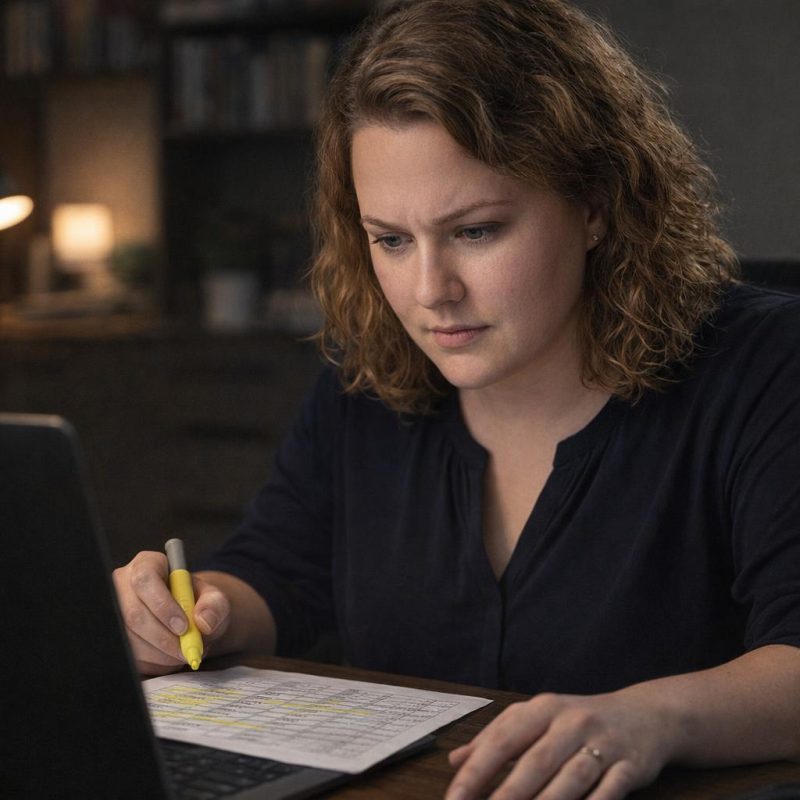 Image by RM AI
Testing a Theory
I started thinking about what could cause that kind of selective grogginess. My bedtime routine was mostly consistent—same time, same habits. But I didn't always drink from the same sources. Some nights I drank water from the filtered pitcher in my refrigerator. Other nights I grabbed bottled water or didn't drink anything before bed. I decided to test whether it mattered. I bought sealed water bottles and kept them in my bedroom, away from the kitchen. That night, I made sure to only drink from the sealed bottle. I didn't touch the filtered pitcher, didn't drink anything from the kitchen at all. Otherwise, I went through my normal routine—changed into pajamas, brushed my teeth, set my phone on the nightstand, turned off the lights. I slept and woke in the morning, and the difference was immediately noticeable. I felt more clear-headed than I had in weeks. The fog that had become my normal morning state was gone. My thoughts were sharper, my body felt lighter, like I'd actually gotten real sleep for the first time in forever. I sat up in bed, my heart starting to pound as I understood what this might mean. With shaking hands, I reached for my phone and opened the call log.
 Image by RM AI
Marcus's Pattern
I opened my detailed logs again, this time looking for a different kind of pattern. I reviewed my notes about daily activities, visitors, anything that might correlate with the worst nights. Marcus had stopped by several times over the past weeks—he'd mentioned checking the building's water pressure once, routine maintenance in the hallway another time. I'd always thought he was just being a good landlord, conscientious about the property. I went through my logs and marked every day he'd visited. Then I compared those dates to my grogginess chart. My stomach dropped. Every single night of severe grogginess had been preceded by a Marcus visit. Every one. He always came in the early evening, around 6 or 7 PM. He'd chat briefly, sometimes stepped inside to check something in my apartment. I'd let him in without hesitation because he was the landlord, because he seemed so helpful and concerned. The correlation was perfect—too perfect to be coincidence. I thought about the master keys Marcus had, how he could access my apartment anytime he wanted. I'd been trusting him completely, letting him in whenever he asked, never questioning his presence in my space. Now I looked at those visits with completely different eyes, and the realization made me feel sick. I'd been so focused on looking for a stranger that I'd never considered someone I knew, someone I'd trusted. Someone who'd seemed so conveniently helpful all along.
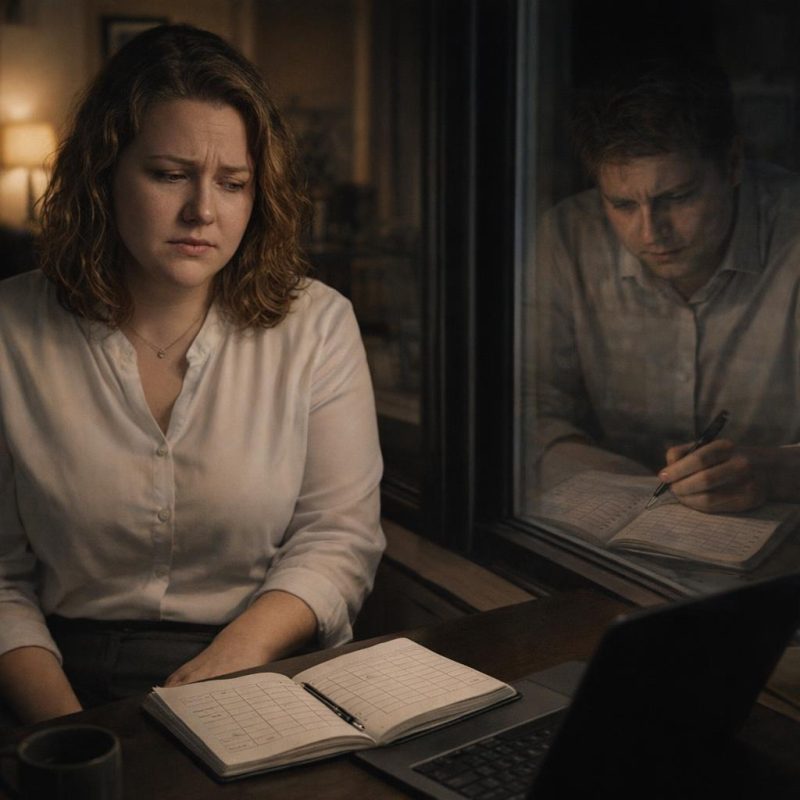 Image by RM AI
Reframing Every Interaction
I pulled up my text history with Marcus and started reading from the beginning. Every message I'd sent him over the past two months was still there, and I went through them one by one, looking for anything I might have missed. The first few weeks were normal landlord stuff—questions about trash pickup, a broken light in the hallway, routine maintenance requests. But then I noticed something. He'd asked about my work schedule in early October, framed as a question about when he could stop by to check the water heater. I'd told him I usually got home around six, that I worked pretty standard hours. A week later, he'd texted asking if I ever worked weekends because he wanted to schedule some building maintenance. I'd said I rarely worked weekends, that I was almost always home. Then there was the message about spare keys. He'd suggested I keep one hidden somewhere in case I ever locked myself out, said it was a good safety measure. I'd told him I kept one under the doormat at first, then mentioned I'd moved it inside to a drawer in the kitchen. Why had I told him that? I stared at the message, trying to remember the context, but I couldn't recall why it had seemed like a normal thing to share. Every question he'd asked had felt like friendly landlord concern at the time. Now they felt like someone building a profile, gathering intelligence about my habits and vulnerabilities. I'd handed him everything he needed to know about my life, and I hadn't questioned it once.
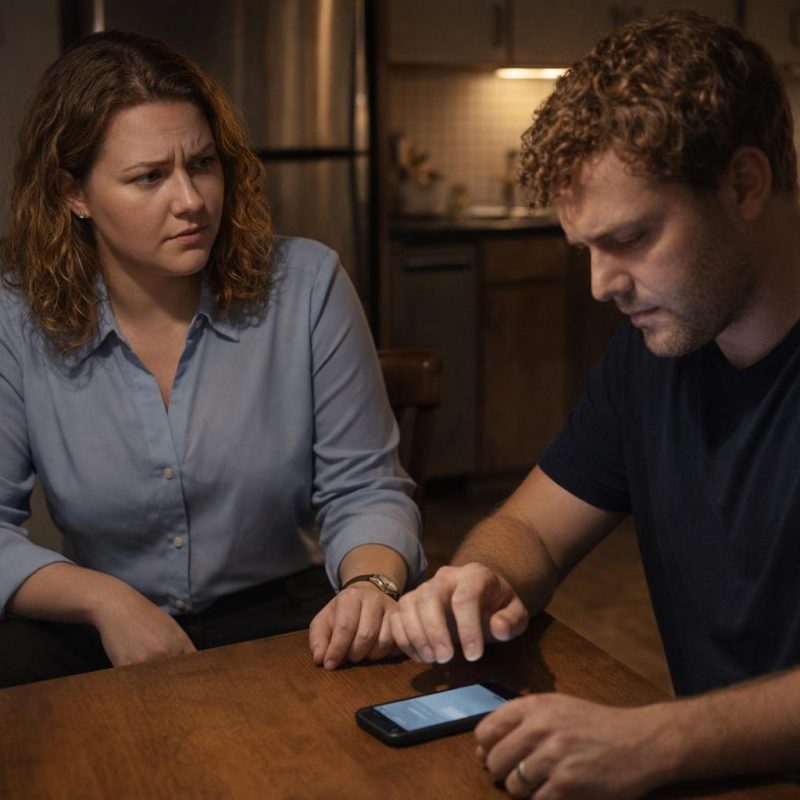 Image by RM AI
A Different Lens
I pulled up my text history with Marcus and started reading from the beginning. Every message I'd sent him over the past two months was still there, and I went through them one by one, looking for anything I might have missed. The first few weeks were normal landlord stuff—questions about trash pickup, a broken light in the hallway, routine maintenance requests. But then I noticed something. He'd asked about my work schedule in early October, framed as a question about when he could stop by to check the water heater. I'd told him I usually got home around six, that I worked pretty standard hours. A week later, he'd texted asking if I ever worked weekends because he wanted to schedule some building maintenance. I'd said I rarely worked weekends, that I was almost always home. Then there was the message about spare keys. He'd suggested I keep one hidden somewhere in case I ever locked myself out, said it was a good safety measure. I'd told him I kept one under the doormat at first, then mentioned I'd moved it inside to a drawer in the kitchen. Why had I told him that? I stared at the message, trying to remember the context, but I couldn't recall why it had seemed like a normal thing to share. Every question he'd asked had felt like friendly landlord concern at the time. Now they felt like someone building a profile, gathering intelligence about my habits and vulnerabilities. I'd handed him everything he needed to know about my life, and I hadn't questioned it once.
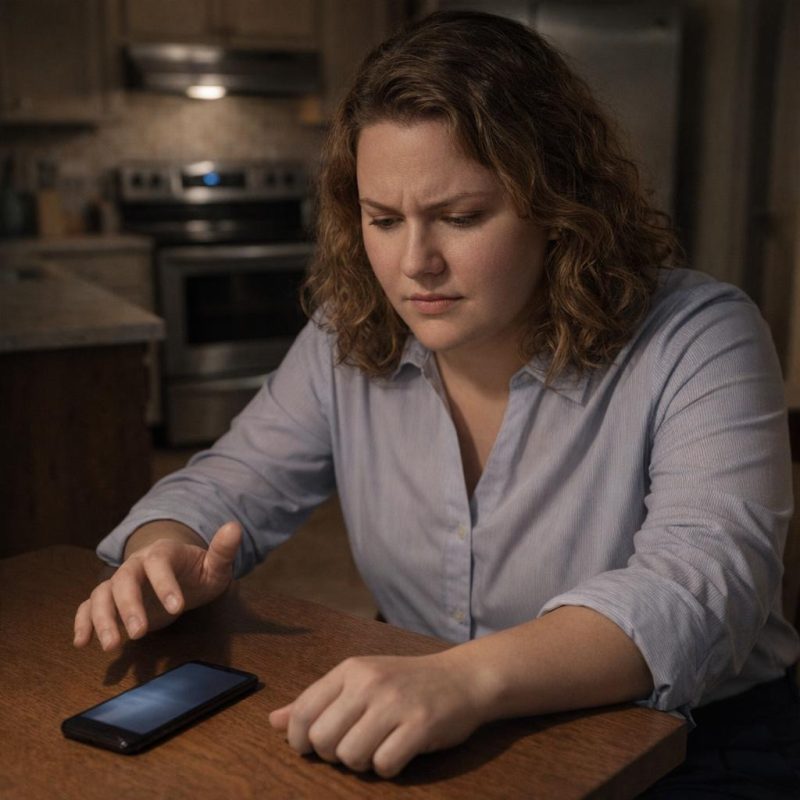 Image by RM AI
A Different Lens
I started searching for Marcus Webb online, beginning with basic social media profiles. His Facebook was sparse—a few photos of the building, some generic posts about property management, nothing personal. His LinkedIn showed he'd been managing properties in the area for about eight years, but there wasn't much detail about what he'd done before that. I moved to public records, searching for business licenses and property ownership documents. Everything seemed legitimate on the surface, but then I found something that made me pause. A court document from eight years ago showed a legal name change petition. Marcus Webb had previously been named Martin Webber. It wasn't a huge change, just a slight variation, but it was enough to make me wonder why he'd bothered. I searched for Martin Webber and found a news article from a city about three hours away. The headline made my stomach drop: "Local Landlord Arrested on Surveillance Charges." The article described how Martin Webber had been charged with illegally entering tenant apartments and installing hidden cameras. Multiple tenants had filed complaints about feeling watched, about things being moved in their apartments, about unexplained grogginess and missing time. The details were horrifyingly familiar. The charges had eventually been dropped due to insufficient evidence—the cameras had been removed before police could document them, and without physical proof, the case fell apart. After that, Martin Webber had disappeared from that city completely. Now he was here, using a slightly different name, managing another building. And I was starting to think he was doing the exact same things again.
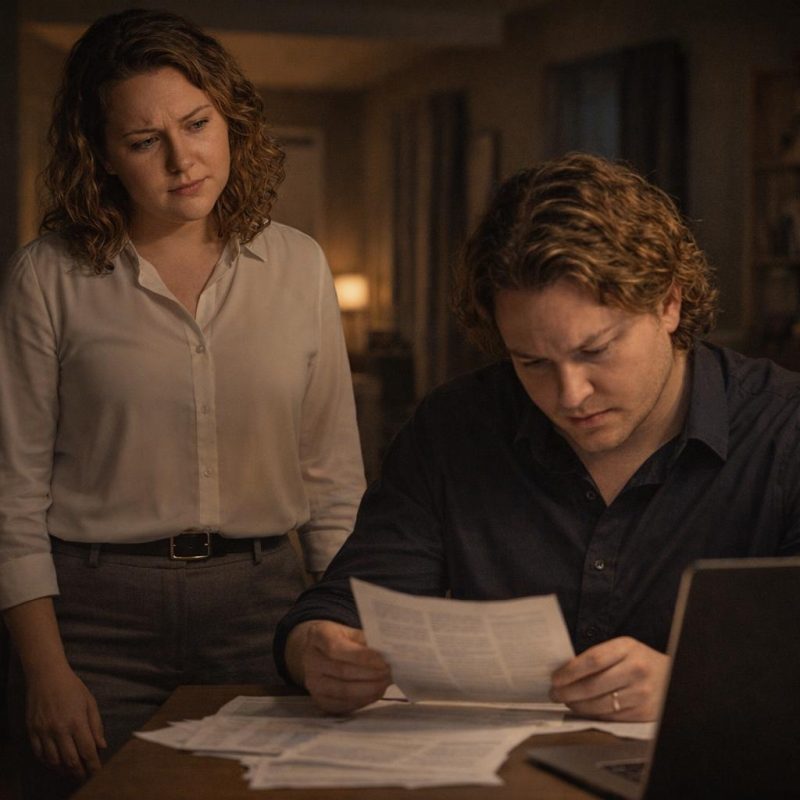 Image by RM AI
Another Name
I started searching for Marcus Webb online, beginning with basic social media profiles. His Facebook was sparse—a few photos of the building, some generic posts about property management, nothing personal. His LinkedIn showed he'd been managing properties in the area for about eight years, but there wasn't much detail about what he'd done before that. I moved to public records, searching for business licenses and property ownership documents. Everything seemed legitimate on the surface, but then I found something that made me pause. A court document from eight years ago showed a legal name change petition. Marcus Webb had previously been named Martin Webber. It wasn't a huge change, just a slight variation, but it was enough to make me wonder why he'd bothered. I searched for Martin Webber and found a news article from a city about three hours away. The headline made my stomach drop: "Local Landlord Arrested on Surveillance Charges." The article described how Martin Webber had been charged with illegally entering tenant apartments and installing hidden cameras. Multiple tenants had filed complaints about feeling watched, about things being moved in their apartments, about unexplained grogginess and missing time. The details were horrifyingly familiar. The charges had eventually been dropped due to insufficient evidence—the cameras had been removed before police could document them, and without physical proof, the case fell apart. After that, Martin Webber had disappeared from that city completely. Now he was here, using a slightly different name, managing another building. And I was starting to think he was doing the exact same things again.
 Image by RM AI
Different Name
I went back to my hallway camera footage with new determination, this time watching frame by frame instead of skipping through. I'd been looking for obvious break-ins before, someone forcing the door or picking the lock quickly. But now I was looking for something different—someone who had a key and knew exactly how to use it. I found it at 1:47 AM on a night I'd marked as severe grogginess. The door moved so slowly I almost missed it. It opened just a few inches, paused, then opened a bit more. The movement was deliberate and controlled, the kind of careful entry that wouldn't trigger motion-sensor alarms or make any noise. A figure slipped inside, staying close to the wall where the camera angle made it hard to see details. The door closed with the same careful control, barely making a sound. My alarms hadn't gone off because the motion had been too gradual, too gentle. Breaking in would have been faster, louder, more obvious. This entry required a key and intimate knowledge of how my security system worked. I saved the footage with shaking hands, my heart pounding as I watched it three more times. Someone had been entering my apartment while I slept, moving through my space, doing things I couldn't remember. And there was only one person who had master keys to every unit in the building, who knew exactly how my apartment was laid out, who'd asked me detailed questions about my routines and my security measures. Marcus had been inside my home, and I finally had proof.
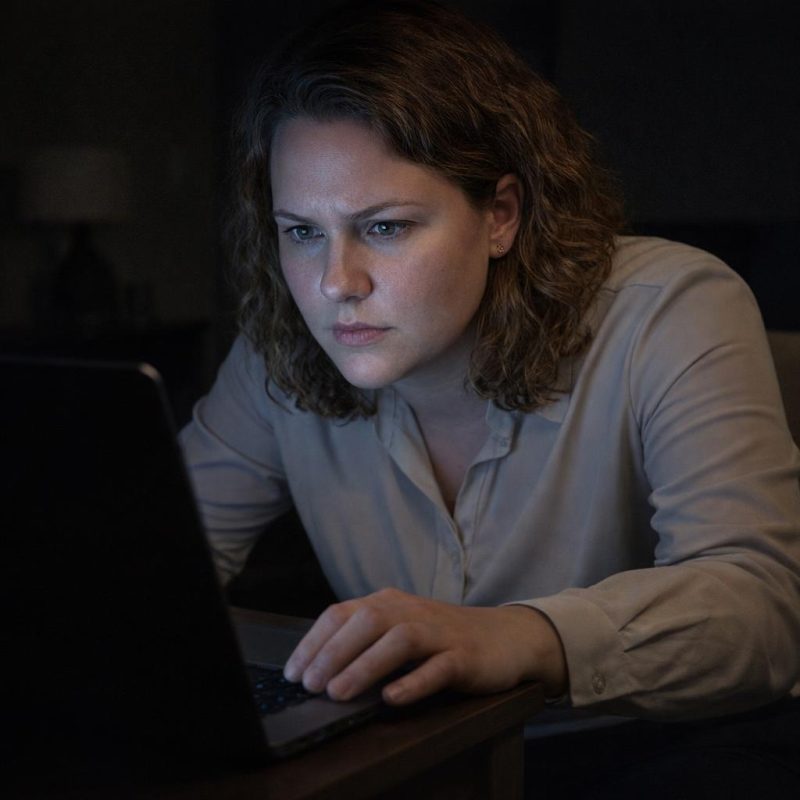 Image by RM AI
The Door Opens
I went back to my hallway camera footage with new determination, this time watching frame by frame instead of skipping through. I'd been looking for obvious break-ins before, someone forcing the door or picking the lock quickly. But now I was looking for something different—someone who had a key and knew exactly how to use it. I found it at 1:47 AM on a night I'd marked as severe grogginess. The door moved so slowly I almost missed it. It opened just a few inches, paused, then opened a bit more. The movement was deliberate and controlled, the kind of careful entry that wouldn't trigger motion-sensor alarms or make any noise. A figure slipped inside, staying close to the wall where the camera angle made it hard to see details. The door closed with the same careful control, barely making a sound. My alarms hadn't gone off because the motion had been too gradual, too gentle. Breaking in would have been faster, louder, more obvious. This entry required a key and intimate knowledge of how my security system worked. I saved the footage with shaking hands, my heart pounding as I watched it three more times. Someone had been entering my apartment while I slept, moving through my space, doing things I couldn't remember. And there was only one person who had master keys to every unit in the building, who knew exactly how my apartment was laid out, who'd asked me detailed questions about my routines and my security measures. Marcus had been inside my home, and I finally had proof.
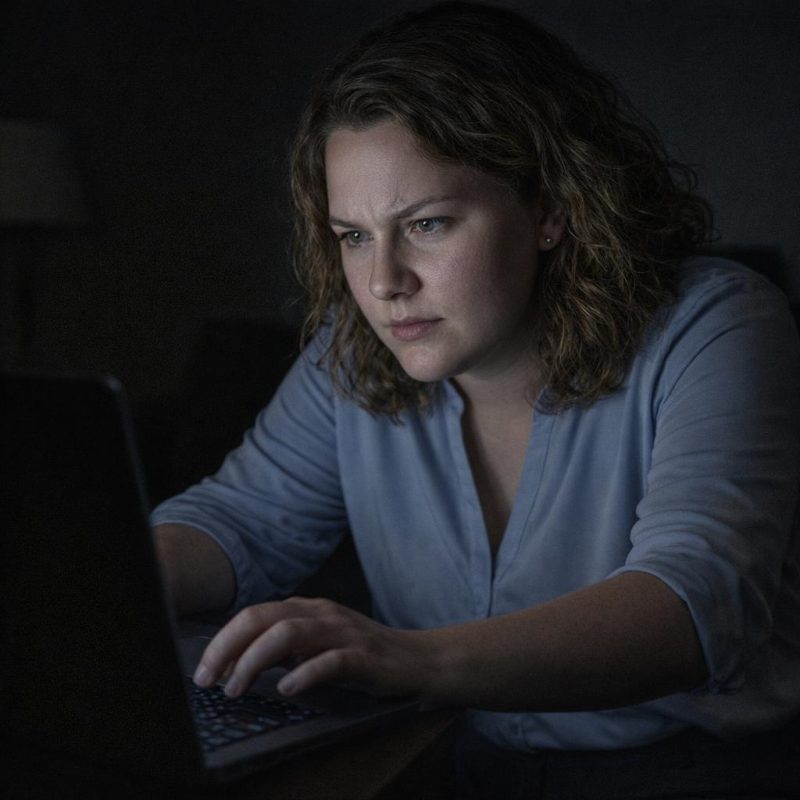 Image by RM AI
Another Name
I set up a hidden camera that night, positioning it on the kitchen counter between a coffee maker and a stack of mail where it had a clear view of the refrigerator. I made sure it was recording, then went to bed drinking only from a sealed water bottle I'd kept in my bedroom. The next morning, I grabbed the camera with shaking hands and pulled up the footage on my laptop. At 1:52 AM, my apartment door opened. Marcus walked in with a key, moving confidently through my space like he'd done this a hundred times before. He went straight to the kitchen and opened the refrigerator. He pulled out my filtered water pitcher, the one I drank from every single day, and set it on the counter. Then he reached into his pocket and pulled out a small bottle. I watched him add several drops into the water, swirling the pitcher gently to mix it, then returning it to the exact spot where it had been. He moved to my bedroom next, and the camera angle shifted as he picked up my phone from the nightstand. The footage showed him making calls, speaking quietly in a language I didn't recognize, his voice barely audible. After several minutes, he returned the phone to its exact position and left, locking the door carefully behind him. I sat there staring at the screen, my whole body numb. He'd been drugging me. For weeks, maybe months, he'd been coming into my apartment while I was unconscious and using my phone to make calls I'd never authorized. Every mystery from the past two months suddenly made perfect, horrible sense.
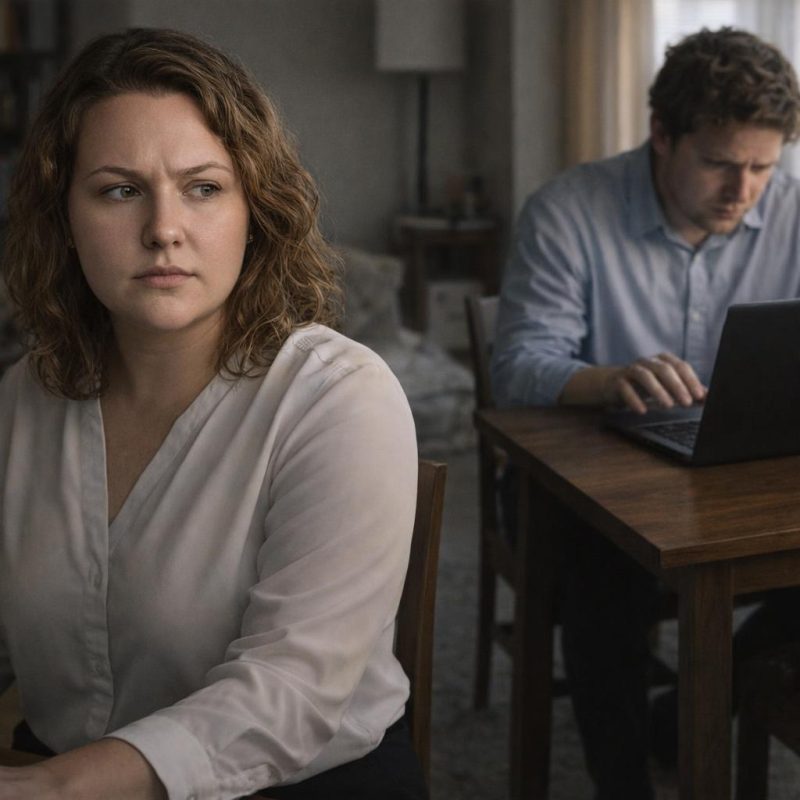 Image by RM AI
The Water Dispenser
I set up a hidden camera that night, positioning it on the kitchen counter between a coffee maker and a stack of mail where it had a clear view of the refrigerator. I made sure it was recording, then went to bed drinking only from a sealed water bottle I'd kept in my bedroom. The next morning, I grabbed the camera with shaking hands and pulled up the footage on my laptop. At 1:52 AM, my apartment door opened. Marcus walked in with a key, moving confidently through my space like he'd done this a hundred times before. He went straight to the kitchen and opened the refrigerator. He pulled out my filtered water pitcher, the one I drank from every single day, and set it on the counter. Then he reached into his pocket and pulled out a small bottle. I watched him add several drops into the water, swirling the pitcher gently to mix it, then returning it to the exact spot where it had been. He moved to my bedroom next, and the camera angle shifted as he picked up my phone from the nightstand. The footage showed him making calls, speaking quietly in a language I didn't recognize, his voice barely audible. After several minutes, he returned the phone to its exact position and left, locking the door carefully behind him. I sat there staring at the screen, my whole body numb. He'd been drugging me. For weeks, maybe months, he'd been coming into my apartment while I was unconscious and using my phone to make calls I'd never authorized. Every mystery from the past two months suddenly made perfect, horrible sense.
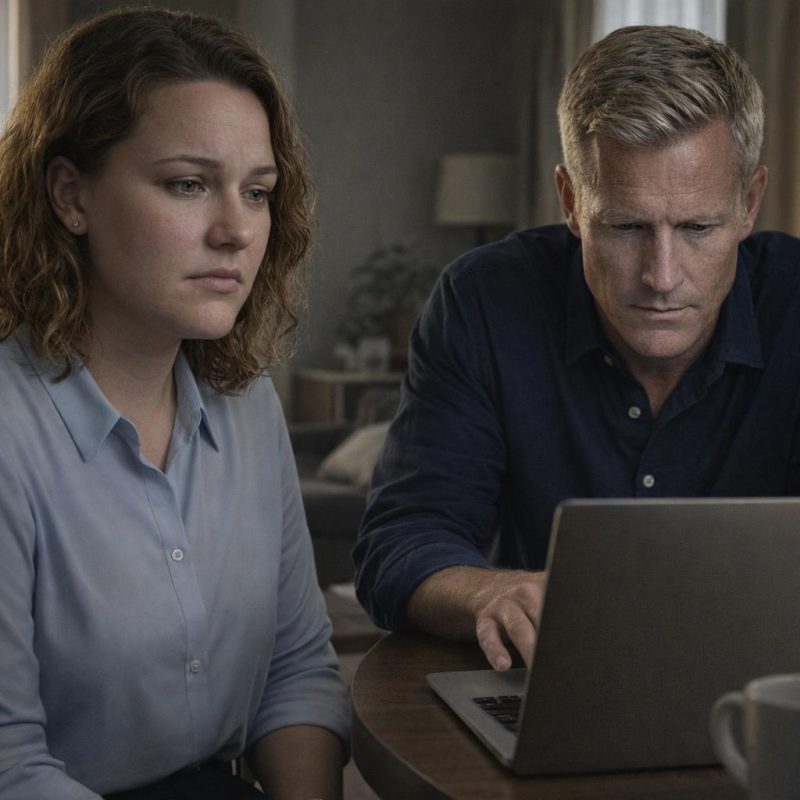 Image by RM AI
The Full Picture
I spent the next several hours researching the international numbers from my call logs, cross-referencing them with fraud databases and online forums about phone scams. What I found made me feel sick. Many of the numbers appeared in reports about identity theft operations, specifically schemes that used legitimate phone numbers to coordinate criminal activity across borders. The calls connected to operations in Eastern Europe, places where tracking and prosecution were nearly impossible. I read about how these schemes worked—criminals needed clean, untraceable ways to communicate, and they often used unwitting victims' phones to make their calls appear legitimate. My phone had provided exactly that. A regular person's number, tied to a real address and real identity, making calls that wouldn't immediately trigger fraud alerts. Marcus had been using me as cover for crimes I didn't even know were happening. The phone bills, the international charges, the strange patterns—they were all part of an operation I'd been forced to participate in without my knowledge or consent. But it was worse than that. If anyone investigated these calls, if law enforcement started tracking the numbers, the trail would lead back to me. My name, my phone, my apartment. I could be implicated in crimes I'd never committed, and I'd have to prove my innocence while Marcus disappeared like he'd done before. I wasn't just a victim anymore. I was being used as a tool, and that realization made everything so much more dangerous than I'd thought.
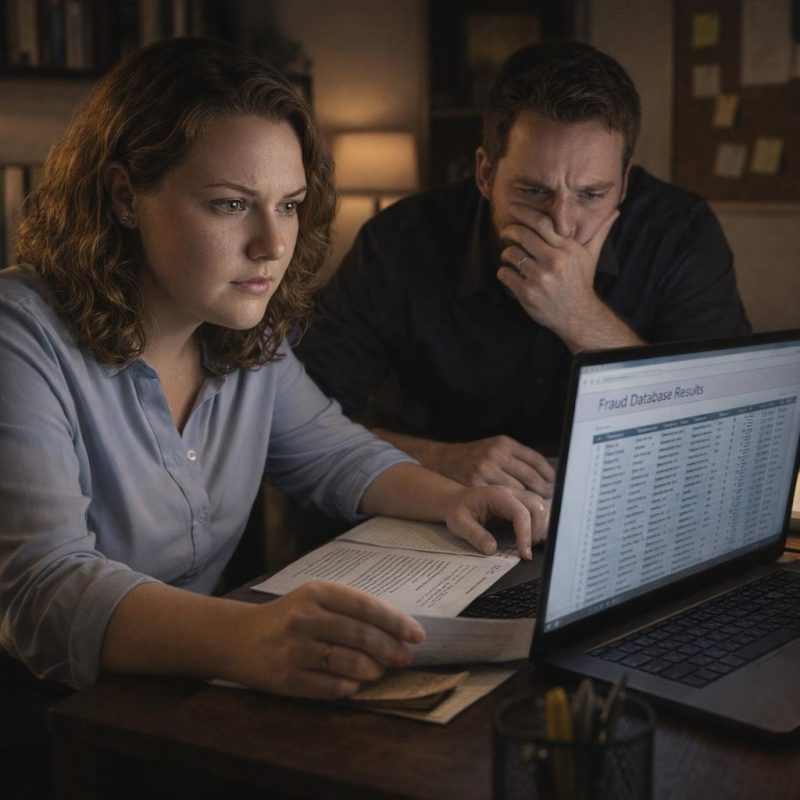 Image by RM AI
Bringing the Evidence
I called Detective Park first thing in the morning, my voice shaking as I told her I had video evidence of everything. She told me to come to the station immediately, and I gathered all my documentation—the camera footage, the research about Martin Webber, the call logs, the correlation charts, everything I'd compiled over the past weeks. At the station, Park led me to a private room and I presented everything chronologically, walking her through each piece of evidence. When I played the footage of Marcus entering my apartment with a key, her expression shifted from professional interest to focused attention. Then I showed her the video of him drugging my water. I watched Park's face as she saw him add drops from the small bottle, saw him take my phone and make calls while I lay unconscious in the next room. For the first time since I'd met her, I saw anger flash across her features—a brief break in her professional composure that told me she understood exactly how violated I'd been. I shared the research about his previous identity, about Martin Webber's arrest and the dropped charges, about the pattern of behavior that had followed him across cities and name changes. Park asked detailed questions about his access to the building, about how long he'd been my landlord, about every interaction I could remember. She believed me completely now. There was no skepticism in her voice, no suggestion that I might be overreacting. She said this was enough to open a full investigation, but then she warned me that the next steps would require careful planning. We couldn't just arrest him yet—we needed to build an airtight case that he couldn't slip away from like he'd done before.
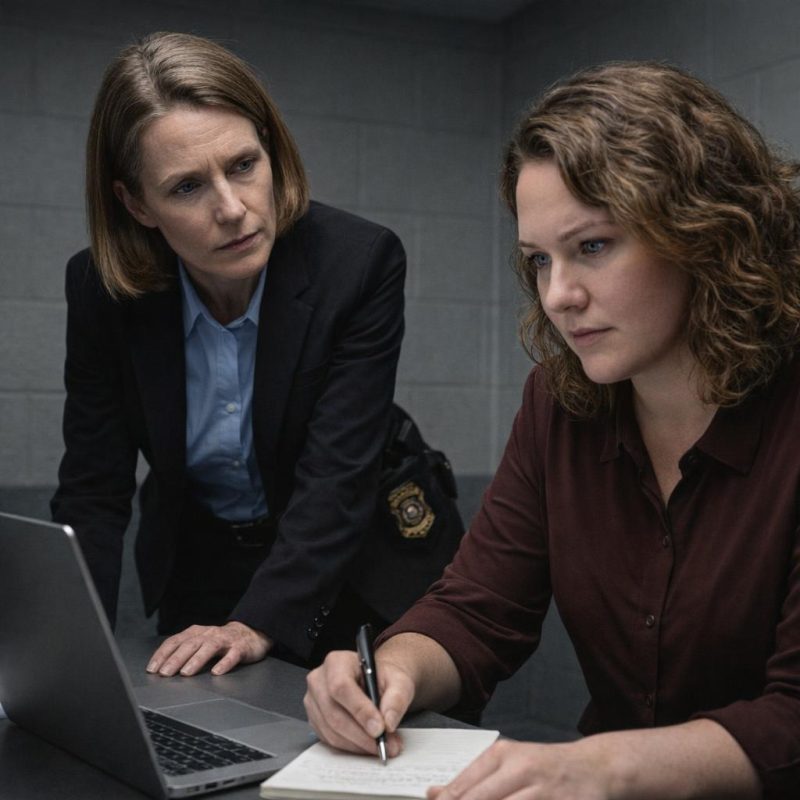 Image by RM AI
Surveillance Begins
Detective Park explained the surveillance plan in detail. Unmarked police cars would monitor the building and track Marcus's movements. She'd already contacted federal authorities about the international fraud connections, and they were coordinating with her department to build a comprehensive case. The scope of the investigation had expanded beyond local break-ins—this was now about identity theft, international fraud, and a pattern of predatory behavior spanning multiple jurisdictions. But then Park told me the part that made my stomach drop. I needed to continue living normally, going through my regular routine as if nothing had changed. If I suddenly moved out or started avoiding Marcus, he'd know something was wrong. He might destroy evidence, flee the city, or simply disappear like Martin Webber had done eight years ago. They needed to catch him in the act, document everything, build a case so strong that no technicality could make it fall apart. I felt sick at the thought of going back to that apartment, of sleeping in the bed where I'd been unconscious while he violated my space, of drinking from the pitcher he'd contaminated, of pretending everything was fine when I knew what he'd been doing. But I understood why it was necessary. If I wanted him to actually face consequences, if I wanted to make sure he couldn't do this to anyone else, I had to play along a little longer. Park gave me a direct line to call if anything felt wrong, if I felt unsafe for even a moment. The surveillance began that same afternoon, and I forced myself to drive back to the building where Marcus was probably already planning his next visit to my apartment.
 Image by RM AI
Playing Normal
I returned to my apartment that evening and unpacked my bag like nothing had changed, forcing my hands to stay steady even though I wanted to run. I went through my normal routine—changed clothes, made dinner, scrolled through my phone—but every movement felt mechanical, like I was performing a role in a play I'd never auditioned for. The water pitcher sat in the refrigerator exactly where Marcus had left it, and I made a show of opening the fridge to grab food while carefully avoiding it. I'd hidden sealed water bottles in my bedroom closet, but I had to make sure he wouldn't notice the change if he was watching somehow. Every sound in the building made me jump. Footsteps in the hallway, doors closing, the elevator moving—each one sent my heart racing. Then, around seven PM, there was a knock on my door. I looked through the peephole and saw Marcus standing there with that friendly smile I'd trusted for months. I took a breath, forced my face into a neutral expression, and opened the door. He asked if everything was okay with the apartment, if I needed anything fixed or checked. His voice was warm and concerned, exactly the way it had always been. I smiled back and told him everything was fine, that I appreciated him checking in. The words felt like glass in my throat, but I kept my voice steady and my expression pleasant. He lingered for a moment, his eyes scanning my face like he was looking for something, and I maintained eye contact even though every instinct screamed at me to look away. Finally, he said goodnight and left, and I closed the door and locked it behind him. I stood there shaking, barely able to breathe, knowing I'd just lied to the man who'd been drugging me for weeks—and it was the hardest performance I'd ever given.
 Image by RM AI
Increased Attention
The next morning, Marcus knocked on my door before I'd even finished my coffee. He said something about checking a pipe in the bathroom—routine maintenance, nothing urgent—but the timing felt deliberate. I let him in with a smile that hurt my face, watching as he moved through my apartment with the ease of someone who'd been here countless times when I was unconscious. He took his time in the bathroom, and I stood in the living room pretending to scroll through my phone while my heart hammered against my ribs. Later that afternoon, he texted asking what my schedule looked like for the week. The question seemed innocent enough, but it felt different somehow—more pointed, like he was checking something. Then he showed up again that evening with a package that had been delivered to the building, something he could have easily left at my door. He handed it to me and asked how I'd been sleeping lately, if I was getting enough rest. The question landed like a physical blow. I forced myself to laugh and say I'd been tired but otherwise fine, just work stress, you know how it is. He watched my face for a beat too long, his eyes searching for something I couldn't let him find. After he left, I called Detective Park with shaking hands and told her everything—the increased visits, the probing questions, the way he was watching me. She said it could mean he suspected something was off, that we needed to move faster before Marcus did something we couldn't predict.
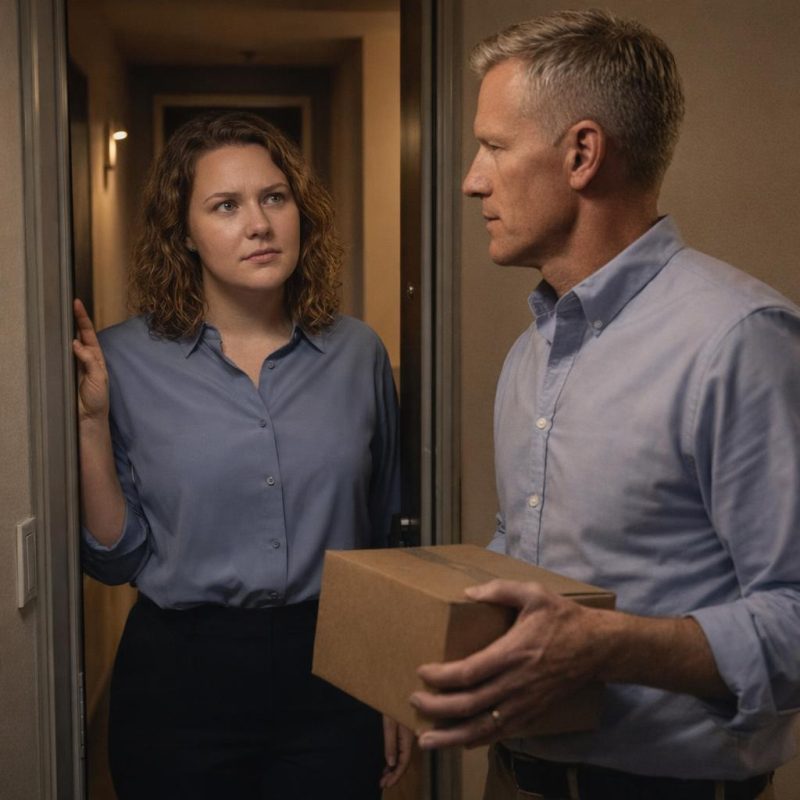 Image by RM AI
The Plan
Detective Park called me into her office the next day, and the moment I sat down across from her desk, I knew this was it. She explained that they had enough evidence to build a case, but what they really needed was to catch Marcus in the act—something undeniable, something that would make prosecution airtight. A sting operation. I would pretend to drink the drugged water that evening, feign unconsciousness at my usual bedtime, and wait. Police would be stationed around my building in unmarked cars, out of sight but ready to move on her signal. Officers would be positioned in the stairwells and hallways, close enough to reach me within seconds. She handed me a small panic button disguised as a keychain—if anything went wrong, if I felt unsafe for even a moment, I was to press it immediately. Park didn't sugarcoat the risks. There was real danger involved, she said, looking me straight in the eye. Marcus had been doing this for a long time, and cornered people were unpredictable. But I agreed anyway, because I needed this nightmare to end and I needed him to pay for what he'd done. We went over the plan three times, every detail, every contingency. When I stood to leave, Park placed the panic button in my palm and closed my fingers around it. She said two words that made my stomach drop and my resolve harden at the same time: "Tomorrow night."
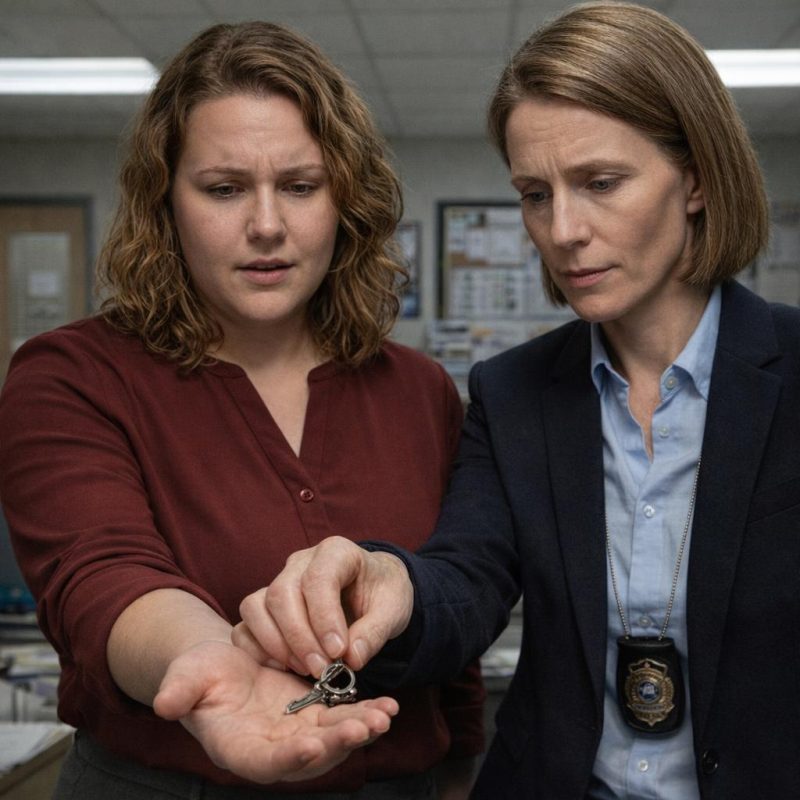 Image by RM AI
Bait
I arrived home the next evening knowing that everything was about to change. I sent Detective Park a text with the code we'd agreed on—a simple "home safe"—and within minutes I knew the operation was in motion. Somewhere outside my building, unmarked cars were parking at strategic distances. Officers were taking positions in stairwells and around exits, invisible but present. I went through my evening routine exactly as I always did, because any deviation could alert Marcus if he was watching somehow. I made dinner, turned on the television, scrolled through social media on my phone. At one point I walked to the kitchen and made a show of pouring water from the pitcher into a glass, then carried it to the living room where I pretended to drink while actually sipping from a sealed bottle I'd hidden behind the couch. Every movement felt performative and surreal, like I was acting in a play where the stakes were my actual life. At my usual bedtime, I turned off all the lights and climbed into bed fully clothed under the covers. The panic button was clutched in my right hand, hidden beneath the blanket. I lay there in the darkness with my eyes open, listening to every creak and settling sound in the building. Every minute felt like an hour. My breathing had to stay slow and even, my body perfectly still, because when Marcus came through that door, I had to look unconscious. I had to look like every other night he'd violated my home and my privacy, except this time, I would be awake for all of it.
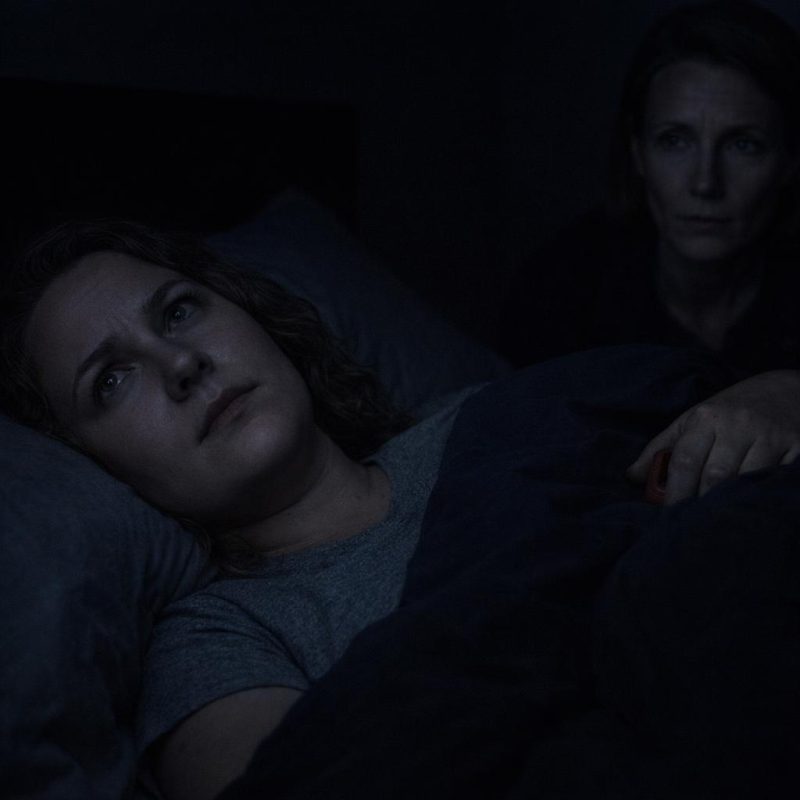 Image by RM AI
Waiting in Darkness
The darkness pressed against my open eyes as I lay motionless, fighting every instinct to move or shift position or check the time on my phone. My body ached from the tension of staying so still, muscles screaming for relief I couldn't give them. I thought about all the nights this had happened without my knowledge—Marcus moving through my apartment, touching my things, using my phone while I lay drugged and helpless in this same bed. The rage that bubbled up helped me stay focused through the fear. Hours crawled by in suffocating silence. Small sounds made my heart race—a door closing somewhere in the building, footsteps in the hallway that passed by my door, the elevator mechanism humming to life. Each time I thought it might be him, and each time it was nothing. I started to wonder if he would come at all tonight, if somehow he'd sensed the trap and decided to stay away. Maybe I'd have to do this again tomorrow night, and the night after that, lying here in the dark waiting for a violation that might never come. Then, at what I guessed was close to two in the morning, I heard it. The soft, unmistakable sound of a key sliding into my lock. Metal against metal, quiet and deliberate. The door handle began to turn with practiced slowness. Every muscle in my body wanted to tense, to run, to scream, but I forced myself to remain completely still. My hand tightened around the panic button under the covers, and I waited.
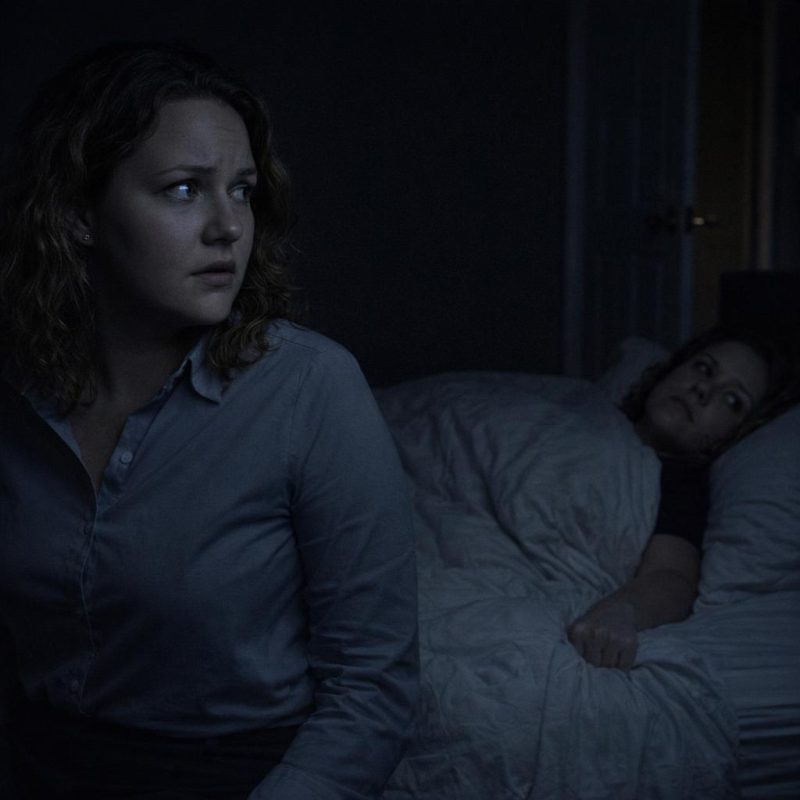 Image by RM AI
He's Here
The door opened slowly, and Marcus entered my apartment with the ease of someone who'd done this a hundred times before. I kept my eyes open just barely—the tiniest slit between my lashes—and watched his silhouette move through the darkness. He didn't fumble or hesitate. He knew exactly where everything was, navigating my space like it was his own. He approached the bedroom doorway and paused there, and I felt his eyes on me, watching for any sign of consciousness. I kept my breathing slow and deep, my body slack. Satisfied, he moved to my nightstand with quiet confidence. In the faint ambient light from the window, I watched him reach for my phone. His movements were practiced, efficient, completely comfortable. When he picked it up and the screen illuminated his face, I saw his expression clearly for the first time. He was smiling. Not a nervous smile, not the hurried expression of someone doing something wrong—he looked satisfied. Pleased. Almost content. The realization hit me like ice water: he enjoyed this. The power, the secret control, the violation of my privacy and autonomy while I lay helpless. This wasn't just about the money or the phone calls. This was something he took pleasure in. He began dialing a number, and I knew I needed to wait just a little longer, until he actually started speaking, until the evidence was absolutely undeniable. But watching that smile on his face in the darkness, I understood that Marcus had never seen me as a person at all.
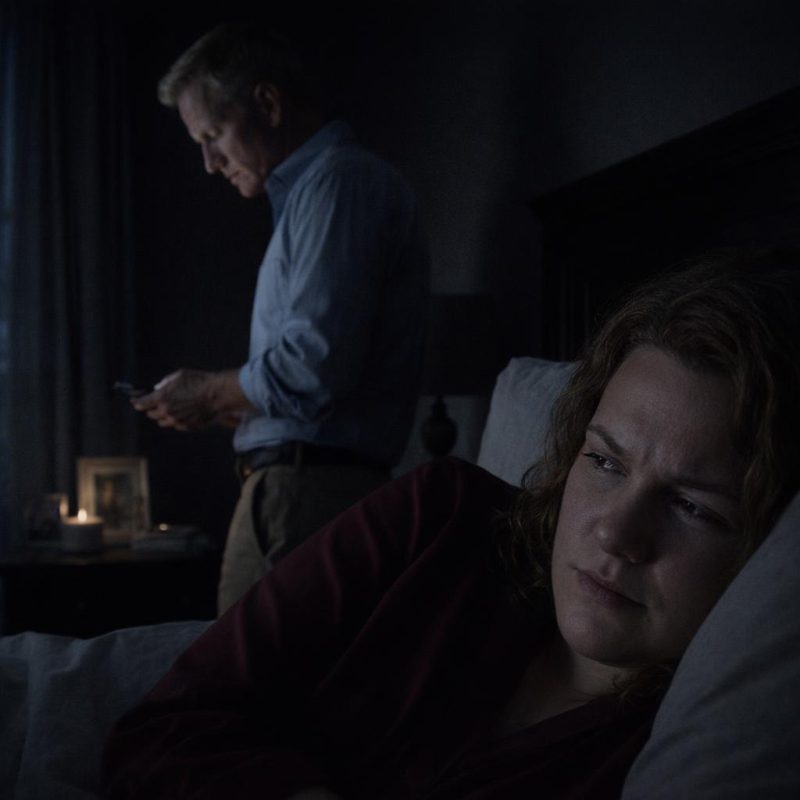 Image by RM AI
The Signal
Marcus lifted my phone to his ear and began speaking quietly in a language I didn't recognize, his voice calm and businesslike. This was it—the proof Detective Park needed, him actively using my phone for his criminal network. My thumb found the panic button under the covers, and I pressed it firmly. For one terrible moment, nothing happened. Then I heard the front door burst open with explosive force. Heavy footsteps thundered through my apartment, multiple sets of boots pounding toward the bedroom. Flashlight beams cut through the darkness like searchlights. Voices shouted "Police!" in overlapping commands that shattered the quiet. Marcus whirled toward the commotion, and my phone was still clutched in his hand—perfect, damning evidence. His face transformed in the span of a heartbeat, shifting from smug confidence to confusion to pure shock. Detective Park's voice cut through the chaos, sharp and authoritative, ordering him to get on the ground now. I sat up in bed, no longer pretending to be unconscious, and watched as the reality of what was happening crashed over him. His eyes found mine in the darkness, and I saw the exact moment he understood. I'd been awake. I'd been waiting. He'd walked straight into a trap, and the woman he'd been drugging and violating for months had been the one to set it. The look on his face was almost worth everything I'd been through.
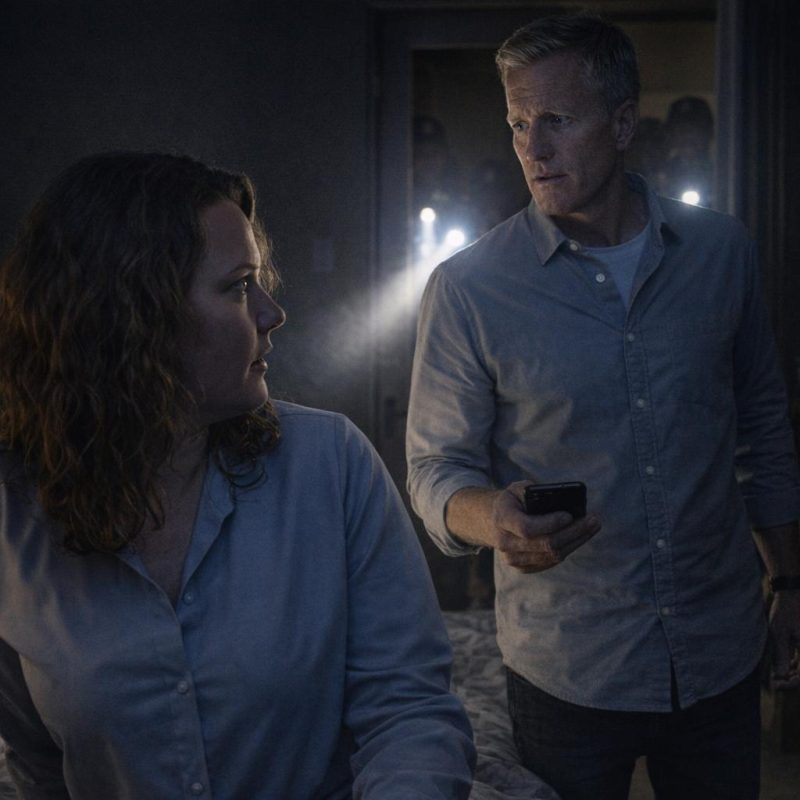 Image by RM AI
Cornered
Marcus stood frozen in the middle of my bedroom, surrounded by police officers with their weapons drawn and flashlights trained on him. He still held my phone in his hand, the evidence of his crime literally in his grip. His eyes darted around the room, scanning for an exit, some way out of this situation. But there was none—officers blocked the doorway, the windows, every possible escape route. Detective Park ordered him again to get on the ground, her voice leaving no room for negotiation. For a long moment Marcus didn't comply, and the tension in the room became electric. I could see him calculating, weighing his options, trying to find an angle. Then something in his posture shifted—a subtle slump of the shoulders, a resignation in his stance. He slowly lowered himself to his knees, movements deliberate and controlled even in surrender. An officer immediately stepped forward and took my phone from his hand, sealing it in an evidence bag. They secured his wrists with handcuffs, the metallic click echoing in the sudden quiet. As they pulled him to his feet and began marching him toward the door, Marcus turned his head to look directly at me. His voice was eerily calm, almost conversational, when he spoke. "You were supposed to stay asleep," he said, like I'd broken some unspoken rule between us. The words made my skin crawl, the casual entitlement in them revealing everything about how he'd seen this arrangement. Detective Park told him sharply to save it for his lawyer, and they hauled him out of my apartment and out of my life.
 Image by RM AI
Aftermath
The apartment was still full of police activity—officers photographing evidence, documenting the scene, speaking in low voices—but the immediate threat was gone. Marcus was in custody, being transported to the station in the back of a police car. I sat on my couch wrapped in a blanket someone had draped over my shoulders, still processing the fact that it was actually over. Detective Park stayed with me while her team worked, and as the adrenaline began to fade, she started sharing what they'd learned. Marcus's operation was bigger than they'd initially thought. He'd been doing this for over a decade, moving between buildings and cities under different names, always targeting single women who lived alone. The international calls I'd been charged for were part of a sophisticated identity theft network—my phone bills had literally funded criminal operations overseas. Park explained that they would need my full cooperation for the prosecution, that the evidence I'd gathered and the sting operation tonight would be crucial to putting him away. Then she told me something that made my stomach turn. There had been other victims before me. Multiple women across multiple buildings over many years, all of them drugged, all of them violated in the same way. I felt sick knowing I wasn't the first, that this had been Marcus's pattern for so long. But Park looked me in the eye and said that because of what I'd done, because I'd fought back and gathered evidence and been brave enough to set this trap, I might be the last. I might be the one who finally stopped him.
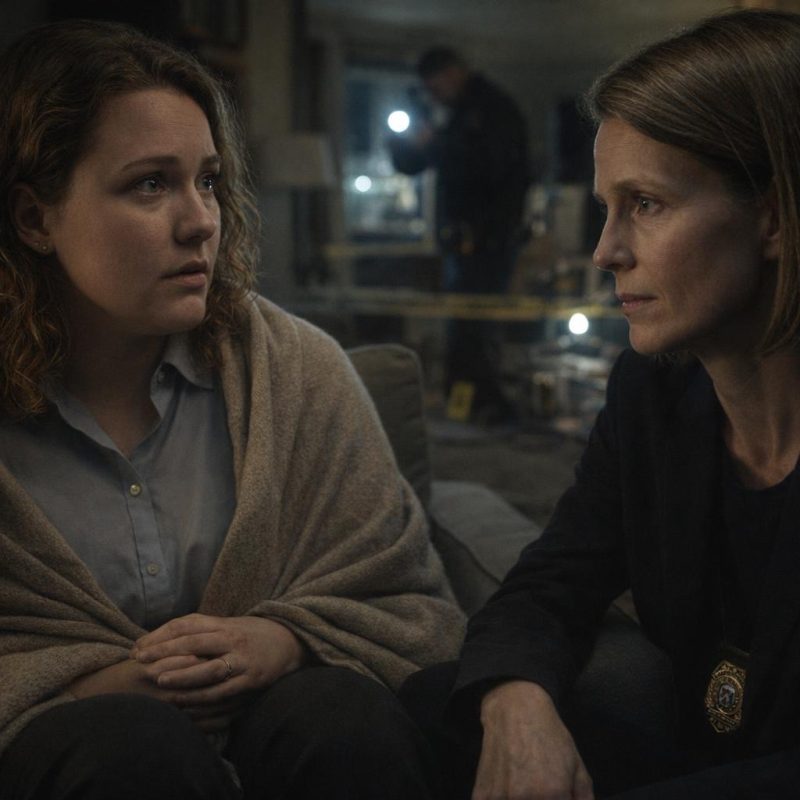 Image by RM AI
Not the Only One
Detective Park called me three days after Marcus's arrest with news that made my stomach drop. They'd searched his apartment and found filing cabinets full of tenant records—not just from my building, but from at least seven other properties he'd managed over the past decade. He'd kept meticulous logs. Names, addresses, work schedules, daily routines. Some files had notes about phone usage patterns, sleep schedules, whether the tenant lived alone. Park said they were cross-referencing the addresses with police reports and found complaints that matched my experience almost exactly. Unexplained phone charges. Items moved around apartments. Persistent grogginess and memory gaps. Women who'd reported feeling watched or violated but had no proof. Most of them had eventually moved away, chalking it up to stress or bad luck. A few had filed reports that went nowhere because there was no evidence of forced entry, no witnesses, nothing concrete. Marcus had been so careful, so patient. He chose victims who wouldn't be believed, who'd doubt themselves before they'd suspect him. I thought about all those women who never got answers, who probably still wondered if they were losing their minds. Park told me that because I'd kept pushing, because I'd trusted my instincts enough to gather evidence, we might finally be able to give them closure. I was grateful I'd kept looking for the truth—but God, I wished I'd been the first instead of just the one who finally proved it.
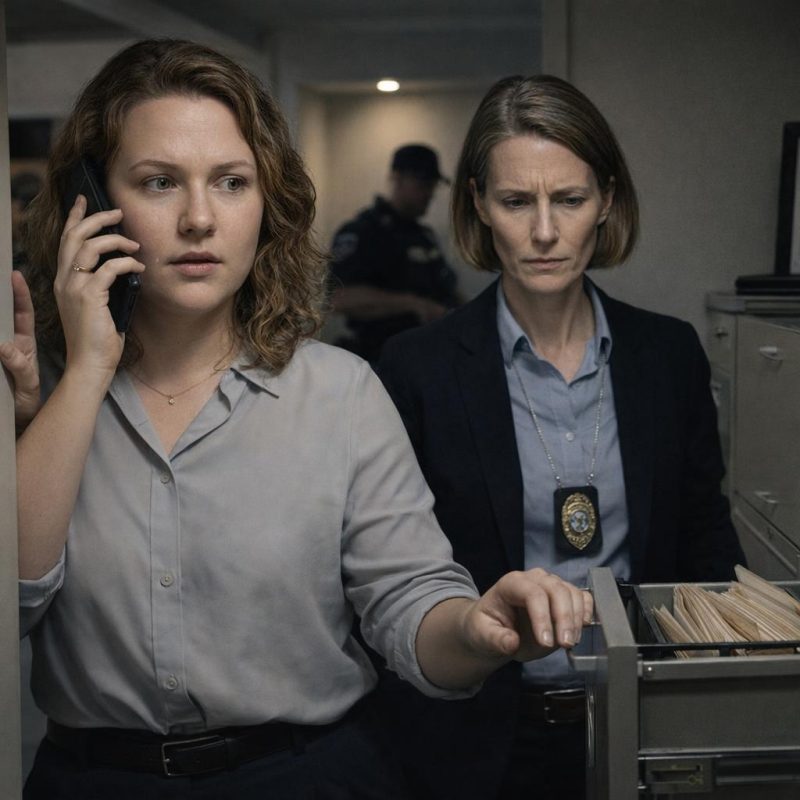 Image by RM AI
Moving On
I spent the next two weeks packing up the townhouse, and every room felt like a crime scene I had to dismantle box by box. The nightstand where my phone had sat during his visits went to Goodwill. I couldn't even look at it. The water pitcher from my kitchen went straight into the trash—I'd never trust an open container again. Maya came over most evenings to help me wrap dishes and fold clothes, and she didn't ask questions when I threw away perfectly good items that just felt contaminated. I found a smaller apartment across town, one with a doorman and security cameras in every hallway. It cost more than I wanted to spend, but I needed to feel safe. On moving day, I had the locks changed before I even brought in furniture. My last afternoon in the townhouse, I walked through the empty rooms one final time. I let myself feel the weight of what had happened here—the violation, the fear, the months of thinking I was going crazy. Then I closed the door, loaded the last box into my car, and drove away without looking back at the building in my rearview mirror. I had my first therapy appointment scheduled for the following week. It was time to start putting the pieces of myself back together.
 Image by RM AI
Rebuilding
Two weeks after I moved, I invited Maya to dinner at a quiet restaurant downtown. It was the first time we'd really talked since everything ended, and I needed her to understand what I'd been through. I told her the whole story from beginning to end—the phone bills, the grogginess, the feeling of being watched, the investigation, the sting operation. I explained how isolated and terrified I'd felt, how I'd pushed everyone away because I didn't know who to trust. Maya listened without interrupting this time, really listened, and when I apologized for being so distant and paranoid during those months, she shook her head and reached across the table to take my hand. "I'm sorry I didn't believe you at first," she said, and her voice cracked slightly. "I should have trusted your instincts. I should have known you weren't imagining things." Hearing those words meant more to me than I'd expected. I hadn't realized how much I needed that acknowledgment, that validation that I hadn't been crazy or dramatic. We talked about the upcoming trial and what testimony would involve, and Maya offered to come with me to every court appearance. I accepted—the old me would have insisted on handling it alone, but I was learning that accepting support wasn't weakness. We made plans to have dinner every week, and when we left the restaurant that night, our relationship felt stronger than it had in years.
 Image by RM AI
A New Normal
I woke up on a Saturday morning in my new apartment with sunlight streaming through windows I'd chosen myself, in a building where I'd installed my own locks and changed them twice already. Out of habit, I reached for my phone on the nightstand—a gesture that used to fill me with immediate dread. I checked the screen and saw normal things. A text from Maya asking about brunch plans. An email from work about a project deadline. A notification that my phone bill was ready to view, and I opened it without my hands shaking. Sixty-two dollars. All my calls. All my data. Nothing sinister, nothing unexplained. I set the phone down and realized I wasn't afraid of what I might find anymore. In my small kitchen, I made coffee using water from a sealed bottle I'd bought myself—someday I'd trust a pitcher again, but not yet, and that was okay. Therapy was helping me understand that healing wasn't linear, that some cautions were reasonable and some I'd eventually outgrow. I stood at my window looking out at the city, thinking about the trial coming up and the testimony I'd have to give. Marcus was in custody and couldn't hurt anyone else. That knowledge didn't erase what happened, but it meant something. I sipped my coffee and thought about the future—uncertain, complicated, mine again.
 Image by RM AI
KEEP ON READING

20 Powerful Ancient Egyptian Gods That Were Worshipped
Unique Religious Figures in Ancient Egypt. While most people are…
By Cathy Liu Nov 27, 2024
The 10 Scariest Dinosaurs From The Mesozoic Era & The…
The Largest Creatures To Roam The Earth. It can be…
By Cathy Liu Nov 28, 2024
The 20 Most Stunning Ancient Greek Landmarks
Ancient Greek Sites To Witness With Your Own Eyes. For…
By Cathy Liu Dec 2, 2024
10 Historical Villains Who Weren't THAT Bad
Sometimes people end up getting a worse reputation than they…
By Robbie Woods Dec 3, 2024
One Tiny Mistake Exposed A $3 Billion Heist
While still in college, Jimmy Zhong discovered a loophole that…
By Robbie Woods Dec 3, 2024
30 Lost Treasures That Vanished From History
Buried treasure, missing artefacts, legends of ancient gold in them…
By Robbie Woods Dec 3, 2024