 Ephraim Stillberg on Wikimedia
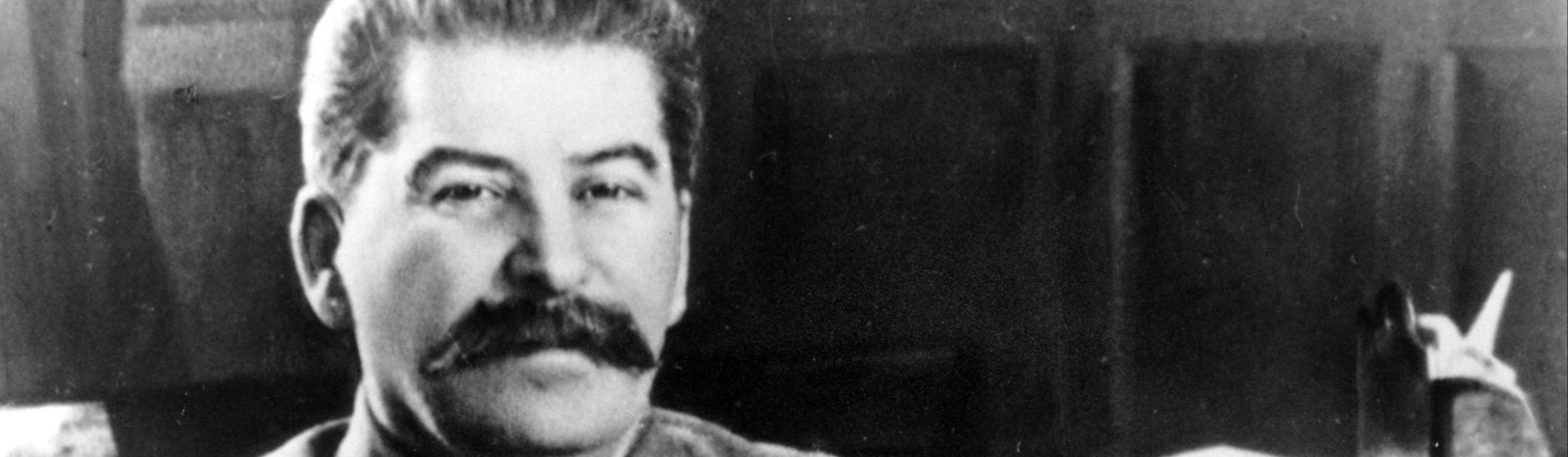
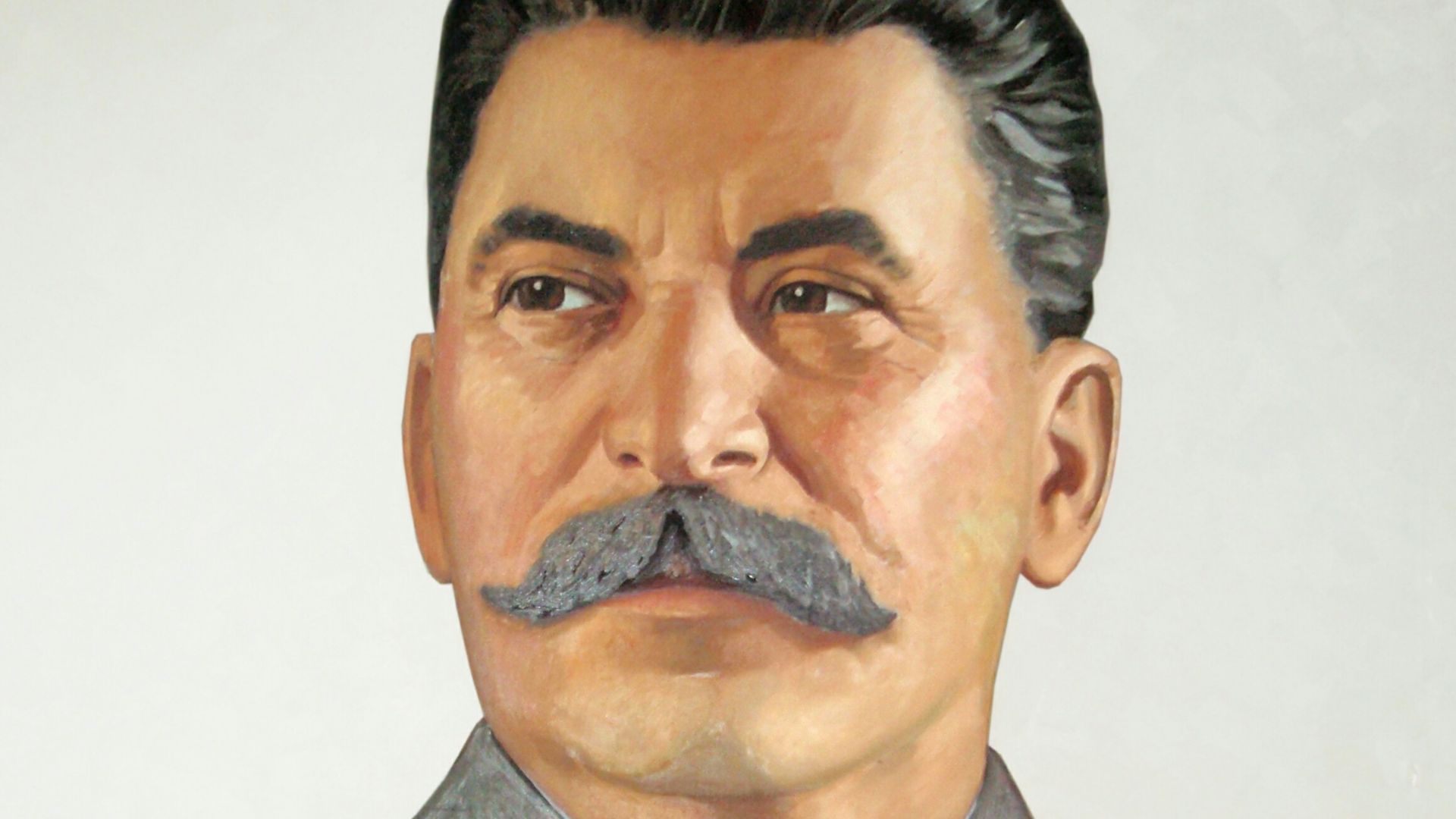
Joseph Stalin is one of the most brutal figures of the 20th century, responsible for mass repression, political purges, deportations, famine, and a system of terror that devastated millions of lives. So it can feel shocking, even jarring, to hear that some Georgians still speak of him with pride, respect, or even admiration.
The reason isn’t simple approval of everything he did. In Georgia, Stalin’s legacy is tangled with national pride, Soviet nostalgia, family memory, local identity, and the strange emotional power of seeing someone from a small country rise to rule a global superpower. It’s not a tidy story, but history rarely is.
The “Local Boy Made Good” Effect Still Matters
Stalin was born Ioseb Jughashvili in Gori, a town in central Georgia, and that fact still carries symbolic weight. For some Georgians, especially in and around Gori, he represents the poor Georgian boy who rose from provincial obscurity to become one of the most powerful men in the world. That doesn’t erase his crimes, but it helps explain why pride and horror can exist in the same conversation.
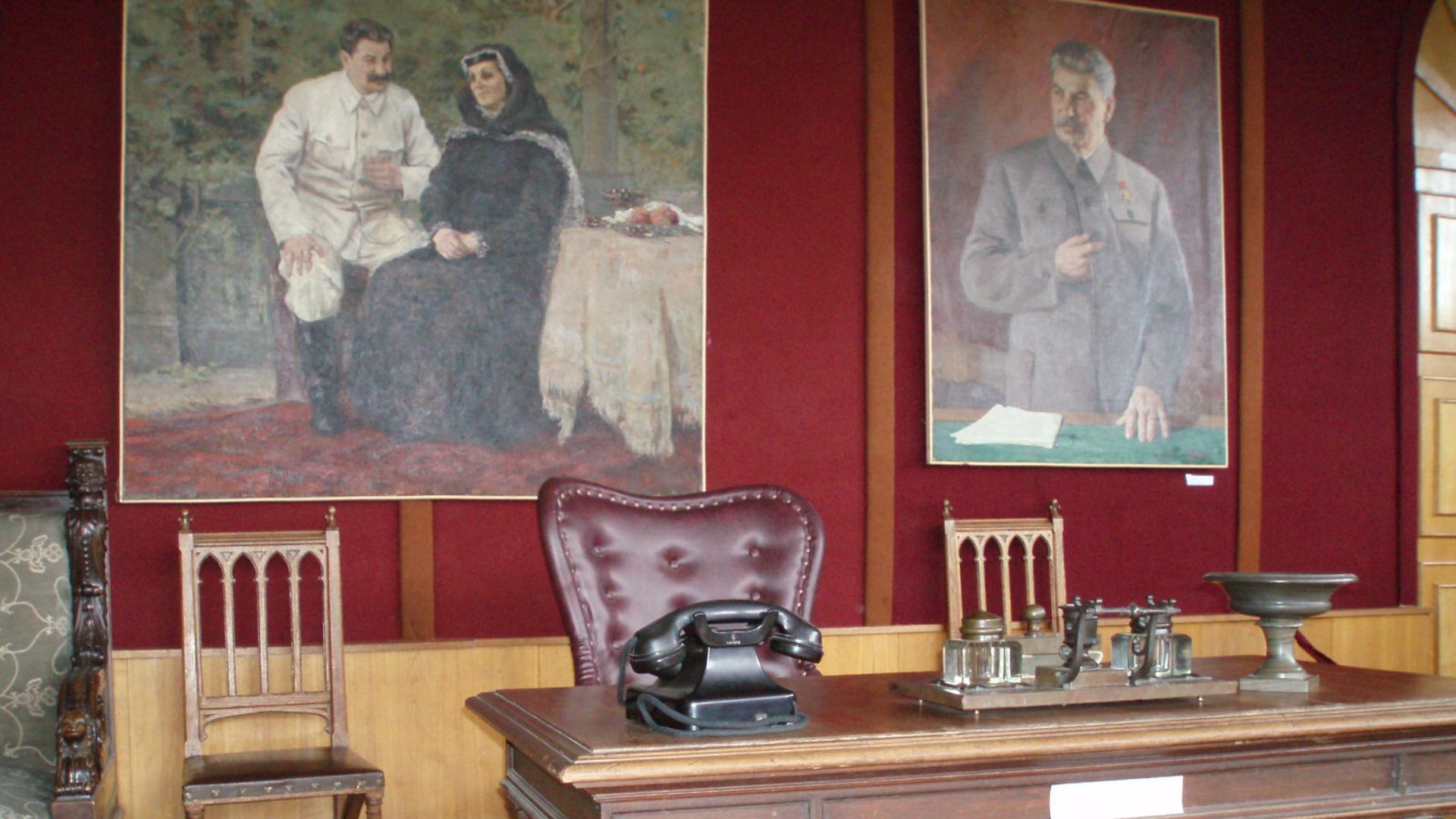
Gori’s Stalin Museum has played a major role in preserving that complicated memory. The museum was opened during the Soviet era and has often been criticized for presenting Stalin’s life with limited attention to the victims of his rule. Visitors can still see his childhood home, personal objects, and exhibits that emphasize his rise to power. That kind of setting can make him feel less like a distant dictator and more like a famous hometown figure.
There’s also a national status issue at work. Georgia is a small country that has often been dominated by larger empires and neighboring powers. To some people, Stalin’s Georgian origin feels like proof that a Georgian could command world history rather than be crushed by it. Despite his atrocities, Stalin was without a doubt the most powerful Georgian ever, and that can still be a source of pride for some, even if it's mixed with other feelings.
Soviet Nostalgia Softens the Edges
Some admiration for Stalin is really nostalgia for parts of Soviet life, especially among older people or communities that experienced the post-Soviet collapse as chaotic and painful. The end of the USSR brought independence, but it also brought economic hardship, institutional breakdown, conflict, and uncertainty for many families. When people remember the Soviet period as stable or orderly, Stalin can become attached to that feeling, even if the actual history was far darker.
Surveys have shown that Georgians can hold surprisingly mixed views of Stalin. A CRRC analysis of Caucasus Barometer data found that Georgians had more positive attitudes toward Stalin than Armenians or Azerbaijanis, though only a small share chose “admiration” as their main feeling; “respect” and “sympathy” were more common. Many people aren’t praising terror; they may just be responding to an image of strength, order, or national achievement instead.
The Soviet victory in World War II also shaped Stalin’s image. In former Soviet memory, Stalin is often tied to defeating Nazi Germany, industrializing the USSR, and turning the country into a superpower. Those achievements are real historical associations, even though they came alongside catastrophic human costs. For some admirers, the victory story becomes so large that it crowds out the prison camps, purges, and fear.
Politics Keeps the Argument Alive
Stalin’s image isn't just about the past; it still gets used in present-day political battles. Some Georgian critics argue that Stalin nostalgia can support pro-Russian narratives by softening memories of Soviet domination and making authoritarian power seem respectable.
The debate has intensified because Georgia’s national identity is still being fought over. Many Georgians strongly support European integration, but Soviet memory hasn't disappeared, and public arguments over monuments, museums, churches, and statues keep returning. The Guardian reported that new Stalin statues in parts of Georgia had become symbols in a larger struggle over who gets to control the country’s past.
Generational differences make the issue even sharper. Younger Georgians are often more likely to see Stalin through the lens of dictatorship, Russian imperial influence, and historical trauma, while some older people remember him through family stories, Soviet education, or local pride. That doesn’t mean every older Georgian admires him or every younger Georgian rejects him, but it does help explain why the argument can feel so emotional. Stalin isn't only a historical figure in Georgia; he’s a test of how the country understands itself.
Many Georgians who still see Stalin as a hero are usually responding to a highly selective version of him. They focus on the Georgian-born ruler, the wartime leader, the symbol of strength, or the hometown legend, while minimizing or separating him from the terror he oversaw. That selective memory is uncomfortable, but it’s also a reminder that historical reputations are built not only from facts, but from pride, pain, nostalgia, and politics.
KEEP ON READING