

This Infamous Ancient Greek Burned Down An Ancient Wonder Just For Everlasting Fame
This Infamous Ancient Greek Burned Down An Ancient Wonder Just For Everlasting Fame
History remembers kings and conquerors, but sometimes, it also remembers the destroyers. Among them stands Herostratus, a name that shouldn’t have survived at all. He was neither noble nor brilliant, yet he succeeded in securing a kind of immortality that’s both tragic and fascinating. His story reminds us that fame is a dangerous obsession, one that can twist a man’s sense of worth into ashes.
Let’s step back to the night when one man decided to burn himself into history, quite literally.
The Night The Temple Fell
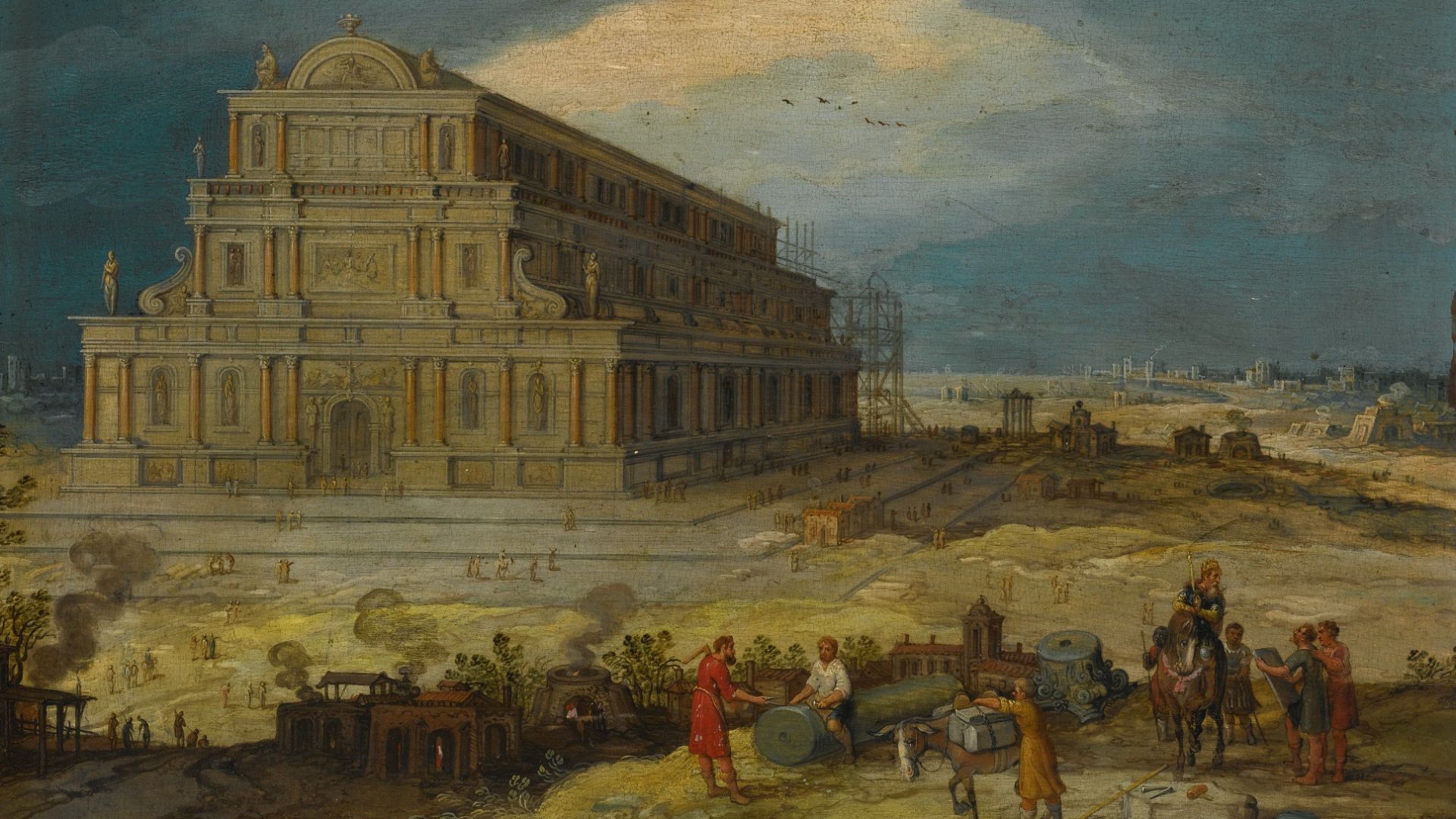 Hendrik van Cleve (III) (c. 1525–1590/95) on Wikimedia
In 356 BCE, the grand Temple of Artemis at Ephesus stood as one of the Seven Wonders of the Ancient World. It was enormous (four times larger than the Parthenon) and dedicated to the goddess of the hunt and fertility. Travelers described its white marble columns rising from the earth like frozen fire, gleaming under the Anatolian sun.
On one fateful July night, that brilliance was replaced by flames. As the story goes, while the rest of Ephesus slept, a man named Herostratus crept into the temple carrying torches and oil. With calm deliberation, he set the wooden beams ablaze. When guards caught him, Herostratus didn’t flee or plead for mercy. Instead, he confessed immediately. He wanted his name to be remembered forever, no matter the cost.
The timing of his act also deepened its mystique. That same night (according to legend), Alexander the Great was born. Ancient writers loved coincidences, and this one was irresistible: as one symbol of Greek glory was destroyed, another was born. Some even said Artemis, goddess of the temple, was too occupied attending Alexander’s birth to save her own sanctuary.
A Name That Wasn’t Supposed To Survive
The people of Ephesus were furious. Their spiritual heart and one of the world’s most celebrated monuments had been destroyed by a man seeking fame. In response, the city banned the mention of his name. They decreed that anyone who repeated it would face execution. The order was meant to erase him completely, to make his act meaningless.
However, human curiosity is hard to silence. Ancient historians like Theopompus recorded the event anyway, ensuring that Herostratus’ name would endure precisely because it wasn’t supposed to. Today, his name survives as a word in multiple languages. In English, “Herostratic fame” refers to fame achieved through criminal or destructive acts.
The Fire That Never Went Out
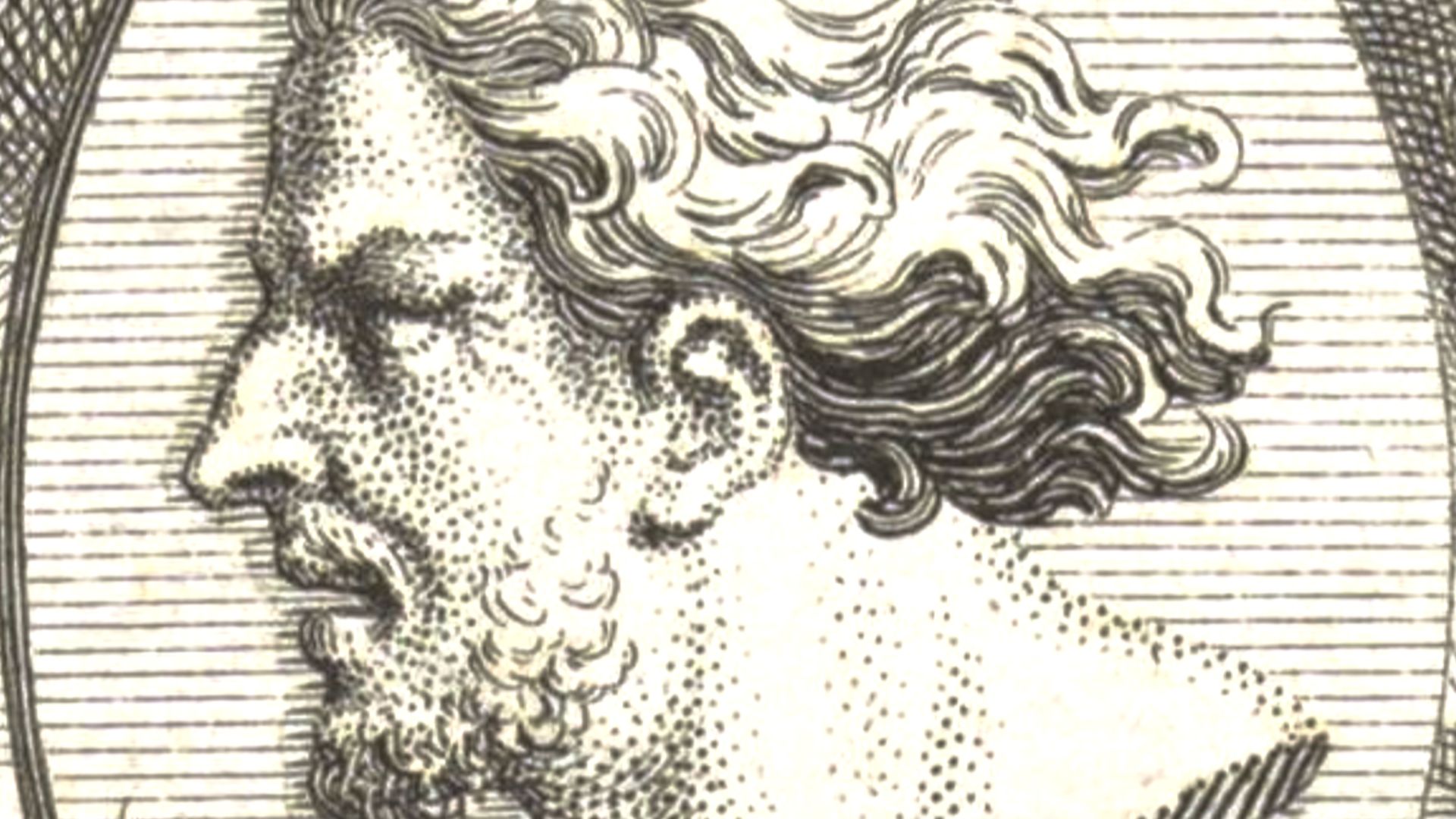
When you think about it, Herostratus’s story isn’t just about a temple or a man. It’s about a flaw in human nature that hasn’t gone away. We still see people chasing notoriety at any cost, with burning reputations, careers, or communities for a flash of attention. That’s what makes his story so eerily modern.
So when we think of Herostratus, maybe we shouldn’t just shake our heads at his madness. Maybe we should ask the question his act forces on us: what kind of fame is worth remembering?
KEEP ON READING
The story of Ching Shih, the Woman Who Became the…
Unknown author on WikimediaFew figures in history are as feared…
By Emilie Richardson-Dupuis Dec 29, 2025
Einstein's Violin Just Sold At An Auction—And It Earned More…
A Visionary's Violin. Wanda von Debschitz-Kunowski on WikimediaWhen you hear…
By Ashley Bast Nov 3, 2025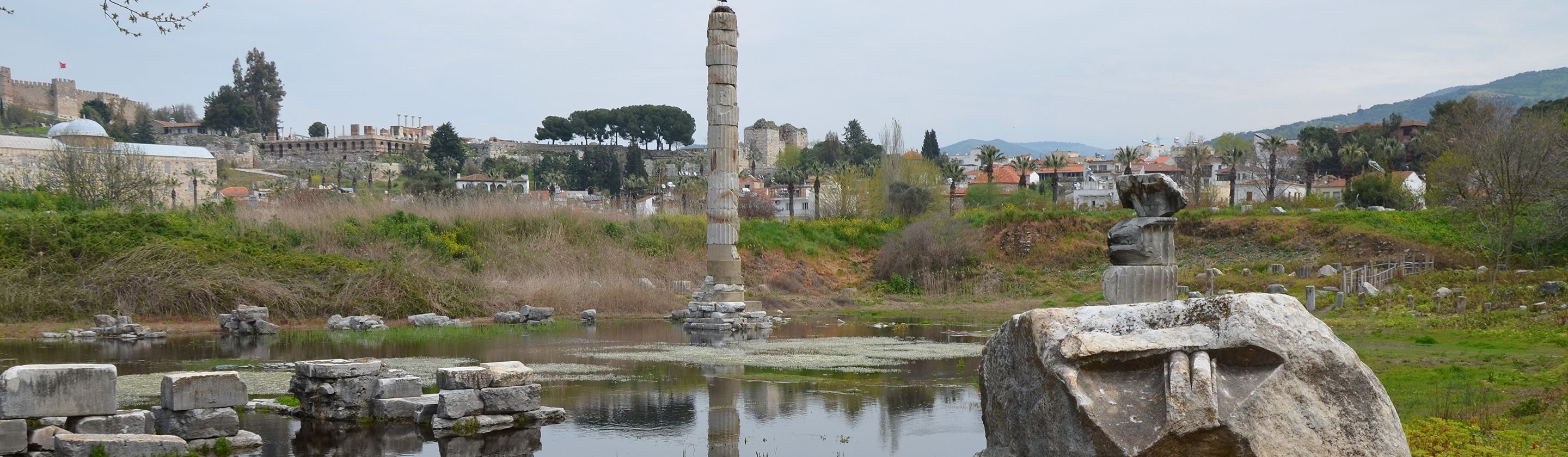
This Infamous Ancient Greek Burned Down An Ancient Wonder Just…
History remembers kings and conquerors, but sometimes, it also remembers…
By David Davidovic Nov 12, 2025
The Mysterious "Sea People" Who Collapsed Civilization
3,200 years ago, Bronze Age civilization in the Mediterranean suddenly…
By Robbie Woods Mar 18, 2025
10 Reasons Picasso Was A Monster & 10 Reasons People…
The Art Was Real and So Was the Damage. Pablo…
By Cameron Dick Jun 25, 2026
20 Soldiers Who Defied Expectations
Changing the Rules of the Battlefield. You’ve probably heard plenty…
By Annie Byrd Feb 10, 2026