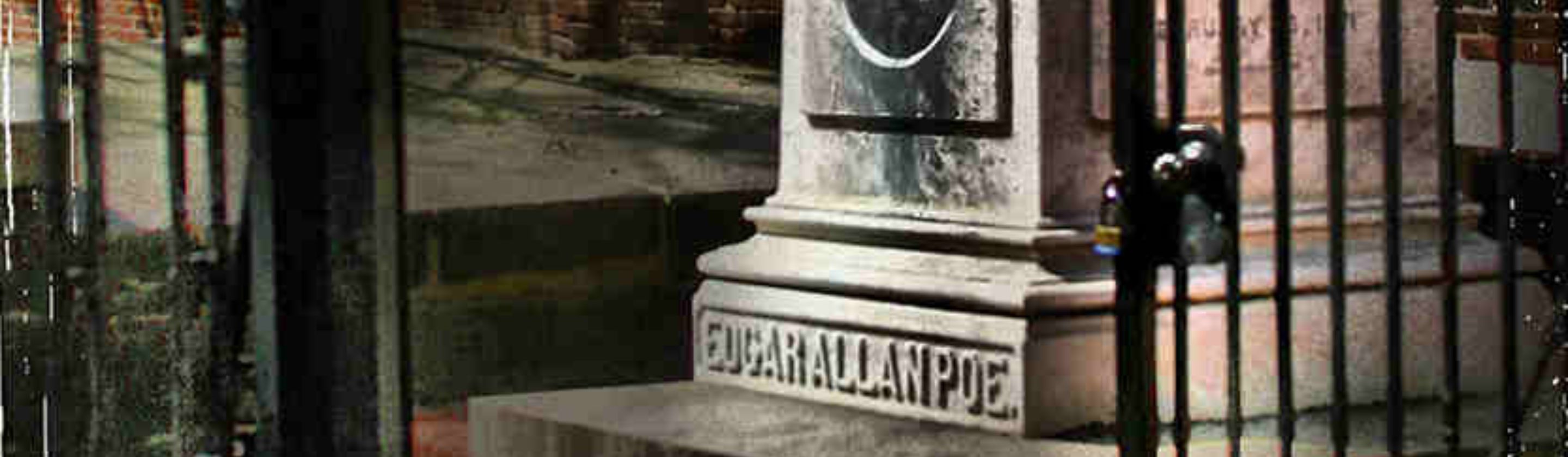
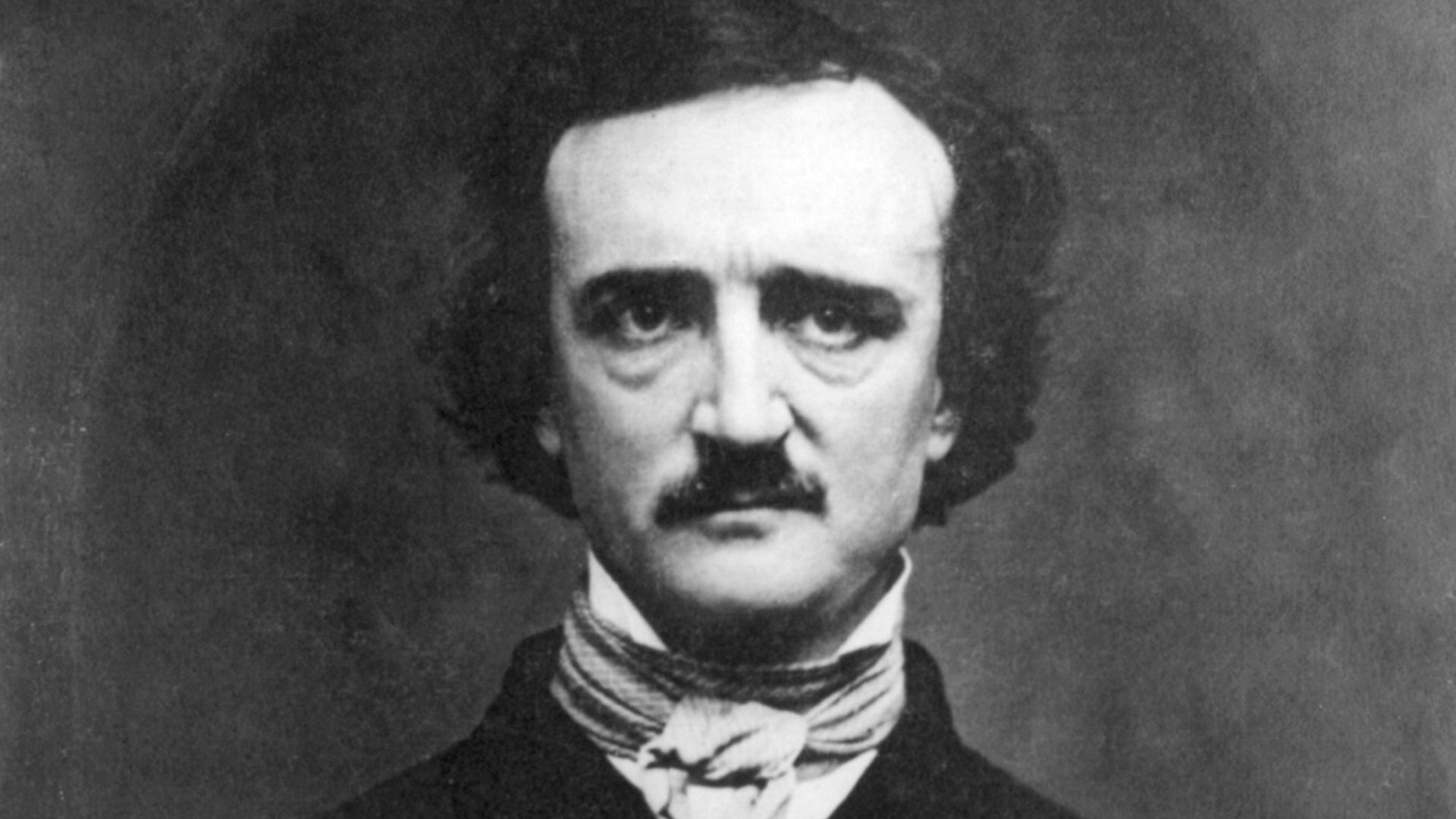
Edgar Allan Poe built his reputation by writing stories filled with mystery, murder, and psychological horror. Few authors have influenced literature as profoundly, inspiring generations of writers with works like The Tell-Tale Heart, The Raven, and The Fall of the House of Usher. Ironically, the circumstances surrounding his own death have become one of history's most enduring mysteries.
More than 175 years later, historians still debate exactly what happened during Poe's final days. Conflicting eyewitness accounts, missing medical records, and countless rumors have made separating fact from fiction remarkably difficult. While several plausible explanations exist, no single theory has ever managed to solve the puzzle completely.
Poe's Final Days Took a Bizarre Turn
In late September 1849, Poe left Richmond, Virginia, reportedly bound for Philadelphia before eventually planning to return to New York. Along the way, something clearly went wrong. His whereabouts for several days remain largely unknown, creating one of the biggest gaps in the historical record surrounding his life.
On October 3, 1849, Poe was discovered outside Ryan's Tavern in Baltimore in a confused and severely distressed condition. A printer named Joseph Walker found him wearing clothing that didn't appear to belong to him and immediately sent a note requesting medical assistance. Witnesses described Poe as incoherent and unable to explain how he had ended up there.
He was admitted to Washington College Hospital under the care of Dr. John Joseph Moran. Over the next four days, Poe drifted in and out of consciousness, reportedly experiencing periods of agitation and confusion. He died on October 7 at the age of just 40, never providing a clear account of what had happened.
The Theories Behind Poe's Death
Alcohol has long been one of the most common explanations for Poe's death, partly because of his complicated relationship with drinking. Some early biographers portrayed him as an alcoholic whose final binge proved fatal. However, later evidence suggests Poe may actually have had a very low tolerance for alcohol and often avoided drinking altogether. That has led many historians to question whether intoxication alone could explain his condition.
Another widely discussed theory involves a practice known as "cooping," an election fraud scheme that plagued nineteenth-century American cities. Criminal gangs sometimes kidnapped people, forced them to vote multiple times in different disguises, and often intoxicated or assaulted them during the process. Poe was found on Election Day near a polling location, wearing clothes that didn't fit him, which has fueled speculation that he may have become one of its victims. While the idea is compelling, no direct evidence has ever confirmed it.
Several modern researchers have suggested that Poe may have died from an undiagnosed medical condition rather than foul play. Rabies is one of the better-known theories because hospital records summarized years later described symptoms such as confusion, agitation, and difficulty drinking water, all of which can occur during the disease's later stages. However, no one knows whether Poe had actually been bitten by an infected animal, leaving the theory impossible to confirm.
Others believe a neurological or cardiovascular problem could provide a more straightforward explanation. Brain tumors, epilepsy, stroke, heart disease, and even diabetes have all been proposed based on the limited accounts of Poe's final illness. Since the original hospital records disappeared long ago, doctors can't compare those historical descriptions with modern diagnostic methods.
Some historians have also pointed to cholera, influenza, or another serious infection that may have progressed rapidly. Baltimore was no stranger to outbreaks of infectious diseases during the mid-nineteenth century, and medical care was far less advanced than it is today. What might be treatable in a modern hospital could easily have become fatal in 1849. Unfortunately, the original medical records from Washington College Hospital have disappeared, making it impossible to verify any of these theories with certainty.
Why the Mystery Endures
Part of the reason Poe's death remains unsolved is that many early accounts are inconsistent. Dr. Moran later gave several different versions of Poe's final hours, changing details as the years passed. Some historians believe his recollections became less reliable over time, while others think he may have embellished certain aspects of the story. Those contradictions have only added to the confusion.
Poe's reputation also suffered immediately after his death because of Rufus Wilmot Griswold, a literary rival who published an unflattering obituary and later wrote a highly biased biography. Griswold portrayed Poe as unstable, dishonest, and perpetually drunk, shaping public opinion for decades despite many exaggerations and outright falsehoods. Those misleading accounts complicated efforts to understand what really happened during Poe's final days. Modern scholars have spent years correcting many of Griswold's claims.
The mystery itself has become part of Poe's legacy. Readers who admire his fiction often find it strangely fitting that the man who mastered suspense left behind an unanswered question of his own. While historians continue examining new evidence and revisiting old theories, it's entirely possible the truth disappeared along with the missing records more than a century ago. Until new evidence somehow emerges, Edgar Allan Poe's death will remain one of literature's greatest mysteries.